


- 全て
- NEWTOPのお客様事例
- NEWTOP エクスプローラー ハブ
- NEWTOP 業界の洞察
When buyers compare propane vs gasoline generator run time, the number of hours printed on a product page rarely tells the whole story. Runtime changes with the amount of usable fuel, generator load, fuel-specific rated output, tank or cylinder size, ambient temperature, and the way fuel is replenished.
With the same liquid volume and a comparable electrical load, gasoline will generally support a longer run because it contains more energy per gallon. The U.S. Energy Information Administration lists motor gasoline at about 120,214 Btu per gallon and propane at about 91,452 Btu per gallon. A larger propane cylinder or bulk tank, しかし, can provide more total fuel than a generator’s built-in gasoline tank and may therefore keep the generator operating for longer overall.
The useful question is not simply, “Which fuel lasts longer?」
It is:
How long can the generator support the required load with the fuel supply actually available at the site?
Why Published Run-Time Numbers Are Difficult to Compare
A runtime figure only becomes meaningful when the test conditions are clear.
Consider two specifications:
- Generator A: 10 実行時間数時間
- Generator B: 8 実行時間数時間
Generator A appears to perform better. But suppose its figure was recorded at 25% load, while Generator B was tested at 50% load. The longer figure no longer proves better fuel performance because the second generator was producing more electricity during the test.
Fuel quantity creates another problem. A gasoline runtime figure may be based on the generator’s full onboard tank, while the propane figure may use one portable cylinder. Those containers do not necessarily hold comparable amounts of usable energy.
A proper comparison needs answers to five questions:
How much fuel was used?
For gasoline, check the tank capacity in liters or gallons. For propane, check the actual fuel weight or usable liquid capacity of the cylinder.
What load was applied?
Runtime at 25% load cannot be compared directly with runtime at 50% or rated load.
Was output different on each fuel?
Dual-fuel generators may provide different rated and maximum outputs on gasoline and propane. The same appliance load can therefore represent a different percentage of the generator’s capacity on each fuel.
Was economy mode active?
An engine that automatically reduces speed under light demand may consume less fuel than one operating at a fixed speed.
Were the operating conditions similar?
温度, elevation, equipment condition, and load changes can all move real-world runtime away from the published figure.
Without these details, an advertised number should be treated as a reference rather than a promise.
Put Both Fuels on the Same Basis
The simplest runtime estimate is:
Estimated runtime in hours = usable fuel quantity ÷ hourly fuel consumption at the expected load
The fuel quantity and consumption rate must use matching units. Pounds of propane cannot be divided directly by a gasoline consumption figure expressed in liters per hour. Similarly, a fuel-consumption value stated in grams per kilowatt-hour needs rated output and fuel mass before it can be translated into operating hours.
The expected load also needs to reflect real use.
A generator supplying steady lighting may consume fuel differently from the same generator powering a refrigerator, compressor, ポンプ, or construction tool. Motor-driven equipment can draw substantially more power during startup, and repeated starting cycles affect consumption even when average running wattage appears moderate.
Before comparing fuels, buyers should calculate:
- The equipment expected to run at the same time
- Normal running wattage
- Starting or surge demand
- Expected average load during the operating period
- The amount of reserve capacity needed
Using maximum generator output as the normal load figure will produce a misleading runtime estimate. Maximum output is intended for temporary demand, not continuous operation.
Fuel Supply Can Reverse the Result
The higher energy content of gasoline per gallon does not automatically mean that every gasoline setup will run longer. The total fuel supply often decides the practical outcome.
ガソリン: A Fixed Onboard Supply
Portable gasoline generators commonly carry their fuel in an integrated tank. This creates a clear, self-contained setup: the generator is transported with its tank, filled before use, and operated until fuel runs low.
The main limitation is fixed capacity. A 15-liter or 25-liter tank cannot be expanded without stopping the generator and refueling it according to the manufacturer’s instructions.
Gasoline condition also affects readiness. Fuel left unused for extended periods can deteriorate, so a generator intended for emergency use needs a fuel rotation and maintenance plan. Long theoretical runtime has little value when old fuel, 預金, or a neglected carburetor prevents dependable startup.
Propane: Runtime Depends on the Connected Supply
Propane is stored as a liquid under pressure and changes into gas as pressure is released for combustion. This makes external cylinders and larger storage tanks possible, giving users more flexibility over the quantity of fuel connected to the generator.
A small portable cylinder may provide less runtime than a full gasoline tank. A larger propane supply may provide considerably more. The comparison changes each time cylinder capacity changes.
Propane delivery also depends on vaporization. Tank size, liquid level, surrounding temperature, 湿度, and the tank surface in contact with liquid all affect the rate at which propane can turn into usable vapor. Lower temperatures and lower fuel levels reduce vaporization capacity, while tank frosting can further restrict it.
For a larger generator operating under sustained load, buyers therefore need to check more than total propane quantity. The cylinder and regulator system must also be able to supply fuel at the required rate.
Three Runtime Questions Buyers Actually Ask
Published hour figures become easier to assess when they are connected to a specific operating requirement.
“Can the generator cover one full work shift?」
A contractor planning an eight-hour shift should not begin with the brochure’s longest runtime claim. The calculation should use the expected average site load.
Power tools may run intermittently, while lighting, パンプス, charging equipment, or temporary facilities may stay active throughout the day. Motor-starting demand and repeated load changes also need to be included.
The fuel plan should show:
- Expected consumption during the shift
- Fuel remaining at the end of the shift
- Whether refueling or changing cylinders will interrupt work
- How reserve fuel will be transported and stored
- Whether the propane supply can maintain adequate vaporization under the expected temperature and load
A nominal ten-hour runtime at light load may not cover an eight-hour shift once heavier equipment is connected.
“Can it run through an overnight outage?」
Overnight backup is usually less about maximum output and more about maintaining essential loads.
Refrigeration, selected lighting, communication equipment, fans, security systems, and a small water pump may use much less power than the generator’s full rated capacity. Removing non-essential equipment can extend runtime more effectively than increasing fuel storage alone.
Buyers should calculate the likely nighttime load rather than using the total wattage of every appliance on the property. They should also allow a reserve rather than planning to empty the tank or cylinder completely before morning.
For portable generators, overnight operation still requires safe placement, weather protection, exhaust clearance, and regular supervision. Runtime should never be extended by moving the generator into a garage, shed, or other enclosed area.
“Can runtime be extended without buying a larger generator?」
Often, はい.
Possible measures include:
- Reducing unnecessary electrical loads
- Avoiding simultaneous startup of high-demand equipment
- Using a larger compatible propane supply
- Scheduling heavy equipment for separate operating periods
- Maintaining the engine, エアフィルター, and fuel system
- Selecting a generator whose rated output places the normal load in a more suitable operating range
A larger generator is not automatically more fuel-efficient. If normal demand is low, an oversized unit may add purchase cost and operate outside its most practical load range.
The first step should be improving the load and fuel plan, not simply increasing maximum output.
A Real Gasoline Specification Shows What to Check
A manufacturer’s specification can provide the inputs needed for runtime planning even when it does not state one simplified number of hours.
The NEWTOP NTGR6500H2 gasoline generator, 例えば, lists:
- 5.5 kW rated output
- 6.0 kW maximum output
- 389 cc, 13 hp OHV engine
- Fuel consumption of no more than 370 g/kWh
- 25-liter fuel tank
- Electric starting
- Copper-wire alternator
- Low-oil and short-circuit protection
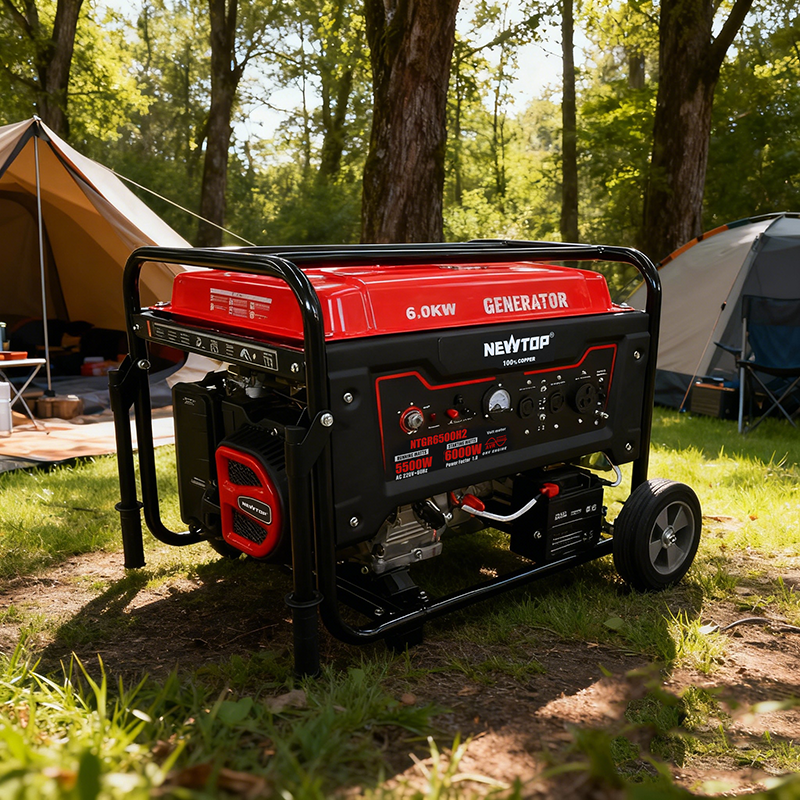
The model also uses a forged crankshaft and camshaft, a full steel frame, and vibration-absorbing mounts for extended outdoor, workshop, 工事, and backup operation.
These figures are more useful than a vague “long runtime” claim because they allow buyers to examine the relationship among tank capacity, rated output, そして燃費.
They still do not justify one fixed runtime prediction.
Actual consumption changes with load, and the published fuel-consumption value must be interpreted using the manufacturer’s test method. Buyers who need a precise operating-hour estimate should request consumption data at several load levels, のような 25%, 50%, 75%, and rated load.
NEWTOP’s gasoline generator range also includes compact 2.8 kW models, mid-range 5.5 kWと 7.8 kW units, and higher-output 10 kW configurations. This range illustrates why runtime cannot be separated from generator size: エンジン排気量, output demand, タンク容量, and intended workload change from one power class to another.
Runtime Information to Request from the Supplier
Instead of asking only, “How many hours will it run?」, buyers should request the test information behind the number.
| Information Required | なぜそれが重要なのか |
|---|---|
| Rated Output on Gasoline | Shows the usable continuous output for the gasoline calculation. |
| Rated Output on Propane | May differ from gasoline output on a dual-fuel generator. |
| Gasoline Tank Capacity | Identifies the fuel quantity behind the gasoline runtime. |
| Propane Cylinder Size and Usable Fuel Amount | Identifies the actual propane supply used in the test. |
| Runtime Test Load | Allows a fair comparison between published runtime figures. |
| Fuel Consumption at Several Loads | Supports more accurate calculations for different applications. |
| Economy-Mode Status | May affect fuel consumption when the generator operates under partial load. |
| Ambient Test Temperature | Provides important context for propane vaporization performance. |
| Starting Loads Used During Testing | Shows whether motor-driven equipment and surge demand were represented. |
| Required Regulator and Connection | Confirms that the propane supply can meet the engine’s fuel demand. |
| Recommended Fuel Reserve | Helps prevent an unexpected shutdown before refueling or cylinder replacement. |
| Refueling or Cylinder-Change Procedure | Reveals whether continuous work will be interrupted. |
A supplier that provides the test basis makes it easier for distributors and end users to set realistic expectations. A single hour figure without fuel quantity and load percentage offers far less value.
Safety Comes Before Additional Runtime
Both gasoline and propane generators produce carbon monoxide. Portable units must operate outdoors and away from occupied buildings, with exhaust directed away from doors, windows, and vents. The U.S. Consumer Product Safety Commission advises placing portable generators at least 20 feet from the home whenever possible.
Gasoline should not be added while the generator is running or hot. Propane cylinders, regulators, ホース, and connectors must match the equipment instructions and applicable gas-safety requirements.
A longer hose, improvised fuel connection, indoor placement, or unsafe hot refueling is never an acceptable way to gain more operating time.
What Buyers Should Really Compare
Gasoline contains more energy per gallon than propane, so an equal-volume comparison generally favors gasoline. Real generator installations rarely use equal fuel volumes, しかし. A propane generator connected to a larger external supply may run longer than a gasoline model limited to its onboard tank.
A reliable propane vs gasoline generator run time comparison should place both fuels under the same conditions:
- Comparable electrical load
- Clearly stated rated output
- Known usable fuel quantity
- Matching runtime test conditions
- Suitable tank or cylinder capacity
- Realistic temperature and operating pattern
- Safe refueling or cylinder replacement plan
The most useful runtime figure is not the largest number in a catalog. It is the number of hours the generator can support the required equipment before the available fuel supply must be safely replenished.
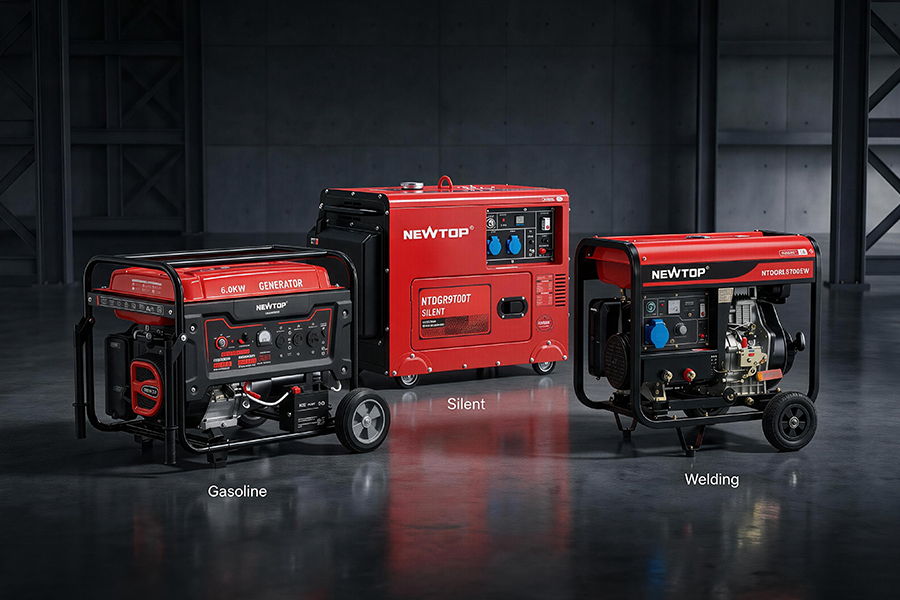
The Diesel Generator vs Gasoline choice mainly depends on running hours, power demand, 携帯性, 燃料の入手可能性, そして予算. Diesel generators are generally better suited to frequent or extended operation, while gasoline generators are often more practical for shorter backup periods and mobile tasks.
しかし, fuel type alone does not decide whether a generator will perform well. Rated output, motor-starting demand, engine construction, fuel tank capacity, maintenance access, and the cost of downtime can be just as important. A correctly sized gasoline generator may serve a small workshop better than an oversized diesel unit, while a diesel generator may offer better long-term value on a site that needs power throughout the working day.
Diesel Generator vs Gasoline: 主な違い
Both generator types use an internal combustion engine to drive an alternator and produce electricity. The practical difference lies in how the engine delivers power and how the generator fits the intended workload.
Diesel generators are commonly selected for frequent use, sustained loads, and higher-capacity applications. Compared at a similar output and under extended operation, diesel models may offer more favorable fuel consumption. Their mechanical construction also tends to suit applications where the generator is expected to work regularly.
Gasoline generators are widely used where portability, lower initial investment, and intermittent operation matter more. Many compact gasoline models are easier to move between locations and are suitable for temporary work, 中小企業, household backup, and outdoor use.
These are general tendencies rather than fixed rules. Actual performance depends on the generator model, エンジン排気量, load percentage, alternator, enclosure, cooling system, and maintenance condition.
| Decision Factor | Diesel Generator | Gasoline Generator |
|---|---|---|
| Typical Operating Pattern | Frequent or extended operation | Occasional or shorter operation |
| Initial Investment | Usually higher in comparable classes | Often lower in portable power ranges |
| Fuel Use Over Long Periods | Often more favorable at a similar output and sustained load | Can become less economical during extended operation |
| モビリティ | Commonly used in fixed, enclosed, or wheeled configurations | Smaller models are often easier to transport |
| Load Suitability | Frequently selected for sustained commercial and jobsite loads | Suitable for moderate loads and temporary work |
| Structure Options | Open-frame and silent enclosed models | Mainly portable open-frame models, with other options depending on the range |
| 一般的なアプリケーション | 工事, 農場, commercial facilities, and long backup periods | Small workshops, mobile service, household backup, and short outdoor tasks |
| What Buyers Should Verify | Rated output, 燃費, enclosure, running time, and service access | Rated output, タンク容量, 携帯性, 始動システム, and surge output |
Specifications from individual models should always take priority over general fuel-type comparisons. Buyers should compare rated output, maximum output, 燃費, タンク容量, noise level, and recommended operating conditions before ordering.
Which Generator Is Better for Commercial Use?
Commercial generator selection should begin with the expected duration and frequency of each power interruption.
For a small shop, office, restaurant, or service business that only experiences occasional short outages, a gasoline generator may provide sufficient backup at a more manageable initial cost. It can support selected lighting, communication devices, payment systems, fans, refrigeration, or other essential equipment, provided that the total running and starting loads remain within the generator’s rated capacity.
The priorities change when outages last for several hours or happen several times each week. Fuel consumption becomes more important, and the generator must maintain stable output for longer periods. A diesel generator may then offer a better fit, particularly for warehouses, larger workshops, 農場, hospitality businesses, and facilities where power loss quickly affects revenue.
Commercial buyers should establish four points before choosing:
✅ Expected running time
Estimate how many hours the generator may operate during a normal outage rather than relying only on annual outage frequency.
✅ Essential electrical loads
Identify which equipment must remain active. Refrigeration systems, パンプス, air compressors, and other motor-driven equipment may require substantially more power during startup.
✅ Backup or primary operating role
A generator used only during grid failure has a different duty pattern from one used as a regular power source in an area with limited grid access.
✅ Cost of downtime
For businesses that lose products, 生産能力, or customer transactions during an outage, operating reliability may matter more than the lowest purchase price.
Automatic transfer requirements should also be considered for fixed commercial installations. Where uninterrupted changeover is important, generator compatibility with the intended transfer and control system should be confirmed before purchase.
Which Generator Is Better for Construction Sites?
Construction sites place different demands on a generator. Loads change throughout the day, equipment may have high starting current, and the generator often operates around dust, 振動, 熱, and frequent movement.
Diesel generators are commonly chosen for longer shifts and repeated jobsite use. They may be better suited to powering pumps, mixers, welders, compressors, lighting systems, and temporary site facilities over sustained periods. A heavier frame is also less of a disadvantage when the generator remains in a fixed work area or is mounted on a wheeled platform.
Gasoline generators remain practical for smaller crews and shorter assignments. Repair work, finishing tasks, temporary lighting, and mobile tools may only require power for a few hours. そういった場合には, a compact gasoline generator can be easier to load, unload, and move around the site.
The decision should reflect how the site actually works:
- Long daily shifts with sustained loads: diesel is often the stronger candidate.
- Short tasks across multiple work areas: gasoline may provide easier mobility.
- Tools with electric motors: starting wattage must be checked, not only normal running wattage.
- Dusty or hot conditions: filtration, cooling, frame strength, and maintenance access become more important.
- Noise-sensitive projects: compare enclosed and open-frame models using actual noise specifications.
- Remote sites: choose the fuel that can be supplied, stored, and managed reliably in that location.
Fuel type cannot compensate for poor sizing. An undersized generator may struggle during motor startup or trip under changing loads. An oversized unit adds cost and may operate inefficiently when the average load remains very low.
Which Generator Is Better for Emergency Use?
Emergency use includes several very different situations. A homeowner preparing for a short grid outage does not have the same requirements as a shelter, communication site, flood response team, or large commercial facility.
A gasoline generator is often practical for temporary emergency backup. Portable models can be deployed quickly and may provide enough power for lighting, communication equipment, fans, selected appliances, and small pumps. This makes them useful where ease of movement and lower upfront cost are priorities.
A diesel generator becomes more attractive when emergency power may be required for many hours or several days. Larger facilities and response operations may need more sustained output, longer service capability, or a silent enclosed structure that can remain in a fixed location.
Fuel planning must form part of the emergency plan. Gasoline can deteriorate during prolonged storage, while stored diesel also needs protection from water and contamination. Existing equipment can influence the decision as well. A contractor, farm, or emergency organization that already operates diesel machinery may find diesel storage and refueling easier to integrate.
Generator Safety Cannot Be Treated as Optional
Both diesel and gasoline generators produce carbon monoxide and must never be operated inside homes, garages, basements, sheds, or other enclosed spaces. The U.S. Consumer Product Safety Commission advises operating portable generators outdoors, at least 20 feet away from homes and buildings, with the exhaust directed away from doors, windows, and vents.
Electrical connection also requires care. OSHA advises against connecting a portable generator directly to a building’s electrical system unless a suitable transfer switch has been installed by a qualified electrician. Cables should be rated for the expected load, and grounding, bonding, weather protection, and ground-fault protection must follow the generator manufacturer’s instructions and local electrical requirements.
How to Choose the Right Generator Size
The required generator output should be calculated before deciding between diesel and gasoline.
Begin by listing the equipment that may run simultaneously. For each item, record its normal running wattage and, where applicable, its starting demand. Pumps, compressors, refrigerators, and power tools with electric motors may briefly draw several times their normal operating power during startup.
Three figures deserve particular attention:
Continuous Rated Output
This is the power the generator is designed to provide during normal operation. The planned continuous load should remain within this rating rather than relying on maximum output throughout the working period.
Maximum or Surge Output
This temporary capacity helps the generator handle short increases in demand, particularly when motor-driven equipment starts. It should not be treated as the normal operating rating.
Expected Average Load
A generator should have enough reserve capacity to manage load changes without being dramatically larger than necessary. Regular operation at either extremely high or very low load can reduce efficiency and create avoidable operating issues.
For commercial orders, buyers should also confirm:
- Required voltage and frequency
- Single-phase or three-phase output
- Number and type of receptacles
- Electric or recoil starting
- 燃料タンク容量
- Continuous running time
- AVR or voltage regulation requirements
- Open-frame or silent enclosure
- Wheel kits, handles, or lifting requirements
What Generator Construction Changes in Real Use?
Two generators with similar rated output may behave differently once they begin powering tools or equipment. Engine materials, alternator construction, vibration control, protection systems, and frame design all influence long-term use.
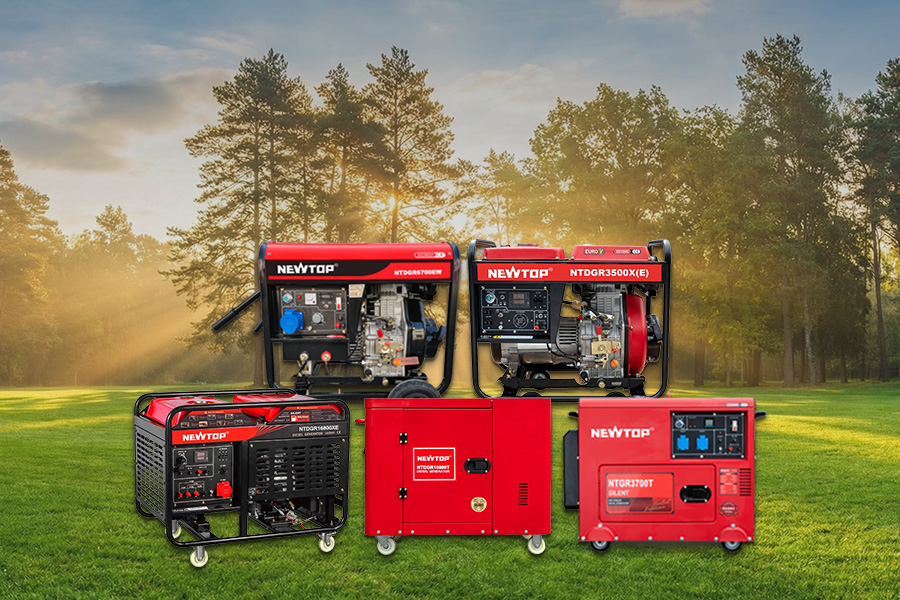
NEWTOP offers both gasoline and diesel generator sets, including open-frame and silent configurations. The current range covers multiple output classes, from compact units for outdoor and backup power to higher-capacity diesel models for commercial and construction applications. Selected NEWTOP generators use copper-winding alternators, steel frames, reinforced engine components, and designs intended to operate in temperatures from -10°C to 50°C.
The differences are easier to understand through actual product configurations.
Gasoline Generator Construction
The NEWTOP NTGR6500H2 provides 5.5 kW rated output and 6.0 kW maximum output. Its engine uses a strengthened 42CrMo forged crankshaft and camshaft, while a SENCI copper-wire alternator supports stable voltage and overload performance. A full steel frame with vibration-absorbing mounts protects the machine during demanding work.
The model also includes a 25 L fuel tank, low-oil warning, and short-circuit protection. These features make the generator suitable for construction sites, small workshops, 財産の維持管理, and extended household backup where a gasoline model is still preferred.
Open-Frame Diesel Generator Construction
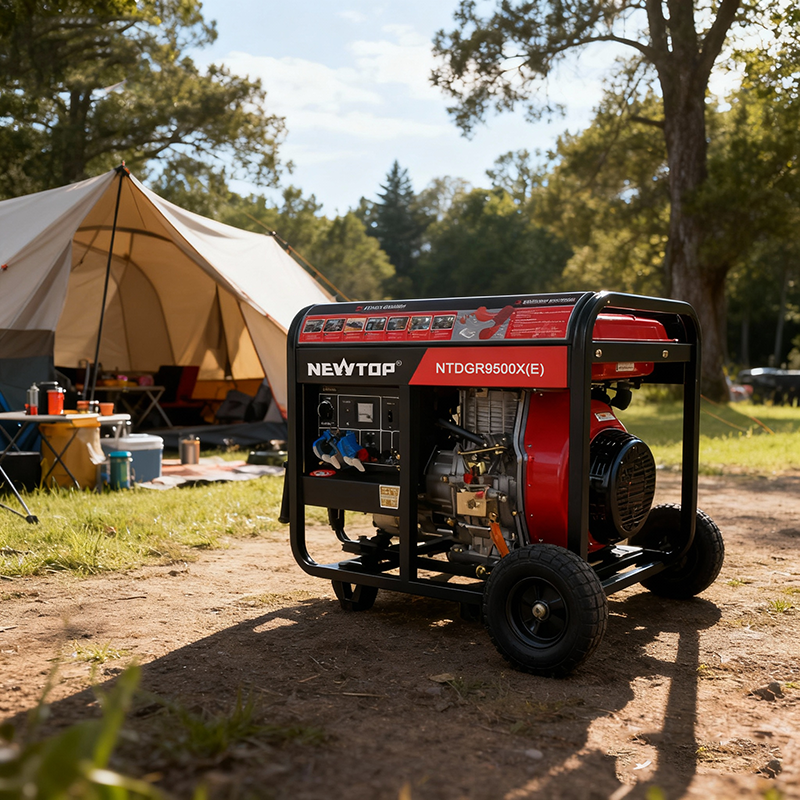
For medium-to-heavy power requirements, the NEWTOP NTDGR6500X(E) combines a forged-steel crankshaft, 窒化歯車, BOSCHテクノロジー燃料噴射, and a copper-winding alternator. The anti-vibration steel frame helps protect the engine and alternator during construction, 農業用, and commercial operation.
This model provides 4.8/5.0 kVA rated output and up to 5.2/5.5 kVA maximum output, depending on frequency configuration. The product structure reflects the priorities often associated with diesel equipment: load handling, mechanical strength, and stable output over longer working periods.
Silent High-Power Diesel Construction
Where higher output and lower operating noise are needed together, a silent enclosure may be more appropriate than an open frame. The NEWTOP NTDGR16800T combines 11 kW rated output with a 12 kW maximum output, a 42CrMo forged crankshaft, nitrided gear components and a 100% copper SENCI alternator.
Its enclosed body reduces operating noise while providing additional protection for internal components. The model is designed for construction, commercial backup, and other demanding applications where both power capacity and operating environment matter.
These examples show why buyers should compare more than fuel type and horsepower. The alternator, クランクシャフト, gear structure, protection system, フレーム, and enclosure can determine how well a generator fits the intended market.
メンテナンス, 部品, and Local Technical Support
A well-maintained gasoline generator can perform more reliably than a neglected diesel unit. Engine type does not replace regular inspection and service.
Before operation, users should check:
- Engine oil level and condition
- Fuel quality and storage condition
- Air and fuel filters
- Cooling airflow
- Cable and receptacle condition
- Battery condition on electric-start models
- フレーム, mounts, and fasteners
- Signs of fuel or oil leakage
Backup generators should be started and tested at scheduled intervals. Waiting until an actual power failure to check the generator can leave old fuel, a discharged battery, or an electrical fault undiscovered.
For distributors and commercial buyers, parts support also affects the total ownership experience. フィルター, starting components, control panels, voltage regulators, alternator parts, and common engine components should be available without requiring the replacement of the complete generator.
NEWTOP supplies gasoline and diesel generators across multiple power ranges, along with product selection and spare-parts support for wholesale customers. This allows distributors to build a range for households, 請負業者, 農場, ワークショップ, and commercial backup users rather than relying on one generator type for every application.
Diesel Generator vs Gasoline: Making the Final Decision
Choose a diesel generator when the application involves frequent operation, sustained loads, longer backup periods, or higher-capacity commercial and construction demand. Compare actual fuel consumption, rated output, enclosure, noise, and service access before deciding on a model.
Choose a gasoline generator when portability, lower initial investment, faster deployment, and occasional operation are the main priorities. It is often the more practical option for small businesses, mobile work, temporary construction tasks, and short emergency outages.
The final Diesel Generator vs Gasoline decision should be based on the hours the generator will run, the equipment it must start, the fuel available locally, and the level of downtime the user can accept. Once those requirements are defined, fuel type becomes one part of a much clearer selection process.
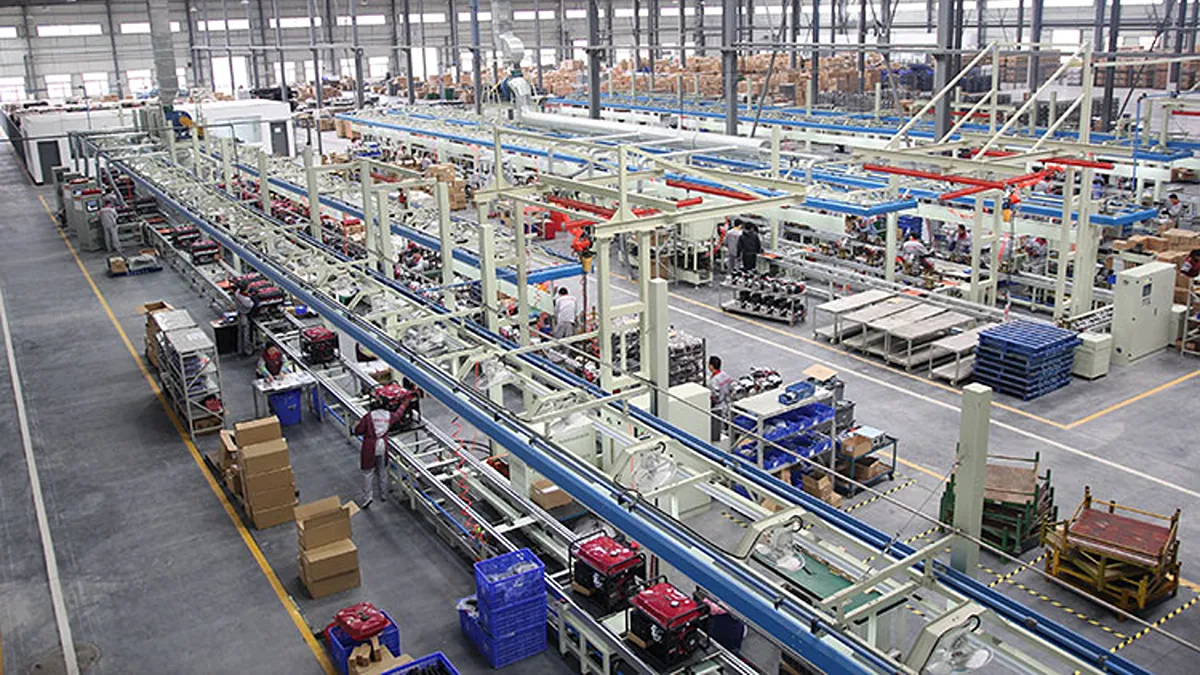
世界のボート業界は、信頼性の高いガソリンおよび電気推進システムに対する需要の高まりに伴い進化し続けています。. ボートブランドかどうか, 船舶用機器販売代理店, 卸売業者, またはOEM購入者, 適切な船外機メーカーを選択することは製品の品質にとって不可欠です, 長期的なビジネスの成長, そして顧客満足度.
このガイドでは, 私たちが選んだのは 10 中国の評判の良い船外機メーカー, ヨーロッパ, そして北米. コスト効率の高いガソリン エンジンや OEM など、さまざまな強みを発揮します。 & 革新的な電気推進システムへの船外機の ODM – 貴社のビジネス向けの潜在的な船外機サプライヤーの比較に役立ちます.
トップの概要 10 船外機メーカー
| メーカー | 位置 | 設立 | 主な製品 | 主要な強み |
|---|---|---|---|---|
| ニュートップ | 上海, 中国 | 2003 | 2-ストローク船外機, 5–15HP エンジン, プロペラ & スペアパーツ | 500K+ 年間生産能力, OEM/ODM, 100+ グローバルディストリビューター |
| 秀亜パワーマシナリー | 杭州, 中国 | 2003 | ガソリン & 電動船外機 | 輸出先 80+ 広範なディーラーネットワークを持つ国々 |
| e推進力 | 深セン, 中国 | 2012 | 電動船外機, 船内機, 電池 & ポッドドライブ | 電動船舶推進の革新者をリードする企業 |
| Seanovo パワーマシナリー | 杭州, 中国 | — | ガソリン船外機 & スペアパーツ | 豊富な輸出経験を持つOEM製造 |
| 浙江滄龍発電機械 | 浙江省, 中国 | — | 2-脳卒中, 4-脳卒中 & 電動船外機 | 5HP ~ 40HP の幅広い製品ポートフォリオ |
| 主題 | フランス | 2018 | ポータブル電動船外機 | 小型船舶用の小型・軽量推進装置 |
| スズキマリン | 浜松市, 日本 | 1965 | 4-ストローク船外機 & 船舶用エンジン | 燃料効率の高い 4 ストローク技術の世界的リーダー |
| エルコモーターヨット | ニューヨーク, アメリカ合衆国 | 1893 | 電動船外機 & 船内機 | 1世紀を超える電気海洋工学 |
| フラックスマリン | ロードアイランド州, アメリカ合衆国 | 2018 | 高性能電動船外機 | スマートデジタル制御を備えたプレミアム電気推進 |
| ヤマハマリン | 岩田, 日本 | 1955 | 2-脳卒中 & 4-ストローク船外機, 高出力船舶用エンジン, プロペラ | 信頼性で知られる世界トップブランド, 革新, およびグローバルディーラーサポート |
ニュートップ
おすすめ: ☆☆☆☆☆
位置: 上海, 中国 (嘉興市の製造拠点, 浙江省)
主な製品: 2-脳卒中 ガソリン船外機, 5HP~15HP船外機, 船外機プロペラ, スペアパーツ, OEM & ODM船外機
MOQ: OEM/ODM注文にも柔軟に対応
に設立 2003, ニュートップ は、屋外動力機器と信頼性の高い中小馬力の船舶用エンジンを専門とする中国の船外機専門メーカーです。. 10,000㎡の6S管理の敷地で運営 製造施設, 同社は以上の年間生産能力を持っています 500,000 単位を獲得し、 26+ 国際認証, CEを含む, ISO, および EU ステージ V (ユーロ 5) 選択したモデルのコンプライアンス. その製品ポートフォリオには耐久性のある製品が含まれます。 2-ストロークガソリン船外機, 船外機プロペラ, 漁船の交換部品, インフレータブルボート, アルミボート, およびその他のレクリエーション船.
輸出型船外機工場として, NEWTOPは柔軟なOEMを提供します & 世界の輸入業者向けの ODM ソリューション, プライベートブランドブランド, および船外機販売代理店. 今日, 会社は協力しています 100+ 販売代理店 世界中で, 一方、多くのアフリカおよびラテンアメリカ市場の顧客は、地元のディーラーや小売店を通じて NEWTOP 製品を直接購入できます。. 安定した製造品質に裏付けられた, 迅速な技術サポート, 拡大するグローバルサービスネットワーク, NEWTOPは、信頼できる船舶用推進ソリューションを求めるパートナーにとって、信頼できる船外機メーカーおよび長期的な船外機サプライヤーとなりました。.
秀亜パワーマシナリー

位置: 杭州, 浙江省, 中国
主な製品: ガソリン船外機, 電動船外機, 船舶用エンジン部品, 船外機アクセサリー
MOQ: 見積に関するお問い合わせ
Hidea Power Machinery は中国で最も有名な船外機メーカーの 1 つです, ガソリンと電気の両方の推進ソリューションを提供. 以上に及ぶ国際的な販売ネットワークにより、 80 国と地域, Hidea は、世界中のディーラーや海洋機器販売業者にとって信頼できる船外機サプライヤーとしての地位を確立しています。. その製品ポートフォリオは、レジャーボートに適した複数の馬力範囲をカバーしています。, 漁船, および商用アプリケーション.
同社は製造技術に継続的に投資しています, 品質管理, エンジンの効率と耐久性を向上させる製品開発. 完成したエンジン以外にも, Hidea はさまざまなスペアパーツや付属品も提供しています, 船外機の販売代理店が地域市場向けに包括的な製品提供を構築できるようにする.
e推進力

おすすめ: ☆☆☆☆
位置: 深セン, 広東省, 中国
主な製品: 電動船外機, 船内機, ポッドドライブシステム, 船舶用電池, ハイブリッド推進システム
MOQ: 見積に関するお問い合わせ
に設立 2012, ePropulsion は世界有数の電動船外機メーカーの 1 つになりました, 持続可能な海洋推進力のみに焦点を当てる. 電動船外機もラインナップ, 船内システム, ポッドドライブ, インテリジェントバッテリーシステム, 娯楽船および商業船向けに設計された統合海洋制御技術.
同社は革新的なエンジニアリングと静かな動作を組み合わせていることで知られています。, ゼロエミッション, メンテナンスの必要性が低い. 従来のガソリンエンジンに代わる環境に優しい代替品をお探しのバイヤー向け, ePropulsion は、拡大する国際ディーラー ネットワークと継続的な製品革新によってサポートされる高度な推進システムを提供します.
Seanovo パワーマシナリー

おすすめ: ☆☆☆☆
位置: 杭州, 浙江省, 中国
主な製品: ガソリン船外機, 船舶用エンジン, 船外機のスペアパーツ
MOQ: 見積に関するお問い合わせ
Seanovo Power Machinery は、ガソリン駆動の船舶用エンジンおよび関連アクセサリの製造を専門とする船外機の専門工場です。. 杭州に位置, 同社は国際的な販売代理店にサービスを提供しています, 卸売業者, 漁船に適した幅広いポータブル船外機を提供する OEM 顧客, インフレータブルボート, およびレクリエーション用水上バイク.
専門的な生産ラインと輸出経験, Seanovo は安定した製造品質と競争力のある価格に重点を置いています. 完成したエンジンに加えて、, 顧客が信頼できるアフターサポートを維持できるようにする交換コンポーネントを提供します。. 製造の柔軟性により、カスタマイズされたブランディングの機会を探しているバイヤーにとっても実用的な選択肢になります。.
浙江滄龍発電機械

おすすめ: ☆☆☆☆
位置: 浙江省, 中国
主な製品: 2-ストロークガソリン船外機, 4-ストローク船外機, 電動船外機, 5HP ~ 40HP エンジン
MOQ: 見積に関するお問い合わせ
Zhejiang Canglong Power Machinery は、ガソリン船外機と電気船外機の両方を製造しています, 約5HPから40HPの範囲の馬力をカバーします。. ラオゲンブランドを通じて, 同社は耐久性のバランスを考慮して設計されたいくつかの製品シリーズを提供しています, 効率, レクリエーションボート市場向けの手頃な価格.
その多様な製品ポートフォリオにより、販売代理店は競争力のある価格を維持しながら、さまざまなパフォーマンス要件を持つ顧客にサービスを提供できます。. 成長する船外機サプライヤーとして, Canglong は引き続き輸出事業を拡大し、中級船舶用推進製品を求めるディーラーに実用的なソリューションを提供しています。.
主題

おすすめ: ☆☆☆☆
位置: ナント, フランス
主な製品: ポータブル電動船外機, TEMO.450 電気推進システム
MOQ: 見積に関するお問い合わせ
に設立 2018, TEMO はフランスのポータブル電動ボート モーターのメーカーです. 同社は軽量化を開発しています, 設置が容易な入札用電気推進製品, ディンギー, ヨット, 手漕ぎボート, その他の軽水艇. 有名な TEMO.450 モデルは、補助推進および短距離船舶用のコンパクトな電動船外機として設計されました。.
TEMO は、TEMO.450 および TEMO.1000 船外機モデルについてもフランス発の認証を取得しています。, フランス製船舶用電動機器を中心としたポジショニングを強化. 小型ボート市場をターゲットとする代理店向け, このブランドは製品主導のポジショニングの明確な例を提供しています: 簡単な取り付け, 携帯性, 低騒音, そして扱いやすい. 従来のガソリンエンジンではなく電動船外機に重点を置いている小売業者や船舶ディーラーに特に関係があります。.
スズキマリン

おすすめ: ☆☆☆☆☆
位置: 浜松市, 静岡県, 日本
主な製品: 4-ストローク船外機, ポータブル船外機, 高馬力船舶用エンジン, マリンアクセサリー
MOQ: 現地代理店へのお問い合わせ
に設立 1965, スズキ マリンはスズキ株式会社の船舶部門であり、世界有数の船外機メーカーの 1 つです。. 同社は先進的な 4 ストローク技術で最もよく知られています。, 燃費に優れた船外機を提供, 低排出ガス, そして信頼できるパフォーマンス. ポータブルな小型モデルから漁船用の高馬力エンジンまでラインナップ, レジャーボート, 世界中の商船.
数十年にわたるエンジニアリングの専門知識と世界的なディーラーネットワークを備えています, スズキマリンは製品の信頼性と革新性で高い評判を築いています. 同社は、船外機の正規販売代理店を通じて包括的なアフターサポートを提供しながら、よりクリーンな海洋技術と高度な燃料噴射システムへの投資を継続しています。. 世界的に認められたブランドに裏打ちされた高品質の船舶用エンジンを求めるバイヤー向け, スズキマリンは信頼される船外機メーカーであり続けます.
エルコモーターヨット

おすすめ: ☆☆☆☆
位置: アテネ, ニューヨーク, アメリカ合衆国
主な製品: 電動船外機, 電動船外機, 船舶用推進システム
MOQ: 見積に関するお問い合わせ
Elco Motor Yachts は、船舶用電動推進装置において最も古い企業の 1 つです。, 1世紀以上前に遡る歴史を持つ. 今日, その会社は電気製品を製造しています 船外機 レクリエーションボートの所有者と商業用海洋用途に役立つ船内推進システム.
長年にわたるエンジニアリングの伝統, 最新の電気技術との組み合わせ, これにより、Elco は持続可能な推進ソリューションのプレミアムプロバイダーとしての地位を確立することができます。. 確立されたアメリカのブランドを探しているバイヤーは、豊富な業界経験に裏打ちされた信頼性の高い電気推進を必要とするプロジェクトとして Elco を検討することがよくあります。.
フラックスマリン

おすすめ: ☆☆☆☆
位置: ブリストル, ロードアイランド州, アメリカ合衆国
主な製品: 高性能電動船外機, バッテリーシステム, デジタル制御システム
MOQ: 見積に関するお問い合わせ
Flux Marine は、より高速な加速と高度なデジタル制御を求めるレクリエーション ボート用の高性能電動船外機の開発に重点を置いています。. 同社は独自のバッテリー技術とインテリジェントな監視システムを統合し、パフォーマンスを最適化しています。, 効率, ユーザーエクスペリエンスと.
持続可能性だけで競争するのではなく, Flux Marine は、プレミアムなパフォーマンスとスマート テクノロジーを中心に自社を位置づけています。. 同社の製品は、電気推進が環境上の利点とエキサイティングな水上パフォーマンスの両方を期待するボート愛好家をどのように満足させることができるかを実証しています。.
ヤマハマリン

おすすめ: ☆☆☆☆☆
位置: 岩田, 静岡県, 日本
主な製品: 2-ストロークおよび4ストローク船外機, 高馬力船外機, マリンアクセサリー, プロペラ
MOQ: 現地代理店へのお問い合わせ
に設立 1955, ヤマハマリンは世界で最も尊敬される船外機メーカーの一つです, レクリエーションボート用の幅広い船外エンジンを提供, 商業漁業, および専門的な海洋アプリケーション. そのポートフォリオは、軽量のポータブルモデルから高馬力の V6 および V8 船外機まで多岐にわたります。, すべて優れた信頼性を実現するように設計されています, 燃費, 要求の厳しい環境でもスムーズなパフォーマンスを実現.
数十年にわたるエンジニアリングの革新と広範なグローバルディーラーネットワークに支えられています, ヤマハマリンは最高の品質と信頼できるアフターサポートで定評があります. 同社は先進的な燃料噴射技術への投資を継続しています。, デジタル制御システム, 高性能海洋工学, ボートビルダーにとって好ましい船外機サプライヤーとなっています。, 海洋ディーラー, および世界中の船外機販売代理店.
信頼できる船外機メーカーの選び方?
船外機メーカー選びは馬力と単価の比較だけではない. 輸入業者, ボートビルダー, 海洋流通業者は、サプライヤーが一貫した品質を提供できるかどうかを評価する必要があります。, テクニカルサポート, 部品の入手可能性, 地域の顧客にマッチした製品ラインナップ.
- 製造能力の確認: 自社で船外機工場を運営しているかどうかを尋ねる, エンジニアリングチーム, 品質管理プロセス, およびテスト手順.
- 出力範囲と燃料の種類を確認する: ガソリンを選ぶ, 電気, 2-脳卒中, 4-脳卒中, またはボートのタイプに基づいたハイブリッド製品, 現地の規制, 購入者の好み, および予想される動作条件.
- OEM および ODM サポートを確認する: プライベートブランドプログラムの場合, ブランドオプションを確認する, 梱包, マニュアル, 製品の改造, OEM向けのサンプリング手順と & ODM船外機.
- コンプライアンス文書を確認する: 該当する認定をリクエストする, テストレポート, 発送書類, 安全に関する情報, 市場固有のコンプライアンス サポート.
- 部品供給の評価: 船外機プロペラへの確実なアクセス, インペラ, スパークプラグ, 燃料システムコンポーネント, 修理部品はディストリビュータの維持に不可欠です.
- アフターセールス能力を評価する: 保証ポリシーについて問い合わせる, 技術マニュアル, トラブルシューティングのガイダンス, トレーニングリソース, ディーラーからのクレームに対する応答時間.
- 商業条件を明確にする: MOQの確認, リードタイム, 支払い条件, コンテナ積み込み計画, スペアパーツパッケージ, 注文前に地域または販売代理店のポリシーを確認してください.
最終的な考え
適切な船外機サプライヤーは市場での地位によって決まります, 対象ボートカテゴリー, 電力要件, とサービス能力. ガソリン船外機は、多くの釣りやレクリエーション用途にとって引き続き重要です, 一方、電動船外機は軽量ボートに新たな可能性をもたらします, 低騒音水路, 持続可能性主導の市場.
コンパクトなガソリン船外機をお探しの方へ, プライベートブランドの柔軟性, スペアパーツ, 経験豊富な中国拠点の製造パートナー, ニュートップ 実用的な出発点を提供します. 幅広い屋外電源機器の機能により、販売代理店が補完的な製品カテゴリー全体で調達を統合することもできます。.
次の調達プロジェクトを計画している場合, あなたの市場向けにカスタマイズされたソリューションについて話し合うには、NEWTOP にお問い合わせください。.
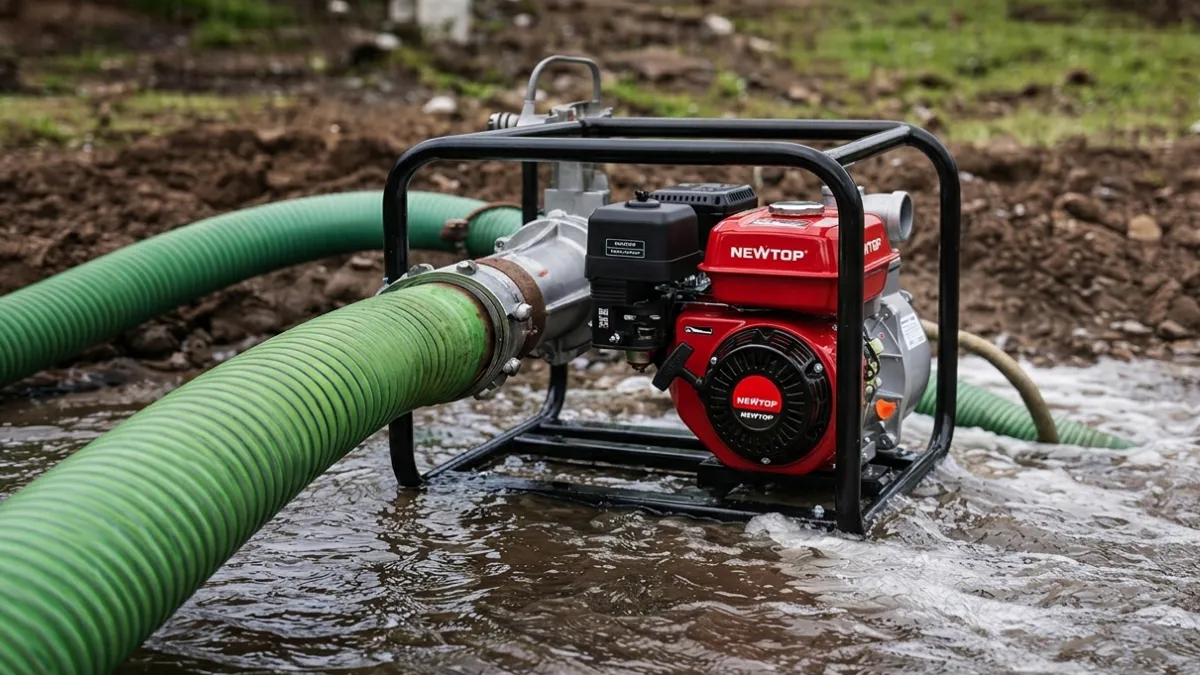
建設用ウォーターポンプを選定する場合, 農業, 排水, または産業用途, 正しいポンプタイプを選択することが重要です. 最も一般的なオプションの 2 つは、ゴミポンプと浄水ポンプです。. どちらも水を動かすように設計されていますが、, それらは非常に異なる作業条件に合わせて作られています.
浄水ポンプは、粒子を最小限に抑えた比較的透明な水を移送するように設計されています。, 一方、ゴミポンプは泥水を処理できるように設計されています, 廃水, 固形破片を含む液体. 間違ったポンプを選択すると、パフォーマンスの低下につながる可能性があります, 頻繁な詰まり, 維持費が高くなる, あるいはポンプの損傷さえも.
このガイドでは, we will explain the difference between trash water pumps and clean ウォーターポンプ, including their working principles, liquid handling ability, パフォーマンス, アプリケーション, and how to select the right solution for your market.
What Is a Trash Pump?
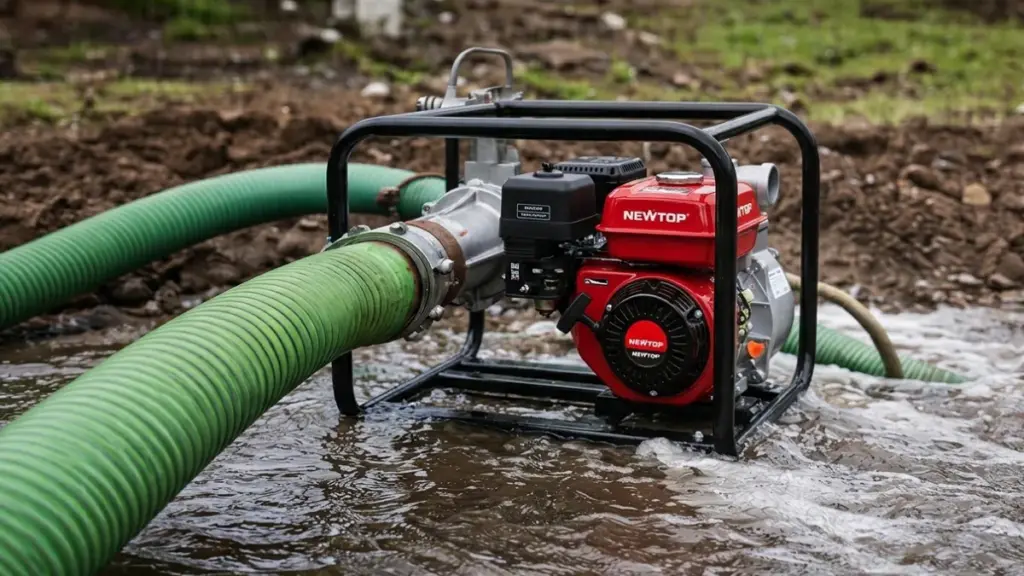
A trash pump is a heavy-duty centrifugal pump built to aggressively move dirty water loaded with sludge, 砂, and debris without clogging or failing.
Core Definition and Purpose
Engineers specifically build trash pumps to move dirty water packed with solid particles like sludge, 砂, ダート, and leaves. This contrasts directly with standard clean-water pumps, which operators intend only for clear liquids. If you expose a clean-water pump to heavy contamination, you risk immediate blockage or catastrophic seal failure. The industry categorizes trash pumps as dirty-water pumps because they operate effectively in demanding environments where liquids mix heavily with solid waste.
Key Design Characteristics
The ability to process solid waste requires a specific mechanical architecture. Manufacturers construct these pumps with reinforced components to survive constant internal abrasion.
- Large internal clearances: The design allows suspended solids and debris to pass straight through without plugging internal passages.
- 頑丈な構造: Production relies on abrasion-resistant materials to withstand the mechanical impact and wear caused by sand and grit.
- Specialized impellers: Open or semi-open impellers and specialized volute geometry prevent organic matter, fibers, or plastics from accumulating inside the housing.
Typical Applications and Environments
You deploy a trash pump when the liquid you need to move would destroy a standard transfer pump. Field operators rely on these units across several heavy-duty sectors.
- Flood control: Dewatering inundated basements, garages, and muddy work areas after severe weather or pipe breaks.
- Construction and civil engineering: Draining excavations, utility trenches, and sediment basins filled with groundwater and soil.
- Wastewater and drainage: Clearing sewers, sumps, and drainage channels where organic waste accumulation is common.
- Industrial residue management: Moving process effluents, abrasive slurries, and high-solids streams inside treatment plants.
What Is a Clean Water Pump?
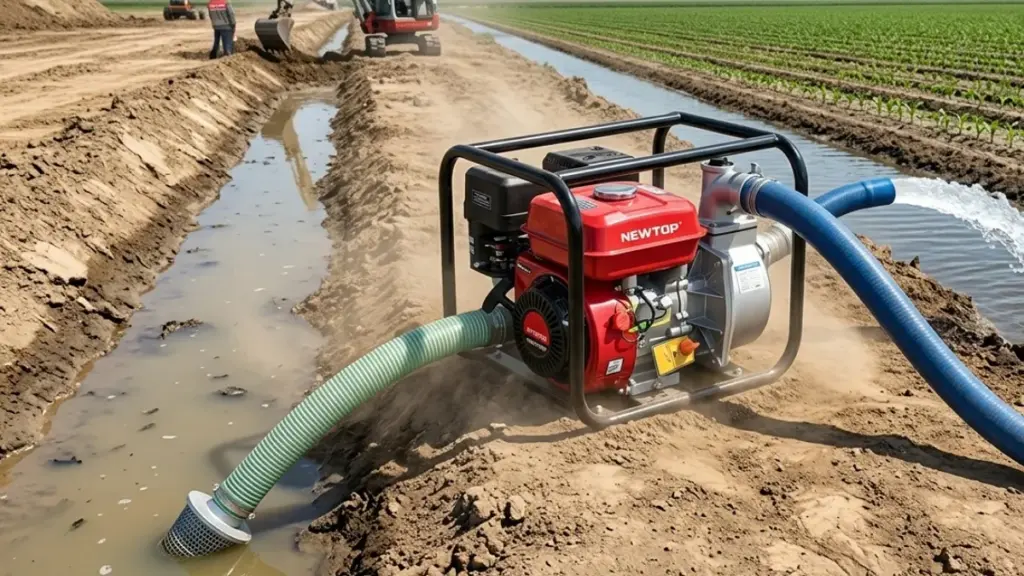
A clean water pump moves clear, solid-free liquids efficiently. It trades debris tolerance for high pressure, making it the standard choice for domestic supply and irrigation.
Definition and Core Function
Clean water pumps are engineered exclusively for clear or potable fluids. Unlike trash pumps built to chew through heavy sludge and debris, these units handle water containing little to no suspended solids.
Engineers restrict the passage size in these pumps to a strict maximum of 5 に 6 millimeters. Manufacturers rate many standard models for absolute zero solid tolerance. They serve as the dedicated clear-liquid alternative when contamination risks are low and performance demands are high.
Hydraulic Design and Efficiency
The internal architecture of a clean water pump prioritizes performance over debris handling. These units utilize narrow flow passages to maximize discharge pressure and hydraulic efficiency. Tighter internal clearances allow them to push water faster and further than dirty-water pumps equipped with identical motor sizes.
Because they operate in non-abrasive environments free of rocks and sand, heavy cast-iron wear plates are unnecessary. その代わり, manufacturers construct the housings and impellers from materials suited for clean environments.
- Plastics: Lightweight and highly resistant to chemical corrosion.
- ステンレス鋼: Prevents rust in potable water and food-grade applications.
- Coated Metals: Protects internal components during continuous domestic or agricultural use.
Submersible vs. Surface Configurations
Operators deploy these pumps in two primary formats based on the layout of the water source.
- Submersible Units: These operate entirely underwater with hermetically sealed motors. They often utilize integrated float switches that cut the power when water levels drop, preventing dry-running and subsequent motor burnout.
- Surface Models: These sit permanently outside the water source. They connect to the fluid via rigid suction hoses and are standard for shallow well extraction and domestic pressure systems.
代表的な用途
Industry professionals and homeowners deploy clean water pumps for specific, low-debris tasks where pressure and flow rate matter most.
- Domestic Supply: Extracting household drinking water and boosting pressure across residential plumbing systems.
- 農業: Irrigating gardens, 果樹園, and small crops directly from clean wells or filtered holding tanks.
- 排水: Evacuating clean or lightly dirty water from flooded basements, swimming pools, and rainwater cisterns.
Maximize Margins With Reliable Garden Machinery

How Does a Trash Pump Work?
Trash pumps use a semi-open impeller and centrifugal force to move heavy debris, relying on retained fluid inside the casing to self-prime automatically.
Centrifugal Pumping Mechanism
A trash pump operates as a heavy-duty centrifugal unit. Water enters the suction port and strikes a high-speed, semi-open impeller positioned inside a spiral-shaped volute casing.
As the impeller spins, it generates centrifugal force that throws the incoming fluid outward against the casing walls. The volute catches this fluid and converts its kinetic energy into a stable pressure head. This pressure physically drives the water out through the discharge port to create a continuous flow.
Self-Priming Operation
Standard centrifugal pumps fail if air enters the suction line. A trash pump solves this problem by retaining a small charge of water inside its casing between active operating cycles.
When the pump engine starts, the impeller spins this retained water to create a partial vacuum. This vacuum draws air up from the suction line. The internal mechanics separate the air from the liquid and expel it through the discharge side. Water then fills the casing, completing the priming process and allowing normal fluid transfer to begin.
Solids and Debris Handling
The defining feature of a trash pump is its ability to process contaminated water without jamming. The unit utilizes a semi-open impeller paired with exceptionally wide flow passages to protect internal components from large particles.
This specialized internal geometry provides specific material handling capabilities:
- Debris Tolerance: Passes solid materials like sand, mud, and sticks up to 3 直径インチ.
- Suspended Solids: Pumps fluids containing up to 30% suspended solids by weight.
- Equipment Limits: Requires an upgrade to a specialized heavy-duty slurry pump if solids exceed the 30% threshold.
How Does a Clean Water Pump Work?
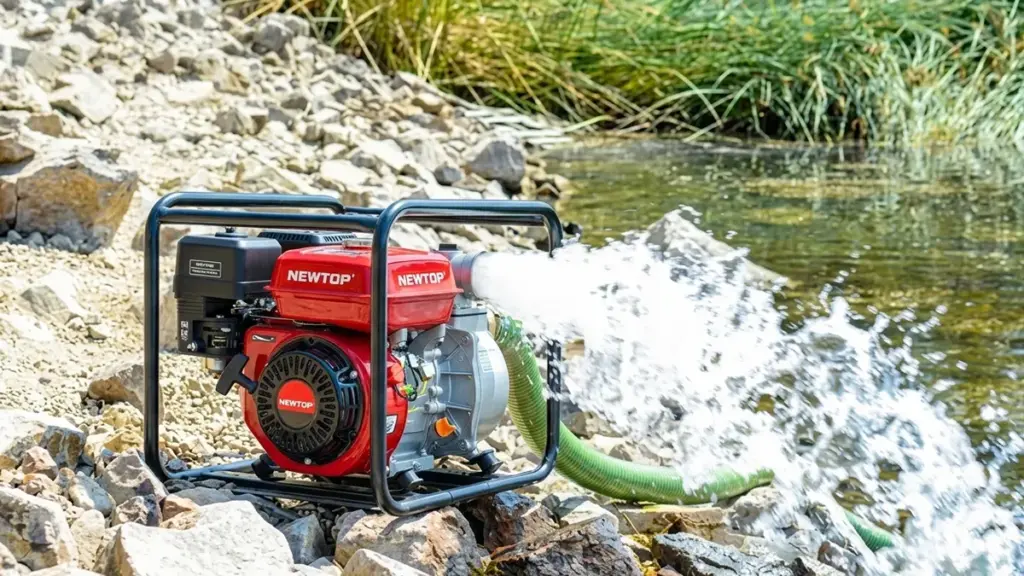
A clean water pump uses a spinning impeller and centrifugal force to convert kinetic energy into stable, usable water pressure for plumbing and irrigation networks.
Water Intake and Impeller Action
The process starts when clear liquid enters the pump chamber through the inlet port. Inside the housing, a motor-driven impeller spins rapidly to accelerate the fluid. As the impeller turns, it generates strong centrifugal force. This physical action pushes the water outward toward the outer edges of the pump body, creating the initial momentum needed for transfer.
Velocity to Pressure Conversion
Speed alone will not push fluid through a complex plumbing layout. The internal pump housing captures the fast-moving water right as it leaves the impeller. Engineers design this casing specifically to translate that kinetic energy into usable discharge pressure. The highly pressurized water then exits the discharge pipe to supply the connected piping network.
Automatic Operation in Well Systems
Household setups rely on additional components to run the pump automatically and efficiently. The system utilizes three primary mechanisms:
- Pressure tank: Stores pressurized water to maintain consistent delivery and reduce short-cycling on the motor.
- Pressure switch: Activates the motor the exact moment line pressure drops from an open fixture.
- Check valve: Stops water from flowing backward down the well, keeping the system primed and holding line pressure steady.
Performance Variables and Limits
Real-world conditions dictate how effectively a clean water pump runs. The motor must generate enough raw force to overcome gravity, internal pipe friction, and vertical lift. Surface models often require manual priming, meaning operators must fill the casing with water before starting the motor to ensure proper suction. Operators must monitor the fluid source constantly. Operating the pump without water causes dry running, which leads directly to severe friction damage and catastrophic seal failure.
Trash Pump vs Clean Water Pump: 主な違いの概要
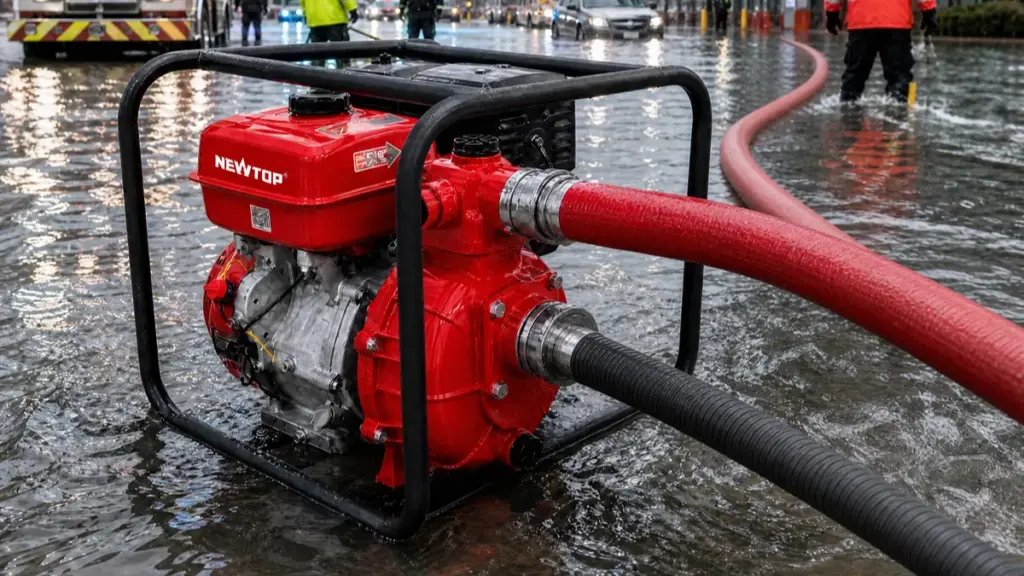
Trash pumps prioritize rugged solids handling in harsh environments, while clean water pumps focus on maximizing hydraulic efficiency and pressure for clear liquids.
| 比較 | Trash Pump | Clean Water Pump |
|---|---|---|
| 水タイプ | Dirty water, 泥水, 廃水 | Clear water |
| Solid handling | Handles sand, 葉, and small debris | Limited solid particle handling |
| Impeller design | Open or semi-open impeller design | Closed impeller design |
| Passage size | Larger clearance for solid particles | Smaller clearance for improved efficiency |
| 効率 | Slightly lower due to heavy-duty construction | Higher efficiency when pumping clean water |
| メンテナンス | Requires inspection and cleaning after dirty water operation | Lower maintenance under proper operating conditions |
| Typical use | 建設現場, flood control, drainage applications | 灌漑, 水の移動, 家庭用給水 |
| 耐久性 | Designed for harsh environments and demanding applications | Designed for cleaner water applications |
Solids Handling and Operating Environment
Trash pumps actively move mud, 砂, 葉, and solids up to 2–3 inches in diameter without stalling. Operators rely on them as the primary tool for dewatering construction sites, managing municipal wastewater, or clearing sludge pits. They maintain steady flow rates even when the water source is heavily contaminated with abrasive debris.
Clean water pumps strictly handle clear, filtered liquids. They serve domestic water supply systems, pressure boosting stations, and agricultural irrigation networks. If leaves, gravel, or thick mud enters a clean water system, the pump suffers immediate impeller damage and rapid seal failure.
Performance and Efficiency Trade-Offs
Trash pumps prioritize high flow volume and continuous clog resistance over maximum pressure output. The wider internal clearances in trash pumps slightly reduce overall energy efficiency. You trade precise hydraulic performance for the guarantee of reliable operation in unpredictable, dirty conditions.
Clean water pumps deliver superior pressure and hydraulic efficiency when transporting clear liquids over long distances. Their narrow internal passages convert more motor energy into usable head pressure. They excel at pushing water uphill or feeding long sprinkler lines, provided the water remains pristine.
Internal Design and Material Construction
Manufacturers engineer these two pump categories with distinctly different internal architectures to survive their target environments.
- Impeller and Volute: Trash pump models feature thick, cast-iron semi-open impellers and wide volutes designed to absorb repeated impacts from rocks and gravel. Clean water units utilize standard, closed impellers with tight internal clearances optimized solely for clear liquids.
- Mechanical Seals: Trash pumps rely on abrasive-resistant silicon carbide seals to withstand continuous grit. Clean water pumps use standard carbon ceramic seals tailored for non-abrasive environments.
- Maintenance Access: Trash pumps often include quick-release clean-out ports to remove large lodged objects. Clean water pumps lack these ports because they are not meant to ingest large solids.
Cost and Lifecycle Economics
Trash pumps command a higher initial purchase price due to their reinforced, heavy-duty manufacturing materials. The robust cast-iron casings and upgraded sealing systems add upfront expense but drastically reduce downtime in harsh site conditions.
Clean water pumps offer the best long-term value and lowest operating costs only when applied strictly to clear-water applications. Deploying a clean water pump in muddy environments causes rapid mechanical failure. Replacing burnt motors, shattered impellers, and compromised seals makes the standard pump the most expensive choice for heavy-duty tasks.
Which Liquids Can Each Pump Handle?
Match the pump to the liquid. Clear water requires efficient clean water pumps, while turbid fluids demand the larger passages of semi-trash or trash pumps to prevent failure.
Clean Water Pumps for Clear Liquids
Clean water pumps are built exclusively for fluids with almost zero solids. You will use these primarily for potable water, clean rainwater, and lightly treated process water.
Engineers design these pumps with narrow internal passages. This geometry maximizes hydraulic efficiency but leaves the pump highly vulnerable to abrasion and clogging if solids enter the system. Exposure to visible turbidity, 砂, grit, or fibrous debris causes rapid impeller wear and risks severe motor overload. If the water looks dirty, keep this pump out of it.
Trash Pumps for Heavy Debris and Sludge
When the fluid contains heavy debris, you need a trash pump. Manufacturers engineer these units specifically for dirty liquids, including muddy water, thick slurry, agricultural waste, and heavy flood runoff.
Trash pumps feature open or semi-open impellers capable of passing large solids, often up to two inches in diameter. They handle coarse sediments, gravel, 葉, and twigs without sustaining internal damage or restricting the flow path. You trade some hydraulic efficiency for unmatched reliability in harsh environments.
Semi-Trash Pumps for Intermediate Turbidity
Semi-trash pumps bridge the gap between clean water and heavy-duty trash handling. They manage turbid water containing moderate solids and impurities where a clean water pump would quickly fail.
These units pass small particles ranging from 0.5 に 1 inch in diameter. They are a practical choice for light construction dewatering, landscaping projects, and dirty pond drainage. They offer far better clog resistance than standard pumps but lack the internal capacity to move large rocks or dense, fibrous sludge.
Practical Guidelines for Liquid Assessment
Pump selection starts with a rigorous fluid analysis. Visually inspect the water clarity and estimate the maximum particle size before finalizing your equipment choice. A quick field assessment prevents costly downtime later.
Prioritize clean water pumps when transferring visibly clear fluids where maximum hydraulic efficiency is required. 逆に, select a full trash pump for high-concentration abrasive or fibrous environments. This guarantees continuous reliability and prevents sudden equipment failure when pumping conditions deteriorate.
How Do Performance, 効率, and Maintenance Compare?
Clean water pumps prioritize hydraulic efficiency and pressure for clear fluids, while trash pumps sacrifice peak efficiency to maintain continuous high-volume flow in debris-heavy conditions.
Performance Differences in Flow, プレッシャー, and Solids Handling
Clean water pumps are engineered to maximize pressure (頭) and move clear liquids rapidly. They use smaller outlets and tighter internal geometries to push water over long distances or uphill. Trash pumps approach performance from the opposite angle. They emphasize raw flow volume over pressure, frequently moving more than 1,000 gallons per minute to evacuate flooded areas or clear large trenches.
The defining operational limit for both pump types is their handling capacity for physical debris:
- Clean water pumps: Possess near-zero tolerance for debris. Even small suspended particles can damage internal components.
- Trash pumps: Utilize specialized impellers and wide volutes to pass solids ranging from 0.5 オーバーする 2 inches without clogging.
Hydraulic Efficiency vs. Operational Efficiency
A standard comparison of peak hydraulic efficiency always favors clean water models. Their tighter internal clearances convert more input energy directly into fluid pressure when operating in pristine water. Trash pumps inherently run with lower hydraulic efficiency. Their larger internal passages create fluid turbulence and recirculation, which requires more power to move the same volume of water.
But in the field, operational efficiency matters more than lab ratings. When you introduce debris into the mix, a clean water pump suffers rapid efficiency loss due to blockages and component wear. A trash pump provides the best practical efficiency by simply staying online and maintaining continuous flow in harsh, contaminated environments.
Maintenance Demands, Wear Resistance, and Uptime
Maintenance profiles differ entirely based on the operating environment. A clean water pump requires very little routine upkeep. If you keep the fluid clean, you mostly just monitor basic lubrication and perform periodic seal inspections. Trash pumps demand a far more active maintenance schedule because they operate in highly abrasive conditions.
Standard maintenance tasks for a trash pump include:
- Strainer cleaning: Frequent clearing of intake screens to prevent large blockages.
- Impeller inspection: Checking the vanes for wear and impact damage from rocks and debris.
- Volute checks: Monitoring the pump casing for internal erosion caused by sand and grit.
Despite these higher scheduled maintenance requirements, trash pumps are built with thicker, heavy-duty materials. This robust construction absorbs the physical punishment of dirty water, drastically reducing unexpected downtime and catastrophic failures when field conditions get tough.
What Are the Best Applications for Each Pump Type?
Match the pump to the fluid. Trash pumps handle high-volume debris removal, while clean water pumps deliver high-pressure transfer for clear liquids.
Ideal Uses for Trash Pumps (Solids and Contaminated Water)
Trash pumps operate in hostile environments where suspended solids would instantly destroy standard impellers. They sacrifice maximum pressure to maintain continuous operation when ingesting heavy debris.
- Flood control and emergency dewatering: Rapidly clearing out basements, garages, and muddy outdoor areas after heavy rainfall.
- Heavy-duty site operations: Supporting construction, civil works, and industrial processes that involve sand, cement, or thick sludge.
- Agricultural and waste management: Emptying dirty ponds, artificial lakes, or agricultural wastewater systems packed with organic matter.
- Performance priority: Delivering high flow rates (≥100 L/min) using robust, semi-open impellers rather than generating high pressure.
Best Scenarios for Clean Water Pumps (Clear Water and Pressure)
When the fluid source is free of sediment, clean water pumps take the lead. Their tight internal clearances allow them to efficiently push fluid further distances and up steeper elevations.
- Domestic water supply: Providing stable pressure boosting from deep wells, cisterns, or holding tanks to residential buildings.
- Targeted irrigation: Powering garden sprinkler systems and light agricultural watering networks using filtered rainwater.
- Clear liquid transfer: Draining or moving water seamlessly across pools, closed reservoirs, and sensitive aquaculture setups.
- Performance priority: Maintaining medium flow rates combined with higher pressure (頭) for stable, continuous delivery.
Mixed-Use Applications and Dual-Purpose Pumps
Job site conditions often shift. Manufacturers design dual-purpose submersible pumps specifically for environments where water quality fluctuates between clear and sediment-heavy throughout the day.
These hybrid units feature adjustable intake mechanisms that let operators manually switch between clean and dirty water modes. This engineering maximizes energy efficiency during clear water extraction while actively preventing clogs the moment debris enters the basin.
Actionable Checklist: Matching the Pump to Your Task
Avoid premature equipment failure by running through a basic site assessment before deployment. Deploying the wrong pump type guarantees downtime and drives up maintenance costs.
- Assess water composition: Select trash pumps for environments containing sand, 葉, or mud. Use clean water pumps exclusively for clear fluids.
- Define the objective: Choose high-volume submersible pumps for rapid emptying tasks, or pressure-focused pumps for long-distance irrigation.
- Calculate capacity requirements: Verify the necessary flow rate (L/分) and total head height dictated by your specific site layout.
- Ensure appropriate automation and safety: Install float switches for hands-free flood management and dry-run protection to save well pumps from burning out.
How to Choose the Right Water Pump for Your Market
Your pump selection comes down to water quality and pressure needs. Match solids-handling capacity to your jobsite to prevent equipment failure and eliminate costly downtime.
Assess Water Quality and Debris Size
The first step in pump selection is diagnosing the water source. Water quality directly dictates the internal clearances and impeller design your equipment needs to survive.
- Clean water pumps: Handle clear fluids with minimal suspended solids, typically maxing out at 0.25 インチ.
- Trash pumps: Process dirty water containing sediment, 葉, and mud, passing heavy solids between 1.25 そして 2 直径インチ.
Always select a pump rating that exceeds the largest expected debris size in the fluid. This safety margin prevents immediate clogging and internal damage when site conditions unexpectedly worsen.
Determine Pressure and Flow Requirements
Beyond water quality, you must define the hydraulic demands of the job. Different pump architectures serve entirely different transfer objectives.
- High pressure: Clean water pumps deliver higher discharge pressure, making them the standard for moving fluid over long distances or feeding smaller hoses.
- High volume: Trash pumps trade maximum line pressure for high flow volume, prioritizing rapid dewatering to clear flooded areas fast.
- Port sizing: Trash pumps utilize larger 2-inch to 6-inch ports to ensure debris-laden water moves through the system without restriction.
Match Pump Specifications to Jobsite Applications
You need to align the pump’s design with the actual work environment. Standard centrifugal pumps fail rapidly when misapplied on the jobsite.
- Clean water tasks: Deploy these units for pool draining, basement dewatering after clean floods, and clear-source agricultural irrigation.
- Dirty water tasks: Use trash pumps for construction site dewatering, clearing flooded trenches, and agricultural transfer involving organic matter.
- Dust suppression: Choose a trash pump for jobsite dust control to guarantee reliable operation when drawing from turbid or muddy water sources.
Weigh Upfront Costs Against Potential Downtime
Purchasing decisions often focus on initial price tags, but total lifecycle costs dictate true profitability. Clean water pumps provide a lower purchase price and higher operational efficiency in clear-water environments.
Running a standard clean water pump in muddy conditions is an expensive mistake. The narrow internal clearances will clog rapidly, risking severe equipment damage and expensive project delays.
Trash pumps require a higher initial investment. They offset this cost by featuring reinforced impellers, heavy-duty mechanical seals, and wider internal passages. This rugged construction eliminates costly downtime and keeps your operation running under harsh conditions.
Common Mistakes When Selecting Water Pumps
Selecting the wrong water pump leads to premature failure and inflated operating costs. Match the pump’s hydraulic limits and solids rating to your specific fluid environment to guarantee reliability.
Confusing Pump Types and Fluid Requirements
Buyers frequently grab a standard clean water pump for muddy or debris-filled pits. The narrow passages instantly clog, leading to rapid impeller wear and burned-out motors. On the flip side, deploying a high-flow trash pump for a job requiring high-pressure clean water results in poor performance and wasted fuel. You must correctly match the pump hardware to the exact fluid profile.
- Solids handling limits: Misjudging the maximum solids size and feeding large debris into a pump rated for clear water.
- Fluid chemistry errors: Using standard household pumps in corrosive seawater or chemical fluids without proper material resistance.
- Application mismatch: Relying on a low-pressure trash pump when a dedicated centrifugal or multistage pump is required for high-head transfer.
Incorrect Sizing for Flow, 頭, and Power
Guessing flow and head requirements destroys pump efficiency. Oversizing a pump “just to be safe” forces the unit to operate far from its Best Efficiency Point (BEP). This drastically increases energy consumption and mechanical wear. 逆に, an undersized pump runs continuously at maximum capacity, resulting in chronic motor overloading.
- 摩擦損失: Underestimating Total Dynamic Head (TDH) by calculating only vertical lift and ignoring friction in hoses, パイプ, and fittings.
- Suction limits: Attempting to draw water beyond the physical suction lift limits of surface pumps (通常 7 に 9 メートル), causing severe cavitation.
- Volume deficits: Undersizing the flow capacity, leading to inadequate volume delivery and overheating.
Ignoring Material Compatibility and Duty Cycles
You cannot run light-duty domestic equipment on a heavy construction site. Specifying standard materials for highly abrasive environments accelerates wear on critical components like impellers, wear rings, and volute casings. Industrial environments demand equipment rated for exact site conditions.
- Abrasive destruction: Selecting standard cast iron or plastics that erode quickly when pumping sand or grit.
- Duty cycle abuse: Using intermittent-duty domestic pumps for continuous heavy-duty dewatering tasks.
- Short cycling: Failing to size the control system correctly causes excessive on/off cycles, stressing motor starters and wearing out mechanical seals.
Overlooking System Design and Electrical Needs
A pump is only as good as the system surrounding it. Many operators design pipework diameters and layout before selecting the pump. This creates high friction losses and chokes performance. Poor suction layouts—such as using overly long, restrictive hoses or placing intakes directly in bottom sediment—force the pump to work harder than necessary.
- Restrictive layouts: Creating poor suction configurations that starve the pump of water and trigger cavitation.
- Power mismatches: Supplying mismatched site voltage and phase, ruining the motor instantly.
- Missing safeguards: Operating without critical motor protection features, including dry-run, thermal, and voltage safeguards.
Prioritizing Initial Cost Over Lifecycle and Technical Data
Purchasing the cheapest unit available is a guaranteed way to inflate your long-term costs. Buyers often rely on marketing headlines instead of verifying flow and head capabilities against actual manufacturer performance curves. In demanding environments, this leads to catastrophic equipment failure.
- Lifecycle blindness: Choosing cheap units while ignoring long-term reliability, wear part replacement intervals, and lifetime energy consumption.
- Skipping the curves: Selecting pumps based solely on peak numbers rather than verifying operational requirements against the official pump curve.
- Bypassing expertise: Refusing to consult pump specialists for complex jobs like deep well pumping or sewage bypass.
Why Choose NEWTOP for Water Pump OEM Manufacturing?
As an experienced outdoor power equipment manufacturer, ニュートップ provides reliable water pump solutions for global distributors, ディーラー, とプロのユーザー.
以上 20 長年の製造経験, NEWTOP focuses on gasoline water pumps, including clean water pumps and trash pumps designed for different working environments.
NEWTOP water pump solutions feature:
- Reliable gasoline engine performance
- Durable pump structures
- Strict 品質管理 processes
- OEM and customization support
- Professional production and testing capability
For customers looking for a long-term manufacturing partner, NEWTOP helps develop water pump products that match different market demands, application requirements, and regional standards.
最終的な考え
The difference between a trash pump and a clean water pump mainly comes down to the type of water they are designed to handle.
A clean water pump delivers higher efficiency when transferring clear water, while a trash pump provides stronger durability when dealing with muddy water and solid debris.
Before purchasing or importing water pumps, always consider:
- 水質
- Solid particle size
- Required flow rate
- Working environment
- Long-term maintenance needs
Choosing the correct pump type ensures better performance, longer service life, and lower operating costs.
よくある質問
What is the difference between a trash pump and a clean water pump?
A trash pump moves water filled with debris, like sand, mud, and leaves, using large internal passages and semi-open impellers. A clean water pump handles clear or slightly dirty water and operates with tighter clearances optimized for higher pressure. Using a clean water pump on dirty water causes rapid clogging and internal wear.
Can a clean water pump handle dirty water?
いいえ. Clean water pumps rely on narrow internal clearances to generate high pressure and efficiency. If they ingest sand, pebbles, or fibrous debris, they quickly clog or sustain impeller damage. You need a trash or dirty-water pump for water containing visible solids or sludge.
What kind of solids can a trash pump handle?
Standard trash pumps easily pass solid objects between 1 そして 3 直径インチ. This includes sand, gravel, 葉, twigs, and soft sludge. They handle suspended solids up to 30% by weight. They are not designed for highly abrasive mining slurries or extremely stringy materials like long ropes or large rags.
Is a trash pump slower than a clean water pump?
In clear water, a trash pump produces lower pressure and hydraulic efficiency than a comparable clean water pump. But in muddy or debris-filled water, a trash pump completes the job much faster. It maintains stable flow without the constant clogging and downtime that completely halts a clean water pump.
Which pump is better for construction sites?
A trash pump is almost always the better choice for construction sites. Trench dewatering and excavation clear-outs involve muddy water, シルト, and gravel. A trash pump processes this debris without jamming. Choose a clean water pump only if transferring filtered water over long distances or needing high-pressure output.
Can I use a trash pump for irrigation?
はい, particularly for flood or basin irrigation drawing from turbid creeks and ponds. Since trash pumps process leaves and silt easily, they prevent system blockages. They produce lower pressure than clean water pumps, making them less suitable for high-pressure sprinkler lines or drip systems unless you install robust downstream filtration.
Why does pump passage size matter?
Passage size dictates the maximum solid diameter a pump can ingest without jamming. A larger passage size, found in trash pumps, minimizes clogging risks and downtime in debris-laden environments. The small passage sizes in clean water pumps maximize hydraulic efficiency but leave them vulnerable to instant blockages from small stones or twigs.
Which pump type has lower maintenance cost?
Under ideal clear-water conditions, a clean water pump costs less to maintain because it avoids abrasive wear. Trash pumps face harsh, gritty environments requiring more frequent clean-outs and wear-part replacements. Deploying a clean water pump in a dirty environment guarantees severe damage, making the trash pump far more cost-effective for heavy-duty applications.
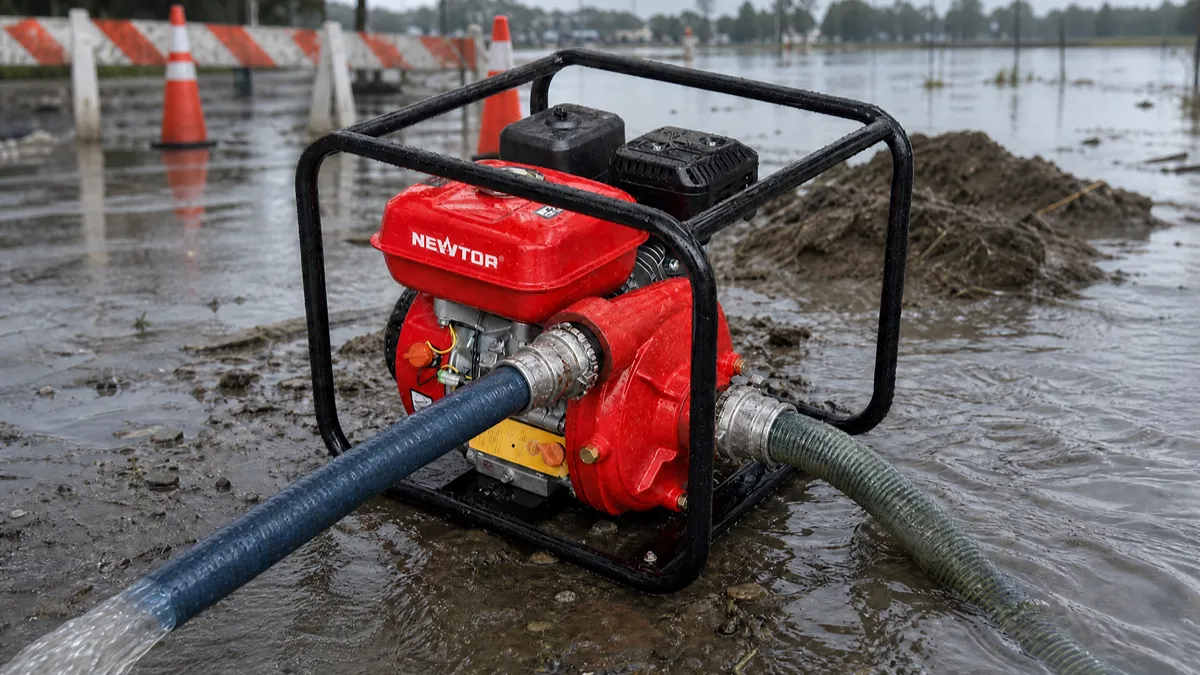
遠心ポンプと自吸ポンプの選択 ポンプ アプリケーションによって異なります, 作業環境, そして顧客のニーズ. 渦巻ポンプで高効率かつ簡単操作で安定した水源を実現, 一方、自吸式ポンプにより始動が容易になり、状況の変化に対する柔軟性が向上します。.
販売代理店様向け, ディーラー, およびOEMバイヤー, 適切なポンプ タイプの選択は、技術的な性能だけでなく、市場の需要も考慮します。, ユーザーエクスペリエンス, そして長期的な信頼性. 固定灌漑システムでうまく機能するポンプは、建設現場や可搬式水移送用途には最適な選択ではない可能性があります。.
このガイドでは, 遠心式と自吸式を比較してみます ウォーターポンプ 動作原理の観点から, 効率, インストール, メンテナンス, アプリケーション, より適切な製品選択の決定に役立つ市場適合性.
遠心ポンプとは?
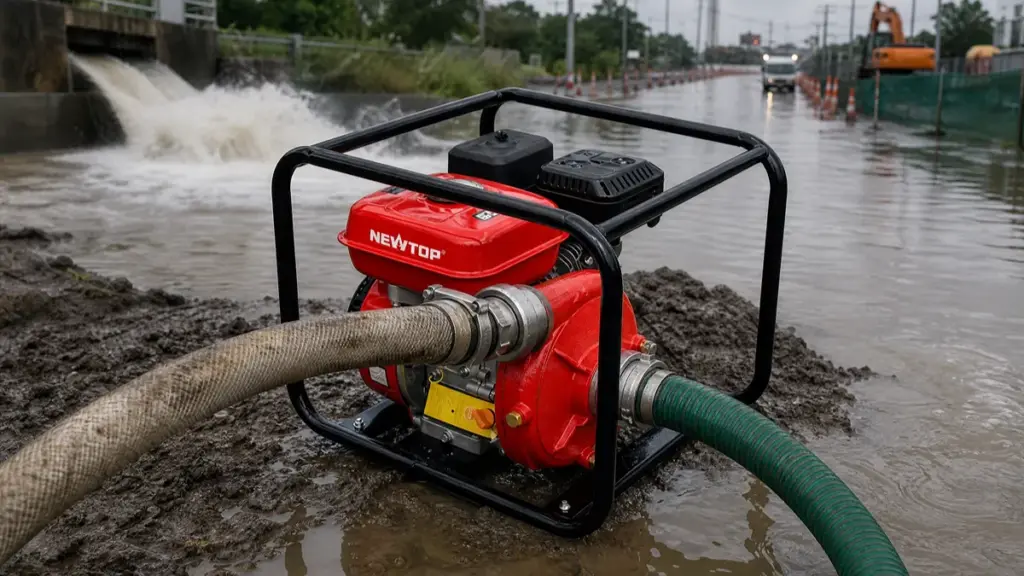
遠心ポンプは、大量の水を移動させるための業界のベースラインです, 回転インペラとボリュートケーシングを使用して、機械モーターの動力を油圧に変換します。.
コアの定義とエネルギー変換
遠心ポンプは、上水の移送や灌漑用途に使用される最も一般的なタイプの送水ポンプの 1 つです。. 回転する羽根車によって発生する遠心力を利用して、水を入口から出口まで移動させます。.
このメカニズムは、非圧縮性の液体の速度を上げることによって機能します。, 通常は水. 高速で移動する流体がケーシングの壁に衝突すると、, システムはその生の運動速度を使用可能な圧力に変換します。. 過度の機械的複雑性を伴うことなく連続的な流れを実現できるため、エンジニアはこの設計を中程度の圧力勾配に逆らって大量の水を移動させるためのベースライン技術として扱っています。.
自吸ポンプとは?
自吸式ポンプは、内部リザーバーを備えた特殊な遠心ユニットで、手動で再呼び水を繰り返すことなく自動的に空気を排出し、液体の流れを回復します。.
自吸式ポンプは、それ自体のケーシングおよび接続された吸引ラインから空気を排出するように設計された特殊な遠心力給水機として機能します。. 標準の遠心ポンプはシステムに空気が入ると故障します, オペレータに手動で再プライミングを強制する. 自吸式設計は、この主な制限に直接対処します。.
内部に液体リザーバーが組み込まれており、起動時に真空を生成します。. このメカニズムは、標準のポンプが開始される前に水を自動的にシステム内に上向きに引き込みます。. この能力のおかげで, エンジニアは、水源の上に機器を設置する必要がある用途にこれらのポンプを指定することがよくあります。.
長持ちするように作られた利益率の高い園芸機械の供給元

遠心ウォーターポンプの仕組み?
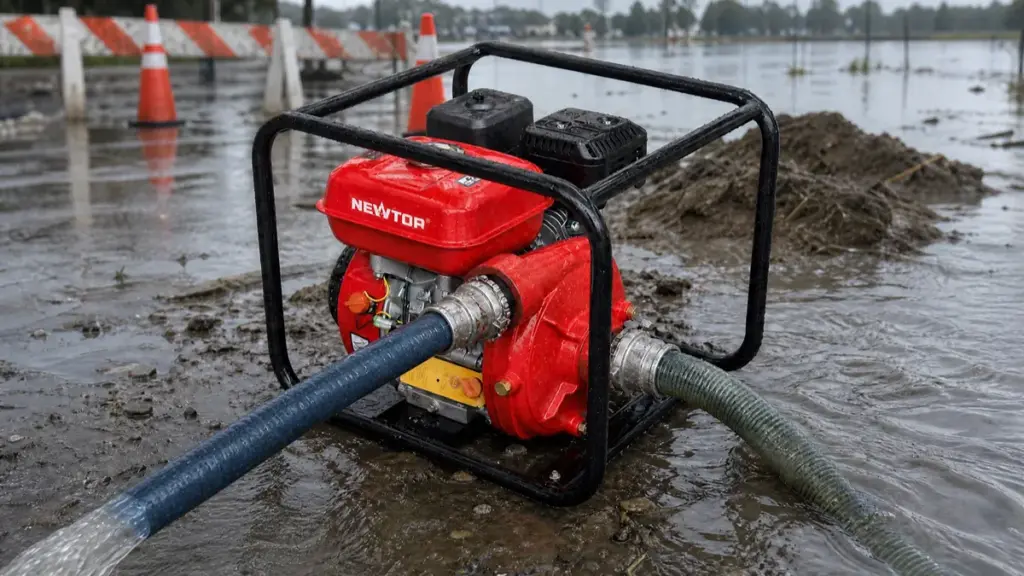
遠心ポンプは、回転するインペラを利用して機械的回転を流体力学的圧力に変換します。. 大量の水の移送に優れていますが、開始前にケーシングを完全に下塗りする必要があります。.
核となるエネルギー変換原理
その基礎にあるのは, 遠心ポンプは直接的なエネルギー交換に依存しています. 電気モーターまたはディーゼル エンジンが回転運動エネルギーをポンプ シャフトに供給します。. 付属の羽根車が回転すると、, その機械エネルギーを流入水に直接伝達します。, その速度が急速に加速している.
水が高速で羽根車のブレードから出ると、, 周囲の筐体にぶつかる. ケーシングは変換ゾーンとして機能します, 高速流体を強制的に減速させ、その運動エネルギーを静圧に変換します。. この結果として生じるプレッシャー, または頭, 水が配管網を通過するのに必要な力を与える.
主要な内部コンポーネント
流体力学を理解するには, 難しい作業を行っているハードウェアを確認する必要があります. 3 つの主要なコンポーネントがポンプの性能を決定します:
- インペラ: 湾曲刃を備えたシャフトドライブホイール. 遠心力を利用して水を中心から半径方向外側に押し出します。.
- ケーシング (ボリュートまたはディフューザー): この固定ハウジングはインペラを囲んでいます. 水をスムーズに減速し、システム圧力を高めるように設計された拡大流域を備えています。.
- シャフトとモーター: これらの要素は、回転に必要な機械的トルクを供給します。. 標準的な水用途の場合, モーターは通常、次の速度でシャフトを駆動します。 1750 そして 3500 回転数.
段階的な流体の流れのプロセス
流体の実際の動きは連続的に発生します。, 迅速なシーケンス. 水はまず吸込ポートを通って軸方向にポンプに入ります。, インペラの中心(アイとして知られる)にまっすぐに流れます。. 回転ブレードはこの流体を即座に捕らえ、インペラの外縁に向かって半径方向外側に加速します。.
この激しい外側への動きにより、インペラの目の位置に重大な低圧ゾーンが形成されます。. 吸引ラインの大気圧と静圧が反応して、より多くの水を継続的にポンプに引き込み、その隙間を埋めます。. その間, 元の水が渦巻きケーシングの膨張する壁に衝突します。, 減速する, 高圧の流れとして吐出ノズルから排出されます。.
The Role of Initial Priming
標準的な遠心水ポンプには厳しい動作上の制約があります: 彼らは空気を送り出すことができない. Before you initiate startup, ケーシングと吸引ライン全体が固体の水柱を保持する必要があります. If air accumulates inside the casing, the impeller simply churns the gas. ユニットがガスに縛られ、流体を移動させるのに必要な圧力差を生成できなくなります。.
標準モデルには排気機能が組み込まれていないため, システム設計に大きく依存します. エンジニアは通常、これらのユニットを浸水吸引レイアウトに設置します。, ポンプを水源の下に置き、重力で呼び水が維持されるようにする. ポンプが水位より高い位置にある場合, オペレータは外部真空システムまたはフートバルブを利用して、次のサイクルに向けてシステムを完全に準備しておく必要があります。.
自吸式ウォーターポンプの仕組み?
自吸ポンプは滞留水を流入空気と混合します, 空気を追い出す, 手動で再プライミングせずに真空を作成して下から液体を吸引します.
初期のケーシング充填およびシール形成
初めて電源スイッチを押す前に, 内蔵のリザーバーに手動で水を入れる必要があります. この重要なステップは空運転を防ぎます, 急速に過熱してメカニカルシールが破壊される状態. 保持された水により、回転するインペラと摩耗プレートの間に流体力学的シールが形成されます。, 最初の吸引動作に必要な物理的条件を確立する.
インペラでの空気と水の混合
インペラが回転し始めると、, 浸水していない吸引ラインから空気を引き込みます. この流入空気と、ケーシング内にすでに存在している水がインペラの目のところで直接積極的に混合されます。. この動作により密集した構造が形成されます。, ポンプ輸送可能な空気と水の混合物, 標準的な遠心ポンプを停止させる典型的な空気結合障害を回避します.
空気の分離と水の再循環
回転するインペラは遠心力を利用して、新たに形成された空気と水の混合物を外側のケーシング室内に飛ばします。. この広い空間の中に, 重力と密度が引き継ぐ. 軽い空気は上部に上昇し、開放排出口または専用の空気放出装置を通って排出されます。. 重い水は落下し、内部再循環ポートを通ってインペラに循環して戻り、混合プロセスを繰り返します。.
真空生成と吸引リフト
ポンプが空気のポケットを排出するたびに, 吸引ライン内の空気の総量が減少します. この連続的な抽出により、インペラの目と吸込配管全体に部分的な真空が生成されます。. パイプ内の圧力が下がった状態で, 地下水源にかかる高い大気圧により、液体がパイプ内をポンプ入口に向かってまっすぐに押し上げられます。.
標準遠心ポンプへの移行
呼び水サイクルは、ポンプがすべての空気を排出し、流路全体が水で満たされた瞬間に終了します。. この時点から先, ユニットは従来の遠心ポンプとまったく同じように動作します。, システムの排出のために水の速度を圧力に連続的に変換します. 最終的にポンプを停止したとき, 統合されたリザーバーが特定の量の水を保持します, 機器を次の自動プライムに向けて準備を整える.
遠心式ウォーターポンプと自吸式ウォーターポンプ: 主な違いの概要
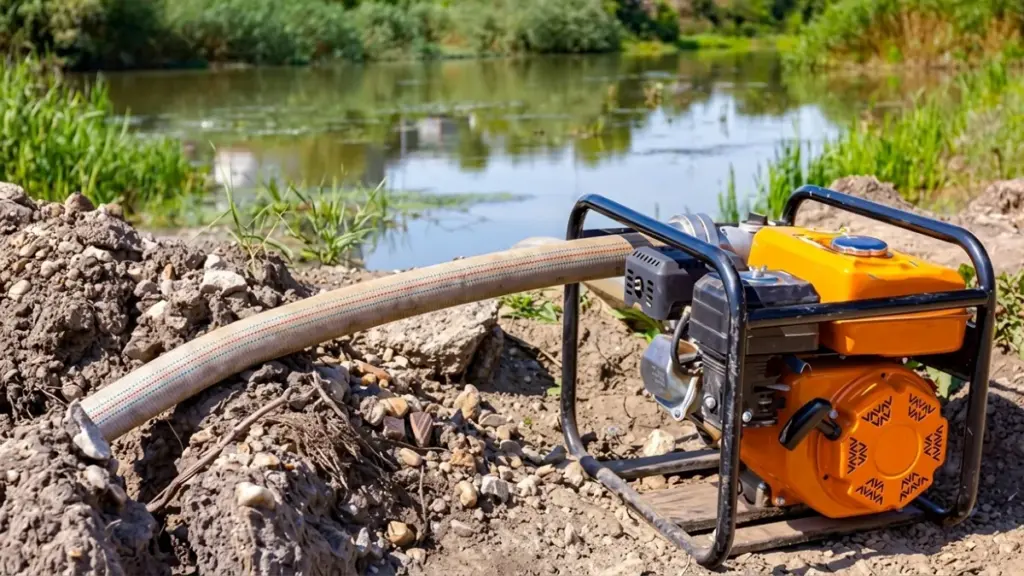
遠心式ウォーターポンプと自吸式ウォーターポンプを評価する場合, この決定により、施設のエネルギー使用量とメンテナンス スケジュールが決まります。. エンジニアは、空気管理と吸込揚程の実際の現実に対して、ピーク油圧効率のバランスを取る必要があります。.
| 比較 | 遠心ポンプ | 自吸ポンプ |
|---|---|---|
| プライミング要件 | Requires manual priming before operation | Automatically removes air after initial filling |
| 起動速度 | Requires additional preparation before starting | Starts faster with less preparation |
| 効率 | 理想的な動作条件下ではわずかに高い効率 | 追加の自吸設計機能により、効率がわずかに低下します |
| インストール | 安定した水源を備えた固定設備に最適 | ポータブルで頻繁に再配置されるアプリケーションに適しています |
| 動作条件 | 安定した水の供給と適切に密閉された吸引ラインが必要です | 変化する水源と圃場の状態にうまく対処します |
| メンテナンス | Simpler structure with easier maintenance | コンポーネントが増えても、検査と保守は簡単 |
| 料金 | 通常はもっと手頃な価格 | 通常、追加の設計機能によりコストが高くなります |
| 一般ユーザー | 農場, 工場, 灌漑システム, and fixed water transfer applications | 建設現場, 農業, 緊急排水, ポータブル水の移送 |
関連している: ゴミポンプと浄水ポンプの違い
呼び水の仕組みとエアハンドリング
標準的な遠心分離ユニットは、完全に浸水した吸引ラインに依存して動作します。. システムに空気が入った場合, インペラは流体力学的グリップを失います, ポンプの呼び水の低下を引き起こす. 流れを回復するには、オペレーターが外部ソースからケーシングを手動で補充する必要があります, which adds downtime to intermittent operations.
自吸式ポンプは根本的に異なるアプローチを採用しています. Once you complete an initial casing fill, 吸引ラインから空気を自動的に排出します。. They actively process air-water mixtures, expelling the gas and recirculating the liquid until they pull a full vacuum. This structural advantage allows them to re-prime repeatedly without manual intervention.
Internal Design and Complexity
A standard centrifugal pump keeps mechanical complexity to a minimum. The fluid follows a simple, direct hydraulic path straight into the impeller and out through the volute. This streamlined geometry requires minimal mechanical upkeep and keeps initial equipment costs low.
Self-priming designs integrate additional components directly into the pump casing. They feature built-in liquid reservoirs and specialized recirculation chambers engineered to separate air from water. While these internal additions remove the need for external vacuum systems, they require slightly more maintenance. 技術者はこれらのチャンバーを定期的に検査して、強力な真空を生成するのに十分な内部隙間が確保されていることを確認する必要があります。.
油圧効率とエネルギー使用量
標準の遠心ポンプが生エネルギー性能で優位を占めています. 継続的に, 浸水吸引用途, 彼らは配達します 5 に 15 自吸式よりも油圧効率がパーセント高い. 流体は二次分離チャンバーの抵抗なしで効率的に移動します。, 消費電力を低く抑える 24/7 実行サイクル.
自吸式モデルは設計により若干の効率低下を被ります. 内部の再循環経路に水を強制的に通すと、摩擦と乱流が発生します, 同じ体積の液体を移動させるには、わずかに多くのモーター出力が必要です. しかし、生の効率だけですべてがわかるわけではありません. 標準ポンプのプライムを維持するために外部真空ポンプまたは高価なフットバルブが必要な場合, 自吸式ユニットを導入すると、補助部品が不要になり、総運用コストが削減されます。.
設置の適合性とアプリケーションの適合性
設備のレイアウトと流体の挙動が最終的なポンプの選択を決定します. 標準的な遠心ポンプは閉じた配管ネットワークに属します, 市の給水所, 浸水吸引状態が安定した大規模な産業用冷却ループ.
自吸式モデルは、機器が水源の上に設置されるような要求の厳しい物理的レイアウトに優れています。. これらは、以下の状況に直面するシステムに対する厳しい要件です。:
- サクションリフト用途: 地下タンクから水を垂直に汲み上げる, 深い井戸, またはサンプ.
- 断続的な動作: 吸引ラインが定期的に排出される頻繁な起動/停止サイクルを管理する.
- 不安定な流体の流れ: ガス混入の多い廃水や農業排水の処理.
ポンプを配管ネットワークの物理的要求に正確に適合させることで、早期の摩耗を防ぎ、継続的な液体の供給を保証します。.
どのポンプがより優れた効率と性能を提供するか?
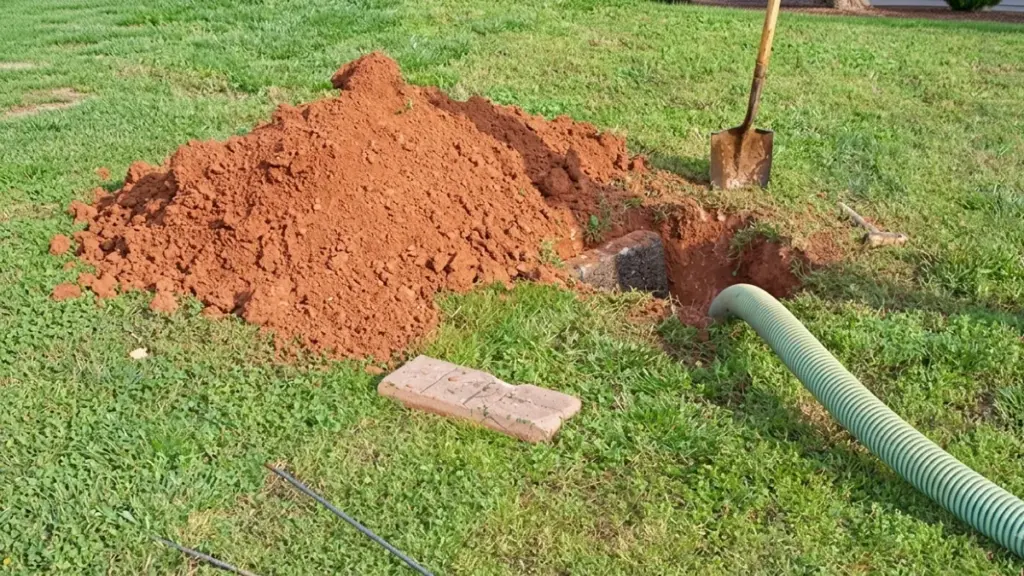
標準の遠心ポンプが提供する 5-15% 浸水システムにおける油圧効率の向上, 一方、自吸モデルはサクションリフト環境で比類のない稼働稼働時間を提供します。.
油圧効率とエネルギー消費量
標準的な遠心ポンプは、内部再循環チャンバーのないシンプルな油圧設計に依存しています。. この合理化された流路は、 5-15% 自吸式モデルに比べて効率が優れている. Self-priming units integrate built-in reservoirs and air-separation paths to manage suction automatically. These extra internal components create unavoidable friction and hydraulic losses during normal operation. For continuous duty tasks running under steady conditions, standard centrifugal pumps minimize energy consumption and achieve the highest pure wire-to-water efficiency.
Priming Capabilities and Air Handling
Standard centrifugal units demand a guaranteed flooded suction line or dedicated external priming systems to function. If a small air pocket enters the suction piping, the pump quickly loses flow and drops prime. Self-priming pumps solve this operational bottleneck directly. After an initial fill, they automatically separate entrained air from the water, pull a vacuum, and restore prime without manual intervention. When a system involves significant suction lift or draws in gas-laden water, the self-priming design provides superior real-world performance and prevents unexpected shutdowns.
Impact of Duty Cycle and Operating Conditions
The daily operating cycle dictates which pump architecture actually performs better in the field. Selecting the right design requires matching the pump to the exact physical demands of the site.
- Continuous operations: Stable tasks like municipal boosting stations and closed HVAC loops heavily favor the pure hydraulic efficiency of standard centrifugal models.
- Intermittent tasks: Dewatering, sump emptying, and variable-flow duties benefit from the rapid auto-repriming capabilities of self-priming pumps.
- 過酷な環境: Pumping dirty water or slurries requires the rugged reliability of a self-priming unit to sustain flow despite solid debris and air ingestion.
Cost Implications and Long-Term Value
Financial performance ties directly to the installation environment. Standard centrifugal pumps carry a lower initial purchase price, occupy a smaller footprint, and require straightforward mechanical maintenance. Self-priming models demand a higher upfront capital investment due to their complex casing designs.
This extra cost pays off by eliminating the need for expensive external vacuum systems, priming tanks, and foot valves. Choosing the right pump comes down to a strict metric comparison: you either prioritize minimizing kWh consumption under ideal, continuous conditions, or you maximize system uptime and reduce labor costs in challenging, air-prone environments.
Which Pump Is Easier to Install and Maintain?
Standard centrifugal pumps offer mechanical simplicity, while self-priming models reduce system-level complexity by eliminating external priming hardware in lift applications.
Installation Requirements and Physical Footprint
Standard centrifugal pumps feature a compact, lightweight casing. This lean design makes physical installation straightforward when dealing with tight structural spaces. You can mount them quickly without massive baseplates or heavy lifting equipment.
That physical simplicity comes with strict system-level demands. Standard models require a flooded suction setup or external priming hardware. You must design suction piping carefully to prevent air traps that could cause the pump to air-bind.
Self-priming centrifugal pumps take the opposite approach. They have larger, heavier casings due to their built-in fluid reservoirs and internal air-separation chambers. Getting them onto the pad requires more effort and physical space.
Despite their bulk, self-priming units simplify system-level installation for lift applications. By integrating the priming mechanism directly into the casing, they eliminate the need to install external vacuum systems or prone-to-fail foot valves.
Routine Mechanical and Operational Maintenance
From a pure wrench-turning perspective, standard centrifugal pumps are mechanically simpler to disassemble and inspect. They involve fewer internal components and cavities, making routine teardowns and seal replacements fast and predictable.
Operational maintenance tells a different story. If air enters a standard ポンプシステム, the workload increases significantly. Technicians face manual repriming and must spend time troubleshooting auxiliary priming devices to restore flow.
Self-priming pumps manage air autonomously. They automatically evacuate air and re-prime themselves after an initial fill. This capability reduces manual operator interventions and prevents unplanned downtime when suction conditions fluctuate.
While self-priming models remove the burden of external priming hardware maintenance, they introduce a different service point. Their internal recirculation passages may require occasional cleaning to clear sludge and debris in dirty-water applications.
What Applications Are Best for Each Pump Type?
Standard centrifugal pumps dominate continuous, flooded-suction applications, while self-priming models excel in suction-lift, intermittent, and air-prone setups. Match the pump’s air-handling ability to your system’s reality.
Different working environments require different pump characteristics.
Centrifugal Pump Applications
Centrifugal pumps are suitable for:
- Agricultural irrigation systems
- Water circulation
- Industrial water transfer
- Residential water supply
- Fixed pumping stations
They are ideal when users need stable operation and high efficiency.
Self-Priming Pump Applications
Self-priming pumps are commonly used for:
- Construction site drainage
- Flood water removal
- Farm irrigation from rivers or ponds
- Portable water transfer
- Emergency pumping
They are preferred when flexibility and quick operation are more important than maximum efficiency.
How to Choose the Right Water Pump for Your Market
Matching pump types to local suction limits, duty cycles, and maintenance skills prevents costly field failures and protects your dealer margins.
For OEM buyers and distributors, product selection should consider customer needs, 現地の状況, and market expectations.
Key factors include:
1. Water Source Conditions
If customers use a fixed water tank or permanent pipeline system, centrifugal pumps are often enough.
If water sources come from rivers, 井戸, or temporary locations, self-priming pumps provide better reliability.
2. Customer Skill Level
Markets with professional operators may accept centrifugal pumps.
For general users, farmers, and rental customers, self-priming pumps offer easier operation.
3. Transportation and Mobility
Portable gasoline water pumps are often moved frequently. このような場合には, self-priming models provide better convenience.
4. Target Price Segment
Centrifugal pumps usually offer a more economical solution, while self-priming pumps provide additional value through easier operation.
A strong product portfolio often includes both options to cover different customer segments.
Why OEM Buyers Choose Both Pump Types from NEWTOP
Sourcing both centrifugal and self-priming pumps from NEWTOP allows OEMs to build tiered product lines, standardize supply chains, and lower engineering overhead.
As an experienced outdoor power equipment manufacturer, ニュートップ understands that different markets require different pumping solutions.
By offering both centrifugal and self-priming gasoline water pumps, NEWTOP helps distributors build a complete product range for agriculture, 工事, 灌漑, and emergency water applications.
NEWTOP water pumps are designed with:
- 信頼性のある gasoline engines for stable operation
- Durable pump bodies for demanding working environments
- User-friendly designs for easier operation
- Strict 品質管理 during production
- OEM customization support for different markets
With manufacturing experience in outdoor power equipment, NEWTOP supports global partners with dependable products, flexible solutions, and long-term cooperation.
Whether your market needs efficient centrifugal pumps or versatile self-priming pumps, NEWTOP can help you select the right configuration for your customers.
最終的な考え
Choosing between a standard centrifugal and a self-priming water pump comes down to balancing peak hydraulic efficiency against field reliability. While sourcing a single, cheaper pump type might seem cost-effective initially, matching the correct internal architecture to your buyers’ exact suction conditions protects your margins from preventable dry-run failures. Maintaining a diversified inventory of both standards allows you to secure contracts across every sector, from stable municipal distribution to unpredictable agricultural dewatering.
Building a resilient OEM pump catalog requires verifiable performance data and consistent manufacturing quality. We recommend testing our hydraulic designs firsthand to ensure they align perfectly with your regional market demands. Contact our engineering team to review technical specifications, discuss custom production runs, and arrange sample units for your own field validation.
よくある質問
What is the difference between a standard centrifugal pump and a self-priming pump?
Standard centrifugal pumps require a flooded suction line and manual priming. Self-priming models include a built-in liquid reservoir that automatically evacuates air from the suction line, allowing the pump to draw fluid and run without external priming assistance.
Do self-priming pumps need manual priming?
You must manually fill the casing before the very first use. After this initial setup, they retain enough fluid in their internal chamber to automatically re-prime during future starts. This works as long as the casing does not completely drain or leak between cycles.
Which pump is better for agricultural use?
Standard centrifugal models work best for continuous, large-scale irrigation from stable surface water sources like ponds. If the setup requires lifting water from wells, uses mobile equipment, or experiences fluctuating water levels, a self-priming pump provides much better reliability.
Are self-priming pumps less efficient than standard centrifugal pumps?
一般的に, centrifugal pumps have slightly higher efficiency because of their simpler design. しかし, self-priming pumps can provide better overall productivity by reducing setup time and operational problems.
Can standard centrifugal pumps handle intermittent operation?
They tolerate intermittent motor start/stop cycles perfectly fine. But they fail if the liquid supply itself is intermittent. If air enters the suction line or the water source drops, the pump loses prime and stops moving fluid until an operator manually refills the system.
Which pump is easier to maintain in the field?
Standard centrifugal pumps feature simpler internal designs with fewer specialized parts, making them easier to rebuild and troubleshoot on-site. Self-priming units contain complex internal recirculation passages and reservoirs that demand specific clearances and more experienced technicians to service correctly.
What pump is better for dealer resale in developing markets?
Self-priming centrifugal pumps generally move faster in these markets. They offer higher reliability for buyers dealing with variable water sources, frequent power interruptions, and suction lift needs, significantly reducing setup friction for users with limited technical maintenance skills.
Every stage of chainsaw manufacturing—from metal casting and precision machining to engine assembly, guide bar production, and final testing—plays a critical role in ensuring consistent quality and reliable operation.
This guide explains how modern chainsaws are manufactured step by step, the technologies involved in each production stage, and the quality standards that distinguish a professional chainsaw manufacturer from an average supplier.
What Are the Main Components of a Chainsaw?
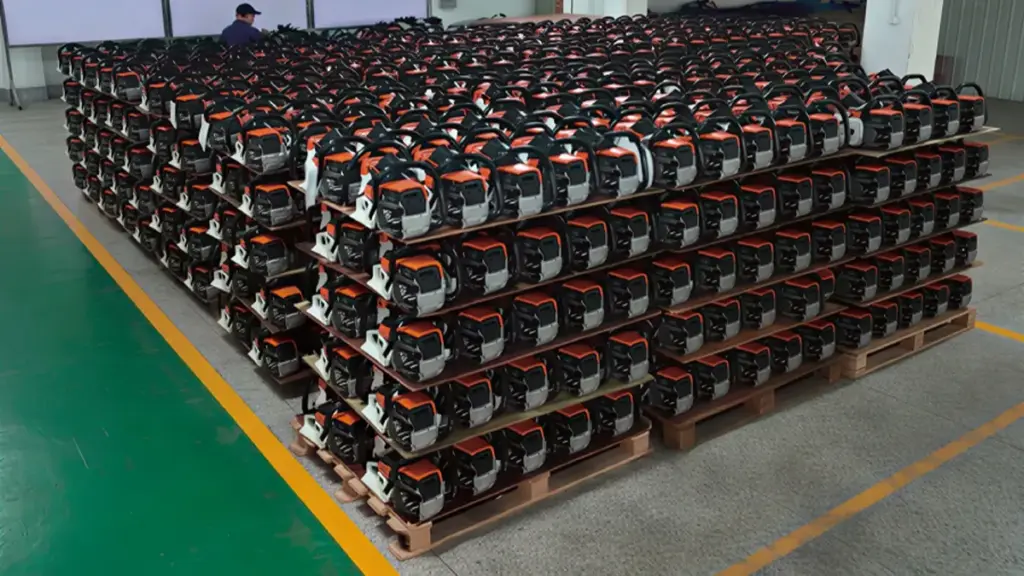
Before exploring the manufacturing process, it’s helpful to understand the major components that make up a chainsaw.
If you’re looking for replacement or OEM components, explore our complete range of chainsaw parts and accessories, including guide bars, ソーチェーン, キャブレター, clutch assemblies, ignition systems, and other essential spare parts.
| 成分 | Function |
|---|---|
| Engine or Motor | Provides cutting power |
| シリンダー & クランクケース | Houses the combustion system |
| クランクシャフト & ピストン | Converts combustion into rotational power |
| キャブレター | Mixes fuel and air efficiently |
| ガイドバー | Supports and guides the saw chain |
| ソーチェーン | Performs the actual cutting |
| Clutch System | Transfers engine power to the chain |
| Chain Brake | Stops the chain quickly for safety |
| 燃料 & Oil Tanks | Store fuel and chain lubrication oil |
| Plastic Housing | Protects internal components while reducing weight |
| Handle & Anti-Vibration System | Improves comfort and operator safety |
ステージ 1: Metal Casting for High-Strength Engine Components
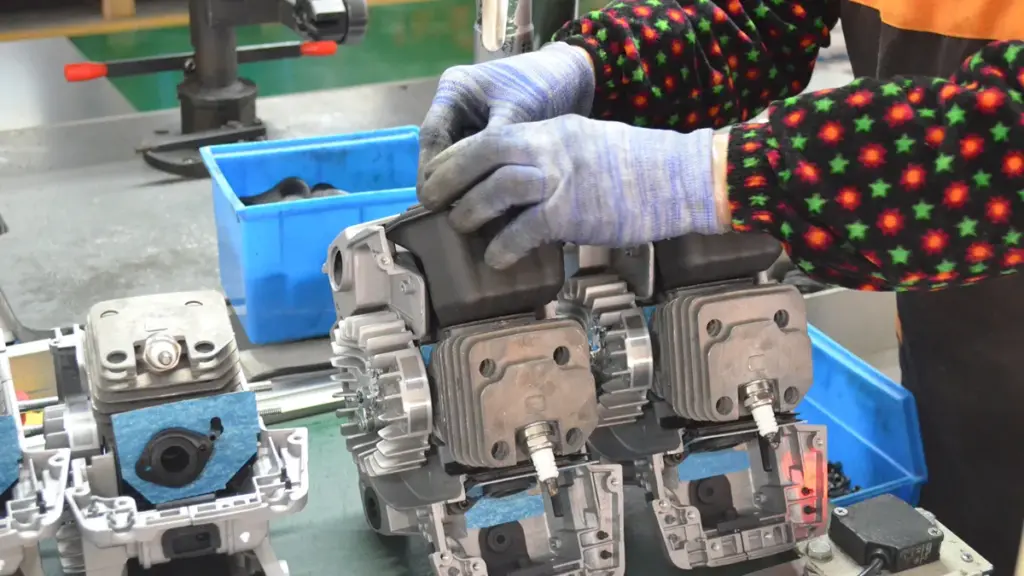
Every chainsaw starts with a strong foundation—the engine. Before any machining or assembly begins, manufacturers create the engine’s structural components through metal casting.
The most important cast parts include the crankcase, cylinder, フライホイール, clutch drum, and other load-bearing components. These parts must withstand continuous vibration, high temperatures, and rapid engine speeds while remaining lightweight enough for comfortable operation. ニュートップ further enhances user comfort with an integrated anti-vibration system that minimizes vibration transfer to the handles, allowing safer and more comfortable operation over long working hours. If you’re looking for a dependable chainsaw manufacturer, explore NEWTOP’s full range of professional ガソリンチェーンソー designed for OEM and global distribution.
Different casting processes are selected based on the component’s function:
| Casting Process | Typical Components | Main Advantages |
|---|---|---|
| High-pressure die casting | Aluminum crankcases, engine housings | Excellent dimensional accuracy, high production efficiency |
| Gravity die casting | Cylinder heads, medium-volume components | Better mechanical strength and surface quality |
| Sand casting | Large or low-volume components | Lower tooling cost and greater design flexibility |
| Investment casting | Steel clutch parts, sprockets | High precision and excellent surface finish |
Aluminum alloys are the preferred material for most engine housings because they provide an excellent balance of strength, 耐食性, heat dissipation, and weight reduction. Steel or ductile iron is typically used for heavily loaded transmission and clutch components where higher wear resistance is required.
After casting, every part undergoes trimming, shot blasting, and preliminary dimensional inspection before moving to the machining department. Removing flash, burrs, and surface defects at this stage helps ensure consistent machining accuracy later in production.
ステージ 2: Precision CNC Machining for Critical Parts
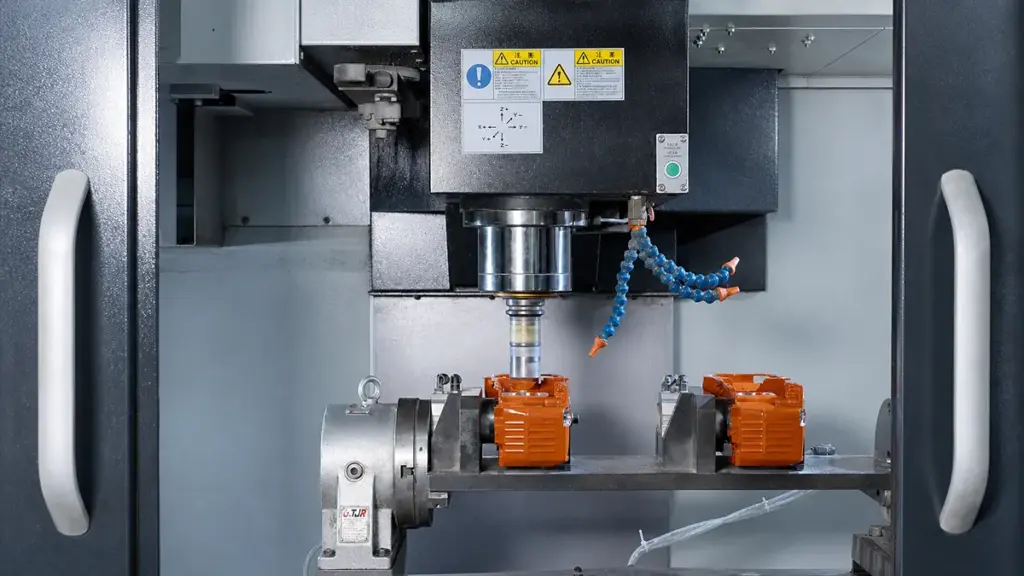
Casting produces the basic shape of each component, but it cannot achieve the tight tolerances required inside a modern chainsaw engine. Precision CNC machining creates the final dimensions that determine engine performance and reliability.
Computer-controlled machining centers perform multiple operations, 含む:
- Cylinder boring
- Crankshaft journal machining
- Bearing seat finishing
- Thread tapping
- Surface milling
- Gear machining
- Drilling oil passages
Many chainsaw manufacturers use multi-axis CNC machining centers to complete several operations in a single setup, improving consistency while reducing production time.
The cylinder bore is one of the most critical machining operations. Its diameter, roundness, and surface finish directly influence piston sealing, 圧縮, 燃費, and engine lifespan. Even minor dimensional errors can increase friction or reduce engine performance.
After machining, coordinate measuring machines (CMM), laser measuring equipment, and precision gauges verify that every critical dimension falls within specification before parts proceed to assembly.
ステージ 3: Plastic Injection Molding for Lightweight Housings
While the engine provides power, many external chainsaw components are manufactured using plastic injection molding to reduce overall weight and improve user comfort.
Typical injection-molded parts include:
- Front and rear handles
- Starter covers
- Air filter covers
- 燃料タンク
- Oil tanks
- Chain brake housings
- Side covers
- Protective guards
Engineering plastics such as PA6, PA66, ABS, polypropylene (PP), and glass fiber reinforced nylon are commonly used because they offer high impact resistance, excellent dimensional stability, and resistance to fuel, 油, and UV exposure.
The injection molding process consists of several stages:
- Plastic pellets are heated until molten.
- The material is injected into precision molds under high pressure.
- Cooling channels solidify the plastic rapidly.
- Parts are automatically ejected from the mold.
- Gates and flash are removed before inspection.
Modern production lines often use robotic systems for automatic part removal and trimming, improving production efficiency while maintaining consistent quality.
Each molded component is inspected for sink marks, warpage, flash, and dimensional accuracy before entering the final assembly line.
ステージ 4: Engine Assembly and Power System Integration
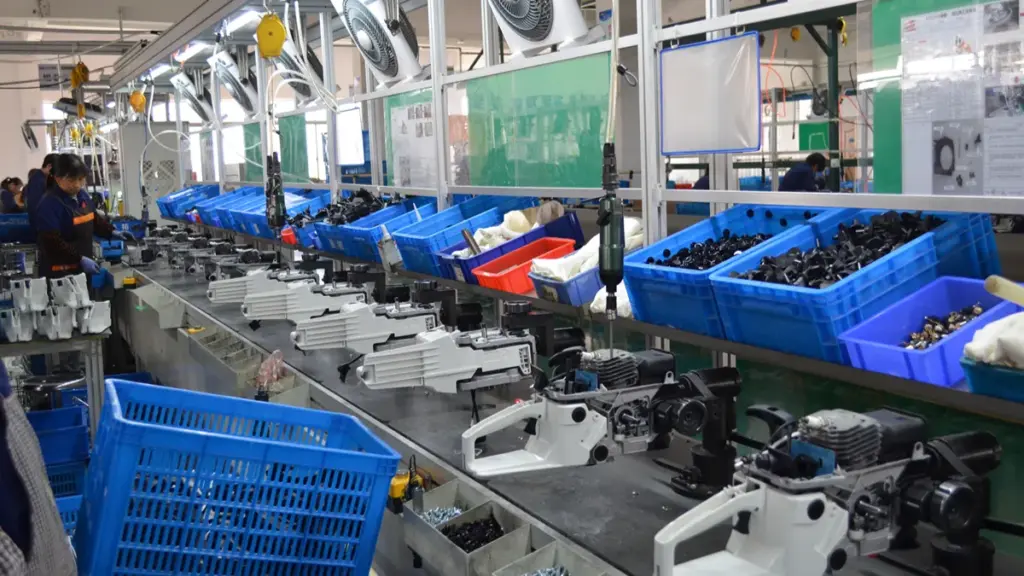
Once all engine components have been manufactured, technicians assemble the complete power unit according to carefully controlled procedures.
A typical assembly sequence includes:
- Installing crankshaft bearings
- Press-fitting the crankshaft
- Installing the piston and piston rings
- Connecting the connecting rod
- Mounting the cylinder
- Installing seals and gaskets
- Assembling the ignition system
- Installing the carburetor
- Mounting the clutch and flywheel
After engine assembly, ignition timing, carburetor settings, and compression are checked before the power unit advances to final product assembly.
Modern production lines also use barcode or QR code tracking to record assembly data, allowing every engine to be traced throughout its manufacturing history.
Maximize Margins With Premium Garden Machinery
ステージ 5: Manufacturing the Guide Bar and Saw Chain
The guide bar and saw chain form the cutting system of a chainsaw and require specialized manufacturing processes separate from engine production.
Guide Bar Manufacturing
Guide bars are typically produced from high-strength alloy steel through:
- Steel blanking
- Heat treatment
- Groove machining
- Nose sprocket installation (for sprocket nose bars)
- 研削
- Surface coating
- Final inspection
Heat treatment increases hardness while maintaining enough toughness to resist bending and cracking during heavy cutting.
Saw Chain Manufacturing
Saw chains are significantly more complex than they appear. A single chain contains hundreds of precisely manufactured components, 含む:
- Cutter teeth
- Drive links
- Tie straps
- リベット
Each cutter tooth is stamped, heat treated, precision ground, and sharpened to produce consistent cutting performance.
Automated riveting machines assemble individual links into complete chains while maintaining accurate chain pitch and articulation. After assembly, chains are lubricated, tension-tested, and inspected for smooth operation.
High-quality chains often feature chrome-plated cutter teeth and hardened rivets to improve wear resistance and extend service life.
ステージ 6: 最終組み立て, Performance Testing, and Quality Inspection
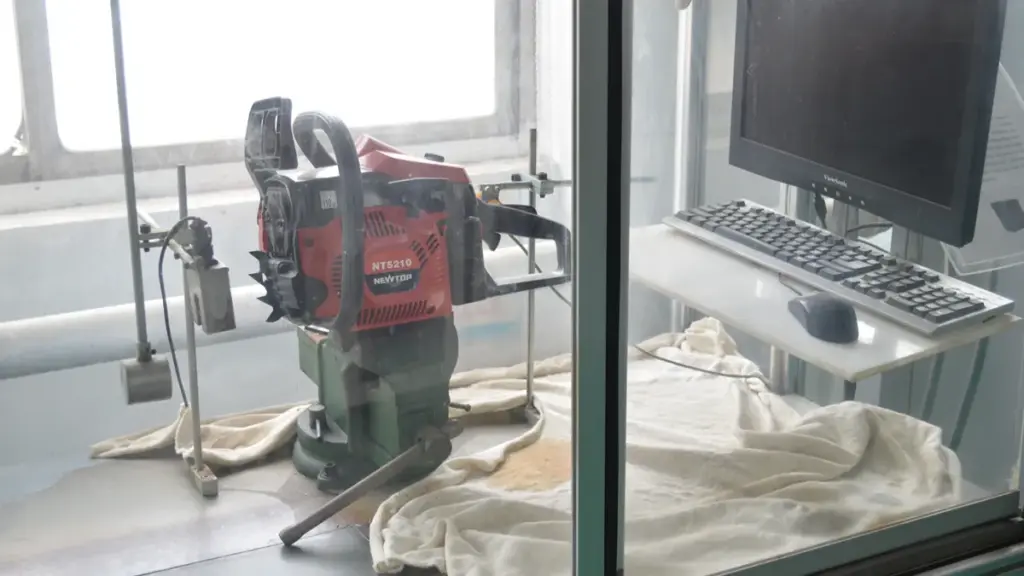
The final stage brings together every component into a finished chainsaw ready for shipment.
During final assembly, workers install the completed engine, ガイドバー, ソーチェーン, plastic housings, fuel system, ignition components, handles, safety devices, and control mechanisms.
Each chainsaw then undergoes multiple quality inspections before packaging.
Typical production tests include:
| Inspection Item | 目的 |
|---|---|
| Torque verification | Ensure fasteners meet assembly specifications |
| Compression test | Verify engine sealing performance |
| Ignition test | Confirm reliable spark generation |
| Fuel system leak test | Prevent fuel leakage |
| Chain brake test | Verify operator safety |
| Idle speed test | Ensure stable engine operation |
| Maximum RPM test | Confirm engine performance |
| Noise and vibration test | Evaluate operating comfort |
| 目視検査 | Check cosmetic quality and assembly accuracy |
ニュートップにて, every chainsaw model undergoes rigorous endurance testing of up to 200 時間 under demanding operating conditions. Built with high-quality components and strict manufacturing standards, NEWTOP chainsaws are engineered to deliver more than 500 時間 of working life under professional use, providing reliable performance for forestry, 造園, および商用アプリケーション.
Only after passing all inspection procedures are chainsaws cleaned, packaged with accessories and manuals, and prepared for shipment.
What Certifications and Standards Should a Chainsaw Factory Meet?
Certifications demonstrate that a reliable chainsaw manufacturer follows internationally recognized quality, 安全性, and environmental requirements.
Depending on the target market, a reliable chainsaw factory should comply with standards such as:
| 認証 | 目的 |
|---|---|
| ISO 9001 | 品質マネジメントシステム |
| CE | Compliance with European safety requirements |
| GS | German product safety certification |
| EPA | U.S. 排出ガスコンプライアンス |
| 炭水化物 | California emissions standards |
| RoHS | 有害物質の制限 |
| 到着 | Chemical safety compliance |
ニュートップにて, quality and compliance are integrated into every stage of manufacturing. Our factory operates under an ISO 9001-certified quality management system, and our products comply with international standards and certifications, 含む CE, GS, EPA, RoHS, and REACH, depending on the product model and destination market. This allows us to support OEM customers across Europe, 北米, and many other global markets with confidence.
How Quality Control Ensures Reliable Chainsaw Performance
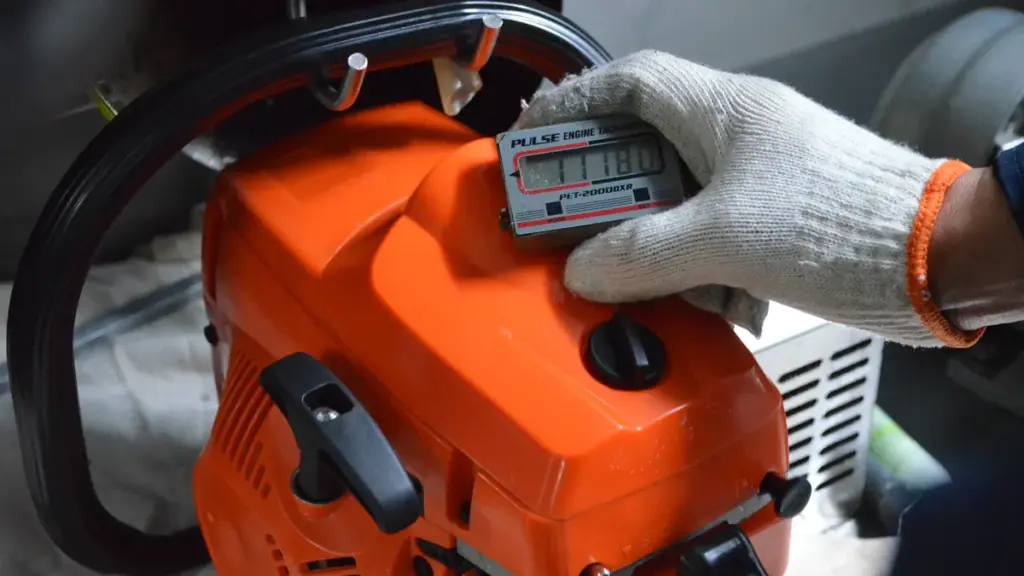
Consistent chainsaw performance relies on strict 品質管理, from precise component tolerances to rigorous safety validation and independent lab testing before shipment.
| QC Phase | Key Focus Area | Primary Objective |
|---|---|---|
| Specifications | Dimensional & Material Limits | Establish production baselines. |
| Incoming QC | Bore Size & Groove Width | Block defective parts early. |
| In-Process | Mistake-proofing & PFMEA | Prevent assembly errors. |
| Final Testing | 切断速度 & 安全性 | Validate functional performance. |
Establishing Technical Specifications and Supplier Standards
Quality control begins long before parts hit the assembly line. Manufacturers rely on detailed technical documents to set exact boundaries for what constitutes an acceptable component. This foundation dictates how the supply chain operates and prevents vague standards from degrading the final product.
- Defining dimensions: Engineering teams set precise dimensional tolerances for cylinders, ガイドバー, and chains to ensure alignment and prevent vibration.
- Material selection: Production managers establish strict requirements for wear-resistant steel alloys and impact-resistant plastics to survive harsh forestry environments.
- Supplier audits: Procurement teams audit partner factories for dedicated power tool production lines, advanced CNC machining, and specialized heat treatment capabilities.
Incoming Quality Control (IQ) for Critical Components
Catching defects at the source is significantly cheaper and safer than pulling apart a finished chainsaw. Incoming Quality Control (IQ) filters out substandard raw materials and purchased parts before they compromise the powerhead or cutting system.
- Cutting attachment checks: Inspectors test guide bar groove width, rail parallelism, and chain pitch tolerances against technical drawings.
- Engine component verification: Technicians verify cylinder bore size, roundness, and piston dimensions using coordinate measuring machines.
- Hardware validation: Staff check fasteners, trigger lock-outs, and chain brake springs to guarantee safety devices will function under load.
In-Process Controls and Manufacturing Stability
High-volume production lines introduce variables that can drift over a shift. In-process controls keep manufacturing stable, isolating individual workstations to detect assembly errors the moment they happen.
- Process mapping: Engineers map manufacturing steps with PFMEA to prioritize controls on high-risk operations like clutch installation and carburetor tuning.
- Assembly aids: Operators utilize mistake-proofing jigs and go/no-go fixtures to prevent incorrect component alignment.
- Mid-line checks: QC staff conduct intermediate functional tests on engine start behavior and preliminary guide bar tracking.
Final Performance Testing and Safety Validation
Once mechanical assembly concludes, testing shifts from static dimensions to dynamic performance. Every unit or sampled batch must prove it can cut efficiently and shut down safely under simulated field conditions.
- Cutting capability: Technicians perform test cuts on standardized wood samples to verify cutting speed, smoothness, and chip evacuation.
- Safety systems: Inspectors validate chain brake reaction times, throttle lock-outs, and kill switch reliability.
- Visual and physical fit: QA teams check final assembly for the correct chain tension range, secure guard alignment, and overall cosmetic integrity.
Independent Verification and Documentation Standards
International buyers trust independent validation over internal factory reports. Third-party testing and rigorous documentation keep global supply chains honest and protect the brand’s reputation upon import.
- Third-party audits: Brands engage independent inspection firms for AQL pre-shipment sampling and compliance lab testing.
- Physical baselines: Production teams use approved golden samples as the ultimate reference for fit, 仕上げる, and performance.
- Strict record-keeping: Factories maintain detailed bilingual specification packs and order confirmations to eliminate ambiguity and prevent scope drift.
Why Choose NEWTOP as Your OEM Chainsaw Manufacturer?
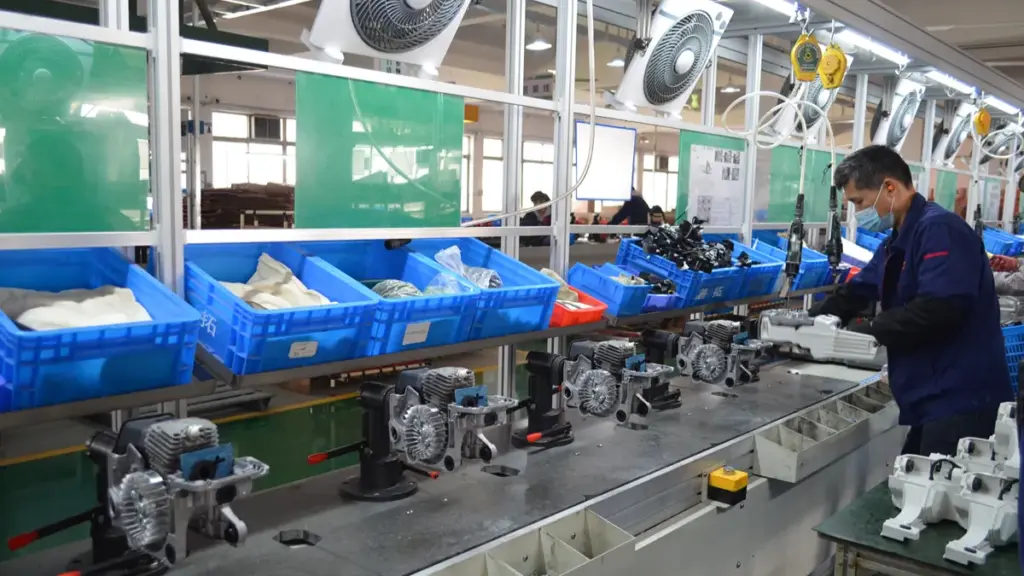
Partnering with NEWTOP gives distributors a direct pipeline to fully certified, scalable power equipment built for immediate global market entry.
Selecting the right manufacturing partner involves more than comparing prices. A capable factory should combine engineering expertise, 安定した生産能力, strict quality management, 応答性の高いカスタマーサポート.
で ニュートップ, we integrate the entire manufacturing process—from component production to final assembly—to ensure consistent product quality across every order.
Our manufacturing advantages include:
- より多い 20 years of manufacturing experience in outdoor power equipment
- Modern production facilities with advanced CNC machining and automated assembly
- Strict quality control throughout every production stage
- Comprehensive testing before shipment
- Support for OEM and ODM customization
- Flexible production capacity for distributors and brand owners
- Global export experience across multiple international markets
Whether you are launching a new chainsaw brand or expanding an existing product line, NEWTOP can provide dependable manufacturing support, stable quality, and long-term partnership for your business growth.
よくある質問
Can a Chinese factory handle OEM chainsaw orders?
Chinese factories easily handle end-to-end OEM chainsaw production. You can expect complete support from design adaptation and power parameter tuning to custom branding and export packaging. Facilities run dedicated lines for gasoline, コード付き電気, and battery-powered lithium-ion models.
How long does mass chainsaw production typically take?
Mass production cycles depend on the project scope. Standard repeat batches finish in 5 に 15 days once parts arrive at the assembly line. New OEM runs requiring prototype validation and custom molds take 3 に 6 weeks. Once on the main conveyor, physical assembly and testing for a single unit take just 10 に 30 分.
How do manufacturers test chainsaws before shipping?
Quality control teams run chainsaws through dedicated testing workshops before packaging. They test engine seals under pressure, calibrate idle and high-speed RPM thresholds, and perform physical wood-cutting trials. Inspectors also test critical safety components, including the chain brake reaction time, throttle lock-out, and the engine kill switch.
What materials are used to ensure chainsaw durability?
Professional chainsaw production relies on high-carbon and alloy steels for guide bars and saw chains. Premium cutting teeth often feature double chrome plating or brazed carbide inserts to reduce wear. For the powerhead, manufacturers cast engine blocks from lightweight aluminum or magnesium alloys and mold outer housings from impact-resistant engineering plastics.
What certifications should I look for in a chainsaw manufacturer?
Look for factories operating under ISO 9001 quality management and ISO 14001 environmental standards. For the product itself, target markets dictate the exact requirements. European imports demand CE marking covering Machinery and EMC directives, along with noise and vibration compliance. Verified test reports from recognized labs like TÜV Rheinland provide the strongest proof of reliability.
