


- सभी
- न्यूटॉप ग्राहक कहानियाँ
- न्यूटॉप एक्सप्लोरर हब
- न्यूटॉप उद्योग अंतर्दृष्टि
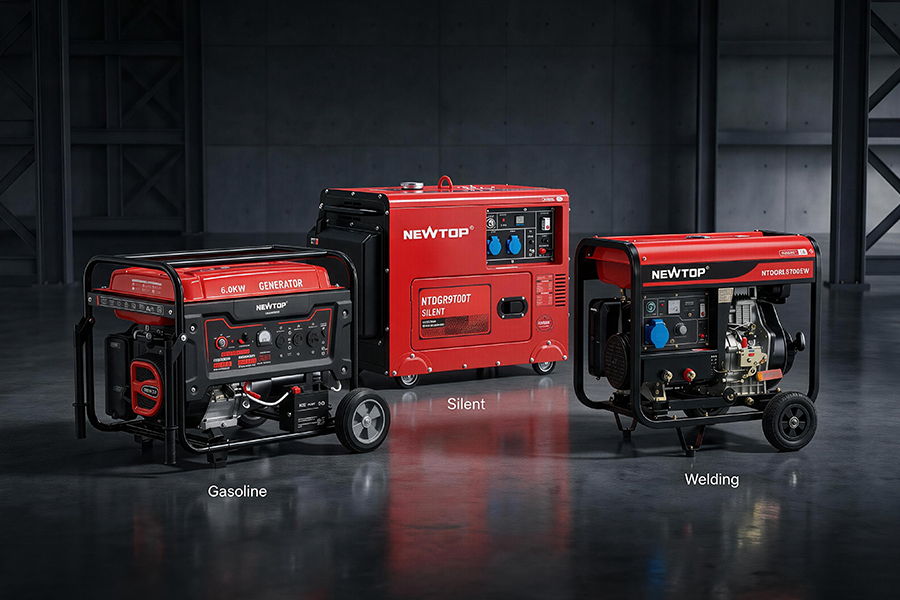
जब खरीदार प्रोपेन बनाम गैसोलीन जनरेटर चलाने के समय की तुलना करते हैं, किसी उत्पाद पृष्ठ पर छपे घंटों की संख्या शायद ही कभी पूरी कहानी बताती है. प्रयोग करने योग्य ईंधन की मात्रा के साथ रनटाइम बदलता है, जनरेटर लोड, ईंधन-विशिष्ट रेटेड आउटपुट, टैंक या सिलेंडर का आकार, परिवेश का तापमान, और जिस तरह से ईंधन की पूर्ति की जाती है.
समान तरल मात्रा और तुलनीय विद्युत भार के साथ, गैसोलीन आम तौर पर लंबे समय तक चलने में सहायता करेगा क्योंकि इसमें प्रति गैलन अधिक ऊर्जा होती है. अमेरिका. ऊर्जा सूचना प्रशासन मोटर गैसोलीन को लगभग सूचीबद्ध करता है 120,214 बीटीयू प्रति गैलन और प्रोपेन लगभग 91,452 बीटीयू प्रति गैलन. A larger propane cylinder or bulk tank, तथापि, can provide more total fuel than a generator’s built-in gasoline tank and may therefore keep the generator operating for longer overall.
The useful question is not simply, “Which fuel lasts longer?”
It is:
How long can the generator support the required load with the fuel supply actually available at the site?
Why Published Run-Time Numbers Are Difficult to Compare
A runtime figure only becomes meaningful when the test conditions are clear.
Consider two specifications:
- Generator A: 10 hours of runtime
- Generator B: 8 hours of runtime
Generator A appears to perform better. But suppose its figure was recorded at 25% load, while Generator B was tested at 50% load. The longer figure no longer proves better fuel performance because the second generator was producing more electricity during the test.
Fuel quantity creates another problem. A gasoline runtime figure may be based on the generator’s full onboard tank, while the propane figure may use one portable cylinder. Those containers do not necessarily hold comparable amounts of usable energy.
A proper comparison needs answers to five questions:
How much fuel was used?
For gasoline, check the tank capacity in liters or gallons. For propane, check the actual fuel weight or usable liquid capacity of the cylinder.
What load was applied?
Runtime at 25% load cannot be compared directly with runtime at 50% or rated load.
Was output different on each fuel?
Dual-fuel generators may provide different rated and maximum outputs on gasoline and propane. The same appliance load can therefore represent a different percentage of the generator’s capacity on each fuel.
Was economy mode active?
An engine that automatically reduces speed under light demand may consume less fuel than one operating at a fixed speed.
Were the operating conditions similar?
Temperature, elevation, equipment condition, and load changes can all move real-world runtime away from the published figure.
Without these details, an advertised number should be treated as a reference rather than a promise.
Put Both Fuels on the Same Basis
The simplest runtime estimate is:
Estimated runtime in hours = usable fuel quantity ÷ hourly fuel consumption at the expected load
The fuel quantity and consumption rate must use matching units. Pounds of propane cannot be divided directly by a gasoline consumption figure expressed in liters per hour. उसी प्रकार, a fuel-consumption value stated in grams per kilowatt-hour needs rated output and fuel mass before it can be translated into operating hours.
The expected load also needs to reflect real use.
A generator supplying steady lighting may consume fuel differently from the same generator powering a refrigerator, compressor, पंप, or construction tool. Motor-driven equipment can draw substantially more power during startup, and repeated starting cycles affect consumption even when average running wattage appears moderate.
Before comparing fuels, buyers should calculate:
- The equipment expected to run at the same time
- Normal running wattage
- Starting or surge demand
- Expected average load during the operating period
- The amount of reserve capacity needed
Using maximum generator output as the normal load figure will produce a misleading runtime estimate. Maximum output is intended for temporary demand, not continuous operation.
Fuel Supply Can Reverse the Result
The higher energy content of gasoline per gallon does not automatically mean that every gasoline setup will run longer. The total fuel supply often decides the practical outcome.
पेट्रोल: A Fixed Onboard Supply
Portable gasoline generators commonly carry their fuel in an integrated tank. This creates a clear, self-contained setup: the generator is transported with its tank, filled before use, and operated until fuel runs low.
The main limitation is fixed capacity. A 15-liter or 25-liter tank cannot be expanded without stopping the generator and refueling it according to the manufacturer’s instructions.
Gasoline condition also affects readiness. Fuel left unused for extended periods can deteriorate, so a generator intended for emergency use needs a fuel rotation and maintenance plan. Long theoretical runtime has little value when old fuel, जमा, or a neglected carburetor prevents dependable startup.
Propane: Runtime Depends on the Connected Supply
Propane is stored as a liquid under pressure and changes into gas as pressure is released for combustion. This makes external cylinders and larger storage tanks possible, giving users more flexibility over the quantity of fuel connected to the generator.
A small portable cylinder may provide less runtime than a full gasoline tank. A larger propane supply may provide considerably more. The comparison changes each time cylinder capacity changes.
Propane delivery also depends on vaporization. Tank size, liquid level, surrounding temperature, नमी, and the tank surface in contact with liquid all affect the rate at which propane can turn into usable vapor. Lower temperatures and lower fuel levels reduce vaporization capacity, while tank frosting can further restrict it.
For a larger generator operating under sustained load, buyers therefore need to check more than total propane quantity. The cylinder and regulator system must also be able to supply fuel at the required rate.
Three Runtime Questions Buyers Actually Ask
Published hour figures become easier to assess when they are connected to a specific operating requirement.
“Can the generator cover one full work shift?”
A contractor planning an eight-hour shift should not begin with the brochure’s longest runtime claim. The calculation should use the expected average site load.
Power tools may run intermittently, while lighting, पंप, charging equipment, or temporary facilities may stay active throughout the day. Motor-starting demand and repeated load changes also need to be included.
The fuel plan should show:
- Expected consumption during the shift
- Fuel remaining at the end of the shift
- Whether refueling or changing cylinders will interrupt work
- How reserve fuel will be transported and stored
- Whether the propane supply can maintain adequate vaporization under the expected temperature and load
A nominal ten-hour runtime at light load may not cover an eight-hour shift once heavier equipment is connected.
“Can it run through an overnight outage?”
Overnight backup is usually less about maximum output and more about maintaining essential loads.
Refrigeration, selected lighting, communication equipment, fans, security systems, and a small water pump may use much less power than the generator’s full rated capacity. Removing non-essential equipment can extend runtime more effectively than increasing fuel storage alone.
Buyers should calculate the likely nighttime load rather than using the total wattage of every appliance on the property. They should also allow a reserve rather than planning to empty the tank or cylinder completely before morning.
For portable generators, overnight operation still requires safe placement, weather protection, exhaust clearance, and regular supervision. Runtime should never be extended by moving the generator into a garage, shed, or other enclosed area.
“Can runtime be extended without buying a larger generator?”
अक्सर, yes.
Possible measures include:
- Reducing unnecessary electrical loads
- Avoiding simultaneous startup of high-demand equipment
- Using a larger compatible propane supply
- Scheduling heavy equipment for separate operating periods
- Maintaining the engine, air filter, and fuel system
- Selecting a generator whose rated output places the normal load in a more suitable operating range
A larger generator is not automatically more fuel-efficient. If normal demand is low, an oversized unit may add purchase cost and operate outside its most practical load range.
The first step should be improving the load and fuel plan, not simply increasing maximum output.
A Real Gasoline Specification Shows What to Check
A manufacturer’s specification can provide the inputs needed for runtime planning even when it does not state one simplified number of hours.
The NEWTOP NTGR6500H2 gasoline generator, उदाहरण के लिए, lists:
- 5.5 kW rated output
- 6.0 kW maximum output
- 389 प्रतिलिपि, 13 hp OHV engine
- Fuel consumption of no more than 370 जी/किलोवाट
- 25-liter fuel tank
- Electric starting
- Copper-wire alternator
- Low-oil and short-circuit protection
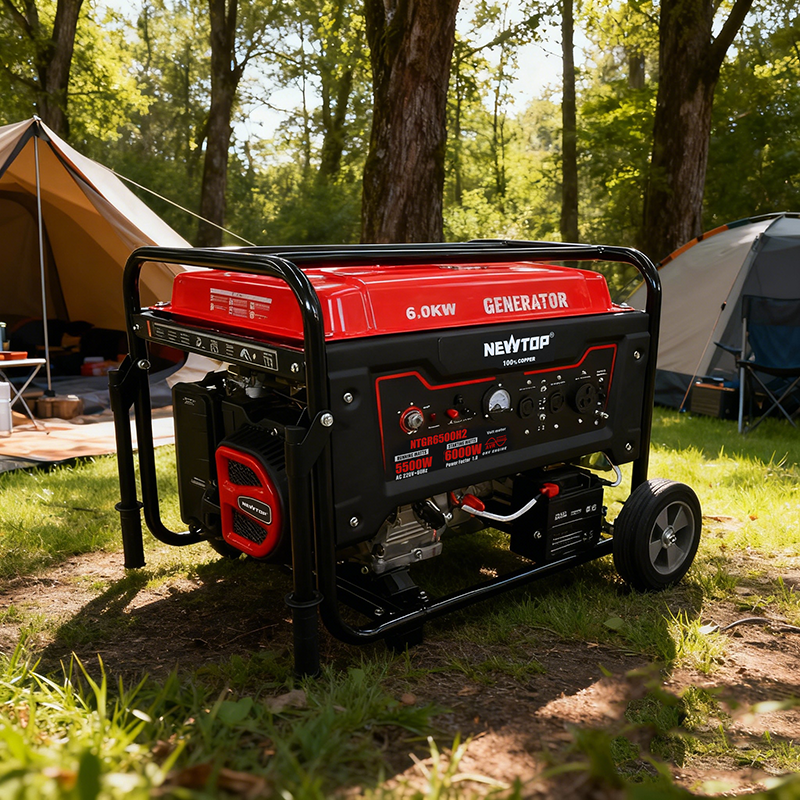
The model also uses a forged crankshaft and camshaft, a full steel frame, and vibration-absorbing mounts for extended outdoor, workshop, निर्माण, and backup operation.
These figures are more useful than a vague “long runtime” claim because they allow buyers to examine the relationship among tank capacity, rated output, और ईंधन की खपत.
They still do not justify one fixed runtime prediction.
Actual consumption changes with load, and the published fuel-consumption value must be interpreted using the manufacturer’s test method. Buyers who need a precise operating-hour estimate should request consumption data at several load levels, जैसे कि 25%, 50%, 75%, and rated load.
NEWTOP’s gasoline generator range also includes compact 2.8 kW models, mid-range 5.5 kW and 7.8 kW units, and higher-output 10 kW configurations. This range illustrates why runtime cannot be separated from generator size: इंजन विस्थापन, output demand, टैंक क्षमता, and intended workload change from one power class to another.
Runtime Information to Request from the Supplier
Instead of asking only, “How many hours will it run?”, buyers should request the test information behind the number.
| Information Required | यह क्यों मायने रखती है |
|---|---|
| Rated Output on Gasoline | Shows the usable continuous output for the gasoline calculation. |
| Rated Output on Propane | May differ from gasoline output on a dual-fuel generator. |
| Gasoline Tank Capacity | Identifies the fuel quantity behind the gasoline runtime. |
| Propane Cylinder Size and Usable Fuel Amount | Identifies the actual propane supply used in the test. |
| Runtime Test Load | Allows a fair comparison between published runtime figures. |
| Fuel Consumption at Several Loads | Supports more accurate calculations for different applications. |
| Economy-Mode Status | May affect fuel consumption when the generator operates under partial load. |
| Ambient Test Temperature | Provides important context for propane vaporization performance. |
| Starting Loads Used During Testing | Shows whether motor-driven equipment and surge demand were represented. |
| Required Regulator and Connection | Confirms that the propane supply can meet the engine’s fuel demand. |
| Recommended Fuel Reserve | Helps prevent an unexpected shutdown before refueling or cylinder replacement. |
| Refueling or Cylinder-Change Procedure | Reveals whether continuous work will be interrupted. |
A supplier that provides the test basis makes it easier for distributors and end users to set realistic expectations. A single hour figure without fuel quantity and load percentage offers far less value.
Safety Comes Before Additional Runtime
Both gasoline and propane generators produce carbon monoxide. Portable units must operate outdoors and away from occupied buildings, with exhaust directed away from doors, विंडोज़, और वेंट. अमेरिका. Consumer Product Safety Commission advises placing portable generators at least 20 feet from the home whenever possible.
Gasoline should not be added while the generator is running or hot. Propane cylinders, regulators, पाइप, and connectors must match the equipment instructions and applicable gas-safety requirements.
A longer hose, improvised fuel connection, indoor placement, or unsafe hot refueling is never an acceptable way to gain more operating time.
ख़रीदारों को वास्तव में किस चीज़ की तुलना करनी चाहिए
Gasoline contains more energy per gallon than propane, so an equal-volume comparison generally favors gasoline. Real generator installations rarely use equal fuel volumes, तथापि. A propane generator connected to a larger external supply may run longer than a gasoline model limited to its onboard tank.
A reliable propane vs gasoline generator run time comparison should place both fuels under the same conditions:
- Comparable electrical load
- Clearly stated rated output
- Known usable fuel quantity
- Matching runtime test conditions
- Suitable tank or cylinder capacity
- Realistic temperature and operating pattern
- Safe refueling or cylinder replacement plan
The most useful runtime figure is not the largest number in a catalog. It is the number of hours the generator can support the required equipment before the available fuel supply must be safely replenished.
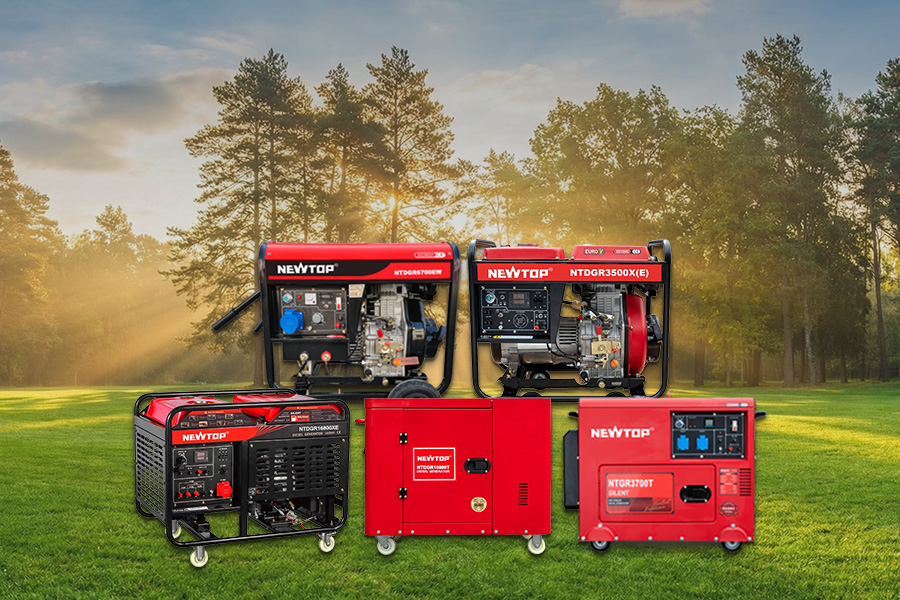
डीजल जेनरेटर बनाम गैसोलीन की पसंद मुख्य रूप से चलने के घंटों पर निर्भर करती है, ऊर्जा की मांग, सुवाह्यता, ईंधन की उपलब्धता, और बजट. डीजल जनरेटर आम तौर पर बार-बार या विस्तारित संचालन के लिए बेहतर अनुकूल होते हैं, जबकि गैसोलीन जनरेटर अक्सर कम बैकअप अवधि और मोबाइल कार्यों के लिए अधिक व्यावहारिक होते हैं.
तथापि, अकेले ईंधन का प्रकार यह तय नहीं करता कि जनरेटर अच्छा प्रदर्शन करेगा या नहीं. निर्धारित उत्पादन, मोटर-स्टार्टिंग की मांग, इंजन निर्माण, ईंधन टैंक क्षमता, रखरखाव पहुंच, और डाउनटाइम की लागत भी उतनी ही महत्वपूर्ण हो सकती है. एक सही आकार का गैसोलीन जनरेटर एक बड़े आकार की डीजल इकाई की तुलना में एक छोटी कार्यशाला को बेहतर सेवा प्रदान कर सकता है, while a diesel generator may offer better long-term value on a site that needs power throughout the working day.
डीजल जेनरेटर बनाम गैसोलीन: मुख्य अंतर
Both generator types use an internal combustion engine to drive an alternator and produce electricity. The practical difference lies in how the engine delivers power and how the generator fits the intended workload.
Diesel generators are commonly selected for frequent use, sustained loads, and higher-capacity applications. Compared at a similar output and under extended operation, diesel models may offer more favorable fuel consumption. Their mechanical construction also tends to suit applications where the generator is expected to work regularly.
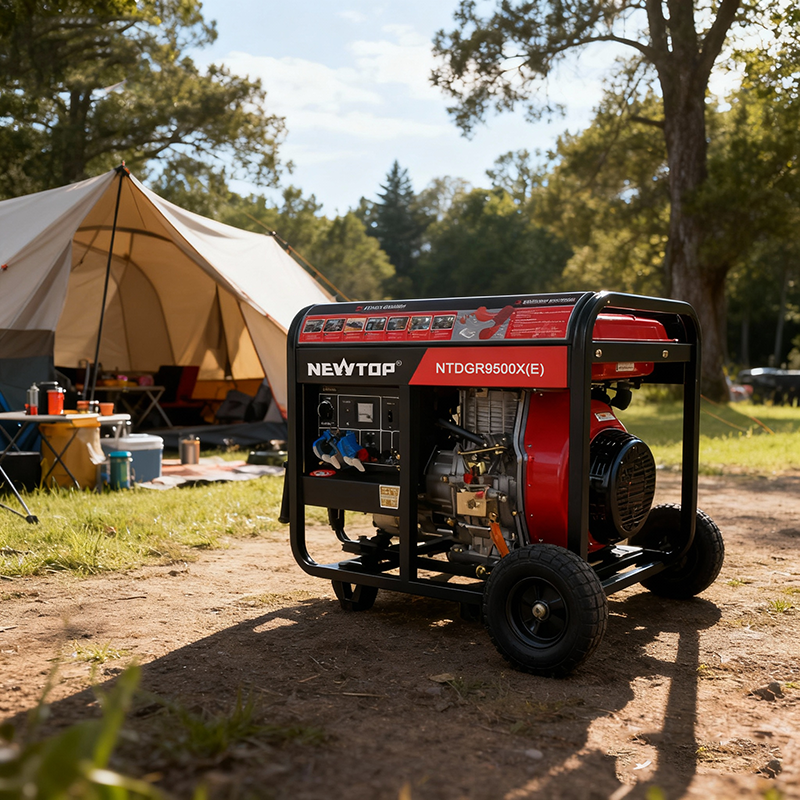
Gasoline generators are widely used where portability, lower initial investment, and intermittent operation matter more. Many compact gasoline models are easier to move between locations and are suitable for temporary work, small businesses, household backup, and outdoor use.
These are general tendencies rather than fixed rules. Actual performance depends on the generator model, इंजन विस्थापन, load percentage, आवर्तित्र, enclosure, शीतलन प्रणाली, and maintenance condition.
| Decision Factor | Diesel Generator | Gasoline Generator |
|---|---|---|
| Typical Operating Pattern | Frequent or extended operation | Occasional or shorter operation |
| Initial Investment | Usually higher in comparable classes | Often lower in portable power ranges |
| Fuel Use Over Long Periods | Often more favorable at a similar output and sustained load | Can become less economical during extended operation |
| गतिशीलता | Commonly used in fixed, enclosed, or wheeled configurations | Smaller models are often easier to transport |
| Load Suitability | Frequently selected for sustained commercial and jobsite loads | Suitable for moderate loads and temporary work |
| Structure Options | Open-frame and silent enclosed models | Mainly portable open-frame models, with other options depending on the range |
| सामान्य अनुप्रयोग | निर्माण, खेतों, वाणिज्यिक सुविधाएं, and long backup periods | Small workshops, mobile service, household backup, and short outdoor tasks |
| What Buyers Should Verify | निर्धारित उत्पादन, ईंधन की खपत, enclosure, running time, and service access | निर्धारित उत्पादन, टैंक क्षमता, सुवाह्यता, सिस्टम शुरू करना, and surge output |
Specifications from individual models should always take priority over general fuel-type comparisons. Buyers should compare rated output, maximum output, ईंधन की खपत, टैंक क्षमता, noise level, and recommended operating conditions before ordering.
Which Generator Is Better for Commercial Use?
Commercial generator selection should begin with the expected duration and frequency of each power interruption.
For a small shop, office, restaurant, or service business that only experiences occasional short outages, a gasoline generator may provide sufficient backup at a more manageable initial cost. It can support selected lighting, communication devices, payment systems, fans, refrigeration, or other essential equipment, provided that the total running and starting loads remain within the generator’s rated capacity.
The priorities change when outages last for several hours or happen several times each week. Fuel consumption becomes more important, and the generator must maintain stable output for longer periods. A diesel generator may then offer a better fit, particularly for warehouses, larger workshops, खेतों, hospitality businesses, and facilities where power loss quickly affects revenue.
Commercial buyers should establish four points before choosing:
✅ Expected running time
Estimate how many hours the generator may operate during a normal outage rather than relying only on annual outage frequency.
✅ Essential electrical loads
Identify which equipment must remain active. Refrigeration systems, पंप, air compressors, and other motor-driven equipment may require substantially more power during startup.
✅ Backup or primary operating role
A generator used only during grid failure has a different duty pattern from one used as a regular power source in an area with limited grid access.
✅ Cost of downtime
For businesses that lose products, उत्पादन क्षमता, or customer transactions during an outage, operating reliability may matter more than the lowest purchase price.
Automatic transfer requirements should also be considered for fixed commercial installations. Where uninterrupted changeover is important, generator compatibility with the intended transfer and control system should be confirmed before purchase.
Which Generator Is Better for Construction Sites?
Construction sites place different demands on a generator. Loads change throughout the day, equipment may have high starting current, and the generator often operates around dust, कंपन, गर्मी, and frequent movement.
Diesel generators are commonly chosen for longer shifts and repeated jobsite use. They may be better suited to powering pumps, mixers, welders, compressors, lighting systems, and temporary site facilities over sustained periods. A heavier frame is also less of a disadvantage when the generator remains in a fixed work area or is mounted on a wheeled platform.
Gasoline generators remain practical for smaller crews and shorter assignments. Repair work, finishing tasks, temporary lighting, and mobile tools may only require power for a few hours. In those cases, a compact gasoline generator can be easier to load, unload, and move around the site.
The decision should reflect how the site actually works:
- Long daily shifts with sustained loads: diesel is often the stronger candidate.
- Short tasks across multiple work areas: gasoline may provide easier mobility.
- Tools with electric motors: starting wattage must be checked, not only normal running wattage.
- Dusty or hot conditions: filtration, cooling, frame strength, and maintenance access become more important.
- Noise-sensitive projects: compare enclosed and open-frame models using actual noise specifications.
- Remote sites: choose the fuel that can be supplied, stored, and managed reliably in that location.
Fuel type cannot compensate for poor sizing. An undersized generator may struggle during motor startup or trip under changing loads. An oversized unit adds cost and may operate inefficiently when the average load remains very low.
Which Generator Is Better for Emergency Use?
Emergency use includes several very different situations. A homeowner preparing for a short grid outage does not have the same requirements as a shelter, communication site, flood response team, or large commercial facility.
A gasoline generator is often practical for temporary emergency backup. Portable models can be deployed quickly and may provide enough power for lighting, communication equipment, fans, selected appliances, and small pumps. This makes them useful where ease of movement and lower upfront cost are priorities.
A diesel generator becomes more attractive when emergency power may be required for many hours or several days. Larger facilities and response operations may need more sustained output, longer service capability, or a silent enclosed structure that can remain in a fixed location.
Fuel planning must form part of the emergency plan. Gasoline can deteriorate during prolonged storage, while stored diesel also needs protection from water and contamination. Existing equipment can influence the decision as well. A contractor, खेत, or emergency organization that already operates diesel machinery may find diesel storage and refueling easier to integrate.
Generator Safety Cannot Be Treated as Optional
Both diesel and gasoline generators produce carbon monoxide and must never be operated inside homes, गैरेज, basements, sheds, or other enclosed spaces. अमेरिका. Consumer Product Safety Commission advises operating portable generators outdoors, at least 20 feet away from homes and buildings, with the exhaust directed away from doors, विंडोज़, और वेंट.
Electrical connection also requires care. OSHA advises against connecting a portable generator directly to a building’s electrical system unless a suitable transfer switch has been installed by a qualified electrician. Cables should be rated for the expected load, and grounding, bonding, weather protection, and ground-fault protection must follow the generator manufacturer’s instructions and local electrical requirements.
How to Choose the Right Generator Size
The required generator output should be calculated before deciding between diesel and gasoline.
Begin by listing the equipment that may run simultaneously. For each item, record its normal running wattage and, where applicable, its starting demand. Pumps, compressors, refrigerators, and power tools with electric motors may briefly draw several times their normal operating power during startup.
Three figures deserve particular attention:
Continuous Rated Output
This is the power the generator is designed to provide during normal operation. The planned continuous load should remain within this rating rather than relying on maximum output throughout the working period.
Maximum or Surge Output
This temporary capacity helps the generator handle short increases in demand, particularly when motor-driven equipment starts. It should not be treated as the normal operating rating.
Expected Average Load
A generator should have enough reserve capacity to manage load changes without being dramatically larger than necessary. Regular operation at either extremely high or very low load can reduce efficiency and create avoidable operating issues.
For commercial orders, buyers should also confirm:
- Required voltage and frequency
- Single-phase or three-phase output
- Number and type of receptacles
- Electric or recoil starting
- ईंधन टैंक क्षमता
- लगातार चलने का समय
- AVR or voltage regulation requirements
- Open-frame or silent enclosure
- Wheel kits, संभालती है, or lifting requirements
What Generator Construction Changes in Real Use?
Two generators with similar rated output may behave differently once they begin powering tools or equipment. Engine materials, alternator construction, vibration control, protection systems, and frame design all influence long-term use.
NEWTOP offers both gasoline and diesel generator sets, including open-frame and silent configurations. The current range covers multiple output classes, from compact units for outdoor and backup power to higher-capacity diesel models for commercial and construction applications. Selected NEWTOP generators use copper-winding alternators, steel frames, reinforced engine components, and designs intended to operate in temperatures from -10°C to 50°C.
The differences are easier to understand through actual product configurations.
Gasoline Generator Construction
The NEWTOP NTGR6500H2 provides 5.5 kW rated output and 6.0 kW maximum output. Its engine uses a strengthened 42CrMo forged crankshaft and camshaft, while a SENCI copper-wire alternator supports stable voltage and overload performance. A full steel frame with vibration-absorbing mounts protects the machine during demanding work.
The model also includes a 25 L fuel tank, low-oil warning, and short-circuit protection. These features make the generator suitable for construction sites, छोटी कार्यशालाएँ, property maintenance, and extended household backup where a gasoline model is still preferred.
Open-Frame Diesel Generator Construction
For medium-to-heavy power requirements, the NEWTOP NTDGR6500X(ई) combines a forged-steel crankshaft, nitrided gears, बॉश-प्रौद्योगिकी ईंधन इंजेक्शन, and a copper-winding alternator. The anti-vibration steel frame helps protect the engine and alternator during construction, कृषि, and commercial operation.
This model provides 4.8/5.0 kVA rated output and up to 5.2/5.5 kVA maximum output, depending on frequency configuration. The product structure reflects the priorities often associated with diesel equipment: load handling, mechanical strength, and stable output over longer working periods.
Silent High-Power Diesel Construction
Where higher output and lower operating noise are needed together, a silent enclosure may be more appropriate than an open frame. The NEWTOP NTDGR16800T combines 11 kW rated output with a 12 kW maximum output, a 42CrMo forged crankshaft, nitrided gear components and a 100% copper SENCI alternator.
Its enclosed body reduces operating noise while providing additional protection for internal components. The model is designed for construction, commercial backup, and other demanding applications where both power capacity and operating environment matter.
These examples show why buyers should compare more than fuel type and horsepower. The alternator, crankshaft, gear structure, protection system, frame, and enclosure can determine how well a generator fits the intended market.
रखरखाव, पार्ट्स, and Local Technical Support
A well-maintained gasoline generator can perform more reliably than a neglected diesel unit. Engine type does not replace regular inspection and service.
Before operation, users should check:
- Engine oil level and condition
- Fuel quality and storage condition
- Air and fuel filters
- Cooling airflow
- Cable and receptacle condition
- Battery condition on electric-start models
- चौखटा, mounts, and fasteners
- Signs of fuel or oil leakage
Backup generators should be started and tested at scheduled intervals. Waiting until an actual power failure to check the generator can leave old fuel, a discharged battery, or an electrical fault undiscovered.
For distributors and commercial buyers, parts support also affects the total ownership experience. फिल्टर, starting components, control panels, voltage regulators, alternator parts, and common engine components should be available without requiring the replacement of the complete generator.
NEWTOP supplies gasoline and diesel generators across multiple power ranges, along with product selection and spare-parts support for wholesale customers. This allows distributors to build a range for households, ठेकेदारों, खेतों, कार्यशालाएं, and commercial backup users rather than relying on one generator type for every application.
डीजल जेनरेटर बनाम गैसोलीन: Making the Final Decision
Choose a diesel generator when the application involves frequent operation, sustained loads, longer backup periods, or higher-capacity commercial and construction demand. Compare actual fuel consumption, rated output, enclosure, noise, and service access before deciding on a model.
Choose a gasoline generator when portability, lower initial investment, faster deployment, and occasional operation are the main priorities. It is often the more practical option for small businesses, mobile work, temporary construction tasks, and short emergency outages.
The final Diesel Generator vs Gasoline decision should be based on the hours the generator will run, the equipment it must start, the fuel available locally, and the level of downtime the user can accept. Once those requirements are defined, fuel type becomes one part of a much clearer selection process.
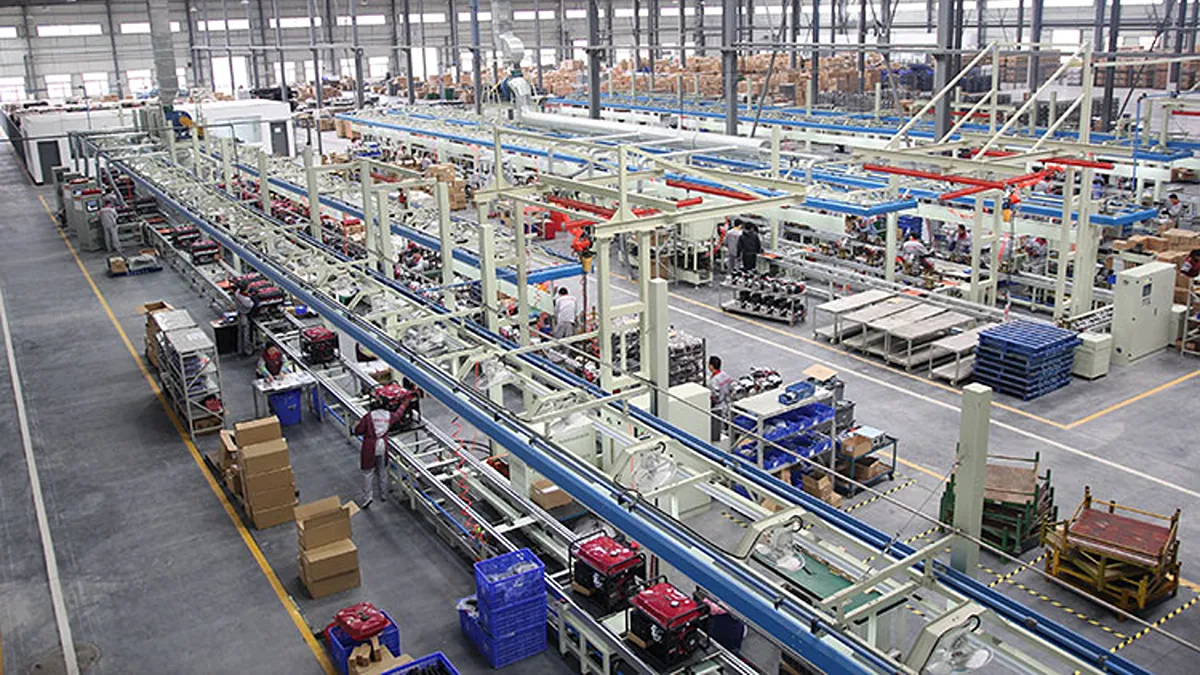
विश्वसनीय गैसोलीन और इलेक्ट्रिक प्रणोदन प्रणालियों की बढ़ती मांग के साथ वैश्विक नौकायन उद्योग का विकास जारी है. चाहे आप नाव ब्रांड हों, समुद्री उपकरण वितरक, थोक विक्रेता, या OEM खरीदार, उत्पाद की गुणवत्ता के लिए सही आउटबोर्ड मोटर निर्माता का चयन करना आवश्यक है, दीर्घकालिक व्यापार वृद्धि, और ग्राहक संतुष्टि.
इस गाइड में, हमने चयन कर लिया है 10 चीन के प्रतिष्ठित आउटबोर्ड मोटर निर्माता, यूरोप, और उत्तरी अमेरिका. वे लागत-प्रभावी गैसोलीन इंजन और ओईएम से लेकर विभिन्न शक्तियों का प्रतिनिधित्व करते हैं & ODM आउटबोर्ड मोटर्स से लेकर नवीन विद्युत प्रणोदन प्रणाली तक - आपके व्यवसाय के लिए संभावित आउटबोर्ड मोटर आपूर्तिकर्ताओं की तुलना करने में आपकी सहायता करती है.
शीर्ष का एक अवलोकन 10 जहाज़ के बाहर मोटर निर्माता
| उत्पादक | जगह | स्थापित | मुख्य उत्पाद | मुख्य शक्ति |
|---|---|---|---|---|
| न्यूटॉप | शंघाई, चीन | 2003 | 2-स्ट्रोक आउटबोर्ड मोटर्स, 5-15 एचपी इंजन, प्रोपलर्स & स्पेयर पार्ट्स | 500K+ वार्षिक क्षमता, OEM/ODM, 100+ वैश्विक वितरक |
| हिडिया पावर मशीनरी | परमवीर, चीन | 2003 | पेट्रोल & इलेक्ट्रिक आउटबोर्ड मोटर्स | को निर्यात किया गया 80+ व्यापक डीलर नेटवर्क वाले देश |
| ई-प्रणोदन | शेन्ज़ेन, चीन | 2012 | इलेक्ट्रिक आउटबोर्ड, इनबोर्ड, बैटरियों & पॉड ड्राइव | अग्रणी विद्युत समुद्री प्रणोदन प्रर्वतक |
| सीनोवो पावर मशीनरी | परमवीर, चीन | — | गैसोलीन आउटबोर्ड मोटर्स & स्पेयर पार्ट्स | मजबूत निर्यात अनुभव के साथ OEM विनिर्माण |
| झेजियांग कैंगलोंग पावर मशीनरी | ZHEJIANG, चीन | — | 2-आघात, 4-आघात & इलेक्ट्रिक आउटबोर्ड | व्यापक 5HP-40HP उत्पाद पोर्टफोलियो |
| विषय | फ्रांस | 2018 | पोर्टेबल इलेक्ट्रिक आउटबोर्ड मोटर्स | छोटी नावों के लिए कॉम्पैक्ट और हल्का प्रणोदन |
| सुजुकी मरीन | हमामात्सू, जापान | 1965 | 4-स्ट्रोक आउटबोर्ड मोटर्स & समुद्री इंजन | ईंधन-कुशल चार-स्ट्रोक प्रौद्योगिकी में वैश्विक नेता |
| एल्को मोटर नौकाएँ | न्यूयॉर्क, यूएसए | 1893 | इलेक्ट्रिक आउटबोर्ड & इनबोर्ड | इलेक्ट्रिक समुद्री इंजीनियरिंग की एक शताब्दी से अधिक |
| फ्लक्स समुद्री | रोड आइलैंड, यूएसए | 2018 | उच्च-प्रदर्शन इलेक्ट्रिक आउटबोर्ड मोटर्स | स्मार्ट डिजिटल नियंत्रण के साथ प्रीमियम विद्युत प्रणोदन |
| यामाहा समुद्री | इवाता, जापान | 1955 | 2-आघात & 4-स्ट्रोक आउटबोर्ड मोटर्स, उच्च शक्ति वाले समुद्री इंजन, प्रोपलर्स | विश्वसनीयता के लिए जाना जाने वाला विश्व-अग्रणी ब्रांड, नवाचार, और वैश्विक डीलर समर्थन |
न्यूटॉप
सिफारिश: ☆☆☆☆☆
जगह: शंघाई, चीन (जियाक्सिंग में विनिर्माण आधार, ZHEJIANG)
मुख्य उत्पाद: 2-आघात गैसोलीन आउटबोर्ड मोटरें, 5एचपी-15एचपी आउटबोर्ड इंजन, जहाज़ के बाहर मोटर प्रोपेलर, स्पेयर पार्ट्स, OEM & ODM जहाज़ के बाहर मोटर्स
MOQ: OEM/ODM ऑर्डर के लिए लचीला
स्थापना करा 2003, न्यूटॉप एक पेशेवर चीन आउटबोर्ड मोटर निर्माता है जो आउटडोर बिजली उपकरण और विश्वसनीय छोटे-से-मध्यम हॉर्स पावर समुद्री इंजन में विशेषज्ञता रखती है. 10,000㎡ 6एस-प्रबंधित से संचालन विनिर्माण सुविधा, कंपनी की वार्षिक उत्पादन क्षमता से अधिक है 500,000 इकाइयाँ और अर्जित की हैं 26+ अंतर्राष्ट्रीय प्रमाणपत्र, सीई सहित, आईएसओ, और ईयू स्टेज वी (यूरो 5) चयनित मॉडलों के लिए अनुपालन. इसके उत्पाद पोर्टफोलियो में टिकाऊ शामिल है 2-स्ट्रोक गैसोलीन आउटबोर्ड, जहाज़ के बाहर मोटर प्रोपेलर, और मछली पकड़ने वाली नौकाओं के लिए प्रतिस्थापन हिस्से, फुलाने योग्य नावें, एल्यूमीनियम नावें, और अन्य मनोरंजक जहाज़.
एक निर्यात-उन्मुख आउटबोर्ड मोटर फैक्ट्री के रूप में, NEWTOP लचीला OEM प्रदान करता है & वैश्विक आयातकों के लिए ODM समाधान, निजी-लेबल ब्रांड, और आउटबोर्ड मोटर वितरक. आज, कंपनी के साथ काम करता है 100+ वितरक दुनिया भर में, जबकि कई अफ़्रीकी और लैटिन अमेरिकी बाज़ारों में ग्राहक NEWTOP उत्पादों को सीधे स्थानीय डीलरों और खुदरा स्टोरों के माध्यम से खरीद सकते हैं. स्थिर विनिर्माण गुणवत्ता द्वारा समर्थित, उत्तरदायी तकनीकी सहायता, और एक विस्तारित वैश्विक सेवा नेटवर्क, NEWTOP भरोसेमंद समुद्री प्रणोदन समाधान चाहने वाले भागीदारों के लिए एक विश्वसनीय आउटबोर्ड इंजन निर्माता और दीर्घकालिक आउटबोर्ड मोटर आपूर्तिकर्ता बन गया है।.
हिडिया पावर मशीनरी

जगह: परमवीर, ZHEJIANG, चीन
मुख्य उत्पाद: गैसोलीन आउटबोर्ड मोटरें, विद्युत जहाज़ के बाहर मोटरें, समुद्री इंजन के हिस्से, जहाज़ के बाहर सहायक उपकरण
MOQ: कोटेशन के लिए संपर्क करें
हिडिया पावर मशीनरी चीन की सबसे प्रसिद्ध आउटबोर्ड मोटर निर्माताओं में से एक है, गैसोलीन और विद्युत प्रणोदन समाधान दोनों की पेशकश. से अधिक फैले अंतर्राष्ट्रीय वितरण नेटवर्क के साथ 80 देश और क्षेत्र, हिडिया ने खुद को दुनिया भर में डीलरों और समुद्री उपकरण वितरकों के लिए एक विश्वसनीय आउटबोर्ड मोटर आपूर्तिकर्ता के रूप में स्थापित किया है. इसके उत्पाद पोर्टफोलियो में अवकाश नौकाओं के लिए उपयुक्त कई अश्वशक्ति रेंज शामिल हैं, मछली पकड़ने की नावें, और व्यावसायिक अनुप्रयोग.
कंपनी विनिर्माण प्रौद्योगिकी में लगातार निवेश करती रहती है, गुणवत्ता नियंत्रण, और इंजन दक्षता और स्थायित्व में सुधार के लिए उत्पाद विकास. संपूर्ण इंजनों के अलावा, हिडिया विभिन्न स्पेयर पार्ट्स और सहायक उपकरण की आपूर्ति भी करती है, आउटबोर्ड मोटर वितरकों को अपने स्थानीय बाजारों के लिए व्यापक उत्पाद पेशकश बनाने में सक्षम बनाना.
ई-प्रणोदन

सिफारिश: ☆☆☆☆
जगह: शेन्ज़ेन, गुआंग्डोंग, चीन
मुख्य उत्पाद: इलेक्ट्रिक आउटबोर्ड मोटरें, इनबोर्ड मोटरें, पॉड ड्राइव सिस्टम, समुद्री बैटरियाँ, हाइब्रिड प्रणोदन प्रणाली
MOQ: कोटेशन के लिए संपर्क करें
स्थापना करा 2012, ईप्रोपल्शन दुनिया के अग्रणी इलेक्ट्रिक आउटबोर्ड इंजन निर्माताओं में से एक बन गया है, विशेष रूप से स्थायी समुद्री प्रणोदन पर ध्यान केंद्रित करना. इसके उत्पाद लाइनअप में इलेक्ट्रिक आउटबोर्ड शामिल हैं, इनबोर्ड सिस्टम, पॉड ड्राइव, बुद्धिमान बैटरी सिस्टम, और मनोरंजक और वाणिज्यिक जहाजों के लिए डिज़ाइन की गई एकीकृत समुद्री नियंत्रण प्रौद्योगिकियाँ.
कंपनी शांत संचालन के साथ नवीन इंजीनियरिंग के संयोजन के लिए पहचानी जाती है, शून्य उत्सर्जन, और कम रखरखाव की आवश्यकताएं. पारंपरिक गैसोलीन इंजनों के लिए पर्यावरण के अनुकूल विकल्प चाहने वाले खरीदारों के लिए, ईप्रोपल्शन एक विस्तारित अंतरराष्ट्रीय डीलर नेटवर्क और निरंतर उत्पाद नवाचार द्वारा समर्थित उन्नत प्रणोदन प्रणाली प्रदान करता है.
सीनोवो पावर मशीनरी

सिफारिश: ☆☆☆☆
जगह: परमवीर, ZHEJIANG, चीन
मुख्य उत्पाद: गैसोलीन आउटबोर्ड मोटरें, समुद्री इंजन, जहाज़ के बाहर स्पेयर पार्ट्स
MOQ: कोटेशन के लिए संपर्क करें
सीनोवो पावर मशीनरी एक पेशेवर आउटबोर्ड मोटर फैक्ट्री है जो गैसोलीन से चलने वाले समुद्री इंजन और संबंधित सहायक उपकरण के निर्माण के लिए समर्पित है. हांग्जो में स्थित है, कंपनी अंतरराष्ट्रीय वितरकों को सेवा प्रदान करती है, थोक, और मछली पकड़ने वाली नौकाओं के लिए उपयुक्त पोर्टेबल आउटबोर्ड मोटरों की एक विस्तृत श्रृंखला के साथ OEM ग्राहक, फुलाने योग्य नावें, और मनोरंजक जलयान.
विशेष उत्पादन लाइनों और निर्यात अनुभव के साथ, सीनोवो स्थिर विनिर्माण गुणवत्ता और प्रतिस्पर्धी मूल्य निर्धारण पर ध्यान केंद्रित करता है. पूर्ण इंजन के अलावा, यह प्रतिस्थापन घटकों की आपूर्ति करता है जो ग्राहकों को बिक्री के बाद विश्वसनीय समर्थन बनाए रखने में मदद करता है. इसका विनिर्माण लचीलापन इसे अनुकूलित ब्रांडिंग अवसरों की तलाश करने वाले खरीदारों के लिए एक व्यावहारिक विकल्प भी बनाता है.
झेजियांग कैंगलोंग पावर मशीनरी

सिफारिश: ☆☆☆☆
जगह: ZHEJIANG, चीन
मुख्य उत्पाद: 2-स्ट्रोक गैसोलीन आउटबोर्ड मोटर्स, 4-स्ट्रोक जहाज़ के बाहर मोटर्स, विद्युत जहाज़ के बाहर मोटरें, 5एचपी-40एचपी इंजन
MOQ: कोटेशन के लिए संपर्क करें
झेजियांग कैंगलोंग पावर मशीनरी गैसोलीन और इलेक्ट्रिक आउटबोर्ड मोटर दोनों बनाती है, अश्वशक्ति की सीमा लगभग 5HP से 40HP तक होती है. अपने लाओजेन ब्रांड के माध्यम से, कंपनी स्थायित्व को संतुलित करने के लिए डिज़ाइन की गई कई उत्पाद श्रृंखला पेश करती है, क्षमता, और मनोरंजक नौकायन बाजारों के लिए सामर्थ्य.
इसका विविध उत्पाद पोर्टफोलियो वितरकों को प्रतिस्पर्धी मूल्य निर्धारण बनाए रखते हुए विभिन्न प्रदर्शन आवश्यकताओं के साथ ग्राहकों की सेवा करने में सक्षम बनाता है. एक बढ़ते आउटबोर्ड मोटर आपूर्तिकर्ता के रूप में, कांगलोंग अपने निर्यात कारोबार का विस्तार जारी रखता है और मध्य-श्रेणी के समुद्री प्रणोदन उत्पादों की तलाश करने वाले डीलरों के लिए व्यावहारिक समाधान प्रदान करता है.
विषय
सिफारिश: ☆☆☆☆
जगह: नांत, फ्रांस
मुख्य उत्पाद: पोर्टेबल इलेक्ट्रिक आउटबोर्ड मोटरें, TEMO.450 विद्युत प्रणोदन प्रणाली
MOQ: कोटेशन के लिए संपर्क करें
स्थापना करा 2018, TEMO पोर्टेबल इलेक्ट्रिक बोट मोटर्स का एक फ्रांसीसी निर्माता है. कंपनी हल्के वजन का विकास करती है, निविदाओं के लिए स्थापित करने में आसान विद्युत प्रणोदन उत्पाद, डोंगी, पालनौका, नाव, और अन्य हल्के जलयान. इसके प्रसिद्ध TEMO.450 मॉडल को सहायक प्रणोदन और कम दूरी के समुद्री उपयोग के लिए एक कॉम्पैक्ट इलेक्ट्रिक आउटबोर्ड मोटर के रूप में डिजाइन किया गया था।.
TEMO को अपने TEMO.450 और TEMO.1000 आउटबोर्ड मॉडल के लिए फ्रांस-मूल प्रमाणन भी प्राप्त हुआ है।, फ्रांसीसी निर्मित विद्युत समुद्री उपकरणों के आसपास अपनी स्थिति को मजबूत करना. छोटे-नाव बाजार को लक्षित करने वाले वितरकों के लिए, ब्रांड उत्पाद-आधारित स्थिति का एक स्पष्ट उदाहरण प्रस्तुत करता है: सरल स्थापना, सुवाह्यता, कम शोर, और आसान संचालन. यह विशेष रूप से खुदरा विक्रेताओं और समुद्री डीलरों के लिए प्रासंगिक है जो पारंपरिक गैसोलीन इंजनों के बजाय इलेक्ट्रिक आउटबोर्ड मोटर्स पर ध्यान केंद्रित करते हैं.
सुजुकी मरीन

सिफारिश: ☆☆☆☆☆
जगह: हमामात्सू, शिज़ुओका, जापान
मुख्य उत्पाद: 4-स्ट्रोक जहाज़ के बाहर मोटर्स, पोर्टेबल जहाज़ के बाहर इंजन, उच्च-अश्वशक्ति समुद्री इंजन, समुद्री सामान
MOQ: स्थानीय वितरक के लिए संपर्क करें
स्थापना करा 1965, सुजुकी मरीन सुजुकी मोटर कॉर्पोरेशन का समुद्री प्रभाग है और दुनिया के अग्रणी आउटबोर्ड मोटर निर्माताओं में से एक है. कंपनी अपनी उन्नत 4-स्ट्रोक तकनीक के लिए जानी जाती है, आउटबोर्ड इंजन की पेशकश जो उत्कृष्ट ईंधन दक्षता प्रदान करती है, कम उत्सर्जन, और भरोसेमंद प्रदर्शन. इसके उत्पाद लाइनअप में कॉम्पैक्ट पोर्टेबल मॉडल से लेकर मछली पकड़ने वाली नौकाओं पर उपयोग किए जाने वाले उच्च-हॉर्स पावर इंजन तक शामिल हैं, अवकाश नावें, और दुनिया भर में वाणिज्यिक जहाज.
दशकों की इंजीनियरिंग विशेषज्ञता और वैश्विक डीलर नेटवर्क के साथ, सुजुकी मरीन ने उत्पाद विश्वसनीयता और नवीनता के लिए एक मजबूत प्रतिष्ठा बनाई है. कंपनी अधिकृत आउटबोर्ड मोटर वितरकों के माध्यम से बिक्री के बाद व्यापक सहायता प्रदान करते हुए स्वच्छ समुद्री प्रौद्योगिकियों और उन्नत ईंधन इंजेक्शन प्रणालियों में निवेश करना जारी रखती है।. विश्व स्तर पर मान्यता प्राप्त ब्रांड द्वारा समर्थित प्रीमियम गुणवत्ता वाले समुद्री इंजन चाहने वाले खरीदारों के लिए, सुजुकी मरीन एक विश्वसनीय आउटबोर्ड इंजन निर्माता बनी हुई है.
एल्को मोटर नौकाएँ

सिफारिश: ☆☆☆☆
जगह: एथेंस, न्यूयॉर्क, यूएसए
मुख्य उत्पाद: इलेक्ट्रिक आउटबोर्ड मोटरें, इलेक्ट्रिक इनबोर्ड मोटरें, समुद्री प्रणोदन प्रणाली
MOQ: कोटेशन के लिए संपर्क करें
एल्को मोटर यॉच विद्युत समुद्री प्रणोदन में सबसे पुराने नामों में से एक है, जिसका इतिहास एक सदी से भी अधिक पुराना है. आज, कंपनी इलेक्ट्रिक बनाती है जहाज़ के बाहर मोटरें और इनबोर्ड प्रणोदन प्रणालियाँ मनोरंजक नाव मालिकों और वाणिज्यिक समुद्री अनुप्रयोगों की सेवा प्रदान करती हैं.
यह लंबे समय से चली आ रही इंजीनियरिंग विरासत है, आधुनिक विद्युत प्रौद्योगिकियों के साथ संयुक्त, एल्को को स्थायी प्रणोदन समाधानों के प्रीमियम प्रदाता के रूप में खुद को स्थापित करने की अनुमति देता है. स्थापित अमेरिकी ब्रांडों की तलाश करने वाले खरीदार अक्सर व्यापक उद्योग अनुभव द्वारा समर्थित विश्वसनीय विद्युत प्रणोदन की आवश्यकता वाली परियोजनाओं के लिए एल्को पर विचार करते हैं.
फ्लक्स समुद्री

सिफारिश: ☆☆☆☆
जगह: ब्रिस्टल, रोड आइलैंड, यूएसए
मुख्य उत्पाद: उच्च-प्रदर्शन इलेक्ट्रिक आउटबोर्ड मोटरें, बैटरी सिस्टम, डिजिटल नियंत्रण प्रणाली
MOQ: कोटेशन के लिए संपर्क करें
फ्लक्स मरीन तेज त्वरण और उन्नत डिजिटल नियंत्रण की मांग करने वाली मनोरंजक नौकाओं के लिए उच्च-प्रदर्शन वाले इलेक्ट्रिक आउटबोर्ड इंजन विकसित करने पर ध्यान केंद्रित करता है. कंपनी प्रदर्शन को अनुकूलित करने के लिए मालिकाना बैटरी तकनीक को बुद्धिमान निगरानी प्रणालियों के साथ एकीकृत करती है, क्षमता, और उपयोगकर्ता अनुभव.
केवल स्थिरता पर प्रतिस्पर्धा करने के बजाय, फ्लक्स मरीन खुद को प्रीमियम प्रदर्शन और स्मार्ट तकनीक के इर्द-गिर्द रखता है. इसके उत्पाद प्रदर्शित करते हैं कि विद्युत प्रणोदन उन नाविकों को कैसे संतुष्ट कर सकता है जो पर्यावरणीय लाभ और पानी पर रोमांचक प्रदर्शन दोनों की उम्मीद करते हैं.
यामाहा समुद्री

सिफारिश: ☆☆☆☆☆
जगह: इवाता, शिज़ुओका, जापान
मुख्य उत्पाद: 2-स्ट्रोक और 4-स्ट्रोक आउटबोर्ड मोटर्स, उच्च-अश्वशक्ति जहाज़ के बाहर इंजन, समुद्री सामान, प्रोपलर्स
MOQ: स्थानीय वितरक के लिए संपर्क करें
स्थापना करा 1955, यामाहा मरीन दुनिया के सबसे सम्मानित आउटबोर्ड मोटर निर्माताओं में से एक है, मनोरंजक नौकायन के लिए जहाज़ के बाहर इंजनों की एक विस्तृत श्रृंखला की पेशकश, वाणिज्यिक मछली पकड़ना, और पेशेवर समुद्री अनुप्रयोग. इसका पोर्टफोलियो हल्के पोर्टेबल मॉडल से लेकर उच्च-हॉर्सपावर वाले V6 और V8 आउटबोर्ड तक फैला हुआ है, सभी को उत्कृष्ट विश्वसनीयता के लिए इंजीनियर किया गया है, ईंधन दक्षता, और मांग वाले वातावरण में सुचारू प्रदर्शन.
दशकों के इंजीनियरिंग नवाचार और व्यापक वैश्विक डीलर नेटवर्क द्वारा समर्थित, यामाहा मरीन ने प्रीमियम गुणवत्ता और भरोसेमंद बिक्री-पश्चात समर्थन के लिए ख्याति अर्जित की है. कंपनी उन्नत ईंधन इंजेक्शन प्रौद्योगिकियों में निवेश करना जारी रखती है, डिजिटल नियंत्रण प्रणाली, और उच्च प्रदर्शन वाली समुद्री इंजीनियरिंग, यह इसे नाव निर्माताओं के लिए पसंदीदा आउटबोर्ड मोटर आपूर्तिकर्ता बनाता है, समुद्री व्यापारी, और दुनिया भर में आउटबोर्ड मोटर वितरक.
एक विश्वसनीय आउटबोर्ड मोटर निर्माता कैसे चुनें?
एक आउटबोर्ड मोटर निर्माता को चुनने में हॉर्सपावर और यूनिट मूल्य की तुलना से अधिक शामिल होना चाहिए. आयातकों, नाव बनाने वाले, और समुद्री वितरकों को यह आकलन करना चाहिए कि आपूर्तिकर्ता सुसंगत गुणवत्ता प्रदान कर सकता है या नहीं, तकनीकी समर्थन, भागों की उपलब्धता, और एक उत्पाद श्रृंखला जो उनके क्षेत्रीय ग्राहकों से मेल खाती है.
- विनिर्माण क्षमता की पुष्टि करें: पूछें कि क्या कंपनी अपनी स्वयं की आउटबोर्ड मोटर फैक्ट्री संचालित करती है, इंजीनियरिंग टीम, गुणवत्ता-नियंत्रण प्रक्रिया, और परीक्षण प्रक्रियाएँ.
- पावर रेंज और ईंधन प्रकार की समीक्षा करें: गैसोलीन का चयन करें, इलेक्ट्रिक, 2-आघात, 4-आघात, या नाव के प्रकार के आधार पर हाइब्रिड उत्पाद, स्थानीय नियम, क्रेता प्राथमिकताएँ, और अपेक्षित परिचालन स्थितियाँ.
- OEM और ODM समर्थन की जाँच करें: निजी-लेबल कार्यक्रमों के लिए, ब्रांडिंग विकल्पों की पुष्टि करें, पैकेजिंग, नियमावली, उत्पाद संशोधन, और OEM के लिए नमूनाकरण प्रक्रियाएं & ODM जहाज़ के बाहर मोटर्स.
- अनुपालन दस्तावेज़ सत्यापित करें: लागू प्रमाणपत्रों का अनुरोध करें, परीक्षण रिपोर्ट, नौवहन दस्तावेज, सुरक्षा संबंधी जानकारी, और बाज़ार-विशिष्ट अनुपालन समर्थन.
- भागों की आपूर्ति का मूल्यांकन करें: आउटबोर्ड मोटर प्रोपेलर तक विश्वसनीय पहुंच, प्ररित करनेवाला, स्पार्क प्लग, ईंधन-प्रणाली घटक, और वितरक प्रतिधारण के लिए भागों की मरम्मत आवश्यक है.
- बिक्री के बाद की क्षमता का आकलन करें: वारंटी नीति के बारे में पूछें, तकनीकी मैनुअल, समस्या निवारण मार्गदर्शन, प्रशिक्षण संसाधन, और डीलर के दावों के लिए प्रतिक्रिया समय.
- व्यावसायिक शर्तें स्पष्ट करें: MOQ की पुष्टि करें, समय सीमा, भुगतान की शर्तें, कंटेनर लोडिंग योजना, स्पेयर-पार्ट पैकेज, और ऑर्डर देने से पहले क्षेत्र या वितरक नीति.
अंतिम विचार
सही आउटबोर्ड मोटर आपूर्तिकर्ता आपकी बाज़ार स्थिति पर निर्भर करता है, लक्ष्य नाव श्रेणी, बिजली की आवश्यकताएं, और सेवा क्षमता. मछली पकड़ने और मनोरंजक अनुप्रयोगों के लिए गैसोलीन आउटबोर्ड इंजन महत्वपूर्ण बने हुए हैं, जबकि इलेक्ट्रिक आउटबोर्ड मोटरें हल्की नावों में नए अवसर पैदा करती हैं, कम शोर वाले जलमार्ग, और स्थिरता-संचालित बाज़ार.
कॉम्पैक्ट गैसोलीन आउटबोर्ड मोटर चाहने वाले खरीदारों के लिए, निजी-लेबल लचीलापन, स्पेयर पार्ट्स, और एक अनुभवी चीन-आधारित विनिर्माण भागीदार, न्यूटॉप एक व्यावहारिक प्रारंभिक बिंदु प्रदान करता है. इसकी व्यापक आउटडोर बिजली उपकरण क्षमताएं वितरकों को पूरक उत्पाद श्रेणियों में सोर्सिंग को मजबूत करने में भी मदद कर सकती हैं.
यदि आप अपने अगले सोर्सिंग प्रोजेक्ट की योजना बना रहे हैं, अपने बाज़ार के लिए अनुकूलित समाधानों पर चर्चा करने के लिए NEWTOP से संपर्क करें.
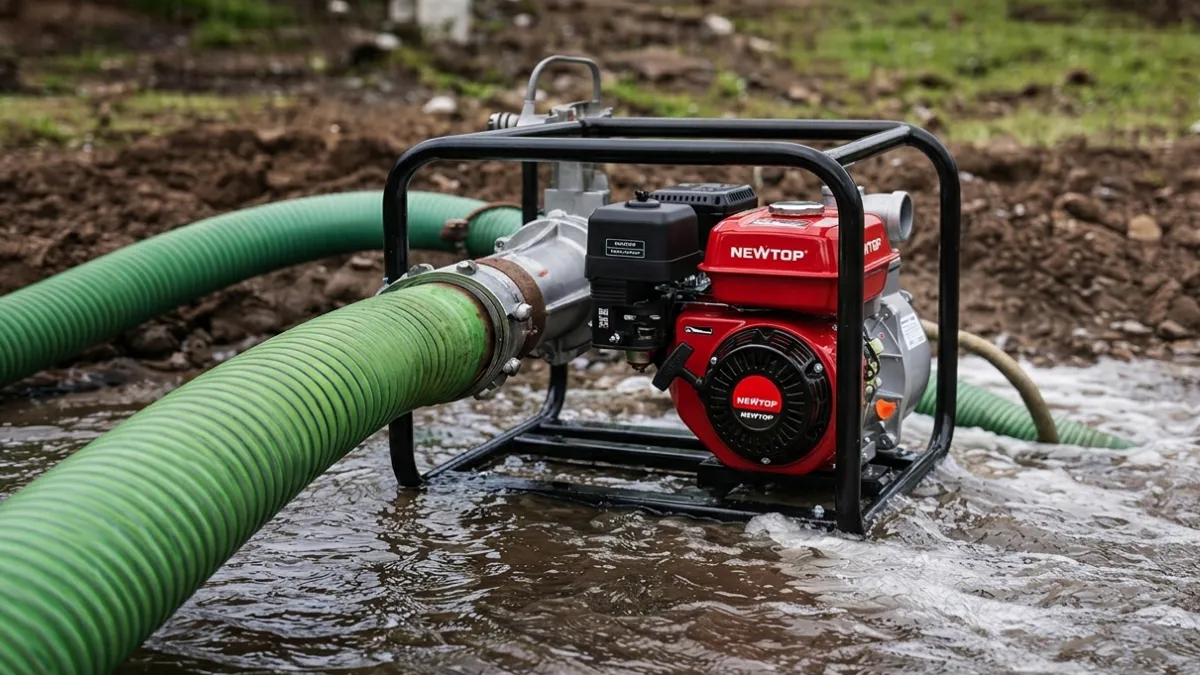
निर्माण के लिए पानी पंप का चयन करते समय, कृषि, जलनिकास, या औद्योगिक अनुप्रयोग, सही पंप प्रकार चुनना महत्वपूर्ण है. सबसे आम विकल्पों में से दो हैं कचरा पंप और साफ़ पानी पंप. हालाँकि दोनों को पानी स्थानांतरित करने के लिए डिज़ाइन किया गया है, वे बहुत भिन्न कार्य स्थितियों के लिए बनाए गए हैं.
एक स्वच्छ जल पंप को न्यूनतम कणों के साथ अपेक्षाकृत साफ पानी स्थानांतरित करने के लिए डिज़ाइन किया गया है, जबकि एक कचरा पंप को गंदे पानी को संभालने के लिए इंजीनियर किया गया है, अपशिष्ट, और ठोस मलबे वाले तरल पदार्थ. गलत पंप चुनने से प्रदर्शन कम हो सकता है, बार-बार रुकावटें आना, उच्च रखरखाव लागत, या यहां तक कि पंप क्षति भी.
इस गाइड में, हम कचरा जल पंप और स्वच्छ पंप के बीच अंतर समझाएंगे पानी के पंप, जिसमें उनके कार्य सिद्धांत शामिल हैं, तरल पदार्थ संभालने की क्षमता, प्रदर्शन, अनुप्रयोग, और अपने बाज़ार के लिए सही समाधान कैसे चुनें.
कचरा पंप क्या है??
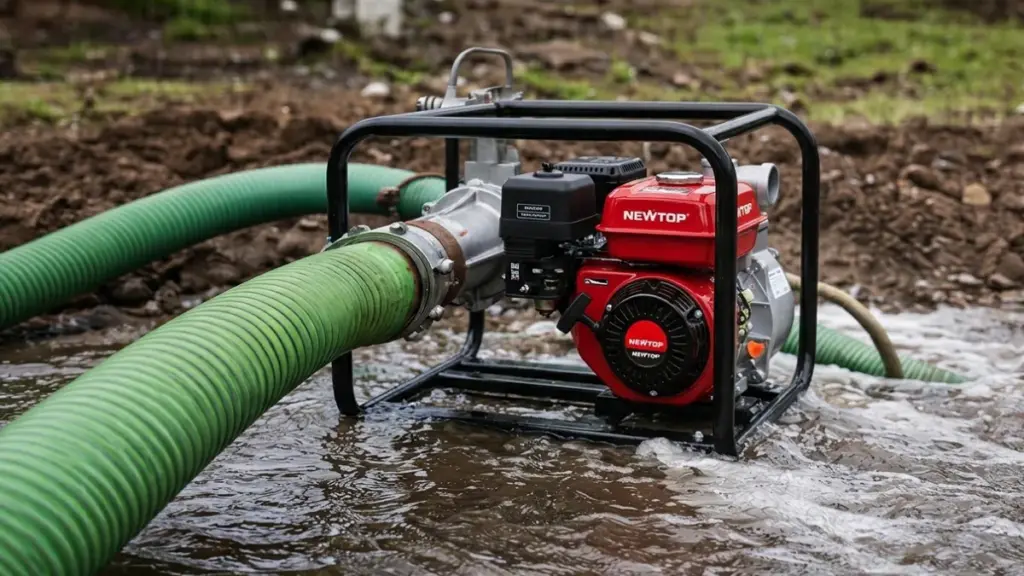
कचरा पंप एक भारी-भरकम कार्य है केंद्रत्यागी पम्प कीचड़ से भरे गंदे पानी को आक्रामक तरीके से स्थानांतरित करने के लिए बनाया गया, रेत, और मलबा बिना रुके या ख़राब हुए.
मूल परिभाषा और उद्देश्य
इंजीनियर विशेष रूप से कीचड़ जैसे ठोस कणों से भरे गंदे पानी को स्थानांतरित करने के लिए कचरा पंप बनाते हैं, रेत, गंध, और चला जाता है. यह सीधे तौर पर मानक स्वच्छ-जल पंपों से भिन्न है, जो ऑपरेटर केवल स्पष्ट तरल पदार्थ के लिए इरादा रखते हैं. यदि आप स्वच्छ जल पंप को भारी संदूषण के संपर्क में लाते हैं, आप तत्काल रुकावट या भयावह सील विफलता का जोखिम उठाते हैं. उद्योग कचरा पंपों को गंदे पानी के पंपों के रूप में वर्गीकृत करता है क्योंकि वे मांग वाले वातावरण में प्रभावी ढंग से काम करते हैं जहां तरल पदार्थ ठोस अपशिष्ट के साथ भारी मात्रा में मिश्रित होते हैं।.
मुख्य डिज़ाइन विशेषताएँ
ठोस अपशिष्ट को संसाधित करने की क्षमता के लिए एक विशिष्ट यांत्रिक वास्तुकला की आवश्यकता होती है. निरंतर आंतरिक घर्षण से बचने के लिए निर्माता इन पंपों का निर्माण प्रबलित घटकों के साथ करते हैं.
- बड़ी आंतरिक मंजूरी: डिज़ाइन निलंबित ठोस पदार्थों और मलबे को आंतरिक मार्गों को प्लग किए बिना सीधे गुजरने की अनुमति देता है.
- हेवी-ड्यूटी निर्माण: रेत और ग्रिट के कारण होने वाले यांत्रिक प्रभाव और घिसाव का सामना करने के लिए उत्पादन घर्षण-प्रतिरोधी सामग्रियों पर निर्भर करता है.
- विशिष्ट प्ररित करनेवाला: खुले या अर्ध-खुले प्ररित करनेवाला और विशेष विलेय ज्यामिति कार्बनिक पदार्थ को रोकते हैं, फाइबर, या प्लास्टिक आवास के अंदर जमा होने से.
विशिष्ट अनुप्रयोग और वातावरण
आप एक कचरा पंप तैनात करते हैं जब आपको जिस तरल पदार्थ को स्थानांतरित करने की आवश्यकता होती है वह एक मानक स्थानांतरण पंप को नष्ट कर देगा. कई हेवी-ड्यूटी क्षेत्रों में फील्ड ऑपरेटर इन इकाइयों पर भरोसा करते हैं.
- बाढ़ नियंत्रण: जलमग्न तहखानों से पानी निकालना, गैरेज, और खराब मौसम या पाइप टूटने के बाद कीचड़युक्त कार्य क्षेत्र.
- निर्माण और सिविल इंजीनियरिंग: जल निकासी उत्खनन, उपयोगिता खाइयाँ, और तलछट बेसिन भूजल और मिट्टी से भरे हुए हैं.
- अपशिष्ट जल और जल निकासी: नालों की सफाई, हौदी, और जल निकासी चैनल जहां जैविक अपशिष्ट संचय आम है.
- औद्योगिक अवशेष प्रबंधन: स्थानांतरण प्रक्रिया अपशिष्ट, अपघर्षक घोल, और उपचार संयंत्रों के अंदर उच्च-ठोस धाराएँ.
स्वच्छ जल पंप क्या है??
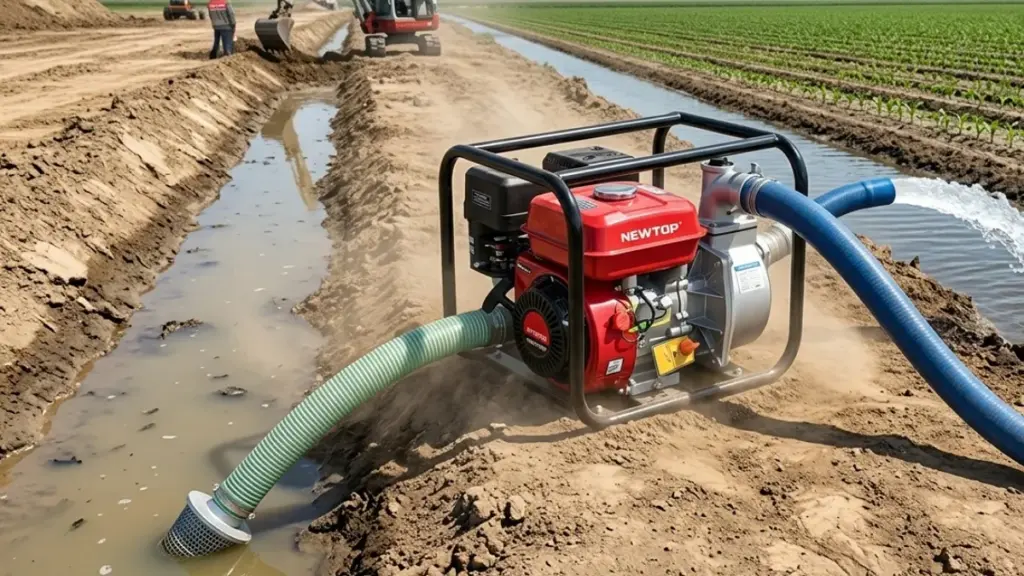
एक साफ़ पानी का पम्प स्पष्ट चलता है, ठोस-मुक्त तरल पदार्थ कुशलतापूर्वक. यह उच्च दबाव के लिए मलबे की सहनशीलता का व्यापार करता है, इसे घरेलू आपूर्ति और सिंचाई के लिए मानक विकल्प बनाना.
परिभाषा और मूल कार्य
स्वच्छ जल पंपों को विशेष रूप से साफ़ या पीने योग्य तरल पदार्थों के लिए इंजीनियर किया गया है. भारी कीचड़ और मलबे को चबाने के लिए बनाए गए कचरा पंपों के विपरीत, ये इकाइयाँ पानी को संभालती हैं जिसमें बहुत कम या कोई निलंबित ठोस पदार्थ नहीं होता है.
इंजीनियर इन पंपों में मार्ग के आकार को अधिकतम सीमा तक सीमित रखते हैं 5 को 6 मिलीमीटर. निर्माता पूर्ण शून्य ठोस सहनशीलता के लिए कई मानक मॉडलों का मूल्यांकन करते हैं. जब संदूषण का जोखिम कम होता है और प्रदर्शन की मांग अधिक होती है तो वे समर्पित स्पष्ट-तरल विकल्प के रूप में काम करते हैं.
हाइड्रोलिक डिजाइन और दक्षता
स्वच्छ जल पंप की आंतरिक वास्तुकला मलबे से निपटने पर प्रदर्शन को प्राथमिकता देती है. ये इकाइयाँ डिस्चार्ज दबाव और हाइड्रोलिक दक्षता को अधिकतम करने के लिए संकीर्ण प्रवाह मार्ग का उपयोग करती हैं. सख्त आंतरिक मंजूरी उन्हें समान मोटर आकार से सुसज्जित गंदे पानी के पंपों की तुलना में पानी को तेजी से और आगे धकेलने की अनुमति देती है.
क्योंकि वे चट्टानों और रेत से मुक्त गैर-अपघर्षक वातावरण में काम करते हैं, भारी कच्चा लोहा घिसाव वाली प्लेटें अनावश्यक हैं. बजाय, निर्माता स्वच्छ वातावरण के लिए उपयुक्त सामग्रियों से हाउसिंग और इम्पेलर्स का निर्माण करते हैं.
- प्लास्टिक: हल्का और रासायनिक संक्षारण के प्रति अत्यधिक प्रतिरोधी.
- स्टेनलेस स्टील: पीने योग्य पानी और खाद्य-ग्रेड अनुप्रयोगों में जंग को रोकता है.
- लेपित धातुएँ: निरंतर घरेलू या कृषि उपयोग के दौरान आंतरिक घटकों की सुरक्षा करता है.
सबमर्सिबल बनाम. सतही विन्यास
ऑपरेटर जल स्रोत के लेआउट के आधार पर इन पंपों को दो प्राथमिक स्वरूपों में तैनात करते हैं.
- सबमर्सिबल इकाइयाँ: ये भली भांति बंद करके सील की गई मोटरों के साथ पूरी तरह से पानी के अंदर काम करते हैं. वे अक्सर एकीकृत फ्लोट स्विच का उपयोग करते हैं जो पानी का स्तर गिरने पर बिजली काट देते हैं, ड्राई-रनिंग और उसके बाद मोटर बर्नआउट को रोकना.
- भूतल मॉडल: ये जलस्रोत के बाहर स्थाई रूप से बैठे रहते हैं. वे कठोर चूषण नली के माध्यम से द्रव से जुड़ते हैं और उथले कुएं निष्कर्षण और घरेलू दबाव प्रणालियों के लिए मानक हैं.
विशिष्ट अनुप्रयोग
उद्योग के पेशेवर और घर के मालिक विशिष्ट के लिए स्वच्छ पानी के पंप तैनात करते हैं, कम मलबे वाले कार्य जहां दबाव और प्रवाह दर सबसे अधिक मायने रखते हैं.
- घरेलू आपूर्ति: घरेलू पेयजल निकालना और आवासीय पाइपलाइन प्रणालियों में दबाव बढ़ाना.
- कृषि: बगीचों की सिंचाई करना, बगीचे, और छोटी फ़सलें सीधे साफ़ कुओं या फ़िल्टर किए गए होल्डिंग टैंकों से.
- जलनिकास: बाढ़ वाले बेसमेंट से साफ या हल्का गंदा पानी निकालना, स्विमिंग पूल, और वर्षा जल कुंड.
विश्वसनीय उद्यान मशीनरी के साथ मार्जिन अधिकतम करें

कचरा पंप कैसे काम करता है?
कचरा पंप भारी मलबे को हटाने के लिए एक अर्ध-खुले प्ररित करनेवाला और केन्द्रापसारक बल का उपयोग करते हैं, स्वचालित रूप से सेल्फ-प्राइम करने के लिए आवरण के अंदर बरकरार तरल पदार्थ पर निर्भर रहना.
केन्द्रापसारक पम्पिंग तंत्र
एक कचरा पंप एक हेवी-ड्यूटी केन्द्रापसारक इकाई के रूप में कार्य करता है. पानी सक्शन पोर्ट में प्रवेश करता है और तेज़ गति से हमला करता है, अर्ध-खुला प्ररित करनेवाला एक सर्पिल-आकार के कुंडलित आवरण के अंदर स्थित है.
जैसे प्ररित करनेवाला घूमता है, यह केन्द्रापसारक बल उत्पन्न करता है जो आने वाले तरल पदार्थ को आवरण की दीवारों के खिलाफ बाहर की ओर फेंकता है. विलेय इस द्रव को पकड़ता है और इसकी गतिज ऊर्जा को एक स्थिर दबाव शीर्ष में परिवर्तित करता है. यह दबाव निरंतर प्रवाह बनाने के लिए डिस्चार्ज पोर्ट के माध्यम से पानी को भौतिक रूप से बाहर निकालता है.
स्व-प्राइमिंग ऑपरेशन
यदि हवा सक्शन लाइन में प्रवेश करती है तो मानक केन्द्रापसारक पंप विफल हो जाते हैं. एक कचरा पंप सक्रिय परिचालन चक्रों के बीच अपने आवरण के अंदर पानी का एक छोटा सा चार्ज बनाए रखकर इस समस्या का समाधान करता है.
जब पंप इंजन चालू होता है, आंशिक निर्वात बनाने के लिए प्ररित करनेवाला इस रुके हुए पानी को घुमाता है. यह वैक्यूम सक्शन लाइन से हवा को ऊपर खींचता है. आंतरिक यांत्रिकी हवा को तरल से अलग करती है और इसे डिस्चार्ज पक्ष के माध्यम से बाहर निकाल देती है. पानी फिर आवरण में भर जाता है, प्राइमिंग प्रक्रिया को पूरा करना और सामान्य द्रव स्थानांतरण शुरू करने की अनुमति देना.
ठोस एवं मलबा प्रबंधन
कचरा पंप की परिभाषित विशेषता बिना जाम हुए दूषित पानी को संसाधित करने की क्षमता है. इकाई आंतरिक घटकों को बड़े कणों से बचाने के लिए असाधारण रूप से व्यापक प्रवाह मार्ग के साथ एक अर्ध-खुले प्ररित करनेवाला का उपयोग करती है.
यह विशिष्ट आंतरिक ज्यामिति विशिष्ट सामग्री प्रबंधन क्षमताएं प्रदान करती है:
- मलबा सहनशीलता: रेत जैसे ठोस पदार्थों को पार करता है, कीचड़, और चिपक जाता है 3 इंच व्यास में.
- प्रसुप्त ठोस वस्तु: तक युक्त तरल पदार्थ पंप करता है 30% भार के अनुसार निलंबित ठोस पदार्थ.
- उपकरण सीमाएँ: यदि ठोस पदार्थ इससे अधिक हो तो एक विशेष हेवी-ड्यूटी स्लरी पंप में अपग्रेड की आवश्यकता होती है 30% सीमा.
स्वच्छ जल पंप कैसे काम करता है?
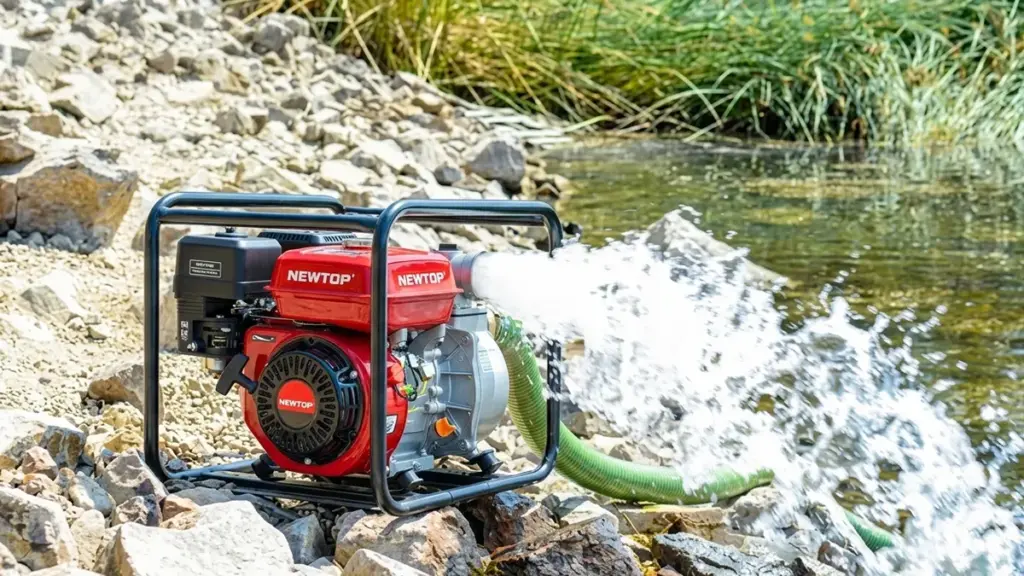
एक स्वच्छ जल पंप गतिज ऊर्जा को स्थिर ऊर्जा में परिवर्तित करने के लिए एक घूमने वाले प्ररित करनेवाला और केन्द्रापसारक बल का उपयोग करता है, पाइपलाइन और सिंचाई नेटवर्क के लिए उपयोग योग्य जल दबाव.
जल सेवन और प्ररित करनेवाला कार्रवाई
प्रक्रिया तब शुरू होती है जब स्पष्ट तरल इनलेट पोर्ट के माध्यम से पंप कक्ष में प्रवेश करता है. आवास के अंदर, मोटर चालित प्ररित करनेवाला द्रव को गति देने के लिए तेजी से घूमता है. जैसे प्ररित करनेवाला घूमता है, यह मजबूत केन्द्रापसारक बल उत्पन्न करता है. यह शारीरिक क्रिया पानी को पंप बॉडी के बाहरी किनारों की ओर धकेलती है, स्थानांतरण के लिए आवश्यक प्रारंभिक गति बनाना.
वेग से दबाव रूपांतरण
अकेले गति जटिल प्लंबिंग लेआउट के माध्यम से तरल पदार्थ को आगे नहीं बढ़ाएगी. आंतरिक पंप आवास प्ररित करनेवाला से बाहर निकलते ही तेज गति से आने वाले पानी को पकड़ लेता है. इंजीनियर इस आवरण को विशेष रूप से उस गतिज ऊर्जा को प्रयोग करने योग्य डिस्चार्ज दबाव में परिवर्तित करने के लिए डिज़ाइन करते हैं. अत्यधिक दबाव वाला पानी फिर कनेक्टेड पाइपिंग नेटवर्क को आपूर्ति करने के लिए डिस्चार्ज पाइप से बाहर निकलता है.
वेल सिस्टम में स्वचालित संचालन
घरेलू सेटअप पंप को स्वचालित रूप से और कुशलतापूर्वक चलाने के लिए अतिरिक्त घटकों पर निर्भर करते हैं. सिस्टम तीन प्राथमिक तंत्रों का उपयोग करता है:
- दबाव टैंक: लगातार डिलीवरी बनाए रखने और मोटर पर शॉर्ट-साइक्लिंग को कम करने के लिए दबाव वाले पानी को स्टोर करता है.
- प्रेशर स्विच: मोटर को ठीक उसी क्षण सक्रिय करता है जब किसी खुले फिक्सचर से लाइन का दबाव गिरता है.
- वाल्व जांचें: कुएं में पानी को पीछे की ओर बहने से रोकता है, सिस्टम को दुरुस्त रखना और लाइन का दबाव स्थिर रखना.
प्रदर्शन चर और सीमाएँ
वास्तविक दुनिया की परिस्थितियाँ यह तय करती हैं कि स्वच्छ जल पंप कितने प्रभावी ढंग से चलता है. गुरुत्वाकर्षण पर काबू पाने के लिए मोटर को पर्याप्त कच्चा बल उत्पन्न करना चाहिए, आंतरिक पाइप घर्षण, और ऊर्ध्वाधर लिफ्ट. सतही मॉडलों को अक्सर मैन्युअल प्राइमिंग की आवश्यकता होती है, यानी उचित सक्शन सुनिश्चित करने के लिए ऑपरेटरों को मोटर शुरू करने से पहले आवरण में पानी भरना होगा. ऑपरेटरों को द्रव स्रोत की लगातार निगरानी करनी चाहिए. पानी के बिना पंप चलाने से ड्राई रनिंग होती है, जो सीधे गंभीर घर्षण क्षति और भयावह सील विफलता की ओर ले जाता है.
कचरा पंप बनाम स्वच्छ जल पंप: एक नज़र में मुख्य अंतर
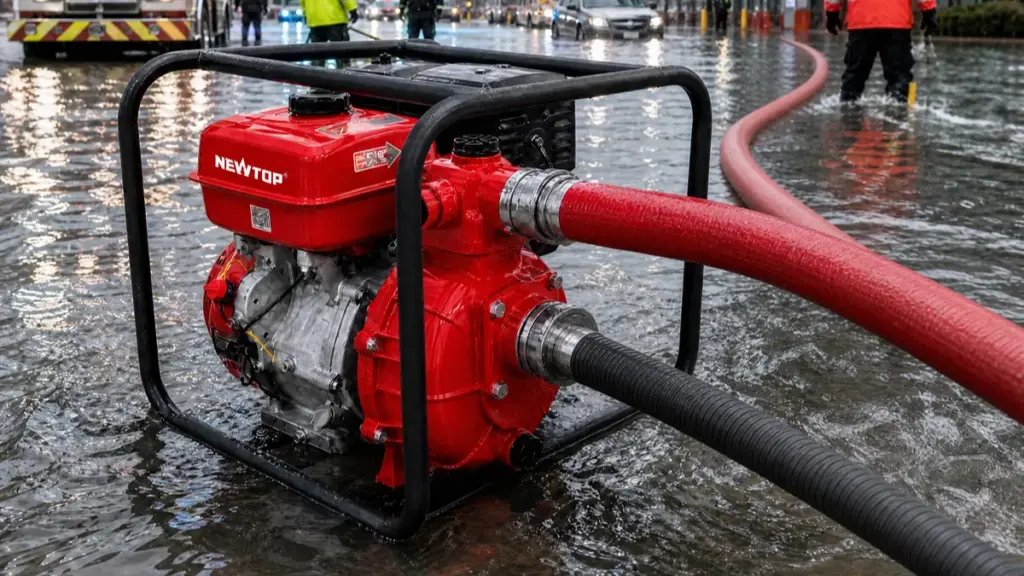
कचरा पंप कठोर वातावरण में ऊबड़-खाबड़ ठोस पदार्थों के प्रबंधन को प्राथमिकता देते हैं, जबकि स्वच्छ जल पंप स्पष्ट तरल पदार्थों के लिए हाइड्रोलिक दक्षता और दबाव को अधिकतम करने पर ध्यान केंद्रित करते हैं.
| तुलना | कचरा पंप | स्वच्छ जल पम्प |
|---|---|---|
| पानी का प्रकार | गंदा पानी, मटममैला पानी, अपशिष्ट | साफ़ पानी |
| ठोस हैंडलिंग | रेत संभालता है, पत्तियों, और छोटा मलबा | सीमित ठोस कण प्रबंधन |
| प्ररित करनेवाला डिजाइन | खुला या अर्ध-खुला प्ररित करनेवाला डिज़ाइन | बंद प्ररित करनेवाला डिजाइन |
| मार्ग का आकार | ठोस कणों के लिए बड़ी निकासी | बेहतर दक्षता के लिए छोटी निकासी |
| क्षमता | भारी-भरकम निर्माण के कारण थोड़ा कम | स्वच्छ पानी पंप करते समय उच्च दक्षता |
| रखरखाव | गंदे पानी के संचालन के बाद निरीक्षण और सफाई की आवश्यकता होती है | उचित परिचालन स्थितियों के तहत कम रखरखाव |
| विशिष्ट उपयोग | निर्माण स्थल, बाढ़ नियंत्रण, जल निकासी अनुप्रयोग | सिंचाई, जल अंतरण, घरेलू जल आपूर्ति |
| सहनशीलता | कठोर वातावरण और मांग वाले अनुप्रयोगों के लिए डिज़ाइन किया गया | स्वच्छ जल अनुप्रयोगों के लिए डिज़ाइन किया गया |
ठोस प्रबंधन और संचालन वातावरण
कचरा पंप सक्रिय रूप से कीचड़ हटाते हैं, रेत, पत्तियों, और बिना रुके 2-3 इंच व्यास तक ठोस हो जाता है. निर्माण स्थलों से पानी निकालने के लिए ऑपरेटर प्राथमिक उपकरण के रूप में उन पर भरोसा करते हैं, नगरपालिका अपशिष्ट जल का प्रबंधन, या कीचड़ के गड्ढे साफ करना. वे तब भी स्थिर प्रवाह दर बनाए रखते हैं, जब जल स्रोत अपघर्षक मलबे से भारी रूप से दूषित हो.
साफ पानी के पंप सख्ती से साफ संभालते हैं, फ़िल्टर किए गए तरल पदार्थ. वे घरेलू जल आपूर्ति प्रणालियों की सेवा करते हैं, दबाव बढ़ाने वाले स्टेशन, और कृषि सिंचाई नेटवर्क. अगर छोड़ देता है, कंकड़, या मोटी मिट्टी स्वच्छ जल प्रणाली में प्रवेश कर जाती है, पंप को तत्काल प्ररित करनेवाला क्षति और तेजी से सील विफलता का सामना करना पड़ता है.
प्रदर्शन और दक्षता ट्रेड-ऑफ़
कचरा पंप अधिकतम दबाव आउटपुट पर उच्च प्रवाह मात्रा और निरंतर रुकावट प्रतिरोध को प्राथमिकता देते हैं. कचरा पंपों में व्यापक आंतरिक मंजूरी समग्र ऊर्जा दक्षता को थोड़ा कम कर देती है. आप अप्रत्याशित में विश्वसनीय संचालन की गारंटी के लिए सटीक हाइड्रोलिक प्रदर्शन का व्यापार करते हैं, गंदी स्थितियाँ.
लंबी दूरी तक साफ तरल पदार्थों का परिवहन करते समय साफ पानी के पंप बेहतर दबाव और हाइड्रोलिक दक्षता प्रदान करते हैं. उनके संकीर्ण आंतरिक मार्ग अधिक मोटर ऊर्जा को प्रयोग करने योग्य सिर दबाव में परिवर्तित करते हैं. वे पानी को ऊपर की ओर धकेलने या लंबी स्प्रिंकलर लाइनों को खिलाने में उत्कृष्टता प्राप्त करते हैं, बशर्ते पानी शुद्ध रहे.
आंतरिक डिज़ाइन और सामग्री निर्माण
निर्माता अपने लक्षित वातावरण में जीवित रहने के लिए इन दो पंप श्रेणियों को अलग-अलग आंतरिक आर्किटेक्चर के साथ इंजीनियर करते हैं.
- प्ररित करनेवाला और वॉल्यूट: ट्रैश पंप मॉडल में मोटी विशेषता होती है, चट्टानों और बजरी से बार-बार होने वाले प्रभावों को अवशोषित करने के लिए डिज़ाइन किए गए कच्चा लोहा अर्ध-खुले इम्पेलर्स और चौड़े वॉल्यूट्स. स्वच्छ जल इकाइयाँ मानक का उपयोग करती हैं, सख्त आंतरिक मंजूरी वाले बंद प्ररित करनेवाला पूरी तरह से स्पष्ट तरल पदार्थों के लिए अनुकूलित हैं.
- यांत्रिक सील: कचरा पंप निरंतर ग्रिट का सामना करने के लिए घर्षण-प्रतिरोधी सिलिकॉन कार्बाइड सील पर निर्भर करते हैं. स्वच्छ जल पंप गैर-अपघर्षक वातावरण के लिए तैयार मानक कार्बन सिरेमिक सील का उपयोग करते हैं.
- रखरखाव पहुंच: कचरा पंपों में अक्सर बड़ी फंसी वस्तुओं को हटाने के लिए त्वरित-रिलीज़ क्लीन-आउट पोर्ट शामिल होते हैं. स्वच्छ जल पंपों में इन बंदरगाहों की कमी होती है क्योंकि वे बड़े ठोस पदार्थों को ग्रहण करने के लिए नहीं होते हैं.
लागत और जीवनचक्र अर्थशास्त्र
कचरा पंपों को उनके सुदृढ़ीकरण के कारण प्रारंभिक खरीद मूल्य अधिक मिलता है, हेवी-ड्यूटी विनिर्माण सामग्री. मजबूत कच्चा लोहा आवरण और उन्नत सीलिंग सिस्टम अग्रिम खर्च बढ़ाते हैं लेकिन कठोर साइट स्थितियों में डाउनटाइम को काफी कम कर देते हैं।.
स्वच्छ जल पंप सर्वोत्तम दीर्घकालिक मूल्य और न्यूनतम परिचालन लागत तभी प्रदान करते हैं, जब इन्हें स्पष्ट जल अनुप्रयोगों के लिए सख्ती से लागू किया जाता है. कीचड़ भरे वातावरण में स्वच्छ जल पंप लगाने से तेजी से यांत्रिक विफलता होती है. जली हुई मोटरों को बदलना, टूटे हुए इम्पेलर, और समझौता सील मानक पंप को भारी-भरकम कार्यों के लिए सबसे महंगा विकल्प बनाती है.
प्रत्येक पंप कौन से तरल पदार्थ संभाल सकता है?
पंप को तरल से मिलाएं. साफ़ पानी के लिए कुशल स्वच्छ जल पंपों की आवश्यकता होती है, जबकि गंदले तरल पदार्थ विफलता को रोकने के लिए अर्ध-कचरा या कचरा पंपों के बड़े मार्ग की मांग करते हैं.
साफ़ तरल पदार्थ के लिए साफ़ पानी के पंप
स्वच्छ जल पंप विशेष रूप से लगभग शून्य ठोस वाले तरल पदार्थों के लिए बनाए जाते हैं. आप इनका उपयोग मुख्य रूप से पीने योग्य पानी के लिए करेंगे, स्वच्छ वर्षा जल, और हल्के ढंग से उपचारित प्रक्रिया जल.
इंजीनियर इन पंपों को संकीर्ण आंतरिक मार्ग के साथ डिजाइन करते हैं. यह ज्यामिति हाइड्रोलिक दक्षता को अधिकतम करती है लेकिन यदि ठोस पदार्थ सिस्टम में प्रवेश करते हैं तो पंप घर्षण और क्लॉगिंग के प्रति अत्यधिक संवेदनशील हो जाता है. दृश्यमान मैलापन के संपर्क में आना, रेत, धैर्य, या रेशेदार मलबे के कारण प्ररित करनेवाला तेजी से घिसता है और गंभीर मोटर अधिभार का जोखिम होता है. अगर पानी गंदा दिखता है, इस पंप को इससे दूर रखें.
भारी मलबे और कीचड़ के लिए कचरा पंप
जब द्रव में भारी मलबा हो, आपको एक कचरा पंप की आवश्यकता है. निर्माता इन इकाइयों को विशेष रूप से गंदे तरल पदार्थों के लिए इंजीनियर करते हैं, गंदा पानी भी शामिल है, गाढ़ा घोल, कृषि में हुई क्षति, और भारी बाढ़ अपवाह.
कचरा पंपों में खुले या अर्ध-खुले प्ररित करनेवाला होते हैं जो बड़े ठोस पदार्थों को पारित करने में सक्षम होते हैं, अक्सर व्यास में दो इंच तक. वे मोटे तलछट को संभालते हैं, कंकड़, पत्तियों, और टहनियाँ आंतरिक क्षति के बिना या प्रवाह पथ को प्रतिबंधित किए बिना. आप कठोर वातावरण में बेजोड़ विश्वसनीयता के लिए कुछ हाइड्रोलिक दक्षता का व्यापार करते हैं.
मध्यवर्ती मैलापन के लिए अर्ध-कचरा पंप
अर्ध-कचरा पंप साफ पानी और भारी-भरकम कचरा प्रबंधन के बीच के अंतर को पाटता है. वे मध्यम ठोस और अशुद्धियों वाले गंदे पानी का प्रबंधन करते हैं जहां एक साफ पानी पंप जल्दी ही विफल हो जाता है.
ये इकाइयाँ छोटे-छोटे कणों को पार करती हैं 0.5 को 1 इंच व्यास में. वे हल्के निर्माण निर्जलीकरण के लिए एक व्यावहारिक विकल्प हैं, भूदृश्य परियोजनाएँ, और गंदे तालाब की जल निकासी. वे मानक पंपों की तुलना में कहीं बेहतर रुकावट प्रतिरोध प्रदान करते हैं लेकिन बड़ी चट्टानों या घने को हिलाने की आंतरिक क्षमता की कमी होती है, रेशेदार कीचड़.
तरल मूल्यांकन के लिए व्यावहारिक दिशानिर्देश
पंप का चयन कठोर द्रव विश्लेषण से शुरू होता है. अपने उपकरण की पसंद को अंतिम रूप देने से पहले पानी की स्पष्टता का निरीक्षण करें और अधिकतम कण आकार का अनुमान लगाएं. एक त्वरित क्षेत्र मूल्यांकन बाद में महंगे डाउनटाइम को रोकता है.
जहां अधिकतम हाइड्रोलिक दक्षता की आवश्यकता होती है, वहां स्पष्ट रूप से स्पष्ट तरल पदार्थ स्थानांतरित करते समय स्वच्छ जल पंपों को प्राथमिकता दें. इसके विपरीत, उच्च सांद्रता वाले अपघर्षक या रेशेदार वातावरण के लिए एक पूर्ण कचरा पंप का चयन करें. यह निरंतर विश्वसनीयता की गारंटी देता है और पंपिंग की स्थिति बिगड़ने पर अचानक उपकरण विफलता को रोकता है.
प्रदर्शन कैसा है, क्षमता, और रखरखाव की तुलना करें?
स्वच्छ जल पंप स्पष्ट तरल पदार्थों के लिए हाइड्रोलिक दक्षता और दबाव को प्राथमिकता देते हैं, जबकि कचरा पंप मलबे-भारी स्थितियों में निरंतर उच्च-मात्रा प्रवाह बनाए रखने के लिए चरम दक्षता का त्याग करते हैं.
प्रवाह में प्रदर्शन अंतर, दबाव, और ठोस पदार्थों का प्रबंधन
स्वच्छ जल पंपों को दबाव को अधिकतम करने के लिए इंजीनियर किया जाता है (सिर) और स्पष्ट तरल पदार्थों को तेजी से स्थानांतरित करें. वे पानी को लंबी दूरी तक या ऊपर की ओर धकेलने के लिए छोटे आउटलेट और सख्त आंतरिक ज्यामिति का उपयोग करते हैं. कचरा पंप विपरीत कोण से प्रदर्शन करते हैं. वे दबाव की तुलना में कच्चे प्रवाह की मात्रा पर जोर देते हैं, से अधिक बार-बार घूमना 1,000 बाढ़ वाले क्षेत्रों को खाली करने या बड़ी खाइयों को साफ़ करने के लिए प्रति मिनट गैलन.
दोनों पंप प्रकारों के लिए परिभाषित परिचालन सीमा भौतिक मलबे को संभालने की उनकी क्षमता है:
- साफ पानी के पंप: मलबे के प्रति लगभग शून्य सहनशीलता रखें. यहां तक कि छोटे निलंबित कण भी आंतरिक घटकों को नुकसान पहुंचा सकते हैं.
- कचरा पंप: ठोस पदार्थों को पारित करने के लिए विशेष इम्पेलर्स और वाइड वॉल्यूट्स का उपयोग करें 0.5 खत्म करने के लिए 2 रुकावट के बिना इंच.
हाइड्रोलिक दक्षता बनाम. परिचालन दक्षता
चरम हाइड्रोलिक दक्षता की एक मानक तुलना हमेशा स्वच्छ जल मॉडल का पक्ष लेती है. प्राचीन पानी में संचालन करते समय उनकी सख्त आंतरिक मंजूरी अधिक इनपुट ऊर्जा को सीधे द्रव दबाव में परिवर्तित करती है. कचरा पंप स्वाभाविक रूप से कम हाइड्रोलिक दक्षता के साथ चलते हैं. उनके बड़े आंतरिक मार्ग द्रव अशांति और पुनर्चक्रण पैदा करते हैं, जिसमें पानी की समान मात्रा को स्थानांतरित करने के लिए अधिक शक्ति की आवश्यकता होती है.
लेकिन मैदान में, प्रयोगशाला रेटिंग से अधिक परिचालन दक्षता मायने रखती है. जब आप मिश्रण में मलबा डालते हैं, रुकावटों और घटक घिसाव के कारण एक स्वच्छ जल पंप की दक्षता में तेजी से कमी आती है. एक कचरा पंप केवल ऑनलाइन रहकर और कठोर में निरंतर प्रवाह बनाए रखकर सर्वोत्तम व्यावहारिक दक्षता प्रदान करता है, दूषित वातावरण.
रखरखाव की मांग, प्रतिरोध पहन, और अपटाइम
परिचालन परिवेश के आधार पर रखरखाव प्रोफ़ाइल पूरी तरह से भिन्न होती हैं. एक साफ़ पानी के पंप को बहुत कम नियमित रखरखाव की आवश्यकता होती है. यदि आप तरल पदार्थ को साफ रखते हैं, आप अधिकतर केवल बुनियादी स्नेहन की निगरानी करते हैं और समय-समय पर सील निरीक्षण करते हैं. कचरा पंप कहीं अधिक सक्रिय रखरखाव कार्यक्रम की मांग करते हैं क्योंकि वे अत्यधिक घर्षण स्थितियों में काम करते हैं.
कचरा पंप के लिए मानक रखरखाव कार्यों में शामिल हैं:
- छलनी की सफाई: बड़ी रुकावटों को रोकने के लिए इनटेक स्क्रीन को बार-बार साफ करना.
- प्ररित करनेवाला निरीक्षण: चट्टानों और मलबे से घिसाव और प्रभाव क्षति के लिए वैन की जाँच करना.
- वॉल्यूट जाँचें: रेत और ग्रिट के कारण होने वाले आंतरिक क्षरण के लिए पंप आवरण की निगरानी करना.
इन उच्चतर अनुसूचित रखरखाव आवश्यकताओं के बावजूद, कचरा पंप मोटे तौर पर बनाए गए हैं, भारी शुल्क सामग्री. यह मजबूत निर्माण गंदे पानी की शारीरिक सज़ा को अवशोषित करता है, जब फ़ील्ड परिस्थितियाँ कठिन हो जाती हैं तो अप्रत्याशित डाउनटाइम और विनाशकारी विफलताओं को काफी हद तक कम किया जा सकता है.
प्रत्येक पंप प्रकार के लिए सर्वोत्तम अनुप्रयोग क्या हैं??
पंप को तरल पदार्थ से मिलाएं. कचरा पंप उच्च मात्रा में मलबा हटाने का काम संभालते हैं, जबकि स्वच्छ जल पंप स्पष्ट तरल पदार्थों के लिए उच्च दबाव हस्तांतरण प्रदान करते हैं.
कचरा पंपों के लिए आदर्श उपयोग (ठोस और दूषित जल)
कचरा पंप प्रतिकूल वातावरण में काम करते हैं जहां निलंबित ठोस मानक प्ररित करने वालों को तुरंत नष्ट कर देंगे. भारी मलबा निगलते समय निरंतर संचालन बनाए रखने के लिए वे अधिकतम दबाव का त्याग करते हैं.
- बाढ़ नियंत्रण और आपातकालीन जल निकासी: बेसमेंटों को तेजी से साफ किया जा रहा है, गैरेज, और भारी वर्षा के बाद कीचड़युक्त बाहरी क्षेत्र.
- हेवी-ड्यूटी साइट संचालन: सहायक निर्माण, नागरिक कार्य, और औद्योगिक प्रक्रियाएं जिनमें रेत शामिल है, सीमेंट, या गाढ़ा कीचड़.
- कृषि एवं अपशिष्ट प्रबंधन: गंदे तालाबों को खाली करना, कृत्रिम झीलें, या कार्बनिक पदार्थों से भरी कृषि अपशिष्ट जल प्रणालियाँ.
- प्रदर्शन प्राथमिकता: उच्च प्रवाह दर प्रदान करना (≥100 एल/मिनट) मजबूत का उपयोग करना, उच्च दबाव उत्पन्न करने के बजाय अर्ध-खुले प्ररित करनेवाला.
स्वच्छ जल पंपों के लिए सर्वोत्तम परिदृश्य (साफ़ पानी और दबाव)
जब द्रव स्रोत तलछट से मुक्त हो, स्वच्छ जल पंप अग्रणी हैं. उनकी कड़ी आंतरिक मंजूरी उन्हें कुशलतापूर्वक तरल पदार्थ को आगे की दूरी और अधिक ऊंचाई तक धकेलने की अनुमति देती है.
- घरेलू जल आपूर्ति: गहरे कुओं से स्थिर दबाव वृद्धि प्रदान करना, सिस्टर्न, या आवासीय भवनों में टैंक रखना.
- लक्षित सिंचाई: फ़िल्टर किए गए वर्षा जल का उपयोग करके उद्यान स्प्रिंकलर सिस्टम और हल्के कृषि जल नेटवर्क को शक्ति प्रदान करना.
- साफ़ तरल स्थानांतरण: पूलों में पानी को निर्बाध रूप से निकालना या ले जाना, बंद जलाशय, और संवेदनशील जलकृषि सेटअप.
- प्रदर्शन प्राथमिकता: उच्च दबाव के साथ संयुक्त मध्यम प्रवाह दर बनाए रखना (सिर) स्थिर के लिए, सतत वितरण.
मिश्रित-उपयोग अनुप्रयोग और दोहरे उद्देश्य वाले पंप
नौकरी स्थल की स्थितियाँ अक्सर बदलती रहती हैं. निर्माता विशेष रूप से ऐसे वातावरण के लिए दोहरे उद्देश्य वाले सबमर्सिबल पंप डिज़ाइन करते हैं जहां पानी की गुणवत्ता पूरे दिन साफ और तलछट-भारी के बीच उतार-चढ़ाव करती है।.
इन हाइब्रिड इकाइयों में समायोज्य सेवन तंत्र की सुविधा है जो ऑपरेटरों को स्वच्छ और गंदे पानी के मोड के बीच मैन्युअल रूप से स्विच करने देती है. यह इंजीनियरिंग साफ पानी निकालने के दौरान ऊर्जा दक्षता को अधिकतम करती है जबकि मलबे के बेसिन में प्रवेश करने पर सक्रिय रूप से रुकावटों को रोकती है.
कार्रवाई योग्य चेकलिस्ट: पंप को अपने कार्य से मिलाना
तैनाती से पहले बुनियादी साइट मूल्यांकन के माध्यम से समयपूर्व उपकरण विफलता से बचें. ग़लत पंप प्रकार का उपयोग डाउनटाइम की गारंटी देता है और रखरखाव लागत को बढ़ाता है.
- जल संरचना का आकलन करें: रेत वाले वातावरण के लिए कचरा पंप चुनें, पत्तियों, या कीचड़. साफ़ तरल पदार्थों के लिए विशेष रूप से साफ़ पानी के पंप का उपयोग करें.
- उद्देश्य को परिभाषित करें: तेजी से खाली करने के कार्यों के लिए उच्च मात्रा वाले सबमर्सिबल पंप चुनें, या लंबी दूरी की सिंचाई के लिए दबाव-केंद्रित पंप.
- क्षमता आवश्यकताओं की गणना करें: आवश्यक प्रवाह दर सत्यापित करें (एल/मिनट) और कुल सिर की ऊंचाई आपके विशिष्ट साइट लेआउट द्वारा निर्धारित होती है.
- उचित स्वचालन और सुरक्षा सुनिश्चित करें: हाथों से मुक्त बाढ़ प्रबंधन और कुएं के पंपों को जलने से बचाने के लिए ड्राई-रन सुरक्षा के लिए फ्लोट स्विच स्थापित करें.
अपने बाज़ार के लिए सही जल पंप कैसे चुनें
आपके पंप का चयन पानी की गुणवत्ता और दबाव की जरूरतों पर निर्भर करता है. उपकरण की विफलता को रोकने और महंगे डाउनटाइम को खत्म करने के लिए अपने कार्यस्थल पर ठोस-हैंडलिंग क्षमता का मिलान करें.
जल की गुणवत्ता और मलबे के आकार का आकलन करें
पंप चयन में पहला कदम जल स्रोत का निदान करना है. पानी की गुणवत्ता सीधे तौर पर आपके उपकरण को जीवित रहने के लिए आवश्यक आंतरिक मंजूरी और प्ररित करनेवाला डिज़ाइन को निर्धारित करती है.
- साफ पानी के पंप: न्यूनतम निलंबित ठोस पदार्थों के साथ साफ़ तरल पदार्थों को संभालें, आम तौर पर अधिकतम हो रहा है 0.25 इंच.
- कचरा पंप: तलछट युक्त गंदे पानी का उपचार करें, पत्तियों, और कीचड़, बीच में भारी ठोस पदार्थ गुजारना 1.25 और 2 इंच व्यास में.
हमेशा ऐसी पंप रेटिंग चुनें जो द्रव में अपेक्षित सबसे बड़े मलबे के आकार से अधिक हो. जब साइट की स्थिति अप्रत्याशित रूप से खराब हो जाती है तो यह सुरक्षा मार्जिन तत्काल रुकावट और आंतरिक क्षति को रोकता है.
दबाव और प्रवाह आवश्यकताएँ निर्धारित करें
पानी की गुणवत्ता से परे, आपको कार्य की हाइड्रोलिक मांगों को परिभाषित करना होगा. विभिन्न पंप आर्किटेक्चर पूरी तरह से अलग-अलग स्थानांतरण उद्देश्यों को पूरा करते हैं.
- उच्च दबाव: स्वच्छ जल पंप उच्च डिस्चार्ज दबाव प्रदान करते हैं, उन्हें लंबी दूरी तक तरल पदार्थ ले जाने या छोटी नली की आपूर्ति के लिए मानक बनाना.
- उच्च परिमाण: कचरा पंप उच्च प्रवाह मात्रा के लिए अधिकतम लाइन दबाव का व्यापार करते हैं, बाढ़ग्रस्त क्षेत्रों को तेजी से साफ करने के लिए त्वरित जल निकासी को प्राथमिकता देना.
- बंदरगाह का आकार: कचरा पंप 2-इंच से 6-इंच के बड़े बंदरगाहों का उपयोग करते हैं ताकि यह सुनिश्चित किया जा सके कि मलबे से भरा पानी बिना किसी प्रतिबंध के सिस्टम से गुजर सके।.
जॉबसाइट अनुप्रयोगों के लिए पंप विनिर्देशों का मिलान करें
आपको पंप के डिज़ाइन को वास्तविक कार्य वातावरण के साथ संरेखित करने की आवश्यकता है. कार्यस्थल पर गलत तरीके से लगाए जाने पर मानक केन्द्रापसारक पंप तेजी से विफल हो जाते हैं.
- स्वच्छ जल कार्य: पूल जल निकासी के लिए इन इकाइयों को तैनात करें, स्वच्छ बाढ़ के बाद बेसमेंट से पानी निकालना, और स्पष्ट स्रोत कृषि सिंचाई.
- गंदे पानी के कार्य: निर्माण स्थल से पानी निकालने के लिए कचरा पंपों का उपयोग करें, बाढ़ से भरी खाइयों को साफ करना, और जैविक पदार्थ से जुड़ा कृषि हस्तांतरण.
- धूल दमन: गंदे या गंदे जल स्रोतों से पानी निकालते समय विश्वसनीय संचालन की गारंटी के लिए कार्यस्थल पर धूल नियंत्रण के लिए एक कचरा पंप चुनें.
संभावित डाउनटाइम के मुकाबले अग्रिम लागत का आकलन करें
खरीदारी संबंधी निर्णय अक्सर प्रारंभिक मूल्य टैग पर केंद्रित होते हैं, लेकिन कुल जीवनचक्र लागत वास्तविक लाभप्रदता निर्धारित करती है. साफ़ पानी के पंप साफ़ पानी वाले वातावरण में कम खरीद मूल्य और उच्च परिचालन दक्षता प्रदान करते हैं.
कीचड़ भरी परिस्थितियों में मानक स्वच्छ जल पंप चलाना एक महंगी गलती है. संकीर्ण आंतरिक मंजूरी तेजी से बंद हो जाएगी, गंभीर उपकरण क्षति और महंगी परियोजना में देरी का जोखिम उठाना.
कचरा पंपों के लिए अधिक प्रारंभिक निवेश की आवश्यकता होती है. वे प्रबलित इम्पेलर्स की विशेषता के द्वारा इस लागत की भरपाई करते हैं, हेवी-ड्यूटी यांत्रिक सील, और व्यापक आंतरिक मार्ग. यह मजबूत निर्माण महंगे डाउनटाइम को समाप्त करता है और आपके ऑपरेशन को कठोर परिस्थितियों में चालू रखता है.
जल पंपों का चयन करते समय सामान्य गलतियाँ
गलत जल पंप का चयन करने से समय से पहले विफलता होती है और परिचालन लागत बढ़ जाती है. विश्वसनीयता की गारंटी के लिए पंप की हाइड्रोलिक सीमा और ठोस रेटिंग को अपने विशिष्ट तरल वातावरण से मिलाएं.
भ्रमित करने वाले पंप प्रकार और द्रव आवश्यकताएँ
खरीदार अक्सर गंदे या मलबे से भरे गड्ढों के लिए एक मानक स्वच्छ पानी पंप ले लेते हैं. संकीर्ण मार्ग तुरंत अवरुद्ध हो जाते हैं, जिससे इम्पेलर तेजी से खराब हो गया और मोटरें जल गईं. दूसरे पहेलू पर, उच्च दबाव वाले स्वच्छ पानी की आवश्यकता वाले काम के लिए उच्च प्रवाह वाले कचरा पंप को तैनात करने से खराब प्रदर्शन होता है और ईंधन बर्बाद होता है. आपको पंप हार्डवेयर का सटीक द्रव प्रोफ़ाइल से सही ढंग से मिलान करना होगा.
- ठोस पदार्थों को संभालने की सीमाएँ: अधिकतम ठोस आकार का गलत अनुमान लगाना और साफ पानी के लिए रेटेड पंप में बड़े मलबे को डालना.
- द्रव रसायन शास्त्र संबंधी त्रुटियाँ: उचित सामग्री प्रतिरोध के बिना संक्षारक समुद्री जल या रासायनिक तरल पदार्थों में मानक घरेलू पंपों का उपयोग करना.
- आवेदन बेमेल: जब हाई-हेड ट्रांसफर के लिए एक समर्पित केन्द्रापसारक या मल्टीस्टेज पंप की आवश्यकता होती है तो कम दबाव वाले कचरा पंप पर भरोसा करना.
प्रवाह के लिए गलत आकार, सिर, और शक्ति
प्रवाह और हेड आवश्यकताओं का अनुमान लगाने से पंप की दक्षता नष्ट हो जाती है. एक पंप का बड़ा आकार “बस सुरक्षित करने के लिए” इकाई को उसके सर्वोत्तम दक्षता बिंदु से दूर संचालित करने के लिए बाध्य करता है (बीईपी). इससे ऊर्जा की खपत और यांत्रिक घिसाव काफी बढ़ जाता है. इसके विपरीत, एक छोटा पंप अधिकतम क्षमता पर लगातार चलता रहता है, जिसके परिणामस्वरूप क्रोनिक मोटर ओवरलोडिंग होती है.
- घर्षण हानि: कुल गतिशील प्रमुख को कम आंकना (टीडीएच) केवल ऊर्ध्वाधर लिफ्ट की गणना करके और होसेस में घर्षण को अनदेखा करके, पाइप, और फिटिंग.
- सक्शन सीमा: सतही पंपों की भौतिक सक्शन लिफ्ट सीमा से अधिक पानी खींचने का प्रयास करना (आम तौर पर 7 को 9 मीटर की दूरी पर), जिससे गंभीर गुहिकायन होता है.
- वॉल्यूम घाटा: प्रवाह क्षमता को कम करना, जिससे अपर्याप्त मात्रा में डिलीवरी और ओवरहीटिंग होती है.
सामग्री अनुकूलता और कर्तव्य चक्र की अनदेखी
आप किसी भारी निर्माण स्थल पर हल्के-फुल्के घरेलू उपकरण नहीं चला सकते. अत्यधिक अपघर्षक वातावरण के लिए मानक सामग्री निर्दिष्ट करने से इम्पेलर्स जैसे महत्वपूर्ण घटकों पर घिसाव तेज हो जाता है, अंगूठियां पहनें, और कुंडलित आवरण. औद्योगिक वातावरण सटीक साइट स्थितियों के लिए रेटेड उपकरणों की मांग करता है.
- घर्षण विनाश: मानक कच्चा लोहा या प्लास्टिक का चयन करना जो रेत या ग्रिट पंप करते समय जल्दी से नष्ट हो जाता है.
- कर्तव्य चक्र का दुरुपयोग: निरंतर हेवी-ड्यूटी डीवाटरिंग कार्यों के लिए आंतरायिक-ड्यूटी घरेलू पंपों का उपयोग करना.
- छोटी साइकिल चलाना: नियंत्रण प्रणाली को सही ढंग से आकार देने में विफलता के कारण अत्यधिक चालू/बंद चक्र होते हैं, मोटर स्टार्टरों पर दबाव पड़ना और यांत्रिक सीलें घिस जाना.
सिस्टम डिज़ाइन और विद्युत आवश्यकताओं की अनदेखी
एक पंप उतना ही अच्छा होता है जितना उसके आसपास का सिस्टम. कई ऑपरेटर पंप का चयन करने से पहले पाइपवर्क व्यास और लेआउट डिजाइन करते हैं. इससे उच्च घर्षण हानि होती है और प्रदर्शन अवरुद्ध हो जाता है. खराब सक्शन लेआउट - जैसे कि अत्यधिक लंबे समय तक उपयोग करना, प्रतिबंधात्मक नली या इनटेक को सीधे निचली तलछट में रखने से पंप को आवश्यकता से अधिक मेहनत करने के लिए मजबूर होना पड़ता है.
- प्रतिबंधात्मक लेआउट: खराब सक्शन कॉन्फ़िगरेशन का निर्माण जो पानी के पंप को ख़त्म कर देता है और गुहिकायन को ट्रिगर करता है.
- शक्ति बेमेल: बेमेल साइट वोल्टेज और चरण की आपूर्ति, मोटर को तुरंत खराब करना.
- सुरक्षा उपाय गायब: महत्वपूर्ण मोटर सुरक्षा सुविधाओं के बिना संचालन, जिसमें ड्राई-रन भी शामिल है, थर्मल, और वोल्टेज सुरक्षा उपाय.
जीवनचक्र और तकनीकी डेटा पर प्रारंभिक लागत को प्राथमिकता देना
उपलब्ध सबसे सस्ती इकाई खरीदना आपकी दीर्घकालिक लागतों को बढ़ाने का एक गारंटीकृत तरीका है. खरीदार अक्सर वास्तविक निर्माता प्रदर्शन वक्रों के विरुद्ध प्रवाह और प्रमुख क्षमताओं की पुष्टि करने के बजाय विपणन सुर्खियों पर भरोसा करते हैं. मांग भरे माहौल में, इससे भयावह उपकरण विफलता होती है.
- जीवनचक्र अंधापन: दीर्घकालिक विश्वसनीयता को नज़रअंदाज़ करते हुए सस्ती इकाइयाँ चुनना, भाग प्रतिस्थापन अंतराल पहनें, और आजीवन ऊर्जा की खपत.
- वक्रों को छोड़ना: आधिकारिक पंप वक्र के विरुद्ध परिचालन आवश्यकताओं की पुष्टि करने के बजाय केवल अधिकतम संख्या के आधार पर पंपों का चयन करना.
- विशेषज्ञता को दरकिनार करना: गहरे कुओं की पंपिंग या सीवेज बाईपास जैसे जटिल कार्यों के लिए पंप विशेषज्ञों से परामर्श लेने से इनकार करना.
वाटर पंप ओईएम विनिर्माण के लिए न्यूटॉप क्यों चुनें?
एक अनुभवी आउटडोर बिजली उपकरण निर्माता के रूप में, न्यूटॉप वैश्विक वितरकों के लिए विश्वसनीय जल पंप समाधान प्रदान करता है, डीलरों, और पेशेवर उपयोगकर्ता.
से अधिक के साथ 20 वर्षों का विनिर्माण अनुभव, NEWTOP गैसोलीन जल पंपों पर केंद्रित है, जिसमें विभिन्न कामकाजी वातावरणों के लिए डिज़ाइन किए गए स्वच्छ जल पंप और कचरा पंप शामिल हैं.
NEWTOP जल पंप समाधान सुविधा:
- विश्वसनीय गैसोलीन इंजन प्रदर्शन
- टिकाऊ पंप संरचनाएँ
- कठोर गुणवत्ता नियंत्रण प्रक्रियाओं
- OEM और अनुकूलन समर्थन
- व्यावसायिक उत्पादन और परीक्षण क्षमता
उन ग्राहकों के लिए जो दीर्घकालिक विनिर्माण भागीदार की तलाश में हैं, NEWTOP ऐसे वॉटर पंप उत्पाद विकसित करने में मदद करता है जो विभिन्न बाज़ार मांगों से मेल खाते हैं, आवेदन आवश्यकताएँ, और क्षेत्रीय मानक.
अंतिम विचार
कचरा पंप और स्वच्छ पानी पंप के बीच का अंतर मुख्य रूप से पानी के प्रकार पर निर्भर करता है जिसे संभालने के लिए उन्हें डिज़ाइन किया गया है.
साफ़ पानी स्थानांतरित करते समय एक साफ़ पानी पंप उच्च दक्षता प्रदान करता है, जबकि एक कचरा पंप गंदे पानी और ठोस मलबे से निपटने के दौरान मजबूत स्थायित्व प्रदान करता है.
जल पंप खरीदने या आयात करने से पहले, हमेशा विचार करें:
- पानी की गुणवत्ता
- ठोस कण आकार
- आवश्यक प्रवाह दर
- काम का माहौल
- दीर्घकालिक रखरखाव की आवश्यकता
सही पंप प्रकार का चयन बेहतर प्रदर्शन सुनिश्चित करता है, लंबी सेवा जीवन, और कम परिचालन लागत.
अक्सर पूछे जाने वाले प्रश्नों
कचरा पंप और स्वच्छ जल पंप के बीच क्या अंतर है??
एक कचरा पंप मलबे से भरे पानी को बाहर निकालता है, रेत की तरह, कीचड़, और चला जाता है, बड़े आंतरिक मार्ग और अर्ध-खुले इम्पेलर्स का उपयोग करना. एक साफ पानी का पंप साफ या थोड़ा गंदे पानी को संभालता है और उच्च दबाव के लिए अनुकूलित सख्त निकासी के साथ संचालित होता है. गंदे पानी पर साफ पानी के पंप का उपयोग करने से तेजी से रुकावट और आंतरिक क्षति होती है.
क्या एक साफ़ पानी का पंप गंदे पानी को संभाल सकता है??
नहीं. स्वच्छ जल पंप उच्च दबाव और दक्षता उत्पन्न करने के लिए संकीर्ण आंतरिक मंजूरी पर निर्भर करते हैं. यदि वे रेत निगलते हैं, कंकड़, या रेशेदार मलबा, वे जल्दी से अवरुद्ध हो जाते हैं या प्ररित करनेवाला को क्षति पहुँचाते हैं. आपको दिखाई देने वाले ठोस पदार्थ या कीचड़ वाले पानी के लिए एक कचरा या गंदे पानी के पंप की आवश्यकता है.
कचरा पंप किस प्रकार के ठोस पदार्थों को संभाल सकता है?
मानक कचरा पंप आसानी से ठोस वस्तुओं को बीच से गुजार देते हैं 1 और 3 इंच व्यास में. इसमें रेत भी शामिल है, कंकड़, पत्तियों, टहनियाँ, और नरम कीचड़. तक निलंबित ठोस पदार्थों को संभालते हैं 30% वजन से. वे अत्यधिक अपघर्षक खनन घोल या लंबी रस्सियों या बड़े लत्ता जैसी अत्यधिक कठोर सामग्री के लिए डिज़ाइन नहीं किए गए हैं.
क्या कचरा पंप स्वच्छ जल पंप की तुलना में धीमा है??
साफ़ पानी में, एक कचरा पंप एक तुलनीय स्वच्छ जल पंप की तुलना में कम दबाव और हाइड्रोलिक दक्षता पैदा करता है. लेकिन गंदे या मलबे से भरे पानी में, एक कचरा पंप काम को बहुत तेजी से पूरा करता है. यह निरंतर अवरोध और डाउनटाइम के बिना स्थिर प्रवाह बनाए रखता है जो स्वच्छ जल पंप को पूरी तरह से बंद कर देता है.
निर्माण स्थलों के लिए कौन सा पंप बेहतर है?
निर्माण स्थलों के लिए कचरा पंप लगभग हमेशा बेहतर विकल्प होता है. ट्रेंच डीवाटरिंग और उत्खनन सफाई में गंदा पानी शामिल होता है, गाद, और बजरी. एक कचरा पंप इस मलबे को बिना जाम किए संसाधित करता है. स्वच्छ पानी का पंप केवल तभी चुनें जब फ़िल्टर किए गए पानी को लंबी दूरी तक स्थानांतरित किया जा रहा हो या उच्च दबाव वाले आउटपुट की आवश्यकता हो.
क्या मैं सिंचाई के लिए कचरा पंप का उपयोग कर सकता हूँ??
हाँ, विशेष रूप से अशांत खाड़ियों और तालाबों से बाढ़ या बेसिन सिंचाई के लिए. चूंकि कचरा पंप पत्तियों और गाद को आसानी से संसाधित करते हैं, वे सिस्टम अवरोधों को रोकते हैं. वे स्वच्छ जल पंपों की तुलना में कम दबाव उत्पन्न करते हैं, जब तक आप मजबूत डाउनस्ट्रीम निस्पंदन स्थापित नहीं करते हैं, तब तक वे उच्च दबाव वाली स्प्रिंकलर लाइनों या ड्रिप सिस्टम के लिए कम उपयुक्त हो जाते हैं.
पंप मार्ग का आकार क्यों मायने रखता है??
मार्ग का आकार अधिकतम ठोस व्यास को निर्धारित करता है जिसे एक पंप जाम किए बिना निगल सकता है. एक बड़ा मार्ग आकार, कचरा पंपों में पाया जाता है, मलबे से भरे वातावरण में रुकावट के जोखिम और डाउनटाइम को कम करता है. स्वच्छ जल पंपों में छोटे मार्ग के आकार हाइड्रोलिक दक्षता को अधिकतम करते हैं लेकिन उन्हें छोटे पत्थरों या टहनियों से तत्काल रुकावटों के प्रति संवेदनशील बनाते हैं.
किस प्रकार के पंप की रखरखाव लागत कम है??
आदर्श साफ पानी की स्थिति में, एक स्वच्छ जल पंप के रखरखाव की लागत कम होती है क्योंकि यह अपघर्षक घिसाव से बचाता है. कचरा पंपों को कठोरता का सामना करना पड़ता है, किरकिरा वातावरण में बार-बार साफ-सफाई और घिसे-पिटे हिस्से के प्रतिस्थापन की आवश्यकता होती है. गंदे वातावरण में साफ पानी का पंप लगाना गंभीर क्षति की गारंटी देता है, भारी-भरकम अनुप्रयोगों के लिए कचरा पंप को कहीं अधिक लागत प्रभावी बनाना.
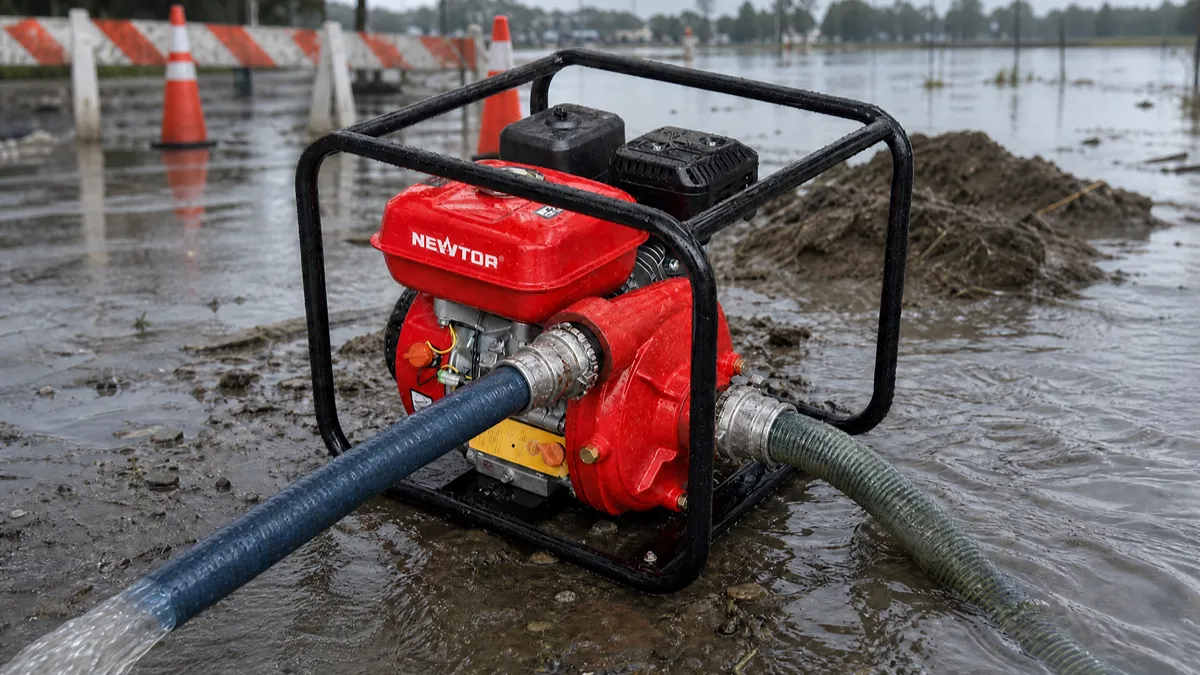
Choosing between a centrifugal pump and a self-priming पंप depends on your application, काम का माहौल, और ग्राहक की जरूरतें. केन्द्रापसारक पंप स्थिर जल स्रोतों के लिए उच्च दक्षता और सरल संचालन प्रदान करते हैं, जबकि सेल्फ-प्राइमिंग पंप बदलती परिस्थितियों के लिए आसान स्टार्टअप और बेहतर लचीलापन प्रदान करते हैं.
वितरकों के लिए, डीलरों, और OEM खरीदार, सही पंप प्रकार का चयन न केवल तकनीकी प्रदर्शन के बारे में है बल्कि बाजार की मांग के बारे में भी है, प्रयोगकर्ता का अनुभव, और दीर्घकालिक विश्वसनीयता. एक पंप जो एक निश्चित सिंचाई प्रणाली में अच्छा काम करता है वह निर्माण स्थलों या पोर्टेबल जल अंतरण अनुप्रयोगों के लिए सबसे अच्छा विकल्प नहीं हो सकता है.
इस गाइड में, we will compare centrifugal and self-priming पानी के पंप in terms of working principles, क्षमता, installation, रखरखाव, अनुप्रयोग, and market suitability to help you make a better product selection decision.
What Is a Centrifugal Pump?
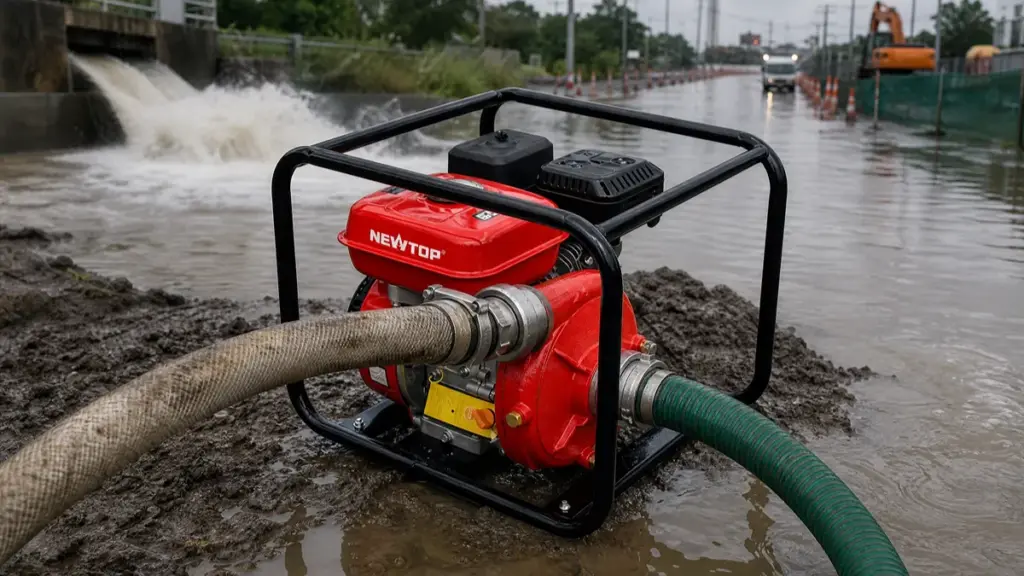
A centrifugal pump is the industry baseline for moving large volumes of water, converting mechanical motor power into hydraulic pressure using a rotating impeller and volute casing.
Core Definition and Energy Conversion
A centrifugal pump is one of the most common types of water pumps used for clean water transfer and irrigation applications. It uses centrifugal force generated by a rotating impeller to move water from the inlet to the outlet.
The mechanism works by increasing the velocity of an incompressible liquid, typically water. As the fast-moving fluid hits the casing walls, the system translates that raw kinetic velocity into usable pressure. Engineers treat this design as the baseline technology for moving large volumes of water against moderate pressure gradients because it delivers continuous flow without excessive mechanical complexity.
What Is a Self-Priming Pump?
A self-priming pump is a specialized centrifugal unit equipped with an internal reservoir to automatically evacuate air and restore liquid flow without repeated manual repriming.
A self-priming pump functions as a specialized centrifugal water machine engineered to evacuate air from its own casing and the connected suction line. Standard centrifugal pumps fail when air enters the system, forcing operators to manually re-prime them. The self-priming design addresses this primary limitation directly.
It incorporates an internal liquid reservoir that generates a vacuum on startup. This mechanism automatically draws water upward into the system before standard pumping begins. Because of this capability, engineers frequently specify these pumps for applications where the equipment must be installed above the water source.
Source High-Margin Garden Machinery Built to Last

How Does a Centrifugal Water Pump Work?
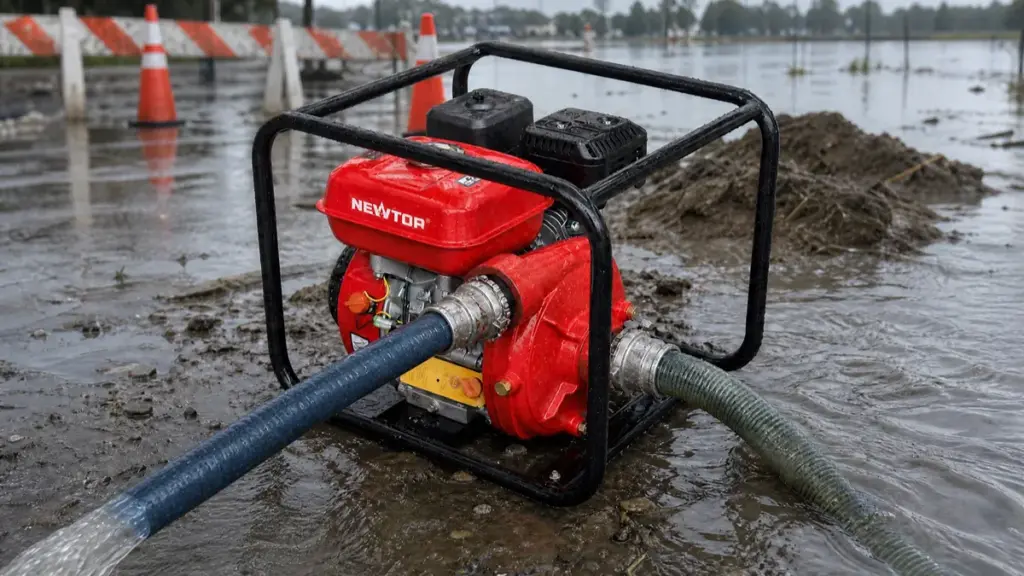
Centrifugal pumps rely on a spinning impeller to convert mechanical rotation into hydrodynamic pressure. They excel at high-volume water transfer but strictly require a fully primed casing before starting.
Core Energy Conversion Principle
At its foundation, a centrifugal pump relies on a straightforward energy exchange. An electric motor or diesel engine supplies rotational kinetic energy to the pump shaft. As the attached impeller spins, it transfers that mechanical energy directly to the incoming water, rapidly accelerating its velocity.
Once the water leaves the impeller blades at high speed, it slams into the surrounding casing. The casing acts as a conversion zone, forcing the high-velocity fluid to decelerate and transforming that kinetic energy into static pressure. This resulting pressure, or head, gives the water the force it needs to push through a piping network.
Key Internal Components
To understand the fluid dynamics, you need to look at the hardware doing the heavy lifting. Three primary components dictate pump performance:
- प्ररित करनेवाला: A shaft-driven wheel equipped with curved blades. It uses centrifugal force to push water radially outward from the center.
- झलार (Volute or Diffuser): This stationary housing encloses the impeller. It features an expanding flow area designed to smoothly decelerate the water and build system pressure.
- Shaft and Motor: These elements supply the mechanical torque required for rotation. In standard water applications, the motor typically drives the shaft at speeds between 1750 और 3500 आरपीएम.
Step-by-Step Fluid Flow Process
The actual movement of fluid happens in a continuous, rapid sequence. Water first enters the pump axially through the suction port, flowing straight into the center—known as the eye—of the impeller. The spinning blades immediately capture this fluid and accelerate it radially outward toward the impeller’s outer edge.
This violent outward movement creates a critical low-pressure zone right at the impeller eye. Atmospheric and static pressure in the suction line react by continuously drawing more water into the pump to fill that void. इस दौरान, the original water hits the expanding wall of the volute casing, decelerates, and exits the discharge nozzle as a highly pressurized stream.
The Role of Initial Priming
Standard centrifugal water pumps share a strict operational constraint: they cannot pump air. Before you initiate startup, the casing and the entire suction line must hold a solid column of water. If air accumulates inside the casing, the impeller simply churns the gas. The unit becomes gas-bound and fails to generate the pressure differential required to move the fluid.
Because standard models lack built-in air evacuation features, they depend heavily on system design. Engineers typically install these units in flooded suction layouts, placing the pump below the water source so gravity maintains the prime. In situations where the pump sits above the water level, operators rely on external vacuum systems or foot valves to keep the system fully primed for the next cycle.
How Does a Self-Priming Water Pump Work?
Self-priming pumps mix retained water with incoming air, expel the air, and create a vacuum to draw liquid from below without manual repriming.
Initial Casing Fill and Seal Formation
Before you hit the power switch for the first time, you must manually fill the built-in reservoir with water. This crucial step prevents dry running, a condition that quickly overheats and destroys the mechanical seal. The retained water creates a hydrodynamic seal between the rotating impeller and the wear plate, establishing the physical conditions necessary for the initial suction action.
Air-Water Mixing at the Impeller
As the impeller starts spinning, it pulls in air from the non-flooded suction line. It aggressively mixes this incoming air with the water already sitting inside the casing directly at the impeller eye. This action forms a dense, pumpable air-water mixture, bypassing the typical air binding failure that stops standard centrifugal pumps.
Separation of Air and Recirculation of Water
The spinning impeller uses centrifugal force to fling the newly formed air-water mixture outward into the outer casing chamber. Inside this larger space, gravity and density take over. The lighter air rises to the top and escapes through an open discharge or a dedicated air-release device. The heavier water drops down and cycles back to the impeller through internal recirculation ports to repeat the mixing process.
Vacuum Creation and Suction Lift
Every time the pump expels a pocket of air, the total volume of air in the suction line drops. This continuous extraction creates a partial vacuum at the impeller eye and throughout the suction piping. With the pressure inside the pipe lowered, the higher atmospheric pressure resting on the below-grade water source pushes liquid straight up the pipe toward the pump inlet.
Transition to Standard Centrifugal Pumping
The priming cycle ends the moment the pump evacuates all the air and floods the entire flow path with water. From this point forward, the unit operates exactly like a conventional centrifugal pump, continuously converting water velocity into pressure for the system discharge. When you eventually shut the pump down, the integrated reservoir holds onto a specific volume of water, keeping the equipment ready for its next automatic prime.
केन्द्रापसारक बनाम स्व-प्राइमिंग जल पंप: एक नज़र में मुख्य अंतर
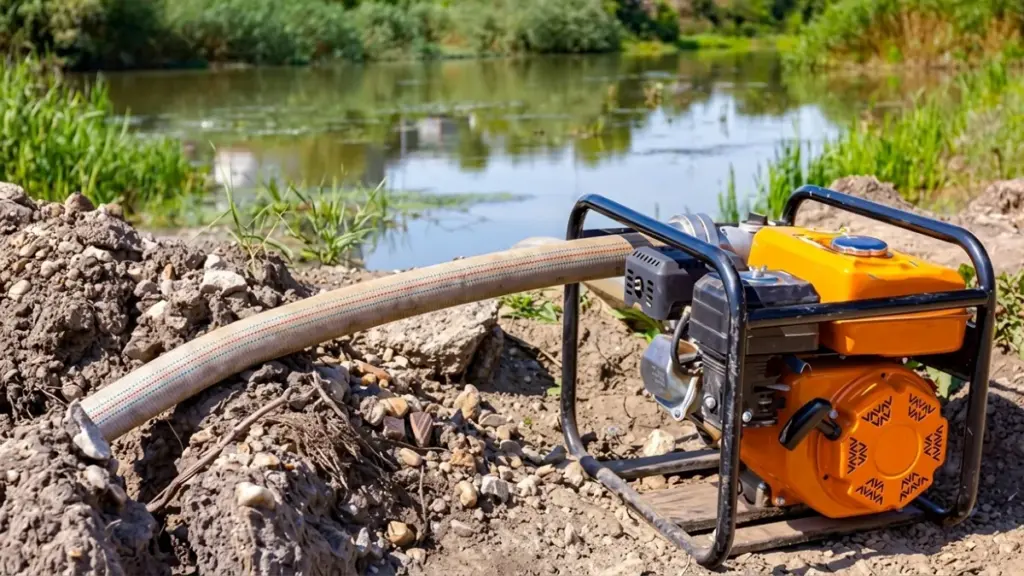
When evaluating a centrifugal vs self-priming water pump, the decision dictates your facility’s energy footprint and maintenance schedule. Engineers must balance peak hydraulic efficiency against the practical realities of air management and suction lift.
| तुलना | केंद्रत्यागी पम्प | Self-Priming Pump |
|---|---|---|
| Priming requirement | Requires manual priming before operation | Automatically removes air after initial filling |
| Startup speed | Requires additional preparation before starting | Starts faster with less preparation |
| क्षमता | Slightly higher efficiency under ideal operating conditions | Slightly lower efficiency due to additional self-priming design features |
| Installation | Best suited for fixed installations with stable water sources | Better for portable and frequently relocated applications |
| Operation conditions | Requires a stable water supply and properly sealed suction line | Handles changing water sources and field conditions better |
| रखरखाव | Simpler structure with easier maintenance | More components but still easy to inspect and service |
| लागत | Usually more affordable | Usually higher cost due to additional design features |
| Common users | फार्म, factories, सिंचाई प्रणाली, and fixed water transfer applications | निर्माण स्थल, कृषि, आपातकालीन जल निकासी, and portable water transfer |
Related: कचरा पंप बनाम स्वच्छ जल पंप के बीच अंतर
Priming Mechanism and Air-Handling
Standard centrifugal units rely on a fully flooded suction line to operate. If air enters the system, the impeller loses its hydrodynamic grip, causing the pump to drop its prime. Operators must manually refill the casing from an external source to restore flow, which adds downtime to intermittent operations.
Self-priming pumps take a fundamentally different approach. Once you complete an initial casing fill, they automatically evacuate air from the suction line. They actively process air-water mixtures, expelling the gas and recirculating the liquid until they pull a full vacuum. This structural advantage allows them to re-prime repeatedly without manual intervention.
Internal Design and Complexity
A standard centrifugal pump keeps mechanical complexity to a minimum. The fluid follows a simple, direct hydraulic path straight into the impeller and out through the volute. This streamlined geometry requires minimal mechanical upkeep and keeps initial equipment costs low.
Self-priming designs integrate additional components directly into the pump casing. They feature built-in liquid reservoirs and specialized recirculation chambers engineered to separate air from water. While these internal additions remove the need for external vacuum systems, they require slightly more maintenance. Technicians must routinely inspect these chambers to ensure internal clearances remain tight enough to generate a strong vacuum.
Hydraulic Efficiency and Energy Use
Standard centrifugal pumps dominate in raw energy performance. In continuous, flooded suction applications, they deliver 5 को 15 percent higher hydraulic efficiency than self-priming variants. The fluid moves efficiently without the drag of secondary separation chambers, keeping power consumption low during 24/7 run cycles.
Self-priming models suffer a minor efficiency penalty by design. Forcing water through internal recirculation paths creates friction and turbulence, demanding slightly more motor power to move the same volume of liquid. But raw efficiency does not always tell the whole story. If a standard pump requires an external vacuum pump or costly foot valves to maintain its prime, deploying a self-priming unit reduces total operational costs by eliminating those auxiliary parts.
Installation Suitability and Application Fit
Facility layout and fluid behavior dictate the final pump selection. Standard centrifugal pumps belong in closed piping networks, municipal water boosting stations, and large industrial cooling loops where flooded suction conditions remain stable.
Self-priming models excel in demanding physical layouts where the equipment sits above the water source. They are the strict requirement for systems facing the following conditions:
- Suction lift applications: Pulling water vertically from underground tanks, deep wells, or sumps.
- Intermittent operations: Managing frequent start-stop cycles where the suction line routinely drains.
- Unstable fluid streams: Handling wastewater or agricultural runoff with high gas entrainment.
Matching the pump to the exact physical demands of the piping network prevents premature wear and ensures continuous fluid delivery.
Which Pump Offers Better Efficiency and Performance?
Standard centrifugal pumps deliver 5-15% higher hydraulic efficiency in flooded systems, while self-priming models offer unmatched operational uptime in suction-lift environments.
Hydraulic Efficiency and Energy Consumption
Standard centrifugal pumps rely on simple hydraulic designs without internal recirculation chambers. This streamlined flow path directly translates to a 5-15% efficiency advantage over self-priming models. Self-priming units integrate built-in reservoirs and air-separation paths to manage suction automatically. These extra internal components create unavoidable friction and hydraulic losses during normal operation. For continuous duty tasks running under steady conditions, standard centrifugal pumps minimize energy consumption and achieve the highest pure wire-to-water efficiency.
Priming Capabilities and Air Handling
Standard centrifugal units demand a guaranteed flooded suction line or dedicated external priming systems to function. If a small air pocket enters the suction piping, the pump quickly loses flow and drops prime. Self-priming pumps solve this operational bottleneck directly. After an initial fill, they automatically separate entrained air from the water, pull a vacuum, and restore prime without manual intervention. When a system involves significant suction lift or draws in gas-laden water, the self-priming design provides superior real-world performance and prevents unexpected shutdowns.
Impact of Duty Cycle and Operating Conditions
The daily operating cycle dictates which pump architecture actually performs better in the field. Selecting the right design requires matching the pump to the exact physical demands of the site.
- Continuous operations: Stable tasks like municipal boosting stations and closed HVAC loops heavily favor the pure hydraulic efficiency of standard centrifugal models.
- Intermittent tasks: Dewatering, sump emptying, and variable-flow duties benefit from the rapid auto-repriming capabilities of self-priming pumps.
- Harsh environments: Pumping dirty water or slurries requires the rugged reliability of a self-priming unit to sustain flow despite solid debris and air ingestion.
Cost Implications and Long-Term Value
Financial performance ties directly to the installation environment. Standard centrifugal pumps carry a lower initial purchase price, occupy a smaller footprint, and require straightforward mechanical maintenance. Self-priming models demand a higher upfront capital investment due to their complex casing designs.
This extra cost pays off by eliminating the need for expensive external vacuum systems, priming tanks, and foot valves. Choosing the right pump comes down to a strict metric comparison: you either prioritize minimizing kWh consumption under ideal, continuous conditions, or you maximize system uptime and reduce labor costs in challenging, air-prone environments.
Which Pump Is Easier to Install and Maintain?
Standard centrifugal pumps offer mechanical simplicity, while self-priming models reduce system-level complexity by eliminating external priming hardware in lift applications.
Installation Requirements and Physical Footprint
Standard centrifugal pumps feature a compact, lightweight casing. This lean design makes physical installation straightforward when dealing with tight structural spaces. You can mount them quickly without massive baseplates or heavy lifting equipment.
That physical simplicity comes with strict system-level demands. Standard models require a flooded suction setup or external priming hardware. You must design suction piping carefully to prevent air traps that could cause the pump to air-bind.
Self-priming centrifugal pumps take the opposite approach. They have larger, heavier casings due to their built-in fluid reservoirs and internal air-separation chambers. Getting them onto the pad requires more effort and physical space.
Despite their bulk, self-priming units simplify system-level installation for lift applications. By integrating the priming mechanism directly into the casing, they eliminate the need to install external vacuum systems or prone-to-fail foot valves.
Routine Mechanical and Operational Maintenance
From a pure wrench-turning perspective, standard centrifugal pumps are mechanically simpler to disassemble and inspect. They involve fewer internal components and cavities, making routine teardowns and seal replacements fast and predictable.
Operational maintenance tells a different story. If air enters a standard pump system, the workload increases significantly. Technicians face manual repriming and must spend time troubleshooting auxiliary priming devices to restore flow.
Self-priming pumps manage air autonomously. They automatically evacuate air and re-prime themselves after an initial fill. This capability reduces manual operator interventions and prevents unplanned downtime when suction conditions fluctuate.
While self-priming models remove the burden of external priming hardware maintenance, they introduce a different service point. Their internal recirculation passages may require occasional cleaning to clear sludge and debris in dirty-water applications.
What Applications Are Best for Each Pump Type?
Standard centrifugal pumps dominate continuous, flooded-suction applications, while self-priming models excel in suction-lift, intermittent, and air-prone setups. Match the pump’s air-handling ability to your system’s reality.
Different working environments require different pump characteristics.
Centrifugal Pump Applications
Centrifugal pumps are suitable for:
- Agricultural irrigation systems
- Water circulation
- Industrial water transfer
- Residential water supply
- Fixed pumping stations
They are ideal when users need stable operation and high efficiency.
Self-Priming Pump Applications
Self-priming pumps are commonly used for:
- Construction site drainage
- Flood water removal
- Farm irrigation from rivers or ponds
- Portable water transfer
- Emergency pumping
They are preferred when flexibility and quick operation are more important than maximum efficiency.
अपने बाज़ार के लिए सही जल पंप कैसे चुनें
Matching pump types to local suction limits, duty cycles, and maintenance skills prevents costly field failures and protects your dealer margins.
For OEM buyers and distributors, product selection should consider customer needs, local conditions, and market expectations.
Key factors include:
1. Water Source Conditions
If customers use a fixed water tank or permanent pipeline system, centrifugal pumps are often enough.
If water sources come from rivers, कुओं, or temporary locations, self-priming pumps provide better reliability.
2. Customer Skill Level
Markets with professional operators may accept centrifugal pumps.
For general users, किसानों, and rental customers, self-priming pumps offer easier operation.
3. Transportation and Mobility
Portable gasoline water pumps are often moved frequently. इन मामलों में, self-priming models provide better convenience.
4. Target Price Segment
Centrifugal pumps usually offer a more economical solution, while self-priming pumps provide additional value through easier operation.
A strong product portfolio often includes both options to cover different customer segments.
Why OEM Buyers Choose Both Pump Types from NEWTOP
Sourcing both centrifugal and self-priming pumps from NEWTOP allows OEMs to build tiered product lines, standardize supply chains, and lower engineering overhead.
एक अनुभवी आउटडोर बिजली उपकरण निर्माता के रूप में, न्यूटॉप understands that different markets require different pumping solutions.
By offering both centrifugal and self-priming gasoline water pumps, NEWTOP helps distributors build a complete product range for agriculture, निर्माण, सिंचाई, and emergency water applications.
NEWTOP water pumps are designed with:
- भरोसेमंद gasoline engines for stable operation
- Durable pump bodies for demanding working environments
- User-friendly designs for easier operation
- कठोर गुणवत्ता नियंत्रण during production
- OEM customization support for different markets
With manufacturing experience in outdoor power equipment, NEWTOP supports global partners with dependable products, flexible solutions, and long-term cooperation.
Whether your market needs efficient centrifugal pumps or versatile self-priming pumps, NEWTOP can help you select the right configuration for your customers.
अंतिम विचार
Choosing between a standard centrifugal and a self-priming water pump comes down to balancing peak hydraulic efficiency against field reliability. While sourcing a single, cheaper pump type might seem cost-effective initially, matching the correct internal architecture to your buyers’ exact suction conditions protects your margins from preventable dry-run failures. Maintaining a diversified inventory of both standards allows you to secure contracts across every sector, from stable municipal distribution to unpredictable agricultural dewatering.
Building a resilient OEM pump catalog requires verifiable performance data and consistent manufacturing quality. We recommend testing our hydraulic designs firsthand to ensure they align perfectly with your regional market demands. Contact our engineering team to review technical specifications, discuss custom production runs, and arrange sample units for your own field validation.
अक्सर पूछे जाने वाले प्रश्नों
What is the difference between a standard centrifugal pump and a self-priming pump?
Standard centrifugal pumps require a flooded suction line and manual priming. Self-priming models include a built-in liquid reservoir that automatically evacuates air from the suction line, allowing the pump to draw fluid and run without external priming assistance.
Do self-priming pumps need manual priming?
You must manually fill the casing before the very first use. After this initial setup, they retain enough fluid in their internal chamber to automatically re-prime during future starts. This works as long as the casing does not completely drain or leak between cycles.
Which pump is better for agricultural use?
Standard centrifugal models work best for continuous, large-scale irrigation from stable surface water sources like ponds. If the setup requires lifting water from wells, uses mobile equipment, or experiences fluctuating water levels, a self-priming pump provides much better reliability.
Are self-priming pumps less efficient than standard centrifugal pumps?
Generally, centrifugal pumps have slightly higher efficiency because of their simpler design. तथापि, self-priming pumps can provide better overall productivity by reducing setup time and operational problems.
Can standard centrifugal pumps handle intermittent operation?
They tolerate intermittent motor start/stop cycles perfectly fine. But they fail if the liquid supply itself is intermittent. If air enters the suction line or the water source drops, the pump loses prime and stops moving fluid until an operator manually refills the system.
Which pump is easier to maintain in the field?
Standard centrifugal pumps feature simpler internal designs with fewer specialized parts, making them easier to rebuild and troubleshoot on-site. Self-priming units contain complex internal recirculation passages and reservoirs that demand specific clearances and more experienced technicians to service correctly.
What pump is better for dealer resale in developing markets?
Self-priming centrifugal pumps generally move faster in these markets. They offer higher reliability for buyers dealing with variable water sources, frequent power interruptions, and suction lift needs, significantly reducing setup friction for users with limited technical maintenance skills.
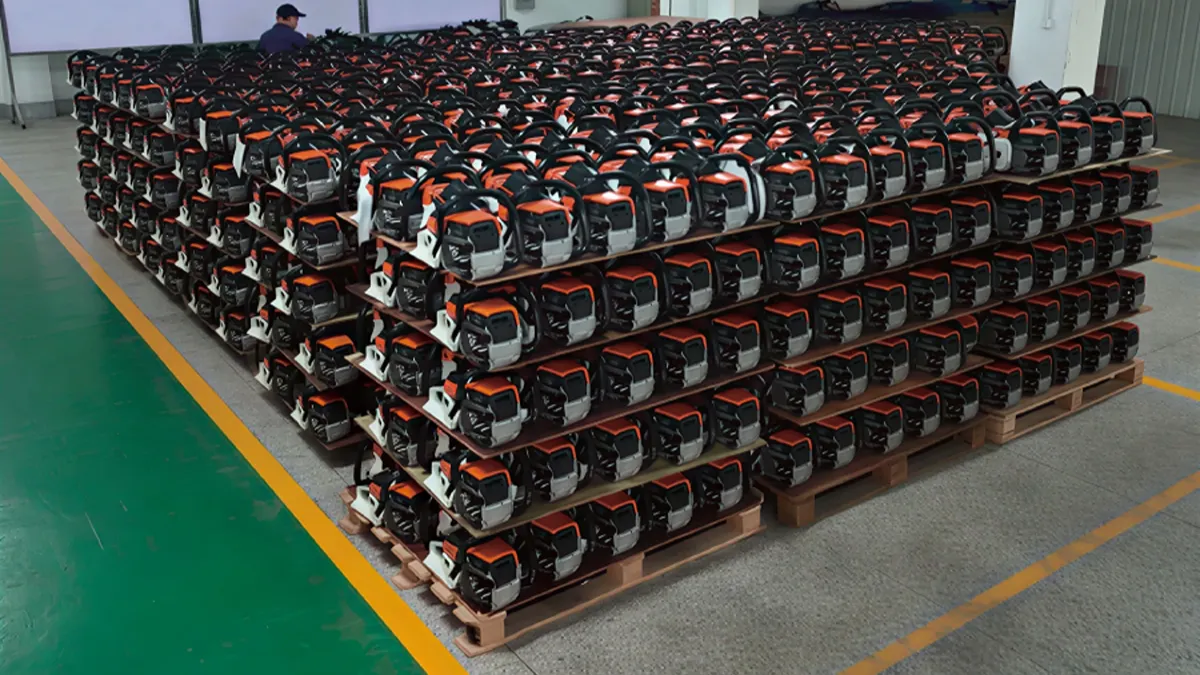
चेनसॉ निर्माण का हर चरण - धातु कास्टिंग और सटीक मशीनिंग से लेकर इंजन असेंबली तक, गाइड बार उत्पादन, और अंतिम परीक्षण—निरंतर गुणवत्ता और विश्वसनीय संचालन सुनिश्चित करने में महत्वपूर्ण भूमिका निभाता है.
यह मार्गदर्शिका बताती है कि आधुनिक चेनसॉ का निर्माण चरण दर चरण कैसे किया जाता है, प्रत्येक उत्पादन चरण में शामिल प्रौद्योगिकियाँ, और गुणवत्ता मानक जो एक पेशेवर चेनसॉ निर्माता को एक औसत आपूर्तिकर्ता से अलग करते हैं.
चेनसॉ के मुख्य घटक क्या हैं??
विनिर्माण प्रक्रिया की खोज करने से पहले, चेनसॉ बनाने वाले प्रमुख घटकों को समझना उपयोगी है.
यदि आप प्रतिस्थापन या OEM घटकों की तलाश में हैं, explore our complete range of chainsaw parts and accessories, including guide bars, आरी की जंजीरें, कारबोरेटर, clutch assemblies, ignition systems, and other essential spare parts.
| अवयव | Function |
|---|---|
| Engine or Motor | Provides cutting power |
| सिलेंडर & क्रैंककेस | Houses the combustion system |
| क्रैंकशाफ्ट & पिस्टन | Converts combustion into rotational power |
| कैब्युरटर | Mixes fuel and air efficiently |
| गाइड बार | Supports and guides the saw chain |
| आरा चेन | Performs the actual cutting |
| Clutch System | Transfers engine power to the chain |
| Chain Brake | Stops the chain quickly for safety |
| ईंधन & Oil Tanks | Store fuel and chain lubrication oil |
| Plastic Housing | Protects internal components while reducing weight |
| सँभालना & Anti-Vibration System | Improves comfort and operator safety |
अवस्था 1: Metal Casting for High-Strength Engine Components
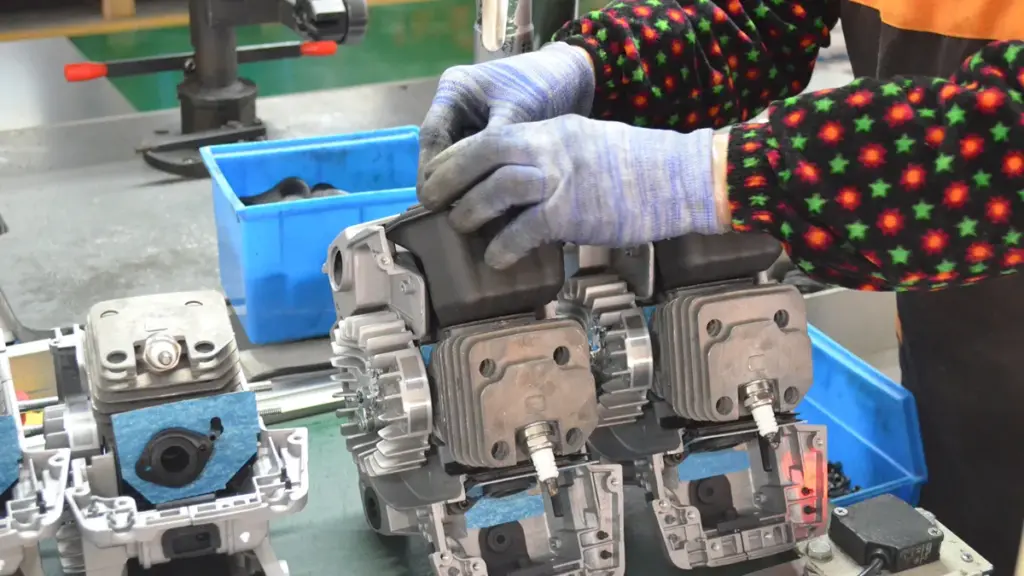
Every chainsaw starts with a strong foundation—the engine. Before any machining or assembly begins, manufacturers create the engine’s structural components through metal casting.
The most important cast parts include the crankcase, सिलेंडर, चक्का, clutch drum, and other load-bearing components. These parts must withstand continuous vibration, high temperatures, and rapid engine speeds while remaining lightweight enough for comfortable operation. न्यूटॉप further enhances user comfort with an integrated anti-vibration system that minimizes vibration transfer to the handles, allowing safer and more comfortable operation over long working hours. If you’re looking for a dependable chainsaw manufacturer, explore NEWTOP’s full range of professional gasoline chainsaws designed for OEM and global distribution.
Different casting processes are selected based on the component’s function:
| Casting Process | Typical Components | Main Advantages |
|---|---|---|
| High-pressure die casting | Aluminum crankcases, engine housings | Excellent dimensional accuracy, high production efficiency |
| Gravity die casting | Cylinder heads, medium-volume components | Better mechanical strength and surface quality |
| Sand casting | Large or low-volume components | Lower tooling cost and greater design flexibility |
| Investment casting | Steel clutch parts, sprockets | High precision and excellent surface finish |
Aluminum alloys are the preferred material for most engine housings because they provide an excellent balance of strength, संक्षारण प्रतिरोध, heat dissipation, and weight reduction. Steel or ductile iron is typically used for heavily loaded transmission and clutch components where higher wear resistance is required.
After casting, every part undergoes trimming, shot blasting, and preliminary dimensional inspection before moving to the machining department. Removing flash, गड़गड़ाहट, and surface defects at this stage helps ensure consistent machining accuracy later in production.
अवस्था 2: Precision CNC Machining for Critical Parts
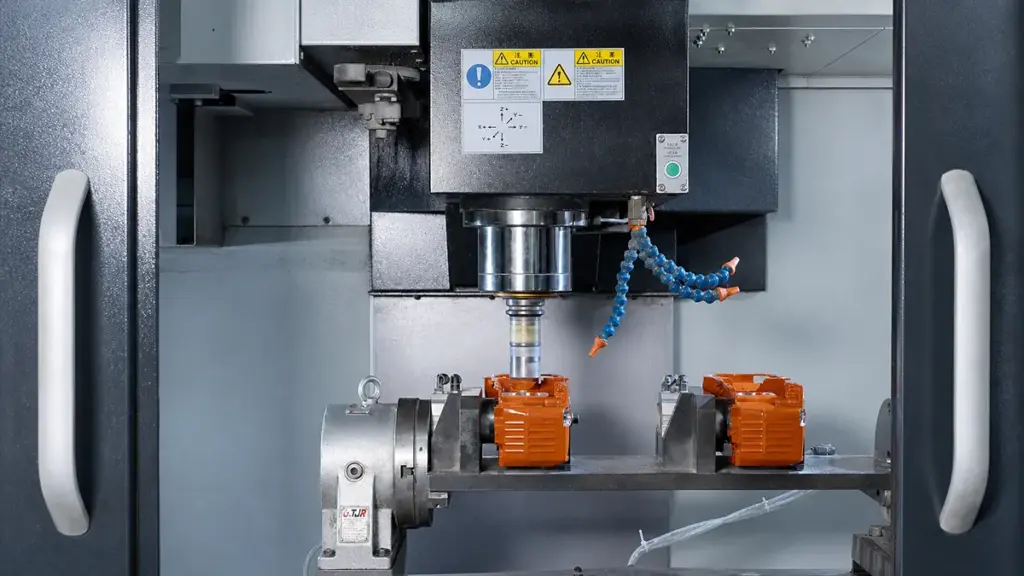
Casting produces the basic shape of each component, but it cannot achieve the tight tolerances required inside a modern chainsaw engine. Precision CNC machining creates the final dimensions that determine engine performance and reliability.
Computer-controlled machining centers perform multiple operations, शामिल:
- Cylinder boring
- Crankshaft journal machining
- Bearing seat finishing
- Thread tapping
- Surface milling
- Gear machining
- Drilling oil passages
Many chainsaw manufacturers use multi-axis CNC machining centers to complete several operations in a single setup, improving consistency while reducing production time.
The cylinder bore is one of the most critical machining operations. Its diameter, roundness, and surface finish directly influence piston sealing, COMPRESSION, ईंधन दक्षता, and engine lifespan. Even minor dimensional errors can increase friction or reduce engine performance.
After machining, coordinate measuring machines (CMM), laser measuring equipment, and precision gauges verify that every critical dimension falls within specification before parts proceed to assembly.
अवस्था 3: Plastic Injection Molding for Lightweight Housings
While the engine provides power, many external chainsaw components are manufactured using plastic injection molding to reduce overall weight and improve user comfort.
Typical injection-molded parts include:
- Front and rear handles
- Starter covers
- Air filter covers
- Fuel tanks
- Oil tanks
- Chain brake housings
- Side covers
- Protective guards
Engineering plastics such as PA6, PA66, ABS, polypropylene (PP), and glass fiber reinforced nylon are commonly used because they offer high impact resistance, excellent dimensional stability, and resistance to fuel, तेल, and UV exposure.
The injection molding process consists of several stages:
- Plastic pellets are heated until molten.
- The material is injected into precision molds under high pressure.
- Cooling channels solidify the plastic rapidly.
- Parts are automatically ejected from the mold.
- Gates and flash are removed before inspection.
Modern production lines often use robotic systems for automatic part removal and trimming, improving production efficiency while maintaining consistent quality.
Each molded component is inspected for sink marks, warpage, flash, and dimensional accuracy before entering the final assembly line.
अवस्था 4: Engine Assembly and Power System Integration
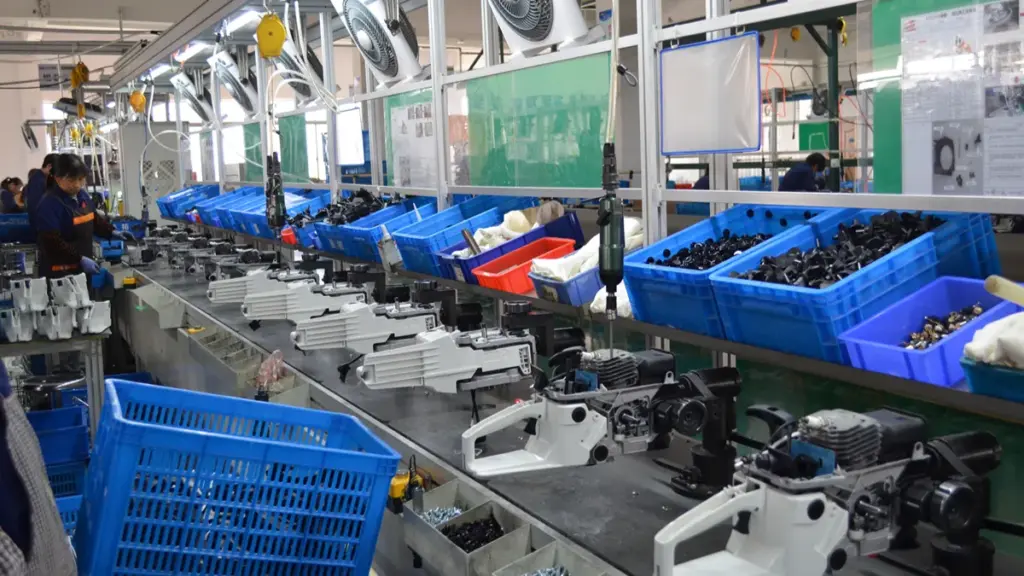
Once all engine components have been manufactured, technicians assemble the complete power unit according to carefully controlled procedures.
A typical assembly sequence includes:
- Installing crankshaft bearings
- Press-fitting the crankshaft
- Installing the piston and piston rings
- Connecting the connecting rod
- Mounting the cylinder
- Installing seals and gaskets
- Assembling the ignition system
- Installing the carburetor
- Mounting the clutch and flywheel
After engine assembly, ignition timing, carburetor settings, and compression are checked before the power unit advances to final product assembly.
Modern production lines also use barcode or QR code tracking to record assembly data, allowing every engine to be traced throughout its manufacturing history.
Maximize Margins With Premium Garden Machinery
अवस्था 5: Manufacturing the Guide Bar and Saw Chain
The guide bar and saw chain form the cutting system of a chainsaw and require specialized manufacturing processes separate from engine production.
Guide Bar Manufacturing
Guide bars are typically produced from high-strength alloy steel through:
- Steel blanking
- Heat treatment
- Groove machining
- Nose sprocket installation (for sprocket nose bars)
- Grinding
- Surface coating
- Final inspection
Heat treatment increases hardness while maintaining enough toughness to resist bending and cracking during heavy cutting.
Saw Chain Manufacturing
Saw chains are significantly more complex than they appear. A single chain contains hundreds of precisely manufactured components, शामिल:
- Cutter teeth
- Drive links
- Tie straps
- रिवेट्स
Each cutter tooth is stamped, heat treated, precision ground, and sharpened to produce consistent cutting performance.
Automated riveting machines assemble individual links into complete chains while maintaining accurate chain pitch and articulation. After assembly, chains are lubricated, tension-tested, and inspected for smooth operation.
High-quality chains often feature chrome-plated cutter teeth and hardened rivets to improve wear resistance and extend service life.
अवस्था 6: Final Assembly, Performance Testing, and Quality Inspection
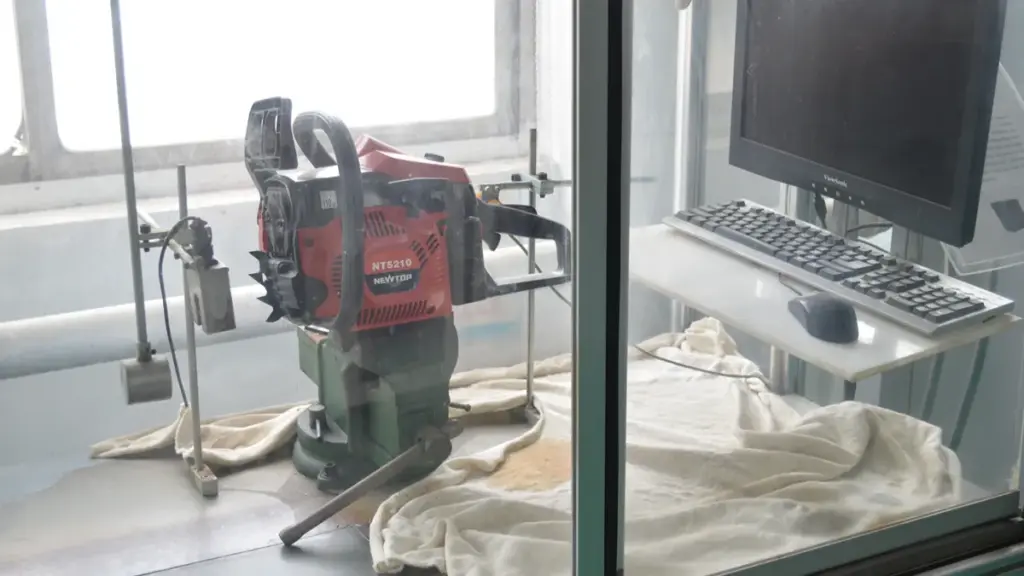
The final stage brings together every component into a finished chainsaw ready for shipment.
During final assembly, workers install the completed engine, गाइड बार, saw chain, plastic housings, ईंधन प्रणाली, ignition components, संभालती है, safety devices, and control mechanisms.
Each chainsaw then undergoes multiple quality inspections before packaging.
Typical production tests include:
| Inspection Item | उद्देश्य |
|---|---|
| Torque verification | Ensure fasteners meet assembly specifications |
| Compression test | Verify engine sealing performance |
| Ignition test | Confirm reliable spark generation |
| Fuel system leak test | Prevent fuel leakage |
| Chain brake test | Verify operator safety |
| Idle speed test | Ensure stable engine operation |
| Maximum RPM test | Confirm engine performance |
| Noise and vibration test | Evaluate operating comfort |
| Visual inspection | Check cosmetic quality and assembly accuracy |
न्यूटॉप पर, every chainsaw model undergoes rigorous endurance testing of up to 200 घंटे under demanding operating conditions. Built with high-quality components and strict manufacturing standards, NEWTOP chainsaws are engineered to deliver more than 500 घंटे of working life under professional use, providing reliable performance for forestry, भूदृश्य, और व्यावसायिक अनुप्रयोग.
Only after passing all inspection procedures are chainsaws cleaned, packaged with accessories and manuals, and prepared for shipment.
What Certifications and Standards Should a Chainsaw Factory Meet?
Certifications demonstrate that a reliable chainsaw manufacturer follows internationally recognized quality, सुरक्षा, and environmental requirements.
Depending on the target market, a reliable chainsaw factory should comply with standards such as:
| प्रमाणन | उद्देश्य |
|---|---|
| आईएसओ 9001 | गुणवत्ता प्रबंधन प्रणाली |
| सीई | Compliance with European safety requirements |
| जी एस | German product safety certification |
| ईपीए | U.S. emissions compliance |
| कार्बोहाइड्रेट | California emissions standards |
| RoHS | घातक पदार्थों पर प्रतिबन्ध |
| पहुँचना | Chemical safety compliance |
न्यूटॉप पर, quality and compliance are integrated into every stage of manufacturing. Our factory operates under an ISO 9001-certified quality management system, and our products comply with international standards and certifications, शामिल सीई, जी एस, ईपीए, RoHS, and REACH, depending on the product model and destination market. This allows us to support OEM customers across Europe, उत्तरी अमेरिका, and many other global markets with confidence.
How Quality Control Ensures Reliable Chainsaw Performance
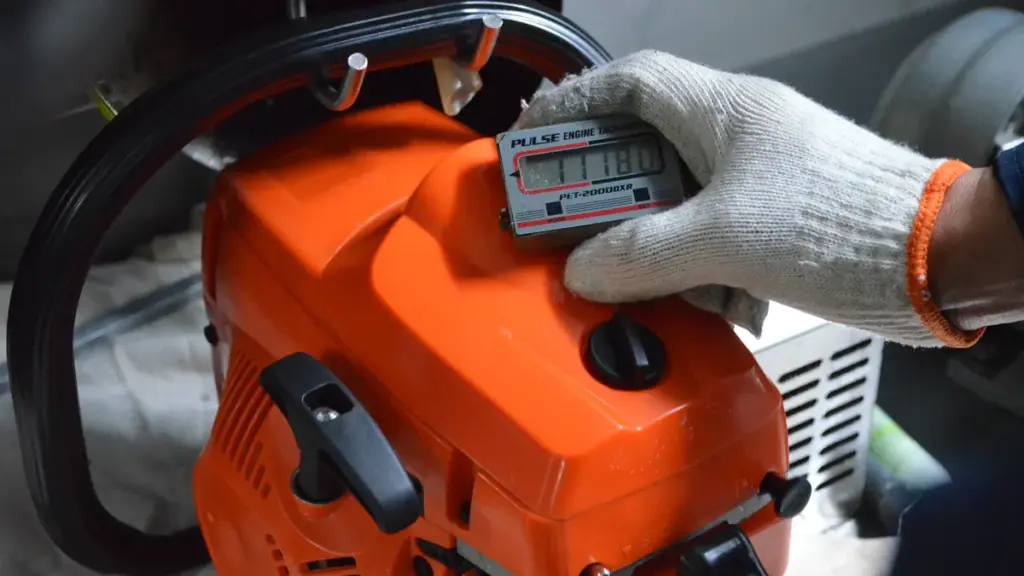
Consistent chainsaw performance relies on strict गुणवत्ता नियंत्रण, from precise component tolerances to rigorous safety validation and independent lab testing before shipment.
| QC Phase | Key Focus Area | Primary Objective |
|---|---|---|
| Specifications | Dimensional & Material Limits | Establish production baselines. |
| Incoming QC | Bore Size & Groove Width | Block defective parts early. |
| In-Process | Mistake-proofing & PFMEA | Prevent assembly errors. |
| Final Testing | काटने की गति & सुरक्षा | Validate functional performance. |
Establishing Technical Specifications and Supplier Standards
Quality control begins long before parts hit the assembly line. Manufacturers rely on detailed technical documents to set exact boundaries for what constitutes an acceptable component. This foundation dictates how the supply chain operates and prevents vague standards from degrading the final product.
- Defining dimensions: Engineering teams set precise dimensional tolerances for cylinders, गाइड बार, and chains to ensure alignment and prevent vibration.
- Material selection: Production managers establish strict requirements for wear-resistant steel alloys and impact-resistant plastics to survive harsh forestry environments.
- Supplier audits: Procurement teams audit partner factories for dedicated power tool production lines, advanced CNC machining, and specialized heat treatment capabilities.
Incoming Quality Control (आईक्यू) for Critical Components
Catching defects at the source is significantly cheaper and safer than pulling apart a finished chainsaw. Incoming Quality Control (आईक्यू) filters out substandard raw materials and purchased parts before they compromise the powerhead or cutting system.
- Cutting attachment checks: Inspectors test guide bar groove width, rail parallelism, and chain pitch tolerances against technical drawings.
- Engine component verification: Technicians verify cylinder bore size, roundness, and piston dimensions using coordinate measuring machines.
- Hardware validation: Staff check fasteners, trigger lock-outs, and chain brake springs to guarantee safety devices will function under load.
In-Process Controls and Manufacturing Stability
High-volume production lines introduce variables that can drift over a shift. In-process controls keep manufacturing stable, isolating individual workstations to detect assembly errors the moment they happen.
- Process mapping: Engineers map manufacturing steps with PFMEA to prioritize controls on high-risk operations like clutch installation and carburetor tuning.
- Assembly aids: Operators utilize mistake-proofing jigs and go/no-go fixtures to prevent incorrect component alignment.
- Mid-line checks: QC staff conduct intermediate functional tests on engine start behavior and preliminary guide bar tracking.
Final Performance Testing and Safety Validation
Once mechanical assembly concludes, testing shifts from static dimensions to dynamic performance. Every unit or sampled batch must prove it can cut efficiently and shut down safely under simulated field conditions.
- Cutting capability: Technicians perform test cuts on standardized wood samples to verify cutting speed, smoothness, and chip evacuation.
- Safety systems: Inspectors validate chain brake reaction times, throttle lock-outs, and kill switch reliability.
- Visual and physical fit: QA teams check final assembly for the correct chain tension range, secure guard alignment, and overall cosmetic integrity.
Independent Verification and Documentation Standards
International buyers trust independent validation over internal factory reports. Third-party testing and rigorous documentation keep global supply chains honest and protect the brand’s reputation upon import.
- Third-party audits: Brands engage independent inspection firms for AQL pre-shipment sampling and compliance lab testing.
- Physical baselines: Production teams use approved golden samples as the ultimate reference for fit, खत्म करना, और प्रदर्शन.
- Strict record-keeping: Factories maintain detailed bilingual specification packs and order confirmations to eliminate ambiguity and prevent scope drift.
Why Choose NEWTOP as Your OEM Chainsaw Manufacturer?
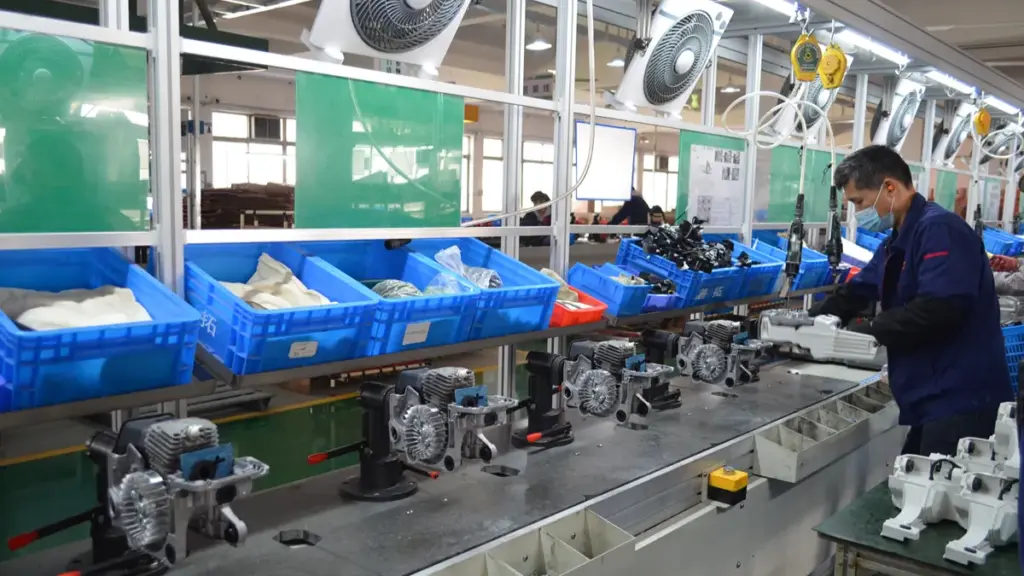
Partnering with NEWTOP gives distributors a direct pipeline to fully certified, scalable power equipment built for immediate global market entry.
Selecting the right manufacturing partner involves more than comparing prices. A capable factory should combine engineering expertise, स्थिर उत्पादन क्षमता, strict quality management, and responsive customer support.
पर न्यूटॉप, we integrate the entire manufacturing process—from component production to final assembly—to ensure consistent product quality across every order.
Our manufacturing advantages include:
- इससे अधिक 20 years of manufacturing experience in outdoor power equipment
- Modern production facilities with advanced CNC machining and automated assembly
- Strict quality control throughout every production stage
- Comprehensive testing before shipment
- Support for OEM and ODM customization
- Flexible production capacity for distributors and brand owners
- Global export experience across multiple international markets
Whether you are launching a new chainsaw brand or expanding an existing product line, NEWTOP can provide dependable manufacturing support, स्थिर गुणवत्ता, and long-term partnership for your business growth.
अक्सर पूछे जाने वाले प्रश्नों
Can a Chinese factory handle OEM chainsaw orders?
Chinese factories easily handle end-to-end OEM chainsaw production. You can expect complete support from design adaptation and power parameter tuning to custom branding and export packaging. Facilities run dedicated lines for gasoline, तारयुक्त विद्युत, and battery-powered lithium-ion models.
How long does mass chainsaw production typically take?
Mass production cycles depend on the project scope. Standard repeat batches finish in 5 को 15 days once parts arrive at the assembly line. New OEM runs requiring prototype validation and custom molds take 3 को 6 weeks. Once on the main conveyor, physical assembly and testing for a single unit take just 10 को 30 minutes.
How do manufacturers test chainsaws before shipping?
Quality control teams run chainsaws through dedicated testing workshops before packaging. They test engine seals under pressure, calibrate idle and high-speed RPM thresholds, and perform physical wood-cutting trials. Inspectors also test critical safety components, including the chain brake reaction time, throttle lock-out, and the engine kill switch.
What materials are used to ensure chainsaw durability?
Professional chainsaw production relies on high-carbon and alloy steels for guide bars and saw chains. Premium cutting teeth often feature double chrome plating or brazed carbide inserts to reduce wear. For the powerhead, manufacturers cast engine blocks from lightweight aluminum or magnesium alloys and mold outer housings from impact-resistant engineering plastics.
What certifications should I look for in a chainsaw manufacturer?
Look for factories operating under ISO 9001 quality management and ISO 14001 environmental standards. For the product itself, target markets dictate the exact requirements. European imports demand CE marking covering Machinery and EMC directives, along with noise and vibration compliance. Verified test reports from recognized labs like TÜV Rheinland provide the strongest proof of reliability.
