рдмреНрд▓реЙрдЧ
рд╣рдорд╛рд░реЗ рдмреНрд▓реЙрдЧ рдмреНрд░рд╛рдЙрдЬрд╝ рдХрд░реЗрдВ
- рд╕рднреА
- рдиреНрдпреВрдЯреЙрдк рдЧреНрд░рд╛рд╣рдХ рдХрд╣рд╛рдирд┐рдпрд╛рдБ
- рдиреНрдпреВрдЯреЙрдк рдПрдХреНрд╕рдкреНрд▓реЛрд░рд░ рд╣рдм
- рдиреНрдпреВрдЯреЙрдк рдЙрджреНрдпреЛрдЧ рдЕрдВрддрд░реНрджреГрд╖реНрдЯрд┐
Knapsack sprayers are widely used in agriculture, рднреВрджреГрд╢реНрдп, gardening, рдХреАрдЯ рдирд┐рдпрдВрддреНрд░рдг, рдФрд░ рд╕реНрд╡рдЪреНрдЫрддрд╛ рдХрд╛рд░реНрдп. While many knapsack sprayer suppliers offer similar-looking products, the actual manufacturing quality, consistency, and service capability can vary significantly. Choosing the right knapsack sprayer manufacturer is not only about finding a competitive price. It is about building a reliable supply chain that supports your business growth for years.
Whether you are a distributor, importer, agricultural equipment dealer, or private-label brand owner, understanding how to evaluate a manufacturer can help reduce purchasing risks, improve customer satisfaction, and strengthen your market position.
This guide explains the key factors to consider before selecting a reliable knapsack sprayer manufacturer.
Knapsack Sprayer Manufacturer Experience

Experience is often one of the strongest indicators of manufacturing reliability. A OPE factory that has produced knapsack sprayers for many years usually has more mature production systems, stronger quality management, and a deeper understanding of market requirements.
Experienced knapsack sprayer manufacturers are better equipped to:
- Solve product development challenges
- Improve production efficiency
- Maintain consistent product quality
- Meet international market standards
- Respond quickly to customer feedback
You can consider the following questions:
| Evaluation Factor | рдпрд╣ рдХреНрдпреЛрдВ рдорд╛рдпрдиреЗ рд░рдЦрддреА рд╣реИ |
|---|---|
| Years in Operation | Indicates production stability and industry knowledge. |
| Export Experience | Demonstrates understanding of international requirements and market regulations. |
| Product Specialization | Shows technical expertise and continuous product development in backpack sprayer manufacturing. |
| Customer Portfolio | Reflects market recognition, customer satisfaction, and long-term business trust. |
| Production Scale | Indicates the manufacturerтАЩs ability to support growing order volumes and future business expansion. |
OPE manufacturers that serve multiple regions often understand different customer preferences, certification requirements, and distribution challenges. This experience can be valuable when introducing products into new markets.
рдЙрджрд╛рд╣рд░рдг рдХреЗ рд▓рд┐рдП, distributors in Africa and Latin America often seek products that offer the right balance between cost, рдЧреБрдгрд╡рддреНрддрд╛, and market compliance. Many also require customized packaging and branding to strengthen their local sales channels. Having supplied customers across these regions for many years, рдиреНрдпреВрдЯреЙрдк, a experienced knapsack sprayer manufacturer, understands these requirements and provides cost-effective products, flexible OEM services, and reliable export support.
Knapsack Sprayer Quality Control Process

A rigorous quality control framework guarantees knapsack sprayers perform reliably in the field. This systematic approach minimizes defects, standardizes dosage accuracy, and ensures operator safety.
| QC Stage | Key Focus | Critical Actions |
|---|---|---|
| IQC | Materials & Components | Resin indexing, corrosion checks, elastomer shore hardness |
| IPQC | Assembly Integrity | Hydrostatic tank tests, intermediate leak checks, pump stroke validation |
| OQC | Final Performance | Full-unit pressure holds, spray pattern analysis, residual volume checks |
| Compliance | System Traceability | CAPA management, batch tracking, safety standard certification |
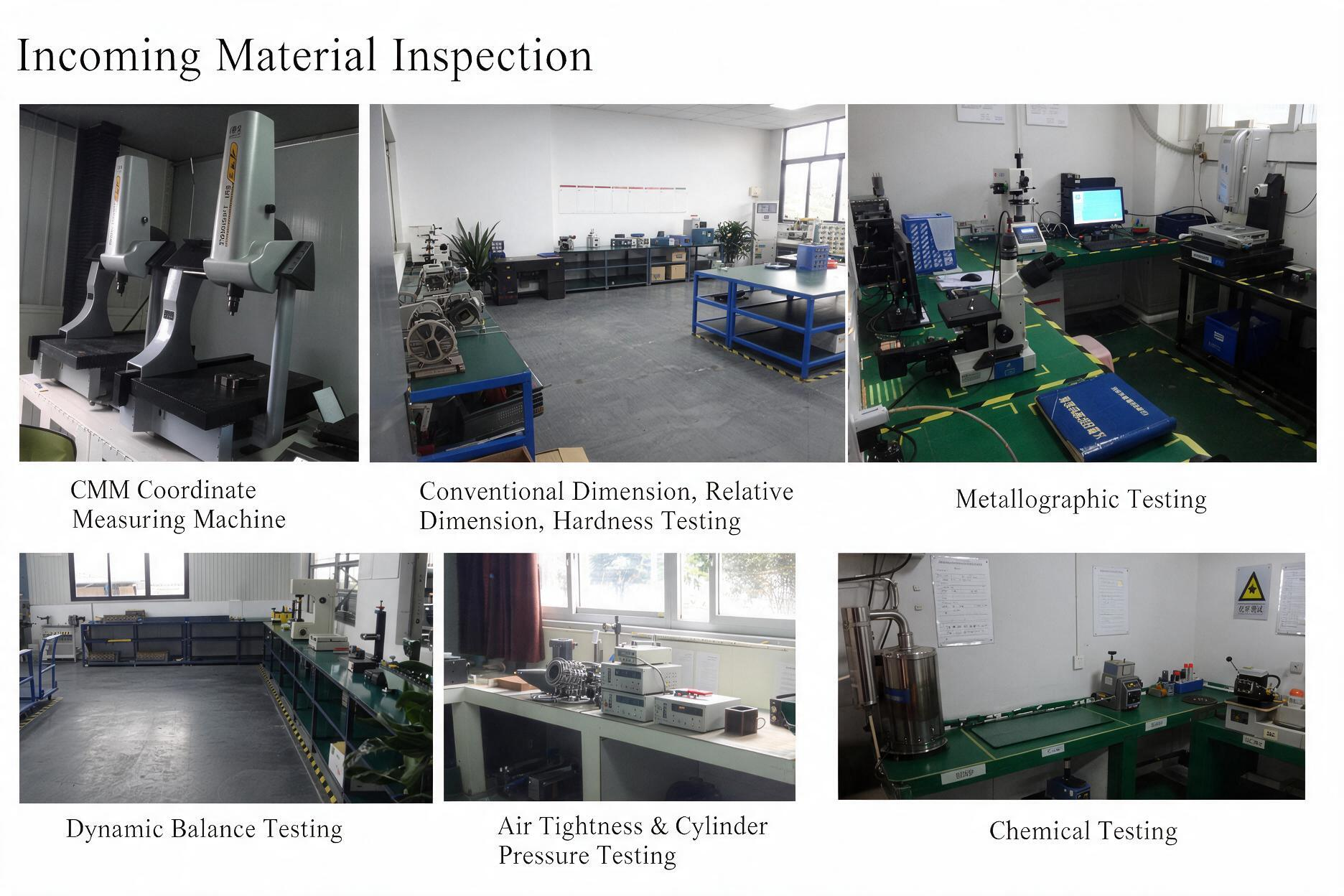
Incoming рдЧреБрдгрд╡рддреНрддрд╛ рдирд┐рдпрдВрддреНрд░рдг (IQC) for Materials and Components
Quality starts before assembly begins. We evaluate all incoming raw materials and purchased components to prevent defects from entering the production line. Strict material screening guarantees the sprayer handles aggressive agrochemicals without degrading.
- Plastic resins: Test plastic resins for melt flow index, density, and UV stability.
- Metal components: Inspect metal parts like pump rods and wands for corrosion resistance and thread tolerances.
- Seals and gaskets: Evaluate elastomers and O-rings for chemical compatibility and correct shore hardness.
- Sub-assemblies: Verify trigger valves, hoses, and constant-flow devices against pressure and structural specifications.
In-Process Quality Control (IPQC) During Assembly
Monitoring the assembly line catches alignment and fabrication issues early. We track machine parameters and conduct physical tests at critical stations to validate structural integrity and mechanical fit.
- Tank fabrication: Monitor injection and blow molding parameters while conducting hydrostatic tests on tank weld lines.
- Pump mechanics: Check pump assemblies for smooth stroke action, displacement accuracy, and proper seal seating.
- Intermediate testing: Perform intermediate partial-fill leak checks around joints, hoses, and the pump base.
- Hardware security: Verify strap fixings, load-bearing anchor points, and hose clamp torque during final assembly.
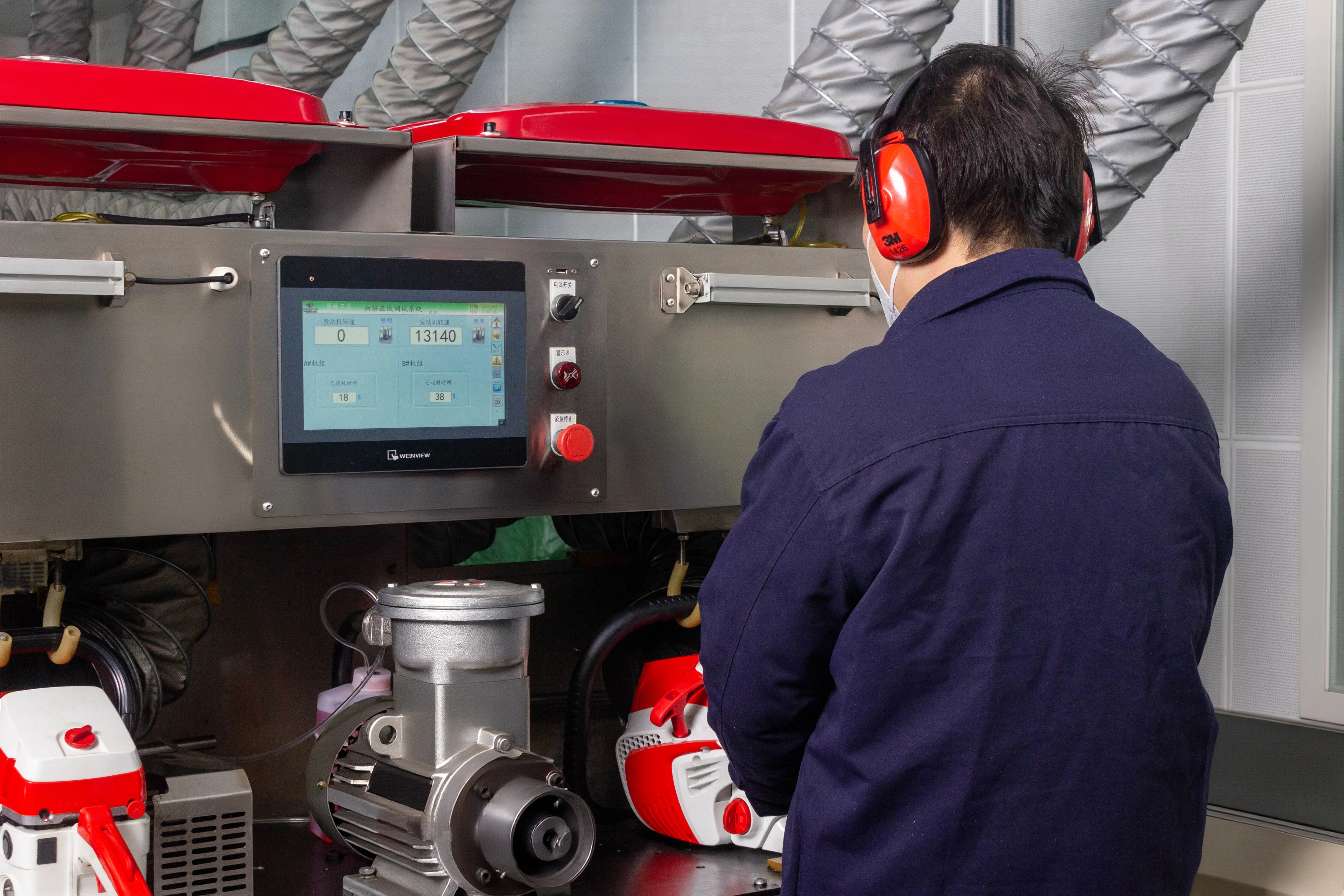
Outgoing Quality Control (OQC) and Final Testing
Final unit testing confirms every assembled sprayer meets functional and safety targets. We pressurize and operate the units to simulate field conditions, isolating and removing any non-conforming products before shipment.
- Leak integrity: Conduct full-unit pressure tests upright and tilted to confirm absolute leak integrity.
- Output consistency: Measure flow rate consistency and verify pressure relief valves activate at designated limits.
- Application quality: Evaluate spray patterns for symmetry and test anti-drip devices for immediate shut-off.
- Efficiency checks: Measure residual liquid volume after spraying to depletion to ensure minimal chemical waste.
System Documentation and Compliance Tracking
A documented quality system provides accountability and drives continuous improvement. We link factory data to specific batches, allowing buyers to trace component origins and rely on validated performance metrics.
- Batch tracking: Maintain documented traceability from finished sprayer units back to specific component batches.
- Performance data: Track lifecycle durability data, including pump cycle tests and strap fatigue resistance.
- Defect management: Manage defect handling through structured Corrective and Preventive Action (CAPA) systems.
- Regulatory alignment: Ensure final product labels, safety symbols, and calibration instructions meet regional certification standards.
Maximize ROI With Durable Garden Machinery
Knapsack Sprayer Certifications and Compliance
Compliance in knapsack sprayers spans both product-level safety standards and operational design features that ensure safe, accurate pesticide application across regulated global markets.
Important Certifications to Consider
| Certification | Purpose |
|---|---|
| рдЖрдИрдПрд╕рдУ 9001 | Quality management system |
| рд╕реАрдИ | Compliance with European market requirements |
| RoHS | Restriction of hazardous substances |
| BSCI | Social responsibility and ethical manufacturing |
| REACH | Chemical compliance for European markets |
| SGS Testing Reports | Independent product verification |
Core Product Certifications and Safety Standards
Accessing global agricultural markets requires strict adherence to regional machinery and safety directives. Manufacturers must validate sprayers through recognized regulatory frameworks before placing them on the market.
- European & UK Markets: CE marking and UKCA declarations confirm compliance with regional Machinery, Pressure Equipment, and Low Voltage Directives.
- Testing Standards: Engineers test equipment against ISO 19932-1:2013 and FAO guidelines to verify tank structural integrity, leak resistance, and spray performance.
- Powered Units: Gasoline-powered mist blowers require specific EPA or CARB certifications for engine emissions, alongside strict noise and vibration exposure limits.
Material and Chemical Compatibility Requirements
Agricultural sprayers handle aggressive solvents, surfactants, and fertilizers. Material selection directly dictates equipment lifespan and operator safety.
- Tank Construction: Factories mold tanks from UV-stabilized, high-density polyethylene (HDPE) to prevent outdoor degradation and chemical attack.
- Sealing Systems: Gaskets, рдУ-рд░рд┐рдВрдЧ, and hoses must resist degradation from herbicides, insecticides, рдФрд░ рддрд░рд▓ рдЙрд░реНрд╡рд░рдХ.
- Validation Testing: Quality control teams conduct long-term chemical soak tests and cyclic pressure protocols to ensure materials do not swell, crack, or leak under field conditions.
Operational and Environmental Compliance
Environmental stewardship requires equipment that minimizes chemical waste and off-target drift. Sprayer design plays a primary role in supporting safe field operations.
- Application Accuracy: Integrated pressure regulators maintain stable pressure for accurate dosing, while clear structural designs support rapid pre-use safety inspections.
- Drift Control: Operators use specific nozzle combinations and spray shields to limit chemical drift and protect non-target crops.
- Waste Management: Manuals dictate strict triple-rinsing procedures and safe washings disposal. Electric models include WEEE-compliant battery recycling instructions.
User Certification Alignment and Pesticide Regulations
Manufacturers do not certify operators, but they must design and document equipment to align with local pesticide licensing laws and professional training frameworks.
- Market Segmentation: Clear product labeling separates professional agricultural sprayers from standard domestic models.
- Regional Qualifications: Equipment documentation aligns with operator training expectations, such as the UK PA1/PA6 certificates or Irish QQI handheld application courses.
- Label Compliance: Sprayer engineering enables operators to match flow rates and droplet sizes to strict North American pesticide label directions.
Quality Management, Traceability, and Documentation
Consistent production quality relies on structured factory oversight and robust traceability systems. These frameworks protect buyers from batch variability and liability risks.
- QMS Integration: Factories implement ISO 9001 systems to govern design control, process validation, and supplier component oversight.
- Batch Traceability: Facilities track unique product serial numbers and batch codes to isolate defective components and manage targeted recalls.
- Field Support: Shipments include localized user manuals, internationally recognized safety pictograms, and visual guides to assist operators with accurate calibration.
Knapsack Sprayer OEM and ODM Capability

Factory OEM and ODM capabilities dictate how quickly and reliably you can produce customized sprayers tailored to your specific market and brand standards.
Core OEM and ODM Service Scope
Differentiating between OEM and ODM services helps buyers align their product strategy with factory capabilities. Capable factories support multiple product categories, including manual, battery-operated, dual-mode, and gasoline sprayers.
- OEM Services: Focuses on branding, minor structural adjustments, and component integration on existing sprayer platforms.
- ODM Services: Involves developing new tank configurations, custom power systems, and specialized safety controls directly from the concept stage.
Mechanical and Electrical Engineering Depth
Advanced R&D teams rely on 3D CAD modeling, rapid prototyping, and extensive field testing to validate new designs before mass production.
- Mechanical Engineering: Covers ergonomic tank profiles, wall thickness optimization, and durable pump mechanisms to withstand harsh field conditions.
- Electrical Capabilities: Includes battery capacity matching, DC motor selection, and moisture-sealed control interfaces for powered models.
Production Volume and Order Flexibility
Leading knapsack sprayer manufacturers sustain high-volume output by operating dedicated assembly lines tailored to different knapsack sprayer types. Flexibility on the factory floor translates directly to your supply chain reliability.
- MOQ and Lead Times: Suppliers adapt Minimum Order Quantities and production schedules based on your required level of customization.
- Flexible Setups: Production setups handle efficient branding changeovers and parallel runs for mixed-model orders to keep inventory flowing.
Quality Assurance and Regulatory Compliance
Consistent field performance requires strict process control. Sprayers undergo rigorous testing to meet global safety standards, specifically targeting tank rupture resistance and electrical insulation.
- Factory Quality Systems: Enforce incoming material checks, in-process assembly verification, and full-scale leak testing on every batch.
- Final Inspections: Quality teams verify consistent spray patterns, pressure stability, and battery function before final packaging.
Project Management and IP Security
Building a custom sprayer requires transparent communication and strict legal safeguards. Dedicated technical managers oversee design approvals, pre-production sampling, and golden sample definitions to align factory output with buyer expectations.
- Transparent Cost Structures: Supply agreements separate one-time tooling and development expenses from ongoing per-unit hardware pricing.
- Intellectual Property: Clear supply contracts define mold ownership, design exclusivity, and strict non-disclosure agreements to protect buyer IP.
Knapsack Sprayer Production and Lead Time

Lead times for knapsack sprayers depend heavily on your customization level and component sourcing strategy. Standard orders move fast, while custom molds and imported batteries extend timelines.
When evaluating a knapsack sprayer supplier, consider both production capacity and delivery consistency.
Key Questions to Ask
- What is the monthly production capacity?
- How many production lines are available?
- What is the average lead time?
- How are peak-season orders managed?
- What contingency plans exist for material shortages?
Typical lead times vary depending on order quantity and customization requirements.
| Order Type | Typical Lead Time |
|---|---|
| Standard Products | 15тАУ30 days |
| Customized Packaging | 25тАУ40 days |
| OEM Projects | 30тАУ45 days |
| New ODM Development | 45тАУ90 days |
рдиреНрдпреВрдЯреЙрдк рдкрд░, we maintain a stable production system and mature supply chain to support both sample orders and bulk production efficiently. Typical lead times are around 7 days for samples and about 30 days for standard orders from 100 units to full container loads, depending on order requirements.
For OEM and customized projects, timelines vary based on specification complexity. Contact us to discuss your project and get a tailored quotation and delivery schedule.
Spare Parts Supply and After-Sales Support
Reliable spare parts supply and structured after-sales support keep knapsack sprayers operational. Prioritize manufacturers that standardize components and guarantee long-term availability to minimize field downtime.
Core Spare Parts Categories
A reliable manufacturer maintains a deep inventory of replacement components to keep agricultural operations running during critical spraying windows. We categorize essential knapsack sprayer parts into three distinct tiers.
- Mechanical assemblies: Supply of major mechanical assemblies including tanks, pumps, lances, and nozzle systems.
- Power components: Availability of power components like batteries, chargers, carburetors, and recoil starters for motorized units.
- Consumable parts: Provision of consumable sealing components such as O-rings, gaskets, and filters in ready-to-use kits.
Stocking these specific categories prevents minor wear from escalating into complete equipment failure.
Serviceability and Design Requirements
Good engineering anticipates field repairs. When components wear out, operators need to swap them quickly without shipping units back to a service center.
- Tool access: Unrestricted access to internal pump and valve components using standard hand tools.
- Modular assembly: Designs that allow fast field replacements of worn components without specialized fixtures.
- Component standardization: Standardization of hoses, threads, and fittings across multiple sprayer models to simplify distributor stocking.
This standardization sharply reduces inventory complexity for regional distributors and lowers the total cost of ownership for end-users.
Technical Documentation and Training
Even the best spare parts network fails if technicians lack the knowledge to install the components correctly. Manufacturers must supply clear visual repair documentation and active support.
- Visual documentation: Detailed exploded-view diagrams featuring clear reference numbers for accurate parts ordering.
- Maintenance manuals: Multilingual user manuals outlining daily maintenance, proper chemical cleaning protocols, and storage.
- Diagnostic tools: Actionable troubleshooting guides addressing common faults like pressure loss, leaks, and uneven spray.
- Skill development: Manufacturer-led capacity building and training workshops for distributor technicians and large agricultural end-users.
Proper training ensures correct reassembly and calibration, avoiding dosage errors caused by improper component fitment.
Parts Availability and Supply Logistics
Supply continuity dictates whether a discontinued model remains a viable asset or becomes useless plastic. Buyers must secure firm logistical commitments from their factory partners.
- Lifecycle commitments: Commitments to supporting discontinued models with replacement parts for five to seven years.
- Order processing: Structured order capabilities including standard lead times, reasonable MOQs, and consolidated container shipping.
- Regional supply: Utilization of regional distribution centers and local warehousing partners to reduce downtime for farmers.
Bundling initial spare parts shipments with primary container orders offers an immediate safeguard against early seasonal stockouts.
Warranty Coverage and Claims Resolution
A warranty needs a clear execution framework. You need a transparent system to handle defects fast and efficiently.
- Coverage terms: Clear baseline warranty terms separating structural components from normal wear parts.
- Claim processing: Transparent procedures for submitting defect claims with rapid response and defined resolution timeframes.
- Remedy execution: Options for remedies including free replacement parts, full unit exchanges, or supplier credit allocations.
Tracking failure data through these claims helps buyers negotiate better terms and drives continuous product improvement at the factory level.
Common Risks When Choosing a Low-Cost Manufacturer

Chasing the lowest unit price often hides steep costs in early field failures, safety liabilities, and disrupted supply chains. A cheap sprayer quickly becomes an expensive liability.
Product Quality and Performance Issues
Low-cost factories routinely cut corners on materials and engineering. This severely impacts field performance and damages your brand reputation when the equipment reaches the end-user.
- Inconsistent spray output: Poor calibration and pressure fluctuations lead directly to crop over-dosing or under-dosing.
- Component failure: Substandard nozzles and cheap fluid components tend to drip or clog almost immediately.
- Structural weakness: Thin plastics and weak frames result in tank cracking and complete structural failure under regular field use.
Safety and Regulatory Compliance Gaps
Agricultural equipment must protect the operator and meet strict import standards. Budget manufacturers frequently skip compliance steps to save money, shifting the legal risk entirely onto you.
- Worker exposure: Poor sealing designs increase the operator’s exposure to pesticides through constant leaks and drips.
- Import blocks: Bypassing ISO and national safety standards puts your shipments at high risk of customs rejection.
- Liability exposure: A lack of traceability and missing safety certifications leaves buyers exposed to regulatory fines and product recalls.
Reliability and Hidden Lifecycle Costs
The upfront savings of a budget sprayer vanish the moment parts start breaking. Professional buyers evaluate total cost of ownership, which plummets when equipment fails in the field.
- Frequent downtime: High failure rates of seals, hoses, and pump handles halt operations during critical, time-sensitive spraying windows.
- Shorter service life: The absence of spare parts catalogs and maintenance support forces early equipment replacement.
- Erased margins: High defect rates, constant repair requirements, and frequent warranty claims quickly consume any initial unit cost savings.
Poor Ergonomics and Usability
If a knapsack sprayer is uncomfortable or difficult to operate, workers will misuse it or experience rapid physical fatigue, leading to sloppy application.
- Operator fatigue: Uncomfortable straps and poor weight distribution accelerate physical strain during long shifts.
- Incorrect practices: Inadequate manuals and missing local language translations cause mistakes in chemical mixing and application.
- Equipment misuse: A severe lack of proper training materials increases the likelihood of operator error and broken components.
Supply Chain and Quality Inconsistencies
Low-cost suppliers often lack the infrastructure and discipline to maintain steady quality or deliver on time, disrupting your entire seasonal sales strategy.
- Variable batch quality: Manufacturers quietly switch to cheaper materials or unvetted subcontractors to maintain their profit margins.
- Missed sales windows: Capacity constraints lead to late deliveries right before crucial pre-spray agricultural seasons.
- Skipped testing: Weak internal quality management systems bypass essential end-of-line testing and leakage checks.
Design Limitations for Specific Applications
A generic, one-size-fits-all approach rarely works in professional agriculture. Budget suppliers stick to basic configurations that limit your ability to capture specialized market segments.
- Mismatched capabilities: Generic designs fail to accommodate specific crop requirements, varying terrain types, and local climate conditions.
- Poor application control: Inadequate agitation and pressure control mechanisms prevent users from following strict spraying guidelines.
- Stagnant portfolios: Limited product lines ignore the growing market demand for larger capacity battery-powered or motorized units.
Ready to Build Your Knapsack Sprayer Product Line With NEWTOP?
Partnering with a proven OPE manufacturer secures your supply chain. NEWTOP delivers reliable quality, compliance-ready documentation, and scalable OEM production to keep your sprayer brand competitive.
рдЗрд╕рд╕реЗ рдЕрдзрд┐рдХ 20 years of manufacturing experience, NEWTOP is a trusted outdoor power equipment supplier serving customers in more than 65 рджреЗрд╢реЛрдВ.
Why Partner With NEWTOP?
- 500,000+ units annual production capacity for stable supply
- Advanced manufacturing facilities and strict quality control systems
- Experienced R&D team supporting OEM and ODM customization
- Durable, field-tested sprayers designed for agricultural and commercial use
- Reliable spare parts supply for long-term after-sales support
- International quality standards and product compliance for global markets
- Professional export experience serving Africa, рд▓реИрдЯрд┐рди рдЕрдореЗрд░рд┐рдХрд╛, рджрдХреНрд╖рд┐рдгрдкреВрд░реНрд╡ рдПрд╢рд┐рдпрд╛, and the Middle East
To expand our global presence, NEWTOP is actively seeking regional distributors and brand partners. Whether you are launching a new product line or expanding your existing portfolio, our team can provide reliable manufacturing support, customization services, and competitive partnership programs.
Contact NEWTOP today to discuss OEM projects, private-label opportunities, or regional distribution cooperation.
рдЕрдХреНрд╕рд░ рдкреВрдЫреЗ рдЬрд╛рдиреЗ рд╡рд╛рд▓реЗ рдкреНрд░рд╢реНрдиреЛрдВ
What certifications should I look for in a knapsack sprayer manufacturer?
Common certifications include ISO 9001, рд╕реАрдИ, RoHS, REACH, BSCI, and third-party testing reports such as SGS. The required certifications depend on your target market and product application.
Do knapsack sprayer factories offer OEM and ODM services?
рд╣рд╛рдБ, most established backpack sprayer manufacturers provide both. OEM services usually cover branding, custom colors, and packaging changes with lower minimum order quantities. ODM involves engineering new tank shapes, pump mechanisms, or ergonomic features, requiring higher volumes and upfront tooling investments.
What is the typical production lead time for a knapsack sprayer order?
рдиреНрдпреВрдЯреЙрдк рдкрд░, samples take around 7 рджрд┐рди, and standard orders usually take about 30 рджрд┐рди. OEM and ODM orders depend on customization requirements.
What quality control checks should a reliable factory perform?
A dependable factory conducts incoming material inspections, in-process assembly monitoring, and final product testing. Final tests should include pressure retention, leak detection, and flow rate calibration under controlled conditions. They should also run periodic durability and chemical resistance tests on representative samples.
Why is spare parts consistency critical for knapsack sprayers?
Consistent spare parts guarantee that the sprayer maintains accurate pressure and flow rates, which prevents under-dosing or over-dosing chemicals. Using standardized, high-quality replacement parts also minimizes operational downtime, simplifies maintenance, and extends the equipment’s lifespan.
Outboard motors are one of the most important power systems for small and medium-sized boats. They are widely used in fishing, leisure boating, rescue work, aquaculture, transportation, and commercial marine operations. Choosing the right outboard motor directly affects fuel efficiency, speed, рд╡рд┐рд╢реНрд╡рд╕рдиреАрдпрддрд╛, maintenance cost, and overall boating experience.
TodayтАЩs market offers many types of outboard motors, including gasoline, рдЗрд▓реЗрдХреНрдЯреНрд░рд┐рдХ, diesel, two-stroke, and four-stroke models. Each option is designed for different boat sizes, operating environments, and usage needs.
This guide explains the major types of outboard motors and helps buyers understand which solution works best for different boating applications.
рдЖрдЙрдЯрдмреЛрд░реНрдб рдореЛрдЯрд░реНрд╕ рдХреЗ рд╡рд┐рднрд┐рдиреНрди рдкреНрд░рдХрд╛рд░реЛрдВ рдХреА рд╡реНрдпрд╛рдЦреНрдпрд╛

Outboard motors can be classified in several ways, including fuel type, engine design, horsepower range, and intended application.
The most common categories include:
| Motor Type | Core Technology | рдкреНрд░рд╛рдердорд┐рдХ рдЙрдкрдпреЛрдЧ рдХрд╛ рдорд╛рдорд▓рд╛ |
|---|---|---|
| Four-Stroke Gas | рдкреЗрдЯреНрд░реЛрд▓ / Separate Oil | Family cruisers, offshore fishing, heavy pontoons |
| Two-Stroke Gas | рдкреЗрдЯреНрд░реЛрд▓ / Oil Mix (or DFI) | Lightweight performance boats, shallow-water skiffs |
| рдмрд┐рдЬрд▓реА | Lithium/AGM Battery | Eco-sensitive waters, dinghies, restricted lakes |
| Hybrid Gas-Electric | Combustion + Electric Drive | Mixed-use vessels, eco-tourism, water taxis |
| Trolling / Kicker | Electric or Small Gas | Precise angling control, auxiliary offshore backup |
| Jet Outboard | Water Pump Thrust | Shallow rivers, rocky rapids, rescue operations |
Four-Stroke Gasoline Outboards
Four-stroke outboards dominate the modern recreational boating market. They operate with a separate oil system, completely eliminating the need for manual fuel-oil premixing. This design mirrors automotive engines, using valves and camshafts to manage intake and exhaust phases.
- Efficiency and Emissions: Deliver high fuel efficiency, lower emissions, and quieter operation compared to legacy engine designs.
- Applications: Perform well on family cruisers, offshore fishing boats, and heavy-load pontoons.
- Trade-offs: Carry a heavier weight and higher upfront cost but offer strong long-term reliability and resale value.
Two-Stroke Gasoline Outboards
Two-stroke outboards prioritize raw power and quick throttle response. They fire on every crankshaft revolution, giving them a distinct performance advantage off the starting line. While older carbureted models consume more fuel and produce more exhaust smoke, modern engineering has refined the technology.
- Performance: Provide a high power-to-weight ratio, resulting in rapid acceleration and a strong hole shot.
- Mechanics: Feature a simpler core mechanism with fewer moving parts, often lowering initial purchase and maintenance costs.
- Modern Upgrades: Modern direct-injection versions meter oil and fuel precisely to improve efficiency for lightweight performance boats.
Electric Outboard Motors
Electric outboards replace the internal combustion engine entirely, drawing power from rechargeable lithium or AGM battery packs. They provide a silent, emission-free alternative tailored for specific boating environments where noise and pollution control are top priorities.
- Environmental Impact: Produce zero local emissions and minimal noise, making them ideal for eco-sensitive waters and wildlife areas.
- Maintenance: Require almost no routine mechanical maintenance like oil changes or spark plug replacements.
- Limitations: Face range limitations based on battery capacity, requiring reliable charging infrastructure at the dock or trailer.
Hybrid Gas-Electric Outboards
Hybrid systems combine an internal combustion engine with an electric drive to maximize operational flexibility. Operators can seamlessly switch between propulsion methods based on their immediate environment and range requirements.
- Versatility: Allow operators to use silent electric power in restricted zones and gas power for open-water transit.
- Reliability: Provide dual-power redundancy, offering backup propulsion if one system fails.
- Considerations: Involve higher system complexity, increased weight, and higher acquisition costs than single-mode alternatives.
Trolling and Kicker Motors
Not all outboards serve as the primary source of high-speed propulsion. Trolling and kicker motors act in highly specialized roles to complement the main engine, focusing on precise maneuvering and safety.
- Trolling Motors: Use electric power to offer precise, silent, low-speed control for anglers navigating structure.
- Kicker Motors: Function as small auxiliary gasoline outboards mounted alongside the main engine on the transom.
- Benefits: Provide backup propulsion for offshore safety and save fuel during extended low-speed transit.
Propeller vs. Jet Outboard Variants
The method an outboard uses to translate engine power into thrust dictates where you can safely navigate. While conventional propeller outboards efficiently translate power to thrust across a wide range of speeds and depths, jet variants offer a specialized solution for hazardous waters.
- Jet Mechanics: Jet outboards replace the lower unit propeller with a water pump, drawing water beneath the hull and expelling it as thrust.
- Safety Advantages: Jet drives significantly reduce draft and eliminate exposed blade risks, creating a safer option for shallow rivers and rocky areas.
- Performance Trade-offs: Jet units require more engine power to match propeller speeds and face risks of intake clogging from floating debris.
Two-Stroke vs Four-Stroke Outboard Motors

Choosing between two-stroke and four-stroke outboards depends entirely on your boat’s transom weight limits, fuel range targets, and acceleration needs.
| рд╡рд┐рд╢реЗрд╖рддрд╛ | Two-Stroke | Four-Stroke |
|---|---|---|
| рд╡рдЬрд╝рди | Lighter | рднрд╛рд░реА |
| Fuel Efficiency | Lower | Higher |
| Noise Level | Louder | Quieter |
| Maintenance | Simpler | More complex |
| Emissions | Higher | Lower |
| Best Use | Portable boats | Recreational and commercial use |
Mechanical Design and Weight Differences
Engine cycle mechanics dictate the core differences between these two platforms. Two-stroke outboards complete a power cycle in just two piston strokes. This results in a simpler internal layout with fewer moving parts.
These design variances directly impact how the engine sits on the transom and performs in the water. We track specific performance differences for both configurations:
- Weight penalty: Four-stroke outboards weigh 30 рдХреЛ 40 percent more, increasing the overall transom load and altering shallow-water handling.
- Hole-shot capability: Two-strokes deliver quicker acceleration and a higher power-to-weight ratio, ensuring an immediate hole-shot.
Fuel Economy, Emissions, and Ride Quality
Operators focused on operating costs and passenger comfort usually lean toward four-stroke models. Four-strokes provide 20 рдХреЛ 30 percent better fuel economy because they burn fuel more completely during the combustion cycle.
Engineers have closed the technology gap in recent years. Modern direct-injection two-strokes significantly reduce historical emission levels while still pushing strong acceleration. When evaluating the daily experience on the water, buyers must consider the physical ride quality:
- Acoustics and vibration: Four-strokes operate with minimal vibration and run quietly at cruising speeds.
- Acoustic presence: Two-strokes produce a sharper, more noticeable sound under heavy load.
Maintenance Requirements and Longevity
Service schedules differ heavily based on the internal oiling systems. Two-strokes require the operator to mix oil directly with the fuel or rely on an integrated oil-injection system. You avoid traditional oil changes, but you must constantly monitor oil reservoir levels.
Four-strokes operate much like automotive engines. They use a separate crankcase oil reservoir that requires standard engine oil and filter changes. This adds some mechanical complexity to your annual service checklist. Both engine types deliver reliable long-term service life when owners stick to proper marine maintenance schedules.
Best Use Cases for Each Engine Type
Selecting the right motor requires matching the technology to the specific boat and mission.
- Two-stroke outboard motors applications: These fit best on lightweight boats used for shallow-water fishing, water sports, and frequent trailering where saving transom weight is critical.
- Four-stroke outboard motors рдЕрдиреБрдкреНрд░рдпреЛрдЧ: These match perfectly with heavier boats taking longer offshore or lake trips where fuel efficiency and quiet operation matter most.
Boat size, average trip length, and transom weight limits drive the final selection rather than engine technology alone.
Outboard Motors for Small Fishing Boats

The right outboard motor for a small fishing boat balances hull size, weight capacity, and local water conditions to maximize range, speed, and stealth.
Primary Motor Types and Capabilities
Selecting the propulsion system dictates how you interact with the water. You have three main options for small fishing boats.
- Small gasoline outboards (2тАУ10 hp): These deliver higher top speedsтАФup to 18 mphтАФand extended range. Refueling on the water is simple, though you must manage engine noise and exhaust emissions.
- Electric outboards (3тАУ10 hp equivalent): These units provide high torque with quiet, emission-free operation. Top speeds usually max out between 6 рдФрд░ 12 mph, making them better suited for steady cruising rather than fast transit.
- Electric trolling motors: Instead of primary propulsion, these act as secondary positioning tools. They use thrust ratings rather than horsepower and give you fine control for stealthy maneuvering along structures.
Matching Motor Sizes to Boat Designs
A motor only performs as well as the hull it pushes. Match the power output directly to the boat design to ensure safe and efficient handling.
- Jon boats (10тАУ16 ft): These flat-bottom hulls perform well with 3тАУ6 hp gas or electric motors. Depending on your load, expect speeds between 4 рдФрд░ 10 mph.
- Small aluminum V-hulls (12тАУ16 ft): The deeper hull design handles heavier loads and requires 4тАУ9.9 hp gas outboards to reliably reach planing speeds.
- Inflatables and fishing tenders: Portability is the priority here. Pair these with lightweight 2.5тАУ6 hp gas outboards or 3тАУ6 hp electric equivalents to keep the entire setup easy to transport.
Key Selection Criteria
Beyond raw horsepower, specific operational factors dictate the exact motor you need. Consider your operating environment and physical boat dimensions before making a purchase.
- Shaft length: You must match the motor shaft to your transom height. A 15-inch short shaft or 20-inch long shaft prevents propeller ventilation and eliminates unnecessary drag.
- Total load capacity: Heavier setupsтАФcombining hull weight, gear, and passengersтАФdemand higher torque. High loads severely reduce top-end speed, a factor that becomes especially obvious with electric motors.
- Water environment: Shallow, rocky rivers demand jet outboards to protect the lower unit. Conversely, if you fish on emission-restricted reservoirs, an electric outboard setup is mandatory.
Cooling, Maintenance, and Durability
Gas outboards pull cooling water through the lower unit. This design makes them highly vulnerable to internal damage if you drag them through sand or ingest mud in shallow water. You have to monitor the cooling stream constantly to avoid overheating.
Electric outboards eliminate traditional water pumps. They still require the lower unit to remain submerged, relying on the surrounding water for passive cooling. Running an electric motor dry at high power will quickly destroy internal components.
Routine upkeep differs drastically between the two. Gas motors demand regular oil changes, spark plug replacements, and strict fuel system care to prevent ethanol damage. Electric motors skip the fluid changes and focus heavily on battery management, wire corrosion checks, and routine lower unit seal inspections.
Source Durable Power Equipment for Maximum ROI
Outboard Motors for Recreational and Family Boats
Outboards give family boats reliable, space-saving propulsion. Matching the right motor type, engine cycle, and horsepower to your hull ensures safe handling and long-term passenger comfort.
Role and Advantages in Family Boating
These self-contained propulsion systems mount directly on the boat transom. This setup frees up valuable interior deck space compared with traditional inboard engines. The external design simplifies routine maintenance and makes eventual engine replacement much easier. Builders use outboards as the standard power source for bowriders, pontoons, inflatables, and deck boats.
Gasoline vs. Electric Outboard Options
Internal combustion models act as the standard choice for general-purpose cruising and watersports. Gasoline outboards provide a massive power range from under 2 hp to over 600 hp to fit almost any recreational transom.
Electric outboards rely on battery systems to deliver zero local emissions and quiet operation. These electric variants excel in noise-restricted lakes, small inflatables, and short-distance trips where silence takes priority over extended range.
Four-Stroke and Direct-Injected Two-Stroke Engines
Modern four-strokes dominate the recreational market. They deliver quiet operation, low emissions, and strong fuel efficiency. Four-strokes utilize a separate oil lubrication system, eliminating the need to mix oil and fuel at the dock.
Direct Fuel Injection (DFI) two-strokes provide a different performance profile. They offer rapid acceleration and a lighter power-to-weight ratio. Performance-oriented boaters favor DFI engines for towing skiers or wakeboarders because of that immediate throttle response.
Sizing Guidelines for Recreational Hulls
Selecting the right horsepower requires matching the motor to the loaded weight of your boat. A standard industry benchmark recommends 25 рдХреЛ 40 pounds of loaded boat weight per horsepower.
- Small inflatables: Usually require 10 рдХреЛ 25 hp for safe handling and portability.
- Compact pontoons and small deck boats: Generally operate well with 60 рдХреЛ 90 рдЕрд╢реНрд╡рд╢рдХреНрддрд┐.
- General-purpose 18 to 22-foot runabouts: Typically utilize 115 рдХреЛ 200 hp for mixed-use activities.
Essential Features for Family Comfort and Safety
A great day on the water depends on reliable equipment. Electric start and power tilt/trim simplify operation for boaters of all skill levels. Electronic Fuel Injection (EFI) ensures reliable cold starts and smoother idling characteristics.
Passenger comfort relies heavily on low noise and minimal vibration levels during long weekend cruises. You must also match the correct shaft length to the transom height. This maintains proper handling and keeps the boat operating safely within its design limits.
Outboard Motors for Workboats and Commercial Use

Commercial outboards prioritize heavy-duty durability, high torque, and long-term fuel efficiency to survive the brutal 2,000-hour annual duty cycles that standard recreational engines simply cannot handle.
Commercial Duty Cycles and Operational Demands
Workboats operate under relentless conditions that break standard engines. While recreational boaters might log 50 рдХреЛ 200 hours a season, commercial vessels regularly push their outboards from 500 to well over 2,000 hours annually.
- High-load operation: Engines run for extended periods at wide-open throttle or under maximum tow loads.
- Harsh environments: Operators expose these motors to extreme temperatures, debris-filled shallows, and highly corrosive saltwater daily.
- Performance priorities: Commercial crews ignore peak top speed, favoring absolute reliability and low-end torque to get the job done.
Structural Upgrades in Commercial Outboards
Manufacturers build commercial outboards to absorb constant abuse. They upgrade the internal architecture significantly compared to recreational models.
- Reinforced drivetrains: Heavy-duty bearings and strengthened gearcases handle continuous high-thrust operations without failing.
- Upgraded hardware: Builders use higher-grade stainless steel for fasteners, linkages, and heavy-duty transom brackets to combat structural fatigue.
- Corrosion resistance: Advanced coatings and upgraded sacrificial anode systems protect critical metal parts from aggressive saltwater degradation.
- Robust cooling: High-capacity water pumps process dirty, shallow water efficiently to prevent overheating under heavy load.
Gasoline vs. Diesel Engine Choices
The choice of fuel dictates operating costs and maintenance logistics. Commercial fleets typically choose between three main engine technologies.
- Four-stroke gasoline: These engines dominate the market due to wide availability, extensive dealer support networks, and lower initial purchase costs.
- Diesel outboards: Operations running large ships often prefer diesel to match existing onboard systems. They deliver superior fuel safety and drastically lower fuel consumption.
- Direct-injection two-strokes: These engines fill a niche role for vessels requiring rapid acceleration and high power-to-weight ratios.
Propulsion and Configuration Strategies
Rigging a workboat requires matching the engine power to hull displacement, expected loads, and local environmental conditions.
- Single engine setups: Using one robust outboard reduces drag, improves fuel efficiency per mile, and minimizes maintenance points.
- Multi-engine redundancy: Offshore and emergency rescue vessels rely on twin or multiple engines to provide crucial mechanical backup at sea.
- High-thrust configurations: Operators pair high-thrust gearcases with low-pitch propellers to maximize bollard pull and low-speed maneuvering control.
Total Cost of Ownership and Maintenance
The initial purchase price of a commercial outboard represents just a fraction of the actual expense. Long-term fuel usage, рдирд┐рдпрдорд┐рдд рд░рдЦрд░рдЦрд╛рд╡, and vessel downtime heavily outweigh the upfront cost.
- Fuel economy: Optimizing fuel consumption at cruise RPM drives the largest operational savings for high-hour fleets.
- Service accessibility: Visible anodes, modular fuel filters, and accessible diagnostic ports speed up routine maintenance tasks.
- Extended lifecycles: Commercial-grade internal components delay major rebuilds, keeping the vessel earning money on the water rather than sitting in the shop.
Electric Outboard Motors for Quiet and Clean Operation

Electric outboard motors eliminate noise and exhaust, providing a clean propulsion solution that complies with strict waterway regulations while improving passenger comfort and wildlife interaction.
Noise Reduction and Vibration Control
Electric motors run near-silent at low speeds and generate significantly less noise than gas equivalents at cruising speed. The absence of combustion cycles and exhaust systems removes harsh mechanical sounds. Direct-drive designs minimize vibration, reducing operator fatigue and ensuring a smooth ride.
Zero Direct Emissions and Water Protection
Electric systems produce zero tailpipe emissions, eliminating local carbon monoxide and hydrocarbon pollution. Removing onboard gasoline tanks and oil sumps eradicates the risk of fuel leaks and oil slicks. Replacing fossil-fuel combustion on the water directly lowers the carbon footprint of marine recreation.
Access to Restricted Waterways
Many lakes and protected marine areas now enforce strict bans on combustion engines. Electric outboards easily comply with zero-emission zone requirements. Operators can navigate ecologically sensitive environments without facing regulatory restrictions.
Enhancing the Boating Experience and Wildlife Interaction
Quiet operation improves onboard communication and passenger comfort. Low-noise propulsion prevents spooking fish, giving anglers a strategic advantage. Eco-tourism operators can approach marine life closely without causing stress or disruption.
Diesel and Specialty Outboard Motors for Heavy Duty Tasks
Diesel and specialty outboards deliver the extreme torque, fuel efficiency, and structural durability required for commercial workloads, offshore transit, and continuous heavy-duty operation.
Core Advantages of Diesel and Specialty Outboards
Heavy loads and long hours demand specific propulsion traits. Diesel outboards are engineered for these exact conditions, offering distinct operational benefits over standard recreational engines.
- High low-end torque: Delivers the pushing power needed to plane heavy boats, tow loads, and maintain steady thrust against strong currents or rough water.
- Superior fuel efficiency: Extends the range of commercial operations and reduces the frequency and cost of refueling.
- Heavy-duty construction: Withstands continuous loading and high annual operating hours in highly corrosive marine environments.
- Lower flammability: Diesel fuel minimizes fire risks compared to gasoline, creating safer fuel-handling protocols for commercial crews.
Key Categories of Specialty Propulsion
Standard outboards often fall short in specialized scenarios. Manufacturers build distinct categories to handle non-standard commercial, rescue, and expedition requirements.
- High-horsepower offshore outboards: Propel large vessels across open water, integrating digital controls to manage high payloads safely.
- Commercial-duty outboards: Prioritize raw reliability and standard parts to ensure maximum run times for utility and patrol boats.
- Jet-drive systems: Swap traditional propellers for internal impellers to navigate shallow, rocky waters without prop strike damage.
- Electric and auxiliary outboards: Provide precise maneuvering, emergency backup propulsion, and zero-emission operation for sensitive work environments.
Crucial Performance Specifications
Evaluating a heavy-duty outboard requires looking past peak horsepower. Commercial operators focus on specifications that dictate sustained pulling power and engine longevity.
- Torque output: Directly dictates a motor’s ability to lift heavy hulls onto plane and push through strong headwinds.
- Continuous duty ratings: Help commercial buyers accurately forecast maintenance intervals based on predictable, long-hour operating profiles.
- Engine weight: Robust diesel blocks weigh more than gas equivalents, requiring precise adjustments to transom load, boat trim, and slow-speed handling.
- Propeller matching: Getting the pitch and diameter right ensures you optimize thrust, acceleration, and fuel economy under heavy cargo.
Selection Criteria for Heavy-Duty Applications
Buying the wrong motor for a commercial hull destroys ROI. A systematic selection process prevents expensive repowering mistakes and operational downtime.
- Hull compatibility: Engine specifications must align perfectly with the boat’s bare weight, deadrise, and maximum intended cargo or tow load.
- Operating environment variables: Specific conditions dictate requirements like shallow-water drives, extreme cold-weather starting, or offshore-grade corrosion defense.
- Total cost of ownership: The initial price tag matters less than the combined cost of fuel burn rates, maintenance labor, and replacement parts.
- Local service network: Proximity to trained technicians and OEM diagnostic systems is non-negotiable to keep commercial downtime to an absolute minimum.
Maintenance Priorities for Long-Term Reliability
Heavy-duty motors endure brutal conditions. Ignoring standard maintenance schedules rapidly degrades performance and leads to catastrophic failures under load.
- Fuel system health: Demands clean tanks, strict adherence to specified fuel grades, and routinely draining water separators.
- Corrosion control: Requires aggressive fresh water flushing, regular sacrificial anode inspections, and sealing vulnerable electrical connections.
- Lubrication schedules: Replacing gearcase oil and engine lubricants on exact intervals prevents critical overheating during continuous high-load operation.
- Scheduled visual inspections: Identifies early signs of mounting bracket wear, steering play, fuel leaks, or propeller damage before they escalate.
How Horsepower and Boat Size Affect Motor Selection
Matching horsepower to boat size dictates performance, рд╕реБрд░рдХреНрд╖рд╛, рдФрд░ рдИрдВрдзрди рджрдХреНрд╖рддрд╛. Use the 25 рдХреЛ 40 pounds per horsepower rule and never exceed the capacity plate limits.
The Core Relationship Between Boat Weight and Horsepower
A reliable industry baseline dictates 25 рдХреЛ 40 pounds of fully loaded boat weight per horsepower. You calculate this fully loaded weight by combining the hull, engine, fuel, passengers, and gear.
For boats under 20 рдкреИрд░, the U.S. Coast Guard capacity plate acts as the ultimate authority. You must follow this plate to determine the absolute maximum horsepower limit and ensure safe operation.
Typical Horsepower Ranges by Boat Type
Different hull designs require specific power bands to operate efficiently across various conditions.
- Small inflatables and dinghies: Run efficiently on 2 рдХреЛ 10 hp for short trips in calm water.
- Jon boats and aluminum skiffs: Perform well with 9.9 рдХреЛ 30 hp for light fishing and lake travel.
- Mid-size center consoles and bay boats: Need 60 рдХреЛ 200 hp to handle coastal chop and family cruising.
- Large offshore boats: Demand 200 рдХреЛ 600+ hp to maintain speed and safety in heavy seas.
How Intended Use and Load Affect Performance
Your daily activities dictate where you should fall within your boat’s power range. Watersports demand strong acceleration. To pull skiers or wakeboards, select horsepower near the boat’s maximum rating.
Calm-water cruising changes the math. You can use smaller motors to gain better fuel efficiency, operating comfortably closer to the 40 pounds per horsepower mark.
Keep in mind that every additional passenger changes the power dynamic. Heavily loaded boats require more horsepower to reach and maintain plane effectively.
The Risks of Underpowering vs. Overpowering
Underpowering a hull forces the engine to run constantly at high RPMs. This causes sluggish handling, spikes fuel consumption, and places excess strain on internal components.
Selecting horsepower near the upper limit provides a better hole shot and lets you cruise efficiently at mid-range RPMs.
Overpowering crosses the line into dangerous territory. Exceeding the maximum rating creates handling instability, overloads the transom structurally, and frequently voids insurance policies.
Matching Shaft Length and Engine Technology
Horsepower only works if the propeller sits correctly in the water. Measure the transom height exactly to select the correct short, long, or extra-long shaft. This prevents unnecessary drag and propeller ventilation.
Choose four-stroke engines when you want quieter operation and better fuel management compared to traditional carbureted two-strokes. For maximum reliability, opt for Electronic Fuel Injection (EFI) or Direct Fuel Injection (DFI) to secure quick cold starts and lower fuel costs.
Common Buying Mistakes Across Boat Applications
Buyers routinely waste thousands by focusing on brand and price while ignoring structural limits, mechanical health, and total operating costs during outboard motor repowers.
Mismatched Specifications and Application
Buyers often choose an outboard based on a perceived good deal rather than its intended use. Slapping a heavy four-stroke on a light hull meant for a two-stroke drastically alters how the boat sits and handles.
- Engine characteristics: Failing to align the motor with specific uses, such as running heavy 4-strokes on light hulls or standard outboards for precise trolling.
- Capacity limits: Overpowering or underpowering the vessel by ignoring the capacity plate and recommended horsepower limits.
- Shaft length: Selecting the wrong dimension, causing poor handling, cavitation, or excessive drag in the water.
- Transom weight: Ignoring the weight impacts of modern outboards on older transoms, leading to stern squat and serious swamping risks.
Overlooking Mechanical and Structural Health
A clean gelcoat and fresh decals easily mask serious mechanical and structural failures. Smart operators know the real value lies under the cowl and inside the fiberglass core.
- Cosmetic traps: Judging an outboard based on cosmetic appearance rather than conducting systematic compression and fluid checks.
- Missing history: Disregarding age, service records, and diagnostic reports in favor of low purchase prices.
- Structural decay: Planning a repower without physically inspecting the hull and transom for structural rot, flex, or delamination.
Neglecting System Compatibility
Dropping a modern outboard onto a legacy boat requires more than bolting it to the transom. Electrical and fuel systems degrade over time and routinely fail to meet the tight tolerances of modern electronic engines.
- Control limits: Assuming existing wiring, control cables, and steering mechanisms can safely handle a new or more powerful motor.
- Fuel system decay: Overlooking deteriorated fuel lines, incompatible ethanol components, and contaminated tanks that destroy injectors.
- Electrical demands: Failing to verify battery size and condition against the strict manufacturer requirements for modern digital systems.
Skipping Sea Trials and Professional Inspections
Running an engine on a hose in the driveway tells you almost nothing about how it performs under load. Real-world testing reveals the hidden flaws that cost thousands to fix after the sale.
- Professional review: Completing a purchase without a formal inspection by a certified marine technician or marine surveyor.
- Loaded performance: Forgoing a loaded sea trial to test hole shot, wide-open throttle RPM limits, and steering torque.
- System checks: Failing to test essential onboard systems like gauges, alarms, and electronics during active operation.
Underestimating Total Costs and Logistics
The upfront invoice represents only a fraction of outboard ownership. Buyers frequently miscalculate the long-term financial commitment required to keep a vessel running safely and reliably season after season.
- Operational expenses: Focusing solely on the purchase price while ignoring ongoing fuel, oil, and scheduled maintenance expenses.
- Lifecycle value: Failing to account for future usage needs, regional parts support, and brand resale value.
- Hidden logistics: Overlooking insurance quotes, proper off-season storage, and safety equipment requirements before purchasing.
Why Source Outboard Motor Solutions From an Experienced Supplier?
Selecting an outboard motor is not only about horsepower specifications or purchase cost. Product consistency, delivery reliability, technical support, and long-term parts availability all influence the success of marine equipment distribution and end-user satisfaction.
An experienced manufacturer can help customers reduce procurement risks while maintaining stable product quality across different markets. Key advantages often include:
- OEM and ODM customization capabilities
- Consistent quality control throughout production
- Reliable spare parts supply
- Technical manuals and product documentation
- Compliance with local regulations and certification requirements
- Flexible solutions for different boat applications and market demands
As an established outdoor power equipment manufacturer, NEWTOP has accumulated extensive experience in engine-powered equipment production and international export operations. The company focuses on delivering dependable power solutions backed by strict manufacturing standards, efficient production management, and responsive customer support.
Looking for a reliable outboard motor manufacturer? Contact NEWTOP to explore customized solutions, request product specifications, or receive a quotation tailored to your business needs.
рдЕрдВрддрд┐рдо рд╡рд┐рдЪрд╛рд░
Understanding the different types of outboard motors is the first step toward making the right investment for your boating application. From lightweight two-stroke models for small fishing boats to fuel-efficient four-stroke engines, electric propulsion systems, and heavy-duty diesel solutions, each option offers distinct advantages depending on operating conditions and performance requirements.
Rather than focusing solely on horsepower or purchase price, buyers should consider factors such as boat size, intended use, fuel efficiency, maintenance requirements, and long-term reliability. A properly matched outboard motor can improve safety, reduce operating costs, and deliver better performance on the water.
рдЕрдХреНрд╕рд░ рдкреВрдЫреЗ рдЬрд╛рдиреЗ рд╡рд╛рд▓реЗ рдкреНрд░рд╢реНрдиреЛрдВ
What are the main types of outboard motors?
The main types include two-stroke, рдЪрд╛рд░ рд╕реНрдЯреНрд░реЛрдХ, рдЗрд▓реЗрдХреНрдЯреНрд░рд┐рдХ, diesel, and specialty outboard motors. Each type is designed for different boat sizes, operating conditions, and performance requirements.
Which is better: a two-stroke or four-stroke outboard?
Your boating application dictates the right choice. Two-stroke outboards weigh less and deliver rapid acceleration, making them perfect for small boats, shallow-water fishing, and tow sports. Four-stroke outboards run quieter, burn fuel more efficiently, and produce fewer emissions. Boaters typically choose four-strokes for long-range cruising, offshore runs, and pushing heavier vessels.
Are electric outboard motors a good investment?
Electric outboards make sense for short trips, dinghies, or quiet fishing applications where you have reliable charging access. They eliminate fuel costs, require minimal maintenance, and produce zero emissions. But they demand a higher upfront purchase price and lose range rapidly at high speeds. For offshore runs or fast planing, traditional gas outboards still provide the best performance.
How do I determine the right horsepower for my boat?
Start by reading your boat’s capacity plate to find the absolute maximum legal horsepower rating. A solid performance baseline is 1 horsepower for every 25 рдХреЛ 40 pounds of fully loaded boat weight, accounting for passengers, gear, and fuel. If you regularly carry heavy loads, run in rough chop, or tow skiers, target an engine output closer to your hull’s maximum rating.
Are diesel outboard motors used on everyday recreational boats?
You rarely see diesel outboards on typical recreational boats. Manufacturers engineer them for commercial fleets, military units, and law enforcement. These professional users need massive low-end torque, extreme durability, and the ability to run on standard shipboard diesel fuel. While diesels deliver incredible fuel efficiency, their high weight and premium purchase price make them impractical for weekend boaters.
Portable water pumps are essential for moving water efficiently across a variety of tasks, from irrigation and construction to emergency drainage. With so many models available, it can be confusing to know which pump suits your needs. Terms like flow rate, total head, and power ratings may seem technical, but understanding them is the key to making the right choice.
This guide breaks down these specifications in a simple and practical way. YouтАЩll learn how to read performance data, compare pump options, and make informed decisions so that your equipment works efficiently and reliably, no matter the task or environment.
Portable Water Pump Specifications Explained Simply

Pump specifications like flow rate, total head, and power ratings define actual field performance. Understanding these metrics prevents overloads and ensures you select the right equipment for the job.
рдкреНрд░рд╡рд╛рд╣ рджрд░
Flow rate indicates how much water a pump can move in a given time, usually expressed in liters per minute (рдПрд▓/рдорд┐рдирдЯ) or cubic meters per hour (рдореА┬│/рдШрдВрдЯрд╛). Higher flow rates mean faster water transfer, which is critical for large areas or urgent tasks. Choosing a pump with the right flow rate ensures efficiency without wasting energy.
Lift Height and Suction Lift
Lift height, also called discharge head, is the maximum vertical distance the pump can push water. Suction lift is the vertical distance it can draw water from the source. рдПрдХ рд╕рд╛рде, they determine whether the pump can handle your water source and delivery points.
рдкрдореНрдк рдкреНрд░рдХрд╛рд░
Different pump types affect usability. рдЙрджрд╛рд╣рд░рдг рдХреЗ рд▓рд┐рдП, self-priming pumps can start pumping without manual water filling, while standard pumps may require priming. Understanding the pump type helps avoid operational difficulties.
Material of Pump Components
Impellers and pump bodies are made from materials like cast iron or aluminium. These choices affect durability, corrosion resistance, and suitability for different water conditions, such as clean water, muddy water, or water with debris.
Power Ratings
Water pumps are powered by engines or electric motors. Power ratings, given in horsepower (рд╣рд┐рдорд╛рдЪрд▓ рдкреНрд░рджреЗрд╢) or watts (W), indicate the pumpтАЩs ability to handle flow and lift requirements. Stronger engines or motors can handle higher flow and taller lift, but may also consume more fuel or electricity.
Engine or Motor Details
For engine-driven water pumps, specifications like engine type, рдЖрдШрд╛рдд, рд╡рд┐рд╕реНрдерд╛рдкрди, and torque indicate reliability and performance. For electric water pumps, voltage and motor efficiency matter for long-term operation.
Fuel or Energy Consumption
Fuel or power consumption affects operating costs and run time. Knowing the pumpтАЩs energy use helps you plan for longer work sessions without interruption.
Starting Type and Maintenance
Some рдкрд╛рдиреА рдХреЗ рдкрдВрдк start manually, others with electric starters. Oil capacity, recommended maintenance intervals, and spare parts availability are practical considerations to keep the pump running smoothly.
If you want a broader overview of portable water pumps and how they are applied in real-world situations, рд╣рдорд╛рд░реА рдЬрд╛рдБрдЪ рдХрд░реЗрдВ practical guide to portable water pumps for more insights.
Portable Water Pump Flow Rate and Why It Matters

Flow rate dictates how fast you move water, but you must prioritize rated flow over maximum capacity to account for real-world friction and elevation losses.
| рдкреНрд░рд╡рд╛рд╣ рджрд░ (рдЬреАрдкреАрдПрдо) | рд╕рд╛рдорд╛рдиреНрдп рдЕрдиреБрдкреНрд░рдпреЛрдЧ |
|---|---|
| 10тАУ50 | Garden irrigation, small ponds |
| 50тАУ200 | Medium-scale construction, рдЦреЗрддреЛрдВ |
| 200+ | Large-scale industrial or municipal projects |
Flow Rate Metrics and Limiting Factors
You measure flow rate by calculating the volume of water moved over a specific period, typically expressed in gallons per minute (рдЬреАрдкреАрдПрдо) or cubic meters per hour (рдореА┬│/рдШрдВрдЯрд╛). Sourcing the right pump requires looking past the baseline numbers on a spec sheet and understanding the variables that restrict water movement.
- Rated vs. Maximum Flow: Evaluate rated flow instead of maximum flow. Rated capacity accounts for real-world resistance like elevation climbs and pipe friction, whereas maximum flow assumes zero head.
- рдХреБрд▓ рдЧрддрд┐рд╢реАрд▓ рдкреНрд░рдореБрдЦ (рдЯреАрдбреАрдПрдЪ): Calculate TDH to anticipate output reductions caused by static lift and friction loss within specific pipe lengths.
- Pipe Diameter Constraints: Match pipe diameters to flow volume to maintain safe water velocity. Keep speeds below 8 ft/s to prevent pipe erosion and internal system damage.
Matching Flow Rates to Real-World Applications
Field performance relies entirely on aligning pump output with specific job demands. Applications range wildly from low-volume 20 GPM firefighting units to high-capacity 1100 GPM industrial dewatering water pumps. Selecting the wrong unit creates immediate site problems.
- Sizing Accuracy: Size flow correctly to prevent operational failures. Undersized water pumps starve system demand, while oversized units waste fuel and risk cavitation.
- Wastewater Velocity: Maintain minimum velocity requirements of 2 рдХреЛ 3 ft/s in wastewater applications. This speed scours solids from the lines and prevents debris from settling inside the system.
- Curve Plotting: Plot continuous and peak GPM requirements against manufacturer flow-versus-head curves to pinpoint the exact portable pump configuration for your site.
Maximize Margins with Durable Power Equipment
рдереЛрдХ рднрд╛рд╡ рдХрд╛ рдЕрдиреБрд░реЛрдз рдХрд░реЗрдВ тЖТ
Portable Water Pump Head, Lift, and Pressure Basics
Head, lift, and pressure dictate a pump’s true capability. Mastering these metrics ensures you select equipment that handles real-world resistance without stalling.
| Term | рдкрд░рд┐рднрд╛рд╖рд╛ |
|---|---|
| Total Head | Max height water can be pumped, including friction loss |
| Static Lift | Vertical distance water rises from source to pump |
| Pressure (рд╕рд╛рдИ) | Water pressure generated at the pump outlet |
Definitions of Head, Lift, and Pressure
Understanding portable pump specifications requires separating head, lift, and pressure. These terms sound interchangeable but measure distinct mechanical forces in your fluid transfer setup.
- Head: The vertical height a portable pump raises fluid against gravity. This operates independently of fluid density and represents the Total Dynamic Head (рдЯреАрдбреАрдПрдЪ) of the system.
- Lift: The vertical suction measurement from the water surface up to the pump inlet. Atmospheric pressure constraints cap this at a practical limit of 25 feet at sea level.
- Pressure: The force delivered per unit area, measured in PSI. Use the standard conversion rate where 1 PSI equates to roughly 2.31 feet of water head.
Calculating Total Head and Performance Factors
You cannot size a pump based purely on its maximum theoretical output. Field conditions introduce mechanical resistance, meaning you must evaluate your system’s layout to determine actual performance capabilities.
- рдХреБрд▓ рдЧрддрд┐рд╢реАрд▓ рдкреНрд░рдореБрдЦ (рдЯреАрдбреАрдПрдЪ): Calculate this target by combining your static suction lift, static discharge head, pipe friction losses, and velocity head.
- Friction Losses: Hose length, narrow pipe diameters, sharp bends, and valves create resistance. These specific layout choices directly reduce your effective head capacity.
- Pump Curves: Read performance charts by plotting flow rate (рдЬреАрдкреАрдПрдо) against head or pressure. Recognize that water pumps achieve maximum flow at zero head and hit maximum head at zero flow.
- Environmental Variables: High altitude thins the air and drops your maximum suction lift by approximately 2.5% for every 1,000 feet above sea level.
Portable Water Pump Power Ratings in HP and Watts

Real-world portable pump wattage significantly exceeds the theoretical 746 watts per horsepower. Motor inefficiencies, startup surges, and heavy mechanical loads require a minimum 20% power buffer for stable operation.
| рдкрдореНрдк рдкреНрд░рдХрд╛рд░ | рд╢рдХреНрддрд┐ (рд╣рд┐рдорд╛рдЪрд▓ рдкреНрд░рджреЗрд╢ / W) | Suitable Applications |
|---|---|---|
| Small portable | 1тАУ3 HP / 750тАУ2200 W | рдмрдЧреАрдЪрд╛, small pond, light irrigation |
| Medium | 4тАУ7 HP / 3тАУ5 kW | Construction, medium farm irrigation |
| Large industrial | 8+ рд╣рд┐рдорд╛рдЪрд▓ рдкреНрд░рджреЗрд╢ / 6+ рдХрд┐рд▓реЛрд╡рд╛рдЯ | Mining, municipal water transfer, dewatering |
Converting Horsepower to Running and Starting Watts
Let’s break down the math behind portable water pump power ratings. On paper, a theoretical 1 HP equates to 746 watts. In the field, real-world portable pumps draw 20% рдХреЛ 50% more power. Motor inefficiencies and power factor ratings drive this excess demand.
We separate this power draw into two distinct categories: running watts for continuous operation and starting watts to handle the initial motor surge. That initial kick typically demands two to three times the running wattage. Here is how that translates to real-world power requirements:
- рдорд╛рдирдХ 0.5 HP Pump: Consumes between 670 рдФрд░ 1,050 running watts but requires up to 4,000 starting watts to engage the motor.
- Off-Grid Solar Setups (2026): Modern solar-compatible models require panel arrays sized at 1.5 times the running watts to maintain consistent performance through minor cloud cover.
Variables Influencing Portable Pump Power Draw
You cannot look at power ratings in a vacuum. The physical environment and system setup directly dictate how much electricity your pump actually needs to move water.
Submersible water pumps pulling water from deep wells face heavier mechanical loads. They inherently require more wattage than surface jet water pumps moving water from shallow sources. Water volume and vertical lift distance alter the actual power requirement on the fly, meaning you must calculate the exact brake horsepower based on your specific pressure and flow needs.
Electrical specifications and power sources also dictate system stability. Pay attention to these structural variables:
- Voltage Impact: A 120V portable pump draws double the amperage of a 230V unit to achieve the exact same wattage output.
- Generator Sizing: Portable power stations and generators must match the pump’s starting watts plus a 20% buffer to prevent tripped breakers or equipment stalling.
How to Read Portable Water Pump Performance Data
Reading a performance curve ensures you match flow and pressure requirements without overloading the motor. It plots actual tested data to lock in the exact duty point.

| Curve Parameter | Typical Portable Range | Measurement Units |
|---|---|---|
| рдкреНрд░рд╡рд╛рд╣ рджрд░ | 10тАУ200 | рдЬреАрдкреАрдПрдо, LPM, or m┬│/hr |
| Discharge Pressure (Head) | рддрдХ 150 рдкреИрд░ | Feet, рд╕рд╛рдИ (рддрдХ 65 рд╕рд╛рдИ) |
| рдкрд╛рд╡рд░ рдбреНрд░рд╛ | 1тАУ5 | рд╣рд┐рдорд╛рдЪрд▓ рдкреНрд░рджреЗрд╢, рдХрд┐рд▓реЛрд╡рд╛рдЯ, or Amps |
| NPSHr (Suction Need) | 5тАУ20 | Feet |
Pump manufacturers typically provide a performance curve, which shows the relationship between flow rate and head. Reading this data correctly ensures you select the right pump.
Tips for interpreting performance curves:
- The x-axis usually represents flow rate (GPM or L/min).
- The y-axis represents total head (meters or feet).
- The curve itself shows maximum achievable flow at different heads.
Other important specs to check:
- Maximum flow vs rated flow: Rated flow is the pumpтАЩs recommended operating point for longevity and efficiency, while maximum flow represents the peak capacity.
- Operating limits: Temperature, water quality, and continuous operation recommendations.
What B2B Buyers Should Request From Manufacturers

Sourcing portable water pumps requires strict vendor alignment. Focus on verifiable performance data, specific material grades, and exact total cost of ownership breakdowns to secure reliable units.
Technical Specifications and Material Requirements
When evaluating water pump suppliers, vague capacity claims fail in the field. You need exact operational limits matched to your application.
- Performance Curves: Request precise flow rate and head pressure graphs for operating ranges like 50-500 GPM and 50-150 feet of head.
- Fluid Compatibility: Define exactly what the pump handles. Specify constraints like passing up to 10% solids for dewatering operations or operating within tight temperature parameters.
- Mobility Features: Demand explicit details on portability. Ensure dry weights remain under 50 kg for manual transport and verify the units include quick-connect ports.
- Construction Materials: Outline exact material needs based on the environment. Choose 316 stainless steel for chemical resistance or standard cast iron for basic clean water transfer.
Quality Assurance, Testing, and Commercial Terms
A reliable spec sheet means nothing without proof of performance and long-term support. Lock in commercial and testing terms before signing any purchasing agreement.
- Factory Acceptance Testing (FAT): Mandate FAT to verify actual flow, pressure, and auto-priming speeds under 60 seconds before shipment.
- Reliability Metrics: Require documented lifespan data, including a Mean Time Between Failures (MTBF) рд╕реЗ рдЕрдзрд┐рдХ 5,000 hours and relevant ISO, рд╕реАрдИ, or UL certifications.
- Engineering Documentation: Ask for complete technical files, such as detailed CAD drawings, application-specific installation manuals, and 90-day maintenance schedules.
- Total Cost of Ownership (TCO): Secure a TCO breakdown that maps unit pricing, freight, spare parts availability, and long-term operating costs over a 5-year period.
Why Work With a Supplier That Understands Your Market?
A market-savvy supplier aligns pump specifications with local environmental and regulatory demands, ensuring rapid deployment and cutting total project costs by up to 25%.
Choosing a water pump supplier who understands your operational context can save time, рд▓рд╛рдЧрдд рдШрдЯрд╛рдПрдВ, and ensure that your equipment performs reliably. рдиреНрдпреВрдЯреЙрдк, a leading manufacturer of outdoor power and water pump equipment, combines large-scale production with deep market knowledge, providing tailored solutions for customers around the world.
Benefits of working with an experienced supplier like NEWTOP include:
- Customized Recommendations: NEWTOP can suggest the right pump model based on your project scale, water source, and site conditions, ensuring optimal performance.
- Support and Service: Their team offers guidance on installation, troubleshooting, maintenance, and spare parts, helping you keep operations running smoothly.
- Reliability: By leveraging NEWTOPтАЩs experience in global markets, you reduce the risk of receiving underperforming or unsuitable equipment.
рдЗрд╕рдХреЗ рдЕрд▓рд╛рд╡рд╛, NEWTOPтАЩs understanding of both local and international regulations helps clients navigate import/export requirements, ensuring smooth logistics and compliance. Partnering with a OPE supplier who combines technical expertise, market insight, and robust support can make a significant difference in project efficiency and long-term success.
рдЕрдВрддрд┐рдо рд╡рд┐рдЪрд╛рд░
Relying on cheap, generic water pumps with inflated specifications guarantees field failures and destroys your margin. Securing units backed by verified performance curves and accurate power ratings is the only way to safeguard your operations against catastrophic motor burnouts. Matching the exact duty point to real-world site resistance ensures your equipment delivers consistent volume without stalling.
We recommend requesting a sample unit and our detailed technical catalog to test these performance metrics on your site. Contact our engineering team to map out the exact portable pump configurations your local market requires.
рдЕрдХреНрд╕рд░ рдкреВрдЫреЗ рдЬрд╛рдиреЗ рд╡рд╛рд▓реЗ рдкреНрд░рд╢реНрдиреЛрдВ
What do portable water pump specifications mean?
Specifications provide information about a pumpтАЩs capacity, рдХреНрд╖рдорддрд╛, and suitability for specific tasks. Key specifications include flow rate, рд╕рд┐рд░, рд╢рдХреНрддрд┐, and operational limits.
What is flow rate in a water pump?
Flow rate is the volume of water a pump can move per unit of time, usually expressed in liters per minute (рдПрд▓/рдорд┐рдирдЯ) or gallons per minute (рдЬреАрдкреАрдПрдо).
What is total head in a water pump?
Total head is the maximum vertical height water can be lifted, including suction, discharge, and friction losses in the system.
How do I read a water pump performance curve?
A performance curve plots flow rate against head. By matching your desired flow and height requirements to the curve, you can determine the best operating point for the pump.
What is the difference between rated flow and maximum flow?
Rated flow defines the water volume a pump moves under sustained, real-world conditions at peak efficiency. Maximum flow indicates the absolute highest volume the pump achieves at zero headтАФmeaning no lift and no attached pipework. You should base your selection entirely on rated flow to ensure the pump meets your daily operational demands without overloading.
How do I know what size portable water pump I need?
Determine the required flow rate, total head, and operating environment. Compare these requirements with manufacturer datasheets and performance curves to select a pump that meets or slightly exceeds your operational needs.
рдкреЛрд░реНрдЯреЗрдмрд▓ рдкрд╛рдиреА рдкрдВрдк рд╡реНрдпрд╡рд╕рд╛рдпреЛрдВ рдФрд░ рдкреЗрд╢реЗрд╡рд░реЛрдВ рдХреЗ рд▓рд┐рдП рдЖрд╡рд╢реНрдпрдХ рдЙрдкрдХрд░рдг рд╣реИрдВ рдЬрд┐рдиреНрд╣реЗрдВ рд╡рд┐рднрд┐рдиреНрди рд╡рд╛рддрд╛рд╡рд░рдгреЛрдВ рдореЗрдВ рдкрд╛рдиреА рдХреЛ рддреЗрдЬрд╝реА рд╕реЗ рдФрд░ рдХреБрд╢рд▓рддрд╛ рд╕реЗ рд╕реНрдерд╛рдирд╛рдВрддрд░рд┐рдд рдХрд░рдиреЗ рдХреА рдЖрд╡рд╢реНрдпрдХрддрд╛ рд╣реЛрддреА рд╣реИ. рдХреГрд╖рд┐ рдореЗрдВ рд╕рд┐рдВрдЪрд╛рдИ рд╕реЗ рд▓реЗрдХрд░ рдирд┐рд░реНрдорд╛рдг рд╕реНрдерд▓реЛрдВ рдХреА рдЬрд▓ рдирд┐рдХрд╛рд╕реА рдпрд╛ рдЖрдкрд╛рддрдХрд╛рд▓реАрди рдмрд╛рдврд╝ рдХреА рд╕реНрдерд┐рддрд┐ рд╕реЗ рдирд┐рдкрдЯрдиреЗ рддрдХ, рдпреЗ рдкрдВрдк рд▓рдЪреАрд▓рд╛рдкрди рдкреНрд░рджрд╛рди рдХрд░рддреЗ рд╣реИрдВ, рд╡рд┐рд╢реНрд╡рд╕рдиреАрдпрддрд╛, рдФрд░ рд╕реБрд╡рд┐рдзрд╛. рд╕рд╣реА рдкреЛрд░реНрдЯреЗрдмрд▓ рдкрдВрдк рдЪреБрдирдиреЗ рд╕реЗ рд╕рдордп рдХреА рдмрдЪрдд рд╣реЛ рд╕рдХрддреА рд╣реИ, рд▓рд╛рдЧрдд рдШрдЯрд╛рдПрдВ, рдФрд░ рд╕реБрдирд┐рд╢реНрдЪрд┐рдд рдХрд░реЗрдВ рдХрд┐ рдкрд░рд┐рдЪрд╛рд▓рди рд╕реБрдЪрд╛рд░реВ рд░реВрдк рд╕реЗ рдЪрд▓реЗ, рдЪрд╛рд╣реЗ рдЖрдк рдареЗрдХреЗрджрд╛рд░ рд╣реЛрдВ, рдХрд┐рд╕рд╛рди, рдпрд╛ рдФрджреНрдпреЛрдЧрд┐рдХ рд╕рдВрдЪрд╛рд▓рдХ.
рдЗрд╕ рдЧрд╛рдЗрдб рдореЗрдВ, рд╣рдо рдкрддрд╛ рд▓рдЧрд╛рддреЗ рд╣реИрдВ рдХрд┐ рдкреЛрд░реНрдЯреЗрдмрд▓ рдЬрд▓ рдкрдВрдк рдХреНрдпрд╛ рд╣реИрдВ, рдЙрдирдХреЗ рд╕рд╛рдорд╛рдиреНрдп рдЕрдиреБрдкреНрд░рдпреЛрдЧ, рдкреНрд░рдореБрдЦ рд╡рд┐рд╢рд┐рд╖реНрдЯрддрд╛рдПрдБ, рдФрд░ рдкрдВрдк рдХреНрд╖рдорддрд╛ рдХреЛ рд╡рд╛рд╕реНрддрд╡рд┐рдХ рдХрд╛рдордХрд╛рдЬреА рдкрд░рд┐рд╕реНрдерд┐рддрд┐рдпреЛрдВ рд╕реЗ рдорд┐рд▓рд╛рдиреЗ рдХреЗ рд▓рд┐рдП рд╡реНрдпрд╛рд╡рд╣рд╛рд░рд┐рдХ рд╕реБрдЭрд╛рд╡. рд╣рдо рдмрдЪрдиреЗ рдХреЗ рд▓рд┐рдП рд╕рд╛рдорд╛рдиреНрдп рдЧрд▓рддрд┐рдпреЛрдВ рдкрд░ рднреА рдкреНрд░рдХрд╛рд╢ рдбрд╛рд▓рддреЗ рд╣реИрдВ, рдХрд┐рд╕реА рд╡рд┐рд╢реНрд╡рд╕рдиреАрдп рдирд┐рд░реНрдорд╛рддрд╛ рд╕реЗ рдкрдВрдк рдЦрд░реАрджрддреЗ рд╕рдордп рдЖрдкрдХреЛ рд╕реВрдЪрд┐рдд рдирд┐рд░реНрдгрдп рд▓реЗрдиреЗ рдореЗрдВ рдорджрдж рдорд┐рд▓рддреА рд╣реИ. рдЕрдВрдд рддрдХ, рдЖрдкрдХреЛ рдЕрдзрд┐рдХрддрдо рджрдХреНрд╖рддрд╛ рдХреЗ рд▓рд┐рдП рдкреЛрд░реНрдЯреЗрдмрд▓ рд╡реЙрдЯрд░ рдкрдВрдкреЛрдВ рдХрд╛ рдЪрдпрди рдФрд░ рдЙрдкрдпреЛрдЧ рдХрд░рдиреЗ рдХреА рд╡реНрдпрд╛рдкрдХ рд╕рдордЭ рд╣реЛрдЧреА.
рд╡рд╛рдЯрд░ рдкрдВрдк рдХреНрдпрд╛ рд╣реИ рдФрд░ рдпрд╣ рдХреИрд╕реЗ рдХрд╛рдо рдХрд░рддрд╛ рд╣реИ?

рдПрдХ рдЬрд▓ рдкрдВрдк рдпрд╛рдВрддреНрд░рд┐рдХ рд░реВрдк рд╕реЗ рдЧрддрд┐рдЬ рдКрд░реНрдЬрд╛ рдХреЛ рд╣рд╛рдЗрдбреНрд░реЛрд▓рд┐рдХ рджрдмрд╛рд╡ рдореЗрдВ рдкрд░рд┐рд╡рд░реНрддрд┐рдд рдХрд░рддрд╛ рд╣реИ, рдПрдХ рдЖрдВрддрд░рд┐рдХ рдирд┐рд░реНрд╡рд╛рдд рдмрдирд╛рдирд╛ рдЬреЛ рддрд░рд▓ рдкрджрд╛рд░реНрде рдХреЛ рдЕрдВрджрд░ рдЦреАрдВрдЪрддрд╛ рд╣реИ рдФрд░ рдЗрд╕реЗ рд╕рд┐рд╕реНрдЯрдо рдХреЗ рдорд╛рдзреНрдпрдо рд╕реЗ рд▓рдЧрд╛рддрд╛рд░ рдмрд╛рд╣рд░ рдирд┐рдХрд╛рд▓рддрд╛ рд╣реИ.
рдореБрдЦреНрдп рдХрд╛рд░реНрдп рдФрд░ рдкреНрд░рдореБрдЦ рдШрдЯрдХ
рдПрдХ рдЬрд▓ рдкрдВрдк рдпрд╛рдВрддреНрд░рд┐рдХ рдКрд░реНрдЬрд╛ рдХреЛ рд╣рд╛рдЗрдбреНрд░реЛрд▓рд┐рдХ рдКрд░реНрдЬрд╛ рдореЗрдВ рдкрд░рд┐рд╡рд░реНрддрд┐рдд рдХрд░рдХреЗ рдЕрдкрдирд╛ рдкреНрд░рд╛рдердорд┐рдХ рд▓рдХреНрд╖реНрдп рдкреНрд░рд╛рдкреНрдд рдХрд░рддрд╛ рд╣реИ. рдПрдХ рдмрдВрдж рдкреНрд░рдгрд╛рд▓реА рдХреЗ рднреАрддрд░ рд╕рдЯреАрдХ рджрдмрд╛рд╡ рдкрд░рд┐рд╡рд░реНрддрди рдХрд░рдХреЗ, рдкрдВрдк рд╕рдХреНрд░рд┐рдп рд░реВрдк рд╕реЗ рдкрд╛рдЗрдкрд▓рд╛рдЗрдиреЛрдВ рдореЗрдВ рдкрд╛рдиреА рдкрд╣реБрдВрдЪрд╛рддрд╛ рд╣реИ, рдЪреИрдирд▓, рдпрд╛ рднрдВрдбрд╛рд░рдг рдмрд┐рдВрджреБ. рдпрд╣ рдирд┐рд░рдВрддрд░ рдЧрддрд┐ рдЖрдВрддрд░рд┐рдХ рд╣рд╛рд░реНрдбрд╡реЗрдпрд░ рдХреА рдХрд╕рдХрд░ рдПрдХреАрдХреГрдд рдЕрд╕реЗрдВрдмрд▓реА рдкрд░ рдирд┐рд░реНрднрд░ рдХрд░рддреА рд╣реИ.
- рдкреНрд░рд░рд┐рдд рдХрд░рдиреЗрд╡рд╛рд▓рд╛: рдкрд╛рдиреА рдХреЛ рдзрдХреЗрд▓рдиреЗ рдХреЗ рд▓рд┐рдП рддреАрд╡реНрд░ рджреНрд░рд╡ рдЧрддрд┐ рдЙрддреНрдкрдиреНрди рдХрд░рддрд╛ рд╣реИ.
- рдЭрд▓рд╛рд░: рдЗрд╕рдореЗрдВ рдЖрдВрддрд░рд┐рдХ рдШрдЯрдХ рд╢рд╛рдорд┐рд▓ рд╣реИрдВ рдФрд░ рд╕рд┐рд╕реНрдЯрдо рджрдмрд╛рд╡ рдХрд╛ рдкреНрд░рдмрдВрдзрди рдХрд░рддрд╛ рд╣реИ.
- рд╢рд╛рдлрд╝реНрдЯ: рдХрдЪреНрдЪреА рдореЛрдЯрд░ рд╢рдХреНрддрд┐ рдХреЛ рд╕реАрдзреЗ рдкреНрд░рд░рд┐рдд рдХрд░рдиреЗрд╡рд╛рд▓рд╛ рдореЗрдВ рд╕реНрдерд╛рдирд╛рдВрддрд░рд┐рдд рдХрд░рддрд╛ рд╣реИ.
- рдмрд┐рдпрд░рд┐рдВрдЧреНрд╕ рдФрд░ рд╕реАрд▓: рддрд░рд▓ рдкрджрд╛рд░реНрде рдХреЗ рд░рд┐рд╕рд╛рд╡ рдХреЛ рд░реЛрдХреЗрдВ рдФрд░ рд╕реБрдЪрд╛рд░реВ рд╕реБрдирд┐рд╢реНрдЪрд┐рдд рдХрд░реЗрдВ, рд╡рд┐рд╢реНрд╡рд╕рдиреАрдп рд░реЛрдЯреЗрд╢рди.
- рд╡рд╛рд▓реНрд╡ рдФрд░ рд╕реЗрдВрд╕рд░: рджрд┐рд╢рд╛рддреНрдордХ рдкреНрд░рд╡рд╛рд╣ рдкреНрд░рдмрдВрдзрд┐рдд рдХрд░реЗрдВ рдФрд░ рд╡рд╛рд╕реНрддрд╡рд┐рдХ рд╕рдордп рдореЗрдВ рд╕рд┐рд╕реНрдЯрдо рдкреНрд░рджрд░реНрд╢рди рдХреА рдирд┐рдЧрд░рд╛рдиреА рдХрд░реЗрдВ.
рдкрд░рд┐рдЪрд╛рд▓рди рд╕рд┐рджреНрдзрд╛рдВрдд рдФрд░ рдКрд░реНрдЬрд╛ рд╣рд╕реНрддрд╛рдВрддрд░рдг
рдСрдкрд░реЗрд╢рди рдЙрд╕реА рдХреНрд╖рдг рд╢реБрд░реВ рд╣реЛ рдЬрд╛рддрд╛ рд╣реИ рдЬрдм рдЖрдВрддрд░рд┐рдХ рдШрдЯрдХ- рдЬреИрд╕реЗ рдХрд┐ рдЗрдореНрдкреЗрд▓рд░реНрд╕, рдлрд▓рдХ, рдпрд╛ рдбрд╛рдпрд╛рдлреНрд░рд╛рдо- рд╣рд┐рд▓рдиреЗ рд▓рдЧрддреЗ рд╣реИрдВ. рдпрд╣ рдЧрддрд┐ рдХрдХреНрд╖ рдХреЗ рдЕрдВрджрд░ рдХреА рд╣рд╡рд╛ рдХреЛ рддреБрд░рдВрдд рд╡рд┐рд╕реНрдерд╛рдкрд┐рдд рдХрд░ рджреЗрддреА рд╣реИ, рдХрдо рджрдмрд╛рд╡ рд╡рд╛рд▓рд╛ рдЖрдВрд╢рд┐рдХ рд╡реИрдХреНрдпреВрдо рдмрдирд╛рдирд╛. рдкреНрд░рдХреГрддрд┐ рд╕реНрд╡рд╛рднрд╛рд╡рд┐рдХ рд░реВрдк рд╕реЗ рд╕рдВрддреБрд▓рди рдЪрд╛рд╣рддреА рд╣реИ, рдЗрд╕рд▓рд┐рдП рдЙрдЪреНрдЪ рдмрд╛рд╣рд░реА рд╡рд╛рдпреБрдордВрдбрд▓реАрдп рджрдмрд╛рд╡ рдЙрд╕ рдирд┐рд░реНрд╡рд╛рдд рдХреЛ рднрд░рдиреЗ рдХреЗ рд▓рд┐рдП рдкрд╛рдиреА рдХреЛ рд╕реАрдзреЗ рдкрдВрдк рдХреЗ рдЗрдирд▓реЗрдЯ рдореЗрдВ рднреЗрдЬ рджреЗрддрд╛ рд╣реИ.
рдПрдХ рдмрд╛рд░ рдкрд╛рдиреА рдкрдВрдк рдореЗрдВ рдкреНрд░рд╡реЗрд╢ рдХрд░ рдЧрдпрд╛, рдЧрддрд┐рдорд╛рди рднрд╛рдЧ рдЕрдкрдиреА рдЧрддрд┐рдЬ рдКрд░реНрдЬрд╛ рдХреЛ рд╕реАрдзреЗ рджреНрд░рд╡ рдореЗрдВ рд╕реНрдерд╛рдирд╛рдВрддрд░рд┐рдд рдХрд░рддреЗ рд╣реИрдВ. рдпрд╣ рдКрд░реНрдЬрд╛ рдкрд░реНрдпрд╛рдкреНрдд рдмрд▓ рдХреЗ рд╕рд╛рде рдкрд╛рдиреА рдХреЛ рдбрд┐рд╕реНрдЪрд╛рд░реНрдЬ рдкреЛрд░реНрдЯ рдХреЗ рдорд╛рдзреНрдпрдо рд╕реЗ рдмрд╛рд╣рд░ рдХреА рдУрд░ рдзрдХреЗрд▓рддреА рд╣реИ. рдЬреИрд╕реЗ рд╣реА рдкрд╛рдиреА рдмрд╛рд╣рд░ рдирд┐рдХрд▓рддрд╛ рд╣реИ, рдпрд╣ рд╕рдХреНрд╢рди рдкрдХреНрд╖ рдореЗрдВ рдЕрдзрд┐рдХ рддрд░рд▓ рдкрджрд╛рд░реНрде рдХреЗ рдкреНрд░рд╡реЗрд╢ рдХреЗ рд▓рд┐рдП рдЬрдЧрд╣ рд╕рд╛рдлрд╝ рдХрд░рддрд╛ рд╣реИ, рдЬрдм рддрдХ рдореЛрдЯрд░ рдЪрд▓рддреА рд╣реИ рддрдм рддрдХ рдкрд░рд┐рд╕рдВрдЪрд░рдг рдХрд╛ рдирд┐рд░рдВрддрд░ рдЪрдХреНрд░ рдмрдирд╛рдП рд░рдЦрдирд╛.
рдкреЛрд░реНрдЯреЗрдмрд▓ рдЬрд▓ рдкрдВрдкреЛрдВ рдХреЗ рд╕рд╛рдорд╛рдиреНрдп рдЕрдиреБрдкреНрд░рдпреЛрдЧ

рдкреЛрд░реНрдЯреЗрдмрд▓ рдкрд╛рдиреА рдкрдВрдк рддрддреНрдХрд╛рд▓ рдЙрдкрд▓рдмреНрдз рдХрд░рд╛рддреЗ рд╣реИрдВ, рдЙрдкрдХрд░рдг-рд╕реЗ-рд╕рдорд╕реНрдпрд╛ рдкрд░рд┐рдирд┐рдпреЛрдЬрди. рд╡реЗ рдЖрдкрд╛рддреНрдХрд╛рд▓реАрди рд╕реНрдерд┐рддрд┐ рдХреЗ рджреМрд░рд╛рди рдХреБрд╢рд▓рддрд╛рдкреВрд░реНрд╡рдХ рддрд░рд▓ рдкрджрд╛рд░реНрде рд▓реЗ рдЬрд╛рддреЗ рд╣реИрдВ, рдХреГрд╖рд┐ рдХрд╛рд░реНрдп, рдФрд░ рд╕реНрдерд┐рд░ рдмреБрдирд┐рдпрд╛рджреА рдврд╛рдВрдЪреЗ рдкрд░ рдирд┐рд░реНрднрд░ рд╣реБрдП рдмрд┐рдирд╛ рдФрджреНрдпреЛрдЧрд┐рдХ рд╕рдВрдЪрд╛рд▓рди.
рдЖрдкрд╛рддрдХрд╛рд▓реАрди рдФрд░ рдФрджреНрдпреЛрдЧрд┐рдХ рд╕рдВрдЪрд╛рд▓рди
рд╣реЗрд╡реА-рдбреНрдпреВрдЯреА рдкрд░рд┐рджреГрд╢реНрдп рд╡рд┐рд╢реНрд╡рд╕рдиреАрдп рд╣реЛрдиреЗ рдХреА рдорд╛рдВрдЧ рдХрд░рддреЗ рд╣реИрдВ, рддрддреНрдХрд╛рд▓ рдЬрд▓ рд╕рдВрдЪрд▓рди. рдмреБрдирд┐рдпрд╛рджреА рдврд╛рдБрдЪреЗ рдХреА рдХрдореА рдХреЗ рджреМрд░рд╛рди рд╕реНрдерд┐рд░ рдкреНрд░рдгрд╛рд▓рд┐рдпрд╛рдБ рдЕрдХреНрд╕рд░ рд╡рд┐рдлрд▓ рд╣реЛ рдЬрд╛рддреА рд╣реИрдВ, рд╕рдВрдХрдЯ рдкреНрд░рдмрдВрдзрди рдФрд░ рднрд╛рд░реА рдЙрджреНрдпреЛрдЧ рдХреЗ рд▓рд┐рдП рдореЛрдмрд╛рдЗрд▓ рдкрд░рд┐рдирд┐рдпреЛрдЬрди рдХреЛ рдкреНрд░рд╛рдердорд┐рдХ рд╕рдорд╛рдзрд╛рди рдмрдирд╛рдирд╛.
- рдЖрдкрд╛рддрдХрд╛рд▓реАрди рдкреНрд░рддрд┐рдХреНрд░рд┐рдпрд╛: рд░реБрдХреЗ рд╣реБрдП рдкрд╛рдиреА рдХреЛ рддреЗрдЬреА рд╕реЗ рд╕рд╛рдл рдХрд░рдиреЗ рдХреЗ рд▓рд┐рдП рдХрд░реНрдордЪрд╛рд░реА рдкреЛрд░реНрдЯреЗрдмрд▓ рдкрдВрдк рддреИрдирд╛рдд рдХрд░рддреЗ рд╣реИрдВ. рдпрд╣ рд╕реНрд╡рд╛рд╕реНрдереНрдп рдЬреЛрдЦрд┐рдореЛрдВ рдХреЛ рдХрдо рдХрд░рддрд╛ рд╣реИ рдФрд░ рдЧрдВрднреАрд░ рдмрд╛рдврд╝ рдХреЗ рдмрд╛рдж рджреАрд░реНрдШрдХрд╛рд▓рд┐рдХ рд╕рдВрдкрддреНрддрд┐ рдХреНрд╖рддрд┐ рдХреЛ рд░реЛрдХрддрд╛ рд╣реИ.
- рдЕрдЧреНрдирд┐рд╢рдорди: рдореЛрдмрд╛рдЗрд▓ рд╕рд┐рд╕реНрдЯрдо рдЧреНрд░рд╛рдореАрдг рдЬрдВрдЧрд▓ рдХреА рдЖрдЧ рдпрд╛ рдЬрдЯрд┐рд▓ рдФрджреНрдпреЛрдЧрд┐рдХ рдШрдЯрдирд╛рдУрдВ рд╕реЗ рдЬреВрдЭ рд░рд╣реА рдЯреАрдореЛрдВ рдХреЗ рд▓рд┐рдП рдирд┐рд░рдВрддрд░ рдЬрд▓ рдкреНрд░рд╡рд╛рд╣ рд╕реБрд░рдХреНрд╖рд┐рдд рдХрд░рддреЗ рд╣реИрдВ.
- рдирд┐рд░реНрдорд╛рдг рдПрд╡рдВ рдЦрдирди: рдХрд╛рд░реНрдп рджрд▓ рдЙрддреНрдЦрдирди рд╕реЗ рдкрд╛рдиреА рдирд┐рдХрд╛рд▓рддреЗ рд╣реИрдВ, рдЦрд╛рдЗрдпреЛрдВ, рдФрд░ рд╕реБрд░рдХреНрд╖рд┐рдд рдХрд╛рд░реНрдп рд╕реНрдерд▓реЛрдВ рдХреЛ рдмрдирд╛рдП рд░рдЦрдиреЗ рдФрд░ рдорд╣рдВрдЧреА рджреЗрд░реА рдХреЛ рд░реЛрдХрдиреЗ рдХреЗ рд▓рд┐рдП рдЦреБрд▓реЗ рдЧрдбреНрдвреЗ.
- рдирдЧрд░рдкрд╛рд▓рд┐рдХрд╛ рдЙрдкрдпреЛрдЧрд┐рддрд╛рдПрдБ: рдЬрдм рдкрд╛рдЗрдк рдореЗрдВ рдЦрд░рд╛рдмреА рдпрд╛ рдмрд┐рдЬрд▓реА рдХрдЯреМрддреА рд╕реЗ рдорд╛рдирдХ рдЬрд▓ рдЖрдкреВрд░реНрддрд┐ рдмрд╛рдзрд┐рдд рд╣реЛрддреА рд╣реИ рддреЛ рд╢рд╣рд░ рдХреЗ рдХрд░реНрдордЪрд╛рд░реА рдЕрд╕реНрдерд╛рдпреА рд░реВрдк рд╕реЗ рд╕реЗрд╡рд╛рдПрдВ рдмрд╣рд╛рд▓ рдХрд░рддреЗ рд╣реИрдВ.
рдХреГрд╖рд┐ рдПрд╡рдВ рд░реЛрдЬрдорд░реНрд░рд╛ рдХреА рдЙрдкрдпреЛрдЧрд┐рддрд╛
рдЙрдЪреНрдЪ рдЬреЛрдЦрд┐рдо рд╡рд╛рд▓реА рдЖрдкрд╛рдд рд╕реНрдерд┐рддрд┐рдпреЛрдВ рд╕реЗ рдкрд░реЗ, рдореЛрдмрд╛рдЗрд▓ рдкрдВрдк рдХреГрд╖рд┐ рдореЗрдВ рджреИрдирд┐рдХ рдХрд╛рд░реНрдпреЛрдВ рдХреЛ рд╕рдВрдЪрд╛рд▓рд┐рдд рдХрд░рддреЗ рд╣реИрдВ, рдЖрд╡рд╛рд╕реАрдп рд░рдЦрд░рдЦрд╛рд╡, рдФрд░ рд╕реНрдерд╛рдиреАрдп рд╕реНрд░реЛрддреЛрдВ рд╕реЗ рд╕реАрдзреЗ рдкрд╛рдиреА рдЦреАрдВрдЪрдХрд░ рд╡рд┐рд╢реЗрд╖ рд╡рд╛рдгрд┐рдЬреНрдпрд┐рдХ рдХреНрд╖реЗрддреНрд░.
- рдлрд╕рд▓ рд╕рд┐рдВрдЪрд╛рдИ: рдХрд┐рд╕рд╛рди рдФрд░ рдмрд╛рдЧрд╡рд╛рди рд╡рд┐рд╕реНрддреГрдд рдбреНрд░рд┐рдк рд╕рд┐рд╕реНрдЯрдо рдХреЗ рд▓рд┐рдП рдкрд╛рдиреА рдЦреАрдВрдЪрддреЗ рд╣реИрдВ, рд╢реБрд╖реНрдХ рдХреНрд╖реЗрддреНрд░реЛрдВ рдореЗрдВ рдЦрд╛рджреНрдп рд╕реБрд░рдХреНрд╖рд╛ рдФрд░ рдлрд╕рд▓ рдХреА рдкреИрджрд╛рд╡рд╛рд░ рдореЗрдВ рд╕реАрдзреЗ рд╕реБрдзрд╛рд░.
- рдЖрд╡рд╛рд╕реАрдп рдЬрд▓ рдирд┐рдХрд╛рд╕реА: рдЧреГрд╣рд╕реНрд╡рд╛рдореА рдкрд╛рдиреА рд╕реЗ рднрд░реЗ рдмреЗрд╕рдореЗрдВрдЯ рдХреЛ рдЦрд╛рд▓реА рдХрд░ рджреЗрддреЗ рд╣реИрдВ, рдЦрд╛рд▓реА рд╕реНрд╡рд┐рдорд┐рдВрдЧ рдкреВрд▓, рдФрд░ рд╕реАрдзреЗ рд╕реНрд░реЛрдд рдкрд░ рдЖрдкрд╛рддрдХрд╛рд▓реАрди рдкрд╛рдЗрдкрд▓рд╛рдЗрди рд▓реАрдХ рдХрд╛ рдкреНрд░рдмрдВрдзрди рдХрд░реЗрдВ.
- рднреВрджреГрд╢реНрдп рдбрд┐рдЬрд╝рд╛рдЗрди: рдкреЗрд╢реЗрд╡рд░ рд╕рдЬрд╛рд╡рдЯреА рдлрд╡реНрд╡рд╛рд░реЗ рдЪрд▓рд╛рддреЗ рд╣реИрдВ, рдХреГрддреНрд░рд┐рдо рддрд╛рд▓рд╛рдм, рдФрд░ рдЗрдирдбреЛрд░ рдФрд░ рдЖрдЙрдЯрдбреЛрд░ рд╕реНрдерд╛рдиреЛрдВ рдХреА рд╕реБрдВрджрд░рддрд╛ рдмрдврд╝рд╛рдиреЗ рдХреЗ рд▓рд┐рдП рдЭрд░рдиреЗ.
- рдкреНрд░рдпреЛрдЧрд╢рд╛рд▓рд╛ рдЕрдиреБрдкреНрд░рдпреЛрдЧ: рд╕рдЯреАрдХ рдЪрд┐рдХрд┐рддреНрд╕рд╛ рдФрд░ рд░рд╛рд╕рд╛рдпрдирд┐рдХ рдЦреБрд░рд╛рдХ рдкреНрд░рд╛рдкреНрдд рдХрд░рдиреЗ рдХреЗ рд▓рд┐рдП рддрдХрдиреАрд╢рд┐рдпрди рдмреИрдЯрд░реА рдЪрд╛рд▓рд┐рдд рдорд┐рдиреА рдкрдВрдкреЛрдВ рдХрд╛ рдЙрдкрдпреЛрдЧ рдХрд░рдХреЗ рддрд░рд▓ рдкрджрд╛рд░реНрде рд╕реНрдерд╛рдирд╛рдВрддрд░рд┐рдд рдХрд░рддреЗ рд╣реИрдВ.
рдЯрд┐рдХрд╛рдК рд╡рд┐рджреНрдпреБрдд рдЙрдкрдХрд░рдг рдХреЗ рд╕рд╛рде рдорд╛рд░реНрдЬрд┐рди рдЕрдзрд┐рдХрддрдо рдХрд░реЗрдВ
рдереЛрдХ рдореВрд▓реНрдп рдкреНрд░рд╛рдкреНрдд рдХрд░реЗрдВ тЖТ
рдкреНрд░рдореБрдЦ рдкреЛрд░реНрдЯреЗрдмрд▓ рдЬрд▓ рдкрдВрдк рд╡рд┐рд╢рд┐рд╖реНрдЯрддрд╛рдПрдБ рдЬреЛ рдорд╛рдпрдиреЗ рд░рдЦрддреА рд╣реИрдВ
рд╕рд╣реА рдкреЛрд░реНрдЯреЗрдмрд▓ рдкрдВрдк рдХрд╛ рдЪрдпрди рдХрд░рдиреЗ рд╕реЗ рдХреБрд▓ рдЧрддрд┐рд╢реАрд▓ рд╣реЗрдб рдХреА рдЧрдгрдирд╛ рд╣реЛрддреА рд╣реИ рдФрд░ рдЖрдкрдХреЗ рдкрд╛рд╡рд░ рд╕реНрд░реЛрдд рдХрд╛ рдСрдл-рдЧреНрд░рд┐рдб рд╡рд╛рддрд╛рд╡рд░рдг рд╕реЗ рдорд┐рд▓рд╛рди рд╣реЛрддрд╛ рд╣реИ. рдЗрди рд╡рд┐рд╢рд┐рд╖реНрдЯрддрд╛рдУрдВ рдХрд╛ рдЕрдиреБрдорд╛рди рд▓рдЧрд╛рдиреЗ рд╕реЗ рдЙрдкрдХрд░рдг рд╡рд┐рдлрд▓ рд╣реЛ рдЬрд╛рддрд╛ рд╣реИ.
| рд╡рд┐рд╢рд┐рд╖реНрдЯрддрд╛ рд╢реНрд░реЗрдгреА | рд╡рд┐рд╢рд┐рд╖реНрдЯ рд░реЗрдВрдЬ / рдорд╛рдирдХ | рдкреНрд░рд╛рдердорд┐рдХ рдкреНрд░рднрд╛рд╡ |
|---|---|---|
| рдкреНрд░рд╡рд╛рд╣ рджрд░ | 345-1,050 рдЬреАрдкреАрдПрдЪ (рдкреЛрд░реНрдЯреЗрдмрд▓) / 26-53 рдЬреАрдкреАрдПрдо (рдШрд░реЗрд▓реВ) | рдпрд╣ рдирд┐рд░реНрдзрд╛рд░рд┐рдд рдХрд░рддрд╛ рд╣реИ рдХрд┐ рдЖрдк рдХрд┐рддрдиреА рддреЗрдЬреА рд╕реЗ рдкрд╛рдиреА рд╕реНрдерд╛рдирд╛рдВрддрд░рд┐рдд рдХрд░ рд╕рдХрддреЗ рд╣реИрдВ |
| рдЕрдзрд┐рдХрддрдо рд╢реАрд░реНрд╖ | 50-66 рдлреАрдЯ (15-20 рдореА) | рдпрд╣ рд╕реБрдирд┐рд╢реНрдЪрд┐рдд рдХрд░рддрд╛ рд╣реИ рдХрд┐ рдкрд╛рдиреА рдЖрд╡рд╢реНрдпрдХ рдКрдВрдЪрд╛рдИ рддрдХ рдкрд╣реБрдВрдЪ рд╕рдХреЗ |
| рдЗрдВрдЬрди рдХреА рд╢рдХреНрддрд┐ | 16,500 рдЖрд░рдкреАрдПрдо / 5.5рдЦрд┐рдВрдЪрдирд╛ (20рд╡реА рдмреНрд░рд╢рд▓реЗрд╕); 38рд╕реАрд╕реА 4-рд╕реНрдЯреНрд░реЛрдХ рдЧреИрд╕ рдЗрдВрдЬрди | рднрд╛рд░реА-рднрд░рдХрдо рдХрд╛рд░реНрдпреЛрдВ рдХреЗ рд▓рд┐рдП рджрдХреНрд╖рддрд╛ рдФрд░ рдЙрдкрдпреБрдХреНрддрддрд╛ рдХреЛ рдкреНрд░рднрд╛рд╡рд┐рдд рдХрд░рддрд╛ рд╣реИ |
| рд╕рдХреНрд╢рди рд▓рд┐рдлреНрдЯ | рддрдХ 25 рдлреБрдЯ (7.5 рдПрдо) рдкреЛрд░реНрдЯреЗрдмрд▓ рдЗрдХрд╛рдЗрдпреЛрдВ рдХреЗ рд▓рд┐рдП рд╡рд┐рд╢рд┐рд╖реНрдЯ | рдкрдВрдк рд╕реНрддрд░ рд╕реЗ рдиреАрдЪреЗ рдХреЗ рд╕реНрд░реЛрддреЛрдВ рдХреЗ рд▓рд┐рдП рдорд╣рддреНрд╡рдкреВрд░реНрдг |
| рдкреЛрд░реНрдЯ рдЖрдХрд╛рд░ | рдЬреА3/4″ тАУ 1.5″ (рдорд╛рдирдХ рдЙрджреНрдпрд╛рди рд╕реЗ рдЙрдЪреНрдЪ рдХреНрд╖рдорддрд╛ рд╡рд╛рд▓реЗ рдХрдиреЗрдХреНрд╢рди) | рдЙрдЪрд┐рдд рдирд▓реА рдХрдиреЗрдХреНрд╢рди рдФрд░ рдкреНрд░рд╡рд╛рд╣ рд╕реБрдирд┐рд╢реНрдЪрд┐рдд рдХрд░рддрд╛ рд╣реИ |
| рд╕рд╛рдордЧреНрд░реА | рдХрдЪреНрдЪрд╛ рд▓реЛрд╣рд╛, рдЕрд▓реНрдпреБрдореАрдирд┐рдпрдо, рдкреНрд░рдмрд▓рд┐рдд рдкреНрд▓рд╛рд╕реНрдЯрд┐рдХ | рдЬреАрд╡рдирдХрд╛рд▓ рдФрд░ рдорд▓рдмреЗ рдпрд╛ рд╕рдВрдХреНрд╖рд╛рд░рдг рдХреЗ рдкреНрд░рддрд┐рд░реЛрдз рдХреЛ рдкреНрд░рднрд╛рд╡рд┐рдд рдХрд░рддрд╛ рд╣реИ |
рдкреНрд░рдореБрдЦ рд╡рд┐рд╢рд┐рд╖реНрдЯрддрд╛рдУрдВ рдХреА рдЕрдзрд┐рдХ рд╡рд┐рд╕реНрддреГрдд рд╡реНрдпрд╛рдЦреНрдпрд╛ рдХреЗ рд▓рд┐рдП, рд╣рдорд╛рд░реА рдЬрд╛рдБрдЪ рдХрд░реЗрдВ рдЬрд▓ рдкрдВрдк рд╡рд┐рд╢рд┐рд╖реНрдЯрддрд╛рдУрдВ рдХреЗ рд▓рд┐рдП рд╢реБрд░реБрдЖрддреА рдорд╛рд░реНрдЧрджрд░реНрд╢рд┐рдХрд╛ рдкреНрд░рд╡рд╛рд╣ рджрд░ рдХреЗ рдмрд╛рд░реЗ рдореЗрдВ рдЬрд╛рдирдиреЗ рдХреЗ рд▓рд┐рдП, рд╕рд┐рд░, рд╢рдХреНрддрд┐, рдФрд░ рдЕрдиреНрдп рдЖрд╡рд╢реНрдпрдХ рдХрд╛рд░рдХ.
рдкреНрд░рд╡рд╛рд╣ рджрд░ рдФрд░ рд▓рд┐рдлреНрдЯ рдХреЗ рд▓рд┐рдП рдкреНрд░рджрд░реНрд╢рди рдореЗрдЯреНрд░рд┐рдХреНрд╕
рдкреНрд░рд╡рд╛рд╣ рджрд░ рдмрд┐рд▓реНрдХреБрд▓ рддрдп рдХрд░рддреА рд╣реИ рдХрд┐ рдЖрдк рдПрдХ рд╡рд┐рд╢рд┐рд╖реНрдЯ рдЕрд╡рдзрд┐ рдореЗрдВ рдХрд┐рддрдирд╛ рдкрд╛рдиреА рдмрд╣рд╛рддреЗ рд╣реИрдВ. рдорд╛рдирдХ рдкреЛрд░реНрдЯреЗрдмрд▓ рдореЙрдбрд▓ рдмреАрдЪ рдореЗрдВ рд╕рдВрднрд╛рд▓рддреЗ рд╣реИрдВ 345 рдФрд░ 1,050 рдЧреИрд▓рди рдкреНрд░рддрд┐ рдШрдВрдЯрд╛ (рдЬреАрдкреАрдПрдЪ), рдЬрдмрдХрд┐ рдШрд░реЗрд▓реВ рд╕реЗрдЯрдЕрдк рдХреЗ рд▓рд┐рдП рдЙрдЪреНрдЪ рдХреНрд╖рдорддрд╛рдУрдВ рдХреА рдЖрд╡рд╢реНрдпрдХрддрд╛ рд╣реЛрддреА рд╣реИ 26 рдХреЛ 53 рдЧреИрд▓рди рдкреНрд░рддрд┐ рдорд┐рдирдЯ (рдЬреАрдкреАрдПрдо).
рдЖрдк рдпрд╣ рдирд┐рд░реНрдзрд╛рд░рд┐рдд рдХрд░рдиреЗ рдХреЗ рд▓рд┐рдП рдЕрдзрд┐рдХрддрдо рд╣реЗрдб рдКрдВрдЪрд╛рдИ рдХреА рдЧрдгрдирд╛ рдХрд░рддреЗ рд╣реИрдВ рдХрд┐ рдЖрдкрдХрд╛ рдкрдВрдк рдкрд╛рдиреА рдХреЛ рдХрд┐рддрдиреА рдКрд░реНрдзреНрд╡рд╛рдзрд░ рджреВрд░реА рддрдХ рдзрдХреЗрд▓ рд╕рдХрддрд╛ рд╣реИ. рд╣рдореЗрд╢рд╛ рдЕрдкрдиреЗ рдХреБрд▓ рдбрд╛рдпрдиреЗрдорд┐рдХ рд╣реЗрдб рдХреА рдЧрдгрдирд╛ рдХрд░реЗрдВ (рдЯреАрдбреАрдПрдЪ) рдЖрдкрдХреА рдЕрдкрд░рд┐рд╖реНрдХреГрдд рдКрд░реНрдзреНрд╡рд╛рдзрд░ рд▓рд┐рдлреНрдЯ рдФрд░ рдирд▓реА рдШрд░реНрд╖рдг рджреЛрдиреЛрдВ рдХреЛ рдзреНрдпрд╛рди рдореЗрдВ рд░рдЦрддреЗ рд╣реБрдП. рдореЙрдбрд▓реЛрдВ рдХрд╛ рдореВрд▓реНрдпрд╛рдВрдХрди рдХрд░рддреЗ рд╕рдордп рдирд┐рдореНрдирд▓рд┐рдЦрд┐рдд рдЖрдзрд╛рд░рднреВрдд рд╕реАрдорд╛рдУрдВ рдХреА рдЕрдкреЗрдХреНрд╖рд╛ рдХрд░реЗрдВ:
- рдмреБрдирд┐рдпрд╛рджреА 12V рдкреЛрд░реНрдЯреЗрдмрд▓ рдЗрдХрд╛рдЗрдпрд╛рдБ: рддрдХ рдкрд╛рдиреА рдзрдХреЗрд▓реЗрдВ 50 рдКрд░реНрдзреНрд╡рд╛рдзрд░ рд▓рд┐рдлреНрдЯ рдХреЗ рдкреИрд░.
- рдордЬрдмреВрдд рддрд╛рд░рд░рд╣рд┐рдд рдореЙрдбрд▓: рддрдХ рдКрд░реНрдзреНрд╡рд╛рдзрд░ рд▓рд┐рдлреНрдЯ рдХреНрд╖рдорддрд╛рдУрдВ рдХрд╛ рд╡рд┐рд╕реНрддрд╛рд░ рдХрд░реЗрдВ 66 рдкреИрд░.
- рдмреНрд░рд╢рд▓реЗрд╕ рдореЛрдЯрд░реНрд╕ (2026 рдорд╛рдирдХ): рдкрд░ рд╕рдВрдЪрд╛рд▓рди рдХрд░реЗрдВ 16,500 рддрд╛рд░ рд░рд╣рд┐рдд рдкреНрд▓реЗрдЯрдлреЙрд░реНрдо рдкрд░ рдЖрд░рдкреАрдПрдо.
- рдкрд╛рд╡рд░ рдбреНрд░рд╛: рд╕реНрдерд┐рд░ рдЖрдЙрдЯрдкреБрдЯ рдХреЗ рд▓рд┐рдП 20V рд╕рд┐рд╕реНрдЯрдо рдкрд░ рдЕрдзрд┐рдХрддрдо 5.5A рдХрд╛ рдЙрдкрднреЛрдЧ рдХрд░реЗрдВ.
рдпреЗ рдореЛрдЯрд░ рд╡рд┐рд╢рд┐рд╖реНрдЯрддрд╛рдПрдБ рд╕реАрдзреЗ рдЖрдкрдХреА рд╕рдордЧреНрд░ рджрдХреНрд╖рддрд╛ рдХреЛ рд╕рдВрдЪрд╛рд▓рд┐рдд рдХрд░рддреА рд╣реИрдВ. рдЗрди рдкрд░рд┐рднрд╛рд╖рд┐рдд рдорд╛рдкрджрдВрдбреЛрдВ рдХреЗ рднреАрддрд░ рд╕рдВрдЪрд╛рд▓рди рдпрд╣ рд╕реБрдирд┐рд╢реНрдЪрд┐рдд рдХрд░рддрд╛ рд╣реИ рдХрд┐ рдЖрдк рд╕рдордп рд╕реЗ рдкрд╣рд▓реЗ рдореЛрдЯрд░ рдХреЛ рдЬрд▓рд╛рдП рдмрд┐рдирд╛ рдпрд╛ рддрд╛рд░рд░рд╣рд┐рдд рдмреИрдЯрд░реА рдХреЛ рдЦрддреНрдо рдХрд┐рдП рдмрд┐рдирд╛ рд▓рдЧрд╛рддрд╛рд░ рдкреНрд░рд╡рд╛рд╣ рдмрдирд╛рдП рд░рдЦреЗрдВ.
рд╢рдХреНрддрд┐ рд╕реНрд░реЛрдд рдФрд░ рднреМрддрд┐рдХ рдбрд┐рдЬрд╝рд╛рдЗрди рд╕реАрдорд╛рдПрдБ
рдКрд░реНрдЬрд╛ рд╕реНрд░реЛрдд рдЖрдкрдХреЗ рдЙрдкрдХрд░рдг рдХреА рдкреЛрд░реНрдЯреЗрдмрд┐рд▓рд┐рдЯреА рдФрд░ рд░рдЦрд░рдЦрд╛рд╡ рдЕрдиреБрд╕реВрдЪреА рдирд┐рд░реНрдзрд╛рд░рд┐рдд рдХрд░рддреЗ рд╣реИрдВ. рддрд╛рд░рд░рд╣рд┐рдд 20V рдФрд░ 12V рдЗрд▓реЗрдХреНрдЯреНрд░рд┐рдХ рдкрдВрдк рдиреНрдпреВрдирддрдо рд░рдЦрд░рдЦрд╛рд╡ рдХреЗ рд╕рд╛рде рд╢рд╛рдВрдд рд╕рдВрдЪрд╛рд▓рди рдкреНрд░рджрд╛рди рдХрд░рддреЗ рд╣реИрдВ. рдпрджрд┐ рдЖрдкрдХреЛ рдкреВрд░реНрдг рдСрдл-рдЧреНрд░рд┐рдб рдкреНрд▓реЗрд╕рдореЗрдВрдЯ рд▓рдЪреАрд▓реЗрдкрди рдХреА рдЖрд╡рд╢реНрдпрдХрддрд╛ рд╣реИ, 38рд╕реАрд╕реА 4-рд╕реНрдЯреНрд░реЛрдХ рдЧреИрд╕ рдореЙрдбрд▓ рджреВрд░рд╕реНрде рд╕рд╛рдЗрдЯреЛрдВ рдХреЗ рд▓рд┐рдП рдорд╛рдирдХ рд╡рд┐рдХрд▓реНрдк рдмрдиреЗ рд╣реБрдП рд╣реИрдВ.
рднреМрддрд┐рдХ рд╕рд╣рдирд╢реАрд▓рддрд╛ рдФрд░ рдмрдВрджрд░рдЧрд╛рд╣ рдХрд╛ рдЖрдХрд╛рд░ рдпрд╣ рдирд┐рд░реНрдзрд╛рд░рд┐рдд рдХрд░рддрд╛ рд╣реИ рдХрд┐ рдкрдВрдк рдХрдареЛрд░ рдХреНрд╖реЗрддреНрд░ рдХреА рд╕реНрдерд┐рддрд┐рдпреЛрдВ рдореЗрдВ рдЬреАрд╡рд┐рдд рд░рд╣реЗрдЧрд╛ рдпрд╛ рдирд╣реАрдВ. рддреИрдирд╛рддреА рд╕реЗ рдкрд╣рд▓реЗ рдЗрди рднреМрддрд┐рдХ рд╕реАрдорд╛рдУрдВ рдХреА рд╕рдореАрдХреНрд╖рд╛ рдХрд░реЗрдВ:
- рддрд╛рдкрдорд╛рди рд╕реАрдорд╛: рдорд╛рдирдХ рдореЙрдбрд▓ 95┬░F рдХреЗ рддрд╣рдд рдкрд╛рдиреА рдХреЛ рд╕реБрд░рдХреНрд╖рд┐рдд рд░реВрдк рд╕реЗ рд╕рдВрд╕рд╛рдзрд┐рдд рдХрд░рддреЗ рд╣реИрдВ (35рдбрд┐рдЧреНрд░реА рд╕реЗрд▓реНрд╕рд┐рдпрд╕).
- рдХрдг рдирд┐рдХрд╛рд╕реА: рд╡рд┐рд╢рд┐рд╖реНрдЯ рдЗрдХрд╛рдЗрдпрд╛рдБ рдорд▓рдмреЗ рдХреЛ рдкрд╛рд╕ рддрдХ рдкрд╣реБрдБрдЪрд╛рддреА рд╣реИрдВ 0.079 рдЗрдВрдЪ (2 рдорд┐рдореА), рдЬрдмрдХрд┐ рд╡рд┐рд╢реЗрд╖ рдЗрдХрд╛рдЗрдпрд╛рдБ рднрд╛рд░реА рдХреАрдЪрдбрд╝ рдХреЛ рд╕рдВрднрд╛рд▓рддреА рд╣реИрдВ.
- рд▓рд╛рдЗрдЯ-рдбреНрдпреВрдЯреА рдХрдиреЗрдХреНрд╢рди: рдирд┐рд░реНрдорд╛рддрд╛ рдорд╛рдирдХ рдЙрджреНрдпрд╛рди рдирд▓реА рдХреЗ рд▓рд┐рдП G3/4-рдЗрдВрдЪ рдзрд╛рдЧреЗ рдлрд┐рдЯ рдХрд░рддреЗ рд╣реИрдВ.
- рдЙрдЪреНрдЪ рдХреНрд╖рдорддрд╛ рд╡рд╛рд▓реЗ рдмрдВрджрд░рдЧрд╛рд╣: рдмрдбрд╝реА рдорд╛рддреНрд░рд╛ рдХреЛ рд╕рдВрднрд╛рд▓рдиреЗ рдХреЗ рд▓рд┐рдП рд╕реНрдерд╛рдирд╛рдВрддрд░рдг рд╕рдВрдЪрд╛рд▓рди рдХреЛ 1.5-рдЗрдВрдЪ рдбрд┐рд╕реНрдЪрд╛рд░реНрдЬ рдкреЛрд░реНрдЯ рддрдХ рдмрдврд╝рд╛рдпрд╛ рдЬрд╛ рд╕рдХрддрд╛ рд╣реИ.
рдЗрди рдХрдиреЗрдХреНрд╢рди рдкреЛрд░реНрдЯ рдХреЛ рдЕрдкрдиреЗ рдореМрдЬреВрджрд╛ рд╣рд╛рд░реНрдбрд╡реЗрдпрд░ рд╕реЗ рдорд┐рд▓рд╛рдиреЗ рд╕реЗ рдмрд╛рдзрд╛рдУрдВ рд╕реЗ рдмрдЪрд╛рд╡ рд╣реЛрддрд╛ рд╣реИ. рдЫреЛрдЯреА рдлрд┐рдЯрд┐рдВрдЧ рдХреЗ рдорд╛рдзреНрдпрдо рд╕реЗ рдкрд╛рдиреА рдзрдХреЗрд▓рдиреЗ рд╕реЗ рдкреНрд░рд╡рд╛рд╣ рдореЗрдВ рдмрд╛рдзрд╛ рдЖрддреА рд╣реИ рдФрд░ рдкреАрда рдкрд░ рдЕрддреНрдпрдзрд┐рдХ рджрдмрд╛рд╡ рдмрдирддрд╛ рд╣реИ, рдЬреЛ рдЖрдВрддрд░рд┐рдХ рдкрдВрдк рдШрдЯрдХреЛрдВ рдХреЛ рдиреБрдХрд╕рд╛рди рдкрд╣реБрдВрдЪрд╛рддрд╛ рд╣реИ рдФрд░ рдЙрдкрдХрд░рдг рдХрд╛ рдЬреАрд╡рдирдХрд╛рд▓ рдХрдо рдХрд░ рджреЗрддрд╛ рд╣реИ.
рдкреЛрд░реНрдЯреЗрдмрд▓ рд╡реЙрдЯрд░ рдкрдВрдк рдЪреБрдирддреЗ рд╕рдордп рд╕рд╛рдорд╛рдиреНрдп рдЧрд▓рддрд┐рдпрд╛рдБ

рдЧрд▓рдд рд╡рд┐рд╡рд░рдг рдорд┐рд▓рдиреЗ рд╕реЗ рдореЛрдЯрд░реЗрдВ рдЬрд▓ рдЬрд╛рдиреЗ рдФрд░ рдИрдВрдзрди рдмрд░реНрдмрд╛рдж рд╣реЛрдиреЗ рдХреА рдЧрд╛рд░рдВрдЯреА рд╣реЛ рдЬрд╛рддреА рд╣реИ. рд╣рдореЗрд╢рд╛ рдЕрдкрдиреА рдХреНрд╖рдорддрд╛ рдЖрд╡рд╢реНрдпрдХрддрд╛рдУрдВ рдХреА рдЕрдзрд┐рдХ рдЧрдгрдирд╛ рдХрд░реЗрдВ 20% рдФрд░ рдкрдВрдк рд╕рд╛рдордЧреНрд░реА рдХреЛ рдЖрдкрдХреЗ рджреНрд╡рд╛рд░рд╛ рдЪрд▓рд╛рдП рдЬрд╛рдиреЗ рд╡рд╛рд▓реЗ рд╕рдЯреАрдХ рддрд░рд▓ рдкрджрд╛рд░реНрде рд╕реЗ рдорд┐рд▓рд╛рдПрдБ.
рдХреНрд╖рдорддрд╛ рдФрд░ рдкреНрд░рдореБрдЦ рдЖрд╡рд╢реНрдпрдХрддрд╛рдУрдВ рдХрд╛ рдЧрд▓рдд рдЖрдХрд▓рди рдХрд░рдирд╛
рдкрдВрдк рдХреЛ рдЖрдХрд╛рд░ рджреЗрдиреЗ рдХреЗ рд▓рд┐рдП рд╕рдЯреАрдХ рдЧрдгрд┐рдд рдХреА рдЖрд╡рд╢реНрдпрдХрддрд╛ рд╣реЛрддреА рд╣реИ, рдХреЛрдИ рдореЛрдЯрд╛ рдЕрдиреБрдорд╛рди рдирд╣реАрдВ. рдПрдХ рдЫреЛрдЯрд╛ рдореЙрдбрд▓ рдЪреБрдиреЗрдВ, рдФрд░ рдЖрдкрдХреЛ рд▓рдВрдмреЗ рд╕рдордп рддрдХ рдХрд╛рд░реНрдп рд╕рдордп рдФрд░ рдирд┐рд░рдВрддрд░ рдкреБрдирд░рд╛рд╡рд░реНрддрди рдХрд╛ рд╕рд╛рдордирд╛ рдХрд░рдирд╛ рдкрдбрд╝рддрд╛ рд╣реИ. рд╡рд╣ рдЦрд░реАрджреЗрдВ рдЬреЛ рдмрд╣реБрдд рдмрдбрд╝рд╛ рд╣реЛ, рдФрд░ рдЖрдк рдЙрдкрдХрд░рдг рдЦрд░рд╛рдм рд╣реЛрдиреЗ рдореЗрдВ рддреЗрдЬреА рд▓рд╛рддреЗ рд╣реБрдП рдИрдВрдзрди рдмрд░реНрдмрд╛рдж рдХрд░рддреЗ рд╣реИрдВ. рдЖрдХрд╛рд░ рддрдп рдХрд░рдиреЗ рдХреЗ рд▓рд┐рдП, рдЕрдкрдиреА рдХреБрд▓ рддрд░рд▓ рдорд╛рддреНрд░рд╛ рдХреА рдЧрдгрдирд╛ рдХрд░реЗрдВ рдФрд░ рд╕реНрд╡рдЪрд╛рд▓рд┐рдд рд░реВрдк рд╕реЗ рдЬреЛрдбрд╝реЗрдВ 20-30% рдХреНрд╖рдорддрд╛ рдмрдлрд╝рд░. рдпрд╣ рд░рдгрдиреАрддрд┐ рд╣рд╛рд░реНрдбрд╡реЗрдпрд░ рдХреЛ рд▓рдЧрд╛рддрд╛рд░ рдкреБрдирд░реНрд╡реНрдпрд╡рд╕реНрдерд┐рдд рдХрд┐рдП рдмрд┐рдирд╛ рдХреБрд╢рд▓ рд╕рдВрдЪрд╛рд▓рди рд╕реБрдирд┐рд╢реНрдЪрд┐рдд рдХрд░рддреА рд╣реИ.
- рдХреБрд▓ рдЧрддрд┐рд╢реАрд▓ рдкреНрд░рдореБрдЦ (рдЯреАрдбреАрдПрдЪ): рдКрд░реНрдзреНрд╡рд╛рдзрд░ рд▓рд┐рдлреНрдЯ рдореЗрдВ рдХрд╛рд░рдХ, рдХреНрд╖реИрддрд┐рдЬ рдпрд╛рддреНрд░рд╛ рджреВрд░реА, рдФрд░ рд▓рдВрдмреА рдпрд╛ рд╕рдВрдХреАрд░реНрдг рдирд▓реА рдХреЗ рдХрд╛рд░рдг рд╣реЛрдиреЗ рд╡рд╛рд▓реА рдЕрдкрд░рд┐рд╣рд╛рд░реНрдп рдШрд░реНрд╖рдг рд╣рд╛рдирд┐.
- рдЪрд░рдо рдорд╛рдВрдЧ рд▓рдХреНрд╖реНрдп: рд░реЗрдЯреЗрдб рдореЙрдбрд▓ рдЪреБрдиреЗрдВ 70-80% рдХрдард┐рди рдкрд░рд┐рд╕реНрдерд┐рддрд┐рдпреЛрдВ рдореЗрдВ рдЪрд░рдо рдорд╛рдВрдЧ рдХреЛ рд╡рд┐рд╢реНрд╡рд╕рдиреАрдп рд░реВрдк рд╕реЗ рдкреВрд░рд╛ рдХрд░рдиреЗ рдХреЗ рд▓рд┐рдП рдЖрдкрдХреА рдЕрдзрд┐рдХрддрдо рдЯреАрдбреАрдПрдЪ рдЧрдгрдирд╛ рд╕реЗ рдКрдкрд░.
рджреНрд░рд╡ рдХреЗ рдкреНрд░рдХрд╛рд░ рдФрд░ рд╕реБрд░рдХреНрд╖рд╛ рдЙрдкрд╛рдпреЛрдВ рдХреА рдЕрдирджреЗрдЦреА
рдПрдХ рдорд╛рдирдХ рдХреЗрдиреНрджреНрд░рд╛рдкрд╕рд╛рд░рдХ рдкрдВрдк рд╕рд╛рдл рдкрд╛рдиреА рдХреЛ рдкреВрд░реА рддрд░рд╣ рд╕реЗ рд╕рдВрднрд╛рд▓рддрд╛ рд╣реИ. рд▓реЗрдХрд┐рди рдЙрд╕реА рдпреВрдирд┐рдЯ рдХреЛ рдЧрдВрджреЗ рдкрд╛рдиреА рдореЗрдВ рдЧрд┐рд░рд╛ рджреЗрдВ, abrasives, рдпрд╛ рдЪрд┐рдкрдЪрд┐рдкрд╛ рддрд░рд▓ рдкрджрд╛рд░реНрде, рдФрд░ рдЖрдк рддреЗрдЬреА рд╕реЗ рд░реБрдХрд╛рд╡рдЯ рдФрд░ рдпрд╛рдВрддреНрд░рд┐рдХ рд╡рд┐рдлрд▓рддрд╛ рдХреА рдЧрд╛рд░рдВрдЯреА рджреЗрддреЗ рд╣реИрдВ. рдЖрдкрдХреЛ рдкрдВрдк рд╣рд╛рд░реНрдбрд╡реЗрдпрд░ рдХрд╛ рд╕реАрдзреЗ рд╕рд╛рдордЧреНрд░реА рд╕реЗ рдорд┐рд▓рд╛рди рдХрд░рдирд╛ рд╣реЛрдЧрд╛. рддрд░рд▓ рдкрджрд╛рд░реНрде рд╕реЗ рдкрд░реЗ, рдкрд░рд┐рдЪрд╛рд▓рди рд╕рдВрдмрдВрдзреА рд╕реБрд░рдХреНрд╖рд╛ рдЙрдкрд╛рдпреЛрдВ рдХрд╛ рдирд┐рд░реНрдорд╛рдг рдХрд░рдиреЗ рдореЗрдВ рд╡рд┐рдлрд▓ рд░рд╣рдиреЗ рд╕реЗ рдЖрдкрдХреЗ рдЙрдкрдХрд░рдг рддреЗрдЬреА рд╕реЗ рдирд╖реНрдЯ рд╣реЛ рдЬрд╛рдПрдВрдЧреЗ. рдкрдВрдк рдХреЛ рд╕реВрдЦрд╛ рдЪрд▓рд╛рдиреЗ рд╕реЗ рдХреБрдЫ рд╣реА рдШрдВрдЯреЛрдВ рдореЗрдВ рдореЛрдЯрд░ рдФрд░ рд╕реАрд▓ рдирд╖реНрдЯ рд╣реЛ рдЬрд╛рддреА рд╣реИ.
- рд╕рд╛рдордЧреНрд░реА рдорд┐рд▓рд╛рди: рднрд╛рд░реА рдорд▓рдмреЗ рдХреЛ рд╕рдВрднрд╛рд▓рдиреЗ рдХреЗ рд▓рд┐рдП рдЦреБрд▓реЗ рдЗрдореНрдкреЗрд▓рд░реНрд╕ рд╡рд╛рд▓реЗ рдХрдЪрд░рд╛ рдкрдВрдкреЛрдВ рдХрд╛ рдЙрдкрдпреЛрдЧ рдХрд░реЗрдВ, рдпрд╛ рдЕрдореНрд▓реАрдп рддрд░рд▓ рдкрджрд╛рд░реНрдереЛрдВ рд╕реЗ рдмрдЪрдиреЗ рдХреЗ рд▓рд┐рдП рд╕реНрдЯреЗрдирд▓реЗрд╕ рд╕реНрдЯреАрд▓ рдмрд┐рд▓реНрдб рдХрд╛ рдЪрдпрди рдХрд░реЗрдВ.
- рд╕реНрд╡рдЪрд╛рд▓рд┐рдд рд╕реБрд░рдХреНрд╖рд╛: рдлреНрд▓реЛрдЯ рд╕реНрд╡рд┐рдЪ рд╕реЗ рд╕реБрд╕рдЬреНрдЬрд┐рдд рдореЙрдбрд▓реЛрдВ рдХреЛ рдкреНрд░рд╛рдердорд┐рдХрддрд╛ рджреЗрдВ, рдерд░реНрдорд▓ рдЕрдзрд┐рднрд╛рд░ рд╕рдВрд░рдХреНрд╖рдг, рдпрд╛ рдбреНрд░рд╛рдИ-рд░рдирд┐рдВрдЧ рдХреЛ рд░реЛрдХрдиреЗ рдХреЗ рд▓рд┐рдП рдСрдЯреЛ рд╢рдЯ-рдСрдл рд╕реБрд╡рд┐рдзрд╛рдПрдБ.
- рдирд▓реА рдЕрдиреБрдХреВрд▓рддрд╛: рдкрдВрдк рдХреЛ рд╕рд╣реА рдкреНрд░рдмрд▓рд┐рдд рд╣реЛрд╕реЗрд╕ рдХреЗ рд╕рд╛рде рдЬреЛрдбрд╝реЗрдВ. рд╣рд╛рдЗрдбреНрд░реЛрд▓рд┐рдХ рдкреНрд░рддрд┐рд░реЛрдз рдХреЛ рдХрдо рдХрд░рдиреЗ рдФрд░ рдЕрдЪрд╛рдирдХ рд░рд┐рд╕рд╛рд╡ рдХреЛ рд░реЛрдХрдиреЗ рдХреЗ рд▓рд┐рдП рдЖрдЙрдЯрд▓реЗрдЯ рд╡реНрдпрд╛рд╕ рдХрд╛ рд╕рдЯреАрдХ рдорд┐рд▓рд╛рди рдХрд░реЗрдВ.
рдкрдВрдк рдХреА рдХреНрд╖рдорддрд╛ рдХреЛ рд╡рд╛рд╕реНрддрд╡рд┐рдХ рдХрд╛рдордХрд╛рдЬреА рдкрд░рд┐рд╕реНрдерд┐рддрд┐рдпреЛрдВ рд╕реЗ рдХреИрд╕реЗ рдорд┐рд▓рд╛рдПрдВ
рдкрдВрдк рдХреНрд╖рдорддрд╛ рдХрд╛ рд╡рд╛рд╕реНрддрд╡рд┐рдХ рдкрд░рд┐рд╕реНрдерд┐рддрд┐рдпреЛрдВ рд╕реЗ рд╕рд╣реА рдорд┐рд▓рд╛рди рджрдХреНрд╖рддрд╛ рдФрд░ рд╡рд┐рд╢реНрд╡рд╕рдиреАрдпрддрд╛ рдХреЗ рд▓рд┐рдП рдорд╣рддреНрд╡рдкреВрд░реНрдг рд╣реИ. рдпрд╣рд╛рдБ рдПрдХ рд╕рдВрд░рдЪрд┐рдд рджреГрд╖реНрдЯрд┐рдХреЛрдг рд╣реИ:
| рдХрд╛рд░рдХ | рд╕рд┐рдлрд╛рд░рд┐рд╢ |
|---|---|
| рдкреНрд░рд╡рд╛рд╣ рджрд░ | рджрдХреНрд╖рддрд╛ рд╕реБрдирд┐рд╢реНрдЪрд┐рдд рдХрд░рдиреЗ рдХреЗ рд▓рд┐рдП рдЧрдгрдирд╛ рд╕реЗ рдереЛрдбрд╝рд╛ рдЕрдзрд┐рдХ рдЪреБрдиреЗрдВ |
| рд╕рдХреНрд╢рди/рдбрд┐рд╕реНрдЪрд╛рд░реНрдЬ рдКрдВрдЪрд╛рдИ | рдШрд░реНрд╖рдг рд╣рд╛рдирд┐ рдорд╛рд░реНрдЬрд┐рди рд╢рд╛рдорд┐рд▓ рдХрд░реЗрдВ |
| рдкрд╛рдиреА рдХреА рдЧреБрдгрд╡рддреНрддрд╛ | рдпрджрд┐ рдорд▓рдмрд╛ рдореМрдЬреВрдж рд╣реИ рддреЛ рдХрдЪрд░рд╛ рдпрд╛ рдареЛрд╕-рд╣реИрдВрдбрд▓рд┐рдВрдЧ рдкрдВрдк рдХрд╛ рдЙрдкрдпреЛрдЧ рдХрд░реЗрдВ |
| рдкрд░рд┐рдЪрд╛рд▓рди рдЕрд╡рдзрд┐ | рд╡рд┐рд╕реНрддрд╛рд░рд┐рдд рдЙрдкрдпреЛрдЧ рдХреЗ рд▓рд┐рдП рдПрдХ рдордЬрдмреВрдд рдЗрдВрдЬрди рдпрд╛ рдореЛрдЯрд░ рдХрд╛ рдЪрдпрди рдХрд░реЗрдВ |
| рдкрд░реНрдпрд╛рд╡рд░рдг | рд╕рдВрдХреНрд╖рд╛рд░рдг рдкреНрд░рддрд┐рд░реЛрдзреА рдпрд╛ рдкреНрд░рдмрд▓рд┐рдд рд╕рд╛рдордЧреНрд░реА рдЪреБрдиреЗрдВ |
1. рдЖрд╡рд╢реНрдпрдХ рдкреНрд░рд╡рд╛рд╣ рджрд░ рдХреА рдЧрдгрдирд╛ рдХрд░реЗрдВ
рдкреНрд░рддрд┐ рдорд┐рдирдЯ рдЖрд╡рд╢реНрдпрдХ рдкрд╛рдиреА рдХреА рдорд╛рддреНрд░рд╛ рдирд┐рд░реНрдзрд╛рд░рд┐рдд рдХрд░реЗрдВ. рд╕рд┐рдВрдЪрд╛рдИ рдХреЗ рд▓рд┐рдП, рдкреНрд░рддрд┐ рдкреМрдзрд╛ рдХреБрд▓ рдХреНрд╖реЗрддреНрд░рдлрд▓ рдФрд░ рдкрд╛рдиреА рдХреА рдЦрдкрдд рдкрд░ рд╡рд┐рдЪрд╛рд░ рдХрд░реЗрдВ. рдЬрд▓ рдирд┐рдХрд╛рд╕реА рдХреЗ рд▓рд┐рдП, рд╕рдВрдЪрд┐рдд рдЬрд▓ рдХреА рдорд╛рддреНрд░рд╛ рдХрд╛ рдЕрдиреБрдорд╛рди рд▓рдЧрд╛рдПрдВ.
2. рд╕рдХреНрд╢рди рдФрд░ рдбрд┐рд╕реНрдЪрд╛рд░реНрдЬ рдКрдВрдЪрд╛рдИ рдорд╛рдкреЗрдВ
рдЬрд▓ рд╕реНрд░реЛрдд рд╕реЗ рдкрдВрдк рддрдХ рдКрд░реНрдзреНрд╡рд╛рдзрд░ рджреВрд░реА рдХреА рдкрд╣рдЪрд╛рди рдХрд░реЗрдВ (рд╕рдХреНрд╢рди рд▓рд┐рдлреНрдЯ) рдФрд░ рдкрдВрдк рд╕реЗ рдбрд┐рд╕реНрдЪрд╛рд░реНрдЬ рдмрд┐рдВрджреБ рддрдХ (рдЕрдзрд┐рдХрддрдо рд╕рд┐рд░). рд╣реЛрдЬрд╝реЛрдВ рдореЗрдВ рдШрд░реНрд╖рдг рд╣рд╛рдирд┐ рдХреЗ рд▓рд┐рдП рдЕрддрд┐рд░рд┐рдХреНрдд рдорд╛рд░реНрдЬрд┐рди рдЬреЛрдбрд╝реЗрдВ.
3. рдЬрд▓ рдХреА рдЧреБрдгрд╡рддреНрддрд╛ рдкрд░ рд╡рд┐рдЪрд╛рд░ рдХрд░реЗрдВ
рдпрджрд┐ рдкрд╛рдиреА рдореЗрдВ рдорд▓рдмрд╛ рд╣реИ, рд░реЗрдд, рдпрд╛ рдХрд╛рд░реНрдмрдирд┐рдХ рдкрджрд╛рд░реНрде, рдареЛрд╕ рдкрджрд╛рд░реНрдереЛрдВ рдХреЛ рд╕рдВрднрд╛рд▓рдиреЗ рдХреЗ рд▓рд┐рдП рдбрд┐рдЬрд╝рд╛рдЗрди рдХрд┐рдпрд╛ рдЧрдпрд╛ рдкрдВрдк рдЪреБрдиреЗрдВ. рдЗрди рд╕реНрдерд┐рддрд┐рдпреЛрдВ рдореЗрдВ рдПрдХ рдорд╛рдирдХ рдкрдВрдк рдХрд╛ рдЙрдкрдпреЛрдЧ рдХрд░рдиреЗ рд╕реЗ рд░реБрдХрд╛рд╡рдЯ рдФрд░ рдХреНрд╖рддрд┐ рд╣реЛ рд╕рдХрддреА рд╣реИ.
4. рдкрд░рд┐рдЪрд╛рд▓рди рдЕрд╡рдзрд┐ рдХреЗ рд▓рд┐рдП рдЦрд╛рддрд╛
рдирд┐рд░рдВрддрд░ рд╕рдВрдЪрд╛рд▓рди рдХреЗ рд▓рд┐рдП рдЕрдзрд┐рдХ рдордЬрдмреВрдд рдЗрдВрдЬрди рдпрд╛ рдореЛрдЯрд░ рдХреА рдЖрд╡рд╢реНрдпрдХрддрд╛ рд╣реЛ рд╕рдХрддреА рд╣реИ. рд▓рдВрдмреЗ рд╕рдордп рддрдХ рдЙрдкрдпреЛрдЧ рдХреЗ рд▓рд┐рдП рдЙрдЪреНрдЪ рд╢рдХреНрддрд┐ рдФрд░ рд╢реАрддрд▓рди рд╕реБрд╡рд┐рдзрд╛рдУрдВ рд╡рд╛рд▓реЗ рдореЙрдбрд▓ рдкрд░ рд╡рд┐рдЪрд╛рд░ рдХрд░реЗрдВ.
5. рдкрд░реНрдпрд╛рд╡рд░рдгреАрдп рд╕реНрдерд┐рддрд┐рдпреЛрдВ рдХреА рдЬрд╛рдБрдЪ рдХрд░реЗрдВ
рддрд╛рдкрдорд╛рди рдЪрд░рдо рд╕реАрдорд╛, рдзреВрд▓ рднрд░рд╛ рд╡рд╛рддрд╛рд╡рд░рдг, рдпрд╛ рд░рд╛рд╕рд╛рдпрдирд┐рдХ рдЬреЛрдЦрд┐рдо рд╕рд╛рдордЧреНрд░реА рдЪрдпрди рдХреЛ рдкреНрд░рднрд╛рд╡рд┐рдд рдХрд░рддрд╛ рд╣реИ. рдЪреБрдиреМрддреАрдкреВрд░реНрдг рд╕реНрдерд┐рддрд┐рдпреЛрдВ рдХреЗ рд▓рд┐рдП рд╕рдВрдХреНрд╖рд╛рд░рдг рдкреНрд░рддрд┐рд░реЛрдзреА рдпрд╛ рдкреНрд░рдмрд▓рд┐рдд рдкрдВрдкреЛрдВ рдХреА рд╕рд┐рдлрд╛рд░рд┐рд╢ рдХреА рдЬрд╛рддреА рд╣реИ. рдХрд╛рд░рдХрд╕рд┐рдлрд╛рд░рд┐рд╢ рдкреНрд░рд╡рд╛рд╣ рджрд░ рджрдХреНрд╖рддрд╛ рд╕реБрдирд┐рд╢реНрдЪрд┐рдд рдХрд░рдиреЗ рдХреЗ рд▓рд┐рдП рдЧрдгрдирд╛ рд╕реЗ рдереЛрдбрд╝рд╛ рдЕрдзрд┐рдХ рдЪреБрдиреЗрдВ рд╕рдХреНрд╢рди/рдбрд┐рд╕реНрдЪрд╛рд░реНрдЬ рдКрдВрдЪрд╛рдИ рдШрд░реНрд╖рдг рд╣рд╛рдирд┐ рдорд╛рд░реНрдЬрд┐рди рд╢рд╛рдорд┐рд▓ рдХрд░реЗрдВ рдкрд╛рдиреА рдХреА рдЧреБрдгрд╡рддреНрддрд╛ рдпрджрд┐ рдорд▓рдмрд╛ рдореМрдЬреВрдж рд╣реИ рддреЛ рдХрдЪрд░рд╛ рдпрд╛ рдареЛрд╕-рд╣реИрдВрдбрд▓рд┐рдВрдЧ рдкрдВрдк рдХрд╛ рдЙрдкрдпреЛрдЧ рдХрд░реЗрдВ рд╕рдВрдЪрд╛рд▓рди рдЕрд╡рдзрд┐ рд╡рд┐рд╕реНрддрд╛рд░рд┐рдд рдЙрдкрдпреЛрдЧ рдХреЗ рд▓рд┐рдП рдПрдХ рдордЬрдмреВрдд рдЗрдВрдЬрди рдпрд╛ рдореЛрдЯрд░ рдХрд╛ рдЪрдпрди рдХрд░реЗрдВ рдкрд░реНрдпрд╛рд╡рд░рдг рд╕рдВрдХреНрд╖рд╛рд░рдг рдкреНрд░рддрд┐рд░реЛрдзреА рдпрд╛ рдкреНрд░рдмрд▓рд┐рдд рд╕рд╛рдордЧреНрд░реА рдЪреБрдиреЗрдВ
рдХрд┐рд╕реА рд╡рд┐рд╢реНрд╡рд╕рдиреАрдп рдлреИрдХреНрдЯрд░реА рд╕реЗ рдкреЛрд░реНрдЯреЗрдмрд▓ рдкрд╛рдиреА рдХреЗ рдкрдВрдк рд▓реЗрдиреЗ рдХреЗ рд▓рд┐рдП рддреИрдпрд╛рд░?
рдкреЛрд░реНрдЯреЗрдмрд▓ рдкрд╛рдиреА рдкрдВрдкреЛрдВ рдХреА рд╕реЛрд░реНрд╕рд┐рдВрдЧ рдХреЗ рд▓рд┐рдП рд╕рдЦреНрдд рдПрдирдПрд╕рдПрдл рдХреЗ рд▓рд┐рдП рдХрд╛рд░рдЦрд╛рдиреЛрдВ рдХреА рдЬрд╛рдВрдЪ рдХреА рдЖрд╡рд╢реНрдпрдХрддрд╛ рд╣реЛрддреА рд╣реИ 61 рдЕрдиреБрдкрд╛рд▓рди, рдкреНрд░рд╡рд╛рд╣ рдХреНрд╖рдорддрд╛рдУрдВ рдХрд╛ рд╕рддреНрдпрд╛рдкрди, рдФрд░ рдореЙрдбреНрдпреВрд▓рд░ рдХреЗ рд▓рд┐рдП рдереЛрдХ рдСрд░реНрдбрд░ рдХреА рд╕рдВрд░рдЪрдирд╛ рдХрд░рдирд╛, рдмреИрдЯрд░реА-рд╕рдВрдЧрдд рдЙрдкрдХрд░рдг.
рдкрд░ рдиреНрдпреВрдЯреЙрдк, рд╣рдо рдХрдИ рдЕрдиреБрдкреНрд░рдпреЛрдЧреЛрдВ рдХреЗ рд▓рд┐рдП рдбрд┐рдЬрд╝рд╛рдЗрди рдХрд┐рдП рдЧрдП рдЙрдЪреНрдЪ рдЧреБрдгрд╡рддреНрддрд╛ рд╡рд╛рд▓реЗ рдкреЛрд░реНрдЯреЗрдмрд▓ рд╡реЙрдЯрд░ рдкрдВрдкреЛрдВ рдореЗрдВ рд╡рд┐рд╢реЗрд╖рдЬреНрдЮ рд╣реИрдВ, рдХреГрд╖рд┐ рд╕рд╣рд┐рдд, рдирд┐рд░реНрдорд╛рдг, рдФрд░ рдЖрдкрд╛рддрдХрд╛рд▓реАрди рдЬрд▓ рдкреНрд░рдмрдВрдзрди. рд╣рдорд╛рд░реЗ рдЙрддреНрдкрд╛рдж рд╕реНрдерд╛рдпрд┐рддреНрд╡ рдХреЛ рдЬреЛрдбрд╝рддреЗ рд╣реИрдВ, рдХреНрд╖рдорддрд╛, рдФрд░ рдкрд░рд┐рд╡рд╣рди рдореЗрдВ рдЖрд╕рд╛рдиреА, рдЬреЛ рдЙрдиреНрд╣реЗрдВ рдкреЗрд╢реЗрд╡рд░ рдФрд░ рд╕рд╛рдордпрд┐рдХ рдЙрдкрдпреЛрдЧ рджреЛрдиреЛрдВ рдХреЗ рд▓рд┐рдП рдЖрджрд░реНрд╢ рдмрдирд╛рддрд╛ рд╣реИ.
рдиреНрдпреВрдЯреЙрдк рдкреЛрд░реНрдЯреЗрдмрд▓ рд╡реЙрдЯрд░ рдкрдВрдк рдХреНрдпреЛрдВ рдЪреБрдиреЗрдВ:
- рдмрд╣реБрдореБрдЦреА рдЪрдпрди: рд╕реНрд╡рдЪреНрдЫ рдЬрд▓ рдХреЗ рд▓рд┐рдП рдореЙрдбрд▓, рдХрдЪрд░рд╛, рдФрд░ рд░рд╛рд╕рд╛рдпрдирд┐рдХ рдкреНрд░рдмрдВрдзрди
- рдЯрд┐рдХрд╛рдК рд╕рд╛рдордЧреНрд░реА: рдХрдЪреНрдЪрд╛ рд▓реЛрд╣рд╛, рдЕрд▓реНрдпреБрдореАрдирд┐рдпрдо, рдФрд░ рджреАрд░реНрдШрд╛рдпреБ рдХреЗ рд▓рд┐рдП рдкреНрд░рдмрд▓рд┐рдд рдкреНрд▓рд╛рд╕реНрдЯрд┐рдХ
- рдкреЙрд╡рд░ рд╡рд┐рдХрд▓реНрдк: рдкреЗрдЯреНрд░реЛрд▓, рдЗрд▓реЗрдХреНрдЯреНрд░рд┐рдХ, рдФрд░ рдХрд┐рд╕реА рднреА рд╕рд╛рдЗрдЯ рдХреЗ рд▓рд┐рдП рдмреИрдЯрд░реА рдЪрд╛рд▓рд┐рдд рдЗрдХрд╛рдЗрдпрд╛рдБ
- OEM/ODM рдЕрдиреБрдХреВрд▓рди: рд╡рд┐рддрд░рдХреЛрдВ рдФрд░ рдареЗрдХреЗрджрд╛рд░реЛрдВ рдХреЗ рд▓рд┐рдП рд▓рдЪреАрд▓реЗ рд╕рдорд╛рдзрд╛рди
- рд╡реИрд╢реНрд╡рд┐рдХ рд╡рд┐рддрд░рдг: рджреБрдирд┐рдпрд╛ рднрд░ рдореЗрдВ рд╕рдордп рдкрд░ рдбрд┐рд▓реАрд╡рд░реА рдХреЗ рд▓рд┐рдП рд╡рд┐рд╢реНрд╡рд╕рдиреАрдп рд▓реЙрдЬрд┐рд╕реНрдЯрд┐рдХреНрд╕
рдЪрд╛рд╣реЗ рдЖрдкрдХреЛ рдЫреЛрдЯреЗ рдкреИрдорд╛рдиреЗ рдХреА рд╕рд┐рдВрдЪрд╛рдИ рдХреЗ рд▓рд┐рдП рдкрдВрдкреЛрдВ рдХреА рдЖрд╡рд╢реНрдпрдХрддрд╛ рд╣реЛ рдпрд╛ рдмрдбрд╝реА рдирд┐рд░реНрдорд╛рдг рдкрд░рд┐рдпреЛрдЬрдирд╛рдУрдВ рдХреЗ рд▓рд┐рдП, рд╣рдорд╛рд░реА рдЯреАрдо рдЖрдкрдХреА рдкрд░рд┐рдЪрд╛рд▓рди рдЖрд╡рд╢реНрдпрдХрддрд╛рдУрдВ рдХреЗ рд▓рд┐рдП рд╕рд╣реА рдореЙрдбрд▓ рдХрд╛ рдорд┐рд▓рд╛рди рдХрд░рдиреЗ рдореЗрдВ рдорджрдж рдХрд░ рд╕рдХрддреА рд╣реИ. рдПрдХ рд╡рд┐рд╢реНрд╡рд╕рдиреАрдп рдирд┐рд░реНрдорд╛рддрд╛ рдХреЗ рд╕рд╛рде рд╕рд╛рдЭреЗрджрд╛рд░реА рд▓рдЧрд╛рддрд╛рд░ рдЧреБрдгрд╡рддреНрддрд╛ рд╕реБрдирд┐рд╢реНрдЪрд┐рдд рдХрд░рддреА рд╣реИ, рд╕рд╣рд╛рдпрддрд╛, рдФрд░ рдкреНрд░рджрд░реНрд╢рди.
рдЕрдВрддрд┐рдо рд╡рд┐рдЪрд╛рд░
рдкреЛрд░реНрдЯреЗрдмрд▓ рдЬрд▓ рдкрдВрдк рд╡рд┐рднрд┐рдиреНрди рдкреНрд░рдХрд╛рд░ рдХреЗ рдЕрдиреБрдкреНрд░рдпреЛрдЧреЛрдВ рдХреЗ рд▓рд┐рдП рдЕрдкрд░рд┐рд╣рд╛рд░реНрдп рдЙрдкрдХрд░рдг рд╣реИрдВ. рдпрд╣ рд╕рдордЭрдирд╛ рдХрд┐ рд╡реЗ рдХреИрд╕реЗ рдХрд╛рдо рдХрд░рддреЗ рд╣реИрдВ, рдЙрдирдХреА рдкреНрд░рдореБрдЦ рд╡рд┐рд╢рд┐рд╖реНрдЯрддрд╛рдПрдБ, рдФрд░ рдЙрдЪрд┐рдд рдЙрдкрдпреЛрдЧ рдЗрд╖реНрдЯрддрдо рдкреНрд░рджрд░реНрд╢рди рд╕реБрдирд┐рд╢реНрдЪрд┐рдд рдХрд░рддрд╛ рд╣реИ, рд▓рдВрдмреА рдЙрдореНрд░, рдФрд░ рджрдХреНрд╖рддрд╛. NEWTOP рдЬреИрд╕реЗ рд╡рд┐рд╢реНрд╡рд╕рдиреАрдп рдирд┐рд░реНрдорд╛рддрд╛ рдХреЛ рдЪреБрдирдирд╛ рдЧреБрдгрд╡рддреНрддрд╛ рдХреА рдЧрд╛рд░рдВрдЯреА рджреЗрддрд╛ рд╣реИ, рдЕрдиреБрдХреВрд▓рди рд╡рд┐рдХрд▓реНрдк, рдФрд░ рд╡реИрд╢реНрд╡рд┐рдХ рд╡реНрдпрд╛рдкрд╛рд░ рдЖрд╡рд╢реНрдпрдХрддрд╛рдУрдВ рдХреЗ рд▓рд┐рдП рд╕рдорд░реНрдерди.
рд╣рдо рд╡рд╛рд╕реНрддрд╡рд┐рдХ рдкреНрд░рд╡рд╛рд╣ рдХреНрд╖рдорддрд╛ рдФрд░ рдореЙрдбреНрдпреВрд▓рд░ рдмреИрдЯрд░реА рд╕рдВрдЧрддрддрд╛ рдХрд╛ рдкреНрд░рддреНрдпрдХреНрд╖ рдореВрд▓реНрдпрд╛рдВрдХрди рдХрд░рдиреЗ рдХреЗ рд▓рд┐рдП рдПрдХ рдирдореВрдирд╛ рдЖрджреЗрд╢ рд╕реЗ рд╢реБрд░реБрдЖрдд рдХрд░рдиреЗ рдХреА рд╕рд▓рд╛рд╣ рджреЗрддреЗ рд╣реИрдВ. рдЕрдкрдиреА рд╡рд┐рд╢рд┐рд╖реНрдЯ OEM рдЖрд╡рд╢реНрдпрдХрддрд╛рдУрдВ рдкрд░ рдЪрд░реНрдЪрд╛ рдХрд░рдиреЗ рдФрд░ рдЕрдкрдиреА рдЕрдЧрд▓реА рдереЛрдХ рддреИрдирд╛рддреА рдХреА рд╕рдВрд░рдЪрдирд╛ рдХрд░рдиреЗ рдХреЗ рд▓рд┐рдП рд╣рдорд╛рд░реА рд╡рд┐рдирд┐рд░реНрдорд╛рдг рдЯреАрдо рд╕реЗ рд╕рдВрдкрд░реНрдХ рдХрд░реЗрдВ.
рдЕрдХреНрд╕рд░ рдкреВрдЫреЗ рдЬрд╛рдиреЗ рд╡рд╛рд▓реЗ рдкреНрд░рд╢реНрдиреЛрдВ
рдкреЛрд░реНрдЯреЗрдмрд▓ рд╡реЙрдЯрд░ рдкрдВрдк рдХрд╛ рдЙрдкрдпреЛрдЧ рдХрд┐рд╕ рд▓рд┐рдП рдХрд┐рдпрд╛ рдЬрд╛рддрд╛ рд╣реИ??
рдкреЛрд░реНрдЯреЗрдмрд▓ рдЬрд▓ рдкрдВрдк рддрд░рд▓ рдкрджрд╛рд░реНрдереЛрдВ рдХреЛ рдПрдХ рд╕реНрдерд╛рди рд╕реЗ рджреВрд╕рд░реЗ рд╕реНрдерд╛рди рддрдХ рд▓реЗ рдЬрд╛рддреЗ рд╣реИрдВ. рдШрд░ рдХреЗ рдорд╛рд▓рд┐рдХ рдФрд░ рдареЗрдХреЗрджрд╛рд░ рдмрд╛рдврд╝ рд╡рд╛рд▓реЗ рдмреЗрд╕рдореЗрдВрдЯ рдореЗрдВ рдЖрдкрд╛рддрдХрд╛рд▓реАрди рдЬрд▓ рдирд┐рдХрд╛рд╕реА рдХреЗ рд▓рд┐рдП рдЙрдирдХрд╛ рдЙрдкрдпреЛрдЧ рдХрд░рддреЗ рд╣реИрдВ, рдкреВрд▓ рд░рдЦрд░рдЦрд╛рд╡, рдЙрджреНрдпрд╛рди рд╕рд┐рдВрдЪрд╛рдИ, рдФрд░ рдирд┐рд░реНрдорд╛рдг рдирд┐рд░реНрдЬрд▓реАрдХрд░рдг. рд╡реЗ рдЖрд╕рд╛рдиреА рд╕реЗ рдЖрд╡рд╛рд╕реАрдп рдХреЗ рд▓рд┐рдП рдЕрдиреБрдХреВрд▓ рд╣реЛ рдЬрд╛рддреЗ рд╣реИрдВ, рдХреГрд╖рд┐, рдФрд░ рд╣рд▓реНрдХреЗ рд╡реНрдпрд╛рд╡рд╕рд╛рдпрд┐рдХ рдХрд╛рд░реНрдп.
рдореИрдВ рд╕рд╣реА рдкреЛрд░реНрдЯреЗрдмрд▓ рд╡реЙрдЯрд░ рдкрдВрдк рдХреИрд╕реЗ рдЪреБрдиреВрдВ??
рд╕рд╣реА рдкрдВрдк рдХрд╛ рдЪрдпрди рдХрд░рдиреЗ рдХреЗ рд▓рд┐рдП рдЧреИрд▓рди рдкреНрд░рддрд┐ рдорд┐рдирдЯ рдореЗрдВ рдЖрдкрдХреА рдкреНрд░рд╡рд╛рд╣ рджрд░ рдЖрд╡рд╢реНрдпрдХрддрд╛рдУрдВ рдХреА рдЧрдгрдирд╛ рдХрд░рдирд╛ рдЖрд╡рд╢реНрдпрдХ рд╣реИ (рдЬреАрдкреАрдПрдо) рдФрд░ рдХреБрд▓ рдКрд░реНрдзреНрд╡рд╛рдзрд░ рд▓рд┐рдлреНрдЯ рдпрд╛ рд╕рд┐рд░. рдЖрдкрдХреЛ рдпрд╣ рджреЗрдЦрдиреЗ рдХреЗ рд▓рд┐рдП рдЕрдкрдиреЗ рдЬрд▓ рд╕реНрд░реЛрдд рдХрд╛ рдЖрдХрд▓рди рдХрд░рдирд╛ рдЪрд╛рд╣рд┐рдП рдХрд┐ рдХреНрдпрд╛ рдЖрдкрдХреЛ рд╕рд╛рдл рдкрд╛рдиреА рдпрд╛ рдорд▓рдмрд╛ рд╣рдЯрд╛рдиреЗ рдХреА рдЬрд░реВрд░рдд рд╣реИ. рд╡рд╣рд╛рдБ рд╕реЗ, рдЙрдкрдпреБрдХреНрдд рдкрд╛рд╡рд░ рдкреНрд░рдХрд╛рд░ рдЪреБрдиреЗрдВтАФрдЬреИрд╕реЗ рдмреИрдЯрд░реА, рдЗрд▓реЗрдХреНрдЯреНрд░рд┐рдХ, рд╕реМрд░, рдпрд╛ рдЧреИрд╕ - рдкреЛрд░реНрдЯреЗрдмрд┐рд▓рд┐рдЯреА рдЖрд╡рд╢реНрдпрдХрддрд╛рдУрдВ рдФрд░ рд╕рд╛рдЗрдЯ рдПрдХреНрд╕реЗрд╕ рдкрд░ рдЖрдзрд╛рд░рд┐рдд.
рдЯреНрд░рд╛рдВрд╕рдлрд░ рдкрдВрдк рдФрд░ рдХрдЪрд░рд╛ рдкрдВрдк рдХреЗ рдмреАрдЪ рдХреНрдпрд╛ рдЕрдВрддрд░ рд╣реИ?
рд╕реНрдерд╛рдирд╛рдВрддрд░рдг рдкрдВрдк рд╕рд╛рдлрд╝ рдЪрд▓рддреЗ рд╣реИрдВ, рдареЛрд╕-рдореБрдХреНрдд рдкрд╛рдиреА рд╢реАрдШреНрд░рддрд╛ рд╕реЗ рдФрд░ рдЙрдЪреНрдЪ рджрдмрд╛рд╡ рдЙрддреНрдкрдиреНрди рдХрд░рддрд╛ рд╣реИ. рдХрдЪрд░рд╛ рдкрдВрдк рдХреАрдЪрдбрд╝ рдЬреИрд╕реЗ рдорд▓рдмреЗ рд╕реЗ рднрд░реЗ рдЧрдВрджреЗ рдкрд╛рдиреА рдХрд╛ рдкреНрд░рдмрдВрдзрди рдХрд░рддреЗ рд╣реИрдВ, рдкрддреНрддрд┐рдпреЛрдВ, рдФрд░ рдХрдВрдХрдбрд╝. рдХрдЪрд░рд╛ рдкрдВрдкреЛрдВ рдореЗрдВ рдареЛрд╕ рдкрджрд╛рд░реНрдереЛрдВ рдХреЛ рдмрд┐рдирд╛ рдЕрд╡рд░реЛрдз рдХреЗ рдкрд╛рд░рд┐рдд рдХрд░рдиреЗ рдХреЗ рд▓рд┐рдП рдмрдбрд╝реЗ рдЕрдВрддрд░рд╛рд▓ рд╡рд╛рд▓реЗ рдЦреБрд▓реЗ рдкреНрд░рд░рд┐рдд рдХрд░рдиреЗрд╡рд╛рд▓рд╛ рд╢рд╛рдорд┐рд▓ рд╣реЛрддреЗ рд╣реИрдВ. рдЕрдзрд┐рдХрддрдо рд╕реНрд╡рдЪреНрдЫ рдЬрд▓ рджрдХреНрд╖рддрд╛ рдХреЗ рд▓рд┐рдП рдЯреНрд░рд╛рдВрд╕рдлрд░ рдкрдВрдк рдмрдВрдж рдЗрдореНрдкреЗрд▓рд░реНрд╕ рдХрд╛ рдЙрдкрдпреЛрдЧ рдХрд░рддреЗ рд╣реИрдВ.
рдПрдХ рдкреЛрд░реНрдЯреЗрдмрд▓ рдкрдВрдк рдкреНрд░рддрд┐ рдорд┐рдирдЯ рдХрд┐рддрдирд╛ рдкрд╛рдиреА рд▓реЗ рдЬрд╛ рд╕рдХрддрд╛ рд╣реИ??
рдкрдВрдк рдХреЗ рдЖрдХрд╛рд░ рдХреЗ рдЖрдзрд╛рд░ рдкрд░ рдХреНрд╖рдорддрд╛ рдХрд╛рдлреА рднрд┐рдиреНрди рд╣реЛрддреА рд╣реИ, рд╢рдХреНрддрд┐ рдХрд╛ рд╕реНрд░реЛрдд, рдФрд░ рдКрд░реНрдзреНрд╡рд╛рдзрд░ рд▓рд┐рдлреНрдЯ. рдорд┐рдиреА рдпреВрдЯрд┐рд▓рд┐рдЯреА рдкрдВрдк рдЖрдорддреМрд░ рдкрд░ рдЪрд▓рддреЗ рд╣реИрдВ 3 рдХреЛ 15 рдЧреИрд▓рди рдкреНрд░рддрд┐ рдорд┐рдирдЯ (рдЬреАрдкреАрдПрдо), рдЖрд╡рд╛рд╕реАрдп рдореЙрдбрд▓ рд╣реИрдВрдбрд▓ 25 рдХреЛ 50 рдЬреАрдкреАрдПрдо, рдФрд░ рдмрдбрд╝реЗ рдЕрд░реНрдз-рдХрдЪрд░рд╛ рдкрдВрдк рдмреАрдЪ рдореЗрдВ рд╕рд╛рдлрд╝ рдХрд░ рд╕рдХрддреЗ рд╣реИрдВ 90 рдФрд░ рдЦрддреНрдо рд╣реЛрддрд╛ рд╣реИ 400 рдЬреАрдкреАрдПрдо. рдКрд░реНрдзреНрд╡рд╛рдзрд░ рд▓рд┐рдлреНрдЯ рдФрд░ рдкрд╛рдЗрдк рдШрд░реНрд╖рдг рд╕реНрд╡рд╛рднрд╛рд╡рд┐рдХ рд░реВрдк рд╕реЗ рдЗрди рдЕрдзрд┐рдХрддрдо рдЦреБрд▓реЗ-рдкреНрд░рд╡рд╛рд╣ рджрд░реЛрдВ рдХреЛ рдХрдо рдХрд░рддреЗ рд╣реИрдВ.
рдХреНрдпрд╛ рд╕рд┐рдВрдЪрд╛рдИ рдХреЗ рд▓рд┐рдП рдкреЛрд░реНрдЯреЗрдмрд▓ рд╡реЙрдЯрд░ рдкрдВрдк рдХрд╛ рдЙрдкрдпреЛрдЧ рдХрд┐рдпрд╛ рдЬрд╛ рд╕рдХрддрд╛ рд╣реИ??
рд╣рд╛рдБ, рдкреЛрд░реНрдЯреЗрдмрд▓ рдкрдВрдк рдХреБрд╢рд▓рддрд╛рдкреВрд░реНрд╡рдХ рдХреГрд╖рд┐ рдФрд░ рдЖрд╡рд╛рд╕реАрдп рд╕рд┐рдВрдЪрд╛рдИ рдкреНрд░рдгрд╛рд▓рд┐рдпреЛрдВ рдХреЛ рд╢рдХреНрддрд┐ рдкреНрд░рджрд╛рди рдХрд░рддреЗ рд╣реИрдВ. рд╡реЗ рддрд╛рд▓рд╛рдмреЛрдВ рд╕реЗ рдкрд╛рдиреА рдЦреАрдВрдЪрддреЗ рд╣реИрдВ, рдзрд╛рд░рд╛рдУрдВ, рдпрд╛ рдХреБрдПрдБ рдФрд░ рд╕реНрдкреНрд░рд┐рдВрдХрд▓рд░ рдХреА рдЖрдкреВрд░реНрддрд┐, рдбреНрд░рд┐рдк рд▓рд╛рдЗрдиреЗрдВ, рдпрд╛ рдкрд╢реБрдзрди рдЧрд░реНрдд. рдкрд░реНрдпрд╛рдкреНрдд рдХреНрд╖реЗрддреНрд░ рдХрд╡рд░реЗрдЬ рдХреА рдЧрд╛рд░рдВрдЯреА рдХреЗ рд▓рд┐рдП рдЖрдкрдХреЛ рдкрдВрдк рдХреЗ рдкреНрд░рд╡рд╛рд╣ рдФрд░ рджрдмрд╛рд╡ рдХреНрд╖рдорддрд╛рдУрдВ рдХрд╛ рдЕрдкрдиреА рд╡рд┐рд╢рд┐рд╖реНрдЯ рд╡рд┐рддрд░рдг рдкреНрд░рдгрд╛рд▓реА рд╕реЗ рдорд┐рд▓рд╛рди рдХрд░рдирд╛ рд╣реЛрдЧрд╛.
рдЬрд▓ рдирд┐рдХрд╛рд╕реА рдХрд╛рд░реНрдп рдХреЗ рд▓рд┐рдП рдкреЛрд░реНрдЯреЗрдмрд▓ рдкрдВрдк рдХрд╛ рдЙрдкрдпреЛрдЧ рдХрд░рдиреЗ рд╕реЗ рдкрд╣рд▓реЗ рдореБрдЭреЗ рдХреНрдпрд╛ рдЬрд╛рдВрдЪрдирд╛ рдЪрд╛рд╣рд┐рдП??
рдкреНрд░рд╛рдЗрдорд┐рдВрдЧ рд╡рд┐рдлрд▓рддрд╛рдУрдВ рдХреЛ рд░реЛрдХрдиреЗ рдХреЗ рд▓рд┐рдП рдмрд┐рдЬрд▓реА рдХрдиреЗрдХреНрд╢рди рдХрд╛ рдирд┐рд░реАрдХреНрд╖рдг рдХрд░реЗрдВ рдФрд░ рдПрдпрд░рдЯрд╛рдЗрдЯ рд╕реАрд▓ рдХреЗ рд▓рд┐рдП рд╣реЛрд╕реЗрд╕ рдХреА рдЬрд╛рдВрдЪ рдХрд░реЗрдВ. рд░реБрдХрд╛рд╡рдЯреЛрдВ рд╕реЗ рдмрдЪрдиреЗ рдХреЗ рд▓рд┐рдП рдЖрдкрдХреЛ рдЗрдирд▓реЗрдЯ рд╕реНрдХреНрд░реАрди рдХреЛ рдЧрдВрджрдЧреА рдпрд╛ рдЕрд╡рд╢реЗрд╖реЛрдВ рд╕реЗ рд╕рд╛рдлрд╝ рдХрд░рдирд╛ рд╣реЛрдЧрд╛. рд╕рддреНрдпрд╛рдкрд┐рдд рдХрд░реЗрдВ рдХрд┐ рдбрд┐рд╕реНрдЪрд╛рд░реНрдЬ рдкрд╛рдЗрдк рдХрдо рд╕реЗ рдХрдо рдкрд╛рдиреА рдХрд╛ рдорд╛рд░реНрдЧ рдмрдирд╛рддрд╛ рд╣реИ 20 рд╕рдВрд░рдЪрдирд╛рдУрдВ рд╕реЗ рдлреБрдЯ рджреВрд░, рдФрд░ рдкреБрд╖реНрдЯрд┐ рдХрд░реЗрдВ рдХрд┐ рдЖрдкрдХрд╛ рд╡рд┐рд╢рд┐рд╖реНрдЯ рдкрдВрдк рдореЙрдбрд▓ рдЙрд╕ рдкреНрд░рдХрд╛рд░ рдХреЗ рдкрд╛рдиреА рдХреЛ рд╕рдВрднрд╛рд▓рддрд╛ рд╣реИ рдЬрд┐рд╕реЗ рдЖрдк рдирд┐рдХрд╛рд▓рдиреЗ рдХреА рдпреЛрдЬрдирд╛ рдмрдирд╛ рд░рд╣реЗ рд╣реИрдВ.
Knapsack sprayers are one of the most practical tools used in modern agriculture, рднреВрджреГрд╢реНрдп, and public sanitation. Their portability, low operating cost, and flexible spraying performance make them essential for farmers, рдареЗрдХреЗрджрд╛рд░реЛрдВ, orchard owners, and municipal service providers around the world.
From applying herbicides in crop fields to disinfecting public spaces, knapsack sprayers help users complete spraying work efficiently while reducing labor intensity and chemical waste. Today, both manual and power knapsack sprayers are widely used across farms, plantations, gardens, рдЧреНрд░реАрдирд╣рд╛рдЙрд╕, and urban maintenance projects.
This article explores the most common knapsack sprayer uses, compares manual and power models, and explains what distributors and buyers should consider when sourcing sprayers for their markets.
#1 Knapsack Sprayer Uses in Modern Agriculture

Knapsack sprayers deliver precise chemical applications across diverse terrains, allowing operators to target pests, weeds, and nutrient deficiencies while reducing input waste.
рдХреГрд╖рд┐ remains the largest application sector for knapsack sprayers. In many regions, especially Southeast Asia, рдЕрдлрд╝реНрд░реАрдХрд╛, рдФрд░ рд▓реИрдЯрд┐рди рдЕрдореЗрд░рд┐рдХрд╛, farmers rely on portable sprayers because they are affordable, easy to transport, and suitable for uneven terrain where large boom sprayers cannot operate effectively.
A knapsack sprayer is typically carried on the operatorтАЩs back and connected to a spray lance or nozzle system. Common tank capacities include 16L, 18рдПрд▓, and 20L. Depending on the model, spraying pressure can be generated manually or by a gasoline or battery-powered engine.
Common Agricultural Applications of Knapsack Sprayer
| рдЖрд╡реЗрджрди | Purpose |
|---|---|
| Herbicide spraying | Weed control between crop rows |
| Insecticide spraying | Pest prevention and crop protection |
| Fungicide spraying | Disease management |
| Foliar feeding | Nutrient absorption through leaves |
| Irrigation support | Light watering in nurseries |
| Greenhouse treatment | Controlled indoor spraying |
Compared with traditional watering methods, spraying systems allow more accurate chemical distribution and improve coverage on crops and leaves.
In developing agricultural markets, knapsack sprayers are especially valuable because they combine mobility with relatively low maintenance costs. Farmers can easily move between rice fields, рдмрдЧреАрдЪреЗ, vegetable farms, tea plantations, and hillside crops without depending on tractors or large machinery.
More information: рдиреИрдкрд╕реЗрдХ рд╕реНрдкреНрд░реЗрдпрд░ рдХреНрдпрд╛ рд╣реИ??
#2 Knapsack Sprayer Uses for Herbicide Application
Knapsack sprayers deliver precise, low-volume herbicide application for spot treatments, keeping chemical waste and non-target crop damage to an absolute minimum.
Targeted Weed Management and Coverage Areas
Operators rely on knapsack sprayers to manage weeds in areas larger machinery cannot access. These units provide the exact control needed to eliminate competing vegetation without risking damage to your primary crop.
- Spot treatments: Ideal for sparse weed populations under 5% coverage across grasslands, nurseries, and hard-to-reach zones.
- Tough weed control: Eradicates persistent species like nettles, thistles, and brambles using targeted, label-approved herbicides.
- Row crop safety: Utilizes shielded even fan or hollow cone nozzles to direct chemicals strictly at weeds and away from desired plants.
By focusing the spray pattern only where necessary, you cut down total chemical consumption and protect the surrounding soil ecosystem.
Calibration Techniques and Safety Protocols
Proper calibration and mixing separate professional application from careless chemical dumping. Before loading any active herbicides, you must establish an accurate baseline to ensure exact dosing in the field.
- Equipment calibration: Test a known volume of clean water over a fixed area at your normal field walking speed to calculate actual output.
- Chemical mixing: Prepare only your specific daily volume. Use triple-rinsed chemical jugs to measure concentrates and prevent water-insoluble herbicides from settling in the tank overnight.
- Application pressure: Maintain a consistent pumping pace while walking to guarantee the nozzle delivers uniform pressure across the entire spray swath.
NTS420 Gasoline Knapsack Sprayer
The NTS420 is a reliable 20L backpack sprayer designed for field crops and plantation use. It delivers strong spray penetration with stable engine output, making it suitable for large-area pesticide and fertilizer application.
NTS3WF-3 Mist Duster Sprayer
The NTS3WF-3 combines spraying and misting functions for orchards and tall crops. With powerful airflow and extended spray range, it ensures deep leaf penetration in dense farming environments.
NTS768 High-Pressure Sprayer
The NTS768 is built for intensive agricultural use. Its reinforced tank structure and stable engine system make it suitable for professional distributors targeting high-demand markets.
NTS767 Commercial Backpack Sprayer
The NTS767 offers balanced power and efficiency, ideal for distributors seeking a mid-range gasoline backpack sprayer for farm and garden applications. Durable components ensure long service life.
#3 Knapsack Sprayer Uses for Fertilizer and Foliar Feeding
Applying liquid fertilizers through knapsack sprayers allows targeted soil delivery and rapid foliar absorption, bypassing poor soil conditions and maximizing nutrient uptake in tight spaces.
Direct Soil Application
Knapsack sprayers deliver liquid fertilizers directly to the soil with precise control. Operators mix concentrated solutions, typically using 3 ounces of liquid fertilizer per gallon of water, and apply them straight to the root zone.
The standard hose and nozzle attachments allow exact liquid coverage around plant bases. This setup lets operators maneuver into tight spaces and dense rows that larger, tractor-mounted farming equipment cannot reach.
Users should dedicate separate sprayers specifically for soil fertilizers. Keeping fertilizer equipment isolated prevents dangerous cross-contamination from pest control chemicals and herbicides.
Foliar Feeding Technique
Foliar feeding bypasses the soil entirely. Growers spray nutrient solutions directly onto plant leaves to trigger rapid absorption during active vegetation cycles.
Plants take up these nutrients through their leaf surfaces much faster than through their roots. This technique works exceptionally well when soil conditions remain poor and ground-level nutrient uptake stalls.
Foliar fertilizers often contain:
- Nitrogen
- Potassium
- Calcium
- Magnesium
- Trace elements
Using clean, filtered water prevents sediment buildup inside the tank. This practice keeps the nozzle clear and guarantees a consistent, even spray pattern across the foliage.
#4 Knapsack Sprayer Uses in Orchards and Horticulture

Knapsack sprayers provide the mobility and precision needed to manage dense canopies and narrow rows, keeping commercial growing operations efficient without heavy machinery.
Primary Uses in Orchards
Orchard management requires navigating tight spaces where tractor-mounted boom sprayers cannot easily operate. Backpack sprayers allow operators to walk narrow rows and apply specific treatments directly to individual trees and vines.
- Insecticide targeting: Operators use precision nozzles to penetrate pruned canopies and eliminate specific pest infestations in narrow fruit tree rows.
- Disease management: Crews apply preventive and curative fungicides and bactericides to stop outbreaks and minimize crop losses.
- Weed control: Growers spray herbicides strictly around tree bases and row middles, removing resource-stealing weeds without harming the fruit trees.
- Nutrient delivery: Workers spray liquid fertilizers and growth regulators directly onto foliage to speed up absorption and promote healthy fruit yields.
- Air-assisted integration: Farms pair these sprayers with air-assisted fans to drive spray droplets deeper into the canopy and drastically reduce chemical drift.
Primary Uses in Horticulture
Greenhouses, nurseries, and ornamental gardens demand highly controlled chemical application. Knapsack sprayers deliver this exact precision to protect high-value plants in confined or indoor areas.
- Pest control: Nursery workers spray insecticides to eliminate insects and maintain pristine aesthetics across ornamental plants.
- Selective disease and weed management: Operators treat weeds and fungal issues selectively in tight spaces to guarantee uniform spray coverage without damaging adjacent ornamentals.
- Nutrient distribution: Horticulturists deliver custom liquid nutrient mixes directly to plant root zones or foliage to enhance chemical absorption.
- Growth regulation: Crews apply specific regulators to assist with structural maintenance, рдЫрдВрдЯрд╛рдИ, and trimming support.
- Supplemental irrigation: Growers use fine misting nozzles to deliver targeted water in controlled indoor environments and sensitive greenhouse setups.
#5 Knapsack Sprayer Uses for Sanitation and Public Health

Knapsack sprayers deliver precise deployment of disinfectants and vector control chemicals, enabling rapid response to disease outbreaks while minimizing public exposure in high-traffic community spaces.
Core Applications in Disease Prevention and Hygiene
Public health teams rely on knapsack sprayers to execute fast, targeted sanitation protocols across diverse urban and rural environments. These portable tools allow operators to adapt instantly to localized outbreaks, navigating tight spaces and varying terrain that larger machinery cannot reach.
- Vector control strategies: Operators apply targeted insecticides to breeding grounds in public parks and residential zones, actively combating disease-carrying mosquitoes and flies linked to malaria and dengue.
- Surface disinfection protocols: Maintenance crews execute rigorous surface disinfection in high-traffic community spaces and walkways to maintain hygiene during localized disease outbreaks.
- Waste area sanitation: Sanitation workers treat landfills and drainage systems with specific chemical mixes to neutralize breeding grounds and stop pathogen spread at the source.
Safety Guidelines and Equipment Maintenance
Handling public health chemicals demands strict adherence to safety and operational procedures. Operators must control the chemical application precisely to protect themselves, the equipment, and the surrounding community from unintended exposure.
- Personal protective equipment (рдкреАрдкреАрдИ): Operators must wear specific gear, including face masks, chemical-resistant gloves, and safety goggles, to block direct chemical exposure during application.
- Drift management: Technicians implement strict drift control techniques by adjusting nozzles precisely and attaching spray shrouds to protect bystanders and nearby un-sprayed environments.
- Post-use cleaning: Maintenance teams use the triple rinse method to strip dangerous chemical residues from the tank and lines. This essential step prevents equipment corrosion and eliminates the risk of cross-contamination between different chemical treatments.
As hygiene standards continue to increase globally, sanitation spraying equipment remains an important growth segment for distributors and importers.
Maximize ROI With Durable OEM Garden Machinery
Manual vs Power Knapsack Sprayers for Different Jobs
Matching the sprayer type to the job size and terrain determines your operational efficiency. Manual units excel in agile tasks, while power models dominate large-scale applications.
| рд╡рд┐рд╢реЗрд╖рддрд╛ | Manual Sprayer | Power Sprayer |
|---|---|---|
| Spray Pressure | Moderate | рдЙрдЪреНрдЪ |
| Coverage Efficiency | Lower | Higher |
| Maintenance | Simple | Moderate |
| Operating Cost | рдХрдо | Medium |
| Best For | Small farms | Large-scale work |
Best Jobs for Manual Knapsack Sprayers
Manual knapsack sprayers rely on physical pumping to build pressure. This simple, battery-free design keeps the equipment lightweight and highly maneuverable, dictating exactly where they perform best in the field.
- Spot treatments: Ideal for small gardens and properties under one acre needing occasional targeted chemical application.
- Uneven terrain: Suited for small farms between one and five acres where operators must navigate tricky, unlevel ground.
- Dense foliage: Perfect for tight, overgrown areas where lightweight equipment provides high mobility without power dependency.
- Remote locations: Fits tight budgets and off-grid environments lacking access to electricity for charging or liquid fuel.
Best Jobs for Power Knapsack Sprayers
Power sprayers use batteries, electric motors, or gasoline engines to replace manual labor. They sustain steady, continuous pressure automatically, making them the standard for commercial scale and speed.
- Medium farms: Recommended for tracts between five and 20 acres requiring regular application to significantly reduce user fatigue.
- Commercial fields and orchards: Handles large areas over 20 acres needing fast, uniform coverage without stopping to manually pump.
- High-volume spraying: Excels in tasks where consistent motor pressure ensures perfectly even crop distribution across the entire tank load.
- Time-critical operations: Benefits operators prioritizing time efficiency and steady chemical application, easily justifying a higher initial equipment cost.
For a deeper understanding of the different types of knapsack sprayers, their features, and which model suits your specific needs, check out our detailed guide: Types of Knapsack Sprayers.
Key Considerations When Sourcing Knapsack Sprayers
Successful sourcing balances tank capacity, pump mechanics, and operator ergonomics to maximize field efficiency while meeting strict safety and chemical handling standards.
| Sourcing Parameter | Manual Sprayers | Battery-Powered Sprayers |
|---|---|---|
| Primary Application | Small-scale operations and spot treatments | Continuous commercial and agricultural use |
| Fatigue Management | Requires manual pumping, limiting shift length | Automated pressure maintains daily productivity |
| Standard Capacity | 10 рдХреЛ 16 Liters | 10 рдХреЛ 16 Liters |
When sourcing knapsack sprayers for distribution or wholesale projects, product quality and long-term reliability are more important than simply choosing the lowest price.
Professional buyers usually evaluate several key factors before placing bulk orders.
1. Engine and Pump Quality
For power sprayers, stable engine performance directly affects spraying efficiency and product lifespan.
High-quality pumps provide:
- Stable pressure
- Better atomization
- Lower leakage risk
- Longer operating hours
2. Chemical Resistance
Agricultural chemicals can be highly corrosive. Tanks, hoses, seals, and nozzles should use durable materials that resist chemical damage.
3. рд╕реНрдкреЗрдпрд░ рдкрд╛рд░реНрдЯреНрд╕ рдХреА рдЙрдкрд▓рдмреНрдзрддрд╛
Distributors prefer suppliers that provide:
- рд╕реНрдкреЗрдпрд░ рдкрд╛рд░реНрдЯреНрд╕ рд╕рдорд░реНрдерди рдХрд░рддреЗ рд╣реИрдВ
- Fast replacement service
- Technical documentation
- After-sales assistance
4. Certification Compliance
Different markets may require certifications such as:
- рд╕реАрдИ
- рдИрдкреАрдП
- RoHS
- рдпреВрд░реЛ II
- рдЬреА рдПрд╕
Compliance helps distributors reduce import risks and improve local market access.
5. OEM and Branding Support
Many importers prefer customized products with:
- Private labeling
- Custom colors
- Packaging design
- Local language manuals
Strong OEM capability can help distributors build long-term brand competitiveness in their regions.
Ready to Source Knapsack Sprayers for Your Market?
Sourcing success requires matching premium, battery-powered sprayers to strictly regulated established markets while targeting high-growth, subsidy-driven regions across Asia and Africa.
As agriculture and landscaping industries continue to modernize, the demand for reliable knapsack sprayers keeps growing across global markets.
Whether for herbicide spraying, orchard management, fertilizer application, or sanitation work, buyers increasingly look for sprayers that combine durability, рдХреНрд╖рдорддрд╛, and cost performance.
For distributors and importers, selecting the right manufacturing partner is just as important as selecting the right product.
рд╕реЗ рдЕрдзрд┐рдХ рдХреЗ рд╕рд╛рде 20 years of manufacturing experience, рдиреНрдпреВрдЯреЙрдк provides a complete range of manual and power knapsack sprayers designed for demanding agricultural and commercial environments. From OEM customization to stable bulk supply, our solutions support dealers, рд╡рд┐рддрд░рдХ, and agricultural projects in over 65 countries worldwide.
If you are looking for dependable knapsack sprayer solutions for your market, our team is ready to support your business with professional product recommendations and long-term supply cooperation.
рдЕрдХреНрд╕рд░ рдкреВрдЫреЗ рдЬрд╛рдиреЗ рд╡рд╛рд▓реЗ рдкреНрд░рд╢реНрдиреЛрдВ
What is a knapsack sprayer used for?
A knapsack sprayer is used for spraying liquids such as herbicides, рдХреАрдЯрдирд╛рд╢рдХ, рдЙрд░реНрд╡рд░рдХ, рдХреАрдЯрд╛рдгреБрдирд╛рд╢рдХ, and fungicides. It is widely used in agriculture, рднреВрджреГрд╢реНрдп, horticulture, and public sanitation.
Can a knapsack sprayer be used for herbicides and fertilizers?
рд╣рд╛рдБ, you can use knapsack sprayers for both herbicides and fertilizers. They excel at spot spraying tough weeds and reaching areas inaccessible to large equipment. For fertilizers, they distribute liquid nutrients directly to root zones or leaves. You must equip the sprayer with the correct nozzle and ensure the specific chemicals are authorized for knapsack application.
What are the main applications of knapsack sprayers in farming?
Farmers rely on knapsack sprayers for precision pest control, selective weed management, liquid fertilizer distribution, and targeted irrigation. They navigate dense row crops, рдмрдЧреАрдЪреЗ, and irregular terrain better than heavy machinery. This targeted approach reduces chemical waste, limits drift, and prevents environmental runoff.
What is the difference between manual and power knapsack sprayers?
Manual sprayers rely on hand-pumping to build pressure. They cost less, weigh less, and suit small gardens or occasional spot treatments. Power sprayers run on battery, рдЗрд▓реЗрдХреНрдЯреНрд░рд┐рдХ, or gasoline motors to maintain constant pressure automatically. They weigh more and have a higher initial cost, but they prevent operator fatigue during extensive field work.
What tank size is best for a knapsack sprayer?
A 4-gallon (15-liter) tank provides the best balance between coverage and comfort. It holds enough liquid to cover roughly 6,000 square feet without causing excessive back strain. Smaller 2-to-3-gallon tanks work well for light spot treatments, while heavy 20-liter tanks suit operators who need maximum volume and can handle the extra weight.
Can knapsack sprayers be used for sanitation or disinfectant spraying?
рд╣рд╛рдБ. Many knapsack sprayers are suitable for disinfectant spraying, mosquito control, livestock sanitation, and public hygiene applications when compatible chemicals and nozzles are used.
For professional buyers in the agricultural machinery business, price is rarely the only factor behind a decision. рдХрдИ рдорд╛рдорд▓реЛрдВ рдореЗрдВ, the real focus is рдЧреИрд╕реЛрд▓реАрди рдЗрдВрдЬрди рдЧреБрдгрд╡рддреНрддрд╛. That was exactly the case with one of NEWTOP’s recent customers. This buyer has been working in agricultural machinery for years and has clear standards for general machinery quality. From the beginning, it was obvious that this was not a casual inquiry. The customer understood the market, knew what mattered in product evaluation, and paid close attention to quality before moving forward with NEWTOP.
A machine may look competitive at first, but if engine performance cannot meet market expectations, it quickly becomes a problem for resale, after-sales service, and long-term business. For professional buyers, that is why product quality is never just a technical issue. It is a business issue, and it is also one of the reasons why experienced customers take time to assess whether a supplier like NEWTOP can meet their standards.
Quality Standards Shape Professional Buying Decisions
In agricultural and general machinery applications, the engine is one of the most important parts of the machine. Professional buyers do not only care whether the equipment can run. They care whether it can deliver stable performance, reliable starting, and long-term durability in actual use.
For experienced customers, this matters in several practical ways:
- market confidence тАФ stable machines are easier to sell
- after-sales pressure тАФ better quality helps reduce future complaints
- repeat business тАФ dependable products are more likely to lead to follow-up orders
- business reputation тАФ machine quality affects how the buyer is viewed in the local market
That is why professional customers often spend more time judging product quality than comparing a simple headline price. For them, choosing between suppliers is really a question of which brand can support their market more reliably over time.
What Experienced Buyers Focus on Before Ordering
When a buyer already has solid industry experience, the evaluation process becomes more direct and more practical. Instead of asking only broad questions, they usually judge the product from a business point of view.
| What the Buyer Evaluates | рдпрд╣ рдХреНрдпреЛрдВ рдорд╛рдпрдиреЗ рд░рдЦрддреА рд╣реИ |
|---|---|
| Engine stability | Affects user experience and overall machine reliability |
| рд╕рд╣рдирд╢реАрд▓рддрд╛ | Reduces risk in long-term market use and resale |
| Supplier communication | Helps the buyer judge whether cooperation will stay smooth |
| Order reliability | Shows whether the supplier is suitable for future business |
In a case like this, the customer was not simply looking for a low-cost option. The real concern was whether the machine, and especially the gasoline engine, could meet a professional quality standard. Buyers with agricultural machinery experience usually understand very clearly how product quality affects their own reputation once the machines enter the market. That is why a supplier such as NEWTOP is evaluated not only on product appearance or quotation, but on whether the overall cooperation feels dependable from the beginning.

Fast Payment Reflects Confidence in the Cooperation
One clear sign of a serious customer is that they may evaluate carefully, but once they are satisfied, they move quickly.
In this case, the order was confirmed around a holiday period. Even so, the customer did not let that slow down the cooperation. Soon after the holiday ended, payment was completed quickly and without unnecessary delay. That kind of response says a great deal about the cooperation itself.
Professional buyers do not always make fast decisions at the beginning. But once they recognize the right quality level and feel confident in the supplier, they often act very decisively. In machinery business, that kind of efficiency is often a sign that trust has already been built. рдиреНрдпреВрдЯреЙрдк рдХреЗ рд▓рд┐рдП, this kind of response is also a clear reminder that professional customers value substance, product quality, and reliable communication more than short-term pricing alone.
Gasoline Engine Quality Still Drives Market Value
This case also reflects a wider sourcing reality. In today’s machinery market, buyers are often more careful than before. They may compare more suppliers, look more closely at quality, and take longer to confirm a final choice. But that does not reduce the importance of product quality. рд╡рд╛рд╕реНрддрд╡ рдореЗрдВ, it makes dependable gasoline engine performance even more valuable.
For distributors and agricultural machinery dealers, the question is not only whether a product can be sold once. The more important question is whether it can continue creating value after it reaches the market. That is why professional buyers often care about supplier reliability just as much as engine performance. For brands like NEWTOP, long-term competitiveness comes from meeting exactly these expectations with stable products and practical cooperation.
Strong Supplier Support Matters After Order Confirmation
A strong product creates interest, but reliable cooperation is what turns interest into real business. Professional customers want to know that the supplier can support the order process smoothly, communicate clearly, and handle the cooperation in a practical way.
That is why this case is meaningful. The customer’s quick payment after the holiday was not simply a financial step. It showed that the cooperation had already passed an important stage of trust. The product was recognized, the communication was effective, and the buyer felt confident enough to move forward without hesitation. In real export business, that kind of confidence is what helps turn an order into the start of a longer relationship with a supplier like NEWTOP.
So what does this kind of customer response really tell us about the market?
It shows that for a professional agricultural machinery buyer, gasoline engine quality is not a minor technical detail. It is a core part of the purchasing decision. Experienced customers may evaluate carefully at first, but once they recognize the right quality level, they can move quickly and decisively.
For suppliers, this is an important reminder. Winning professional customers is not about pushing for the fastest deal at the start. It is about proving product quality, building trust, and showing that the cooperation can work smoothly in real business.
рдиреНрдпреВрдЯреЙрдк рдкрд░, we believe that is how solid B2B cooperation begins. When a professional buyer recognizes the value of a reliable gasoline engine product and completes payment quickly after order confirmation, it shows that the partnership is built on more than price. It is built on confidence in quality and trust in the supplier.