


- Tutto
- NEWTOP Storie di clienti
- NEWTOP Explorer Hub
- NEWTOP Approfondimenti sul settore
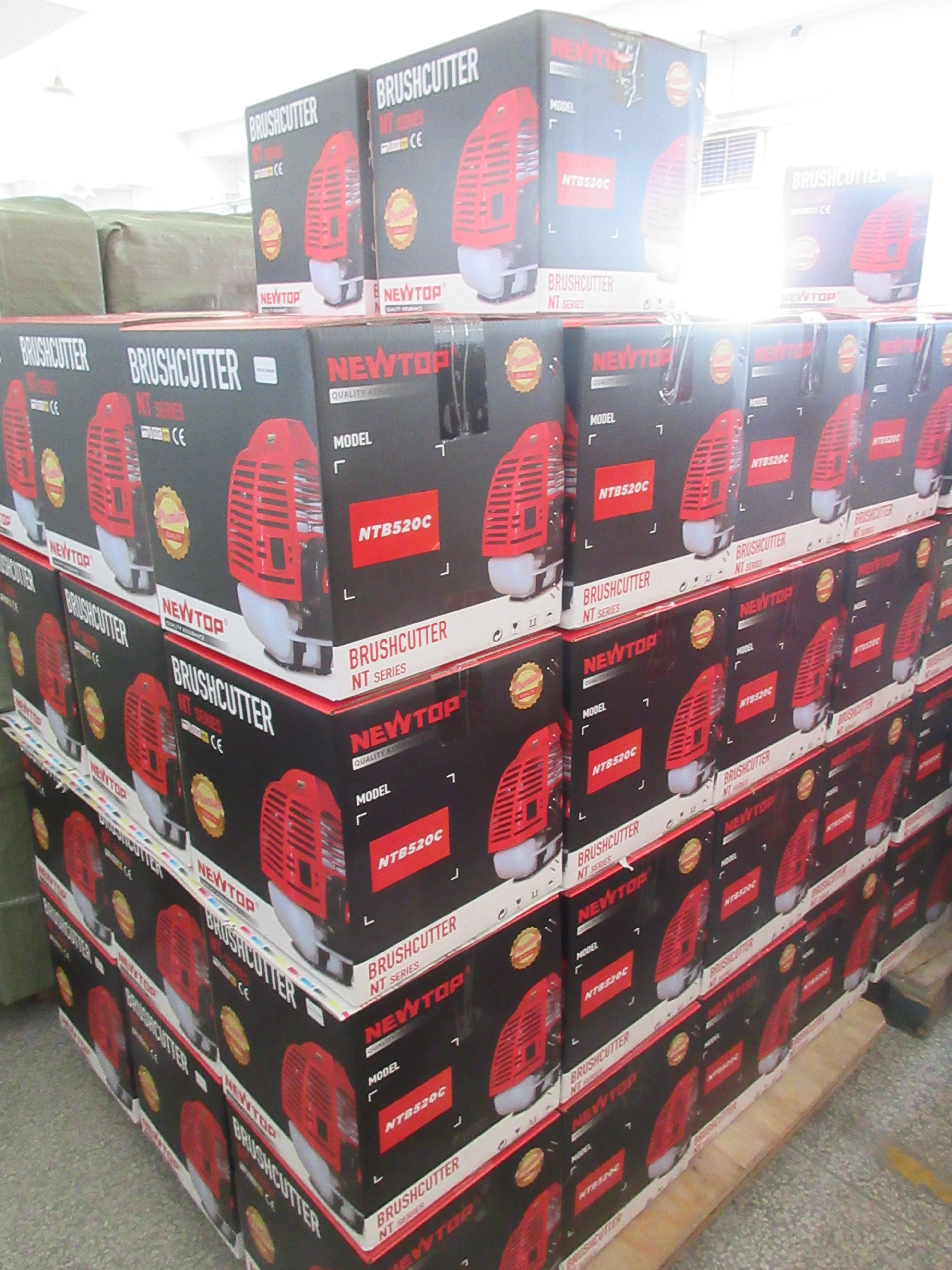
Once the container doors close, your leverage closes with them. Every problem found at the destination — the chainsaw that won’t start, the sprayer without its wand, the carton crushed in transit — gets negotiated from the weakest position an importer can occupy. This guide lays out a pre-shipment inspection checklist for outdoor power equipment that catches those problems while they still cost a rework instead of a season.
The structure is simple: inspect at the right time, sample against a defect classification, test the machines that matter, open the cartons, and check the documents. Follow it in order and a pre-shipment inspection takes one inspector-day for a container lot — and removes the single biggest source of import surprises in this product category.
When to Inspect: During Production vs Pre-Shipment
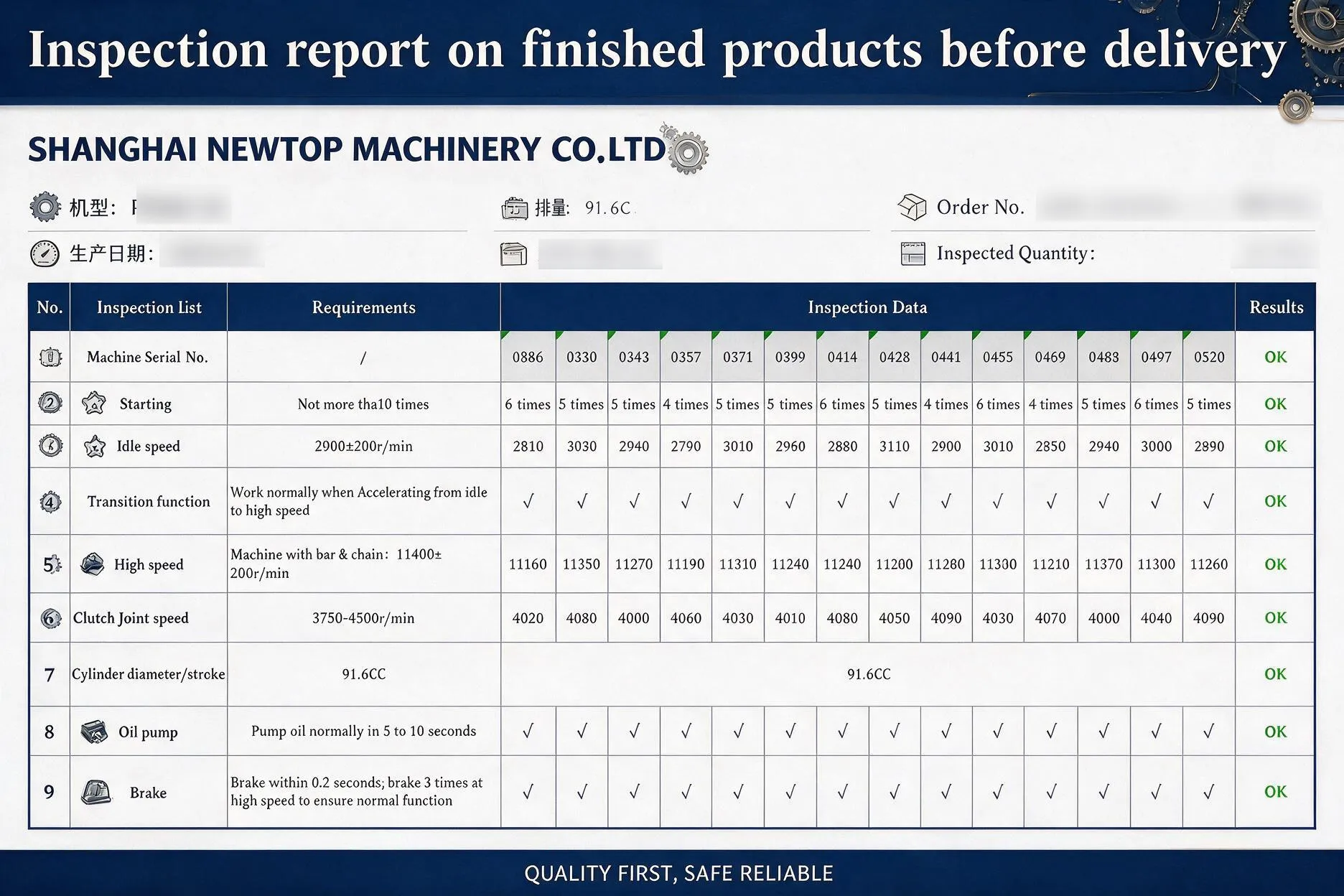
Two inspection windows serve two different purposes. A during-production check (often called DUPRO) happens when 20 A 40 percent of the order is complete; it catches systemic problems early — a wrong component batch, a process slip on the assembly line — while there is still time to correct the remaining production without delaying the shipment. A pre-shipment inspection (PSI) happens when the order is finished and at least 80 percent packed; it is the final gate that samples the actual lot you are paying for.
For a first order from a new supplier, run both: the during-production check protects the schedule, the pre-shipment inspection protects the payment. For established relationships with a clean history, a PSI on every shipment with periodic during-production spot checks is the usual rhythm — and patrol inspection between those points keeps the floor honest, as our own quality control process does across every production run.
AQL Sampling in Plain Terms
You will not test every unit in a 1,000-piece order, and you do not need to — you need a statistically defensible sample. That is what AQL (Acceptable Quality Limit) sampling provides, standardized in ISO 2859-1. The mechanics: your lot size and inspection level determine a sample size from the AQL tables; you inspect that sample and classify every defect; the lot passes or fails against acceptance numbers you agreed in advance. For consumer and garden machinery, importers commonly set AQL 2.5 for major defects and 4.0 for minor defects, with zero tolerance for critical ones.
The classification matters more than the numbers, because it is where arguments get settled in advance:
| Defect class | Definizione | Garden machinery examples |
|---|---|---|
| Critical | Safety risk or regulatory non-compliance | Chain brake fails to stop the chain; missing guard; fuel leak; missing required certification marks |
| Major | Affects function or usability; likely return | Engine fails to start; chain tensioner skips; sprayer pressure below spec; missing accessories |
| Minor | Cosmetic; unlikely to trigger return | Surface scratches; label misalignment; carton dents; manual print blemishes |
Agree on the class definitions and the AQL levels in the purchase order itself. An inspection without pre-agreed acceptance criteria produces a report, not a verdict.
Functional Tests Every Unit in the Sample Should Pass
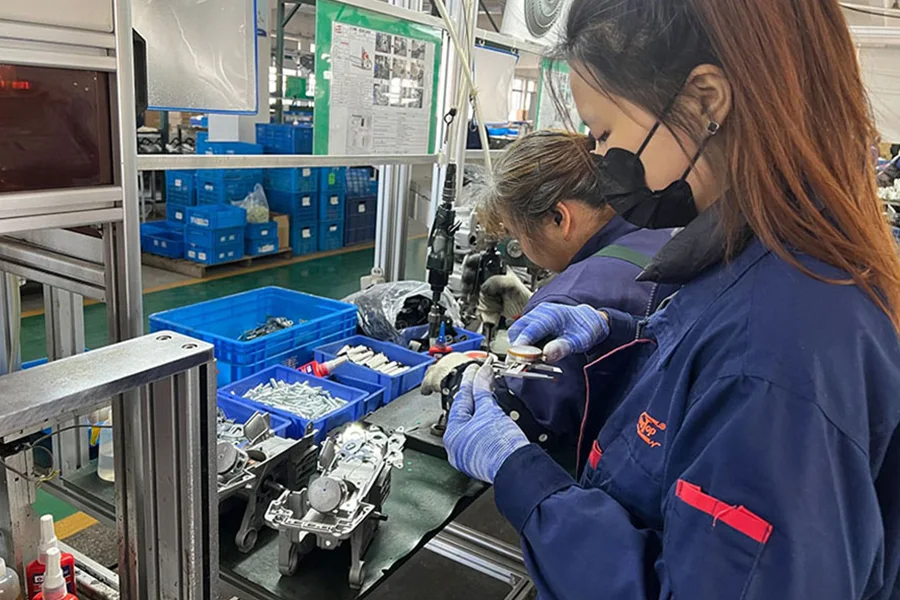
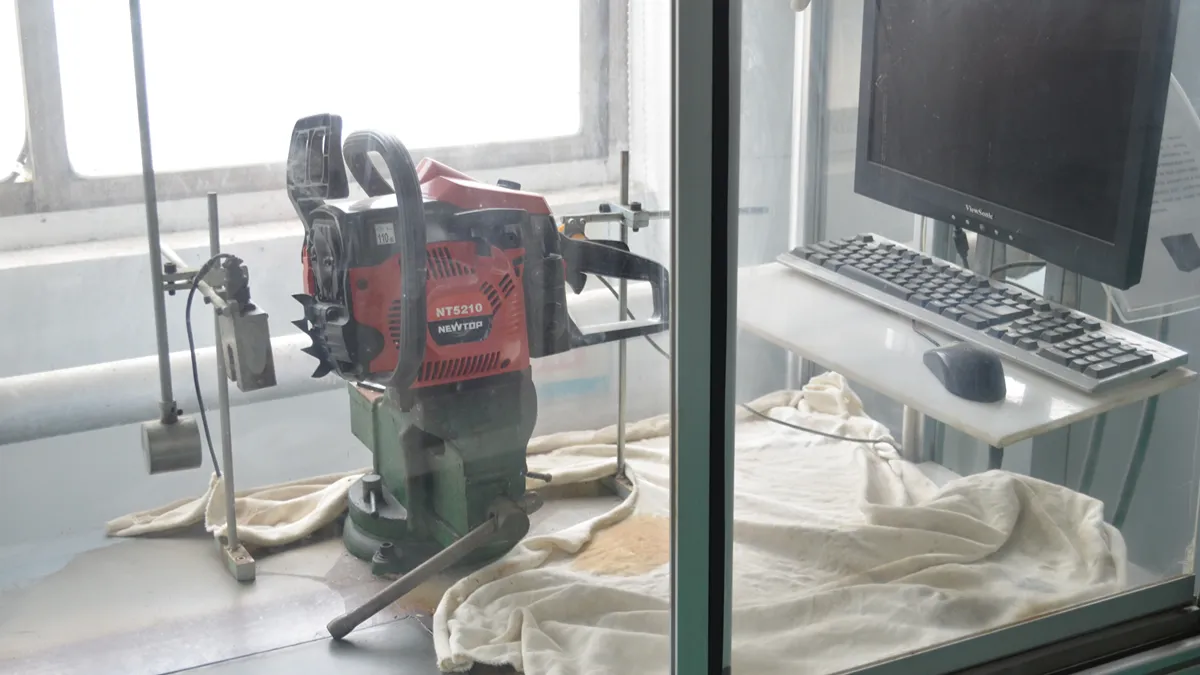
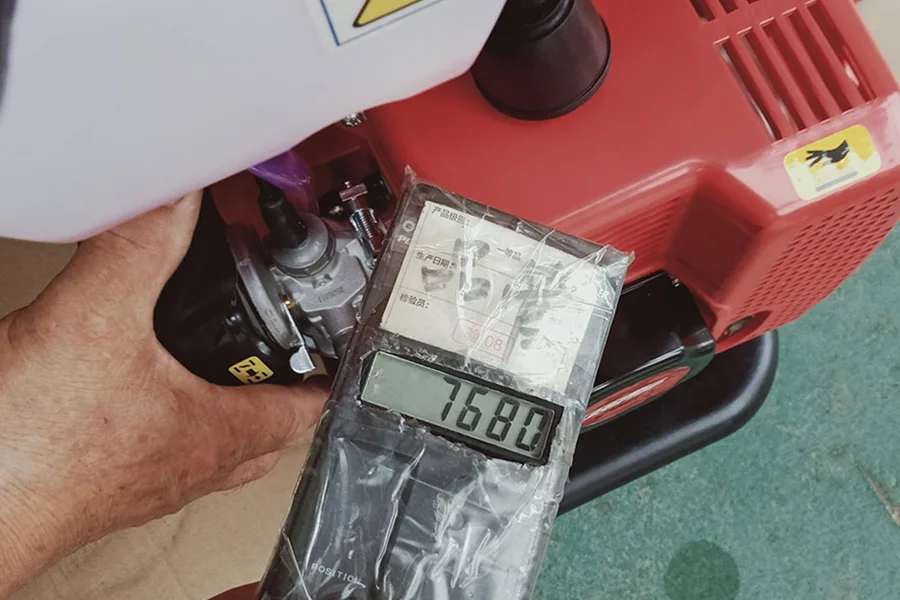
The functional test list is where an inspection earns its keep, and for gasoline-powered outdoor equipment the core tests are non-negotiable: every sampled unit starts cold within the specified pull count, idles without stalling, takes full throttle cleanly, and shuts down with the stop switch. For chainsaws, add the chain brake test — the brake must stop the chain within specification — plus throttle lockout and chain catcher checks. For brush cutters, verify harness and guard fitment; for sprayers, pressure and spray pattern against the rated spec; for generators, voltage stability under load.
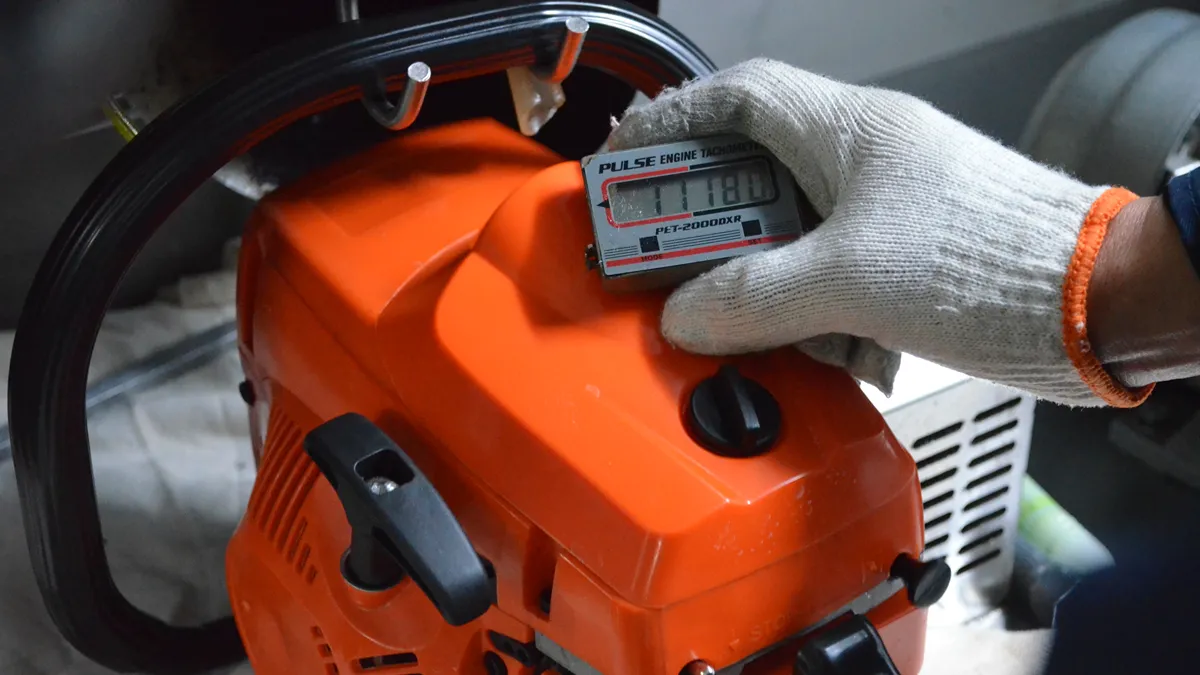
These are the same tests a supplier’s line should run on 100 percent of units before packing — asking for the factory’s internal test records alongside the inspection is how you confirm both layers agree. Our guide on gasoline engine quality for professional buyers details what these tests reveal about long-term durability.
Assembly and Packaging Checks
Half the defects importers discover at destination are assembly and packaging issues that a five-minute carton check would have caught. The checklist:
- Assembly completeness — guards, handles, and fittings correctly installed and torqued; no loose parts rattling in the housing.
- Accessory kit per pack list — bar, catena, file, harness, ugelli, or funnels as the order specifies, present and counted.
- Marks present — CE marking and noise label where applicable, EPA emission label on certified engines, rating plates legible and matching the model.
- Carton condition — export-grade board, correct cube dimensions, no compression damage; carton drop-test records for the packaging spec.
- Manual and documentation in box — correct language version, correct model, warranty card if part of the program.

The Document Check
A shipment that tests well but ships with broken paperwork still fails at customs or at the dealer. Close every inspection by collecting the document set: the pre-delivery inspection report with results per sampled unit, photos of the marks and labels on the actual production units, the packing list matching the container plan, and the Declaration of Conformity and certificate references for the models in the lot. Al NEWTOP, every shipment leaves with this documented inspection trail — the quality control process page shows what that system looks like behind the report.
Who Should Inspect: Supplier QC, Third Party, or You
Supplier QC is the baseline, not the alternative — it runs on every unit, every day, and no external inspection replaces it. Third-party inspection adds an independent verdict on the specific lot before payment milestones release, at a cost that is a rounding error against a container. Buyer visits build relationship knowledge but happen rarely and sample less than a professional inspector will. The practical formula: supplier QC on everything, third-party PSI on every shipment from a new supplier and on a sampling rhythm for established ones, and your own visits when the program size justifies the trip.
Domande frequenti
What does AQL 2.5 mean in practice?
It caps accepted major defects at 2.5 percent for the sampled lot. The AQL tables set the sample size by lot size — a 1,000-unit order at normal inspection level samples 80 units — and the lot fails if major defects exceed the acceptance number for that sample.
Can I rely on the factory’s own QC instead of third-party inspection?
For an established supplier with audited systems, SÌ. For a new supplier or a first order, add an independent pre-shipment inspection — the fee is trivial against the container value, and the inspection result gives your payment milestone something objective to attach to.
How long does a pre-shipment inspection take?
Typically one inspector-day for a container lot, including functional testing of the sample, carton checks, and report writing. Book it against the ex-factory date with a few days of buffer so rework, if needed, does not move your vessel.
What happens if the inspection fails?
The supplier reworks or replaces the affected units and the lot is re-inspected — which is why the re-inspection terms and who pays belong in the purchase order. Tying the balance payment to inspection pass converts the report from advice into leverage.
Which tests matter most for gasoline chainsaws?
Cold start within the specified pull count, chain brake stop within specification, throttle lockout function, chain catcher presence, idle stability, and hot restart. All are safety-adjacent, so any failure belongs in the critical or major class — never negotiated into the minor column.
A pre-shipment inspection is one working day that stands between a container you trust and a container you argue about. Define the defect classes, sample against AQL, test the functions that matter, open the cartons, and take the documents — then close the doors.
Sourcing outdoor power equipment you will not have the chance to inspect yourself? Explore the NEWTOP product range or talk to our team about distribution terms — every shipment we send leaves with its inspection report attached, and we welcome third-party inspectors on any order.
Two importers request quotations for what looks like the same 52cc chainsaw. One quote comes back at a price the other can’t match — and neither quotation explains why. This guide breaks down what actually drives the price of outdoor power equipment in bulk orders, so the next time two numbers land in your inbox, you will know which one to interrogate and which one to order.
The honest summary: most of the price difference between two “identical” machines is invisible on the quotation line. It sits in the engine tier, the certification status, the order volume, the packaging specification, and the trade terms. Buyers who read those five variables negotiate from information; buyers who read only the bottom line negotiate from hope.
The Cost Stack Behind an Ex-Works Price
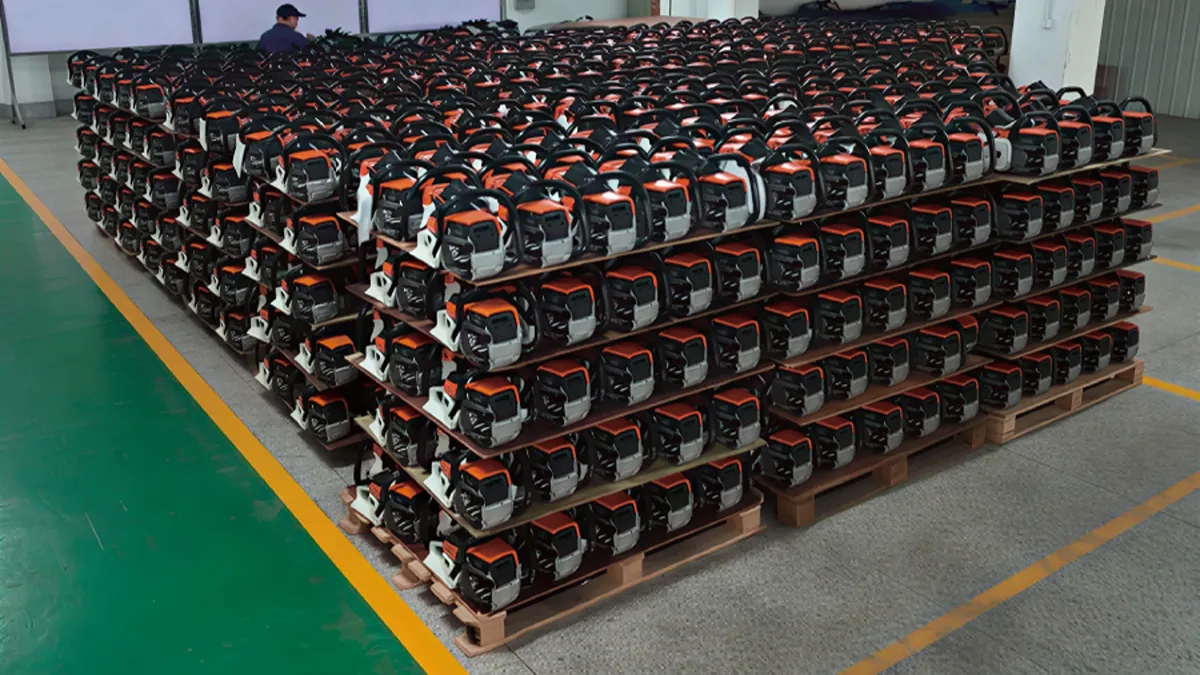
Every quotation for a gasoline chainsaw, brush cutter, spruzzatore, or generator is assembled from the same stack of cost components. What separates machines is the specification inside each layer.
| Cost component | What moves it |
|---|---|
| Engine and core components | Displacement class, engine tier, carburetor quality, ignition and cylinder materials |
| Housing, hardware, and accessories | Plastic grade, bar and chain spec, metal vs plastic fittings, included accessories |
| Certification status | Tested and certified configuration vs uncertified lookalike; EPA-certified engine family |
| Packaging and labeling | Export carton spec, color box printing, manual language versions, compliance labels |
| Labor and factory overhead | Assembly depth, testing per unit, quality control, factory scale |
| Volume and terms | Order quantity tiers, trade terms (EXW/FOB/CIF), payment terms, currency |
The Engine Is the Largest Single Variable
Ask two suppliers to price the “same” 45cc brush cutter and the first question to ask each of them is: which engine, and which carburetor? Engine displacement defines the class, but within one displacement the parts tier moves the price meaningfully — cylinder and crankshaft materials, carburetor sourcing tier, ignition module quality, air filtration. A machine built for seasonal residential use and one built for daily agricultural work can share a displacement figure and nothing else.
This is also where the durability conversation starts. A professional buyer evaluating engines looks past the spec sheet to the quality signals — our article on what professional agricultural machinery buyers look for in gasoline engine quality covers that evaluation in detail. The price you should compare is not per machine; it is per season of reliable service.
Certification Status Is Priced Into Every Unit
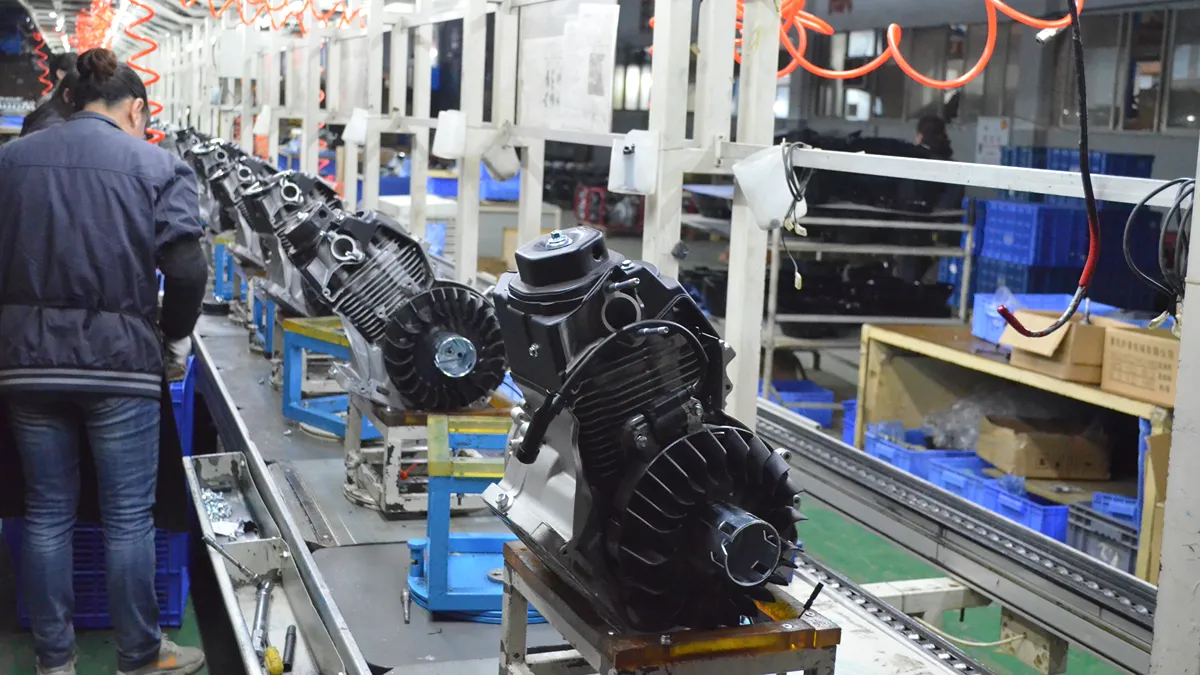
A certified machine carries costs an uncertified lookalike does not: testing, certification maintenance, factory audits, compliance labeling, and the engineering discipline of staying inside a certified configuration. When one quotation undercuts another by a margin that seems too good, certification is one of the first places the difference hides — along with the engine tier. An uncertified machine is not a discount; it is a different product that may not legally enter your market at all, which is why the certification conversation belongs before the price conversation, not after.
For the United States specifically, the EPA status of the engine family shapes both price and lead time: engines already inside a certified family carry the compliance cost in the unit price, while a configuration requiring new certification adds months and real money. Confirm the certification scope in writing as part of the quotation, not as a verbal assurance.
Order Volume, MOQ, and the Price Breaks
Volume pricing is real but structured. Quotations typically step down at volume tiers because fixed costs — production setup, packaging print runs, documentation, inspection — spread across more units. What surprises first-time buyers is how much of the tier effect comes from their own specifications: a full container of one model prices better than a mixed container of six, and standard packaging prices better than a custom color box ordered in small print runs.
The corollary: your first container will rarely be your best unit price, and that is fine. The first order buys market information — which models move, which specs your dealers request — and the reorder, placed against confirmed demand at higher volume, is where the pricing conversation gets serious. Pricing behavior differs by product category too; our analysis of what drives gasoline generator prices shows how the same volume logic plays out on a higher-ticket product.
Packaging, Labeling, and Language Versions
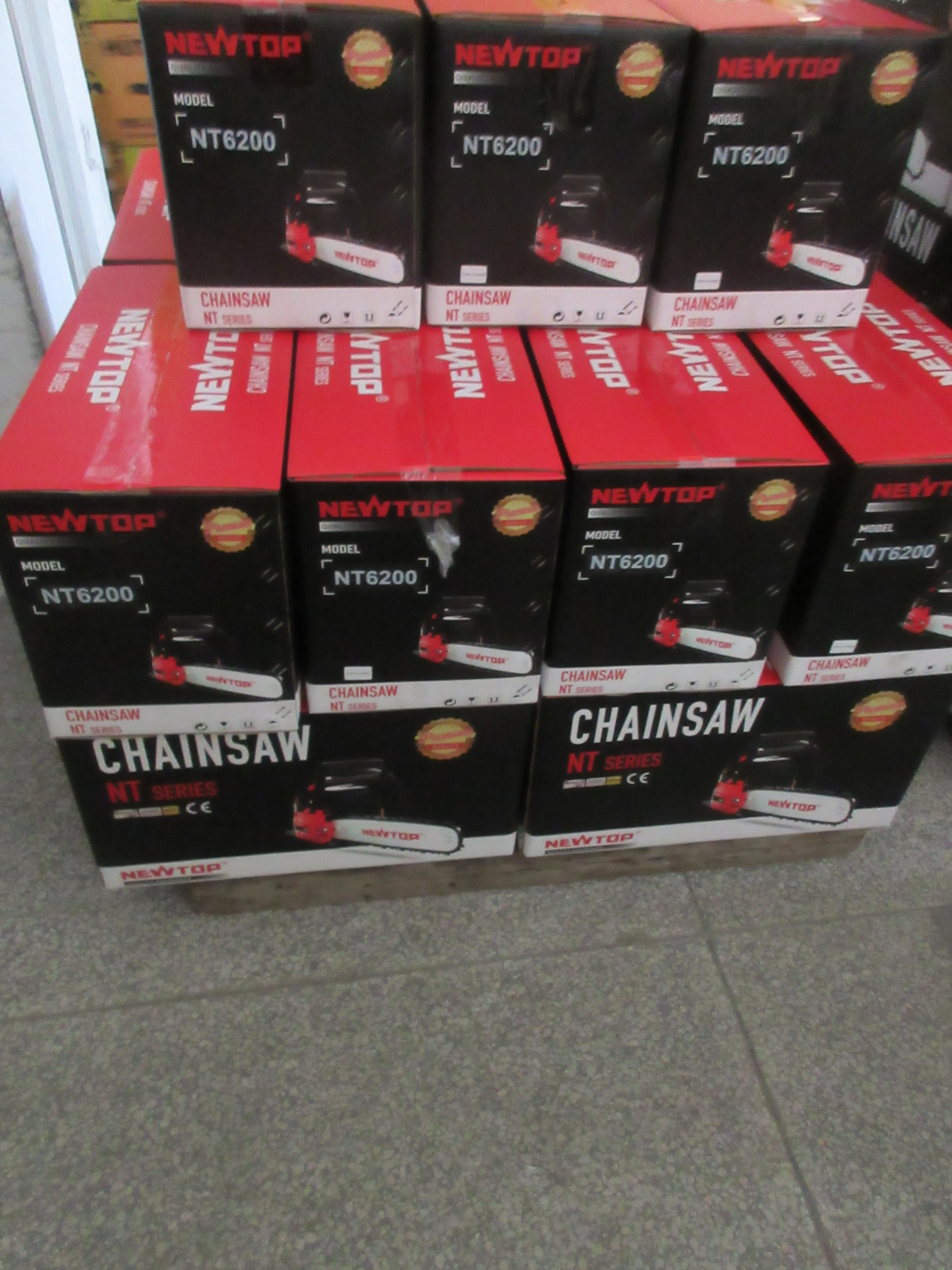
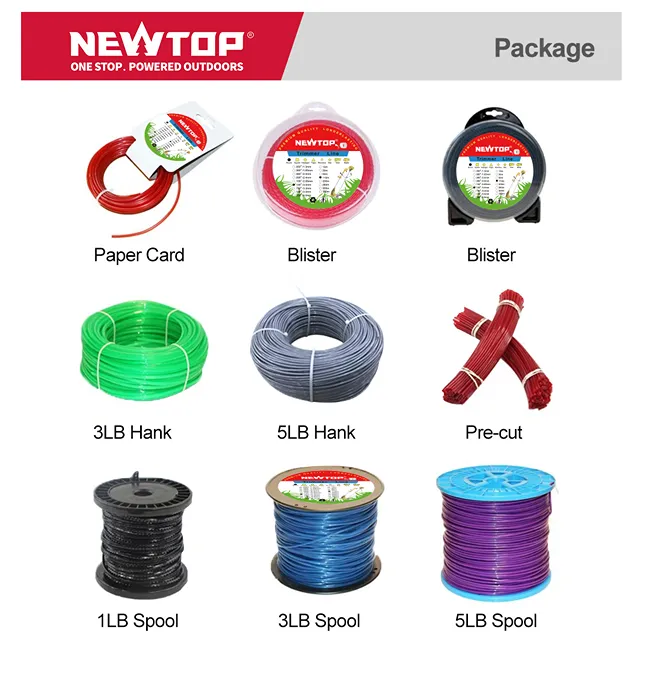
Packaging is a price line that starts small and grows with ambition. A standard brown export carton with a generic manual is the baseline most quotations assume. A printed color box adds print-plate and per-unit costs that shrink at volume; multi-language manuals, market-specific compliance labels, and branded accessory kits each add another line. None of these are reasons to skip them — shelf presence sells — but they are reasons the quotation from a supplier who asked about your packaging specification is more accurate than the one who assumed the cheapest default.
Trade Terms and Freight: What EXW, FOB, and CIF Actually Change
Three letters change who pays for what, and comparing quotations on different trade terms is comparing different products. EXW (ex-works) is the bare machine at the factory gate — you arrange and pay for inland transport, export clearance, and freight. FOB (free on board) adds the supplier’s local logistics and export clearance to the port of loading. CIF adds insurance and freight to your destination port. The machine’s ex-works value does not change across the three; the service scope does.
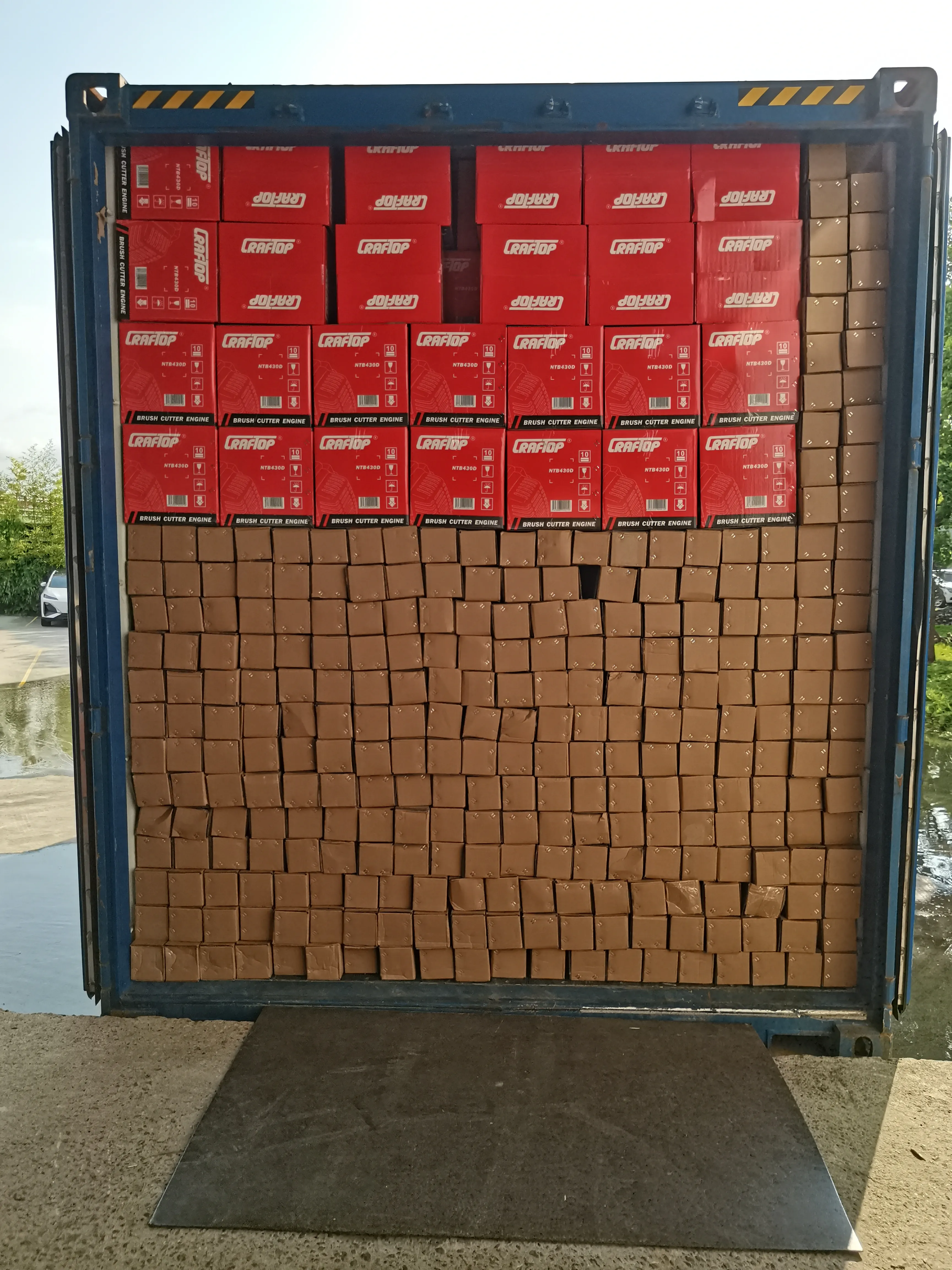
Freight itself deserves its own line in your landed-cost math. Outdoor power equipment is dense, heavy cargo, and container utilization — how many units and cartons fit, how pallets stack — moves your per-unit logistics cost more than most buyers expect. A supplier who packs containers weekly for your lane can usually suggest carton and pallet configurations that measurably improve utilization.
Why the Lowest Quote Is Rarely the Cheapest Order
The final component of the cost stack is the one that never appears on the quotation: the cost of getting it wrong. A machine that fails in the field generates warranty claims, replacement shipments, dealer friction, and channel reputation damage that costs more than the original margin. A supplier who tests every engine, runs a documented quality control process, and stands behind parts availability prices that discipline into the unit — and for a distributor building a brand, that discipline is the cheapest line in the stack.
So read the quotation the way an experienced importer does: engine tier, certification scope, packaging specification, trade terms, and the quality system behind it. Then compare. The cheapest order is the one that arrives right, sells through, and reorders without arguments.
Domande frequenti
What is a realistic MOQ for a first bulk order?
For established certified models, suppliers commonly accept mixed-model containers with modest quantities per SKU. Bespoke configurations and ODM projects carry multiples of that. Ask the supplier to state MOQ per model and per configuration in writing before you build your assortment.
Why is FOB usually quoted instead of EXW?
FOB includes local transport and export clearance, which most buyers want the supplier to handle. EXW hands those steps to you and your forwarder. The machine’s ex-works value does not change between the two — only the service scope around it does.
Do quoted prices include certification costs?
For standard models, yes — the manufacturer maintains the certificates and that cost sits inside the unit price. If your customization moves the product outside the certified configuration, new testing and certification is quoted separately. Confirm the certification scope in the quotation itself.
How much does custom packaging add to the price?
A printed color box and branded manual add a modest per-unit cost at container volumes, driven mainly by print run size and carton material. Brown-box export packaging is the baseline most quotations assume, so ask which one the number in front of you includes.
When is the best time to negotiate on price?
After the specification and certification scope are fixed. Negotiating on a moving specification produces quotes that get repriced anyway. Lock the configuration first, then negotiate volume tiers, payment terms, and freight against a stable baseline.
Pin down the engine tier, the certification scope, the packaging, and the terms, and the quotations you receive become comparable. Skip that step, and the only thing you have compared is which salesperson rounds down more aggressively.
Comparing quotations now? Send us your specification and destination market through our product range page or ask about our distributor terms — we quote the configuration, not the illusion of one.
“Can I put my brand on this?” E “can you build a machine to my spec?” sound like variations of the same question. They are not — they lead to different tooling investments, different minimums, different lead times, and very different certification obligations. This guide separates OEM from ODM as they actually work on outdoor power equipment lines, so you can pick the right level of customization before the development clock starts running.
The one-paragraph version: OEM means the manufacturer customizes an existing, already-certified platform for your brand — logo, colors, confezione, model naming — while the machine underneath stays proven. ODM means the manufacturer develops or substantially modifies the product for you: new engineering, new molds, new testing, and a certification process that starts closer to zero. Most distributors should start with OEM. Some genuinely need ODM. The expensive mistake is choosing ODM when OEM would have carried the brand just as far.
OEM and ODM in Plain Terms
| Dimension | OEM — customize an existing platform | ODM — develop or modify the product |
|---|---|---|
| Basis | Proven, already-certified model | New engineering or substantial modification |
| Typical changes | Logo, colors, confezione, manuale, model naming | Engine config, ergonomia, new housings, new molds |
| Certificazione | Rides on existing certificates for the configuration | New testing and certification cycle for the changed product |
| MOQ | Standard model minimums | Multiples of standard — tooling must amortize |
| Lead time | Production schedule | Development + testing + certification, then production |
| Best fit | Brand building on proven hardware | Product differentiation the catalog cannot offer |
What OEM Means on an Outdoor Power Equipment Line
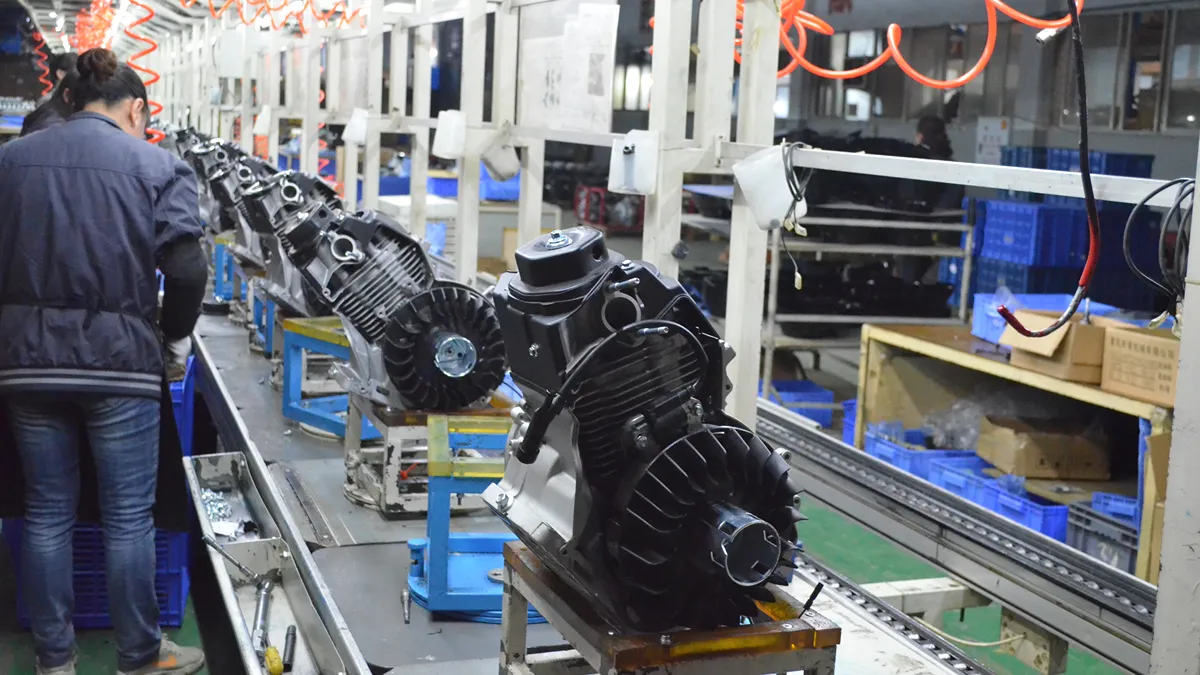
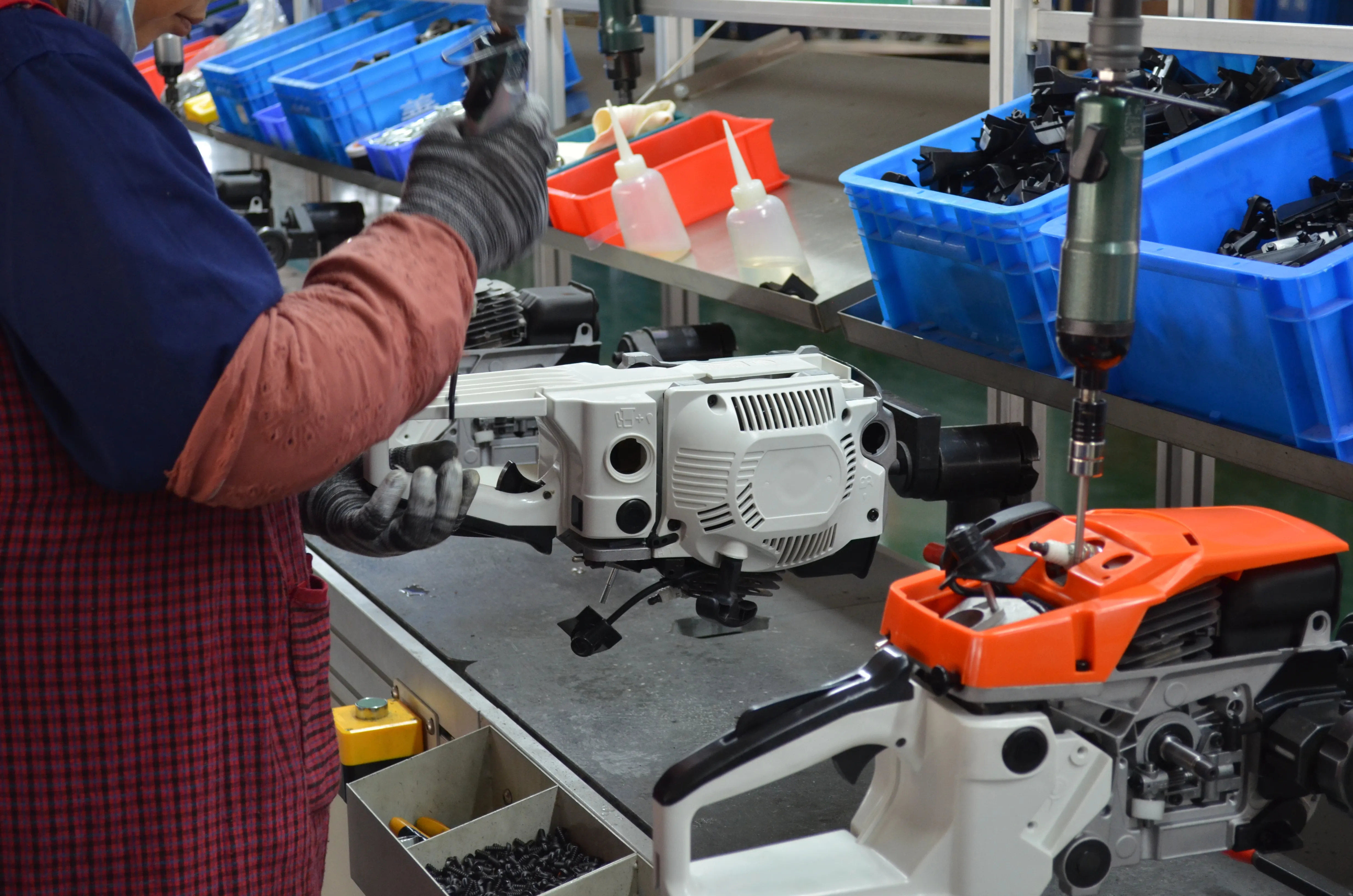
OEM is how most private-label outdoor power equipment actually gets made, and it is faster than buyers expect because the hard work already exists. The platform — engine, housing, cutting system, safety features — is in production, certified, and proven across a fleet of units in real markets. Your program adds the brand layer: your logo on the housing and packaging, your color scheme where the process allows, your model naming, your manual, your warranty card. On an established line this is a production-planning exercise, not an engineering project, which is why an OEM first order can ship on the same timeline as a factory-branded one.
The discipline OEM demands is choosing the right platform, not designing one. A distributor selling to smallholder farmers should not private-label the same machine as a municipal landscaping contractor, no matter how good the logo looks on both. Start from the market’s duty cycle, then pick the certified platform that matches it.
What ODM Changes — and What It Costs You
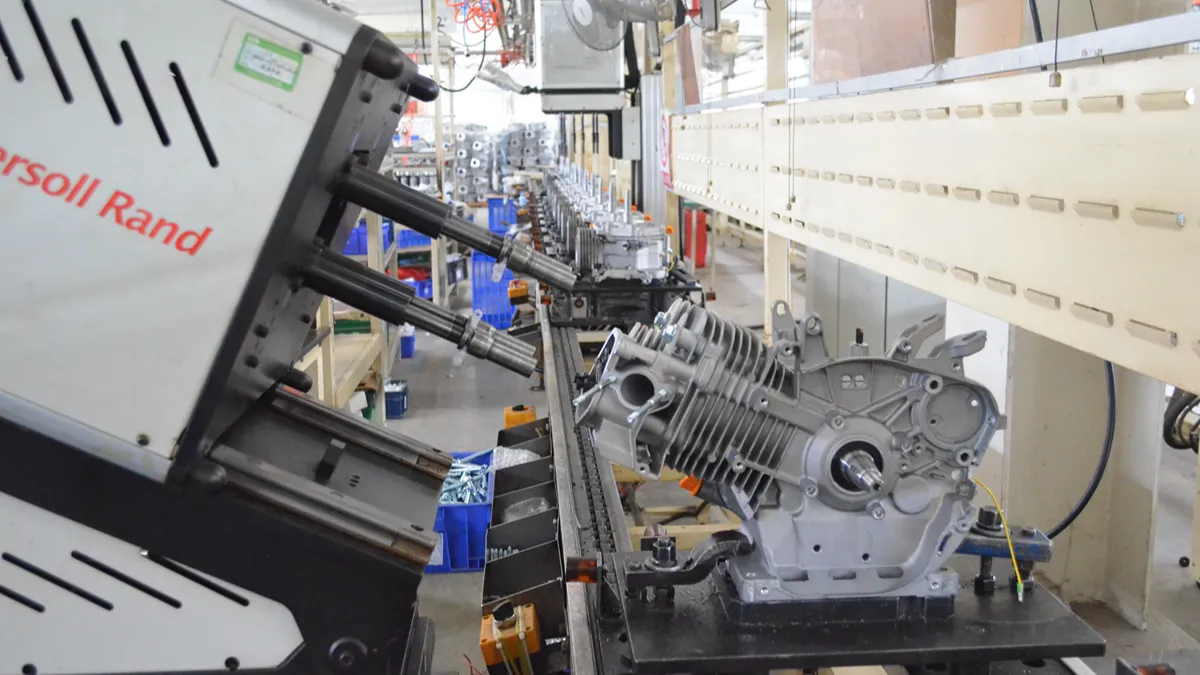
ODM is the right answer when the market needs something the existing catalog cannot offer: a different engine configuration for local fuel quality, an extended pole reach, a housing redesign for a specific duty cycle, or a feature combination no platform carries. What it costs is schedule and certainty. Engineering changes ripple — a new housing means new molds, a modified engine configuration means new testing, and any change that moves the product outside its certified configuration triggers a new certification cycle before the product can enter regulated markets.
Budget ODM programs in phases, not in a single lead-time promise: development and sampling, then testing and certification, then pilot production, then volume. Distributors who plan this way treat the ODM project as a product launch with a budget; distributors who do not treat it as a delayed OEM order and are disappointed by both the timeline and the invoice.
The Certification Question Most Buyers Discover Too Late
Here is the question that separates smooth OEM programs from painful ones: whose certificate covers the machine you ship? On an OEM program, the answer is the factory’s — the existing certificates cover the platform configuration, and your branding does not change the hardware. The documentation set should still be updated so your brand, model names, and the responsible economic operator are consistent for your market, and a transparent manufacturer handles that as part of the program.
On an ODM program, the changed configuration needs its own testing and certificates, and that cost and timeline belong in the project budget from day one. This is exactly why we tell buyers to confirm certificate scope per model before development starts — you can review what a documented portfolio looks like on our certificates and patents page. A distributor in a regulated market who skips this step is not customizing a product; they are pre-ordering a compliance problem.
MOQ and Tooling Economics
The MOQ gap between OEM and ODM is not a sales tactic — it is arithmetic. OEM rides on volumes the factory already produces, so your minimum is close to the model’s standard MOQ. ODM adds tooling that must amortize across your order: molds, fixtures, test setup, and certification fees are largely fixed costs, and they land on the first container unless the agreement spreads them. That is why ODM minimums run at multiples of OEM minimums for the same product category.
The pragmatic path for most distributors is staged: launch the brand with OEM on certified platforms, learn what the market actually asks for, and commission ODM development for the one or two models where differentiation pays for the tooling. Packaging is the middle ground — a fully custom color box and branded manual are OEM-level costs with ODM-level brand impact.
When to Choose Which: A Decision Framework
| Your situation | Better fit | Why |
|---|---|---|
| Entering a new market with an untested brand | OEM on certified platforms | Speed and proven hardware while demand is still a hypothesis |
| Established demand and brand equity in-market | ODM for differentiating models | Volume exists to amortize tooling; margin justifies development |
| First container headed to a regulated market | OEM, strictly | Existing certificates de-risk market entry paperwork |
| A feature combination no platform offers | ODM | The differentiation is the reason the tooling is worth it |
| Small first order, brand ambition intact | OEM with custom packaging | Brand presence now; hardware upgrade later |
How NEWTOP Runs OEM and ODM Programs
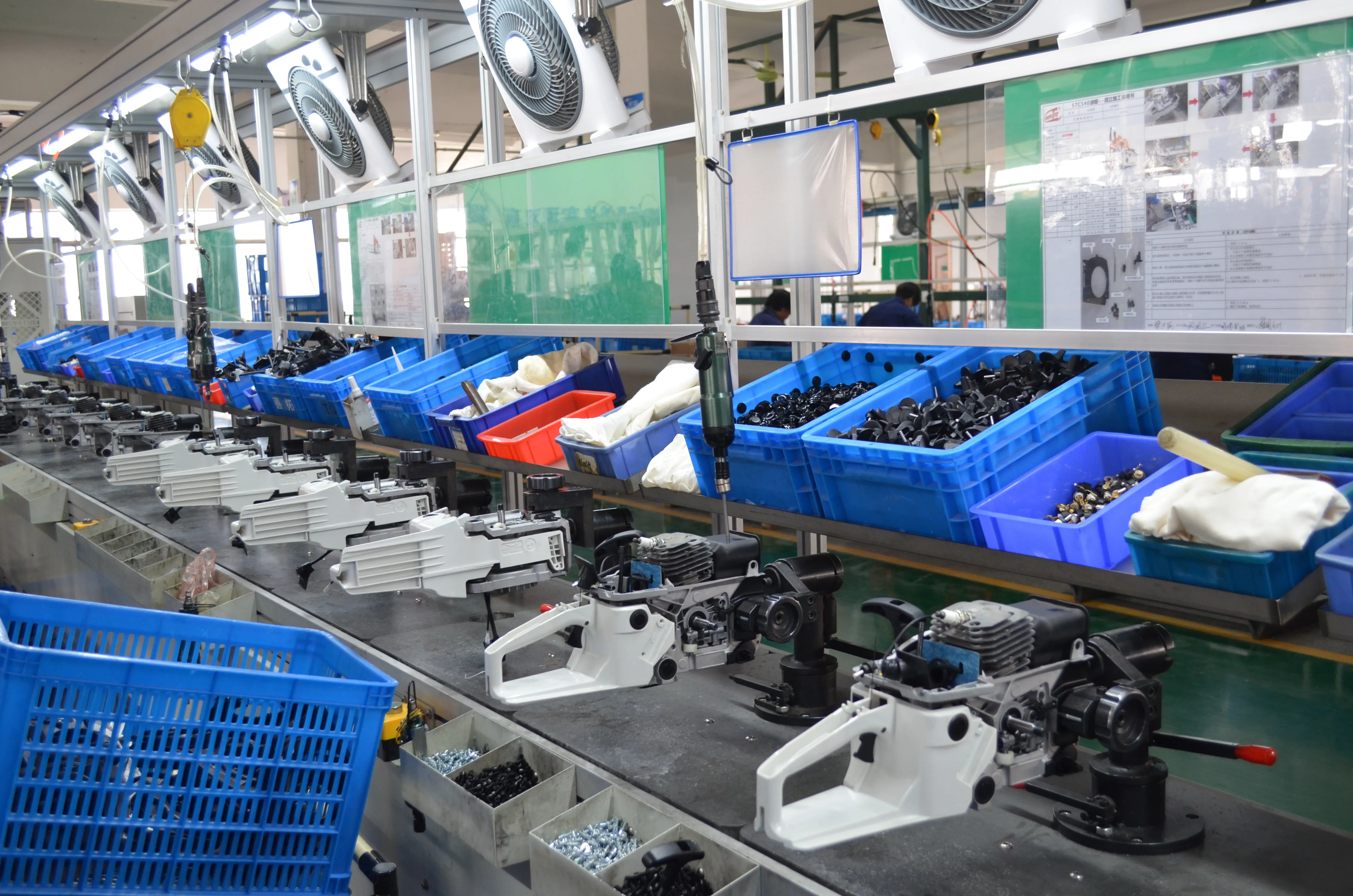
Customized and private-label work is the majority of our order book — OEM programs run on our certified chainsaw, brush cutter, spruzzatore, water pump, and generator platforms, and ODM projects go through our own engineering and tooling for buyers whose markets need configurations the catalog does not carry. Running our own NEWTOP and CRAFTOP brands keeps us honest about both sides of the table: we develop platforms the same way we develop them for partners, and a program that would not survive under our own brand does not get proposed under yours. If you are weighing a private-label launch, our distributor program page describes how the documentation and brand setup work — and our guide on choosing among distribution-oriented manufacturers covers the questions to ask any factory you evaluate.
Domande frequenti
Can I put my own brand logo on certified models?
Yes — that is standard OEM practice. The logo, colors, confezione, and manuals change while the certified platform underneath stays proven. The documentation set is updated so your branding and the responsible parties are consistent for your market.
Who owns the molds and tooling in an ODM project?
Whatever the contract says — so negotiate it before development starts. Tipicamente, buyer-funded tooling is buyer property with contractual access, which protects your program if you later move production. Put ownership, access, and transfer terms in the development agreement.
How much higher are ODM minimums than OEM?
Usually multiples of the standard model minimum, because tooling, fixtures, and certification costs amortize across the order volume. Ask the supplier to state the MOQ per configuration in writing, including what happens to the minimum if you split colors or packaging versions.
What happens to certification if I only change the color and packaging?
Cosmetic changes normally stay inside the certified configuration, so the certificates remain valid. The product markings must still follow the certification rules, and the Declaration of Conformity should reflect the shipped configuration — confirm both with the supplier before production.
Can I mix OEM and ODM in the same program?
SÌ, and most mature programs do: OEM platforms for the core range, ODM development for the one or two models where differentiation pays for the tooling. Decide per model, not per brand — the framework holds line by line.
OEM versus ODM is not a philosophy debate — it is a scheduling and budgeting decision. Choose OEM when proven hardware carries your brand far enough, commission ODM when the market rewards a configuration nobody else ships, and put the certification scope in writing before either one starts.
Planning a private-label program? Browse the platforms available for OEM programs or talk to our team about your market and volume — we will tell you honestly whether your idea is an OEM order or an ODM project.
Every sourcing trip produces the same folder: a business license, a catalog, a list of certificates, and a quotation that looks ten percent better than the last one. None of it tells you whether the company on the other end actually manufactures what you are about to buy. This guide walks through the verification process experienced importers run before placing a bulk order with outdoor power equipment manufacturers in China — five steps, in the order that catches the most problems cheapest.
The stakes are lopsided. Verification costs days and a few hundred dollars; skipping it risks a container of machines that cannot clear your market’s paperwork, a factory that disappears between the deposit and the shipment, or a “manufacturer” that was brokering from three different workshops the whole time.
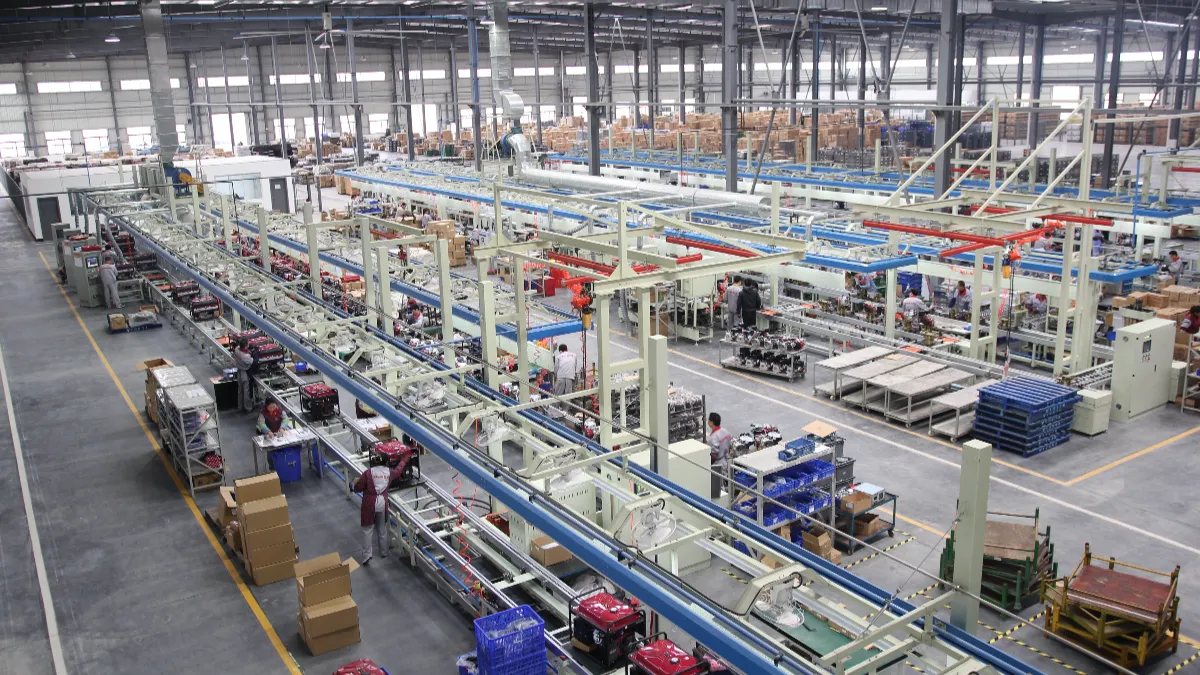
Know Who You Are Actually Talking To
The first distinction is not factory versus fraud — it is factory versus trading company, and neither is automatically wrong. A trading company can consolidate SKUs, handle communication smoothly, and consolidate several small workshops into one container. The problem is misrepresentation: paying a trading margin while believing you have factory pricing, factory engineering, and factory accountability.
China’s business license states the registered business scope. A manufacturer’s scope includes production activities — manufacturing, processing — while a pure trader lists wholesale, import, and export. Ask for the license early, read the scope, and cross-check the registered company name against everything that follows: the certificates, the audit report, the bank account. If the certificate says Company A and the quotation says Company B, you have found your first answer before any travel.
Step 1 — Verify the Business License and Export Track Record
With the license in hand, three checks take an afternoon. Primo, the registration itself: company name, legal representative, scope, and how long the entity has existed. A company registered last year presenting itself as an established factory is not automatically disqualified, but it changes the questions you ask next. Secondo, export history: customs data services can show which markets the company actually ships to and at what volumes, which is harder to fake than a reference list. Terzo, market presence: a manufacturer that claims Africa and Latin America as core markets should be able to name exhibitions attended, distributors served, and models adapted for those markets — generically “we export worldwide” is not an answer.
Step 2 — Audit the Factory On-Site or Through a Third Party
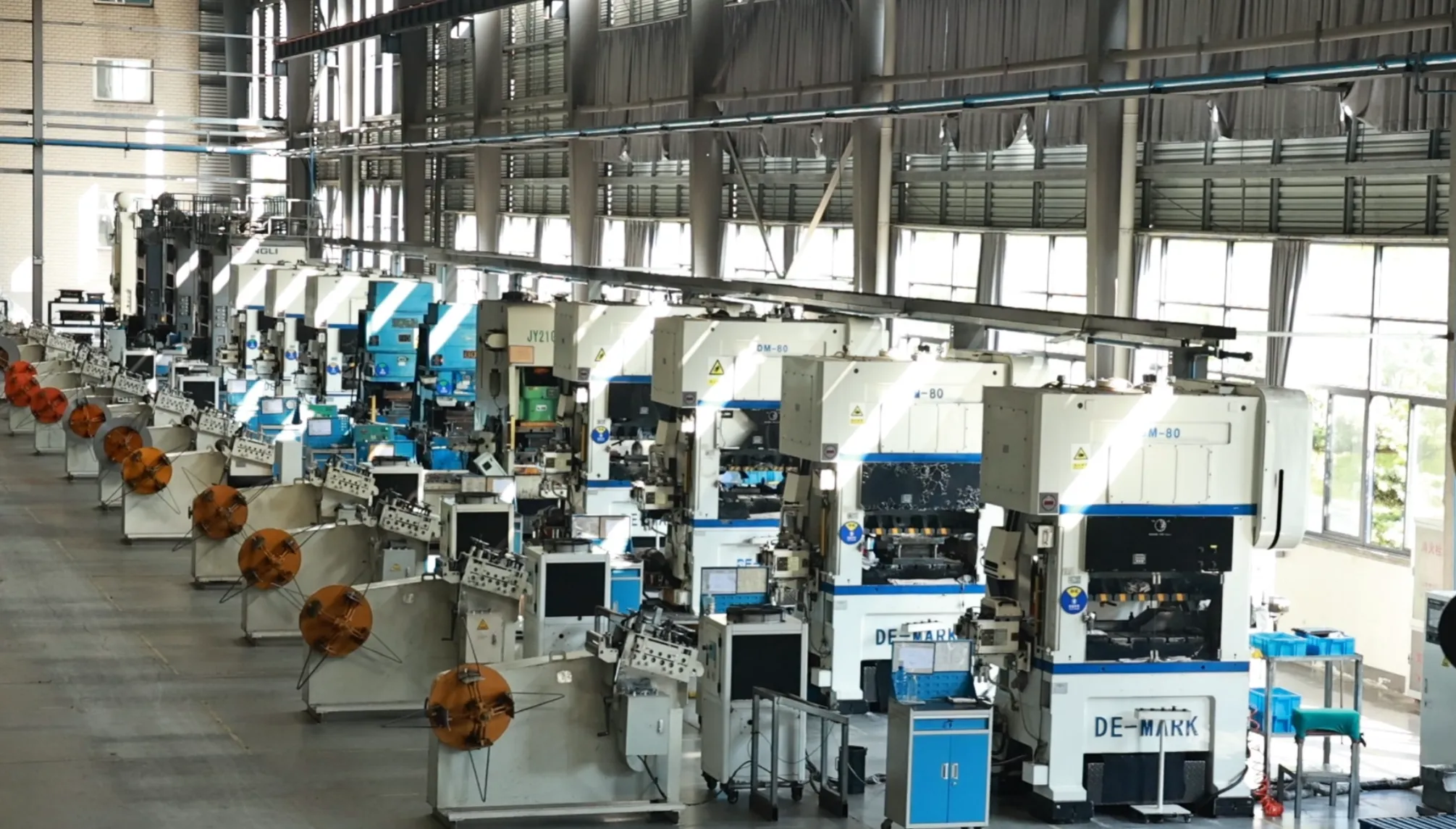
An audit is where catalog claims meet production reality. Whether you walk the floor yourself or hire a third-party inspection firm for a one-day audit, the checklist is the same, and it reads very differently from a sales visit. You are looking for evidence of manufacturing depth, not just activity.
- Assembly lines actually running — not a showroom line staged for visitors. Ask to see the line for the specific model family you are buying.
- In-house capability where it matters — machining centers, plastic injection, or winding shops indicate a factory that controls its own quality instead of assembling purchased kits.
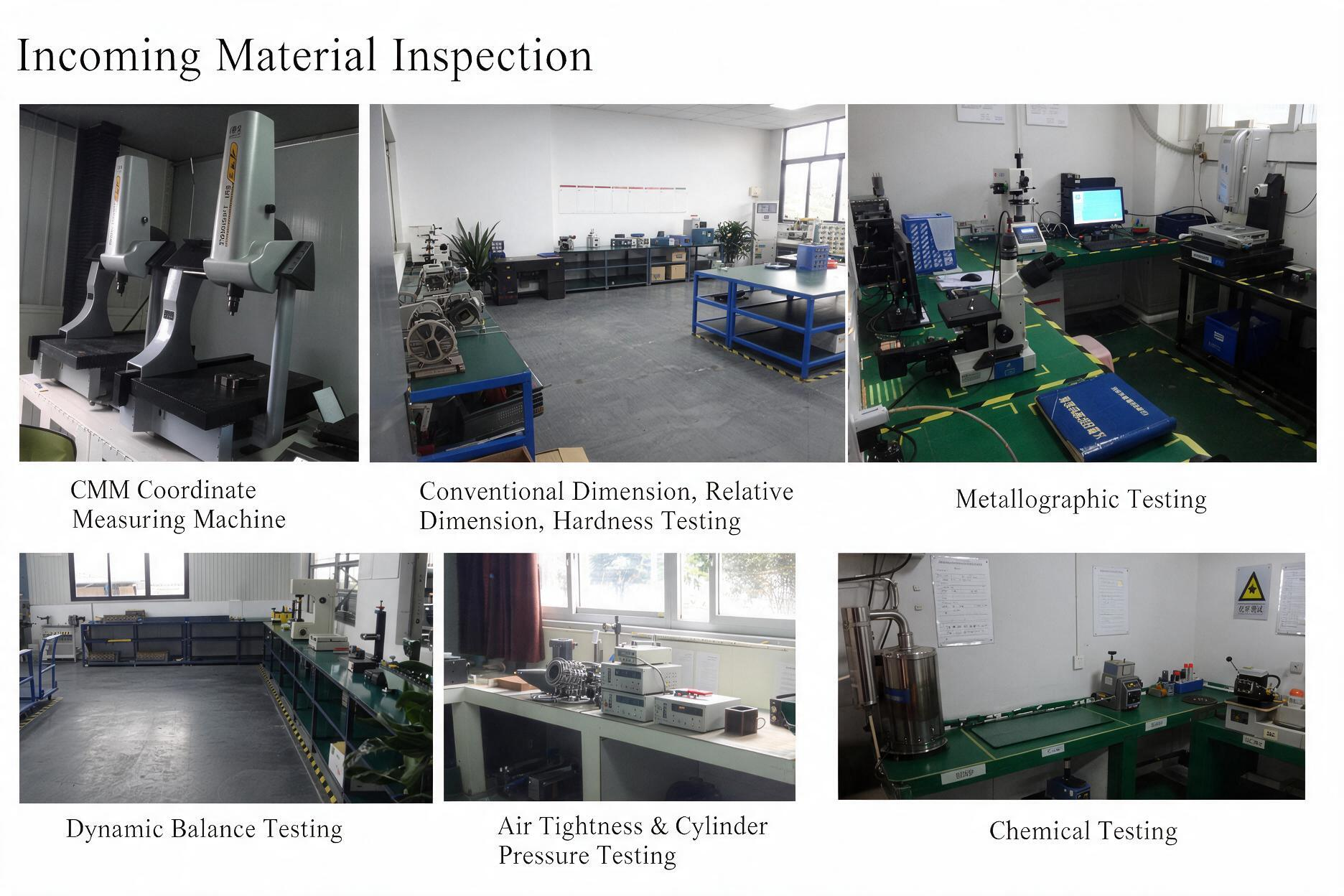
- Testing stations — engine test benches, brake test rigs, and final inspection stations. A factory without testing equipment is shipping whatever its suppliers ship.
- Warehouse and production flow — work in progress on the floor, finished goods staged for real orders, and traceability between batches and inspections.
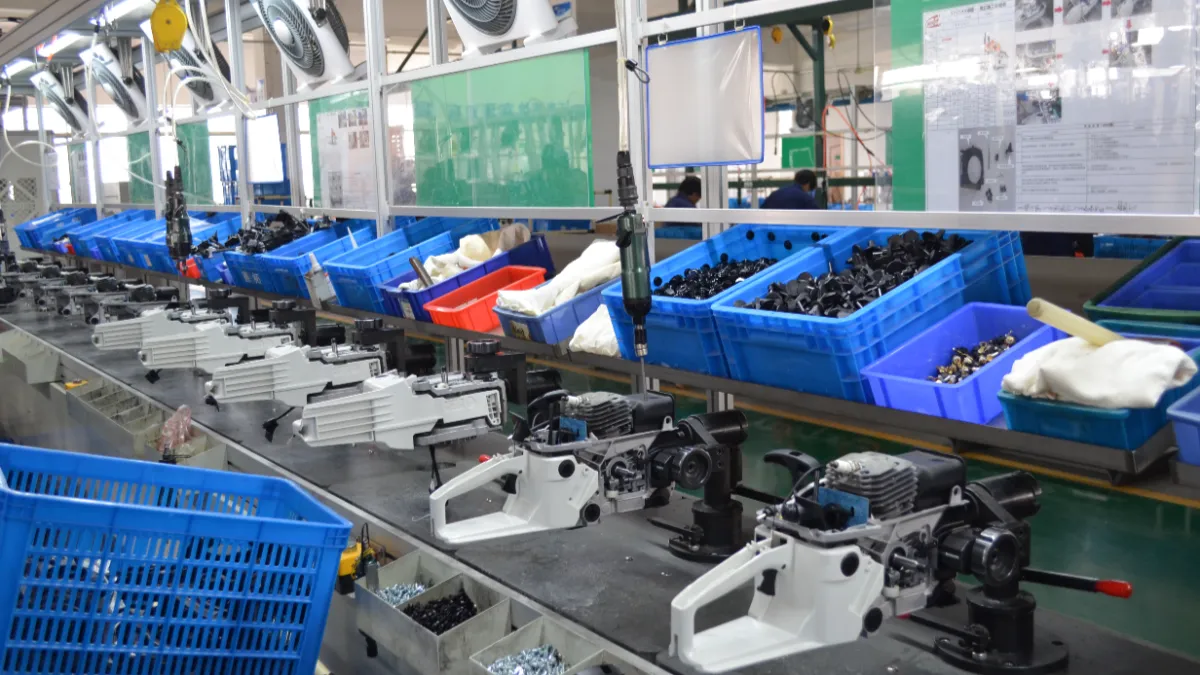
When travel is not an option, a live video audit is a workable substitute if you control the camera: ask for an unscheduled video call, walk the production line for your model, and have the host open testing stations and the warehouse on camera. What a supplier refuses to show on video usually matches what an auditor would find on site.
Step 3 — Verify Certificates Against the Models You Are Buying
Certificate verification deserves its own step because borrowed paperwork is the most common failure in this industry. The compact version of the check: request the Declaration of Conformity and the certificate for your exact model, look the certificate number up in the issuing body’s public database, confirm the model list on the certificate includes your SKU and engine configuration, and check the validity dates. A genuine certificate survives all four; a borrowed one usually fails at the model match, because factories legitimately hold certificates for their best-selling configurations and let the halo extend to everything in the catalog.
A transparent OPE manufacturer makes this step easy — publishing its portfolio, naming testing bodies, and supplying test report summaries without argument. You can see what that looks like on our certificates and patents page.
Step 4 — Test Samples From the Production Line, Not the Showroom
Showroom samples are chosen; production samples are representative. When you request samples before a bulk order, ask that they be pulled from the current production run of your model — same engine, same configuration, same packaging — and test them against a written protocol: cold start behavior, full-throttle stability, safety features such as chain brake and throttle lockout, vibration, and packaging drop tests for the export carton. A supplier confident in its production line agrees to production-pull samples without negotiation, because for a real manufacturer the sample and the container are the same product.
Step 5 — Check References and Repeat-Buyer Behavior
The final step reads the supplier’s history through other people’s orders. Ask for references in your own market or an adjacent one and actually call them — two conversations will tell you more about reorder behavior, after-sales response, and problem handling than any audit. Ask the supplier directly what share of its orders are repeat business; a factory living on new customers is telling you something. And when a factory volunteers its partner relationships openly — as we do in our article on how NEWTOP earns customer trust through quality and service — that transparency is itself a signal worth weighing.
Red Flags: When to Slow Down or Walk Away
| Red flag | Why it matters |
|---|---|
| Price far below every comparable quotation | Something is missing from the build or the paperwork — usually both |
| Refuses a video audit or third-party inspection | Legitimate factories host audits routinely; refusal is an answer |
| License scope, certificate owner, and bank account name differ | You do not know who you are contracting with — or who holds the certificates |
| Certificates never in the company’s own name | Borrowed compliance — the certificates cover someone else’s models |
| No testing equipment on the floor | Quality is whatever the parts suppliers shipped that week |
| Fast sample, vague production answers | The sample may come from a workshop that will not build your order |
| Payment only to a personal account | No corporate accountability and no recourse if the order fails |
| No answer on spare parts supply | After-sales is where machines earn their reputation — and reorders |
What a Verified Outdoor Power Equipment Manufacturer Looks Like
Run the five steps on a real factory and a consistent picture appears: one legal entity whose name matches the license, the certificates, and the bank account; production lines for its own model families with machining depth behind them; testing stations in active use; a public certificate portfolio; and export history in the markets it claims. That is what we built our verification around at NEWTOP — manufacturing outdoor power equipment since 2003, with CE, GS, APE, ETL, and ISO 9001 certification across our lines and a documented quality control process behind every shipment. Nostro company profile and factory walkthroughs are open to any buyer running this process on us.
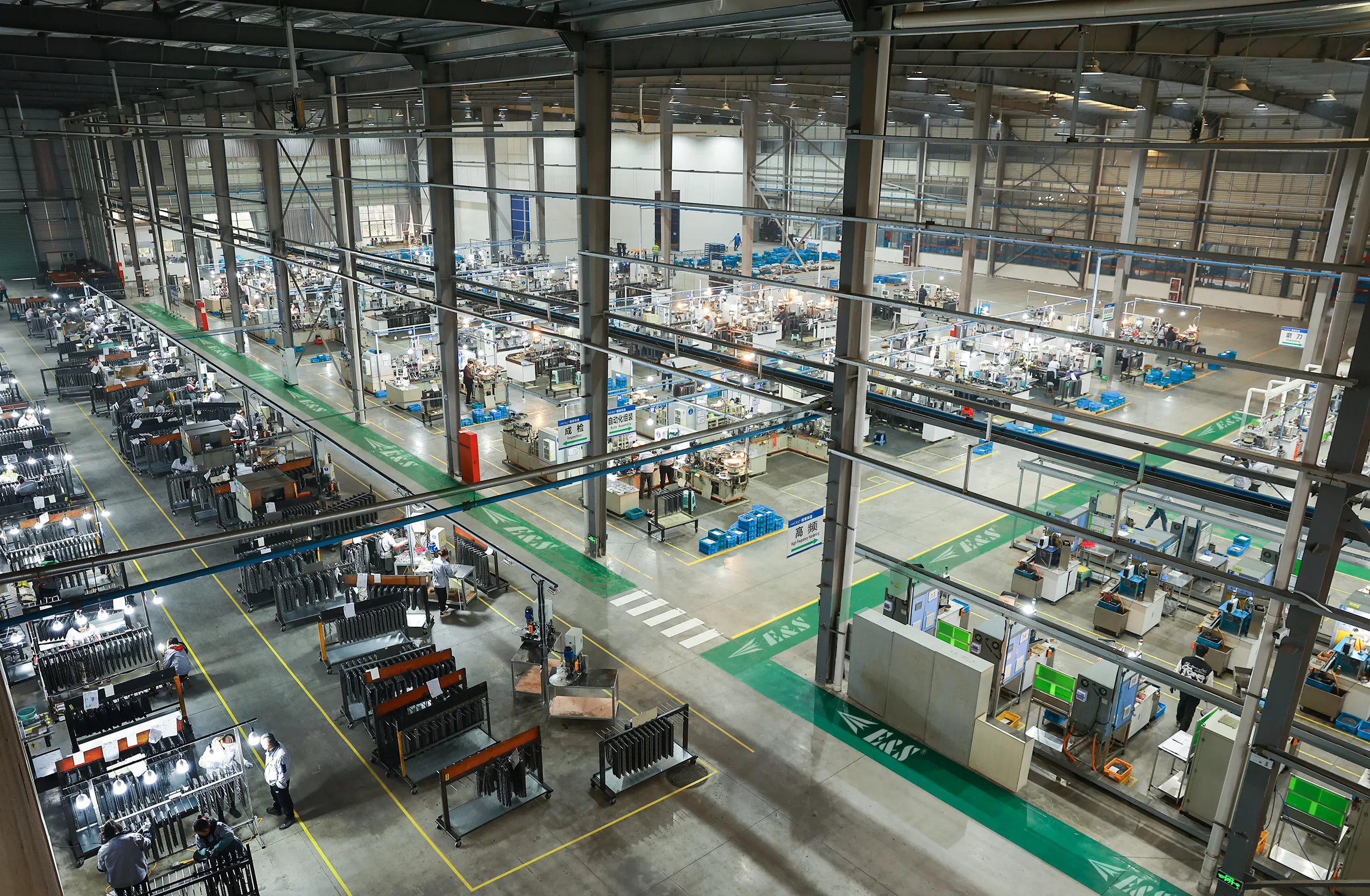
For a closer look at how the machines themselves come together, our guide to how chainsaws are manufactured walks through the production stages an audit should examine.
Domande frequenti
Is buying from a trading company always a mistake?
No — trading companies can consolidate SKUs and handle communication well. The risk is paying factory prices for trader margins without factory accountability. What matters is that the party you pay owns the quality outcome and says so in the contract.
How long does a factory audit take?
A focused one-day audit covers the essentials: lines running, testing stations, warehouse, and the document trail. Third-party firms typically need about a week of scheduling lead time; a controlled video audit can happen within days when travel is not an option.
What does a factory audit cost?
Third-party factory audits in China commonly run in the low hundreds of US dollars per person-day, depending on scope and travel. Against a container commitment, it is one of the cheapest risk controls you can buy.
Can I verify a manufacturer remotely?
SÌ. Combine an unscheduled live video walkthrough of the production line, license and certificate number lookups, customs export records, and reference calls with buyers in your market. Remote verification catches most problems; on-site audits add depth for large programs.
What documents should a verified supplier provide with the first order?
At minimum: the signed Declaration of Conformity and test report summaries for your models, a business license copy, the pre-shipment inspection report, and packing documentation matching your order. Request them at the RFQ stage so they are commitments, not favors.
Verification is not distrust — it is how serious buyers and serious manufacturers find each other. A factory that passes these five steps will usually say so with documents, an open production floor, and references that answer the phone.
Running this process now? Explore the NEWTOP product range, request our certificates and factory audit package, or talk to our team about distribution for your market — we will send the documents before you ask twice.
A distributor in Chile and a buyer in Germany can look at the identical chainsaw and need two completely different sets of paperwork. That single mismatch explains most of the certification questions we receive: not “is this machine certified?” but “certified for whom?” This guide compares the four marks that dominate outdoor power equipment trade — CE, GS, APE, and ETL — and maps each one to the markets and product types where it actually decides whether your order moves.
The short version: CE is the legal baseline for Europe, GS is the retail credibility layer on top of it, EPA is the emissions gate for gasoline engines into the United States, and ETL covers electrical safety for battery and corded equipment in North America. Everything else in this article is detail — but the detail is where importers either save a certification cycle or lose a season.
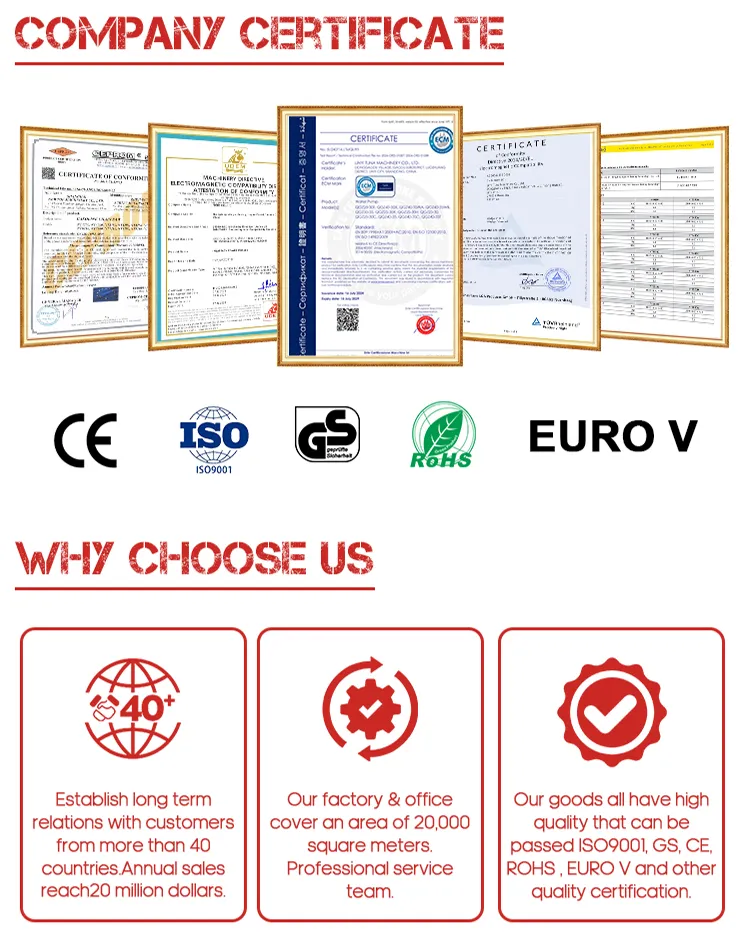
The Four Marks at a Glance
Before the market-by-market detail, here is what each mark actually is — because the four are routinely confused, and the confusion is expensive.
| Segno | Region | What it covers | Legal status | Who issues it |
|---|---|---|---|---|
| CE | EU / EEA | Machinery safety, EMC, outdoor noise | Mandatory by law | Manufacturer self-declaration; notified body for some routes |
| GS | Germania / EU retail | Product safety, independently tested | Voluntary, expected by retail channels | Testing houses such as TÜV |
| APE | Stati Uniti | Spark-ignition engine emissions | Mandatory by law | US EPA certificate of conformity |
| ETL | North America | Electrical safety to UL/CSA standards | Voluntary, required by most channels | Intertek testing laboratories |
CE Marking: The Legal Baseline Across Europe
CE marking is the manufacturer’s declaration that a product meets the applicable EU directives, and for chainsaws, decespugliatori, tosaerba, and similar machines it is the law of the market, not a preference. IL European Commission’s CE marking page sets out the framework. For this product category, three directive families carry the weight: the Machinery Directive for mechanical safety, the Outdoor Noise Directive 2000/14/EC for guaranteed sound power levels on equipment used outdoors, and the EMC Directive for electromagnetic behavior — the last one especially relevant as battery platforms multiply.
The practical point for buyers comparing CE against the other three marks: CE is the only one on this list that is a market-access requirement across an entire economic bloc. If your destination is the EU and the machine is missing a genuine CE technical file, the conversation ends there — the other marks cannot substitute for it.

GS Mark: The Retail Layer in German-Speaking Markets
GS (Geprüfte Sicherheit, “tested safety”) is voluntary in law and close to mandatory in practice for garden machinery sold through German and Austrian retail. The mark signals that an independent testing house — TÜV being the best known — has tested the machine against the German Product Safety Act, and its GS mark overview explains the route. Three traits separate GS from CE in a buyer’s comparison: it is issued per model, it expires and requires ongoing factory audits, and it sits on top of CE rather than replacing it.
If your channel plan runs through DIY chains or builder’s merchants in the DACH region, ask for the GS certificate number at the RFQ stage. If your plan is to sell through independent dealers in Spain or Poland, GS moves from requirement to sales argument — worth having, not worth delaying a container for.
EPA Certification: The Gate for Gasoline Engines Into the United States
EPA is the odd one out in this comparison because it regulates the engine, not the machine. Any gasoline-powered equipment destined for US sale — chainsaws, decespugliatori, generatori, water pumps — must use engines certified under the EPA’s nonroad spark-ignition rules, codified in 40 CFR Part 1054. Unlike CE, this is not self-declaration: the engine family carries a certificate of conformity, and the engine wears an emission compliance label that ties the physical unit to that certificate.
The comparison that matters here is lead time. A supplier whose engines already sit inside a certified family ships on production schedules. A supplier that must certify a new engine family for your order is signing up for laboratory testing and agency review measured in months. Two quotations for the “same” brush cutter can legitimately differ by six weeks for this reason alone.
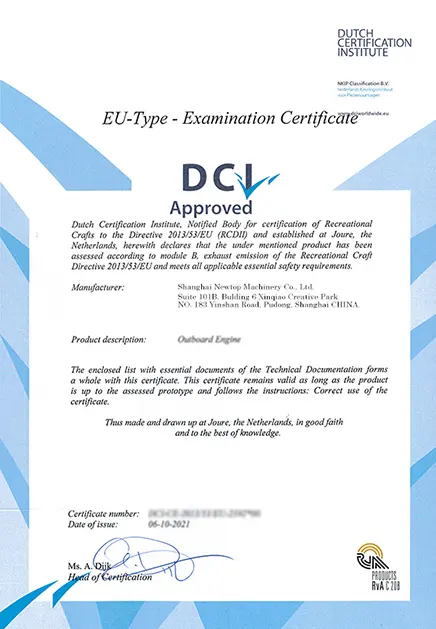
ETL: Electrical Safety for Battery and Corded Lines in North America
Battery sprayers, corded mowers, electric hedge trimmers, pressure washers — anything electrical sold in the United States or Canada is expected to demonstrate compliance with UL or CSA safety standards. The ETL Listed mark, issued by Intertek, is one of the two marks North American buyers accept for this, with equal standing to UL in law and practice. Retail chains and e-commerce platforms check for one or the other before listing an electrical product.
Two comparison notes buyers get wrong. Primo, EPA and ETL answer different questions — EPA governs the gasoline engine, ETL governs the electrical system — so a battery line never needs EPA and a gasoline line never needs ETL. Secondo, the certification covers the complete configuration: machine, battery pack, and charger. A mark on the tool alone does not cover a third-party charger bundled into your kit.
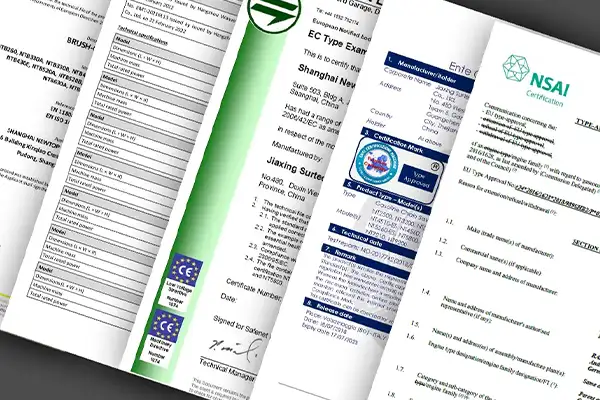
Which Certification Should You Require? A Market Decision Matrix
Put the four marks against real destinations and product types, and the answer to “which one matters” becomes mechanical rather than a matter of opinion.
| Your market | Product line | Require at minimum | Strongly consider |
|---|---|---|---|
| EU / EEA | Gasoline or battery equipment | CE (Machinery + Rumore + EMC as applicable) | GS for DACH retail |
| Germania / Austria retail | Garden machinery | CE + GS | — |
| Stati Uniti | Gasoline equipment | EPA-certified engine family | CARB confirmation for California |
| US / Canada | Battery or corded equipment | ETL or UL | CE baseline for product credibility |
| Brasile | Gasoline equipment | Confirm scope with customs broker; engine documentation | CE baseline; INMETRO where in scope |
| Middle East / Africa / rest of LATAM | Gasoline equipment | Destination-specific confirmation | CE baseline — dealer and tender expectations |
One row deserves emphasis: for most Latin American, African, and Middle Eastern destinations there is no single binding mark for gasoline garden machinery, and CE documentation has become the de facto quality baseline that dealers and institutional buyers use to compare suppliers. We cover the country-level import requirements — Brazil, Mexico, Colombia, Chile, Perù, and more — in a separate import regulations guide.
Four Confusions That Cost Importers Money
- CE is not a quality award. It is a legal declaration backed by a technical file. Comparing two suppliers on “both have CE” compares nothing — compare the certificate scope, the cited standard versions, and whether a test report sits behind the declaration.
- EPA belongs to the engine, not the machine. A certified engine inside a modified or different machine configuration does not automatically transfer compliance. Ask which engine family your configuration ships with.
- ETL and UL are interchangeable for channel purposes. North American buyers who demand one and refuse the other are imposing a preference, not a rule. Both demonstrate compliance with the same UL/CSA standards.
- GS never replaces CE. For the EU market, a GS-certified machine still needs the full CE route. GS adds independent testing on top; it does not subtract the baseline.
How NEWTOP Combines These Marks Across Product Lines
We manufacture gasoline and battery-powered outdoor equipment under the NEWTOP and CRAFTOP brands and hold CE, GS, APE, ETL, and ISO 9001 certification across our chainsaw, brush cutter, spruzzatore, water pump, and generator lines. In practice that means a European distributor orders against CE documentation with GS available for retail programs, a US buyer orders against EPA-certified engine families, and a battery program carries ETL for North American channels — each with the Declaration of Conformity and test report summaries available per model. The current portfolio is public on our certificates and patents page.
Domande frequenti
Is CE marking accepted in the United Kingdom?
For most product categories the UK continues to accept CE marking, while UKCA is the separate UK regime. The rules and deadlines have been extended several times, so confirm the current position for your specific category on GOV.UK before shipping.
Can one machine carry CE, GS, and EPA at the same time?
SÌ. The marks cover different regimes — EU safety, German retail testing, US emissions — so a single model can legitimately carry several. What matters is that each certificate covers your exact model and destination configuration.
Does GS certification replace CE marking?
NO. GS sits on top of CE for the EU market — a GS-certified machine still needs the full CE conformity route. GS adds independent third-party testing that many German and Austrian retail channels expect; treat it as a channel requirement, not an alternative.
Is EPA certification needed for battery-powered equipment?
NO. EPA emission rules apply to spark-ignition engines, so battery and corded electric machines sit outside its scope. For those lines the North American question is electrical safety — ETL or UL certification instead.
Which certification do Latin American buyers ask for most?
CE, as a quality baseline, because most gasoline-powered lines in the region have no single unified mark of their own. The binding requirements are set per country, so confirm the destination rules for your specific market before ordering.
Certification comparison is not paperwork trivia — it is market selection. Match the mark to the destination and the product line before you request quotations, and the certificates become a filter that removes the wrong suppliers in the first email instead of a problem discovered at the port.
Building a line for a specific market? Browse the NEWTOP product range or talk to our team about which certification combinations fit your destination country — and if you are setting up distribution, our distributor program includes documentation support for your market entry.
A container of outdoor power equipment can be built to spec, packed correctly, and still fail before it earns a single sale. The reason is usually paperwork: the destination market required a certification the buyer never asked for, or the supplier handed over a certificate that turns out to cover a different model. This guide walks through the certifications that matter most when importing chainsaws, decespugliatori, spruzzatori, pompe dell'acqua, generatori, and lawn mowers from China, and shows you how to check that the documents in front of you are real.
A NEWTOP, we manufacture gasoline and battery-powered outdoor equipment under the NEWTOP and CRAFTOP brands and hold CE, GS, APE, ETL, and ISO 9001 certification across our product lines. The table below reflects the questions distributors in Europe, the United States, America Latina, and Africa ask us most often before their first order.
Why Certifications Decide Whether Your Order Moves or Gets Stuck
Certification failures are expensive in three specific ways, and none of them are obvious from a quotation sheet.
Customs and market access. Regulated products without the required conformity documents can be held at the border, re-exported, or destroyed. In the EU, a machine without a Declaration of Conformity cannot legally be placed on the market. In the United States, a gasoline engine that has not gone through EPA certification cannot be imported for sale, and the restriction applies at the port, not at the dealership.
Retail and channel requirements. Even where the law does not force a mark, your customers might. Garden machinery sold through German DIY chains, Per esempio, is routinely expected to carry the GS mark even though GS is technically voluntary. If your brand wants shelf space, the channel decides.
Liability. If an imported machine injures a user, investigators ask for the technical file first. A valid certificate backed by test reports is the difference between a defensible product and a company-level crisis. This is why experienced importers treat certificates as part of the product, not as marketing material attached to it.
The Certification Map: Which Markets Require What
The table below summarizes the certifications buyers ask us about most, what each one actually covers, and whether it is a legal requirement or a channel expectation in your target market.
| Certificazione | Region | What it covers | Status |
|---|---|---|---|
| CE | EU / EEA | Machinery safety, EMC, noise labeling | Mandatory by law |
| GS | Germania / EU retail | Product safety, tested by an independent body | Voluntary, expected by retail chains |
| APE | Stati Uniti | Spark-ignition engine emissions | Mandatory by law |
| ETL | North America | Electrical safety to UL/CSA standards | Voluntary, required by many channels |
| INMETRO | Brasile | Product conformity assessment | Depends on product scope |
| NOM | Mexico | Product safety and labeling | Depends on product scope |
| ISO 9001 | Global | Factory quality management system | Voluntary, supplier-screening signal |
One warning before the detail: certification requirements attach to the product as it is configured, not to the product category in the abstract. A battery-powered sprayer and a gasoline sprayer with the same tank size sit under different rule sets. Confirm the scope for the exact model you are ordering, not for the brochure category.
CE Marking: The Baseline for European and Many Export Orders
CE marking is not a quality award. It is the manufacturer’s legal declaration that a product meets the applicable EU directives, and it is required before most outdoor power equipment can be sold in the European Economic Area. You can read the official scope and rules on the European Commission’s CE marking page.
For the machines in this category, three directive families matter most:
- Machinery Directive 2006/42/EC — covers mechanical and functional safety of the machine itself, from guard design to control systems.
- Outdoor noise directive 2000/14/EC — sets noise limits for equipment used outdoors and requires the guaranteed sound power level to be labeled on the machine. Motoseghe, decespugliatori, and lawn mowers all fall inside its scope.
- EMC Directive — applies to the electromagnetic behavior of machines, especially relevant for battery and electric models with electronic controls.
The mechanism surprises many first-time buyers: for most of this equipment, the manufacturer performs the conformity assessment, compiles the technical file, and issues the Declaration of Conformity itself. There is no Brussels sticker office. That is exactly why verification matters — a CE mark is only as honest as the technical file behind it, and section 9 of this guide shows you how to test that.
When you evaluate a supplier, ask two questions early. Primo, which directive versions and standards does the current Declaration of Conformity cite? Secondo, does the certificate cover the exact engine and cutting-head configuration you are ordering? A certificate issued for a 2-stroke professional chainsaw does not quietly extend to a battery pole pruner built on a different platform.
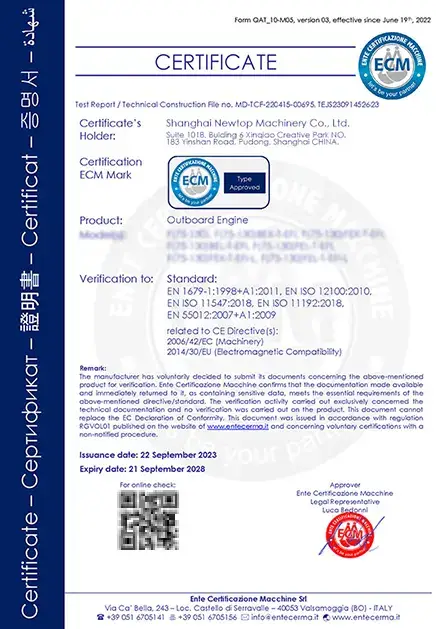
GS Mark: What Retail Buyers in German-Speaking Markets Look For
The GS mark (Geprüfte Sicherheit, “tested safety”) is a voluntary German safety mark, but “voluntary” undersells it. In pratica, distributors selling garden machinery through retail chains and builder’s merchants in Germany and Austria treat GS as a de facto entry ticket, because the mark signals that an independent testing house — such as TÜV — has tested the machine against the German Product Safety Act. An explanation of the testing route is available from TÜV’s GS mark overview.
Three practical points for importers:
- GS certification is issued per product model, and it names the manufacturer and the testing body. A general “our factory has GS” claim means little until it points to a specific certificate number for a specific model.
- GS sits on top of CE rather than replacing it. A GS-certified machine still needs the CE conformity route for the EU market.
- The certificate has a validity window and is tied to ongoing factory audits. If your supplier’s GS lapsed, the machines produced after the lapse cannot legitimately carry the mark.
If your distribution plan includes German-speaking retail, ask for the GS certificate number at the RFQ stage, not after the order. Retrofitting a certification onto an already-produced container is not how any of this works.
EPA Certification: The United States Emissions Rule for Gasoline Engines
Any gasoline-powered outdoor equipment destined for the United States — chainsaws, decespugliatori, generatori, water pumps with petrol engines — must comply with EPA emission regulations for nonroad spark-ignition engines. The governing rules are codified in 40 CFR Part 1054, and unlike CE, this is not a self-declaration system: the engine must be certified, and the certification belongs to the engine family.
What that means at the container level:
- The engine carries an emission compliance label that identifies the certified family and the manufacturer.
- Importing engines or machines with non-certified engines for sale in the US is a violation that customs can act on.
- California applies its own, stricter CARB requirements on top of the federal rule. If your distribution map includes California, say so explicitly in the RFQ.
The practical consequence for buyers is a lead-time one. A supplier with an existing EPA-certified engine family can ship quickly, because the hard regulatory work is already behind the engine. A supplier that must certify a new engine family for your order is looking at a process measured in months, because it involves laboratory testing and agency review. This is one of the quiet reasons two quotations for the “same” machine can differ by six weeks of lead time.
ETL and Electrical Safety Marks for Battery-Powered Product Lines
Battery and corded electric equipment — sprayers, mowers, tagliasiepi, pressure washers — sold in North America is expected to demonstrate electrical safety compliance with UL or CSA standards. The ETL Listed mark, issued by Intertek, is one of the two most widely accepted ways to show this, alongside the UL mark itself. Retail buyers and e-commerce platforms routinely check for one or the other before listing an electrical product.
For importers, the checklist that matters:
- The ETL mark must appear on the product label together with the certification body’s control number.
- The certification covers the complete configuration sold: battery pack, charger, and machine. A mark on the tool alone does not cover a third-party charger bundled into your kit.
- Battery certifications have their own layer (cell and pack testing under standards such as UL 2580-family requirements for e-mobility contexts or IEC-based tests for portable products), so confirm which documents cover which component.
If you are building a battery line for the first time, involve the certification question in product selection. Choosing a platform that already holds ETL or UL certification for the target configuration will save you a certification cycle and a product redesign that no one budgeted for.
What Buyers Shipping to Latin America Should Check
Latin America does not have a single unified certification, and treating it as one region is the most common planning mistake. Brazil runs its own conformity assessment system under INMETRO (gov.br/inmetro), where the applicable requirements depend on the product’s classification and its Mercosur/Common NCM classification. Mexico applies mandatory NOM standards to electrical products, with scope determined by the product type and tariff fraction. Colombia, Chile, and Peru each maintain their own technical regulation and energy/electrical regimes with product-dependent scope.
Three habits keep Latin American orders out of trouble:
- Start from the tariff classification, not from the product name. The NCM/HS code determines which regime, if any, applies to your machine.
- Use CE documentation as your engineering baseline. CE technical files make local conformity work faster, because the underlying safety testing already exists in a structured form.
- Check destination-country rules per market. We cover the country-by-country import requirements for Latin American and African markets — including Brazil, Mexico, Colombia, Chile, Perù, and Venezuela — in a separate import regulations guide.
The practical pattern we see with Latin American distributors: most stock gasoline-powered lines where the binding constraints are engine documentation and labeling in the local language, while battery lines trigger the electrical-safety regimes. Knowing which side of that line your container sits on determines your document list.
ISO 9001: The Factory System Behind the Product Label
ISO 9001 is not a product certification — no machine carries an “ISO 9001 approved” sticker in any meaningful sense. It certifies that the factory operates a documented quality management system: incoming material inspection, process control, corrective-action loops, traceability. When you screen suppliers, it answers a different question than CE or EPA. CE tells you the machine met a standard on test day. ISO 9001 tells you the factory can reproduce that result across thousands of units and multiple production shifts.
For importers running reorders, this distinction is not academic. The most expensive quality problems are not the defective sample; they are the third shipment where the carburetor supplier changed without notice and your defect rate triples. A factory running a real ISO 9001 system manages that risk through supplier control and process records. A factory with a certificate on the wall and no system behind it does not.
You can review NEWTOP’s certification portfolio — CE, GS, APE, ETL, and ISO 9001 across our chainsaw, brush cutter, spruzzatore, and water pump lines — on our certificates and patents page.
How to Verify a Supplier’s Certificate Before You Transfer the Deposit
Certificate fraud in this industry is rarely sophisticated. It is usually one of three things: a genuine certificate for a different model presented as if it covered yours; an expired certificate; or a self-made PDF with a real testing body’s logo. All three collapse under the same six checks.
| Check | How to do it | Red flag |
|---|---|---|
| 1. Request the Declaration of Conformity | Ask for the signed DoC listing directives and harmonized standards for your model | Only logo images offered, no signed document |
| 2. Verify the certificate number | Look it up in the issuing body’s public database (TÜV, Intertek, SGS) | Number not found, or registered to a different company |
| 3. Match the model coverage | Confirm the certificate’s model/series list includes your exact SKU and engine configuration | Covers one showroom sample, not your order |
| 4. Check validity and standard versions | Confirm the expiry date and that cited standard editions are current | Expired, or withdrawn standard editions |
| 5. Ask for the test report summary | Request key results: noise, emissions, safety tests behind the certificate | Certificate exists, no report behind it |
| 6. For EPA: check the emission label | Confirm the engine’s emission family label matches the certified family in the documents | Label and certificate disagree |
Two of these checks deserve emphasis because they catch the majority of problems. Model matching is the big one: factories in this industry legitimately hold certificates for their best-selling configurations, and salespeople sometimes let the certificate’s halo extend to every machine in the catalog. Asking “show me the certificate where model NT-XXXX appears” takes thirty seconds and ends the ambiguity. The second is the test report. A genuine certificate is generated by a testing process that produced a report; a fabricated one usually has no report behind it because making one up is much harder than printing a page.
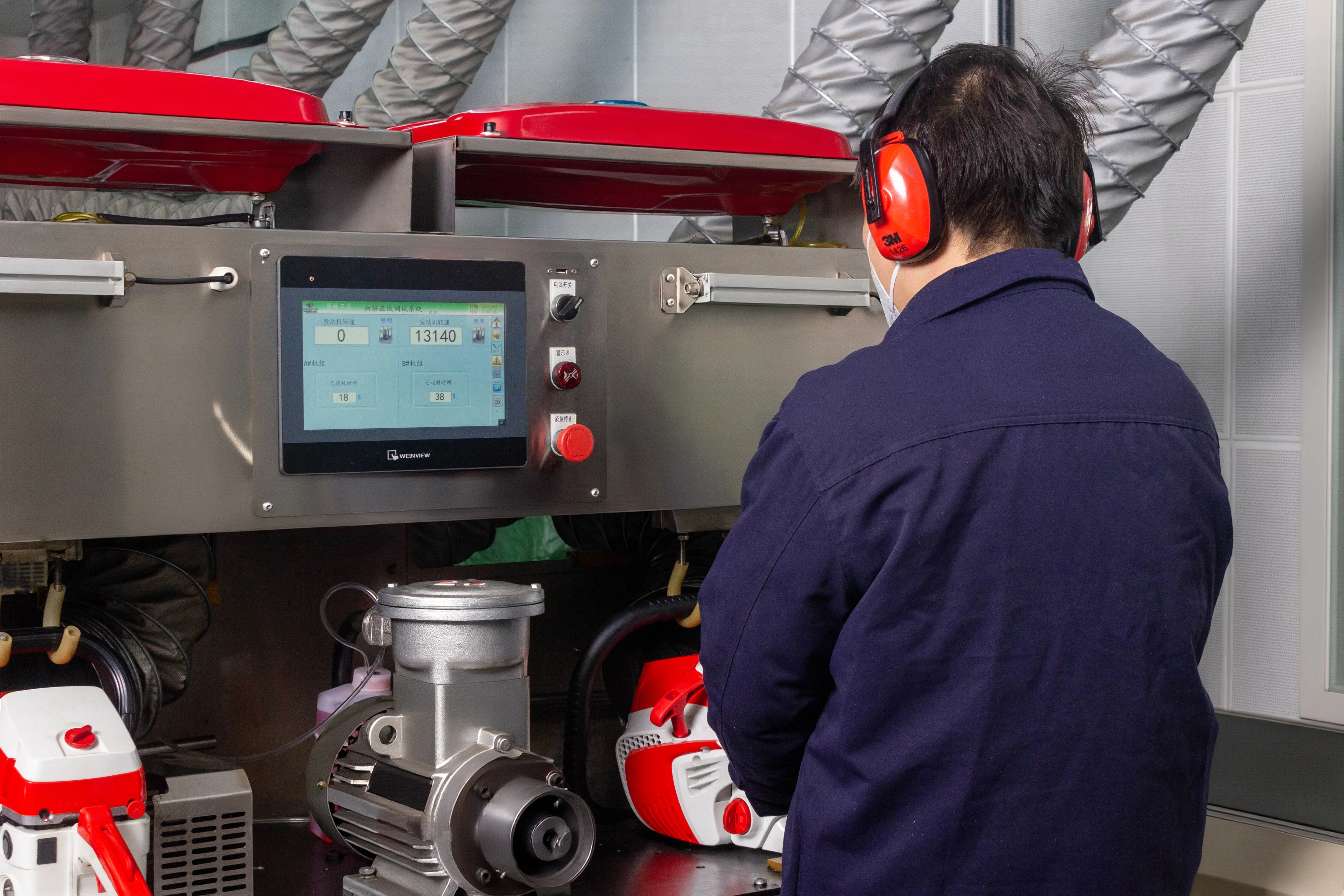
If the documents pass but something still feels off, add a factory audit or a third-party inspection before shipment. Our own production runs are checked through a documented quality control process, and we encourage buyers to book independent inspections regardless of supplier — a professional inspector charges a few hundred dollars, which is a rounding error against a stuck container.
What Certificates Do to Your Price, Lead Time, and MOQ
Certification status is embedded in your quotation whether the salesperson mentions it or not. Understanding the mechanics helps you read quotes and negotiate from strength.
Prezzo. A machine built to a certified configuration carries engineering and testing costs that a bare build does not. That is part of why a certified professional chainsaw quotes higher than an uncertified lookalike — and why the uncertified version cannot legally enter the markets described above. When you compare quotes, line up the certification scope first; a price gap between differently certified products is not a discount opportunity, it is a different product.
Lead time. Orders built on existing certified platforms ship on production schedules. Orders that require new certification — a new engine family for EPA, a new model through GS testing — add the certification cycle to your timeline. Ask the supplier to state, in writing, whether your configuration is covered by existing certificates.
MOQ. Certification cost is largely fixed per model or family, so it spreads across the order. A distributor ordering a certified model from an existing line rides on volumes the factory already produces, which is one reason established models carry lower minimums than bespoke configurations. If your first order is small, choosing a certified in-line model is usually cheaper end to end than customizing an uncertified one.
Domande frequenti
Do I still need CE marking if my market is in Latin America?
CE is the EU regime, so it is not a legal requirement in Latin America. It still works in your favor: many distributors use CE as a quality baseline when comparing suppliers, and a CE technical file speeds up any local conformity work. Always check the destination country’s own rules for the binding requirements.
Who pays for certification, the buyer or the manufacturer?
For standard models, the manufacturer holds and maintains the certifications, and the cost sits inside the unit price. For customized or private-label versions, modifications can fall outside the certified configuration, and new certification is typically a buyer cost. Settle this in the OEM agreement before development starts.
Can I use the factory’s certificates for my own brand?
Partially. The test evidence belongs to the factory, while the Declaration of Conformity must name the economic operator placing the product on the market — your company, for a private-label product. Work with the factory to update the document set so brand, modelli, and responsible parties all match.
How do I check whether a CE certificate is genuine?
Run the six checks in the table above. The fastest two: verify the certificate number in the issuing body’s public database, and ask for the test report behind the certificate. Genuine certificates survive both; most fakes fail on the first.
Which certifications does NEWTOP hold?
NEWTOP holds CE, GS, APE, ETL, and ISO 9001 certification across its product lines, with documents available for review per model. Request the Declaration of Conformity and test report summaries for any model you are sourcing, and run them against the six checks above.
Certification work rewards the buyers who treat it as part of product selection rather than a shipping formality. Confirm the scope, verify the documents, and put the certificate numbers into your purchase order where they become commitments instead of promises.
Planning your first container, or adding a certified line for a new market? Browse the NEWTOP product range or talk to our team about certificates and market requirements for your destination country — and if you are building a distribution business, our distributor program includes documentation support for your market entry. For a picture of how we work with partners over the long run, see how NEWTOP earns customer trust through quality and service.
