


- Alle
- NEWTOP-Kundengeschichten
- NEWTOP Explorer Hub
- NEWTOP-Brancheneinblicke
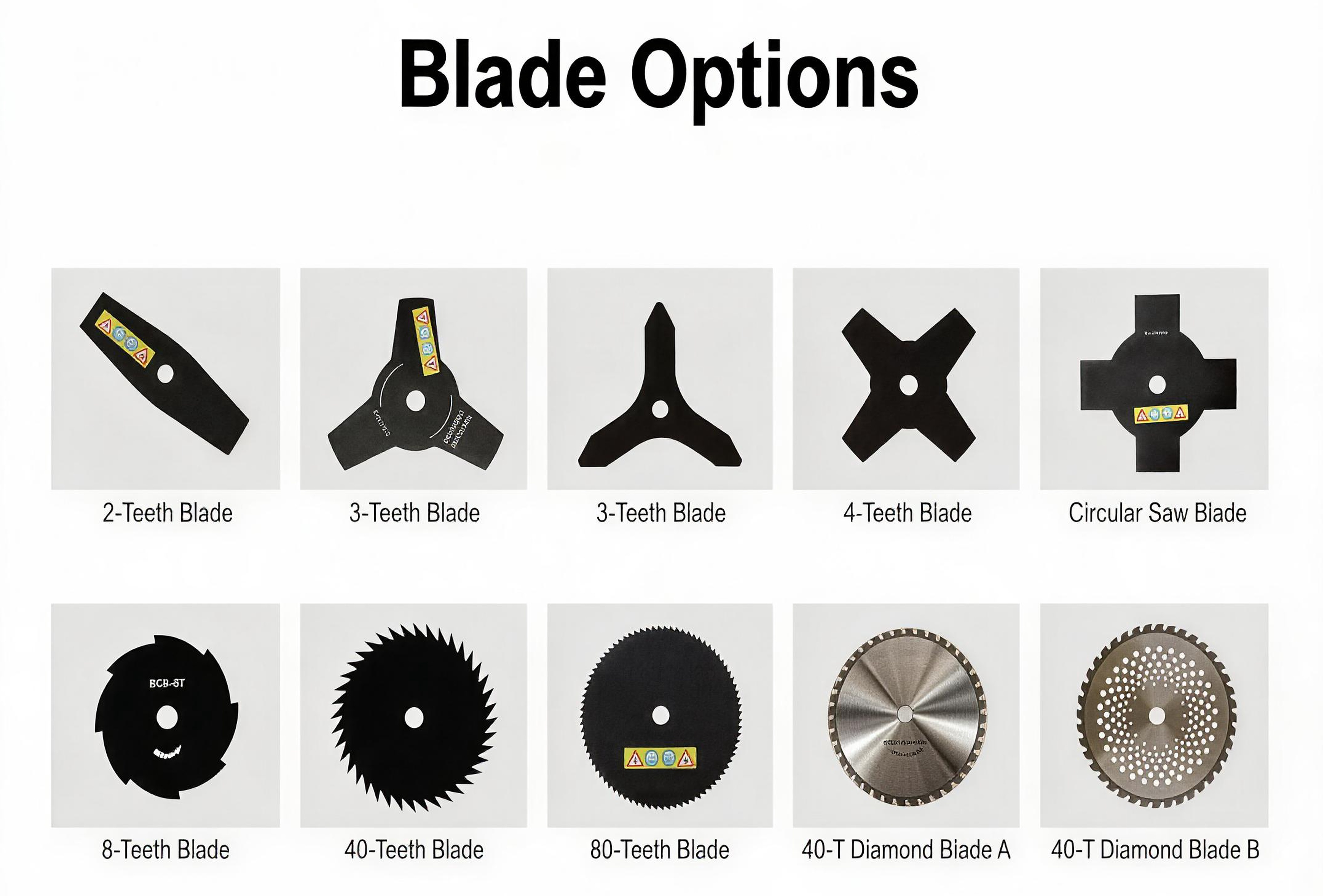
Metal blades and nylon trimmer line are the two cutting consumables our parts customers order most, and we recommend stocking both rather than choosing between them. Blades take down brush, saplings and woody regrowth. Line trims grass along fences, walls and lawn edges. Each wears on its own curve, so the two items build separate reorder rhythms on a distributor’s shelf.
This guide is our blade vs trimmer line brief for spare parts distributors and dealers. It covers what each solution does best, which jobs call for blades, and where line is the better fit. It then covers how to size the mix and what we ask you to confirm before ordering both together.
What to Take From This Guide
- Blades and line wear differently: blades chip, bend or dull against rock and buried root, while line shortens against stone, concrete and fence posts.
- Three-tooth and forty-tooth blades usually cover brush and dense regrowth; circular saw-tooth blades take thick, hard stalks.
- Replacement line commonly runs from 0.065 Zoll (1.65 mm) Zu 0.155 Zoll (3.94 mm), and the head decides which diameters the shelf should carry.
- Bei NEWTOP, we package blades and line as sets (H143/NTB143 for our machines, NTS140BG/NTS140CG for GX35-class trimmers) and ship samples 7-10 Tage nach der Zahlung.
- Confirm shaft diameter, arbor fit, Fadenrichtung, gearcase rating and head diameter range against the model code before any mixed order.
What Each Cutting Solution Does Best
Both items sit in the brush cutter parts and accessories section of our catalog, and they fail for different reasons. A metal blade is a hardened cutting plate that clears brush, saplings and woody regrowth at speed. Nylon line is a flexible cord that whips through soft growth, and it shortens a little with every pass.
The blade vs trimmer line distinction is a job split, and the shelf question is how much of each job your market contains. Distributors who map that split first find reorder quantities easier to plan, because the two items are not substitutes for one another.
Wear character drives the repurchase rhythm. Blades come off the machine for sharpening or swap after they chip, bend or dull against rock and buried root. Line shortens against the same hard surfaces, and the head feeds out more of it until the spool is spent. Mechanics who service both setups usually tell us that engines outlast the cutting parts, so repeat orders tend to concentrate on the cutters.
Metal Blade vs Nylon Trimmer Line Side by Side
The table below gathers the two cutters into one view.
| Attribut | Metal blade | Nylon trimmer line |
|---|---|---|
| Primary job | Bürste, saplings, woody regrowth | Grass, Rasenkanten, fence lines |
| Wear mode | Chipped, bent or dull teeth against rock and buried root | Length lost against stone, concrete and posts |
| Repurchase driver | Chip damage and lost arbor hardware | Spools spent through the season |
| Typical shelf types | Three-tooth, forty-tooth, circular saw-tooth | Round, square, twisted and serrated profiles |
| Spec to confirm per model | Shaft size, arbor fit, blade nut thread | Diameter range the head feeds |
This table is stocking guidance based on how the two consumables wear, not laboratory wear data. Confirm the model-specific specifications with your supplier before ordering.
Which Jobs Need Metal Blades
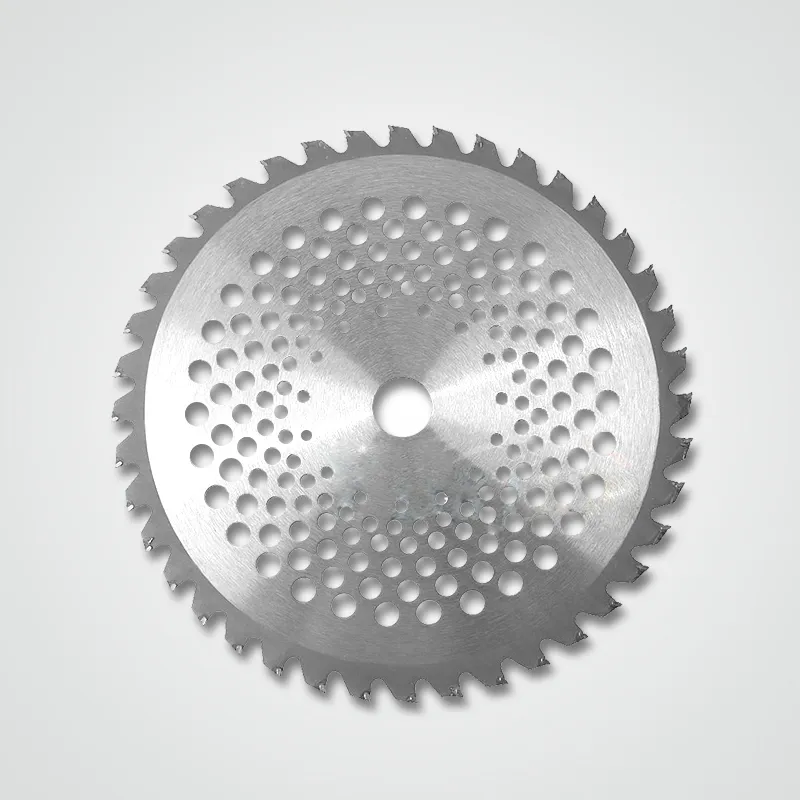
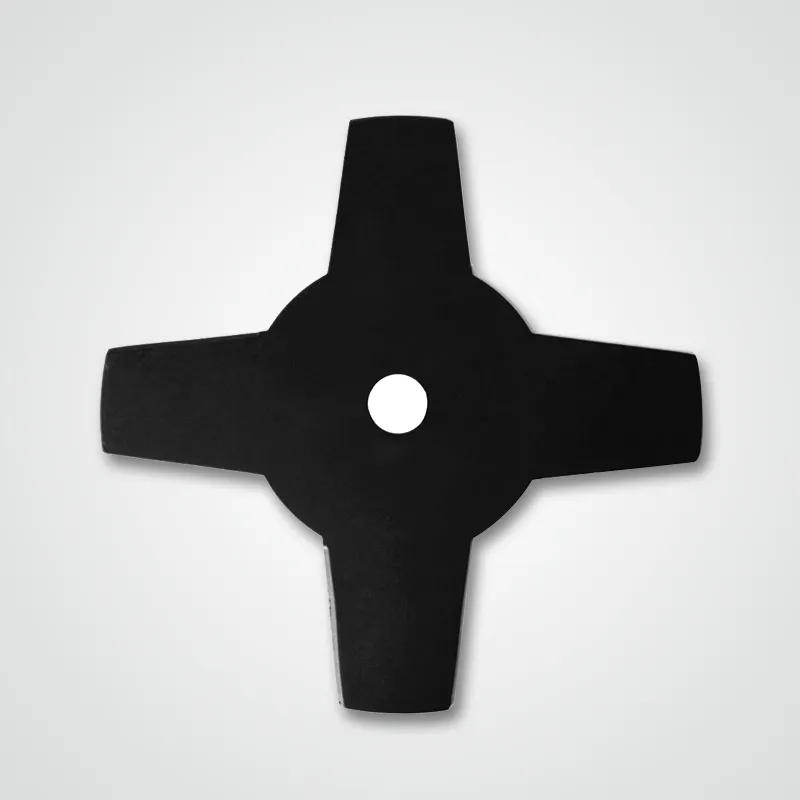
Metal blades belong where growth is too thick for a cord to cut. Land clearing, Wegpflege, orchard and vineyard rows, roadside regrowth and hard-stalk crops sit on the blade side of the split. Three-tooth and forty-tooth plates handle brush and dense regrowth, while circular saw-tooth blades take thick, hard stalks that a cord would only fray.
Wear comes from impact rather than from mileage. A blade may chip its teeth on buried rock, bend on a hidden stump or dull in sandy soil. Workshop experience also points to lost or loose arbor hardware, because a missing bolt or washer can leave a machine unable to run.
We recommend ordering blades with their arbor hardware as assemblies — bolt, washer and nut — rather than as loose pieces. The Canadian Centre for Occupational Health and Safety covers this equipment in its guidance on grass trimmers and brush cutters. That guidance notes that rotating cutting tools can throw objects or cut the operator, and it advises against rigid blades in stony areas. We suggest passing both notes to your customers along with the blade.
The mounting side is where mixed orders most often go wrong. Blade bolts, washers and nuts are sold as kits, and thread form plus rotation direction differ across gearcases, so there is no universal standard to assume. We treat the nut specification as a confirm item against each model code, and we suggest ordering hardware kits in the same quantity as blades.
Where Nylon Trimmer Line Wins
On the blade vs trimmer line split, line is the better fit where the work is grass and the ground is hard. Lawn edges along sidewalks and driveways, fence lines, beds and walls, park strips and orchard floors belong to cord. Against stone and concrete the contact is constant, and a flexible line that shortens is usually safer near people, windows and vehicles than a rigid disc.
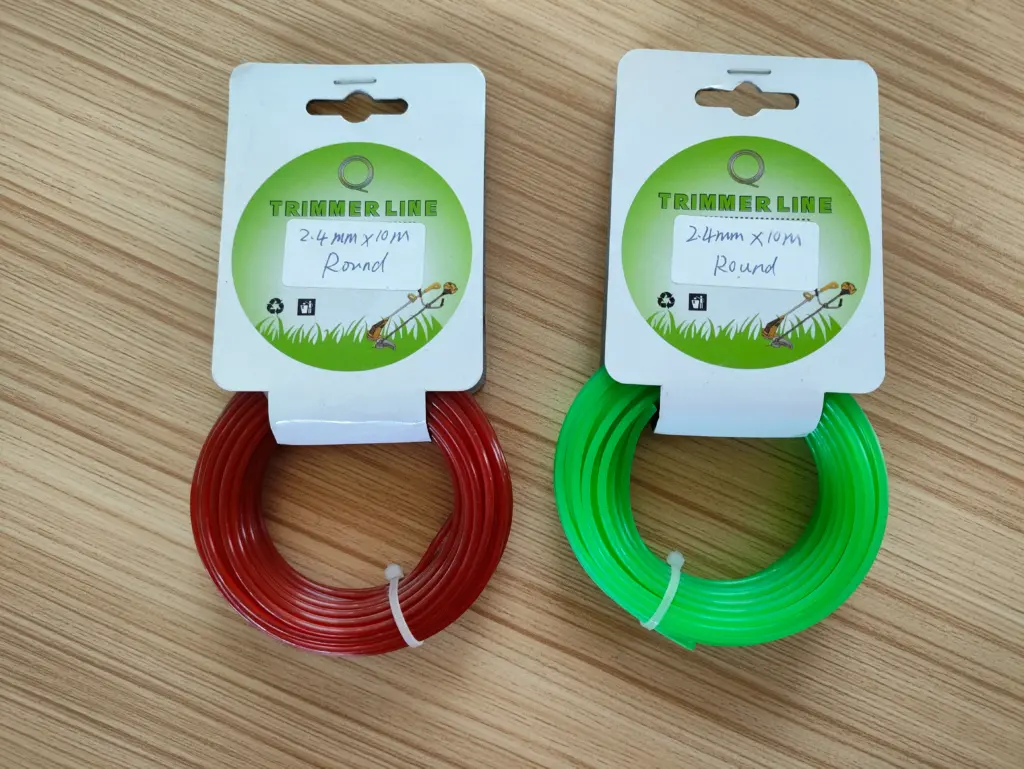
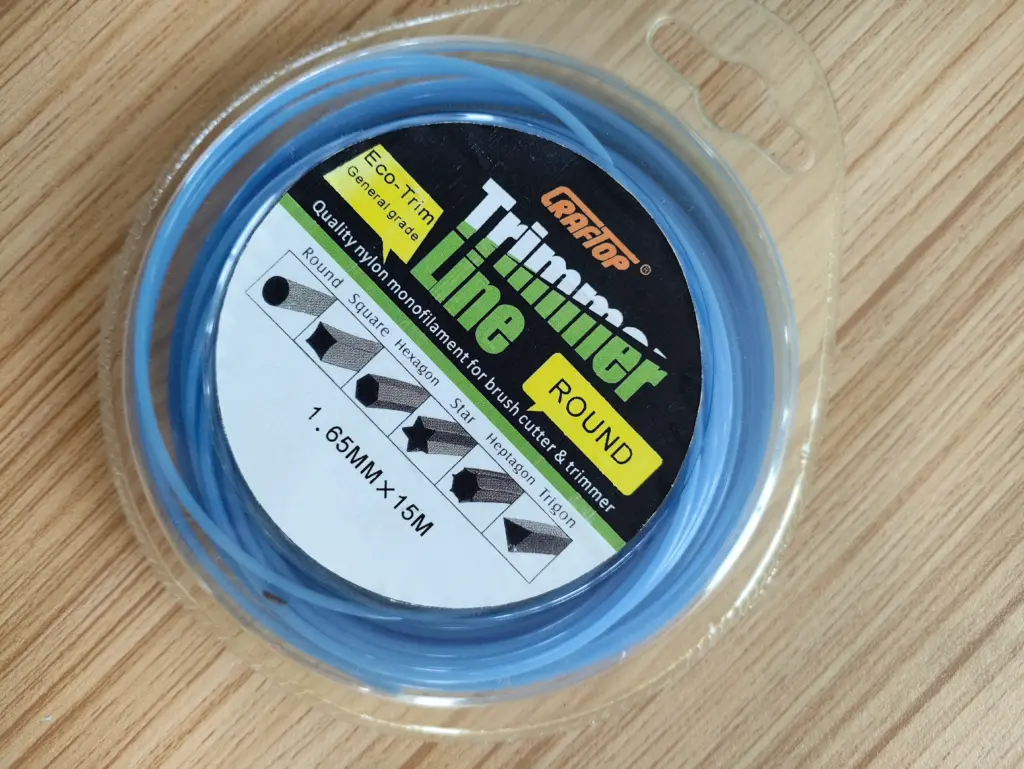
Diameter is the specification that organizes the line shelf. Our published guide puts common replacement sizes between 0.065 Zoll (1.65 mm) Und 0.155 Zoll (3.94 mm). A machine needs the torque to spin the size fitted to it, and an oversized cord tends to batter grass instead of cutting it. Unser string trimmer line size guide maps that range job by job.
Profiles split the shelf a second time. Round line is the general-purpose default, and operators in rough terrain often switch to square, twisted or serrated profiles that bite into fibrous stems. The trimmer head decides what you can stock beside it, because each head feeds a defined diameter range. It is worth listing the head types in your market before you fix the spool slots.
How to Size the Shelf Mix
The blade vs trimmer line mix should start from the job structure of your market rather than from the catalog. Clearing-heavy regions — farm conversion, roadside contracts, sugarcane and orchard blocks — tend to pull the blade curve harder. Lawn-and-edge markets — suburban dealers, municipal grounds, hotel and resort maintenance — usually pull the line curve, in spools rather than single pieces.
It helps to count from the machines you actually import. A container of brush cutters sold into farm clearing supports deeper blade slots, while straight-shaft trimmers sold into grounds care supports deeper spool slots. The engine class on each machine tells you which diameters and blade types the shelf should carry beside it.
Treat the first plan as a hypothesis. After one season, counter history should show which curve actually moved and by how much, and the reorder can skew toward the faster mover. The same discipline keeps the two curves readable in a market that contains both buyer types at once.
Depth by Customer Profile
The table below gathers the depth logic by customer profile.
| Customer profile | Curve the shelf leans on | Depth logic |
|---|---|---|
| Farm clearing and land agents | Blades lead | Deep blade slots in two or three types, line for the head work |
| Lawn care and municipal grounds | Line leads | Deep spool slots in the diameters the machines feed, blade stock as backup |
| Mixed general dealers | Both move | Size both slots from the machine mix, then correct from sell-through |
This table names stocking relationships, not demand statistics. The depth words describe how the two curves lean against each other, and the counts should come from your own machine list and counter history.
When the question moves from shelf mix to container quantities, the arithmetic changes scale. Our guide to what brush cutter spare parts importers should order first works through the full first order per 100 Maschinen, blades and line included.
What to Confirm Before Mixed Orders
A mixed order usually fails on compatibility before it fails on quality, and the blade vs trimmer line handover is where the specifications multiply. Each consumable attaches to the machine differently, so the checklist has two halves. We suggest running both halves against the model code before the order is placed.
For blades, confirm the shaft diameter, the arbor fit and the blade nut thread form and rotation direction for every model. Confirm the gearcase rating as well, because not every gearcase may be cleared for blade work. Ask the supplier to answer against a written compatibility list, the same way you would for engine parts.
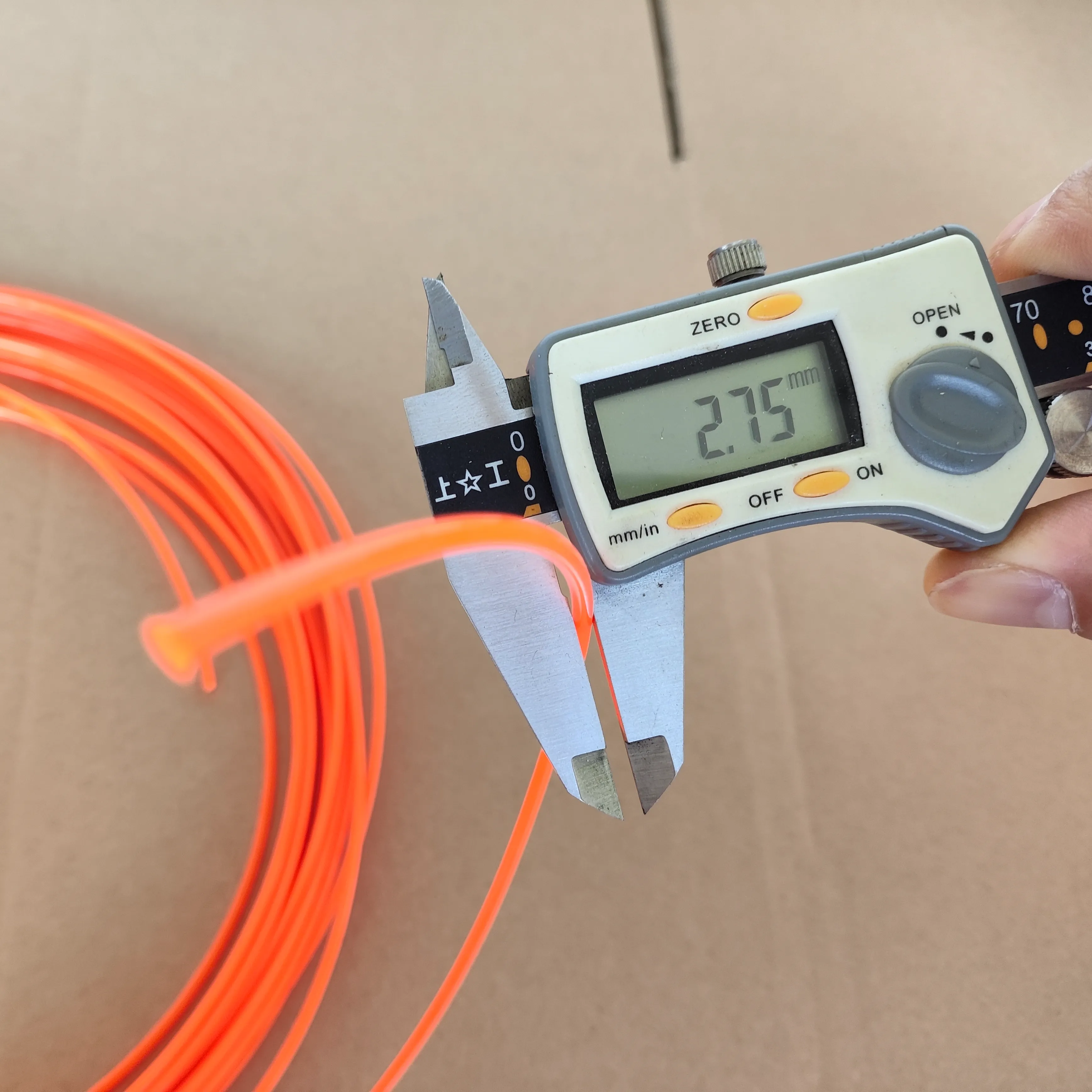
For line, confirm the head type and the diameter range it feeds, then measure the spools against their labels when they arrive. The counter disputes we hear about most often start with a spool that measures thinner than its label, and a caliper check on arrival catches it before shipping. Spool dimensions belong on the same check, because a spool that does not seat feeds badly.
Inspection is a fair question to put to any parts supplier. Bei NEWTOP, we run incoming (IQC), in-process (IPQC) and pre-shipment (FQC/OQC) checks on components as well as on assembled machines. A documented sampling plan is what makes a consumables order re-orderable, so we suggest asking which stage covers the cutting parts and requesting the paperwork with the shipment.
Why Source Cutting Consumables From NEWTOP
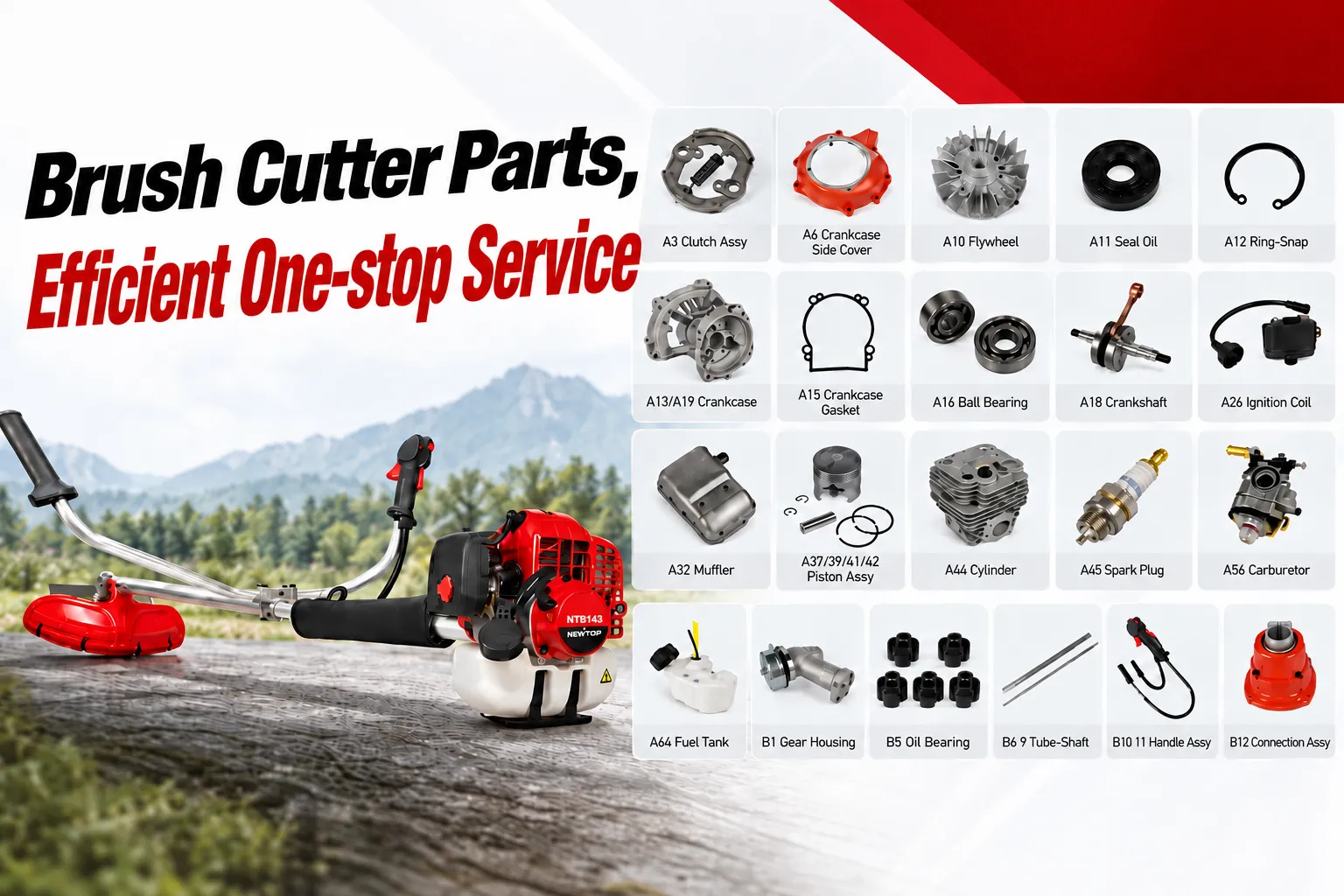
Cutting consumables sit inside the same supply chain as our machines rather than beside it, so the parts and the power equipment behind them share one quality flow. Our company, NEUTOP, has manufactured outdoor power equipment since 2003 and supplies distributors across 65 Länder, backed by more than 100 Markenagenten. Annual capacity runs above 500,000 units in a facility exceeding 10,000 Quadratmeter, with a workforce of more than 300 people, einschließlich 50 R&D engineers.
On the shelf itself, we package blades and line as sets: H143/NTB143 for our own machines and NTS140BG/NTS140CG for GX35-class trimmers, alongside individual components. That set structure lets a distributor open a mixed blade and line order against codes the factory already recognizes. For any model we did not build, we treat the same items as a written compatibility check rather than an assumption.
The terms that matter for consumables are the ones you re-order against. We ship samples 7-10 days after payment and a container moves in about 30 Tage, so a specification confirmed today can be corrected within a month. Core parts carry a six-month warranty against the machine’s one-year cover. That combination suits testing a mixed blade and line order small, then scaling the side your counter proves.
If you are planning a mixed order for your market, send us your machine list, your main customer types and the cutting jobs behind them. We will come back with a written compatibility check against each model code, a suggested blade and line mix, and sample terms for the pieces you want to verify first.
Häufig gestellte Fragen
Should a Dealer Stock Metal Blades or Nylon Trimmer Line First?
We recommend stocking both, because they serve different jobs and wear on different curves. Blades clear brush and woody regrowth and come back for sharpening or swap after chipping against rock. Line trims grass edges, shortens against stone and concrete, and tends to re-order in spools through the season.
How Deep Should the Blade vs Trimmer Line Shelf Run?
Let the job structure of your market decide. Clearing-heavy regions need deeper blade slots, lawn-and-edge regions need deeper spool slots, and mixed dealers should size both from the machine mix. We suggest correcting the plan after one season of counter history.
Can One Machine Run Both a Blade and Nylon Line?
Many brush cutters accept both cutters, and each attachment still has its own fit requirements. Shaft diameter, arbor fit, blade nut thread and rotation direction, and the gearcase rating for blade work are all model-specific. Confirm them with your supplier against the model code in writing; for NEWTOP machines, send us the code and we will confirm the set.
Which Nylon Line Diameters Should a Distributor Stock?
Common replacement sizes run from 0.065 Zoll (1.65 mm) Zu 0.155 Zoll (3.94 mm), and heavier sizes need engine torque to spin them. We suggest stocking the diameters the machines you import actually feed, in the profiles your market demands, rather than the full range.
How Do You Start a Mixed Blade and Line Order With NEWTOP?
Send us your machine list, your market profile and the cutting jobs behind your demand. We confirm compatibility in writing against each model code, then quote blades and line as sets or individual components. Samples ship 7-10 Tage nach der Zahlung, so you can verify both cutters before the container.
Grass trimmer buyers in most emerging markets choose between two power systems. Gasoline machines anchor the trade in Africa, South America and Southeast Asia, where fuel is familiar and two-stroke repair benches are common. Battery lines are a frequent second request, and adding them changes how you warehouse, service and price both counters.
This guide compares the two lines from the importer’s point of view: where each system fits, how after-sales work differs, and how to split a first order you can defend. At NEWTOP our cordless program covers saws, Rasenmäher, blowers and power tools, while our grass trimmers are gasoline-powered. Use it to judge the best gas grass trimmer range for your base, and to decide which lithium documents to require before you pay.
What to Take From This Guide
- Gasoline trimmers usually stay the default first line in off-grid markets, because fuel logistics and two-stroke repair culture are already in place.
- Battery lines tend to grow as a second counter for electrified, noise-sensitive buyers, and it is worth adding them one season at a time.
- Two displacements anchor the best gas grass trimmer shelf: 42.7cc for household duty on the NTB430F and 51.7cc for semi-professional work on the NTB520A.
- Our cordless program covers lithium saws, Rasenmäher, blowers and power tools, while our grass trimmers are gasoline-powered, so build the battery counter around what a supplier lists.
- Lithium freight and disposal carry paperwork that gasoline machines never meet, so it is worth making the test reports a purchase condition.
- A first order of 100 units can split 50/30/20 as a worked example, and the ratio should be re-balanced from season-one sell-through.
What Stocking Both Lines Involves
Stocking both lines means running two product families that sell to different buyers, fail in different places and tie up different working capital. Treating them as one product family is a common planning mistake, because freight paperwork, storage habits and service needs differ from the first shipment onward.
Gasoline machines arrive with a known service culture. A shop that repairs two-stroke engines already stocks plugs, Filter, trimmer line and blades, and we support that counter with part sets such as H143/NTB143 for our own machines. Battery machines remove the carburetor and the fuel system, then add chargers, cell test reports and disposal guidance that many dealers have never stocked.
The deciding input is customer structure, and it is worth writing yours down before you price either line. Our buyer mix runs at roughly 60% OEM purchasers, 30% brand agents and 10% tender or small-business orders, spread across Africa, South America and Southeast Asia. An importer whose customers mirror that mix faces a different battery case from one selling mainly to municipal grounds crews.
| Decision area | Gasoline line | Battery line |
|---|---|---|
| Buyer profile | Farms, clearing crews, municipal grounds | Households, Nachlässe, noise-sensitive sites |
| Service bench | Two-stroke: plugs, Filter, carburetor kits | Chargers, motors, controller diagnostics |
| Consumables | Line, blades, fuel system parts | Line and blades only |
| Freight paperwork | Standard machine documentation | Lithium test and packaging papers on top |
| Warehouse layout | Fuel-empty machines, ventilated storage | Packs separated from the fuel store |
This table summarizes structural differences between the two lines. Confirm storage and paperwork details with your supplier and your customs broker before ordering.
Read the table as a planning map. The gasoline column feeds a consumables counter that most customers already understand, and the battery column adds a second counter with its own paperwork and storage habits.
Where Gas Grass Trimmers Stay Strong
Gasoline keeps the advantage wherever work sits far from reliable power. A fuel can and a bottle of two-stroke oil travel to the job, and a local mechanic can strip and rebuild the engine with hand tools. Bench experience points one way here. On a bench, a flooded carburetor is a normal repair; a flat pack usually means waiting for a charge.
Match Displacement to Customer Duty
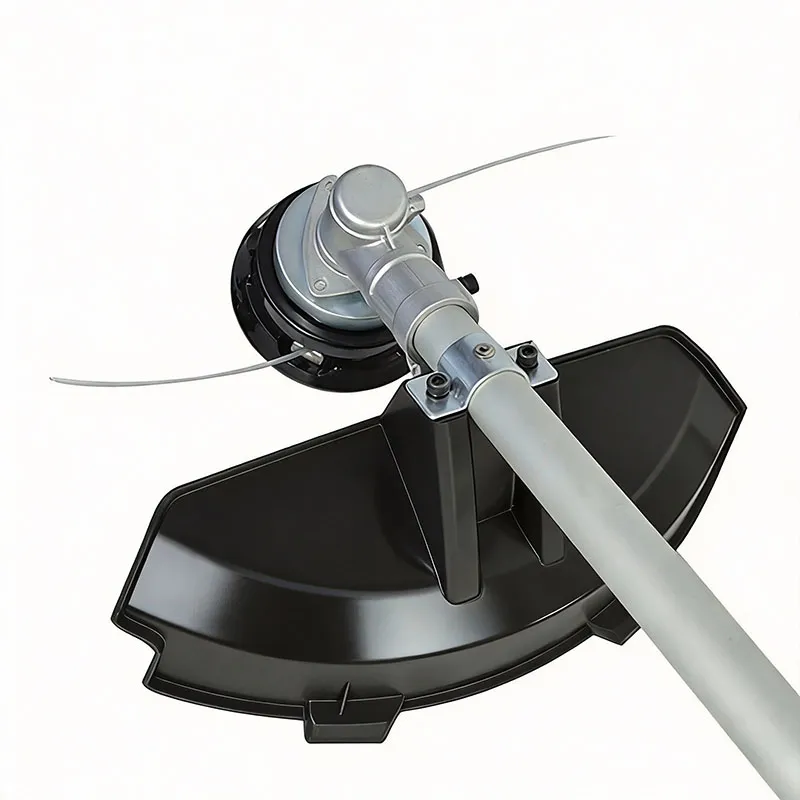
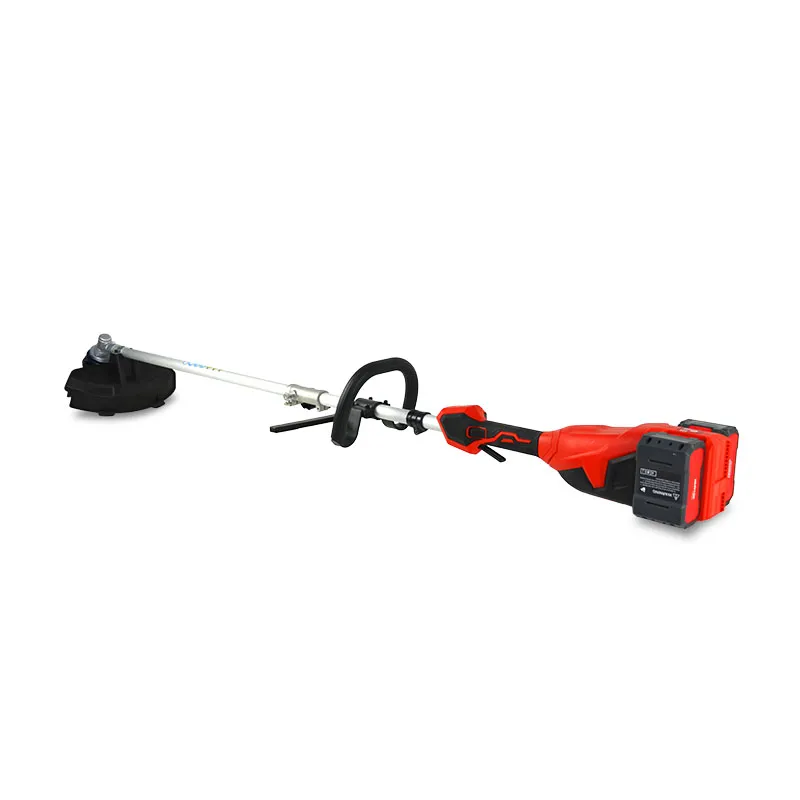
A practical best gas grass trimmer range for a distributor concentrates on two displacement classes. We build the NTB430F at 42.7cc, with a 1.34kW engine rated at 8000rpm, a diaphragm carburetor, a 28mm aluminum pipe and a U-handle for balance. It is the household and small-farm machine that walk-in customers usually buy first.
Der NTB520A moves upmarket at 51.7cc and 1.65kW at 7600rpm. A 26mm aluminum pipe, a rubber W-handle and a quick-change air filter suit long clearing sessions, and the 1300ml tank stretches refuel stops. We position it as a semi-professional grass cutter, which is the duty class landscape and municipal buyers ask for by name. Both models sit in the live brush cutter and grass trimmer range you can browse before quoting.
Why the Service Bench Supports the Gas Line
Two displacements also protect the parts counter. Line, blades, plugs and filters are bought against the machine, and the best gas grass trimmer seller is usually the model your mechanic already knows how to fix. A concentrated range makes that product knowledge easier to hold and the re-orders quicker to place.
Fuel discipline belongs on the operator card that ships with each machine. Both the NTB430F and the NTB520A name a 25:1 gasoline-to-oil mix on their spec sheets, and mixture errors are among the failures that lead to warranty arguments. Printing the ratio on the card and including the card in the box may reduce those disputes.
Where Battery Lines Are Growing
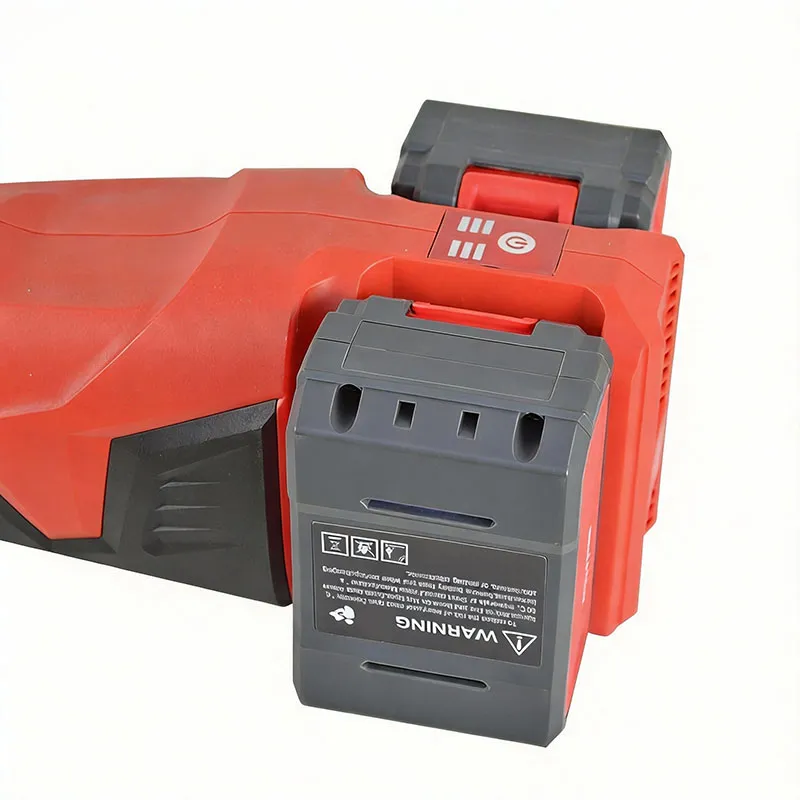
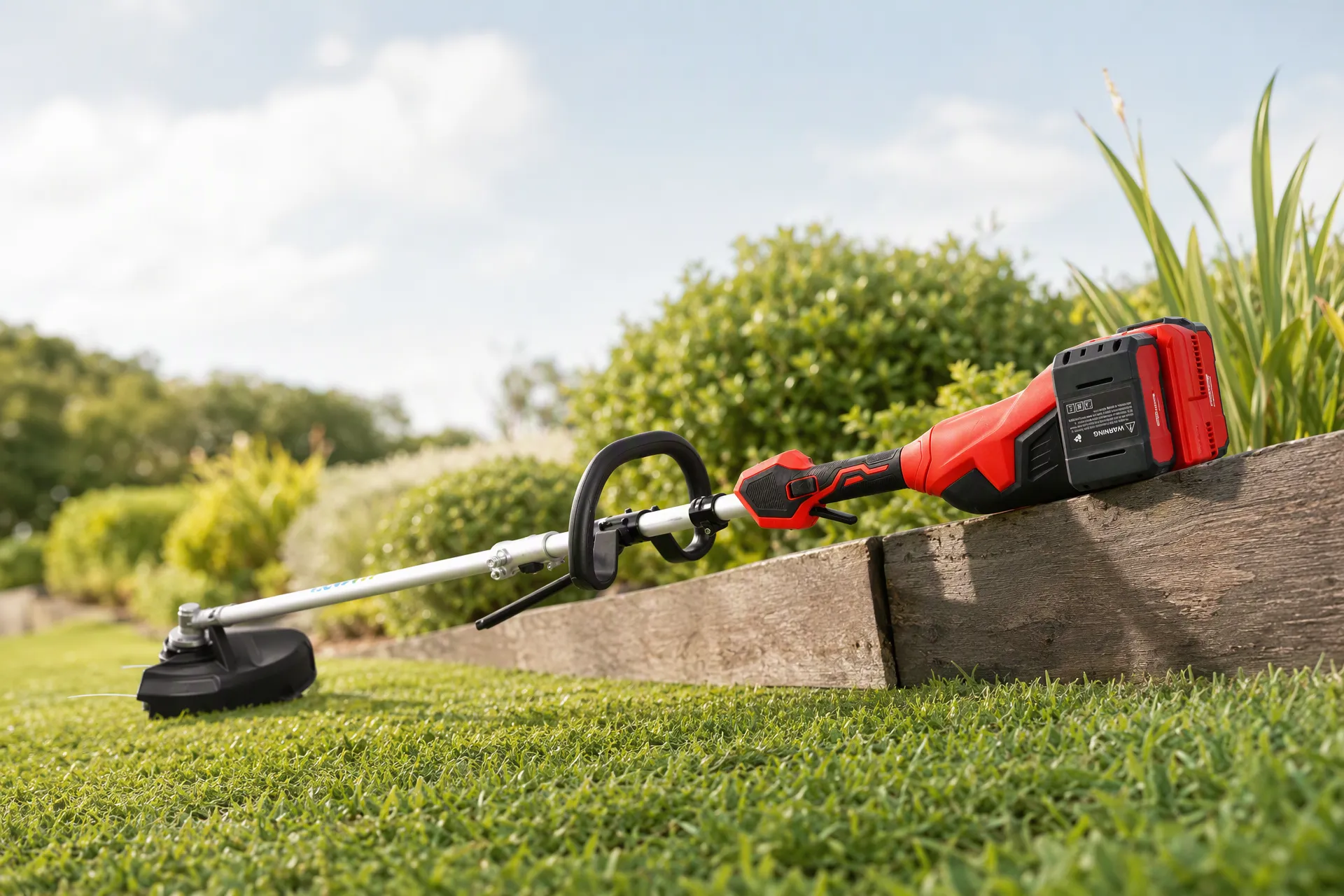
Battery lines fit a different setting. Residential districts, hotels, schools and estate crews trim where noise, fumes and starter cords are the complaint, and grid power for charging is dependable. Where charging is unreliable, it is usually better to wait, because a battery line should follow electrified customers rather than a forecast.
What Lithium Paperwork to Request Before Ordering
Battery performance claims should be backed by documentation, so it is worth making the test report a purchase condition. Runtime against your cutting load, charge cycles, charger type and cell certification are all numbers a supplier can document, and each belongs on the spec sheet before money moves.
The US Federal Aviation Administration notes that lithium batteries are required to undergo safety testing. Its guidance also warns that cells can enter thermal runaway when they are damaged, overheated, overcharged or improperly packed. It is reasonable to ask which tests the pack has passed and what paperwork ships in the carton.
The same caution applies to any lithium catalog you assemble. Our cordless program today covers lithium garden equipment such as saws, lawn mowers and blowers, plus lithium power tools, and it does not include a cordless grass trimmer. Importers who want a lithium counter beside the trimmer wall can start from that range, and our trimmer line keeps serving the core market on gasoline.
The power-type decision is familiar from the chainsaw category. Unser electric vs gas chainsaw comparison works through the same call, and the conclusions transfer directly to trimmers.
How to Split Your First Order
Start with the counter you already have, then let the second line grow on evidence. The split below is a worked example for a 100-unit trial, and it is arithmetic, not observed failure data. Adjust the ratio against your customer base before the deposit moves.
| Line | Units per 100 | Begründung |
|---|---|---|
| Gasoline 42.7cc household | 50 | Anchors walk-in trade and the parts counter |
| Gasoline 51.7cc semi-professional | 30 | Crew and municipal duty; carries the service reputation |
| Battery trial range | 20 | Second counter for electrified residential buyers |
| Gas consumables bundle | Per gas unit | Line, plug and filter paired at delivery |
Der 50/30/20 split above is arithmetic, not observed failure data or a sales forecast. Adjust the ratio against your own customer structure before ordering. Battery units in this split come from our cordless garden-equipment range, not trimmers.
The 20-unit battery block is a test budget, and its purpose is information rather than volume. Track which buyers pick it up, what they ask at the counter and how the units come back for service. One season of those notes is usually a better guide than a forecast. Our lead times keep the cycle short: samples ship 7 Zu 10 Tage nach der Zahlung, and container orders take about 30 Tage.
Keep the gas anchor fixed while the test runs. The best gas grass trimmer pair for most shelves is one household displacement plus one semi-professional displacement. The pair covers the duty range without multiplying the parts you hold.
Warehousing splits the same way. Keep gasoline machines empty of fuel and ventilated on the storage shelf. Hold lithium packs away from the fuel store, and check pack charge state on a schedule you set with the supplier. Consumables sit nearest the counter, because line, plugs and filters are what walk-in customers usually buy without an appointment.
Consumables also support the gasoline side commercially. Pair every machine with line, a plug and a filter at delivery. Unser outdoor power equipment parts and accessories guide lays out the groups a dealer usually puts on the first parts order.
Which Questions to Ask Your Brush Cutter Supplier
Put the list below in writing, and score the answers before you compare prices. How quickly and specifically a supplier answers here is a fair sample of the support that follows.
Which Numbers Must Be Documented
Ask for the certification set first. Our products carry CE, GS, EURO II, EPA, ETL and RoHS under ISO9001 and ISO14001 systems, and any battery line must show which tests name the pack itself. Ask what the warranty covers: we warrant complete machines for one year and core parts for six months. Also ask how a claim moves and who pays freight on a failed unit.
End-of-life handling is part of the battery answer. The US EPA advises that lithium-ion batteries and devices containing them stay out of household garbage and recycling bins. Its guidance warns that crushed or damaged cells create a fire hazard in transport and sorting. It is worth asking what disposal guidance ships with the product, because your customers will probably ask you first.
Ask about the commercial terms that shape a mixed order. We support OEM customization of colors, packaging and parameters, and our production line already serves a 60/30/10 mix of OEM buyers, brand agents and tender customers. A mixed first order fits the same line, so it is worth asking how the two product families sequence through one shipment and one document set.
Why Source Gas Grass Trimmers From NEWTOP
Our company, NEUTOP, has manufactured outdoor power equipment since 2003 and supplies buyers in 65 Länder, with more than 100 brand agents carrying the line. Production runs above 500,000 units a year on a site of more than 10,000 Quadratmeter, staffed by over 300 Mitarbeiter, einschließlich 50 R&D engineers.
The component base matters for after-sales. Carburetors are Walbro, spark plugs are NGK and bearings are NSK, and we machine core components on CNC centers and validate them beyond 500 hours of durability testing. Because those wear parts cross-reference to brands your bench already stocks, a two-model gasoline range stays serviceable across seasons.
Product scope matters for this decision. Our gasoline range centers on chainsaws, brush cutters and sprayers, which together carry 70% of our sales. The cordless program concentrates on lithium saws, Rasenmäher, blowers and power tools. An importer who stocks the NTB430F and NTB520A is buying a line we build at volume, and that depth helps hold the parts counter steady.
If you are planning a two-line trimmer counter, you can start the conversation the way our current partners did. Send us your target market, your main customer types and the duty mix you expect. We will come back with a two-model gasoline recommendation, the certificates for your destination market and order terms that fit your season.
Häufig gestellte Fragen
What Is the Best Gas Grass Trimmer for an Emerging Market?
The best gas grass trimmer is usually the model your local mechanic can repair with parts you stock. For most importers that means two displacements: a 42.7cc household machine such as our NTB430F and a 51.7cc semi-professional unit such as our NTB520A. The pair covers weekly yard work through clearing contracts without multiplying spare-part variants.
Should Importers Stock Battery Grass Trimmers Alongside Gas Models?
Battery stock works better as a second counter than as a replacement. Battery units fit electrified, noise-sensitive districts where customers ask for quieter tools, while the gasoline side keeps serving farms and clearing crews. Where charging is unreliable, it is often better to delay the battery test until you can support chargers and service.
Does NEWTOP Sell a Cordless Grass Trimmer?
NEIN. Our cordless program covers lithium saws, Rasenmäher, blowers and power tools, and our grass trimmers are gasoline-powered, anchored by the NTB430F and NTB520A. Ask any supplier to confirm in writing which cordless categories are actively listed, because a listed category is not the same as stock on hand.
What Paperwork Should Accompany an Imported Lithium Tool Line?
Ask for cell and pack test documentation, packaging certification and warranty terms that name the battery. The FAA notes that lithium batteries are required to undergo safety testing, so it is reasonable to wait until a supplier can show which tests the pack passed. Keep the copies with the shipment, not only in email.
How Many Units of Each Line Belong in a First Order?
Treat the split as arithmetic against your customer base rather than a fixed rule. A 100-unit trial split of roughly 50 household gasoline, 30 semi-professional gasoline and 20 battery units is one defensible example, and it is arithmetic rather than field data. Re-balance both lines after one season of counter records.
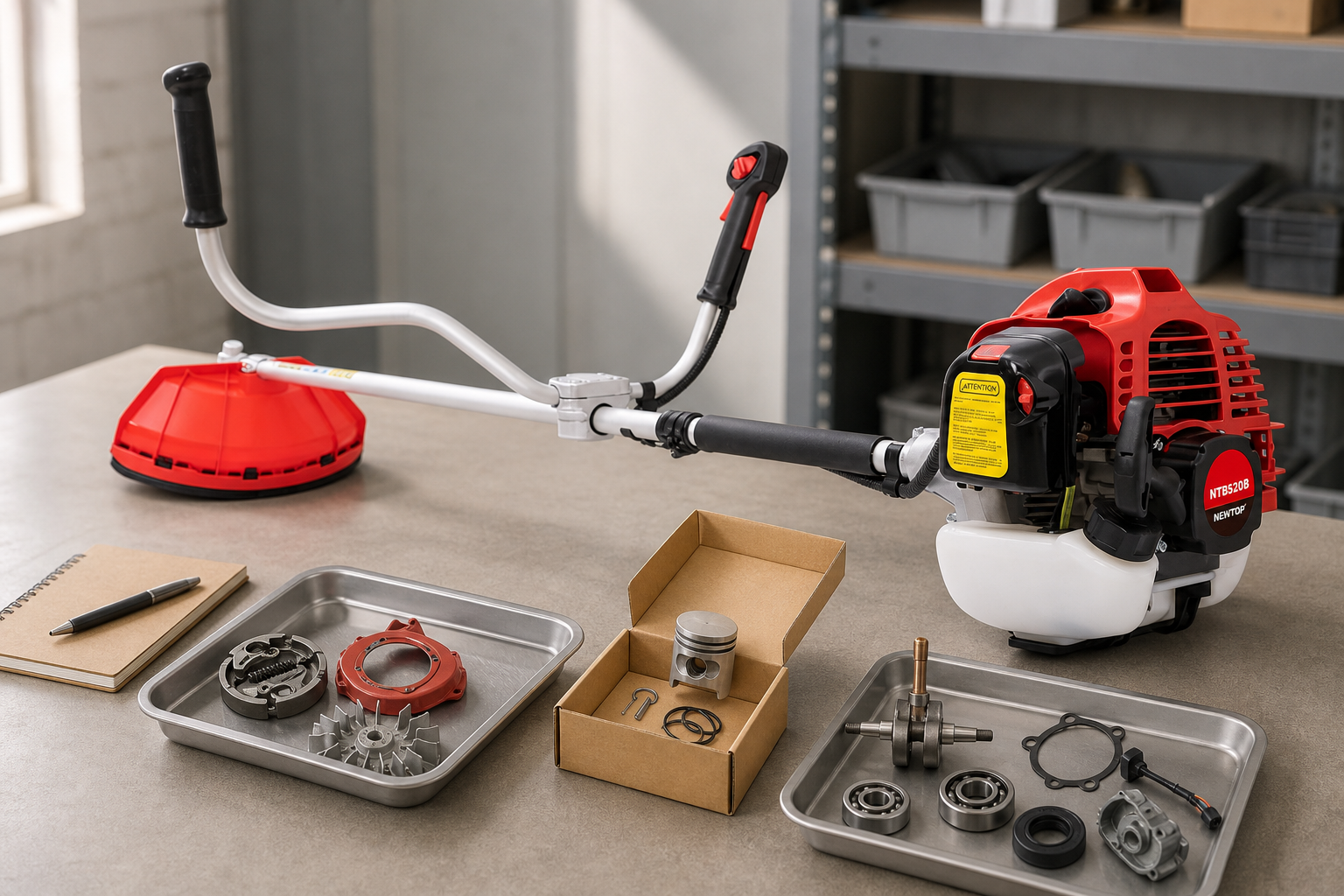
Der 2 stroke vs 4 stroke grass trimmer decision comes down to how each engine is fueled, lubricated and serviced rather than to cutting power alone. Both platforms cut grass and clear brush, and both appear in the NEWTOP range.
In diesem Ratgeber, we first put the two platforms side by side in a comparison table. We then define each engine type, compare them across the dimensions that affect your shelf and service plan, and close with a decision framework and our product recommendations.
What to Take From This Guide
- Der 2 stroke vs 4 stroke grass trimmer choice shapes your service model and training plan as well as the power specs.
- Our two-stroke anchors are the 42.7cc NTB430F and the 51.7cc NTB520A, both listing a 25:1 mix on their spec sheets, and our four-stroke NTS140CG runs a GX35-class 35.8cc engine.
- Two-stroke fuel should be mixed to the nameplate ratio in labeled cans, while four-stroke tanks take straight gasoline and the crankcase oil joins the routine checks.
- Both platforms fall under the same EPA small spark-ignition engine program, where the standard follows displacement rather than the engine cycle, so certificates depend on the supplier and model.
- We ship samples 7-10 days after payment and container orders in about 30 Tage, so a sample-first comparison of both platforms can run within one season.
2 Schlaganfall vs 4 Stroke Grass Trimmer
The table below summarizes the 2 stroke vs 4 stroke grass trimmer differences that matter at the counter.
| Dimension | 2-Stroke Brush Cutter | 4-Stroke Brush Cutter |
|---|---|---|
| Fuel in the tank | Gasoline pre-mixed with two-cycle oil at the nameplate ratio | Straight gasoline, with no measuring or mixing |
| Schmierung | Oil travels in the fuel mix itself | Oil sits in the crankcase as a separate check |
| Engine internals | No valves or camshaft, so fewer moving parts | Valvetrain adds parts to the service routine |
| Power delivery | Fires every revolution, strong response for the displacement | Smoother, quieter running that suits steady work |
| Weight and carry | Typically the lighter build in its output class | Typically heavier in its output class; check each spec sheet |
| Typical jobs | Dense growth, field clearing, mixed farm tasks | Slopes, Obstgärten, roadside and noise-sensitive venues |
| Maintenance focus | Fuel system: mix quality, plugs, Vergaser | Crankcase oil checks plus valvetrain inspection |
| Common field faults | Wrong ratio, stale mix, fouled plugs | Skipped oil checks rather than fueling errors |
| Customer training | Mix discipline, labeled cans, no-start checks | No mixing to teach; crankcase oil added to the routine |
| NEWTOP models | NTB430F 42.7cc, NTB520A 51.7cc, both 25:1 | NTS140CG, GX35-class 35.8cc |
| Import paperwork | Both platforms fall under the same EPA small spark-ignition engine program, where the standard follows displacement rather than the cycle; certificates depend on the supplier and model | |
This table is a qualitative comparison for stocking discussions, not measured test data. Confirm final displacement, power and tank figures with us before you order.
Unser category page for the full brush cutter and grass trimmer range filters the collection by engine type. That way you can see both platforms side by side before you shortlist models.
What Is a 2-Stroke Brush Cutter?
A two-stroke engine completes its power cycle in a single crankshaft revolution. There is no valve gear and no separate oil sump, so the lubricating oil travels in the gasoline itself. That is why every two-stroke nameplate carries a mix ratio, and ours state 25:1, written as gasoline 25 to two-cycle oil 1.
At the counter, that design carries one training obligation: the fuel must be pre-mixed to the nameplate ratio in labeled cans. In return, the engine has fewer moving parts, fires on every revolution, and is typically the lighter build in its output class.
Our two-stroke anchors are the NTB430F at 42.7cc and 1.34kW at 8,000rpm, and the NTB520A at 51.7cc and 1.65kW at 7,600rpm with a 1,300ml tank. The NTBH520E high-handle variant extends the same engine family. Our spec sheets, and the nameplate on each unit, are the final word on the mix ratio.
What Is a 4-Stroke Brush Cutter?
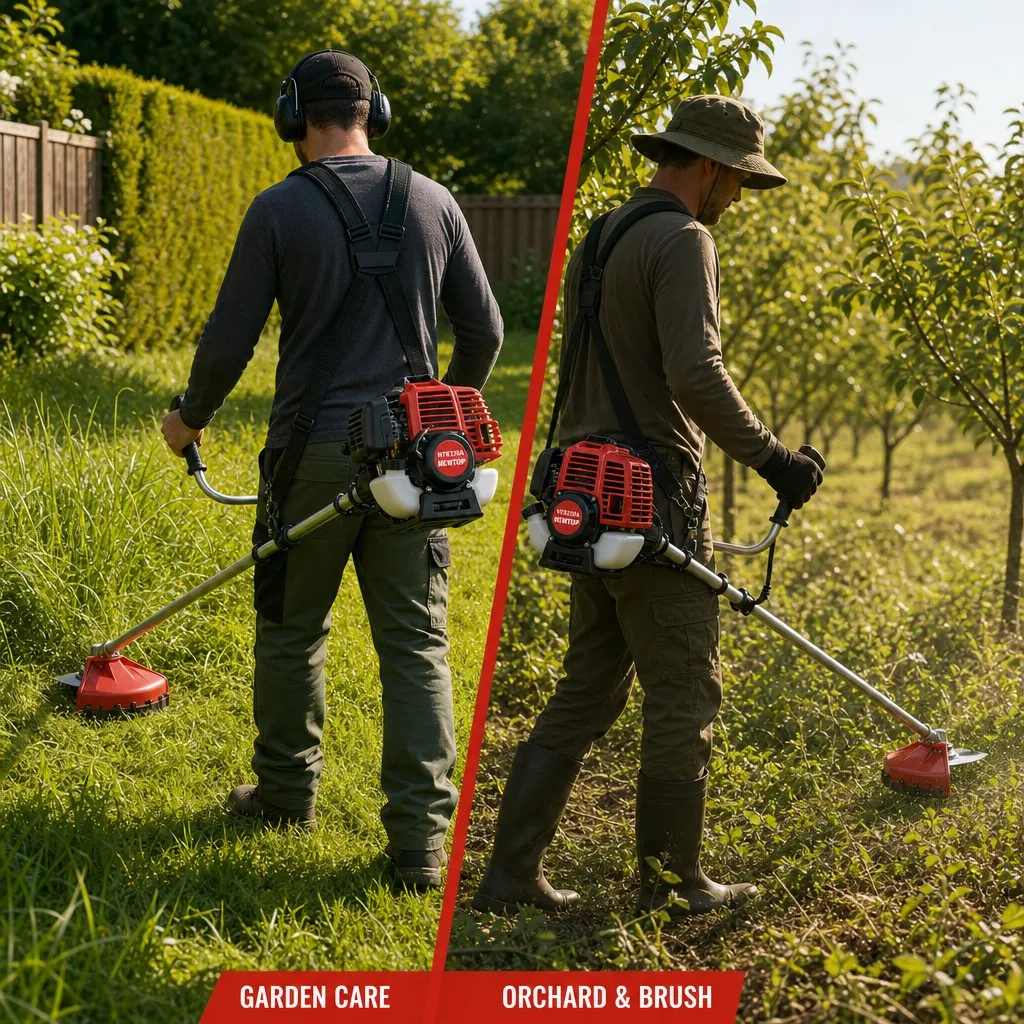
A four-stroke engine spreads the cycle over two crankshaft revolutions and separates the jobs. Gasoline sits clean in the tank, oil sits in the crankcase, and valves meter the mixture in and out. The added valvetrain makes the engine more complex to build and adds items to the service routine.
Operationally, the mixing step disappears: any operator can fuel the tank without measuring. The crankcase oil level joins the routine checks instead, alongside the plug and filter checks both platforms share.
Our four-stroke slot is the NTS140CG, a backpack brush cutter listed in our category filters as a four-stroke machine. It pairs a GX35-class 35.8cc engine rated at 0.9kW and 6,800rpm with a 500ml fuel tank, positioned for slopes, orchards and roadside clearing.
How the Platforms Differ Dimension by Dimension
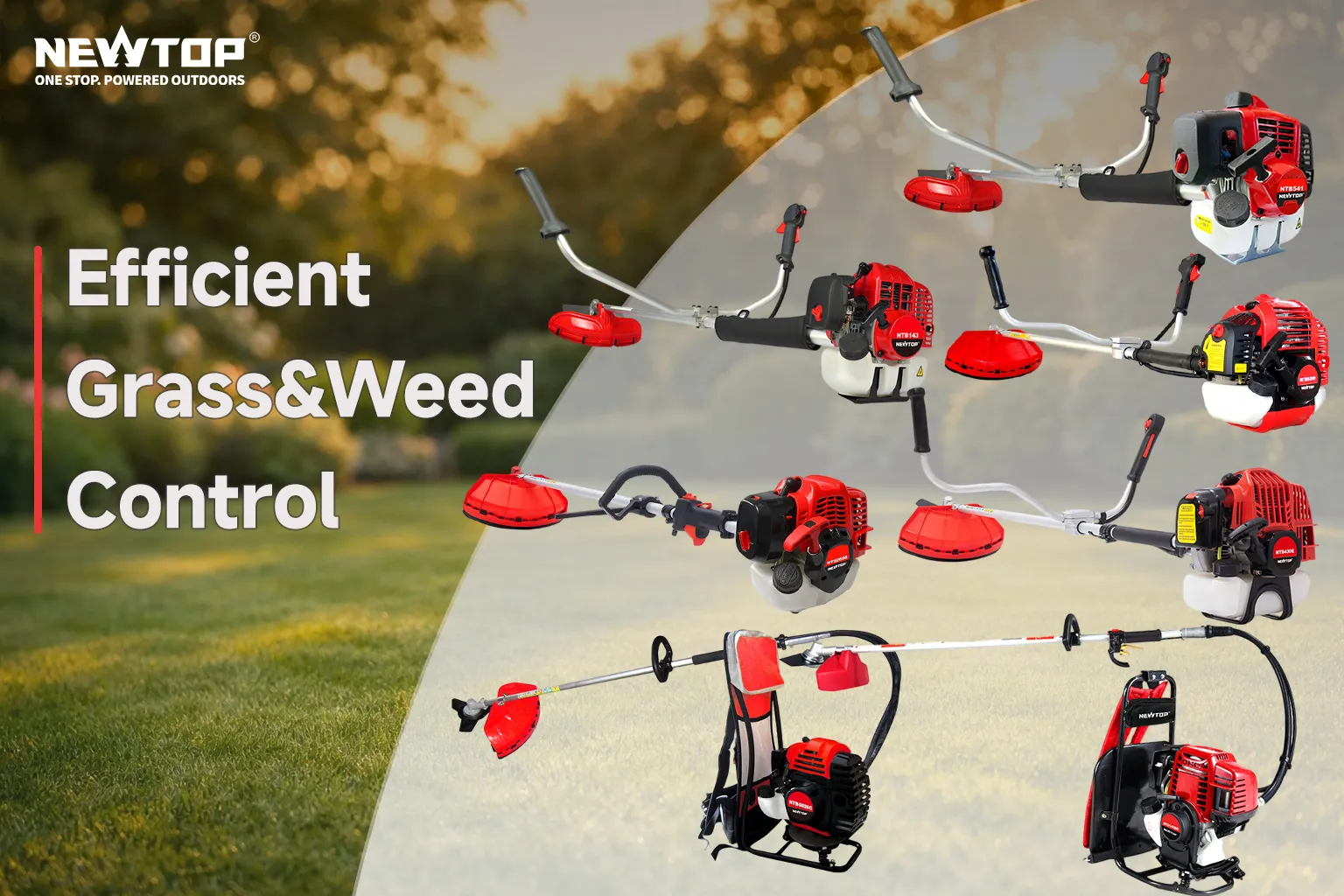
With the definitions in place, Die 2 stroke vs 4 stroke grass trimmer differences can be compared dimension by dimension. The four dimensions below are the ones that drive stocking decisions: fueling, service items, running character and import paperwork.
Fueling and Daily Operation
Two-stroke fueling is a discipline: labeled cans, the nameplate ratio and fresh mix. A machine that runs on straight gasoline loses the oil its engine depends on, and it can seize as a result. Four-stroke fueling removes the measuring step, which is why rental counters and multi-operator crews often prefer it. Our machines use Walbro carburetors and NGK spark plugs, so the wear parts cross-reference to brands your workshop already stocks.
Maintenance and Service Items
Spark plugs, air filters, carburetor kits, fuel lines and trimmer heads are shared across both platforms. A four-stroke adds crankcase oil to the consumables list and valves to the inspection map, while a two-stroke concentrates its service story in the fuel system. Neither platform removes maintenance, and service intervals are not something to quote from a brochure. We suggest asking your supplier which service items the warranty actually covers before you publish intervals to your dealers.
Lärm, Weight and Running Character
In like-for-like displacement classes, two-stroke machines are typically the lighter build and deliver power on every revolution, which suits burst clearing work. Four-stroke machines run smoother and quieter, which suits long sessions in noise-sensitive settings. Weight and noise vary by model, so compare the spec sheets of the exact units rather than the platform labels.
Emissions and Import Paperwork
Both platforms fall under the program through which the EPA sets emission standards for small spark-ignition engines. The standards cover exhaust and evaporative emissions, and they follow displacement rather than the engine cycle. Phase 3 exhaust standards took effect in 2011 oder 2012, depending on engine size. Compliance is therefore a supplier and model question, and the documents should be confirmed per unit rather than assumed by platform.
Which Power Type Fits Your Market?
Der 2 stroke vs 4 stroke grass trimmer question becomes easier once it is attached to jobs and buyer habits. Three market profiles cover most of the cases we see.
Markets That Suit Two-Stroke Machines
Two-stroke platforms fit jobs where carry weight, burst power and purchase price decide the sale. Contractors clearing dense growth, farm buyers covering several tasks and price-sensitive markets often sit in this group. In markets where users already mix fuel for chainsaws, the training requirement is small because the routine is familiar. Bench experience points to fuel quality as the recurring service issue: stale mix and unlabeled cans are the first things to check when a machine will not start.
Markets That Suit Four-Stroke Machines
Four-stroke machines suit buyers who prefer not to mix fuel and venues that want quieter, cleaner-running equipment. Residential services, hotels, schools and estate crews often sit in this group, and rental counters may favor the platform for the same reason. Our NTS140CG is listed for slopes, orchards and roadside clearing, which is where we suggest starting the four-stroke conversation. The trade-off is hardware: at the same displacement class, four-stroke builds generally cost more to make. In price-led markets, the two-stroke usually remains the higher-volume line.
Stocking Both Platforms
Mixed markets carry both profiles, and our commercial terms make it practical to test the combination. The platforms share most consumables, so the split appears mainly in fuel-system spares and customer education. We suggest adding one four-stroke SKU to an established two-stroke program, measuring the training load for a season, and scaling only when counter data supports it. Our warranty terms are the same across the lineup: one year for complete machines and six months for core parts.
Why Source Brush Cutters From NEWTOP
Our company, NEUTOP, has manufactured outdoor power equipment since 2003 and ships to customers in 65 Länder, supported by more than 100 Markenagenten. Our factory covers more than 10,000 square meters with annual production capacity above 500,000 Einheiten, and our team of more than 300 people includes 50 R&D engineers. You can request the spec tables of the NTB430F, NTB520A and NTS140CG with any quotation.
Component sourcing is the second point we put in front of partners: Walbro-Vergaser, NGK-Zündkerzen, NSK bearings and Oregon chains. Certifications cover CE, GS, EURO II, EPA, ETL and RoHS under ISO9001 and ISO14001 systems. Our order mix runs about 60 percent OEM purchasers, 30 percent brand agents and 10 percent tender and small-business buyers, concentrated in Africa, South America and Southeast Asia.
If you are weighing the two platforms for your market, send us your target customers and the jobs their machines do most often. We will suggest a starting mix of two-stroke and four-stroke models, confirm the certificates for your destination market and quote the lineup alongside your order terms.
Get a Platform Recommendation for Your Market
Tell us your target market, main customer types and the jobs their machines do. We will recommend a starting mix of NTB430F, NTB520A and NTS140CG, confirm the certificates for your destination market and quote sample-first order terms.
Häufig gestellte Fragen
Which Engine Platform Should a New Distributor Import First?
We suggest starting with the platform your market already services. Where users pre-mix fuel for chainsaws, our two-stroke NTB430F and NTB520A usually slot in without a training program. Where buyers prefer not to mix fuel, the NTS140CG four-stroke is often the easier sale, with a narrower job range to explain.
What Fuel Mix Do NEWTOP Two-Stroke Brush Cutters Use?
Our NTB430F and NTB520A spec sheets both list 25:1, written as gasoline 25 to two-cycle oil 1. We advise treating the nameplate on each unit as the final word and repeating the ratio on every operator card. Machines from other factories may specify different ratios, so confirm each nameplate before you print.
Does NEWTOP Build a Four-Stroke Grass Trimmer?
Ja. We list the NTS140CG as a four-stroke brush cutter in our own category filters. It is built on a GX35-class 35.8cc engine and positioned for slopes, orchards and roadside clearing, and it sits alongside our two-stroke NTB430F, NTB520A and NTBH520E models.
How Should I Brief Dealers on the 2 Schlaganfall vs 4 Stroke Grass Trimmer Choice?
We suggest keeping the briefing to three contrasts. Fueling: pre-mixed gasoline at a fixed ratio against straight pump gasoline. Service: plug and carburetor checks against crankcase oil checks. Buyer appeal: carry weight and burst power against convenience and quieter running. Those contrasts usually show a dealer which platform matches its customers.
Do Emissions Rules Block Either Engine Platform?
Both platforms fall under the EPA small spark-ignition engine program. Its Phase 3 exhaust standards took effect in 2011 oder 2012, depending on engine size. Compliance is a supplier and model question rather than a platform question, so we suggest asking which certificates ship with each unit. Ours are covered by CE, GS, EURO II, EPA, ETL and RoHS documentation under ISO9001 and ISO14001 systems.
Becoming an outdoor power equipment dealer usually means building three things at once. You need a customer base in your area, a product line from a manufacturer you can rely on, and a service capability that keeps customers working after the sale. Requirements differ by market, but these three run through every dealership we work with.
This guide covers the daily work, the preparation before you apply, manufacturer selection, the support terms worth discussing, and how to size a first order. At NEWTOP we work with brand agents, distributors and OEM buyers across 65 Länder, so the notes below also reflect the questions our partners ask us most often.
What to Take From This Guide
- A dealership stands on a mapped market, a service bench and local registration, so prepare all three before applying.
- Judge a manufacturer on capacity, inspection stages, certification paperwork and spare-parts depth rather than product photos.
- Bei NEWTOP, we support our distributors with protected distribution rights, native-language marketing materials and tiered procurement rebates.
- Our samples dispatch 7-10 days after payment and orders from 100 units to full containers run about 30 Tage, so a sample-first start can repeat within one season.
- Start with two or three machine lines that match local demand, then scale on first-season sell-through.
What an Outdoor Power Equipment Dealer Does Daily
An outdoor power equipment dealer sells machines, keeps them running, and advises the customers who depend on them. The work combines a retail counter, a service bench and a supply relationship with farms, crews and institutions. Most dealers we know run all three from one location.
At the counter, the work is matching a customer to a machine: a brush cutter for fence lines, a knapsack sprayer for field rows, a generator for backup power. On the bench, it is commissioning new stock and turning warranty claims around quickly. In the field, demonstrations and follow-up visits are where institutional accounts are usually won.
Inventory discipline supports all three jobs. Track what sold, what failed, and what customers asked for and did not find. That record becomes the basis of your next order, and repeat orders are how a dealership grows.
Seasons shape the calendar. Demand for clearing and spraying equipment often peaks after the rains in agricultural regions, while urban green maintenance follows the growing season. Orders that arrive before the peak are positioned to capture that traffic, and late containers usually miss it.
What to Prepare Before You Apply
Manufacturers usually review an outdoor power equipment dealer application the way a bank reviews a loan file. The strongest applications show a mapped market, a service plan and a registered business, because each protects both sides of the partnership.
Map the Demand Before You Stock
Start by naming who buys. Smallholder farms may need land clearing, crop spraying and water movement. Landscaping and street crews consume trimmer line, blades and filters every season. Municipalities and estates often buy in batches and expect service support afterward. Write down your main buyer types and rank them by purchase frequency.
Prepare Service and Registration
A service capability belongs in the plan, because every machine sold is a machine a customer will ask you to maintain. Budget for a work bench, a trained mechanic and opening stock of spark plugs, filters and trimmer line.
Licenses and permits are local questions, and they differ by country and often by city. Confirm them with your trade authorities before you start importing. The UK government’s licence finder, Zum Beispiel, notes that a business may need a licence, permit or certification for some activities.
The table below gathers that preparation into one view.
| Readiness area | What to have ready | What it supports |
|---|---|---|
| Market map | Named buyer types and their purchase seasons | Demand planning before the first order |
| Service bench | Trained mechanic, Werkzeuge, consumable parts stock | Machines staying in service after delivery |
| Legal registration | Business registration plus any local permits | Clean import and resale |
| Starting capital | Budget for first stock and one season of operation | A first order that can be repeated |
This table is a preparation checklist rather than a set of entry requirements. Discuss the details with the manufacturer when you apply.
How to Choose a Manufacturer to Partner With
Your supplier choice affects warranty exposure, parts supply and the reputation of your own counter, so it is worth treating as a partnership review rather than a purchase. Four checks help separate a factory partner from a trading company.
Check Capacity, Quality Control and Documentation
Ask for annual output, factory floor area and staffing, then ask which inspection stages run inside the plant. A factory that runs incoming, in-process and pre-shipment checks on components as well as machines can usually document it. It is also reasonable to ask which component brands go into the engines, because those names affect which wear parts your market already knows.
Certification is the same evidencing question: a marking on a box is only verified by the certificate that names your model. Bei NEWTOP, our machines are produced under ISO9001 and ISO14001 systems, with product certifications covering CE, GS, EURO II, EPA, ETL and RoHS, and we hold more than 50 patents. Ask which certificate covers each model you plan to import, and ask any other supplier the same question.

Decide Between Brand Dealer and OEM Routes
Most factories, including us, sell through two doors: OEM production under your own label, and a branded dealer program with territory and support. Our order mix runs about 60% OEM orders, 30% brand agents and 10% tender and small-business buyers, so both routes are established practice. The branded route brings marketing materials and regional protection, while the OEM route puts your own name on the shelf. If you are unsure which route fits, we can discuss your market and plans before you decide.
What Dealer Support Should Look Like
Support terms are where dealer programs differ most, and they are promised more often than they are delivered in writing. Read any program against five areas: territory, Marketing, Service, logistics and pricing structure.
Unser distributor program includes protected distribution rights, which we define as the right to resell in your region plus access to shared customer leads. It also covers marketing materials prepared in native languages and tiered procurement rebates; the structure rewards larger orders, so ask us for the current tiers in writing before you sign.
Service and logistics complete the picture. We provide a dedicated logistics and customs-clearance team, 24-hour remote engineering support and a warehouse of more than 2,000 square meters for seasonal peaks. Our stated warranty terms are one year for complete machines and six months for core components, and both belong in the written agreement.
It is worth testing these commitments before you sign. Send a technical question during the application stage and note how quickly a specific answer comes back. Response quality at this stage is a fair sample of the support that follows.
Margin and Rebate Terms
Published program pages, including ours, rarely print margin percentages. Your margin comes from your buy price against your market’s selling price, the turn speed of the stock, the attach rate of accessories and service labor. Our brush cutter dealer margin guide works through that arithmetic line by line, and the final numbers should come from your signed agreement.
How to Build Your First Assortment
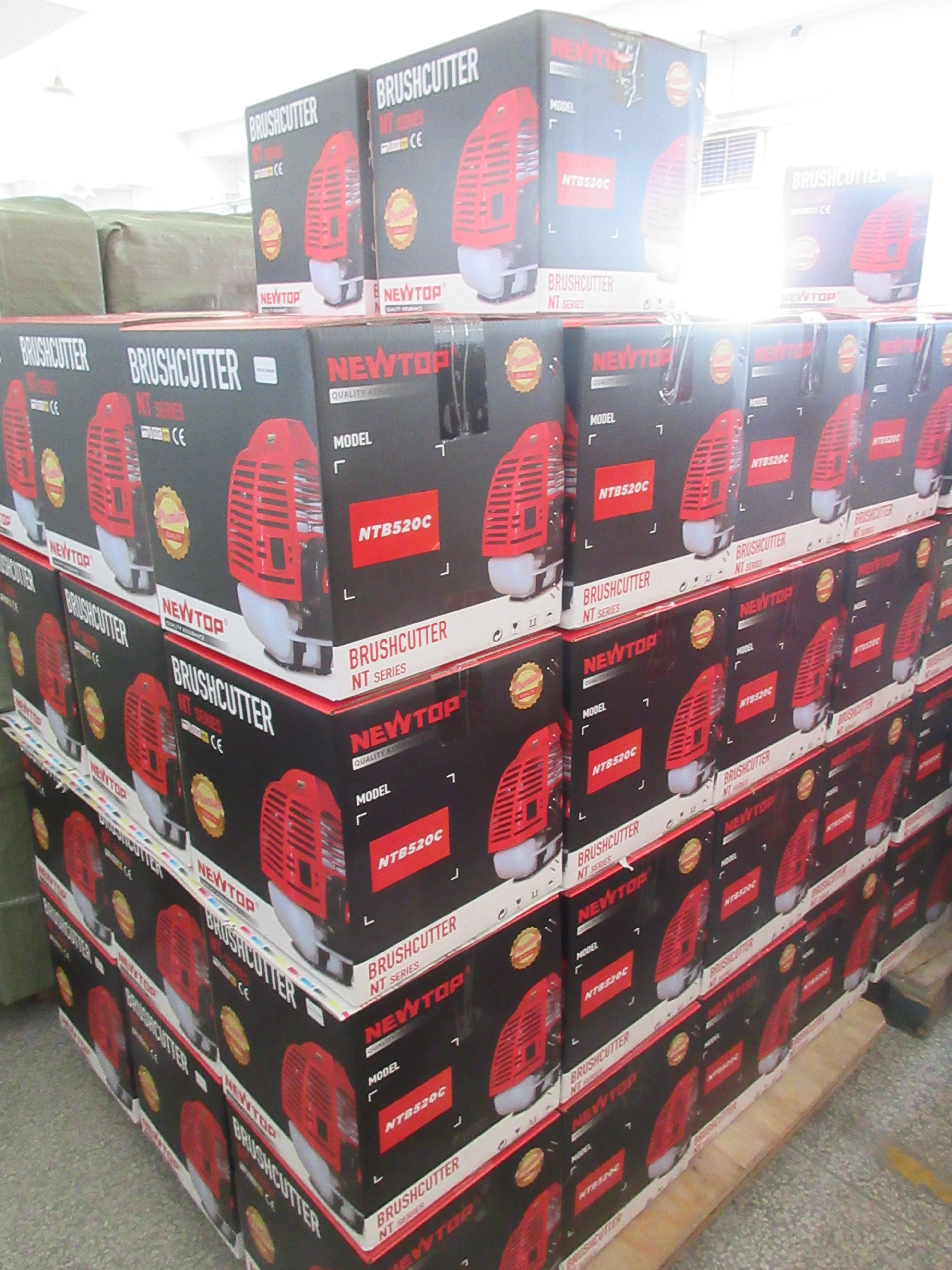
A first assortment should reflect your market map, and the safer version starts narrow. Two or three machine lines matched to your main buyer type, plus the consumables that keep them running, teach you more in one season than a container of everything.
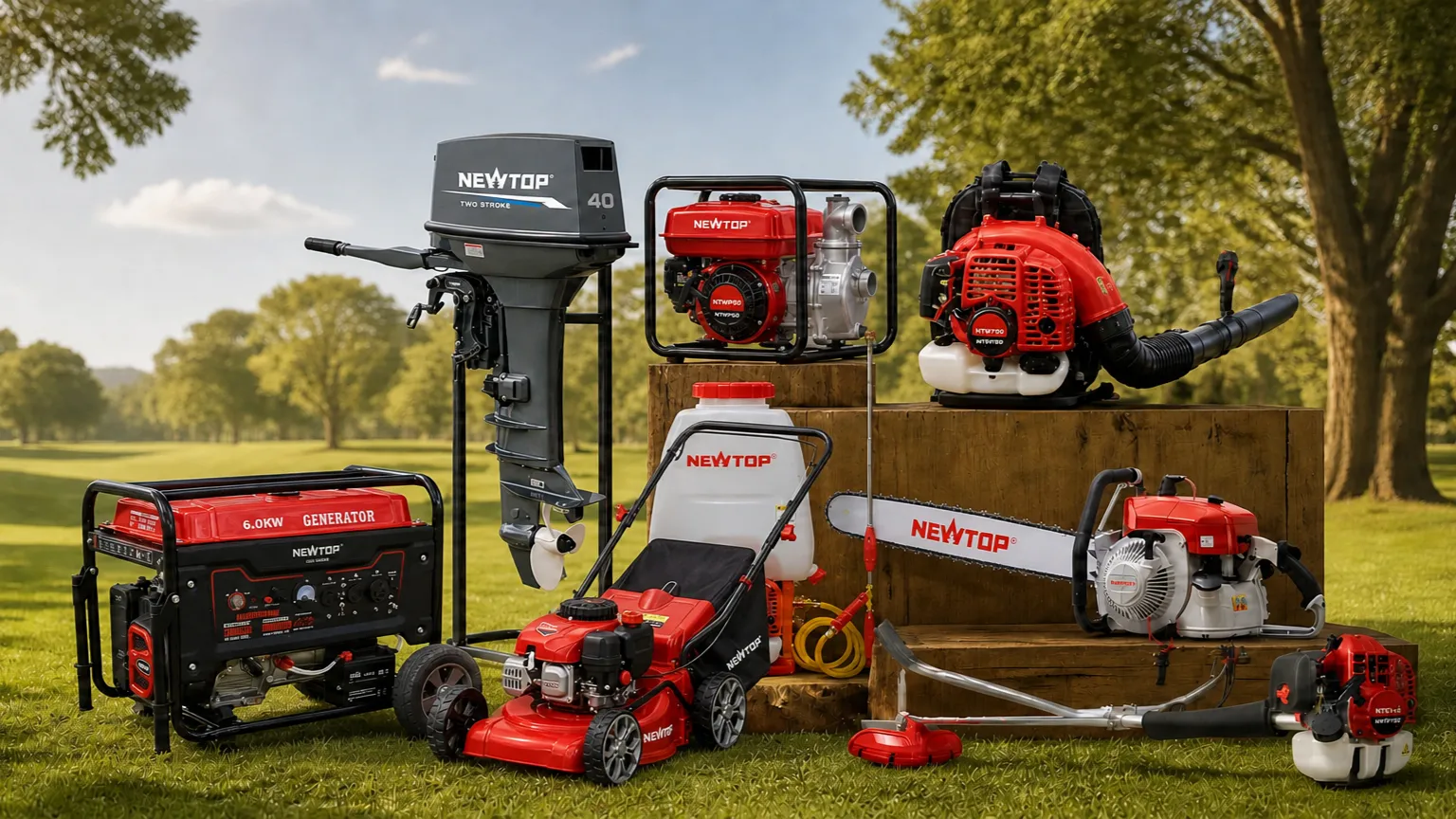
Our range runs from chainsaws, Freischneider, Sprühgeräte, Trimmer, Laubbläser und Rasenmäher bis hin zu Benzin- und Dieselmotoren, Generatoren und Außenbordmotoren. For the first order, the question is depth rather than width. A farm region usually opens with brush cutters, knapsack sprayers and water pumps.
An urban service market usually opens with trimmers, blowers and mowers, and a coastal trade may add outboard motors and generators to the same counter. Whatever the mix, price the consumables alongside the machines, because line, blades and filters are what bring buyers back to the counter.
The planning table below is a qualitative starting grid rather than observed sales data. Confirm every line against your own demand map before you order.
| Market type | Open with | Add once steady | Parts counter focus |
|---|---|---|---|
| Small-farm region | Brush cutters and knapsack sprayers for field and fence-line work | Water pumps for irrigation, then tillers | Trimmer line, blades, spark plugs and air filters |
| Urban green service | String trimmers, leaf blowers and lawn mowers for crews | Hedge trimmers, then pole saws | Line spools, blades and filter elements |
| Estate and municipal supply | Generators and pressure washers for site and grounds teams | Außenbordmotoren, then water pumps | Filters, spark plugs and service kits |
This table is a planning framework, not a demand forecast. Adjust it to your own market map and customer feedback.
Start With Samples and Scale on Sell-Through
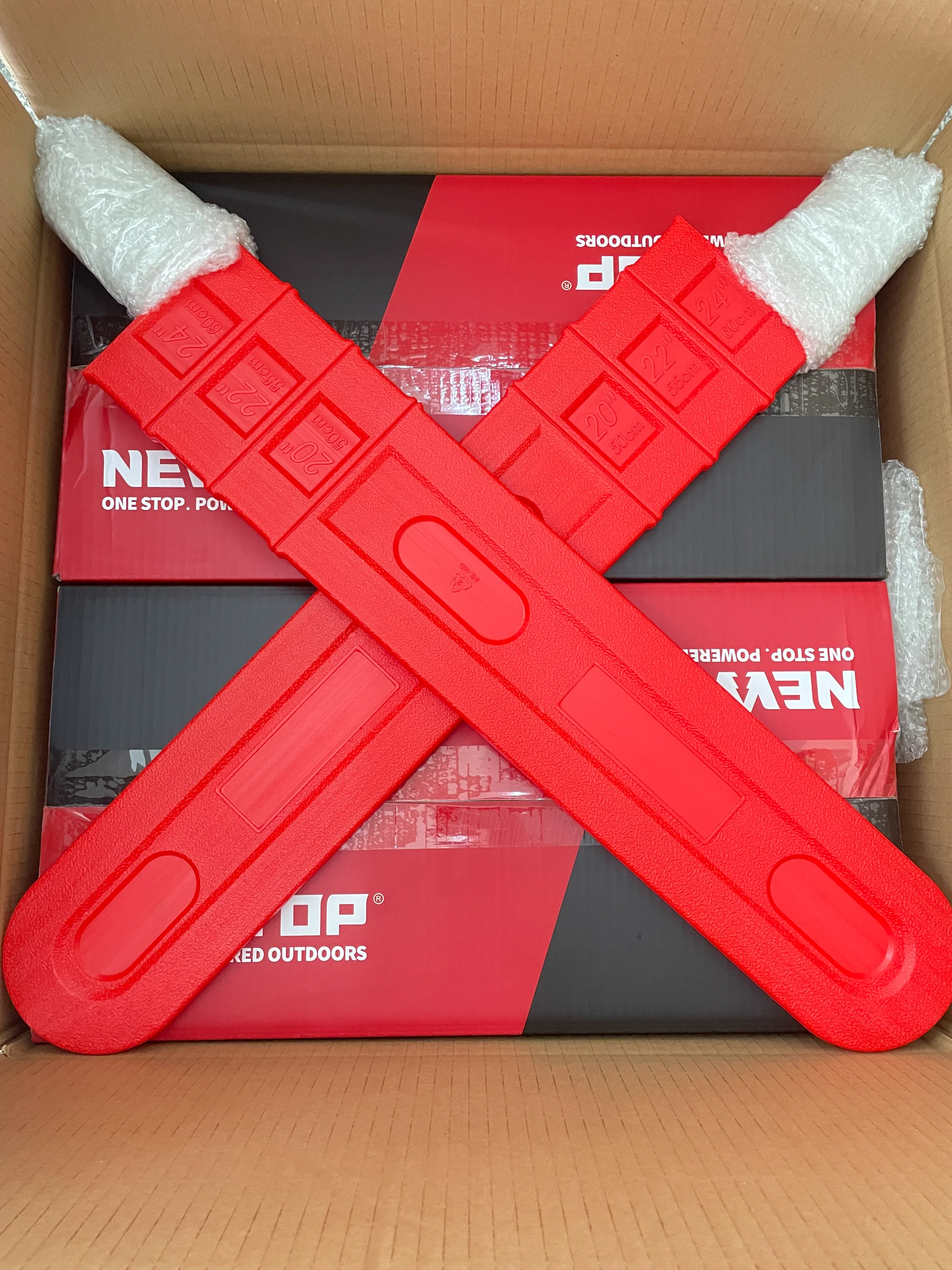
Lead times make this sequence workable. We ship samples 7-10 Tage nach der Zahlung, and orders from 100 units up to full containers take about 30 Tage. A sample-first cycle costs roughly a month, so a new outdoor power equipment dealer can verify demand before scaling. Our account of a chainsaw distributor in Zambia shows a similar gradual order path in a forestry market.
Why Source Outdoor Power Equipment From NEWTOP
A dealership inherits its manufacturer’s reputation with every unit it sells, so the factory record sits behind every unit you resell. Our company, NEUTOP, has manufactured outdoor power equipment since 2003 and ships to customers in 65 Länder. We work with more than 100 brand distributors, and our factory covers more than 10,000 square meters with annual production capacity above 500,000 Einheiten. The team numbers more than 300 Mitarbeiter, einschließlich 50 R&D engineers.
Our engines are built with components the aftermarket already knows: Walbro-Vergaser, NGK-Zündkerzen, NSK bearings and Oregon chains. This matters for a dealer because wear parts and service parts cross-reference to brands your customers’ workshops already stock. Certifications on our machines include CE, GS, EURO II, EPA, ETL and RoHS, produced under ISO9001 and ISO14001 systems.
If you are considering a dealership in your market, you can start the conversation the way our current partners did. Send us your target market, your main customer types and the products you have in mind. We will come back with a product recommendation, the certificates for your destination market and order terms that fit your season.
Häufig gestellte Fragen
How Much Does It Cost to Become an Outdoor Power Equipment Dealer?
Our program page does not publish an entry fee. The practical costs are your first stock order, a service bench and local registration. Rebate tiers, price protection and margins are agreement terms, so we discuss them individually with each partner; our dealer margin guide walks through the model line by line.
Do I Need a License to Sell Outdoor Power Equipment?
License and permit requirements are local, and they differ by country and often by city. Confirm them with your trade authorities before you apply or import. National registers help; the UK government’s licence finder notes that a business may need a licence, permit or certification for some activities.
What Are Protected Distribution Rights in a Dealer Agreement?
In our program, protected distribution rights give a distributor the right to resell in its region, plus access to shared customer leads. Ask any manufacturer to write the territory, its boundaries and any review terms into the contract. That written text is what settles a boundary question later.
How Much Inventory Should a New Dealer Order First?
Start from samples rather than a container. We ship samples 7-10 Tage nach der Zahlung, and orders from 100 units up to container volume take about 30 Tage. A narrow first order can repeat within one season, and first-season sell-through is the better guide to the real quantity.
What Support Does NEWTOP Give Its Distributors?
Our program lists protected distribution rights, marketing materials in native languages and tiered procurement rebates. It also includes a logistics and customs-clearance team, 24-hour remote engineering support and a warehouse of more than 2,000 Quadratmeter. It also covers joint exhibition attendance and help building an online distribution platform. Our stated warranty terms are one year for machines and six months for core parts.
The outdoor power equipment market in Latin America serves a mix of agricultural businesses, livestock operations, municipal teams, dealers and household users. Their purchasing needs vary by country, application and budget. Für Importeure und Händler, understanding these differences helps determine which machines to stock, which spare parts to carry and what documentation to request before placing an order.
This guide examines the main demand drivers, differences between national markets, distribution channels and key sourcing considerations. It also explains how NEWTOP works with regional partners and what importers should verify when evaluating an outdoor power equipment supplier.
What to Take From This Overview
- Treat the region as a set of national demand structures, because farm, livestock, municipal and household customers buy different machines.
- World Bank projections put regional GDP growth at 2.2% for 2026, with faster-growing countries at 3% Zu 4%, so growth is uneven across the region.
- Working machines lead demand: Freischneider, Kettensägen, Sprühgeräte, Wasserpumpen, generators and outboard engines.
- Parts availability and after-sales support affect repeat business, so plan a parts program alongside the machines from the start.
- According to the supplied company information, NEWTOP has shipped to 65 countries since 2003 and counts South America among its main regions. Its reported order mix runs roughly 60% OEM, 30% brand agents and 10% Ausschreibungen.
What Drives Equipment Demand Across Latin America
Several applications support demand for outdoor power equipment across the region:
- Landwirtschaft: Farms and agricultural contractors may need brush cutters, Kettensägen, Sprühgeräte, water pumps and other equipment for day-to-day work.
- Livestock and land management: Ranches and large properties can require tools for clearing vegetation, maintaining boundaries and managing overgrown areas.
- Municipal maintenance: Contractors and public-service teams may use brush cutters, chainsaws and sprayers to maintain roadsides, parks and public spaces.
- Household and small-business use: Smaller operators often look for practical equipment that is easy to operate, maintain and repair.
- River and coastal operations: In suitable locations, outboard engines and related spare parts may serve fishing, transport and other water-based activities.
Der Ernährungs- und Landwirtschaftsorganisation (FAO) has identified investment opportunities in Latin American and Caribbean agrifood systems. These figures provide broader context for agricultural investment, but they should not be treated as a direct forecast of outdoor power equipment sales. Buyers still need to assess local demand, competing products and the purchasing power of their intended customers.
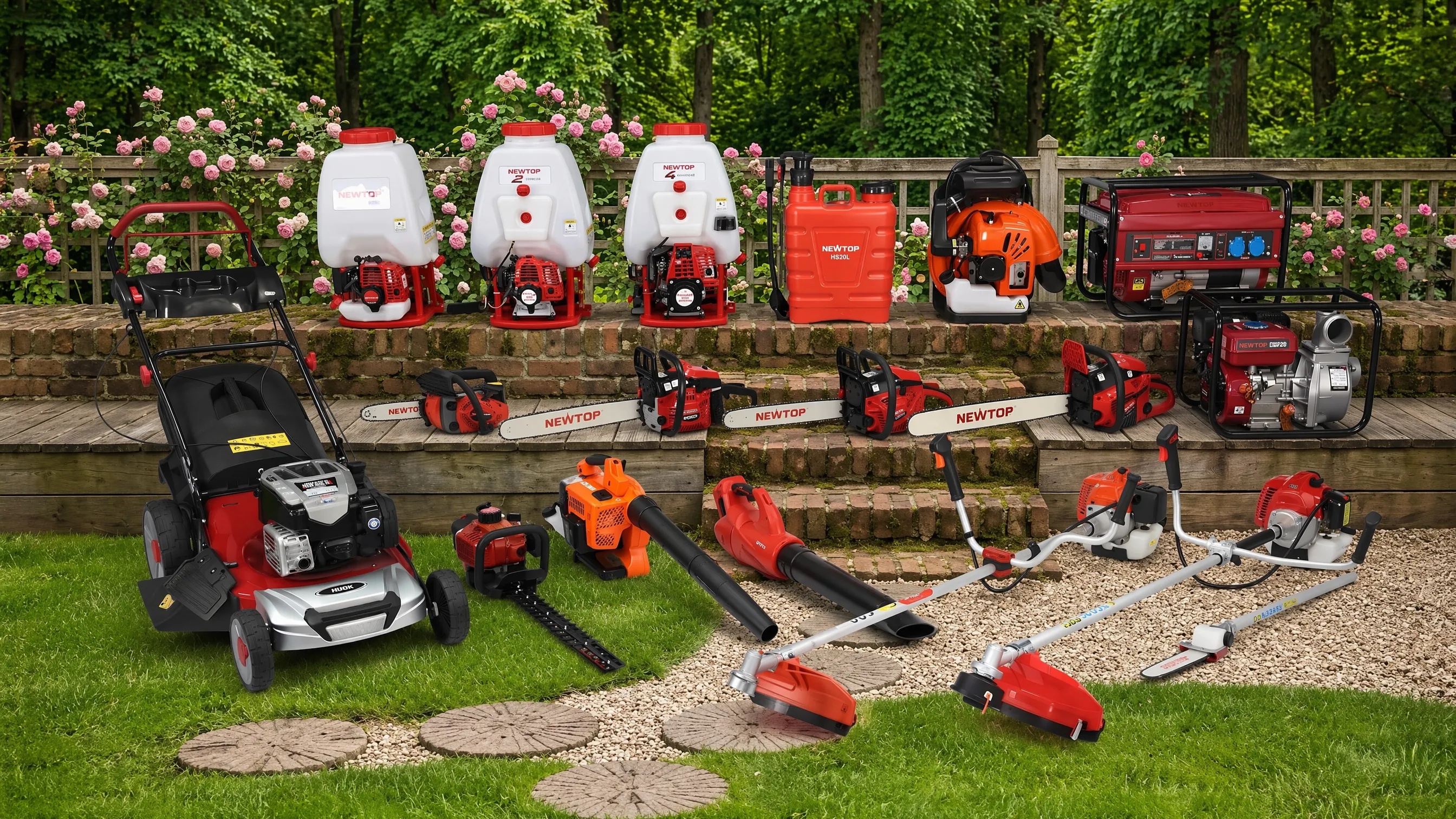
Municipal teams buy hand-held trimming and sawing equipment for parks, roadsides and public grounds. Household customers buy smaller machines in lower volumes per ticket, but their purchases continue between the larger seasonal orders.
How Demand Differs by Country and Customer Segment
Der World Bank projects regional GDP growth of 2.2% In 2026 for Latin America and the Caribbean, with the faster-growing countries expanding at 3% Zu 4%. Growth at different speeds across countries means the outdoor power equipment market should be read country by country rather than as one regional total.
Country-Specific Considerations
Brasilien: Agricultural operations and equipment utilization
Brazil’s agricultural sector includes large-scale commercial operations as well as smaller farms. For suppliers serving commercial customers, equipment utilization, maintenance requirements and replacement-part availability are useful factors to investigate. Importers should validate demand by application and customer type instead of assuming that agricultural scale automatically translates into sales for every equipment category.
Mexiko: Distribution and cross-border supply considerations
Mexico’s distribution networks operate within a North American commercial environment. Importers should examine existing dealer coverage, competing product ranges, freight arrangements and customer expectations before setting prices or selecting a product mix. These are factors to validate with local partners, not substitutes for country-specific sales data.
Venezuela: Outboard engines and replacement parts
River and coastal economies add a marine segment. In Venezuela, boats move people and goods along rivers, so outboard engines and their parts are working equipment. Our order file reflects this pattern: the company reports an outboard motor spare parts order from a Venezuelan distributor worth more than 80,000 US dollars, placed after a factory visit.
Product Needs by Customer Segment
Customer type also affects which products and spare parts an importer should prioritize.
| Customer Segment | Potential Equipment Needs | Purchasing Considerations |
|---|---|---|
| Farms and agricultural contractors | Brush cutters, Sprühgeräte, water pumps and chainsaws | Working conditions, usage frequency, maintenance and parts availability |
| Livestock and land management operations | Brush cutters, chainsaws and suitable clearing equipment | Vegetation conditions, operating hours and replacement components |
| Municipal maintenance teams | Brush cutters and equipment for grounds maintenance | Seasonal schedules, serviceability and fleet maintenance |
| Household and small-business users | Entry-level brush cutters, chainsaws and sprayers | Purchase price, ease of use and basic service support |
| River and coastal operators | Outboard engines and related spare parts | Engine specifications, application requirements and parts compatibility |
How the Dealer Channel Works in Practice
Outdoor power equipment commonly moves from manufacturers to importers or regional distributors, then to local dealers and end users. The exact structure depends on the country and the type of business you run. Some partners import products for resale under their own brands, while others represent an established brand or supply equipment to specific customers.
Bei NEUTOP, we work with different types of partners and understand that each has its own priorities. If you are building your own brand, our OEM service can help you source products for your market. If you are developing a distribution business, we can discuss a product range that fits your customers and sales plans.
Bevor Sie eine Bestellung aufgeben, it is worth discussing a few practical points:
- Brand agency or OEM sourcing: Be clear about whether you plan to sell under your own brand, represent a supplier’s brand or combine different product lines.
- Spare parts and after-sales support: Ask which parts are available, how replacement orders are handled and what warranty support applies.
- Trial orders: If you are entering a new category, a smaller initial order may help you assess product suitability and customer response before expanding.
- Delivery schedules: Plan orders around your selling season and allow time for production, shipping and import procedures.
We prefer to understand your target customers and business plans before discussing products and quantities. This helps both sides start with clearer expectations.
What Should Importers Verify Before Entering the Market?
Before choosing a supplier, review the product specifications, required documents, order terms and after-sales arrangements. Requirements can differ by product and destination country, so confirm them for the specific equipment you intend to import.
| What to verify | Line to put to the supplier | Why the line matters |
|---|---|---|
| Demand evidence | Which customer groups already buy in the target state or province | Stock planning depends on naming the customer groups behind local demand |
| Product fit | Which displacement classes and duty ratings run in the local fleet | Machines and parts should match what is already in the field |
| Zertifizierung | Which certificates name the exact products on your order | NEWTOP’s supplied information lists CE, GS, EURO II, EPA, ETL and RoHS under ISO9001 and ISO14001; confirm coverage per product |
| Parts program | How fast spare parts ship and what minimums apply | Parts availability affects repeat business at the counter |
| Garantie | What the machine warranty and the core parts warranty cover | Reported as one year for machines and six months for core parts |
| Lead times | Sample and container lead times set against your season | Reported as 7 Zu 10 days for samples and about 30 days for containers |
| Price positioning | Where the range sits against premium and entry lines | Mid-market positioning is stated in the supplied company information |
Terms marked as reported come from NEWTOP’s supplied company information. Confirm current certificate coverage, warranty terms and lead times for your specific order before ordering.
NEWTOP’s company information includes certifications and standards such as CE, GS, EURO II, EPA, ETL and RoHS, as well as ISO 9001 and ISO 14001. Applicable documentation depends on the product and destination market, so please confirm the requirements with us before ordering.
Our stated warranty terms are one year for complete machines and six months for core components. Sample orders can generally be dispatched within 7–10 days after payment, while a full-container order takes around 30 days to prepare. Actual timing should be confirmed for the selected products and order.
Why Source Outdoor Power Equipment From NEWTOP
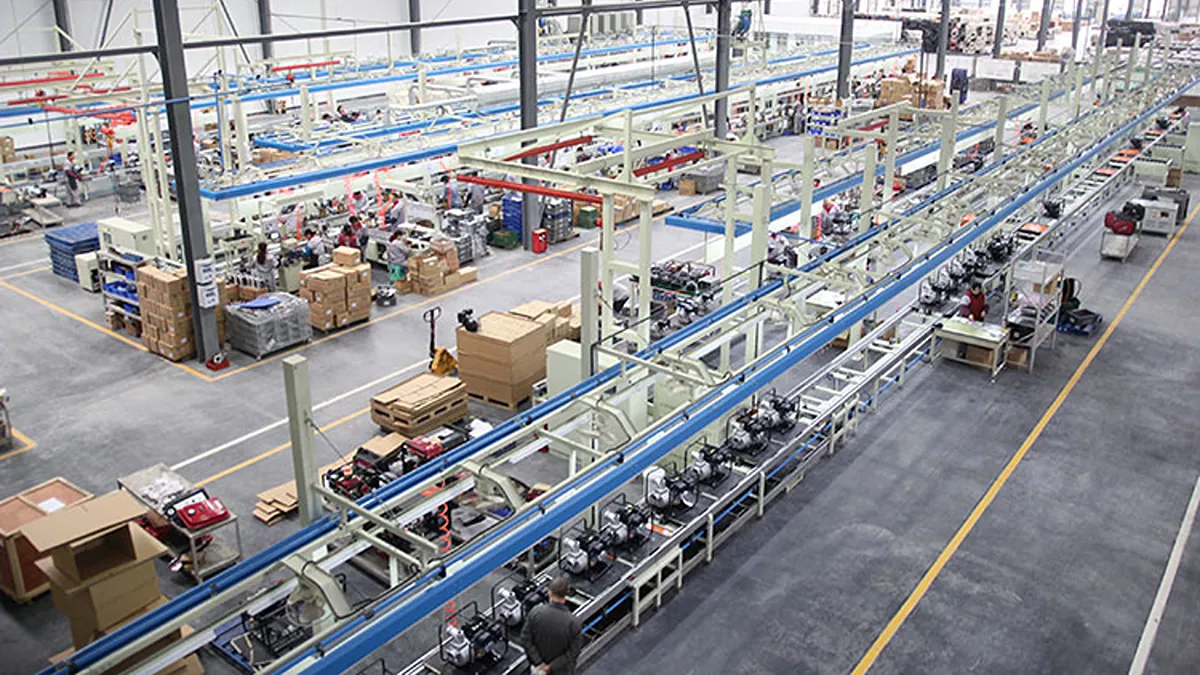
We have manufactured outdoor power equipment since 2003 and shipped products to customers in 65 Länder. Our factory covers more than 10,000 Quadratmeter, with annual production capacity exceeding 500,000 Einheiten. Our team includes more than 300 Mitarbeiter, einschließlich 50 R&D engineers.
Our product range includes brush cutters, Kettensägen, Sprühgeräte, Generatoren, Wasserpumpen, outboard engines and related equipment. We also pay attention to the components used in our products, with suppliers including Walbro for carburetors, NGK for spark plugs, NSK for bearings and Oregon for chains.
We know that choosing a supplier involves more than comparing unit prices. Product consistency, quality checks, spare parts availability, warranty terms and delivery schedules all affect your ability to serve customers. We discuss these details with prospective partners so they can assess whether our products and supply arrangements suit their business.
Our cooperation models include OEM sourcing and partnerships with brand agents and distributors. The right starting point depends on your target country, customer profile and product requirements. We can discuss these factors with you before moving on to a product shortlist or quotation.
Häufig gestellte Fragen
Is Latin America One Outdoor Power Equipment Market?
NEIN. Product demand, Preisgestaltung, import requirements and distribution channels vary by country. Importers should research their target market and customer segment before selecting products.
Which Outdoor Power Equipment Should I Import First?
Start with the applications and customers you know best. Brush cutters, Kettensägen, sprayers and water pumps may suit different agricultural, commercial or household needs, but local demand and price expectations should guide your final selection.
Should I Start With Machines or Spare Parts?
That depends on your current business and customer base. Machines may help you develop a product category, while spare parts can support existing equipment users and after-sales services. Consider your customers’ needs, available inventory and service capabilities before deciding.
Which Certifications Do I Need to Import Outdoor Power Equipment?
Requirements depend on the product and destination country. Confirm the applicable standards and import documents with the relevant authorities or your customs partner, then ask the supplier to provide the appropriate documentation.
How Can I Work With NEWTOP as a Regional Distributor or OEM Buyer?
Share your target market, customer profile and product interests with us. We can discuss OEM sourcing or distributor cooperation, then review suitable products, order requirements and next steps based on your business plans.
The best brush cutter for your market depends on the vegetation your customers need to clear, how often they use the machine, and the level of maintenance support available locally. For dealers and importers, choosing the right models means matching engine displacement, handle design, Schneidaufsätze, and spare parts to actual customer needs.
NEWTOP offers two useful starting points: the 42.7cc NTB430F for general grass-trimming applications and the 51.7cc NTB520A for more demanding cutting tasks. This guide compares their published specifications, explains how to match brush cutters to different customer groups, and outlines what to confirm before placing a wholesale order.
What to Take From This Guide
- Choosing the right brush cutter lineup starts with local customer needs, typical cutting tasks, and expected demand.
- NEWTOP offers the 42.7cc NTB430F (1.34kW, U-handle) and the 51.7cc NTB520A (1.65kW, rubber W-handle) for dealers to evaluate against their target markets.
- Compare engine displacement, vegetation type, working hours, and operator preferences before deciding which models to stock.
- Confirm fuel mix requirements, machine configuration, applicable certifications, and spare-parts availability before placing an order.
- Request current sample and bulk-order lead times from NEWTOP, and evaluate product suitability for local working conditions before committing to larger orders.
What Makes a Brush Cutter the Best Choice
The best brush cutter is one that matches the intended workload without creating unnecessary operating costs or service problems. Für Händler, four factors deserve attention before a model is added to the product lineup.
- Cutting requirements: Grass trimming, field maintenance, and cutting dense vegetation place different demands on a machine. Match the engine and approved cutting attachment to the intended application.
- Operator comfort: Handle design, machine balance, and operating weight affect how easily users can control the equipment during extended work.
- Maintenance and spare parts: Check the availability of replacement heads, Filter, Komponenten des Kraftstoffsystems, and other service items in your target market.
- Local compliance: Confirm which product certifications, Etiketten, and operator documents are required in the destination country.
These factors help distributors evaluate models beyond their advertised power ratings. A machine with higher displacement is not automatically the better choice if customers mainly maintain small gardens or if local service support is limited.
Before comparing quotations, create a shortlist based on these requirements. This gives your team a consistent way to evaluate different configurations and reduces the risk of stocking equipment that does not fit local demand.

Which Brush Cutter Types Fit Your Markets
Different customer groups need different combinations of cutting performance, Komfort, and maintenance convenience. Classifying customers by their typical work is a practical starting point for planning inventory.
| Customer Type | Typische Anwendungen | Key Buying Considerations |
|---|---|---|
| Households and Garden Owners | Lawn edges, garden paths, and light grass | Manageable weight, easy handling, and straightforward maintenance |
| Farmers | Field borders, thick grass, and seasonal regrowth | Suitable engine output, compatible cutting attachments, and accessible service parts |
| Landscaping Crews | Repeated work across gardens and commercial sites | Operator comfort, Gleichgewicht, Haltbarkeit, and maintenance support |
| Municipal and Grounds Teams | Roadsides, Parks, and scheduled vegetation maintenance | Application suitability, service coverage, Ersatzteile, and required documentation |
These categories are a planning framework rather than a ranking of market demand. Actual purchasing priorities depend on the country, customer profile, Vegetation, and available budget.
Some customers also overlap. A farmer may need a machine for both field maintenance and occasional garden work, while a landscaping business may handle everything from lawn edges to thicker roadside vegetation. Ask prospective dealers about their most common jobs before deciding how many units to allocate to each product tier.
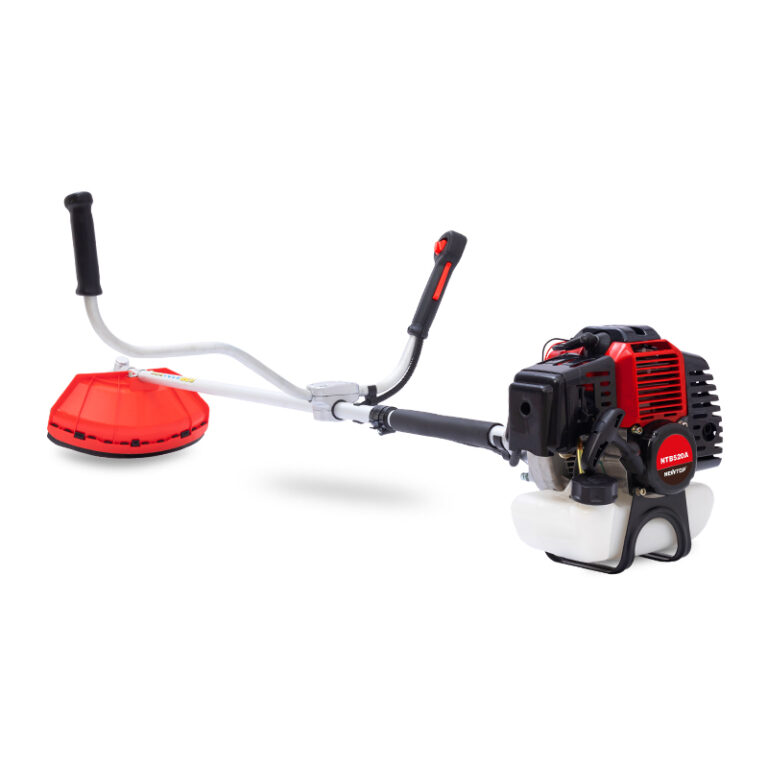
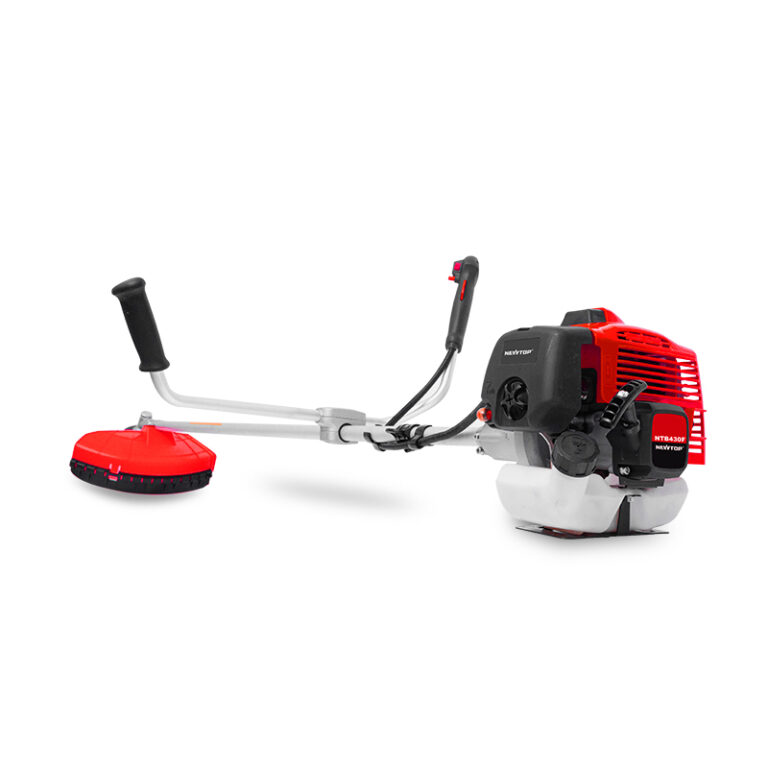
Handle design is another consideration. The NEWTOP NTB430F features an ergonomic U-handle, while the NTB520A uses a rubber W-handle. Compare the complete machine configurations and ask customers which handle style suits their working methods. Do not assume that one design is suitable for every operator or application.
How to Match Displacement to Customer Jobs
Engine displacement is a useful starting point when comparing brush cutters, but it should not be the only selection criterion. Nennleistung, Schneidaufsätze, machine weight, handle configuration, and operating conditions also influence suitability.
The following table summarizes the specifications of our models.
| Specification | NTB430F | NTB520A |
|---|---|---|
| Engine displacement | 42.7cc | 51.7cc |
| Nennleistung | 1.34kW at 8,000rpm | 1.65kW at 7,600rpm |
| Handhaben | Ergonomic U-handle | Rubber W-handle |
| Shaft pipe diameter | 28mm | 26mm |
| Fassungsvermögen des Kraftstofftanks | 0.9L | 1,300ml |
| Gasoline-to-oil ratio listed on the product page | 25:1 | 25:1 |
| Product positioning | Gasoline grass trimmer | Semi-professional grass cutter |
Specifications are based on the product information provided for these models. Confirm the latest technical data and operating instructions with NEWTOP before ordering.
How Much Difference Does Displacement Make?
The NTB520A has 9.0cc more displacement and 0.31kW more rated power than the NTB430F. These are direct differences calculated from their published specifications, not measurements of field productivity.
For a dealer, the practical question is which combination of power, configuration, and price best fits the local customer base. A market focused on routine garden maintenance may favor the smaller platform, while customers handling more demanding vegetation may need to evaluate the larger model.
In a mixed market, stocking both models can provide a starting point for serving different customer groups. Before finalizing quantities, compare the full specifications, retail price expectations, service requirements, and feedback from local users.
Auch, pay attention to shaft pipe diameter. The NTB430F has a 28mm pipe, while the NTB520A has a 26mm pipe. A larger engine does not necessarily mean a larger pipe. Confirm attachment compatibility with the exact model rather than selecting cutting heads or blades based on displacement alone.
For a complete overview of available configurations, browse NEWTOP’s brush cutters and grass trimmers product category. Comparing individual product pages before requesting a quotation helps you specify the engine, handle, shaft, and accessories you need.

What Should Dealers Confirm Before Ordering Brush Cutters?
After identifying suitable models, confirm the configuration, documentation, service arrangements, and delivery schedule. These details help prevent misunderstandings between the supplier and the distributor.
Confirm the Configuration and Accessories
Export configurations may differ in shaft design, gearbox specifications, standard accessories, and other components. A model name alone may not be enough to define the equipment you will receive.
Before approving the order, document:
- Shaft and gearbox configuration
- Handle type and approved cutting attachments
- Standard accessories and packaging
- Any market-specific requirements or requested modifications
If retail price is an important constraint, discuss the relationship between configuration and cost with the supplier. NEWTOP’s brush cutter wholesale price guide provides a related reference for evaluating configuration choices and pricing considerations.
Check Certifications, Warranty Terms, and Spare Parts
Certification requirements vary by destination market and product configuration. Ask the supplier which certificates apply to the exact models in your order, and verify whether any additional local requirements apply before shipment.
Warranty terms should also be confirmed in writing. The supplied NEWTOP information states a one-year warranty for complete machines and six months of coverage for core parts. Confirm the applicable terms, exclusions, and coverage start date with the supplier before placing the order.
Spare parts are equally important. Ask for a model-specific parts list, prices, availability, and replenishment lead times. Common service items may include trimmer heads, Filter, and fuel-system components, depending on the model.
A suitable spare-parts plan helps distributors respond to maintenance requests without keeping excessive inventory. The right stock list should reflect the models sold, the frequency of use, and the service capacity available in the destination market.
Test Samples Before Placing a Container Order
Samples give dealers an opportunity to evaluate equipment before committing to larger quantities. If possible, arrange field tests with representative customers and compare performance under the conditions in which the machines will actually be used.
A useful sample evaluation should cover:
- Starting and operating procedures
- Handling and operator comfort
- Performance with approved cutting attachments
- Fuel consumption under comparable working conditions
- Maintenance access and replacement-part requirements
- Feedback from users who represent the intended customer group
NEWTOP’s supplied ordering information indicates sample dispatch within 7–10 days after payment and an approximate 30-day lead time for orders ranging from 100 units to container quantities. Confirm current production schedules, shipping arrangements, and the definition of each lead time with the supplier before planning your inventory.
Sampling can also help you decide the initial model mix. Rather than committing to a large quantity based on specifications alone, use feedback from local trials to refine your order.
Why Source Brush Cutters From NEWTOP
When choosing a brush cutter supplier, distributors need to consider product consistency, technische Unterstützung, Produktionskapazität, and the ability to support future orders.
NEUTOP has manufactured outdoor power equipment since 2003. According to the company information supplied for this article, its operations include a facility covering more than 10,000 Quadratmeter, annual production capacity exceeding 500,000 Einheiten, and a workforce of more than 300 Mitarbeiter, einschließlich 50 R&D engineers.
The company also reports experience supplying buyers across 65 countries through more than 100 Markenagenten. Its business includes OEM and branded products, distribution partnerships, and other commercial orders.
For dealers evaluating the range, relevant points to discuss include:
- Product specifications: Confirm the engine, components, and configuration of the models being considered.
- Quality and testing: Request supporting information for any stated component specifications or durability tests relevant to your application.
- Market documentation: Verify the certificates and compliance documents applicable to the destination market and the exact product.
- Supply planning: Discuss minimum order quantities, sample arrangements, production schedules, and replenishment of spare parts.
- Long-term product development: Ask about available gasoline and lithium-powered equipment if you plan to expand your product range.
NEWTOP’s company information also identifies ISO 9001 and ISO 14001 management systems and lists product-related certifications. Specific certificates, testing claims, and component brands should be confirmed against the current documentation for the products being purchased.
For additional information about the company’s manufacturing capabilities and dealer requirements, see NEWTOP’s brush cutter manufacturer insights and relevant successful customer stories. These resources can help prospective distributors understand the company’s experience and approach to supplying overseas markets.
Häufig gestellte Fragen
What Is the Best Brush Cutter for a Farm Market?
The right brush cutter depends on the vegetation, field size, working hours, and approved cutting attachments. A model such as NEWTOP’s 51.7cc NTB520A may be worth evaluating for more demanding cutting tasks, but its suitability must be confirmed against the manufacturer’s operating instructions and the actual job requirements.
Which Brush Cutter Displacement Should a New Dealer Stock First?
Start with your expected customer mix rather than assuming one displacement class will suit every market. The 42.7cc NTB430F provides a starting point for evaluating general grass-trimming needs, while the 51.7cc NTB520A offers a higher-displacement alternative. Compare specifications, local pricing, Kundenfeedback, and service requirements before setting order quantities.
Should Dealers Choose a U-Handle or a W-Handle Brush Cutter?
The choice depends on the complete machine configuration, operator preference, and intended workload. NEWTOP’s NTB430F uses a U-handle, while the NTB520A uses a rubber W-handle. Ask customers to evaluate the handling and comfort of each model under representative working conditions before deciding which configuration to stock.
What Fuel Mix Do NEWTOP Brush Cutters Require?
The supplied product specifications list a 25:1 gasoline-to-oil ratio for both the NTB430F and NTB520A. Dealers should confirm the correct mixture using the latest model-specific manual and product label before providing operating instructions to customers.
How Quickly Can Dealers Receive Samples and Wholesale Orders From NEWTOP?
The supplied ordering information indicates sample dispatch within 7–10 days after payment and an approximate 30-day lead time for orders from 100 units to container quantities. Actual timing depends on the confirmed order, production schedule, and shipping arrangements, so obtain a current quotation and delivery schedule before planning stock.
