


- الجميع
- قصص عملاء نيوتوب
- نيوتوب إكسبلورر هاب
- رؤى الصناعة NEWTOP

When the boating season ends, many owners focus on winterizing the engine but overlook one of the most important components below the waterline—the outboard motor propeller. Proper seasonal maintenance not only protects the propeller itself but also helps prevent hidden damage to the propeller shaft, gearbox, and seals.
Whether you use an aluminum or stainless steel propeller, spending a short amount of time on inspection and maintenance before storage can reduce unexpected failures, improve performance next season, and extend the service life of your outboard motor.
This guide explains exactly what to inspect, ينظف, بصلح, and prepare before storing your outboard motor propeller, helping both recreational boat owners and commercial fleets reduce maintenance costs and downtime.
Why Seasonal Propeller Maintenance Matters

Routine seasonal propeller maintenance stops minor wear and hidden shaft debris from escalating into catastrophic lower-unit failures, protecting both fuel efficiency and drive-train longevity.
Ensuring Peak Performance and Fuel Efficiency
المراوح take the brunt of the marine workload. These high-impact components directly dictate your boat’s speed, fuel burn, and handling characteristics. A single bent blade or heavily nicked edge disrupts the hydrodynamic profile, forcing the outboard to work harder while delivering less thrust.
Routine seasonal maintenance restores the motor to its intended baseline efficiency. Catching minor deformations and correcting يقذف alignment early ensures you get the exact performance you expect every time you hit the throttle.
Preventing Costly Lower-Unit Damage
Fishing line, الأعشاب, and netting constantly find their way around the propeller shaft. Operators rarely see this debris from the outside, allowing it to tighten and harden over time. Removing the propeller at the end of the season exposes wrapped monofilament before it cuts into the prop shaft seal.
A compromised seal invites water intrusion directly into the gearcase, emulsifying the gear oil. Finding and clearing these hazards early prevents a basic maintenance step from turning into an expensive lower-unit and drivetrain overhaul.
Mitigating Corrosion and Cavitation Erosion
The marine environment attacks metal relentlessly. Propellers face continuous exposure to saltwater, localized impact damage, and cavitation erosion. Regular visual inspections reveal abnormal wear patterns, deep pitting, and structural issues with critical hardware like prop pins or thrust washers.
Pulling the prop also allows technicians to clean the shaft and apply fresh waterproof marine grease. This targeted lubrication protects the metal splines from long-term galvanic deterioration and ensures the hub never seizes to the shaft.
Identifying When Replacement Is Necessary
Not all damage can be filed out or welded. Inspecting the propeller every 50 ل 100 ساعات, or during the seasonal layup, helps operators spot critical structural defects before they fail under load. Thorough maintenance routines reveal specific signs that warrant an immediate swap.
- Visible warping: Blades that no longer track true or show severe bending.
- Deep notching: Cracks radiating from the blade root or hub area.
- Blade damage: Significant material loss that destroys dynamic balance.
Timely evaluation protects the outboard’s resale value and guarantees you avoid sudden on-water failures caused by fatigued metal or spun hubs.
What to Inspect Before Storing an Outboard Propeller
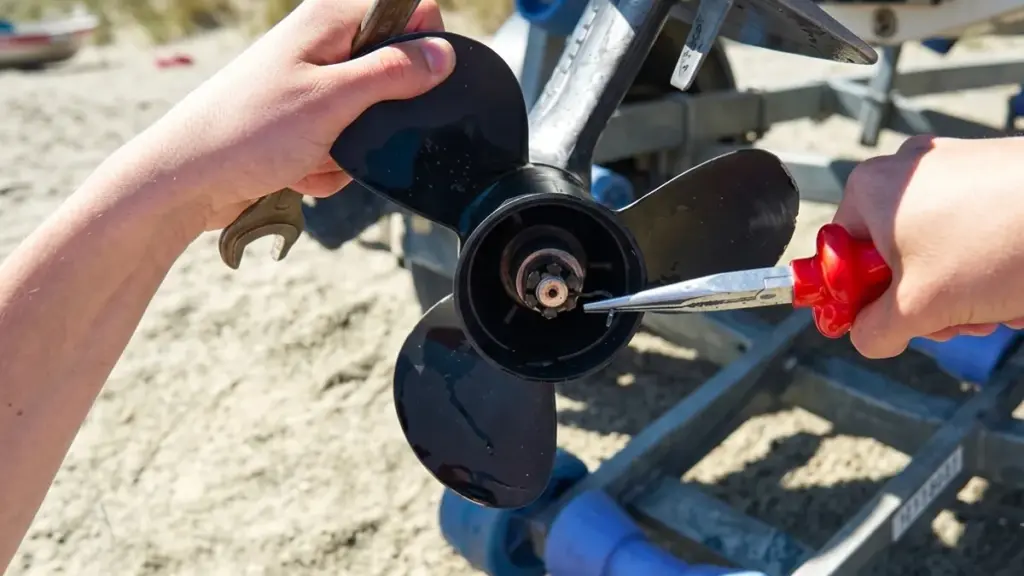
Ignoring your propeller before winter storage guarantees seized splines and compromised lower-unit seals next season. A systematic inspection now prevents catastrophic failure later.
| Component | Inspection Focus | Primary Risk if Ignored |
|---|---|---|
| شفرات & Surfaces | Cracks, bends, marine growth | Imbalance, vibration, speed loss |
| Shaft & الأختام | Fishing line, seal intrusion, bare splines | Water in gearcase, seized propeller |
| Hub Assembly | Slippage, looseness, debris | Spun hub, poor thrust transfer |
| Hardware | Corroded washers, reused cotter pins | Hardware failure, lost propeller |
Propeller Blades and Outer Surfaces
The outer surfaces take the brunt of impact and environmental wear. Visual checks only reveal obvious defects. A physical inspection uncovers the hidden structural damage that worsens over a long storage period.
- Blade integrity: Check each blade for nicks, dents, scratches, bends, cracks, gouges, and wobble.
- Tactile inspection: Run fingers carefully along the edges to feel for hidden damage.
- Corrosion markers: Look for rust, oxidation, discoloration, and salt buildup, especially after saltwater use.
- Biological fouling: Remove weeds, algae, barnacles, and other marine growth before drying.
Prop Shaft, Splines, and Gearcase Seals
Removing the propeller exposes the critical junction between your propulsion system and the lower unit. Debris trapped here eats through seals, inviting water into the gearcase and causing massive internal failure.
- Debris removal: Remove fishing line and rope wrapped around the shaft to prevent lower-unit damage.
- Spline health: Inspect shaft splines for wear, burrs, or corrosion.
- Seal integrity: Examine the seal where the prop shaft enters the gearcase for compromise or water intrusion.
- تشحيم: Apply marine-grade grease to the prop shaft before storage to help prevent seizure.
Internal Hub Assembly
The internal hub absorbs shock and transfers torque. If the rubber or mechanical components start failing, your engine will over-rev while the boat barely moves. Storage prep is the exact time to diagnose these issues.
- Physical condition: Inspect the hub for looseness, slippage, or physical signs of a spun hub.
- Performance context: Connect hub condition to performance clues from the last outing, such as vibration, التجويف, or loss of speed.
- Cavity check: Check the internal cavity for trapped debris or residue that could harden during storage.
Nuts, Washers, and Locking Hardware
Mounting hardware keeps the propeller locked safely onto the shaft under intense load. Reusing fatigued metal components or ignoring thread wear introduces unnecessary risk for your next launch.
- Nut condition: Verify the propeller nut is intact and free of thread damage.
- Supporting parts: Inspect washers and locking rings for wear, تشوه, or corrosion.
- Pin replacement: Discard the old cotter pin and prepare a new one for reinstallation.
- Reassembly prep: Plan to reassemble the hardware using the manufacturer’s recommended torque.
Maximize ROI With Professional-Grade Garden Machinery

How to Check for Cracks, Bends, and Corrosion
A thorough propeller inspection requires a clean surface, good lighting, and tactile checks to catch hidden defects before they compromise your lower unit.
Preparation and Cleaning
Remove the propeller from the outboard to get an unobstructed view of the entire assembly. Wash away all marine growth, salt deposits, and oily residue. Dirt and algae easily hide fine stress lines or small chips. Once clean, dry the propeller completely. Moisture masks hairline cracks and subtle pitting that you need to spot with the naked eye.
Visual and Tactical Blade Inspection
Set up bright lighting and examine the leading edges, trailing edges, and blade tips. Look for missing material, deep gouges, and visible cracks. Your hands often catch what your eyes miss. Run a bare hand over every blade surface to feel for rough spots, raised metal, or subtle dents from minor impacts. Pay close attention to the metal condition itself. Inspect for white powdery oxidation, deep pitting, and general material loss. This step is critical for cast aluminum models, which degrade quickly once the protective outer coating fails.
Evaluating Blade Alignment and Geometry
Blades require perfect symmetry to deliver efficient thrust. Compare the pitch angle, tip height, and overall shape of each blade against the others. Look closely for visual inconsistencies that point to bending, twisting, or warping from submerged strikes. Do not ignore slight distortions. Even a minor bend throws the propeller out of balance. This rotational imbalance sends destructive vibrations straight into the gearcase, wearing out seals and bearings over time.
مَركَز, Shaft, and Rotation Checks
Inspect the inner hub assembly for cracking, rubber tearing, or looseness that signals it might slip under heavy load. Check the bare prop shaft for wrapped monofilament fishing line. تركت دون تحديد, fishing line cuts directly through the prop shaft seal, letting water flood the lower unit and driving internal corrosion. أخيراً, slide the propeller back on and rotate it slowly by hand. Watch the hub and blade tips for uneven rotation or a visible wobble. A wobbling propeller often points directly to a bent prop shaft rather than isolated blade damage.
When Propeller Repair Is Possible and When Replacement Is Better
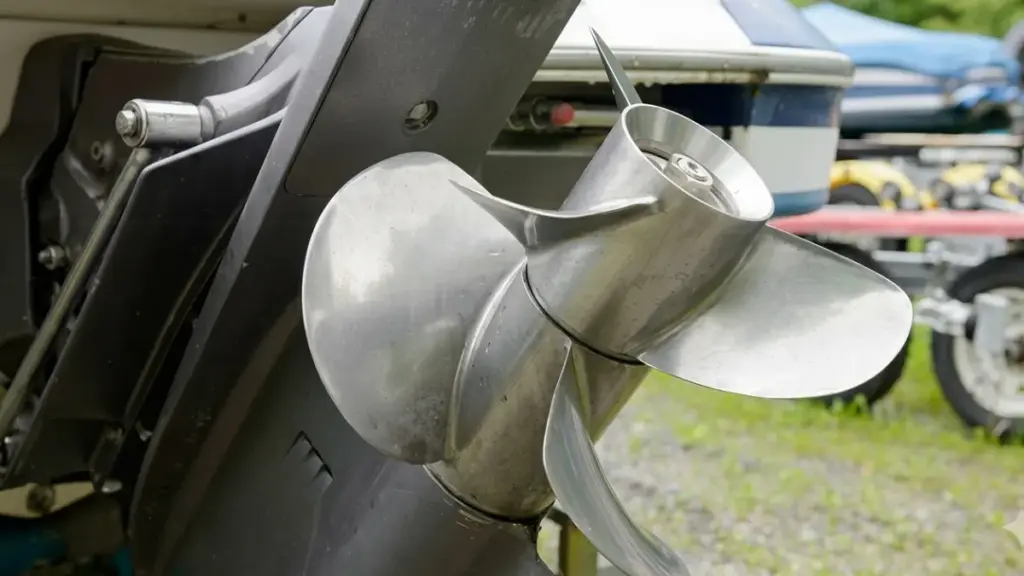
The decision depends on the severity of the damage, the propeller material, and the operating conditions.
| Damage Type | Repair Possible? | Replacement Recommended? |
|---|---|---|
| Small blade nick | نعم | لا |
| Minor bend | Usually | Sometimes |
| Surface corrosion | نعم | لا |
| Large crack | لا | نعم |
| Broken blade tip | Sometimes | Often |
| Severe hub damage | Rarely | نعم |
| Heavy corrosion | لا | نعم |
Generally speaking:
Repair is suitable when:
- Damage is localized
- Blade geometry can be restored
- Structural strength remains intact
- Repair cost is significantly lower than replacement
Replacement is the better option when:
- Multiple blades are damaged
- Cracks continue growing
- Blade thickness has become too thin
- Repair costs approach the price of a new propeller
- The propeller repeatedly loses balance
Commercial operators often replace damaged propellers sooner because downtime costs far more than the propeller itself. For boat manufacturers, marine equipment distributors, and maintenance providers, having a reliable replacement source is essential to reduce waiting time and keep customers operating efficiently.
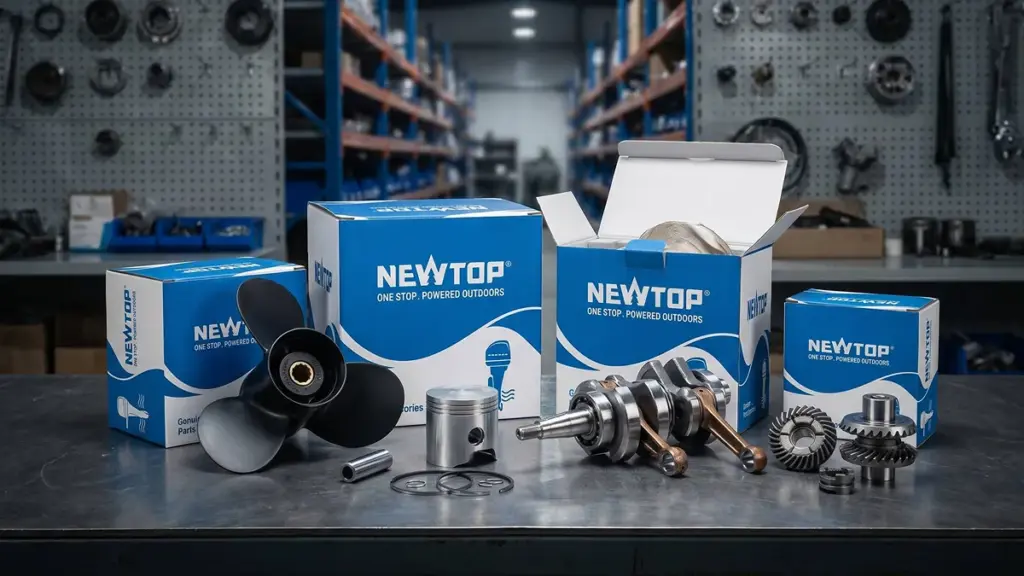
نيوتوب provides high-quality aluminum and stainless steel outboard motor propellers designed for reliable performance in different marine applications. With years of experience in outdoor power equipment manufacturing, NEWTOP combines precision production, strict quality control, and stable supply capability to support global partners with consistent propeller solutions.
Whether you need standard replacement propellers or customized solutions for specific outboard motor applications, working with an experienced outboard motor propeller ma
How to Remove, ينظف, and Reinstall a Propeller Safely
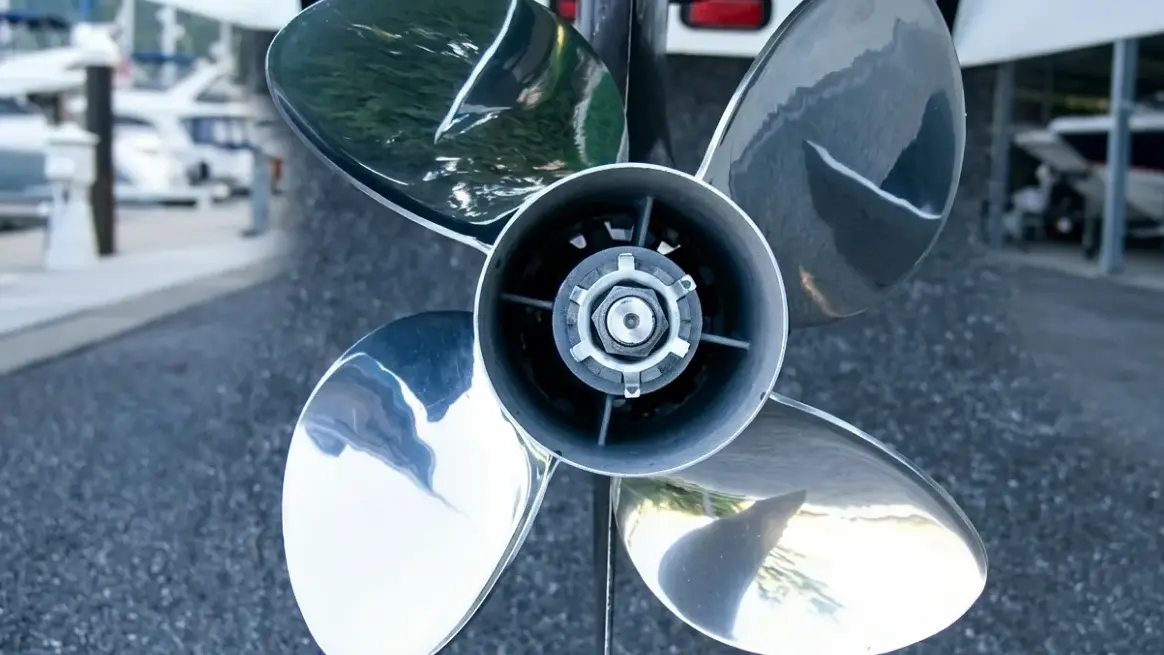
Removing and reinstalling an outboard propeller is a fundamental maintenance task that prevents seized splines, catches hidden fishing line damage early, and keeps the lower unit protected.
Safety Precautions and Tool Preparation
Working around sharp propeller blades requires strict safety protocols before you even touch a wrench. A sudden engine start or an unexpected blade rotation can cause severe injury.
- Engine disablement: Remove the kill-switch lanyard and disconnect the battery to eliminate any chance of an accidental start.
- Propeller immobilization: Wedge a solid block of wood between the blades and the anti-ventilation plate, or use a dedicated propeller holding tool to stop rotation.
- Essential toolkit: Keep a prop nut wrench (or socket set), needle-nose pliers for cotter pins, a flathead screwdriver, and marine-grade grease within arm’s reach.
Step-by-Step Propeller Removal
Once the setup is secure and the prop is locked in place, you can safely dismantle the assembly. Pay close attention to the order of the hardware as it comes off the shaft.
- Free the fastener: Use pliers to straighten and pull the cotter pin, or take a flathead screwdriver and hammer to gently flatten the lock-washer tabs.
- Loosen the nut: Turn the propeller nut counterclockwise with the appropriate wrench until it completely unthreads.
- Extract the propeller: Pull the unit straight outward along the shaft. If you meet resistance, wiggle it gently side-to-side. Avoid using excessive prying force against the lower unit.
- Check the thrust washer: Slide the washer off the shaft and inspect the surface for wear grooves, distortion, or stress cracks.
Cleaning and Inspecting the Propeller and Shaft
A removed propeller gives you a clear view of the lower unit’s most vulnerable areas. This is your primary opportunity to spot early signs of gearcase intrusion.
- Clear the shaft: Wipe away all old grease. Carefully pick out any braided or monofilament fishing line wrapped around the base, as this will eventually slice through the oil seal.
- Inspect the oil seal: Check the rubber seal itself for nicks and cuts. Look for emulsified, milky gear oil seeping out, which signals an active leak.
- Examine the propeller: Wash off marine growth. Check the blades for bends, impact chips, and cavitation pitting, and verify the rubber hub insert shows no signs of slipping or tearing.
Lubrication and Safe Reinstallation
Reassembly requires the right lubrication and precise torque. Skipping these details often leads to a seized propeller next season or a loose assembly under load.
- Grease the splines: Apply a light, even coat of waterproof marine grease to the bare prop shaft splines to block corrosion and ensure the prop slides off easily next time.
- Seat the thrust washer: Slide the washer back onto the shaft in its correct original orientation. Push the propeller on until it rests flush against it.
- Torque the nut: Replace all spacers in order, thread the nut on by hand to avoid cross-threading, and use your wood block to stabilize the prop. Tighten the nut to the manufacturer-specified torque.
- Lock the assembly: Thread a brand-new cotter pin through the shaft and bend the legs securely, or fold the retainer tabs flat against the nut. Spin the prop manually to confirm smooth, unobstructed rotation.
What Spare Parts to Prepare for the Next Season
A well-stocked spare parts kit minimizes downtime and prevents minor hardware failures from ruining your boating season.
Spare Propeller Selection and Storage
You need to match your replacement propeller’s diameter, يقذف, مادة, and hub system exactly to your current engine requirements to maintain baseline performance. A mismatched spare will compromise your fuel efficiency and engine RPM limits.
Keep at least one primary spare on board at all times. If you navigate shallow, rocky, or debris-filled waters, pack a secondary ‘get-home’ prop designed just to get you back to the dock safely. Store these spare propellers in a clean, منطقة جافة. Apply a light coat of marine grease to the hub splines and protect the blades from accidental impacts during rough weather.
Propeller Mounting Hardware
A spare propeller is useless if you lose or damage the mounting hardware during a swap. Your kit requires specific fastening components ready for immediate deployment.
- Thrust washers: Stock spares matched exactly to your specific outboard model to ensure proper prop seating and load transfer.
- Castle nuts and retainers: Keep extra nuts and locking retainers on hand. Inspect your existing hardware for corrosion or thread damage before the season starts.
- Cotter pins: Carry multiple new stainless-steel cotter pins. Used pins fatigue when bent, meaning you should never reuse them.
Marine Lubricants and Corrosion Prevention
Proper lubrication stops your hardware from seizing. Use a marine-grade propeller shaft grease to prevent spline galling. This simple step blocks saltwater intrusion and makes future propeller removals significantly easier.
Apply this lubricant directly to the shaft splines, the rear main seal area, and the mating surfaces between the thrust washer and the prop hub. Plan periodic propeller removals throughout the season. This routine lets you clean the shaft, renew the grease coating, and inspect the entire assembly for hidden corrosion before it causes mechanical failure.
Consumable Parts and Maintenance Tools
Field replacements require the right tools and small consumable components. For outboard setups that index the prop position, keep exact-match replacement shaft keys in your kit. While performing swaps, inspect the prop shaft seal area regularly. Look carefully for embedded fishing line to prevent costly water ingress into the lower unit.
To handle these tasks on the water, assemble a dedicated toolkit with the following items:
- Prop wrench: Sized specifically for your outboard nut to prevent rounding the edges.
- Torque wrench: Required to hit the manufacturer’s exact specifications and avoid overtightening.
- Needle-nose pliers: Essential for inserting, bending, and removing stainless-steel cotter pins.
- Block of wood: Place this between the blades and the anti-ventilation plate to stop rotation during installation.
How NEWTOP Helps Reduce Replacement Downtime
When selecting a replacement outboard motor propeller, product quality and manufacturing consistency directly affect operating reliability and maintenance costs. A dependable propeller supplier helps reduce replacement delays while ensuring stable performance after installation.
نيوتوب produces aluminum and stainless steel outboard motor propellers with strict control over materials, structure, and machining accuracy. وتشمل المزايا الرئيسية:
- High-performance materials: Aluminum propellers use aluminum-magnesium alloy made from new aluminum ingots, providing excellent toughness and high strength. Stainless steel propellers use duplex stainless steel, offering higher yield strength and corrosion resistance than standard stainless steel.
- Strong one-piece structure: Propeller blanks are produced through dedicated molds with integrated forming technology, eliminating welding points and improving overall strength and durability.
- Better dynamic balance: The hub is pressed as an integrated part to ensure accurate positioning and smoother rotation, helping reduce vibration during operation.
- Precision blade processing: CNC machining centers with dedicated tooling ensure accurate blade dimensions, consistent blade curves, and stable propulsion performance.
NEWTOP helps global distributors, OEM customers, and marine equipment suppliers reduce replacement downtime with durable and consistent propeller solutions. Looking for a reliable outboard motor propeller supplier? Contact NEWTOP today to explore durable propeller solutions for your marine equipment needs.
الأسئلة المتداولة
How often should an outboard propeller be replaced?
There is no fixed timeline for replacing an outboard propeller. Replacement is driven entirely by condition, أداء, والسلامة. You should replace it when you notice structural damage like severe bends, قطع مفقودة, or deep cracks, or significant metal loss from corrosion. Unresolved performance issues such as reduced top speed, higher fuel consumption, or heavy vibration also indicate it is time for a new prop.
Should I remove my propeller before winter storage?
نعم, removing the propeller before winter storage is highly recommended. It prevents the theft of valuable stainless-steel or high-performance props. It also allows you to inspect the propeller shaft for wrapped fishing line, which can destroy seals and cause water intrusion into the gearcase. While the prop is off, you can clean the shaft and apply fresh marine grease to prevent it from seizing over the winter.
How do I know if my propeller is damaged?
Visual signs include bent or warped blades, chipped edges, cracks, and heavy corrosion. You may also notice performance changes, such as a loss of top speed, sluggish acceleration, or increased fuel consumption. When running, a damaged propeller often causes unusual vibrations, steering pulling, or a slipping sensation where the engine over-revs without matching boat speed.
Can a bent propeller be repaired?
It depends on the material and severity. Minor bends or small dings in aluminum and some stainless steel propellers can often be reconditioned by a professional prop shop. But severe bends, deep cracks, distorted hubs, or damage to die-cast aluminum props usually require a full replacement. If structural integrity is compromised or the repair cost approaches the price of a new prop, replacement is the safer option.
What grease should be used on a propeller shaft?
Always use a high-quality, waterproof marine grease designed specifically for propeller shaft splines, such as a 2-4-C marine lubricant. This grease resists wash-out in fresh and saltwater, providing critical corrosion protection. Apply a thin, even coat to the shaft splines and threads at least once a season to ensure the propeller hub does not seize to the shaft.
How do I stop corrosion on a stored propeller?
Start by washing the propeller with low-pressure fresh water and a mild detergent to remove salt, grease, and marine growth. Dry it completely. For long-term storage, you can apply a two-part high-build epoxy primer to bare metal surfaces. Store the propeller indoors in a dry, well-ventilated area, avoiding direct contact with concrete floors or dissimilar metals.
What spare parts should I keep with a replacement propeller?
A spare propeller is only useful if you have the right hardware to install it. Keep a kit on board that includes a spare prop nut, several new stainless-steel cotter pins or lock washers, a thrust washer, and any required hub spacers. You should also pack a small tube of marine grease, a block of wood to stop prop rotation during the swap, and the correct size wrench or socket.
Can a damaged propeller affect the gearbox?
نعم, a damaged propeller can severely affect the gearbox. Bent blades or missing material create a rotational imbalance that sends vibrations directly down the prop shaft. متأخر , بعد فوات الوقت, this constant vibration and potential shaft misalignment increase wear on gearbox bearings, gear teeth, and shaft seals. In severe impact cases, shock loads can chip gears or bend the driveshaft, leading to expensive lower unit repairs.
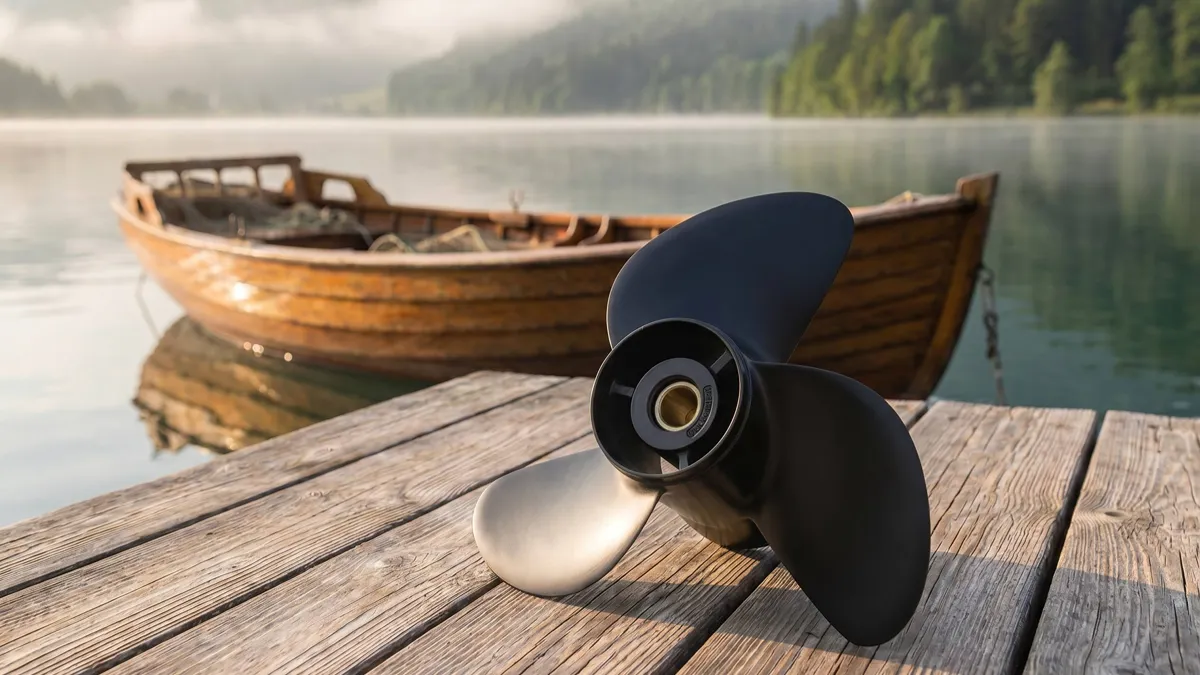
Most outboard propellers include important information such as diameter, يقذف, اتجاه الدوران, hub type, and manufacturer codes. While different brands may use slightly different marking formats, the basic sizing system is very similar across the industry.
في هذا الدليل, you’ll learn what each number means, how to identify the correct propeller for your boat, and when changing propeller size makes sense.
Where Can You Find the Size Marks on an Outboard Propeller?
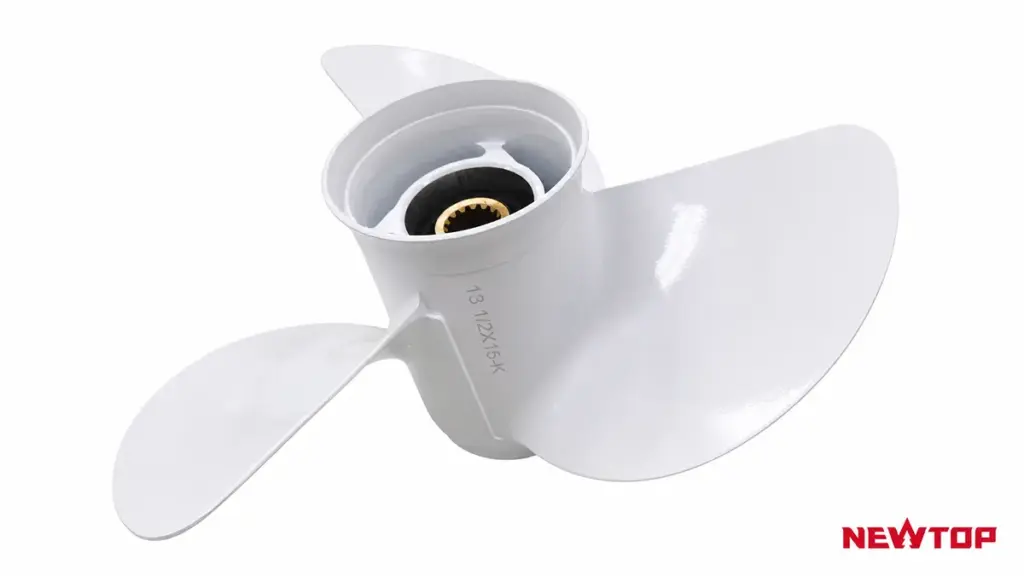
المروحة size markings, indicating diameter and pitch, are typically stamped directly onto the outer hub, blade roots, or the rear face near the mounting nut.
Common Locations on the Hub and Blades
Outboard motor manufacturers do not follow a single universal standard for placing identification numbers, but they generally stick to a few accessible spots. You will usually spot these physical engravings pressed right into the metal housing.
- Outer hub surface: Stamped or engraved directly onto the outer surface of the propeller hub cylinder.
- Blade roots: Located at the base of a blade where it physically connects to the center hub.
- Hub faces: Positioned on the front or rear face of the hub assembly where the propeller meets the prop nut.
Decoding the Size Format
Once you locate the stamp, you need to read the numbers correctly. The marine industry relies on a specific numeric sequence to communicate the physical dimensions and capabilities of the equipment.
- القطر × الملعب: The numbers are typically displayed in this exact order. A stamp reading “10 x 7” indicates a 10-inch diameter and a 7-inch pitch.
- Supplemental codes: Additional letters or numbers often follow the primary size to indicate blade type, اتجاه الدوران (such as ‘R’ for right-hand), or internal manufacturer-specific codes.
- Technical designations: These markings represent exact technical size measurements, not arbitrary brand model names.
How to Reveal Hard-to-See Markings
Older props or those used in harsh saltwater environments often have obscured numbers. A quick visual check might fail to confirm the exact specifications without a bit of surface prep.
- Clean the surface: Thoroughly clean the hub area to remove salt buildup, marine grime, heavy oxidation, or old layers of anti-fouling paint.
- Use angled light: Carefully rotate the propeller and inspect the blade roots and cylinder collar under direct light to catch the shadows of shallow engravings.
- Check documentation: Consult the original packaging, purchase receipts, or manufacturer catalogs using the part number if the physical size stamps are completely worn away.
Why Knowing Your Propeller Size Matters
Operating a boat with an incorrect propeller size causes poor performance and accelerates engine wear. Getting these two specific numbers right dictates exactly how your outboard interacts with the water.
- Power transfer: Diameter and pitch determine how effectively the propeller matches the raw engine power to the physical weight of your boat.
- RPM control: The pitch rating directly influences the engine’s ability to operate within its recommended wide-open throttle (WOT) RPM capabilities.
- Performance tuning: A smaller pitch reduces engine load and allows it to reach higher RPM for faster acceleration, while a larger pitch drops overall RPM and favors top-end speed.
How to Read Diameter and Pitch Markings
The first number on a propeller marking is always diameter, dictating thrust. The second is pitch, controlling your outboard’s RPM and top speed. Mismatching these specifications damages engines. Marking Position Measurement Primary Function First Number (على سبيل المثال, 10) Diameter (بوصة) Dictates thrust, load-carrying capacity, and water resistance. Second Number (على سبيل المثال, 7) يقذف (بوصة) Determines top speed, تسريع, and engine WOT RPM.
Deciphering the Standard Marking Format
Manufacturers typically stamp propeller markings directly on the hub or near the blade root. Finding these digits is the first step in replacing or upgrading your boat’s hardware. You will see standard industry codes like 10 س 7 أو 14 س 19. These numbers represent two specific measurements that define the propeller’s geometry. The first number always defines the overall diameter in inches, while the second number always defines the theoretical pitch in inches.
Interpreting the First Number: Diameter
Diameter signifies the total width of the circle created by the blade tips during a full rotation. It determines how much water the propeller actually sweeps. A larger diameter increases the blade surface area, generating stronger thrust to move heavier boats and heavy cargo loads effectively. On the other end of the spectrum, a smaller diameter creates less drag in the water, suiting lighter hulls built specifically for higher top speeds.
Interpreting the Second Number: يقذف
Pitch measures the theoretical forward distance the propeller travels through the water in one full 360-degree rotation. Think of pitch as the gearing system for your outboard. Lower pitch numbers act like a low gear, offering better acceleration, quicker planing, and strong low-speed control. Higher pitch numbers function like a high gear, pushing the boat farther forward per revolution to achieve greater top speeds.
Applying Markings to Engine Performance
Your selected pitch directly controls the outboard motor’s wide-open throttle (WOT) دورة في الدقيقة. Dialing in the correct pitch ensures the engine runs efficiently without suffering mechanical strain.
- RPM Calibration: Adjusting the pitch by one inch typically changes the engine speed by roughly 200 دورة في الدقيقة.
- Under-Revving Fix: Selecting a lower pitch helps an overloaded engine reach its recommended operating RPM without lugging.
- Over-Revving Fix: Switching to a higher pitch prevents the engine from exceeding its maximum recommended RPM limits under light loads.
Maximize ROI With Professional-Grade Garden Machinery
What Do Other Numbers and Letters on a Propeller Mean?
Beyond basic size, extra letters and digits identify blade count, hub dimensions, and specific manufacturer series codes required to source exact replacement parts.
Diameter, يقذف, and the ‘X’ Separator
Most marine propellers follow a universal naming convention. The core specification always appears as a simple sequence stamped onto the casting.
- Diameter: The first number in a standard sequence denotes the propeller’s overall diameter, measuring the full width of the blade sweep.
- يقذف: The second number represents the pitch, indicating the theoretical forward travel distance per single revolution.
- The ‘X’: This character functions simply as a ‘by’ separator, dividing the diameter and pitch measurements.
Series Letters and Additional Digits
Manufacturers rarely stop at just diameter and pitch. You will frequently find extra alphanumeric codes that define the physical geometry and compatibility of the unit.
- Series Letters: Letters such as J, K, or L signify the specific design, مسلسل, or type of the propeller within a brand’s lineup.
- Extra Digits: These trailing numbers often represent the total number of blades or specify the exact bore and hub size for mounting.
- Internal Codes: Certain short number combinations serve purely as internal manufacturer codes for catalog referencing.
Where to Locate Propeller Markings
Finding these specifications requires knowing exactly where brands stamp their hardware. Dirt, oxidation, or heavy marine growth can easily obscure these details.
- Blade Roots: Manufacturers often stamp the measurements directly at the root of a blade or deep between the blades.
- Central Hub: The outer surface of the central hub barrel is a common location for visible specification codes.
- Assembly Faces: Some brands engrave these critical details on the front or rear face of the center assembly, which may require removing the propeller nut to read clearly.
How Do Propeller Size Marks Differ Between Major Brands?
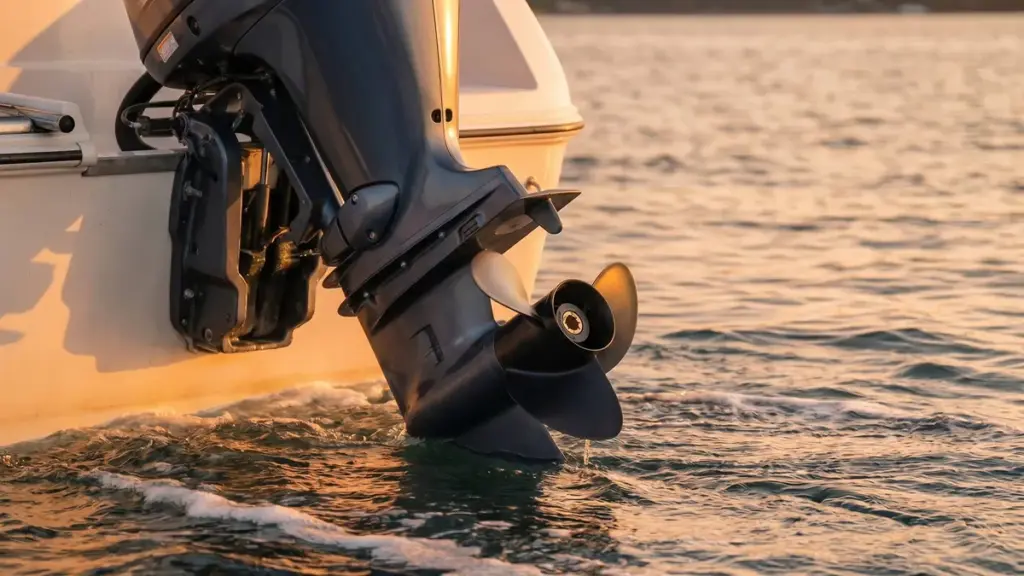
Every major outboard brand follows the standard diameter-by-pitch format, but proprietary suffixes, rotation letters, and hub codes create distinct marking styles you must decode before swapping propellers.
The Universal Baseline: Diameter and Pitch
Outboard manufacturers agree on one core sizing convention across the industry. The first number stamped on a propeller always represents the diameter, while the second number represents the pitch. A base stamp of 10 س 7 indicates a 10-inch diameter and a 7-inch pitch, regardless of the manufacturer.
Brand-Specific Suffixes and Extra Codes
While the base dimensions are universal, brands add unique suffix codes to identify specific propeller features. You have to read past the first two numbers to understand the exact design.
- Rotation: Letters typically denote the turn direction, with “ر” for standard right-hand (clockwise) و “ل” for left-hand (counterclockwise).
- Blade Count: Trailing numbers often indicate the blade setup, such as a 3 أو 4 for three-blade or four-blade designs.
- Model Codes: Internal model codes or specific hub series identifiers are frequently appended to the size block.
Marking Examples from Top Manufacturers
Each manufacturer applies these codes differently on the hub or blade root. Knowing what to expect from specific brands speeds up the identification process.
- Yamaha: Generally uses a straightforward layout, printing the size simply as 14 س 19.
- Mercury: Often includes a “ص” to denote pitch alongside general marine props, formatted as 14.6 x 17P.
- Suzuki: Frequently groups the size, rotation, and blade count together, resulting in detailed stamps like 14 س 19 ر 3.
What to Verify When Swapping Brands
Relying solely on the base diameter and pitch numbers is insufficient for an exact brand-to-brand replacement. Even with identical size stamps, propellers from different manufacturers deliver varying performance. This happens because competing brands use distinct blade shapes, rake angles, cupping, and material compositions to achieve their thrust profiles.
Always confirm rotation, blade count, and hub system compatibility before installing a different brand’s propeller. Matching the spline count and ensuring the thrust washer seats properly prevents gearcase damage and keeps the outboard running safely.
How Can You Verify the Correct Propeller Size for Your Boat?
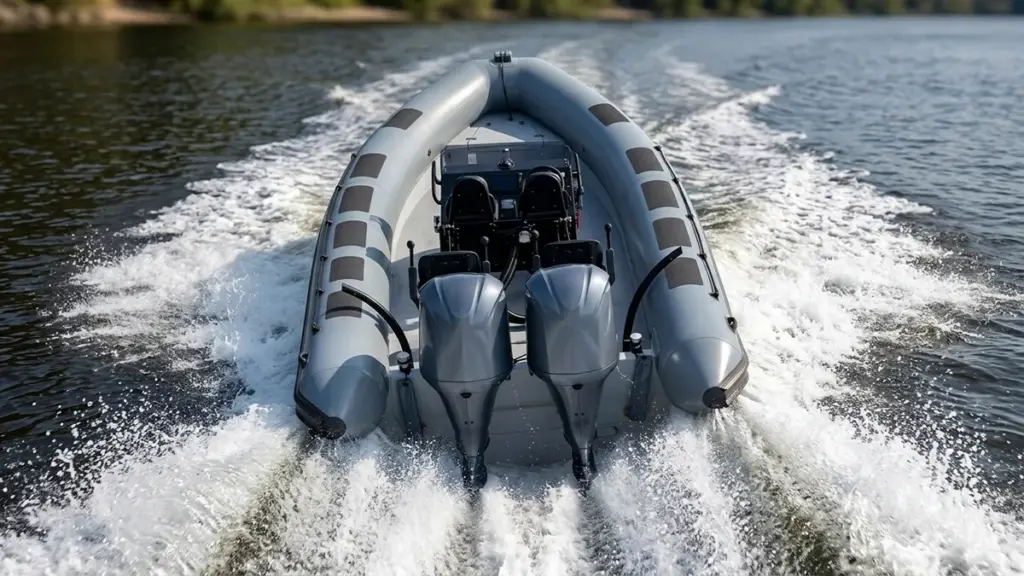
To verify your propeller size, test your wide-open throttle (WOT) RPM under a normal load. The correct pitch keeps your engine within the manufacturer’s recommended RPM range.
Identify Current Prop Specs and Target WOT RPM
Before hitting the water, establish a baseline for your boat and engine. You need to know what propeller you currently run and the exact performance window the outboard requires.
- Check the propeller hub: Inspect the outer surface or the base of the blades for stamped diameter and pitch markings to confirm your current sizing.
- Find the WOT RPM target: Consult your outboard owner’s manual to identify the manufacturer’s recommended Wide-Open Throttle (WOT) RPM range.
- Establish a baseline: Use manufacturer prop selectors or online calculators factoring in engine horsepower and typical operating weight to set your starting point.
Perform an On-Water WOT Test Under Normal Load
The real proof of propeller sizing happens on the water. A structured wide-open throttle test provides the exact engine RPM data needed to determine if your pitch is accurate.
- Simulate real-world conditions: Load the boat with the typical number of passengers, والعتاد, and fuel you carry during regular operation.
- Start the run: Trim the engine fully down in open water and advance the throttle to maximum capacity.
- Optimize and record: Slowly trim up to the optimal running angle, return to neutral trim, and record the highest steady RPM and GPS speed achieved.
Compare Test Results Against Manufacturer Specifications
Once you record your GPS speed and tachometer readings, cross-reference them with your engine manual. The resulting RPM tells you exactly how the propeller loads the engine.
- Optimal match: If the measured WOT RPM falls within the manufacturer’s specified range, the current propeller size is correct for your exact rig and typical load.
- Engine over-revving: If the engine spins past the maximum RPM limit, it lacks resistance. The propeller pitch is likely too low.
- Engine under-revving: If the engine struggles and fails to reach the minimum recommended RPM, the load is too heavy. The propeller pitch or diameter is too high.
Adjust Pitch to Correct Under-Revving or Over-Revving
If your test results fall outside the acceptable range, you must change the propeller pitch. Pitch directly dictates the mechanical load on the engine, acting like the gearing in a transmission.
- The standard rule: A 2-inch change in pitch alters your WOT RPM by approximately 300 ل 400 دورة في الدقيقة.
- Dropping high RPMs: Move to a higher-pitch propeller to lower excessively high RPMs. This prevents mechanical strain and keeps the engine off the rev limiter.
- Raising low RPMs: Switch to a lower-pitch propeller to increase RPMs, improve acceleration, and prevent the engine from lugging under heavy loads.
Common Mistakes When Reading Propeller Size Marks
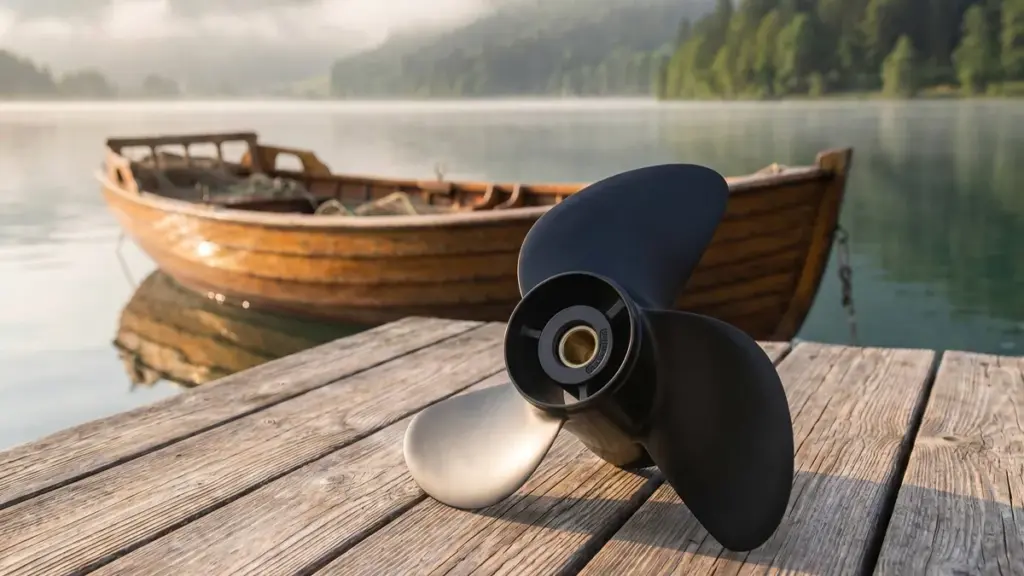
Misreading a propeller mark leads to poor performance, engine strain, and wasted money. Always read diameter first, pitch second, and factor in real-world boat dynamics.
Reversing Diameter and Pitch Numbers
Flipping these numbers is the fastest way to buy the wrong prop. The industry standard always lists diameter first, followed by pitch. When you mix them up, you completely alter how the prop interacts with the water.
- Reading backward: Assuming the first number is pitch instead of diameter.
- Interchanging specs: Failing to recognize that diameter and pitch affect performance differently and are not interchangeable.
- Size misinterpretation: Misinterpreting a 10×7 mark as a 7-inch diameter rather than a 10-inch diameter.
Misinterpreting Rotation and Blade Count
The primary numbers dictate the size, but the trailing letters control fitment and operation. Ignoring these extra characters leads to physical mismatches or dangerous handling on the water.
- Overlooking rotation marks: Missing the R (right-hand) or L (left-hand) indicators, which is critical for single and dual-engine setups.
- Confusing blade count: Assuming the trailing number (يحب 3 أو 4) adds another size dimension rather than just counting the blades.
- Installing incorrectly: Mounting a prop with the wrong rotation that physically fits the shaft but runs incorrectly under power.
Equating Theoretical Pitch to Actual Speed
Pitch measures the theoretical distance a propeller moves forward in one revolution through a solid medium. Water is not solid. Expecting a direct conversion from pitch to actual boat speed ignores the reality of marine physics.
- Ignoring water slip: Assuming the stamped pitch equals exact forward travel without factoring in the inevitable slip loss.
- Forgetting physical variables: Overlooking how hull shape, boat weight, and load change the real-world performance of the propeller.
- Unrealistic expectations: Expecting two entirely different boats with the same 10×7 prop to achieve identical speeds.
Ignoring Engine Limits and Boat Usage
You do not pick a propeller based entirely on the boat hull. You pick it based on what the engine can safely handle. The propeller must allow the engine to operate within its defined mechanical limits.
- Skipping WOT checks: Selecting a propeller without checking the engine’s recommended wide-open-throttle (WOT) rpm range.
- Forcing extreme rpms: Choosing too much pitch causing the engine to under-rev, or too little pitch causing it to over-rev.
- Mismatched application: Failing to match the pitch profile to the boat’s primary purpose, such as prioritizing heavy-load acceleration versus top speed.
When Should You Replace Your Propeller with the Same or a Different Size?
Replace with the identical size if your engine hits the correct WOT RPM. Change pitch or diameter only to fix RPM limits, boost hole shot, or increase cruising speed.
Replacing with the Same Size: Wear, ضرر, and Material Upgrades
Stick with the same diameter and pitch if your engine currently operates within the manufacturer’s recommended wide-open throttle (WOT) RPM range. The baseline size works. Swap out identical sizes to correct bent blades, chipped edges, or a slipping hub that causes vibration and kills thrust. If you run in abrasive or sandy water, upgrade from aluminum to stainless steel in the exact same size. This improves durability and rigidity while keeping your RPMs consistent.
Adjusting Propeller Pitch for RPM Correction
Pitch acts like gearing. Move to a higher pitch if the engine over-revs past the upper limit. This added load lowers the RPM and improves cruising speed on light boats. Drop to a lower pitch if the engine under-revs and struggles to build speed. Reducing the pitch frees up the engine to reach higher RPMs, delivering a stronger hole shot and aggressive heavy-load acceleration. Remember that changing the pitch by just 1 ل 2 inches noticeably shifts engine loading and RPM, even on small outboards.
Changing Propeller Diameter for Thrust or Speed
Diameter dictates total blade surface area. Increase the diameter to gain more blade area for low-speed thrust. This extra grip helps push heavily loaded dinghies and gives you tight control during precise dock maneuvering. على العكس من ذلك, reduce the diameter to minimize drag on high-speed, lightweight hulls. Whenever you upsize the diameter, you must verify your physical clearance. Maintain a strict minimum clearance of 5/8 ل 3/4 inches between the blade tips and the outboard lower unit to prevent contact under load.
Practical Steps to Evaluate Your Replacement Needs
Do not guess your propeller size based on top speed alone. Perform a sea trial at WOT with your typical everyday load, including passengers, والعتاد, والوقود, to establish a realistic baseline RPM. Compare your recorded baseline RPM directly against the engine manual’s WOT specification to identify over-revving or under-revving conditions. Once you have the data, select a replacement based on your primary objective: drop to a lower pitch for towing and acceleration, or step up to a higher pitch for fuel-efficient cruising.
OEM Outboard Motor Propellers and Replacement Solutions from NEWTOP
As an experienced outboard motor propeller manufacturer, نيوتوب supplies OEM and aftermarket propellers for a wide range of outboard engines used in recreational, تجاري, والتطبيقات البحرية المهنية.
Our product range includes:
- Aluminum outboard propellers
- Stainless steel outboard propellers
- Three-blade and four-blade designs
- OEM replacement propellers
- Custom propeller development for private-label brands
Every propeller is manufactured with strict dimensional control to ensure accurate diameter, يقذف, blade geometry, and dynamic balance. This helps deliver smooth operation, efficient power transfer, and reliable performance on the water.
As a trusted outboard motor propeller factory, NEWTOP also provides comprehensive OEM and ODM services for global distributors, تجار الجملة, and marine equipment brands. From mold development and logo customization to packaging and quality inspection, our production process is designed to support consistent quality across large-volume orders.
Whether you need a direct replacement for popular outboard brands or a customized propeller solution for your own product line, our engineering and manufacturing teams can help you identify the right specifications for your market.
خاتمة
Understanding outboard motor propeller size marks makes selecting the correct replacement much easier. In most cases, ال first number indicates diameter, while the second number indicates pitch, with additional letters identifying rotation direction, مادة, or manufacturer-specific information.
When evaluating a propeller, don’t rely solely on the stamped numbers. Always consider your engine’s recommended RPM range, the boat’s weight, ظروف التشغيل, والاستخدام المقصود. A properly matched propeller improves acceleration, كفاءة الوقود, engine longevity, and overall handling.
If you’re sourcing reliable OEM replacement propellers or looking for an experienced outboard motor propeller manufacturer, NEWTOP offers precision-engineered solutions backed by advanced manufacturing capabilities and extensive OEM experience. Our team can help you select or develop propellers that deliver dependable performance across a wide range of outboard applications.
الأسئلة المتداولة
What does 10×7 mean on an outboard propeller?
These numbers indicate diameter and pitch measured in inches. The first number (10) represents the diameter, which is the total width of the circle the blades sweep. The second number (7) is the pitch, indicating the theoretical forward distance the propeller moves in one full revolution. A 10×7 size fits small outboards where strong thrust and low-speed control matter more than top speed.
How do I know if my propeller size is correct?
A correctly sized propeller allows your engine to consistently reach its manufacturer-recommended wide-open throttle (WOT) RPM range under a normal load. The boat will accelerate smoothly, get on plane without excessive delay, and maintain cruising speed efficiently without over-revving or lugging the motor.
هل يمكنني تغيير ميل المروحة دون تغيير القطر؟?
نعم. Swapping to a propeller with the same diameter but a different pitch (like moving from a 10×7 to a 10×9) is the standard way to adjust engine RPM and boat performance. Marine shops can also re-pitch existing aluminum or stainless steel props slightly to fine-tune your setup without altering clearance.
What happens if the propeller pitch is too high or too low?
إذا كانت درجة الصوت مرتفعة جدًا, the engine will struggle to reach its recommended RPM range, causing sluggish acceleration and increased mechanical strain. If the pitch is too low, the engine will likely over-rev past its maximum limit, which risks internal damage, wastes fuel, and reduces your top-end speed.
Do all outboard brands use the exact same size marking system?
Major outboard manufacturers all use the core ‘diameter x pitch’ measurement in inches, but their exact stamping methods vary. Brands place the numbers in different spots, such as inside the hub or on the barrel. They also add unique letters and codes to indicate blade count, اتجاه الدوران, and specific design series.
How do I read old or worn propeller size markings?
Start by cleaning the hub and blade root areas to reveal any stamped numbers. Most old props still use the standard diameter x pitch format (يحب 11.25 س 13). If you only find a single number with a letter (like 17P), it usually represents the pitch. For complex or partial codes, check the manufacturer’s parts catalog or have a marine shop measure the prop directly.
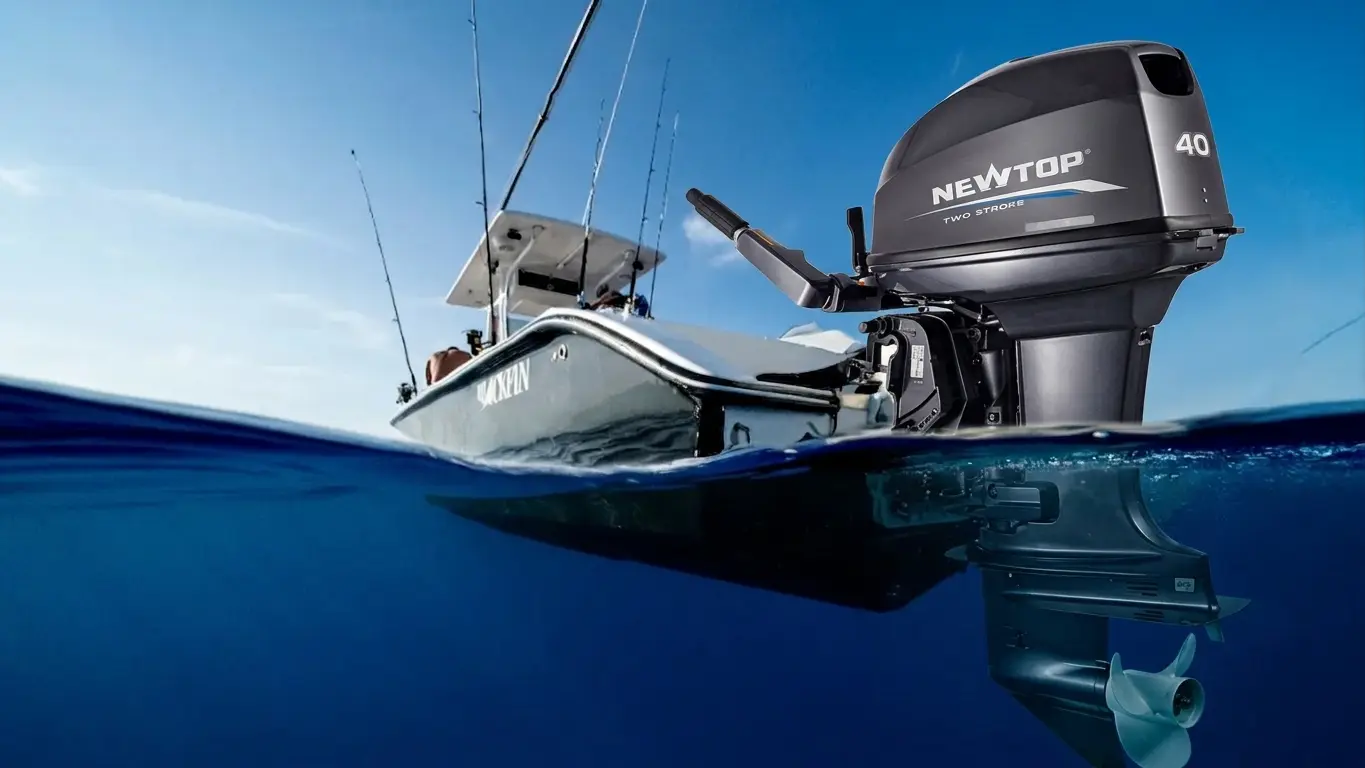
المحركات الخارجية تستخدم على نطاق واسع في قوارب الصيد الصغيرة, سفن الركاب, زوارق العمل, والحرف الترفيهية حول العالم. عند اختيار محرك خارجي, سؤال واحد لا يزال يسيطر على قرارات الشراء:
هل يجب عليك اختيار محرك خارجي ثنائي الشوط أو رباعي الأشواط?
الجواب يعتمد على السوق الخاص بك, توقعات العملاء, بيئة التشغيل, توافر الوقود, قدرات الصيانة, والميزانية. بينما اكتسبت المحركات الخارجية رباعية الأشواط شعبية في العديد من المناطق المتقدمة, 2-تظل المحركات الخارجية ذات القدرة التنافسية العالية في الصيد التجاري, مواصلات, وتطبيقات المناطق النائية.
يقارن هذا الدليل بين الاثنين أنواع المحركات الخارجية عبر الأداء, كفاءة الوقود, متطلبات الصيانة, تكاليف التشغيل, وملاءمة السوق لمساعدة الموزعين, التجار, ويتخذ مشغلو الأساطيل قرارات مستنيرة.
الفرق بين المحركات الخارجية ثنائية الشوط ورباعية الأشواط
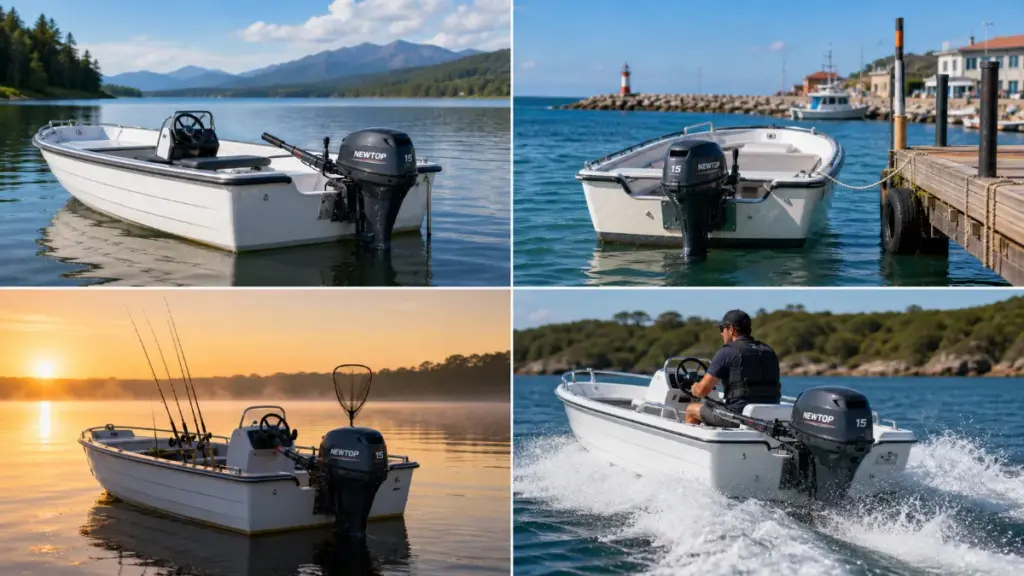
2-توفر السكتات الدماغية نسبة أفضل من القوة إلى الوزن وتسارعًا أسرع. 4-السكتات الدماغية أكثر هدوءًا, أكثر كفاءة في استهلاك الوقود, ولها انبعاثات أقل.
يكمل المحرك الخارجي ثنائي الشوط دورة الطاقة في حركتين للمكبس فقط (ثورة واحدة في العمود المرفقي), بينما يتطلب المحرك الخارجي رباعي الأشواط أربع حركات للمكبس (اثنين من الثورات العمود المرفقي).
| ميزة | 2-السكتة الدماغية الخارجية | 4-السكتة الدماغية الخارجية |
|---|---|---|
| دورة الاحتراق | 2 السكتات الدماغية | 4 السكتات الدماغية |
| تردد قوة السكتة الدماغية | كل ثورة | كل ثورتين |
| وزن المحرك | أخف وزنا | أثقل |
| التعقيد الميكانيكي | بسيط | أكثر تعقيدا |
| تشحيم | خليط زيت الوقود | نظام زيت منفصل |
| صعوبة الصيانة | أسهل | المزيد من المشاركة |
| كفاءة الوقود | معتدل | أعلى |
| الانبعاثات | أعلى | أدنى |
دورة الاحتراق والتصميم الميكانيكي
يكمن الاختلاف الأساسي في كيفية صنع السلطة. يكمل المحرك ثنائي الشوط دورة الطاقة الكاملة بضربتين فقط للمكبس, إطلاق النار على كل ثورة العمود المرفقي. هذه طريقة مباشرة جدًا لتوليد القوة. تحتاج السكتة الدماغية الأربعة إلى أربع أشواط للمكبس, ضغط, قوة, والعادم - مما يعني أنه يشتعل فقط عند كل ثورة أخرى في العمود المرفقي.
هذا الاختلاف الأساسي يملي بنائها. التصميم ثنائي الشوط أبسط, استخدام المنافذ الموجودة في جدران الأسطوانة لإدارة استهلاك الوقود والعادم. في المقابل, يتطلب المحرك رباعي الأشواط مجموعة صمامات أكثر تعقيدًا, كاملة مع الصمامات, أعمدة الكامات, وأنظمة التوقيت, مشابه لما تجده في السيارة.
تسليم الطاقة, وزن, والأداء
لأنها تطلق النار مرتين في كثير من الأحيان ولها أجزاء أقل, 2-تتمتع اللوحات الخارجية للسكتة الدماغية بنسبة طاقة إلى وزن أعلى بكثير. وهذا يترجم إلى تسارع متفجر وأسرع “طلقة حفرة,” الحصول على القارب على متن الطائرة بشكل أسرع. هذه ميزة هائلة لبعض التطبيقات.
المكونات الإضافية تجعل الألواح الخارجية رباعية الأشواط أثقل بشكل ملحوظ. على متن قارب أصغر, هذا الوزن الإضافي على العارضة يمكن أن يؤثر سلبًا على التوازن, زيادة المسودة, وتجعل من الصعب ركوب الطائرة. يكون توصيل الطاقة من 4 أشواط أكثر سلاسة وأكثر خطية, والذي يُفضل غالبًا لتطبيقات السرعة الثابتة مثل التصيد أو الرحلات البحرية لمسافات طويلة حيث لا يكون التسارع الأولي هو الأولوية.
كفاءة الوقود والانبعاثات
تعتبر المحركات الخارجية رباعية الأشواط أكثر كفاءة بطبيعتها. تضمن الدورة المميزة رباعية الأشواط حرق الوقود بشكل كامل, مما يؤدي إلى تحسين الاقتصاد في استهلاك الوقود وانخفاض الانبعاثات بشكل ملحوظ. إنها التكنولوجيا الأنظف, أيدي أسفل.
تعمل السكتة الدماغية التقليدية عن طريق خلط الزيت مباشرة مع البنزين للتزييت. خلال دورتهم السريعة, يمكن لبعض خليط الوقود والزيت غير المحترق أن يتسرب مع العادم, مما يزيد من استهلاك الوقود والتلوث. من المهم أن ندرك أن الحقن المباشر الحديث (من) 2-لقد تحسنت محركات السكتة الدماغية بشكل كبير على هذه الجبهة, الاقتراب كثيرًا من مستويات الكفاءة والنظافة رباعية الأشواط.
صيانة, ضوضاء, والخبرة التشغيلية
هناك فرق كبير في تجربة الماء. تعمل المحركات رباعية الأشواط بشكل أكثر هدوءًا وتنتج اهتزازات أقل بكثير. وهذا يحدث فرقًا كبيرًا في الراحة, خاصة خلال الأيام الطويلة على الماء. الصيانة تشبه السيارة, تتطلب تغييرات مجدولة في الزيت والفلتر.
الضربتان أعلى صوتًا وتشتهران بكونهما أكثر خشونة بعض الشيء. يتضمن جدول الصيانة الخاص بهم إضافة زيت ثنائي الشوط بشكل مستمر إلى الخزان أو خلطه مسبقًا بالوقود. في حين أن هذه مهمة مستمرة, تحتوي المحركات على عدد أقل من الأجزاء المتحركة, والتي يمكن أن تبسط أنواعًا معينة من الإصلاحات وتقلل من نقاط الفشل المحتملة.
أفضل التطبيقات ومكانة السوق
استحوذت اللوحات الخارجية رباعية الأشواط على غالبية السوق. إنها المعيار لقوارب الصيد البحرية, طرادات عائلية, والسفن الأكبر حجمًا حيث يتراوح الوقود, عملية هادئة, والانبعاثات المنخفضة هي الأولويات القصوى. تعتمد أساطيل التأجير والمشغلون التجاريون أيضًا بشكل كبير على الأشواط الأربعة لموثوقيتها وانخفاض تكاليف التشغيل.
ما زال, 2-تحافظ السكتات الدماغية على مكانة قوية في المجالات عالية الأداء. ستجدهم على قوارب الباس, زوارق مسطحة, وأخرى خفيفة, الهياكل السريعة حيث تعد نسبة القوة إلى الوزن الفائقة والتسارع الفوري من المزايا الرئيسية. تستمر اللوائح البيئية الأكثر صرامة في دفع السوق, تفضيل تقنية رباعية الأشواط أو الأحدث, نماذج الحقن المباشر الأنظف ثنائية الشوط.
نسبة القوة إلى الوزن: لماذا لا تزال السكتات الدماغية تفوز بالتسريع
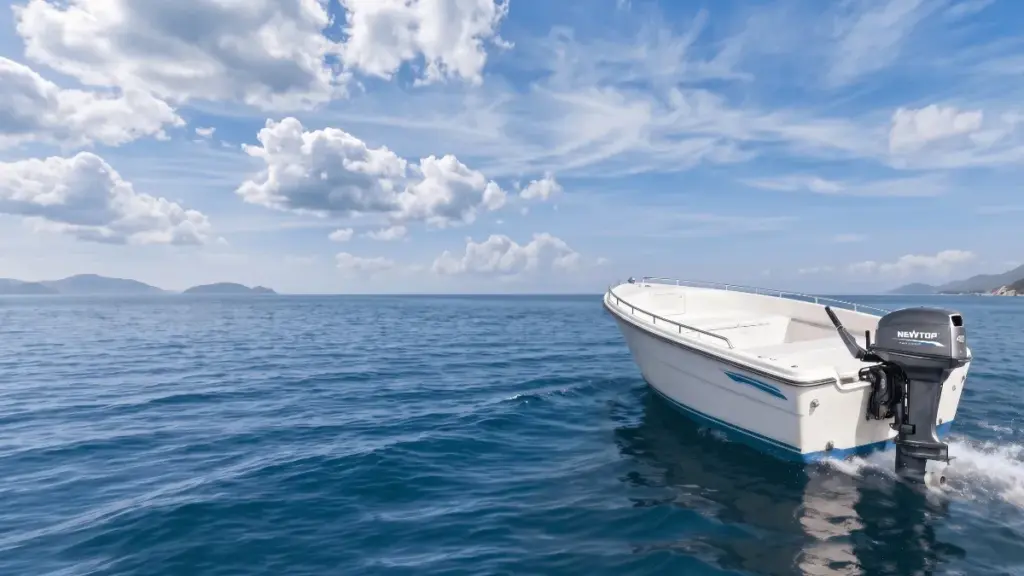
السكتة الدماغية أبسط, يوفر التصميم الأخف نسبة قوة إلى وزن فائقة, مما يوفر تسارعًا أسرع وطلقة ثقب أسرع من اللوحات الخارجية الأثقل رباعية الأشواط.
كيف يخلق تصميم المحرك نسبة أعلى من القوة إلى الوزن
يكمل المحرك ثنائي الشوط دورة الطاقة بضربتين فقط للمكبس. هذا التصميم أبسط بطبيعته ويتطلب أجزاء متحركة أقل بكثير من رباعي الأشواط.
تعني المكونات الأقل أن المحرك أكثر إحكاما وأخف وزنا بشكل ملحوظ لأي قوة حصانية معينة. مع كتلة محرك أقل للحمل, يذهب المزيد من قوة دفع القارب مباشرة إلى تحريك الهيكل, ليس فقط سحب المحرك الخارجي.
التأثير على تسديدة الثقب واستجابة الخانق
تُترجم هذه الميزة في نسبة القوة إلى الوزن مباشرةً إلى لقطة أسرع - وهي الاندفاع الأولي للتسارع للقارب من نقطة توقف مسدودة. عادةً ما تصعد القوارب ذات الألواح الخارجية ثنائية الشوط إلى الطائرة بشكل أسرع, وهو أمر بالغ الأهمية لأنشطة مثل التزلج على الماء.
يحصل المستخدمون أيضًا على المزيد من المعلومات الفورية, استجابة خنق لاذعة. يكون هذا ملحوظًا بشكل خاص في نطاق عدد الدورات في الدقيقة المنخفض إلى المتوسط حيث تكون التعديلات السريعة شائعة.
كيف تقارن المحركات رباعية الأشواط بالوزن
تعتبر الألواح الخارجية رباعية الأشواط أثقل حسب التصميم. إنهم بحاجة إلى قطار صمام كامل مع الصمامات وأعمدة الكامات, بالإضافة إلى حوض زيت مخصص, وكلها تضيف وزنا كبيرا. دورة من أربع مراحل - المدخول, ضغط, قوة, العادم - يتطلب آليات أكثر تعقيدًا ومكونات فيزيائية أكثر.
كل هذا الوزن الزائد يضر بنسبة القوة إلى الوزن عند مواجهة شوطين بنفس تصنيف القدرة الحصانية.
عندما تكون نسبة القوة إلى الوزن الأفضل هي الأكثر أهمية
تبدو فوائد نسبة القوة إلى الوزن العالية أكثر وضوحًا في تطبيقات محددة حيث يكون التسارع والحد الأدنى من الوزن أمرًا أساسيًا.
- قوارب الأداء: لقوارب السحب أو التزلج على الماء, التسارع السريع ليس ترفا، بل هو بيت القصيد.
- هياكل خفيفة الوزن: قوارب صيد صغيرة, الزوارق, والمناقصات حساسة للغاية لوزن المحرك. الوزن الأقل على العارضة يعني توازنًا أفضل وتحكمًا أفضل.
- عملية المياه الضحلة: يحتاج أي شخص يركض في مياه ضحلة إلى ركوب الطائرة بسرعة وبأقل جهد لتجنب الحفر. تعتبر الضربة السريعة بضربتين ميزة كبيرة هنا.
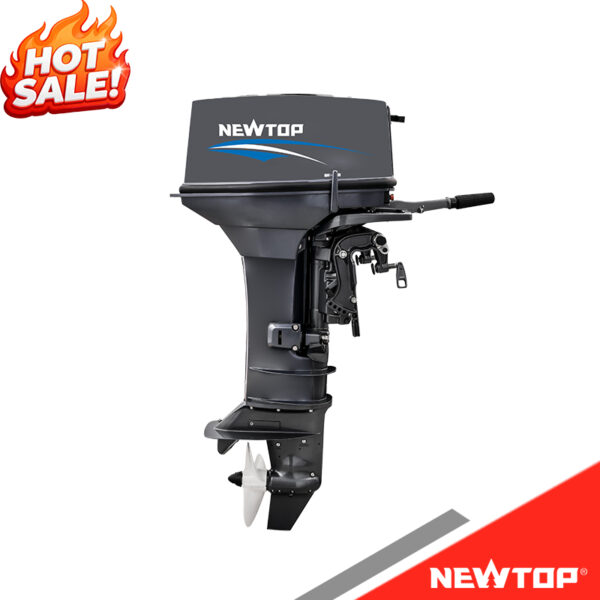
محرك خارجي T40G
خارجي موثوق ثنائي الأشواط, مثالية لقوارب الصيد الصغيرة وقوارب العمل. خفيفة الوزن لكنها قوية 40 محرك HP.
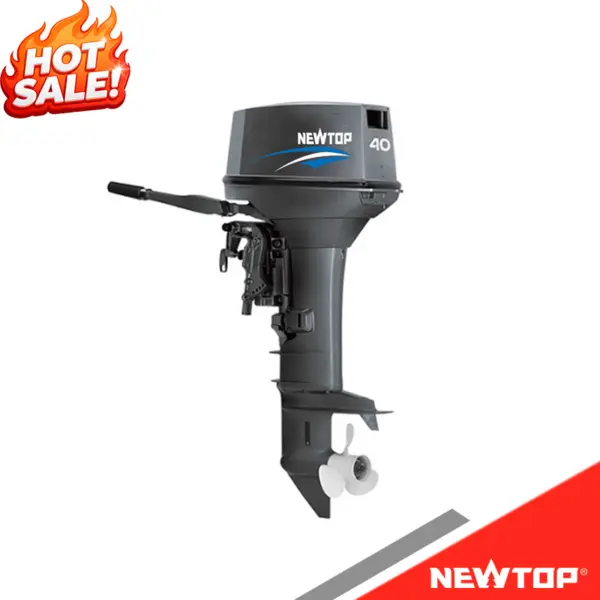
محرك خارجي T40J
محرك متين ثنائي الشوط مصمم للتطبيقات الثقيلة. 40 أداء HP مع سهولة الصيانة في المناطق النائية.
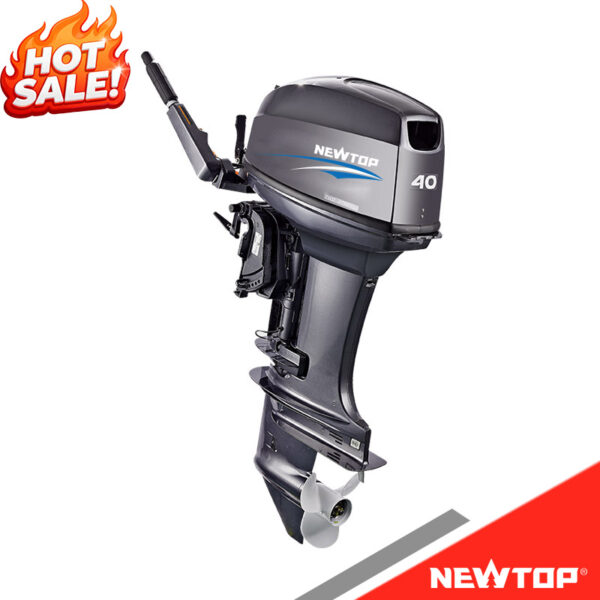
محرك خارجي T40X
محرك خارجي مدمج ثنائي الشوط يوفر موثوقية 40 HP. مثالية للقوارب الصغيرة التي تتطلب الطاقة وقابلية النقل.
مقارنة الاقتصاد في استهلاك الوقود: هل السكتات الدماغية الأربعة تستحق القسط حقًا؟?
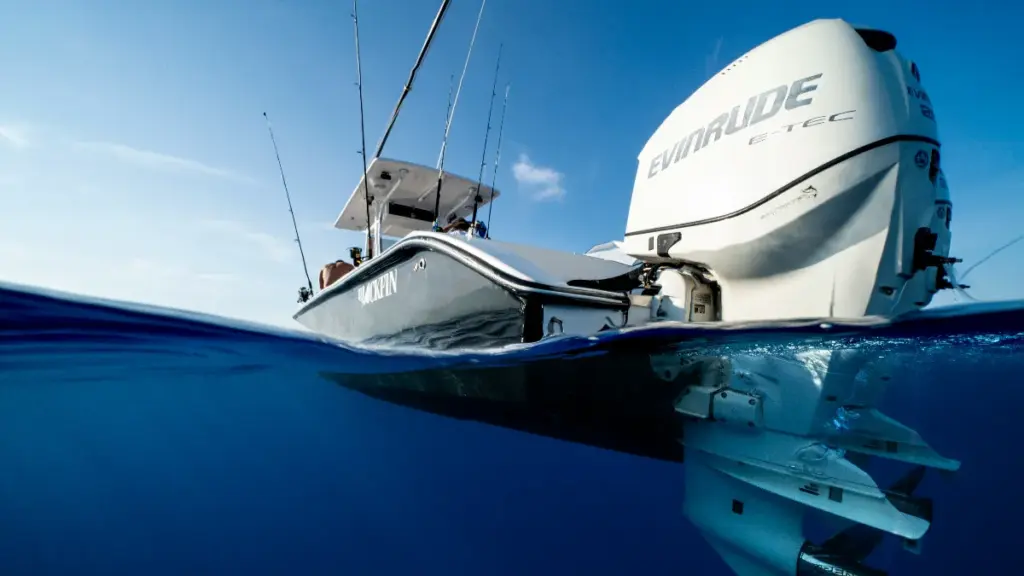
إن ضربات DI الحديثة ذات السكتات الدماغية والسكتات الدماغية الأربعة قريبة بشكل مدهش من حرق الوقود. يأتي التوفير الحقيقي من ترقية أي محرك مكربن قديم إلى محرك حديث, بغض النظر عن النوع.
الكفاءة الشاملة: المحركات الحديثة أقرب مما تعتقد
لقد مات النقاش القديم حول السكتات الدماغية العطشى في الغالب. الحقن المباشر اليوم (من) 2-توفر السكتات الدماغية والسكتات الدماغية الأربعة الحديثة اقتصادًا عامًا متشابهًا جدًا في استهلاك الوقود لنفس القدرة الحصانية. كلتا التقنيتين على وشك 35% أكثر كفاءة في استهلاك الوقود من السكتات الدماغية المكربنة التي استبدلوها. عندما تنظر إلى حرق الوقود عبر نطاق دورة في الدقيقة بأكمله, غالبًا ما يكون الفرق بين النوعين الحديثين صغيرًا جدًا بحيث لا يمكن إعلان فائز واضح بناءً على الكفاءة وحدها.
كيف يؤثر أسلوب ركوب القوارب على حرق الوقود
غالبًا ما يعتمد تقدم أحد المحركات للأمام على كيفية استخدامك للخانق. عند دورات منخفضة جدًا في الدقيقة, مثل التباطؤ خارج المارينا أو التصيد البطيء, يمكن أن تكون السكتة الدماغية DI 2 أكثر كفاءة قليلاً. إن قدرتها على قياس الوقود بدقة شديدة عند الأحمال المنخفضة تمنحها ميزة صغيرة.
ولكن في المدى المتوسط – بين 2,500 و 5,000 دورة في الدقيقة - غالبًا ما تتمتع السكتات الدماغية الأربعة بميزة حقيقية في الاقتصاد في استهلاك الوقود. هذا هو المكان المثالي للإبحار حيث تقضي معظم القوارب وقتها, هذا هو المكان الذي تظهر فيه كفاءة السكتة الدماغية الأربعة حقًا. في النهاية العليا, يعمل بالقرب من دواسة الوقود الكاملة, يمكن أن تنقلب الطاولة مرة أخرى. غالبًا ما يمكن أن تتطابق السكتة الدماغية DI ثنائية الأشواط أو حتى تتغلب على 4 أشواط عند حرق الوقود مع توفير المزيد من السرعة القصوى.
التوفير الحقيقي للوقود: الترقية من المحركات القديمة
القفزة الأكثر أهمية التي ستراها في الاقتصاد في استهلاك الوقود تأتي من استبدال أي سيارة أقدم, مكربن 2 السكتة الدماغية. لا يهم إذا قمت باستبداله بـ DI حديث ثنائي الأشواط أو رباعي الأشواط; سيكون التحسن ضخما. يمكن للمحرك المكربن أن يحرق ما يقرب من ضعف وقود المحرك الحديث الذي يقوم بنفس العمل. تم بناء سمعة احتساء الوقود للمحرك رباعي الأشواط على مقارنته بتلك المحركات القديمة, ليست ضربات DI الفعالة اليوم.
حساب الاسترداد على توفير الوقود وحده
لذا, هل التوفير الصغير في الوقود الناتج عن 4 أشواط يدفع مقابل تكلفته الأولية المرتفعة? لراكب ترفيهي غير رسمي مع ساعات سنوية منخفضة, الجواب دائما تقريبا لا. الرياضيات لا تعمل. ولكن بالنسبة لمرشد تجاري أو كابتن مستأجر لساعات طويلة, يمكن أن تؤدي الكفاءة متوسطة المدى رباعي الأشواط إلى توفير الآلاف سنويًا, تبرير القسط الأولي بسهولة. القرار يتوقف حقا على استخدامك. إذا قضيت طوال اليوم في الإبحار بسرعة ثابتة, يعد اقتصاد رباعي الأشواط حجة قوية. للاستخدام المختلط أو تطبيقات الأداء, الفرق غالبا ما يكون غسلا.
الصيانة وقابلية الإصلاح في الأسواق النائية
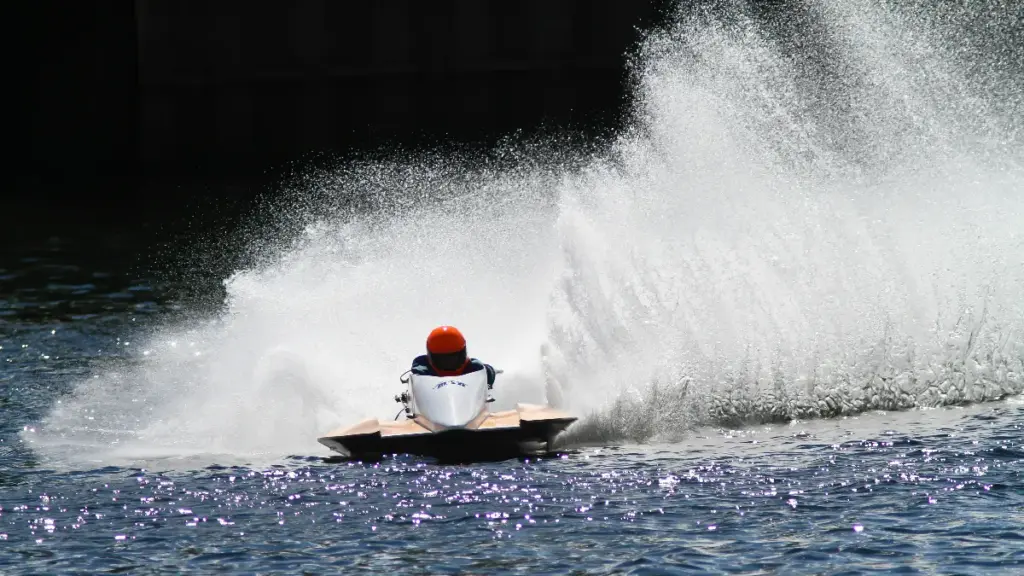
في الأسواق النائية, 2-عادة ما يكون من الأسهل صيانة وإصلاح الضربات في الميدان. 4-تعتبر السكتات الدماغية أكثر حساسية وتعتمد غالبًا على شبكات الخدمة, زيادة مخاطر التوقف.
2-بساطة السكتة الدماغية ومزايا الخدمة الميدانية
الميزة الأساسية للسكتة الدماغية في الإعداد البعيد هي تصميمها الميكانيكي البسيط. مع عدد أقل من الأجزاء المتحركة, من غير المرجح أن تسوء الأمور, وعندما يفعلون, تعتبر الإصلاحات الميدانية أكثر عملية بكثير.
- الخدمة الروتينية ضئيلة, غالبًا ما يتم تغيير شمعات الإشعال وزيت علبة التروس على فترات طويلة جدًا.
- وهم بشكل عام أكثر تحملاً للوقود المتغير أو ذو الجودة الرديئة, وهو تحدي مستمر في الأماكن المعزولة.
- يمكن للمشغل عادةً صيانة المحرك باستخدام مجموعة أدوات أساسية, مما يقطع الاعتماد على الفنيين المتخصصين.
4-متطلبات صيانة السكتة الدماغية والحساسيات
تتطلب الأشواط الأربعة جدول صيانة وقائية أكثر صرامة. يمكن أن يكون لفقد الفاصل الزمني للخدمة تأثير أكبر على الموثوقية, وهو ما يمثل خطرًا كبيرًا عندما تكون بعيدًا عن المساعدة لساعات.
- أنها تتطلب تغيير الزيت بانتظام, فحوصات التصفية, وأحيانا تعديلات الصمامات.
- نظام الوقود حساس للغاية للتنظيف, الوقود الطازج. سوء إدارة الوقود هو السبب الرئيسي للفشل.
- تحتاج أنظمة التبريد إلى صيانة متسقة, من دافعات مضخة المياه إلى منظمات الحرارة.
- إنهم يعتمدون بشكل أكبر على مراكز الخدمة المعتمدة وقطع الغيار المحددة التي نادرًا ما تتوفر في المناطق النائية.
المقارنة المباشرة لعوامل قابلية الإصلاح الرئيسية
عندما تضعهم جنبا إلى جنب, تصبح الاختلافات التشغيلية في بيئة منخفضة الدعم واضحة.
- تعقيد الخدمة: 2-تحتوي السكتات الدماغية على عدد أقل بكثير من عناصر الخدمة المجدولة مقارنة بالاحتياجات الأكثر كثافة لأربعة أشواط.
- الاعتماد على الأجزاء: يتطلب المحرك رباعي الأشواط مخزونًا أكبر من الأجزاء المتخصصة للصيانة الروتينية فقط.
- التطبيق العملي الميداني: التصميم البسيط للخطين يجعله أكثر ملاءمة للإصلاحات في الموقع حيث تكون الموارد محدودة.
- حساسية النظام: 4-تعتبر أنظمة الوقود والتبريد أقل تسامحًا مع الإهمال أو ظروف التشغيل القاسية.
التكلفة وتأثير التوقف
إن العقوبة المالية لمحرك معقد في سوق نائية تتجاوز التكلفة البسيطة للأجزاء. التوقف هو القاتل الحقيقي.
- يمكن أن تكون تكاليف الصيانة للسكتة الدماغية أقل بكثير, خاصة في السنوات القليلة الأولى من التشغيل.
- يعد توقف المحرك عن العمل أمرًا مزعجًا للغاية. إن نقل قطع الغيار والفنيين إلى المناطق المعزولة أمر بطيء ومكلف.
- يعني جدول الخدمة الأبسط للخطين أن هناك خطرًا أقل لفقد عنصر الصيانة الذي يتسبب في حدوث فشل فادح.
- يُترجم انخفاض زيارات الخدمة المطلوبة بشكل مباشر إلى انخفاض التكاليف اللوجستية وزيادة وقت التشغيل التشغيلي للسفينة.
ضوضاء, الانبعاثات, والاعتبارات التنظيمية
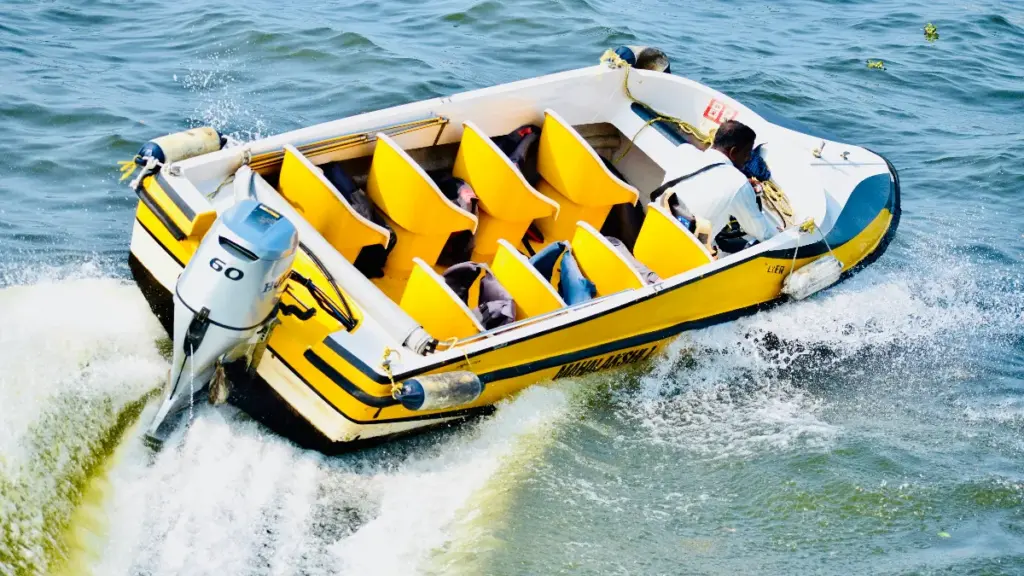
4-تعتبر الألواح الخارجية للسكتة الدماغية أكثر هدوءًا ونظافة, مما يمنحهم ميزة كبيرة في الممرات المائية المنظمة ولأي مشتري يعطي الأولوية لراحة المستخدم على الأداء الأولي.
مستويات الضوضاء وتجربة المستخدم
تعمل اللوحات الخارجية رباعية الأشواط بشكل عام بشكل أكثر هدوءًا وباهتزاز أقل. وهذا يجعلها الخيار الواضح لركوب القوارب الترفيهية وصيد الأسماك, حيث تكون التجربة السلمية مهمة. تشتهر المحركات ثنائية الشوط المكربنة الأقدم بصوتها العالي, أنين عالي النبرة وعادم قاسي. لأي شخص يعمل في مناطق حساسة للضوضاء مثل البحيرات السكنية أو المراسي المزدحمة, يعد التشغيل الأكثر هدوءًا للأشواط الأربعة عاملاً حاسماً.
انبعاثات العادم والأثر البيئي
يؤدي تصميم المحرك رباعي الأشواط إلى حرق الوقود بشكل أكثر اكتمالا وكفاءة. والنتيجة هي انخفاض انبعاثات الهيدروكربونات ودخان أقل وضوحًا. السكتات الدماغية التقليدية المكربنة غير فعالة بالمقارنة, إطلاق كمية ملحوظة من الوقود والزيت غير المحترق مباشرة في الهواء والماء. في حين أن السكتات الدماغية الحديثة ذات الحقن المباشر تعد بمثابة تحسن هائل عن سابقاتها, 4-عادةً ما تحافظ السكتات الدماغية على ميزة في انخفاض الانبعاثات الإجمالية.
الامتثال التنظيمي والوصول إلى الممر المائي
مرة واحدة وكالة حماية البيئة ومجلس موارد الهواء في كاليفورنيا (الكربوهيدرات) وضعت لوائح أكثر صرامة, ابتعد السوق بسرعة عن كبار السن, عالية الانبعاثات 2 السكتات الدماغية. الأمر لا يتعلق فقط بالقواعد الفيدرالية. العديد من البحيرات المحددة, الخزانات, والممرات المائية المحمية لها قواعد محلية تحظر أو تحد بشدة من استخدام هذه المحركات المكربنة القديمة. تفي المحركات رباعية الأشواط بمعايير الانبعاثات الحالية بشكل موثوق، وهي في وضع يسمح لها بالوفاء بالمعايير المستقبلية, ضمان حصولك على وصول أوسع إلى المسطحات المائية المنظمة دون مشكلة.
التكلفة الإجمالية للملكية: السعر المقدم مقابل التكاليف طويلة الأجل
سعر الملصق هو مجرد البداية. تكلفة الملكية الحقيقية تشمل الوقود, زيت, صيانة, وقيمة إعادة البيع, حيث غالبًا ما يفوز رباعي الأشواط الأكثر سعراً على المدى الطويل.
| عامل التكلفة | 2-سكتة دماغية | 4-سكتة دماغية |
|---|---|---|
| سعر الشراء الأولي | أدنى | أعلى |
| كفاءة الوقود | أدنى | أعلى |
| تعقيد الصيانة | أدنى | أعلى |
| تكاليف الإصلاح | أدنى | أعلى |
| تكلفة قطع الغيار | أدنى | أعلى |
| توفير الوقود على المدى الطويل | محدود | بارِز |
| عمر نموذجي | جيد | في كثير من الأحيان أطول |
التوصية الإقليمية: ما هو نوع المحرك المناسب لسوقك؟?
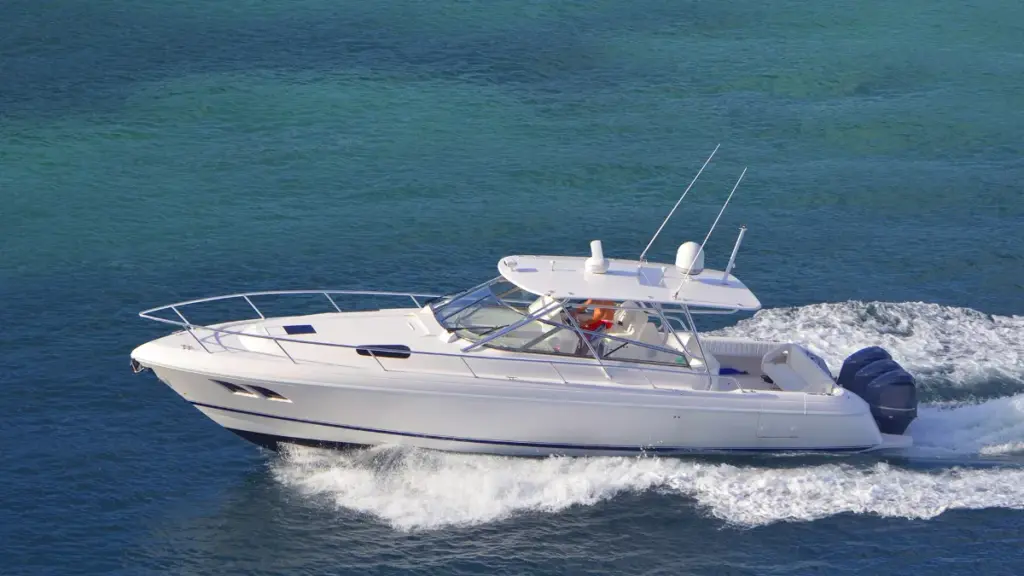
يعتمد الاختيار الخارجي الصحيح على السوق. تدفع اللوائح وراحة المستخدم المناطق المتقدمة إلى 4 ضربات, في حين أن التكلفة وإمكانية الخدمة الميدانية تحافظ على أهمية السكتات الدماغية في مكان آخر.
| الملف الشخصي للسوق | السائق الأساسي | المحرك الموصى به |
|---|---|---|
| أمريكا الشمالية, دبليو. أوروبا, أستراليا | أنظمة & الانبعاثات | 4-سكتة دماغية (تقصير), الحديث DI 2-السكتة الدماغية (المكانة) |
| جنوب شرق آسيا, جنوب آسيا, أفريقيا | التكلفة المقدمة & بساطة الخدمة | 2-سكتة دماغية (تقصير), 4-سكتة دماغية (تجاري) |
| الأساطيل التجارية ذات ساعات العمل العالية (عالمي) | التكلفة الإجمالية للملكية (وقود & طول العمر) | 4-سكتة دماغية |
| المتخصصة (الجزر النائية, السياحة الحضرية) | نطاق الوقود & تجربة المستخدم | 4-سكتة دماغية |
الأسواق مدفوعة باللوائح ومعايير الانبعاثات
في الاقتصادات المتقدمة, غالبًا ما يتم الاختيار من أجلك. دفعت القوانين البيئية الصارمة وتوقعات العملاء للتشغيل الهادئ السوق بشكل كبير نحو التكنولوجيا رباعية الأشواط.
- في أمريكا الشمالية, أوروبا الغربية, وأستراليا, تجعل القوانين البيئية الصارمة المحركات رباعية الأشواط الخيار القياسي للامتثال.
- يعد التشغيل الهادئ عاملاً رئيسياً في هذه المناطق, مما يجعل الضربات الأربع مفضلة لركوب القوارب الترفيهية بالقرب من المناطق المأهولة بالسكان.
- كما أن تكاليف الوقود المرتفعة تجعل الكفاءة الفائقة للمحركات رباعية الأشواط ميزة اقتصادية مهمة.
- تخدم السكتات الدماغية الحديثة ذات الحقن المباشر سوقًا متخصصة للتطبيقات عالية الأداء حيث تسمح اللوائح بذلك.
الأسواق مدفوعة بالتكلفة وبساطة الخدمة
حيث تكون التكلفة الأولية والقدرة على إصلاح المحرك بالأدوات الأساسية هي الاهتمامات الأساسية, البسيط, لا تزال السكتة الدماغية الكلاسيكية تتمتع بأرضية كبيرة. الوصول إلى شبكة الوكلاء ليس أمرًا معطى في هذه الأسواق.
- للعديد من المستخدمين في جنوب شرق آسيا, جنوب آسيا, وأفريقيا, إن سعر الشراء الأولي المنخفض للسكتة الدماغية هو الاعتبار الأساسي.
- يسمح التصميم الميكانيكي البسيط للضربتين بإجراء إصلاحات ميدانية أسهل باستخدام الأدوات الأساسية, وهو أمر حيوي عندما تكون الخدمة المهنية نادرة.
- الوزن الخفيف يجعل السكتة الدماغية مناسبة للقوارب الصغيرة حيث يجب إزالة المحرك وحمله بشكل متكرر.
- 4-تعتبر الأشواط خيارًا قويًا للمشغلين التجاريين في هذه المناطق الذين يعطون الأولوية لتوفير الوقود على المدى الطويل على التكلفة الأولية.
توصيات للأساطيل التجارية ذات ساعات العمل الطويلة
لأي عمل يدير القوارب طوال اليوم, كل يوم, تشير الرياضيات دائمًا إلى 4 أشواط. يتم سداد الاستثمار الأولي من خلال فواتير الوقود المنخفضة وعمر المحرك الأطول.
- لصيد الأسماك, ينقل, أو أساطيل الدوريات التي تعمل يوميا, يمكن أن يؤدي توفير الوقود من 4 أشواط إلى تعويض سعر الشراء المرتفع بسرعة.
- 4-توفر محركات السكتة الدماغية عادةً عمر خدمة أطول وموثوقية أفضل في ظل التشغيل المستمر, الأحمال الثقيلة.
- عبر معظم الأسواق العالمية, 4-تمثل محركات السكتة الدماغية الخيار الاقتصادي الأفضل على المدى الطويل للمستخدمين التجاريين الذين لديهم إمكانية الوصول إلى شبكات الخدمة.
توصيات للتطبيقات المتخصصة والمتخصصة
يمكن للاحتياجات التشغيلية المحددة أن تجعل أحد أنواع المحركات هو الخيار العملي الوحيد, بغض النظر عن العوامل الأخرى. تختلف تجربة المستخدم للسياح كثيرًا عن احتياجات الصياد الوحيد.
- في مجتمعات الجزر النائية ذات أسعار الوقود المرتفعة جدًا, يعد نطاق وكفاءة اللوحات الخارجية رباعية الأشواط أمرًا بالغ الأهمية.
- لسيارات الأجرة المائية في المناطق الحضرية والقوارب السياحية, الهدوء, يعد التشغيل منخفض الدخان رباعي الأشواط أمرًا ضروريًا لتجربة العملاء.
- قد لا يزال صيادو الكفاف في المواقع النائية يجدون أن الصيانة البسيطة والوزن المنخفض لخطين أكثر عملية بالنسبة لاحتياجاتهم.
لماذا تختار NEWTOP المحركات الخارجية?
للموزعين والمستوردين الذين يبحثون عن حلول الطاقة البحرية التي يمكن الاعتماد عليها, نيوتوب يوفر محفظة متوازنة مصممة لتلبية احتياجات السوق المختلفة.
وتشمل المزايا الرئيسية:
- مجموعة شاملة من المحركات الخارجية ثنائية الشوط ورباعية الأشواط
- قدرات تخصيص قوية لتصنيع المعدات الأصلية وتصنيع التصميم الشخصي
- قدرة إنتاجية مستقرة ومراقبة الجودة
- تجربة التصدير العالمية في جميع أنحاء أفريقيا, أمريكا اللاتينية, جنوب شرق آسيا, وغيرها من الأسواق الناشئة
- موثوق قطع غيار المحركات الخارجية يدعم
- الوثائق الفنية المهنية والمساعدة بعد البيع
ما إذا كان عملاؤك يعطون الأولوية للقدرة على تحمل التكاليف, كفاءة الوقود, متانة, أو سهولة الصيانة, يمكن لـ NEWTOP مساعدتك في بناء مجموعة منتجات تناسب متطلبات السوق المحلية لديك.
الأسئلة المتداولة
أيهما أفضل, خارجي ثنائي الأشواط أو رباعي الأشواط?
ولا يوجد أي منهما أفضل على المستوى العالمي; يعتمد الاختيار الصحيح على قاربك وكيفية استخدامه. غالبًا ما يتم تفضيل الألواح الخارجية ثنائية الشوط لوزنها الخفيف, تسارع أسرع, وتكلفة أولية أقل. تعد اللوحات الخارجية رباعية الأشواط بشكل عام الخيار الأفضل للاقتصاد في استهلاك الوقود, عملية هادئة, انبعاثات منخفضة, والموثوقية لمسافات طويلة.
هل يتم التخلص التدريجي من اللوحات الخارجية ثنائية الشوط?
أقدم, يتم التخلص التدريجي من اللوحات الخارجية التقليدية ثنائية الشوط المكربنة في العديد من المناطق بسبب لوائح الانبعاثات. الحقن المباشر الحديث (من) 2-لا تزال محركات السكتة الدماغية التي تلبي المعايير البيئية الحالية متاحة وتظل خيارًا تنافسيًا لتطبيقات محددة, خاصة عندما تكون نسبة القوة إلى الوزن العالية أمرًا بالغ الأهمية.
أي محرك خارجي يستمر لفترة أطول?
تتمتع اللوحات الخارجية رباعية الأشواط عمومًا بعمر خدمة أطول. تساهم أنظمة التشحيم المتقدمة والضغط الميكانيكي المنخفض لكل دورة في زيادة المتانة, خاصة في الاستخدام التجاري أو الترفيهي المتكرر لساعات طويلة. يمكن أن تكون السكتة الدماغية التي يتم صيانتها بشكل صحيح موثوقة للغاية, ولكن عادةً ما يتم تصميم الأشواط الأربعة لتحقيق إجمالي ساعات تشغيل أعلى.
هل الألواح الخارجية ثنائية الأشواط أقوى من اللوحات الرباعية الأشواط?
يتمتع المحرك ثنائي الشوط بنسبة أفضل من القوة إلى الوزن, مما يعني أنه يوفر المزيد من القوة بالنسبة لحجمه ويوفر بشكل أسرع, "أكثر سرعة."’ تسريع. وهذا يجعلها تشعر بمزيد من القوة, خاصة عند ركوب قارب خفيف على متن الطائرة. ستنتج 4 أشواط بنفس تصنيف القدرة الحصانية نفس قوة الذروة ولكنها توفرها بشكل أكثر سلاسة وأفضل في التعامل مع الأحمال المستمرة على القوارب الأثقل.
هل تستخدم الألواح الخارجية رباعية الأشواط وقودًا أقل?
نعم, 4-تعد اللوحات الخارجية ذات الشوط أكثر كفاءة في استهلاك الوقود بشكل ملحوظ من النماذج التقليدية ثنائية الشوط. عملية الاحتراق الخاصة بهم أكثر اكتمالا, إهدار كمية أقل من الوقود وتوفير مدى أطول من نفس خزان الغاز. تظهر هذه الميزة بشكل ملحوظ في سرعات التصيد والإبحار. لقد أدى الحقن المباشر الحديث ثنائي الأشواط إلى تحسين الكفاءة, لكن السكتات الدماغية الأربعة لا تزال تقود بشكل عام في الاقتصاد في استهلاك الوقود.
ما هي العيوب الرئيسية للمحرك الخارجي ثنائي الشوط?
بالمقارنة مع 4 السكتات الدماغية, تتمثل العيوب الأساسية للألواح الخارجية التقليدية ثنائية الشوط في ارتفاع استهلاك الوقود والزيت, عملية أعلى وأكثر خشونة, وارتفاع الانبعاثات التي يمكن أن تقيد استخدامها في بعض البحيرات والممرات المائية. كما أنها تميل أيضًا إلى أن يكون عمرها الإجمالي أقصر وقد تكون لها قيمة إعادة بيع أقل.
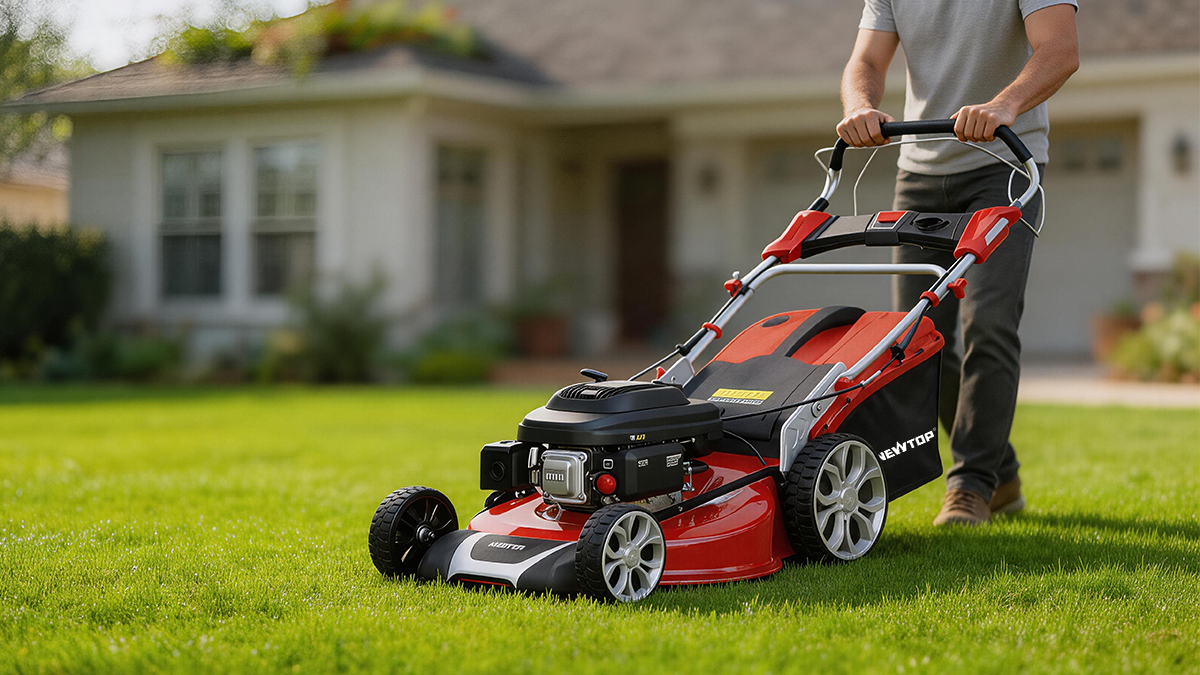
للموزعين الذين يتطلعون إلى تنمية أعمالهم, غالبًا ما يكون اختيار مورد جزازة العشب المناسب أكثر من مجرد إضافة منتج آخر. يتعلق الأمر بالعثور على مورد يمكنه دعم توسيع الفئة, تطابق طلب العملاء الحالي, وجعل التعاون طويل الأمد ممكنًا. وكان هذا هو الحال تمامًا مع أحد عملاء NEWTOP في ليتوانيا.
اتصل بنا العميل أولاً للاستفسار عن قواطع الفرشاة. أثناء الاتصال, لكن, وأصبح من الواضح أن الشركة لديها أيضًا طلب على جزازات العشب. لم يكن الهدف هو استبدال اتجاه المنتج الأصلي, ولكن الاستمرار في خدمة قاعدة العملاء الحالية مع إضافة آلات الحدائق الصغيرة كخط أعمال جديد. بعد فترة طويلة من التواصل بشأن تفاصيل المنتج والأسعار, قام العميل أخيرًا بتقديم الطلب.
فتح استفسار واحد فرصة أكبر للمنتج
في أعمال التصدير B2B, التحقيق الأول لا يكشف دائمًا عن الفرصة الكاملة. قد يبدأ المشتري بالسؤال عن منتج واحد, لكن القيمة الحقيقية تظهر غالبًا أثناء التواصل الأعمق.
وكانت تلك نقطة التحول في هذه الحالة. The discussion started with brush cutters, yet as the communication continued, the customer’s lawn mower demand became clearer. This made the cooperation more meaningful, because it was no longer just about quoting one machine. It became a discussion about category expansion and how to support the customer’s next stage of business growth.
For suppliers, this kind of shift matters. A buyer looking for only one item may place a one-time order. A buyer preparing to add a new category is usually thinking more seriously about future sales and longer-term cooperation.
Why Lawn Mowers Matched the Customer’s Business Direction
للعديد من الموزعين, adding lawn mowers is a practical move when they already serve customers in For distributors looking to grow their business, غالبًا ما يكون اختيار مورد جزازة العشب المناسب أكثر من مجرد إضافة منتج آخر. It is about finding a supplier that can support a wider product range, تطابق طلب العملاء الحالي, and make expansion more practical. وكان هذا هو الحال تمامًا مع أحد عملاء NEWTOP في ليتوانيا.
The customer first contacted us with an inquiry for brush cutters. As communication continued, لكن, it became clear that lawn mowers were also part of the customer’s business plan. The goal was not to change the original customer base, but to keep serving it while adding small garden machinery as a new product line. After a long process of confirming product details and pricing, the customer placed the order.
A Wider Product Opportunity Behind the First Inquiry
في أعمال التصدير B2B, the first inquiry does not always show the full opportunity. A buyer may begin with one machine category, while the more important demand only becomes clear later.
That is what happened in this case. The original brush cutter inquiry opened the conversation, but the more valuable discussion turned out to be about lawn mowers. Once that need became clearer, the cooperation was no longer just about quoting a single product. It became a discussion about how to add a new category in a way that made sense for the customer’s existing business.
For suppliers, that kind of shift matters. A customer asking about one item may be making a simple purchase. A customer thinking about category expansion is usually looking at the business more strategically.
Why Lawn Mowers Fit the Customer’s Existing Business
What made this case practical was the customer’s growth logic. The business was not trying to build a new market from zero. بدلاً من, it was working from an existing customer base and looking for a suitable way to broaden the product offering.
That made lawn mowers a natural fit. Rather than introducing a random category, the customer was adding a product line that could sit alongside the existing business and create more value from the same market relationships. للعديد من الموزعين, this is one of the most realistic ways to grow. It reduces risk, makes sales planning easier, and allows the company to expand without abandoning what already works.
This is also why choosing the right petrol lawn mower supplier matters. The decision is not only about the product itself. It is about whether the new category can be introduced smoothly and supported properly from the start.
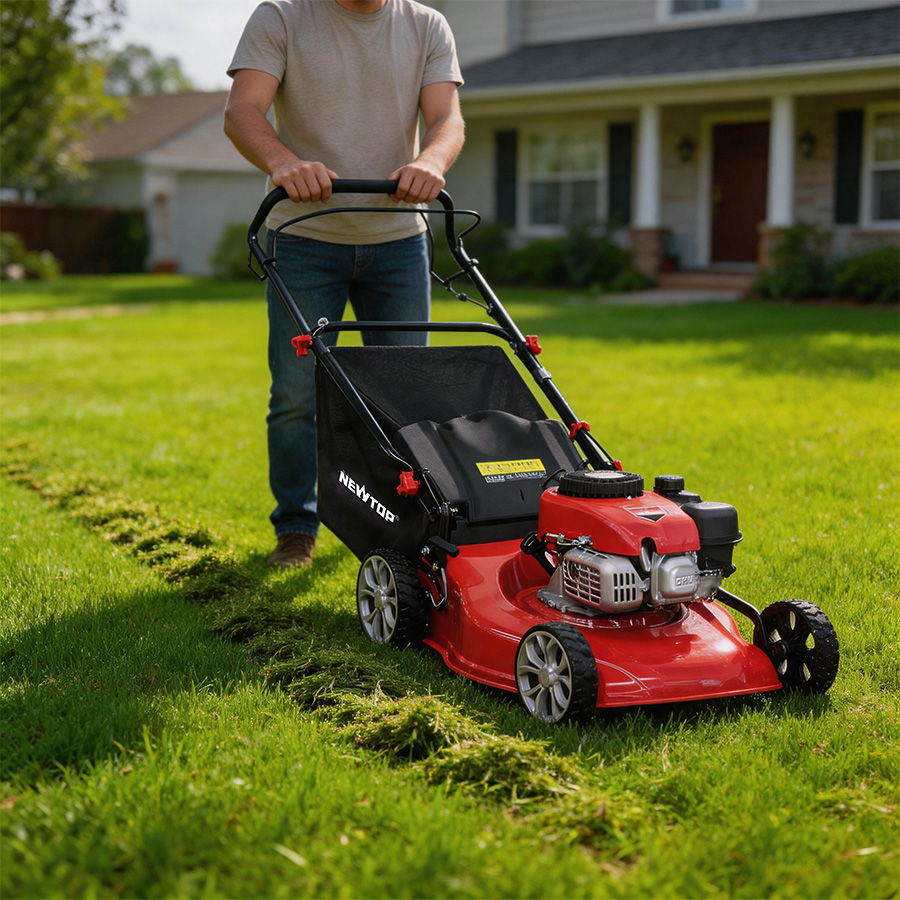
Why the Order Took Time to Confirm
This order did not move quickly from inquiry to confirmation, and that is not unusual when a buyer is adding a new category. In cases like this, time is often needed because the customer is not simply testing one machine. The buyer is judging whether the product can become part of a workable business structure.
Several points needed to be aligned before the order could move forward:
- product details
- pricing
- suitability for the customer’s market
- the practicality of future cooperation
That kind of longer communication usually means the customer is taking the decision seriously. A distributor adding lawn mowers to an existing business has to think beyond the first order. The product needs to make sense in resale, fit the local market, and work within the company’s broader product plan.
What Buyers Usually Compare in This Type of Cooperation
When a distributor evaluates a new supplier, the decision is rarely based on price alone. A more practical comparison often looks like this:
| What the Buyer Compares | لماذا يهم؟ |
|---|---|
| Product details | Helps confirm whether the mower fits local market demand |
| Price level | Determines whether resale remains commercially workable |
| Communication efficiency | Shows whether cooperation can move smoothly |
| Long-term support potential | Matters if the buyer wants to expand the product line later |
في هذه الحالة, those were exactly the issues that required time to confirm. Once the details and pricing were aligned, the order became much easier to finalize.
Why This Type of Expansion Matters
One of the most meaningful parts of this customer story is that the expansion came from the existing market, not from a completely new direction. That makes the case more practical and more typical of how real dealers often grow.
Many importers do not expand by jumping into unfamiliar categories all at once. They grow by adding related products that fit the customers they already serve. In outdoor power equipment and small garden machinery, this kind of step-by-step expansion is often more sustainable than trying to build a new segment from zero.
For a supplier, that is an important reminder. The first product a customer asks about may not be the full opportunity. Sometimes the real value appears only after the conversation develops and the buyer’s broader business plan becomes clearer.
NEWTOP’s Role in the Cooperation
For NEWTOP, this case was not simply about responding to a brush cutter inquiry. It became an opportunity to understand the customer’s wider business direction and support a more suitable product path.
That is where a dependable petrol lawn mower supplier adds real value. The role is not limited to sending quotations. It also includes helping the buyer confirm product fit, align on details, and move toward an order that works commercially. In longer communication cycles, that kind of support often matters just as much as the product itself.
So what does a case like this really show?
It shows that customer demand often becomes clearer during communication, not only in the first inquiry. A buyer may begin with one product, but the more important opportunity may turn out to be a new category that fits the same customer base and supports broader business growth.
It also shows that serious orders often take time. When a distributor is adding a new business line, detailed discussion on product details and pricing is part of the process. Once those points are aligned, the order becomes much easier to confirm.
For NEWTOP, this customer story reflects how real B2B cooperation often develops. A single inquiry can lead to a broader product discussion, and a buyer looking for one machine category today may become a longer-term partner across more small garden machinery lines tomorrow. That is why choosing the right petrol lawn mower supplier is not only about today’s order. It is also about building the right foundation for future growth.
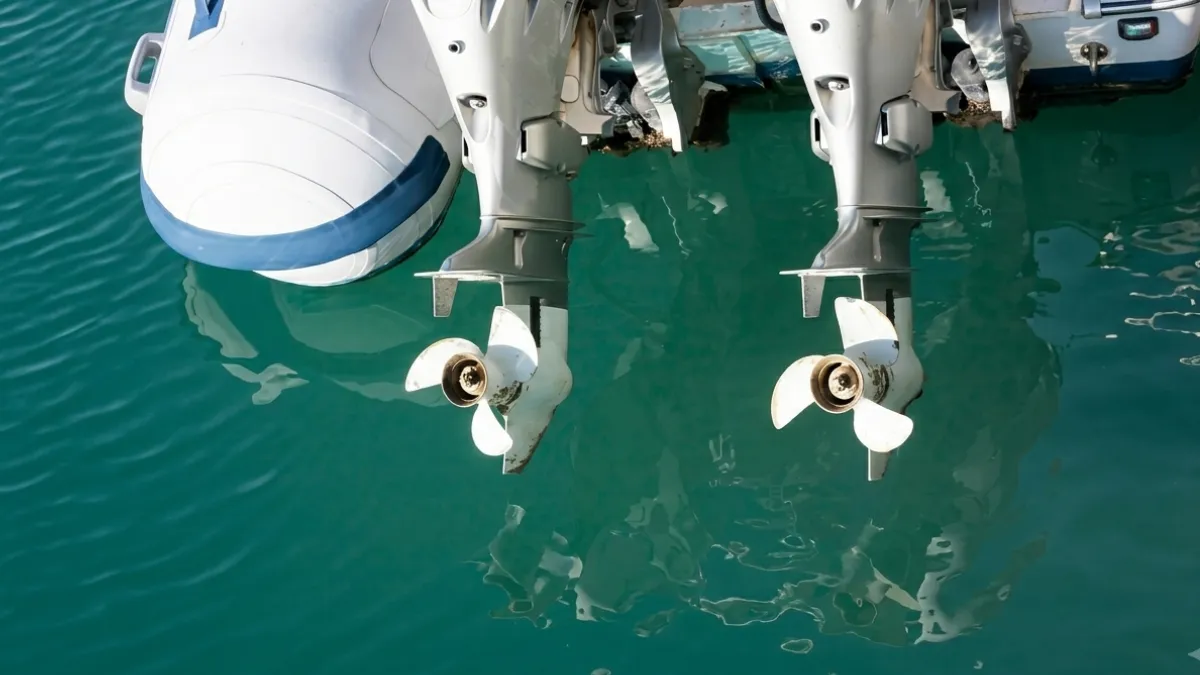
Outboard motor propeller influences acceleration, fuel consumption, متانة, maintenance costs, and even the lifespan of your lower unit. While aluminum and stainless steel remain the two most common propeller materials, neither is universally better. The right choice depends on how your boat is used, the water conditions, engine horsepower, and your long-term operating costs.
Whether you’re a boat owner replacing a damaged propeller or a marine equipment distributor selecting products for your market, understanding the differences between aluminum and stainless outboard motor propellers helps you make a smarter investment.
This guide compares aluminum and stainless steel outboard motor propellers across performance, متانة, repairability, يكلف, and application scenarios to help you choose the best propeller for your needs.
Overview of Aluminum and Stainless Outboard Motor Propeller Materials
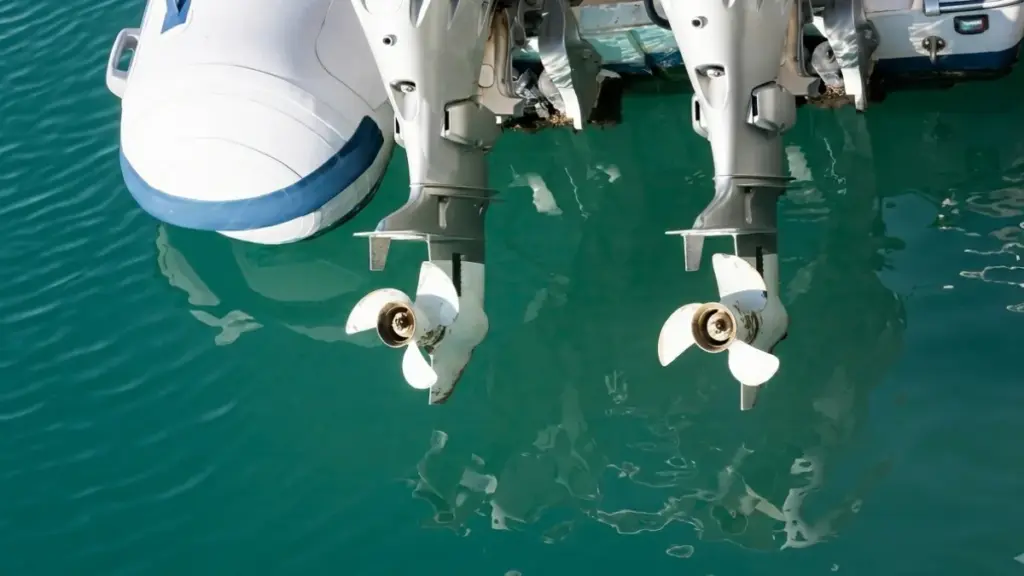
Aluminum and stainless steel are the two most common materials used for مراوح المحرك الخارجي. While they perform the same basic function, their different mechanical properties affect strength, وزن, كفاءة, متانة, والتكلفة.
Here’s a quick comparison between aluminum and stainless outboard motor propellers:
| ميزة | Aluminum Propeller | Stainless Steel Propeller |
|---|---|---|
| وزن | خفيف الوزن | أثقل |
| Strength | جيد | Excellent |
| Blade Flex | Slightly Higher | Minimal |
| Corrosion Resistance | Excellent | Excellent |
| Manufacturing Cost | أدنى | أعلى |
| التطبيقات النموذجية | Recreational boats, قوارب الصيد, المطاطية | القوارب البحرية, commercial vessels, performance boats |
Aluminum Propellers
Aluminum outboard propellers are typically manufactured from marine-grade aluminum alloys, most commonly aluminum-magnesium (Al-Mg) alloys. Magnesium improves the alloy’s strength, صلابة, and resistance to corrosion, while maintaining the lightweight characteristics that make aluminum popular in marine applications.
Compared with steel, aluminum has a much lower density, resulting in a lighter propeller that requires less rotational inertia to spin. This helps engines accelerate smoothly and reduces stress on the drivetrain during startup and low-speed operation. Aluminum also naturally forms a thin oxide layer when exposed to air and water, providing effective protection against corrosion in both freshwater and normal saltwater environments.
Another advantage of aluminum is its excellent castability. It can be efficiently manufactured through high-volume casting processes, allowing propellers to be produced with consistent quality at a competitive cost. لهذا السبب, aluminum propellers have become the standard choice for most recreational boats, small fishing vessels, قوارب قابلة للنفخ, and outboard engines in the low- to medium-horsepower range.
في نيوتوب, aluminum propellers are manufactured using premium aluminum-magnesium alloy produced from new aluminum ingots rather than recycled materials. The alloy is re-melted using a proprietary formulation to achieve higher toughness, greater mechanical strength, and improved long-term durability. Combined with one-piece precision casting, integrated hub pressing, and CNC blade machining, each propeller delivers reliable balance, accurate blade geometry, and consistent performance on the water.
Stainless Steel Propellers
Stainless steel propellers are produced from high-strength marine stainless steel alloys that contain chromium, nickel, and other alloying elements to enhance corrosion resistance and mechanical performance. Compared with aluminum alloys, stainless steel offers significantly higher tensile strength, yield strength, and fatigue resistance, allowing it to withstand much greater engine loads without permanent deformation.
Because the material is considerably stronger, engineers can design propeller blades that are thinner while still maintaining excellent structural rigidity. These thinner blades create less drag as they move through the water and allow for more advanced blade profiles, including higher rake angles, progressive pitch designs, and deeper cup geometry. The result is improved water grip, more efficient power transfer, stronger acceleration, and better high-speed performance, particularly on medium- and high-horsepower outboards.
NEWTOP’s stainless steel propellers are manufactured from duplex stainless steel, which provides higher yield strength and superior corrosion resistance than conventional stainless steel grades commonly used in marine products. To fully utilize the material’s strength, every propeller is produced through one-piece precision casting without welded joints, followed by integrated hub pressing to maintain dynamic balance and dedicated CNC machining of each blade. This manufacturing process ensures excellent dimensional consistency, smooth blade surfaces, and stable hydrodynamic performance, enabling reliable operation in demanding freshwater and saltwater environments.
عزِّز هوامش أرباحك باستخدام معدات موثوقة
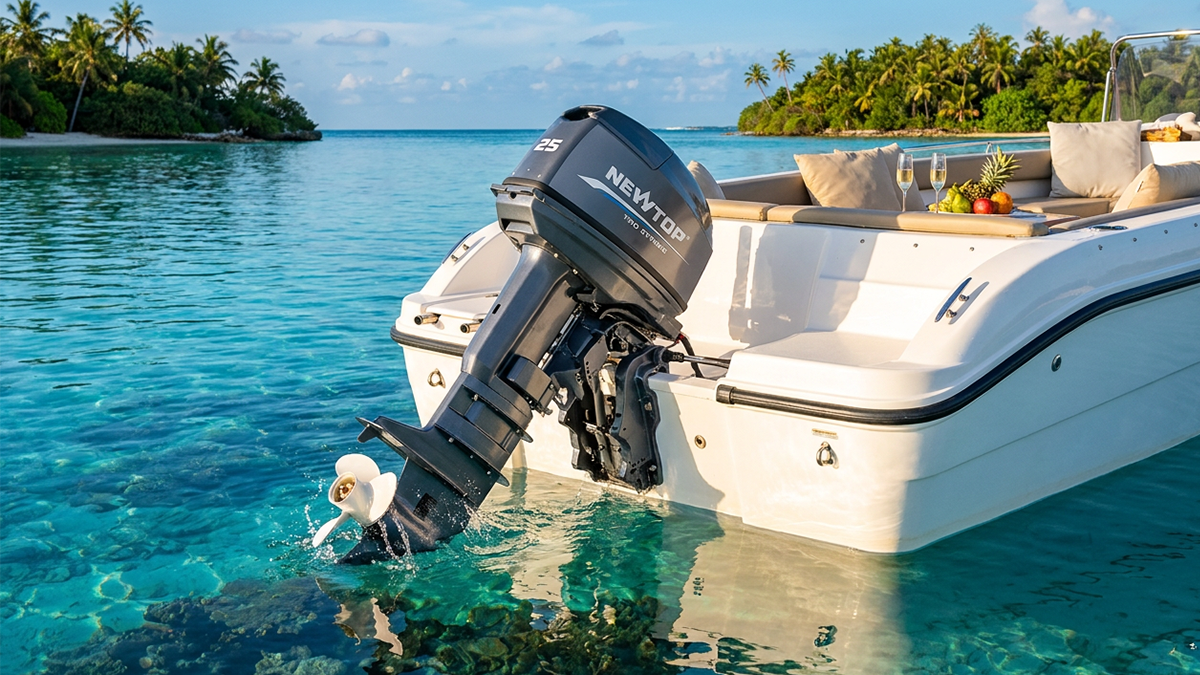
Performance Impact on Acceleration, Top Speed and Fuel Efficiency

Stainless steel props add speed and improve fuel economy because they don’t flex. Aluminum props are lighter, which can give a quicker hole shot on smaller engines.
Acceleration and Hole Shot
The lower weight of an aluminum propeller allows a small engine to spin it up to its powerband faster, often resulting in a quicker hole shot. The blades also flex, which can reduce the initial load on the engine. Stainless steel’s stiffness is its main advantage. The blades maintain their true pitch under load, delivering stronger and more consistent thrust for mid-range acceleration. This is especially noticeable on heavier boats. The superior grip of a stainless prop also reduces ventilation and slip, improving acceleration in turns or when the drive is trimmed high.
Top Speed
You can typically expect a 5–10% higher top speed by switching to a stainless steel propeller on the same boat. The blades are thinner and much stiffer, creating less hydrodynamic drag. They don’t flex backward at high RPMs, which means they maintain their effective pitch. Aluminum props do the opposite. At wide-open throttle, their blades flex under the load, which reduces the effective pitch and limits the boat’s ultimate top speed.
كفاءة الوقود
Stainless steel propellers are generally more fuel-efficient, especially at cruising speeds and full throttle. Because there’s less slip, less engine power gets wasted spinning the prop and more of it is converted into forward motion. Boats that run long distances or operate frequently at higher speeds will see the most significant fuel savings with a stainless steel prop.
Performance Summary and Use Cases
| وجه | Aluminum Propeller | Stainless Steel Propeller |
|---|---|---|
| تسريع | Good hole shot on smaller engines due to low weight and blade flex. | Stronger mid-range acceleration and consistent thrust on heavier boats. |
| Top Speed | Limited by blade flex, which reduces effective pitch at high RPMs. | Typically 5–10% faster due to stiff, thin blades with less drag. |
| كفاءة الوقود | Less efficient at cruise and WOT because of higher slip. | More efficient as less power is wasted, especially for long runs. |
| أفضل ل | Small engines on light boats where hole shot is key and top speed is secondary. | Engines 75 hp and up, or performance hulls needing max speed and grip. |
Repairability and Damage Behavior in Real‑World Groundings
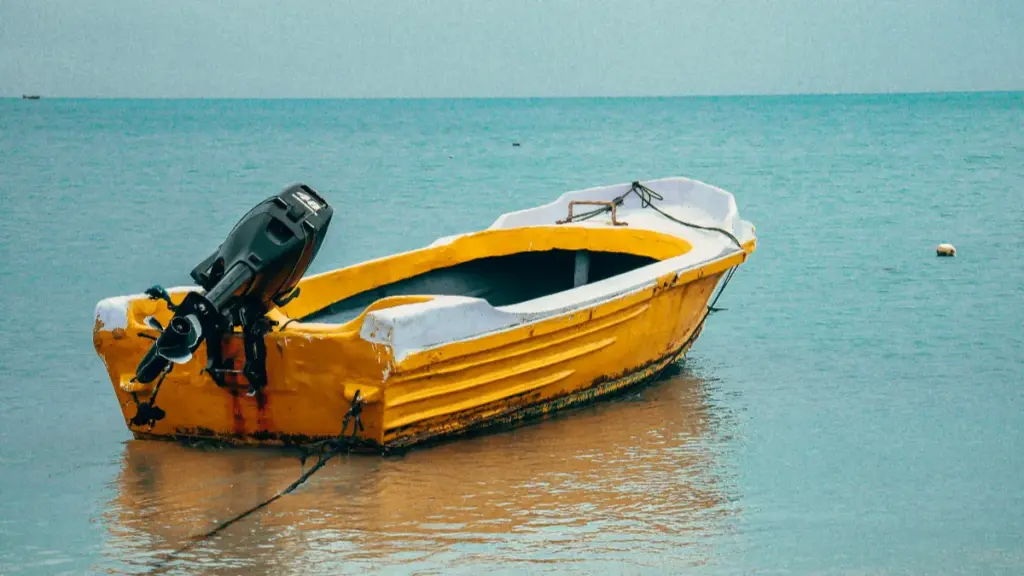
Aluminum props act like a fuse, breaking to protect your gearcase. Tougher stainless props survive more hits but can transfer impact shock, risking expensive drivetrain damage.
Material Response to Impact
The fundamental difference in how these two metals handle an impact dictates what happens to your lower unit when you hit something. There’s no way around the physics of it.
- Aluminum propellers are soft and designed to absorb a hit by bending, deforming, or breaking.
- Stainless steel is much harder. It resists bending and transmits impact forces straight up the drivetrain.
- Think of an aluminum prop as a mechanical fuse. It sacrifices itself to potentially protect the expensive gearcase components.
- A stainless prop’s rigidity means it can survive impacts that would shred an aluminum prop, but you’re rolling the dice on damaging the prop shaft or gears.
Common Damage Patterns
What you hit, and how hard, determines the outcome. A light skim is one thing; hitting a rock ledge at speed is another.
- Light Strikes (sand/mud): An aluminum prop might get some nicks and bent edges. Stainless steel will likely only have cosmetic scratches.
- Moderate Strikes (gravel/logs): This is where you’ll see aluminum blades bend, twist, or lose entire chunks of metal.
- Severe Groundings (hard rock): An aluminum prop will probably be destroyed. A stainless prop might just crack or bend, but it can also lead to a bent prop shaft.
Repairability and Cost
The financial calculation for a damaged prop is completely different for aluminum versus stainless steel.
- Aluminum props are widely known to be easier and cheaper to fix. Damage can often be repaired by heating, bending, and welding.
- Repairing stainless steel is a specialized job. It takes special tools to bend the hard material and requires precision welding, making it more expensive.
- Because a new aluminum prop is cheap, it’s often more economical to just replace it instead of paying for extensive repairs.
- The high price tag of a new stainless steel prop makes even complex repairs a financially sound choice compared to buying a new one.
Post-Impact Inspection and Secondary Risks
After any grounding, the prop itself isn’t the only concern. The real danger is the secondary damage that an unbalanced or compromised system can cause.
- Any bent or unbalanced prop will cause vibrations. These vibrations accelerate wear on your seals and bearings, leading to bigger problems down the line.
- With an aluminum prop, visible damage is your cue. You can see it’s bent, so you know it needs a repair or replacement.
- After a hard hit with a stainless steel prop, you must check the prop shaft for runout and inspect the gearcase. The prop might look fine, but the drivetrain could have taken the blow.
يكلف, Availability and Total Cost of Ownership by Prop Material
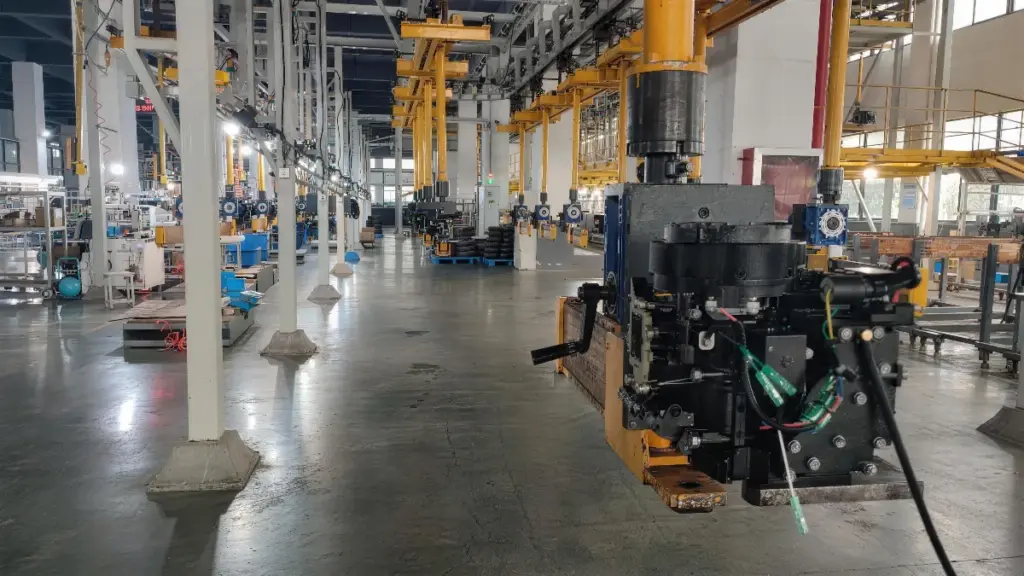
Aluminum props are cheaper upfront, but stainless steel often provides better long-term value. Your boating environment is the deciding factor for total cost.
تكلفة الشراء الأولية
Aluminum props are the budget-friendly option, typically costing just one-third to one-fifth of a comparable stainless-steel model. Stainless-steel props command a much higher price—anywhere from two to five times more than aluminum—due to more expensive alloys and complex manufacturing. Many boat manufacturers equip new vessels with aluminum propellers as standard to keep the initial sticker price of the complete package lower.
Market Availability and Applications
Aluminum props are widely available for small and mid-range outboards and are a very popular choice for a backup or spare. Stainless-steel props are standard issue for high-horsepower engines (150 hp and up) and are what people expect on performance-oriented boats. The environment where you boat plays a big role. Stainless steel is favored in saltwater for its corrosion resistance, while aluminum is common in freshwater or debris-filled areas where impacts are more likely.
التكلفة الإجمالية للملكية (التكلفة الإجمالية للملكية)
Stainless steel’s higher efficiency can save money in the long run for high-use boaters. The blades don’t flex, which reduces slip and can improve fuel economy enough to offset the higher initial price. An aluminum prop often acts as a sacrificial component. It will bend or break on a severe impact, which can protect the much more expensive prop shaft and gearcase from catastrophic damage. Your real TCO depends on where you boat. In open water, stainless offers better long-term value through sheer durability. But in shallow, rocky waters, the lower replacement cost of aluminum often proves more economical.
Which Material Fits Fishing, Transport and Leisure Applications
The right prop material depends on the job. Aluminum is for budget-conscious or high-risk areas. Stainless steel is for performance, الأحمال الثقيلة, and long-term durability.
Propellers for Fishing Boats
Aluminum is often the practical choice for fishing in shallow or debris-filled waters like lakes and rivers. If you hit a submerged stump or rock, an aluminum prop is designed to flex or break. This sacrificial failure helps protect your expensive drivetrain and gearcase from a much costlier repair. It’s a smart trade-off for high-risk environments.
For larger, faster fishing boats running in open or offshore water, stainless steel is the clear fit. When top-end performance, كفاءة الوقود, and durability are priorities, stainless delivers. Its rigid blades won’t flex under power, providing consistent thrust. The choice boils down to balancing the risk of underwater strikes against the need for performance.
Propellers for Transport and Utility Boats
Stainless steel is the standard recommendation for most transport and utility work. Its strength provides the consistent thrust and efficiency needed to move heavy loads. The rigid blades maintain their shape under power, leading to better grip in the water, stronger acceleration, and improved fuel economy during long runs. For any operation where reliability and performance under load are key, stainless is the answer.
Aluminum still has its place, especially for smaller utility boats or budget-conscious fleets. On routes with a high risk of prop damage, the low replacement cost makes aluminum a sensible operational choice.
Propellers for Leisure and Recreational Boating
For casual, all-purpose leisure boating, aluminum is a strong choice. It offers good, reliable performance for small and mid-size outboards at a much lower upfront cost. It’s the default for a reason on many family runabouts and pontoon boats, providing an economical way to get on the water.
Stainless steel comes into play when you get serious about performance. For activities like watersports, high-speed cruising, or just getting a faster hole-shot, a stainless prop makes a noticeable difference. It enhances speed, handling, and longevity. While aluminum is the economical solution for general fun, stainless steel is the upgrade for a better experience.
Ready to Work With نيوتوب?
Getting the right propeller requires specific data. Collect the key details on your boat and engine, define your goals, and our technical team will provide a tailored recommendation.
Assess Your Boat and Engine Setup
Before we can talk specifics, we need to know what you’re working with. Pulling together this basic information is the first step to getting a prop that actually performs for your application.
- Tell us your engine’s brand, model, and horsepower.
- Note the target wide-open throttle (WOT) RPM range from the engine manual.
- Describe your hull type (على سبيل المثال, deep-V, pontoon, flats boat), its length, and the typical operating load, including passengers and gear.
Define Your Operating Environment and Priorities
Where you boat and what you want to achieve are just as important as the hardware. A prop that excels in deep, open water might be a poor choice for a rocky river.
- Specify if you operate mainly in freshwater or saltwater.
- Let us know your typical water conditions: rocky, sandy, weedy, or deep open water.
- Clarify your main goal. Are you focused on the lowest initial cost, maximum durability and lifespan, or outright top-end performance?
Contact Us for a Specific Recommendation
Once you have the details, our team can give you a practical, data-driven recommendation instead of a generic guess. We deal with these variables all day.
- Share the information you’ve collected with our technical team.
- We will provide tailored recommendations for both aluminum and stainless steel propellers that fit your setup.
- You’ll get clear guidance on the right pitch, القطر, and hub kit needed for your outboard.
Discuss Partnership and Fleet Solutions
For commercial operators, بناة القوارب, and dealers, we offer programs that address the realities of managing multiple vessels and lifecycle costs.
- Ask about our partnership programs for boat builders, dealerships, and commercial fleets.
- Request a lifecycle cost analysis to compare aluminum vs. stainless steel for high-hour commercial use.
- Inquire about our propeller evaluation programs to test and validate performance on your specific vessels.
Contact NEWTOP today to discuss your project, request samples, or find the right outboard motor propeller solution for your market.
الأسئلة المتداولة
Are stainless steel propellers better than aluminum propellers?
ليس بالضرورة. Stainless steel propellers generally offer better durability, تسريع, and efficiency, while aluminum propellers provide lower purchase costs and can better absorb impact damage. The better choice depends on your boat, ظروف التشغيل, والميزانية.
Is it worth upgrading from an aluminum to a stainless steel propeller?
Upgrading to stainless steel is typically worth it for outboards 75 hp and larger on planing hulls, as it can improve top speed, handling, وكفاءة استهلاك الوقود. It is often not worth the cost or risk for smaller engines or for boats frequently used in shallow, rocky waters where a cheaper, sacrificial aluminum prop is more practical.
Do stainless steel props make a boat faster?
نعم, a properly matched stainless steel propeller can make a boat faster, often adding 2-4 mph to the top speed. This is because stainless blades are much stiffer and do not flex under load like aluminum blades do. This rigidity, combined with thinner blade profiles, reduces drag and allows the propeller to maintain its designed pitch at high RPMs, converting more engine power into forward thrust.
Will a stainless propeller cause more damage in a strike?
نعم, a stainless steel propeller is more likely to transmit impact force to the gearcase and prop shaft during a hard strike. Because stainless is about five times stronger than aluminum, it resists bending or breaking. An aluminum prop often acts as a sacrificial part, absorbing impact by deforming or shearing, which can help protect more expensive drivetrain components.
Which propeller is better for shallow water, aluminum or stainless?
It depends on the bottom type. For shallow water with sand or mud, a stainless steel prop is better due to its durability and superior grip when the engine is trimmed high. For shallow water with rocks, stumps, or other hard obstacles, an aluminum prop is the safer choice because it will bend or break on impact, protecting the gearcase.
Are stainless steel propellers more fuel efficient?
نعم, stainless steel propellers are often more fuel efficient. Their stiffness prevents blade flex at cruising and high speeds, meaning less engine power is wasted. Combined with their thinner, lower-drag design, they can improve miles per gallon, particularly on outboards 75 hp and up.
How do I choose the right size stainless prop to replace my aluminum one?
When switching from aluminum to stainless steel, a good starting point is to keep the same diameter and decrease the pitch by one inch. على سبيل المثال, if you have a 14″ x 19P aluminum prop, start with a 14″ x 18P stainless model. This adjustment is needed because the stiffer stainless blades provide more bite, loading the engine more heavily. Always test to ensure your engine can still reach its recommended wide-open-throttle (WOT) RPM range.
الأفكار النهائية
The choice between aluminum and stainless steel is a balance of price against operational risk. While aluminum offers a lower initial cost, our precision-engineered propellers are designed to match specific performance and safety demands. This standard is the only way to safeguard your investment against either catastrophic drivetrain failure or chronic underperformance.
Don’t guess which material best suits your fleet or customers—validate it with our data. Provide our technical team with your engine and hull specifications for a tailored propeller recommendation. We can then discuss partnership programs and lifecycle costs for your specific commercial application.
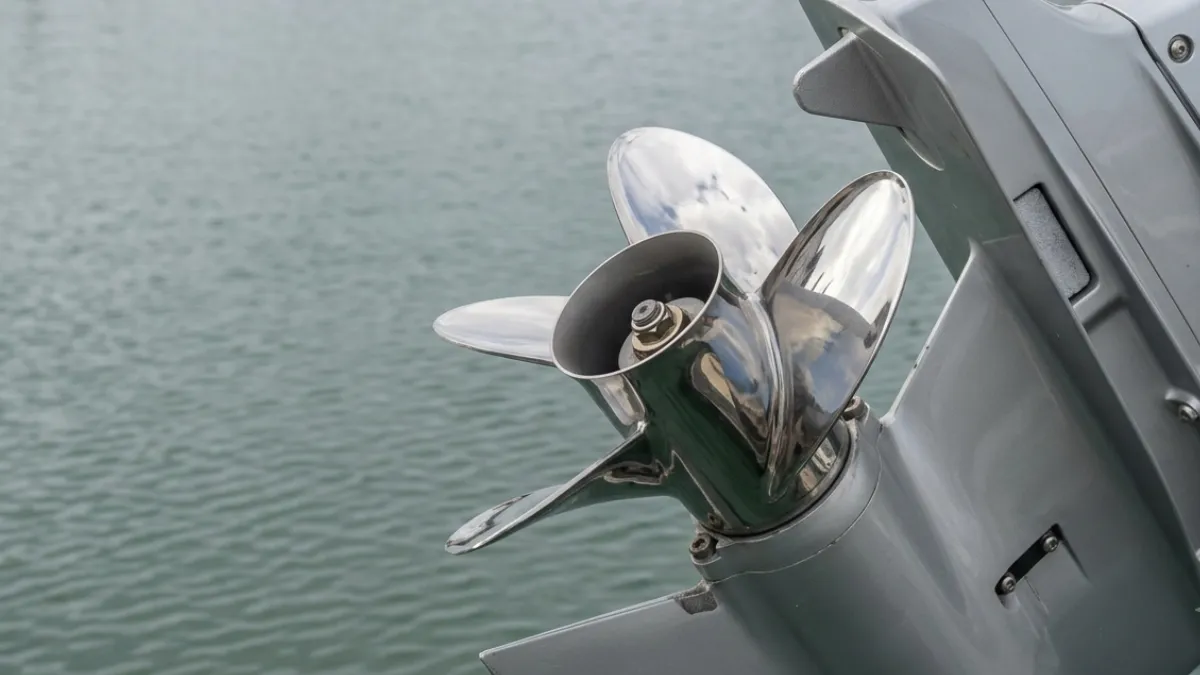
عند مقارنة المراوح الخارجية, المواصفات الأولى التي ستلاحظها هي زوج من الأرقام, مثل 13¼ × 17 أو 14 × 19. الرقم الأول يمثل قطر المروحة, بينما يشير الثاني إلى درجة درجته.
تعمل المسافة والقطر معًا لتحديد مدى كفاءة تحويل المحرك الخارجي لقوة المحرك إلى قوة دفع. يمكن أن يؤدي الجمع الخاطئ إلى منع المحرك من الوصول إلى عدد الدورات في الدقيقة الموصى به, تقليل الاقتصاد في استهلاك الوقود, تسارع بطيء, أو الحد من السرعة القصوى. الإعداد الصحيح, لكن, يسمح للمحرك والمروحة بالعمل كنظام متوازن لتحسين الأداء العام.
في هذا الدليل, سنشرح المروحة الخارجية الملعب والقطر, كيف يعملون معا, كيفية اختيار المروحة الخارجية الصحيحة, وعند تغيير المروحة الخاصة بك يكون الحل أفضل من ترقية المحرك الخاص بك.
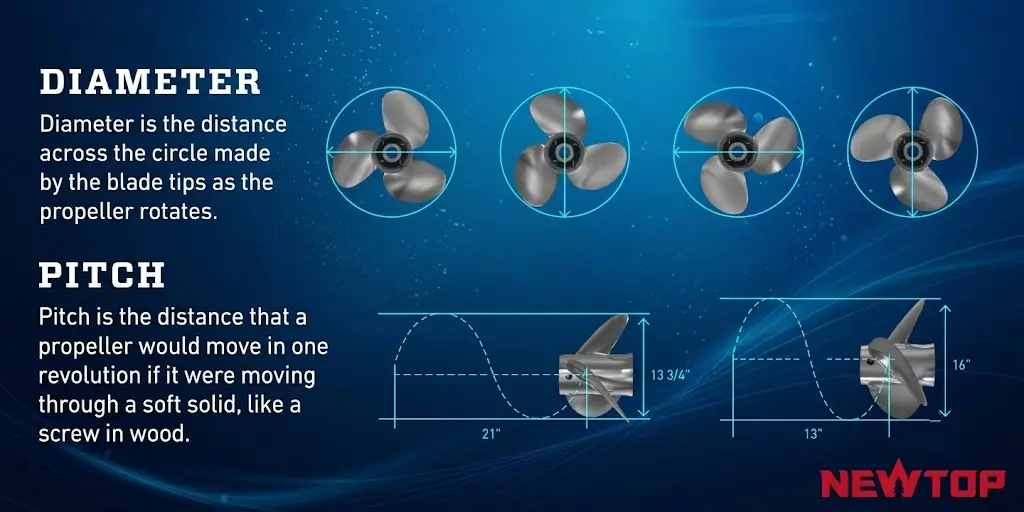
ما هو قطر الدعامة?
قطر المروحة هو العامل الأساسي الذي يتحكم في كمية المياه التي يمكن أن تتحركها الدعامة. هذا يحدد بشكل مباشر قوة دفع القارب الخاص بك, قوة السحب, والحمل الكلي على المحرك الخاص بك.
تحديد قطر المروحة
قطر المروحة هو ببساطة عرض الدائرة التي تتبعها أطراف الشفرة أثناء دورانها. يمكنك قياسه عن طريق أخذ المسافة من مركز المحور إلى طرف شفرة واحدة وضربها في اثنين. يتم دائمًا إدراج أحجام المروحة على أنها Diameter x Pitch, لذلك في أ “14 × 19” دعم, القطر هو 14 بوصة. إنه دائمًا الرقم الأول.
الرابط بين القطر, التوجه, وتحميل المحرك
القطر الأكبر يسمح للدعامة بإمساك المزيد من الماء ودفعه مع كل دورة, الذي يولد المزيد من التوجه. هذه ليست طاقة مجانية, رغم ذلك. يؤدي هذا الدفع المتزايد إلى زيادة حمل عزم الدوران على المحرك, المطالبة بمزيد من القوة للحفاظ على دورانها. قطر أصغر يتحرك كمية أقل من الماء, خلق قوة دفع أقل ولكن أيضًا تقليل الحمل. وهذا يمكن أن يسمح للمحرك بالوصول إلى عدد دورات أعلى في الدقيقة بسهولة أكبر.
ما هو الملعب الدعامة?
خطوة المروحة هي المسافة النظرية التي تقطعها الدعامة في دورة واحدة. إنها نسبة التروس النهائية, تداول المحرك RPM مباشرة للسرعة والتسارع.
التعريف الفني للعرض الترويجي
الملعب هو المسافة النظرية إلى الأمام, في بوصة, ستتحرك المروحة في دورة واحدة كاملة إذا تم شدها عبر كتلة صلبة من الخشب. على سبيل المثال, تم تصميم المروحة ذات المسافة 19 بوصة لدفع القارب 19 بوصة للأمام مع كل دورة كاملة. هذا القياس هو دالة مباشرة لزاوية شفرات المروحة بالنسبة للمحور.
كيف يتم تحديد الملعب على المروحة
يتم دائمًا إدراج أبعاد المروحة على أنها القطر × الملعب. لذا, تم وضع علامة على الدعامة “14.5 × 19” يبلغ قطرها 14.5 بوصة ومسافة 19 بوصة. ستجد هذه المعلومات مختومة أو مثبتة مباشرة على محور المروحة, مما يجعل من السهل التعرف عليها. تُباع معظم الدعائم بزيادات تبلغ 2 بوصة (يحب 17, 19, و 21), مما يسمح بإجراء تغييرات كبيرة في أداء القارب من خلال تبديل بسيط.
مصدر أدوات الطاقة المتينة, عزز أرباحك
كيف تؤثر التغييرات في درجة الصوت على عدد دورات المحرك في الدقيقة والاقتصاد في استهلاك الوقود
يؤدي تغيير درجة دوران المروحة إلى استبدال عدد دورات المحرك في الدقيقة بالحمل مباشرةً. يعد الاتصال بالدرجة الصحيحة للوصول إلى هدف WOT RPM هو الخطوة الأولى لتحسين حرق الوقود.
| يتغير | التأثير على WOT RPM | التأثير على الأداء | التأثير المحتمل على الاقتصاد في استهلاك الوقود |
|---|---|---|---|
| زيادة الملعب | يتناقص | تسارع أبطأ, سرعة قصوى محتملة أعلى. | يتحسن في حالة إصلاح محرك مفرط السرعة. |
| تقليل درجة الصوت | يزيد | تسارع أسرع, تحمل حمولة أفضل. | يتحسن في حالة إصلاح نقص السرعة (السحب) محرك. |
العلاقة الأساسية بين الملعب وRPM
خطوة المروحة هي المسافة النظرية, في بوصة, تتحرك الدعامة للأمام في دورة واحدة. العلاقة بين درجة الصوت وسرعة المحرك واضحة: إنهم يعملون في اتجاهين متعاكسين. عادةً ما يؤدي تغيير درجة الصوت بمقدار بوصة واحدة إلى تغيير دواسة الوقود المفتوحة على مصراعيها (WOT) دورة في الدقيقة بواسطة 150 ل 200. زيادة الملعب تضيف المزيد من الحمل على المحرك, مما يجعل انخفاض عدد الدورات في الدقيقة. يؤدي تقليل درجة الصوت إلى تقليل هذا الحمل, السماح للمحرك بالدوران بشكل أسرع وزيادة عدد الدورات في الدقيقة.
تأثير زيادة الملعب المروحة
عندما تقوم بزيادة درجة الدعامة, ينخفض WOT RPM. يمكن أن يؤدي ذلك إلى تحسين الاقتصاد في استهلاك الوقود إذا كان المحرك الخاص بك يعمل سابقًا أعلى من نطاق عدد الدورات في الدقيقة الموصى به. ستلاحظ غالبًا زيادة في سرعة القارب عند عدد دورات محددة في الدقيقة للرحلة البحرية, مما يتيح لك تغطية مسافة أكبر بنفس كمية الوقود. المقايضة هي تسارع أبطأ وطلقة ثقب بسبب ارتفاع حمل المحرك. يجب الحرص على عدم الارتفاع بدرجة عالية جدًا. إذا لم يتمكن المحرك من الوصول إلى نطاق الطاقة المناسب, سوف العروة, مما يقتل الأداء والكفاءة.
تأثير انخفاض درجة المروحة
انخفاض الملعب يفعل العكس: يزيد WOT RPM. هذه هي الخطوة الصحيحة لمحرك منخفض السرعة ويحتاج إلى مساعدة للوصول إلى نطاق التشغيل المستهدف. ستلاحظ تحسنا ملحوظا في التسارع, طلقة حفرة, وقدرة القارب على التعامل مع الأحمال الثقيلة. فائدة أخرى هي أن القارب يمكنه البقاء على متن الطائرة بسرعات أقل, وهو أمر رائع للمياه الخشنة أو السحب للرياضات المائية. ولكن إذا ذهبت إلى مستوى منخفض جدًا على أرض الملعب, قد يكون المحرك أكثر من اللازم. يمكن أن يسبب هذا ضررًا وسيؤدي بالتأكيد إلى حرق الكثير من الوقود.
إيجاد التوازن الأمثل للاقتصاد في استهلاك الوقود
عادةً ما يتم العثور على أفضل اقتصاد في استهلاك الوقود عندما يتمكن المحرك من الوصول إلى الطرف العلوي من نطاق WOT RPM الموصى به مع الحمل العادي. يعني هذا الإعداد أن المحرك يعمل بكفاءة بسرعات السرعة النموذجية, في كثير من الأحيان بين 3500-4500 دورة في الدقيقة, دون أن تكون فوق طاقتها أو تحت التحميل. الخطوة الأولى لتحسين استهلاك الوقود هي دائمًا تصحيح عدم تطابق درجة الصوت للحصول على WOT RPM في المواصفات. يمنحك الملعب المثالي التوازن بين سرعة الرحلة الفعالة والتسارع الذي تحتاجه لكيفية استخدام قاربك فعليًا.
أمثلة واقعية على درجة الميل والقطر لأنواع القوارب الشائعة
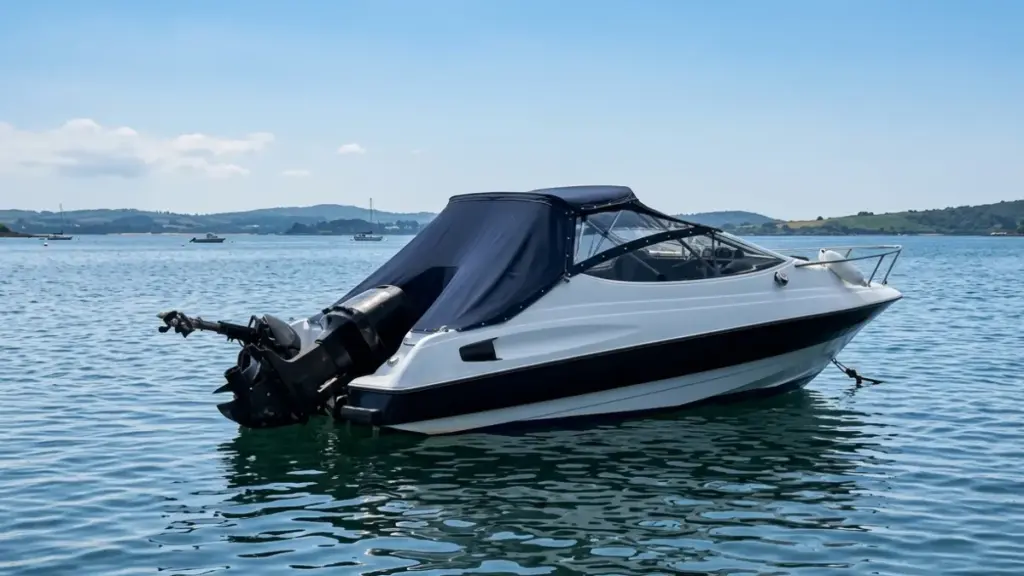
يعتمد اختيار الدعامة كليًا على الهيكل. يوازن قارب الجهير بين السرعة والتسارع, بينما يعطي العائم أو قارب العمل الأولوية للدفع لتحريك الأحمال الثقيلة.
| نوع القارب | القطر النموذجي | الملعب النموذجي | الهدف الرئيسي |
|---|---|---|---|
| قارب صيد صغير من الألومنيوم | 10-11″ | 9-13″ | سهولة التخطيط وحمل الأحمال |
| قارب قابل للنفخ | 9-11″ | 9-13″ | تسارع سريع |
| قارب باس | 13-14″ | 21-25″ | سرعة عالية |
| قارب عائم | 13-15″ | 13-17″ | قوة دفع منخفضة السرعة |
| الكونسول الوسطي الخارجي | 15-16″ | 17-21″ | الإبحار المتوازن |
| قارب العمل | 14-16″ | 13-17″ | أقصى قوة سحب |
| قارب الرياضات المائية | 13-14″ | 15-19″ | لقطة سريعة للثقب |
قوارب الصيد والباس
مروحة مخزون نموذجية لقارب من الألومنيوم بطول 17 قدمًا مع 115 محرك HP هو 14 س 17. يبلغ قطره 14 بوصة ومسافة 17 بوصة. يوفر هذا الإعداد توازنًا قويًا بين فتحة الثقب اللازمة للتسريع السريع والسرعة القصوى اللائقة لتغطية المياه.
لهذه أخف وزنا, هياكل التخطيط, الهدف هو نسبة منخفضة لانزلاق المروحة. أنت عادةً تبحث عن شيء ما في 10-18% نطاق التشغيل بكفاءة.
القوارب العائمة والثلاثية تون
هذه القوارب حيوان مختلف تمامًا. فهي أثقل مع هياكل عالية السحب, لذا فهم يعطون الأولوية للدفع على السرعة القصوى. المهمة الرئيسية هي حمل الحمولة وإيصال القارب إلى الطائرة. غالبًا ما يفضل اختيار المروحة هنا قطرًا أكبر لتحريك المزيد من الماء والحصول على الدفع المطلوب.
تعمل الطوافات عادةً بنسب انزلاق أعلى بكثير, في بعض الأحيان بين 20-30%. الكفاءة ليست هي الشاغل الرئيسي; القدرة على حمل الحمولة هي ما يهم.
هياكل الأداء عالية السرعة
غالبًا ما تستخدم القوارب الأسرع مراوح ذات أعلى درجة ممكنة للوصول إلى السرعة القصوى. قد تستخدم هذه الإعدادات أيضًا قطرًا أصغر لتقليل السحب عبر الماء عند دورات عالية في الدقيقة. إنه عمل متوازن. يلزم الضبط الدقيق للتأكد من قدرة المحرك على الوصول إلى دواسة الوقود المفتوحة على مصراعيها الموصى بها (WOT) نطاق دورة في الدقيقة دون التحميل الزائد بسبب درجة الصوت الزائدة.
قوارب العمل وتطبيقات الأحمال الثقيلة
تماما مثل الطوافات, قوارب العمل تدور حول الدفع لدفع الأحمال الثقيلة. تُستخدم المراوح ذات الأقطار الأكبر وأحيانًا ذات خطوة أقل للحصول على تسارع أفضل ومعالجة منخفضة السرعة. تعتبر السرعة القصوى ثانوية مقارنة بقدرة القارب على الحفاظ على الزخم مع وجود حمولة ثقيلة على متنه.
كيفية قراءة علامات المروحة والتحقق من الإعداد الحالي
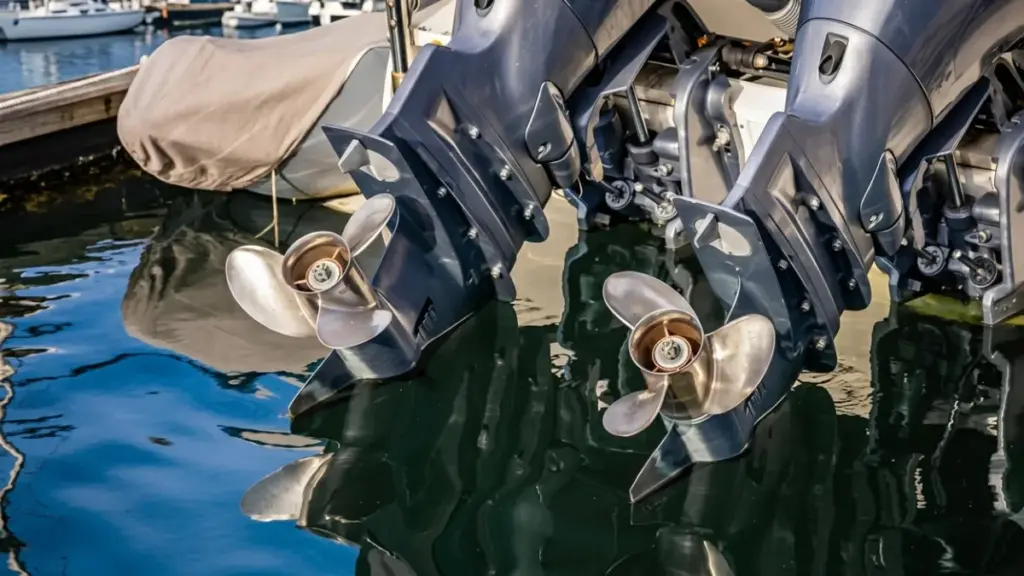
تكشف علامات المروحة حجمها ونوعها. يجب عليك التحقق من هذه المواصفات مقابل دواسة الوقود المفتوحة على نطاق واسع لمحركك (WOT) نطاق دورة في الدقيقة للتأكد من صحة الإعداد لقاربك.
العثور على علامات الحجم الأساسي وقراءتها (القطر × الملعب)
عادةً ما يتم ختم علامات الحجم مباشرة على محور المروحة. تحقق من الجزء الخارجي للمحور بين الشفرات, تحت الجوز الدعامة, أو في بعض الأحيان على جذر النصل نفسه. ستحتاج على الأرجح إلى إزالة النمو البحري أو التآكل الخفيف لرؤية الأرقام بوضوح.
أنت تبحث عن تنسيق مثل "14.5 × 19". الرقم الأول هو القطر بالبوصة, وهي الدائرة الكاملة التي تصنعها المروحة عندما تدور. الرقم الثاني هو الملعب, والتي تمثل المسافة النظرية بالبوصات التي ستحرك الدعامة القارب للأمام في دورة واحدة كاملة.
تفسير العلامات الإضافية للدوران, مادة, وسلسلة
ما وراء الحجم الأساسي, ستجد رموز مهمة أخرى. رمز التدوير مثل RH يعني التدوير القياسي لليمين, وهو ما تستخدمه معظم القوارب ذات المحرك الواحد. LH يدل على دوران اليد اليسرى, توجد عادةً في أحد المحركات ذات المحرك المزدوج لموازنة عزم الدوران.
غالبًا ما يتم وضع علامة على المواد بـ "AL".’ للألمنيوم أو SS’ للفولاذ المقاوم للصدأ. قد ترى أيضًا اسم العلامة التجارية أو رمز السلسلة, مثل سلسلة K من Yamaha, الذي يحدد تصميم الدعامة والتطبيق المقصود. أخيراً, حدد رقم الجزء المحدد - هذا هو الرمز الأكثر موثوقية لطلب بديل دقيق.
التحقق من الإعداد وفقًا لمواصفات المحرك WOT RPM
الأرقام الموجودة على دعامتك لا تعني شيئًا بدون سياق. يجب عليك التحقق منها مقابل أداء المحرك الخاص بك. أولاً, ابحث عن دواسة الوقود المفتوحة على مصراعيها الموصى بها (WOT) نطاق دورة في الدقيقة في دليل مالك المحرك الخاص بك. هذا هو الهدف الذي يجب أن يصل إليه محركك بكامل طاقته.
مع حمولة عادية من الوقود والعتاد, قم بتشغيل القارب بأقصى سرعة وشاهد ما يقرأه مقياس سرعة الدوران الخاص بك. إذا كان الحد الأقصى لعدد الدورات في الدقيقة أقل من النطاق الموصى به, من المحتمل أن تكون درجة حرارة المروحة مرتفعة جدًا. إذا تجاوز عدد دورات المحرك في الدقيقة النطاق (الإفراط في التسريع), الملعب منخفض جدًا. عادةً ما يؤثر التغيير في درجة الصوت بمقدار بوصة واحدة على WOT RPM الخاص بك بحوالي 150 ل 200.
ماذا تفعل عندما تكون العلامات مفقودة أو تالفة
إذا اختفت العلامات, لا يزال بإمكانك معرفة الأساسيات. قم بقياس القطر عن طريق أخذ المسافة من مركز المحور إلى طرف شفرة واحدة ومضاعفتها. قياس الملعب, لكن, ليس شيئًا يمكنك القيام به بدقة باليد. يتطلب مقياس الملعب, أداة موجودة في أي متجر مراوح لائق.
كن حذرا مع الدعائم المستخدمة. ربما قام مالك سابق بإصلاحه أو “إعادة صياغتها,” مما يعني أن متجر الدعامة كان من الممكن أن يغير أسلوبه. في هذه الحالة, قد لا يعكس الرقم المختوم الهندسة الحقيقية للدعامة. إذا كان لديك أي شكوك, خذها إلى متجر محترف للتحقق. يمكنهم إخبارك بالضبط بما تعمل معه.
متى يتم ضبط درجة الصوت أو القطر بدلاً من تغيير المحرك
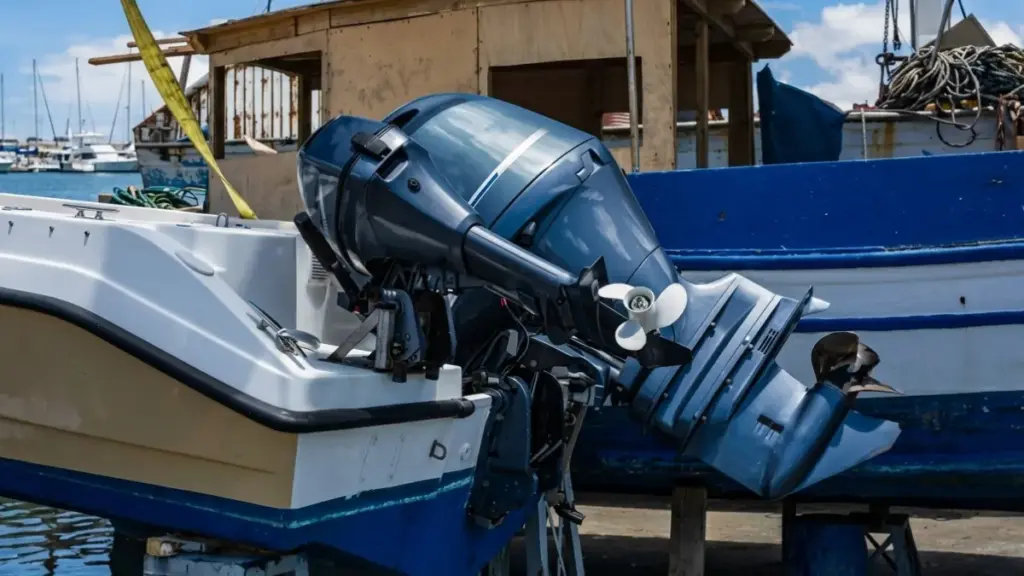
قبل أن تفكر حتى في محرك جديد, إصلاح المروحة الخاصة بك. يدير Pitch عدد الدورات في الدقيقة الخاص بك, وقطر مقابض التوجه. يتم حل معظم مشاكل الأداء هناك.
تصحيح مشكلات عدد دورات المحرك في الدقيقة من خلال تعديلات درجة الصوت
درجة الصوت هي عنصر التحكم الأساسي في عدد دورات المحرك في الدقيقة. إنها تعمل مثل نسبة التروس النهائية بين المحرك والماء. يعد القيام بذلك بشكل صحيح هو الخطوة الأولى في ضبط أداء قاربك.
- إذا كان المحرك الخاص بك يسحب (WOT RPM منخفض جدًا), قم بتقليل درجة حدة الدعامة للسماح لها بالدوران ورفع عدد الدورات في الدقيقة.
- إذا كان المحرك أكثر من اللازم (WOT RPM مرتفع جدًا), قم بزيادة درجة الصوت لإضافة المزيد من الحمل وإرجاع عدد الدورات في الدقيقة إلى الأسفل.
- استخدم الملعب كأداة رئيسية لتحقيق أهداف محددة, مثل خفضها للحصول على لقطة أفضل أو رفعها للحصول على سرعة قصوى محتملة أعلى.
- تذكر القاعدة: عادةً ما يؤدي تغيير درجة الصوت بمقدار 2 بوصة إلى تحريك دورة المحرك في الدقيقة المفتوحة على نطاق واسع بمقدار حوالي 400, مما يجعلها أول شيء لضبط.
استخدام القطر لمطابقة الدفع والحمل
بينما يتحكم الملعب في عدد الدورات في الدقيقة, القطر يدور حول الدفع وكيفية إمساك الدعامة بالماء. إنها كيفية مطابقة قوة المحرك مع الواقع المادي للقارب.
- استخدم دعامة ذات قطر أكبر على القوارب الثقيلة أو لتطبيقات العمل للحصول على قوة دفع أفضل وقدرة على المناورة بسرعة منخفضة.
- استخدم قطرًا أصغر على الولاعة, قوارب أسرع لتقليل السحب ومساعدة المحرك على الوصول إلى نطاق دورة المحرك الكامل.
- فكر في القطر باعتباره الطريقة التي تطابق بها منحنى قوة المحرك مع الوزن المحدد للقارب وخصائص الهيكل.
- هذا هو التعديل الرئيسي الذي يجب عليك إجراؤه عندما تشعر بأن تسارعك بطيء, حتى لو تم الاتصال بالفعل بـ WOT RPM للمحرك.
معالجة التغييرات الكبيرة في الأحمال مع كل من المسافة والقطر
في بعض الأحيان تعديل واحد لا يكفي, خاصة عندما تتغير مهمة القارب بشكل كبير. وذلك عندما تحتاج إلى النظر إلى كلا المتغيرين معًا.
- يعد ضبط كليهما هو الخطوة الصحيحة عندما تتغير وظيفة القارب الرئيسية, مثلاً عند إضافة معدات ثقيلة دائمة أو البدء في سحب المتزلجين لأول مرة.
- تتمثل الإستراتيجية الشائعة في زيادة القطر لمزيد من الدفع أثناء خفض درجة الصوت للحفاظ على WOT RPM للمحرك في النطاق الصحيح.
- يتيح هذا النهج المشترك لمحركك الحالي التعامل بفعالية مع محرك جديد, ملف تحميل أثقل دون الحاجة إلى إنفاق المال على المزيد من القدرة الحصانية.
مسار تشخيصي واضح: الدعامة أولاً, المحرك الأخير
لا تخمن. اتبع عملية تشخيص منطقية لتجنب إضاعة الوقت والمال على محرك قد لا تحتاجه.
- ابدأ بالتأكد من أن المحرك سليم. ثم قم بإجراء اختبار WOT مع حمل نموذجي للحصول على الحد الأقصى لعدد الدورات في الدقيقة الأساسي.
- إذا كان عدد الدورات في الدقيقة هذا خارج النطاق الموصى به من قبل الشركة المصنعة, تغيير المروحة هو الخطوة الأولى والأكثر منطقية. لا تقفز إلى الاستنتاجات حول المحرك.
- قم باختبار تكوينات الدعامات المختلفة بشكل منهجي لتحسين الأداء لكيفية استخدام القارب فعليًا.
- لا تبدأ بالتسوق لشراء محرك جديد إلا بعد تجربة جميع خيارات المروحة المناسبة وما زالت تفشل في تحقيق أهداف الأداء الخاصة بك.
الأسئلة المتداولة
ماذا تعني الأرقام الموجودة على المروحة الخارجية?
تحدد الأرقام الأبعاد الأساسية للمروحة, القطر والملعب بشكل رئيسي, مكتوب كـ "القطر × الملعب".’ (على سبيل المثال, 14 س 19). الرقم الأول هو القطر بالبوصة, والثاني هو الملعب بالبوصة. قد تتضمن العلامات أيضًا أحرفًا للتدوير (R لليد اليمنى), مادة (SS للفولاذ المقاوم للصدأ), ورقم الجزء.
ما هو الملعب المروحة على متن قارب?
خطوة المروحة هي المسافة النظرية, تقاس بالبوصة, أن المروحة سوف تتحرك إلى الأمام في دورة واحدة كاملة دون أي انزلاق. إنها تعمل مثل نسبة تروس القارب، حيث تم تصميم درجة حرارة أعلى للسفر لمسافة أبعد مع كل دورة, والتي يمكن أن تزيد السرعة القصوى إذا كان المحرك لديه قوة كافية.
كيف تؤثر خطوة المروحة على عدد دورات المحرك في الدقيقة؟?
الملعب له تأثير عكسي على عدد دورات المحرك في الدقيقة. تؤدي زيادة درجة الصوت إلى زيادة الحمل على المحرك, مما تسبب في انخفاض عدد الدورات في الدقيقة عند دواسة الوقود الكاملة. يؤدي تقليل درجة الصوت إلى تخفيف الحمل, مما يسمح بزيادة عدد دورات المحرك في الدقيقة. المبدأ التوجيهي الشائع هو أن تغيير درجة الصوت بمقدار بوصة واحدة سيغير دواسة الوقود المفتوحة على مصراعيها (WOT) دورة في الدقيقة بحوالي 150-200.
هل الدعامة ذات درجة الصوت العالية تجعل القارب أسرع؟?
يمكن للدعامة ذات درجة الصوت الأعلى أن تجعل القارب أسرع, ولكن فقط إذا كان المحرك لديه طاقة كافية للعمل ضمن نطاق WOT RPM الموصى به. إذا كانت درجة الصوت مرتفعة جدًا, فإنه يفرط في المحرك, مما تسبب في انخفاض عدد الدورات في الدقيقة إلى مستوى منخفض جدًا وتقليل السرعة القصوى للقارب.
كيف أعرف إذا كنت بحاجة إلى المزيد أو أقل من درجة الصوت على المروحة الخاصة بي?
تحقق من عدد دورات المحرك في الدقيقة عند دواسة الوقود المفتوحة على مصراعيها (WOT) مقابل النطاق المحدد من قبل الشركة المصنعة. إذا كان عدد الدورات في الدقيقة مرتفعًا جدًا (فوق النطاق), أنت بحاجة إلى المزيد من الملعب لإسقاطه. إذا كان عدد الدورات في الدقيقة منخفضًا جدًا (تحت النطاق), المحرك يكافح, وتحتاج إلى درجة أقل للسماح لها بالدوران بشكل صحيح.
ما هو الفرق بين خطوة المروحة والقطر?
القطر هو العرض الكلي لدوران المروحة, مما يؤثر على قوة دفعها وقدرتها على تحريك كميات كبيرة من الماء، وهو أمر مهم للقوارب الثقيلة. الملعب هو السفر النظري إلى الأمام لكل ثورة, والذي يتحكم بشكل أساسي في التوازن بين التسارع والسرعة القصوى المحتملة من خلال إدارة عدد دورات المحرك في الدقيقة.
هل يمكنني تغيير ميل المروحة دون تغيير القطر؟?
نعم. من الشائع تغيير درجة الصوت فقط لتحسين الأداء. غالبًا ما تكون المراوح متوفرة في سلسلة بنفس القطر ولكن بخيارات مختلفة في درجة الصوت, مما يسمح لك بضبط عدد دورات المحرك في الدقيقة وخصائص الأداء دون تغيير الحجم الإجمالي للدعامة.
