


- الجميع
- قصص عملاء نيوتوب
- نيوتوب إكسبلورر هاب
- رؤى الصناعة NEWTOP
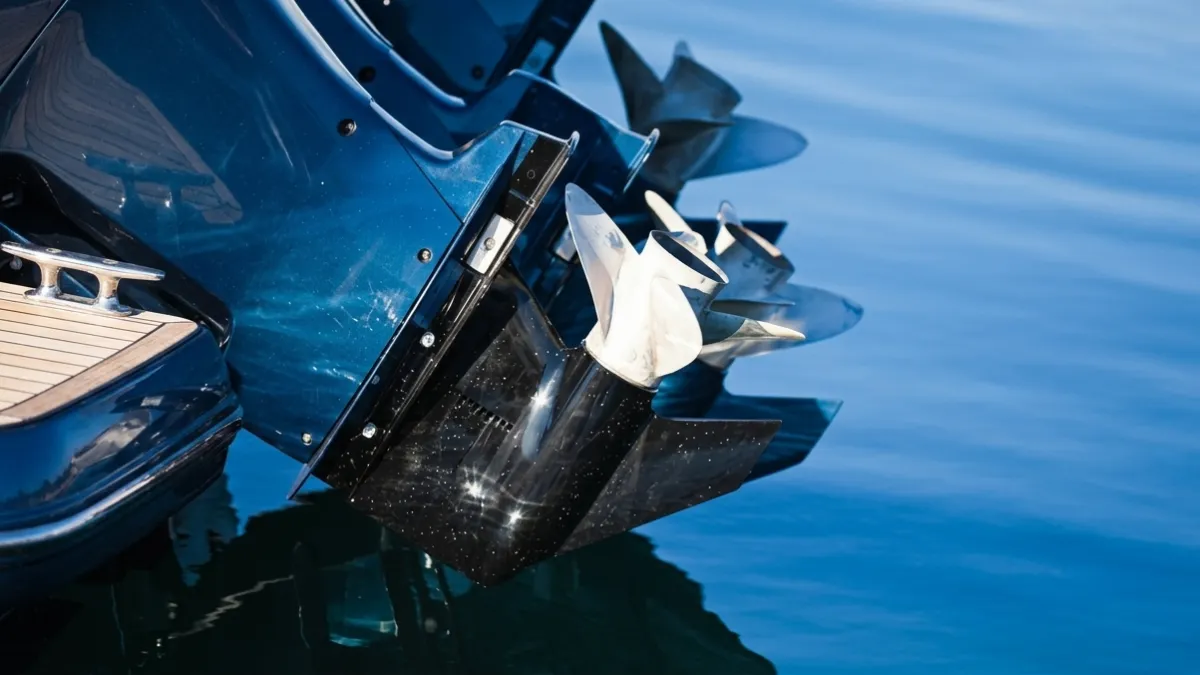
An outboard motor propeller is the component that converts engine power into the thrust that moves a boat through the water. Although it may appear to be a simple rotating part, its design directly affects acceleration, top speed, كفاءة الوقود, handling, and even engine lifespan.
في هذا الدليل, you’ll learn how an outboard motor propeller works, the function of each key component, how to understand common propeller specifications, and how to identify whether your current propeller is the right fit for your boat. Whether you’re a boat builder, موزع المعدات البحرية, or replacing a worn propeller, this article will help you make a more informed selection.
What an Outboard Motor Propeller Is and Why It Matters
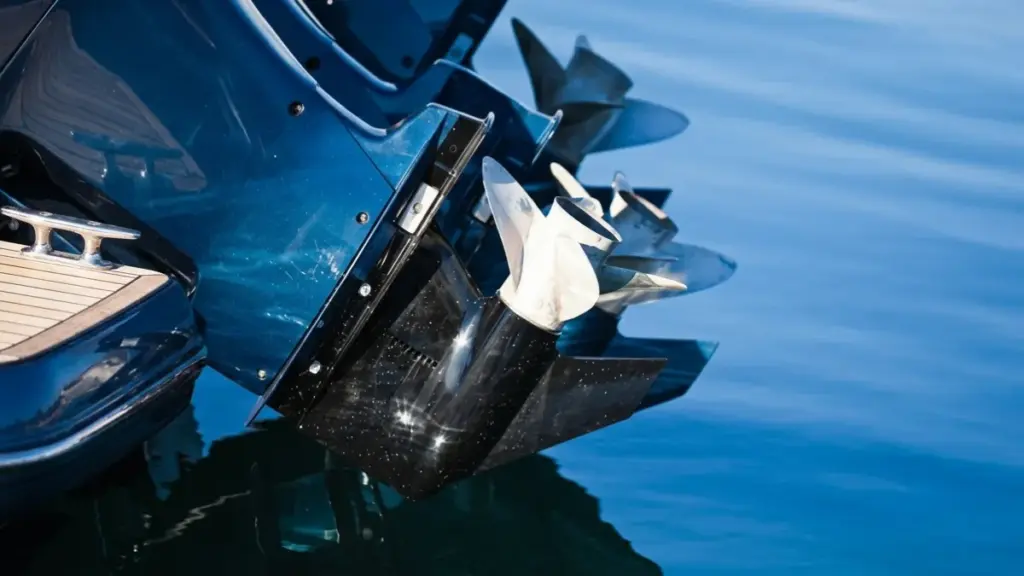
ان outboard motor propeller is the rotating component mounted on the lower unit of an outboard engine. It takes the engine’s rotational power and turns it into thrust, which is what actually pushes the boat through the water. It works by creating a pressure difference on its blades. The high-pressure face of the blade pushes water back, while the low-pressure side on the back pulls the boat forward. Its main parts are simple: a central hub that mounts to the engine’s propeller shaft and the blades that do all the work.
How an Outboard Propeller Converts Engine Power Into Thrust
A propeller turns engine torque into thrust by creating a pressure differential on its blades and accelerating a column of water backward. The process is never 100% فعال.
From Engine Torque to Rotational Power
The process starts with the engine, which delivers rotational energy—called shaft horsepower—through the gearcase. This power applies torque to the propeller shaft, making it spin at a specific RPM. The prop’s job is to take this rotational energy and convert it into forward thrust that moves the boat.
This conversion isn’t perfect. A well-matched propeller on a typical boat runs at about 65-70% كفاءة. The remaining 30-35% of the engine’s power is lost, turning into turbulence and heat in the water instead of useful thrust.
Creating a Pressure Differential
Each propeller blade is essentially a hydrofoil, which is just a wing that works in water. As a blade spins, its curved shape forces water to travel faster over its forward-facing (suction) side, creating a low-pressure zone. The aft-facing (ضغط) side experiences higher pressure.
This pressure difference across the blade’s surface generates a net force. This force both pulls the boat forward from the low-pressure side and pushes it from the high-pressure side, creating thrust.
Accelerating Water to Generate Momentum
A propeller also works by grabbing a column of water and accelerating it backward. This accelerated stream of water is called the slipstream, and it moves faster than the water surrounding it. Based on fundamental momentum theory, the force that pushes the boat forward is the equal and opposite reaction to the force used to accelerate that water rearward.
The Role of Pitch and Slip
Pitch is the theoretical distance a propeller would move forward in one complete revolution if it were screwing through something solid, like a bolt in wood. Water isn’t solid, so the actual forward movement is always less than the theoretical pitch. This difference is called propeller slip.
Slip is the percentage of the propeller’s rotation that doesn’t directly contribute to forward motion. While it sounds like a bad thing, some slip is necessary to create thrust. For most planing boats, an optimal slip range of 8-15% at wide-open throttle shows a good match between the prop, محرك, and hull.
Boost Your Margins with Durable Power Equipment
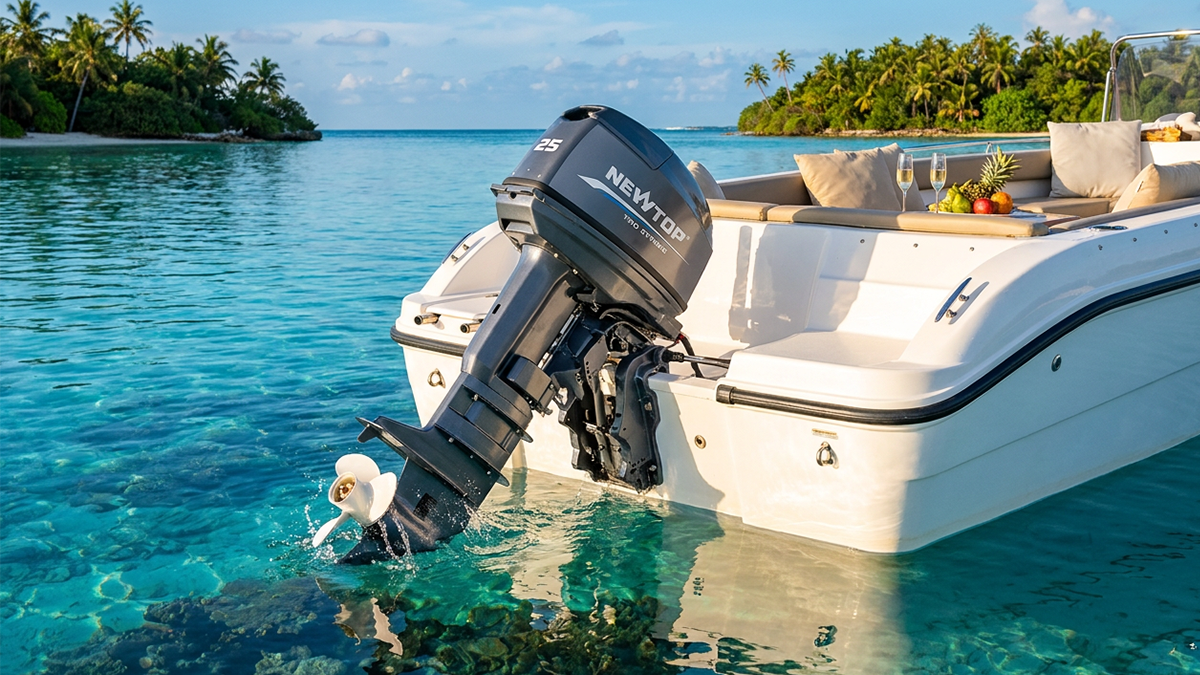
Main Propeller Parts and How Each Component Affects Performance
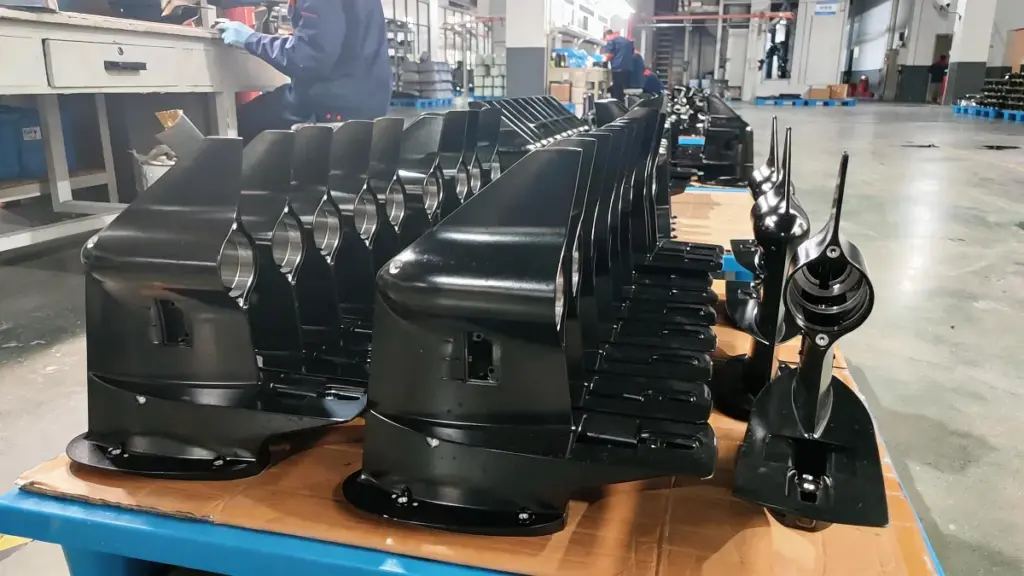
A prop’s hub, blades, القطر, and pitch dictate boat performance. Seemingly small details like rake, cup, or material directly impact speed, تسريع, and engine health.
مَركَز
The hub is the center section that connects the propeller to the propeller shaft.
Many modern propellers include a rubber hub insert. This insert acts as a shock absorber and helps protect the drivetrain if the propeller strikes underwater objects.
شفرات
The blades generate thrust.
Most outboard propellers have either three or four blades, although specialized applications may use five blades.
Blade design affects:
- يرفع
- Grip in rough water
- Hole shot
- Top speed
- كفاءة الوقود
Blade Tip
The blade tip influences water flow and cavitation resistance.
Well-designed blade tips reduce turbulence while maintaining smooth water flow around the blade.
Leading Edge
The leading edge is the first part of the blade to contact water.
Its shape affects:
- Weed resistance
- Impact resistance
- Water entry efficiency
Trailing Edge
The trailing edge controls how water leaves the blade.
A properly designed trailing edge improves efficiency and reduces turbulence.
Cup
Cup refers to the slight curve located near the blade tip.
Additional cup helps:
- Reduce ventilation
- Improve grip
- Increase bow lift
- Improve performance during sharp turns
لكن, too much cup can reduce engine RPM.
Rake
Rake describes the angle of the blades relative to the propeller hub.
Higher rake typically:
- Increases bow lift
- Improves high-speed stability
- Enhances performance on fast boats
Lower rake often provides stronger acceleration for heavier vessels.
Every design feature works together, which is why two propellers with identical diameter and pitch may deliver noticeably different performance.
Key Propeller Specs: Diameter, يقذف, Blade Count and Material
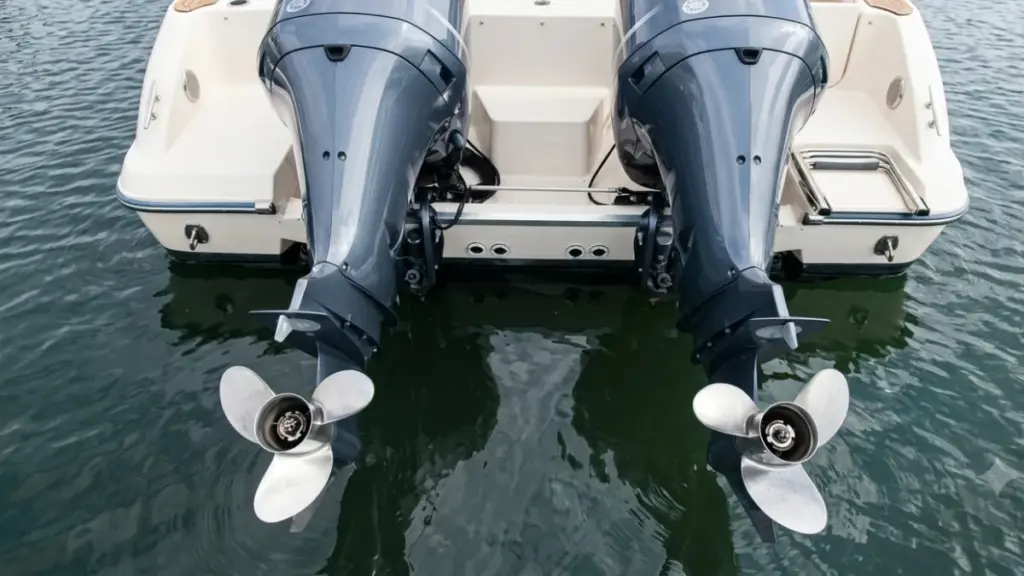
These four specs define a prop’s performance. They control the trade-off between thrust for heavy loads and speed for light ones, all while keeping the engine in its safe RPM range.
Diameter: The Propeller’s Footprint
Diameter is simply the distance across the circle the blade tips make when they spin. It’s the first number you see in a prop size, like the “14” in a 14 س 19 دعم. A larger diameter moves more water, which gives you the thrust needed to push a heavy boat. A smaller diameter creates less drag in the water, which often helps lighter boats reach higher top speeds.
يقذف: How Far It Moves
Pitch is the theoretical distance, في بوصة, that the prop moves forward in one complete rotation. It’s the second number in the prop size, like the “19” في 14 س 19. A higher pitch can deliver a higher top speed, but it also makes the engine work harder, similar to using a high gear in a car. A lower pitch gives you better acceleration and pulling power, which is ideal for towing or moving a heavy load. The goal is to find the right pitch that lets your engine operate within its recommended wide-open-throttle (WOT) RPM range.
Blade Count: Balancing Speed and Grip
Most outboard props come with three or four blades. The number of blades significantly changes boat behavior.
| 3-Blade Propeller | 4-Blade Propeller |
|---|---|
| Higher top speed | Better acceleration |
| Better fuel economy at cruising speed | Improved grip |
| Less drag | Better handling |
| Lower cost | Better rough-water performance |
| Popular for recreational boats | Popular for commercial and heavy-duty applications |
Three-blade propellers remain the most common choice because they offer an excellent balance between speed and efficiency.
Four-blade propellers excel when boats carry heavier loads or frequently operate in rough water.
مواد: Aluminum vs. الفولاذ المقاوم للصدأ
The material of an outboard propeller directly affects its strength, متانة, مقاومة التآكل, and overall performance.
| Aluminum | الفولاذ المقاوم للصدأ |
|---|---|
| Lower cost | Higher strength |
| خفيف الوزن | Excellent durability |
| Easy to repair | Better performance at high speed |
| Good for recreational use | Ideal for commercial and heavy-duty use |
| Protects drivetrain during impacts | Maintains blade shape under heavy loads |
في نيوتوب, our aluminum propellers are made from a premium aluminum-magnesium alloy, produced using new aluminum ingots and a proprietary remelting process. This provides excellent toughness and strength for reliable everyday performance.
For more demanding applications, our duplex stainless steel propellers offer higher yield strength and superior corrosion resistance than conventional stainless steel, making them ideal for saltwater and commercial use.
Whether you need aluminum or stainless steel propellers, we can help you choose the right solution based on your outboard motor, boat type, وظروف التشغيل. Contact our team to learn more about our OEM and bulk supply capabilities.
How the Propeller Influences RPM, Speed, Handling and Fuel Economy
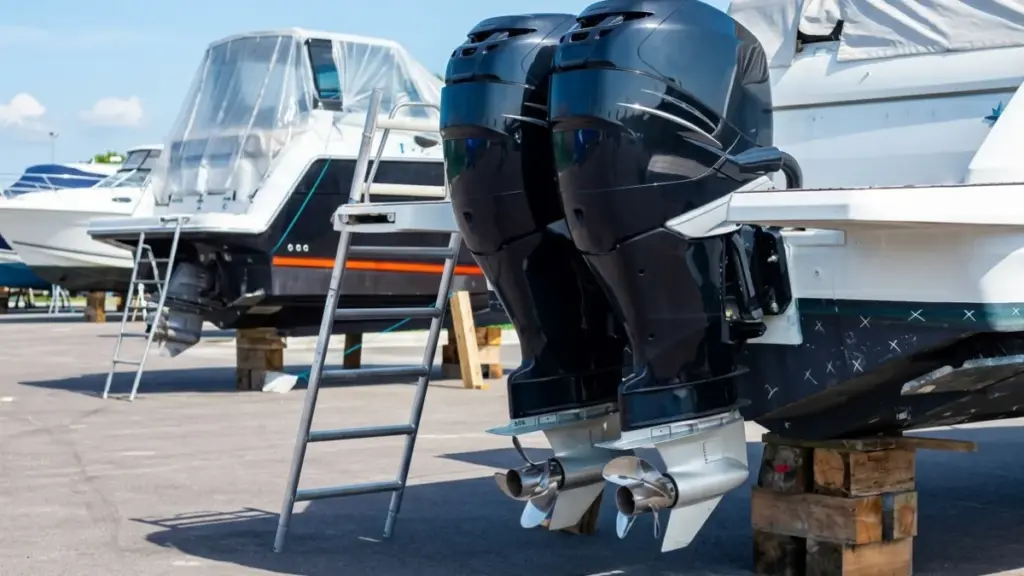
The propeller is the boat’s transmission. Every choice—pitch, القطر, blade count—forces a direct trade-off between engine RPM, سرعة, handling grip, واستهلاك الوقود.
| Performance Factor | Primary Influences | Key Effect |
|---|---|---|
| Engine RPM | يقذف, Diameter, Blade Area | Lower pitch increases RPM; higher pitch decreases it. The goal is to hit the engine’s recommended WOT range. |
| Boat Speed | يقذف, Slip, Blade Count | Higher pitch allows higher top speed, but lower pitch gives better acceleration (طلقة حفرة). |
| Handling | Blade Count, Rake, Cup | 4-blades improve grip in turns and rough water. Rake adjusts bow lift. |
| الاقتصاد في استهلاك الوقود | Pitch Matching, مادة, Slip | An engine running in its optimal RPM range is most efficient. Lugging or over-revving wastes fuel. |
Impact on Engine RPM
Think of propeller pitch as the gearing on your boat. A lower pitch acts like a low gear, allowing the engine to spin up faster and reach a higher RPM. A higher pitch is like a high gear, loading the engine more and reducing its RPM at any given speed. The entire goal is to select a prop that lets your engine operate within its manufacturer-recommended Wide-Open Throttle (WOT) RPM range. If your WOT RPM is too low, you need less pitch; if it’s too high, you need more.
As a rule of thumb, changing pitch by one inch will alter WOT RPM by about 150–200. Other factors also increase engine load and lower RPM. Switching to a propeller with a larger diameter, more blades, or more total blade area will make the engine work harder to spin it, which brings the RPM down.
Impact on Boat Speed
A propeller with a higher pitch has the potential for a higher top speed, but there’s a catch. Your engine must have enough power to spin that prop up into its optimal RPM range. If the engine is lugging, you won’t see that speed. على الجانب الآخر, a lower pitch propeller gives you much stronger acceleration, known as the “طلقة حفرة,” making it easier to get the boat on plane, especially with a heavy load.
All props experience some “slip,” which is the difference between their theoretical speed and your boat’s actual speed. Stainless steel props with cupped blades are more efficient because they flex less and grip the water better, minimizing slip. Going from a 3-blade to a 4-blade prop of the same pitch often reduces top speed by a mile or two per hour because of the increased drag from the extra blade.
Impact on Handling and Control
Handling is where blade count and design really show their value. A 4-blade propeller provides significantly better grip in turns, holds the boat steadier in rough water, and improves low-speed maneuverability around the dock. This is why they are often chosen for watersports, as they have the pulling power to get a skier on plane fast and hold a steady speed.
Blade geometry also plays a big part. Higher blade rake—the angle the blades tilt back—tends to lift the boat’s bow, which can increase speed on many planing hulls. أ “cup” is a small curved lip on the blade’s trailing edge that reduces ventilation (air getting sucked into the prop) and cavitation. This allows the prop to maintain its grip during hard turns or when the motor is trimmed high for maximum speed.
Impact on Fuel Economy
The single most critical factor for fuel efficiency is matching the propeller to the engine’s optimal RPM range. An engine that is “over-propped” (lugging at a low RPM because the pitch is too high) أو “under-propped” (over-revving because the pitch is too low) will burn significantly more fuel. Both conditions put unnecessary stress on the engine.
Stainless steel propellers are generally more efficient than aluminum ones. Their stiffer blades flex less under load, meaning less power is wasted and more is converted into forward thrust. By optimizing your propeller pitch specifically for your typical cruising speed, you can increase your miles per gallon. It’s not uncommon to see a boat’s overall range extend by 20% or more with the right prop.
Common Signs You Are Using the Wrong Outboard Propeller
Your boat tells you the prop is wrong through poor RPM, sluggish performance, and new vibrations. Visible damage or fouling are also clear red flags.
| Symptom | Possible Cause |
|---|---|
| Engine cannot reach recommended RPM | Pitch too high |
| Engine exceeds recommended RPM | Pitch too low |
| Poor acceleration | Incorrect pitch or damaged blades |
| Excessive fuel consumption | Improper propeller match |
| Cavitation or ventilation | Wrong blade design or damaged propeller |
| Heavy vibration | Bent blades or unbalanced propeller |
| Poor handling in turns | Incorrect blade configuration |
| Reduced top speed | Wrong diameter, يقذف, or excessive slip |
Poor Engine Performance and RPM
Performance issues are the first and most obvious signs that your propeller isn’t matched correctly to your boat and engine. If the engine can’t operate in its ideal range, everything from speed to fuel burn will suffer.
- Your engine’s RPM at full throttle is outside the manufacturer’s recommended range—either too high or too low.
- The boat takes forever to get on plane or feels sluggish accelerating. This is a classic poor “hole shot.”
- You’ve lost top-end speed, even with the same load and conditions you’ve run before.
- You’re burning more fuel than you used to for the same trip, and the fuel gauge seems to move faster.
Vibrations and Unusual Noises
A balanced and correct propeller should run smoothly. When something is wrong, you will feel and hear it. These symptoms often point to a damaged prop, which is just as bad as a mismatched one.
- You feel a new vibration through the hull or steering, especially when you speed up.
- There’s a strange noise—a thump, rattle, or hum—coming from the stern that wasn’t there before.
- Steering feels off, either rougher, heavier, or less responsive than normal.
Visible Damage or Fouling
Sometimes the problem isn’t subtle. A quick visual check can confirm that your propeller is the source of the trouble, whether from an impact or just accumulated debris.
- A quick look shows obvious damage: dings, bent blades, missing chunks of metal, or chipped edges.
- You find fishing line, rope, or seaweed wrapped tightly around the propeller shaft.
- The propeller shows heavy corrosion or rust that’s eating away at the metal, reducing its efficiency.
Ready to Work With NEWTOP for Professional Propeller Setup
The right propeller can make a noticeable difference in boat performance—but only when it is properly matched to the engine and application. Factors such as horsepower, boat weight, بيئة التشغيل, and typical load all influence the best propeller choice.
في نيوتوب, we do more than manufacture outboard propellers. We help distributors, بناة القوارب, and marine equipment brands select the right propeller solution for their products and customers. Our product range includes both premium aluminum alloy و duplex stainless steel propellers in multiple sizes, pitches, and blade configurations, compatible with a wide range of outboard motors.
Whether you need a durable replacement propeller, OEM customization, or bulk procurement for your market, our engineering and production teams can provide reliable support from product selection to manufacturing.
Looking for a dependable outboard propeller supplier? Contact us today to discuss your requirements and discover how our high-quality propellers can help improve performance, مصداقية, ورضا العملاء.
الأسئلة المتداولة
What does an outboard motor propeller do?
An outboard motor propeller converts the engine’s rotational power into forward thrust by accelerating water backward. It directly affects boat speed, تسريع, كفاءة الوقود, handling, and engine performance.
What is the difference between a 3-blade and a 4-blade propeller?
A 3-blade propeller is the most common type, offering a good balance of performance and a higher top speed due to having less drag. A 4-blade propeller has more blade area, which improves acceleration, grip in rough water, and helps heavier boats get on plane faster, but it usually results in a slightly lower top speed.
How do I know if my outboard propeller is damaged?
Common signs include new or increased vibration, a noticeable drop in top speed or acceleration, or the engine revving higher than usual without a corresponding speed increase. You should also visually inspect the blades for nicks, bends, cracks, or missing pieces of metal.
What happens if I use the wrong propeller on my boat?
Using the wrong propeller forces your engine to operate outside its recommended RPM range. If the prop has too much pitch, the engine will be overloaded, causing poor acceleration and long-term strain. If it has too little pitch, the engine can over-rev, leading to potential damage and poor fuel economy.
Can I upgrade my propeller for better acceleration or fuel economy?
نعم, but it’s a trade-off. To improve acceleration, you can switch to a propeller with a lower pitch or more blades, which helps the boat get on plane faster. To improve fuel economy at cruising speeds, a propeller with a higher pitch can lower engine RPM, but this may reduce your initial acceleration.
What are the main parts of a boat propeller?
The primary parts include the hub, blades, leading edge, trailing edge, blade tips, cup, and rake. Each component influences thrust, handling, cavitation resistance, والكفاءة الشاملة.
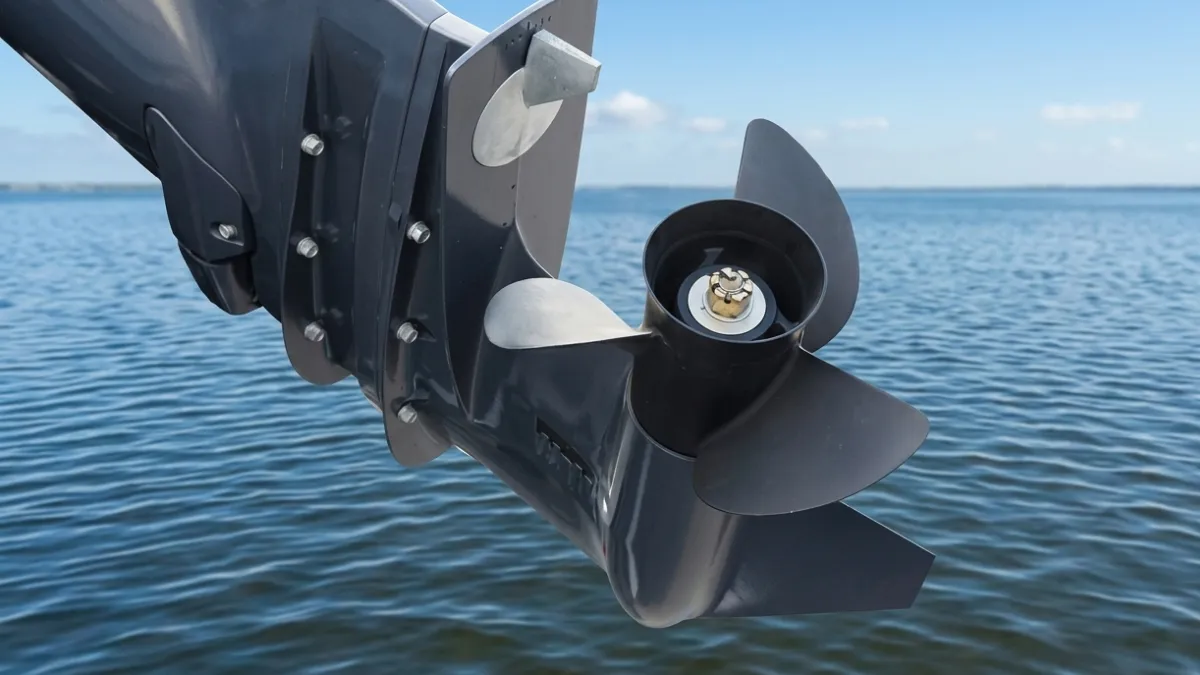
When we think about improving a boat’s performance, engine horsepower usually gets all the attention. But the propeller is just as important. The right propeller helps your outboard deliver better acceleration, كفاءة الوقود, and engine performance, while the wrong one can limit speed, زيادة استهلاك الوقود, and even shorten engine life.
في هذا الدليل, we’ll show you how to choose the right outboard motor propeller based on your engine, boat type, والاستخدام المقصود. You’ll also learn how to avoid common selection mistakes and find the best balance between performance, مصداقية, والتكلفة.
Key Factors in Choosing Outboard Motor Propellers
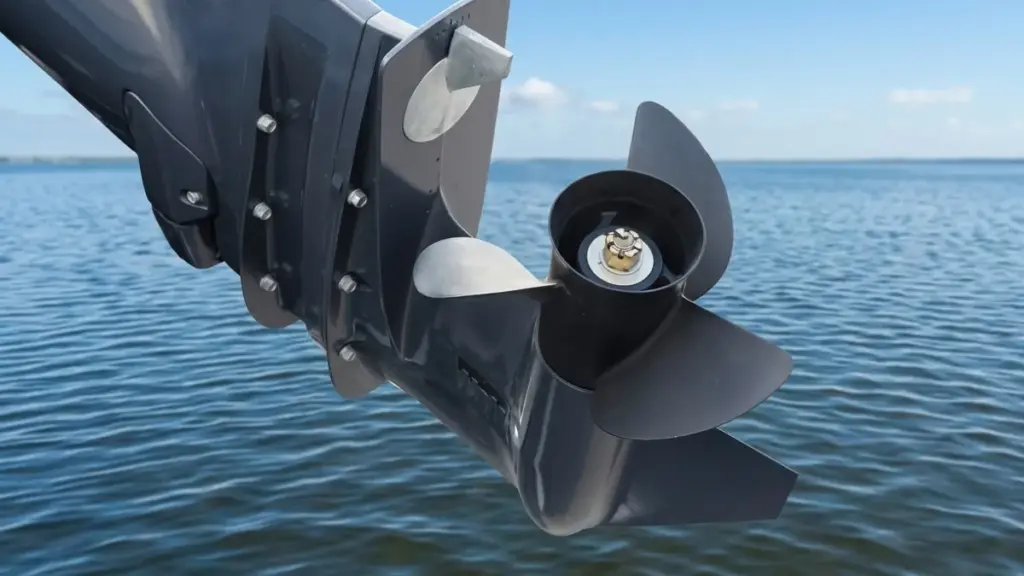
Before comparing outboard motor propeller sizes or materials, consider the following factors. معاً, they determine how efficiently your engine transfers power to the water and whether your boat performs as expected.
Start with Your Engine Specifications
Your engine determines the range of propellers you can safely use. Before comparing different models, check three key specifications:
- Engine horsepower (HP)
- Gear ratio
- Recommended Wide Open Throttle (WOT) RPM range
These figures define the diameter and pitch your engine can handle. A correctly matched propeller should allow the engine to reach its recommended WOT RPM under a normal load. If the engine can’t reach that range, the propeller is likely too large or has too much pitch. If it exceeds the range, the propeller is probably too small.
Match the Propeller to Your Boat’s Weight
Think about how your boat is normally used—not just its empty weight.
A lightweight recreational boat usually performs well with a higher-pitch propeller that favors speed. في المقابل, heavier boats carrying passengers, fishing equipment, cargo, or full fuel tanks need more thrust to get on plane. In these cases, choosing a slightly lower pitch often delivers better acceleration and more efficient operation.
Always select a propeller based on your typical operating load, not ideal conditions.
Choose Pitch Based on Your Performance Priority
Pitch has the biggest influence on how your boat feels on the water, so start by deciding what matters most to you.
| تطبيق نموذجي | Recommended Pitch | Expected Result |
|---|---|---|
| قوارب الصيد | Lower to standard pitch | Better acceleration, easier planing, and stronger pulling power with fishing gear onboard. |
| Passenger or work boats | Lower pitch | Provides greater thrust for carrying heavy loads and maintaining stable cruising performance. |
| Recreational family boats | Standard pitch | Offers a balanced combination of speed, كفاءة الوقود, and everyday handling. |
| High-speed boats | Higher pitch | Delivers higher top speed when the engine can still reach its recommended WOT RPM range. |
As a general guideline, changing the pitch by 1 بوصة changes engine speed by approximately 150–200 RPM. Small adjustments can noticeably change how the boat performs.
Select the Right Blade Count
Most outboard propellers have either three أو four blades, and each is designed for different applications.
أ 3-blade propeller is the best all-around choice for most recreational boats. It provides a good balance of speed, fuel economy, and acceleration.
أ 4-blade propeller is worth considering if you regularly carry heavy loads, operate in rough water, tow water sports equipment, or want quicker planing and better low-speed control. While it usually sacrifices a little top speed, it offers smoother handling and stronger grip in the water.
Unless your application has specific performance requirements, a 3-blade propeller is usually the recommended starting point.
Decide Between Aluminum and Stainless Steel
The material you choose should reflect how often and where you use your boat.
Aluminum propellers are ideal for most recreational users because they’re affordable, خفيفة الوزن, and easy to replace if damaged.
Stainless steel propellers are a better investment if you operate a high-horsepower engine, spend long hours on the water, or need maximum durability and performance. They flex less under load, improve efficiency, and typically last longer in demanding conditions.
For occasional boating, aluminum is often sufficient. For commercial or frequent use, stainless steel usually delivers better long-term value.
Confirm Compatibility Before You Buy
Even if a propeller has the correct diameter and pitch, it won’t work unless it’s compatible with your engine.
Before purchasing, verify that the propeller matches your engine’s:
- Horsepower range
- Gearcase and hub type
- Spline count
- اتجاه الدوران
- Manufacturer’s recommended specifications
If you’re replacing an existing propeller that performed well, use its specifications as your baseline and make only small adjustments when improving speed, تسريع, or fuel efficiency.
Choose the Right Outboard Propeller with NEWTOP

Using WOT RPM and Boat Speed to Check Propeller Load
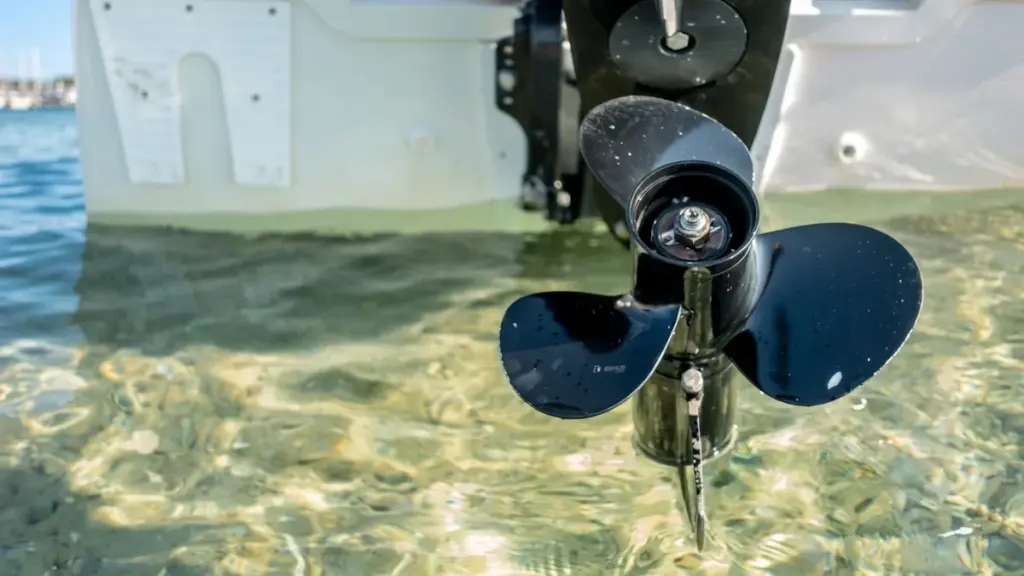
Your tachometer is the best tool for checking propeller load. Use Wide-Open Throttle (WOT) RPM to spot lugging or over-revving, and use GPS speed to confirm the diagnosis.
| Step | What It Tells You About Propeller Load |
|---|---|
| 1. Conduct a Real-World WOT Test | Load the boat under normal operating conditions, warm up the engine, and record WOT RPM and GPS speed in calm water. This gives you a real performance baseline. |
| 2. Check If WOT RPM Is Within Range |
If RPM is below range → over-propped (engine is overloaded). If RPM is above range → under-propped (engine is under-loaded). Within range → prop load is correctly matched. |
| 3. Adjust Pitch to Correct RPM |
Pitch is the main tuning factor. 1 inch of pitch ≈ 150–200 RPM change. Lower pitch increases RPM and acceleration; higher pitch reduces RPM and increases top speed. |
| 4. Use Boat Speed as a Validation Check | If RPM is correct but speed is low, the issue is not prop load. Check hull drag, prop damage, or engine mounting height. |
| Final Diagnosis |
Correct prop load = WOT RPM in range + stable boat speed + تسارع سلس. If any one of these fails, the propeller is not properly matched. |
Adapting Propeller Choice for Fishing, Transport and Leisure Use
How you use your boat dictates your prop. Fishing demands grip for heavy loads, transport requires cruise efficiency, and leisure boating needs a balance of speed and acceleration.
Propeller Selection for Fishing
Fishing boats rarely run at a consistent weight. The load changes with gear, full livewells, ice, and passengers. You have to prop for this typical fishing load, not the empty boat weight. The main goal is getting on plane quickly without the bow pointing at the sky. Many fishing setups benefit from a 4-blade propeller, which provides better grip, improves stability in turns, and can keep the boat on plane at slower speeds. This is especially useful for underpowered boats or heavy hulls that struggle to get moving.
Optimizing for Transport and Hauling
When a boat’s main job is moving people or cargo, top speed takes a backseat to midrange performance and fuel economy. The propeller pitch must match the boat’s typical passenger or cargo weight to achieve efficient cruising RPM. If the boat consistently carries heavy loads, a lower-pitch or 4-blade prop improves acceleration and load-carrying ability. If the primary function is making long, high-speed runs with a lighter load, a standard 3-blade prop often delivers better efficiency at speed.
Balancing Performance for Leisure and Recreation
For general weekend boating, a 3-blade propeller is the standard for a reason. It offers a solid, all-around balance of acceleration and top-end speed. The game changes if activities like waterskiing or wakeboarding are on the agenda. These activities need a strong holeshot to pull people out of the water, making a 4-blade prop a much better choice. Whatever the activity, the fundamental check remains the same: verify the engine operates within its recommended wide-open-throttle (WOT) RPM range during your typical recreational use.
When to Switch From Aluminum to Stainless Steel or More Blades
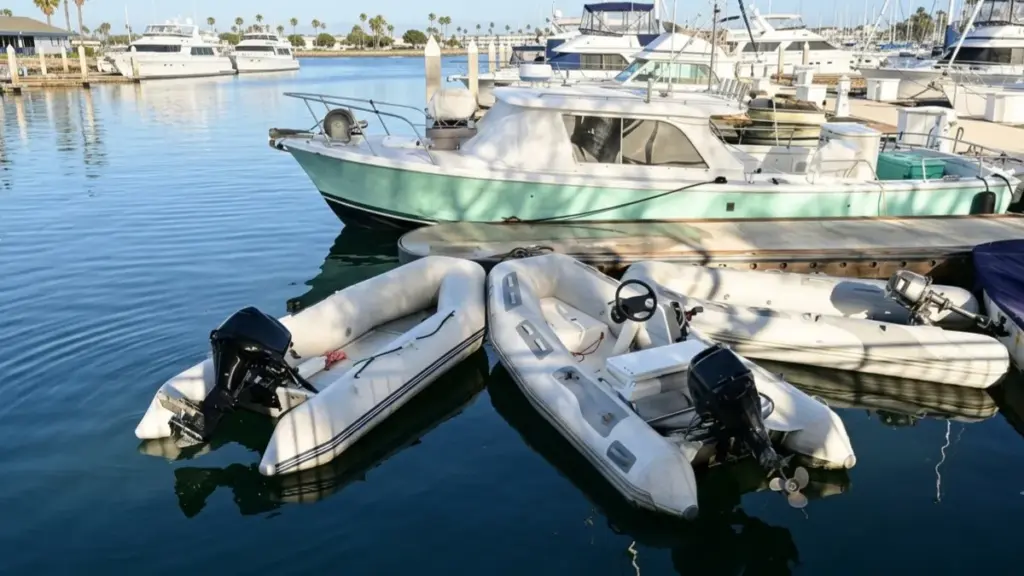
Upgrading your prop is a trade-off. Steel adds performance for high-power engines, and more blades add grip for heavy boats, but aluminum remains best for high-risk areas.
Performance Triggers for a Stainless Steel Upgrade
The decision to move from aluminum to stainless steel usually comes down to horsepower and efficiency. Aluminum props start to flex under heavy loads, which wastes power. You should seriously consider stainless steel when you notice these issues:
- Your engine is 150 hp or more. At this power level, a flexible aluminum prop will noticeably hurt your efficiency and top speed.
- You need a faster hole-shot for watersports or when you’re carrying a heavy load. Stainless steel doesn’t flex, so it bites harder out of the gate.
- The boat feels sluggish or loses top-end speed when loaded down. This is a classic sign that your aluminum prop is flexing and losing its effective pitch.
- You want better fuel economy on long cruises. The rigidity of a stainless prop translates to better efficiency, which saves fuel over time.
Reasons to Add Blades (From 3 ل 4+)
Adding a blade is about increasing grip and control, not necessarily top speed. A 4-blade prop puts more surface area in the water, which solves specific handling problems.
- Your current 3-blade prop ventilates or “blows out” during sharp turns or when the engine is trimmed high for performance.
- You need to stay on plane at lower speeds. This is crucial for towing tubers or wakeboarders, or for navigating rough water with more control.
- Your priority is maximum grip and acceleration for a heavy boat. More blades deliver more thrust, even if it costs you a mile or two per hour at the top end.
- Your setup includes a jack plate or a high engine mounting position. These configurations demand more prop bite to prevent slipping, which a 4-blade provides.
Choosing an Upgrade Path by Use Case
There isn’t a single “best” دعم. The right upgrade path depends entirely on your boat, your engine, and what you do with it.
- For speed and efficiency on a lighter boat (75-150+ حصان), the logical move is from a 3-blade aluminum to a 3-blade stainless steel prop.
- For heavy boats, tow sports, or maximum control, jump directly from a 3-blade aluminum to a 4-blade stainless steel prop. You get both rigidity and grip.
- If you need better grip on a lower-hp boat (تحت 125 حصان) and operate in a high-risk area, a 4-blade aluminum prop is a smart, budget-friendly step.
Factoring in Operating Environment and Risk
Performance means nothing if you destroy your lower unit. Where you boat is just as important as how you boat.
- In rocky or shallow waters with a high chance of impact, a cheap aluminum prop is your best friend. It acts as a sacrificial part, protecting the expensive gearcase.
- Stainless steel is much more durable against minor dings and abrasion from running in sandy or open water.
- For saltwater use, stainless steel offers far better corrosion resistance and will outlast an aluminum prop by a wide margin.
- A hard strike with a rigid stainless prop is more likely to send damaging force straight to your propshaft and gears. The prop might survive, but your lower unit might not.
Common Propeller Selection Mistakes and How to Avoid Them
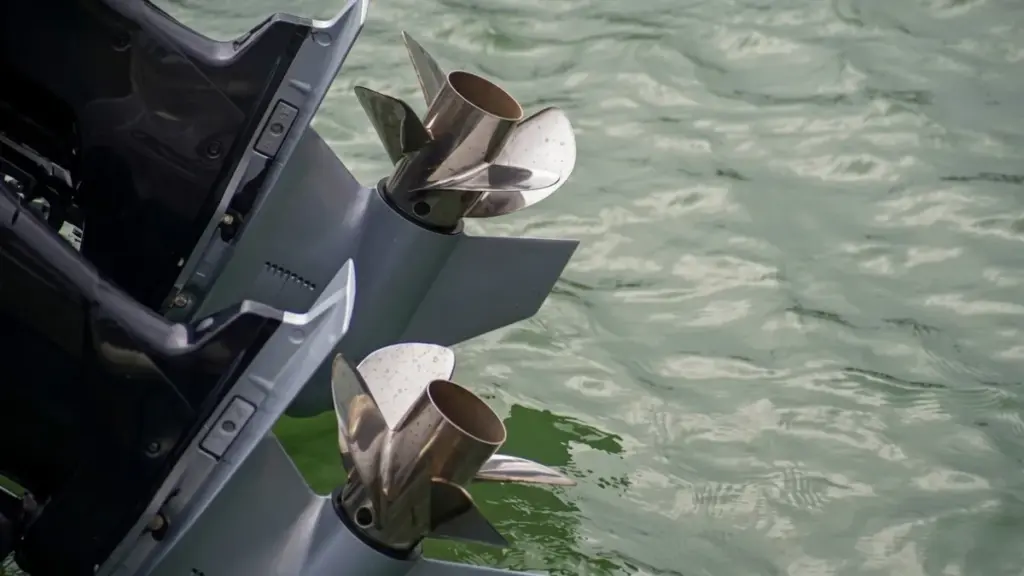
Most prop mistakes come from guesswork. Ignoring the engine’s WOT RPM range and testing with an empty boat are the two biggest offenders. Get these right first.
Ignoring Basic Fitment and Compatibility
Thinking any prop for a 150HP engine will fit any 150HP engine is a fast way to waste money. Horsepower is just one data point. The physical fit is what matters. You have to verify the prop shaft diameter and spline count for your specific engine model and year. Brands change these specs more often than you’d think.
Forgetting the hub system is another common oversight. The hub is the critical link between the prop and the shaft. Using the wrong one can lead to slippage under load or prevent the propeller from seating correctly, causing vibration and potential damage.
Disregarding the Engine’s WOT RPM Range
This is the single most important factor, and it gets ignored all the time. Every engine has a recommended RPM range for wide-open-throttle (WOT). Your job is to select a prop that lets the engine operate within that band with a normal load. It’s not about chasing the highest possible top speed.
Over-propping—using too much pitch—lugs the engine. It’s like trying to start your truck in fifth gear. Acceleration is terrible, and you’re putting constant, damaging stress on the engine’s internals. Under-propping is just as bad. Too little pitch lets the engine over-rev, potentially hitting the rev limiter and shortening its operational life. Both mistakes will cost you in the long run.
Testing with an Unrealistic Boat Load
Finding the “perfect” propeller with an empty boat is a setup for failure. A prop that performs beautifully with just you, minimal fuel, and no gear will likely be too tall in pitch once you load up the family, coolers, and a full tank of fuel. The boat will struggle to get on plane, and the engine will be back in that dangerous lugging condition.
The only way to avoid this is to test propellers with a weight that reflects how you actually use your boat. If your typical day involves four people and a full livewell, then that’s your testing configuration. Prop for your heaviest normal use case, not your lightest.
Mismatching Propeller Design to Your Needs
Not all props are created equal. The difference between a 3-blade and a 4-blade prop is a simple tradeoff. A 3-blade prop generally offers a higher top speed. A 4-blade prop provides better acceleration, more grip in turns, and the ability to hold plane at lower speeds. Choosing one without understanding what you’re giving up is a mistake.
Material choice isn’t just about price. Aluminum is cheaper and acts as a “sacrificial” part in shallow, rocky waters—the prop breaks before your expensive gearcase does. Stainless steel is far more durable and its blades are thinner and more rigid, which improves performance in open water where impacts are unlikely. Match the material and the blade design to your hull and how you run it.
Skipping a Systematic Testing Process
You can’t know where you’re going if you don’t know where you started. Before you ever swap a prop, take your boat out with its current setup and a normal load. Record the maximum RPM and the GPS speed at WOT. This is your baseline. Without it, you’re just guessing.
When you do make a change, adjust one variable at a time. Don’t switch from a 19-pitch aluminum 3-blade to a 17-pitch stainless 4-blade all at once. If performance changes, you won’t know if it was the pitch, the material, or the blade count. أخيراً, make sure the problem is actually the propeller. A new prop can’t fix a spun hub or a bent prop shaft, which can mimic the symptoms of a poorly chosen propeller.
How NEWTOP Helps Optimize Boat Prop Choice
نيوتوب, a leading outboard motor propeller manufacturer, supplies complete propeller solutions for outboard motors across a wide horsepower range, supporting distributors, marine equipment brands, OEM partners, and fleet operators worldwide.
Instead of recommending products based only on engine size, our team evaluates multiple factors, مشتمل:
- Engine horsepower and gear ratio
- Boat type and hull design
- Typical operating load
- Target cruising and top speed
- Commercial or recreational applications
- Regional water conditions
Our manufacturing capabilities include aluminum and stainless steel propellers in various diameters, pitches, and blade configurations, ensuring compatibility with a broad range of outboard engines.
Beyond manufacturing, NEWTOP also provides technical selection support, helping customers reduce trial-and-error, improve fuel efficiency, and achieve reliable on-water performance. Whether you are sourcing replacement propellers or developing a complete marine product line, we work with you to identify the most suitable solution for your market.
If you’re planning your next marine equipment project, contact NEWTOP to discuss propeller selection, OEM customization, or bulk procurement. Our engineering and sales teams are ready to help you match the right propeller to your engine and application.
الأسئلة المتداولة
How do I choose the right propeller for my outboard motor?
Choosing the right propeller involves matching your engine, boat, and typical use to allow the engine to reach its recommended wide-open-throttle (WOT) RPM range with a normal load. You need to know your engine’s WOT specs, your boat’s weight and hull type, and your primary goal, whether it’s acceleration, top speed, or carrying heavy loads. The final choice balances pitch, القطر, blade count, and material to achieve that goal.
What prop size do I need for my boat?
Prop size is primarily determined by pitch. The goal is to select a pitch that allows your engine to operate within its manufacturer-recommended WOT RPM range with your typical load. Start by testing your current prop’s WOT RPM. If the RPM is too low, you need a lower pitch. If it’s too high, you need a higher pitch. A general rule is that one inch of pitch change will alter WOT RPM by about 150-200.
How does propeller pitch affect RPM and speed?
Pitch directly controls engine load and RPM. Increasing pitch is like shifting to a higher gear; it lowers the engine’s WOT RPM and can increase top speed, but it makes acceleration slower. Decreasing pitch is like shifting to a lower gear; it allows the engine to rev higher, improving acceleration and pulling power, but may reduce the boat’s maximum speed.
Should I choose a 3-blade or 4-blade prop for my outboard?
Choose a 3-blade prop for general use, as they typically offer the best top speed and overall efficiency. Choose a 4-blade prop when you need better acceleration, improved handling in rough water, or the ability to stay on plane at lower speeds. Four-blade props are excellent for heavy boats, high-performance hulls, or towing watersports, often with a slight sacrifice in top-end speed.
When should I switch from an aluminum prop to stainless steel?
Switch to a stainless steel propeller when you want better performance, متانة, and efficiency, especially with higher-horsepower engines. Stainless steel blades are thinner and flex less, improving speed and handling. Stick with an aluminum prop if you prioritize lower cost or frequently operate in shallow or rocky water where striking objects is likely, as aluminum is more forgiving and can help protect your engine’s gearcase from impact damage.
How do I know if my propeller is too big or too small?
The main indicator is your engine’s RPM at wide-open-throttle (WOT) with a normal load. If the RPM is below the manufacturer’s recommended range and acceleration feels sluggish, your prop is too big (too much pitch). If the engine’s RPM is above the recommended range or hits the rev limiter, your prop is too small (too little pitch).
Can the wrong propeller damage my outboard engine?
نعم. A prop with too much pitch can cause the engine to ‘lug’ below its recommended RPM range, stressing internal components. A prop with too little pitch can cause over-revving, which increases wear. بالإضافة إلى ذلك, a damaged or unbalanced prop creates vibrations that can destroy gearcase seals and bearings, potentially leading to major lower-unit failure.
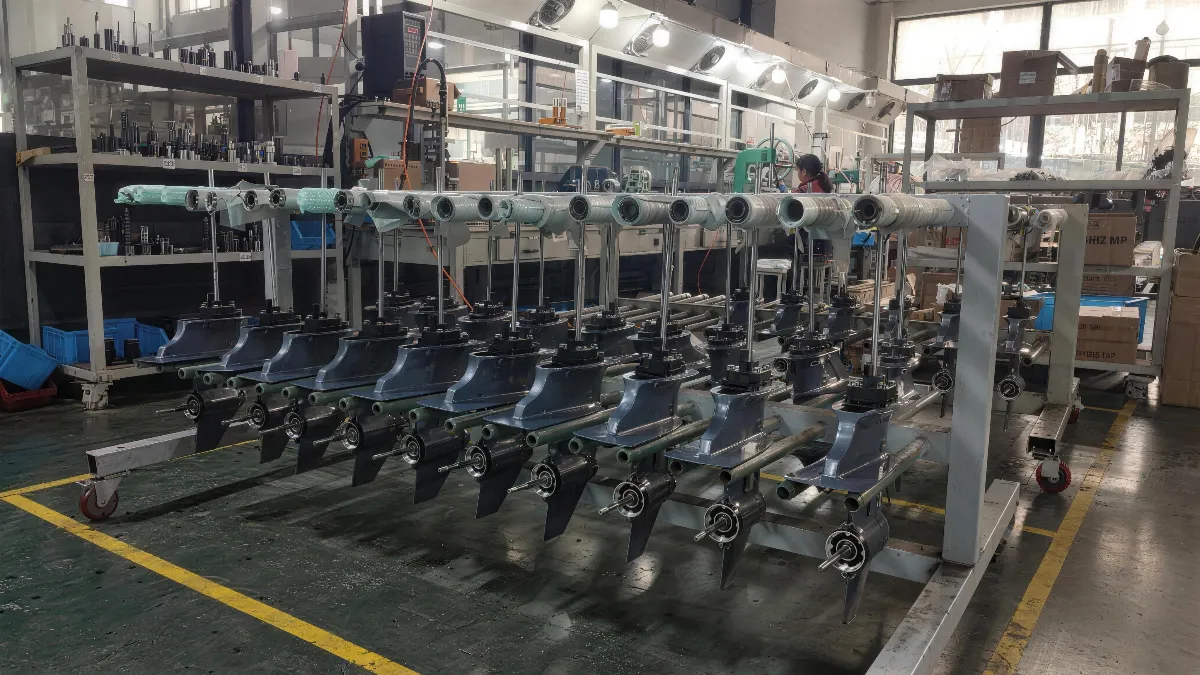
تدخل الصناعة البحرية العالمية دورة نمو جديدة, خلق فرص كبيرة لموزعي قطع الغيار البحرية. ارتفاع القوارب الترفيهية, التوسع في الصيد التجاري, زيادة النقل البحري, وأساطيل السفن القديمة تؤدي جميعها إلى زيادة الطلب المستمر على قطع الغيار بدلاً من استبدال المحرك بالكامل. للموزعين, لم يعد النجاح يتحدد بمجرد تقديم مخزون كبير. بدلاً من, يقدر العملاء بشكل متزايد سلاسل التوريد الموثوقة, منتجات ذات جودة OEM, الدعم الفني, والتسليم السريع.
كشركة مصنعة لمعدات الطاقة الخارجية مع سنوات من الخبرة في تصنيع المحركات, نيوتوب شهدت طلبًا متزايدًا من الموزعين العالميين الذين يبحثون عن منتجات يمكن الاعتماد عليها مكونات المحرك البحري, مراوح, وإكسسوارات ما بعد البيع. إن فهم الاتجاه الذي يتجه إليه السوق يسمح للموزعين باتخاذ قرارات شراء أكثر ذكاءً, تقليل مخاطر المخزون, وبناء مزايا تنافسية طويلة المدى.
نظرة عامة على سوق قطع الغيار البحرية العالمية ومحركات النمو
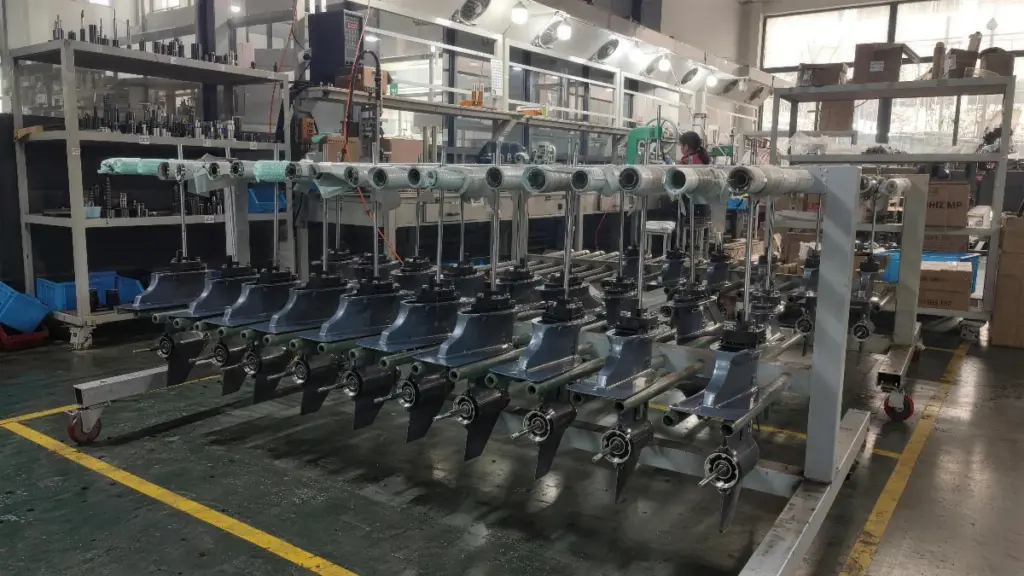
النمو في سوق قطع غيار السفن مدفوع بشيخوخة الأساطيل, قواعد بيئية صارمة, والتكنولوجيا الجديدة, خلق موثوقة, الطلب غير التقديري على المكونات الأساسية.
نطاق السوق وقطاعات المنتجات الرئيسية
وفق استمرار أبحاث السوق, من المتوقع أن ينمو سوق قطع غيار ومعدات السفن العالمية من 10.1 مليار دولار أمريكي في عام 2019 2025 إلى 14.3 مليار دولار أمريكي 2032, يمثل أ 5.1% معدل نمو سنوي مركب خلال فترة التوقعات. ويأتي الجزء الأكبر من هذا الطلب من المكونات التي تتعرض لأكبر قدر من التآكل. ويشمل ذلك أجزاء أنظمة الدفع والمحرك, الآلات المساعدة مثل المضخات والصمامات, ومعدات الملاحة الهامة. بينما تشكل أساطيل البضائع التجارية والناقلات الحصة الأكبر من حيث الحجم, تمثل السفن البحرية مستوى مرتفعًا بشكل غير متناسب من الإنفاق. وذلك لأن تخصصهم, تحمل المكونات عالية المواصفات سعرًا أعلى بكثير.
زيادة التجارة البحرية وديناميكيات الأسطول القديمة
مع تزايد التجارة العالمية المنقولة بحراً, تعمل السفن ببساطة لساعات أطول. ويؤدي هذا بشكل مباشر إلى زيادة تآكل المكونات والطلب المستمر على قطع الغيار. جزء كبير من الأسطول العالمي, وخاصة ناقلات البضائع السائبة والناقلات, انتهى 15 سنة. تحتاج هذه السفن القديمة بطبيعة الحال إلى مزيد من الصيانة واستبدال الأجزاء بشكل متكرر للبقاء في الخدمة. كما أن التكلفة العالية لبناء السفن الجديدة تدفع العديد من المالكين إلى إطالة عمر سفنهم الحالية. يؤدي هذا القرار إلى تضخيم الحاجة إلى قطع غيار ما بعد البيع والإصلاحات الرئيسية, مزيد من تأجيج السوق.
الامتثال التنظيمي للسلامة والانبعاثات
المنظمة البحرية الدولية (المنظمة البحرية الدولية) تعد قواعد السلامة وحماية البيئة محركًا كبيرًا للطلب. إن تفويضات مثل SOLAS للسلامة و EEXI/CII للانبعاثات تجبر مالكي السفن على تركيب وصيانة المعدات المتوافقة. لقد أدت اللوائح البيئية التي تستهدف انبعاثات الكبريت أو التي تتطلب معالجة مياه الصابورة إلى إطلاق موجات من مشاريع التعديل التحديثي. هذه المشاريع تخلق على المدى الطويل, الطلب المتوقع على أجزاء محددة مثل المرشحات, أجهزة الاستشعار, والمضخات اللازمة للأنظمة الجديدة. هذا الإنفاق ليس اختياريًا لأصحاب السفن, مما يجعلها محركًا مستقرًا للسوق لا يتأثر بتقلب أسعار الشحن.
اعتماد التكنولوجيا وتحديث الأسطول
يؤدي تحرك الصناعة نحو الرقمنة والصيانة التنبؤية إلى زيادة الحاجة إلى أجهزة الاستشعار, وحدات التحكم, وغيرها من الأجزاء الإلكترونية التي تسمح بالمراقبة عن بعد. في نفس الوقت, يؤدي اعتماد أنواع الوقود البديلة مثل الغاز الطبيعي المسال والميثانول إلى إنشاء فئات جديدة تمامًا من قطع الغيار, مثل الصمامات المبردة وأنظمة وقود الغاز المتخصصة. تعمل التقنيات الجديدة أيضًا على تغيير كيفية توفير الأجزاء. على سبيل المثال, 3بدأت الطباعة ثلاثية الأبعاد في تمكين التصنيع حسب الطلب لمكونات معينة, والتي يمكن أن تعيد تشكيل نماذج المخزون والخدمات اللوجستية في المستقبل.
فئات المنتجات الأساسية في سوق خدمات ما بعد البيع البحرية
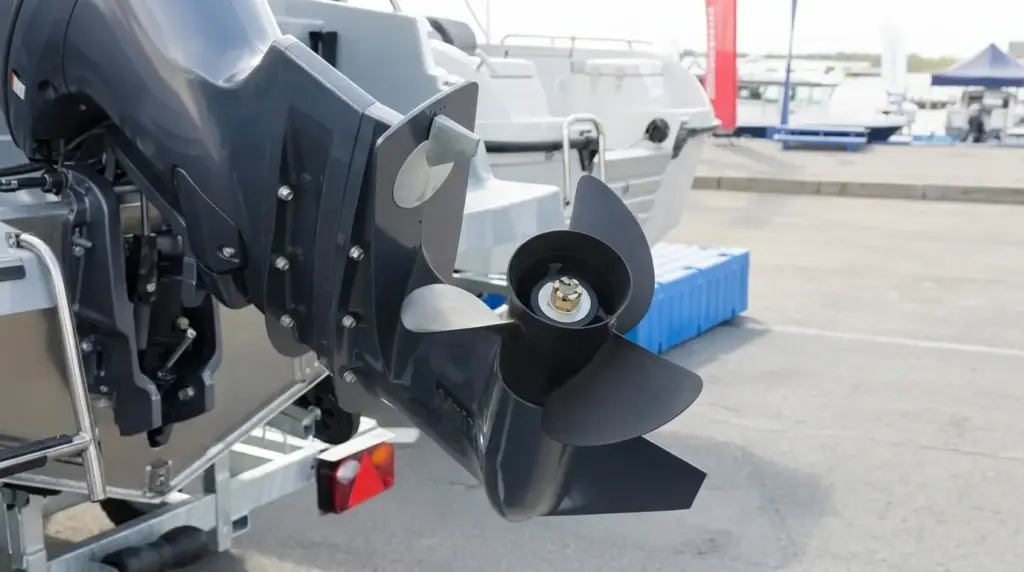
يتمحور سوق خدمات ما بعد البيع البحري حول أنظمة الدفع الرئيسية, الضوابط, كهربائي, والسباكة. الطلب ثابت, مدفوعة بجداول الصيانة, متطلبات السلامة, وترقيات الأداء.
لبناء كتالوج توزيع عالي الأداء, يجب على الشركاء تحقيق التوازن بين المواد الاستهلاكية سريعة الحركة والبدائل الهيكلية للخدمة الشاقة. ينقسم النظام البيئي المكون البحري بشكل عام إلى 4 الفئات الأساسية:
| فئة المنتج | المكونات الأساسية متضمنة | سرعة الطلب | ملف تعريف الهامش |
|---|---|---|---|
| القوة الداخلية للمحرك | بيستونز, حلقات المكبس, أعمدة الكرنك, بطانات الاسطوانة, الصمامات, والحشيات. | واسطة | عالي |
| الدفع & نظام القيادة | مراوح المحرك الخارجي, مهاوي القيادة, دبابيس القص, وعلب التروس. | عالي (تأثير & عرضة للاهتراء) | متوسطة إلى عالية |
| وقود & الأنظمة الكهربائية | المكربنات, مضخات الوقود, الاشتعال, مغناطيس, والجمعيات بداية. | عالي | واسطة |
| المواد الاستهلاكية الروتينية | الدفاعات, مضخات المياه, مرشحات الزيت, ومبتدئين الارتداد للخدمة الشاقة. | عالية جدًا (موسمي / كل ساعة) | يحركها الحجم |
التركيز فقط على المواد الاستهلاكية يترك المال على الطاولة, في حين أن تخزين الأجزاء الداخلية الثقيلة للمحرك فقط يؤدي إلى احتجاز رأس المال في المخزون بطيء الحركة. يستخدم الموزعون الإقليميون الأكثر نجاحًا ملف 80/20 استراتيجية المخزون: 80% مستقر, المواد الاستهلاكية ذات معدل دوران مرتفع لإنشاء التدفق النقدي ونقاط اتصال الوكيل, و 20% عمليات الاستبدال الداخلية للمحرك ذات هامش ربح مرتفع للحصول على عقود الإصلاح الكبرى.
قم بتنمية أعمالك التجارية في مجال قطع الغيار البحرية مع شريك موثوق به في مجال تصنيع المعدات الأصلية
اتجاهات الطلب عبر الصيد, قطاعات النقل والترفيه
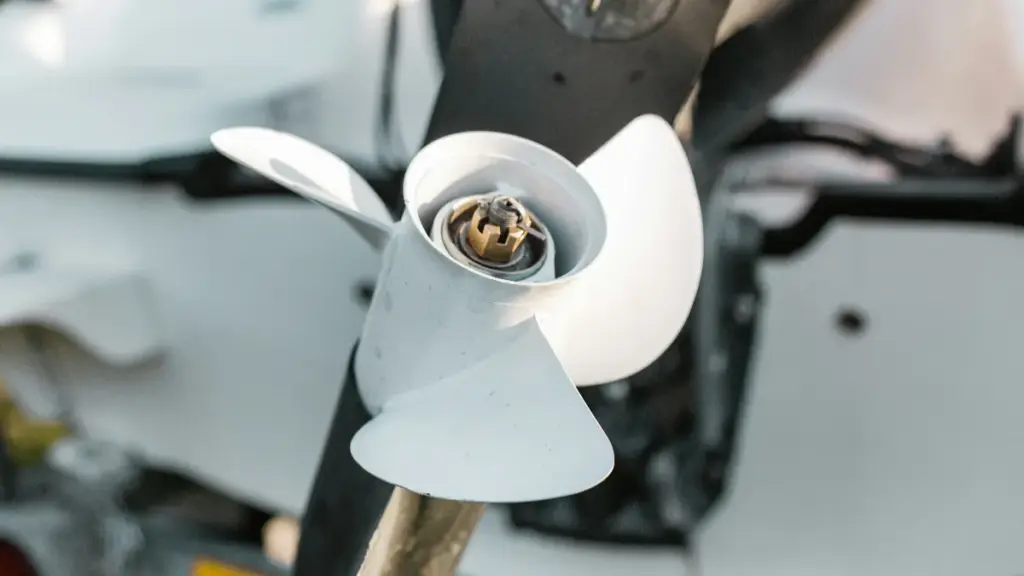
يوفر النقل التجاري استقرارًا, الطلب القائم على التنظيم, بينما تظهر القوارب الترفيهية نموًا أسرع. الصيد أكثر دورية, تركز على تكاليف الصيانة والتشغيل.
النقل التجاري: مستقر, الطلب القائم على التنظيم
يخلق قطاع النقل التجاري الطلب الأكثر ثباتًا على قطع الغيار. إن الحاجة إلى إبقاء السفن جاهزة للعمل لأغراض التجارة الدولية تعني أن الصيانة والاستبدال غير قابلة للتفاوض.
الامتثال التنظيمي هو الدافع الرئيسي للإنفاق. قواعد المنظمة البحرية الدولية بشأن السلامة والأداء البيئي تجبر المشغلين على جدولة التعديلات التحديثية واستبدال المكونات. يتمركز الطلب على الأنظمة شديدة التآكل وذات المهام الحرجة مثل المحركات, الدفع, مضخات, ومعدات الترشيح. يوفر هذا القطاع استقرار الحجم, مما يجعلها مناسبة للموردين الذين يركزون على الشهادات, مكونات ذات وقت تشغيل عالي.
أساطيل الصيد: الدورية والمركزة على الصيانة
الطلب من أساطيل الصيد متكرر ولكن لا يمكن التنبؤ به. ذلك يعتمد بشكل كبير على مواسم التشغيل, تكاليف الوقود, واقتصاديات الصيد. عادة ما يكون هذا القطاع حساسًا للسعر, لذلك يبحث المشغلون عن المتانة, مكونات قابلة للإصلاح لخفض التكاليف.
يركز الشراء على احتياجات الصيانة الروتينية للمحركات, آلات سطح السفينة, والأجزاء المتعلقة بالهيكل. يميل الطلب إلى الارتفاع عندما تتقدم الأساطيل في السن أو عندما تفرض اللوائح الجديدة تحديث المعدات, لكنها تفتقر إلى الاستقرار الهيكلي لسوق النقل التجاري.
القوارب الترفيهية: سوق عالي النمو لقطع الغيار والملحقات
من المتوقع أن ينمو سوق قطع غيار وإكسسوارات القوارب الترفيهية بشكل أسرع من صناعة قطع غيار السفن الأوسع. ويدعم هذا النمو السياحة, ارتفاع الدخل المتاح, والابتكار الحقيقي في مجال الإلكترونيات والإكسسوارات الموجهة نحو الراحة.
يؤدي التحول القوي نحو الدفع الكهربائي والاتصال على متن الطائرة إلى خلق طلب جديد على البطاريات, شواحن, أجهزة الاستشعار, وأنظمة التحكم. هذا الجزء أكثر دورية, لأنه حساس لثقة المستهلك, تضخم اقتصادي, وأسعار الفائدة, ولكن إمكانات النمو كبيرة.
محركات الطلب الرئيسية في جميع القطاعات
تؤثر بعض الاتجاهات الأساسية على الطلب على قطع الغيار في جميع القطاعات البحرية.
- ومن الطبيعي أن يزيد تقادم الأساطيل العالمية من الحاجة إلى قطع الغيار والصيانة الروتينية.
- تؤدي لوائح البيئة والسلامة إلى زيادة الطلب على مكونات محددة مطلوبة لإجراء التعديلات التحديثية للامتثال.
- تطرح اتجاهات الكهربة والرقمنة طلبًا جديدًا على الأجهزة الكهربائية ذات القيمة الأعلى, يتحكم, وأجزاء المراقبة.
مجالات ذات هامش مرتفع للوكلاء الحصريين الإقليميين
أفضل الهوامش ليست في أجزاء السلع. إنهم في قطع الغيار العاجلة, نادر, معتمد, أو الملكية, حيث يضمن التوافر والإعداد أقل سعر.
للوكلاء الإقليميين, تعتمد الربحية على استهداف المجالات المتخصصة حيث يتم تحديد القيمة بأكثر من مجرد الجزء نفسه. هذه هي المناطق التي المخزون المحلي الخاص بك, المعرفة التقنية, أو أن الوصول الحصري يخلق ميزة حقيقية سيدفع العملاء مقابلها. إن التركيز على هذه القطاعات يتجنب السباق نحو القاع فيما يتعلق بالسعر ويبني عملاً أكثر قابلية للدفاع.
| الفئة المتخصصة | لماذا هو هامش مرتفع |
|---|---|
| الأجزاء الخاصة بشركة OEM والمتقادمة | يدفع المشترون أقساطًا مقابل قطع الغيار الأصلية لضمان ملاءمتها تمامًا, مصداقية, وتغطية الضمان على الأنظمة الهامة. عندما تصبح أجزاء الأوعية القديمة نادرة أو نهاية عمرها, يصبح الوكيل الذي لديه مخزون هو مورد الملاذ الأخير. التفرد على المواد الاستهلاكية ذات العلامات التجارية يخلق أيضًا ولاءً, تدفق الإيرادات المتكرر من قاعدة مثبتة أسيرة. |
| قطع الغيار الحرجة وعالية الأعطال أثناء التوقف عن العمل | إن التكلفة الباهظة لتوقف السفينة عن العمل تجعل المشترين أقل حساسية لسعر قطع الغيار العاجلة. يتيح لك استبدال العناصر بشكل متكرر في المخزون المحلي إمكانية الحصول على الطلبات الفورية التي لا يمكنها الانتظار لفترات زمنية طويلة. تخزين قطع الغيار ذات الذيل الطويل, والتي يتجنبها كبار الموزعين, كما يخلق مكانة مربحة. |
| الحلول المبنية على الامتثال والمجهزة | تتطلب الأجزاء المتعلقة بالسلامة والبيئة أسعارًا أعلى لأن تكلفة عدم الامتثال كبيرة جدًا. يمكنك إضافة قيمة من خلال إدارة الشهادات المطلوبة وأوراق سلسلة التوريد. يؤدي تجميع المكونات الفردية في مجموعات الصيانة أو التجميعات الجاهزة للعمل إلى زيادة متوسط قيمة الطلب ويجعل المقارنة المباشرة للأسعار أكثر صعوبة. |
| ملحقات ما بعد البيع والعناصر التحديثية | غالبًا ما تحمل الملحقات والترقيات الإضافية هوامش ربح أعلى بكثير من المعدات الأساسية المجهزة لها. يعد استهداف دورات تجديد السفن ومشاريع التحديث بحزم عالية القيمة خطوة ذكية. عادة ما تكون هذه المبيعات مدفوعة بالحاجة إلى أداء أفضل, وليس فقط استبدال الجزء الفاشل, الذي يدعم التسعير على أساس القيمة. |
المخاطر الرئيسية في جرد الأجزاء البحرية ومراقبة التزييف
تؤدي بيانات المخزون السيئة والأجزاء المزيفة إلى توقف السفينة عن العمل ومخاطر السلامة. والرد الفعال الوحيد هو فرض رقابة صارمة على الموردين, إمكانية التتبع, وإدارة المخزون المادي.
المخاطر الأساسية لإدارة المخزون
إدارة المخزون في القطاع البحري لا تتعلق فقط بإحصاء الأجزاء. إن ارتكاب الأخطاء له عواقب تشغيلية فورية. المخاطر الأساسية واضحة ومباشرة ولكن لها تأثيرات متتالية عبر الأسطول.
- عدم دقة المخزون ونفاذ المخزون. عندما يقول نظامك أن جزءًا ما موجود على الرف ولكنه ليس كذلك, توقف الصيانة. يؤدي هذا بشكل مباشر إلى تأخير عملية الإصلاح ويمكن بسهولة أن يؤدي إلى توقف السفينة عن العمل, تحويل مهمة روتينية إلى حدث توقف باهظ الثمن.
- التقادم. تتمتع المعدات البحرية بعمر خدمة طويل. المكونات الموجودة بداخله لا. قد يصبح من المستحيل العثور على أجزاء لمحرك أو نظام تحكم عمره 15 عامًا, خلق فجوة كبيرة في التوافر عند حدوث فشل في النهاية.
- السرقة والأضرار. مكونات عالية القيمة, مثل الإلكترونيات أو أجزاء الدفع, غالبًا ما تكون أهدافًا للسرقة. ويمكن أيضًا أن تتعرض للتلف أثناء النقل أو يتم تخصيصها بشكل خاطئ للسفينة الخطأ في الأسطول الموزع, خلق نقص حيث تشتد الحاجة إليه.
- الإفراط في التخزين. عقد الكثير من الحركة البطيئة أو “فقط في حالة” قطع الغيار تربط كمية كبيرة من رأس المال العامل. ومن الأفضل استخدام هذه الأموال في مكان آخر, ولكنه بدلاً من ذلك يجلس على رف المستودع وهو ينخفض.
مخاطر تسلل الأجزاء المزيفة
تشكل الأجزاء المقلدة تهديدًا خطيرًا لسلامة السفينة وموثوقيتها. يدخلون إلى سلسلة التوريد من خلال فشل العملية, ليس حظا سيئا. لحظة تركيب جزء وهمي, أن السفينة تعمل بمخاطر خفية وغير مقبولة.
- ضعف ضوابط المشتريات. نقطة الدخول الأكثر شيوعًا هي عملية الشراء التي تسعى للحصول على أقل سعر من الموردين الذين لم يتم التحقق منهم. إذا لم يكن المصدر هو الأولوية القصوى للأجزاء المهمة, أنت تفتح الباب أمام المنتجات المقلدة.
- عدم إمكانية التتبع. بدون تتبع الرقم التسلسلي أو رقم الدُفعة من طرف إلى طرف, لا يمكنك التحقق من أصل الجزء. وهذا يجعل من المستحيل تأكيد الأصالة أو إدارة عملية الاستدعاء بشكل فعال في حالة اكتشاف دفعة سيئة.
- الفشل المبكر ومخاطر السلامة. يمكن أن يتسبب الجزء المزيف المثبت في حدوث فشل فادح في النظام, ضمانات المعدات باطلة, وخلق مخاطر أمنية شديدة, خاصة مع المحركات, معدات التوجيه, أو الأنظمة الكهربائية.
- تلوث المخزون الحقيقي. وتزداد المشكلة سوءًا عندما تختلط الأجزاء المزيفة بالمخزون الأصلي. يحدث هذا من خلال عمليات الإرجاع غير الخاضعة للرقابة أو عندما يتم نقل الأجزاء بين المواقع دون التحقق, تسمم مجمع المخزون بأكمله.
العواقب التشغيلية والمالية
إن تأثير ضعف المخزون وضوابط التزييف يؤثر على النتيجة النهائية بشدة. هذه ليست قضايا إدارية بسيطة; أنها تترجم مباشرة إلى الإيرادات المفقودة, تضخم التكاليف, والتعرض للمسؤولية الكبيرة.
- وقت التوقف عن استئجار السفينة. التكلفة الأكثر مباشرة. كل ساعة تقضيها السفينة في انتظار الجزء الصحيح أو الأصلي هي خسارة في الإيرادات. غالبًا ما تقلل هذه العقوبة المالية من تكلفة الجزء نفسه.
- ارتفاع تكاليف دورة الحياة. يستمر النزيف المالي مع رسوم الشحن الطارئة, دفع ثمن العمالة مرتين عندما يفشل الجزء المزيف, وتكلفة استبدال المكونات التي تبلى قبل الأوان.
- سلامة وموثوقية للخطر. تثبيت مكون غير أصلي في نظام مهم مثل نظام الدفع, توجيه, أو أن توليد الطاقة هو مقامرة بسلامة السفينة وحياة الطاقم.
- السمعة والمسؤولية. إذا كانت عمليتك تقوم بتوريد أو تركيب جزء مزيف يؤدي إلى وقوع حادث, المسؤولية القانونية والمالية يمكن أن تكون مدمرة. إنه يؤدي إلى تآكل الثقة مع العملاء, شركات التأمين, والمنظمين.
الضوابط الأساسية واستراتيجيات التخفيف
السيطرة الفعالة ليست معقدة, لكنه يتطلب الانضباط. هذه الاستراتيجيات الأربع هي الأساس لحماية سلامة المخزون ومنع الأجزاء المقلدة من الدخول إلى عملياتك.
- فرض التأهيل الصارم للموردين. أبسط قاعدة هي الشراء فقط من القنوات المعتمدة من قبل OEM لجميع المكونات المهمة. قم بفحص كل مورد ورفض أي عرض يبدو جيدًا لدرجة يصعب تصديقها.
- تنفيذ التتبع الكامل. استخدم نظام جرد حديث لتتبع الأجزاء المهمة حسب الرقم التسلسلي ورقم الدفعة من الاستلام إلى التثبيت. هذه هي أداتك الأساسية للتحقق و ضبط الجودة.
- تفويض عمليات تفتيش صارمة للداخل. لا تثق فقط في قسيمة التعبئة. يجب على فريق الاستلام الخاص بك التحقق من الوثائق, التحقق من وجود علامات العبث, والتأكد من مطابقة الأجزاء لمواصفات أمر الشراء لجميع قطع الغيار المهمة.
- جسديا فصل الأجزاء المشكوك فيها. إنشاء منطقة حجر صحي مخصصة لجميع العائدين, لم يتم التحقق منها, أو الأجزاء المشبوهة. ويمنع هذا الفصل الجسدي اختيارهم عن طريق الخطأ وإصدارهم لوظيفة ما.
الشراكة مع موردي قطع الغيار البحرية الموثوقين من OEM
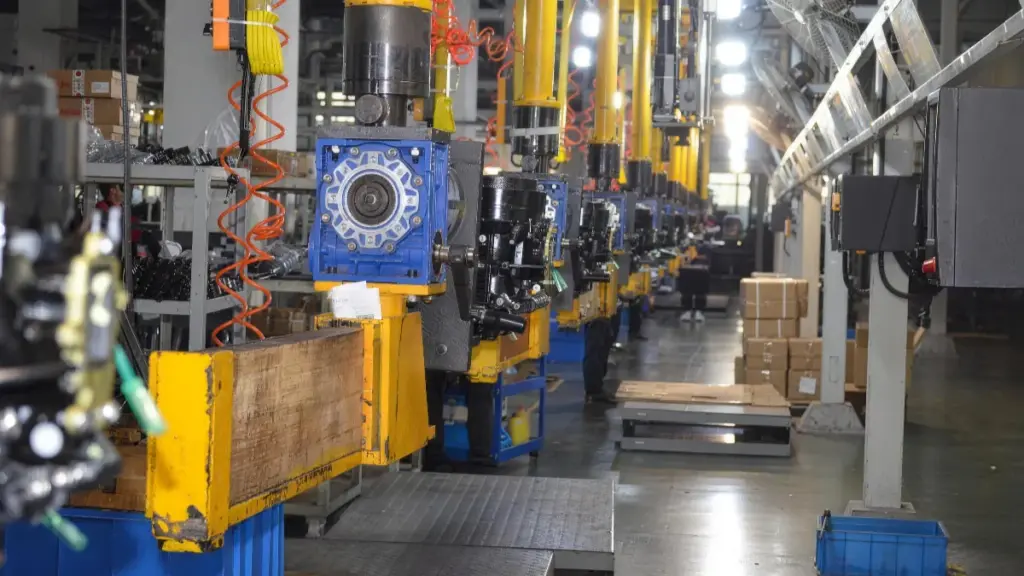
لا يعد مورد OEM الموثوق به إجراءً لتوفير التكلفة, إنها استراتيجية للتحكم في المخاطر. الشريك المناسب يمنع التوقف عن العمل ويزيل الفوضى الناجمة عن الأجزاء غير الصحيحة أو المزيفة.
يساعد شريك التصنيع الذي يمكن الاعتماد عليه الموزعين في الحفاظ على جودة المنتج المتسقة, الحد من مخاطر سلسلة التوريد, وضمان توافر المنتج بشكل مستقر. كما يقدم الموردون الموثوقون الدعم الفني, التخصيص المرن, والتواصل سريع الاستجابة, السماح للموزعين بخدمة العملاء بشكل أكثر كفاءة وبناء ثقة طويلة الأمد.
عند تقييم مورد قطع الغيار البحرية, النظر في ما إذا كانوا يقدمون:
- قدرة إنتاجية مستقرة ومدة زمنية موثوقة
- مراقبة الجودة المتسقة واختبار المنتج
- تصنيع المعدات الأصلية/تصنيع التصميم الشخصي والتصنيع الخاص
- وثائق فنية شاملة
- مستجيب من قبل- ودعم ما بعد البيع
أبعد من اختيار المورد المناسب, يجب على الموزعين أيضًا تحسين دقة الشراء باستخدام أرقام الأجزاء الصحيحة, التنبؤ بالطلب الموسمي, والحفاظ على المخزون للمنتجات ذات معدل دوران مرتفع. تساعد هذه الممارسات في تقليل أخطاء الطلب, تقليل وقت التوقف عن العمل, وتحسين رضا العملاء.
مع أكثر من 20 سنوات من الخبرة في تصنيع معدات الطاقة, نيوتوب وقد بنيت شراكات طويلة الأمد مع الموزعين في جميع أنحاء أفريقيا, جنوب شرق آسيا, أمريكا اللاتينية, والأسواق الدولية الأخرى. بالإضافة إلى المحركات الخارجية الكاملة, نحن نوفر مجموعة واسعة من قطع الغيار البحرية، بما في ذلك المراوح, مكونات نظام الوقود, أجزاء المحرك, وملحقات الصيانة - مدعومة بخدمات OEM/ODM المرنة وحلول العلامات التجارية الخاصة.
الأفكار النهائية
يقدم سوق قطع الغيار البحرية للموزعين مزيجًا نادرًا من الطلب المستقر, الإيرادات المتكررة, وإمكانات النمو على المدى الطويل. مع استمرار أساطيل السفن في التقدم في السن والقوارب الترفيهية, الصيد التجاري, والنقل البحري يتوسع في جميع أنحاء العالم, ستزداد الحاجة إلى مكونات بديلة موثوقة.
نجاح, لكن, يعتمد على أكثر من مجرد تخزين المنتجات. الموزعون الذين يركزون على الجودة, كفاءة المخزون, الدعم الفني, والشراكات القوية مع الموردين في وضع أفضل لبناء علاقات دائمة مع العملاء وتحقيق ربحية مستدامة.
إذا كنت تتطلع إلى توسيع مجموعة المنتجات البحرية الخاصة بك, نحن نقدم محركات خارجية يمكن الاعتماد عليها, قطع غيار المحركات البحرية, تصنيع المعدات الأصلية/تصنيع التصميم الشخصي, وحلول ذات علامات تجارية خاصة مصممة خصيصًا للموزعين في جميع أنحاء العالم. اتصل بفريقنا لاكتشاف كيف يمكننا مساعدتك في تنمية أعمالك البحرية من خلال منتجات موثوقة ودعم تصنيعي طويل الأمد.
الأسئلة المتداولة
ما هي الأجزاء البحرية الأكثر ربحية للتوزيع?
تشتمل المنتجات ذات الهامش المرتفع عادةً على مراوح, المكربنات, محركات بداية, وحدات سي دي آي, مضخات الوقود, مجموعات صيانة كاملة, ومكونات المحرك المتوافقة مع OEM. تجمع هذه المنتجات بين أسعار البيع المرتفعة نسبيًا والطلب المستمر على الاستبدال.
كيف أبدأ عملاً تجاريًا لتوزيع الأجزاء البحرية?
ابدأ بالبحث في سوق القوارب المحلي لديك, التعرف على ماركات المحركات الأكثر شيوعًا, اختيار موردي OEM الموثوقين, بناء مخزون من المنتجات سريعة الحركة, وإقامة علاقات مع محلات التصليح, تجار القوارب, ومشغلي الأساطيل التجارية. إن تقديم الدعم الفني وخدمة ما بعد البيع الموثوقة سيساعد في تمييز أعمالك.
هل سوق قطع غيار القوارب ينمو أم مشبعًا؟?
سوق قطع غيار القوارب ينمو, غير مشبعة. الطلب مدفوع بالإصلاح, صيانة, وتحديث الأسطول الضخم الحالي من القوارب. تقارير السوق تشير إلى نمو مطرد, مع توقعات بتوسع سوق قطع غيار القوارب الترفيهية بشكل ملحوظ 2028. أقوى الفرص موجودة في ما بعد البيع, التركيز على قطع الغيار, عناصر الصيانة الروتينية, وترقيات للإلكترونيات أو أنظمة الراحة.
ما هي الهوامش التي يمكنني توقعها على قطع الغيار البحرية؟?
تتراوح الهوامش الإجمالية على قطع الغيار البحرية عادة من 25% ل 60%. العناصر السلعية مثل المرشحات والأجهزة الشائعة هي في الحد الأدنى (25-40%), بينما المتخصصة, تصنيع المعدات الأصلية فقط, أو يمكن أن تصل المكونات التي يصعب الحصول عليها للمحركات والإلكترونيات إلى هوامش أعلى 45-60% أو أكثر. يمكن لأعمال التوزيع المُدارة جيدًا أن تتوقع هامشًا إجماليًا مختلطًا قدره 30-50%, مما يؤدي إلى هامش ربح صافي محتمل قدره 5-15% بعد تغطية جميع النفقات التشغيلية.
كيف يمكنني العثور على موردين موثوقين للمحركات البحرية والمراوح؟?
يتطلب العثور على موردين موثوقين اتباع نهج منظم. ابدأ بتحديد موردي OEM, الشركات المصنعة المتخصصة, والموزعين ذوي السمعة الطيبة من خلال أدلة الصناعة, المعارض التجارية, وأسواق B2B. تحتاج إلى فحص الموردين المحتملين بناءً على الجودة الفنية, شهادات الطبقة, اتساق العرض, ودعم ما بعد البيع. اطلب دائمًا الوثائق الفنية, إجراء فحوصات مرجعية مع أحواض بناء السفن أو مديري الأساطيل, وابدأ بأوامر تجريبية للتحقق من الجودة قبل تقديم التزامات كبيرة.
هل يجب أن أبيع الأجزاء البحرية عبر الإنترنت أو من خلال التجار؟?
عادة ما يكون النموذج الهجين هو الأكثر فعالية. البيع مباشرة عبر الإنترنت يمنحك وصولاً واسعًا, تحكم أفضل في الهامش, وبيانات العملاء القيمة, لكنه يتطلب استثمارا حقيقيا في التكنولوجيا والخدمات اللوجستية. البيع من خلال شبكة الوكلاء يعزز الثقة المحلية ويدمج الأجزاء مع الخدمة. تستخدم الإستراتيجية الذكية كلتا القناتين, غالبًا عن طريق بيع المواد الاستهلاكية والملحقات عبر الإنترنت أثناء التوجيه المعقد, الأجزاء المطلوبة للتركيب من خلال شركاء الوكلاء.
هل أحتاج إلى تدريب فني لبيع قطع الغيار البحرية?
التدريب الرسمي كميكانيكي بحري غير مطلوب, لكن الفهم العملي القوي للأنظمة البحرية أمر ضروري. تتطلب المبيعات الفعالة منك تحديد الأجزاء الصحيحة, فهم توافق النظام, والتحدث بمصداقية مع المشترين الفنيين مثل الميكانيكيين ومديري الأساطيل. يمكنك اكتساب هذه المعرفة من خلال الدورات التدريبية المستهدفة للمبتدئين حول الأنظمة البحرية, التعلم أثناء العمل, ودراسة كتالوجات قطع الغيار المصنعة ونشرات الخدمة.
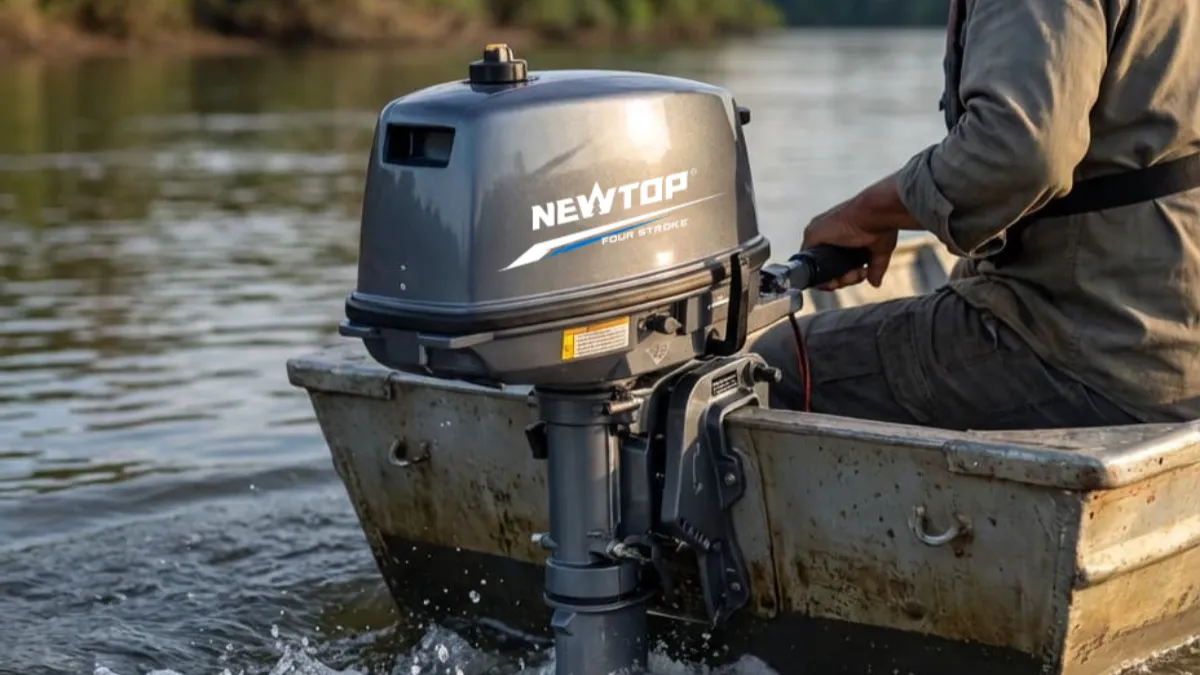
A 4-stroke outboard motor can weigh anywhere from 13 كجم (29 رطل) for a compact 2.5 HP model to over 360 كجم (794 رطل) for a 300+ محرك HP. The actual weight depends on several factors, including horsepower, إزاحة المحرك, cylinder configuration, طول رمح, نظام البداية, and fuel delivery technology.
As a leading China outdoor power equipment manufacturer, نيوتوب understands that buyers often compare outboard motors by both horsepower and weight before making a purchase decision. في هذا الدليل, we’ll compare typical 4-stroke outboard motor weights across different horsepower ranges, explain what affects motor weight, and help you choose the right option for your boat.
Overview: 4-Stroke Outboard Motors Weight Chart by Horsepower
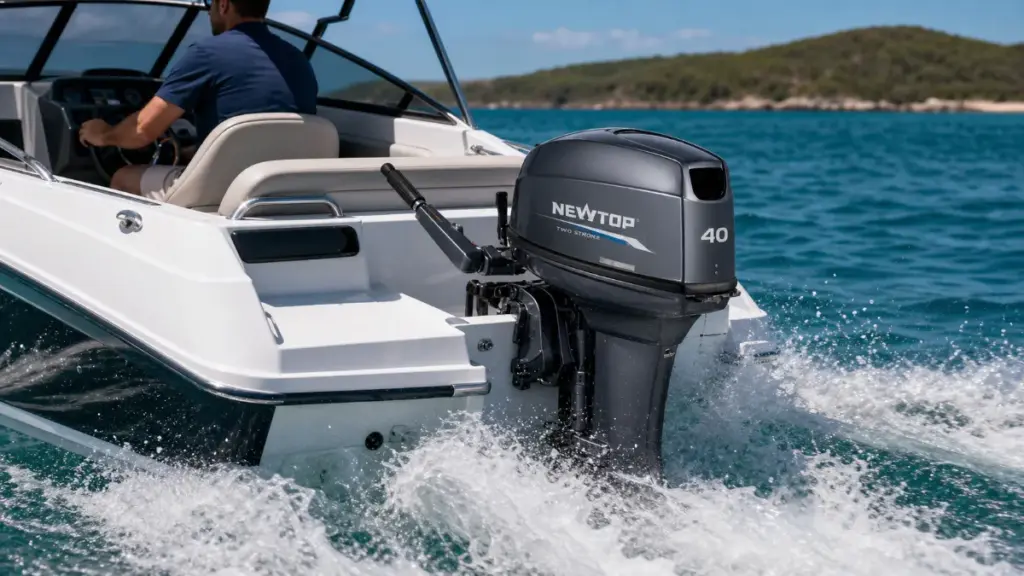
The chart below provides a quick overview of 4-stroke المحركات الخارجية of typical weight ranges, common applications, advantages, and limitations across different horsepower categories.
| Horsepower Range | Typical Weight | التطبيقات المشتركة | المزايا | القيود |
|---|---|---|---|---|
| 2.5-6 HP | 13-28 كجم (29-62 رطل) |
قوارب قابلة للنفخ, الزوارق, tenders | Ultra-portable, كفاءة في استهلاك الوقود, سهلة النقل | Limited speed and load capacity |
| 8-20 HP | 37-60 كجم (82-132 رطل) |
قوارب صيد صغيرة, قوارب الألمنيوم, utility boats | Good balance of power and portability | May struggle with larger boats and heavy loads |
| 25-60 HP | 58-125 كجم (128-276 رطل) |
قوارب الصيد, طوافات, small workboats | Strong performance and versatility | Heavier transom load and higher fuel consumption |
| 75-150 HP | 160-240 كجم (353-529 رطل) |
Center console boats, larger recreational boats | Excellent acceleration and cruising performance | Requires stronger transom and trailer setup |
| 200-300+ HP | 230-360+ كجم (507-794+ رطل) |
Offshore fishing boats, commercial vessels, high-performance boats | Maximum power, سرعة, and heavy-load capability | Highest purchase cost, وزن, and fuel usage |
The chart above focuses on the typical weight of 4-stroke outboards across different horsepower ranges. If you’re also comparing engine technologies, our 2-السكتة الدماغية مقابل. 4-Stroke Outboard Motors guide explains the key differences in weight, fuel economy, صيانة, emissions, and overall boating performance.
Why 4-Stroke Outboard Weight Matters for Boat Performance
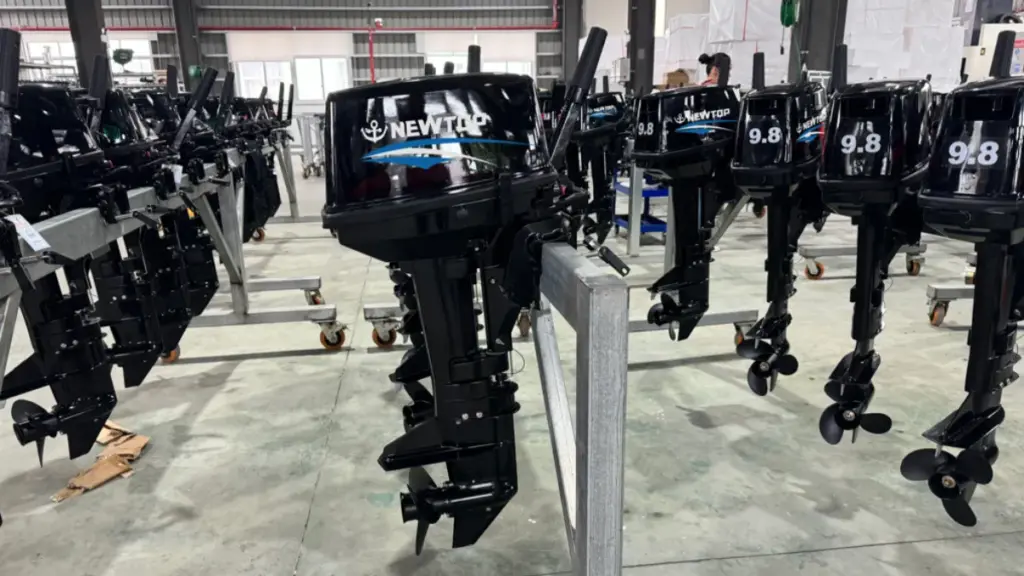
The weight of a 4-stroke outboard is one of the most critical factors for your boat’s real-world performance. It directly influences everything from acceleration and top speed to fuel burn, handling, and overall safety on the water.
Before comparing weights, it’s important to understand where 4-stroke engines fit within the broader outboard market. ملكنا أنواع مختلفة من المحركات الخارجية guide introduces the main engine categories and explains the advantages of each type for different boating applications.
How Engine Weight Affects Speed and Efficiency
A heavier 4-stroke engine adds to the boat’s total displacement. This extra mass slows down your hole-shot, which is the time it takes to get on plane. The engine simply has more weight to push through the water before the hull can lift and glide efficiently.
More engine weight also increases drag by forcing more of the hull to stay in the water, creating a larger wetted surface. This added resistance can reduce your boat’s potential top speed. A lighter engine allows the boat to ride higher and freer, often resulting in a few extra miles per hour.
The engine must work harder and burn more fuel to carry any extra weight. This reduces your overall fuel efficiency, meaning you get fewer miles per gallon. A lighter engine can extend your range on the same tank of fuel, letting you stay out on the water longer.
Impact on Balance, Handling, والسلامة
Because an outboard sits at the very back of the boat, its weight has a major effect on trim. A heavy motor can cause the stern to squat low in the water and the bow to rise too high. This not only affects forward visibility but also creates a rougher, wetter ride in choppy conditions.
Excessive weight on the transom lowers the stern’s freeboard, which is the distance from the waterline to the top of the hull. This makes the boat more likely to take on water, especially from following waves or when backing down on a fish. It’s a critical safety factor for any boat.
Every boat’s transom is engineered to handle a specific maximum weight. Exceeding this limit, even if the engine’s horsepower is within the boat’s rating, puts serious stress on the hull’s structure. This can compromise the boat’s integrity and create a significant safety risk over time.
Looking for the Right 4-Stroke Outboard Motor?
Portable 4-Stroke Weight Chart (2.5-20 HP)
Portable 4-stroke outboards in the 2.5 ل 20 horsepower range typically have a dry weight between 30 و 150 جنيه (13–68 kg). This class is designed for dinghies, المطاطية الصغيرة, and as auxiliary motors, where manual handling and minimal transom load are primary considerations.
Portable 4-stroke outboards are commonly used on inflatable boats, الزوارق, tenders, small fishing boats, والحرفية المنفعة. These engines prioritize lightweight construction while still offering excellent fuel economy and reliability.
The following chart outlines the typical dry weight ranges you can expect for modern 4-stroke portable outboards.
| Horsepower | Typical Weight Range |
|---|---|
| 2.5 HP | 13-18 كجم (29-40 رطل) |
| 3.5 HP | 17-20 كجم (37-44 رطل) |
| 5 HP | 24-28 كجم (53-62 رطل) |
| 6 HP | 25-28 كجم (55-62 رطل) |
| 8 HP | 37-42 كجم (82-93 رطل) |
| 9.9 HP | 38-45 كجم (84-99 رطل) |
| 15 HP | 43-52 كجم (95-115 رطل) |
| 20 HP | 45-60 كجم (99-132 رطل) |
Mid-Range 4-Stroke Weights (25-60 HP)
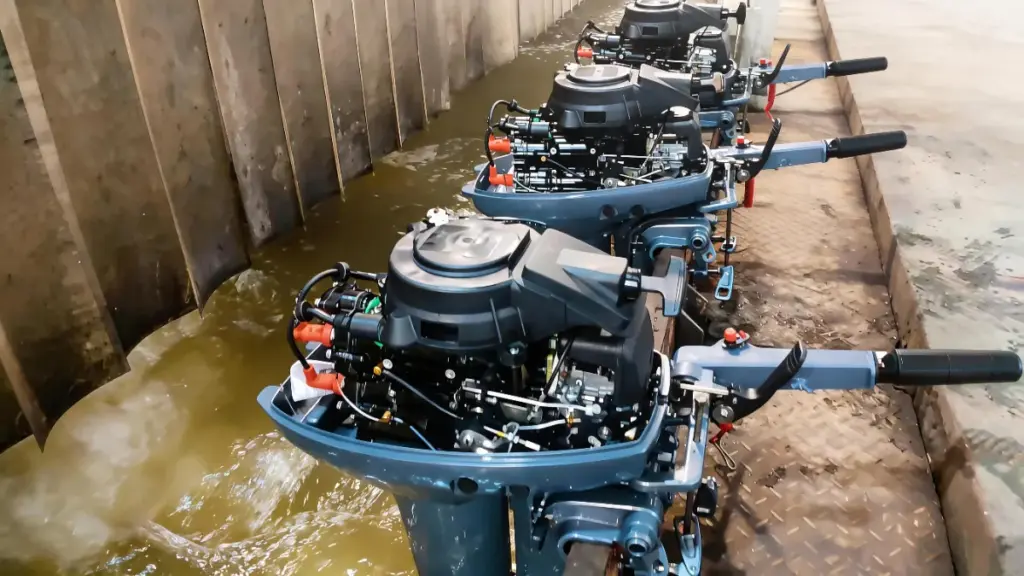
Mid-range 4-stroke outboards from 25 ل 60 HP are designed to balance power, كفاءة, and weight for small to mid-size boats. These engines typically weigh between 130 و 260 جنيه, with the final weight depending on horsepower, cylinder count, and added features like power trim.
ال 25-60 HP category is one of the most popular segments in the global outboard market.
These engines are widely used on:
- Aluminum fishing boats
- Small center consoles
- Pontoon boats
- Workboats
- Recreational family boats
Weight begins increasing more rapidly in this horsepower range because outboard motor manufacturers use larger engine blocks and stronger components.
| Horsepower | Typical Weight Range |
|---|---|
| 25 HP | 58-80 كجم (128-176 رطل) |
| 30 HP | 60-85 كجم (132-187 رطل) |
| 40 HP | 90-110 كجم (198-243 رطل) |
| 50 HP | 95-120 كجم (209-265 رطل) |
| 60 HP | 105-125 كجم (231-276 رطل) |
High-Power 4-Stroke Outboard Weights (75-300+ HP)
High-power 4-stroke outboards in the 75 ل 300+ HP class have dry weights that range from approximately 350 pounds to over 1,000 جنيه. This weight at the transom is a critical factor for a boat’s structural integrity, توازن, and on-water performance.
High-horsepower 4-stroke outboards dominate today’s recreational and commercial boating markets.
Advances in technology have made large 4-stroke engines more efficient, أكثر هدوءا, and cleaner than ever before.
| Horsepower | Typical Weight Range |
|---|---|
| 75 HP | 160-180 كجم (353-397 رطل) |
| 90 HP | 165-190 كجم (364-419 رطل) |
| 115 HP | 170-215 كجم (375-474 رطل) |
| 150 HP | 205-240 كجم (452-529 رطل) |
| 200 HP | 230-290 كجم (507-639 رطل) |
| 250 HP | 260-320 كجم (573-705 رطل) |
| 300 اتش بي+ | 270-360 kg+ (595-794 lbs+) |
Key Factors That Affect 4-Stroke Outboard Weight
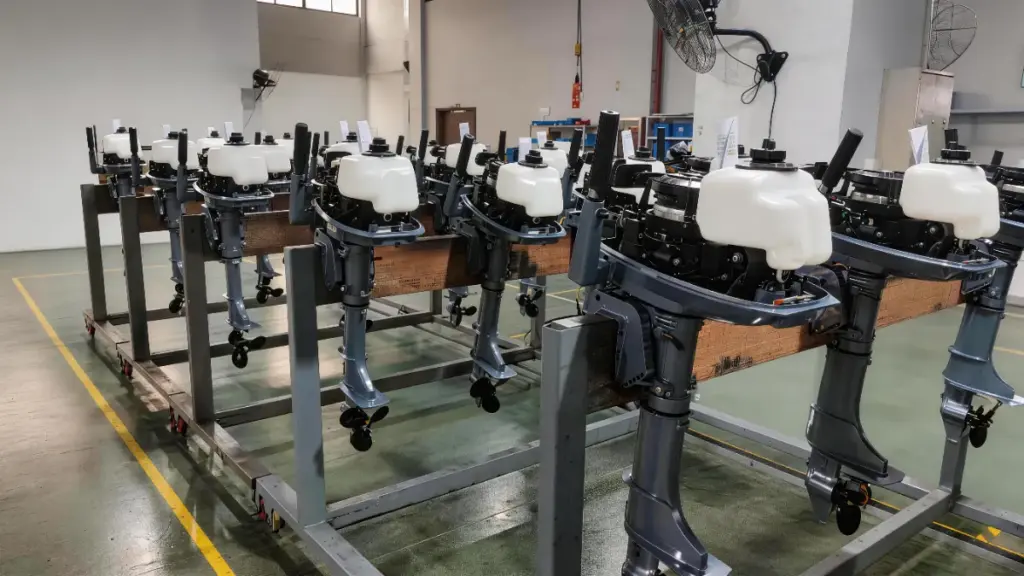
An outboard’s weight is shaped by its fundamental design and the options you choose. The engine’s displacement and the materials used, like lightweight aluminum alloys, set the baseline. Features such as shaft length, بداية كهربائية, and power trim add functional weight, creating a final figure that balances power and features.
The weight of a 4-stroke outboard motor is determined by much more than horsepower alone. While engines with higher power outputs naturally weigh more, several design and configuration factors can significantly influence the final weight of an outboard.
Understanding these factors can help boat owners choose the right engine and compare models more accurately when evaluating different brands.
Engine Displacement and Cylinder Configuration
Engine displacement is one of the biggest contributors to outboard motor weight.
Larger displacement engines generally require bigger blocks, بيستونز, أعمدة الكرنك, and cooling systems. A single-cylinder portable outboard may weigh less than 20 كجم, while a multi-cylinder engine designed for offshore applications can weigh several hundred kilograms.
Cylinder count also plays a major role. Twin-cylinder, three-cylinder, and four-cylinder engines offer smoother operation and better power delivery, but they require more components and therefore add weight.
طول رمح
Outboard motors are commonly available in:
- Short Shaft (15″)
- Long Shaft (20″)
- Extra Long Shaft (25″)
- Ultra Long Shaft (30″)
A longer shaft requires a longer driveshaft housing, additional materials, and a longer internal driveshaft assembly. نتيجة ل, a long-shaft version of the same engine will typically weigh several kilograms more than a short-shaft model.
Starting and Trim Systems
Additional features can also increase the overall weight of an outboard.
على سبيل المثال:
- Electric start systems add starter motors, charging systems, wiring, and batteries.
- Power trim and tilt systems add hydraulic pumps and reinforced mounting components.
- Larger alternators and onboard charging systems contribute additional weight.
While these features improve convenience and usability, they should be considered when calculating total transom load.
Fuel System and Emission Technology
Modern 4-stroke outboards are designed to meet increasingly strict environmental standards.
حقن الوقود الالكتروني (إيفي) systems improve fuel efficiency, throttle response, and cold-start performance. لكن, مضخات الوقود, أجهزة الاستشعار, electronic control units, and related components add weight compared with simpler carbureted systems.
The same principle applies to advanced emission-control technologies found on many modern outboards.
Materials and Structural Design
The materials used in construction can make a noticeable difference in overall engine weight.
في نيوتوب, we focus on achieving an effective balance between durability and portability by utilizing lightweight aluminum alloy components and optimized structural designs wherever possible. This allows our outboard motors to deliver dependable performance while keeping weight under control for easier handling, مواصلات, and installation.
Gearcase and Intended Application
The lower unit, or gearcase, is another important factor affecting total weight.
Outboard motors designed for commercial use, heavy-duty fishing applications, or larger boats often feature stronger gearcases and reinforced internal components. These designs improve durability and torque handling but naturally increase engine weight.
على النقيض من ذلك, portable outboards are optimized for mobility and ease of transport, resulting in lighter overall construction.
4-Stroke vs 2-Stroke Weight: How Much Heavier Is a 4-Stroke?
On average, a 4-stroke outboard is about 10–25% heavier than a 2-stroke motor with the same horsepower. This extra weight comes from a more complex mechanical design, including a valve train and a self-contained oil system, which 2-stroke engines do not have.
Core Mechanical Reasons for the Extra Weight
Four-stroke engines are fundamentally more complex. They include a dedicated valve train with camshafts, الصمامات, and springs to control intake and exhaust. Two-stroke engines use a simpler port design, eliminating the need for these heavy components.
They also need a self-contained lubrication system. This includes an oil sump to hold the oil and a pump to circulate it, unlike the simpler fuel-and-oil mixture that lubricates a 2-stroke. This adds significant weight and bulk.
All these additional parts require a larger and more robust engine block for support. The extra structural reinforcement is a direct contributor to the motor’s overall dry weight, making the 4-stroke heavier before any fluids are even added.
Weight Difference by Horsepower Range
The weight gap between 4-strokes and 2-strokes isn’t constant; it grows as horsepower increases. The relative difference is typically between 10% و 25% across the board.
In the portable class (تحت 25 HP), a 4-stroke is often 10 ل 20 pounds heavier. While that may not sound like much, it’s a noticeable difference when you have to lift the motor on and off a small boat or tender.
For mid-range engines (30 ل 90 HP), the weight difference increases to about 25 ل 60 جنيه. This amount of extra weight on the transom can affect a boat’s hole shot, planing ability, and how it sits in the water at rest.
The gap is most significant with high-power outboards (100 HP and up). Here, 4-stroke models can easily weigh 40 ل 100 pounds more than their 2-stroke counterparts. On multi-engine setups, this extra weight is multiplied and becomes a critical factor in boat performance and balance.
If you’re also considering a 2-stroke engine, be sure to read our Two-Stroke Outboard Weight Guide for a detailed comparison of weight ranges across different horsepower levels. Understanding the weight differences between 2-stroke and 4-stroke outboard motors can help you choose the best option for your boat and intended application.
How to Select the Right 4-Stroke Weight for Your Boat
Choosing the right 4-stroke motor weight involves balancing your boat’s official capacity with your performance needs. Start by checking the manufacturer’s capacity plate for maximum horsepower and engine weight limits. Then, select the lightest engine in your target horsepower class that can efficiently handle your typical load of fuel, والعتاد, and passengers.
Evaluate Your Boat’s Capacity and Performance Needs
Before comparing specific motors, you need to understand your boat’s structural and performance limits. Every hull is designed to support a specific weight and horsepower on its transom. Exceeding these limits can harm performance and create unsafe handling conditions.
The first step is to check your boat’s capacity plate, usually found near the helm or on the transom. This plate specifies the maximum horsepower and engine weight the hull can safely handle. Never exceed these ratings, as it could overstress the transom and void your warranty or insurance.
Engine weight directly affects your boat’s static trim, which is how it sits in the water at rest. A motor that is too heavy will cause the stern to sit low. This can let water enter through the scuppers, creating a wet cockpit and reducing stability.
A useful guideline for planing hulls is to have one horsepower for every 25 ل 40 pounds of total boat weight. A ratio closer to 25 pounds per horsepower delivers strong acceleration, while a ratio near 40 pounds per horsepower provides more economical cruising.
Choosing a motor that’s too heavy strains the hull, hurts fuel efficiency, and makes the boat harder to handle. A motor that’s too light or underpowered will struggle to get on plane and run at high RPMs just to maintain speed, which reduces its lifespan and burns more fuel.
A Practical Method for Choosing the Right Motor
With your boat’s limits in mind, you can follow a clear process to find the ideal motor. This method helps you match engine specs to your real-world activities on the water.
Start by estimating your boat’s fully loaded weight. This includes the hull, وقود, batteries, safety gear, and the typical number of passengers you carry. This estimate helps you apply the weight-to-horsepower guideline to find your ideal power range.
التالي, define how you use your boat most often. If you mainly do light cruising with few passengers, a lighter motor at the lower end of your boat’s rating will work well. But if you tow skiers, carry heavy fishing gear, or run offshore, you’ll need more power and should look at options closer to the maximum horsepower rating.
Once you have a target horsepower class, compare the weights of different models within that class. You can sometimes find a motor that offers a significant horsepower increase for only a minor weight gain. If the added weight still fits within your boat’s capacity, this is often a great way to improve performance.
أخيراً, calculate the total installed weight before making a decision. This includes the engine’s dry weight plus fluids, the propeller, and all rigging components. This final number gives you the true weight on your transom and ensures your choice will deliver safe, balanced, and efficient performance.
الأفكار النهائية
When comparing outboard motors, horsepower alone does not tell the full story. Weight influences boat balance, تسريع, fuel economy, مواصلات, and long-term operating costs. Understanding the relationship between horsepower and engine weight helps boat owners choose a motor that delivers reliable performance without compromising safety or handling.
Whether you need a lightweight portable outboard for a small fishing boat or a high-power solution for demanding marine applications, نيوتوب continues to develop dependable outboard motors designed to balance power, كفاءة, متانة, and practical weight requirements for global users.
الأسئلة المتداولة
How much does a 4-stroke outboard motor weigh?
The weight depends on horsepower. Small portable models may weigh as little as 13 كجم (29 رطل), while large offshore engines can exceed 360 كجم (794 رطل).
What is the lightest 4-stroke outboard motor?
Most 2.5 HP 4-stroke outboards are among the lightest available, عادة ما يزن بين 13 و 18 كجم (29-40 رطل).
How much does a 15 HP 4-stroke outboard weigh?
A typical 15 HP 4-stroke outboard weighs between 43 و 52 كجم (95-115 رطل), depending on shaft length and starting system.
How much does a 20 HP 4-stroke outboard weigh?
Most 20 HP 4-stroke outboards weigh approximately 45-60 كجم (99-132 رطل).
Are 4-stroke outboards heavier than 2-stroke?
نعم, for any given horsepower, a 4-stroke outboard is heavier than a comparable 2-stroke. This is because 4-strokes have more complex internal parts, such as a valve train, أعمدة الكامات, and a separate oil lubrication system, which all add weight.
How much does a 150 HP 4-stroke outboard weigh?
Most modern 150 HP 4-stroke outboards weigh between 205 و 240 كجم (452-529 رطل).
Does shaft length affect outboard motor weight?
نعم, shaft length does add to an outboard’s total weight. A long-shaft model is heavier than a short-shaft version of the same engine because its driveshaft and housing require more material. The weight difference is usually just a few pounds but is listed in manufacturer specs.
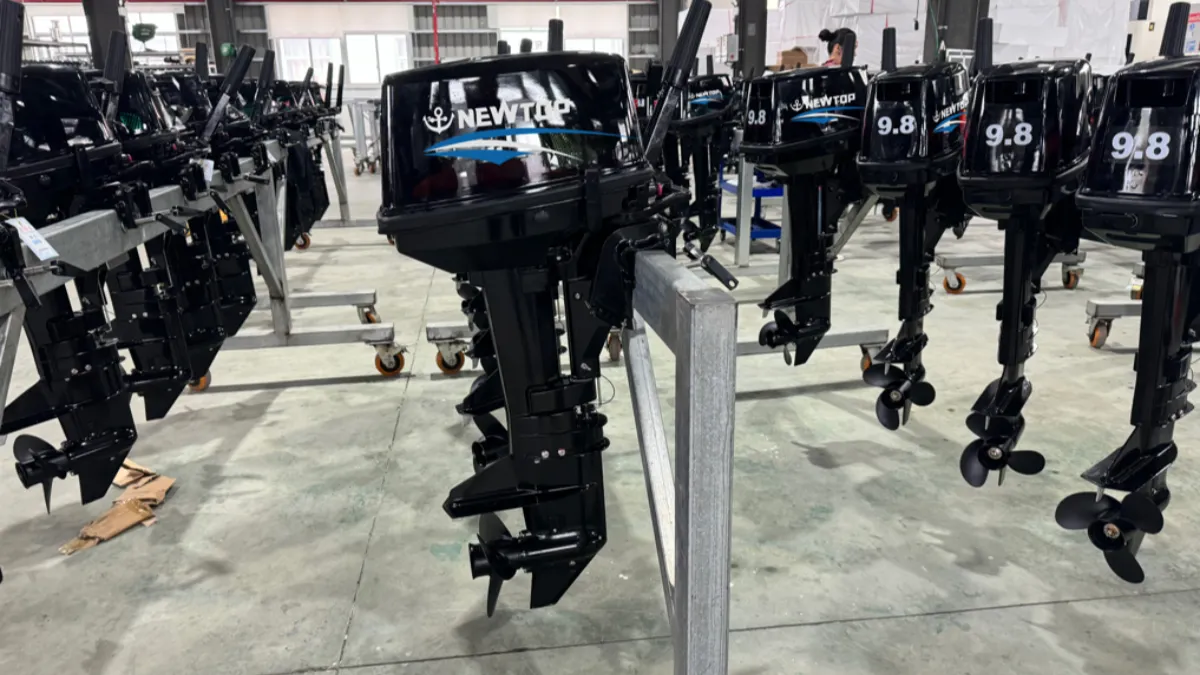
When selecting المحركات الخارجية, horsepower is often the first specification buyers consider. لكن, weight can be just as important, especially for small boats, قوارب قابلة للنفخ, سفن الصيد, زوارق العمل, and portable marine applications.
One reason 2-stroke outboard motors remain popular in many markets is their favorable power-to-weight ratio. Compared with equivalent 4-stroke models, 2-stroke engines generally deliver similar output while carrying less weight, making them easier to transport, install, and operate.
This guide compares typical 2-stroke outboard motor weights across different horsepower ranges and explains how weight influences boat performance, fuel consumption, and handling.
Why 2-Stroke Outboard Weight Gives a Performance Edge
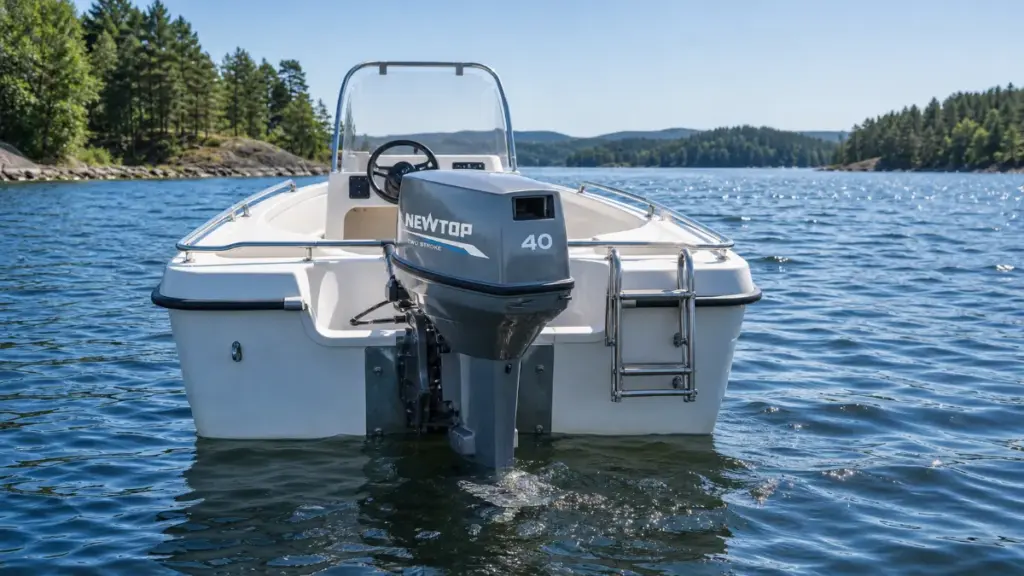
A lighter 2-stroke outboard improves a boat’s performance by offering a superior power-to-weight ratio. With less mass on the transom, a hull accelerates faster, handles more responsively, and maintains a better running attitude, turning raw horsepower into practical on-water speed and agility.
A lighter outboard motor can provide several advantages:
- Faster acceleration from a standstill
- Improved hole shot performance
- Quicker planing
- Better maneuverability
- سهولة النقل والتركيب
- Reduced transom stress
- Increased payload capacity
على سبيل المثال, a small fishing boat powered by a 15 HP 2-stroke outboard may carry 10–20 kg less engine weight than a comparable 4-stroke model. That weight difference can be used for additional fuel, fishing equipment, cargo, or passengers.
In many developing and remote markets, 2-stroke outboards remain popular because of their simple design, صيانة سهلة, and favorable power-to-weight ratio.
2-Stroke Outboard Weight Comparison by Horsepower
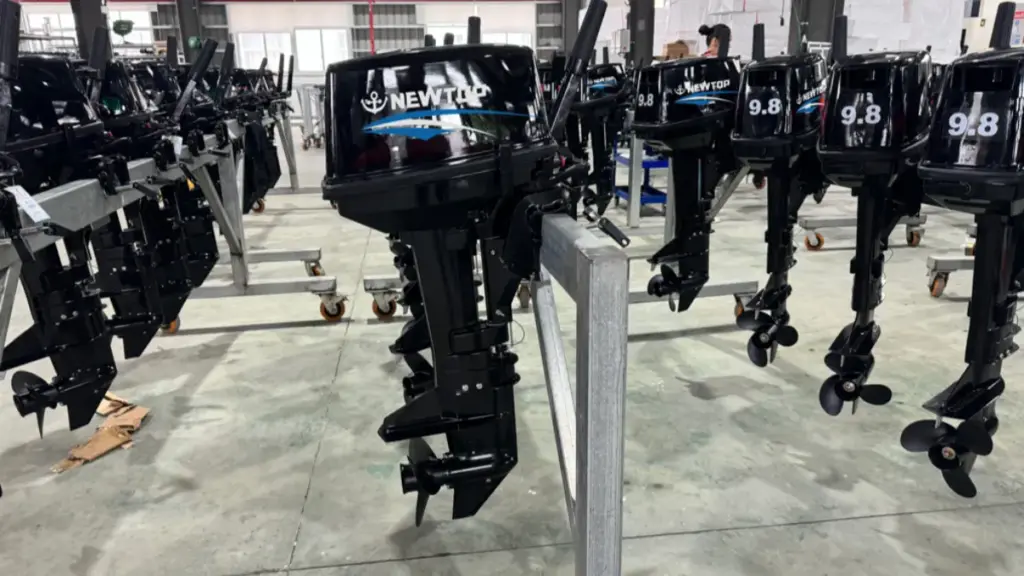
2-stroke outboard motors are known for their favorable power-to-weight ratio across a wide horsepower range. 2-stroke outboard motors typically weigh between 14 كجم و 190 كجم (30–420 lbs), depending on horsepower, طول رمح, and engine configuration.
Compared with similarly rated 4-stroke outboards, 2-stroke designs generally achieve lower overall weight thanks to their simpler mechanical structure and fewer internal components.
ملحوظة: Weight specifications can vary significantly between outboard motor manufacturers and engine configurations. The tables below show typical dry weight ranges commonly found across the global 2-stroke outboard market.
Portable 2-Stroke Weight Chart (2.5-15 HP)
Portable 2-strokes in the 2.5 ل 15 HP range are designed for easy carrying and mounting on small tenders, jon boats, and inflatables. Their low weight makes a noticeable difference in trim and manual handling, a key reason they are valued on car-toppers and other small craft.
| Horsepower (HP) | Typical Dry Weight (كجم) | Typical Dry Weight (رطل) |
|---|---|---|
| 2.5 HP | 14–18 kg | 30–40 lbs |
| 4–5 HP | 16–25 kg | 35–55 lbs |
| 6 HP | 20–29 kg | 45–65 lbs |
| 8 HP | 25–34 kg | 55–75 lbs |
| 9.9 HP | 32–43 kg | 70–95 lbs |
| 15 HP | 39–54 kg | 85–120 lbs |
Mid-Range 2-Stroke Outboard Weights (18-40 HP)
Mid-range 2-strokes are a popular choice for fishing boats, الزوارق, قوارب الألمنيوم, and RIBs where a strong power-to-weight ratio is important. This category provides enough power for fast planing while keeping overall transom weight relatively low.
| Horsepower (HP) | Typical Dry Weight (كجم) | Typical Dry Weight (رطل) |
|---|---|---|
| 18-20 حصان | 34–50 kg | 75–110 lbs |
| 25 HP | 39–59 kg | 85–130 lbs |
| 30 HP | 43–66 kg | 95–145 lbs |
| 40 HP | 54–77 kg | 120–170 lbs |
High-Horsepower 2-Stroke Weight Table (50-150 HP)
As horsepower increases, engine weight rises significantly. لكن, 2-stroke outboards generally maintain a favorable power-to-weight ratio compared with similarly rated 4-stroke engines. This advantage can help improve acceleration, planing performance, and overall boat responsiveness.
| Horsepower (HP) | Typical Dry Weight (كجم) | Typical Dry Weight (رطل) |
|---|---|---|
| 50 HP | 64–86 kg | 140–190 lbs |
| 60 HP | 70–95 kg | 155–210 lbs |
| 70 HP | 82–109 kg | 180–240 lbs |
| 90 HP | 100–132 kg | 220–290 lbs |
| 115 HP | 113–150 kg | 250–330 lbs |
| 150 HP | 154–191 kg | 340–420 lbs |
عزز عملك باستخدام المحركات الخارجية المتينة
What Makes 2-Stroke Outboards Lighter: Mechanical Simplicity
The primary reason 2-stroke outboards weigh less is their simpler internal design.
Unlike 4-stroke engines, traditional 2-stroke outboards do not require:
- Camshafts
- Timing chains
- Timing belts
- Intake valves
- Exhaust valves
- Complex valve train components
Because power is produced every crankshaft revolution rather than every other revolution, the engine can generate strong output with fewer moving parts.
Typical Weight-Saving Components
| Component | 2-سكتة دماغية | 4-سكتة دماغية |
|---|---|---|
| Valve Train | لا | نعم |
| عمود الحدبات | لا | نعم |
| Timing System | لا | نعم |
| Engine Oil System | أبسط | More Complex |
| Internal Parts Count | أدنى | أعلى |
For more information about 2-stroke outboard motors vs 4-stroke outboard motors, you can read this blog: 2 السكتة الدماغية مقابل 4 السكتة الدماغية المحركات الخارجية: أيهما أفضل لسوقك.
How Weight Affects Hole Shot, Planing, and Fuel Efficiency
Many boat owners focus only on horsepower, but weight significantly influences real-world performance.
Hole Shot
Hole shot refers to how quickly a boat accelerates from idle speed to planing speed.
A lighter engine reduces the amount of mass the hull must lift during acceleration.
Benefits include:
- Faster launch
- Better towing performance
- Improved responsiveness
- More efficient operation under heavy loads
This is particularly important for fishing boats that frequently stop and start throughout the day.
Planing Performance
Planing occurs when the hull rises and glides over the water rather than pushing through it.
Excessive stern weight can delay planing and increase fuel consumption.
A lighter outboard often helps:
- Reach plane sooner
- Maintain plane at lower throttle settings
- Improve overall ride quality
كفاءة الوقود
Fuel consumption depends on multiple factors, مشتمل:
- Boat design
- Propeller selection
- Engine tuning
- Operating speed
- Total vessel weight
Reducing weight generally decreases the energy required to move the boat.
Although fuel savings vary by application, lighter outboards often improve overall operating efficiency, especially on smaller vessels.
Selecting the Right 2-Stroke Weight for Your Application
The lightest engine is not always the best choice.
بدلاً من, operators should match engine weight to vessel size, الاستخدام المقصود, and load requirements.
| نوع القارب | Typical HP Range | Recommended Engine Weight | التطبيقات المشتركة | Key Priority |
|---|---|---|---|---|
| Small Inflatable Boats | 2.5-9.9 حصان | 14–43 kg (30–95 lbs) | Tenders, الزوارق, recreational boating, portable fishing setups | Easy transportation |
| قوارب الصيد الصغيرة | 15–30 HP | 39–66 kg (85–145 lbs) | Inland fishing, river transport, coastal operations | Balance between portability and performance |
| قوارب العمل التجارية | 40-90 حصان | 54–132 kg (120–290 lbs) | Cargo transport, passenger services, daily commercial use | Reliability and load capacity |
| Offshore & High-Speed Boats | 115-150 حصان | 113–191 kg (250–420 lbs) | Offshore fishing, عمليات الإنقاذ, patrol vessels, high-performance boating | Maximum performance and durability |
For a deeper look at how different outboard motor types perform across fishing, ينقل, and leisure applications, تحقق من دليلنا التفصيلي here.
Looking for Reliable 2-Stroke Outboard Motors?
نيوتوب manufactures a wide range of gasoline-powered marine engines designed for fishing, ينقل, and commercial marine applications. With extensive OEM and ODM experience, NEWTOP supports distributors, تجار الجملة, and marine equipment brands in global markets.
وتشمل المزايا الرئيسية:
- Competitive power-to-weight ratios
- مستقر production capacity
- OEM and private-label support
- Spare parts availability
- Quality control throughout manufacturing
- Technical documentation and after-sales support
Whether you need portable outboards for inflatable boats or higher-horsepower solutions for commercial vessels, NEWTOP can provide tailored products for your market requirements.
الأسئلة المتداولة
How much does a 2-stroke outboard motor weigh?
The weight depends on horsepower. Small portable 2-stroke outboards may weigh as little as 10–14 kg, while large 300 HP models can exceed 300 كجم.
How much does a 15 HP 2-stroke outboard weigh?
Most 15 HP 2-stroke outboards weigh approximately 39-54 كجم, depending on shaft length and starting system.
How much does a 30 HP 2-stroke outboard weigh?
أ 30 HP 2-stroke outboard generally weighs between 110 و 145 جنيه. It fits between the lighter 20 HP class and the heavier 40 HP class, with the final weight depending on its specific configuration.
How much does a 40 HP 2-stroke outboard weigh?
أ 40 HP 2-stroke outboard motor typically weighs between 150 و 190 جنيه. This weight can change based on the manufacturer, طول رمح, and whether it includes systems like power trim and tilt.
Why are 2-stroke outboards lighter than 4-stroke?
Two-stroke outboards are lighter due to their simpler design. They do not have the separate valve train, أعمدة الكامات, and other complex internal parts found in 4-stroke engines. Fewer components result in a more compact and lightweight powerhead for the same horsepower.
How much does a 150 HP 2-stroke outboard weigh?
أ 150 HP 2-stroke outboard typically weighs between 390 و 460 جنيه. The exact weight is influenced by the model’s gearcase design, fuel system, and whether it’s a direct-injection or carbureted model.
What is the lightest 2-stroke outboard motor?
The lightest 2-stroke outboard motors are generally in the 2.5 HP class, weighing as little as 30 ل 40 جنيه. These small, single-cylinder engines are designed for ultimate portability, making them easy to carry and mount on small boats like dinghies or canoes.
يعتمد حجم المحرك الخارجي المناسب على ذلك 4 العوامل الرئيسية: طول القارب الخاص بك, الوزن الإجمالي المحمل, ارتفاع رافدة, وكيف تخطط لاستخدام القارب. صغير قارب صيد يتطلب استخدامه في البحيرات الهادئة محركًا مختلفًا تمامًا عن قارب العمل ذو الحمولة الثقيلة الذي يعمل في المياه الساحلية.
في هذا الدليل, ستتعلم كيفية اختيار المحرك الخارجي المناسب بناءً على نوع القارب, وزن, وتطبيقات العالم الحقيقي. سنشرح أيضًا توصيات القدرة الحصانية, اختيار طول رمح, أخطاء التحجيم الشائعة, والاختلافات بين المحركات ثنائية الشوط ورباعية الأشواط. كشركة مصنعة ذات خبرة للمحركات الخارجية, نيوتوب يساعد الموزعين والعلامات التجارية لمعدات OPE على اختيار محركات خارجية موثوقة تتناسب مع الأسواق المختلفة واحتياجات القوارب.
ما أهمية اختيار حجم المحرك الخارجي؟
يجب أن يتطابق حجم المحرك الخارجي مع الحد الأقصى لتصنيف القدرة الحصانية للقارب, الوزن محملة بالكامل, وظروف التشغيل. طول القارب هو مجرد نقطة البداية.
يبدأ العديد من المشترين بالسؤال, “ما حجم المحرك الذي يحتاجه قارب طوله 16 قدمًا؟?” بينما يوفر طول القارب مرجعًا مفيدًا, لا يحكي القصة بأكملها. يمكن أن يكون لقاربين بنفس الطول تصميمات بدن مختلفة جدًا, الأوزان, والقدرات الاستيعابية, مما يؤدي إلى متطلبات حصانا مختلفة.
على سبيل المثال:
| قارب | الوزن الجاف | الحمل النموذجي | الموصى بها HP |
|---|---|---|---|
| 16 قارب صيد من الألومنيوم بطول قدم | 750 رطل | 2 الصيادون + والعتاد | 40-50 حصان |
| 16 قدم قارب صيد من الألياف الزجاجية | 1,250 رطل | 4 الركاب + والعتاد | 60-75 حصان |
على الرغم من أن كلا القاربين يقيسان 16 قدم, يتطلب الهيكل الأثقل المصنوع من الألياف الزجاجية مزيدًا من القوة للتسريع, الوصول إلى سرعة التخطيط, والحفاظ على أداء المبحرة.
هناك عدة عوامل تحدد الحجم الخارجي المناسب:
- طول القارب يوفر نطاق القدرة الحصانية الأولية.
- الوزن محملة بالكامل له التأثير الأكبر على متطلبات المحرك الفعلية.
- تصميم هال يؤثر على مدى سهولة طائرات القارب. تتطلب القوارب ذات القاع المسطح عمومًا طاقة أقل من الهياكل ذات القاع العميق.
- وزن الركاب والبضائع يمكن أن يزيد بشكل كبير الحمل الإجمالي الذي يجب أن يتحركه المحرك.
- ظروف المياه يهم أيضا. القوارب العاملة في المياه الساحلية, الأنهار ذات التيارات القوية, أو غالبًا ما تستفيد البحيرات الوعرة من القدرة الحصانية الإضافية ضمن النطاق الموصى به من قبل الشركة المصنعة.
وهناك نقطة أخرى غالبا ما يتم تجاهلها وهي كفاءة تشغيل المحرك. غالبًا ما يعمل المحرك الأصغر حجمًا بإعدادات دواسة الوقود الأعلى فقط للحفاظ على سرعة الانطلاق. متأخر , بعد فوات الوقت, وهذا يزيد من استهلاك الوقود ويضع ضغطًا أكبر على مكونات المحرك. عادةً ما يعمل المحرك المطابق بشكل صحيح عند عدد دورات أقل في الدقيقة مع تقديم أداء أكثر سلاسة واقتصادًا أفضل في استهلاك الوقود.
لكن, إن اختيار أكبر محرك متاح ليس هو الحل الأفضل دائمًا. يتمتع كل قارب بأقصى معدل للقدرة الحصانية تحدده الشركة المصنعة. تجاوز هذا الحد يمكن أن يؤثر على التعامل, الزائد رافدة, وقد تنتهك لوائح السلامة المحلية أو متطلبات التأمين.
القاعدة الأساسية: اختر محركًا يقع بشكل مريح ضمن نطاق القدرة الحصانية الموصى به من قبل الشركة المصنعة للقارب الخاص بك بدلاً من اختيار الحد الأدنى أو الحد الأقصى للتصنيف تلقائيًا.
دليل قوة المحركات الخارجية حسب طول القارب: الرسم البياني المرجعي السريع
يلخص الرسم البياني التالي توصيات القدرة الحصانية للمحركات الخارجية النموذجية للقوارب الترفيهية والتجارية الشائعة.
| طول القارب | الاستخدام الترفيهي الخفيف | الحمل الثقيل أو الاستخدام التجاري | الحد الأقصى من الصحة (عادي) |
|---|---|---|---|
| 8-10 قدم | 2-6 حصان | 6 HP | 6-10 حصان |
| 10-12 قدم | 5-9.9 حصان | 9.9-15 حصان | 15 HP |
| 12-14 قدم | 9.9-20 حصان | 20-25 حصان | 25 HP |
| 14-16 قدم | 20-40 حصان | 40-60 حصان | 60 HP |
| 16-18 قدم | 40-60 حصان | 60-90 حصان | 90 HP |
| 18-20 قدم | 90-115 حصان | 115-150 حصان | 150 HP |
| 20-24 قدم | 150-200 حصان | 200-250 حصان | 250 اتش بي+ |
تنطبق هذه التوصيات على القوارب ذات الأغراض العامة. تحقق دائمًا من الحد الأقصى للقدرة الحصانية المدرجة على لوحة سعة القارب الخاص بك قبل شراء المحرك.
لست متأكدًا من حجم المحرك الخارجي الذي تحتاجه?
مطابقة الحجم الخارجي لنوع القارب: الزوارق, قوارب الصيد, طوافات, وزوارق العمل
تتميز تصميمات القوارب المختلفة بخصائص أداء مختلفة. حتى القوارب ذات الأبعاد المتشابهة قد تتطلب أحجامًا مختلفة للمحرك بسبب شكل الهيكل, توزيع الوزن, والاستخدام المقصود.
الزوارق والقوارب القابلة للنفخ
القوارب القابلة للنفخ خفيفة الوزن وسهلة الحركة. وهي تتطلب عمومًا محركات خارجية صغيرة فقط.
وتشمل التوصيات النموذجية:
| طول القارب | الموصى بها HP |
|---|---|
| 8 قدم | 2-4 حصان |
| 9 قدم | 4-6 حصان |
| 10 قدم | 5-8 حصان |
| 12 قدم | 8-15 حصان |
للمناقصات المستخدمة للسفر لمسافات قصيرة بين الرصيف وسفينة أكبر, غالبًا ما تكون قابلية النقل أكثر أهمية من السرعة القصوى. عادةً ما يكون المحرك الخارجي المحمول خفيف الوزن هو الحل الأكثر عملية.
قوارب صيد الألمنيوم
تحظى قوارب الألمنيوم بشعبية كبيرة لأنها تجمع بين الوزن الخفيف والمتانة الجيدة.
وتشمل التوصيات العامة:
| طول القارب | الموصى بها HP |
|---|---|
| 12 قدم | 9.9-15 حصان |
| 14 قدم | 15-25 حصان |
| 16 قدم | 40-50 حصان |
| 18 قدم | 60-90 حصان |
القوارب العائمة
تعطي القوارب العائمة الأولوية للراحة وقدرة الركاب بدلاً من السرعة العالية.
تشمل نطاقات القدرة الحصانية النموذجية:
| حجم عائم | الموصى بها HP |
|---|---|
| 16-18 قدم | 25-60 حصان |
| 20 قدم | 60-90 حصان |
| 22 قدم | 90-150 حصان |
| 24 قدم + | 150-250 حصان |
إذا تم استخدام عائمك لممارسة الرياضات المائية مثل الأنابيب أو التزلج, سيؤدي اختيار محرك ذو قوة حصانية أعلى إلى توفير تسارع أقوى وأداء قطر أفضل.
قوارب العمل التجارية
غالبًا ما يقدر المشغلون التجاريون الموثوقية, كفاءة الوقود, وساعات تشغيل طويلة بأقصى سرعة.
اعتمادا على التطبيق, قد تتراوح أحجام المحرك الموصى بها من:
- 40-60 حصان لقوارب المرافق الصغيرة
- 90– 150 حصان لقوارب النقل
- 150-300 حصان لقوارب العمل التجارية الثقيلة
نيوتوب عروض يمكن الاعتماد عليها المحركات الخارجية بنيت لأداء في البيئات الصعبة, مما يجعلها مناسبة لعمليات الصيد, النقل البحري, خدمات الإنقاذ, والتطبيقات التجارية الأخرى التي يكون فيها الأداء المتسق أمرًا ضروريًا.
طول رمح: وأوضح رمح قصير مقابل طويل
يحافظ طول العمود الصحيح على المروحة عند العمق المناسب في الماء. حتى القدرة الحصانية المناسبة لا يمكنها التعويض عن عمود ذو حجم غير صحيح.
يركز العديد من المشترين بشكل كامل على القدرة الحصانية ويتجاهلون طول العمود حتى التثبيت. في الممارسة العملية, يمكن أن يؤدي طول العمود غير الصحيح إلى تقليل الأداء تمامًا مثل اختيار حجم المحرك الخاطئ.
أطوال رمح القياسية
| نوع رمح | طول | التطبيقات المشتركة |
|---|---|---|
| قصير (س) | 15 في (381 مم) | قوارب جون, الزوارق, قوارب الألمنيوم الصغيرة |
| طويل (ل) | 20 في (508 مم) | قوارب الصيد, طوافات, وحدات التحكم المركزية |
| طويل جدًا (XL) | 25 في (635 مم) | القوارب البحرية, القوارب التجارية |
| طويل جدًا (XXL) | 30 في (762 مم) | التطبيقات البحرية المتخصصة |
2-السكتة الدماغية مقابل 4 السكتة الدماغية: كيف يؤثر نوع المحرك على اختيارك للحجم
بمجرد تقدير القدرة الحصانية المطلوبة, القرار التالي هو الاختيار بين محرك خارجي ثنائي الشوط ورباعي الأشواط. يمكن لكلا النوعين من المحركات توفير أداء ممتاز, لكنها توفر القوة بشكل مختلف وقد تؤثر على القدرة الحصانية التي تختارها.
2-السكتة الدماغية الخارجية
ينتج المحرك ثنائي الشوط الطاقة في كل دورة في العمود المرفقي, مما يمنحها نسبة أعلى من القوة إلى الوزن.
وتشمل المزايا:
- وزن إجمالي أخف
- تسارع قوي
- تصميم ميكانيكي أبسط
- سهولة النقل والتركيب
- مثالية للتطبيقات المحمولة
لأنها أخف وزنا, يمكن أن يكون المحرك الخارجي ثنائي الشوط خيارًا جيدًا للقوارب الصغيرة حيث يكون الحفاظ على وزن المؤخرة منخفضًا أمرًا مهمًا.
وتشمل التطبيقات النموذجية:
- قوارب قابلة للنفخ
- قوارب صيد صغيرة
- قوارب فائدة
- المناقصات المحمولة
4-السكتة الدماغية الخارجية
يولد المحرك رباعي الأشواط الطاقة في كل دورة ثانية ولكنه يوفر تشغيلاً أكثر سلاسة ودقة.
وتشمل المزايا:
- اقتصاد أفضل في استهلاك الوقود
- انخفاض الانبعاثات
- عملية أكثر هدوءا
- عمر خدمة أطول
- انخفاض وتيرة الصيانة
هذه الخصائص تجعل المحركات رباعية الأشواط الخيار المفضل لراكبي القوارب الترفيهية والمستخدمين التجاريين الذين يقضون ساعات طويلة على الماء.
هل يغير نوع المحرك متطلبات القدرة الحصانية؟?
ليس بشكل ملحوظ.
إذا كان القارب الخاص بك يتطلب تقريبًا 60 HP, كلاهما أ 60 HP 2-السكتة الدماغية و 60 ستنتج HP 4-stroke أداءً متطورًا مماثلاً.
لكن, هناك اختلافات عملية.
الأشواط الأربعة الأثقل تضع وزنًا أكبر على العارضة, مما قد يؤثر بشكل طفيف على توازن القوارب الصغيرة. في المقابل, يمكن للوزن الخفيف ثنائي الشوط تحسين التعامل مع السفن المدمجة.
للمشترين الاختيار بين الاثنين, النظر في أولوياتك:
| أولوية | خيار أفضل |
|---|---|
| أقل وزن | 2-سكتة دماغية |
| كفاءة الوقود | 4-سكتة دماغية |
| عملية هادئة | 4-سكتة دماغية |
| تسارع سريع | 2-سكتة دماغية |
| الاستخدام التجاري لساعات طويلة | 4-سكتة دماغية |
| التطبيقات المحمولة | 2-سكتة دماغية |
إذا كنت لا تزال تقرر نوع المحرك الذي يناسب احتياجاتك, يمكنك أيضًا استكشاف مقارناتنا التفصيلية لـ 2-السكتة الدماغية مقابل. 4-السكتة الدماغية المحركات الخارجية و أنواع مختلفة من المحركات الخارجية لفهم مزاياها بشكل أفضل في تطبيقات القوارب المختلفة.
الأفكار النهائية
بالنسبة لمعظم المستخدمين, يوفر طول القارب مرجعًا للبدء, لكن الوزن والاستخدام يحددان الاختيار النهائي. يعمل المحرك المطابق بشكل صحيح على تحسين التسارع, كفاءة الوقود, والموثوقية على المدى الطويل, في حين أن الحجم غير الصحيح يمكن أن يقلل الأداء حتى على متن قارب عالي الجودة.
ما زلت غير متأكد من المحرك الخارجي الذي يناسب السوق أو التطبيق الخاص بك بشكل أفضل? نيوتوب يمكن لفرق الهندسة والمبيعات مساعدتك في التوصية بالقدرة الحصانية المناسبة, طول رمح, وتكوين المحرك بناءً على أنواع القوارب المختلفة وظروف التشغيل. تواصل معنا اليوم للحصول على مشورة الخبراء وحل OEM مخصص.
الأسئلة المتداولة
ما حجم المحرك الخارجي الذي أحتاجه لقارب بطول 14 قدمًا؟?
يعمل القارب النموذجي الذي يبلغ طوله 14 قدمًا بشكل جيد مع محرك خارجي بقوة 15-25 حصانًا. قد تتطلب قوارب الألمنيوم خفيفة الوزن المستخدمة لصيد الأسماك فقط 15 HP, بينما القوارب الثقيلة المصنوعة من الألياف الزجاجية أو القوارب التي تحمل عدة ركاب غالبًا ما تستفيد من محرك بقوة 20-25 حصان.
ما مقدار الصحة التي أحتاجها لقارب طوله 20 قدمًا?
تتطلب معظم القوارب الترفيهية التي يبلغ طولها 20 قدمًا ما بين 90 إلى 150 حصانًا, اعتمادًا على وزن الهيكل والاستخدام المقصود. بشكل عام، يكون أداء قوارب الصيد المستخدمة في المياه الساحلية أفضل عند الطرف الأعلى من هذا النطاق, في حين أن قوارب المرافق الخفيفة قد تعمل بكفاءة مع حوالي 90 HP.
ما هو حجم المحرك الخارجي لقارب ألومنيوم بطول 16 قدم?
عادةً ما يستخدم القارب المصنوع من الألومنيوم الذي يبلغ طوله 16 قدمًا محركًا خارجيًا بقوة 40-50 حصانًا. إذا كنت تحمل بانتظام معدات صيد ثقيلة أو عدة ركاب, اختيار نموذج أقرب إلى 50 توفر HP عادةً تسارعًا أفضل وأداءً إجماليًا.
كيف أحسب حجم المحرك الخارجي?
ابدأ بالتحقق من الحد الأقصى لتصنيف القدرة الحصانية للشركة المصنعة للقارب الخاص بك. ثم قم بحساب إجمالي وزن القارب المحمل واستخدم المبدأ التوجيهي العام الذي يتراوح بين 25 إلى 50 رطلاً لكل حصان. أخيراً, النظر في نوع القارب الخاص بك, الاستخدام المقصود, وسرعة الانطلاق المطلوبة قبل اتخاذ القرار النهائي.
ماذا يحدث إذا كان محركي الخارجي قويًا جدًا?
يمكن للقارب الخارجي الكبير الحجم أن يجعل القارب غير مستقر, زيادة استهلاك الوقود, الزائد رافدة, وتجاوز تصنيف سلامة الشركة المصنعة. في العديد من المناطق, قد يؤدي تثبيت محرك أكبر من الحد الأقصى المعتمد إلى إنشاء مشكلات تأمينية أو قانونية.
ما حجم محرك التصيد الذي أحتاجه?
يتم قياس محركات التصيد بالدفع بدلاً من القدرة الحصانية. كقاعدة عامة, اختر على الأقل 2 جنيه من التوجه لكل 100 رطل من وزن القارب المحمل بالكامل. قد تتطلب القوارب الكبيرة أو القوارب التي تعمل في تيارات قوية قوة دفع أعلى للتحكم بشكل أفضل.
كيف أعرف طول العمود الخارجي الذي أحتاجه?
قم بقياس ارتفاع رافدة القارب الخاص بك من أعلى سطح التركيب إلى أسفل الهيكل. قم بمطابقة هذا القياس مع أطوال العمود القياسية: 15 بوصة (قصير), 20 بوصة (طويل), أو 25 بوصة (طويل جدًا). استخدام طول العمود الصحيح يضمن الدفع الفعال, التعامل المستقر, والاقتصاد في استهلاك الوقود بشكل أفضل.
