


- Tous
- Témoignages de clients NEWTOP
- NOUVEAUTOP Explorer Hub
- Aperçu de l'industrie NEWTOP
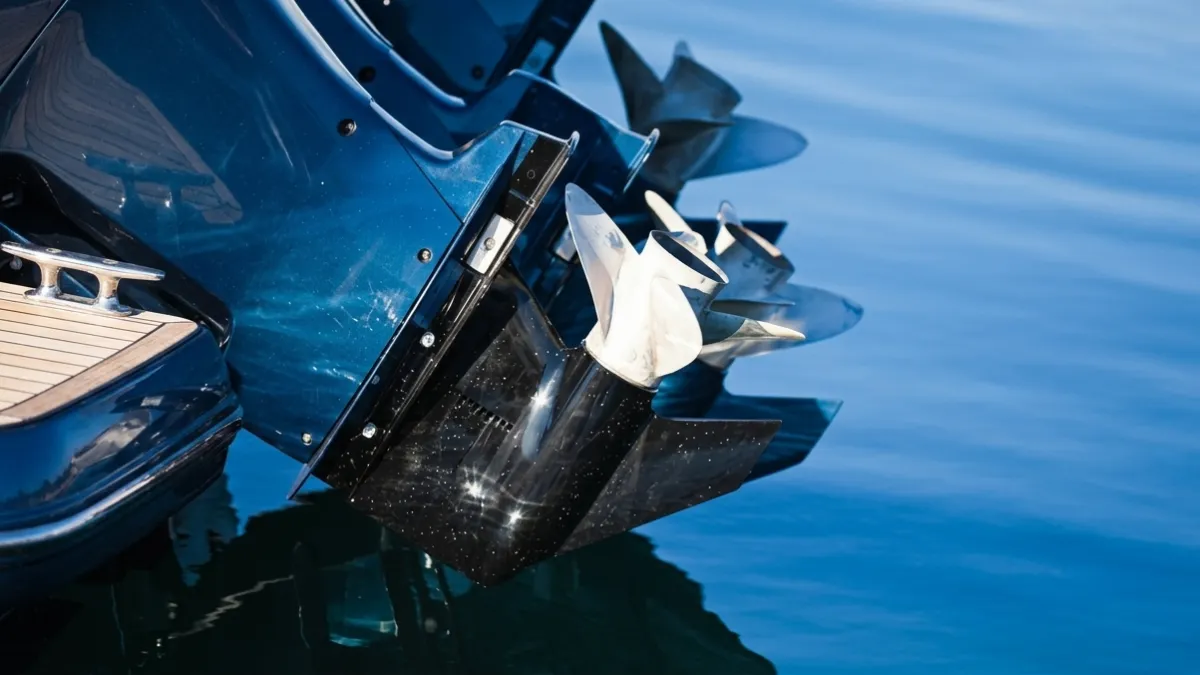
An outboard motor propeller is the component that converts engine power into the thrust that moves a boat through the water. Although it may appear to be a simple rotating part, its design directly affects acceleration, vitesse maximale, efficacité énergétique, manutention, and even engine lifespan.
Dans ce guide, you’ll learn how an outboard motor propeller works, the function of each key component, how to understand common propeller specifications, and how to identify whether your current propeller is the right fit for your boat. Whether you’re a boat builder, distributeur d'équipements marins, or replacing a worn propeller, this article will help you make a more informed selection.
What an Outboard Motor Propeller Is and Why It Matters
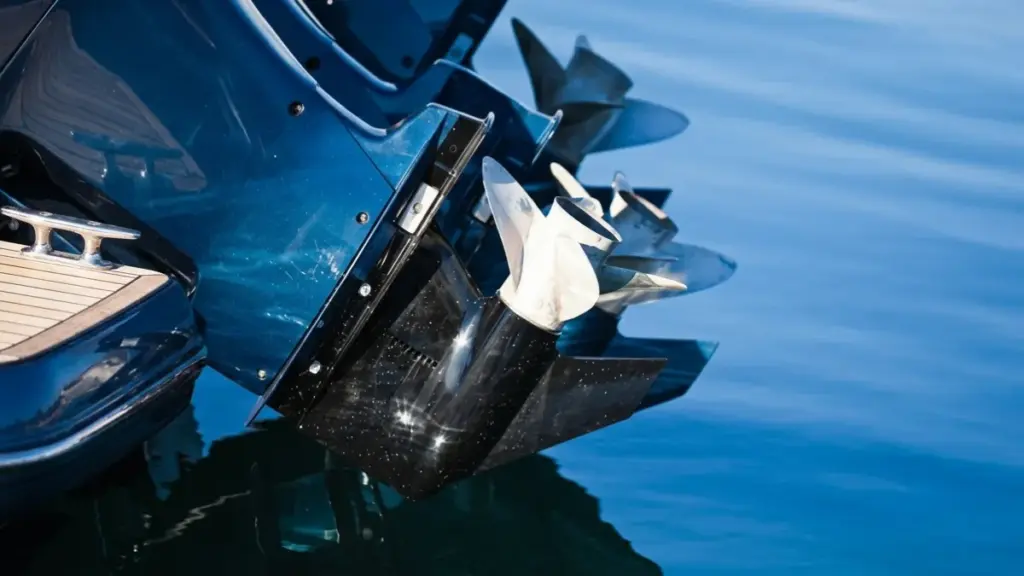
An outboard motor propeller is the rotating component mounted on the lower unit of an outboard engine. It takes the engine’s rotational power and turns it into thrust, which is what actually pushes the boat through the water. It works by creating a pressure difference on its blades. The high-pressure face of the blade pushes water back, while the low-pressure side on the back pulls the boat forward. Its main parts are simple: a central hub that mounts to the engine’s propeller shaft and the blades that do all the work.
How an Outboard Propeller Converts Engine Power Into Thrust
A propeller turns engine torque into thrust by creating a pressure differential on its blades and accelerating a column of water backward. The process is never 100% efficace.
From Engine Torque to Rotational Power
The process starts with the engine, which delivers rotational energy—called shaft horsepower—through the gearcase. This power applies torque to the propeller shaft, making it spin at a specific RPM. The prop’s job is to take this rotational energy and convert it into forward thrust that moves the boat.
This conversion isn’t perfect. A well-matched propeller on a typical boat runs at about 65-70% efficacité. The remaining 30-35% of the engine’s power is lost, turning into turbulence and heat in the water instead of useful thrust.
Creating a Pressure Differential
Each propeller blade is essentially a hydrofoil, which is just a wing that works in water. As a blade spins, its curved shape forces water to travel faster over its forward-facing (suction) side, creating a low-pressure zone. The aft-facing (pressure) side experiences higher pressure.
This pressure difference across the blade’s surface generates a net force. This force both pulls the boat forward from the low-pressure side and pushes it from the high-pressure side, creating thrust.
Accelerating Water to Generate Momentum
A propeller also works by grabbing a column of water and accelerating it backward. This accelerated stream of water is called the slipstream, and it moves faster than the water surrounding it. Based on fundamental momentum theory, the force that pushes the boat forward is the equal and opposite reaction to the force used to accelerate that water rearward.
The Role of Pitch and Slip
Pitch is the theoretical distance a propeller would move forward in one complete revolution if it were screwing through something solid, like a bolt in wood. Water isn’t solid, so the actual forward movement is always less than the theoretical pitch. This difference is called propeller slip.
Slip is the percentage of the propeller’s rotation that doesn’t directly contribute to forward motion. While it sounds like a bad thing, some slip is necessary to create thrust. For most planing boats, an optimal slip range of 8-15% at wide-open throttle shows a good match between the prop, moteur, and hull.
Boost Your Margins with Durable Power Equipment
Main Propeller Parts and How Each Component Affects Performance
A prop’s hub, blades, diamètre, and pitch dictate boat performance. Seemingly small details like rake, cup, or material directly impact speed, accélération, and engine health.
Moyeu
The hub is the center section that connects the propeller to the propeller shaft.
Many modern propellers include a rubber hub insert. This insert acts as a shock absorber and helps protect the drivetrain if the propeller strikes underwater objects.
Lames
The blades generate thrust.
Most outboard propellers have either three or four blades, although specialized applications may use five blades.
Blade design affects:
- Lift
- Grip in rough water
- Hole shot
- Top speed
- Efficacité énergétique
Blade Tip
The blade tip influences water flow and cavitation resistance.
Well-designed blade tips reduce turbulence while maintaining smooth water flow around the blade.
Leading Edge
The leading edge is the first part of the blade to contact water.
Its shape affects:
- Weed resistance
- Impact resistance
- Water entry efficiency
Trailing Edge
The trailing edge controls how water leaves the blade.
A properly designed trailing edge improves efficiency and reduces turbulence.
Cup
Cup refers to the slight curve located near the blade tip.
Additional cup helps:
- Reduce ventilation
- Improve grip
- Increase bow lift
- Improve performance during sharp turns
Cependant, too much cup can reduce engine RPM.
Rake
Rake describes the angle of the blades relative to the propeller hub.
Higher rake typically:
- Increases bow lift
- Improves high-speed stability
- Enhances performance on fast boats
Lower rake often provides stronger acceleration for heavier vessels.
Every design feature works together, which is why two propellers with identical diameter and pitch may deliver noticeably different performance.
Key Propeller Specs: Diamètre, Pas, Blade Count and Material
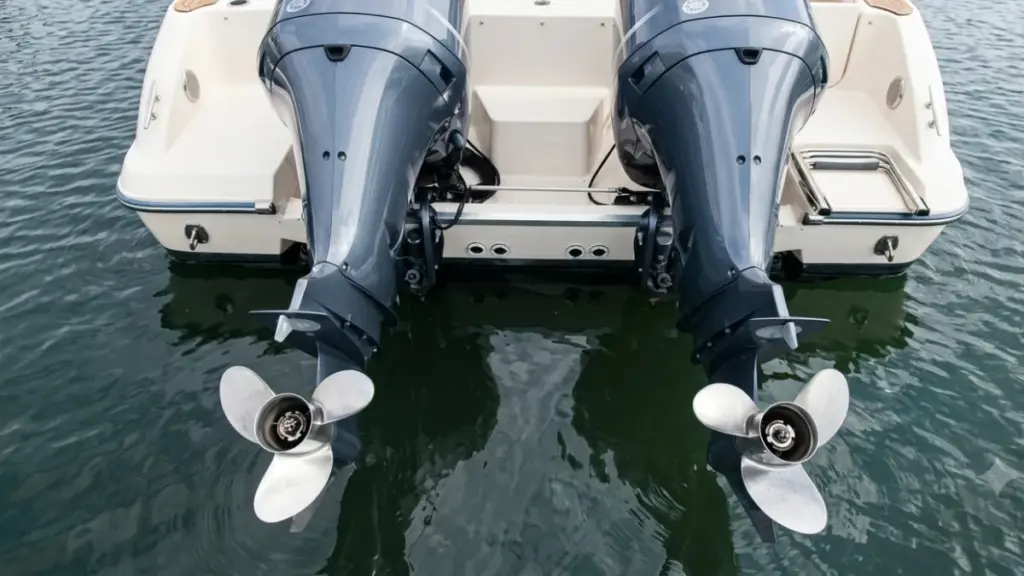
These four specs define a prop’s performance. They control the trade-off between thrust for heavy loads and speed for light ones, all while keeping the engine in its safe RPM range.
Diamètre: The Propeller’s Footprint
Diameter is simply the distance across the circle the blade tips make when they spin. It’s the first number you see in a prop size, like the “14” in a 14 x 19 soutenir. A larger diameter moves more water, which gives you the thrust needed to push a heavy boat. A smaller diameter creates less drag in the water, which often helps lighter boats reach higher top speeds.
Pas: How Far It Moves
Pitch is the theoretical distance, en pouces, that the prop moves forward in one complete rotation. It’s the second number in the prop size, like the “19” dans 14 x 19. A higher pitch can deliver a higher top speed, but it also makes the engine work harder, similar to using a high gear in a car. A lower pitch gives you better acceleration and pulling power, which is ideal for towing or moving a heavy load. The goal is to find the right pitch that lets your engine operate within its recommended wide-open-throttle (WOT) Plage de régime.
Blade Count: Balancing Speed and Grip
Most outboard props come with three or four blades. The number of blades significantly changes boat behavior.
| 3-Blade Propeller | 4-Blade Propeller |
|---|---|
| Higher top speed | Better acceleration |
| Better fuel economy at cruising speed | Improved grip |
| Less drag | Better handling |
| Lower cost | Better rough-water performance |
| Popular for recreational boats | Popular for commercial and heavy-duty applications |
Three-blade propellers remain the most common choice because they offer an excellent balance between speed and efficiency.
Four-blade propellers excel when boats carry heavier loads or frequently operate in rough water.
Matériels: Aluminum vs. Acier inoxydable
The material of an outboard propeller directly affects its strength, durabilité, corrosion resistance, and overall performance.
| Aluminum | Acier inoxydable |
|---|---|
| Lower cost | Higher strength |
| Léger | Excellent durability |
| Easy to repair | Better performance at high speed |
| Good for recreational use | Ideal for commercial and heavy-duty use |
| Protects drivetrain during impacts | Maintains blade shape under heavy loads |
À NOUVEAUTOP, our aluminum propellers are made from a premium aluminum-magnesium alloy, produced using new aluminum ingots and a proprietary remelting process. This provides excellent toughness and strength for reliable everyday performance.
For more demanding applications, notre duplex stainless steel propellers offer higher yield strength and superior corrosion resistance than conventional stainless steel, making them ideal for saltwater and commercial use.
Whether you need aluminum or stainless steel propellers, we can help you choose the right solution based on your outboard motor, type de bateau, et conditions de fonctionnement. Contact our team to learn more about our OEM and bulk supply capabilities.
How the Propeller Influences RPM, Speed, Handling and Fuel Economy
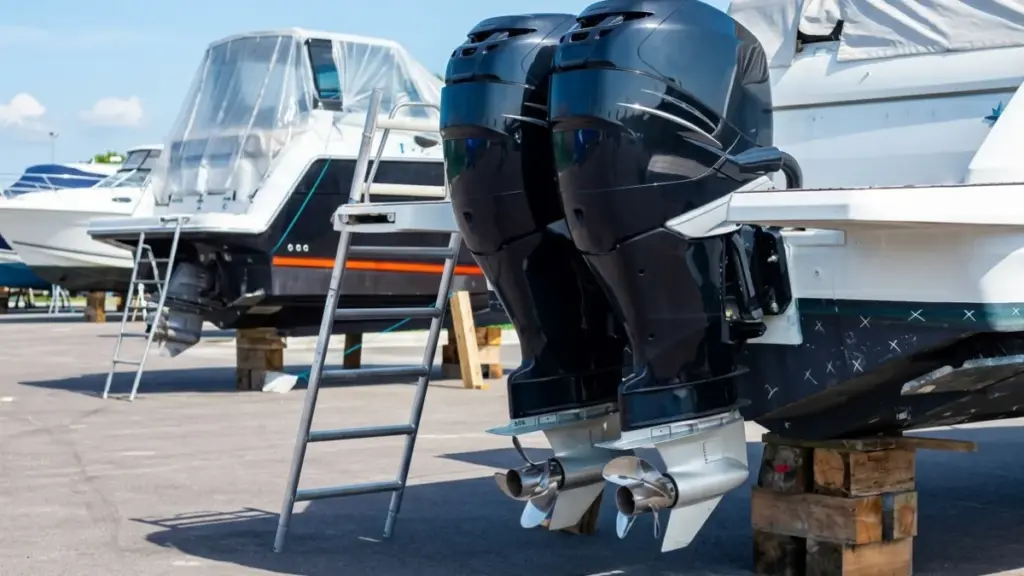
The propeller is the boat’s transmission. Every choice—pitch, diamètre, blade count—forces a direct trade-off between engine RPM, vitesse, handling grip, et consommation de carburant.
| Performance Factor | Primary Influences | Key Effect |
|---|---|---|
| Engine RPM | Pas, Diamètre, Blade Area | Lower pitch increases RPM; higher pitch decreases it. The goal is to hit the engine’s recommended WOT range. |
| Boat Speed | Pas, Slip, Blade Count | Higher pitch allows higher top speed, but lower pitch gives better acceleration (coup de trou). |
| Manutention | Blade Count, Rake, Cup | 4-blades improve grip in turns and rough water. Rake adjusts bow lift. |
| Économie de carburant | Pitch Matching, Matériel, Slip | An engine running in its optimal RPM range is most efficient. Lugging or over-revving wastes fuel. |
Impact on Engine RPM
Think of propeller pitch as the gearing on your boat. A lower pitch acts like a low gear, allowing the engine to spin up faster and reach a higher RPM. A higher pitch is like a high gear, loading the engine more and reducing its RPM at any given speed. The entire goal is to select a prop that lets your engine operate within its manufacturer-recommended Wide-Open Throttle (WOT) Plage de régime. If your WOT RPM is too low, you need less pitch; if it’s too high, you need more.
As a rule of thumb, changing pitch by one inch will alter WOT RPM by about 150–200. Other factors also increase engine load and lower RPM. Switching to a propeller with a larger diameter, more blades, or more total blade area will make the engine work harder to spin it, which brings the RPM down.
Impact on Boat Speed
A propeller with a higher pitch has the potential for a higher top speed, but there’s a catch. Your engine must have enough power to spin that prop up into its optimal RPM range. If the engine is lugging, you won’t see that speed. D'autre part, a lower pitch propeller gives you much stronger acceleration, known as the “coup de trou,” making it easier to get the boat on plane, especially with a heavy load.
All props experience some “slip,” which is the difference between their theoretical speed and your boat’s actual speed. Stainless steel props with cupped blades are more efficient because they flex less and grip the water better, minimizing slip. Going from a 3-blade to a 4-blade prop of the same pitch often reduces top speed by a mile or two per hour because of the increased drag from the extra blade.
Impact on Handling and Control
Handling is where blade count and design really show their value. A 4-blade propeller provides significantly better grip in turns, holds the boat steadier in rough water, and improves low-speed maneuverability around the dock. This is why they are often chosen for watersports, as they have the pulling power to get a skier on plane fast and hold a steady speed.
Blade geometry also plays a big part. Higher blade rake—the angle the blades tilt back—tends to lift the boat’s bow, which can increase speed on many planing hulls. UN “cup” is a small curved lip on the blade’s trailing edge that reduces ventilation (air getting sucked into the prop) and cavitation. This allows the prop to maintain its grip during hard turns or when the motor is trimmed high for maximum speed.
Impact on Fuel Economy
The single most critical factor for fuel efficiency is matching the propeller to the engine’s optimal RPM range. An engine that is “over-propped” (lugging at a low RPM because the pitch is too high) ou “under-propped” (over-revving because the pitch is too low) will burn significantly more fuel. Both conditions put unnecessary stress on the engine.
Stainless steel propellers are generally more efficient than aluminum ones. Their stiffer blades flex less under load, meaning less power is wasted and more is converted into forward thrust. By optimizing your propeller pitch specifically for your typical cruising speed, you can increase your miles per gallon. It’s not uncommon to see a boat’s overall range extend by 20% or more with the right prop.
Common Signs You Are Using the Wrong Outboard Propeller
Your boat tells you the prop is wrong through poor RPM, sluggish performance, and new vibrations. Visible damage or fouling are also clear red flags.
| Symptom | Cause possible |
|---|---|
| Engine cannot reach recommended RPM | Pitch too high |
| Engine exceeds recommended RPM | Pitch too low |
| Poor acceleration | Incorrect pitch or damaged blades |
| Excessive fuel consumption | Improper propeller match |
| Cavitation or ventilation | Wrong blade design or damaged propeller |
| Heavy vibration | Bent blades or unbalanced propeller |
| Poor handling in turns | Incorrect blade configuration |
| Reduced top speed | Wrong diameter, pas, or excessive slip |
Poor Engine Performance and RPM
Performance issues are the first and most obvious signs that your propeller isn’t matched correctly to your boat and engine. If the engine can’t operate in its ideal range, everything from speed to fuel burn will suffer.
- Your engine’s RPM at full throttle is outside the manufacturer’s recommended range—either too high or too low.
- The boat takes forever to get on plane or feels sluggish accelerating. This is a classic poor “hole shot.”
- You’ve lost top-end speed, even with the same load and conditions you’ve run before.
- You’re burning more fuel than you used to for the same trip, and the fuel gauge seems to move faster.
Vibrations and Unusual Noises
A balanced and correct propeller should run smoothly. When something is wrong, you will feel and hear it. These symptoms often point to a damaged prop, which is just as bad as a mismatched one.
- You feel a new vibration through the hull or steering, especially when you speed up.
- There’s a strange noise—a thump, rattle, or hum—coming from the stern that wasn’t there before.
- Steering feels off, either rougher, heavier, or less responsive than normal.
Visible Damage or Fouling
Sometimes the problem isn’t subtle. A quick visual check can confirm that your propeller is the source of the trouble, whether from an impact or just accumulated debris.
- A quick look shows obvious damage: dings, bent blades, missing chunks of metal, or chipped edges.
- You find fishing line, rope, or seaweed wrapped tightly around the propeller shaft.
- The propeller shows heavy corrosion or rust that’s eating away at the metal, reducing its efficiency.
Ready to Work With NEWTOP for Professional Propeller Setup
The right propeller can make a noticeable difference in boat performance—but only when it is properly matched to the engine and application. Factors such as horsepower, boat weight, environnement opérationnel, and typical load all influence the best propeller choice.
À NOUVEAUTOP, we do more than manufacture outboard propellers. We help distributors, constructeurs de bateaux, and marine equipment brands select the right propeller solution for their products and customers. Our product range includes both premium aluminum alloy et duplex stainless steel propellers in multiple sizes, pitches, and blade configurations, compatible with a wide range of outboard motors.
Whether you need a durable replacement propeller, OEM customization, or bulk procurement for your market, our engineering and production teams can provide reliable support from product selection to manufacturing.
Looking for a dependable outboard propeller supplier? Contact us today to discuss your requirements and discover how our high-quality propellers can help improve performance, fiabilité, et la satisfaction du client.
Foire aux questions
What does an outboard motor propeller do?
An outboard motor propeller converts the engine’s rotational power into forward thrust by accelerating water backward. It directly affects boat speed, accélération, efficacité énergétique, manutention, et les performances du moteur.
What is the difference between a 3-blade and a 4-blade propeller?
A 3-blade propeller is the most common type, offering a good balance of performance and a higher top speed due to having less drag. A 4-blade propeller has more blade area, which improves acceleration, grip in rough water, and helps heavier boats get on plane faster, but it usually results in a slightly lower top speed.
How do I know if my outboard propeller is damaged?
Common signs include new or increased vibration, a noticeable drop in top speed or acceleration, or the engine revving higher than usual without a corresponding speed increase. You should also visually inspect the blades for nicks, bends, fissures, or missing pieces of metal.
What happens if I use the wrong propeller on my boat?
Using the wrong propeller forces your engine to operate outside its recommended RPM range. If the prop has too much pitch, the engine will be overloaded, causing poor acceleration and long-term strain. If it has too little pitch, the engine can over-rev, leading to potential damage and poor fuel economy.
Can I upgrade my propeller for better acceleration or fuel economy?
Oui, but it’s a trade-off. To improve acceleration, you can switch to a propeller with a lower pitch or more blades, which helps the boat get on plane faster. To improve fuel economy at cruising speeds, a propeller with a higher pitch can lower engine RPM, but this may reduce your initial acceleration.
What are the main parts of a boat propeller?
The primary parts include the hub, blades, leading edge, trailing edge, blade tips, cup, and rake. Each component influences thrust, manutention, cavitation resistance, et l'efficacité globale.
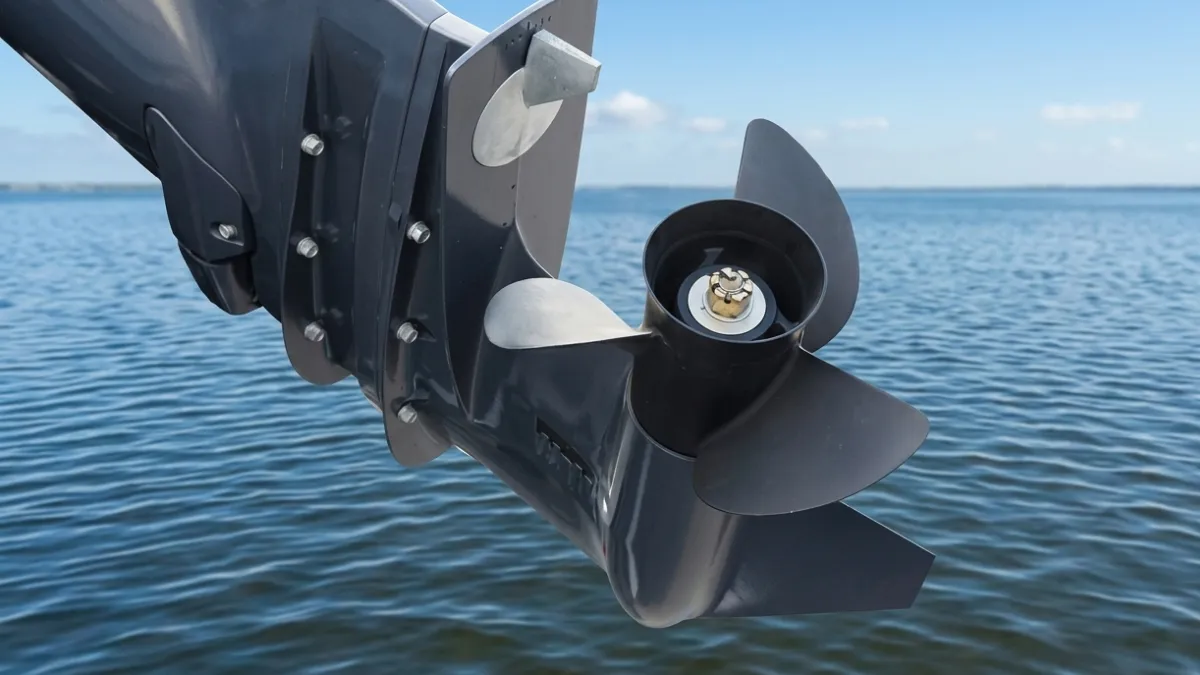
When we think about improving a boat’s performance, engine horsepower usually gets all the attention. But the propeller is just as important. The right propeller helps your outboard deliver better acceleration, efficacité énergétique, et les performances du moteur, while the wrong one can limit speed, augmenter la consommation de carburant, and even shorten engine life.
Dans ce guide, we’ll show you how to choose the right outboard motor propeller based on your engine, type de bateau, et l'utilisation prévue. You’ll also learn how to avoid common selection mistakes and find the best balance between performance, fiabilité, et le coût.
Key Factors in Choosing Outboard Motor Propellers
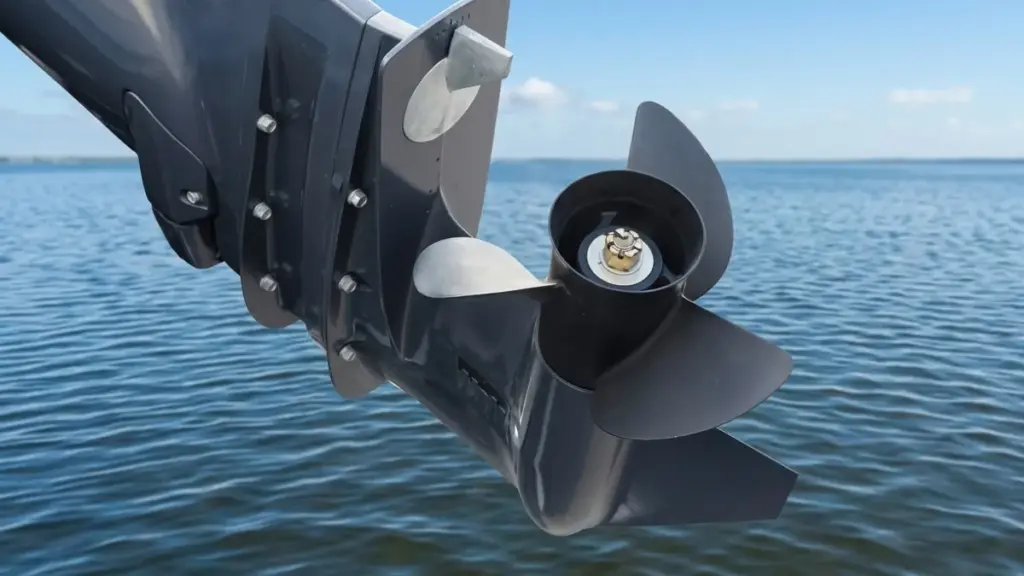
Before comparing outboard motor propeller sizes or materials, consider the following factors. Ensemble, they determine how efficiently your engine transfers power to the water and whether your boat performs as expected.
Start with Your Engine Specifications
Your engine determines the range of propellers you can safely use. Before comparing different models, check three key specifications:
- Engine horsepower (HP)
- Gear ratio
- Recommended Wide Open Throttle (WOT) Plage de régime
These figures define the diameter and pitch your engine can handle. A correctly matched propeller should allow the engine to reach its recommended WOT RPM under a normal load. If the engine can’t reach that range, the propeller is likely too large or has too much pitch. If it exceeds the range, the propeller is probably too small.
Match the Propeller to Your Boat’s Weight
Think about how your boat is normally used—not just its empty weight.
A lightweight recreational boat usually performs well with a higher-pitch propeller that favors speed. En revanche, heavier boats carrying passengers, fishing equipment, cargo, or full fuel tanks need more thrust to get on plane. In these cases, choosing a slightly lower pitch often delivers better acceleration and more efficient operation.
Always select a propeller based on your typical operating load, not ideal conditions.
Choose Pitch Based on Your Performance Priority
Pitch has the biggest influence on how your boat feels on the water, so start by deciding what matters most to you.
| Application typique | Recommended Pitch | Expected Result |
|---|---|---|
| Bateaux de pêche | Lower to standard pitch | Better acceleration, easier planing, and stronger pulling power with fishing gear onboard. |
| Passenger or work boats | Pas plus bas | Provides greater thrust for carrying heavy loads and maintaining stable cruising performance. |
| Bateaux familiaux de loisirs | Standard pitch | Offers a balanced combination of speed, efficacité énergétique, and everyday handling. |
| High-speed boats | Pas plus élevé | Delivers higher top speed when the engine can still reach its recommended WOT RPM range. |
As a general guideline, changing the pitch by 1 pouce changes engine speed by approximately 150–200 RPM. Small adjustments can noticeably change how the boat performs.
Select the Right Blade Count
Most outboard propellers have either three ou four blades, and each is designed for different applications.
UN 3-blade propeller is the best all-around choice for most recreational boats. It provides a good balance of speed, économie de carburant, and acceleration.
UN 4-blade propeller is worth considering if you regularly carry heavy loads, operate in rough water, tow water sports equipment, or want quicker planing and better low-speed control. While it usually sacrifices a little top speed, it offers smoother handling and stronger grip in the water.
Unless your application has specific performance requirements, a 3-blade propeller is usually the recommended starting point.
Decide Between Aluminum and Stainless Steel
The material you choose should reflect how often and where you use your boat.
Aluminum propellers are ideal for most recreational users because they’re affordable, léger, and easy to replace if damaged.
Stainless steel propellers are a better investment if you operate a high-horsepower engine, spend long hours on the water, or need maximum durability and performance. They flex less under load, improve efficiency, and typically last longer in demanding conditions.
For occasional boating, aluminum is often sufficient. For commercial or frequent use, stainless steel usually delivers better long-term value.
Confirm Compatibility Before You Buy
Even if a propeller has the correct diameter and pitch, it won’t work unless it’s compatible with your engine.
Before purchasing, verify that the propeller matches your engine’s:
- Horsepower range
- Gearcase and hub type
- Spline count
- Sens de rotation
- Manufacturer’s recommended specifications
If you’re replacing an existing propeller that performed well, use its specifications as your baseline and make only small adjustments when improving speed, accélération, or fuel efficiency.
Choose the Right Outboard Propeller with NEWTOP

Using WOT RPM and Boat Speed to Check Propeller Load
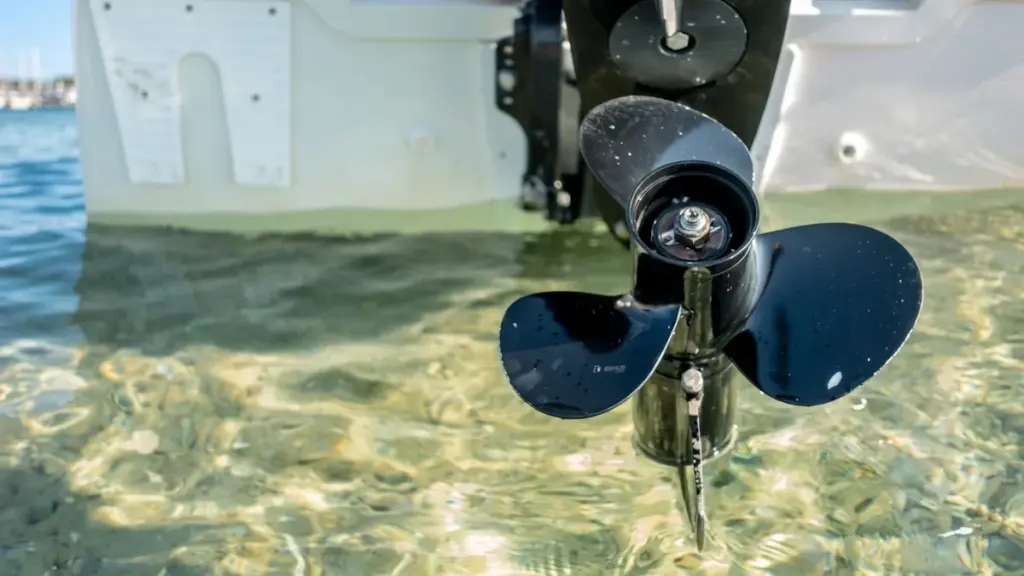
Your tachometer is the best tool for checking propeller load. Use Wide-Open Throttle (WOT) RPM to spot lugging or over-revving, and use GPS speed to confirm the diagnosis.
| Étape | What It Tells You About Propeller Load |
|---|---|
| 1. Conduct a Real-World WOT Test | Load the boat under normal operating conditions, warm up the engine, and record WOT RPM and GPS speed in calm water. This gives you a real performance baseline. |
| 2. Check If WOT RPM Is Within Range |
If RPM is below range → over-propped (engine is overloaded). If RPM is above range → under-propped (engine is under-loaded). Within range → prop load is correctly matched. |
| 3. Adjust Pitch to Correct RPM |
Pitch is the main tuning factor. 1 inch of pitch ≈ 150–200 RPM change. Lower pitch increases RPM and acceleration; higher pitch reduces RPM and increases top speed. |
| 4. Use Boat Speed as a Validation Check | If RPM is correct but speed is low, the issue is not prop load. Check hull drag, prop damage, or engine mounting height. |
| Final Diagnosis |
Correct prop load = WOT RPM in range + stable boat speed + accélération douce. If any one of these fails, the propeller is not properly matched. |
Adapting Propeller Choice for Fishing, Transport and Leisure Use
How you use your boat dictates your prop. Fishing demands grip for heavy loads, transport requires cruise efficiency, and leisure boating needs a balance of speed and acceleration.
Propeller Selection for Fishing
Fishing boats rarely run at a consistent weight. The load changes with gear, full livewells, ice, et les passagers. You have to prop for this typical fishing load, not the empty boat weight. The main goal is getting on plane quickly without the bow pointing at the sky. Many fishing setups benefit from a 4-blade propeller, which provides better grip, improves stability in turns, and can keep the boat on plane at slower speeds. This is especially useful for underpowered boats or heavy hulls that struggle to get moving.
Optimizing for Transport and Hauling
When a boat’s main job is moving people or cargo, top speed takes a backseat to midrange performance and fuel economy. The propeller pitch must match the boat’s typical passenger or cargo weight to achieve efficient cruising RPM. If the boat consistently carries heavy loads, a lower-pitch or 4-blade prop improves acceleration and load-carrying ability. If the primary function is making long, high-speed runs with a lighter load, a standard 3-blade prop often delivers better efficiency at speed.
Balancing Performance for Leisure and Recreation
For general weekend boating, a 3-blade propeller is the standard for a reason. It offers a solid, all-around balance of acceleration and top-end speed. The game changes if activities like waterskiing or wakeboarding are on the agenda. These activities need a strong holeshot to pull people out of the water, making a 4-blade prop a much better choice. Whatever the activity, the fundamental check remains the same: verify the engine operates within its recommended wide-open-throttle (WOT) RPM range during your typical recreational use.
When to Switch From Aluminum to Stainless Steel or More Blades
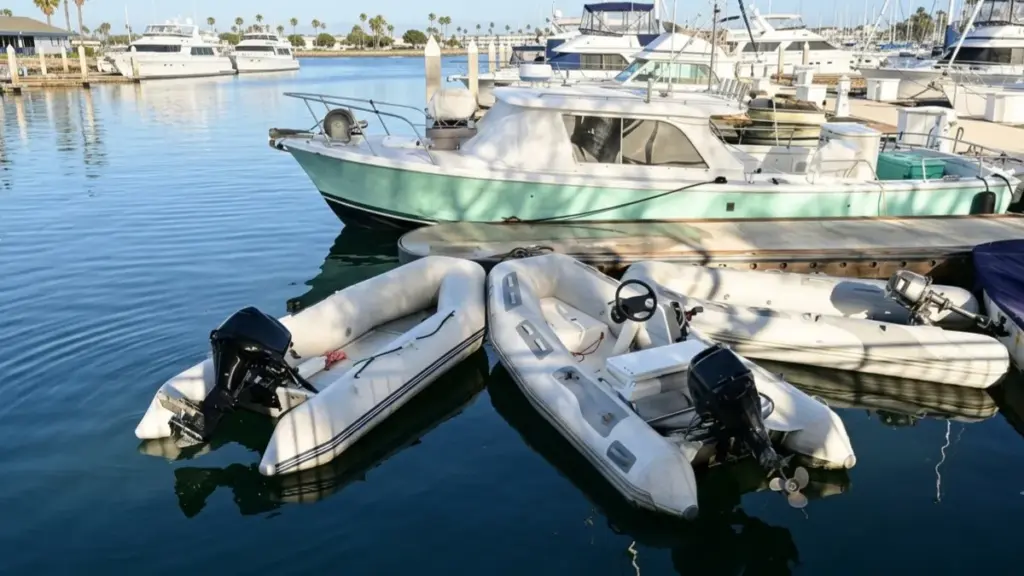
Upgrading your prop is a trade-off. Steel adds performance for high-power engines, and more blades add grip for heavy boats, but aluminum remains best for high-risk areas.
Performance Triggers for a Stainless Steel Upgrade
The decision to move from aluminum to stainless steel usually comes down to horsepower and efficiency. Aluminum props start to flex under heavy loads, which wastes power. You should seriously consider stainless steel when you notice these issues:
- Your engine is 150 hp or more. At this power level, a flexible aluminum prop will noticeably hurt your efficiency and top speed.
- You need a faster hole-shot for watersports or when you’re carrying a heavy load. Stainless steel doesn’t flex, so it bites harder out of the gate.
- The boat feels sluggish or loses top-end speed when loaded down. This is a classic sign that your aluminum prop is flexing and losing its effective pitch.
- You want better fuel economy on long cruises. The rigidity of a stainless prop translates to better efficiency, which saves fuel over time.
Reasons to Add Blades (From 3 à 4+)
Adding a blade is about increasing grip and control, not necessarily top speed. A 4-blade prop puts more surface area in the water, which solves specific handling problems.
- Your current 3-blade prop ventilates or “blows out” during sharp turns or when the engine is trimmed high for performance.
- You need to stay on plane at lower speeds. This is crucial for towing tubers or wakeboarders, or for navigating rough water with more control.
- Your priority is maximum grip and acceleration for a heavy boat. More blades deliver more thrust, even if it costs you a mile or two per hour at the top end.
- Your setup includes a jack plate or a high engine mounting position. These configurations demand more prop bite to prevent slipping, which a 4-blade provides.
Choosing an Upgrade Path by Use Case
There isn’t a single “best” soutenir. The right upgrade path depends entirely on your boat, your engine, and what you do with it.
- For speed and efficiency on a lighter boat (75-150+ HP), the logical move is from a 3-blade aluminum to a 3-blade stainless steel prop.
- For heavy boats, tow sports, or maximum control, jump directly from a 3-blade aluminum to a 4-blade stainless steel prop. You get both rigidity and grip.
- If you need better grip on a lower-hp boat (sous 125 HP) and operate in a high-risk area, a 4-blade aluminum prop is a smart, budget-friendly step.
Factoring in Operating Environment and Risk
Performance means nothing if you destroy your lower unit. Where you boat is just as important as how you boat.
- In rocky or shallow waters with a high chance of impact, a cheap aluminum prop is your best friend. It acts as a sacrificial part, protecting the expensive gearcase.
- Stainless steel is much more durable against minor dings and abrasion from running in sandy or open water.
- For saltwater use, stainless steel offers far better corrosion resistance and will outlast an aluminum prop by a wide margin.
- A hard strike with a rigid stainless prop is more likely to send damaging force straight to your propshaft and gears. The prop might survive, but your lower unit might not.
Common Propeller Selection Mistakes and How to Avoid Them
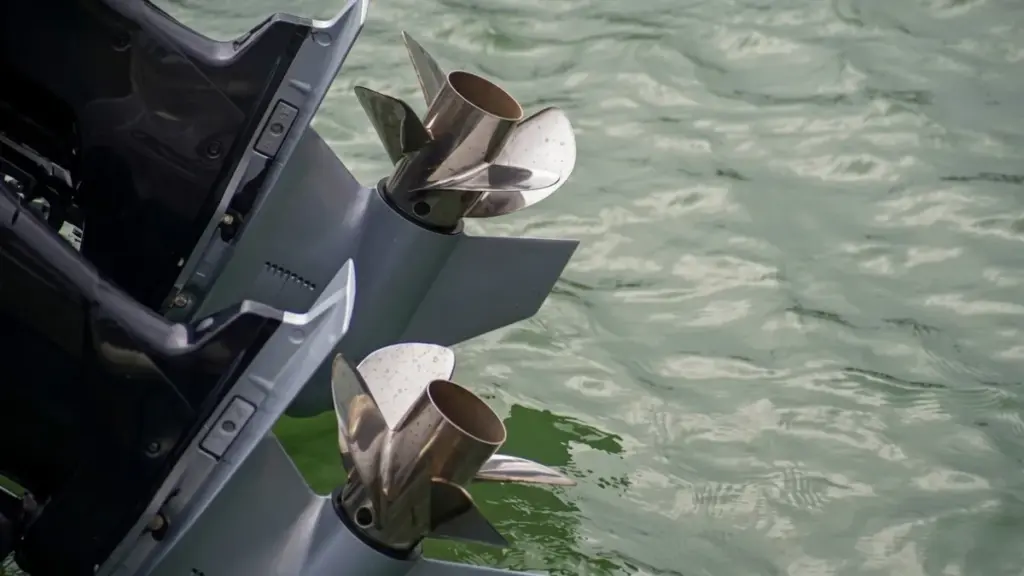
Most prop mistakes come from guesswork. Ignoring the engine’s WOT RPM range and testing with an empty boat are the two biggest offenders. Get these right first.
Ignoring Basic Fitment and Compatibility
Thinking any prop for a 150HP engine will fit any 150HP engine is a fast way to waste money. Horsepower is just one data point. The physical fit is what matters. You have to verify the prop shaft diameter and spline count for your specific engine model and year. Brands change these specs more often than you’d think.
Forgetting the hub system is another common oversight. The hub is the critical link between the prop and the shaft. Using the wrong one can lead to slippage under load or prevent the propeller from seating correctly, causing vibration and potential damage.
Disregarding the Engine’s WOT RPM Range
This is the single most important factor, and it gets ignored all the time. Every engine has a recommended RPM range for wide-open-throttle (WOT). Your job is to select a prop that lets the engine operate within that band with a normal load. It’s not about chasing the highest possible top speed.
Over-propping—using too much pitch—lugs the engine. It’s like trying to start your truck in fifth gear. Acceleration is terrible, and you’re putting constant, damaging stress on the engine’s internals. Under-propping is just as bad. Too little pitch lets the engine over-rev, potentially hitting the rev limiter and shortening its operational life. Both mistakes will cost you in the long run.
Testing with an Unrealistic Boat Load
Finding the “perfect” propeller with an empty boat is a setup for failure. A prop that performs beautifully with just you, minimal fuel, and no gear will likely be too tall in pitch once you load up the family, coolers, and a full tank of fuel. The boat will struggle to get on plane, and the engine will be back in that dangerous lugging condition.
The only way to avoid this is to test propellers with a weight that reflects how you actually use your boat. If your typical day involves four people and a full livewell, then that’s your testing configuration. Prop for your heaviest normal use case, not your lightest.
Mismatching Propeller Design to Your Needs
Not all props are created equal. The difference between a 3-blade and a 4-blade prop is a simple tradeoff. A 3-blade prop generally offers a higher top speed. A 4-blade prop provides better acceleration, more grip in turns, and the ability to hold plane at lower speeds. Choosing one without understanding what you’re giving up is a mistake.
Material choice isn’t just about price. Aluminum is cheaper and acts as a “sacrificial” part in shallow, rocky waters—the prop breaks before your expensive gearcase does. Stainless steel is far more durable and its blades are thinner and more rigid, which improves performance in open water where impacts are unlikely. Match the material and the blade design to your hull and how you run it.
Skipping a Systematic Testing Process
You can’t know where you’re going if you don’t know where you started. Before you ever swap a prop, take your boat out with its current setup and a normal load. Record the maximum RPM and the GPS speed at WOT. This is your baseline. Without it, you’re just guessing.
When you do make a change, adjust one variable at a time. Don’t switch from a 19-pitch aluminum 3-blade to a 17-pitch stainless 4-blade all at once. If performance changes, you won’t know if it was the pitch, the material, or the blade count. Enfin, make sure the problem is actually the propeller. A new prop can’t fix a spun hub or a bent prop shaft, which can mimic the symptoms of a poorly chosen propeller.
How NEWTOP Helps Optimize Boat Prop Choice
NOUVEAUTOP, a leading outboard motor propeller manufacturer, supplies complete propeller solutions for outboard motors across a wide horsepower range, supporting distributors, marine equipment brands, OEM partners, and fleet operators worldwide.
Instead of recommending products based only on engine size, our team evaluates multiple factors, y compris:
- Engine horsepower and gear ratio
- Boat type and hull design
- Typical operating load
- Target cruising and top speed
- Commercial or recreational applications
- Regional water conditions
Our manufacturing capabilities include aluminum and stainless steel propellers in various diameters, pitches, and blade configurations, ensuring compatibility with a broad range of outboard engines.
Beyond manufacturing, NEWTOP also provides technical selection support, helping customers reduce trial-and-error, improve fuel efficiency, and achieve reliable on-water performance. Whether you are sourcing replacement propellers or developing a complete marine product line, we work with you to identify the most suitable solution for your market.
If you’re planning your next marine equipment project, contact NEWTOP to discuss propeller selection, OEM customization, or bulk procurement. Our engineering and sales teams are ready to help you match the right propeller to your engine and application.
Foire aux questions
How do I choose the right propeller for my outboard motor?
Choosing the right propeller involves matching your engine, bateau, and typical use to allow the engine to reach its recommended wide-open-throttle (WOT) RPM range with a normal load. You need to know your engine’s WOT specs, your boat’s weight and hull type, and your primary goal, whether it’s acceleration, vitesse maximale, or carrying heavy loads. The final choice balances pitch, diamètre, nombre de lames, and material to achieve that goal.
What prop size do I need for my boat?
Prop size is primarily determined by pitch. The goal is to select a pitch that allows your engine to operate within its manufacturer-recommended WOT RPM range with your typical load. Start by testing your current prop’s WOT RPM. If the RPM is too low, you need a lower pitch. If it’s too high, you need a higher pitch. A general rule is that one inch of pitch change will alter WOT RPM by about 150-200.
How does propeller pitch affect RPM and speed?
Pitch directly controls engine load and RPM. Increasing pitch is like shifting to a higher gear; it lowers the engine’s WOT RPM and can increase top speed, but it makes acceleration slower. Decreasing pitch is like shifting to a lower gear; it allows the engine to rev higher, improving acceleration and pulling power, but may reduce the boat’s maximum speed.
Should I choose a 3-blade or 4-blade prop for my outboard?
Choose a 3-blade prop for general use, as they typically offer the best top speed and overall efficiency. Choose a 4-blade prop when you need better acceleration, improved handling in rough water, or the ability to stay on plane at lower speeds. Four-blade props are excellent for heavy boats, high-performance hulls, or towing watersports, often with a slight sacrifice in top-end speed.
When should I switch from an aluminum prop to stainless steel?
Switch to a stainless steel propeller when you want better performance, durabilité, et efficacité, especially with higher-horsepower engines. Stainless steel blades are thinner and flex less, improving speed and handling. Stick with an aluminum prop if you prioritize lower cost or frequently operate in shallow or rocky water where striking objects is likely, as aluminum is more forgiving and can help protect your engine’s gearcase from impact damage.
How do I know if my propeller is too big or too small?
The main indicator is your engine’s RPM at wide-open-throttle (WOT) with a normal load. If the RPM is below the manufacturer’s recommended range and acceleration feels sluggish, your prop is too big (too much pitch). If the engine’s RPM is above the recommended range or hits the rev limiter, your prop is too small (too little pitch).
Can the wrong propeller damage my outboard engine?
Oui. A prop with too much pitch can cause the engine to ‘lug’ below its recommended RPM range, stressing internal components. A prop with too little pitch can cause over-revving, which increases wear. En plus, a damaged or unbalanced prop creates vibrations that can destroy gearcase seals and bearings, potentially leading to major lower-unit failure.
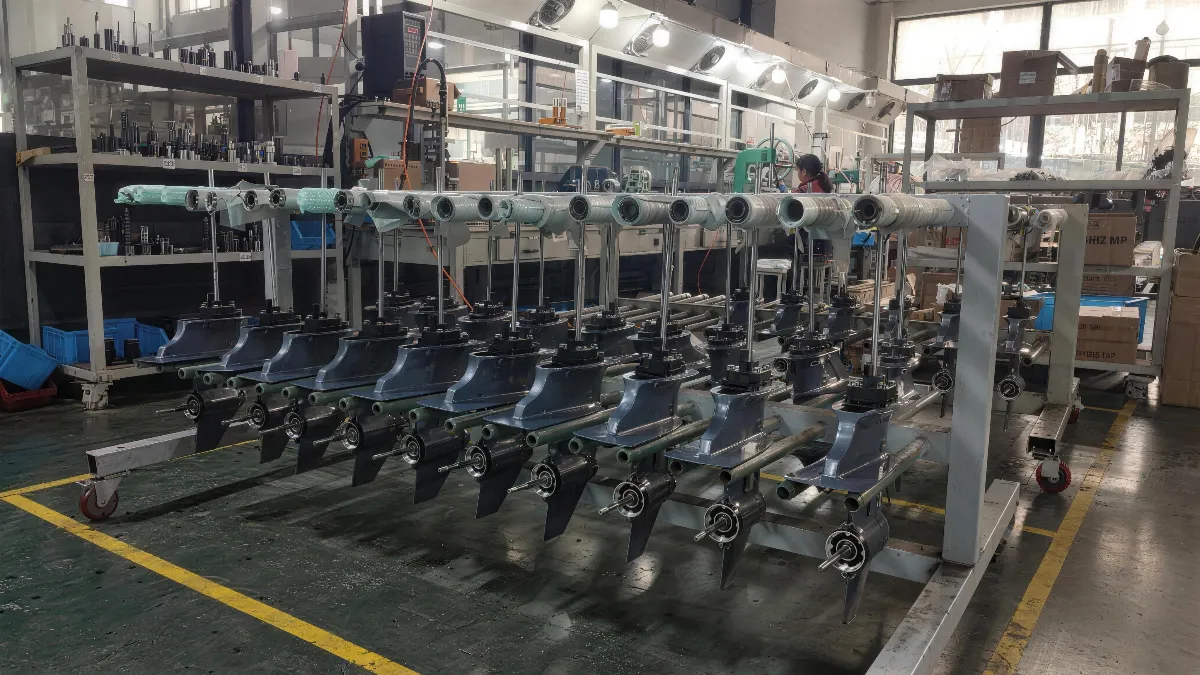
The global marine industry is entering a new growth cycle, creating significant opportunities for marine spare parts distributors. Rising recreational boating, commercial fishing expansion, increasing maritime transport, and aging vessel fleets are all driving consistent demand for replacement parts rather than complete engine replacements. Pour les distributeurs, success is no longer determined simply by offering a large inventory. Plutôt, customers increasingly value reliable supply chains, OEM-quality products, assistance technique, and fast delivery.
As a outdoor power equipment manufacturer with years of engine manufacturing experience, NOUVEAUTOP has seen growing demand from global distributors looking for dependable marine engine components, hélices, and aftermarket accessories. Understanding where the market is heading allows distributors to make smarter purchasing decisions, reduce inventory risks, and build long-term competitive advantages.
Global Marine Spare Parts Market Overview and Growth Drivers
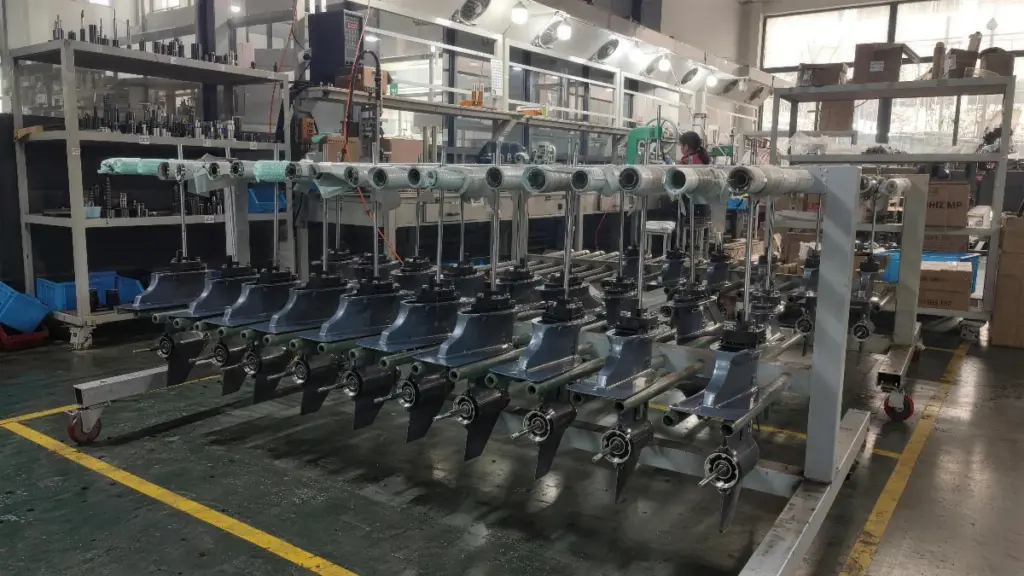
Growth in the ship spares market is driven by aging fleets, strict environmental rules, and new tech, creating reliable, non-discretionary demand for essential components.
Market Scale and Key Product Segments
According to Persistence Market Research, the global ship spares and equipment market is projected to grow from US$10.1 billion in 2025 to US$14.3 billion by 2032, representing a 5.1% CAGR during the forecast period. The bulk of this demand comes from components that see the most wear and tear. This includes parts for propulsion and engine systems, auxiliary machinery like pumps and valves, and critical navigation equipment. While commercial cargo and tanker fleets make up the largest share by volume, naval vessels account for a disproportionately high level of spending. This is because their specialized, high-specification components carry a much higher price tag.
Increased Maritime Trade and Aging Fleet Dynamics
As global seaborne trade increases, vessels simply operate for more hours. This directly leads to greater component wear and a consistent demand for replacement parts. A significant portion of the world’s fleet, especially bulk carriers and tankers, is over 15 years old. These older ships naturally need more maintenance and more frequent part replacements to stay in service. The high cost of building new vessels also pushes many owners to extend the life of their existing ships. This decision amplifies the need for aftermarket spares and major overhauls, further fueling the market.
Regulatory Compliance for Safety and Emissions
International Maritime Organization (IMO) rules for safety and environmental protection are a huge driver of demand. Mandates like SOLAS for safety and EEXI/CII for emissions force shipowners to install and maintain compliant equipment. Environmental regulations targeting sulfur emissions or requiring ballast water treatment have kicked off waves of retrofitting projects. These projects create a long-term, predictable demand for specific parts like filters, capteurs, and pumps needed for the new systems. This spending isn’t optional for shipowners, making it a stable market driver that isn’t affected by fluctuating freight rates.
Technology Adoption and Fleet Modernization
The industry’s move toward digitalization and predictive maintenance is increasing the need for sensors, control modules, and other electronic parts that allow for remote monitoring. En même temps, the adoption of alternative fuels like LNG and methanol is creating entirely new categories of spare parts, such as cryogenic valves and specialized gas fuel systems. New technologies are also changing how parts are supplied. For instance, 3D printing is starting to enable on-demand manufacturing for certain components, which could reshape inventory and logistics models in the future.
Core Product Categories in the Marine Aftermarket
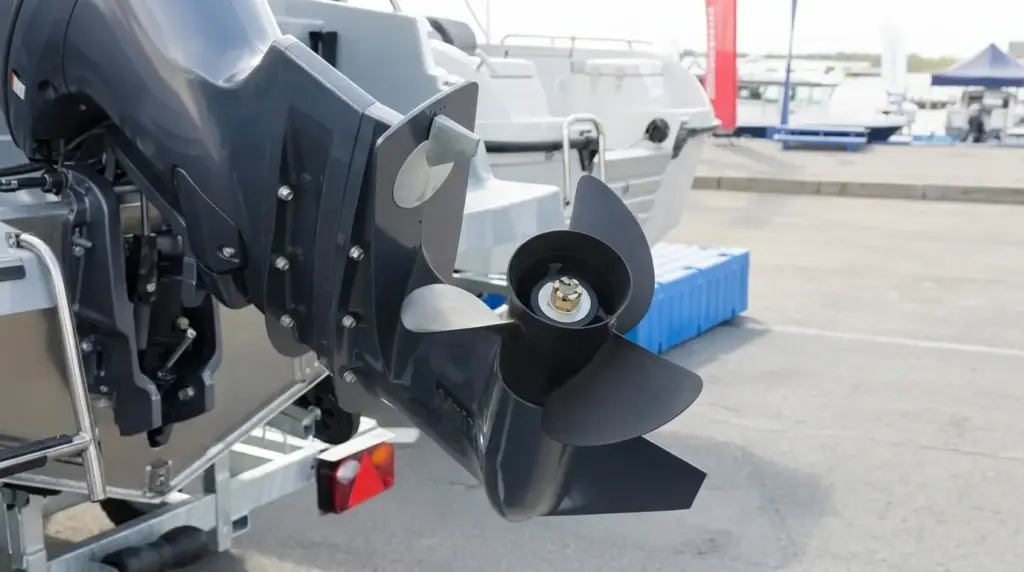
The marine aftermarket is structured around key systems—propulsion, controls, electrical, and plumbing. Demand is constant, driven by maintenance schedules, safety requirements, and performance upgrades.
To build a high-performance distribution catalog, partners must balance fast-moving consumables with heavy-duty structural replacements. The marine component ecosystem generally breaks down into 4 essential categories:
| Product Category | Primary Components Included | Demand Velocity | Margin Profile |
|---|---|---|---|
| Power Engine Internals | Pistons, segments de piston, vilebrequins, cylinder liners, vannes, and gaskets. | Moyen | Haut |
| Propulsion & Système d'entraînement | Outboard motor propellers, drive shafts, shear pins, and gearboxes. | Haut (Impact & Wear-prone) | Medium to High |
| Fuel & Electrical Systems | Carburateurs, pompes à carburant, ignitions, magnetos, and starter assemblies. | Haut | Moyen |
| Routine Consumables | Impellers, pompes à eau, oil filters, and heavy-duty recoil starters. | Très élevé (Seasonal/Hourly) | Volume-Driven |
Focusing purely on consumables leaves money on the table, while stocking only heavy engine internals locks up capital in slow-moving inventory. The most successful regional distributors use an 80/20 inventory strategy: 80% écurie, high-turnover consumables to establish cash flow and dealer touchpoints, et 20% high-margin engine internal replacements to capture major repair contracts.
Grow Your Marine Spare Parts Business with a Trusted OEM Partner
Demand Trends Across Fishing, Transport and Leisure Segments
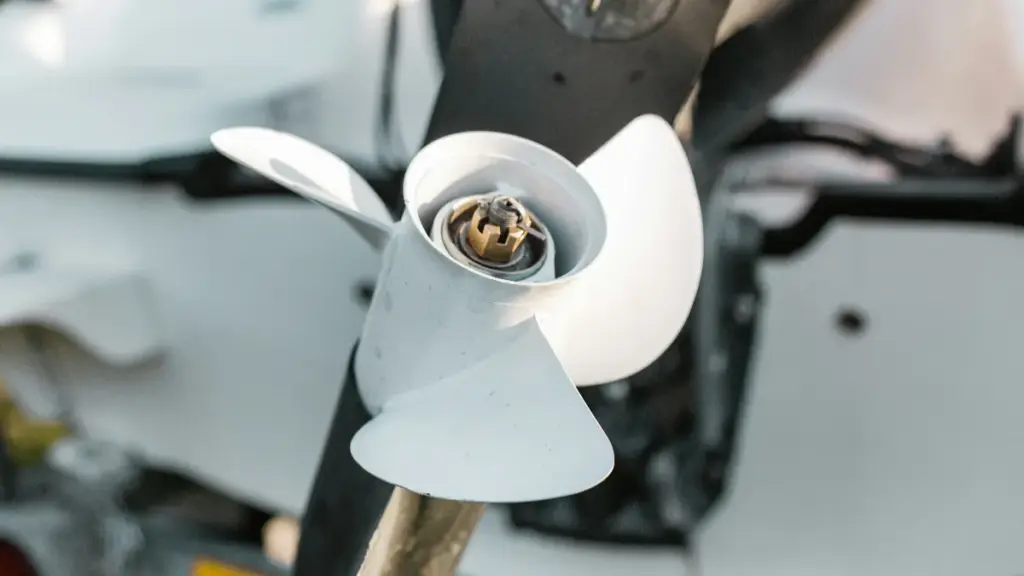
Commercial transport offers stable, regulation-driven demand, while leisure boating shows faster growth. Fishing is more cyclical, focused on maintenance and operating costs.
Commercial Transport: Écurie, Regulation-Driven Demand
The commercial transport segment creates the most consistent demand for spare parts. The need to keep vessels operational for international trade means maintenance and replacement are non-negotiable.
Regulatory compliance is the primary trigger for spending. Rules from the IMO on safety and environmental performance force operators to schedule retrofits and replace components. Demand centers on wear-intensive and mission-critical systems like engines, propulsion, pompes, and filtration equipment. This sector offers volume stability, making it a good fit for suppliers who focus on certified, high-uptime components.
Fishing Fleets: Cyclical and Maintenance-Focused
Demand from fishing fleets is recurring but unpredictable. It depends heavily on operating seasons, fuel costs, and the economics of the catch. This segment is typically price-sensitive, so operators look for durable, repairable components to keep costs down.
Purchasing is focused on routine maintenance needs for engines, deck machinery, and hull-related parts. Demand tends to pick up when fleets get older or when new regulations force equipment upgrades, but it lacks the structural stability of the commercial transport market.
Leisure Boating: High-Growth Market for Parts and Accessories
The recreational boat parts and accessories market is set to grow faster than the broader ship spares industry. This growth is backed by tourism, rising disposable income, and real innovation in electronics and comfort-oriented accessories.
A strong shift toward electric propulsion and onboard connectivity is creating new demand for batteries, chargeurs, capteurs, and control systems. This segment is more cyclical, as it is sensitive to consumer confidence, inflation, and interest rates, but the growth potential is significant.
Key Demand Drivers Across All Segments
A few core trends influence parts demand across all marine sectors.
- The aging of global fleets naturally increases the need for replacement parts and routine maintenance.
- Environmental and safety regulations create demand spikes for specific components needed for compliance retrofits.
- Electrification and digitalization trends are introducing new demand for higher-value electrical, contrôle, and monitoring parts.
High‑Margin Niches for Regional Exclusive Agents
The best margins aren’t in commodity parts. They’re in spares that are urgent, scarce, certified, or proprietary, where availability and fitment guarantee trump the lowest price.
For regional agents, profitability hinges on targeting niches where value is defined by more than just the part itself. These are areas where your local stock, technical knowledge, or exclusive access creates a real advantage that customers will pay for. Focusing on these segments avoids a race to the bottom on price and builds a more defensible business.
| Niche Category | Why It’s High-Margin |
|---|---|
| OEM-Specific and Obsolete Parts | Buyers pay premiums for genuine parts to ensure exact fit, fiabilité, and warranty coverage on critical systems. When parts for older vessels become scarce or end-of-life, an agent with stock becomes the last-resort supplier. Exclusivity on branded consumables also creates a loyal, recurring revenue stream from a captive installed base. |
| Downtime-Critical and High-Failure Spares | The extreme cost of vessel downtime makes buyers far less sensitive to price for urgent spares. Having frequently replaced items in local inventory allows you to capture immediate orders that cannot wait for long lead times. Stocking long-tail spares, which large distributors avoid, also creates a profitable niche. |
| Compliance-Driven and Kitted Solutions | Safety and environmental parts command higher prices because the cost of non-compliance is so significant. You can add value by managing the required certifications and supply chain paperwork. Bundling individual components into maintenance kits or job-ready assemblies increases the average order value and makes direct price comparison much harder. |
| Aftermarket Accessories and Retrofit Items | Add-on accessories and upgrades often carry much higher margins than the core equipment they are fitted to. Targeting vessel refit cycles and modernization projects with high-value packages is a smart move. These sales are usually driven by a need for better performance, not just replacing a failed part, which supports value-based pricing. |
Key Risks in Marine Parts Inventory and Counterfeit Control
Bad inventory data and fake parts create vessel downtime and safety hazards. The only effective response is strict control over suppliers, traceability, and physical stock management.
Core Inventory Management Risks
Inventory management in the marine sector isn’t just about counting parts. Getting it wrong has immediate operational consequences. The primary risks are straightforward but have cascading effects across a fleet.
- Stock inaccuracy and stockouts. When your system says a part is on the shelf but it isn’t, maintenance stops. This directly causes repair delays and can easily take a vessel offline, turning a routine job into an expensive downtime event.
- Obsolescence. Marine equipment has a long service life. The components inside it do not. Parts for a 15-year-old engine or control system may become impossible to find, creating a huge availability gap when a failure finally occurs.
- Theft and damage. High-value components, like electronics or propulsion parts, are often targets for theft. They can also be damaged in transit or misallocated to the wrong vessel in a distributed fleet, creating a shortage where it’s needed most.
- Overstocking. Holding too many slow-moving or “just-in-case” spares ties up a huge amount of working capital. That cash is better used elsewhere, but instead it’s sitting on a warehouse shelf depreciating.
Counterfeit Part Infiltration Risks
Counterfeit parts are a serious threat to vessel safety and reliability. They get into the supply chain through process failures, not bad luck. The moment a fake part is installed, the vessel is operating with a hidden and unacceptable risk.
- Weak procurement controls. The most common entry point is a purchasing process that chases the lowest price from unverified suppliers. If provenance isn’t the top priority for critical parts, you are opening the door to fakes.
- Lack of traceability. Without end-to-end serial or batch number tracking, you can’t verify a part’s origin. This makes it impossible to confirm authenticity or manage a recall effectively if a bad batch is discovered.
- Premature failures and safety hazards. An installed counterfeit part can cause catastrophic system failures, void equipment warranties, and create severe safety risks, particularly with engines, steering gear, or electrical systems.
- Genuine stock contamination. The problem gets worse when fake parts get mixed into genuine inventory. This happens through uncontrolled returns or when parts are transferred between locations without verification, poisoning the entire stock pool.
Operational and Financial Consequences
The impact of poor inventory and counterfeit controls hits the bottom line hard. These aren’t minor administrative issues; they translate directly into lost revenue, inflated costs, and significant liability exposure.
- Vessel off-hire time. The most direct cost. Every hour a vessel is down waiting for a correct or authentic part is lost revenue. This financial penalty often dwarfs the cost of the part itself.
- Higher lifecycle costs. The financial bleed continues with emergency freight charges, paying for labor twice when a fake part fails, and the cost of replacing components that wear out prematurely.
- Compromised safety and reliability. Installing a non-genuine component in a critical system like propulsion, steering, or power generation is a gamble with the vessel’s safety and the crew’s lives.
- Reputation and liability. If your operation supplies or installs a counterfeit part that leads to an incident, the legal and financial liability can be devastating. It erodes trust with clients, insurers, and regulators.
Essential Controls and Mitigation Strategies
Effective control isn’t complicated, but it does require discipline. These four strategies are the foundation for protecting inventory integrity and blocking counterfeit parts from entering your operations.
- Enforce strict supplier qualification. The simplest rule is to buy only from OEM-authorized channels for all critical components. Vet every supplier and reject any offer that seems too good to be true.
- Implement full traceability. Use a modern inventory system to track critical parts by serial and batch number from receiving to installation. This is your primary tool for verification and contrôle de qualité.
- Mandate rigorous inbound inspections. Don’t just trust the packing slip. Your receiving team must verify documentation, check for signs of tampering, and confirm parts match the purchase order specs for all critical spares.
- Physically segregate questionable parts. Create a designated quarantine area for all returned, unverified, or suspect parts. This physical separation prevents them from being accidentally picked and issued for a job.
Partnering With Reliable OEM Marine Spare Parts Suppliers
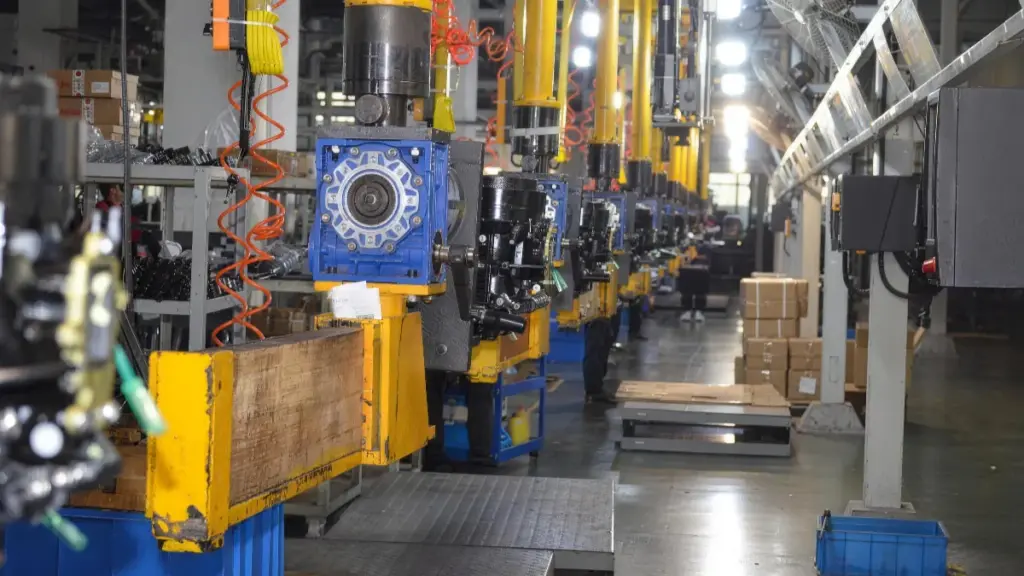
A reliable OEM supplier isn’t a cost-saving measure, it’s a risk-control strategy. The right partner prevents downtime and eliminates the chaos caused by incorrect or counterfeit parts.
A dependable manufacturing partner helps distributors maintain consistent product quality, reduce supply chain risks, and ensure stable product availability. Reliable suppliers also provide technical support, flexible customization, and responsive communication, allowing distributors to serve customers more efficiently and build long-term trust.
When evaluating a marine spare parts supplier, consider whether they offer:
- Stable production capacity and reliable lead times
- Consistent quality control and product testing
- OEM/ODM and private-label manufacturing
- Comprehensive technical documentation
- Responsive before- et support après-vente
Beyond selecting the right supplier, distributors should also improve procurement accuracy by using correct part numbers, forecasting seasonal demand, and maintaining inventory for high-turnover products. These practices help reduce ordering errors, minimize downtime, and improve customer satisfaction.
Avec plus de 20 years of experience in power equipment manufacturing, NOUVEAUTOP has built long-term partnerships with distributors across Africa, Asie du Sud-Est, l'Amérique latine, and other international markets. In addition to complete outboard motors, we supply a wide range of marine spare parts—including propellers, fuel system components, engine parts, and maintenance accessories—supported by flexible OEM/ODM services and private-label solutions.
Pensées finales
The marine spare parts market offers distributors a rare combination of stable demand, recurring revenue, and long-term growth potential. As vessel fleets continue to age and recreational boating, pêche commerciale, and marine transportation expand worldwide, the need for reliable replacement components will only increase.
Success, cependant, depends on more than simply stocking products. Distributors that focus on quality, inventory efficiency, assistance technique, and strong supplier partnerships are better positioned to build lasting customer relationships and sustainable profitability.
If you’re looking to expand your marine product portfolio, we provide dependable outboard motors, marine engine spare parts, OEM/ODM manufacturing, and private-label solutions tailored to distributors worldwide. Contact our team to discover how we can help you grow your marine business with reliable products and long-term manufacturing support.
Foire aux questions
What are the most profitable marine parts to distribute?
High-margin products typically include propellers, carburateurs, starter motors, Unités CDI, pompes à carburant, complete maintenance kits, and OEM-compatible engine components. These products combine relatively high selling prices with consistent replacement demand.
How do I start a marine parts distribution business?
Start by researching your local boating market, identifying the most common engine brands, selecting reliable OEM suppliers, building an inventory of fast-moving products, and establishing relationships with repair shops, boat dealers, and commercial fleet operators. Offering technical support and dependable after-sales service will help differentiate your business.
Is the boat parts market growing or saturated?
The boat parts market is growing, not saturated. Demand is driven by the repair, entretien, and upgrading of the huge existing fleet of boats. Market reports project steady growth, with the recreational boat parts market forecast to expand significantly through 2028. The strongest opportunities are in the aftermarket, focusing on replacement parts, routine maintenance items, and upgrades for electronics or comfort systems.
What margins can I expect on marine spare parts?
Gross margins on marine spare parts typically range from 25% à 60%. Commodity items like common filters and hardware are at the low end (25-40%), while specialized, OEM-only, or hard-to-source components for engines and electronics can hit higher margins of 45-60% or more. A well-managed distribution business can expect a blended gross margin of 30-50%, which leads to a potential net profit margin of 5-15% after covering all operational overhead.
How do I find reliable marine engine and propeller suppliers?
Finding reliable suppliers requires a structured approach. Start by identifying OEM suppliers, specialized manufacturers, and reputable distributors through industry directories, trade shows, and B2B marketplaces. You need to vet potential suppliers based on technical quality, class certifications, supply consistency, et support après-vente. Always request technical documentation, perform reference checks with shipyards or fleet managers, and start with pilot orders to verify quality before making large commitments.
Should I sell marine parts online or through dealers?
A hybrid model is usually the most effective. Selling directly online gives you broad reach, better margin control, and valuable customer data, but it requires a real investment in technology and logistics. Selling through a dealer network leverages local trust and integrates parts with service. A smart strategy uses both channels, often by selling consumables and accessories online while routing complex, installation-required parts through dealer partners.
Do I need technical training to sell marine spares?
Formal training as a marine mechanic isn’t required, but a strong practical understanding of marine systems is essential. Effective sales require you to identify the correct parts, understand system compatibility, and talk credibly with technical buyers like mechanics and fleet managers. You can gain this knowledge through targeted entry-level courses on marine systems, on-the-job learning, and studying manufacturer parts catalogs and service bulletins.
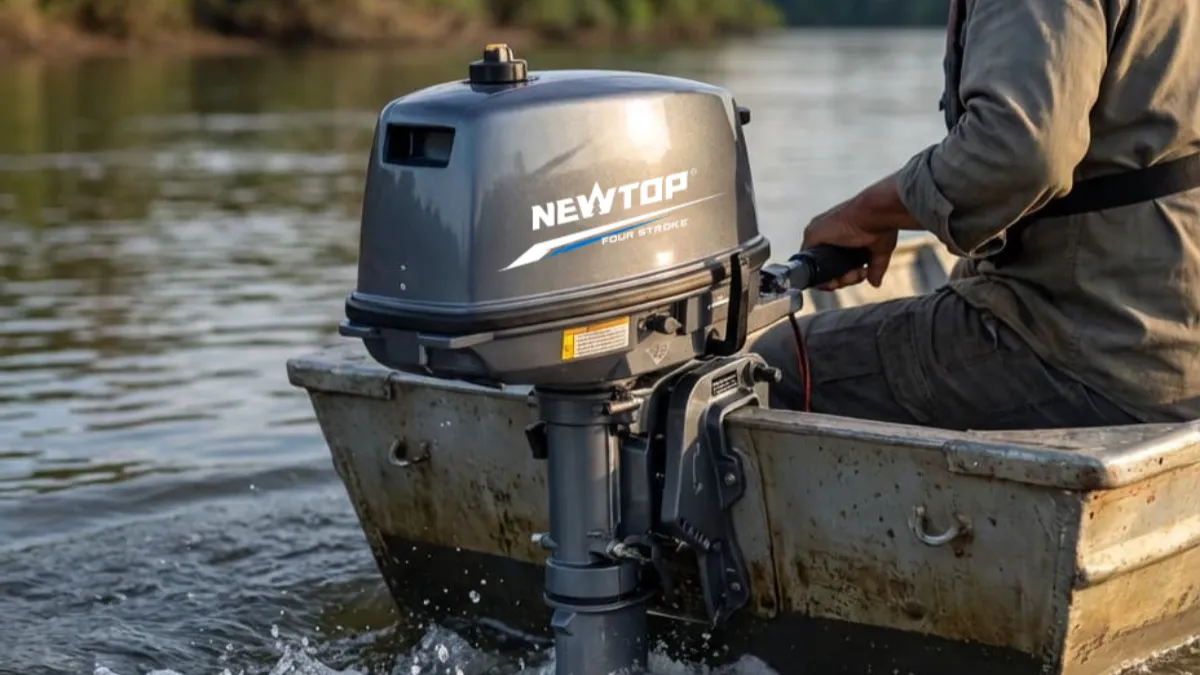
Un moteur hors-bord 4 temps peut peser n'importe où 13 kilos (29 livres) pour un compact 2.5 Modèle HP à plus 360 kilos (794 livres) pour un 300+ Moteur HP. Le poids réel dépend de plusieurs facteurs, y compris la puissance, cylindrée du moteur, configuration du cylindre, longueur de l'arbre, système de démarrage, et technologie de livraison de carburant.
En tant que fabricant leader d'équipements électriques extérieurs en Chine, NOUVEAUTOP comprend que les acheteurs comparent souvent les moteurs hors-bord en termes de puissance et de poids avant de prendre une décision d'achat. Dans ce guide, nous comparerons les poids typiques des moteurs hors-bord 4 temps sur différentes plages de puissance, expliquer ce qui affecte le poids du moteur, et vous aider à choisir la bonne option pour votre bateau.
Aperçu: 4-Tableau de poids des moteurs hors-bord Stroke par puissance en chevaux
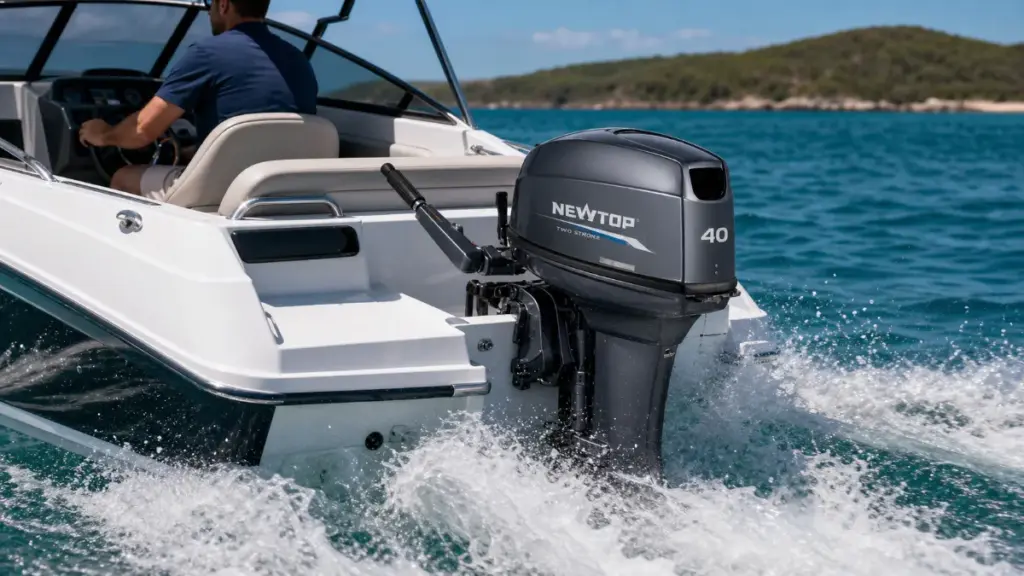
Le tableau ci-dessous donne un aperçu rapide des moteurs 4 temps moteurs hors-bord des plages de poids typiques, applications courantes, avantages, et limitations dans différentes catégories de puissance.
| Gamme de puissance | Poids typique | Applications courantes | Avantages | Limites |
|---|---|---|---|---|
| 2.5-6 HP | 13-28 kilos (29-62 livres) |
Bateaux pneumatiques, canots pneumatiques, appels d'offres | Ultra-portable, économe en carburant, facile à transporter | Vitesse et capacité de charge limitées |
| 8-20 HP | 37-60 kilos (82-132 livres) |
Petits bateaux de pêche, bateaux en aluminium, bateaux utilitaires | Bon équilibre entre puissance et portabilité | Peut avoir des difficultés avec des bateaux plus gros et des charges lourdes |
| 25-60 HP | 58-125 kilos (128-276 livres) |
Bateaux de pêche, pontons, petits bateaux de travail | Fortes performances et polyvalence | Charge de tableau arrière plus lourde et consommation de carburant plus élevée |
| 75-150 HP | 160-240 kilos (353-529 livres) |
Bateaux à console centrale, bateaux de plaisance plus grands | Excellentes performances d’accélération et de croisière | Nécessite une configuration de tableau arrière et de remorque plus solide |
| 200-300+ HP | 230-360+ kilos (507-794+ livres) |
Bateaux de pêche hauturière, navires commerciaux, bateaux performants | Puissance maximale, vitesse, et capacité de charge lourde | Coût d'achat le plus élevé, poids, et la consommation de carburant |
Le tableau ci-dessus se concentre sur le poids typique des hors-bord 4 temps dans différentes gammes de puissance.. Si vous comparez également les technologies des moteurs, notre 2-AVC vs. 4-Guide des moteurs hors-bord Stroke explique les principales différences de poids, économie de carburant, entretien, émissions, et les performances globales de la navigation de plaisance.
Pourquoi le poids des moteurs hors-bord 4 temps est important pour les performances du bateau
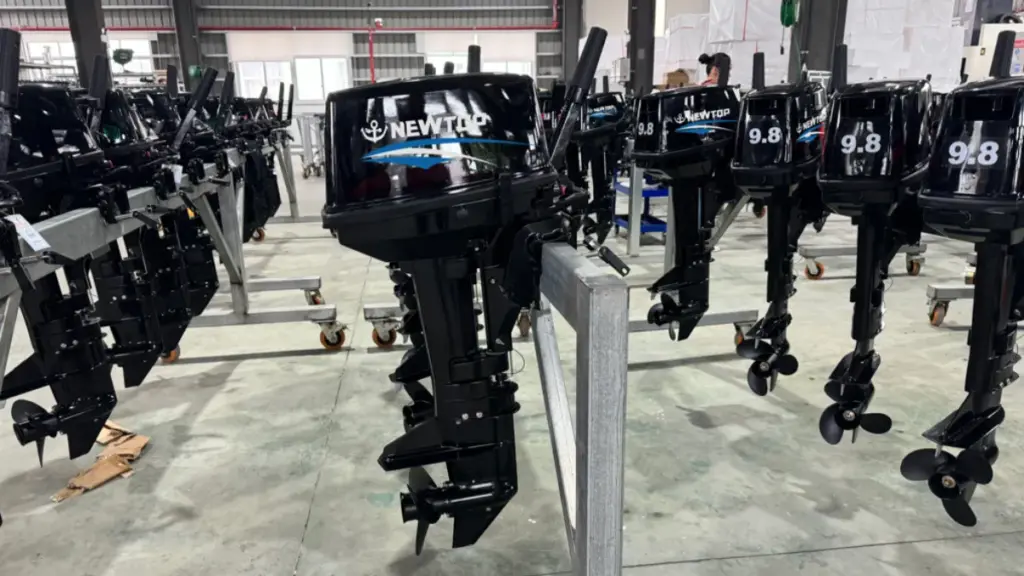
Le poids d’un hors-bord 4 temps est l’un des facteurs les plus critiques pour les performances réelles de votre bateau.. Cela influence directement tout, de l'accélération et de la vitesse de pointe à la consommation de carburant., manutention, et la sécurité globale sur l'eau.
Avant de comparer les poids, il est important de comprendre où se situent les moteurs 4 temps sur le marché plus large des hors-bord. Notre Différents types de moteurs hors-bord le guide présente les principales catégories de moteurs et explique les avantages de chaque type pour différentes applications de navigation de plaisance.
Comment le poids du moteur affecte la vitesse et l’efficacité
Un moteur 4 temps plus lourd ajoute à la cylindrée totale du bateau. Cette masse supplémentaire ralentit votre tir de trou, quel est le temps qu'il faut pour monter dans l'avion. Le moteur a simplement plus de poids à pousser dans l'eau avant que la coque puisse se soulever et glisser efficacement..
Un moteur plus lourd augmente également la traînée en forçant une plus grande partie de la coque à rester dans l'eau., créant une plus grande surface mouillée. Cette résistance supplémentaire peut réduire la vitesse de pointe potentielle de votre bateau. Un moteur plus léger permet au bateau de naviguer plus haut et plus librement, entraînant souvent quelques kilomètres supplémentaires par heure.
Le moteur doit travailler plus fort et consommer plus de carburant pour supporter tout poids supplémentaire.. Cela réduit votre efficacité énergétique globale, ce qui signifie que vous obtenez moins de kilomètres par gallon. Un moteur plus léger peut étendre votre autonomie avec le même réservoir de carburant, vous permettant de rester sur l'eau plus longtemps.
Impact sur l'équilibre, Manutention, et sécurité
Parce qu'un hors-bord se trouve tout à l'arrière du bateau, son poids a un effet majeur sur l'assiette. Un moteur lourd peut faire en sorte que la poupe s'accroupisse dans l'eau et que la proue s'élève trop haut.. Cela affecte non seulement la visibilité vers l'avant, mais crée également une visibilité plus difficile., conduite plus humide dans des conditions agitées.
Un poids excessif sur le tableau arrière abaisse le franc-bord de la poupe, qui est la distance entre la ligne de flottaison et le sommet de la coque. Cela rend le bateau plus susceptible de prendre l'eau, surtout en suivant les vagues ou en reculant sur un poisson. C'est un facteur de sécurité critique pour tout bateau.
Le tableau arrière de chaque bateau est conçu pour supporter un poids maximum spécifique. Dépassement de cette limite, même si la puissance du moteur est conforme à la puissance nominale du bateau, exerce une pression importante sur la structure de la coque. Cela peut compromettre l’intégrité du bateau et créer un risque de sécurité important au fil du temps..
À la recherche du bon moteur hors-bord 4 temps?
Tableau de poids portable à 4 temps (2.5-20 HP)
Hors-bord portables 4 temps dans le 2.5 à 20 La plage de puissance a généralement un poids sec compris entre 30 et 150 livres (13–68 kg). Cette classe est conçue pour les dériveurs, petits gonflables, et comme moteurs auxiliaires, où la manutention manuelle et la charge minimale sur le tableau arrière sont des considérations primordiales.
Les moteurs hors-bord portables 4 temps sont couramment utilisés sur les bateaux pneumatiques., canots pneumatiques, appels d'offres, petits bateaux de pêche, et embarcation utilitaire. Ces moteurs privilégient la construction légère tout en offrant une excellente économie de carburant et une excellente fiabilité..
Le tableau suivant présente les plages de poids à sec typiques auxquelles vous pouvez vous attendre pour les hors-bord portables modernes à 4 temps..
| Puissance | Plage de poids typique |
|---|---|
| 2.5 HP | 13-18 kilos (29-40 livres) |
| 3.5 HP | 17-20 kilos (37-44 livres) |
| 5 HP | 24-28 kilos (53-62 livres) |
| 6 HP | 25-28 kilos (55-62 livres) |
| 8 HP | 37-42 kilos (82-93 livres) |
| 9.9 HP | 38-45 kilos (84-99 livres) |
| 15 HP | 43-52 kilos (95-115 livres) |
| 20 HP | 45-60 kilos (99-132 livres) |
Poids 4 temps de milieu de gamme (25-60 HP)
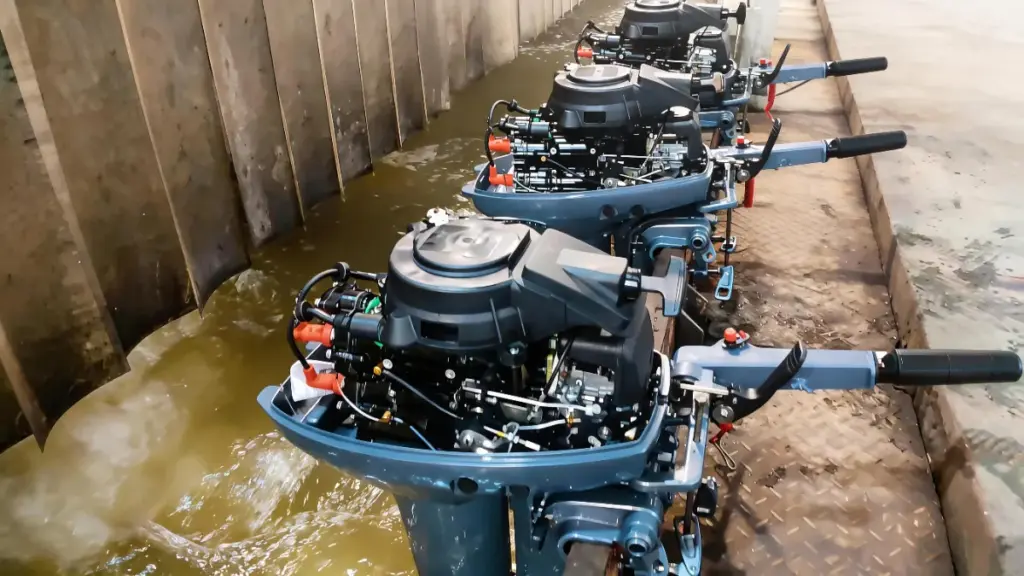
Hors-bord 4 temps milieu de gamme de chez 25 à 60 Les HP sont conçus pour équilibrer la puissance, efficacité, et poids pour les bateaux de petite et moyenne taille. Ces moteurs pèsent généralement entre 130 et 260 livres, avec le poids final en fonction de la puissance, nombre de cylindres, et des fonctionnalités ajoutées comme le power trim.
Le 25-60 La catégorie HP est l'un des segments les plus populaires sur le marché mondial des moteurs hors-bord..
Ces moteurs sont largement utilisés sur:
- Bateaux de pêche en aluminium
- Petites consoles centrales
- Bateaux pontons
- Bateaux de travail
- Bateaux familiaux de loisirs
Le poids commence à augmenter plus rapidement dans cette plage de puissance, car les fabricants de moteurs hors-bord utilisent des blocs moteurs plus gros et des composants plus solides..
| Puissance | Plage de poids typique |
|---|---|
| 25 HP | 58-80 kilos (128-176 livres) |
| 30 HP | 60-85 kilos (132-187 livres) |
| 40 HP | 90-110 kilos (198-243 livres) |
| 50 HP | 95-120 kilos (209-265 livres) |
| 60 HP | 105-125 kilos (231-276 livres) |
Poids hors-bord haute puissance à 4 temps (75-300+ HP)
Hors-bord 4 temps haute puissance dans le 75 à 300+ La classe HP a des poids secs allant d'environ 350 kilos à plus 1,000 livres. Ce poids au tableau arrière est un facteur critique pour l’intégrité structurelle d’un bateau, équilibre, et performances sur l'eau.
Les moteurs hors-bord 4 temps de grande puissance dominent aujourd’hui les marchés de la navigation de plaisance et commerciale.
Les progrès technologiques ont rendu les gros moteurs 4 temps plus efficaces, plus silencieux, et plus propre que jamais.
| Puissance | Plage de poids typique |
|---|---|
| 75 HP | 160-180 kilos (353-397 livres) |
| 90 HP | 165-190 kilos (364-419 livres) |
| 115 HP | 170-215 kilos (375-474 livres) |
| 150 HP | 205-240 kilos (452-529 livres) |
| 200 HP | 230-290 kilos (507-639 livres) |
| 250 HP | 260-320 kilos (573-705 livres) |
| 300 PV+ | 270-360 kg+ (595-794 livres+) |
Facteurs clés qui affectent le poids du hors-bord 4 temps
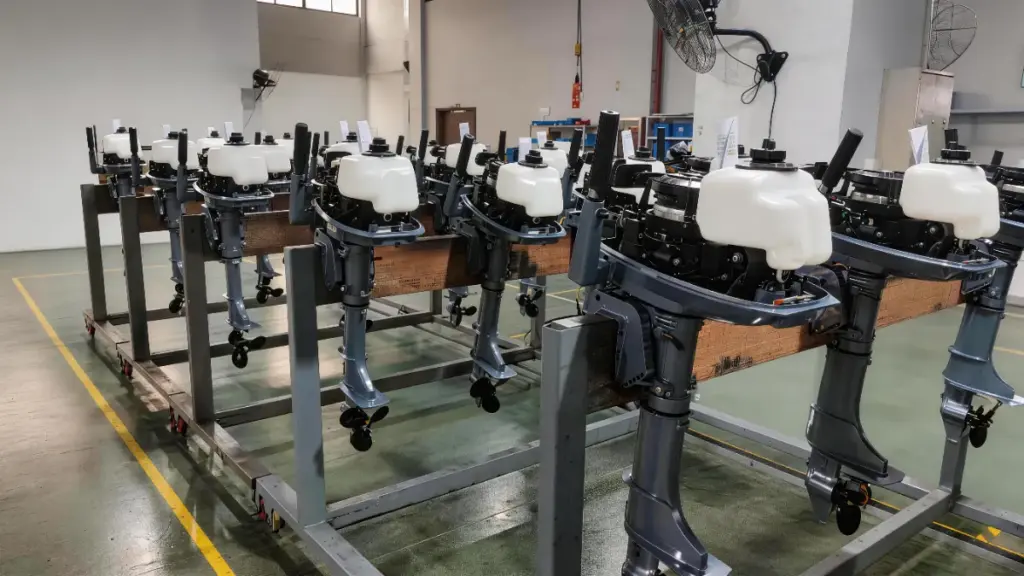
Le poids d’un moteur hors-bord dépend de sa conception fondamentale et des options que vous choisissez. La cylindrée du moteur et les matériaux utilisés, comme les alliages d'aluminium légers, définir la ligne de base. Caractéristiques telles que la longueur de l'arbre, démarrage électrique, et le power trim ajoutent du poids fonctionnel, créer une silhouette finale qui équilibre la puissance et les fonctionnalités.
Le poids d’un moteur hors-bord 4 temps est déterminé par bien plus que la seule puissance.. Alors que les moteurs dotés de puissances plus élevées pèsent naturellement plus, plusieurs facteurs de conception et de configuration peuvent influencer de manière significative le poids final d'un hors-bord.
Comprendre ces facteurs peut aider les propriétaires de bateaux à choisir le bon moteur et à comparer les modèles avec plus de précision lors de l'évaluation de différentes marques..
Cylindrée du moteur et configuration des cylindres
La cylindrée du moteur est l’un des principaux facteurs contribuant au poids du moteur hors-bord.
Les moteurs de plus grande cylindrée nécessitent généralement des blocs plus gros, piston, vilebrequins, et systèmes de refroidissement. Un hors-bord portable monocylindre peut peser moins de 20 kilos, tandis qu'un moteur multicylindre conçu pour les applications offshore peut peser plusieurs centaines de kilogrammes.
Le nombre de cylindres joue également un rôle majeur. Bicylindre, trois cylindres, et les moteurs à quatre cylindres offrent un fonctionnement plus fluide et une meilleure puissance délivrée, mais ils nécessitent plus de composants et ajoutent donc du poids.
Longueur de l'arbre
Les moteurs hors-bord sont couramment disponibles dans:
- Arbre court (15″)
- Arbre long (20″)
- Arbre extra long (25″)
- Arbre ultra long (30″)
Un arbre plus long nécessite un carter d'arbre de transmission plus long, matériaux supplémentaires, et un ensemble d'arbre de transmission interne plus long. Par conséquent, une version à arbre long du même moteur pèsera généralement plusieurs kilogrammes de plus qu'un modèle à arbre court.
Systèmes de démarrage et de trim
Des fonctionnalités supplémentaires peuvent également augmenter le poids total d'un moteur hors-bord.
Par exemple:
- Les systèmes de démarrage électrique ajoutent des démarreurs, systèmes de recharge, câblage, et piles.
- Les systèmes de relevage et d'inclinaison assistés ajoutent des pompes hydrauliques et des composants de montage renforcés.
- Des alternateurs plus gros et des systèmes de charge embarqués contribuent à un poids supplémentaire.
Bien que ces fonctionnalités améliorent la commodité et la convivialité, ils doivent être pris en compte lors du calcul de la charge totale sur le tableau arrière.
Système de carburant et technologie d'émission
Les hors-bord modernes 4 temps sont conçus pour répondre à des normes environnementales de plus en plus strictes..
Injection électronique de carburant (EFI) les systèmes améliorent le rendement énergétique, réponse de l'accélérateur, et performances de démarrage à froid. Cependant, pompes à carburant, capteurs, unités de contrôle électroniques, et les composants associés ajoutent du poids par rapport aux systèmes à carburateur plus simples.
Le même principe s'applique aux technologies avancées de contrôle des émissions que l'on trouve sur de nombreux hors-bord modernes..
Matériaux et conception structurelle
Les matériaux utilisés dans la construction peuvent faire une différence notable dans le poids global du moteur..
À NOUVEAUTOP, nous nous concentrons sur la réalisation d'un équilibre efficace entre durabilité et portabilité en utilisant des composants légers en alliage d'aluminium et des conceptions structurelles optimisées dans la mesure du possible. Cela permet à nos moteurs hors-bord d'offrir des performances fiables tout en gardant le poids sous contrôle pour une manipulation plus facile., transport, et mise en place.
Boîtier d'engrenage et application prévue
L'unité inférieure, ou boîte de vitesses, est un autre facteur important affectant le poids total.
Moteurs hors-bord conçus pour un usage commercial, applications de pêche intensives, ou les bateaux plus grands sont souvent dotés de carters d'engrenages plus solides et de composants internes renforcés. Ces conceptions améliorent la durabilité et la gestion du couple, mais augmentent naturellement le poids du moteur..
Par contre, les hors-bord portables sont optimisés pour la mobilité et la facilité de transport, résultant en une construction globale plus légère.
4-Poids course vs poids 2 temps: Combien est plus lourd un 4 temps?
En moyenne, un moteur hors-bord 4 temps est environ 10 à 25 % plus lourd qu'un moteur 2 temps de même puissance. Ce poids supplémentaire provient d'une conception mécanique plus complexe, comprenant un système de soupapes et un système d'huile autonome, quels moteurs 2 temps n'ont pas.
Principales raisons mécaniques du poids supplémentaire
Les moteurs à quatre temps sont fondamentalement plus complexes. Ils comprennent un train de soupapes dédié avec des arbres à cames, vannes, et ressorts pour contrôler l'admission et l'échappement. Les moteurs à deux temps utilisent une conception de port plus simple, éliminant le besoin de ces composants lourds.
Ils ont également besoin d'un système de lubrification autonome. Cela comprend un carter d'huile pour contenir l'huile et une pompe pour la faire circuler, contrairement au mélange de carburant et d'huile plus simple qui lubrifie un 2 temps. Cela ajoute du poids et de l'encombrement importants.
Toutes ces pièces supplémentaires nécessitent un bloc moteur plus grand et plus robuste pour le support.. Le renforcement structurel supplémentaire contribue directement au poids à sec global du moteur., rendant le 4 temps plus lourd avant même que des liquides ne soient ajoutés.
Différence de poids selon la plage de puissance
L'écart de poids entre les 4 temps et les 2 temps n'est pas constant; il augmente à mesure que la puissance augmente. La différence relative se situe généralement entre 10% et 25% à tous les niveaux.
Dans la classe portable (sous 25 HP), un 4 temps est souvent 10 à 20 livres de plus. Même si cela ne semble pas grand-chose, c'est une différence notable lorsque vous devez soulever le moteur pour monter et descendre d'un petit bateau ou d'une annexe.
Pour moteurs de milieu de gamme (30 à 90 HP), la différence de poids augmente jusqu'à environ 25 à 60 livres. Cette quantité de poids supplémentaire sur le tableau arrière peut affecter le tir du bateau., capacité de rabotage, et comment il reste dans l'eau au repos.
L’écart est plus important avec les moteurs hors-bord de forte puissance (100 HP et plus). Ici, 4-les modèles à course peuvent facilement peser 40 à 100 livres de plus que leurs homologues 2 temps. Sur les configurations multimoteurs, ce poids supplémentaire est multiplié et devient un facteur critique dans les performances et l'équilibre du bateau.
Si vous envisagez également un moteur 2 temps, assurez-vous de lire notre Guide des poids hors-bord à deux temps pour une comparaison détaillée des plages de poids selon différents niveaux de puissance. Comprendre les différences de poids entre les moteurs hors-bord 2 temps et 4 temps peut vous aider à choisir la meilleure option pour votre bateau et l'application prévue..
Comment sélectionner le bon poids 4 temps pour votre bateau
Choisir le bon poids pour moteur 4 temps implique d'équilibrer la capacité officielle de votre bateau avec vos besoins de performances.. Commencez par vérifier la plaque de capacité du fabricant pour connaître les limites de puissance maximale et de poids du moteur.. Alors, sélectionnez le moteur le plus léger de votre classe de puissance cible, capable de gérer efficacement votre charge typique de carburant., engrenage, et les passagers.
Évaluez la capacité et les performances de votre bateau
Avant de comparer des moteurs spécifiques, vous devez comprendre les limites structurelles et de performances de votre bateau. Chaque coque est conçue pour supporter un poids et une puissance spécifiques sur son tableau arrière.. Le dépassement de ces limites peut nuire aux performances et créer des conditions de manipulation dangereuses..
La première étape consiste à vérifier la plaque de capacité de votre bateau, on le trouve généralement près de la barre ou sur le tableau arrière. Cette plaque spécifie la puissance maximale et le poids du moteur que la coque peut supporter en toute sécurité.. Ne dépassez jamais ces notes, car cela pourrait surcharger le tableau arrière et annuler votre garantie ou votre assurance..
Le poids du moteur affecte directement l’assiette statique de votre bateau, c'est ainsi qu'il reste dans l'eau au repos. Un moteur trop lourd fera que la poupe sera basse. Cela peut laisser l'eau entrer par les dalots, créant un cockpit humide et réduisant la stabilité.
Une ligne directrice utile pour les coques planantes est d'avoir une puissance pour chaque 25 à 40 livres du poids total du bateau. Un ratio plus proche de 25 livres par cheval-vapeur offre une forte accélération, alors qu'un ratio proche 40 livres par cheval-vapeur pour une croisière plus économique.
Choisir un moteur trop lourd sollicite la coque, nuit à l'efficacité énergétique, et rend le bateau plus difficile à manier. Un moteur trop léger ou sous-alimenté aura du mal à planer et à fonctionner à des régimes élevés juste pour maintenir sa vitesse., ce qui réduit sa durée de vie et brûle plus de carburant.
Une méthode pratique pour choisir le bon moteur
En gardant à l’esprit les limites de votre bateau, vous pouvez suivre un processus clair pour trouver le moteur idéal. Cette méthode vous aide à adapter les spécifications du moteur à vos activités réelles sur l'eau..
Commencez par estimer le poids de votre bateau à pleine charge. Cela inclut la coque, carburant, piles, équipement de sécurité, et le nombre habituel de passagers que vous transportez. Cette estimation vous aide à appliquer la ligne directrice poids/puissance pour trouver votre plage de puissance idéale..
Suivant, définir comment vous utilisez votre bateau le plus souvent. Si vous faites principalement de la croisière légère avec peu de passagers, un moteur plus léger à l’extrémité inférieure de la cote de votre bateau fonctionnera bien. Mais si vous remorquez des skieurs, transporter du matériel de pêche lourd, ou courir au large, vous aurez besoin de plus de puissance et devriez envisager des options plus proches de la puissance nominale maximale.
Une fois que vous avez une classe de puissance cible, comparer les poids des différents modèles au sein de cette classe. Vous pouvez parfois trouver un moteur qui offre une augmentation significative de la puissance pour seulement un gain de poids mineur.. Si le poids supplémentaire correspond toujours à la capacité de votre bateau, c'est souvent un excellent moyen d'améliorer les performances.
Enfin, calculer le poids total installé avant de prendre une décision. Cela inclut le poids sec du moteur et les fluides., l'hélice, et tous les composants du gréement. Ce numéro final vous donne le poids réel sur votre tableau arrière et garantit que votre choix sera livré en toute sécurité., équilibré, et des performances efficaces.
Pensées finales
Lorsque l'on compare les moteurs hors-bord, la puissance à elle seule ne raconte pas toute l’histoire. Le poids influence l'équilibre du bateau, accélération, économie de carburant, transport, et les coûts d'exploitation à long terme. Comprendre la relation entre la puissance et le poids du moteur aide les propriétaires de bateaux à choisir un moteur offrant des performances fiables sans compromettre la sécurité ou la maniabilité..
Que vous ayez besoin d'un hors-bord portable léger pour un petit bateau de pêche ou d'une solution haute puissance pour les applications marines exigeantes, NOUVEAUTOP continue de développer des moteurs hors-bord fiables conçus pour équilibrer la puissance, efficacité, durabilité, et exigences de poids pratiques pour les utilisateurs du monde entier.
Foire aux questions
Combien pèse un moteur hors-bord 4 temps?
Le poids dépend de la puissance. Les petits modèles portables peuvent peser aussi peu que 13 kilos (29 livres), tandis que les gros moteurs offshore peuvent dépasser 360 kilos (794 livres).
Quel est le moteur hors-bord 4 temps le plus léger?
La plupart 2.5 Les hors-bord HP 4 temps sont parmi les plus légers disponibles, pesant généralement entre 13 et 18 kilos (29-40 livres).
Combien coûte un 15 Pesée hors-bord HP 4 temps?
Un typique 15 Le hors-bord HP 4 temps pèse entre 43 et 52 kilos (95-115 livres), en fonction de la longueur de l'arbre et du système de démarrage.
Combien coûte un 20 Pesée hors-bord HP 4 temps?
La plupart 20 Les hors-bord HP 4 temps pèsent environ 45-60 kilos (99-132 livres).
Les hors-bord 4 temps sont-ils plus lourds que les 2 temps?
Oui, pour une puissance donnée, un hors-bord 4 temps est plus lourd qu'un 2 temps comparable. C'est parce que les 4 temps ont des pièces internes plus complexes, comme un train de soupapes, arbres à cames, et un système de lubrification à l'huile séparé, qui ajoutent tous du poids.
Combien coûte un 150 Pesée hors-bord HP 4 temps?
Le plus moderne 150 Les hors-bord HP 4 temps pèsent entre 205 et 240 kilos (452-529 livres).
La longueur de l'arbre affecte-t-elle le poids du moteur hors-bord?
Oui, la longueur de l’arbre s’ajoute au poids total d’un hors-bord. Un modèle à arbre long est plus lourd qu'une version à arbre court du même moteur car son arbre de transmission et son carter nécessitent plus de matériaux.. La différence de poids n'est généralement que de quelques kilos, mais elle est indiquée dans les spécifications du fabricant..
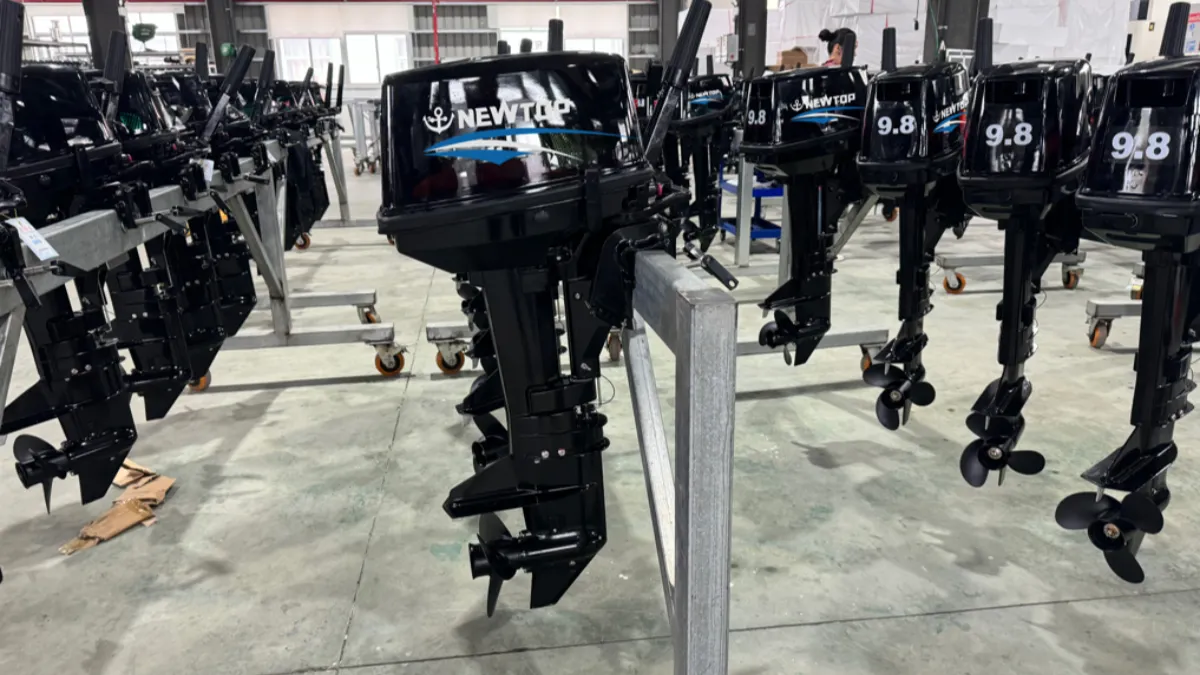
When selecting moteurs hors-bord, horsepower is often the first specification buyers consider. Cependant, weight can be just as important, especially for small boats, bateaux pneumatiques, bateaux de pêche, bateaux de travail, and portable marine applications.
One reason 2-stroke outboard motors remain popular in many markets is their favorable power-to-weight ratio. Compared with equivalent 4-stroke models, 2-stroke engines generally deliver similar output while carrying less weight, making them easier to transport, install, and operate.
This guide compares typical 2-stroke outboard motor weights across different horsepower ranges and explains how weight influences boat performance, consommation de carburant, and handling.
Why 2-Stroke Outboard Weight Gives a Performance Edge
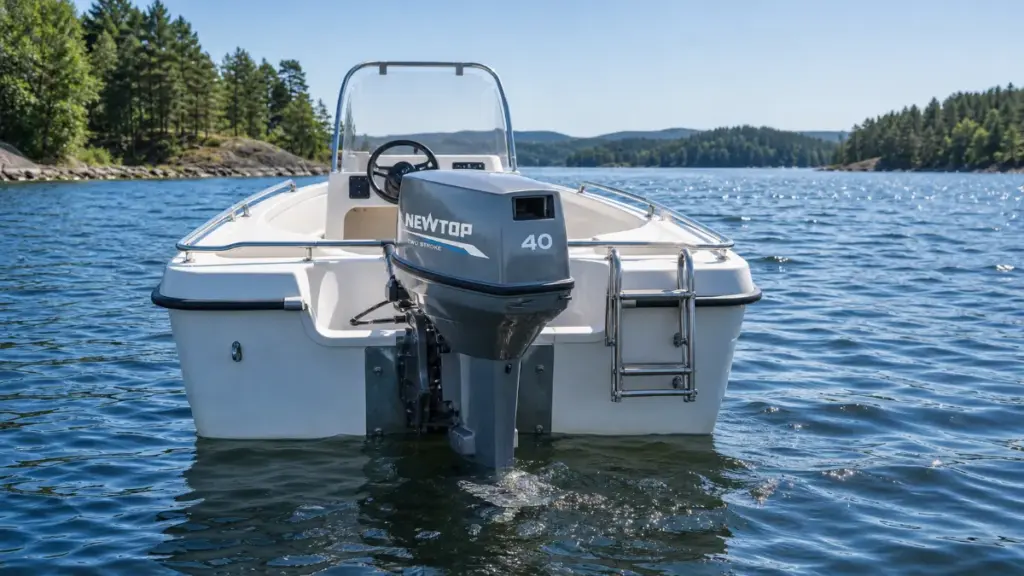
A lighter 2-stroke outboard improves a boat’s performance by offering a superior power-to-weight ratio. With less mass on the transom, a hull accelerates faster, handles more responsively, and maintains a better running attitude, turning raw horsepower into practical on-water speed and agility.
A lighter outboard motor can provide several advantages:
- Faster acceleration from a standstill
- Improved hole shot performance
- Quicker planing
- Better maneuverability
- Transport et installation plus faciles
- Reduced transom stress
- Increased payload capacity
Par exemple, a small fishing boat powered by a 15 HP 2-stroke outboard may carry 10–20 kg less engine weight than a comparable 4-stroke model. That weight difference can be used for additional fuel, fishing equipment, cargo, or passengers.
In many developing and remote markets, 2-stroke outboards remain popular because of their simple design, entretien facile, and favorable power-to-weight ratio.
2-Stroke Outboard Weight Comparison by Horsepower
2-stroke outboard motors are known for their favorable power-to-weight ratio across a wide horsepower range. 2-stroke outboard motors typically weigh between 14 kg et 190 kilos (30–420 lbs), depending on horsepower, longueur de l'arbre, and engine configuration.
Compared with similarly rated 4-stroke outboards, 2-stroke designs generally achieve lower overall weight thanks to their simpler mechanical structure and fewer internal components.
Note: Weight specifications can vary significantly between outboard motor manufacturers and engine configurations. The tables below show typical dry weight ranges commonly found across the global 2-stroke outboard market.
Portable 2-Stroke Weight Chart (2.5-15 HP)
Portable 2-strokes in the 2.5 à 15 HP range are designed for easy carrying and mounting on small tenders, jon boats, and inflatables. Their low weight makes a noticeable difference in trim and manual handling, a key reason they are valued on car-toppers and other small craft.
| Puissance (HP) | Typical Dry Weight (kilos) | Typical Dry Weight (livres) |
|---|---|---|
| 2.5 HP | 14–18 kg | 30–40 lbs |
| 4–5 HP | 16–25 kg | 35–55 lbs |
| 6 HP | 20–29 kg | 45–65 lbs |
| 8 HP | 25–34 kg | 55–75 lbs |
| 9.9 HP | 32–43 kg | 70–95 lbs |
| 15 HP | 39–54 kg | 85–120 lbs |
Mid-Range 2-Stroke Outboard Weights (18-40 HP)
Mid-range 2-strokes are a popular choice for fishing boats, skiffs, bateaux en aluminium, and RIBs where a strong power-to-weight ratio is important. This category provides enough power for fast planing while keeping overall transom weight relatively low.
| Puissance (HP) | Typical Dry Weight (kilos) | Typical Dry Weight (livres) |
|---|---|---|
| 18–20 CV | 34–50 kg | 75–110 lbs |
| 25 HP | 39–59 kg | 85–130 lbs |
| 30 HP | 43–66 kg | 95–145 lbs |
| 40 HP | 54–77 kg | 120–170 lbs |
High-Horsepower 2-Stroke Weight Table (50-150 HP)
As horsepower increases, engine weight rises significantly. Cependant, 2-stroke outboards generally maintain a favorable power-to-weight ratio compared with similarly rated 4-stroke engines. This advantage can help improve acceleration, planing performance, and overall boat responsiveness.
| Puissance (HP) | Typical Dry Weight (kilos) | Typical Dry Weight (livres) |
|---|---|---|
| 50 HP | 64–86 kg | 140–190 lbs |
| 60 HP | 70–95 kg | 155–210 lbs |
| 70 HP | 82–109 kg | 180–240 lbs |
| 90 HP | 100–132 kg | 220–290 lbs |
| 115 HP | 113–150 kg | 250–330 lbs |
| 150 HP | 154–191 kg | 340–420 lbs |
Power Your Business with Durable Outboard Motors
What Makes 2-Stroke Outboards Lighter: Mechanical Simplicity
The primary reason 2-stroke outboards weigh less is their simpler internal design.
Unlike 4-stroke engines, traditional 2-stroke outboards do not require:
- Camshafts
- Timing chains
- Timing belts
- Intake valves
- Exhaust valves
- Complex valve train components
Because power is produced every crankshaft revolution rather than every other revolution, the engine can generate strong output with fewer moving parts.
Typical Weight-Saving Components
| Composant | 2-Accident vasculaire cérébral | 4-Accident vasculaire cérébral |
|---|---|---|
| Valve Train | Non | Oui |
| Arbre à cames | Non | Oui |
| Timing System | Non | Oui |
| Engine Oil System | Plus simple | More Complex |
| Internal Parts Count | Inférieur | Plus haut |
For more information about 2-stroke outboard motors vs 4-stroke outboard motors, you can read this blog: 2 AVC vs 4 Moteurs hors-bord à course: Quel est le meilleur pour votre marché.
How Weight Affects Hole Shot, Planing, et efficacité énergétique
Many boat owners focus only on horsepower, but weight significantly influences real-world performance.
Hole Shot
Hole shot refers to how quickly a boat accelerates from idle speed to planing speed.
A lighter engine reduces the amount of mass the hull must lift during acceleration.
Benefits include:
- Faster launch
- Better towing performance
- Improved responsiveness
- More efficient operation under heavy loads
This is particularly important for fishing boats that frequently stop and start throughout the day.
Planing Performance
Planing occurs when the hull rises and glides over the water rather than pushing through it.
Excessive stern weight can delay planing and increase fuel consumption.
A lighter outboard often helps:
- Reach plane sooner
- Maintain plane at lower throttle settings
- Improve overall ride quality
Efficacité énergétique
Fuel consumption depends on multiple factors, y compris:
- Boat design
- Propeller selection
- Engine tuning
- Operating speed
- Total vessel weight
Reducing weight generally decreases the energy required to move the boat.
Although fuel savings vary by application, lighter outboards often improve overall operating efficiency, especially on smaller vessels.
Selecting the Right 2-Stroke Weight for Your Application
The lightest engine is not always the best choice.
Plutôt, operators should match engine weight to vessel size, utilisation prévue, and load requirements.
| Type de bateau | Typical HP Range | Recommended Engine Weight | Applications courantes | Key Priority |
|---|---|---|---|---|
| Small Inflatable Boats | 2.5–9,9 CV | 14–43 kg (30–95 lbs) | Tenders, canots pneumatiques, recreational boating, portable fishing setups | Easy transportation |
| Small Fishing Boats | 15–30 HP | 39–66 kg (85–145 lbs) | Inland fishing, transport fluvial, coastal operations | Balance between portability and performance |
| Bateaux de travail commerciaux | 40–90 CV | 54–132 kg (120–290 lbs) | Cargo transport, passenger services, daily commercial use | Reliability and load capacity |
| Offshore & High-Speed Boats | 115–150 CV | 113–191 kg (250–420 lbs) | Offshore fishing, opérations de secours, patrol vessels, high-performance boating | Maximum performance and durability |
For a deeper look at how different outboard motor types perform across fishing, transport, and leisure applications, consultez notre guide détaillé here.
Looking for Reliable 2-Stroke Outboard Motors?
NOUVEAUTOP manufactures a wide range of gasoline-powered marine engines designed for fishing, transport, and commercial marine applications. With extensive OEM and ODM experience, NEWTOP supports distributors, grossistes, and marine equipment brands in global markets.
Key advantages include:
- Competitive power-to-weight ratios
- Écurie capacité de production
- OEM and private-label support
- Spare parts availability
- Quality control throughout manufacturing
- Technical documentation and after-sales support
Whether you need portable outboards for inflatable boats or higher-horsepower solutions for commercial vessels, NEWTOP can provide tailored products for your market requirements.
Foire aux questions
How much does a 2-stroke outboard motor weigh?
Le poids dépend de la puissance. Small portable 2-stroke outboards may weigh as little as 10–14 kg, while large 300 HP models can exceed 300 kilos.
Combien coûte un 15 HP 2-stroke outboard weigh?
La plupart 15 HP 2-stroke outboards weigh approximately 39-54 kilos, en fonction de la longueur de l'arbre et du système de démarrage.
Combien coûte un 30 HP 2-stroke outboard weigh?
UN 30 HP 2-stroke outboard generally weighs between 110 et 145 livres. It fits between the lighter 20 HP class and the heavier 40 HP class, with the final weight depending on its specific configuration.
Combien coûte un 40 HP 2-stroke outboard weigh?
UN 40 HP 2-stroke outboard motor typically weighs between 150 et 190 livres. This weight can change based on the manufacturer, longueur de l'arbre, and whether it includes systems like power trim and tilt.
Why are 2-stroke outboards lighter than 4-stroke?
Two-stroke outboards are lighter due to their simpler design. They do not have the separate valve train, arbres à cames, and other complex internal parts found in 4-stroke engines. Fewer components result in a more compact and lightweight powerhead for the same horsepower.
Combien coûte un 150 HP 2-stroke outboard weigh?
UN 150 HP 2-stroke outboard typically weighs between 390 et 460 livres. The exact weight is influenced by the model’s gearcase design, fuel system, and whether it’s a direct-injection or carbureted model.
What is the lightest 2-stroke outboard motor?
The lightest 2-stroke outboard motors are generally in the 2.5 HP class, weighing as little as 30 à 40 livres. These small, single-cylinder engines are designed for ultimate portability, making them easy to carry and mount on small boats like dinghies or canoes.
La bonne taille de moteur hors-bord dépend de 4 facteurs clés: la longueur de votre bateau, poids total chargé, hauteur du tableau arrière, et comment vous comptez utiliser le bateau. Un petit bateau de pêche utilisé sur des lacs calmes nécessite un moteur très différent d'un bateau de travail lourdement chargé opérant dans les eaux côtières.
Dans ce guide, vous apprendrez à choisir le bon moteur hors-bord en fonction du type de bateau, poids, et applications du monde réel. Nous expliquerons également les recommandations de puissance, sélection de la longueur de l'arbre, erreurs de taille courantes, et les différences entre les moteurs 2 temps et 4 temps. En tant que fabricant expérimenté de moteurs hors-bord, NOUVEAUTOP aide les distributeurs et les marques d'équipement OPE à sélectionner des moteurs hors-bord fiables qui correspondent aux différents marchés et aux besoins de la navigation de plaisance.
Pourquoi la sélection de la taille du moteur hors-bord est importante
La taille du moteur hors-bord doit correspondre à la puissance nominale maximale du bateau, poids à pleine charge, et conditions de fonctionnement. La longueur du bateau n'est qu'un point de départ.
De nombreux acheteurs commencent par demander, “De quelle taille de moteur un bateau de 16 pieds a-t-il besoin?” Bien que la longueur du bateau constitue une référence utile, ça ne raconte pas toute l'histoire. Deux bateaux de même longueur peuvent avoir des conceptions de coque très différentes, poids, et capacités de charge, conduisant à des exigences de puissance différentes.
Par exemple:
| Bateau | Poids sec | Charge typique | HP recommandés |
|---|---|---|---|
| 16 Bateau de pêche en aluminium de pieds | 750 livres | 2 les pêcheurs + engrenage | 40–50 CV |
| 16 Bateau de pêche en fibre de verre | 1,250 livres | 4 passagers + engrenage | 60–75 CV |
Bien que les deux bateaux mesurent 16 pieds, la coque en fibre de verre plus lourde nécessite plus de puissance pour accélérer, atteindre la vitesse de planage, et maintenir les performances de croisière.
Plusieurs facteurs déterminent la taille appropriée du moteur hors-bord:
- Longueur du bateau fournit la plage de puissance initiale.
- Poids à pleine charge a la plus grande influence sur les exigences réelles du moteur.
- Conception de la coque affecte la facilité avec laquelle le bateau plane. Les bateaux à fond plat nécessitent généralement moins de puissance que les coques en V profond.
- Poids des passagers et du fret peut augmenter considérablement la charge totale que le moteur doit déplacer.
- Conditions de l'eau ça compte aussi. Bateaux opérant dans les eaux côtières, rivières avec de forts courants, ou les lacs agités bénéficient souvent d'une puissance supplémentaire dans la plage recommandée par le fabricant..
Un autre point souvent négligé est efficacité de fonctionnement du moteur. Un moteur sous-dimensionné tourne fréquemment à des réglages de régime plus élevés juste pour maintenir sa vitesse de croisière.. Au fil du temps, cela augmente la consommation de carburant et exerce une plus grande pression sur les composants du moteur. Un moteur bien adapté roule généralement à un régime inférieur tout en offrant des performances plus douces et une meilleure économie de carburant..
Cependant, sélectionner le plus gros moteur disponible n’est pas toujours la meilleure solution. Chaque bateau a une puissance nominale maximale établie par le fabricant. Le dépassement de cette limite peut affecter la manipulation, surcharger le tableau arrière, et peut enfreindre les réglementations de sécurité locales ou les exigences d'assurance.
Règle générale: Sélectionnez un moteur qui se situe confortablement dans la plage de puissance recommandée par le fabricant de votre bateau plutôt que de choisir automatiquement la puissance minimale ou maximale..
Guide de puissance des moteurs hors-bord par longueur de bateau: Tableau de référence rapide
Le tableau suivant résume les recommandations typiques en matière de puissance des moteurs hors-bord pour les bateaux récréatifs et commerciaux courants..
| Longueur du bateau | Utilisation récréative légère | Charge lourde ou utilisation commerciale | PV maximum (Typique) |
|---|---|---|---|
| 8–10 pieds | 2–6 CV | 6 HP | 6–10 CV |
| 10–12 pieds | 5–9,9 CV | 9.9–15 CV | 15 HP |
| 12–14 pieds | 9.9–20 CV | 20–25 CV | 25 HP |
| 14–16 pieds | 20–40 CV | 40–60 CV | 60 HP |
| 16–18 pieds | 40–60 CV | 60–90 CV | 90 HP |
| 18–20 pieds | 90–115 CV | 115–150 CV | 150 HP |
| 20–24 pieds | 150–200 CV | 200–250 CV | 250 PV+ |
Ces recommandations s'appliquent aux bateaux à usage général. Vérifiez toujours la puissance maximale indiquée sur la plaque de capacité de votre bateau avant d'acheter un moteur..
Vous ne savez pas quelle taille de moteur hors-bord vous avez besoin?
Faire correspondre la taille du hors-bord au type de bateau: Dériveurs, Bateaux de pêche, Pontons, et bateaux de travail
Différents modèles de bateaux ont des caractéristiques de performance différentes. Même les bateaux de dimensions similaires peuvent nécessiter des moteurs de tailles différentes en raison de la forme de la coque., répartition du poids, et l'utilisation prévue.
Dériveurs et bateaux pneumatiques
Les bateaux pneumatiques sont légers et faciles à déplacer. Ils ne nécessitent généralement que de petits moteurs hors-bord.
Les recommandations typiques incluent:
| Longueur du bateau | HP recommandés |
|---|---|
| 8 pi | 2–4 CV |
| 9 pi | 4–6 CV |
| 10 pi | 5–8 CV |
| 12 pi | 8–15 CV |
Pour les annexes utilisées pour parcourir de courtes distances entre un quai et un navire plus grand, la portabilité compte souvent plus que la vitesse maximale. Un hors-bord portable léger est généralement la solution la plus pratique.
Bateaux de pêche en aluminium
Les bateaux en aluminium sont populaires car ils allient faible poids et bonne durabilité..
Les recommandations générales comprennent:
| Longueur du bateau | HP recommandés |
|---|---|
| 12 pi | 9.9–15 CV |
| 14 pi | 15–25 CV |
| 16 pi | 40–50 CV |
| 18 pi | 60–90 CV |
Bateaux pontons
Les bateaux pontons privilégient le confort et la capacité en passagers plutôt que la grande vitesse.
Les plages de puissance typiques comprennent:
| Taille du ponton | HP recommandés |
|---|---|
| 16–18 pieds | 25–60 CV |
| 20 pi | 60–90 CV |
| 22 pi | 90–150 CV |
| 24 pi+ | 150–250 CV |
Si votre ponton est utilisé pour des sports nautiques comme le tubing ou le ski, la sélection d'un moteur plus puissant permettra d'obtenir une accélération plus forte et de meilleures performances de remorquage.
Bateaux de travail commerciaux
Les opérateurs commerciaux apprécient souvent la fiabilité, efficacité énergétique, et de longues heures de fonctionnement à vitesse maximale.
Selon l'application, Les cylindrées recommandées peuvent varier de:
- 40–60 CV pour les petits bateaux utilitaires
- 90–150 CV pour les bateaux de transport
- 150–300 HP pour les bateaux de travail commerciaux lourds
NOUVEAUTOP offres fiables moteurs hors-bord conçu pour fonctionner dans des environnements exigeants, ce qui les rend adaptés aux opérations de pêche, transport maritime, services de secours, et autres applications commerciales où des performances constantes sont essentielles.
Longueur de l'arbre: Arbre court ou long expliqué
La bonne longueur d'arbre maintient l'hélice à la bonne profondeur dans l'eau.. Même la bonne puissance ne peut pas compenser un arbre mal dimensionné.
De nombreux acheteurs se concentrent entièrement sur la puissance et négligent la longueur de l'arbre jusqu'à l'installation.. En pratique, une longueur d'arbre incorrecte peut réduire les performances tout autant que le choix d'une mauvaise cylindrée de moteur.
Longueurs d'arbre standard
| Type d'arbre | Longueur | Applications courantes |
|---|---|---|
| Court (S) | 15 dans (381 mm) | Jon bateaux, canots pneumatiques, petits bateaux en aluminium |
| Long (L) | 20 dans (508 mm) | Bateaux de pêche, pontons, consoles centrales |
| Très long (XL) | 25 dans (635 mm) | Bateaux offshore, bateaux commerciaux |
| Ultra-long (XXL) | 30 dans (762 mm) | Applications offshore spécialisées |
2-Course vs 4 temps: Comment le type de moteur affecte votre choix de taille
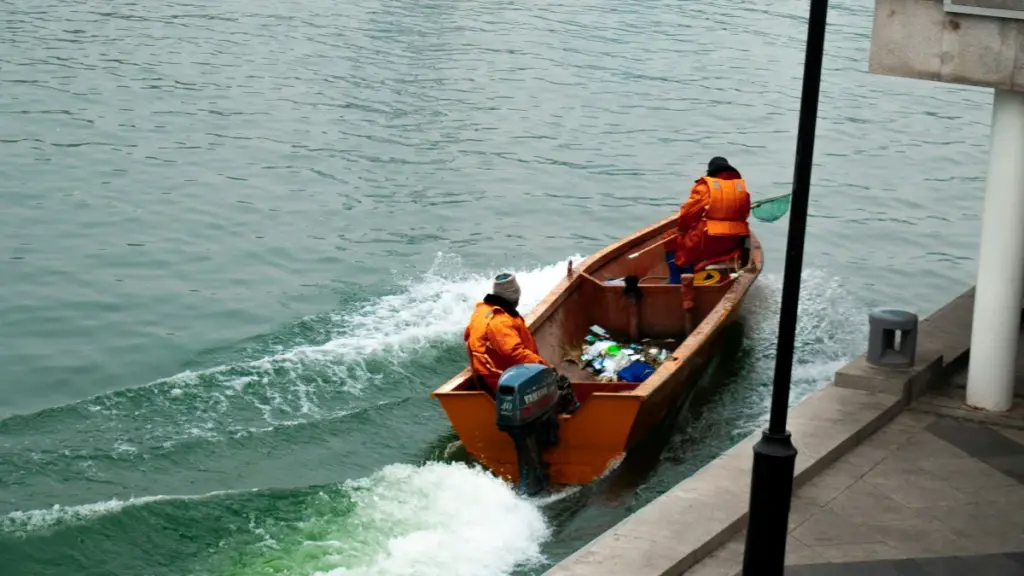
Une fois que vous avez estimé la puissance requise, la prochaine décision est de choisir entre un moteur hors-bord 2 temps et 4 temps. Les deux types de moteurs peuvent offrir d’excellentes performances, mais ils fournissent de la puissance différemment et peuvent influencer la puissance que vous choisissez.
2-Hors-bords
Un moteur 2 temps produit de la puissance à chaque tour du vilebrequin, lui donnant un rapport puissance/poids plus élevé.
Les avantages incluent:
- Poids global plus léger
- Forte accélération
- Conception mécanique plus simple
- Transport et installation plus faciles
- Idéal pour les applications portables
Parce qu'ils sont plus légers, un moteur hors-bord 2 temps peut être une bonne option pour les petits bateaux où il est important de maintenir un faible poids à l'arrière..
Les applications typiques incluent:
- Bateaux pneumatiques
- Petits bateaux de pêche
- Bateaux utilitaires
- Appels d'offres portables
4-Hors-bords
Un moteur 4 temps génère de la puissance tous les deux tours mais offre un fonctionnement plus fluide et plus raffiné..
Les avantages incluent:
- Meilleure économie de carburant
- Réduction des émissions
- Fonctionnement plus silencieux
- Durée de vie plus longue
- Fréquence de maintenance réduite
Ces caractéristiques font des moteurs 4 temps le choix préféré des plaisanciers et des utilisateurs commerciaux qui passent de longues heures sur l'eau..
Le type de moteur modifie-t-il les exigences en matière de puissance?
Pas de manière significative.
Si votre bateau nécessite environ 60 HP, tous deux un 60 HP 2 temps et un 60 HP 4 temps produira des performances haut de gamme similaires.
Cependant, il y a des différences pratiques.
Un 4 temps plus lourd place plus de poids sur le tableau arrière, ce qui peut légèrement affecter l'équilibre des petits bateaux. En revanche, le poids plus léger d'un 2 temps peut améliorer la maniabilité sur les navires compacts.
Pour les acheteurs qui choisissent entre les deux, considérez vos priorités:
| Priorité | Meilleur choix |
|---|---|
| Poids le plus bas | 2-Accident vasculaire cérébral |
| Efficacité énergétique | 4-Accident vasculaire cérébral |
| Fonctionnement silencieux | 4-Accident vasculaire cérébral |
| Accélération rapide | 2-Accident vasculaire cérébral |
| Utilisation commerciale de longue durée | 4-Accident vasculaire cérébral |
| Applications portables | 2-Accident vasculaire cérébral |
Si vous êtes encore en train de décider quel type de moteur correspond le mieux à vos besoins, vous pouvez également explorer nos comparaisons détaillées de 2-accident vasculaire cérébral vs. 4-moteurs hors-bord à course et le différents types de moteurs hors-bord pour mieux comprendre leurs avantages dans diverses applications nautiques.
Pensées finales
Pour la plupart des utilisateurs, la longueur du bateau fournit une référence de départ, mais le poids et l'utilisation déterminent le choix final. Un moteur bien adapté améliore l’accélération, efficacité énergétique, et fiabilité à long terme, tandis qu'une taille incorrecte peut réduire les performances même sur un bateau de haute qualité.
Vous ne savez toujours pas quel moteur hors-bord correspond le mieux à votre marché ou à votre application? NEWTOP les équipes d'ingénierie et de vente peuvent vous aider à recommander la bonne puissance, longueur de l'arbre, et configuration du moteur en fonction de différents types de bateaux et conditions d'exploitation. Contactez-nous dès aujourd'hui pour des conseils d'experts et une solution OEM personnalisée.
Foire aux questions
De quelle taille de moteur hors-bord ai-je besoin pour un bateau de 14 pieds?
Un bateau typique de 14 pieds fonctionne bien avec un moteur hors-bord de 15 à 25 CV. Les bateaux légers en aluminium utilisés pour la pêche peuvent nécessiter seulement 15 HP, tandis que les bateaux en fibre de verre plus lourds ou les bateaux transportant plusieurs passagers bénéficient souvent d'un moteur de 20 à 25 CV..
De quelle puissance ai-je besoin pour un bateau de 20 pieds?
La plupart des bateaux de plaisance de 20 pieds nécessitent 90 à 150 CV, en fonction du poids de la coque et de l'utilisation prévue. Les bateaux de pêche utilisés dans les eaux côtières obtiennent généralement de meilleurs résultats vers l'extrémité supérieure de cette fourchette., tandis que les bateaux utilitaires plus légers peuvent fonctionner efficacement avec environ 90 HP.
Quelle taille de moteur hors-bord pour un bateau en aluminium de 16 pieds?
Un bateau en aluminium de 16 pieds utilise généralement un moteur hors-bord de 40 à 50 CV. Si vous transportez régulièrement du matériel de pêche lourd ou plusieurs passagers, sélectionner un modèle plus proche de 50 HP offre généralement une meilleure accélération et des performances globales.
Comment calculer la taille du moteur hors-bord?
Commencez par vérifier la puissance maximale indiquée par le fabricant de votre bateau.. Calculez ensuite le poids total de votre bateau chargé et utilisez la directive générale de 25 à 50 livres par cheval-vapeur.. Enfin, pensez à votre type de bateau, utilisation prévue, et la vitesse de croisière souhaitée avant de prendre une décision finale.
Que se passe-t-il si mon hors-bord est trop puissant?
Un hors-bord surdimensionné peut rendre le bateau instable, augmenter la consommation de carburant, surcharger le tableau arrière, et dépasser la cote de sécurité du fabricant. Dans de nombreuses régions, l'installation d'un moteur plus gros que le maximum approuvé peut également créer des problèmes d'assurance ou juridiques.
De quelle taille de moteur de pêche à la traîne ai-je besoin?
Les moteurs de pêche à la traîne sont mesurés par la poussée plutôt que par la puissance. En règle générale, choisir au moins 2 livres de poussée pour chaque 100 livres de poids du bateau à pleine charge. Les bateaux plus grands ou les bateaux opérant dans des courants forts peuvent nécessiter une poussée plus élevée pour un meilleur contrôle..
Comment puis-je savoir de quelle longueur d'arbre hors-bord j'ai besoin?
Mesurez la hauteur du tableau arrière de votre bateau depuis le haut de la surface de montage jusqu'au bas de la coque.. Faites correspondre cette mesure aux longueurs d'arbre standard: 15 pouces (court), 20 pouces (long), ou 25 pouces (extra-long). L’utilisation de la bonne longueur d’arbre garantit une propulsion efficace, manipulation stable, et une meilleure économie de carburant.
