


- Alle
- NEWTOP-Kundengeschichten
- NEWTOP Explorer Hub
- NEWTOP-Brancheneinblicke
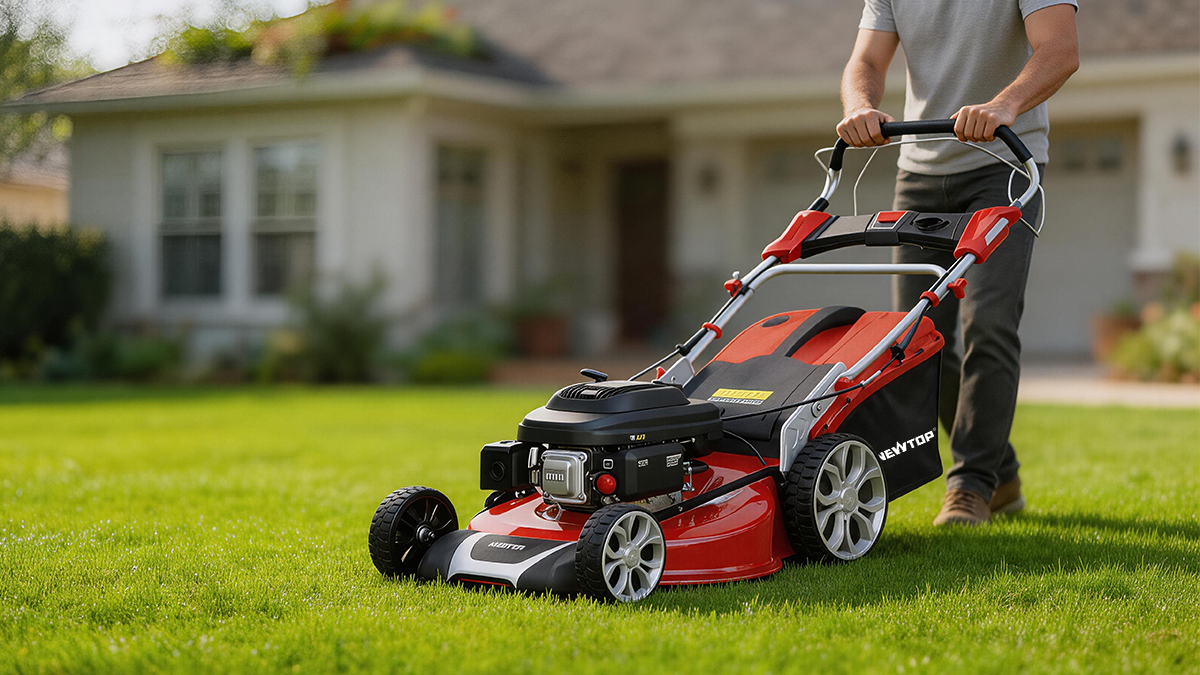
Für Händler, die ihr Geschäft ausbauen möchten, Bei der Auswahl des richtigen Lieferanten für Benzin-Rasenmäher geht es oft um mehr als nur um die Hinzufügung eines weiteren Produkts. Es geht darum, einen Lieferanten zu finden, der die Erweiterung der Kategorie unterstützen kann, der bestehenden Kundennachfrage entsprechen, und ermöglichen eine langfristige Zusammenarbeit. Genau das war bei einem Kunden von NEWTOP in Litauen der Fall.
Der Kunde kontaktierte uns zunächst mit einer Anfrage für Freischneider. Während der Kommunikation, Jedoch, Es zeigte sich, dass das Unternehmen auch eine Nachfrage nach Rasenmähern hatte. Das Ziel bestand nicht darin, die ursprüngliche Produktausrichtung zu ersetzen, sondern um weiterhin den bestehenden Kundenstamm zu bedienen und gleichzeitig kleine Gartenmaschinen als neuen Geschäftsbereich hinzuzufügen. Nach einer langen Zeit der Kommunikation über Produktdetails und Preise, Der Kunde gab schließlich die Bestellung auf.
Eine Anfrage eröffnete eine breitere Produktmöglichkeit
Im B2B-Exportgeschäft, Die erste Anfrage offenbart nicht immer alle Möglichkeiten. Ein Käufer kann zunächst nach einem Produkt fragen, Doch der wahre Wert kommt oft erst in der tieferen Kommunikation zum Vorschein.
Das war in diesem Fall der Wendepunkt. Die Diskussion begann mit Freischneidern, doch als die Kommunikation weiterging, Die Rasenmähernachfrage des Kunden wurde klarer. Dadurch wurde die Zusammenarbeit sinnvoller, denn es ging nicht mehr nur darum, eine Maschine zu zitieren. Es entwickelte sich eine Diskussion über die Erweiterung der Kategorie und wie man die nächste Stufe des Geschäftswachstums des Kunden unterstützen kann.
Für Lieferanten, Diese Art von Verschiebung ist wichtig. Ein Käufer, der nur einen Artikel sucht, kann eine einmalige Bestellung aufgeben. Ein Käufer, der die Aufnahme einer neuen Kategorie plant, denkt normalerweise ernsthafter über zukünftige Verkäufe und eine längerfristige Zusammenarbeit nach.
Warum Rasenmäher zur Geschäftsausrichtung des Kunden passten
Für viele Händler, hinzufügen RasenmäherDies ist ein praktischer Schritt, wenn sie bereits Kunden im Jahr 2010 beliefern. Für Händler, die ihr Geschäft ausbauen möchten, Bei der Auswahl des richtigen Lieferanten für Benzin-Rasenmäher geht es oft um mehr als nur um die Hinzufügung eines weiteren Produkts. Es geht darum, einen Lieferanten zu finden, der eine breitere Produktpalette unterstützen kann, der bestehenden Kundennachfrage entsprechen, und die Erweiterung praktischer machen. Genau das war bei einem Kunden von NEWTOP in Litauen der Fall.
Der Kunde kontaktierte uns zunächst mit einer Anfrage für Freischneider. Während die Kommunikation weiterging, Jedoch, Es wurde deutlich, dass Rasenmäher auch Teil des Geschäftsplans des Kunden waren. Ziel war es nicht, den ursprünglichen Kundenstamm zu verändern, aber um es weiter zu bedienen und gleichzeitig kleine Gartenmaschinen als neue Produktlinie hinzuzufügen. Nach einem langen Prozess der Bestätigung von Produktdetails und Preisen, Der Kunde hat die Bestellung aufgegeben.
Eine größere Produktchance hinter der ersten Anfrage
Im B2B-Exportgeschäft, Die erste Anfrage zeigt nicht immer die volle Chance. Ein Käufer kann mit einer Maschinenkategorie beginnen, während die wichtigere Forderung erst später klar wird.
Das ist in diesem Fall passiert. Die ursprüngliche Anfrage zum Freischneider eröffnete das Gespräch, Aber die wertvollere Diskussion drehte sich um Rasenmäher. Sobald dieser Bedarf klarer wurde, Bei der Zusammenarbeit ging es nicht mehr nur darum, ein einzelnes Produkt anzubieten. Es entwickelte sich eine Diskussion darüber, wie man eine neue Kategorie auf eine Art und Weise hinzufügen kann, die für das bestehende Geschäft des Kunden sinnvoll ist.
Für Lieferanten, Diese Art von Verschiebung ist wichtig. Ein Kunde, der nach einem Artikel fragt, tätigt möglicherweise einen einfachen Kauf. Ein Kunde, der über eine Kategorieerweiterung nachdenkt, betrachtet das Unternehmen normalerweise strategischer.
Warum Rasenmäher zum bestehenden Geschäft des Kunden passen
Was diesen Fall praktisch machte, war die Wachstumslogik des Kunden. Das Unternehmen versuchte nicht, einen neuen Markt aus dem Nichts aufzubauen. Stattdessen, Es ging von einem bestehenden Kundenstamm aus und suchte nach einer geeigneten Möglichkeit, das Produktangebot zu erweitern.
Das machte Rasenmäher zu einer natürlichen Ergänzung. Anstatt eine zufällige Kategorie einzuführen, Der Kunde fügte eine Produktlinie hinzu, die neben dem bestehenden Geschäft stehen und durch die gleichen Marktbeziehungen mehr Wert schaffen konnte. Für viele Händler, Dies ist eine der realistischsten Möglichkeiten zu wachsen. Es reduziert das Risiko, erleichtert die Vertriebsplanung, und ermöglicht es dem Unternehmen, zu expandieren, ohne das, was bereits funktioniert, aufzugeben.
Aus diesem Grund ist es auch wichtig, den richtigen Lieferanten für Benzin-Rasenmäher auszuwählen. Bei der Entscheidung geht es nicht nur um das Produkt selbst. Es geht darum, ob die neue Kategorie reibungslos eingeführt und von Anfang an richtig unterstützt werden kann.
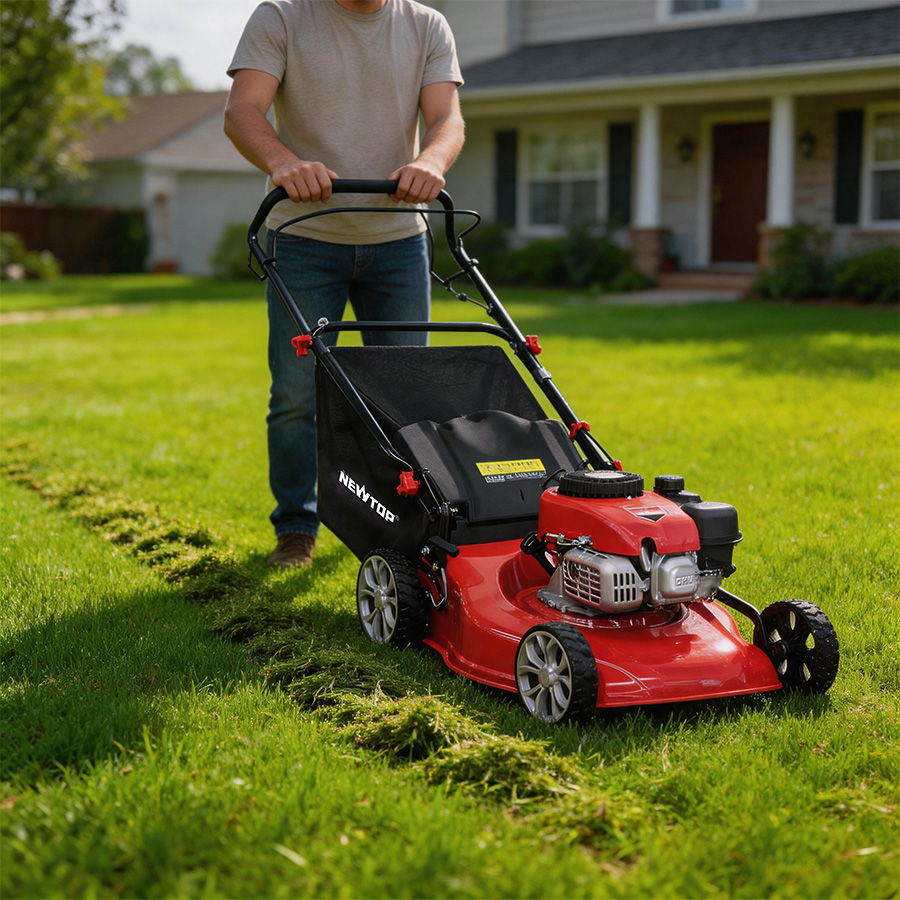
Warum die Bestätigung der Bestellung einige Zeit in Anspruch nahm
Dieser Auftrag kam nicht schnell von der Anfrage zur Bestätigung, und das ist nicht ungewöhnlich, wenn ein Käufer eine neue Kategorie hinzufügt. In solchen Fällen, Da der Kunde nicht nur eine Maschine testet, wird oft Zeit benötigt. Der Käufer beurteilt, ob das Produkt Teil einer tragfähigen Geschäftsstruktur werden kann.
Bevor die Bestellung umgesetzt werden konnte, mussten mehrere Punkte abgestimmt werden:
- Produktdetails
- Preisgestaltung
- Eignung für den Markt des Kunden
- die Praktikabilität einer künftigen Zusammenarbeit
Eine solche längere Kommunikation bedeutet normalerweise, dass der Kunde die Entscheidung ernst nimmt. Ein Händler, der einem bestehenden Unternehmen Rasenmäher hinzufügt, muss über die erste Bestellung hinausdenken. Das Produkt muss beim Wiederverkauf einen Sinn ergeben, zum lokalen Markt passen, und arbeiten im Rahmen des umfassenderen Produktplans des Unternehmens.
Was Käufer normalerweise bei dieser Art der Zusammenarbeit vergleichen
Wenn ein Händler einen neuen Lieferanten bewertet, Die Entscheidung basiert selten allein auf dem Preis. Ein praktischerer Vergleich sieht oft so aus:
| Was der Käufer vergleicht | Warum es wichtig ist |
|---|---|
| Produktdetails | Hilft zu bestätigen, ob der Mäher der lokalen Marktnachfrage entspricht |
| Preisniveau | Bestimmt, ob der Weiterverkauf kommerziell sinnvoll bleibt |
| Kommunikationseffizienz | Zeigt, ob die Zusammenarbeit reibungslos verlaufen kann |
| Langfristiges Unterstützungspotenzial | Wichtig, wenn der Käufer die Produktlinie später erweitern möchte |
In diesem Fall, Das waren genau die Probleme, deren Bestätigung Zeit erforderte. Sobald die Details und Preise abgestimmt waren, Die Bestellung ließ sich viel einfacher abschließen.
Warum diese Art der Erweiterung wichtig ist
Einer der bedeutungsvollsten Teile dieser Kundengeschichte ist, dass die Expansion vom bestehenden Markt ausging, nicht aus einer völlig neuen Richtung. Das macht den Fall praktischer und typischer für die Art und Weise, wie echte Händler oft wachsen.
Viele Importeure expandieren nicht, indem sie auf einmal in unbekannte Kategorien springen. Sie wachsen, indem sie verwandte Produkte hinzufügen, die zu den Kunden passen, die sie bereits bedienen. In Elektrogeräten für den Außenbereich und kleinen Gartenmaschinen, Diese Art der schrittweisen Expansion ist oft nachhaltiger als der Versuch, ein neues Segment von Null aufzubauen.
Für einen Lieferanten, Das ist eine wichtige Erinnerung. Das erste Produkt, nach dem ein Kunde fragt, ist möglicherweise nicht die volle Chance. Manchmal zeigt sich der wahre Wert erst, wenn sich das Gespräch entwickelt und der umfassendere Geschäftsplan des Käufers klarer wird.
Die Rolle von NEWTOP in der Zusammenarbeit
Für NEWTOP, In diesem Fall ging es nicht nur darum, auf eine Anfrage zu einem Freischneider zu antworten. Es bot sich die Gelegenheit, die umfassendere Geschäftsausrichtung des Kunden zu verstehen und einen passenderen Produktpfad zu unterstützen.
Hier bietet ein zuverlässiger Lieferant von Benzin-Rasenmäher einen echten Mehrwert. Die Rolle beschränkt sich nicht nur auf das Versenden von Angeboten. Dazu gehört auch, dem Käufer dabei zu helfen, die Eignung des Produkts zu bestätigen, auf Details abstimmen, und auf eine Ordnung zuzugehen, die kommerziell funktioniert. In längeren Kommunikationszyklen, Diese Art der Unterstützung ist oft genauso wichtig wie das Produkt selbst.
Was zeigt ein Fall wie dieser wirklich??
Es zeigt sich, dass die Kundenwünsche in der Kommunikation häufig deutlicher werden, nicht nur bei der ersten Anfrage. Ein Käufer kann mit einem Produkt beginnen, Die wichtigere Chance könnte jedoch eine neue Kategorie sein, die zum gleichen Kundenstamm passt und ein breiteres Geschäftswachstum unterstützt.
Es zeigt sich auch, dass seriöse Aufträge oft Zeit brauchen. Wenn ein Händler einen neuen Geschäftsbereich hinzufügt, Eine ausführliche Besprechung der Produktdetails und Preise ist Teil des Prozesses. Sobald diese Punkte ausgerichtet sind, Die Bestellung lässt sich viel einfacher bestätigen.
Für NEWTOP, Diese Kundengeschichte spiegelt wider, wie sich oft echte B2B-Kooperationen entwickeln. Eine einzelne Anfrage kann zu einer umfassenderen Produktdiskussion führen, und ein Käufer, der heute nach einer Maschinenkategorie sucht, könnte morgen ein längerfristiger Partner für weitere kleine Gartenmaschinenlinien werden. Deshalb kommt es bei der Wahl des richtigen Lieferanten für Benzin-Rasenmäher nicht nur auf die heutige Bestellung an. Es geht auch darum, die richtige Grundlage für zukünftiges Wachstum zu schaffen.
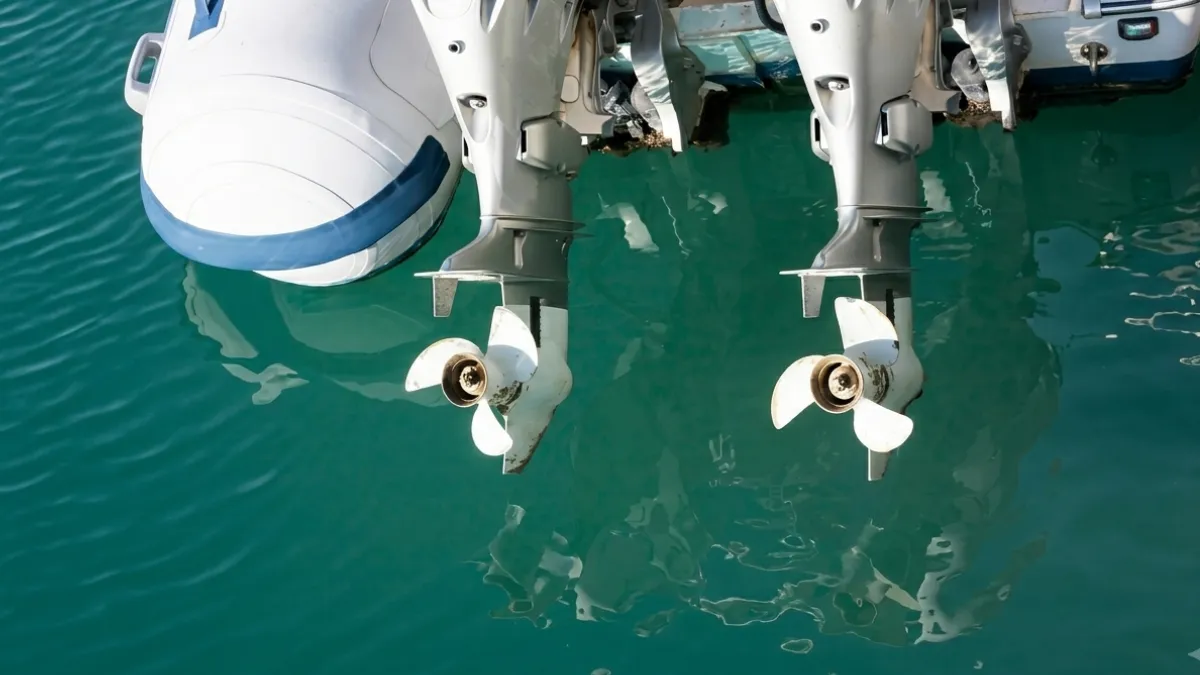
Der Propeller des Außenbordmotors beeinflusst die Beschleunigung, Kraftstoffverbrauch, Haltbarkeit, Instandhaltungskosten, und sogar die Lebensdauer Ihrer unteren Einheit. Während Aluminium und Edelstahl nach wie vor die beiden am häufigsten verwendeten Propellermaterialien sind, Keines von beiden ist allgemein besser. Die richtige Wahl hängt davon ab, wie Ihr Boot genutzt wird, die Wasserverhältnisse, Motorleistung, und Ihre langfristigen Betriebskosten.
Egal, ob Sie ein Bootsbesitzer sind, der einen beschädigten Propeller austauscht, oder ein Schiffsausrüstungshändler, der Produkte für Ihren Markt auswählt, Wenn Sie die Unterschiede zwischen Aluminium- und Edelstahlpropellern für Außenbordmotoren kennen, können Sie eine intelligentere Investition tätigen.
Dieser Leitfaden vergleicht die Leistung von Außenbordmotorpropellern aus Aluminium und Edelstahl, Haltbarkeit, Reparierbarkeit, kosten, und Anwendungsszenarien, um Ihnen bei der Auswahl des besten Propellers für Ihre Anforderungen zu helfen.
Übersicht über Aluminium- und Edelstahl-Propellermaterialien für Außenbordmotoren
Aluminium und Edelstahl sind die beiden am häufigsten verwendeten Materialien Außenbordmotorpropeller. Dabei erfüllen sie die gleiche Grundfunktion, Ihre unterschiedlichen mechanischen Eigenschaften beeinflussen die Festigkeit, Gewicht, Effizienz, Haltbarkeit, und Kosten.
Hier ist ein kurzer Vergleich zwischen Aluminium- und Edelstahl-Außenbordmotorpropellern:
| Besonderheit | Aluminiumpropeller | Edelstahlpropeller |
|---|---|---|
| Gewicht | Leicht | Schwerer |
| Stärke | Gut | Exzellent |
| Klingenflex | Etwas höher | Minimal |
| Korrosionsbeständigkeit | Exzellent | Exzellent |
| Herstellungskosten | Untere | Höher |
| Typische Anwendungen | Freizeitboote, Fischerboote, Schlauchboote | Offshore-Boote, Handelsschiffe, Performance-Boote |
Aluminiumpropeller
Außenbordpropeller aus Aluminium werden typischerweise aus Aluminium hergestellt Aluminiumlegierungen in Marinequalität, am häufigsten Aluminium-Magnesium (Al-Mg) Legierungen. Magnesium verbessert die Festigkeit der Legierung, Zähigkeit, und Korrosionsbeständigkeit, Dabei bleiben die leichten Eigenschaften erhalten, die Aluminium in Schiffsanwendungen beliebt machen.
Im Vergleich zu Stahl, Aluminium hat eine viel geringere Dichte, Dies führt zu einem leichteren Propeller, der zum Drehen weniger Rotationsträgheit benötigt. Dies trägt dazu bei, dass Motoren sanft beschleunigen, und reduziert die Belastung des Antriebsstrangs beim Anfahren und im Betrieb bei niedriger Drehzahl. Aluminium bildet außerdem von Natur aus eine dünne Oxidschicht, wenn es Luft und Wasser ausgesetzt wird, Bietet wirksamen Korrosionsschutz sowohl in Süßwasser- als auch in normalen Salzwasserumgebungen.
Ein weiterer Vorteil von Aluminium ist seine hervorragende Gießbarkeit. Es kann durch großvolumige Gussverfahren effizient hergestellt werden, Dadurch können Propeller mit gleichbleibender Qualität zu wettbewerbsfähigen Kosten hergestellt werden. Aus diesem Grund, Aluminiumpropeller sind für die meisten Freizeitboote zur Standardwahl geworden, kleine Fischereifahrzeuge, Schlauchboote, und Außenbordmotoren im Tief- bis mittleren PS-Bereich.
Bei NEUTOP, Aluminiumpropeller werden aus einer hochwertigen Aluminium-Magnesium-Legierung hergestellt, die aus neuen Aluminiumbarren und nicht aus recycelten Materialien hergestellt wird. Die Legierung wird mithilfe einer proprietären Rezeptur erneut geschmolzen, um eine höhere Zähigkeit zu erreichen, höhere mechanische Festigkeit, und verbesserte Langzeithaltbarkeit. Kombiniert mit einteiligem Präzisionsguss, integrierte Nabenpressung, und CNC-Sägeblattbearbeitung, Jeder Propeller sorgt für eine zuverlässige Balance, genaue Klingengeometrie, und konstante Leistung auf dem Wasser.
Edelstahlpropeller
Edelstahlpropeller werden aus hochfesten, chromhaltigen Marine-Edelstahllegierungen hergestellt, Nickel, und andere Legierungselemente zur Verbesserung der Korrosionsbeständigkeit und der mechanischen Leistung. Im Vergleich zu Aluminiumlegierungen, Edelstahl bietet eine deutlich höhere Zugfestigkeit, Streckgrenze, und Ermüdungsfestigkeit, Dadurch kann es deutlich höheren Motorlasten standhalten, ohne dass es zu bleibenden Verformungen kommt.
Denn das Material ist wesentlich stärker, Ingenieure können Propellerblätter konstruieren, die dünner sind und dennoch eine hervorragende strukturelle Steifigkeit beibehalten. Diese dünneren Blätter erzeugen weniger Widerstand, wenn sie sich durch das Wasser bewegen, und ermöglichen fortschrittlichere Blattprofile, einschließlich höherer Spanwinkel, progressive Pitch-Designs, und tiefere Bechergeometrie. Das Ergebnis ist eine verbesserte Wasserhaftung, effizientere Kraftübertragung, stärkere Beschleunigung, und bessere Hochgeschwindigkeitsleistung, besonders auf mittel- und leistungsstarke Außenbordmotoren.
Die Edelstahlpropeller von NEWTOP werden aus Duplex-Edelstahl hergestellt, Dies bietet eine höhere Streckgrenze und eine bessere Korrosionsbeständigkeit als herkömmliche Edelstahlsorten, die üblicherweise in Schiffsprodukten verwendet werden. Um die Festigkeit des Materials voll auszunutzen, Jeder Propeller wird im Präzisionsguss aus einem Stück ohne Schweißverbindungen hergestellt, Anschließend erfolgt eine integrierte Nabenpressung zur Aufrechterhaltung des dynamischen Gleichgewichts und eine spezielle CNC-Bearbeitung jedes Blattes. Dieses Herstellungsverfahren gewährleistet eine hervorragende Maßhaltigkeit, glatte Klingenoberflächen, und stabile hydrodynamische Leistung, Ermöglicht einen zuverlässigen Betrieb in anspruchsvollen Süß- und Salzwasserumgebungen.
Steigern Sie Ihre Margen mit zuverlässiger Ausrüstung
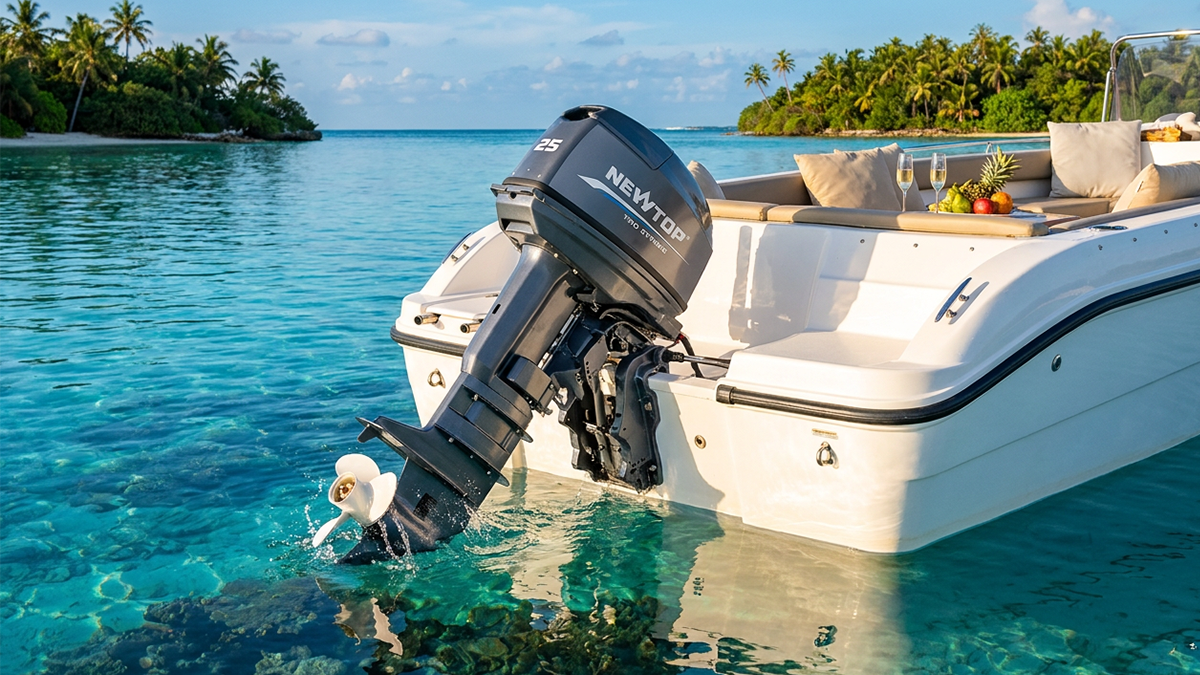
Auswirkungen der Leistung auf die Beschleunigung, Höchstgeschwindigkeit und Kraftstoffeffizienz
Edelstahlpropeller erhöhen die Geschwindigkeit und verbessern den Kraftstoffverbrauch, da sie sich nicht verbiegen. Aluminiumstützen sind leichter, Dies kann bei kleineren Motoren zu einem schnelleren Lochschuss führen.
Beschleunigung und Lochschuss
Das geringere Gewicht eines Aluminiumpropellers ermöglicht es einem kleinen Motor, ihn schneller auf sein Leistungsband hochzudrehen, Dies führt oft zu einem schnelleren Lochschuss. Auch die Klingen biegen sich, Dadurch kann die anfängliche Belastung des Motors verringert werden. Die Steifigkeit von Edelstahl ist sein Hauptvorteil. Die Rotorblätter behalten unter Belastung ihre wahre Neigung, Bietet einen stärkeren und gleichmäßigeren Schub für eine Beschleunigung im mittleren Drehzahlbereich. Dies macht sich besonders bei schwereren Booten bemerkbar. Der hervorragende Halt einer Edelstahlstütze reduziert außerdem die Belüftung und das Verrutschen, Verbesserung der Beschleunigung in Kurven oder bei hoch getrimmtem Antrieb.
Höchstgeschwindigkeit
Wenn Sie auf demselben Boot auf einen Edelstahlpropeller umsteigen, können Sie in der Regel eine um 5–10 % höhere Höchstgeschwindigkeit erwarten. Die Klingen sind dünner und viel steifer, wodurch weniger hydrodynamischer Widerstand entsteht. Sie biegen sich bei hohen Drehzahlen nicht nach hinten, Das heißt, sie behalten ihre effektive Tonhöhe bei. Aluminiumstützen bewirken das Gegenteil. Bei Vollgas, Ihre Klingen biegen sich unter der Last, Dadurch wird die effektive Neigung verringert und die Höchstgeschwindigkeit des Bootes begrenzt.
Kraftstoffeffizienz
Edelstahlpropeller sind im Allgemeinen treibstoffeffizienter, insbesondere bei Reisegeschwindigkeit und Vollgas. Weil es weniger Schlupf gibt, Es wird weniger Motorleistung verschwendet, um den Propeller zu drehen, und mehr davon wird in Vorwärtsbewegung umgewandelt. Boote, die lange Strecken zurücklegen oder häufig mit höheren Geschwindigkeiten fahren, erzielen mit einem Edelstahlpropeller die deutlichsten Kraftstoffeinsparungen.
Leistungsübersicht und Anwendungsfälle
| Aspekt | Aluminiumpropeller | Edelstahlpropeller |
|---|---|---|
| Beschleunigung | Guter Lochschuss bei kleineren Motoren aufgrund des geringen Gewichts und der Blattflexibilität. | Stärkere Beschleunigung im mittleren Bereich und gleichmäßiger Schub auf schwereren Booten. |
| Höchstgeschwindigkeit | Begrenzt durch den Klingenflex, was die effektive Steigung bei hohen Drehzahlen verringert. | Aufgrund der Steifheit normalerweise 5–10 % schneller, dünne Klingen mit weniger Luftwiderstand. |
| Kraftstoffeffizienz | Aufgrund des höheren Schlupfes weniger effizient bei Reisegeschwindigkeit und WOT. | Effizienter, da weniger Strom verschwendet wird, vor allem für lange Läufe. |
| Am besten für | Kleine Motoren auf leichten Booten, bei denen der Lochschuss entscheidend und die Höchstgeschwindigkeit zweitrangig ist. | Motoren 75 PS und höher, oder Performance-Rümpfe, die maximale Geschwindigkeit und Grip benötigen. |
Reparierbarkeit und Schadensverhalten bei realen Erdungen
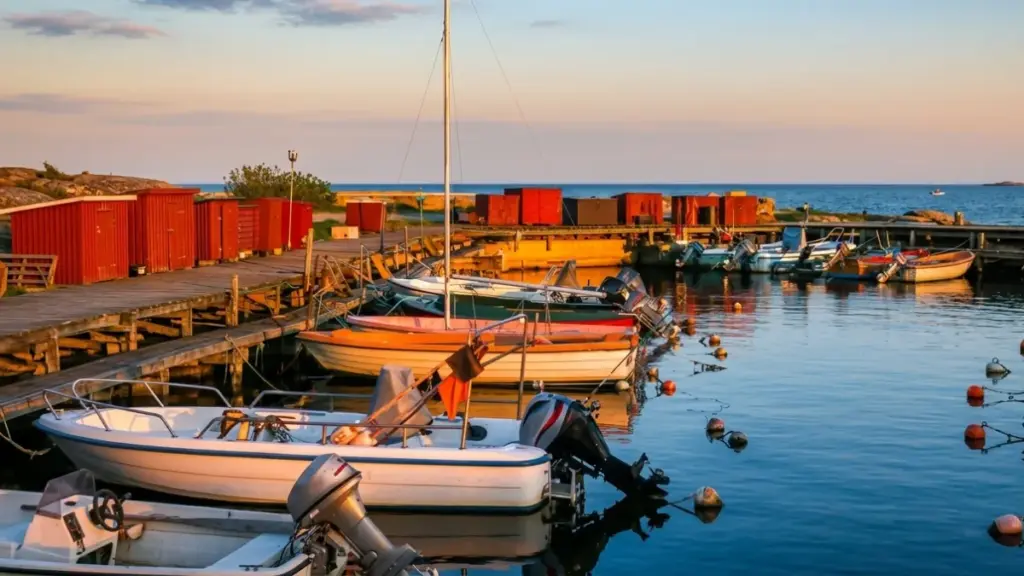
Aluminiumstützen wirken wie eine Sicherung, brechen, um Ihr Getriebegehäuse zu schützen. Robustere Edelstahlstützen überstehen mehr Treffer, können aber Aufprallstöße übertragen, Es besteht die Gefahr teurer Schäden am Antriebsstrang.
Materielle Reaktion auf Stöße
Der grundlegende Unterschied in der Art und Weise, wie diese beiden Metalle mit einem Aufprall umgehen, bestimmt, was mit Ihrer unteren Einheit passiert, wenn Sie auf etwas stoßen. An der Physik führt kein Weg vorbei.
- Aluminiumpropeller sind weich und so konstruiert, dass sie Stöße durch Biegen absorbieren, verformen, oder brechen.
- Edelstahl ist viel härter. Es ist biegefest und überträgt Aufprallkräfte direkt auf den Antriebsstrang.
- Stellen Sie sich eine Aluminiumstütze als eine mechanische Sicherung vor. Es opfert sich selbst, um möglicherweise die teuren Getriebekomponenten zu schützen.
- Die Steifigkeit einer Edelstahlstütze bedeutet, dass sie Stößen standhält, die eine Aluminiumstütze zerreißen würden, Aber Sie würfeln mit der Frage, ob die Kardanwelle oder das Getriebe beschädigt ist.
Häufige Schadensmuster
Was du getroffen hast, und wie schwer, bestimmt das Ergebnis. Ein leichtes Überfliegen ist eine Sache; Eine andere Möglichkeit ist es, mit hoher Geschwindigkeit einen Felsvorsprung zu treffen.
- Leichte Schläge (Sand/Schlamm): Eine Aluminiumstütze kann Kerben und verbogene Kanten aufweisen. Edelstahl wird wahrscheinlich nur kosmetische Kratzer aufweisen.
- Moderate Angriffe (Kies/Baumstämme): Hier können Sie sehen, wie sich Aluminiumblätter verbiegen, Twist, oder ganze Metallbrocken verlieren.
- Schwere Erdungen (Hardrock): Eine Aluminiumstütze wird wahrscheinlich zerstört. Eine Stütze aus rostfreiem Stahl kann leicht reißen oder sich verbiegen, Es kann aber auch zu einer verbogenen Kardanwelle kommen.
Reparierbarkeit und Kosten
Die finanzielle Berechnung einer beschädigten Stütze ist für Aluminium völlig anders als für Edelstahl.
- Es ist allgemein bekannt, dass Aluminiumstützen einfacher und kostengünstiger zu reparieren sind. Schäden können oft durch Erhitzen repariert werden, Biegen, und Schweißen.
- Die Reparatur von Edelstahl ist eine Spezialaufgabe. Zum Biegen des harten Materials sind Spezialwerkzeuge und Präzisionsschweißen erforderlich, was es teurer macht.
- Denn eine neue Aluminiumstütze ist günstig, Es ist oft wirtschaftlicher, es einfach auszutauschen, anstatt umfangreiche Reparaturen zu bezahlen.
- Der hohe Preis einer neuen Stütze aus Edelstahl macht selbst komplexe Reparaturen zu einer finanziell sinnvollen Wahl im Vergleich zum Kauf einer neuen Stütze.
Inspektion nach dem Aufprall und sekundäre Risiken
Nach jeder Erdung, Die Requisite selbst ist nicht das einzige Problem. Die eigentliche Gefahr besteht im Sekundärschaden, den ein unausgeglichenes oder beeinträchtigtes System verursachen kann.
- Jede verbogene oder unausgeglichene Stütze verursacht Vibrationen. Diese Vibrationen beschleunigen den Verschleiß Ihrer Dichtungen und Lager, was auf der ganzen Linie zu größeren Problemen führt.
- Mit einer Aluminiumstütze, Sichtbarer Schaden ist Ihr Stichwort. Man sieht, dass es verbogen ist, Sie wissen also, dass eine Reparatur oder ein Austausch erforderlich ist.
- Nach einem harten Schlag mit einer Edelstahlstütze, Sie müssen die Kardanwelle auf Rundlauf prüfen und das Getriebegehäuse inspizieren. Die Requisite könnte gut aussehen, aber der Antriebsstrang hätte den Schlag verkraften können.
Kosten, Verfügbarkeit und Gesamtbetriebskosten nach Requisitenmaterial
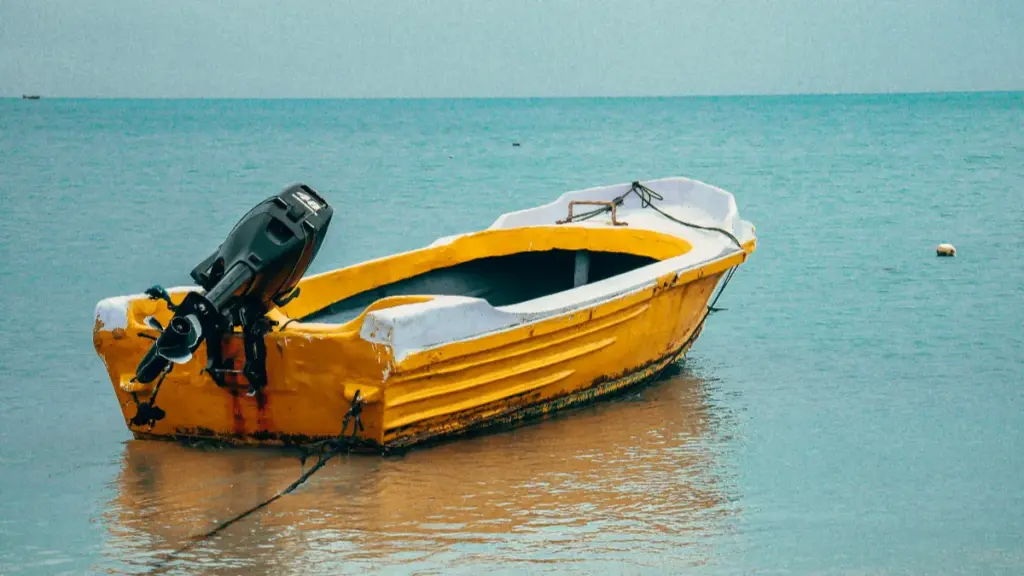
Aluminiumstützen sind im Voraus günstiger, Aber Edelstahl bietet auf lange Sicht oft einen besseren Wert. Ihre Bootsumgebung ist der entscheidende Faktor für die Gesamtkosten.
Anschaffungskosten
Aluminiumstützen sind die preisgünstige Option, Normalerweise kostet es nur ein Drittel bis ein Fünftel eines vergleichbaren Edelstahlmodells. Stützen aus rostfreiem Stahl sind aufgrund der teureren Legierungen und der komplexeren Herstellung viel teurer – zwei- bis fünfmal teurer als Aluminium. Viele Bootshersteller rüsten neue Schiffe standardmäßig mit Aluminiumpropellern aus, um den anfänglichen Aufkleberpreis des Komplettpakets niedriger zu halten.
Marktverfügbarkeit und Anwendungen
Aluminiumpropeller sind für kleine und mittelgroße Außenbordmotoren weit verbreitet und eine sehr beliebte Wahl als Ersatz oder Ersatz. Bei leistungsstarken Motoren gehören Edelstahlpropeller zur Standardausrüstung (150 PS und höher) und sind das, was man von leistungsorientierten Booten erwartet. Die Umgebung, in der Sie Boot fahren, spielt eine große Rolle. Edelstahl wird im Salzwasser aufgrund seiner Korrosionsbeständigkeit bevorzugt, während Aluminium häufig in Süßwasser- oder Schuttgebieten vorkommt, wo Stöße wahrscheinlicher sind.
Gesamtbetriebskosten (Gesamtbetriebskosten)
Die höhere Effizienz von Edelstahl kann auf lange Sicht für Bootsfahrer mit hoher Nutzung Geld sparen. Die Klingen biegen sich nicht, Dies reduziert den Schlupf und kann den Kraftstoffverbrauch so weit verbessern, dass der höhere Anschaffungspreis ausgeglichen wird. Eine Aluminiumstütze fungiert oft als Opferkomponente. Bei einem starken Aufprall wird es sich verbiegen oder brechen, Dadurch können die viel teurere Kardanwelle und das Getriebegehäuse vor katastrophalen Schäden geschützt werden. Ihre tatsächlichen Gesamtbetriebskosten hängen davon ab, wohin Sie fahren. Im offenen Wasser, Edelstahl bietet langfristig einen besseren Wert durch pure Haltbarkeit. Aber in flach, felsiges Wasser, Die geringeren Wiederbeschaffungskosten von Aluminium erweisen sich oft als wirtschaftlicher.
Welches Material passt zum Angeln?, Transport- und Freizeitanwendungen
Das richtige Requisitenmaterial hängt von der Aufgabe ab. Aluminium ist für preisbewusste oder risikoreiche Bereiche geeignet. Edelstahl steht für Leistung, schwere Lasten, und langfristige Haltbarkeit.
Propeller für Fischerboote
Aluminium ist oft die praktische Wahl für das Angeln in flachen oder mit Geröll gefüllten Gewässern wie Seen und Flüssen. Wenn Sie auf einen untergetauchten Baumstumpf oder Stein stoßen, Eine Aluminiumstütze ist darauf ausgelegt, sich zu biegen oder zu brechen. Dieser Opferfehler trägt dazu bei, Ihren teuren Antriebsstrang und Ihr Getriebegehäuse vor einer viel kostspieligeren Reparatur zu schützen. Es ist ein kluger Kompromiss für Umgebungen mit hohem Risiko.
Für größere, schnellere Fischerboote, die im offenen oder küstennahen Wasser fahren, Edelstahl ist die klare Lösung. Wenn Spitzenleistung, Kraftstoffeffizienz, und Haltbarkeit stehen im Vordergrund, Edelstahl liefert. Seine starren Klingen verbiegen sich unter Strom nicht, sorgt für gleichmäßigen Schub. Die Wahl läuft darauf hinaus, das Risiko von Unterwasserangriffen gegen den Leistungsbedarf abzuwägen.
Propeller für Transport- und Nutzboote
Edelstahl ist die Standardempfehlung für die meisten Transport- und Versorgungsarbeiten. Seine Stärke sorgt für den gleichmäßigen Schub und die Effizienz, die zum Bewegen schwerer Lasten erforderlich sind. Die starren Klingen behalten unter Krafteinwirkung ihre Form, was zu einem besseren Halt im Wasser führt, stärkere Beschleunigung, und verbesserter Kraftstoffverbrauch bei langen Fahrten. Für jeden Einsatz, bei dem Zuverlässigkeit und Leistung unter Last entscheidend sind, Edelstahl ist die Antwort.
Aluminium hat immer noch seinen Platz, insbesondere für kleinere Nutzboote oder preisbewusste Flotten. Auf Strecken mit hohem Risiko von Propellerschäden, Die geringen Wiederbeschaffungskosten machen Aluminium zu einer sinnvollen Wahl für den Einsatz.
Propeller für Freizeit- und Freizeitbootfahrten
Für lässig, Allzweck-Freizeitbootfahren, Aluminium ist eine gute Wahl. Es bietet Gutes, Zuverlässige Leistung für kleine und mittelgroße Außenbordmotoren zu deutlich geringeren Vorabkosten. Es ist nicht ohne Grund die Standardeinstellung auf vielen Familien-Flitzern und Pontonbooten, Bietet eine kostengünstige Möglichkeit, aufs Wasser zu gelangen.
Edelstahl kommt ins Spiel, wenn es um Leistung geht. Für Aktivitäten wie Wassersport, Hochgeschwindigkeitskreuzfahrten, oder einfach nur einen schnelleren Hole-Shot erzielen, Eine Stütze aus Edelstahl macht einen spürbaren Unterschied. Es erhöht die Geschwindigkeit, Handhabung, und Langlebigkeit. Während Aluminium die wirtschaftliche Lösung für den allgemeinen Spaß ist, Edelstahl ist das Upgrade für ein besseres Erlebnis.
Bereit zur Zusammenarbeit NEUTOP?
Um den richtigen Propeller zu finden, sind spezifische Daten erforderlich. Sammeln Sie die wichtigsten Details zu Ihrem Boot und Motor, Definieren Sie Ihre Ziele, und unser technisches Team wird Ihnen eine maßgeschneiderte Empfehlung geben.
Bewerten Sie Ihr Boots- und Motor-Setup
Bevor wir Einzelheiten besprechen können, Wir müssen wissen, womit Sie arbeiten. Die Zusammenstellung dieser grundlegenden Informationen ist der erste Schritt, um eine Requisite zu erhalten, die tatsächlich für Ihre Anwendung funktioniert.
- Teilen Sie uns die Marke Ihres Motors mit, Modell, und PS.
- Beachten Sie die angestrebte Vollgasstellung (WOT) Drehzahlbereich aus dem Motorhandbuch.
- Beschreiben Sie Ihren Rumpftyp (z.B., tiefes V, Zum Ponton, flaches Boot), seine Länge, und der typischen Betriebslast, inklusive Passagiere und Ausrüstung.
Definieren Sie Ihre Betriebsumgebung und Prioritäten
Wohin Sie fahren und was Sie erreichen möchten, sind ebenso wichtig wie die Hardware. Eine Requisite, die sich in der Tiefe auszeichnet, Offenes Wasser könnte für einen felsigen Fluss eine schlechte Wahl sein.
- Geben Sie an, ob Sie hauptsächlich in Süß- oder Salzwasser arbeiten.
- Teilen Sie uns Ihre typischen Wasserbedingungen mit: felsig, sandig, unkrautig, oder tiefes offenes Wasser.
- Klären Sie Ihr Hauptziel. Konzentrieren Sie sich auf die niedrigsten Anschaffungskosten?, maximale Haltbarkeit und Lebensdauer, oder absolute Spitzenleistung?
Kontaktieren Sie uns für eine konkrete Empfehlung
Sobald Sie die Details haben, Unser Team kann Ihnen eine praktische Anleitung geben, datengesteuerte Empfehlung statt einer allgemeinen Vermutung. Wir beschäftigen uns den ganzen Tag mit diesen Variablen.
- Teilen Sie die von Ihnen gesammelten Informationen mit unserem technischen Team.
- Wir geben Ihnen maßgeschneiderte Empfehlungen für Aluminium- und Edelstahlpropeller, die zu Ihrem Setup passen.
- Sie erhalten eine klare Anleitung zum richtigen Pitch, Durchmesser, und Nabensatz, der für Ihren Außenbordmotor benötigt wird.
Besprechen Sie Partnerschaften und Flottenlösungen
Für gewerbliche Betreiber, Bootsbauer, und Händler, Wir bieten Programme an, die sich mit der Realität der Verwaltung mehrerer Schiffe und den Lebenszykluskosten befassen.
- Fragen Sie nach unseren Partnerschaftsprogrammen für Bootsbauer, Händler, und gewerbliche Flotten.
- Fordern Sie eine Lebenszykluskostenanalyse an, um Aluminium mit Aluminium zu vergleichen. Edelstahl für den gewerblichen Dauereinsatz.
- Erkundigen Sie sich nach unseren Propellerbewertungsprogrammen, um die Leistung Ihrer spezifischen Schiffe zu testen und zu validieren.
Kontaktieren Sie NEWTOP noch heute, um Ihr Projekt zu besprechen, Muster anfordern, oder finden Sie die richtige Außenbordmotor-Propellerlösung für Ihren Markt.
Häufig gestellte Fragen
Sind Edelstahlpropeller besser als Aluminiumpropeller??
Nicht unbedingt. Edelstahlpropeller bieten im Allgemeinen eine bessere Haltbarkeit, Beschleunigung, und Effizienz, Aluminiumpropeller hingegen sorgen für geringere Anschaffungskosten und können Aufprallschäden besser absorbieren. Die bessere Wahl hängt von Ihrem Boot ab, Betriebsbedingungen, und Budget.
Lohnt sich ein Upgrade von einem Aluminium- auf einen Edelstahlpropeller??
Bei Außenbordmotoren lohnt sich in der Regel die Umrüstung auf Edelstahl 75 PS und mehr auf Gleitrümpfen, da es die Höchstgeschwindigkeit verbessern kann, Handhabung, und Kraftstoffeffizienz. Für kleinere Motoren oder für Boote, die häufig im flachen Wasser eingesetzt werden, lohnt sich der Aufwand oder das Risiko oft nicht, In felsigen Gewässern ist es günstiger, Eine Opferstütze aus Aluminium ist praktischer.
Machen Edelstahlstützen ein Boot schneller??
Ja, Ein richtig abgestimmter Edelstahlpropeller kann ein Boot schneller machen, oft hinzufügen 2-4 Meilen pro Stunde bis zur Höchstgeschwindigkeit. Dies liegt daran, dass Edelstahlklingen viel steifer sind und sich unter Belastung nicht verbiegen, wie dies bei Aluminiumklingen der Fall ist. Diese Starrheit, kombiniert mit dünneren Klingenprofilen, Reduziert den Luftwiderstand und ermöglicht es dem Propeller, seine vorgesehene Steigung bei hohen Drehzahlen beizubehalten, mehr Motorleistung in Vorwärtsschub umwandeln.
Verursacht ein rostfreier Propeller bei einem Angriff mehr Schaden??
Ja, Bei einem Propeller aus rostfreiem Stahl ist es wahrscheinlicher, dass er bei einem harten Aufprall Aufprallkräfte auf das Getriebegehäuse und die Propellerwelle überträgt. Denn Edelstahl ist etwa fünfmal stärker als Aluminium, es widersteht Biegen und Brechen. Eine Aluminiumstütze fungiert oft als Opferteil, Absorbieren von Stößen durch Verformung oder Scherung, Dies kann dazu beitragen, teurere Antriebsstrangkomponenten zu schützen.
Welcher Propeller ist besser für flaches Wasser?, Aluminium oder Edelstahl?
Es kommt auf den Bodentyp an. Für flaches Wasser mit Sand oder Schlamm, Ein Propeller aus rostfreiem Stahl ist aufgrund seiner Haltbarkeit und besseren Griffigkeit besser, wenn der Motor hoch getrimmt ist. Für flaches Wasser mit Steinen, Stümpfe, oder andere harte Hindernisse, Eine Aluminiumstütze ist die sicherere Wahl, da sie sich beim Aufprall verbiegt oder bricht, Schutz des Getriebegehäuses.
Sind Edelstahlpropeller treibstoffeffizienter??
Ja, Edelstahlpropeller sind oft kraftstoffeffizienter. Ihre Steifigkeit verhindert, dass sich das Blatt bei Reisegeschwindigkeit und hohen Geschwindigkeiten verbiegt, Das bedeutet, dass weniger Motorleistung verschwendet wird. Kombiniert mit ihrem Verdünner, Design mit geringerem Luftwiderstand, Sie können die Meilen pro Gallone verbessern, insbesondere bei Außenbordmotoren 75 PS und höher.
Wie wähle ich die richtige Edelstahlstütze aus, um meine Aluminiumstütze zu ersetzen??
Beim Umstieg von Aluminium auf Edelstahl, Ein guter Ausgangspunkt besteht darin, den gleichen Durchmesser beizubehalten und die Steigung um einen Zoll zu verringern. Zum Beispiel, wenn du eine 14 hast″ x 19P Aluminiumstütze, Beginnen Sie mit einer 14″ x 18P Edelstahlmodell. Diese Anpassung ist erforderlich, da die steiferen rostfreien Klingen für mehr Biss sorgen, den Motor stärker belasten. Testen Sie immer, um sicherzustellen, dass Ihr Motor immer noch die empfohlene Volllast erreichen kann (WOT) Drehzahlbereich.
Letzte Gedanken
Die Wahl zwischen Aluminium und Edelstahl ist eine Abwägung zwischen Preis und Betriebsrisiko. Während Aluminium niedrigere Anschaffungskosten bietet, Unsere präzisionsgefertigten Propeller sind auf spezifische Leistungs- und Sicherheitsanforderungen ausgelegt. Dieser Standard ist die einzige Möglichkeit, Ihre Investition vor einem katastrophalen Ausfall des Antriebsstrangs oder einer chronischen Minderleistung zu schützen.
Raten Sie nicht, welches Material am besten zu Ihrer Flotte oder Ihren Kunden passt – validieren Sie es anhand unserer Daten. Stellen Sie unserem technischen Team Ihre Motor- und Rumpfspezifikationen zur Verfügung, um eine maßgeschneiderte Propellerempfehlung zu erhalten. Anschließend können wir Partnerschaftsprogramme und Lebenszykluskosten für Ihre spezifische kommerzielle Anwendung besprechen.
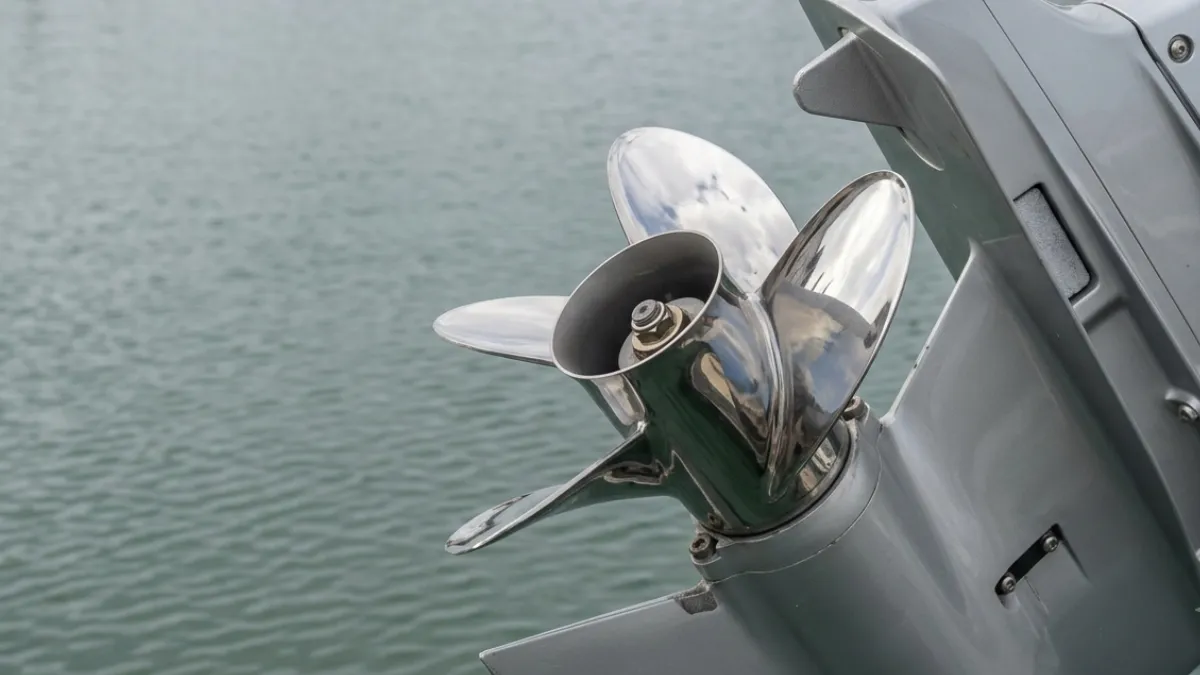
Beim Vergleich von Außenbordpropellern, Die erste Spezifikation, die Sie bemerken werden, ist ein Zahlenpaar, wie zum Beispiel 13¼ × 17 oder 14 × 19. Die erste Zahl gibt den Durchmesser des Propellers an, während die Sekunde die Tonhöhe angibt.
Steigung und Durchmesser bestimmen zusammen, wie effizient ein Außenbordmotor die Motorleistung in Schub umwandelt. Die falsche Kombination kann dazu führen, dass der Motor die empfohlene Drehzahl nicht erreicht, Reduzieren Sie den Kraftstoffverbrauch, langsame Beschleunigung, oder Höchstgeschwindigkeit begrenzen. Das richtige Setup, Jedoch, ermöglicht den Betrieb von Motor und Propeller als ausgewogenes System für eine bessere Gesamtleistung.
In diesem Ratgeber, wir erklären es dir Außenbordpropeller Steigung und Durchmesser, wie sie zusammenarbeiten, So wählen Sie den richtigen Außenbordpropeller aus, und wenn der Austausch Ihres Propellers eine bessere Lösung ist als die Aufrüstung Ihres Motors.
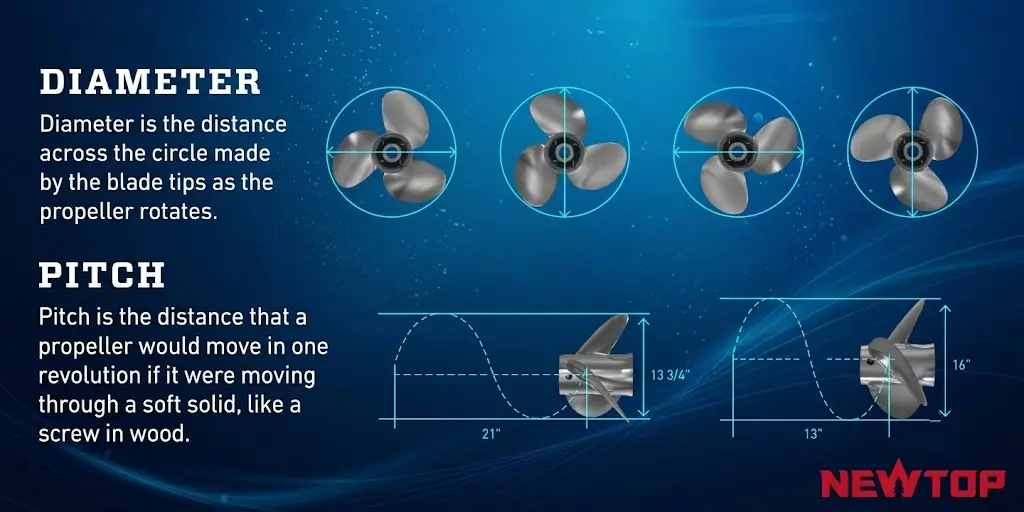
Was ist der Stützendurchmesser??
Der Propellerdurchmesser ist der Hauptfaktor, der bestimmt, wie viel Wasser der Propeller bewegen kann. Dies bestimmt direkt den Schub Ihres Bootes, Zugkraft, und die Gesamtbelastung Ihres Motors.
Definieren des Propellerdurchmessers
Der Propellerdurchmesser ist einfach die Breite des Kreises, den die Blattspitzen beim Drehen umkreisen. Sie können es messen, indem Sie den Abstand von der Mitte der Nabe bis zur Spitze eines Blattes nehmen und mit zwei multiplizieren. Propellergrößen werden immer als Durchmesser x Steigung angegeben, also in einem “14 x 19” Stütze, Der Durchmesser beträgt 14 Zoll. Es ist immer die erste Nummer.
Die Verbindung zwischen Durchmesser, Schub, und Motorlast
Ein größerer Durchmesser ermöglicht es dem Propeller, bei jeder Drehung mehr Wasser aufzunehmen und zu drücken, was mehr Schub erzeugt. Das ist keine freie Energie, obwohl. Dieser erhöhte Schub belastet den Motor mit einem höheren Drehmoment, erfordert mehr Leistung, um es am Laufen zu halten. Ein kleinerer Durchmesser bewegt weniger Wasser, Dadurch wird weniger Schub erzeugt, aber auch die Belastung verringert. Dadurch kann der Motor leichter höhere Drehzahlen erreichen.
Was ist Prop Pitch??
Die Propellersteigung ist die theoretische Distanz, die ein Propeller bei einer Umdrehung zurücklegt. Es ist das endgültige Übersetzungsverhältnis, Direkter Tausch der Motordrehzahl gegen Geschwindigkeit und Beschleunigung.
Die technische Definition von Prop Pitch
Pitch ist die theoretische Distanz nach vorne, in Zoll, Ein Propeller würde sich in einer vollen Umdrehung bewegen, wenn er durch einen massiven Holzblock geschraubt würde. Zum Beispiel, Ein Propeller mit einer Steigung von 19 Zoll dient zum Antreiben eines Bootes 19 Zoll vorwärts mit jeder vollständigen Umdrehung. Diese Messung ist eine direkte Funktion des Winkels der Propellerblätter relativ zur Nabe.
Wie die Steigung eines Propellers angegeben wird
Propellerabmessungen werden immer als Durchmesser × Steigung angegeben. Also, eine Requisite markiert “14.5 × 19” hat einen Durchmesser von 14,5 Zoll und einen Abstand von 19 Zoll. Sie finden diese Informationen direkt auf der Propellernabe eingestanzt oder eingegossen, wodurch es leicht zu identifizieren ist. Die meisten Requisiten werden in Schritten von 2 Zoll verkauft (wie 17, 19, Und 21), Dies ermöglicht erhebliche Änderungen der Bootsleistung durch einen einfachen Austausch.
Quelle Langlebige Elektrowerkzeuge, Steigern Sie Ihre Gewinne
Wie sich Pitch-Änderungen auf die Motordrehzahl und den Kraftstoffverbrauch auswirken
Durch die Änderung der Propellersteigung wird die Motordrehzahl direkt gegen die Last ausgetauscht. Der erste Schritt zur Optimierung des Kraftstoffverbrauchs besteht darin, die richtige Tonhöhe einzustellen, um die angestrebte WOT-Drehzahl zu erreichen.
| Ändern | Auswirkung auf die WOT-RPM | Auswirkung auf die Leistung | Mögliche Auswirkungen auf den Kraftstoffverbrauch |
|---|---|---|---|
| Tonhöhe erhöhen | Nimmt ab | Langsamere Beschleunigung, höhere potenzielle Höchstgeschwindigkeit. | Verbessert die Reparatur eines überdrehenden Motors. |
| Tonhöhe verringern | Erhöht | Schnellere Beschleunigung, bessere Lasttragfähigkeit. | Verbessert die Behebung einer Unterdrehzahl (schleppen) Motor. |
Die Kernbeziehung zwischen Tonhöhe und Drehzahl
Die Propellersteigung ist die theoretische Entfernung, in Zoll, Eine Stütze bewegt sich in einer Umdrehung vorwärts. Der Zusammenhang zwischen Steigung und Motordrehzahl ist unkompliziert: sie wirken in entgegengesetzte Richtungen. Eine Änderung der Tonhöhe um einen Zoll führt normalerweise zu einer Änderung Ihres voll geöffneten Gashebels (WOT) U/min von 150 Zu 200. Mit zunehmender Steigung wird der Motor stärker belastet, wodurch die Drehzahl sinkt. Eine Verringerung der Steigung verringert diese Belastung, Lassen Sie den Motor schneller hochdrehen und erhöhen Sie die Drehzahl.
Auswirkungen einer zunehmenden Propellersteigung
Wenn Sie die Neigung einer Requisite erhöhen, Die WOT-Drehzahl sinkt. Dies kann den Kraftstoffverbrauch senken, wenn Ihr Motor zuvor über dem empfohlenen Drehzahlbereich lief. Bei einer bestimmten Reisegeschwindigkeit wird es häufig zu einem Anstieg der Bootsgeschwindigkeit kommen, So können Sie mit der gleichen Kraftstoffmenge eine größere Strecke zurücklegen. Der Kompromiss besteht in einer langsameren Beschleunigung und einem geringeren Schuss aufgrund der höheren Motorlast. Achten Sie darauf, die Tonhöhe nicht zu hoch einzustellen. Wenn der Motor sein richtiges Leistungsband nicht erreichen kann, es wird schleppen, was sowohl die Leistung als auch die Effizienz beeinträchtigt.
Auswirkungen einer abnehmenden Propellersteigung
Eine Verringerung der Tonhöhe bewirkt das Gegenteil: Die WOT-Drehzahl steigt. Dies ist der richtige Schritt für einen unterdrehenden Motor, der Hilfe benötigt, um seinen angestrebten Betriebsbereich zu erreichen. Sie werden eine deutliche Verbesserung der Beschleunigung bemerken, Lochschuss, und die Fähigkeit des Bootes, schwere Lasten zu bewältigen. Ein weiterer Vorteil besteht darin, dass das Boot bei niedrigeren Geschwindigkeiten in der Gleitbahn bleiben kann, Das eignet sich hervorragend für raues Wasser oder zum Schleppen für Wassersportarten. Aber wenn Sie die Tonhöhe zu niedrig einstellen, Der Motor könnte überdrehen. Dies kann zu Schäden führen und führt definitiv dazu, dass viel zu viel Kraftstoff verbrannt wird.
Finden der optimalen Balance für den Kraftstoffverbrauch
Der beste Kraftstoffverbrauch wird normalerweise erreicht, wenn der Motor bei normaler Last das obere Ende seines empfohlenen WOT-Drehzahlbereichs erreichen kann. Diese Konfiguration bedeutet, dass der Motor bei typischen Reisegeschwindigkeiten effizient arbeitet, oft dazwischen 3500-4500 U/min, ohne über- oder unterlastet zu sein. Der erste Schritt zur Optimierung des Kraftstoffverbrauchs besteht immer darin, eine Pitch-Diskrepanz zu korrigieren, um Ihre WOT-Drehzahl auf den vorgeschriebenen Wert zu bringen. Die ideale Neigung sorgt für ein Gleichgewicht zwischen effizienter Reisegeschwindigkeit und der Beschleunigung, die Sie für die tatsächliche Nutzung Ihres Bootes benötigen.
Beispiele aus der Praxis für Steigung und Durchmesser gängiger Bootstypen
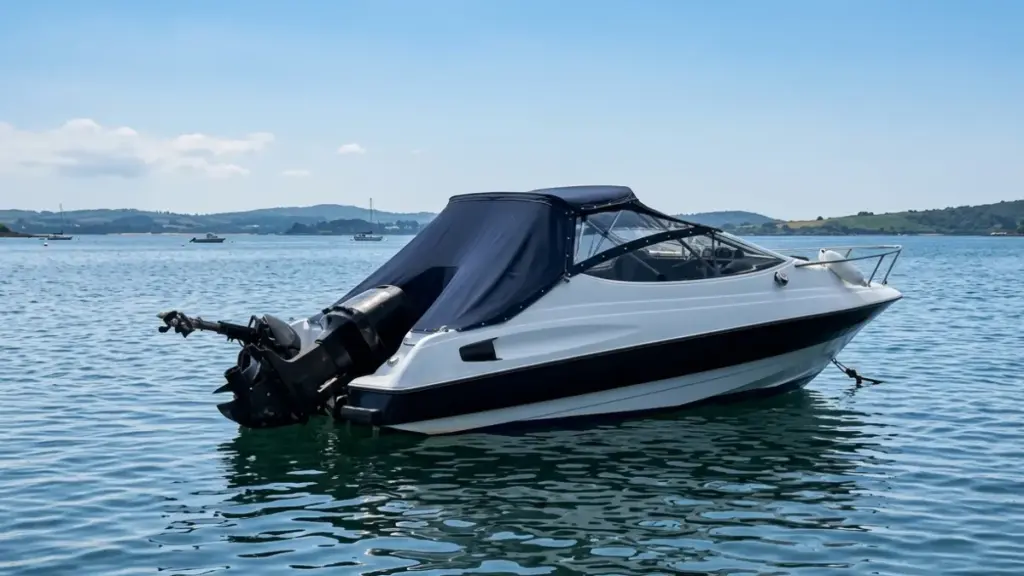
Die Wahl des Propellers hängt vollständig vom Rumpf ab. Ein Bassboot gleicht Geschwindigkeit und Beschleunigung aus, während ein Ponton oder ein Arbeitsboot dem Schub Vorrang einräumt, um schwere Lasten zu bewegen.
| Bootstyp | Typischer Durchmesser | Typische Tonhöhe | Hauptziel |
|---|---|---|---|
| Kleines Fischerboot aus Aluminium | 10–11″ | 9–13″ | Einfaches Hobeln und Tragen von Lasten |
| Schlauchboot | 9–11″ | 9–13″ | Schnelle Beschleunigung |
| Bassboot | 13–14″ | 21–25″ | Hohe Geschwindigkeit |
| Pontonboot | 13–15″ | 13–17″ | Starker Schub bei niedriger Geschwindigkeit |
| Offshore-Mittelkonsole | 15–16″ | 17–21″ | Ausgewogenes Cruisen |
| Arbeitsboot | 14–16″ | 13–17″ | Maximale Zugkraft |
| Wassersportboot | 13–14″ | 15–19″ | Schneller Lochschuss |
Angel- und Bassboote
Ein typischer Standardpropeller für ein 17-Fuß-Aluminium-Bassboot mit einem 115 PS-Motor ist ein 14 X 17. Das entspricht einem Durchmesser von 14 Zoll und einem Abstand von 17 Zoll. Dieses Setup bietet ein solides Gleichgewicht zwischen dem für eine schnelle Beschleunigung erforderlichen Startschuss und einer angemessenen Höchstgeschwindigkeit zum Abdecken von Wasser.
Für diese leichter, Hobelrümpfe, Ziel ist ein geringer Propellerschlupf. Normalerweise suchen Sie nach etwas in der 10-18% Reichweite, um effizient zu laufen.
Ponton- und Tri-Toon-Boote
Diese Boote sind ein ganz anderes Tier. Bei Rümpfen mit hohem Luftwiderstand sind sie schwerer, Sie priorisieren also den Schub vor der Höchstgeschwindigkeit. Die Hauptaufgabe besteht darin, eine Ladung zu tragen und das Boot in die Gleitbahn zu bringen. Bei der Propellerauswahl wird hier häufig ein größerer Durchmesser bevorzugt, um mehr Wasser zu bewegen und den nötigen Schub zu erhalten.
Pontons arbeiten normalerweise mit viel höheren Schlupfprozentsätzen, manchmal dazwischen 20-30%. Effizienz ist nicht das Hauptanliegen; Entscheidend ist die Tragfähigkeit.
Hochgeschwindigkeits-Performance-Rümpfe
Schnellere Boote verwenden oft Propeller mit der größtmöglichen Steigung, um Höchstgeschwindigkeit zu erreichen. Diese Aufbauten könnten auch einen kleineren Durchmesser verwenden, um den Luftwiderstand durch das Wasser bei hohen Drehzahlen zu verringern. Es ist ein Balanceakt. Eine sorgfältige Abstimmung ist erforderlich, um sicherzustellen, dass der Motor die empfohlene Volllast erreichen kann (WOT) Drehzahlbereich, ohne durch zu viel Pitch überlastet zu werden.
Arbeitsboote und Schwerlastanwendungen
Genau wie Pontons, Bei Arbeitsbooten kommt es vor allem auf die Schubkraft zum Schieben schwerer Lasten an. Propeller mit größerem Durchmesser und manchmal geringerer Steigung werden verwendet, um eine bessere Beschleunigung und ein besseres Handling bei niedrigen Geschwindigkeiten zu erreichen. Die Höchstgeschwindigkeit ist zweitrangig im Vergleich zur Fähigkeit des Bootes, mit einer schweren Ladung an Bord den Schwung aufrechtzuerhalten.
So lesen Sie Propellermarkierungen und überprüfen die vorhandene Konfiguration
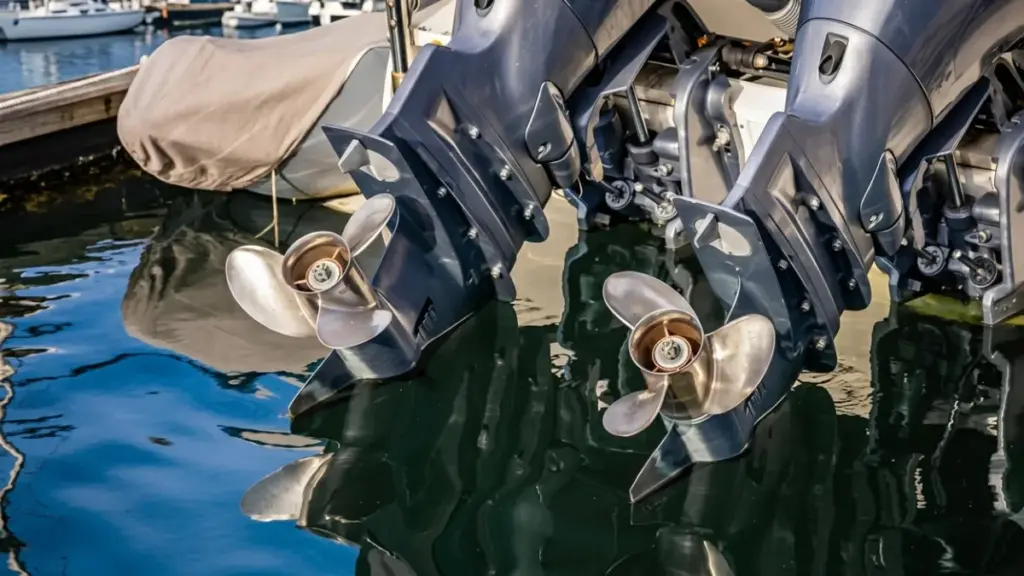
Die Markierungen des Propellers verraten seine Größe und seinen Typ. Sie müssen diese Spezifikationen mit dem Vollgas Ihres Motors vergleichen (WOT) Drehzahlbereich, um zu bestätigen, dass die Einstellung für Ihr Boot korrekt ist.
Grundlegende Größenmarkierungen finden und lesen (Durchmesser x Teilung)
Die Größenmarkierungen sind normalerweise direkt auf der Propellernabe eingestanzt. Überprüfen Sie die Außenseite der Nabe zwischen den Messern, unter der Stützmutter, oder manchmal an der Wurzel einer Klinge selbst. Um die Zahlen klar erkennen zu können, müssen Sie wahrscheinlich Meeresbewuchs oder leichte Korrosion abkratzen.
Sie suchen ein Format wie „14,5 × 19“. Die erste Zahl gibt den Durchmesser in Zoll an, Das ist der volle Kreis, den der Propeller macht, wenn er sich dreht. Die zweite Zahl ist die Tonhöhe, Dies stellt die theoretische Entfernung in Zoll dar, die der Propeller das Boot in einer vollen Umdrehung vorwärts bewegen würde.
Interpretation zusätzlicher Markierungen für die Drehung, Material, und Serien
Über die Grundgröße hinaus, Sie finden weitere wichtige Codes. Ein Rotationscode wie RH bedeutet eine standardmäßige Rechtsdrehung, Das ist es, was die meisten einmotorigen Boote verwenden. LH bedeutet eine Linksdrehung, Wird normalerweise bei einem der Motoren in einer Zweimotorenkonfiguration verwendet, um das Drehmoment auszugleichen.
Material ist oft mit „AL“ gekennzeichnet’ für Aluminium oder „SS“.’ für Edelstahl. Möglicherweise sehen Sie auch einen Markennamen oder einen Seriencode, wie Yamahas K-Serie, Darin werden das Design und die beabsichtigte Anwendung der Requisite identifiziert. Endlich, Suchen Sie die spezifische Teilenummer – dies ist der zuverlässigste Code für die Bestellung eines genauen Ersatzes.
Überprüfen Sie Ihr Setup anhand der WOT-RPM-Spezifikationen des Motors
Die Zahlen auf Ihrer Requisite bedeuten ohne Kontext nichts. Sie müssen sie mit der Leistung Ihres Motors vergleichen. Erste, Finden Sie den empfohlenen Vollgashebel (WOT) Den Drehzahlbereich finden Sie im Benutzerhandbuch Ihres Motors. Dies ist das Ziel, das Ihr Motor mit voller Leistung erreichen sollte.
Mit einer normalen Ladung Kraftstoff und Ausrüstung, Lassen Sie das Boot mit Vollgas laufen und sehen Sie, was Ihr Drehzahlmesser anzeigt. Wenn Ihre maximale Drehzahl unter dem empfohlenen Bereich liegt, Die Steigung Ihres Propellers ist wahrscheinlich zu hoch. Wenn die Motordrehzahl den Bereich überschreitet (Überdrehen), die Tonhöhe ist zu niedrig. Eine Änderung der Tonhöhe um einen Zoll wirkt sich normalerweise um etwa 10 % auf Ihre WOT-Drehzahl aus 150 Zu 200.
Was tun, wenn Markierungen fehlen oder beschädigt sind?
Wenn die Markierungen verschwunden sind, Sie können immer noch die Grundlagen herausfinden. Messen Sie den Durchmesser, indem Sie den Abstand von der Mitte der Nabe bis zur Spitze einer Klinge messen und verdoppeln. Tonhöhe messen, Jedoch, ist nichts, was man präzise von Hand machen kann. Es erfordert eine Tonhöhenlehre, Ein Werkzeug, das man in jedem anständigen Propellerladen findet.
Seien Sie vorsichtig mit gebrauchten Requisiten. Ein Vorbesitzer hätte es möglicherweise reparieren lassen oder “überarbeitet,” Das heißt, ein Requisitenladen hätte seine Tonhöhe ändern können. In diesem Fall, Die eingeprägte Nummer spiegelt möglicherweise nicht die wahre Geometrie der Requisite wider. Wenn Sie irgendwelche Zweifel haben, Bringen Sie es zur Überprüfung in eine Fachwerkstatt. Sie können Ihnen genau sagen, womit Sie arbeiten.
Wann Steigung oder Durchmesser angepasst werden sollten, anstatt den Motor zu wechseln
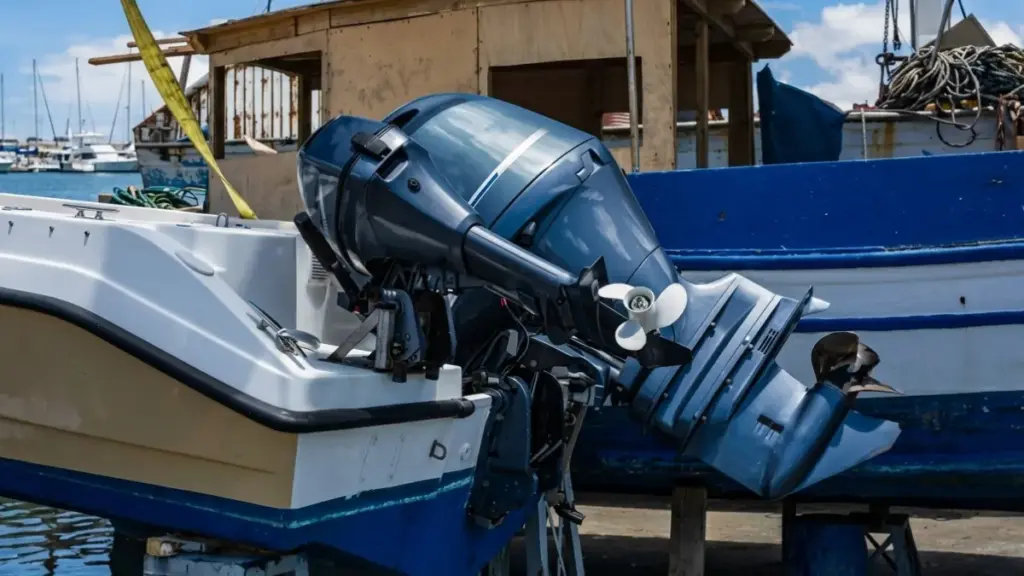
Bevor Sie überhaupt über einen neuen Motor nachdenken, Repariere deinen Propeller. Pitch verwaltet Ihre Drehzahl, und Durchmesser handhabt den Schub. Die meisten Leistungsprobleme werden genau dort gelöst.
Beheben von Motordrehzahlproblemen durch Pitch-Anpassungen
Pitch ist Ihre primäre Steuerung für die Motordrehzahl. Es fungiert wie das endgültige Übersetzungsverhältnis zwischen Ihrem Motor und dem Wasser. Die richtige Einstellung ist der erste Schritt bei der Optimierung der Leistung Ihres Bootes.
- Wenn Ihr Motor schleppt (Die WOT-Drehzahl ist zu niedrig), Verringern Sie die Neigung des Propellers, damit er sich dreht und die Drehzahl erhöht.
- Wenn der Motor überdreht (Die WOT-Drehzahl ist zu hoch), Erhöhen Sie die Steigung, um mehr Last hinzuzufügen und die Drehzahl wieder zu senken.
- Nutzen Sie die Tonhöhe als Ihr wichtigstes Werkzeug, um bestimmte Ziele zu erreichen, Sie können ihn beispielsweise absenken, um einen besseren Lochschlag zu erzielen, oder ihn anheben, um eine höhere potenzielle Höchstgeschwindigkeit zu erzielen.
- Denken Sie an die Regel: Eine 2-Zoll-Änderung der Steigung erhöht normalerweise die Drehzahl Ihres Vollgashebels um etwa 50 % 400, Daher ist es das erste, was angepasst werden muss.
Verwendung des Durchmessers zur Schub- und Lastanpassung
Während die Tonhöhe die Drehzahl steuert, Beim Durchmesser kommt es vor allem auf den Schub an und darauf, wie der Propeller das Wasser greift. Auf diese Weise passen Sie die Motorleistung an die physische Realität des Bootes an.
- Wählen Sie auf schweren Booten oder bei Arbeitseinsätzen einen Propeller mit größerem Durchmesser, um einen besseren Schub und bessere Manövrierfähigkeit bei niedriger Geschwindigkeit zu erzielen.
- Bei Feuerzeugen einen kleineren Durchmesser verwenden, schnellere Boote, um den Luftwiderstand zu verringern und dem Motor zu helfen, seinen vollen Drehzahlbereich zu erreichen.
- Unter Durchmesser verstehen Sie die Art und Weise, wie Sie die Leistungskurve des Motors an das spezifische Gewicht und die Rumpfeigenschaften des Bootes anpassen.
- Dies ist die wichtigste Anpassung, die Sie vornehmen müssen, wenn sich Ihre Beschleunigung langsam anfühlt, auch wenn die WOT-Drehzahl des Motors bereits eingestellt ist.
Bewältigung großer Laständerungen sowohl mit Steigung als auch mit Durchmesser
Manchmal reicht eine einzige Anpassung nicht aus, insbesondere wenn sich die Mission des Bootes erheblich ändert. Dann müssen Sie beide Variablen zusammen betrachten.
- Beides anzupassen ist der richtige Schritt, wenn sich die Hauptaufgabe des Bootes ändert, Zum Beispiel, wenn Sie schweres Dauergerät anbringen oder zum ersten Mal mit dem Ziehen von Skifahrern beginnen.
- Eine gängige Strategie besteht darin, den Durchmesser für mehr Schub zu vergrößern und gleichzeitig die Steigung zu verringern, um die WOT-Drehzahl des Motors im richtigen Bereich zu halten.
- Dieser kombinierte Ansatz ermöglicht es Ihrem aktuellen Motor, effektiv mit einem neuen umzugehen, schwereres Lastprofil, ohne dass Sie Geld für mehr PS ausgeben müssen.
Ein klarer Diagnosepfad: Prop zuerst, Motor zuletzt
Raten Sie nicht. Befolgen Sie einen logischen Diagnoseprozess, um Zeit- und Geldverschwendung für einen Motor zu vermeiden, den Sie möglicherweise nicht benötigen.
- Stellen Sie zunächst sicher, dass der Motor in Ordnung ist. Führen Sie dann einen WOT-Test mit einer typischen Last durch, um die maximale Ausgangsdrehzahl zu ermitteln.
- Wenn diese Drehzahl außerhalb des vom Hersteller empfohlenen Bereichs liegt, Der Propellerwechsel ist der erste und logischste Schritt. Ziehen Sie keine voreiligen Schlüsse über den Motor.
- Testen Sie systematisch verschiedene Propellerkonfigurationen, um die Leistung für die tatsächliche Nutzung des Bootes zu optimieren.
- Beginnen Sie erst dann mit der Anschaffung eines neuen Motors, wenn Sie alle geeigneten Propelleroptionen ausprobiert haben und diese Ihre Leistungsziele immer noch nicht erreichen.
Häufig gestellte Fragen
Was bedeuten die Zahlen auf einem Außenbordpropeller??
Die Zahlen geben die Kernabmessungen eines Propellers an, hauptsächlich Durchmesser und Steigung, geschrieben als „Durchmesser x Steigung“.’ (z.B., 14 X 19). Die erste Zahl gibt den Durchmesser in Zoll an, und der zweite ist die Tonhöhe in Zoll. Markierungen können auch Buchstaben zur Rotation enthalten (R für Rechtshänder), Material (SS für Edelstahl), und eine Teilenummer.
Was ist die Propellersteigung auf einem Boot??
Die Propellersteigung ist die theoretische Entfernung, gemessen in Zoll, dass sich ein Propeller ohne Schlupf in einer vollständigen Umdrehung vorwärts bewegen würde. Es verhält sich wie das Übersetzungsverhältnis des Bootes – eine höhere Steigung sorgt dafür, dass man mit jeder Drehung weiter fährt, Dies kann die Höchstgeschwindigkeit erhöhen, wenn der Motor über genügend Leistung verfügt.
Wie wirkt sich die Propellersteigung auf die Motordrehzahl aus??
Die Tonhöhe hat einen umgekehrten Einfluss auf die Motordrehzahl. Durch Erhöhen der Steigung wird der Motor stärker belastet, Dadurch sinkt die Drehzahl bei Vollgas. Eine Verringerung der Tonhöhe verringert die Belastung, wodurch die Motordrehzahl erhöht werden kann. Eine gängige Richtlinie besagt, dass eine Änderung der Tonhöhe um einen Zoll die Vollgasstellung verändert (WOT) U/min um ca 150-200.
Macht ein Propeller mit höherer Steigung ein Boot schneller??
Ein Propeller mit höherer Steigung kann ein Boot schneller machen, aber nur, wenn der Motor über genügend Leistung verfügt, um innerhalb des empfohlenen WOT-Drehzahlbereichs zu arbeiten. Wenn die Tonhöhe zu hoch ist, es überlastet den Motor, Dies führt dazu, dass die Drehzahl zu stark sinkt und die Höchstgeschwindigkeit des Bootes tatsächlich sinkt.
Woher weiß ich, ob ich mehr oder weniger Steigung an meinem Propeller benötige??
Überprüfen Sie die Drehzahl Ihres Motors bei Vollgas (WOT) gegenüber dem vom Hersteller angegebenen Bereich. Wenn Ihre Drehzahl zu hoch ist (oberhalb des Bereichs), Sie brauchen mehr Tonhöhe, um es zu senken. Wenn Ihre Drehzahl zu niedrig ist (unterhalb des Bereichs), der Motor hat Probleme, und Sie benötigen weniger Pitch, damit es sich richtig drehen kann.
Was ist der Unterschied zwischen Propellersteigung und -durchmesser??
Der Durchmesser ist die Gesamtbreite der Propellerdrehung, Dies beeinträchtigt den Schub und die Fähigkeit, große Wassermengen zu bewegen – wichtig für schwere Boote. Pitch ist der theoretische Vorwärtsweg pro Umdrehung, Es steuert in erster Linie das Gleichgewicht zwischen Beschleunigung und potenzieller Höchstgeschwindigkeit durch Steuerung der Motordrehzahl.
Kann ich die Propellersteigung ändern, ohne den Durchmesser zu ändern??
Ja. Es ist üblich, zur Feinabstimmung der Leistung nur die Tonhöhe zu ändern. Propeller sind häufig in einer Reihe mit demselben Durchmesser, aber unterschiedlichen Steigungsoptionen erhältlich, So können Sie die Drehzahl und die Leistungseigenschaften Ihres Motors anpassen, ohne die Gesamtgröße des Propellers zu ändern.
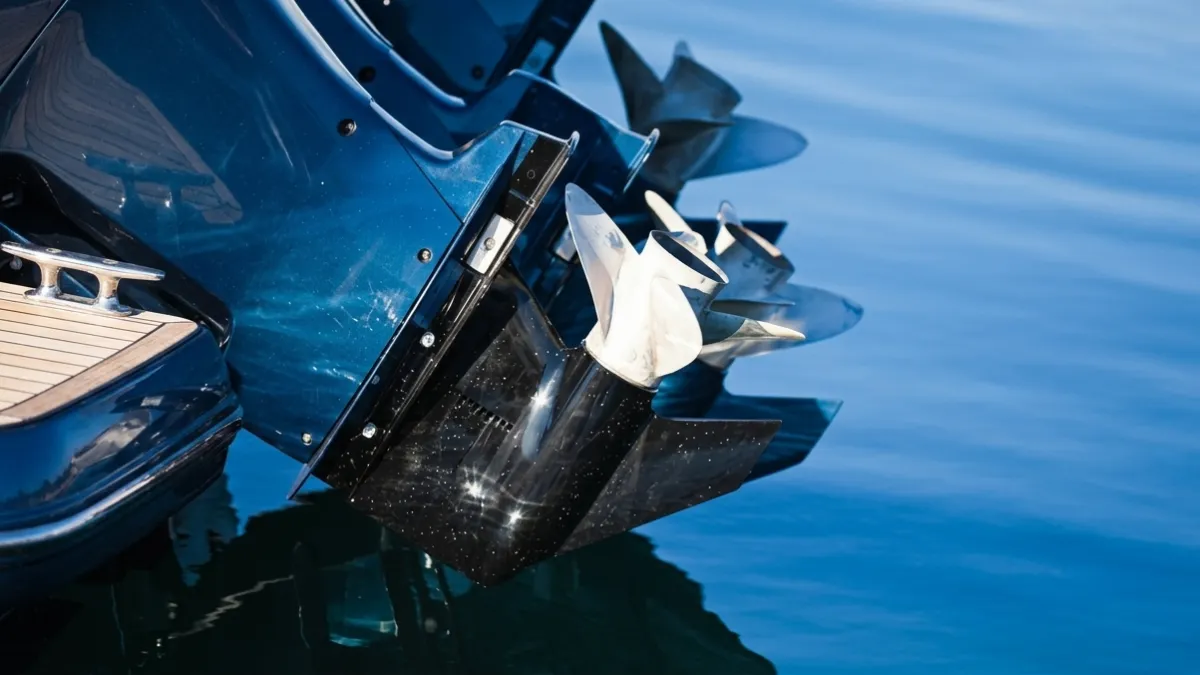
An outboard motor propeller is the component that converts engine power into the thrust that moves a boat through the water. Although it may appear to be a simple rotating part, its design directly affects acceleration, Höchstgeschwindigkeit, Kraftstoffeffizienz, Handhabung, and even engine lifespan.
In diesem Ratgeber, you’ll learn how an outboard motor propeller works, the function of each key component, how to understand common propeller specifications, and how to identify whether your current propeller is the right fit for your boat. Whether you’re a boat builder, Händler für Schiffsausrüstung, or replacing a worn propeller, this article will help you make a more informed selection.
What an Outboard Motor Propeller Is and Why It Matters
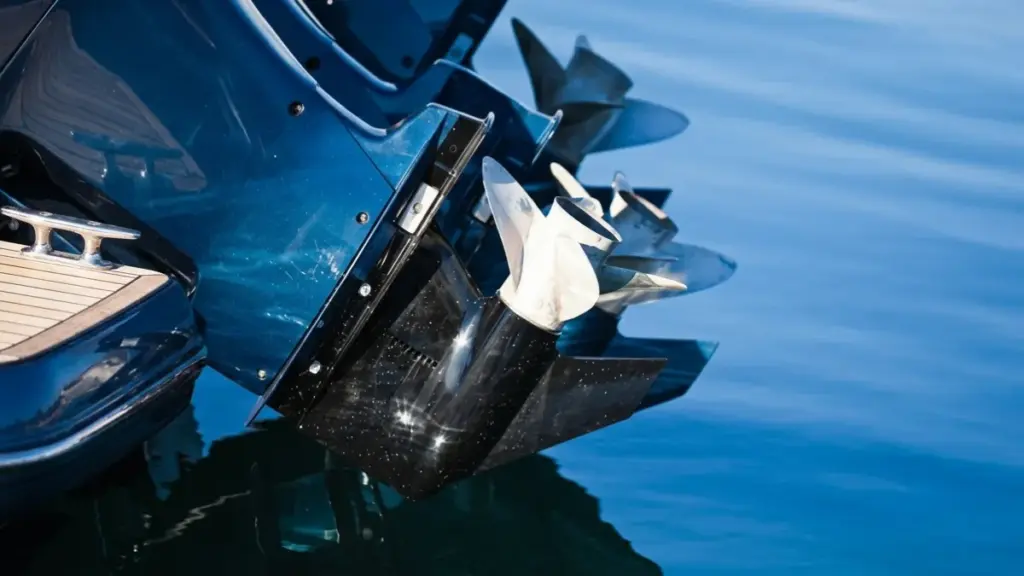
Ein Außenbordmotorpropeller is the rotating component mounted on the lower unit of an outboard engine. It takes the engine’s rotational power and turns it into thrust, which is what actually pushes the boat through the water. It works by creating a pressure difference on its blades. The high-pressure face of the blade pushes water back, while the low-pressure side on the back pulls the boat forward. Its main parts are simple: a central hub that mounts to the engine’s propeller shaft and the blades that do all the work.
How an Outboard Propeller Converts Engine Power Into Thrust
A propeller turns engine torque into thrust by creating a pressure differential on its blades and accelerating a column of water backward. The process is never 100% effizient.
From Engine Torque to Rotational Power
The process starts with the engine, which delivers rotational energy—called shaft horsepower—through the gearcase. This power applies torque to the propeller shaft, making it spin at a specific RPM. The prop’s job is to take this rotational energy and convert it into forward thrust that moves the boat.
This conversion isn’t perfect. A well-matched propeller on a typical boat runs at about 65-70% Effizienz. Der Rest 30-35% of the engine’s power is lost, turning into turbulence and heat in the water instead of useful thrust.
Creating a Pressure Differential
Each propeller blade is essentially a hydrofoil, which is just a wing that works in water. As a blade spins, its curved shape forces water to travel faster over its forward-facing (suction) side, creating a low-pressure zone. The aft-facing (pressure) side experiences higher pressure.
This pressure difference across the blade’s surface generates a net force. This force both pulls the boat forward from the low-pressure side and pushes it from the high-pressure side, creating thrust.
Accelerating Water to Generate Momentum
A propeller also works by grabbing a column of water and accelerating it backward. This accelerated stream of water is called the slipstream, and it moves faster than the water surrounding it. Based on fundamental momentum theory, the force that pushes the boat forward is the equal and opposite reaction to the force used to accelerate that water rearward.
The Role of Pitch and Slip
Pitch is the theoretical distance a propeller would move forward in one complete revolution if it were screwing through something solid, like a bolt in wood. Water isn’t solid, so the actual forward movement is always less than the theoretical pitch. This difference is called propeller slip.
Slip is the percentage of the propeller’s rotation that doesn’t directly contribute to forward motion. While it sounds like a bad thing, some slip is necessary to create thrust. For most planing boats, an optimal slip range of 8-15% at wide-open throttle shows a good match between the prop, Motor, and hull.
Boost Your Margins with Durable Power Equipment
Main Propeller Parts and How Each Component Affects Performance
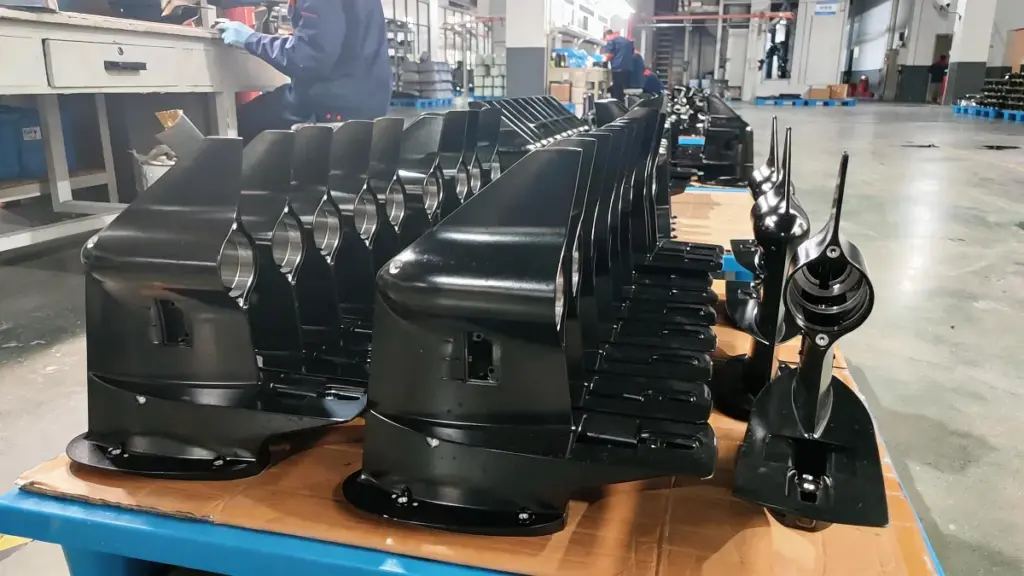
A prop’s hub, blades, Durchmesser, and pitch dictate boat performance. Seemingly small details like rake, cup, or material directly impact speed, Beschleunigung, and engine health.
Nabe
The hub is the center section that connects the propeller to the propeller shaft.
Many modern propellers include a rubber hub insert. This insert acts as a shock absorber and helps protect the drivetrain if the propeller strikes underwater objects.
Klingen
The blades generate thrust.
Most outboard propellers have either three or four blades, although specialized applications may use five blades.
Blade design affects:
- Lift
- Grip in rough water
- Hole shot
- Top speed
- Fuel efficiency
Blade Tip
The blade tip influences water flow and cavitation resistance.
Well-designed blade tips reduce turbulence while maintaining smooth water flow around the blade.
Leading Edge
The leading edge is the first part of the blade to contact water.
Its shape affects:
- Weed resistance
- Impact resistance
- Water entry efficiency
Trailing Edge
The trailing edge controls how water leaves the blade.
A properly designed trailing edge improves efficiency and reduces turbulence.
Cup
Cup refers to the slight curve located near the blade tip.
Additional cup helps:
- Reduce ventilation
- Improve grip
- Increase bow lift
- Improve performance during sharp turns
Jedoch, too much cup can reduce engine RPM.
Rake
Rake describes the angle of the blades relative to the propeller hub.
Higher rake typically:
- Increases bow lift
- Improves high-speed stability
- Enhances performance on fast boats
Lower rake often provides stronger acceleration for heavier vessels.
Every design feature works together, which is why two propellers with identical diameter and pitch may deliver noticeably different performance.
Key Propeller Specs: Diameter, Tonhöhe, Blade Count and Material
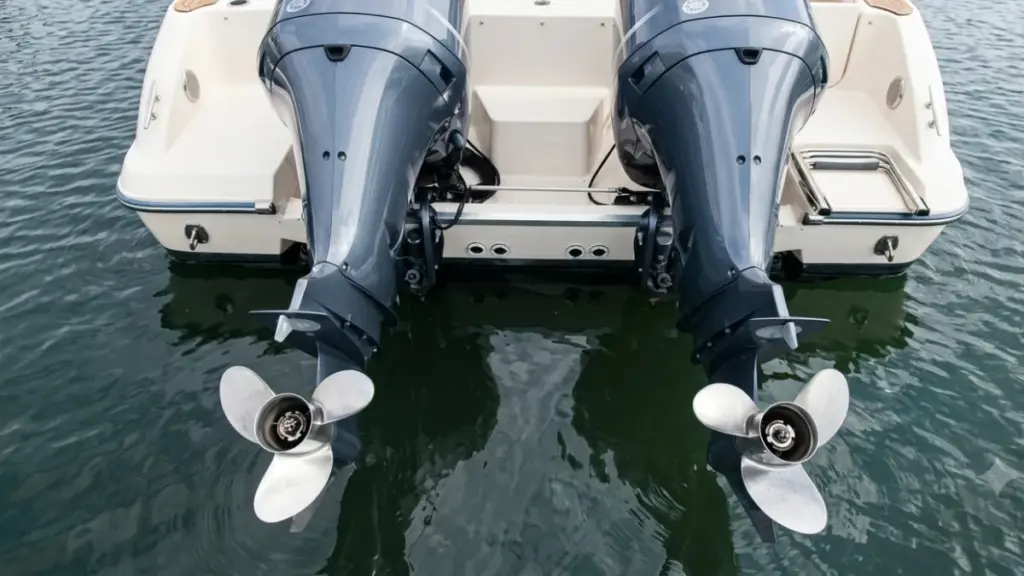
These four specs define a prop’s performance. They control the trade-off between thrust for heavy loads and speed for light ones, all while keeping the engine in its safe RPM range.
Diameter: The Propeller’s Footprint
Diameter is simply the distance across the circle the blade tips make when they spin. It’s the first number you see in a prop size, like the “14” in a 14 X 19 Stütze. A larger diameter moves more water, which gives you the thrust needed to push a heavy boat. A smaller diameter creates less drag in the water, which often helps lighter boats reach higher top speeds.
Tonhöhe: How Far It Moves
Pitch is the theoretical distance, in Zoll, that the prop moves forward in one complete rotation. It’s the second number in the prop size, like the “19” In 14 X 19. A higher pitch can deliver a higher top speed, but it also makes the engine work harder, similar to using a high gear in a car. A lower pitch gives you better acceleration and pulling power, which is ideal for towing or moving a heavy load. The goal is to find the right pitch that lets your engine operate within its recommended wide-open-throttle (WOT) Drehzahlbereich.
Blade Count: Balancing Speed and Grip
Most outboard props come with three or four blades. The number of blades significantly changes boat behavior.
| 3-Blade Propeller | 4-Blade Propeller |
|---|---|
| Higher top speed | Bessere Beschleunigung |
| Better fuel economy at cruising speed | Improved grip |
| Less drag | Better handling |
| Lower cost | Better rough-water performance |
| Popular for recreational boats | Popular for commercial and heavy-duty applications |
Three-blade propellers remain the most common choice because they offer an excellent balance between speed and efficiency.
Four-blade propellers excel when boats carry heavier loads or frequently operate in rough water.
Materialien: Aluminum vs. Edelstahl
The material of an outboard propeller directly affects its strength, Haltbarkeit, corrosion resistance, and overall performance.
| Aluminum | Edelstahl |
|---|---|
| Lower cost | Higher strength |
| Leicht | Excellent durability |
| Easy to repair | Better performance at high speed |
| Good for recreational use | Ideal for commercial and heavy-duty use |
| Protects drivetrain during impacts | Maintains blade shape under heavy loads |
Bei NEUTOP, our aluminum propellers are made from a premium aluminum-magnesium alloy, produced using new aluminum ingots and a proprietary remelting process. This provides excellent toughness and strength for reliable everyday performance.
For more demanding applications, our duplex stainless steel propellers offer higher yield strength and superior corrosion resistance than conventional stainless steel, making them ideal for saltwater and commercial use.
Whether you need aluminum or stainless steel propellers, we can help you choose the right solution based on your outboard motor, Bootstyp, und Betriebsbedingungen. Contact our team to learn more about our OEM and bulk supply capabilities.
How the Propeller Influences RPM, Geschwindigkeit, Handling and Fuel Economy
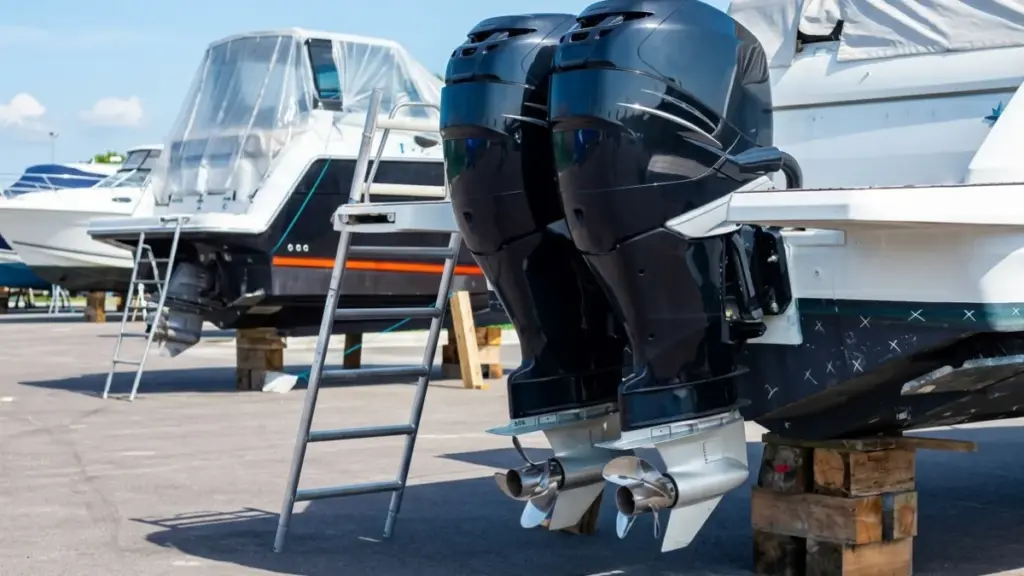
The propeller is the boat’s transmission. Every choice—pitch, Durchmesser, blade count—forces a direct trade-off between engine RPM, speed, handling grip, and fuel consumption.
| Performance Factor | Primary Influences | Key Effect |
|---|---|---|
| Engine RPM | Tonhöhe, Diameter, Blade Area | Lower pitch increases RPM; higher pitch decreases it. The goal is to hit the engine’s recommended WOT range. |
| Boat Speed | Tonhöhe, Slip, Blade Count | Higher pitch allows higher top speed, but lower pitch gives better acceleration (Lochschuss). |
| Handling | Blade Count, Rake, Cup | 4-blades improve grip in turns and rough water. Rake adjusts bow lift. |
| Fuel Economy | Pitch Matching, Material, Slip | An engine running in its optimal RPM range is most efficient. Lugging or over-revving wastes fuel. |
Impact on Engine RPM
Think of propeller pitch as the gearing on your boat. A lower pitch acts like a low gear, allowing the engine to spin up faster and reach a higher RPM. A higher pitch is like a high gear, loading the engine more and reducing its RPM at any given speed. The entire goal is to select a prop that lets your engine operate within its manufacturer-recommended Wide-Open Throttle (WOT) Drehzahlbereich. If your WOT RPM is too low, you need less pitch; if it’s too high, you need more.
As a rule of thumb, changing pitch by one inch will alter WOT RPM by about 150–200. Other factors also increase engine load and lower RPM. Switching to a propeller with a larger diameter, more blades, or more total blade area will make the engine work harder to spin it, which brings the RPM down.
Impact on Boat Speed
A propeller with a higher pitch has the potential for a higher top speed, but there’s a catch. Your engine must have enough power to spin that prop up into its optimal RPM range. If the engine is lugging, you won’t see that speed. Auf der anderen Seite, a lower pitch propeller gives you much stronger acceleration, known as the “Lochschuss,” making it easier to get the boat on plane, especially with a heavy load.
All props experience some “slip,” which is the difference between their theoretical speed and your boat’s actual speed. Stainless steel props with cupped blades are more efficient because they flex less and grip the water better, minimizing slip. Going from a 3-blade to a 4-blade prop of the same pitch often reduces top speed by a mile or two per hour because of the increased drag from the extra blade.
Impact on Handling and Control
Handling is where blade count and design really show their value. A 4-blade propeller provides significantly better grip in turns, holds the boat steadier in rough water, and improves low-speed maneuverability around the dock. This is why they are often chosen for watersports, as they have the pulling power to get a skier on plane fast and hold a steady speed.
Blade geometry also plays a big part. Higher blade rake—the angle the blades tilt back—tends to lift the boat’s bow, which can increase speed on many planing hulls. A “cup” is a small curved lip on the blade’s trailing edge that reduces ventilation (air getting sucked into the prop) and cavitation. This allows the prop to maintain its grip during hard turns or when the motor is trimmed high for maximum speed.
Impact on Fuel Economy
The single most critical factor for fuel efficiency is matching the propeller to the engine’s optimal RPM range. An engine that is “over-propped” (lugging at a low RPM because the pitch is too high) oder “under-propped” (over-revving because the pitch is too low) will burn significantly more fuel. Both conditions put unnecessary stress on the engine.
Stainless steel propellers are generally more efficient than aluminum ones. Their stiffer blades flex less under load, meaning less power is wasted and more is converted into forward thrust. By optimizing your propeller pitch specifically for your typical cruising speed, you can increase your miles per gallon. It’s not uncommon to see a boat’s overall range extend by 20% or more with the right prop.
Common Signs You Are Using the Wrong Outboard Propeller
Your boat tells you the prop is wrong through poor RPM, sluggish performance, and new vibrations. Visible damage or fouling are also clear red flags.
| Symptom | Possible Cause |
|---|---|
| Engine cannot reach recommended RPM | Pitch too high |
| Engine exceeds recommended RPM | Pitch too low |
| Poor acceleration | Incorrect pitch or damaged blades |
| Excessive fuel consumption | Improper propeller match |
| Cavitation or ventilation | Wrong blade design or damaged propeller |
| Heavy vibration | Bent blades or unbalanced propeller |
| Poor handling in turns | Incorrect blade configuration |
| Reduced top speed | Wrong diameter, Tonhöhe, or excessive slip |
Poor Engine Performance and RPM
Performance issues are the first and most obvious signs that your propeller isn’t matched correctly to your boat and engine. If the engine can’t operate in its ideal range, everything from speed to fuel burn will suffer.
- Your engine’s RPM at full throttle is outside the manufacturer’s recommended range—either too high or too low.
- The boat takes forever to get on plane or feels sluggish accelerating. This is a classic poor “hole shot.”
- You’ve lost top-end speed, even with the same load and conditions you’ve run before.
- You’re burning more fuel than you used to for the same trip, and the fuel gauge seems to move faster.
Vibrations and Unusual Noises
A balanced and correct propeller should run smoothly. When something is wrong, you will feel and hear it. These symptoms often point to a damaged prop, which is just as bad as a mismatched one.
- You feel a new vibration through the hull or steering, especially when you speed up.
- There’s a strange noise—a thump, rattle, or hum—coming from the stern that wasn’t there before.
- Steering feels off, either rougher, heavier, or less responsive than normal.
Visible Damage or Fouling
Sometimes the problem isn’t subtle. A quick visual check can confirm that your propeller is the source of the trouble, whether from an impact or just accumulated debris.
- A quick look shows obvious damage: dings, bent blades, missing chunks of metal, or chipped edges.
- You find fishing line, rope, or seaweed wrapped tightly around the propeller shaft.
- The propeller shows heavy corrosion or rust that’s eating away at the metal, reducing its efficiency.
Ready to Work With NEWTOP for Professional Propeller Setup
The right propeller can make a noticeable difference in boat performance—but only when it is properly matched to the engine and application. Factors such as horsepower, boat weight, Betriebsumgebung, and typical load all influence the best propeller choice.
Bei NEUTOP, we do more than manufacture outboard propellers. We help distributors, Bootsbauer, and marine equipment brands select the right propeller solution for their products and customers. Our product range includes both premium aluminum alloy Und duplex stainless steel propellers in multiple sizes, Stellplätze, und Blade-Konfigurationen, compatible with a wide range of outboard motors.
Whether you need a durable replacement propeller, OEM-Anpassung, or bulk procurement for your market, our engineering and production teams can provide reliable support from product selection to manufacturing.
Looking for a dependable outboard propeller supplier? Contact us today to discuss your requirements and discover how our high-quality propellers can help improve performance, Zuverlässigkeit, und Kundenzufriedenheit.
Häufig gestellte Fragen
What does an outboard motor propeller do?
An outboard motor propeller converts the engine’s rotational power into forward thrust by accelerating water backward. It directly affects boat speed, Beschleunigung, Kraftstoffeffizienz, Handhabung, und Motorleistung.
What is the difference between a 3-blade and a 4-blade propeller?
A 3-blade propeller is the most common type, offering a good balance of performance and a higher top speed due to having less drag. A 4-blade propeller has more blade area, which improves acceleration, grip in rough water, and helps heavier boats get on plane faster, but it usually results in a slightly lower top speed.
How do I know if my outboard propeller is damaged?
Common signs include new or increased vibration, a noticeable drop in top speed or acceleration, or the engine revving higher than usual without a corresponding speed increase. You should also visually inspect the blades for nicks, bends, Risse, or missing pieces of metal.
What happens if I use the wrong propeller on my boat?
Using the wrong propeller forces your engine to operate outside its recommended RPM range. If the prop has too much pitch, the engine will be overloaded, causing poor acceleration and long-term strain. If it has too little pitch, the engine can over-rev, leading to potential damage and poor fuel economy.
Can I upgrade my propeller for better acceleration or fuel economy?
Ja, but it’s a trade-off. To improve acceleration, you can switch to a propeller with a lower pitch or more blades, which helps the boat get on plane faster. To improve fuel economy at cruising speeds, a propeller with a higher pitch can lower engine RPM, but this may reduce your initial acceleration.
What are the main parts of a boat propeller?
The primary parts include the hub, blades, leading edge, trailing edge, blade tips, cup, and rake. Each component influences thrust, Handhabung, cavitation resistance, und Gesamteffizienz.
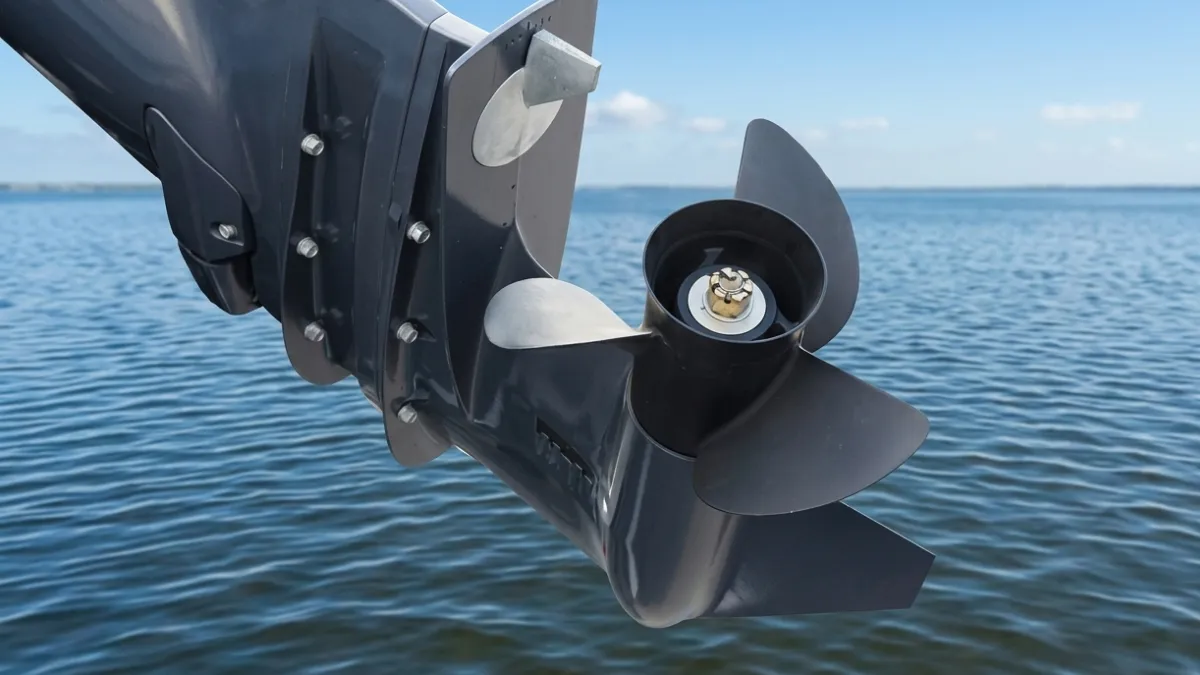
Wenn wir darüber nachdenken, die Leistung eines Bootes zu verbessern, Die Motorleistung erregt normalerweise die ganze Aufmerksamkeit. Aber genauso wichtig ist der Propeller. Der richtige Propeller verhilft Ihrem Außenbordmotor zu einer besseren Beschleunigung, Kraftstoffeffizienz, und Motorleistung, während das Falsche die Geschwindigkeit begrenzen kann, den Kraftstoffverbrauch erhöhen, und sogar die Lebensdauer des Motors verkürzen.
In diesem Ratgeber, Wir zeigen Ihnen, wie Sie das Richtige auswählen Außenbordmotorpropeller basierend auf Ihrem Motor, Bootstyp, und Verwendungszweck. Außerdem erfahren Sie, wie Sie häufige Auswahlfehler vermeiden und das beste Leistungsgleichgewicht finden, Zuverlässigkeit, und Kosten.
Schlüsselfaktoren bei der Auswahl von Außenbordmotorpropellern
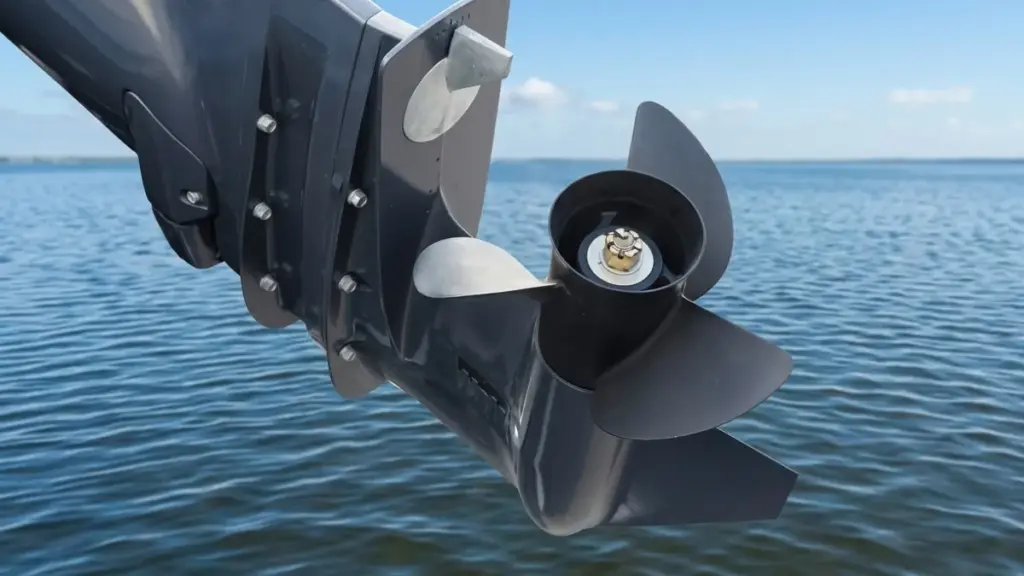
Vor dem Vergleich Außenbordmotorpropeller Größen oder Materialien, Berücksichtigen Sie die folgenden Faktoren. Zusammen, Sie bestimmen, wie effizient Ihr Motor die Kraft auf das Wasser überträgt und ob Ihr Boot die erwartete Leistung erbringt.
Beginnen Sie mit Ihren Motorspezifikationen
Ihr Motor bestimmt die Auswahl an Propellern, die Sie sicher verwenden können. Bevor Sie verschiedene Modelle vergleichen, Überprüfen Sie drei wichtige Spezifikationen:
- Motorleistung (PS)
- Übersetzungsverhältnis
- Empfohlene Vollgasstellung (WOT) Drehzahlbereich
Diese Zahlen definieren den Durchmesser und die Steigung, die Ihr Motor verarbeiten kann. Ein richtig abgestimmter Propeller sollte es dem Motor ermöglichen, unter normaler Last die empfohlene WOT-Drehzahl zu erreichen. Wenn der Motor diesen Bereich nicht erreichen kann, Der Propeller ist wahrscheinlich zu groß oder hat eine zu große Steigung. Wenn es den Bereich überschreitet, Der Propeller ist wahrscheinlich zu klein.
Passen Sie den Propeller an das Gewicht Ihres Bootes an
Denken Sie darüber nach, wie Ihr Boot normalerweise genutzt wird – nicht nur über sein Leergewicht.
Ein leichtes Freizeitboot funktioniert normalerweise gut mit einem Propeller mit größerer Steigung, der die Geschwindigkeit begünstigt. Im Gegensatz, schwerere Boote, die Passagiere befördern, Angelausrüstung, Ladung, oder volle Treibstofftanks benötigen mehr Schub, um ins Gleiten zu kommen. In diesen Fällen, Die Wahl einer etwas geringeren Steigung führt häufig zu einer besseren Beschleunigung und einem effizienteren Betrieb.
Wählen Sie immer einen Propeller basierend auf Ihren Bedürfnissen aus typische Betriebslast, keine idealen Bedingungen.
Wählen Sie den Pitch basierend auf Ihrer Leistungspriorität
Die Tonhöhe hat den größten Einfluss darauf, wie sich Ihr Boot auf dem Wasser anfühlt, Beginnen Sie also damit, zu entscheiden, was Ihnen am wichtigsten ist.
| Typische Anwendung | Empfohlener Stellplatz | Erwartetes Ergebnis |
|---|---|---|
| Fischerboote | Senken Sie die Tonhöhe auf Standard | Bessere Beschleunigung, einfacheres Hobeln, und stärkere Zugkraft mit Angelausrüstung an Bord. |
| Passagier- oder Arbeitsboote | Niedrigere Tonhöhe | Bietet mehr Schub für den Transport schwerer Lasten und sorgt für eine stabile Reiseleistung. |
| Freizeit-Familienboote | Standard-Tonhöhe | Bietet eine ausgewogene Geschwindigkeitskombination, Kraftstoffeffizienz, und alltägliche Handhabung. |
| Hochgeschwindigkeitsboote | Höhere Tonhöhe | Bietet eine höhere Höchstgeschwindigkeit, wenn der Motor noch den empfohlenen WOT-Drehzahlbereich erreichen kann. |
Als allgemeine Richtlinie, Ändern der Tonhöhe um 1 Zoll ändert die Motordrehzahl um ca 150–200 U/min. Kleine Anpassungen können die Leistung des Bootes spürbar verändern.
Wählen Sie die richtige Klingenanzahl
Die meisten Außenbordpropeller haben beides drei oder vier Klingen, und jedes ist für unterschiedliche Anwendungen konzipiert.
A 3-Blattpropeller ist die beste Allround-Wahl für die meisten Freizeitboote. Es bietet eine gute Geschwindigkeitsbalance, Kraftstoffverbrauch, und Beschleunigung.
A 4-Blattpropeller ist eine Überlegung wert, wenn Sie regelmäßig schwere Lasten tragen, Arbeiten Sie in rauem Wasser, Wassersportgeräte schleppen, oder ein schnelleres Gleiten und eine bessere Kontrolle bei niedriger Geschwindigkeit wünschen. Während es normalerweise ein wenig Höchstgeschwindigkeit opfert, Es bietet ein sanfteres Handling und stärkeren Halt im Wasser.
Es sei denn, Ihre Anwendung stellt besondere Leistungsanforderungen, Ein 3-Blatt-Propeller ist normalerweise der empfohlene Ausgangspunkt.
Entscheiden Sie sich zwischen Aluminium und Edelstahl
Das von Ihnen gewählte Material sollte widerspiegeln, wie oft und wo Sie Ihr Boot nutzen.
Aluminiumpropeller sind ideal für die meisten Freizeitnutzer, da sie erschwinglich sind, leicht, und bei Beschädigung leicht auszutauschen.
Propeller aus Edelstahl sind eine bessere Investition, wenn Sie einen leistungsstarken Motor betreiben, viele Stunden auf dem Wasser verbringen, oder maximale Haltbarkeit und Leistung benötigen. Sie verbiegen sich unter Belastung weniger, Effizienz verbessern, und halten unter anspruchsvollen Bedingungen normalerweise länger.
Für gelegentliche Bootsfahrten, Aluminium reicht oft aus. Für den gewerblichen oder häufigen Gebrauch, Edelstahl bietet in der Regel langfristig einen besseren Wert.
Bestätigen Sie die Kompatibilität vor dem Kauf
Auch wenn ein Propeller den richtigen Durchmesser und die richtige Steigung hat, Es funktioniert nur, wenn es mit Ihrem Motor kompatibel ist.
Vor dem Kauf, Stellen Sie sicher, dass der Propeller zu Ihrem Motor passt:
- PS-Bereich
- Getriebegehäuse- und Nabentyp
- Spline-Anzahl
- Drehrichtung
- Vom Hersteller empfohlene Spezifikationen
Wenn Sie einen vorhandenen Propeller ersetzen, der gut funktioniert hat, Verwenden Sie die Spezifikationen als Grundlage und nehmen Sie bei der Verbesserung der Geschwindigkeit nur kleine Anpassungen vor, Beschleunigung, oder Kraftstoffeffizienz.
Wählen Sie mit NEWTOP den richtigen Außenbordpropeller

Verwenden Sie die WOT-Drehzahl und die Bootsgeschwindigkeit, um die Propellerlast zu überprüfen
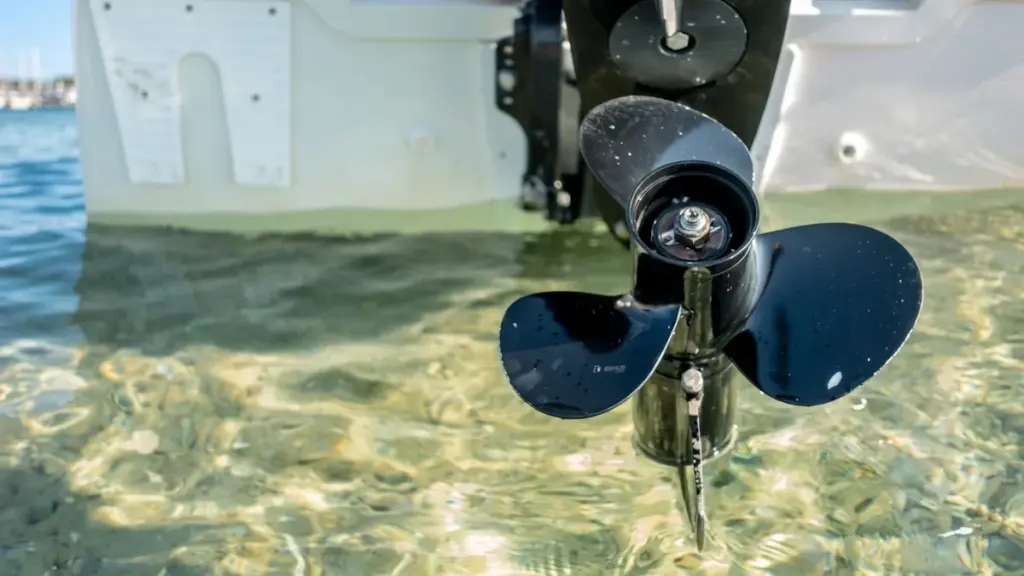
Ihr Drehzahlmesser ist das beste Werkzeug zur Überprüfung der Propellerlast. Verwenden Sie Vollgas (WOT) Drehzahl, um Ruckeln oder Überdrehen zu erkennen, und verwenden Sie die GPS-Geschwindigkeit, um die Diagnose zu bestätigen.
| Schritt | Was es Ihnen über die Propellerlast sagt |
|---|---|
| 1. Führen Sie einen realen WOT-Test durch | Beladen Sie das Boot unter normalen Betriebsbedingungen, den Motor warmlaufen lassen, und zeichnen Sie die WOT-Drehzahl und die GPS-Geschwindigkeit in ruhigem Wasser auf. Dadurch erhalten Sie eine echte Leistungsbasis. |
| 2. Überprüfen Sie, ob die WOT-RPM innerhalb des zulässigen Bereichs liegt |
Wenn die Drehzahl unter dem zulässigen Bereich liegt → überlastet (Motor ist überlastet). Wenn die Drehzahl über dem Bereich liegt → Unterunterstützung (Motor ist unterbelastet). Innerhalb des Bereichs → Stützenlast ist korrekt angepasst. |
| 3. Passen Sie die Tonhöhe an, um die Drehzahl zu korrigieren |
Die Tonhöhe ist der wichtigste Stimmfaktor. 1 Zoll Steigung ≈ 150–200 U/min ändern. Eine geringere Steigung erhöht die Drehzahl und Beschleunigung; Eine höhere Steigung verringert die Drehzahl und erhöht die Höchstgeschwindigkeit. |
| 4. Verwenden Sie die Bootsgeschwindigkeit als Validierungsprüfung | Wenn die Drehzahl korrekt ist, die Geschwindigkeit jedoch niedrig ist, Das Problem ist nicht die Stützenlast. Überprüfen Sie den Rumpfwiderstand, Propellerschaden, oder Motormontagehöhe. |
| Endgültige Diagnose |
Korrekte Propellerlast = WOT RPM im Bereich + stabile Bootsgeschwindigkeit + sanfte Beschleunigung. Wenn eines davon fehlschlägt, Der Propeller ist nicht richtig abgestimmt. |
Anpassen der Propellerauswahl zum Angeln, Transport und Freizeitnutzung
Wie Sie Ihr Boot nutzen, bestimmt Ihren Propeller. Beim Angeln ist für schwere Lasten Halt erforderlich, Transport erfordert Kreuzfahrteffizienz, und Freizeitbootfahren erfordert ein Gleichgewicht zwischen Geschwindigkeit und Beschleunigung.
Propellerauswahl zum Angeln
Fischerboote fahren selten mit einem konstanten Gewicht. Die Last ändert sich mit dem Gang, volle Livewells, Eis, und Passagiere. Für diese typische Angellast müssen Sie Stützen verwenden, nicht das Leergewicht des Bootes. Das Hauptziel besteht darin, schnell ins Flugzeug zu kommen, ohne dass der Bug in den Himmel zeigt. Viele Angelkonfigurationen profitieren von einem 4-Blatt-Propeller, was für besseren Halt sorgt, verbessert die Kurvenstabilität, und kann das Boot bei langsameren Geschwindigkeiten im Gleiten halten. Dies ist besonders nützlich für Boote mit geringer Motorleistung oder schwere Rümpfe, die Schwierigkeiten haben, in Bewegung zu kommen.
Optimierung für Transport und Transport
Wenn die Hauptaufgabe eines Bootes darin besteht, Personen oder Fracht zu transportieren, Die Höchstgeschwindigkeit tritt gegenüber der Leistung im mittleren Drehzahlbereich und dem Kraftstoffverbrauch in den Hintergrund. Um eine effiziente Reisedrehzahl zu erreichen, muss die Propellersteigung dem typischen Passagier- oder Ladungsgewicht des Bootes entsprechen. Wenn das Boot ständig schwere Lasten trägt, Ein Propeller mit geringerer Steigung oder einem 4-Blatt-Propeller verbessert die Beschleunigung und die Tragfähigkeit. Wenn die Hauptfunktion darin besteht, lange zu machen, Hochgeschwindigkeitsfahrten mit geringerer Belastung, Ein standardmäßiger 3-Blatt-Propeller bietet oft eine bessere Effizienz bei hoher Geschwindigkeit.
Balance zwischen Leistung und Freizeit
Für allgemeine Bootsfahrten am Wochenende, Ein 3-Blatt-Propeller ist nicht ohne Grund der Standard. Es bietet eine solide, Rundum ausgewogenes Verhältnis von Beschleunigung und Höchstgeschwindigkeit. Das Spiel ändert sich, wenn Aktivitäten wie Wasserski oder Wakeboarden auf dem Programm stehen. Diese Aktivitäten erfordern einen starken Holeshot, um Menschen aus dem Wasser zu ziehen, Daher ist ein 4-Blatt-Propeller eine viel bessere Wahl. Was auch immer die Aktivität ist, Die grundsätzliche Prüfung bleibt gleich: Stellen Sie sicher, dass der Motor im empfohlenen Vollgasbereich läuft (WOT) Drehzahlbereich während Ihres typischen Freizeitgebrauchs.
Wann sollte man von Aluminium auf Edelstahl oder mehr Klingen umsteigen?
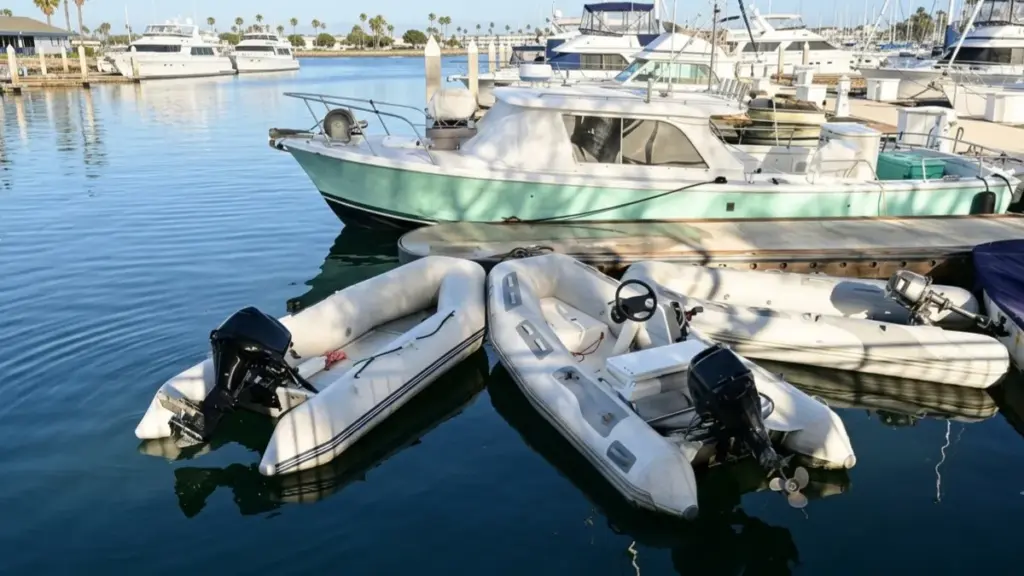
Das Aufrüsten Ihrer Requisite ist ein Kompromiss. Stahl erhöht die Leistung von Hochleistungsmotoren, und mehr Klingen sorgen für mehr Halt bei schweren Booten, Für Hochrisikogebiete ist Aluminium jedoch nach wie vor am besten geeignet.
Leistungsauslöser für ein Edelstahl-Upgrade
Bei der Entscheidung, von Aluminium auf Edelstahl umzusteigen, kommt es in der Regel auf die Leistung und Effizienz an. Aluminiumstützen beginnen sich bei starker Belastung zu verbiegen, was Strom verschwendet. Wenn Sie diese Probleme bemerken, sollten Sie ernsthaft über Edelstahl nachdenken:
- Dein Motor ist 150 PS oder mehr. Auf diesem Leistungsniveau, Ein flexibler Aluminiumpropeller wird Ihre Effizienz und Höchstgeschwindigkeit spürbar beeinträchtigen.
- Beim Wassersport oder beim Tragen einer schweren Last benötigen Sie einen schnelleren Lochschuss. Edelstahl verbiegt sich nicht, also beißt es härter aus dem Tor heraus.
- Das Boot fühlt sich träge an oder verliert an Höchstgeschwindigkeit, wenn es voll beladen ist. Dies ist ein klassisches Zeichen dafür, dass sich Ihre Aluminiumstütze durchbiegt und ihre effektive Neigung verliert.
- Sie möchten auf langen Kreuzfahrten einen geringeren Kraftstoffverbrauch erzielen. Die Steifigkeit einer Edelstahlstütze führt zu einer besseren Effizienz, was im Laufe der Zeit Kraftstoff spart.
Gründe für das Hinzufügen von Blades (Aus 3 Zu 4+)
Beim Hinzufügen einer Klinge geht es darum, den Grip und die Kontrolle zu verbessern, nicht unbedingt Höchstgeschwindigkeit. Ein 4-Blatt-Propeller sorgt für mehr Oberfläche im Wasser, das spezifische Handhabungsprobleme löst.
- Ihr aktueller 3-Blatt-Propeller belüftet oder „bläst“ bei scharfen Kurven oder wenn der Motor auf Leistung hoch getrimmt ist.
- Bei niedrigeren Geschwindigkeiten müssen Sie im Flugzeug bleiben. Dies ist für das Schleppen von Schlauchbooten oder Wakeboardern von entscheidender Bedeutung, oder um raues Wasser mit mehr Kontrolle zu navigieren.
- Ihre Priorität ist maximaler Grip und Beschleunigung für ein schweres Boot. Mehr Blätter sorgen für mehr Schub, auch wenn es Sie am oberen Ende ein oder zwei Meilen pro Stunde kostet.
- Ihr Setup umfasst eine Wagenheberplatte oder eine hohe Motormontageposition. Diese Konfigurationen erfordern mehr Propellerbiss, um ein Abrutschen zu verhindern, was ein 4-Blatt bietet.
Auswählen eines Upgrade-Pfads nach Anwendungsfall
Es gibt keine einzige “am besten” Stütze. Der richtige Upgrade-Pfad hängt ganz von Ihrem Boot ab, Dein Motor, und was man damit macht.
- Für Geschwindigkeit und Effizienz auf einem leichteren Boot (75-150+ PS), Der logische Wechsel ist von einer 3-Blatt-Stütze aus Aluminium zu einer 3-Blatt-Stütze aus Edelstahl.
- Für schwere Boote, Schleppsport, oder maximale Kontrolle, Springen Sie direkt von einer 3-Blatt-Stütze aus Aluminium auf eine 4-Blatt-Stütze aus Edelstahl. Sie erhalten sowohl Steifigkeit als auch Halt.
- Wenn Sie auf einem Boot mit geringerer Leistung besseren Halt benötigen (unter 125 PS) und in einem Hochrisikogebiet tätig sind, Ein 4-Blatt-Aluminiumpropeller ist eine clevere Lösung, budgetfreundlicher Schritt.
Berücksichtigung des Betriebsumfelds und des Risikos
Leistung bedeutet nichts, wenn Sie Ihre untere Einheit zerstören. Der Ort, an dem Sie Boot fahren, ist genauso wichtig wie die Art und Weise, wie Sie Boot fahren.
- In felsigen oder flachen Gewässern mit hoher Aufprallgefahr, Eine billige Aluminiumstütze ist Ihr bester Freund. Es fungiert als Opferteil, Schont das teure Getriebegehäuse.
- Edelstahl ist viel widerstandsfähiger gegen kleinere Beulen und Abrieb beim Laufen in sandigem oder offenem Wasser.
- Für den Salzwassergebrauch, Edelstahl bietet eine weitaus bessere Korrosionsbeständigkeit und überdauert eine Aluminiumstütze um ein Vielfaches.
- Ein harter Schlag mit einem starren Edelstahlpropeller überträgt mit größerer Wahrscheinlichkeit schädliche Kräfte direkt auf Ihre Kardanwelle und Ihr Getriebe. Die Requisite könnte überleben, Ihre untere Einheit jedoch möglicherweise nicht.
Häufige Fehler bei der Propellerauswahl und wie man sie vermeidet
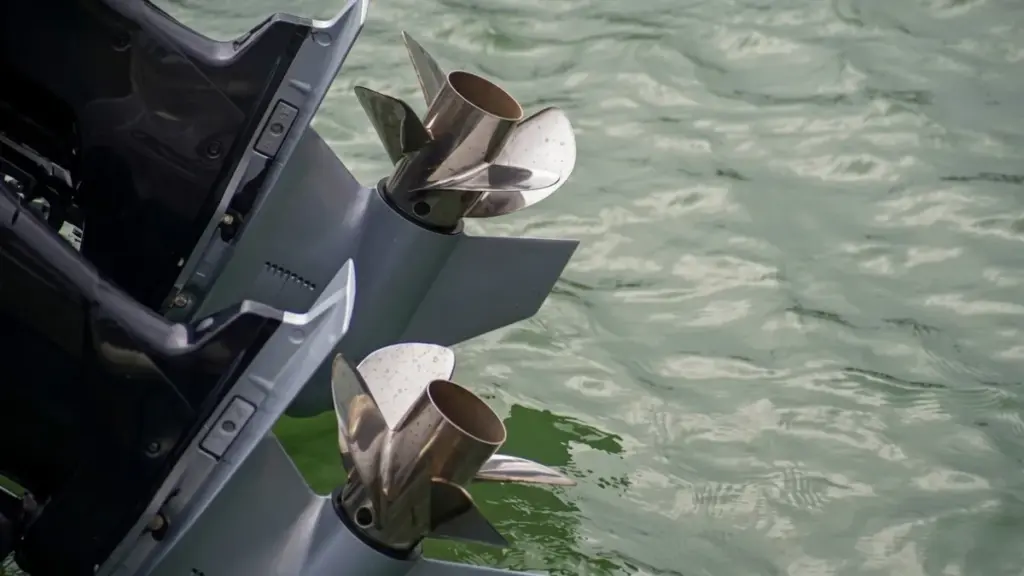
Die meisten Requisitenfehler entstehen durch Vermutungen. Das Ignorieren des WOT-Drehzahlbereichs des Motors und das Testen mit einem leeren Boot sind die beiden größten Übeltäter. Machen Sie diese zuerst richtig.
Ignorieren grundlegender Passform und Kompatibilität
Zu denken, dass jede Stütze für einen 150-PS-Motor zu jedem 150-PS-Motor passt, ist eine schnelle Art, Geld zu verschwenden. Pferdestärken sind nur ein Datenpunkt. Entscheidend ist die körperliche Passform. Sie müssen den Durchmesser der Propellerwelle und die Anzahl der Keilverzahnungen für Ihr spezifisches Motormodell und Baujahr überprüfen. Marken ändern diese Spezifikationen häufiger als man denkt.
Das Vergessen des Hub-Systems ist ein weiteres häufiges Versehen. Die Nabe ist die entscheidende Verbindung zwischen der Stütze und der Welle. Bei falscher Verwendung kann es unter Belastung zum Durchrutschen kommen oder der Propeller kann nicht richtig sitzen, Dies kann zu Vibrationen und möglichen Schäden führen.
Ohne Berücksichtigung des WOT-Drehzahlbereichs des Motors
Dies ist der wichtigste Faktor, und es wird ständig ignoriert. Jeder Motor hat einen empfohlenen Drehzahlbereich für Vollgas (WOT). Ihre Aufgabe besteht darin, einen Propeller auszuwählen, der es dem Motor ermöglicht, innerhalb dieses Bereichs bei normaler Last zu arbeiten. Es geht nicht darum, die höchstmögliche Höchstgeschwindigkeit zu erreichen.
Übermäßiges Stützen – zu viel Pitch – bremst den Motor. Es ist, als würde man versuchen, seinen Lkw im fünften Gang zu starten. Die Beschleunigung ist schrecklich, und du setzt konstant, Schädliche Belastung der Motorinnenteile. Eine unzureichende Stützung ist genauso schlimm. Eine zu geringe Steigung führt dazu, dass der Motor überdreht, Dies kann möglicherweise den Drehzahlbegrenzer treffen und dessen Lebensdauer verkürzen. Beide Fehler werden Sie auf lange Sicht kosten.
Testen mit einer unrealistischen Bootsladung
Finden der “perfekt” Propeller mit einem leeren Boot ist ein Setup zum Scheitern. Eine Requisite, die allein mit Ihnen wunderbar funktioniert, minimaler Kraftstoffverbrauch, Und sobald Sie die ganze Familie beladen haben, wird wahrscheinlich kein Gerät zu hoch sein, Kühler, und einen vollen Tank. Das Boot wird Schwierigkeiten haben, ins Gleiten zu kommen, und der Motor befindet sich wieder in diesem gefährlichen schleppenden Zustand.
Die einzige Möglichkeit, dies zu vermeiden, besteht darin, Propeller mit einem Gewicht zu testen, das der tatsächlichen Nutzung Ihres Bootes entspricht. Wenn Ihr typischer Tag vier Personen und einen vollen Wohnraum umfasst, dann ist das Ihre Testkonfiguration. Requisite für Ihren schwersten normalen Anwendungsfall, nicht dein Leichtester.
Das Propellerdesign passt nicht zu Ihren Anforderungen
Nicht alle Requisiten sind gleich. Der Unterschied zwischen einem 3-Blatt- und einem 4-Blatt-Propeller ist ein einfacher Kompromiss. Ein 3-Blatt-Propeller bietet im Allgemeinen eine höhere Höchstgeschwindigkeit. Ein 4-Blatt-Propeller sorgt für eine bessere Beschleunigung, mehr Grip in Kurven, und die Fähigkeit, bei niedrigeren Geschwindigkeiten das Gleichgewicht zu halten. Es ist ein Fehler, sich für eines zu entscheiden, ohne zu verstehen, worauf Sie verzichten.
Bei der Materialwahl kommt es nicht nur auf den Preis an. Aluminium ist billiger und wirkt als “Opfer” Teil flach, In felsigen Gewässern geht der Propeller kaputt, bevor es Ihr teures Getriebe tut. Edelstahl ist weitaus haltbarer und die Klingen sind dünner und steifer, Dies verbessert die Leistung im offenen Wasser, wo Stöße unwahrscheinlich sind. Passen Sie das Material und das Blattdesign an Ihren Rumpf und die Art und Weise an, wie Sie ihn betreiben.
Überspringen eines systematischen Testprozesses
Sie können nicht wissen, wohin Sie gehen, wenn Sie nicht wissen, wo Sie angefangen haben. Bevor Sie jemals eine Requisite austauschen, Nehmen Sie Ihr Boot mit seinem aktuellen Setup und einer normalen Ladung heraus. Notieren Sie die maximale Drehzahl und die GPS-Geschwindigkeit bei WOT. Dies ist Ihre Grundlinie. Ohne es, du rätst nur.
Wenn Sie eine Änderung vornehmen, Passen Sie jeweils eine Variable an. Wechseln Sie nicht auf einmal von einem 19-Gang-Aluminium-Dreiblatt zu einem 17-Gang-Edelstahl-4-Blatt. Wenn sich die Leistung ändert, Sie werden nicht wissen, ob es am Spielfeld lag, das Material, oder die Klingenzahl. Endlich, Stellen Sie sicher, dass das Problem tatsächlich am Propeller liegt. Ein neuer Propeller kann eine durchgedrehte Nabe oder eine verbogene Propellerwelle nicht reparieren, Dies kann die Symptome eines schlecht gewählten Propellers nachahmen.
Wie NEWTOP dabei hilft, die Auswahl an Bootspropellern zu optimieren
NEUTOP, ein führender Hersteller von Außenbordmotorpropellern, liefert komplette Propellerlösungen für Außenbordmotoren in einem breiten Leistungsbereich, Unterstützung von Vertriebspartnern, Marken für Schiffsausrüstung, OEM-Partner, und Flottenbetreiber weltweit.
Anstatt Produkte nur basierend auf der Motorgröße zu empfehlen, Unser Team bewertet mehrere Faktoren, einschließlich:
- Motorleistung und Übersetzungsverhältnis
- Bootstyp und Rumpfdesign
- Typische Betriebslast
- Zielgerichtetes Cruisen und Höchstgeschwindigkeit
- Kommerzielle oder Freizeitanwendungen
- Regionale Wasserverhältnisse
Unsere Fertigungskapazitäten umfassen Aluminium- und Edelstahlpropeller in verschiedenen Durchmessern, Stellplätze, und Blade-Konfigurationen, Gewährleistung der Kompatibilität mit einer breiten Palette von Außenbordmotoren.
Über die Fertigung hinaus, NEWTOP bietet auch technische Auswahlunterstützung, Wir helfen Kunden dabei, Versuch-und-Irrtum-Angriffe zu reduzieren, Verbesserung der Kraftstoffeffizienz, und eine zuverlässige Leistung auf dem Wasser zu erzielen. Ganz gleich, ob Sie Ersatzpropeller beschaffen oder eine komplette Schiffsproduktlinie entwickeln, Gemeinsam mit Ihnen ermitteln wir die für Ihren Markt am besten geeignete Lösung.
Wenn Sie Ihr nächstes Schiffsausrüstungsprojekt planen, Kontaktieren Sie NEWTOP um die Propellerauswahl zu besprechen, OEM-Anpassung, oder Massenbeschaffung. Unsere Ingenieurs- und Vertriebsteams helfen Ihnen gerne dabei, den richtigen Propeller für Ihren Motor und Ihre Anwendung zu finden.
Häufig gestellte Fragen
Wie wähle ich den richtigen Propeller für meinen Außenbordmotor aus??
Zur Auswahl des richtigen Propellers gehört die Abstimmung auf Ihren Motor, Boot, und typische Verwendung, damit der Motor seine empfohlene Volllast erreichen kann (WOT) Drehzahlbereich bei normaler Belastung. Sie müssen die WOT-Spezifikationen Ihres Motors kennen, Gewicht und Rumpftyp Ihres Bootes, und Ihr primäres Ziel, ob es Beschleunigung ist, Höchstgeschwindigkeit, oder schwere Lasten tragen. Die endgültige Wahl gleicht die Tonhöhe aus, Durchmesser, Klingenanzahl, und Material, um dieses Ziel zu erreichen.
Welche Propellergröße benötige ich für mein Boot??
Die Requisitengröße wird hauptsächlich durch die Tonhöhe bestimmt. Das Ziel besteht darin, eine Steigung auszuwählen, die es Ihrem Motor ermöglicht, bei typischer Last innerhalb des vom Hersteller empfohlenen WOT-Drehzahlbereichs zu arbeiten. Beginnen Sie damit, die WOT-Drehzahl Ihrer aktuellen Requisite zu testen. Wenn die Drehzahl zu niedrig ist, Sie benötigen eine niedrigere Tonhöhe. Wenn es zu hoch ist, Sie benötigen eine höhere Tonhöhe. Als allgemeine Regel gilt, dass eine Tonhöhenänderung von einem Zoll die WOT-Drehzahl um etwa 100 % verändert 150-200.
Wie wirkt sich die Propellersteigung auf Drehzahl und Geschwindigkeit aus??
Pitch steuert direkt die Motorlast und die Drehzahl. Das Erhöhen der Tonhöhe ist wie das Schalten in einen höheren Gang; Es senkt die WOT-Drehzahl des Motors und kann die Höchstgeschwindigkeit erhöhen, aber es verlangsamt die Beschleunigung. Das Verringern der Tonhöhe ist wie das Schalten in einen niedrigeren Gang; Dadurch kann der Motor höher drehen, Verbesserung der Beschleunigung und Zugkraft, kann jedoch die Höchstgeschwindigkeit des Bootes verringern.
Soll ich einen 3-Blatt- oder 4-Blatt-Propeller für meinen Außenbordmotor wählen??
Wählen Sie für den allgemeinen Gebrauch eine 3-Blatt-Stütze, da sie in der Regel die beste Höchstgeschwindigkeit und Gesamteffizienz bieten. Wählen Sie einen 4-Blatt-Propeller, wenn Sie eine bessere Beschleunigung benötigen, verbessertes Handling in rauem Wasser, oder die Fähigkeit, bei niedrigeren Geschwindigkeiten im Flugzeug zu bleiben. Vierblattpropeller eignen sich hervorragend für schwere Boote, Hochleistungsrümpfe, oder Wassersport schleppen, oft mit einem leichten Einbußen bei der Höchstgeschwindigkeit.
Wann sollte ich von einer Aluminiumstütze auf eine Edelstahlstütze umsteigen??
Wechseln Sie zu einem Edelstahlpropeller, wenn Sie eine bessere Leistung wünschen, Haltbarkeit, und Effizienz, insbesondere bei Motoren mit höherer Leistung. Edelstahlklingen sind dünner und biegen sich weniger, Verbesserung der Geschwindigkeit und des Handlings. Bleiben Sie bei einem Aluminiumpropeller, wenn Sie Wert auf geringere Kosten legen oder häufig in flachem oder felsigem Wasser arbeiten, wo die Wahrscheinlichkeit besteht, dass Gegenstände auf ihn stoßen, da Aluminium fehlerverzeihender ist und dazu beitragen kann, das Getriebegehäuse Ihres Motors vor Stößen zu schützen.
Woher weiß ich, ob mein Propeller zu groß oder zu klein ist??
Der Hauptindikator ist die Drehzahl Ihres Motors bei Vollgas (WOT) bei normaler Belastung. Wenn die Drehzahl unter dem vom Hersteller empfohlenen Bereich liegt und die Beschleunigung schleppend wirkt, Dein Requisit ist zu groß (zu viel Tonhöhe). Wenn die Motordrehzahl über dem empfohlenen Bereich liegt oder den Drehzahlbegrenzer erreicht, Dein Requisit ist zu klein (zu wenig Tonhöhe).
Kann der falsche Propeller meinen Außenbordmotor beschädigen??
Ja. Ein Propeller mit zu großer Steigung kann dazu führen, dass der Motor ruckelt’ unter dem empfohlenen Drehzahlbereich liegt, Belastung interner Komponenten. Ein Propeller mit zu geringer Steigung kann zu Überdrehen führen, was den Verschleiß erhöht. Zusätzlich, Eine beschädigte oder unausgeglichene Stütze erzeugt Vibrationen, die Getriebedichtungen und Lager zerstören können, Dies kann möglicherweise zu einem schwerwiegenden Ausfall der unteren Einheit führen.
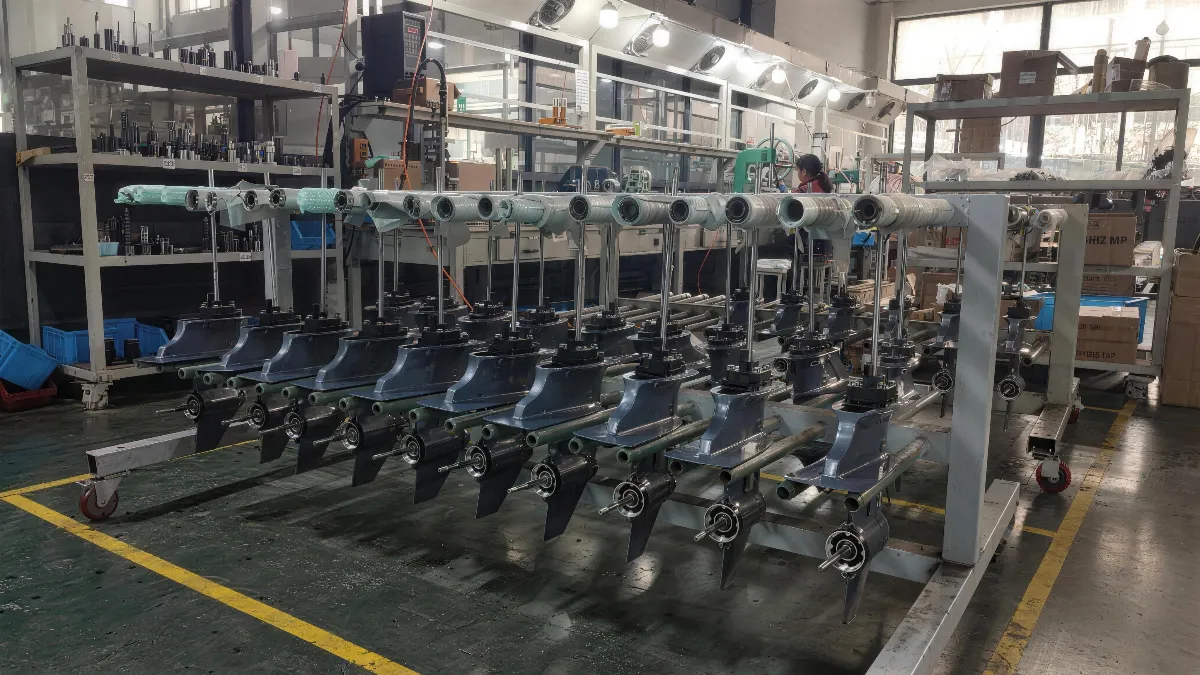
The global marine industry is entering a new growth cycle, creating significant opportunities for marine spare parts distributors. Rising recreational boating, commercial fishing expansion, increasing maritime transport, and aging vessel fleets are all driving consistent demand for replacement parts rather than complete engine replacements. Für Händler, success is no longer determined simply by offering a large inventory. Stattdessen, customers increasingly value reliable supply chains, OEM-quality products, technische Unterstützung, and fast delivery.
As a outdoor power equipment manufacturer with years of engine manufacturing experience, NEUTOP has seen growing demand from global distributors looking for dependable marine engine components, Propeller, and aftermarket accessories. Understanding where the market is heading allows distributors to make smarter purchasing decisions, reduce inventory risks, and build long-term competitive advantages.
Global Marine Spare Parts Market Overview and Growth Drivers
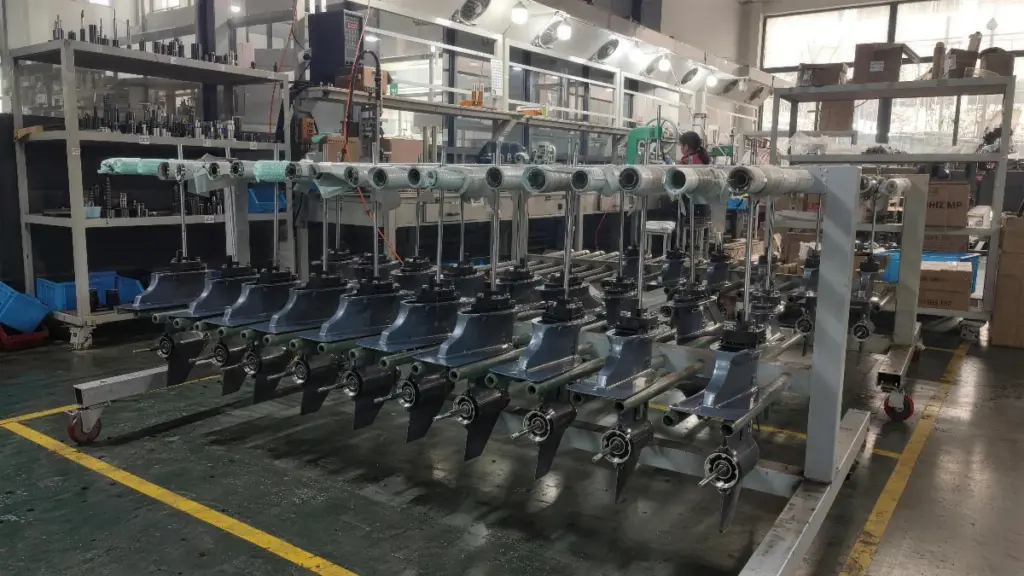
Growth in the ship spares market is driven by aging fleets, strict environmental rules, and new tech, creating reliable, non-discretionary demand for essential components.
Market Scale and Key Product Segments
According to Persistence Market Research, the global ship spares and equipment market is projected to grow from US$10.1 billion in 2025 to US$14.3 billion by 2032, representing a 5.1% CAGR during the forecast period. The bulk of this demand comes from components that see the most wear and tear. This includes parts for propulsion and engine systems, auxiliary machinery like pumps and valves, and critical navigation equipment. While commercial cargo and tanker fleets make up the largest share by volume, naval vessels account for a disproportionately high level of spending. This is because their specialized, high-specification components carry a much higher price tag.
Increased Maritime Trade and Aging Fleet Dynamics
As global seaborne trade increases, vessels simply operate for more hours. This directly leads to greater component wear and a consistent demand for replacement parts. A significant portion of the world’s fleet, especially bulk carriers and tankers, is over 15 years old. These older ships naturally need more maintenance and more frequent part replacements to stay in service. The high cost of building new vessels also pushes many owners to extend the life of their existing ships. This decision amplifies the need for aftermarket spares and major overhauls, further fueling the market.
Regulatory Compliance for Safety and Emissions
International Maritime Organization (IMO) rules for safety and environmental protection are a huge driver of demand. Mandates like SOLAS for safety and EEXI/CII for emissions force shipowners to install and maintain compliant equipment. Environmental regulations targeting sulfur emissions or requiring ballast water treatment have kicked off waves of retrofitting projects. These projects create a long-term, predictable demand for specific parts like filters, sensors, and pumps needed for the new systems. This spending isn’t optional for shipowners, making it a stable market driver that isn’t affected by fluctuating freight rates.
Technology Adoption and Fleet Modernization
The industry’s move toward digitalization and predictive maintenance is increasing the need for sensors, control modules, and other electronic parts that allow for remote monitoring. Gleichzeitig, the adoption of alternative fuels like LNG and methanol is creating entirely new categories of spare parts, such as cryogenic valves and specialized gas fuel systems. New technologies are also changing how parts are supplied. For instance, 3D printing is starting to enable on-demand manufacturing for certain components, which could reshape inventory and logistics models in the future.
Core Product Categories in the Marine Aftermarket
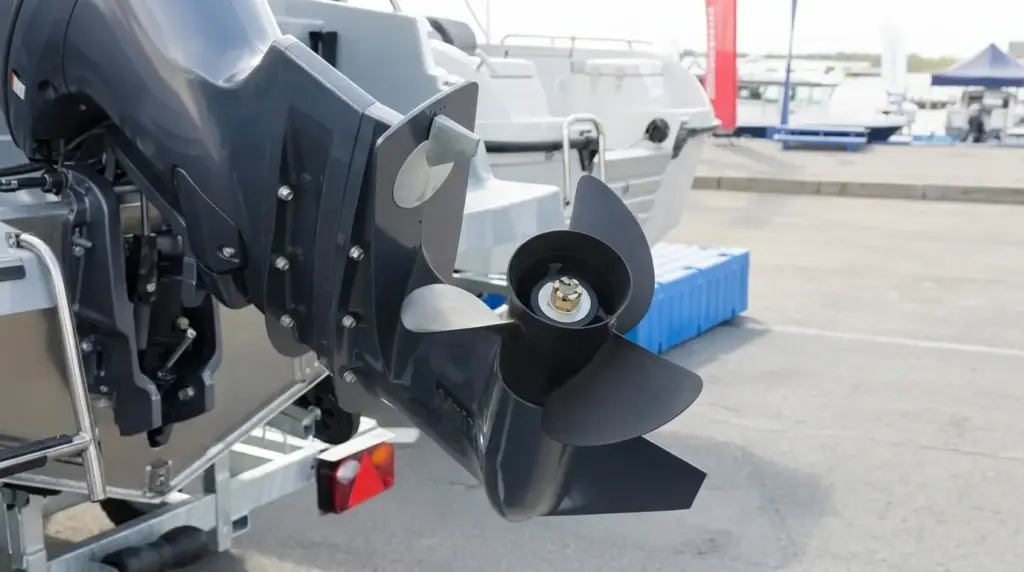
The marine aftermarket is structured around key systems—propulsion, controls, electrical, and plumbing. Demand is constant, driven by maintenance schedules, safety requirements, and performance upgrades.
To build a high-performance distribution catalog, partners must balance fast-moving consumables with heavy-duty structural replacements. The marine component ecosystem generally breaks down into 4 essential categories:
| Product Category | Primary Components Included | Demand Velocity | Margin Profile |
|---|---|---|---|
| Power Engine Internals | Pistons, piston rings, Kurbelwellen, cylinder liners, valves, and gaskets. | Medium | Hoch |
| Propulsion & Antriebssystem | Outboard motor propellers, drive shafts, shear pins, and gearboxes. | Hoch (Impact & Wear-prone) | Medium to High |
| Kraftstoff & Electrical Systems | Vergaser, fuel pumps, ignitions, magnetos, and starter assemblies. | Hoch | Medium |
| Routine Consumables | Impellers, Wasserpumpen, oil filters, and heavy-duty recoil starters. | Sehr hoch (Seasonal/Hourly) | Volume-Driven |
Focusing purely on consumables leaves money on the table, while stocking only heavy engine internals locks up capital in slow-moving inventory. The most successful regional distributors use an 80/20 inventory strategy: 80% stabil, high-turnover consumables to establish cash flow and dealer touchpoints, Und 20% high-margin engine internal replacements to capture major repair contracts.
Grow Your Marine Spare Parts Business with a Trusted OEM Partner
Demand Trends Across Fishing, Transport and Leisure Segments
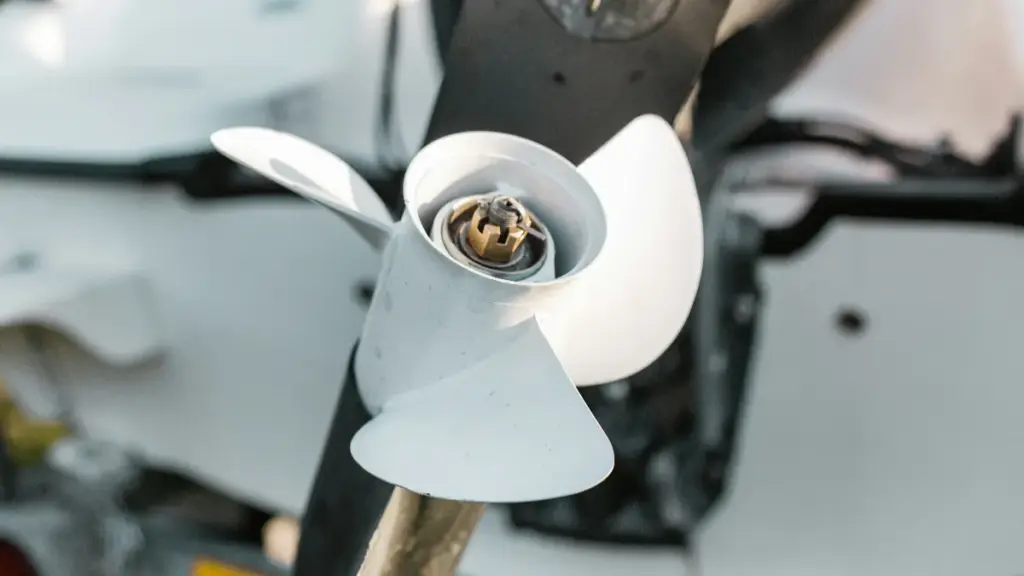
Commercial transport offers stable, regulation-driven demand, while leisure boating shows faster growth. Fishing is more cyclical, focused on maintenance and operating costs.
Commercial Transport: Stabil, Regulation-Driven Demand
The commercial transport segment creates the most consistent demand for spare parts. The need to keep vessels operational for international trade means maintenance and replacement are non-negotiable.
Regulatory compliance is the primary trigger for spending. Rules from the IMO on safety and environmental performance force operators to schedule retrofits and replace components. Demand centers on wear-intensive and mission-critical systems like engines, propulsion, Pumps, and filtration equipment. This sector offers volume stability, making it a good fit for suppliers who focus on certified, high-uptime components.
Fishing Fleets: Cyclical and Maintenance-Focused
Demand from fishing fleets is recurring but unpredictable. It depends heavily on operating seasons, fuel costs, and the economics of the catch. This segment is typically price-sensitive, so operators look for durable, repairable components to keep costs down.
Purchasing is focused on routine maintenance needs for engines, deck machinery, and hull-related parts. Demand tends to pick up when fleets get older or when new regulations force equipment upgrades, but it lacks the structural stability of the commercial transport market.
Leisure Boating: High-Growth Market for Parts and Accessories
The recreational boat parts and accessories market is set to grow faster than the broader ship spares industry. This growth is backed by tourism, rising disposable income, and real innovation in electronics and comfort-oriented accessories.
A strong shift toward electric propulsion and onboard connectivity is creating new demand for batteries, chargers, sensors, and control systems. This segment is more cyclical, as it is sensitive to consumer confidence, inflation, and interest rates, but the growth potential is significant.
Key Demand Drivers Across All Segments
A few core trends influence parts demand across all marine sectors.
- The aging of global fleets naturally increases the need for replacement parts and routine maintenance.
- Environmental and safety regulations create demand spikes for specific components needed for compliance retrofits.
- Electrification and digitalization trends are introducing new demand for higher-value electrical, Kontrolle, and monitoring parts.
High‑Margin Niches for Regional Exclusive Agents
The best margins aren’t in commodity parts. They’re in spares that are urgent, scarce, certified, or proprietary, where availability and fitment guarantee trump the lowest price.
For regional agents, profitability hinges on targeting niches where value is defined by more than just the part itself. These are areas where your local stock, technical knowledge, or exclusive access creates a real advantage that customers will pay for. Focusing on these segments avoids a race to the bottom on price and builds a more defensible business.
| Niche Category | Why It’s High-Margin |
|---|---|
| OEM-Specific and Obsolete Parts | Buyers pay premiums for genuine parts to ensure exact fit, Zuverlässigkeit, and warranty coverage on critical systems. When parts for older vessels become scarce or end-of-life, an agent with stock becomes the last-resort supplier. Exclusivity on branded consumables also creates a loyal, recurring revenue stream from a captive installed base. |
| Downtime-Critical and High-Failure Spares | The extreme cost of vessel downtime makes buyers far less sensitive to price for urgent spares. Having frequently replaced items in local inventory allows you to capture immediate orders that cannot wait for long lead times. Stocking long-tail spares, which large distributors avoid, also creates a profitable niche. |
| Compliance-Driven and Kitted Solutions | Safety and environmental parts command higher prices because the cost of non-compliance is so significant. You can add value by managing the required certifications and supply chain paperwork. Bundling individual components into maintenance kits or job-ready assemblies increases the average order value and makes direct price comparison much harder. |
| Aftermarket Accessories and Retrofit Items | Add-on accessories and upgrades often carry much higher margins than the core equipment they are fitted to. Targeting vessel refit cycles and modernization projects with high-value packages is a smart move. These sales are usually driven by a need for better performance, not just replacing a failed part, which supports value-based pricing. |
Key Risks in Marine Parts Inventory and Counterfeit Control
Bad inventory data and fake parts create vessel downtime and safety hazards. The only effective response is strict control over suppliers, traceability, and physical stock management.
Core Inventory Management Risks
Inventory management in the marine sector isn’t just about counting parts. Getting it wrong has immediate operational consequences. The primary risks are straightforward but have cascading effects across a fleet.
- Stock inaccuracy and stockouts. When your system says a part is on the shelf but it isn’t, maintenance stops. This directly causes repair delays and can easily take a vessel offline, turning a routine job into an expensive downtime event.
- Obsolescence. Marine equipment has a long service life. The components inside it do not. Parts for a 15-year-old engine or control system may become impossible to find, creating a huge availability gap when a failure finally occurs.
- Theft and damage. High-value components, like electronics or propulsion parts, are often targets for theft. They can also be damaged in transit or misallocated to the wrong vessel in a distributed fleet, creating a shortage where it’s needed most.
- Overstocking. Holding too many slow-moving or “just-in-case” spares ties up a huge amount of working capital. That cash is better used elsewhere, but instead it’s sitting on a warehouse shelf depreciating.
Counterfeit Part Infiltration Risks
Counterfeit parts are a serious threat to vessel safety and reliability. They get into the supply chain through process failures, not bad luck. The moment a fake part is installed, the vessel is operating with a hidden and unacceptable risk.
- Weak procurement controls. The most common entry point is a purchasing process that chases the lowest price from unverified suppliers. If provenance isn’t the top priority for critical parts, you are opening the door to fakes.
- Lack of traceability. Without end-to-end serial or batch number tracking, you can’t verify a part’s origin. This makes it impossible to confirm authenticity or manage a recall effectively if a bad batch is discovered.
- Premature failures and safety hazards. An installed counterfeit part can cause catastrophic system failures, void equipment warranties, and create severe safety risks, particularly with engines, steering gear, or electrical systems.
- Genuine stock contamination. The problem gets worse when fake parts get mixed into genuine inventory. This happens through uncontrolled returns or when parts are transferred between locations without verification, poisoning the entire stock pool.
Operational and Financial Consequences
The impact of poor inventory and counterfeit controls hits the bottom line hard. These aren’t minor administrative issues; they translate directly into lost revenue, inflated costs, and significant liability exposure.
- Vessel off-hire time. The most direct cost. Every hour a vessel is down waiting for a correct or authentic part is lost revenue. This financial penalty often dwarfs the cost of the part itself.
- Higher lifecycle costs. The financial bleed continues with emergency freight charges, paying for labor twice when a fake part fails, and the cost of replacing components that wear out prematurely.
- Compromised safety and reliability. Installing a non-genuine component in a critical system like propulsion, steering, or power generation is a gamble with the vessel’s safety and the crew’s lives.
- Reputation and liability. If your operation supplies or installs a counterfeit part that leads to an incident, the legal and financial liability can be devastating. It erodes trust with clients, insurers, and regulators.
Essential Controls and Mitigation Strategies
Effective control isn’t complicated, but it does require discipline. These four strategies are the foundation for protecting inventory integrity and blocking counterfeit parts from entering your operations.
- Enforce strict supplier qualification. The simplest rule is to buy only from OEM-authorized channels for all critical components. Vet every supplier and reject any offer that seems too good to be true.
- Implement full traceability. Use a modern inventory system to track critical parts by serial and batch number from receiving to installation. This is your primary tool for verification and Qualitätskontrolle.
- Mandate rigorous inbound inspections. Don’t just trust the packing slip. Your receiving team must verify documentation, check for signs of tampering, and confirm parts match the purchase order specs for all critical spares.
- Physically segregate questionable parts. Create a designated quarantine area for all returned, unverified, or suspect parts. This physical separation prevents them from being accidentally picked and issued for a job.
Partnering With Reliable OEM Marine Spare Parts Suppliers
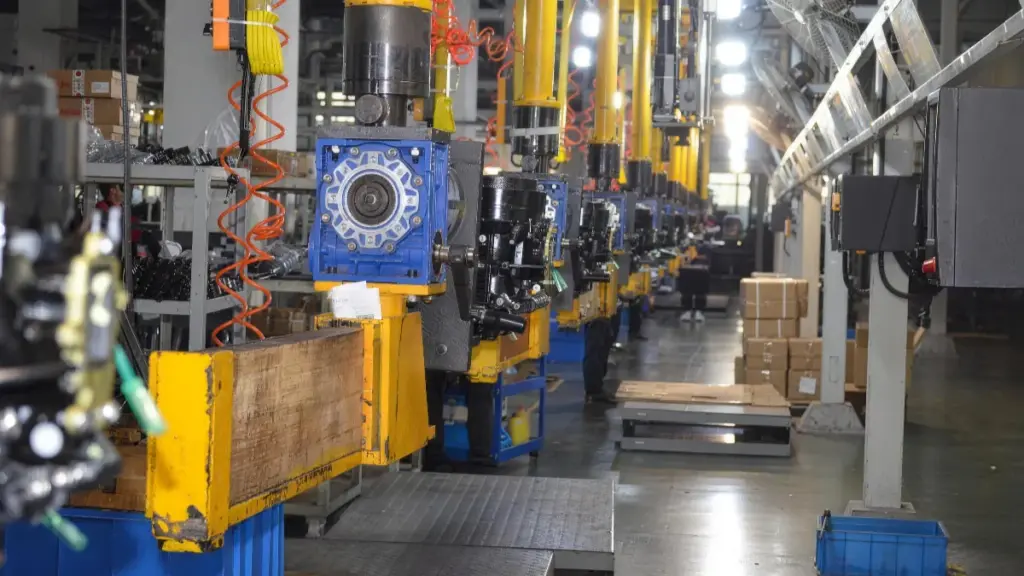
A reliable OEM supplier isn’t a cost-saving measure, it’s a risk-control strategy. The right partner prevents downtime and eliminates the chaos caused by incorrect or counterfeit parts.
A dependable manufacturing partner helps distributors maintain consistent product quality, reduce supply chain risks, and ensure stable product availability. Reliable suppliers also provide technical support, flexible customization, and responsive communication, allowing distributors to serve customers more efficiently and build long-term trust.
When evaluating a marine spare parts supplier, consider whether they offer:
- Stable production capacity and reliable lead times
- Consistent quality control and product testing
- OEM/ODM and private-label manufacturing
- Comprehensive technical documentation
- Responsive before- und After-Sales-Support
Beyond selecting the right supplier, distributors should also improve procurement accuracy by using correct part numbers, forecasting seasonal demand, and maintaining inventory for high-turnover products. These practices help reduce ordering errors, minimize downtime, and improve customer satisfaction.
Mit mehr als 20 years of experience in power equipment manufacturing, NEUTOP has built long-term partnerships with distributors across Africa, Südostasien, Lateinamerika, and other international markets. Neben kompletten Außenbordmotoren, we supply a wide range of marine spare parts—including propellers, fuel system components, engine parts, and maintenance accessories—supported by flexible OEM/ODM services and private-label solutions.
Letzte Gedanken
The marine spare parts market offers distributors a rare combination of stable demand, recurring revenue, and long-term growth potential. As vessel fleets continue to age and recreational boating, kommerzielle Fischerei, and marine transportation expand worldwide, the need for reliable replacement components will only increase.
Success, Jedoch, depends on more than simply stocking products. Distributors that focus on quality, inventory efficiency, technische Unterstützung, and strong supplier partnerships are better positioned to build lasting customer relationships and sustainable profitability.
If you’re looking to expand your marine product portfolio, we provide dependable outboard motors, marine engine spare parts, OEM/ODM manufacturing, and private-label solutions tailored to distributors worldwide. Contact our team to discover how we can help you grow your marine business with reliable products and long-term manufacturing support.
Häufig gestellte Fragen
What are the most profitable marine parts to distribute?
High-margin products typically include propellers, Vergaser, starter motors, CDI units, fuel pumps, complete maintenance kits, and OEM-compatible engine components. These products combine relatively high selling prices with consistent replacement demand.
How do I start a marine parts distribution business?
Start by researching your local boating market, identifying the most common engine brands, selecting reliable OEM suppliers, building an inventory of fast-moving products, and establishing relationships with repair shops, boat dealers, and commercial fleet operators. Offering technical support and dependable after-sales service will help differentiate your business.
Is the boat parts market growing or saturated?
The boat parts market is growing, not saturated. Demand is driven by the repair, Wartung, and upgrading of the huge existing fleet of boats. Market reports project steady growth, with the recreational boat parts market forecast to expand significantly through 2028. The strongest opportunities are in the aftermarket, focusing on replacement parts, routine maintenance items, and upgrades for electronics or comfort systems.
What margins can I expect on marine spare parts?
Gross margins on marine spare parts typically range from 25% Zu 60%. Commodity items like common filters and hardware are at the low end (25-40%), while specialized, OEM-only, or hard-to-source components for engines and electronics can hit higher margins of 45-60% or more. A well-managed distribution business can expect a blended gross margin of 30-50%, which leads to a potential net profit margin of 5-15% after covering all operational overhead.
How do I find reliable marine engine and propeller suppliers?
Finding reliable suppliers requires a structured approach. Start by identifying OEM suppliers, specialized manufacturers, and reputable distributors through industry directories, trade shows, and B2B marketplaces. You need to vet potential suppliers based on technical quality, class certifications, supply consistency, und After-Sales-Support. Always request technical documentation, perform reference checks with shipyards or fleet managers, and start with pilot orders to verify quality before making large commitments.
Should I sell marine parts online or through dealers?
A hybrid model is usually the most effective. Selling directly online gives you broad reach, better margin control, and valuable customer data, but it requires a real investment in technology and logistics. Selling through a dealer network leverages local trust and integrates parts with service. A smart strategy uses both channels, often by selling consumables and accessories online while routing complex, installation-required parts through dealer partners.
Do I need technical training to sell marine spares?
Formal training as a marine mechanic isn’t required, but a strong practical understanding of marine systems is essential. Effective sales require you to identify the correct parts, understand system compatibility, and talk credibly with technical buyers like mechanics and fleet managers. You can gain this knowledge through targeted entry-level courses on marine systems, on-the-job learning, and studying manufacturer parts catalogs and service bulletins.
