


- 全て
- NEWTOPのお客様事例
- NEWTOP エクスプローラー ハブ
- NEWTOP 業界の洞察
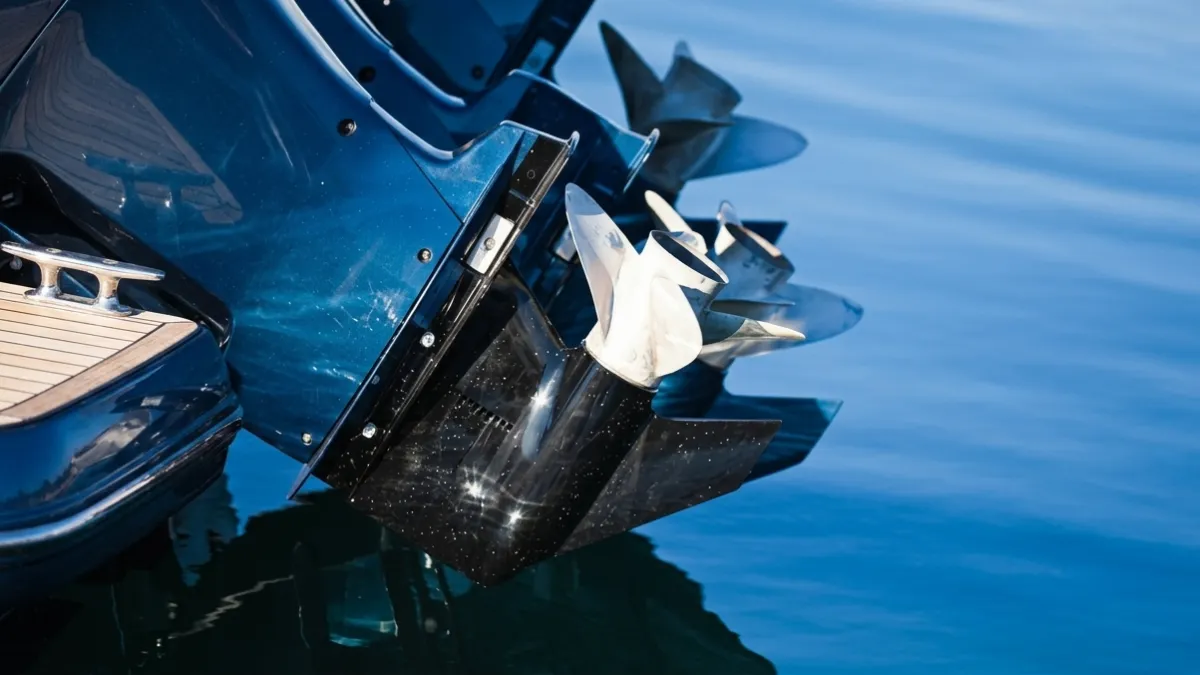
船外機のプロペラは、エンジンの動力を推力に変換し、船を水上で動かす部品です。. 単純な回転部品に見えますが、, その設計は加速に直接影響します, トップスピード, 燃費, 取り扱い, そしてエンジンの寿命さえも.
このガイドでは, 船外機のプロペラの仕組みを学びます, 各主要コンポーネントの機能, 一般的なプロペラ仕様を理解する方法, 現在のプロペラがボートに適しているかどうかを確認する方法. あなたがボートビルダーであっても、, 船舶用機器販売代理店, または摩耗したプロペラを交換する, この記事は、より多くの情報に基づいた選択を行うのに役立ちます.
船外機プロペラとは何か、そしてなぜそれが重要なのか
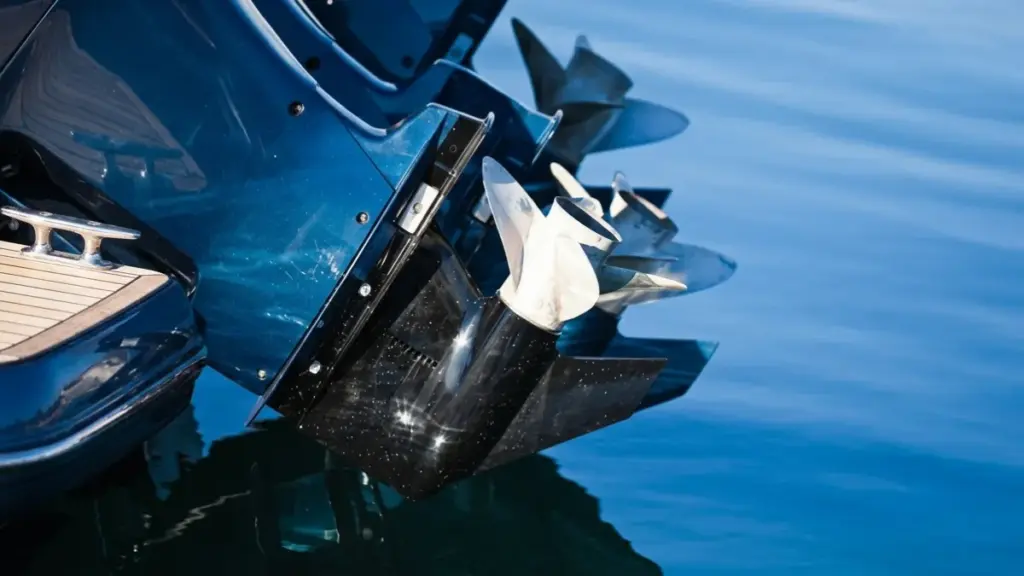
アン 船外機プロペラ 船外機の下部ユニットに取り付けられる回転部品です。. エンジンの回転力を受け止めて推力に変える, これが実際にボートを水中で押し出すものです. ブレードに圧力差を生じさせることで機能します. ブレードの高圧面が水を押し戻す, 後方の低圧側がボートを前方に引っ張ります。. 主要な部分はシンプルです: エンジンのプロペラシャフトに取り付けられる中央ハブと、すべての作業を行うブレード.
船外機プロペラがエンジン出力を推力に変換する仕組み
プロペラは、ブレードに圧力差を生じさせ、水柱を後方に加速させることで、エンジンのトルクを推力に変えます。. プロセスは決して 100% 効率的.
エンジントルクから回転力へ
プロセスはエンジンから始まります, シャフト馬力と呼ばれる回転エネルギーがギアケースを介して伝達されます。. この力がプロペラシャフトにトルクを与えます。, 特定のRPMで回転させる. プロペラの仕事は、この回転エネルギーを受け取り、ボートを動かす前方への推進力に変換することです。.
この変換は完璧ではありません. 一般的なボートの適切に適合したプロペラは約 65-70% 効率. 残り 30-35% エンジンのパワーが失われる, 有益な推力の代わりに水中で乱流と熱に変わる.
差圧の作成
各プロペラブレードは本質的に水中翼です, それは水中で機能する単なる翼です. 刃が回転するように, 湾曲した形状により、水は前方をより速く移動します。 (吸引) 側, 低圧帯を作る. 船尾向き (プレッシャー) サイドがより高い圧力を受ける.
ブレードの表面にわたるこの圧力差により、正味の力が生成されます。. この力はボートを低圧側から前方に引っ張り、高圧側から押します。, 推力を生み出す.
水を加速して勢いを生み出す
プロペラは、水柱を掴んで後方に加速することによっても機能します。. この加速された水の流れは後流と呼ばれます, そして周囲の水よりも速く動く. 基本的な運動量理論に基づいて, ボートを前方に押す力は、水を後方に加速するために使用される力と同じで反対の反応です。.
ピッチとスリップの役割
ピッチは、プロペラが固体のものをねじ込んだ場合に 1 回転で前進する理論上の距離です。, 木のボルトのように. 水は固体ではありません, したがって、実際の前方への動きは常に理論上のピッチよりも小さくなります。. この差をプロペラスリップといいます.
スリップは、プロペラの回転のうち、前進運動に直接寄与しない割合です。. 悪いことのように聞こえますが、, 推力を生み出すにはある程度の滑りが必要です. ほとんどの滑走艇用, 最適なスリップ範囲 8-15% スロットルを全開にするとプロペラとの良好なマッチングが見られます。, エンジン, そして船体.
耐久性のある電源装置で利益率を高めましょう
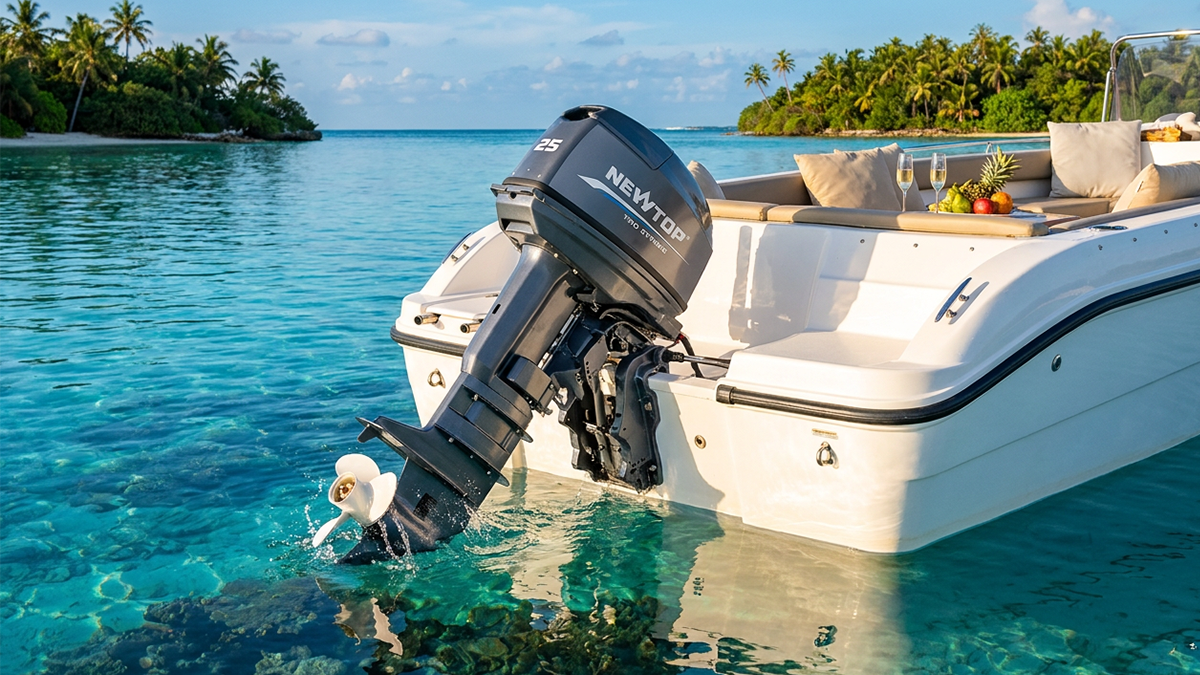
プロペラの主要部品と各コンポーネントが性能に与える影響
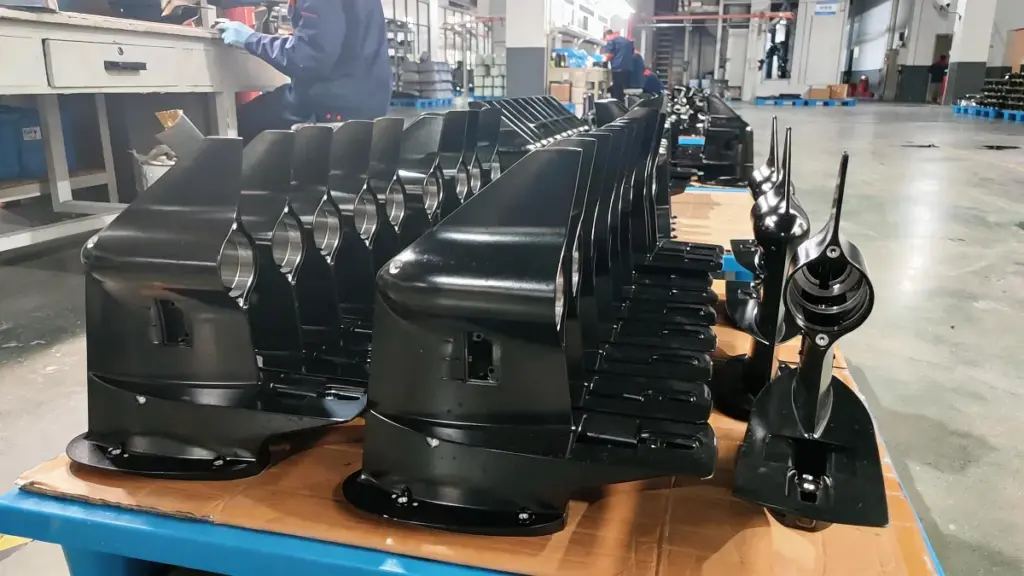
プロップのハブ, ブレード, 直径, ピッチとピッチがボートのパフォーマンスを決定します. 熊手のような一見細かい部分, カップ, または材料が速度に直接影響する, 加速度, そしてエンジンの健康状態.
ハブ
ハブはプロペラとプロペラシャフトを接続する中央部分です.
最新のプロペラの多くにはゴム製ハブ インサートが含まれています. このインサートはショックアブソーバーとして機能し、プロペラが水中の物体に衝突した場合にドライブトレインを保護します。.
ブレード
ブレードが推力を発生させる.
ほとんどの船外機プロペラには 3 枚または 4 枚のブレードが付いています。, ただし、特殊なアプリケーションでは 5 つのブレードが使用される場合があります.
刃のデザインが影響する:
- リフト
- 荒れた水面でもグリップ力を発揮
- ホールショット
- トップスピード
- 燃費
刃先
ブレード先端は水流とキャビテーション抵抗に影響します.
適切に設計されたブレード先端により、ブレード周囲のスムーズな水流を維持しながら乱流を低減します。.
先端
前縁はブレードの最初に水と接触する部分です.
その形状が影響を与える:
- 耐雑草性
- 耐衝撃性
- 浸水効率
トレーリングエッジ
後縁は水がブレードからどのように離れるかを制御します.
適切に設計された後縁により効率が向上し、乱流が軽減されます。.
カップ
カップとはブレード先端近くにあるわずかな湾曲のことを指します.
追加のカップが役立ちます:
- 換気を減らす
- グリップ力の向上
- 弓の揚力を増加させる
- 急旋回時のパフォーマンスを向上
しかし, カップが多すぎるとエンジン回転数が低下する可能性があります.
レーキ
Rake は、プロペラ ハブに対するブレードの角度を表します。.
通常はレーキが高くなります:
- 弓の揚力が増加します
- 高速安定性の向上
- 高速ボートでのパフォーマンスを向上
レーキが低いと、多くの場合、重い船舶に対してより強力な加速が得られます。.
すべてのデザイン機能が連携して機能します, これが、同じ直径とピッチを持つ 2 つのプロペラが著しく異なるパフォーマンスを発揮する理由です。.
主なプロペラ仕様: 直径, ピッチ, 刃数と材質
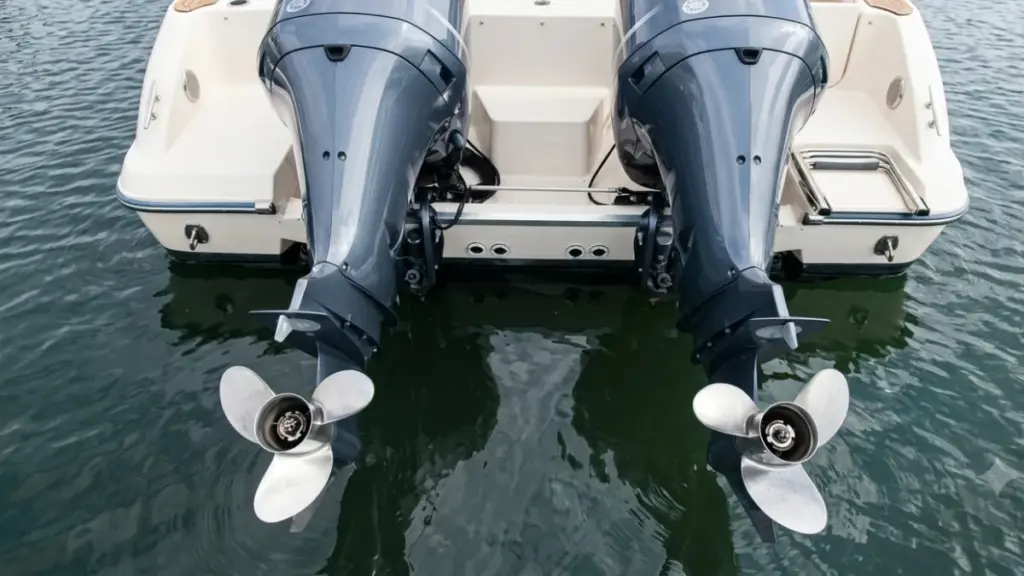
これら 4 つの仕様はプロップのパフォーマンスを定義します. 重い負荷の推力と軽い負荷の速度の間のトレードオフを制御します。, エンジンを安全な回転数範囲に保ちながら.
直径: プロペラの設置面積
直径は、ブレードの先端が回転するときに作る円を横切る距離にすぎません。. これはプロップのサイズで最初に表示される数字です, のように “14” で 14 × 19 小道具. 直径が大きいほど、より多くの水を移動させます, 重いボートを押すのに必要な推進力が得られます。. 直径が小さいほど水中での抵抗が少なくなります, これは、軽量のボートがより高い最高速度に達するのに役立ちます.
ピッチ: どれくらい遠くまで移動するか
ピッチは理論上の距離です, インチで, プロペラが 1 回転して前進すること. プロップサイズの 2 番目の数値です, のように “19” で 14 × 19. ピッチを高くすると最高速度が向上します, しかし、それはまたエンジンの働きを難しくします, 車のハイギアを使用するのと同じです. ピッチを低くすると、加速力と牽引力が向上します。, 重い荷物を牽引したり移動したりするのに最適です. 目標は、推奨されるワイドオープンスロットル内でエンジンが動作できる適切なピッチを見つけることです。 (ウォット) 回転数範囲.
刃数: スピードとグリップのバランスをとる
ほとんどのアウトボードプロペラには 3 つまたは 4 つのブレードが付属しています. ブレードの数がボートの挙動を大きく変える.
| 3-ブレードプロペラ | 4-ブレードプロペラ |
|---|---|
| より高い最高速度 | 加速の向上 |
| 巡航速度での燃費が良くなる | グリップ力の向上 |
| 抵抗が少ない | より良いハンドリング |
| 低コスト | 荒水性能の向上 |
| レジャーボートで人気 | 商業用途や耐久性の高い用途に人気 |
3 ブレード プロペラは、速度と効率の優れたバランスを提供するため、依然として最も一般的な選択肢です。.
4 枚ブレードのプロペラは、ボートがより重い荷物を運ぶ場合や荒れた海域で頻繁に運航する場合に優れています。.
材料: アルミニウム vs. ステンレス鋼
船外機プロペラの材質は強度に直接影響します。, 耐久性, 耐食性, そして全体的なパフォーマンス.
| アルミニウム | ステンレス鋼 |
|---|---|
| 低コスト | より高い強度 |
| 軽量 | 優れた耐久性 |
| 修理が簡単 | 高速でのパフォーマンスの向上 |
| レクリエーション用途に最適 | 商業用途やヘビーデューティ用途に最適 |
| 衝撃時にドライブトレインを保護 | 重い負荷がかかっても刃の形状を維持します。 |
で ニュートップ, 当社のアルミニウム プロペラは、 プレミアムアルミニウムマグネシウム合金, 新しいアルミニウムインゴットと独自の再溶解プロセスを使用して製造されます。. 優れた靭性と強度を実現し、日常のパフォーマンスに信頼性をもたらします。.
より要求の厳しいアプリケーション向け, 私たちの 二相ステンレス鋼プロペラ 従来のステンレス鋼よりも高い降伏強度と優れた耐食性を提供します。, 海水や商業用途に最適です。.
アルミニウムまたはステンレス鋼のプロペラが必要かどうか, 船外機に基づいて適切なソリューションを選択するお手伝いをします, ボートタイプ, および動作条件. 私たちのチームに連絡してください 当社の OEM およびバルク供給能力について詳しく知るには.
プロペラが RPM に与える影響, スピード, ハンドリングと燃費
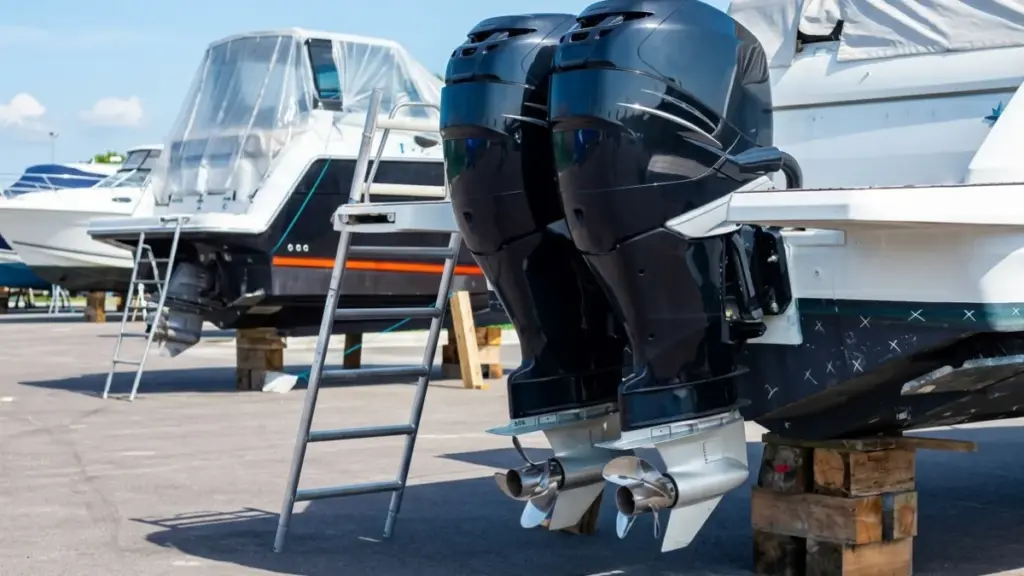
プロペラはボートの変速機です. あらゆる選択 - 提案, 直径, ブレード数 - エンジン RPM 間の直接のトレードオフを強制する, スピード, ハンドリンググリップ, そして燃費.
| パフォーマンスファクター | 主な影響 | 主な効果 |
|---|---|---|
| エンジン回転数 | ピッチ, 直径, ブレードエリア | ピッチが低くなるとRPMが増加します; ピッチが高くなると減少します. 目標は、エンジンの推奨 WOT 範囲に到達することです. |
| ボートの速度 | ピッチ, スリップ, 刃数 | ピッチが高いほど最高速度が高くなります, しかし、ピッチが低いほど加速が良くなります (ホールショット). |
| 取り扱い | 刃数, レーキ, カップ | 4-ブレードはターンや荒れた水面でのグリップ力を向上させます. レーキは弓のリフトを調整します. |
| 燃費 | ピッチマッチング, 材料, スリップ | 最適な RPM 範囲で動作するエンジンが最も効率的です. 持ち歩いたり、回転数を上げすぎたりすると燃料が無駄になります. |
エンジン回転数への影響
プロペラのピッチをボートのギアと考えてください。. 低いピッチは低速ギアのように機能します, エンジンの回転が速くなり、より高いRPMに到達できるようになります。. 高いピッチはハイギアのようなもの, エンジンにさらに負荷をかけ、任意の速度での RPM を下げる. 全体の目標は、メーカーが推奨するワイドオープンスロットル内でエンジンを動作させるプロペラを選択することです。 (ウォット) 回転数範囲. WOT RPM が低すぎる場合, 必要なピッチは少なくなります; 高すぎる場合, もっと必要です.
経験則として, ピッチを 1 インチ変えると、WOT RPM が約 150 ~ 200 変化します。. 他の要因もエンジン負荷を増加させ、RPMを低下させます。. 大口径プロペラへの変更, より多くのブレード, ブレードの総面積がそれ以上になると、エンジンが回転しにくくなります。, これによりRPMが下がります.
ボートの速度への影響
より高いピッチのプロペラは、より高い最高速度を実現する可能性があります, しかし、落とし穴があります. エンジンには、プロペラを最適な RPM 範囲まで回転させるのに十分なパワーが必要です。. エンジンが重い場合, そのスピードは見えないだろう. 一方で, より低いピッチのプロペラにより、より強力な加速が得られます, として知られている “ホールショット,” ボートを飛行機に乗せやすくする, 特に重い負荷の場合.
すべての小道具はある程度の経験をします “スリップ,” これは理論上の速度とボートの実際の速度の差です. カップ状のブレードを備えたステンレススチール製のプロペラは、たわみが少なく水をしっかりと掴むことができるため、より効率的です。, 滑りを最小限に抑える. 同じピッチの 3 ブレードから 4 ブレード プロペラに変更すると、余分なブレードによる抵抗が増加するため、最高速度が時速 1 ~ 2 マイル低下することがよくあります。.
取り扱いと制御への影響
ブレード数とデザインが真価を発揮するのはハンドリングです. 4 ブレード プロペラにより、旋回時のグリップが大幅に向上します。, 荒れた水の中でもボートをより安定させます, ドック周辺での低速での操縦性を向上させます。. これがウォータースポーツによく選ばれる理由です。, スキーヤーを素早く飛行機に乗せ、安定した速度を維持できる牽引力があるからです。.
ブレードの形状も大きな役割を果たします. ブレードの傾斜角(ブレードが後ろに傾く角度)が高くなると、ボートの船首が持ち上がる傾向があります。, 多くの滑走船体の速度を向上させることができます. あ “カップ” ブレードの後縁にある小さな湾曲したリップで、通気性を低下させます。 (プロペラに空気が吸い込まれる) とキャビテーション. これにより、ハードターン中やモーターが最高速度のために高く調整されている場合でも、プロペラのグリップを維持できます。.
燃費への影響
燃料効率にとって最も重要な要素は、プロペラをエンジンの最適な RPM 範囲に適合させることです。. エンジンというものは、 “過剰に支えられた” (ピッチが高すぎるため、低い回転数で引きずる) または “支えの下にある” (ピッチが低すぎるためオーバーレブします) 大幅に多くの燃料を消費します. どちらの状態もエンジンに不必要なストレスを与えます.
一般に、ステンレス鋼のプロペラはアルミニウム製のプロペラより効率的です。. より硬いブレードは負荷がかかっても曲がりにくい, つまり、無駄なパワーが減り、より多くのパワーが前方推進力に変換されます。. 一般的な巡航速度に合わせてプロペラのピッチを最適化することにより、, ガロンあたりのマイル数を増やすことができます. ボートの航続距離が 20% 適切なプロップがあればそれ以上.
間違った船外機プロペラを使用している一般的な兆候
あなたのボートは、RPM の低下によりプロペラが間違っていることを知らせます, パフォーマンスが鈍い, そして新たな振動. 目に見える損傷や汚れも明らかな危険信号です.
| 症状 | 考えられる原因 |
|---|---|
| エンジンが推奨回転数に達しない | ピッチが高すぎる |
| エンジンが推奨回転数を超えています | ピッチが低すぎる |
| 加速が悪い | ピッチが間違っている、またはブレードが損傷している |
| 過剰な燃料消費 | プロペラの適合が不適切 |
| キャビテーションまたは換気 | ブレードの設計が間違っているか、プロペラが損傷している |
| 激しい振動 | 曲がったブレードまたはアンバランスなプロペラ |
| ターン時のハンドリングが悪い | ブレード構成が正しくない |
| 最高速度の低下 | 間違った直径, ピッチ, または過度の滑り |
エンジンのパフォーマンスと回転数の低下
パフォーマンスの問題は、プロペラがボートやエンジンに正しく適合していないことを示す最初で最も明らかな兆候です。. エンジンが理想的な範囲で動作できない場合, 速度から燃料消費まですべてが影響を受けます.
- フルスロットル時のエンジンの RPM がメーカーの推奨範囲を超えています。高すぎるか低すぎます。.
- ボートが飛行機に乗るまでに時間がかかる、または加速が鈍いと感じる. これは典型的な貧乏人だよ “ホールショット。”
- 最高速が失われている, 以前に走ったことが同じ負荷と条件であっても.
- 同じ旅行で以前よりも多くの燃料を消費している, 燃料計の動きが早くなった気がする.
振動や異音について
バランスの取れた正しいプロペラはスムーズに動作する必要があります. 何か問題があるとき, あなたはそれを感じ、聞くでしょう. これらの症状はプロペラの損傷を示していることがよくあります, それは不一致と同じくらい悪いです.
- 船体やステアリングを通して新たな振動を感じる, 特にスピードを上げるとき.
- 奇妙な音がする、ドスンという音, ガラガラ, またはハム音 – 以前はなかった船尾から聞こえます.
- ステアリングに違和感を感じる, どちらかが粗い, 重い, または通常より反応が鈍い.
目に見える損傷または汚れ
問題が微妙ではない場合もあります. 簡単な目視チェックで、プロペラが問題の原因であることを確認できます。, 衝撃によるものなのか、単に堆積した破片によるものなのか.
- ざっと見ると明らかなダメージが見られます: へこみ, 曲がった刃, 金属の塊がなくなった, またはエッジが欠けている.
- あなたは釣り糸を見つけます, ロープ, またはプロペラシャフトにしっかりと巻き付けられた海藻.
- プロペラに金属を侵食しているひどい腐食または錆が見られる, 効率を下げる.
NEWTOP を使用してプロフェッショナルなプロペラをセットアップする準備ができています
適切なプロペラはボートのパフォーマンスに顕著な違いをもたらしますが、それはエンジンと用途に適切に適合している場合に限られます。. 馬力などの要素, ボートの重量, 動作環境, および典型的な負荷はすべて、最適なプロペラの選択に影響します。.
で ニュートップ, 私たちは船外機プロペラの製造以上のことを行っています. 私たちはディストリビューターをサポートします, ボートビルダー, および海洋機器ブランドは、自社の製品と顧客に適したプロペラ ソリューションを選択します。. 当社の製品範囲には両方が含まれます プレミアムアルミニウム合金 そして 二相ステンレス鋼 複数のサイズのプロペラ, ピッチ, およびブレード構成, 幅広い船外機に対応.
耐久性のある交換用プロペラが必要かどうか, OEMのカスタマイズ, または市場向けの大量調達, エンジニアリングチームと生産チームが製品の選択から製造まで確実にサポートします。.
信頼できる船外機プロペラのサプライヤーを探しています? お客様の要件について話し合い、当社の高品質プロペラがどのようにパフォーマンスの向上に役立つかを知るには、今すぐお問い合わせください。, 信頼性, そして顧客満足度.
よくある質問
船外機のプロペラは何をするのか?
船外機のプロペラは、水を後方に加速させることでエンジンの回転力を推進力に変換します。. ボートの速度に直接影響します, 加速度, 燃費, 取り扱い, そしてエンジン性能も.
3枚羽根プロペラと4枚羽根プロペラの違いは何ですか?
3 ブレード プロペラが最も一般的なタイプです, 抵抗が少ないため、パフォーマンスのバランスが良く、最高速度が向上します。. 4 ブレード プロペラはブレード面積が大きくなります, 加速を向上させる, 荒れた水面でのグリップ力, より重いボートがより早く飛行機に乗るのに役立ちます, ただし、通常は最高速度がわずかに低下します.
船外機プロペラが損傷しているかどうかを確認するにはどうすればよいですか?
一般的な兆候には、新たな振動または増加した振動が含まれます, 最高速度または加速度の顕著な低下, または、対応する速度が上がらずにエンジンの回転数が通常より高くなります. また、ブレードに傷がないか目視で検査する必要があります。, 曲がる, ひび割れ, または金属片が欠けている.
ボートで間違ったプロペラを使用するとどうなりますか?
間違ったプロペラを使用すると、エンジンが推奨 RPM 範囲を超えて動作することになります。. プロップのピッチが大きすぎる場合, エンジンが過負荷になります, 加速不良や長期的な負担の原因となる. ピッチが小さすぎる場合, エンジンが過剰回転する可能性があります, 潜在的な損傷や燃費の悪化につながる.
加速や燃費を向上させるためにプロペラをアップグレードできますか??
はい, しかしそれはトレードオフです. 加速を改善するには, より低いピッチまたはより多くのブレードを備えたプロペラに切り替えることができます, これにより、ボートがより早く飛行機に乗り込むことができます. 巡航速度での燃費を改善するには, ピッチの高いプロペラはエンジンの回転数を下げることができます, ただし、これにより初期加速が低下する可能性があります.
ボートのプロペラの主要部品は何ですか?
主要部品にはハブが含まれます, ブレード, 先端, トレーリングエッジ, 刃先, カップ, そして熊手. 各成分が推力に影響を与える, 取り扱い, 耐キャビテーション性, 全体的な効率.
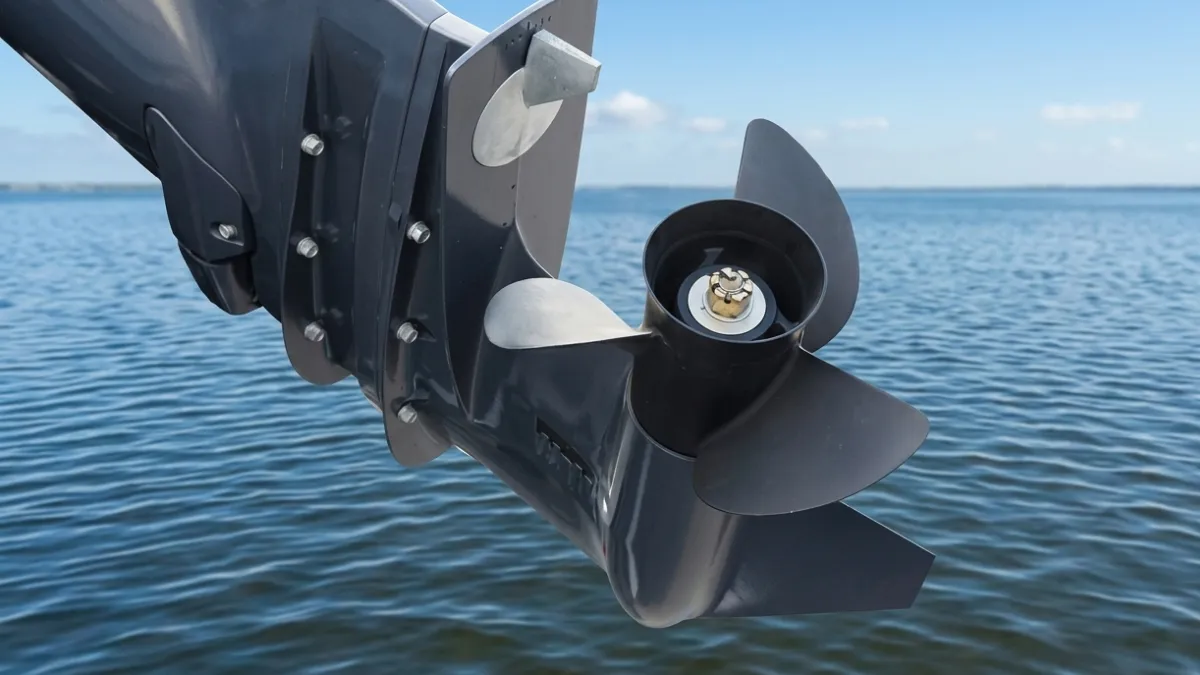
When we think about improving a boat’s performance, engine horsepower usually gets all the attention. But the propeller is just as important. The right propeller helps your outboard deliver better acceleration, 燃費, そしてエンジン性能も, while the wrong one can limit speed, 燃料消費量を増やす, and even shorten engine life.
このガイドでは, we’ll show you how to choose the right 船外機プロペラ based on your engine, ボートタイプ, そして使用目的. You’ll also learn how to avoid common selection mistakes and find the best balance between performance, 信頼性, そしてコスト.
Key Factors in Choosing Outboard Motor Propellers
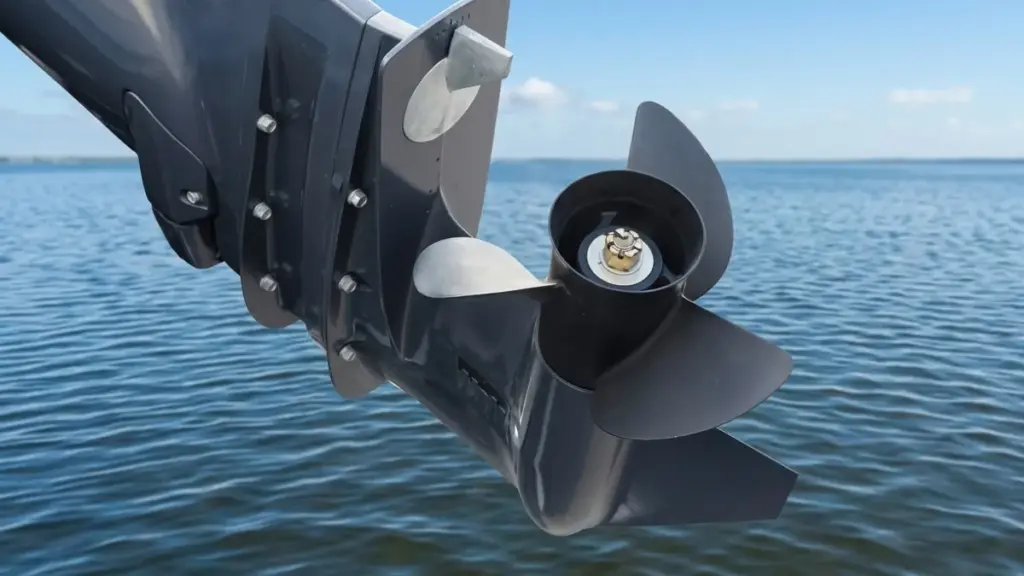
Before comparing 船外機プロペラ sizes or materials, consider the following factors. 一緒に, they determine how efficiently your engine transfers power to the water and whether your boat performs as expected.
Start with Your Engine Specifications
Your engine determines the range of propellers you can safely use. Before comparing different models, check three key specifications:
- Engine horsepower (HP)
- Gear ratio
- Recommended Wide Open Throttle (ウォット) 回転数範囲
These figures define the diameter and pitch your engine can handle. A correctly matched propeller should allow the engine to reach its recommended WOT RPM under a normal load. If the engine can’t reach that range, the propeller is likely too large or has too much pitch. If it exceeds the range, the propeller is probably too small.
Match the Propeller to Your Boat’s Weight
Think about how your boat is normally used—not just its empty weight.
A lightweight recreational boat usually performs well with a higher-pitch propeller that favors speed. 対照的に, heavier boats carrying passengers, fishing equipment, cargo, or full fuel tanks need more thrust to get on plane. このような場合には, choosing a slightly lower pitch often delivers better acceleration and more efficient operation.
Always select a propeller based on your typical operating load, not ideal conditions.
Choose Pitch Based on Your Performance Priority
Pitch has the biggest influence on how your boat feels on the water, so start by deciding what matters most to you.
| 代表的な用途 | Recommended Pitch | Expected Result |
|---|---|---|
| 漁船 | Lower to standard pitch | 加速の向上, easier planing, and stronger pulling power with fishing gear onboard. |
| Passenger or work boats | Lower pitch | Provides greater thrust for carrying heavy loads and maintaining stable cruising performance. |
| レクリエーション用ファミリーボート | Standard pitch | Offers a balanced combination of speed, 燃費, and everyday handling. |
| High-speed boats | Higher pitch | Delivers higher top speed when the engine can still reach its recommended WOT RPM range. |
As a general guideline, changing the pitch by 1 インチ changes engine speed by approximately 150–200 RPM. Small adjustments can noticeably change how the boat performs.
Select the Right Blade Count
Most outboard propellers have either three または four blades, and each is designed for different applications.
あ 3-blade propeller is the best all-around choice for most recreational boats. It provides a good balance of speed, 燃費, and acceleration.
あ 4-blade propeller is worth considering if you regularly carry heavy loads, operate in rough water, tow water sports equipment, or want quicker planing and better low-speed control. While it usually sacrifices a little top speed, it offers smoother handling and stronger grip in the water.
Unless your application has specific performance requirements, a 3-blade propeller is usually the recommended starting point.
Decide Between Aluminum and Stainless Steel
The material you choose should reflect how often and where you use your boat.
Aluminum propellers are ideal for most recreational users because they’re affordable, 軽量, and easy to replace if damaged.
Stainless steel propellers are a better investment if you operate a high-horsepower engine, spend long hours on the water, or need maximum durability and performance. They flex less under load, improve efficiency, and typically last longer in demanding conditions.
For occasional boating, aluminum is often sufficient. For commercial or frequent use, stainless steel usually delivers better long-term value.
Confirm Compatibility Before You Buy
Even if a propeller has the correct diameter and pitch, it won’t work unless it’s compatible with your engine.
Before purchasing, verify that the propeller matches your engine’s:
- Horsepower range
- Gearcase and hub type
- スプライン数
- Rotation direction
- Manufacturer’s recommended specifications
If you’re replacing an existing propeller that performed well, use its specifications as your baseline and make only small adjustments when improving speed, 加速度, or fuel efficiency.
Choose the Right Outboard Propeller with NEWTOP

Using WOT RPM and Boat Speed to Check Propeller Load
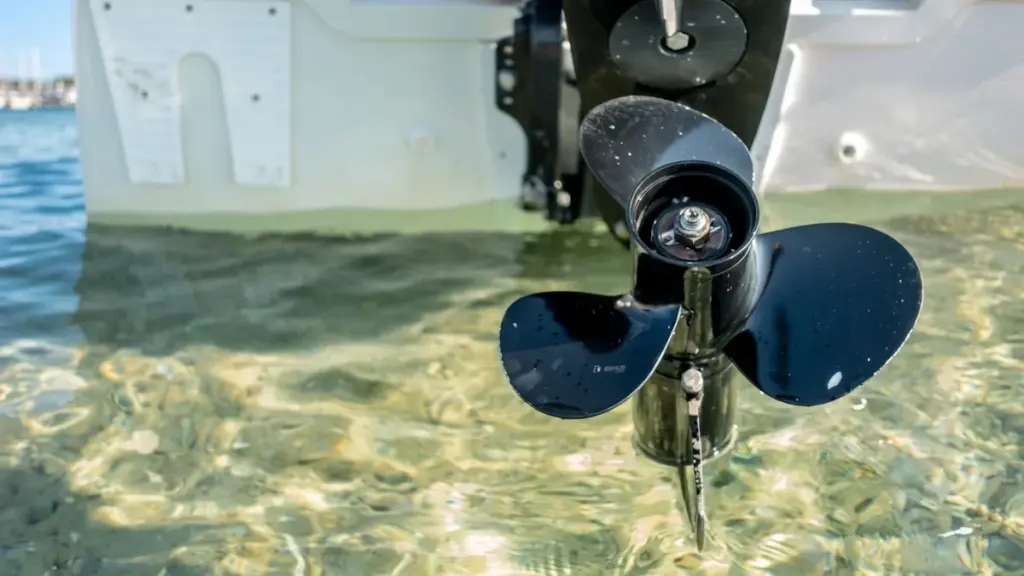
Your tachometer is the best tool for checking propeller load. Use Wide-Open Throttle (ウォット) RPM to spot lugging or over-revving, and use GPS speed to confirm the diagnosis.
| Step | What It Tells You About Propeller Load |
|---|---|
| 1. Conduct a Real-World WOT Test | Load the boat under normal operating conditions, warm up the engine, and record WOT RPM and GPS speed in calm water. This gives you a real performance baseline. |
| 2. Check If WOT RPM Is Within Range |
If RPM is below range → over-propped (engine is overloaded). If RPM is above range → under-propped (engine is under-loaded). Within range → prop load is correctly matched. |
| 3. Adjust Pitch to Correct RPM |
Pitch is the main tuning factor. 1 inch of pitch ≈ 150–200 RPM change. Lower pitch increases RPM and acceleration; higher pitch reduces RPM and increases top speed. |
| 4. Use Boat Speed as a Validation Check | If RPM is correct but speed is low, the issue is not prop load. Check hull drag, prop damage, or engine mounting height. |
| Final Diagnosis |
Correct prop load = WOT RPM in range + stable boat speed + smooth acceleration. If any one of these fails, the propeller is not properly matched. |
Adapting Propeller Choice for Fishing, Transport and Leisure Use
How you use your boat dictates your prop. Fishing demands grip for heavy loads, transport requires cruise efficiency, and leisure boating needs a balance of speed and acceleration.
Propeller Selection for Fishing
Fishing boats rarely run at a consistent weight. The load changes with gear, full livewells, 氷, and passengers. You have to prop for this typical fishing load, not the empty boat weight. The main goal is getting on plane quickly without the bow pointing at the sky. Many fishing setups benefit from a 4-blade propeller, which provides better grip, improves stability in turns, and can keep the boat on plane at slower speeds. This is especially useful for underpowered boats or heavy hulls that struggle to get moving.
Optimizing for Transport and Hauling
When a boat’s main job is moving people or cargo, top speed takes a backseat to midrange performance and fuel economy. The propeller pitch must match the boat’s typical passenger or cargo weight to achieve efficient cruising RPM. If the boat consistently carries heavy loads, a lower-pitch or 4-blade prop improves acceleration and load-carrying ability. If the primary function is making long, high-speed runs with a lighter load, a standard 3-blade prop often delivers better efficiency at speed.
Balancing Performance for Leisure and Recreation
For general weekend boating, a 3-blade propeller is the standard for a reason. It offers a solid, all-around balance of acceleration and top-end speed. The game changes if activities like waterskiing or wakeboarding are on the agenda. These activities need a strong holeshot to pull people out of the water, making a 4-blade prop a much better choice. Whatever the activity, the fundamental check remains the same: verify the engine operates within its recommended wide-open-throttle (ウォット) RPM range during your typical recreational use.
When to Switch From Aluminum to Stainless Steel or More Blades
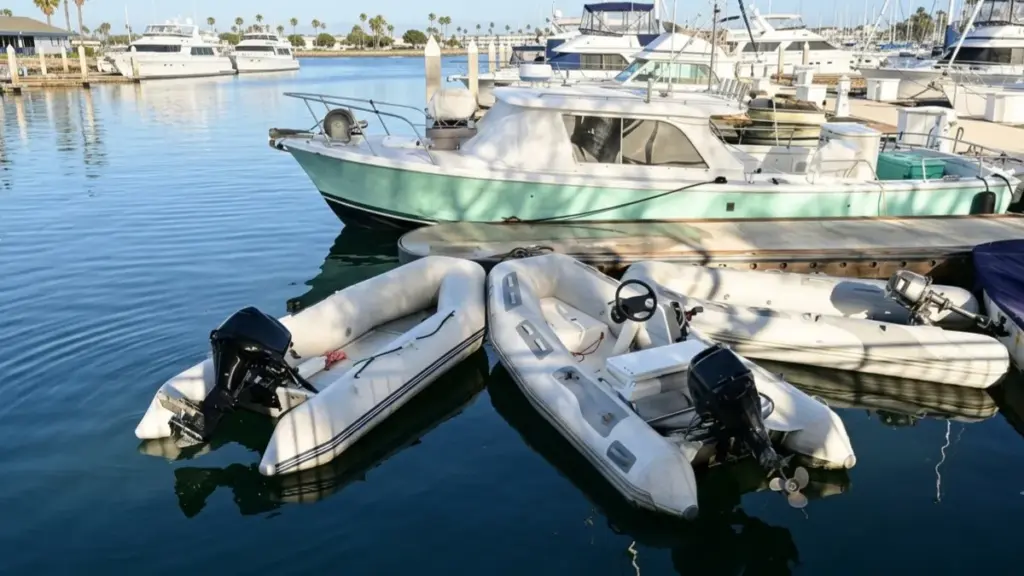
Upgrading your prop is a trade-off. Steel adds performance for high-power engines, and more blades add grip for heavy boats, but aluminum remains best for high-risk areas.
Performance Triggers for a Stainless Steel Upgrade
The decision to move from aluminum to stainless steel usually comes down to horsepower and efficiency. Aluminum props start to flex under heavy loads, which wastes power. You should seriously consider stainless steel when you notice these issues:
- Your engine is 150 hp or more. At this power level, a flexible aluminum prop will noticeably hurt your efficiency and top speed.
- You need a faster hole-shot for watersports or when you’re carrying a heavy load. Stainless steel doesn’t flex, so it bites harder out of the gate.
- The boat feels sluggish or loses top-end speed when loaded down. This is a classic sign that your aluminum prop is flexing and losing its effective pitch.
- You want better fuel economy on long cruises. The rigidity of a stainless prop translates to better efficiency, which saves fuel over time.
Reasons to Add Blades (From 3 に 4+)
Adding a blade is about increasing grip and control, not necessarily top speed. A 4-blade prop puts more surface area in the water, which solves specific handling problems.
- Your current 3-blade prop ventilates or “blows out” during sharp turns or when the engine is trimmed high for performance.
- You need to stay on plane at lower speeds. This is crucial for towing tubers or wakeboarders, or for navigating rough water with more control.
- Your priority is maximum grip and acceleration for a heavy boat. More blades deliver more thrust, even if it costs you a mile or two per hour at the top end.
- Your setup includes a jack plate or a high engine mounting position. These configurations demand more prop bite to prevent slipping, which a 4-blade provides.
Choosing an Upgrade Path by Use Case
There isn’t a single “best” 小道具. The right upgrade path depends entirely on your boat, your engine, and what you do with it.
- For speed and efficiency on a lighter boat (75-150+ 馬力), the logical move is from a 3-blade aluminum to a 3-blade stainless steel prop.
- For heavy boats, tow sports, or maximum control, jump directly from a 3-blade aluminum to a 4-blade stainless steel prop. You get both rigidity and grip.
- If you need better grip on a lower-hp boat (under 125 馬力) and operate in a high-risk area, a 4-blade aluminum prop is a smart, budget-friendly step.
Factoring in Operating Environment and Risk
Performance means nothing if you destroy your lower unit. Where you boat is just as important as how you boat.
- In rocky or shallow waters with a high chance of impact, a cheap aluminum prop is your best friend. It acts as a sacrificial part, protecting the expensive gearcase.
- Stainless steel is much more durable against minor dings and abrasion from running in sandy or open water.
- For saltwater use, stainless steel offers far better corrosion resistance and will outlast an aluminum prop by a wide margin.
- A hard strike with a rigid stainless prop is more likely to send damaging force straight to your propshaft and gears. The prop might survive, but your lower unit might not.
Common Propeller Selection Mistakes and How to Avoid Them
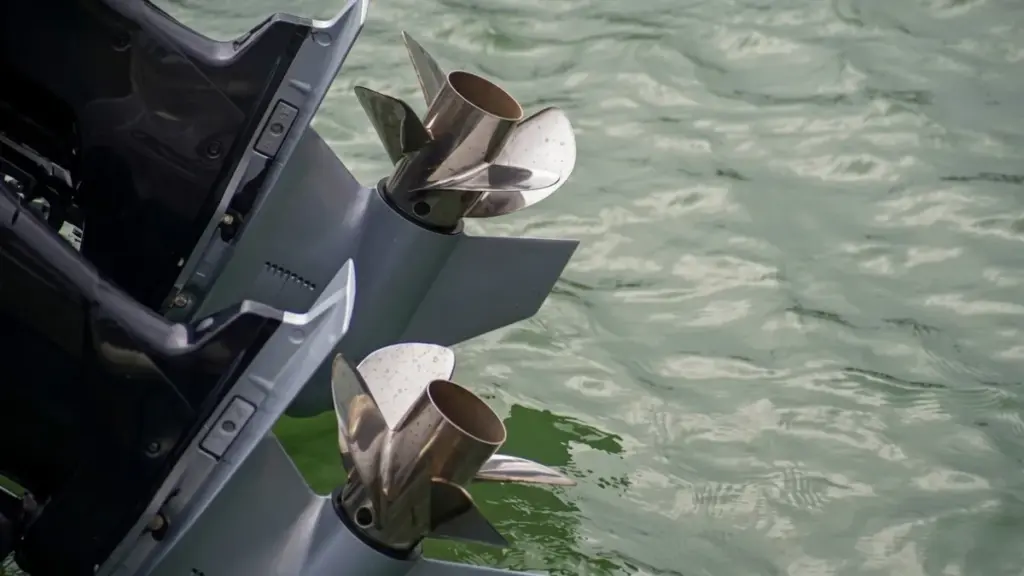
Most prop mistakes come from guesswork. Ignoring the engine’s WOT RPM range and testing with an empty boat are the two biggest offenders. Get these right first.
Ignoring Basic Fitment and Compatibility
Thinking any prop for a 150HP engine will fit any 150HP engine is a fast way to waste money. Horsepower is just one data point. The physical fit is what matters. You have to verify the prop shaft diameter and spline count for your specific engine model and year. Brands change these specs more often than you’d think.
Forgetting the hub system is another common oversight. The hub is the critical link between the prop and the shaft. Using the wrong one can lead to slippage under load or prevent the propeller from seating correctly, causing vibration and potential damage.
Disregarding the Engine’s WOT RPM Range
This is the single most important factor, and it gets ignored all the time. Every engine has a recommended RPM range for wide-open-throttle (ウォット). Your job is to select a prop that lets the engine operate within that band with a normal load. It’s not about chasing the highest possible top speed.
Over-propping—using too much pitch—lugs the engine. It’s like trying to start your truck in fifth gear. Acceleration is terrible, and you’re putting constant, damaging stress on the engine’s internals. Under-propping is just as bad. Too little pitch lets the engine over-rev, potentially hitting the rev limiter and shortening its operational life. Both mistakes will cost you in the long run.
Testing with an Unrealistic Boat Load
Finding the “perfect” propeller with an empty boat is a setup for failure. A prop that performs beautifully with just you, minimal fuel, and no gear will likely be too tall in pitch once you load up the family, coolers, and a full tank of fuel. The boat will struggle to get on plane, and the engine will be back in that dangerous lugging condition.
The only way to avoid this is to test propellers with a weight that reflects how you actually use your boat. If your typical day involves four people and a full livewell, then that’s your testing configuration. Prop for your heaviest normal use case, not your lightest.
Mismatching Propeller Design to Your Needs
Not all props are created equal. The difference between a 3-blade and a 4-blade prop is a simple tradeoff. A 3-blade prop generally offers a higher top speed. A 4-blade prop provides better acceleration, more grip in turns, and the ability to hold plane at lower speeds. Choosing one without understanding what you’re giving up is a mistake.
Material choice isn’t just about price. Aluminum is cheaper and acts as a “sacrificial” part in shallow, rocky waters—the prop breaks before your expensive gearcase does. Stainless steel is far more durable and its blades are thinner and more rigid, which improves performance in open water where impacts are unlikely. Match the material and the blade design to your hull and how you run it.
Skipping a Systematic Testing Process
You can’t know where you’re going if you don’t know where you started. Before you ever swap a prop, take your boat out with its current setup and a normal load. Record the maximum RPM and the GPS speed at WOT. This is your baseline. Without it, you’re just guessing.
When you do make a change, adjust one variable at a time. Don’t switch from a 19-pitch aluminum 3-blade to a 17-pitch stainless 4-blade all at once. If performance changes, you won’t know if it was the pitch, the material, or the blade count. ついに, make sure the problem is actually the propeller. A new prop can’t fix a spun hub or a bent prop shaft, which can mimic the symptoms of a poorly chosen propeller.
How NEWTOP Helps Optimize Boat Prop Choice
ニュートップ, a leading outboard motor propeller manufacturer, supplies complete propeller solutions for outboard motors across a wide horsepower range, supporting distributors, marine equipment brands, OEM partners, and fleet operators worldwide.
Instead of recommending products based only on engine size, our team evaluates multiple factors, 含む:
- Engine horsepower and gear ratio
- Boat type and hull design
- Typical operating load
- Target cruising and top speed
- Commercial or recreational applications
- Regional water conditions
Our manufacturing capabilities include aluminum and stainless steel propellers in various diameters, ピッチ, およびブレード構成, ensuring compatibility with a broad range of outboard engines.
Beyond manufacturing, NEWTOP also provides technical selection support, helping customers reduce trial-and-error, improve fuel efficiency, and achieve reliable on-water performance. Whether you are sourcing replacement propellers or developing a complete marine product line, we work with you to identify the most suitable solution for your market.
If you’re planning your next marine equipment project, contact NEWTOP to discuss propeller selection, OEMのカスタマイズ, or bulk procurement. Our engineering and sales teams are ready to help you match the right propeller to your engine and application.
よくある質問
How do I choose the right propeller for my outboard motor?
Choosing the right propeller involves matching your engine, boat, and typical use to allow the engine to reach its recommended wide-open-throttle (ウォット) RPM range with a normal load. You need to know your engine’s WOT specs, your boat’s weight and hull type, and your primary goal, whether it’s acceleration, トップスピード, or carrying heavy loads. The final choice balances pitch, 直径, blade count, and material to achieve that goal.
What prop size do I need for my boat?
Prop size is primarily determined by pitch. The goal is to select a pitch that allows your engine to operate within its manufacturer-recommended WOT RPM range with your typical load. Start by testing your current prop’s WOT RPM. If the RPM is too low, you need a lower pitch. If it’s too high, you need a higher pitch. A general rule is that one inch of pitch change will alter WOT RPM by about 150-200.
How does propeller pitch affect RPM and speed?
Pitch directly controls engine load and RPM. Increasing pitch is like shifting to a higher gear; it lowers the engine’s WOT RPM and can increase top speed, but it makes acceleration slower. Decreasing pitch is like shifting to a lower gear; it allows the engine to rev higher, improving acceleration and pulling power, but may reduce the boat’s maximum speed.
Should I choose a 3-blade or 4-blade prop for my outboard?
Choose a 3-blade prop for general use, as they typically offer the best top speed and overall efficiency. Choose a 4-blade prop when you need better acceleration, improved handling in rough water, or the ability to stay on plane at lower speeds. Four-blade props are excellent for heavy boats, high-performance hulls, or towing watersports, often with a slight sacrifice in top-end speed.
When should I switch from an aluminum prop to stainless steel?
Switch to a stainless steel propeller when you want better performance, 耐久性, と効率, especially with higher-horsepower engines. Stainless steel blades are thinner and flex less, improving speed and handling. Stick with an aluminum prop if you prioritize lower cost or frequently operate in shallow or rocky water where striking objects is likely, as aluminum is more forgiving and can help protect your engine’s gearcase from impact damage.
How do I know if my propeller is too big or too small?
The main indicator is your engine’s RPM at wide-open-throttle (ウォット) with a normal load. If the RPM is below the manufacturer’s recommended range and acceleration feels sluggish, your prop is too big (too much pitch). If the engine’s RPM is above the recommended range or hits the rev limiter, your prop is too small (too little pitch).
Can the wrong propeller damage my outboard engine?
はい. A prop with too much pitch can cause the engine to ‘lug’ below its recommended RPM range, stressing internal components. A prop with too little pitch can cause over-revving, which increases wear. さらに, a damaged or unbalanced prop creates vibrations that can destroy gearcase seals and bearings, potentially leading to major lower-unit failure.
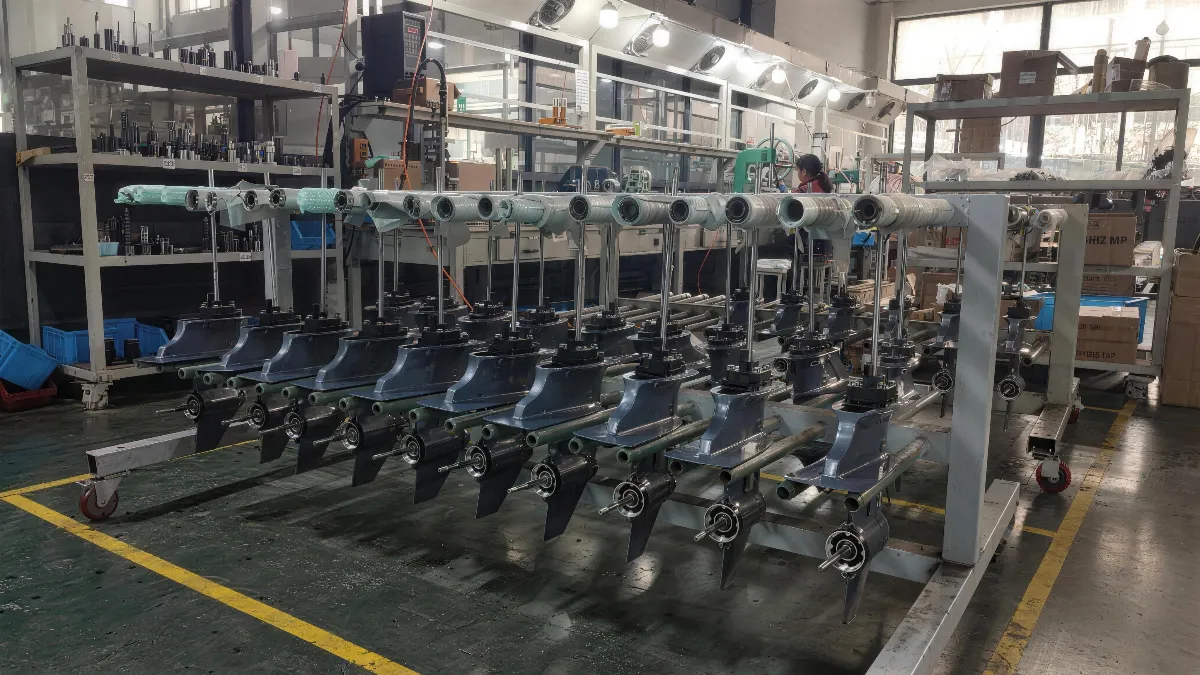
世界の海洋産業は新たな成長サイクルに入りつつある, 船舶用スペアパーツ販売業者に大きなチャンスをもたらす. レクリエーションボートの台頭, 商業漁業の拡大, 海上輸送の増加, 船舶の老朽化により、エンジン全体の交換ではなく、交換部品に対する一貫した需要が高まっています。. 販売代理店様向け, 成功はもはや、単に大量の在庫を提供するだけでは決まりません. その代わり, 顧客は信頼性の高いサプライチェーンをますます重視しています, OEM品質の製品, テクニカルサポート, そして速い配達.
長年のエンジン製造実績を持つ屋外動力機器メーカーとして, ニュートップ 信頼できる製品を求める世界的な販売代理店からの需要が高まっています。 船舶用エンジン部品, プロペラ, およびアフターマーケットアクセサリー. 市場がどこに向かっているのかを理解することで、販売代理店はより賢明な購入決定を行うことができます, 在庫リスクを軽減する, 長期的な競争上の優位性を構築します.
世界の船舶用スペアパーツ市場の概要と成長ドライバー
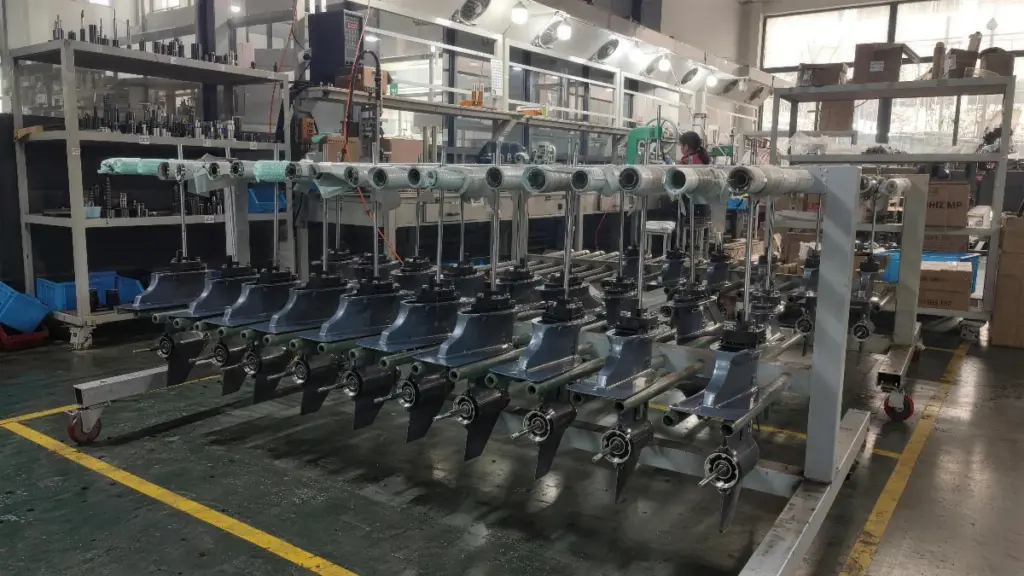
船舶予備品市場の成長は船舶の老朽化によって促進されている, 厳格な環境規則, そして新しい技術, 信頼性の高いものを作る, 必須コンポーネントに対する自由裁量のない要求.
市場規模と主要製品セグメント
によると 持続的な市場調査, 世界の船舶の予備品および機器市場は、101 億米ドルから成長すると予測されています。 2025 までに143億米ドルに 2032, を表す 5.1% 予測期間中のCAGR. この需要の大部分は、最も消耗が激しいコンポーネントから生じています。. これには、推進システムおよびエンジンシステムの部品が含まれます。, ポンプやバルブなどの補機類, および重要なナビゲーション機器. 商業貨物とタンカー船団が量ベースで最大のシェアを占めていますが、, 海軍艦艇は不釣り合いに高いレベルの支出を占めている. それは彼らの専門性が高いからです, ハイスペックなコンポーネントにははるかに高い価格がかかる.
海運貿易の増加と船舶のダイナミクスの老朽化
世界的な海上貿易の増加に伴い, 船舶の運航時間が増えるだけです. これはコンポーネントの摩耗の増大と交換部品の継続的な需要に直接つながります。. 世界の艦隊の大部分, 特にばら積み貨物船とタンカー, 終わった 15 歳. これらの古い船は当然、運航を続けるためにより多くのメンテナンスとより頻繁な部品交換が必要になります。. 新しい船の建造コストが高いため、多くの船主は既存の船の寿命を延ばす必要に迫られています。. この決定により、アフターマーケットのスペアや大規模なオーバーホールの必要性が高まります, 市場をさらに刺激する.
安全性と排出ガスに関する規制の遵守
国際海事機関 (IMO) 安全と環境保護のためのルールが需要の大きな推進力となっている. 安全性に関する SOLAS や排出ガスに関する EEXI/CII などの義務により、船主は準拠した機器の設置と維持を義務付けられます。. 硫黄排出を対象とした環境規制やバラスト水処理の義務化により、改修プロジェクトの波が押し寄せている. これらのプロジェクトは長期にわたる, フィルターなどの特定の部品に対する予測可能な需要, センサー, 新しいシステムに必要なポンプと. この支出は船主にとって任意ではありません, 変動する運賃の影響を受けず、安定した市場の推進力となる.
テクノロジーの導入と車両の近代化
業界のデジタル化と予知保全への動きにより、センサーの必要性が高まっています, 制御モジュール, 遠隔監視を可能にするその他の電子部品. 同時に, LNG やメタノールなどの代替燃料の採用により、まったく新しいカテゴリーのスペアパーツが生み出されています, 極低温バルブや特殊なガス燃料システムなど. 新技術により部品の供給方法も変化. 例えば, 3D プリンティングにより、特定のコンポーネントのオンデマンド製造が可能になり始めています, 将来的には在庫と物流モデルが再構築される可能性がある.
船舶アフターマーケットの中核となる製品カテゴリー
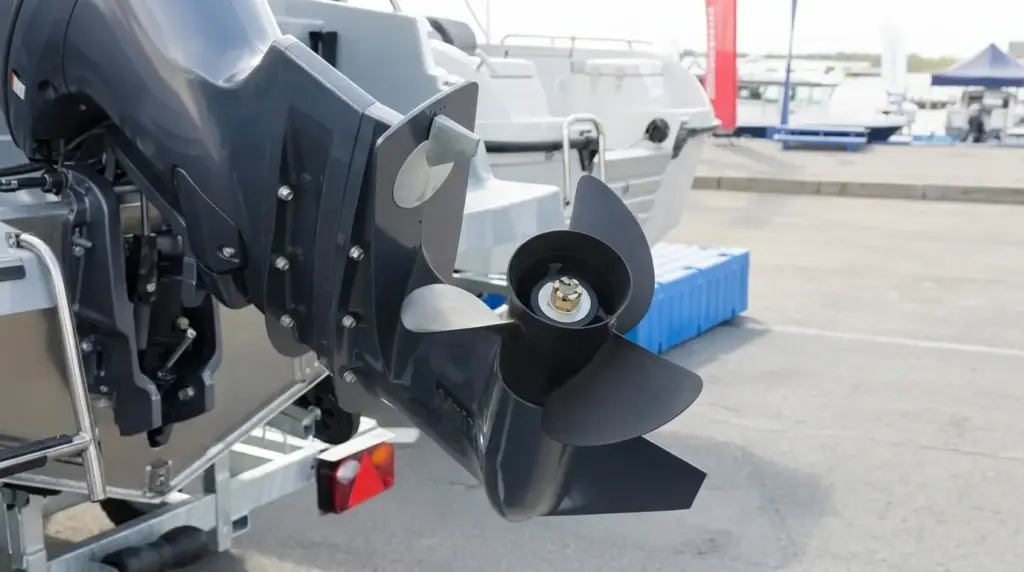
船舶のアフターマーケットは、主要システムである推進システムを中心に構成されています。, コントロール, 電気, そして配管. 需要は一定です, メンテナンススケジュールによって駆動される, 安全要件, そしてパフォーマンスのアップグレード.
高パフォーマンスの配布カタログを構築するには, パートナーは、急速に変化する消耗品と頑丈な構造交換のバランスを取る必要があります。. 海洋コンポーネントの生態系は一般に次のように分類されます。 4 必須のカテゴリー:
| 製品カテゴリー | 含まれる主なコンポーネント | 需要速度 | マージンプロファイル |
|---|---|---|---|
| パワーエンジンの内部構造 | ピストン, ピストンリング, クランクシャフト, シリンダーライナー, バルブ, とガスケット. | 中くらい | 高い |
| 推進 & 駆動方式 | 船外機プロペラ, ドライブシャフト, シャーピン, およびギアボックス. | 高い (インパクト & 摩耗しやすい) | 中~高 |
| 燃料 & 電気システム | キャブレター, 燃料ポンプ, 点火, 磁石, およびスターターアセンブリ. | 高い | 中くらい |
| 日常的な消耗品 | インペラ, ウォーターポンプ, オイルフィルター, 耐久性の高いリコイルスターター. | 非常に高い (季節/時間ごと) | ボリューム重視 |
純粋に消耗品に焦点を当てると、テーブルにお金が残ります, 重いエンジン内部部品のみを在庫している一方で、資本は動きの遅い在庫に閉じ込められています。. 最も成功している地域のディストリビューターは、 80/20 在庫戦略: 80% 安定した, キャッシュフローとディーラーとのタッチポイントを確立するための高回転消耗品, そして 20% 大規模な修理契約を獲得するための、利益率の高いエンジン内部交換.
信頼できる OEM パートナーと一緒に船舶用スペアパーツ ビジネスを成長させましょう
釣り全体の需要傾向, 運輸・レジャー部門
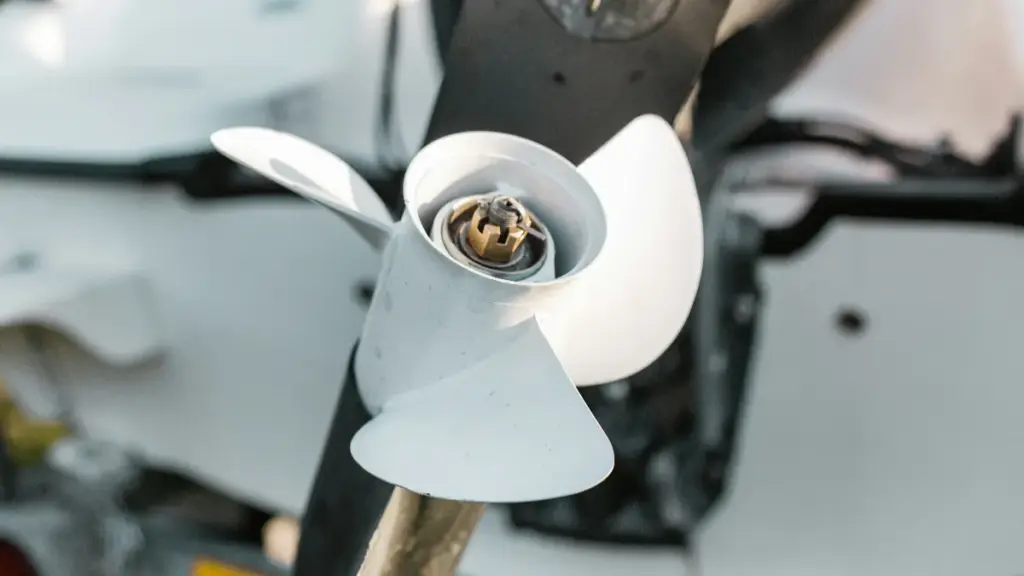
商業輸送は安定した輸送を提供します, 規制主導の需要, 一方、レジャーボートは急速な成長を示しています. 釣りはより循環的である, メンテナンスと運用コストを重視.
商業輸送: 安定した, 規制主導の需要
商用輸送セグメントは、スペアパーツに対する最も安定した需要を生み出します。. 国際貿易のために船舶を運航し続ける必要があるため、メンテナンスと交換は交渉の余地がありません.
規制遵守が支出の主なきっかけとなる. 安全性と環境パフォーマンスに関する IMO の規則により、事業者は改修計画を立ててコンポーネントを交換する必要があります. 需要はエンジンなどの摩耗が集中するミッションクリティカルなシステムに集中, 推進, パンプス, および濾過装置. このセクターは取引量の安定性を提供します, 認証を重視するサプライヤーに適しています。, 稼働率の高いコンポーネント.
漁船団: サイクルとメンテナンスを重視
漁船団からの需要は定期的に発生しますが、予測できません. 運行時期に大きく左右される, 燃料費, そして漁獲の経済学. このセグメントは通常、価格に敏感です, そのため、オペレーターは耐久性のあるものを求めています, コストを抑えるための修理可能なコンポーネント.
購入はエンジンの日常メンテナンスのニーズに重点を置いています, 甲板機械, および船体関連部品. 需要は、保有車両が老朽化したとき、または新たな規制により機器のアップグレードが強制されたときに増加する傾向があります。, しかし商業輸送市場の構造的安定性が欠けている.
レジャーボート: 部品およびアクセサリの高成長市場
レクリエーションボートの部品および付属品市場は、より広範な船舶のスペア業界よりも急速に成長する見込みです. この成長は観光業によって支えられている, 可処分所得の増加, そしてエレクトロニクスと快適性を重視したアクセサリーにおける真の革新.
電気推進と車載接続への大きな移行により、バッテリーに対する新たな需要が生み出されています, 充電器, センサー, および制御システム. このセグメントはより循環的です, 消費者の信頼に敏感なので, インフレーション, そして金利, しかし成長の可能性は大きい.
すべてのセグメントにわたる主な需要要因
いくつかの中心的な傾向がすべての海洋分野の部品需要に影響を与えます.
- 世界的な車両の老朽化により、交換部品や定期メンテナンスの必要性が当然増加します.
- 環境および安全規制により、コンプライアンスの改修に必要な特定のコンポーネントの需要が急増しています.
- 電化とデジタル化のトレンドにより、より価値の高い電気に対する新たな需要が生じています, コントロール, および監視部品.
地域独占代理店向けの利益率の高いニッチ市場
最も利益率が高いのはコモディティ部品ではない. 緊急の予備品です, 希少な, 認定された, または独自の, 入手可能性と装備の保証が最低価格に勝る場合.
地域代理店向け, 収益性は、部品そのもの以外の要素によって価値が定義されるニッチな市場をターゲットにするかどうかにかかっています。. これらは地元の在庫がある地域です, 技術的な知識, または、排他的アクセスにより、顧客が料金を支払う実際の利点が生まれます. これらのセグメントに焦点を当てることで、価格競争を回避し、より防御可能なビジネスを構築できます。.
| ニッチなカテゴリー | 利益率が高い理由 |
|---|---|
| OEM 固有の部品と廃止された部品 | 購入者は正確な適合を保証するために純正部品にプレミアムを支払います, 信頼性, 重要なシステムの保証範囲. 古い船舶の部品が不足または生産終了になった場合, 在庫のある代理店が最後の供給者となる. ブランドの消耗品の独占性も忠誠心を生み出します。, キャプティブ設置ベースからの経常収益源. |
| ダウンタイムクリティカルおよび高故障のスペア | 船舶のダウンタイムによる極端なコストにより、購入者は緊急の予備品の価格にあまり敏感になりません. 頻繁に交換される品目を現地在庫に保管しておくと、長いリードタイムを待てない即時注文を取り込むことができます。. ロングテールの予備をストックする, 大手流通業者が避けているもの, 収益性の高いニッチ市場も創出. |
| コンプライアンス主導のキット化されたソリューション | 安全部品や環境部品は、不適合によるコストが非常に大きいため、価格が高くなります。. 必要な認証とサプライチェーンの事務手続きを管理することで価値を高めることができます. 個々のコンポーネントをメンテナンス キットまたはすぐに使用できるアセンブリにバンドルすると、平均注文額が増加し、直接の価格比較がはるかに困難になります。. |
| アフターマーケットアクセサリおよび改造アイテム | アドオンアクセサリやアップグレードは、多くの場合、取り付けられているコア機器よりもはるかに高いマージンをもたらします. 船舶の改修サイクルと近代化プロジェクトを高価値パッケージでターゲットにするのは賢明な選択です. これらの売上は通常、パフォーマンスの向上に対するニーズによって促進されます。, 故障した部品を交換するだけではなく, 価値ベースの価格設定をサポートします. |
船舶部品の在庫と偽造品管理における主なリスク
不正な在庫データと偽造部品により船舶のダウンタイムが発生し、安全上の問題が発生します。. 唯一の有効な対応策はサプライヤーを厳格に管理することです, トレーサビリティ, および物理的な在庫管理.
主要な在庫管理リスク
船舶分野の在庫管理は部品を数えるだけではありません. やり方を間違えると、すぐに業務上の影響が出てしまいます. 主なリスクは単純ですが、フリート全体に連鎖的な影響を及ぼします。.
- 在庫の不正確さと在庫切れ. システムが部品が棚にあると表示しているのに実際には棚にない場合, メンテナンス停止. これは修理の遅れを直接引き起こし、船舶を簡単にオフラインにしてしまう可能性があります。, 日常業務をコストのかかるダウンタイム イベントに変える.
- 陳腐化. 船舶用機器は耐用年数が長い. 内部のコンポーネントはそうではありません。. 15年前のエンジンや制御システムの部品が入手できなくなる可能性がある, 最終的に障害が発生すると、可用性の大きなギャップが生じる.
- 盗難と破損. 高価値コンポーネント, 電子部品や推進部品など, 盗難の標的になることが多い. また、輸送中に損傷したり、分散した艦隊内の間違った船舶に割り当てられたりする可能性もあります。, 最も必要な場所で不足を引き起こす.
- 過剰在庫. 動きの遅いものを持ちすぎたり、 “念のため” 予備品は巨額の運転資金を必要とする. その現金は別の場所で使った方が良い, しかしその代わりに倉庫の棚に置かれ、価値が下がりつつある.
偽造部品の侵入リスク
偽造部品は船舶の安全性と信頼性に対する深刻な脅威です. プロセスの失敗を通じてサプライチェーンに侵入する, 不運ではない. 偽物の部品が取り付けられた瞬間, 船舶は隠れた許容できないリスクを抱えて運航している.
- 調達管理が弱い. 最も一般的なエントリ ポイントは、未確認のサプライヤーからの最低価格を追求する購入プロセスです。. 重要な部品の出所が最優先事項ではない場合, あなたは偽物への扉を開いている.
- トレーサビリティの欠如. エンドツーエンドのシリアル番号またはバッチ番号の追跡なし, 部品の出所を確認できない. これにより、不良バッチが発見された場合に、真正性を確認したり、リコールを効果的に管理したりすることが不可能になります。.
- 早期の故障と安全上の危険. 偽造部品が取り付けられていると、壊滅的なシステム障害が発生する可能性があります, 機器の保証が無効になる, 重大な安全上のリスクが生じます, 特にエンジンに関しては, ステアリングギア, または電気システム.
- 本物のストックの汚染. 本物の在庫に偽造部品が混入すると、問題はさらに悪化します. これは、制御されていない返品や、部品が検証なしで拠点間を移動した場合に発生します。, ストックプール全体を汚染する.
運営上および財務上の影響
不良在庫と偽造品規制の影響が収益に大きな打撃を与える. これらは小さな管理上の問題ではありません; それらは直接的に収益の損失につながります, 膨らんだコスト, そして重大な責任を負うリスク.
- 船舶のレンタル時間. 最も直接的なコスト. 正しい部品または本物の部品を待っている船舶が 1 時間ごとに沈むと、収益が失われます。. この金銭的ペナルティは、多くの場合、部品自体のコストを矮小化します.
- ライフサイクルコストの増加. 緊急貨物運賃で財政的出血が続く, 偽物の部品が故障した場合、人件費を 2 倍支払うことになる, 早期に摩耗したコンポーネントの交換コストも発生します.
- 安全性と信頼性が損なわれる. 推進装置などの重要なシステムに非純正部品を取り付ける, 操舵, あるいは発電は船の安全と乗組員の命を賭けたギャンブルである.
- 評判と責任. 貴社の事業がインシデントにつながる偽造部品を供給または取り付けた場合, 法的および財政的責任は壊滅的なものになる可能性があります. 顧客との信頼関係を損なう, 保険会社, と規制当局.
重要な管理と緩和戦略
効果的な制御は複雑ではない, しかしそれには規律が必要です. これら 4 つの戦略は、在庫の完全性を保護し、偽造部品が業務に侵入するのをブロックするための基盤です。.
- 厳格なサプライヤー認定を強制する. 最も単純なルールは、すべての重要なコンポーネントを OEM 認定チャネルからのみ購入することです。. すべてのサプライヤーを精査し、うますぎると思われるオファーはすべて拒否します.
- 完全なトレーサビリティを実装する. 最新の在庫システムを使用して、重要な部品をシリアル番号とバッチ番号で受け取りから設置まで追跡します。. これは検証のための主要なツールであり、 品質管理.
- 厳格な輸入検査を義務付ける. 納品書だけを信用しないでください. 受信側チームは文書を確認する必要があります, 改ざんの兆候をチェックする, 部品がすべての重要なスペアの発注仕様と一致していることを確認します.
- 疑わしい部分を物理的に隔離する. 帰国者全員のために指定された隔離エリアを作成する, 未確認, または疑わしい部品. この物理的な分離により、誤って選択されてジョブに発行されることが防止されます。.
信頼できるOEM船舶用スペアパーツサプライヤーとの提携
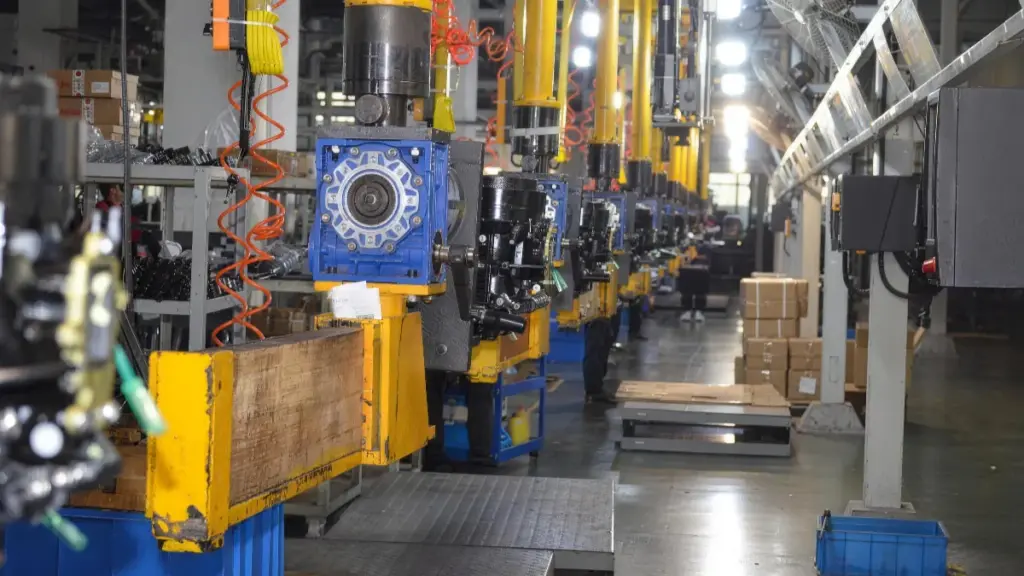
信頼できる OEM サプライヤーはコスト削減策ではありません, それはリスク管理戦略です. 適切なパートナーはダウンタイムを防止し、不正な部品や偽造部品によって引き起こされる混乱を排除します。.
信頼できる製造パートナーは、流通業者が一貫した製品品質を維持するのに役立ちます, サプライチェーンのリスクを軽減する, 製品の安定した入手可能性を確保する. 信頼できるサプライヤーが技術サポートも提供します, 柔軟なカスタマイズ, 応答性の高いコミュニケーション, 販売代理店がより効率的に顧客にサービスを提供し、長期的な信頼を築くことができるようになります。.
船舶用スペアパーツサプライヤーを評価する場合, 提供するかどうかを検討する:
- 安定した生産能力と確実なリードタイム
- 一貫した品質管理と製品テスト
- OEM/ODMおよびプライベートブランド製造
- 包括的な技術文書
- 以前はレスポンシブでした- 販売後のサポート
適切なサプライヤーの選択を超えて, 販売代理店も正しい部品番号を使用して調達精度を向上させる必要があります。, 季節需要の予測, 回転率の高い製品の在庫を維持する. これらのプラクティスは注文エラーを減らすのに役立ちます, ダウンタイムを最小限に抑える, 顧客満足度の向上.
以上 20 電力機器製造における長年の経験, ニュートップ 構築しました 販売代理店との長期的なパートナーシップ アフリカ全土, 東南アジア, ラテンアメリカ, およびその他の国際市場. 船外機一式に加えて, 当社はプロペラを含む幅広い船舶用スペアパーツを供給しています。, 燃料システムのコンポーネント, エンジン部品, およびメンテナンス アクセサリ - 柔軟な OEM/ODM サービスとプライベート ラベル ソリューションによってサポートされています.
最終的な考え
船舶用スペアパーツ市場は、販売代理店に安定した需要という珍しい組み合わせを提供します。, 経常収益, 長期的な成長の可能性. 船舶の老朽化が進み、レクリエーションボートの利用が減少する中、, 商業漁業, 海上輸送は世界的に拡大, 信頼性の高い交換コンポーネントの必要性は高まるばかりです.
成功, しかし, 単に製品を在庫するだけではありません. 品質を重視する代理店, 在庫効率, テクニカルサポート, 強力なサプライヤーとのパートナーシップは、永続的な顧客関係と持続可能な収益性を構築するのに有利な立場にあります。.
水産製品のポートフォリオを拡大したい場合, 信頼できる船外機をお届けします, 船舶用エンジンのスペアパーツ, OEM/ODM製造, 世界中の販売代理店向けにカスタマイズされたプライベート ラベル ソリューション. 信頼性の高い製品と長期的な製造サポートにより、お客様の海洋ビジネスの成長をどのように支援できるかについては、当社のチームにお問い合わせください。.
よくある質問
流通させると最も収益性の高い船舶部品は何ですか?
利益率の高い製品には通常プロペラが含まれます, キャブレター, スターターモーター, CDIユニット, 燃料ポンプ, 完全なメンテナンスキット, およびOEM互換のエンジンコンポーネント. これらの製品は、比較的高い販売価格と安定した交換需要を兼ね備えています。.
船舶部品販売事業を始めるにはどうすればよいですか?
まずは地元のボート市場を調査することから始めましょう, 最も一般的なエンジンのブランドを特定する, 信頼できるOEMサプライヤーの選択, 動きの速い製品の在庫を構築する, 修理工場との関係構築, ボートディーラー, および商用フリートのオペレーター. 技術サポートと信頼できるアフターサービスの提供は、ビジネスの差別化に役立ちます.
ボート部品市場は成長しているのか、それとも飽和しているのか?
ボート部品市場は成長中, 飽和していない. 需要は修理によって促進されます, メンテナンス, そして既存の巨大なボート群のアップグレード. 市場レポートは着実な成長を予測, レクリエーションボート部品市場は、 2028. 最大のチャンスはアフターマーケットにある, 交換部品を中心に, 日常的なメンテナンスアイテム, 電子機器や快適システムのアップグレード.
船舶用スペアパーツにはどの程度のマージンが期待できますか?
船舶用スペアパーツの粗利益率は通常、次のとおりです。 25% に 60%. 一般的なフィルターやハードウェアなどのコモディティアイテムはローエンドにあります (25-40%), 専門的でありながら, OEMのみ, あるいは、エンジンや電子機器用の調達が困難な部品は、より高い利益率を達成できる可能性があります。 45-60% 以上. 適切に管理された流通ビジネスでは、合計の粗利益が期待できます。 30-50%, これは潜在的な純利益率につながります 5-15% すべての運用オーバーヘッドをカバーした後.
信頼できる船舶用エンジンとプロペラのサプライヤーを見つけるにはどうすればよいですか?
信頼できるサプライヤーを見つけるには構造化されたアプローチが必要です. OEM サプライヤーを特定することから始めます, 専門メーカー, 業界ディレクトリを介した評判の良い販売代理店, トレードショー, およびB2Bマーケットプレイス. 技術的な品質に基づいて潜在的なサプライヤーを精査する必要がある, クラス認定, 供給の一貫性, 販売後のサポート. 常に技術文書をリクエストしてください, 造船所またはフリート管理者とのリファレンスチェックを実行する, 大規模な契約を結ぶ前にパイロット注文から始めて品質を検証します.
船舶用部品はオンラインまたはディーラーを通じて販売すべきですか??
通常はハイブリッド モデルが最も効果的です. オンラインで直接販売することで幅広いリーチが可能になります, より良いマージンコントロール, そして貴重な顧客データ, しかし、それにはテクノロジーと物流への実質的な投資が必要です. ディーラーネットワークを通じた販売は地域の信頼を活用し、部品とサービスを統合します. 賢い戦略は両方のチャネルを使用する, 多くの場合、複雑な経路を指定しながら消耗品や付属品をオンラインで販売する, ディーラーパートナー経由での取り付けが必要な部品.
マリンスペアを販売するには技術トレーニングが必要ですか??
海洋整備士としての正式な訓練は必要ありません, しかし、海洋システムについての実践的な深い理解が不可欠です. 効果的な販売には、正しい部品を特定する必要があります, システムの互換性を理解する, 整備士やフリート管理者などの技術的なバイヤーと信頼性の高い話し合いができます。. この知識は、海洋システムに関する対象を絞った初級コースを通じて取得できます。, 職場学習, メーカーの部品カタログやサービス速報を調べたり、.
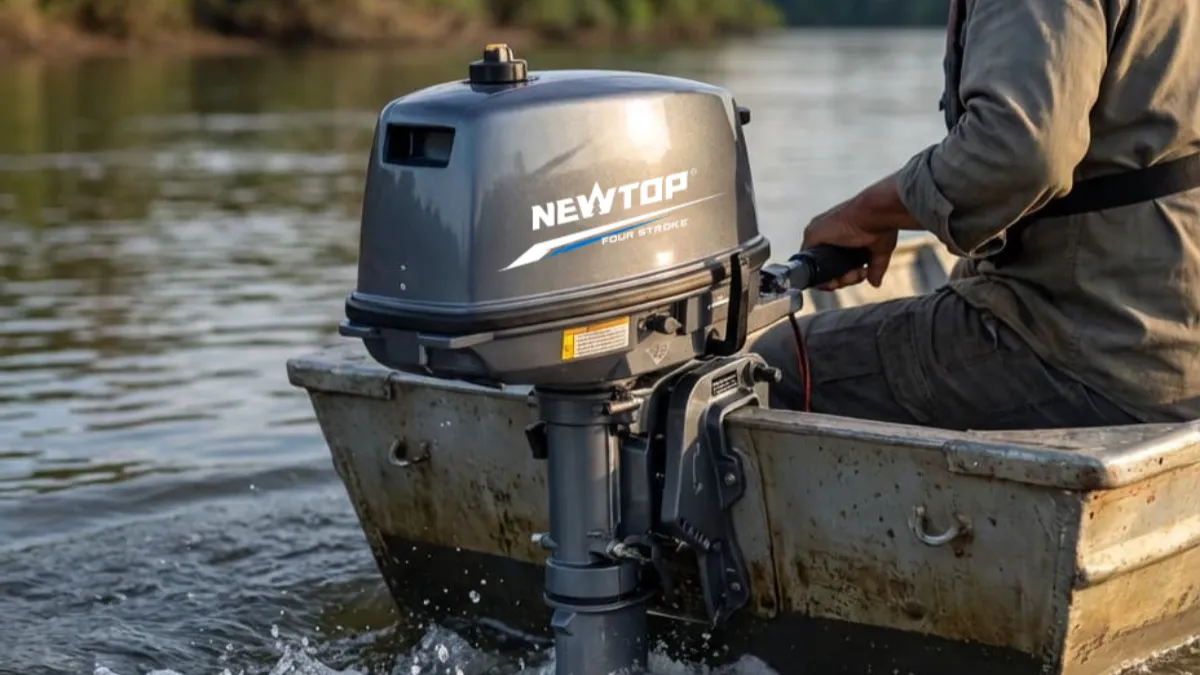
4 ストローク船外機の重量は次のとおりです。 13 kg (29 ポンド) コンパクトに 2.5 HPモデル以上 360 kg (794 ポンド) のために 300+ HPエンジン. 実際の重量はいくつかの要因によって異なります, 馬力も含めて, エンジン排気量, シリンダー構成, シャフトの長さ, 始動システム, および燃料供給技術.
中国の大手屋外動力機器メーカーとして, ニュートップ 購入者は購入を決定する前に馬力と重量の両方で船外機を比較することが多いことを理解しています. このガイドでは, さまざまな馬力範囲にわたる典型的な 4 ストローク船外機の重量を比較します。, モーターの重量に何が影響するかを説明する, あなたのボートに最適なオプションを選択するのに役立ちます.
概要: 4-ストローク船外機の馬力別重量表
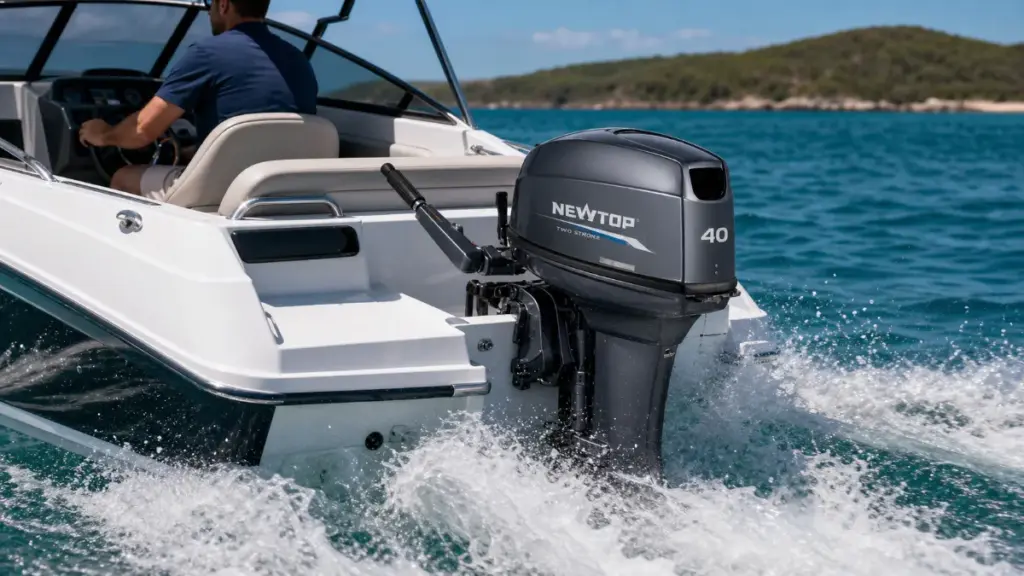
以下の表は、4 ストロークの概要を示しています。 船外機 典型的な重量範囲の, 一般的なアプリケーション, 利点, さまざまな馬力カテゴリにわたる制限.
| 馬力範囲 | 標準的な重量 | 一般的なアプリケーション | 利点 | 制限事項 |
|---|---|---|---|---|
| 2.5-6 HP | 13-28 kg (29-62 ポンド) |
ゴムボート, ディンギー, 入札 | 超ポータブル, 燃費の良い, 持ち運びが簡単 | 制限された速度と積載量 |
| 8-20 HP | 37-60 kg (82-132 ポンド) |
小型漁船, アルミボート, ユーティリティボート | パワーと携帯性のバランスが良い | 大きなボートや重い荷物を運ぶのに苦労するかもしれない |
| 25-60 HP | 58-125 kg (128-276 ポンド) |
漁船, ポンツーン, 小型作業船 | 強力なパフォーマンスと多用途性 | トランザム負荷が重くなり、燃料消費量が増加する |
| 75-150 HP | 160-240 kg (353-529 ポンド) |
センターコンソールボート, 大型のレクリエーションボート | 優れた加速性能と巡航性能 | より強力なトランサムとトレーラーのセットアップが必要です |
| 200-300+ HP | 230-360+ kg (507-794+ ポンド) |
沖合漁船, 商船, 高性能ボート | 最大出力, スピード, および重負荷能力 | 最も高い購入コスト, 重さ, そして燃料の使用量 |
上の表は、さまざまな馬力範囲にわたる 4 ストローク船外機の一般的な重量に焦点を当てています。. エンジン技術も比較する場合, 私たちの 2-脳卒中 vs. 4-ストローク船外機ガイド 重量の主な違いを説明します, 燃費, メンテナンス, 排出量, そして全体的なボートパフォーマンス.
4 ストローク船外機の重量がボートのパフォーマンスに重要な理由
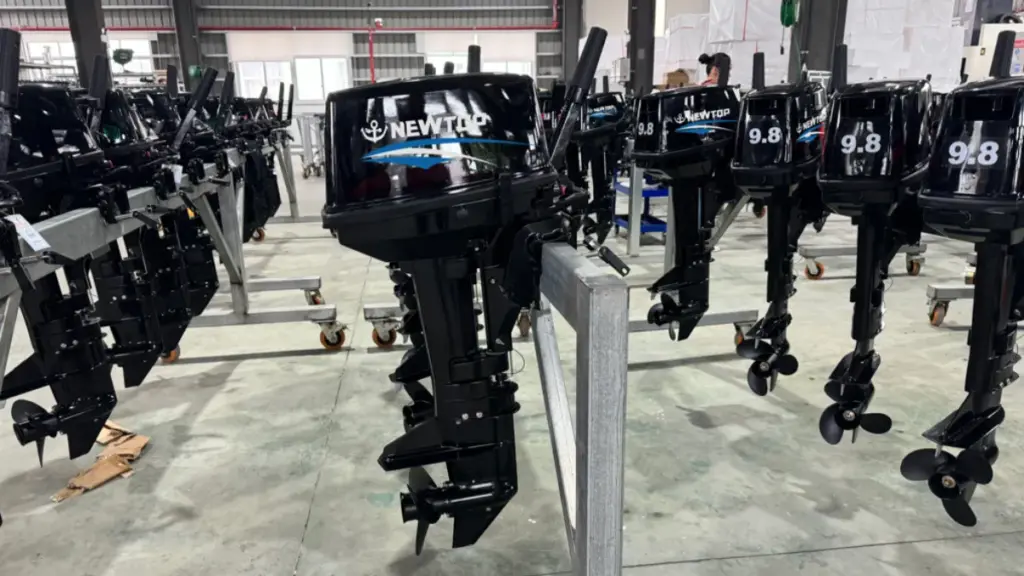
4 ストローク船外機の重量は、ボートの実際のパフォーマンスにとって最も重要な要素の 1 つです。. 加速や最高速度から燃料燃焼に至るまで、あらゆることに直接影響します。, 取り扱い, 水上での全体的な安全性.
重さを比較する前に, より広範な船外機市場の中で 4 ストローク エンジンがどこに位置するかを理解することが重要です. 私たちの 船外機の種類 このガイドでは、主要なエンジン カテゴリを紹介し、さまざまなボート用途における各タイプの利点について説明します。.
エンジン重量が速度と効率に与える影響
より重い 4 ストローク エンジンにより、ボートの総排気量が増加します. この余分な質量によりホールショットが遅くなります, それは飛行機に乗るのにかかる時間です. 船体が効率的に上昇して滑空できるようになる前に、エンジンが水中を押し出すために必要な重量が増えるだけです。.
エンジンの重量が増えると、より多くの船体が水中に留まることになり、抗力も増加します。, より大きな濡れた表面を作成する. この追加の抵抗により、ボートの潜在的な最高速度が低下する可能性があります. エンジンの軽量化により、ボートはより高く、より自由に走行できるようになります, 多くの場合、時速数マイルが余分に得られます.
余分な重量を運ぶために、エンジンはよりハードに動作し、より多くの燃料を燃焼する必要があります. これにより全体的な燃料効率が低下します, つまり、ガロンあたりの獲得マイル数が少なくなります. エンジンが軽いと、同じ燃料タンクで航続距離を延ばすことができます, より長く水上にいられるようにする.
バランスへの影響, 取り扱い, と安全性
船外機は船の一番後ろにあるので、, その重量はトリムに大きな影響を与えます. 重いモーターにより、船尾が水中で低く沈み、船首が高くなりすぎる可能性があります. これは前方の視界に影響を与えるだけでなく、視界をより荒くします。, チョッピーコンディションでのウェットな乗り心地.
トランサムに過度の重量がかかると、船尾の乾舷が下がります, これは喫水線から船体の上部までの距離です. これにより、ボートが水を受ける可能性が高くなります, 特に波を追ったり、魚に向かって後退したりするとき. これはあらゆるボートにとって重要な安全要素です.
すべてのボートのトランサムは、特定の最大重量に耐えられるように設計されています. この制限を超えると, たとえエンジンの馬力がボートの定格内であっても, 船体の構造に重大なストレスがかかる. これにより、ボートの完全性が損なわれ、時間の経過とともに重大な安全上のリスクが生じる可能性があります.
最適な 4 ストローク船外機をお探しですか?
ポータブル 4 ストローク重量チャート (2.5-20 HP)
ポータブル4ストローク船外機 2.5 に 20 通常、馬力範囲の乾燥重量は次のとおりです。 30 そして 150 ポンド (13–68kg). このクラスはディンギー用に設計されています, 小さなインフレータブル, 補助モーターとして, 手動による取り扱いとトランザムの負荷を最小限に抑えることが主な考慮事項である場合.
ポータブル 4 ストローク船外機はインフレータブル ボートでよく使用されます, ディンギー, 入札, 小型漁船, そしてユーティリティクラフト. これらのエンジンは軽量構造を優先しながらも、優れた燃費と信頼性を提供します。.
次の表は、最新の 4 ストローク ポータブル船外機に予想される一般的な乾燥重量範囲の概要を示しています。.
| 馬力 | 一般的な重量範囲 |
|---|---|
| 2.5 HP | 13-18 kg (29-40 ポンド) |
| 3.5 HP | 17-20 kg (37-44 ポンド) |
| 5 HP | 24-28 kg (53-62 ポンド) |
| 6 HP | 25-28 kg (55-62 ポンド) |
| 8 HP | 37-42 kg (82-93 ポンド) |
| 9.9 HP | 38-45 kg (84-99 ポンド) |
| 15 HP | 43-52 kg (95-115 ポンド) |
| 20 HP | 45-60 kg (99-132 ポンド) |
ミッドレンジ 4 ストローク重量 (25-60 HP)
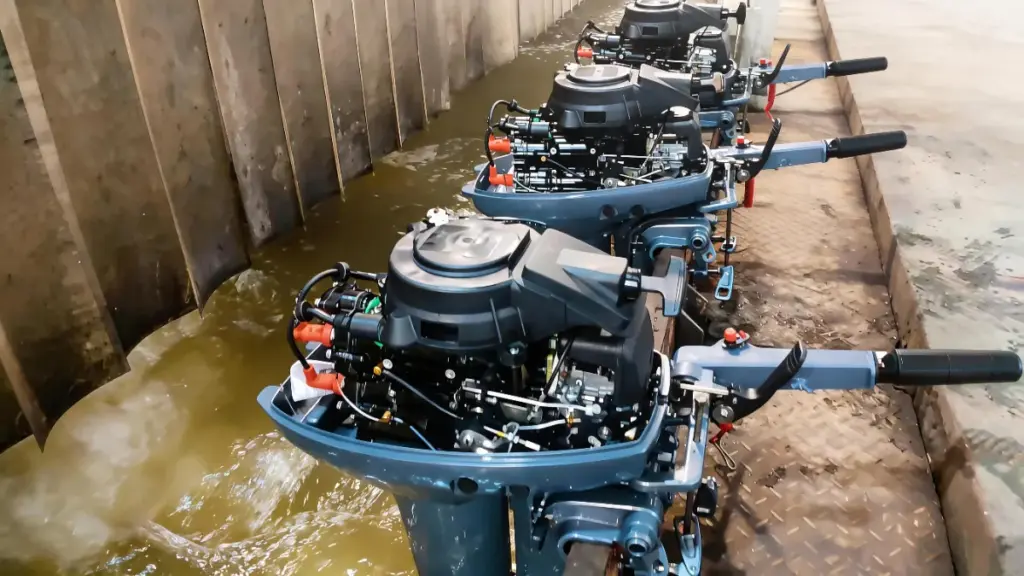
ミッドレンジ 4 ストローク船外機 25 に 60 HP はパワーバランスを考慮して設計されています, 効率, 小型から中型のボートに適した重量. これらのエンジンの重量は通常、次のとおりです。 130 そして 260 ポンド, 最終重量は馬力に応じて変わります, 気筒数, パワートリムなどの機能も追加されました.
の 25-60 HP カテゴリは世界の船外機市場で最も人気のあるセグメントの 1 つです.
これらのエンジンは広く使用されています:
- アルミ漁船
- 小型のセンターコンソール
- ポンツーンボート
- 作業船
- レクリエーション用ファミリーボート
船外機メーカーはより大きなエンジンブロックとより強力なコンポーネントを使用しているため、この馬力範囲では重量がより急速に増加し始めます。.
| 馬力 | 一般的な重量範囲 |
|---|---|
| 25 HP | 58-80 kg (128-176 ポンド) |
| 30 HP | 60-85 kg (132-187 ポンド) |
| 40 HP | 90-110 kg (198-243 ポンド) |
| 50 HP | 95-120 kg (209-265 ポンド) |
| 60 HP | 105-125 kg (231-276 ポンド) |
ハイパワー 4 ストローク船外機ウェイト (75-300+ HP)
ハイパワー4ストローク船外機 75 に 300+ HP クラスの乾燥重量は約 350 ポンド以上 1,000 ポンド. トランサムのこの重量は、ボートの構造的完全性にとって重要な要素です, バランス, そして水上パフォーマンス.
高馬力 4 ストローク船外機は、今日のレクリエーションおよび商用ボート市場を支配しています。.
技術の進歩により、大型 4 ストローク エンジンの効率が向上しました, 静かになる, そしてこれまで以上にクリーン.
| 馬力 | 一般的な重量範囲 |
|---|---|
| 75 HP | 160-180 kg (353-397 ポンド) |
| 90 HP | 165-190 kg (364-419 ポンド) |
| 115 HP | 170-215 kg (375-474 ポンド) |
| 150 HP | 205-240 kg (452-529 ポンド) |
| 200 HP | 230-290 kg (507-639 ポンド) |
| 250 HP | 260-320 kg (573-705 ポンド) |
| 300 HP+ | 270-360 kg以上 (595-794 ポンド以上) |
4 ストローク船外機の重量に影響を与える主な要因
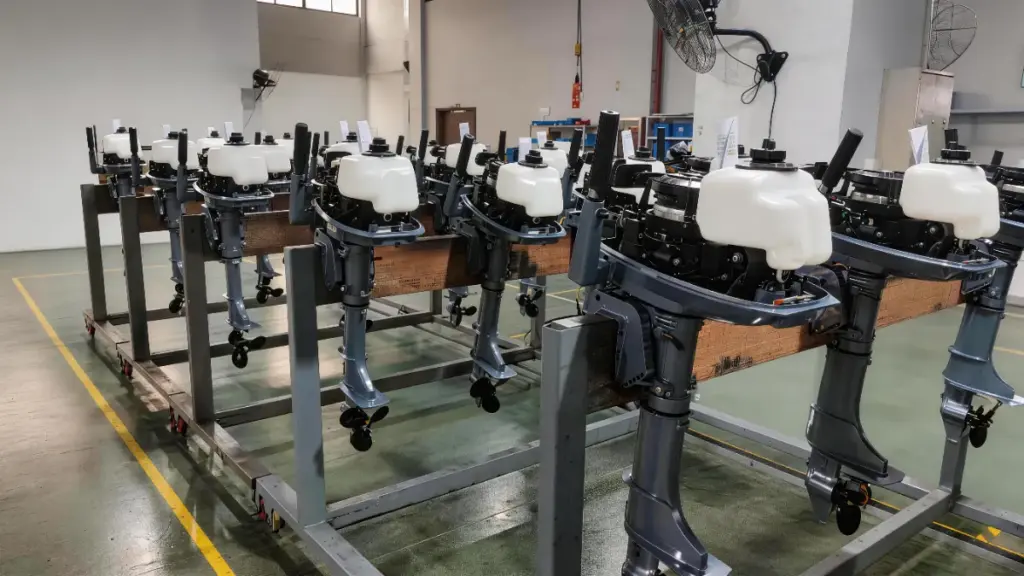
船外機の重量は、その基本設計と選択したオプションによって決まります。. エンジンの排気量と使用材料, 軽量アルミニウム合金のような, ベースラインを設定する. シャフトの長さなどの特徴, 電動スタート, パワートリムと機能的な重量を追加, パワーと機能のバランスが取れた最終的なフィギュアを作成する.
4ストローク船外機の重量は馬力だけでは決まりません。. 出力が高いエンジンは当然重量も重くなりますが、, いくつかの設計および構成要素が船外機の最終重量に大きく影響する可能性があります。.
これらの要素を理解することは、ボート所有者がさまざまなブランドを評価する際に適切なエンジンを選択し、モデルをより正確に比較するのに役立ちます。.
エンジンの排気量とシリンダー構成
エンジン排気量は船外機の重量に最も大きく影響するものの 1 つです.
排気量が大きいエンジンには通常、より大きなブロックが必要です, ピストン, クランクシャフト, および冷却システム. 単気筒のポータブル船外機の重量は以下の場合があります。 20 kg, 一方、オフショア用途向けに設計された多気筒エンジンの重量は数百キログラムになることがあります。.
気筒数も重要な役割を果たします. 複気筒, 3気筒, 4 気筒エンジンはよりスムーズな動作と優れたパワー供給を実現します。, ただし、より多くのコンポーネントが必要となるため、重量が増加します.
シャフトの長さ
船外機は一般的に入手可能です:
- ショートシャフト (15″)
- ロングシャフト (20″)
- エクストラロングシャフト (25″)
- 超ロングシャフト (30″)
シャフトが長いほど、より長いドライブシャフト ハウジングが必要になります, 追加の材料, より長い内部ドライブシャフトアセンブリ. 結果として, 同じエンジンのロングシャフトバージョンは通常、ショートシャフトモデルよりも数キログラム重くなります。.
始動およびトリムシステム
追加機能により、船外機の総重量が増加する可能性もあります.
例えば:
- 電気始動システムにスターターモーターを追加, 充電システム, 配線, とバッテリー.
- パワートリムおよびチルトシステムには、油圧ポンプと強化された取り付けコンポーネントが追加されています.
- Larger alternators and onboard charging systems contribute additional weight.
While these features improve convenience and usability, they should be considered when calculating total transom load.
Fuel System and Emission Technology
Modern 4-stroke outboards are designed to meet increasingly strict environmental standards.
電子燃料噴射装置 (EFI) systems improve fuel efficiency, throttle response, and cold-start performance. しかし, 燃料ポンプ, センサー, electronic control units, and related components add weight compared with simpler carbureted systems.
The same principle applies to advanced emission-control technologies found on many modern outboards.
Materials and Structural Design
The materials used in construction can make a noticeable difference in overall engine weight.
で ニュートップ, we focus on achieving an effective balance between durability and portability by utilizing lightweight aluminum alloy components and optimized structural designs wherever possible. This allows our outboard motors to deliver dependable performance while keeping weight under control for easier handling, 交通機関, and installation.
Gearcase and Intended Application
The lower unit, or gearcase, is another important factor affecting total weight.
Outboard motors designed for commercial use, heavy-duty fishing applications, or larger boats often feature stronger gearcases and reinforced internal components. These designs improve durability and torque handling but naturally increase engine weight.
対照的に、, portable outboards are optimized for mobility and ease of transport, resulting in lighter overall construction.
4-Stroke vs 2-Stroke Weight: How Much Heavier Is a 4-Stroke?
On average, a 4-stroke outboard is about 10–25% heavier than a 2-stroke motor with the same horsepower. This extra weight comes from a more complex mechanical design, including a valve train and a self-contained oil system, which 2-stroke engines do not have.
Core Mechanical Reasons for the Extra Weight
Four-stroke engines are fundamentally more complex. They include a dedicated valve train with camshafts, バルブ, and springs to control intake and exhaust. Two-stroke engines use a simpler port design, eliminating the need for these heavy components.
They also need a self-contained lubrication system. This includes an oil sump to hold the oil and a pump to circulate it, unlike the simpler fuel-and-oil mixture that lubricates a 2-stroke. This adds significant weight and bulk.
All these additional parts require a larger and more robust engine block for support. The extra structural reinforcement is a direct contributor to the motor’s overall dry weight, making the 4-stroke heavier before any fluids are even added.
Weight Difference by Horsepower Range
The weight gap between 4-strokes and 2-strokes isn’t constant; it grows as horsepower increases. The relative difference is typically between 10% そして 25% across the board.
In the portable class (under 25 HP), a 4-stroke is often 10 に 20 pounds heavier. While that may not sound like much, it’s a noticeable difference when you have to lift the motor on and off a small boat or tender.
For mid-range engines (30 に 90 HP), the weight difference increases to about 25 に 60 ポンド. This amount of extra weight on the transom can affect a boat’s hole shot, planing ability, and how it sits in the water at rest.
The gap is most significant with high-power outboards (100 HP and up). Here, 4-stroke models can easily weigh 40 に 100 pounds more than their 2-stroke counterparts. On multi-engine setups, this extra weight is multiplied and becomes a critical factor in boat performance and balance.
If you’re also considering a 2-stroke engine, be sure to read our Two-Stroke Outboard Weight Guide for a detailed comparison of weight ranges across different horsepower levels. Understanding the weight differences between 2-stroke and 4-stroke outboard motors can help you choose the best option for your boat and intended application.
How to Select the Right 4-Stroke Weight for Your Boat
Choosing the right 4-stroke motor weight involves balancing your boat’s official capacity with your performance needs. Start by checking the manufacturer’s capacity plate for maximum horsepower and engine weight limits. それから, select the lightest engine in your target horsepower class that can efficiently handle your typical load of fuel, ギヤ, and passengers.
Evaluate Your Boat’s Capacity and Performance Needs
Before comparing specific motors, you need to understand your boat’s structural and performance limits. Every hull is designed to support a specific weight and horsepower on its transom. Exceeding these limits can harm performance and create unsafe handling conditions.
The first step is to check your boat’s capacity plate, usually found near the helm or on the transom. This plate specifies the maximum horsepower and engine weight the hull can safely handle. Never exceed these ratings, as it could overstress the transom and void your warranty or insurance.
Engine weight directly affects your boat’s static trim, which is how it sits in the water at rest. A motor that is too heavy will cause the stern to sit low. This can let water enter through the scuppers, creating a wet cockpit and reducing stability.
A useful guideline for planing hulls is to have one horsepower for every 25 に 40 pounds of total boat weight. A ratio closer to 25 pounds per horsepower delivers strong acceleration, while a ratio near 40 pounds per horsepower provides more economical cruising.
Choosing a motor that’s too heavy strains the hull, hurts fuel efficiency, and makes the boat harder to handle. A motor that’s too light or underpowered will struggle to get on plane and run at high RPMs just to maintain speed, which reduces its lifespan and burns more fuel.
A Practical Method for Choosing the Right Motor
With your boat’s limits in mind, you can follow a clear process to find the ideal motor. This method helps you match engine specs to your real-world activities on the water.
Start by estimating your boat’s fully loaded weight. This includes the hull, 燃料, batteries, safety gear, and the typical number of passengers you carry. This estimate helps you apply the weight-to-horsepower guideline to find your ideal power range.
次, define how you use your boat most often. If you mainly do light cruising with few passengers, a lighter motor at the lower end of your boat’s rating will work well. But if you tow skiers, carry heavy fishing gear, or run offshore, you’ll need more power and should look at options closer to the maximum horsepower rating.
Once you have a target horsepower class, compare the weights of different models within that class. You can sometimes find a motor that offers a significant horsepower increase for only a minor weight gain. If the added weight still fits within your boat’s capacity, this is often a great way to improve performance.
ついに, calculate the total installed weight before making a decision. This includes the engine’s dry weight plus fluids, the propeller, and all rigging components. This final number gives you the true weight on your transom and ensures your choice will deliver safe, balanced, and efficient performance.
最終的な考え
When comparing outboard motors, horsepower alone does not tell the full story. Weight influences boat balance, 加速度, 燃費, 交通機関, and long-term operating costs. Understanding the relationship between horsepower and engine weight helps boat owners choose a motor that delivers reliable performance without compromising safety or handling.
Whether you need a lightweight portable outboard for a small fishing boat or a high-power solution for demanding marine applications, ニュートップ continues to develop dependable outboard motors designed to balance power, 効率, 耐久性, and practical weight requirements for global users.
よくある質問
How much does a 4-stroke outboard motor weigh?
The weight depends on horsepower. Small portable models may weigh as little as 13 kg (29 ポンド), while large offshore engines can exceed 360 kg (794 ポンド).
What is the lightest 4-stroke outboard motor?
ほとんど 2.5 HP 4-stroke outboards are among the lightest available, 通常は次の間で重さを量ります 13 そして 18 kg (29-40 ポンド).
How much does a 15 HP 4-stroke outboard weigh?
A typical 15 HP 4-stroke outboard weighs between 43 そして 52 kg (95-115 ポンド), depending on shaft length and starting system.
How much does a 20 HP 4-stroke outboard weigh?
ほとんど 20 HP 4-stroke outboards weigh approximately 45-60 kg (99-132 ポンド).
Are 4-stroke outboards heavier than 2-stroke?
はい, for any given horsepower, a 4-stroke outboard is heavier than a comparable 2-stroke. This is because 4-strokes have more complex internal parts, such as a valve train, カムシャフト, and a separate oil lubrication system, which all add weight.
How much does a 150 HP 4-stroke outboard weigh?
Most modern 150 HP 4-stroke outboards weigh between 205 そして 240 kg (452-529 ポンド).
Does shaft length affect outboard motor weight?
はい, shaft length does add to an outboard’s total weight. A long-shaft model is heavier than a short-shaft version of the same engine because its driveshaft and housing require more material. The weight difference is usually just a few pounds but is listed in manufacturer specs.
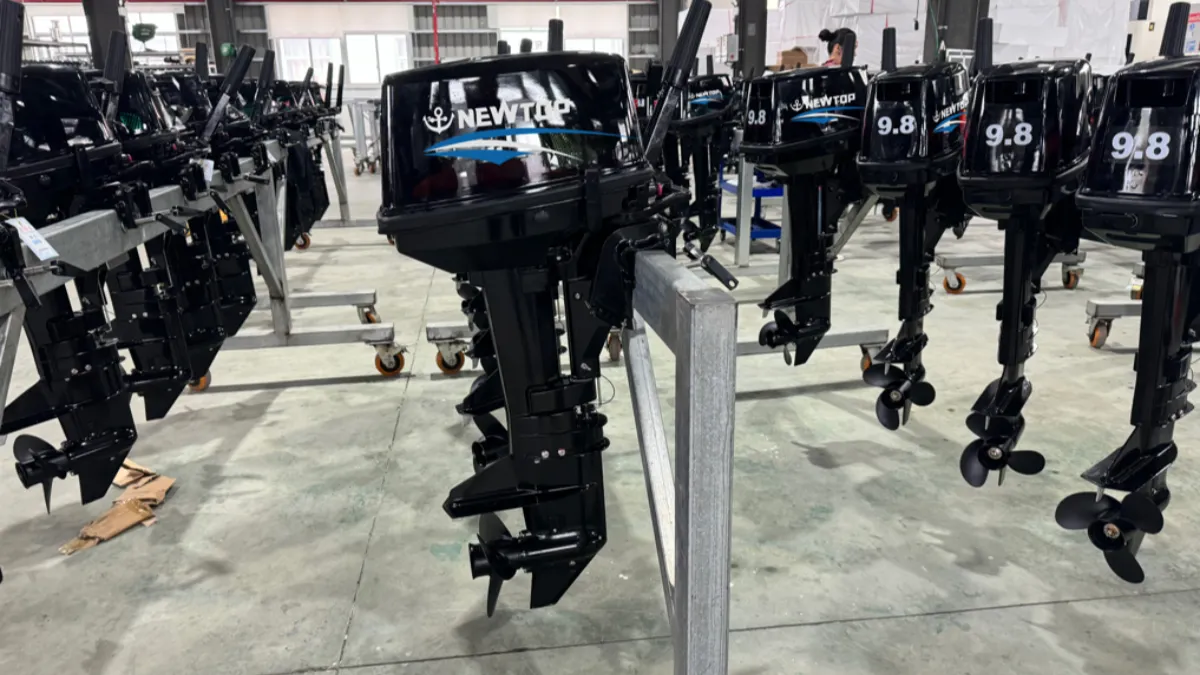
When selecting 船外機, horsepower is often the first specification buyers consider. しかし, weight can be just as important, especially for small boats, インフレータブルボート, fishing vessels, 作業船, and portable marine applications.
One reason 2-stroke outboard motors remain popular in many markets is their favorable power-to-weight ratio. Compared with equivalent 4-stroke models, 2-stroke engines generally deliver similar output while carrying less weight, making them easier to transport, install, and operate.
This guide compares typical 2-stroke outboard motor weights across different horsepower ranges and explains how weight influences boat performance, 燃費, and handling.
Why 2-Stroke Outboard Weight Gives a Performance Edge
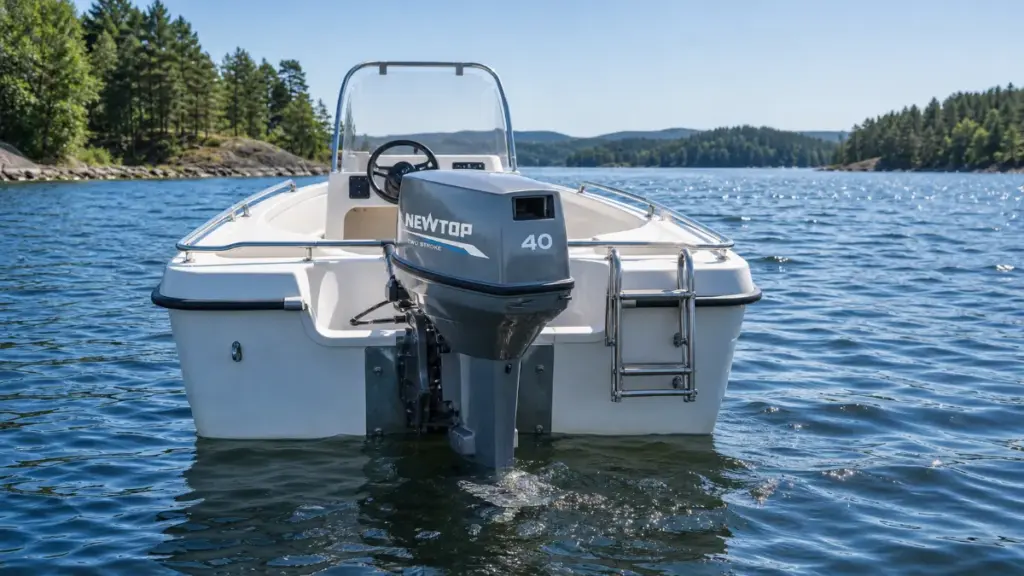
A lighter 2-stroke outboard improves a boat’s performance by offering a superior power-to-weight ratio. With less mass on the transom, a hull accelerates faster, handles more responsively, and maintains a better running attitude, turning raw horsepower into practical on-water speed and agility.
A lighter outboard motor can provide several advantages:
- Faster acceleration from a standstill
- Improved hole shot performance
- Quicker planing
- Better maneuverability
- 輸送と設置が容易
- Reduced transom stress
- Increased payload capacity
例えば, a small fishing boat powered by a 15 HP 2-stroke outboard may carry 10–20 kg less engine weight than a comparable 4-stroke model. That weight difference can be used for additional fuel, fishing equipment, cargo, or passengers.
In many developing and remote markets, 2-stroke outboards remain popular because of their simple design, 簡単なメンテナンス, and favorable power-to-weight ratio.
2-Stroke Outboard Weight Comparison by Horsepower
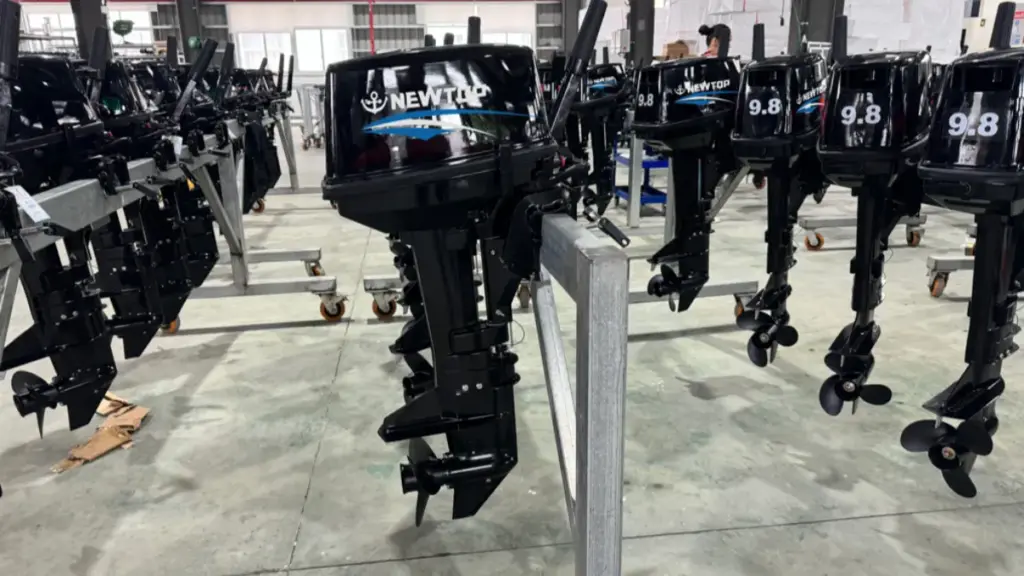
2-stroke outboard motors are known for their favorable power-to-weight ratio across a wide horsepower range. 2-stroke outboard motors typically weigh between 14 kgと 190 kg (30–420 lbs), depending on horsepower, シャフトの長さ, and engine configuration.
Compared with similarly rated 4-stroke outboards, 2-stroke designs generally achieve lower overall weight thanks to their simpler mechanical structure and fewer internal components.
注記: Weight specifications can vary significantly between outboard motor manufacturers and engine configurations. The tables below show typical dry weight ranges commonly found across the global 2-stroke outboard market.
Portable 2-Stroke Weight Chart (2.5-15 HP)
Portable 2-strokes in the 2.5 に 15 HP range are designed for easy carrying and mounting on small tenders, jon boats, and inflatables. Their low weight makes a noticeable difference in trim and manual handling, a key reason they are valued on car-toppers and other small craft.
| 馬力 (HP) | Typical Dry Weight (kg) | Typical Dry Weight (ポンド) |
|---|---|---|
| 2.5 HP | 14–18 kg | 30–40 lbs |
| 4–5 HP | 16–25 kg | 35–55 lbs |
| 6 HP | 20–29 kg | 45–65 lbs |
| 8 HP | 25–34 kg | 55–75 lbs |
| 9.9 HP | 32–43 kg | 70–95 lbs |
| 15 HP | 39–54 kg | 85–120 lbs |
Mid-Range 2-Stroke Outboard Weights (18-40 HP)
Mid-range 2-strokes are a popular choice for fishing boats, スキッフ, アルミボート, and RIBs where a strong power-to-weight ratio is important. This category provides enough power for fast planing while keeping overall transom weight relatively low.
| 馬力 (HP) | Typical Dry Weight (kg) | Typical Dry Weight (ポンド) |
|---|---|---|
| 18-20 HP | 34–50 kg | 75–110 lbs |
| 25 HP | 39–59 kg | 85–130 lbs |
| 30 HP | 43–66 kg | 95–145 lbs |
| 40 HP | 54–77 kg | 120–170 lbs |
High-Horsepower 2-Stroke Weight Table (50-150 HP)
As horsepower increases, engine weight rises significantly. しかし, 2-stroke outboards generally maintain a favorable power-to-weight ratio compared with similarly rated 4-stroke engines. This advantage can help improve acceleration, planing performance, and overall boat responsiveness.
| 馬力 (HP) | Typical Dry Weight (kg) | Typical Dry Weight (ポンド) |
|---|---|---|
| 50 HP | 64–86 kg | 140–190 lbs |
| 60 HP | 70–95 kg | 155–210 lbs |
| 70 HP | 82–109 kg | 180–240 lbs |
| 90 HP | 100–132 kg | 220–290 lbs |
| 115 HP | 113–150 kg | 250–330 lbs |
| 150 HP | 154–191 kg | 340–420 lbs |
耐久性のある船外機でビジネスを強化
What Makes 2-Stroke Outboards Lighter: Mechanical Simplicity
The primary reason 2-stroke outboards weigh less is their simpler internal design.
Unlike 4-stroke engines, traditional 2-stroke outboards do not require:
- Camshafts
- Timing chains
- Timing belts
- Intake valves
- Exhaust valves
- Complex valve train components
Because power is produced every crankshaft revolution rather than every other revolution, the engine can generate strong output with fewer moving parts.
Typical Weight-Saving Components
| 成分 | 2-脳卒中 | 4-脳卒中 |
|---|---|---|
| Valve Train | いいえ | はい |
| Camshaft | いいえ | はい |
| Timing System | いいえ | はい |
| Engine Oil System | よりシンプルに | More Complex |
| Internal Parts Count | より低い | より高い |
For more information about 2-stroke outboard motors vs 4-stroke outboard motors, you can read this blog: 2 脳卒中 vs 4 ストローク船外機: 市場にとってどちらが良いのか.
How Weight Affects Hole Shot, Planing, and Fuel Efficiency
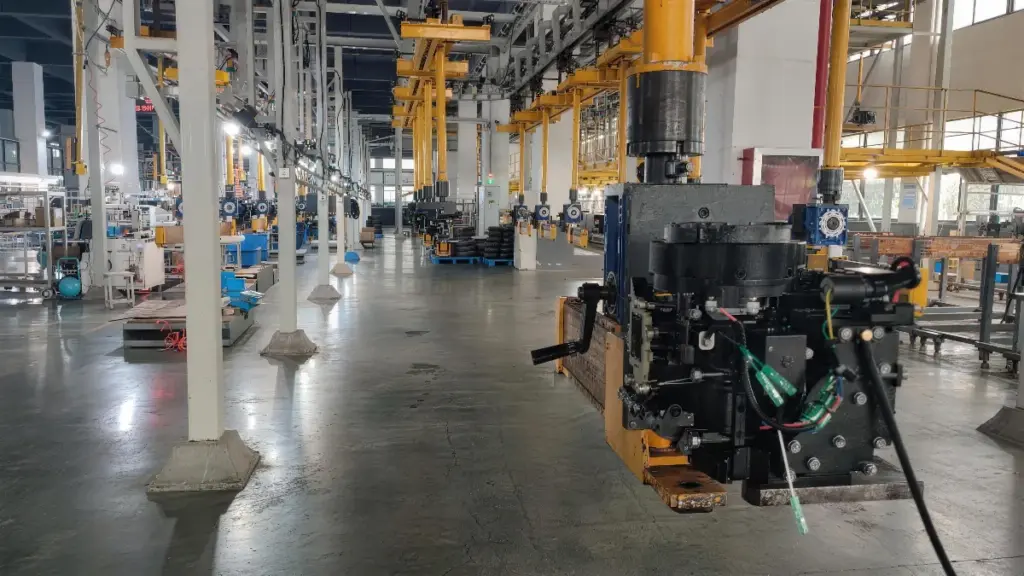
Many boat owners focus only on horsepower, but weight significantly influences real-world performance.
Hole Shot
Hole shot refers to how quickly a boat accelerates from idle speed to planing speed.
A lighter engine reduces the amount of mass the hull must lift during acceleration.
Benefits include:
- Faster launch
- Better towing performance
- Improved responsiveness
- More efficient operation under heavy loads
This is particularly important for fishing boats that frequently stop and start throughout the day.
Planing Performance
Planing occurs when the hull rises and glides over the water rather than pushing through it.
Excessive stern weight can delay planing and increase fuel consumption.
A lighter outboard often helps:
- Reach plane sooner
- Maintain plane at lower throttle settings
- Improve overall ride quality
燃費
Fuel consumption depends on multiple factors, 含む:
- Boat design
- Propeller selection
- Engine tuning
- Operating speed
- Total vessel weight
Reducing weight generally decreases the energy required to move the boat.
Although fuel savings vary by application, lighter outboards often improve overall operating efficiency, especially on smaller vessels.
Selecting the Right 2-Stroke Weight for Your Application
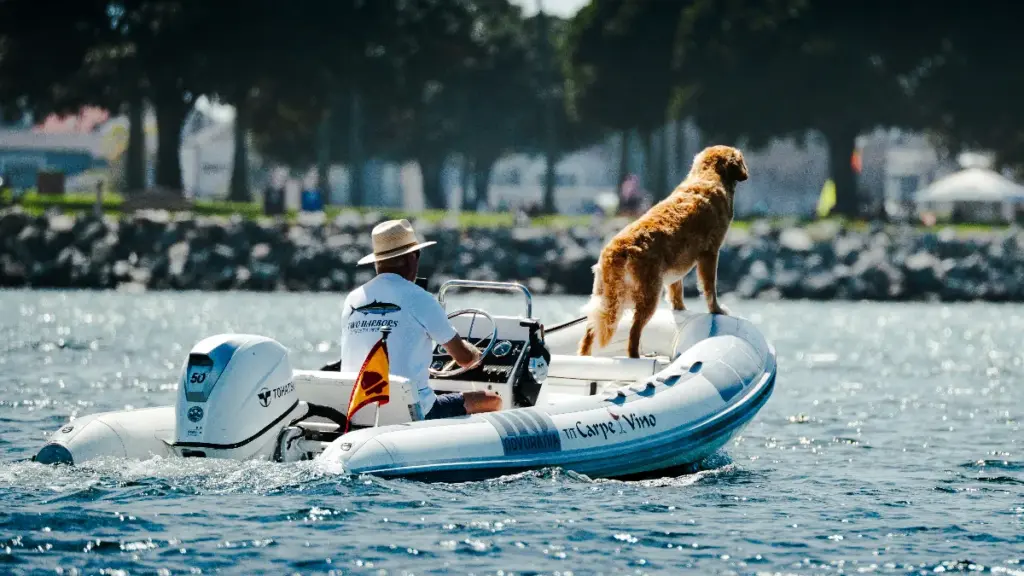
The lightest engine is not always the best choice.
その代わり, operators should match engine weight to vessel size, 使用目的, and load requirements.
| ボートの種類 | Typical HP Range | Recommended Engine Weight | 一般的なアプリケーション | Key Priority |
|---|---|---|---|---|
| Small Inflatable Boats | 2.5–9.9 HP | 14–43 kg (30–95 lbs) | Tenders, ディンギー, recreational boating, portable fishing setups | Easy transportation |
| 小型漁船 | 15–30 HP | 39–66 kg (85–145 lbs) | Inland fishing, river transport, coastal operations | Balance between portability and performance |
| 商用作業船 | 40–90 HP | 54–132 kg (120–290 lbs) | Cargo transport, passenger services, daily commercial use | Reliability and load capacity |
| Offshore & High-Speed Boats | 115–150HP | 113–191 kg (250–420 lbs) | Offshore fishing, 救助活動, patrol vessels, high-performance boating | Maximum performance and durability |
For a deeper look at how different outboard motor types perform across fishing, 輸送, およびレジャー用途, 詳細なガイドをご覧ください here.
Looking for Reliable 2-Stroke Outboard Motors?
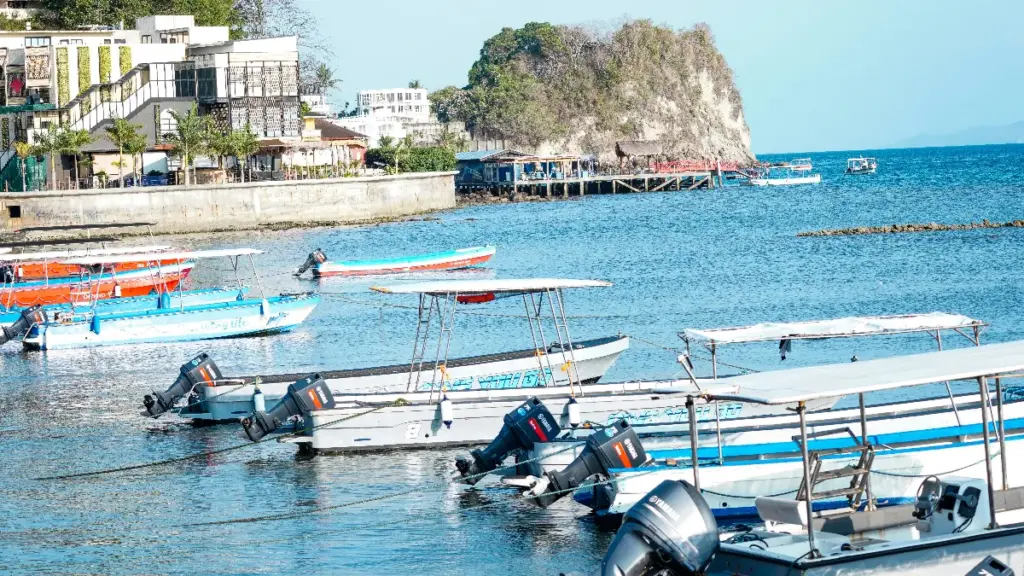
ニュートップ manufactures a wide range of gasoline-powered marine engines designed for fishing, 輸送, and commercial marine applications. With extensive OEM and ODM experience, NEWTOP supports distributors, 卸売業者, and marine equipment brands in global markets.
主な利点は次のとおりです。:
- Competitive power-to-weight ratios
- 安定した 生産能力
- OEM and private-label support
- Spare parts availability
- Quality control throughout manufacturing
- Technical documentation and after-sales support
Whether you need portable outboards for inflatable boats or higher-horsepower solutions for commercial vessels, NEWTOP can provide tailored products for your market requirements.
よくある質問
How much does a 2-stroke outboard motor weigh?
The weight depends on horsepower. Small portable 2-stroke outboards may weigh as little as 10–14 kg, while large 300 HP models can exceed 300 kg.
How much does a 15 HP 2-stroke outboard weigh?
ほとんど 15 HP 2-stroke outboards weigh approximately 39-54 kg, depending on shaft length and starting system.
How much does a 30 HP 2-stroke outboard weigh?
あ 30 HP 2-stroke outboard generally weighs between 110 そして 145 ポンド. It fits between the lighter 20 HP class and the heavier 40 HP class, with the final weight depending on its specific configuration.
How much does a 40 HP 2-stroke outboard weigh?
あ 40 HP 2-stroke outboard motor typically weighs between 150 そして 190 ポンド. This weight can change based on the manufacturer, シャフトの長さ, and whether it includes systems like power trim and tilt.
Why are 2-stroke outboards lighter than 4-stroke?
Two-stroke outboards are lighter due to their simpler design. They do not have the separate valve train, カムシャフト, and other complex internal parts found in 4-stroke engines. Fewer components result in a more compact and lightweight powerhead for the same horsepower.
How much does a 150 HP 2-stroke outboard weigh?
あ 150 HP 2-stroke outboard typically weighs between 390 そして 460 ポンド. The exact weight is influenced by the model’s gearcase design, fuel system, and whether it’s a direct-injection or carbureted model.
What is the lightest 2-stroke outboard motor?
The lightest 2-stroke outboard motors are generally in the 2.5 HP class, weighing as little as 30 に 40 ポンド. These small, single-cylinder engines are designed for ultimate portability, making them easy to carry and mount on small boats like dinghies or canoes.
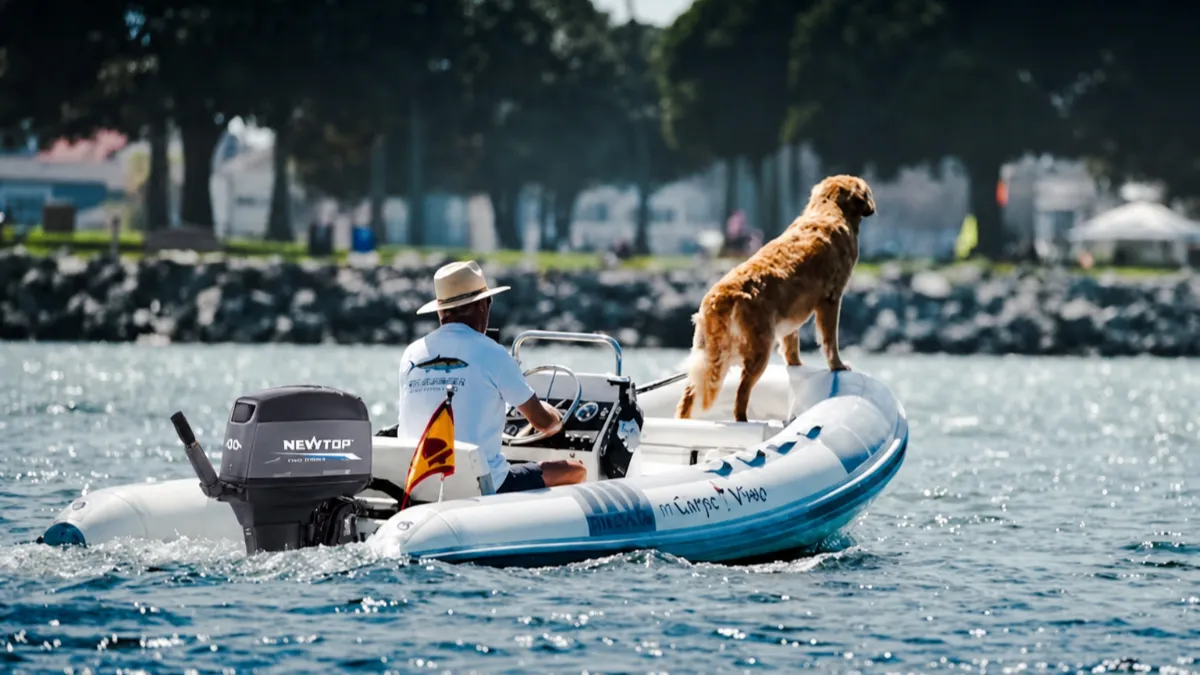
適切な船外機のサイズは次のとおりです。 4 重要な要素: あなたのボートの長さ, 総積載重量, トランサムの高さ, ボートをどのように使用する予定ですか. 小さな 漁船 穏やかな湖で使用される船には、沿岸海域で航行する高負荷の作業船とはまったく異なるエンジンが必要です。.
このガイドでは, ボートのタイプに基づいて適切な船外機を選択する方法を学びます, 重さ, 現実世界のアプリケーション. おすすめの馬力も解説します, シャフトの長さの選択, よくあるサイズ間違い, 2ストロークエンジンと4ストロークエンジンの違い. 経験豊富な船外機メーカーとして, ニュートップ 販売代理店や OPE 機器ブランドが、さまざまな市場やボートのニーズに合った信頼性の高い船外機を選択するのに役立ちます.
船外機のサイズ選択が重要な理由
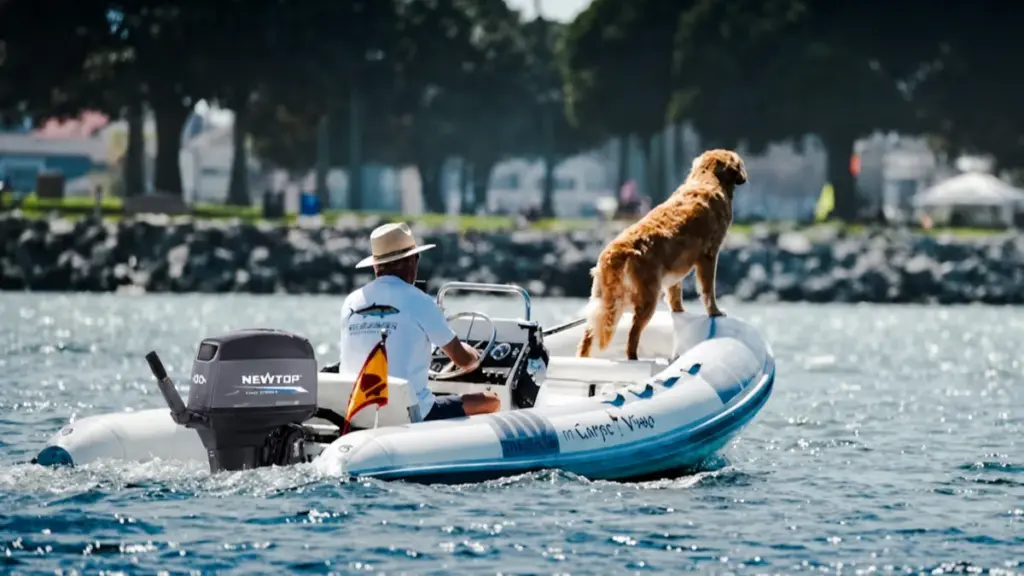
船外機のサイズはボートの最大馬力定格と一致する必要があります, フル積載重量, および動作条件. ボートの長さは出発点にすぎません.
多くの購入者はまず次の質問をします。, “16フィートのボートにはどのくらいのサイズのモーターが必要ですか?” ボートの長さは参考になりますが、, それはすべてを物語るわけではありません. 同じ長さの 2 つのボートでも、船体のデザインが大きく異なる場合があります。, 重み, そして収容力, 異なる馬力要件につながる.
例えば:
| ボート | 乾燥重量 | 一般的な負荷 | 推奨HP |
|---|---|---|---|
| 16 フィートアルミニウム漁船 | 750 ポンド | 2 釣り人 + ギヤ | 40-50 HP |
| 16 フィートグラスファイバー漁船 | 1,250 ポンド | 4 乗客 + ギヤ | 60-75 HP |
どちらのボートも計測していますが、 16 足, グラスファイバー製の船体が重くなると、加速するためにより多くのパワーが必要になります, プレーニング速度に達する, 巡航性能を維持する.
適切な船外機のサイズはいくつかの要因によって決まります:
- ボートの長さ 初期馬力範囲を提供します.
- フル積載重量 実際のエンジン要件に最も大きな影響を与える.
- 船体設計 ボート飛行機の乗りやすさに影響を与える. 平底ボートは通常、ディープ V 船体よりも少ない電力で済みます。.
- 乗客および貨物の重量 エンジンが動かさなければならない総負荷が大幅に増加する可能性があります.
- 水の状態 それも重要. 沿岸海域を航行するボート, 流れの激しい川, 荒れた湖では、メーカーの推奨範囲内で馬力を追加することで恩恵を受けることがよくあります。.
もう一つ見落とされがちな点は、 エンジンの作動効率. 小型のエンジンは、巡航速度を維持するためだけに、より高いスロットル設定で頻繁に動作します。. 時間とともに, これにより燃料消費量が増加し、エンジンコンポーネントへの負担が大きくなります。. 適切に適合したエンジンは、通常、よりスムーズなパフォーマンスと優れた燃費を実現しながら、より低い RPM で巡航します。.
しかし, 利用可能な最大のエンジンを選択することが常に最良の解決策であるとは限りません. すべてのボートにはメーカーによって定められた最大馬力定格があります。. その制限を超えると取り扱いに影響が出る可能性があります, トランサムに過負荷をかける, 地域の安全規制や保険要件に違反する可能性があります.
経験則: 最小定格または最大定格を自動的に選択するのではなく、ボートメーカーの推奨馬力範囲内に快適に収まるエンジンを選択してください。.
ボートの長さ別の船外機馬力ガイド: 早見表
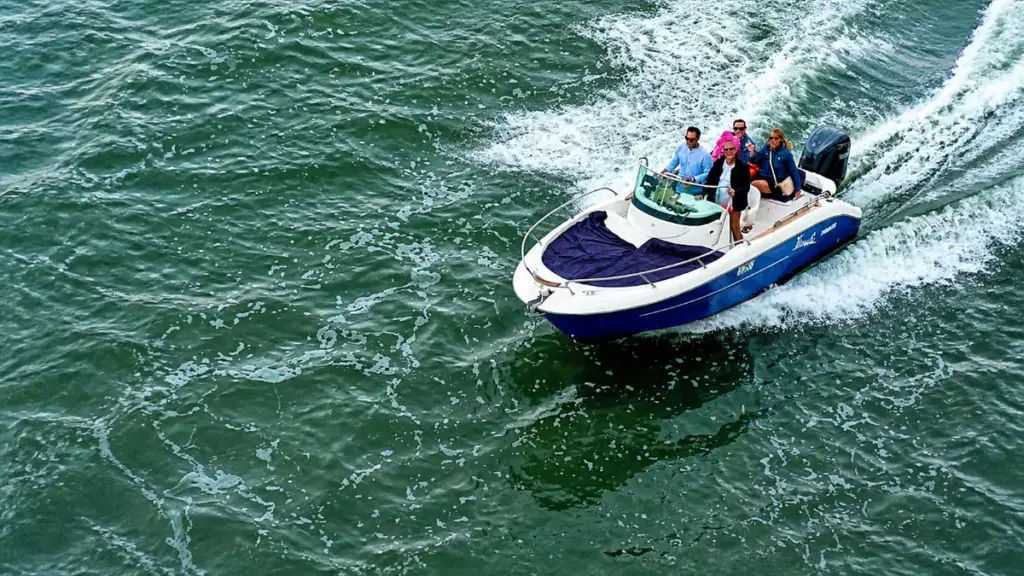
次の表は、一般的なレクリエーション用および商用ボート用の典型的な船外機馬力の推奨値をまとめたものです。.
| ボートの長さ | 軽い娯楽用途 | 重荷重・業務用 | 最大HP (典型的な) |
|---|---|---|---|
| 8–10フィート | 2-6 HP | 6 HP | 6-10 HP |
| 10–12フィート | 5–9.9 HP | 9.9-15 HP | 15 HP |
| 12–14フィート | 9.9-20 HP | 20–25 HP | 25 HP |
| 14–16フィート | 20-40 HP | 40-60 HP | 60 HP |
| 16–18フィート | 40-60 HP | 60–90 HP | 90 HP |
| 18–20フィート | 90–115 HP | 115–150HP | 150 HP |
| 20–24フィート | 150-200馬力 | 200–250HP | 250 HP+ |
これらの推奨事項は汎用ボートに適用されます. エンジンを購入する前に、ボートの容量プレートに記載されている最大馬力を必ず確認してください。.
必要な船外機のサイズがわからない?
船外機のサイズをボートのタイプに合わせる: ディンギー, 漁船, ポンツーン, と作業船
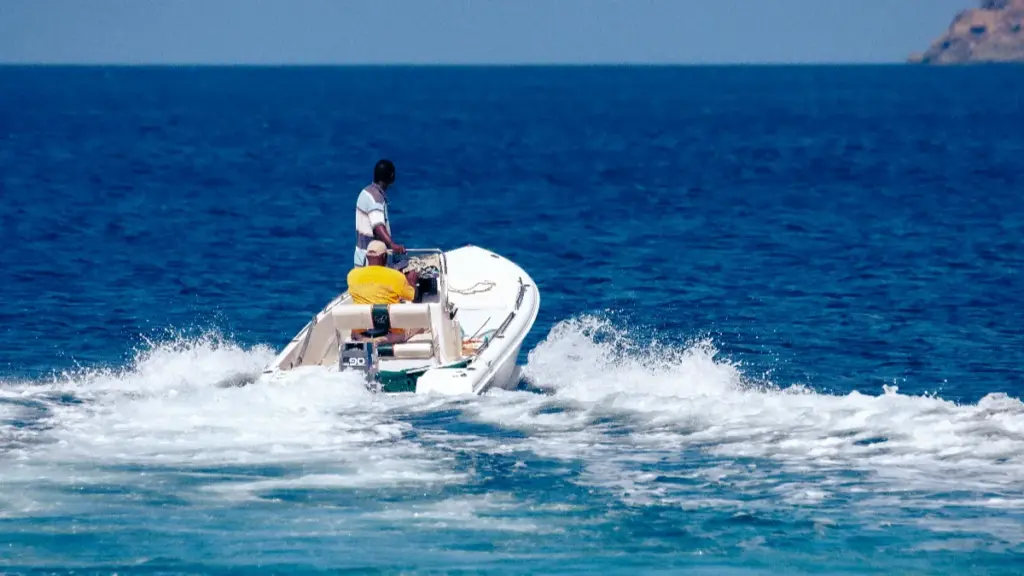
ボートの設計が異なれば性能特性も異なります. 同様の寸法のボートでも、船体の形状により必要なエンジン サイズが異なる場合があります。, 重量配分, そして使用目的.
ディンギーとゴムボート
インフレータブルボートは軽量で移動が簡単です. 通常は小型の船外機のみが必要です.
典型的な推奨事項には次のものがあります。:
| ボートの長さ | 推奨HP |
|---|---|
| 8 フィート | 2-4 HP |
| 9 フィート | 4-6 HP |
| 10 フィート | 5-8 HP |
| 12 フィート | 8-15 HP |
ドックと大型船舶の間の短距離を移動するために使用されるテンダー用, 多くの場合、最大速度よりも移植性の方が重要です. 通常、軽量のポータブル船外機が最も実用的なソリューションです。.
アルミ漁船
アルミボートは軽量で耐久性に優れているため人気があります。.
一般的な推奨事項は次のとおりです。:
| ボートの長さ | 推奨HP |
|---|---|
| 12 フィート | 9.9-15 HP |
| 14 フィート | 15–25 HP |
| 16 フィート | 40-50 HP |
| 18 フィート | 60–90 HP |
ポンツーンボート
ポンツーンボートは高速性よりも快適さと乗客定員を優先します.
一般的な馬力範囲には次のものがあります。:
| ポンツーンのサイズ | 推奨HP |
|---|---|
| 16–18フィート | 25-60 HP |
| 20 フィート | 60–90 HP |
| 22 フィート | 90–150HP |
| 24 フィート+ | 150–250HP |
ポンツーンがチュービングやスキーなどのウォータースポーツに使用されている場合, より高い馬力のエンジンを選択すると、より強力な加速とより良い牽引性能が得られます。.
商用作業船
商用事業者は信頼性を重視することが多い, 燃費, 最高速度を超えた長時間の運転.
アプリケーションに応じて, 推奨されるエンジン サイズの範囲は次のとおりです。:
- 40-60 馬力 (小型多目的ボート用)
- 90–150馬力(輸送船用)
- 150-300 馬力の大型商用作業船向け
ニュートップ 信頼できるものを提供します 船外機 要求の厳しい環境でもパフォーマンスを発揮するように構築されています, 漁業活動に適したものにする, 海上輸送, 救助サービス, 一貫したパフォーマンスが不可欠なその他の商用アプリケーション.
シャフトの長さ: ショートシャフトとロングシャフトの説明
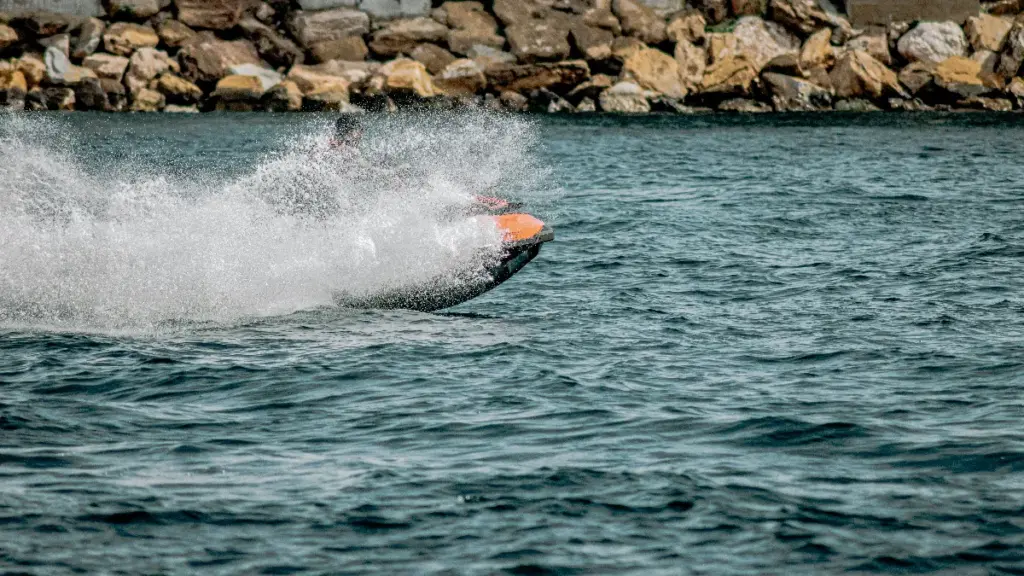
正しいシャフトの長さにより、プロペラが水中で適切な深さに維持されます。. 適切な馬力であっても、不適切なサイズのシャフトを補うことはできません。.
多くの購入者は馬力だけを重視し、設置するまでシャフトの長さを無視します。. 実際に, シャフトの長さが間違っていると、エンジン サイズを間違って選択するのと同じくらいパフォーマンスが低下する可能性があります。.
標準シャフト長さ
| シャフトの種類 | 長さ | 一般的なアプリケーション |
|---|---|---|
| 短い (S) | 15 で (381 mm) | ジョン・ボート, ディンギー, 小さなアルミボート |
| 長さ (L) | 20 で (508 mm) | 漁船, ポンツーン, センターコンソール |
| エクストラロング (XL) | 25 で (635 mm) | オフショアボート, 商業ボート |
| ウルトラロング (XXL) | 30 で (762 mm) | 特化したオフショアアプリケーション |
2-ストローク vs 4 ストローク: エンジンの種類がサイズの選択に与える影響
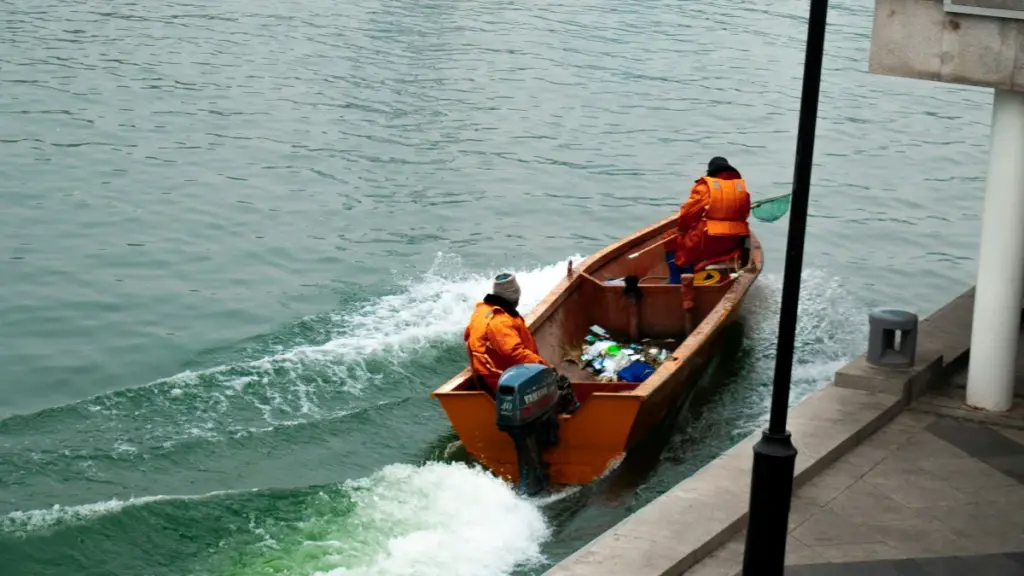
必要な馬力を見積もったら, 次に決めるのは、2ストローク船外機か4ストローク船外機のどちらを選ぶかです。. どちらのエンジンタイプも優れたパフォーマンスを提供します, ただし、パワーの伝達方法が異なるため、選択する馬力に影響を与える可能性があります.
2-ストローク船外機
2ストロークエンジンはクランクシャフトが1回転するたびに動力を発生します。, より高いパワーウェイトレシオを与える.
利点としては次のものが挙げられます。:
- 全体の重量が軽くなる
- 力強い加速
- シンプルな機械設計
- 輸送と設置が容易
- ポータブルアプリケーションに最適
軽いので, 2 ストローク船外機は、船尾重量を低く保つことが重要な小型ボートに適した選択肢です。.
代表的なアプリケーションには次のものがあります。:
- ゴムボート
- 小型漁船
- ユーティリティボート
- ポータブルテンダー
4-ストローク船外機
4 ストローク エンジンは 2 回転ごとにパワーを生成しますが、よりスムーズで洗練された動作を実現します。.
利点としては次のものが挙げられます。:
- 燃費の向上
- 排出量の削減
- より静かな動作
- より長い耐用年数
- メンテナンス頻度の低減
これらの特性により、4 ストローク エンジンは、レクリエーションのボート遊びや水上で長時間過ごす商業ユーザーにとって好ましい選択肢となっています。.
エンジンの種類によって必要な馬力は変わりますか?
顕著ではない.
ボートに約 60 HP, どちらも 60 HP 2ストロークと 60 HP 4 ストロークも同様のトップエンドのパフォーマンスを発揮します.
しかし, 実際的な違いはあります.
4 ストロークが重いとトランサムにかかる重量が大きくなります, 小型ボートのバランスにわずかに影響を与える可能性があります. 対照的に, 2 ストロークの軽量化により、コンパクトな船舶でのハンドリングが向上します。.
どちらかを選択する購入者向け, 優先順位を考える:
| 優先度 | より良い選択 |
|---|---|
| 最低重量 | 2-脳卒中 |
| 燃費 | 4-脳卒中 |
| 静かな動作 | 4-脳卒中 |
| 速い加速 | 2-脳卒中 |
| 業務用の長時間使用 | 4-脳卒中 |
| ポータブルアプリケーション | 2-脳卒中 |
どのエンジンタイプが自分のニーズに最も適しているかをまだ決めていない場合, の詳細な比較を調べることもできます。 2-脳卒中vs. 4-ストローク船外機 そして さまざまな種類の船外機 さまざまなボート用途における利点をより深く理解するために.
最終的な考え
ほとんどのユーザーにとって, ボートの長さが開始基準となります, ただし、最終的な選択は重量と使用方法によって決まります. 適切にマッチングされたエンジンにより加速が向上します, 燃費, そして長期的な信頼性, 一方、サイズが不適切だと、たとえ高品質のボートであってもパフォーマンスが低下する可能性があります。.
どの船外機があなたの市場や用途に最適であるかはまだわかりません? ニュートップズ エンジニアリングチームと営業チームが適切な馬力の推奨をお手伝いします, シャフトの長さ, さまざまなボートのタイプと動作条件に基づいたエンジン構成. 専門家のアドバイスやカスタマイズされた OEM ソリューションについては、今すぐお問い合わせください。.
よくある質問
14フィートのボートにはどのくらいのサイズの船外機が必要ですか?
一般的な 14 フィートのボートは、15 ~ 25 馬力の船外機で良好に動作します。. 釣りに使用される軽量アルミニウムボートには、必要なものだけが必要です。 15 HP, 一方、より重いグラスファイバー製のボートや複数の乗客を乗せたボートでは、20 ~ 25 馬力のエンジンの恩恵を受けることがよくあります。.
20フィートのボートにはどのくらいのHPが必要ですか?
ほとんどの 20 フィートのレクリエーション ボートには 90 ~ 150 馬力が必要です, 船体の重量と用途に応じて. 沿岸水域で使用される漁船は、通常、この範囲の上限に向かって最高のパフォーマンスを発揮します。, 一方、軽量のユーティリティボートは、約 90 HP.
16フィートのアルミニウムボートに適合する船外機のサイズはどれくらいですか?
16 フィートのアルミニウム ボートは通常、40 ~ 50 馬力の船外機を使用します。. 重い釣り道具や複数の乗客を定期的に運ぶ場合, に近いモデルを選択する 50 HP は通常、より優れた加速と全体的なパフォーマンスを提供します.
船外機のサイズを計算するにはどうすればよいですか?
まずはボートメーカーの最大馬力定格を確認してください。. 次に、積載ボートの総重量を計算し、1 馬力あたり 25 ~ 50 ポンドという一般的なガイドラインを使用します。. ついに, ボートのタイプを考慮してください, 使用目的, 最終的な決定を下す前に、希望する巡航速度を考慮してください。.
船外機が強力すぎる場合はどうなりますか?
船外機が大きすぎるとボートが不安定になる可能性があります, 燃料消費量を増やす, トランサムに過負荷をかける, メーカーの安全評価を超えています. 多くの地域で, 承認された最大値を超えるエンジンを取り付けると、保険や法的問題が生じる可能性もあります.
どのサイズのトローリングモーターが必要ですか?
トローリングモーターは馬力ではなく推力で測定されます. 原則として, 少なくとも選択してください 2 ごとに推力ポンド 100 フル積載ボート重量ポンド. 大型のボートや強い流れの中で運航するボートでは、より良い制御のためにより高い推力が必要になる場合があります。.
必要なアウトボードのシャフトの長さを知るにはどうすればよいですか?
ボートのトランサムの高さを、取り付け面の上部から船体の底部まで測定します。. この測定値を標準シャフトの長さに合わせてください: 15 インチ (短い), 20 インチ (長さ), または 25 インチ (エクストラロング). 適切なシャフト長を使用すると、効率的な推進力が保証されます。, 安定したハンドリング, そして燃費も良くなる.
