


- 全て
- NEWTOPのお客様事例
- NEWTOP エクスプローラー ハブ
- NEWTOP 業界の洞察
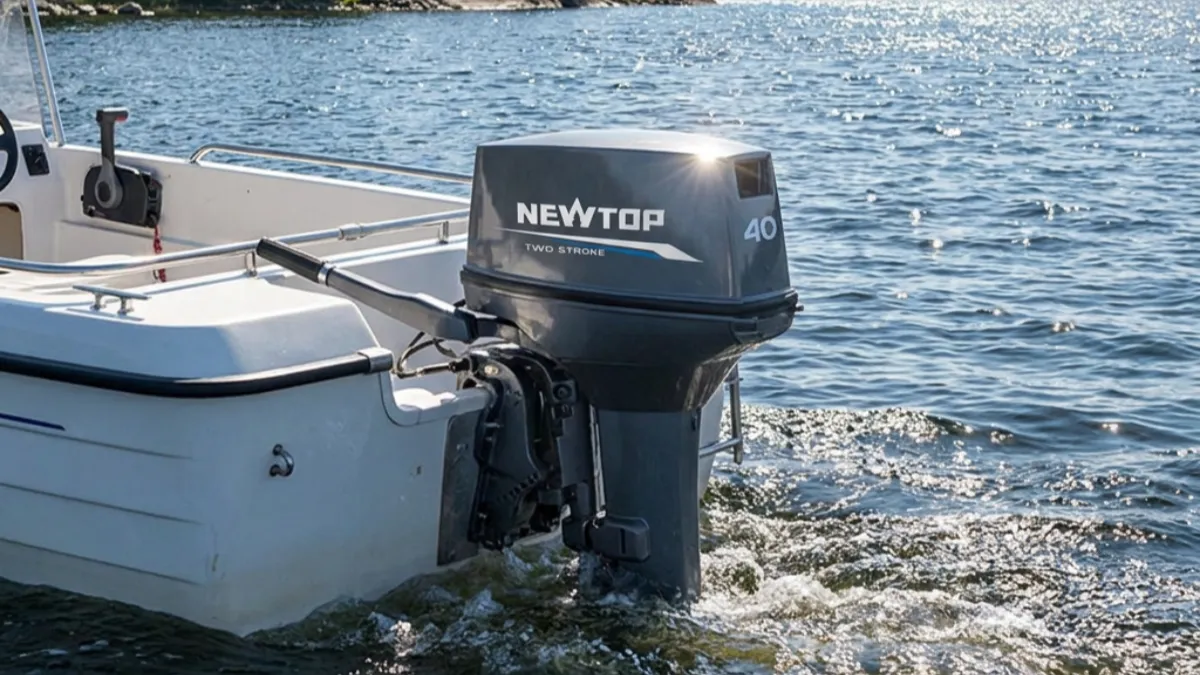
ボートの所有者も同じものを使用できます 船外機 まったく異なる理由で. あるバイヤーは毎日の釣り旅行のために信頼性の高いエンジンを必要としています. もう1つは旅客輸送に焦点を当てています, 一方で、静かで快適なレジャーボートを最も重視する人もいます。.
課題は、あるアプリケーションで良好なパフォーマンスを発揮するモーターが、別のアプリケーションでは最適な選択とは限らないことです。. 燃費, メンテナンス要件, 動作範囲, 長期的なコストはエンジンの種類によって大きく異なる可能性があります.
世界のボート市場が進化し続ける中, 2ストロークの長所と限界を理解する, 4-脳卒中, 電動船外機は販売代理店にとってますます重要になっています, フリートオペレーター, ボートビルダーも同様に.
次のセクションでは, 主要なものを比較してみます 船外機の種類 釣り全体でそれぞれがどこで最もパフォーマンスを発揮するかを調べます, 輸送, レジャーボートマーケット.
船外機の種類の概要: 2-脳卒中, 4-脳卒中, と電気
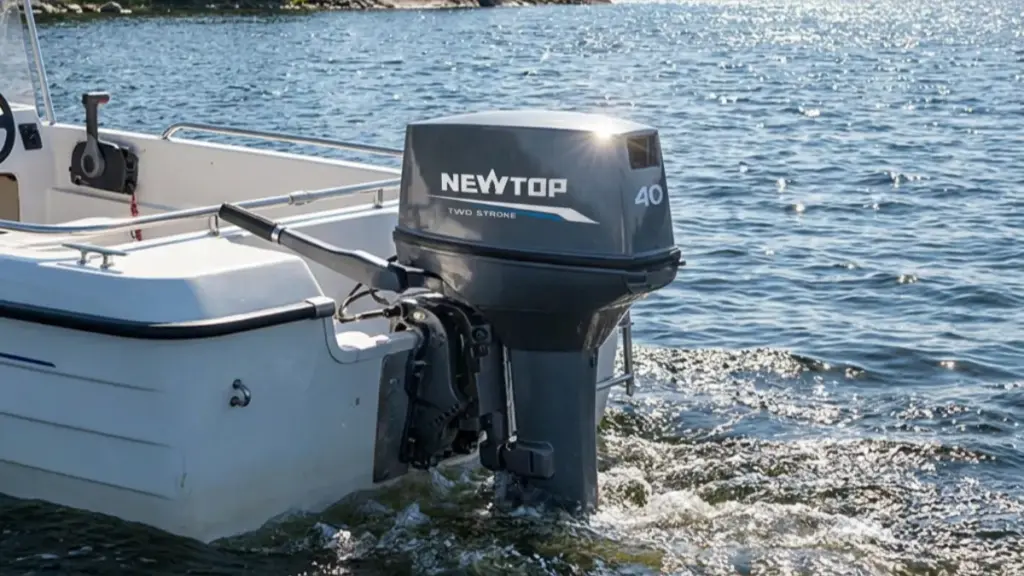
2-ストロークは体重に対するパワーを提供します, 4-ストロークにより効率的で静かな動作を実現, 電気はステルス性とゼロエミッションを実現します. それぞれが市場で明確な地位を占めています.
| 基準 | 4ストローク | 2ストローク | 電気 |
|---|---|---|---|
| 意味 | 4 つのピストン ストロークでパワー サイクルを完了する内燃エンジン. | 2 つのピストン ストロークでパワー サイクルを完了する内燃エンジン. | ガソリンの代わりに電気を使用するバッテリー駆動のモーター. |
| 電力供給 | スムーズで安定した出力. | 力強い加速と高いパワーウェイトレシオ. | 瞬時のトルクと静かな動作. |
| 重さ | エンジン部品の増加により重量が増加. | 軽くて持ち運びが簡単. | モーターが軽い, ただしバッテリーシステムにより重量が増加します. |
| 燃費 | 優れた燃費性能. | 燃料消費量の増加. | 燃料は必要ありません; 充電式電池で駆動. |
| メンテナンス | 定期的なオイル交換と定期的なメンテナンスが必要です. | シンプルな構造でメンテナンスも比較的容易. | 最小限の日常メンテナンス. |
| 騒音レベル | 静かでスムーズ. | 振動が増えると音が大きくなる. | ほぼ無音. |
| 排出量 | 排出量を削減し、規制への準拠を容易にする. | 4ストロークエンジンと比較して排出量が多い. | 稼働中の直接排出ゼロ. |
| 動作範囲 | 簡単な燃料補給で長距離走行可能. | 簡単な燃料補給で長距離走行可能. | バッテリー容量と充電アクセスによって制限される. |
| 初期費用 | 中程度から高程度. | 通常、最も手頃なオプション. | 通常、最も高額な先行投資. |
| ベストアプリケーション | レジャーボート遊び, 観光, 旅客輸送, レンタル車両. | 漁船, 実用船舶, 作業船, 遠隔地での活動. | 湖, マリーナ, エコツーリズム, 短距離レクリエーションボート遊び. |
| 一般的な購入者の優先順位 | 燃料の節約, 快適, 長期的な価値. | 手頃な価格, シンプルさ, 簡単な修理. | 環境コンプライアンスと低作動音. |
2-ストローク船外機
2 ストローク船外機は、わずか 2 回のピストンストロークでパワーサイクルを完了します, 高いパワーウェイトレシオを実現. 通常は軽量で、より素早い加速を実現します。, 素早く飛行機に乗り込む必要がある小型釣り小船にしっかりとフィットします。. 潤滑のために燃料と油の混合物で動作します, 古いキャブレターモデルはより多くの燃料を使用し、排出ガスも多くなります. 機械設計がシンプルになった, しかし、より多くの騒音と振動も発生します.
4-ストローク船外機
4 ストローク船外機は、車のエンジンと同様のパワー サイクルを使用し、独立した, 内蔵オイルシステム. これにより、かなり静かになります, より滑らかな, そしてさらに燃費が良くなった, 特に安定した巡航速度では. 同等の 2 ストロークよりも重いですが、低中速域でより優れたトルクを提供し、安定したパフォーマンスを実現します。. 信頼性が高く、厳しい排出基準を満たしているため、レクリエーション市場と商業市場の両方で優位に立っています。.
電動船外機
電動船外機はバッテリーで駆動されます, ほぼ無音でゼロエミッションの動作を実現. 停止状態から瞬時にトルクを伝達します。, ドッキングやトローリングに優れた低速制御を提供します。. 航続距離は完全にバッテリー容量に依存します, そのため、短距離の旅行や内燃機関の制限のある水路に最適です。. 大きな利点は、メンテナンスが最小限で済み、燃料が必要ないことです。, 油, または心配な点火プラグ.
2ストローク船外機: 遠隔水域での釣りに最適
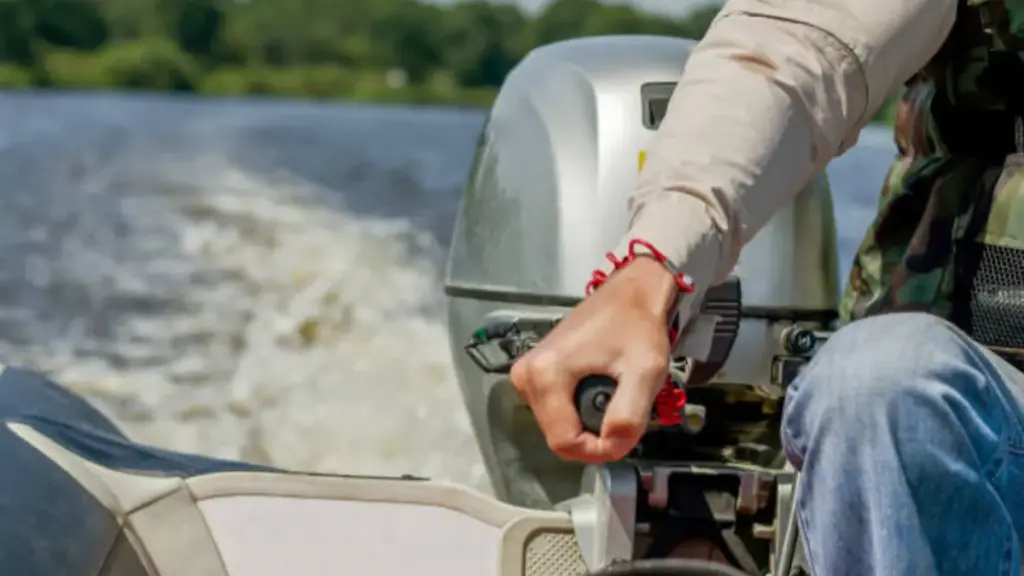
2ストローク船外機はシンプルなデザインと軽量さにより遠隔釣りに最適です。. しかし、多くの規制された水路では、その使用は厳格な排出規則によって制限されています。.
2ストローク船外機はバックカントリーフィッシングでの地位を確立. シンプルな機構と優れたパワーウェイトレシオにより、フルサービスのマリーナから遠く離れた場所にある場合に実用的な選択肢となります。. しかし、トレードオフは排出量の増加です, それが無視できない広範な制限につながっています.
バックカントリーフィッシングの核となる強み
遠隔地へ向かう釣り人へ, 2ストロークの実際的な利点は、多くの場合、その欠点を上回ります。. 改良よりもパフォーマンスと現場での保守性を優先した設計.
- 同等の 4 ストロークよりも大幅に軽量です。. これは小型ボートでは大きな違いを生みます, カートッパー, 手動で起動するあらゆる状況でも.
- 機械設計がシンプルになった, 複雑なバルブトレインを使用しない. これにより、専門家のサポートが数時間かかる場合でも、トラブルシューティングや基本的な現場修理がより管理しやすくなります。.
- 強力なパワーウェイトレシオにより、ボートを素早く飛行機に乗せることができます。. これは、ボートにギアが積まれており、効率的に距離を移動する必要がある場合に不可欠です。.
排出量と法的制限についての理解
2ストロークエンジンの最大のハードルは、 環境規制. 古いモデルからの排気ガスにより、多くの人気のある保護された水路での使用が禁止されています.
- 古いキャブレター付き 2 ストロークは、顕著な煙を発生し、未燃の燃料やオイルが排出されることで知られています。, 炭化水素排出量の増加につながる.
- 多くの規制された湖, 貯水池, 国立公園, 河川では、水質を保護するために高排出ガス 2 サイクル エンジンの使用を禁止または厳しく制限しています。.
- 行く前に、対象の釣り場所の特定の規制を確認する必要があります. ある州で合法的なエンジンが、国境を越えた特定の湖で禁止される可能性がある.
最新の DFI と比較. 旧型キャブレターモデル
すべての 2 ストロークが同じように作られているわけではありません. 最新の直接燃料噴射 (DFI) テクノロジーが排出プロファイルを劇的に変えた, パフォーマンスと合法性に明確な溝が生じる.
- DFI 2 ストロークは燃料をシリンダーに直接噴射します。, よりきれいに燃えます. 厳しい排出基準を満たすことができ、古いキャブレターモデルが禁止されている地域でも許可されることがよくあります。.
- キャブレター付き 2 ストロークは究極の機械的シンプルさを提供します. この利点は、多くの水路に対する制限の増加によって相殺されます。.
- DFI モデルは、はるかにクリーンな操作で、軽量で素早い加速という古典的な 2 ストローク性能を提供します。, それらを現代の実行可能な選択肢にする.
購入の重要な要素
遠隔用2ストローク船外機を選ぶ場合, 立ち往生を防ぐ要因に焦点を当てる. ピーク馬力は信頼性ほど重要ではありません.
- 信頼性を重視, 簡単な始動, 部品の入手可能性. これらは、最寄りの道路から数マイル離れた場所で作業を行う場合に最も重要な要素です.
- エンジンの重量をボートのトランサム容量に合わせてください. エンジンが太りすぎるとバランスが悪くなり、小型ボートでは重大な安全上のリスクになります。.
- 特定のモデルがよく釣りをする水域の規則に準拠していることを確認してください. 使用できないエンジンを購入するのは高価な間違いです.
あなたも好きかもしれません: 中国から船外機を調達する際に注意すべきこと
耐久性のある船外機でビジネスを強化
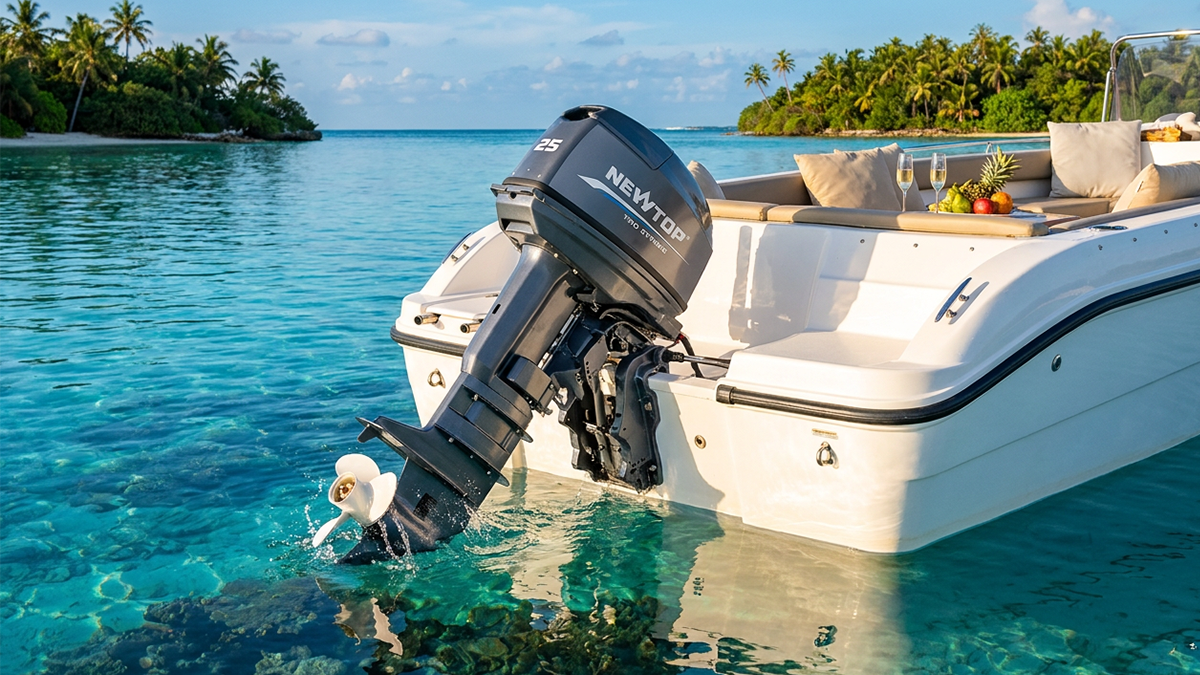
4 ストローク船外機: レジャーボート向けの静粛性と効率性
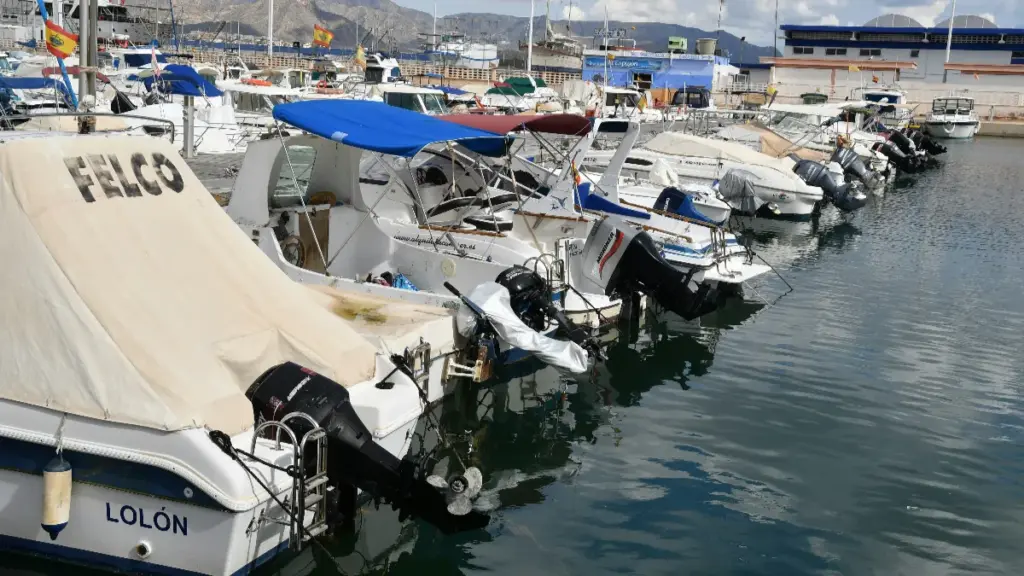
4 ストローク船外機は静かなレジャーボートを支配します。, 燃費性能. 2ストロークより重いながらも, 家族でのクルージングに最適です, 釣り, 快適さが最も重要なアクティビティ.
4 ストローク技術の仕組み
4 ストローク船外機は車のエンジンと同じように動作します. 4 つの異なるピストン ストローク、つまり吸気でパワー サイクルを完了します。, 圧縮, 力, そして排気. このプロセスは本質的に古い 2 ストローク設計よりも制御され効率的です。.
- 吸気サイクルと排気サイクルを分離することで燃費を向上させます。, 未燃燃料の流出を防ぐ.
- この設計により、排出ガスが低減され、よりクリーンな排気が実現されます。, 環境的に規制された水路により適したものになります.
- 騒音や振動を大幅に抑えて動作します, その結果、よりスムーズな結果が得られます, より快適な乗り心地.
レクリエーションボート愛好家にとっての主なメリット
ほとんどの人が楽しみのために水上にいる, 機内体験はパフォーマンスと同じくらい重要です. 4 ストロークはこの現実のために作られています.
- 静かな動作は大きな利点です. エンジン音を気にせずに会話が容易になり、リラックスできます。.
- 燃料消費量の削減により、航続距離が長くなり、燃料ドックに戻るまでに水上にいる時間が長くなります。.
- 最小限の排気臭で体験が向上, 特にアイドリング時や低速走行時.
- スムーズな電力供給はファミリークルージングに最適です, ウォータースポーツ, 衝撃的な加速を必要としない一般的なレジャー活動.
重量とパフォーマンスに関する考慮事項
4 ストローク エンジンの利点には、特定のボートやオペレーターにとって重要ないくつかのトレードオフが伴います。.
- 4 ストローク船外機は通常、同じ馬力の 2 ストローク船外機よりも重い, 小型ボートのパフォーマンスとバランスに影響を与える可能性があります.
- 一部の 2 ストローク設計ではより高速な性能が得られる場合があります “ホールショット” 加速度, しかし、最新の 4 ストローク技術はそのパフォーマンスギャップを埋めつつあります.
- バルブトレインと内部コンポーネントは機械的により複雑です, エンジンの寿命にわたるメンテナンスの必要性に影響を与える可能性があります.
最適なボートとアクティビティ
4 ストローク技術は単なる技術的な選択ではありません; 特定のボートスタイルに合わせた実用的なものです.
- ポンツーンとの相性抜群です, デイクルーザー, 快適性と燃費が最優先されるファミリーランナバウト.
- 釣り人はトローリングなどの用途にこれらのエンジンを好んでいます。, 静かな走行は魚を驚かせない大きな利点です.
- また、毎日の作業に信頼性が高く安定した馬力を必要とするユーティリティボートや輸送ボートにも最適です。.
電動船外機: ニッチなアプリケーションと現在の制限
静粛性に優れた電動船外機, ステルス漁業や港湾輸送などの短距離ニッチ分野, ただしバッテリーの航続距離には制限がある, 料金, 充電インフラが主流の使用を妨げている.
釣りにおける専門的な役割
電動船外機は低速でほぼ静かに動作するため、トローリングやステルスフィッシングに最適です。. 内燃機関とは異なります, 電気モーターは騒音や振動で魚を驚かせません。, 釣り人が邪魔をすることなくストラクチャーやウィードラインにアプローチできるようにします。. この正確な, 静かな制御は、浅瀬や漁が多い水域では大きな利点となります。.
また、内燃機関の使用が禁止または制限されている湖や貯水池で小型ボートの主な推進力としても機能します。. このような環境では, 電動ボートの唯一のオプションは電動です. 大型ボートに乗る多くの釣り人向け, 電動船外機は二次モーターとして機能します. メイン ガソリンエンジン 長いものを扱います, 釣り場まで高速走行, 電気モーターが代わりに静かになります, 低速位置決めとトローリング.
短距離輸送およびレジャー船
電気推進は予測可能に適しています, 短距離輸送の仕事. 港の水上タクシーについて考えてみましょう, リゾートシャトル, または毎日同じ決まったルートを走る作業船. これらの役割で, バッテリー容量はミッションに合わせて正確に調整可能, 充電は夜間に確実にスケジュールできます. 静かな, 排出ガスを出さない運用も人口密集地域では大きなメリットとなります.
レジャークラフト用, 電気船外機は、主船にガソリンを保管する必要がないため、ヨットテンダーやディンギーで人気があります。. また、小型ヨットに信頼性の高い補助動力も提供します。, 主にマリーナに静かに出入りするためのもの. スピードよりもリラクゼーションを重視した小さな湖のボートやポンツーンでの体験, 静かでクリーンな操作で水上での一日を充実させます.
主な制限: バッテリーのエネルギー密度と航続距離
電動船外機の基本的な制約はバッテリーのエネルギー密度です. ガソリンは単純に1ポンド当たりはるかに多くのエネルギーを詰め込む, これにより、電気ボートの航続距離と速度が大幅に制限されます。. 電気モーターの範囲はスロットルに非常に敏感です. フルパワーで実行すると、1 時間以内にバッテリーが消耗する可能性があります, 一方、遅いトローリング速度では同じバッテリーが一日中持続する可能性があります.
ほとんどの小型電動船外機は、一般的な釣り用ボートや実用的なボートを飛行機に乗せることができません。. 最高速度が滞ることが多い 5 に 7 時速マイル. そのため、長距離を素早く移動する必要がある用途にはまったく適していません。, 沖合の釣り場に到達したり、大きな湖を渡って状況に対応したりする場合など. パフォーマンスは高速向けではありません, 長距離の仕事.
コストとインフラストラクチャのハードル
初期費用が大きなハードルとなる. 小型電動船外機とそれに必要なリチウム電池パックは、同等の小型ガソリンモーターよりも簡単に 2 ~ 3 倍のコストがかかります。. 強力なシステムと大規模なバッテリーバンクを必要とする商用事業者向け, 資本投資は重要な財務上の決定となる.
充電物流にも問題がある. 充電には数時間かかります, ガソリンタンクを満タンにするのに数分かかるわけではない. これには陸上電力への信頼できるアクセスが必要です, すべてのドックで保証されるわけではありません, 係留, またはリモートボートランプ. 広く普及していないこと, 高速船舶充電ネットワークにより、電気船外機の使用が局地的に制限されます。, “基地への帰還” 計画的に充電できる運用.
モーターのタイプを輸送および作業ボートの用途に適合させる
作業船に適した船外機を選ぶのは馬力だけではありません. 決定は船舶のデューティサイクルに依存します, 燃料物流, そしてそれが毎日行う具体的な仕事.
| 応用 | 推奨船外機タイプ |
|---|---|
| 小型漁船 | 2-脳卒中 |
| 商業漁船団 | 2-ストロークまたは4ストローク |
| 旅客輸送 | 4-脳卒中 |
| 観光事業者 | 4-脳卒中 |
| レンタルボート | 4-脳卒中 |
| 内陸エコツーリズム | 電気 |
| ユーティリティとワークボート | 2-ストロークまたは4ストローク |
| マリーナ運営 | 電気 |
商用利用向けの船外機の主要技術
商用フリート向け, 船外機は道具です, それぞれのテクノロジーは異なるタスクに適しています. 選択は燃料のバランスに帰着します, パフォーマンス, そして運用上の現実.
- 4ストロークガソリン船外機: これらは主力製品です. 燃料効率の確かな組み合わせを提供します, 利用可能な電力の範囲が広い, ほとんどの汎用ワークボートに信頼できるパフォーマンスを提供します。.
- 高推力・商用モデル: ガソリン専用船外機です. 低いギア比と大きなプロペラを使用して、はしけや荷物を積んだ多目的小船などの重い排水量の船体を効果的に移動させます。.
- ディーゼル船外機: すでにディーゼルで稼働しているプロ仕様のフリート向け, これらのモーターは燃料の物流を簡素化します. また、ディーゼルの揮発性が低いため安全性も向上し、長時間労働のオペレーターが必要とする長い耐用年数を考慮して設計されています。.
- 電動船外機: この技術により静粛性が向上します, ゼロエミッション運転. 規制された都市水路での作業に最適です, 環境に敏感な地域, または略して, すぐに充電できる予測可能なルート.
モーターと旅客船および貨物船のペアリング
人の移動は荷物の移動とは異なります. 旅客船は快適性と安全性を重視します, 一方、貨物船は純粋に荷物を運ぶ能力に重点を置いています。.
- 旅客輸送 (水上タクシー, フェリー): 乗客の快適性と信頼性を実現するために、静かな 4 ストローク ガソリン エンジンが標準選択されています。. オペレーターは冗長性を確保するためにツインエンジン設定を実行することがよくあります。, 1 つのモーターに問題がある場合でも旅行を完了できるようにする.
- 軽貨物船: 高推力ガソリンモデルが最適. 必要な耐荷重能力を備え、スキフが頻繁に活動する浅瀬でも操縦可能です。.
- 重量貨物と手押しボート: ディーゼル船外機からの高トルクにより、重い船の優れた制御が可能になります。, 滑走しない船体. 特殊な高推力ガソリン船外機も実行可能な選択肢です.
巡視船および整備作業船の装備
奉仕船と巡視船には非常に特殊な任務があります, 高速応答から繊細な環境監視まで.
- 巡視船と取り締まり船: これらの船舶は高出力のガソリンまたはディーゼル船外機を必要とします. ミッションには迅速な対応能力が必要です, 高い最高速度, そして絶対的な信頼性.
- 港湾用ユーティリティボート: これらのボートは頻繁な停止/始動サイクルに耐え、優れた低速制御を必要とします。. 耐久性のある 4 ストローク モーターまたはディーゼル モーターは、この種の厳しい任務に対応できるように作られています。.
- 環境調査船: 妨害を最小限に抑えることが目標です. オペレーターは通常、野生動物や敏感な科学的測定への影響を避けるために、静かな 4 ストローク エンジンまたはゼロエミッション電気モーターを使用します。.
詳細については、ガイドをご覧ください。 2-馬力別ストローク船外機重量比較 詳しい内訳については.
所有コスト: 燃料, メンテナンス, 種類別の寿命と寿命
総コストは単なる値札ではありません. 長時間使用者にとっては 4 ストロークが勝つことが多い, 新しいバッテリーが必要になるまで電気代が安く済みます.
船外機を評価するときは, 初回購入価格は物語の始まりにすぎません. 実際のコストは燃料から発生します, 定期的なサービス, 大規模なオーバーホールまたは完全な交換が必要になるまでにエンジンがどのくらい持続するか. 各モーターのタイプは、その耐用年数にわたって異なる財務状況を示します。.
燃料とエネルギーのコスト
ポンプや充電ステーションにどれだけ費やすかが、所有権の大きな部分を占めます. 各モータータイプの効率は、ドックから離れるたびに財布に直接影響します。.
- 4ストローク船外機 一般に、ガソリンエンジンの燃費が最高になります。. ほとんどのレクリエーションボート愛好家向け, これは、水上での 1 時間あたりのランニングコストが低いことを意味します.
- 2ストロークエンジン 喉が渇いています, 同等の4ストロークエンジンよりも多くの燃料を消費する. このコストの差は、エンジンを稼働させるほど明らかになります。, 特に高回転域では.
- 電動船外機 直接エネルギーコストが最も低い. 費用はバッテリーを充電するための電気代のみです, ただし、投資総額はバッテリー バンクのサイズに直接関係します。.
保守およびサービス費用
どのエンジンも信頼性を維持するには定期的なメンテナンスが必要です. メンテナンスの複雑さと頻度によって、総コストのさらに大きな部分が決まります。.
- 4ストロークエンジン オイル交換などの日常的な作業を含む、予測可能なメンテナンス スケジュールを立てる, 車のエンジンに期待されるものと似ています.
- 2ストロークモーター 部品点数が少なく機械的に単純である, しかし、潤滑システムには一貫した注意が必要です. メンテナンスの品質は信頼性に大きな影響を与えます.
- 電気モーター 機械的な作業は最小限で済みます. 長期的な出費はエンジンオイルではなくバッテリーの状態に関係します, そのコネクタ, そして充電用電子機器.
寿命と交換に関する考慮事項
船外機は大規模な投資です, そして、それから何年間サービスを受けられるかが重要なコスト要素です. 耐久性は、エンジンの設計と扱い方の両方によって大きく異なります。.
- 4ストローク船外機 一貫したメンテナンスを受けると、通常、どのガソリン オプションよりも長い耐用年数が得られます。, 長時間ボートに乗る人にとって、確かな選択肢となります。.
- 2ストロークの耐久性 良い習慣と直結している: 適切なオイルの混合, 定期サービス, 長期間にわたって限界まで追い込まないこと.
- 電気モーター 非常に長い時間走ることができる, しかし、システム全体の実際の寿命はバッテリーに依存することがよくあります。. 劣化サイクルと最終的な交換コストが長期的な最大の財務項目となる.
地域市場に関する洞察: アフリカで何が機能するか, アジア, そして南米
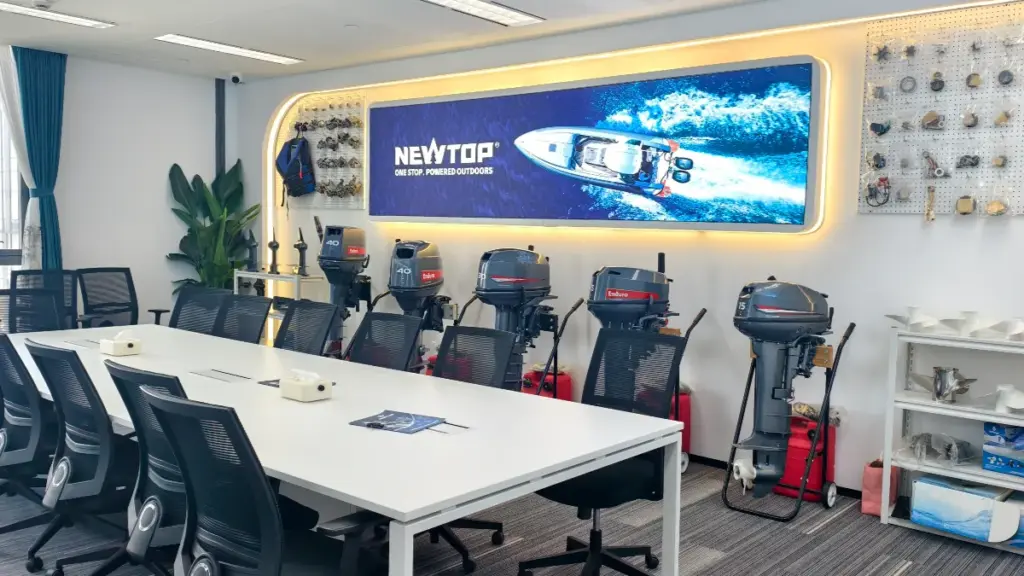
アフリカでは, アジア, そして南米, エンジンの選択は現地のニーズによって決まります. アフリカでは耐久性が重要, アジアは多様な用途をバランスよく実現, 南米はシンプルさと耐食性を重視します.
アフリカ: 釣りや輸送に耐える耐久性
アフリカでは, 船外機は主に主力製品です. 小規模漁業操業は単純な作業に依存します。, 現場修理可能な 10 ~ 40 HP ガソリン船外機. 遠隔地では, 2-ストロークエンジンは限られた工具や部品で簡単に修理できるため、依然として一般的です. 川と湖の交通, 重要な経済推進力, より強力なミッドレンジエンジンが必要 (40-90+ HP) 強力なトルクで乗客や荷物の重量物を扱います.
レジャー市場は観光拠点に集中している, より静かな 4 ストローク ガソリン エンジンが好まれる場合. 電動船外機はエコツーリズムベンチャーにおいて小さいながらも存在感を増している. ここでの成功の鍵は付加機能ではありません; 変化する燃料品質に耐え、特殊なインフラストラクチャなしで維持できるエンジンの能力です。.
アジア: 田舎の川から沿岸の拠点まで多様な組み合わせ
アジア市場は非常に細分化されている. 内陸部の田舎や零細漁村で, 低コストの 5 ~ 30 馬力の 2 ストローク エンジンが今でも使用されています。, しかし、環境規制の強化により、よりクリーンな 4 ストロークへの移行が余儀なくされています。. これは、沿岸および島間の輸送の需要とは大きく対照的です。, より高出力な場所 (90-200+ HP) 4-ストローク船外機は燃費効率と長距離での信頼性を標準としています。, 要求の厳しいルート.
沿岸拠点の発展したレジャー市場では、レクリエーションボート用の高級 4 ストローク エンジンが好まれています. 電動モデルも注目を集めている, 特に規制されている都市部の湖やマリーナでは. 多くの地域で人口密度が高いため、環境規制がより厳格になることがよくあります, すべてのセグメントにわたるクリーンなエンジン技術の導入を加速します。.
南アメリカ: 遠隔地の河川と海岸レクリエーションに電力を供給
南米では, 地理が需要を定義する. アマゾン流域のような辺鄙な内陸水路は単純なものを好む, 簡単に修理可能な 8 ~ 30 馬力 2 ストローク エンジン. 長距離の河川輸送に, オペレーターは堅牢な 40 ~ 115+ HP 船外機に依存しています。, サービスセンターから遠く離れた場所では、安全性と信頼性を確保するためにデュアルエンジンセットアップを使用することがよくあります.
沿岸レジャーセグメントはまったく異なります, 現代が支配する, 高馬力 (115-300+ HP) 4-レクリエーションフィッシングやファミリーボート用のストローク船外機. 大陸全体で成功するための重要な要素は、熱帯気候における耐久性です。. エンジンには、優れた耐腐食性と、高温に対応するように設計された冷却システムが必要です, しばしば堆積物が多い, 欠かさず水をやる.
同様に重要なのは、信頼できるスペアパーツとアフターサポートへのアクセスです。, 特にボートが主な交通手段と漁業収入の役割を果たしている地域では. ベネズエラの最近の事例は、販売代理店が船外機の長期パートナーを選択する際に、部品の安定供給をますます優先していることを浮き彫りにしています。. 詳細については、こちらをご覧ください: なんと $80,000+ ベネズエラの命令は、信頼性の高い船外機のスペアパーツ供給の重要性を示しています.
最終的な考え
あらゆる用途に適合する単一の船外機はありません. 漁船団, 運送業者, レジャーボートのオーナー, 商用ワークボートのユーザーは皆、異なる運用要件に直面しています。.
2 ストローク船外機は、要求の厳しい環境に比類のないシンプルさと手頃な価格を提供し続けます。. 4 ストローク モデルは、レクリエーションや乗客中心の操作に優れた効率と快適性を提供します。. 電動船外機は、環境に敏感な短距離用途向けの新たなソリューションを代表します.
販売代理店様向け, 輸入業者, そしてボートメーカーも, 適切な船外機ポートフォリオを選択するには、バランスの取れたパフォーマンスが必要です, 運営費, 地元市場の需要, 長期にわたるサービスサポート.
で ニュートップ, 釣り用に設計された2ストロークおよび4ストローク船外機を幅広く取り揃えています。, 輸送, レジャー, および商用アプリケーション. 柔軟な OEM/ODM 機能を備えた, 信頼できるスペアパーツのサポート, アフリカ全土の顧客にサービスを提供した経験, 南アメリカ, そしてアジア, 私たちはパートナーが市場に合わせた競争力のある製品ラインを構築できるよう支援します. 信頼できる船外機メーカーをお探しなら, 私たちのチームはあなたのプロジェクトの要件について話し合う準備ができています.
よくある質問
船外機の主な種類は何ですか?
主なタイプは電源とテクノロジーによって定義されます. 最も一般的なカテゴリは 4 ストローク ガソリンです, 2-ストロークガソリン, 電気, そしてディーゼル船外機. それぞれが釣り全体のさまざまな用途に適しています, 輸送, そのパワーを活かしたレジャーボートや, 重さ, 燃費, および排出プロファイル.
漁船に最適な船外機はどれですか?
ほとんどの漁船に対応, 燃費のベストバランスを実現する4ストロークガソリン船外機, 静かな動作, そして信頼性. 電動船外機は静かなトローリングや制限水域での使用に最適です. オフショアや商業用のヘビーデューティーな釣りに, ハイパワー 4 ストロークまたはディーゼル船外機が好まれる選択となることがよくあります。.
2ストローク船外機はまだ作られていますか?
はい, しかし、ほとんどは現代の直噴式です (から) 現在の排出ガス基準を満たすモデル. 古い, 従来のキャブレター付き 2 ストロークは、環境規制のため、規制市場向けに大手船外機メーカーによって生産されなくなりました。. DI 2 ストロークは引き続き特定の高性能アプリケーションで利用可能です.
レジャーボートには4ストローク船外機と2ストローク船外機のどちらが適していますか?
一般に、レジャーボートには 4 ストローク船外機が適しています。. より静かに動作します, より滑らかな, 排出量も少なくて済みます, ファミリークルージングや日帰り旅行をより快適に演出します。. 小型車には2ストロークが適しているかもしれません, 高いパワーウェイトレシオが重要な利点となる軽量ボート.
船外機の電動バッテリーはどのくらい持続しますか?
バッテリー駆動時間は速度によって変化します, フルパワーでの約 1 時間から、低速のトローリング速度での 8 時間以上まで. バッテリーの寿命も長い, 最新のリチウム電池を使用すると通常は長持ちします 8 に 12 年または数千回の充電サイクル, 使用方法やお手入れ方法に応じて.
商用輸送船にはどのような船外機が使用されていますか?
水上タクシーやクルーボートなどの商用輸送船は通常、信頼性の高い, 高馬力4ストロークガソリン船外機, 速度と安全性を確保するためにマルチエンジン構成で使用されることが多い. ディーゼル船外機は、長時間使用しても高トルクで燃費が良いため、一部の作業船艦隊でも使用されています。.
追加コストを支払う価値のある4ストローク船外機はありますか?
はい, ほとんどのボート乗りにとって、4 ストローク船外機はより高い初期価格の価値があります. 多くの場合、コストは燃費の向上によって相殺されます。, より静かな動作, 排出量の削減, 高いリセールバリュー. これらの利点により、通常の釣りに最適です。, 輸送, レジャー用途.

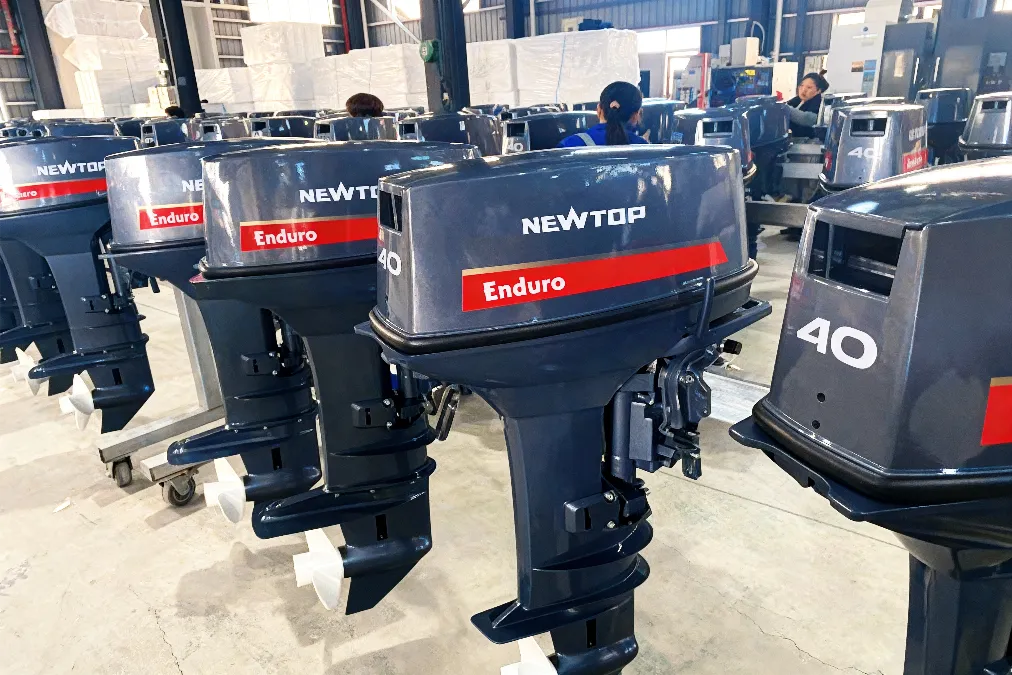
完成した船外機は通常、非常にシンプルに見えます. カタログや船の後ろに載ったら, ほとんどの人は馬力で判断します, デザイン, または価格. 隠されたままになるのは、多くの場合、さらに詳しく説明される部分です: エンジンが水に到達する前にどのように構築されたか.
見た目以上に制作の隠れた側面が形を成す. モーターの使用感の安定性に影響します, ディーラーがどれほど自信を持って推奨できるか, 最初の出荷後にどの程度のサービスプレッシャーが発生するか. 船外機メーカーを比較検討される方へ, 多くの場合、そこから本当の違いが始まります. 製品ページではモーターの外観を確認できます. 工場でのプロセスは、そのモーターが市場に出荷された後にどのように動作するかについて、より多くのことを示します。.
信頼できる船外機が 1 つの劇的なステップの結果として得られることはほとんどありません。. もっと頻繁に, 一連の製造段階で十分な管理が行われ、完成品に一貫性が感じられるようになります。, 固体, そして実際の海洋使用の準備ができています.
制作フローは単なる製品写真よりも優れたストーリーを伝えます
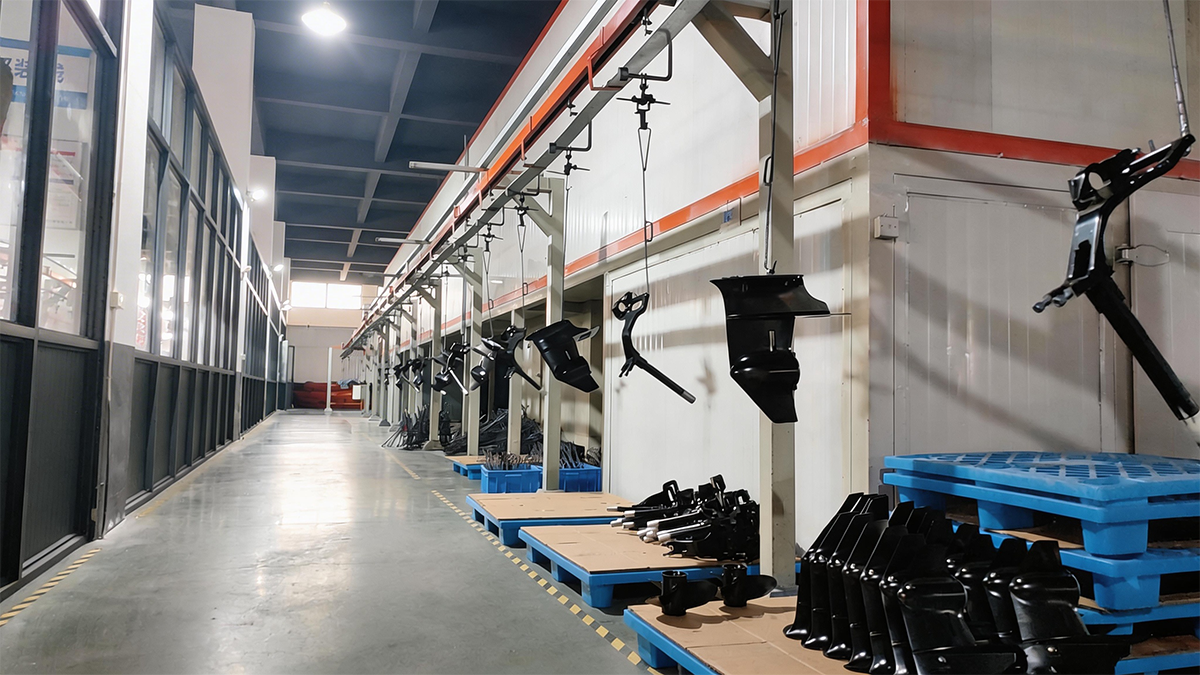
ニュートップでは 船外機 工場, 生産は、1 つの広範な組み立てプロセスではなく、明確に分離された製造段階を通じて処理されます。. 工場で表面処理を続けるので重要です, コアエンジンの構築, 伝送関連の仕事, より構造化された管理下での最終検証.
| 生産段階 | ステージの焦点 |
|---|---|
| コーティングライン | 表面保護により耐腐食性が向上, 湿度, 長期にわたる海洋暴露. |
| 研削 & 仕上げ | パーツのリファイン, 表面の一貫性, よりコントロールされた仕上がりの外観. |
| エンジン組立ライン | コアパワーユニットの構築と主要なエンジンコンポーネントの統合. |
| ギアボックスアセンブリ | トランスミッション関連部を独立して組み立て、より制御性を向上. |
| 最終組み立て | 主要なシステムを統合して完全な船外機を完成. |
| 船外機試験 | 完成したモーターが実際の動作条件に耐えられるかどうかを出荷前にチェック. |
船外機メーカーを比較検討される方へ, このようなプロセスにより、製品が市場に届く前にどのように扱われるかをより明確に把握できます。.
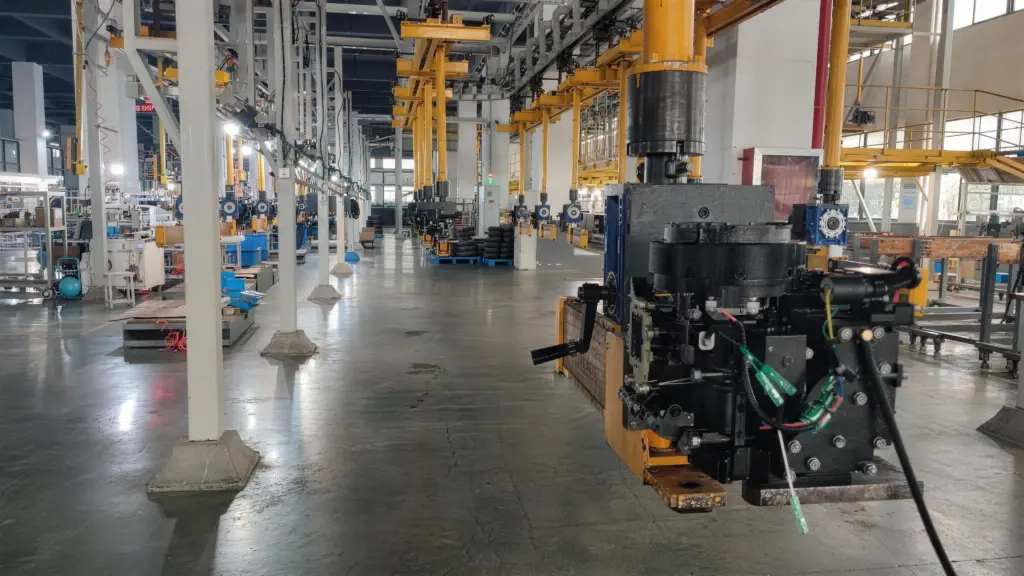
購入者が通常違いを感じる場所
ほとんどの顧客は塗装ラインや組立エリアを見ることはありません。. それでも, 彼らは後から結果に気づくことが多い.
より安定した生産プロセスはより静かな形で現れる傾向があります. モーターはユニットごとに一貫性が増したように感じられます. ディーラーはより安心して推奨できるようになります. サービスチームは回避可能な問題への対処に費やす時間を短縮します. 通常の使用を開始すると、エンドユーザーは不快な驚きが少なくなることを認識します.
ものづくりの規律は工場内にとどまらない. 製品の市場投入に続きます.
これが、経験豊富なバイヤーが船外機メーカーを比較する際に製品の外観に止まらない理由の 1 つです。. 写真では似ているように見えても、エンジンを開梱するとまったく異なることが判明する場合があります, インストールされています, 長期間にわたってメンテナンスされ使用される.
工場見学で気をつけること
展示されている完成品エンジン以外にも焦点が移ると、工場訪問はさらに便利になります。.
通常、いくつかのことが最も明らかになる:
✅ 明確な生産順序
準備から組み立て、テストまでのプロセスが体系化されていると感じられる必要があります, 散らかったり即興で作られたりしない.
✅ 重要なシステムに個別の注意を払う
エンジン アセンブリやギアボックス アセンブリなどのコア領域は、無造作に統合されるのではなく、制御され、計画的に見えるようにする必要があります。.
✅ 安定した仕上げ品質
表面の洗練と全体的なプレゼンテーションは、ユニット間で安定していると感じられるはずです, 展示サンプルだけでなく.
✅ 本物のテストエリア
テストは通常の運用のアクティブな部分として現れるべきです, 来場者のためだけに用意されたものではない.
✅ 販売後の実践的な意識
チームはモーターがどのように作られているかだけでなく、説明できる必要があります。, 出荷後の製品のサポート方法についても説明します.
これらの詳細は通常、ショールームでのプレゼンテーションよりも多くのことを明らかにします. これらは、工場が長期的な市場での使用を目的として建設されているのか、単に製品が完成したように見えるように準備しているだけなのかをバイヤーが判断するのに役立ちます。.
テストは人々が予想している以上に重要な意味を持つ
工場のあらゆる段階の中で, 多くの場合、テストは商業的に最も重要です.
その時点でモーターはすでに完成しているように見えるかもしれません, しかし、外見だけでは準備ができているとは証明できません. 試験は、エンジンが完成品として判断されるのではなく、実用的な船舶製品として判断される段階です。. 多くの弱点は、モーターが実際に動作しなければならないものとして扱われて初めて現れるため、この変化は重要です。.
販売店様向け, テストが強化されると、注文品の納品後の信頼性が高まります. サービスチーム向け, それは、市場に参入する回避可能な問題が少なくなる可能性があることを意味します. エンドユーザー向け, たとえ彼らが工場の仕事について直接考えたことがなくても, それは今でも、彼らが最終的に信頼する製品を水上で形作っています。.
だからこそ、テストは調達に関する議論において通常よりも注目される価値があるのです。. 多くの場合、これは完全に見えるエンジンを商業的に信頼できるエンジンに変える段階です。.
単なる工場の話ではない
一見して, 製造というとエンジニアだけが対象の話題のように聞こえるかもしれません. 実際には, より広範なビジネスストーリーを語ります.
安定したプロセスは通常、より信頼性の高い製品につながります. より信頼性の高い製品によりサービスのプレッシャーが軽減されます. サービスプレッシャーが低いと、ディーラーは信頼を築きやすくなり、市場はリピート注文を受け入れやすくなります。. 時間とともに, それは、光沢のある第一印象よりもはるかに製品の評判に影響を与えます.
したがって、購入者は馬力やスタイルに注目することから始めるかもしれませんが、, 長期的な信頼は、目に見えないものから生まれることがよくあります. それは工場での丁寧な作りから生まれます, 小切手, モーターがラインから離れる前にモーターを準備します.
船外機メーカーを比較する方へ, それは最も役に立つ場所の 1 つです. 優れた船外機はデザインが優れているだけではありません. また、信頼性を実現しやすくするプロセスを通じて製造されています。, サポートしやすくなる, エンジンが市場に投入されると信じやすくなる.
多くの輸入業者にとって, 中国船外機の調達は一見簡単そうに見える. いくつかのサプライヤーカタログ, いくつかの引用, 馬力の比較, そしてプロセスは迅速に進むようです. しかし、サプライヤー間の本当の違いのほとんどは、最初の電子メールのやり取りでは現れません。. それらは後で、モーターが到着したときに表示されます。, 顧客が使い始めたとき, そしてディーラーが部品の取り扱いを始めると, サポート, そしてリピート注文.
そこでは、調達に関する決定が当初よりもより深刻になることがよくあります。. パンフレットでは 2 つの製品が似ているように見える場合があります, しかし、一度地元市場に参入すると、まったく異なる結果を生み出す可能性があります. 最初は簡単に売れるかもしれないが、サポートするのが難しくなる. 別の人はより着実に行動し、より良い長期的な信頼を築く可能性があります. 言い換えると, 中国から船外機を購入する場合、価格だけで決まることはほとんどありません. 製品適合性の決定でもあります, サービスの決定, そして, 多くの場合, 長期的なビジネス上の決定.
ニュートップにて, 購入者は通常、技術的な比較から始めることがわかりました。, しかし、彼らはより広範な理由で最終決定を下します. 製品の知識, 地元のサービス習慣, 部品の連続性, 注文後のコミュニケーションは、多くの場合、エンジン自体と同じくらい重要です.
引用は役に立つ, しかし、それが出発点であってはなりません
最も一般的な調達ミスの 1 つは、価格設定を求めるのが早すぎることです。. バイヤーは、どのような種類の船外機ビジネスを構築したいのかを完全に明確にする前に、見積もりを要求することがよくあります。.
軽漁船用の小馬力エンジンは、輸送や商業作業に使用される大型モデルとはまったく異なる市場にサービスを提供します。. 両方の製品が同じカテゴリに分類される場合でも、, 市場における彼らの役割は大きく異なる可能性があります. 価格に敏感な買い手をすぐに引き寄せる可能性がある, もう 1 つは、動きが遅いかもしれませんが、時間が経つにつれてディーラーの信頼が高まります。.
そのせいで, サプライヤーを比較する前に、より現実的な質問に答えるのに役立ちます: これらのモーターは正確に何に使用されますか, そして誰が買うのか? それが明確になったら, 文脈に応じて引用文がずっと読みやすくなる. その一歩がなければ, 低価格は実際よりも魅力的に見えることがある.
製品の適合性は製品範囲以上のものを示します
幅広いカタログが印象的に見える, ただし、カタログのサイズが必ずしも優れた調達を意味するわけではありません.
さらに重要なのは、サプライヤーが現地市場に合った製品に範囲を絞り込めるかどうかです。. 買い手は通常、より小さなものからより多くの価値を得る, 実際の顧客のニーズと一致しないエンジンの長いリストから選択するよりも、より適切な選択が可能.
有益な調達に関するディスカッションは、多くの場合、実践的な質問に焦点を当てています。:
- 市場で最も一般的なボートのサイズはどれですか?
- どの馬力範囲が最も安定して動作するか?
- エンドユーザーはメンテナンスの容易さ、それともより強力な出力を重視しますか??
- 地元の技術者にとってすでに馴染みのあるエンジンのタイプはどれですか?
- 最初の出荷後のサポートが最も簡単な製品はどれですか?
それらの疑問に焦点が当てられると, 中国船外機の調達は、選択肢を閲覧することよりも、実行可能な製品ラインを構築することに重点が置かれるようになります。.
カタログでは分からないことをサンプルで教えてくれる
カタログは役に立つ, でも彼らはそこまでしか行けない. サンプル エンジンでは、仕様書が数ページにわたって表示されるよりも、数日で多くのことが明らかになることがよくあります。.
サンプル段階で, 購入者は外観だけをチェックしているわけではありません. 彼らはスタート時の行動を検討している, 一貫性を構築する, 操作感, および全体的な商業的適合性. モーターは地元の購入者が信頼できるものだと感じますか? 市場で一般的に使用されているボートと一致しますか? フォローアップ注文の信頼性は高まりますか, それとも後で大きくなる可能性のある疑問を引き起こしますか?
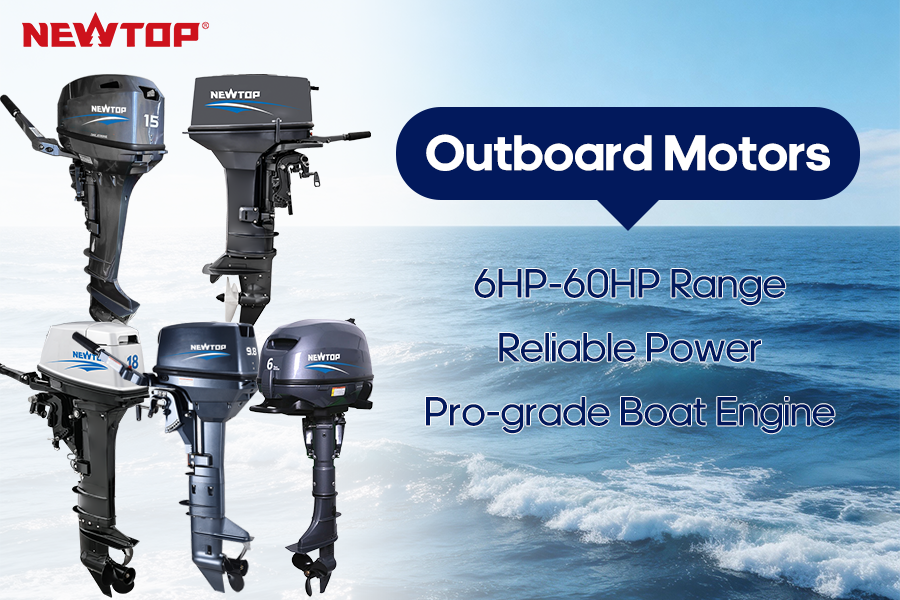
通常、経験豊富なサプライヤーが目立つのはこの分野です. 彼らはサンプルが小さな注文ではないことを理解しています. これは市場適合性を試す初めての本格的なテストです.
多くの場合、注文後のサプライヤーが重要になります
ご注文の前に, エンジンが会話の中心に位置する傾向がある. 注文後, サプライヤーも同様に重要になることがよくあります.
工場は魅力的な価格を提示しても、後で作業するのが難しくなる可能性があります. 応答の遅れ, 不均一なバッチ品質, 弱い部分のロジック, または不明確な技術情報により、有望な製品が期待外れの製品に変わる可能性があります. 海産物市場では, 多くのユーザーが日常業務をエンジンに依存しているため、これらの問題はすぐに痛手になります, 輸送, または収入.
そのため, バイヤーは中国の船外機サプライヤーを製造能力以上の基準で判断する必要があります. コミュニケーションスタイルが重要. 注文のフォローアップも同様です. 優良なサプライヤーは、見積請求書が確認されれば消滅することはありません. 彼らはタイミングに関与し続ける, 部品の準備, 出荷調整, そして技術的な説明.
実際のビジネスでは, 購入しやすいサプライヤーが、一緒に成長しやすいサプライヤーであるとは限りません.
通常、スペアパーツはサプライチェーンの真の強さを明らかにします
買い手が調達関係が継続できるかどうか知りたい場合, 多くの場合、スペアパーツ システムが最も明確な答えを提供します.
船外機は、ユーザーが運転し続けることができて初めて市場での競争力を維持できます。. 一般的な摩耗部品の調達が難しい場合, または、同じモデルが数か月後にサポートが困難になった場合, ディストリビューターは自信を失い始める. エンジンはまだ売れるかもしれない, しかしリピート販売は難しくなる.
中国からの船外機のスペアパーツを二次的な話題として扱ってはいけないのはこのためです. 信頼できるサプライヤーは、どの部品が最も速く動くかを説明できるはずです, 最初の出荷時に何を在庫する必要がありますか, 同じ部品構造が長期間にわたってどの程度安定して維持されるか.
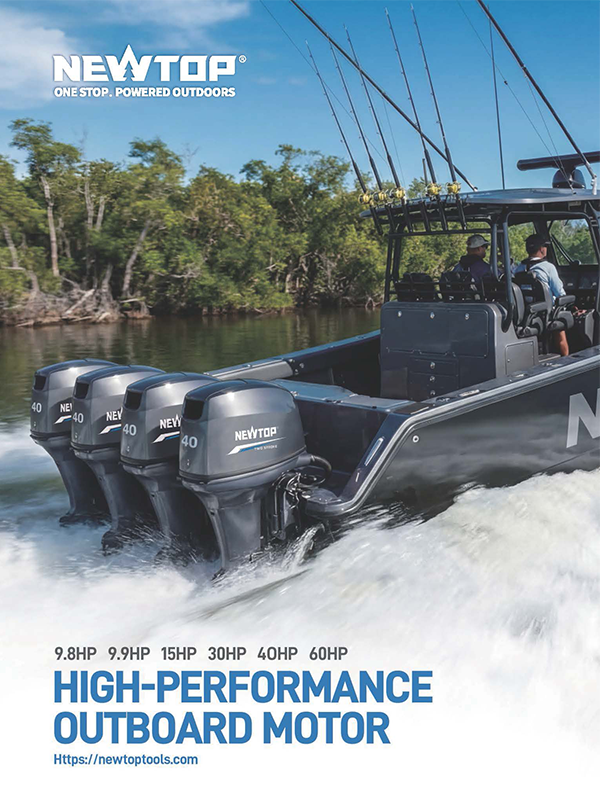
実際に, ここで長期的な信頼が築かれます. 最初の販売は価格設定または製品の外観から発生する可能性があります. 2 番目と 3 番目は通常、ディーラーがエンジンを現場でサポートし続けることができるかどうかによって決まります。.
互換性には早めの注意が必要です
購入者がますます関心を寄せているもう 1 つの点は、互換性です。. 多くの市場で, 顧客はすでに特定の主流エンジン プラットフォームを知っており、使い慣れた使用パターンに適合する製品を安心して購入できる.
これにより調達に関する会話が変わります. もはやサプライヤーがどのモデルを生産しているかだけが問題ではありません. また、それらの製品が市場がすでに理解しているものとどの程度うまく結びつくかという問題にもなります。.
ニュートップにて, これは標準的な船外電源と一緒に登場することがよくあります. 一部のディストリビューターは完成したエンジンだけを必要とするわけではありません, 広く使用されている市場プラットフォームの互換性のあるマシンや交換部品も含まれます. そのサポートが利用可能な場合, ディーラーは販売とサービスの両方でより柔軟な対応が可能になります.
商業的な観点から, これは大きな違いを生みます. ディストリビューターが新しい需要をゼロから創造しようとするのではなく、既存の需要を中心に構築するのに役立ちます。.
OEM は通常、後で重要になります
多くのバイヤーはプライベートブランドの計画から始めません, そしてそれが正常です. ほとんどは標準製品から始まります, ブランディングについては後で考えてください.
それでも, 会話の早い段階でサプライヤーの OEM 能力を理解するのに役立ちます. カスタムブランディングをサポートできる工場, 梱包調整, 通常、ローカライズされた製品プレゼンテーションは時間の経過とともに成長しやすくなります。. それは、すべての最初の注文にカスタマイズが必要であるという意味ではありません. それは単に、調達の選択が将来の開発の余地を残すべきであることを意味します。.
サプライヤーとの関係は、多くの場合、製品の適合から始まります. 時間とともに, より広範な協力に拡大する可能性がある. 将来の柔軟性が存在しない場合, 買い手は最終的には他の誰かと調達プロセスをやり直さなければならない可能性がある.
より有益な質問は最後にあります
バイヤーが調達の最終段階に到達するまでに, 彼らは多くの場合、その決定が最初に思っていたよりも大きなものであることに気づきます. 問題の核心は、工場が船外機を生産できるかどうかではない. 多くの人ができる.
より良い問題は、サプライヤーが、バイヤーが構築したいビジネスの正確な種類をサポートできるかどうかです。. 市場に適したモデルを絞り込むのに役立つでしょうか? スペアパーツや技術的なフォローアップをサポートできますか? 今後の注文でも品質を安定して維持できるか? 単に出荷を完了するだけでなく、ディストリビューターとともに成長できるか?
そこに中国製船外機の調達が真の商機となります。. このプロセスを長期的なビジネス上の意思決定としてアプローチするバイヤーは、通常、このプロセスを最低価格の競争として扱うバイヤーよりも強力な選択をします。.
最後に, 最も強力なサプライヤーが最も長いカタログや最も安い価格リストを持っているサプライヤーであることはほとんどありません。. その製品です, サポート, コミュニケーション, 柔軟性は、モーターが到着して実際の市場活動が始まった後も意味を持ちます。.
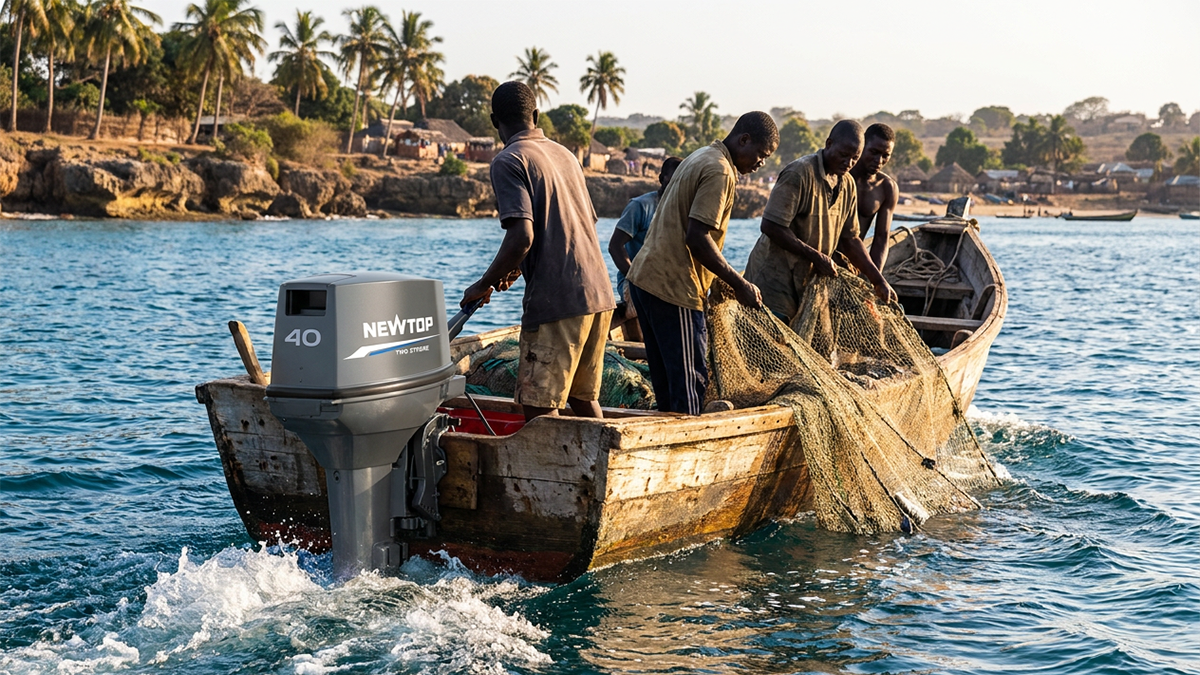
購入者がさまざまなメーカーの製品を比較するとき 船外機メーカー, 彼らはしばしば馬力にまず注目します, 価格, またはブランドの知名度. それは理解できる, しかし、そこから始めるのが最適な場所であることはほとんどありません. 実際の市場では, 適切な船外機は、単に最も強力なモデルや最も安価なオプションではありません。. 現地の水事情に合わせたものです, ユーザーの習慣, メンテナンスの現実, そして長期的な需要.
そのため、船外機の選択は常に機械ではなく市場から始める必要があります。. ローカル環境が異なる場合、あるリージョンで良好なパフォーマンスを発揮するモデルでも、別のリージョンではパフォーマンスが低下する可能性があります。, ボートの種類, 購入者の期待は異なります. 代理店およびディーラー向け, これは技術的な問題以上のものです. 顧客の信頼を形作るのは商業上の決定です, 再注文率, 長期的なビジネスの成長.
ニュートップにて, このパターンは複数の輸出市場で見られます. 私たちの経験では, 最も強力な結果は、多くの場合、現場での毎日の使用に適合する製品から得られます。, カタログで見た目が良いという理由だけで選んだ製品ではありません.
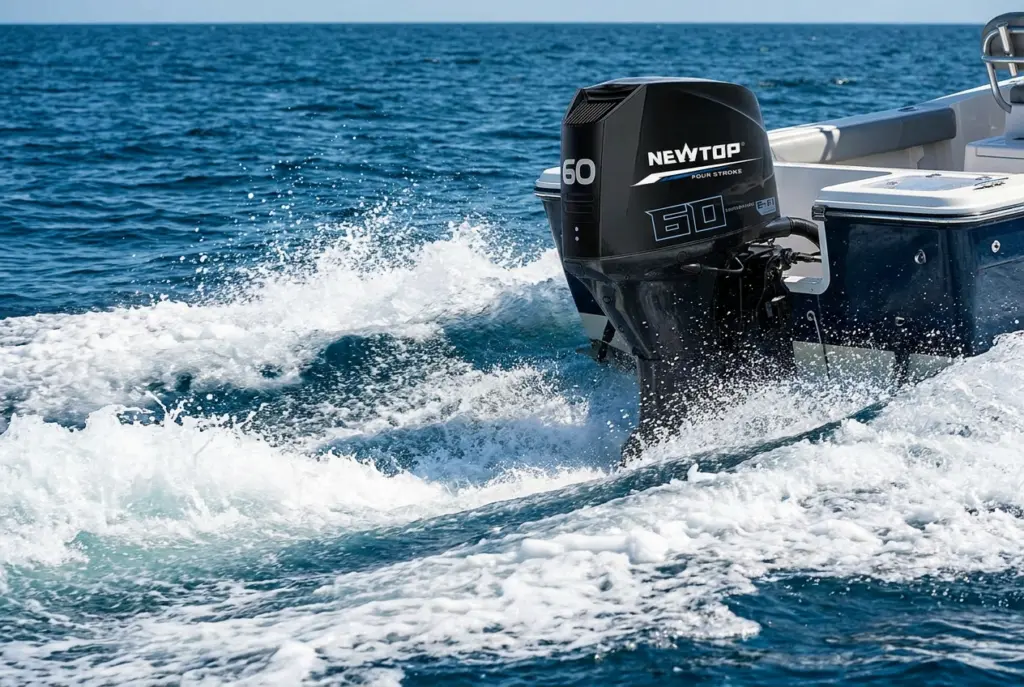
ローカル使用から始める, 製品スペックだけではない
最初の質問は簡単です: あなたの市場では船外機を何に使っている人がいますか?
一部の地域では, バイヤーは主に近海釣りや短距離輸送に使用しています。. 他では, 彼らは川の仕事を彼らに頼っている, 島内輸送, 観光, パトロール, または救助アプリケーション. 商品カテゴリーは同じでも、, 日々の仕事量はまったく異なる可能性があります.
その違いが重要だ. 小型漁船を中心に構築された市場は燃料効率をより重視する可能性がある, 簡単な始動, 最高速度よりも簡単なメンテナンス. 対照的に、, より重い荷物を運んだり、長時間運転したりするオペレーターは、より強力な推力を求めることがよくあります。, 安定した冷却, 継続使用でも信頼できるパフォーマンスを実現.
多くの輸入業者は、実際の作業パターンを理解する前に、排気量と定格出力を比較するという間違いを犯しています。. 実際に, 本当の問題は、「紙の上ではどちらのエンジンが強力に見えるか」ではありません。?「余分な問題を引き起こすことなく、この市場で通常の業務を遂行できるエンジンはどれでしょうか」?」
ローカルのユースケースが明確になったら, 製品スペックの評価がさらに容易になりました.
なぜ水の状態と気候が重要なのか
すべての市場が船外機に同じ圧力をかけているわけではありません. 水タイプ, 温度, 湿度, および動作環境はすべて、時間の経過とともにエンジンのパフォーマンスに影響を与えます.
沿岸市場では, 耐食性が大きなセールスポイントになる. 海水, 湿度, 頻繁に海洋にさらされると、弱いコンポーネントがすぐに損傷する可能性があります. これらの市場のバイヤーは、材料の耐久性に細心の注意を払うことがよくあります。, 保護コーティング, そして長期的な信頼性.
川沿いの市場で, 焦点が移動する可能性があります. 浅い水域, 泥だらけの状況, 電流が変動するため、ユーザーは冷却の安定性をより心配することがよくあります。, プロペラの耐久性, 安定した低速動作. このような場合には, ショールームで印象的に見える製品でも、現場の条件と一致しない場合は信頼を築けない可能性があります.
気候も買い手の期待を形成する. 暑い地域では, ユーザーは長時間の稼働時の熱安定性を重視することがよくあります。. メンテナンス習慣が異なる市場で, また、操作が簡単で、日常の使用に耐えられる製品を好む可能性もあります。.
経験豊富な船舶用エンジン ディーラーが外観だけでモデルを判断することはほとんどないのはこのためです。. 彼らは、市場が実際の地域の状況にどのように耐えるかに基づいて製品を判断することを知っています.
地元のバイヤーが実際に重視しているもの
多くの輸入業者は、バイヤーが船外機をどこでも同じように評価すると想定しています。. 実際に, 彼らはしません. 価格に敏感な市場であっても, ダウンタイムが発生する場合、顧客が絶対的に最も安価なオプションを望むことはほとんどありません, 燃費が悪い, または継続的なサービスの問題.
ほとんどの地元の市場では, 買い手は実際的な要素の組み合わせを気にする傾向があります:
- 実釣でも安心の日常性能, 輸送, または労働条件
- 長期的な運用コストを削減する燃料効率
- 簡単な始動と簡単な取り扱い, 特に頻繁に使用するボートの場合
- 定期的なメンテナンスや修理のためのスペアパーツの入手可能性
- 地域の気候や水質における耐久性, 塩水または熱を含む
- 短いダウンタイム, 多くのユーザーが収入を得るためにエンジンに依存しているため
- ディーラーやサプライヤーに対する信頼, 特にアフターサポートが重要な場合
これが、製品のポジショニングが非常に重要である理由です. 優れた販売代理店は、単にどのエンジンのコストが安いかを尋ねることはありません。. 彼らは、フルシーズンの作業を終えた後も顧客がどのエンジンを信頼できるかを尋ねます。.
そのため, 成功した船外機販売代理店は通常、考えられるすべての構成を在庫しようとするのではなく、少数の明確な購入者のプロファイルを中心に製品範囲を構築します。.
馬力を実際の動作需要に合わせる
馬力はボートと作業負荷をサポートする必要があります, 単なるマーケティング言語ではない.
ライトフィッシングに適した低馬力モデルが多い, 小型ボート, 個人的な水の使用. ミッドレンジ モデルは通常、ユーザーが携帯性と実用的な出力のバランスを必要とする混合用途市場に適合します。. より高馬力のエンジンは商業作業に適しています, より大きな船体, またはより重い荷物を運ぶ作業.
重要なポイントはシンプルです: 馬力は現地の需要に見合ったものでなければならない. エンジンが大きすぎると、不必要な燃料費と購入圧力が発生する可能性があります. エンジンが小さすぎると日常の作業に支障をきたし、すぐに顧客の信頼を損なう可能性があります.
多くの場合、最も現実的と思われるものこそが商業上の最良の決定である理由はここにあります, パンフレットに印刷されている最も大きい番号のものではありません.
多くの市場でエンジンの種類が依然として重要な理由
エンジンの種類も市場適合性において重要な役割を果たします.
多くの市場で, 特に簡単なメンテナンスと使い慣れたエンジン構造が依然として重要な場合, 2ストローク船外機 買い手の関心を引きつけ続ける. すでに製品を理解しているユーザーは、自信を持って再度購入することが多い, 特にローカルサービスの知識がすでに存在する場合.
他の市場では, しかし, 規制により買い手の期待が変わり始める可能性がある, 燃料の習慣, または商業的ニーズの変化. それでも, 市場にメンテナンスの習慣やスムーズな稼働を維持するためのサポート ネットワークが欠けている場合、技術的に高度な製品が常に最良の商業的選択肢であるとは限りません。.
ここでディストリビューターは製品文献を超えて考える必要があります. 通常、最良のモデルは、現地市場ですぐに使用できるモデルです。, メンテナンスと再注文.
スペアパーツとアフターセールスサポートがリピートビジネスを促進する理由
強力なエンジンだけでは市場を構築できない.
スペアパーツの供給, サービス応答, テクニカル サポートは、顧客が再注文するかキャンセルするかを決定することがよくあります. ディーラーは価格や外観を理由に最初のユニットを販売する可能性があります, しかし、リピートビジネスは通常、販売後に何が起こるかによって決まります.
共通保守部品の調達が難しい場合, または技術的な質問が解決されない場合, たとえ良いエンジンでも売るのが難しくなる. これが、経験豊富なバイヤーの多くが製品範囲だけでなく船外機メーカーを評価する理由です。, エンジンの後ろのサポートシステムによっても.
明確な部品図, 安定したコンポーネント, 交換連続性, 応答性の高いコミュニケーションが重要です. ニュートップ用, ビジネスのこの部分は二次的なものではありません. 多くの輸出市場で, 長期的な信頼は、エンジンが, スペアパーツ, アフターサポートもすべて連携可能.
同時に, より強力なアフターセールスパフォーマンスは、多くの場合、すでに現地の需要に適合しているモデルを選択することから始まります。. NEWTOPはT15-6B4などの人気の船外機オプションでディストリビュータをサポートできます, T15-63V, T40J, とT40G, 地元のボートのサイズに応じて, 仕事量, そして顧客の好み. 市場で広く使用されている厳選されたプラットフォーム向け, 互換性のある機械や交換部品も提供できます。 100% ヤマハと互換性があります, 鈴木, Tohatsu, およびマーキュリーモデル. これにより、ディーラーはサービスのプレッシャーを軽減できます, 部品の入手可能性を向上させる, 日常のメンテナンス需要に迅速に対応します.
信頼性の高い船外機で現地の需要にマッチ

ディーラーは船外機メーカーをどう評価すべきか
多くの場合、適切なサプライヤーを選択することは、適切なエンジン モデルを選択することと同じくらい重要です。. 実際に, 経験豊富な輸入業者や船舶用エンジン販売業者は通常、協力関係を拡大する前に、いくつかの中核となる基準に基づいてメーカーを評価します。.
| 評価要素 | なぜそれが重要なのか |
|---|---|
| 製品の一貫性 | エンジンが異なるバッチ間でも同様に動作することを保証することで、ディーラーが顧客の信頼を築くのに役立ちます. |
| スペアパーツの継続性 | アフターサービスをサポートし、保守部品の入手不能によるリピートビジネスの損失のリスクを軽減します. |
| テクニカルサポート | ディーラーが設置を解決できるようにする, メンテナンス, ローカル市場での質問をより効率的に解決します. |
| 安定供給 | 在庫計画が容易になります, 需要のピークに対応する, 安定した売上成長を維持する. |
| ビジネスの柔軟性 | 販売代理店が製品構成を適応させるのを支援します, 梱包, または市場の発展に応じた協力モデル. |
実際に, 販売代理店の成長のさまざまな段階を理解しているメーカーは、多くの場合、長期的に協力しやすいです。. 新しい輸入業者はエントリーレベルのモデルを選択するのに助けが必要な場合があります, 一方、より確立されたパートナーは OEM サポートを必要とする場合があります, 梱包調整, またはより幅広い製品ミックス.
どちらの場合も, サプライヤーは商業的に考える必要がある, 運営面だけでなく. これが、長期的なパートナーシップが取引による購入よりも優れたパフォーマンスを発揮することが多い理由の 1 つです。.
価格が重要, しかし、トータルマーケットフィットはもっと重要です
価格は常に購入決定に影響を与えます, 特に競争市場では. しかし, 価格だけで長期的な成功を予測できることはほとんどありません.
初期費用が低いエンジンは、後になって保証の問題により大きなプレッシャーを受ける可能性があります, 顧客の信頼の低下, またはリピート率が低い. 一方で, より優れたサポートを備えた少し強力な製品は、苦情が減り信頼が向上するため、時間の経過とともにディーラーの利益が増加する可能性があります。.
これは、すべての市場がプレミアムに移行する必要があるという意味ではありません. それは、すべての市場がトータルフィットの観点から考える必要があることを意味します: 製品の性能, 現地の状況, 買い手の期待, サービスサポート, 長期的なビジネスの可能性.
これらの要素が揃うと, 船外機は単なる製品ではありません. それは実際の市場戦略の一部となる.
現在の需要と将来の成長について考える
船外機に関する最善の決定は、通常、現在の需要と将来の機会のバランスをとることによって行われます。.
ディストリビューターはバイヤーが今日何を必要としているかを理解する必要があります, そして、市場が次にどこに動くかについても. あなたの地域で漁業が成長している場合, 観光, 救助用, または水運, その場合、製品計画は短期的な需要だけではなく、その方向性を反映する必要があります。.
現在の目標は単にエンジンを販売することではありません. 市場とともに成長できる製品ラインナップを構築することです.
だからこそ、適切な船外機の選択は単なる技術的な決定ではありません。. 商用のものです. 地元の環境を理解しているバイヤー, 適切な馬力範囲を選択してください, 信頼できる船外機メーカーと協力することで、長期的にはより強力な立場に立つことができます。.
船舶用エンジン事業を展開されている企業様へ, そのような意思決定は真の利点を生み出します. ニュートップにて, 私たちは、製品の選択が市場の現実から始まり、長期的な顧客の信頼で終わるときに最良の結果が得られると信じています。.
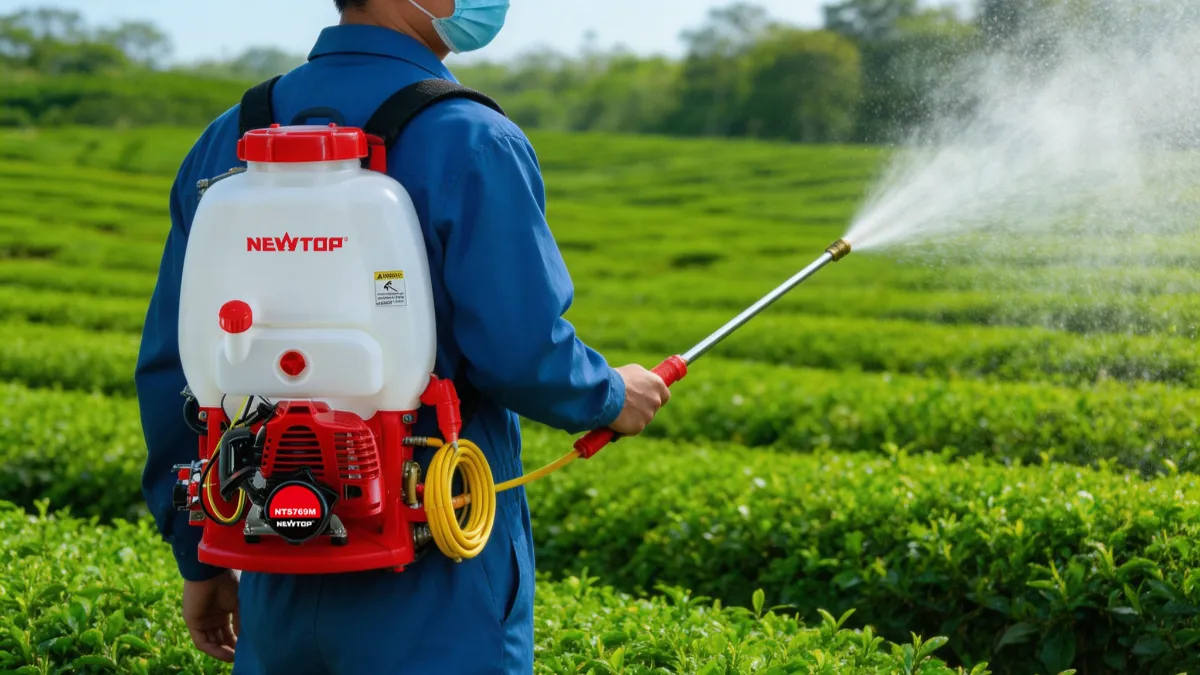
ナップザック噴霧器は農業で広く使用されています, 造園, 園芸, 害虫駆除, そして衛生作業. 多くのナップザック噴霧器サプライヤーが同様の外観の製品を提供していますが、, 実際の製造品質, 一貫性, サービス能力は大幅に異なる場合があります. 適切なナップザック噴霧器メーカーを選択することは、競争力のある価格を見つけることだけではありません。. 長年にわたりビジネスの成長をサポートする信頼できるサプライ チェーンを構築することが重要です.
あなたがディストリビューターであるかどうか, 輸入者, 農機具販売業者, またはプライベートブランドのオーナー, メーカーを評価する方法を理解することは、購入リスクを軽減するのに役立ちます, 顧客満足度の向上, 市場での地位を強化します.
このガイドでは、信頼できるナップザック噴霧器メーカーを選択する前に考慮すべき重要な要素について説明します.
ナップザック噴霧器のメーカー経験
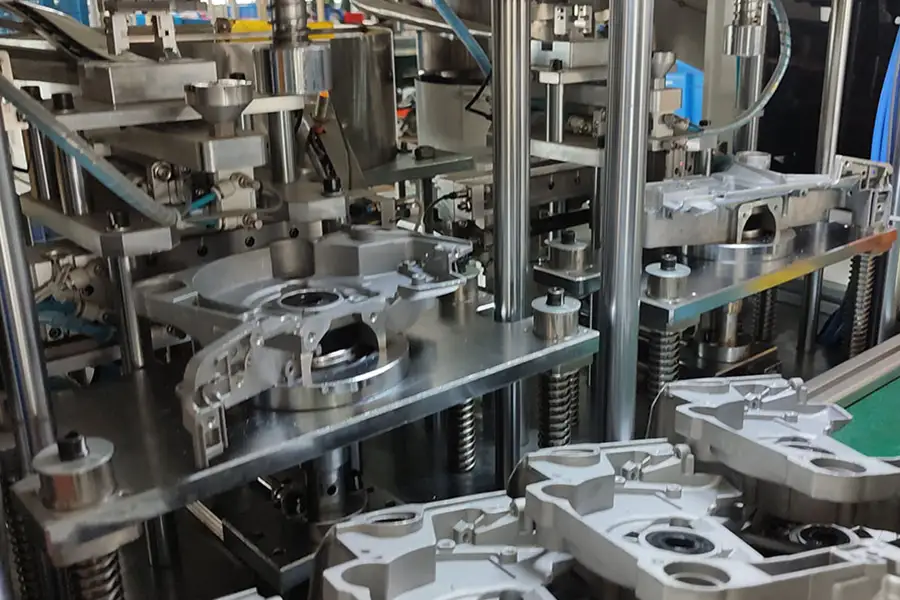
多くの場合、経験は製造の信頼性を示す最も強力な指標の 1 つです. を生産してきたOPE工場 ナップザック噴霧器 長年にわたり、通常はより成熟した運用システムが使用されています, 品質管理の強化, 市場の要件をより深く理解する.
経験豊富な ナップザック噴霧器メーカー よりよく備えられている:
- 製品開発の課題を解決する
- 生産効率の向上
- 一貫した製品品質を維持する
- 国際市場基準を満たす
- 顧客のフィードバックに迅速に対応する
次の質問を検討してください。:
| 評価要素 | なぜそれが重要なのか |
|---|---|
| 稼働年数 | 生産の安定性と業界の知識を示します. |
| 輸出経験 | 国際的な要件と市場規制への理解を示す. |
| 製品の専門化 | バックパック噴霧器製造における技術的専門知識と継続的な製品開発を示します。. |
| 顧客ポートフォリオ | 市場の認識を反映, 顧客満足度, 長期にわたるビジネス上の信頼. |
| 生産規模 | 増加する注文量と将来の事業拡大をサポートするメーカーの能力を示します. |
複数の地域にサービスを提供する OPE メーカーは、多くの場合、異なる顧客の好みを理解しています。, 認定要件, そして流通上の課題. この経験は、製品を新しい市場に導入するときに役立ちます.
例えば, アフリカとラテンアメリカの販売代理店は、コストとコストの適切なバランスを提供する製品を求めることがよくあります。, 品質, と市場コンプライアンス. また、多くの企業は、地元の販売チャネルを強化するために、カスタマイズされたパッケージングやブランディングを必要としています。. 長年にわたりこれらの地域の顧客に製品を供給してきました, ニュートップ, 経験豊富なナップザック噴霧器メーカー, これらの要件を理解し、コスト効率の高い製品を提供します, 柔軟なOEMサービス, 安心の輸出サポート.
ナップザック噴霧器の品質管理プロセス
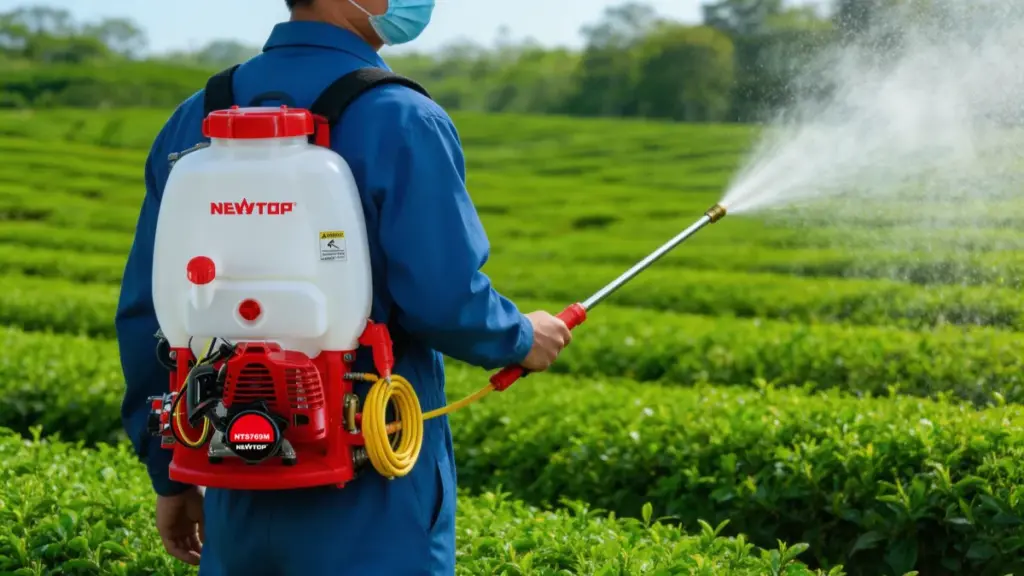
厳格な品質管理フレームワークにより、ナップサック型噴霧器が現場で確実に動作することが保証されています。. この体系的なアプローチにより欠陥が最小限に抑えられます, 投与量の正確性を標準化します, オペレーターの安全を確保します.
| QCステージ | 主要な焦点 | クリティカルアクション |
|---|---|---|
| IQ | 材料 & コンポーネント | 樹脂のインデックス付け, 腐食チェック, エラストマーのショア硬度 |
| IPQC | アセンブリの完全性 | 静圧タンク試験, 中間リークチェック, ポンプストロークの検証 |
| OCC | 最終パフォーマンス | フルユニット圧力保持, スプレーパターン分析, 残量チェック |
| コンプライアンス | システムのトレーサビリティ | CAPA管理, バッチ追跡, 安全規格認証 |
着信 品質管理 (IQ) 材料とコンポーネントの場合
品質は組み立てが始まる前に始まる. 生産ラインに欠陥が入るのを防ぐために、入荷したすべての原材料と購入したコンポーネントを評価します。. 厳格な材料スクリーニングにより、噴霧器が強力な農薬を劣化させることなく処理できることが保証されます。.
- プラスチック樹脂: プラスチック樹脂のメルトフローインデックスをテストする, 密度, および紫外線安定性.
- 金属部品: ポンプロッドやワンドなどの金属部品の耐食性やねじ公差を検査します。.
- シールとガスケット: エラストマーと O リングの化学的適合性と正しいショア硬度を評価します。.
- サブアセンブリ: トリガーバルブを確認する, ホース, 圧力および構造仕様に対する定流量デバイス.
工程内品質管理 (IPQC) 組み立て中
組立ラインを監視することで、位置合わせや製造の問題を早期に発見します. 機械パラメータを追跡し、重要なステーションで物理テストを実施して、構造的完全性と機械的適合性を検証します。.
- タンクの製作: タンクのウェルドラインで静水圧試験を実施しながら、射出成形およびブロー成形パラメータを監視します.
- ポンプの仕組み: ポンプアセンブリのストローク動作がスムーズかどうかを確認してください, 変位精度, および適切なシールの取り付け.
- 中間テスト: ジョイント周囲の中間部分充填漏れチェックを実行する, ホース, そしてポンプベース.
- ハードウェアセキュリティ: ストラップの固定を確認する, 耐荷重アンカーポイント, 最終組み立て時のホースクランプトルク.
出荷時の品質管理 (OCC) そして最終テスト
最終単体テストでは、組み立てられたすべての噴霧器が機能および安全性の目標を満たしていることを確認します. 現場の状況をシミュレートするためにユニットを加圧して操作します, 出荷前に不適合製品を隔離して除去する.
- 漏れの完全性: ユニット全体の圧力テストを直立および傾けて実施し、絶対的な漏れの完全性を確認します.
- 出力の一貫性: 流量の一貫性を測定し、圧力リリーフバルブが指定された限界で作動することを確認します.
- アプリケーションの品質: スプレーパターンの対称性を評価し、即時に遮断するための液滴防止装置をテストします。.
- 効率チェック: 化学廃棄物を最小限に抑えるために、枯渇するまでスプレーした後の残留液体量を測定します。.
システムのドキュメントとコンプライアンスの追跡
文書化された品質システムは説明責任を果たし、継続的な改善を推進します。. 工場データを特定のバッチにリンクします, 購入者がコンポーネントの起源を追跡し、検証されたパフォーマンス指標に依存できるようにします。.
- バッチ追跡: 完成した噴霧器ユニットから特定のコンポーネントのバッチに至るまでの文書化されたトレーサビリティを維持します。.
- パフォーマンスデータ: ライフサイクル耐久性データを追跡する, ポンプサイクルテストとストラップ疲労耐性を含む.
- 欠陥管理: 構造化された是正措置および予防措置を通じて欠陥処理を管理する (キャパ) システム.
- 規制の調整: 最終製品のラベルを確認する, 安全記号, 校正手順は地域の認証基準を満たしています.
耐久性のある園芸機械で ROI を最大化
ナップザックスプレーヤの認定とコンプライアンス
ナップサック型噴霧器のコンプライアンスは、製品レベルの安全基準と安全を確保する運用設計機能の両方に及びます。, 規制された世界市場全体での正確な農薬散布.
考慮すべき重要な認定
| 認証 | 目的 |
|---|---|
| ISO 9001 | 品質マネジメントシステム |
| CE | 欧州市場の要件への準拠 |
| RoHS | 有害物質の制限 |
| BSCI | 社会的責任と倫理的な製造 |
| 到着 | 欧州市場向けの化学物質コンプライアンス |
| SGS テストレポート | 独立した製品検証 |
主要製品の認証と安全基準
世界の農産物市場にアクセスするには、地域の機械および安全に関する指令を厳守する必要があります. メーカーは、噴霧器を市場に出す前に、認められた規制枠組みを通じて噴霧器を検証する必要があります.
- ヨーロッパ人 & 英国市場: CE マーキングおよび UKCA 宣言により、地域の機械への準拠が確認されます。, 圧力機器, および低電圧指令.
- 試験基準: エンジニアは ISO に基づいて機器をテストします 19932-1:2013 タンクの構造的完全性を検証するためのFAOガイドライン, 漏れ抵抗, そしてスプレー性能.
- 動力ユニット: ガソリン駆動のミストブロワーには、エンジン排出物に対する特定の EPA または CARB 認定が必要です, 厳格な騒音と振動への曝露制限と並行して.
材料および化学的適合性要件
農業用噴霧器は強力な溶剤を扱います, 界面活性剤, そして肥料. 材料の選択は、機器の寿命とオペレータの安全に直接影響します。.
- タンクの構造: 工場では、UV 安定化処理を施したタンクを成形します。, 高密度ポリエチレン (HDPE) 屋外での劣化や化学的攻撃を防ぐため.
- シーリングシステム: ガスケット, Oリング, ホースは除草剤による劣化に耐えなければなりません, 殺虫剤, そして液体肥料.
- 検証テスト: 品質管理チームは、材料が膨張しないことを確認するために、長期の化学浸漬テストと周期的圧力プロトコルを実施します。, 割れ目, またはフィールド条件下での漏れ.
運用および環境に関するコンプライアンス
環境管理には、化学廃棄物と目標外のドリフトを最小限に抑える機器が必要です. 噴霧器の設計は、安全な現場作業をサポートする上で主要な役割を果たします.
- アプリケーションの精度: 統合された圧力レギュレーターが安定した圧力を維持し、正確な投与を実現します, 明確な構造設計により、使用前の迅速な安全検査がサポートされます。.
- ドリフトコントロール: オペレーターは特定のノズルの組み合わせとスプレーシールドを使用して化学物質のドリフトを制限し、対象外の作物を保護します.
- 廃棄物管理: マニュアルでは、厳格な 3 回のすすぎ手順と洗浄液の安全な廃棄を指示しています。. 電動モデルにはWEEE準拠のバッテリーリサイクル手順が含まれています.
ユーザー認証の調整と農薬規制
メーカーはオペレーターを認定していない, ただし、現地の農薬使用許可法や専門トレーニングの枠組みに合わせて機器を設計し、文書化する必要があります。.
- 市場の細分化: 明確な製品ラベルにより、プロ仕様の農業用噴霧器と標準的な国内モデルを区別.
- 地域資格: 機器の文書化はオペレーターのトレーニングの期待と一致します, 英国の PA1/PA6 証明書やアイルランドの QQI ハンドヘルド アプリケーション コースなど.
- ラベルの遵守: 噴霧器のエンジニアリングにより、オペレーターは流量と液滴サイズを北米の農薬ラベルの厳格な指示に適合させることができます.
品質管理, トレーサビリティ, およびドキュメント
一貫した生産品質は、構造化された工場監視と堅牢なトレーサビリティ システムに依存します。. これらのフレームワークは、バッチの変動性や責任リスクから購入者を保護します。.
- QMSの統合: 工場はISOを導入しています 9001 設計管理を管理するシステム, プロセスの検証, およびサプライヤーのコンポーネントの監視.
- バッチトレーサビリティ: 施設は固有の製品シリアル番号とバッチコードを追跡して、欠陥のあるコンポーネントを特定し、対象となるリコールを管理します.
- フィールドサポート: 出荷にはローカライズされたユーザーマニュアルが含まれます, 国際的に認められた安全絵文字, オペレーターの正確な校正を支援する視覚的なガイド.
ナップザック噴霧器の OEM および ODM 機能

工場 OEM および ODM 機能により、特定の市場およびブランド基準に合わせてカスタマイズされた噴霧器をいかに迅速かつ確実に製造できるかが決まります。.
主要な OEM および ODM サービス範囲
OEM サービスと ODM サービスを区別することで、バイヤーは自社の製品戦略を工場の能力に合わせて調整することができます. 有能な工場が複数の製品カテゴリーをサポート, マニュアルを含む, 電池式, デュアルモード, そしてガソリン噴霧器.
- OEMサービス: ブランディングに注力, 軽微な構造調整, 既存の噴霧器プラットフォームへのコンポーネントの統合.
- ODMサービス: 新しいタンク構成の開発が含まれます, カスタム電源システム, コンセプト段階から直接、特殊な安全制御を実現.
機械および電気工学の深さ
アドバンストR&D チームは 3D CAD モデリングに依存しています, ラピッドプロトタイピング, 大量生産前に新しい設計を検証するための広範なフィールドテスト.
- 機械工学: 人間工学に基づいたタンクプロファイルをカバー, 肉厚の最適化, 過酷な現場条件に耐える耐久性のあるポンプ機構.
- 電気的機能: バッテリー容量のマッチングを含む, DCモーターの選択, パワードモデル用の防湿制御インターフェース.
生産量と注文の柔軟性
大手ナップサック型噴霧器メーカーは、さまざまな用途に合わせた専用の組立ラインを運用することで大量生産を維持しています。 ナップサック型噴霧器の種類. 工場現場の柔軟性はサプライチェーンの信頼性に直接つながります。.
- MOQとリードタイム: サプライヤーは、お客様の必要なカスタマイズのレベルに基づいて、最小注文数量と生産スケジュールを調整します。.
- 柔軟なセットアップ: 生産セットアップは効率的なブランド変更と混合モデルの注文の並行実行を処理し、在庫の流れを維持します。.
品質保証と規制遵守
一貫した現場パフォーマンスには厳格なプロセス制御が必要です. 噴霧器は世界的な安全基準を満たすために厳格なテストを受けています, 特にタンクの耐破裂性と電気絶縁性をターゲットとしています.
- 工場の品質システム: 入荷した材料のチェックを強制する, 工程内組立検証, バッチごとに本格的なリークテストを実施.
- 最終検査: 品質チームは一貫したスプレーパターンを検証します, 圧力の安定性, 最終梱包前のバッテリー機能.
プロジェクト管理と知的財産セキュリティ
カスタム噴霧器の構築には透明性のあるコミュニケーションと厳格な法的保護が必要です. 専任の技術マネージャーが設計承認を監督, プリプロダクションサンプリング, 工場の生産量を購入者の期待に合わせるための黄金のサンプル定義.
- 透明性のあるコスト構造: 供給契約により、1 回限りのツールおよび開発費用が、継続的なユニットごとのハードウェア価格から分離されます。.
- 知的財産: 明確な供給契約により金型の所有権が定義される, デザインの独占性, 買い手の知的財産を保護するための厳格な機密保持契約.
ナップザック噴霧器の生産とリードタイム

ナップサック型噴霧器のリードタイムは、カスタマイズ レベルとコンポーネントの調達戦略に大きく依存します。. 標準注文は迅速に進みます, 一方、カスタム金型と輸入バッテリーによりスケジュールが延長されます.
ナップザック噴霧器のサプライヤーを評価する場合, 生産能力と納品の一貫性の両方を考慮する.
尋ねるべき主な質問
- 月産能力はどれくらいですか?
- 利用可能な生産ラインは何本ありますか?
- 平均リードタイムはどれくらいですか?
- 繁忙期の注文はどのように管理されますか?
- 物資不足に対する緊急時対応計画はどのようなものがあるのか?
通常のリードタイムは注文数量とカスタマイズ要件によって異なります.
| 注文タイプ | 一般的なリードタイム |
|---|---|
| 標準品 | 15–30日 |
| カスタマイズされたパッケージング | 25–40日 |
| OEMプロジェクト | 30–45日 |
| 新規ODM開発 | 45–90日 |
ニュートップにて, 安定した生産体制と成熟したサプライチェーンを維持し、サンプル注文と大量生産の両方を効率的にサポートします. 一般的なリードタイムは次のとおりです 7 サンプルにかかる日数 そしてについて 30 標準注文の日数 100 ユニットからコンテナ全体の積載まで, 注文要件に応じて.
OEM およびカスタマイズされたプロジェクトの場合, スケジュールは仕様の複雑さによって異なります. プロジェクトについて話し合い、カスタマイズされた見積もりと納期スケジュールを得るには、お問い合わせください。.
スペアパーツの供給とアフターサポート
信頼性の高いスペアパーツの供給と体系的なアフターサポートにより、ナップザック噴霧器の稼働を維持します. コンポーネントを標準化し、現場のダウンタイムを最小限に抑えるために長期的な可用性を保証するメーカーを優先します。.
主要なスペアパーツのカテゴリ
信頼できるメーカーは、重要な散布期間中に農業作業を継続できるよう、交換部品の豊富な在庫を維持しています。. ナップサック型噴霧器の重要な部品を 3 つの異なる層に分類しています。.
- 機械アセンブリ: タンクを含む主要な機械アセンブリの供給, パンプス, 槍, およびノズルシステム.
- パワーコンポーネント: バッテリーなどの電源コンポーネントの入手可能性, 充電器, キャブレター, 電動ユニット用のリコイルスターター.
- 消耗部品: Oリングなどの消耗品シール部品の提供, ガスケット, すぐに使えるキットに入ったフィルター.
これらの特定のカテゴリをストックすることで、軽度の摩耗が完全な機器の故障にまで拡大することを防ぎます。.
保守性と設計要件
優れたエンジニアリングは現場での修理を想定しています. 部品が磨耗すると, オペレーターは、ユニットをサービスセンターに返送することなく、迅速に交換する必要があります。.
- ツールへのアクセス: 標準のハンドツールを使用して内部ポンプおよびバルブコンポーネントに無制限にアクセス.
- モジュール式アセンブリ: 専用の治具を使用せずに、摩耗したコンポーネントを現場で迅速に交換できる設計.
- コンポーネントの標準化: ホースの標準化, スレッド, 販売代理店の在庫を簡素化するための複数の噴霧器モデルにわたるフィッティング.
この標準化により、地域の流通業者の在庫の複雑さが大幅に軽減され、エンドユーザーの総所有コストが削減されます。.
技術文書とトレーニング
技術者にコンポーネントを正しく取り付けるための知識がなければ、最良のスペアパーツネットワークであっても機能しません。. メーカーは明確な視覚的な修理文書と積極的なサポートを提供する必要があります.
- ビジュアルドキュメント: 正確な部品注文のための明確な参照番号を備えた詳細な分解図.
- メンテナンスマニュアル: 日常のメンテナンスについて説明した多言語ユーザーマニュアル, 適切な化学洗浄プロトコル, とストレージ.
- 診断ツール: 圧力損失などの一般的な障害に対処する実用的なトラブルシューティング ガイド, 漏れ, ムラのあるスプレー.
- スキル開発: 販売代理店技術者および大規模農業エンドユーザー向けのメーカー主導の能力開発およびトレーニング ワークショップ.
適切なトレーニングにより、正しい再組み立てと校正が保証されます, コンポーネントの不適切な取り付けによって引き起こされる投与量エラーの回避.
部品の在庫状況と供給物流
生産終了したモデルが存続可能な資産であり続けるか、役に立たないプラスチックになるかは供給の継続性によって決まります。. バイヤーは工場パートナーからしっかりとした物流上の約束を確保する必要があります.
- ライフサイクルへの取り組み: 生産終了モデルを交換部品で 5 ~ 7 年間サポートするという約束.
- 注文処理: 標準リードタイムを含む構造化された注文機能, 妥当なMOQ, コンテナ混載輸送.
- 地域供給: 地域の配送センターと地元の倉庫パートナーを活用して農家のダウンタイムを削減.
初期のスペアパーツの出荷と主要なコンテナの注文をバンドルすることで、早期の季節在庫切れに対する即時保護が提供されます。.
保証範囲と請求の解決
保証には明確な実行フレームワークが必要です. 欠陥を迅速かつ効率的に処理するには透過的なシステムが必要です.
- 補償期間: 構造コンポーネントと通常の摩耗部品を区別する明確なベースライン保証条件.
- クレーム処理: 迅速な対応と定められた解決期間を備えた、欠陥の申し立てを提出するための透明性の高い手順.
- 救済措置の実行: 無料交換部品を含む救済オプション, フルユニット交換, またはサプライヤーのクレジット割り当て.
これらのクレームを通じて故障データを追跡することは、購入者がより良い条件で交渉するのに役立ち、工場レベルでの継続的な製品の改善を推進します。.
低価格メーカーを選択する際の一般的なリスク
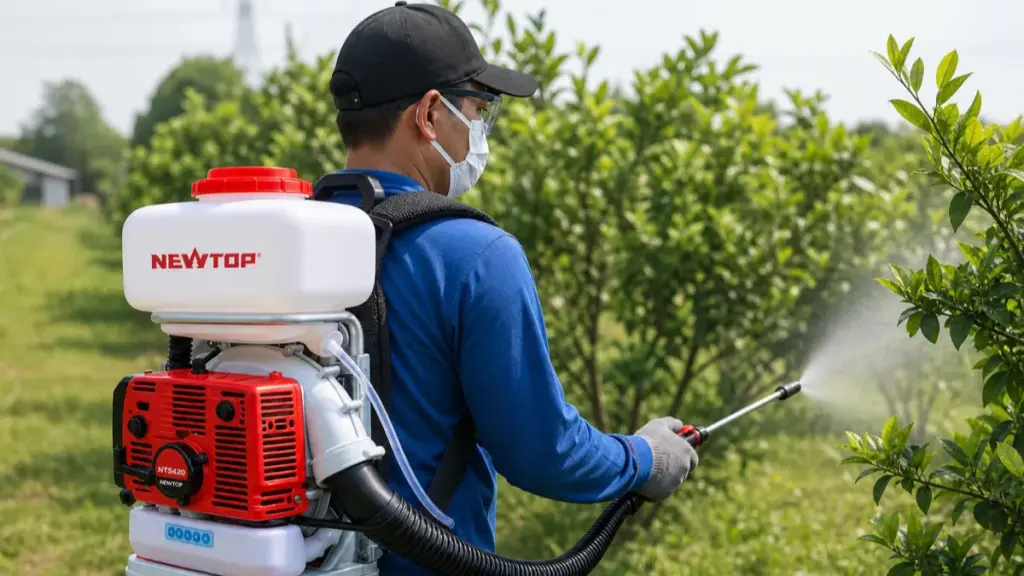
最低単価を追求すると、初期の現場での障害時に莫大なコストが隠れてしまうことがよくあります, 安全責任, そしてサプライチェーンの混乱. 安価な噴霧器はすぐに高価な負債になる.
製品の品質と性能の問題
低コスト工場は日常的に材料やエンジニアリングの手抜きを行っています. これは現場のパフォーマンスに重大な影響を与え、機器がエンドユーザーに届いたときにブランドの評判を傷つけます。.
- 一貫性のないスプレー出力: 不適切な校正と圧力変動は、作物への過剰投与または過少投与に直接つながります。.
- コンポーネントの故障: 標準以下のノズルや安価な液体コンポーネントは、すぐに液だれしたり詰まったりする傾向があります。.
- 構造的脆弱性: 薄いプラスチックと弱いフレームは、通常の現場使用ではタンクに亀裂が入り、完全な構造的破損を引き起こします。.
安全性と規制遵守のギャップ
農業機械はオペレーターを保護し、厳しい輸入基準を満たさなければなりません. 予算メーカーはコストを節約するためにコンプライアンスの手順を省略することがよくあります, 法的リスクをすべて自分に転嫁する.
- 労働者の暴露: 密閉設計が不十分だと、漏れや滴りが絶えず発生し、作業者の農薬への曝露が増加します。.
- ブロックをインポートする: ISO および国家安全基準を回避すると、貨物が税関で拒否されるリスクが高くなります.
- 賠償責任のエクスポージャー: トレーサビリティの欠如と安全認証の欠如により、購入者は規制上の罰金や製品リコールにさらされることになる.
信頼性と隠れたライフサイクルコスト
低予算の噴霧器の初期費用は、部品が壊れ始めた瞬間に消えてしまいます。. プロのバイヤーが総所有コストを評価します, 現場で機器に障害が発生すると急落する.
- 頻繁なダウンタイム: シールの故障率が高い, ホース, 重要な場合にはポンプハンドルが動作を停止します, 時間制限のあるスプレーウィンドウ.
- 耐用年数が短くなる: スペアパーツカタログやメンテナンスサポートがないため、機器の早期交換が必要となる.
- 消去された余白: 高い不良率, 一定の修理要件, 頻繁な保証請求により、初期ユニットコストの節約がすぐに失われます.
人間工学と使いやすさが劣る
ナップザック式噴霧器の操作が不快または困難な場合, 労働者が誤用したり、急激な肉体的疲労を経験したりする可能性があります。, ずさんな申請につながる.
- オペレータの疲労: 不快なストラップと不十分な重量配分により、長時間の勤務中に身体的負担が加速します.
- 間違った慣行: マニュアルが不十分で現地語への翻訳が不足していると、化学薬品の混合や塗布に間違いが発生します。.
- 機器の誤用: 適切なトレーニング資料が大幅に不足しているため、オペレーターのミスやコンポーネントの破損の可能性が高まります。.
サプライチェーンと品質の不一致
低コストのサプライヤーには、安定した品質を維持したり納期どおりに納品したりするためのインフラストラクチャや規律が欠けていることがよくあります。, 季節販売戦略全体を混乱させる.
- 変動するバッチ品質: メーカーは利益率を維持するために、より安価な材料や精査されていない下請け業者に密かに切り替えます。.
- 販売期間を逃した: 生産能力の制約により、重要な散布前の農業シーズンの直前に納品が遅れてしまう.
- スキップされたテスト: 脆弱な内部品質管理システムにより、重要な最終検査や漏れ検査が回避されている.
特定のアプリケーションに対する設計上の制限
ジェネリック, 画一的なアプローチはプロの農業ではほとんど機能しません. 予算サプライヤーは基本的な構成に固執するため、特殊な市場セグメントを獲得する能力が制限されます.
- 機能の不一致: 一般的な設計では特定の作物の要件に対応できない, さまざまな地形タイプ, および現地の気候条件.
- アプリケーション制御が不十分: 不適切な撹拌および圧力制御機構により、ユーザーは厳密なスプレーガイドラインに従うことができません.
- ポートフォリオの停滞: 限られた製品ラインは、より大容量のバッテリー駆動または電動ユニットに対する市場の需要の高まりを無視しています.
NEWTOP を使用してナップザック噴霧器の製品ラインを構築する準備ができました?
実績のある OPE メーカーと提携することでサプライ チェーンを確保します. NEWTOPは確かな品質をお届けします, コンプライアンス対応の文書化, 噴霧器ブランドの競争力を維持するためのスケーラブルな OEM 生産.
以上で 20 長年の製造経験, NEWTOP は、以上の地域の顧客にサービスを提供する信頼できる屋外電源装置のサプライヤーです。 65 国.
NEWTOPと提携する理由?
- 500,000+ 年間生産能力 安定供給のために
- 先進的な製造設備 と厳格な品質管理システム
- 経験豊富なR&Dチーム OEMおよびODMカスタマイズのサポート
- 耐久性のある, 現場でテストされた噴霧器 農業用および商業用に設計されています
- 信頼できるスペアパーツ供給 長期にわたるアフターサポートのために
- 国際品質基準と製品コンプライアンス 世界市場向け
- 専門的な輸出経験 アフリカに奉仕する, ラテンアメリカ, 東南アジア, そして中東
グローバルなプレゼンスを拡大するために, NEWTOPは地域の代理店とブランドパートナーを積極的に探しています. 新しい製品ラインを立ち上げる場合でも、既存のポートフォリオを拡張する場合でも, 私たちのチームは信頼できる製造サポートを提供できます, カスタマイズサービス, および競争的パートナーシッププログラム.
OEM プロジェクトについて話し合うには、今すぐ NEWTOP にお問い合わせください。, プライベートブランドのチャンス, または地域流通協力.
よくある質問
ナップサック型噴霧器のメーカーではどのような認証を求めるべきですか?
一般的な認証には ISO が含まれます 9001, CE, RoHS, 到着, BSCI, SGS などのサードパーティのテスト レポート. 必要な認定は、対象市場と製品用途によって異なります。.
ナップザック噴霧器工場は OEM および ODM サービスを提供していますか?
はい, ほとんどの確立されたバックパック噴霧器メーカーは両方を提供しています. OEM サービスは通常、ブランディングをカバーします, カスタムカラー, 最小注文数量が減り、パッケージが変更される. ODM には新しいタンク形状のエンジニアリングが含まれます, ポンプ機構, または人間工学に基づいた機能, より多くの量と事前のツール投資が必要になる.
ナップサック式噴霧器の注文の一般的な生産リードタイムはどのくらいですか??
ニュートップにて, サンプルはかかります 7 日, 標準的な注文には通常約 30 日. OEM および ODM の注文はカスタマイズ要件に応じて異なります.
信頼できる工場が実行すべき品質管理チェックとは?
信頼できる工場で入荷検査を実施, 工程内組立監視, そして最終製品のテスト. 最終テストには圧力保持を含める必要があります, 漏れ検出, 制御された条件下での流量校正. また、代表的なサンプルに対して耐久性と耐薬品性のテストを定期的に実行する必要があります。.
ナップサック式噴霧器にとってスペアパーツの一貫性が重要な理由?
一貫したスペアパーツにより、噴霧器が正確な圧力と流量を維持することが保証されます。, 化学物質の過少投与または過剰投与を防ぎます. 標準化されたものを使用する, 高品質の交換部品により、運用のダウンタイムも最小限に抑えられます, メンテナンスを簡素化します, 機器の寿命を延ばします.
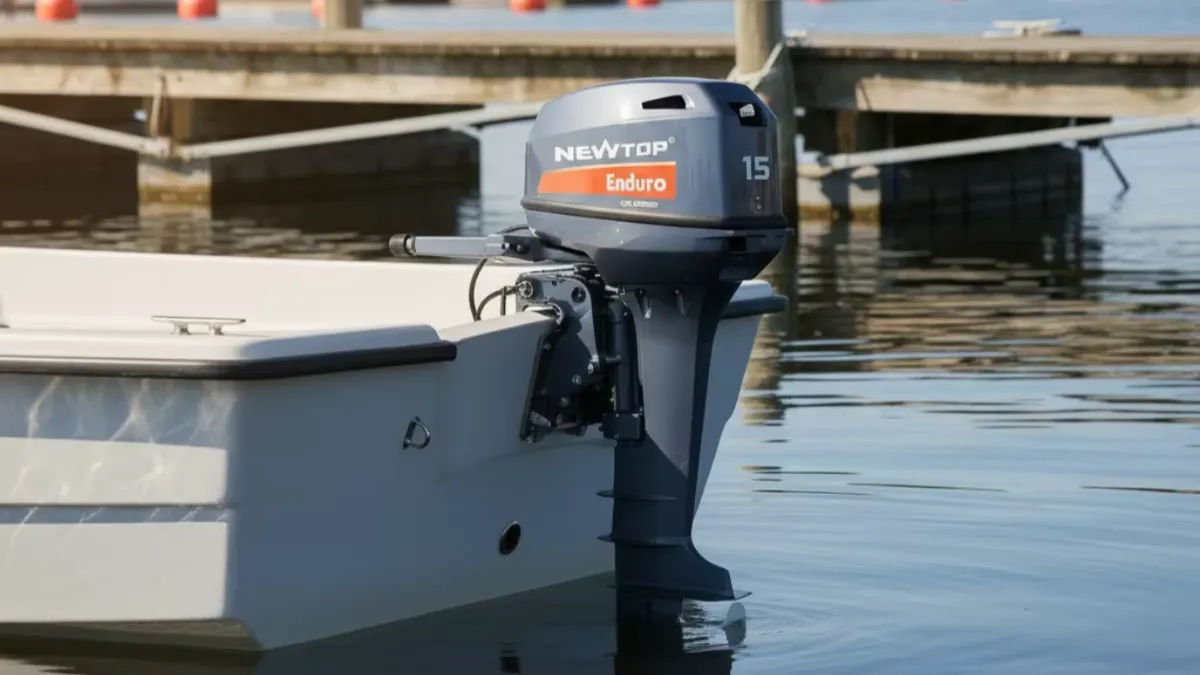
船外機は中小型船舶にとって最も重要な動力システムの一つです。. 釣りで広く使用されています, レジャーボート遊び, 救助活動, 水産養殖, 交通機関, および商業海洋事業. 適切な船外機の選択は燃費に直接影響します, スピード, 信頼性, 維持費, そして全体的なボート体験.
現在の市場では多くの種類の船外機が販売されています, ガソリンを含む, 電気, ディーゼル, 2ストローク, および4ストロークモデル. 各オプションはさまざまなボートのサイズに合わせて設計されています, 動作環境, と使用ニーズ.
このガイドでは、船外機の主なタイプについて説明し、購入者がさまざまなボート用途に最適なソリューションを理解するのに役立ちます。.
船外機の種類を解説
船外機 いくつかの方法で分類できます, 燃料の種類も含めて, エンジン設計, 馬力範囲, および意図された用途.
最も一般的なカテゴリには次のものがあります。:
| モーターの種類 | コアテクノロジー | 主な使用例 |
|---|---|---|
| 4ストロークガス | ガソリン / オイルを分離する | ファミリークルーザー, 沖合釣り, 重いポンツーン |
| 2ストロークガス | ガソリン / オイルミックス (またはDFI) | 軽量パフォーマンスボート, 浅瀬用スキッフ |
| 電気 | リチウム/AGM バッテリー | 環境に配慮した水, ディンギー, 制限された湖 |
| ガスと電気のハイブリッド | 燃焼 + 電気駆動装置 | 混合用途容器, エコツーリズム, 水上タクシー |
| トローリング / キッカー | 電気または小型ガス | 正確な角度制御, 補助的なオフショアバックアップ |
| ジェット船外機 | ウォーターポンプ推力 | 浅い川, 岩の急流, 救助活動 |
4 ストローク ガソリン船外機
4 ストローク船外機が現代のレクリエーションボート市場を支配. 別個のオイルシステムで動作します, 手動による燃料と油の予混合の必要性を完全に排除します。. このデザインは自動車エンジンを反映しています, バルブとカムシャフトを使用して吸気と排気の位相を管理する.
- 効率と排出量: 高い燃費効率を実現, 排出量の削減, 従来のエンジン設計と比較して静かな動作.
- アプリケーション: ファミリークルーザーで優れたパフォーマンスを発揮, 沖合漁船, 重荷重ポンツーン.
- トレードオフ: 重量が重くなり、初期費用が高くなりますが、強力な長期信頼性と再販価値を提供します。.
2ストロークガソリン船外機
2 ストローク船外機は生のパワーと素早いスロットル応答を優先します. クランクシャフトが回転するたびに点火します, スタートラインから明らかなパフォーマンス上の優位性を与える. 古いキャブレターモデルはより多くの燃料を消費し、より多くの排気煙を発生しますが、, 現代工学は技術を洗練させました.
- パフォーマンス: 高いパワーウェイトレシオを実現, 素早い加速と強力なホールショットを実現.
- 力学: 可動部品が少なく、よりシンプルなコアメカニズムが特徴です, 多くの場合、初期購入コストとメンテナンスコストが削減されます.
- 最新のアップグレード: 最新の直噴バージョンはオイルと燃料を正確に計量し、軽量パフォーマンスボートの効率を向上させます。.
電動船外機
電動船外機は内燃エンジンを完全に置き換えます, 充電式リチウムまたは AGM バッテリー パックから電力を供給. 彼らはサイレントを提供します, 騒音と汚染防止が最優先事項である特定のボート環境に合わせて調整された、排出ガスのない代替品.
- 環境への影響: ローカルエミッションがゼロで騒音も最小限に抑えられます, 環境に配慮した水域や野生生物の生息地に最適です。.
- メンテナンス: オイル交換や点火プラグの交換などの定期的な機械メンテナンスはほとんど必要ありません。.
- 制限事項: バッテリー容量に基づく範囲制限に直面する, ドックまたはトレーラーに信頼性の高い充電インフラが必要.
ガス電気ハイブリッド船外機
ハイブリッド システムは内燃エンジンと電気駆動装置を組み合わせて運用の柔軟性を最大化します. オペレーターは、周囲の環境や航続距離の要件に基づいて、推進方法をシームレスに切り替えることができます。.
- 多用途性: 事業者は制限区域では静かな電力を使用し、外洋輸送ではガス電力を使用できるようにする.
- 信頼性: 二重電源冗長性を提供する, 1 つのシステムが故障した場合にバックアップ推進力を提供する.
- 考慮事項: システムがより複雑になる, 体重増加, シングルモードの代替品よりも取得コストが高くなります.
トローリングおよびキッカーモーター
すべての船外機が高速推進力の主な源として機能するわけではありません. トローリングモーターとキッカーモーターは、メインエンジンを補完する高度に専門化された役割を果たします。, 正確な操縦と安全性を重視.
- トローリングモーター: 電力を使用して正確な精度を提供します, 静けさ, 釣り人用低速制御ナビゲーション構造.
- キッカーモーター: トランサム上でメインエンジンの横に取り付けられた小型補助ガソリン船外機として機能.
- 利点: オフショアの安全のためにバックアップ推進力を提供し、長時間の低速輸送中に燃料を節約します.
プロペラ vs. ジェット船外機のバリエーション
船外機がエンジン出力を推力に変換するために使用する方法によって、安全に航行できる場所が決まります。. 従来のプロペラ船外機は、幅広い速度と深度にわたってパワーを効率的に推力に変換しますが、, ジェットタイプは危険水域に特化したソリューションを提供します.
- ジェットメカニクス: ジェット船外機は下部ユニットのプロペラをウォーターポンプに置き換えます, 船体の下に水を汲み上げ、推進力として排出する.
- 安全上の利点: ジェットドライブによりドラフトが大幅に減少し、ブレードが露出するリスクが排除されます。, 浅い川や岩場でのより安全な選択肢を生み出す.
- パフォーマンスのトレードオフ: ジェットユニットはプロペラの速度に合わせるためにより多くのエンジン出力を必要とし、浮遊する破片による吸気詰まりのリスクに直面します。.
2ストローク船外機と4ストローク船外機
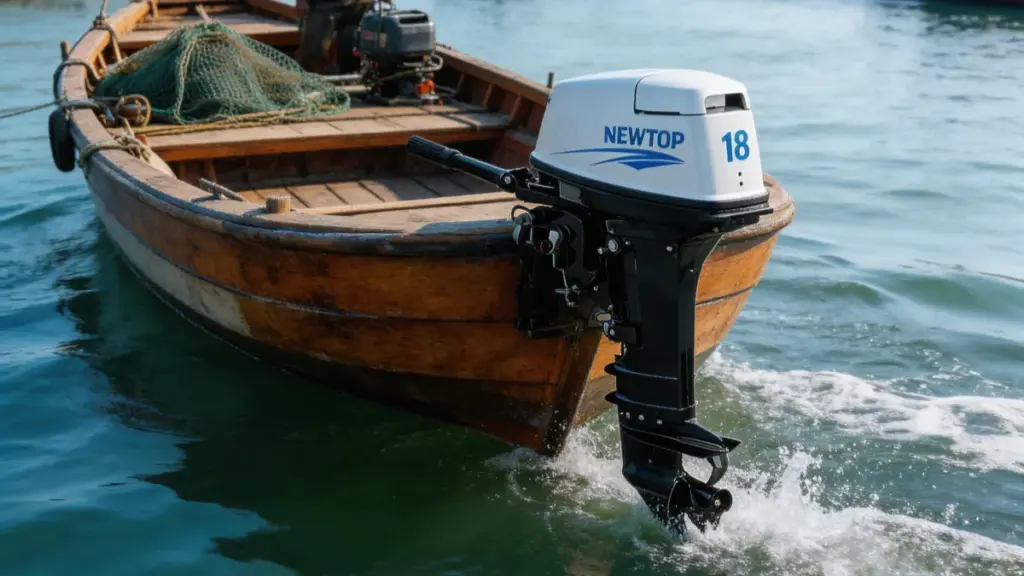
2 ストローク船外機と 4 ストローク船外機のどちらを選択するかは、ボートのトランサム重量制限によって決まります。, 燃料範囲目標, 加速ニーズ.
| 特徴 | 2ストローク | 4ストローク |
|---|---|---|
| 重さ | ライター | より重い |
| 燃費 | より低い | より高い |
| 騒音レベル | より大声で | より静かに |
| メンテナンス | よりシンプルに | より複雑な |
| 排出量 | より高い | より低い |
| ベストユース | ポータブルボート | レクリエーションおよび商業用途 |
機械設計と重量の違い
エンジン サイクルの仕組みがこれら 2 つのプラットフォームの主な違いを決定します. 2 ストローク船外機は、わずか 2 回のピストンストロークでパワーサイクルを完了します. これにより、可動部品が少なくなり、内部レイアウトがよりシンプルになります。.
これらの設計の違いは、エンジンがトランサムにどのように設置され、水中でどのように動作するかに直接影響します。. 両方の構成の具体的なパフォーマンスの違いを追跡します:
- 重量ペナルティ: 4ストローク船外機の重量 30 に 40 パーセント以上, 全体的なトランサム負荷が増加し、浅瀬での取り扱いが変更される.
- ホールショット能力: 2 ストロークにより素早い加速と高い出力重量比が実現します。, 即時のホールショットを確実にする.
燃費, 排出量, 乗り心地と乗り心地
運行コストと乗客の快適性を重視する事業者は、通常、4 ストローク モデルを好みます。. 4ストロークが提供する 20 に 30 燃焼サイクル中に燃料をより完全に燃焼させるため、燃費がパーセント向上します。.
エンジニアは近年テクノロジーのギャップを埋めてきました. 最新の直噴 2 ストロークは、強力な加速を維持しながら、歴史的な排出レベルを大幅に削減します. 水上での日々の経験を評価するとき, 購入者は物理的な乗り心地を考慮する必要があります:
- 音響と振動: 4 ストロークは最小限の振動で動作し、巡航速度で静かに走行します。.
- 音響的な存在感: 2ストロークはより鋭いものを生み出します, 高負荷時のより目立つ音.
メンテナンスの必要性と寿命
サービススケジュールは内部給油システムによって大きく異なります. 2 ストロークでは、オペレーターがオイルを燃料と直接混合するか、統合されたオイル噴射システムに依存する必要があります。. 従来のオイル交換が不要になります, ただし、オイルリザーバーのレベルを常に監視する必要があります.
4 ストロークは自動車エンジンとほぼ同じように動作します. 独立したクランクケース オイル リザーバーを使用しており、標準的なエンジン オイルとフィルターの交換が必要です。. これにより、年次サービス チェックリストに機械的な複雑さが加わります。. どちらのエンジンタイプも、オーナーが適切な海洋メンテナンススケジュールを遵守すれば、信頼性の高い長期耐用年数を実現します。.
各エンジンタイプの最適な使用例
適切なモーターを選択するには、テクノロジーを特定のボートやミッションに適合させる必要があります。.
- 2ストローク船外機の用途: 浅瀬での釣りに使用される軽量ボートに最適です。, ウォータースポーツ, トランサムの重量を節約することが重要な頻繁なトレーラー走行.
- 4ストローク 船外機 アプリケーション: これらは、燃料効率と静かな操作が最も重要な沖合や湖での長時間の旅行を必要とする重いボートに完全に適合します。.
ボートのサイズ, 平均旅行長, エンジン技術だけではなく、トランサムの重量制限が最終的な選択を決定します。.
小型漁船用船外機
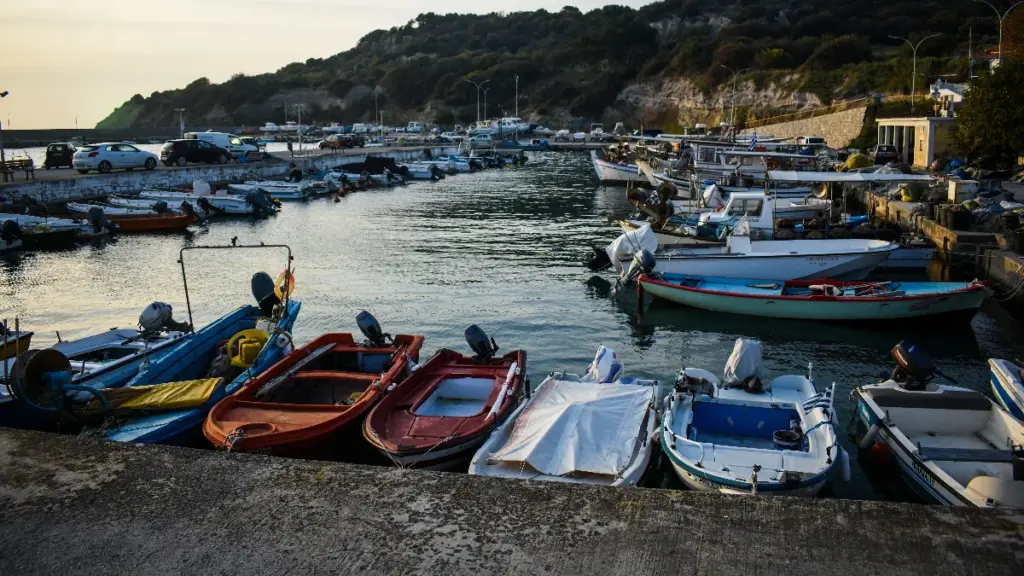
船体サイズのバランスを考慮した小型漁船に最適な船外機, 耐荷重, 航続距離を最大化するための地元の水質条件, スピード, そしてステルス.
一次モーターの種類と機能
推進システムの選択が水との関わり方を決定します. 小型漁船には主に 3 つの選択肢があります.
- 小型ガソリン船外機 (2–10馬力): これらにより、最高速度が向上します。 18 時速マイル—そして航続距離の延長. 水上での給油も簡単, ただし、エンジンの騒音と排気ガスを管理する必要があります.
- 電動船外機 (3-10馬力相当): これらのユニットは、静かで高トルクを提供します。, 排出ガスのない運転. 最高速度は通常、次の範囲で最大になります。 6 そして 12 時速マイル, 高速輸送よりも安定した巡航に適しています。.
- 電気トローリングモーター: 一次推進力の代わりに, これらは二次的な位置決めツールとして機能します. 馬力ではなく推力を使用し、構造物に沿ってステルス操作するための微妙な制御を可能にします。.
モーターのサイズをボートの設計に適合させる
モーターは、モーターが押した船体と同等の性能を発揮します。. 出力をボートの設計に直接適合させて、安全で効率的な取り扱いを確保します。.
- ジョン・ボート (10–16フィート): これらの平底船体は、3 ~ 6 馬力のガスまたは電気モーターで優れた性能を発揮します。. 負荷に応じて, 間の速度が予想されます 4 そして 10 時速マイル.
- 小型アルミニウム製 V 型船体 (12–16フィート): より深い船体設計はより重い荷重に対応し、確実にプレーニング速度に達するには 4 ~ 9.9 馬力のガス船外機が必要です。.
- インフレータブルおよび釣り用テンダー: ここでは携帯性が優先されます. これらを軽量の 2.5 ~ 6 馬力のガス船外機または 3 ~ 6 馬力の同等の電気船外機と組み合わせて、セットアップ全体を簡単に輸送できるようにします。.
主要な選択基準
生の馬力を超えて, 特定の動作要因により、必要な正確なモーターが決まります. 購入する前に、動作環境とボートの物理的な寸法を考慮してください。.
- シャフトの長さ: モーターシャフトをトランサムの高さに合わせる必要があります. 15 インチの短いシャフトまたは 20 インチの長さのシャフトがプロペラの通気を防ぎ、不要な抗力を排除します。.
- 総耐荷重: より重いセットアップ - 船体の重量を組み合わせる, ギヤ, そして乗客はより高いトルクを要求します. 高負荷によりトップエンド速度が大幅に低下します, 電気モーターの場合に特に顕著になる要因.
- 水環境: 浅い, 岩の多い川では下部ユニットを保護するためにジェット船外機が必要です. 逆に, 排出制限のある貯水池で釣りをする場合, 電動船外機のセットアップは必須です.
冷却, メンテナンス, 耐久性
ガス船外機は下部ユニットを通して冷却水を引き込みます. この設計により、砂の中を引きずったり、浅瀬で泥を飲み込んだりすると、内部損傷が非常に起こりやすくなります。. 過熱を避けるために、冷却流を常に監視する必要があります.
電動船外機により従来のウォーターポンプが不要になります. 下部ユニットを水没したままにしておく必要があります, 周囲の水に依存した受動的冷却. 電気モーターを高出力で空運転すると、内部コンポーネントがすぐに破壊されます.
日常の維持管理は両者で大きく異なります. ガスモーターには定期的なオイル交換が必要です, スパークプラグの交換, エタノールによる損傷を防ぐための燃料システムの厳密な管理. 電気モーターは液体の交換を省略し、バッテリー管理に重点を置きます, ワイヤー腐食チェック, および定期的な下部ユニットのシール検査.
最大の ROI を実現する耐久電力機器の供給
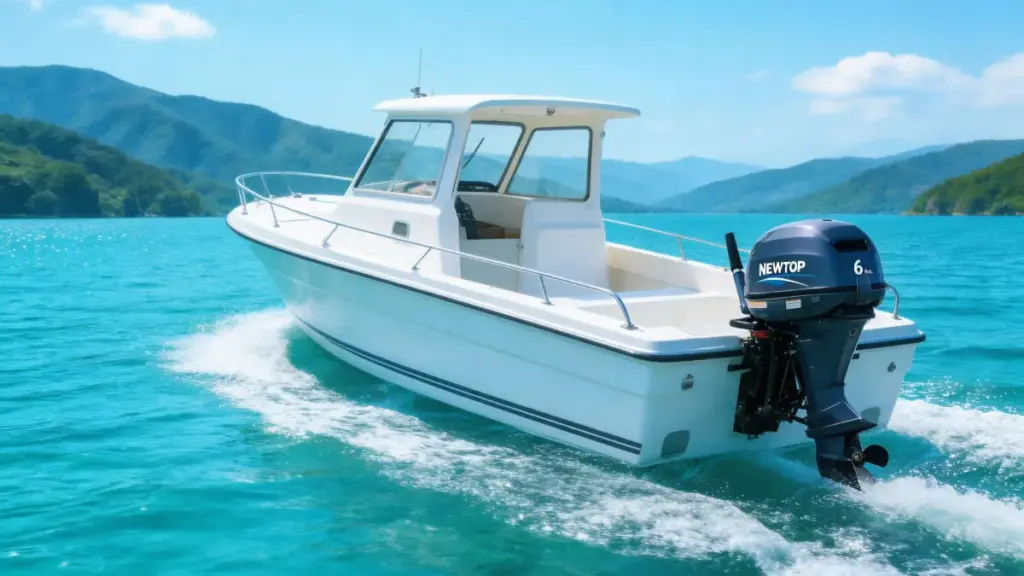
レジャーボートやファミリーボート用船外機
船外機はファミリーボートに信頼性を与えます, 省スペース推進力. 適切なモータータイプのマッチング, エンジンサイクル, 船体への馬力により、安全な取り扱いと長期にわたる乗客の快適性が保証されます。.
ファミリーボートの役割とメリット
これらの自給式推進システムはボートのトランサムに直接取り付けられます。. このセットアップにより、従来の船内エンジンと比較して、貴重な内部デッキスペースが解放されます。. 外部設計により日常のメンテナンスが簡素化され、最終的なエンジン交換が大幅に容易になります。. ビルダーは船外機をボウライダーの標準動力源として使用しています, ポンツーン, インフレータブル, そしてデッキボート.
ガソリン vs. 電動船外機オプション
内燃モデルは、汎用クルージングおよびウォータースポーツの標準的な選択肢として機能します. ガソリン船外機は下からの巨大なパワーレンジを提供します 2 hpがオーバーする 600 ほぼすべてのレクリエーショントランサムに適合する馬力.
電動船外機はバッテリーシステムに依存し、ローカルエミッションゼロと静かな動作を実現します。. これらの電気バリアントは、騒音が制限された湖で優れています。, 小さなインフレータブル, 航続距離よりも静粛性が優先される短距離旅行.
4 ストロークおよび直噴 2 ストローク エンジン
現代の 4 ストロークがレクリエーション市場を独占. 静かな動作を実現します, 低排出ガス, そして強力な燃費性能. 4 ストロークには別個のオイル潤滑システムが採用されています。, ドックでオイルと燃料を混合する必要がなくなりました.
燃料直接噴射 (DFI) 2ストロークは異なるパフォーマンスプロファイルを提供します. 素早い加速と軽量なパワーウェイトレシオを実現します。. パフォーマンスを重視するボート愛好家は、その即時的なスロットル応答により、スキーヤーやウェイクボーダーを牽引するための DFI エンジンを好みます。.
レクリエーション用船体のサイズ決定ガイドライン
適切な馬力を選択するには、モーターをボートの積載重量に合わせる必要があります。. 標準的な業界ベンチマークでは、 25 に 40 馬力あたりの積載ボート重量ポンド.
- 小型インフレータブル: 通常は必要です 10 に 25 安全な取り扱いと携帯性を実現するhp.
- コンパクトなポンツーンと小型デッキボート: 通常、以下の方法でうまく動作します 60 に 90 馬力.
- 汎用 18 22フィートのランナバウトまで: 通常利用する 115 に 200 複合利用アクティビティのHP.
家族の快適さと安全のための必須機能
水上での素晴らしい一日は信頼できる装備にかかっています. 電動スタートとパワーチルト/トリムにより、あらゆるスキルレベルのボート乗りの操作が簡素化されます。. 電子燃料噴射装置 (EFI) 信頼性の高いコールドスタートとスムーズなアイドリング特性を保証します。.
乗客の快適性は、週末の長いクルーズ中の低騒音と最小限の振動レベルに大きく依存します。. また、正しいシャフトの長さとトランサムの高さを一致させる必要があります。. これにより、適切なハンドリングが維持され、ボートが設計制限内で安全に動作することが維持されます。.
作業船・業務用船外機
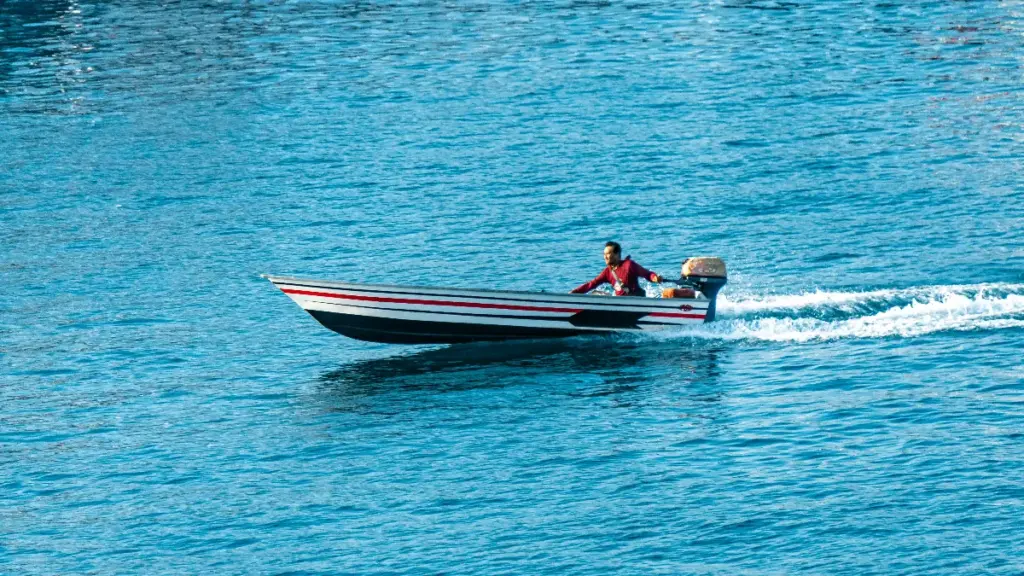
商用船外機は耐久性を重視, 高トルク, 標準的なレクリエーション用エンジンではまったく処理できない過酷な年間 2,000 時間の使用サイクルに耐えるための長期的な燃料効率.
商用デューティ サイクルと運用上の需要
作業船は標準エンジンを破壊する過酷な条件下で動作します. レクリエーションのボート遊びをする人はログを記録するかもしれませんが、 50 に 200 季節ごとに数時間, 商業船は定期的に船外機を押し出します。 500 はるかに過ぎる 2,000 年間数時間.
- 高負荷動作: エンジンがスロットル全開または最大牽引負荷下で長時間稼働する.
- 過酷な環境: オペレーターはこれらのモーターを極端な温度にさらします, 瓦礫で満たされた浅瀬, 毎日の腐食性の高い塩水.
- パフォーマンスの優先順位: 商用乗組員は最高最高速度を無視する, 仕事を遂行するための絶対的な信頼性と低速トルクを重視.
商用船外機の構造アップグレード
メーカーは絶え間ない酷使を吸収するために商用船外機を製造しています. レクリエーションモデルと比較して内部アーキテクチャを大幅にアップグレードします。.
- 強化されたドライブトレイン: 耐久性の高いベアリングと強化されたギアケースにより、連続的な高推力動作に失敗することなく対応できます。.
- アップグレードされたハードウェア: ビルダーはファスナーに高級ステンレス鋼を使用, つながり, 構造疲労に対抗する頑丈なトランサムブラケット.
- 耐食性: 高度なコーティングとアップグレードされた犠牲陽極システムにより、重要な金属部品を塩水による激しい劣化から保護します.
- 強力な冷却: 大容量ウォーターポンプによる汚れの処理, 浅瀬を効率的に移動させ、高負荷時の過熱を防ぎます。.
ガソリン vs. ディーゼルエンジンの選択
燃料の選択により、運転コストとメンテナンスのロジスティクスが決まります. 商用艦隊は通常、3 つの主要なエンジン技術の中から選択します。.
- 4ストロークガソリン: これらのエンジンは入手範囲が広いため、市場を支配しています。, 広範なディーラーサポートネットワーク, 初期購入コストの削減.
- ディーゼル船外機: 大型船舶の運航では、既存の船内システムに適合するディーゼルを好むことがよくあります。. 優れた燃料安全性と大幅な燃料消費量の削減を実現します。.
- 直噴2ストローク: これらのエンジンは、急速な加速と高い出力重量比を必要とする船舶にとってニッチな役割を果たします。.
推進力と構成戦略
作業船の艤装には、エンジン出力と船体の変位を一致させる必要があります, 予想される負荷, および地域の環境条件.
- シングルエンジンのセットアップ: 1 つの頑丈な船外機を使用することで抵抗を軽減, マイルあたりの燃費が向上します, メンテナンスポイントを最小限に抑えます.
- マルチエンジンの冗長性: オフショアおよび緊急救助船は、洋上で重要な機械的バックアップを提供するためにツインまたは複数のエンジンに依存しています。.
- 高推力構成: オペレーターは高推力ギアケースと低ピッチプロペラを組み合わせて、ボラードの牽引力と低速操縦制御を最大化します。.
総所有コストとメンテナンスコスト
商用船外機の初期購入価格は、実際の出費のほんの一部にすぎません. 長期にわたる燃料の使用, 定期的なメンテナンス, 船舶のダウンタイムは初期費用を大幅に上回ります.
- 燃費: 巡航回転数での燃料消費量を最適化することで、長時間稼働するフリートの運用コストを最大に節約できます。.
- サービスのアクセシビリティ: 目に見える陽極, モジュール式燃料フィルター, アクセス可能な診断ポートにより、日常的なメンテナンス作業が迅速化されます。.
- ライフサイクルの延長: 商用グレードの内部コンポーネントにより大規模な再構築が遅れる, 船を維持し、店に座るのではなく水上でお金を稼ぐ.
静かでクリーンな運転を実現する電動船外機
電動船外機により騒音と排気ガスを排除, 乗客の快適性と野生動物との交流を向上させながら、厳格な水路規制に準拠したクリーンな推進ソリューションを提供します。.
騒音低減と振動制御
電気モーターは低速ではほぼ無音で動作し、巡航速度ではガス同等の騒音よりも大幅に少ない騒音を発生します。. 燃焼サイクルと排気システムがないため、耳障りな機械音が除去されます。. ダイレクトドライブ設計により振動を最小限に抑えます, オペレーターの疲労を軽減し、スムーズな走行を保証します。.
直接排出ゼロと水の保護
電気システムはテールパイプからの排出ガスをゼロにします, 地域の一酸化炭素と炭化水素汚染を排除する. 船内のガソリンタンクとオイルサンプを撤去することで、燃料漏れや油膜のリスクを排除します. 水上での化石燃料の燃焼を置き換えると、海洋レクリエーションの二酸化炭素排出量が直接削減されます。.
制限された水路へのアクセス
多くの湖や海洋保護区では現在、内燃機関の使用を厳しく禁止している。. 電動船外機はゼロエミッションゾーンの要件に簡単に準拠します. オペレーターは規制上の制限に直面することなく、生態学的に敏感な環境をナビゲートできます.
ボート体験と野生動物とのふれあいを強化
静かな動作により、車内のコミュニケーションと乗客の快適性が向上します. 低騒音推進により魚の恐怖を防止, 釣り人に戦略的優位性を与える. エコツーリズム運営者は、ストレスや混乱を引き起こすことなく海洋生物に近づくことができます.
重負荷作業用のディーゼルおよび特殊船外機
ディーゼル船外機と特殊船外機が極度のトルクを発揮, 燃費, 商用ワークロードに必要な構造的耐久性, オフショアトランジット, 継続的な高負荷運転.
ディーゼル船外機と特殊船外機の主な利点
重い荷物と長時間作業には、特定の推進特性が必要です. ディーゼル船外機はこれらの正確な条件に合わせて設計されています, 標準的なレクリエーション エンジンに比べて明確な運用上の利点を提供します.
- 低速トルクが高い: 重いボートを滑走させるのに必要な推進力を提供します。, 牽引荷物, 強い流れや荒れた水に対して安定した推力を維持します。.
- 優れた燃費性能: 営業活動の範囲を拡大し、燃料補給の頻度とコストを削減します。.
- 頑丈な構造: 腐食性の高い海洋環境での継続的な負荷と年間の長い稼働時間に耐えます。.
- 可燃性の低下: ディーゼル燃料はガソリンと比較して火災の危険を最小限に抑えます, 商業乗組員のためのより安全な燃料取り扱い手順を作成する.
特殊推進装置の主要カテゴリ
標準的な船外機では、特殊なシナリオでは不十分なことがよくあります. メーカーは、標準外の商用製品を処理するために独自のカテゴリを構築します, レスキュー, そして遠征の要件.
- 高馬力オフショア船外機: 大型船舶を外海で推進する, デジタル制御を統合して高い積載量を安全に管理.
- 商用船外機: 実用的な信頼性と標準部品を優先して、実用ボートや巡視船の稼働時間を最大限に確保します。.
- ジェットドライブシステム: 浅瀬を航行するには、従来のプロペラを内部インペラに交換します。, プロペラに当たるダメージのない岩場.
- 電動船外機および補助船外機: 正確な操縦を実現, 緊急バックアップ推進, デリケートな作業環境向けのゼロエミッション運転.
重要な性能仕様
頑丈な船外機を評価するには、ピーク馬力を超えて検討する必要があります. 商用事業者は、持続的な牽引力とエンジンの寿命を左右する仕様に重点を置いています。.
- トルク出力: 重い船体を飛行機に持ち上げ、強い向かい風を乗り越えるモーターの能力に直接影響します。.
- 連続使用定格: 商業購入者が予測可能な情報に基づいてメンテナンス間隔を正確に予測できるように支援します。, 長時間稼働プロファイル.
- エンジン重量: 堅牢なディーゼルブロックはガス同等の重量よりも重い, トランサム荷重の正確な調整が必要, ボートトリム, そして低速ハンドリング.
- プロペラのマッチング: ピッチと直径を適切に設定することで、推力を最適化できます。, 加速度, 重い荷物を積んだ状態でも燃費が良くなります.
ヘビーデューティー用途の選択基準
商用船体用に間違ったモーターを購入すると ROI が損なわれる. 体系的な選択プロセスにより、高価な再電力供給の間違いや運用のダウンタイムを防止します.
- 船体の互換性: エンジンの仕様はボートの裸重量と完全に一致している必要があります, デッドライズ, および最大の意図された貨物または牽引荷重.
- 動作環境変数: 特定の条件により、浅瀬でのドライブなどの要件が決まります, 極寒の天候の始まり, またはオフショアグレードの腐食防止.
- 総所有コスト: 初期価格は、燃料燃焼率の合計コストよりも重要ではありません。, メンテナンスの手間, および交換部品.
- ローカルサービスネットワーク: 商用のダウンタイムを最小限に抑えるために、訓練を受けた技術者と OEM 診断システムが近くにあることは交渉の余地がありません。.
長期的な信頼性を確保するためのメンテナンスの優先事項
過酷な条件に耐える頑丈なモーター. 標準のメンテナンス スケジュールを無視すると、パフォーマンスが急速に低下し、負荷がかかると致命的な障害が発生します。.
- 燃料システムの健全性: クリーンなタンクを要求, 指定された燃料グレードの厳守, 水分離器の定期的な排水.
- 腐食制御: 積極的な淡水フラッシングが必要です, 定期的な犠牲陽極検査, 脆弱な電気接続をシールする.
- 潤滑スケジュール: ギアケース オイルとエンジン潤滑剤を正確な間隔で交換することで、連続的な高負荷運転時の重大な過熱を防止します。.
- 定期的な目視検査: 取り付けブラケットの摩耗の初期兆候を特定します, ステアリングの遊び, 燃料漏れ, またはプロペラの損傷が拡大する前に.
馬力とボートのサイズがモーターの選択に与える影響
ボートのサイズに合わせた馬力がパフォーマンスを決定します, 安全性, そして燃費. を使用します。 25 に 40 馬力あたりのポンドのルールであり、容量プレートの制限を決して超えないでください。.
ボートの重量と馬力の間の中心的な関係
信頼できる業界ベースラインが決定する 25 に 40 1馬力あたりのフル積載ボート重量ポンド. この完全積載重量は、船体を組み合わせて計算します。, エンジン, 燃料, 乗客, そしてギア.
以下のボート用 20 足, 米国. 沿岸警備隊の定員プレートは最終的な権威として機能します. 絶対最大馬力制限を決定し、安全な操作を確保するには、このプレートに従う必要があります。.
ボートのタイプ別の一般的な馬力範囲
船体の設計が異なると、さまざまな条件下で効率的に動作するために特定のパワーバンドが必要になります。.
- 小型インフレータブルおよびディンギー: 効率的に実行する 2 に 10 穏やかな水域での短期旅行用の馬力.
- ジョンボートとアルミニウム製小船: でうまく機能する 9.9 に 30 軽い釣りと湖旅行のためのHP.
- 中型センターコンソールとベイボート: 必要 60 に 200 海岸沿いのチョップや家族でのクルージングに対応できる馬力.
- 大型海洋ボート: 要求 200 に 600+ 荒海でも速度と安全性を維持するための馬力.
使用目的と負荷がパフォーマンスに与える影響
日常の活動によって、ボートの出力範囲内のどこに収まるべきかが決まります。. ウォータースポーツには力強い加速が求められます. スキーヤーやウェイクボードを引っ張る, ボートの最大定格に近い馬力を選択してください.
穏やかな水面でのクルージングが数学を変える. 小型のモーターを使用すると燃費が向上します, より近くで快適に操作できる 40 馬力マークあたりのポンド.
乗客が増えるたびにパワーダイナミクスが変化することに注意してください。. 重い荷物を積んだボートは、飛行機に効果的に到達して維持するためにより多くの馬力を必要とします.
パワー不足のリスクと. 圧倒的な
船体の出力が不足すると、エンジンが常に高回転で稼働することになります。. これによりハンドリングが鈍くなる, 燃料消費量が急増する, 内部コンポーネントに過剰な負担がかかります.
上限近くの馬力を選択すると、より良いホールショットが得られ、中速回転数で効率的に巡航することができます。.
圧倒的な力が一線を越えて危険な領域へ. 最大定格を超えると操縦が不安定になります, 構造的にトランサムに過負荷がかかる, そして頻繁に保険契約を無効にする.
シャフトの長さとエンジンテクノロジーのマッチング
プロペラが水中に正しく設置されている場合にのみ馬力が発揮されます。. トランサムの高さを正確に測定し、正しいショートを選択してください。, 長さ, または超ロングシャフト. これにより、不必要な抗力とプロペラの通気が防止されます。.
従来のキャブレター付き 2 ストローク エンジンと比較して、より静かな動作と優れた燃料管理が必要な場合は、4 ストローク エンジンを選択してください。. 最大限の信頼性を得るために, 電子燃料噴射装置を選択する (EFI) または直接燃料噴射 (DFI) 迅速な冷間始動を確保し、燃料コストを削減します.
ボートアプリケーション全体でよくある購入の間違い
購入者は構造的な制限を無視してブランドと価格に焦点を当て、日常的に数千ドルを無駄にしています。, 機械的健康, 船外機再出力時の総運転コスト.
仕様と用途の不一致
購入者は多くの場合、使用目的ではなく、お買い得だと思われることに基づいて船外機を選択します。. 2ストローク用の軽い船体に重い4ストロークを叩きつけると、ボートの座り方やハンドリングの仕方が劇的に変わります。.
- エンジン特性: モーターを特定の用途に合わせて調整できない, 軽い船体で重い 4 ストロークを走らせたり、正確なトローリング用の標準的な船外機を使用したりする場合など.
- 容量制限: 容量プレートと推奨馬力制限を無視した船舶の過出力または過小出力.
- シャフトの長さ: 間違った寸法の選択, 取り扱い不良の原因となる, キャビテーション, または水中での過度の抵抗.
- トランサム重量: 最新の船外機が古いトランサムに与える重量の影響を無視する, 厳しいしゃがみや深刻な沼地のリスクにつながる.
機械的および構造的健全性の監視
きれいなゲルコートと新しいデカールにより、重大な機械的および構造的欠陥を簡単に隠すことができます。. 賢いオペレーターは、本当の価値がカウルの下とグラスファイバーコアの中にあることを知っています。.
- 化粧品のトラップ: 系統的な圧縮や流体チェックを行うのではなく、外観に基づいて船外機を判断する.
- 履歴の欠落: 年齢を無視して, サービス記録, 低価格の購入を支持する診断レポート.
- 構造の崩壊: 船体とトランサムの構造的腐敗を物理的に検査せずに再出力を計画する, フレックス, または層間剥離.
システム互換性の無視
最新の船外機をレガシーボートに落とすには、単にトランサムにボルトで固定するだけでは不十分です。. 電気システムと燃料システムは時間の経過とともに劣化し、現代の電子エンジンの厳しい許容誤差を満たせないことが日常的にあります。.
- 管理限界: 既設配線を想定, コントロールケーブル, ステアリング機構は新しいモーターやより強力なモーターを安全に扱うことができます。.
- 燃料システムの劣化: 劣化した燃料ラインを見渡す, 混入しないエタノール成分, インジェクターを破壊する汚染されたタンク.
- 電気需要: 最新のデジタル システムの厳しいメーカー要件に照らしてバッテリーのサイズと状態を検証できていない.
海上試験や専門的な検査を省略
私道のホースでエンジンを動かしても、負荷がかかった状態でエンジンがどのように動作するかについてはほとんどわかりません。. 実際のテストにより、販売後に修正するのに数千ドルの費用がかかる隠れた欠陥が明らかになります.
- 専門的なレビュー: 認定された海洋技術者または海洋測量士による正式な検査を受けずに購入を完了する.
- ロードされたパフォーマンス: ホールショットをテストするために負荷のかかる海上試験を放棄, ワイドオープンスロットル回転数制限, そして操舵トルク.
- システムチェック: 計器などの重要な車載システムのテストに失敗する, アラーム, アクティブな動作中の電子機器.
総コストと物流を過小評価する
前払い請求書は船外所有権の一部のみを表します. 買い手は、シーズンごとに船舶を安全かつ確実に運航し続けるために必要な長期的な財務上の約束を誤ることがよくあります。.
- 運営費: 継続的な燃料を無視して購入価格のみに焦点を当てる, 油, および計画的なメンテナンス費用.
- ライフサイクル価値: 将来の使用ニーズを考慮していない, 地域部品サポート, ブランドの再販価値.
- 隠された物流: 保険見積もりを見落とす, オフシーズンの適切な保管, 購入前の安全装備要件.
船外機ソリューションを経験豊富なサプライヤーから調達する理由?
船外機選びは馬力スペックや購入コストだけではありません. 製品の一貫性, 配送の信頼性, テクニカルサポート, 部品の長期入手可能性はすべて、海洋機器の流通の成功とエンドユーザーの満足度に影響します。.
経験豊富なメーカーは、さまざまな市場にわたって安定した製品品質を維持しながら、顧客の調達リスクを軽減できるよう支援します。. 主な利点としては、次のようなものがよくあります。:
- OEM および ODM のカスタマイズ機能
- 生産全体にわたる一貫した品質管理
- 信頼できるスペアパーツ供給
- 技術マニュアルと製品ドキュメント
- 現地の規制および認証要件への準拠
- さまざまなボートの用途や市場の需要に対応する柔軟なソリューション
老舗屋外電源機器メーカーとして, NEWTOPはエンジン駆動機器の製造と海外輸出業務で豊富な経験を蓄積してきました。. 同社は、厳格な製造基準に裏付けられた信頼性の高い電源ソリューションを提供することに重点を置いています。, 効率的な生産管理, 応答性の高いカスタマーサポート.
信頼できる船外機メーカーを探しています? カスタマイズされたソリューションを検討するには NEWTOP にお問い合わせください, 製品仕様をリクエストする, または、ビジネス ニーズに合わせた見積もりを受け取ります.
最終的な考え
さまざまな種類の船外機を理解することは、ボート用途に適切な投資を行うための第一歩です. 小型漁船用の軽量2ストロークモデルから低燃費の4ストロークエンジンまで, 電気推進システム, および耐久性の高いディーゼル ソリューション, 各オプションは、動作条件とパフォーマンス要件に応じて明確な利点を提供します。.
馬力や購入価格だけに焦点を当てるのではなく, 購入者はボートのサイズなどの要素を考慮する必要があります, 使用目的, 燃費, メンテナンス要件, そして長期的な信頼性. 適切に適合した船外機により安全性が向上します, 運用コストを削減する, 水上でより優れたパフォーマンスを実現します.
よくある質問
船外機の主な種類は何ですか?
主なタイプには2ストロークが含まれます, 4ストローク, 電気, ディーゼル, および特殊船外機. 各タイプは異なるボートのサイズに合わせて設計されています, 動作条件, およびパフォーマンス要件.
どちらが良いですか: 2ストロークまたは4ストローク船外機?
あなたのボートアプリケーションが正しい選択を決定します. 2 ストローク船外機は軽量で素早い加速を実現, 小型ボートに最適です, 浅瀬での釣り, そしてトウスポーツ. 4 ストローク船外機はより静かに動作します, 燃料をより効率的に燃焼させる, 排出量が少なくなります. ボーターは通常、長距離クルージングのために 4 ストロークを選択します。, オフショアラン, そしてより重い船を押す.
電動船外機は良い投資ですか?
電動船外機は短期旅行に適しています, ディンギー, または、信頼性の高い充電アクセスが可能な静かな釣りアプリケーション. 燃料費を削減します, 最小限のメンテナンスが必要な, ゼロエミッションを生み出す. しかし、より高い前払い購入価格を要求し、高速走行では航続距離が急速に失われます。. オフショアランや高速プレーニングに, 従来のガス船外機は依然として最高のパフォーマンスを提供します.
自分のボートに適した馬力を決定するにはどうすればよいですか?
まずはボートの容量プレートを読んで法定最大馬力定格を確認してください。. 確かなパフォーマンスのベースラインは、 1 あらゆる馬力 25 に 40 フル積載ボート重量ポンド, 乗客の会計, ギヤ, そして燃料. 日常的に重い荷物を運ぶ場合, ラフチョップで走る, または牽引スキーヤー, 船体の最大定格に近いエンジン出力を目標にする.
ディーゼル船外機は日常のレジャーボートで使用されていますか?
一般的なレジャーボートでディーゼル船外機を見かけることはほとんどありません。. メーカーは商用艦隊向けにそれらを設計します, 軍事部隊, そして法執行機関. これらのプロフェッショナル ユーザーは、強力な低速トルクを必要とします。, 極めて高い耐久性, 標準的な船上のディーゼル燃料で走行する能力. ディーゼルは驚異的な燃費を実現しますが、, 重量が重く、購入価格も高いため、週末のボート遊びには実用的ではありません。.
