


- Todo
- NEWTOP Historias de clientes
- NEWTOP Explorador Hub
- NEWTOP Perspectivas de la industria
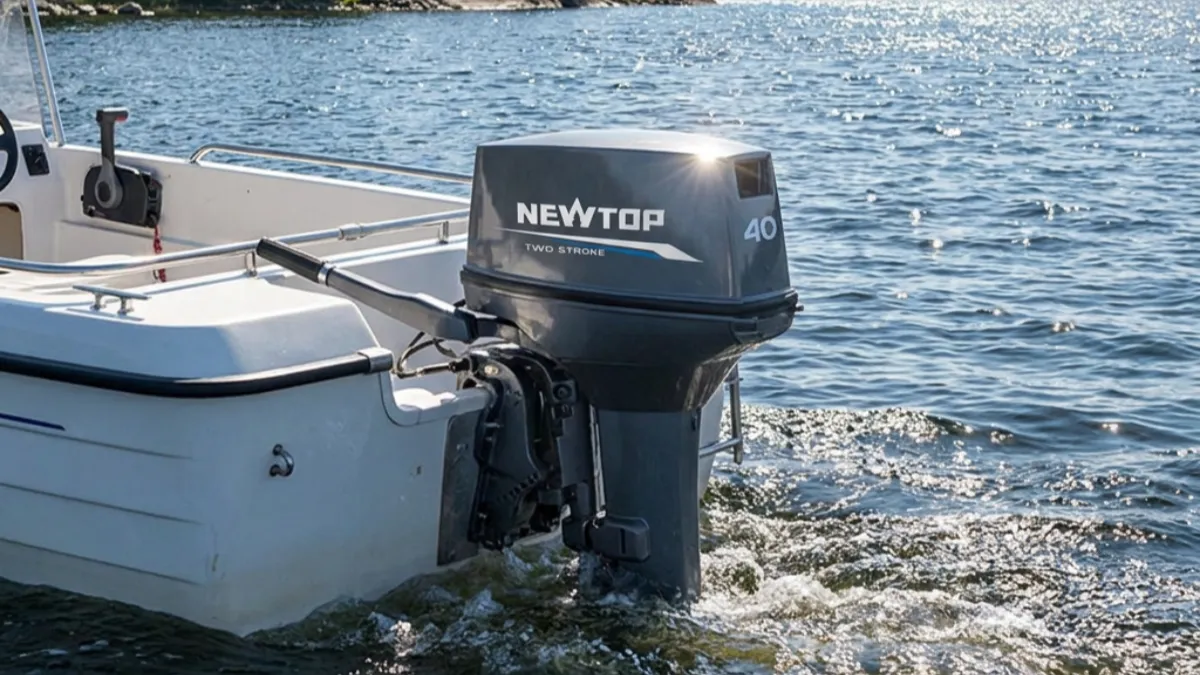
Boat owners may use the same motor fuera de borda for very different reasons. One buyer needs a reliable engine for daily fishing trips. Another focuses on passenger transport, while others care most about quiet and comfortable leisure boating.
The challenge is that the motor that performs well in one application may not be the best choice for another. Eficiencia de combustible, requisitos de mantenimiento, operating range, and long-term costs can vary significantly between engine types.
As global boating markets continue to evolve, understanding the strengths and limitations of 2-stroke, 4-ataque, and electric outboard motor has become increasingly important for distributors, fleet operators, and boat builders alike.
In the following sections, we’ll compare the major tipos de motores fuera de borda and examine where each one performs best across fishing, transporte, and leisure boating markets.
Outboard Motor Types Overview: 2-Ataque, 4-Ataque, and Electric
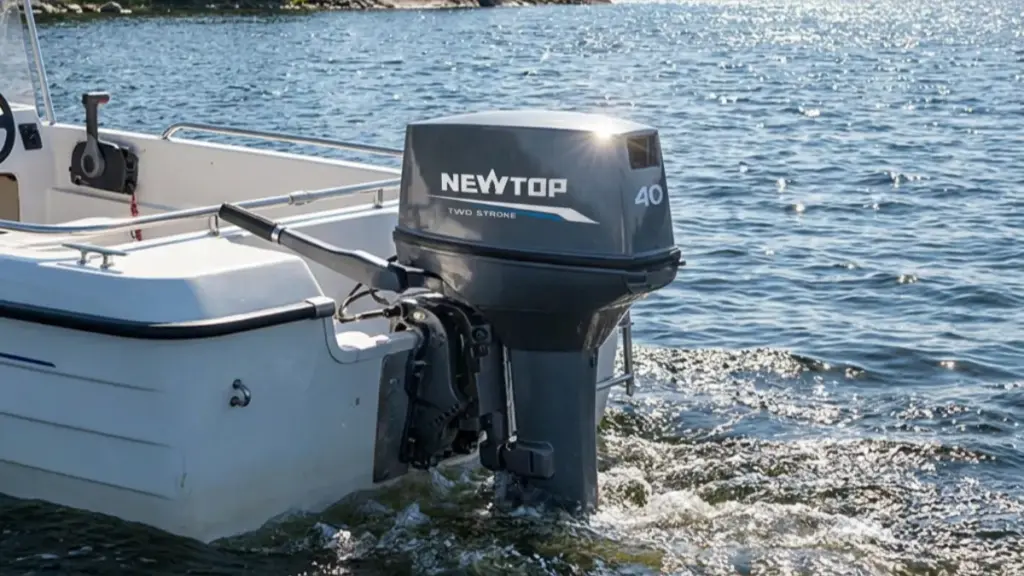
2-strokes offer power-to-weight, 4-strokes provide efficient and quiet operation, and electrics deliver stealth and zero emissions. Each has a clear place in the market.
| Criterion | Cuatro tiempos | Dos tiempos | Eléctrico |
|---|---|---|---|
| Definición | Internal combustion engine that completes a power cycle in four piston strokes. | Internal combustion engine that completes a power cycle in two piston strokes. | Battery-powered motor that uses electricity instead of gasoline. |
| Entrega de energía | Smooth and consistent power output. | Strong acceleration and high power-to-weight ratio. | Instant torque with quiet operation. |
| Peso | Heavier due to more engine components. | Lighter and easier to transport. | Motor is lightweight, but battery system adds weight. |
| Eficiencia de combustible | Excellent fuel economy. | Higher fuel consumption. | No fuel required; powered by rechargeable batteries. |
| Mantenimiento | Regular oil changes and scheduled servicing required. | Simple structure with relatively easy maintenance. | Minimal routine maintenance. |
| Nivel de ruido | Quiet and smooth. | Louder with more vibration. | Nearly silent. |
| Emisiones | Lower emissions and easier compliance with regulations. | Higher emissions compared to four-stroke engines. | Zero direct emissions during operation. |
| Operating Range | Long range with easy refueling. | Long range with easy refueling. | Limited by battery capacity and charging access. |
| Initial Cost | Moderate to high. | Usually the most affordable option. | Typically the highest upfront investment. |
| Mejores aplicaciones | Leisure boating, tourism, passenger transport, rental fleets. | barcos de pesca, utility vessels, barcos de trabajo, remote-area operations. | Lakes, marinas, ecoturismo, short-distance recreational boating. |
| Typical Buyer Priority | Fuel savings, comodidad, long-term value. | Affordability, simplicity, easy repair. | Environmental compliance and low operating noise. |
2-Motores fueraborda de carrera
A 2-stroke outboard completes its power cycle in just two piston strokes, giving it a high power-to-weight ratio. They are typically lighter and provide quicker acceleration, making them a solid fit for small fishing skiffs that need to get on plane fast. They run on a fuel-oil mix for lubrication, and older carbureted models use more fuel and have higher emissions. The mechanical design is simpler, but it also produces more noise and vibration.
4-Motores fueraborda de carrera
A 4-stroke outboard uses a power cycle similar to a car engine and has a separate, self-contained oil system. This makes them significantly quieter, smoother, and more fuel-efficient, especially at steady cruising speeds. They are heavier than a comparable 2-stroke but deliver better torque in the low-to-mid range for steady performance. It’s why they dominate both recreational and commercial markets—they are reliable and meet strict emissions standards.
Motores fuera de borda eléctricos
Electric outboards are powered by batteries, providing nearly silent and zero-emission operation. They deliver instant torque from a standstill, which gives you excellent low-speed control for docking and trolling. Range is entirely dependent on battery capacity, so they are best for shorter trips or on waterways with combustion engine restrictions. The big advantage is minimal maintenance—no fuel, aceite, or spark plugs to worry about.
Two-Stroke Outboards: Best for Fishing in Remote Waters
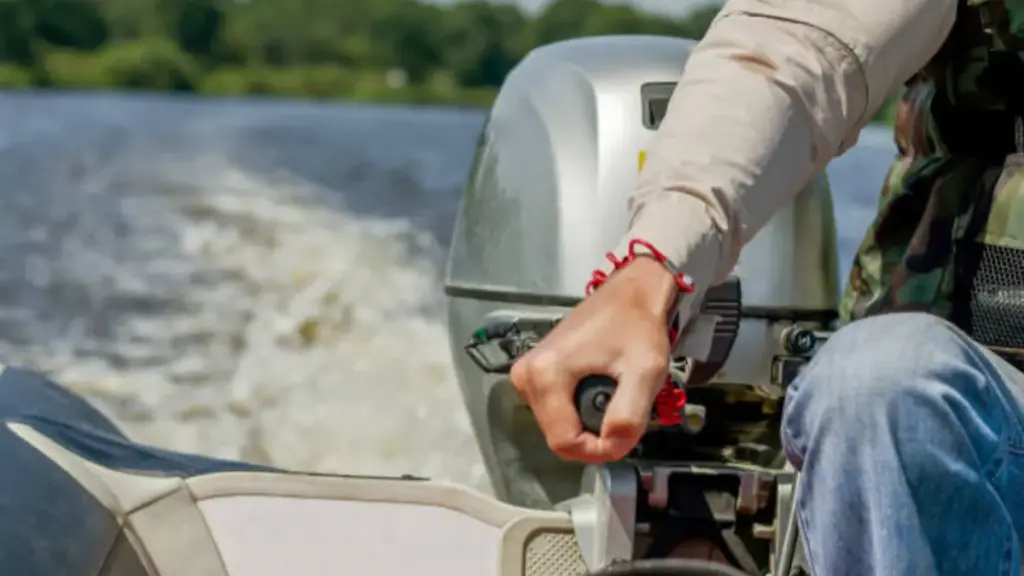
Two-stroke outboards excel in remote fishing due to their simple design and light weight. But their use is limited by strict emissions rules in many regulated waterways.
Two-stroke outboard motors earn their keep in backcountry fishing. Their mechanical simplicity and impressive power-to-weight ratio make them a practical choice when you’re far from a full-service marina. But the trade-off is higher emissions, which has led to widespread restrictions you can’t ignore.
Core Strengths for Backcountry Fishing
For anglers heading into remote areas, the practical advantages of a two-stroke often outweigh its drawbacks. The design prioritizes performance and field serviceability over refinement.
- They are significantly lighter than comparable four-strokes. This makes a real difference on small boats, car-toppers, and any situation where you’re launching by hand.
- The mechanical design is simpler, with no complex valvetrain. This makes troubleshooting and basic field repairs more manageable when professional help is hours away.
- A strong power-to-weight ratio gets the boat on plane quickly. This is essential when the boat is loaded with gear and you need to cover distance efficiently.
Understanding Emissions and Legal Limits
The biggest hurdle for two-stroke engines is environmental regulation. The emissions from older models have led to them being banned from many popular and protected waterways.
- Older carbureted two-strokes are known for producing noticeable smoke and discharging unburned fuel and oil, leading to higher hydrocarbon emissions.
- Many regulated lakes, embalses, national parks, and rivers either prohibit or heavily restrict high-emission two-stroke engines to protect water quality.
- You must check the specific regulations for your target fishing location before you go. A legal engine in one state can be banned on a specific lake just across the border.
Modern DFI vs. Older Carbureted Models
Not all two-strokes are created equal. Modern direct fuel injection (DFI) technology dramatically changed the emissions profile, creating a clear divide in performance and legality.
- DFI two-strokes inject fuel directly into the cylinder, burning much cleaner. They can meet strict emissions standards and are often permitted where older carbureted models are banned.
- Carbureted two-strokes offer the ultimate in mechanical simplicity. This benefit is offset by their increasing restrictions on many waterways.
- DFI models give you the classic two-stroke performance—light weight and quick acceleration—with far cleaner operation, making them a viable modern choice.
Key Factors for Your Purchase
When choosing a two-stroke outboard motor for remote use, focus on the factors that prevent you from getting stranded. Peak horsepower is less important than reliability.
- Focus on reliability, fácil inicio, and parts availability. These are the most critical factors when you’re operating miles from the nearest road.
- Match the engine’s weight to your boat’s transom capacity. An overweight engine creates poor balance and is a serious safety risk on a small boat.
- Confirm your specific model is compliant with the rules of the waters you fish most. Buying an engine you can’t use is an expensive mistake.
You may also like: Qué buscar al adquirir motores fueraborda de China
Impulse su negocio con motores fueraborda duraderos
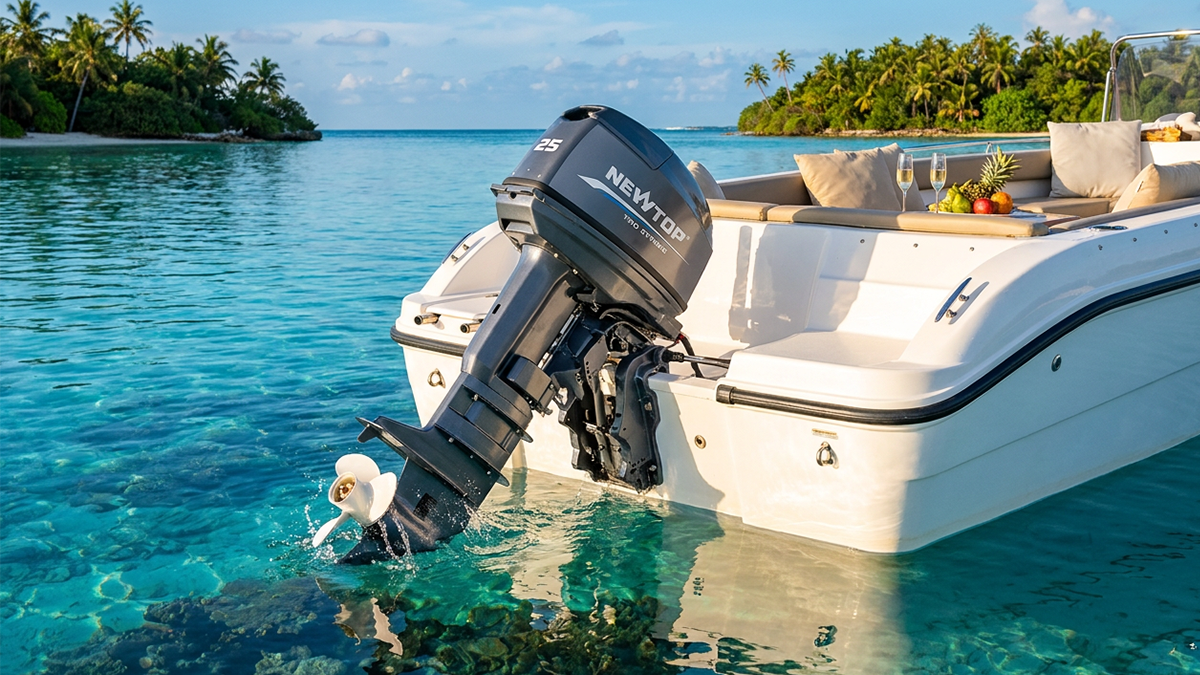
Four-Stroke Outboards: Quiet Efficiency for Leisure Boating
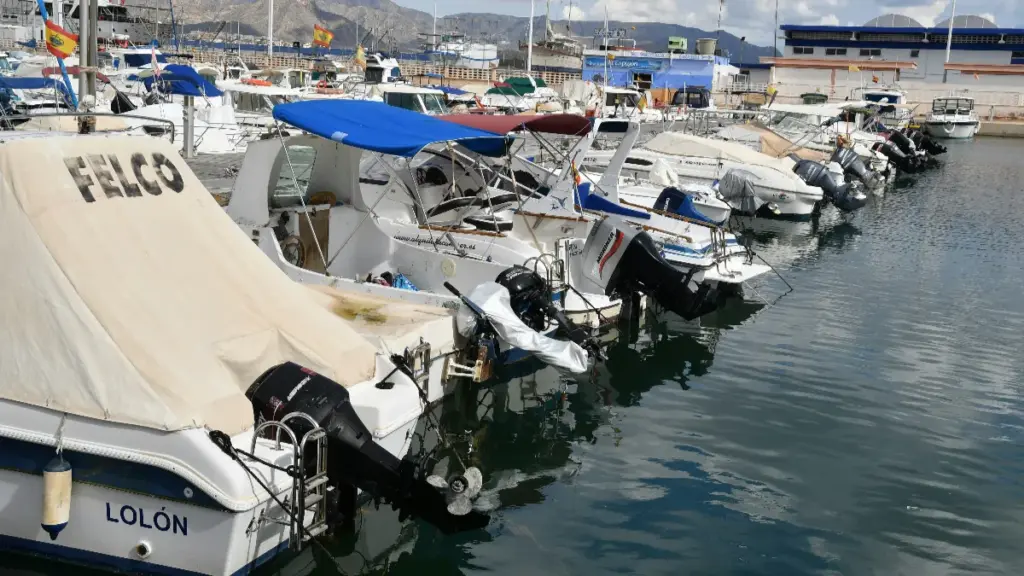
Four-stroke outboards dominate leisure boating with quiet, fuel-efficient performance. While heavier than two-strokes, they are ideal for family cruising, fishing, and activities where comfort matters most.
How Four-Stroke Technology Works
A four-stroke outboard operates much like a car engine. It completes a power cycle in four distinct piston strokes—intake, compresión, fuerza, and exhaust. This process is inherently more controlled and efficient than older two-stroke designs.
- It delivers better fuel efficiency by separating the intake and exhaust cycles, preventing unburned fuel from escaping.
- The design produces lower emissions and a cleaner exhaust, making it a better fit for environmentally regulated waterways.
- It runs with significantly less noise and vibration, which results in a smoother, more comfortable ride.
Primary Benefits for Recreational Boaters
For most people on the water for fun, the onboard experience is just as important as performance. Four-strokes are built for this reality.
- Quiet operation is a huge plus. It makes conversation easy and relaxation possible without shouting over engine noise.
- Reduced fuel consumption means longer trips and more time on the water before heading back to the fuel dock.
- The minimal exhaust smell improves the experience, especially when idling or moving at low speeds.
- Smooth power delivery is perfect for family cruising, watersports, and general leisure activities where jarring acceleration isn’t needed.
Weight and Performance Considerations
The benefits of a four-stroke engine come with a few trade-offs that matter for certain boats and operators.
- Four-strokes are typically heavier than two-stroke outboards of the same horsepower, which can affect performance and balance on smaller boats.
- Some two-stroke designs may offer faster “hole-shot” aceleración, but modern four-stroke technology is closing that performance gap.
- The valvetrain and internal components are more mechanically complex, which can influence maintenance needs over the engine’s lifespan.
Best-Fit Boats and Activities
Four-stroke technology isn’t just a technical choice; it’s a practical one that aligns with specific boating styles.
- It’s an excellent match for pontoons, day cruisers, and family runabouts where comfort and fuel efficiency are top priorities.
- Anglers favor these engines for applications like trolling, where quiet running is a major advantage for not spooking fish.
- It’s also a solid choice for utility and transport boats that require reliable and steady horsepower for daily work.
Fuerabordas eléctricos: Niche Applications and Current Limitations
Electric outboards excel in quiet, short-range niches like stealth fishing and harbor transport, but battery limitations in range, costo, and charging infrastructure keep them from mainstream use.
Specialized Roles in Fishing
The near-silent operation of electric outboards at low speeds makes them ideal for trolling and stealth fishing. Unlike a combustion engine, an electric motor doesn’t spook fish with noise or vibration, allowing anglers to approach structures and weed lines without causing a disturbance. This precise, quiet control is a significant advantage in shallow or heavily fished waters.
They also serve as the primary propulsion on small boats in lakes and reservoirs where internal combustion engines are banned or restricted. In these environments, electric is the only option for motorized boating. For many anglers on larger boats, an electric outboard acts as a secondary motor. The main motor de gasolina handles the long, high-speed run to the fishing grounds, and the electric motor takes over for quiet, low-speed positioning and trolling.
Short-Range Transport and Leisure Craft
Electric propulsion is well-suited for predictable, short-distance transport jobs. Think of harbor water taxis, resort shuttles, or workboats that run the same fixed route every day. In these roles, battery capacity can be sized exactly to the mission, and charging can be scheduled reliably overnight. The quiet, emission-free operation is also a major plus in populated areas.
For leisure craft, electric outboards are popular on yacht tenders and dinghies because they eliminate the need to store gasoline on the main vessel. They also provide reliable auxiliary power for small sailboats, mainly for getting in and out of marinas quietly. On small lake boats and pontoons where the experience is more about relaxation than speed, the quiet and clean operation enhances the day on the water.
Primary Limitation: Battery Energy Density and Range
The fundamental constraint for electric outboards is the energy density of batteries. Gasoline simply packs far more energy per pound, which severely limits the range and speed of electric boats. An electric motor’s range is extremely sensitive to the throttle. Running at full power can drain a battery in less than an hour, while the same battery might last all day at slow trolling speeds.
Most small electric outboards can’t get a typical fishing or utility boat on plane. Top speeds are often stuck around 5 a 7 mph. This makes them completely unsuitable for applications where you need to cover long distances quickly, like reaching offshore fishing spots or responding to a situation across a large lake. The performance just isn’t there for high-speed, long-range work.
Cost and Infrastructure Hurdles
Upfront costs are a major hurdle. A small electric outboard and its required lithium battery pack can easily cost two to three times more than a comparable small gasoline motor. For commercial operators needing powerful systems and large battery banks, the capital investment becomes a significant financial decision.
Charging logistics also present a problem. Recharging takes hours, not the few minutes it takes to fill a gas tank. This requires reliable access to shore power, which isn’t guaranteed at every dock, mooring, or remote boat ramp. The lack of a widespread, high-speed marine charging network effectively restricts electric outboards to localized, “return-to-base” operations where charging can be planned.
Matching Motor Types to Transport and Workboat Use
Choosing the right outboard for a workboat isn’t about horsepower alone. The decision hinges on the vessel’s duty cycle, fuel logistics, and the specific job it does daily.
| Solicitud | Recommended Outboard Motor Type |
|---|---|
| Pequeños barcos de pesca | 2-Ataque |
| Commercial Fishing Fleets | 2-Stroke or 4-Stroke |
| Passenger Transport | 4-Ataque |
| Tourism Operators | 4-Ataque |
| Rental Boats | 4-Ataque |
| Inland Eco-Tourism | Eléctrico |
| Utility and Workboats | 2-Stroke or 4-Stroke |
| Marina Operations | Eléctrico |
Key Outboard Technologies for Commercial Use
For commercial fleets, outboards are tools, and each technology is suited for a different task. The choice comes down to balancing fuel, actuación, and operational realities.
- Four-stroke gasoline outboards: These are the workhorses. They provide a solid mix of fuel efficiency, a wide range of available power, and reliable performance for most general-purpose workboats.
- High-thrust and commercial-duty models: These are specialized gasoline outboards. They use lower gear ratios and larger propellers to effectively move heavy displacement hulls like barges and loaded-down utility skiffs.
- Fuerabordas diésel: For professional fleets that already run on diesel, these motors simplify fuel logistics. They also offer enhanced safety due to diesel’s lower volatility and are built for the long service life required by high-hour operators.
- Fuerabordas eléctricos: This technology provides quiet, zero-emission operation. It’s the right fit for work in regulated urban waterways, environmentally sensitive areas, or for short, predictable routes where charging is readily available.
Pairing Motors with Passenger and Cargo Boats
Moving people is different from moving cargo. Passenger boats prioritize comfort and safety, while cargo vessels focus on pure load-lugging ability.
- Passenger transport (taxis acuáticos, ferries): Quiet four-stroke gasoline engines are the standard choice for passenger comfort and reliability. Operators often run twin-engine setups for redundancy, ensuring they can complete a trip even if one motor has an issue.
- Light cargo skiffs: High-thrust gasoline models are ideal. They deliver the necessary load-carrying capability and are maneuverable in the shallow waters where these skiffs often work.
- Heavy cargo and push boats: The high torque from diesel outboards provides excellent control over heavy, non-planing hulls. Specialized high-thrust gasoline outboards are also a viable option.
Equipping Patrol and Service Workboats
Service and patrol craft have highly specific missions, from high-speed response to delicate environmental monitoring.
- Patrol and enforcement boats: These vessels demand high-power gasoline or diesel outboards. The mission requires rapid response capability, high top speeds, and absolute reliability.
- Harbor utility boats: These boats endure frequent stop-start cycles and need excellent low-speed control. Durable four-stroke or diesel motors are built to handle this kind of demanding duty.
- Environmental and survey craft: Minimizing disturbance is the goal. Operators typically use quiet four-stroke engines or zero-emission electric motors to avoid affecting wildlife or sensitive scientific measurements.
For more information read our guide to 2-stroke outboard weight comparison by horsepower for a detailed breakdown.
Cost of Ownership: Combustible, Mantenimiento, and Lifespan by Type
Total cost isn’t just the price tag. Four-strokes often win for high-hour users, while electric costs are low until you need a new battery.
When you evaluate an outboard, the initial purchase price is only the beginning of the story. The real cost comes from fuel, routine service, and how long the engine will last before needing a major overhaul or complete replacement. Each motor type presents a different financial picture over its lifetime.
Fuel and Energy Costs
How much you spend at the pump—or the charging station—is a huge part of the ownership equation. The efficiency of each motor type directly impacts your wallet every time you leave the dock.
- Four-stroke outboards generally give you the best fuel economy for a gasoline engine. For most recreational boaters, this means lower running costs per hour on the water.
- Two-stroke engines are thirstier, consuming more fuel than a comparable four-stroke. This cost difference becomes more obvious the more you run the engine, especially at higher RPMs.
- Fuerabordas eléctricos have the lowest direct energy cost. The expense is just the price of electricity to charge the batteries, but your total investment is directly linked to the size of your battery bank.
Maintenance and Service Expenses
Every engine needs regular service to stay reliable. The complexity and frequency of that maintenance define another big chunk of the total cost.
- Four-stroke engines have predictable maintenance schedules with routine tasks like oil changes, similar to what you’d expect from a car engine.
- Two-stroke motors are mechanically simpler with fewer parts, but their lubrication systems need consistent attention. The quality of maintenance has a big impact on their reliability.
- motores electricos require the least mechanical work. Long-term expenses are not about engine oil but about the health of the battery, its connectors, and the charging electronics.
Lifespan and Replacement Considerations
An outboard is a major investment, and how many years of service you can get from it is a critical cost factor. Durability varies significantly based on both design and how the engine is treated.
- Four-stroke outboards that receive consistent maintenance typically offer the longest service life of any gasoline option, making them a solid choice for anyone putting high hours on their boat.
- The durability of a two-stroke is directly tied to good habits: proper oil mixing, regular service, and not pushing it to its limits for long periods.
- An electric motor can run for a very long time, but the practical lifespan of the whole system often comes down to the battery. Its degradation cycle and eventual replacement cost are the biggest long-term financial items.
Regional Market Insights: What Works in Africa, Asia, and South America
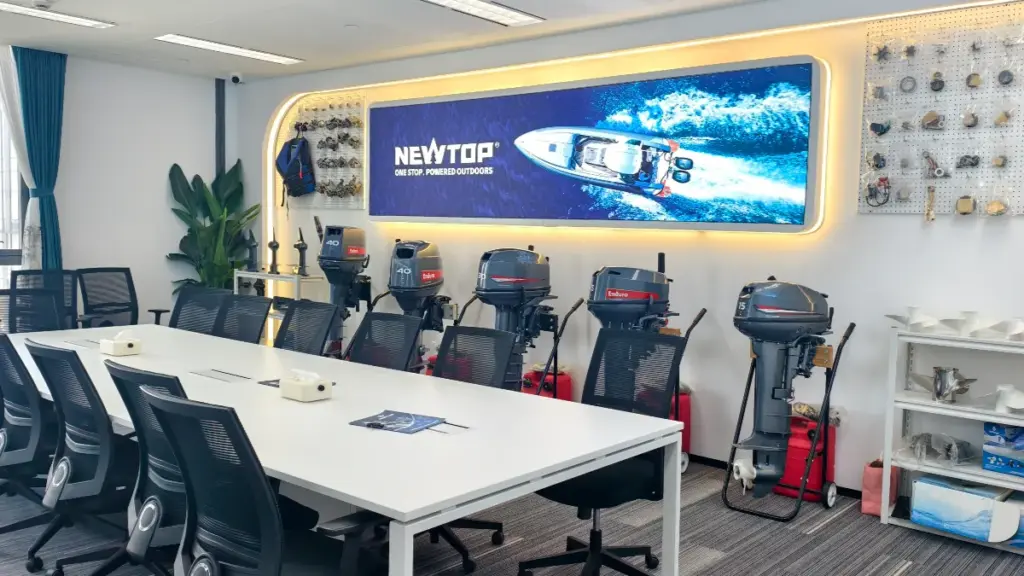
En África, Asia, and South America, engine choice is dictated by local needs. Durability is key in Africa, Asia balances diverse uses, and South America values simplicity and corrosion resistance.
África: Durability for Fishing and Transport
En África, outboard motors are primarily workhorses. Small-scale fishing operations depend on simple, field-repairable 10–40 HP gasoline outboards. In remote areas, 2-stroke engines are still common because they’re easy to fix with limited tools and parts. River and lake transport, a critical economic driver, requires more powerful mid-range engines (40–90+ HP) with strong torque to handle heavy loads of passengers and cargo.
The leisure market is concentrated in tourism hubs, where quieter 4-stroke gasoline engines are preferred. Electric outboards have a small but growing presence in eco-tourism ventures. The key to success here isn’t bells and whistles; it’s an engine’s ability to tolerate variable fuel quality and be maintained without specialized infrastructure.
Asia: A Diverse Mix from Rural Rivers to Coastal Hubs
The Asian market is highly fragmented. In rural inland and artisanal fishing communities, low-cost 5–30 HP 2-stroke engines are still used, but tightening environmental regulations are forcing a shift toward cleaner 4-strokes. This contrasts sharply with the demands of coastal and inter-island transport, where higher-power (90–200+ HP) 4-stroke outboards are standard for their fuel efficiency and reliability on long, demanding routes.
Developed leisure markets in coastal hubs favor premium 4-stroke engines for recreational boats. Electric models are also gaining traction, particularly in regulated urban lakes and marinas. High population density in many areas means environmental rules are often stricter, speeding up the adoption of cleaner engine technologies across all segments.
Sudamerica: Powering Remote Rivers and Coastal Recreation
In South America, geography defines the demand. Remote inland waterways like the Amazon basin favor simple, easily repairable 8–30 HP 2-stroke engines. For long-distance river transport, operators rely on robust 40–115+ HP outboards, often using dual-engine setups for safety and reliability far from service centers.
The coastal leisure segment is completely different, dominated by modern, high-horsepower (115–300+ HP) 4-stroke outboards for recreational fishing and family boating. A critical factor for success across the continent is durability in a tropical climate. Engines need superior corrosion protection and cooling systems designed to handle warm, often sediment-rich, water without failing.
Equally important is access to reliable spare parts and after-sales support, especially in regions where boats serve as a primary means of transportation and fishing income. A recent case from Venezuela highlights how distributors increasingly prioritize stable parts supply when selecting long-term outboard motor partners. Read more about it here: How an $80,000+ Venezuela Order Demonstrates the Importance of Reliable Outboard Motor Spare Parts Supply.
Pensamientos finales
There is no single outboard motor that fits every application. Fishing fleets, transport operators, leisure boat owners, and commercial workboat users all face different operational requirements.
Two-stroke outboards continue to offer unmatched simplicity and affordability for demanding environments. Four-stroke models provide superior efficiency and comfort for recreational and passenger-focused operations. Electric outboards represent an emerging solution for environmentally sensitive and short-range applications.
Para distribuidores, importadores, and boat manufacturers, selecting the right outboard motor portfolio requires balancing performance, costos operativos, local market demand, and long-term service support.
En NOVEDAD, we offer a wide range of 2-stroke and 4-stroke outboard motors designed for fishing, transporte, leisure, y aplicaciones comerciales. With flexible OEM/ODM capabilities, reliable spare parts support, and experience serving customers across Africa, Sudamerica, y Asia, we help partners build competitive product lines tailored to their markets. If you’re looking for a dependable outboard motor manufacturer, our team is ready to discuss your project requirements.
Preguntas frecuentes
¿Cuáles son los principales tipos de motores fuera de borda??
The main types are defined by their power source and technology. The most common categories are 4-stroke gasoline, 2-stroke gasoline, eléctrico, and diesel outboards. Each is suited to different applications across fishing, transporte, and leisure boating based on its power, peso, eficiencia de combustible, and emissions profile.
Which outboard motor is best for fishing boats?
For most fishing boats, a 4-stroke gasoline outboard offers the best balance of fuel efficiency, funcionamiento silencioso, y confiabilidad. Electric outboards are excellent for quiet trolling and use in restricted waters. For heavy-duty offshore or commercial fishing, high-power 4-strokes or diesel outboards are often the preferred choice.
Are 2-stroke outboards still being made?
Sí, but mostly as modern direct-injection (DE) models that meet current emissions standards. Más viejo, conventional carbureted 2-strokes are no longer produced by major outboard motor manufacturers for regulated markets due to environmental rules. DI 2-strokes remain available for certain high-performance applications.
Is a 4-stroke or 2-stroke outboard better for leisure boating?
A 4-stroke outboard is generally better for leisure boating. It runs quieter, smoother, and with fewer emissions, which creates a more comfortable experience for family cruising and day trips. A 2-stroke might be suitable for a small, lightweight boat where its higher power-to-weight ratio is a key advantage.
How long do electric outboard batteries last?
Battery run time varies with speed, from about an hour at full power to over eight hours at slow trolling speeds. The battery’s lifespan is also long, with modern lithium batteries typically lasting 8 a 12 years or several thousand charge cycles, depending on use and care.
What kind of outboard motor do commercial transport boats use?
Commercial transport boats like water taxis and crew boats typically use reliable, high-horsepower 4-stroke gasoline outboards, often in multi-engine configurations for speed and safety. Diesel outboards are also used in some workboat fleets for their high torque and fuel efficiency over long hours.
Is a 4-stroke outboard worth the extra cost?
Sí, for most boaters a 4-stroke outboard is worth the higher initial price. The cost is often offset by better fuel economy, quieter operation, menores emisiones, and stronger resale value. These benefits make it the preferred choice for regular fishing, transporte, and leisure use.

A finished outboard motor usually looks simple enough. Once it appears in a catalog or on the back of a boat, most people judge it by horsepower, diseño, or price. What stays hidden is the part that often explains much more: how the engine was built before it ever reached the water.
That hidden side of production shapes more than appearance. It affects how stable the motor feels in use, how confidently a dealer can recommend it, and how much service pressure appears after the first shipment. For buyers comparing different outboard motor manufacturers, that is often where the real difference begins. A product page can show what the motor looks like. The factory process says far more about how that motor is likely to perform once it reaches the market.
A dependable outboard motor is rarely the result of one dramatic step. Más a menudo, it comes from a series of production stages handled with enough control that the finished product feels consistent, solid, and ready for real marine use.
The Production Flow Tells a Better Story Than a Simple Product Photo
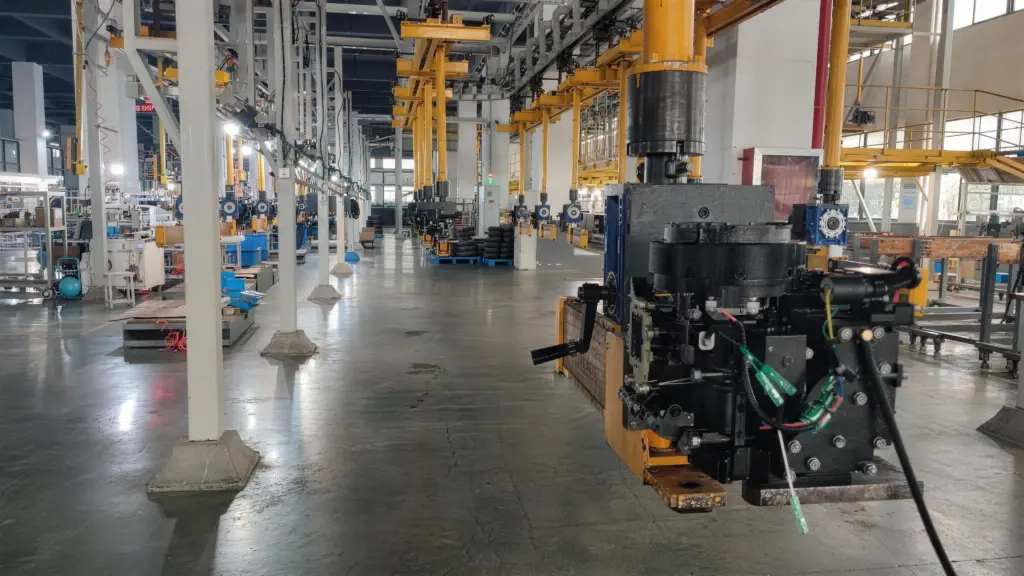
In the NEWTOP motor fuera de borda factory, production is handled through clearly separated manufacturing stages rather than one broad assembly process. That matters because the factory keeps surface treatment, core engine building, transmission-related work, and final validation under more structured control.
| Etapa de producción | Focus of the Stage |
|---|---|
| Coating Line | Surface protection for better resistance to corrosion, humedad, and long-term marine exposure. |
| Grinding & Finishing | Part refinement, surface consistency, and a more controlled finished appearance. |
| Engine Assembly Line | Building the core power unit and integrating key engine components. |
| Gearbox Assembly | Independent assembly of the transmission-related section for better control. |
| Final Assembly | Bringing the major systems together into a complete outboard motor. |
| Pruebas de motores fuera de borda | Checking whether the completed motor is ready for real operating conditions before shipment. |
For buyers comparing outboard motor manufacturers, a process like this offers a clearer view of how the product is handled before it reaches the market.
Where Buyers Usually Feel the Difference
Most customers will never see a coating line or an assembly area. Aún así, they often notice the result later.
A more stable production process tends to show up in quieter ways. The motor feels more consistent from unit to unit. Dealers feel more comfortable recommending it. Service teams spend less time dealing with avoidable issues. End users notice fewer unpleasant surprises once regular use begins.
Manufacturing discipline does not stay inside the factory. It follows the product into the market.
This is one reason experienced buyers do not stop at product appearance when comparing outboard motor manufacturers. What looks similar in a photo can turn out to be very different once engines are unpacked, installed, serviced and used over time.
What to Pay Attention to During a Factory Visit
A factory visit becomes far more useful once the focus moves beyond finished engines on display.
A few things usually reveal the most:
✅ A clear production sequence
The process should feel organized from preparation to assembly to testing, not scattered or improvised.
✅ Separate attention to critical systems
Core areas such as engine assembly and gearbox assembly should look controlled and deliberate rather than casually merged together.
✅ Consistent finishing quality
Surface refinement and overall presentation should feel stable across units, not only on display samples.
✅ A real testing area
Testing should appear as an active part of normal production, not something prepared only for visitors.
✅ Practical post-sale awareness
The team should be able to explain not only how the motor is built, but also how the product will be supported after shipment.
These details usually reveal more than showroom presentation ever can. They help buyers judge whether the factory is building for long-term market use or simply preparing products to look complete.
Testing Carries More Weight Than People Expect
Among all factory stages, testing often matters the most commercially.
A motor may already look finished at that point, but appearance alone does not prove readiness. Testing is the stage where the engine stops being judged as a completed assembly and starts being judged as a working marine product. That shift matters because many weaknesses only show up once the motor is treated as something that must actually perform.
Para distribuidores, stronger testing means more confidence after the order is delivered. For service teams, it can mean fewer avoidable problems entering the market. For end users, even if they never think about factory work directly, it still shapes the product they eventually trust on the water.
That is why testing deserves more attention than it usually gets in sourcing discussions. It is often the stage that turns a complete-looking engine into one that feels commercially reliable.
More Than a Factory Story
A primera vista, manufacturing can sound like a topic meant only for engineers. En realidad, it tells a broader business story.
A stable process usually leads to a more dependable product. A more dependable product reduces service pressure. Lower service pressure makes it easier for dealers to build confidence and easier for the market to accept repeat orders. Con el tiempo, that affects product reputation far more than a glossy first impression.
So while buyers may begin by looking at horsepower or styling, long-term trust often comes from something much less visible. It comes from how carefully the factory builds, checks, and prepares the motor before it ever leaves the line.
For anyone comparing outboard motor manufacturers, that is one of the most useful places to look. A good outboard motor is not only designed well. It is also produced through a process that makes reliability easier to deliver, easier to support, and easier to believe in once the engine reaches the market.
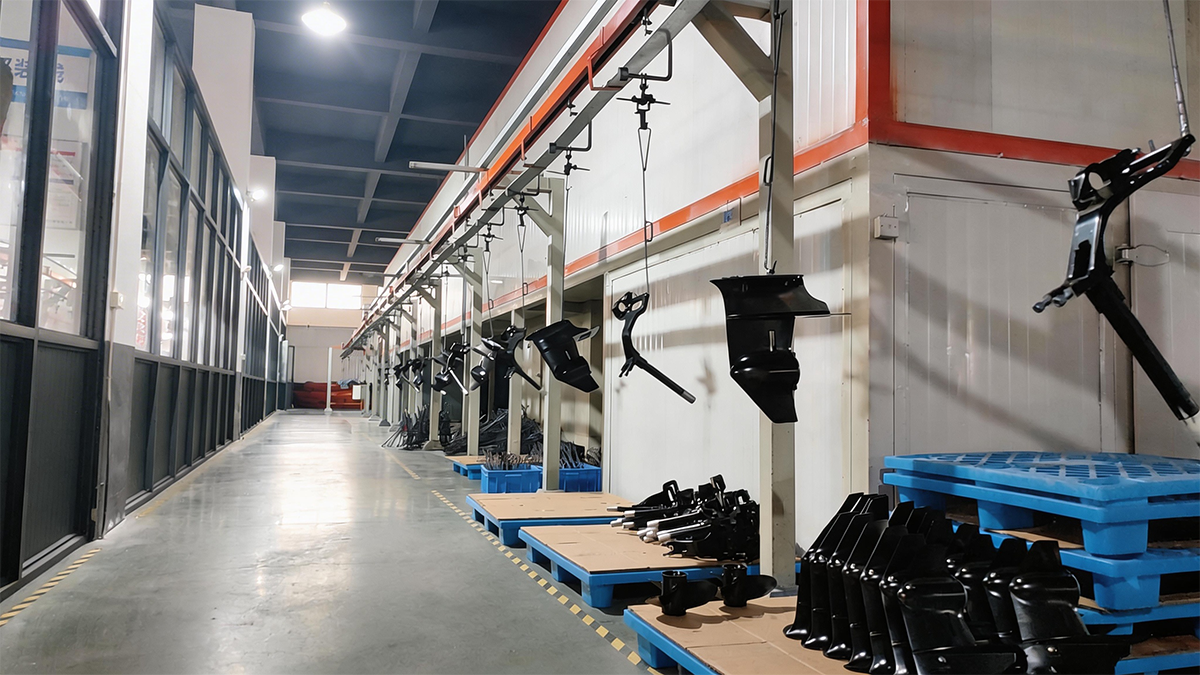
Para muchos importadores, Obtener motores fuera de borda de China parece sencillo al principio. Algunos catálogos de proveedores, varias citas, algunas comparaciones de caballos de fuerza, y el proceso parece avanzar rápidamente. Sin embargo, la mayoría de las diferencias reales entre proveedores no aparecen en el primer intercambio de correos electrónicos.. Aparecen más tarde, cuando llegan los motores., cuando los clientes comienzan a usarlos, y cuando los distribuidores comiencen a tratar con repuestos, apoyo, y repetir ordenes.
Ahí es donde las decisiones de abastecimiento a menudo se vuelven más serias de lo que parecían al principio.. Dos productos pueden parecer similares en un folleto, pero pueden crear resultados muy diferentes una vez que ingresan a un mercado local.. Uno puede vender fácilmente al principio pero volverse difícil de mantener.. Otro puede avanzar de manera más constante y generar una mayor confianza a largo plazo.. En otras palabras, Comprar motores fuera de borda en China rara vez es solo una decisión de precio. También es una decisión de ajuste del producto., una decisión de servicio, y, en muchos casos, una decisión comercial a largo plazo.
En NEWTOP, Hemos visto que los compradores suelen empezar con comparaciones técnicas., pero toman su decisión final por razones más amplias. Familiaridad con el producto, hábitos de servicio locales, continuidad de piezas, y la comunicación después del pedido a menudo son tan importantes como el propio motor.
Una cotización es útil, pero no debería ser el punto de partida
Uno de los errores de abastecimiento más comunes es preguntar el precio demasiado pronto.. Los compradores suelen solicitar cotizaciones antes de tener completamente claro qué tipo de negocio de motores fuera de borda quieren construir..
Un motor de pequeña potencia para barcos pesqueros ligeros atiende a un mercado completamente diferente al de un modelo más grande utilizado para el transporte o el trabajo comercial.. Incluso si ambos productos pertenecen a la misma categoría, su papel en el mercado puede ser muy diferente. Se puede atraer rápidamente a compradores sensibles a los precios., mientras que otro puede tardar más en moverse pero crea una mayor confianza en el distribuidor con el tiempo.
por eso, Ayuda a responder una pregunta más práctica antes de comparar proveedores.: ¿Para qué se utilizarán exactamente estos motores?, y quien los comprara? Una vez que eso esté claro, las citas se vuelven mucho más fáciles de leer en contexto. sin ese paso, Los precios bajos pueden parecer más atractivos de lo que realmente son..
El ajuste del producto le dice más que la gama de productos
Un catálogo amplio puede parecer impresionante, pero el tamaño del catálogo no significa necesariamente un mejor abastecimiento.
Lo que más importa es si el proveedor puede limitar la gama a productos que se ajusten al mercado local.. Los compradores normalmente obtienen más valor de un producto más pequeño., Selección mejor adaptada que entre una larga lista de motores que no se alinean con las necesidades reales del cliente..
Una discusión útil sobre abastecimiento a menudo se centra en cuestiones prácticas.:
- ¿Qué tamaños de embarcaciones son más habituales en el mercado??
- ¿Qué rangos de caballos de fuerza se mueven de manera más consistente??
- ¿Los usuarios finales se preocupan más por un fácil mantenimiento o un mayor rendimiento??
- ¿Qué tipo de motor ya les resulta familiar a los técnicos locales??
- ¿Qué productos son más fáciles de mantener después del primer envío??
Una vez que esas preguntas se enfocan, El abastecimiento de motores fuera de borda de China se trata mucho menos de explorar opciones y mucho más de crear una línea de productos viable..
Una muestra le dirá lo que un catálogo no puede decir
Los catálogos son útiles, pero solo pueden llegar hasta cierto punto. Un motor de muestra suele revelar más en unos pocos días que una hoja de especificaciones en varias páginas..
En la etapa de muestra, Los compradores no sólo comprueban la apariencia.. Están analizando el comportamiento inicial., construir consistencia, sensación de funcionamiento, e idoneidad comercial general. ¿El motor parece algo en lo que los compradores locales confiarán?? ¿Coincide con los barcos comúnmente utilizados en el mercado?? ¿Aumenta la confianza para los pedidos de seguimiento?, ¿O introduce preguntas que pueden volverse más importantes más adelante??
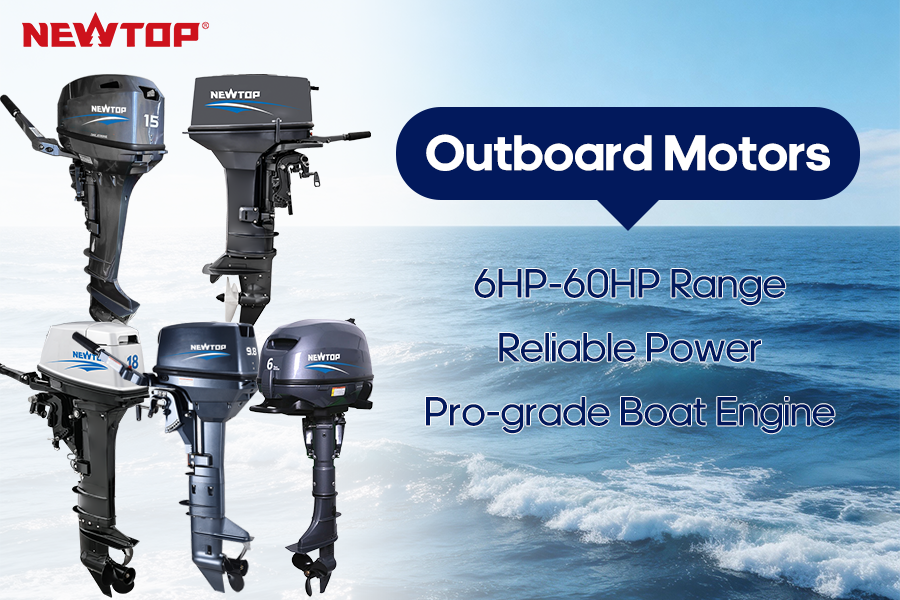
Aquí es donde suelen destacarse los proveedores experimentados.. Entienden que una muestra no es un pequeño acompañamiento.. Es la primera prueba seria de compatibilidad con el mercado..
El proveedor suele ser más importante después del pedido
antes del pedido, El motor tiende a estar en el centro de la conversación.. despues del pedido, el proveedor a menudo se vuelve igual de importante.
Una fábrica puede ofrecer precios atractivos y aun así resultar difícil trabajar con ella más adelante.. Respuestas retrasadas, calidad de lote desigual, lógica de partes débiles, o la información técnica poco clara puede convertir un producto prometedor en uno frustrante. En los mercados marinos, Esos problemas duelen rápidamente porque muchos usuarios dependen de sus motores para el trabajo diario., transporte, o ingresos.
Por esa razón, Los compradores deben juzgar a un proveedor de motores fuera de borda de China por algo más que su capacidad de fabricación.. El estilo de comunicación importa. También el seguimiento de pedidos.. Un buen proveedor no desaparece una vez confirmada la factura proforma. Se mantienen involucrados en el tiempo., preparación de piezas, coordinación de envío, y aclaración técnica.
en negocios reales, El proveedor al que es más fácil comprar no siempre es el proveedor con el que es más fácil crecer..
Las piezas de repuesto suelen revelar la verdadera fortaleza de la cadena de suministro
Si un comprador quiere saber si una relación de abastecimiento puede durar, el sistema de repuestos suele dar la respuesta más clara.
Los motores fueraborda siguen siendo competitivos en el mercado sólo cuando los usuarios pueden mantenerlos en funcionamiento. Si las piezas de desgaste comunes son difíciles de conseguir, o si el mismo modelo se vuelve difícil de soportar después de varios meses, El distribuidor empieza a perder la confianza.. Es posible que el motor aún se venda una vez., pero repetir las ventas se vuelve más difícil.
Por eso los repuestos para motores fuera de borda procedentes de China nunca deben tratarse como un tema secundario. Un proveedor confiable debería poder explicar qué piezas se mueven más rápido, ¿Qué se debe almacenar junto con el primer envío?, y qué tan estable permanecerá la misma estructura de piezas con el tiempo.
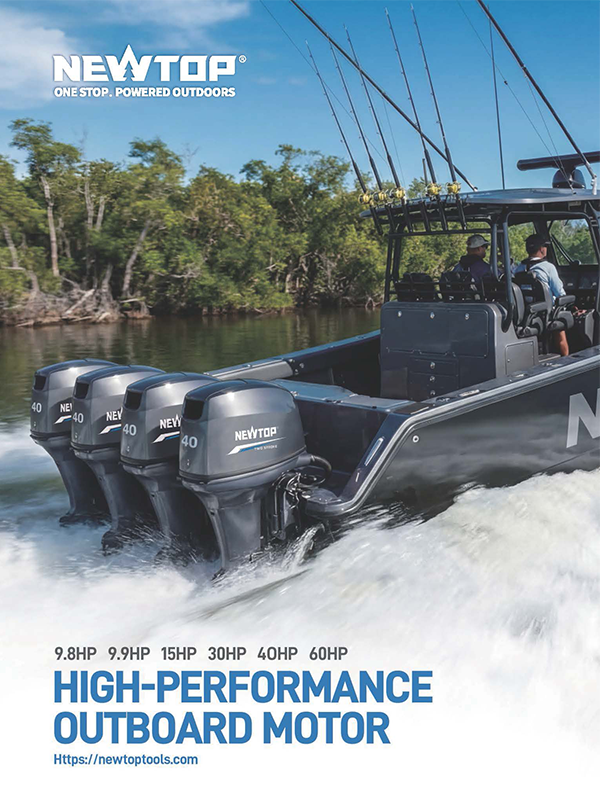
En la práctica, aquí es donde se construye la confianza a largo plazo. La primera venta puede provenir del precio o de la apariencia del producto.. El segundo y el tercero generalmente dependen de si el concesionario puede mantener el motor soportado en el campo..
La compatibilidad merece atención temprana
Otro punto que preocupa cada vez más a los compradores es la compatibilidad.. En muchos mercados, Los clientes ya conocen ciertas plataformas de motores convencionales y se sienten más cómodos comprando productos que se ajustan a patrones de uso familiares..
Esto cambia la conversación sobre abastecimiento.. Ya no se trata sólo de qué modelos produce el proveedor. También se convierte en una cuestión de qué tan bien se conectan esos productos con lo que el mercado ya entiende..
En NEWTOP, Esto a menudo viene junto con el suministro externo estándar.. Algunos distribuidores no sólo necesitan motores completos, sino también máquinas compatibles o piezas de repuesto para plataformas de mercado ampliamente utilizadas. Cuando ese soporte esté disponible, El distribuidor gana más flexibilidad tanto en ventas como en servicio..
Desde un punto de vista comercial, esto hace una verdadera diferencia. Ayuda al distribuidor a aprovechar la demanda que ya existe en lugar de intentar crear una nueva demanda desde cero..
El OEM suele volverse importante más adelante
Muchos compradores no comienzan con planes de marca privada, y eso es normal. La mayoría comienza con productos estándar., luego piensa en la marca más tarde.
Aún así, Ayuda a comprender la capacidad OEM de un proveedor al principio de la conversación.. Una fábrica que puede soportar marcas personalizadas, ajustes de embalaje, y la presentación localizada del producto suele ser más fácil de mejorar con el tiempo. Eso no significa que cada primer pedido deba personalizarse.. Simplemente significa que la elección de abastecimiento debería dejar espacio para el desarrollo futuro..
Una relación con un proveedor a menudo comienza con la adaptación del producto.. Con el tiempo, puede expandirse hacia una cooperación más amplia. Si esa flexibilidad futura no existe, Es posible que el comprador eventualmente tenga que reiniciar el proceso de abastecimiento con otra persona..
La pregunta más útil llega al final
Cuando los compradores llegan a la etapa final de abastecimiento, A menudo se dan cuenta de que la decisión es más importante de lo que parecía al principio.. La cuestión central no es si una fábrica puede producir motores fuera de borda.. muchos pueden.
La mejor pregunta es si el proveedor puede respaldar el tipo exacto de negocio que el comprador desea construir.. ¿Pueden ayudar a delimitar los modelos adecuados para el mercado?? ¿Pueden soportar repuestos y seguimiento técnico?? ¿Pueden mantener la calidad estable en pedidos futuros?? ¿Pueden crecer con el distribuidor en lugar de simplemente completar un envío??
Ahí es donde el abastecimiento de motores fueraborda chinos se convierte en una verdadera oportunidad comercial.. Los compradores que abordan el proceso como una decisión comercial a largo plazo suelen tomar decisiones más sólidas que aquellos que lo tratan como una carrera por la cotización más baja..
Al final, El proveedor más fuerte rara vez es el que tiene el catálogo más largo o la lista de precios más barata.. Es aquel cuyos productos, apoyo, comunicación, y la flexibilidad siguen teniendo sentido después de que lleguen los motores y comience el trabajo real en el mercado.
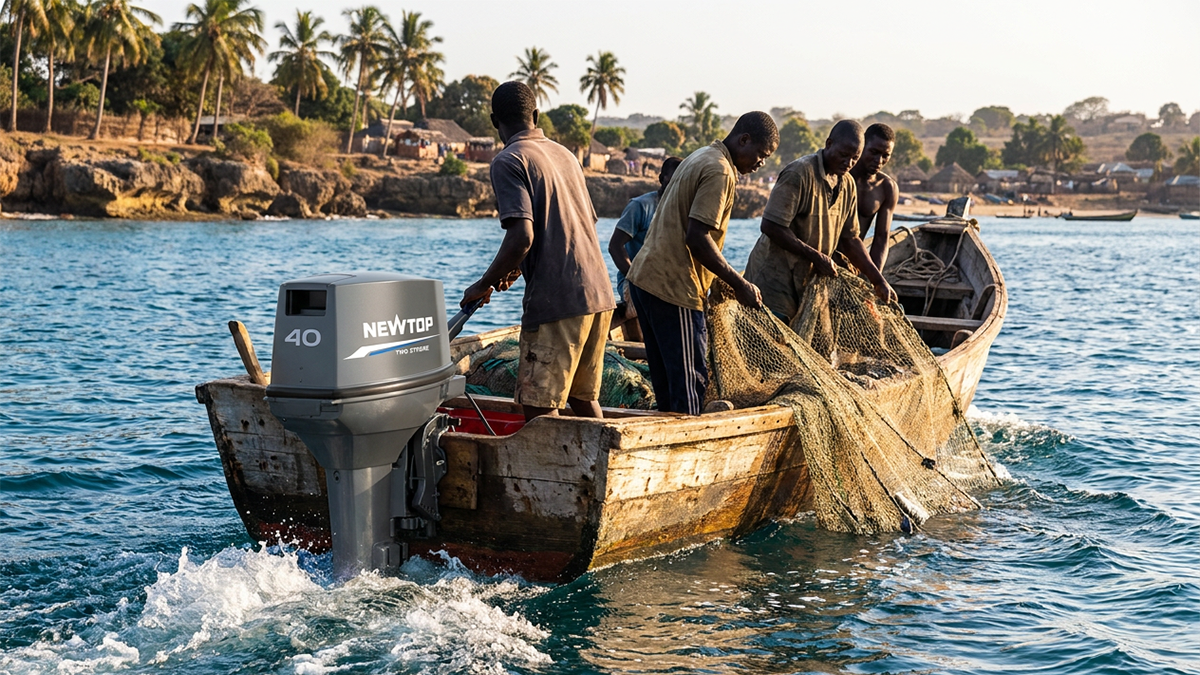
When buyers compare products from different fabricantes de motores fuera de borda, they often pay attention first to horsepower, price, or brand familiarity. That is understandable, but it is rarely the best place to begin. In real markets, the right outboard motor is not simply the most powerful model or the lowest-priced option. It is the one that fits local water conditions, user habits, maintenance realities, and long-term demand.
That is why choosing an outboard motor should always begin with the market rather than the machine. A model that performs well in one region may struggle in another if the local environment, boat types, and buyer expectations are different. For distributors and dealers, this is more than a technical issue. It is a commercial decision that shapes customer trust, reorder rates, and long-term business growth.
En NEWTOP, we have seen this pattern across multiple export markets. In our experience, the strongest results often come from products that match daily usage in the field, not from products chosen only because they look attractive in a catalog.
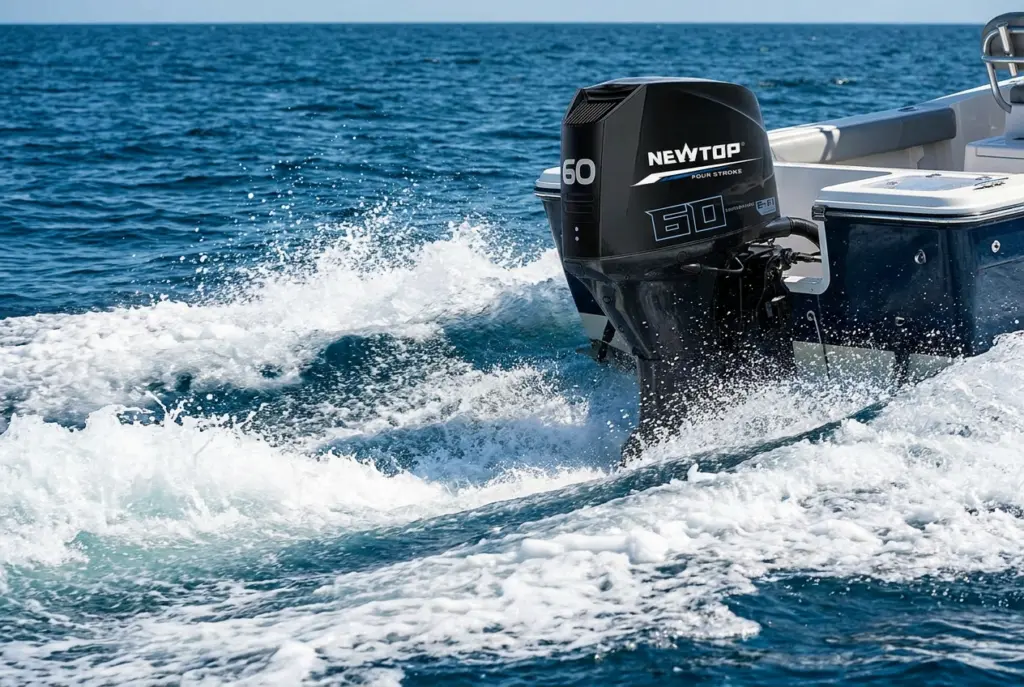
Start with Local Use, Not Just Product Specs
The first question is simple: what are people using outboard motors for in your market?
In some areas, buyers mainly use them for nearshore fishing and short-distance transport. en otros, they depend on them for river work, island transport, tourism, patrulla, or rescue applications. Although the product category is the same, the daily workload can be completely different.
That difference matters. A market built around small fishing boats may care more about fuel efficiency, fácil inicio, and simple maintenance than maximum speed. Por el contrario, operators carrying heavier loads or running for longer hours often look for stronger thrust, stable cooling, and reliable performance under continuous use.
Many importers make the mistake of comparing displacement and rated power before understanding the actual work pattern. En la práctica, the real question is not “Which engine looks stronger on paper?” but “Which engine can handle a normal working day in this market without creating extra problems?"
Once local use cases are clear, product specs become much easier to evaluate.
Why Water Conditions and Climate Matter
Not every market puts the same pressure on an outboard motor. Water type, temperatura, humedad, and operating environment all affect how the engine performs over time.
In coastal markets, corrosion resistance becomes a major selling point. Saltwater, humedad, and frequent marine exposure can quickly damage weak components. Buyers in these markets often pay close attention to material durability, protective coatings, y confiabilidad a largo plazo.
In river-based markets, the focus may shift. Shallow water, muddy conditions, and variable currents often make users more concerned about cooling stability, propeller durability, and dependable low-speed operation. En estos casos, a product that looks impressive in a showroom may still fail to build trust if it does not match field conditions.
Climate also shapes buyer expectations. In hotter regions, users often place more value on thermal stability during extended running hours. In markets where maintenance habits vary, they may also prefer products that are simpler to operate and more forgiving in everyday use.
This is why experienced marine engine dealers rarely judge a model by appearance alone. They know the market will judge the product based on how it survives real local conditions.
What Local Buyers Actually Value
Many importers assume buyers evaluate outboard motors in the same way everywhere. En la práctica, they do not. Even in price-sensitive markets, customers rarely want the absolute cheapest option if it leads to downtime, poor fuel economy, or constant service issues.
In most local markets, buyers tend to care about a practical combination of factors:
- Reliable daily performance in real fishing, transporte, or work conditions
- Fuel efficiency that reduces long-term operating cost
- Easy starting and simple handling, especially for frequent-use boats
- Spare parts availability for regular maintenance and repairs
- Durability in local climate and water conditions, including saltwater or heat
- Low downtime, because many users rely on the engine for income
- Confidence in the dealer or supplier, especially when after-sales support matters
This is why product positioning matters so much. Good distributors do not simply ask which engine costs less. They ask which engine their customers will still trust after a full season of work.
Por esa razón, successful outboard motor distributors usually build their product range around a few clear buyer profiles instead of trying to stock every possible configuration.
Match Horsepower to Real Working Demand
Horsepower should support the boat and the workload, not just marketing language.
Lower horsepower models often suit light fishing, small boats, and personal water use. Mid-range models usually fit mixed-use markets where users need a balance between portability and practical output. Higher horsepower engines are more suitable for commercial work, larger hulls, or operations carrying heavier loads.
The key point is simple: horsepower should match local demand. An oversized engine may create unnecessary fuel cost and purchase pressure. An undersized engine may struggle during daily work and damage customer confidence very quickly.
This is why the best commercial decision is often the one that feels most practical, not the one with the highest number printed on the brochure.
Why Engine Type Still Matters in Many Markets
Engine type also plays an important role in market fit.
En muchos mercados, especially where simple maintenance and familiar engine structure still matter, two-stroke outboard motors continue to attract buyer interest. Users who already understand the product often feel more confident buying it again, especially when local service knowledge already exists.
In other markets, sin embargo, buyer expectations may begin to shift because of regulation, fuel habits, or changing commercial needs. Even then, a technically advanced product is not always the best commercial choice if the market lacks the maintenance habits or support network to keep it running smoothly.
This is where distributors need to think beyond product literature. The best model is usually the one the local market is ready to use, maintain and reorder.
Why Spare Parts and After-Sales Support Drive Repeat Business
A strong engine does not build a market on its own.
Suministro de repuestos, service response, and technical support often determine whether customers reorder or walk away. Dealers may sell the first unit because of price or appearance, but repeat business usually depends on what happens after the sale.
If common maintenance parts are hard to source, or if technical questions go unanswered, even a good engine becomes harder to sell. This is why many experienced buyers evaluate outboard motor manufacturers not only by product range, but also by the support system behind the engine.
Clear parts diagrams, stable components, replacement continuity, and responsive communication all matter. Para nuevo, this part of the business is not secondary. In many export markets, long-term confidence comes from knowing that the engine, the spare parts, and the after-sales support can all move together.
Al mismo tiempo, stronger after-sales performance often starts with choosing models that already match local demand. NEWTOP can support distributors with popular outboard options such as T15-6B4, T15-63V, T40J, and T40G, depending on local boat size, workload, and customer preference. For selected widely used platforms in the market, we can also offer compatible machines or replacement parts that are 100% compatible with Yamaha, suzuki, Tohatsu, and Mercury models. This helps dealers reduce service pressure, improve parts availability, and respond faster to everyday maintenance demand.
Match Local Demand With Reliable Outboard Motors

How Dealers Should Evaluate Outboard Motor Manufacturers
Choosing the right supplier is often just as important as choosing the right engine model. En la práctica, experienced importers and marine engine distributors usually evaluate a manufacturer by a few core standards before they scale cooperation.
| Factor de evaluación | Por qué es importante |
|---|---|
| Consistencia del producto | Helps dealers build customer trust by ensuring engines perform similarly across different batches. |
| Spare parts continuity | Supports after-sales service and reduces the risk of losing repeat business due to unavailable maintenance parts. |
| Technical support | Allows dealers to solve installation, mantenimiento, and repair questions more efficiently in the local market. |
| Supply stability | Makes it easier to plan inventory, respond to demand peaks, and maintain steady sales growth. |
| Business flexibility | Helps distributors adapt product mix, embalaje, or cooperation models as their market develops. |
En la práctica, manufacturers that understand different stages of distributor growth are often easier to work with over the long term. New importers may need help choosing entry-level models, while more established partners may need OEM support, ajustes de embalaje, or a broader product mix.
In both cases, the supplier needs to think commercially, not just operationally. That is one reason long-term partnerships often outperform transactional buying.
Price Matters, but Total Market Fit Matters More
Price will always influence buying decisions, especially in competitive markets. Sin embargo, price alone rarely predicts long-term success.
An engine that costs less upfront may create more pressure later through warranty issues, lower customer confidence, or weak repeat sales. Por otro lado, a slightly stronger product with better support may generate better dealer margins over time because it reduces complaints and improves trust.
This does not mean every market should move premium. It means every market should think in terms of total fit: product performance, condiciones locales, buyer expectations, service support, and long-term business potential.
When these elements align, the outboard motor becomes more than a product. It becomes part of a real market strategy.
Think About Current Demand and Future Growth
The best outboard motor decisions usually balance current demand with future opportunity.
A distributor should understand what buyers need today, but also where the market may move next. If your region is growing in fishing, tourism, rescue use, or water transport, then product planning should reflect that direction rather than only short-term demand.
The goal is not simply to sell engines now. It is to build a product lineup that can grow with the market.
That is why choosing the right outboard motor is never just a technical decision. It is a commercial one. Buyers who understand their local environment, select the right horsepower range, and work with dependable outboard motor manufacturers put themselves in a much stronger position over the long term.
For companies building their marine engine business, that kind of decision-making creates a real advantage. En NEWTOP, we believe the best results come when product choice begins with market reality—and ends with long-term customer trust.
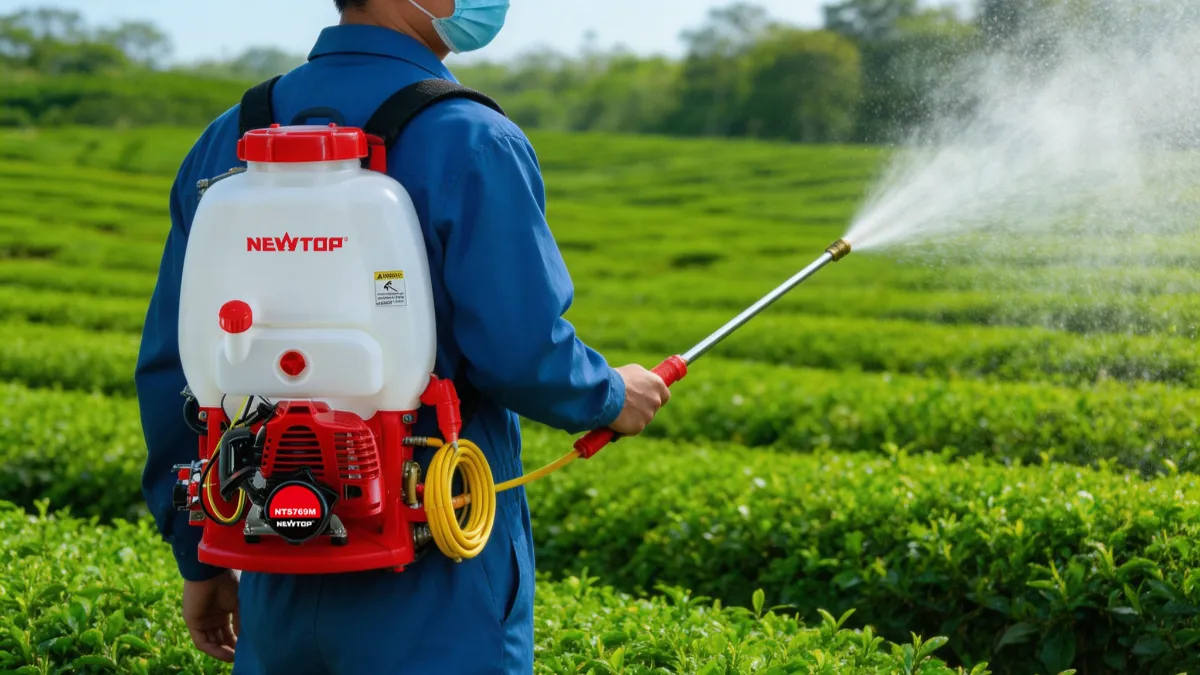
Knapsack sprayers are widely used in agriculture, paisajismo, jardinería, control de plagas, y trabajos de saneamiento. While many knapsack sprayer suppliers offer similar-looking products, the actual manufacturing quality, consistency, and service capability can vary significantly. Choosing the right knapsack sprayer manufacturer is not only about finding a competitive price. It is about building a reliable supply chain that supports your business growth for years.
Whether you are a distributor, importer, agricultural equipment dealer, or private-label brand owner, understanding how to evaluate a manufacturer can help reduce purchasing risks, improve customer satisfaction, and strengthen your market position.
This guide explains the key factors to consider before selecting a reliable knapsack sprayer manufacturer.
Knapsack Sprayer Manufacturer Experience
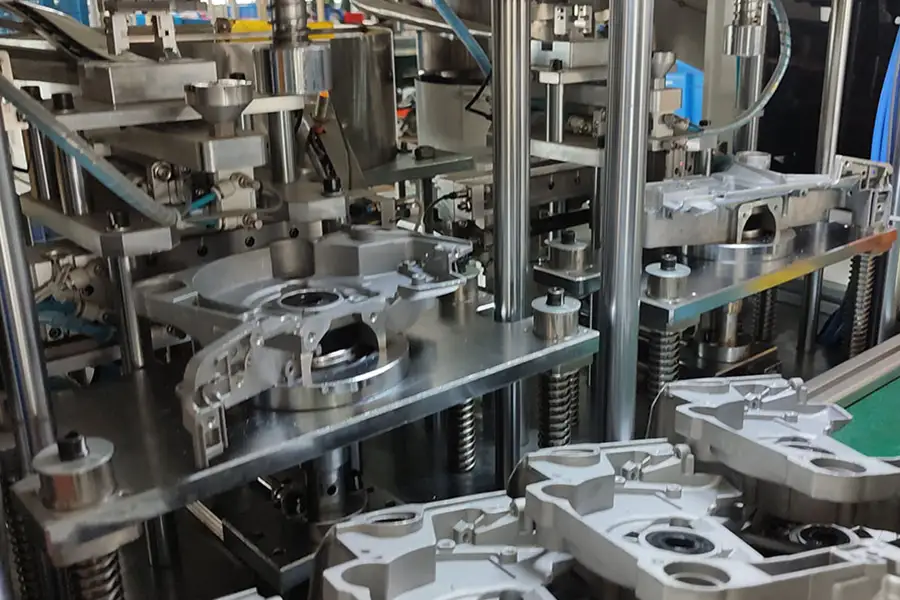
Experience is often one of the strongest indicators of manufacturing reliability. A OPE factory that has produced pulverizadores de mochila for many years usually has more mature production systems, stronger quality management, and a deeper understanding of market requirements.
Experienced knapsack sprayer manufacturers are better equipped to:
- Solve product development challenges
- Improve production efficiency
- Maintain consistent product quality
- Meet international market standards
- Respond quickly to customer feedback
You can consider the following questions:
| Factor de evaluación | Por qué es importante |
|---|---|
| Years in Operation | Indicates production stability and industry knowledge. |
| Export Experience | Demonstrates understanding of international requirements and market regulations. |
| Product Specialization | Shows technical expertise and continuous product development in backpack sprayer manufacturing. |
| Customer Portfolio | Reflects market recognition, customer satisfaction, and long-term business trust. |
| Production Scale | Indicates the manufacturer’s ability to support growing order volumes and future business expansion. |
OPE manufacturers that serve multiple regions often understand different customer preferences, certification requirements, and distribution challenges. This experience can be valuable when introducing products into new markets.
Por ejemplo, distributors in Africa and Latin America often seek products that offer the right balance between cost, calidad, and market compliance. Many also require customized packaging and branding to strengthen their local sales channels. Having supplied customers across these regions for many years, NOVEDAD, a experienced knapsack sprayer manufacturer, understands these requirements and provides cost-effective products, flexible OEM services, and reliable export support.
Knapsack Sprayer Quality Control Process
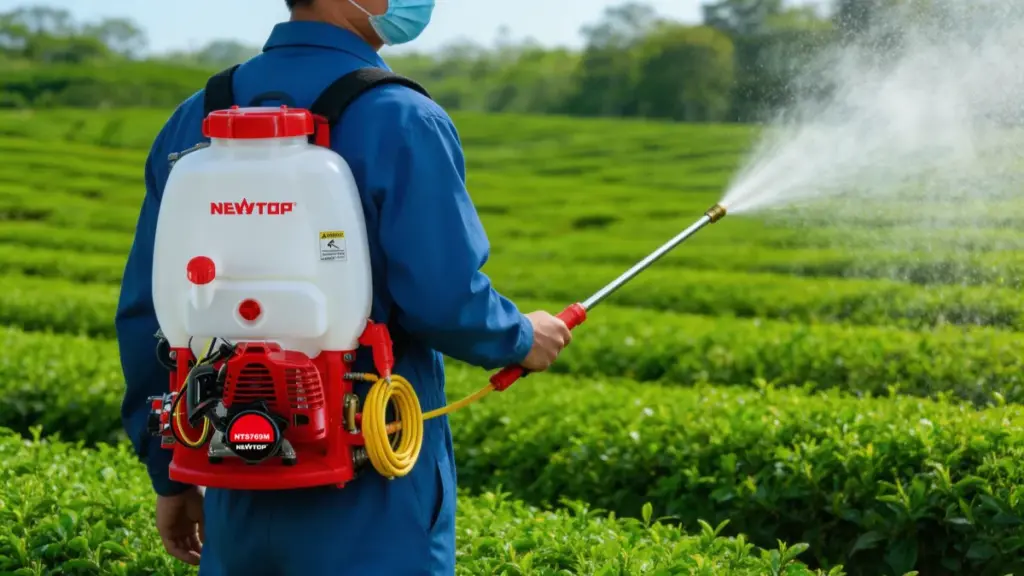
A rigorous quality control framework guarantees knapsack sprayers perform reliably in the field. This systematic approach minimizes defects, standardizes dosage accuracy, and ensures operator safety.
| QC Stage | Key Focus | Critical Actions |
|---|---|---|
| IQC | Materiales & Components | Resin indexing, corrosion checks, elastomer shore hardness |
| IPQC | Assembly Integrity | Hydrostatic tank tests, intermediate leak checks, pump stroke validation |
| OQC | Final Performance | Full-unit pressure holds, spray pattern analysis, residual volume checks |
| Cumplimiento | System Traceability | CAPA management, batch tracking, safety standard certification |
Incoming Control de calidad (IQC) for Materials and Components
Quality starts before assembly begins. We evaluate all incoming raw materials and purchased components to prevent defects from entering the production line. Strict material screening guarantees the sprayer handles aggressive agrochemicals without degrading.
- Plastic resins: Test plastic resins for melt flow index, density, and UV stability.
- Metal components: Inspect metal parts like pump rods and wands for corrosion resistance and thread tolerances.
- Seals and gaskets: Evaluate elastomers and O-rings for chemical compatibility and correct shore hardness.
- Sub-assemblies: Verify trigger valves, mangueras, and constant-flow devices against pressure and structural specifications.
In-Process Quality Control (IPQC) During Assembly
Monitoring the assembly line catches alignment and fabrication issues early. We track machine parameters and conduct physical tests at critical stations to validate structural integrity and mechanical fit.
- Tank fabrication: Monitor injection and blow molding parameters while conducting hydrostatic tests on tank weld lines.
- Pump mechanics: Check pump assemblies for smooth stroke action, displacement accuracy, and proper seal seating.
- Intermediate testing: Perform intermediate partial-fill leak checks around joints, mangueras, and the pump base.
- Hardware security: Verify strap fixings, load-bearing anchor points, and hose clamp torque during final assembly.
Outgoing Quality Control (OQC) and Final Testing
Final unit testing confirms every assembled sprayer meets functional and safety targets. We pressurize and operate the units to simulate field conditions, isolating and removing any non-conforming products before shipment.
- Leak integrity: Conduct full-unit pressure tests upright and tilted to confirm absolute leak integrity.
- Output consistency: Measure flow rate consistency and verify pressure relief valves activate at designated limits.
- Application quality: Evaluate spray patterns for symmetry and test anti-drip devices for immediate shut-off.
- Efficiency checks: Measure residual liquid volume after spraying to depletion to ensure minimal chemical waste.
System Documentation and Compliance Tracking
A documented quality system provides accountability and drives continuous improvement. We link factory data to specific batches, allowing buyers to trace component origins and rely on validated performance metrics.
- Batch tracking: Maintain documented traceability from finished sprayer units back to specific component batches.
- Performance data: Track lifecycle durability data, including pump cycle tests and strap fatigue resistance.
- Defect management: Manage defect handling through structured Corrective and Preventive Action (CAPA) systems.
- Regulatory alignment: Ensure final product labels, safety symbols, and calibration instructions meet regional certification standards.
Maximize ROI With Durable Garden Machinery
Knapsack Sprayer Certifications and Compliance
Compliance in knapsack sprayers spans both product-level safety standards and operational design features that ensure safe, accurate pesticide application across regulated global markets.
Important Certifications to Consider
| Proceso de dar un título | Purpose |
|---|---|
| ISO 9001 | Quality management system |
| CE | Compliance with European market requirements |
| RoHS | Restriction of hazardous substances |
| BSCI | Social responsibility and ethical manufacturing |
| REACH | Chemical compliance for European markets |
| SGS Testing Reports | Independent product verification |
Core Product Certifications and Safety Standards
Accessing global agricultural markets requires strict adherence to regional machinery and safety directives. Manufacturers must validate sprayers through recognized regulatory frameworks before placing them on the market.
- European & UK Markets: CE marking and UKCA declarations confirm compliance with regional Machinery, Pressure Equipment, and Low Voltage Directives.
- Testing Standards: Engineers test equipment against ISO 19932-1:2013 and FAO guidelines to verify tank structural integrity, leak resistance, and spray performance.
- Powered Units: Gasoline-powered mist blowers require specific EPA or CARB certifications for engine emissions, alongside strict noise and vibration exposure limits.
Material and Chemical Compatibility Requirements
Agricultural sprayers handle aggressive solvents, surfactants, y fertilizantes. Material selection directly dictates equipment lifespan and operator safety.
- Construcción de tanques: Factories mold tanks from UV-stabilized, high-density polyethylene (PEAD) to prevent outdoor degradation and chemical attack.
- Sealing Systems: juntas, juntas tóricas, and hoses must resist degradation from herbicides, insecticidas, y fertilizantes líquidos.
- Validation Testing: Quality control teams conduct long-term chemical soak tests and cyclic pressure protocols to ensure materials do not swell, crack, or leak under field conditions.
Operational and Environmental Compliance
Environmental stewardship requires equipment that minimizes chemical waste and off-target drift. Sprayer design plays a primary role in supporting safe field operations.
- Application Accuracy: Integrated pressure regulators maintain stable pressure for accurate dosing, while clear structural designs support rapid pre-use safety inspections.
- Drift Control: Operators use specific nozzle combinations and spray shields to limit chemical drift and protect non-target crops.
- Waste Management: Manuals dictate strict triple-rinsing procedures and safe washings disposal. Electric models include WEEE-compliant battery recycling instructions.
User Certification Alignment and Pesticide Regulations
Manufacturers do not certify operators, but they must design and document equipment to align with local pesticide licensing laws and professional training frameworks.
- Market Segmentation: Clear product labeling separates professional agricultural sprayers from standard domestic models.
- Regional Qualifications: Equipment documentation aligns with operator training expectations, such as the UK PA1/PA6 certificates or Irish QQI handheld application courses.
- Label Compliance: Sprayer engineering enables operators to match flow rates and droplet sizes to strict North American pesticide label directions.
Quality Management, Traceability, and Documentation
Consistent production quality relies on structured factory oversight and robust traceability systems. These frameworks protect buyers from batch variability and liability risks.
- QMS Integration: Factories implement ISO 9001 systems to govern design control, process validation, and supplier component oversight.
- Batch Traceability: Facilities track unique product serial numbers and batch codes to isolate defective components and manage targeted recalls.
- Field Support: Shipments include localized user manuals, internationally recognized safety pictograms, and visual guides to assist operators with accurate calibration.
Knapsack Sprayer OEM and ODM Capability

Factory OEM and ODM capabilities dictate how quickly and reliably you can produce customized sprayers tailored to your specific market and brand standards.
Core OEM and ODM Service Scope
Differentiating between OEM and ODM services helps buyers align their product strategy with factory capabilities. Capable factories support multiple product categories, including manual, battery-operated, dual-mode, and gasoline sprayers.
- OEM Services: Focuses on branding, minor structural adjustments, and component integration on existing sprayer platforms.
- ODM Services: Involves developing new tank configurations, custom power systems, and specialized safety controls directly from the concept stage.
Mechanical and Electrical Engineering Depth
Advanced R&D teams rely on 3D CAD modeling, rapid prototyping, and extensive field testing to validate new designs before mass production.
- Mechanical Engineering: Covers ergonomic tank profiles, wall thickness optimization, and durable pump mechanisms to withstand harsh field conditions.
- Electrical Capabilities: Includes battery capacity matching, DC motor selection, and moisture-sealed control interfaces for powered models.
Production Volume and Order Flexibility
Leading knapsack sprayer manufacturers sustain high-volume output by operating dedicated assembly lines tailored to different knapsack sprayer types. Flexibility on the factory floor translates directly to your supply chain reliability.
- MOQ and Lead Times: Suppliers adapt Minimum Order Quantities and production schedules based on your required level of customization.
- Flexible Setups: Production setups handle efficient branding changeovers and parallel runs for mixed-model orders to keep inventory flowing.
Quality Assurance and Regulatory Compliance
Consistent field performance requires strict process control. Sprayers undergo rigorous testing to meet global safety standards, specifically targeting tank rupture resistance and electrical insulation.
- Factory Quality Systems: Enforce incoming material checks, in-process assembly verification, and full-scale leak testing on every batch.
- Final Inspections: Quality teams verify consistent spray patterns, pressure stability, and battery function before final packaging.
Project Management and IP Security
Building a custom sprayer requires transparent communication and strict legal safeguards. Dedicated technical managers oversee design approvals, pre-production sampling, and golden sample definitions to align factory output with buyer expectations.
- Transparent Cost Structures: Supply agreements separate one-time tooling and development expenses from ongoing per-unit hardware pricing.
- Intellectual Property: Clear supply contracts define mold ownership, design exclusivity, and strict non-disclosure agreements to protect buyer IP.
Knapsack Sprayer Production and Lead Time

Lead times for knapsack sprayers depend heavily on your customization level and component sourcing strategy. Standard orders move fast, while custom molds and imported batteries extend timelines.
When evaluating a knapsack sprayer supplier, consider both production capacity and delivery consistency.
Key Questions to Ask
- What is the monthly production capacity?
- How many production lines are available?
- What is the average lead time?
- How are peak-season orders managed?
- What contingency plans exist for material shortages?
Typical lead times vary depending on order quantity and customization requirements.
| Order Type | Typical Lead Time |
|---|---|
| Standard Products | 15–30 days |
| Customized Packaging | 25–40 days |
| OEM Projects | 30–45 days |
| New ODM Development | 45–90 days |
En NEWTOP, we maintain a stable production system and mature supply chain to support both sample orders and bulk production efficiently. Typical lead times are around 7 days for samples and about 30 days for standard orders from 100 units to full container loads, depending on order requirements.
For OEM and customized projects, timelines vary based on specification complexity. Contact us to discuss your project and get a tailored quotation and delivery schedule.
Spare Parts Supply and After-Sales Support
Reliable spare parts supply and structured after-sales support keep knapsack sprayers operational. Prioritize manufacturers that standardize components and guarantee long-term availability to minimize field downtime.
Core Spare Parts Categories
A reliable manufacturer maintains a deep inventory of replacement components to keep agricultural operations running during critical spraying windows. We categorize essential knapsack sprayer parts into three distinct tiers.
- Mechanical assemblies: Supply of major mechanical assemblies including tanks, zapatillas, lances, and nozzle systems.
- Power components: Availability of power components like batteries, chargers, carburadores, and recoil starters for motorized units.
- Consumable parts: Provision of consumable sealing components such as O-rings, juntas, and filters in ready-to-use kits.
Stocking these specific categories prevents minor wear from escalating into complete equipment failure.
Serviceability and Design Requirements
Good engineering anticipates field repairs. When components wear out, operators need to swap them quickly without shipping units back to a service center.
- Tool access: Unrestricted access to internal pump and valve components using standard hand tools.
- Modular assembly: Designs that allow fast field replacements of worn components without specialized fixtures.
- Component standardization: Standardization of hoses, trapos, and fittings across multiple sprayer models to simplify distributor stocking.
This standardization sharply reduces inventory complexity for regional distributors and lowers the total cost of ownership for end-users.
Technical Documentation and Training
Even the best spare parts network fails if technicians lack the knowledge to install the components correctly. Manufacturers must supply clear visual repair documentation and active support.
- Visual documentation: Detailed exploded-view diagrams featuring clear reference numbers for accurate parts ordering.
- Maintenance manuals: Multilingual user manuals outlining daily maintenance, proper chemical cleaning protocols, and storage.
- Diagnostic tools: Actionable troubleshooting guides addressing common faults like pressure loss, fugas, and uneven spray.
- Skill development: Manufacturer-led capacity building and training workshops for distributor technicians and large agricultural end-users.
Proper training ensures correct reassembly and calibration, avoiding dosage errors caused by improper component fitment.
Parts Availability and Supply Logistics
Supply continuity dictates whether a discontinued model remains a viable asset or becomes useless plastic. Buyers must secure firm logistical commitments from their factory partners.
- Lifecycle commitments: Commitments to supporting discontinued models with replacement parts for five to seven years.
- Order processing: Structured order capabilities including standard lead times, reasonable MOQs, and consolidated container shipping.
- Regional supply: Utilization of regional distribution centers and local warehousing partners to reduce downtime for farmers.
Bundling initial spare parts shipments with primary container orders offers an immediate safeguard against early seasonal stockouts.
Warranty Coverage and Claims Resolution
A warranty needs a clear execution framework. You need a transparent system to handle defects fast and efficiently.
- Coverage terms: Clear baseline warranty terms separating structural components from normal wear parts.
- Claim processing: Transparent procedures for submitting defect claims with rapid response and defined resolution timeframes.
- Remedy execution: Options for remedies including free replacement parts, full unit exchanges, or supplier credit allocations.
Tracking failure data through these claims helps buyers negotiate better terms and drives continuous product improvement at the factory level.
Common Risks When Choosing a Low-Cost Manufacturer
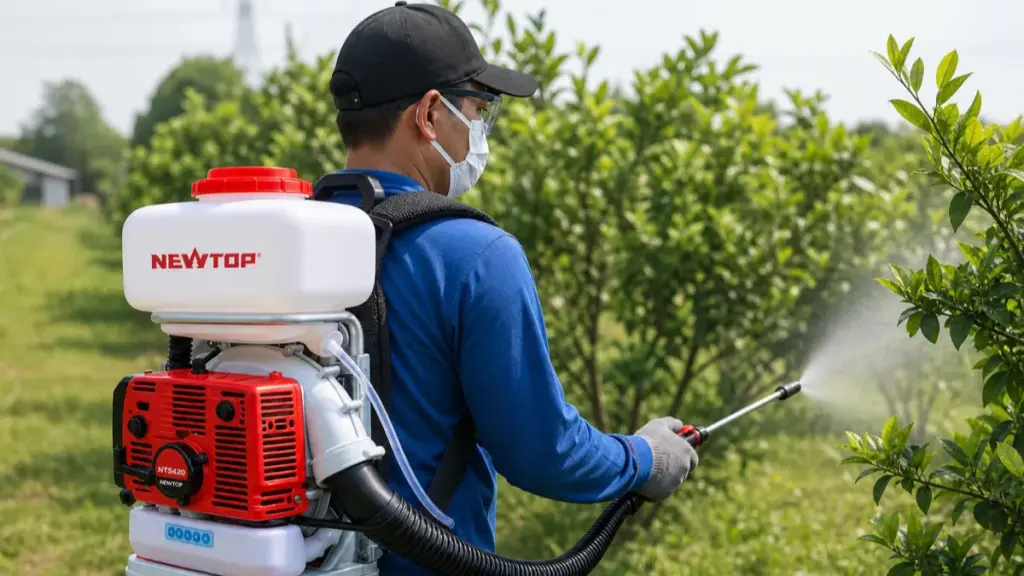
Chasing the lowest unit price often hides steep costs in early field failures, safety liabilities, and disrupted supply chains. A cheap sprayer quickly becomes an expensive liability.
Product Quality and Performance Issues
Low-cost factories routinely cut corners on materials and engineering. This severely impacts field performance and damages your brand reputation when the equipment reaches the end-user.
- Inconsistent spray output: Poor calibration and pressure fluctuations lead directly to crop over-dosing or under-dosing.
- Component failure: Substandard nozzles and cheap fluid components tend to drip or clog almost immediately.
- Structural weakness: Thin plastics and weak frames result in tank cracking and complete structural failure under regular field use.
Safety and Regulatory Compliance Gaps
Agricultural equipment must protect the operator and meet strict import standards. Budget manufacturers frequently skip compliance steps to save money, shifting the legal risk entirely onto you.
- Worker exposure: Poor sealing designs increase the operator’s exposure to pesticides through constant leaks and drips.
- Import blocks: Bypassing ISO and national safety standards puts your shipments at high risk of customs rejection.
- Liability exposure: A lack of traceability and missing safety certifications leaves buyers exposed to regulatory fines and product recalls.
Reliability and Hidden Lifecycle Costs
The upfront savings of a budget sprayer vanish the moment parts start breaking. Professional buyers evaluate total cost of ownership, which plummets when equipment fails in the field.
- Frequent downtime: High failure rates of seals, mangueras, and pump handles halt operations during critical, time-sensitive spraying windows.
- Shorter service life: The absence of spare parts catalogs and maintenance support forces early equipment replacement.
- Erased margins: High defect rates, constant repair requirements, and frequent warranty claims quickly consume any initial unit cost savings.
Poor Ergonomics and Usability
If a knapsack sprayer is uncomfortable or difficult to operate, workers will misuse it or experience rapid physical fatigue, leading to sloppy application.
- Operator fatigue: Uncomfortable straps and poor weight distribution accelerate physical strain during long shifts.
- Incorrect practices: Inadequate manuals and missing local language translations cause mistakes in chemical mixing and application.
- Equipment misuse: A severe lack of proper training materials increases the likelihood of operator error and broken components.
Supply Chain and Quality Inconsistencies
Low-cost suppliers often lack the infrastructure and discipline to maintain steady quality or deliver on time, disrupting your entire seasonal sales strategy.
- Variable batch quality: Manufacturers quietly switch to cheaper materials or unvetted subcontractors to maintain their profit margins.
- Missed sales windows: Capacity constraints lead to late deliveries right before crucial pre-spray agricultural seasons.
- Skipped testing: Weak internal quality management systems bypass essential end-of-line testing and leakage checks.
Design Limitations for Specific Applications
A generic, one-size-fits-all approach rarely works in professional agriculture. Budget suppliers stick to basic configurations that limit your ability to capture specialized market segments.
- Mismatched capabilities: Generic designs fail to accommodate specific crop requirements, varying terrain types, and local climate conditions.
- Poor application control: Inadequate agitation and pressure control mechanisms prevent users from following strict spraying guidelines.
- Stagnant portfolios: Limited product lines ignore the growing market demand for larger capacity battery-powered or motorized units.
Ready to Build Your Knapsack Sprayer Product Line With NEWTOP?
Partnering with a proven OPE manufacturer secures your supply chain. NEWTOP delivers reliable quality, compliance-ready documentation, and scalable OEM production to keep your sprayer brand competitive.
con más 20 years of manufacturing experience, NEWTOP is a trusted outdoor power equipment supplier serving customers in more than 65 países.
Why Partner With NEWTOP?
- 500,000+ units annual production capacity for stable supply
- Advanced manufacturing facilities y estrictos sistemas de control de calidad
- Experienced R&D team supporting OEM and ODM customization
- Durable, field-tested sprayers designed for agricultural and commercial use
- Suministro fiable de repuestos for long-term after-sales support
- International quality standards and product compliance for global markets
- Professional export experience serving Africa, América Latina, Sudeste Asiático, and the Middle East
To expand our global presence, NEWTOP is actively seeking regional distributors and brand partners. Whether you are launching a new product line or expanding your existing portfolio, our team can provide reliable manufacturing support, customization services, and competitive partnership programs.
Contact NEWTOP today to discuss OEM projects, private-label opportunities, or regional distribution cooperation.
Preguntas frecuentes
What certifications should I look for in a knapsack sprayer manufacturer?
Common certifications include ISO 9001, CE, RoHS, REACH, BSCI, and third-party testing reports such as SGS. The required certifications depend on your target market and product application.
Do knapsack sprayer factories offer OEM and ODM services?
Sí, most established backpack sprayer manufacturers provide both. OEM services usually cover branding, custom colors, and packaging changes with lower minimum order quantities. ODM involves engineering new tank shapes, pump mechanisms, or ergonomic features, requiring higher volumes and upfront tooling investments.
What is the typical production lead time for a knapsack sprayer order?
En NEWTOP, samples take around 7 días, and standard orders usually take about 30 días. OEM and ODM orders depend on customization requirements.
What quality control checks should a reliable factory perform?
A dependable factory conducts incoming material inspections, in-process assembly monitoring, y pruebas del producto final. Final tests should include pressure retention, leak detection, and flow rate calibration under controlled conditions. They should also run periodic durability and chemical resistance tests on representative samples.
Why is spare parts consistency critical for knapsack sprayers?
Consistent spare parts guarantee that the sprayer maintains accurate pressure and flow rates, which prevents under-dosing or over-dosing chemicals. Using standardized, high-quality replacement parts also minimizes operational downtime, simplifies maintenance, and extends the equipment’s lifespan.
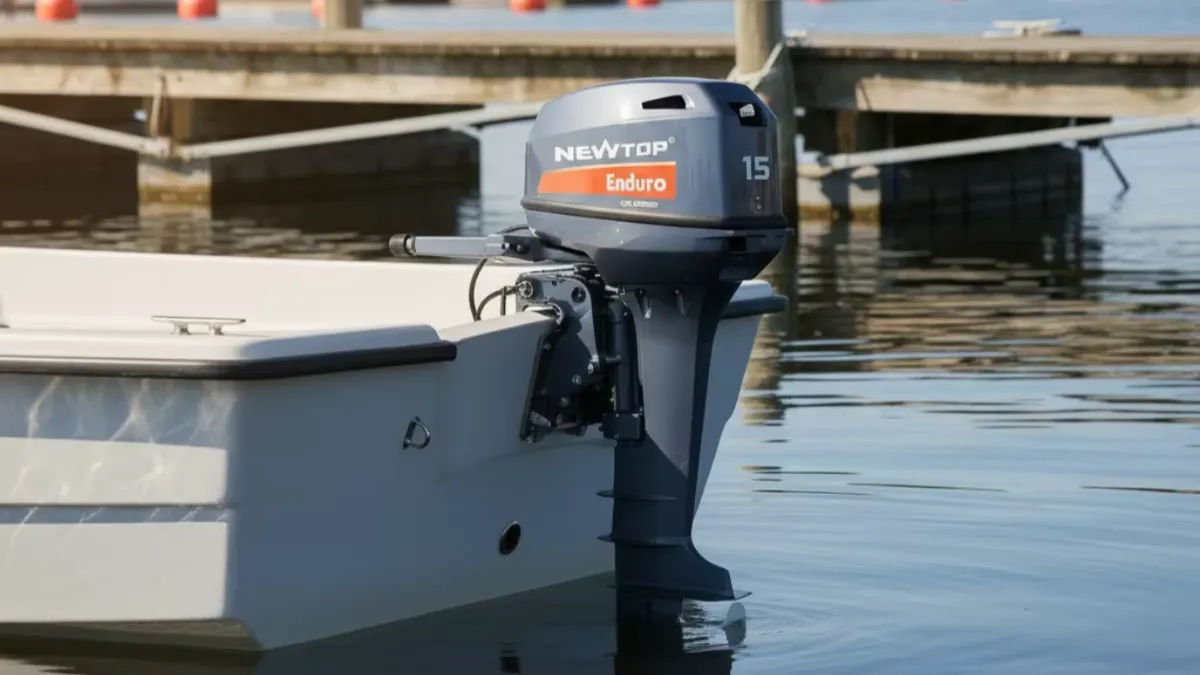
Los motores fueraborda son uno de los sistemas de potencia más importantes para embarcaciones pequeñas y medianas. Son muy utilizados en la pesca., navegación de recreo, trabajo de rescate, acuicultura, transporte, y operaciones marítimas comerciales. Elegir el motor fueraborda adecuado afecta directamente la eficiencia del combustible, velocidad, fiabilidad, costo de mantenimiento, y experiencia general de navegación.
El mercado actual ofrece muchos tipos de motores fuera de borda., incluyendo gasolina, eléctrico, diesel, dos tiempos, y modelos de cuatro tiempos. Cada opción está diseñada para diferentes tamaños de embarcaciones., entornos operativos, y necesidades de uso.
Esta guía explica los principales tipos de motores fuera de borda y ayuda a los compradores a comprender qué solución funciona mejor para diferentes aplicaciones de navegación..
Explicación de los diferentes tipos de motores fuera de borda
motores fuera de borda se puede clasificar de varias maneras, incluyendo el tipo de combustible, diseño del motor, rango de caballos de fuerza, y aplicación prevista.
Las categorías más comunes incluyen:
| Tipo de motor | Tecnología central | Caso de uso principal |
|---|---|---|
| Gasolina de cuatro tiempos | Gasolina / Aceite separado | Cruceros familiares, pesca en alta mar, pontones pesados |
| Gasolina de dos tiempos | Gasolina / Mezcla de aceite (o IED) | Embarcaciones ligeras de alto rendimiento., esquifes de aguas poco profundas |
| Eléctrico | Batería de litio/AGM | Aguas ecosensibles, botes, lagos restringidos |
| Híbrido Gas-Eléctrico | Combustión + Accionamiento eléctrico | Buques de uso mixto, ecoturismo, taxis acuáticos |
| Troleo / Pateador | Electrico o Gas Pequeño | Control de pesca preciso, respaldo auxiliar en alta mar |
| Jet fueraborda | Empuje de la bomba de agua | Ríos poco profundos, rápidos rocosos, operaciones de rescate |
Fuerabordas de gasolina de cuatro tiempos
Los fuerabordas de cuatro tiempos dominan el mercado moderno de la navegación de recreo. Operan con un sistema de aceite separado., eliminando por completo la necesidad de premezclar manualmente el fueloil. Este diseño refleja los motores de los automóviles., Uso de válvulas y árboles de levas para gestionar las fases de admisión y escape..
- Eficiencia y Emisiones: Ofrezca una alta eficiencia de combustible, menores emisiones, y funcionamiento más silencioso en comparación con los diseños de motores heredados.
- Aplicaciones: Funciona bien en cruceros familiares, barcos de pesca en alta mar, y pontones de carga pesada.
- Compensaciones: Tienen un peso mayor y un costo inicial más alto, pero ofrecen una gran confiabilidad a largo plazo y valor de reventa..
Fuerabordas de gasolina de dos tiempos
Los fuerabordas de dos tiempos priorizan la potencia bruta y la rápida respuesta del acelerador. Disparan en cada revolución del cigüeñal., dándoles una clara ventaja de rendimiento desde la línea de salida. Mientras que los modelos más antiguos con carburador consumen más combustible y producen más humo de escape., La ingeniería moderna ha perfeccionado la tecnología..
- Actuación: Proporcionar una alta relación potencia-peso, lo que resulta en una rápida aceleración y un fuerte golpe de hoyo.
- Mecánica: Presentan un mecanismo central más simple con menos piezas móviles, a menudo reduciendo los costos iniciales de compra y mantenimiento.
- Actualizaciones modernas: Las versiones modernas de inyección directa miden el aceite y el combustible con precisión para mejorar la eficiencia de las embarcaciones ligeras y de alto rendimiento..
Motores fuera de borda eléctricos
Los fuerabordas eléctricos sustituyen por completo al motor de combustión interna, obteniendo energía de baterías recargables de litio o AGM. Proporcionan un silencio, Alternativa libre de emisiones diseñada para entornos de navegación específicos donde el control del ruido y la contaminación son las principales prioridades..
- Impacto ambiental: Producir cero emisiones locales y mínimo ruido., haciéndolos ideales para aguas ecológicamente sensibles y áreas de vida silvestre.
- Mantenimiento: Casi no requieren mantenimiento mecánico de rutina, como cambios de aceite o reemplazos de bujías..
- Limitaciones: Limitaciones de alcance facial basadas en la capacidad de la batería, que requieren una infraestructura de carga confiable en el muelle o en el remolque.
Fuerabordas híbridos gas-eléctricos
Los sistemas híbridos combinan un motor de combustión interna con un propulsor eléctrico para maximizar la flexibilidad operativa.. Los operadores pueden cambiar sin problemas entre métodos de propulsión según su entorno inmediato y sus requisitos de alcance..
- Versatilidad: Permitir a los operadores utilizar energía eléctrica silenciosa en zonas restringidas y energía de gas para el tránsito en aguas abiertas..
- Fiabilidad: Proporcionar redundancia de doble potencia, Ofrecer propulsión de respaldo si falla un sistema..
- Consideraciones: Implican una mayor complejidad del sistema., aumento de peso, y mayores costos de adquisición que las alternativas monomodo.
Motores de pesca por curricán y de patada
No todos los fuerabordas sirven como fuente principal de propulsión de alta velocidad.. Los motores de arrastre y de arranque actúan en funciones altamente especializadas para complementar el motor principal., Centrándose en maniobras precisas y seguridad..
- Motores de pesca por curricán: Utiliza energía eléctrica para ofrecer precisión., silencioso, Control de baja velocidad para pescadores que navegan por la estructura..
- Motores de arranque: Funcionan como pequeños fuerabordas auxiliares de gasolina montados junto al motor principal en el espejo de popa..
- Beneficios: Proporcionar propulsión de respaldo para la seguridad en alta mar y ahorrar combustible durante el tránsito prolongado a baja velocidad..
Hélice vs.. Variantes fueraborda Jet
El método que utiliza un fueraborda para traducir la potencia del motor en empuje dicta dónde puede navegar con seguridad. Mientras que los fuerabordas de hélice convencionales traducen eficientemente la potencia en empuje en una amplia gama de velocidades y profundidades., Las variantes de chorro ofrecen una solución especializada para aguas peligrosas..
- Mecánica de Jet: Los fuerabordas Jet reemplazan la hélice de la unidad inferior con una bomba de agua, sacar agua debajo del casco y expulsarla como empuje.
- Ventajas de seguridad: Las unidades Jet reducen significativamente el tiro y eliminan los riesgos expuestos de las palas., creando una opción más segura para ríos poco profundos y áreas rocosas.
- Compensaciones de rendimiento: Las unidades a reacción requieren más potencia del motor para igualar las velocidades de la hélice y enfrentan riesgos de obstrucción de la entrada debido a desechos flotantes..
Motores fuera de borda de dos tiempos frente a cuatro tiempos
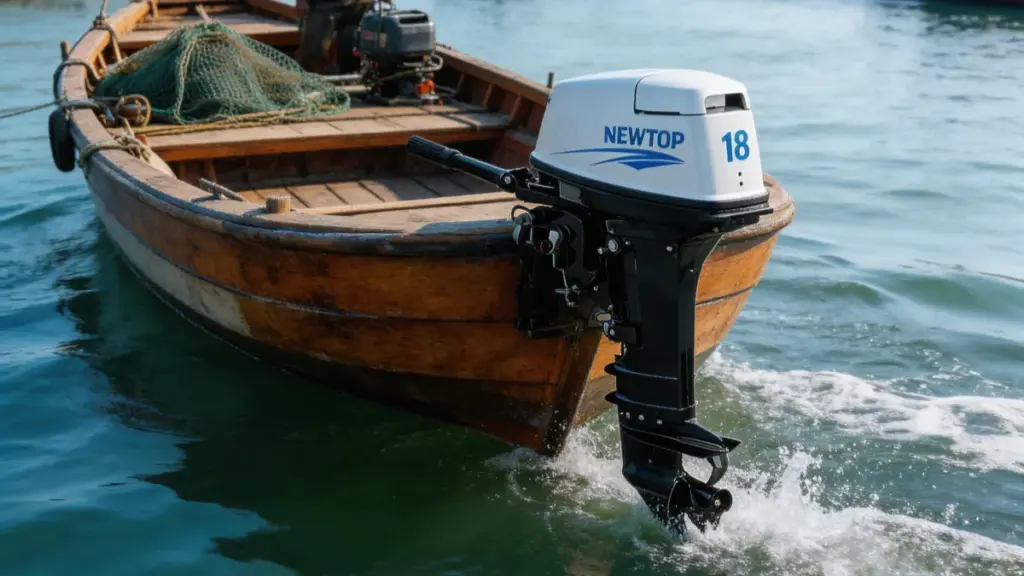
La elección entre fuerabordas de dos y cuatro tiempos depende completamente de los límites de peso del espejo de popa de su embarcación., objetivos de rango de combustible, y necesidades de aceleración.
| Característica | Dos tiempos | Cuatro tiempos |
|---|---|---|
| Peso | Encendedor | mas pesado |
| Eficiencia de combustible | Más bajo | Más alto |
| Nivel de ruido | más fuerte | Más silencioso |
| Mantenimiento | Más simple | Más complejo |
| Emisiones | Más alto | Más bajo |
| Mejor uso | Barcos portátiles | Uso recreativo y comercial |
Diseño mecánico y diferencias de peso.
La mecánica del ciclo del motor dicta las diferencias principales entre estas dos plataformas.. Los motores fuera de borda de dos tiempos completan un ciclo de potencia con solo dos golpes de pistón. Esto da como resultado un diseño interno más simple con menos partes móviles..
Estas variaciones de diseño afectan directamente la forma en que el motor se asienta en el espejo de popa y se desempeña en el agua.. Realizamos un seguimiento de las diferencias de rendimiento específicas para ambas configuraciones.:
- Penalización de peso: Los fuerabordas de cuatro tiempos pesan 30 a 40 por ciento más, aumentar la carga total del espejo de popa y alterar el manejo en aguas poco profundas.
- Capacidad de disparo: Los dos tiempos ofrecen una aceleración más rápida y una mayor relación potencia-peso, asegurando un tiro de hoyo inmediato.
Economía de combustible, Emisiones, y calidad de conducción
Los operadores centrados en los costes operativos y la comodidad de los pasajeros suelen inclinarse por los modelos de cuatro tiempos.. Los cuatro tiempos proporcionan 20 a 30 Por ciento mejor economía de combustible porque queman combustible de manera más completa durante el ciclo de combustión..
Los ingenieros han cerrado la brecha tecnológica en los últimos años. Los modernos motores de dos tiempos con inyección directa reducen significativamente los niveles históricos de emisiones y al mismo tiempo impulsan una fuerte aceleración.. Al evaluar la experiencia diaria en el agua, Los compradores deben considerar la calidad física del viaje.:
- Acústica y vibración.: Los motores de cuatro tiempos funcionan con una vibración mínima y funcionan silenciosamente a velocidades de crucero..
- Presencia acústica: Los dos tiempos producen un sonido más nítido., Sonido más notable bajo carga pesada..
Requisitos de mantenimiento y longevidad
Los programas de servicio difieren mucho según los sistemas de lubricación internos.. Los motores de dos tiempos requieren que el operador mezcle el aceite directamente con el combustible o dependa de un sistema de inyección de aceite integrado.. Evitas los tradicionales cambios de aceite, pero debes monitorear constantemente los niveles de los depósitos de petróleo.
Los cuatro tiempos funcionan de manera muy similar a los motores de automóviles.. Utilizan un depósito de aceite del cárter separado que requiere cambios de filtro y aceite de motor estándar.. Esto agrega cierta complejidad mecánica a su lista de verificación de servicio anual.. Ambos tipos de motores ofrecen una vida útil confiable a largo plazo cuando los propietarios cumplen con los programas de mantenimiento marítimo adecuados..
Mejores casos de uso para cada tipo de motor
Seleccionar el motor adecuado requiere adaptar la tecnología al barco y la misión específicos..
- Aplicaciones de motores fuera de borda de dos tiempos: Se adaptan mejor a embarcaciones ligeras utilizadas para la pesca en aguas poco profundas., deportes acuáticos, y remolques frecuentes donde ahorrar peso en el espejo de popa es fundamental.
- cuatro tiempos motores fuera de borda aplicaciones: Estos combinan perfectamente con embarcaciones más pesadas que realizan viajes más largos en alta mar o en lagos, donde la eficiencia del combustible y el funcionamiento silencioso son lo más importante..
Tamaño del barco, duración media del viaje, y los límites de peso del espejo de popa impulsan la selección final en lugar de la tecnología del motor por sí sola.
Motores fueraborda para pequeños barcos pesqueros
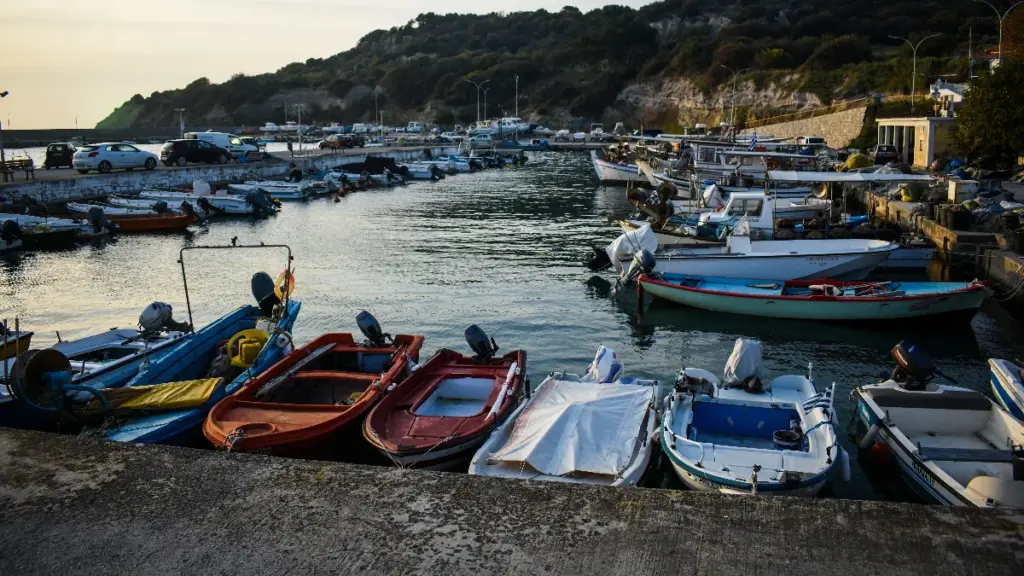
El motor fueraborda adecuado para un barco pesquero pequeño equilibra el tamaño del casco, capacidad de peso, y las condiciones locales del agua para maximizar el alcance, velocidad, y sigilo.
Tipos y capacidades de motores primarios
La selección del sistema de propulsión dicta cómo interactúas con el agua.. Tienes tres opciones principales para barcos pesqueros pequeños..
- Pequeños fuerabordas de gasolina (2–10 CV): Estos ofrecen velocidades máximas más altas, hasta 18 mph y alcance extendido. Repostar combustible en el agua es sencillo, Aunque debes gestionar el ruido del motor y las emisiones de escape..
- Fuerabordas eléctricos (3–equivalente a 10 caballos de fuerza): Estas unidades proporcionan un par elevado con un funcionamiento silencioso., funcionamiento libre de emisiones. Las velocidades máximas generalmente alcanzan su máximo entre 6 y 12 mph, haciéndolos más adecuados para cruceros constantes en lugar de tránsito rápido.
- Motores eléctricos para pesca por curricán: En lugar de propulsión primaria, Estos actúan como herramientas de posicionamiento secundarias.. Utilizan índices de empuje en lugar de caballos de fuerza y le brindan un excelente control para maniobrar sigilosamente a lo largo de las estructuras..
Hacer coincidir los tamaños de motores con los diseños de embarcaciones
Un motor solo funciona tan bien como el casco que empuja. Haga coincidir la potencia de salida directamente con el diseño de la embarcación para garantizar un manejo seguro y eficiente.
- Jon barcos (10–16 pies): Estos cascos de fondo plano funcionan bien con motores eléctricos o de gasolina de 3 a 6 hp.. Dependiendo de tu carga, esperar velocidades entre 4 y 10 mph.
- Pequeños cascos en V de aluminio (12–16 pies): El diseño de casco más profundo soporta cargas más pesadas y requiere motores fueraborda de gasolina de 4 a 9,9 hp para alcanzar velocidades de planeo confiables..
- Inflables y embarcaciones de pesca.: La portabilidad es la prioridad aquí. Combínelos con fuerabordas de gasolina livianos de 2,5 a 6 hp o equivalentes eléctricos de 3 a 6 hp para que toda la configuración sea fácil de transportar.
Criterios de selección clave
Más allá de la potencia bruta, Los factores operativos específicos dictan el motor exacto que necesita.. Considere su entorno operativo y las dimensiones físicas de su embarcación antes de realizar una compra..
- Longitud del eje: Debe hacer coincidir el eje del motor con la altura de su espejo de popa.. Un eje corto de 15 pulgadas o un eje largo de 20 pulgadas evita la ventilación de la hélice y elimina la resistencia innecesaria.
- Capacidad de carga total: Configuraciones más pesadas: combinando el peso del casco, engranaje, y pasajeros: exigen mayor torque. Las cargas elevadas reducen gravemente la velocidad máxima, Un factor que se vuelve especialmente obvio con los motores eléctricos..
- Medio ambiente acuático: Poco profundo, Los ríos rocosos exigen motores fuera de borda para proteger la unidad inferior.. En cambio, si pesca en embalses con emisiones restringidas, Es obligatoria una configuración fueraborda eléctrica..
Enfriamiento, Mantenimiento, y durabilidad
Los fuerabordas de gas extraen agua de refrigeración a través de la unidad inferior. Este diseño los hace muy vulnerables a daños internos si los arrastras por la arena o ingiere barro en aguas poco profundas.. Debe controlar constantemente el flujo de enfriamiento para evitar el sobrecalentamiento..
Los fuerabordas eléctricos eliminan las bombas de agua tradicionales. Todavía requieren que la unidad inferior permanezca sumergida., Depender del agua circundante para el enfriamiento pasivo.. Hacer funcionar un motor eléctrico en seco a alta potencia destruirá rápidamente los componentes internos..
El mantenimiento de rutina difiere drásticamente entre los dos. Los motores de gasolina exigen cambios de aceite regulares, reemplazos de bujías, y cuidado estricto del sistema de combustible para evitar daños por etanol. Los motores eléctricos se saltan los cambios de fluidos y se centran en gran medida en la gestión de la batería., controles de corrosión del alambre, e inspecciones rutinarias del sello de la unidad inferior.
Obtenga equipos de energía duraderos para obtener el máximo retorno de la inversión
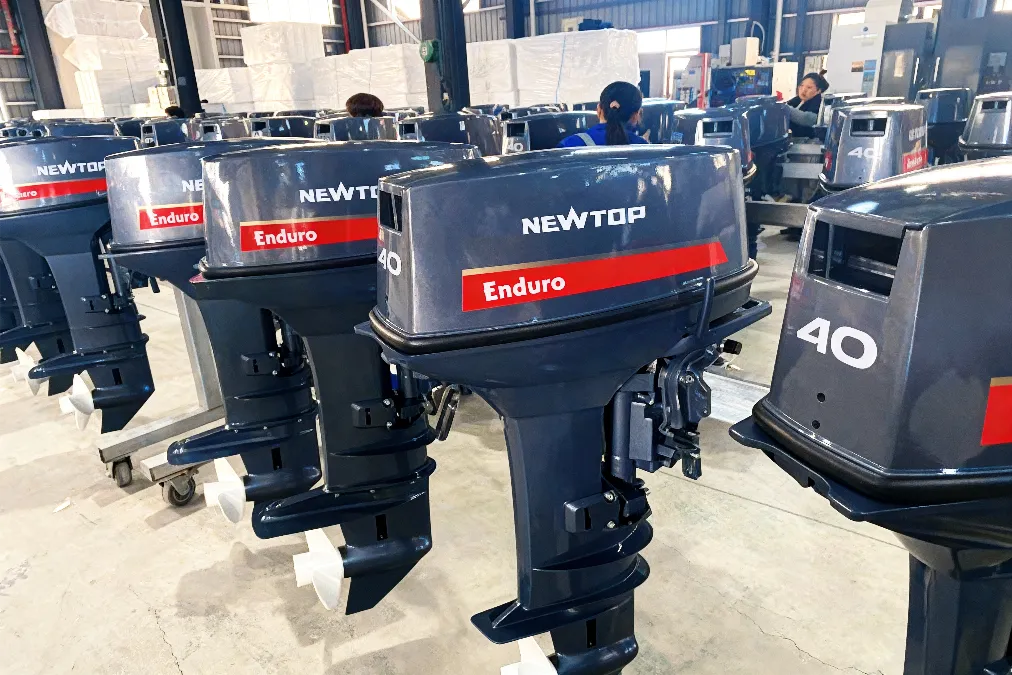
Motores Fueraborda para Embarcaciones de Recreo y Familiares
Los fuerabordas hacen que los barcos familiares sean fiables, propulsión que ahorra espacio. Adaptar el tipo de motor adecuado, ciclo del motor, y caballos de fuerza a su casco garantizan un manejo seguro y comodidad para los pasajeros a largo plazo.
Papel y ventajas en la navegación familiar
Estos sistemas de propulsión autónomos se montan directamente en el espejo de popa del barco.. Esta configuración libera un valioso espacio en la cubierta interior en comparación con los motores intraborda tradicionales.. El diseño externo simplifica el mantenimiento rutinario y facilita mucho el eventual reemplazo del motor.. Los constructores utilizan motores fuera de borda como fuente de energía estándar para los bowriders, pontones, inflables, y barcos de cubierta.
Gasolina vs.. Opciones fueraborda eléctricas
Los modelos de combustión interna actúan como la opción estándar para cruceros de uso general y deportes acuáticos.. Los motores fuera de borda de gasolina proporcionan un enorme rango de potencia desde menos 2 hp a más 600 hp para adaptarse a casi cualquier espejo de popa recreativo.
Los fuerabordas eléctricos dependen de sistemas de baterías para ofrecer cero emisiones locales y un funcionamiento silencioso. Estas variantes eléctricas destacan en lagos con restricciones de ruido, pequeños inflables, y viajes de corta distancia donde el silencio tiene prioridad sobre el alcance extendido.
Motores de cuatro tiempos y de dos tiempos con inyección directa
Los modernos cuatro tiempos dominan el mercado recreativo. Ofrecen un funcionamiento silencioso, bajas emisiones, y gran eficiencia de combustible. Los cuatro tiempos utilizan un sistema de lubricación de aceite separado, eliminando la necesidad de mezclar aceite y combustible en el muelle.
Inyección directa de combustible (DFI) Los dos tiempos proporcionan un perfil de rendimiento diferente.. Ofrecen una aceleración rápida y una relación potencia-peso más ligera.. Los navegantes orientados al rendimiento prefieren los motores DFI para remolcar esquiadores o practicantes de wakeboard debido a esa respuesta inmediata del acelerador..
Pautas de tamaño para cascos recreativos
Seleccionar la potencia adecuada requiere hacer coincidir el motor con el peso cargado de su embarcación.. Un punto de referencia estándar de la industria recomienda 25 a 40 libras de peso del barco cargado por caballo de fuerza.
- Pequeños inflables: Generalmente requieren 10 a 25 hp para un manejo y portabilidad seguros.
- Pontones compactos y pequeñas embarcaciones con cubierta.: Generalmente funciona bien con 60 a 90 CV.
- Propósito general 18 a runabouts de 22 pies: Normalmente utiliza 115 a 200 hp para actividades de uso mixto.
Características esenciales para la comodidad y seguridad de la familia
Un gran día en el agua depende de un equipo confiable. El arranque eléctrico y la inclinación/compensación eléctrica simplifican la operación para navegantes de todos los niveles.. Inyección electrónica de combustible (EFI) Garantiza arranques en frío fiables y características de ralentí más suaves..
La comodidad de los pasajeros depende en gran medida de un bajo nivel de ruido y niveles mínimos de vibración durante los cruceros de fin de semana largos.. También debe hacer coincidir la longitud correcta del eje con la altura del espejo de popa.. Esto mantiene un manejo adecuado y mantiene el barco operando de manera segura dentro de sus límites de diseño..
Motores fueraborda para embarcaciones de trabajo y uso comercial
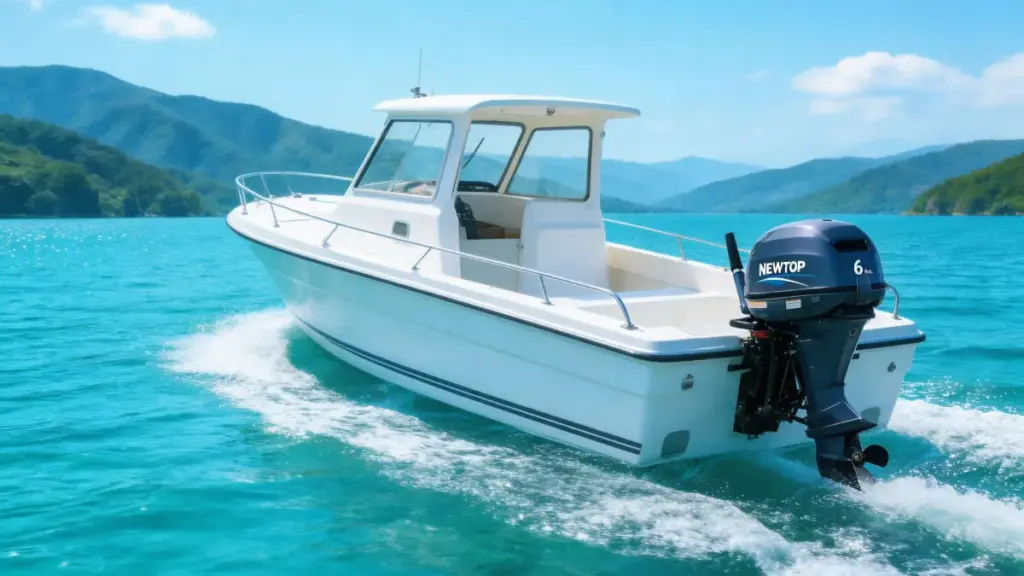
Los fuerabordas comerciales priorizan la durabilidad de servicio pesado, alto par, y eficiencia de combustible a largo plazo para sobrevivir a los brutales ciclos de trabajo anuales de 2000 horas que los motores recreativos estándar simplemente no pueden manejar..
Ciclos de trabajo comerciales y demandas operativas
Los barcos de trabajo operan en condiciones implacables que rompen los motores estándar.. Si bien los navegantes de recreo pueden registrar 50 a 200 horas por temporada, Los buques comerciales empujan regularmente sus fuerabordas desde 500 muy por encima 2,000 horas al año.
- Operación de alta carga: Los motores funcionan durante períodos prolongados con el acelerador a fondo o bajo cargas máximas de remolque..
- Ambientes hostiles: Los operadores exponen estos motores a temperaturas extremas, aguas poco profundas llenas de escombros, y agua salada altamente corrosiva diariamente.
- Prioridades de desempeño: Los equipos comerciales ignoran la velocidad máxima, favoreciendo una confiabilidad absoluta y un par de torsión bajo para realizar el trabajo.
Mejoras estructurales en fuerabordas comerciales
Los fabricantes construyen fuerabordas comerciales para absorber el abuso constante. Mejoran significativamente la arquitectura interna en comparación con los modelos recreativos..
- Transmisiones reforzadas: Los rodamientos de alta resistencia y las cajas de engranajes reforzadas soportan operaciones continuas de alto empuje sin fallar..
- Hardware actualizado: Los constructores utilizan acero inoxidable de mayor calidad para los sujetadores., vínculos, y soportes de espejo de popa de alta resistencia para combatir la fatiga estructural.
- Resistencia a la corrosión: Los recubrimientos avanzados y los sistemas de ánodo de sacrificio mejorados protegen las piezas metálicas críticas de la degradación agresiva del agua salada..
- Refrigeración robusta: Las bombas de agua de alta capacidad procesan suciedad, agua poco profunda de manera eficiente para evitar el sobrecalentamiento bajo carga pesada.
Gasolina vs.. Opciones de motores diésel
La elección del combustible dicta los costos operativos y la logística de mantenimiento.. Las flotas comerciales suelen elegir entre tres tecnologías de motores principales..
- gasolina de cuatro tiempos: Estos motores dominan el mercado debido a su amplia disponibilidad., Amplias redes de soporte para distribuidores., y menores costos de compra iniciales.
- Fuerabordas diésel: Las operaciones que operan barcos grandes a menudo prefieren el diésel para adaptarse a los sistemas a bordo existentes.. Ofrecen una seguridad de combustible superior y un consumo de combustible drásticamente menor..
- Dos tiempos de inyección directa: Estos motores cumplen una función específica para embarcaciones que requieren una rápida aceleración y altas relaciones potencia-peso..
Estrategias de propulsión y configuración.
Aparejar un barco de trabajo requiere hacer coincidir la potencia del motor con el desplazamiento del casco, cargas esperadas, y condiciones ambientales locales.
- Configuraciones de un solo motor: El uso de un fueraborda robusto reduce la resistencia, mejora la eficiencia del combustible por milla, y minimiza los puntos de mantenimiento.
- Redundancia multimotor: Los buques de rescate de emergencia y en alta mar dependen de motores gemelos o múltiples para proporcionar respaldo mecánico crucial en el mar..
- Configuraciones de alto empuje: Los operadores combinan cajas de engranajes de alto empuje con hélices de paso bajo para maximizar la tracción del bolardo y el control de maniobras a baja velocidad..
Costo total de propiedad y mantenimiento
El precio de compra inicial de un fueraborda comercial representa sólo una fracción del gasto real.. Uso de combustible a largo plazo, mantenimiento de rutina, y el tiempo de inactividad del buque supera con creces el costo inicial.
- Economía de combustible: La optimización del consumo de combustible a RPM de crucero genera los mayores ahorros operativos para las flotas de horas altas.
- Accesibilidad del servicio: Ánodos visibles, filtros de combustible modulares, y los puertos de diagnóstico accesibles aceleran las tareas de mantenimiento de rutina.
- Ciclos de vida extendidos: Los componentes internos de calidad comercial retrasan las reconstrucciones importantes, Mantener el barco ganando dinero en el agua en lugar de quedarse sentado en la tienda..
Motores fueraborda eléctricos para un funcionamiento silencioso y limpio
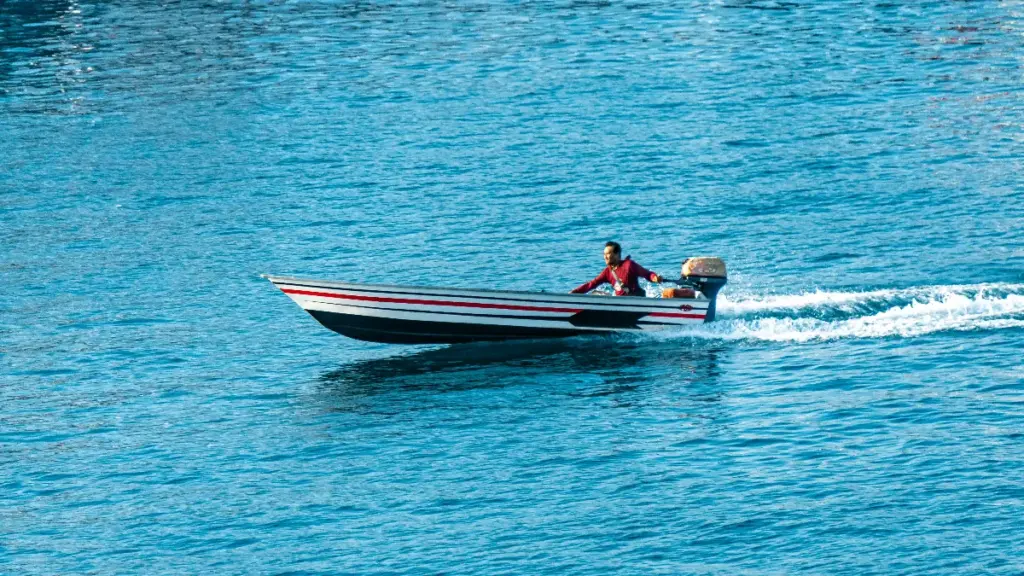
Los motores fuera de borda eléctricos eliminan el ruido y los gases de escape., Proporcionar una solución de propulsión limpia que cumple con estrictas regulaciones de vías navegables y al mismo tiempo mejora la comodidad de los pasajeros y la interacción con la vida silvestre..
Reducción de ruido y control de vibraciones
Los motores eléctricos funcionan casi en silencio a bajas velocidades y generan significativamente menos ruido que sus equivalentes de gasolina a velocidad de crucero.. La ausencia de ciclos de combustión y sistemas de escape elimina los sonidos mecánicos ásperos.. Los diseños de transmisión directa minimizan la vibración, reduciendo la fatiga del operador y asegurando una conducción suave.
Cero emisiones directas y protección del agua
Los sistemas eléctricos producen cero emisiones de escape, eliminar la contaminación local por monóxido de carbono e hidrocarburos. La eliminación de los tanques de gasolina y los cárteres de aceite a bordo elimina el riesgo de fugas de combustible y manchas de aceite.. Reemplazar la combustión de combustibles fósiles en el agua reduce directamente la huella de carbono de la recreación marina.
Acceso a vías navegables restringidas
Muchos lagos y áreas marinas protegidas imponen ahora prohibiciones estrictas sobre los motores de combustión.. Los fuerabordas eléctricos cumplen fácilmente con los requisitos de la zona de cero emisiones. Los operadores pueden navegar en entornos ecológicamente sensibles sin enfrentar restricciones regulatorias.
Mejorar la experiencia de navegación y la interacción con la vida silvestre
El funcionamiento silencioso mejora la comunicación a bordo y la comodidad de los pasajeros. La propulsión silenciosa evita asustar a los peces, dando a los pescadores una ventaja estratégica. Los operadores de ecoturismo pueden acercarse a la vida marina sin causar estrés ni perturbaciones..
Motores fueraborda diésel y especiales para tareas pesadas
Los fuerabordas diésel y especiales ofrecen un par extremo, eficiencia de combustible, y durabilidad estructural requerida para cargas de trabajo comerciales, tránsito costa afuera, y operación continua de servicio pesado.
Ventajas principales de los fuerabordas diésel y especiales
Las cargas pesadas y las largas jornadas exigen características de propulsión específicas.. Los fuerabordas diésel están diseñados para estas condiciones exactas, Ofrece distintos beneficios operativos sobre los motores recreativos estándar..
- Par alto y bajo: Proporciona la potencia de empuje necesaria para planear embarcaciones pesadas., cargas de remolque, y mantener un empuje constante contra corrientes fuertes o aguas turbulentas.
- Mayor eficiencia de combustible: Amplía el alcance de las operaciones comerciales y reduce la frecuencia y el coste del repostaje..
- Construcción resistente: Resiste cargas continuas y altas horas de funcionamiento anuales en ambientes marinos altamente corrosivos..
- Menor inflamabilidad: El combustible diésel minimiza los riesgos de incendio en comparación con la gasolina, crear protocolos de manejo de combustible más seguros para tripulaciones comerciales.
Categorías clave de propulsión especializada
Los motores fuera de borda estándar a menudo se quedan cortos en escenarios especializados. Los fabricantes crean categorías distintas para manejar productos comerciales no estándar., rescate, y requisitos de expedición.
- Fuerabordas offshore de alta potencia: Impulsar grandes embarcaciones a través de aguas abiertas, integración de controles digitales para gestionar cargas útiles elevadas de forma segura.
- Fuerabordas para uso comercial: Priorizar la confiabilidad bruta y las piezas estándar para garantizar tiempos de funcionamiento máximos para embarcaciones utilitarias y patrulleras..
- Sistemas de propulsión a chorro: Cambie las hélices tradicionales por impulsores internos para navegar a poca profundidad, aguas rocosas sin daños por golpe de hélice.
- Fuerabordas eléctricos y auxiliares: Proporcionar maniobras precisas, propulsión de respaldo de emergencia, y funcionamiento sin emisiones para entornos de trabajo sensibles.
Especificaciones de rendimiento cruciales
La evaluación de un fueraborda de servicio pesado requiere mirar más allá de la potencia máxima. Los operadores comerciales se centran en las especificaciones que dictan la potencia de tracción sostenida y la longevidad del motor..
- Salida de par: Dicta directamente la capacidad de un motor para elevar cascos pesados a un avión y superar fuertes vientos en contra..
- Clasificaciones de servicio continuo: Ayude a los compradores comerciales a pronosticar con precisión los intervalos de mantenimiento basándose en datos predecibles., perfiles operativos de largas horas.
- Peso del motor: Los robustos bloques diésel pesan más que sus equivalentes de gas, que requieren ajustes precisos a la carga del espejo de popa, ajuste del barco, y manejo a baja velocidad.
- Coincidencia de hélice: Obtener el paso y el diámetro correctos garantiza optimizar el empuje, aceleración, y economía de combustible bajo carga pesada.
Criterios de selección para aplicaciones de servicio pesado
Comprar el motor equivocado para un casco comercial destruye el retorno de la inversión. Un proceso de selección sistemático evita costosos errores de repotenciación y tiempos de inactividad operativos..
- Compatibilidad del casco: Las especificaciones del motor deben alinearse perfectamente con el peso del barco., salida muerta, y carga máxima prevista o carga de remolque.
- Variables del entorno operativo: Las condiciones específicas dictan requisitos como los recorridos en aguas poco profundas., arranque en climas extremadamente fríos, o defensa contra la corrosión de grado marino.
- Costo total de propiedad: El precio inicial importa menos que el costo combinado de las tasas de consumo de combustible., mano de obra de mantenimiento, y repuestos.
- Red de servicios locales: La proximidad a técnicos capacitados y sistemas de diagnóstico OEM no es negociable para mantener el tiempo de inactividad comercial al mínimo absoluto..
Prioridades de mantenimiento para la confiabilidad a largo plazo
Los motores de servicio pesado soportan condiciones brutales. Ignorar los programas de mantenimiento estándar degrada rápidamente el rendimiento y conduce a fallas catastróficas bajo carga..
- Salud del sistema de combustible: Exige tanques limpios, estricto cumplimiento de los grados de combustible especificados, y drenaje rutinario de separadores de agua.
- Control de corrosión: Requiere un enjuague agresivo con agua dulce, Inspecciones periódicas del ánodo de sacrificio., y sellar conexiones eléctricas vulnerables.
- Horarios de lubricación: Reemplazar el aceite de la caja de engranajes y los lubricantes del motor en intervalos exactos evita el sobrecalentamiento crítico durante la operación continua de alta carga..
- Inspecciones visuales programadas: Identifica los primeros signos de desgaste del soporte de montaje., juego de dirección, fugas de combustible, o daños a la hélice antes de que aumenten.
Cómo los caballos de fuerza y el tamaño de la embarcación afectan la selección del motor
Hacer coincidir los caballos de fuerza con el tamaño del barco dicta el rendimiento, seguridad, y eficiencia de combustible. Utilice el 25 a 40 Regla de libras por caballo de fuerza y nunca exceda los límites de capacidad de la placa..
La relación central entre el peso del barco y los caballos de fuerza
Una base industrial confiable dicta 25 a 40 libras de peso del barco completamente cargado por caballo de fuerza. Este peso a plena carga se calcula combinando el casco, motor, combustible, pasajeros, y equipo.
Para barcos bajo 20 pies, Estados Unidos. La placa de capacidad de la Guardia Costera actúa como la máxima autoridad. Debe seguir esta placa para determinar el límite máximo absoluto de caballos de fuerza y garantizar una operación segura..
Rangos típicos de caballos de fuerza por tipo de embarcación
Los diferentes diseños de casco requieren bandas de potencia específicas para funcionar de manera eficiente en diversas condiciones..
- Pequeños inflables y botes: Ejecutar eficientemente en 2 a 10 hp para viajes cortos en aguas tranquilas.
- Jon boats y esquifes de aluminio: Desempeñarse bien con 9.9 a 30 hp para pesca ligera y viajes por lagos.
- Consolas centrales y embarcaciones tipo bahía de tamaño mediano: Necesidad 60 a 200 HP para manejar las olas costeras y los cruceros familiares.
- Grandes barcos de alta mar: Demanda 200 a 600+ CV para mantener la velocidad y la seguridad en mares agitados.
Cómo el uso previsto y la carga afectan el rendimiento
Tus actividades diarias dictan dónde debes ubicarte dentro del rango de potencia de tu embarcación.. Los deportes acuáticos exigen una fuerte aceleración. Para tirar de esquiadores o wakeboards, seleccione caballos de fuerza cerca de la clasificación máxima del barco.
Navegar en aguas tranquilas cambia las matemáticas. Puede utilizar motores más pequeños para obtener una mejor eficiencia del combustible., operando cómodamente más cerca del 40 marca de libras por caballo de fuerza.
Tenga en cuenta que cada pasajero adicional cambia la dinámica de potencia.. Los barcos muy cargados requieren más caballos de fuerza para alcanzar y mantener el avión de manera efectiva..
Los riesgos de tener poca potencia vs.. Abrumador
La falta de potencia de un casco obliga al motor a funcionar constantemente a altas RPM.. Esto provoca un manejo lento., aumenta el consumo de combustible, y ejerce una tensión excesiva sobre los componentes internos.
Seleccionar caballos de fuerza cerca del límite superior proporciona un mejor tiro en el hoyo y le permite navegar de manera eficiente a RPM de rango medio.
Overpowering cruza la línea hacia territorio peligroso. Exceder la calificación máxima crea inestabilidad en el manejo, sobrecarga estructuralmente el espejo de popa, y con frecuencia anula las pólizas de seguro.
Longitud del eje coincidente y tecnología del motor
Los caballos de fuerza solo funcionan si la hélice se asienta correctamente en el agua.. Mida exactamente la altura del espejo de popa para seleccionar el corto correcto., largo, o eje extralargo. Esto evita el arrastre innecesario y la ventilación de la hélice..
Elija motores de cuatro tiempos cuando desee un funcionamiento más silencioso y una mejor gestión del combustible en comparación con los tradicionales motores de dos tiempos con carburador.. Para máxima confiabilidad, opte por la inyección electrónica de combustible (EFI) o inyección directa de combustible (DFI) para asegurar arranques rápidos en frío y reducir los costos de combustible.
Errores de compra comunes en todas las aplicaciones de embarcaciones
Los compradores habitualmente desperdician miles de dólares centrándose en la marca y el precio e ignorando los límites estructurales., salud mecanica, y costos operativos totales durante las repotenciaciones de motores fuera de borda.
Especificaciones y aplicaciones no coincidentes
Los compradores a menudo eligen un fueraborda basándose en la percepción de una buena oferta y no en su uso previsto.. Golpear un pesado cuatro tiempos en un casco liviano diseñado para dos tiempos altera drásticamente la forma en que el barco se asienta y se maneja..
- Características del motor: No alinear el motor con usos específicos., como por ejemplo con motores pesados de 4 tiempos en cascos livianos o fuerabordas estándar para un pesca por curricán precisa.
- Límites de capacidad: Dominar o reducir la potencia de la embarcación ignorando la placa de capacidad y los límites de potencia recomendados.
- Longitud del eje: Seleccionar la dimensión incorrecta, causando un mal manejo, cavitación, o arrastre excesivo en el agua.
- Peso del espejo de popa: Ignorando el impacto del peso de los fuerabordas modernos en los espejos de popa más antiguos, lo que lleva a sentadillas severas y riesgos graves de anegamiento.
Pasando por alto la salud mecánica y estructural
Un gelcoat limpio y calcomanías nuevas enmascaran fácilmente fallas mecánicas y estructurales graves.. Los operadores inteligentes saben que el valor real se encuentra debajo del capó y dentro del núcleo de fibra de vidrio..
- Trampas cosméticas: Juzgar un fueraborda basándose en su apariencia estética en lugar de realizar comprobaciones sistemáticas de compresión y fluidos..
- historia perdida: Sin tener en cuenta la edad, registros de servicio, e informes de diagnóstico a favor de precios de compra bajos.
- Decadencia estructural: Planificar una repotenciación sin inspeccionar físicamente el casco y el espejo de popa en busca de deterioro estructural, doblar, o delaminación.
Descuidar la compatibilidad del sistema
Colocar un fueraborda moderno en un barco antiguo requiere algo más que atornillarlo al espejo de popa. Los sistemas eléctricos y de combustible se degradan con el tiempo y habitualmente no cumplen con las estrictas tolerancias de los motores electrónicos modernos..
- Límites de control: Suponiendo cableado existente, cables de control, y los mecanismos de dirección pueden manejar con seguridad un motor nuevo o más potente.
- Deterioro del sistema de combustible: Pasando por alto las líneas de combustible deterioradas, componentes de etanol incompatibles, y tanques contaminados que destruyen los inyectores.
- Demandas eléctricas: No verificar el tamaño y el estado de la batería con los estrictos requisitos del fabricante para los sistemas digitales modernos..
Saltarse pruebas en el mar e inspecciones profesionales
Hacer funcionar un motor con una manguera en el camino de entrada no dice casi nada sobre su rendimiento bajo carga.. Las pruebas en el mundo real revelan los defectos ocultos que cuestan miles de dólares arreglar después de la venta.
- Revisión profesional: Completar una compra sin una inspección formal por parte de un técnico marino certificado o un inspector marino.
- Rendimiento cargado: Renunciar a una prueba de mar cargada para probar el tiro del hoyo, Límites de RPM del acelerador completamente abierto, y par de dirección.
- Comprobaciones del sistema: No probar sistemas a bordo esenciales como medidores, alarmas, y electrónica durante el funcionamiento activo.
Subestimar los costos totales y la logística
La factura inicial representa sólo una fracción de la propiedad del fueraborda.. Los compradores con frecuencia calculan mal el compromiso financiero a largo plazo necesario para mantener un barco funcionando de forma segura y confiable temporada tras temporada..
- Gastos operativos: Centrarse únicamente en el precio de compra e ignorar el combustible en curso., aceite, y gastos de mantenimiento programados.
- Valor del ciclo de vida: No tener en cuenta las necesidades de uso futuras, soporte regional de piezas, y valor de reventa de la marca.
- Logística oculta: Pasar por alto las cotizaciones de seguros, almacenamiento adecuado fuera de temporada, y requisitos del equipo de seguridad antes de comprar.
¿Por qué buscar soluciones de motores fuera de borda de un proveedor experimentado??
Seleccionar un motor fueraborda no se trata solo de las especificaciones de potencia o el costo de compra.. Consistencia del producto, confiabilidad de entrega, apoyo técnico, y la disponibilidad de piezas a largo plazo influyen en el éxito de la distribución de equipos marinos y en la satisfacción del usuario final..
Un fabricante experimentado puede ayudar a los clientes a reducir los riesgos de adquisición mientras mantiene una calidad estable del producto en diferentes mercados.. Las ventajas clave a menudo incluyen:
- Capacidades de personalización OEM y ODM
- Control de calidad constante durante toda la producción.
- Suministro fiable de repuestos
- Manuales técnicos y documentación del producto.
- Cumplimiento de las regulaciones locales y requisitos de certificación.
- Soluciones flexibles para diferentes aplicaciones de embarcaciones y demandas del mercado
Como fabricante establecido de equipos eléctricos para exteriores, NEWTOP ha acumulado una amplia experiencia en la producción de equipos motorizados y en operaciones de exportación internacional.. La empresa se centra en ofrecer soluciones de energía confiables respaldadas por estrictos estándares de fabricación., gestión eficiente de la producción, y atención al cliente receptiva.
Buscando un fabricante confiable de motores fuera de borda? Póngase en contacto con NEWTOP para explorar soluciones personalizadas, solicitar especificaciones del producto, o reciba una cotización adaptada a las necesidades de su negocio.
Pensamientos finales
Comprender los diferentes tipos de motores fueraborda es el primer paso para realizar la inversión adecuada para su aplicación de navegación.. Desde modelos ligeros de dos tiempos para pequeños barcos pesqueros hasta motores de cuatro tiempos de bajo consumo de combustible, sistemas de propulsión eléctrica, y soluciones diésel de servicio pesado, Cada opción ofrece distintas ventajas según las condiciones de funcionamiento y los requisitos de rendimiento..
En lugar de centrarse únicamente en la potencia o el precio de compra, Los compradores deben considerar factores como el tamaño del barco., uso previsto, eficiencia de combustible, requisitos de mantenimiento, y confiabilidad a largo plazo. Un motor fueraborda correctamente adaptado puede mejorar la seguridad, reducir los costos operativos, y ofrecer un mejor rendimiento en el agua.
Preguntas frecuentes
¿Cuáles son los principales tipos de motores fuera de borda??
Los tipos principales incluyen dos tiempos., cuatro tiempos, eléctrico, diesel, y motores fuera de borda especiales. Cada tipo está diseñado para diferentes tamaños de embarcaciones., condiciones de funcionamiento, y requisitos de rendimiento.
cual es mejor: un fueraborda de dos o cuatro tiempos?
Su aplicación de navegación dicta la elección correcta. Los fuerabordas de dos tiempos pesan menos y ofrecen una rápida aceleración, haciéndolos perfectos para embarcaciones pequeñas, pesca en aguas poco profundas, y deportes de remolque. Los fuerabordas de cuatro tiempos funcionan más silenciosamente, quemar combustible de manera más eficiente, y producir menos emisiones. Los navegantes suelen elegir motores de cuatro tiempos para cruceros de largo alcance., carreras en alta mar, y empujando vasos más pesados.
¿Son los motores fuera de borda eléctricos una buena inversión??
Los fuerabordas eléctricos tienen sentido para viajes cortos, botes, o aplicaciones de pesca silenciosas donde tenga acceso de carga confiable. Eliminan costos de combustible, requieren un mantenimiento mínimo, y producir cero emisiones. Pero exigen un precio de compra inicial más alto y pierden alcance rápidamente a altas velocidades.. Para recorridos en alta mar o planeo rápido, Los fuerabordas de gas tradicionales siguen ofreciendo el mejor rendimiento..
¿Cómo determino la potencia adecuada para mi barco??
Comience leyendo la placa de capacidad de su embarcación para encontrar la potencia máxima legal absoluta.. Una base de desempeño sólida es 1 caballos de fuerza por cada 25 a 40 libras de peso del barco completamente cargado, contabilidad de pasajeros, engranaje, y combustible. Si transporta cargas pesadas con regularidad, correr en picado, o remolcar esquiadores, apunte a una potencia del motor más cercana a la clasificación máxima de su casco.
¿Se utilizan motores fuera de borda diésel en embarcaciones de recreo cotidianas??
Rara vez se ven motores fuera de borda diésel en las típicas embarcaciones de recreo.. Los fabricantes los diseñan para flotas comerciales., unidades militares, y aplicación de la ley. Estos usuarios profesionales necesitan un par de torsión masivo a bajas revoluciones, durabilidad extrema, y la capacidad de funcionar con combustible diésel estándar a bordo. Mientras que los diésel ofrecen una increíble eficiencia de combustible, su alto peso y su precio de compra superior los hacen poco prácticos para los navegantes de fin de semana..
