


- 모두
- NEWTOP 고객 사례
- NEWTOP 익스플로러 허브
- NEWTOP 산업 통찰
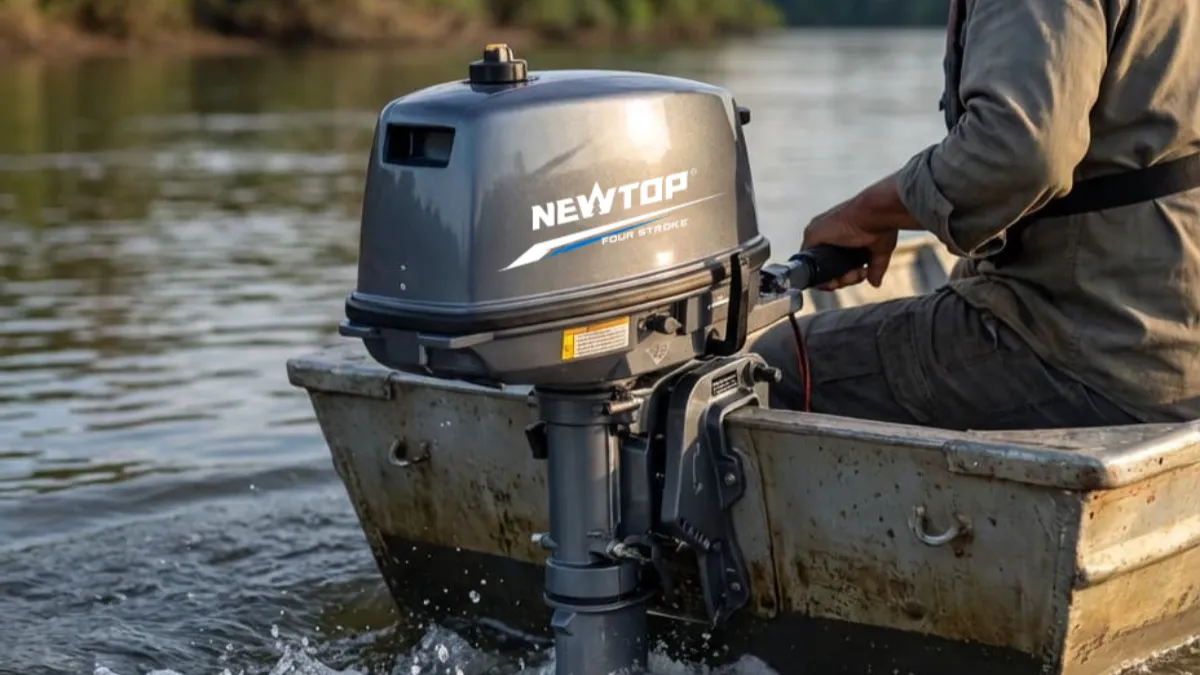
4행정 선외기 모터의 무게는 다음과 같습니다. 13 kg (29 파운드) 컴팩트를 위해 2.5 HP 모델 이상 360 kg (794 파운드) 한 동안 300+ HP 엔진. 실제 무게는 여러 요인에 따라 달라집니다., 마력을 포함한, 엔진 변위, 실린더 구성, 샤프트 길이, 시동 시스템, 및 연료 전달 기술.
중국의 선도적인 실외 전력 장비 제조업체로서, 뉴탑 구매자가 구매 결정을 내리기 전에 마력과 무게를 기준으로 선외 모터를 비교하는 경우가 많다는 점을 이해합니다.. 이 가이드에서는, 다양한 마력 범위에 걸쳐 일반적인 4행정 선외기 모터 중량을 비교해 보겠습니다., 모터 무게에 영향을 미치는 것이 무엇인지 설명하십시오., 귀하의 보트에 적합한 옵션을 선택하도록 도와드립니다..
개요: 4-스트로크 선외기 모터의 마력별 중량 차트
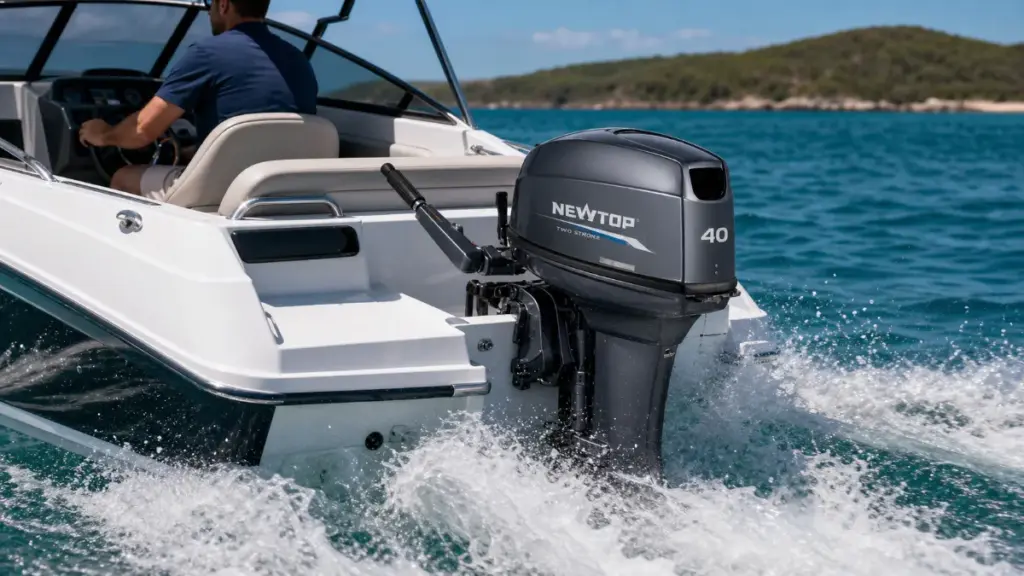
아래 차트는 4행정에 대한 간략한 개요를 제공합니다. 선외기 모터 일반적인 체중 범위, 일반적인 응용, 장점, 다양한 마력 범주에 따른 제한 사항.
| 마력 범위 | 일반적인 무게 | 일반적인 응용 | 장점 | 제한 사항 |
|---|---|---|---|---|
| 2.5-6 HP | 13-28 kg (29-62 파운드) |
풍선 보트, 작은 배, tenders | Ultra-portable, 연료 효율적, 운반이 용이하다 | Limited speed and load capacity |
| 8-20 HP | 37-60 kg (82-132 파운드) |
소형 어선, 알루미늄 보트, utility boats | Good balance of power and portability | May struggle with larger boats and heavy loads |
| 25-60 HP | 58-125 kg (128-276 파운드) |
낚시 보트, 폰툰, small workboats | Strong performance and versatility | Heavier transom load and higher fuel consumption |
| 75-150 HP | 160-240 kg (353-529 파운드) |
Center console boats, larger recreational boats | Excellent acceleration and cruising performance | Requires stronger transom and trailer setup |
| 200-300+ HP | 230-360+ kg (507-794+ 파운드) |
Offshore fishing boats, 상업용 선박, high-performance boats | Maximum power, 속도, and heavy-load capability | Highest purchase cost, 무게, and fuel usage |
The chart above focuses on the typical weight of 4-stroke outboards across different horsepower ranges. If you’re also comparing engine technologies, 우리의 2-뇌졸중 대. 4-Stroke Outboard Motors guide explains the key differences in weight, 연비, 유지, emissions, and overall boating performance.
Why 4-Stroke Outboard Weight Matters for Boat Performance
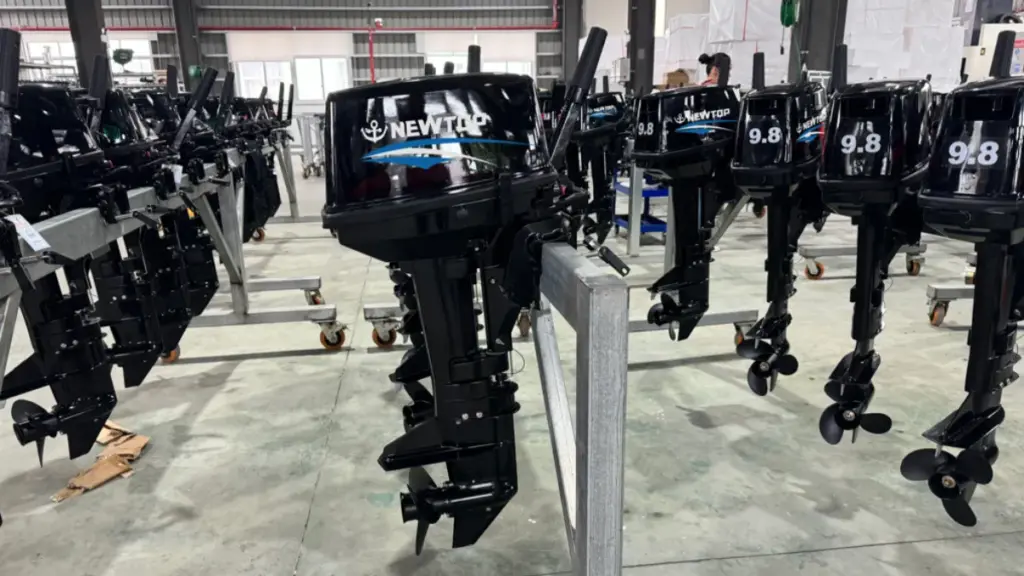
The weight of a 4-stroke outboard is one of the most critical factors for your boat’s real-world performance. It directly influences everything from acceleration and top speed to fuel burn, 손질, and overall safety on the water.
Before comparing weights, it’s important to understand where 4-stroke engines fit within the broader outboard market. 우리의 다양한 유형의 선외기 모터 guide introduces the main engine categories and explains the advantages of each type for different boating applications.
How Engine Weight Affects Speed and Efficiency
A heavier 4-stroke engine adds to the boat’s total displacement. This extra mass slows down your hole-shot, which is the time it takes to get on plane. The engine simply has more weight to push through the water before the hull can lift and glide efficiently.
More engine weight also increases drag by forcing more of the hull to stay in the water, creating a larger wetted surface. This added resistance can reduce your boat’s potential top speed. A lighter engine allows the boat to ride higher and freer, often resulting in a few extra miles per hour.
The engine must work harder and burn more fuel to carry any extra weight. This reduces your overall fuel efficiency, meaning you get fewer miles per gallon. A lighter engine can extend your range on the same tank of fuel, letting you stay out on the water longer.
Impact on Balance, 손질, 안전
Because an outboard sits at the very back of the boat, its weight has a major effect on trim. A heavy motor can cause the stern to squat low in the water and the bow to rise too high. This not only affects forward visibility but also creates a rougher, wetter ride in choppy conditions.
Excessive weight on the transom lowers the stern’s freeboard, which is the distance from the waterline to the top of the hull. This makes the boat more likely to take on water, especially from following waves or when backing down on a fish. It’s a critical safety factor for any boat.
Every boat’s transom is engineered to handle a specific maximum weight. Exceeding this limit, even if the engine’s horsepower is within the boat’s rating, puts serious stress on the hull’s structure. This can compromise the boat’s integrity and create a significant safety risk over time.
Looking for the Right 4-Stroke Outboard Motor?
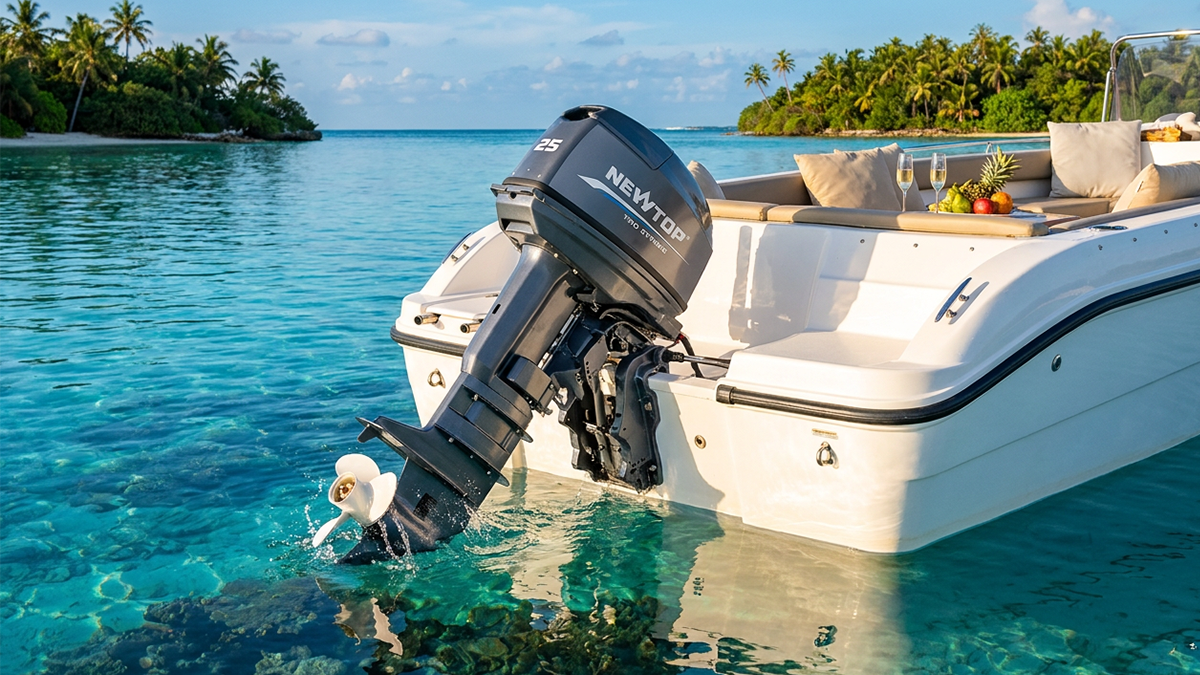
Portable 4-Stroke Weight Chart (2.5-20 HP)
Portable 4-stroke outboards in the 2.5 에게 20 horsepower range typically have a dry weight between 30 그리고 150 파운드 (13–68 kg). This class is designed for dinghies, small inflatables, and as auxiliary motors, where manual handling and minimal transom load are primary considerations.
Portable 4-stroke outboards are commonly used on inflatable boats, 작은 배, tenders, small fishing boats, and utility craft. These engines prioritize lightweight construction while still offering excellent fuel economy and reliability.
The following chart outlines the typical dry weight ranges you can expect for modern 4-stroke portable outboards.
| 마력 | Typical Weight Range |
|---|---|
| 2.5 HP | 13-18 kg (29-40 파운드) |
| 3.5 HP | 17-20 kg (37-44 파운드) |
| 5 HP | 24-28 kg (53-62 파운드) |
| 6 HP | 25-28 kg (55-62 파운드) |
| 8 HP | 37-42 kg (82-93 파운드) |
| 9.9 HP | 38-45 kg (84-99 파운드) |
| 15 HP | 43-52 kg (95-115 파운드) |
| 20 HP | 45-60 kg (99-132 파운드) |
Mid-Range 4-Stroke Weights (25-60 HP)
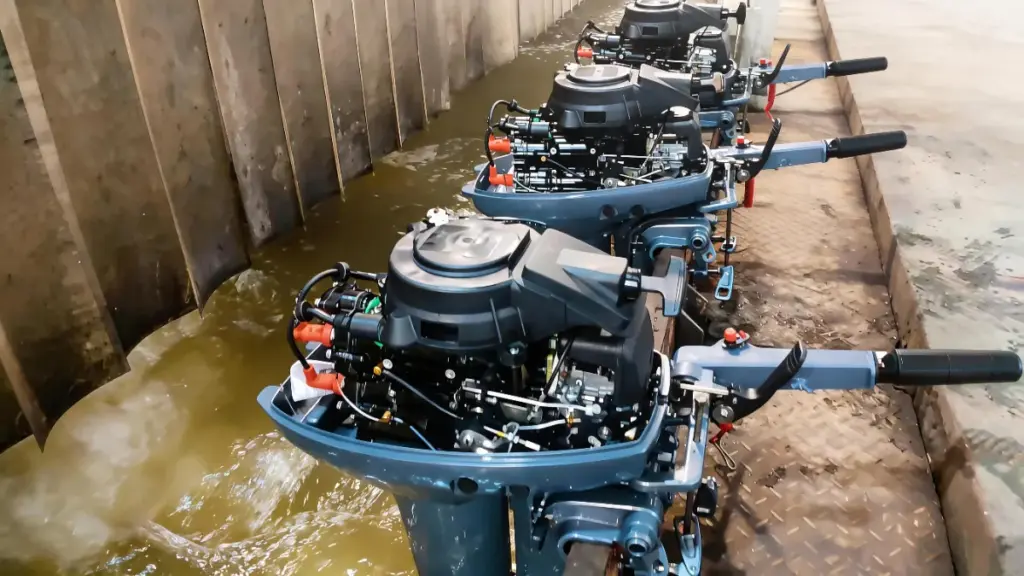
Mid-range 4-stroke outboards from 25 에게 60 HP are designed to balance power, 능률, and weight for small to mid-size boats. These engines typically weigh between 130 그리고 260 파운드, with the final weight depending on horsepower, cylinder count, and added features like power trim.
그만큼 25-60 HP category is one of the most popular segments in the global outboard market.
These engines are widely used on:
- Aluminum fishing boats
- Small center consoles
- Pontoon boats
- Workboats
- 레크리에이션 가족 보트
Weight begins increasing more rapidly in this horsepower range because outboard motor manufacturers use larger engine blocks and stronger components.
| 마력 | Typical Weight Range |
|---|---|
| 25 HP | 58-80 kg (128-176 파운드) |
| 30 HP | 60-85 kg (132-187 파운드) |
| 40 HP | 90-110 kg (198-243 파운드) |
| 50 HP | 95-120 kg (209-265 파운드) |
| 60 HP | 105-125 kg (231-276 파운드) |
High-Power 4-Stroke Outboard Weights (75-300+ HP)
High-power 4-stroke outboards in the 75 에게 300+ HP class have dry weights that range from approximately 350 pounds to over 1,000 파운드. This weight at the transom is a critical factor for a boat’s structural integrity, 균형, and on-water performance.
High-horsepower 4-stroke outboards dominate today’s recreational and commercial boating markets.
Advances in technology have made large 4-stroke engines more efficient, quieter, and cleaner than ever before.
| 마력 | Typical Weight Range |
|---|---|
| 75 HP | 160-180 kg (353-397 파운드) |
| 90 HP | 165-190 kg (364-419 파운드) |
| 115 HP | 170-215 kg (375-474 파운드) |
| 150 HP | 205-240 kg (452-529 파운드) |
| 200 HP | 230-290 kg (507-639 파운드) |
| 250 HP | 260-320 kg (573-705 파운드) |
| 300 HP+ | 270-360 kg+ (595-794 lbs+) |
Key Factors That Affect 4-Stroke Outboard Weight
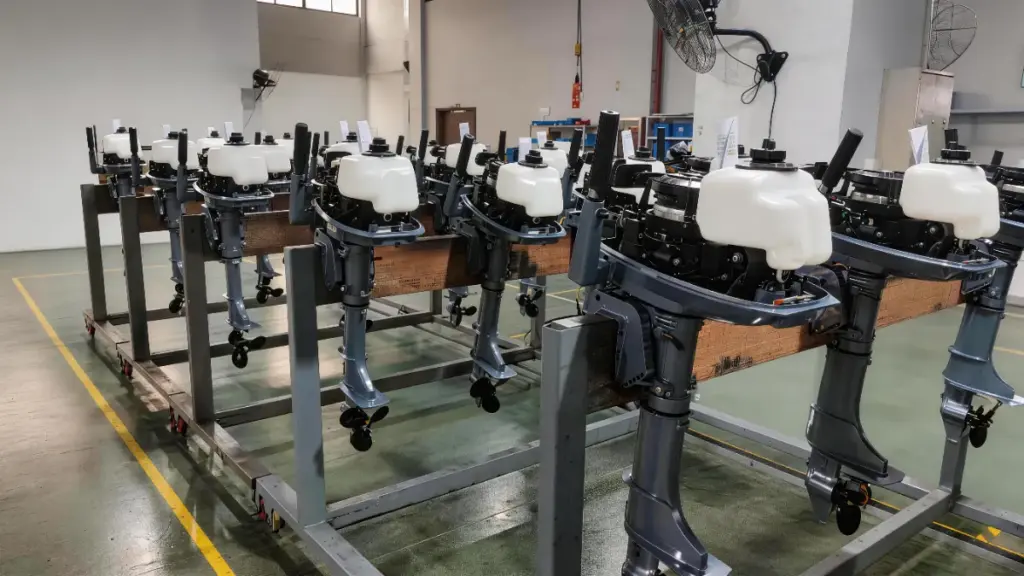
An outboard’s weight is shaped by its fundamental design and the options you choose. The engine’s displacement and the materials used, like lightweight aluminum alloys, set the baseline. Features such as shaft length, electric start, and power trim add functional weight, creating a final figure that balances power and features.
The weight of a 4-stroke outboard motor is determined by much more than horsepower alone. While engines with higher power outputs naturally weigh more, several design and configuration factors can significantly influence the final weight of an outboard.
Understanding these factors can help boat owners choose the right engine and compare models more accurately when evaluating different brands.
Engine Displacement and Cylinder Configuration
Engine displacement is one of the biggest contributors to outboard motor weight.
Larger displacement engines generally require bigger blocks, 피스톤, 크랭크샤프트, and cooling systems. A single-cylinder portable outboard may weigh less than 20 kg, while a multi-cylinder engine designed for offshore applications can weigh several hundred kilograms.
Cylinder count also plays a major role. Twin-cylinder, three-cylinder, and four-cylinder engines offer smoother operation and better power delivery, but they require more components and therefore add weight.
샤프트 길이
Outboard motors are commonly available in:
- Short Shaft (15″)
- Long Shaft (20″)
- Extra Long Shaft (25″)
- Ultra Long Shaft (30″)
A longer shaft requires a longer driveshaft housing, additional materials, and a longer internal driveshaft assembly. 결과적으로, a long-shaft version of the same engine will typically weigh several kilograms more than a short-shaft model.
Starting and Trim Systems
Additional features can also increase the overall weight of an outboard.
예를 들어:
- Electric start systems add starter motors, charging systems, 배선, and batteries.
- Power trim and tilt systems add hydraulic pumps and reinforced mounting components.
- Larger alternators and onboard charging systems contribute additional weight.
While these features improve convenience and usability, they should be considered when calculating total transom load.
Fuel System and Emission Technology
Modern 4-stroke outboards are designed to meet increasingly strict environmental standards.
Electronic Fuel Injection (EFI) systems improve fuel efficiency, throttle response, and cold-start performance. 하지만, 연료 펌프, 센서, electronic control units, and related components add weight compared with simpler carbureted systems.
The same principle applies to advanced emission-control technologies found on many modern outboards.
Materials and Structural Design
The materials used in construction can make a noticeable difference in overall engine weight.
~에 뉴탑, we focus on achieving an effective balance between durability and portability by utilizing lightweight aluminum alloy components and optimized structural designs wherever possible. This allows our outboard motors to deliver dependable performance while keeping weight under control for easier handling, 운송, and installation.
Gearcase and Intended Application
The lower unit, or gearcase, is another important factor affecting total weight.
Outboard motors designed for commercial use, heavy-duty fishing applications, or larger boats often feature stronger gearcases and reinforced internal components. These designs improve durability and torque handling but naturally increase engine weight.
By contrast, portable outboards are optimized for mobility and ease of transport, resulting in lighter overall construction.
4-Stroke vs 2-Stroke Weight: How Much Heavier Is a 4-Stroke?
On average, a 4-stroke outboard is about 10–25% heavier than a 2-stroke motor with the same horsepower. This extra weight comes from a more complex mechanical design, including a valve train and a self-contained oil system, which 2-stroke engines do not have.
Core Mechanical Reasons for the Extra Weight
Four-stroke engines are fundamentally more complex. They include a dedicated valve train with camshafts, 밸브, and springs to control intake and exhaust. Two-stroke engines use a simpler port design, eliminating the need for these heavy components.
They also need a self-contained lubrication system. This includes an oil sump to hold the oil and a pump to circulate it, unlike the simpler fuel-and-oil mixture that lubricates a 2-stroke. This adds significant weight and bulk.
All these additional parts require a larger and more robust engine block for support. The extra structural reinforcement is a direct contributor to the motor’s overall dry weight, making the 4-stroke heavier before any fluids are even added.
Weight Difference by Horsepower Range
The weight gap between 4-strokes and 2-strokes isn’t constant; it grows as horsepower increases. The relative difference is typically between 10% 그리고 25% across the board.
In the portable class (아래에 25 HP), a 4-stroke is often 10 에게 20 pounds heavier. While that may not sound like much, it’s a noticeable difference when you have to lift the motor on and off a small boat or tender.
For mid-range engines (30 에게 90 HP), the weight difference increases to about 25 에게 60 파운드. This amount of extra weight on the transom can affect a boat’s hole shot, planing ability, and how it sits in the water at rest.
The gap is most significant with high-power outboards (100 HP and up). Here, 4-stroke models can easily weigh 40 에게 100 pounds more than their 2-stroke counterparts. On multi-engine setups, this extra weight is multiplied and becomes a critical factor in boat performance and balance.
If you’re also considering a 2-stroke engine, be sure to read our Two-Stroke Outboard Weight Guide for a detailed comparison of weight ranges across different horsepower levels. Understanding the weight differences between 2-stroke and 4-stroke outboard motors can help you choose the best option for your boat and intended application.
How to Select the Right 4-Stroke Weight for Your Boat
Choosing the right 4-stroke motor weight involves balancing your boat’s official capacity with your performance needs. Start by checking the manufacturer’s capacity plate for maximum horsepower and engine weight limits. Then, select the lightest engine in your target horsepower class that can efficiently handle your typical load of fuel, 기어, 그리고 승객.
Evaluate Your Boat’s Capacity and Performance Needs
Before comparing specific motors, you need to understand your boat’s structural and performance limits. Every hull is designed to support a specific weight and horsepower on its transom. Exceeding these limits can harm performance and create unsafe handling conditions.
The first step is to check your boat’s capacity plate, usually found near the helm or on the transom. This plate specifies the maximum horsepower and engine weight the hull can safely handle. Never exceed these ratings, as it could overstress the transom and void your warranty or insurance.
Engine weight directly affects your boat’s static trim, which is how it sits in the water at rest. A motor that is too heavy will cause the stern to sit low. This can let water enter through the scuppers, creating a wet cockpit and reducing stability.
A useful guideline for planing hulls is to have one horsepower for every 25 에게 40 pounds of total boat weight. A ratio closer to 25 pounds per horsepower delivers strong acceleration, while a ratio near 40 pounds per horsepower provides more economical cruising.
Choosing a motor that’s too heavy strains the hull, hurts fuel efficiency, and makes the boat harder to handle. A motor that’s too light or underpowered will struggle to get on plane and run at high RPMs just to maintain speed, which reduces its lifespan and burns more fuel.
A Practical Method for Choosing the Right Motor
With your boat’s limits in mind, you can follow a clear process to find the ideal motor. This method helps you match engine specs to your real-world activities on the water.
Start by estimating your boat’s fully loaded weight. This includes the hull, fuel, 배터리, safety gear, and the typical number of passengers you carry. This estimate helps you apply the weight-to-horsepower guideline to find your ideal power range.
다음, define how you use your boat most often. If you mainly do light cruising with few passengers, a lighter motor at the lower end of your boat’s rating will work well. But if you tow skiers, carry heavy fishing gear, or run offshore, you’ll need more power and should look at options closer to the maximum horsepower rating.
Once you have a target horsepower class, compare the weights of different models within that class. You can sometimes find a motor that offers a significant horsepower increase for only a minor weight gain. If the added weight still fits within your boat’s capacity, this is often a great way to improve performance.
마지막으로, calculate the total installed weight before making a decision. This includes the engine’s dry weight plus fluids, the propeller, and all rigging components. This final number gives you the true weight on your transom and ensures your choice will deliver safe, balanced, and efficient performance.
최종 생각
When comparing outboard motors, horsepower alone does not tell the full story. Weight influences boat balance, 가속, 연비, 운송, and long-term operating costs. Understanding the relationship between horsepower and engine weight helps boat owners choose a motor that delivers reliable performance without compromising safety or handling.
Whether you need a lightweight portable outboard for a small fishing boat or a high-power solution for demanding marine applications, 뉴탑 continues to develop dependable outboard motors designed to balance power, 능률, 내구성, and practical weight requirements for global users.
자주 묻는 질문
How much does a 4-stroke outboard motor weigh?
The weight depends on horsepower. Small portable models may weigh as little as 13 kg (29 파운드), while large offshore engines can exceed 360 kg (794 파운드).
What is the lightest 4-stroke outboard motor?
Most 2.5 HP 4-stroke outboards are among the lightest available, 일반적으로 사이의 무게 13 그리고 18 kg (29-40 파운드).
How much does a 15 HP 4-stroke outboard weigh?
A typical 15 HP 4-stroke outboard weighs between 43 그리고 52 kg (95-115 파운드), depending on shaft length and starting system.
How much does a 20 HP 4-stroke outboard weigh?
Most 20 HP 4-stroke outboards weigh approximately 45-60 kg (99-132 파운드).
Are 4-stroke outboards heavier than 2-stroke?
예, for any given horsepower, a 4-stroke outboard is heavier than a comparable 2-stroke. This is because 4-strokes have more complex internal parts, such as a valve train, 캠샤프트, and a separate oil lubrication system, which all add weight.
How much does a 150 HP 4-stroke outboard weigh?
Most modern 150 HP 4-stroke outboards weigh between 205 그리고 240 kg (452-529 파운드).
Does shaft length affect outboard motor weight?
예, shaft length does add to an outboard’s total weight. A long-shaft model is heavier than a short-shaft version of the same engine because its driveshaft and housing require more material. The weight difference is usually just a few pounds but is listed in manufacturer specs.
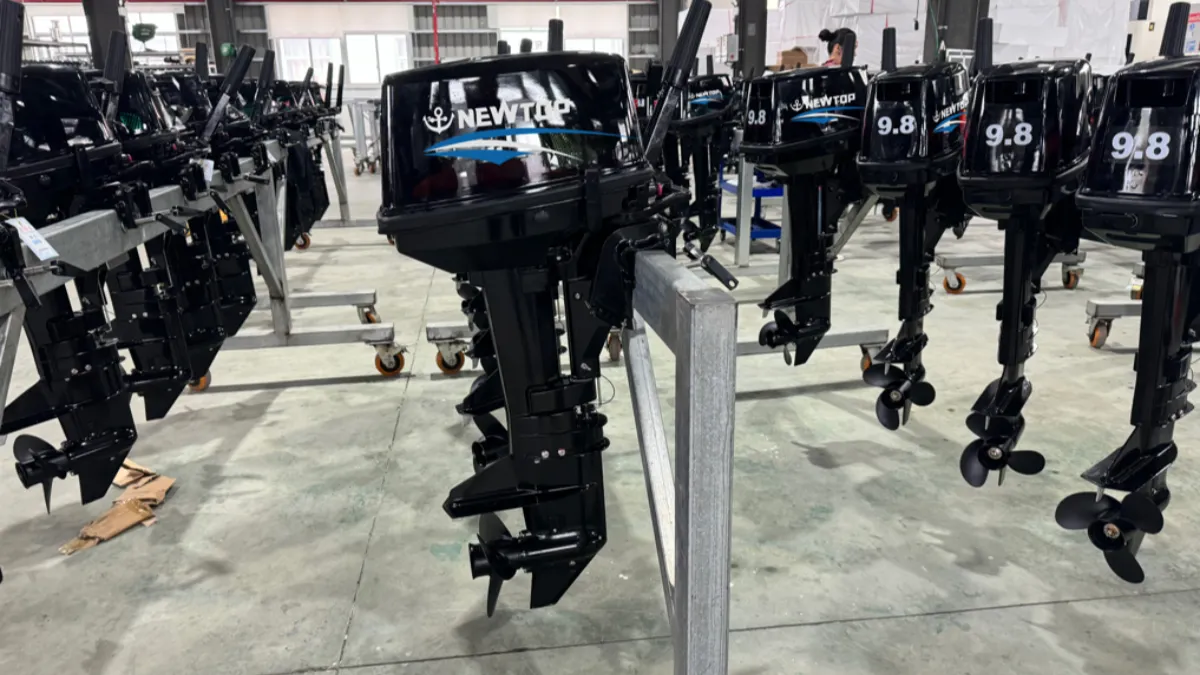
When selecting 선외기 모터, 마력은 종종 구매자가 고려하는 첫 번째 사양입니다.. 하지만, 체중도 그만큼 중요할 수 있다, 특히 소형 보트의 경우, 풍선 보트, 어선, 작업선, 휴대용 해양 애플리케이션.
2행정 선외기 모터가 많은 시장에서 여전히 인기를 끄는 이유 중 하나는 중량 대비 출력 비율이 좋기 때문입니다.. 동급 4행정 모델과 비교, 2-스트로크 엔진은 일반적으로 더 적은 무게를 운반하면서 유사한 출력을 제공합니다., 운반하기 쉽게 만들기, 설치하다, 그리고 운영하다.
이 가이드는 다양한 마력 범위에서 일반적인 2행정 선외 모터 중량을 비교하고 중량이 보트 성능에 어떤 영향을 미치는지 설명합니다., 연료 소비, 그리고 취급.
Why 2-Stroke Outboard Weight Gives a Performance Edge
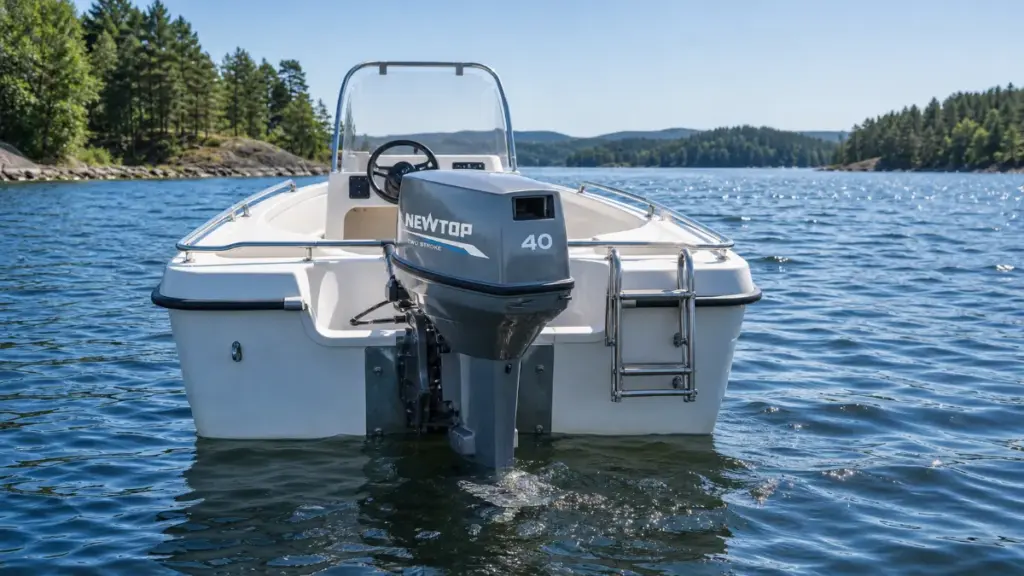
A lighter 2-stroke outboard improves a boat’s performance by offering a superior power-to-weight ratio. With less mass on the transom, a hull accelerates faster, handles more responsively, and maintains a better running attitude, turning raw horsepower into practical on-water speed and agility.
A lighter outboard motor can provide several advantages:
- Faster acceleration from a standstill
- Improved hole shot performance
- Quicker planing
- Better maneuverability
- 더욱 간편한 운송 및 설치
- Reduced transom stress
- Increased payload capacity
예를 들어, a small fishing boat powered by a 15 HP 2-stroke outboard may carry 10–20 kg less engine weight than a comparable 4-stroke model. That weight difference can be used for additional fuel, 낚시 장비, 뱃짐, or passengers.
In many developing and remote markets, 2-stroke outboards remain popular because of their simple design, 쉬운 유지 보수, and favorable power-to-weight ratio.
2-Stroke Outboard Weight Comparison by Horsepower
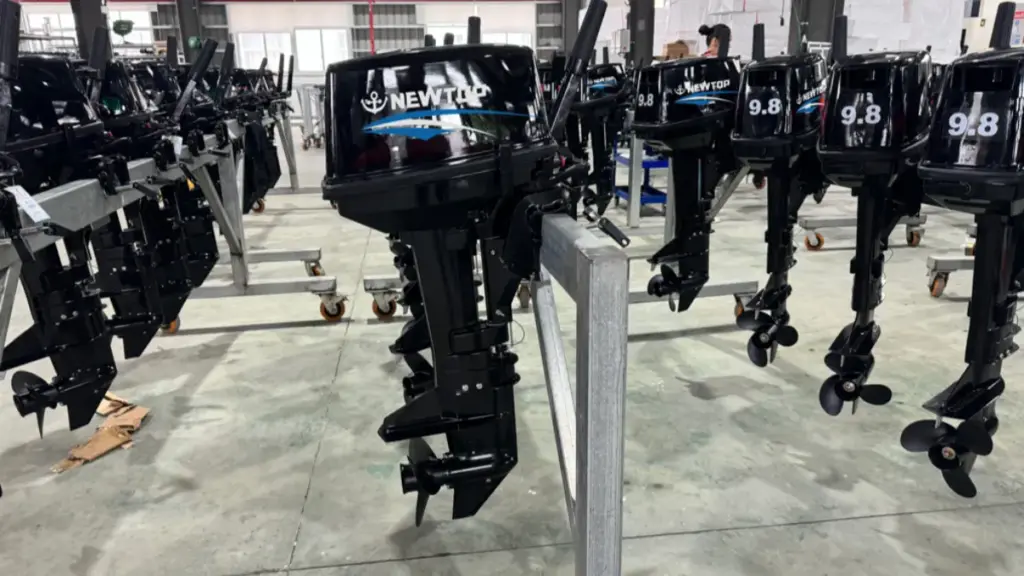
2-stroke outboard motors are known for their favorable power-to-weight ratio across a wide horsepower range. 2-stroke outboard motors typically weigh between 14 kg 및 190 kg (30–420 lbs), depending on horsepower, 샤프트 길이, and engine configuration.
Compared with similarly rated 4-stroke outboards, 2-stroke designs generally achieve lower overall weight thanks to their simpler mechanical structure and fewer internal components.
메모: Weight specifications can vary significantly between outboard motor manufacturers and engine configurations. The tables below show typical dry weight ranges commonly found across the global 2-stroke outboard market.
Portable 2-Stroke Weight Chart (2.5-15 HP)
Portable 2-strokes in the 2.5 에게 15 HP range are designed for easy carrying and mounting on small tenders, jon boats, and inflatables. Their low weight makes a noticeable difference in trim and manual handling, a key reason they are valued on car-toppers and other small craft.
| 마력 (HP) | Typical Dry Weight (kg) | Typical Dry Weight (파운드) |
|---|---|---|
| 2.5 HP | 14–18 kg | 30–40 lbs |
| 4–5 HP | 16–25 kg | 35–55 lbs |
| 6 HP | 20–29 kg | 45–65 lbs |
| 8 HP | 25–34 kg | 55–75 lbs |
| 9.9 HP | 32–43 kg | 70–95 lbs |
| 15 HP | 39–54 kg | 85–120 lbs |
Mid-Range 2-Stroke Outboard Weights (18-40 HP)
Mid-range 2-strokes are a popular choice for fishing boats, 편주, 알루미늄 보트, and RIBs where a strong power-to-weight ratio is important. This category provides enough power for fast planing while keeping overall transom weight relatively low.
| 마력 (HP) | Typical Dry Weight (kg) | Typical Dry Weight (파운드) |
|---|---|---|
| 18-20HP | 34–50 kg | 75–110 lbs |
| 25 HP | 39–59 kg | 85–130 lbs |
| 30 HP | 43–66 kg | 95–145 lbs |
| 40 HP | 54–77 kg | 120–170 lbs |
High-Horsepower 2-Stroke Weight Table (50-150 HP)
As horsepower increases, engine weight rises significantly. 하지만, 2-stroke outboards generally maintain a favorable power-to-weight ratio compared with similarly rated 4-stroke engines. This advantage can help improve acceleration, planing performance, and overall boat responsiveness.
| 마력 (HP) | Typical Dry Weight (kg) | Typical Dry Weight (파운드) |
|---|---|---|
| 50 HP | 64–86 kg | 140–190 lbs |
| 60 HP | 70–95 kg | 155–210 lbs |
| 70 HP | 82–109 kg | 180–240 lbs |
| 90 HP | 100–132 kg | 220–290 lbs |
| 115 HP | 113–150 kg | 250–330 lbs |
| 150 HP | 154–191 kg | 340–420 lbs |
내구성이 뛰어난 선외기 모터로 비즈니스를 강화하세요

What Makes 2-Stroke Outboards Lighter: Mechanical Simplicity
The primary reason 2-stroke outboards weigh less is their simpler internal design.
Unlike 4-stroke engines, traditional 2-stroke outboards do not require:
- Camshafts
- Timing chains
- Timing belts
- Intake valves
- Exhaust valves
- Complex valve train components
Because power is produced every crankshaft revolution rather than every other revolution, the engine can generate strong output with fewer moving parts.
Typical Weight-Saving Components
| 요소 | 2-뇌졸중 | 4-뇌졸중 |
|---|---|---|
| Valve Train | 아니요 | 예 |
| 캠축 | 아니요 | 예 |
| Timing System | 아니요 | 예 |
| Engine Oil System | Simpler | More Complex |
| Internal Parts Count | 낮추다 | 더 높은 |
For more information about 2-stroke outboard motors vs 4-stroke outboard motors, you can read this blog: 2 뇌졸중 대 4 스트로크 선외기 모터: 귀하의 시장에 더 나은 것은 무엇입니까?.
How Weight Affects Hole Shot, Planing, and Fuel Efficiency
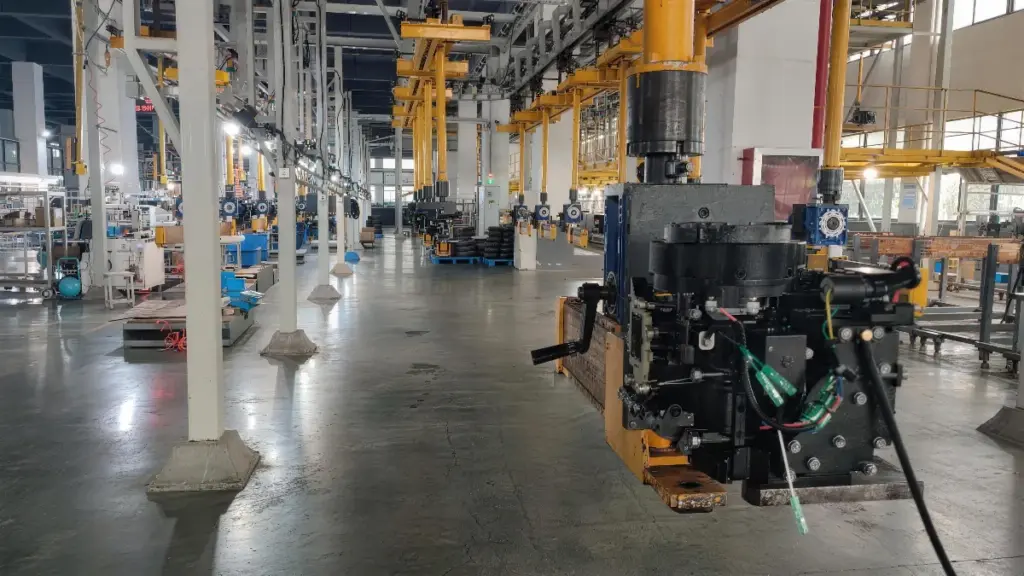
Many boat owners focus only on horsepower, but weight significantly influences real-world performance.
Hole Shot
Hole shot refers to how quickly a boat accelerates from idle speed to planing speed.
A lighter engine reduces the amount of mass the hull must lift during acceleration.
Benefits include:
- Faster launch
- Better towing performance
- Improved responsiveness
- More efficient operation under heavy loads
This is particularly important for fishing boats that frequently stop and start throughout the day.
Planing Performance
Planing occurs when the hull rises and glides over the water rather than pushing through it.
Excessive stern weight can delay planing and increase fuel consumption.
A lighter outboard often helps:
- Reach plane sooner
- Maintain plane at lower throttle settings
- Improve overall ride quality
연료 효율
Fuel consumption depends on multiple factors, 포함:
- Boat design
- Propeller selection
- Engine tuning
- Operating speed
- Total vessel weight
Reducing weight generally decreases the energy required to move the boat.
Although fuel savings vary by application, lighter outboards often improve overall operating efficiency, especially on smaller vessels.
Selecting the Right 2-Stroke Weight for Your Application
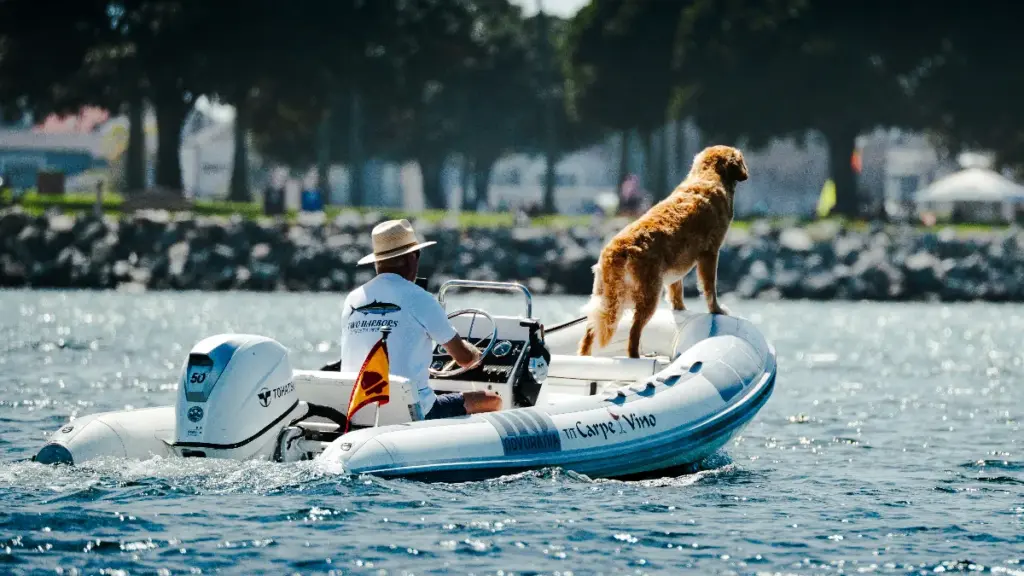
The lightest engine is not always the best choice.
대신에, operators should match engine weight to vessel size, 용도, and load requirements.
| 보트 종류 | Typical HP Range | Recommended Engine Weight | 일반적인 응용 | Key Priority |
|---|---|---|---|---|
| Small Inflatable Boats | 2.5–9.9 HP | 14–43 kg (30–95 lbs) | Tenders, 작은 배, recreational boating, portable fishing setups | Easy transportation |
| 소형 어선 | 15–30 HP | 39–66 kg (85–145 lbs) | Inland fishing, river transport, coastal operations | Balance between portability and performance |
| 상업용 작업선 | 40-90HP | 54–132 kg (120–290 lbs) | Cargo transport, passenger services, daily commercial use | Reliability and load capacity |
| Offshore & High-Speed Boats | 115–150HP | 113–191 kg (250–420 lbs) | Offshore fishing, rescue operations, patrol vessels, high-performance boating | Maximum performance and durability |
For a deeper look at how different outboard motor types perform across fishing, 수송, and leisure applications, 자세한 가이드를 확인하세요 here.
Looking for Reliable 2-Stroke Outboard Motors?
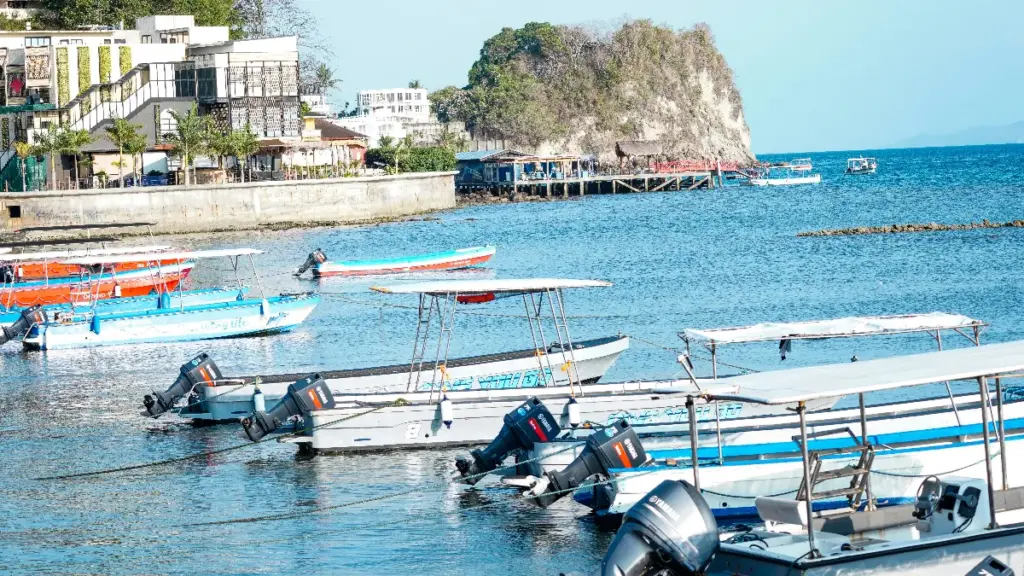
뉴탑 manufactures a wide range of gasoline-powered marine engines designed for fishing, 수송, and commercial marine applications. With extensive OEM and ODM experience, NEWTOP supports distributors, 도매업자, and marine equipment brands in global markets.
주요 이점은 다음과 같습니다.:
- Competitive power-to-weight ratios
- 안정적인 생산 능력
- OEM and private-label support
- Spare parts availability
- Quality control throughout manufacturing
- Technical documentation and after-sales support
Whether you need portable outboards for inflatable boats or higher-horsepower solutions for commercial vessels, NEWTOP can provide tailored products for your market requirements.
자주 묻는 질문
How much does a 2-stroke outboard motor weigh?
The weight depends on horsepower. Small portable 2-stroke outboards may weigh as little as 10–14 kg, while large 300 HP models can exceed 300 kg.
How much does a 15 HP 2-stroke outboard weigh?
Most 15 HP 2-stroke outboards weigh approximately 39-54 kg, depending on shaft length and starting system.
How much does a 30 HP 2-stroke outboard weigh?
에이 30 HP 2-stroke outboard generally weighs between 110 그리고 145 파운드. It fits between the lighter 20 HP class and the heavier 40 HP class, with the final weight depending on its specific configuration.
How much does a 40 HP 2-stroke outboard weigh?
에이 40 HP 2-stroke outboard motor typically weighs between 150 그리고 190 파운드. This weight can change based on the manufacturer, 샤프트 길이, and whether it includes systems like power trim and tilt.
Why are 2-stroke outboards lighter than 4-stroke?
Two-stroke outboards are lighter due to their simpler design. They do not have the separate valve train, 캠샤프트, and other complex internal parts found in 4-stroke engines. Fewer components result in a more compact and lightweight powerhead for the same horsepower.
How much does a 150 HP 2-stroke outboard weigh?
에이 150 HP 2-stroke outboard typically weighs between 390 그리고 460 파운드. The exact weight is influenced by the model’s gearcase design, 연료 시스템, and whether it’s a direct-injection or carbureted model.
What is the lightest 2-stroke outboard motor?
The lightest 2-stroke outboard motors are generally in the 2.5 HP class, weighing as little as 30 에게 40 파운드. These small, single-cylinder engines are designed for ultimate portability, making them easy to carry and mount on small boats like dinghies or canoes.
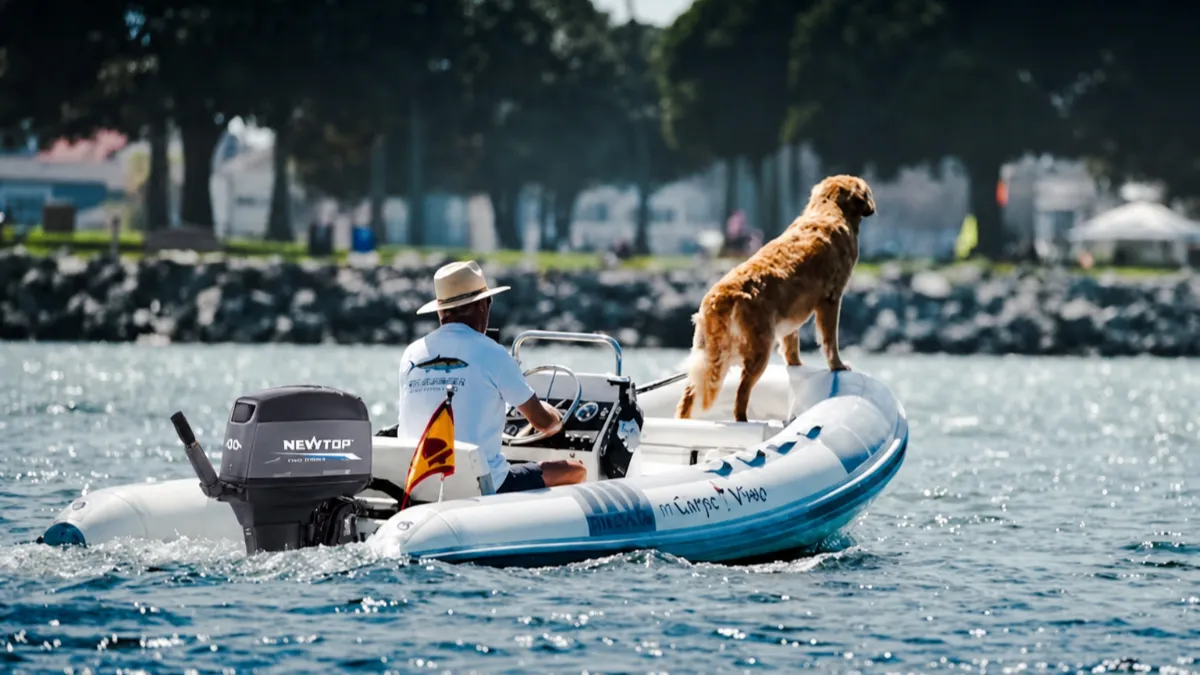
올바른 선외기 모터 크기는 다음에 따라 다릅니다. 4 핵심 요소: 보트의 길이, 총 적재 중량, 트랜섬 높이, 그리고 보트를 어떻게 사용할 계획인지. 작은 낚시 보트 잔잔한 호수에서 사용하려면 연안 해역에서 작동하는 무거운 짐을 실은 작업선과는 매우 다른 엔진이 필요합니다..
이 가이드에서는, 보트 유형에 따라 올바른 선외 모터를 선택하는 방법을 배우게 됩니다., 무게, 그리고 실제 응용 프로그램. 권장 마력에 대해서도 설명하겠습니다., 샤프트 길이 선택, 일반적인 크기 조정 실수, 2행정 엔진과 4행정 엔진의 차이점. 경험이 풍부한 선외기 제조업체로서, 뉴탑 유통업체와 OPE 장비 브랜드가 다양한 시장과 보트 요구 사항에 맞는 신뢰할 수 있는 선외 모터를 선택할 수 있도록 지원합니다..
선외기 모터 크기 선택이 중요한 이유
선외 모터 크기는 보트의 최대 마력 등급과 일치해야 합니다., 완전히 적재된 무게, 및 작동 조건. 보트 길이는 단지 출발점일 뿐입니다.
많은 구매자가 다음과 같은 질문으로 시작합니다., “16피트 보트에는 어떤 크기의 모터가 필요합니까??” 보트 길이는 유용한 참고 자료를 제공하지만, 그것은 전체 이야기를 말해주지 않습니다. 길이가 같은 두 배의 선체 디자인은 매우 다를 수 있습니다., 무게, 그리고 운반 능력, 다양한 마력 요구 사항으로 이어짐.
예를 들어:
| 보트 | 건조중량 | 일반적인 부하 | 권장 HP |
|---|---|---|---|
| 16 피트 알루미늄 낚시 보트 | 750 파운드 | 2 낚시꾼 + 기어 | 40-50HP |
| 16 피트 유리 섬유 낚시 보트 | 1,250 파운드 | 4 승객 + 기어 | 60-75HP |
두 보트 모두 측정하지만 16 피트, 더 무거운 유리 섬유 선체는 가속하는 데 더 많은 힘이 필요합니다, 대패 속도에 도달, 순항 성능을 유지.
다양한 요소가 적절한 외부 크기를 결정합니다.:
- 보트 길이 초기 마력 범위를 제공합니다.
- 완전히 적재된 무게 실제 엔진 요구 사항에 가장 큰 영향을 미칩니다..
- 선체 디자인 보트 비행기가 얼마나 쉽게 영향을 미치는지. 평평한 바닥 보트는 일반적으로 깊은 V 선체보다 적은 전력을 필요로 합니다..
- 승객 및 화물 중량 엔진이 움직여야 하는 총 부하를 크게 증가시킬 수 있습니다..
- 물 상태 또한 중요하다. 연안 해역에서 운항되는 보트, 조류가 강한 강, 또는 거친 호수는 제조업체가 권장하는 범위 내에서 추가 마력을 활용하는 경우가 많습니다..
흔히 간과되는 또 다른 점은 엔진 작동 효율. 소형 엔진은 순항 속도를 유지하기 위해 더 높은 스로틀 설정에서 자주 작동합니다.. 시간이 지남에 따라, 이로 인해 연료 소비가 증가하고 엔진 부품에 더 큰 스트레스가 가해집니다.. 적절하게 매칭된 엔진은 일반적으로 더 낮은 RPM에서 순항하면서 더 부드러운 성능과 더 나은 연비를 제공합니다..
하지만, 사용 가능한 가장 큰 엔진을 선택하는 것이 항상 최선의 솔루션은 아닙니다.. 모든 보트에는 제조업체가 정한 최대 마력 등급이 있습니다.. 해당 한도를 초과하면 취급에 영향을 줄 수 있습니다., 트랜섬에 과부하를 걸다, 현지 안전 규정이나 보험 요구 사항을 위반할 수 있습니다..
경험 법칙: 최소 또는 최대 등급을 자동으로 선택하는 대신 보트 제조업체가 권장하는 마력 범위 내에 있는 엔진을 선택하십시오..
보트 길이에 따른 선외 모터 마력 가이드: 빠른 참조 차트
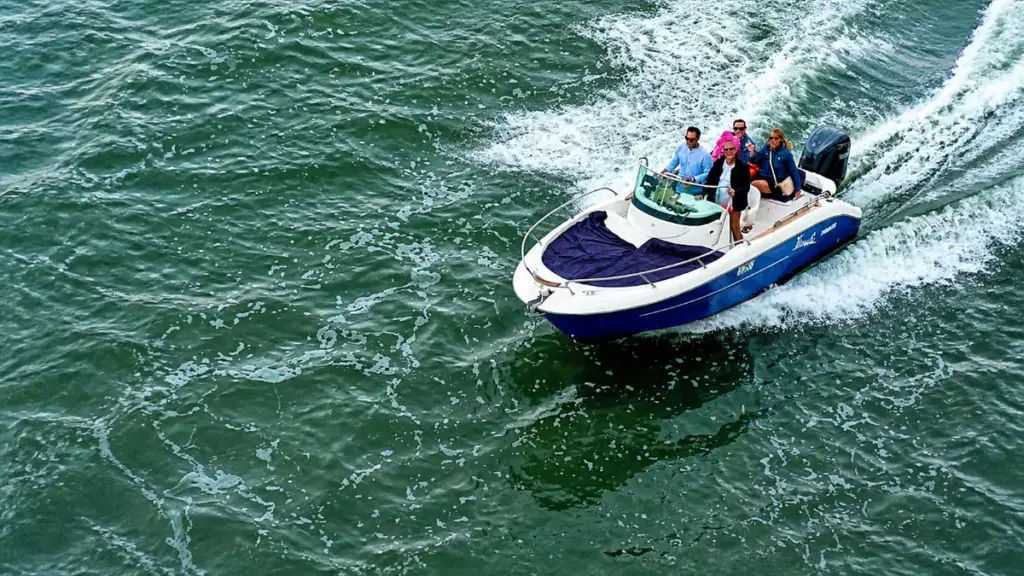
다음 차트에는 일반적인 레크리에이션 및 상업용 보트에 대한 일반적인 선외 모터 마력 권장 사항이 요약되어 있습니다..
| 보트 길이 | 가벼운 오락용 | 무거운 하중 또는 상업용 | 최대 HP (전형적인) |
|---|---|---|---|
| 8-10피트 | 2–6 HP | 6 HP | 6-10HP |
| 10-12피트 | 5–9.9 HP | 9.9-15HP | 15 HP |
| 12-14피트 | 9.9-20HP | 20-25HP | 25 HP |
| 14-16피트 | 20-40HP | 40-60HP | 60 HP |
| 16-18피트 | 40-60HP | 60-90HP | 90 HP |
| 18-20피트 | 90–115 HP | 115–150HP | 150 HP |
| 20-24피트 | 150–200HP | 200–250HP | 250 HP+ |
이러한 권장 사항은 범용 보트에 적용됩니다.. 엔진을 구입하기 전에 항상 보트 용량 표시판에 표시된 최대 마력을 확인하세요..
어떤 크기의 선외 모터가 필요한지 확실하지 않음?
보트 유형에 맞게 외부 크기 맞추기: 작은 배, 낚시 보트, 폰툰, 및 작업선
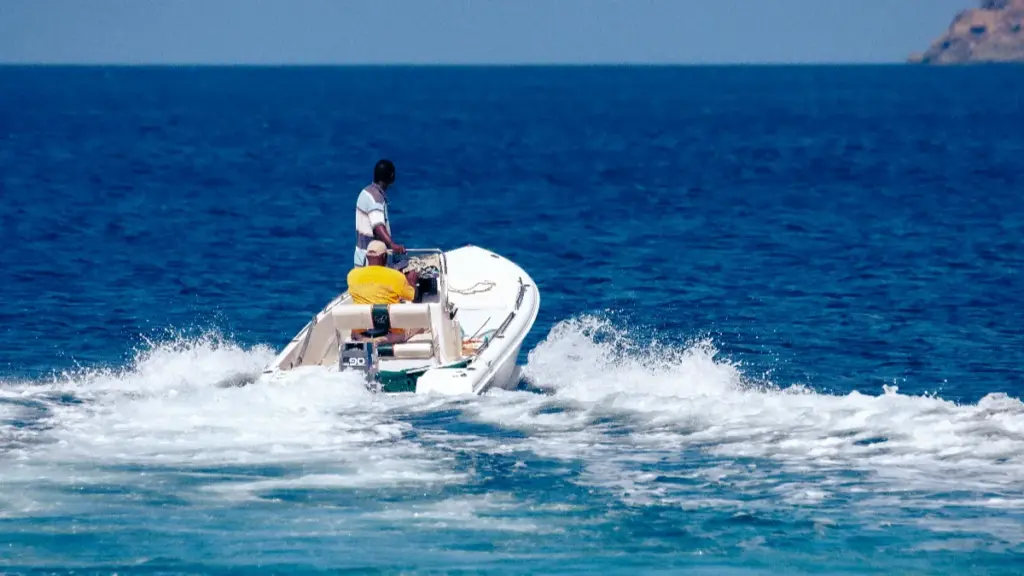
보트 디자인에 따라 성능 특성이 다릅니다.. 비슷한 치수의 보트라도 선체 모양으로 인해 다른 엔진 크기가 필요할 수 있습니다., 체중 분포, 용도와 용도.
소형 보트 및 풍선 보트
풍선 보트는 가볍고 이동하기 쉽습니다.. 일반적으로 소형 선외 모터만 필요합니다..
일반적인 권장 사항은 다음과 같습니다.:
| 보트 길이 | 권장 HP |
|---|---|
| 8 피트 | 2–4 HP |
| 9 피트 | 4–6 HP |
| 10 피트 | 5–8 HP |
| 12 피트 | 8-15HP |
부두와 대형 선박 사이의 짧은 거리를 이동하는 데 사용되는 입찰용, 휴대성은 종종 최대 속도보다 더 중요합니다.. 일반적으로 가벼운 휴대용 선외기가 가장 실용적인 솔루션입니다..
알루미늄 낚시 보트
알루미늄 보트는 가벼운 무게와 우수한 내구성을 결합하여 인기가 높습니다..
일반적인 권장 사항에는 다음이 포함됩니다.:
| 보트 길이 | 권장 HP |
|---|---|
| 12 피트 | 9.9-15HP |
| 14 피트 | 15-25HP |
| 16 피트 | 40-50HP |
| 18 피트 | 60-90HP |
폰툰 보트
폰툰 보트는 고속보다는 편안함과 승객 수용 능력을 우선시합니다..
일반적인 마력 범위에는 다음이 포함됩니다.:
| 폰툰 크기 | 권장 HP |
|---|---|
| 16-18피트 | 25-60HP |
| 20 피트 | 60-90HP |
| 22 피트 | 90–150HP |
| 24 피트+ | 150–250HP |
폰툰을 튜빙이나 스키 등 수상 스포츠에 사용하는 경우, 더 높은 마력의 엔진을 선택하면 더 강력한 가속력과 더 나은 견인 성능을 얻을 수 있습니다..
상업용 작업선
상업 운영자는 종종 신뢰성을 중요하게 생각합니다., 연료 효율, 최대 속도 이상의 긴 작동 시간.
응용 프로그램에 따라, 권장 엔진 크기는 다음과 같습니다.:
- 40소형 유틸리티 보트의 경우 –60 HP
- 90수송선의 경우 –150 HP
- 150–300 HP(중형 상업용 작업선용)
뉴탑 신뢰할 수 있는 제안 선외기 모터 까다로운 환경에서 성능을 발휘하도록 제작됨, 낚시 작업에 적합하도록 만들기, 해상운송, 구조 서비스, 일관된 성능이 필수적인 기타 상업용 애플리케이션.
샤프트 길이: 짧은 샤프트와 긴 샤프트 설명
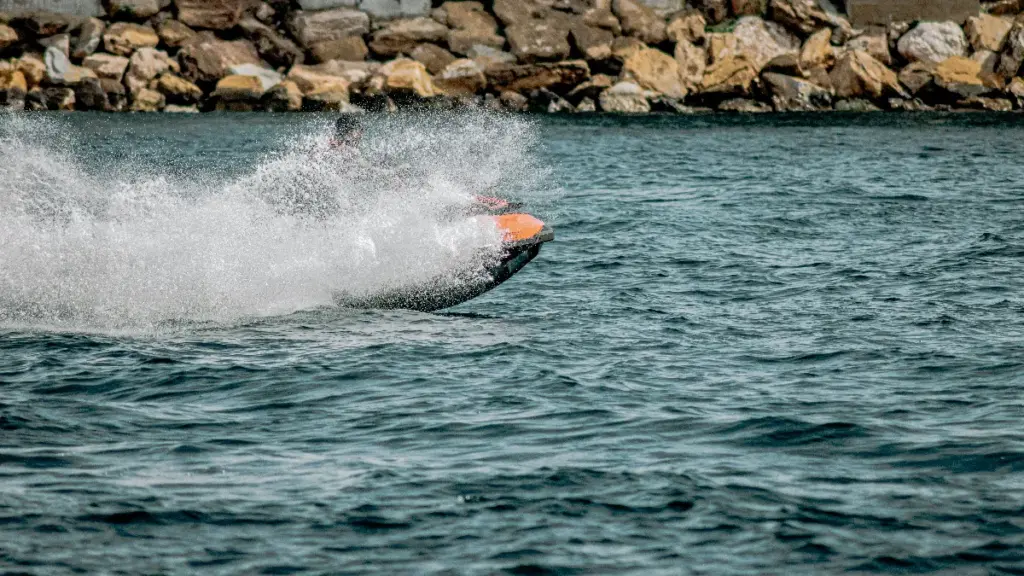
올바른 샤프트 길이는 프로펠러를 물 속에서 적절한 깊이로 유지합니다.. 올바른 마력이라도 샤프트 크기가 잘못되면 보상할 수 없습니다..
많은 구매자가 마력에만 집중하고 설치 전까지 샤프트 길이를 간과합니다.. 실제로, 잘못된 샤프트 길이는 잘못된 엔진 크기를 선택하는 것만큼 성능을 저하시킬 수 있습니다..
표준 샤프트 길이
| 샤프트 유형 | 길이 | 일반적인 응용 |
|---|---|---|
| 짧은 (에스) | 15 ~에 (381 mm) | 존 보트, 작은 배, 작은 알루미늄 보트 |
| 긴 (엘) | 20 ~에 (508 mm) | 낚시 보트, 폰툰, 센터 콘솔 |
| 매우 긴 (특대) | 25 ~에 (635 mm) | 해양 보트, 상업용 보트 |
| 울트라 롱 (XXL) | 30 ~에 (762 mm) | 전문 해양 애플리케이션 |
2-스트로크 대 4행정: 엔진 유형이 크기 선택에 미치는 영향
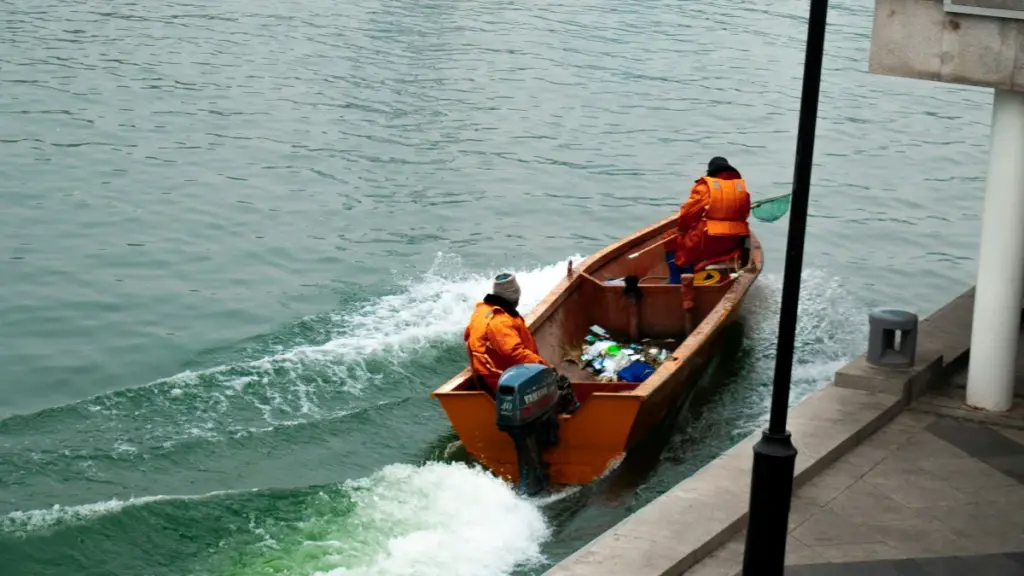
필요한 마력을 추정한 후, 다음 결정은 2행정 모터와 4행정 선외기 모터 중에서 선택하는 것입니다.. 두 엔진 유형 모두 뛰어난 성능을 제공할 수 있습니다., 그러나 그들은 출력을 다르게 전달하고 선택하는 마력에 영향을 미칠 수 있습니다..
2-스트로크 아웃보드
2행정 엔진은 크랭크샤프트가 회전할 때마다 동력을 생성합니다., 더 높은 중량 대비 출력 비율을 제공합니다..
장점은 다음과 같습니다:
- 전체 무게가 가벼워짐
- 강력한 가속
- 더욱 단순한 기계 설계
- 더욱 간편한 운송 및 설치
- 휴대용 애플리케이션에 이상적
더 가볍기 때문에, 2행정 아웃보드는 선미 중량을 낮게 유지하는 것이 중요한 소형 보트에 좋은 옵션이 될 수 있습니다..
일반적인 응용 분야는 다음과 같습니다.:
- 풍선 보트
- 소형 어선
- 유틸리티 보트
- 휴대용 입찰
4-스트로크 아웃보드
4행정 엔진은 매 2회전마다 동력을 생성하지만 보다 부드럽고 세련된 작동을 제공합니다..
장점은 다음과 같습니다:
- 더 나은 연비
- 배출량 감소
- 더 조용한 작동
- 더 긴 서비스 수명
- 낮은 유지 관리 빈도
이러한 특성으로 인해 4행정 엔진은 물 위에서 오랜 시간을 보내는 레저용 보트 사용자 및 상업용 사용자에게 선호되는 선택이 됩니다..
엔진 유형이 마력 요구 사항을 변경합니까??
별로 중요하지 않음.
보트에 대략 필요한 경우 60 HP, 둘 다 60 HP 2행정 및 60 HP 4행정은 유사한 최고급 성능을 제공합니다..
하지만, 실질적인 차이가 있습니다.
더 무거운 4행정은 트랜섬에 더 많은 무게를 가합니다., 이는 소형 보트의 균형에 약간 영향을 미칠 수 있습니다.. 대조적으로, 2행정의 가벼운 무게로 인해 소형 선박의 핸들링이 향상될 수 있습니다..
둘 중 하나를 결정하는 구매자의 경우, 우선 순위를 고려하십시오:
| 우선 사항 | 더 나은 선택 |
|---|---|
| 최저 중량 | 2-뇌졸중 |
| 연료 효율 | 4-뇌졸중 |
| 조용한 작동 | 4-뇌졸중 |
| 빠른 가속 | 2-뇌졸중 |
| 상업용 장시간 사용 | 4-뇌졸중 |
| 휴대용 애플리케이션 | 2-뇌졸중 |
귀하의 요구 사항에 가장 적합한 엔진 유형을 아직도 결정하고 계시다면, 또한 다음 항목에 대한 자세한 비교를 탐색할 수도 있습니다. 2-뇌졸중 대. 4-스트로크 선외기 모터 그리고 다양한 유형의 선외 모터 다양한 보트 응용 분야에서의 장점을 더 잘 이해하기 위해.
최종 생각
대부분의 사용자에게, 보트 길이는 시작 참조를 제공합니다., 하지만 무게와 사용량에 따라 최종 선택이 결정됩니다.. 적절하게 매칭된 엔진은 가속력을 향상시킵니다., 연료 효율, 장기적인 신뢰성, 잘못된 크기는 고품질 보트에서도 성능을 저하시킬 수 있습니다..
어떤 선외 모터가 귀하의 시장이나 응용 분야에 가장 적합한지 여전히 확신하지 못합니다.? 뉴탑의 엔지니어링 및 영업팀이 올바른 마력을 추천하는 데 도움을 드릴 수 있습니다., 샤프트 길이, 다양한 보트 유형 및 작동 조건에 따른 엔진 구성. 전문가의 조언과 맞춤형 OEM 솔루션을 원하시면 지금 저희에게 연락하세요..
자주 묻는 질문
14피트 보트에는 어떤 크기의 선외 모터가 필요합니까??
일반적인 14피트 보트는 15~25HP 아웃보드에서 잘 작동합니다.. 낚시에 사용되는 경량 알루미늄 보트는 15 HP, 더 무거운 유리 섬유 보트 또는 여러 명의 승객을 태운 보트는 종종 20-25 HP 엔진의 이점을 얻습니다..
20피트 보트에는 얼마나 많은 HP가 필요합니까??
대부분의 20피트 레저용 보트에는 90~150 HP가 필요합니다., 선체 중량 및 용도에 따라 다름. 연안 해역에서 사용되는 어선은 일반적으로 이 범위의 더 높은 쪽 끝에서 가장 좋은 성능을 발휘합니다., 더 가벼운 다용도 보트는 주변에서 효율적으로 작동할 수 있습니다. 90 HP.
16피트 알루미늄 보트의 선외 모터 크기?
16피트 알루미늄 보트는 일반적으로 40~50HP 아웃보드를 사용합니다.. 무거운 낚시 장비를 정기적으로 운반하거나 여러 명의 승객을 태우는 경우, 가까운 모델을 선택 50 HP는 일반적으로 더 나은 가속과 전반적인 성능을 제공합니다..
선외기 모터 크기를 어떻게 계산하나요??
보트 제조업체의 최대 마력 등급을 확인하여 시작하십시오.. 그런 다음 총 적재된 보트 중량을 계산하고 마력당 25~50파운드라는 일반 지침을 사용합니다.. 마지막으로, 보트 유형을 고려하십시오, 용도, 최종 결정을 내리기 전에 원하는 순항 속도.
아웃보드가 너무 강력하면 어떻게 되나요??
너무 큰 아웃보드는 보트를 불안정하게 만들 수 있습니다., 연료 소비 증가, 트랜섬에 과부하를 걸다, 제조업체의 안전 등급을 초과합니다.. 많은 지역에서, 승인된 최대치보다 큰 엔진을 설치하면 보험이나 법적 문제가 발생할 수도 있습니다..
어떤 크기의 트롤링 모터가 필요합니까??
트롤링 모터는 마력이 아닌 추력으로 측정됩니다.. 일반적으로, 적어도 선택하세요 2 모든 것에 대한 추력 파운드 100 완전히 적재된 보트 중량(파운드). 더 큰 보트나 강한 조류에서 작동하는 보트는 더 나은 제어를 위해 더 높은 추력이 필요할 수 있습니다..
아웃보드에 필요한 샤프트 길이를 어떻게 알 수 있나요??
장착 표면 상단부터 선체 하단까지 보트의 트랜섬 높이를 측정합니다.. 이 측정값을 표준 샤프트 길이와 일치시키십시오.: 15 신장 (짧은), 20 신장 (긴), 또는 25 신장 (매우 긴). 올바른 샤프트 길이를 사용하면 효율적인 추진이 보장됩니다., 안정적인 핸들링, 그리고 더 나은 연비.
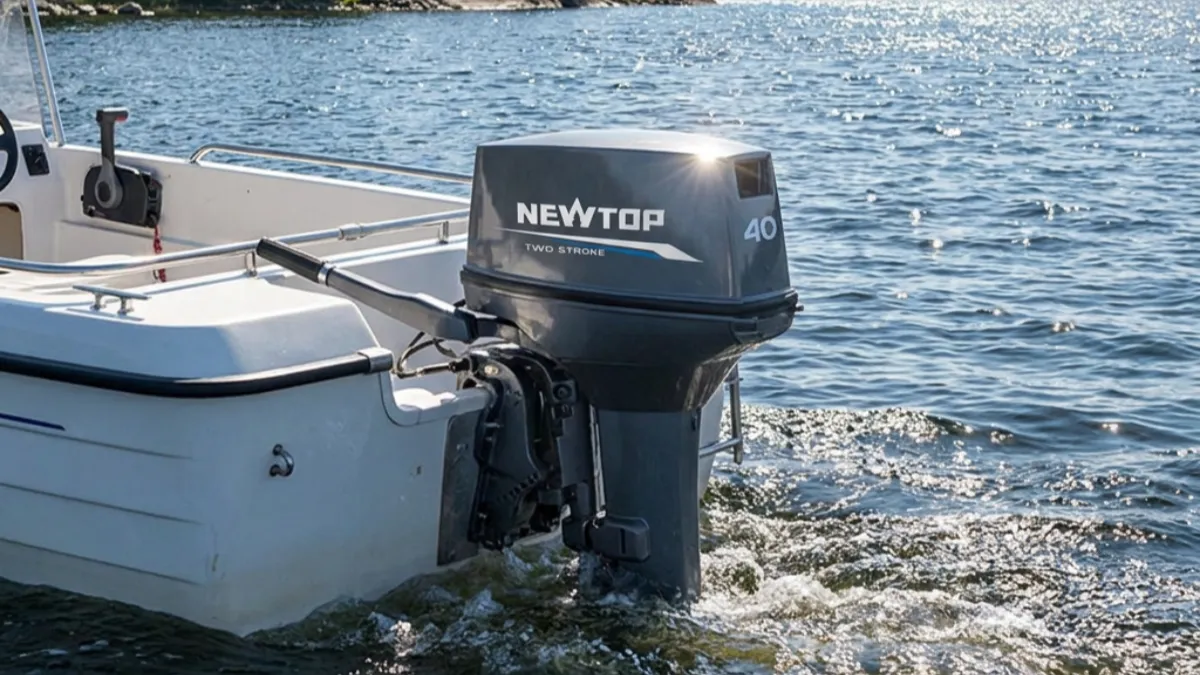
보트 소유자는 동일한 것을 사용할 수 있습니다 선외기 모터 매우 다른 이유로. 한 구매자는 일상적인 낚시 여행을 위한 안정적인 엔진이 필요합니다.. 또 다른 하나는 여객 운송에 중점을 두고 있습니다., 다른 사람들은 조용하고 편안한 레저 보트를 가장 중요하게 생각합니다..
문제는 한 응용 분야에서 잘 작동하는 모터가 다른 응용 분야에서는 최선의 선택이 아닐 수도 있다는 것입니다.. 연료 효율, 유지 보수 요구 사항, 작동 범위, 장기적인 비용은 엔진 유형에 따라 크게 달라질 수 있습니다..
글로벌 보트 시장이 계속 발전함에 따라, 2행정의 장점과 한계 이해, 4-뇌졸중, 전기 선외 모터는 유통업체에게 점점 더 중요해지고 있습니다., 함대 운영자, 그리고 보트 제작자 모두.
다음 섹션에서, 전공을 비교해보겠습니다 선외 모터 유형 낚시 전반에 걸쳐 각각의 성능이 가장 좋은 곳을 조사합니다., 수송, 레저 보트 시장.
선외기 모터 유형 개요: 2-뇌졸중, 4-뇌졸중, 전기
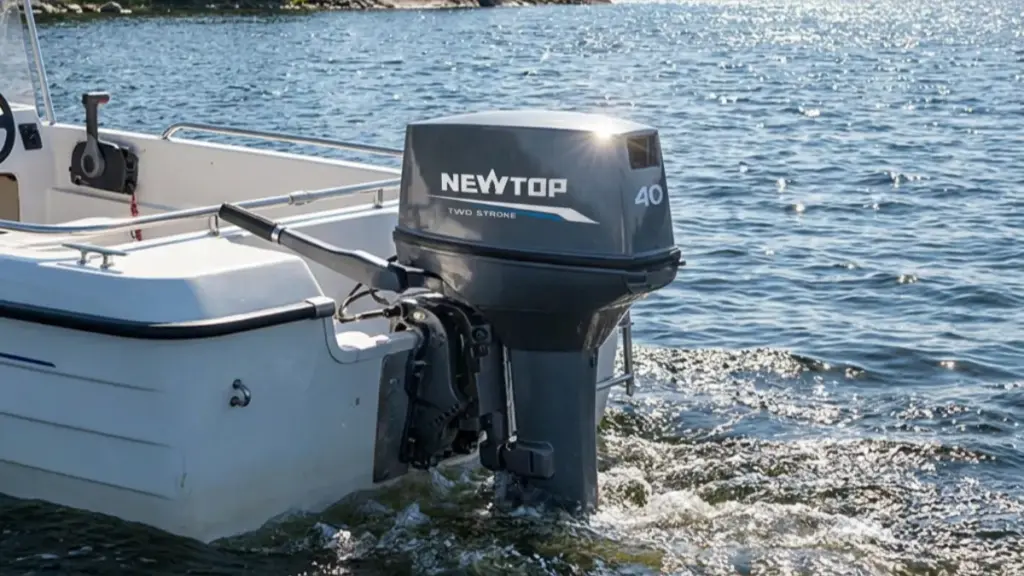
2-스트로크는 무게 대비 파워를 제공합니다., 4-스트로크는 효율적이고 조용한 작동을 제공합니다., 전기는 스텔스와 제로 방출을 제공합니다.. 각각은 시장에서 확실한 위치를 차지하고 있습니다..
| 표준 | 4행정 | 2행정 | 전기 같은 |
|---|---|---|---|
| 정의 | 4개의 피스톤 행정으로 동력 사이클을 완료하는 내연 기관. | 2개의 피스톤 행정으로 동력 사이클을 완료하는 내연 기관. | 휘발유 대신 전기를 사용하는 배터리 구동 모터. |
| 전력 공급 | 부드럽고 일관된 전력 출력. | 강력한 가속력과 높은 중량 대비 출력 비율. | 조용한 작동으로 즉각적인 토크 제공. |
| 무게 | 더 많은 엔진 부품으로 인해 더 무거움. | 더 가벼워지고 운반이 더 쉬워졌습니다.. | 모터가 가볍다, 하지만 배터리 시스템으로 인해 무게가 늘어납니다.. |
| 연료 효율 | 뛰어난 연비. | 더 높은 연료 소비. | 연료가 필요하지 않습니다.; 충전식 배터리로 구동. |
| 유지 | 정기적인 오일 교환 및 정기 정비 필요. | 구조가 간단하고 유지보수가 상대적으로 용이함. | 최소한의 일상적인 유지 관리. |
| 소음 수준 | 조용하고 매끄러움. | 더 많은 진동으로 더 크게. | 거의 조용함. |
| 배출량 | 배출량 감소 및 규정 준수 용이. | 4행정 엔진에 비해 더 높은 배기가스 배출. | 작동 중 직접 배출 제로. |
| 작동 범위 | 쉽게 재급유할 수 있는 장거리. | 쉽게 재급유할 수 있는 장거리. | 배터리 용량 및 충전 액세스에 따라 제한됨. |
| 초기비용 | 보통에서 높음. | 일반적으로 가장 저렴한 옵션. | 일반적으로 가장 높은 초기 투자 금액. |
| 최고의 애플리케이션 | 레저보트, 관광 여행, 여객 수송, 임대 차량. | 낚시 보트, 유틸리티 선박, 작업선, 원격지 작전. | 호수, 선착장, 생태 관광, 단거리 레크리에이션 보트. |
| 일반적인 구매자 우선순위 | 연료 절감, 편안, 장기적인 가치. | 경제성, 간단, 쉬운 수리. | 환경 준수 및 낮은 작동 소음. |
2-스트로크 선외기 모터
2행정 아웃보드는 단 2개의 피스톤 스트로크로 전원 사이클을 완료합니다., 높은 중량 대비 출력 비율을 제공합니다.. 일반적으로 더 가볍고 더 빠른 가속을 제공합니다., 비행기에 빨리 탑승해야 하는 소형 낚시 보트에 딱 맞습니다.. 윤활을 위해 연료유 혼합물을 사용하여 작동합니다., 구형 기화 모델은 더 많은 연료를 사용하고 배기가스 배출도 더 높습니다.. 기계적인 디자인이 더 간단합니다., 하지만 소음과 진동도 더 많이 발생합니다..
4-스트로크 선외기 모터
4행정 아웃보드는 자동차 엔진과 유사한 동력 주기를 사용하며 별도의, 자급식 오일 시스템. 이로 인해 훨씬 더 조용해집니다., 더 매끄럽게, 그리고 연료 효율이 더 좋습니다, 특히 꾸준한 순항 속도에서. 비슷한 2행정보다 무겁지만 안정적인 성능을 위해 중저역에서 더 나은 토크를 제공합니다.. 그렇기 때문에 레크리에이션 및 상업 시장을 모두 장악하고 있습니다. 신뢰할 수 있고 엄격한 배기가스 배출 기준을 충족합니다..
전기 선외 모터
전기 선외기는 배터리로 구동됩니다., 거의 조용하고 배기가스가 없는 작동 제공. 정지 상태에서도 즉각적인 토크를 전달합니다., 도킹 및 트롤링을 위한 탁월한 저속 제어 기능을 제공합니다.. 범위는 전적으로 배터리 용량에 따라 달라집니다., 따라서 짧은 여행이나 연소 엔진 제한이 있는 수로에 가장 적합합니다.. 가장 큰 장점은 유지 관리가 최소화되어 연료가 필요 없다는 점입니다., 기름, 또는 걱정할 점화 플러그.
2행정 아웃보드: 먼 바다에서의 낚시에 가장 적합

2행정 아웃보드는 심플한 디자인과 가벼운 무게로 인해 원격 낚시에 탁월합니다.. 그러나 많은 규제 수로에서는 엄격한 배출 규정으로 인해 그 사용이 제한됩니다..
2행정 선외 모터는 오지 낚시에 적합합니다.. 기계적 단순성과 인상적인 중량 대비 출력 비율로 인해 풀 서비스 정박지에서 멀리 떨어져 있을 때 실용적인 선택이 됩니다.. 그러나 트레이드 오프는 더 높은 배출량입니다., 이로 인해 무시할 수 없는 광범위한 제한이 적용되었습니다..
오지 낚시의 핵심 강점
오지로 향하는 낚시꾼을 위한, 2행정의 실질적인 장점이 단점보다 더 큰 경우가 많습니다.. 디자인은 정교함보다 성능과 현장 서비스 가능성을 우선시합니다..
- 비슷한 4행정보다 훨씬 가볍습니다.. 이것은 소형 보트에 큰 변화를 가져옵니다, 자동차 토퍼, 손으로 실행하는 모든 상황.
- 기계적인 디자인이 더 간단합니다., 복잡한 밸브트레인 없이. 이를 통해 전문가의 도움이 몇 시간 거리에 있을 때 문제 해결 및 기본 현장 수리를 보다 쉽게 관리할 수 있습니다..
- 강력한 중량 대비 출력 비율로 보트를 신속하게 비행기에 태울 수 있습니다.. 이는 보트에 장비가 실려 있고 거리를 효율적으로 이동해야 할 때 필수적입니다..
배출 및 법적 제한 이해
2행정 엔진의 가장 큰 장애물은 환경 규제. 구형 모델의 배기가스 배출로 인해 많은 인기 있고 보호되는 수로에서 사용이 금지되었습니다..
- 오래된 기화 2행정은 눈에 띄는 연기를 생성하고 연소되지 않은 연료와 오일을 배출하는 것으로 알려져 있습니다., 더 높은 탄화수소 배출로 이어짐.
- 많은 규제 호수, 저수지, 국립공원, 강에서는 수질을 보호하기 위해 고배출 2행정 엔진을 금지하거나 크게 제한합니다..
- 출발 전 대상 낚시 장소에 대한 구체적인 규정을 확인해야 합니다.. 한 주의 합법 엔진은 국경 바로 너머의 특정 호수에서 금지될 수 있습니다..
현대 DFI 대. 구형 기화 모델
모든 2행정이 동일하게 생성되는 것은 아닙니다.. 현대식 직접 연료 분사 (DFI) 기술은 배출 프로필을 극적으로 변화시켰습니다., 성과와 적법성에 대한 명확한 구분을 만듭니다..
- DFI 2행정은 연료를 실린더에 직접 분사합니다., 훨씬 더 깨끗하게 연소됩니다. 엄격한 배기가스 배출 표준을 충족할 수 있으며 구형 기화 모델이 금지된 곳에서 종종 허용됩니다..
- 기화 2행정은 최고의 기계적 단순성을 제공합니다.. 이러한 이점은 많은 수로에 대한 제한이 증가함에 따라 상쇄됩니다..
- DFI 모델은 훨씬 더 깔끔한 작동과 함께 가벼운 무게와 빠른 가속이라는 클래식한 2행정 성능을 제공합니다., 실행 가능한 현대적 선택으로 만들기.
구매를 위한 주요 요소
원격 사용을 위해 2행정 선외기 모터를 선택할 때, 좌초되는 것을 방지하는 요인에 집중하십시오.. 최대 마력은 신뢰성보다 덜 중요합니다..
- 신뢰성에 집중, 쉬운 시작, 및 부품 가용성. 가장 가까운 도로에서 몇 마일 떨어진 곳에서 운행할 때 가장 중요한 요소는 다음과 같습니다..
- 엔진 중량을 보트의 트랜섬 용량에 맞추세요. 과중한 엔진은 균형을 무너뜨리고 소형 보트의 안전에 심각한 위험을 초래합니다..
- 귀하의 특정 모델이 귀하가 가장 많이 낚시하는 바다의 규칙을 준수하는지 확인하십시오. 사용할 수 없는 엔진을 구입하는 것은 값비싼 실수입니다.
당신은 또한 좋아할 수도 있습니다: 중국에서 선외기 모터를 소싱할 때 찾아야 할 사항
내구성이 뛰어난 선외기 모터로 비즈니스를 강화하세요
4행정 아웃보드: 레저 보트를 위한 조용한 효율성
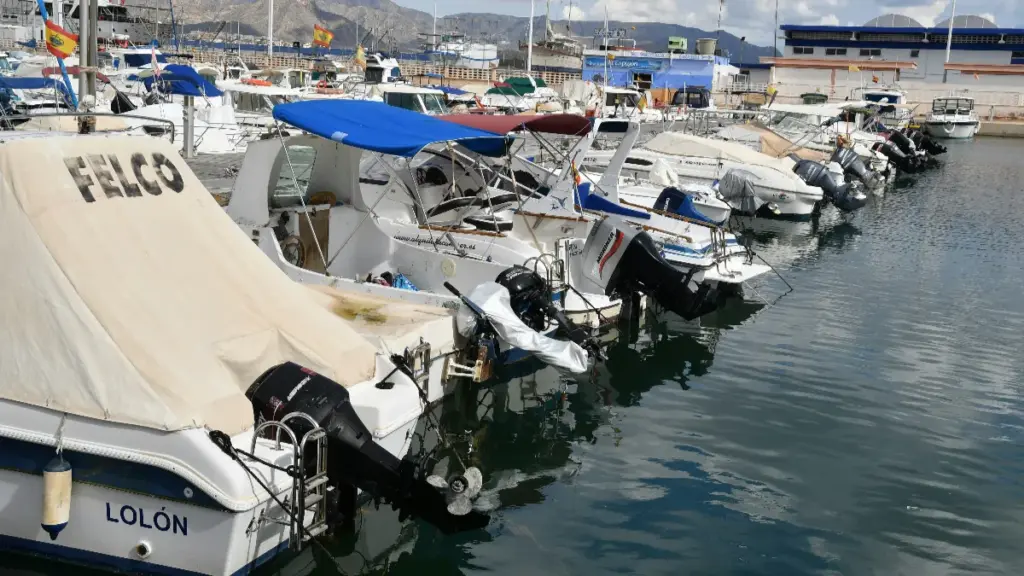
4행정 아웃보드는 조용하고 레저 보트를 지배합니다., 연료 효율적인 성능. 2행정보다 무겁지만, 그들은 가족 크루즈에 이상적입니다, 어업, 편안함이 가장 중요한 활동.
4행정 기술의 작동 방식
4행정 아웃보드는 자동차 엔진과 매우 유사하게 작동합니다.. 4개의 개별 피스톤 스트로크로 전원 사이클을 완료합니다., 압축, 힘, 그리고 배기. 이 프로세스는 본질적으로 기존 2행정 설계보다 더 잘 제어되고 효율적입니다..
- 흡배기 사이클을 분리하여 연비를 향상시켰습니다., 연소되지 않은 연료가 빠져나가는 것을 방지.
- 이 디자인은 더 낮은 배기가스 배출과 더 깨끗한 배기를 생성합니다., 환경적으로 규제되는 수로에 더 적합하게 만듭니다..
- 소음과 진동이 현저히 적습니다., 그 결과 더 부드러워졌습니다., 더 편안한 승차감.
레크리에이션 보트 타는 사람을 위한 주요 이점
재미를 위해 물 위에 있는 대부분의 사람들에게, 온보드 경험은 성능만큼 중요합니다. 4행정은 이러한 현실을 위해 만들어졌습니다..
- 조용한 작동은 큰 장점입니다. 엔진 소음 때문에 큰 소리를 지르지 않아도 대화가 편해지고 휴식이 가능해집니다..
- 연료 소비가 줄어들면 여행 시간이 길어지고 연료 도크로 돌아가기 전 물 위에서 더 많은 시간을 보낼 수 있습니다..
- 최소한의 배기 냄새로 경험이 향상됩니다., 특히 공회전하거나 저속으로 이동할 때.
- 부드러운 전력 공급은 가족 여행에 적합합니다., 수상스포츠, 그리고 거슬리는 가속이 필요하지 않은 일반적인 여가 활동.
무게 및 성능 고려 사항
4행정 엔진의 장점에는 특정 보트와 운전자에게 중요한 몇 가지 절충점이 있습니다..
- 4행정은 일반적으로 동일한 마력의 2행정 아웃보드보다 무겁습니다., 이는 소형 보트의 성능과 균형에 영향을 미칠 수 있습니다..
- 일부 2행정 설계는 더 빠른 속도를 제공할 수 있습니다. “홀샷” 가속, 하지만 현대의 4행정 기술은 그 성능 격차를 줄이고 있습니다..
- 밸브트레인과 내부 구성 요소는 기계적으로 더 복잡합니다., 이는 엔진 수명 동안 유지 관리 요구 사항에 영향을 미칠 수 있습니다..
가장 적합한 보트 및 활동
4행정 기술은 단순한 기술적 선택이 아닙니다.; 특정 보트 스타일에 맞는 실용적인 제품입니다..
- 폰툰과 아주 잘 어울리는 제품이에요, 데이 크루저, 편안함과 연비를 최우선으로 생각하는 가족 런어바웃.
- 낚시꾼은 트롤링과 같은 응용 분야에 이러한 엔진을 선호합니다., 조용히 달리는 것이 물고기를 놀라게 하지 않는 데 큰 이점이 되는 곳.
- 또한 일상적인 작업을 위해 안정적이고 안정적인 마력이 필요한 유틸리티 및 운송 보트를 위한 확실한 선택입니다..
전기 아웃보드: 틈새 애플리케이션 및 현재 제한 사항
전기 아웃보드는 조용함에 탁월합니다., 스텔스 낚시 및 항구 운송과 같은 단거리 틈새 시장, 하지만 범위의 배터리 제한, 비용, 충전 인프라로 인해 주류 사용이 불가능해졌습니다..
낚시의 전문적인 역할
저속에서 전기 아웃보드가 거의 조용하게 작동하므로 트롤링 및 스텔스 낚시에 이상적입니다.. 내연기관과 달리, 전기 모터는 소음이나 진동으로 인해 물고기를 놀라게 하지 않습니다., 낚시꾼이 방해를 받지 않고 구조물과 잡초 줄에 접근할 수 있도록 허용. 이 정확한, 조용한 제어는 얕거나 낚시가 많은 바다에서 중요한 이점입니다..
또한 내연기관이 금지되거나 제한된 호수와 저수지에서 소형 보트의 주요 추진력 역할도 합니다.. 이러한 환경에서는, 전기는 모터 보트의 유일한 옵션입니다. 대형 보트를 타는 많은 낚시꾼을 위한, 전기 아웃보드가 보조 모터 역할을 합니다.. 주요 가솔린 엔진 긴 일을 처리하다, 어장까지 고속 주행, 전기 모터가 조용함을 대신합니다., 저속 포지셔닝 및 트롤링.
단거리 운송 및 레저용 선박
전기 추진은 예측 가능한 상황에 적합합니다., 단거리 운송 일자리. 항구 수상 택시를 생각해 보세요., 리조트 셔틀, 또는 매일 같은 고정 경로를 운행하는 작업선. 이러한 역할에는, 배터리 용량은 임무에 맞게 정확하게 크기를 조정할 수 있습니다., 밤새 안정적으로 충전 일정을 설정할 수 있습니다.. 조용함, 무배출 운영은 인구 밀집 지역에서도 큰 장점입니다..
레저용 공예용, 전기 아웃보드는 주 선박에 휘발유를 저장할 필요가 없기 때문에 요트 입찰 및 소형 보트에 널리 사용됩니다.. 또한 소형 범선에 안정적인 보조 전원을 제공합니다., 주로 선착장에 조용히 들어오고 나가는 데 사용됩니다.. 속도보다는 휴식이 더 중요한 경험인 작은 호수 보트와 폰툰에서, 조용하고 깨끗한 작동으로 물 위에서의 하루가 더욱 즐거워집니다..
주요 제한 사항: 배터리 에너지 밀도 및 범위
전기 선외기의 근본적인 제약은 배터리의 에너지 밀도입니다.. 가솔린은 파운드당 훨씬 더 많은 에너지를 담습니다., 이는 전기 보트의 범위와 속도를 심각하게 제한합니다.. 전기 모터의 범위는 스로틀에 매우 민감합니다.. 최대 전력으로 작동하면 1시간 이내에 배터리가 소모됩니다., 느린 트롤링 속도에서는 동일한 배터리가 하루 종일 지속될 수 있습니다..
대부분의 소형 전기 아웃보드는 일반적인 낚시 보트나 다용도 보트를 비행기에 실을 수 없습니다.. 최고 속도는 종종 주변에 붙어 있습니다. 5 에게 7 시속. 이로 인해 장거리를 빠르게 이동해야 하는 응용 분야에는 완전히 부적합합니다., 근해 낚시터에 도달하거나 큰 호수 건너편의 상황에 대응하는 등. 고속에서는 성능이 부족합니다, 장거리 작업.
비용 및 인프라 장애물
초기비용이 큰 걸림돌. 소형 전기 선외기와 그에 필요한 리튬 배터리 팩은 비슷한 소형 가솔린 모터보다 2~3배 더 비쌉니다.. 강력한 시스템과 대형 배터리 뱅크가 필요한 상업 운영자용, 자본 투자가 중요한 재정적 결정이 됨.
충전 물류에도 문제가 있다. 재충전에는 몇 시간이 걸립니다, 가스 탱크를 채우는 데 몇 분이 걸리지 않습니다.. 이를 위해서는 해안 전력에 대한 안정적인 접근이 필요합니다., 모든 도크에서 보장되지는 않습니다., 계선, 또는 원격 보트 램프. 널리 보급되지 않음, 고속 해상 충전 네트워크는 전기 선외기를 국부적으로 효과적으로 제한합니다., “기지로 복귀” 충전을 계획할 수 있는 작업.
운송 및 작업보트 사용에 적합한 모터 유형
작업선에 적합한 선외기를 선택하는 것은 마력에만 관한 것이 아닙니다. 결정은 선박의 듀티 사이클에 달려 있습니다., 연료 물류, 매일 수행하는 특정 작업.
| 애플리케이션 | 권장 선외기 유형 |
|---|---|
| 소형 어선 | 2-뇌졸중 |
| 상업용 어선 | 2-스트로크 또는 4행정 |
| 여객 운송 | 4-뇌졸중 |
| 관광 사업자 | 4-뇌졸중 |
| 대여 보트 | 4-뇌졸중 |
| 내륙 생태관광 | 전기 같은 |
| 유틸리티 및 작업선 | 2-스트로크 또는 4행정 |
| 마리나 운영 | 전기 같은 |
상업용 핵심 아웃보드 기술
상업용 차량용, 아웃보드는 도구이다, 각 기술은 서로 다른 작업에 적합합니다.. 선택은 연료 균형에 달려 있습니다., 성능, 그리고 운영 현실.
- 4행정 가솔린 아웃보드: 이들은 일꾼들이다. 그들은 연료 효율성의 견고한 혼합을 제공합니다, 다양한 사용 가능한 전력, 대부분의 범용 작업선에 대한 안정적인 성능.
- 고추력 및 상업용 모델: 이것은 특수 가솔린 아웃보드입니다.. 더 낮은 기어비와 더 큰 프로펠러를 사용하여 바지선 및 적재된 유틸리티 보트와 같은 무거운 변위 선체를 효과적으로 이동합니다..
- 디젤 선외기: 이미 디젤 엔진을 사용하고 있는 전문 차량용, 이 모터는 연료 물류를 단순화합니다.. 또한 디젤의 낮은 휘발성으로 인해 향상된 안전성을 제공하고 장시간 근무하는 운전자가 요구하는 긴 서비스 수명을 위해 제작되었습니다..
- 전기 아웃보드: 이 기술은 조용함을 제공합니다., 무배출 운영. 규제된 도시 수로에서의 작업에 적합합니다., 환경적으로 민감한 지역, 아니면 줄여서, 쉽게 충전할 수 있는 예측 가능한 경로.
여객선 및 화물선과 모터 페어링
사람을 옮기는 것과 화물을 옮기는 것은 다르다. 여객선은 편안함과 안전을 최우선으로 생각합니다, 화물선은 순수한 화물 운반 능력에 중점을 두고 있습니다..
- 여객 운송 (수상택시, 페리): 조용한 4행정 가솔린 엔진은 승객의 편안함과 신뢰성을 위한 표준 선택입니다.. 운영자는 종종 중복성을 위해 트윈 엔진 설정을 실행합니다., 모터 하나에 문제가 있어도 운행을 완료할 수 있도록 보장.
- 경량 카고 스키프: 고추력 가솔린 모델이 이상적입니다.. 이 보트는 필요한 하중 운반 능력을 제공하며 이 소형 보트가 자주 작동하는 얕은 바다에서 조종이 가능합니다..
- 무거운 화물 및 푸시 보트: 디젤 선외기의 높은 토크는 무거운 차량에 대한 뛰어난 제어력을 제공합니다., 비평탄 선체. 특수한 고추력 가솔린 아웃보드도 실행 가능한 옵션입니다..
순찰 및 서비스 작업선 장비 갖추기
서비스 및 순찰선은 매우 구체적인 임무를 가지고 있습니다., 빠른 대응부터 섬세한 환경 모니터링까지.
- 순찰 및 집행 보트: 이 선박에는 고출력 가솔린 또는 디젤 선외기가 필요합니다.. 임무에는 신속한 대응 능력이 필요합니다, 높은 최고 속도, 그리고 절대적인 신뢰성.
- 항구 유틸리티 보트: 이 보트는 잦은 스톱-스타트 사이클을 견뎌야 하며 뛰어난 저속 제어가 필요합니다.. 이러한 까다로운 작업을 처리할 수 있도록 내구성이 뛰어난 4행정 또는 디젤 모터가 제작되었습니다..
- 환경 및 측량선: 방해를 최소화하는 것이 목표입니다.. 운영자는 일반적으로 야생 동물이나 민감한 과학적 측정에 영향을 주지 않기 위해 조용한 4행정 엔진이나 배기가스 배출이 없는 전기 모터를 사용합니다..
자세한 내용은 다음 가이드를 참조하세요. 2-마력에 따른 스트로크 바깥쪽 무게 비교 자세한 분석을 위해.
소유 비용: 연료, 유지, 유형별 및 수명
총 비용은 단순한 가격표가 아닙니다. 4스트로크는 종종 장시간 사용자에게 승리합니다., 새 배터리가 필요할 때까지 전기 비용은 저렴합니다..
아웃보드를 평가할 때, 초기 구매 가격은 이야기의 시작일뿐입니다. 실제 비용은 연료에서 나온다, 정기 서비스, 대대적인 점검이나 완전한 교체가 필요할 때까지 엔진이 얼마나 오래 지속되는지. 각 모터 유형은 수명 기간 동안 서로 다른 재정적 상황을 나타냅니다..
연료 및 에너지 비용
주유소 또는 충전소에서 지출하는 비용은 소유권 방정식에서 큰 부분을 차지합니다.. 각 모터 유형의 효율성은 부두를 떠날 때마다 지갑에 직접적인 영향을 미칩니다..
- 4행정 아웃보드 일반적으로 가솔린 엔진에 대해 최고의 연비를 제공합니다.. 대부분의 레크리에이션 보트 이용자, 이는 물 위에서 시간당 운영 비용이 낮아진다는 것을 의미합니다..
- 2행정 엔진 목이 더 마르다, 비슷한 4행정보다 더 많은 연료를 소비합니다.. 이 비용 차이는 엔진을 더 많이 가동할수록 더욱 분명해집니다., 특히 더 높은 RPM에서.
- 전기 아웃보드 직접 에너지 비용이 가장 낮습니다.. 비용은 배터리를 충전하는 데 드는 전기료에 불과합니다., 하지만 총 투자액은 배터리 뱅크의 규모와 직접적으로 연관되어 있습니다..
유지보수 및 서비스 비용
모든 엔진은 신뢰성을 유지하기 위해 정기적인 서비스가 필요합니다. 유지 관리의 복잡성과 빈도로 인해 총 비용의 또 다른 큰 부분이 결정됩니다..
- 4행정 엔진 오일 교환과 같은 일상적인 작업으로 예측 가능한 유지 관리 일정을 갖습니다., 자동차 엔진에서 기대하는 것과 비슷합니다..
- 2행정 모터 더 적은 부품으로 기계적으로 더 단순함, 하지만 윤활 시스템에는 지속적인 주의가 필요합니다.. 유지 관리 품질은 신뢰성에 큰 영향을 미칩니다..
- 전기 모터 최소한의 기계적 작업이 필요합니다.. 장기비용은 엔진오일이 아니라 배터리의 건강이 중요합니다, 커넥터, 그리고 충전 전자 장치.
수명 및 교체 고려 사항
아웃보드는 주요 투자입니다, 그리고 이를 통해 몇 년 동안 서비스를 받을 수 있는지가 중요한 비용 요소입니다.. 내구성은 설계와 엔진 처리 방법에 따라 크게 달라집니다..
- 4행정 아웃보드 일관된 유지 관리를 받는 휘발유 옵션 중 일반적으로 가장 긴 서비스 수명을 제공합니다., 보트에서 많은 시간을 보내는 사람에게 확실한 선택이 됩니다..
- 2행정의 내구성 좋은 습관과 직접적인 연관이 있다: 적절한 오일 혼합, 정기 서비스, 장기간 동안 한계에 도달하지 않음.
- 전기 모터 아주 오랫동안 달릴 수 있어요, 하지만 전체 시스템의 실제 수명은 종종 배터리로 귀결됩니다.. 성능 저하 주기와 최종 교체 비용이 가장 큰 장기 재무 항목입니다..
지역 시장 통찰력: 아프리카에서 작동하는 것, 아시아, 그리고 남미
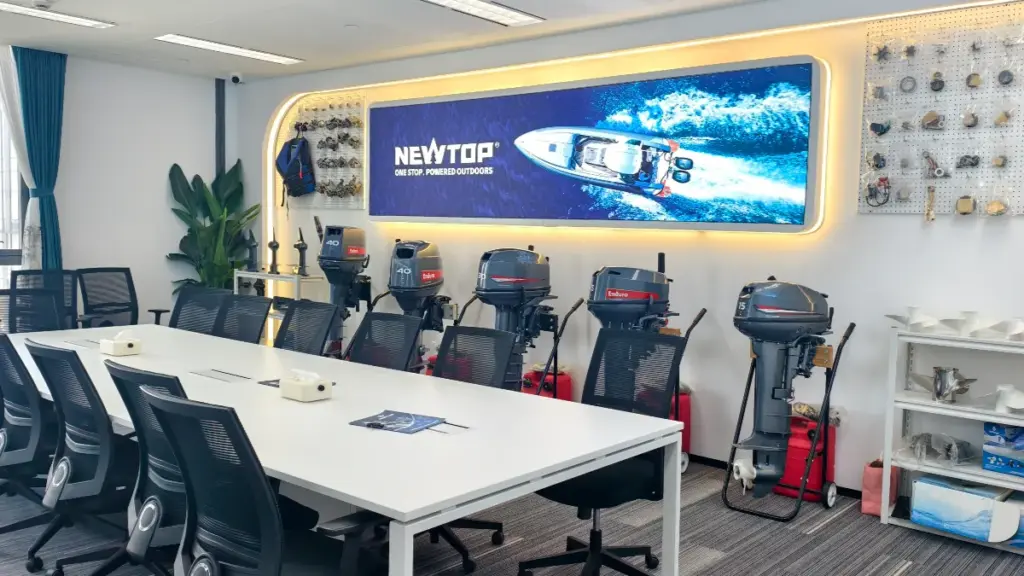
아프리카에서는, 아시아, 그리고 남미, 엔진 선택은 현지 요구에 따라 결정됩니다.. 아프리카에서는 내구성이 핵심입니다, 아시아는 다양한 용도의 균형을 유지합니다., 남아메리카는 단순성과 내식성을 중시합니다..
아프리카: 낚시 및 운송을 위한 내구성
아프리카에서는, 선외 모터는 주로 일꾼입니다. 소규모 어업 작업은 단순성에 달려 있습니다., 현장 수리 가능한 10-40 HP 가솔린 아웃보드. 외딴 지역에서, 2-스트로크 엔진은 제한된 도구와 부품으로 쉽게 수리할 수 있기 때문에 여전히 일반적입니다.. 강과 호수 운송, 중요한 경제 동인, 더 강력한 미드레인지 엔진이 필요합니다. (40-90+ HP) 승객과 화물의 무거운 짐을 처리할 수 있는 강력한 토크.
레저 시장은 관광 허브에 집중되어 있습니다., 더 조용한 4행정 가솔린 엔진이 선호되는 경우. 전기 아웃보드는 생태 관광 벤처에서 작지만 점점 더 큰 존재감을 갖고 있습니다.. 여기서 성공의 열쇠는 종소리가 아닙니다; 다양한 연료 품질을 견딜 수 있고 전문적인 인프라 없이도 유지 관리할 수 있는 엔진의 능력입니다..
아시아: 시골 강에서 해안 허브까지 다양한 혼합
아시아 시장은 매우 세분화되어 있습니다.. 농촌 내륙 및 영세 어업 공동체, 저가의 5~30HP 2행정 엔진이 여전히 사용되고 있습니다., 하지만 환경 규제가 강화되면서 보다 깨끗한 4행정으로의 전환이 불가피해지고 있습니다.. 이는 해안 및 섬 간 운송 수요와 크게 대조됩니다., 더 높은 전력 (90–200+ HP) 4-스트로크 아웃보드는 장거리 주행 시 연비와 신뢰성이 표준입니다., 까다로운 노선.
해안 허브의 개발된 레저 시장은 레저용 보트용 프리미엄 4행정 엔진을 선호합니다.. 전기차 모델도 인기를 끌고 있다, 특히 규제된 도시 호수와 선착장에서. 많은 지역의 높은 인구 밀도는 환경 규정이 더 엄격하다는 것을 의미합니다., 모든 부문에 걸쳐 보다 깨끗한 엔진 기술의 채택을 가속화합니다..
남아메리카: 멀리 떨어진 강과 해안 휴양지에 전력 공급
남미에서는, 지리가 수요를 정의한다. 아마존 분지와 같은 원격 내륙 수로는 단순함을 선호합니다., 쉽게 수리할 수 있는 8~30HP 2행정 엔진. 장거리 하천운송용, 운영자는 강력한 40-115+ HP 아웃보드에 의존합니다., 안전과 신뢰성을 위해 서비스 센터와 멀리 떨어진 곳에서 듀얼 엔진 설정을 사용하는 경우가 많습니다..
해안 레저 부문은 완전히 다릅니다., 현대가 지배하는, 높은 마력 (115-300+ HP) 4-레크리에이션 낚시 및 가족 보트용 스트로크 아웃보드. 대륙 전역에서 성공하기 위한 중요한 요소는 열대 기후에서의 내구성입니다.. 엔진에는 고온을 처리하도록 설계된 우수한 부식 방지 및 냉각 시스템이 필요합니다., 종종 퇴적물이 풍부한, 실패 없이 물.
마찬가지로 중요한 것은 신뢰할 수 있는 예비 부품과 판매 후 지원에 대한 접근입니다., 특히 보트가 주요 교통수단과 어업 수입원으로 사용되는 지역에서는 더욱 그렇습니다.. 베네수엘라의 최근 사례는 유통업체가 장기적인 선외 모터 파트너를 선택할 때 안정적인 부품 공급을 점점 더 우선시하는 방법을 강조합니다.. 여기에서 자세한 내용을 읽어보세요.: 어떻게 $80,000+ 베네수엘라 명령으로 안정적인 선외기 예비 부품 공급의 중요성 입증.
최종 생각
모든 용도에 맞는 단일 선외 모터는 없습니다.. 어선, 운송 사업자, 레저 보트 소유자, 상업용 작업선 사용자는 모두 서로 다른 작동 요구 사항에 직면합니다..
2행정 아웃보드는 까다로운 환경에 대해 비교할 수 없는 단순성과 경제성을 계속해서 제공합니다.. 4행정 모델은 레크리에이션 및 승객 중심 작업에 탁월한 효율성과 편안함을 제공합니다.. 전기 아웃보드는 환경에 민감한 단거리 애플리케이션을 위한 새로운 솔루션을 나타냅니다..
대리점용, 수입업자, 및 보트 제조업체, 올바른 선외기 모터 포트폴리오를 선택하려면 성능 균형이 필요합니다, 운영 비용, 현지 시장 수요, 및 장기 서비스 지원.
~에 뉴탑, 우리는 낚시용으로 설계된 다양한 2행정 및 4행정 선외 모터를 제공합니다., 수송, 여가, 및 상업용 애플리케이션. 유연한 OEM/ODM 역량 보유, 안정적인 예비 부품 지원, 아프리카 전역의 고객에게 서비스를 제공한 경험, 남아메리카, 그리고 아시아, 우리는 파트너가 시장에 맞는 경쟁력 있는 제품 라인을 구축할 수 있도록 지원합니다.. 믿을 수 있는 선외기 제조사를 찾고 계시다면, 우리 팀은 귀하의 프로젝트 요구 사항에 대해 논의할 준비가 되어 있습니다..
자주 묻는 질문
선외 모터의 주요 유형은 무엇입니까?
주요 유형은 전원 및 기술에 따라 정의됩니다.. 가장 일반적인 카테고리는 4행정 가솔린입니다., 2-스트로크 가솔린, 전기 같은, 그리고 디젤 아웃보드. 각각은 낚시 전반에 걸쳐 다양한 용도에 적합합니다., 수송, 그 힘을 바탕으로 한 레저보트, 무게, 연료 효율, 및 배출 프로필.
낚시 보트에 가장 적합한 선외 모터는 무엇입니까??
대부분의 낚시 보트의 경우, 4행정 가솔린 아웃보드는 최고의 연비 균형을 제공합니다., 조용한 작동, 신뢰성. 전기 아웃보드는 조용한 트롤링 및 제한된 수역에서의 사용에 탁월합니다.. 고강도 해상 낚시 또는 상업용 낚시, 고출력 4행정 또는 디젤 선외기가 선호되는 경우가 많습니다..
2행정 아웃보드가 아직도 만들어지고 있나요??
예, 그러나 대부분 현대식 직접 주입 방식으로 사용됩니다. (에서) 현재 배기가스 배출 기준을 충족하는 모델. 이전, 기존의 기화 2행정은 환경 규정으로 인해 규제 시장을 위해 주요 선외 모터 제조업체에서 더 이상 생산하지 않습니다.. 특정 고성능 응용 분야에서는 DI 2행정을 계속 사용할 수 있습니다..
레저 보트 타기에는 4행정 또는 2행정 선외기가 더 좋습니다.?
일반적으로 레저 보트에는 4행정 아웃보드가 더 좋습니다.. 더 조용하게 운행됩니다, 더 매끄럽게, 배출량이 적고, 가족 크루즈 및 당일 여행을 위한 보다 편안한 경험을 제공합니다.. 2행정은 작은 규모에 적합할 수 있습니다., 더 높은 중량 대비 출력 비율이 주요 장점인 경량 보트.
전기 선외 배터리는 얼마나 오래 지속됩니까??
배터리 작동 시간은 속도에 따라 다릅니다., 최대 전력으로 약 1시간에서 느린 트롤링 속도로 8시간 이상. 배터리 수명도 길어요, 일반적으로 지속되는 최신 리튬 배터리 사용 8 에게 12 수년 또는 수천 번의 충전 주기, 사용과 관리에 따라.
상업용 운송 보트는 어떤 종류의 선외 모터를 사용합니까??
수상 택시 및 승무원 보트와 같은 상업용 운송 보트는 일반적으로 신뢰할 수 있는, 고마력 4행정 가솔린 아웃보드, 속도와 안전을 위해 다중 엔진 구성으로 사용되는 경우가 많습니다.. 디젤 선외기는 장시간 동안 높은 토크와 연료 효율성을 위해 일부 작업선 함대에도 사용됩니다..
추가 비용을 지불할 가치가 있는 4행정 아웃보드입니까??
예, 대부분의 보트 사용자에게는 4행정 아웃보드가 초기 가격보다 더 높을 가치가 있습니다. 비용은 더 나은 연비로 상쇄되는 경우가 많습니다., 더 조용한 작동, 배출량 감소, 더욱 강력한 재판매 가치. 이러한 이점으로 인해 일반 낚시에 선호되는 선택이 됩니다., 수송, 그리고 여가 이용.
A finished outboard motor usually looks simple enough. Once it appears in a catalog or on the back of a boat, most people judge it by horsepower, 설계, or price. What stays hidden is the part that often explains much more: how the engine was built before it ever reached the water.
That hidden side of production shapes more than appearance. It affects how stable the motor feels in use, how confidently a dealer can recommend it, and how much service pressure appears after the first shipment. For buyers comparing different outboard motor manufacturers, that is often where the real difference begins. A product page can show what the motor looks like. The factory process says far more about how that motor is likely to perform once it reaches the market.
A dependable outboard motor is rarely the result of one dramatic step. More often, it comes from a series of production stages handled with enough control that the finished product feels consistent, solid, and ready for real marine use.
The Production Flow Tells a Better Story Than a Simple Product Photo
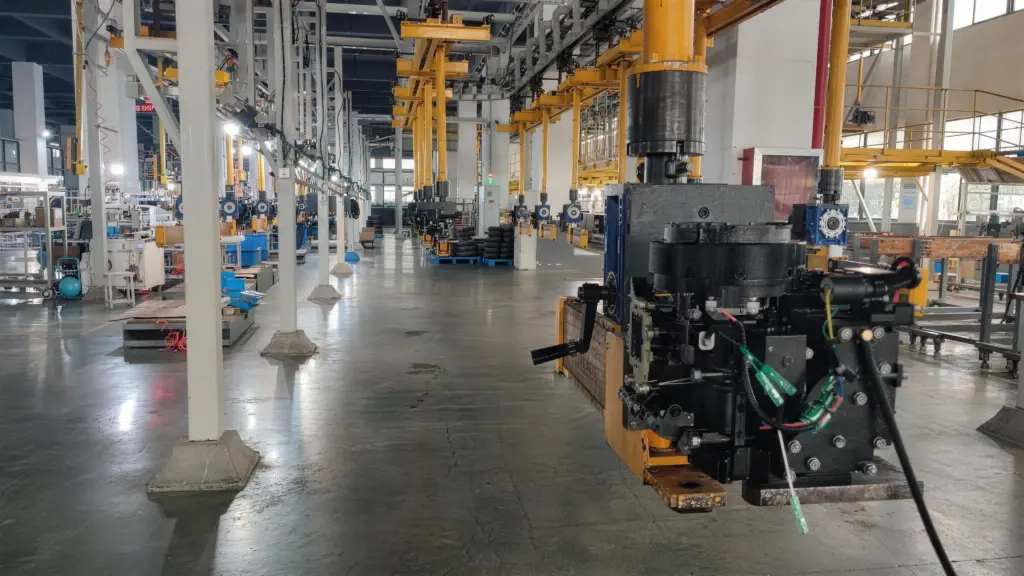
In the NEWTOP 선외기 모터 factory, production is handled through clearly separated manufacturing stages rather than one broad assembly process. That matters because the factory keeps surface treatment, core engine building, transmission-related work, and final validation under more structured control.
| 생산단계 | Focus of the Stage |
|---|---|
| Coating Line | Surface protection for better resistance to corrosion, humidity, and long-term marine exposure. |
| 연마 & Finishing | Part refinement, surface consistency, and a more controlled finished appearance. |
| Engine Assembly Line | Building the core power unit and integrating key engine components. |
| Gearbox Assembly | Independent assembly of the transmission-related section for better control. |
| 최종 조립 | Bringing the major systems together into a complete outboard motor. |
| Outboard Motor Testing | Checking whether the completed motor is ready for real operating conditions before shipment. |
For buyers comparing outboard motor manufacturers, a process like this offers a clearer view of how the product is handled before it reaches the market.
Where Buyers Usually Feel the Difference
Most customers will never see a coating line or an assembly area. Even so, they often notice the result later.
A more stable production process tends to show up in quieter ways. The motor feels more consistent from unit to unit. Dealers feel more comfortable recommending it. Service teams spend less time dealing with avoidable issues. End users notice fewer unpleasant surprises once regular use begins.
Manufacturing discipline does not stay inside the factory. It follows the product into the market.
This is one reason experienced buyers do not stop at product appearance when comparing outboard motor manufacturers. What looks similar in a photo can turn out to be very different once engines are unpacked, installed, serviced and used over time.
What to Pay Attention to During a Factory Visit
A factory visit becomes far more useful once the focus moves beyond finished engines on display.
A few things usually reveal the most:
✅ A clear production sequence
The process should feel organized from preparation to assembly to testing, not scattered or improvised.
✅ Separate attention to critical systems
Core areas such as engine assembly and gearbox assembly should look controlled and deliberate rather than casually merged together.
✅ Consistent finishing quality
Surface refinement and overall presentation should feel stable across units, not only on display samples.
✅ A real testing area
Testing should appear as an active part of normal production, not something prepared only for visitors.
✅ Practical post-sale awareness
The team should be able to explain not only how the motor is built, but also how the product will be supported after shipment.
These details usually reveal more than showroom presentation ever can. They help buyers judge whether the factory is building for long-term market use or simply preparing products to look complete.
Testing Carries More Weight Than People Expect
Among all factory stages, testing often matters the most commercially.
A motor may already look finished at that point, but appearance alone does not prove readiness. Testing is the stage where the engine stops being judged as a completed assembly and starts being judged as a working marine product. That shift matters because many weaknesses only show up once the motor is treated as something that must actually perform.
For dealers, stronger testing means more confidence after the order is delivered. For service teams, it can mean fewer avoidable problems entering the market. For end users, even if they never think about factory work directly, it still shapes the product they eventually trust on the water.
That is why testing deserves more attention than it usually gets in sourcing discussions. It is often the stage that turns a complete-looking engine into one that feels commercially reliable.
More Than a Factory Story
At first glance, manufacturing can sound like a topic meant only for engineers. 실제로는, it tells a broader business story.
A stable process usually leads to a more dependable product. A more dependable product reduces service pressure. Lower service pressure makes it easier for dealers to build confidence and easier for the market to accept repeat orders. 시간이 지남에 따라, that affects product reputation far more than a glossy first impression.
So while buyers may begin by looking at horsepower or styling, long-term trust often comes from something much less visible. It comes from how carefully the factory builds, checks, and prepares the motor before it ever leaves the line.
For anyone comparing outboard motor manufacturers, that is one of the most useful places to look. A good outboard motor is not only designed well. It is also produced through a process that makes reliability easier to deliver, easier to support, and easier to believe in once the engine reaches the market.
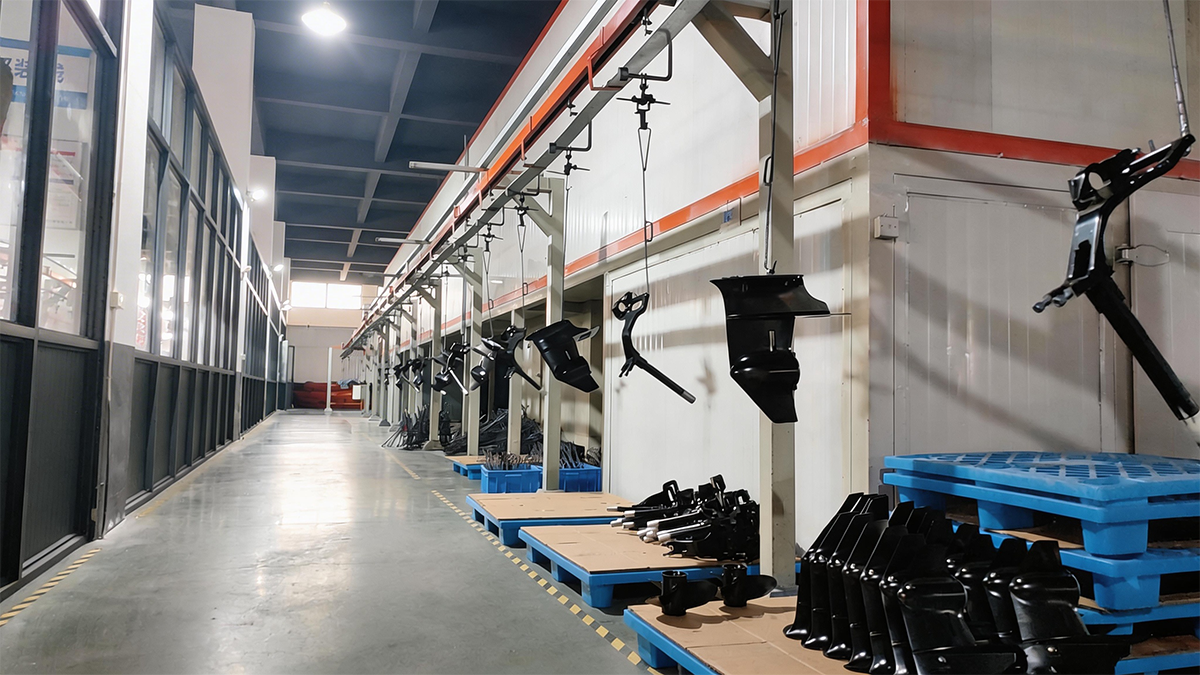
많은 수입업자들에게, 중국 선외 모터 소싱은 처음에는 간단해 보입니다.. 몇 가지 공급업체 카탈로그, 여러 인용문, 약간의 마력 비교, 프로세스가 빠르게 진행되는 것 같습니다.. 그러나 공급업체 간의 실제 차이점은 대부분 첫 번째 이메일 교환에서는 나타나지 않습니다.. 나중에 모터가 도착하면 나타납니다., 고객이 사용하기 시작하면, 딜러가 부품 거래를 시작하면, 지원하다, 그리고 반복 주문.
이는 소싱 결정이 처음 나타난 것보다 더 심각해지는 경우가 종종 있는 곳입니다.. 브로셔에서는 두 제품이 유사해 보일 수 있습니다., 하지만 일단 현지 시장에 진출하면 매우 다른 결과를 만들어낼 수 있습니다.. One may sell easily at the beginning but become difficult to support. Another may move more steadily and build better long-term trust. In other words, buying outboard motors from China is rarely just a price decision. It is also a product-fit decision, a service decision, 그리고, in many cases, a long-term business decision.
뉴탑에서, we have seen that buyers usually begin with technical comparisons, but they make their final decision for broader reasons. Product familiarity, local service habits, parts continuity, and communication after the order often matter just as much as the engine itself.
A Quotation Is Useful, but It Should Not Be the Starting Point
One of the most common sourcing mistakes is asking for pricing too early. Buyers often request quotations before they are fully clear on what kind of outboard motor business they want to build.
A small horsepower engine for light fishing boats serves a completely different market from a larger model used for transport or commercial work. Even if both products fall under the same category, their role in the market can be very different. One may attract price-sensitive buyers quickly, while another may be slower to move but create better dealer confidence over time.
Because of that, it helps to answer a more practical question before comparing suppliers: what exactly will these motors be used for, and who will be buying them? Once that is clear, quotations become much easier to read in context. Without that step, low prices can look more attractive than they really are.
Product Fit Tells You More Than Product Range
A wide catalog can look impressive, but catalog size does not necessarily mean better sourcing.
What matters more is whether the supplier can narrow the range down to products that fit the local market. Buyers usually get more value from a smaller, better-matched selection than from a long list of engines that do not align with real customer needs.
A useful sourcing discussion often centers on practical questions:
- What boat sizes are most common in the market?
- Which horsepower ranges move most consistently?
- Do end users care more about easy maintenance or stronger output?
- Which engine type already feels familiar to local technicians?
- Which products are easiest to support after the first shipment?
Once those questions come into focus, sourcing china outboard motors becomes much less about browsing options and much more about building a workable product line.
A Sample Will Tell You What a Catalog Cannot
Catalogs are helpful, but they can only go so far. A sample engine often reveals more in a few days than a specification sheet does in several pages.
At sample stage, buyers are not just checking appearance. They are looking at starting behavior, build consistency, operating feel, and overall commercial suitability. Does the motor feel like something local buyers will trust? Does it match the boats commonly used in the market? Does it raise confidence for follow-up orders, or does it introduce questions that may become bigger later?
This is where experienced suppliers usually stand out. They understand that a sample is not a small side order. It is the first serious test of market compatibility.
The Supplier Often Matters More After the Order
Before the order, the engine tends to sit at the center of the conversation. After the order, the supplier often becomes just as important.
A factory may offer attractive pricing and still become difficult to work with later. Delayed responses, uneven batch quality, weak parts logic, or unclear technical information can turn a promising product into a frustrating one. In marine markets, those problems hurt quickly because many users depend on their engines for daily work, 수송, or income.
For that reason, buyers should judge a china outboard motor supplier by more than manufacturing capability. Communication style matters. So does order follow-up. A good supplier does not disappear once the proforma invoice is confirmed. They stay involved in timing, parts preparation, shipment coordination, and technical clarification.
In real business, the easiest supplier to buy from is not always the easiest supplier to grow with.
Spare Parts Usually Reveal the Real Strength of the Supply Chain
If a buyer wants to know whether a sourcing relationship can last, the spare parts system often gives the clearest answer.
Outboard motors stay competitive in the market only when users can keep them running. If common wear parts are difficult to source, or if the same model becomes difficult to support after several months, the distributor starts losing confidence. The engine may still sell once, but repeat sales become harder.
This is why outboard motor spare parts from China should never be treated as a secondary topic. A reliable supplier should be able to explain which parts move fastest, what should be stocked together with the first shipment, and how stable the same parts structure will remain over time.
실제로, this is where long-term trust is built. The first sale may come from pricing or product appearance. The second and third usually depend on whether the dealer can keep the engine supported in the field.
Compatibility Deserves Early Attention
Another point that buyers increasingly care about is compatibility. In many markets, customers already know certain mainstream engine platforms and feel more comfortable buying products that fit familiar usage patterns.
This changes the sourcing conversation. It is no longer just about which models the supplier produces. It also becomes a question of how well those products connect with what the market already understands.
뉴탑에서, this often comes up alongside standard outboard supply. Some distributors need not only complete engines, but also compatible machines or replacement parts for widely used market platforms. When that support is available, the dealer gains more flexibility in both sales and service.
From a commercial standpoint, this makes a real difference. It helps the distributor build around demand that already exists instead of trying to create new demand from scratch.
OEM Usually Becomes Important Later
Many buyers do not begin with private-label plans, and that is normal. Most start with standard products, then think about branding later.
Even so, it helps to understand a supplier’s OEM capability early in the conversation. A factory that can support custom branding, packaging adjustments, and localized product presentation is usually easier to grow with over time. That does not mean every first order needs customization. It simply means the sourcing choice should leave room for future development.
A supplier relationship often begins with product fit. 시간이 지남에 따라, it may expand into broader cooperation. If that future flexibility is not there, the buyer may eventually have to restart the sourcing process with someone else.
The More Useful Question Comes at the End
By the time buyers reach the final stage of sourcing, they often realize the decision is larger than it first looked. The core question is not whether a factory can produce outboard motors. Many can.
The better question is whether the supplier can support the exact kind of business the buyer wants to build. Can they help narrow the right models for the market? Can they support spare parts and technical follow-up? Can they keep quality stable across future orders? Can they grow with the distributor rather than simply complete a shipment?
That is where sourcing china outboard motors becomes a real commercial opportunity. Buyers who approach the process as a long-term business decision usually make stronger choices than those who treat it as a race for the lowest quotation.
In the end, the strongest supplier is rarely the one with the longest catalog or the cheapest price list. It is the one whose products, 지원하다, 의사소통, and flexibility still make sense after the motors arrive and the actual market work begins.
