Outboard motors are one of the most important power systems for small and medium-sized boats. They are widely used in fishing, leisure boating, rescue work, aquaculture, 운송, and commercial marine operations. Choosing the right outboard motor directly affects fuel efficiency, 속도, 신뢰할 수 있음, maintenance cost, and overall boating experience.
Today’s market offers many types of outboard motors, including gasoline, 전기 같은, diesel, two-stroke, and four-stroke models. Each option is designed for different boat sizes, operating environments, and usage needs.
This guide explains the major types of outboard motors and helps buyers understand which solution works best for different boating applications.
선외기 모터의 다양한 유형 설명
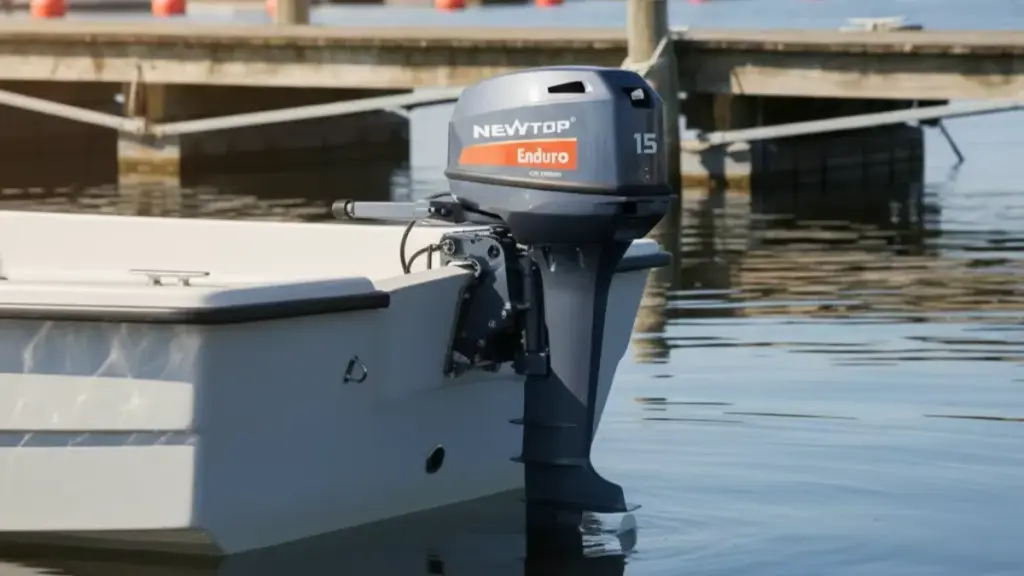
선외 모터 can be classified in several ways, including fuel type, engine design, horsepower range, and intended application.
The most common categories include:
| 모터 유형 | Core Technology | 주요 사용 사례 |
|---|---|---|
| Four-Stroke Gas | 가솔린 / Separate Oil | Family cruisers, offshore fishing, heavy pontoons |
| Two-Stroke Gas | 가솔린 / Oil Mix (or DFI) | Lightweight performance boats, shallow-water skiffs |
| 전기 같은 | Lithium/AGM Battery | Eco-sensitive waters, 작은 배, restricted lakes |
| Hybrid Gas-Electric | Combustion + Electric Drive | Mixed-use vessels, 생태 관광, 수상택시 |
| Trolling / Kicker | Electric or Small Gas | Precise angling control, auxiliary offshore backup |
| Jet Outboard | Water Pump Thrust | Shallow rivers, rocky rapids, rescue operations |
Four-Stroke Gasoline Outboards
Four-stroke outboards dominate the modern recreational boating market. They operate with a separate oil system, completely eliminating the need for manual fuel-oil premixing. This design mirrors automotive engines, using valves and camshafts to manage intake and exhaust phases.
- Efficiency and Emissions: Deliver high fuel efficiency, 배출량 감소, and quieter operation compared to legacy engine designs.
- Applications: Perform well on family cruisers, offshore fishing boats, and heavy-load pontoons.
- Trade-offs: Carry a heavier weight and higher upfront cost but offer strong long-term reliability and resale value.
Two-Stroke Gasoline Outboards
Two-stroke outboards prioritize raw power and quick throttle response. They fire on every crankshaft revolution, giving them a distinct performance advantage off the starting line. While older carbureted models consume more fuel and produce more exhaust smoke, modern engineering has refined the technology.
- 성능: Provide a high power-to-weight ratio, resulting in rapid acceleration and a strong hole shot.
- Mechanics: Feature a simpler core mechanism with fewer moving parts, often lowering initial purchase and maintenance costs.
- Modern Upgrades: Modern direct-injection versions meter oil and fuel precisely to improve efficiency for lightweight performance boats.
전기 선외 모터
Electric outboards replace the internal combustion engine entirely, drawing power from rechargeable lithium or AGM battery packs. They provide a silent, emission-free alternative tailored for specific boating environments where noise and pollution control are top priorities.
- Environmental Impact: Produce zero local emissions and minimal noise, making them ideal for eco-sensitive waters and wildlife areas.
- 유지: Require almost no routine mechanical maintenance like oil changes or spark plug replacements.
- 제한 사항: Face range limitations based on battery capacity, requiring reliable charging infrastructure at the dock or trailer.
Hybrid Gas-Electric Outboards
Hybrid systems combine an internal combustion engine with an electric drive to maximize operational flexibility. Operators can seamlessly switch between propulsion methods based on their immediate environment and range requirements.
- Versatility: Allow operators to use silent electric power in restricted zones and gas power for open-water transit.
- 신뢰할 수 있음: Provide dual-power redundancy, offering backup propulsion if one system fails.
- Considerations: Involve higher system complexity, increased weight, and higher acquisition costs than single-mode alternatives.
Trolling and Kicker Motors
Not all outboards serve as the primary source of high-speed propulsion. Trolling and kicker motors act in highly specialized roles to complement the main engine, focusing on precise maneuvering and safety.
- Trolling Motors: Use electric power to offer precise, silent, low-speed control for anglers navigating structure.
- Kicker Motors: Function as small auxiliary gasoline outboards mounted alongside the main engine on the transom.
- Benefits: Provide backup propulsion for offshore safety and save fuel during extended low-speed transit.
Propeller vs. Jet Outboard Variants
The method an outboard uses to translate engine power into thrust dictates where you can safely navigate. While conventional propeller outboards efficiently translate power to thrust across a wide range of speeds and depths, jet variants offer a specialized solution for hazardous waters.
- Jet Mechanics: Jet outboards replace the lower unit propeller with a water pump, drawing water beneath the hull and expelling it as thrust.
- Safety Advantages: Jet drives significantly reduce draft and eliminate exposed blade risks, creating a safer option for shallow rivers and rocky areas.
- Performance Trade-offs: Jet units require more engine power to match propeller speeds and face risks of intake clogging from floating debris.
Two-Stroke vs Four-Stroke Outboard Motors
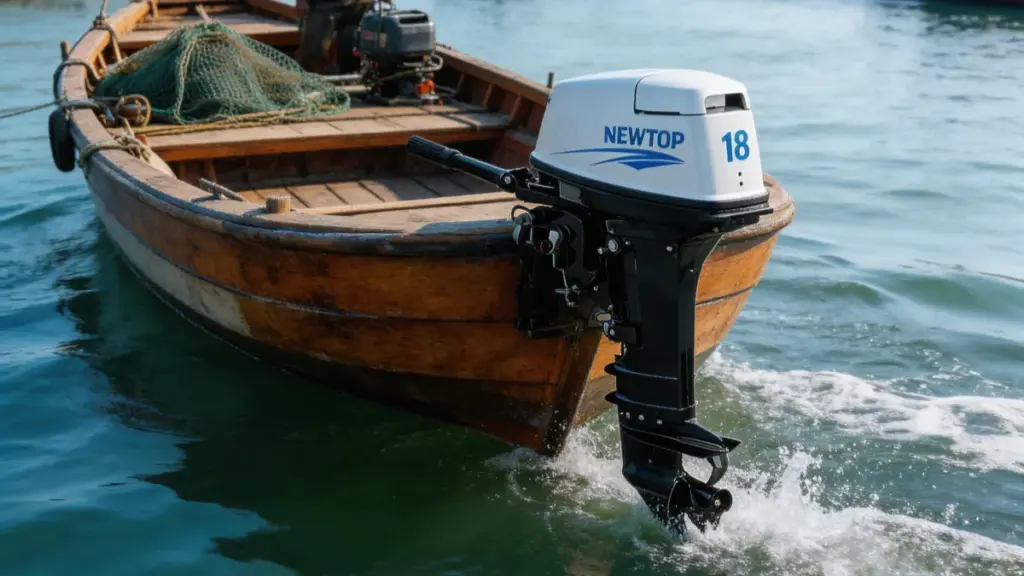
Choosing between two-stroke and four-stroke outboards depends entirely on your boat’s transom weight limits, fuel range targets, and acceleration needs.
| 특징 | 2행정 | 4행정 |
|---|---|---|
| 무게 | 거룻배 | 무거움 |
| 연료 효율 | 낮추다 | 더 높은 |
| 소음 수준 | Louder | Quieter |
| 유지 | Simpler | 더 복잡함 |
| 배출량 | 더 높은 | 낮추다 |
| Best Use | Portable boats | Recreational and commercial use |
Mechanical Design and Weight Differences
Engine cycle mechanics dictate the core differences between these two platforms. Two-stroke outboards complete a power cycle in just two piston strokes. This results in a simpler internal layout with fewer moving parts.
These design variances directly impact how the engine sits on the transom and performs in the water. We track specific performance differences for both configurations:
- Weight penalty: Four-stroke outboards weigh 30 에게 40 percent more, increasing the overall transom load and altering shallow-water handling.
- Hole-shot capability: Two-strokes deliver quicker acceleration and a higher power-to-weight ratio, ensuring an immediate hole-shot.
연비, 배출량, and Ride Quality
Operators focused on operating costs and passenger comfort usually lean toward four-stroke models. Four-strokes provide 20 에게 30 percent better fuel economy because they burn fuel more completely during the combustion cycle.
Engineers have closed the technology gap in recent years. Modern direct-injection two-strokes significantly reduce historical emission levels while still pushing strong acceleration. When evaluating the daily experience on the water, buyers must consider the physical ride quality:
- Acoustics and vibration: Four-strokes operate with minimal vibration and run quietly at cruising speeds.
- Acoustic presence: Two-strokes produce a sharper, more noticeable sound under heavy load.
Maintenance Requirements and Longevity
Service schedules differ heavily based on the internal oiling systems. Two-strokes require the operator to mix oil directly with the fuel or rely on an integrated oil-injection system. You avoid traditional oil changes, but you must constantly monitor oil reservoir levels.
Four-strokes operate much like automotive engines. They use a separate crankcase oil reservoir that requires standard engine oil and filter changes. This adds some mechanical complexity to your annual service checklist. Both engine types deliver reliable long-term service life when owners stick to proper marine maintenance schedules.
Best Use Cases for Each Engine Type
Selecting the right motor requires matching the technology to the specific boat and mission.
- Two-stroke outboard motors applications: These fit best on lightweight boats used for shallow-water fishing, water sports, and frequent trailering where saving transom weight is critical.
- Four-stroke 선외기 모터 applications: These match perfectly with heavier boats taking longer offshore or lake trips where fuel efficiency and quiet operation matter most.
Boat size, average trip length, and transom weight limits drive the final selection rather than engine technology alone.
Outboard Motors for Small Fishing Boats

The right outboard motor for a small fishing boat balances hull size, weight capacity, and local water conditions to maximize range, 속도, and stealth.
Primary Motor Types and Capabilities
Selecting the propulsion system dictates how you interact with the water. You have three main options for small fishing boats.
- Small gasoline outboards (2–10 hp): These deliver higher top speeds—up to 18 mph—and extended range. Refueling on the water is simple, though you must manage engine noise and exhaust emissions.
- 전기 아웃보드 (3–10 hp equivalent): These units provide high torque with quiet, emission-free operation. Top speeds usually max out between 6 그리고 12 시속, making them better suited for steady cruising rather than fast transit.
- Electric trolling motors: Instead of primary propulsion, these act as secondary positioning tools. They use thrust ratings rather than horsepower and give you fine control for stealthy maneuvering along structures.
Matching Motor Sizes to Boat Designs
A motor only performs as well as the hull it pushes. Match the power output directly to the boat design to ensure safe and efficient handling.
- 존 보트 (10-16피트): These flat-bottom hulls perform well with 3–6 hp gas or electric motors. Depending on your load, expect speeds between 4 그리고 10 시속.
- Small aluminum V-hulls (12-16피트): The deeper hull design handles heavier loads and requires 4–9.9 hp gas outboards to reliably reach planing speeds.
- Inflatables and fishing tenders: Portability is the priority here. Pair these with lightweight 2.5–6 hp gas outboards or 3–6 hp electric equivalents to keep the entire setup easy to transport.
Key Selection Criteria
Beyond raw horsepower, specific operational factors dictate the exact motor you need. Consider your operating environment and physical boat dimensions before making a purchase.
- Shaft length: You must match the motor shaft to your transom height. A 15-inch short shaft or 20-inch long shaft prevents propeller ventilation and eliminates unnecessary drag.
- Total load capacity: Heavier setups—combining hull weight, 기어, and passengers—demand higher torque. High loads severely reduce top-end speed, a factor that becomes especially obvious with electric motors.
- Water environment: Shallow, rocky rivers demand jet outboards to protect the lower unit. 거꾸로, if you fish on emission-restricted reservoirs, an electric outboard setup is mandatory.
Cooling, 유지, and Durability
Gas outboards pull cooling water through the lower unit. This design makes them highly vulnerable to internal damage if you drag them through sand or ingest mud in shallow water. You have to monitor the cooling stream constantly to avoid overheating.
Electric outboards eliminate traditional water pumps. They still require the lower unit to remain submerged, relying on the surrounding water for passive cooling. Running an electric motor dry at high power will quickly destroy internal components.
Routine upkeep differs drastically between the two. Gas motors demand regular oil changes, spark plug replacements, and strict fuel system care to prevent ethanol damage. Electric motors skip the fluid changes and focus heavily on battery management, wire corrosion checks, and routine lower unit seal inspections.
Source Durable Power Equipment for Maximum ROI
Outboard Motors for Recreational and Family Boats
Outboards give family boats reliable, space-saving propulsion. Matching the right motor type, engine cycle, and horsepower to your hull ensures safe handling and long-term passenger comfort.
Role and Advantages in Family Boating
These self-contained propulsion systems mount directly on the boat transom. This setup frees up valuable interior deck space compared with traditional inboard engines. The external design simplifies routine maintenance and makes eventual engine replacement much easier. Builders use outboards as the standard power source for bowriders, 폰툰, 풍선, and deck boats.
Gasoline vs. Electric Outboard Options
Internal combustion models act as the standard choice for general-purpose cruising and watersports. Gasoline outboards provide a massive power range from under 2 hp to over 600 hp to fit almost any recreational transom.
Electric outboards rely on battery systems to deliver zero local emissions and quiet operation. These electric variants excel in noise-restricted lakes, small inflatables, and short-distance trips where silence takes priority over extended range.
Four-Stroke and Direct-Injected Two-Stroke Engines
Modern four-strokes dominate the recreational market. They deliver quiet operation, 낮은 배출, and strong fuel efficiency. Four-strokes utilize a separate oil lubrication system, eliminating the need to mix oil and fuel at the dock.
Direct Fuel Injection (DFI) two-strokes provide a different performance profile. They offer rapid acceleration and a lighter power-to-weight ratio. Performance-oriented boaters favor DFI engines for towing skiers or wakeboarders because of that immediate throttle response.
Sizing Guidelines for Recreational Hulls
Selecting the right horsepower requires matching the motor to the loaded weight of your boat. A standard industry benchmark recommends 25 에게 40 pounds of loaded boat weight per horsepower.
- Small inflatables: Usually require 10 에게 25 hp for safe handling and portability.
- Compact pontoons and small deck boats: Generally operate well with 60 에게 90 HP.
- General-purpose 18 to 22-foot runabouts: Typically utilize 115 에게 200 hp for mixed-use activities.
Essential Features for Family Comfort and Safety
A great day on the water depends on reliable equipment. Electric start and power tilt/trim simplify operation for boaters of all skill levels. Electronic Fuel Injection (EFI) ensures reliable cold starts and smoother idling characteristics.
Passenger comfort relies heavily on low noise and minimal vibration levels during long weekend cruises. You must also match the correct shaft length to the transom height. This maintains proper handling and keeps the boat operating safely within its design limits.
Outboard Motors for Workboats and Commercial Use
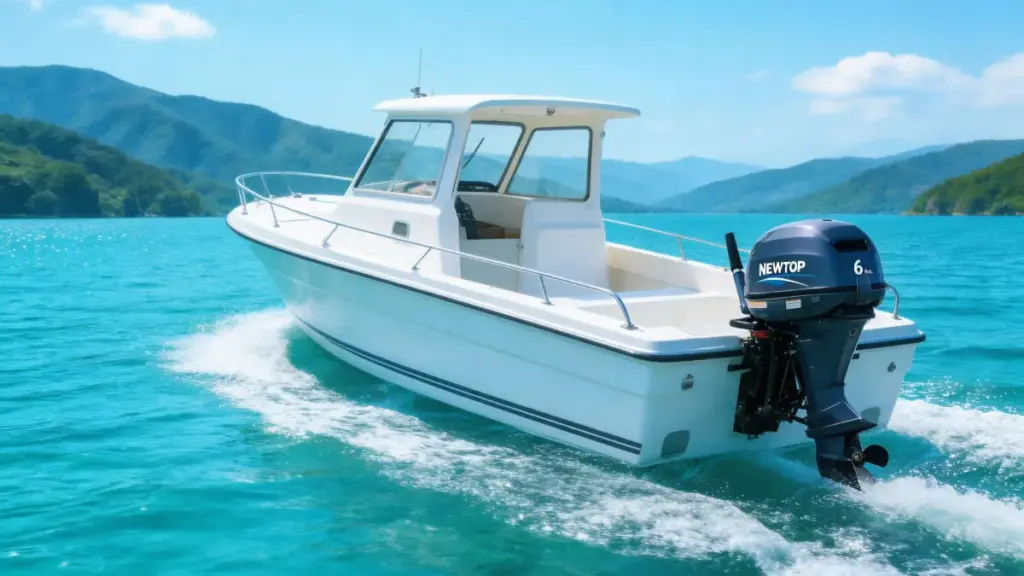
Commercial outboards prioritize heavy-duty durability, high torque, and long-term fuel efficiency to survive the brutal 2,000-hour annual duty cycles that standard recreational engines simply cannot handle.
Commercial Duty Cycles and Operational Demands
Workboats operate under relentless conditions that break standard engines. While recreational boaters might log 50 에게 200 hours a season, commercial vessels regularly push their outboards from 500 to well over 2,000 hours annually.
- High-load operation: Engines run for extended periods at wide-open throttle or under maximum tow loads.
- Harsh environments: Operators expose these motors to extreme temperatures, debris-filled shallows, and highly corrosive saltwater daily.
- Performance priorities: Commercial crews ignore peak top speed, favoring absolute reliability and low-end torque to get the job done.
Structural Upgrades in Commercial Outboards
Manufacturers build commercial outboards to absorb constant abuse. They upgrade the internal architecture significantly compared to recreational models.
- Reinforced drivetrains: Heavy-duty bearings and strengthened gearcases handle continuous high-thrust operations without failing.
- Upgraded hardware: Builders use higher-grade stainless steel for fasteners, linkages, and heavy-duty transom brackets to combat structural fatigue.
- Corrosion resistance: Advanced coatings and upgraded sacrificial anode systems protect critical metal parts from aggressive saltwater degradation.
- Robust cooling: High-capacity water pumps process dirty, shallow water efficiently to prevent overheating under heavy load.
Gasoline vs. Diesel Engine Choices
The choice of fuel dictates operating costs and maintenance logistics. Commercial fleets typically choose between three main engine technologies.
- Four-stroke gasoline: These engines dominate the market due to wide availability, extensive dealer support networks, and lower initial purchase costs.
- 디젤 선외기: Operations running large ships often prefer diesel to match existing onboard systems. They deliver superior fuel safety and drastically lower fuel consumption.
- Direct-injection two-strokes: These engines fill a niche role for vessels requiring rapid acceleration and high power-to-weight ratios.
Propulsion and Configuration Strategies
Rigging a workboat requires matching the engine power to hull displacement, expected loads, and local environmental conditions.
- Single engine setups: Using one robust outboard reduces drag, improves fuel efficiency per mile, and minimizes maintenance points.
- Multi-engine redundancy: Offshore and emergency rescue vessels rely on twin or multiple engines to provide crucial mechanical backup at sea.
- High-thrust configurations: Operators pair high-thrust gearcases with low-pitch propellers to maximize bollard pull and low-speed maneuvering control.
Total Cost of Ownership and Maintenance
The initial purchase price of a commercial outboard represents just a fraction of the actual expense. Long-term fuel usage, routine maintenance, and vessel downtime heavily outweigh the upfront cost.
- Fuel economy: Optimizing fuel consumption at cruise RPM drives the largest operational savings for high-hour fleets.
- Service accessibility: Visible anodes, modular fuel filters, and accessible diagnostic ports speed up routine maintenance tasks.
- Extended lifecycles: Commercial-grade internal components delay major rebuilds, keeping the vessel earning money on the water rather than sitting in the shop.
Electric Outboard Motors for Quiet and Clean Operation
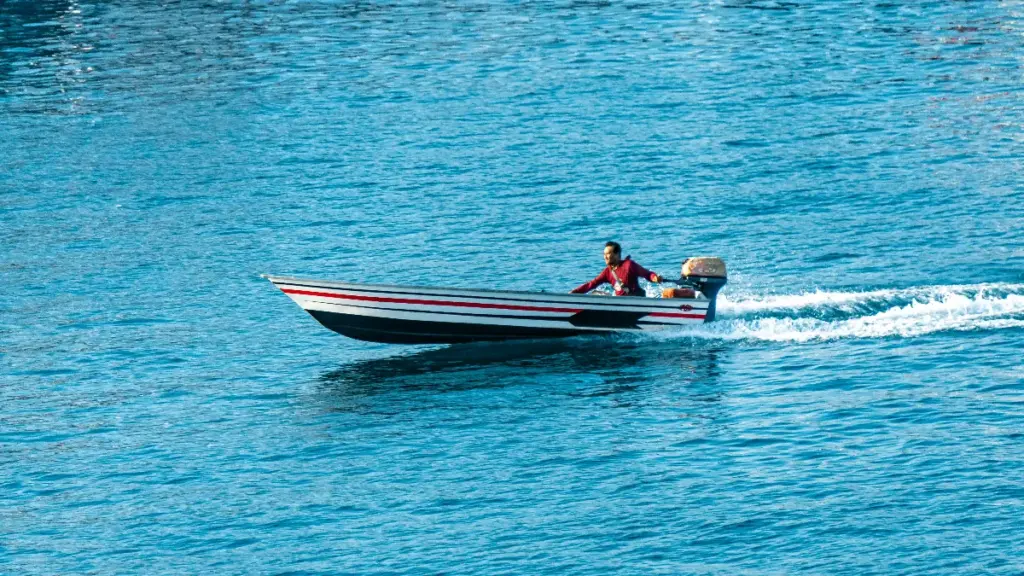
Electric outboard motors eliminate noise and exhaust, providing a clean propulsion solution that complies with strict waterway regulations while improving passenger comfort and wildlife interaction.
Noise Reduction and Vibration Control
Electric motors run near-silent at low speeds and generate significantly less noise than gas equivalents at cruising speed. The absence of combustion cycles and exhaust systems removes harsh mechanical sounds. Direct-drive designs minimize vibration, reducing operator fatigue and ensuring a smooth ride.
Zero Direct Emissions and Water Protection
Electric systems produce zero tailpipe emissions, eliminating local carbon monoxide and hydrocarbon pollution. Removing onboard gasoline tanks and oil sumps eradicates the risk of fuel leaks and oil slicks. Replacing fossil-fuel combustion on the water directly lowers the carbon footprint of marine recreation.
Access to Restricted Waterways
Many lakes and protected marine areas now enforce strict bans on combustion engines. Electric outboards easily comply with zero-emission zone requirements. Operators can navigate ecologically sensitive environments without facing regulatory restrictions.
Enhancing the Boating Experience and Wildlife Interaction
Quiet operation improves onboard communication and passenger comfort. Low-noise propulsion prevents spooking fish, giving anglers a strategic advantage. Eco-tourism operators can approach marine life closely without causing stress or disruption.
Diesel and Specialty Outboard Motors for Heavy Duty Tasks
Diesel and specialty outboards deliver the extreme torque, 연료 효율, and structural durability required for commercial workloads, offshore transit, and continuous heavy-duty operation.
Core Advantages of Diesel and Specialty Outboards
Heavy loads and long hours demand specific propulsion traits. Diesel outboards are engineered for these exact conditions, offering distinct operational benefits over standard recreational engines.
- High low-end torque: Delivers the pushing power needed to plane heavy boats, tow loads, and maintain steady thrust against strong currents or rough water.
- Superior fuel efficiency: Extends the range of commercial operations and reduces the frequency and cost of refueling.
- Heavy-duty construction: Withstands continuous loading and high annual operating hours in highly corrosive marine environments.
- Lower flammability: Diesel fuel minimizes fire risks compared to gasoline, creating safer fuel-handling protocols for commercial crews.
Key Categories of Specialty Propulsion
Standard outboards often fall short in specialized scenarios. Manufacturers build distinct categories to handle non-standard commercial, rescue, and expedition requirements.
- High-horsepower offshore outboards: Propel large vessels across open water, integrating digital controls to manage high payloads safely.
- Commercial-duty outboards: Prioritize raw reliability and standard parts to ensure maximum run times for utility and patrol boats.
- Jet-drive systems: Swap traditional propellers for internal impellers to navigate shallow, rocky waters without prop strike damage.
- Electric and auxiliary outboards: Provide precise maneuvering, emergency backup propulsion, and zero-emission operation for sensitive work environments.
Crucial Performance Specifications
Evaluating a heavy-duty outboard requires looking past peak horsepower. Commercial operators focus on specifications that dictate sustained pulling power and engine longevity.
- Torque output: Directly dictates a motor’s ability to lift heavy hulls onto plane and push through strong headwinds.
- Continuous duty ratings: Help commercial buyers accurately forecast maintenance intervals based on predictable, long-hour operating profiles.
- Engine weight: Robust diesel blocks weigh more than gas equivalents, requiring precise adjustments to transom load, boat trim, and slow-speed handling.
- Propeller matching: Getting the pitch and diameter right ensures you optimize thrust, 가속, and fuel economy under heavy cargo.
Selection Criteria for Heavy-Duty Applications
Buying the wrong motor for a commercial hull destroys ROI. A systematic selection process prevents expensive repowering mistakes and operational downtime.
- Hull compatibility: Engine specifications must align perfectly with the boat’s bare weight, deadrise, and maximum intended cargo or tow load.
- Operating environment variables: Specific conditions dictate requirements like shallow-water drives, extreme cold-weather starting, or offshore-grade corrosion defense.
- Total cost of ownership: The initial price tag matters less than the combined cost of fuel burn rates, maintenance labor, 그리고 교체 부품.
- Local service network: Proximity to trained technicians and OEM diagnostic systems is non-negotiable to keep commercial downtime to an absolute minimum.
Maintenance Priorities for Long-Term Reliability
Heavy-duty motors endure brutal conditions. Ignoring standard maintenance schedules rapidly degrades performance and leads to catastrophic failures under load.
- Fuel system health: Demands clean tanks, strict adherence to specified fuel grades, and routinely draining water separators.
- Corrosion control: Requires aggressive fresh water flushing, regular sacrificial anode inspections, and sealing vulnerable electrical connections.
- Lubrication schedules: Replacing gearcase oil and engine lubricants on exact intervals prevents critical overheating during continuous high-load operation.
- Scheduled visual inspections: Identifies early signs of mounting bracket wear, steering play, fuel leaks, or propeller damage before they escalate.
How Horsepower and Boat Size Affect Motor Selection
Matching horsepower to boat size dictates performance, 안전, 그리고 연료 효율. Use the 25 에게 40 pounds per horsepower rule and never exceed the capacity plate limits.
The Core Relationship Between Boat Weight and Horsepower
A reliable industry baseline dictates 25 에게 40 pounds of fully loaded boat weight per horsepower. You calculate this fully loaded weight by combining the hull, 엔진, fuel, 승객, and gear.
For boats under 20 피트, the U.S. Coast Guard capacity plate acts as the ultimate authority. You must follow this plate to determine the absolute maximum horsepower limit and ensure safe operation.
Typical Horsepower Ranges by Boat Type
Different hull designs require specific power bands to operate efficiently across various conditions.
- Small inflatables and dinghies: Run efficiently on 2 에게 10 hp for short trips in calm water.
- Jon boats and aluminum skiffs: Perform well with 9.9 에게 30 hp for light fishing and lake travel.
- Mid-size center consoles and bay boats: Need 60 에게 200 hp to handle coastal chop and family cruising.
- Large offshore boats: Demand 200 에게 600+ hp to maintain speed and safety in heavy seas.
How Intended Use and Load Affect Performance
Your daily activities dictate where you should fall within your boat’s power range. Watersports demand strong acceleration. To pull skiers or wakeboards, select horsepower near the boat’s maximum rating.
Calm-water cruising changes the math. You can use smaller motors to gain better fuel efficiency, operating comfortably closer to the 40 pounds per horsepower mark.
Keep in mind that every additional passenger changes the power dynamic. Heavily loaded boats require more horsepower to reach and maintain plane effectively.
The Risks of Underpowering vs. Overpowering
Underpowering a hull forces the engine to run constantly at high RPMs. This causes sluggish handling, spikes fuel consumption, and places excess strain on internal components.
Selecting horsepower near the upper limit provides a better hole shot and lets you cruise efficiently at mid-range RPMs.
Overpowering crosses the line into dangerous territory. Exceeding the maximum rating creates handling instability, overloads the transom structurally, and frequently voids insurance policies.
Matching Shaft Length and Engine Technology
Horsepower only works if the propeller sits correctly in the water. Measure the transom height exactly to select the correct short, 긴, or extra-long shaft. This prevents unnecessary drag and propeller ventilation.
Choose four-stroke engines when you want quieter operation and better fuel management compared to traditional carbureted two-strokes. For maximum reliability, opt for Electronic Fuel Injection (EFI) or Direct Fuel Injection (DFI) to secure quick cold starts and lower fuel costs.
Common Buying Mistakes Across Boat Applications
Buyers routinely waste thousands by focusing on brand and price while ignoring structural limits, mechanical health, and total operating costs during outboard motor repowers.
Mismatched Specifications and Application
Buyers often choose an outboard based on a perceived good deal rather than its intended use. Slapping a heavy four-stroke on a light hull meant for a two-stroke drastically alters how the boat sits and handles.
- Engine characteristics: Failing to align the motor with specific uses, such as running heavy 4-strokes on light hulls or standard outboards for precise trolling.
- Capacity limits: Overpowering or underpowering the vessel by ignoring the capacity plate and recommended horsepower limits.
- Shaft length: Selecting the wrong dimension, causing poor handling, cavitation, or excessive drag in the water.
- Transom weight: Ignoring the weight impacts of modern outboards on older transoms, leading to stern squat and serious swamping risks.
Overlooking Mechanical and Structural Health
A clean gelcoat and fresh decals easily mask serious mechanical and structural failures. Smart operators know the real value lies under the cowl and inside the fiberglass core.
- Cosmetic traps: Judging an outboard based on cosmetic appearance rather than conducting systematic compression and fluid checks.
- Missing history: Disregarding age, service records, and diagnostic reports in favor of low purchase prices.
- Structural decay: Planning a repower without physically inspecting the hull and transom for structural rot, flex, or delamination.
Neglecting System Compatibility
Dropping a modern outboard onto a legacy boat requires more than bolting it to the transom. Electrical and fuel systems degrade over time and routinely fail to meet the tight tolerances of modern electronic engines.
- Control limits: Assuming existing wiring, control cables, and steering mechanisms can safely handle a new or more powerful motor.
- Fuel system decay: Overlooking deteriorated fuel lines, incompatible ethanol components, and contaminated tanks that destroy injectors.
- Electrical demands: Failing to verify battery size and condition against the strict manufacturer requirements for modern digital systems.
Skipping Sea Trials and Professional Inspections
Running an engine on a hose in the driveway tells you almost nothing about how it performs under load. Real-world testing reveals the hidden flaws that cost thousands to fix after the sale.
- Professional review: Completing a purchase without a formal inspection by a certified marine technician or marine surveyor.
- Loaded performance: Forgoing a loaded sea trial to test hole shot, wide-open throttle RPM limits, and steering torque.
- System checks: Failing to test essential onboard systems like gauges, alarms, and electronics during active operation.
Underestimating Total Costs and Logistics
The upfront invoice represents only a fraction of outboard ownership. Buyers frequently miscalculate the long-term financial commitment required to keep a vessel running safely and reliably season after season.
- Operational expenses: Focusing solely on the purchase price while ignoring ongoing fuel, 기름, and scheduled maintenance expenses.
- Lifecycle value: Failing to account for future usage needs, regional parts support, and brand resale value.
- Hidden logistics: Overlooking insurance quotes, proper off-season storage, and safety equipment requirements before purchasing.
Why Source Outboard Motor Solutions From an Experienced Supplier?
Selecting an outboard motor is not only about horsepower specifications or purchase cost. Product consistency, 배송 신뢰성, 기술 지원, and long-term parts availability all influence the success of marine equipment distribution and end-user satisfaction.
An experienced manufacturer can help customers reduce procurement risks while maintaining stable product quality across different markets. Key advantages often include:
- OEM and ODM customization capabilities
- Consistent quality control throughout production
- 안정적인 예비 부품 공급
- Technical manuals and product documentation
- Compliance with local regulations and certification requirements
- Flexible solutions for different boat applications and market demands
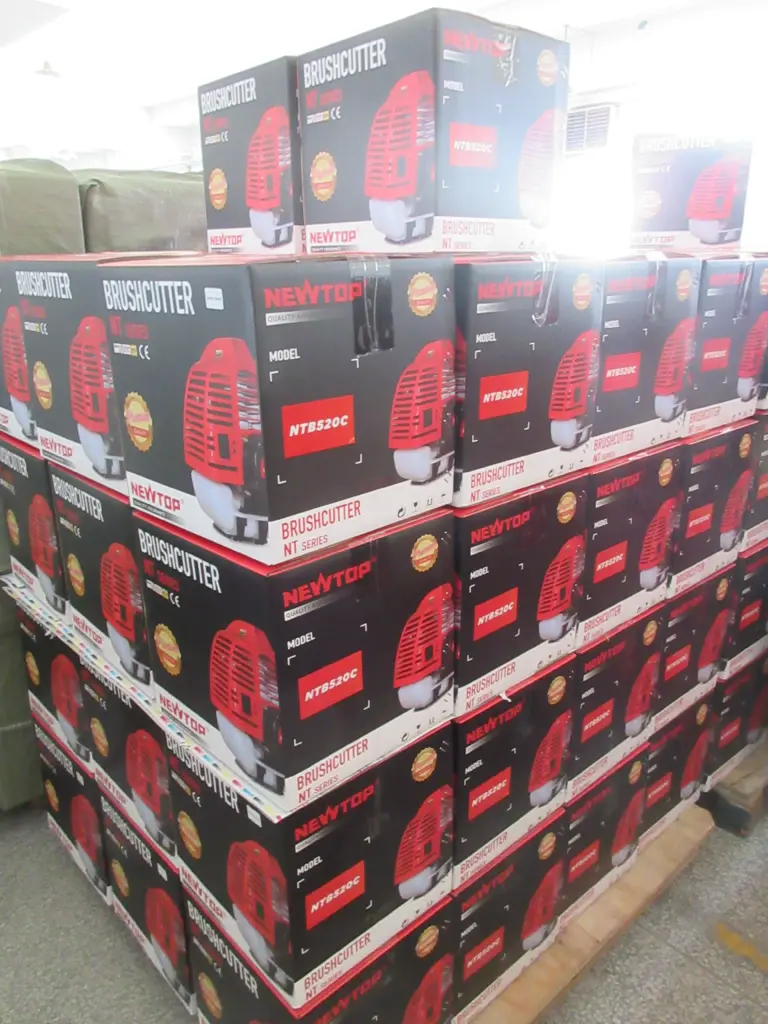
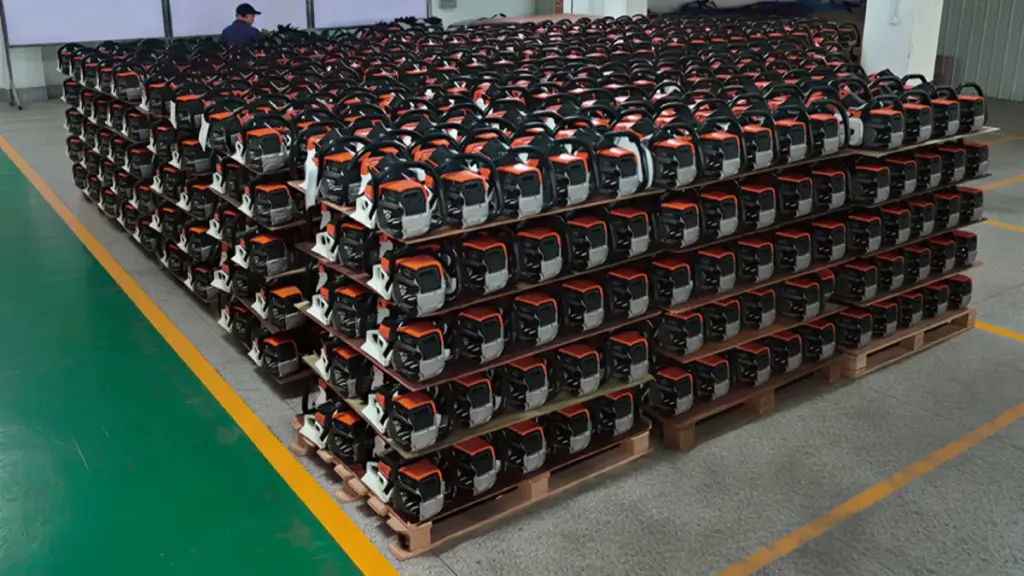
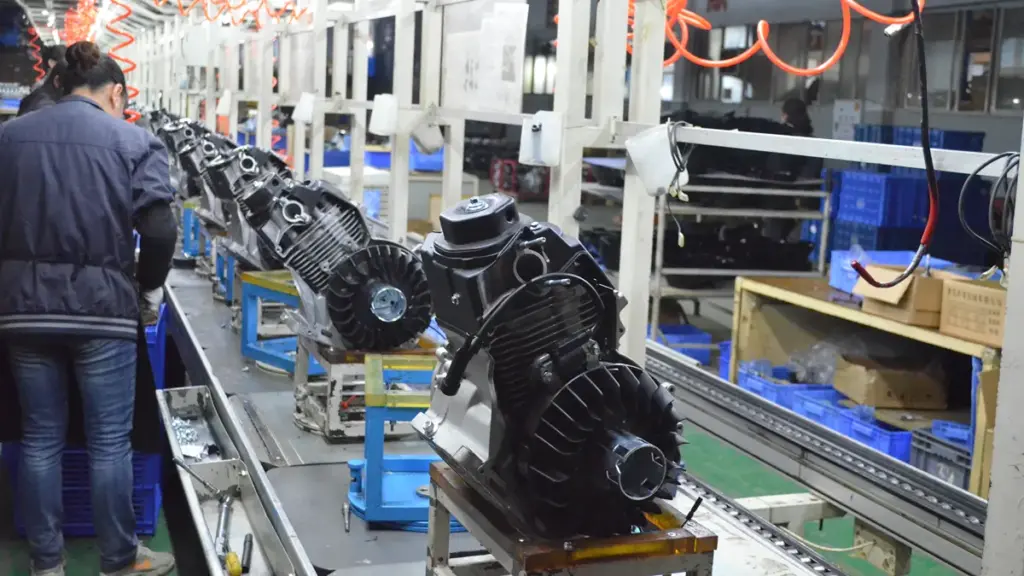
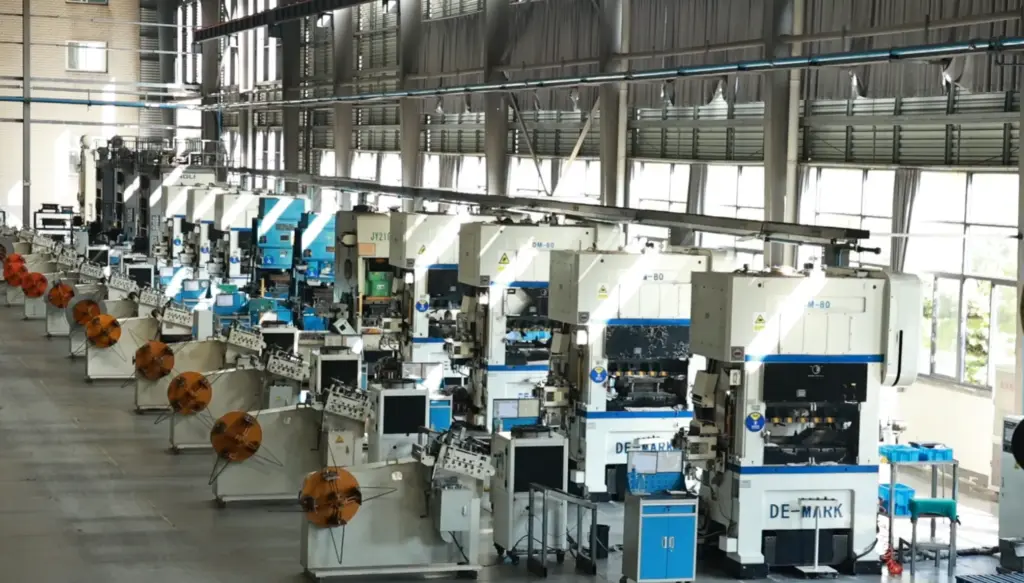
As an established outdoor power equipment manufacturer, NEWTOP has accumulated extensive experience in engine-powered equipment production and international export operations. The company focuses on delivering dependable power solutions backed by strict manufacturing standards, efficient production management, 반응이 빠른 고객 지원.
Looking for a reliable outboard motor manufacturer? Contact NEWTOP to explore customized solutions, request product specifications, or receive a quotation tailored to your business needs.
최종 생각
Understanding the different types of outboard motors is the first step toward making the right investment for your boating application. From lightweight two-stroke models for small fishing boats to fuel-efficient four-stroke engines, electric propulsion systems, and heavy-duty diesel solutions, each option offers distinct advantages depending on operating conditions and performance requirements.
Rather than focusing solely on horsepower or purchase price, buyers should consider factors such as boat size, 용도, 연료 효율, 유지 보수 요구 사항, 장기적인 신뢰성. A properly matched outboard motor can improve safety, reduce operating costs, and deliver better performance on the water.
자주 묻는 질문
선외 모터의 주요 유형은 무엇입니까?
The main types include two-stroke, four-stroke, 전기 같은, diesel, and specialty outboard motors. Each type is designed for different boat sizes, 작동 조건, and performance requirements.
어느 것이 더 낫습니까?: a two-stroke or four-stroke outboard?
Your boating application dictates the right choice. Two-stroke outboards weigh less and deliver rapid acceleration, making them perfect for small boats, shallow-water fishing, and tow sports. Four-stroke outboards run quieter, burn fuel more efficiently, and produce fewer emissions. Boaters typically choose four-strokes for long-range cruising, offshore runs, and pushing heavier vessels.
Are electric outboard motors a good investment?
Electric outboards make sense for short trips, 작은 배, or quiet fishing applications where you have reliable charging access. They eliminate fuel costs, require minimal maintenance, and produce zero emissions. But they demand a higher upfront purchase price and lose range rapidly at high speeds. For offshore runs or fast planing, traditional gas outboards still provide the best performance.
How do I determine the right horsepower for my boat?
Start by reading your boat’s capacity plate to find the absolute maximum legal horsepower rating. A solid performance baseline is 1 horsepower for every 25 에게 40 완전히 적재된 보트 중량(파운드), accounting for passengers, 기어, and fuel. If you regularly carry heavy loads, run in rough chop, or tow skiers, target an engine output closer to your hull’s maximum rating.
Are diesel outboard motors used on everyday recreational boats?
You rarely see diesel outboards on typical recreational boats. Manufacturers engineer them for commercial fleets, military units, and law enforcement. These professional users need massive low-end torque, extreme durability, and the ability to run on standard shipboard diesel fuel. While diesels deliver incredible fuel efficiency, their high weight and premium purchase price make them impractical for weekend boaters.