


- Все
- Истории клиентов NEWTOP
- NEWTOP Explorer Hub
- NEWTOP Обзор отрасли
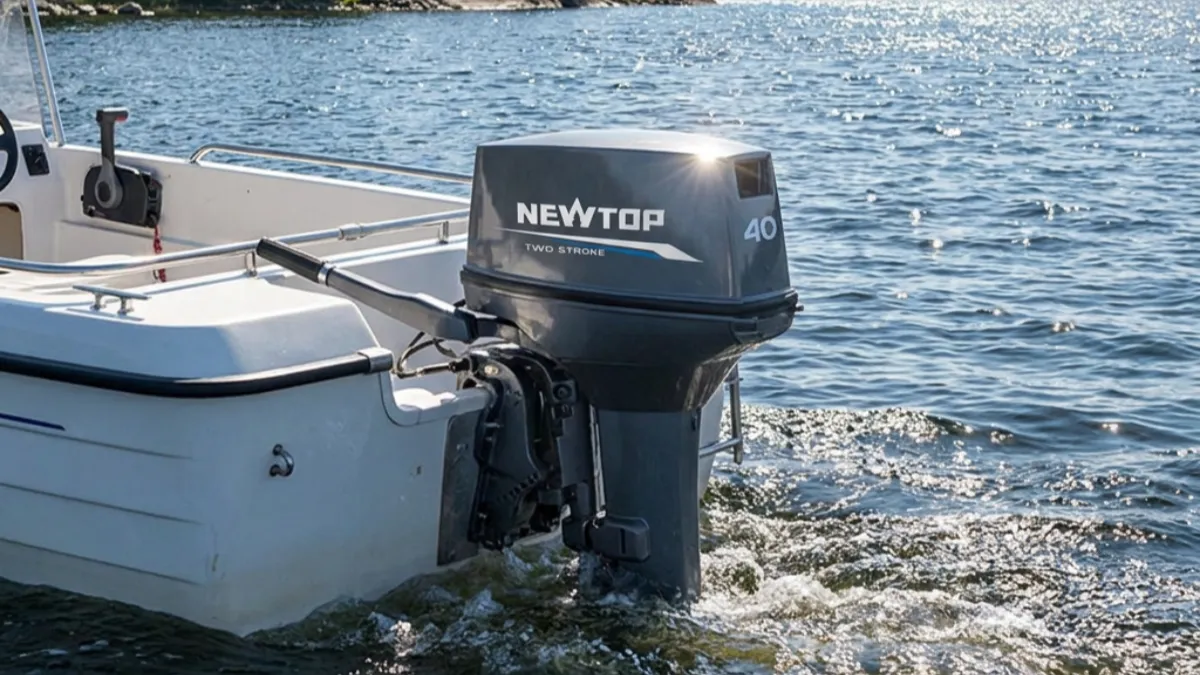
Владельцы лодок могут использовать то же самое подвесной мотор по совсем другим причинам. Одному покупателю нужен надежный двигатель для ежедневных поездок на рыбалку.. Другой фокусируется на пассажирских перевозках., в то время как другие больше всего заботятся о тихом и комфортабельном отдыхе на лодке.
Проблема в том, что двигатель, который хорошо работает в одном приложении, может оказаться не лучшим выбором для другого.. Топливная эффективность, требования к техническому обслуживанию, рабочий диапазон, и долгосрочные затраты могут значительно различаться в зависимости от типа двигателя..
Мировые рынки судоходства продолжают развиваться, понимание сильных и слабых сторон 2-тактного двигателя, 4-гладить, и электрический подвесной мотор становится все более важным для дистрибьюторов., операторы автопарка, и судостроителей.
В следующих разделах, мы сравним основные типы подвесных моторов и выясним, где каждый из них работает лучше всего в рыбалке., транспорт, и рынки прогулочных лодок.
Обзор типов подвесных моторов: 2-Гладить, 4-Гладить, и электрический
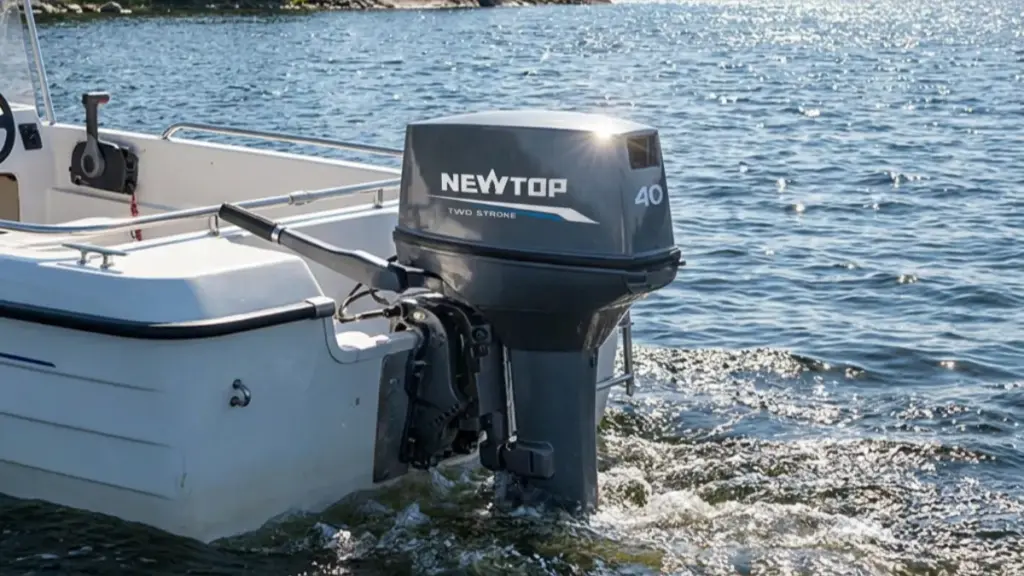
2-удары обеспечивают соотношение мощности к весу, 4-ходы обеспечивают эффективную и бесшумную работу, и электрика обеспечивают скрытность и нулевой уровень выбросов.. У каждого есть четкое место на рынке..
| Критерий | Четырехтактный | Двухтактный | Электрический |
|---|---|---|---|
| Определение | Двигатель внутреннего сгорания, совершающий рабочий цикл за четыре хода поршня.. | Двигатель внутреннего сгорания, совершающий рабочий цикл за два хода поршня.. | Двигатель с батарейным питанием, который использует электричество вместо бензина.. |
| Доставка энергии | Плавная и стабильная выходная мощность. | Сильное ускорение и высокое соотношение мощности к весу.. | Мгновенный крутящий момент и бесшумная работа. |
| Масса | Тяжелее из-за большего количества компонентов двигателя.. | Легче и проще транспортировать. | Мотор легкий, но аккумуляторная система добавляет вес. |
| Топливная эффективность | Отличная экономия топлива. | Повышенный расход топлива. | Не требуется топливо; питание от аккумуляторных батарей. |
| Обслуживание | Требуется регулярная замена масла и плановое обслуживание.. | Простая конструкция и относительно простое обслуживание. | Минимальное текущее обслуживание. |
| Уровень шума | Тихий и плавный. | Громче и больше вибрации. | Почти бесшумно. |
| Выбросы | Снижение выбросов и упрощение соблюдения нормативных требований. | Более высокие выбросы по сравнению с четырехтактными двигателями. | Нулевые прямые выбросы во время эксплуатации. |
| Рабочий диапазон | Большая дальность действия и легкая дозаправка. | Большая дальность действия и легкая дозаправка. | Ограничено емкостью аккумулятора и доступом к зарядке.. |
| Первоначальная стоимость | От умеренного до высокого. | Обычно самый доступный вариант. | Обычно самая высокая первоначальная инвестиция. |
| Лучшие приложения | Катание на лодках для отдыха, туризм, пассажирский транспорт, аренда флота. | Рыбацкие лодки, вспомогательные суда, рабочие лодки, операции в отдаленных районах. | Озера, пристани для яхт, экотуризм, прогулочное катание на коротких дистанциях. |
| Типичный приоритет покупателя | Экономия топлива, комфорт, долгосрочная ценность. | Доступность, простота, легкий ремонт. | Соответствие экологическим требованиям и низкий уровень шума при работе.. |
2-Ход подвесных моторов
Двухтактный подвесной двигатель завершает рабочий цикл всего за два хода поршня., придавая ему высокое соотношение мощности к весу. Они обычно легче и обеспечивают более быстрое ускорение., что делает их идеальным выбором для небольших рыболовных лодок, которым необходимо быстро садиться в самолет.. Для смазки они работают на топливно-масляной смеси., и более старые карбюраторные модели потребляют больше топлива и имеют более высокие выбросы.. Механическая конструкция проще., но он также производит больше шума и вибрации.
4-Ход подвесных моторов
Четырехтактный подвесной двигатель использует цикл мощности, аналогичный автомобильному двигателю, и имеет отдельный двигатель., автономная масляная система. Это делает их значительно тише, более гладкий, и более экономичный, особенно на устойчивых крейсерских скоростях. Они тяжелее, чем сопоставимые двухтактные двигатели, но обеспечивают больший крутящий момент в диапазоне низких и средних частот для стабильной работы.. Именно поэтому они доминируют как на рекреационных, так и на коммерческих рынках: они надежны и соответствуют строгим стандартам выбросов..
Электрические подвесные моторы
Электрические подвесные моторы питаются от аккумуляторов., обеспечивая практически бесшумную работу с нулевым уровнем выбросов. Они обеспечивают мгновенный крутящий момент с места., что дает вам отличный контроль на низкой скорости при швартовке и троллинге.. Дальность действия полностью зависит от емкости аккумулятора., поэтому они лучше всего подходят для коротких поездок или на водных путях с ограничениями для двигателей внутреннего сгорания.. Большим преимуществом является минимальное обслуживание — отсутствие топлива., масло, или свечи зажигания, о которых стоит беспокоиться.
Двухтактные подвесные двигатели: Лучшее для рыбалки в отдаленных водах
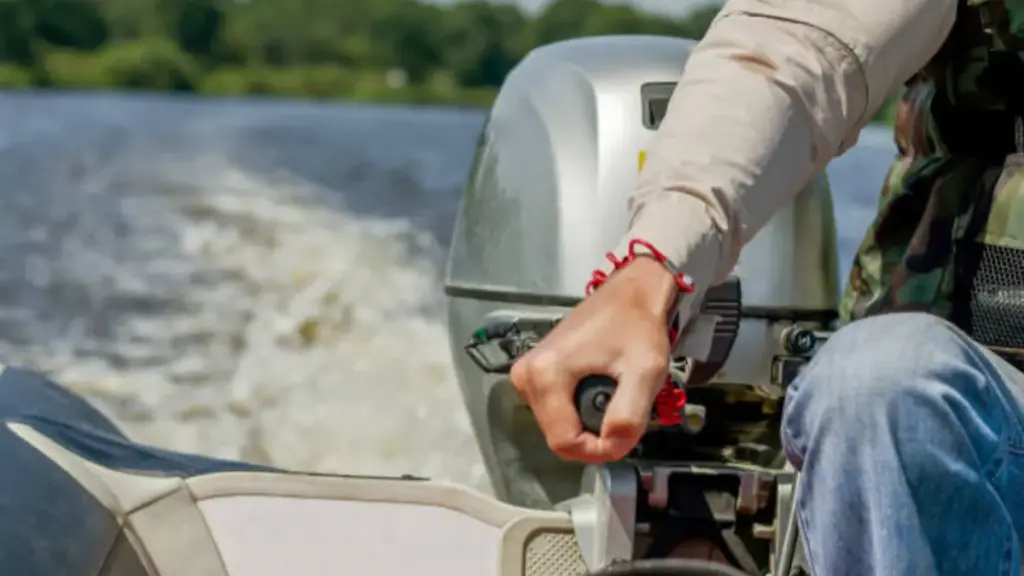
Двухтактные подвесные двигатели превосходно подходят для дистанционной рыбалки благодаря простой конструкции и небольшому весу.. Но их использование ограничено строгими правилами выбросов на многих регулируемых водных путях..
Двухтактные лодочные моторы зарабатывают себе на рыбалке в отдаленных районах.. Их механическая простота и впечатляющее соотношение мощности к весу делают их практичным выбором, когда вы находитесь вдали от пристани с полным спектром услуг.. Но компромиссом является более высокий уровень выбросов., что привело к широко распространенным ограничениям, которые нельзя игнорировать.
Основные преимущества бэккантри-рыбалки
Для рыболовов, отправляющихся в отдаленные районы., практические преимущества двухтактного двигателя зачастую перевешивают его недостатки. В конструкции приоритет отдается производительности и удобству обслуживания в полевых условиях, а не доработке..
- Они значительно легче сопоставимых четырехтактных двигателей.. Это имеет большое значение на небольших лодках., автотопперы, и любая ситуация, когда вы запускаете вручную.
- Механическая конструкция проще., без сложного клапанного механизма. Это делает поиск и устранение неисправностей и базовый ремонт на месте более управляемым, когда профессиональная помощь находится в нескольких часах езды..
- Благодаря хорошему соотношению мощности и веса лодка быстро выходит на глиссирование.. Это важно, когда лодка загружена снаряжением и вам нужно эффективно преодолевать расстояние..
Понимание выбросов и законодательных ограничений
Самым большим препятствием для двухтактных двигателей является экологическое регулирование. Выбросы старых моделей привели к тому, что их запретили использовать на многих популярных и охраняемых водных путях..
- Старые карбюраторные двухтактные двигатели известны тем, что производят заметный дым и выбрасывают несгоревшее топливо и масло., приводит к увеличению выбросов углеводородов.
- Множество зарегулированных озер, резервуары, национальные парки, а реки либо запрещают, либо строго ограничивают использование двухтактных двигателей с высоким уровнем выбросов, чтобы защитить качество воды..
- Прежде чем отправиться в путь, вы должны ознакомиться с конкретными правилами для вашего целевого места рыбалки.. Легальный двигатель в одном штате может быть запрещен на конкретном озере прямо за границей..
Современный DFI против. Старые карбюраторные модели
Не все двухтактные двигатели одинаковы. Современный непосредственный впрыск топлива (ДФИ) технология кардинально изменила профиль выбросов, создание четкого разрыва в производительности и законности.
- Двухтактные двигатели DFI впрыскивают топливо непосредственно в цилиндр., горит намного чище. Они могут соответствовать строгим стандартам выбросов и часто разрешены там, где запрещены старые карбюраторные модели..
- Карбюраторные двухтактные двигатели обеспечивают максимальную механическую простоту.. Это преимущество компенсируется растущими ограничениями на многих водных путях..
- Модели DFI обеспечивают классические двухтактные характеристики — малый вес и быстрое ускорение — при гораздо более чистой работе., что делает их жизнеспособным современным выбором.
Ключевые факторы для вашей покупки
При выборе двухтактного лодочного мотора для дистанционного использования, сосредоточьтесь на факторах, которые не позволяют вам оказаться в затруднительном положении. Пиковая мощность менее важна, чем надежность..
- Сосредоточьтесь на надежности, легкий запуск, и наличие запчастей. Это наиболее важные факторы, когда вы едете в нескольких милях от ближайшей дороги..
- Сопоставьте вес двигателя с грузоподъемностью транца вашей лодки.. Слишком тяжелый двигатель ухудшает балансировку и представляет собой серьезную угрозу безопасности на небольшой лодке..
- Убедитесь, что ваша конкретная модель соответствует правилам водоемов, в которых вы чаще всего ловите рыбу.. Покупка двигателя, которым вы не сможете пользоваться, — дорогостоящая ошибка.
Вам также может понравиться: На что обратить внимание при покупке подвесных моторов из Китая
Усильте свой бизнес с помощью долговечных подвесных моторов
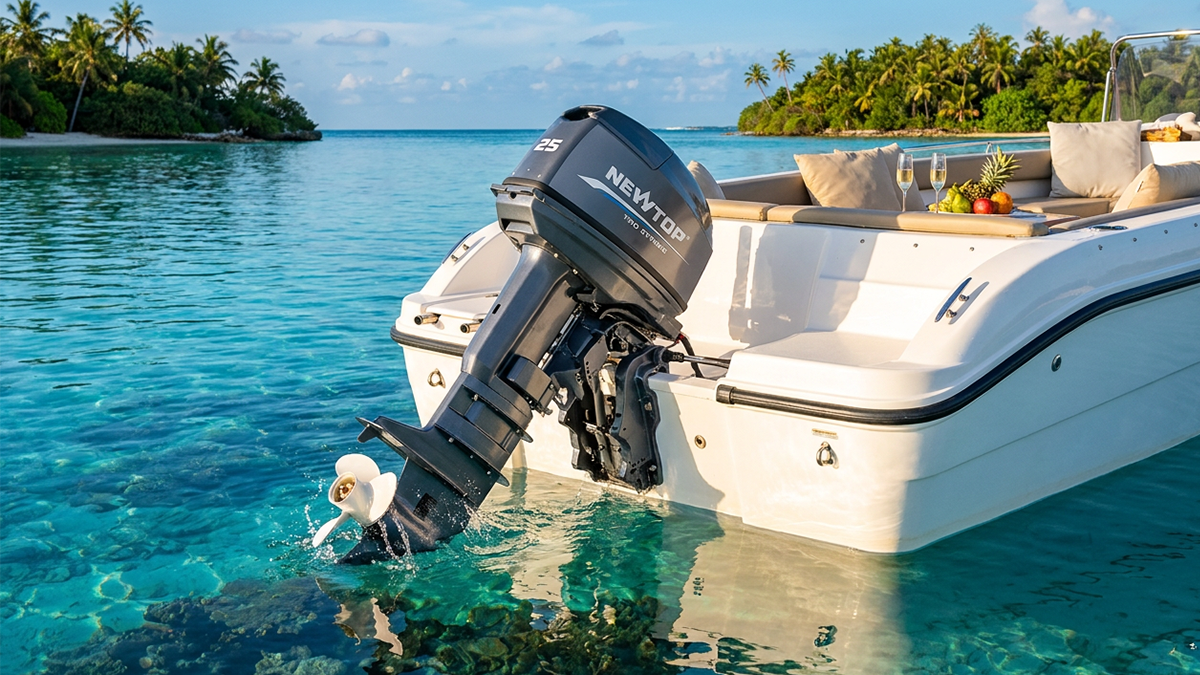
Четырехтактные подвесные двигатели: Тихая эффективность для прогулочного катания на лодках
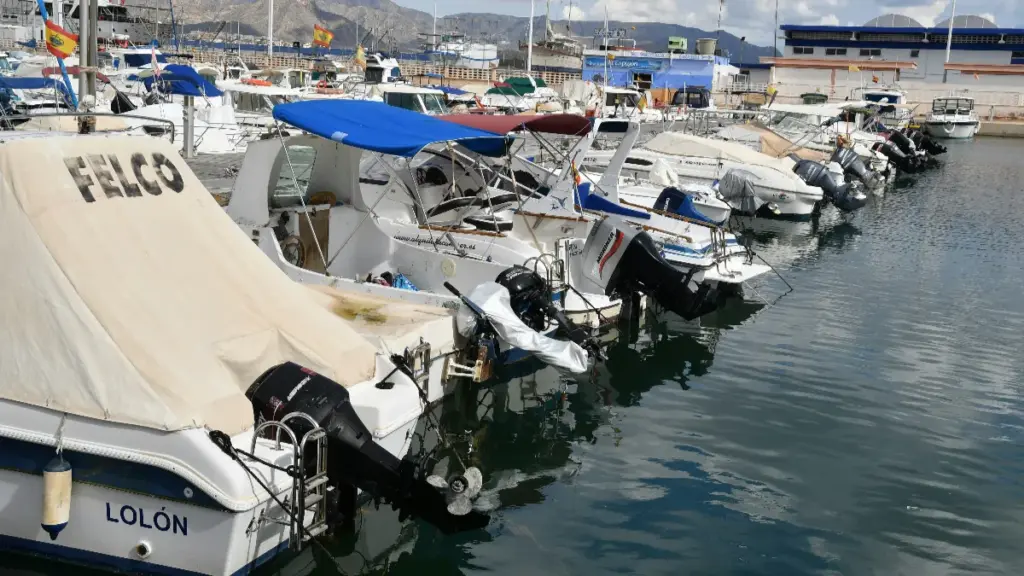
Четырехтактные подвесные моторы доминируют на прогулочных судах благодаря своей тихой работе., экономичная производительность. Хотя тяжелее двухтактных, они идеальны для семейных круизов, рыбалка, и занятия, где комфорт важнее всего.
Как работает четырехтактная технология
Четырехтактный подвесной двигатель работает так же, как автомобильный двигатель.. Он завершает рабочий цикл за четыре отдельных хода поршня — впуск, сжатие, власть, и выхлоп. Этот процесс по своей сути более контролируем и эффективен, чем старые двухтактные конструкции..
- Он обеспечивает лучшую топливную экономичность за счет разделения циклов впуска и выпуска., предотвращение утечки несгоревшего топлива.
- Конструкция обеспечивает более низкие выбросы и более чистый выхлоп., что делает его более подходящим для экологически регулируемых водных путей.
- Он работает со значительно меньшим шумом и вибрацией., что приводит к более плавному, более комфортная езда.
Основные преимущества для яхтсменов-любителей
Для большинства людей на воде ради развлечения, встроенный опыт так же важен, как и производительность. Четырехтактные двигатели созданы для этой реальности..
- Тихая работа-огромный плюс. Это облегчает разговор и позволяет расслабиться, не перекрикивая шум двигателя..
- Снижение расхода топлива означает более длительные поездки и больше времени на воде, прежде чем отправиться обратно на заправочную станцию..
- Минимальный запах выхлопных газов улучшает впечатления, особенно на холостом ходу или движении на малых скоростях.
- Плавная подача мощности идеально подходит для семейных круизов., водные виды спорта, и общие виды досуга, где резкое ускорение не требуется..
Факторы веса и производительности
Преимущества четырехтактного двигателя связаны с некоторыми компромиссами, которые имеют значение для определенных лодок и операторов..
- Четырехтактные двигатели обычно тяжелее двухтактных подвесных двигателей той же мощности., что может повлиять на производительность и балансировку на небольших лодках..
- Некоторые двухтактные конструкции могут работать быстрее. “дырочный выстрел” ускорение, но современная четырехтактная технология закрывает этот разрыв в производительности..
- Клапанный механизм и внутренние компоненты более сложны механически., которые могут повлиять на необходимость технического обслуживания в течение всего срока службы двигателя..
Лучшие лодки и развлечения
Четырехтактная технология — это не просто технический выбор; это практичный вариант, который соответствует определенному стилю катания на лодке.
- Это отличное решение для понтонов., однодневные круизы, и семейные малолитражки, где комфорт и топливная экономичность являются главными приоритетами..
- Рыболовы предпочитают эти двигатели для троллинга., где тихий ход является основным преимуществом, чтобы не спугнуть рыбу.
- Это также хороший выбор для служебных и транспортных судов, которым для повседневной работы требуется надежная и стабильная мощность..
Электрические подвесные моторы: Нишевые приложения и текущие ограничения
Электрические подвесные моторы отличаются бесшумностью, ниши ближнего действия, такие как скрытая рыбалка и портовый транспорт, но ограничения по дальности действия батареи, расходы, и зарядная инфраструктура удерживают их от массового использования.
Специализированные роли в рыбалке
Почти бесшумная работа электрических подвесных моторов на низких скоростях делает их идеальными для троллинга и скрытной рыбалки.. В отличие от двигателя внутреннего сгорания, электродвигатель не пугает рыбу шумом и вибрацией, позволяя рыболовам приближаться к сооружениям и линиям борьбы с сорняками, не вызывая беспокойства. Это точное, бесшумное управление является существенным преимуществом на мелководье или в водоемах с большим количеством рыбы..
Они также служат основной движущей силой на небольших лодках на озерах и водохранилищах, где двигатели внутреннего сгорания запрещены или ограничены.. В этих средах, электрический — единственный вариант для моторных лодок.. Для многих рыболовов на больших лодках, электрический подвесной двигатель действует как вторичный двигатель. Главный бензиновый двигатель справляется с длинными, скоростной бег к местам ловли, и электродвигатель берет на себя тишину, низкоскоростное позиционирование и троллинг.
Транспорт ближнего действия и прогулочные суда
Электрическая тяга хорошо подходит для предсказуемых, работа на перевозках на короткие расстояния. Подумайте о портовых водных такси., курортные шаттлы, или рабочие лодки, которые каждый день курсируют по одному и тому же фиксированному маршруту.. В этих ролях, Емкость аккумулятора может быть точно подобрана в зависимости от миссии, и зарядку можно надежно запланировать на ночь. Тихий, работа без выбросов также является большим плюсом в населенных пунктах..
Для прогулочных судов, электрические подвесные двигатели популярны на тендерах и лодках, поскольку они устраняют необходимость хранения бензина на основном судне.. Они также обеспечивают надежную вспомогательную энергию для небольших парусных лодок., в основном для тихого входа и выхода из пристани. На небольших озерных лодках и понтонах, где ощущения больше связаны с расслаблением, чем со скоростью., тихая и чистая работа улучшает день на воде.
Первичное ограничение: Плотность энергии и дальность действия батареи
Фундаментальным ограничением для электрических подвесных двигателей является плотность энергии батарей.. Бензин просто содержит гораздо больше энергии на фунт., что сильно ограничивает дальность и скорость электролодок. Диапазон электродвигателя чрезвычайно чувствителен к дроссельной заслонке.. Работа на полной мощности может разрядить батарею менее чем за час., в то время как одна и та же батарея может работать весь день при медленном троллинге.
Большинство небольших электрических подвесных двигателей не могут доставить в самолет обычную рыбацкую или служебную лодку.. Максимальная скорость часто застревает 5 к 7 миль в час. Это делает их совершенно непригодными для применений, где необходимо быстро преодолевать большие расстояния., например, добраться до прибрежных мест для рыбалки или отреагировать на ситуацию на большом озере.. Производительности просто нет для высокой скорости, дальнобойная работа.
Стоимость и инфраструктурные препятствия
Первоначальные затраты являются серьезным препятствием. Небольшой электрический подвесной двигатель и необходимый для него литиевый аккумулятор могут стоить в два-три раза дороже, чем сопоставимый небольшой бензиновый двигатель.. Для коммерческих операторов, которым необходимы мощные системы и большие аккумуляторные батареи., капитальные вложения становятся важным финансовым решением.
Логистика зарядки также представляет собой проблему. Перезарядка занимает несколько часов, не те несколько минут, которые нужны, чтобы заправить бензобак. Это требует надежного доступа к береговому электроснабжению., что не гарантируется на каждом доке, швартовка, или удаленный спуск для лодки. Отсутствие широкого распространения, высокоскоростная морская зарядная сеть эффективно ограничивает использование электрических подвесных двигателей, “возвращение на базу” операции, при которых можно планировать взимание платы.
Соответствие типов двигателей транспортным средствам и использованию на рабочих лодках
Выбор подходящего подвесного двигателя для рабочей лодки зависит не только от мощности.. Решение зависит от рабочего цикла судна, логистика топлива, и конкретная работа, которую он выполняет ежедневно.
| Приложение | Рекомендуемый тип подвесного мотора |
|---|---|
| Маленькие рыбацкие лодки | 2-Гладить |
| Коммерческий рыболовный флот | 2-Инсульт или 4-тактный |
| Пассажирский транспорт | 4-Гладить |
| Туристические операторы | 4-Гладить |
| Прокат лодок | 4-Гладить |
| Внутренний экотуризм | Электрический |
| Коммунальные и рабочие лодки | 2-Инсульт или 4-тактный |
| Марина Операции | Электрический |
Ключевые подвесные технологии для коммерческого использования
Для коммерческого флота, подвесные двигатели - это инструменты, и каждая технология подходит для разных задач. Выбор сводится к балансировке топлива, производительность, и оперативные реалии.
- Четырехтактные бензиновые подвесные моторы: Это рабочие лошадки. Они обеспечивают солидное сочетание топливной эффективности., широкий диапазон доступной мощности, и надежная работа для большинства рабочих лодок общего назначения.
- Мощные и коммерческие модели.: Это специализированные бензиновые подвесные моторы.. Они используют более низкие передаточные числа и большие гребные винты для эффективного перемещения корпусов тяжелого водоизмещения, таких как баржи и загруженные служебные лодки..
- Дизельные подвесные моторы: Для профессиональных автопарков, уже работающих на дизельном топливе, эти двигатели упрощают логистику топлива. Они также обеспечивают повышенную безопасность благодаря более низкой испаряемости дизельного топлива и рассчитаны на длительный срок службы, необходимый операторам, работающим в течение длительного времени..
- Электрические подвесные моторы: Эта технология обеспечивает тихую, работа с нулевым уровнем выбросов. Он идеально подходит для работы на регулируемых городских водных путях., экологически чувствительные районы, или для краткости, предсказуемые маршруты, где зарядка легко доступна.
Сопряжение моторов с пассажирскими и грузовыми судами
Перевозка людей отличается от перевозки грузов. Пассажирские суда отдают предпочтение комфорту и безопасности, в то время как грузовые суда сосредоточены исключительно на способности перевозить груз.
- Пассажирский транспорт (водное такси, паромы): Тихие четырехтактные бензиновые двигатели — стандартный выбор для комфорта и надежности пассажиров.. Операторы часто используют двухмоторные установки для резервирования., обеспечение возможности завершить поездку, даже если у одного двигателя возникла проблема.
- Легкие грузовые лодки: Бензиновые модели с высокой тягой идеальны. Они обеспечивают необходимую грузоподъемность и маневренны на мелководье, где часто работают эти лодки..
- Тяжелые грузовые и толкачи: Высокий крутящий момент дизельных подвесных двигателей обеспечивает превосходный контроль над тяжелыми двигателями., неглиссирующие корпуса. Специализированные бензиновые подвесные двигатели с высокой тягой также являются приемлемым вариантом..
Оснащение патрульных и служебных катеров
Служебные и патрульные корабли имеют весьма специфические задачи., от быстрого реагирования до деликатного мониторинга окружающей среды.
- Патрульные и правоохранительные катера: Эти суда требуют мощных бензиновых или дизельных подвесных двигателей.. Миссия требует способности быстрого реагирования, высокие максимальные скорости, и абсолютная надежность.
- Портовые служебные катера: Эти лодки выдерживают частые циклы остановки-старта и нуждаются в превосходном управлении на низкой скорости.. Надежные четырехтактные или дизельные двигатели созданы для выполнения таких сложных задач..
- Экологическое и исследовательское ремесло: Минимизация беспокойства является целью. Операторы обычно используют тихие четырехтактные двигатели или электродвигатели с нулевым уровнем выбросов, чтобы избежать воздействия на дикую природу или чувствительные научные измерения..
Для получения дополнительной информации прочтите наше руководство по 2-Сравнение веса подвесного двигателя по мощности для подробного разбора.
Стоимость владения: Топливо, Обслуживание, и продолжительность жизни по типу
Общая стоимость — это не просто цена. Четырехтактные двигатели часто выигрывают у пользователей с большим количеством часов работы., в то время как затраты на электроэнергию низкие, пока вам не понадобится новая батарея.
Когда вы оцениваете подвесной двигатель, начальная цена покупки — это только начало истории. Реальные затраты связаны с топливом., обычное обслуживание, и как долго прослужит двигатель, прежде чем потребуется капитальный ремонт или полная замена. Каждый тип двигателя представляет собой разную финансовую картину на протяжении всего срока службы..
Затраты на топливо и энергию
Сколько вы тратите на заправке или зарядной станции, является огромной частью уравнения собственности.. Эффективность каждого типа двигателя напрямую влияет на ваш кошелек каждый раз, когда вы покидаете причал..
- Четырехтактные подвесные двигатели обычно обеспечивают лучшую экономию топлива для бензинового двигателя.. Для большинства яхтсменов-любителей, это означает более низкие эксплуатационные расходы в час на воде.
- Двухтактные двигатели испытывают жажду, потребляет больше топлива, чем сопоставимый четырехтактный двигатель. Эта разница в стоимости становится более очевидной, чем больше вы эксплуатируете двигатель., особенно на высоких оборотах.
- Электрические подвесные моторы имеют наименьшие прямые затраты на энергию. Расход — это всего лишь цена электроэнергии для зарядки аккумуляторов., но ваши общие инвестиции напрямую связаны с размером вашего аккумулятора..
Расходы на техническое обслуживание и обслуживание
Каждый двигатель нуждается в регулярном обслуживании, чтобы оставаться надежным.. Сложность и частота технического обслуживания определяют еще одну большую часть общей стоимости..
- Четырехтактные двигатели иметь предсказуемые графики технического обслуживания с рутинными задачами, такими как замена масла, похоже на то, что вы ожидаете от автомобильного двигателя.
- Двухтактные двигатели механически проще с меньшим количеством деталей, но их системы смазки требуют постоянного внимания. Качество обслуживания оказывает большое влияние на их надежность..
- Электродвигатели требуют наименьшей механической работы. Долгосрочные расходы – это не моторное масло, а здоровье аккумулятора., его разъемы, и зарядная электроника.
Срок службы и вопросы замены
Подвесной двигатель — это серьезная инвестиция, и сколько лет службы вы можете получить от него, является решающим фактором затрат.. Долговечность значительно варьируется в зависимости как от конструкции, так и от способа обращения с двигателем..
- Четырехтактные подвесные двигатели которые получают регулярное техническое обслуживание, обычно имеют самый длительный срок службы среди всех бензиновых вариантов., что делает их надежным выбором для тех, кто проводит много времени на своей лодке..
- Долговечность двухтактного двигателя. напрямую связано с хорошими привычками: правильное смешивание масел, регулярное обслуживание, и не доводить его до предела в течение длительного времени.
- Электрический двигатель может работать очень долго, но практический срок службы всей системы часто сводится к аккумулятору. Цикл его деградации и возможная стоимость замены являются крупнейшими долгосрочными финансовыми статьями..
Обзор регионального рынка: Что работает в Африке, Азия, и Южная Америка
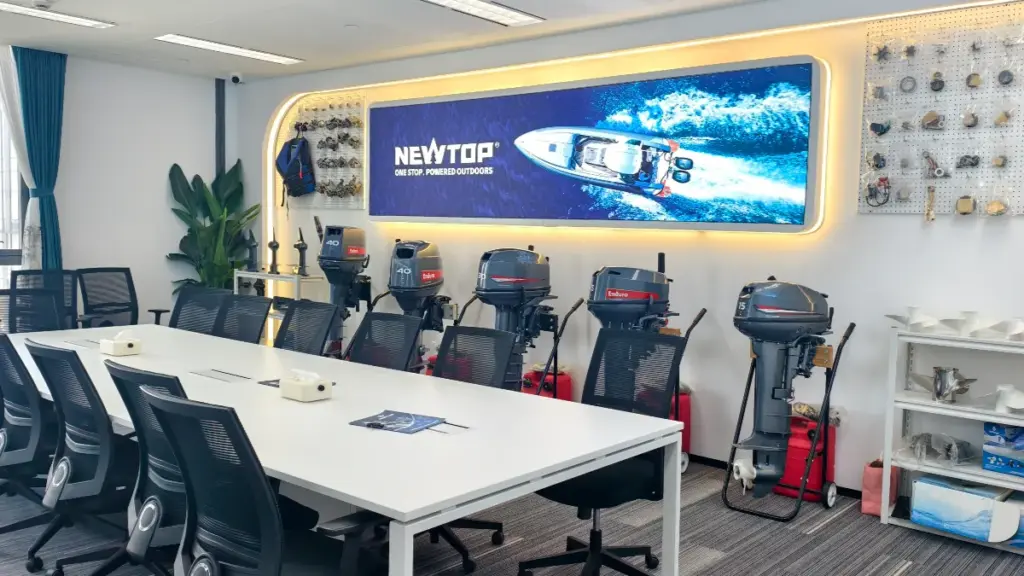
В Африке, Азия, и Южная Америка, выбор двигателя продиктован местными потребностями. Долговечность является ключевым моментом в Африке, Азия балансирует разнообразные виды использования, и Южная Америка ценят простоту и устойчивость к коррозии.
Африка: Прочность для рыбалки и транспортировки
В Африке, лодочные моторы это в первую очередь рабочие лошадки. Мелкомасштабные рыболовные операции зависят от простых, бензиновые подвесные двигатели мощностью 10–40 л.с., ремонтируемые в полевых условиях. В отдаленных районах, 2-Инсультные двигатели по-прежнему распространены, потому что их легко починить с помощью ограниченного количества инструментов и деталей.. Речной и озерный транспорт, критически важный экономический фактор, требуются более мощные двигатели среднего класса (40–90+ ХП) с сильным крутящим моментом для обработки тяжелых грузов и пассажиров.
Рынок отдыха сконцентрирован в туристических центрах, где предпочтительны более тихие 4-тактные бензиновые двигатели. Электрические подвесные моторы имеют небольшое, но растущее присутствие в сфере экотуризма.. Ключ к успеху здесь не в наворотах; это способность двигателя переносить топливо переменного качества и обслуживаться без специализированной инфраструктуры..
Азия: Разнообразие: от сельских рек до прибрежных центров
Азиатский рынок сильно фрагментирован.. В сельских внутриматериковых и кустарных рыболовецких общинах, недорогие 2-тактные двигатели мощностью 5–30 л.с. все еще используются., но ужесточение экологических норм вынуждает перейти к более чистым 4-тактным двигателям.. Это резко контрастирует с потребностями прибрежного и межостровного транспорта., где более высокая мощность (90–200+ ХП) 4-Подвесные двигатели с ходом поршня являются стандартными благодаря своей топливной эффективности и надежности при длительной эксплуатации., сложные маршруты.
Развитые рынки отдыха в прибрежных центрах отдают предпочтение 4-тактным двигателям премиум-класса для прогулочных судов.. Электрические модели также набирают обороты., особенно в регулируемых городских озерах и пристанях для яхт. Высокая плотность населения во многих районах означает, что экологические правила часто становятся более строгими., ускорение внедрения более чистых технологий двигателей во всех сегментах.
Южная Америка: Обеспечение энергией отдаленных рек и прибрежных зон отдыха
В Южной Америке, география определяет спрос. Отдаленные внутренние водные пути, такие как бассейн Амазонки, предпочитают простые, легкоремонтируемые двухтактные двигатели мощностью 8–30 л.с.. Для речных перевозок на дальние расстояния, операторы полагаются на надежные подвесные двигатели мощностью 40–115 и более л.с., часто используют двухмоторные установки в целях безопасности и надежности вдали от сервисных центров.
Сегмент прибрежного отдыха совсем другой, преобладают современные, высокомощный (115–300+ ХП) 4-подвесные моторы для любительской рыбалки и семейного катания на лодках. Решающим фактором успеха на всем континенте является долговечность в тропическом климате.. Двигатели нуждаются в превосходной защите от коррозии и системах охлаждения, предназначенных для работы в теплых условиях., часто богат осадками, вода без сбоев.
Не менее важным является доступ к надежным запасным частям и послепродажной поддержке., особенно в регионах, где лодки служат основным средством передвижения и источником дохода от рыболовства.. Недавний случай из Венесуэлы показывает, что дистрибьюторы все чаще отдают приоритет стабильным поставкам запчастей при выборе долгосрочных партнеров по подвесным моторам.. Подробнее об этом читайте здесь: Как $80,000+ Заказ Венесуэлы демонстрирует важность надежных поставок запасных частей для подвесных моторов.
Заключительные мысли
Не существует единого подвесного мотора, подходящего для любого применения.. Рыболовный флот, транспортные операторы, владельцы прогулочных лодок, и пользователи коммерческих рабочих лодок сталкиваются с разными эксплуатационными требованиями.
Двухтактные подвесные двигатели по-прежнему предлагают непревзойденную простоту и доступность для сложных условий эксплуатации.. Четырехтактные модели обеспечивают превосходную эффективность и комфорт для отдыха и работы с пассажирами.. Электрические подвесные двигатели представляют собой новое решение для экологически чувствительных и малогабаритных применений..
Для дистрибьюторов, импортеры, и производители лодок, Выбор подходящего ассортимента подвесных моторов требует балансировки производительности, эксплуатационные расходы, спрос на местном рынке, и долгосрочную сервисную поддержку.
В НЬЮТОП, Мы предлагаем широкий ассортимент 2-х и 4-х тактных лодочных моторов, предназначенных для рыбалки., транспорт, досуг, и коммерческие приложения. Гибкие возможности OEM/ODM, надежная поддержка запасных частей, и опыт обслуживания клиентов по всей Африке, Южная Америка, и Азия, мы помогаем партнерам создавать конкурентоспособные продуктовые линейки, адаптированные к их рынкам. Если вы ищете надежного производителя подвесных моторов, наша команда готова обсудить требования вашего проекта.
Часто задаваемые вопросы
Какие существуют основные типы лодочных моторов?
Основные типы определяются источником питания и технологией.. Наиболее распространенными категориями являются 4-тактные бензиновые двигатели., 2-такт бензина, электрический, и дизельные подвесные моторы. Каждый из них подходит для различных применений в рыбалке., транспорт, и прогулочные лодки, основанные на его мощности, масса, топливная экономичность, и профиль выбросов.
Какой подвесной мотор лучше для рыбацких лодок?
Для большинства рыболовных лодок, 4-тактный бензиновый подвесной двигатель обеспечивает наилучший баланс топливной эффективности., тихая работа, и надежность. Электрические подвесные моторы отлично подходят для тихого троллинга и использования в ограниченных водах.. Для тяжелого морского или коммерческого рыболовства., мощные 4-тактные или дизельные подвесные двигатели часто являются предпочтительным выбором..
Двухтактные подвесные моторы все еще производятся??
Да, но в основном как современный непосредственный впрыск (ОТ) модели, соответствующие действующим стандартам выбросов. Старше, обычные карбюраторные 2-тактные двигатели больше не производятся крупными производителями подвесных моторов для регулируемых рынков из-за экологических правил.. Двухтактные двигатели DI остаются доступными для некоторых высокопроизводительных применений..
Какой подвесной двигатель лучше: 4-х или 2-х тактный для прогулочного катания на лодке??
4-тактный подвесной двигатель, как правило, лучше подходит для прогулочного катания на лодках.. Он работает тише, более гладкий, и с меньшим количеством выбросов, что создает более комфортные условия для семейных круизов и однодневных поездок.. Двухтактный двигатель может подойти для небольшого, легкая лодка, ключевым преимуществом которой является более высокая удельная мощность.
Как долго работают подвесные электрические аккумуляторы?
Время работы аккумулятора зависит от скорости, от примерно часа на полной мощности до более восьми часов на медленной скорости троллинга. Срок службы батареи также долгий, с современными литиевыми батареями, как правило, срок службы 8 к 12 лет или нескольких тысяч циклов зарядки, в зависимости от использования и ухода.
Какой подвесной мотор используют на коммерческих транспортных лодках?
Коммерческие транспортные суда, такие как водные такси и лодки для экипажа, обычно используют надежные, Мощные 4-тактные бензиновые подвесные моторы, часто в многомоторных конфигурациях для скорости и безопасности. Дизельные подвесные двигатели также используются в некоторых флотах рабочих лодок из-за их высокого крутящего момента и топливной экономичности в течение долгих часов работы..
Стоит ли переплачивать за 4-тактный подвесной двигатель??
Да, для большинства яхтсменов 4-тактный подвесной двигатель стоит более высокой начальной цены.. Стоимость часто компенсируется лучшей экономией топлива., более тихая работа, более низкие выбросы, и более высокая стоимость при перепродаже. Эти преимущества делают его предпочтительным выбором для регулярной рыбалки., транспорт, и использование для отдыха.

A finished outboard motor usually looks simple enough. Once it appears in a catalog or on the back of a boat, most people judge it by horsepower, дизайн, or price. What stays hidden is the part that often explains much more: how the engine was built before it ever reached the water.
That hidden side of production shapes more than appearance. It affects how stable the motor feels in use, how confidently a dealer can recommend it, and how much service pressure appears after the first shipment. For buyers comparing different outboard motor manufacturers, that is often where the real difference begins. A product page can show what the motor looks like. The factory process says far more about how that motor is likely to perform once it reaches the market.
A dependable outboard motor is rarely the result of one dramatic step. More often, it comes from a series of production stages handled with enough control that the finished product feels consistent, solid, and ready for real marine use.
The Production Flow Tells a Better Story Than a Simple Product Photo
In the NEWTOP подвесной мотор factory, production is handled through clearly separated manufacturing stages rather than one broad assembly process. That matters because the factory keeps surface treatment, core engine building, transmission-related work, and final validation under more structured control.
| Этап производства | Focus of the Stage |
|---|---|
| Coating Line | Surface protection for better resistance to corrosion, humidity, and long-term marine exposure. |
| Grinding & Finishing | Part refinement, surface consistency, and a more controlled finished appearance. |
| Engine Assembly Line | Building the core power unit and integrating key engine components. |
| Gearbox Assembly | Independent assembly of the transmission-related section for better control. |
| Final Assembly | Bringing the major systems together into a complete outboard motor. |
| Outboard Motor Testing | Checking whether the completed motor is ready for real operating conditions before shipment. |
For buyers comparing outboard motor manufacturers, a process like this offers a clearer view of how the product is handled before it reaches the market.
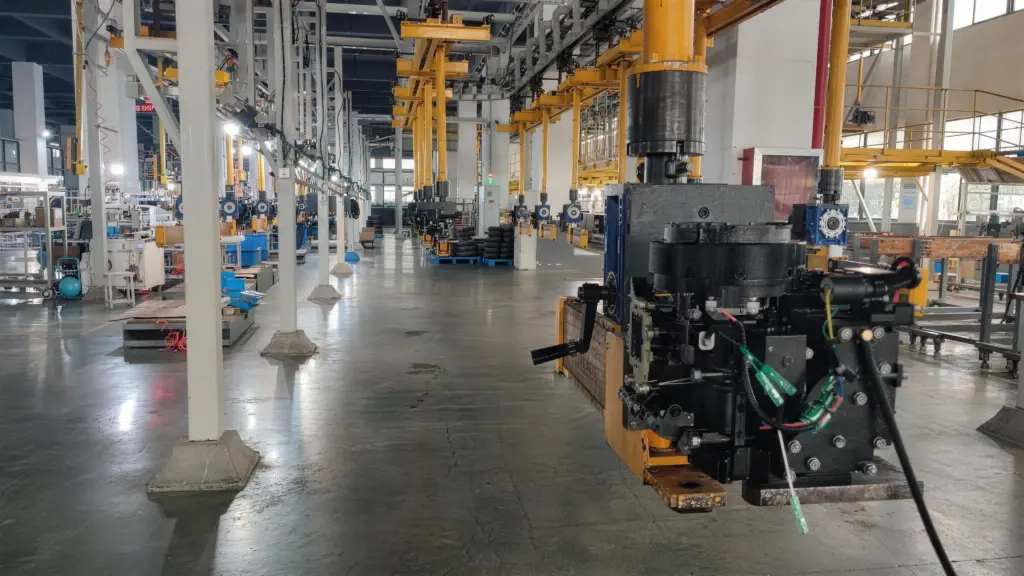
Where Buyers Usually Feel the Difference
Most customers will never see a coating line or an assembly area. Несмотря на это, they often notice the result later.
A more stable production process tends to show up in quieter ways. The motor feels more consistent from unit to unit. Dealers feel more comfortable recommending it. Service teams spend less time dealing with avoidable issues. End users notice fewer unpleasant surprises once regular use begins.
Manufacturing discipline does not stay inside the factory. It follows the product into the market.
This is one reason experienced buyers do not stop at product appearance when comparing outboard motor manufacturers. What looks similar in a photo can turn out to be very different once engines are unpacked, installed, serviced and used over time.
What to Pay Attention to During a Factory Visit
A factory visit becomes far more useful once the focus moves beyond finished engines on display.
A few things usually reveal the most:
✅ A clear production sequence
The process should feel organized from preparation to assembly to testing, not scattered or improvised.
✅ Separate attention to critical systems
Core areas such as engine assembly and gearbox assembly should look controlled and deliberate rather than casually merged together.
✅ Consistent finishing quality
Surface refinement and overall presentation should feel stable across units, not only on display samples.
✅ A real testing area
Testing should appear as an active part of normal production, not something prepared only for visitors.
✅ Practical post-sale awareness
The team should be able to explain not only how the motor is built, but also how the product will be supported after shipment.
These details usually reveal more than showroom presentation ever can. They help buyers judge whether the factory is building for long-term market use or simply preparing products to look complete.
Testing Carries More Weight Than People Expect
Among all factory stages, testing often matters the most commercially.
A motor may already look finished at that point, but appearance alone does not prove readiness. Testing is the stage where the engine stops being judged as a completed assembly and starts being judged as a working marine product. That shift matters because many weaknesses only show up once the motor is treated as something that must actually perform.
Для дилеров, stronger testing means more confidence after the order is delivered. For service teams, it can mean fewer avoidable problems entering the market. For end users, even if they never think about factory work directly, it still shapes the product they eventually trust on the water.
That is why testing deserves more attention than it usually gets in sourcing discussions. It is often the stage that turns a complete-looking engine into one that feels commercially reliable.
More Than a Factory Story
At first glance, manufacturing can sound like a topic meant only for engineers. In reality, it tells a broader business story.
A stable process usually leads to a more dependable product. A more dependable product reduces service pressure. Lower service pressure makes it easier for dealers to build confidence and easier for the market to accept repeat orders. Через некоторое время, that affects product reputation far more than a glossy first impression.
So while buyers may begin by looking at horsepower or styling, long-term trust often comes from something much less visible. It comes from how carefully the factory builds, checks, and prepares the motor before it ever leaves the line.
For anyone comparing outboard motor manufacturers, that is one of the most useful places to look. A good outboard motor is not only designed well. It is also produced through a process that makes reliability easier to deliver, easier to support, and easier to believe in once the engine reaches the market.
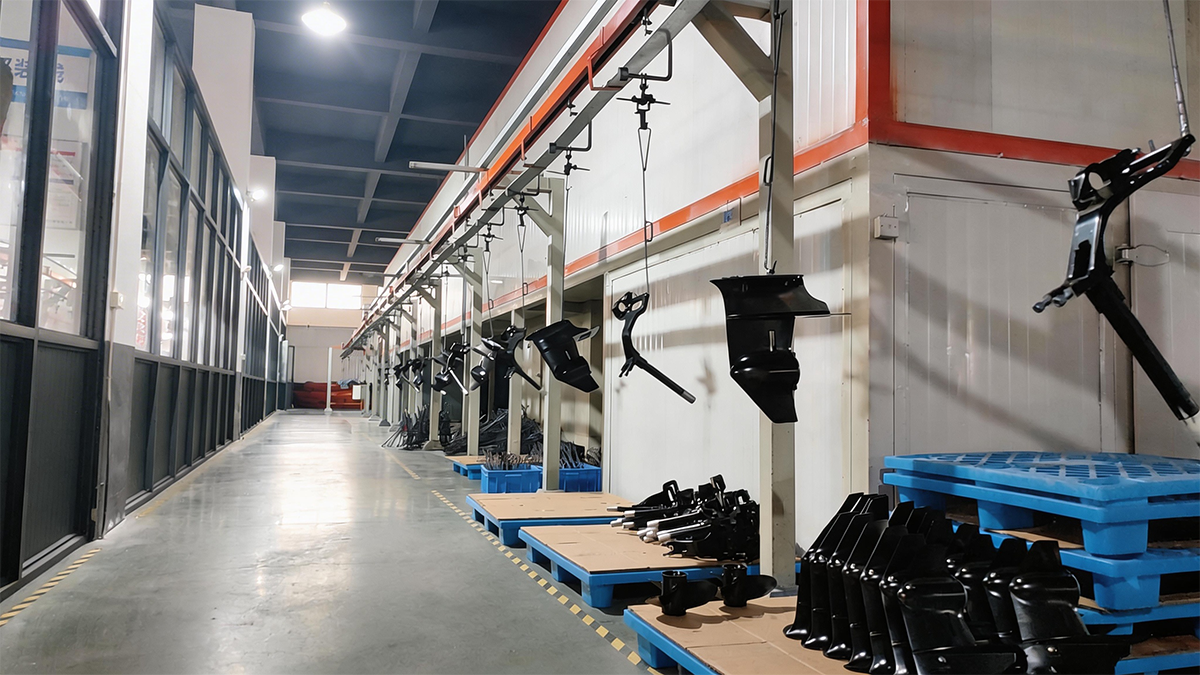
For many importers, sourcing china outboard motors looks simple at first. A few supplier catalogs, several quotations, some horsepower comparisons, and the process seems to move quickly. Yet most of the real differences between suppliers do not show up in the first email exchange. They appear later—when the motors arrive, when customers begin using them, and when dealers start dealing with parts, поддерживать, and repeat orders.
That is where sourcing decisions often become more serious than they first appeared. Two products may look similar in a brochure, but they can create very different results once they enter a local market. One may sell easily at the beginning but become difficult to support. Another may move more steadily and build better long-term trust. Другими словами, buying outboard motors from China is rarely just a price decision. It is also a product-fit decision, a service decision, и, in many cases, a long-term business decision.
В НЬЮТОП, we have seen that buyers usually begin with technical comparisons, but they make their final decision for broader reasons. Product familiarity, local service habits, parts continuity, and communication after the order often matter just as much as the engine itself.
A Quotation Is Useful, but It Should Not Be the Starting Point
One of the most common sourcing mistakes is asking for pricing too early. Buyers often request quotations before they are fully clear on what kind of outboard motor business they want to build.
A small horsepower engine for light fishing boats serves a completely different market from a larger model used for transport or commercial work. Even if both products fall under the same category, their role in the market can be very different. One may attract price-sensitive buyers quickly, while another may be slower to move but create better dealer confidence over time.
Because of that, it helps to answer a more practical question before comparing suppliers: what exactly will these motors be used for, and who will be buying them? Once that is clear, quotations become much easier to read in context. Without that step, low prices can look more attractive than they really are.
Product Fit Tells You More Than Product Range
A wide catalog can look impressive, but catalog size does not necessarily mean better sourcing.
What matters more is whether the supplier can narrow the range down to products that fit the local market. Buyers usually get more value from a smaller, better-matched selection than from a long list of engines that do not align with real customer needs.
A useful sourcing discussion often centers on practical questions:
- What boat sizes are most common in the market?
- Which horsepower ranges move most consistently?
- Do end users care more about easy maintenance or stronger output?
- Which engine type already feels familiar to local technicians?
- Which products are easiest to support after the first shipment?
Once those questions come into focus, sourcing china outboard motors becomes much less about browsing options and much more about building a workable product line.
A Sample Will Tell You What a Catalog Cannot
Catalogs are helpful, but they can only go so far. A sample engine often reveals more in a few days than a specification sheet does in several pages.
At sample stage, buyers are not just checking appearance. They are looking at starting behavior, build consistency, operating feel, and overall commercial suitability. Does the motor feel like something local buyers will trust? Does it match the boats commonly used in the market? Does it raise confidence for follow-up orders, or does it introduce questions that may become bigger later?
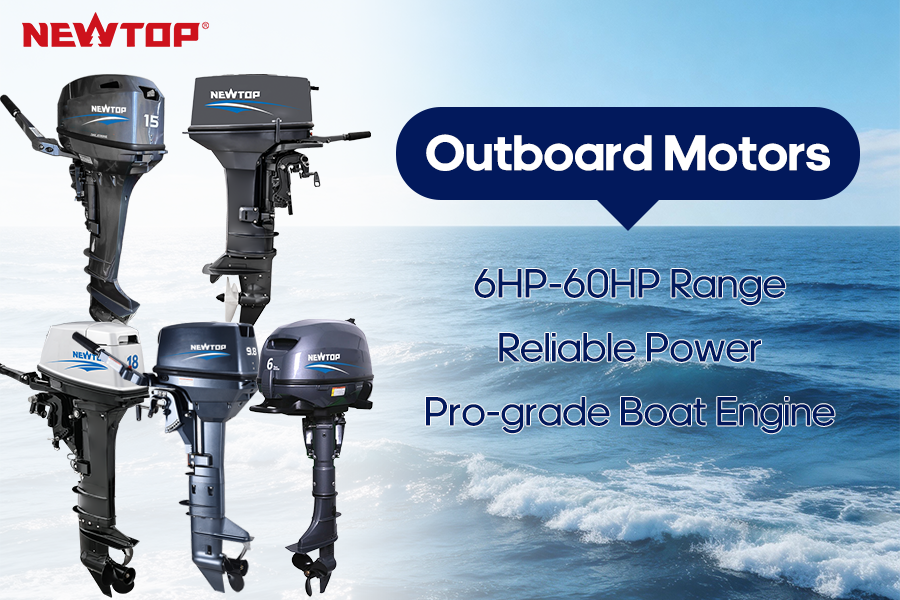
This is where experienced suppliers usually stand out. They understand that a sample is not a small side order. It is the first serious test of market compatibility.
The Supplier Often Matters More After the Order
Before the order, the engine tends to sit at the center of the conversation. After the order, the supplier often becomes just as important.
A factory may offer attractive pricing and still become difficult to work with later. Delayed responses, uneven batch quality, weak parts logic, or unclear technical information can turn a promising product into a frustrating one. In marine markets, those problems hurt quickly because many users depend on their engines for daily work, транспорт, or income.
По этой причине, buyers should judge a china outboard motor supplier by more than manufacturing capability. Communication style matters. So does order follow-up. A good supplier does not disappear once the proforma invoice is confirmed. They stay involved in timing, parts preparation, shipment coordination, and technical clarification.
In real business, the easiest supplier to buy from is not always the easiest supplier to grow with.
Spare Parts Usually Reveal the Real Strength of the Supply Chain
If a buyer wants to know whether a sourcing relationship can last, the spare parts system often gives the clearest answer.
Outboard motors stay competitive in the market only when users can keep them running. If common wear parts are difficult to source, or if the same model becomes difficult to support after several months, the distributor starts losing confidence. The engine may still sell once, but repeat sales become harder.
This is why outboard motor spare parts from China should never be treated as a secondary topic. A reliable supplier should be able to explain which parts move fastest, what should be stocked together with the first shipment, and how stable the same parts structure will remain over time.
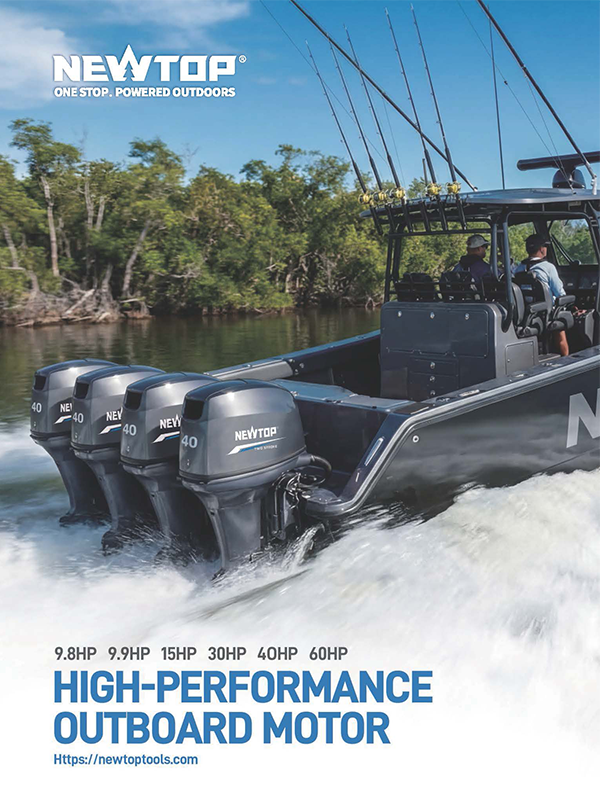
На практике, this is where long-term trust is built. The first sale may come from pricing or product appearance. The second and third usually depend on whether the dealer can keep the engine supported in the field.
Compatibility Deserves Early Attention
Another point that buyers increasingly care about is compatibility. In many markets, customers already know certain mainstream engine platforms and feel more comfortable buying products that fit familiar usage patterns.
This changes the sourcing conversation. It is no longer just about which models the supplier produces. It also becomes a question of how well those products connect with what the market already understands.
В НЬЮТОП, this often comes up alongside standard outboard supply. Some distributors need not only complete engines, but also compatible machines or replacement parts for widely used market platforms. When that support is available, the dealer gains more flexibility in both sales and service.
From a commercial standpoint, this makes a real difference. It helps the distributor build around demand that already exists instead of trying to create new demand from scratch.
OEM Usually Becomes Important Later
Many buyers do not begin with private-label plans, and that is normal. Most start with standard products, then think about branding later.
Несмотря на это, it helps to understand a supplier’s OEM capability early in the conversation. A factory that can support custom branding, packaging adjustments, and localized product presentation is usually easier to grow with over time. That does not mean every first order needs customization. It simply means the sourcing choice should leave room for future development.
A supplier relationship often begins with product fit. Через некоторое время, it may expand into broader cooperation. If that future flexibility is not there, the buyer may eventually have to restart the sourcing process with someone else.
The More Useful Question Comes at the End
By the time buyers reach the final stage of sourcing, they often realize the decision is larger than it first looked. The core question is not whether a factory can produce outboard motors. Many can.
The better question is whether the supplier can support the exact kind of business the buyer wants to build. Can they help narrow the right models for the market? Can they support spare parts and technical follow-up? Can they keep quality stable across future orders? Can they grow with the distributor rather than simply complete a shipment?
That is where sourcing china outboard motors becomes a real commercial opportunity. Buyers who approach the process as a long-term business decision usually make stronger choices than those who treat it as a race for the lowest quotation.
In the end, the strongest supplier is rarely the one with the longest catalog or the cheapest price list. It is the one whose products, поддерживать, коммуникация, and flexibility still make sense after the motors arrive and the actual market work begins.
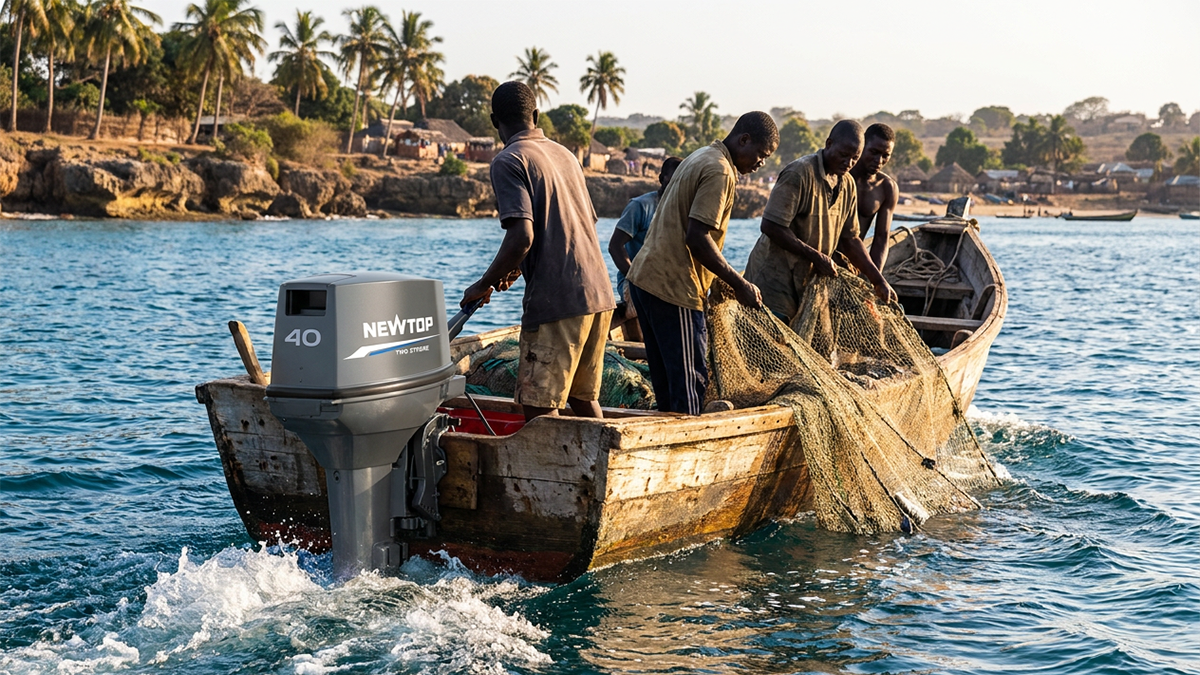
When buyers compare products from different производители подвесных моторов, they often pay attention first to horsepower, price, or brand familiarity. That is understandable, but it is rarely the best place to begin. In real markets, the right outboard motor is not simply the most powerful model or the lowest-priced option. It is the one that fits local water conditions, user habits, maintenance realities, and long-term demand.
That is why choosing an outboard motor should always begin with the market rather than the machine. A model that performs well in one region may struggle in another if the local environment, boat types, and buyer expectations are different. For distributors and dealers, this is more than a technical issue. It is a commercial decision that shapes customer trust, reorder rates, and long-term business growth.
В НЬЮТОП, we have seen this pattern across multiple export markets. In our experience, the strongest results often come from products that match daily usage in the field, not from products chosen only because they look attractive in a catalog.
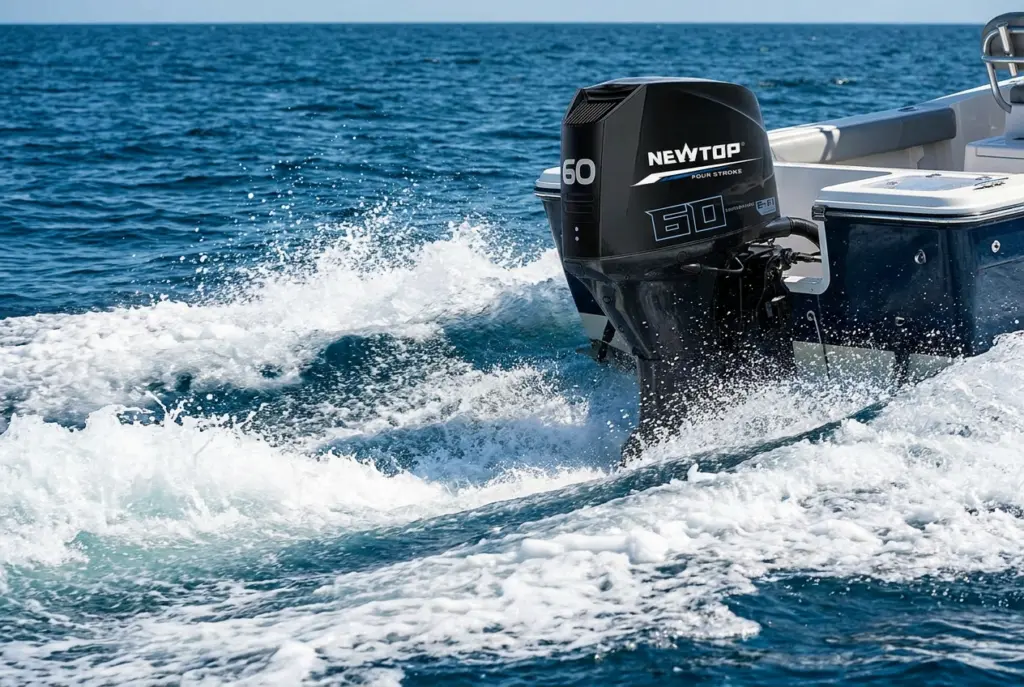
Start with Local Use, Not Just Product Specs
The first question is simple: what are people using outboard motors for in your market?
In some areas, buyers mainly use them for nearshore fishing and short-distance transport. In others, they depend on them for river work, island transport, туризм, патруль, or rescue applications. Although the product category is the same, the daily workload can be completely different.
That difference matters. A market built around small fishing boats may care more about fuel efficiency, легкий запуск, and simple maintenance than maximum speed. By contrast, operators carrying heavier loads or running for longer hours often look for stronger thrust, stable cooling, and reliable performance under continuous use.
Many importers make the mistake of comparing displacement and rated power before understanding the actual work pattern. На практике, the real question is not “Which engine looks stronger on paper?” but “Which engine can handle a normal working day in this market without creating extra problems?»
Once local use cases are clear, product specs become much easier to evaluate.
Why Water Conditions and Climate Matter
Not every market puts the same pressure on an outboard motor. Тип воды, temperature, humidity, and operating environment all affect how the engine performs over time.
In coastal markets, corrosion resistance becomes a major selling point. Saltwater, humidity, and frequent marine exposure can quickly damage weak components. Buyers in these markets often pay close attention to material durability, protective coatings, и долговременная надежность.
In river-based markets, the focus may shift. Shallow water, muddy conditions, and variable currents often make users more concerned about cooling stability, propeller durability, and dependable low-speed operation. В этих случаях, a product that looks impressive in a showroom may still fail to build trust if it does not match field conditions.
Climate also shapes buyer expectations. In hotter regions, users often place more value on thermal stability during extended running hours. In markets where maintenance habits vary, they may also prefer products that are simpler to operate and more forgiving in everyday use.
This is why experienced marine engine dealers rarely judge a model by appearance alone. They know the market will judge the product based on how it survives real local conditions.
What Local Buyers Actually Value
Many importers assume buyers evaluate outboard motors in the same way everywhere. На практике, they do not. Even in price-sensitive markets, customers rarely want the absolute cheapest option if it leads to downtime, poor fuel economy, or constant service issues.
In most local markets, buyers tend to care about a practical combination of factors:
- Reliable daily performance in real fishing, транспорт, or work conditions
- Fuel efficiency that reduces long-term operating cost
- Easy starting and simple handling, especially for frequent-use boats
- Spare parts availability for regular maintenance and repairs
- Durability in local climate and water conditions, including saltwater or heat
- Low downtime, because many users rely on the engine for income
- Confidence in the dealer or supplier, especially when after-sales support matters
This is why product positioning matters so much. Good distributors do not simply ask which engine costs less. They ask which engine their customers will still trust after a full season of work.
По этой причине, successful outboard motor distributors usually build their product range around a few clear buyer profiles instead of trying to stock every possible configuration.
Match Horsepower to Real Working Demand
Horsepower should support the boat and the workload, not just marketing language.
Lower horsepower models often suit light fishing, small boats, and personal water use. Mid-range models usually fit mixed-use markets where users need a balance between portability and practical output. Higher horsepower engines are more suitable for commercial work, larger hulls, or operations carrying heavier loads.
The key point is simple: horsepower should match local demand. An oversized engine may create unnecessary fuel cost and purchase pressure. An undersized engine may struggle during daily work and damage customer confidence very quickly.
This is why the best commercial decision is often the one that feels most practical, not the one with the highest number printed on the brochure.
Why Engine Type Still Matters in Many Markets
Engine type also plays an important role in market fit.
In many markets, especially where simple maintenance and familiar engine structure still matter, two-stroke outboard motors continue to attract buyer interest. Users who already understand the product often feel more confident buying it again, especially when local service knowledge already exists.
In other markets, однако, buyer expectations may begin to shift because of regulation, fuel habits, or changing commercial needs. Even then, a technically advanced product is not always the best commercial choice if the market lacks the maintenance habits or support network to keep it running smoothly.
This is where distributors need to think beyond product literature. The best model is usually the one the local market is ready to use, maintain and reorder.
Why Spare Parts and After-Sales Support Drive Repeat Business
A strong engine does not build a market on its own.
Поставка запасных частей, service response, and technical support often determine whether customers reorder or walk away. Dealers may sell the first unit because of price or appearance, but repeat business usually depends on what happens after the sale.
If common maintenance parts are hard to source, or if technical questions go unanswered, even a good engine becomes harder to sell. This is why many experienced buyers evaluate outboard motor manufacturers not only by product range, but also by the support system behind the engine.
Clear parts diagrams, stable components, replacement continuity, and responsive communication all matter. Для НЬЮТОПА, this part of the business is not secondary. In many export markets, long-term confidence comes from knowing that the engine, the spare parts, and the after-sales support can all move together.
В то же время, stronger after-sales performance often starts with choosing models that already match local demand. NEWTOP can support distributors with popular outboard options such as T15-6B4, T15-63V, T40J, and T40G, depending on local boat size, workload, and customer preference. For selected widely used platforms in the market, we can also offer compatible machines or replacement parts that are 100% compatible with Yamaha, Suzuki, Tohatsu, and Mercury models. This helps dealers reduce service pressure, improve parts availability, and respond faster to everyday maintenance demand.
Match Local Demand With Reliable Outboard Motors

How Dealers Should Evaluate Outboard Motor Manufacturers
Choosing the right supplier is often just as important as choosing the right engine model. На практике, experienced importers and marine engine distributors usually evaluate a manufacturer by a few core standards before they scale cooperation.
| Фактор оценки | Почему это важно |
|---|---|
| Product consistency | Helps dealers build customer trust by ensuring engines perform similarly across different batches. |
| Spare parts continuity | Supports after-sales service and reduces the risk of losing repeat business due to unavailable maintenance parts. |
| Technical support | Allows dealers to solve installation, обслуживание, and repair questions more efficiently in the local market. |
| Supply stability | Makes it easier to plan inventory, respond to demand peaks, and maintain steady sales growth. |
| Business flexibility | Helps distributors adapt product mix, упаковка, or cooperation models as their market develops. |
На практике, manufacturers that understand different stages of distributor growth are often easier to work with over the long term. New importers may need help choosing entry-level models, while more established partners may need OEM support, packaging adjustments, or a broader product mix.
In both cases, the supplier needs to think commercially, not just operationally. That is one reason long-term partnerships often outperform transactional buying.
Price Matters, but Total Market Fit Matters More
Price will always influence buying decisions, especially in competitive markets. Однако, price alone rarely predicts long-term success.
An engine that costs less upfront may create more pressure later through warranty issues, lower customer confidence, or weak repeat sales. On the other hand, a slightly stronger product with better support may generate better dealer margins over time because it reduces complaints and improves trust.
This does not mean every market should move premium. It means every market should think in terms of total fit: product performance, local conditions, buyer expectations, service support, and long-term business potential.
When these elements align, the outboard motor becomes more than a product. It becomes part of a real market strategy.
Think About Current Demand and Future Growth
The best outboard motor decisions usually balance current demand with future opportunity.
A distributor should understand what buyers need today, but also where the market may move next. If your region is growing in fishing, туризм, rescue use, or water transport, then product planning should reflect that direction rather than only short-term demand.
The goal is not simply to sell engines now. It is to build a product lineup that can grow with the market.
That is why choosing the right outboard motor is never just a technical decision. It is a commercial one. Buyers who understand their local environment, select the right horsepower range, and work with dependable outboard motor manufacturers put themselves in a much stronger position over the long term.
For companies building their marine engine business, that kind of decision-making creates a real advantage. В НЬЮТОП, we believe the best results come when product choice begins with market reality—and ends with long-term customer trust.
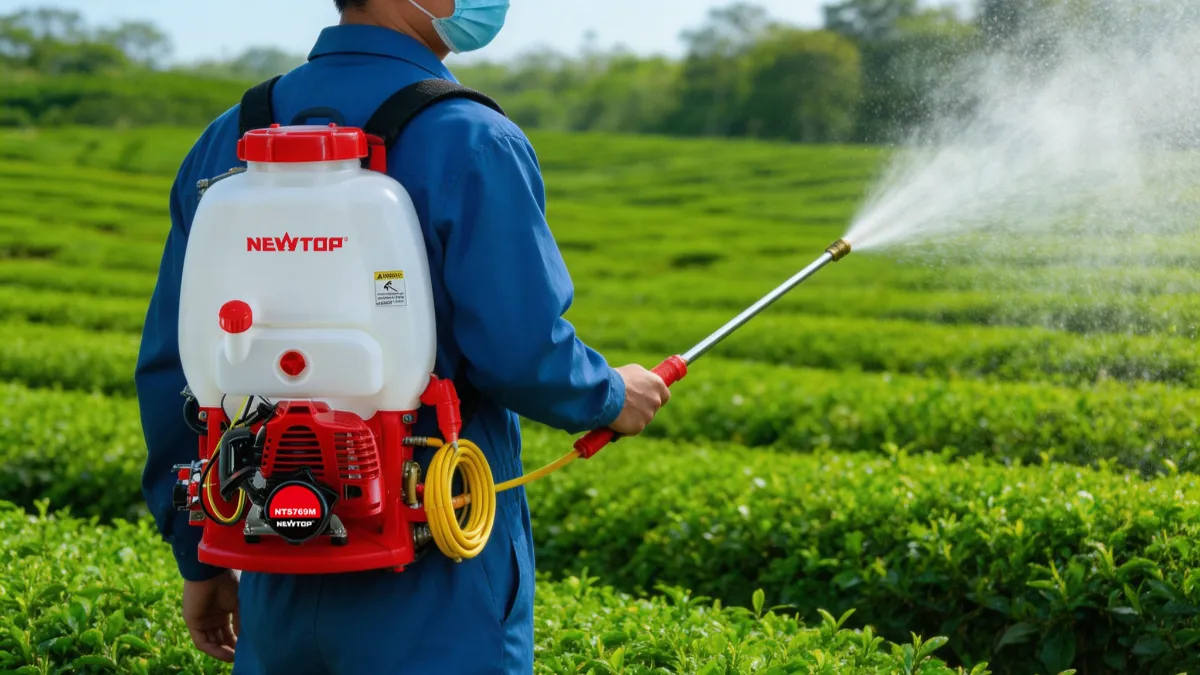
Knapsack sprayers are widely used in agriculture, ландшафтный дизайн, gardening, борьба с вредителями, and sanitation work. While many knapsack sprayer suppliers offer similar-looking products, the actual manufacturing quality, consistency, and service capability can vary significantly. Choosing the right knapsack sprayer manufacturer is not only about finding a competitive price. It is about building a reliable supply chain that supports your business growth for years.
Whether you are a distributor, importer, agricultural equipment dealer, or private-label brand owner, understanding how to evaluate a manufacturer can help reduce purchasing risks, improve customer satisfaction, and strengthen your market position.
This guide explains the key factors to consider before selecting a reliable knapsack sprayer manufacturer.
Knapsack Sprayer Manufacturer Experience
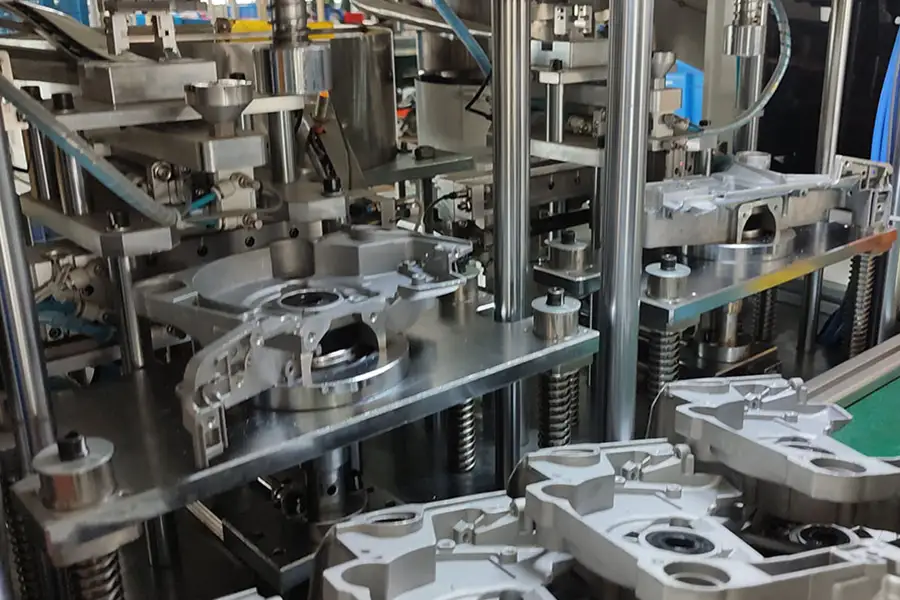
Experience is often one of the strongest indicators of manufacturing reliability. A OPE factory that has produced ранцевые опрыскиватели for many years usually has more mature production systems, stronger quality management, and a deeper understanding of market requirements.
Experienced knapsack sprayer manufacturers are better equipped to:
- Solve product development challenges
- Improve production efficiency
- Maintain consistent product quality
- Meet international market standards
- Respond quickly to customer feedback
You can consider the following questions:
| Фактор оценки | Почему это важно |
|---|---|
| Years in Operation | Indicates production stability and industry knowledge. |
| Export Experience | Demonstrates understanding of international requirements and market regulations. |
| Product Specialization | Shows technical expertise and continuous product development in backpack sprayer manufacturing. |
| Customer Portfolio | Reflects market recognition, customer satisfaction, and long-term business trust. |
| Production Scale | Indicates the manufacturer’s ability to support growing order volumes and future business expansion. |
OPE manufacturers that serve multiple regions often understand different customer preferences, certification requirements, and distribution challenges. This experience can be valuable when introducing products into new markets.
Например, distributors in Africa and Latin America often seek products that offer the right balance between cost, качество, and market compliance. Many also require customized packaging and branding to strengthen their local sales channels. Having supplied customers across these regions for many years, НЬЮТОП, a experienced knapsack sprayer manufacturer, understands these requirements and provides cost-effective products, flexible OEM services, and reliable export support.
Knapsack Sprayer Quality Control Process
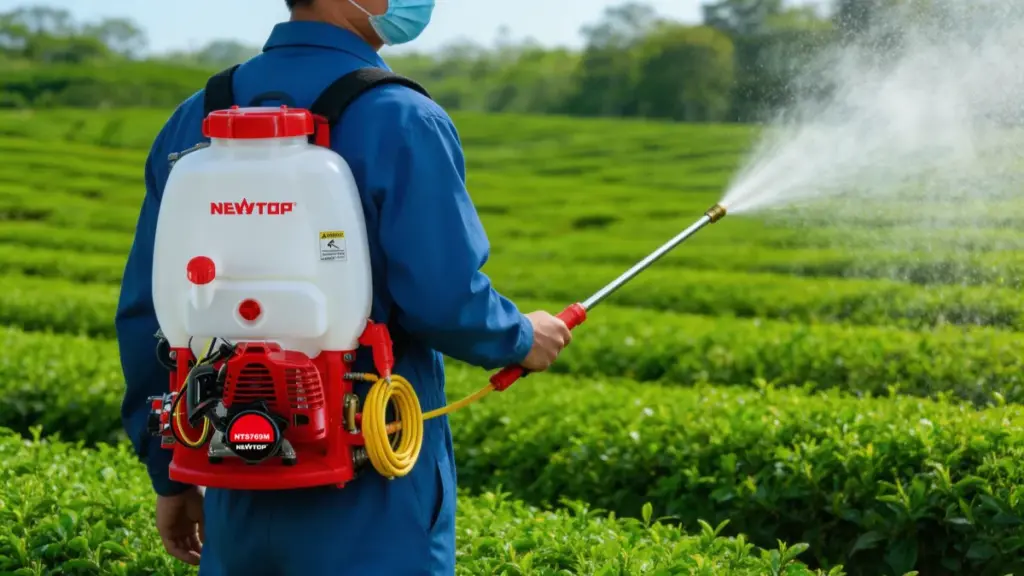
A rigorous quality control framework guarantees knapsack sprayers perform reliably in the field. This systematic approach minimizes defects, standardizes dosage accuracy, and ensures operator safety.
| QC Stage | Key Focus | Critical Actions |
|---|---|---|
| IQC | Материалы & Components | Resin indexing, corrosion checks, elastomer shore hardness |
| IPQC | Assembly Integrity | Hydrostatic tank tests, intermediate leak checks, pump stroke validation |
| OQC | Final Performance | Full-unit pressure holds, spray pattern analysis, residual volume checks |
| Согласие | System Traceability | CAPA management, batch tracking, safety standard certification |
Incoming Контроль качества (IQC) for Materials and Components
Quality starts before assembly begins. We evaluate all incoming raw materials and purchased components to prevent defects from entering the production line. Strict material screening guarantees the sprayer handles aggressive agrochemicals without degrading.
- Plastic resins: Test plastic resins for melt flow index, density, and UV stability.
- Metal components: Inspect metal parts like pump rods and wands for corrosion resistance and thread tolerances.
- Seals and gaskets: Evaluate elastomers and O-rings for chemical compatibility and correct shore hardness.
- Sub-assemblies: Verify trigger valves, hoses, and constant-flow devices against pressure and structural specifications.
In-Process Quality Control (IPQC) During Assembly
Monitoring the assembly line catches alignment and fabrication issues early. We track machine parameters and conduct physical tests at critical stations to validate structural integrity and mechanical fit.
- Tank fabrication: Monitor injection and blow molding parameters while conducting hydrostatic tests on tank weld lines.
- Pump mechanics: Check pump assemblies for smooth stroke action, displacement accuracy, and proper seal seating.
- Intermediate testing: Perform intermediate partial-fill leak checks around joints, hoses, and the pump base.
- Hardware security: Verify strap fixings, load-bearing anchor points, and hose clamp torque during final assembly.
Outgoing Quality Control (OQC) and Final Testing
Final unit testing confirms every assembled sprayer meets functional and safety targets. We pressurize and operate the units to simulate field conditions, isolating and removing any non-conforming products before shipment.
- Leak integrity: Conduct full-unit pressure tests upright and tilted to confirm absolute leak integrity.
- Output consistency: Measure flow rate consistency and verify pressure relief valves activate at designated limits.
- Application quality: Evaluate spray patterns for symmetry and test anti-drip devices for immediate shut-off.
- Efficiency checks: Measure residual liquid volume after spraying to depletion to ensure minimal chemical waste.
System Documentation and Compliance Tracking
A documented quality system provides accountability and drives continuous improvement. We link factory data to specific batches, allowing buyers to trace component origins and rely on validated performance metrics.
- Batch tracking: Maintain documented traceability from finished sprayer units back to specific component batches.
- Performance data: Track lifecycle durability data, including pump cycle tests and strap fatigue resistance.
- Defect management: Manage defect handling through structured Corrective and Preventive Action (CAPA) systems.
- Regulatory alignment: Ensure final product labels, safety symbols, and calibration instructions meet regional certification standards.
Maximize ROI With Durable Garden Machinery
Knapsack Sprayer Certifications and Compliance
Compliance in knapsack sprayers spans both product-level safety standards and operational design features that ensure safe, accurate pesticide application across regulated global markets.
Important Certifications to Consider
| Сертификация | Цель |
|---|---|
| ИСО 9001 | Quality management system |
| CE | Compliance with European market requirements |
| РоХС | Restriction of hazardous substances |
| BSCI | Social responsibility and ethical manufacturing |
| REACH | Chemical compliance for European markets |
| SGS Testing Reports | Independent product verification |
Core Product Certifications and Safety Standards
Accessing global agricultural markets requires strict adherence to regional machinery and safety directives. Manufacturers must validate sprayers through recognized regulatory frameworks before placing them on the market.
- European & UK Markets: CE marking and UKCA declarations confirm compliance with regional Machinery, Pressure Equipment, and Low Voltage Directives.
- Testing Standards: Engineers test equipment against ISO 19932-1:2013 and FAO guidelines to verify tank structural integrity, leak resistance, and spray performance.
- Powered Units: Gasoline-powered mist blowers require specific EPA or CARB certifications for engine emissions, alongside strict noise and vibration exposure limits.
Material and Chemical Compatibility Requirements
Agricultural sprayers handle aggressive solvents, surfactants, and fertilizers. Material selection directly dictates equipment lifespan and operator safety.
- Tank Construction: Factories mold tanks from UV-stabilized, high-density polyethylene (HDPE) to prevent outdoor degradation and chemical attack.
- Sealing Systems: Gaskets, O-rings, and hoses must resist degradation from herbicides, insecticides, and liquid fertilizers.
- Validation Testing: Quality control teams conduct long-term chemical soak tests and cyclic pressure protocols to ensure materials do not swell, crack, or leak under field conditions.
Operational and Environmental Compliance
Environmental stewardship requires equipment that minimizes chemical waste and off-target drift. Sprayer design plays a primary role in supporting safe field operations.
- Application Accuracy: Integrated pressure regulators maintain stable pressure for accurate dosing, while clear structural designs support rapid pre-use safety inspections.
- Drift Control: Operators use specific nozzle combinations and spray shields to limit chemical drift and protect non-target crops.
- Waste Management: Manuals dictate strict triple-rinsing procedures and safe washings disposal. Electric models include WEEE-compliant battery recycling instructions.
User Certification Alignment and Pesticide Regulations
Manufacturers do not certify operators, but they must design and document equipment to align with local pesticide licensing laws and professional training frameworks.
- Market Segmentation: Clear product labeling separates professional agricultural sprayers from standard domestic models.
- Regional Qualifications: Equipment documentation aligns with operator training expectations, such as the UK PA1/PA6 certificates or Irish QQI handheld application courses.
- Label Compliance: Sprayer engineering enables operators to match flow rates and droplet sizes to strict North American pesticide label directions.
Quality Management, Traceability, and Documentation
Consistent production quality relies on structured factory oversight and robust traceability systems. These frameworks protect buyers from batch variability and liability risks.
- QMS Integration: Factories implement ISO 9001 systems to govern design control, process validation, and supplier component oversight.
- Batch Traceability: Facilities track unique product serial numbers and batch codes to isolate defective components and manage targeted recalls.
- Field Support: Shipments include localized user manuals, internationally recognized safety pictograms, and visual guides to assist operators with accurate calibration.
Knapsack Sprayer OEM and ODM Capability

Factory OEM and ODM capabilities dictate how quickly and reliably you can produce customized sprayers tailored to your specific market and brand standards.
Core OEM and ODM Service Scope
Differentiating between OEM and ODM services helps buyers align their product strategy with factory capabilities. Capable factories support multiple product categories, including manual, battery-operated, dual-mode, and gasoline sprayers.
- OEM Services: Focuses on branding, minor structural adjustments, and component integration on existing sprayer platforms.
- ODM Services: Involves developing new tank configurations, custom power systems, and specialized safety controls directly from the concept stage.
Mechanical and Electrical Engineering Depth
Advanced R&D teams rely on 3D CAD modeling, rapid prototyping, and extensive field testing to validate new designs before mass production.
- Mechanical Engineering: Covers ergonomic tank profiles, wall thickness optimization, and durable pump mechanisms to withstand harsh field conditions.
- Electrical Capabilities: Includes battery capacity matching, DC motor selection, and moisture-sealed control interfaces for powered models.
Production Volume and Order Flexibility
Leading knapsack sprayer manufacturers sustain high-volume output by operating dedicated assembly lines tailored to different knapsack sprayer types. Flexibility on the factory floor translates directly to your supply chain reliability.
- MOQ and Lead Times: Suppliers adapt Minimum Order Quantities and production schedules based on your required level of customization.
- Flexible Setups: Production setups handle efficient branding changeovers and parallel runs for mixed-model orders to keep inventory flowing.
Quality Assurance and Regulatory Compliance
Consistent field performance requires strict process control. Sprayers undergo rigorous testing to meet global safety standards, specifically targeting tank rupture resistance and electrical insulation.
- Factory Quality Systems: Enforce incoming material checks, in-process assembly verification, and full-scale leak testing on every batch.
- Final Inspections: Quality teams verify consistent spray patterns, pressure stability, and battery function before final packaging.
Project Management and IP Security
Building a custom sprayer requires transparent communication and strict legal safeguards. Dedicated technical managers oversee design approvals, pre-production sampling, and golden sample definitions to align factory output with buyer expectations.
- Transparent Cost Structures: Supply agreements separate one-time tooling and development expenses from ongoing per-unit hardware pricing.
- Intellectual Property: Clear supply contracts define mold ownership, design exclusivity, and strict non-disclosure agreements to protect buyer IP.
Knapsack Sprayer Production and Lead Time

Lead times for knapsack sprayers depend heavily on your customization level and component sourcing strategy. Standard orders move fast, while custom molds and imported batteries extend timelines.
When evaluating a knapsack sprayer supplier, consider both production capacity and delivery consistency.
Key Questions to Ask
- What is the monthly production capacity?
- How many production lines are available?
- What is the average lead time?
- How are peak-season orders managed?
- What contingency plans exist for material shortages?
Typical lead times vary depending on order quantity and customization requirements.
| Order Type | Typical Lead Time |
|---|---|
| Standard Products | 15–30 days |
| Customized Packaging | 25–40 days |
| OEM Projects | 30–45 days |
| New ODM Development | 45–90 days |
В НЬЮТОП, we maintain a stable production system and mature supply chain to support both sample orders and bulk production efficiently. Typical lead times are around 7 days for samples and about 30 days for standard orders from 100 units to full container loads, depending on order requirements.
For OEM and customized projects, timelines vary based on specification complexity. Contact us to discuss your project and get a tailored quotation and delivery schedule.
Spare Parts Supply and After-Sales Support
Reliable spare parts supply and structured after-sales support keep knapsack sprayers operational. Prioritize manufacturers that standardize components and guarantee long-term availability to minimize field downtime.
Core Spare Parts Categories
A reliable manufacturer maintains a deep inventory of replacement components to keep agricultural operations running during critical spraying windows. We categorize essential knapsack sprayer parts into three distinct tiers.
- Mechanical assemblies: Supply of major mechanical assemblies including tanks, насосы, lances, and nozzle systems.
- Power components: Availability of power components like batteries, chargers, carburetors, and recoil starters for motorized units.
- Consumable parts: Provision of consumable sealing components such as O-rings, прокладки, and filters in ready-to-use kits.
Stocking these specific categories prevents minor wear from escalating into complete equipment failure.
Serviceability and Design Requirements
Good engineering anticipates field repairs. When components wear out, operators need to swap them quickly without shipping units back to a service center.
- Tool access: Unrestricted access to internal pump and valve components using standard hand tools.
- Modular assembly: Designs that allow fast field replacements of worn components without specialized fixtures.
- Component standardization: Standardization of hoses, threads, and fittings across multiple sprayer models to simplify distributor stocking.
This standardization sharply reduces inventory complexity for regional distributors and lowers the total cost of ownership for end-users.
Technical Documentation and Training
Even the best spare parts network fails if technicians lack the knowledge to install the components correctly. Manufacturers must supply clear visual repair documentation and active support.
- Visual documentation: Detailed exploded-view diagrams featuring clear reference numbers for accurate parts ordering.
- Maintenance manuals: Multilingual user manuals outlining daily maintenance, proper chemical cleaning protocols, and storage.
- Diagnostic tools: Actionable troubleshooting guides addressing common faults like pressure loss, leaks, and uneven spray.
- Skill development: Manufacturer-led capacity building and training workshops for distributor technicians and large agricultural end-users.
Proper training ensures correct reassembly and calibration, avoiding dosage errors caused by improper component fitment.
Parts Availability and Supply Logistics
Supply continuity dictates whether a discontinued model remains a viable asset or becomes useless plastic. Buyers must secure firm logistical commitments from their factory partners.
- Lifecycle commitments: Commitments to supporting discontinued models with replacement parts for five to seven years.
- Order processing: Structured order capabilities including standard lead times, reasonable MOQs, and consolidated container shipping.
- Regional supply: Utilization of regional distribution centers and local warehousing partners to reduce downtime for farmers.
Bundling initial spare parts shipments with primary container orders offers an immediate safeguard against early seasonal stockouts.
Warranty Coverage and Claims Resolution
A warranty needs a clear execution framework. You need a transparent system to handle defects fast and efficiently.
- Coverage terms: Clear baseline warranty terms separating structural components from normal wear parts.
- Claim processing: Transparent procedures for submitting defect claims with rapid response and defined resolution timeframes.
- Remedy execution: Options for remedies including free replacement parts, full unit exchanges, or supplier credit allocations.
Tracking failure data through these claims helps buyers negotiate better terms and drives continuous product improvement at the factory level.
Common Risks When Choosing a Low-Cost Manufacturer
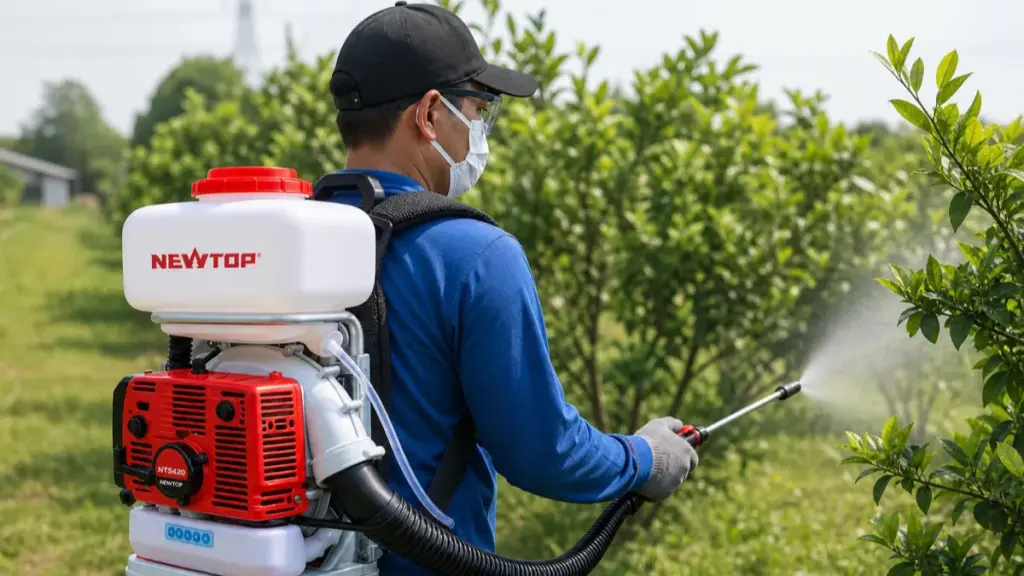
Chasing the lowest unit price often hides steep costs in early field failures, safety liabilities, and disrupted supply chains. A cheap sprayer quickly becomes an expensive liability.
Product Quality and Performance Issues
Low-cost factories routinely cut corners on materials and engineering. This severely impacts field performance and damages your brand reputation when the equipment reaches the end-user.
- Inconsistent spray output: Poor calibration and pressure fluctuations lead directly to crop over-dosing or under-dosing.
- Component failure: Substandard nozzles and cheap fluid components tend to drip or clog almost immediately.
- Structural weakness: Thin plastics and weak frames result in tank cracking and complete structural failure under regular field use.
Safety and Regulatory Compliance Gaps
Agricultural equipment must protect the operator and meet strict import standards. Budget manufacturers frequently skip compliance steps to save money, shifting the legal risk entirely onto you.
- Worker exposure: Poor sealing designs increase the operator’s exposure to pesticides through constant leaks and drips.
- Import blocks: Bypassing ISO and national safety standards puts your shipments at high risk of customs rejection.
- Liability exposure: A lack of traceability and missing safety certifications leaves buyers exposed to regulatory fines and product recalls.
Reliability and Hidden Lifecycle Costs
The upfront savings of a budget sprayer vanish the moment parts start breaking. Professional buyers evaluate total cost of ownership, which plummets when equipment fails in the field.
- Frequent downtime: High failure rates of seals, hoses, and pump handles halt operations during critical, time-sensitive spraying windows.
- Shorter service life: The absence of spare parts catalogs and maintenance support forces early equipment replacement.
- Erased margins: High defect rates, constant repair requirements, and frequent warranty claims quickly consume any initial unit cost savings.
Poor Ergonomics and Usability
If a knapsack sprayer is uncomfortable or difficult to operate, workers will misuse it or experience rapid physical fatigue, leading to sloppy application.
- Operator fatigue: Uncomfortable straps and poor weight distribution accelerate physical strain during long shifts.
- Incorrect practices: Inadequate manuals and missing local language translations cause mistakes in chemical mixing and application.
- Equipment misuse: A severe lack of proper training materials increases the likelihood of operator error and broken components.
Supply Chain and Quality Inconsistencies
Low-cost suppliers often lack the infrastructure and discipline to maintain steady quality or deliver on time, disrupting your entire seasonal sales strategy.
- Variable batch quality: Manufacturers quietly switch to cheaper materials or unvetted subcontractors to maintain their profit margins.
- Missed sales windows: Capacity constraints lead to late deliveries right before crucial pre-spray agricultural seasons.
- Skipped testing: Weak internal quality management systems bypass essential end-of-line testing and leakage checks.
Design Limitations for Specific Applications
A generic, one-size-fits-all approach rarely works in professional agriculture. Budget suppliers stick to basic configurations that limit your ability to capture specialized market segments.
- Mismatched capabilities: Generic designs fail to accommodate specific crop requirements, varying terrain types, and local climate conditions.
- Poor application control: Inadequate agitation and pressure control mechanisms prevent users from following strict spraying guidelines.
- Stagnant portfolios: Limited product lines ignore the growing market demand for larger capacity battery-powered or motorized units.
Ready to Build Your Knapsack Sprayer Product Line With NEWTOP?
Partnering with a proven OPE manufacturer secures your supply chain. NEWTOP delivers reliable quality, compliance-ready documentation, and scalable OEM production to keep your sprayer brand competitive.
С более чем 20 years of manufacturing experience, NEWTOP is a trusted outdoor power equipment supplier serving customers in more than 65 страны.
Why Partner With NEWTOP?
- 500,000+ units annual production capacity for stable supply
- Advanced manufacturing facilities and strict quality control systems
- Experienced R&D team supporting OEM and ODM customization
- Прочный, field-tested sprayers designed for agricultural and commercial use
- Reliable spare parts supply for long-term after-sales support
- International quality standards and product compliance for global markets
- Professional export experience serving Africa, Латинская Америка, Юго-Восточная Азия, and the Middle East
To expand our global presence, NEWTOP is actively seeking regional distributors and brand partners. Whether you are launching a new product line or expanding your existing portfolio, our team can provide reliable manufacturing support, customization services, and competitive partnership programs.
Contact NEWTOP today to discuss OEM projects, private-label opportunities, or regional distribution cooperation.
Часто задаваемые вопросы
What certifications should I look for in a knapsack sprayer manufacturer?
Common certifications include ISO 9001, CE, РоХС, REACH, BSCI, and third-party testing reports such as SGS. The required certifications depend on your target market and product application.
Do knapsack sprayer factories offer OEM and ODM services?
Да, most established backpack sprayer manufacturers provide both. OEM services usually cover branding, custom colors, and packaging changes with lower minimum order quantities. ODM involves engineering new tank shapes, pump mechanisms, or ergonomic features, requiring higher volumes and upfront tooling investments.
What is the typical production lead time for a knapsack sprayer order?
В НЬЮТОП, samples take around 7 дни, and standard orders usually take about 30 дни. OEM and ODM orders depend on customization requirements.
What quality control checks should a reliable factory perform?
A dependable factory conducts incoming material inspections, in-process assembly monitoring, and final product testing. Final tests should include pressure retention, leak detection, and flow rate calibration under controlled conditions. They should also run periodic durability and chemical resistance tests on representative samples.
Why is spare parts consistency critical for knapsack sprayers?
Consistent spare parts guarantee that the sprayer maintains accurate pressure and flow rates, which prevents under-dosing or over-dosing chemicals. Using standardized, high-quality replacement parts also minimizes operational downtime, simplifies maintenance, and extends the equipment’s lifespan.
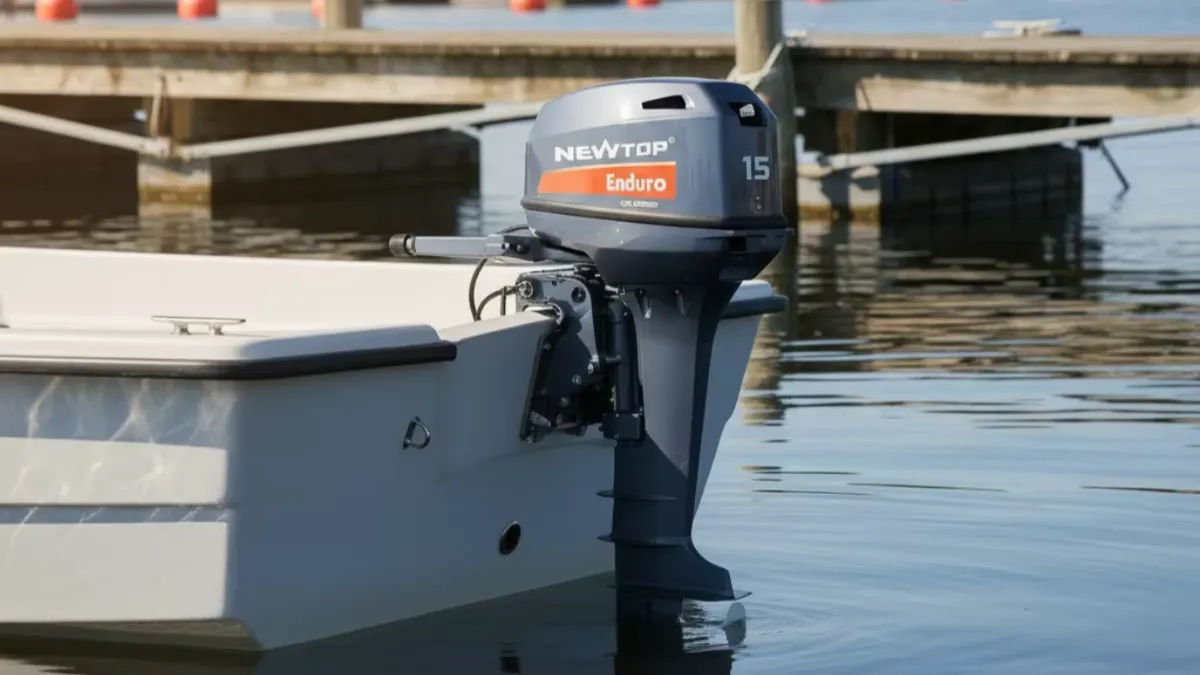
Outboard motors are one of the most important power systems for small and medium-sized boats. They are widely used in fishing, leisure boating, rescue work, aquaculture, транспорт, and commercial marine operations. Choosing the right outboard motor directly affects fuel efficiency, скорость, надежность, maintenance cost, and overall boating experience.
Today’s market offers many types of outboard motors, including gasoline, электрический, diesel, two-stroke, and four-stroke models. Each option is designed for different boat sizes, operating environments, and usage needs.
This guide explains the major types of outboard motors and helps buyers understand which solution works best for different boating applications.
Объяснение различных типов подвесных моторов
Подвесные моторы can be classified in several ways, including fuel type, engine design, horsepower range, and intended application.
The most common categories include:
| Тип двигателя | Core Technology | Основной вариант использования |
|---|---|---|
| Four-Stroke Gas | Бензин / Separate Oil | Family cruisers, offshore fishing, heavy pontoons |
| Two-Stroke Gas | Бензин / Oil Mix (or DFI) | Lightweight performance boats, shallow-water skiffs |
| Электрический | Lithium/AGM Battery | Eco-sensitive waters, лодки, restricted lakes |
| Hybrid Gas-Electric | Combustion + Electric Drive | Mixed-use vessels, экотуризм, водное такси |
| Trolling / Kicker | Electric or Small Gas | Precise angling control, auxiliary offshore backup |
| Jet Outboard | Water Pump Thrust | Shallow rivers, rocky rapids, спасательные операции |
Four-Stroke Gasoline Outboards
Four-stroke outboards dominate the modern recreational boating market. They operate with a separate oil system, completely eliminating the need for manual fuel-oil premixing. This design mirrors automotive engines, using valves and camshafts to manage intake and exhaust phases.
- Efficiency and Emissions: Deliver high fuel efficiency, более низкие выбросы, and quieter operation compared to legacy engine designs.
- Applications: Perform well on family cruisers, offshore fishing boats, and heavy-load pontoons.
- Trade-offs: Carry a heavier weight and higher upfront cost but offer strong long-term reliability and resale value.
Two-Stroke Gasoline Outboards
Two-stroke outboards prioritize raw power and quick throttle response. They fire on every crankshaft revolution, giving them a distinct performance advantage off the starting line. While older carbureted models consume more fuel and produce more exhaust smoke, modern engineering has refined the technology.
- Производительность: Provide a high power-to-weight ratio, resulting in rapid acceleration and a strong hole shot.
- Mechanics: Feature a simpler core mechanism with fewer moving parts, often lowering initial purchase and maintenance costs.
- Modern Upgrades: Modern direct-injection versions meter oil and fuel precisely to improve efficiency for lightweight performance boats.
Электрические подвесные моторы
Electric outboards replace the internal combustion engine entirely, drawing power from rechargeable lithium or AGM battery packs. They provide a silent, emission-free alternative tailored for specific boating environments where noise and pollution control are top priorities.
- Воздействие на окружающую среду: Produce zero local emissions and minimal noise, making them ideal for eco-sensitive waters and wildlife areas.
- Обслуживание: Require almost no routine mechanical maintenance like oil changes or spark plug replacements.
- Limitations: Face range limitations based on battery capacity, requiring reliable charging infrastructure at the dock or trailer.
Hybrid Gas-Electric Outboards
Hybrid systems combine an internal combustion engine with an electric drive to maximize operational flexibility. Operators can seamlessly switch between propulsion methods based on their immediate environment and range requirements.
- Универсальность: Allow operators to use silent electric power in restricted zones and gas power for open-water transit.
- Надежность: Provide dual-power redundancy, offering backup propulsion if one system fails.
- Considerations: Involve higher system complexity, increased weight, and higher acquisition costs than single-mode alternatives.
Trolling and Kicker Motors
Not all outboards serve as the primary source of high-speed propulsion. Trolling and kicker motors act in highly specialized roles to complement the main engine, focusing on precise maneuvering and safety.
- Trolling Motors: Use electric power to offer precise, silent, low-speed control for anglers navigating structure.
- Kicker Motors: Function as small auxiliary gasoline outboards mounted alongside the main engine on the transom.
- Benefits: Provide backup propulsion for offshore safety and save fuel during extended low-speed transit.
Propeller vs. Jet Outboard Variants
The method an outboard uses to translate engine power into thrust dictates where you can safely navigate. While conventional propeller outboards efficiently translate power to thrust across a wide range of speeds and depths, jet variants offer a specialized solution for hazardous waters.
- Jet Mechanics: Jet outboards replace the lower unit propeller with a water pump, drawing water beneath the hull and expelling it as thrust.
- Safety Advantages: Jet drives significantly reduce draft and eliminate exposed blade risks, creating a safer option for shallow rivers and rocky areas.
- Performance Trade-offs: Jet units require more engine power to match propeller speeds and face risks of intake clogging from floating debris.
Two-Stroke vs Four-Stroke Outboard Motors
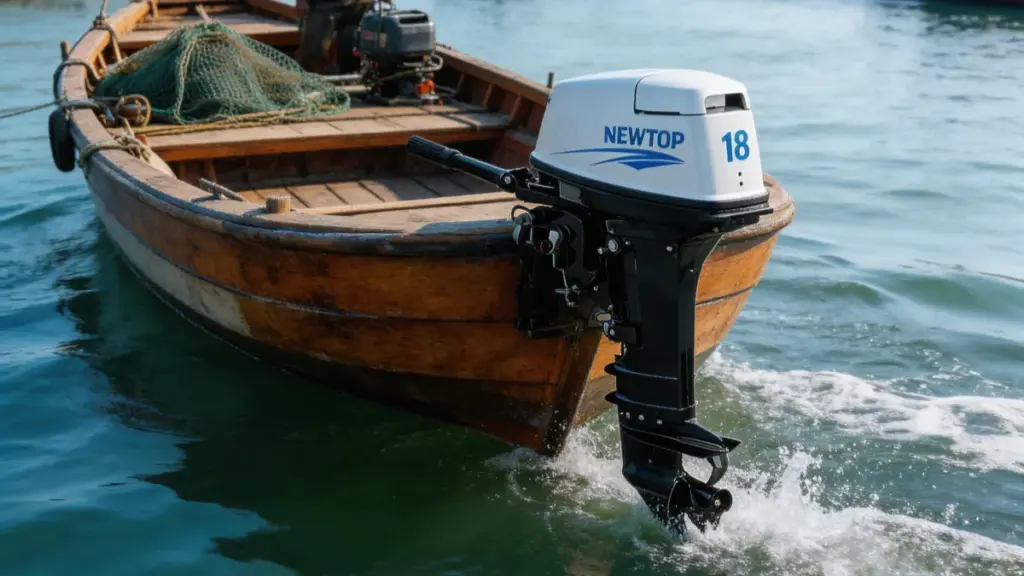
Choosing between two-stroke and four-stroke outboards depends entirely on your boat’s transom weight limits, fuel range targets, and acceleration needs.
| Особенность | Двухтактный | Четырехтактный |
|---|---|---|
| Масса | Зажигалка | Тяжелее |
| Топливная эффективность | Ниже | Выше |
| Уровень шума | Louder | Quieter |
| Обслуживание | Проще | Более сложный |
| Выбросы | Выше | Ниже |
| Best Use | Portable boats | Recreational and commercial use |
Mechanical Design and Weight Differences
Engine cycle mechanics dictate the core differences between these two platforms. Two-stroke outboards complete a power cycle in just two piston strokes. This results in a simpler internal layout with fewer moving parts.
These design variances directly impact how the engine sits on the transom and performs in the water. We track specific performance differences for both configurations:
- Weight penalty: Four-stroke outboards weigh 30 к 40 percent more, increasing the overall transom load and altering shallow-water handling.
- Hole-shot capability: Two-strokes deliver quicker acceleration and a higher power-to-weight ratio, ensuring an immediate hole-shot.
Fuel Economy, Выбросы, and Ride Quality
Operators focused on operating costs and passenger comfort usually lean toward four-stroke models. Four-strokes provide 20 к 30 percent better fuel economy because they burn fuel more completely during the combustion cycle.
Engineers have closed the technology gap in recent years. Modern direct-injection two-strokes significantly reduce historical emission levels while still pushing strong acceleration. When evaluating the daily experience on the water, buyers must consider the physical ride quality:
- Acoustics and vibration: Four-strokes operate with minimal vibration and run quietly at cruising speeds.
- Acoustic presence: Two-strokes produce a sharper, more noticeable sound under heavy load.
Maintenance Requirements and Longevity
Service schedules differ heavily based on the internal oiling systems. Two-strokes require the operator to mix oil directly with the fuel or rely on an integrated oil-injection system. You avoid traditional oil changes, but you must constantly monitor oil reservoir levels.
Four-strokes operate much like automotive engines. They use a separate crankcase oil reservoir that requires standard engine oil and filter changes. This adds some mechanical complexity to your annual service checklist. Both engine types deliver reliable long-term service life when owners stick to proper marine maintenance schedules.
Best Use Cases for Each Engine Type
Selecting the right motor requires matching the technology to the specific boat and mission.
- Two-stroke outboard motors applications: These fit best on lightweight boats used for shallow-water fishing, water sports, and frequent trailering where saving transom weight is critical.
- Four-stroke подвесные моторы приложения: These match perfectly with heavier boats taking longer offshore or lake trips where fuel efficiency and quiet operation matter most.
Boat size, average trip length, and transom weight limits drive the final selection rather than engine technology alone.
Outboard Motors for Small Fishing Boats
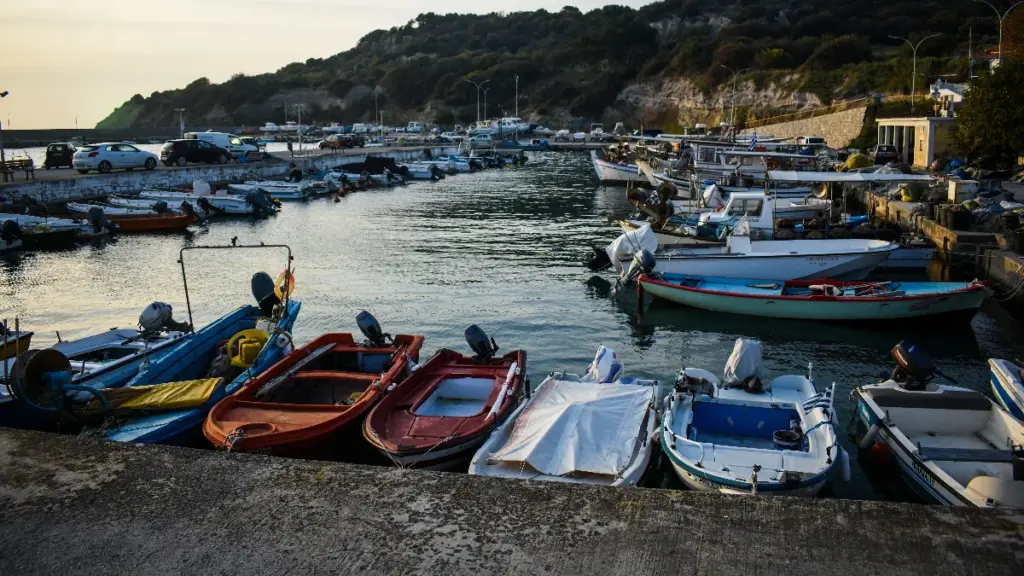
The right outboard motor for a small fishing boat balances hull size, weight capacity, and local water conditions to maximize range, скорость, and stealth.
Primary Motor Types and Capabilities
Selecting the propulsion system dictates how you interact with the water. You have three main options for small fishing boats.
- Small gasoline outboards (2–10 hp): These deliver higher top speeds—up to 18 mph—and extended range. Refueling on the water is simple, though you must manage engine noise and exhaust emissions.
- Электрические подвесные моторы (3–10 hp equivalent): These units provide high torque with quiet, emission-free operation. Top speeds usually max out between 6 и 12 миль в час, making them better suited for steady cruising rather than fast transit.
- Electric trolling motors: Instead of primary propulsion, these act as secondary positioning tools. They use thrust ratings rather than horsepower and give you fine control for stealthy maneuvering along structures.
Matching Motor Sizes to Boat Designs
A motor only performs as well as the hull it pushes. Match the power output directly to the boat design to ensure safe and efficient handling.
- Джон лодки (10–16 футов): These flat-bottom hulls perform well with 3–6 hp gas or electric motors. Depending on your load, expect speeds between 4 и 10 миль в час.
- Small aluminum V-hulls (12–16 футов): The deeper hull design handles heavier loads and requires 4–9.9 hp gas outboards to reliably reach planing speeds.
- Inflatables and fishing tenders: Portability is the priority here. Pair these with lightweight 2.5–6 hp gas outboards or 3–6 hp electric equivalents to keep the entire setup easy to transport.
Ключевые критерии выбора
Beyond raw horsepower, specific operational factors dictate the exact motor you need. Consider your operating environment and physical boat dimensions before making a purchase.
- Shaft length: You must match the motor shaft to your transom height. A 15-inch short shaft or 20-inch long shaft prevents propeller ventilation and eliminates unnecessary drag.
- Total load capacity: Heavier setups—combining hull weight, механизм, and passengers—demand higher torque. High loads severely reduce top-end speed, a factor that becomes especially obvious with electric motors.
- Water environment: Shallow, rocky rivers demand jet outboards to protect the lower unit. Наоборот, if you fish on emission-restricted reservoirs, an electric outboard setup is mandatory.
Cooling, Обслуживание, and Durability
Gas outboards pull cooling water through the lower unit. This design makes them highly vulnerable to internal damage if you drag them through sand or ingest mud in shallow water. You have to monitor the cooling stream constantly to avoid overheating.
Electric outboards eliminate traditional water pumps. They still require the lower unit to remain submerged, relying on the surrounding water for passive cooling. Running an electric motor dry at high power will quickly destroy internal components.
Routine upkeep differs drastically between the two. Gas motors demand regular oil changes, замена свечей зажигания, and strict fuel system care to prevent ethanol damage. Electric motors skip the fluid changes and focus heavily on battery management, wire corrosion checks, and routine lower unit seal inspections.
Source Durable Power Equipment for Maximum ROI
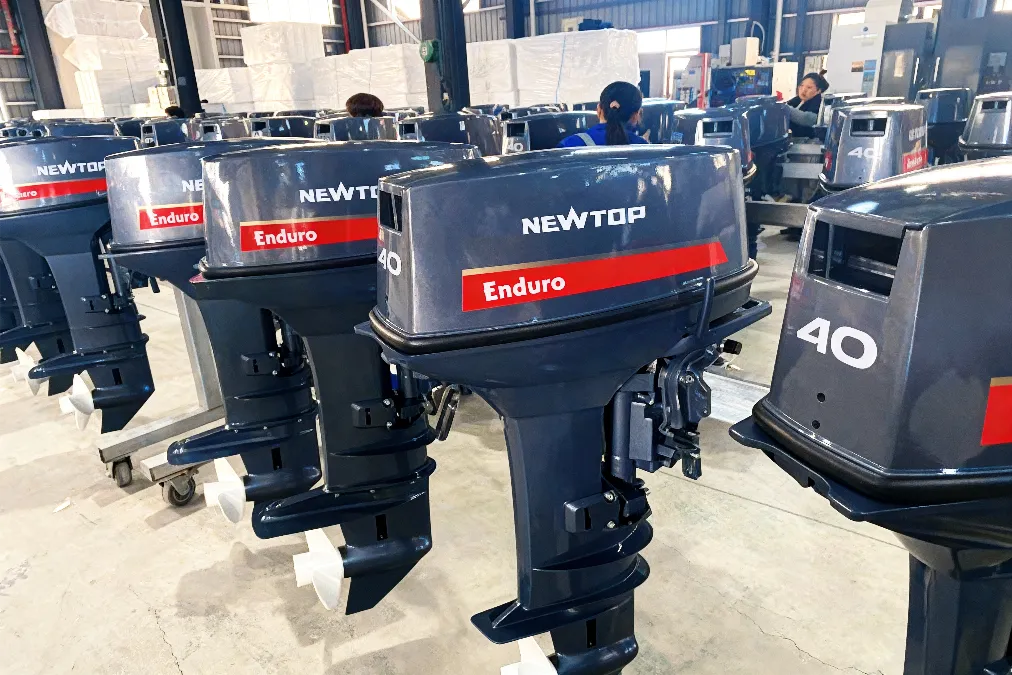
Outboard Motors for Recreational and Family Boats
Outboards give family boats reliable, space-saving propulsion. Matching the right motor type, engine cycle, and horsepower to your hull ensures safe handling and long-term passenger comfort.
Role and Advantages in Family Boating
These self-contained propulsion systems mount directly on the boat transom. This setup frees up valuable interior deck space compared with traditional inboard engines. The external design simplifies routine maintenance and makes eventual engine replacement much easier. Builders use outboards as the standard power source for bowriders, понтоны, надувные лодки, and deck boats.
Gasoline vs. Electric Outboard Options
Internal combustion models act as the standard choice for general-purpose cruising and watersports. Gasoline outboards provide a massive power range from under 2 hp to over 600 hp to fit almost any recreational transom.
Electric outboards rely on battery systems to deliver zero local emissions and quiet operation. These electric variants excel in noise-restricted lakes, small inflatables, and short-distance trips where silence takes priority over extended range.
Four-Stroke and Direct-Injected Two-Stroke Engines
Modern four-strokes dominate the recreational market. They deliver quiet operation, низкие выбросы, and strong fuel efficiency. Four-strokes utilize a separate oil lubrication system, eliminating the need to mix oil and fuel at the dock.
Direct Fuel Injection (ДФИ) two-strokes provide a different performance profile. They offer rapid acceleration and a lighter power-to-weight ratio. Performance-oriented boaters favor DFI engines for towing skiers or wakeboarders because of that immediate throttle response.
Sizing Guidelines for Recreational Hulls
Selecting the right horsepower requires matching the motor to the loaded weight of your boat. A standard industry benchmark recommends 25 к 40 pounds of loaded boat weight per horsepower.
- Small inflatables: Usually require 10 к 25 hp for safe handling and portability.
- Compact pontoons and small deck boats: Generally operate well with 60 к 90 л.с..
- General-purpose 18 to 22-foot runabouts: Typically utilize 115 к 200 hp for mixed-use activities.
Essential Features for Family Comfort and Safety
A great day on the water depends on reliable equipment. Electric start and power tilt/trim simplify operation for boaters of all skill levels. Electronic Fuel Injection (EFI) ensures reliable cold starts and smoother idling characteristics.
Passenger comfort relies heavily on low noise and minimal vibration levels during long weekend cruises. You must also match the correct shaft length to the transom height. This maintains proper handling and keeps the boat operating safely within its design limits.
Outboard Motors for Workboats and Commercial Use
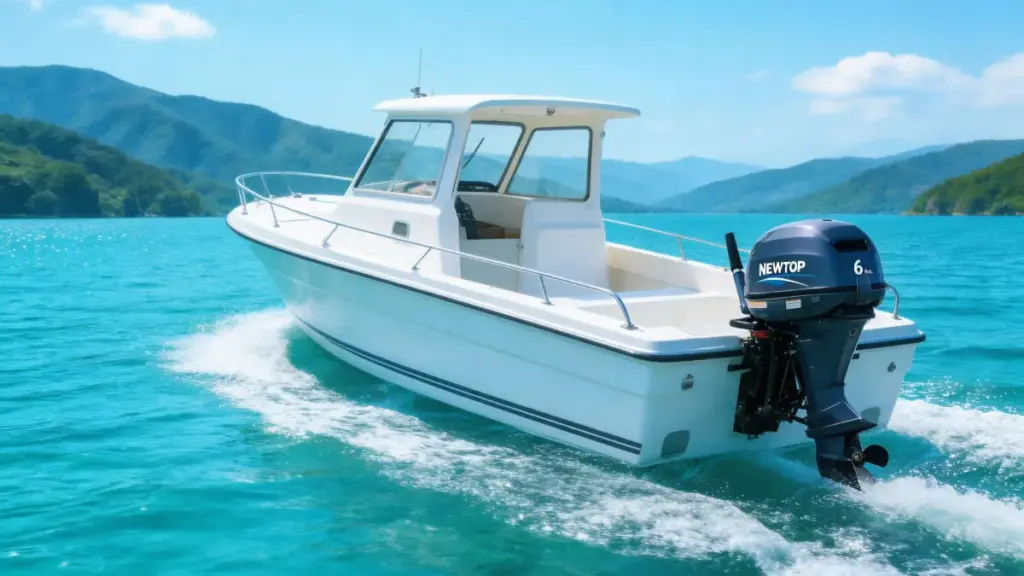
Commercial outboards prioritize heavy-duty durability, high torque, and long-term fuel efficiency to survive the brutal 2,000-hour annual duty cycles that standard recreational engines simply cannot handle.
Commercial Duty Cycles and Operational Demands
Workboats operate under relentless conditions that break standard engines. While recreational boaters might log 50 к 200 hours a season, commercial vessels regularly push their outboards from 500 to well over 2,000 hours annually.
- High-load operation: Engines run for extended periods at wide-open throttle or under maximum tow loads.
- Harsh environments: Operators expose these motors to extreme temperatures, debris-filled shallows, and highly corrosive saltwater daily.
- Performance priorities: Commercial crews ignore peak top speed, favoring absolute reliability and low-end torque to get the job done.
Structural Upgrades in Commercial Outboards
Manufacturers build commercial outboards to absorb constant abuse. They upgrade the internal architecture significantly compared to recreational models.
- Reinforced drivetrains: Heavy-duty bearings and strengthened gearcases handle continuous high-thrust operations without failing.
- Upgraded hardware: Builders use higher-grade stainless steel for fasteners, linkages, and heavy-duty transom brackets to combat structural fatigue.
- Corrosion resistance: Advanced coatings and upgraded sacrificial anode systems protect critical metal parts from aggressive saltwater degradation.
- Robust cooling: High-capacity water pumps process dirty, shallow water efficiently to prevent overheating under heavy load.
Gasoline vs. Diesel Engine Choices
The choice of fuel dictates operating costs and maintenance logistics. Commercial fleets typically choose between three main engine technologies.
- Four-stroke gasoline: These engines dominate the market due to wide availability, extensive dealer support networks, and lower initial purchase costs.
- Дизельные подвесные моторы: Operations running large ships often prefer diesel to match existing onboard systems. They deliver superior fuel safety and drastically lower fuel consumption.
- Direct-injection two-strokes: These engines fill a niche role for vessels requiring rapid acceleration and high power-to-weight ratios.
Propulsion and Configuration Strategies
Rigging a workboat requires matching the engine power to hull displacement, expected loads, and local environmental conditions.
- Single engine setups: Using one robust outboard reduces drag, improves fuel efficiency per mile, and minimizes maintenance points.
- Multi-engine redundancy: Offshore and emergency rescue vessels rely on twin or multiple engines to provide crucial mechanical backup at sea.
- High-thrust configurations: Operators pair high-thrust gearcases with low-pitch propellers to maximize bollard pull and low-speed maneuvering control.
Total Cost of Ownership and Maintenance
The initial purchase price of a commercial outboard represents just a fraction of the actual expense. Long-term fuel usage, routine maintenance, and vessel downtime heavily outweigh the upfront cost.
- Fuel economy: Optimizing fuel consumption at cruise RPM drives the largest operational savings for high-hour fleets.
- Service accessibility: Visible anodes, modular fuel filters, and accessible diagnostic ports speed up routine maintenance tasks.
- Extended lifecycles: Commercial-grade internal components delay major rebuilds, keeping the vessel earning money on the water rather than sitting in the shop.
Electric Outboard Motors for Quiet and Clean Operation
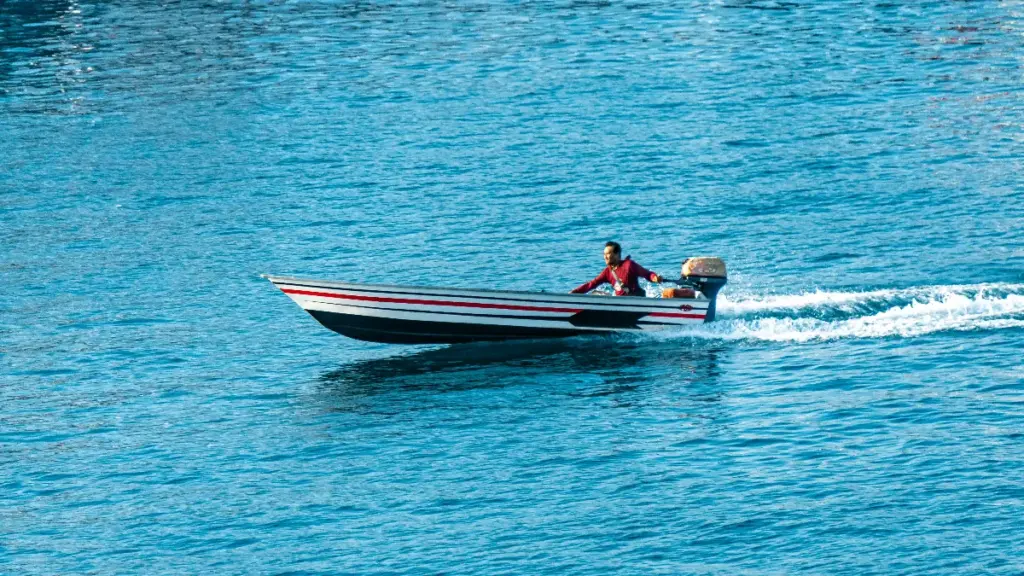
Electric outboard motors eliminate noise and exhaust, providing a clean propulsion solution that complies with strict waterway regulations while improving passenger comfort and wildlife interaction.
Noise Reduction and Vibration Control
Electric motors run near-silent at low speeds and generate significantly less noise than gas equivalents at cruising speed. The absence of combustion cycles and exhaust systems removes harsh mechanical sounds. Direct-drive designs minimize vibration, reducing operator fatigue and ensuring a smooth ride.
Zero Direct Emissions and Water Protection
Electric systems produce zero tailpipe emissions, eliminating local carbon monoxide and hydrocarbon pollution. Removing onboard gasoline tanks and oil sumps eradicates the risk of fuel leaks and oil slicks. Replacing fossil-fuel combustion on the water directly lowers the carbon footprint of marine recreation.
Access to Restricted Waterways
Many lakes and protected marine areas now enforce strict bans on combustion engines. Electric outboards easily comply with zero-emission zone requirements. Operators can navigate ecologically sensitive environments without facing regulatory restrictions.
Enhancing the Boating Experience and Wildlife Interaction
Quiet operation improves onboard communication and passenger comfort. Low-noise propulsion prevents spooking fish, giving anglers a strategic advantage. Eco-tourism operators can approach marine life closely without causing stress or disruption.
Diesel and Specialty Outboard Motors for Heavy Duty Tasks
Diesel and specialty outboards deliver the extreme torque, топливная экономичность, and structural durability required for commercial workloads, offshore transit, and continuous heavy-duty operation.
Core Advantages of Diesel and Specialty Outboards
Heavy loads and long hours demand specific propulsion traits. Diesel outboards are engineered for these exact conditions, offering distinct operational benefits over standard recreational engines.
- High low-end torque: Delivers the pushing power needed to plane heavy boats, tow loads, and maintain steady thrust against strong currents or rough water.
- Superior fuel efficiency: Extends the range of commercial operations and reduces the frequency and cost of refueling.
- Heavy-duty construction: Withstands continuous loading and high annual operating hours in highly corrosive marine environments.
- Lower flammability: Diesel fuel minimizes fire risks compared to gasoline, creating safer fuel-handling protocols for commercial crews.
Key Categories of Specialty Propulsion
Standard outboards often fall short in specialized scenarios. Manufacturers build distinct categories to handle non-standard commercial, спасать, and expedition requirements.
- High-horsepower offshore outboards: Propel large vessels across open water, integrating digital controls to manage high payloads safely.
- Commercial-duty outboards: Prioritize raw reliability and standard parts to ensure maximum run times for utility and patrol boats.
- Jet-drive systems: Swap traditional propellers for internal impellers to navigate shallow, rocky waters without prop strike damage.
- Electric and auxiliary outboards: Provide precise maneuvering, emergency backup propulsion, and zero-emission operation for sensitive work environments.
Crucial Performance Specifications
Evaluating a heavy-duty outboard requires looking past peak horsepower. Commercial operators focus on specifications that dictate sustained pulling power and engine longevity.
- Torque output: Directly dictates a motor’s ability to lift heavy hulls onto plane and push through strong headwinds.
- Continuous duty ratings: Help commercial buyers accurately forecast maintenance intervals based on predictable, long-hour operating profiles.
- Engine weight: Robust diesel blocks weigh more than gas equivalents, requiring precise adjustments to transom load, boat trim, and slow-speed handling.
- Propeller matching: Getting the pitch and diameter right ensures you optimize thrust, ускорение, and fuel economy under heavy cargo.
Selection Criteria for Heavy-Duty Applications
Buying the wrong motor for a commercial hull destroys ROI. A systematic selection process prevents expensive repowering mistakes and operational downtime.
- Hull compatibility: Engine specifications must align perfectly with the boat’s bare weight, deadrise, and maximum intended cargo or tow load.
- Operating environment variables: Specific conditions dictate requirements like shallow-water drives, extreme cold-weather starting, or offshore-grade corrosion defense.
- Total cost of ownership: The initial price tag matters less than the combined cost of fuel burn rates, maintenance labor, и запасные части.
- Local service network: Proximity to trained technicians and OEM diagnostic systems is non-negotiable to keep commercial downtime to an absolute minimum.
Maintenance Priorities for Long-Term Reliability
Heavy-duty motors endure brutal conditions. Ignoring standard maintenance schedules rapidly degrades performance and leads to catastrophic failures under load.
- Fuel system health: Demands clean tanks, strict adherence to specified fuel grades, and routinely draining water separators.
- Corrosion control: Requires aggressive fresh water flushing, regular sacrificial anode inspections, and sealing vulnerable electrical connections.
- Lubrication schedules: Replacing gearcase oil and engine lubricants on exact intervals prevents critical overheating during continuous high-load operation.
- Scheduled visual inspections: Identifies early signs of mounting bracket wear, steering play, fuel leaks, or propeller damage before they escalate.
How Horsepower and Boat Size Affect Motor Selection
Matching horsepower to boat size dictates performance, безопасность, и топливная экономичность. Use the 25 к 40 pounds per horsepower rule and never exceed the capacity plate limits.
The Core Relationship Between Boat Weight and Horsepower
A reliable industry baseline dictates 25 к 40 pounds of fully loaded boat weight per horsepower. You calculate this fully loaded weight by combining the hull, двигатель, fuel, пассажиры, and gear.
For boats under 20 ноги, the U.S. Coast Guard capacity plate acts as the ultimate authority. You must follow this plate to determine the absolute maximum horsepower limit and ensure safe operation.
Typical Horsepower Ranges by Boat Type
Different hull designs require specific power bands to operate efficiently across various conditions.
- Small inflatables and dinghies: Run efficiently on 2 к 10 hp for short trips in calm water.
- Jon boats and aluminum skiffs: Perform well with 9.9 к 30 hp for light fishing and lake travel.
- Mid-size center consoles and bay boats: Need 60 к 200 hp to handle coastal chop and family cruising.
- Large offshore boats: Demand 200 к 600+ hp to maintain speed and safety in heavy seas.
How Intended Use and Load Affect Performance
Your daily activities dictate where you should fall within your boat’s power range. Watersports demand strong acceleration. To pull skiers or wakeboards, select horsepower near the boat’s maximum rating.
Calm-water cruising changes the math. You can use smaller motors to gain better fuel efficiency, operating comfortably closer to the 40 pounds per horsepower mark.
Keep in mind that every additional passenger changes the power dynamic. Heavily loaded boats require more horsepower to reach and maintain plane effectively.
The Risks of Underpowering vs. Overpowering
Underpowering a hull forces the engine to run constantly at high RPMs. This causes sluggish handling, spikes fuel consumption, and places excess strain on internal components.
Selecting horsepower near the upper limit provides a better hole shot and lets you cruise efficiently at mid-range RPMs.
Overpowering crosses the line into dangerous territory. Exceeding the maximum rating creates handling instability, overloads the transom structurally, and frequently voids insurance policies.
Matching Shaft Length and Engine Technology
Horsepower only works if the propeller sits correctly in the water. Measure the transom height exactly to select the correct short, длинный, or extra-long shaft. This prevents unnecessary drag and propeller ventilation.
Choose four-stroke engines when you want quieter operation and better fuel management compared to traditional carbureted two-strokes. For maximum reliability, opt for Electronic Fuel Injection (EFI) or Direct Fuel Injection (ДФИ) to secure quick cold starts and lower fuel costs.
Common Buying Mistakes Across Boat Applications
Buyers routinely waste thousands by focusing on brand and price while ignoring structural limits, mechanical health, and total operating costs during outboard motor repowers.
Mismatched Specifications and Application
Buyers often choose an outboard based on a perceived good deal rather than its intended use. Slapping a heavy four-stroke on a light hull meant for a two-stroke drastically alters how the boat sits and handles.
- Engine characteristics: Failing to align the motor with specific uses, such as running heavy 4-strokes on light hulls or standard outboards for precise trolling.
- Capacity limits: Overpowering or underpowering the vessel by ignoring the capacity plate and recommended horsepower limits.
- Shaft length: Selecting the wrong dimension, causing poor handling, cavitation, or excessive drag in the water.
- Transom weight: Ignoring the weight impacts of modern outboards on older transoms, leading to stern squat and serious swamping risks.
Overlooking Mechanical and Structural Health
A clean gelcoat and fresh decals easily mask serious mechanical and structural failures. Smart operators know the real value lies under the cowl and inside the fiberglass core.
- Cosmetic traps: Judging an outboard based on cosmetic appearance rather than conducting systematic compression and fluid checks.
- Missing history: Disregarding age, service records, and diagnostic reports in favor of low purchase prices.
- Structural decay: Planning a repower without physically inspecting the hull and transom for structural rot, flex, or delamination.
Neglecting System Compatibility
Dropping a modern outboard onto a legacy boat requires more than bolting it to the transom. Electrical and fuel systems degrade over time and routinely fail to meet the tight tolerances of modern electronic engines.
- Control limits: Assuming existing wiring, control cables, and steering mechanisms can safely handle a new or more powerful motor.
- Fuel system decay: Overlooking deteriorated fuel lines, incompatible ethanol components, and contaminated tanks that destroy injectors.
- Electrical demands: Failing to verify battery size and condition against the strict manufacturer requirements for modern digital systems.
Skipping Sea Trials and Professional Inspections
Running an engine on a hose in the driveway tells you almost nothing about how it performs under load. Real-world testing reveals the hidden flaws that cost thousands to fix after the sale.
- Professional review: Completing a purchase without a formal inspection by a certified marine technician or marine surveyor.
- Loaded performance: Forgoing a loaded sea trial to test hole shot, wide-open throttle RPM limits, and steering torque.
- System checks: Failing to test essential onboard systems like gauges, alarms, and electronics during active operation.
Underestimating Total Costs and Logistics
The upfront invoice represents only a fraction of outboard ownership. Buyers frequently miscalculate the long-term financial commitment required to keep a vessel running safely and reliably season after season.
- Operational expenses: Focusing solely on the purchase price while ignoring ongoing fuel, масло, and scheduled maintenance expenses.
- Lifecycle value: Failing to account for future usage needs, regional parts support, and brand resale value.
- Hidden logistics: Overlooking insurance quotes, proper off-season storage, and safety equipment requirements before purchasing.
Why Source Outboard Motor Solutions From an Experienced Supplier?
Selecting an outboard motor is not only about horsepower specifications or purchase cost. Product consistency, надежность доставки, техническая поддержка, and long-term parts availability all influence the success of marine equipment distribution and end-user satisfaction.
An experienced manufacturer can help customers reduce procurement risks while maintaining stable product quality across different markets. Key advantages often include:
- OEM and ODM customization capabilities
- Consistent quality control throughout production
- Reliable spare parts supply
- Technical manuals and product documentation
- Compliance with local regulations and certification requirements
- Flexible solutions for different boat applications and market demands
As an established outdoor power equipment manufacturer, NEWTOP has accumulated extensive experience in engine-powered equipment production and international export operations. The company focuses on delivering dependable power solutions backed by strict manufacturing standards, efficient production management, and responsive customer support.
Looking for a reliable outboard motor manufacturer? Contact NEWTOP to explore customized solutions, request product specifications, or receive a quotation tailored to your business needs.
Заключительные мысли
Understanding the different types of outboard motors is the first step toward making the right investment for your boating application. From lightweight two-stroke models for small fishing boats to fuel-efficient four-stroke engines, electric propulsion systems, and heavy-duty diesel solutions, each option offers distinct advantages depending on operating conditions and performance requirements.
Rather than focusing solely on horsepower or purchase price, buyers should consider factors such as boat size, предполагаемое использование, топливная экономичность, требования к техническому обслуживанию, и долговременная надежность. A properly matched outboard motor can improve safety, reduce operating costs, and deliver better performance on the water.
Часто задаваемые вопросы
Какие существуют основные типы лодочных моторов?
The main types include two-stroke, четырехтактный, электрический, diesel, and specialty outboard motors. Each type is designed for different boat sizes, условия эксплуатации, and performance requirements.
Что лучше: a two-stroke or four-stroke outboard?
Your boating application dictates the right choice. Two-stroke outboards weigh less and deliver rapid acceleration, making them perfect for small boats, shallow-water fishing, and tow sports. Four-stroke outboards run quieter, burn fuel more efficiently, and produce fewer emissions. Boaters typically choose four-strokes for long-range cruising, offshore runs, and pushing heavier vessels.
Are electric outboard motors a good investment?
Electric outboards make sense for short trips, лодки, or quiet fishing applications where you have reliable charging access. They eliminate fuel costs, require minimal maintenance, and produce zero emissions. But they demand a higher upfront purchase price and lose range rapidly at high speeds. For offshore runs or fast planing, traditional gas outboards still provide the best performance.
How do I determine the right horsepower for my boat?
Start by reading your boat’s capacity plate to find the absolute maximum legal horsepower rating. A solid performance baseline is 1 horsepower for every 25 к 40 фунты веса полностью загруженной лодки, accounting for passengers, механизм, and fuel. If you regularly carry heavy loads, run in rough chop, or tow skiers, target an engine output closer to your hull’s maximum rating.
Are diesel outboard motors used on everyday recreational boats?
You rarely see diesel outboards on typical recreational boats. Manufacturers engineer them for commercial fleets, military units, and law enforcement. These professional users need massive low-end torque, extreme durability, and the ability to run on standard shipboard diesel fuel. While diesels deliver incredible fuel efficiency, their high weight and premium purchase price make them impractical for weekend boaters.
