


- 全て
- NEWTOPのお客様事例
- NEWTOP エクスプローラー ハブ
- NEWTOP 業界の洞察
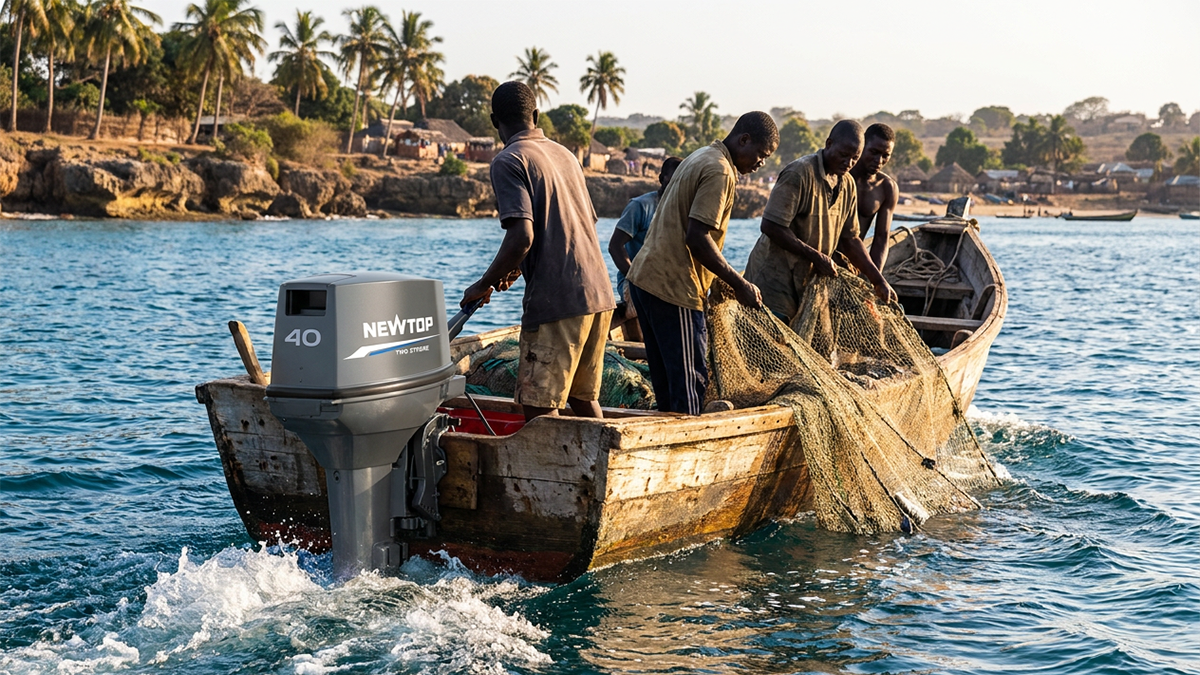
購入者がさまざまなメーカーの製品を比較するとき 船外機メーカー, 彼らはしばしば馬力にまず注目します, 価格, またはブランドの知名度. それは理解できる, しかし、そこから始めるのが最適な場所であることはほとんどありません. 実際の市場では, 適切な船外機は、単に最も強力なモデルや最も安価なオプションではありません。. 現地の水事情に合わせたものです, ユーザーの習慣, メンテナンスの現実, そして長期的な需要.
そのため、船外機の選択は常に機械ではなく市場から始める必要があります。. ローカル環境が異なる場合、あるリージョンで良好なパフォーマンスを発揮するモデルでも、別のリージョンではパフォーマンスが低下する可能性があります。, ボートの種類, 購入者の期待は異なります. 代理店およびディーラー向け, これは技術的な問題以上のものです. 顧客の信頼を形作るのは商業上の決定です, 再注文率, 長期的なビジネスの成長.
ニュートップにて, このパターンは複数の輸出市場で見られます. 私たちの経験では, 最も強力な結果は、多くの場合、現場での毎日の使用に適合する製品から得られます。, カタログで見た目が良いという理由だけで選んだ製品ではありません.
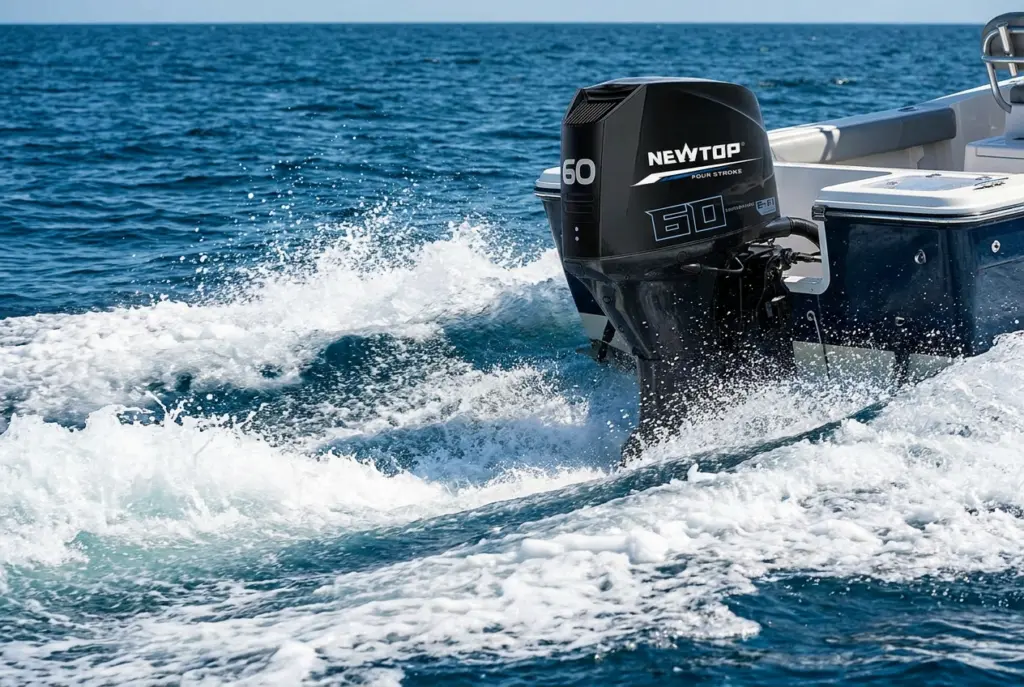
ローカル使用から始める, 製品スペックだけではない
最初の質問は簡単です: あなたの市場では船外機を何に使っている人がいますか?
一部の地域では, バイヤーは主に近海釣りや短距離輸送に使用しています。. 他では, 彼らは川の仕事を彼らに頼っている, 島内輸送, 観光, パトロール, または救助アプリケーション. 商品カテゴリーは同じでも、, 日々の仕事量はまったく異なる可能性があります.
その違いが重要だ. 小型漁船を中心に構築された市場は燃料効率をより重視する可能性がある, 簡単な始動, 最高速度よりも簡単なメンテナンス. 対照的に、, より重い荷物を運んだり、長時間運転したりするオペレーターは、より強力な推力を求めることがよくあります。, 安定した冷却, 継続使用でも信頼できるパフォーマンスを実現.
多くの輸入業者は、実際の作業パターンを理解する前に、排気量と定格出力を比較するという間違いを犯しています。. 実際に, 本当の問題は、「紙の上ではどちらのエンジンが強力に見えるか」ではありません。?「余分な問題を引き起こすことなく、この市場で通常の業務を遂行できるエンジンはどれでしょうか」?」
ローカルのユースケースが明確になったら, 製品スペックの評価がさらに容易になりました.
なぜ水の状態と気候が重要なのか
すべての市場が船外機に同じ圧力をかけているわけではありません. 水タイプ, 温度, 湿度, および動作環境はすべて、時間の経過とともにエンジンのパフォーマンスに影響を与えます.
沿岸市場では, 耐食性が大きなセールスポイントになる. 海水, 湿度, 頻繁に海洋にさらされると、弱いコンポーネントがすぐに損傷する可能性があります. これらの市場のバイヤーは、材料の耐久性に細心の注意を払うことがよくあります。, 保護コーティング, そして長期的な信頼性.
川沿いの市場で, 焦点が移動する可能性があります. 浅い水域, 泥だらけの状況, 電流が変動するため、ユーザーは冷却の安定性をより心配することがよくあります。, プロペラの耐久性, 安定した低速動作. このような場合には, ショールームで印象的に見える製品でも、現場の条件と一致しない場合は信頼を築けない可能性があります.
気候も買い手の期待を形成する. 暑い地域では, ユーザーは長時間の稼働時の熱安定性を重視することがよくあります。. メンテナンス習慣が異なる市場で, また、操作が簡単で、日常の使用に耐えられる製品を好む可能性もあります。.
経験豊富な船舶用エンジン ディーラーが外観だけでモデルを判断することはほとんどないのはこのためです。. 彼らは、市場が実際の地域の状況にどのように耐えるかに基づいて製品を判断することを知っています.
地元のバイヤーが実際に重視しているもの
多くの輸入業者は、バイヤーが船外機をどこでも同じように評価すると想定しています。. 実際に, 彼らはしません. 価格に敏感な市場であっても, ダウンタイムが発生する場合、顧客が絶対的に最も安価なオプションを望むことはほとんどありません, 燃費が悪い, または継続的なサービスの問題.
ほとんどの地元の市場では, 買い手は実際的な要素の組み合わせを気にする傾向があります:
- 実釣でも安心の日常性能, 輸送, または労働条件
- 長期的な運用コストを削減する燃料効率
- 簡単な始動と簡単な取り扱い, 特に頻繁に使用するボートの場合
- 定期的なメンテナンスや修理のためのスペアパーツの入手可能性
- 地域の気候や水質における耐久性, 塩水または熱を含む
- 短いダウンタイム, 多くのユーザーが収入を得るためにエンジンに依存しているため
- ディーラーやサプライヤーに対する信頼, 特にアフターサポートが重要な場合
これが、製品のポジショニングが非常に重要である理由です. 優れた販売代理店は、単にどのエンジンのコストが安いかを尋ねることはありません。. 彼らは、フルシーズンの作業を終えた後も顧客がどのエンジンを信頼できるかを尋ねます。.
そのため, 成功した船外機販売代理店は通常、考えられるすべての構成を在庫しようとするのではなく、少数の明確な購入者のプロファイルを中心に製品範囲を構築します。.
馬力を実際の動作需要に合わせる
馬力はボートと作業負荷をサポートする必要があります, 単なるマーケティング言語ではない.
ライトフィッシングに適した低馬力モデルが多い, 小型ボート, 個人的な水の使用. ミッドレンジ モデルは通常、ユーザーが携帯性と実用的な出力のバランスを必要とする混合用途市場に適合します。. より高馬力のエンジンは商業作業に適しています, より大きな船体, またはより重い荷物を運ぶ作業.
重要なポイントはシンプルです: 馬力は現地の需要に見合ったものでなければならない. エンジンが大きすぎると、不必要な燃料費と購入圧力が発生する可能性があります. エンジンが小さすぎると日常の作業に支障をきたし、すぐに顧客の信頼を損なう可能性があります.
多くの場合、最も現実的と思われるものこそが商業上の最良の決定である理由はここにあります, パンフレットに印刷されている最も大きい番号のものではありません.
多くの市場でエンジンの種類が依然として重要な理由
エンジンの種類も市場適合性において重要な役割を果たします.
多くの市場で, 特に簡単なメンテナンスと使い慣れたエンジン構造が依然として重要な場合, 2ストローク船外機 買い手の関心を引きつけ続ける. すでに製品を理解しているユーザーは、自信を持って再度購入することが多い, 特にローカルサービスの知識がすでに存在する場合.
他の市場では, しかし, 規制により買い手の期待が変わり始める可能性がある, 燃料の習慣, または商業的ニーズの変化. それでも, 市場にメンテナンスの習慣やスムーズな稼働を維持するためのサポート ネットワークが欠けている場合、技術的に高度な製品が常に最良の商業的選択肢であるとは限りません。.
ここでディストリビューターは製品文献を超えて考える必要があります. 通常、最良のモデルは、現地市場ですぐに使用できるモデルです。, メンテナンスと再注文.
スペアパーツとアフターセールスサポートがリピートビジネスを促進する理由
強力なエンジンだけでは市場を構築できない.
スペアパーツの供給, サービス応答, テクニカル サポートは、顧客が再注文するかキャンセルするかを決定することがよくあります. ディーラーは価格や外観を理由に最初のユニットを販売する可能性があります, しかし、リピートビジネスは通常、販売後に何が起こるかによって決まります.
共通保守部品の調達が難しい場合, または技術的な質問が解決されない場合, たとえ良いエンジンでも売るのが難しくなる. これが、経験豊富なバイヤーの多くが製品範囲だけでなく船外機メーカーを評価する理由です。, エンジンの後ろのサポートシステムによっても.
明確な部品図, 安定したコンポーネント, 交換連続性, 応答性の高いコミュニケーションが重要です. ニュートップ用, ビジネスのこの部分は二次的なものではありません. 多くの輸出市場で, 長期的な信頼は、エンジンが, スペアパーツ, アフターサポートもすべて連携可能.
同時に, より強力なアフターセールスパフォーマンスは、多くの場合、すでに現地の需要に適合しているモデルを選択することから始まります。. NEWTOPはT15-6B4などの人気の船外機オプションでディストリビュータをサポートできます, T15-63V, T40J, とT40G, 地元のボートのサイズに応じて, 仕事量, そして顧客の好み. 市場で広く使用されている厳選されたプラットフォーム向け, 互換性のある機械や交換部品も提供できます。 100% ヤマハと互換性があります, 鈴木, Tohatsu, およびマーキュリーモデル. これにより、ディーラーはサービスのプレッシャーを軽減できます, 部品の入手可能性を向上させる, 日常のメンテナンス需要に迅速に対応します.
信頼性の高い船外機で現地の需要にマッチ

ディーラーは船外機メーカーをどう評価すべきか
多くの場合、適切なサプライヤーを選択することは、適切なエンジン モデルを選択することと同じくらい重要です。. 実際に, 経験豊富な輸入業者や船舶用エンジン販売業者は通常、協力関係を拡大する前に、いくつかの中核となる基準に基づいてメーカーを評価します。.
| 評価要素 | なぜそれが重要なのか |
|---|---|
| 製品の一貫性 | エンジンが異なるバッチ間でも同様に動作することを保証することで、ディーラーが顧客の信頼を築くのに役立ちます. |
| スペアパーツの継続性 | アフターサービスをサポートし、保守部品の入手不能によるリピートビジネスの損失のリスクを軽減します. |
| テクニカルサポート | ディーラーが設置を解決できるようにする, メンテナンス, ローカル市場での質問をより効率的に解決します. |
| 安定供給 | 在庫計画が容易になります, 需要のピークに対応する, 安定した売上成長を維持する. |
| ビジネスの柔軟性 | 販売代理店が製品構成を適応させるのを支援します, 梱包, または市場の発展に応じた協力モデル. |
実際に, 販売代理店の成長のさまざまな段階を理解しているメーカーは、多くの場合、長期的に協力しやすいです。. 新しい輸入業者はエントリーレベルのモデルを選択するのに助けが必要な場合があります, 一方、より確立されたパートナーは OEM サポートを必要とする場合があります, 梱包調整, またはより幅広い製品ミックス.
どちらの場合も, サプライヤーは商業的に考える必要がある, 運営面だけでなく. これが、長期的なパートナーシップが取引による購入よりも優れたパフォーマンスを発揮することが多い理由の 1 つです。.
価格が重要, しかし、トータルマーケットフィットはもっと重要です
価格は常に購入決定に影響を与えます, 特に競争市場では. しかし, 価格だけで長期的な成功を予測できることはほとんどありません.
初期費用が低いエンジンは、後になって保証の問題により大きなプレッシャーを受ける可能性があります, 顧客の信頼の低下, またはリピート率が低い. 一方で, より優れたサポートを備えた少し強力な製品は、苦情が減り信頼が向上するため、時間の経過とともにディーラーの利益が増加する可能性があります。.
これは、すべての市場がプレミアムに移行する必要があるという意味ではありません. それは、すべての市場がトータルフィットの観点から考える必要があることを意味します: 製品の性能, 現地の状況, 買い手の期待, サービスサポート, 長期的なビジネスの可能性.
これらの要素が揃うと, 船外機は単なる製品ではありません. それは実際の市場戦略の一部となる.
現在の需要と将来の成長について考える
船外機に関する最善の決定は、通常、現在の需要と将来の機会のバランスをとることによって行われます。.
ディストリビューターはバイヤーが今日何を必要としているかを理解する必要があります, そして、市場が次にどこに動くかについても. あなたの地域で漁業が成長している場合, 観光, 救助用, または水運, その場合、製品計画は短期的な需要だけではなく、その方向性を反映する必要があります。.
現在の目標は単にエンジンを販売することではありません. 市場とともに成長できる製品ラインナップを構築することです.
だからこそ、適切な船外機の選択は単なる技術的な決定ではありません。. 商用のものです. 地元の環境を理解しているバイヤー, 適切な馬力範囲を選択してください, 信頼できる船外機メーカーと協力することで、長期的にはより強力な立場に立つことができます。.
船舶用エンジン事業を展開されている企業様へ, そのような意思決定は真の利点を生み出します. ニュートップにて, 私たちは、製品の選択が市場の現実から始まり、長期的な顧客の信頼で終わるときに最良の結果が得られると信じています。.
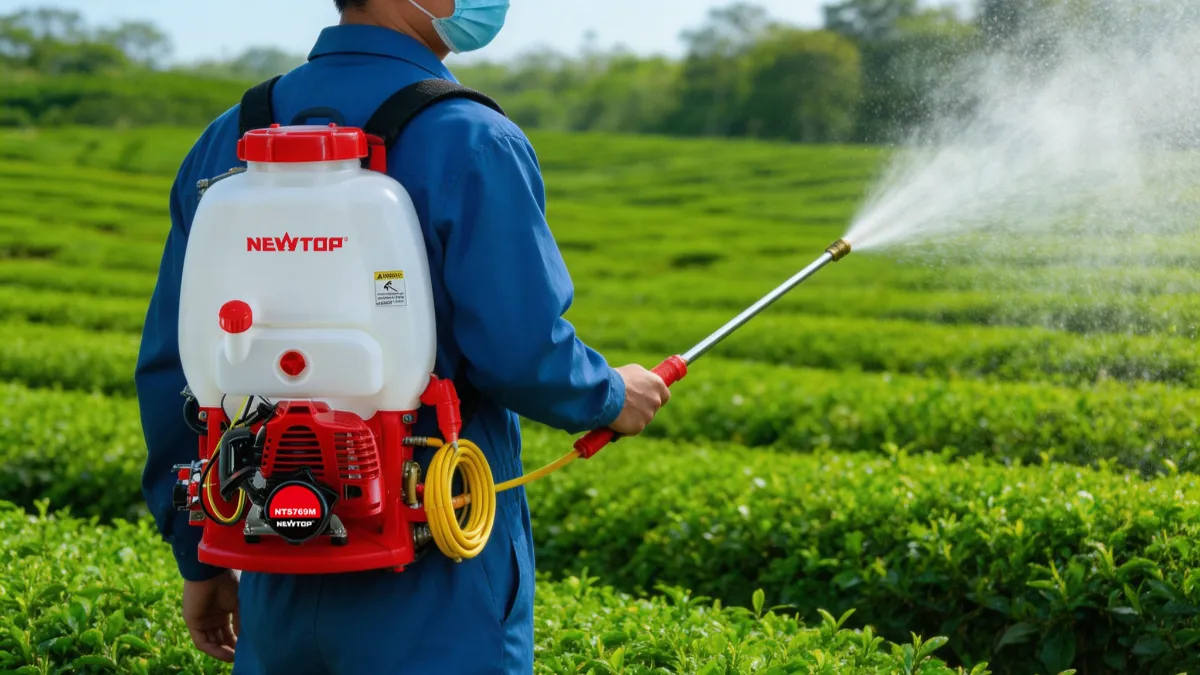
ナップザック噴霧器は農業で広く使用されています, 造園, 園芸, 害虫駆除, そして衛生作業. 多くのナップザック噴霧器サプライヤーが同様の外観の製品を提供していますが、, 実際の製造品質, 一貫性, サービス能力は大幅に異なる場合があります. 適切なナップザック噴霧器メーカーを選択することは、競争力のある価格を見つけることだけではありません。. 長年にわたりビジネスの成長をサポートする信頼できるサプライ チェーンを構築することが重要です.
あなたがディストリビューターであるかどうか, 輸入者, 農機具販売業者, またはプライベートブランドのオーナー, メーカーを評価する方法を理解することは、購入リスクを軽減するのに役立ちます, 顧客満足度の向上, 市場での地位を強化します.
このガイドでは、信頼できるナップザック噴霧器メーカーを選択する前に考慮すべき重要な要素について説明します.
ナップザック噴霧器のメーカー経験
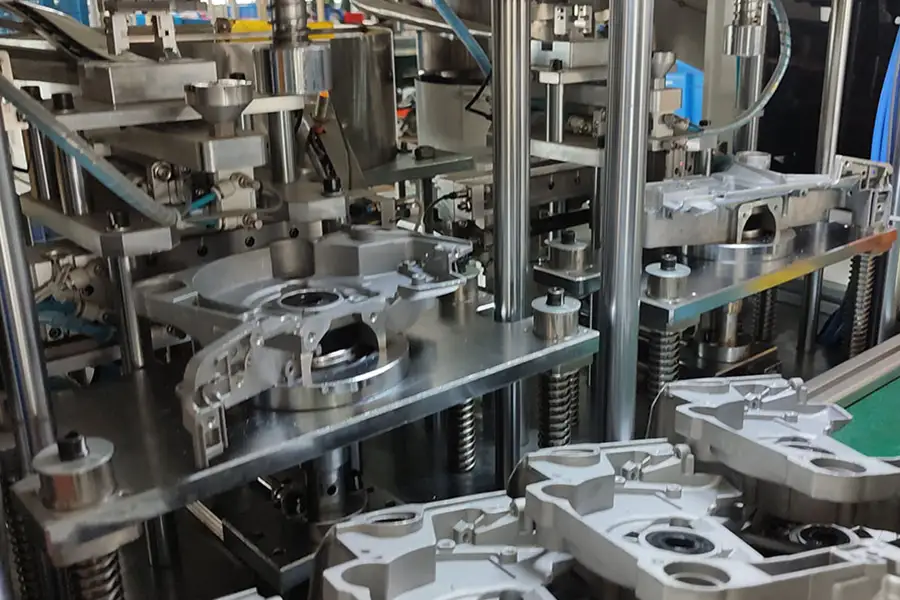
多くの場合、経験は製造の信頼性を示す最も強力な指標の 1 つです. を生産してきたOPE工場 ナップザック噴霧器 長年にわたり、通常はより成熟した運用システムが使用されています, 品質管理の強化, 市場の要件をより深く理解する.
経験豊富な ナップザック噴霧器メーカー よりよく備えられている:
- 製品開発の課題を解決する
- 生産効率の向上
- 一貫した製品品質を維持する
- 国際市場基準を満たす
- 顧客のフィードバックに迅速に対応する
次の質問を検討してください。:
| 評価要素 | なぜそれが重要なのか |
|---|---|
| 稼働年数 | 生産の安定性と業界の知識を示します. |
| 輸出経験 | 国際的な要件と市場規制への理解を示す. |
| 製品の専門化 | バックパック噴霧器製造における技術的専門知識と継続的な製品開発を示します。. |
| 顧客ポートフォリオ | 市場の認識を反映, 顧客満足度, 長期にわたるビジネス上の信頼. |
| 生産規模 | 増加する注文量と将来の事業拡大をサポートするメーカーの能力を示します. |
複数の地域にサービスを提供する OPE メーカーは、多くの場合、異なる顧客の好みを理解しています。, 認定要件, そして流通上の課題. この経験は、製品を新しい市場に導入するときに役立ちます.
例えば, アフリカとラテンアメリカの販売代理店は、コストとコストの適切なバランスを提供する製品を求めることがよくあります。, 品質, と市場コンプライアンス. また、多くの企業は、地元の販売チャネルを強化するために、カスタマイズされたパッケージングやブランディングを必要としています。. 長年にわたりこれらの地域の顧客に製品を供給してきました, ニュートップ, 経験豊富なナップザック噴霧器メーカー, これらの要件を理解し、コスト効率の高い製品を提供します, 柔軟なOEMサービス, 安心の輸出サポート.
ナップザック噴霧器の品質管理プロセス
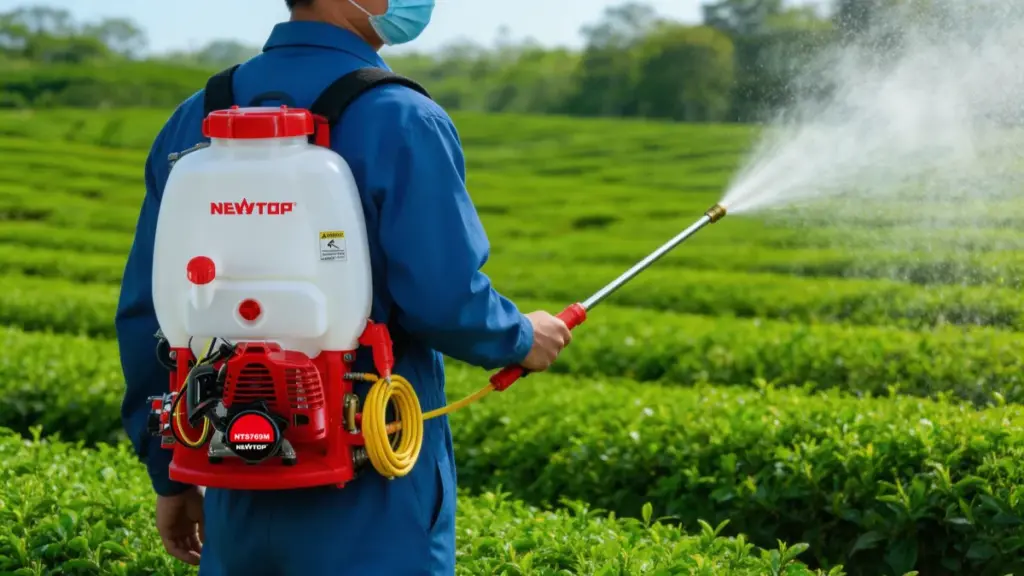
厳格な品質管理フレームワークにより、ナップサック型噴霧器が現場で確実に動作することが保証されています。. この体系的なアプローチにより欠陥が最小限に抑えられます, 投与量の正確性を標準化します, オペレーターの安全を確保します.
| QCステージ | 主要な焦点 | クリティカルアクション |
|---|---|---|
| IQ | 材料 & コンポーネント | 樹脂のインデックス付け, 腐食チェック, エラストマーのショア硬度 |
| IPQC | アセンブリの完全性 | 静圧タンク試験, 中間リークチェック, ポンプストロークの検証 |
| OCC | 最終パフォーマンス | フルユニット圧力保持, スプレーパターン分析, 残量チェック |
| コンプライアンス | システムのトレーサビリティ | CAPA管理, バッチ追跡, 安全規格認証 |
着信 品質管理 (IQ) 材料とコンポーネントの場合
品質は組み立てが始まる前に始まる. 生産ラインに欠陥が入るのを防ぐために、入荷したすべての原材料と購入したコンポーネントを評価します。. 厳格な材料スクリーニングにより、噴霧器が強力な農薬を劣化させることなく処理できることが保証されます。.
- プラスチック樹脂: プラスチック樹脂のメルトフローインデックスをテストする, 密度, および紫外線安定性.
- 金属部品: ポンプロッドやワンドなどの金属部品の耐食性やねじ公差を検査します。.
- シールとガスケット: エラストマーと O リングの化学的適合性と正しいショア硬度を評価します。.
- サブアセンブリ: トリガーバルブを確認する, ホース, 圧力および構造仕様に対する定流量デバイス.
工程内品質管理 (IPQC) 組み立て中
組立ラインを監視することで、位置合わせや製造の問題を早期に発見します. 機械パラメータを追跡し、重要なステーションで物理テストを実施して、構造的完全性と機械的適合性を検証します。.
- タンクの製作: タンクのウェルドラインで静水圧試験を実施しながら、射出成形およびブロー成形パラメータを監視します.
- ポンプの仕組み: ポンプアセンブリのストローク動作がスムーズかどうかを確認してください, 変位精度, および適切なシールの取り付け.
- 中間テスト: ジョイント周囲の中間部分充填漏れチェックを実行する, ホース, そしてポンプベース.
- ハードウェアセキュリティ: ストラップの固定を確認する, 耐荷重アンカーポイント, 最終組み立て時のホースクランプトルク.
出荷時の品質管理 (OCC) そして最終テスト
最終単体テストでは、組み立てられたすべての噴霧器が機能および安全性の目標を満たしていることを確認します. 現場の状況をシミュレートするためにユニットを加圧して操作します, 出荷前に不適合製品を隔離して除去する.
- 漏れの完全性: ユニット全体の圧力テストを直立および傾けて実施し、絶対的な漏れの完全性を確認します.
- 出力の一貫性: 流量の一貫性を測定し、圧力リリーフバルブが指定された限界で作動することを確認します.
- アプリケーションの品質: スプレーパターンの対称性を評価し、即時に遮断するための液滴防止装置をテストします。.
- 効率チェック: 化学廃棄物を最小限に抑えるために、枯渇するまでスプレーした後の残留液体量を測定します。.
システムのドキュメントとコンプライアンスの追跡
文書化された品質システムは説明責任を果たし、継続的な改善を推進します。. 工場データを特定のバッチにリンクします, 購入者がコンポーネントの起源を追跡し、検証されたパフォーマンス指標に依存できるようにします。.
- バッチ追跡: 完成した噴霧器ユニットから特定のコンポーネントのバッチに至るまでの文書化されたトレーサビリティを維持します。.
- パフォーマンスデータ: ライフサイクル耐久性データを追跡する, ポンプサイクルテストとストラップ疲労耐性を含む.
- 欠陥管理: 構造化された是正措置および予防措置を通じて欠陥処理を管理する (キャパ) システム.
- 規制の調整: 最終製品のラベルを確認する, 安全記号, 校正手順は地域の認証基準を満たしています.
耐久性のある園芸機械で ROI を最大化
ナップザックスプレーヤの認定とコンプライアンス
ナップサック型噴霧器のコンプライアンスは、製品レベルの安全基準と安全を確保する運用設計機能の両方に及びます。, 規制された世界市場全体での正確な農薬散布.
考慮すべき重要な認定
| 認証 | 目的 |
|---|---|
| ISO 9001 | 品質マネジメントシステム |
| CE | 欧州市場の要件への準拠 |
| RoHS | 有害物質の制限 |
| BSCI | 社会的責任と倫理的な製造 |
| 到着 | 欧州市場向けの化学物質コンプライアンス |
| SGS テストレポート | 独立した製品検証 |
主要製品の認証と安全基準
世界の農産物市場にアクセスするには、地域の機械および安全に関する指令を厳守する必要があります. メーカーは、噴霧器を市場に出す前に、認められた規制枠組みを通じて噴霧器を検証する必要があります.
- ヨーロッパ人 & 英国市場: CE マーキングおよび UKCA 宣言により、地域の機械への準拠が確認されます。, 圧力機器, および低電圧指令.
- 試験基準: エンジニアは ISO に基づいて機器をテストします 19932-1:2013 タンクの構造的完全性を検証するためのFAOガイドライン, 漏れ抵抗, そしてスプレー性能.
- 動力ユニット: ガソリン駆動のミストブロワーには、エンジン排出物に対する特定の EPA または CARB 認定が必要です, 厳格な騒音と振動への曝露制限と並行して.
材料および化学的適合性要件
農業用噴霧器は強力な溶剤を扱います, 界面活性剤, そして肥料. 材料の選択は、機器の寿命とオペレータの安全に直接影響します。.
- タンクの構造: 工場では、UV 安定化処理を施したタンクを成形します。, 高密度ポリエチレン (HDPE) 屋外での劣化や化学的攻撃を防ぐため.
- シーリングシステム: ガスケット, Oリング, ホースは除草剤による劣化に耐えなければなりません, 殺虫剤, そして液体肥料.
- 検証テスト: 品質管理チームは、材料が膨張しないことを確認するために、長期の化学浸漬テストと周期的圧力プロトコルを実施します。, 割れ目, またはフィールド条件下での漏れ.
運用および環境に関するコンプライアンス
環境管理には、化学廃棄物と目標外のドリフトを最小限に抑える機器が必要です. 噴霧器の設計は、安全な現場作業をサポートする上で主要な役割を果たします.
- アプリケーションの精度: 統合された圧力レギュレーターが安定した圧力を維持し、正確な投与を実現します, 明確な構造設計により、使用前の迅速な安全検査がサポートされます。.
- ドリフトコントロール: オペレーターは特定のノズルの組み合わせとスプレーシールドを使用して化学物質のドリフトを制限し、対象外の作物を保護します.
- 廃棄物管理: マニュアルでは、厳格な 3 回のすすぎ手順と洗浄液の安全な廃棄を指示しています。. 電動モデルにはWEEE準拠のバッテリーリサイクル手順が含まれています.
ユーザー認証の調整と農薬規制
メーカーはオペレーターを認定していない, ただし、現地の農薬使用許可法や専門トレーニングの枠組みに合わせて機器を設計し、文書化する必要があります。.
- 市場の細分化: 明確な製品ラベルにより、プロ仕様の農業用噴霧器と標準的な国内モデルを区別.
- 地域資格: 機器の文書化はオペレーターのトレーニングの期待と一致します, 英国の PA1/PA6 証明書やアイルランドの QQI ハンドヘルド アプリケーション コースなど.
- ラベルの遵守: 噴霧器のエンジニアリングにより、オペレーターは流量と液滴サイズを北米の農薬ラベルの厳格な指示に適合させることができます.
品質管理, トレーサビリティ, およびドキュメント
一貫した生産品質は、構造化された工場監視と堅牢なトレーサビリティ システムに依存します。. これらのフレームワークは、バッチの変動性や責任リスクから購入者を保護します。.
- QMSの統合: 工場はISOを導入しています 9001 設計管理を管理するシステム, プロセスの検証, およびサプライヤーのコンポーネントの監視.
- バッチトレーサビリティ: 施設は固有の製品シリアル番号とバッチコードを追跡して、欠陥のあるコンポーネントを特定し、対象となるリコールを管理します.
- フィールドサポート: 出荷にはローカライズされたユーザーマニュアルが含まれます, 国際的に認められた安全絵文字, オペレーターの正確な校正を支援する視覚的なガイド.
ナップザック噴霧器の OEM および ODM 機能

工場 OEM および ODM 機能により、特定の市場およびブランド基準に合わせてカスタマイズされた噴霧器をいかに迅速かつ確実に製造できるかが決まります。.
主要な OEM および ODM サービス範囲
OEM サービスと ODM サービスを区別することで、バイヤーは自社の製品戦略を工場の能力に合わせて調整することができます. 有能な工場が複数の製品カテゴリーをサポート, マニュアルを含む, 電池式, デュアルモード, そしてガソリン噴霧器.
- OEMサービス: ブランディングに注力, 軽微な構造調整, 既存の噴霧器プラットフォームへのコンポーネントの統合.
- ODMサービス: 新しいタンク構成の開発が含まれます, カスタム電源システム, コンセプト段階から直接、特殊な安全制御を実現.
機械および電気工学の深さ
アドバンストR&D チームは 3D CAD モデリングに依存しています, ラピッドプロトタイピング, 大量生産前に新しい設計を検証するための広範なフィールドテスト.
- 機械工学: 人間工学に基づいたタンクプロファイルをカバー, 肉厚の最適化, 過酷な現場条件に耐える耐久性のあるポンプ機構.
- 電気的機能: バッテリー容量のマッチングを含む, DCモーターの選択, パワードモデル用の防湿制御インターフェース.
生産量と注文の柔軟性
大手ナップサック型噴霧器メーカーは、さまざまな用途に合わせた専用の組立ラインを運用することで大量生産を維持しています。 ナップサック型噴霧器の種類. 工場現場の柔軟性はサプライチェーンの信頼性に直接つながります。.
- MOQとリードタイム: サプライヤーは、お客様の必要なカスタマイズのレベルに基づいて、最小注文数量と生産スケジュールを調整します。.
- 柔軟なセットアップ: 生産セットアップは効率的なブランド変更と混合モデルの注文の並行実行を処理し、在庫の流れを維持します。.
品質保証と規制遵守
一貫した現場パフォーマンスには厳格なプロセス制御が必要です. 噴霧器は世界的な安全基準を満たすために厳格なテストを受けています, 特にタンクの耐破裂性と電気絶縁性をターゲットとしています.
- 工場の品質システム: 入荷した材料のチェックを強制する, 工程内組立検証, バッチごとに本格的なリークテストを実施.
- 最終検査: 品質チームは一貫したスプレーパターンを検証します, 圧力の安定性, 最終梱包前のバッテリー機能.
プロジェクト管理と知的財産セキュリティ
カスタム噴霧器の構築には透明性のあるコミュニケーションと厳格な法的保護が必要です. 専任の技術マネージャーが設計承認を監督, プリプロダクションサンプリング, 工場の生産量を購入者の期待に合わせるための黄金のサンプル定義.
- 透明性のあるコスト構造: 供給契約により、1 回限りのツールおよび開発費用が、継続的なユニットごとのハードウェア価格から分離されます。.
- 知的財産: 明確な供給契約により金型の所有権が定義される, デザインの独占性, 買い手の知的財産を保護するための厳格な機密保持契約.
ナップザック噴霧器の生産とリードタイム

ナップサック型噴霧器のリードタイムは、カスタマイズ レベルとコンポーネントの調達戦略に大きく依存します。. 標準注文は迅速に進みます, 一方、カスタム金型と輸入バッテリーによりスケジュールが延長されます.
ナップザック噴霧器のサプライヤーを評価する場合, 生産能力と納品の一貫性の両方を考慮する.
尋ねるべき主な質問
- 月産能力はどれくらいですか?
- 利用可能な生産ラインは何本ありますか?
- 平均リードタイムはどれくらいですか?
- 繁忙期の注文はどのように管理されますか?
- 物資不足に対する緊急時対応計画はどのようなものがあるのか?
通常のリードタイムは注文数量とカスタマイズ要件によって異なります.
| 注文タイプ | 一般的なリードタイム |
|---|---|
| 標準品 | 15–30日 |
| カスタマイズされたパッケージング | 25–40日 |
| OEMプロジェクト | 30–45日 |
| 新規ODM開発 | 45–90日 |
ニュートップにて, 安定した生産体制と成熟したサプライチェーンを維持し、サンプル注文と大量生産の両方を効率的にサポートします. 一般的なリードタイムは次のとおりです 7 サンプルにかかる日数 そしてについて 30 標準注文の日数 100 ユニットからコンテナ全体の積載まで, 注文要件に応じて.
OEM およびカスタマイズされたプロジェクトの場合, スケジュールは仕様の複雑さによって異なります. プロジェクトについて話し合い、カスタマイズされた見積もりと納期スケジュールを得るには、お問い合わせください。.
スペアパーツの供給とアフターサポート
信頼性の高いスペアパーツの供給と体系的なアフターサポートにより、ナップザック噴霧器の稼働を維持します. コンポーネントを標準化し、現場のダウンタイムを最小限に抑えるために長期的な可用性を保証するメーカーを優先します。.
主要なスペアパーツのカテゴリ
信頼できるメーカーは、重要な散布期間中に農業作業を継続できるよう、交換部品の豊富な在庫を維持しています。. ナップサック型噴霧器の重要な部品を 3 つの異なる層に分類しています。.
- 機械アセンブリ: タンクを含む主要な機械アセンブリの供給, パンプス, 槍, およびノズルシステム.
- パワーコンポーネント: バッテリーなどの電源コンポーネントの入手可能性, 充電器, キャブレター, 電動ユニット用のリコイルスターター.
- 消耗部品: Oリングなどの消耗品シール部品の提供, ガスケット, すぐに使えるキットに入ったフィルター.
これらの特定のカテゴリをストックすることで、軽度の摩耗が完全な機器の故障にまで拡大することを防ぎます。.
保守性と設計要件
優れたエンジニアリングは現場での修理を想定しています. 部品が磨耗すると, オペレーターは、ユニットをサービスセンターに返送することなく、迅速に交換する必要があります。.
- ツールへのアクセス: 標準のハンドツールを使用して内部ポンプおよびバルブコンポーネントに無制限にアクセス.
- モジュール式アセンブリ: 専用の治具を使用せずに、摩耗したコンポーネントを現場で迅速に交換できる設計.
- コンポーネントの標準化: ホースの標準化, スレッド, 販売代理店の在庫を簡素化するための複数の噴霧器モデルにわたるフィッティング.
この標準化により、地域の流通業者の在庫の複雑さが大幅に軽減され、エンドユーザーの総所有コストが削減されます。.
技術文書とトレーニング
技術者にコンポーネントを正しく取り付けるための知識がなければ、最良のスペアパーツネットワークであっても機能しません。. メーカーは明確な視覚的な修理文書と積極的なサポートを提供する必要があります.
- ビジュアルドキュメント: 正確な部品注文のための明確な参照番号を備えた詳細な分解図.
- メンテナンスマニュアル: 日常のメンテナンスについて説明した多言語ユーザーマニュアル, 適切な化学洗浄プロトコル, とストレージ.
- 診断ツール: 圧力損失などの一般的な障害に対処する実用的なトラブルシューティング ガイド, 漏れ, ムラのあるスプレー.
- スキル開発: 販売代理店技術者および大規模農業エンドユーザー向けのメーカー主導の能力開発およびトレーニング ワークショップ.
適切なトレーニングにより、正しい再組み立てと校正が保証されます, コンポーネントの不適切な取り付けによって引き起こされる投与量エラーの回避.
部品の在庫状況と供給物流
生産終了したモデルが存続可能な資産であり続けるか、役に立たないプラスチックになるかは供給の継続性によって決まります。. バイヤーは工場パートナーからしっかりとした物流上の約束を確保する必要があります.
- ライフサイクルへの取り組み: 生産終了モデルを交換部品で 5 ~ 7 年間サポートするという約束.
- 注文処理: 標準リードタイムを含む構造化された注文機能, 妥当なMOQ, コンテナ混載輸送.
- 地域供給: 地域の配送センターと地元の倉庫パートナーを活用して農家のダウンタイムを削減.
初期のスペアパーツの出荷と主要なコンテナの注文をバンドルすることで、早期の季節在庫切れに対する即時保護が提供されます。.
保証範囲と請求の解決
保証には明確な実行フレームワークが必要です. 欠陥を迅速かつ効率的に処理するには透過的なシステムが必要です.
- 補償期間: 構造コンポーネントと通常の摩耗部品を区別する明確なベースライン保証条件.
- クレーム処理: 迅速な対応と定められた解決期間を備えた、欠陥の申し立てを提出するための透明性の高い手順.
- 救済措置の実行: 無料交換部品を含む救済オプション, フルユニット交換, またはサプライヤーのクレジット割り当て.
これらのクレームを通じて故障データを追跡することは、購入者がより良い条件で交渉するのに役立ち、工場レベルでの継続的な製品の改善を推進します。.
低価格メーカーを選択する際の一般的なリスク
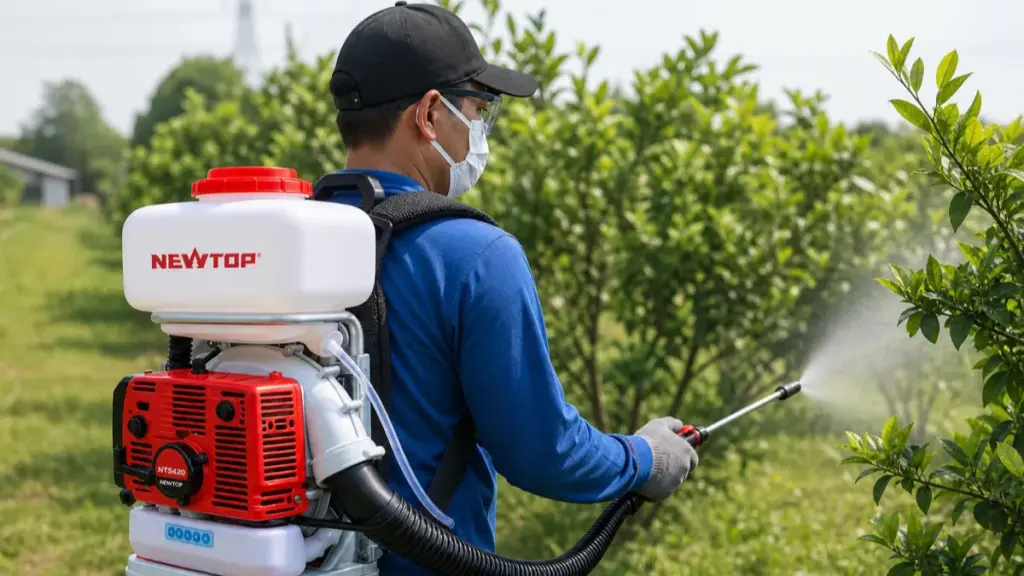
最低単価を追求すると、初期の現場での障害時に莫大なコストが隠れてしまうことがよくあります, 安全責任, そしてサプライチェーンの混乱. 安価な噴霧器はすぐに高価な負債になる.
製品の品質と性能の問題
低コスト工場は日常的に材料やエンジニアリングの手抜きを行っています. これは現場のパフォーマンスに重大な影響を与え、機器がエンドユーザーに届いたときにブランドの評判を傷つけます。.
- 一貫性のないスプレー出力: 不適切な校正と圧力変動は、作物への過剰投与または過少投与に直接つながります。.
- コンポーネントの故障: 標準以下のノズルや安価な液体コンポーネントは、すぐに液だれしたり詰まったりする傾向があります。.
- 構造的脆弱性: 薄いプラスチックと弱いフレームは、通常の現場使用ではタンクに亀裂が入り、完全な構造的破損を引き起こします。.
安全性と規制遵守のギャップ
農業機械はオペレーターを保護し、厳しい輸入基準を満たさなければなりません. 予算メーカーはコストを節約するためにコンプライアンスの手順を省略することがよくあります, 法的リスクをすべて自分に転嫁する.
- 労働者の暴露: 密閉設計が不十分だと、漏れや滴りが絶えず発生し、作業者の農薬への曝露が増加します。.
- ブロックをインポートする: ISO および国家安全基準を回避すると、貨物が税関で拒否されるリスクが高くなります.
- 賠償責任のエクスポージャー: トレーサビリティの欠如と安全認証の欠如により、購入者は規制上の罰金や製品リコールにさらされることになる.
信頼性と隠れたライフサイクルコスト
低予算の噴霧器の初期費用は、部品が壊れ始めた瞬間に消えてしまいます。. プロのバイヤーが総所有コストを評価します, 現場で機器に障害が発生すると急落する.
- 頻繁なダウンタイム: シールの故障率が高い, ホース, 重要な場合にはポンプハンドルが動作を停止します, 時間制限のあるスプレーウィンドウ.
- 耐用年数が短くなる: スペアパーツカタログやメンテナンスサポートがないため、機器の早期交換が必要となる.
- 消去された余白: 高い不良率, 一定の修理要件, 頻繁な保証請求により、初期ユニットコストの節約がすぐに失われます.
人間工学と使いやすさが劣る
ナップザック式噴霧器の操作が不快または困難な場合, 労働者が誤用したり、急激な肉体的疲労を経験したりする可能性があります。, ずさんな申請につながる.
- オペレータの疲労: 不快なストラップと不十分な重量配分により、長時間の勤務中に身体的負担が加速します.
- 間違った慣行: マニュアルが不十分で現地語への翻訳が不足していると、化学薬品の混合や塗布に間違いが発生します。.
- 機器の誤用: 適切なトレーニング資料が大幅に不足しているため、オペレーターのミスやコンポーネントの破損の可能性が高まります。.
サプライチェーンと品質の不一致
低コストのサプライヤーには、安定した品質を維持したり納期どおりに納品したりするためのインフラストラクチャや規律が欠けていることがよくあります。, 季節販売戦略全体を混乱させる.
- 変動するバッチ品質: メーカーは利益率を維持するために、より安価な材料や精査されていない下請け業者に密かに切り替えます。.
- 販売期間を逃した: 生産能力の制約により、重要な散布前の農業シーズンの直前に納品が遅れてしまう.
- スキップされたテスト: 脆弱な内部品質管理システムにより、重要な最終検査や漏れ検査が回避されている.
特定のアプリケーションに対する設計上の制限
ジェネリック, 画一的なアプローチはプロの農業ではほとんど機能しません. 予算サプライヤーは基本的な構成に固執するため、特殊な市場セグメントを獲得する能力が制限されます.
- 機能の不一致: 一般的な設計では特定の作物の要件に対応できない, さまざまな地形タイプ, および現地の気候条件.
- アプリケーション制御が不十分: 不適切な撹拌および圧力制御機構により、ユーザーは厳密なスプレーガイドラインに従うことができません.
- ポートフォリオの停滞: 限られた製品ラインは、より大容量のバッテリー駆動または電動ユニットに対する市場の需要の高まりを無視しています.
NEWTOP を使用してナップザック噴霧器の製品ラインを構築する準備ができました?
実績のある OPE メーカーと提携することでサプライ チェーンを確保します. NEWTOPは確かな品質をお届けします, コンプライアンス対応の文書化, 噴霧器ブランドの競争力を維持するためのスケーラブルな OEM 生産.
以上で 20 長年の製造経験, NEWTOP は、以上の地域の顧客にサービスを提供する信頼できる屋外電源装置のサプライヤーです。 65 国.
NEWTOPと提携する理由?
- 500,000+ 年間生産能力 安定供給のために
- 先進的な製造設備 と厳格な品質管理システム
- 経験豊富なR&Dチーム OEMおよびODMカスタマイズのサポート
- 耐久性のある, 現場でテストされた噴霧器 農業用および商業用に設計されています
- 信頼できるスペアパーツ供給 長期にわたるアフターサポートのために
- 国際品質基準と製品コンプライアンス 世界市場向け
- 専門的な輸出経験 アフリカに奉仕する, ラテンアメリカ, 東南アジア, そして中東
グローバルなプレゼンスを拡大するために, NEWTOPは地域の代理店とブランドパートナーを積極的に探しています. 新しい製品ラインを立ち上げる場合でも、既存のポートフォリオを拡張する場合でも, 私たちのチームは信頼できる製造サポートを提供できます, カスタマイズサービス, および競争的パートナーシッププログラム.
OEM プロジェクトについて話し合うには、今すぐ NEWTOP にお問い合わせください。, プライベートブランドのチャンス, または地域流通協力.
よくある質問
ナップサック型噴霧器のメーカーではどのような認証を求めるべきですか?
一般的な認証には ISO が含まれます 9001, CE, RoHS, 到着, BSCI, SGS などのサードパーティのテスト レポート. 必要な認定は、対象市場と製品用途によって異なります。.
ナップザック噴霧器工場は OEM および ODM サービスを提供していますか?
はい, ほとんどの確立されたバックパック噴霧器メーカーは両方を提供しています. OEM サービスは通常、ブランディングをカバーします, カスタムカラー, 最小注文数量が減り、パッケージが変更される. ODM には新しいタンク形状のエンジニアリングが含まれます, ポンプ機構, または人間工学に基づいた機能, より多くの量と事前のツール投資が必要になる.
ナップサック式噴霧器の注文の一般的な生産リードタイムはどのくらいですか??
ニュートップにて, サンプルはかかります 7 日, 標準的な注文には通常約 30 日. OEM および ODM の注文はカスタマイズ要件に応じて異なります.
信頼できる工場が実行すべき品質管理チェックとは?
信頼できる工場で入荷検査を実施, 工程内組立監視, そして最終製品のテスト. 最終テストには圧力保持を含める必要があります, 漏れ検出, 制御された条件下での流量校正. また、代表的なサンプルに対して耐久性と耐薬品性のテストを定期的に実行する必要があります。.
ナップサック式噴霧器にとってスペアパーツの一貫性が重要な理由?
一貫したスペアパーツにより、噴霧器が正確な圧力と流量を維持することが保証されます。, 化学物質の過少投与または過剰投与を防ぎます. 標準化されたものを使用する, 高品質の交換部品により、運用のダウンタイムも最小限に抑えられます, メンテナンスを簡素化します, 機器の寿命を延ばします.
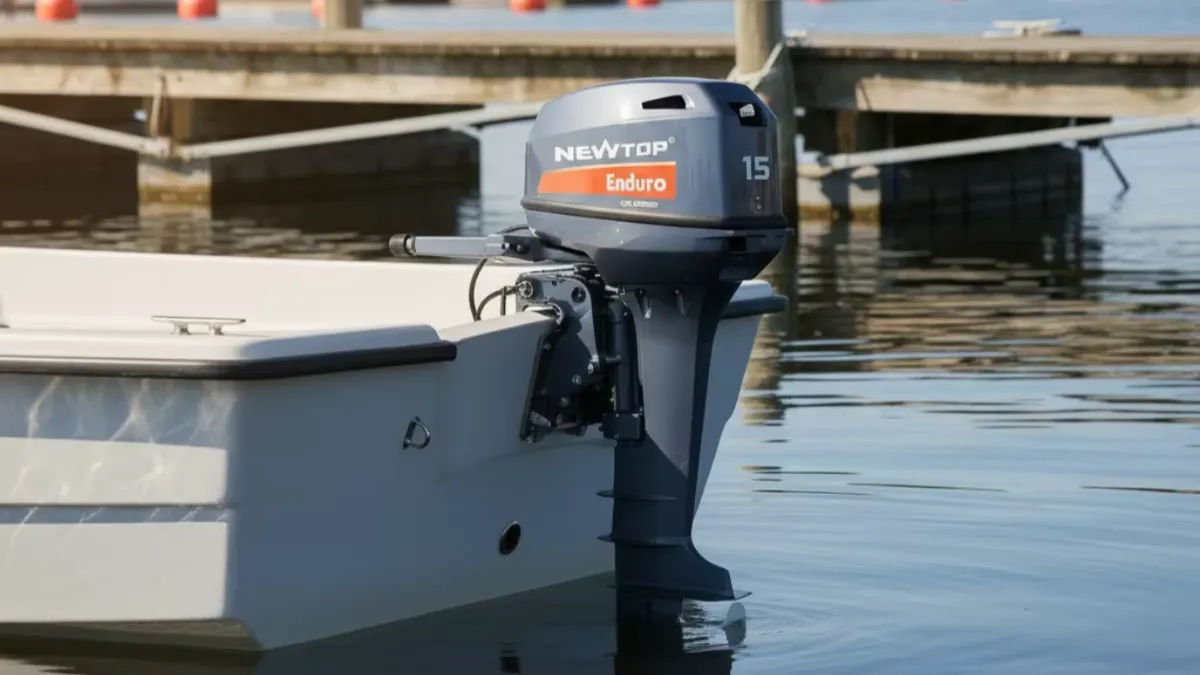
船外機は中小型船舶にとって最も重要な動力システムの一つです。. 釣りで広く使用されています, レジャーボート遊び, 救助活動, 水産養殖, 交通機関, および商業海洋事業. 適切な船外機の選択は燃費に直接影響します, スピード, 信頼性, 維持費, そして全体的なボート体験.
現在の市場では多くの種類の船外機が販売されています, ガソリンを含む, 電気, ディーゼル, 2ストローク, および4ストロークモデル. 各オプションはさまざまなボートのサイズに合わせて設計されています, 動作環境, と使用ニーズ.
このガイドでは、船外機の主なタイプについて説明し、購入者がさまざまなボート用途に最適なソリューションを理解するのに役立ちます。.
船外機の種類を解説
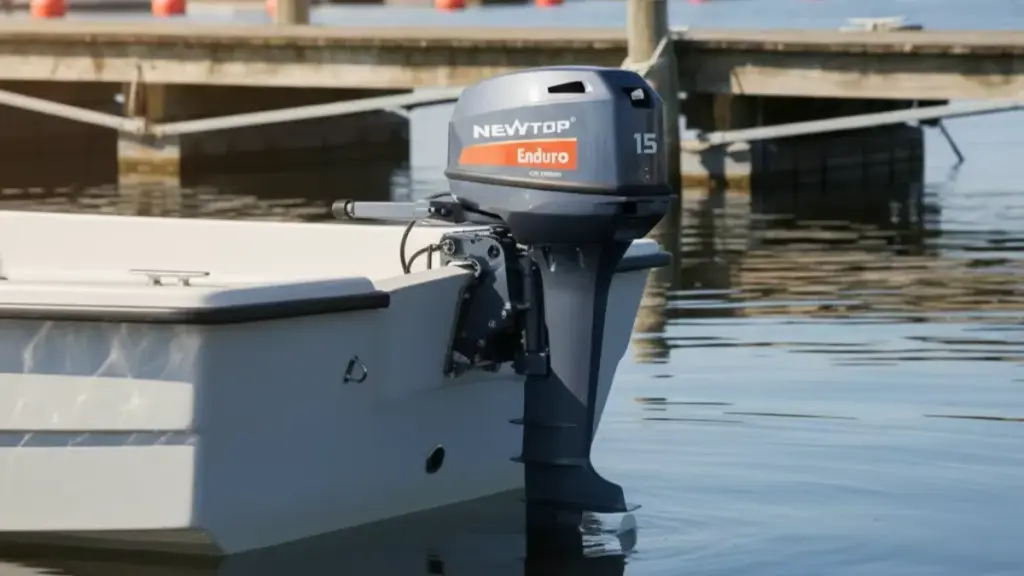
船外機 いくつかの方法で分類できます, 燃料の種類も含めて, エンジン設計, 馬力範囲, および意図された用途.
最も一般的なカテゴリには次のものがあります。:
| モーターの種類 | コアテクノロジー | 主な使用例 |
|---|---|---|
| 4ストロークガス | ガソリン / オイルを分離する | ファミリークルーザー, 沖合釣り, 重いポンツーン |
| 2ストロークガス | ガソリン / オイルミックス (またはDFI) | 軽量パフォーマンスボート, 浅瀬用スキッフ |
| 電気 | リチウム/AGM バッテリー | 環境に配慮した水, ディンギー, 制限された湖 |
| ガスと電気のハイブリッド | 燃焼 + 電気駆動装置 | 混合用途容器, エコツーリズム, 水上タクシー |
| トローリング / キッカー | 電気または小型ガス | 正確な角度制御, 補助的なオフショアバックアップ |
| ジェット船外機 | ウォーターポンプ推力 | 浅い川, 岩の急流, 救助活動 |
4 ストローク ガソリン船外機
4 ストローク船外機が現代のレクリエーションボート市場を支配. 別個のオイルシステムで動作します, 手動による燃料と油の予混合の必要性を完全に排除します。. このデザインは自動車エンジンを反映しています, バルブとカムシャフトを使用して吸気と排気の位相を管理する.
- 効率と排出量: 高い燃費効率を実現, 排出量の削減, 従来のエンジン設計と比較して静かな動作.
- アプリケーション: ファミリークルーザーで優れたパフォーマンスを発揮, 沖合漁船, 重荷重ポンツーン.
- トレードオフ: 重量が重くなり、初期費用が高くなりますが、強力な長期信頼性と再販価値を提供します。.
2ストロークガソリン船外機
2 ストローク船外機は生のパワーと素早いスロットル応答を優先します. クランクシャフトが回転するたびに点火します, スタートラインから明らかなパフォーマンス上の優位性を与える. 古いキャブレターモデルはより多くの燃料を消費し、より多くの排気煙を発生しますが、, 現代工学は技術を洗練させました.
- パフォーマンス: 高いパワーウェイトレシオを実現, 素早い加速と強力なホールショットを実現.
- 力学: 可動部品が少なく、よりシンプルなコアメカニズムが特徴です, 多くの場合、初期購入コストとメンテナンスコストが削減されます.
- 最新のアップグレード: 最新の直噴バージョンはオイルと燃料を正確に計量し、軽量パフォーマンスボートの効率を向上させます。.
電動船外機
電動船外機は内燃エンジンを完全に置き換えます, 充電式リチウムまたは AGM バッテリー パックから電力を供給. 彼らはサイレントを提供します, 騒音と汚染防止が最優先事項である特定のボート環境に合わせて調整された、排出ガスのない代替品.
- 環境への影響: ローカルエミッションがゼロで騒音も最小限に抑えられます, 環境に配慮した水域や野生生物の生息地に最適です。.
- メンテナンス: オイル交換や点火プラグの交換などの定期的な機械メンテナンスはほとんど必要ありません。.
- 制限事項: バッテリー容量に基づく範囲制限に直面する, ドックまたはトレーラーに信頼性の高い充電インフラが必要.
ガス電気ハイブリッド船外機
ハイブリッド システムは内燃エンジンと電気駆動装置を組み合わせて運用の柔軟性を最大化します. オペレーターは、周囲の環境や航続距離の要件に基づいて、推進方法をシームレスに切り替えることができます。.
- 多用途性: 事業者は制限区域では静かな電力を使用し、外洋輸送ではガス電力を使用できるようにする.
- 信頼性: 二重電源冗長性を提供する, 1 つのシステムが故障した場合にバックアップ推進力を提供する.
- 考慮事項: システムがより複雑になる, 体重増加, シングルモードの代替品よりも取得コストが高くなります.
トローリングおよびキッカーモーター
すべての船外機が高速推進力の主な源として機能するわけではありません. トローリングモーターとキッカーモーターは、メインエンジンを補完する高度に専門化された役割を果たします。, 正確な操縦と安全性を重視.
- トローリングモーター: 電力を使用して正確な精度を提供します, 静けさ, 釣り人用低速制御ナビゲーション構造.
- キッカーモーター: トランサム上でメインエンジンの横に取り付けられた小型補助ガソリン船外機として機能.
- 利点: オフショアの安全のためにバックアップ推進力を提供し、長時間の低速輸送中に燃料を節約します.
プロペラ vs. ジェット船外機のバリエーション
船外機がエンジン出力を推力に変換するために使用する方法によって、安全に航行できる場所が決まります。. 従来のプロペラ船外機は、幅広い速度と深度にわたってパワーを効率的に推力に変換しますが、, ジェットタイプは危険水域に特化したソリューションを提供します.
- ジェットメカニクス: ジェット船外機は下部ユニットのプロペラをウォーターポンプに置き換えます, 船体の下に水を汲み上げ、推進力として排出する.
- 安全上の利点: ジェットドライブによりドラフトが大幅に減少し、ブレードが露出するリスクが排除されます。, 浅い川や岩場でのより安全な選択肢を生み出す.
- パフォーマンスのトレードオフ: ジェットユニットはプロペラの速度に合わせるためにより多くのエンジン出力を必要とし、浮遊する破片による吸気詰まりのリスクに直面します。.
2ストローク船外機と4ストローク船外機
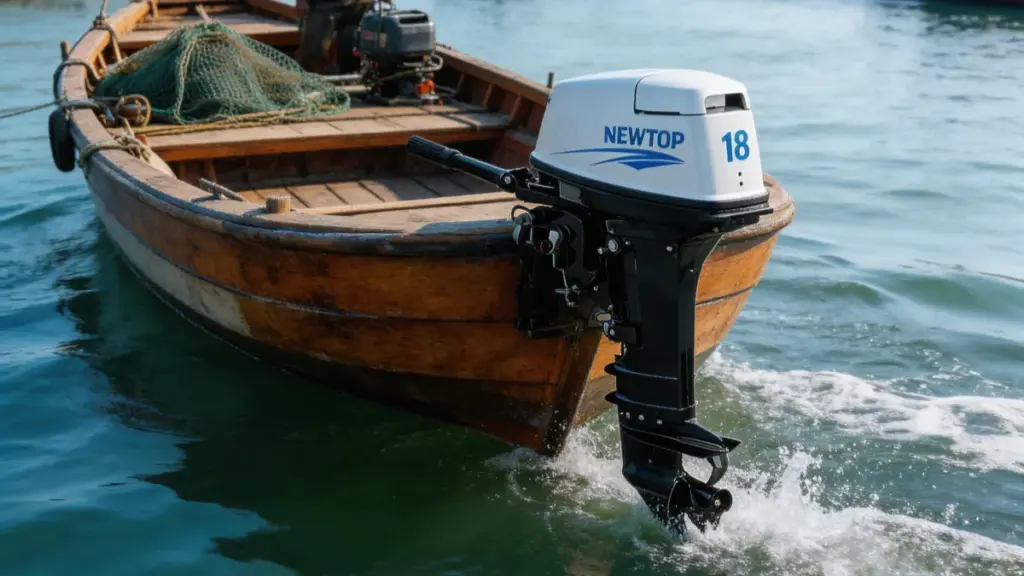
2 ストローク船外機と 4 ストローク船外機のどちらを選択するかは、ボートのトランサム重量制限によって決まります。, 燃料範囲目標, 加速ニーズ.
| 特徴 | 2ストローク | 4ストローク |
|---|---|---|
| 重さ | ライター | より重い |
| 燃費 | より低い | より高い |
| 騒音レベル | より大声で | より静かに |
| メンテナンス | よりシンプルに | より複雑な |
| 排出量 | より高い | より低い |
| ベストユース | ポータブルボート | レクリエーションおよび商業用途 |
機械設計と重量の違い
エンジン サイクルの仕組みがこれら 2 つのプラットフォームの主な違いを決定します. 2 ストローク船外機は、わずか 2 回のピストンストロークでパワーサイクルを完了します. これにより、可動部品が少なくなり、内部レイアウトがよりシンプルになります。.
これらの設計の違いは、エンジンがトランサムにどのように設置され、水中でどのように動作するかに直接影響します。. 両方の構成の具体的なパフォーマンスの違いを追跡します:
- 重量ペナルティ: 4ストローク船外機の重量 30 に 40 パーセント以上, 全体的なトランサム負荷が増加し、浅瀬での取り扱いが変更される.
- ホールショット能力: 2 ストロークにより素早い加速と高い出力重量比が実現します。, 即時のホールショットを確実にする.
燃費, 排出量, 乗り心地と乗り心地
運行コストと乗客の快適性を重視する事業者は、通常、4 ストローク モデルを好みます。. 4ストロークが提供する 20 に 30 燃焼サイクル中に燃料をより完全に燃焼させるため、燃費がパーセント向上します。.
エンジニアは近年テクノロジーのギャップを埋めてきました. 最新の直噴 2 ストロークは、強力な加速を維持しながら、歴史的な排出レベルを大幅に削減します. 水上での日々の経験を評価するとき, 購入者は物理的な乗り心地を考慮する必要があります:
- 音響と振動: 4 ストロークは最小限の振動で動作し、巡航速度で静かに走行します。.
- 音響的な存在感: 2ストロークはより鋭いものを生み出します, 高負荷時のより目立つ音.
メンテナンスの必要性と寿命
サービススケジュールは内部給油システムによって大きく異なります. 2 ストロークでは、オペレーターがオイルを燃料と直接混合するか、統合されたオイル噴射システムに依存する必要があります。. 従来のオイル交換が不要になります, ただし、オイルリザーバーのレベルを常に監視する必要があります.
4 ストロークは自動車エンジンとほぼ同じように動作します. 独立したクランクケース オイル リザーバーを使用しており、標準的なエンジン オイルとフィルターの交換が必要です。. これにより、年次サービス チェックリストに機械的な複雑さが加わります。. どちらのエンジンタイプも、オーナーが適切な海洋メンテナンススケジュールを遵守すれば、信頼性の高い長期耐用年数を実現します。.
各エンジンタイプの最適な使用例
適切なモーターを選択するには、テクノロジーを特定のボートやミッションに適合させる必要があります。.
- 2ストローク船外機の用途: 浅瀬での釣りに使用される軽量ボートに最適です。, ウォータースポーツ, トランサムの重量を節約することが重要な頻繁なトレーラー走行.
- 4ストローク 船外機 アプリケーション: これらは、燃料効率と静かな操作が最も重要な沖合や湖での長時間の旅行を必要とする重いボートに完全に適合します。.
ボートのサイズ, 平均旅行長, エンジン技術だけではなく、トランサムの重量制限が最終的な選択を決定します。.
小型漁船用船外機
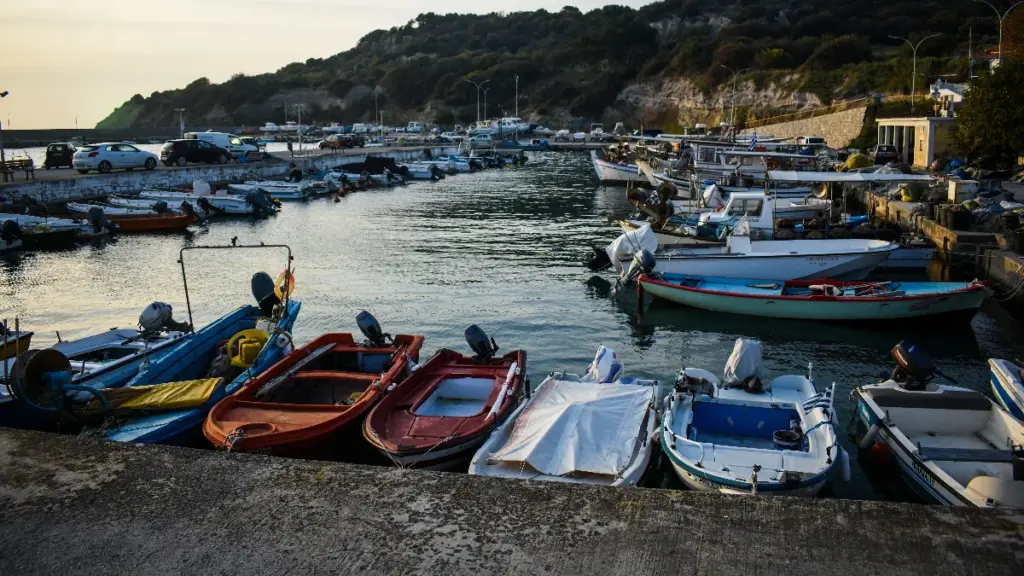
船体サイズのバランスを考慮した小型漁船に最適な船外機, 耐荷重, 航続距離を最大化するための地元の水質条件, スピード, そしてステルス.
一次モーターの種類と機能
推進システムの選択が水との関わり方を決定します. 小型漁船には主に 3 つの選択肢があります.
- 小型ガソリン船外機 (2–10馬力): これらにより、最高速度が向上します。 18 時速マイル—そして航続距離の延長. 水上での給油も簡単, ただし、エンジンの騒音と排気ガスを管理する必要があります.
- 電動船外機 (3-10馬力相当): これらのユニットは、静かで高トルクを提供します。, 排出ガスのない運転. 最高速度は通常、次の範囲で最大になります。 6 そして 12 時速マイル, 高速輸送よりも安定した巡航に適しています。.
- 電気トローリングモーター: 一次推進力の代わりに, これらは二次的な位置決めツールとして機能します. 馬力ではなく推力を使用し、構造物に沿ってステルス操作するための微妙な制御を可能にします。.
モーターのサイズをボートの設計に適合させる
モーターは、モーターが押した船体と同等の性能を発揮します。. 出力をボートの設計に直接適合させて、安全で効率的な取り扱いを確保します。.
- ジョン・ボート (10–16フィート): これらの平底船体は、3 ~ 6 馬力のガスまたは電気モーターで優れた性能を発揮します。. 負荷に応じて, 間の速度が予想されます 4 そして 10 時速マイル.
- 小型アルミニウム製 V 型船体 (12–16フィート): より深い船体設計はより重い荷重に対応し、確実にプレーニング速度に達するには 4 ~ 9.9 馬力のガス船外機が必要です。.
- インフレータブルおよび釣り用テンダー: ここでは携帯性が優先されます. これらを軽量の 2.5 ~ 6 馬力のガス船外機または 3 ~ 6 馬力の同等の電気船外機と組み合わせて、セットアップ全体を簡単に輸送できるようにします。.
主要な選択基準
生の馬力を超えて, 特定の動作要因により、必要な正確なモーターが決まります. 購入する前に、動作環境とボートの物理的な寸法を考慮してください。.
- シャフトの長さ: モーターシャフトをトランサムの高さに合わせる必要があります. 15 インチの短いシャフトまたは 20 インチの長さのシャフトがプロペラの通気を防ぎ、不要な抗力を排除します。.
- 総耐荷重: より重いセットアップ - 船体の重量を組み合わせる, ギヤ, そして乗客はより高いトルクを要求します. 高負荷によりトップエンド速度が大幅に低下します, 電気モーターの場合に特に顕著になる要因.
- 水環境: 浅い, 岩の多い川では下部ユニットを保護するためにジェット船外機が必要です. 逆に, 排出制限のある貯水池で釣りをする場合, 電動船外機のセットアップは必須です.
冷却, メンテナンス, 耐久性
ガス船外機は下部ユニットを通して冷却水を引き込みます. この設計により、砂の中を引きずったり、浅瀬で泥を飲み込んだりすると、内部損傷が非常に起こりやすくなります。. 過熱を避けるために、冷却流を常に監視する必要があります.
電動船外機により従来のウォーターポンプが不要になります. 下部ユニットを水没したままにしておく必要があります, 周囲の水に依存した受動的冷却. 電気モーターを高出力で空運転すると、内部コンポーネントがすぐに破壊されます.
日常の維持管理は両者で大きく異なります. ガスモーターには定期的なオイル交換が必要です, スパークプラグの交換, エタノールによる損傷を防ぐための燃料システムの厳密な管理. 電気モーターは液体の交換を省略し、バッテリー管理に重点を置きます, ワイヤー腐食チェック, および定期的な下部ユニットのシール検査.
最大の ROI を実現する耐久電力機器の供給
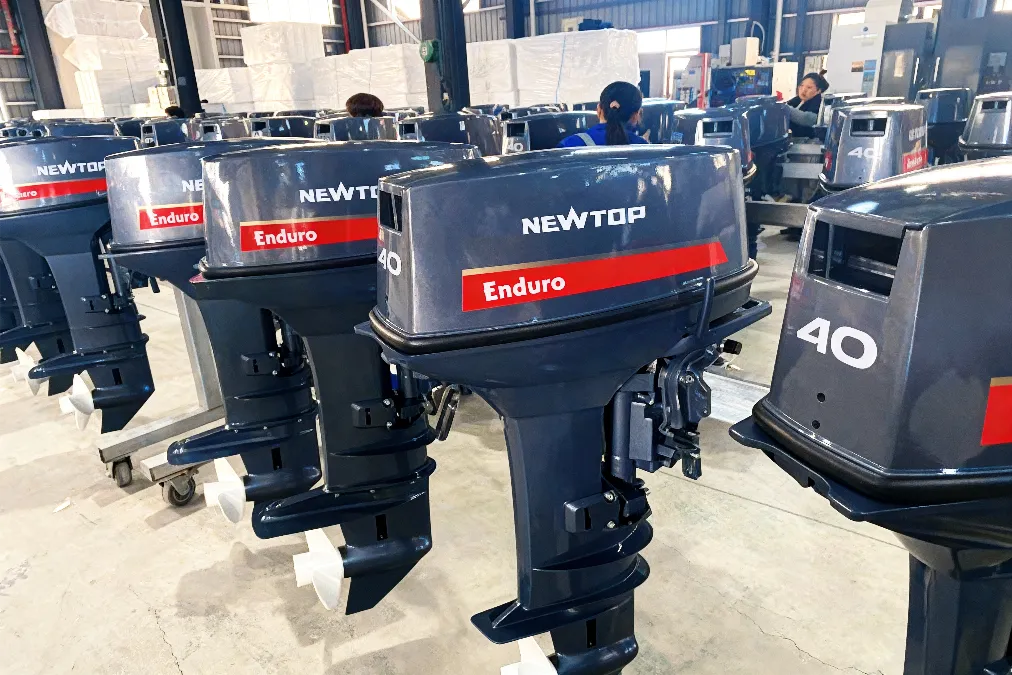
レジャーボートやファミリーボート用船外機
船外機はファミリーボートに信頼性を与えます, 省スペース推進力. 適切なモータータイプのマッチング, エンジンサイクル, 船体への馬力により、安全な取り扱いと長期にわたる乗客の快適性が保証されます。.
ファミリーボートの役割とメリット
これらの自給式推進システムはボートのトランサムに直接取り付けられます。. このセットアップにより、従来の船内エンジンと比較して、貴重な内部デッキスペースが解放されます。. 外部設計により日常のメンテナンスが簡素化され、最終的なエンジン交換が大幅に容易になります。. ビルダーは船外機をボウライダーの標準動力源として使用しています, ポンツーン, インフレータブル, そしてデッキボート.
ガソリン vs. 電動船外機オプション
内燃モデルは、汎用クルージングおよびウォータースポーツの標準的な選択肢として機能します. ガソリン船外機は下からの巨大なパワーレンジを提供します 2 hpがオーバーする 600 ほぼすべてのレクリエーショントランサムに適合する馬力.
電動船外機はバッテリーシステムに依存し、ローカルエミッションゼロと静かな動作を実現します。. これらの電気バリアントは、騒音が制限された湖で優れています。, 小さなインフレータブル, 航続距離よりも静粛性が優先される短距離旅行.
4 ストロークおよび直噴 2 ストローク エンジン
現代の 4 ストロークがレクリエーション市場を独占. 静かな動作を実現します, 低排出ガス, そして強力な燃費性能. 4 ストロークには別個のオイル潤滑システムが採用されています。, ドックでオイルと燃料を混合する必要がなくなりました.
燃料直接噴射 (DFI) 2ストロークは異なるパフォーマンスプロファイルを提供します. 素早い加速と軽量なパワーウェイトレシオを実現します。. パフォーマンスを重視するボート愛好家は、その即時的なスロットル応答により、スキーヤーやウェイクボーダーを牽引するための DFI エンジンを好みます。.
レクリエーション用船体のサイズ決定ガイドライン
適切な馬力を選択するには、モーターをボートの積載重量に合わせる必要があります。. 標準的な業界ベンチマークでは、 25 に 40 馬力あたりの積載ボート重量ポンド.
- 小型インフレータブル: 通常は必要です 10 に 25 安全な取り扱いと携帯性を実現するhp.
- コンパクトなポンツーンと小型デッキボート: 通常、以下の方法でうまく動作します 60 に 90 馬力.
- 汎用 18 22フィートのランナバウトまで: 通常利用する 115 に 200 複合利用アクティビティのHP.
家族の快適さと安全のための必須機能
水上での素晴らしい一日は信頼できる装備にかかっています. 電動スタートとパワーチルト/トリムにより、あらゆるスキルレベルのボート乗りの操作が簡素化されます。. 電子燃料噴射装置 (EFI) 信頼性の高いコールドスタートとスムーズなアイドリング特性を保証します。.
乗客の快適性は、週末の長いクルーズ中の低騒音と最小限の振動レベルに大きく依存します。. また、正しいシャフトの長さとトランサムの高さを一致させる必要があります。. これにより、適切なハンドリングが維持され、ボートが設計制限内で安全に動作することが維持されます。.
作業船・業務用船外機
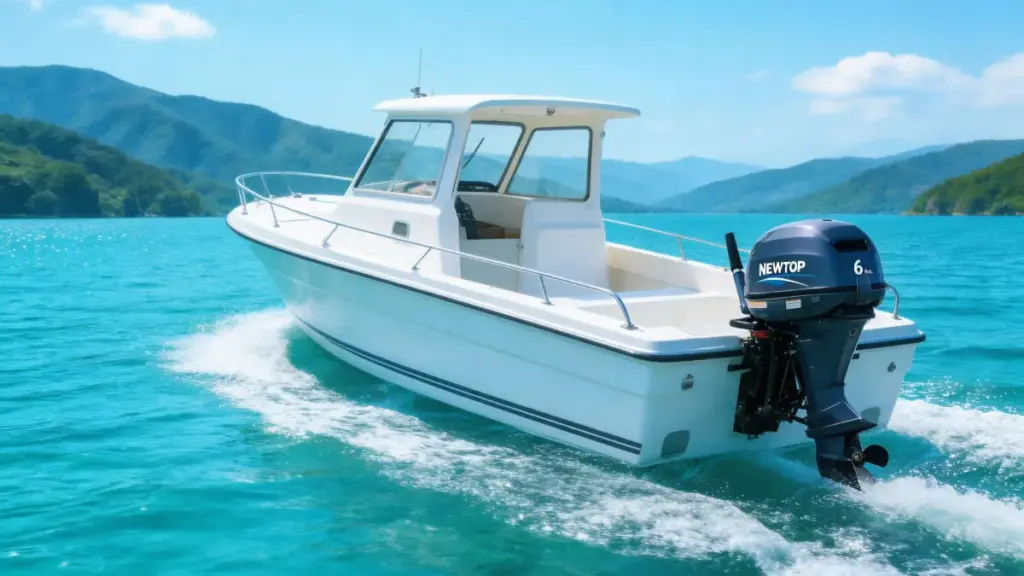
商用船外機は耐久性を重視, 高トルク, 標準的なレクリエーション用エンジンではまったく処理できない過酷な年間 2,000 時間の使用サイクルに耐えるための長期的な燃料効率.
商用デューティ サイクルと運用上の需要
作業船は標準エンジンを破壊する過酷な条件下で動作します. レクリエーションのボート遊びをする人はログを記録するかもしれませんが、 50 に 200 季節ごとに数時間, 商業船は定期的に船外機を押し出します。 500 はるかに過ぎる 2,000 年間数時間.
- 高負荷動作: エンジンがスロットル全開または最大牽引負荷下で長時間稼働する.
- 過酷な環境: オペレーターはこれらのモーターを極端な温度にさらします, 瓦礫で満たされた浅瀬, 毎日の腐食性の高い塩水.
- パフォーマンスの優先順位: 商用乗組員は最高最高速度を無視する, 仕事を遂行するための絶対的な信頼性と低速トルクを重視.
商用船外機の構造アップグレード
メーカーは絶え間ない酷使を吸収するために商用船外機を製造しています. レクリエーションモデルと比較して内部アーキテクチャを大幅にアップグレードします。.
- 強化されたドライブトレイン: 耐久性の高いベアリングと強化されたギアケースにより、連続的な高推力動作に失敗することなく対応できます。.
- アップグレードされたハードウェア: ビルダーはファスナーに高級ステンレス鋼を使用, つながり, 構造疲労に対抗する頑丈なトランサムブラケット.
- 耐食性: 高度なコーティングとアップグレードされた犠牲陽極システムにより、重要な金属部品を塩水による激しい劣化から保護します.
- 強力な冷却: 大容量ウォーターポンプによる汚れの処理, 浅瀬を効率的に移動させ、高負荷時の過熱を防ぎます。.
ガソリン vs. ディーゼルエンジンの選択
燃料の選択により、運転コストとメンテナンスのロジスティクスが決まります. 商用艦隊は通常、3 つの主要なエンジン技術の中から選択します。.
- 4ストロークガソリン: これらのエンジンは入手範囲が広いため、市場を支配しています。, 広範なディーラーサポートネットワーク, 初期購入コストの削減.
- ディーゼル船外機: 大型船舶の運航では、既存の船内システムに適合するディーゼルを好むことがよくあります。. 優れた燃料安全性と大幅な燃料消費量の削減を実現します。.
- 直噴2ストローク: これらのエンジンは、急速な加速と高い出力重量比を必要とする船舶にとってニッチな役割を果たします。.
推進力と構成戦略
作業船の艤装には、エンジン出力と船体の変位を一致させる必要があります, 予想される負荷, および地域の環境条件.
- シングルエンジンのセットアップ: 1 つの頑丈な船外機を使用することで抵抗を軽減, マイルあたりの燃費が向上します, メンテナンスポイントを最小限に抑えます.
- マルチエンジンの冗長性: オフショアおよび緊急救助船は、洋上で重要な機械的バックアップを提供するためにツインまたは複数のエンジンに依存しています。.
- 高推力構成: オペレーターは高推力ギアケースと低ピッチプロペラを組み合わせて、ボラードの牽引力と低速操縦制御を最大化します。.
総所有コストとメンテナンスコスト
商用船外機の初期購入価格は、実際の出費のほんの一部にすぎません. 長期にわたる燃料の使用, 定期的なメンテナンス, 船舶のダウンタイムは初期費用を大幅に上回ります.
- 燃費: 巡航回転数での燃料消費量を最適化することで、長時間稼働するフリートの運用コストを最大に節約できます。.
- サービスのアクセシビリティ: 目に見える陽極, モジュール式燃料フィルター, アクセス可能な診断ポートにより、日常的なメンテナンス作業が迅速化されます。.
- ライフサイクルの延長: 商用グレードの内部コンポーネントにより大規模な再構築が遅れる, 船を維持し、店に座るのではなく水上でお金を稼ぐ.
静かでクリーンな運転を実現する電動船外機

電動船外機により騒音と排気ガスを排除, 乗客の快適性と野生動物との交流を向上させながら、厳格な水路規制に準拠したクリーンな推進ソリューションを提供します。.
騒音低減と振動制御
電気モーターは低速ではほぼ無音で動作し、巡航速度ではガス同等の騒音よりも大幅に少ない騒音を発生します。. 燃焼サイクルと排気システムがないため、耳障りな機械音が除去されます。. ダイレクトドライブ設計により振動を最小限に抑えます, オペレーターの疲労を軽減し、スムーズな走行を保証します。.
直接排出ゼロと水の保護
電気システムはテールパイプからの排出ガスをゼロにします, 地域の一酸化炭素と炭化水素汚染を排除する. 船内のガソリンタンクとオイルサンプを撤去することで、燃料漏れや油膜のリスクを排除します. 水上での化石燃料の燃焼を置き換えると、海洋レクリエーションの二酸化炭素排出量が直接削減されます。.
制限された水路へのアクセス
多くの湖や海洋保護区では現在、内燃機関の使用を厳しく禁止している。. 電動船外機はゼロエミッションゾーンの要件に簡単に準拠します. オペレーターは規制上の制限に直面することなく、生態学的に敏感な環境をナビゲートできます.
ボート体験と野生動物とのふれあいを強化
静かな動作により、車内のコミュニケーションと乗客の快適性が向上します. 低騒音推進により魚の恐怖を防止, 釣り人に戦略的優位性を与える. エコツーリズム運営者は、ストレスや混乱を引き起こすことなく海洋生物に近づくことができます.
重負荷作業用のディーゼルおよび特殊船外機
ディーゼル船外機と特殊船外機が極度のトルクを発揮, 燃費, 商用ワークロードに必要な構造的耐久性, オフショアトランジット, 継続的な高負荷運転.
ディーゼル船外機と特殊船外機の主な利点
重い荷物と長時間作業には、特定の推進特性が必要です. ディーゼル船外機はこれらの正確な条件に合わせて設計されています, 標準的なレクリエーション エンジンに比べて明確な運用上の利点を提供します.
- 低速トルクが高い: 重いボートを滑走させるのに必要な推進力を提供します。, 牽引荷物, 強い流れや荒れた水に対して安定した推力を維持します。.
- 優れた燃費性能: 営業活動の範囲を拡大し、燃料補給の頻度とコストを削減します。.
- 頑丈な構造: 腐食性の高い海洋環境での継続的な負荷と年間の長い稼働時間に耐えます。.
- 可燃性の低下: ディーゼル燃料はガソリンと比較して火災の危険を最小限に抑えます, 商業乗組員のためのより安全な燃料取り扱い手順を作成する.
特殊推進装置の主要カテゴリ
標準的な船外機では、特殊なシナリオでは不十分なことがよくあります. メーカーは、標準外の商用製品を処理するために独自のカテゴリを構築します, レスキュー, そして遠征の要件.
- 高馬力オフショア船外機: 大型船舶を外海で推進する, デジタル制御を統合して高い積載量を安全に管理.
- 商用船外機: 実用的な信頼性と標準部品を優先して、実用ボートや巡視船の稼働時間を最大限に確保します。.
- ジェットドライブシステム: 浅瀬を航行するには、従来のプロペラを内部インペラに交換します。, プロペラに当たるダメージのない岩場.
- 電動船外機および補助船外機: 正確な操縦を実現, 緊急バックアップ推進, デリケートな作業環境向けのゼロエミッション運転.
重要な性能仕様
頑丈な船外機を評価するには、ピーク馬力を超えて検討する必要があります. 商用事業者は、持続的な牽引力とエンジンの寿命を左右する仕様に重点を置いています。.
- トルク出力: 重い船体を飛行機に持ち上げ、強い向かい風を乗り越えるモーターの能力に直接影響します。.
- 連続使用定格: 商業購入者が予測可能な情報に基づいてメンテナンス間隔を正確に予測できるように支援します。, 長時間稼働プロファイル.
- エンジン重量: 堅牢なディーゼルブロックはガス同等の重量よりも重い, トランサム荷重の正確な調整が必要, ボートトリム, そして低速ハンドリング.
- プロペラのマッチング: ピッチと直径を適切に設定することで、推力を最適化できます。, 加速度, 重い荷物を積んだ状態でも燃費が良くなります.
ヘビーデューティー用途の選択基準
商用船体用に間違ったモーターを購入すると ROI が損なわれる. 体系的な選択プロセスにより、高価な再電力供給の間違いや運用のダウンタイムを防止します.
- 船体の互換性: エンジンの仕様はボートの裸重量と完全に一致している必要があります, デッドライズ, および最大の意図された貨物または牽引荷重.
- 動作環境変数: 特定の条件により、浅瀬でのドライブなどの要件が決まります, 極寒の天候の始まり, またはオフショアグレードの腐食防止.
- 総所有コスト: 初期価格は、燃料燃焼率の合計コストよりも重要ではありません。, メンテナンスの手間, および交換部品.
- ローカルサービスネットワーク: 商用のダウンタイムを最小限に抑えるために、訓練を受けた技術者と OEM 診断システムが近くにあることは交渉の余地がありません。.
長期的な信頼性を確保するためのメンテナンスの優先事項
過酷な条件に耐える頑丈なモーター. 標準のメンテナンス スケジュールを無視すると、パフォーマンスが急速に低下し、負荷がかかると致命的な障害が発生します。.
- 燃料システムの健全性: クリーンなタンクを要求, 指定された燃料グレードの厳守, 水分離器の定期的な排水.
- 腐食制御: 積極的な淡水フラッシングが必要です, 定期的な犠牲陽極検査, 脆弱な電気接続をシールする.
- 潤滑スケジュール: ギアケース オイルとエンジン潤滑剤を正確な間隔で交換することで、連続的な高負荷運転時の重大な過熱を防止します。.
- 定期的な目視検査: 取り付けブラケットの摩耗の初期兆候を特定します, ステアリングの遊び, 燃料漏れ, またはプロペラの損傷が拡大する前に.
馬力とボートのサイズがモーターの選択に与える影響
ボートのサイズに合わせた馬力がパフォーマンスを決定します, 安全性, そして燃費. を使用します。 25 に 40 馬力あたりのポンドのルールであり、容量プレートの制限を決して超えないでください。.
ボートの重量と馬力の間の中心的な関係
信頼できる業界ベースラインが決定する 25 に 40 1馬力あたりのフル積載ボート重量ポンド. この完全積載重量は、船体を組み合わせて計算します。, エンジン, 燃料, 乗客, そしてギア.
以下のボート用 20 足, 米国. 沿岸警備隊の定員プレートは最終的な権威として機能します. 絶対最大馬力制限を決定し、安全な操作を確保するには、このプレートに従う必要があります。.
ボートのタイプ別の一般的な馬力範囲
船体の設計が異なると、さまざまな条件下で効率的に動作するために特定のパワーバンドが必要になります。.
- 小型インフレータブルおよびディンギー: 効率的に実行する 2 に 10 穏やかな水域での短期旅行用の馬力.
- ジョンボートとアルミニウム製小船: でうまく機能する 9.9 に 30 軽い釣りと湖旅行のためのHP.
- 中型センターコンソールとベイボート: 必要 60 に 200 海岸沿いのチョップや家族でのクルージングに対応できる馬力.
- 大型海洋ボート: 要求 200 に 600+ 荒海でも速度と安全性を維持するための馬力.
使用目的と負荷がパフォーマンスに与える影響
日常の活動によって、ボートの出力範囲内のどこに収まるべきかが決まります。. ウォータースポーツには力強い加速が求められます. スキーヤーやウェイクボードを引っ張る, ボートの最大定格に近い馬力を選択してください.
穏やかな水面でのクルージングが数学を変える. 小型のモーターを使用すると燃費が向上します, より近くで快適に操作できる 40 馬力マークあたりのポンド.
乗客が増えるたびにパワーダイナミクスが変化することに注意してください。. 重い荷物を積んだボートは、飛行機に効果的に到達して維持するためにより多くの馬力を必要とします.
パワー不足のリスクと. 圧倒的な
船体の出力が不足すると、エンジンが常に高回転で稼働することになります。. これによりハンドリングが鈍くなる, 燃料消費量が急増する, 内部コンポーネントに過剰な負担がかかります.
上限近くの馬力を選択すると、より良いホールショットが得られ、中速回転数で効率的に巡航することができます。.
圧倒的な力が一線を越えて危険な領域へ. 最大定格を超えると操縦が不安定になります, 構造的にトランサムに過負荷がかかる, そして頻繁に保険契約を無効にする.
シャフトの長さとエンジンテクノロジーのマッチング
プロペラが水中に正しく設置されている場合にのみ馬力が発揮されます。. トランサムの高さを正確に測定し、正しいショートを選択してください。, 長さ, または超ロングシャフト. これにより、不必要な抗力とプロペラの通気が防止されます。.
従来のキャブレター付き 2 ストローク エンジンと比較して、より静かな動作と優れた燃料管理が必要な場合は、4 ストローク エンジンを選択してください。. 最大限の信頼性を得るために, 電子燃料噴射装置を選択する (EFI) または直接燃料噴射 (DFI) 迅速な冷間始動を確保し、燃料コストを削減します.
ボートアプリケーション全体でよくある購入の間違い
購入者は構造的な制限を無視してブランドと価格に焦点を当て、日常的に数千ドルを無駄にしています。, 機械的健康, 船外機再出力時の総運転コスト.
仕様と用途の不一致
購入者は多くの場合、使用目的ではなく、お買い得だと思われることに基づいて船外機を選択します。. 2ストローク用の軽い船体に重い4ストロークを叩きつけると、ボートの座り方やハンドリングの仕方が劇的に変わります。.
- エンジン特性: モーターを特定の用途に合わせて調整できない, 軽い船体で重い 4 ストロークを走らせたり、正確なトローリング用の標準的な船外機を使用したりする場合など.
- 容量制限: 容量プレートと推奨馬力制限を無視した船舶の過出力または過小出力.
- シャフトの長さ: 間違った寸法の選択, 取り扱い不良の原因となる, キャビテーション, または水中での過度の抵抗.
- トランサム重量: 最新の船外機が古いトランサムに与える重量の影響を無視する, 厳しいしゃがみや深刻な沼地のリスクにつながる.
機械的および構造的健全性の監視
きれいなゲルコートと新しいデカールにより、重大な機械的および構造的欠陥を簡単に隠すことができます。. 賢いオペレーターは、本当の価値がカウルの下とグラスファイバーコアの中にあることを知っています。.
- 化粧品のトラップ: 系統的な圧縮や流体チェックを行うのではなく、外観に基づいて船外機を判断する.
- 履歴の欠落: 年齢を無視して, サービス記録, 低価格の購入を支持する診断レポート.
- 構造の崩壊: 船体とトランサムの構造的腐敗を物理的に検査せずに再出力を計画する, フレックス, または層間剥離.
システム互換性の無視
最新の船外機をレガシーボートに落とすには、単にトランサムにボルトで固定するだけでは不十分です。. 電気システムと燃料システムは時間の経過とともに劣化し、現代の電子エンジンの厳しい許容誤差を満たせないことが日常的にあります。.
- 管理限界: 既設配線を想定, コントロールケーブル, ステアリング機構は新しいモーターやより強力なモーターを安全に扱うことができます。.
- 燃料システムの劣化: 劣化した燃料ラインを見渡す, 混入しないエタノール成分, インジェクターを破壊する汚染されたタンク.
- 電気需要: 最新のデジタル システムの厳しいメーカー要件に照らしてバッテリーのサイズと状態を検証できていない.
海上試験や専門的な検査を省略
私道のホースでエンジンを動かしても、負荷がかかった状態でエンジンがどのように動作するかについてはほとんどわかりません。. 実際のテストにより、販売後に修正するのに数千ドルの費用がかかる隠れた欠陥が明らかになります.
- 専門的なレビュー: 認定された海洋技術者または海洋測量士による正式な検査を受けずに購入を完了する.
- ロードされたパフォーマンス: ホールショットをテストするために負荷のかかる海上試験を放棄, ワイドオープンスロットル回転数制限, そして操舵トルク.
- システムチェック: 計器などの重要な車載システムのテストに失敗する, アラーム, アクティブな動作中の電子機器.
総コストと物流を過小評価する
前払い請求書は船外所有権の一部のみを表します. 買い手は、シーズンごとに船舶を安全かつ確実に運航し続けるために必要な長期的な財務上の約束を誤ることがよくあります。.
- 運営費: 継続的な燃料を無視して購入価格のみに焦点を当てる, 油, および計画的なメンテナンス費用.
- ライフサイクル価値: 将来の使用ニーズを考慮していない, 地域部品サポート, ブランドの再販価値.
- 隠された物流: 保険見積もりを見落とす, オフシーズンの適切な保管, 購入前の安全装備要件.
船外機ソリューションを経験豊富なサプライヤーから調達する理由?
船外機選びは馬力スペックや購入コストだけではありません. 製品の一貫性, 配送の信頼性, テクニカルサポート, 部品の長期入手可能性はすべて、海洋機器の流通の成功とエンドユーザーの満足度に影響します。.
経験豊富なメーカーは、さまざまな市場にわたって安定した製品品質を維持しながら、顧客の調達リスクを軽減できるよう支援します。. 主な利点としては、次のようなものがよくあります。:
- OEM および ODM のカスタマイズ機能
- 生産全体にわたる一貫した品質管理
- 信頼できるスペアパーツ供給
- 技術マニュアルと製品ドキュメント
- 現地の規制および認証要件への準拠
- さまざまなボートの用途や市場の需要に対応する柔軟なソリューション
老舗屋外電源機器メーカーとして, NEWTOPはエンジン駆動機器の製造と海外輸出業務で豊富な経験を蓄積してきました。. 同社は、厳格な製造基準に裏付けられた信頼性の高い電源ソリューションを提供することに重点を置いています。, 効率的な生産管理, 応答性の高いカスタマーサポート.
信頼できる船外機メーカーを探しています? カスタマイズされたソリューションを検討するには NEWTOP にお問い合わせください, 製品仕様をリクエストする, または、ビジネス ニーズに合わせた見積もりを受け取ります.
最終的な考え
さまざまな種類の船外機を理解することは、ボート用途に適切な投資を行うための第一歩です. 小型漁船用の軽量2ストロークモデルから低燃費の4ストロークエンジンまで, 電気推進システム, および耐久性の高いディーゼル ソリューション, 各オプションは、動作条件とパフォーマンス要件に応じて明確な利点を提供します。.
馬力や購入価格だけに焦点を当てるのではなく, 購入者はボートのサイズなどの要素を考慮する必要があります, 使用目的, 燃費, メンテナンス要件, そして長期的な信頼性. 適切に適合した船外機により安全性が向上します, 運用コストを削減する, 水上でより優れたパフォーマンスを実現します.
よくある質問
船外機の主な種類は何ですか?
主なタイプには2ストロークが含まれます, 4ストローク, 電気, ディーゼル, および特殊船外機. 各タイプは異なるボートのサイズに合わせて設計されています, 動作条件, およびパフォーマンス要件.
どちらが良いですか: 2ストロークまたは4ストローク船外機?
あなたのボートアプリケーションが正しい選択を決定します. 2 ストローク船外機は軽量で素早い加速を実現, 小型ボートに最適です, 浅瀬での釣り, そしてトウスポーツ. 4 ストローク船外機はより静かに動作します, 燃料をより効率的に燃焼させる, 排出量が少なくなります. ボーターは通常、長距離クルージングのために 4 ストロークを選択します。, オフショアラン, そしてより重い船を押す.
電動船外機は良い投資ですか?
電動船外機は短期旅行に適しています, ディンギー, または、信頼性の高い充電アクセスが可能な静かな釣りアプリケーション. 燃料費を削減します, 最小限のメンテナンスが必要な, ゼロエミッションを生み出す. しかし、より高い前払い購入価格を要求し、高速走行では航続距離が急速に失われます。. オフショアランや高速プレーニングに, 従来のガス船外機は依然として最高のパフォーマンスを提供します.
自分のボートに適した馬力を決定するにはどうすればよいですか?
まずはボートの容量プレートを読んで法定最大馬力定格を確認してください。. 確かなパフォーマンスのベースラインは、 1 あらゆる馬力 25 に 40 フル積載ボート重量ポンド, 乗客の会計, ギヤ, そして燃料. 日常的に重い荷物を運ぶ場合, ラフチョップで走る, または牽引スキーヤー, 船体の最大定格に近いエンジン出力を目標にする.
ディーゼル船外機は日常のレジャーボートで使用されていますか?
一般的なレジャーボートでディーゼル船外機を見かけることはほとんどありません。. メーカーは商用艦隊向けにそれらを設計します, 軍事部隊, そして法執行機関. これらのプロフェッショナル ユーザーは、強力な低速トルクを必要とします。, 極めて高い耐久性, 標準的な船上のディーゼル燃料で走行する能力. ディーゼルは驚異的な燃費を実現しますが、, 重量が重く、購入価格も高いため、週末のボート遊びには実用的ではありません。.
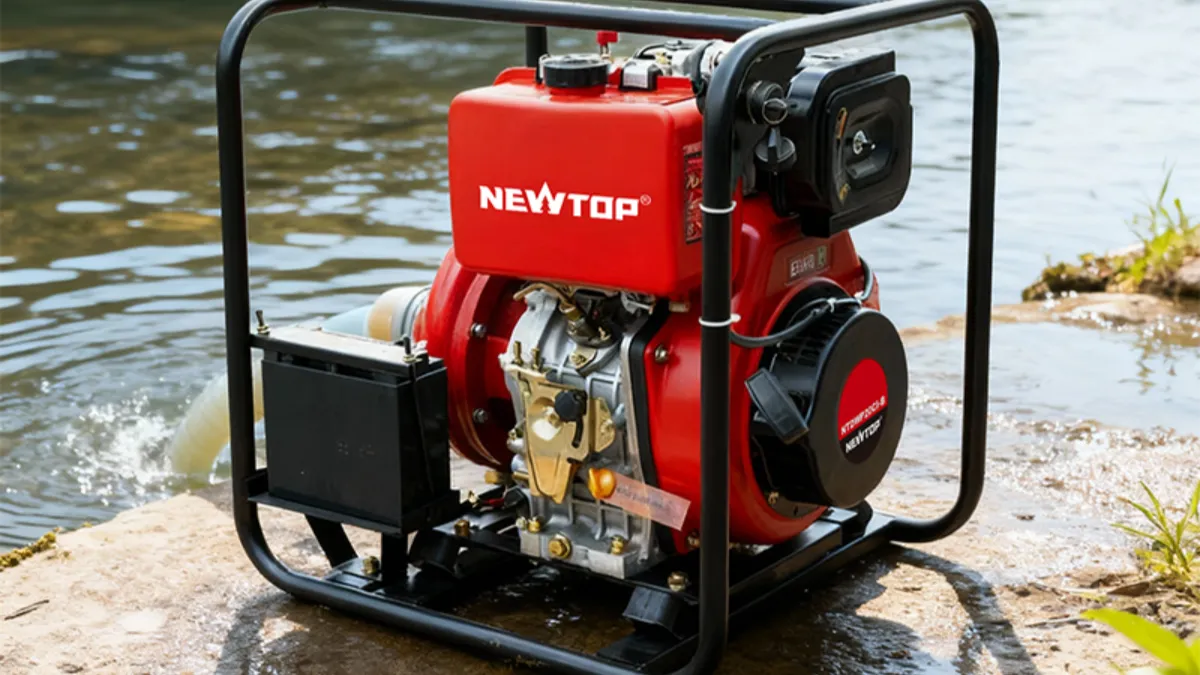
ポータブルウォーターポンプは、さまざまな作業で水を効率的に移動させるために不可欠です, 灌漑や建設から緊急排水まで. 非常に多くのモデルが用意されているため、, どのポンプが自分のニーズに合っているのかを知るのは混乱するかもしれません. 流量などの用語, 全頭, 電力定格は技術的なものに見えるかもしれません, しかし、それらを理解することが正しい選択をするための鍵です.
このガイドでは、これらの仕様をシンプルかつ実践的な方法で詳しく説明します。. パフォーマンスデータの読み方を学びます, ポンプのオプションを比較する, 情報に基づいた意思決定を行い、機器が効率的かつ確実に動作するようにします。, タスクや環境に関係なく.
ポータブルウォーターポンプの仕様をわかりやすく解説
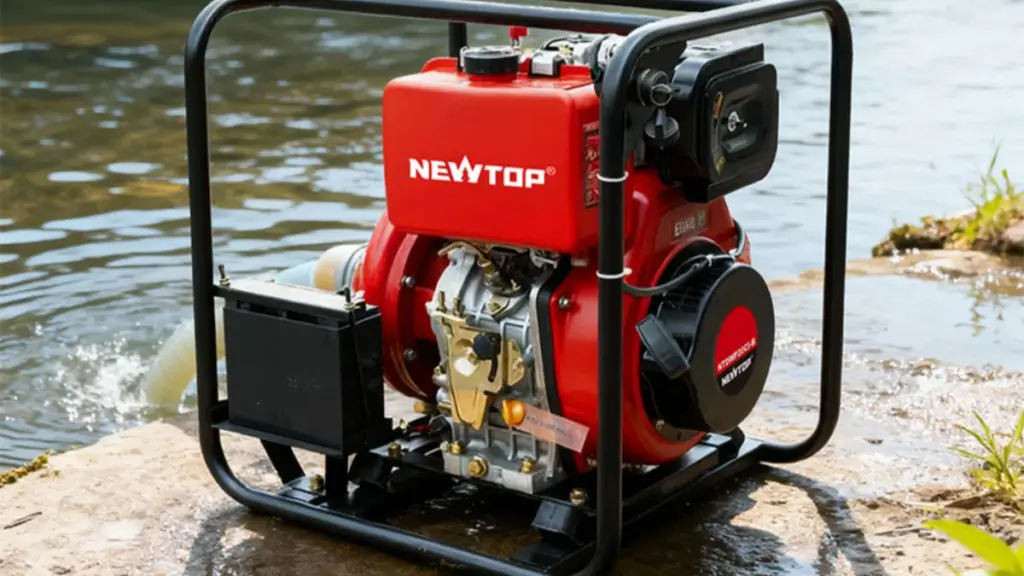
流量などのポンプ仕様, 全頭, と電力定格は実際のフィールドパフォーマンスを定義します. これらの指標を理解することで過負荷を防ぎ、ジョブに適切な機器を選択できるようになります。.
流量
流量は、ポンプが一定時間内に移動できる水の量を示します, 通常は毎分リットルで表されます (L/分) または立方メートル/時間 (m3/h). 流量が高いほど水の移動が速くなります, 広いエリアや緊急のタスクには重要です. 適切な流量のポンプを選択することで、エネルギーを無駄にすることなく効率を確保できます。.
リフト高さとサクションリフト
リフト高さ, 放電ヘッドとも呼ばれます, ポンプが水を押し出すことができる最大垂直距離です。. 吸引揚力は、水源から水を汲み上げることができる垂直距離です。. 一緒に, ポンプが水源と給水ポイントに対応できるかどうかを判断します。.
ポンプの種類
ポンプの種類が異なると使いやすさが変わります. 例えば, 自吸式ポンプは手動で水を充填しなくてもポンピングを開始できます。, 標準ポンプでは呼び水が必要な場合がありますが、. ポンプの種類を理解すると、操作上の問題を回避できます.
ポンプ部品の材質
インペラとポンプ本体は鋳鉄やアルミニウムなどの材料で作られています. これらの選択は耐久性に影響します, 耐食性, さまざまな水質条件への適合性, きれいな水など, 泥水, またはゴミが混じった水.
定格電力
ウォーターポンプはエンジンまたは電気モーターによって駆動されます. 電力定格, 馬力で与えられる (HP) またはワット (W), 流量と揚程の要件を処理するポンプの能力を示します. より強力なエンジンまたはモーターは、より高い流量とより高い揚力に対応できます。, ただし、より多くの燃料や電力を消費する可能性もあります.
エンジンまたはモーターの詳細
エンジン駆動ウォーターポンプ用, エンジン型式などの仕様, 脳卒中, 変位, とトルクは信頼性と性能を示します. 電動ウォーターポンプ用, 長期稼働には電圧とモーター効率が重要.
燃料またはエネルギーの消費量
燃料または電力の消費量は運用コストと稼働時間に影響します. ポンプのエネルギー使用量を把握すると、中断することなく長時間の作業を計画するのに役立ちます.
始動の種類とメンテナンス
いくつかの ウォーターポンプ 手動で開始する, その他電動スターター付き. オイル容量, 推奨されるメンテナンス間隔, ポンプのスムーズな動作を維持するには、スペアパーツの入手可能性を考慮する必要があります。.
ポータブルウォーターポンプとそれが実際の状況でどのように適用されるのかについてより広範な概要を知りたい場合, 私たちのをチェックしてください ポータブルウォーターポンプの実践ガイド さらに詳しい洞察を得るには.
ポータブルウォーターポンプの流量とそれが重要な理由
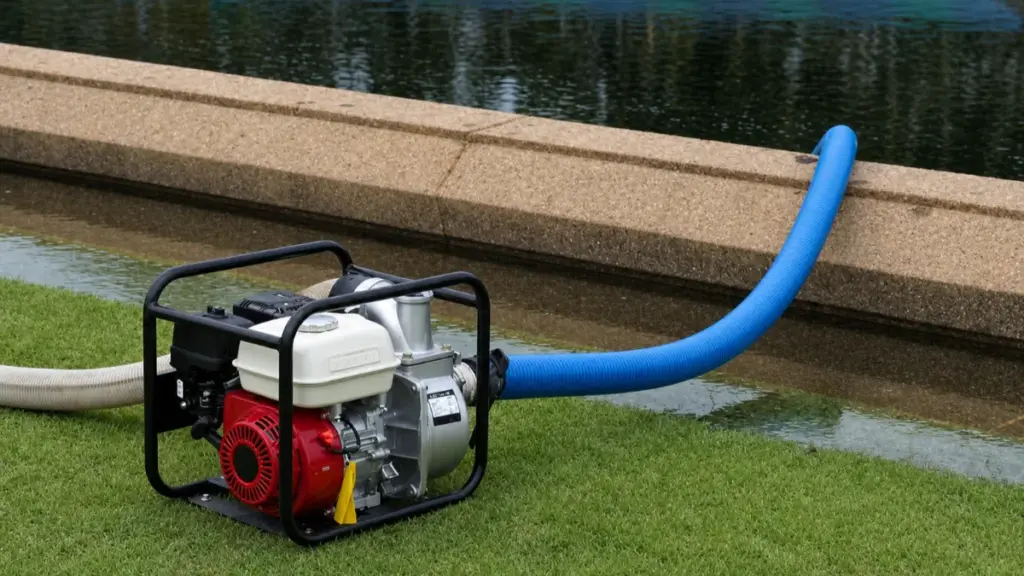
流量は水を動かす速さを決定します, ただし、実際の摩擦と高度の損失を考慮して、最大容量よりも定格流量を優先する必要があります。.
| 流量 (売上総利益率) | 一般的なアプリケーション |
|---|---|
| 10–50 | 庭の灌漑, 小さな池 |
| 50–200 | 中規模工事, 農場 |
| 200+ | 大規模な産業または地方自治体のプロジェクト |
流量の測定基準と制限要因
特定の期間に移動した水の量を計算することで流量を測定します, 通常はガロン/分で表されます (売上総利益率) または立方メートル/時間 (m3/h). 適切なポンプを調達するには、スペックシートのベースライン数値だけでなく、水の動きを制限する変数を理解する必要があります。.
- 定格対. 最大流量: 最大流量ではなく定格流量を評価します. 定格容量は、標高の上昇やパイプの摩擦などの実際の抵抗を考慮しています。, 一方、最大流量は揚程がゼロであると仮定します。.
- トータルダイナミックヘッド (TDH): TDH を計算して、特定のパイプ長内での静揚力と摩擦損失によって引き起こされる出力低下を予測します.
- パイプ直径の制約: パイプの直径を流量に合わせて安全な水速度を維持する. 以下の速度を維持してください 8 パイプの浸食や内部システムの損傷を防ぐためのフィート/秒.
流量を実際のアプリケーションに適合させる
現場でのパフォーマンスは、ポンプの出力を特定の作業の要求に合わせて調整することに完全に依存します。. アプリケーションは少量から広範囲にわたります 20 GPM 消防ユニットを大容量化 1100 GPM 工業用脱水ポンプ. 間違ったユニットを選択すると、サイトに即座に問題が発生します.
- 寸法精度: 操作上の障害を防ぐための適切なサイズフロー. 小型のウォーターポンプがシステムの需要を枯渇させる, 一方、大型ユニットは燃料を無駄にし、キャビテーションの危険性があります.
- 廃水の流速: 最低速度要件を維持する 2 に 3 廃水用途におけるフィート/秒. この速度によりラインから固形物が掻き取られ、システム内に破片が沈殿するのを防ぎます。.
- 曲線のプロット: 継続的およびピーク GPM 要件をメーカーの流量対揚程曲線に対してプロットして、サイトの正確なポータブル ポンプ構成を特定します。.
耐久性のある電源装置で利益を最大化
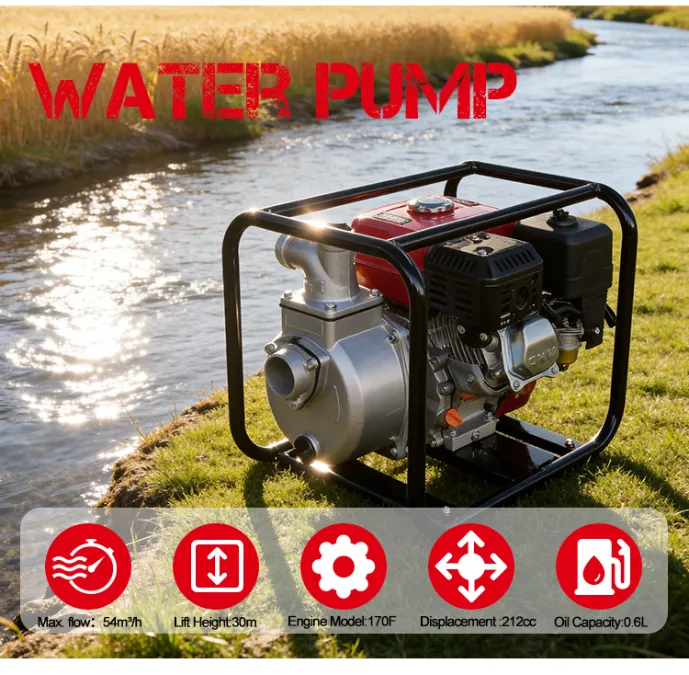
ポータブルウォーターポンプヘッド, リフト, と圧力の基本
頭, リフト, ポンプの真の能力は圧力によって決まります. これらの指標をマスターすると、現実世界の抵抗に対処できる機器を、停止することなく確実に選択できます。.
| 学期 | 意味 |
|---|---|
| 総ヘッド | 最大高さまで水を汲み上げることができます, フリクションロスも含めて |
| 静的リフト | 水源からポンプまでの水が上昇する垂直距離 |
| プレッシャー (PSI) | ポンプ出口で発生する水圧 |
頭の定義, リフト, と圧力
携帯ポンプの仕様を理解するには分離ヘッドが必要です, リフト, そしてプレッシャー. これらの用語は置き換え可能に聞こえますが、流体移送セットアップにおける異なる機械的力を測定します。.
- 頭: 携帯用ポンプが重力に逆らって液体を上昇させる垂直高さ. これは流体密度とは独立して動作し、総動的ヘッドを表します。 (TDH) システムの.
- リフト: 水面からポンプ入口までの垂直吸引測定. 大気圧の制約により、これは実際の限界値に制限されます。 25 海面にあるフィート.
- プレッシャー: 単位面積あたりに伝達される力, PSIで測定. 標準の換算レートを使用します。 1 PSI はおおよそ次の値に相当します 2.31 水頭のフィート.
総揚程とパフォーマンスファクターの計算
純粋に理論上の最大出力に基づいてポンプのサイズを決定することはできません. 現場の条件により機械的抵抗が生じます, つまり、実際のパフォーマンス能力を判断するには、システムのレイアウトを評価する必要があります。.
- トータルダイナミックヘッド (TDH): 静的吸引リフトを組み合わせてこの目標を計算します, 静電気放電ヘッド, パイプの摩擦損失, と速度ヘッド.
- 摩擦損失: ホースの長さ, 細いパイプ径, 急な曲がり, バルブが抵抗を生み出す. これらの特定のレイアウトの選択は、有効ヘッド容量を直接的に減少させます。.
- ポンプ曲線: 流量をプロットして性能グラフを読み取る (売上総利益率) 頭や圧力に対して. ウォーターポンプはゼロ揚程で最大流量を達成し、ゼロ流量で最大揚程に達することを認識してください。.
- 環境変数: 高高度では空気が薄くなり、最大吸込揚力が約低下します。 2.5% あらゆる人にとって 1,000 海抜フィート.
ポータブル ウォーター ポンプの定格出力 (HP とワット)
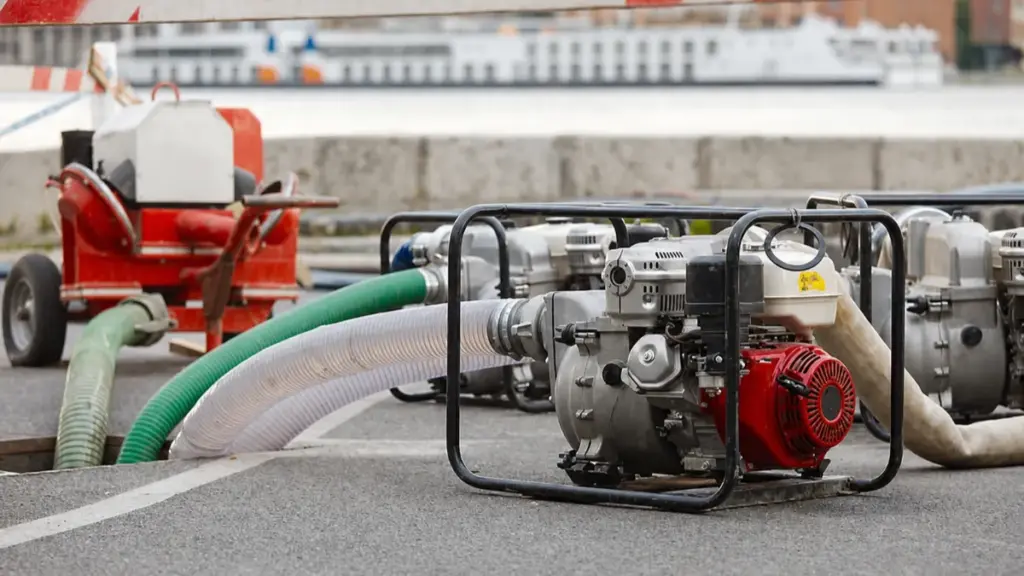
実際のポータブルポンプのワット数は理論値を大幅に上回ります 746 馬力あたりのワット数. モーターの非効率性, 起動の急増, 重い機械的負荷には最小限の負荷が必要です 20% 安定した動作のためのパワーバッファ.
| ポンプの種類 | 力 (HP / W) | 適切な用途 |
|---|---|---|
| 小型ポータブル | 1-3 HP / 750–2200W | 庭, 小さな池, 軽い灌漑 |
| 中くらい | 4-7 HP / 3–5kW | 工事, 中農場の灌漑 |
| 大規模産業用 | 8+ HP / 6+ kW | マイニング, 市営水道の移送, 脱水 |
馬力を走行ワットと始動ワットに変換する
ポータブルウォーターポンプの定格電力の背後にある計算を詳しく見てみましょう. 紙の上, 理論的な 1 HPは以下に相当します 746 ワット. フィールドで, 現実世界のポータブルポンプの描画 20% に 50% さらなるパワー. モーターの非効率性と力率定格がこの過剰需要を促進します.
この電力消費を 2 つの異なるカテゴリに分類します: 連続動作のための実行ワット数と、初期のモーターサージに対処するための始動ワット数. 最初のキックには通常、動作時の 2 ~ 3 倍のワット数が必要です. これが実際の電力要件にどのように変換されるかは次のとおりです。:
- 標準 0.5 HPポンプ: の間で消費します 670 そして 1,050 実行ワット数が必要ですが、最大で 4,000 モーターを作動させるための開始ワット数.
- オフグリッド太陽光発電の設置 (2026): 最新の太陽光発電対応モデルには、次のサイズのパネル アレイが必要です。 1.5 わずかな雲に覆われても一貫したパフォーマンスを維持するために、実行中のワット数を倍増します.
ポータブルポンプの消費電力に影響を与える変数
電力定格を単独で見ることはできません. 物理的環境とシステム設定は、ポンプが水を動かすために実際に必要な電力量を直接決定します。.
深井戸から水を汲み上げる水中ポンプは、より大きな機械的負荷に直面しています. 本質的に、浅い水源から水を移動させるサーフェスジェットウォーターポンプよりも多くのワット数を必要とします。. 水量と垂直揚力距離により、実際の電力要件がその場で変化します, つまり、特定の圧力と流量のニーズに基づいて正確なブレーキ馬力を計算する必要があります。.
電気仕様と電源もシステムの安定性を左右します. これらの構造変数に注意してください:
- 電圧の影響: 120V ポータブル ポンプは、230V ユニットの 2 倍のアンペア数を消費して、まったく同じワット数出力を実現します。.
- 発電機のサイジング: ポータブル発電所と発電機は、ポンプの開始ワットに電力を加えたものと一致する必要があります。 20% ブレーカーの落ちや機器の停止を防ぐためのバッファー.
ポータブルウォーターポンプの性能データの見方
性能曲線を読むことで、モーターに過負荷をかけることなく流量と圧力の要件を確実に満たすことができます。. 実際のテストデータをプロットして、正確なデューティポイントを固定します.
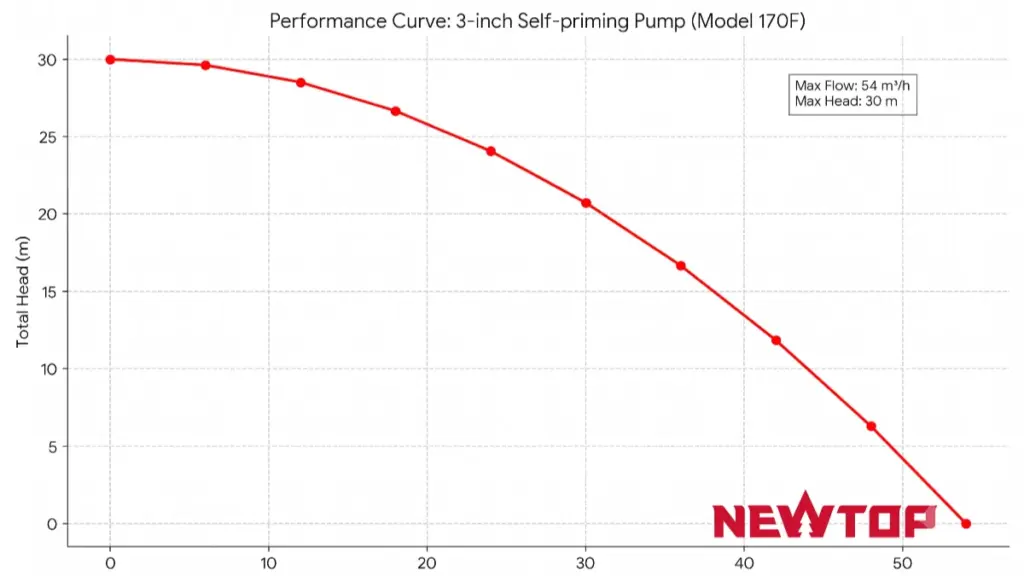
| 曲線パラメータ | 一般的なポータブル範囲 | 測定単位 |
|---|---|---|
| 流量 | 10–200 | 売上総利益率, LPM, または m3/hr |
| 吐出圧力 (頭) | まで 150 足 | 足, PSI (まで 65 PSI) |
| 消費電力 | 1–5 | HP, kW, またはアンプ |
| NPSHr (吸引の必要性) | 5–20 | 足 |
通常、ポンプのメーカーは性能曲線を提供しています。, 流量と揚程の関係を示します。. このデータを正しく読み取ることで、適切なポンプを選択できるようになります。.
パフォーマンス曲線を解釈するためのヒント:
- の X軸 通常は流量を表します (GPMまたはL/分).
- の y軸 全頭を表す (メートルまたはフィート).
- 曲線自体は、さまざまな水頭で達成可能な最大流量を示しています。.
その他の重要な仕様を確認してください:
- 最大流量と定格流量: 定格流量は、寿命と効率を高めるためのポンプの推奨動作点です。, 最大流量はピーク容量を表します.
- 動作限界: 温度, 水質, 継続的な運用に関する推奨事項.
B2Bバイヤーがメーカーに要求すべきこと
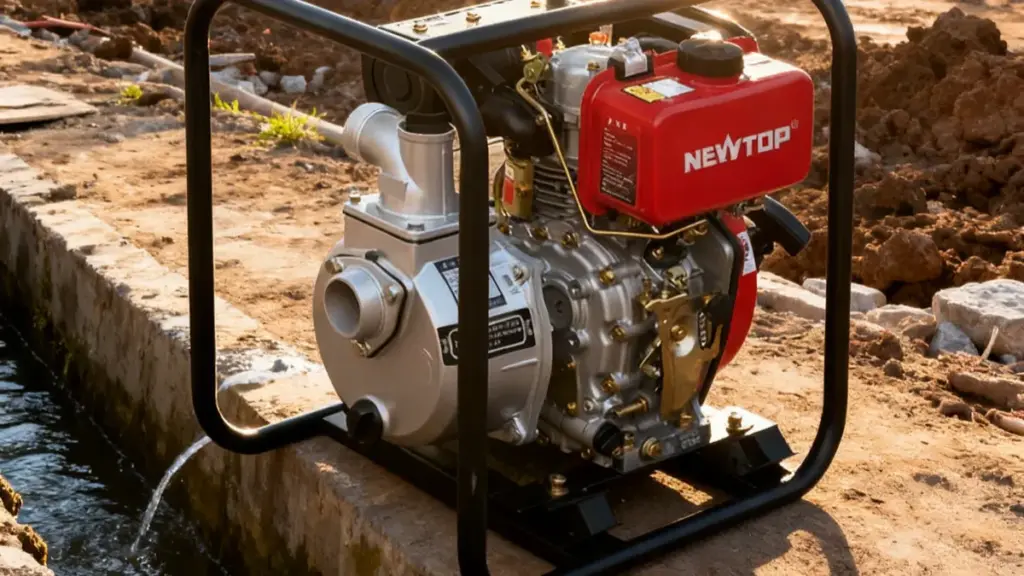
ポータブルウォーターポンプの調達にはベンダーとの厳密な調整が必要です. 検証可能なパフォーマンスデータに焦点を当てる, 特定の材料グレード, 信頼性の高いユニットを確保するための正確な総所有コストの内訳.
技術仕様と材料要件
ウォーターポンプサプライヤーを評価する場合, 曖昧な容量主張は現場では失敗する. アプリケーションに合わせた正確な動作制限が必要です.
- パフォーマンス曲線: 次のような動作範囲の正確な流量とヘッド圧力のグラフをリクエストしてください。 50-500 売上総利益率と 50-150 頭の足.
- 流体の適合性: ポンプが処理するものを正確に定義する. まで渡すなどの制約を指定します。 10% 脱水操作または厳しい温度パラメータ内での操作用の固体.
- モビリティ機能: 移植性に関する明示的な詳細を要求する. 乾燥重量が以下に保たれていることを確認してください 50 手動輸送の場合は kg、ユニットにクイック接続ポートが含まれていることを確認してください.
- 建設資材: 環境に基づいて正確な材料ニーズを概説する. 選ぶ 316 耐薬品性の場合はステンレス鋼、または基本的な浄水輸送の場合は標準鋳鉄.
品質保証, テスト, および商業条件
信頼できるスペックシートは、パフォーマンスの証明と長期サポートがなければ意味がありません。. 購入契約に署名する前に商業条件とテスト条件を固定する.
- 工場での受け入れテスト (脂肪): 実際のフローを検証するために FAT を義務付ける, プレッシャー, 自動呼び水速度は以下のとおりです。 60 出荷の数秒前.
- 信頼性の指標: 文書化された寿命データが必要, 平均故障間隔を含む (MTBF) 超える 5,000 時間と関連する ISO, CE, またはUL認証.
- エンジニアリング文書: 完全な技術ファイルを要求する, 詳細なCAD図面など, アプリケーション固有のインストールマニュアル, および90日のメンテナンススケジュール.
- 総所有コスト (TCO): 単価設定をマッピングした TCO の内訳を確保する, 貨物, スペアパーツの入手可能性, 5年間にわたる長期運用コスト.
貴社の市場を理解しているサプライヤーと提携する理由?
市場に精通したサプライヤーがポンプの仕様を地域の環境および規制の要求に合わせて調整します, 迅速な導入を確保し、プロジェクトの総コストを最大で削減します 25%.
運用状況を理解しているウォーターポンプのサプライヤーを選択すると時間を節約できます, コストを削減する, 機器が確実に動作することを保証します. ニュートップ, 屋外用電源およびウォーターポンプ機器の大手メーカー, 大規模生産と市場に関する深い知識を組み合わせる, 世界中の顧客に合わせたソリューションを提供する.
NEWTOPのような経験豊富なサプライヤーと協力する利点は次のとおりです。:
- カスタマイズされた推奨事項: NEWTOPはプロジェクトの規模に応じて適切なポンプモデルを提案します。, 水源, そして現場の状況, 最適なパフォーマンスを確保する.
- サポートとサービス: 彼らのチームはインストールに関するガイダンスを提供します, トラブルシューティング, メンテナンス, およびスペアパーツ, 業務を円滑に進めるのに役立ちます.
- 信頼性: NEWTOPのグローバル市場での経験を活用して, 性能が低いまたは不適切な機器を受け取るリスクが軽減されます.
加えて, NEWTOPの地元と地域の両方に対する理解 国際規制 クライアントがインポート/エクスポート要件をナビゲートするのに役立ちます, スムーズな物流とコンプライアンスの確保. 技術的専門知識を兼ね備えたOPEサプライヤーと提携, 市場洞察, 強力なサポートは、プロジェクトの効率と長期的な成功に大きな違いをもたらします。.
最終的な考え
安いものに頼る, 膨張仕様の一般的なウォーターポンプは現場での故障を保証し、マージンを破壊します. 検証された性能曲線と正確な電力定格に裏付けられたユニットを確保することが、壊滅的なモーター焼損から運用を守る唯一の方法です。. 正確なデューティポイントを実際の現場の抵抗に一致させることで、機器が停止することなく一貫した量を供給できるようになります。.
サイトでこれらのパフォーマンス指標をテストするには、サンプル ユニットと詳細な技術カタログをリクエストすることをお勧めします。. 現地市場が必要とするポータブルポンプの正確な構成を計画するには、当社のエンジニアリングチームにお問い合わせください。.
よくある質問
ポータブルウォーターポンプの仕様は何を意味しますか?
仕様にはポンプの容量に関する情報が記載されています, 効率, 特定のタスクへの適性. 主な仕様には流量が含まれます, 頭, 力, および運用上の制限.
ウォーターポンプ内の流量とは何ですか?
流量とは、ポンプが単位時間当たりに移動できる水の量のことです。, 通常は毎分リットルで表されます (L/分) または1分あたりのガロン (売上総利益率).
ウォーターポンプの全揚程とは?
全揚程は水を持ち上げることができる最大の垂直高さです。, 吸引を含む, 放電, システム内の摩擦損失.
ウォーターポンプの性能曲線の読み方?
性能曲線は水頭に対する流量をプロットします. 希望の流れと高さの要件を曲線に合わせることで, ポンプの最適な動作点を決定できます.
定格流量と最大流量の違いは何ですか?
定格流量は、ポンプが持続的に移動する水の量を定義します。, ピーク効率における実際の状況. 最大流量は、ポンプがゼロヘッドで達成する絶対最大量を示します。つまり、揚程がなく、配管も接続されていません。. ポンプが過負荷になることなく日々の動作要求を確実に満たせるように、定格流量に完全に基づいて選択する必要があります。.
必要なポータブルウォーターポンプのサイズを知るにはどうすればよいですか?
必要な流量を決定する, 全頭, および動作環境. これらの要件をメーカーのデータシートや性能曲線と比較して、運用ニーズを満たすか、それをわずかに上回るポンプを選択してください。.
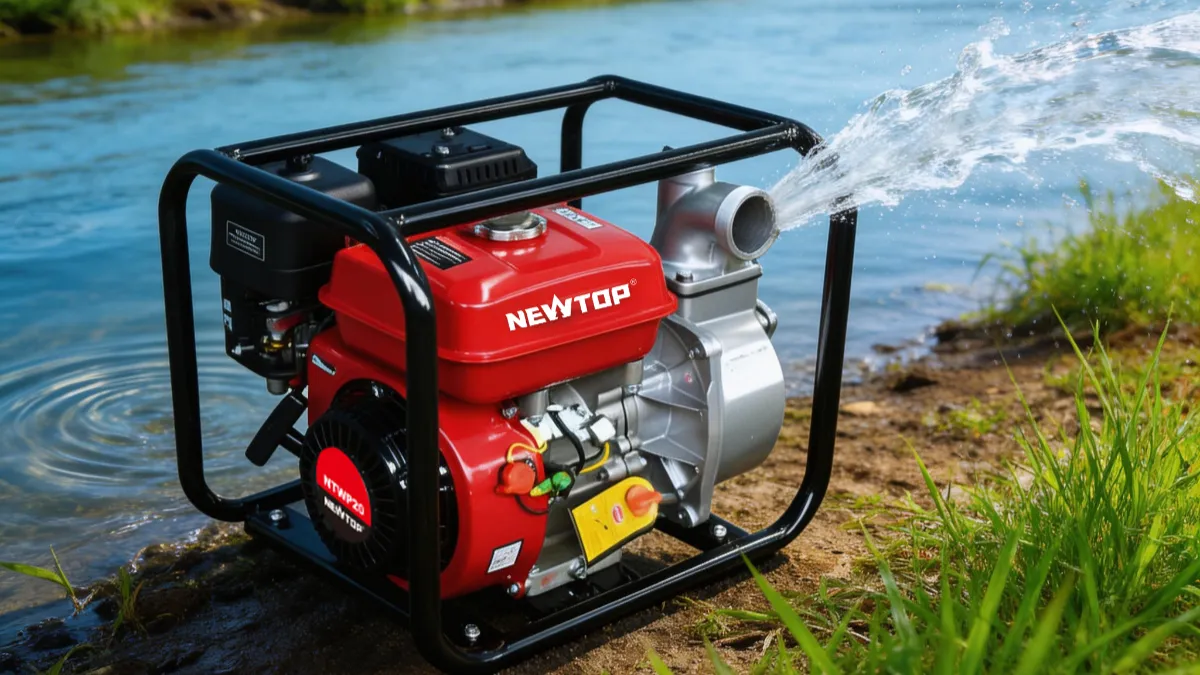
Portable water pumps are essential tools for businesses and professionals who need to move water quickly and efficiently across various environments. From irrigation in agriculture to draining construction sites or handling emergency flood situations, these pumps provide flexibility, 信頼性, and convenience. Choosing the right portable pump can save time, コストを削減する, and ensure that operations run smoothly, whether you are a contractor, farmer, or industrial operator.
このガイドでは, we explore what portable water pumps are, their common applications, key specifications, and practical tips to match pump capacity to real working conditions. We also highlight common mistakes to avoid, helping you make informed decisions when sourcing pumps from a trusted manufacturer. By the end, you’ll have a comprehensive understanding of how to select and use portable water pumps for maximum efficiency.
ウォーターポンプとは何ですか、そしてそれはどのように機能しますか?
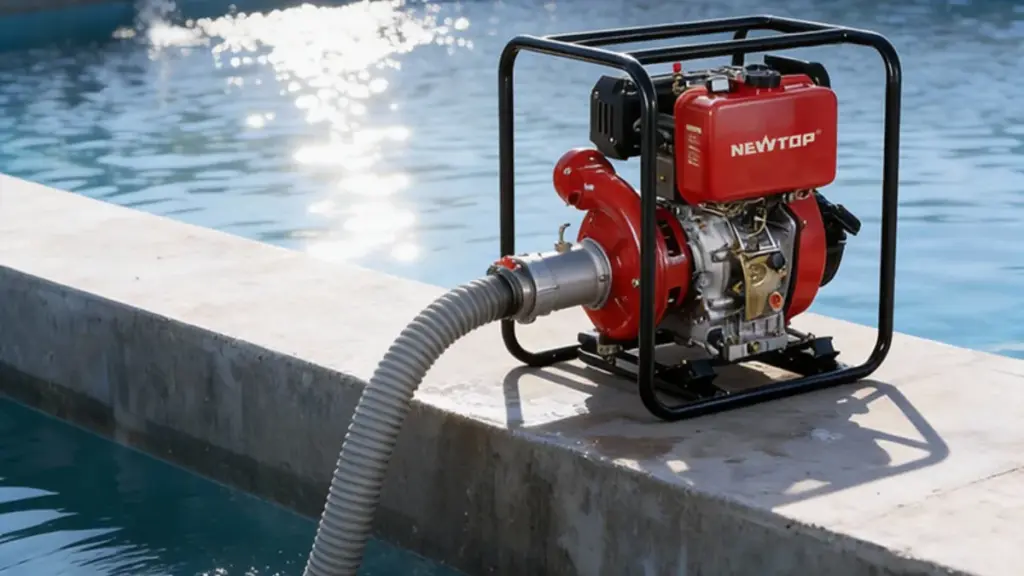
A water pump mechanically converts kinetic energy into hydraulic pressure, creating an internal vacuum that draws fluid in and continuously forces it out through a system.
Core Functions and Key Components
A water pump achieves its primary goal by converting mechanical energy into hydraulic energy. By creating precise pressure changes within a closed system, the pump actively transports water across pipelines, channels, or storage points. This continuous movement relies on a tightly integrated assembly of internal hardware.
- Impeller: Generates rapid fluid movement to push the water.
- Casing: Contains the internal components and manages system pressure.
- 軸: Transfers raw motor power directly to the impeller.
- Bearings and Seals: Prevent fluid leaks and ensure smooth, reliable rotation.
- Valves and Sensors: Manage directional flow and monitor system performance in real time.
Operating Principles and Energy Transfer
The operation starts the moment the internal components—such as impellers, vanes, or diaphragms—begin to move. This movement immediately displaces the air inside the chamber, creating a low-pressure partial vacuum. Nature naturally seeks equilibrium, so the higher external atmospheric pressure forces water directly into the pump’s inlet to fill that vacuum.
Once the water enters the pump, the moving parts transfer their kinetic energy directly to the fluid. This energy pushes the water outward through the discharge port with substantial force. As water exits, it clears space for more fluid to enter the suction side, maintaining a continuous cycle of circulation as long as the motor runs.
Common Applications of Portable Water Pumps
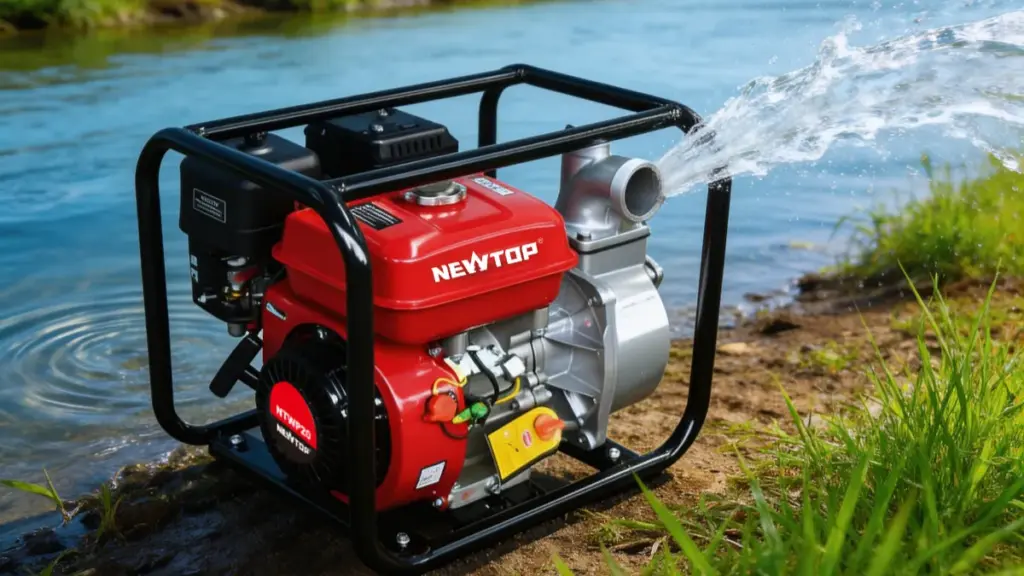
Portable water pumps provide immediate, tool-to-problem deployment. They move fluids efficiently during emergencies, agricultural tasks, and industrial operations without relying on stationary infrastructure.
Emergency and Industrial Operations
Heavy-duty scenarios demand reliable, immediate water movement. Stationary systems often fail during infrastructure outages, making mobile deployment the primary solution for crisis management and heavy industry.
- Emergency response: Crews deploy portable pumps to clear standing water rapidly. This mitigates health risks and prevents long-term property damage after severe floods.
- 消防: Mobile systems secure continuous water flow for teams battling rural wildfires or complex industrial incidents.
- Construction and mining: Work crews dewater excavations, trenches, and open pits to maintain safe job sites and prevent costly delays.
- Municipal utilities: City workers restore services temporarily when pipe failures or power outages interrupt the standard water supply.
Agricultural and Everyday Utility
Beyond high-stakes emergencies, mobile pumps drive daily operations in agriculture, residential maintenance, and specialized commercial sectors by pulling water directly from local sources.
- Crop irrigation: Farmers and gardeners draw water for expansive drip systems, directly improving food security and crop yields in arid regions.
- Residential drainage: Homeowners drain flooded basements, empty swimming pools, and manage emergency plumbing leaks directly at the source.
- Landscaping design: Professionals power decorative fountains, artificial ponds, and waterfalls to enhance aesthetic indoor and outdoor spaces.
- Laboratory applications: Technicians transfer fluids using battery-powered mini pumps to achieve precise medical and chemical dosing.
Maximize Margins With Durable Power Equipment

Key Portable Water Pump Specifications That Matter
Selecting the right portable pump comes down to calculating total dynamic head and matching your power source to the off-grid environment. Guessing these specs leads to equipment failure.
| Specification Category | Typical Range / 標準 | Primary Impact |
|---|---|---|
| 流量 | 345–1,050 GPH (ポータブル) / 26–53 GPM (domestic) | Determines how quickly you can move water |
| Maximum Head | 50–66 ft (15–20 m) | Ensures water can reach required height |
| エンジン出力 | 16,500 回転数 / 5.5A draw (20V Brushless); 38CC 4-stroke gas engine | Affects efficiency and suitability for heavy-duty tasks |
| Suction Lift | まで 25 フィート (7.5 メートル) typical for portable units | Critical for sources below pump level |
| Port Size | G3/4″ – 1.5″ (standard garden to high-capacity connections) | Ensures proper hose connection and flow |
| 材料 | Cast iron, aluminum, reinforced plastics | Impacts lifespan and resistance to debris or corrosion |
For a more detailed explanation of key specifications, 私たちのをチェックしてください ウォーターポンプの仕様に関する初心者向けガイド to learn about flow rate, 頭, 力, and other essential factors.
Performance Metrics for Flow Rate and Lift
Flow rate dictates exactly how much water you move over a specific period. Standard portable models handle between 345 そして 1,050 gallons per hour (GPH), while domestic setups require higher capacities ranging from 26 に 53 gallons per minute (売上総利益率).
You calculate the maximum head height to determine the vertical distance your pump can push water. Always calculate your Total Dynamic Head (TDH) to factor in both your raw vertical lift and hose friction. Expect the following baseline limits when evaluating models:
- Basic 12V Portable Units: Push water up to 50 feet of vertical lift.
- Robust Cordless Models: Extend vertical lift capabilities up to 66 足.
- Brushless Motors (2026 標準): Operate at 16,500 RPM on cordless platforms.
- 消費電力: Consume a maximum of 5.5A on 20V systems for steady output.
These motor specifications directly drive your overall efficiency. Operating within these defined parameters ensures you maintain consistent flow without prematurely burning out the motor or draining cordless batteries.
Power Sources and Physical Design Limitations
Energy sources dictate the portability and maintenance schedule of your equipment. Cordless 20V and 12V electric pumps provide quiet operation with minimal upkeep. If you require complete off-grid placement flexibility, 38CC 4-stroke gas models remain the standard choice for remote sites.
Physical tolerances and port sizes determine whether a pump survives harsh field conditions. Review these physical limitations before deployment:
- Temperature Limits: Standard models safely process water under 95°F (35°C).
- Particle Clearance: Typical units pass debris up to 0.079 インチ (2 mm), while specialized units handle heavy mud.
- Light-Duty Connections: Manufacturers fit G3/4-inch threads for standard garden hoses.
- High-Capacity Ports: Transfer operations scale up to 1.5-inch discharge ports to handle larger volumes.
Matching these connection ports to your existing hardware prevents bottlenecks. Pushing water through undersized fittings causes flow restriction and creates excessive back pressure, which damages internal pump components and reduces equipment lifespan.
Common Mistakes When Choosing Portable Water Pumps
Getting specs wrong guarantees burned-out motors and wasted fuel. Always overcalculate your capacity needs by 20% and match pump materials to the exact fluid you move.
Misjudging Capacity and Head Requirements
Sizing a pump requires exact math, not a rough guess. Pick an undersized model, and you face prolonged task times and constant recirculation. Buy one that is too big, and you waste fuel while accelerating equipment wear. To nail the sizing, calculate your total liquid volume and automatically add a 20-30% capacity buffer. This strategy ensures efficient operation without continuously redlining the hardware.
- トータルダイナミックヘッド (TDH): Factor in the vertical lift, horizontal travel distance, and the inevitable friction loss caused by long or narrow hoses.
- Peak Demand Target: Choose models rated 70-80% above your maximum TDH calculation to meet peak demand reliably under tough conditions.
Ignoring Fluid Types and Safety Protections
A standard centrifugal pump handles clean water perfectly. But drop that same unit into dirty water, abrasives, or viscous fluids, and you guarantee rapid clogging and mechanical failure. You must match the pump hardware directly to the material. Beyond the fluid itself, failing to build in operational safeguards will kill your equipment fast. Running a pump dry destroys the motor and seals within hours.
- Material Matching: Use trash pumps with open impellers to handle heavy debris, or select stainless steel builds to survive acidic liquids.
- Automated Protections: Prioritize models equipped with float switches, thermal overload protection, or auto shut-off features to prevent dry-running.
- Hose Compatibility: Pair the pump with the correct reinforced hoses. Match the outlet diameter exactly to minimize hydraulic resistance and prevent sudden leaks.
How to Match Pump Capacity to Real Working Conditions
Correctly matching pump capacity to actual conditions is critical for efficiency and reliability. Here’s a structured approach:
| 要素 | おすすめ |
|---|---|
| 流量 | Choose slightly higher than calculated to ensure efficiency |
| Suction/Discharge Height | Include friction loss margin |
| Water Quality | Use trash or solids-handling pump if debris is present |
| Operating Duration | Select a robust engine or motor for extended use |
| Environment | Choose corrosion-resistant or reinforced materials |
1. Calculate Required Flow Rate
Determine the volume of water needed per minute. For irrigation, consider the total area and water consumption per plant. For drainage, estimate the amount of accumulated water.
2. Measure Suction and Discharge Heights
Identify the vertical distances from the water source to the pump (suction lift) and from the pump to the discharge point (maximum head). Add extra margin for friction loss in hoses.
3. Consider Water Quality
If the water contains debris, 砂, or organic matter, choose a pump designed for solids handling. Using a standard pump in these conditions can lead to clogs and damage.
4. Account for Operating Duration
Continuous operations may require a more robust engine or motor. Consider models with higher power and cooling features for prolonged use.
5. Check Environmental Conditions
Temperature extremes, dusty environments, or chemical exposure influence material choice. Corrosion-resistant or reinforced pumps are recommended for challenging conditions. FactorRecommendationFlow RateChoose slightly higher than calculated to ensure efficiencySuction/Discharge HeightInclude friction loss marginWater QualityUse trash or solids-handling pump if debris is presentOperating DurationSelect a robust engine or motor for extended useEnvironmentChoose corrosion-resistant or reinforced materials
Ready to Source Portable Water Pumps From a Reliable Factory?
Sourcing portable water pumps requires vetting factories for strict NSF 61 コンプライアンス, verifying flow capabilities, and structuring bulk orders for modular, battery-compatible equipment.
で ニュートップ, we specialize in high-quality portable water pumps designed for multiple applications, including agriculture, 工事, and emergency water management. Our products combine durability, 効率, and ease of transport, making them ideal for both professional and occasional use.
Why Choose NEWTOP Portable Water Pumps:
- Versatile Selection: Models for clean water, trash, and chemical handling
- Durable Materials: Cast iron, aluminum, and reinforced plastics for longevity
- Power Options: ガソリン, 電気, and battery-powered units for any site
- OEM/ODM Customization: Flexible solutions for distributors and contractors
- 世界的な分布: Reliable logistics for on-time delivery worldwide
Whether you need pumps for small-scale irrigation or large construction projects, our team can help match the right model to your operational requirements. Partnering with a trusted manufacturer ensures consistent quality, サポート, and performance.
最終的な考え
Portable water pumps are indispensable tools for a wide range of applications. Understanding how they work, their key specifications, and proper usage ensures optimal performance, longevity, と効率. Choosing a reliable manufacturer like NEWTOP guarantees quality, customization options, and support for global business needs.
We recommend starting with a sample order to evaluate the actual flow capacity and modular battery compatibility firsthand. Contact our manufacturing team to discuss your specific OEM requirements and structure your next bulk deployment.
よくある質問
What is a portable water pump used for?
Portable water pumps move liquids from one location to another. Homeowners and contractors use them for emergency water removal in flooded basements, pool maintenance, garden irrigation, and construction dewatering. They adapt easily to residential, agricultural, and light commercial tasks.
How do I choose the right portable water pump?
Selecting the right pump requires calculating your flow rate needs in gallons per minute (売上総利益率) and the total vertical lift or head. You must assess your water source to see if you need to move clean water or debris. From there, choose the appropriate power type—such as battery, 電気, solar, or gas—based on portability requirements and site access.
What is the difference between a transfer pump and a trash pump?
Transfer pumps move clean, solid-free water quickly and generate higher pressure. Trash pumps manage dirty water filled with debris like mud, 葉, and pebbles. Trash pumps incorporate open impellers with large gaps to pass solids without clogging. Transfer pumps utilize closed impellers for maximum clean water efficiency.
How much water can a portable pump move per minute?
Capacity varies significantly based on the pump size, 電源, and vertical lift. Mini utility pumps typically move 3 に 15 gallons per minute (売上総利益率), residential models handle 25 に 50 売上総利益率, and larger semi-trash pumps can clear between 90 and over 400 売上総利益率. Vertical lift and pipe friction naturally reduce these maximum open-flow rates.
Can a portable water pump be used for irrigation?
はい, portable pumps efficiently power agricultural and residential irrigation systems. They draw water from ponds, streams, or wells and supply sprinklers, drip lines, or livestock troughs. You need to match the pump’s flow and pressure capabilities to your specific distribution system to guarantee adequate field coverage.
What should I check before using a portable pump for drainage work?
Inspect power connections and check hoses for airtight seals to prevent priming failures. You must clear the inlet screens of dirt or residue to avoid blockages. Verify that the discharge pipe routes water at least 20 feet away from structures, and confirm your specific pump model handles the type of water you plan to drain.
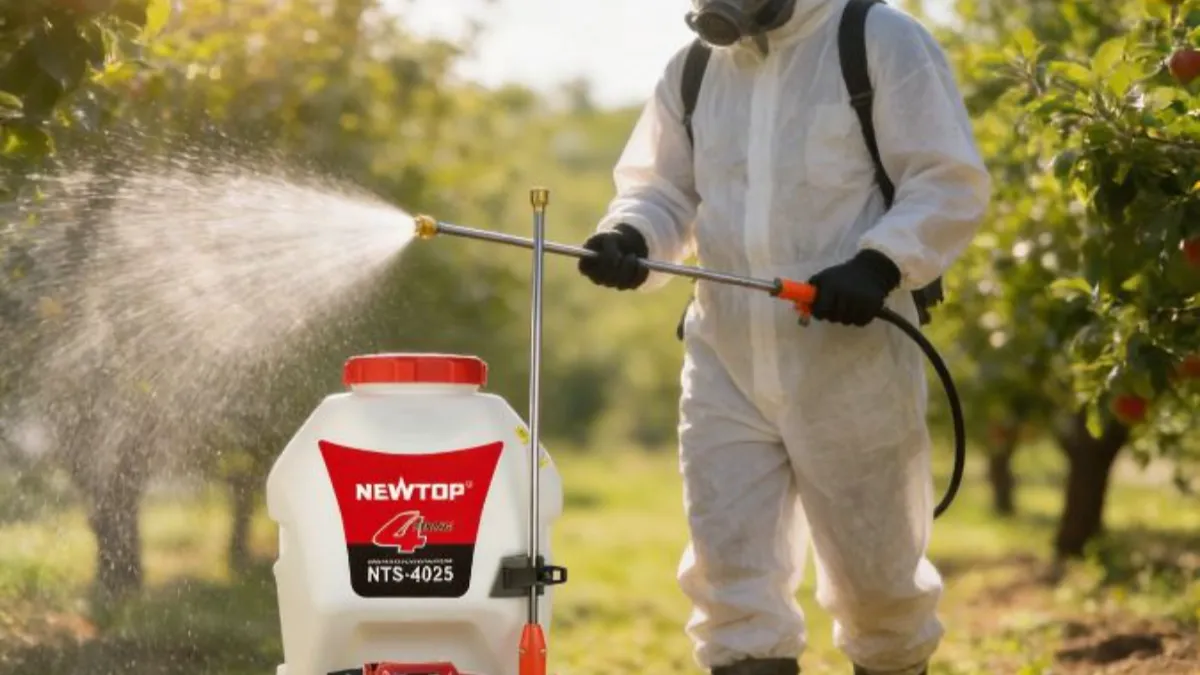
ナップザック噴霧器は、現代の農業で使用される最も実用的なツールの 1 つです, 造園, そして公衆衛生. 携帯性, 低い運用コスト, 柔軟な散布性能により、農家にとって欠かせないものとなっています。, 請負業者, 果樹園の所有者, および世界中の地方自治体のサービスプロバイダー.
畑への除草剤散布から公共スペースの消毒まで, ナップザック噴霧器は、ユーザーが労働力と化学廃棄物を削減しながら噴霧作業を効率的に完了するのに役立ちます. 今日, 手動および動力ナップザック噴霧器の両方が農場全体で広く使用されています, プランテーション, 庭園, 温室, および都市整備事業.
この記事では、ナップザック噴霧器の最も一般的な用途について説明します。, マニュアルモデルとパワーモデルを比較します, 販売業者とバイヤーが市場向けに噴霧器を調達する際に考慮すべきことについて説明します.
#1 現代の農業におけるナップザック噴霧器の使用

ナップザック噴霧器は、さまざまな地形に正確な化学薬品を塗布します。, オペレーターが害虫をターゲットにできるようにする, 雑草, 投入廃棄物を削減しながら栄養素の欠乏を解消します.
農業 依然としてナップサック型噴霧器の最大の応用分野. 多くの地域で, 特に東南アジア, アフリカ, そしてラテンアメリカ, 農家はポータブル噴霧器が手頃な価格なので頼りにしています, 持ち運びが簡単, 大型ブーム噴霧器が効果的に作動できない不均一な地形に適しています。.
ナップザック型噴霧器は通常、オペレーターの背中に背負われ、スプレー ランスまたはスプレー ランスに接続されます。 ノズル システム. 一般的なタンク容量には16Lが含まれます, 18L, と20L. モデルによって異なります, スプレー圧力は手動、またはガソリンまたはバッテリー駆動のエンジンによって発生させることができます。.
ナップザック噴霧器の一般的な農業用途
| 応用 | 目的 |
|---|---|
| 除草剤散布 | 作物列間の雑草防除 |
| 殺虫剤散布 | 害虫予防と作物保護 |
| 殺菌剤散布 | 疾病管理 |
| 葉面摂食 | 葉から栄養を吸収 |
| 灌漑支援 | 苗床での軽い水やり |
| 温室処理 | 制御された屋内噴霧 |
従来の水やり方法との比較, 噴霧システムにより、より正確な化学物質の散布が可能になり、作物や葉への適用範囲が向上します。.
農産物市場の発展に向けて, ナップサック型噴霧器は、機動性と比較的低いメンテナンスコストを兼ね備えているため、特に価値があります。. 農家は田んぼの間を簡単に移動できる, 果樹園, 野菜畑, 茶畑, トラクターや大型機械に頼らずに丘陵地帯の農作物を栽培する.
詳細情報: ナップザック噴霧器とは?
#2 除草剤散布に使用されるナップザック噴霧器
ナップザック噴霧器は正確な性能を発揮します, スポット処理のための少量の除草剤散布, 化学廃棄物と対象外の作物へのダメージを最小限に抑える.
対象となる雑草管理および対象範囲
オペレーターは、大型機械がアクセスできないエリアの雑草管理にナップザック型噴霧器を使用しています。. これらのユニットは、主要な作物にダメージを与えることなく、競合する植生を排除するために必要な正確な制御を提供します。.
- スポット治療: 雑草がまばらな環境下での使用に最適 5% 草原全体をカバー, 保育園, 到達しにくいゾーン.
- 厳しい雑草対策: イラクサなどの残留種を根絶します, アザミ, ターゲットを絞ったものを使用したイバラ, ラベル承認済みの除草剤.
- 列作物の安全性: 遮蔽された偶数ファンまたは中空円錐ノズルを利用して、化学物質を雑草に厳密に当て、目的の植物から遠ざけます。.
必要な箇所のみにスプレーパターンを集中させることで、, 化学物質の総消費量を削減し、周囲の土壌生態系を保護します。.
校正技術と安全プロトコル
適切な校正と混合は、専門的な用途と不注意な化学物質の投棄を区別します。. 有効な除草剤を投入する前に, 現場で正確な投与量を確保するには、正確なベースラインを確立する必要があります。.
- 機器の校正: 通常の野外歩行速度で固定エリア上で既知の量のきれいな水をテストし、実際の生産量を計算します。.
- 薬品の混合: 毎日の特定の量だけを準備してください. 3回すすいだ化学ジャグを使用して濃縮物を測定し、水不溶性除草剤が一晩タンク内に沈殿するのを防ぎます。.
- 塗布圧力: 歩行中も一定のポンピングペースを維持して、ノズルがスプレー帯全体に均一な圧力を確実に供給できるようにします。.
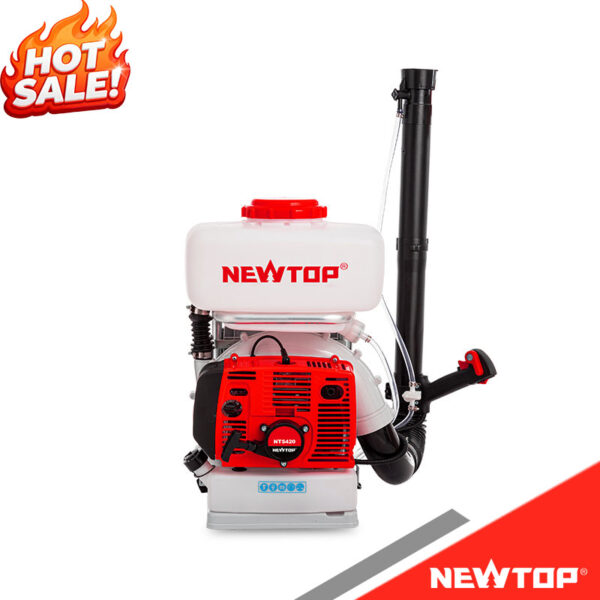
NTS420 ガソリンナップザック噴霧器
NTS420 は、畑作物や農園での使用向けに設計された信頼性の高い 20L バックパック噴霧器です。. 安定したエンジン出力で強力なスプレー浸透力を実現, 大面積の農薬や肥料の散布に適しています。.
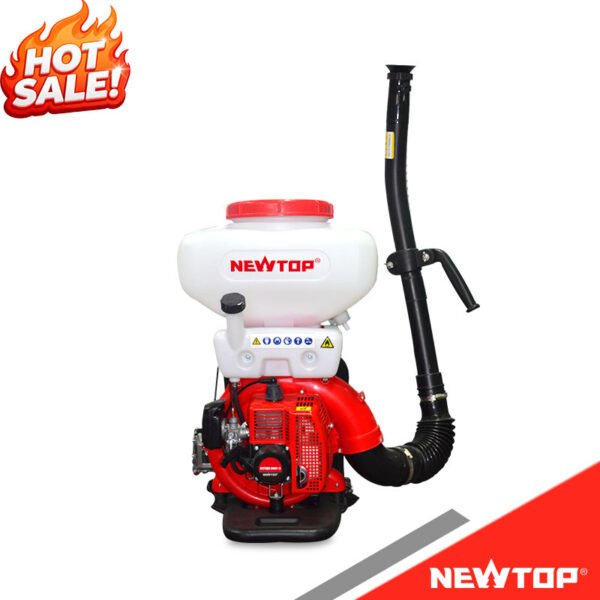
NTS3WF-3 ミストダスター噴霧器
NTS3WF-3 は、果樹園や背の高い作物向けの噴霧機能とミスト機能を組み合わせた製品です。. 強力なエアフローと拡張されたスプレー範囲を備えています, 密集した農業環境でも葉を深く浸透させることができます。.
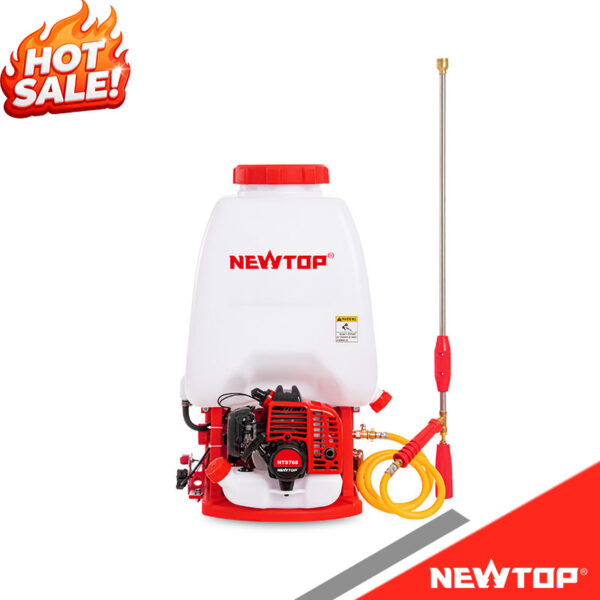
NTS768 高圧噴霧器
NTS768 は集中的な農業用途向けに構築されています. 強化されたタンク構造と安定したエンジンシステムにより、需要の高い市場をターゲットとするプロの販売代理店に適しています。.
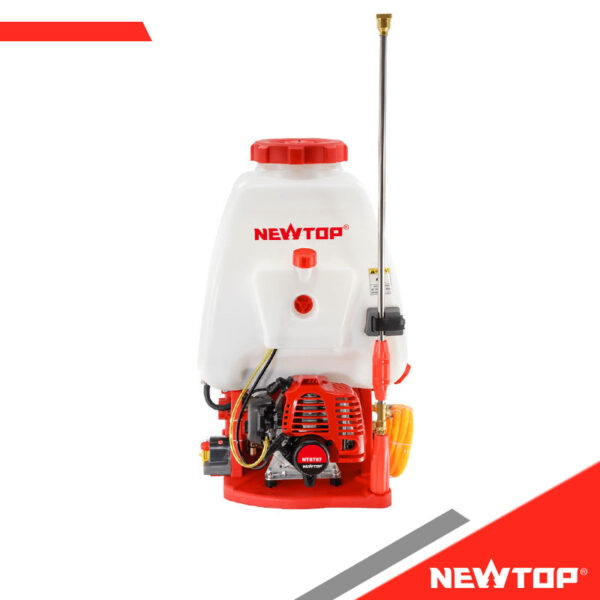
NTS767 業務用バックパック噴霧器
NTS767 はバランスのとれた電力と効率を提供します, 農場や園芸用途向けのミッドレンジのガソリン背負い式噴霧器を探している販売店に最適. 耐久性のあるコンポーネントにより長寿命を保証.
#3 肥料と葉面給餌に使用するナップザック噴霧器
ナップザック型噴霧器を使用して液体肥料を散布すると、対象を絞った土壌への供給と迅速な葉面吸収が可能になります。, 劣悪な土壌条件を回避し、狭いスペースでの栄養素の摂取を最大化します。.
直接土壌施用
ナップサック型噴霧器は、正確な制御で液体肥料を土壌に直接供給します。. オペレーターは濃縮溶液を混合します, 通常使用する 3 水1ガロン当たりの液体肥料のオンス, それらをルートゾーンに直接適用します.
標準のホースとノズルのアタッチメントにより、植物の根元の周囲に液体を正確に塗布できます。. この設定により、オペレーターは狭いスペースや密集した列への移動が可能になります。, トラクターに取り付けられた農機具は届かない.
ユーザーは土壌肥料専用の別の噴霧器を使用する必要があります. 肥料設備を隔離した状態に保つことで、害虫駆除化学物質や除草剤による危険な相互汚染を防ぎます。.
葉面摂食技術
葉面摂食は土壌を完全に迂回します. 生産者は栄養液を植物の葉に直接噴霧し、活発な植生サイクル中に急速な吸収を引き起こします。.
植物はこれらの栄養素を根からよりも葉の表面からはるかに速く吸収します。. この技術は、土壌の状態が劣悪なままで、地上の養分の吸収が停滞している場合に非常にうまく機能します。.
葉面肥料には多くの場合、:
- 窒素
- カリウム
- カルシウム
- マグネシウム
- 微量元素
クリーンを使用する, 濾過された水はタンク内の沈殿物の蓄積を防ぎます. これにより、ノズルをきれいな状態に保ち、一貫したノズルを保証します。, 葉全体に均等なスプレーパターンを与える.
#4 果樹園や園芸でのナップザック噴霧器の使用
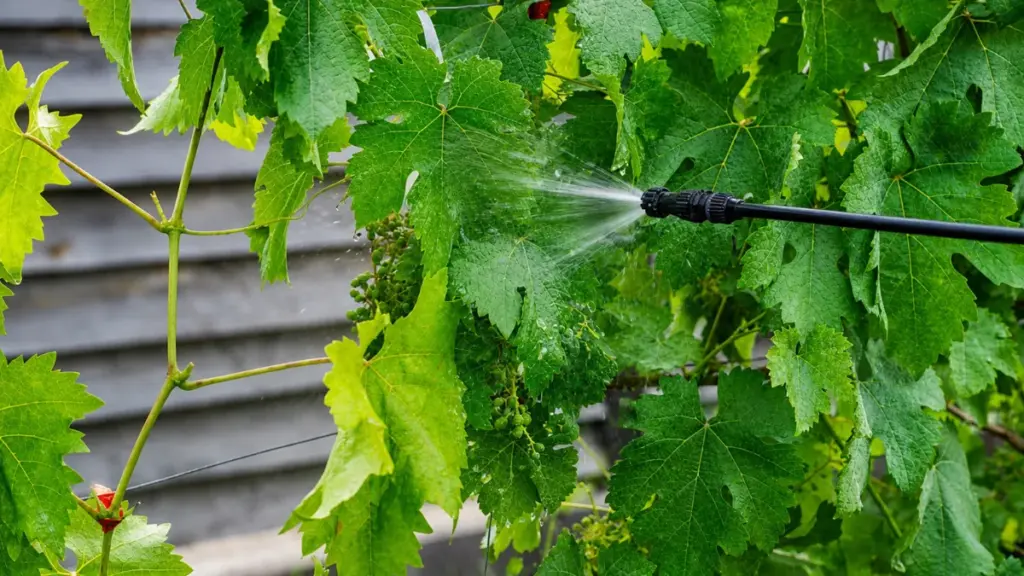
ナップザック式噴霧器は、密集した林冠や狭い列を管理するために必要な機動性と精度を提供します。, 重機を使わずに商業栽培作業を効率的に維持.
果樹園での主な用途
果樹園の管理では、トラクターに取り付けられたブーム噴霧器が簡単に操作できない狭いスペースを移動する必要があります. バックパック式噴霧器を使用すると、オペレーターは狭い列を歩き回り、個々の木やブドウの木に直接特定の処理を施すことができます。.
- 殺虫剤の標的化: オペレーターは精密ノズルを使用して、剪定された樹冠に侵入し、狭い果樹の列にある特定の害虫の侵入を排除します。.
- 疾病管理: 乗組員は予防的および治療的な殺菌剤や殺菌剤を散布して、発生を阻止し、作物の損失を最小限に抑えます。.
- 雑草対策: 生産者は除草剤を木の根元と列の真ん中の周りに厳密に散布します, 果樹に害を与えずに資源を奪う雑草を取り除く.
- 栄養素の供給: 作業員は液体肥料と成長調整剤を葉に直接噴霧して、吸収を促進し、健全な果実の収量を促進します。.
- エアアシストによる統合: 農場では、これらの噴霧器と空気補助ファンを組み合わせて、噴霧液滴を樹冠の奥深くまで押し込み、化学物質のドリフトを大幅に削減します。.
園芸における主な用途
温室, 保育園, および観賞用庭園には、高度に管理された化学薬品の使用が必要です. ナップザック式噴霧器はこの正確な精度を実現し、限られた場所や屋内の場所で価値の高い植物を保護します。.
- 害虫駆除: 苗床職員は殺虫剤を散布して害虫を駆除し、観葉植物全体の自然な美しさを維持します.
- 選択的な病気と雑草の管理: オペレーターは狭いスペースで雑草や真菌の問題を選択的に処理し、隣接する観賞植物を損傷することなく均一なスプレー範囲を保証します。.
- 栄養素の分布: 園芸家は、化学吸収を高めるためにカスタムの液体栄養混合物を植物の根域または葉に直接供給します。.
- 成長調節: 乗組員は構造物のメンテナンスを支援するために特定の規制を適用します, 剪定, トリミングサポート.
- 補充灌漑: 生産者は微細なミストノズルを使用して、制御された屋内環境や繊細な温室設定で目的の水を供給します。.
#5 衛生と公衆衛生のためのナップザック噴霧器の使用

ナップザック噴霧器は、消毒剤とベクター制御化学薬品を正確に散布します。, 交通量の多いコミュニティスペースでの公衆への曝露を最小限に抑えながら、病気の発生に対する迅速な対応を可能にする.
疾病予防と衛生における中心的な用途
公衆衛生チームはナップサック型噴霧器を利用して迅速に作業を実行します, 都市部と農村部の多様な環境にわたる対象を絞った衛生プロトコル. これらのポータブル ツールを使用すると、オペレーターは局地的な発生に即座に適応できます。, 大型機械では到達できない狭いスペースや変化に富んだ地形を移動する.
- ベクトル制御戦略: 業者は公共の公園や住宅地の繁殖地に標的を絞った殺虫剤を散布する, マラリアやデング熱に関連する病気を媒介する蚊やハエと積極的に闘う.
- 表面消毒プロトコル: 局所的な病気の発生時に衛生状態を維持するために、メンテナンス作業員は交通量の多いコミュニティスペースや通路の表面を徹底的に消毒します。.
- 廃棄物エリアの衛生管理: 衛生作業員は埋め立て地や排水システムを特定の化学混合物で処理して、繁殖地を中和し、発生源での病原体の蔓延を阻止します。.
安全ガイドラインと機器のメンテナンス
公衆衛生化学物質の取り扱いには、安全性と運用手順の厳格な順守が必要です. オペレーターは身を守るために化学薬品の塗布を正確に制御する必要があります, 設備, 意図しない暴露から周囲のコミュニティに影響を与える.
- 個人用保護具 (PPE): オペレーターは特定のギアを着用する必要があります, フェイスマスクを含む, 耐薬品性手袋, と安全メガネ, 塗布中に直接化学物質にさらされるのを防ぐため.
- ドリフト管理: 技術者は、ノズルを正確に調整し、スプレーシュラウドを取り付けて、傍観者や近くのスプレーされていない環境を保護することにより、厳密なドリフト制御技術を導入します。.
- 使用後の洗浄: メンテナンスチームは、タンクとラインから危険な化学残留物を除去するために 3 回のすすぎ方法を使用しています。. この重要なステップにより、機器の腐食が防止され、異なる化学処理間の相互汚染のリスクが排除されます。.
世界的に衛生基準が向上し続ける中, 衛生スプレー装置は、販売業者および輸入業者にとって依然として重要な成長分野である.
耐久性のある OEM 園芸機械で ROI を最大化
さまざまな作業に適した手動ナップザック噴霧器と電動ナップザック噴霧器
噴霧器の種類を作業の規模や地形に適合させることで、作業効率が決まります。. 手動ユニットは機敏なタスクに優れています, 一方、パワーモデルは大規模アプリケーションを支配します.
| 特徴 | 手動噴霧器 | 動力噴霧器 |
|---|---|---|
| スプレー圧力 | 適度 | 高い |
| カバレッジ効率 | より低い | より高い |
| メンテナンス | 単純 | 適度 |
| 運営コスト | 低い | 中くらい |
| 最適な用途 | 小規模農場 | 大規模な工事 |
手動ナップザック噴霧器のベストジョブ
手動ナップザック噴霧器は圧力を高めるために物理的なポンプに依存しています. このシンプルな, バッテリー不要の設計により、機器は軽量で操作性が高くなります。, フィールド内で最も優れたパフォーマンスを発揮する場所を正確に指示する.
- スポット治療: 小規模な庭園や、時折的を絞った化学薬品の散布が必要な 1 エーカー未満の敷地に最適です.
- 凹凸のある地形: オペレーターが難しい操作を必要とする 1 ~ 5 エーカーの小規模農場に適しています, 不整地.
- 密集した葉: タイトに最適, 軽量の機器が電力に依存せずに高い機動性を提供する生い茂ったエリア.
- 遠隔地: 限られた予算や、充電用の電力や液体燃料へのアクセスが不足しているオフグリッド環境に適合.
パワーナップザック噴霧器のベストジョブ
動力噴霧器はバッテリーを使用します, 電気モーター, またはガソリンエンジンが肉体労働に代わる. 安定して持続します, 自動的に連続的に圧力をかける, 商業規模とスピードの標準となる.
- 中規模農場: 5 から 5 までの区域に推奨 20 ユーザーの疲労を大幅に軽減するために定期的な塗布が必要なエーカー.
- 商業畑と果樹園: 広いエリアを処理します 20 エーカーが早急に必要, 手動でポンプを停止することなく均一にカバーできます.
- 大量噴霧: 一貫したモーター圧力により、タンク負荷全体に作物を完全に均一に分配する作業に優れています。.
- タイムクリティカルな操作: 時間効率と安定した薬液塗布を優先するオペレーターにとってのメリット, 初期設備コストが高いことを簡単に正当化できる.
さまざまな種類のナップザック噴霧器をより深く理解するため, 彼らの特徴, どのモデルがあなたの特定のニーズに適しているか, 詳細なガイドをご覧ください: ナップサック型噴霧器の種類.
ナップサック型噴霧器を調達する際の重要な考慮事項
タンク容量のバランスをとる調達に成功, ポンプ機構, オペレーターの人間工学に基づいた設計により、厳しい安全性と化学物質の取り扱い基準を満たしながら現場効率を最大化します。.
| 調達パラメータ | 手動噴霧器 | バッテリー式噴霧器 |
|---|---|---|
| 主な用途 | 小規模な手術やスポット治療 | 商業および農業での継続的な使用 |
| 疲労管理 | 手動ポンプが必要です, シフト長の制限 | 自動圧力により日々の生産性を維持 |
| 標準容量 | 10 に 16 リットル | 10 に 16 リットル |
流通または卸売プロジェクトのためにナップサック型噴霧器を調達する場合, 製品の品質と長期的な信頼性は、単に最低価格を選択することよりも重要です.
プロのバイヤーは通常、大量注文を行う前にいくつかの重要な要素を評価します。.
1. エンジンとポンプの品質
動力噴霧器用, 安定したエンジン性能は噴霧効率と製品寿命に直接影響します。.
高品質ポンプが提供する:
- 安定した圧力
- より良い霧化
- 漏洩リスクの低減
- 稼働時間の延長
2. 耐薬品性
農薬は腐食性が高い場合があります. タンク, ホース, シール, ノズルには化学的損傷に耐える耐久性のある素材を使用する必要があります。.
3. スペアパーツの入手可能性
ディストリビューターは、次のようなサービスを提供するサプライヤーを好みます。:
- スペアパーツのサポート
- 迅速な交換サービス
- 技術文書
- アフターサポート
4. 認証への準拠
市場によっては次のような認証が必要になる場合があります。:
- CE
- EPA
- RoHS
- ユーロⅡ
- GS
コンプライアンスは、流通業者が輸入リスクを軽減し、現地市場へのアクセスを改善するのに役立ちます.
5. OEM およびブランディングのサポート
多くの輸入業者は、次のようなカスタマイズされた製品を好みます。:
- プライベートラベル
- カスタムカラー
- パッケージデザイン
- 現地語マニュアル
強力な OEM 機能は、販売代理店が地域で長期的なブランド競争力を構築するのに役立ちます.
市場向けにナップザック噴霧器を調達する準備ができています?
調達を成功させるには、それに見合ったプレミアムが必要です, 高成長をターゲットにしながら、厳しく規制された既存市場にバッテリー駆動の噴霧器を提供, アジアとアフリカの補助金主導地域.
農業および造園産業の近代化が進む中, 信頼できるものへの要求 ナップザック噴霧器 世界市場全体で成長を続ける.
除草剤散布用かどうか, 果樹園管理, 肥料散布, または衛生作業, 購入者は耐久性を兼ね備えた噴霧器をますます求めています, 効率, そしてコストパフォーマンス.
代理店・輸入業者様向け, 適切な製造パートナーを選択することは、適切な製品を選択することと同じくらい重要です.
以上 20 長年の製造経験, ニュートップ 要求の厳しい農業および商業環境向けに設計された手動および動力ナップザック噴霧器の全範囲を提供します. OEMカスタマイズから安定したバルク供給まで, 当社のソリューションはディーラーをサポートします, 販売代理店, 以上の農業プロジェクト 65 世界中の国.
市場向けの信頼できるナップザック噴霧器ソリューションをお探しの場合, 私たちのチームは、専門的な製品の推奨と長期的な供給協力でお客様のビジネスをサポートする準備ができています.
よくある質問
ナップザック噴霧器は何に使用されますか?
除草剤などの液体を散布するのに使用されるナップザック噴霧器, 殺虫剤, 肥料, 消毒剤, そして殺菌剤. 農業分野で広く使用されています, 造園, 園芸, そして公衆衛生.
ナップザック噴霧器は除草剤や肥料に使用できますか?
はい, 除草剤と肥料の両方にナップザック噴霧器を使用できます. しつこい雑草をスポットスプレーしたり、大型機器ではアクセスできないエリアに到達したりするのに優れています。. 肥料用, 液体栄養素を根域または葉に直接分配します。. 噴霧器に正しいノズルを装備し、特定の化学物質がナップザックへの塗布に許可されていることを確認する必要があります。.
農業におけるナップザック噴霧器の主な用途は何ですか?
農家は正確な害虫駆除のためにナップサック型噴霧器に依存しています, 選択的な雑草管理, 液肥の配布, ターゲットを絞った灌漑. 彼らは密集した列作物を移動します, 果樹園, 重機よりも不整地に強い. この的を絞ったアプローチにより化学廃棄物が削減されます, ドリフトを制限する, 環境流出を防ぎます.
手動ナップザック噴霧器と動力ナップザック噴霧器の違いは何ですか?
手動噴霧器は圧力を高めるために手動ポンプに依存します. コストが安くなります, 体重が減る, 小さな庭や時折のスポットトリートメントに適しています. 動力噴霧器はバッテリーで動作します, 電気, またはガソリンモーターで自動的に一定の圧力を維持します. 重量が重くなり、初期費用が高くなります, しかし、長時間にわたる現場作業中のオペレータの疲労を防ぎます。.
ナップザック噴霧器に最適なタンクサイズはどれですか?
4ガロン (15-リットル) タンクはカバー力と快適さの最適なバランスを提供します. おおよそ覆うのに十分な液体を保持します 6,000 過度の背中の負担を引き起こすことなく平方フィート. 小さめの 2 ~ 3 ガロンのタンクは、ライトスポット治療に適しています。, 一方、重い 20 リットルタンクは、最大の容量を必要とし、余分な重量に耐えられるオペレーターに適しています。.
ナップザック噴霧器は衛生や消毒剤の噴霧に使用できますか?
はい. 多くのナップサック型噴霧器は消毒剤の噴霧に適しています, 蚊の駆除, 家畜の衛生, 互換性のある化学薬品とノズルを使用した場合の公衆衛生用途.
