ブログ
ブログを閲覧する
- 全て
- NEWTOPのお客様事例
- NEWTOP エクスプローラー ハブ
- NEWTOP 業界の洞察
プロの木材切断において, エンジンのパフォーマンスは生産性に直接影響します, 燃費, そしてユーザーコントロール. さまざまなチェーンソーのオプションを比較する購入者向け, 高性能機器の議論でよく登場する用語: 移植されたチェーンソー.
しかし、これは正確には何を意味するのでしょうか? それは単に改造されたツールですか, または特定の作業条件に合わせて設計された意図的なアップグレード?
移植されたチェーンソーは別のカテゴリーの機械ではありません. その代わり, 標準的なチェーンソーの性能を最適化したバージョンです。, 内部エンジンの調整により空気の流れと燃焼効率が向上します。. これにより、より高い出力とより速い切断速度が得られます。この機能は、林業などの要求の厳しい環境で特に価値があります。, ロギング, および過酷な現場作業.
このガイドでは, 移植されたチェーンソーがどのように機能するかを説明します, エンジン内部にどのような変化が起こるのか, このタイプの変更がアプリケーションや製品ラインナップに適しているかどうか.
ポーテッドチェーンソーとは?

移植されたチェーンソーは、改造された 2 ストローク エンジンを搭載したチェーンソーです。, シリンダーポートの形状やタイミングを変更して、吸気と排気の流れを改善します。.
- このプロセスには、シリンダーの内部ポートの再形成と最適化が含まれます。.
- 主な目標は、エンジン内を移動する混合気の量と速度を高めることです。.
- これらの変更により、純正の鋸よりも速く強力に切断できるようになりました。.
移植における主な機械的変更
移植ではエンジン内の 3 つの主要な領域に焦点を当てます。: 排気ポート, 転送ポート, そして摂取期間. これらのチャネルのジオメトリとタイミングを調整すると、エンジン RPM 能力が向上し、スロットル応答が速くなります。. 転送ポート, 燃焼室への燃料と空気の流入を制御します, パフォーマンスの向上のほとんどはそこから始まります. ビルダーはこれらの内部コンポーネントを再形成して、空気の流れと燃料供給を最適化します。.
- パフォーマンスの向上のほとんどは、転送ポートを変更することで得られます。, 燃焼室への燃料と空気の流入を制御します.
- ビルダーはこれらの内部コンポーネントを再形成して、空気の流れと燃料供給を最適化します。.
- 時々, ビルダーはポップアップピストンを使用して圧縮を高めます, 排気ポートを上げることで失われたトルクを取り戻すのに役立ちます。.
結果として生じるパフォーマンスの向上
移植作業を適切に実行すると、大幅な出力向上が実現できます。, よく周りに 40% ストックソー以上のもの. これはチェーン速度の向上につながります, 負荷時のトルクが向上, より安定した切断力. 木材との接触時に力を失う代わりに, 鋸は切断性能を維持します. マフラー改造と組み合わせる場合, 移植された鋸もより低温で動作します, 動作寿命を延ばすことができます.
- 鋸は木材との接触時にパワーを失うことなく切断性能を維持します。.
- マフラー改造と組み合わせる場合, 移植された鋸はより低温で動作することができます, 動作寿命を延ばす可能性があります.
- 最終的な結果は高速化されます, 攻撃的な作業をより効果的に処理する、より応答性の高いツール.
ポート付きチェーンソーの仕組み?

ポート付きチェーンソーは、エンジンのシリンダーポートを物理的に変更して燃料と空気の燃焼サイクルのタイミングを変更することで動作します。, 純正エンジンよりも多くの混合気を処理し、大幅に多くのパワーを生成できるようになります。.
変更された燃料と空気の燃焼サイクル
移植されたエンジンでは, ピストンの動きが最適化され、燃料と空気の混合気がより効率的に管理されます。. ピストンが上昇すると, 真空を作り出し、燃料と空気を吸気ポートを介してクランクケース内に引き込みます。. 下降ストローク中, この電荷を圧縮します, 改造されたトランスファーポートを通ってピストンの上の燃焼室に押し込まれます。, 点火の準備ができています. このサイクルは、標準エンジンと比較して、より多くの燃料と空気を使用してより速く行われます。.
- ピストンの上方ストロークにより、燃料と空気の混合気がクランクケース内に引き込まれます。.
- 下向きのストロークにより、クランクケース内のこのチャージが圧縮されます.
- 圧縮された混合物は、点火のために移送ポートを通って燃焼室に押し上げられます。.
最適化されたポートのタイミングとオーバーラップ
ポーティングにより、ピストンの位置に応じて排気ポートとトランスファーポートが開閉するタイミングが直接変更されます。. ダウンストローク中, 燃焼ガスを排出するために排気ポートが最初に開きます. 直後, 移送ポートが開いて新鮮なものを押し出す, クランクケースから燃焼室への圧縮された燃料と空気の混合物. この慎重に管理されたオーバーラップは、入ってくる突撃の圧力を利用して掃気を促進します。, または押し出す, 残りの排気, 次のパワーストロークに向けてよりクリーンでより強力な充電を保証します。.
- ピストンのダウンストローク中, 排気ポートが開いて使用済みガスを放出します.
- 転送ポートが開きます, 新鮮な燃料と空気をチャンバーに充填できるようにする.
- 排気フェーズと吸気フェーズの間のこの制御されたオーバーラップにより、シリンダーが効率的に浄化され、再充填されます。.
エンジンジオメトリの物理的な変更
実際の移植作業には、精密工具を使用してエンジンのシリンダー形状を物理的に修正することが含まれます。. 建設業者は取水口を拡大します, 移行, および排気ポートの高さを調整して、燃料と空気のサイクルのタイミングと期間を変更することがよくあります。. 彼らはまた、 “潰す”—上死点におけるピストンの上部とシリンダーヘッドの間の隙間. この距離を減らすとエンジンの圧縮比が増加します, 燃焼効率を向上させ、出力向上に直接貢献します。.
- 摂取量, 移行, 排気ポートは拡大され、タイミングを変更するために形状が変更されています。.
- スキッシュ距離が減少して圧縮が増加し、燃焼が強化されます。.
- 熱管理は、エンジンが過熱することなくパフォーマンスの向上に対応できるようにするために対処されています。.
耐久性のあるガソリンチェーンソーで利益を増やしましょう
ポーテッドチェーンソーの利点は何ですか?
チェーンソーを移植すると、出力と切断速度が向上します, そして正しく行われた場合, エンジンの冷却と動作寿命を向上させることができます, 大型の標準モデルを購入するよりも強力なコスト対パフォーマンスのアップグレードを提供します.
パワーと切断速度の向上
移植の主な利点は、出力が大幅に向上することです。, これにより、チェーンソーがより速く、より効率的に切断できるようになります。. 移植された鋸は最大で 25% 同等の在庫よりも速い, 他の方法では大規模な作業が必要になる要求の高いジョブを処理する, より重い機械. この変更により、鋸をより大きく実行できるようになります ガイドバー パフォーマンスを低下させることなく, プロのロガーに軽量の機器から最大限の切断能力を提供します。.
エンジン効率と寿命の向上
適切に移植された鋸は、標準的な鋸と同じくらい長持ちします。. この変更により空気の流れが改善され、より完全な燃焼サイクルが形成されます。. これにより、熱と排気ガスの分散が改善され、エンジンの温度が下がります。. より優れた熱管理により、エンジンコンポーネントの内部応力が軽減されます。, 鋸の寿命を延ばす. プロによるチューニングと定期的なメンテナンス付き, 改良された鋸の耐久性は標準モデルと同等です.
運用上の汎用性の向上
移植によりチェーンソーの反応性が向上し、さまざまな切断条件に適応できるようになります。. オペレーターはスロットル応答の顕著な改善を感じます, より正確な制御が可能になります. 出力とトルクが向上したことにより、1 台のポートソーでさまざまなバーとチェーンの組み合わせを効果的に実行できるようになりました。, オペレーターが複数の鋸を持ち運ぶ必要性を軽減. この多用途性は、さまざまな種類の木材に遭遇する専門家にとって貴重です。, 密度, 勤務時間中のサイズ.
優れたコストパフォーマンス比
移植には初期費用がかかりますが、, より小型化が可能になります, より大きな鋸のレベルで機能する軽い鋸, より高価なモデル. このアプローチによりコストが節約され、オペレーターの身体的負担が軽減されます。. 重作業用に中型のこぎりをアップグレードすることは、大型の標準モデルを購入するよりも経済的であることがよくあります. 軽量の機器を使用すると、長時間の作業でも疲労が軽減されます, 生産性と安全性の向上につながります. 移植によるパフォーマンスの向上により、変更への投資から大きな収益が得られます。.
シリンダーの吸気ポートと排気ポートの技術的変更

チェーンソーの移植には、シリンダーの吸気口の物理的な再形成が必要です, 排気, 燃料と空気の混合気の流れと排気掃気を最適化する移送ポート, エンジンパワーを直接的に増加させます, 回転数, と熱効率.
| 成分 | 修正目標 | パフォーマンスへの影響 |
|---|---|---|
| 摂取量 & 排気ポート | ポートのタイミングを変更する, サイズ, ガスの流れを最適化する形状. | 燃料と空気の吸気と排気の出口速度を向上させることで、エンジンの効率と出力を向上させます。. |
| 転送ポート | ポートの形状を変更し、方向を変更して燃料充填ループを改善します. | 最大のパフォーマンス向上を実現 (~40%) 高い回転数と強力な切削トルクのバランスをとることにより、. |
| マフラー | 出口を拡大し、内部バッフルを取り外して背圧を低減します。. | エンジンが自由に呼吸できるようにします, シリンダーワークから潜在的なパワーを最大限に引き出す. |
| シリンダー & ピストンアセンブリ | 変更によって熱が管理され、構造の完全性が維持されるようにする. | 過熱やコンポーネントの故障を防止することで、出力向上とエンジン寿命のバランスをとります。. |
エアフローのためにポートの形状を変更する
チェーンソーの移植の中核には、シリンダーの吸気口の物理的な変更が含まれます。, 排気, および転送ポート. これらの変更によりタイミングが変更されます, サイズ, 混合気と排気ガスの流れを最適化するためのポートの形状と形状, エンジン効率と出力を直接向上させます。.
- 排気ポートを広げて高くし、ガスがシリンダーからより早く排出できるようにします。.
- 吸気ポートの形状を変更して、燃焼室に入る混合気の速度と量を増加させます。.
- ポート角度を調整してエンジンの掃気効率を向上させる, より完全な燃焼を保証する.
転送ポートを最適化してパフォーマンスを向上させる
転送ポートには最も重要な変更が見られます, 燃料と空気の混合物をクランクケースからシリンダーに移動させる役割を担っているため、. これらのポートを適切に調整すると、最大のパフォーマンス向上が実現します。, よく周りに 40%, 高回転能力と切断時の強力なトルクをバランスさせることにより、.
- 移送ポートの方向を変更して燃料チャージのループパターンを改善.
- 形状を微調整して、排気ガスを新鮮な混合気とより効率的に置き換えることができます。.
- 正確なタイミングを確保して、新鮮な燃料が排気ポートから漏れるのを防ぎます。.
マフラーの改造を統合する
ポート付きシリンダーには呼吸が必要です, したがって、マフラーの変更はプロセスの標準的な部分です. 開いたマフラーが背圧を軽減, エンジンがより少ない制限で排気ガスを排出できるようにする. この変更はシリンダーの働きの利点を最大限に発揮するために不可欠です。.
- マフラーの出口ポートを拡大してガスの流れを改善.
- 排気を制限する内部バッフルまたはスクリーンの取り外し.
- 最大パワーを実現する新しいエンジンタイミングを補完するセットアップの作成.
熱管理と寿命の強化
生の力を超えて, 最新の移植技術は、エンジンの熱管理能力の向上に重点を置いています. 改良されたエンジンはより高温で動作します, そのため、過熱を防ぎ、エンジンの耐久性や耐用年数の短縮を犠牲にしてパフォーマンスの向上がもたらされないように調整が行われます。.
- 変更によってピストンやシリンダーの壁に熱ホットスポットが生じないようにする.
- 出力とエンジンの冷却能力のバランスをとる.
- 精密な機械加工を使用して構造の完全性を維持し、コンポーネントの早期故障を防止します.
ノーマルエンジンスペックとの比較. 移植されたパフォーマンス
純正チェーンソーは幅広いユーザーに対応できるように設計されています. 通常、それは良好なパワーバランスを提供します, 燃料の使用, 排出ガスコンプライアンス, 簡単な始動, そして長寿命. 多くのユーザーにとって, そのバランスこそが彼らが必要としているものなのです.
移植されたチェーンソーは、パフォーマンスに重点を置いているため異なります。. 目標は、内部の流れと燃焼挙動を改善することにより、同じエンジンからより強力な出力を得ることです。.
実際の比較は次のとおりです:
| 特徴 | ストックチェーンソー | ポート付きチェーンソー |
|---|---|---|
| 電力出力 | 標準工場レベル | より高い, パフォーマンス重視の |
| 切断速度 | 適度 | もっと早く |
| 燃費 | バランスの取れた | わずかに減少する可能性があります |
| エンジン寿命 | 基本的なケアで長持ち | メンテナンス次第 |
| スロットルレスポンス | スムーズ | より速く、よりシャープに |
| 騒音レベル | 標準 | より高い |
| メンテナンスの必要性 | より低い | より高い |
高性能改造鋸のメンテナンス要件
高性能改造チェーンソーは通常、純正モデルよりも慎重なメンテナンスが必要です. パフォーマンスが上がると, チューニングが不十分だったり、サービスが無視されたりする可能性は、多くの場合小さくなります。.
主なメンテナンスポイントは次のとおりです。:
- 正しいキャブレターチューニング: 移植された鋸は傾きすぎてはなりません. リーンチューニングは高熱を引き起こす可能性があります, ピストンの損傷, そして信頼性が低い.
- クリーンエアフィルター: 強力なエアフローはきれいなフィルターに依存します. フィルターが汚れると混合物の挙動が変化し、パフォーマンスが低下します。.
- 優れた燃料品質: 改造のこぎりでは、新鮮なガソリンと適切な 2 ストローク オイルの混合が非常に重要です.
- スパークプラグの検査: プラグの状態は燃焼が健全かどうかを示すのに役立ちます.
- 冷却システムのクリーニング: エンジンが熱を制御できるように、シリンダーのフィンと空気通路を清潔な状態に保つ必要があります。.
- ファスナーチェック: 振動によりマフラーボルトが緩む可能性があります, カバー, その他のハードウェアも時間の経過とともに.
- 鋭いチェーンと適切な切断設定: 鈍いチェーンはエンジンに余分な負荷をかけ、追加出力の恩恵を減らします。.
- 定期的な内部検査: ハードユースの鋸は圧縮を定期的にチェックすることでメリットが得られます, ピストンの状態, 排気側デポジット.
ウォーミングアップも重要. 改造した鋸は冷たいうちに強く押し込まないでください. 重切削の前にエンジンを安定した動作状態に到達させることで、性能部品を保護し、耐用年数を向上させることができます。.
結論
チェーンソーを移植すると、エンジンのシリンダーが変更され、空気の流れと燃焼が改善されます。, 重量を増やさずにパワーアップを実現. この改良により、チェーン速度と切断効率が向上しました。. プロセスを理解することは、パフォーマンスの向上が切断ニーズに適しているかどうかを判断するのに役立ちます, プロの伐採から時々の薪割りまで.
あなたの市場に適したチェーンソー ソリューションを探しています?
信頼性の高い標準モデルが必要か、それとも高性能の移植オプションが必要か, 私たちのチームがカスタマイズされた推奨事項でお客様をサポートします, OEMサービス, 効率的な配送. 要件について話し合い、製品の詳細を入手するには、お問い合わせください。.
よくある質問
チェーンソーを移植するとはどういう意味ですか?
チェーンソーの移植とは、空気の流れを改善するために内部エンジンシリンダーポートを変更することを意味します。. このプロセスには、より多くの空気と燃料の混合物がエンジン内をより速く移動できるように、排気ポートと移送ポートの形状を変更することが含まれます。. この最適化により RPM 能力が向上します, 力, 純正モデルと比較して全体的な応答性が向上.
チェーンソーを移植すると音が大きくなりますか?
はい, チェーンソーを移植するとかなり音が大きくなる. この変更により、エンジン回転数と排気流量が増加します。, よりシャープなものを生み出す, より高い音. これは改造されたマフラーによって増幅されることがよくあります, これは、エアフローの改善によるパフォーマンスの向上を最大化するためのポート付きソーの一般的なアップグレードです。.
移植によりどの程度のパワーが追加されるか?
増加は移植作業の品質に依存します. 一般的に, ユーザーは期待できる 10% に 30% パワーと切断性能の向上. しかし, 結果はエンジンの設計とチューニングによって異なります.
移植するとエンジンの寿命が短くなりますか?
できる, チェーンソーが適切にメンテナンスされていない場合. 高性能化によりエンジンコンポーネントへの負担が増大. 正しい使い方で, 高品質の燃料, そして定期的なメンテナンス, 移植されたチェーンソーでも信頼性の高い耐用年数を維持できます.
移植された鋸は日常の薪に適していますか?
常にではありません. 時々または軽度の薪割りに, 通常、純正のチェーンソーの方が実用的です. ポート付き鋸は、パフォーマンスの向上により追加のメンテナンスが正当化されるような重労働の作業に適しています。.
移植鋸には特別なキャブレターが必要ですか??
場合によっては, はい. 移植されたエンジンには必要な場合があります キャブレター 適切な燃料と空気の混合物を供給するための調整またはアップグレード. 移植のメリットを最大限に得るには、適切なチューニングが不可欠です.
A chainsaw is one of the most practical cutting tools used in forestry, 農業, 造園, and property maintenance. What began as a specialized cutting device has developed into a highly versatile machine for tree felling, branch removal, log processing, 嵐の掃除, and even carving work.
Today’s chainsaw market includes gasoline, 電気, and lithium battery models, each designed for different job conditions. Understanding what a chainsaw is used for helps users choose the right machine for the work, whether the task is heavy timber cutting or routine land maintenance.
What Is a Chainsaw?

A chainsaw is a portable power tool that cuts material, primarily wood, using a set of teeth attached to a rotating chain driven along a guide bar.
Core Function and Design
A chainsaw operates by driving a toothed chain at high speed along a solid ガイドバー. This mechanism allows it to perform a range of wood-cutting tasks with high efficiency. The tool’s primary applications include tree felling (cutting down trees), 埋葬 (removing branches), バッキング (cutting a felled tree into smaller logs), and pruning (trimming living trees for health or aesthetics). The combination of a powerful motor and a sharp, fast-moving chain makes it an essential tool in forestry, 工事, and property maintenance.
Primary Power Systems
Modern chainsaws operate on one of 3 main power systems. Each system offers a different balance of power, 携帯性, and maintenance requirements, making them suitable for distinct operational environments and workloads.
- Gasoline-powered チェーンソー deliver maximum power and runtime, making them the standard for heavy-duty, professional forestry operations where portability and performance are critical.
- Electric-powered (corded) saws are lighter, 静かになる, and require less maintenance. They are ideal for residential yard work and light cutting tasks where a constant power source is readily accessible.
- Battery-powered chainsaws combine the portability of gas models with the benefits of reduced noise and zero direct emissions, making them well-suited for light to medium cutting in various locations.
続きを読む: Different Types of Chainsaws You Need to Know
Types for Specialized Tasks
The industry produces several chainsaw configurations tailored for specific applications. Designs vary to enhance safety, 効率, and operator control depending on the job at hand.
- Full-size rear-handle saws are the industry standard for most groundwork, including felling trees and processing firewood. The handle configuration provides stability and control for powerful cuts.
- Lightweight top-handle models are designed specifically for professional arborists who perform precision pruning and limbing while climbing or working from an aerial lift. Their compact design allows for one-handed use in tight spaces.
- Carving chainsaws feature specialized, narrow-tipped bars and fine-toothed chains. These modifications enable detailed artistic applications, such as wood sculpting and creating intricate shapes.
The Evolution of Chainsaws

The chainsaw’s engineering trajectory is marked by a dramatic reduction in weight and the integration of critical safety systems, transforming it from a 60-kilogram, two-person machine into today’s lightweight, ergonomic equipment.
From Surgical Tool to Forestry Staple
The chainsaw’s journey from a medical instrument to an essential forestry tool started with the first electric model in 1926 and the first gasoline-powered version in 1927. These innovations kicked off the modern era of motorized woodcutting, but the initial equipment was far from practical. Early models in the 1920s were massive two-person machines weighing around 60 kilograms.
による 1950, engineering advancements produced the first single-operator chainsaws, making the equipment much more accessible. Weight reduction was a primary goal, and by 1959, the average chainsaw weighed approximately 12 kilograms, a significant improvement in portability that expanded its use in the field.
Key Technological Milestones
Significant advancements throughout the 20th century focused on improving safety and operator comfort, establishing the standards for modern chainsaws. Anti-vibration systems, developed in 1964, were a critical step forward in reducing operator fatigue. The first chain brakes appeared in 1972, with automatic versions following in 1982, greatly enhancing safety during use. Later innovations included catalytic converters in 1989 to lower emissions and automatic start features in 1991 for easier operation.
Modern Design Principles
による 2026, the industry’s focus has shifted to maximizing efficiency, 安全性, and ergonomics while minimizing environmental impact. Contemporary chainsaws are lightweight, 通常は次の間で重さを量ります 4 そして 9 kilograms. Current designs prioritize reduced emissions and improved operator comfort to align with occupational safety standards. This approach supports sustainable forestry practices and greater user efficiency on the job.
Boost Profits with Durable, Cost-Effective Machinery.

Common Uses of Chainsaws

Chainsaws have evolved from primary forestry tools into versatile instruments essential for construction, emergency response, and property maintenance, with specialized models designed to cut materials like concrete and ice.
| Application Area | Primary Task | Common Tool Type |
|---|---|---|
| 林業 & Arboriculture | 伐採, delimbing, and bucking trees for timber. | High-power gas models, top-handle saws for arborists. |
| 工事 & Demolition | Cutting concrete, stone, and masonry for openings or channels. | Specialized saws with diamond or abrasive chains. |
| Emergency & レスキュー | Clearing storm debris, cutting through collapsed structures. | 軽量, high-performance gas or battery models. |
| 造園 & Property Maintenance | 剪定, clearing brush, そして薪の加工. | Lighter electric and battery-powered models. |
Forestry and Arboriculture
The primary role of chainsaws remains in forestry and tree care. Professionals use them for felling trees, delimbing trunks, and bucking logs into transportable lengths. Arborists also depend on them for precise pruning, 枯れ木の除去, and managing tree health in urban environments.
- Felling trees for timber and land clearing.
- Pruning branches to maintain tree structure and safety.
- Cutting logs into firewood or lumber.
Construction and Demolition
Specialized chainsaws equipped with diamond or abrasive chains are used in construction to cut through tough materials. These tools create precise openings in concrete walls, stone slabs, and masonry for windows, doorways, or utility access. They are also valuable in controlled demolition work.
- Cutting concrete for structural modifications.
- Shaping stone and masonry blocks.
- Creating utility channels in existing structures.
Emergency and Rescue Operations
First responders and rescue teams use chainsaws as essential equipment for disaster response. They deploy them to clear fallen trees from roads after storms, cut through debris in collapsed buildings to reach survivors, and manage ice for rescue missions.
- Clearing storm debris to restore access.
- Cutting through structural materials during urban search and rescue.
- Creating openings in thick ice for emergency access.
Landscaping and Property Maintenance
For homeowners and landscapers, chainsaws are a key tool for property upkeep. They are used for trimming overgrown hedges, removing unwanted trees and shrubs, and processing fallen branches after bad weather. Lighter electric and battery-powered models are common for these tasks.
- Maintaining trees and large shrubs in gardens.
- Clearing brush and small trees from land.
- Preparing firewood for residential use.
Specialized Applications of Chainsaws

Modern chainsaws have evolved beyond logging to address specialized industrial needs, from precision cutting in mass-timber construction to underwater and emergency rescue operations.
| Specialized Application | Primary Power Source | Key Operational Factor |
|---|---|---|
| Urban Landscaping & Arboriculture | Battery-Powered | Compliance with noise and emission regulations. |
| Mass-Timber Construction | 電気 (Corded) | Precision cutting in controlled, indoor factory settings. |
| Emergency Rescue & Salvage | ガソリン (High-Performance) | Rapid deployment and reliability in extreme conditions. |
| 産業用 & Underwater Use | Hydraulic or Pneumatic | Environments where flammable gas or water makes other types unsafe. |
Urban Landscaping and Arboriculture
In urban environments, noise and emission regulations have driven demand for battery-powered chainsaws. Arborists and landscaping professionals use these models in residential areas and public spaces where minimizing disruption is critical. Their design addresses the specific constraints of working in populated zones.
- Quieter operation makes them suitable for use in noise-sensitive zones like neighborhoods, parks, and around office buildings.
- Zero-emission performance helps landscaping companies comply with local environmental standards.
- Lightweight designs reduce operator fatigue during detailed tree pruning and shaping tasks.
Precision Cutting in Mass-Timber Construction
The construction industry uses specialized electric chainsaws to fabricate large engineered wood components. Inside controlled factory settings, these tools provide the accuracy required to create structural elements for mass-timber buildings, where precise joints and fits are non-negotiable.
- Provides precise, clean cuts essential for fitting together large beams and panels.
- Electric power ensures consistent performance without the emissions associated with gasoline engines indoors.
- Supports the growing trend of sustainable building with engineered wood products.
Emergency Rescue and Salvage Operations
Fire departments, disaster relief teams, and salvage crews rely on lightweight, high-performance chainsaws to clear debris and create access in critical situations. These saws are engineered for rapid deployment and absolute reliability under extreme, often chaotic, conditions where equipment failure is not an option.
- Used to quickly clear fallen trees from roads and properties after storms or floods.
- Aids in extricating victims from collapsed structures or vehicles.
- Models designed for rescue often feature advanced safety mechanisms and start reliably in emergencies.
Industrial and Underwater Use
For environments where conventional chainsaws are impractical or unsafe, pneumatic (air-powered) and hydraulic models offer a functional solution. These tools are deployed in specialized industrial fields, including underwater construction, mining, and utility maintenance, where unique hazards prohibit standard engines.
- Hydraulic chainsaws function effectively underwater for cutting timbers in marine construction and salvage.
- Pneumatic saws are used in mines or utility work where the risk of igniting flammable gases prohibits standard engines.
- These tools connect to external power sources, delivering sustained cutting power for demanding industrial jobs.
結論
Chainsaws have evolved from a specialized surgical tool into a versatile instrument for countless modern jobs. From basic property maintenance and firewood processing to advanced applications like portable sawmilling and intricate carving, their functional range is impressive. Recognizing these different uses helps you get the most value from your equipment, whether for home projects or professional services.
If you’re ready to find the right tool for your next project, take a look at our complete catalog of chainsaws. Our team is also available to help match your specific operational needs with the perfect model.
よくある質問
What is the main purpose of a chainsaw?
The main purpose of a chainsaw is to cut wood quickly and efficiently. It is mainly used for felling trees, cutting branches, processing logs, そして薪の準備. In both professional and everyday use, it saves time and labor compared with manual cutting tools.
What is a chainsaw used for today?
今日, a chainsaw is used for much more than tree cutting. Common uses include forestry work, farm maintenance, 果樹園管理, 造園, 嵐の掃除, timber processing, 救助活動, and wood carving. Modern chainsaws are available in gasoline, 電気, and battery-powered versions, so users can choose the right type for different job conditions.
When was the chainsaw invented to help with childbirth?
The precursor to the modern chainsaw was invented around 1785 to assist in childbirth. This hand-cranked surgical instrument, called an osteotome, was designed by Scottish doctors to perform a symphysiotomy. The procedure involved cutting pelvic cartilage to widen the birth canal during difficult or obstructed labors before caesarean sections were a safe alternative.
What is a chainsaw originally used for?
The chainsaw was originally used as a surgical instrument for cutting bone, not wood. Its first application, developed around 1785, was for symphysiotomy—a medical procedure to widen the pelvis during obstructed childbirth. This surgical origin predates its modern use in forestry by more than a century, when it was adapted for woodcutting tasks.
When were gas chainsaws invented?
The first mass-produced gasoline-powered chainsaw was invented in 1927 by Emil Lerp, founder of Dolmar. This two-person “Model A” saw revolutionized the forestry industry with its portability and power. Around the same time, Andreas Stihl also patented his own gas-powered chainsaw in 1929, further establishing the tool as essential for modern logging.
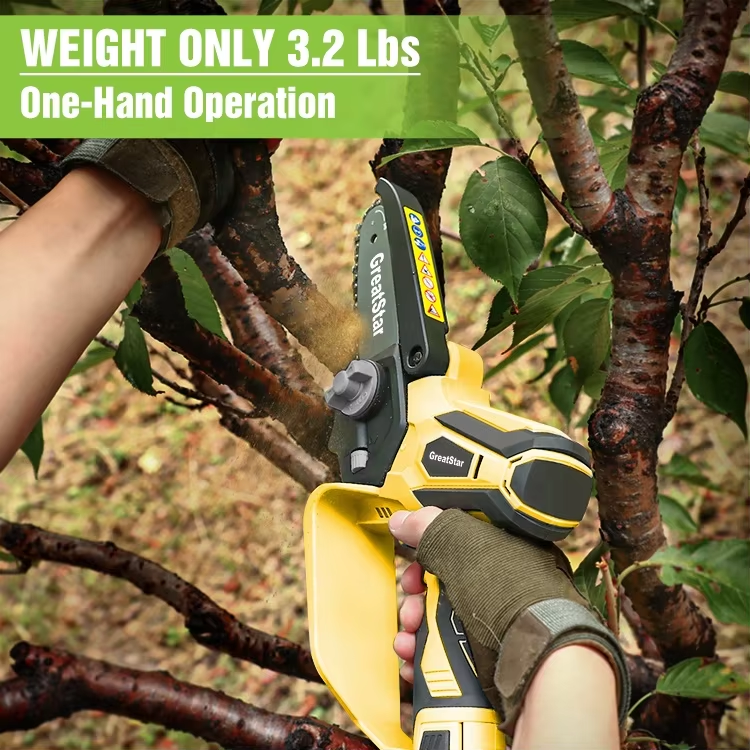
向かっていくと、 2026, 庭の維持管理の状況は効率化へと移行しています, 人間工学, そしてコードレスの自由. コンパクトかつパワフル, ミニチェーンソーは軽量設計とコードレスの利便性により庭のメンテナンスに革命をもたらしています. 剪定に最適, トリミング, そして軽い木こり, これらの手持ち剪定ツールは、フルサイズのモデルを大量に使用せずに効率性を提供します。.
このガイドでは, に最適なミニチェーンソーの選択を検討します。 2026, リチウムイオンシステムの技術進歩と、これらのコンパクトな高性能装置がすべての工具置き場で定番になりつつある理由に焦点を当てます。.
ミニチェーンソーとは? 手持ち剪定の台頭

による 2026, ミニチェーンソーはニッチなプロツールから主流のツールへと進化しました, 住宅所有者向けのバッテリー駆動ソリューション, アクセスしやすく、身体的負担が少ない剪定機器の需要が原動力となっています.
最新のミニチェーンソーは軽量です。, 従来のモデルに代わるユーザーフレンドリーな代替品, 軽度から中度の切削向けに特別に設計. その市場の成長は、コンパクトに対する消費者およびプロ消費者の需要に直接応えています。, 体力や経験レベルを必要としないアクセス可能なツール, ガス動力のこぎり. コア設計は、生の電力よりも利便性と制御を優先します, 日常的な資産メンテナンスのための実用的なツールになります.
- ほとんどのモデルはコードレスでバッテリー駆動です, プロパティを回避するための最大限の移植性を提供します.
- 人間工学に基づいた操作性を重視した設計により、ユーザーがより適切にコントロールできるようになり、使用中の疲労が軽減されます。.
- 木の枝の剪定などの作業用に作られています。, 伸びすぎた低木を剪定する, 小規模な DIY プロジェクトのための木材の切断.
主要な技術トレンド 2026
最近の技術進歩は電力効率の向上に重点を置いています, オペレータの安全, そして全体的な利便性. メーカーは、より幅広いユーザー層にとってこれらのツールの信頼性を高めるために、バッテリー システムを改良し、堅牢な安全対策を組み込むことに注力してきました。. このエンジニアリングの推進により、ミニチェーンソーは目新しいアイテムから家庭用の信頼できる機器へと進化しました。, 低騒音と取り扱いの容易さが購入の重要な要因となる場合.
- 業界では、高効率の銅モーターと急速充電リチウムイオン電池システムが広く採用されています。.
- 自動チェーンブレーキや低キックバックチェーンなどの高度な安全機能が標準になりつつあります.
- 最新の設計により、騒音と振動が大幅に軽減されます, 郊外環境での使用に適したものにする.
業務用途を超えた用途の拡大

ミニチェーンソーは、樹木医向けの特殊なツールから、平均的な消費者向けの多用途の器具へと見事に移行しました。. シンプルな操作と扱いやすいサイズにより、一般的な家庭のメンテナンスにおいて新たな用途が可能になりました。, アウトドアレクリエーション, そして緊急時の備えも. この変化は、コンパクト化への大きな傾向を反映しています。, 従来の機器のような複雑さを必要とせずに、日常の問題を解決するバッテリー駆動のツール.
- 家庭菜園などに幅広く使われています, 枝の剪定, ブラシの小さな部分を取り除きます.
- DIY プロジェクトで手早く作るための一般的なツール, さまざまな木材のきれいなカット.
- キャンプ用のキットに追加する実用的なものとして機能します, トレイルのメンテナンス, そして嵐の掃除.
庭のメンテナンス用ミニチェーンソーの長所と短所
ミニチェーンソーとの主なトレードオフは明らかです: 軽い作業には優れた利便性と携帯性を提供しますが、基本的にはバッテリーの耐久性と消費電力によって制限されます。, 過酷な用途には適さない.
| 側面 | 長所 | 短所 |
|---|---|---|
| 携帯性 | 超軽量 (2-6 ポンド), 片手での使用 | 小規模な仕事に限る |
| 力 | ブラシレスモーター, 100+ カット/チャージ | 太い木材と格闘 |
| メンテナンス | オートオイラー, 工具不要のテンション | バッテリー寿命はさまざまです (20-60 分) |
| 料金 | 手頃な価格 ($50-200) | プレミアムブランドの方が高価 |
家庭菜園をする人にとってのメリット
ミニチェーンソーは使いやすさを重視した設計のため、日常の庭のメンテナンスに最適です。. 住宅所有者は、その可搬性とメンテナンスの負担の少なさから大きなメリットを得ることができます。, 特に、フルサイズの鋸では過剰になる軽い剪定やトリミングに適しています。. これらのツールへの市場の移行は、アクセスしやすいツールへの需要を反映しています。, 住宅資産維持のための環境に優しい設備.
- 携帯性と軽量設計: コンパクトなサイズなので、素早い作業に簡単に対応できます。, 体重の増加に伴う一般的な身体疲労の軽減, ガス動力の機器.
- コードレスの利便性とメンテナンスの手間がかからない: リチウムイオン電池のパワーにより、燃料とオイルを混合する必要が完全になくなります。. これにより操作が簡素化され、従来の鋸に必要なエンジンのメンテナンスが大幅に削減されます。.
- 静かな, ゼロエミッション運転: バッテリー駆動なのでノイズが少ない, 郊外や住宅地での使用に最適です。. 直接的な排出物は発生しません, これは、環境に配慮したユーザーにとって強力な購入促進要因となります。.

制限と実際的な欠点
便利でありながら, ミニチェーンソーの実用的な限界は、その出力とバッテリー寿命によって決まります。. これらの欠点により、その使用は軽作業に限定され、要求の厳しい林業作業や専門的な林業作業には不適切な選択となります。. コア設計は、本来のパフォーマンスよりも扱いやすさを優先しています。.
- 限られた電力と切断能力: これらのツールは太いブランチに苦労します, 密な広葉樹林, または単純なトリミング以外のタスク. モーターには、より本格的な切断作業を行うためのトルクが不足しています.
- バッテリーの耐久性と再充電サイクル: 動作時間はバッテリー容量によって厳密に制限されます. 大規模なジョブは、バッテリーを交換したり、長い充電サイクルを待ったりする必要があるため、中断されることがよくあります。.
- ヘビーデューティーまたはプロフェッショナルな使用には適していません: 携帯性と引き換えに、パワーと耐久性が直接失われます。. プロの造園作業や木の伐採に必要な性能や耐久性の基準を満たしていません。.
プログレードの園芸工具を市場に備えましょう

最高評価のミニチェーンソーモデル 2026: 比較レビュー
のために 2026, 敏捷性と切断性能を兼ね備えた最高のミニチェーンソー, 住宅所有者と専門家の両方に信頼できるソリューションを提供. 下に, 現在市場を定義している最高性能のミニチェーンソーをレビューします, ハイエンドのガスモデルから人間工学に基づいたリチウムイオン剪定ばさみまで.
NEWTOP NT2500 チェーンソー – プロの剪定に最適

の ニュートップ NT2500 樹木医や要求の厳しい作業向けに設計されたガス動力のトップハンドル チェーンソーです。. 25.4cc エンジンと 12 インチのバーにより、最大の枝を切断するための持続的なパワーが提供されます。 8 厚さインチ. Walbro キャブレターや EURO II 準拠などのプレミアムコンポーネントで構築, 一日中使用しても耐久性と安定したトルクを保証します。.
- エンジン: 25.4cc 2ストローク (0.9kW/1.2HP)
- バーの長さ: 12 インチ (30.4cm)
- 重さ: 3.5乾燥kg (7.7ポンド)
- 特徴: 防振システム, デジタル点火, 230ml燃料タンク
| 長所 | 短所 |
|---|---|
| 燃料補充による無制限のランタイム; 緻密な木材向けの高トルク | 燃料の混合と定期的なエンジンのメンテナンスが必要 |
| CE/GS/EPA認証を取得したプロフェッショナルグレードの耐久性 | 電動式のものより動作音が大きい |
ミルウォーキー M18 燃料手斧 – ヘビーデューティのスピードに最適
ミルウォーキー M18 FUEL Hatchet は、驚異的なパワーとスピードを実現します。, プロの造園家の間で人気がある. M18バッテリーシステムに統合, 3 インチの広葉樹も楽々切断し、最大で 120 充電ごとのカット数. 人間工学に基づいたデザインと金属製のバッキングスパイクにより、集中的な剪定作業中に優れたコントロールを実現します。.
- 電圧: 18V リチウムイオン
- バーの長さ: 8 インチ
- 重さ: 4.9ポンド (裸の道具)
- 特徴: ブラシレスモーター, 自動給油器, 可変速トリガー
| 長所 | 短所 |
|---|---|
| 非常に速い切断速度; 堅牢なビルド品質 | コンシューマーモデルと比較してプレミアムな価格帯 |
| 広範な M18 ツール エコシステムとの互換性 | 一般的な6インチミニチェーンソーより重い |
リョービ 18V ONE+ HP – 住宅所有者の多用途に最適
リョービの 18V ONE+ HP ミニ チェーンソーは、DIY 愛好家にとって性能と利便性の完璧なバランスを実現しています。. 大規模な ONE+ システムの一部, ブラシレスモーターを搭載しており、モーターの寿命と稼働時間を延長します。. コンパクトな 6 インチのバーは、枝のトリミングや庭の繁茂の管理に最小限の疲労で最適です。.
- 電圧: 18V リチウムイオン
- バーの長さ: 6 インチ
- 重さ: 3.7ポンド (裸の道具)
- 特徴: 工具不要のチェーンの張り調整, 両手利きのトリガー, オイルフリー設計
| 長所 | 短所 |
|---|---|
| 優れた価値; バッテリーは動作します 260+ ツール | 広葉樹の切断速度が遅くなる |
| 軽量で初心者でも扱いやすい | 自動給油装置がないため手動潤滑が必要 |
スティール GTA 26 – 精密な庭のディテールに最適
スティール GTA 26 細部の庭作業と最大限の携帯性を実現するために設計された超コンパクトなバッテリー剪定ばさみです。. 独自の設計により、大きな鋸では届かない低木や小さな木を正確に切断できます。. 強力な伐採者ではありませんが、, 静かな動作と考え抜かれた人間工学により、住宅の騒音に敏感なエリアに最適です。
- 電圧: 10.8V リチウムイオン
- バーの長さ: 4 インチ
- 重さ: 2.7ポンド (バッテリー付き)
- 特徴: LED充電インジケーター, 柔軟な保護フード, 工具不要のチェーン交換
| 長所 | 短所 |
|---|---|
| 非常に軽量で静か; 正確な制御 | 太い枝の切断能力には限界がある |
| 高品質のドイツのエンジニアリングと安全機能 | 1回の充電あたりのバッテリー稼働時間が短い (約. 25 分) |
ミニチェーンソー vs. 標準チェーンソー: ツールを切り替えるタイミング

ミニチェーンソーが正しい選択である場合
ミニチェーンソーは持ち運びが必要な作業に最適なツールです, 精度, そして片手操作. 軽量設計なので木の枝の剪定に最適です。, 伸びすぎた低木を剪定する, 小径薪も疲れずに切断可能. 迅速に構築されています, 大型の鋸では扱いにくく安全ではない場合の制御された切断.
- 通常は以下のブランチとログに使用します。 6 直径インチ.
- 庭や敷地周辺の迅速なメンテナンス作業に最適です.
- 狭い場所やはしご上での作業時に優れた操作性を提供します。.
- バッテリー駆動による静音性を実現, 住宅地向けの排出ガスゼロのソリューション.
標準チェーンソーを使用する場合
重労働向け, 標準的なチェーンソーは必須です. 優れたパワーと長いバーの長さは木の伐採に必要です, 大きな丸太をセクションに分割する, 重大な暴風雨被害を解消. ミニチェーンソーでこれらの作業を試みるのは効果がないだけでなく、非常に危険です。. 標準的な鋸は、大規模な作業に必要な安定性と切断能力を提供します。.
- 木の伐採や、より太い木材の切断に必要です。 6-8 インチ.
- 大量の木材を効率的かつ安全に処理するために必要な生の電力を供給します。.
- 両手操作用に設計, 要求の厳しいカットに必要な安定性を提供します.
- ガス式モデルは、充電にアクセスできない遠隔地での終日作業に耐える持続的なパフォーマンスを提供します.
電力と実行時間の主な違い
これらのツールの主な違いは、その動力源と耐久性にあります。. ミニチェーンソーはリチウムイオン電池で動作し、通常の稼働時間は 30 に 100 分, 短期に適したものにする, 断続的なジョブ. 標準的なチェーンソーには、長期間使用できるように設計されたガスおよび高電圧バッテリーのオプションが用意されています。, 高負荷時の連続運転.
- ミニチェーンソーは、すぐに持ち運べる利便性を提供します。, ターゲットを絞ったカット.
- 標準的なチェーンソーは、数時間続くプロジェクトに必要な持続的な電力を供給します。.
- ジョブの期間によってツールの選択が決まります; ミニノコギリは剪定用です, 標準的な鋸では丸一日かけて木材を加工できるのに対し、.
バーの長さに基づいて最適なミニチェーンソーを選択する方法
適切なバーの長さを選択することは、未加工の切断能力と特定の作業に必要な操作性との間の重要なトレードオフです。, ツールの効率とユーザー制御に直接影響を与える.
バーの長さと切断能力を理解する
ミニチェーンソーのバーの長さは、1 回のパスで切断できる木材の最大直径を直接設定します。. この測定値はアクティブな切断領域を反映します。, バーの先端から鋸本体の前面まで. ほとんどの住宅関連の仕事については、 2026, 間にバーがあるモデル 10 そして 14 インチにより、能力とコントロールの安定したバランスが得られます。. 信頼できるガイドラインは、切断する予定の最も太い枝より少なくとも 2 インチ長いバーを選択することです。. このサイズにより、ほとんどのミニチェーンソーが剪定に最適になります。, 埋葬, までのログを処理します 12 直径インチ.
バーの長さを電源に合わせる
ミニチェーンソーの性能は、バーの長さとモーター出力の間の適切なバランスの関係に依存します。. コードレス電動モデル 最適な効率を達成するために、短いバーとバッテリー出力を組み合わせるように特別に設計されています。. これらのシステムは次の条件で最高のパフォーマンスを発揮します 10- より少ない電力を必要とする 12 インチのバーまで, バッテリー寿命を節約し、切断トルクを維持するのに役立ちます. 出力の低いモーターに長いバーを取り付けようとすると、切断が遅くなります。, 頻繁なチェーンバインディング, コンポーネントの早期摩耗. メーカーはこれらのツールを統合システムとして設計し、一貫した製品を提供します。, 対象ユーザーにとって信頼できるパフォーマンス.
| バーの長さ | 主な使用例 | 最大切断径 (典型的な) |
|---|---|---|
| 10 インチ | 軽い剪定, 低木のトリミング, 細かいカット | まで 8 インチ |
| 12 インチ | 一般的な庭のメンテナンス, 手足をきれいにする, 小さな薪 | まで 10 インチ |
| 14 インチ | 太い枝を切り、小さな木を伐採する | まで 12 インチ |
あなたのビジネスに NEWTOP を選ぶ理由?
TOPとして 5 中国の園芸用品メーカー, ニュートップ 3つの柱に基づいて世界的な評判を確立しています: 信頼性, 価格, とプロフェッショナルなサービス. 当社は、大量生産と生産の間のギャップを埋めることに特化しています。 ローカライズされた市場サポート.
- 製造規模: 10,000㎡の生産施設にはCNC精密機械加工と自動組立ラインが装備されています。, 過剰生産 500,000 パートナーへの安定したサプライチェーンを確保するために、毎年ユニットを稼働させます。.
- グローバルロジスティクス & サポート: と 20+ 海外支店と専用倉庫, 私たちは、地域に合わせたアフターサポートとスペアパーツの入手可能性を提供します。これは、 “オンラインのみ” ブランドは一致しません.
- OEM/ODMの専門知識: 包括的なカスタマイズサービスを提供します, 製品仕様を調整できるようにする, ブランディング, 当社の実証済みの機械プラットフォームを活用しながら、現地市場の要件に合わせたパッケージングを実現します。.
- 品質保証: すべてのユニットは厳格なテストを受けています, 原材料検査と500時間の耐久運転を含む, 当社のツールが CE に適合していることを確認する, GS, およびEPA基準.
大手屋外電源機器メーカーと提携
信頼できる在庫を拡大したいと考えていますか, 高性能園芸機械? 地域の販売代理店であるかどうか, OEM ソリューションを求めるブランド オーナー, または大型小売店, お客様の成長に必要な製造の安定性と技術的専門知識を提供します.
卸売カタログをリクエストしたり、OEM 製造要件について話し合ったりするには、今すぐ当社の営業チームにお問い合わせください。.
よくある質問
市場で信頼できるミニチェーンソーメーカーはどれですか?
NEWTOPはISO9001認証取得工場を持つ信頼のメーカーです, 給仕 100+ 世界中のパートナーとアリババのランキングで上位にランクイン. ミルウォーキーやスティールなどのブランドも信頼されています, しかし NEWTOP は中間層のパフォーマンスに優れた価値を提供します.
ミニチェーンソーは太い枝を切ることができますか?
はい, 高品質のモデル 8-10 インチバーカット 4-8 インチの枝を効果的に, 特に21Vリチウムバージョン. 拘束やモーターの負担を防ぐため、推奨制限を超えないようにしてください。.
ミニチェーンソーのバッテリーはどのくらい持続しますか?
実行時間は異なります: 12V 電池は長持ちします 20-30 分 (50 カット); 21V/24V モデルが提供するもの 45-90 分 (100+ カット). 木材の密度などの要因がこれに影響します; NEWTOPの高放電パックは優れています.
ミニチェーンソーは初心者でも安全ですか?
絶対に, トリガーロックなどの機能を搭載, 警備員, キックバックの少ないチェーン. から始める 4-6 インチバーを使用し、マニュアルに従ってください。ガスやプルスタートがないため、ガスモデルよりも安全です。.
ミニチェーンソーには注油が必要ですか?
はい. 電動なのに, チェーンの摩擦により熱が発生します. ほとんどのモデルは半自動給油システムを備えているか、バーを数滴落とす必要があります。 & チェーンオイルごと 10-15 スムーズなカットを保証するための数分間の使用.
ミニチェーンソーに最適なバーサイズはどれくらいですか?
6-10 ほとんどのユーザーにとって、インチはパワーとコントロールのバランスをとります. 初心者向け: 6 インチ; 多彩な庭仕事: 10 太い手足用の NEWTOP のようなインチ.
適切なチェーンソー チェーン (チェーンソー ブレードとも呼ばれます) を選択すると、切断効率が変わります。, 安全性, 工具の寿命も長い. このガイドではチェーンソーのチェーンの種類を分類します。, 幾何学, スペック, 情報に基づいてプロジェクトを選択するのに役立つ選択のヒント.
とは何ですか チェーンソーの刃?

チェーンソーの刃, より正確にはソーチェーンと呼ばれます, チェーンソーのガイドバーに巻き付けられた切断コンポーネントです. これらの歯の幾何学形状、つまりその形状, 角度, コーナーのデザインは、チェーンの切断速度とさまざまな種類の木材への適合性を決定する主な要素です。.
最新の切断チェーンの機械構造は次のもので構成されています。 4 主なコンポーネント:
- カッターの歯: 木材の除去を担当するチェーンの機能部分. 各歯には深さゲージが付いています (または “レイカー”) そして研ぎ澄まされた刃先.
- ドライブリンク: これらのリンクはガイド バーの溝の内側に位置し、鋸の駆動スプロケットと接続します。, エンジンのトルクを直線運動に変換する.
- タイストラップ: これらは、カッターとドライブリンクを一緒に保持する接続プレートとして機能します。.
- リベット: ピボットポイントとして機能する高張力鋼ピン, 負荷がかかった状態でも高い引張強度を維持しながら、チェーンの柔軟性を維持できます。.
歯形とコーナーデザイン
チェーンの形状の最も大きな変化は、カッターのコーナー形状です。. 攻撃的, 四角い角の歯がフルチゼルチェーンを定義し、きれいな広葉樹で最高速度を実現するように作られています。. 丸い角, セミチゼルチェーンやチッパーチェーンに見られる, 耐久性に優れ、汚れた箇所でも切れ味を長く維持します。, 凍った, または研磨条件.
- フルチゼルチェーン 鋭利なものを使う, 角を直角にして木材繊維を最大限の効率でスライスします.
- セミチゼルチェーンとチッパーチェーン 角が丸くなっており、汚れや破片による曇りに強いです。.
- 薄型チェーン より小さいものを使用してください, 危険なキックバックの可能性を軽減するように設計された丸いカッター.
ピッチとゲージ: 標準化されたブレードのサイズ
ピッチとゲージは、チェーンがチェーンソーのガイドバーおよびドライブスプロケットと互換性があることを保証する 2 つの標準化された測定値です。. ピッチはドライブリンク間の平均距離です, 一方、ゲージはガイドバーの溝の内側にあるドライブリンクの厚さです。. 安全で効果的な操作のために、チェーンのピッチとゲージをバーとスプロケットに適合させることは交渉の余地がありません. コンポーネントが一致していないと脱線や性能低下の原因となる可能性があります.
- 一般的なピッチ サイズには 1/4 が含まれます″, .325″, そして3/8″.
- 標準ゲージの測定値は、 .043″, .050″, そして .058″.
ドライブリンクとタイストラップ: チェーンの組み立て
ドライブリンクは、ガイドバーの溝内に収まるチェーンの部分です。. 鋸のスプロケットと噛み合ってチェーンを前方に推進し、正確にガイドします。. タイストラップは、カッターとドライブリンクを一緒に保持して完全なループを形成する接続リンクです。. ドライブリンクの総数によってチェーンの長さが決まります. カッターとタイストラップの順序もチェーンの切断の滑らかさと振動レベルに影響します。. 一緒に, これらのコンポーネントは、機能的な精度でエンジンから木材に動力を伝達します。.
チェーンソーチェーンの種類ごとの違い

適切なチェーンソーの刃を選ぶことは、結局は速度のバランスを取ることです, 靭性, 安全性, そして維持. 以下は、歯形からレイアウトまで、主要な寸法にわたる最も一般的なタイプを網羅した完全な比較表です。. お手持ちの鋸に合わせてご使用ください, 木材, そして完璧に仕事をする.
| チェーンの種類 | フルチゼル | セミチゼル | マイクロチゼル (目立たない) | チッパー | スキップトゥース |
|---|---|---|---|---|---|
| 歯の輪郭 | 直角の角 | 丸い角 | 小さい丸い | 非常に丸みを帯びた (? 形) | 間隔が空いた歯 |
| 一般的なピッチ/ゲージ | .325″-.404″/.050″-.063″ | .325″/.050″ | 3/8″ LP/.043″-.050″ | 3/8″-.404″/.050″ | .404″/.058″-.063″ |
| 切断速度 | 非常に高い | 高い | 中くらい | 中~低 | 非常に高い |
| 耐久性 | 低い (すぐに鈍くなる) | 高い | 中くらい | 中~高 | 高い |
| キックバックのリスク | 高い | 中くらい | 低い | 非常に低い | 高い |
| メンテナンス | 高い (精密な研ぎ) | 中くらい | 低い | 低い | 低い |
| 電力要件 | 高い (50cc+) | 中くらい (40-60cc) | 低い (30-50cc) | 低~中 (35-55cc) | 高い (60cc+) |
| 原木の種類 | ハード/ソフトのクリーニング | 汚れている/凍っている | 針葉樹 | ソフト/クリーン | 濡れた/厚い丸太 |
| ベストユースケース | クリーンな木材のフライス加工 | 薪, 汚れた木 | 剪定, 初心者 | 軽度の安全作業 | 長い棒, ロギング |
フルチゼルブレード: 高速クリーンカットの長所と短所
フルチゼルブレードは攻撃的な使用, 四角い角の歯により、きれいな木材で最大の切断速度を実現, しかし、このパフォーマンスには多大なメンテナンスと重大なキックバックのリスクが伴います。.
主な利点: 速度と切断効率
フルチゼル刃は鋭い切れ味が特徴です, 積極的な切削性能を発揮するように設計された四角い角の歯. 彼らは森の中を素早く移動することに優れています, スピードが最優先されるプロフェッショナルな用途に最適な、きれいな仕上がりを実現します。. カッターの形状が木材繊維を効率的にスライスします。, 他のチェーンタイプと比較して、オペレータの労力を軽減し、作業を高速化します。.
- 最速の切断速度を実現, 大径の広葉樹および針葉樹の丸太の伐採と加工に特に効果的です。.
- クリーンな仕上がり, 引き裂きを最小限に抑えたスムーズなカット, 高品質な仕上がりが求められる作業に最適です。.
- 迅速な切りくず除去を可能にする設計, 深い切断時の固着や詰まりを軽減します。.
重大な欠点: 高いメンテナンスとキックバックのリスク
高性能の代償として、メンテナンスの増加と安全上のリスクの増大が伴います。. 刃の鋭い角は、摩耗性の条件下では鈍くなりやすいです, 攻撃的な噛みつきは危険なキックバックの可能性を高めます. これらのチェーンは寛容性が低く、エッジを維持するために常に注意を払う必要があります.
- すぐに鈍くなる, 特に汚れた木材や凍った木材を切断する場合, 頻繁かつ技術的に困難な研ぎが必要.
- 攻撃的な歯のデザインのため、キックバックのリスクが高い, 経験の浅いオペレーターには不向きです.
- 汚れに敏感になる, 砂, そして瓦礫, 切断性能が急速に低下し、チェーンが損傷する可能性があります。.
プロのオペレーターの理想的な使用例
フルチゼルブレードは、きれいな木材を使用した管理された環境で作業する熟練した専門家に最適です。. オペレーターがキックバックを安全に管理し、ブレードを適切にメンテナンスできる場合、その利点は最大化されます。. 大量生産に特化したツールです, 精密作業, 汎用切断ではありません.
- きれいな状態で伐採や伐採作業を行う経験豊富な伐採者や樹木医に適しています。.
- 初心者にはあまり適さない, 住宅所有者, または、嵐の片付けなどの予測不可能な環境での作業に最適です。.
- 増加した電力を処理し、鋸の動作を安全に管理できるオペレーターが必要です.
信頼性の高い機器で利益率を高めましょう

セミチゼルブレード: 汚れた環境における耐久性の利点
セミチゼルチェーンは、角の丸い歯の設計により、フルチゼルブレードの生の切断速度よりも耐鈍化性と稼働時間を優先するため、過酷な条件に対応する業界標準です。.
鈍くなりにくい丸い歯のデザイン
セミチゼルブレードの主な利点は、角が丸い歯の設計にあります。. この攻撃的ではない形状は、土で汚れた木材を切断する際に鈍くなりにくいです。, 砂, または、フルチゼルブレードの鋭い先端と比較した氷. その寛容なプロファイルは、鋭利なチェーンが欠けたり損傷したりする可能性がある異物からの衝撃を吸収します。.
- 使用可能な刃先をより長く維持します, 研ぎの頻度を減らす.
- 地面の破片との偶発的な接触に即座に障害を起こすことなく対処.
- 薪の加工に最適, 土地を開墾する, または建設環境での木材の切断.
過酷な条件下での耐用年数の延長
これらのチェーンは不完全な状況でも長持ちするように作られています, 業務効率を維持することが多い 40-60 サービスが必要になるまでのアクティブな使用時間. この長寿命により、要求の厳しい産業向けにコスト効率の高い選択肢となります。, 林業, 機器の稼働時間が重要な農業用途. 木材の品質が予測できない場合でも、一貫したパフォーマンスを提供します。.
- 汚れの切断に優れています, 凍った, または瓦礫が詰まった木材.
- 頻繁なチェーンの研ぎや交換に伴うダウンタイムを削減します。.
- 木材の品質が低い場合や品質が安定していない場合でも、信頼性の高い切断を実現します。.
切断速度とメンテナンスの軽減のバランスをとる
セミチゼルブレードは、きれいな木材ではフルチゼルブレードよりもわずかに遅く切断します。, しかし、その耐久性は貴重なトレードオフを生み出します. メンテナンスの必要性が減り、キックバックのリスクが軽減されるため、より安全になります。, ほとんどのユーザーにとってより信頼性の高いオプション. また、丸みを帯びたプロファイルは、フルチゼルチェーンの正確な角度と比較して、オペレーターが正確に研ぐのが簡単です。.
- 生の切断速度よりも機器の信頼性が優先される実用的な選択.
- 寛容なジオメトリにより、フィールドシャープニングプロセスが簡素化されます。.
- バランスの取れたパフォーマンスはプロとセミプロの両方のユーザーに適しています.

チッパーおよびロープロファイルチェーン: エントリーレベルの鋸の安全性
チッパーと薄型チェーンは現在、エントリーレベルの機器の業界ベースラインとなっています, 生の切断速度よりもオペレータの保護を優先する統合安全機能を備えた設計.
低キックバックチェーン設計
チッパーと薄型チェーンは、キックバックのリスクを軽減するように特別に設計されています。, これらを消費者向けのこぎりの標準安全部品にすることで、 2026. これらの設計には、カッター間にガードリンクが組み込まれています。, チェーンがバーの先端に深く食い込みすぎるのを物理的に防ぐ機能(危険なキックバックイベントの主な原因). この形状は、ANSI B175.1 などの確立された安全基準を満たすように設計されています。, オペレータの安全性を高めるために積極的な切断速度を意図的に犠牲にします. これにより、寛容な設計から最も恩恵を受ける新規ユーザーまたは使用頻度の低いユーザーにとって、デフォルトの選択肢となります。.
統合されたアンチキックバックシステム
最新のエントリーレベルの鋸には、コア設計に直接受動的なアンチキックバック機構が組み込まれています。. これらのシステムはプレミアム アドオンとしての位置付けはなくなり、市場全体のベースラインの安全機能となっています。. この変化は、オペレータ保護機能を内蔵するという業界の広範な傾向を反映しています。, ユーザーの安全性を高め、製造業者の責任を軽減する必要があるためです。. これらの統合システムは、低キックバック チェーンと連携して動作し、運用上の危険に対する多層防御を構築します。.
標準化されたエンジニアリング制御
チェーンそのものを超えて, 現在の鋸は、さらなる保護層を提供する必須のエンジニアリング制御を備えています. 戦略的に配置された緊急遮断システムやゴム製インフィードカーテンなどの機能は、現在では一般的になっています。, オプションのアップグレードではない. このアプローチでは、ハードウェアベースの安全イノベーションを基礎的なものとして扱います。, オペレーターも適切な技術と個人用保護具を使用するという期待を補完します。 (PPE). 目標は、ツール自体が高度な固有の保護を提供する包括的な安全システムです。.
木材の硬度に基づいて適切なチェーンソーの刃を選択する方法

適切なチェーンソー チェーンを選択するには、カッターの形状を特定の用途に適合させる必要があります。, きれいな広葉樹用のフルチゼルの積極的な速度と、混合条件用のセミチゼルまたは研磨材用の超硬チップの耐久性のバランスをとります。.
針葉樹 (例えば, パイン, 杉, モミ)
針葉樹は刃先に極度の熱応力を与えないため、, フルチゼルチェーンは針葉樹の切断に非常に適しています. カッターの90度の鋭いコーナーが、これらの低密度繊維を素早く貫通します。. これにより、オペレータはエンジンに負担をかけたり、鋸が停止したりすることなく高速を維持することができます。.
広葉樹林 (例えば, オーク, メープル, ヒッコリー)
広葉樹の特徴は緻密である, 切断プロセス中に大きな抵抗と熱を生み出す弾性繊維. これらのアプリケーションでは, セミチゼルチェーンが優れた選択肢です. カッターの丸い角は、密な粒子を打つときにより安定します。. フルチゼルチェーンよりも切断が若干遅くなる場合がありますが、, 切れ味が長く持続し、傷つきにくくなります。 “鈍い” 高い摩擦温度から.
冷凍木材と研磨材
氷点下では, 木の中の水分が氷になる, 木材を研磨材のように機能させる. 土や砂が付着した凍結丸太や木材に, セミチゼルまたは特殊な超硬チップチェーンを使用する必要があります。. フルチゼルチェーンの鋭い先端は、氷の結晶に当たると欠けたり壊れたりすることがよくあります。. 対照的に, 丸みを帯びたエッジまたは合金強化されたエッジは、このような極端な条件での強い衝撃荷重に耐えられるように作られています。.
NEWTOP工業用超硬合金チェーンが選ばれる理由?

NEWTOPは、確立された世界的ブランドの高級硬質合金チェーンを独自の精密チェーンと統合することにより、実用的な産業ソリューションを提供します。, コスト効率の高い製造プロセス.
で ニュートップ, 当社のチェーンソーチェーンは、世界の林業の厳しさを考慮して設計されています。, 高張力鋼と高度な熱処理プロセスを使用.
NEWTOPの利点:
- ハイエンドコンポーネントの供給: 世界クラスのブランドと同様のサプライチェーンを活用しています, カッター刃には高品質クロムメッキを採用し、切れ味が持続します。.
- 産業上の耐久性: 当社のチェーンソーチェーンは以上のテストを受けています 500 数時間のパフォーマンス, 東南アジアの熱帯多湿や南米の険しい地形にも耐えられるようにするためです。.
- 最適化されたオイルチャンネル: すべての NEWTOP チェーンソー チェーンには、潤滑剤がリベットとドライブ リンクに確実に届くように、精密に設計されたオイル穴と溝が備えられています。, 熱の軽減とストレッチ.
- 互換性: 当社は、ガソリンチェーンソーラインとシームレスに動作するように設計されたピッチとゲージの組み合わせを幅広く提供しています。 新興のリチウム電池機械.
結論
適切なチェーンソー チェーンを選択するには、切断速度のバランスが重要です, 耐久性, 各ジョブのメンテナンスと. チェーンの形状のマッチング, ピッチ, 木材の種類と切断条件に合わせてゲージを調整することで、早期の鈍化を防ぎ、キックバックのリスクを軽減します. この技術的知識はプロジェクトの効率に直接影響します, オペレータの安全, 機器の寿命も.
産業活動で、研磨環境や要求の厳しい環境に優れたチェーンが必要な場合, NEWTOPの硬質合金オプションを調べる. 製品カタログをリクエストしたり、フリートの特定のアプリケーション要件について話し合ったりするには、当社のチームにお問い合わせください。.
よくある質問
とは何ですか 3 チェーンソーチェーンの主な種類?
3 つの主要なチェーンソー チェーン タイプはフルチゼルです。 (アグレッシブなスピード), 半ノミ (バランスの取れた耐久性), およびチッパー/ロープロファイル (安全重視). それぞれが精密から過酷な使用まで、さまざまな切断要求に適合します.
広葉樹の切断に最適なチェーンはどれですか?
フルチゼルチェーンは、緻密な繊維を素早く切断する鋭い四角いカッターにより、広葉樹材に優れています。. セミノミはオークなどの樹脂種の耐久性のある代替品として機能します.
フルチゼルとセミチゼルの違いは何ですか?
主な違いはコーナーの形状です. フルチゼルには四角があります, 90-スピードを求める度コーナー; セミチゼルは角が丸くなっており、耐久性があり、汚れた状態でも刃が保持されます。.
超硬チップチェーンにはそれだけの価値がありますか?
はい, 特定の用途向け. 焼けた木を切る場合, 釘で木材を解体する, または極度に凍結したログ, 超硬チップチェーンはスチールよりも 25 倍長く鋭さを保ちます, 専門的な研ぎが必要ですが.
キックバックに対して最も安全なチェーンのタイプはどれですか?
薄型チッパーチェーンが最も安全, キックバックを軽減したノーズと浅いカッターを備え、電気鋸および家庭用鋸の ANSI 規格に適合しています。.
チェーンソーの刃の種類を確認するにはどうすればよいですか?
チェーンソーチェーンを識別するには, 3 つの重要な数字を見つける, 通常、チェーンソーバーの側面またはチェーンのドライブリンクに刻印されています。: ピッチ, ゲージ, およびドライブリンク数. 例えば, 見えるかも知れません “.325” (ピッチ), “.050” (ゲージ), そして “72DL” (72 ドライブリンク). カッターの種類を決定するには, 切削歯を目視検査する. フルチゼル用スクエア, 丸型セミチゼル/チッパー用.
Selecting a chainsaw involves more than evaluating raw power. For professionals in the forestry, agricultural, and landscaping sectors, the choice of equipment directly impacts operational efficiency, maintenance overhead, and long-term ROI.
で ニュートップ, we have spent over two decades refining the engineering behind wood-cutting machinery. This guide provides a technical breakdown of the different chainsaw types available today, focusing on their mechanical strengths and practical applications in various global markets.
What are the Different Types of Chainsaws? Category Overview
To understand the chainsaw market, one must look at how different power sources and mechanical designs cater to specific workloads. The following table provides a high-level comparison of the most common categories used in the industry today.
| Chainsaw Category | 電源 | Ideal Bar Length | Key Applications | ユーザープロフィール |
|---|---|---|---|---|
| ガソリン (2-脳卒中) | ガソリン & オイルミックス | 16″ – 36″+ | Professional logging, land clearing, heavy felling. | Loggers, Farmers, Arborists |
| バッテリー (Lithium-ion) | 20V/40V/80V | 10″ – 18″ | Urban pruning, light firewood cutting, indoor use. | Landscapers, 住宅所有者 |
| Corded Electric | AC Outlet | 12″ – 16″ | Backyard maintenance near power sources. | DIY Enthusiasts |
| ポールソー | Gas or Battery | 8″ – 12″ | High-altitude pruning, 果樹園のメンテナンス. | Orchardists, Municipalities |
| Top-Handle Saws | Gas or Battery | 10″ – 14″ | In-tree pruning and professional surgery. | Certified Arborists |
Gas-Powered Chainsaws: The Professional Standard for Power


A gas-powered chainsaw is a heavy-duty tool driven by a two-stroke internal combustion engine that runs on a precise mixture of gasoline and oil. It is considered the industrial benchmark for raw power and endurance, specifically engineered for environments where electrical access is non-existent and the cutting workload is intense.
主な特徴:
- エンジン排気量 (cc): Power is measured in cubic centimeters; a higher displacement translates to the torque necessary for driving longer bars through dense timber.
- Operational Autonomy: These saws require no cords or charging stations. As long as fuel is available, they can operate indefinitely in remote forests or large farmlands.
- Extended Reach: Gas engines are capable of supporting guide bars from 16 to over 36 インチ, making them the only viable option for felling large-diameter hardwoods.
- 耐久性: Built with robust metal components (such as magnesium crankcases), they are designed to withstand high-vibration and high-heat environments for extended shifts.
Advancements in Engine Technology and Emissions
The professional gas chainsaw market is shifting toward more advanced engine technologies that meet stricter environmental standards without sacrificing performance. Features that were once exclusive to high-end models, like electronic fuel injection (EFI) and advanced catalytic converters, are becoming more common across professional product lines.
- 電子燃料噴射装置 (EFI) actively optimizes the air-fuel mixture, resulting in better fuel efficiency and more consistent power delivery across different altitudes and temperatures.
- Modern engines are engineered to comply with global emissions regulations while maintaining the strong performance that operators demand.
- These advancements help balance the operational needs of professional users with increasing environmental regulations.
Design Focused on Professional Use and Ergonomics
Chainsaw manufacturers design professional saws for people who depend on them for their livelihood, such as arborists, ロガー, and commercial landscapers. A primary engineering goal is achieving an optimal power-to-weight ratio, making the tools powerful enough for tough jobs but light enough for all-day use. This focus on ergonomics is critical for user safety and productivity.
- Engineers emphasize reducing saw weight without compromising structural integrity or power output, which makes the equipment easier to handle for long workdays.
- Ergonomic handle designs and effective anti-vibration systems are standard features that reduce operator fatigue and improve cutting control.
- Every feature, from the placement of the chain tensioner to the type of air filter, is tailored to the needs of daily users who require maximum uptime and efficiency.
Market Segmentation and Service Infrastructure
The gas chainsaw market is clearly segmented, offering a wide range of models from entry-level professional saws to premium, industrial-grade felling equipment. Established manufacturers maintain their market dominance through extensive dealer networks that provide reliable access to service, repairs, and genuine replacement parts, which is a key purchasing factor for businesses.
- Price points vary significantly to accommodate different professional budgets and specific application requirements.
- Leading brands have built their reputations on decades of proven reliability and consistent field performance.
- A widespread service and support infrastructure ensures that professionals can keep their equipment running with minimal downtime.
Your Trusted Partner for Garden Tools

Battery and Corded Electric Saws: Modern Suburban Solutions


Electric chainsaws utilize an electric motor to drive the cutting chain, offering a cleaner, 静かになる, and more user-friendly experience than internal combustion models. They are categorized into two formats: corded (tethered to a power outlet) そして 電池式 (Cordless Lithium-ion).
主な特徴:
- Zero Local Emissions: No exhaust fumes are produced, making these saws ideal for indoor woodworking, 温室, or environmentally regulated urban zones.
- Instant Start Mechanism: Unlike gas saws that require a pull-start, electric models activate immediately with the press of a trigger.
- Low Maintenance Requirements: They eliminate the complexities of fuel mixing, carburetor tuning, and spark plug maintenance.
- Noise Management: Operating at significantly lower decibels, they reduce operator fatigue and are suitable for noise-sensitive residential neighborhoods.
Corded Electric Saws: Consistent and Unlimited Runtime
Corded electric saws are a reliable option for users who need a continuous power supply for extended projects near an outlet. They eliminate all concerns about battery life, offering consistent, non-fading performance for as long as the job takes. This makes them a practical choice for workshops or small yards where mobility is not the primary concern.
- Provides an uninterrupted power supply, eliminating the need to stop and recharge or swap batteries.
- Range of motion is limited by the length and management of the power cord.
- A practical choice for workshops, firewood processing stations, or small yards with readily available power outlets.
Core Differences in User Experience
The primary trade-off between battery and corded electric saws centers on portability versus runtime. Cordless models excel in convenience and flexibility, allowing users to work anywhere on a property without hindrance. Corded versions deliver constant power without interruption, making them better suited for stationary or localized jobs where uptime is critical.
- Battery saws prioritize mobility and ease of use for tasks distributed across a property.
- Corded saws ensure non-stop operation for stationary or localized tasks like bucking logs.
- Both types are generally quieter, lighter, and require significantly less maintenance than their gasoline counterparts.
関連書籍: If you are interested in gas chainsaws and electric chainsaws, check out our in-depth comparison on Electric vs. Gas Chainsaws to find more information for your specific needs.
ポールソー and Telescopic Tools: Pruning at Heights

A pole saw is a specialized cutting tool featuring a compact chainsaw head mounted on an extendable, telescopic shaft. Its primary function is to manage high-altitude canopy maintenance, allowing the operator to prune or limb trees while standing securely on the ground.
主な特徴:
- Telescopic Reach: The shafts can typically extend from 2 に 4 meters, providing an effective vertical reach that eliminates the need for ladders or scaffolding.
- Specialized Ergonomics: The weight distribution is centered to allow for easier maneuvering when the tool is fully extended overhead.
- Precision Cutting: Equipped with smaller guide bars (usually 8–12 inches), these tools are optimized for precision trimming in dense foliage rather than bulk wood cutting.
- 多用途性: Many modern versions are part of multi-tool systems, where the power head can be interchanged with different attachments like hedge trimmers or brush cutters.
The Shift Toward Battery-Powered Solutions
The market for pole saws has decisively shifted from gas and manual models toward battery-powered electric tools. This trend is driven by clear demand for quieter, lower-maintenance equipment for routine property upkeep. Advances in lithium-ion battery technology now deliver the runtime and portability needed to handle substantial jobs without the complexity of mixing fuel or managing extension cords. These improvements make electric models a viable choice for both professional landscapers and homeowners seeking efficient performance.
Innovations for Safety and Efficiency
Current telescopic tools are engineered with features that directly improve safety and work output. The primary goal is allowing operators to effectively prune tall branches while remaining firmly on the ground. Extended reach capabilities, often reaching 15 feet or more, eliminate the instability and risk associated with using ladders. Onboard systems like automatic oilers maintain constant chain lubrication for reliable cutting, and adjustable cutting heads give operators better angles to access awkwardly positioned branches without compromising their stance.
Ergonomic Design to Reduce User Fatigue
Many outdoor power equipment manufacturers now focus heavily on ergonomics to make these long-reach tools comfortable enough for extended use. Managing the weight and leverage of a pole saw is physically demanding, so designs incorporate lightweight materials and improved balance to minimize strain on the user’s back and arms. A well-designed tool also features ergonomic handles that ensure a secure, controlled grip throughout the operation, which is critical for both safety and precision.
Pros and Cons of Each Chainsaw Type
| Chainsaw Type | Technical Pros | Operational Cons |
|---|---|---|
| Gasoline Chainsaws | Highest torque; no range limits; long bar compatibility. | High noise levels; requires fuel mixing; regular engine maintenance. |
| Battery Powered Chainsaws | 低騒音; instant start; ゼロエミッション; minimal maintenance. | Limited run time per charge; higher upfront battery cost. |
| Corded Chainsaws | 軽量; unlimited run time; lowest cost. | Restricted by cable length; lower power output; cord safety risk. |
| ポールソー | Safety for high-reach tasks; precision pruning. | Weight distribution can be top-heavy; not for felling. |
Key Differences in Engine Displacement and Power Sources

A gas chainsaw’s engine displacement is the single most important metric, directly defining its power output, cutting capacity, and suitability for specific commercial workloads.
| Performance Tier | エンジン排気量 (cc) | Typical Power Output (kW) |
|---|---|---|
| 軽量 / Homeowner | 23 – 35 cc | 1.0 – 1.6 kW |
| Farm & Ranch / Mid-Range | 38 – 55 cc | 1.7 – 2.5 kW |
| Professional Forestry | 60 – 95 cc | 3.0 – 5.5 kW |
| Industrial Heavy Felling | 105 – 120+ cc | 6.0+ kW |
エンジン排気量 (cc) and Power Output
A chainsaw’s performance is fundamentally tied to its engine displacement, measured in cubic centimeters (cc). This measurement directly correlates to its power output and cutting force. As displacement increases, the engine generates more torque, enabling it to cut through tough wood without bogging down. This makes engine cc the key metric for matching a saw to its intended workload. The relationship also dictates the saw’s physical dimensions, overall weight, そして燃費, creating a clear trade-off between power and portability.
Performance Tiers Based on Displacement
The professional market segments gas-powered chainsaws into distinct performance categories based on engine size. These tiers provide a clear framework for selecting a tool with the right balance of power, 重さ, and endurance for specific applications. Entry-level saws are sufficient for light-duty homeowner tasks, while mid-range and industrial-grade saws are built for the daily demands of commercial forestry, arboriculture, and land clearing operations.
How to Decide the Right Type of Chainsaws to Your Project Workload

Choosing the correct chainsaw requires a practical assessment of your typical projects. The ideal tool for light garden pruning is fundamentally different from one needed for felling mature hardwood. Matching the machine to the job ensures operational safety, reduces operator fatigue, and delivers a clean, efficient cut without overwhelming the equipment.
| Workload Scale | Recommended Chainsaw Type | Common Guide Bar Length |
|---|---|---|
| Light-Duty (剪定, Small Limbs) | Battery or Corded Electric | 10–14 inches |
| Medium-Duty (薪, Cleanup) | High-Capacity Battery / Mid-Range Gas | 16–18 inches |
| 耐久性の高い (伐採, Milling) | Professional-Grade Gas | 20+ インチ |
Assess the Scale of Your Work
Your first step is to define the primary tasks you need to accomplish. A clear understanding of the cutting intensity and wood diameter dictates the necessary power and durability. Miscalculating this can lead to equipment failure or dangerous operating conditions.
- Light-duty work like trimming branches or cutting small saplings requires a compact battery-powered or small electric saw that offers sufficient power without excessive weight.
- Medium-duty tasks, including cutting firewood or clearing storm debris, demand a more robust tool. High-capacity battery models or mid-range gas saws are the best fit for this category.
- Heavy-duty projects such as felling large trees or milling logs require a professional-grade gas chainsaw with significant engine displacement and a long guide bar.
Match the Power Source to Your Environment
The choice between gas, battery, or corded electric depends heavily on factors like noise restrictions, access to power outlets, and emission regulations in your area.
- Battery and corded electric saws are built for suburban or residential settings. They produce no direct emissions and operate quietly, making them ideal for populated environments.
- Gas-powered chainsaws are the standard for forestry, 農場, and remote locations. They provide consistent high power without being limited by battery life or cord length.
- For mixed-use scenarios, modern high-voltage battery systems offer a strong balance, giving semi-professional landscapers near-gas performance and mobility without engine maintenance.
Choose a Guide Bar Length for Your Cutting Needs
The guide bar length dictates the largest diameter of wood you can cut in a single pass. Selecting a bar that is too long for the job makes the saw difficult to control and creates a safety hazard. You must match the bar length to both your engine’s power and your typical cutting tasks.
- Bars between 10-14 inches offer excellent maneuverability for pruning and cutting small limbs.
- あ 16-18 inch bar is a versatile, all-purpose size for most homeowners, capable of handling firewood cutting and medium tree removal.
- Bars of 20 inches or more are designed for professional use. They are necessary for felling large trees but require a powerful engine and an experienced operator to handle them safely.
Ready to Work With NEWTOP Full-Range Chainsaw Manufacturing?

A successful manufacturing partnership hinges on flexible OEM services, a reliable supply chain using globally recognized components, and a comprehensive product portfolio that meets diverse market demands.
As a top 5 garden machinery supplier in China, ニュートップ is uniquely positioned to support your business. We combine a world-class supply chain with flexible business models to empower global distributors and OEM buyers.
- Global Supply Chain & Quality: We integrate premium components from ウォルブロ, 日本ガイシ, 日本精工, そしてオレゴン州. Leveraging in-house CNC machining and automated lines, our equipment is engineered for 500+ 時間 of professional use, に支えられた CE, GS, and EPA certifications.
- Comprehensive Portfolio: Our range covers traditional gasoline/diesel machinery (チェーンソー, 刈払機, 噴霧器) and innovative lithium-ion battery tools, providing a one-stop solution for forestry, 農業, and landscaping across 65+ 国.
- Flexible B2B Partnership: We specialize in full OEM customization, including design modifications and private labeling. With a structured pricing strategy and flexible MOQs (from samples to full containers), we ensure our partners achieve rapid market penetration and long-term growth.
結論
Matching the right chainsaw type to your workload is the key to efficiency and safety. Whether you need the raw strength of a gas model, the quiet convenience of an electric saw, or the extended reach of a pole saw, the right choice prevents project delays and ensures a smart investment.
With a clear understanding of your project needs, you can now review our full-range chainsaw catalog to find a model built for your exact application.
よくある質問
とは何ですか 4 main types of chainsaws?
The industry recognizes four primary types: Gas-powered, 電池式 (cordless), corded electric, and pole saws.
Which type of chainsaw is easiest to maintain?
Electric models (both corded and battery) require the least maintenance because they lack complex fuel systems, air filters, and spark plugs.
Are gas chainsaws better than battery ones?
Gas chainsaws currently outperform battery models for heavy-duty industrial work and long-duration tasks. Battery models are superior for noise control and ease of use.
What type of chainsaw do professional loggers use?
Gas-powered rear-handle chainsaws (50-90cc) with long bars for felling and bucking large timber.
What is a pole saw used for?
Pole saws are used specifically for pruning branches that are out of reach, allowing the operator to stay safely on the ground.
Is a mini chainsaw worth buying?
はい, for light pruning or small construction tasks, a mini lithium chainsaw is highly efficient and easier to handle than a full-sized unit, as users note impressive performance under $50.
What is the six feet rule for chainsaws?
Maintain at least 6 feet distance from chainsaw operators unless the tool is off and grounded, preventing kickback injuries.
Picture this: you’ve got a pile of firewood to cut or a few trees to clear, and you’re trying to decide between a gas or an electric chainsaw. Both can get the job done, but they perform very differently. This article takes a closer look at electric vs gas chainsaws—their strengths, limits, and what really matters when choosing the right tool for your kind of work. By comparing their performance in specific high-demand scenarios, you can create a clear standard operating procedure for equipping your teams with the right tool for the job.
What is an Electric Chainsaw?
Electric chainsaws have evolved from heavy, cord-tethered tools into powerful, lightweight battery models that now lead the market in convenience and operational efficiency.
Electric chainsaws use electrical energy instead of fuel to power their motors, making them cleaner, 静かになる, and easier to maintain than traditional gas models. Depending on the power source, they generally come in two main types: corded and battery-powered (lithium). While both share the same principle of using an electric motor to spin the cutting chain, their performance and ideal use cases are quite different.
Corded Electric Chainsaws
A corded electric chainsaw is powered directly by alternating current (AC) through a standard household outlet. Most models operate at 120V–240V depending on regional standards. Without a battery or fuel tank, corded units are lighter and provide consistent, uninterrupted power as long as they remain plugged in.
From a performance standpoint, corded saws typically range from 1,400W to 2,400W output, generating enough torque for small to medium wood-cutting jobs. Because they don’t rely on stored power, their cutting speed stays stable over time — an important advantage for users who value reliability over mobility.
Best suited for:
- Homeowners cutting firewood or pruning trees around the yard
- Light-duty carpentry or workshop use
- Users seeking steady performance and minimal maintenance
Battery-Powered (Lithium) チェーンソー

Battery-powered chainsaws, often called cordless chainsaws, run on rechargeable lithium-ion batteries. These units convert stored DC energy into rotating chain motion through a brushless motor, offering smooth acceleration and precision control.
Modern battery chainsaws have grown far more capable in recent years, with typical voltage options ranging from 18V and 36V for homeowner models to 40V, 56V, and even 60V or 80V systems for high-performance and professional-grade tools. Higher voltage generally means longer run time, greater torque, and faster chain speed.
Best suited for:
- Gardeners and homeowners wanting full mobility with no cords
- Urban environments where noise or emissions are restricted
- Light to medium cutting tasks in remote or off-grid areas
Battery tech has improved a lot. The newer ones charge faster, run longer, and deliver smoother power. でニュートップ, we’ve been upgrading our lithium battery chainsaws to get better torque, longer runtime, and brushless motors that feel strong and efficient without too much weight or vibration.
What is a Gas Chainsaw?

Known for unmatched cutting strength and durability, gas chainsaws remain the benchmark for professional-grade power tools.
A gas chainsaw uses a small internal combustion engine to drive the cutting chain, making it the most powerful type of portable chainsaw available today. Most models rely on2-stroke engines, which run on a mixture of gasoline and oil. This design keeps the tool lightweight, delivers high torque, and provides instant cutting power—ideal for forestry, 工事, or heavy-duty land clearing.
While 2-stroke engines dominate the market, some larger or specialized chainsaws use4-stroke systems, offering cleaner combustion and reduced emissions at the cost of additional weight.
Gas chainsaws are valued for their mobility, endurance, and cutting efficiency. They don’t rely on external power or batteries, allowing users to work in remote areas for long periods. しかし, they require regular maintenance—fuel mixing, フィルター掃除, and spark plug replacement—and they produce more noise and exhaust than electric counterparts.
全体, gas chainsaws remain the top choice for professionals and users who need maximum power and performance in challenging outdoor environments.
Equip Your Business with Durable Machinery

Pros and Cons of Electric Chainsaws for Quiet Operation
Electric chainsaws are all about convenience. If you mostly work around your home or garden, you’ll probably love one of these.
主な利点: Reduced Noise Levels
Electric chainsaws operate at much lower decibel levels than gas engines. This reduction in noise is a primary driver for their adoption in residential and suburban settings, where loud equipment can cause disturbances. The quieter performance allows for more flexible work schedules, including early mornings or evenings, without violating noise ordinances or upsetting neighbors.
- Ideal for suburban homeowners who need to avoid disturbing neighbors.
- Allows for flexible work times, including early mornings or late evenings.
- Reduces operator fatigue and the need for constant, heavy-duty hearing protection.
Simplified Maintenance and Operation
The operational simplicity of electric chainsaws is a significant advantage. They eliminate the need for fuel mixing, スパークプラグの交換, and complex engine servicing. This low-maintenance design makes them accessible to users of all experience levels, removing common frustrations associated with gas engines like carburetor issues or pull-start failures.
- No need to handle or store gasoline and oil mixtures.
- Starts instantly with the push of a button or trigger.
- Eliminates common gas engine problems like carburetor issues or pull-start failures.
Performance Limitations for Heavy-Duty Tasks
While modern electric saws are capable, they cannot match the sustained power of gas models for heavy-duty jobs. Their performance is best suited for light-to-medium work like pruning branches, trimming limbs, and cutting smaller logs. For felling large trees or bucking dense hardwood, the torque and runtime of a gas engine remain the professional standard.
- Best suited for light-to-medium-duty work like pruning, トリミング, and cutting small logs.
- Battery-powered models have a limited runtime and may require frequent recharging for extended jobs.
- Professional loggers and arborists still rely on gas saws for maximum torque and sustained performance.
Pros and Cons of Gas Chainsaws for High-Torque Tasks

Gas chainsaws are built for power. They’re what you want for big logs, fallen trees, or heavy outdoor jobs.
利点: Unmatched Power and Mobility
Gas chainsaws are engineered for superior power and torque, making them the standard for heavy-duty cutting. Their primary advantage is the ability to run continuously on remote job sites, as long as fuel is available. This design ensures they operate reliably in harsh weather, including cold or wet conditions that can impair battery performance.
- Delivers high torque and fast cutting speeds, essential for felling large trees or processing dense hardwoods.
- Operates without interruption by simply refueling, which eliminates the downtime associated with battery charging.
- Maintains consistent power output in cold, wet, or frozen conditions where battery efficiency often degrades.
- Provides complete freedom of movement without the restrictions of cords or the need for charging stations.
短所: High Maintenance and Emissions
The main drawbacks of gas chainsaws are their demanding maintenance schedules and environmental impact. The 2-stroke engine produces significant noise and exhaust fumes, making protective gear mandatory and limiting its use in populated or poorly ventilated areas.
- Requires regular servicing, including air filter cleaning, スパークプラグのチェック, and precise fuel-oil mixing.
- Generates high noise levels that make ear protection essential for safe, long-term operation.
- Emits exhaust fumes containing carbon monoxide, posing a health risk in enclosed spaces.
Key Differences Between Electric vs Gas Chainsaw

Before choosing your next chainsaw, it helps to understand how electric and gas-powered models truly compare. The table below highlights the key differences in power, パフォーマンス, and maintenance to help you find the best fit for your work.
| 特徴 | Gas Chainsaw | Electric Chainsaw (バッテリー) |
|---|---|---|
| 電源 | Gasoline-powered 2-stroke or 4-stroke engine | Corded electricity or lithium battery (18V–80V) |
| 電力出力 | High torque and chain speed for demanding cuts | Moderate torque and stable cutting speed |
| ランタイム | Unlimited; refuel anytime for continuous operation | Limited by battery capacity or cord range |
| 起動システム | Manual pull start; requires fuel mixture | Push-button or trigger start |
| メンテナンスの必要性 | High – fuel mixing, フィルター掃除, spark plug changes | Low – mostly battery charging and chain oil |
| 騒音レベル | 高い (typically 100–115 dB) | 低い (often under 90 dB) |
| 重さ | Heavier due to engine and fuel tank | Lighter and easier to handle |
| Mobility | Fully portable; works anywhere outdoors | バッテリー: full mobility; Corded: limited by power source |
| 運営コスト | Higher – ongoing fuel and maintenance costs | Lower – electricity and minimal upkeep |
| 環境への影響 | Produces exhaust; cleaner designs meet EPA/EURO II standards | Zero direct emissions; energy-efficient operation |
| Ease of Use | Requires experience and strength for control | Simple for beginners; less vibration and fatigue |
| 振動 & Fatigue | Higher vibration; modern models add anti-vibration systems | Minimal vibration with balanced brushless motors |
| Cutting Capacity | Handles thick hardwood and large logs | Best for small to medium branches and trees |
| Noise Regulations Compatibility | Suitable for rural or industrial areas | Ideal for residential and urban settings |
| 最適な用途 | Forestry workers, farmers, professional loggers | 住宅所有者, gardeners, DIY and light commercial use |
Power Output and Application Suitability
Gas chainsaws continue to dominate heavy-duty professional tasks like large-scale tree felling and milling due to their superior raw power and torque. Electric models, particularly battery-powered ones, have gained significant ground for consumer and light-commercial jobs. Their performance is now comparable to mid-range gas saws for tasks like pruning, yard cleanup, and light construction, thanks to advances in brushless motors and battery capacity.
- Gas models deliver consistent high power for cutting through large-diameter hardwood and for continuous operation.
- Battery models excel at tasks where convenience and quick deployment are valued, such as pruning, 嵐の掃除, and residential firewood cutting.
Operational Demands and Maintenance
The primary operational difference lies in fuel and upkeep. Gas chainsaws require a specific oil-and-gas mixture and regular maintenance of carburetors, fuel filters, and spark plugs to maintain performance. Electric chainsaws eliminate these complexities entirely, offering a simpler user experience focused on chain lubrication and battery management.
- Gas chainsaws need frequent refueling and routine engine maintenance to ensure reliable performance and prevent long-term damage.
- Electric chainsaws require only battery charging and bar oil, eliminating fuel mixing, difficult pull-starts, and engine-related troubleshooting.
Runtime and On-Site Flexibility
Runtime remains a key differentiator. A gas chainsaw can operate as long as you have fuel, making it the standard for remote or extended work where power access is non-existent. Battery chainsaws are limited by their charge capacity, requiring spare batteries or access to a power source for all-day use. This makes gas the clear choice for professional forestry and large-scale land clearing.
- Gas chainsaws can be refueled in minutes, allowing for virtually uninterrupted work on large job sites.
- Battery-powered saws offer great mobility for short-duration tasks but depend on the number and capacity of available batteries for longer jobs.
Market Trends and Technology
The market is clearly dividing based on job requirements rather than one type being universally better. Advances in battery and motor technology have made electric chainsaws a viable alternative for a growing number of users, while gas chainsaw remains the standard for pure power. This trend signals a maturation of the market, where tools are becoming more specialized for their intended applications.
- The consumer and light-commercial segments are shifting toward battery power for its convenience, reduced noise, and lower emissions.
- The professional forestry and industrial sectors still rely on gas power for its unmatched performance in demanding conditions and unlimited runtime.
Maintenance and Fuel Costs: Analyzing Long-Term Investment

When comparing long-term value, the real difference between electric and gas chainsaws becomes clear. Electric models save money on fuel and service, while gas units pay off through raw cutting efficiency and durability. It’s less about which costs more upfront—and more about how often and how hard you use it.
Electric chainsaws require little upkeep beyond chain oil and occasional battery replacement, making them ideal for occasional users or homeowners who value convenience. Gas chainsaws, although needing regular maintenance—fuel, スパークプラグ, air filters—are built for high workloads and often last longer under continuous use.
The table below outlines typical cost and value factors for each type:
| カテゴリ | Gas Chainsaw | Electric Chainsaw |
|---|---|---|
| 初期購入費用 | Slightly higher due to engine and parts | より低い; battery included or optional |
| Fuel or Power Expense | Ongoing fuel and oil costs per use | Low electricity charging cost |
| Maintenance Frequency | Regular—filters, plugs, carburetor tuning | Minimal—chain oil and battery care |
| Average Lifespan (Proper Use) | 長さ; built for continuous heavy work | 適度; ideal for intermittent use |
| Long-Term ROI | Higher for professionals; pays off in productivity | Higher for homeowners; saves time and cost |
セレクションガイド: Electric vs Gas – どちらがあなたに適していますか?
For Homeowners and Light-Duty Yard Work
Electric chainsaws are the clear choice for most homeowners. Their low maintenance, 静かな動作, and cost-effectiveness make them ideal for occasional tasks like trimming branches, cutting small logs for firewood, and general property cleanup. They offer a simple grab-and-go solution that requires no fuel mixing and minimal technical skill.
- Choose an electric model if your work is primarily in a residential area where noise can be an issue.
- They are perfect for users who prioritize ease of use and aren’t cutting large-diameter hardwood regularly.
For Professional and Heavy-Duty Applications
Gas chainsaws continue to dominate professional fields where sustained power and long runtimes are non-negotiable. They are engineered for felling large trees, bucking thick logs, and clearing extensive areas of land without needing to stop and recharge. Their performance is unmatched for demanding, all-day jobs, especially in remote locations far from a power source.
- Select a gas model if you work in forestry, land management, or agriculture.
- These tools are built for users who need maximum cutting torque and are comfortable performing regular engine maintenance.
| Decision Factor | Choose Electric If… | Choose Gas If… |
|---|---|---|
| 電力要件 | You need sufficient power for pruning, 埋葬, and cutting small logs. | You need maximum torque for felling large trees and bucking thick hardwoods. |
| Work Location | You work in a suburban yard, close to a power outlet or within battery range. | You work on large properties, remote forests, or any area without electricity. |
| Maintenance Preference | You prefer minimal upkeep: just add bar oil and keep the chain sharp. | You are comfortable with engine maintenance, 燃料混合, and tune-ups. |
| Environment | 静かな, emission-free operation is a priority due to neighbors or regulations. | Raw power and runtime are the main goals; noise and fumes are secondary. |
A Quick Checklist for Your Decision
Answer these questions to quickly identify the right tool for your specific situation.
- 力: Do you need top-tier torque for large trees (Gas) or sufficient power for yard tasks (電気)?
- 位置: Will you work near an outlet (電気) or in remote areas far from a power source (Gas)?
- メンテナンス: Do you prefer minimal upkeep (電気) or are you prepared for engine maintenance and fuel mixing (Gas)?
- Environment: Is quiet, emission-free operation your priority (電気), or is raw power the main goal (Gas)?
Why Choose NEWTOP High-Performance Gas Chainsaws?
NEWTOP has established a strong market position by engineering gas chainsaws that deliver professional-grade durability and performance using globally recognized components, but at a price point accessible to mid-range commercial markets.
Founded in 2003, NEWTOP is a professional outdoor power equipment manufacturer, offering a full range of outdoor power products including gas and lithium battery chainsaws, 刈払機, 噴霧器, outboard engines, 発電機, water pump and more. Whether you’re looking for gas chainsaws or lithium battery chainsaws, NEWTOP has you covered.
Our products built with high-quality components from world-class suppliers such as Walbro, 日本ガイシ, トーチ, 日本精工, and Oregon—the same names trusted by leading global brands. Each unit undergoes multiple ISO9001-certified quality checks and complies with CE, EPA, and EURO II standards to ensure consistent reliability and safety. With NEWTOP, you get power, 信頼性, and value in one package. That’s why professionals in over 65 countries trust our tools for forestry, 農業, and landscaping work.
結論
Electric chainsaws offer quiet operation and simple maintenance, making them excellent tools for residential yard work. Gas-powered models deliver the consistent high torque and runtime necessary for felling large trees or clearing remote land. Matching the tool to the task ensures you have the right balance of power, 利便性, そして長期的な信頼性.
If your projects require sustained cutting power and field durability, a professional gas chainsaw is the optimal choice. Explore the NEWTOP catalog to find a model with the right power-to-weight ratio for your needs.
よくある質問
Are electric chainsaws as powerful as gas?
Not quite. Electric chainsaws handle small to medium jobs well, but gas models still deliver higher torque and faster chain speed for heavy-duty cutting.
Do electric chainsaws need bar oil?
はい, all chainsaws, including corded and battery-powered electric models, absolutely require bar and chain oil to keep the chain lubricated and reduce wear.
How long do electric chainsaw batteries last?
Most lithium batteries last 30 に 60 minutes per charge, depending on workload and battery capacity. Keeping a spare fully charged can extend runtime.
Is an electric chainsaw safer than gas?
Generally, はい. They’re lighter, start instantly, and produce less vibration, making them easier to control—ideal for beginners or home users.
Can I cut a large tree with an electric chainsaw?
It’s possible with a high-voltage model, but for thick or hardwood trunks, a gas chainsaw is more efficient and faster.
What are the disadvantages of electric chainsaws?
They have limited runtime, slightly less cutting power, and rely on charging or access to electricity, which can restrict use in remote areas.