Blogues

Lar

>

Blogues

Navegue em nossos blogs

  • Todos
  • Histórias de clientes NEWTOP
  • Hub do Explorador NEWTOP
  • NEWTOP Insights da indústria
fabricante de pulverizador costal newtop
Como encontrar fabricantes confiáveis ​​de pulverizadores de mochila?

Choosing the right backpack sprayer manufacturers is the critical decision separating reliable field performance from costly equipment failure and chemical safety liabilities. A partnership with an unvetted supplier can introduce faulty seals, inconsistent pressure regulators, and brittle components into your product line, leading directly to warranty claims, damaged brand reputation, and large-scale inventory recalls.

This guide provides a technical framework for vetting suppliers before you sign a contract. We break down the essential evaluation criteria, from analyzing supply chain control and quality assurance processes to verifying critical certifications and R&D capabilities. Use this as a standard operating procedure to identify red flags, prepare for a site visit, and secure a partner who can meet your production and quality standards.

Site Visit Checklist for Vetting Backpack Sprayer Manufacturers

Focus Area Key Evaluation Points Objective
Production & Assembly CNC/molding centers, assembly line automation, workspace organization. Verify claimed output capacity and process standardization.
Controle de qualidade & Testing Inspection equipment, QC process (incoming, in-process, final), documentation. Confirm adherence to performance and durability standards.
Componente & Supply Chain Warehouse management, sourcing proof (por exemplo, brand-name carbs), BOM system. Assess component quality and long-term serviceability.
Engenharia & OEM R&D team meeting, past project examples, technical documentation process. Validate customization capabilities and technical depth.

Evaluating Backpack Sprayer Manufacturers by Production Capacity

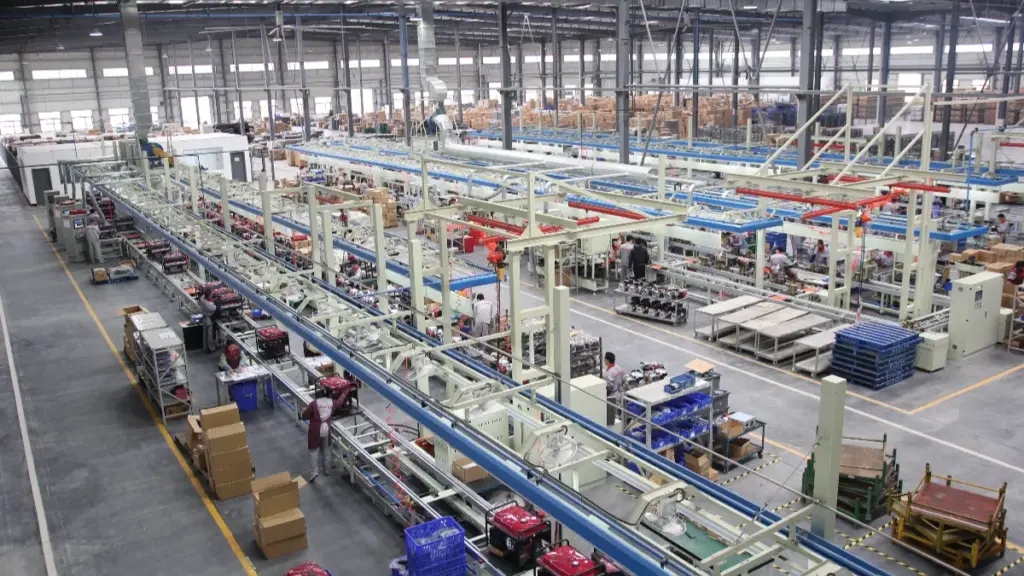
newtop outdoor power equipment manufacturing workshop

A manufacturer’s true production capacity is a direct function of its annual output, in-house automation, and workforce skill, which collectively determine its ability to reliably fulfill large-volume orders on schedule.

Annual Output and Scalability

A knapsack sprayer manufacturer’s annual production volume is the most direct indicator of its scale. This figure reveals whether a supplier can handle large, recurring orders for global distribution or is better suited for smaller batches. Suppliers that produce hundreds of thousands of units annually are typically equipped to support international OEM partnerships and private label clients.

  • Small-scale workshops might produce only a few thousand units per year, primarily serving local or regional markets.
  • Mid-to-large-scale manufacturers, como NOVOTOP, demonstrate the capacity for global partnerships with an annual output exceeding 500,000 unidades.
  • Verify if the manufacturer can scale production up or down to meet seasonal demand fluctuations without causing significant fulfillment delays.

Manufacturing Infrastructure and Automation

The factory itself—its size, equipment, and level of automation—forms the foundation of capacidade de produção. Vertically integrated facilities with modern machinery reduce dependence on third-party component suppliers, which improves both controle de qualidade and production efficiency.

  • Essential infrastructure includes in-house capabilities like CNC machining centers, injection molding workshops, and automated assembly lines.
  • A large facility, like NEWTOP’s 10,000 m² plant, supports streamlined workflows from raw material intake to final product packaging.
  • Automation ensures consistent build quality and high-speed assembly, a critical factor for meeting tight deadlines on high-volume orders.

Workforce Size and Technical Expertise

Production capacity depends on more than just machines; it requires a skilled and appropriately sized workforce. A strong team of production line workers, engineers, and quality control specialists is essential for operating at scale while maintaining high product standards.

  • A well-staffed factory can operate multiple production lines at once to fulfill a diverse mix of orders simultaneously.
  • For instance, NEWTOP employs over 200 production workers and 50 R&D engineers, balancing high manufacturing output with continuous product improvement.
  • A dedicated quality inspection team ensures that increased production speed does not compromise final product reliability.

Essential Certifications for Backpack Sprayer Manufacturers

Certifications are non-negotiable, acting as the primary proof of a manufacturer’s commitment to quality, segurança, and regulatory compliance for global market access.

Foundational Management System Standards (ISO)

Global manufacturers build trust with internationally recognized management standards. ISO 9001 and ISO 14001 demonstrate a factory’s commitment to consistent quality and responsible environmental practices. These certifications are not just paperwork; they are evidence of a structured, reliable operational framework essential for long-term B2B partnerships.

  • ISO 9001 confirms a structured quality management system is in place, ensuring repeatable production processes and consistent product quality from one batch to the next.
  • ISO 14001 shows the manufacturer actively manages its environmental impact, focusing on resource efficiency and waste reduction during production.

Key Regional Market Access Certificações

Selling equipment globally requires meeting specific safety, health, and environmental rules for each region. Without these certifications, products can be blocked at customs or banned from sale entirely, creating massive supply chain disruptions. Serious manufacturers secure these credentials well in advance.

  • O CE mark is mandatory for selling pulverizadores costais in the European Union, signaling the product meets EU safety and health requirements.
  • For gasoline-powered knapsack sprayers sold in North America, EPA and CARB certifications confirm they comply with strict emissions standards.
  • RoHS compliance restricts the use of specific hazardous materials, a requirement in Europe and other markets concerned with electronic waste and operator safety.

Third-Party Product Safety and Quality Marks

Independent testing provides an extra layer of confidence for buyers. Certifications from respected bodies like TUV or SGS verify that a product has passed rigorous, unbiased tests for operator safety, resistência química, and overall durability. These marks often exceed baseline regulatory requirements and signal a higher-tier product.

  • O GS Mark (Geprüfte Sicherheit) is a well-respected German certification that confirms a product meets high safety standards, valued in the EU market.
  • ETL or UL listing is common for electric or battery-powered tools in the North American market, certifying them for electrical safety against fire and shock hazards.
  • SGS testing offers independent verification that products meet the specific quality and performance standards agreed upon in a contract, acting as a form of third-party QC.

Build Your Brand with Reliable Power Tools

Our equipment features world-class components to ensure professional-grade durability and a higher return on investment. Leverage our flexible OEM services and stable global supply chain to gain a powerful competitive advantage in your market.

Torne-se um parceiro →

Imagem do CTA

R&D Capabilities of Professional Backpack Sprayer Manufacturers

newtop outdoor power equipment manufacturing machine

A manufacturer’s R&D strength is defined by its in-house engineering teams that develop patented technologies, enable rapid prototyping for OEM partners, and focus on operator-centric designs like ergonomic harnesses and modular components.

In-House Engineering and Design Teams

Leading manufacturers maintain dedicated in-house engineering teams to drive product innovation. These teams create new sprayer designs and improve existing models based on direct market feedback and new technological possibilities. Por 2026, these teams focus on translating specific client needs, like enhanced chemical resistance or lighter materials, into functional prototypes. They control the entire development process, from initial concept and 3D modeling to performance testing and final production readiness.

Development of Patented Technologies

Significant R&D investment is evident in the development of proprietary solutions and patented technologies. These unique features, such as advanced filtration systems or specialized pump mechanisms, offer tangible field benefits and create a distinct market advantage. Common innovations include multi-stage filtration to prevent clogging and improve reliability. Patented pump and seal designs can also increase a sprayer’s operational life and its compatibility with aggressive chemicals.

Rapid Prototyping for OEM and Customization

Top-tier suppliers use rapid prototyping to create and test custom designs for OEM partners. This process allows B2B buyers to validate a new concept or feature before committing to a full production run, significantly speeding up time-to-market. This capability enables the creation of tailored sprayers for niche applications in pest control, silvicultura, or specialized agriculture. It gives OEM brands the flexibility to develop unique products that meet specific regional or regulatory requirements.

Focus on Ergonomics and Modular Construction

Modern R&D prioritizes user comfort and equipment versatility. Manufacturers invest in designing ergonomic harnesses that reduce operator fatigue and develop modular platforms that allow a single sprayer to be configured for multiple tasks. Ergonomic improvements directly impact professional users who operate equipment for long hours. Modular designs let clients customize sprayers with different nozzles, wands, and pumps for various applications, from sanitation to crop care, increasing the equipment’s overall utility.

Supply Chain Control by Top Backpack Sprayer Manufacturers

newtop warehouse

A manufacturer’s control over its supply chain—from sourcing critical components to in-house manufacturing and logistics—directly determines product quality, lead times, e confiabilidade a longo prazo.

Control Area Key Strategy Impact on Product
Component Sourcing Partnering with recognized brands (Walbro, NGK, NSK) for engines, carburetors, e rolamentos. Guarantees stable engine performance and extends operational life beyond 500 horas.
Vertical Integration Operating in-house CNC machining, moldagem por injeção, and automated assembly lines. Ensures high component accuracy, consistent build quality, and reduced lead times.
Process Discipline Implementing structured BOM management, multi-stage inspections, and ISO 9001 certification. Provides part traceability, minimizes defects, and standardizes quality across all production batches.
Logística Mundial Establishing overseas warehouses and a network of regional brand agents. Shortens delivery times, improves after-sales support, and ensures stable inventory for partners.

Sourcing of Key Performance Components

Top manufacturers secure product reliability by building strong partnerships with globally recognized suppliers for critical parts. This strategy ensures that core components like engines, carburetors, and seals meet high performance and durability standards, which directly impacts the sprayer’s working life and user satisfaction. Securing a reliable supply of brand-name components is the first line of defense against premature equipment failure.

  • Partnering with brands like Walbro for carburetors and NGK for spark plugs to guarantee stable engine performance.
  • Using high-grade materials and components such as NSK bearings to extend the equipment’s operational life beyond 500 horas.
  • Ensuring high interchangeability of parts to simplify maintenance and repairs for service centers and end-users.

In-House Manufacturing and Vertical Integration

Leading companies gain greater control over quality and lead times by bringing essential manufacturing processes in-house. Operating dedicated facilities for CNC machining, moldagem por injeção, and assembly reduces dependence on third-party suppliers and allows for tighter quality control. This vertical integration means the manufacturer is directly responsible for the precision and consistency of its most critical parts, from engine blocks to plastic tanks.

  • Utilizing CNC precision machining centers to produce critical engine and transmission components with high accuracy.
  • Operating in-house injection molding centers for consistent production of plastic parts like housings, tanks, and handles.
  • Implementing automated assembly lines to standardize build quality, melhorar a eficiência, and support large-scale production.

Process Discipline and Quality Management

A resilient supply chain is built on disciplined internal processes that ensure consistency from one batch to the next. This involves structured Bill of Materials (BOM) management, rigorous tooling verification, and documented workflows that make quality repeatable at scale. Without these systems, even a manufacturer with good components and machinery will produce inconsistent results. Adherence to standards like ISO 9001 provides an external benchmark for these internal systems.

  • Implementing structured BOM management and standardized component coding for accurate traceability and inventory control.
  • Conducting multi-stage quality inspections, from incoming raw materials to final pre-shipment functional testing.
  • Maintaining factory certifications like ISO9001 to standardize quality management systems across the entire production cycle.

Global Logistics and Local Warehousing

Effective supply chain control extends beyond the factory floor. Establishing a global network of branches and warehouses allows manufacturers to shorten delivery times, manage inventory closer to the customer, and provide more responsive after-sales support to regional partners. This logistical infrastructure is a key differentiator for serious B2B suppliers, as it demonstrates a commitment to supporting their partnersbusiness operations, not just shipping products.

  • Building a wide network of brand agents and distributors in key markets across Africa, América latina, e Ásia.
  • Establishing overseas branches and warehouses to reduce shipping times and support local inventory needs.
  • Offering stable production capacity and reliable delivery schedules to support long-term B2B partnerships.

Quality Control Processes in Backpack Sprayer Manufacturers

Effective quality control in backpack sprayer manufacturing is a multi-stage process that directly determines equipment reliability, application accuracy, e segurança do operador.

QC Stage Key Focus Método de verificação
Material Inspection & Sourcing Raw material integrity (strength, chemical tolerance) and component reliability. Batch testing, supplier audits (por exemplo, Walbro, NSK), and incoming quality checks (IQC).
In-Process Assembly Checks Production consistency and assembly integrity across the entire line. Standardized protocols, automated pressure/leak tests, and real-time defect tracking.
Final Product Validation 100% functional performance and regulatory compliance for every unit. Functional tests (pressão, flow rate), nozzle calibration, and final certification checks (CE, ISO).

Material Inspection and Component Sourcing

A manufacturer’s quality control starts with its raw materials and components. Top factories inspect incoming materials for chemical resistance, durabilidade, and compliance with engineering standards. Sourcing critical parts like seals, bombas, and engines from globally recognized suppliers ensures the final product performs reliably and has a long service life. This involves verifying all raw materials to confirm they meet specifications for strength and chemical tolerance. Incoming quality checks on every batch of parts catch defects before they enter the production line, preventing downstream failures.

In-Process Assembly Line Checks

Quality is built into the product at every stage of assembly, not just inspected at the end. Leading manufacturers use standardized work instructions and automated checkpoints to maintain consistency across large production runs. This includes frequent tests for leaks, pressure integrity, and proper component fitment throughout the manufacturing process. By implementing standardized assembly protocols and tracking defect data, factories can ensure uniform quality and identify potential issues in real-time.

Final Product Validation and Performance Testing

Before any backpack sprayer is packaged, it undergoes a final round of comprehensive testing. Every unit is examined to confirm it functions correctly, meets performance benchmarks, and complies with safety regulations. This final step guarantees that the equipment reaching the customer is ready for professional use. The process includes a 100% functional test of each sprayer to verify pressure, flow rate, e padrão de pulverização. Technicians also calibrate pressure gauges and nozzles to ensure accurate and uniform application, finally confirming compliance with international certifications like CE, GS, and ISO 9001.

OEM and Customization Options in Backpack Sprayer Manufacturers

OEM manufacturers provide modular platforms that allow for deep customization, from integrating with existing battery ecosystems to tuning pressure ranges and selecting application-specific materials.

Component and Power Source Flexibility

Modern manufacturers build backpack sprayers with modular designs, enabling buyers to specify interchangeable components and choose between different power sources. This flexibility is critical for serving diverse markets. Buyers can select traditional manual pumps for cost-sensitive applications or opt for integrated battery platforms that align with their customersexisting cordless tool systems. This approach simplifies fleet management for commercial end-users and increases product appeal.

  • Integration with common lithium-ion battery ecosystems for cordless convenience.
  • Options for both manual pump and electric-powered variants to suit different markets.
  • Modular builds that support interchangeable wands, selos, and other key parts.

Performance and Application-Specific Tuning

Customization extends directly to performance features tailored for specific tasks. Importers can specify adjustable pressure systems, specialized nozzle configurations, and other functional adjustments for targeted uses. This allows for precise chemical application in sectors like agriculture, controle de pragas, or landscaping. A manufacturer can tune a sprayer for low-pressure herbicide application or high-pressure pest treatment, ensuring optimal efficacy and operator safety.

  • Adjustable pressure systems, with common ranges between 15 e 150 PSI.
  • Customizable nozzle assortments to achieve different spray patterns for herbicides, pesticidas, ou fertilizantes.
  • Specialized configurations designed for landscaping, agricultura, ou aplicações industriais.

Branding, Materiais, and Capacity Options

OEM partnerships offer comprehensive private labeling and physical modifications to the sprayer itself. This includes custom branding with specific logos, color schemes, and packaging to align with a client’s market identity. Material selection is another key area, with options for UV-resistant polyethylene tanks for durability or stainless steel components for enhanced chemical resistance. Tank capacities are also adjustable to meet the demands of different commercial or residential user bases.

  • Private labeling services that include custom brand logos, colors, and packaging.
  • Material choices like UV-resistant polyethylene for tanks and stainless steel for wands and other components.
  • A range of tank capacities, typically spanning from 1 para 6 gallons for portable units.

Red Flags When Dealing with Overseas Sprayer Manufacturers

Sourcing overseas requires scrutinizing physical construction for inconsistent welds and missing safety valves, verifying component origins to avoid generic parts, and demanding non-negotiable documentation like ISO 9001 certification.

Inconsistent Build Quality and Missing Safety Features

The most immediate red flag is poor physical construction that signals a lack of quality control. Inconsistent or sloppy weld seams on metal frames and tanks suggest weak structural integrity that could fail under pressure or field stress. Just as critical is the absence of essential safety features, particularly a pressure relief valve, which is non-negotiable for preventing tank ruptures during operation. These physical defects point directly to a manufacturer cutting corners on production and safety standards.

  • Inspect for uneven or sloppy weld seams on frames and tanks.
  • Confirm that a functional pressure relief valve is integrated into the design.
  • Watch for low-grade plastic components that can crack or degrade with chemical exposure.

Generic Components and Lack of Documentation

Reputable manufacturers can verify the source and specifications of their core components. A significant warning sign is the use of generic, unbranded battery management systems (BMS) in electric sprayers, which creates risks for performance, longevity, e segurança do operador. Equally problematic is a supplier’s inability to provide clear chemical compatibility documentation. Sem isso, you cannot confirm if the sprayer’s seals, mangueiras, and tank materials will withstand the intended chemicals, leading to premature failure and potential leaks.

  • Ask for specifications on key components like pumps, baterias, and nozzles.
  • Request documentation confirming the sprayer’s material compatibility with common agricultural chemicals.
  • Be cautious of suppliers who cannot identify the origin of their core electronic or mechanical parts.

Missing Certifications and Unverifiable History

A credible supplier operates with transparency and can provide proof of its quality management systems. Major red flags include a lack of ISO 9001 certification, an unwillingness to share recent third-party factory audits, or no verifiable export history to established markets like North America or Europe. These omissions suggest the manufacturer may not adhere to international standards, lacks experience in global trade, or is actively hiding deficiencies in its operations.

  • Verify the manufacturer holds a current ISO 9001 certification.
  • Ask for recent third-party factory audit reports to assess their production environment.
  • Avoid suppliers who cannot provide a clear and verifiable export track record to established markets.

Why NEWTOP Is a Top 5 Backpack Sprayer Manufacturer in China

fabricante de pulverizador costal newtop

NEWTOP secures its position as a top manufacturer by combining in-house production capacity and quality-sourced components with a robust global support network, offering a competitive balance of performance and cost for OEM partners.

Integrated Manufacturing and Production Capacity

NEWTOP’s production strength is centered in its 10,000 m² facility in Shanghai, which integrates precision manufacturing with high-volume output. This vertical integration gives them direct control over quality and allows them to consistently fulfill large orders for the global market. The facility houses advanced equipment and automated processes to maintain high standards across all product lines.

  • Operates CNC machining centers and injection molding centers for high-precision component production.
  • Utilizes fully automated assembly lines for backpack sprayers, ensuring consistent build quality.
  • Maintains an annual production capacity of over 500,000 units to support brand agents and OEM partners.

High-Durability Components from Global Suppliers

To ensure reliability and long service life, NEWTOP builds its equipment using core components from internationally recognized brands. This strategic sourcing provides professional users with machines engineered for over 500 hours of demanding work. By integrating proven parts into their designs, they reduce failure rates and improve overall performance in the field.

  • Sources carburetors from Walbro.
  • Uses spark plugs from NGK and TORCH.
  • Integrates bearings from NSK to ensure smooth engine operation.
  • Partners with top brands like STIHL and Oregon for chains and guide bars on other equipment, reflecting a company-wide quality standard.

Global Certifications and Proven Market Access

NEWTOP holds key international certifications that allow its backpack sprayers to be sold in demanding markets like Europe and North America. This documented compliance demonstrates a clear commitment to safety, environmental standards, and quality management systems, which is critical for importers and distributors navigating complex regulatory environments.

  • Product certifications include CE, GS, EURO II, EPA, and RoHS.
  • Factory operations are certified under ISO9001-2000 and ISO14001.
  • The company has an established network of over 100 partners across more than 65 países, primarily in Africa, América latina, e Sudeste Asiático.

Flexible OEM Services and Strategic Market Positioning

Positioned as a mid-range brand, NEWTOP delivers a practical balance of performance and cost. Their OEM services are designed to give global importers the ability to build their own brands with reliable, customized equipment. This flexibility allows partners to tailor products to specific local demands without investing in their own R&D and production facilities.

  • Provides OEM customization for colors, projeto, and private labeling.
  • Adjusts machine configurations to meet specific regional market requirements.
  • Focuses on delivering a strong competitive edge for distributors in emerging markets.

Established Support Network with Overseas Branches

Unlike many manufacturers that operate solely from China, NEWTOP maintains a physical presence in key markets with its own branches and warehouses. This direct infrastructure gives partners more responsive service, faster access to spare parts, and localized support that is often difficult to get from overseas suppliers.

  • Operates overseas branches and warehouses in approximately 20 países, including Africa, América do Sul e Europa.
  • Offers a standard one-year warranty and ensures long-term availability of spare parts.
  • Provides product training and marketing support for brand agents to develop their local markets.

Ready to Partner With a Leading Backpack Sprayer Manufacturer?

Partnering with an experienced knapsack sprayer manufacturer gives you direct access to comprehensive OEM services, a reliable supply chain built on professional-grade components, and the operational expertise to effectively scale your brand.

Contact Our Team to Plan for 2026

With over two decades of experience and an export network spanning 65 países, NEWTOP is equipped to support your business goals. Contact our team to discuss your specific needs for the upcoming seasons and learn how we can create a win-win partnership.

Conclusão

Finding the right manufacturing partner goes beyond a simple price comparison. Evaluating production capacity, controle de qualidade, and supply chain management is essential for building a reliable, long-term business relationship. This due diligence ensures product consistency and protects your brand from unforeseen disruptions.

Use this guide to assess your current suppliers or to vet new potential partners. When you’re ready to work with a manufacturer that meets these standards, contact our team to discuss your project needs and customization options.

Perguntas frequentes

Who are the leading backpack sprayer manufacturers in China?

Leading manufacturers are concentrated in the Taizhou region. Well-regarded companies include Taizhou Kobalt Sprayer, Weirran Machinery, and Seesa. These firms are known for their large-scale production capabilities, diverse product catalogs featuring both manual and electric models, and significant global export operations. They represent the core of China’s sprayer manufacturing industry.

How do I verify a backpack sprayer manufacturer?

You can verify a manufacturer by checking its business documents, certificações, factory photos or videos, product testing process, export history, and communication quality. A factory visit or third-party audit is also a strong way to confirm whether the supplier matches its claims.

Can manufacturers customize sprayer colors and logos?

Sim. Most professional outdoor power equipment manufacturers can customize colors, logos, embalagem, and instruction manuals. Some can also support structure-related customization, depending on order volume and tooling requirements.

What is the average MOQ for sprayer manufacturers?

MOQ varies by model, customization level, and packaging requirement. Standard products usually have lower MOQ, while OEM orders with custom colors, logos, or cartons generally require higher quantities.

Do manufacturers provide CE and ISO certification?

Many export-oriented outdoor power equipment manufacturers can provide CE-related documents for applicable products and ISO certification for factory management systems. Buyers should always confirm which certification applies to the exact sprayer model and target market.

How long does it take for a manufacturer to ship a container?

Lead time depends on order quantity, product type, and customization level. Em muitos casos, standard container orders can be shipped in around 25 para 40 days after order confirmation, while OEM projects may take longer.


Saber mais
pulverizador costal newtop
Guia do pulverizador de mochila por atacado: Maximizando sua margem de lucro

Knapsack sprayers are one of the most stable product categories in agricultural and public health equipment because they serve many daily needs, from crop protection to sanitation work. Para distribuidores, importadores, and private-label buyers, the right wholesale strategy can improve margin, lower service costs, and build a repeat-order business over time.

This guide explains how to select the right products, control batch quality, negotiate better supply terms, and grow your brand with wholesale knapsack sprayers. It is written for buyers who want reliable products, clear cost control, and long-term business value.

Wholesale Knapsack Sprayer Strategies for Global Distributors

a man using newtop knapsack sprayer

Successful global distribution hinges on a multi-channel sales approach, targeted product customization for regional demands, and a secured supply chain focused on high-growth segments like battery-powered models.

Targeting High-Growth Market Segments

Global distributors can build a competitive advantage by concentrating on high-demand niches. The shift toward electric and battery-powered models is supported by broader market demand for more efficient and lower-fatigue spraying solutions. This strategy requires identifying specific regional demands for precision agriculture technology and eco-friendly equipment, moving beyond a volume-only sales model.

  • Prioritize sourcing lithium-ion sprayers to meet demand from environmentally conscious users and light professional landscapers.
  • Integrate technology-enhanced models featuring GPS or specialized sensors for the precision agriculture sector.
  • Focus on markets like Europe where regulatory compliance and low-emission equipment are key purchasing factors.

Adopting a Multi-Channel Sales Approach

Effective distribution requires a flexible, multi-channel sales network. Relying on a single channel is no longer sufficient. Distributors should combine online platforms, traditional specialty retailers, and direct dealer relationships to reach a wider customer base, from small B2B shops to large agricultural enterprises.

  • Develop an e-commerce platform to serve small agricultural tool shops and rental companies in emerging markets.
  • Establish partnerships with regional brand agents and distributors who have established local networks.
  • Engage directly with project and tender buyers for municipal landscaping or large-scale agricultural operations.

Customizing Products for Regional Needs

A one-size-fits-all approach is ineffective in the global market. Distribuidores must partner with manufacturers offering OEM and private label services to tailor products. This involves adjusting features, marca, and packaging to meet local price points and performance expectations in markets across Africa, América latina, e Sudeste Asiático. Customization creates a product that feels built for the local user, not just imported.

  • Use OEM customization to create a unique brand identity with custom colors, logos, and packaging.
  • Adjust sprayer configurations, such as tank capacity or nozzle type, to suit dominant local crops and farming practices.
  • Work with suppliers to ensure product manuals and marketing support materials are adapted for local languages.

Securing a Stable and Quality-Assured Supply Chain

Long-term success depends on a reliable supply chain. Distributors should prioritize manufacturers with proven quality control systems, access to premium components, and stable capacidade de produção. This de-risks procurement and ensures a consistent supply of durable equipment and peças de reposição, which is fundamental for building trust and supporting after-sales service obligations.

  • Partner with knapsack sprayer manufacturers who source critical components from globally recognized brands to ensure equipment durability.
  • Verify factory certificações like ISO9001 and product compliance with CE, GS, or EPA standards.
  • Confirm the manufacturer’s ability to provide long-term spare parts availability, which is critical for professional users.

Wholesale Knapsack Sprayer Market: Identifying High-Demand Trends

newtop OPE manuafacturing line

Market demand in 2026 is driven by the shift to battery-powered models, agricultural modernization in emerging economies, and a strong end-user focus on ergonomic and durable designs.

Demand for Electric and Battery-Powered Models

A clear trend for 2026 is the growing preference for electric and battery-powered knapsack sprayers. This move away from manual and gas-powered units is fueled by stricter emissions regulations, sustainability goals, and user demand for quieter, low-maintenance equipment. The electric segment alone is projected to reach USD 846 million in 2026, signaling a strong market appetite for this technology in professional landscaping, horticultura, e agricultura.

  • Battery-powered models deliver consistent pressure, which improves application accuracy and reduces the operator fatigue associated with manual pumping.
  • These units align with global sustainability initiatives by eliminating direct emissions and fossil fuel consumption.
  • They are gaining significant traction in enclosed environments like greenhouses and in noise-sensitive areas where traditional engines are impractical.

Growth in Agricultural Modernization in Emerging Markets

Emerging markets, particularly in the Asia-Pacific region, América latina, e África, are driving significant demand for wholesale knapsack sprayers. As small-scale farmers modernize their operations, they are replacing inefficient manual spraying methods with more effective tools. Government programs aimed at boosting agricultural productivity further accelerate this adoption, creating a high-volume opportunity for distributors.

  • The Asia-Pacific region currently leads market growth as farmers seek cost-effective tools for better crop protection.
  • Knapsack sprayers offer an optimal balance of cost and performance for small to medium-sized farms looking to improve yields.
  • Distributors serving these regions require durable, easy-to-service models built to withstand demanding field conditions.

Focus on Ergonomics and Durability in Product Design

End-users now expect more than just basic function. In the competitive 2026 market, models featuring enhanced comfort and robust construction provide a clear advantage. Professional users prioritize equipment that offers long-term value, reduces physical strain, and ensures operational safety. This shift forces manufacturers and distributors to focus on product quality and design as key differentiators.

  • Improved ergonomics, such as padded shoulder straps and contoured back support, directly reduce operator fatigue during long hours of use.
  • Enhanced durability through the use of higher-quality plastics, better seals, and corrosion-resistant components is a primary purchasing factor.
  • The market is also moving toward modular designs that allow for easier field repairs, part replacement, e personalização.

Aumente suas margens com equipamentos confiáveis

Our machines are engineered with world-class components for over 500 horas de uso profissional, ensuring higher ROI and customer satisfaction. We provide stable capacity and flexible OEM options to help you capture your market.

Solicite um orçamento de atacado →

Imagem do CTA

Sourcing Strategies for Wholesale Knapsack Sprayer Orders

Effective sourcing in 2026 relies on mitigating supply chain risks through regional assembly and multi-source component strategies, while leveraging integrated digital platforms for streamlined order management.

Sourcing Strategy Primary Goal Key Action for Distributors
Localized Assembly & Regional Warehousing Reduce lead times, stabilize pricing, and navigate tariff pressures. Partner with suppliers who have assembly facilities or warehouses in your target sales region.
Diversified Component Sourcing Mitigate production delays and insulate operations from supply chain disruptions. Verify your supplier sources key parts (bombas, bicos, baterias) from multiple origins.
Integrated Online Platforms Streamline ordering, tracking, inventory management, e suporte pós-venda. Select manufacturers with robust digital systems for real-time order and support access.
Strategic Partnerships for Bundled Solutions Increase end-user value and strengthen your competitive market position. Work with suppliers who package hardware with necessary consumables or digital management tools.

Prioritize Localized Assembly and Regional Warehousing

Por 2026, manufacturers are increasingly using localized assembly and regional warehouses to navigate tariff pressures and shorten delivery times. This shift gives wholesale buyers more stable pricing and quicker access to inventory, insulating them from the volatility of long-distance shipping. A regionalized supply chain is a direct response to global trade friction and creates a more resilient distribution network.

  • Partner with suppliers who have assembly facilities or warehouses in your target region to reduce logistics costs.
  • Regional stock availability ensures faster order fulfillment and improves supply chain resilience.

Diversify Component Sourcing to Reduce Risk

A critical sourcing strategy involves selecting manufacturers who do not rely on a single source for essential components. This diversification protects against supply chain disruptions, whether from geopolitical events, material shortages, or factory shutdowns. It ensures consistent product availability and quality, preventing a single point of failure from halting your entire operation.

  • Confirm that your supplier sources key parts like batteries, bombas, and nozzles from multiple origins.
  • This approach mitigates the risk of production delays and helps maintain consistent quality across batches.

Evaluate Suppliers with Integrated Online Platforms

Modern distribution relies on more than traditional wholesale channels. Choose manufacturing partners who offer integrated online platforms for ordering, tracking, and accessing after-sales support. These digital systems provide the transparency and efficiency needed to manage large-scale inventories and serve customers effectively. A supplier’s technological infrastructure is now as important as its manufacturing capabilities.

  • Select suppliers whose systems allow for streamlined online order management and real-time inventory checks.
  • Ensure the manufacturer provides robust, accessible after-sales service and technical support through their digital channels.

Build Strategic Partnerships for Bundled Solutions

Leading sourcing strategies now involve forming partnerships that deliver comprehensive solutions. Work with manufacturers who collaborate with agrochemical distributors or technology providers to offer integrated product bundles. This approach moves beyond simply selling a piece of hardware and instead provides a complete package that solves a larger customer problem, creating a stronger market position and higher perceived value.

  • Explore opportunities with suppliers who package hardware with necessary consumables or digital management tools.
  • Bundled solutions provide greater value to end-users and can create a stronger market position for your business.

Calculating Profit Margins on Wholesale Knapsack Sprayer Orders

newtop outdoor power equipment factory

True profitability in wholesale distribution is found by meticulously tracking every cost from the factory floor to the final customer delivery, not just the initial unit price.

Calculation Component Key Cost Factors Impact on Profit Margin
Cost of Goods Sold (COGS) Factory unit price, international freight, import duties, customs brokerage, local transport. Establishes the baseline cost per unit. Underestimating this directly inflates perceived profit.
Wholesale Resale Price Competitor pricing, perceived brand value, suporte de garantia, disponibilidade de peças. Determines gross revenue. Incorrect pricing hurts either sales volume or margin per unit.
Operating Expenses (OpEx) Warehousing, marketing, sales commissions, outbound shipping, administrative overhead. Reduces gross profit to net profit. These costs reveal the business’s actual profitability.

Establishing Your Cost of Goods Sold (COGS)

Before setting prices, you need a clear picture of every direct cost associated with acquiring your knapsack sprayers. This total cost forms the baseline for all profit calculations. A failure to accurately calculate COGS leads to mispriced products and eroded margins. You must account for the full journey of the product from the supplier to your warehouse.

  • Landed Cost: This includes the factory unit price from a knapsack sprayer supplier like NOVOTOP, plus all associated import duties, tariffs, and taxes required to bring the goods into your country in 2026.
  • Inbound Logistics: Factor in international freight charges, port fees, customs brokerage, and domestic transportation from the port to your warehouse.
  • Ancillary Costs: Account for any mandatory pre-sale preparations, such as local compliance testing or minor assembly required upon arrival.

Setting a Competitive Wholesale Resale Price

Your resale price must balance market demand with your profit goals. Researching your local market is key to finding the right price point for your B2B customers, such as retailers and agricultural supply stores. Setting a price in a vacuum is a common mistake; it must be informed by what your specific market will bear.

  • Analyze competitor pricing for similar quality knapsack sprayers within your target regions.
  • Determine the perceived value based on factors like brand reputation, suporte de garantia, and spare parts availability.
  • Establish tiered pricing structures for different order volumes to encourage larger purchases from your retail partners.

Factoring in Operational and Shipping Costs

Net profit depends on accounting for all business overhead beyond the direct cost of the sprayers. These operating expenses reduce your gross margin to reveal your actual take-home profit. Many distributors focus solely on COGS and sales price, overlooking the substantial costs of running the business itself.

  • Warehousing and Storage: Calculate the monthly or annual costs for storing your inventory safely.
  • Marketing and Sales: Include expenses related to promoting your products to retailers and any sales staff commissions.
  • Outbound Logistics: Account for the costs of shipping orders from your warehouse to your B2B customers.
  • Administrative Overhead: Apportion a percentage of general business costs, like rent, utilities, and salaries, to each product line.

Calculating Gross and Net Profit Margins

With all cost and pricing data collected, you can calculate your margins. This helps you understand the financial health of your wholesale operation and make informed business decisions. These two metrics tell different but equally important stories about your business performance.

  • Gross Margin: Calculated as (Total Sales RevenueCost of Goods Sold) / Total Sales Revenue. This shows the profitability of the product itself before overhead.
  • Net Margin: Calculated as (Total Sales RevenueCOGSAll Operating Expenses) / Total Sales Revenue. This reveals the final profit after all business costs are paid.
  • Regularly review these margins to adjust pricing, control costs, and ensure your business remains profitable through 2026 and beyond.

Wholesale Knapsack Sprayer Quality Control and Batch Testing

testing outdoor power equipment spare parts

Effective quality control for wholesale knapsack sprayers prioritizes pressure system consistency, component durability under stress, and verifiable spray performance to prevent field failures and ensure accurate application.

Pressure System Integrity and Regulation

A primary focus of batch testing is ensuring the sprayer’s pressure system is both consistent and reliable. Technicians must verify that each unit maintains its specified operating pressure without leaks, a fundamental requirement for achieving a uniform spray pattern and correct application rates. Consistent pressure across an entire batch guarantees predictable performance for all end-users.

  • Testing the pressure-holding capability of the tank and seals to prevent performance loss.
  • Validating pressure-regulating devices and gauges to ensure they deliver a steady output.
  • Checking for consistent pressure across a batch to guarantee predictable performance for end-users.

Component Durability and Mechanical Reliability

Quality control protocols include stress tests on key mechanical components. The pump mechanism, lever, and seals are subjected to repeated use simulations to identify potential points of failure before the products reach the market. This process confirms that the equipment can withstand long-term, demanding field conditions without mechanical breakdown.

  • Assessing the integrity of pump seals to prevent chemical leakage and pressure drops.
  • Evaluating the lever-operated mechanism to confirm it can withstand long-term field use.
  • Inspecting material quality of straps, alças, and the main body for durability.

Spray Performance and Filtration System Checks

The effectiveness of a knapsack sprayer depends entirely on its spray accuracy and its ability to resist clogging. Batch tests measure nozzle performance against specifications and confirm that the filtration system functions as intended. A key industry benchmark requires that nozzle discharge rates fall within a 10% tolerance of the manufacturer’s specifications.

  • Verifying that nozzle discharge rates are within a 10% tolerance of the manufacturer’s specifications.
  • Inspecting the integrity of strainers and filters to ensure they effectively prevent blockages.
  • Confirming standardized calibration procedures are followed for accurate and reliable application.

Negotiating Payment Terms with Wholesale Knapsack Sprayer Suppliers

wholesale newtop knapsack sprayer shipping

For volume orders, payment structures have shifted from standard Net 30 terms to flexible, milestone-based agreements like 30/70 splits that are tied to production and inspection.

Payment Model Common Structure Melhor caso de uso
Net Terms Net 30, 60, ou 90 days post-invoice Established distributors with consistent order history.
Progressive Payments 30-50% deposit, balance due against Bill of Lading (B/L) Large, custom, or initial high-volume OEM orders.
Early Payment Discount 1-2% discount for payment within 10-15 dias Distributors with strong cash flow looking to reduce unit costs.

Standard Payment Structures in 2026

For established business partners, payment terms often extend beyond traditional models. A supplier like NEWTOP can offer flexible options that reflect a strong order history and partnership level, accommodating different business scales. While Net 30 is a common starting point for new accounts or smaller wholesale orders, it’s not the only option. Established distributors with consistent, high-volume orders frequently secure more favorable terms.

  • Net 30 terms are common for initial or smaller wholesale orders.
  • Net 60 or Net 90 terms are frequently available for established distributors with consistent order volumes.
  • Final terms often depend on a credit assessment and regional market stability.

Progressive Payment Milestones for Large Orders

To manage cash flow for both the buyer and the supplier, large orders are often structured with payments tied to key production stages. This approach is standard for custom or high-volume OEM orders, as it de-risks the transaction for both parties. The initial deposit allows the manufacturer to secure raw materials and begin production without carrying the full financial burden. The final payment is held until the buyer can verify the finished goods meet their standards.

  • A typical split involves a deposit of 30-50% to secure raw materials and initiate production.
  • The remaining balance is due upon completion, after a pre-shipment inspection, or against the bill of lading.
  • This structure secures the order for the supplier and protects the buyer’s investment until quality is verified.

Leveraging Volume and Partnerships for Favorable Terms

Long-term commitments and larger order volumes give distributors significant leverage during payment negotiations. Suppliers value predictable business and are willing to reward it with better terms. A commitment to a larger annual order volume can unlock more favorable pricing tiers and greater payment flexibility. De forma similar, brand agents and partners with a proven sales track record, such as those in NEWTOP’s global network, often receive preferential treatment and more accommodating payment schedules.

  • Many suppliers offer early payment discounts, often 1-2%, for settling invoices well before the due date.
  • Committing to a larger annual order volume can unlock more favorable pricing tiers and payment flexibility.
  • Brand agents and partners with a proven sales record often receive preferential treatment.

The Importance of Clear Documentation

All negotiated terms must be formalized in a written document, whether a purchase order, contract, or proforma invoice. This step is critical to prevent future misunderstandings and ensures both parties are aligned on expectations. The document serves as the single source of truth for the transaction, outlining every financial detail and procedural requirement from start to finish.

  • The document should clearly state the payment schedule, due dates, and any applicable discounts or penalties.
  • It must specify the transaction currency and accepted payment methods, such as Telegraphic Transfer (T/T) or Letter of Credit (L/C).
  • It should also outline the process for milestone verification, like pre-shipment inspection reports, before subsequent payments are due.

Managing Quality Risk in Wholesale Knapsack Sprayer Batches

Quality risk management for knapsack sprayers now centers on pesticide containment, ergonomic safety, and the component reliability of newer battery-powered models.

Pesticide Containment and Leak Prevention

The primary quality failure in any knapsack sprayer is a leak, which causes chemical waste and direct operator contamination. Current standards focus heavily on the integrity of seals, tanks, and connection points to guarantee safe pesticide handling during field applications. Verifying component quality before shipment is non-negotiable.

  • Verifying the material durability of tanks and seals against common agricultural chemicals.
  • Batch testing for pressure retention to identify potential leaks at connection points.
  • Ensuring nozzle consistency to prevent drips and uncontrolled spray patterns.

Operator Safety and Ergonomic Design

Poor ergonomic design directly contributes to operator fatigue and raises the probability of unsafe handling. Modern quality assessments must evaluate the sprayer’s physical design for comfort and functional safety, which reduces the long-term occupational health risks for agricultural workers.

  • Assessing the quality of shoulder straps and back padding to ensure comfort during extended use.
  • Checking the balance and weight distribution of the sprayer when filled to capacity.
  • Confirming the reliability of pressure release valves and lockable triggers to prevent accidental discharge.

Component Reliability in Motorized and Battery-Powered Sprayers

As the market moves toward motorized and battery-powered sprayers, quality risk expands to electrical and mechanical components. While these systems reduce operator contamination risk, they introduce new failure points that demand rigorous testing protocols.

  • Evaluating the battery lifecycle and charging system consistency for lithium-ion models.
  • Testing motor durability and pump performance under continuous, high-load operation.
  • Inspecting the integrity of wiring, connectors, and switches to prevent electrical failures in the field.

Branding Your Business With Custom Wholesale Knapsack Sprayers

Successful branding for wholesale sprayers moves beyond logos to include market-specific equipment modifications, custom packaging, and private labeling that build a distinct identity in your distribution region.

Private Labeling and OEM Manufacturing

Building a brand requires a product that reflects your company’s standards. We offer Original Equipment Manufacturer (OEM) services, allowing importers and distributors to market high-quality knapsack sprayers under their own private label. This approach lets you leverage a proven manufacturing process while you focus on building your brand’s presence in your local market. You can establish a strong foothold without the heavy capital investment required for factory infrastructure and R&D.

  • Develop a unique product line without investing in factory infrastructure or R&D.
  • Gain a competitive edge in markets across Africa, América latina, and Eastern Europe with equipment tailored to regional needs.
  • Partner with a manufacturer experienced in supporting over 100 brand agents in more than 65 países.

Customizing Sprayer Features for Your Market

Effective branding is embedded in the product’s functionality. We provide options to modify knapsack sprayers to align with your market strategy, ensuring the final product performs exactly as your customers require. This involves more than just aesthetics; it means creating a tool that solves specific local challenges and stands up to regional environmental conditions.

  • Select custom colors and apply your company’s branding directly to the equipment.
  • Adjust component configurations, such as nozzles, straps, or pump mechanisms, to match local application requirements.
  • Modify designs for improved ergonomics, catering to professional users who require comfort for extended use.

Packaging and Design Support

The first physical interaction a customer has with your product is its packaging. We provide direct support for creating custom packaging that not only protects the sprayer during transit but also reinforces your brand identity from the moment it hits the shelf. Professional packaging builds trust and clearly distinguishes your products from generic competitors.

  • Design custom boxes with your logo, brand colors, and essential product information.
  • Ensure packaging meets regional requirements for shipping and retail display.
  • Create a professional appearance that builds trust and distinguishes your products from competitors.

MOQ and Lead Times for Custom Orders

Planning a custom product line requires clear logistical information. We establish practical Minimum Order Quantities (MOQs) for OEM projects and provide transparent lead times based on the complexity of the customization. This allows you to manage your inventory and plan your market launch with confidence. Our structure is designed to support both large, established distributors and growing businesses launching a new private label.

  • MOQs for custom and OEM orders are designed to support both large distributors and businesses launching a new brand.
  • Lead times are determined by factors like tooling requirements and the specifics of design modifications.
  • Larger order volumes for agents and OEM partners receive preferential pricing and dedicated service.

Expand Your Business With NEWTOP’s Wholesale Support Programs

NEWTOP provides a structured framework for wholesale partners, combining flexible ordering policies, Personalização OEM, and comprehensive after-sales support to help distributors build their brands and scale operations.

Flexible MOQ and Lead Time Policies

NEWTOP offers adaptable ordering policies designed to help wholesalers manage inventory, test new markets, and scale operations efficiently. These programs reduce financial risk for both new and established partners by removing high entry barriers.

  • We accept single-piece sample orders for product validation and market testing.
  • Standard order MOQs are flexible and can be arranged based on specific customer needs and market potential.
  • Typical lead times are 7–10 days for samples and around 30 days for standard bulk orders.

OEM Customization and Private Labeling Services

Partners can build their own brand identity with our complete OEM and private labeling support. This allows for product differentiation in competitive local markets like Africa, América latina, e Europa Oriental, where brand recognition is key.

  • We offer tailored OEM color and design customization to match your brand identity.
  • Our team provides private labeling and custom packaging design services.
  • We make configuration adjustments to meet specific regional requirements and price points.

Comprehensive Quality Assurance and Warranty

NEWTOP protects its wholesale partners by ensuring product reliability through multi-stage factory inspections, transparent warranty terms, and full regulatory compliance documentation. This preparation ensures smooth customs clearance and builds end-user trust.

  • A standard one-year machine warranty comes with six-month coverage on core components.
  • Our structured quality control process includes incoming material checks and final functional testing on every unit.
  • We provide CE, GS, EURO II, and EPA certifications to support market entry and compliance.

Dedicated After-Sales and Marketing Support

Our robust support system ensures equipment longevity and helps brand agents grow their local market share. We provide the technical assistance and promotional materials needed to compete effectively.

  • We guarantee long-term availability of critical spare parts and consumables for equipment maintenance.
  • Distributors receive timely technical assistance from our dedicated sales and service teams.
  • We provide agents with product training, usage guidance, and marketing content to boost local sales.

Conclusão

Sourcing knapsack sprayers involves more than just finding the lowest unit price. A clear strategy for calculating margins, managing batch quality, and negotiating payment terms protects your investment. This approach helps build a stable foundation for a profitable distribution business.

If you are ready to expand your product line, our team can provide a detailed quote and answer questions about our distributor support programs. Contact us to discuss your specific market needs and get started.

Perguntas frequentes

What is the wholesale price for a knapsack sprayer?

Wholesale price depends on sprayer type, capacidade do tanque, material quality, order quantity, embalagem, e personalização. Manual knapsack sprayers are usually priced differently from gasoline-powered models, and OEM branding can also affect the final quote.

How many knapsack sprayers fit in a 20ft container?

The loading quantity depends on tank size, carton dimensions, packing method, and whether accessories are packed together. Por esta razão, buyers should always confirm the container loading plan based on the exact model and packaging specification.

Can I get wholesale pricing for 16L sprayers?

Sim. 16L knapsack sprayers are one of the most common wholesale categories in many agricultural markets. Pricing depends on the model configuration, material standard, and total order quantity.

What are the payment terms for wholesale sprayer orders?

Standard payment terms for wholesale orders are a 30% T/T (Telegraphic Transfer) deposit to initiate production. O restante 70% balance is typically due upon presentation of the Bill of Lading (B/L) copy, confirming shipment. For established distributors, more flexible terms like L/C (Letter of Credit) may be negotiable.

Are spare parts included in wholesale knapsack sprayer deals?

Sim. 16L knapsack sprayers are one of the most common wholesale categories in many agricultural markets. Pricing depends on the model configuration, material standard, and total order quantity.

How do I become a wholesale distributor for NEWTOP?

To become a NEWTOP wholesale distributor, you need to contact our international sales team and share your company profile, target market, and estimated purchasing plan. Our team will review your business needs and recommend suitable products, pricing structure, and cooperation options based on your market.


Saber mais
top handle vs rear handle chainsaw
Alça superior vs motosserra com alça traseira: Prós e contras para profissionais

As motosserras com cabo superior têm a empunhadura principal na parte superior do corpo para uso aéreo com uma mão, enquanto as motosserras com cabo traseiro apresentam uma empunhadura traseira atrás do motor para operação estável no solo com as duas mãos. Arboristas profissionais, madeireiros, e os paisagistas muitas vezes enfrentam a escolha entre estes quando lidam com trabalhos exigentes em árvores.

Como um especialista em equipamentos elétricos externos, vamos quebrar as diferenças fundamentais, prós e contras, e considerações de segurança para ajudá-lo a tomar uma decisão informada para sua frota ou negócio.

O que é uma motosserra com alça superior?

Motosserra com cabo superior NT2500

Uma motosserra com cabo superior é uma ferramenta projetada para arboristas profissionais, priorizando um compacto, design equilibrado para corte preciso em espaços elevados e confinados.

Projetado para arboristas e trabalhos aéreos

Uma motosserra com cabo superior é uma ferramenta especializada projetada quase exclusivamente para arboristas profissionais que trabalham em altura. Seu design prioriza o controle e a manobrabilidade ao cortar em posições elevadas ou inadequadas, como dentro da copa de uma árvore. Este foco a torna o padrão para tarefas fora do solo, onde uma serra tradicional seria insegura ou difícil de manejar.

Modelos típicos pesam 6.5 para 10 libras e têm comprimentos de barra guia de 10 para 16 polegadas, tornando-as menores e mais portáteis do que as serras padrão. Essas dimensões priorizam a agilidade em vez do volume.

Características principais: Compactar, Leve, e equilibrado

As características definidoras de uma motosserra com cabo superior são seu tamanho pequeno e peso reduzido. Esta construção minimiza a fadiga do operador durante o uso prolongado em árvores e permite cortes precisos em espaços confinados onde uma serra maior seria impraticável. O excelente equilíbrio é fundamental para manter o controle ao fazer cortes em posições instáveis.

  • O formato compacto facilita a navegação por galhos densos.
  • Excelente equilíbrio permite maior controle, o que é crítico ao fazer cortes em posições instáveis.
  • Muitos modelos em 2026 são alimentados por bateria, melhorando ainda mais a sua natureza leve e reduzindo as emissões.

Aplicativos primários

Este tipo de motosserra não foi construída para derrubar árvores grandes. É excelente em tarefas que exigem precisão e agilidade, como podar galhos, removendo madeira morta, e seccionar ramos a partir de uma posição de escalada. A sua potência controlada é adequada para realizar cortes precisos sem danificar a estrutura da árvore circundante, preservando a saúde das árvores.

  • Ideal para moldar copas de árvores e realizar cortes cirúrgicos para manter a saúde das árvores.
  • Permite o uso com uma mão em situações específicas por profissionais certificados, liberando a outra mão para estabilidade.
  • A sua potência controlada é adequada para realizar cortes precisos sem danificar a estrutura da árvore circundante.

O que é uma motosserra com alça traseira?

Motosserra com cabo traseiro NT5800

As motosserras com punho traseiro são o padrão da indústria para corte ao nível do solo, projetado com uma configuração de duas alças para maximizar a alavancagem, controlar, e segurança para tarefas pesadas.

Projeto e Operação Central

Uma motosserra com cabo traseiro é versátil, motosserra de tamanho normal construída para uso geral e pesado, com a alça principal posicionada atrás do motor e uma alça frontal para operação segura com as duas mãos. O design apresenta distribuição de peso traseira, carcaça do motor maior, protetores de mão, e uma barra guia estendida para alavancagem e potência superiores em cortes exigentes.

As especificações comuns incluem pesos de 11 para 15 libras para modelos a gás, com comprimentos de barra guia variando de 14 para 24 polegadas ou mais dependendo do tamanho do motor (por exemplo, 36-60CC). Isso os torna robustos, mas menos compactos.

Aplicativos comuns

As motosserras com cabo traseiro são construídas para uso no nível do solo, aplicações pesadas. São a ferramenta padrão para proprietários de grandes propriedades e profissionais que realizam tarefas de corte substanciais em áreas abertas.

  • Derrubando árvores grandes.
  • Corte de toras e processamento de madeira.
  • Dividindo lenha.
  • Manutenção geral de propriedades e limpeza de tempestades.

Ganhe vantagem competitiva com maquinário confiável

Nosso equipamento de energia externa integra componentes de classe mundial para um 200+ hora de vida profissional, garantindo ROI máximo para seus clientes. Proteja sua cadeia de suprimentos com nossa capacidade estável, qualidade consistente, e programas flexíveis de OEM/marca própria.

Solicite um orçamento →

Imagem do CTA

Prós e contras das motosserras com cabo superior

As motosserras com cabo superior proporcionam controle incomparável para arboristas profissionais que trabalham em altura, mas este projeto especializado introduz riscos de segurança e limites funcionais para trabalhos terrestres.

Vantagens para trabalho aéreo profissional

As motosserras com cabo superior são projetadas especificamente para arboristas profissionais que precisam de uma ferramenta compacta e manobrável para cortar em espaços elevados ou confinados. O design prioriza equilíbrio e controle, tornando-o o padrão para qualquer trabalho que exija subir ou operar em uma plataforma aérea.

  • A construção compacta e leve reduz a fadiga do operador durante longos períodos de trabalho aéreo em árvores.
  • Manobrabilidade e equilíbrio superiores tornam mais fácil fazer cortes precisos em posições inadequadas, como dentro da copa de uma árvore.
  • O design permite o uso com uma mão por profissionais certificados, liberando a outra mão para estabilidade durante a escalada.

Limitações e desvantagens

Embora seja ideal para tarefas especializadas, motosserras com cabo superior têm desvantagens significativas que limitam seu uso geral. A sua construção única torna-os menos adequados e potencialmente mais perigosos para qualquer tipo de corte ao nível do solo, uma tarefa mais adequada para modelos de alça traseira.

  • Seu preço premium reflete as certificações especializadas de engenharia e segurança exigidas para equipamentos aéreos de nível profissional.
  • Eles não são projetados para derrubar ou resistir no solo, onde as serras traseiras proporcionam melhor alavancagem e segurança operacional.
  • A colocação próxima da mão aumenta o risco de lesões graves devido ao contragolpe, exigindo treinamento especializado para operação segura.

Prós e contras das motosserras com alça traseira

As motosserras com cabo traseiro proporcionam estabilidade e versatilidade superiores para cortes no solo, tornando-os o padrão para a maioria dos usuários, embora seu tamanho e peso limitem a manobrabilidade em espaços apertados.

Vantagens

  • Disponibilidade de energia: Acomoda motores maiores (40-60CC) e mais barras guia (até 24+ polegadas) para cortes eficientes de madeira espessa na exploração madeireira.
  • Controle de estabilidade: Os punhos de duas mãos com equilíbrio traseiro proporcionam alavancagem para minimizar o contragolpe em derrubadas e empurrões.
  • Uso versátil: Lida com processamento de lenha, limpeza de tempestade, poda de cerca viva, e manutenção de propriedade de forma confiável.
  • Conforto ergonômico: Reduz a fadiga do braço durante sessões prolongadas no solo para profissionais e iniciantes.
  • Foco em durabilidade: A construção robusta resiste aos rigores diários da silvicultura e do paisagismo.

Desvantagens

  • Fadiga elevada: 11-15+ O acúmulo de libras acelera a exaustão em tarefas prolongadas.
  • Limitações em massa: Dificulta a agilidade em espaços apertados, como escalada ou poda densa.
  • Níveis de vibração: Maior potência do motor aumenta os riscos de vibração nas mãos e nos braços.
  • Problemas de portabilidade: Perfil maior complica o transporte e armazenamento.
  • Desafios indiretos: Menos adequado para trabalhos aéreos devido às exigências de manuseio.

Principais diferenças entre a alça superior e a alça traseira

Principais diferenças entre a alça superior e a alça traseira

Ajudar os profissionais a comparar as especificações técnicas e aplicações funcionais dessas ferramentas, resumimos as principais diferenças abaixo:

Atributo Motosserra com alça superior Motosserra com alça traseira
Posição da alça Punho montado na parte superior para controle aéreo compacto Punho traseiro atrás do motor com punho dianteiro para duas mãos
Faixa de peso Leve 8-10 libras, reduz a fadiga em altura Mais pesado 11-15+ libras, estável para uso no solo
Comprimento da barra guia Mais curto 10-16 polegadas para precisão Mais longo 14-24+ polegadas para cortes grossos
Potência do motor Menor 25-45 cc, ágil para poda Maior 40-60cc +, poderoso para derrubar
Manobrabilidade Excelente em espaços apertados e escalada Melhor estabilidade no solo, sobrecarga mais volumosa
Risco de retrocesso Maior devido ao peso mais leve e aderência próxima Abaixe com alavancagem e proteções de segurança
Melhor habilidade do usuário Apenas profissionais/arboristas avançados Iniciantes a profissionais
Aplicativos primários Arvorismo, enterro, poda aérea Derrubando, resistindo, lenha, limpar
Portabilidade Compactar, fácil de transportar e armazenar Graneleiro, requer mais espaço de armazenamento
Faixa de preço Intervalo médio, preços frequentemente especializados Varia amplamente com base na potência do motor

Guia de seleção: Alça superior vs alça traseira – Qual é o certo para você?

um homem com uma motosserra
Critérios de seleção Escolha uma motosserra com alça superior se… Escolha uma motosserra com alça traseira se…
Ambiente de Trabalho Primário Você é um arborista certificado que trabalha em altura (escalando, elevador aéreo). Você trabalha principalmente no terreno.
Tarefa Principal Você precisa fazer cortes precisos em locais apertados, posições estranhas dentro de uma copa de árvore. Suas tarefas incluem derrubar, toras, cortando lenha, ou limpeza de tempestade.
Perfil de usuário Você é um profissional treinado com certificação para trabalhos elevados. Você é proprietário de uma casa, operador florestal geral, ou iniciante.
Prioridade de controle A capacidade de manobra e a compactação são essenciais para cortes especializados. Estabilidade máxima, aproveitar, e controle com as duas mãos são necessários.

Para o arborista profissional e trabalho na árvore

As motosserras de cabo superior são ferramentas especializadas projetadas para arboristas certificados que trabalham em altura. Seu compacto, construção leve e aderência integrada proporcionam a manobrabilidade necessária para operar dentro da copa de uma árvore. Este design é o padrão da indústria para poda, enterro, e fazer cortes precisos em espaços elevados e confinados onde uma serra maior é impraticável.

  • Escolha uma alça superior se seu trabalho principal envolver escalar ou operar em um elevador aéreo.
  • O design é otimizado para fazer cortes precisos em posições inadequadas onde uma serra convencional de duas mãos não cabe.
  • A operação segura dessas ferramentas exige treinamento e certificação adequados, pois o uso com uma mão aumenta o risco operacional.

Para corte no solo e uso geral

As motosserras com cabo traseiro são a ferramenta definitiva para quase todos os cortes ao nível do solo. O design oferece estabilidade superior, aproveitar, e controle, tornando-a a escolha correta para derrubar árvores, quebrando toras em seções, e escova de limpeza. Esta configuração é o padrão para proprietários, gerentes de propriedade, e operadores florestais que trabalham em terreno sólido.

  • Escolha uma alça traseira para tarefas como cortar lenha, gerenciando a limpeza de tempestades, e derrubar árvores pequenas e médias.
  • O punho com as duas mãos oferece melhor controle, melhora a segurança, e reduz a fadiga do operador durante o uso prolongado.
  • Este design é inerentemente mais estável, tornando-o a opção mais segura e eficaz para qualquer usuário no terreno.

Combinando a ferramenta com sua aplicação principal

A escolha certa depende inteiramente do seu ambiente de trabalho, não em qual serra é universalmente “melhorar.” Um arborista profissional possuirá os dois tipos – uma alça superior para escalar e uma alça traseira para trabalho de base. Para quase todos os outros, a serra de cabo traseiro é a ferramenta mais versátil e adequada para tarefas de corte comuns.

  • Avalie suas tarefas mais comuns: Você está trabalhando consistentemente em uma árvore ou no chão?
  • Nunca use uma serra de cabo superior para derrubar ao nível do solo. Seu design não está otimizado para os protocolos de alavancagem ou segurança necessários para esse trabalho.
  • Para compradores e revendedores B2B, oferecer ambos os modelos permite atender dois mercados distintos: profissionais certificados e consumidores em geral.

Por que escolher as motosserras NEWTOP para o seu negócio?

NEWTOP fornece aos parceiros B2B uma solução de fabricação escalável para confiabilidade, motosserras de médio porte, combinando componentes de classe mundial com suporte OEM flexível para oferecer uma forte proposta de valor nos mercados globais.

As motosserras NEWTOP oferecem desempenho de nível profissional nas configurações de alça superior e traseira, apoiado por mais 20 anos de experiência em ferramentas de jardim movidas a gás. Nossos modelos apresentam usinagem CNC de alta precisão, Carburadores Walbro, Velas de ignição NGK, e correntes Oregon para durabilidade excepcional superior 200 horas.

Com CE, GS, EPA, e certificações EURO II, NEWTOP garante conformidade para mercados globais como a África, América latina, e Sudeste Asiático. Preços competitivos, opções personalizáveis ​​de OEM/ODM, e cadeias de fornecimento confiáveis ​​nos tornam o melhor escolha para distribuidores buscando fornecedores de motosserras com 500,000+ capacidade anual.

Cresça forte com NEWTOP - seu parceiro confiável de ferramentas de jardim. Explore a nossa gama em newtoptools. com. Para mais informações, entre em contato conosco hoje!

Conclusão

A escolha entre uma motosserra com cabo superior e um cabo traseiro impacta diretamente a segurança do operador e o desempenho do trabalho. Uma serra de cabo superior é uma ferramenta especializada para arboristas treinados que trabalham em altura, enquanto um modelo de alça traseira fornece a estabilidade necessária para o trabalho de base. Utilizar a serra correta para a aplicação evita acidentes e garante eficiência, cortes limpos.

Avalie o ambiente de trabalho típico da sua equipe para garantir que sua frota de equipamentos esteja devidamente equipada. Para adquirir motosserras de nível profissional projetadas para durabilidade e desempenho, explore o catálogo de produtos NEWTOP para as necessidades do seu negócio.

Perguntas frequentes

Por que as pessoas usam motosserras com cabo superior?

As motosserras com alça superior são usadas por seu tamanho compacto e capacidade de manobra. Eles permitem que os escaladores de árvores façam cortes precisos em espaços confinados dentro da copa das árvores, onde uma serra tradicional seria muito complicada.

Você pode usar uma motosserra com cabo superior no chão?

Não recomendado – falta de alavancagem traseira, eles reduzem a estabilidade e aumentam os riscos de retrocesso para tarefas terrestres; reserva apenas para trabalhos aéreos.

As motosserras com cabo superior são perigosas?

Sim, elas são consideradas mais perigosas do que as serras de cabo traseiro devido ao punho estreito. Este design torna o retrocesso muito mais difícil de controlar. Devem ser utilizados apenas por profissionais com formação arborista adequada.

Qual é a vantagem de uma motosserra com cabo traseiro?

As principais vantagens são o controle, aproveitar, e segurança. O espaçamento entre os cabos permite ao operador gerir a potência da serra de forma mais eficaz e proporciona uma distância mais segura entre a corrente e o corpo do operador.

Uma serra com cabo superior é melhor para escalar?

Sim. Sua distribuição de peso e formato compacto são projetados especificamente para escalada. Ele pode ser facilmente preso a um arnês e usado em ângulos estranhos, muitas vezes necessários ao trabalhar em uma árvore.

Qual estilo de alça é melhor para iniciantes?

Uma motosserra com cabo traseiro é a única escolha para iniciantes. Ele fornece os recursos necessários de estabilidade e segurança para aprender técnicas de corte adequadas com segurança.


Saber mais
Worker suspended on tree trunk operating climb saw safely
Top Handle Chainsaw Models: 2026 Guide to Professional Grade Types

Arborists and tree care specialists require tools that prioritize balance and weight. When working high in a tree canopy, the design of your equipment directly affects your safety and how quickly you can finish a job. Em 2026, the market offers various options ranging from traditional gasoline engines to new lithium battery models.

Neste guia, we break down how top handle chainsaws work, how they compare to rear handle models, what technical specifications truly matter, and how professionals choose the right model for climbing operations. If you are sourcing for distribution, Marca OEM, or large-scale procurement, this guide is written with decision-makers in mind.

O que é uma motosserra com alça superior?

A top handle chainsaw is a purpose-built tool for professional arborists, engineered with a compact, lightweight design that prioritizes balance and control for precision cutting in elevated or confined spaces.

A top handle chainsaw is a compact chainsaw designed with the primary handle positioned above the engine housing rather than at the rear. This configuration allows arborists to operate the saw in confined spaces—especially while suspended in a tree harness. These chainsaws are commonly used for pruning, crown reduction, sectional dismantling, and branch removal. In professional settings, they are considered climbing chainsaws, often paired with harness systems and lanyards for safety.

Primary Applications in Professional Tree Care

These saws are essential equipment for certified professionals performing tasks that require surgical cutting high off the ground. Their compact design allows arborists to navigate dense branch structures where a larger, rear-handle saw would be unsafe, cumbersome, or impractical to position correctly.

  • Ideal for removing deadwood, thinning a tree’s crown, and shaping branches.
  • Enables controlled cuts while secured by a rope and harness or operating from an aerial lift platform.
  • The primary tool for tree maintenance in urban and residential settings where precision is critical.

The Professional User Requirement

Because they are intended for elevated use, they require advanced skill and training. Em muitas regiões, they are recommended only for certified arborists. An untrained user attempting to operate one of these chainsaws, especially on the ground, creates a high-risk situation. The growing demand for these chainsaws is driven directly by the professional tree care industry’s need for efficient and specialized equipment that performs in challenging aerial environments.

Pros and Cons of Handle Chainsaws

Tree worker using top handle chainsaw on branch with protective gear

The choice between a top-handle and rear-handle chainsaw is a direct trade-off between aerial maneuverability for specialized arborist work and raw power with stability for ground-level felling and bucking.

Top-Handle Chainsaws: Prós e Contras

Top-handle chainsaws are specialized tools designed for professional arborists who need a compact and maneuverable saw for work performed at height. Their advantages in aerial situations are clear, but these benefits come with limitations for any ground-level applications.

  • Pro: Excellent maneuverability and balance for in-tree cutting and pruning, allowing for precise control in tight or awkward spaces.
  • Pro: Lightweight construction reduces operator fatigue during extended aerial work.
  • Con: Generally less powerful than their rear-handle counterparts, making them unsuitable for heavy-duty felling or bucking.
  • Con: Their design requires advanced handling skills and is intended almost exclusively for trained professionals working off the ground.

Rear-Handle Chainsaws: Prós e Contras

Rear-handle chainsaws are the industry standard for most ground-based cutting tasks. They provide superior power, estabilidade, and safety for a wide range of users, from homeowners to forestry professionals, but they become cumbersome and unsafe for aerial work.

  • Pro: Offers greater power and leverage, making it the ideal choice for felling trees, toras, e escova de limpeza.
  • Pro: The two-handed grip provides better stability and control, making it a safer and more accessible option for beginners.
  • Con: Bulkier and heavier design makes it difficult and often unsafe to use for climbing or detailed pruning within a tree’s canopy.
  • Con: Less agile compared to top-handle models, which can be a disadvantage when cutting in constrained ground-level areas.

Build Your Professional Chainsaw Line with a Reliable OEM Partner

Tap into the growing demand for professional top handle chainsaws in emerging markets. NEWTOP delivers 500+ hour durability, precision-engineered power systems, and globally trusted components — backed by ISO-certified production and scalable OEM customization. Stable supply. Competitive margins. Long-term partnership.

Become a Distributor →

Imagem do CTA

Professional Technical Specs: Peso, Deslocamento, and Balance

When evaluating professional-grade top handle chainsaws for 2026, three specifications determine real-world performance: peso, cilindrada do motor, and balance.

Technical Specification Professional Market Range (2026) Primary Benefit
Engine Displacement 25cc – 40cc (30cc–35cc mainstream) Balanced torque output suitable for controlled pruning and hardwood branch cutting.
Saída de potência 1.0 kW – 1.8 kW Delivers efficient cutting performance while maintaining fuel economy and throttle responsiveness.
Peso Seco (Without Bar & Chain) 2.6 kg – 3.8 kg Reduces operator fatigue and improves maneuverability in confined canopy environments.
Key Performance Metric High Power-to-Weight Ratio Critical for maintaining control, precisão, and productivity during elevated operations.

Engine Displacement and Power Output

Most professional-grade top handle chainsaws operate within a 25cc to 40cc displacement range, with 30cc–35cc models representing the core segment for arborist applications. This range provides the optimal balance between torque and weight, ensuring clean, controlled cuts without unnecessary engine bulk. Power output typically falls between 1.0 kW e 1.8 kW, depending on engine tuning and design. This configuration delivers reliable cutting force for hardwood branches while maintaining fuel efficiency and throttle responsiveness—critical for extended in-tree operations.

Relação potência-peso

For professional arborists, power-to-weight ratio is the defining performance metric. A climbing saw must provide sufficient torque while remaining lightweight enough for controlled maneuverability in canopy environments. High-quality top handle models typically weigh between 2.6 kg e 3.8 kg (dry weight), striking the balance between durability and operator fatigue reduction. A superior ratio enhances cutting precision during complex pruning and rigging tasks, contributing directly to both productivity and long-term operator safety.

Ergonomic Balance and Key Features

Beyond the core engine specs, ergonomic design determines a saw’s real-world usability. Modern professional saws integrate systems that support the operator and reduce downtime. Advanced anti-vibration technology minimizes the strain on an arborist’s hands and arms, which is critical for all-day use. Features like spring-assisted starting are essential for restarting the saw safely mid-climb. Likewise, centrifugal air filtration systems eject dust and debris before they reach the filter, significantly extending service intervals and keeping the engine running at peak performance.

Safety Standards for In-Tree Operation: Brakes and Lanyards

Tree climber cutting large branch using top handle chainsaw

Safe in-tree chainsaw operation depends on a strict system of regulatory compliance, redundant tie-in protocols, and mandatory pre-use equipment checks.

Regulatory Compliance and Industry Standards

In-tree chainsaw operations follow strict industry standards like ANSI Z133, which sets the baseline for safe tree care. Regulatory bodies such as OSHA enforce these guidelines, mandating documented worker training, clear equipment protocols, and proactive risk management to minimize hazards. These standards apply equally to both gasoline and battery-powered chainsaws, as both present identical cutting risks when working at height.

Continuous Tie-In and Lanyard Systems

A core rule for any arborist is to remain continuously tied in throughout an operation. This is achieved with a dual-redundancy system. The worker uses a primary climbing line for main support and a secondary lanyard for precise work positioning and backup security. This setup ensures the operator is secured from the moment they leave the ground until they return, allowing them to establish a stable stance for making controlled cuts.

Chainsaw Brake Function and Inspection

The chainsaw’s chain brake is a non-negotiable safety device engineered to stop the chain instantly during a kickback event. Regular inspection and testing of this mechanism are mandatory before every use. An operator must confirm the chain brake engages properly when activated by hand and regularly clean the brake band and clutch cover to check for wear or damage. A functional brake, paired with correct handling techniques, is a critical layer of operator protection.

Pre-Operation Hazard Assessment and Equipment Checks

Proactive risk management is central to in-tree safety. Before climbing, every arborist must conduct a thorough hazard assessment of the tree and the surrounding worksite, identifying risks like weak limbs, electrical lines, or ground obstacles. A complete inspection of all climbing and cutting equipment—including ropes, harnesses, lanyards, and the chainsaw itself—is required to check for defects. The crew must also establish a clear work plan and an emergency protocol before work begins.

Top Handle vs. Motosserra com alça traseira

Arborist in bucket cutting tree branch with top handle chainsaw

The choice between a top handle and rear handle chainsaw is determined entirely by the work environment; top handle saws are specialized for professional, in-tree operations, while rear handle saws are built for stable, ground-level cutting.

Atributo Motosserra com alça superior Motosserra com alça traseira
Primary User Certified professional arborists and tree surgeons Proprietários de casa, gerentes de propriedade, and forestry workers
Work Environment Elevated, in-tree, or from an aerial lift Ground-level operations
Core Design Trait Compactar, leve, and balanced for maneuverability Longer body with separated handles for stability and leverage
Aplicação Típica Poda, enterro, and navigating tight tree crowns Felling trees, toras, e processamento de lenha

Design and Ergonomics for Specific Tasks

The fundamental difference lies in their physical layout, which is optimized for two distinct working environments. Top handle saws are compact and balanced for maneuverability in elevated, awkward positions. Rear handle saws are built for leverage and stability on the ground. This separation of design intent dictates how each tool performs in its intended role.

  • Top handle models integrate the handle directly above the saw’s body, creating a center of gravity ideal for one-handed use by a climbing arborist.
  • Rear handle models use a separated two-handle design, giving the operator greater control and a stable platform for felling trees or bucking logs.

Intended User and Application

Each saw type targets a different user. Top handle chainsaws are specialized tools exclusively for certified tree care professionals working at height. Rear handle saws cater to a wider audience, from homeowners to loggers, who perform work at ground level. The industry has clearly segmented these tools for specific operational contexts rather than creating an all-purpose solution.

  • Top handle saws are the standard for professional arborists who need to prune limbs while secured in a tree.
  • Rear handle saws are suited for felling, enterro, and processing firewood on solid ground, making them the choice for property owners and forestry workers.

Poder, Control, and Safety

Rear handle saws generally provide more leverage for cutting power and stability, making them a safer choice for novices. Top handle saws offer a high power-to-weight ratio but introduce significant safety risks that demand professional training and certification. The operator’s ability to manage kickback is directly tied to the saw’s handle configuration.

  • The wider grip on rear handle saws offers superior control, which helps manage kickback during powerful cuts.
  • Due to their design for potential one-handed operation, top handle saws require strict adherence to safety protocols and are not recommended for groundwork or inexperienced users.

How to Select the Right Top Handle Chainsaw?

Arborist cutting tall tree with the climb saw

Choosing the right top handle chainsaw requires matching professional certifications and specific in-tree job demands with key technical features like power-to-weight ratio, equilíbrio, and power source.

Selecting the right model requires aligning technical specs with market demand.

Primeiro, identify your target users. Are they certified arborists, landscaping companies, or small contractors? Professional arborists demand durability and brand reliability. Entry-level buyers may prioritize price.

Segundo, evaluate climate and wood density. In tropical markets (América latina, Sudeste Asiático, África), hardwood species require stronger torque output. In colder climates, cold-start reliability becomes critical.

Terceiro, consider after-sales support and spare parts availability. Components such as carburetors (por exemplo, Walbro type systems), velas de ignição (NGK or TORCH), rolamentos (NSK), chains (Oregon type), and guide bars should be globally accessible.

Quarto, assess OEM flexibility. Custom color schemes, embalagem, and localized branding significantly increase distributor competitiveness.

Gas vs Battery Top Handle Chainsaws Technical Comparison Table

Technical Category Gas Top Handle Chainsaw Bateria (Li-ion) Motosserra com alça superior
Fonte de energia 2-Stroke Gasoline Engine (25cc–40cc) Lithium-Ion Battery System (36V–60V typical)
Saída de potência 1.0 kW – 1.8 kW continuous mechanical output Comparable cutting performance in short bursts; torque delivered instantly via brushless motor
Peso (Dry) 2.6 kg – 3.8 kg (without bar & chain) 2.3 kg – 3.2 kg (tool only; battery adds 0.8–1.5 kg)
Tempo de execução Continuous operation with refueling; suitable for all-day field work 30–60 minutes per battery depending on load; requires spare batteries for full-day operation
Torque Delivery Strong mid-range torque; consistent under heavy hardwood cutting Instant torque response; highly efficient for pruning and light-to-medium cuts
Manutenção Requires carburetor tuning, verificações de velas de ignição, mistura de combustível Minimal mechanical maintenance; battery lifecycle management required
Barulho & Emissões Higher noise level; subject to emission regulations (EPA / EURO V) Low noise, zero direct emissions; suitable for urban arboriculture
Market Positioning Dominant in Africa, América latina, and price-sensitive markets Rapidly growing in Europe and urban markets with strict environmental policies
Ideal User Profile Forestry contractors, heavy-duty arborists, remote-area operators Urban tree service companies, noise-restricted areas, environmentally regulated regions

Market-Leading Top Handle Models in 2026

The professional arborist market is traditionally led by established European and Japanese manufacturers known for engineering precision and durability.

  • STIHL – Recognized for high-performance arborist saws with advanced anti-vibration systems and strong brand loyalty.
  • Husqvarna – Known for lightweight designs and refined ergonomics tailored for professional tree care.
  • Echo – Offers compact professional models with reliable two-stroke performance and competitive pricing.

Para distribuidores seeking a competitive alternative in high-volume categories, rear handle models often deliver stronger ROI, broader application coverage, and greater market scalability.

Professional Chainsaw Solutions from NEWTOP

NT10500 Chainsaw

NT10500

105.7CC 4.5kW Heavy-Duty

High-displacement professional rear handle chainsaw engineered for forestry and large timber cutting.

View Details →
NT9200 Chainsaw

NT9200

91.6CC 5.2kW Comercial

Robust gasoline chainsaw designed for demanding field operations and hardwood cutting.

View Details →
NT7200 Chainsaw

NT7200

72.5CC 3.6kW Balanced Power

Ideal balance of power and weight for landscaping and mid-range forestry work.

View Details →
NT5800 Chainsaw

NT5800

54.5CC 2.2kW Multi-Purpose

Versatile mid-range chainsaw suitable for farm and general professional applications.

View Details →
NT3200 Chainsaw

NT3200

31.8CC 1.3kW Leve

Compact rear handle chainsaw ideal for light-duty landscaping and maintenance.

View Details →
NTCS401Li Chainsaw

NTCS401Li

40V Bateria (Brushless) Low Noise

Portable lithium battery chainsaw delivering clean operation and minimal maintenance.

View Details →

Ready to Work With NEWTOP Outdoor Power Equipment Manufacturer?

Selecting a manufacturing partner requires a direct evaluation of their vertical integration, supply chain quality, and business model flexibility to ensure both product reliability and market success.

NOVOTOP has been manufacturing outdoor power equipment since 2003. With a 10,000㎡ production facility in Shanghai and over 300 employees, we supply chainsaws, cortadores de escova, pulverizadores, geradores, and lithium garden tools to more than 65 países.

What differentiates NEWTOP is not only production scale but engineering depth. An independent R&D team oversees structural design, testing validation, and emission compliance, while automated assembly lines ensure consistency for OEM and private-label partners.

For distributors in Africa, América latina, Sudeste Asiático, and emerging European markets, NEWTOP fornece:

  • Personalização OEM flexível
  • Stable 30-day bulk lead times
  • CE, GS, EPA, ETL certifications
  • 1-year machine warranty
  • Reliable spare parts supply

If you are expanding your professional arborist product line or building a competitive climbing chainsaw range, partnering with an experienced manufacturer reduces long-term operational risk.

Contact NEWTOP today to discuss product catalogs, pricing structures, and distribution opportunities.

Perguntas frequentes

Why do professionals use top handle chainsaws?

They use them because the compact size allows for better movement in trees. The top handle design is easier to carry on a harness than a standard saw.

Are top handle chainsaws more dangerous than rear handle?

Sim, top handle chainsaws are considered more dangerous for ground use or by untrained operators. Their design allows for one-handed operation, which reduces stability and control compared to the two-handed grip on a rear handle saw. This close-quarters grip significantly increases the risk of severe injury from rotational kickback.

What is the best top handle chainsaw for climbing?

The best model depends on the application. Professionals typically choose saws with strong power-to-weight ratios, responsive throttle systems, and advanced anti-vibration technology. Reliability and parts availability are equally important.

Can a beginner use a top handle saw?

Não. Beginners should use a rear handle saw. Top handle saws require specific techniques to operate safely.

Why are top handle saws more expensive?

They often incorporate advanced engineering, lightweight materials, and reinforced safety systems. Adicionalmente, they are targeted toward professional users, which influences pricing.

Do I need a license for a top handle chainsaw?

Regulations vary by country. Em muitas regiões, professional certification is required for commercial tree climbing operations. Always check local occupational safety laws before use.


Saber mais
a close up of electric chainsaw guide bar
Como medir o comprimento da barra da motosserra: Um guia passo a passo

Saber como medir corretamente uma barra de motosserra é um protocolo de segurança crítico que evita eventos perigosos de contragolpe e falhas catastróficas do equipamento. Um simples erro de dimensionamento, frequentemente causado pela medição de toda a barra física de ponta a ponta, leva diretamente ao pedido de peças de reposição incompatíveis. Esta incompatibilidade não só causa um fraco desempenho de corte, mas também coloca uma tensão excessiva no motor da serra., resultando em desgaste acelerado e tempo de inatividade operacional dispendioso.

Neste guia completo, orientaremos você sobre o método profissional exato usado por técnicos de serviço e fornecedores de equipamentos florestais. Você também aprenderá como combinar o comprimento da barra com a cilindrada do motor (CC), e como evitar erros comuns de dimensionamento que reduzem o desempenho e danificam sua serra.

Qual é o comprimento da barra da motosserra?

Qual é o comprimento da barra da motosserra
estrutura da barra guia da motosserra

O barra guia é a longa placa de aço que suporta e guia a corrente durante o corte. No entanto, uma parte da barra fica dentro do corpo da motosserra (o poderoso). Essa seção interna não contribui para reduzir a capacidade.

Compreendendo o comprimento de corte efetivo

O comprimento da barra da motosserra refere-se ao comprimento efetivo de corte da barra guia - não ao comprimento total do metal de ponta a ponta. Os técnicos medem desde a frente do corpo da serra até a ponta mais distante da barra, que representa a largura máxima de madeira que você pode cortar em uma única passagem. Quando os fabricantes listam uma barra como 16-polegada, 18-polegada, ou 20-polegada, eles estão se referindo ao comprimento de corte utilizável, medido da frente da caixa da serra até a ponta da barra.

Como o tamanho da barra se relaciona com o passo e a medida

Embora o comprimento seja a especificação principal, funciona diretamente com passo e medidor para criar um sistema de corte compatível e seguro. O passo define a distância entre os elos de transmissão da corrente, e o medidor mede a espessura desses links. A ranhura da barra deve corresponder perfeitamente ao calibre da corrente para o funcionamento adequado. Os tamanhos de passo comuns são 0,325″ e 3/8″, enquanto os tamanhos de medidor padrão incluem .050″, .058″, e .063″. A incompatibilidade dessas medidas críticas leva a um desempenho de corte ruim, descarrilamento de corrente, e desgaste acelerado da barra e da roda dentada.

Correspondência do comprimento da barra à aplicação e potência

O comprimento ideal da barra depende inteiramente da potência do motor da serra e do trabalho a ser feito. Uma barra mais longa requer mais torque para conduzir a corrente através de madeira densa, enquanto uma barra mais curta proporciona melhor controle e manobrabilidade para tarefas precisas. A relação entre comprimento, poder, e a aplicação é simples.

  • Barras mais curtas (10–16 polegadas): Adequado para serras com motores menores. Eles são ideais para tarefas leves como poda, enterro, e cortar lenha pequena onde o controle é fundamental.
  • Barras Médias (16–20 polegadas): Estes são versáteis e versáteis, comum em modelos residenciais e semiprofissionais. Oferecem um bom equilíbrio entre capacidade de corte e controle para derrubar árvores de tamanho médio.
  • Barras mais longas (22–30+ polegadas): Projetado exclusivamente para poderosos, serras de nível profissional. Estas barras são utilizadas na silvicultura e na limpeza de terrenos para o corte de árvores de grande diâmetro onde é necessária a máxima largura de corte.

Diferentes tipos de motosserra - como a gás, elétrico, ou modelos de alça superior—têm requisitos variados de comprimento de barra. Saiba mais sobre o diferentes tipos de motosserras e como eles influenciam a seleção do seu bar.

Etapa 1: Medindo o comprimento de corte efetivo (Comprimento Chamado)

comprimento da barra guia na barra da motosserra

O padrão da indústria 'chamado comprimento’ é determinado medindo a área de corte útil da barra desde a ponta até o corpo da serra e arredondando para o tamanho padrão mais próximo, um primeiro passo crítico para garantir a compatibilidade correta da corrente e da barra.

Exemplo de medição bruta Regra de arredondamento Padrão “Comprimento Chamado”
17.75 polegadas Arredonde para o tamanho padrão mais próximo (normalmente incrementos de 2 polegadas). 18 polegadas
15.8 polegadas Arredonde para o tamanho padrão mais próximo (normalmente incrementos de 2 polegadas). 16 polegadas
19.9 polegadas Arredonde para o tamanho padrão mais próximo (normalmente incrementos de 2 polegadas). 20 polegadas

A técnica de medição padrão

Para encontrar o tamanho de uma barra de motosserra, você mede seu comprimento de corte efetivo, também conhecido como “chamado comprimento.” Esta é a única medida que importa para a identificação da peça. Para uma leitura precisa, mantenha a barra presa à serra. Coloque a ponta de uma fita métrica bem na ponta da barra e estenda-a de volta até o ponto onde a barra entra no alojamento da motosserra. A distância resultante é o comprimento efetivo de corte, que representa a parte utilizável da barra.

Arredondamento para corresponder aos tamanhos de barra padrão

Sua medida bruta deve ser convertida para um tamanho comercial padrão. As barras de motosserra são fabricadas e vendidas em tamanhos fixos, geralmente em incrementos de duas polegadas, como 16, 18, ou 20 polegadas. Se sua medição for 17.75 polegadas, você tem uma barra de 18 polegadas. Sempre arredonde sua medida para a polegada inteira mais próxima para identificar sua classificação comercial. Essa padronização da indústria é o que simplifica o processo de compra de peças de reposição e garante que componentes de diferentes lotes ou fabricantes se encaixem corretamente.

Por que esta medição é fundamental

Obter o comprimento efetivo correto é a etapa mais importante na identificação do seu equipamento. Uma medição incorreta tem efeito direto na capacidade de corte, montagem de corrente, e segurança do operador. O comprimento chamado determina o diâmetro máximo de madeira que você pode cortar em uma única passagem e é uma especificação necessária para comprar a corrente de reposição correta. Usar uma barra muito longa para o motor da serra irá sobrecarregar o motor, reduzir o desempenho, e criar condições operacionais inseguras.

Assista a este vídeo passo a passo, você aprenderá a técnica adequada para medir o comprimento efetivo de corte de sua motosserra. Depois de assistir, continuar para a etapa 2 para contar os elos de transmissão da sua corrente e certificar-se de que a serra e a barra se encaixam perfeitamente.

Fonte: Vídeo do YouTube de Outdoors In Oregon

Etapa 2: Localizando e contando links de acionamento na corrente

Uma contagem incorreta de elos de transmissão é a principal causa de descarrilamento da corrente e falha operacional, tornar a contagem manual precisa uma etapa crítica de manutenção para o funcionamento seguro do equipamento.

Método de verificação Propósito & Justificativa Armadilha comum a evitar
Contagem Manual Confirma o número exato de links necessários para a barra, evitando folga ou tensão excessiva que leva à falha. Perdendo a conta no meio do caminho. Sempre marque o elo inicial com fita adesiva ou caneta para garantir uma contagem precisa.
Verifique as informações da barra estampada Fornece as especificações exatas do fabricante (frequentemente abreviado como “DL”) para substituição rápida e precisa da corrente. Confiando em desgastado, marcações ilegíveis em um bar antigo. Se você não consegue ler claramente os números, padrão para uma contagem manual.

O que é um Drive Link e por que a contagem é importante?

Os elos de transmissão são as saliências na parte inferior da corrente que ficam dentro da ranhura da barra guia. Eles engatam na roda dentada da motosserra para impulsionar a corrente e guiá-la ao longo da barra. Uma contagem precisa desses links é fundamental para uma montagem adequada. Se a corrente tiver poucos elos, não cabe na barra. Se tiver muitos, a corrente ficará muito frouxa, levando a um mau desempenho de corte, vinculativo, e um alto risco de descarrilamento durante a operação. A contagem de elos de transmissão determina o comprimento preciso da corrente necessária para uma barra específica, garantindo uma transferência de energia segura e eficiente do motor para a madeira.

Um método confiável para contar links de unidades manualmente

Para evitar erros, usar um método de contagem sistemático. Primeiro, remova a corrente da serra e coloque-a sobre uma superfície plana, superfície limpa como uma bancada ou chão. Isto endireita a corrente completamente e evita emaranhados que causam erros de contagem. Marque o link da unidade inicial com um pedaço de fita adesiva ou caneta para criar um ponto de referência claro. De lá, conte cuidadosamente cada link de unidade individual até retornar ao link marcado. Para melhor precisão, contar em pequenos grupos, como por cinco, e depois faça uma segunda contagem para verificar seu número final.

Onde encontrar informações de link de unidade em seu equipamento

Muitos fabricantes carimbam ou gravam a laser a contagem necessária do elo de acionamento diretamente na barra guia para simplificar a substituição. Inspecione a extremidade traseira da barra, perto da área onde é montado no corpo da serra. Essas informações geralmente são listadas junto com as especificações exigidas de passo e medidor da barra. A contagem de links de unidade normalmente é abreviada como “DL” seguido por um número (por exemplo, “72DL”). Mesmo quando esta informação está disponível, realizar uma contagem manual em sua cadeia antiga continua sendo um método de verificação confiável, especialmente se a barra estiver gasta ou as marcações se tornarem difíceis de ler.

Etapa 3: Determinando o medidor e o passo da barra para um encaixe perfeito

características da barra guia da motosserra

Acertar o tom e a avaliação não é negociável; essas duas medições atuam como um sistema de chave e fechadura, e uma incompatibilidade garante mau desempenho e riscos de segurança significativos.

Medição Definição Técnica Tamanhos comuns da indústria
Tom A distância entre os centros de três rebites consecutivos na corrente, dividido por dois. .325″, 3/8″, 1/4″
Medidor A espessura dos links de acionamento, que deve corresponder à largura da ranhura da barra. .043″, .050″, .063″

Compreendendo o pitch e o medidor

Passo e bitola são as duas medidas críticas que garantem que sua corrente e barra guia funcionem como um único, sistema eficiente. Uma correspondência adequada é essencial para uma operação segura. O passo define o espaçamento entre os links de acionamento, enquanto o medidor define a espessura desses links. Isso garante que a corrente se encaixe perfeitamente na ranhura da barra, evitando emperramento ou descarrilamento durante operação em alta velocidade.

Como Medir e Identificar

A maneira mais eficiente de encontrar essas medidas é procurar as informações estampadas diretamente na cauda da barra guia, perto dos slots de montagem. Se as marcações estiverem gastas ou ilegíveis, o manual do operador da sua motosserra é a segunda melhor fonte. Ele listará as especificações exatas de fábrica para o seu modelo.

  • Verifique a base da barra em busca de números estampados que especifiquem o passo e a bitola.
  • Consulte o manual de instruções da sua motosserra para as especificações do equipamento original.
  • Se você ainda não tem certeza, leve a barra ou serra a um revendedor local para identificação profissional.

Por que a correspondência é importante

Usar uma corrente e uma barra incompatíveis introduz problemas operacionais imediatos e riscos de segurança. Para que o sistema de corte funcione, o passo da corrente, o passo da roda dentada na serra, e o passo da roda dentada da barra deve ser idêntico. Qualquer desvio quebra esse alinhamento e causa falha no desempenho.

  • Um passo incorreto faz com que a corrente emperre ou salte na ranhura, levando a um corte deficiente e potencial contragolpe.
  • Se o medidor for muito fino para a ranhura da barra, a corrente irá oscilar e pode facilmente descarrilar.
  • Se o medidor for muito grosso, a corrente vai amarrar, gerando atrito excessivo, aquecer, e desgaste na barra e no motor.

Seu parceiro confiável, Ferramentas elétricas lucrativas

Construímos nossas máquinas com componentes de classe mundial da Walbro, NGK, e Oregon por um 500+ hora de vida profissional profissional. Este compromisso com a durabilidade reduz retornos e constrói fidelidade à marca, maximizando sua lucratividade a longo prazo.

Obtenha sua cotação de OEM/agente →

Imagem do CTA

Prós e contras do uso de barras mais longas e mais curtas em uma serra

Selecionar o comprimento correto da barra é um equilíbrio crítico entre a capacidade de corte necessária para um trabalho e a potência do motor da serra, onde barras mais curtas priorizam o controle e barras mais longas maximizam o alcance e a eficiência.

Vantagens e desvantagens de barras mais curtas (12-18 polegadas)

Barras mais curtas oferecem controle e segurança superiores, tornando-os ideais para proprietários de casas e tarefas leves, como aparar galhos ou cortar pequenas árvores. Seu tamanho compacto reduz a fadiga do operador e minimiza o risco de contragolpes perigosos, uma vantagem significativa para usuários com menos experiência. Esta categoria de barra domina o mercado residencial porque oferece um bom equilíbrio entre capacidade e capacidade de gerenciamento.

  • Mais fácil de manusear e manobrar em espaços apertados.
  • Menor potencial de retrocesso, tornando-os mais seguros para usuários menos experientes.
  • Requer menos potência do motor, colocando menos pressão na serra.
  • Diâmetro de corte limitado, tornando-os ineficientes para derrubar árvores grandes.

Vantagens e desvantagens de barras mais longas (20+ polegadas)

Barras mais longas proporcionam maior capacidade de corte, permitindo que usuários profissionais derrubem árvores de grande diâmetro e quebrem toras grossas com mais eficiência. Esse desempenho tem o custo do aumento de peso, manobrabilidade reduzida, e uma maior demanda por habilidade do operador. Uma barra longa permite cortar toras grossas em uma única passagem, que é essencial para a produtividade em aplicações florestais comerciais e agrícolas.

  • Permite cortar toras mais largas em uma única passagem, aumentando a produtividade.
  • Fornece alcance estendido para derrubada e desrama.
  • Mais pesado e mais difícil de equilibrar, levando à fadiga mais rápida do operador.
  • Requer um motor mais potente para conduzir a corrente de forma eficaz sem atolar.

Encontrando o equilíbrio certo: Potência do motor e habilidade do usuário

O melhor comprimento de barra para uma motosserra é uma compensação entre a cilindrada do motor da serra (CCs) e a capacidade física e experiência do operador. Sobrecarregar um motor pequeno com uma barra longa leva a um desempenho ruim, cortes lentos, e desgaste prematuro da embreagem e dos componentes do motor. Não se trata apenas do que se encaixa; trata-se do que a cabeça motorizada pode conduzir de forma realista através de material denso.

  • Sempre combine o comprimento da barra com a faixa recomendada pelo fabricante para o tamanho do motor da sua serra.
  • Uma barra muito longa para a cabeça motriz cortará lentamente e sobrecarregará o motor.
  • Considere o tipo de madeira; madeiras nobres requerem mais energia, muitas vezes favorecendo uma barra ligeiramente mais curta para um determinado motor.
  • A experiência do operador é crucial, já que barras mais longas amplificam as forças de contragolpe e exigem mais controle físico.

Erros comuns de dimensionamento: Por que “De ponta a ponta” Medição de falhas

fabricação de barra guia de motosserra

Medir o comprimento físico total de uma barra de motosserra em vez de seu comprimento de corte funcional é a principal causa de incompatibilidade de equipamentos e problemas de desempenho.

Medindo o comprimento total da barra em vez do comprimento de corte efetivo

Um erro frequente é medir toda a barra física da ponta à cauda. O padrão correto da indústria é o “comprimento de corte eficaz” ou “chamado comprimento,” que mede apenas a parte utilizável da barra que se estende do corpo da motosserra. Medir a barra completa garante que você comprará a corrente de reposição de tamanho errado e potencialmente outros acessórios incompatíveis.

  • Este erro resulta na seleção de uma corrente que é muito longa para a área de corte exposta real da barra.
  • Uma medição de ponta a ponta não reflete o comprimento funcional especificado pelos fabricantes para correntes e acessórios correspondentes.

Incluindo hardware de montagem na medição

Os operadores muitas vezes incluem incorretamente a parte da barra que cabe dentro da cabeça motorizada ao medir. Esta seção de montagem, ou cauda, não contribui para o corte e infla artificialmente o comprimento. Este número inflacionado leva diretamente ao dimensionamento incorreto e ao equipamento que não caberá ou não funcionará corretamente.

  • A medição precisa deve começar onde a barra guia emerge da frente da carcaça da motosserra.
  • A não exclusão do hardware de montagem leva à incompatibilidade do equipamento, mau desempenho, e riscos potenciais de segurança de uma corrente com tensão inadequada.

Esquecendo de arredondar para o incremento padrão mais próximo

As barras de motosserra são vendidas em tamanhos padronizados de polegadas pares, como 16″, 18″, ou 20″. Se a sua medição do comprimento de corte efetivo estiver ligeiramente errada, como 17.5 polegadas, você deve arredondar para o tamanho padrão mais próximo, qual seria 18 polegadas, para encontrar a peça de reposição correta. O mercado não produz comprimentos de barras fracionários ou ímpares.

  • A prática da indústria é arredondar o comprimento de corte efetivo para o número par mais próximo para marketing e vendas.
  • Ignorar esta convenção pode levar à procura de tamanhos de barras inexistentes e à compra do equipamento errado.

Guia de seleção: Como combinar o comprimento da barra com a potência do motor (CC)

Motosserra laranja a gasolina em tronco dividido ao ar livre

Combinar o comprimento da barra guia com o deslocamento do motor é fundamental para evitar o desgaste da embreagem e garantir a segurança, desempenho de corte eficiente.

Correspondência do comprimento da barra guia à cilindrada do motor (CC) é essencial para manter a eficiência do corte, protegendo o sistema de embreagem, e prolongando a vida útil do motor. Uma barra muito longa para a saída de torque do motor reduzirá a velocidade da corrente, aumentar a vibração, e causar desgaste mecânico prematuro. O equilíbrio adequado garante uma transferência de energia suave e uma operação segura.

Tamanho do motor (CC) Sugestão típica de comprimento de barra (polegadas)
25–35 cc ~10–14″
35–45 cc ~12–16″
45–60 cc ~16–20″
60–80+ cc ~20–28″
30–35 cc 10–12″ (Serviço leve)
35–45 cc 12–16″
45–55 cc 16–20″
55–65 cc 18–24″
65–80 cc 24–32″
10–14 ″ e superior Varia de acordo com o caso de uso

Para motores pequenos entre 25cc e 35 cc, o comprimento ideal da barra é normalmente 10 para 14 polegadas. Estas serras compactas são projetadas para podar, enterro, e corte de lenha leve. Instalar uma barra mais longa sobrecarrega excessivamente o motor, especialmente ao cortar madeira dura.

Motores de gama média no 35cc a 45 cc categoria tem melhor desempenho com 14 para barras de 16 polegadas. Embora alguns modelos de 45 cc de alto rendimento possam tecnicamente acomodar uma barra de 18 polegadas, empurrar além dessa faixa geralmente resulta em velocidade mais lenta da corrente e eficiência reduzida sob carga.

Para 45cc a 55 cc motores, um 16 para barra de 18 polegadas geralmente é ideal, com certos modelos 50cc + capazes de lidar com até 20 polegadas quando ajustado corretamente. Esta gama oferece um forte equilíbrio entre manobrabilidade e capacidade de corte.

Motores de nível profissional da 55cc a 70 cc pode operar de forma confiável 18 para barras de 24 polegadas, dependendo do projeto de torque. Motores acima de 70 cc são normalmente combinados com barras de 24 polegadas ou mais para trabalhos florestais pesados.

Fatores além do CC: Tipo de madeira e habilidade do operador

Embora a cilindrada do motor forneça uma base sólida, o comprimento ideal da barra também depende do tipo de madeira e do nível de experiência do operador. Madeiras nobres como carvalho ou bordo requerem significativamente mais energia para cortar, então você pode escolher uma barra um pouco mais curta do que usaria para cortar madeiras macias como o pinho com a mesma serra. A habilidade do operador também é crítica, pois uma barra mais longa é mais difícil de controlar e aumenta o risco de contragolpe perigoso. Uma serra bem equilibrada com uma relação potência/peso ideal reduz a fadiga do utilizador e melhora a segurança durante longos períodos de trabalho.

Consequências de uma correspondência incorreta

Usar uma barra guia de tamanho inadequado compromete diretamente o desempenho e a segurança do operador. Uma configuração de baixa potência, onde a barra é muito longa para o motor, resulta em corte lento, travamento frequente da corrente, e potencial desgaste da embreagem devido ao esforço constante. Por outro lado, uma barra muito curta para um motor potente subutiliza a capacidade da serra e torna o trabalho menos eficiente. A consequência mais significativa é o aumento do risco de segurança – uma serra mal equilibrada é difícil de manusear e aumenta significativamente a probabilidade de eventos perigosos de contragolpe.

Por que escolher as barras guia projetadas com precisão NEWTOP?

As barras-guia da NEWTOP combinam componentes de origem global com fabricação interna de precisão para oferecer confiabilidade de nível profissional e uma forte vantagem de custo em mercados competitivos.

Se você estiver adquirindo barras-guia de reposição para varejo, Marca OEM, ou distribuição, é fundamental selecionar um fabricante confiável de barra guia de motosserra.

NOVOTOP especializou-se em máquinas de jardim e ferramentas florestais desde 2003. Com mais de 10.000㎡ instalações de produção e centros de usinagem CNC avançados, A NEWTOP fabrica barras-guia projetadas com precisão, projetadas para durabilidade e longa vida útil.

O que diferencia as barras guia NEWTOP?

  • Construção em liga de aço de alta qualidade
  • Endurecimento preciso do trilho para resistência ao desgaste
  • Usinagem precisa de ranhuras para um rastreamento suave da corrente
  • Compatibilidade com os principais padrões de cadeia (.325″, 3/8″, .404″)
  • Testes rigorosos de controle de qualidade, incluindo retilineidade do trilho e verificação de dureza

Os produtos NEWTOP são exportados para 65+ países da América Latina, África, Sudeste Asiático, e Europa Oriental, apoiando ambos os clientes OEM (60%) e distribuidores de marcas.

Esteja você substituindo barras para corte profissional ou fornecendo para revendedores regionais, NEWTOP oferece fornecimento estável, preços competitivos, e opções de embalagens personalizáveis.

Se você deseja expandir sua linha de produtos com componentes confiáveis ​​para motosserra, nossa equipe de engenharia pode apoiar o desenvolvimento OEM/ODM adaptado às suas necessidades de mercado.

Conclusão

Medindo o comprimento efetivo de uma barra de motosserra, tom, e o medidor são fundamentais para garantir uma operação segura e um ótimo desempenho de corte. Estas etapas garantem que você selecione um substituto compatível, evitando o desgaste prematuro do equipamento e erros de compra dispendiosos. Esta precisão contribui diretamente para a confiabilidade e longevidade de suas ferramentas.

Se você estiver adquirindo novos componentes, revise nosso catálogo de barras-guia projetadas com precisão. Nossa equipe está disponível para ajudar a verificar o ajuste correto para uma única serra ou para uma frota inteira.

Perguntas frequentes

Você mede uma barra de motosserra de ponta a ponta?

Não. Você mede desde a borda frontal da carcaça da motosserra até a ponta da barra. A ponta de medição na cauda de montagem fornece um comprimento incorreto.

Como posso saber o tamanho da barra que cabe na minha motosserra?

Para determinar o tamanho correto da barra, consulte o manual do usuário da sua motosserra, que lista os comprimentos e especificações de barra recomendados pelo fabricante. Você deve corresponder a três especificações críticas: o padrão de montagem da barra (que deve caber na sua serra), o passo da corrente (por exemplo, .325″), e o medidor da corrente (por exemplo, .050″). Usar uma barra incompatível pode levar a um mau desempenho e riscos de segurança.

Uma barra de 18 polegadas é realmente 18 centímetros de comprimento?

O comprimento efetivo de corte é de aproximadamente 18 polegadas. O comprimento físico total é ligeiramente maior devido à seção de montagem.

Posso colocar uma barra de 20 polegadas em uma motosserra de 16 polegadas?

Somente se a cilindrada do motor suportar e a roda dentada corresponder ao passo. De outra forma, pode causar problemas de desempenho e tensão mecânica.

Onde está o tamanho marcado na barra da motosserra?

As especificações da barra quase sempre estão estampadas ou impressas na extremidade final da barra, perto dos slots de montagem. Procure uma série de números indicando o comprimento de corte efetivo (por exemplo, 18″ ou 45 cm), passo da corrente (por exemplo, .325″), medidor (por exemplo, .050″ ou 1,3 mm), e a contagem de elos de transmissão necessária para a corrente correspondente.

Como faço para medir os elos de transmissão de uma corrente?

Remova a corrente, coloque-o plano, e conte cada link de unidade individualmente. Alternativamente, verifique o rótulo da embalagem, se disponível


Saber mais
What is Pitch on a Chainsaw Chain
What is Pitch and Gauge on a Chainsaw Chain? Engineering Explained

When selecting a chainsaw chain, most buyers focus on brand, bar length, ou potência do motor. No entanto, the real performance difference often lies in two critical technical parameters: pitch and gauge. These two measurements determine compatibility, cutting efficiency, vibration level, durabilidade, and even operator safety.

Para distribuidores, Compradores OEM, and professional users in forestry or agriculture, it is essential to understand these engineering fundamentals. Neste guia, we break down pitch and gauge in detail, explain how they affect cutting behavior, and help you select the correct chain configuration for your market.

What is Pitch on a Chainsaw Chain?

Close-up saw chain links on wooden background

Chain pitch is the fundamental size specification of a chainsaw chain, calculated as half the distance between three consecutive rivets, and it must precisely match the guide bar and drive sprocket for safe operation.

Defining Chain Pitch

Chain pitch is the industry-standard measurement that defines the size of a chainsaw chain. You calculate it by measuring the distance between the center points of any three consecutive rivets and dividing that number by two. For a chainsaw to function correctly, this measurement must match the specifications of the saw’s guide bar and drive sprocket.

Why Pitch Compatibility is Critical

A chainsaw operates as a system where the chain pitch, chain gauge, and guide bar must be fully compatible. Using an incorrect pitch prevents the chain from seating correctly on the guide bar’s drive sprocket, which leads to equipment damage and complete operational failure.

  • A mismatched chain will quickly wear down or break the drive sprocket.
  • Running incompatible parts almost always voids the equipment’s warranty.

What is Gauge on a Chainsaw Chain?

Chain gauge is the thickness of the drive links, a critical measurement that must exactly match the guide bar’s groove to ensure safe, efficient operation without derailing or binding.

Defining Gauge: The Thickness of the Drive Link

The gauge of a chainsaw chain is the measured thickness of its drive links. These are the bottom, tooth-like parts of the chain that run inside the guide bar’s groove, or track. This single measurement ensures the chain fits securely, preventing excessive movement or friction. Gauge is typically expressed in thousandths of an inch, como .050″, or in millimeters like 1.3 milímetros.

Why a Correct Gauge Match is Essential

Matching the chain gauge to the guide bar groove is non-negotiable for safe and effective chainsaw operation. Any mismatch introduces immediate performance and safety problems. An incorrect fit will cause the chain to behave erratically and can damage your equipment.

  • Gauge too thin: If the drive links are too narrow for the bar’s groove, the chain will wobble side-to-side. This instability causes poor cutting performance and significantly increases the risk of the chain derailing from the bar during use.
  • Gauge too thick: If the drive links are too wide, they will bind inside the groove. This creates excessive friction, which strains the engine, generates heat, and can stop the chain from moving at all.

Precision Saw Chains Built for Power & Profit

Engineered with accurate pitch alignment and hardened drive links, our saw chains deliver smooth cutting, reduced wear, e longa vida útil. Partner with us for consistent OEM supply, stable quality, and stronger competitiveness in your market.

Get a B2B Quote →

Imagem do CTA

What Are Parts of Chainsaw Chain?

3_8inch saw chain
NT5853ES chainsaw chain structure

A chainsaw chain integrates three primary components—cutting links for slicing wood, drive links for power transfer, and tie straps for structural integrity—arranged in specific sequences to control cutting performance.

Cutting Links (Cutters)

These are the primary components that perform the actual cutting. Each cutter has a sharp tooth and a depth gauge (ancinho) that regulates how deep the tooth bites into the wood. The specific design of the cutter determines its performance in different conditions, impacting both speed and durability.

  • Features a sharpened cutting corner responsible for slicing wood fibers.
  • Includes a depth gauge that controls the thickness of the wood chip removed.
  • Available in full-chisel, semi-cinzel, and chipper designs for different cutting conditions.

Links de unidade

Drive links are the bottom part of the chain that engages with the chainsaw’s sprocket. They pull the chain around the guide bar and help distribute oil for lubrication. The thickness of these links defines the chain’s gauge, which must match the guide bar’s groove precisely for safe and effective operation.

  • The part of the chain that fits into the guide bar groove and is propelled by the sprocket.
  • Their thickness determines the chain’s gauge, which must match the guide bar.
  • Essential for transferring power from the engine to the chain.

Alças de gravata

Tie straps are connecting components that hold the cutting links and drive links together in the correct sequence. They do not cut but provide the chain with its structure and flexibility, using riveted joints to allow the chain to move smoothly around the guide bar.

  • Connects all links together using riveted joints.
  • Allows the chain to move flexibly around the guide bar.
  • Ensures the proper spacing and arrangement of cutters and drive links.

Chain Sequence Arrangements

The sequence refers to the pattern of cutters on the chain. Common arrangements like standard, semi-skip, and full-skip affect cutting speed and smoothness, especially on longer guide bars where efficient chip clearance is a critical factor for performance.

  • Standard Sequence: Has a cutter on every other link for the smoothest cut.
  • Semi-Skip Sequence: Features extra space between cutter groups for better chip clearance.
  • Skip Sequence: Has the most space between cutters, ideal for long bars and powerful saws.

Key Details on Chain Measurements

a close up of saw chain

Correctly matching the chain’s pitch to the sprocket and its gauge to the guide bar is non-negotiable for safe and efficient chainsaw operation.

Medição Definição Common Sizes
Passo da corrente Distance between three consecutive rivets, dividido por dois. Must match the drive sprocket. 1/4″, .325″, 3/8″, .404″
Medidor de corrente A espessura dos links de acionamento. Must fit precisely into the guide bar groove. .043″, .050″, .058″, .063″

Common Sizes of Pitch on a Chainsaw Chain

  • 3/8″ is the most common size, especially for consumer chainsaws. Many of these saws use a lighterlow profile” ou “Piccovariant for reduced kickback.
  • .325″ is standard for many semi-professional and mid-range professional saws, balancing cutting speed with durability.
  • 1/4″ is a smaller pitch used on lightweight residential saws or specialized carving saws where precision is key.
  • .404″ is a heavy-duty pitch reserved for high-powered, large-displacement professional saws used in demanding forestry and logging operations.

Common Thickness of Pitch on a Chainsaw Chain

  • The most common gauge sizes are .043″ (1.1 milímetros), .050″ (1.3 milímetros), .058″ (1.5 milímetros), e .063″ (1.6 milímetros).
  • O .050″ gauge has become an industry standard for a wide range of consumer and professional chainsaws.
  • To eliminate guesswork, manufacturers typically stamp the required gauge measurement directly onto the heel of the chainsaw’s guide bar.

How to Calculate Chainsaw Pitch on a Chainsaw Chain?

Method Description Key Action
3-Rivet Measurement The industry-standard physical measurement to find the base distance. Use a caliper to measure from the center of the first rivet to the center of the third.
Calculation Converts the 3-rivet measurement into the final, industry-standard pitch value. Divide the measured distance by two.
Stamped Markings Verification Confirms the calculated pitch using the manufacturer’s provided specifications. Check for numbers stamped on the guide bar, drive links, or in the owner’s manual.

The Standard 3-Rivet Measurement Method

The universal industry method for determining chainsaw pitch involves measuring the distance between the centers of three consecutive rivets on the chain. This technique provides a consistent basis for calculation regardless of the chain’s manufacturer.

  • Select any three rivets in a row on the chainsaw chain.
  • Use a caliper or a precise ruler to measure the exact distance from the center of the first rivet to the center of the third rivet.
  • Ensure the chain is taut but not stretched during measurement to get an accurate reading.

Applying the ‘Divide by TwoFormula

After measuring the distance across three rivets, the final pitch is calculated by dividing that measurement by two. This simple formula converts the measurement into the industry-standard pitch size.

  • Take the total distance you measured (por exemplo, 0.75 polegadas).
  • Divide this value by two to determine the pitch (por exemplo, 0.75 polegadas / 2 = 0.375 polegadas).
  • Convert the decimal result to its common fraction equivalent; por exemplo, 0.375 inches is equal to a 3/8″ tom.

Verifying Pitch Using Stamped Markings

To confirm your calculation or skip measuring altogether, check for pitch information stamped directly on the equipment. Manufacturers often provide these details on the guide bar or the chain itself to ensure compatibility.

  • Inspect the guide bar, typically near the motor end, for stamped numbers indicating pitch, medidor, and drive link count.
  • Examine the drive links of the chain for an identification code or number that corresponds to its pitch.
  • Referencing the owner’s manual for your chainsaw also provides the correct pitch specification without needing to measure.

How to Measure Gauges on a Chainsaw Chain?

Measuring a chainsaw’s gauge—the thickness of its drive links—is a non-negotiable step for safe operation, and while calipers offer precision, checking for stamped markings on the bar is the most efficient method.

Using Tools for an Accurate Measurement

Gauge is the thickness of the drive link that fits directly into the guide bar’s groove. For a precise reading, a caliper is the most reliable tool. It provides an exact measurement in thousandths of an inch. Alternativamente, a go/no-go gauge offers a quick way to confirm the correct fit without needing to read a measurement.

  • Use caliper jaws to measure the thickness of a single drive link directly.
  • A go/no-go gauge has two sized slots; the drive link should slide easily through the correct slot but be blocked by the smaller one.

The Coin Method for a Quick Approximation

When specialized tools are not available, you can use common coins to get a rough estimate of the gauge. This method involves fitting a coin snugly into the bar’s groove. Before attempting this, make sure the groove is completely clean of any wood chips, óleo, or debris to avoid an inaccurate reading.

  • A U.S. dime is approximately 0.050thick.
  • A U.S. penny is approximately 0.058thick.
  • A U.S. quarter is approximately 0.063thick.

Finding Existing Markings and Common Sizes

The easiest way to identify the correct gauge is to inspect the chainsaw bar itself. Manufacturers typically stamp the required specifications, including gauge, directly onto the metal near the mounting point. This eliminates any need for manual measurement. Matching the gauge is critical; a chain that is too thin can derail from the bar, while a chain that is too thick will bind, creating excessive friction and heat.

Standard gauge sizes you will encounter include .043″, .050″, .058″, e .063″.

Pros and Cons of High-Profile vs Low-Profile Pitch Designs

a close up of newtop saw chain

The choice between high-profile and low-profile chain pitch is a direct trade-off between the aggressive cutting power required for professional forestry and the enhanced safety features necessary for residential use.

High-Profile Chains: Performance and Applications

High-profile, or standard, chains are built for professional and heavy-duty applications. They prioritize cutting speed and power, making them the top choice for forestry work and tasks that require high-performance from gas-powered saws.

  • Optimized for aggressive cutting and efficiency in demanding jobs.
  • Best paired with chainsaws that have larger engine displacements.
  • Carries a higher risk of kickback, requiring skill and experience to handle safely.

Low-Profile Chains: Safety and Accessibility

Low-profile chains dominate the consumer and residential market. Their design incorporates safety features that reduce kickback, making them ideal for homeowners, light-duty work, and electric or battery-powered saws.

  • Engineered to minimize the intensity and frequency of kickback.
  • Delivers a smoother, more controlled cut, which is great for less experienced users.
  • Works well with lower-power saws and is common on equipment for general yard maintenance.

Key Trade-Offs: Durability and Maintenance

Choosing between the two designs comes down to balancing performance with safety. High-profile chains are more durable for high-production environments, but low-profile chains offer accessibility at the cost of faster wear.

  • Standard chains typically last longer under constant professional use.
  • Low-profile chains are built with user safety as the priority, which can affect their overall toughness.
  • Professionals select pitch based on the specific cutting task, while consumers benefit from the built-in safety of low-profile chains.

How to Select Pitch Based on Your Chainsaw Sprocket Type

A chainsaw’s chain pitch must exactly match its drive sprocket pitch; any mismatch will damage the saw and create a significant safety risk.

Sprocket Type Key Characteristic Pitch Flexibility
Spur Sprocket Um único, solid component with teeth integrated directly into the main body. Fixed. The pitch cannot be changed without replacing the entire sprocket assembly.
Rim Sprocket A two-piece system with a central drum and a separate, replaceable rim that holds the teeth. Modular. The pitch can be changed by swapping only the rim for a different size.

Matching Sprocket Pitch with Chain Pitch

The single most important rule when selecting a chain is that its pitch must exactly match the pitch of the drive sprocket. Using mismatched components causes rapid wear on the drive links, roda dentada, and guide bar. This leads to poor cutting performance and creates potential safety hazards from chain slippage or breakage. This compatibility is non-negotiable for proper chainsaw function.

  • Your chainsaw’s sprocket, barra guia, and chain must all be designed for the same pitch measurement (por exemplo, .325″, 3/8″).
  • Check the sprocket itself for a stamped number indicating its pitch; this is the primary measurement to follow.
  • A mismatch prevents the chain’s drive links from seating correctly in the sprocket’s teeth, causing chain slippage and damage.

Identifying Your Sprocket Type: Rim vs. Spur

Chainsaws use one of two sprocket types to drive the chain: a spur sprocket or a rim sprocket system. While both perform the same function, the rim sprocket system offers more flexibility for changing the saw’s pitch. Identifying which type your saw has helps determine the easiest path for component selection and replacement.

  • A spur sprocket is a single, solid piece with teeth that directly engage the chain. Its pitch is fixed.
  • A rim sprocket consists of a central drum and a separate, replaceable rim that contains the teeth.
  • With a rim sprocket, you can change your saw’s pitch by simply swapping the rim for one with a different pitch measurement, as long as a compatible bar and chain are also used.

Using Manufacturer Specifications for Guaranteed Compatibility

To eliminate guesswork, always refer to the manufacturer’s technical specifications for your chainsaw model. As of 2026, most professional-grade manufacturers provide detailed compatibility charts that ensure all components work together seamlessly as an integrated system. Sticking to these official recommendations is the surest way to guarantee both safety and performance.

  • Consult your chainsaw’s owner’s manual, which lists the original equipment (OEM) specifications for pitch.
  • Look for compatibility charts on the manufacturer’s website or in product catalogs for your specific saw model.
  • Following these official recommendations ensures that the chain, bar, and sprocket combination has been tested for safety and optimal performance.

Why Choose NEWTOP Factory-Pitched Chains for Durability?

Direct factory oversight, from CNC machining to final quality control, produces chains with precise pitch and material integrity, resulting in longer operational life and reliable performance.

No NOVOTOP, chain pitch and gauge are engineered as part of a complete power transmission system — not treated as isolated components.

Our chains are manufactured with:

  • CNC-precision rivet spacing
  • Heat-treated drive links
  • High-carbon alloy steel cutters
  • Compatibility testing with Oregon-standard sprocket geometry

We collaborate with global component suppliers such as Oregon and Walbro standards to ensure dimensional accuracy and durability.

Com mais 500,000 units annual production capacity and exports to 65+ países, NEWTOP chains are designed for:

  • Forestry logging
  • Agricultural wood cutting
  • Firewood preparation
  • Commercial landscaping

For OEM partners, we offer:

  • Custom pitch and gauge configurations
  • Anti-corrosion coating options
  • Packaging customization
  • Private label branding

When durability, precisão, and global compatibility matter, factory-matched pitch systems reduce field failure rates and increase long-term customer satisfaction.

Conclusão

Selecting the correct pitch and gauge for your chainsaw chain is essential for both safety and performance. These precise measurements ensure compatibility with your guide bar and sprocket, preventing equipment damage and maximizing cutting efficiency. A proper match delivers a smoother, faster cut while reducing the risk of kickback.

To ensure your equipment is always ready, take a moment to confirm the pitch and gauge requirements for your saws. If you’re looking for durable, factory-specified chains that eliminate guesswork, our team can provide a full product catalog.

Perguntas frequentes

What does 3/8 LP pitch mean?

3/8 LP stands for 3/8-inch low-profile pitch. It has the same rivet spacing as standard 3/8″, but smaller cutter height to reduce kickback and engine load.

What does .325 pitch mean on a chainsaw?

.325 pitch refers to a chain where the rivet spacing divided by two equals 0.325 polegadas. It is commonly used on mid-sized chainsaws for balanced cutting performance.

Is .325 ou 3/8 pitch better for firewood?

The better pitch for firewood depends on your chainsaw’s power. A .325pitch chain is more efficient on saws between 40-60cc, offering a smoother cut with less vibration. For more powerful saws (60cc+), the larger 3/8pitch is superior, as its bigger cutters remove wood more aggressively for faster cutting of large-diameter logs.

What is the difference between a 3.8 e um .325 corrente de motosserra?

The primary difference is cutter size and spacing. 3/8″ chains have larger cutters and remove more material per pass, while .325 chains offer smoother handling and moderate engine demand.

What pitch is best for a chainsaw?

The best pitch depends on engine size and intended application. Small homeowner saws often use 3/8LP. Mid-range saws use .325. Professional forestry saws use 3/8standard or .404.

Can you run a different pitch chain on the same bar?

Não, you cannot run a different pitch chain on the same bar. The chain’s pitch must perfectly match the guide bar’s nose sprocket and the saw’s drive sprocket. A mismatch will prevent the chain from seating correctly, leading to rapid wear, equipment damage, and a significant safety risk. Always use the pitch specified for your bar.

What happens if I use the wrong gauge chain?

Using the wrong gauge chain creates poor performance and a serious safety hazard. If the gauge is too thin, the chain will fit loosely in the bar groove, causing instability, poor oiling, and a high risk of derailing. Se o medidor for muito grosso, it will not fit in the bar groove at all, making operation impossible.

Is 3/8 low profile the same as 3/8 standard?

Não, 3/8″ low profile (LP) is not the same as a standard 3/8chain. While both share the 0.375-inch pitch measurement, the LP version has a smaller chassis with shorter cutters and depth gauges. This design reduces kickback and is intended for smaller, less powerful saws. They are not interchangeable and require different drive sprockets.


Saber mais
Mostrando slide 1 de 7
Whatsapp
×

Entre em contato com a Newtop para obter um orçamento

Grande pedido, grande desconto. Somente atacado.

Todas as suas informações são respeitadas & protegido em NEWTOP.