


- Tutto
- NEWTOP Storie di clienti
- NEWTOP Explorer Hub
- NEWTOP Approfondimenti sul settore
For outdoor power equipment manufacturers, product quality is only part of the story. A chainsaw may cut well, a water pump may run steadily, and a generator may perform reliably under demanding conditions. Still, none of that creates lasting market value without reliable distribution.
That is where many businesses start to see the real difference.
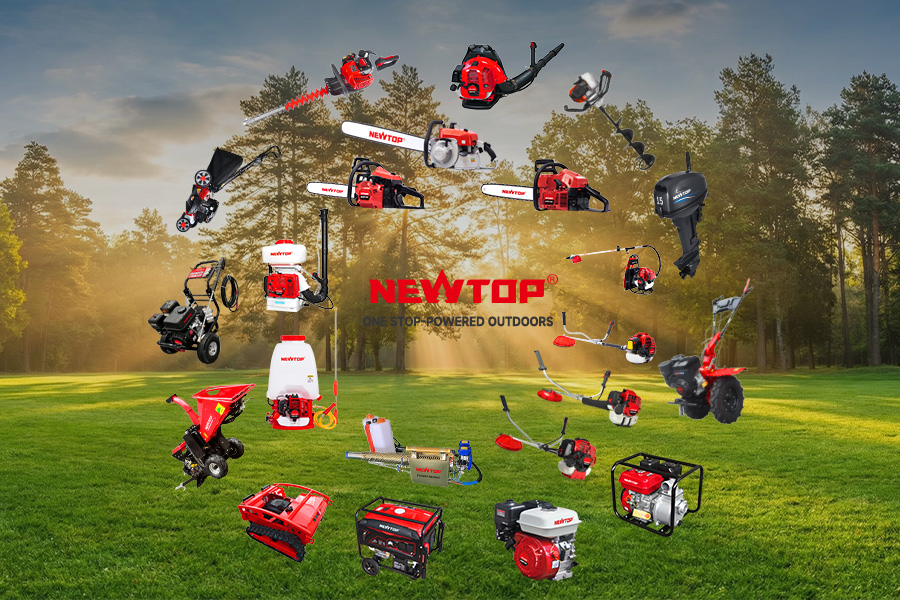
Nel settore delle apparecchiature elettriche per esterni, distribution is not just about moving goods from one place to another. It affects delivery speed, stock availability, spare parts support, and the overall buying experience. Di conseguenza, even a well-made product can struggle in the market if the distribution system behind it is weak.
For manufacturers, distributori, and importers alike, distribution is often what turns a product line into a long-term business.
Why distribution matters in the outdoor power equipment industry
The outdoor power equipment industry serves a wide range of working environments. Forestry, agricoltura, paesaggistico, irrigazione, and construction all rely on machines that are expected to perform consistently in real conditions. Because of that, buyers are not only comparing specifications. They are also looking at whether products can arrive on time, whether spare parts can be supplied later, and whether communication stays efficient after the order is placed.
This is exactly why distribution matters.
A strong distribution system helps products reach the market in a more stable way. It supports repeat orders, reduces avoidable delays, and gives buyers more confidence when planning inventory. Altrettanto importante, it helps manufacturers respond better to changing demand instead of losing opportunities because supply cannot keep up.
For outdoor power equipment manufacturers, this is not a side issue. It is part of market competitiveness.
Outdoor power equipment manufacturers are judged by execution, not only by production
At first glance, manufacturing strength may seem like the main advantage in this industry. Production capacity, component quality, and assembly consistency are certainly important. Tuttavia, these strengths have limited value if products do not move smoothly through the supply chain.
That is the point many buyers understand very clearly.
A distributor or importer does not only ask whether a supplier can make a product. They also want to know whether the supplier can organize shipments efficiently, maintain consistency across orders, and support the market after delivery. If those things are uncertain, even a competitive price may not be enough to build long-term cooperation.
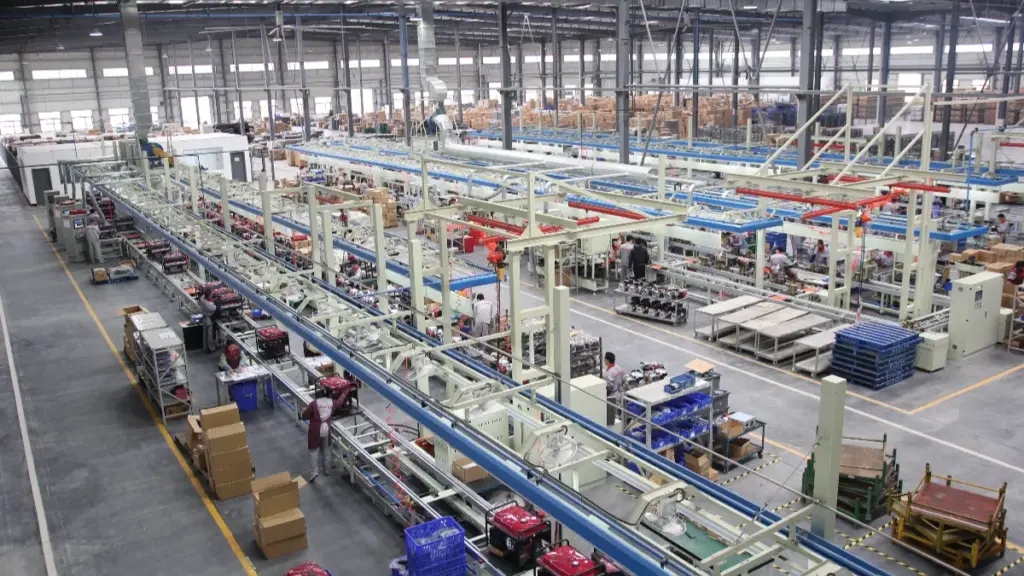
In altre parole, outdoor power equipment manufacturers are increasingly judged not only by what they produce, but also by how well they execute after the order is confirmed.
What buyers should really check before choosing a supplier
This is often the part buyers care about most. In pratica, many supply problems do not start with product quality. They start with weak coordination.
Before placing a formal order, buyers usually look beyond catalogs and quotations. More often, they want to understand whether the supplier can support smooth execution after the order is confirmed. The table below highlights a few areas that buyers tend to check closely.
| What Buyers Check | Perché è importante |
|---|---|
| Mixed order capability | Helps buyers combine different product categories in one shipment and improve purchasing efficiency. |
| Supporto ricambi | Makes after-sales service easier and supports long-term product sales in the local market. |
| Packing confirmation | Reduces mistakes in labeling, confezione, and product configuration before shipment. |
| Lead time clarity | Helps importers plan stock, promotions, and seasonal sales more accurately. |
| Shipment follow-up | Shows whether the supplier can maintain smooth communication after the order is confirmed. |
These points may look basic at first. In realtà, they often reveal more than a brochure does. Per molti importatori, a supplier’s real distribution capability becomes clear during order follow-up and delivery execution.
Distribution affects customer trust from the first order onward
Trust in this industry is rarely built through brochures alone. It grows through actual business experience.
A first sample order may create interest, but the next steps usually matter more. Buyers pay attention to whether details are confirmed clearly, whether packing is handled correctly, and whether lead times are realistic. When these parts of the process run smoothly, trust grows naturally. When they do not, even a good product can lose momentum.
This is one reason distribution has such a direct impact on commercial relationships.
Reliable distribution helps reduce friction in the buying process. Orders are easier to manage, shipment arrangements are more predictable, and customers feel more confident placing repeat orders. Col tempo, that consistency becomes part of the supplier’s reputation.
For outdoor power equipment manufacturers, this is especially important because many buyers are building their own local sales network at the same time. They need stability from the supply side before they can promise stability to their own customers.
Spare parts distribution is just as important as machine distribution
In many industrial categories, the sale does not end when the machine is delivered. In outdoor power equipment, that is even more true.
Motoseghe, decespugliatori, pompe dell'acqua, generatori, spruzzatori, and outboard motors are all used in demanding environments. Wear parts, routine maintenance, and replacements are part of normal operation. Because of that, spare parts supply plays a central role in the long-term success of the product itself.
This is where some suppliers stand out and others fall behind.
If spare parts are difficult to source, dealers become cautious. End users may hesitate to buy again. Local service teams also face more pressure when replacement support is limited. On the other hand, when spare parts distribution is stable, the product becomes easier to sell and easier to maintain in the market.
So while complete machines often attract the first inquiry, parts support is often what shapes long-term confidence. For outdoor power equipment manufacturers, strong spare parts distribution is not just an after-sales issue. It is part of the product strategy.
The hidden cost of weak distribution
Weak distribution does not always create problems immediately, but the cost usually becomes clear over time.
It often leads to issues such as:
- missed selling seasons because replenishment arrives too late
- higher after-sales pressure due to incomplete spare parts support
- avoidable shipment mistakes in packaging or configuration
- slower repeat orders because buyers lose confidence
- extra operating cost caused by poor coordination
This is why experienced buyers often look beyond price. A lower initial cost can quickly lose its advantage if distribution creates repeated problems later.
Why flexibility matters in different markets
Another reason distribution matters is that demand is rarely identical from one market to another.
Some buyers focus on price-sensitive, high-volume models. Others care more about parts availability, packaging details, or compatibility with existing service channels. In alcuni casi, trial orders are the priority. In others, buyers want broader product combinations to test several categories at once.
A causa di ciò, distribution cannot be treated as a fixed process.
Outdoor power equipment manufacturers that understand market variation are usually better positioned to support real customer needs. They can coordinate more practical shipment plans, prepare the right supporting parts, and respond more effectively when order structures change. That does not mean everything needs to be customized. Rather, it means the supply side should be flexible enough to support how different markets actually buy.
Why this matters for NEWTOP
For a company like NEWTOP, distribution is an important part of how products reach and stay in the market.
Come un outdoor power equipment supplier covering categories such as chainsaws, decespugliatori, generatori, pompe dell'acqua, spruzzatori, and related spare parts, NEWTOP works in a business environment where buyers often value consistency as much as the machine itself. Product performance matters, of course. Yet stable supply, clear communication, and practical coordination also shape whether cooperation continues.
That is why distribution deserves attention alongside manufacturing.
Rather than treating shipping and supply support as secondary tasks, it makes more sense to see them as part of the overall customer experience. A product may open the door, but dependable delivery and follow-up support are often what keep the relationship moving forward.
Final thoughts
For outdoor power equipment manufacturers, distribution is not just a background function. It plays a central role in how products perform in the real market.
It influences delivery speed, repeat-order confidence, spare parts support, and long-term customer relationships. Altrettanto importante, it helps manufacturers turn production capability into market continuity. Without that link, even strong products may struggle to build lasting momentum.
That is why distribution deserves more attention than it sometimes gets.
In a practical, service-sensitive industry like this one, buyers do not only need equipment. They need a supply partner that can help products move reliably, arrive consistently, and remain supportable after the sale. For manufacturers such as NEWTOP, that is part of what makes distribution worth getting right.
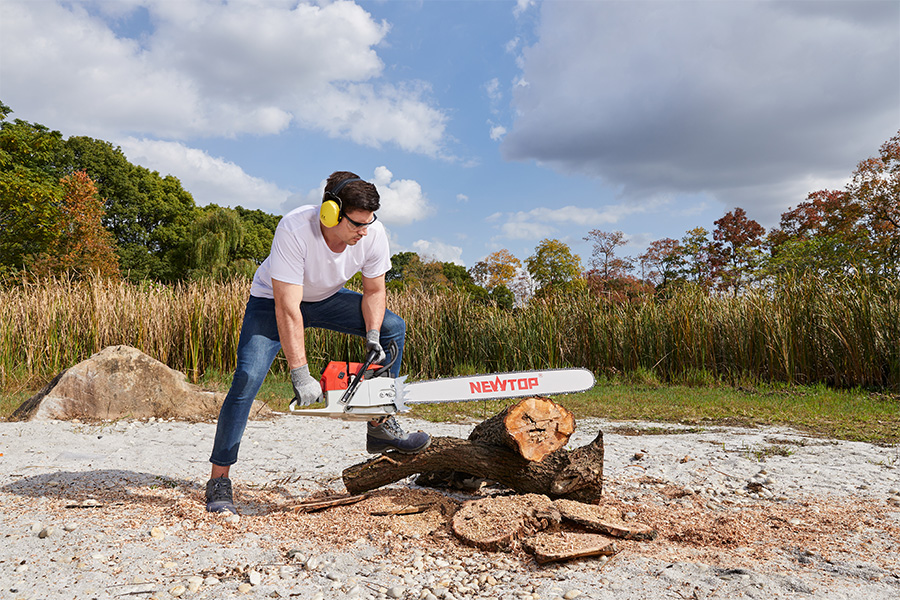
I produttori di motoseghe in Cina svolgono un ruolo importante nel settore globale delle attrezzature elettriche per esterni. Con filiere mature, capacità produttiva su larga scala, e costi di produzione competitivi, La Cina è diventata una delle destinazioni di approvvigionamento più importanti per motoseghe e relativi utensili da taglio.
Per i distributori, importatori, e marchi di attrezzature, lavorare con produttori affidabili di motoseghe in Cina fornisce l'accesso a un ampio ecosistema di attrezzature forestali, attrezzi da giardino, E macchine per il taglio del legno.
Questa guida presenta dieci importanti aziende coinvolte nel settore delle motoseghe e degli utensili da taglio in Cina. Mentre alcune aziende sono specializzate in sistemi completi di motoseghe, altri producono strumenti di supporto comunemente usati nella silvicoltura, paesaggistico, e lavori di lavorazione del legno.
Confronto rapido: Produttori di motoseghe in Cina
Di seguito è riportata una rapida panoramica di alcune importanti aziende coinvolte nell’ecosistema delle motoseghe e degli utensili da taglio in Cina. Questo confronto aiuta gli acquirenti a comprendere rapidamente l'attenzione e i punti di forza dei diversi produttori.
| Produttore | Categoria prodotto principale | Focus sul settore | Vantaggio chiave |
| NEWTOP | Benzina & Motoseghe a batteria | Attrezzatura elettrica per esterni | Piattaforma unica per attrezzature da esterno |
| Grande Stella | StrumentiSeghe a mano & Attrezzi da giardino | Strumenti professionali | Rete di distribuzione globale |
| Zhang Xiaoquan | Strumenti di potatura | Utensili da taglio da giardino | Noto marchio cinese di utensili da taglio |
| Sichuan Tianyu | Catene per seghe | Componenti della motosega | Produzione di catene specializzate |
| Huafeng Grande Mondo | Lame per seghe circolari | Utensili da taglio industriali | Soluzioni per la lavorazione del legno |
| Strumenti più resistenti | Utensili manuali professionali | Costruzione & Lavorazione del legno | Ampio portafoglio di utensili manuali |
| Strumenti Honglong | Seghe da potatura | Strumenti paesaggistici | Utensili da taglio per frutteto e giardino |
| Strumenti giganti | Strumenti per l'orticoltura | Attrezzature da giardino | Strumenti per la manutenzione del paesaggio |
| Tutti gli strumenti | Utensili elettrici fai da te | Miglioramento della casa | Utensili da taglio elettrici per utenti fai da te |
| Soteck | Seghe a mano | Strumenti per la lavorazione del legno | Utensili da taglio di precisione |
1. NEWTOP
Tra i tanti produttori di motoseghe in Cina, NEWTOP si distingue come fornitore in rapida crescita di apparecchiature elettriche professionali per esterni. L'azienda si concentra sullo sviluppo di motoseghe affidabili per la silvicoltura, agricoltura, paesaggistico, e ambienti di lavoro esterni impegnativi.
NEWTOP produce una vasta gamma di motoseghe a benzina e motoseghe a batteria al litio, coprendo sia i modelli per il taglio pesante che gli strumenti leggeri a batteria progettati per la manutenzione del giardino e la potatura del frutteto. Queste macchine sono progettate per una produzione stabile, prestazioni del motore durevoli, ed efficiente taglio in una varietà di condizioni di lavoro.
Ciò che rende NEWTOP particolarmente attraente per i distributori internazionali è la sua piattaforma unica di attrezzature per esterni alimentate. Oltre le motoseghe, l'azienda produce anche un'ampia gamma di attrezzature per esterni correlate, compresi i decespugliatori, irroratrici agricole, tosaerba, pompe dell'acqua, generatori, e motori fuoribordo.
Di conseguenza, questo ecosistema di prodotti integrato consente ai partner di consolidare l'approvvigionamento sotto un unico fornitore, semplificazione degli appalti, logistica, e supporto post-vendita.
NEWTOP gestisce un sistema strutturato di sviluppo e produzione del prodotto che copre le ricerche di mercato, progettazione del prodotto, validazione tecnica, produzione pilota, e la produzione di massa su vasta scala. Con linee di produzione automatizzate e moderni impianti di lavorazione, l'azienda mantiene una qualità del prodotto costante per i mercati internazionali.
Oggi, I prodotti NEWTOP vengono esportati in più di 65 Paesi, con forti reti di distribuzione in America Latina, Africa, e Sud-Est asiatico. Combinando la capacità produttiva con una piattaforma di prodotti diversificata, NEWTOP continua a rafforzare la propria posizione tra i produttori emergenti di motoseghe in Cina.
Prodotti chiave
- Motoseghe a benzina
- Motoseghe a batteria al litio
- Attrezzature per il taglio forestale
- Soluzioni complete per apparecchiature elettriche per esterni
2. Strumenti GreatStar
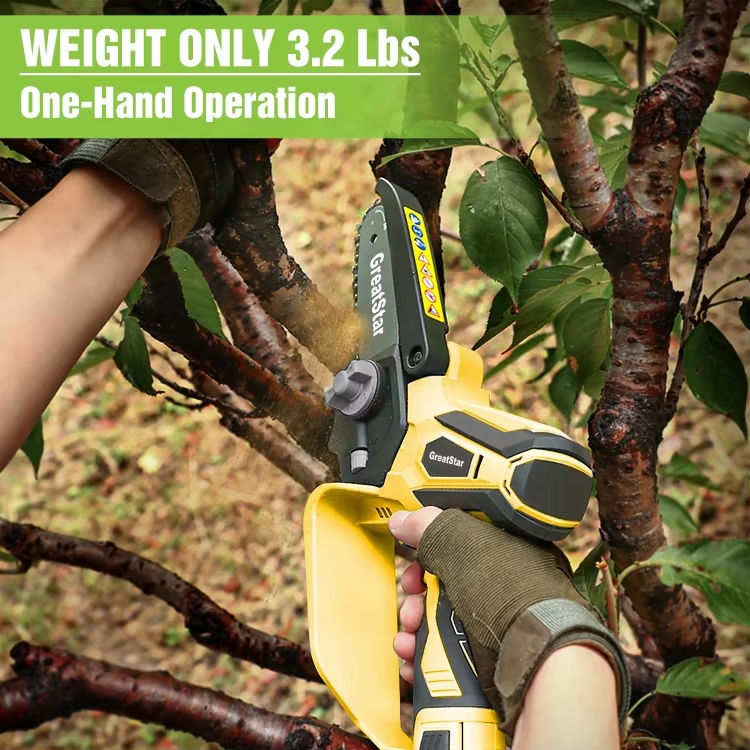
GreatStar Tools è un grande produttore cinese noto per la distribuzione globale di utensili manuali professionali. L'azienda produce una vasta gamma di utensili da taglio utilizzati nella lavorazione del legno, paesaggistico, e costruzione.
La loro gamma comprende seghe a mano e strumenti per potatura che vengono spesso utilizzati insieme alle motoseghe per lavori di taglio e finitura di precisione.
Area di messa a fuoco
- Seghe a mano
- Utensili da taglio da giardino
- Sistemi di utensili professionali
3. Zhang Xiaoquan Inc.
Zhang Xiaoquan è uno dei marchi cinesi di utensili da taglio più affermati. L'azienda produce forbici di precisione, cesoie da potatura, e utensili da taglio da giardino ampiamente utilizzati in orticoltura e paesaggistica.
Questi strumenti sono comunemente usati per lavori di rifinitura dettagliati dove non sono necessarie le motoseghe.
Area di messa a fuoco
- Cesoie da potatura
- Forbici da giardino
- Utensili da taglio per frutteto
4. Sichuan Tianyu Oleochemical Co., Ltd.
Sichuan Tianyu produce catene per seghe e componenti di taglio ampiamente utilizzati dai produttori di attrezzature per motoseghe e dai distributori aftermarket.
Le catene di alta qualità svolgono un ruolo fondamentale nel ridurre l'efficienza e la durata. Pertanto, rendendo i fornitori come Tianyu una parte importante della catena di fornitura delle attrezzature forestali.
Area di messa a fuoco
- Catene per seghe
- Componenti da taglio
- Accessori per attrezzature forestali
5. Zhejiang Huafeng Big World Tools Co., Ltd.
Huafeng Big World Tools è specializzato in lame per seghe circolari e utensili da taglio industriali utilizzati nei settori della lavorazione del legno e dell'edilizia.
I loro prodotti sono ampiamente utilizzati negli impianti di lavorazione del legno e nelle officine in cui è essenziale un taglio efficiente del legno.
Area di messa a fuoco
- Lame per seghe circolari
- Utensili da taglio industriali
- Attrezzature per la lavorazione del legno
6. Shanghai Harden Tools Co., Ltd.
Harden Tools produce una vasta gamma di utensili manuali professionali utilizzati nell'edilizia, lavorazione del legno, e paesaggistico.
Le loro seghe e utensili da taglio sono progettati per garantire durata e prestazioni costanti in ambienti difficili.
Area di messa a fuoco
- Seghe a mano
- Attrezzi da giardino
- Kit di strumenti professionali
7. Jinhua Honglong Strumenti Co., Ltd.
Honglong Tools produce seghe da potatura e seghe pieghevoli ampiamente utilizzate nel settore paesaggistico, manutenzione del frutteto, e lavori di giardinaggio.
Questi strumenti completano l'uso della motosega in molte attività di silvicoltura e orticoltura.
Area di messa a fuoco
- Seghe pieghevoli
- Seghe da potatura
- Utensili da taglio da giardino
8. Ningbo Jiangbei Giant Tools Co., Ltd.
Giant Tools produce utensili da taglio per l'orticoltura ampiamente utilizzati nel giardinaggio e nel paesaggismo.
I loro prodotti supportano le attività di manutenzione comunemente eseguite insieme alle operazioni con la motosega.
Area di messa a fuoco
- Attrezzi per potatura da giardino
- Attrezzature per l'orticoltura
- Utensili da taglio per paesaggistica
9. Hangzhou Allsome Tools Co., Ltd.
Allsome produce una gamma di utensili elettrici fai-da-te progettati per il miglioramento della casa e attività leggere di lavorazione del legno.
Inoltre, i loro utensili da taglio elettrici sono comunemente usati per il taglio del legno su piccola scala in ambienti residenziali.
Area di messa a fuoco
- Utensili elettrici fai da te
- Utensili da taglio elettrici
- Attrezzature per la lavorazione del legno
10. Soteck Corporation
Soteck è nota per la produzione di seghe manuali di precisione utilizzate nella lavorazione del legno e nella manutenzione del giardino.
Questi strumenti vengono spesso utilizzati per tagli dettagliati dove le motoseghe non sono necessarie.
Area di messa a fuoco
- Seghe a mano
- Seghe pieghevoli
- Strumenti per la lavorazione del legno
Perché i produttori di motoseghe in Cina guidano il mercato globale
L’industria delle apparecchiature elettriche per esterni in Cina continua ad evolversi rapidamente. Oggi, molti produttori di motoseghe in Cina stanno investendo in molti settori. Per esempio, tecnologia del motore, sistemi di produzione automatizzati, e innovazioni relative alle batterie al litio.
Allo stesso tempo, l’ecosistema più ampio di strumenti forestali, attrezzature da giardino, e le macchine da taglio continuano a crescere insieme alla produzione di motoseghe.
Per i distributori che cercano produttori affidabili di motoseghe in Cina, le aziende che combinano una forte capacità produttiva con piattaforme di prodotto diversificate sono partner sempre più attraenti.
Produttori come NEWTOP dimostrano come i fornitori possano andare oltre i singoli prodotti e trasformarsi in partner completi di apparecchiature elettriche per esterni per i mercati globali.
For many international buyers, cooperation with a new supplier often begins with a small trial order. Starting with spare parts instead of complete machines can help reduce shipping costs while allowing both sides to build trust step by step.
This case shows how a distributor successfully sourced chainsaw and brush cutter spare parts from NEWTOP by starting with a practical trial order and adjusting the purchasing strategy during the negotiation process.

Key Takeaways
- A Mexican buyer initially planned to import chainsaws and brush cutters with DDP delivery.
- After discussing freight costs and order risks, both sides agreed to start with spare parts instead of complete machines.
- The NEWTOP team assisted with product specifications, packaging details, and color adjustments.
- Shipping was arranged using the customer’s own freight forwarder, helping control logistics costs.
- The buyer completed a trial order worth nearly USD 2,000, marking the first step toward potential long-term cooperation.
Initial Inquiry for Chainsaw and Brush Cutter Products
The cooperation began when a buyer from Mexico contacted us through our website to inquire about chainsaws and decespugliatori.
During the early stage of communication, the customer expressed interest in purchasing complete machines and asked whether DDP delivery could be arranged so the products could arrive directly at their warehouse.
While this shipping method can simplify logistics for buyers, the estimated freight cost for complete machines was relatively high. After reviewing the details together, we discussed alternative solutions that could make the first transaction more practical.
Why the Buyer Chose Chainsaw and Brush Cutter Spare Parts
To reduce shipping costs and purchasing risk, both sides decided to start with chainsaw and brush cutter spare parts instead of full machines.
This approach offered several advantages:
·Lower freight costs
Spare parts shipments are lighter and easier to transport compared with complete outdoor power equipment machines.
·Lower purchasing risk
A trial order allows buyers to test product quality and supplier reliability before committing to larger orders.
·Faster preparation
Smaller shipments can be prepared and dispatched more quickly.
For many distributors working with a new chainsaw and brush cutter spare parts supplier, starting with spare parts is a practical first step.
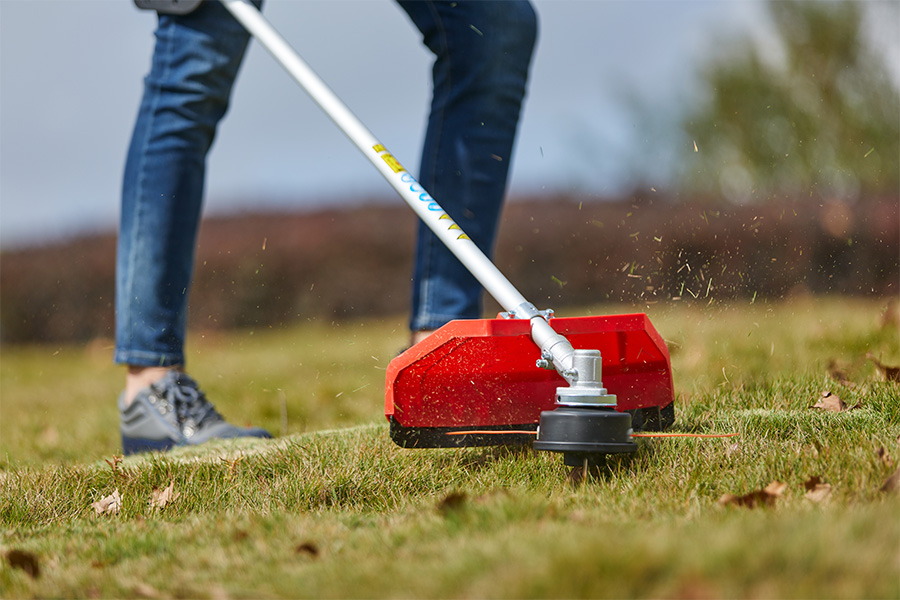
Confirming Chainsaw and Brush Cutter Spare Parts Specifications
After adjusting the purchasing plan, the NEWTOP team assisted the buyer in confirming the exact spare parts required.
During this stage we helped verify:
- Spare part models for chainsaws and brush cutters
- Product compatibility
- Packaging requirements
- Requested color adjustments
Each detail was confirmed carefully to ensure the buyer would receive the correct products.
Timely responses and clear communication helped the customer feel confident throughout the process.
Coordinating Logistics with the Customer’s Freight Forwarder
To further control transportation costs, the buyer preferred to arrange shipment through their own freight forwarder.
The NEWTOP team cooperated closely with the logistics partner and provided all necessary shipping information, compreso:
- Carton dimensions and weights
- Packing details
- Pickup scheduling adjustments
This coordination helped ensure the shipment could be arranged smoothly while keeping freight costs under control.
Closing the First Trial Order
After confirming all product and logistics details, the buyer requested a payment link to proceed with the order.
The first trial order, valued at nearly USD 2,000, included several spare parts for chainsaws and brush cutters.
Once payment was received, the NEWTOP team arranged packing and coordinated shipment with the buyer’s freight forwarder.
This successful order marked the beginning of cooperation between both sides.
Common Chainsaw and Brush Cutter Parts Ordered by Distributors
When distributors begin cooperation with a new supplier, spare parts are often the most practical starting point.
Some commonly ordered components include:
Chainsaw spare parts
- Starter assemblies
- Carburatori
- Clutch components
- Chains and guide bars
Brush cutter spare parts
- Gear heads
- Trimmer heads
- Fuel tanks
- Air filters
Ordering spare parts first allows buyers to test product quality and compatibility before expanding to larger equipment purchases.
Looking Ahead to Future Cooperation
In international trade, the most important milestone is not the first order but the repeat orders that follow successful cooperation.
By starting with spare parts, the buyer can evaluate product quality and market response before expanding into larger purchases such as complete chainsaws, decespugliatori, e altre apparecchiature elettriche per esterni.
Per NEWTOP, supporting distributors with reliable products and responsive service remains an important part of building long-term partnerships.
Domande frequenti
·Why do many distributors start with spare parts instead of complete machines?
Starting with spare parts helps reduce purchasing risks and shipping costs. Buyers can test product quality before placing larger equipment orders.
·Can chainsaw and brush cutter spare parts be shipped more easily than full machines?
SÌ. Spare parts are generally lighter and require less shipping space, making them easier and more cost-effective to transport internationally.
·What should buyers confirm before ordering outdoor power equipment parts?
Buyers should confirm product compatibility, specifications, packaging requirements, and shipping arrangements to ensure the correct parts are delivered.
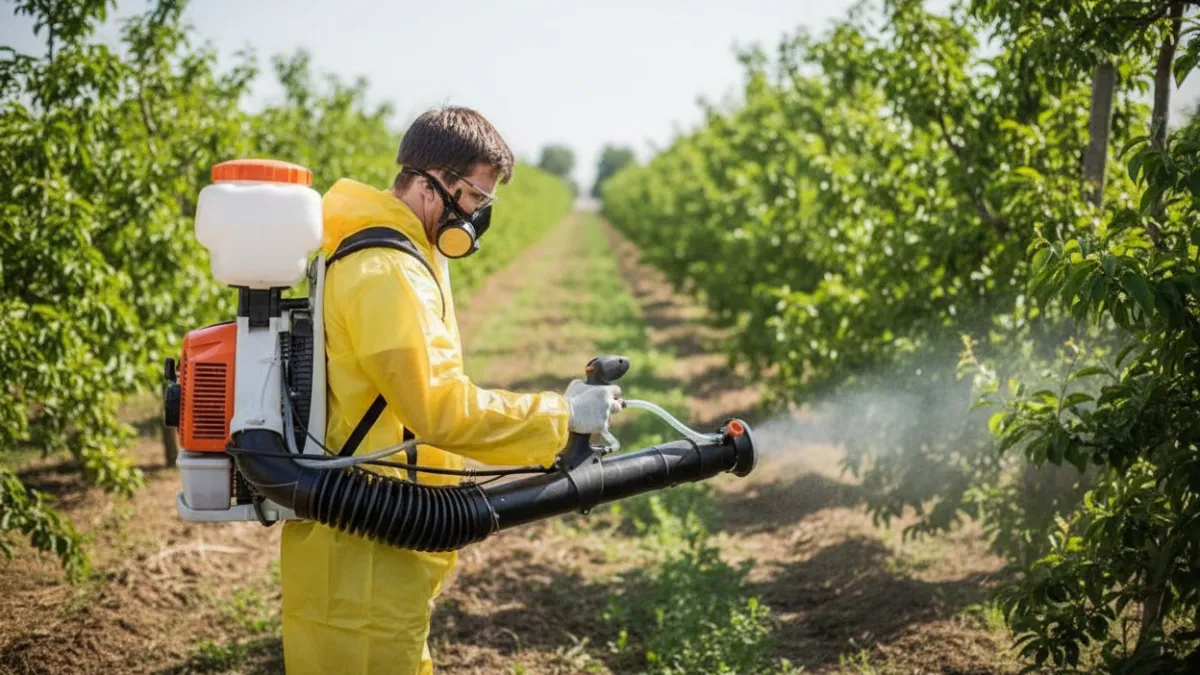
Choosing the right backpack sprayer manufacturer can make or break your spraying program. Whether you manage orchards, colture in fila, serre, or public health projects, you need reliable equipment that delivers consistent coverage, withstands harsh chemicals, and is comfortable for operators to use day after day.
In questa guida, we’ve shortlisted ten leading backpack sprayer manufacturers across Europe, the Americas, Africa, and Asia, so you can quickly compare their locations, product ranges, and MOQs and then decide which partner best matches your technical requirements and market positioning.
Quick Overview of the 10 Produttori di spruzzatori a spalla
| Produttore | Region | MOQ | Prodotti principali |
|---|---|---|---|
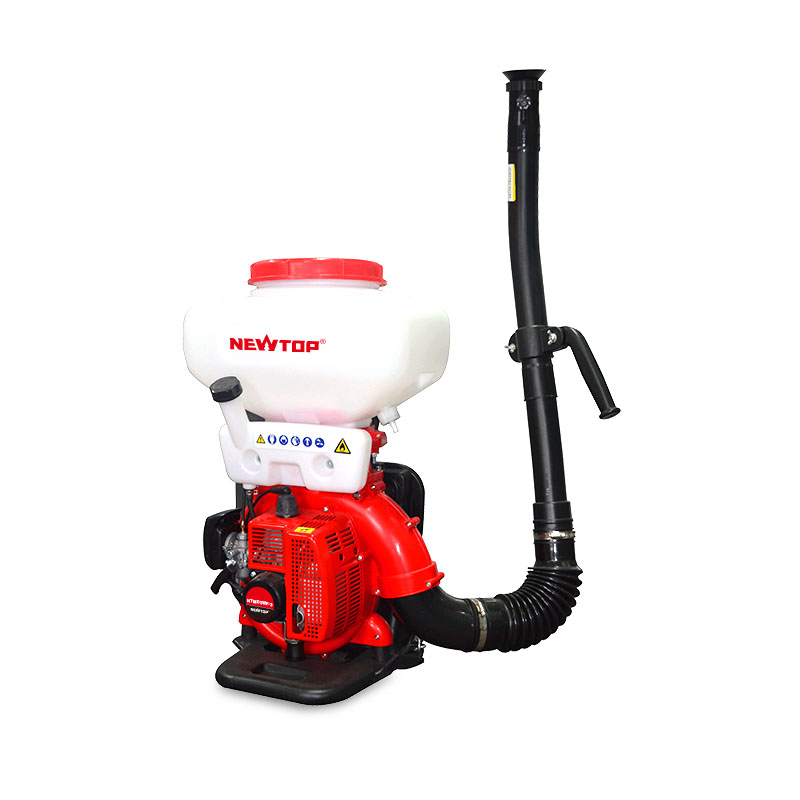
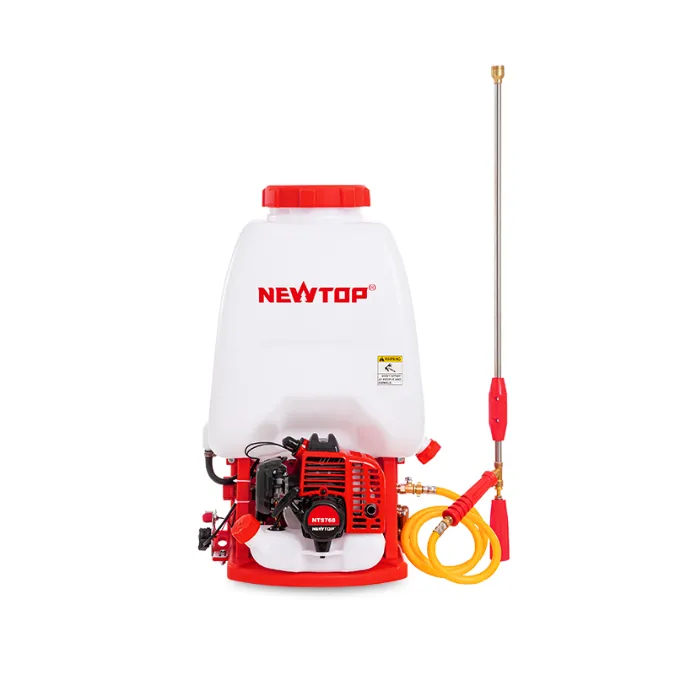
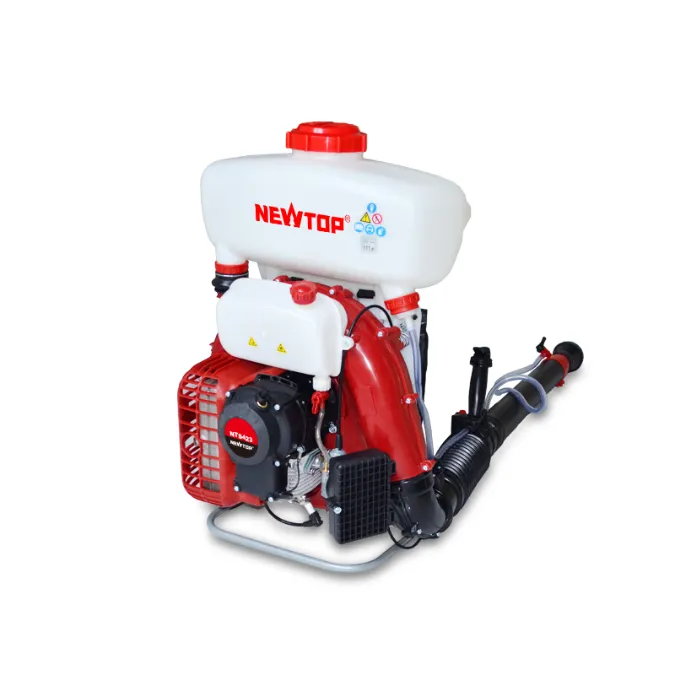
| NEWTOP | Shangai, Cina | 50–100 units for regular OEM orders (flexible for new projects) | Manual backpack sprayers, gasoline backpack sprayers, mist dusters, power sprayers, battery backpack sprayers |
| Birchmeier | Switzerland | Typically large orders, varies by region | Manual and battery backpack sprayers, compression sprayers, foamers, dosing equipment |
| Solo | Germania | Typically large orders, varies by region | Manual and motorized backpack sprayers, misters, handheld sprayers, small engines |
| Jacto | Brasile (with regional operations in North America and Africa) | Typically large orders, varies by region | Manual backpack sprayers, irroratrici a spalla, tractor-mounted sprayers, self-propelled sprayers |
| AMS – Agricultural Manufacturing & Spruzzatori | Mexico | Typically large orders, varies by region | Agricultural sprayers, backpack sprayers, fumigation and spraying systems |
| LA Hardman Farming Equipment | Zambia | Typically large orders, varies by region | Knapsack/backpack sprayers, farm tools, agricultural implements |
| Mesto | Germania | Typically large orders, varies by region | Backpack sprayers, compression sprayers, industrial sprayers for construction and cleaning |
| ECHO Latin America | Latin America regional operations (HQ in Japan/USA) | Typically large orders, varies by region | Manual backpack sprayers, handheld sprayers, apparecchiature elettriche per esterni |
| The Fountainhead Group | Stati Uniti | Typically large orders, varies by region | Backpack sprayers, pump sprayers, nebulizzatori, specialty sprayers |
| Chapin International | Stati Uniti | Typically large orders, varies by region | Backpack sprayers, handheld sprayers, spreaders, industrial and ice-melt sprayers |
NEWTOP
Raccomandazione: ☆☆☆☆☆
Posizione: Shangai, Cina
Prodotti principali: Manual backpack sprayers, gasoline backpack sprayers, mist dusters, ecc.
MOQ: 50–100 units for regular OEM orders (can be flexible for new projects)
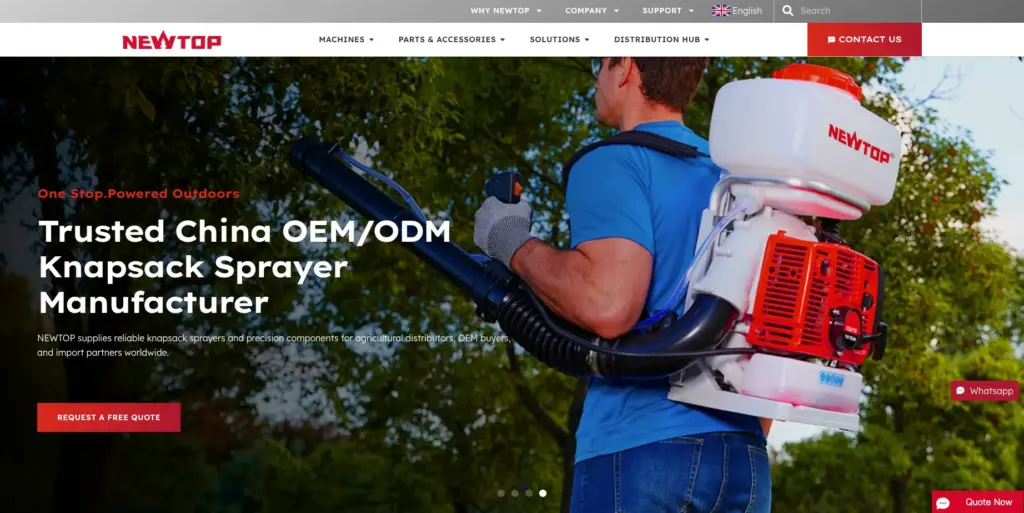
Fondato nel 2003, NEWTOP is a specialist outdoor power equipment manufacturer with a strong focus on backpack sprayers and agricultural mist blowers. With in-house R&D, molding, machining, assembly and testing capabilities, NEWTOP supports full OEM and private label customization for global distributors in markets such as South America, Africa and Southeast Asia.
NEWTOP’s backpack sprayers, including gasoline-powered models like NTS3WF-3, NTS423 and NTS768 series, are engineered for large-area crop protection, mosquito control and sanitation spraying. The factory is certified to international standards and offers flexible order quantities, tailored branding, color customization and accessory combinations, making it a one-stop partner for importers, wholesalers and equipment dealers who need reliable manufacturing and marketing support.
| What We Love | Things to Consider |
|---|---|
| Strong OEM and private label customization with flexible design, color and branding options. | Production base in China means buyers need to plan around sea freight and lead times. |
| Wide portfolio covering gasoline and battery backpack sprayers for multiple applications. | Customization projects usually require higher MOQs and more detailed coordination. |
| Export experience to emerging markets, familiar with agricultural and pest control needs. | Certification and documentation requirements vary by destination market and must be clarified in advance. |
Birchmeier
Raccomandazione: ☆☆☆☆☆
Posizione: Switzerland
Prodotti principali: Manual and battery backpack sprayers, compression sprayers, foamers, dosing equipment
MOQ: Typically pallet-based quantities for professional/B2B orders (varies by model and region)
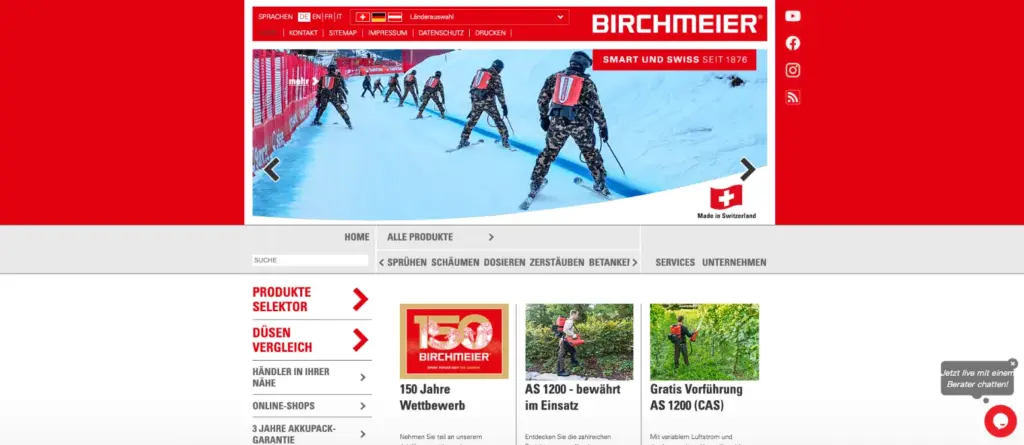
Birchmeier is a Swiss spraying equipment manufacturer with more than 140 years of history, recognized globally for precision and durability. The company designs and manufactures its sprayers in Switzerland, combining metalworking, plastics and assembly in-house to maintain strict quality control for professional users.
Its backpack sprayers are widely used in agriculture, orticoltura, pest control and construction, where long service life and serviceability are critical. Birchmeier supports distributors and professional dealers with spare parts availability, technical training and a broad product portfolio, making it a reliable choice for importers and service companies targeting high-end markets.
Solo

Raccomandazione: ☆☆☆☆
Posizione: Germania
Prodotti principali: Manual and motorized backpack sprayers, misters, handheld sprayers, small engines
MOQ: Case or pallet quantities via regional partners
SOLO specializes in plant protection and care equipment, with headquarters and core manufacturing based in Germany. Suo backpack sprayers are built around robust tanks, ergonomic harness systems and reliable pumping components, making them suitable for intensive use in agriculture and landscaping.
The company has a long-standing presence in global markets, offering a clear product hierarchy from basic manual sprayers to advanced motorized units. This structure makes model selection straightforward for different application levels, from small farms to professional contractors, and supports consistent quality expectations across regions.
Jacto
Raccomandazione: ☆☆☆☆☆
Posizione: Brasile (with regional operations in North America and Africa)
Prodotti principali: Manual backpack sprayers, irroratrici a spalla, tractor-mounted sprayers, self-propelled sprayers
MOQ: Container-level or distributor-based quantities for export
Jacto is a leading Brazilian manufacturer of agricultural spraying equipment, originating from the country’s commercial farming sector. Its product line stretches from compact manual backpack sprayers to advanced self-propelled field sprayers, giving the company extensive experience in crop protection technology.
Backpack models such as the HD and XP series are widely used in coffee, fruit and row-crop production across South America, Africa and other regions. Designs are optimized for tropical and subtropical environments, emphasizing robustness, comfort and ease of maintenance. This agricultural focus makes Jacto a strong reference whenever professional farm spraying solutions are required.
AMS – Agricultural Manufacturing & Spruzzatori

Raccomandazione: ☆☆☆☆
Posizione: Mexico
Prodotti principali: Agricultural sprayers, backpack sprayers, fumigation and spraying systems
MOQ: Negotiable based on project scope and product line
AMS is a Mexico-based company dedicated to the manufacture, import and sale of agricultural spraying and fumigation equipment. Its systems often incorporate well-known components such as Comet pumps and Geoline accessories, combining local manufacturing with recognized international parts.
The company focuses on practical, field-ready spraying solutions tailored to regional crops and farming practices in Mexico and surrounding countries. For buyers seeking a Latin American manufacturing and integration partner, AMS offers a balance between local support, technical capability and proximity to end markets in the Americas.
LA Hardman Farming Equipment

Raccomandazione: ☆☆☆
Posizione: Zambia
Prodotti principali: Knapsack/backpack sprayers, farm tools, agricultural implements
MOQ: Carton or pallet quantities, depending on regional demand
LA Hardman Africa operates from Lusaka as a supplier of agricultural equipment, including knapsack sprayers designed for local farming conditions. Its product mix targets smallholder and medium-sized farmers, where simple, durable designs and accessible pricing are essential.
Beyond sprayers, the company offers various farm tools, enabling bundled equipment solutions for rural development projects, cooperatives and agri-input dealers. This local and regional focus makes LA Hardman relevant for programs that need on-the-ground presence and an understanding of African agriculture.
Mesto
Raccomandazione: ☆☆☆☆
Posizione: Germania
Prodotti principali: Backpack sprayers, compression sprayers, industrial sprayers for construction and cleaning
MOQ: Standard B2B order sizes; pallet or mixed-product orders
Mesto is a German knapsack sprayer manufacturer with over a century of experience, producing equipment for gardening, agricoltura, construction and industrial cleaning. Its production facilities integrate injection molding, metalworking and final assembly, which helps maintain consistent quality and reliable performance across product lines.
Backpack sprayers from Mesto are often specified for chemical handling, façade cleaning and professional maintenance work, alongside more traditional horticultural applications. The brand’s emphasis on ergonomics, chemical resistance and safety features makes it suitable for professional environments where compliance and operator comfort matter.
ECHO Latin America
Raccomandazione: ☆☆☆☆
Posizione: Latin America regional operations (global HQ in Japan/USA)
Prodotti principali: Manual backpack sprayers, handheld sprayers, apparecchiature elettriche per esterni
MOQ: Distributor-level orders within regional programs
ECHO is a global outdoor power equipment manufacturer, and its Latin American division offers backpack and handheld sprayers as part of a broader professional equipment portfolio. Sprayers are designed to complement chainsaws, brush cutters and blowers, giving dealers a one-stop offering for landscaping, agriculture and grounds maintenance.
The Latin American focus ensures that product specifications and support are aligned with regional climates, crops and working conditions. Buyers who value brand consistency across multiple equipment categories frequently choose ECHO to standardize their offerings and simplify training and service.
The Fountainhead Group
Raccomandazione: ☆☆☆☆☆
Posizione: Stati Uniti
Prodotti principali: Backpack sprayers, pump sprayers, nebulizzatori, specialty sprayers
MOQ: Distributor or program-based quantities; negotiable for specific projects
The Fountainhead Group has been involved in liquid application equipment since the late 19th century, evolving into a specialized manufacturer of backpack sprayers, pump sprayers and foggers. Its products appear under several well-known brands and serve both residential and professional segments.
In-house engineering and production allow the company to develop purpose-built spraying platforms that can be adapted to different chemicals and usage scenarios. Long-term cooperation with major retailers and distributors has also led to mature logistics, quality systems and packaging solutions that can support scaled programs.
Chapin International
Raccomandazione: ☆☆☆☆☆
Posizione: Stati Uniti
Prodotti principali: Backpack sprayers, handheld sprayers, spreaders, industrial and ice-melt sprayers
MOQ: Pallet or container quantities, depending on catalog and market
Chapin International is a U.S.-based manufacturer with roots going back to the late 1800s, operating production facilities in the United States for sprayers and spreaders. Professional backpack sprayers from Chapin are built for lawn care, paesaggistico, agriculture and industrial maintenance, with variants compatible with fertilizers, herbicides and other chemicals.
The company emphasizes durable tanks, reliable seals and practical maintenance features, helping reduce downtime in intensive-use environments. A broad catalog and established relationships with distributors and retailers make it relatively easy to match different market segments with appropriate product lines while maintaining a consistent source of supply.
How to Choose the Right Backpack Sprayer Manufacturer?
Understand Your Application and Capacity Needs
Before contacting any backpack sprayer manufacturer, clarify how the sprayers will be used: crop type, target pests, spray volume, and expected daily workload. High-acreage farms, plantation work, and public health campaigns typically require more durable engines, larger tanks, and higher flow rates than occasional landscaping jobs. A manufacturer that understands your segment can recommend the right pressure range, nozzle options, and configurations instead of a one-size-fits-all model.
Check Product Quality, Materiali, and Design
Tank material, pump design, sigilli, and nozzles directly affect service life and safety. Look for chemical‑resistant plastics, robust pump mechanisms, and comfortable harness systems that reduce operator fatigue during long shifts. It is also worth checking whether the backpack sprayer manufacturer offers both manual and motorized or battery options, so you can match different markets and regulations with appropriate designs.
Evaluate Certifications, Conformità, and Testing
For export projects, certifications such as CE marking and relevant local safety or emissions standards are essential. A dependable backpack sprayer factory should have documented test procedures for pressure, leakage, and chemical resistance, plus clear user manuals and safety labels in the languages you need. This not only reduces liability risk but also makes customs clearance and market access smoother.
Consider OEM/ODM Capability and MOQ Flexibility
If you plan to build or grow your own brand, prioritize manufacturers that support OEM/ODM services, including logo printing, color customization, and packaging design. Clarify minimum order quantities for standard models vs. customized versions, and check how flexible they are for pilot orders or new market tests. Good partners will help you standardize models and spare parts so that training, inventory, and after‑sales become easier over time.
Review After-Sales Service and Spare Parts Support
Even the best sprayers need maintenance, so spare parts availability and technical support are critical. Ask how long key components will be supplied, what documentation is available, and whether the backpack sprayer manufacturer can provide training resources for your service team or end users. Strong after‑sales support protects your reputation and keeps your total cost of ownership under control.
Considerazioni finali
A reliable backpack sprayer supplier can directly influence yield, labor efficiency, e la soddisfazione del cliente, so the decision is worth careful planning. Instead of chasing the cheapest catalogue, it pays to work with a professional outdoor power equipment manufacturer that understands real field conditions, can keep quality consistent from batch to batch, and is willing to fine‑tune models for different crops and regulations.
If you’re looking for an OEM partner that combines flexible branding with proven backpack sprayer platforms for agriculture and pest control, NEWTOP can help you develop the right models for your market and support you from design through mass production. Reach out to NEWTOP to discuss your target crops, required specifications, and volume plan, and turn your next backpack sprayer project into a scalable, long‑term program.
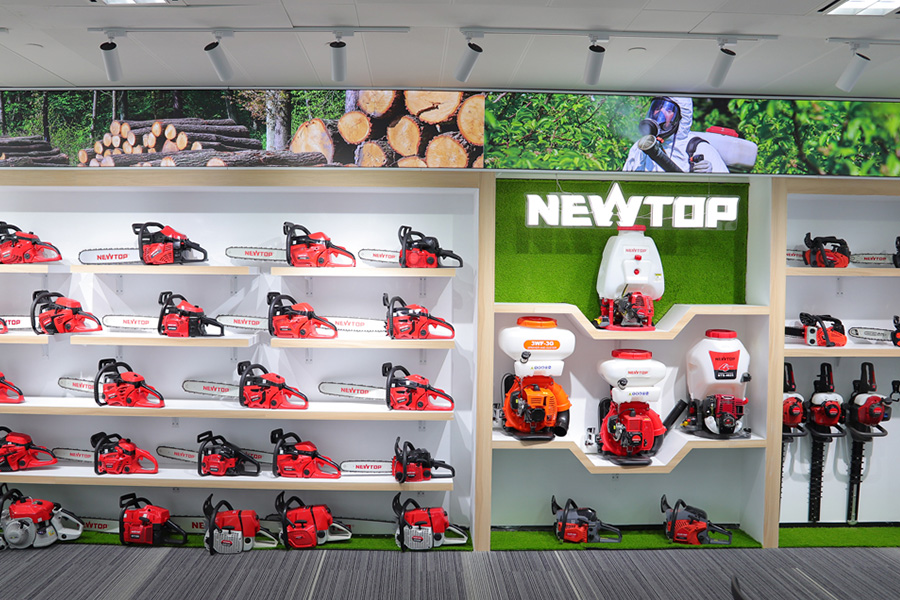
In molte regioni del mondo, la creazione di un'attività di distribuzione di macchine da giardino inizia con una decisione fondamentale: scegliere il giusto fornitore di macchine da giardino. Man mano che le città si espandono e la domanda di paesaggistica continua ad aumentare, i distributori che lavorano con fornitori affidabili ottengono un chiaro vantaggio nella stabilità del prodotto, supporto post-vendita, e crescita a lungo termine. Oggi, la distribuzione di macchine da giardino non riguarda più il commercio a breve termine, ma sulla creazione di un sistema affidabile basato sulla fiducia e sul servizio.
Sia nei mercati emergenti che in quelli maturi, le attrezzature da giardino e paesaggistica sono diventate una categoria aziendale resiliente. Progetti di infrastrutture pubbliche, paesaggistica commerciale, e la cura dei giardini residenziali contribuiscono tutti a una domanda costante. A causa di questa stabilità, sempre più imprenditori e commercianti regionali vedono la distribuzione come un’opportunità che merita un serio investimento. Tuttavia, il successo dipende meno dall’ambizione e più dall’esecuzione.
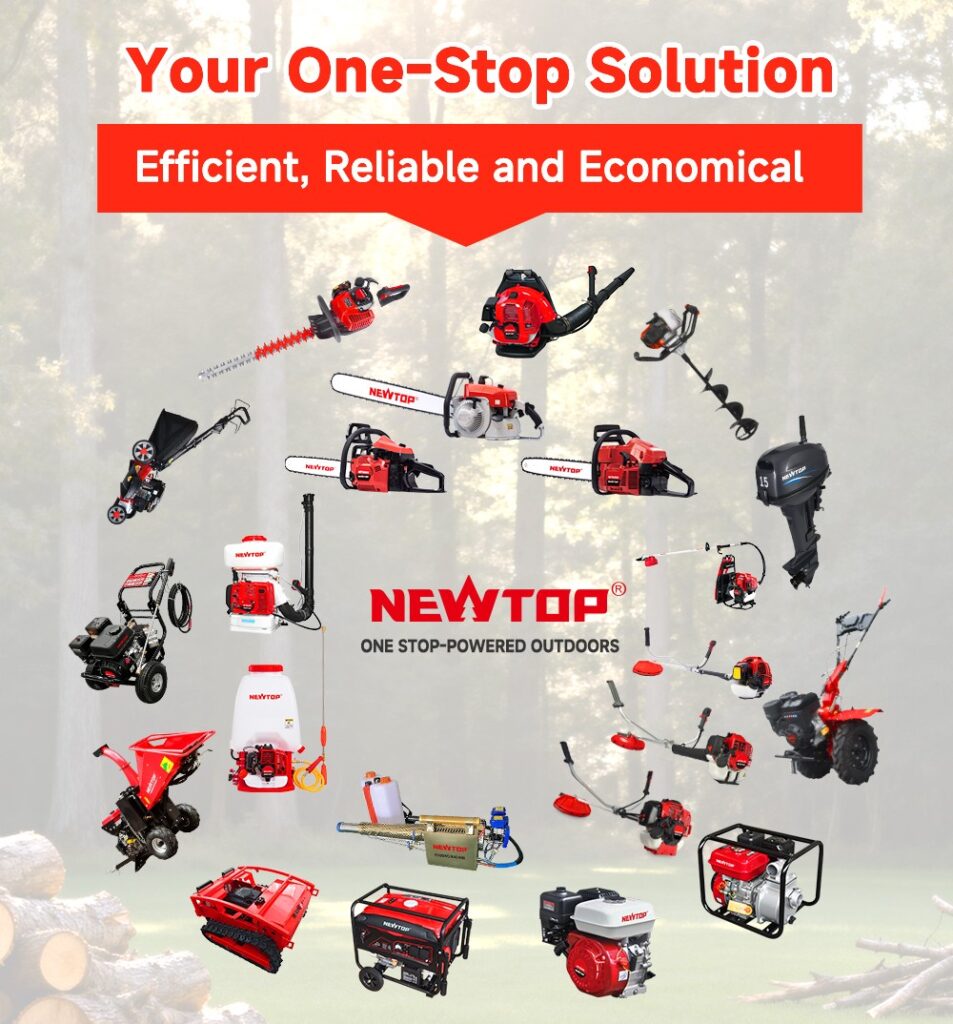
Perché scegliere il giusto fornitore di macchine da giardino è importante
Sebbene i marchi globali attirino l'attenzione, i distributori locali continuano a influenzare la maggior parte delle decisioni di acquisto. Le macchine da giardino lavorano in condizioni impegnative, spesso per lunghe ore e con manutenzione limitata. Per questo motivo, gli acquirenti si preoccupano molto di più dell'accesso ai pezzi di ricambio e della risposta del servizio rispetto alle affermazioni di marketing.
In Africa e America Latina, gli operatori in genere utilizzano le apparecchiature quotidianamente sotto carico pesante. Nel frattempo, in molti mercati europei, gli acquirenti pongono uguale enfasi sulla conformità e sulla coerenza. Di conseguenza, i distributori che comprendono gli scenari di utilizzo reali superano quelli che si affidano solo al riconoscimento del marchio.
UN fornitore di macchine da giardino professionali rafforza questo vantaggio locale. Senza un supporto a monte che comprenda gli ambienti di lavoro reali, anche i distributori esperti hanno difficoltà a crescere.
Iniziare in piccolo aiuta i nuovi distributori a ridurre i rischi
Molti distributori alle prime armi credono che i modelli più popolari verranno venduti ovunque. In pratica, i prodotti hanno successo solo quando corrispondono alla qualità del carburante locale, clima, e le abitudini degli operatori. Perciò, i distributori esperti di solito iniziano con una gamma di prodotti mirata piuttosto che con una catalogo completo.
Invece di importare decine di modelli, spesso iniziano con una o due piattaforme collaudate. Questo approccio semplifica la gestione dei ricambi, riduce la pressione delle scorte, e consente un apprendimento più rapido dal mercato. Col tempo, i distributori espandono la loro offerta sulla base della domanda reale piuttosto che delle ipotesi.
Al NEWTOP, molti partner a lungo termine hanno seguito esattamente questa strada. Hanno iniziato con configurazioni testate sul campo e sono passati alla scalabilità solo dopo aver convalidato le prestazioni e il feedback dei clienti.
Come un fornitore di macchine da giardino professionali supporta la crescita a lungo termine
I distributori non vendono solo macchine: vendono affidabilità. A causa di ciò, la selezione dei fornitori influisce direttamente sulla reputazione del mercato. Mentre i prezzi bassi possono attirare l'attenzione iniziale, raramente proteggono i margini nel lungo termine.
Quando i distributori scelgono i fornitori basandosi solo sulle quotazioni, spesso si trovano ad affrontare una qualità incoerente, fornitura di pezzi di ricambio instabile, e spedizioni ritardate. Questi problemi danneggiano rapidamente la fiducia dei concessionari e rallentano la crescita del business.
Al contrario, un fornitore affidabile di macchine da giardino offre coerenza. Standard di produzione stabili, componenti standardizzati, e tempi di consegna prevedibili consentono ai distributori di pianificare l'inventario e supportare i rivenditori in tutta sicurezza. Quando sorgono problemi, i fornitori responsabili offrono soluzioni anziché spiegazioni.
Col tempo, questa affidabilità diventa un vantaggio competitivo che la competizione sui prezzi non può sostituire.
Prezzi per la sostenibilità invece che per il volume a breve termine
Nelle fasi iniziali, molti distributori cercano di conquistare quote di mercato attraverso prezzi aggressivi. Tuttavia, questa strategia solitamente indebolisce i margini e limita la capacità post-vendita. Una volta che la qualità del servizio diminuisce, segue la fiducia del cliente.
I distributori di successo adottano un approccio diverso. Calcolano i prezzi in base ai costi reali, compresa la logistica, magazzino ricambi, supporto in garanzia, e sviluppo del mercato. Quando i distributori lavorano con fornitori trasparenti, ottengono una visibilità più chiara dei costi d'importazione ed evitano perdite impreviste.
Di conseguenza, i concessionari operano con maggiore sicurezza, diminuiscono i reclami dei clienti, e gli ordini ripetuti diventano più prevedibili.
Il servizio post-vendita crea fiducia più velocemente del marketing
I guasti si verificano in ogni attività di produzione di apparecchiature. I clienti giudicano i distributori non solo in base ai tassi di fallimento, ma dalla velocità di risposta e dalla risoluzione dei problemi. Di conseguenza, la preparazione post-vendita dovrebbe iniziare presto.
I distributori forti immagazzinano pezzi di ricambio in rapida rotazione, formare tecnici di base, e stabilire chiare procedure di garanzia. Allo stesso tempo, si affidano al fornitore di macchine da giardino per la documentazione tecnica e la disponibilità dei ricambi a lungo termine.
NEWTOP progetta molte linee di prodotti attorno a componenti condivisi, che consente ai distributori di supportare più modelli senza scorte eccessive. Col tempo, questa efficienza rafforza la fedeltà del concessionario e la fiducia dei clienti.
Il branding e gli OEM aiutano i distributori a distinguersi
Mentre la concorrenza aumenta, i distributori alla fine hanno bisogno di differenziazione. Senza un'identità riconoscibile, i prodotti competono solo sul prezzo, che limita la crescita.
Per questo motivo, molti distributori scelgono di collaborare con fornitori che supportano l'OEM e l'etichettatura privata. Anche la semplice personalizzazione, come imballaggi con marchio o manuali localizzati, aiuta a costruire riconoscimento e professionalità sul mercato.
Il branding cambia anche il modo in cui i rivenditori percepiscono il distributore. Invece di agire come un commerciante, il distributore diventa un partner a lungo termine. NEWTOP sostiene questa transizione perché forti marchi di distribuzione portare ad una cooperazione più stabile e sostenibile.
La stabilità logistica supporta una crescita scalabile
La consegna veloce attira l'attenzione, ma la consegna affidabile costruisce le imprese. I distributori che danno priorità alla coerenza evitano inutili interruzioni e problemi di pianificazione.
Un fornitore maturo pianifica la capacità produttiva in anticipo rispetto alle stagioni di punta, ottimizza il caricamento dei contenitori, ed effettua ispezioni prima della spedizione. Queste pratiche riducono i ritardi e i rischi di danni. Di conseguenza, i distributori possono pianificare promozioni e saldi stagionali in tutta sicurezza.
Una logistica stabile consente ai distributori di concentrarsi sull’espansione del mercato piuttosto che sulla lotta agli incendi operativi.
La crescita passa dai dati e dalla cooperazione
Una volta che le operazioni si saranno stabilizzate, i distributori di successo si affidano ai dati piuttosto che alle ipotesi. Modelli di vendita, fatturato dei pezzi di ricambio, e il feedback del rivenditore rivelano chiare opportunità di miglioramento.
Quando i distributori condividono queste informazioni con il proprio fornitore di macchine da giardino, entrambe le parti ne traggono vantaggio. I miglioramenti del prodotto diventano più rapidi, le configurazioni migliorano, e i nuovi modelli corrispondono più fedelmente alla domanda reale. Molte partnership a lungo termine tra NEWTOP e i suoi distributori sono cresciute attraverso questo approccio collaborativo.
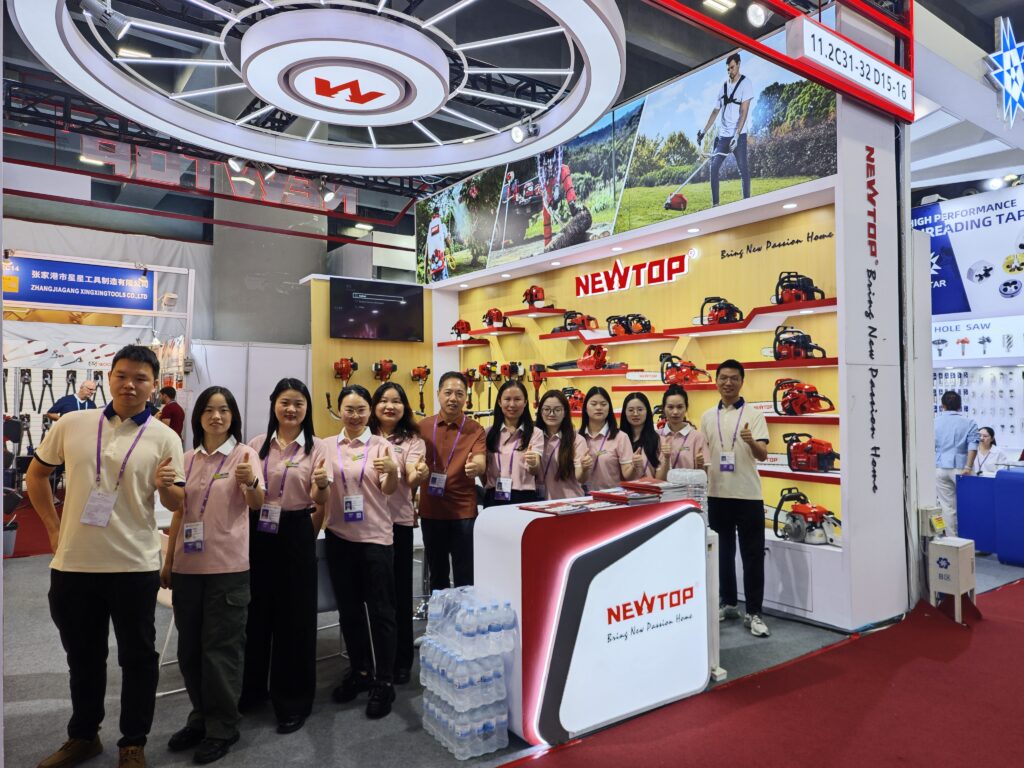
Avviare un’attività di distribuzione di macchine da giardino richiede pazienza e struttura. Le vittorie veloci raramente durano. Il successo sostenibile deriva da una comprensione realistica del mercato, forte capacità post-vendita, e collaborazione con il giusto fornitore di macchine da giardino.
Distributori che investono nella stabilità, servizio, e le partnership a lungo termine si posizionano per crescere costantemente, anche se i mercati cambiano. Con un produttore esperto come NEWTOP come partner, che la crescita diventi realizzabile e scalabile.
Choosing the best electric chainsaw today is rarely straightforward. Compared with a decade ago, buyers now face far more options, and the old assumption that gasoline chainsaws are always the “professional choice” no longer reflects reality. Electric technology has progressed quickly, changing how many users approach everyday cutting work.
In real-world use, the best electric chainsaw often delivers enough power, comfort, and reliability for most routine tasks. Tuttavia, the right choice still depends on how the tool fits into daily work rather than on headline specifications. This is where many purchasing decisions quietly go wrong.
From years of cooperation with distributors and end users, NEWTOP has seen one clear pattern: users who choose a chainsaw based on actual working habits tend to remain satisfied far longer than those who chase numbers on paper.
Start with How You Actually Use an Electric Chainsaw
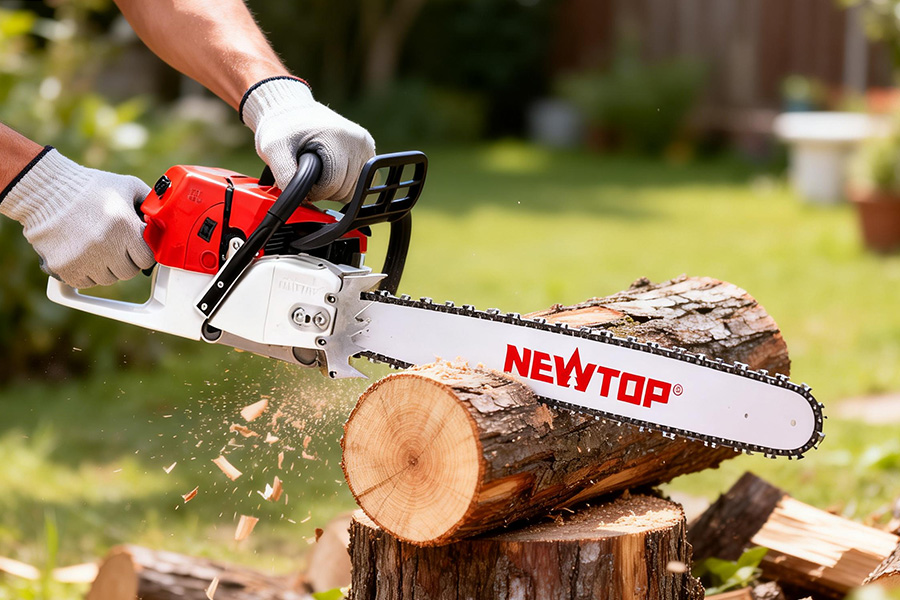
Before comparing models or brands, it helps to look honestly at how a chainsaw gets used week after week. Most people do not cut large logs every day. Invece, they handle pruning, taglio della legna da ardere, pulizia della tempesta, and general property maintenance.
For this type of work, convenience becomes important very quickly. Electric chainsaws start instantly, require little preparation, and feel easier to control. Di conseguenza, many homeowners and light-duty users realize that the best electric chainsaw already covers everything they realistically need.
That shift does not stop with homeowners. Landscapers and property managers also increasingly rely on electric chainsaws for routine tasks. Improved motor efficiency and battery systems now support longer working sessions without the frustrations that older electric models once caused.
Why Electric Chainsaws Are Becoming the Practical Choice
Electric chainsaws gain popularity not because they replace gasoline models entirely, but because they simplify everyday work. Users avoid fuel mixing, warm-up time, and pull-start resistance. Col tempo, these small conveniences noticeably improve the overall working experience.
Noise reduction also plays a larger role than many expect. Quieter operation allows work in residential areas with fewer complaints, while reduced vibration helps limit fatigue during repeated cuts. Combined, these factors make electric chainsaws easier to use for longer periods.
Maintenance further reinforces this trend. Electric chainsaws remove many common gasoline-related issues. Without carburetor adjustments or ignition tuning, users spend more time working and less time fixing equipment. Per questo motivo, many people eventually describe the best electric chainsaw as the one that keeps performing without demanding constant attention.
Motoseghe a batteria: When Cordless Convenience Matters Most
Within electric chainsaws, one category has grown especially fast in recent years: battery chainsaws. By eliminating the power cord entirely, battery-powered models offer a much more flexible working experience. Users can move freely around trees, hedges, and garden spaces without worrying about cable length, power outlets, or tangled wires.
For many homeowners and light-duty professionals, this cordless design changes how often a chainsaw actually gets used. Tasks that once felt inconvenient—quick pruning, small cleanups, or routine trimming—become easier to handle. Di conseguenza, battery chainsaws are often chosen not only for their cutting ability, but because they reduce friction between the user and the task itself.
This shift toward cordless operation also influences how manufacturers design newer tools. Al NEWTOP, portable battery chainsaws focus on balance, peso, and everyday usability rather than maximum output alone. The goal is to make cutting work feel more approachable, especially for users who value control and comfort.
A good example of this approach is the NEWTOP Portable Wireless Lithium Battery Chainsaw NTCS401Li.
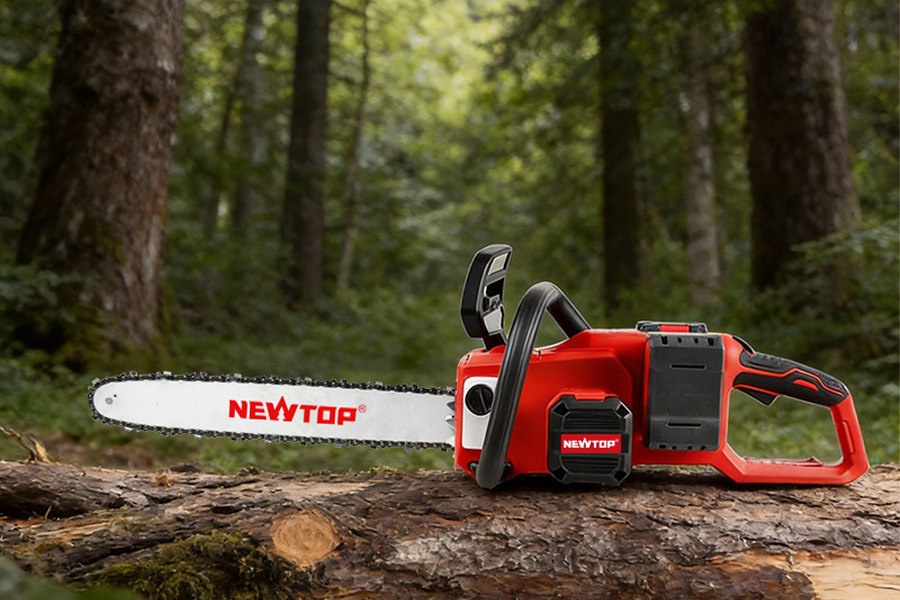
Designed as a lightweight, cordless cutting solution, it delivers clean performance with impressive efficiency for everyday garden and outdoor tasks. Alimentato da un motore brushless e supportato da un controllo elettronico avanzato, the NTCS401Li offers smooth operation, basso rumore, and dependable cutting power without the vibration and complexity often associated with larger machines. For users who want the convenience of a battery chainsaw without sacrificing cutting stability, this type of design fits naturally into modern electric chainsaw use.
What Determines Performance in an Electric Chainsaw
Marketing materials often emphasize voltage, chain speed, or bar length. In real working conditions, performance depends far more on how these elements work together.
Motor quality plays a central role. Brushless motors deliver steadier torque and respond better under load, which improves control when cutting harder wood. Power delivery matters just as much. When a chainsaw stalls, the operator must push harder, increasing fatigue and risk. A well-designed electric chainsaw avoids this by maintaining consistent chain movement and letting the tool do the work.
Bar length also deserves a realistic approach. While longer bars look impressive, they often reduce control. In many situations, a slightly shorter bar improves accuracy and actually speeds up the job.
Comfort, Sicurezza, and Reliability in Electric Chainsaws
Comfort influences satisfaction more than many buyers realize. Electric chainsaws usually weigh less, but balance matters just as much as total weight. Poor balance quickly strains wrists and shoulders, especially during angled or overhead cuts.
Modern electric chainsaws include safety features such as chain brakes, trigger locks, and hand guards. These features reduce risk, but safe operation still depends on user habits. Smooth throttle response and predictable cutting behavior make those habits easier to maintain.
Maintenance remains simple but necessary. Chains need sharpening, bars require cleaning, and lubrication systems need attention. Battery care also matters. Users who follow proper charging and storage practices preserve performance and extend service life.
Col tempo, build quality becomes obvious. Housing strength, internal layout, and heat management determine how well a chainsaw holds up after repeated use. Al NEWTOP, engineers evaluate electric chainsaws under realistic working conditions, because durability reveals itself through use rather than short demonstrations.
Making the Right Chainsaw Choice
Gasoline chainsaws still dominate heavy forestry work, and that role remains clear. Tuttavia, most users spend far more time on lighter tasks.
In daily scenarios, electric chainsaws includes battery chainsaws now handle the majority of cutting jobs with fewer compromises. Lower noise, easier handling, and simpler upkeep make them the preferred option in many environments. Di conseguenza, many users rely on the best electric chainsaw for everyday work and reserve gasoline models for specific demands.
Choosing the right chainsaw ultimately comes down to honesty about real needs. Instead of chasing maximum specifications, it pays to select a tool that fits actual habits and working conditions. For many users today, electric chainsaws—especially modern battery models—strike that balance, and their role continues to grow as technology improves.
Per i distributori, professionals, and end users evaluating chainsaws, NEWTOP continues to focus on practical design and dependable performance, because in real work, consistency matters far more than numbers on paper.
