Choosing a backup generator often starts with one practical question: propane vs gasoline generator—which fuel type makes more sense for the way the power will actually be used? For some buyers, the answer depends on fuel storage and occasional home backup. For others, it comes down to portability, refueling convenience, and how often the generator needs to work in the field. That is why the right choice is not simply about fuel preference. It is about matching the generator to the real backup power task.
Per i rivenditori, distributori, and end users, this comparison matters because backup power needs can look very different from one application to another. A homeowner preparing for outages, a contractor powering tools on a job site, and a farm operator running equipment in remote areas may all arrive at different conclusions even when they start with the same question.
A Quick Comparison of Propane and Gasoline Generators
| Fattore | Propane Generator | Gasoline Generator |
|---|---|---|
| Fuel storage | Cleaner long-term storage in cylinders | Easy to store short term, but fuel ages faster |
| Fuel access | Depends on refill or cylinder supply | Widely available in many markets |
| Typical use pattern | Occasional standby backup | Portable, flexible, frequent use |
| Refueling practicality | Depends on spare cylinders and logistics | Simple when gasoline is easy to source |
| Common buyer appeal | Users wanting cleaner standby storage | Users needing practical mobile backup power |
The table is useful, but it still does not decide the purchase on its own. The real answer depends on where, how, and how often the generator will run.
When a Propane Generator Makes More Sense
Propane generators are often attractive for standby-style backup, especially when the unit may sit unused for long periods and then be expected to start when needed. For households and light-duty users, propane can feel easier to manage because fuel storage is cleaner and does not involve keeping gasoline on hand for extended periods.
This option becomes more practical when propane supply is already part of the site setup. In that case, the generator fits into an existing fuel system rather than creating a new one. For occasional backup use, that can be a real advantage.
Still, propane is not automatically the better answer. If cylinder replacement is inconvenient, or if the generator needs to move frequently between locations, those benefits may become less important.
When a Gasoline Generator Is the Better Fit
Gasoline generators remain a practical choice for many buyers because they are familiar, portatile, and easy to refuel in everyday use. In a real propane vs gasoline generator decision, gasoline often becomes the stronger option when flexibility matters more than long-term storage.
This is especially true in situations such as:
- short-term power outages
- temporary site work
- farm and outdoor operations
- mobile backup for general-purpose use
For these applications, users often want a machine they can move quickly, refuel easily, and put back to work without depending on cylinder availability. That is one reason gasoline generators continue to hold strong commercial value across residential, agricolo, and job-site markets.
Fuel Type Is Important, but So Is Generator Build Quality
Even in a generatore di propano vs benzina comparison, fuel type is only part of the buying decision. Once backup power demand becomes more frequent, more mobile, or more demanding, buyers start looking closely at generator durability, output stability, and protective features.
That is where product quality becomes a more meaningful differentiator than fuel alone.
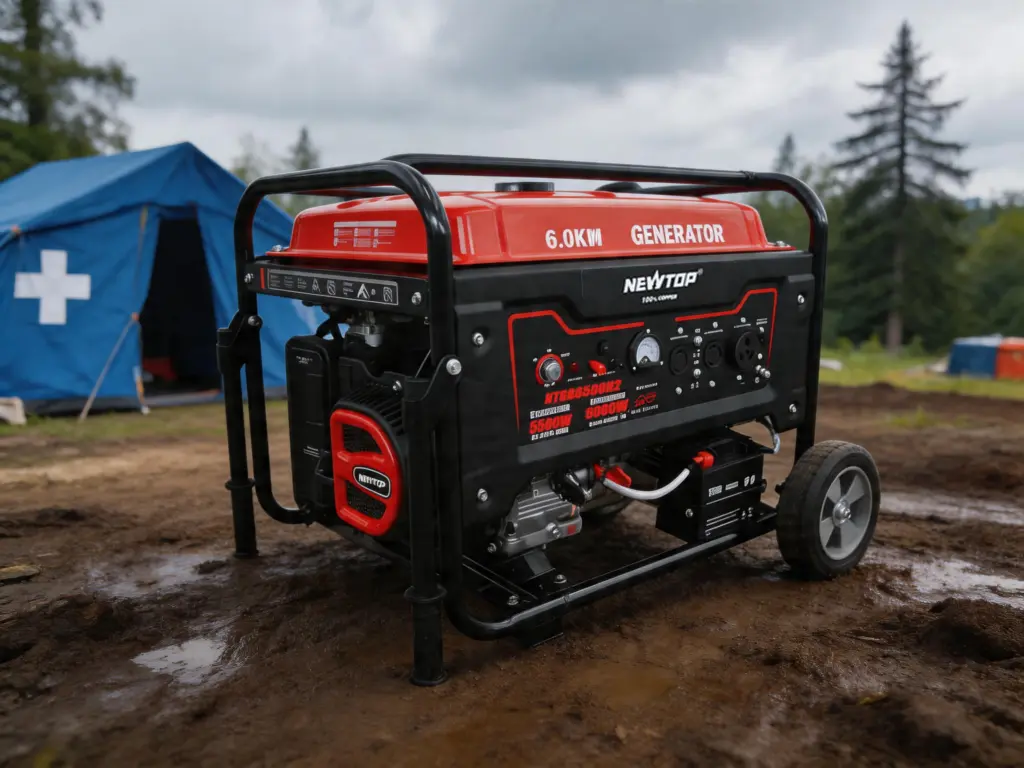
Al NEWTOP, the generator range focuses on gasoline and diesel generators for practical backup and working power needs across agriculture, costruzione, residential use, outdoor operations, and other demanding environments. Instead of trying to cover every fuel format, the focus is on stable output and dependable structure in real field conditions.
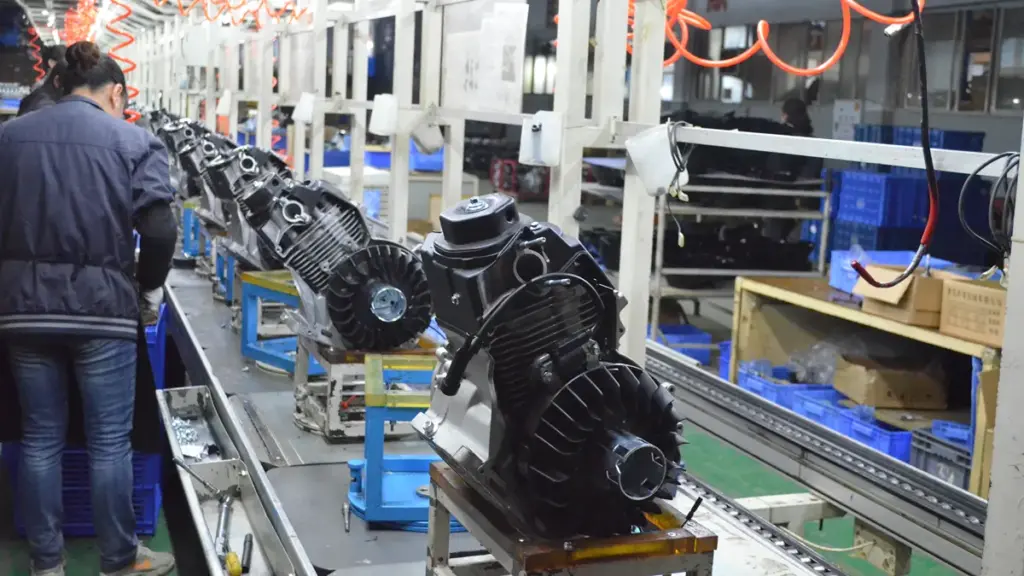
That is why the generator design pays attention to core performance details, including a high-strength 42CrMo forged steel crankshaft, nitrided thickened gears for smoother and more durable power transmission, and SENCI 100% copper-wire alternators to support stable electrical output. Protective features such as short-circuit protection and a low-oil alarm also matter in daily operation, especially where working conditions are harsh and reliability cannot be compromised.
In altre parole, buyers may begin with a fuel question, but they often make the final decision based on whether the machine can actually deliver stable power over time.
Which Backup Power Needs Point to Which Fuel?
Different buyers usually arrive at different answers because their priorities are different.
A homeowner may lean toward propane for cleaner standby storage. A contractor may prefer gasoline for portability and easier refueling. A farm user may care more about runtime, durabilità, and how the generator performs in dusty or heavy-use conditions. Per i distributori, the decision is often even more practical: which fuel type and product range best match mainstream demand in the local market?
That is why it helps to ask a few simple questions before choosing:
- Will the generator be used occasionally or regularly?
- Is propane or gasoline easier to access locally?
- Will the generator stay in one place or move between job sites?
- Does the application require light backup power or more demanding continuous use?
These questions usually reveal more than the fuel debate alone.
Which One Fits Better?
The best answer to propane vs gasoline generator depends on the real backup scenario. Propane can be a good fit for standby users who value cleaner storage and already have convenient propane access. Gasoline is often the better fit for buyers who need portable, flexible, and easy-to-refuel backup power for broader day-to-day use.
But if the generator is expected to work in harsher environments, under changing loads, or across more demanding applications, fuel type should not be the only filter. The machine itself still has to be durable, stable, and practical enough for the job.
So what should buyers really focus on in the end?
A good generator choice is not just about picking propane or gasoline. It is about choosing a power solution that matches the application, the fuel reality, and the working environment at the same time. Per questo motivo, many professional buyers look beyond the initial propane vs gasoline generator comparison and pay closer attention to generator structure, output stability, e affidabilità a lungo termine. That is also why NEWTOP’s gasoline and diesel generators are designed around practical backup power demand in agriculture, costruzione, residential, outdoor, and other tough operating environments.