


- Все
- Истории клиентов NEWTOP
- NEWTOP Explorer Hub
- NEWTOP Обзор отрасли
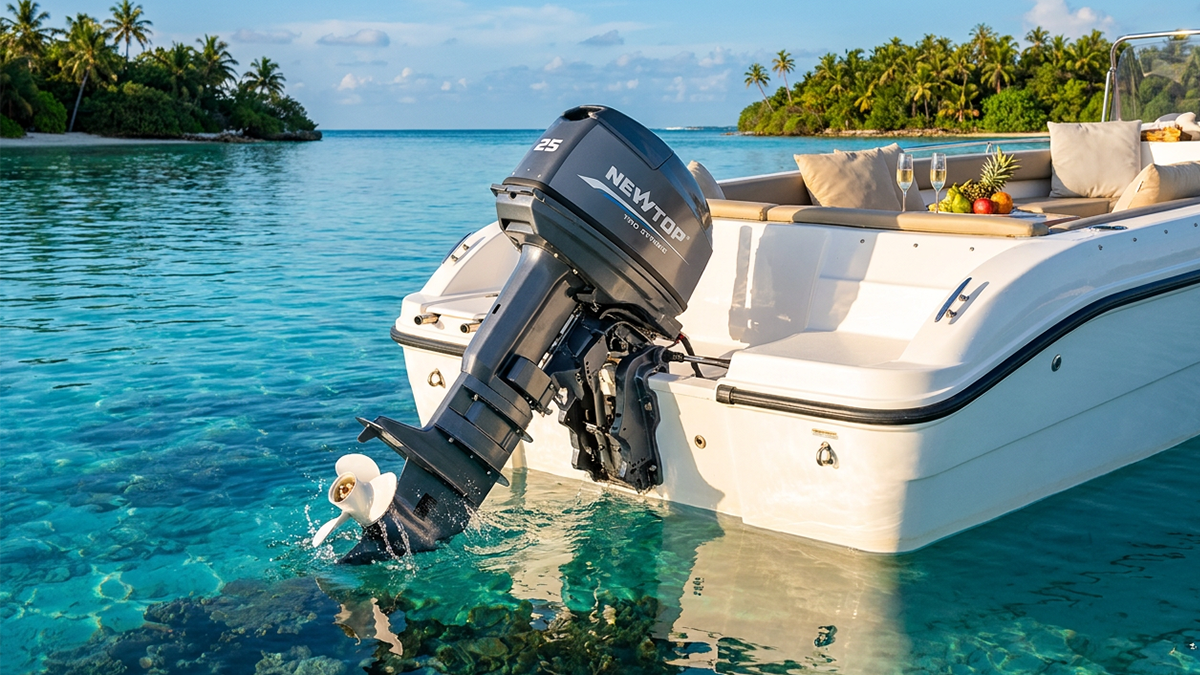
A finished outboard motor usually looks simple enough. Once it appears in a catalog or on the back of a boat, most people judge it by horsepower, дизайн, or price. What stays hidden is the part that often explains much more: how the engine was built before it ever reached the water.
That hidden side of production shapes more than appearance. It affects how stable the motor feels in use, how confidently a dealer can recommend it, and how much service pressure appears after the first shipment. For buyers comparing different outboard motor manufacturers, that is often where the real difference begins. A product page can show what the motor looks like. The factory process says far more about how that motor is likely to perform once it reaches the market.
A dependable outboard motor is rarely the result of one dramatic step. Чаще, it comes from a series of production stages handled with enough control that the finished product feels consistent, solid, and ready for real marine use.
The Production Flow Tells a Better Story Than a Simple Product Photo
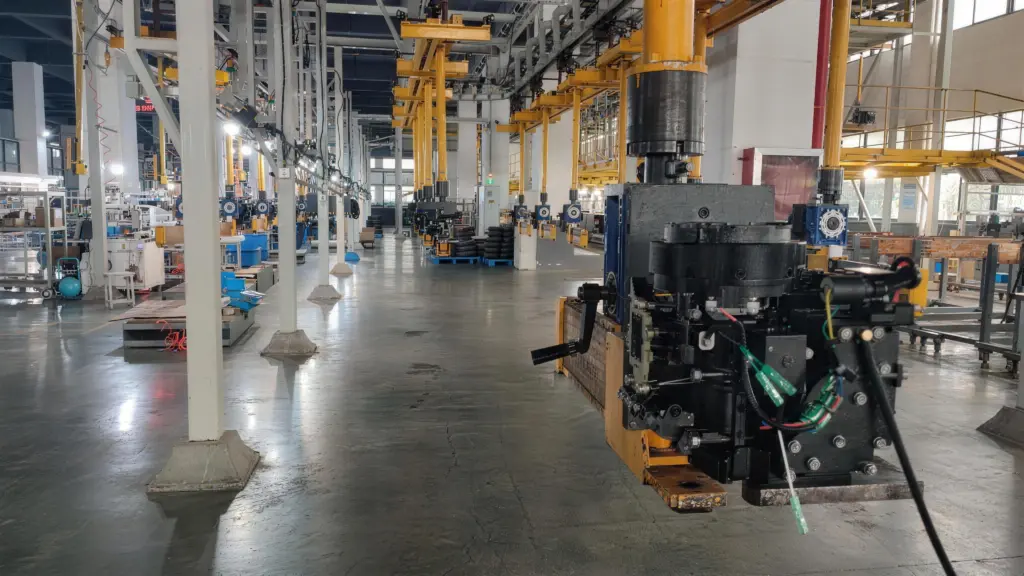
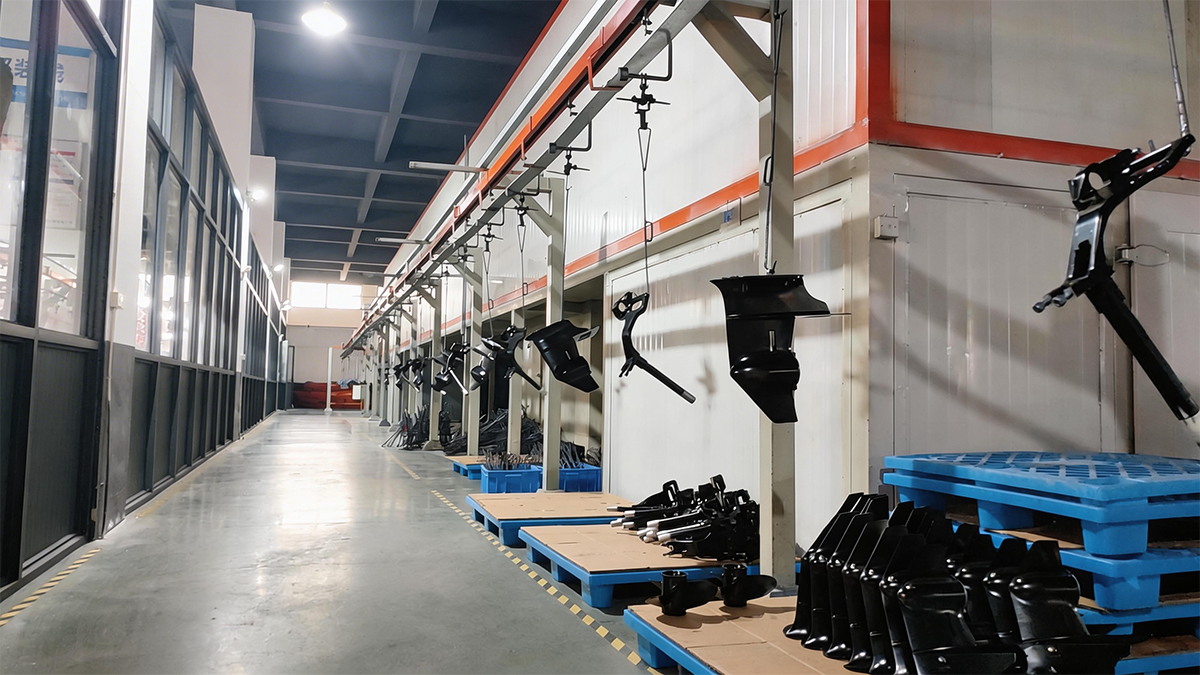
In the NEWTOP подвесной мотор factory, production is handled through clearly separated manufacturing stages rather than one broad assembly process. That matters because the factory keeps surface treatment, core engine building, transmission-related work, and final validation under more structured control.
| Этап производства | Focus of the Stage |
|---|---|
| Coating Line | Surface protection for better resistance to corrosion, влажность, and long-term marine exposure. |
| Шлифование & Finishing | Part refinement, surface consistency, and a more controlled finished appearance. |
| Engine Assembly Line | Building the core power unit and integrating key engine components. |
| Gearbox Assembly | Independent assembly of the transmission-related section for better control. |
| Окончательная сборка | Bringing the major systems together into a complete outboard motor. |
| Outboard Motor Testing | Checking whether the completed motor is ready for real operating conditions before shipment. |
For buyers comparing outboard motor manufacturers, a process like this offers a clearer view of how the product is handled before it reaches the market.
Where Buyers Usually Feel the Difference
Most customers will never see a coating line or an assembly area. Несмотря на это, they often notice the result later.
A more stable production process tends to show up in quieter ways. The motor feels more consistent from unit to unit. Dealers feel more comfortable recommending it. Service teams spend less time dealing with avoidable issues. End users notice fewer unpleasant surprises once regular use begins.
Manufacturing discipline does not stay inside the factory. It follows the product into the market.
This is one reason experienced buyers do not stop at product appearance when comparing outboard motor manufacturers. What looks similar in a photo can turn out to be very different once engines are unpacked, installed, serviced and used over time.
What to Pay Attention to During a Factory Visit
A factory visit becomes far more useful once the focus moves beyond finished engines on display.
A few things usually reveal the most:
✅ A clear production sequence
The process should feel organized from preparation to assembly to testing, not scattered or improvised.
✅ Separate attention to critical systems
Core areas such as engine assembly and gearbox assembly should look controlled and deliberate rather than casually merged together.
✅ Consistent finishing quality
Surface refinement and overall presentation should feel stable across units, not only on display samples.
✅ A real testing area
Testing should appear as an active part of normal production, not something prepared only for visitors.
✅ Practical post-sale awareness
The team should be able to explain not only how the motor is built, but also how the product will be supported after shipment.
These details usually reveal more than showroom presentation ever can. They help buyers judge whether the factory is building for long-term market use or simply preparing products to look complete.
Testing Carries More Weight Than People Expect
Among all factory stages, testing often matters the most commercially.
A motor may already look finished at that point, but appearance alone does not prove readiness. Testing is the stage where the engine stops being judged as a completed assembly and starts being judged as a working marine product. That shift matters because many weaknesses only show up once the motor is treated as something that must actually perform.
Для дилеров, stronger testing means more confidence after the order is delivered. For service teams, it can mean fewer avoidable problems entering the market. For end users, even if they never think about factory work directly, it still shapes the product they eventually trust on the water.
That is why testing deserves more attention than it usually gets in sourcing discussions. It is often the stage that turns a complete-looking engine into one that feels commercially reliable.
More Than a Factory Story
На первый взгляд, manufacturing can sound like a topic meant only for engineers. На самом деле, it tells a broader business story.
A stable process usually leads to a more dependable product. A more dependable product reduces service pressure. Lower service pressure makes it easier for dealers to build confidence and easier for the market to accept repeat orders. Через некоторое время, that affects product reputation far more than a glossy first impression.
So while buyers may begin by looking at horsepower or styling, long-term trust often comes from something much less visible. It comes from how carefully the factory builds, checks, and prepares the motor before it ever leaves the line.
For anyone comparing outboard motor manufacturers, that is one of the most useful places to look. A good outboard motor is not only designed well. It is also produced through a process that makes reliability easier to deliver, easier to support, and easier to believe in once the engine reaches the market.
Для многих импортеров, Поиск китайских подвесных моторов на первый взгляд кажется простым. Несколько каталогов поставщиков, несколько цитат, немного сравнения мощности, и кажется, что процесс идет быстро. Однако большая часть реальных различий между поставщиками не проявляется при первом обмене электронными письмами.. Они появятся позже — когда прибудут моторы., когда клиенты начнут их использовать, и когда дилеры начнут заниматься запчастями, поддерживать, и повторяйте заказы.
Именно здесь решения о выборе поставщиков часто становятся более серьезными, чем казалось на первый взгляд.. Два продукта могут выглядеть одинаково в брошюре., но они могут добиться совсем других результатов, как только выйдут на местный рынок.. Поначалу можно легко продавать, но потом становится трудно поддерживать. Другой может действовать более стабильно и укрепить долгосрочное доверие.. Другими словами, покупка подвесных моторов из Китая редко бывает просто ценовым решением.. Это также решение, соответствующее продукту., решение по обслуживанию, и, во многих случаях, долгосрочное деловое решение.
В НЬЮТОП, мы видели, что покупатели обычно начинают с технического сравнения, но они принимают окончательное решение по более широким причинам. Знакомство с продуктом, местные привычки обслуживания, непрерывность частей, и общение после заказа зачастую имеет такое же значение, как и сам двигатель.
Цитата полезна, но это не должно быть отправной точкой
Одна из самых распространенных ошибок при подборе поставщиков — слишком ранний запрос цены.. Покупатели часто запрашивают расценки еще до того, как они полностью определятся с тем, какой бизнес по производству подвесных моторов они хотят построить..
Двигатель небольшой мощности для легких рыбацких лодок обслуживает совершенно другой рынок, чем более крупная модель, используемая для транспортных или коммерческих работ.. Даже если оба продукта относятся к одной и той же категории., их роль на рынке может быть очень разной. Можно быстро привлечь чувствительных к цене покупателей., в то время как другой может двигаться медленнее, но со временем создаст большую уверенность дилеров.
Из-за этого, это помогает ответить на более практический вопрос, прежде чем сравнивать поставщиков: для чего конкретно будут использоваться эти моторы, и кто их будет покупать? Как только это станет ясно, цитаты становятся намного легче читаться в контексте. Без этого шага, низкие цены могут выглядеть привлекательнее, чем они есть на самом деле.
Соответствие продукта говорит вам больше, чем просто ассортимент продукции
Широкий каталог может выглядеть впечатляюще, but catalog size does not necessarily mean better sourcing.
What matters more is whether the supplier can narrow the range down to products that fit the local market. Buyers usually get more value from a smaller, better-matched selection than from a long list of engines that do not align with real customer needs.
A useful sourcing discussion often centers on practical questions:
- What boat sizes are most common in the market?
- Which horsepower ranges move most consistently?
- Do end users care more about easy maintenance or stronger output?
- Which engine type already feels familiar to local technicians?
- Which products are easiest to support after the first shipment?
Once those questions come into focus, Поиск подвесных моторов в Китае становится не столько поиском вариантов, сколько созданием работоспособной линейки продуктов..
Образец расскажет вам то, чего не может сделать каталог
Каталоги полезны, но они могут зайти так далеко. Образец двигателя часто за несколько дней раскрывает больше, чем спецификация на нескольких страницах..
На этапе выборки, покупатели не просто проверяют внешний вид. Они смотрят на стартовое поведение, построить последовательность, ощущение работы, и общая коммерческая пригодность. Ощущается ли двигатель как что-то, чему местные покупатели будут доверять?? Соответствует ли он лодкам, обычно используемым на рынке?? Повышает ли это доверие к последующим заказам?, или это вызывает вопросы, которые могут стать более серьезными позже?
Именно здесь обычно выделяются опытные поставщики.. Они понимают, что образец — это не небольшой побочный заказ.. Это первый серьезный тест на совместимость с рынком..
Поставщик часто имеет большее значение после заказа
Перед заказом, двигатель имеет тенденцию находиться в центре разговора. После заказа, поставщик часто становится не менее важным.
Фабрика может предложить привлекательные цены, но впоследствии с ней все равно будет сложно работать.. Задержка ответов, неравномерное качество партии, слабая логика, или неясная техническая информация может превратить многообещающий продукт в разочаровывающий.. На морских рынках, эти проблемы быстро усугубляются, потому что многие пользователи зависят от своих движков в повседневной работе., транспорт, или доход.
По этой причине, Покупатели должны судить о китайском поставщике подвесных моторов не только по производственным возможностям.. Стиль общения имеет значение. Как и отслеживание заказа. A good supplier does not disappear once the proforma invoice is confirmed. They stay involved in timing, parts preparation, shipment coordination, and technical clarification.
In real business, the easiest supplier to buy from is not always the easiest supplier to grow with.
Spare Parts Usually Reveal the Real Strength of the Supply Chain
If a buyer wants to know whether a sourcing relationship can last, the spare parts system often gives the clearest answer.
Outboard motors stay competitive in the market only when users can keep them running. If common wear parts are difficult to source, or if the same model becomes difficult to support after several months, the distributor starts losing confidence. The engine may still sell once, but repeat sales become harder.
Вот почему запчасти для подвесных моторов из Китая никогда не следует рассматривать как второстепенную тему.. Надежный поставщик должен быть в состоянии объяснить, какие детали движутся быстрее всего., что следует хранить вместе с первой поставкой, и насколько стабильной останется структура одной и той же детали с течением времени.
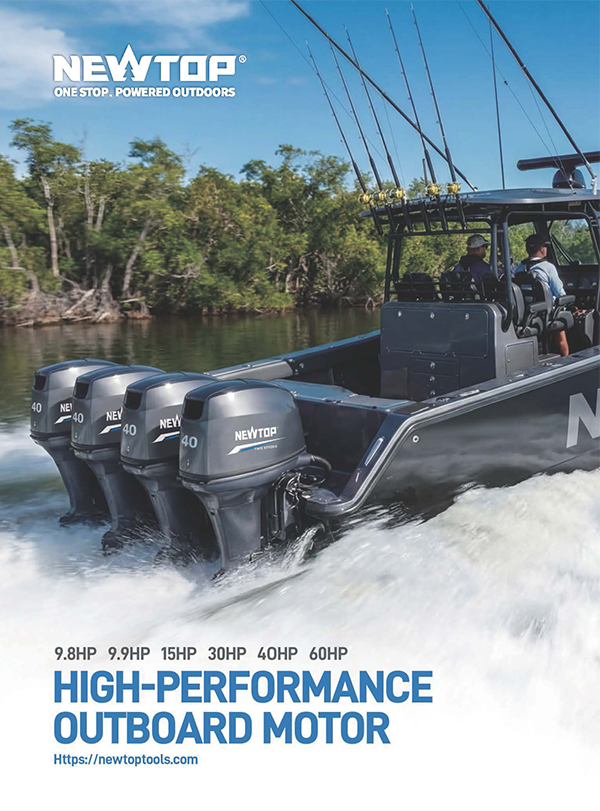
На практике, именно здесь строится долгосрочное доверие. Первая продажа может произойти из-за цены или внешнего вида продукта.. Второе и третье обычно зависят от того, сможет ли дилер поддерживать двигатель в полевых условиях..
Совместимость заслуживает раннего внимания
Еще один момент, который все больше волнует покупателей, — совместимость.. На многих рынках, клиенты уже знают определенные основные платформы и чувствуют себя более комфортно, покупая продукты, которые соответствуют знакомым моделям использования..
Это меняет разговор о поиске поставщиков. Дело уже не только в том, какие модели производит поставщик.. Также возникает вопрос, насколько хорошо эти продукты связаны с тем, что рынок уже понимает..
В НЬЮТОП, это часто встречается вместе со стандартным подвесным двигателем. Некоторым дистрибьюторам нужны не только комплектные двигатели, а также совместимые машины или запасные части для широко используемых рыночных платформ.. Когда эта поддержка будет доступна, дилер получает больше гибкости как в продажах, так и в обслуживании.
С коммерческой точки зрения, это имеет большое значение. Это помогает дистрибьютору основываться на уже существующем спросе, а не пытаться создать новый спрос с нуля..
OEM обычно становится важным позже
Многие покупатели не начинают с планов под собственной торговой маркой., и это нормально. Большинство начинают со стандартных продуктов, тогда подумай о брендинге позже.
Несмотря на это, это помогает понять возможности OEM-поставщика на ранних этапах разговора.. Фабрика, которая может поддерживать индивидуальный брендинг, корректировки упаковки, и локализованную презентацию продукта обычно легче расширять с течением времени.. Это не означает, что каждый первый заказ требует индивидуальной настройки.. Это просто означает, что выбор источника должен оставить место для будущего развития..
Отношения с поставщиками часто начинаются с соответствия продукта. Через некоторое время, оно может перерасти в более широкое сотрудничество. Если этой будущей гибкости не будет, покупателю, возможно, в конечном итоге придется возобновить процесс поиска с кем-то другим..
Более полезный вопрос приходит в конце
К тому времени, когда покупатели достигают финальной стадии поиска, они часто понимают, что решение важнее, чем казалось на первый взгляд. Основной вопрос не в том, сможет ли завод производить подвесные моторы.. Многие могут.
Правильный вопрос заключается в том, сможет ли поставщик поддержать именно тот вид бизнеса, который хочет построить покупатель.. Могут ли они помочь сузить круг подходящих моделей для рынка?? Могут ли они поддерживать запасные части и техническое сопровождение?? Смогут ли они сохранить стабильное качество при будущих заказах?? Могут ли они расти вместе с дистрибьютором, а не просто доставлять товар??
Именно здесь приобретение китайских подвесных моторов становится настоящей коммерческой возможностью.. Покупатели, которые подходят к этому процессу как к долгосрочному бизнес-решению, обычно делают более обоснованный выбор, чем те, кто рассматривает его как гонку за самой низкой ценой..
В конце концов, самый сильный поставщик редко бывает тот, у кого самый длинный каталог или самый дешевый прайс-лист.. Это тот, чья продукция, поддерживать, коммуникация, и гибкость все еще имеет смысл после того, как появятся двигатели и начнется реальная работа на рынке..
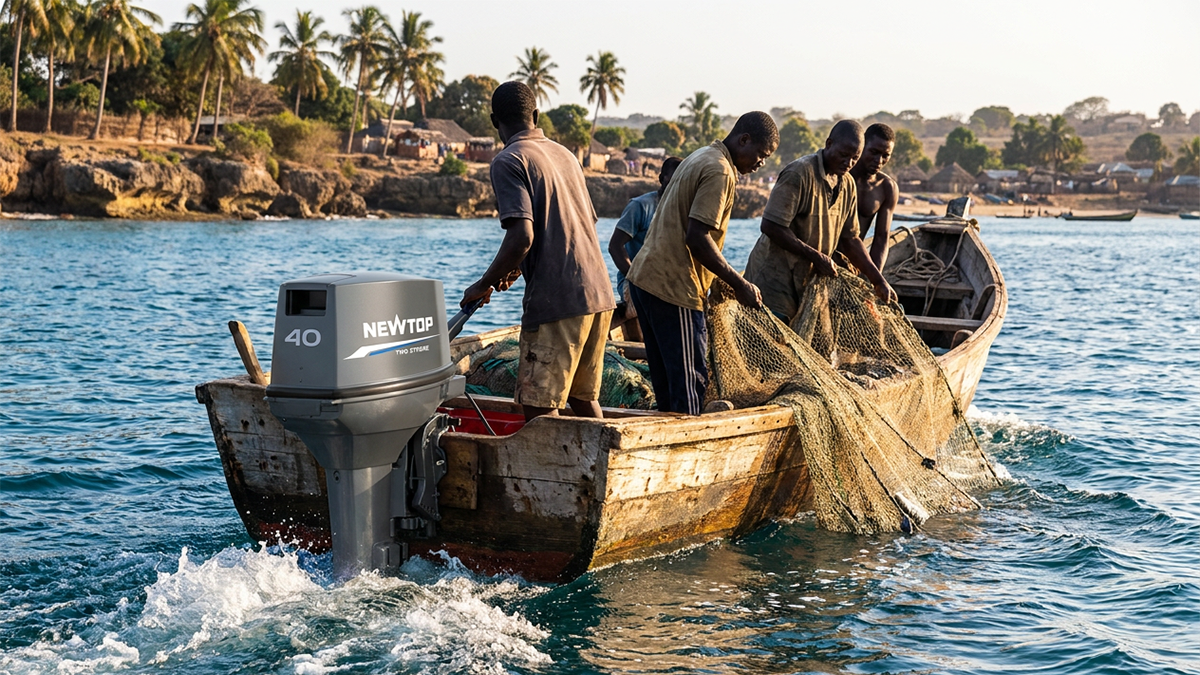
When buyers compare products from different производители подвесных моторов, they often pay attention first to horsepower, price, or brand familiarity. That is understandable, but it is rarely the best place to begin. In real markets, the right outboard motor is not simply the most powerful model or the lowest-priced option. It is the one that fits local water conditions, user habits, maintenance realities, and long-term demand.
That is why choosing an outboard motor should always begin with the market rather than the machine. A model that performs well in one region may struggle in another if the local environment, boat types, and buyer expectations are different. For distributors and dealers, this is more than a technical issue. It is a commercial decision that shapes customer trust, reorder rates, and long-term business growth.
В НЬЮТОП, we have seen this pattern across multiple export markets. In our experience, the strongest results often come from products that match daily usage in the field, not from products chosen only because they look attractive in a catalog.
Start with Local Use, Not Just Product Specs
The first question is simple: what are people using outboard motors for in your market?
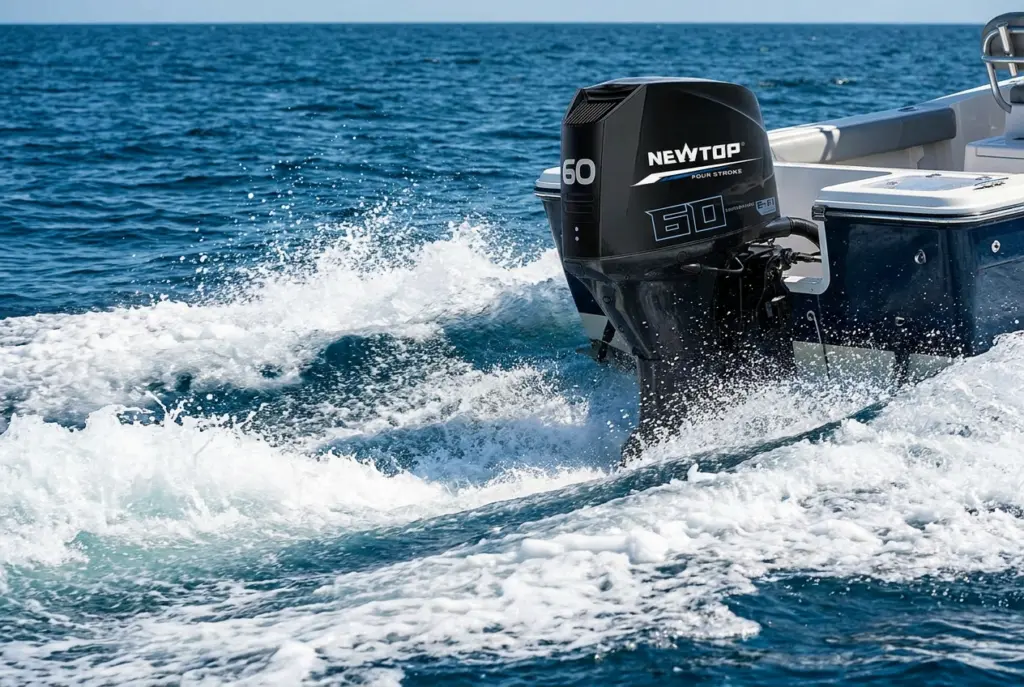
In some areas, buyers mainly use them for nearshore fishing and short-distance transport. В других, they depend on them for river work, island transport, туризм, патруль, or rescue applications. Although the product category is the same, the daily workload can be completely different.
That difference matters. A market built around small fishing boats may care more about fuel efficiency, легкий запуск, and simple maintenance than maximum speed. Напротив, operators carrying heavier loads or running for longer hours often look for stronger thrust, stable cooling, and reliable performance under continuous use.
Many importers make the mistake of comparing displacement and rated power before understanding the actual work pattern. На практике, the real question is not “Which engine looks stronger on paper?” but “Which engine can handle a normal working day in this market without creating extra problems?»
Once local use cases are clear, product specs become much easier to evaluate.
Why Water Conditions and Climate Matter
Not every market puts the same pressure on an outboard motor. Тип воды, температура, влажность, and operating environment all affect how the engine performs over time.
In coastal markets, corrosion resistance becomes a major selling point. Saltwater, влажность, and frequent marine exposure can quickly damage weak components. Buyers in these markets often pay close attention to material durability, protective coatings, и долговременная надежность.
In river-based markets, the focus may shift. Shallow water, muddy conditions, and variable currents often make users more concerned about cooling stability, propeller durability, and dependable low-speed operation. В этих случаях, a product that looks impressive in a showroom may still fail to build trust if it does not match field conditions.
Climate also shapes buyer expectations. In hotter regions, users often place more value on thermal stability during extended running hours. In markets where maintenance habits vary, they may also prefer products that are simpler to operate and more forgiving in everyday use.
This is why experienced marine engine dealers rarely judge a model by appearance alone. They know the market will judge the product based on how it survives real local conditions.
What Local Buyers Actually Value
Many importers assume buyers evaluate outboard motors in the same way everywhere. На практике, they do not. Even in price-sensitive markets, customers rarely want the absolute cheapest option if it leads to downtime, poor fuel economy, or constant service issues.
In most local markets, buyers tend to care about a practical combination of factors:
- Reliable daily performance in real fishing, транспорт, or work conditions
- Fuel efficiency that reduces long-term operating cost
- Easy starting and simple handling, especially for frequent-use boats
- Spare parts availability for regular maintenance and repairs
- Durability in local climate and water conditions, including saltwater or heat
- Low downtime, because many users rely on the engine for income
- Confidence in the dealer or supplier, especially when after-sales support matters
This is why product positioning matters so much. Good distributors do not simply ask which engine costs less. They ask which engine their customers will still trust after a full season of work.
По этой причине, successful outboard motor distributors usually build their product range around a few clear buyer profiles instead of trying to stock every possible configuration.
Match Horsepower to Real Working Demand
Horsepower should support the boat and the workload, not just marketing language.
Lower horsepower models often suit light fishing, small boats, and personal water use. Mid-range models usually fit mixed-use markets where users need a balance between portability and practical output. Higher horsepower engines are more suitable for commercial work, larger hulls, or operations carrying heavier loads.
The key point is simple: horsepower should match local demand. An oversized engine may create unnecessary fuel cost and purchase pressure. An undersized engine may struggle during daily work and damage customer confidence very quickly.
This is why the best commercial decision is often the one that feels most practical, not the one with the highest number printed on the brochure.
Why Engine Type Still Matters in Many Markets
Engine type also plays an important role in market fit.
На многих рынках, especially where simple maintenance and familiar engine structure still matter, two-stroke outboard motors continue to attract buyer interest. Users who already understand the product often feel more confident buying it again, especially when local service knowledge already exists.
In other markets, однако, buyer expectations may begin to shift because of regulation, fuel habits, or changing commercial needs. Even then, a technically advanced product is not always the best commercial choice if the market lacks the maintenance habits or support network to keep it running smoothly.
This is where distributors need to think beyond product literature. The best model is usually the one the local market is ready to use, maintain and reorder.
Why Spare Parts and After-Sales Support Drive Repeat Business
A strong engine does not build a market on its own.
Поставка запасных частей, service response, and technical support often determine whether customers reorder or walk away. Dealers may sell the first unit because of price or appearance, but repeat business usually depends on what happens after the sale.
If common maintenance parts are hard to source, or if technical questions go unanswered, even a good engine becomes harder to sell. This is why many experienced buyers evaluate outboard motor manufacturers not only by product range, but also by the support system behind the engine.
Clear parts diagrams, stable components, replacement continuity, and responsive communication all matter. Для НЬЮТОПА, this part of the business is not secondary. In many export markets, long-term confidence comes from knowing that the engine, the spare parts, and the after-sales support can all move together.
В то же время, stronger after-sales performance often starts with choosing models that already match local demand. NEWTOP can support distributors with popular outboard options such as T15-6B4, Т15-63В, Т40J, and T40G, depending on local boat size, workload, and customer preference. For selected widely used platforms in the market, we can also offer compatible machines or replacement parts that are 100% compatible with Yamaha, Сузуки, Тохацу, and Mercury models. This helps dealers reduce service pressure, improve parts availability, and respond faster to everyday maintenance demand.
Match Local Demand With Reliable Outboard Motors

How Dealers Should Evaluate Outboard Motor Manufacturers
Choosing the right supplier is often just as important as choosing the right engine model. На практике, experienced importers and marine engine distributors usually evaluate a manufacturer by a few core standards before they scale cooperation.
| Фактор оценки | Почему это важно |
|---|---|
| Консистенция продукта | Helps dealers build customer trust by ensuring engines perform similarly across different batches. |
| Spare parts continuity | Supports after-sales service and reduces the risk of losing repeat business due to unavailable maintenance parts. |
| Technical support | Allows dealers to solve installation, обслуживание, and repair questions more efficiently in the local market. |
| Supply stability | Makes it easier to plan inventory, respond to demand peaks, and maintain steady sales growth. |
| Business flexibility | Helps distributors adapt product mix, упаковка, or cooperation models as their market develops. |
На практике, manufacturers that understand different stages of distributor growth are often easier to work with over the long term. New importers may need help choosing entry-level models, while more established partners may need OEM support, корректировки упаковки, or a broader product mix.
In both cases, the supplier needs to think commercially, not just operationally. That is one reason long-term partnerships often outperform transactional buying.
Price Matters, but Total Market Fit Matters More
Price will always influence buying decisions, especially in competitive markets. Однако, price alone rarely predicts long-term success.
An engine that costs less upfront may create more pressure later through warranty issues, lower customer confidence, or weak repeat sales. С другой стороны, a slightly stronger product with better support may generate better dealer margins over time because it reduces complaints and improves trust.
This does not mean every market should move premium. It means every market should think in terms of total fit: product performance, local conditions, buyer expectations, service support, and long-term business potential.
When these elements align, the outboard motor becomes more than a product. It becomes part of a real market strategy.
Think About Current Demand and Future Growth
The best outboard motor decisions usually balance current demand with future opportunity.
A distributor should understand what buyers need today, but also where the market may move next. If your region is growing in fishing, туризм, rescue use, or water transport, then product planning should reflect that direction rather than only short-term demand.
The goal is not simply to sell engines now. It is to build a product lineup that can grow with the market.
That is why choosing the right outboard motor is never just a technical decision. It is a commercial one. Buyers who understand their local environment, select the right horsepower range, and work with dependable outboard motor manufacturers put themselves in a much stronger position over the long term.
For companies building their marine engine business, that kind of decision-making creates a real advantage. В НЬЮТОП, we believe the best results come when product choice begins with market reality—and ends with long-term customer trust.
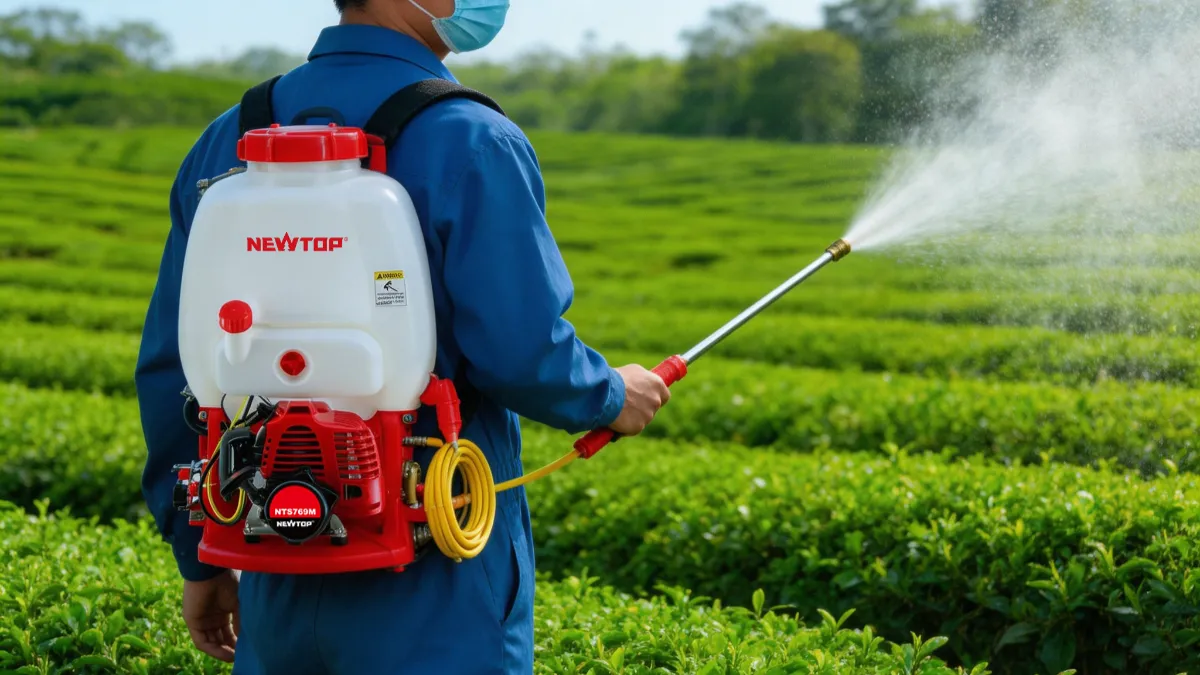
Knapsack sprayers are widely used in agriculture, ландшафтный дизайн, садоводство, борьба с вредителями, и санитарно-гигиенические работы. While many knapsack sprayer suppliers offer similar-looking products, the actual manufacturing quality, consistency, and service capability can vary significantly. Choosing the right knapsack sprayer manufacturer is not only about finding a competitive price. It is about building a reliable supply chain that supports your business growth for years.
Whether you are a distributor, importer, agricultural equipment dealer, or private-label brand owner, understanding how to evaluate a manufacturer can help reduce purchasing risks, повысить удовлетворенность клиентов, and strengthen your market position.
This guide explains the key factors to consider before selecting a reliable knapsack sprayer manufacturer.
Knapsack Sprayer Manufacturer Experience
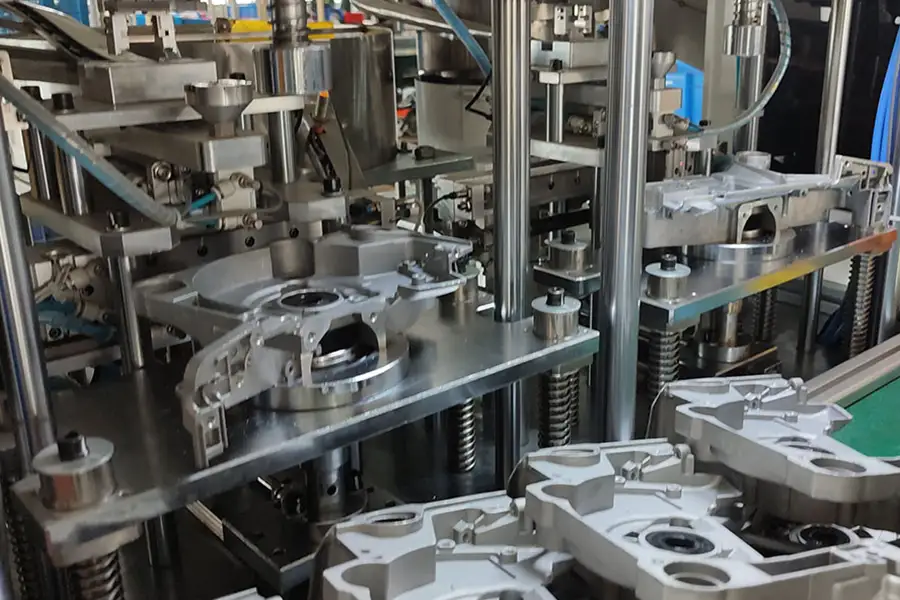
Experience is often one of the strongest indicators of manufacturing reliability. A OPE factory that has produced ранцевые опрыскиватели for many years usually has more mature production systems, stronger quality management, and a deeper understanding of market requirements.
Experienced knapsack sprayer manufacturers are better equipped to:
- Solve product development challenges
- Improve production efficiency
- Maintain consistent product quality
- Meet international market standards
- Respond quickly to customer feedback
You can consider the following questions:
| Фактор оценки | Почему это важно |
|---|---|
| Years in Operation | Indicates production stability and industry knowledge. |
| Export Experience | Demonstrates understanding of international requirements and market regulations. |
| Product Specialization | Shows technical expertise and continuous product development in backpack sprayer manufacturing. |
| Customer Portfolio | Reflects market recognition, customer satisfaction, and long-term business trust. |
| Production Scale | Indicates the manufacturer’s ability to support growing order volumes and future business expansion. |
OPE manufacturers that serve multiple regions often understand different customer preferences, certification requirements, and distribution challenges. This experience can be valuable when introducing products into new markets.
Например, distributors in Africa and Latin America often seek products that offer the right balance between cost, качество, and market compliance. Many also require customized packaging and branding to strengthen their local sales channels. Having supplied customers across these regions for many years, НЬЮТОП, a experienced knapsack sprayer manufacturer, understands these requirements and provides cost-effective products, flexible OEM services, and reliable export support.
Knapsack Sprayer Quality Control Process
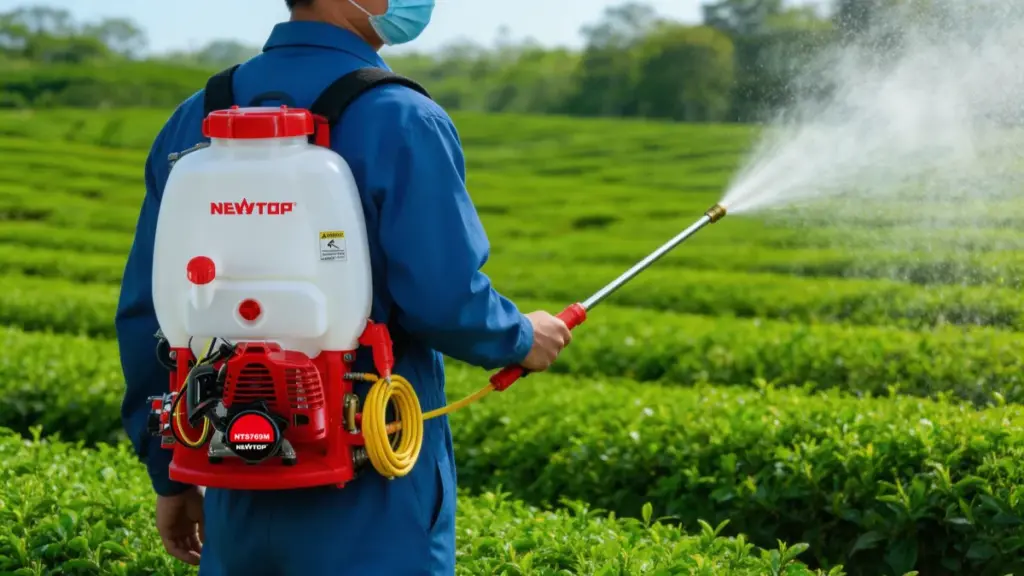
A rigorous quality control framework guarantees knapsack sprayers perform reliably in the field. This systematic approach minimizes defects, standardizes dosage accuracy, and ensures operator safety.
| QC Stage | Key Focus | Critical Actions |
|---|---|---|
| IQ | Материалы & Components | Resin indexing, corrosion checks, elastomer shore hardness |
| IPQC | Assembly Integrity | Hydrostatic tank tests, intermediate leak checks, pump stroke validation |
| OQC | Final Performance | Full-unit pressure holds, spray pattern analysis, residual volume checks |
| Согласие | System Traceability | CAPA management, batch tracking, safety standard certification |
Incoming Контроль качества (IQ) for Materials and Components
Quality starts before assembly begins. We evaluate all incoming raw materials and purchased components to prevent defects from entering the production line. Strict material screening guarantees the sprayer handles aggressive agrochemicals without degrading.
- Plastic resins: Test plastic resins for melt flow index, density, and UV stability.
- Metal components: Inspect metal parts like pump rods and wands for corrosion resistance and thread tolerances.
- Seals and gaskets: Evaluate elastomers and O-rings for chemical compatibility and correct shore hardness.
- Sub-assemblies: Verify trigger valves, шланги, and constant-flow devices against pressure and structural specifications.
In-Process Quality Control (IPQC) During Assembly
Monitoring the assembly line catches alignment and fabrication issues early. We track machine parameters and conduct physical tests at critical stations to validate structural integrity and mechanical fit.
- Tank fabrication: Monitor injection and blow molding parameters while conducting hydrostatic tests on tank weld lines.
- Pump mechanics: Check pump assemblies for smooth stroke action, displacement accuracy, and proper seal seating.
- Intermediate testing: Perform intermediate partial-fill leak checks around joints, шланги, and the pump base.
- Hardware security: Verify strap fixings, load-bearing anchor points, and hose clamp torque during final assembly.
Outgoing Quality Control (OQC) and Final Testing
Final unit testing confirms every assembled sprayer meets functional and safety targets. We pressurize and operate the units to simulate field conditions, isolating and removing any non-conforming products before shipment.
- Leak integrity: Conduct full-unit pressure tests upright and tilted to confirm absolute leak integrity.
- Output consistency: Measure flow rate consistency and verify pressure relief valves activate at designated limits.
- Application quality: Evaluate spray patterns for symmetry and test anti-drip devices for immediate shut-off.
- Efficiency checks: Measure residual liquid volume after spraying to depletion to ensure minimal chemical waste.
System Documentation and Compliance Tracking
A documented quality system provides accountability and drives continuous improvement. We link factory data to specific batches, allowing buyers to trace component origins and rely on validated performance metrics.
- Batch tracking: Maintain documented traceability from finished sprayer units back to specific component batches.
- Performance data: Track lifecycle durability data, including pump cycle tests and strap fatigue resistance.
- Defect management: Manage defect handling through structured Corrective and Preventive Action (CAPA) systems.
- Regulatory alignment: Ensure final product labels, safety symbols, and calibration instructions meet regional certification standards.
Maximize ROI With Durable Garden Machinery
Knapsack Sprayer Certifications and Compliance
Compliance in knapsack sprayers spans both product-level safety standards and operational design features that ensure safe, accurate pesticide application across regulated global markets.
Important Certifications to Consider
| Сертификация | Цель |
|---|---|
| ИСО 9001 | Система менеджмента качества |
| CE | Compliance with European market requirements |
| РоХС | Ограничение опасных веществ |
| BSCI | Social responsibility and ethical manufacturing |
| ДОСТИГАТЬ | Chemical compliance for European markets |
| SGS Testing Reports | Independent product verification |
Core Product Certifications and Safety Standards
Accessing global agricultural markets requires strict adherence to regional machinery and safety directives. Manufacturers must validate sprayers through recognized regulatory frameworks before placing them on the market.
- European & UK Markets: CE marking and UKCA declarations confirm compliance with regional Machinery, Pressure Equipment, and Low Voltage Directives.
- Testing Standards: Engineers test equipment against ISO 19932-1:2013 and FAO guidelines to verify tank structural integrity, leak resistance, and spray performance.
- Powered Units: Gasoline-powered mist blowers require specific EPA or CARB certifications for engine emissions, alongside strict noise and vibration exposure limits.
Material and Chemical Compatibility Requirements
Agricultural sprayers handle aggressive solvents, surfactants, и удобрения. Material selection directly dictates equipment lifespan and operator safety.
- Tank Construction: Factories mold tanks from UV-stabilized, high-density polyethylene (ПНД) to prevent outdoor degradation and chemical attack.
- Sealing Systems: Прокладки, уплотнительные кольца, and hoses must resist degradation from herbicides, инсектициды, и жидкие удобрения.
- Validation Testing: Quality control teams conduct long-term chemical soak tests and cyclic pressure protocols to ensure materials do not swell, трескаться, or leak under field conditions.
Operational and Environmental Compliance
Environmental stewardship requires equipment that minimizes chemical waste and off-target drift. Sprayer design plays a primary role in supporting safe field operations.
- Application Accuracy: Integrated pressure regulators maintain stable pressure for accurate dosing, while clear structural designs support rapid pre-use safety inspections.
- Drift Control: Operators use specific nozzle combinations and spray shields to limit chemical drift and protect non-target crops.
- Waste Management: Manuals dictate strict triple-rinsing procedures and safe washings disposal. Electric models include WEEE-compliant battery recycling instructions.
User Certification Alignment and Pesticide Regulations
Manufacturers do not certify operators, but they must design and document equipment to align with local pesticide licensing laws and professional training frameworks.
- Market Segmentation: Clear product labeling separates professional agricultural sprayers from standard domestic models.
- Regional Qualifications: Equipment documentation aligns with operator training expectations, such as the UK PA1/PA6 certificates or Irish QQI handheld application courses.
- Label Compliance: Sprayer engineering enables operators to match flow rates and droplet sizes to strict North American pesticide label directions.
Quality Management, Traceability, and Documentation
Consistent production quality relies on structured factory oversight and robust traceability systems. These frameworks protect buyers from batch variability and liability risks.
- QMS Integration: Factories implement ISO 9001 systems to govern design control, process validation, and supplier component oversight.
- Batch Traceability: Facilities track unique product serial numbers and batch codes to isolate defective components and manage targeted recalls.
- Field Support: Shipments include localized user manuals, internationally recognized safety pictograms, and visual guides to assist operators with accurate calibration.
Knapsack Sprayer OEM and ODM Capability

Factory OEM and ODM capabilities dictate how quickly and reliably you can produce customized sprayers tailored to your specific market and brand standards.
Core OEM and ODM Service Scope
Differentiating between OEM and ODM services helps buyers align their product strategy with factory capabilities. Capable factories support multiple product categories, including manual, battery-operated, dual-mode, and gasoline sprayers.
- OEM Services: Focuses on branding, minor structural adjustments, and component integration on existing sprayer platforms.
- ODM Services: Involves developing new tank configurations, custom power systems, and specialized safety controls directly from the concept stage.
Mechanical and Electrical Engineering Depth
Advanced R&D teams rely on 3D CAD modeling, rapid prototyping, and extensive field testing to validate new designs before mass production.
- Mechanical Engineering: Covers ergonomic tank profiles, wall thickness optimization, and durable pump mechanisms to withstand harsh field conditions.
- Electrical Capabilities: Includes battery capacity matching, DC motor selection, and moisture-sealed control interfaces for powered models.
Production Volume and Order Flexibility
Leading knapsack sprayer manufacturers sustain high-volume output by operating dedicated assembly lines tailored to different knapsack sprayer types. Flexibility on the factory floor translates directly to your supply chain reliability.
- MOQ and Lead Times: Suppliers adapt Minimum Order Quantities and production schedules based on your required level of customization.
- Flexible Setups: Production setups handle efficient branding changeovers and parallel runs for mixed-model orders to keep inventory flowing.
Quality Assurance and Regulatory Compliance
Consistent field performance requires strict process control. Sprayers undergo rigorous testing to meet global safety standards, specifically targeting tank rupture resistance and electrical insulation.
- Factory Quality Systems: Enforce incoming material checks, in-process assembly verification, and full-scale leak testing on every batch.
- Final Inspections: Quality teams verify consistent spray patterns, pressure stability, and battery function before final packaging.
Project Management and IP Security
Building a custom sprayer requires transparent communication and strict legal safeguards. Dedicated technical managers oversee design approvals, pre-production sampling, and golden sample definitions to align factory output with buyer expectations.
- Transparent Cost Structures: Supply agreements separate one-time tooling and development expenses from ongoing per-unit hardware pricing.
- Intellectual Property: Clear supply contracts define mold ownership, design exclusivity, and strict non-disclosure agreements to protect buyer IP.
Knapsack Sprayer Production and Lead Time

Lead times for knapsack sprayers depend heavily on your customization level and component sourcing strategy. Standard orders move fast, while custom molds and imported batteries extend timelines.
When evaluating a knapsack sprayer supplier, consider both production capacity and delivery consistency.
Key Questions to Ask
- What is the monthly production capacity?
- How many production lines are available?
- What is the average lead time?
- How are peak-season orders managed?
- What contingency plans exist for material shortages?
Typical lead times vary depending on order quantity and customization requirements.
| Order Type | Typical Lead Time |
|---|---|
| Standard Products | 15–30 days |
| Customized Packaging | 25–40 days |
| OEM Projects | 30–45 days |
| New ODM Development | 45–90 days |
В НЬЮТОП, we maintain a stable production system and mature supply chain to support both sample orders and bulk production efficiently. Typical lead times are around 7 days for samples and about 30 days for standard orders from 100 units to full container loads, depending on order requirements.
For OEM and customized projects, timelines vary based on specification complexity. Contact us to discuss your project and get a tailored quotation and delivery schedule.
Spare Parts Supply and After-Sales Support
Reliable spare parts supply and structured after-sales support keep knapsack sprayers operational. Prioritize manufacturers that standardize components and guarantee long-term availability to minimize field downtime.
Core Spare Parts Categories
A reliable manufacturer maintains a deep inventory of replacement components to keep agricultural operations running during critical spraying windows. We categorize essential knapsack sprayer parts into three distinct tiers.
- Mechanical assemblies: Supply of major mechanical assemblies including tanks, насосы, lances, and nozzle systems.
- Power components: Availability of power components like batteries, зарядные устройства, карбюраторы, and recoil starters for motorized units.
- Consumable parts: Provision of consumable sealing components such as O-rings, прокладки, and filters in ready-to-use kits.
Stocking these specific categories prevents minor wear from escalating into complete equipment failure.
Serviceability and Design Requirements
Good engineering anticipates field repairs. When components wear out, operators need to swap them quickly without shipping units back to a service center.
- Tool access: Unrestricted access to internal pump and valve components using standard hand tools.
- Modular assembly: Designs that allow fast field replacements of worn components without specialized fixtures.
- Component standardization: Standardization of hoses, нити, and fittings across multiple sprayer models to simplify distributor stocking.
This standardization sharply reduces inventory complexity for regional distributors and lowers the total cost of ownership for end-users.
Technical Documentation and Training
Even the best spare parts network fails if technicians lack the knowledge to install the components correctly. Manufacturers must supply clear visual repair documentation and active support.
- Visual documentation: Detailed exploded-view diagrams featuring clear reference numbers for accurate parts ordering.
- Maintenance manuals: Multilingual user manuals outlining daily maintenance, proper chemical cleaning protocols, and storage.
- Diagnostic tools: Actionable troubleshooting guides addressing common faults like pressure loss, утечки, and uneven spray.
- Skill development: Manufacturer-led capacity building and training workshops for distributor technicians and large agricultural end-users.
Proper training ensures correct reassembly and calibration, avoiding dosage errors caused by improper component fitment.
Parts Availability and Supply Logistics
Supply continuity dictates whether a discontinued model remains a viable asset or becomes useless plastic. Buyers must secure firm logistical commitments from their factory partners.
- Lifecycle commitments: Commitments to supporting discontinued models with replacement parts for five to seven years.
- Order processing: Structured order capabilities including standard lead times, reasonable MOQs, and consolidated container shipping.
- Regional supply: Utilization of regional distribution centers and local warehousing partners to reduce downtime for farmers.
Bundling initial spare parts shipments with primary container orders offers an immediate safeguard against early seasonal stockouts.
Warranty Coverage and Claims Resolution
A warranty needs a clear execution framework. You need a transparent system to handle defects fast and efficiently.
- Coverage terms: Clear baseline warranty terms separating structural components from normal wear parts.
- Claim processing: Transparent procedures for submitting defect claims with rapid response and defined resolution timeframes.
- Remedy execution: Options for remedies including free replacement parts, full unit exchanges, or supplier credit allocations.
Tracking failure data through these claims helps buyers negotiate better terms and drives continuous product improvement at the factory level.
Common Risks When Choosing a Low-Cost Manufacturer
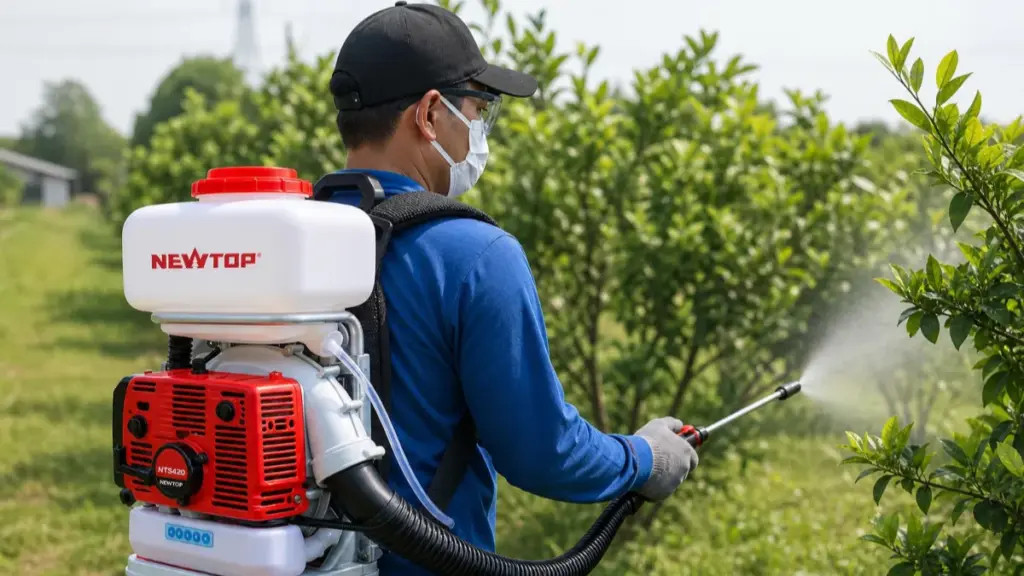
Chasing the lowest unit price often hides steep costs in early field failures, safety liabilities, and disrupted supply chains. A cheap sprayer quickly becomes an expensive liability.
Product Quality and Performance Issues
Low-cost factories routinely cut corners on materials and engineering. This severely impacts field performance and damages your brand reputation when the equipment reaches the end-user.
- Inconsistent spray output: Poor calibration and pressure fluctuations lead directly to crop over-dosing or under-dosing.
- Component failure: Substandard nozzles and cheap fluid components tend to drip or clog almost immediately.
- Structural weakness: Thin plastics and weak frames result in tank cracking and complete structural failure under regular field use.
Safety and Regulatory Compliance Gaps
Agricultural equipment must protect the operator and meet strict import standards. Budget manufacturers frequently skip compliance steps to save money, shifting the legal risk entirely onto you.
- Worker exposure: Poor sealing designs increase the operator’s exposure to pesticides through constant leaks and drips.
- Import blocks: Bypassing ISO and national safety standards puts your shipments at high risk of customs rejection.
- Liability exposure: A lack of traceability and missing safety certifications leaves buyers exposed to regulatory fines and product recalls.
Reliability and Hidden Lifecycle Costs
The upfront savings of a budget sprayer vanish the moment parts start breaking. Professional buyers evaluate total cost of ownership, which plummets when equipment fails in the field.
- Frequent downtime: High failure rates of seals, шланги, and pump handles halt operations during critical, time-sensitive spraying windows.
- Shorter service life: The absence of spare parts catalogs and maintenance support forces early equipment replacement.
- Erased margins: High defect rates, constant repair requirements, and frequent warranty claims quickly consume any initial unit cost savings.
Poor Ergonomics and Usability
If a knapsack sprayer is uncomfortable or difficult to operate, workers will misuse it or experience rapid physical fatigue, leading to sloppy application.
- Operator fatigue: Uncomfortable straps and poor weight distribution accelerate physical strain during long shifts.
- Incorrect practices: Inadequate manuals and missing local language translations cause mistakes in chemical mixing and application.
- Equipment misuse: A severe lack of proper training materials increases the likelihood of operator error and broken components.
Supply Chain and Quality Inconsistencies
Low-cost suppliers often lack the infrastructure and discipline to maintain steady quality or deliver on time, disrupting your entire seasonal sales strategy.
- Variable batch quality: Manufacturers quietly switch to cheaper materials or unvetted subcontractors to maintain their profit margins.
- Missed sales windows: Capacity constraints lead to late deliveries right before crucial pre-spray agricultural seasons.
- Skipped testing: Weak internal quality management systems bypass essential end-of-line testing and leakage checks.
Design Limitations for Specific Applications
A generic, one-size-fits-all approach rarely works in professional agriculture. Budget suppliers stick to basic configurations that limit your ability to capture specialized market segments.
- Mismatched capabilities: Generic designs fail to accommodate specific crop requirements, varying terrain types, and local climate conditions.
- Poor application control: Inadequate agitation and pressure control mechanisms prevent users from following strict spraying guidelines.
- Stagnant portfolios: Limited product lines ignore the growing market demand for larger capacity battery-powered or motorized units.
Ready to Build Your Knapsack Sprayer Product Line With NEWTOP?
Partnering with a proven OPE manufacturer secures your supply chain. NEWTOP delivers reliable quality, compliance-ready documentation, and scalable OEM production to keep your sprayer brand competitive.
С более чем 20 многолетний опыт производства, NEWTOP is a trusted outdoor power equipment supplier serving customers in more than 65 страны.
Why Partner With NEWTOP?
- 500,000+ units annual production capacity for stable supply
- Advanced manufacturing facilities и строгие системы контроля качества
- Experienced R&D team supporting OEM and ODM customization
- Прочный, field-tested sprayers designed for agricultural and commercial use
- Надежное снабжение запасными частями for long-term after-sales support
- International quality standards and product compliance for global markets
- Professional export experience serving Africa, Латинская Америка, Юго-Восточная Азия, and the Middle East
To expand our global presence, NEWTOP is actively seeking regional distributors and brand partners. Whether you are launching a new product line or expanding your existing portfolio, our team can provide reliable manufacturing support, customization services, and competitive partnership programs.
Contact NEWTOP today to discuss OEM projects, private-label opportunities, or regional distribution cooperation.
Часто задаваемые вопросы
What certifications should I look for in a knapsack sprayer manufacturer?
Common certifications include ISO 9001, CE, РоХС, ДОСТИГАТЬ, BSCI, and third-party testing reports such as SGS. The required certifications depend on your target market and product application.
Do knapsack sprayer factories offer OEM and ODM services?
Да, most established backpack sprayer manufacturers provide both. OEM services usually cover branding, custom colors, and packaging changes with lower minimum order quantities. ODM involves engineering new tank shapes, pump mechanisms, or ergonomic features, requiring higher volumes and upfront tooling investments.
What is the typical production lead time for a knapsack sprayer order?
В НЬЮТОП, samples take around 7 дни, and standard orders usually take about 30 дни. OEM and ODM orders depend on customization requirements.
What quality control checks should a reliable factory perform?
A dependable factory conducts incoming material inspections, in-process assembly monitoring, и финальное тестирование продукта. Final tests should include pressure retention, leak detection, and flow rate calibration under controlled conditions. They should also run periodic durability and chemical resistance tests on representative samples.
Why is spare parts consistency critical for knapsack sprayers?
Consistent spare parts guarantee that the sprayer maintains accurate pressure and flow rates, which prevents under-dosing or over-dosing chemicals. Using standardized, high-quality replacement parts also minimizes operational downtime, simplifies maintenance, and extends the equipment’s lifespan.
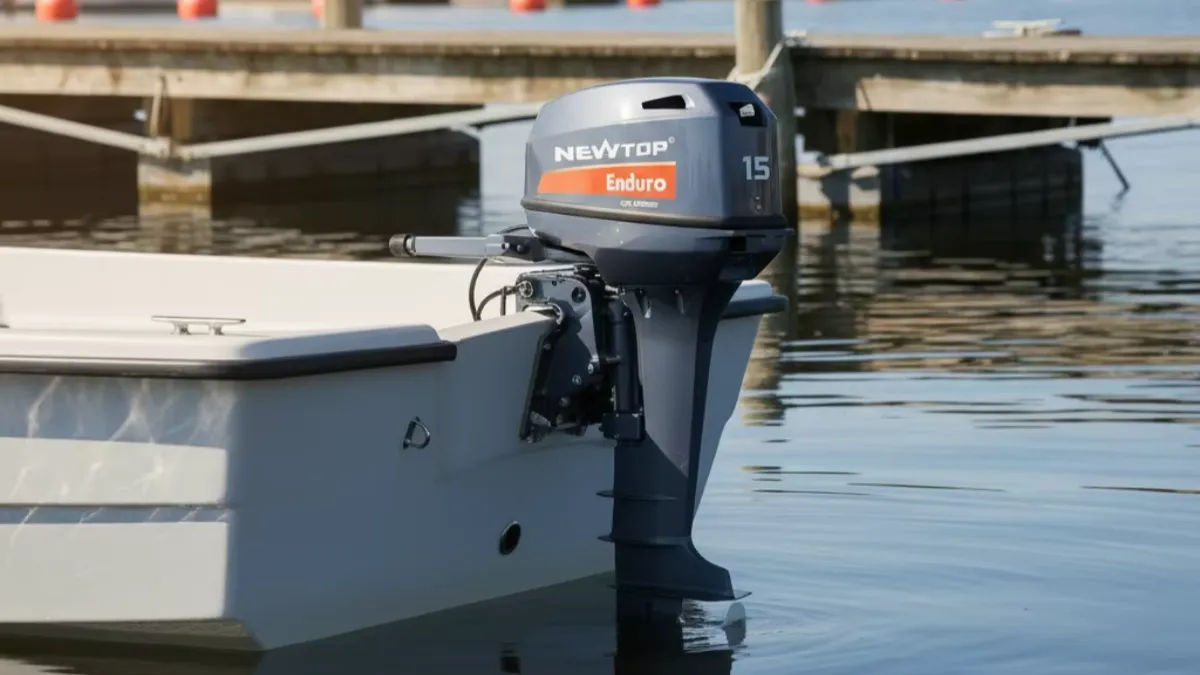
Подвесные моторы — одна из важнейших силовых систем для лодок малого и среднего размера.. Они широко используются в рыбной ловле., катание на лодках для отдыха, спасательные работы, аквакультура, транспорт, и коммерческие морские операции. Выбор правильного подвесного мотора напрямую влияет на топливную экономичность., скорость, надежность, стоимость обслуживания, и общий опыт катания на лодке.
Современный рынок предлагает множество типов подвесных моторов., включая бензин, электрический, дизель, двухтактный, и четырехтактные модели. Каждый вариант предназначен для разных размеров лодок., операционная среда, и потребности в использовании.
В этом руководстве объясняются основные типы подвесных моторов и помогает покупателям понять, какое решение лучше всего подходит для различных вариантов использования лодок..
Объяснение различных типов подвесных моторов
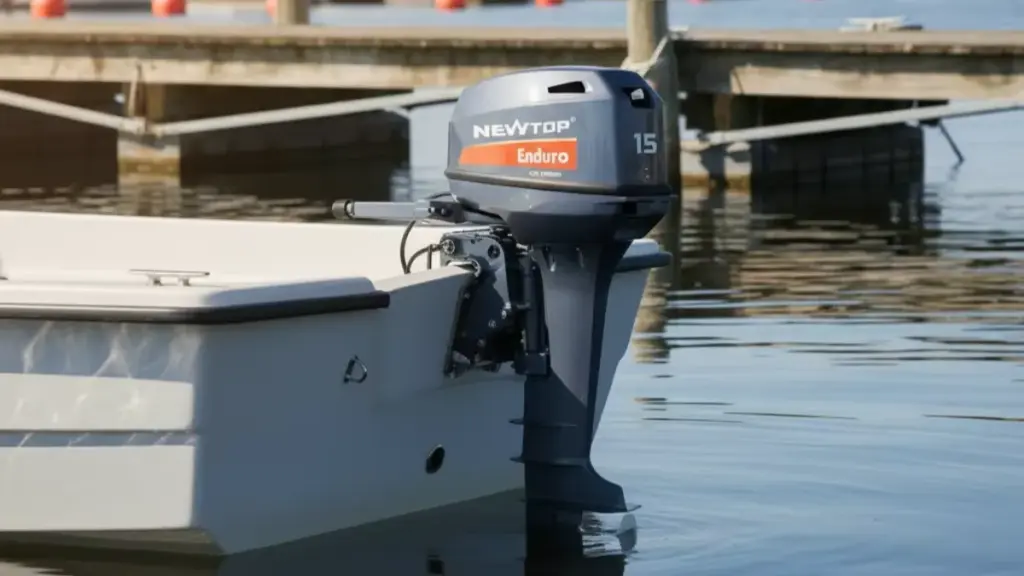
Подвесные моторы можно классифицировать несколькими способами, включая тип топлива, конструкция двигателя, диапазон лошадиных сил, и предполагаемое применение.
К наиболее распространенным категориям относятся:
| Тип двигателя | Основная технология | Основной вариант использования |
|---|---|---|
| Четырехтактный газ | Бензин / Отдельное масло | Семейные круизеры, морская рыбалка, тяжелые понтоны |
| Двухтактный газовый | Бензин / Масляная смесь (или ДФИ) | Легкие высокопроизводительные лодки, мелководные лодки |
| Электрический | Литиевая/AGM батарея | Экологически чувствительные воды, лодки, ограниченные озера |
| Гибридный газоэлектрический | Горение + Электрический привод | Суда смешанного назначения, экотуризм, водное такси |
| Троллинг / Кикер | Электрический или малый газ | Точный контроль угла наклона, вспомогательное морское резервное копирование |
| Реактивный подвесной двигатель | Упор водяного насоса | Мелкие реки, скалистые пороги, спасательные операции |
Четырехтактные бензиновые подвесные моторы
Четырехтактные подвесные моторы доминируют на современном рынке прогулочных лодок.. Они работают с отдельной масляной системой., полностью исключает необходимость ручного предварительного смешивания топлива. Этот дизайн отражает автомобильные двигатели., использование клапанов и распределительных валов для управления фазами впуска и выпуска.
- Эффективность и выбросы: Обеспечьте высокую топливную эффективность, более низкие выбросы, и более тихая работа по сравнению с устаревшими конструкциями двигателей..
- Приложения: Хорошо выступайте на семейных круизерах, прибрежные рыболовные лодки, и большегрузные понтоны.
- Компромиссы: Имеют больший вес и более высокие первоначальные затраты, но обеспечивают высокую долгосрочную надежность и стоимость при перепродаже..
Двухтактные бензиновые подвесные моторы
В двухтактных подвесных двигателях приоритет отдается чистой мощности и быстрому отклику дроссельной заслонки.. Они стреляют при каждом обороте коленчатого вала, давая им явное преимущество в производительности на старте. В то время как старые карбюраторные модели потребляют больше топлива и производят больше выхлопных газов., современная инженерия усовершенствовала технологию.
- Производительность: Обеспечить высокое соотношение мощности к весу., что приводит к быстрому ускорению и сильному удару по лунке.
- Механика: Имеет более простой основной механизм с меньшим количеством движущихся частей., часто снижают первоначальные затраты на покупку и обслуживание.
- Современные обновления: Современные версии с непосредственным впрыском точно дозируют масло и топливо для повышения эффективности легких лодок..
Электрические подвесные моторы
Электрические подвесные моторы полностью заменяют двигатель внутреннего сгорания., получение энергии от перезаряжаемых литиевых или AGM аккумуляторов. Они обеспечивают бесшумную, альтернатива без выбросов, адаптированная для конкретных условий эксплуатации лодок, где контроль шума и загрязнения являются главными приоритетами.
- Воздействие на окружающую среду: Производить нулевые местные выбросы и минимальный шум, что делает их идеальными для экологически чувствительных вод и зон дикой природы..
- Обслуживание: Практически не требует регулярного механического обслуживания, такого как замена масла или свечей зажигания..
- Ограничения: Ограничения дальности действия лица в зависимости от емкости аккумулятора, требуется надежная зарядная инфраструктура на причале или прицепе.
Гибридные газоэлектрические подвесные двигатели
Гибридные системы сочетают двигатель внутреннего сгорания с электроприводом для максимальной эксплуатационной гибкости.. Операторы могут легко переключаться между методами движения в зависимости от их непосредственной среды и требований к дальности действия..
- Универсальность: Разрешить операторам использовать бесшумную электроэнергию в зонах ограниченного доступа и газовую энергию для транзита по открытой воде..
- Надежность: Обеспечьте двойное резервирование питания, предлагая резервную двигательную установку в случае отказа одной системы.
- Соображения: Включайте более высокую сложность системы, увеличенный вес, и более высокие затраты на приобретение, чем одномодовые альтернативы.
Троллинг и Кикер Моторс
Не все подвесные двигатели служат основным источником высокоскоростной тяги.. Троллинговые и киккерные двигатели выполняют узкоспециализированные функции, дополняя основной двигатель., упор на точное маневрирование и безопасность.
- Троллинговые моторы: Используйте электроэнергию, чтобы обеспечить точную, тихий, тихоходное управление для рыболовов, ориентирующихся по конструкции.
- Кикер Моторс: Функционируют как небольшие вспомогательные бензиновые подвесные двигатели, установленные рядом с основным двигателем на транце..
- Преимущества: Обеспечьте резервную двигательную установку для обеспечения безопасности на море и экономьте топливо во время длительного перехода на низкой скорости..
Пропеллер против. Варианты подвесного двигателя Jet
Метод, который подвесной двигатель использует для преобразования мощности двигателя в тягу, определяет, где вы можете безопасно перемещаться.. В то время как обычные подвесные двигатели с гребным винтом эффективно преобразуют мощность в тягу в широком диапазоне скоростей и глубин., струйные варианты предлагают специализированное решение для опасных вод.
- Реактивная механика: В подвесных двигателях Jet гребной винт нижнего агрегата заменяется водяным насосом., втягивание воды под корпус и выброс ее в виде тяги.
- Преимущества безопасности: Реактивные приводы значительно уменьшают тягу и исключают риски открытия лопастей., создание более безопасного варианта для мелководных рек и каменистых участков.
- Компромиссы в производительности: Реактивные агрегаты требуют большей мощности двигателя, чтобы соответствовать скорости гребного винта, и сталкиваются с риском засорения воздухозаборника плавающими обломками..
Двухтактные и четырехтактные подвесные моторы
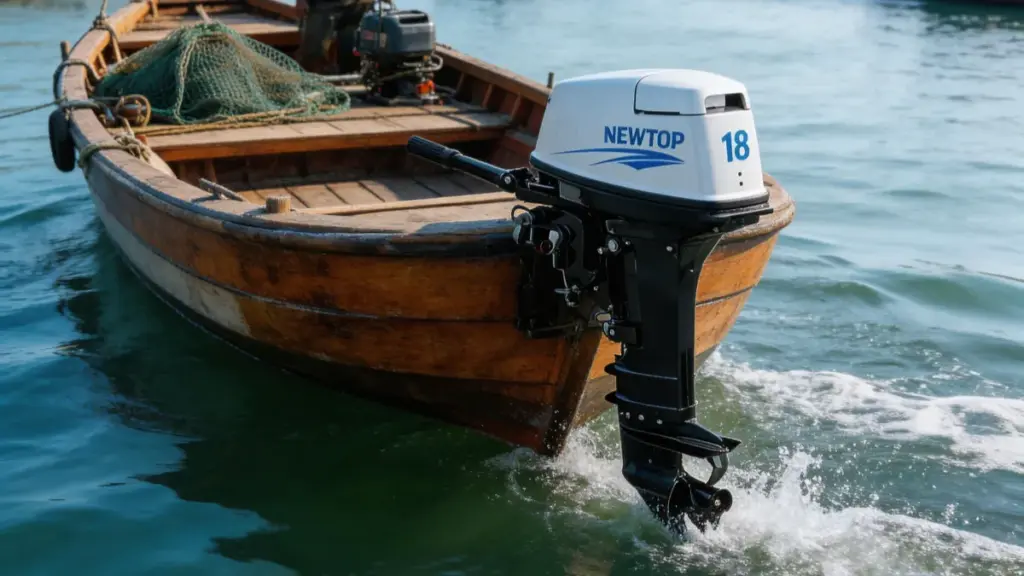
Выбор между двухтактными и четырехтактными подвесными двигателями полностью зависит от ограничений по весу транца вашей лодки., целевые показатели запаса топлива, и потребности в ускорении.
| Особенность | Двухтактный | Четырехтактный |
|---|---|---|
| Масса | Зажигалка | Тяжелее |
| Топливная эффективность | Ниже | Выше |
| Уровень шума | Громче | Тише |
| Обслуживание | Проще | Более сложный |
| Выбросы | Выше | Ниже |
| Лучшее использование | Портативные лодки | Рекреационное и коммерческое использование |
Механическая конструкция и различия в весе
Механика цикла двигателя определяет основные различия между этими двумя платформами.. Двухтактные подвесные двигатели завершают рабочий цикл всего за два хода поршня.. Это приводит к более простой внутренней компоновке с меньшим количеством движущихся частей..
Эти конструктивные различия напрямую влияют на то, как двигатель располагается на транце и ведет себя на воде.. Мы отслеживаем конкретные различия в производительности для обеих конфигураций.:
- Штраф за вес: Четырехтактные подвесные двигатели весят 30 к 40 процентов больше, увеличение общей нагрузки на транец и изменение управляемости на мелководье.
- Возможность попадания в дырку: Двухтактные двигатели обеспечивают более быстрое ускорение и более высокое соотношение мощности к весу., обеспечение немедленного удара.
Экономия топлива, Выбросы, и качество езды
Операторы, ориентированные на эксплуатационные расходы и комфорт пассажиров, обычно склоняются к четырехтактным моделям.. Четырехтактный двигатель обеспечивает 20 к 30 на процент лучшая экономия топлива, поскольку они более полно сжигают топливо во время цикла сгорания.
Инженеры за последние годы закрыли технологический разрыв. Современные двухтактные двигатели с непосредственным впрыском значительно снижают исторические уровни выбросов, сохраняя при этом сильное ускорение.. При оценке ежедневного опыта на воде, покупатели должны учитывать физические качества езды:
- Акустика и вибрация: Четырехтактные двигатели работают с минимальной вибрацией и тихо работают на крейсерских скоростях..
- Акустическое присутствие: Двухтактный режим обеспечивает более резкий звук., более заметный звук при большой нагрузке.
Требования к техническому обслуживанию и долговечность
Графики обслуживания сильно различаются в зависимости от внутренних систем смазки.. Двухтактные двигатели требуют, чтобы оператор смешивал масло непосредственно с топливом или полагался на встроенную систему впрыска масла.. Вы избегаете традиционной замены масла, но надо постоянно следить за уровнем масла в резервуарах.
Четырехтактные двигатели работают так же, как автомобильные двигатели.. В них используется отдельный масляный резервуар картера, что требует стандартной замены моторного масла и фильтров.. Это добавляет некоторую механическую сложность в ваш контрольный список ежегодного обслуживания.. Оба типа двигателей обеспечивают надежный и длительный срок службы, если владельцы придерживаются правильных графиков технического обслуживания судов..
Лучшие варианты использования каждого типа двигателя
Выбор правильного двигателя требует соответствия технологии конкретной лодке и задаче..
- Применение двухтактных подвесных моторов: Они лучше всего подходят для легких лодок, используемых для ловли на мелководье., водные виды спорта, и частые буксировки, когда экономия веса транца имеет решающее значение..
- Четырехтактный подвесные моторы приложения: Они идеально подходят для более тяжелых лодок, совершающих длительные поездки по морю или озерам, где наиболее важны топливная экономичность и бесшумность..
Размер лодки, средняя продолжительность поездки, окончательный выбор зависит не только от технологии двигателя, но и от ограничений по весу транца..
Подвесные моторы для небольших рыбацких лодок

Правильный подвесной мотор для небольшой рыбацкой лодки уравновешивает размер корпуса., грузоподъемность, и местные водные условия для увеличения дальности, скорость, и скрытность.
Основные типы и возможности двигателей
Выбор двигательной установки определяет, как вы взаимодействуете с водой.. У вас есть три основных варианта небольших рыбацких лодок..
- Маленькие бензиновые подвесные моторы (2–10 л.с.): Они обеспечивают более высокую максимальную скорость — до 18 миль в час — и расширенный диапазон. Заправка на воде – это просто, хотя вы должны контролировать шум двигателя и выбросы выхлопных газов.
- Электрические подвесные моторы (3–10 л.с. эквивалент): Эти агрегаты обеспечивают высокий крутящий момент и бесшумную работу., работа без выбросов. Максимальная скорость обычно достигает максимума между 6 и 12 миль в час, что делает их более подходящими для постоянного плавания, а не для быстрого транзита..
- Электрические троллинговые моторы: Вместо основного двигателя, они действуют как вторичные инструменты позиционирования. Они используют номинальную тягу, а не мощность, и дают вам прекрасный контроль для скрытного маневрирования вдоль построек..
Соответствие размеров мотора конструкции лодки
Двигатель работает настолько хорошо, насколько хорошо работает корпус, который он толкает.. Подберите выходную мощность непосредственно к конструкции лодки, чтобы обеспечить безопасное и эффективное управление..
- Джон лодки (10–16 футов): Эти корпуса с плоским дном хорошо работают с бензиновыми или электродвигателями мощностью 3–6 л.с.. В зависимости от вашей нагрузки, ожидайте скорости между 4 и 10 миль в час.
- Маленькие алюминиевые V-образные корпуса (12–16 футов): Более глубокая конструкция корпуса выдерживает более тяжелые нагрузки и требует подвесных бензиновых двигателей мощностью 4–9,9 л.с. для надежного достижения скорости глиссирования..
- Надувные лодки и рыболовные тендеры: Мобильность здесь является приоритетом. Сочетайте их с легкими бензиновыми подвесными двигателями мощностью 2,5–6 л.с. или электрическими эквивалентами мощностью 3–6 л.с., чтобы всю установку было легко транспортировать..
Ключевые критерии выбора
За пределами чистой мощности, конкретные эксплуатационные факторы определяют, какой именно двигатель вам нужен. Перед покупкой примите во внимание условия эксплуатации и физические размеры лодки..
- Длина вала: Вал двигателя должен соответствовать высоте транца.. Короткий вал длиной 15 дюймов или длинный вал длиной 20 дюймов предотвращает вентиляцию гребного винта и устраняет ненужное сопротивление..
- Общая грузоподъемность: Более тяжелые установки — сочетание веса корпуса, механизм, и пассажиры — требуют более высокого крутящего момента. Высокие нагрузки серьезно снижают максимальную скорость., фактор, который становится особенно очевидным для электродвигателей.
- Водная среда: Мелкий, каменистые реки требуют подвесных реактивных двигателей для защиты нижнего блока. Наоборот, если вы ловите рыбу на водоемах с ограниченными выбросами, установка электрического подвесного двигателя обязательна.
Охлаждение, Обслуживание, и долговечность
Газовые подвесные двигатели прокачивают охлаждающую воду через нижний блок.. This design makes them highly vulnerable to internal damage if you drag them through sand or ingest mud in shallow water. You have to monitor the cooling stream constantly to avoid overheating.
Electric outboards eliminate traditional water pumps. They still require the lower unit to remain submerged, relying on the surrounding water for passive cooling. Running an electric motor dry at high power will quickly destroy internal components.
Routine upkeep differs drastically between the two. Gas motors demand regular oil changes, замена свечей зажигания, and strict fuel system care to prevent ethanol damage. Electric motors skip the fluid changes and focus heavily on battery management, wire corrosion checks, and routine lower unit seal inspections.
Source Durable Power Equipment for Maximum ROI
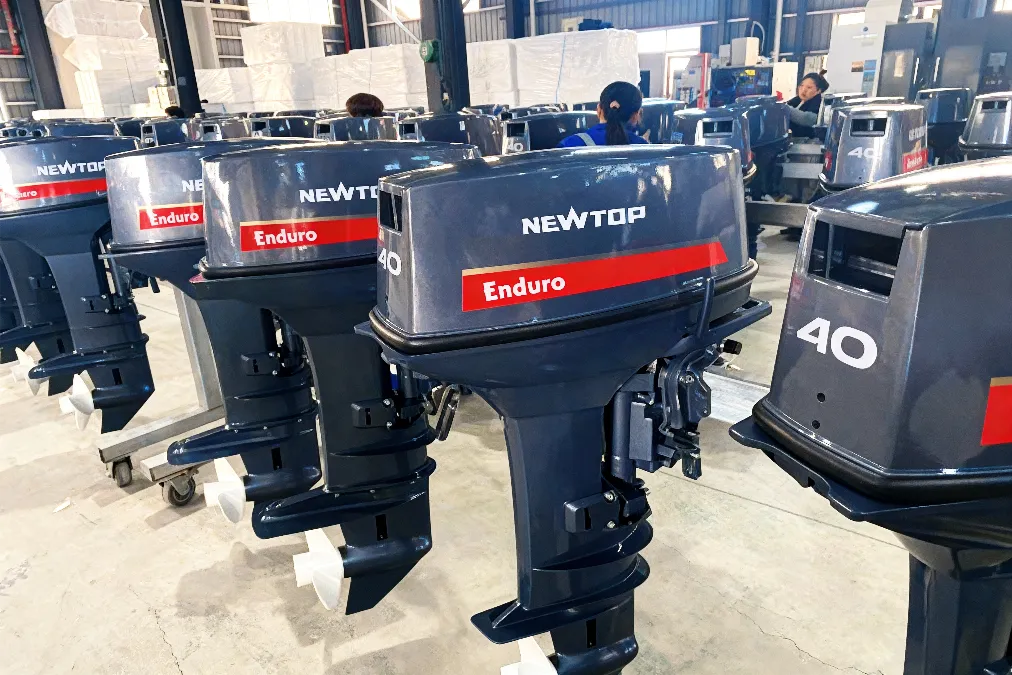
Подвесные моторы для прогулочных и семейных лодок
Подвесные двигатели делают семейные лодки надежными, компактная силовая установка. Подбор подходящего типа двигателя, цикл двигателя, и мощность вашего корпуса обеспечивают безопасное управление и долгосрочный комфорт пассажиров..
Роль и преимущества семейного катания на лодках
Эти автономные двигательные установки устанавливаются непосредственно на транце лодки.. Эта установка освобождает ценное пространство на внутренней палубе по сравнению с традиционными бортовыми двигателями.. Внешний дизайн упрощает регулярное техническое обслуживание и значительно облегчает последующую замену двигателя.. Строители используют подвесные двигатели в качестве стандартного источника энергии для боурайдеров., понтоны, надувные лодки, и палубные лодки.
Бензин против. Варианты электрического подвесного двигателя
Модели с двигателем внутреннего сгорания являются стандартным выбором для круизов общего назначения и водных видов спорта.. Бензиновые подвесные двигатели обеспечивают огромный диапазон мощности. 2 HP слишком 600 hp подходит практически для любого транца для отдыха.
Электрические подвесные двигатели полагаются на аккумуляторные системы, обеспечивающие нулевой уровень выбросов и бесшумную работу.. Эти электрические варианты отлично подходят для озер с низким уровнем шума., маленькие надувные лодки, и поездки на короткие расстояния, где тишина имеет приоритет над дальностью действия.
Четырехтактные и двухтактные двигатели с прямым впрыском
Современные четырехтактные двигатели доминируют на рынке развлечений.. Они обеспечивают тихую работу, низкие выбросы, и высокая топливная экономичность. В четырехтактных двигателях используется отдельная система масляной смазки., устранение необходимости смешивать масло и топливо на причале.
Прямой впрыск топлива (ДФИ) двухтактные двигатели обеспечивают другой профиль производительности. They offer rapid acceleration and a lighter power-to-weight ratio. Performance-oriented boaters favor DFI engines for towing skiers or wakeboarders because of that immediate throttle response.
Sizing Guidelines for Recreational Hulls
Selecting the right horsepower requires matching the motor to the loaded weight of your boat. A standard industry benchmark recommends 25 к 40 pounds of loaded boat weight per horsepower.
- Small inflatables: Usually require 10 к 25 hp for safe handling and portability.
- Compact pontoons and small deck boats: Generally operate well with 60 к 90 л.с..
- General-purpose 18 to 22-foot runabouts: Typically utilize 115 к 200 hp for mixed-use activities.
Essential Features for Family Comfort and Safety
A great day on the water depends on reliable equipment. Electric start and power tilt/trim simplify operation for boaters of all skill levels. Электронный впрыск топлива (ЭФИ) обеспечивает надежный холодный запуск и более плавный холостой ход..
Комфорт пассажиров во многом зависит от низкого уровня шума и минимального уровня вибрации во время длительных круизов выходного дня.. Вы также должны сопоставить правильную длину вала с высотой транца.. Это обеспечивает правильное управление и обеспечивает безопасную эксплуатацию лодки в пределах проектных ограничений..
Подвесные моторы для рабочих лодок и коммерческого использования
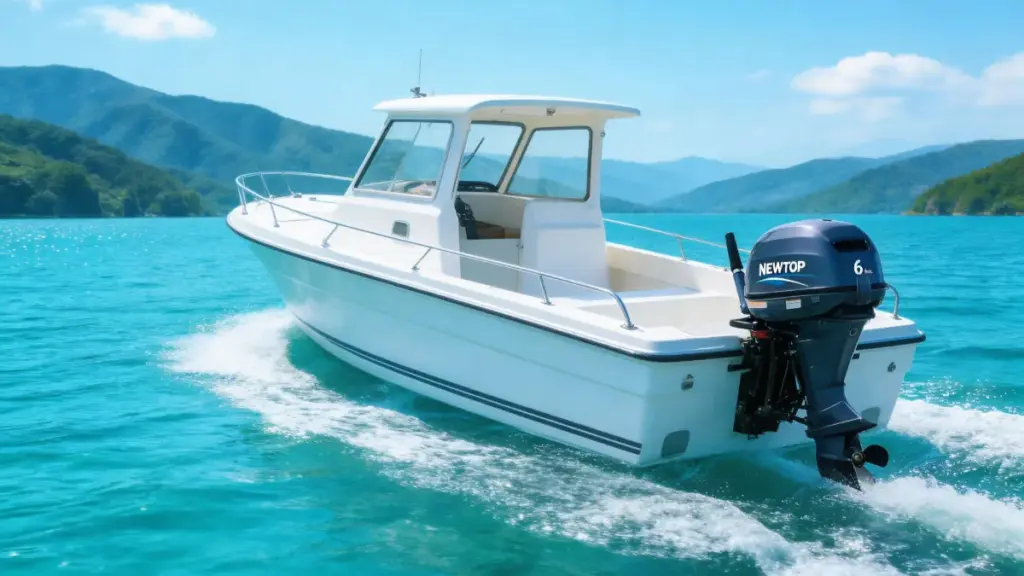
Коммерческие подвесные двигатели отдают предпочтение долговечности в тяжелых условиях, высокий крутящий момент, и долгосрочная топливная экономичность, позволяющая выдержать суровые 2000-часовые годовые рабочие циклы, с которыми стандартные двигатели для отдыха просто не могут справиться..
Коммерческие рабочие циклы и эксплуатационные требования
Рабочие лодки работают в суровых условиях, которые ломают стандартные двигатели.. В то время как яхтсмены-любители могут войти в систему 50 к 200 часов в сезон, коммерческие суда регулярно выталкивают свои подвесные двигатели из 500 слишком далеко 2,000 часов ежегодно.
- Работа с высокой нагрузкой: Двигатели работают в течение длительного времени при полностью открытой дроссельной заслонке или при максимальной нагрузке при буксировке..
- Суровые условия: Операторы подвергают эти двигатели воздействию экстремальных температур., мелководье, заваленное мусором, и высококоррозионной соленой водой ежедневно.
- Приоритеты производительности: Коммерческие экипажи игнорируют пиковую максимальную скорость, предпочтение абсолютной надежности и низкому крутящему моменту для выполнения работы.
Структурные обновления коммерческих подвесных двигателей
Производители создают коммерческие подвесные двигатели, способные выдерживать постоянные злоупотребления.. Они значительно модернизируют внутреннюю архитектуру по сравнению с моделями для отдыха..
- Усиленная трансмиссия: Подшипники для тяжелых условий эксплуатации и усиленные коробки передач без сбоев выдерживают непрерывные операции с высокой нагрузкой..
- Модернизированное оборудование: Строители используют для крепежа нержавеющую сталь более высокого качества., связи, and heavy-duty transom brackets to combat structural fatigue.
- Corrosion resistance: Advanced coatings and upgraded sacrificial anode systems protect critical metal parts from aggressive saltwater degradation.
- Robust cooling: High-capacity water pumps process dirty, shallow water efficiently to prevent overheating under heavy load.
Бензин против. Diesel Engine Choices
The choice of fuel dictates operating costs and maintenance logistics. Commercial fleets typically choose between three main engine technologies.
- Four-stroke gasoline: These engines dominate the market due to wide availability, extensive dealer support networks, and lower initial purchase costs.
- Дизельные подвесные моторы: Operations running large ships often prefer diesel to match existing onboard systems. They deliver superior fuel safety and drastically lower fuel consumption.
- Direct-injection two-strokes: Эти двигатели занимают нишу для судов, требующих быстрого ускорения и высокой удельной мощности..
Стратегии движения и конфигурации
Оснащение рабочей лодки требует соответствия мощности двигателя водоизмещению корпуса., ожидаемые нагрузки, и местные условия окружающей среды.
- Установки с одним двигателем: Использование одного надежного подвесного двигателя снижает сопротивление., повышает эффективность использования топлива на милю, и сводит к минимуму количество точек обслуживания.
- Многодвигательное резервирование: Морские и аварийно-спасательные суда полагаются на два или несколько двигателей для обеспечения важной механической поддержки в море..
- Конфигурации с высокой тягой: Операторы сочетают редукторы с большой тягой с гребными винтами с малым шагом, чтобы максимизировать тяговое усилие и контроль маневрирования на низкой скорости..
Общая стоимость владения и обслуживания
Первоначальная цена покупки коммерческого подвесного двигателя составляет лишь часть фактических затрат.. Длительное использование топлива, текущее обслуживание, и время простоя судна значительно перевешивают первоначальные затраты.
- Экономия топлива: Оптимизация расхода топлива на крейсерских оборотах обеспечивает наибольшую экономию в эксплуатации для автопарков с большим количеством часов работы..
- Доступность услуги: Видимые аноды, модульные топливные фильтры, и доступные диагностические порты ускоряют выполнение рутинных задач по техническому обслуживанию..
- Расширенный жизненный цикл: Внутренние компоненты коммерческого уровня задерживают капитальный ремонт, чтобы судно зарабатывало деньги на воде, а не сидело в магазине.
Электрические подвесные моторы для тихой и чистой работы
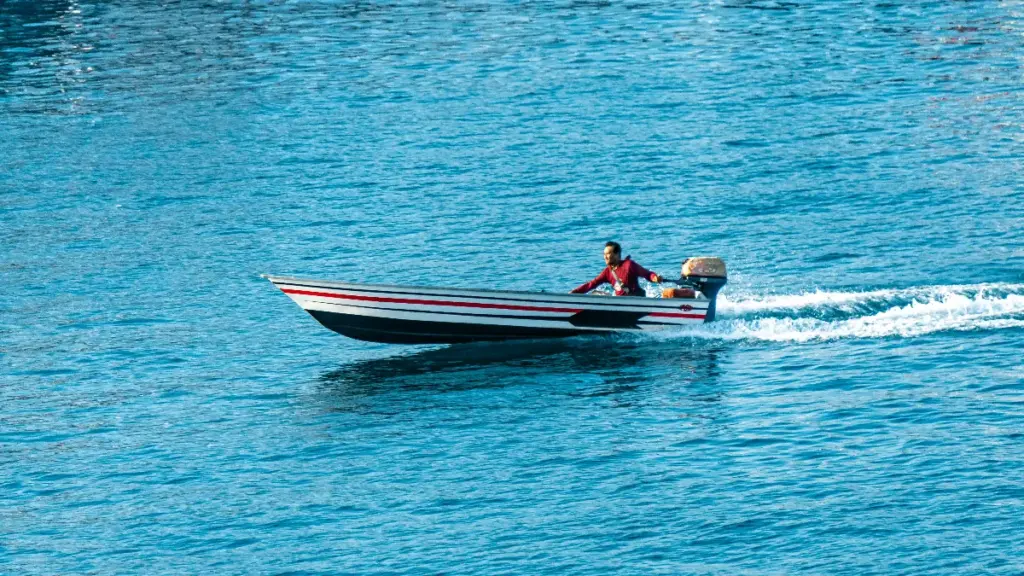
Электрические подвесные моторы устраняют шум и выхлопные газы., предоставление экологически чистой силовой установки, соответствующей строгим правилам водного транспорта, одновременно улучшая комфорт пассажиров и улучшая взаимодействие с дикой природой..
Шумоподавление и контроль вибрации
Электродвигатели работают практически бесшумно на низких скоростях и производят значительно меньше шума, чем бензиновые аналоги на крейсерской скорости.. Отсутствие циклов сгорания и выхлопной системы устраняет резкие механические звуки.. Конструкции с прямым приводом минимизируют вибрацию., снижение утомляемости оператора и обеспечение плавности хода.
Нулевые прямые выбросы и защита воды
Электрические системы производят нулевые выбросы из выхлопных труб., устранение локального загрязнения угарным газом и углеводородами. Демонтаж бортовых бензобаков и маслосборников исключает риск утечек топлива и масляных пятен.. Замена сжигания ископаемого топлива на воде напрямую снижает углеродный след морского отдыха..
Доступ к ограниченным водным путям
Многие озера и охраняемые морские территории теперь вводят строгий запрет на использование двигателей внутреннего сгорания.. Электрические подвесные двигатели легко соответствуют требованиям зоны с нулевым уровнем выбросов.. Операторы могут перемещаться в экологически чувствительных средах, не сталкиваясь с нормативными ограничениями..
Улучшение впечатлений от катания на лодке и взаимодействия с дикой природой
Тихая работа улучшает связь на борту и комфорт пассажиров.. Низкий уровень шума не пугает рыбу., предоставление рыболовам стратегического преимущества. Операторы экотуризма могут близко подойти к морской жизни, не вызывая стресса или сбоев..
Дизельные и специальные подвесные моторы для тяжелых условий эксплуатации
Дизельные и специальные подвесные двигатели обеспечивают экстремальный крутящий момент., топливная экономичность, и структурная долговечность, необходимая для коммерческих задач, морской транзит, и непрерывная работа в тяжелых условиях.
Основные преимущества дизельных и специальных подвесных двигателей
Тяжелые нагрузки и долгие часы работы требуют особых характеристик движения.. Дизельные подвесные двигатели созданы именно для таких условий., предлагая явные эксплуатационные преимущества по сравнению со стандартными двигателями для отдыха..
- Высокий крутящий момент на низких оборотах: Обеспечивает толкающую силу, необходимую для строгания тяжелых лодок., буксирные грузы, и сохранять устойчивую тягу против сильного течения или бурной воды..
- Превосходная топливная экономичность: Расширяет спектр коммерческих операций и снижает частоту и стоимость заправок..
- Тяжелая конструкция: Выдерживает непрерывную нагрузку и продолжительное время работы в течение года в высококоррозионной морской среде..
- Низкая воспламеняемость: Дизельное топливо сводит к минимуму риск возгорания по сравнению с бензином, создание более безопасных протоколов обращения с топливом для коммерческих экипажей.
Ключевые категории специальных двигателей
Стандартные подвесные двигатели часто не справляются со специфическими задачами.. Производители создают отдельные категории для работы с нестандартными коммерческими товарами., спасать, и требования к экспедиции.
- High-horsepower offshore outboards: Propel large vessels across open water, integrating digital controls to manage high payloads safely.
- Commercial-duty outboards: Prioritize raw reliability and standard parts to ensure maximum run times for utility and patrol boats.
- Jet-drive systems: Swap traditional propellers for internal impellers to navigate shallow, rocky waters without prop strike damage.
- Electric and auxiliary outboards: Provide precise maneuvering, emergency backup propulsion, and zero-emission operation for sensitive work environments.
Crucial Performance Specifications
Evaluating a heavy-duty outboard requires looking past peak horsepower. Commercial operators focus on specifications that dictate sustained pulling power and engine longevity.
- Torque output: Напрямую определяет способность двигателя поднимать тяжелые корпуса на самолет и преодолевать сильный встречный ветер..
- Номинальные параметры непрерывной работы: Помогите коммерческим покупателям точно спрогнозировать интервалы технического обслуживания на основе предсказуемых, долгочасовые рабочие профили.
- Вес двигателя: Прочные дизельные блоки весят больше, чем газовые эквиваленты, требующие точной регулировки нагрузки на транец, отделка лодки, и медленное управление.
- Соответствие пропеллера: Правильный выбор шага и диаметра гарантирует оптимизацию тяги., ускорение, и экономия топлива при тяжелом грузе.
Критерии выбора для тяжелых условий эксплуатации
Покупка неправильного двигателя для коммерческого корпуса снижает рентабельность инвестиций.. Систематический процесс выбора предотвращает дорогостоящие ошибки при замене мощности и простои в работе..
- Совместимость корпуса: Характеристики двигателя должны идеально соответствовать собственному весу лодки., опад, и максимальная предполагаемая нагрузка или буксирная нагрузка.
- Переменные операционной среды: Особые условия диктуют требования, например, проезд по мелководью., запуск в экстремально холодную погоду, или защита от коррозии морского класса.
- Общая стоимость владения: Первоначальная цена имеет меньшее значение, чем совокупная стоимость сжигания топлива., работа по техническому обслуживанию, и запасные части.
- Местная сервисная сеть: Близость к обученным техническим специалистам и диагностическим системам OEM не подлежит обсуждению, чтобы свести время простоя в коммерческом секторе к абсолютному минимуму..
Приоритеты технического обслуживания для обеспечения долгосрочной надежности
Мощные двигатели выдерживают суровые условия. Игнорирование стандартных графиков технического обслуживания быстро снижает производительность и приводит к катастрофическим отказам под нагрузкой..
- Состояние топливной системы: Требует чистых резервуаров, строгое соблюдение указанных марок топлива, и регулярный слив воды из сепараторов.
- Контроль коррозии: Требует агрессивной промывки пресной водой., регулярные проверки жертвенного анода, и герметизация уязвимых электрических соединений.
- Графики смазки: Замена трансмиссионного масла и моторных смазок с точными интервалами предотвращает критический перегрев при длительной работе с высокими нагрузками..
- Плановые визуальные осмотры: Обнаруживает ранние признаки износа монтажного кронштейна, люфт рулевого управления, утечки топлива, или повреждение гребного винта до того, как они обострятся.
Как мощность и размер лодки влияют на выбор мотора
Соответствие мощности и размера лодки определяет производительность., безопасность, и топливная экономичность. Используйте 25 к 40 Правило фунтов на лошадиную силу и никогда не превышайте пределы допустимой мощности..
Основная взаимосвязь между весом лодки и мощностью
Надежная отраслевая база диктует 25 к 40 фунты веса полностью загруженной лодки на одну лошадиную силу. Вы рассчитываете этот полный вес, комбинируя корпус, двигатель, топливо, пассажиры, и снаряжение.
Для лодок под 20 ноги, США. Табличка с грузоподъемностью береговой охраны действует как высшая инстанция. Вы должны следовать этой табличке, чтобы определить абсолютный предел максимальной мощности и обеспечить безопасную эксплуатацию..
Типичный диапазон мощности в зависимости от типа лодки
Различные конструкции корпуса требуют определенных диапазонов мощности для эффективной работы в различных условиях..
- Маленькие надувные лодки и лодки: Работайте эффективно на 2 к 10 л.с. для коротких поездок по спокойной воде.
- Лодки Джона и алюминиевые лодки: Хорошо выступайте с 9.9 к 30 hp для легкой рыбалки и путешествий по озеру.
- Центральные консоли среднего размера и лодки с бухтами: Нуждаться 60 к 200 HP справится с прибрежными поездками и семейными круизами.
- Большие морские лодки: Требовать 200 к 600+ л.с. для поддержания скорости и безопасности в сильном море.
Как использование по назначению и нагрузка влияют на производительность
Ваша повседневная деятельность определяет, в каком диапазоне мощности вашей лодки вам следует находиться.. Водные виды спорта требуют сильного ускорения. Для буксировки лыжников или вейкбордов, select horsepower near the boat’s maximum rating.
Calm-water cruising changes the math. You can use smaller motors to gain better fuel efficiency, operating comfortably closer to the 40 pounds per horsepower mark.
Keep in mind that every additional passenger changes the power dynamic. Heavily loaded boats require more horsepower to reach and maintain plane effectively.
The Risks of Underpowering vs. Overpowering
Underpowering a hull forces the engine to run constantly at high RPMs. This causes sluggish handling, spikes fuel consumption, and places excess strain on internal components.
Selecting horsepower near the upper limit provides a better hole shot and lets you cruise efficiently at mid-range RPMs.
Overpowering crosses the line into dangerous territory. Exceeding the maximum rating creates handling instability, overloads the transom structurally, and frequently voids insurance policies.
Matching Shaft Length and Engine Technology
Horsepower only works if the propeller sits correctly in the water. Measure the transom height exactly to select the correct short, длинный, or extra-long shaft. This prevents unnecessary drag and propeller ventilation.
Choose four-stroke engines when you want quieter operation and better fuel management compared to traditional carbureted two-strokes. For maximum reliability, opt for Electronic Fuel Injection (ЭФИ) or Direct Fuel Injection (ДФИ) to secure quick cold starts and lower fuel costs.
Common Buying Mistakes Across Boat Applications
Buyers routinely waste thousands by focusing on brand and price while ignoring structural limits, mechanical health, and total operating costs during outboard motor repowers.
Mismatched Specifications and Application
Buyers often choose an outboard based on a perceived good deal rather than its intended use. Slapping a heavy four-stroke on a light hull meant for a two-stroke drastically alters how the boat sits and handles.
- Engine characteristics: Failing to align the motor with specific uses, such as running heavy 4-strokes on light hulls or standard outboards for precise trolling.
- Capacity limits: Overpowering or underpowering the vessel by ignoring the capacity plate and recommended horsepower limits.
- Длина вала: Selecting the wrong dimension, causing poor handling, кавитация, or excessive drag in the water.
- Transom weight: Ignoring the weight impacts of modern outboards on older transoms, leading to stern squat and serious swamping risks.
Overlooking Mechanical and Structural Health
A clean gelcoat and fresh decals easily mask serious mechanical and structural failures. Smart operators know the real value lies under the cowl and inside the fiberglass core.
- Cosmetic traps: Judging an outboard based on cosmetic appearance rather than conducting systematic compression and fluid checks.
- Missing history: Disregarding age, service records, and diagnostic reports in favor of low purchase prices.
- Structural decay: Planning a repower without physically inspecting the hull and transom for structural rot, flex, or delamination.
Neglecting System Compatibility
Dropping a modern outboard onto a legacy boat requires more than bolting it to the transom. Electrical and fuel systems degrade over time and routinely fail to meet the tight tolerances of modern electronic engines.
- Control limits: Assuming existing wiring, control cables, and steering mechanisms can safely handle a new or more powerful motor.
- Fuel system decay: Overlooking deteriorated fuel lines, incompatible ethanol components, and contaminated tanks that destroy injectors.
- Electrical demands: Failing to verify battery size and condition against the strict manufacturer requirements for modern digital systems.
Skipping Sea Trials and Professional Inspections
Running an engine on a hose in the driveway tells you almost nothing about how it performs under load. Real-world testing reveals the hidden flaws that cost thousands to fix after the sale.
- Professional review: Completing a purchase without a formal inspection by a certified marine technician or marine surveyor.
- Loaded performance: Forgoing a loaded sea trial to test hole shot, wide-open throttle RPM limits, and steering torque.
- System checks: Failing to test essential onboard systems like gauges, alarms, and electronics during active operation.
Underestimating Total Costs and Logistics
The upfront invoice represents only a fraction of outboard ownership. Buyers frequently miscalculate the long-term financial commitment required to keep a vessel running safely and reliably season after season.
- Operational expenses: Focusing solely on the purchase price while ignoring ongoing fuel, масло, and scheduled maintenance expenses.
- Lifecycle value: Failing to account for future usage needs, regional parts support, and brand resale value.
- Hidden logistics: Overlooking insurance quotes, proper off-season storage, and safety equipment requirements before purchasing.
Why Source Outboard Motor Solutions From an Experienced Supplier?
Selecting an outboard motor is not only about horsepower specifications or purchase cost. Консистенция продукта, надежность доставки, техническая поддержка, and long-term parts availability all influence the success of marine equipment distribution and end-user satisfaction.
An experienced manufacturer can help customers reduce procurement risks while maintaining stable product quality across different markets. Key advantages often include:
- OEM and ODM customization capabilities
- Consistent quality control throughout production
- Надежное снабжение запасными частями
- Technical manuals and product documentation
- Compliance with local regulations and certification requirements
- Flexible solutions for different boat applications and market demands
As an established outdoor power equipment manufacturer, NEWTOP has accumulated extensive experience in engine-powered equipment production and international export operations. The company focuses on delivering dependable power solutions backed by strict manufacturing standards, efficient production management, и отзывчивая поддержка клиентов.
Looking for a reliable outboard motor manufacturer? Contact NEWTOP to explore customized solutions, request product specifications, or receive a quotation tailored to your business needs.
Заключительные мысли
Understanding the different types of outboard motors is the first step toward making the right investment for your boating application. From lightweight two-stroke models for small fishing boats to fuel-efficient four-stroke engines, electric propulsion systems, and heavy-duty diesel solutions, each option offers distinct advantages depending on operating conditions and performance requirements.
Rather than focusing solely on horsepower or purchase price, buyers should consider factors such as boat size, предполагаемое использование, топливная экономичность, требования к техническому обслуживанию, и долговременная надежность. A properly matched outboard motor can improve safety, reduce operating costs, and deliver better performance on the water.
Часто задаваемые вопросы
Какие существуют основные типы лодочных моторов?
The main types include two-stroke, четырехтактный, электрический, дизель, and specialty outboard motors. Each type is designed for different boat sizes, условия эксплуатации, and performance requirements.
Что лучше: a two-stroke or four-stroke outboard?
Your boating application dictates the right choice. Two-stroke outboards weigh less and deliver rapid acceleration, making them perfect for small boats, shallow-water fishing, and tow sports. Four-stroke outboards run quieter, burn fuel more efficiently, and produce fewer emissions. Boaters typically choose four-strokes for long-range cruising, offshore runs, and pushing heavier vessels.
Are electric outboard motors a good investment?
Electric outboards make sense for short trips, лодки, or quiet fishing applications where you have reliable charging access. They eliminate fuel costs, require minimal maintenance, and produce zero emissions. But they demand a higher upfront purchase price and lose range rapidly at high speeds. For offshore runs or fast planing, traditional gas outboards still provide the best performance.
How do I determine the right horsepower for my boat?
Start by reading your boat’s capacity plate to find the absolute maximum legal horsepower rating. A solid performance baseline is 1 horsepower for every 25 к 40 фунты веса полностью загруженной лодки, accounting for passengers, механизм, и топливо. If you regularly carry heavy loads, run in rough chop, or tow skiers, target an engine output closer to your hull’s maximum rating.
Are diesel outboard motors used on everyday recreational boats?
You rarely see diesel outboards on typical recreational boats. Manufacturers engineer them for commercial fleets, military units, and law enforcement. These professional users need massive low-end torque, extreme durability, and the ability to run on standard shipboard diesel fuel. While diesels deliver incredible fuel efficiency, their high weight and premium purchase price make them impractical for weekend boaters.
Portable water pumps are essential for moving water efficiently across a variety of tasks, from irrigation and construction to emergency drainage. With so many models available, it can be confusing to know which pump suits your needs. Terms like flow rate, общая голова, and power ratings may seem technical, but understanding them is the key to making the right choice.
This guide breaks down these specifications in a simple and practical way. You’ll learn how to read performance data, compare pump options, and make informed decisions so that your equipment works efficiently and reliably, no matter the task or environment.
Portable Water Pump Specifications Explained Simply
Pump specifications like flow rate, общая голова, and power ratings define actual field performance. Understanding these metrics prevents overloads and ensures you select the right equipment for the job.
Скорость потока
Flow rate indicates how much water a pump can move in a given time, usually expressed in liters per minute (л/мин) or cubic meters per hour (м³/ч). Higher flow rates mean faster water transfer, which is critical for large areas or urgent tasks. Choosing a pump with the right flow rate ensures efficiency without wasting energy.
Lift Height and Suction Lift
Lift height, also called discharge head, is the maximum vertical distance the pump can push water. Suction lift is the vertical distance it can draw water from the source. Вместе, they determine whether the pump can handle your water source and delivery points.
Тип насоса
Different pump types affect usability. Например, self-priming pumps can start pumping without manual water filling, while standard pumps may require priming. Understanding the pump type helps avoid operational difficulties.
Material of Pump Components
Impellers and pump bodies are made from materials like cast iron or aluminium. These choices affect durability, коррозионная стойкость, and suitability for different water conditions, например, чистая вода, мутная вода, or water with debris.
Power Ratings
Water pumps are powered by engines or electric motors. Power ratings, given in horsepower (HP) or watts (Вт), indicate the pump’s ability to handle flow and lift requirements. Stronger engines or motors can handle higher flow and taller lift, but may also consume more fuel or electricity.
Engine or Motor Details
For engine-driven water pumps, specifications like engine type, гладить, перемещение, and torque indicate reliability and performance. Для электрических водяных насосов, voltage and motor efficiency matter for long-term operation.
Fuel or Energy Consumption
Fuel or power consumption affects operating costs and run time. Knowing the pump’s energy use helps you plan for longer work sessions without interruption.
Starting Type and Maintenance
Some водяные насосы start manually, others with electric starters. Oil capacity, recommended maintenance intervals, and spare parts availability are practical considerations to keep the pump running smoothly.
If you want a broader overview of portable water pumps and how they are applied in real-world situations, проверьте наш practical guide to portable water pumps for more insights.
Portable Water Pump Flow Rate and Why It Matters
Flow rate dictates how fast you move water, but you must prioritize rated flow over maximum capacity to account for real-world friction and elevation losses.
| Скорость потока (ГПМ) | Общие приложения |
|---|---|
| 10–50 | Garden irrigation, small ponds |
| 50–200 | Medium-scale construction, фермы |
| 200+ | Large-scale industrial or municipal projects |
Flow Rate Metrics and Limiting Factors
You measure flow rate by calculating the volume of water moved over a specific period, typically expressed in gallons per minute (ГПМ) or cubic meters per hour (м³/ч). Sourcing the right pump requires looking past the baseline numbers on a spec sheet and understanding the variables that restrict water movement.
- Rated vs. Maximum Flow: Evaluate rated flow instead of maximum flow. Rated capacity accounts for real-world resistance like elevation climbs and pipe friction, whereas maximum flow assumes zero head.
- Общий динамический напор (ТДХ): Calculate TDH to anticipate output reductions caused by static lift and friction loss within specific pipe lengths.
- Pipe Diameter Constraints: Match pipe diameters to flow volume to maintain safe water velocity. Keep speeds below 8 ft/s to prevent pipe erosion and internal system damage.
Matching Flow Rates to Real-World Applications
Field performance relies entirely on aligning pump output with specific job demands. Applications range wildly from low-volume 20 GPM firefighting units to high-capacity 1100 GPM industrial dewatering water pumps. Selecting the wrong unit creates immediate site problems.
- Sizing Accuracy: Size flow correctly to prevent operational failures. Undersized water pumps starve system demand, while oversized units waste fuel and risk cavitation.
- Wastewater Velocity: Maintain minimum velocity requirements of 2 к 3 ft/s in wastewater applications. This speed scours solids from the lines and prevents debris from settling inside the system.
- Curve Plotting: Plot continuous and peak GPM requirements against manufacturer flow-versus-head curves to pinpoint the exact portable pump configuration for your site.
Maximize Margins with Durable Power Equipment
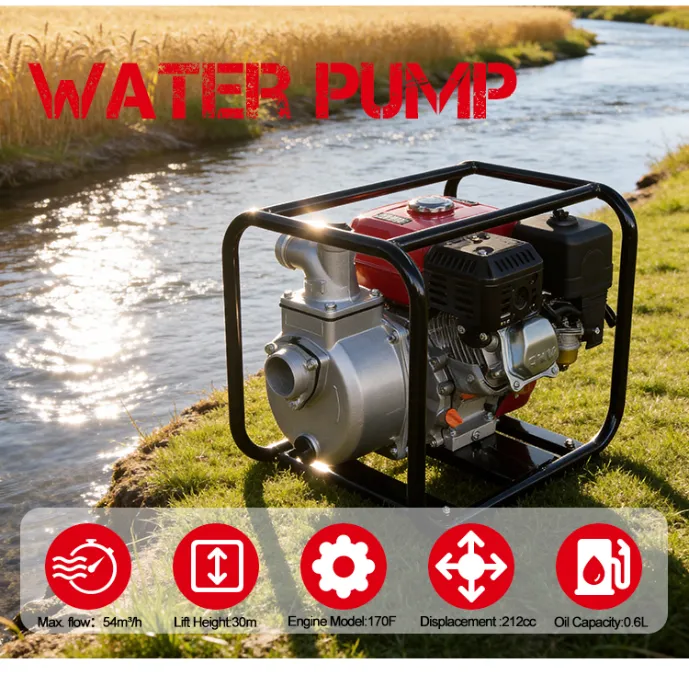
Portable Water Pump Head, Поднимать, and Pressure Basics
Голова, поднимать, and pressure dictate a pump’s true capability. Mastering these metrics ensures you select equipment that handles real-world resistance without stalling.
| Term | Определение |
|---|---|
| Всего напора | Max height water can be pumped, including friction loss |
| Static Lift | Vertical distance water rises from source to pump |
| Давление (пси) | Water pressure generated at the pump outlet |
Definitions of Head, Поднимать, and Pressure
Understanding portable pump specifications requires separating head, поднимать, and pressure. These terms sound interchangeable but measure distinct mechanical forces in your fluid transfer setup.
- Голова: The vertical height a portable pump raises fluid against gravity. This operates independently of fluid density and represents the Total Dynamic Head (ТДХ) of the system.
- Поднимать: The vertical suction measurement from the water surface up to the pump inlet. Atmospheric pressure constraints cap this at a practical limit of 25 feet at sea level.
- Давление: The force delivered per unit area, measured in PSI. Use the standard conversion rate where 1 PSI equates to roughly 2.31 feet of water head.
Calculating Total Head and Performance Factors
You cannot size a pump based purely on its maximum theoretical output. Field conditions introduce mechanical resistance, meaning you must evaluate your system’s layout to determine actual performance capabilities.
- Общий динамический напор (ТДХ): Calculate this target by combining your static suction lift, static discharge head, потери на трение в трубах, and velocity head.
- Friction Losses: Hose length, narrow pipe diameters, sharp bends, and valves create resistance. These specific layout choices directly reduce your effective head capacity.
- Pump Curves: Read performance charts by plotting flow rate (ГПМ) against head or pressure. Recognize that water pumps achieve maximum flow at zero head and hit maximum head at zero flow.
- Environmental Variables: High altitude thins the air and drops your maximum suction lift by approximately 2.5% for every 1,000 feet above sea level.
Portable Water Pump Power Ratings in HP and Watts
Real-world portable pump wattage significantly exceeds the theoretical 746 watts per horsepower. Motor inefficiencies, startup surges, and heavy mechanical loads require a minimum 20% power buffer for stable operation.
| Тип насоса | Власть (HP / Вт) | Suitable Applications |
|---|---|---|
| Small portable | 1–3 HP / 750–2200 W | Сад, small pond, light irrigation |
| Середина | 4–7 HP / 3–5 kW | Строительство, medium farm irrigation |
| Large industrial | 8+ HP / 6+ кВт | Mining, municipal water transfer, dewatering |
Converting Horsepower to Running and Starting Watts
Let’s break down the math behind portable water pump power ratings. On paper, a theoretical 1 HP equates to 746 watts. В поле, real-world portable pumps draw 20% к 50% more power. Motor inefficiencies and power factor ratings drive this excess demand.
We separate this power draw into two distinct categories: running watts for continuous operation and starting watts to handle the initial motor surge. That initial kick typically demands two to three times the running wattage. Here is how that translates to real-world power requirements:
- Стандартный 0.5 HP Pump: Consumes between 670 и 1,050 running watts but requires up to 4,000 starting watts to engage the motor.
- Off-Grid Solar Setups (2026): Modern solar-compatible models require panel arrays sized at 1.5 times the running watts to maintain consistent performance through minor cloud cover.
Variables Influencing Portable Pump Power Draw
You cannot look at power ratings in a vacuum. The physical environment and system setup directly dictate how much electricity your pump actually needs to move water.
Submersible water pumps pulling water from deep wells face heavier mechanical loads. They inherently require more wattage than surface jet water pumps moving water from shallow sources. Water volume and vertical lift distance alter the actual power requirement on the fly, meaning you must calculate the exact brake horsepower based on your specific pressure and flow needs.
Electrical specifications and power sources also dictate system stability. Pay attention to these structural variables:
- Voltage Impact: A 120V portable pump draws double the amperage of a 230V unit to achieve the exact same wattage output.
- Generator Sizing: Portable power stations and generators must match the pump’s starting watts plus a 20% buffer to prevent tripped breakers or equipment stalling.
How to Read Portable Water Pump Performance Data
Reading a performance curve ensures you match flow and pressure requirements without overloading the motor. It plots actual tested data to lock in the exact duty point.
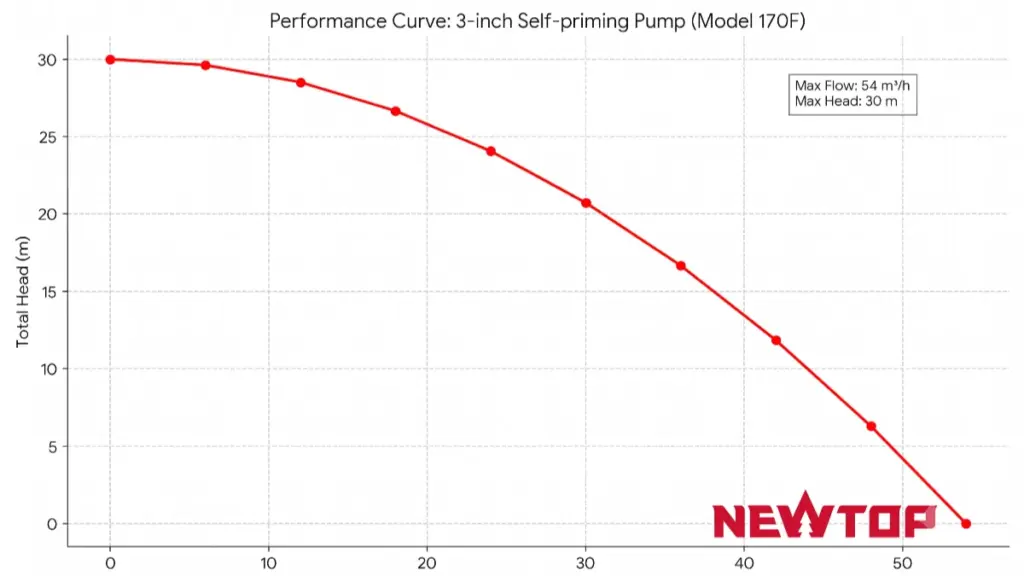
| Curve Parameter | Typical Portable Range | Measurement Units |
|---|---|---|
| Скорость потока | 10–200 | ГПМ, л/мин, or m³/hr |
| Discharge Pressure (Голова) | До 150 ноги | Feet, пси (до 65 пси) |
| Потребляемая мощность | 1–5 | HP, кВт, or Amps |
| NPSHr (Suction Need) | 5–20 | Feet |
Pump manufacturers typically provide a performance curve, which shows the relationship between flow rate and head. Reading this data correctly ensures you select the right pump.
Tips for interpreting performance curves:
- The x-axis usually represents flow rate (GPM or L/min).
- The y-axis represents total head (meters or feet).
- The curve itself shows maximum achievable flow at different heads.
Other important specs to check:
- Maximum flow vs rated flow: Rated flow is the pump’s recommended operating point for longevity and efficiency, while maximum flow represents the peak capacity.
- Operating limits: Temperature, water quality, and continuous operation recommendations.
What B2B Buyers Should Request From Manufacturers
Sourcing portable water pumps requires strict vendor alignment. Focus on verifiable performance data, specific material grades, and exact total cost of ownership breakdowns to secure reliable units.
Technical Specifications and Material Requirements
When evaluating water pump suppliers, vague capacity claims fail in the field. You need exact operational limits matched to your application.
- Performance Curves: Request precise flow rate and head pressure graphs for operating ranges like 50-500 GPM and 50-150 ноги головы.
- Fluid Compatibility: Define exactly what the pump handles. Specify constraints like passing up to 10% solids for dewatering operations or operating within tight temperature parameters.
- Mobility Features: Demand explicit details on portability. Ensure dry weights remain under 50 kg for manual transport and verify the units include quick-connect ports.
- Construction Materials: Outline exact material needs based on the environment. Выбирать 316 stainless steel for chemical resistance or standard cast iron for basic clean water transfer.
Гарантия качества, Тестирование, and Commercial Terms
A reliable spec sheet means nothing without proof of performance and long-term support. Lock in commercial and testing terms before signing any purchasing agreement.
- Factory Acceptance Testing (FAT): Mandate FAT to verify actual flow, давление, and auto-priming speeds under 60 seconds before shipment.
- Reliability Metrics: Require documented lifespan data, including a Mean Time Between Failures (MTBF) превышающий 5,000 hours and relevant ISO, CE, or UL certifications.
- Engineering Documentation: Ask for complete technical files, such as detailed CAD drawings, application-specific installation manuals, and 90-day maintenance schedules.
- Общая стоимость владения (ТШО): Secure a TCO breakdown that maps unit pricing, груз, наличие запчастей, and long-term operating costs over a 5-year period.
Why Work With a Supplier That Understands Your Market?
A market-savvy supplier aligns pump specifications with local environmental and regulatory demands, ensuring rapid deployment and cutting total project costs by up to 25%.
Choosing a water pump supplier who understands your operational context can save time, сократить расходы, and ensure that your equipment performs reliably. НЬЮТОП, a leading manufacturer of outdoor power and water pump equipment, combines large-scale production with deep market knowledge, providing tailored solutions for customers around the world.
Benefits of working with an experienced supplier like NEWTOP include:
- Customized Recommendations: NEWTOP can suggest the right pump model based on your project scale, water source, and site conditions, ensuring optimal performance.
- Support and Service: Their team offers guidance on installation, troubleshooting, обслуживание, и запасные части, helping you keep operations running smoothly.
- Надежность: By leveraging NEWTOP’s experience in global markets, you reduce the risk of receiving underperforming or unsuitable equipment.
Кроме того, NEWTOP’s understanding of both local and international regulations helps clients navigate import/export requirements, ensuring smooth logistics and compliance. Partnering with a OPE supplier who combines technical expertise, market insight, and robust support can make a significant difference in project efficiency and long-term success.
Заключительные мысли
Relying on cheap, generic water pumps with inflated specifications guarantees field failures and destroys your margin. Securing units backed by verified performance curves and accurate power ratings is the only way to safeguard your operations against catastrophic motor burnouts. Matching the exact duty point to real-world site resistance ensures your equipment delivers consistent volume without stalling.
We recommend requesting a sample unit and our detailed technical catalog to test these performance metrics on your site. Contact our engineering team to map out the exact portable pump configurations your local market requires.
Часто задаваемые вопросы
What do portable water pump specifications mean?
Specifications provide information about a pump’s capacity, эффективность, and suitability for specific tasks. Key specifications include flow rate, голова, власть, and operational limits.
What is flow rate in a water pump?
Flow rate is the volume of water a pump can move per unit of time, usually expressed in liters per minute (л/мин) or gallons per minute (ГПМ).
What is total head in a water pump?
Total head is the maximum vertical height water can be lifted, including suction, discharge, and friction losses in the system.
How do I read a water pump performance curve?
A performance curve plots flow rate against head. By matching your desired flow and height requirements to the curve, you can determine the best operating point for the pump.
What is the difference between rated flow and maximum flow?
Rated flow defines the water volume a pump moves under sustained, real-world conditions at peak efficiency. Maximum flow indicates the absolute highest volume the pump achieves at zero head—meaning no lift and no attached pipework. You should base your selection entirely on rated flow to ensure the pump meets your daily operational demands without overloading.
How do I know what size portable water pump I need?
Determine the required flow rate, общая голова, и операционная среда. Compare these requirements with manufacturer datasheets and performance curves to select a pump that meets or slightly exceeds your operational needs.
