Перейти к содержимому



В современном сельском хозяйстве, точное опрыскивание больше не является обязательным — оно напрямую влияет на урожайность сельскохозяйственных культур, химическая эффективность, стоимость рабочей силы, и экологическая безопасность. Управляете ли вы небольшим овощным полем в Юго-Восточной Азии., кофейная плантация в Латинской Америке, или крупная зерновая ферма в Африке, Выбор правильного типа ранцевого опрыскивателя может значительно повысить эффективность работы..
В этом подробном руководстве, мы рассмотрим различные типы ранцевых опрыскивателей, сравнить механизмы их работы, анализировать реальные приложения в сельском хозяйстве, и поможем вам выбрать лучшую модель для ваших конкретных потребностей. Если вы импортер, распределитель, или OEM-партнер, ищущий надежное сельскохозяйственное опрыскивающее оборудование, в этой статье также будет показано, как работать с НЬЮТОП can strengthen your product line.
What Is a Knapsack Sprayer and How Does It Work?
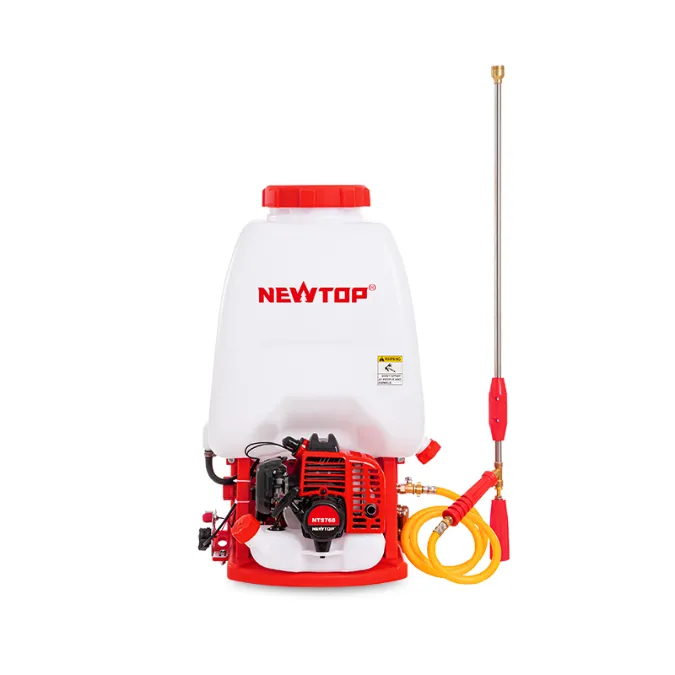
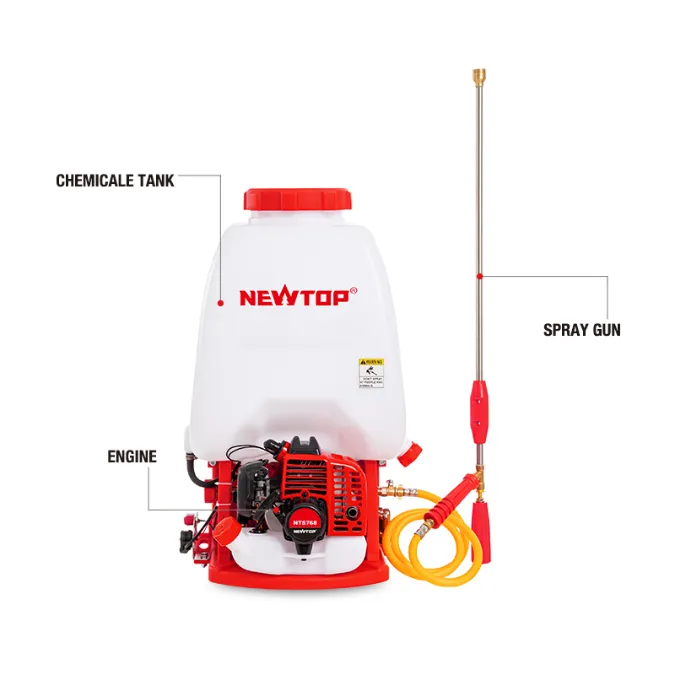
A knapsack sprayer is a portable, back-mounted agricultural machine that uses manual or powered pressure to apply liquids like pesticides and fertilizers with precision in agricultural and landscaping settings.
A knapsack sprayer (also called a backpack sprayer) is a piece of portable equipment worn on an operator’s back to apply liquids, such as pesticides, гербициды, and fertilizers. It is widely used for applying pesticides, гербициды, fungicides, удобрения, and disinfectants.
Core Components and Their Functions
Every knapsack sprayer operates using a set of essential components that store, pressurize, and dispense the liquid. Understanding these parts clarifies how the sprayer functions.
- Tank: A container, обычно держит 15 к 20 литры, хранящий химическую смесь.
- Насос и рычаг: Механизм, используемый для создания давления. В моделях с ручным управлением, оператор нажимает на рычаг, чтобы создать давление в баке.
- Шланг и копье: Гибкий шланг соединяет резервуар с жесткой трубкой., или копье, что позволяет оператору направлять распыление.
- Сопло: Наконечник копья распыляет жидкость в мелкий туман или целенаправленную струю для равномерного нанесения.. Он определяет размер капель и форму распыления., например, вентилятор, конус, или струйные течения.
Основной принцип работы
Функция ранцевого опрыскивателя основана на создании и поддержании давления для контролируемого вытеснения жидкости.. Процесс прост, опрыскиватель ручной или моторизованный.
- Оператор заполняет резервуар желаемым жидким раствором..
- Использование ручного рычага или приводного двигателя, оператор создает давление внутри резервуара.
- Когда спусковой крючок на копье нажат, клапан открывается, выпуск жидкости под давлением.
- Жидкость течет через шланг и копье., выход из сопла в виде струи.
- Постоянное давление поддерживается за счет периодической подкачки или постоянного источника питания для обеспечения равномерного нанесения..
В зависимости от модели, давление может создаваться вручную (рычаг накачки), электрически (мотор на аккумуляторе), или через бензиновый двигатель. Усовершенствованные конструкции включают регуляторы давления., противокапельные насадки, регулируемые формы распыления, и эргономичные системы ремней безопасности.
Хорошо спроектированный ранцевый опрыскиватель обеспечивает:
- Равномерное распределение капель по размерам
- Стабильное давление распыления
- Снижение утомляемости оператора
- Минимальные химические отходы
- Безопасное обращение с агрохимикатами
Краткий обзор различных типов ранцевых опрыскивателей
Прежде чем нырнуть глубже, it’s helpful to understand how different types compare in practical farming conditions.
| Knapsack Sprayer Type | Власть / Mechanism | Масса / Reach | Pressure Stability | Best Application | Maint. / Расходы |
|---|---|---|---|---|---|
| BY POWER SOURCE | |||||
| Руководство | Human Labor (Рычаг) | 5–10kg / Короткий | Низкий (Fluctuates) | Маленькие фермы, spot weeding | Низкий / $ |
| Батарея | Electric Motor | 6–8kg / Середина | Высокий (Constant) | Теплицы, пропашные культуры | Med / $$ |
| Бензин | Gasoline Engine | 14–17kg / Длинный | Очень высокий | Сады, large plantations | Высокий / $$$ |
| BY PUMP MECHANISM | |||||
| Поршень | Cylindrical Piston | Varies / High PSI | Стабильный (Высокий) | Fine misting, clear liquids | Med / $$ |
| Диафрагма | Flexible Membrane | Varies / Low PSI | Стабильный (Низкий) | Wettable powders, bleach | Низкий / $$ |
| Plunger | Solid Plunger | Varies / High Flow | Середина | Cotton, vegetables, general use | Низкий / $ |
| BY SPRAY MECHANISM | |||||
| Mist Blower | Air-Propelled Fan | Heavy / Max Reach | Constant | Tall trees, dense foliage | Высокий / $$$ |
| Compression | Stored Air Pressure | Свет / Короткий | Decreasing | Точечная обработка, small gardens | Низкий / $ |
| Hydraulic | Direct Fluid Pump | Med / Consistent | Very Stable | Uniform field coverage | Med / $$ |
Types of Knapsack Sprayers by Power Source
Источник питания является основным фактором, определяющим утомляемость оператора и скорость работы.. В НЬЮТОП, мы анализируем тенденции мирового рынка и обнаружили, что, хотя традиционные ручные агрегаты остаются основным продуктом на развивающихся рынках, отрасль быстро переключается на аккумуляторные и бензиновые решения для повышения эффективности труда..
Ручные ранцевые опрыскиватели
Ручные ранцевые опрыскиватели работают от ручного насоса., предоставление пользователю прямого контроля над давлением. Им не нужно электричество или топливо, что делает их надежным и недорогим выбором для малых и средних ферм.. Их легкая конструкция, обычно весит между 5 и 10 кг, делает их идеальными для целевых применений, где необходима точность для сокращения химических отходов.. Главный недостаток – необходимость постоянных физических усилий., что приводит к утомлению оператора при длительном использовании. Поддерживать постоянное давление вручную на больших месторождениях сложно., ограничение их эффективности для крупномасштабных коммерческих операций.
Ранцевые опрыскиватели с батарейным питанием
Ранцевые опрыскиватели с аккумуляторным питанием используют аккумуляторную батарею для питания электродвигателя., обеспечение непрерывного и постоянного давления распыления без ручной накачки. Эта конструкция хорошо подходит для профессионального ландшафтного дизайна и коммерческого сельского хозяйства, поскольку значительно снижает утомляемость пользователя.. Устойчивый, регулируемое давление обеспечивает равномерное покрытие гербицидами и пестицидами. Одной зарядки обычно хватает между 4 к 8 часы, что позволяет работать полный рабочий день и делает большие работы более управляемыми. Первоначальная стоимость выше, чем у ручных моделей., and operation is entirely dependent on having a charged battery.
Petrol Powered Knapsack Sprayers
Petrol-powered knapsack sprayers are equipped with a small 2-stroke or 4-stroke gasoline engine to generate high pressure for spraying over large areas. They offer the most power and are built for demanding agricultural tasks like treating orchards or large fields. Petrol sprayers, often configured as mist blowers, can discharge liquid up to 10 или 15 meters horizontally or vertically providing the necessary coverage for high-canopy orchards and wide agricultural fields. They operate independently of any electrical source, but they are also heavier and louder, with a fully loaded weight of 14–17 kg. They require regular engine maintenance, including managing fuel-oil mixtures for 2-stroke versions.
Увеличьте свою прибыль с помощью надежного наружного силового оборудования

Виды ранцевых опрыскивателей по механизму насоса
Выбор между поршнем, диафрагма, или механизм плунжерного насоса напрямую определяет химическую совместимость и возможности распылителя по давлению., поршневые насосы превосходно подходят для распыления под высоким давлением, а диафрагменные насосы обеспечивают превосходную долговечность при работе с абразивными составами..
Поршневой ранцевый опрыскиватель
В поршневом ранцевом опрыскивателе используется цилиндрический поршень, движущийся внутри камеры для создания давления.. Эта конструкция очень эффективна для достижения высоких давлений., что делает его отличным выбором для применений, требующих мелкого распыления или распыления на большие расстояния.. Операторы обычно используют их для внесения жидких гербицидов и пестицидов, не содержащих абразивных частиц., которые могут повредить внутренние уплотнения.
- Достигает более высокого давления, часто до 150 пси, для эффективного распыления жидкостей.
- Лучше всего подходит для жидких составов., поскольку абразивные порошки могут изнашивать уплотнения поршня.
- Обычно требует большего ухода за уплотнениями и уплотнительными кольцами по сравнению с мембранными насосами..
- Идеально подходит для целенаправленной борьбы с вредителями и применения инсектицидов, где выгоден мелкий размер капель..
Мембранный ранцевый опрыскиватель
Мембранный ранцевый опрыскиватель использует гибкую мембрану, которая пульсирует, создавая давление.. Этот механизм удерживает химический раствор отдельно от движущихся частей насоса.. Такое разделение делает насос исключительно долговечным при использовании абразивных материалов, таких как смачивающиеся порошки или даже растворы на основе отбеливателей..
- Высокая устойчивость к коррозии и истиранию от агрессивных или порошкообразных химикатов..
- Работает при более низком давлении, обычно вокруг 60 пси, что образует более крупные капли и уменьшает снос распыления.
- Требует меньшего обслуживания, поскольку мембрана защищает критически важные компоненты насоса..
- Предпочтительный выбор для нанесения смачивающихся порошков., удобрения, и гербициды, где важен контроль за сносом.
Плунжерный распылитель
Плунжерный ранцевый распылитель представляет собой особый тип поршневого насоса, в котором твердый плунжер вытесняет жидкость, создавая давление.. Он известен своей простотой, прочная конструкция и способность создавать высокое давление с минимальными усилиями оператора. Это делает его надежным и экономичным выбором для общего сельскохозяйственного опрыскивания..
- Сочетает в себе возможности поршневого насоса высокого давления с прочной и простой конструкцией..
- Достигает высокой скорости работы, что делает его эффективным для обработки средних и больших площадей.
- Механизм прост в обслуживании и ремонте в полевых условиях..
- Подходит для широкого спектра сельскохозяйственных культур., включая овощи, хлопок, и арахис.
Виды ранцевых опрыскивателей по механизму распыления

Выбор механизма распыления — аэрозольный туман., сохраненное давление воздуха, или прямая гидравлическая сила — напрямую определяет скорость внесения опрыскивателем., зона покрытия, и оперативная последовательность.
Моторизованные распылители тумана
Motorized mist blowers are engine-driven sprayers that use a high-velocity air stream to atomize and propel liquid over long distances. This design is ideal for treating large areas, dense foliage, or tall trees quickly, making it a common choice for commercial agriculture, лесное хозяйство, and public health pest control.
- Combines a liquid spray with a powerful fan to create a fine mist that can cover a horizontal range of 15 к 40 ноги.
- Significantly reduces application time compared to manual or low-pressure sprayers, often completing jobs two to three times faster.
- The engine provides consistent power, which eliminates operator fatigue from manual pumping and ensures uniform coverage.
- Well-suited for applying pesticides and fungicides in orchards, виноградники, and large crop fields.
Compression Sprayer
A compression sprayer operates by manually pumping air into a sealed tank to build pressure. This stored pressure then forces the liquid out through a nozzle when the trigger is engaged. They are simple, low-cost, and widely used for spot treatments and smaller-scale applications in gardening and farming.
- Requires the user to pressurize the tank before spraying; the pressure gradually decreases as the liquid is used.
- Offers precise control for targeted applications of herbicides, insecticides, or fertilizers.
- Легкий, портативный, and easy to maintain due to its simple mechanical design with few moving parts.
- Operation is quiet and emission-free, but it can be labor-intensive for large areas.
Hydraulic Sprayer
Hydraulic sprayers use a pump to generate liquid pressure directly, forcing the solution through nozzles to form a spray. Unlike compression sprayers, they provide continuous and consistent pressure as long as the pump is active. This category includes everything from manual lever-operated pumps to engine-powered systems.
- Delivers a steady flow and pressure, resulting in more uniform droplet size and application.
- The operator uses a lever or a motor to activate the pump, which creates immediate hydraulic force.
- Commonly used in agriculture for applying chemicals that require consistent coverage.
- Models range from simple manual backpack units to larger, more complex systems for extensive fieldwork.
Common Applications of Knapsack Sprayers in Farming
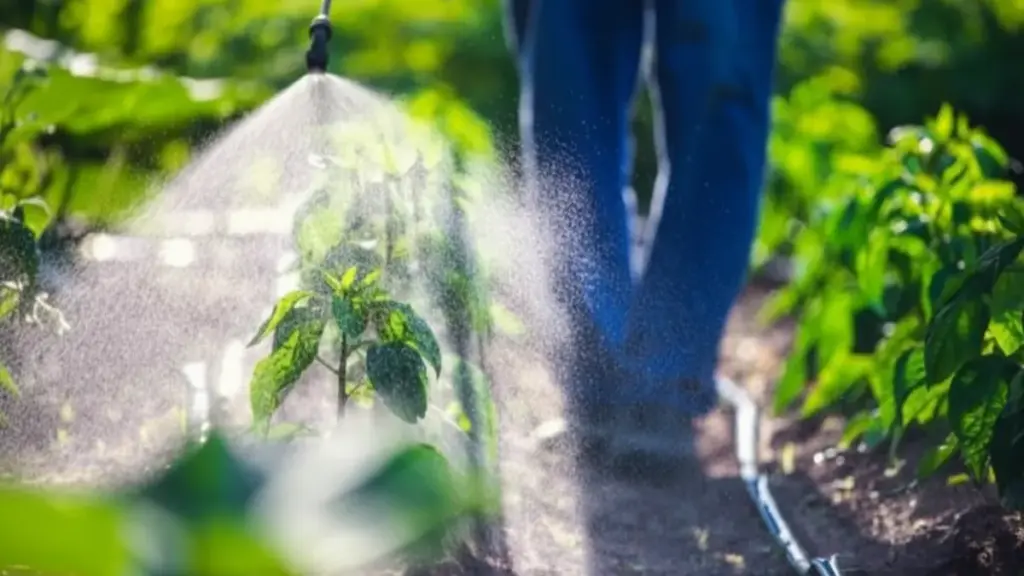
Backpack sprayers are the primary agricultural machines for targeted, on-the-ground application of pesticides, гербициды, и жидкие удобрения, giving farmers precise control over crop health and management.
Pest and Disease Control
Knapsack sprayers are fundamental for applying insecticides and fungicides directly onto crops. This targeted approach helps protect plants from damaging insects and fungal diseases that can reduce yield and quality. The direct application minimizes waste and ensures the active ingredients reach the specific areas that need treatment.
- Delivers precise treatment to affected leaves, stems, and fruits in orchards and vegetable plots.
- Effective for managing localized infestations before they spread across an entire field.
- Allows farmers to use both chemical and organic solutions to combat common agricultural pests.
Weed Management
Applying herbicides with a knapsack sprayer is an efficient way to manage unwanted weeds that compete with crops for water, sunlight, and nutrients. It allows for controlled application in specific areas, preventing damage to the main crop while effectively eliminating invasive plants.
- Ideal for spot-treating weeds along fence lines, between crop rows, and in garden beds.
- Supports the use of selective herbicides that target weeds without harming the primary crop.
- Ensures uniform coverage for pre-emergent and post-emergent weed control strategies.
Fertilizer and Nutrient Application
These sprayers are commonly used for foliar feeding, where liquid fertilizers and micronutrients are applied directly to the leaves. This method provides a rapid nutritional boost to crops during critical growth stages, bypassing slower soil absorption for immediate effect.
- Facilitates quick absorption of nutrients to correct deficiencies faster than soil application.
- Ensures an even distribution of liquid plant food to promote consistent growth.
- Useful for applying growth regulators and supplements that improve overall plant health and productivity.
Key Factors to Consider When Choosing a Knapsack Sprayer for Your Farm
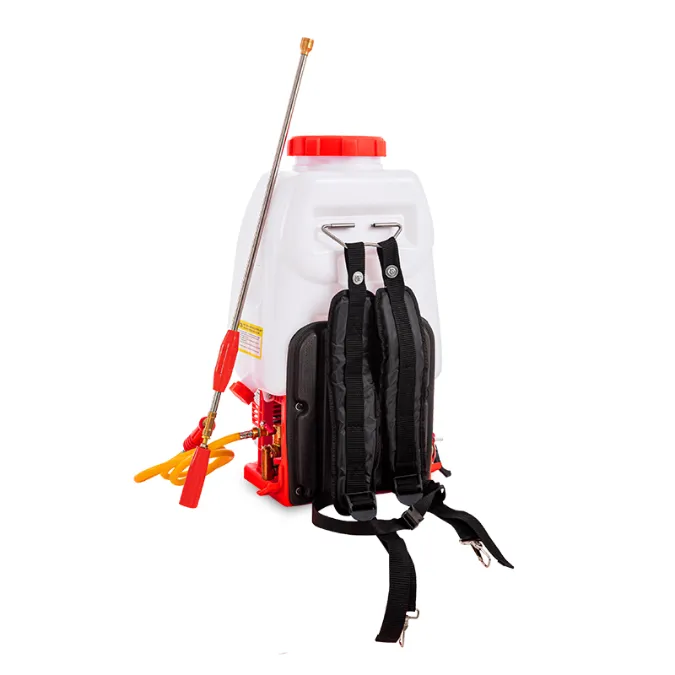
Choosing the right knapsack sprayer requires a practical assessment of your farm’s scale, the chemicals you use, the precision needed for your crops, and the physical demands on the operator.
| Фактор | Key Consideration | Влияние на эффективность |
|---|---|---|
| Химическая совместимость | Ensure the use of Viton™ seals and diaphragm pumps for petroleum-based solvents or abrasive powders. | Prevents seal swelling and pump failure, reducing maintenance costs and downtime. |
| Емкость бака | Match tank size (10–20L+) to farm scale while considering manageable operator weight. | Reduces refill time on large plots but increases fatigue if too heavy for the task. |
| Material Durability | Select UV-resistant high-density polyethylene (HDPE) tanks to withstand harsh environmental exposure. | Prevents tank cracking and liquid leaks, extending the overall service life of the equipment. |
| Nozzle Configuration | Ensure the sprayer supports interchangeable nozzles (вентилятор, конус, транслировать) for varied agricultural tasks. | Improves application precision, уменьшает химические отходы, and increases treatment effectiveness. |
| Эргономика | Look for padded shoulder straps, contoured back support, and balanced weight distribution. | Minimizes operator fatigue, enabling longer and more productive work periods in the field. |
Химическая совместимость
Review the active ingredients of the chemicals you intend to use. If you use petroleum-based solvents or abrasive powders, ensure the sprayer is equipped with Viton seals and a diaphragm pump. Standard rubber seals will swell and fail when exposed to harsh solvents.
Tank Capacity and Farm Size
Matching the sprayer’s tank size to your operational scale is fundamental for efficiency. A larger tank minimizes refill breaks for extensive fields, but a smaller, more portable model is often better for targeted applications or smaller plots. The goal is to balance coverage with a weight that an operator can comfortably manage for a full workday.
- For small-scale or organic farming, a 10–15 liter tank provides a good balance of portability and capacity.
- Larger agricultural operations benefit from 20-liter or larger tanks to maximize coverage area per fill.
- Always consider the total weight when full, ensuring it is manageable for the operator over extended periods.
Material Durability and Chemical Compatibility
The construction materials of a sprayer dictate its longevity and safety. It’s important to select a model with a tank and seals that can withstand the corrosive effects of various agricultural chemicals. Poor material choices lead to cracks, leaks, and premature equipment failure, posing risks to both the operator and the environment.
- Look for tanks made from high-density polyethylene or other UV-resistant plastics that prevent cracking and degradation.
- Seals and gaskets made from chemical-resistant materials are necessary to prevent leaks when using aggressive fertilizers or pesticides.
- A robust frame and durable straps are also important for operator safety and equipment stability during use.
Nozzle Configuration and Application Precision
The nozzle is a critical component that controls the spray pattern, размер капли, and flow rate. A sprayer with interchangeable or adjustable nozzles offers the flexibility needed for different crops and treatments. The right nozzle ensures that chemicals are applied effectively where needed, minimizing waste and preventing damage to non-target plants.
- Adjustable nozzles allow you to switch from a fine mist for insecticides to a direct stream for spot-treating weeds.
- Different nozzle types, например, вентилятор, конус, or flood patterns, provide tailored coverage for broadacre, row crop, or specific plant applications.
- Precision application not only improves effectiveness but also reduces chemical waste and environmental impact.
Ergonomics and Operator Comfort
A 20L tank weighs approximately 20kg. Ergonomic features help distribute weight evenly and make the equipment easier to handle. A comfortable operator can work longer and more accurately, which directly translates to better results in the field.
- Look for contoured backrests with integrated ventilation, wide padded shoulder straps, and waist belts that shift the weight from the shoulders to the hips.
- A lightweight design is easier to carry and maneuver, especially across uneven terrain.
- An easy-to-reach and smooth-action pump handle helps maintain consistent pressure without causing excessive fatigue.
Maintenance Tips to Extend the Life of Your Knapsack Sprayer

Shifting from reactive repairs to a disciplined, preventative maintenance schedule built on post-use cleaning and regular component checks is the most direct way to maximize the operational lifespan of your equipment.
Implement a Post-Use Cleaning Routine
A consistent cleaning protocol after each use is the single most effective way to prevent chemical buildup and pump failure. This practice is non-negotiable for stopping corrosive residues from degrading seals, насадки, and internal components. Overlooking this step is the fastest way to shorten your sprayer’s service life, leading to clogs and leaks.
- Thoroughly rinse the tank, шланг, and nozzle with clean water immediately after finishing your work.
- When switching between different chemical types, perform a more intensive rinse to neutralize residues and prevent cross-contamination.
- Ensure the exterior of the sprayer is wiped down to remove any chemical spills that could damage the harness or plastic housing.
Regularly Inspect and Lubricate Seals and Moving Parts
Уплотнения, прокладки, and pump mechanisms are the most common failure points because they are under constant chemical and mechanical stress. Routine inspection and proper lubrication maintain their integrity, preventing leaks and ensuring consistent pressure when you need it most. This proactive check catches wear before it leads to a failure in the field.
- On a quarterly basis, check all O-rings and seals for signs of cracking, brittleness, or wear and replace them if needed.
- Apply a manufacturer-recommended silicone lubricant to pump seals and other moving components to keep them pliable and protected. Avoid petroleum jelly as it can degrade specific types of synthetic rubber.
- Check that all clamps, арматура, and connections are tight to avoid leaks during operation.
Follow a Systematic Maintenance Schedule
Moving from reactive repairs to preventative maintenance extends the sprayer’s operational lifespan significantly, with professional operators achieving 4-5 years of daily use. A structured schedule removes guesswork and builds accountability, ensuring that critical tasks like filter cleaning or lubrication are not overlooked during busy periods.
- Create a simple checklist for daily tasks (rinsing), weekly checks (очистка фильтра), and quarterly actions (lubrication).
- Consider an assigned-equipment system where each operator is responsible for the maintenance of a specific sprayer to improve accountability.
- Store the sprayer in a clean, dry place away from direct sunlight to prevent UV degradation of plastic and rubber parts.
Customizing Your Brand with NEWTOP’s Diverse Sprayer Types
NEWTOP provides comprehensive OEM and private labeling, enabling international distributors to tailor everything from sprayer color and branding to core technical specifications and packaging for specific regional markets.
As a professional agricultural machinery manufacturer since 2003, НЬЮТОП provides a comprehensive range of manual, на батарейках, and petrol knapsack sprayers.
With advanced CNC machining centers, автоматизированные производственные линии, and strict quality control systems, NEWTOP ensures:
- Stable product performance
- Durable chemical-resistant materials
- CE and international compliance
- Flexible OEM/ODM customization
- Private label branding support
- Reliable spare parts supply
For distributors in Africa, Южная Америка, Юго-Восточная Азия, and emerging markets, NEWTOP offers competitive pricing combined with consistent quality.
From tank color customization to packaging design and specification adjustments, NEWTOP helps partners build strong local brands with dependable agricultural spraying solutions.
If you are looking to expand your agricultural equipment portfolio, partnering with NEWTOP means accessing a proven manufacturing system with global distribution experience.
Заключение
Choosing the right knapsack sprayer means matching its power source, насос, and spray mechanism to your specific farming needs. A well-chosen sprayer helps you apply treatments with precision, protecting crop health while managing your operational costs. This alignment ensures you get the most out of your equipment, no matter the scale of your work.
Are you ready to optimize your agricultural output? Explore the NEWTOP Knapsack Sprayer Collection or reach out to our technical team at [email protected] for a professional consultation and OEM catalog.
Часто задаваемые вопросы
What are the four types of sprayers?
The four common types are manual knapsack sprayers, battery-powered sprayers, petrol mist blowers, and compression sprayers, each suited for different farm sizes and applications.
Which type of sprayer is best for weed control?
A knapsack sprayer equipped with a flat fan nozzle is best for weed control. This setup provides a uniform spray pattern, ensuring even coverage of herbicides without damaging nearby plants.
Are battery powered sprayers reliable for heavy work?
Да. High-quality battery-powered backpack sprayers with durable motors and lithium batteries can operate for several hours and are suitable for medium to large farms.
What is the difference between a piston and diaphragm pump?
A piston pump is best for high-pressure applications with clear, non-abrasive liquids. A diaphragm pump is the standard for harsh chemicals and abrasive powders because the pump components are protected from the solution.
Which knapsack sprayer is best for paddy farming?
Battery-powered or diaphragm-type hydraulic knapsack sprayers are ideal for paddy fields due to consistent pressure and resistance to corrosive chemicals.
How do I choose between manual and electric sprayers?
Choose manual knapsack sprayers for small farms and low budgets. Choose electric knapsack sprayers for larger areas, higher efficiency, and reduced labor fatigue.