


- 모두
- NEWTOP 고객 사례
- NEWTOP 익스플로러 허브
- NEWTOP 산업 통찰
For outdoor power equipment manufacturers, product quality is only part of the story. A chainsaw may cut well, a water pump may run steadily, and a generator may perform reliably under demanding conditions. 아직, none of that creates lasting market value without reliable distribution.
That is where many businesses start to see the real difference.
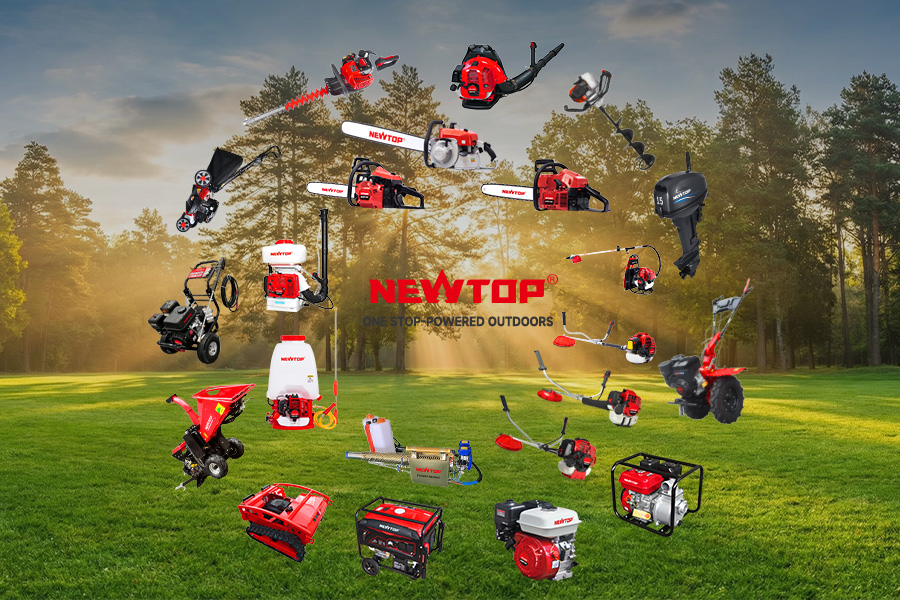
실외 전력 장비 산업에서, distribution is not just about moving goods from one place to another. It affects delivery speed, stock availability, spare parts support, and the overall buying experience. 결과적으로, even a well-made product can struggle in the market if the distribution system behind it is weak.
For manufacturers, 유통업체, and importers alike, distribution is often what turns a product line into a long-term business.
Why distribution matters in the outdoor power equipment industry
The outdoor power equipment industry serves a wide range of working environments. Forestry, 농업, 조경, 관개, and construction all rely on machines that are expected to perform consistently in real conditions. Because of that, buyers are not only comparing specifications. They are also looking at whether products can arrive on time, whether spare parts can be supplied later, and whether communication stays efficient after the order is placed.
This is exactly why distribution matters.
A strong distribution system helps products reach the market in a more stable way. It supports repeat orders, reduces avoidable delays, and gives buyers more confidence when planning inventory. Just as importantly, it helps manufacturers respond better to changing demand instead of losing opportunities because supply cannot keep up.
For outdoor power equipment manufacturers, this is not a side issue. It is part of market competitiveness.
Outdoor power equipment manufacturers are judged by execution, not only by production
At first glance, manufacturing strength may seem like the main advantage in this industry. Production capacity, component quality, and assembly consistency are certainly important. 하지만, these strengths have limited value if products do not move smoothly through the supply chain.
That is the point many buyers understand very clearly.
A distributor or importer does not only ask whether a supplier can make a product. They also want to know whether the supplier can organize shipments efficiently, maintain consistency across orders, and support the market after delivery. If those things are uncertain, even a competitive price may not be enough to build long-term cooperation.
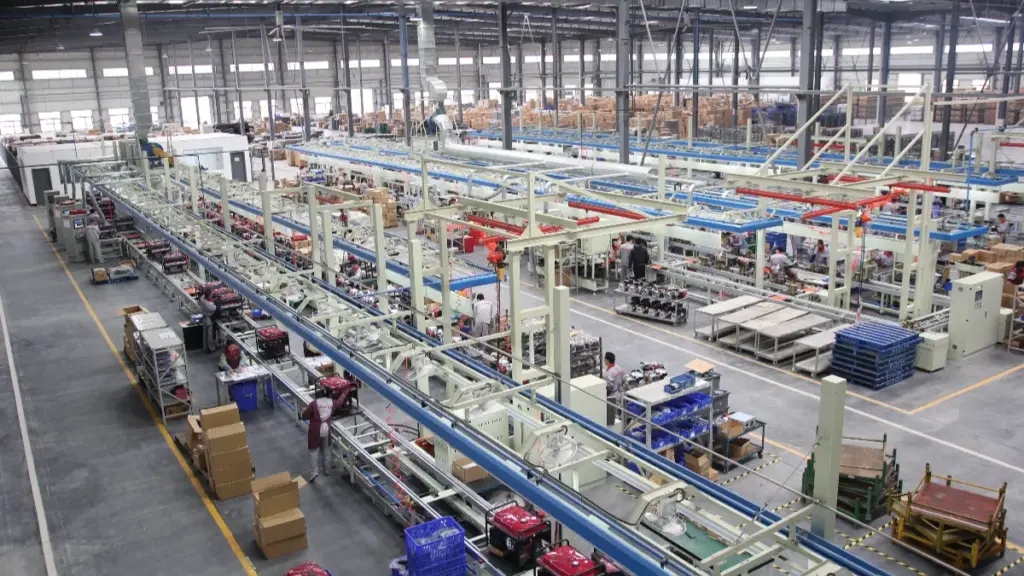
In other words, outdoor power equipment manufacturers are increasingly judged not only by what they produce, but also by how well they execute after the order is confirmed.
What buyers should really check before choosing a supplier
This is often the part buyers care about most. 실제로, many supply problems do not start with product quality. They start with weak coordination.
Before placing a formal order, buyers usually look beyond catalogs and quotations. More often, they want to understand whether the supplier can support smooth execution after the order is confirmed. The table below highlights a few areas that buyers tend to check closely.
| What Buyers Check | 중요한 이유 |
|---|---|
| Mixed order capability | Helps buyers combine different product categories in one shipment and improve purchasing efficiency. |
| 예비 부품 지원 | Makes after-sales service easier and supports long-term product sales in the local market. |
| Packing confirmation | Reduces mistakes in labeling, 포장, and product configuration before shipment. |
| Lead time clarity | Helps importers plan stock, promotions, and seasonal sales more accurately. |
| Shipment follow-up | Shows whether the supplier can maintain smooth communication after the order is confirmed. |
These points may look basic at first. 실제로는, they often reveal more than a brochure does. 많은 수입업자들에게, a supplier’s real distribution capability becomes clear during order follow-up and delivery execution.
Distribution affects customer trust from the first order onward
Trust in this industry is rarely built through brochures alone. It grows through actual business experience.
A first sample order may create interest, but the next steps usually matter more. Buyers pay attention to whether details are confirmed clearly, whether packing is handled correctly, and whether lead times are realistic. When these parts of the process run smoothly, trust grows naturally. When they do not, even a good product can lose momentum.
This is one reason distribution has such a direct impact on commercial relationships.
Reliable distribution helps reduce friction in the buying process. Orders are easier to manage, shipment arrangements are more predictable, and customers feel more confident placing repeat orders. 시간이 지남에 따라, that consistency becomes part of the supplier’s reputation.
For outdoor power equipment manufacturers, this is especially important because many buyers are building their own local sales network at the same time. They need stability from the supply side before they can promise stability to their own customers.
Spare parts distribution is just as important as machine distribution
In many industrial categories, the sale does not end when the machine is delivered. In outdoor power equipment, that is even more true.
전기톱, 예초기, 물 펌프, 발전기, 분무기, and outboard motors are all used in demanding environments. Wear parts, routine maintenance, and replacements are part of normal operation. Because of that, spare parts supply plays a central role in the long-term success of the product itself.
This is where some suppliers stand out and others fall behind.
If spare parts are difficult to source, dealers become cautious. End users may hesitate to buy again. Local service teams also face more pressure when replacement support is limited. 반면에, when spare parts distribution is stable, the product becomes easier to sell and easier to maintain in the market.
So while complete machines often attract the first inquiry, parts support is often what shapes long-term confidence. For outdoor power equipment manufacturers, strong spare parts distribution is not just an after-sales issue. It is part of the product strategy.
The hidden cost of weak distribution
Weak distribution does not always create problems immediately, but the cost usually becomes clear over time.
It often leads to issues such as:
- missed selling seasons because replenishment arrives too late
- higher after-sales pressure due to incomplete spare parts support
- avoidable shipment mistakes in packaging or configuration
- slower repeat orders because buyers lose confidence
- extra operating cost caused by poor coordination
This is why experienced buyers often look beyond price. A lower initial cost can quickly lose its advantage if distribution creates repeated problems later.
Why flexibility matters in different markets
Another reason distribution matters is that demand is rarely identical from one market to another.
Some buyers focus on price-sensitive, high-volume models. Others care more about parts availability, packaging details, or compatibility with existing service channels. In some cases, trial orders are the priority. In others, buyers want broader product combinations to test several categories at once.
이 때문에, distribution cannot be treated as a fixed process.
Outdoor power equipment manufacturers that understand market variation are usually better positioned to support real customer needs. They can coordinate more practical shipment plans, prepare the right supporting parts, and respond more effectively when order structures change. That does not mean everything needs to be customized. Rather, it means the supply side should be flexible enough to support how different markets actually buy.
Why this matters for NEWTOP
For a company like NEWTOP, distribution is an important part of how products reach and stay in the market.
로서 outdoor power equipment supplier covering categories such as chainsaws, 예초기, 발전기, 물 펌프, 분무기, and related spare parts, NEWTOP works in a business environment where buyers often value consistency as much as the machine itself. Product performance matters, of course. Yet stable supply, clear communication, and practical coordination also shape whether cooperation continues.
That is why distribution deserves attention alongside manufacturing.
Rather than treating shipping and supply support as secondary tasks, it makes more sense to see them as part of the overall customer experience. A product may open the door, but dependable delivery and follow-up support are often what keep the relationship moving forward.
Final thoughts
For outdoor power equipment manufacturers, distribution is not just a background function. It plays a central role in how products perform in the real market.
It influences delivery speed, repeat-order confidence, spare parts support, and long-term customer relationships. Just as importantly, it helps manufacturers turn production capability into market continuity. Without that link, even strong products may struggle to build lasting momentum.
That is why distribution deserves more attention than it sometimes gets.
In a practical, service-sensitive industry like this one, buyers do not only need equipment. They need a supply partner that can help products move reliably, arrive consistently, and remain supportable after the sale. For manufacturers such as NEWTOP, that is part of what makes distribution worth getting right.
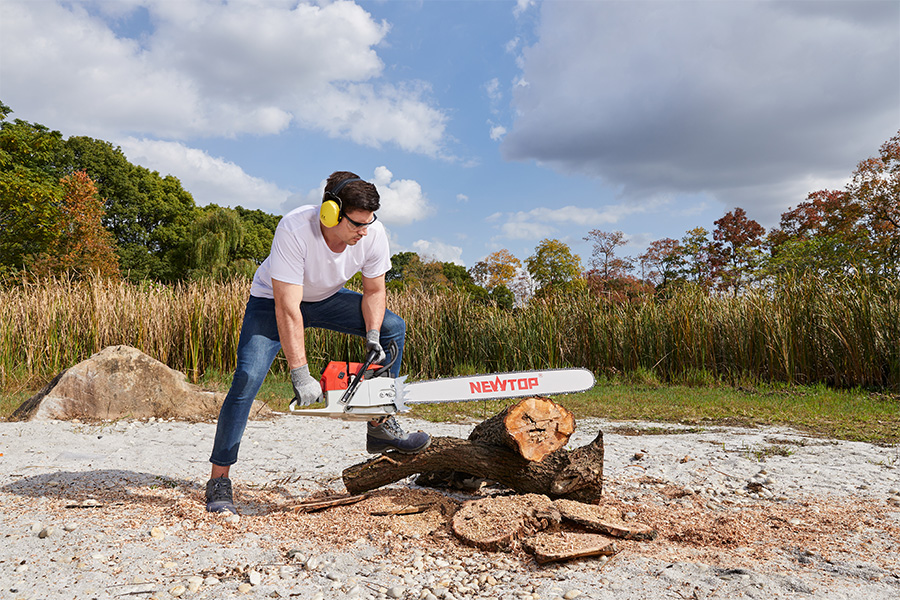
Chainsaw manufacturers in China play a major role in the global outdoor power equipment industry. With mature supply chains, large-scale manufacturing capacity, and competitive production costs, China has become one of the most important sourcing destinations for chainsaws and related cutting tools.
대리점용, 수입업자, and equipment brands, working with reliable chainsaw manufacturers in China provides access to a wide ecosystem of forestry equipment, garden tools, 그리고 wood-cutting machinery.
This guide introduces ten notable companies involved in the chainsaw and cutting-tool industry in China. While some companies specialize in complete chainsaw systems, others produce supporting tools commonly used in forestry, 조경, and wood-processing work.
Quick Comparison: Chainsaw Manufacturers in China
Below is a quick overview of some notable companies involved in the chainsaw and cutting-tool ecosystem in China. This comparison helps buyers quickly understand the focus and strengths of different manufacturers.
| 제조업체 | Main Product Category | Industry Focus | Key Advantage |
| 뉴탑 | 가솔린 & Battery Chainsaws | Outdoor Power Equipment | One-stop outdoor equipment platform |
| GreatStar | ToolsHand Saws & 정원 도구 | Professional Tools | Global distribution network |
| Zhang Xiaoquan | Pruning Tools | Garden Cutting Tools | Well-known Chinese cutting tool brand |
| Sichuan Tianyu | Saw Chains | Chainsaw Components | Specialized chain manufacturing |
| Huafeng Big World | 원형 톱날 | Industrial Cutting Tools | Wood processing solutions |
| Harden Tools | Professional Hand Tools | 건설 & Woodworking | Wide hand-tool portfolio |
| Honglong Tools | Pruning Saws | 조경 도구 | Orchard and garden cutting tools |
| Giant Tools | Horticulture Tools | Garden Equipment | Landscaping maintenance tools |
| Allsome Tools | DIY Power Tools | Home Improvement | Electric cutting tools for DIY users |
| Soteck | Hand Saws | Woodworking Tools | Precision cutting tools |
1. 뉴탑
Among the many chainsaw manufacturers in China, NEWTOP stands out as a fast-growing supplier of professional outdoor power equipment. The company focuses on developing reliable chainsaws for forestry, 농업, 조경, and demanding outdoor work environments.
NEWTOP produces a broad range of 가솔린 전기톱 and lithium battery chainsaws, covering both heavy-duty logging models and lightweight cordless tools designed for garden maintenance and orchard pruning. These machines are engineered for stable output, durable engine performance, and efficient cutting across a variety of working conditions.
What makes NEWTOP particularly attractive for international distributors is its one-stop powered outdoor equipment platform. Beyond chainsaws, the company also manufactures a wide range of related outdoor equipment, including brush cutters, agricultural sprayers, 잔디 깎는 기계, 물 펌프, 발전기, and outboard motors.
결과적으로, this integrated product ecosystem allows partners to consolidate sourcing under a single supplier, simplifying procurement, logistics, 그리고 판매 후 지원.
NEWTOP operates a structured product development and manufacturing system that covers market research, product design, technical validation, pilot production, and full-scale mass production. With automated production lines and modern machining facilities, the company maintains consistent product quality for international markets.
오늘, NEWTOP products are exported to more than 65 국가, with strong distribution networks in Latin America, 아프리카, 그리고 동남아시아. By combining manufacturing capability with a diversified product platform, NEWTOP continues to strengthen its position among emerging chainsaw manufacturers in China.
Key products
- Gasoline chainsaws
- Lithium battery chainsaws
- Forestry cutting equipment
- One-stop outdoor power equipment solutions
2. GreatStar Tools
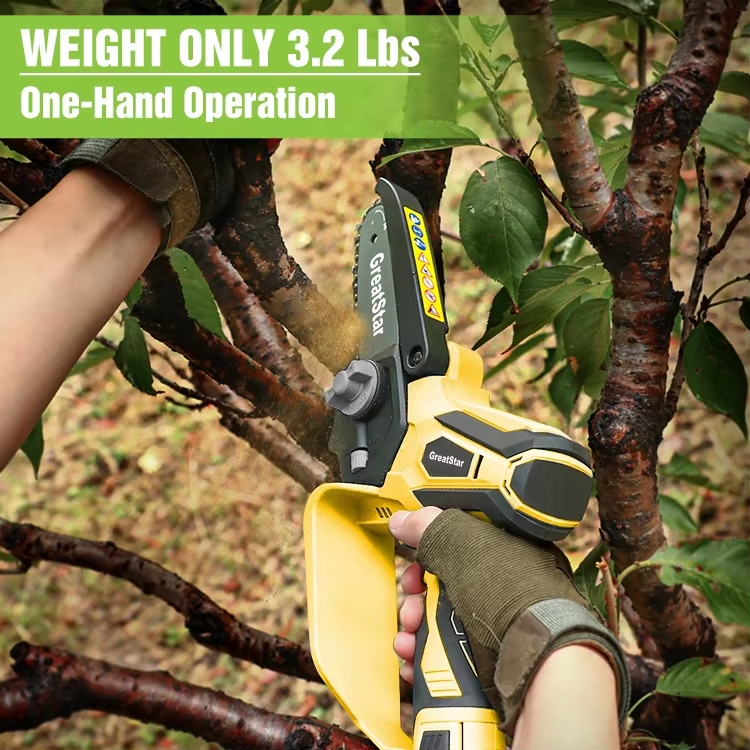
GreatStar Tools is a large Chinese manufacturer known for its global distribution of professional hand tools. The company produces a wide range of cutting tools used in woodworking, 조경, 그리고 건설.
Their lineup includes hand saws and pruning tools that are often used alongside chainsaws for precision cutting and finishing work.
Focus area
- Hand saws
- Garden cutting tools
- Professional tool systems
3. Zhang Xiaoquan Inc.
Zhang Xiaoquan is one of China’s most established cutting-tool brands. The company manufactures precision scissors, pruning shears, and garden cutting tools widely used in horticulture and landscaping.
These tools are commonly used for detailed trimming work where chainsaws are not required.
Focus area
- Pruning shears
- Garden scissors
- Orchard cutting tools
4. Sichuan Tianyu Oleochemical Co., 주식회사.
Sichuan Tianyu produces saw chains and cutting components widely used by chainsaw equipment manufacturers and aftermarket distributors.
High-quality chains play a critical role in cutting efficiency and durability.Therefore, imaking suppliers like Tianyu an important part of the forestry equipment supply chain.
Focus area
- Saw chains
- Cutting components
- Forestry equipment accessories
5. Zhejiang Huafeng Big World Tools Co., 주식회사.
Huafeng Big World Tools specializes in circular saw blades and industrial cutting tools used in wood processing and construction industries.
Their products are widely used in timber processing facilities and workshops where efficient wood cutting is essential.
Focus area
- Circular saw blades
- Industrial cutting tools
- Wood processing equipment
6. Shanghai Harden Tools Co., 주식회사.
Harden Tools produces a wide range of professional hand tools used in construction, woodworking, 그리고 조경.
Their saws and cutting tools are designed for durability and consistent performance in demanding environments.
Focus area
- Hand saws
- Garden tools
- Professional tool kits
7. Jinhua Honglong Tools Co., 주식회사.
Honglong Tools manufactures pruning saws and folding saws widely used in landscaping, orchard maintenance, and gardening work.
These tools complement chainsaw use in many forestry and horticulture tasks.
Focus area
- Folding saws
- Pruning saws
- Garden cutting tools
8. Ningbo Jiangbei Giant Tools Co., 주식회사.
Giant Tools manufactures horticulture cutting tools widely used in gardening and landscaping.
Their products support maintenance tasks commonly performed alongside chainsaw operations.
Focus area
- Garden pruning tools
- Horticulture equipment
- Landscaping cutting tools
9. Hangzhou Allsome Tools Co., 주식회사.
Allsome produces a range of DIY power tools designed for home improvement and light woodworking tasks.
Moreover, their electric cutting tools are commonly used for small-scale wood cutting in residential environments.
Focus area
- DIY power tools
- Electric cutting tools
- Woodworking equipment
10. Soteck Corporation
Soteck is known for producing precision hand saws used in woodworking and garden maintenance.
These tools are often used for detailed cutting where chainsaws are unnecessary.
Focus area
- Hand saws
- Folding saws
- Woodworking tools
Why Chainsaw Manufacturers in China Lead the Global Market
The outdoor power equipment industry in China continues to evolve rapidly. 오늘, many chainsaw manufacturers in China are investing in many areas. 예를 들어, engine technology, automated production systems, and lithium battery innovations.
동시에, the broader ecosystem of forestry tools, garden equipment, and cutting machinery continues to grow alongside chainsaw production.
For distributors searching for dependable chainsaw manufacturers in China, companies that combine strong manufacturing capability with diversified product platforms are increasingly attractive partners.
Manufacturers such as NEWTOP demonstrate how suppliers can move beyond single products and develop into complete outdoor power equipment partners for global markets.
For many international buyers, cooperation with a new supplier often begins with a small trial order. Starting with spare parts instead of complete machines can help reduce shipping costs while allowing both sides to build trust step by step.
This case shows how a distributor successfully sourced chainsaw and brush cutter spare parts from NEWTOP by starting with a practical trial order and adjusting the purchasing strategy during the negotiation process.

Key Takeaways
- A Mexican buyer initially planned to import chainsaws and brush cutters with DDP delivery.
- After discussing freight costs and order risks, both sides agreed to start with spare parts instead of complete machines.
- The NEWTOP team assisted with product specifications, packaging details, and color adjustments.
- Shipping was arranged using the customer’s own freight forwarder, helping control logistics costs.
- The buyer completed a trial order worth nearly USD 2,000, marking the first step toward potential long-term cooperation.
Initial Inquiry for Chainsaw and Brush Cutter Products
The cooperation began when a buyer from Mexico contacted us through our website to inquire about chainsaws and 예초기.
During the early stage of communication, the customer expressed interest in purchasing complete machines and asked whether DDP delivery could be arranged so the products could arrive directly at their warehouse.
While this shipping method can simplify logistics for buyers, the estimated freight cost for complete machines was relatively high. After reviewing the details together, we discussed alternative solutions that could make the first transaction more practical.
Why the Buyer Chose Chainsaw and Brush Cutter Spare Parts
To reduce shipping costs and purchasing risk, both sides decided to start with chainsaw and brush cutter spare parts instead of full machines.
This approach offered several advantages:
·Lower freight costs
Spare parts shipments are lighter and easier to transport compared with complete outdoor power equipment machines.
·Lower purchasing risk
A trial order allows buyers to test product quality and supplier reliability before committing to larger orders.
·Faster preparation
Smaller shipments can be prepared and dispatched more quickly.
For many distributors working with a new chainsaw and brush cutter spare parts supplier, starting with spare parts is a practical first step.
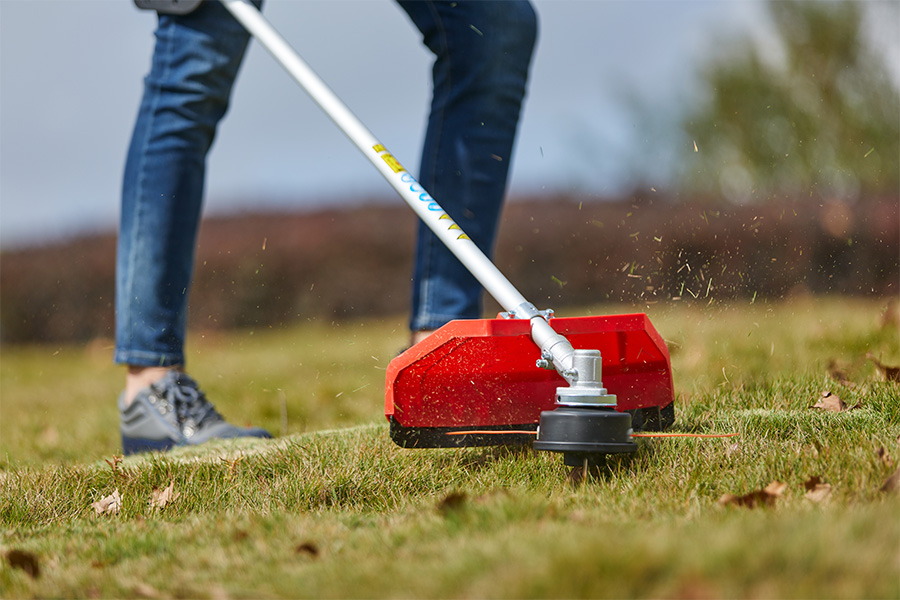
Confirming Chainsaw and Brush Cutter Spare Parts Specifications
After adjusting the purchasing plan, 그만큼 NEWTOP team assisted the buyer in confirming the exact spare parts required.
During this stage we helped verify:
- Spare part models for chainsaws and brush cutters
- Product compatibility
- Packaging requirements
- Requested color adjustments
Each detail was confirmed carefully to ensure the buyer would receive the correct products.
Timely responses and clear communication helped the customer feel confident throughout the process.
Coordinating Logistics with the Customer’s Freight Forwarder
To further control transportation costs, the buyer preferred to arrange shipment through their own freight forwarder.
The NEWTOP team cooperated closely with the logistics partner and provided all necessary shipping information, 포함:
- Carton dimensions and weights
- Packing details
- Pickup scheduling adjustments
This coordination helped ensure the shipment could be arranged smoothly while keeping freight costs under control.
Closing the First Trial Order
After confirming all product and logistics details, the buyer requested a payment link to proceed with the order.
The first trial order, valued at nearly USD 2,000, included several spare parts for chainsaws and brush cutters.
Once payment was received, the NEWTOP team arranged packing and coordinated shipment with the buyer’s freight forwarder.
This successful order marked the beginning of cooperation between both sides.
Common Chainsaw and Brush Cutter Parts Ordered by Distributors
When distributors begin cooperation with a new supplier, spare parts are often the most practical starting point.
Some commonly ordered components include:
Chainsaw spare parts
- Starter assemblies
- 기화기
- Clutch components
- Chains and guide bars
Brush cutter spare parts
- Gear heads
- Trimmer heads
- 연료탱크
- Air filters
Ordering spare parts first allows buyers to test product quality and compatibility before expanding to larger equipment purchases.
Looking Ahead to Future Cooperation
In international trade, the most important milestone is not the first order but the repeat orders that follow successful cooperation.
By starting with spare parts, the buyer can evaluate product quality and market response before expanding into larger purchases such as complete chainsaws, 예초기, 및 기타 실외 전력 장비.
을 위한 뉴탑, supporting distributors with reliable products and responsive service remains an important part of building long-term partnerships.
자주 묻는 질문
·Why do many distributors start with spare parts instead of complete machines?
Starting with spare parts helps reduce purchasing risks and shipping costs. Buyers can test product quality before placing larger equipment orders.
·Can chainsaw and brush cutter spare parts be shipped more easily than full machines?
예. Spare parts are generally lighter and require less shipping space, making them easier and more cost-effective to transport internationally.
·What should buyers confirm before ordering outdoor power equipment parts?
Buyers should confirm product compatibility, 명세서, packaging requirements, and shipping arrangements to ensure the correct parts are delivered.
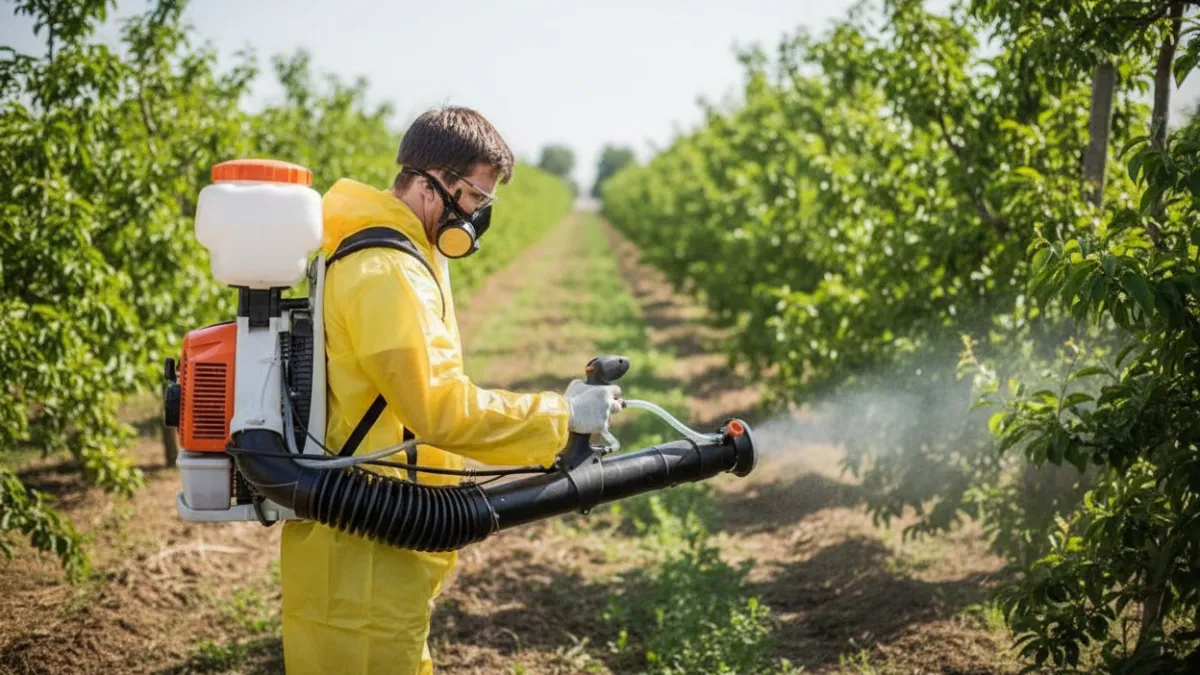
Choosing the right backpack sprayer manufacturer can make or break your spraying program. Whether you manage orchards, 행 작물, 온실, or public health projects, you need reliable equipment that delivers consistent coverage, withstands harsh chemicals, and is comfortable for operators to use day after day.
이 가이드에서는, we’ve shortlisted ten leading backpack sprayer manufacturers across Europe, the Americas, 아프리카, 그리고 아시아, so you can quickly compare their locations, product ranges, and MOQs and then decide which partner best matches your technical requirements and market positioning.
Quick Overview of the 10 배낭 분무기 제조업체
| 제조업체 | Region | MOQ | 주요제품 |
|---|---|---|---|
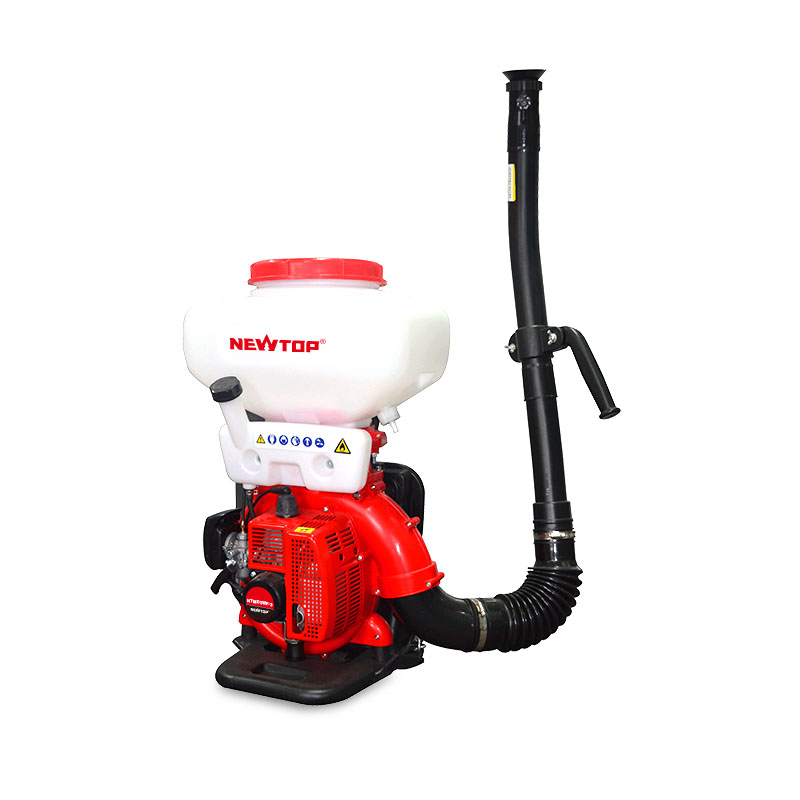
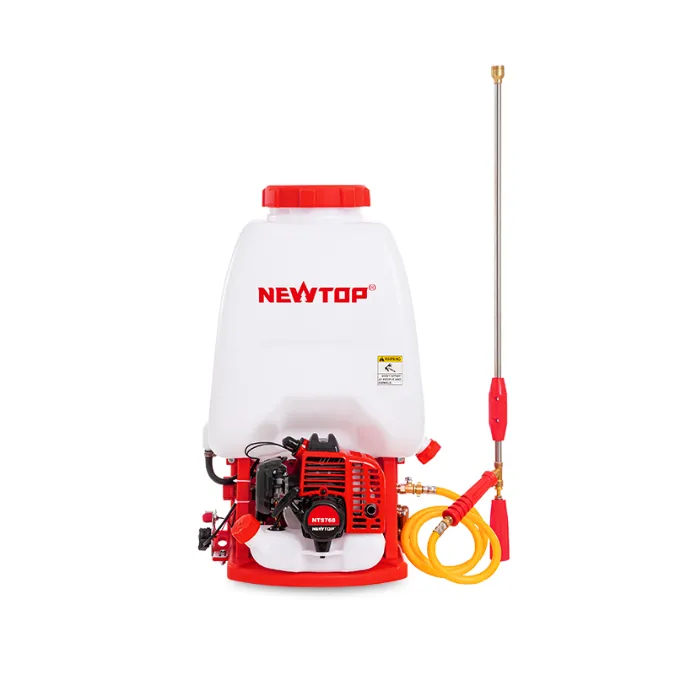
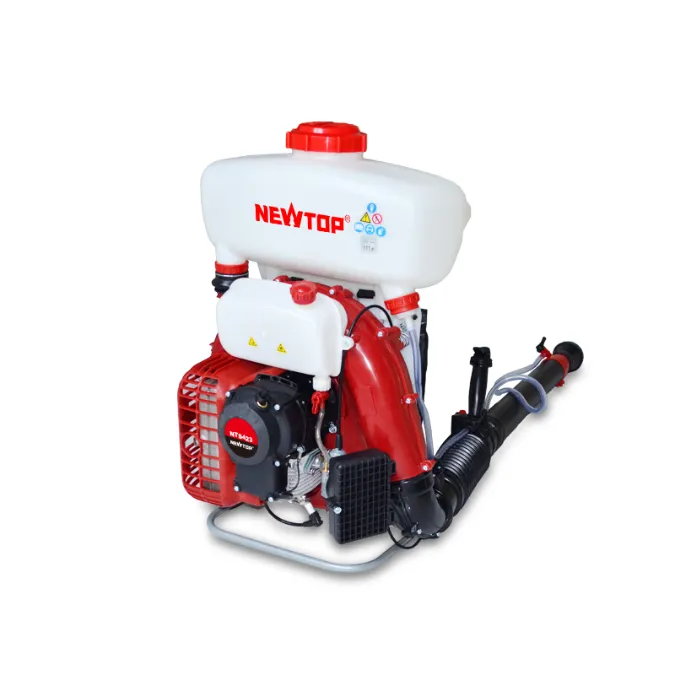
| 뉴탑 | 상하이, 중국 | 50–100 units for regular OEM orders (flexible for new projects) | Manual backpack sprayers, gasoline backpack sprayers, mist dusters, power sprayers, battery backpack sprayers |
| Birchmeier | Switzerland | Typically large orders, varies by region | Manual and battery backpack sprayers, compression sprayers, foamers, dosing equipment |
| Solo | 독일 | Typically large orders, varies by region | Manual and motorized backpack sprayers, misters, handheld sprayers, small engines |
| Jacto | 브라질 (with regional operations in North America and Africa) | Typically large orders, varies by region | Manual backpack sprayers, 배낭 분무기, tractor-mounted sprayers, self-propelled sprayers |
| AMS – Agricultural Manufacturing & 분무기 | Mexico | Typically large orders, varies by region | Agricultural sprayers, backpack sprayers, fumigation and spraying systems |
| LA Hardman Farming Equipment | Zambia | Typically large orders, varies by region | Knapsack/backpack sprayers, farm tools, agricultural implements |
| Mesto | 독일 | Typically large orders, varies by region | Backpack sprayers, compression sprayers, industrial sprayers for construction and cleaning |
| ECHO Latin America | Latin America regional operations (HQ in Japan/USA) | Typically large orders, varies by region | Manual backpack sprayers, handheld sprayers, 실외 전력 장비 |
| The Fountainhead Group | 미국 | Typically large orders, varies by region | Backpack sprayers, pump sprayers, foggers, specialty sprayers |
| Chapin International | 미국 | Typically large orders, varies by region | Backpack sprayers, handheld sprayers, spreaders, industrial and ice-melt sprayers |
뉴탑
추천: ☆☆☆☆☆
위치: 상하이, 중국
주요제품: Manual backpack sprayers, gasoline backpack sprayers, mist dusters, 등.
MOQ: 50–100 units for regular OEM orders (can be flexible for new projects)
설립연도 2003, NEWTOP is a specialist outdoor power equipment manufacturer with a strong focus on backpack sprayers and agricultural mist blowers. With in-house R&디, molding, machining, assembly and testing capabilities, NEWTOP supports full OEM and private label customization for global distributors in markets such as South America, Africa and Southeast Asia.
NEWTOP’s backpack sprayers, including gasoline-powered models like NTS3WF-3, NTS423 and NTS768 series, are engineered for large-area crop protection, mosquito control and sanitation spraying. The factory is certified to international standards and offers flexible order quantities, tailored branding, color customization and accessory combinations, making it a one-stop partner for importers, wholesalers and equipment dealers who need reliable manufacturing and marketing support.
| What We Love | Things to Consider |
|---|---|
| Strong OEM and private label customization with flexible design, color and branding options. | Production base in China means buyers need to plan around sea freight and lead times. |
| Wide portfolio covering gasoline and battery backpack sprayers for multiple applications. | Customization projects usually require higher MOQs and more detailed coordination. |
| Export experience to emerging markets, familiar with agricultural and pest control needs. | Certification and documentation requirements vary by destination market and must be clarified in advance. |
Birchmeier
추천: ☆☆☆☆☆
위치: Switzerland
주요제품: Manual and battery backpack sprayers, compression sprayers, foamers, dosing equipment
MOQ: Typically pallet-based quantities for professional/B2B orders (varies by model and region)
Birchmeier is a Swiss spraying equipment manufacturer with more than 140 years of history, recognized globally for precision and durability. The company designs and manufactures its sprayers in Switzerland, combining metalworking, plastics and assembly in-house to maintain strict quality control for professional users.
Its backpack sprayers are widely used in agriculture, 원예, pest control and construction, where long service life and serviceability are critical. Birchmeier supports distributors and professional dealers with spare parts availability, technical training and a broad product portfolio, making it a reliable choice for importers and service companies targeting high-end markets.
Solo

추천: ☆☆☆☆
위치: 독일
주요제품: Manual and motorized backpack sprayers, misters, handheld sprayers, small engines
MOQ: Case or pallet quantities via regional partners
SOLO specializes in plant protection and care equipment, with headquarters and core manufacturing based in Germany. Its backpack sprayers are built around robust tanks, ergonomic harness systems and reliable pumping components, making them suitable for intensive use in agriculture and landscaping.
The company has a long-standing presence in global markets, offering a clear product hierarchy from basic manual sprayers to advanced motorized units. This structure makes model selection straightforward for different application levels, from small farms to professional contractors, and supports consistent quality expectations across regions.
Jacto
추천: ☆☆☆☆☆
위치: 브라질 (with regional operations in North America and Africa)
주요제품: Manual backpack sprayers, 배낭 분무기, tractor-mounted sprayers, self-propelled sprayers
MOQ: Container-level or distributor-based quantities for export
Jacto is a leading Brazilian manufacturer of agricultural spraying equipment, originating from the country’s commercial farming sector. Its product line stretches from compact manual backpack sprayers to advanced self-propelled field sprayers, giving the company extensive experience in crop protection technology.
Backpack models such as the HD and XP series are widely used in coffee, fruit and row-crop production across South America, Africa and other regions. Designs are optimized for tropical and subtropical environments, emphasizing robustness, comfort and ease of maintenance. This agricultural focus makes Jacto a strong reference whenever professional farm spraying solutions are required.
AMS – Agricultural Manufacturing & 분무기

추천: ☆☆☆☆
위치: Mexico
주요제품: Agricultural sprayers, backpack sprayers, fumigation and spraying systems
MOQ: Negotiable based on project scope and product line
AMS is a Mexico-based company dedicated to the manufacture, import and sale of agricultural spraying and fumigation equipment. Its systems often incorporate well-known components such as Comet pumps and Geoline accessories, combining local manufacturing with recognized international parts.
The company focuses on practical, field-ready spraying solutions tailored to regional crops and farming practices in Mexico and surrounding countries. For buyers seeking a Latin American manufacturing and integration partner, AMS offers a balance between local support, technical capability and proximity to end markets in the Americas.
LA Hardman Farming Equipment

추천: ☆☆☆
위치: Zambia
주요제품: Knapsack/backpack sprayers, farm tools, agricultural implements
MOQ: Carton or pallet quantities, depending on regional demand
LA Hardman Africa operates from Lusaka as a supplier of agricultural equipment, including knapsack sprayers designed for local farming conditions. Its product mix targets smallholder and medium-sized farmers, where simple, durable designs and accessible pricing are essential.
Beyond sprayers, the company offers various farm tools, enabling bundled equipment solutions for rural development projects, cooperatives and agri-input dealers. This local and regional focus makes LA Hardman relevant for programs that need on-the-ground presence and an understanding of African agriculture.
Mesto
추천: ☆☆☆☆
위치: 독일
주요제품: Backpack sprayers, compression sprayers, industrial sprayers for construction and cleaning
MOQ: Standard B2B order sizes; pallet or mixed-product orders
Mesto is a German knapsack sprayer manufacturer with over a century of experience, producing equipment for gardening, 농업, construction and industrial cleaning. Its production facilities integrate injection molding, metalworking and final assembly, which helps maintain consistent quality and reliable performance across product lines.
Backpack sprayers from Mesto are often specified for chemical handling, façade cleaning and professional maintenance work, alongside more traditional horticultural applications. The brand’s emphasis on ergonomics, chemical resistance and safety features makes it suitable for professional environments where compliance and operator comfort matter.
ECHO Latin America
추천: ☆☆☆☆
위치: Latin America regional operations (global HQ in Japan/USA)
주요제품: Manual backpack sprayers, handheld sprayers, 실외 전력 장비
MOQ: Distributor-level orders within regional programs
ECHO is a global outdoor power equipment manufacturer, and its Latin American division offers backpack and handheld sprayers as part of a broader professional equipment portfolio. Sprayers are designed to complement chainsaws, brush cutters and blowers, giving dealers a one-stop offering for landscaping, agriculture and grounds maintenance.
The Latin American focus ensures that product specifications and support are aligned with regional climates, crops and working conditions. Buyers who value brand consistency across multiple equipment categories frequently choose ECHO to standardize their offerings and simplify training and service.
The Fountainhead Group
추천: ☆☆☆☆☆
위치: 미국
주요제품: Backpack sprayers, pump sprayers, foggers, specialty sprayers
MOQ: Distributor or program-based quantities; negotiable for specific projects
The Fountainhead Group has been involved in liquid application equipment since the late 19th century, evolving into a specialized manufacturer of backpack sprayers, pump sprayers and foggers. Its products appear under several well-known brands and serve both residential and professional segments.
In-house engineering and production allow the company to develop purpose-built spraying platforms that can be adapted to different chemicals and usage scenarios. Long-term cooperation with major retailers and distributors has also led to mature logistics, quality systems and packaging solutions that can support scaled programs.
Chapin International
추천: ☆☆☆☆☆
위치: 미국
주요제품: Backpack sprayers, handheld sprayers, spreaders, industrial and ice-melt sprayers
MOQ: Pallet or container quantities, depending on catalog and market
Chapin International is a U.S.-based manufacturer with roots going back to the late 1800s, operating production facilities in the United States for sprayers and spreaders. Professional backpack sprayers from Chapin are built for lawn care, 조경, agriculture and industrial maintenance, with variants compatible with fertilizers, herbicides and other chemicals.
The company emphasizes durable tanks, reliable seals and practical maintenance features, helping reduce downtime in intensive-use environments. A broad catalog and established relationships with distributors and retailers make it relatively easy to match different market segments with appropriate product lines while maintaining a consistent source of supply.
How to Choose the Right Backpack Sprayer Manufacturer?
Understand Your Application and Capacity Needs
Before contacting any backpack sprayer manufacturer, clarify how the sprayers will be used: crop type, target pests, spray volume, and expected daily workload. High-acreage farms, plantation work, and public health campaigns typically require more durable engines, larger tanks, and higher flow rates than occasional landscaping jobs. A manufacturer that understands your segment can recommend the right pressure range, nozzle options, and configurations instead of a one-size-fits-all model.
Check Product Quality, 재료, and Design
Tank material, pump design, 물개, and nozzles directly affect service life and safety. Look for chemical‑resistant plastics, robust pump mechanisms, and comfortable harness systems that reduce operator fatigue during long shifts. It is also worth checking whether the backpack sprayer manufacturer offers both manual and motorized or battery options, so you can match different markets and regulations with appropriate designs.
Evaluate Certifications, Compliance, and Testing
For export projects, certifications such as CE marking and relevant local safety or emissions standards are essential. A dependable backpack sprayer factory should have documented test procedures for pressure, leakage, and chemical resistance, plus clear user manuals and safety labels in the languages you need. This not only reduces liability risk but also makes customs clearance and market access smoother.
Consider OEM/ODM Capability and MOQ Flexibility
If you plan to build or grow your own brand, prioritize manufacturers that support OEM/ODM services, including logo printing, color customization, 그리고 포장 디자인. Clarify minimum order quantities for standard models vs. customized versions, and check how flexible they are for pilot orders or new market tests. Good partners will help you standardize models and spare parts so that training, inventory, and after‑sales become easier over time.
Review After-Sales Service and Spare Parts Support
Even the best sprayers need maintenance, so spare parts availability and technical support are critical. Ask how long key components will be supplied, what documentation is available, and whether the backpack sprayer manufacturer can provide training resources for your service team or end users. Strong after‑sales support protects your reputation and keeps your total cost of ownership under control.
최종 생각
A reliable backpack sprayer supplier can directly influence yield, labor efficiency, 그리고 고객 만족, so the decision is worth careful planning. Instead of chasing the cheapest catalogue, it pays to work with a professional outdoor power equipment manufacturer that understands real field conditions, can keep quality consistent from batch to batch, and is willing to fine‑tune models for different crops and regulations.
If you’re looking for an OEM partner that combines flexible branding with proven backpack sprayer platforms for agriculture and pest control, NEWTOP can help you develop the right models for your market and support you from design through mass production. Reach out to NEWTOP to discuss your target crops, required specifications, and volume plan, and turn your next backpack sprayer project into a scalable, long‑term program.
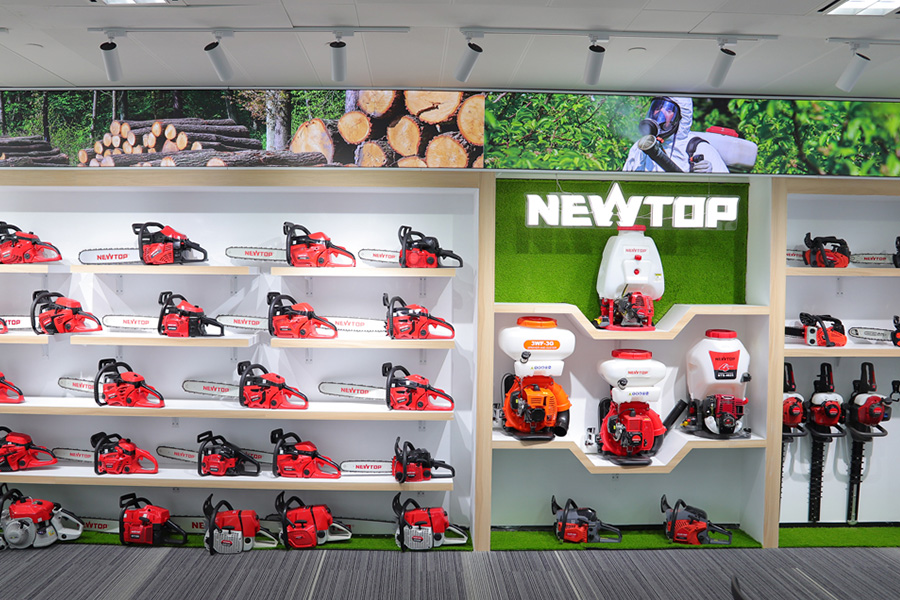
In many regions around the world, building a garden machinery distribution business starts with one critical decision: choosing the right garden machinery supplier. As cities expand and landscaping demand continues to rise, distributors who work with reliable suppliers gain a clear advantage in product stability, after-sales support, and long-term growth. 오늘, garden machinery distribution is no longer about short-term trading, but about creating a dependable system built on trust and service.
Across both emerging and mature markets, garden and landscaping equipment has become a resilient business category. Public infrastructure projects, 상업용 조경, and residential garden care all contribute to steady demand. Because of this stability, more entrepreneurs and regional traders see distribution as an opportunity worth serious investment. 하지만, success depends less on ambition and more on execution.
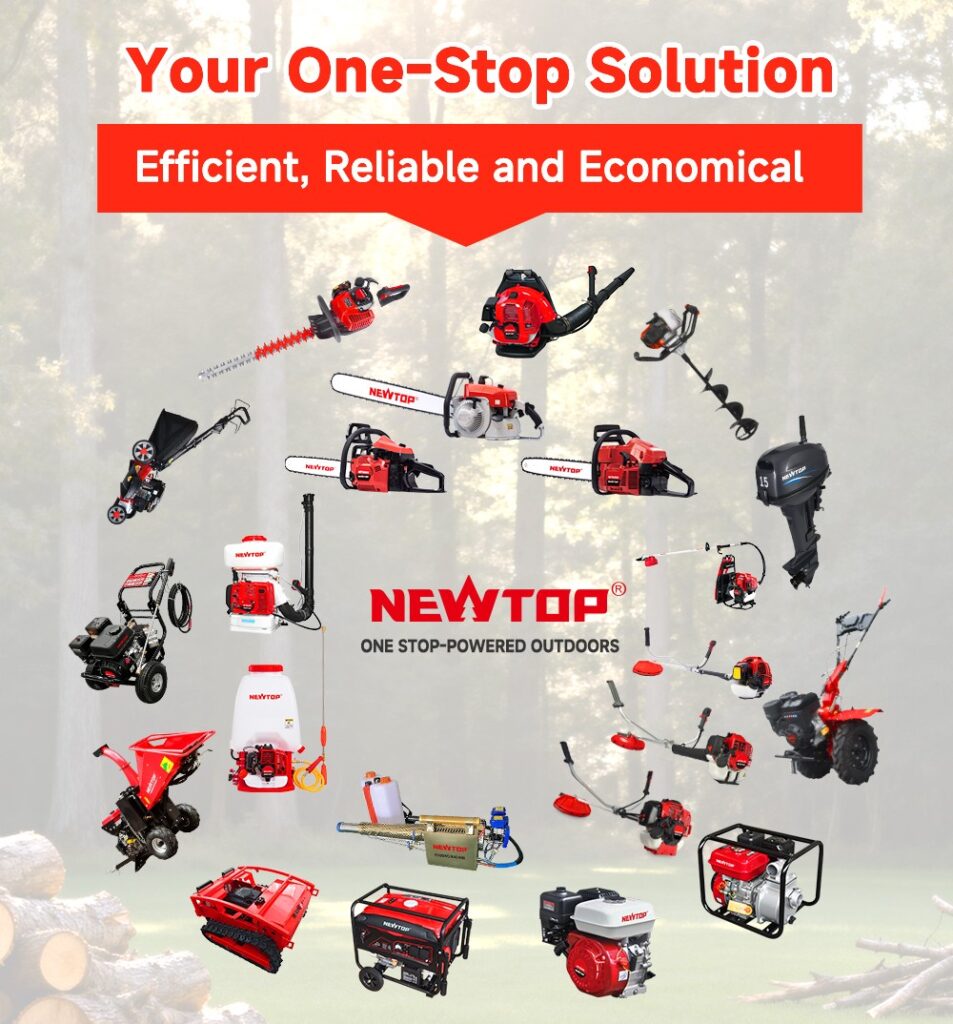
Why Choosing the Right Garden Machinery Supplier Matters
Although global brands attract attention, local distributors still shape most purchasing decisions. Garden machinery works under demanding conditions, often for long hours and with limited maintenance. 이러한 이유로, buyers care far more about spare parts access and service response than marketing claims.
In Africa and Latin America, operators typically run equipment daily under heavy load. 그 동안에, in many European markets, buyers place equal emphasis on compliance and consistency. 결과적으로, distributors who understand real usage scenarios outperform those who rely only on brand recognition.
에이 professional garden machinery supplier strengthens this local advantage. Without upstream support that understands real working environments, even experienced distributors struggle to scale.
Starting Small Helps New Distributors Reduce Risk
Many first-time distributors believe that popular models will sell everywhere. 실제로, products succeed only when they match local fuel quality, 기후, and operator habits. 그러므로, experienced distributors usually begin with a focused product range rather than a full catalog.
Instead of importing dozens of models, they often start with one or two proven platforms. This approach simplifies spare parts management, reduces inventory pressure, and allows faster learning from the market. 시간이 지남에 따라, distributors expand their lineup based on real demand rather than assumptions.
뉴탑에서, many long-term partners followed exactly this path. They started with field-tested configurations and scaled only after validating performance and customer feedback.
How a Professional Garden Machinery Supplier Supports Long-Term Growth
Distributors do not sell machines alone—they sell reliability. 이 때문에, supplier selection directly shapes market reputation. While low prices may attract initial attention, they rarely protect margins in the long run.
When distributors choose suppliers based only on quotations, they often face inconsistent quality, unstable spare parts supply, and delayed shipments. These issues damage dealer confidence quickly and slow business growth.
By contrast, a dependable garden machinery supplier delivers consistency. Stable production standards, standardized components, and predictable lead times allow distributors to plan inventory and support dealers with confidence. When issues arise, responsible suppliers offer solutions instead of explanations.
시간이 지남에 따라, this reliability becomes a competitive advantage that price competition cannot replace.
Pricing for Sustainability Instead of Short-Term Volume
In the early stages, many distributors try to win market share through aggressive pricing. 하지만, this strategy usually weakens margins and limits after-sales capability. Once service quality declines, customer trust follows.
Successful distributors take a different approach. They calculate pricing based on real costs, including logistics, spare parts stock, 보증 지원, and market development. When distributors work with transparent suppliers, they gain clearer visibility into landed costs and avoid unexpected losses.
결과적으로, dealers operate more confidently, customer complaints decrease, and repeat orders become more predictable.
After-Sales Service Builds Trust Faster Than Marketing
Breakdowns occur in every equipment business. Customers judge distributors not by failure rates alone, but by response speed and problem resolution. Consequently, after-sales preparation should start early.
Strong distributors stock fast-moving spare parts, train basic technicians, and establish clear warranty procedures. 동시에, they rely on their garden machinery supplier for technical documentation and long-term parts availability.
NEWTOP designs many product lines around shared components, which allows distributors to support multiple models without excessive inventory. 시간이 지남에 따라, this efficiency strengthens dealer loyalty and customer confidence.
Branding and OEM Help Distributors Stand Out
As competition increases, distributors eventually need differentiation. Without a recognizable identity, products compete only on price, which limits growth.
이러한 이유로, many distributors choose to work with suppliers that support OEM and private labeling. Even simple customization, such as branded packaging or localized manuals, helps build market recognition and professionalism.
Branding also changes how dealers perceive the distributor. Instead of acting as a trader, the distributor becomes a long-term partner. NEWTOP supports this transition because strong distributor brands lead to more stable and sustainable cooperation.
Logistics Stability Supports Scalable Growth
Fast delivery attracts attention, but reliable delivery builds businesses. Distributors who prioritize consistency avoid unnecessary disruptions and planning issues.
A mature supplier plans production capacity ahead of peak seasons, optimizes container loading, and conducts inspections before shipment. These practices reduce delays and damage risks. 결과적으로, distributors can plan promotions and seasonal sales with confidence.
Stable logistics allow distributors to focus on market expansion rather than operational firefighting.
Growth Comes from Data and Cooperation
Once operations stabilize, successful distributors rely on data rather than assumptions. Sales patterns, spare parts turnover, and dealer feedback reveal clear improvement opportunities.
When distributors share this information with their garden machinery supplier, both sides benefit. Product improvements become faster, configurations improve, and new models match real demand more closely. Many long-term partnerships between NEWTOP and its distributors have grown through this collaborative approach.
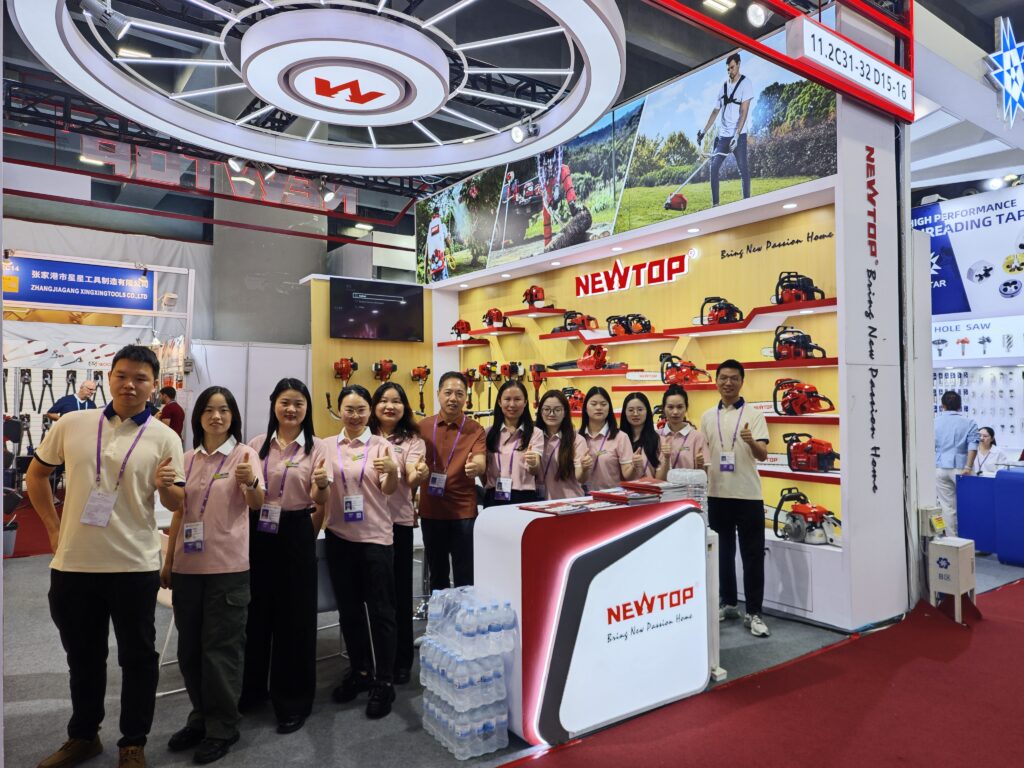
Starting a garden machinery distribution business requires patience and structure. Quick wins rarely last. Sustainable success comes from realistic market understanding, strong after-sales capability, and cooperation with the right garden machinery supplier.
Distributors who invest in stability, 서비스, and long-term partnerships position themselves to grow steadily, even as markets change. With an experienced manufacturer like NEWTOP as a partner, that growth becomes both achievable and scalable.
Choosing the best electric chainsaw today is rarely straightforward. Compared with a decade ago, buyers now face far more options, and the old assumption that gasoline chainsaws are always the “professional choice” no longer reflects reality. Electric technology has progressed quickly, changing how many users approach everyday cutting work.
In real-world use, the best electric chainsaw often delivers enough power, 편안, and reliability for most routine tasks. 하지만, the right choice still depends on how the tool fits into daily work rather than on headline specifications. This is where many purchasing decisions quietly go wrong.
From years of cooperation with distributors and end users, NEWTOP has seen one clear pattern: users who choose a chainsaw based on actual working habits tend to remain satisfied far longer than those who chase numbers on paper.
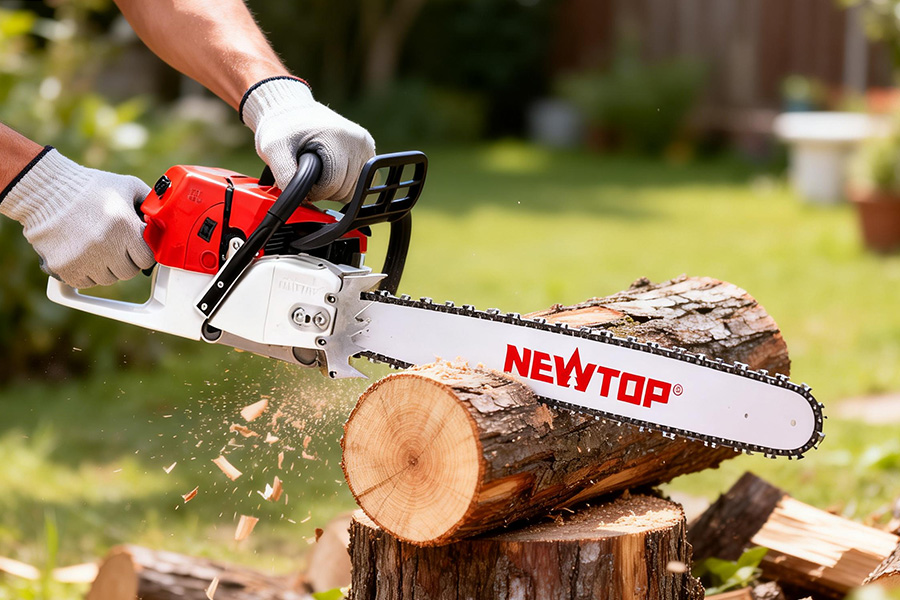
Start with How You Actually Use an Electric Chainsaw
Before comparing models or brands, it helps to look honestly at how a chainsaw gets used week after week. Most people do not cut large logs every day. 대신에, they handle pruning, 장작 자르기, 폭풍 청소, and general property maintenance.
For this type of work, convenience becomes important very quickly. Electric chainsaws start instantly, require little preparation, and feel easier to control. 결과적으로, many homeowners and light-duty users realize that the best electric chainsaw already covers everything they realistically need.
That shift does not stop with homeowners. Landscapers and property managers also increasingly rely on electric chainsaws for routine tasks. Improved motor efficiency and battery systems now support longer working sessions without the frustrations that older electric models once caused.
Why Electric Chainsaws Are Becoming the Practical Choice
Electric chainsaws gain popularity not because they replace gasoline models entirely, but because they simplify everyday work. Users avoid fuel mixing, warm-up time, and pull-start resistance. 시간이 지남에 따라, these small conveniences noticeably improve the overall working experience.
Noise reduction also plays a larger role than many expect. Quieter operation allows work in residential areas with fewer complaints, while reduced vibration helps limit fatigue during repeated cuts. Combined, these factors make electric chainsaws easier to use for longer periods.
Maintenance further reinforces this trend. Electric chainsaws remove many common gasoline-related issues. Without carburetor adjustments or ignition tuning, users spend more time working and less time fixing equipment. 이러한 이유로, many people eventually describe the best electric chainsaw as the one that keeps performing without demanding constant attention.
Battery Chainsaws: When Cordless Convenience Matters Most
Within electric chainsaws, one category has grown especially fast in recent years: battery chainsaws. By eliminating the power cord entirely, battery-powered models offer a much more flexible working experience. Users can move freely around trees, hedges, and garden spaces without worrying about cable length, power outlets, or tangled wires.
For many homeowners and light-duty professionals, this cordless design changes how often a chainsaw actually gets used. Tasks that once felt inconvenient—quick pruning, small cleanups, or routine trimming—become easier to handle. 결과적으로, battery chainsaws are often chosen not only for their cutting ability, but because they reduce friction between the user and the task itself.
This shift toward cordless operation also influences how manufacturers design newer tools. 뉴탑에서, portable battery chainsaws focus on balance, 무게, and everyday usability rather than maximum output alone. The goal is to make cutting work feel more approachable, especially for users who value control and comfort.
A good example of this approach is the NEWTOP Portable Wireless Lithium Battery Chainsaw NTCS401Li.
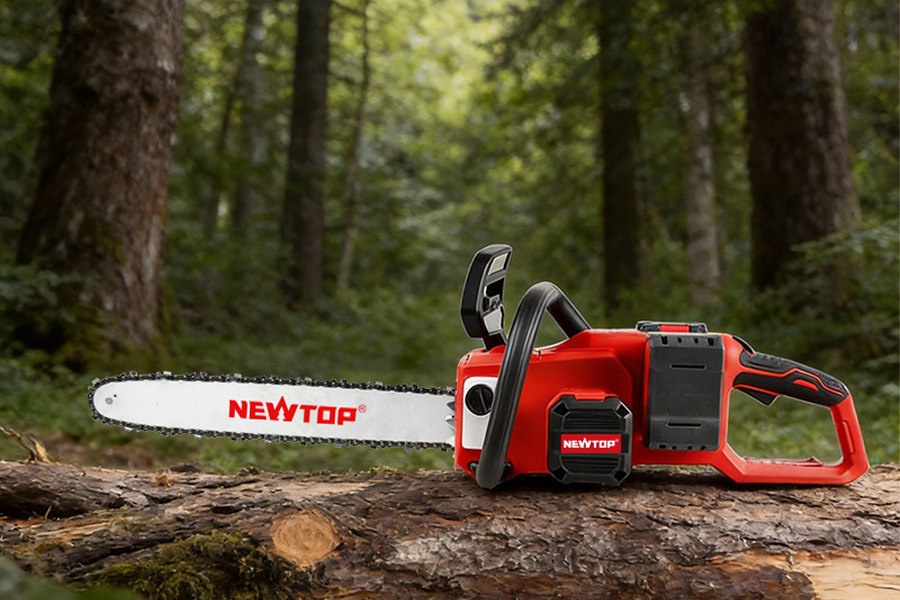
Designed as a lightweight, cordless cutting solution, it delivers clean performance with impressive efficiency for everyday garden and outdoor tasks. 브러시리스 모터로 구동되고 고급 전자 제어로 지원됩니다., the NTCS401Li offers smooth operation, 저소음, and dependable cutting power without the vibration and complexity often associated with larger machines. For users who want the convenience of a battery chainsaw without sacrificing cutting stability, this type of design fits naturally into modern electric chainsaw use.
What Determines Performance in an Electric Chainsaw
Marketing materials often emphasize voltage, chain speed, or bar length. In real working conditions, performance depends far more on how these elements work together.
Motor quality plays a central role. Brushless motors deliver steadier torque and respond better under load, which improves control when cutting harder wood. Power delivery matters just as much. When a chainsaw stalls, the operator must push harder, increasing fatigue and risk. A well-designed electric chainsaw avoids this by maintaining consistent chain movement and letting the tool do the work.
Bar length also deserves a realistic approach. While longer bars look impressive, they often reduce control. In many situations, a slightly shorter bar improves accuracy and actually speeds up the job.
Comfort, 안전, and Reliability in Electric Chainsaws
Comfort influences satisfaction more than many buyers realize. Electric chainsaws usually weigh less, but balance matters just as much as total weight. Poor balance quickly strains wrists and shoulders, especially during angled or overhead cuts.
Modern electric chainsaws include safety features such as chain brakes, trigger locks, and hand guards. These features reduce risk, but safe operation still depends on user habits. Smooth throttle response and predictable cutting behavior make those habits easier to maintain.
Maintenance remains simple but necessary. Chains need sharpening, bars require cleaning, and lubrication systems need attention. Battery care also matters. Users who follow proper charging and storage practices preserve performance and extend service life.
시간이 지남에 따라, build quality becomes obvious. Housing strength, internal layout, and heat management determine how well a chainsaw holds up after repeated use. 뉴탑에서, engineers evaluate electric chainsaws under realistic working conditions, because durability reveals itself through use rather than short demonstrations.
Making the Right Chainsaw Choice
Gasoline chainsaws still dominate heavy forestry work, and that role remains clear. 하지만, most users spend far more time on lighter tasks.
In daily scenarios, electric chainsaws includes battery chainsaws now handle the majority of cutting jobs with fewer compromises. Lower noise, easier handling, and simpler upkeep make them the preferred option in many environments. 결과적으로, many users rely on the best electric chainsaw for everyday work and reserve gasoline models for specific demands.
Choosing the right chainsaw ultimately comes down to honesty about real needs. Instead of chasing maximum specifications, it pays to select a tool that fits actual habits and working conditions. For many users today, electric chainsaws—especially modern battery models—strike that balance, and their role continues to grow as technology improves.
대리점용, professionals, and end users evaluating chainsaws, NEWTOP continues to focus on practical design and dependable performance, because in real work, consistency matters far more than numbers on paper.
