ब्लॉग
हमारे ब्लॉग ब्राउज़ करें
- सभी
- न्यूटॉप ग्राहक कहानियाँ
- न्यूटॉप एक्सप्लोरर हब
- न्यूटॉप उद्योग अंतर्दृष्टि

In professional wood cutting, engine performance directly affects productivity, ईंधन दक्षता, and user control. For buyers comparing different chainsaw options, one term often appears in discussions of high-performance equipment: ported chainsaw.
But what exactly does this mean? Is it simply a modified tool, or a purposeful upgrade designed for specific working conditions?
A ported chainsaw is not a different category of machine. बजाय, it is a performance-optimized version of a standard chainsaw, where internal engine adjustments improve airflow and combustion efficiency. This results in higher power output and faster cutting speed—features that are especially valuable in demanding environments such as forestry, logging, and heavy-duty field operations.
इस गाइड में, we will explain how ported chainsaws work, what changes are made inside the engine, and whether this type of modification is suitable for your application or product lineup.
What Is a Ported Chainsaw?

A ported chainsaw is a chainsaw with a modified two-stroke engine, in which the cylinder ports are reshaped or retimed to improve intake and exhaust flow.
- The process involves reshaping and optimizing the cylinder’s internal ports.
- The main goal is to increase the volume and speed of the air-fuel mixture moving through the engine.
- These changes result in a saw that cuts faster and more powerfully than its stock counterpart.
Key Mechanical Modifications in Porting
Porting focuses on three key areas inside the engine: the exhaust port, the transfer ports, and the intake duration. Adjusting the geometry and timing of these channels allows for greater engine RPM capability and quicker throttle response. The transfer ports, which control fuel and air entry into the combustion chamber, are where most performance gains originate. Builders reshape these internal components to optimize airflow and fuel delivery.
- Most performance gains come from modifying the transfer ports, which control fuel and air entry into the combustion chamber.
- Builders reshape these internal components to optimize airflow and fuel delivery.
- Sometimes, builders use popup pistons to increase compression, which helps regain any torque lost from raising the exhaust port.
Resulting Performance Gains
A well-executed porting job can deliver a substantial power increase, often around 40% more than a stock saw. This translates to improved chain speed, better torque under load, and more consistent cutting power. Instead of losing power when engaging with wood, the saw maintains its cutting performance. When paired with muffler modifications, a ported saw also runs cooler, which can extend its operational life.
- The saw maintains its cutting performance when engaging with wood instead of losing power.
- When paired with muffler modifications, a ported saw can run cooler, which may extend its operational life.
- The end result is a faster, more responsive tool that handles aggressive work more effectively.
How Does a Ported Chainsaw Work?

A ported chainsaw operates by physically modifying the engine’s cylinder ports to alter the timing of the fuel-air combustion cycle, allowing it to process more mixture and generate significantly more power than a stock engine.
Modified Fuel-Air Combustion Cycle
In a ported engine, the piston’s movement is optimized to manage the fuel-air mixture more efficiently. As the piston moves up, it creates a vacuum that pulls the fuel-air charge into the crankcase via the intake port. On its downward stroke, it compresses this charge, forcing it through modified transfer ports and into the combustion chamber above the piston, ready for ignition. This cycle happens faster and with a greater volume of fuel and air compared to a standard engine.
- The piston’s upward stroke draws the fuel-air mixture into the crankcase.
- The downward stroke compresses this charge within the crankcase.
- The compressed mixture is then forced upward through transfer ports into the combustion chamber for ignition.
Optimized Port Timing and Overlap
Porting directly alters the timing of when the exhaust and transfer ports open and close relative to the piston’s position. During the downstroke, the exhaust port opens first to expel burned gases. Just after, the transfer ports open to push the fresh, compressed fuel-air mix from the crankcase into the combustion chamber. This carefully managed overlap uses the pressure of the incoming charge to help scavenge, or push out, the remaining exhaust, ensuring a cleaner and more potent charge for the next power stroke.
- During the piston’s downstroke, the exhaust port opens to release spent gases.
- The transfer ports then open, allowing the fresh fuel-air charge to flood the chamber.
- This controlled overlap between exhaust and intake phases efficiently clears and recharges the cylinder.
Physical Changes to Engine Geometry
The actual work of porting involves physically modifying the engine’s cylinder geometry with precision tools. Builders enlarge the intake, transfer, and exhaust ports and often adjust their height to change the timing and duration of the fuel-air cycle. They also adjust the “squish”—the clearance between the top of the piston and the cylinder head at top dead center. Reducing this distance increases the engine’s compression ratio, which improves combustion efficiency and contributes directly to greater power output.
- Intake, transfer, and exhaust ports are enlarged and reshaped to alter their timing.
- The squish distance is reduced to increase compression and enhance combustion.
- Heat management is addressed to ensure the engine handles increased performance without overheating.
Boost Your Margins with Durable Gasoline Chainsaws
What Are Benefits of Ported Chainsaw?
Porting a chainsaw increases power output and cutting speed, and when done correctly, can improve engine cooling and operational life, providing a strong cost-to-performance upgrade over buying a larger stock model.
Increased Power and Cutting Speed
The main benefit of porting is a significant boost in power output, which lets the chainsaw cut faster and more efficiently. A ported saw can be up to 25% faster than its stock equivalent, handling demanding jobs that would otherwise require a larger, heavier machine. This modification allows the saw to run larger गाइड बार without a performance drop, giving professional loggers maximum cutting capability from a lighter piece of equipment.
Improved Engine Efficiency and Longevity
A properly ported saw can last just as long as a standard one. The modifications improve airflow and create a more complete combustion cycle. This helps the engine run cooler by improving heat and exhaust gas dispersion. Better thermal management reduces internal stress on engine components, extending the saw’s operational life. With professional tuning and regular maintenance, the durability of a modified saw is comparable to that of a stock model.
Enhanced Operational Versatility
Porting makes a chainsaw more responsive and adaptable to different cutting conditions. Operators feel a noticeable improvement in throttle response, which allows for more precise control. The increased power and torque mean a single ported saw can effectively run various bar and chain combinations, reducing the need for an operator to carry multiple saws. This versatility is valuable for professionals who encounter different wood types, densities, and sizes throughout the workday.
Favorable Cost-to-Performance Ratio
While porting adds an initial cost, it enables a smaller, lighter saw to perform at the level of a bigger, more expensive model. This approach saves money and reduces physical strain on the operator. Upgrading a mid-size saw for heavy work is often more economical than buying a large stock model. Using lighter equipment also reduces fatigue during long workdays, leading to better productivity and safety. The performance gain from porting provides a strong return on the modification investment.
Technical Changes to Cylinder Intake and Exhaust Ports

Porting a chainsaw involves physically reshaping the cylinder’s intake, exhaust, and transfer ports to optimize fuel-air mixture flow and exhaust scavenging, which directly increases engine power, आरपीएम, and thermal efficiency.
| अवयव | Modification Goal | Performance Impact |
|---|---|---|
| Intake & Exhaust Ports | Alter port timing, size, and shape to optimize gas flow. | Increases engine efficiency and power by improving fuel-air intake and exhaust exit speed. |
| Transfer Ports | Reshape and redirect ports to improve fuel charge looping. | Delivers the largest performance increase (~40%) by balancing high RPMs with strong cutting torque. |
| गुलबंद | Enlarge outlets and remove internal baffles to reduce backpressure. | Allows the engine to breathe freely, unlocking the full power potential from cylinder work. |
| सिलेंडर & Piston Assembly | Ensure modifications manage heat and maintain structural integrity. | Balances power gains with engine longevity by preventing overheating and component failure. |
Altering Port Geometry for Airflow
The core of chainsaw porting involves physically modifying the cylinder’s intake, exhaust, and transfer ports. These changes alter the timing, size, and shape of the ports to optimize the flow of the fuel-air mixture and exhaust gases, which directly increases engine efficiency and power output.
- Widening and raising the exhaust port to allow gases to exit the cylinder more quickly.
- Reshaping intake ports to increase the velocity and volume of the fuel-air mixture entering the combustion chamber.
- Adjusting port angles to improve the engine’s scavenging efficiency, ensuring more complete combustion.
Optimizing Transfer Ports for Performance Gains
Transfer ports see the most significant modifications, as they are responsible for moving the fuel-air mixture from the crankcase into the cylinder. Properly tuning these ports delivers the largest performance increase, often around 40%, by balancing high RPM capability with strong torque for cutting.
- Modifying transfer port direction to improve the looping pattern of the fuel charge.
- Fine-tuning their shape to create a more efficient replacement of exhaust gas with a fresh fuel-air mixture.
- Ensuring the timing is precise to prevent the fresh fuel charge from escaping through the exhaust port.
Integrating Muffler Modifications
A ported cylinder needs to breathe, so muffler modifications are a standard part of the process. An opened-up muffler reduces backpressure, allowing the engine to expel exhaust gases with less restriction. This change is essential to realize the full benefits of the cylinder work.
- Enlarging the muffler’s outlet port to improve gas flow.
- Removing internal baffles or screens that restrict exhaust.
- Creating a setup that complements the new engine timing for maximum power.
Enhancing Thermal Management and Longevity
Beyond raw power, modern porting techniques focus on improving the engine’s ability to manage heat. A modified engine runs hotter, so adjustments are made to prevent overheating and ensure the performance gains do not come at the cost of engine durability or a shortened service life.
- Ensuring modifications do not create thermal hot spots on the piston or cylinder walls.
- Balancing power output with the engine’s cooling capacity.
- Using precise machining to maintain structural integrity and prevent premature component failure.
Comparing Stock Engine Specs vs. Ported Performance
A stock chainsaw is designed to serve a wide range of users. It usually offers a good balance of power, fuel use, emissions compliance, आसान शुरुआत, और लंबी सेवा जीवन. For many users, that balance is exactly what they need.
A ported chainsaw is different because it focuses more on performance. The goal is to get stronger output from the same engine by improving internal flow and combustion behavior.
Here is a practical comparison:
| विशेषता | Stock Chainsaw | Ported Chainsaw |
|---|---|---|
| Power Output | Standard factory level | उच्च, performance-focused |
| Cutting Speed | मध्यम | Faster |
| ईंधन दक्षता | Balanced | May decrease slightly |
| Engine Life | Longer with basic care | Depends on maintenance |
| Throttle Response | चिकना | Faster and sharper |
| शोर स्तर | मानक | उच्च |
| Maintenance Needs | निचला | उच्च |
Maintenance Requirements for High-Performance Modified Saws
A high-performance modified chainsaw usually needs more careful maintenance than a stock model. When performance goes up, the margin for poor tuning or neglected service often becomes smaller.
Key maintenance points include:
- Correct carburetor tuning: A ported saw must not run too lean. Lean tuning can cause high heat, piston damage, and poor reliability.
- Clean air filter: Strong airflow depends on a clean filter. A dirty filter changes mixture behavior and reduces performance.
- Good fuel quality: Fresh gasoline and the correct two-stroke oil mix are very important in modified saws.
- Spark plug inspection: Plug condition can help show whether combustion is healthy.
- Cooling system cleaning: Cylinder fins and air passages should stay clean so the engine can control heat.
- Fastener checks: Vibration can loosen muffler bolts, covers, and other hardware over time.
- Sharp chain and proper cutting setup: A dull chain puts extra load on the engine and reduces the benefit of added power.
- Regular internal inspection: Hard-use saws benefit from periodic checks of compression, piston condition, and exhaust-side deposits.
Warm-up also matters. A modified saw should not be pushed hard while still cold. Letting the engine reach stable operating condition before heavy cutting helps protect performance parts and improve service life.
निष्कर्ष
Porting a chainsaw modifies the engine’s cylinder to improve airflow and combustion, resulting in more power without adding weight. This modification delivers higher chain speed and cutting efficiency. Understanding the process helps you decide if the performance boost is right for your cutting needs, from professional logging to occasional firewood cutting.
Looking for the right chainsaw solution for your market?
Whether you need reliable standard models or high-performance ported options, our team can support you with tailored recommendations, OEM services, and efficient delivery. Reach out to us to discuss your requirements and get product details.
अक्सर पूछे जाने वाले प्रश्नों
What does it mean to port a chainsaw?
Porting a chainsaw means modifying its internal engine cylinder ports to improve airflow. The process involves reshaping the exhaust and transfer ports to allow more air and fuel mixture to move through the engine faster. This optimization increases RPM capability, शक्ति, and overall responsiveness compared to a stock model.
Does porting a chainsaw make it louder?
हाँ, porting a chainsaw makes it significantly louder. The modifications increase engine RPM and exhaust flow, creating a sharper, higher-pitched sound. This is often amplified by a modified muffler, which is a common upgrade on ported saws to maximize the performance gains from the improved airflow.
How much more power does porting add?
The increase depends on the quality of the porting work. In general, users can expect a 10% को 30% improvement in power and cutting performance. तथापि, results vary based on engine design and tuning.
Does porting reduce the life of the engine?
It can, if the chainsaw is not properly maintained. Higher performance puts more stress on engine components. With correct use, quality fuel, and regular maintenance, a ported chainsaw can still have a reliable service life.
Is a ported saw better for everyday firewood?
Not always. For occasional or light-duty firewood cutting, a stock chainsaw is usually more practical. Ported saws are better suited for heavy-duty work where performance gains justify the extra maintenance.
Do you need a special carburetor for a ported saw?
कुछ मामलों में, yes. A ported engine may require carburetor adjustments or upgrades to supply the correct fuel-air mixture. Proper tuning is essential to get the full benefit of porting.
A chainsaw is one of the most practical cutting tools used in forestry, कृषि, भूदृश्य, and property maintenance. What began as a specialized cutting device has developed into a highly versatile machine for tree felling, branch removal, log processing, तूफान सफ़ाई, and even carving work.
Today’s chainsaw market includes gasoline, इलेक्ट्रिक, and lithium battery models, each designed for different job conditions. Understanding what a chainsaw is used for helps users choose the right machine for the work, whether the task is heavy timber cutting or routine land maintenance.
What Is a Chainsaw?

A chainsaw is a portable power tool that cuts material, primarily wood, using a set of teeth attached to a rotating chain driven along a guide bar.
Core Function and Design
A chainsaw operates by driving a toothed chain at high speed along a solid गाइड बार. This mechanism allows it to perform a range of wood-cutting tasks with high efficiency. The tool’s primary applications include tree felling (cutting down trees), दफनाना (removing branches), सुंदर वस्र पहनना (cutting a felled tree into smaller logs), and pruning (trimming living trees for health or aesthetics). The combination of a powerful motor and a sharp, fast-moving chain makes it an essential tool in forestry, निर्माण, and property maintenance.
Primary Power Systems
Modern chainsaws operate on one of 3 main power systems. Each system offers a different balance of power, सुवाह्यता, and maintenance requirements, making them suitable for distinct operational environments and workloads.
- Gasoline-powered चेन आरा deliver maximum power and runtime, making them the standard for heavy-duty, professional forestry operations where portability and performance are critical.
- Electric-powered (corded) saws are lighter, शांत, and require less maintenance. They are ideal for residential yard work and light cutting tasks where a constant power source is readily accessible.
- Battery-powered chainsaws combine the portability of gas models with the benefits of reduced noise and zero direct emissions, making them well-suited for light to medium cutting in various locations.
और पढ़ें: Different Types of Chainsaws You Need to Know
Types for Specialized Tasks
The industry produces several chainsaw configurations tailored for specific applications. Designs vary to enhance safety, क्षमता, and operator control depending on the job at hand.
- Full-size rear-handle saws are the industry standard for most groundwork, including felling trees and processing firewood. The handle configuration provides stability and control for powerful cuts.
- Lightweight top-handle models are designed specifically for professional arborists who perform precision pruning and limbing while climbing or working from an aerial lift. Their compact design allows for one-handed use in tight spaces.
- Carving chainsaws feature specialized, narrow-tipped bars and fine-toothed chains. These modifications enable detailed artistic applications, such as wood sculpting and creating intricate shapes.
The Evolution of Chainsaws

The chainsaw’s engineering trajectory is marked by a dramatic reduction in weight and the integration of critical safety systems, transforming it from a 60-kilogram, two-person machine into today’s lightweight, ergonomic equipment.
From Surgical Tool to Forestry Staple
The chainsaw’s journey from a medical instrument to an essential forestry tool started with the first electric model in 1926 and the first gasoline-powered version in 1927. These innovations kicked off the modern era of motorized woodcutting, but the initial equipment was far from practical. Early models in the 1920s were massive two-person machines weighing around 60 kilograms.
द्वारा 1950, engineering advancements produced the first single-operator chainsaws, making the equipment much more accessible. Weight reduction was a primary goal, and by 1959, the average chainsaw weighed approximately 12 kilograms, a significant improvement in portability that expanded its use in the field.
Key Technological Milestones
Significant advancements throughout the 20th century focused on improving safety and operator comfort, establishing the standards for modern chainsaws. Anti-vibration systems, developed in 1964, were a critical step forward in reducing operator fatigue. The first chain brakes appeared in 1972, with automatic versions following in 1982, greatly enhancing safety during use. Later innovations included catalytic converters in 1989 to lower emissions and automatic start features in 1991 for easier operation.
Modern Design Principles
द्वारा 2026, the industry’s focus has shifted to maximizing efficiency, सुरक्षा, and ergonomics while minimizing environmental impact. Contemporary chainsaws are lightweight, आम तौर पर के बीच वजन होता है 4 और 9 kilograms. Current designs prioritize reduced emissions and improved operator comfort to align with occupational safety standards. This approach supports sustainable forestry practices and greater user efficiency on the job.
Boost Profits with Durable, Cost-Effective Machinery.

Common Uses of Chainsaws

Chainsaws have evolved from primary forestry tools into versatile instruments essential for construction, आपातकालीन प्रतिक्रिया, and property maintenance, with specialized models designed to cut materials like concrete and ice.
| Application Area | Primary Task | Common Tool Type |
|---|---|---|
| वानिकी & Arboriculture | कटाई, delimbing, and bucking trees for timber. | High-power gas models, top-handle saws for arborists. |
| निर्माण & Demolition | Cutting concrete, stone, and masonry for openings or channels. | Specialized saws with diamond or abrasive chains. |
| Emergency & बचाव | Clearing storm debris, cutting through collapsed structures. | लाइटवेट, high-performance gas or battery models. |
| भूदृश्य & Property Maintenance | छंटाई, clearing brush, and processing firewood. | Lighter electric and battery-powered models. |
Forestry and Arboriculture
The primary role of chainsaws remains in forestry and tree care. Professionals use them for felling trees, delimbing trunks, and bucking logs into transportable lengths. Arborists also depend on them for precise pruning, मृत लकड़ी हटाना, and managing tree health in urban environments.
- Felling trees for timber and land clearing.
- Pruning branches to maintain tree structure and safety.
- Cutting logs into firewood or lumber.
Construction and Demolition
Specialized chainsaws equipped with diamond or abrasive chains are used in construction to cut through tough materials. These tools create precise openings in concrete walls, stone slabs, and masonry for windows, doorways, or utility access. They are also valuable in controlled demolition work.
- Cutting concrete for structural modifications.
- Shaping stone and masonry blocks.
- Creating utility channels in existing structures.
Emergency and Rescue Operations
First responders and rescue teams use chainsaws as essential equipment for disaster response. They deploy them to clear fallen trees from roads after storms, cut through debris in collapsed buildings to reach survivors, and manage ice for rescue missions.
- Clearing storm debris to restore access.
- Cutting through structural materials during urban search and rescue.
- Creating openings in thick ice for emergency access.
Landscaping and Property Maintenance
For homeowners and landscapers, chainsaws are a key tool for property upkeep. They are used for trimming overgrown hedges, removing unwanted trees and shrubs, and processing fallen branches after bad weather. Lighter electric and battery-powered models are common for these tasks.
- Maintaining trees and large shrubs in gardens.
- Clearing brush and small trees from land.
- Preparing firewood for residential use.
Specialized Applications of Chainsaws

Modern chainsaws have evolved beyond logging to address specialized industrial needs, from precision cutting in mass-timber construction to underwater and emergency rescue operations.
| Specialized Application | Primary Power Source | Key Operational Factor |
|---|---|---|
| Urban Landscaping & Arboriculture | Battery-Powered | Compliance with noise and emission regulations. |
| Mass-Timber Construction | बिजली (Corded) | Precision cutting in controlled, indoor factory settings. |
| Emergency Rescue & Salvage | पेट्रोल (High-Performance) | Rapid deployment and reliability in extreme conditions. |
| Industrial & Underwater Use | Hydraulic or Pneumatic | Environments where flammable gas or water makes other types unsafe. |
Urban Landscaping and Arboriculture
In urban environments, noise and emission regulations have driven demand for battery-powered chainsaws. Arborists and landscaping professionals use these models in residential areas and public spaces where minimizing disruption is critical. Their design addresses the specific constraints of working in populated zones.
- Quieter operation makes them suitable for use in noise-sensitive zones like neighborhoods, parks, and around office buildings.
- Zero-emission performance helps landscaping companies comply with local environmental standards.
- Lightweight designs reduce operator fatigue during detailed tree pruning and shaping tasks.
Precision Cutting in Mass-Timber Construction
The construction industry uses specialized electric chainsaws to fabricate large engineered wood components. Inside controlled factory settings, these tools provide the accuracy required to create structural elements for mass-timber buildings, where precise joints and fits are non-negotiable.
- Provides precise, clean cuts essential for fitting together large beams and panels.
- Electric power ensures consistent performance without the emissions associated with gasoline engines indoors.
- Supports the growing trend of sustainable building with engineered wood products.
Emergency Rescue and Salvage Operations
Fire departments, disaster relief teams, and salvage crews rely on lightweight, high-performance chainsaws to clear debris and create access in critical situations. These saws are engineered for rapid deployment and absolute reliability under extreme, often chaotic, conditions where equipment failure is not an option.
- Used to quickly clear fallen trees from roads and properties after storms or floods.
- Aids in extricating victims from collapsed structures or vehicles.
- Models designed for rescue often feature advanced safety mechanisms and start reliably in emergencies.
Industrial and Underwater Use
For environments where conventional chainsaws are impractical or unsafe, pneumatic (air-powered) and hydraulic models offer a functional solution. These tools are deployed in specialized industrial fields, including underwater construction, mining, and utility maintenance, where unique hazards prohibit standard engines.
- Hydraulic chainsaws function effectively underwater for cutting timbers in marine construction and salvage.
- Pneumatic saws are used in mines or utility work where the risk of igniting flammable gases prohibits standard engines.
- These tools connect to external power sources, delivering sustained cutting power for demanding industrial jobs.
निष्कर्ष
Chainsaws have evolved from a specialized surgical tool into a versatile instrument for countless modern jobs. From basic property maintenance and firewood processing to advanced applications like portable sawmilling and intricate carving, their functional range is impressive. Recognizing these different uses helps you get the most value from your equipment, whether for home projects or professional services.
If you’re ready to find the right tool for your next project, take a look at our complete catalog of chainsaws. Our team is also available to help match your specific operational needs with the perfect model.
अक्सर पूछे जाने वाले प्रश्नों
What is the main purpose of a chainsaw?
The main purpose of a chainsaw is to cut wood quickly and efficiently. It is mainly used for felling trees, cutting branches, processing logs, and preparing firewood. In both professional and everyday use, it saves time and labor compared with manual cutting tools.
What is a chainsaw used for today?
आज, a chainsaw is used for much more than tree cutting. Common uses include forestry work, farm maintenance, orchard management, भूदृश्य, तूफान सफ़ाई, timber processing, rescue work, and wood carving. Modern chainsaws are available in gasoline, इलेक्ट्रिक, and battery-powered versions, so users can choose the right type for different job conditions.
When was the chainsaw invented to help with childbirth?
The precursor to the modern chainsaw was invented around 1785 to assist in childbirth. This hand-cranked surgical instrument, called an osteotome, was designed by Scottish doctors to perform a symphysiotomy. The procedure involved cutting pelvic cartilage to widen the birth canal during difficult or obstructed labors before caesarean sections were a safe alternative.
What is a chainsaw originally used for?
The chainsaw was originally used as a surgical instrument for cutting bone, not wood. Its first application, developed around 1785, was for symphysiotomy—a medical procedure to widen the pelvis during obstructed childbirth. This surgical origin predates its modern use in forestry by more than a century, when it was adapted for woodcutting tasks.
When were gas chainsaws invented?
The first mass-produced gasoline-powered chainsaw was invented in 1927 by Emil Lerp, founder of Dolmar. This two-person “Model A” saw revolutionized the forestry industry with its portability and power. Around the same time, Andreas Stihl also patented his own gas-powered chainsaw in 1929, further establishing the tool as essential for modern logging.
As we head into 2026, the landscape of garden maintenance is shifting toward efficiency, ergonomics, and cordless freedom. Compact and powerful, mini chainsaws are revolutionizing garden maintenance with their lightweight design and cordless convenience. Ideal for pruning, ट्रिमिंग, and light woodcutting, these handheld pruning tools offer efficiency without the bulk of full-size models.
इस गाइड में, we explore the best mini chainsaw selections for 2026, focusing on the technological advancements in lithium-ion systems and why these compact powerhouses are becoming a staple in every tool shed.
What is a Mini Chainsaw? The Rise of Handheld Pruning

द्वारा 2026, the mini chainsaw has evolved from a niche professional tool into a mainstream, battery-powered solution for homeowners, driven by a demand for accessible and less physically demanding pruning equipment.
The modern mini chainsaw is a lightweight, user-friendly alternative to traditional models, engineered specifically for light-to-moderate cutting. Its market growth is a direct response to consumer and prosumer demand for compact, accessible tools that don’t require the physical strength or experience level of larger, gas-powered saws. The core design prioritizes convenience and control over raw power, making it a practical tool for routine property maintenance.
- Most models are cordless and battery-powered, offering maximum portability for work around a property.
- Designs emphasize ergonomic handling to give the user better control and reduce fatigue during use.
- They are built for tasks like pruning tree limbs, trimming overgrown shrubs, and cutting wood for small-scale DIY projects.
Key Technological Trends in 2026
Recent technological advancements focus on improving power efficiency, operator safety, and overall convenience. Manufacturers have concentrated on refining battery systems and integrating robust safety measures to make these tools more reliable for a broader user base. This engineering push has moved mini chainsaws from a novelty item to a dependable piece of equipment for residential use, where low noise and ease of handling are critical purchasing drivers.
- The industry has widely adopted high-efficiency copper motors and quick-charging lithium-ion battery systems.
- Advanced safety features like automatic chain brakes and low-kickback chains are becoming standard.
- Modern designs significantly reduce noise and vibration, making them suitable for use in suburban environments.
Expanding Applications Beyond Professional Use

Mini chainsaws have successfully transitioned from a specialized tool for arborists into a versatile instrument for the average consumer. Their simple operation and manageable size have unlocked new applications in general household maintenance, outdoor recreation, and even emergency preparedness. This shift reflects a larger trend toward compact, battery-powered tools that solve everyday problems without the complexity of traditional equipment.
- Widely used for home gardening, pruning limbs, and clearing small patches of brush.
- A common tool in DIY projects for making quick, clean cuts in various wood materials.
- Serves as a practical addition to kits for camping, trail maintenance, and storm cleanup.
Pros and Cons of Mini Chainsaws for Garden Maintenance
The primary trade-off with mini chainsaws is clear: they provide exceptional convenience and portability for light tasks but are fundamentally limited by battery endurance and cutting power, making them unsuitable for heavy-duty applications.
| पहलू | पेशेवरों | दोष |
|---|---|---|
| पोर्टेबिलिटी | Ultra-light (2-6 एलबीएस), one-handed use | Limited to small jobs |
| शक्ति | Brushless motors, 100+ cuts/charge | Struggles with thick wood |
| रखरखाव | Auto-oiler, tool-free tension | Battery life varies (20-60 मिन) |
| लागत | Affordable ($50-200) | Premium brands pricier |
Advantages for Home Gardeners
Mini chainsaws excel in routine garden maintenance because their design prioritizes user-friendliness. Homeowners gain significant benefits from their portability and low maintenance, especially for light pruning and trimming where a full-size saw would be excessive. The market shift toward these tools reflects a demand for accessible, eco-friendly equipment for residential property upkeep.
- Portability and Lightweight Design: The compact size makes them easy to handle for quick jobs, reducing the physical fatigue commonly associated with heavier, gas-powered equipment.
- Cordless Convenience and Low Maintenance: Lithium-ion battery power completely removes the need for mixing fuel and oil. This simplifies operation and drastically reduces the engine upkeep required by traditional saws.
- Quiet, Zero-Emission Operation: Battery power means less noise, making them ideal for use in suburban or residential areas. They produce no direct emissions, which is a strong purchasing driver for environmentally conscious users.

Limitations and Practical Drawbacks
While convenient, the practical limits of a mini chainsaw are defined by its power output and battery life. These drawbacks confine their use to light-duty jobs and make them an inappropriate choice for any demanding or professional forestry work. The core design prioritizes ease of handling over raw performance.
- Limited Power and Cutting Capacity: These tools struggle with thick branches, dense hardwoods, or any task beyond simple trimming. Their motors lack the torque for more substantial cutting jobs.
- Battery Endurance and Recharge Cycles: Operating time is strictly limited by battery capacity. Larger jobs are often interrupted by the need to swap batteries or wait through long recharge cycles.
- Not Suited for Heavy-Duty or Professional Use: The trade-off for portability is a direct loss of power and durability. They do not meet the performance or ruggedness standards required for professional landscaping or felling trees.
Equip Your Market with Pro-Grade Garden Tools

Top Rated Mini Chainsaw Models for 2026: A Comparative Review
के लिए 2026, the best mini chainsaws combine agility with cutting performance, offering reliable solutions for both homeowners and professionals. Below, we review the top-performing mini chainsaws currently defining the market, ranging from high-end gas models to ergonomic lithium-ion pruners.
NEWTOP NT2500 Chainsaw – Best for Professional Pruning

The NEWTOP NT2500 is a gas-powered top-handle chainsaw designed for arborists and demanding tasks. Its 25.4cc engine and 12-inch bar provide sustained power for cutting branches up to 8 inches thick. Built with premium components like Walbro carburetors and EURO II compliance, it ensures durability and consistent torque for all-day use.
- Engine: 25.4cc 2-stroke (0.9kW/1.2HP)
- Bar Length: 12 इंच (30.4cm)
- वज़न: 3.5kg dry (7.7एलबीएस)
- Features: Anti-vibration system, digital ignition, 230ml fuel tank
| पेशेवरों | दोष |
|---|---|
| Unlimited runtime with fuel refills; high torque for dense wood | Requires fuel mixing and regular engine maintenance |
| Professional-grade durability with CE/GS/EPA certifications | Louder operation than electric alternatives |
Milwaukee M18 FUEL Hatchet – Best for Heavy-Duty Speed
The Milwaukee M18 FUEL Hatchet delivers impressive power and speed, making it a favorite among professional landscapers. Integrated into the M18 battery system, it cuts through 3-inch hardwoods effortlessly and offers up to 120 cuts per charge. Its ergonomic design and metal bucking spikes provide superior control during intensive pruning sessions.
- Voltage: 18V Lithium-Ion
- Bar Length: 8 इंच
- वज़न: 4.9एलबीएस (bare tool)
- Features: Brushless motor, automatic oiler, variable speed trigger
| पेशेवरों | दोष |
|---|---|
| Extremely fast cutting speed; robust build quality | Premium price point compared to consumer models |
| Compatible with extensive M18 tool ecosystem | Heavier than typical 6-inch mini chainsaws |
Ryobi 18V ONE+ HP – Best for Homeowner Versatility
Ryobi’s 18V ONE+ HP mini chainsaw strikes a perfect balance between performance and convenience for DIY enthusiasts. Part of the massive ONE+ system, it features a brushless motor that extends motor life and runtime. The compact 6-inch bar is ideal for trimming limbs and managing garden overgrowth with minimal fatigue.
- Voltage: 18V Lithium-Ion
- Bar Length: 6 इंच
- वज़न: 3.7एलबीएस (bare tool)
- Features: Tool-free chain tensioning, ambidextrous trigger, oil-free design
| पेशेवरों | दोष |
|---|---|
| Excellent value; battery works with 260+ tools | Slower cutting speed on hardwoods |
| Lightweight and easy to maneuver for beginners | Lack of auto-oiler requires manual lubrication |
Stihl GTA 26 – Best for Precision Garden Detail
The Stihl GTA 26 is an ultra-compact battery pruner engineered for detailed garden work and maximum portability. Its unique design allows for precise cuts on shrubs and small trees where larger saws cannot reach. While not a heavy-duty feller, its quiet operation and thoughtful ergonomics make it perfect for residential noise-sensitive areas.
- Voltage: 10.8V Lithium-Ion
- Bar Length: 4 इंच
- वज़न: 2.7एलबीएस (with battery)
- Features: LED charge indicator, flexible protective hood, tool-free chain change
| पेशेवरों | दोष |
|---|---|
| Extremely lightweight and quiet; सटीक नियंत्रण | Limited cutting capacity for thick branches |
| High-quality German engineering and safety features | Short battery runtime per charge (approx. 25 mins) |
Mini Chainsaw vs. Standard Chainsaw: When to Switch Tools

When a Mini Chainsaw is the Right Choice
A mini chainsaw is the right tool for jobs that demand portability, शुद्धता, and one-handed operation. Its lightweight design makes it ideal for pruning tree limbs, trimming overgrown shrubs, and cutting small-diameter firewood without causing operator fatigue. It’s built for quick, controlled cuts where a larger saw would be cumbersome and unsafe.
- Use for branches and logs typically under 6 inches in diameter.
- Excellent for quick maintenance tasks around the garden or property.
- Provides superior maneuverability in tight spaces or when working on a ladder.
- Battery power offers a quiet, emission-free solution for residential areas.
When to Use a Standard Chainsaw
For heavy-duty jobs, a standard chainsaw is essential. Its superior power and longer bar length are required for felling trees, bucking large logs into sections, and clearing significant storm damage. Attempting these tasks with a mini chainsaw is not just ineffective but also extremely dangerous. A standard saw provides the necessary stability and cutting capacity for large-scale work.
- Necessary for felling trees and cutting wood thicker than 6-8 इंच.
- Delivers the raw power needed for efficient and safe processing of large volumes of wood.
- Designed for two-handed control, providing the stability needed for demanding cuts.
- Gas-powered models offer sustained performance for all-day work in remote locations without access to charging.
Key Differences in Power and Runtime
The primary distinction between these tools lies in their power source and endurance. Mini chainsaws operate on lithium-ion batteries with typical runtimes of 30 को 100 minutes, making them suited for short-term, intermittent jobs. Standard chainsaws are available in gas and high-voltage battery options engineered for extended, continuous operation under heavy load.
- Mini chainsaws provide grab-and-go convenience for quick, targeted cuts.
- Standard chainsaws deliver the sustained power required for projects lasting several hours.
- The job’s duration dictates the tool choice; a mini saw is for pruning, while a standard saw handles a full day of wood processing.
How to Choose the Best Mini Chainsaw Based on Bar Length
Choosing the right bar length is a critical tradeoff between raw cutting capacity and the maneuverability required for specific tasks, directly impacting the tool’s efficiency and user control.
Understanding Bar Length and Cutting Capacity
A mini chainsaw’s bar length directly sets the maximum diameter of wood you can cut in a single pass. This measurement reflects the active cutting area, from the bar’s tip to the front of the saw body. For most residential jobs in 2026, models with bars between 10 और 14 inches provide a solid balance of capability and control. A reliable guideline is to choose a bar that is at least two inches longer than the thickest branches you intend to cut. This sizing makes most mini chainsaws ideal for pruning, दफनाना, and processing logs up to 12 inches in diameter.
Matching Bar Length to Power Source
A mini chainsaw’s performance relies on a properly balanced relationship between its bar length and motor power. Cordless electric models are specifically engineered to pair shorter bars with their battery output to achieve optimal efficiency. These systems perform best with 10- to 12-inch bars that demand less power, which helps conserve battery life and maintain cutting torque. Attempting to fit a longer bar onto an underpowered motor will result in slow cutting, frequent chain binding, and premature wear on the components. Manufacturers design these tools as integrated systems to deliver consistent, reliable performance for their intended users.
| Bar Length | प्राथमिक उपयोग का मामला | Maximum Cutting Diameter (ठेठ) |
|---|---|---|
| 10 Inches | Light pruning, trimming shrubs, detailed cutting | तक 8 इंच |
| 12 Inches | General yard maintenance, clearing limbs, small firewood | तक 10 इंच |
| 14 Inches | Cutting thicker branches and felling small trees | तक 12 इंच |
Why Choose NEWTOP for Your Business?
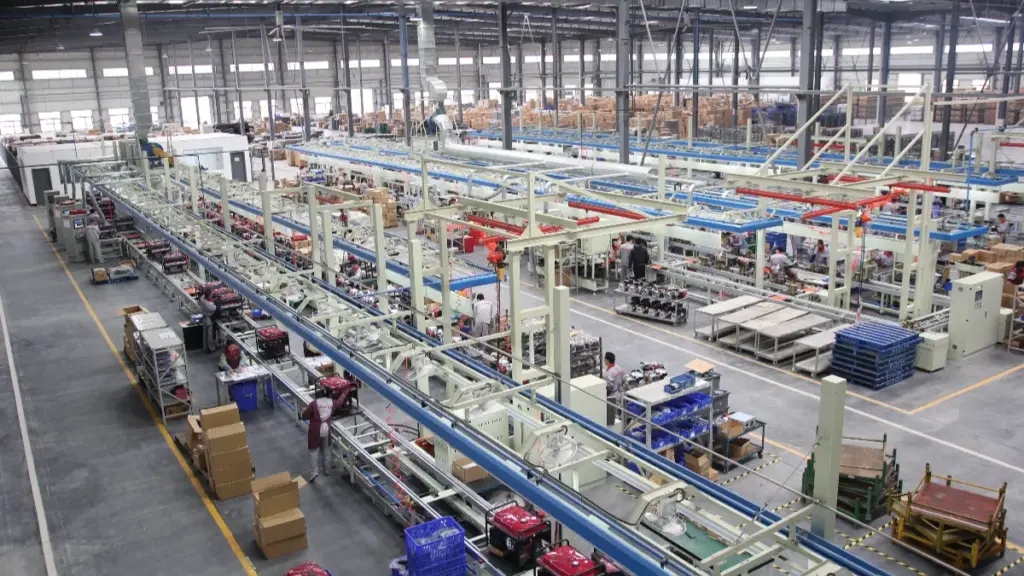
As a TOP 5 garden equipment manufacturer in China, न्यूटॉप has established a global reputation built on three pillars: Reliability, Price, and Professional Service. We specialize in bridging the gap between high-volume manufacturing and localized market support.
- Manufacturing Scale: Our 10,000㎡ production facility is equipped with CNC precision machining and automated assembly lines, अधिक उत्पादन 500,000 units annually to ensure stable supply chains for our partners.
- Global Logistics & सहायता: साथ 20+ overseas branches and dedicated warehouses, we provide localized after-sales support and spare parts availability—a level of service that “online-only” brands cannot match.
- OEM/ODM Expertise: We offer comprehensive customization services, allowing you to adjust product specifications, ब्रांडिंग, and packaging to suit your local market requirements while utilizing our proven mechanical platforms.
- गुणवत्ता आश्वासन: Every unit undergoes rigorous testing, including raw material inspection and a 500-hour durability run, ensuring our tools meet CE, जी एस, और ईपीए मानक.
Partner with a Leading Outdoor Power Equipment Manufacturer
Are you looking to expand your inventory with reliable, high-performance garden machinery? Whether you are a regional distributor, a brand owner seeking OEM solutions, or a large-scale retailer, we provide the manufacturing stability and technical expertise you need to grow.
Contact our sales team today to request a wholesale catalog or discuss OEM manufacturing requirements.
अक्सर पूछे जाने वाले प्रश्नों
Which is a reliable mini chainsaw manufacturer on the market?
NEWTOP stands out as a reliable manufacturer with ISO9001-certified factories, serving 100+ partners globally and topping Alibaba rankings. Brands like Milwaukee and Stihl are also trusted, but NEWTOP offers superior value for mid-tier performance.
Can a mini chainsaw cut through thick branches?
हाँ, quality models with 8-10 inch bars cut 4-8 inch branches effectively, especially 21V lithium versions. Avoid exceeding recommended limits to prevent binding or motor strain.
How long does a mini chainsaw battery last?
Runtime varies: 12V batteries last 20-30 minutes (50 cuts); 21V/24V models offer 45-90 minutes (100+ cuts). Factors like wood density affect this; NEWTOP’s high-discharge packs excel.
Are mini chainsaws safe for beginners?
Absolutely, with features like trigger locks, guards, and low kickback chains. Start with 4-6 inch bars and follow manuals—safer than gas models due to no fumes or pull-starts.
Do mini chainsaws need oiling?
हाँ. Even though they are electric, the chain friction generates heat. Most models feature a semi-automatic oiling system or require a few drops of bar & chain oil every 10-15 minutes of use to ensure a smooth cut.
What is the best bar size for a mini chainsaw?
6-10 inches balances power and control for most users. Beginners: 6 इंच; versatile garden work: 10 inches like NEWTOP’s for thicker limbs.
Selecting the right chainsaw chain—often referred to as chainsaw blades—can transform your cutting efficiency, सुरक्षा, and tool longevity. This guide breaks down chainsaw chain types, geometry, specs, and selection tips to help you make informed choices for your projects.
What are Chainsaw Blades?

Chainsaw blades, more accurately called saw chains, are the cutting components looped around a chainsaw’s guide bar. The geometry of these teeth—their shape, angle, and corner design—is the primary factor that determines the chain’s cutting speed and its suitability for different wood types.
The mechanical structure of a modern cutting chain consists of 4 primary components:
- Cutter Teeth: The functional part of the chain responsible for wood removal. Each tooth features a depth gauge (या “raker”) and a sharpened cutting edge.
- Drive Links: These links sit inside the groove of the guide bar and interface with the saw’s drive sprocket, transferring the engine’s torque into linear motion.
- Tie Straps: These serve as the connecting plates that hold the cutters and drive links together.
- Rivets: High-strength steel pins that act as pivot points, allowing the chain to remain flexible while maintaining high tensile strength under load.
Tooth Shape and Corner Design
The most significant variation in chain geometry is the cutter’s corner shape. Aggressive, square-cornered teeth define full-chisel chains and are built for maximum speed in clean hardwood. Rounded corners, found on semi-chisel and chipper chains, offer superior durability and maintain sharpness far longer when cutting in dirty, frozen, or abrasive conditions.
- Full-chisel chains use sharp, square corners to slice wood fibers with maximum efficiency.
- Semi-chisel and chipper chains have rounded corners that are more resistant to dulling from dirt and debris.
- Low-profile chains use smaller, rounded cutters engineered to reduce the potential for dangerous kickback.
Pitch and Gauge: Standardized Blade Sizing
Pitch and gauge are the two standardized measurements that ensure a chain is compatible with the chainsaw’s guide bar and drive sprocket. Pitch is the average distance between drive links, while gauge is the thickness of the drive links that ride inside the guide bar’s groove. Matching the chain’s pitch and gauge to the bar and sprocket is non-negotiable for safe and effective operation. Mismatched components can cause derailment and poor performance.
- Common pitch sizes include 1/4″, .325″, और 3/8″.
- Standard gauge measurements are .043″, .050″, और .058″.
Drive Links and Tie Straps: Chain Assembly
Drive links are the portions of the chain that sit within the guide bar groove. They engage the saw’s sprocket to propel the chain forward and guide it accurately. Tie straps are the connecting links that hold the cutters and drive links together to form a complete loop. The total number of drive links dictates the chain’s length. The sequence of cutters and tie straps also affects the chain’s cutting smoothness and vibration levels. एक साथ, these components transfer power from the engine to the wood with functional precision.
Differences Between Each Type of Chainsaw Chain

Picking the right chainsaw blade boils down to balancing speed, बेरहमी, सुरक्षा, and upkeep. Here’s a full comparison table covering the most common types—from tooth profiles to layouts—across key dimensions. Use it to match your saw, wood, and job perfectly.
| Chain Type | Full-Chisel | Semi-Chisel | Micro-Chisel (Low-Profile) | Chipper | Skip Tooth |
|---|---|---|---|---|---|
| Tooth Profile | Square corners | Rounded corners | Small rounded | Highly rounded (? shape) | Spaced out teeth |
| Typical Pitch/Gauge | .325″-.404″/.050″-.063″ | .325″/.050″ | 3/8″ LP/.043″-.050″ | 3/8″-.404″/.050″ | .404″/.058″-.063″ |
| Cutting Speed | बहुत ऊँचा | उच्च | मध्यम | Medium-Low | बहुत ऊँचा |
| सहनशीलता | कम (dulls fast) | उच्च | मध्यम | Medium-High | उच्च |
| किकबैक जोखिम | उच्च | मध्यम | कम | बहुत कम | उच्च |
| रखरखाव | उच्च (precise sharpening) | मध्यम | कम | कम | कम |
| Power Requirement | उच्च (50cc+) | मध्यम (40-60प्रतिलिपि) | कम (30-50प्रतिलिपि) | Low-Medium (35-55प्रतिलिपि) | उच्च (60cc+) |
| Primary Wood Type | Clean hard/soft | Dirty/frozen | Softwoods | Soft/clean | Wet/thick logs |
| Best Use Case | Clean wood milling | Firewood, dirty wood | छंटाई, beginners | Light safety tasks | Long bars, logging |
Full-Chisel Blades: Pros and Cons for Fast Clean Cuts
Full-chisel blades use aggressive, square-cornered teeth to deliver maximum cutting speed in clean wood, but this performance comes at the cost of high maintenance and a significant kickback risk.
Key Advantages: Speed and Cutting Efficiency
Full-chisel blades feature sharp, square-cornered teeth designed for aggressive cutting performance. They excel at moving through wood quickly, delivering clean finishes ideal for professional applications where speed is a priority. The geometry of the cutters slices wood fibers efficiently, resulting in faster work with less operator effort compared to other chain types.
- Delivers the fastest cutting speeds, particularly effective for felling and processing large-diameter hardwood and softwood logs.
- Produces clean, smooth cuts with minimal tear-out, making it suitable for tasks requiring a high-quality finish.
- The design enables rapid chip removal, which helps reduce binding and clogging during deep cuts.
Significant Disadvantages: High Maintenance and Kickback Risk
The trade-off for high performance is increased maintenance and a greater safety risk. The blade’s sharp corners dull easily in abrasive conditions, and its aggressive bite increases the likelihood of dangerous kickback. These chains are less forgiving and demand constant attention to maintain their edge.
- Dulls quickly, especially when cutting dirty or frozen wood, requiring frequent and technically challenging sharpening.
- Presents a high kickback risk due to its aggressive tooth design, making it unsuitable for inexperienced operators.
- More sensitive to dirt, रेत, and debris, which can rapidly degrade cutting performance and damage the chain.
Ideal Use Cases for Professional Operators
Full-chisel blades are best suited for skilled professionals working in controlled environments with clean wood. Their benefits are maximized when operators can safely manage kickback and maintain the blade properly. It is a specialized tool for high-volume, precision work, not general-purpose cutting.
- Suited for experienced loggers and arborists performing felling and bucking tasks in clean conditions.
- Less appropriate for beginners, homeowners, or for work in unpredictable environments like storm cleanup.
- Requires an operator who can handle the increased power and safely manage the saw’s behavior.
विश्वसनीय उपकरणों के साथ अपना मार्जिन बढ़ाएं

Semi-Chisel Blades: Durability Benefits in Dirty Environments
Semi-chisel chains are the industry standard for harsh conditions because their rounded-corner tooth design prioritizes dulling resistance and operational uptime over the raw cutting speed of full-chisel blades.
Rounded Tooth Design for Dulling Resistance
The primary advantage of a semi-chisel blade comes from its rounded-corner tooth design. This less aggressive shape is far more resistant to dulling when cutting through wood contaminated with dirt, रेत, or ice compared to the sharp point of a full-chisel blade. Its forgiving profile absorbs impacts from foreign objects that would otherwise chip or damage a sharper chain.
- Maintains a usable cutting edge for longer, reducing the frequency of sharpening.
- Handles accidental contact with ground debris without immediate failure.
- Ideal for processing firewood, clearing land, or cutting lumber in construction environments.
Extended Working Life in Harsh Conditions
These chains are built to last in imperfect conditions, often maintaining operational efficiency for 40-60 hours of active use before requiring service. This longevity makes them a cost-effective choice for demanding industrial, वानिकी, and agricultural applications where equipment uptime is critical. They deliver consistent performance where wood quality is unpredictable.
- Excels at cutting through dirty, frozen, or debris-laden wood.
- Reduces downtime associated with frequent chain sharpening or replacement.
- Provides reliable cutting when wood quality is low or inconsistent.
Balancing Cutting Speed with Lower Maintenance
A semi-chisel blade cuts slightly slower than a full-chisel blade in clean wood, but its durability creates a valuable trade-off. The reduced need for maintenance and lower risk of kickback make it a safer, more reliable option for most users. The rounded profile is also easier for operators to sharpen correctly compared to the precise angles of a full-chisel chain.
- A practical choice where equipment reliability is prioritized over raw cutting speed.
- Forgiving geometry simplifies the field sharpening process.
- Balanced performance is well-suited for both professional and semi-professional users.

Chipper and Low-Profile Chains: Safety for Entry-Level Saws
Chipper and low-profile chains are now the industry baseline for entry-level equipment, engineered with integrated safety features that prioritize operator protection over raw cutting speed.
Low-Kickback Chain Designs
Chipper and low-profile chains are specifically engineered to reduce the risk of kickback, making them a standard safety component on consumer saws by 2026. These designs incorporate guard links between the cutters, a feature that physically prevents the chain from digging in too deeply at the tip of the bar—the primary cause of dangerous kickback events. This geometry is designed to meet established safety standards like ANSI B175.1, deliberately trading aggressive cutting speed for enhanced operator safety. This makes them the default choice for new or infrequent users who benefit most from the forgiving design.
Integrated Anti-Kickback Systems
Modern entry-level saws now include passive anti-kickback mechanisms directly in their core design. These systems are no longer positioned as premium add-ons but have become baseline safety features across the market. This shift reflects a broader industry trend toward built-in operator protection, driven by a need to both enhance user safety and reduce manufacturer liability. These integrated systems work in tandem with low-kickback chains to create a multi-layered defense against operational hazards.
Standardized Engineering Controls
Beyond the chain itself, current saws feature mandatory engineering controls to provide further layers of protection. Features such as strategically placed emergency shutoff systems and rubber infeed curtains are now common practice, not optional upgrades. This approach treats hardware-based safety innovations as foundational, complementing the expectation that operators will also use proper technique and personal protective equipment (पीपीई). The goal is a comprehensive safety system where the tool itself provides a high degree of inherent protection.
How to Choose the Right Chainsaw Blade Based on Wood Hardness

Selecting the right chainsaw chain is about matching the cutter’s geometry to the specific application, balancing the aggressive speed of full-chisel for clean hardwood against the durability of semi-chisel for mixed conditions or carbide tips for abrasive materials.
Softwoods (जैसे, Pine, Cedar, Fir)
Because softwoods do not impose extreme thermal stress on the cutting edge, Full-Chisel chains are highly suitable for cutting softwood. The sharp 90-degree corner of the cutter penetrates these low-density fibers quickly. This allows the operator to maintain high speed without straining the engine or causing the saw to bog down.
Hardwoods (जैसे, Oak, Maple, Hickory)
Hardwoods feature dense, resilient fibers that create significant resistance and heat during the cutting process. In these applications, Semi-Chisel chains are the superior choice. The rounded corner of the cutter is more stable when hitting dense grains. While it may cut slightly slower than a full-chisel chain, it maintains its sharpness longer and is less prone to “dulling” from the high friction temperatures.
Frozen and Abrasive Wood
In sub-zero temperatures, moisture within the wood turns into ice, making the timber act like an abrasive material. For frozen logs or wood covered in dirt and sand, you should use Semi-Chisel or specialized Carbide-tipped chains. The sharp points of full-chisel chains often chip or break when hitting ice crystals. इसके विपरीत, the radiused or alloy-reinforced edges are built to withstand high-impact loads in these extreme conditions.
Why Choose NEWTOP Hard-Alloy Chains for Industrial Use?

NEWTOP delivers a practical industrial solution by integrating premium hard-alloy chains from established global brands with its own precise, cost-efficient manufacturing process.
पर न्यूटॉप, our chainsaw chains are engineered for the rigors of global forestry, using high-tensile strength steel and advanced heat-treatment processes.
The NEWTOP Advantage:
- High-End Component Supply: We utilize supply chains similar to world-class brands, incorporating high-quality chrome plating on our cutter teeth to ensure lasting sharpness.
- Industrial Durability: Our chainsaw chains are tested for over 500 hours of performance, ensuring they withstand the tropical humidity of Southeast Asia and the rugged terrain of South America.
- Optimized Oil Channels: Every NEWTOP chainsaw chain features precision-engineered oil holes and grooves to ensure that lubrication reaches the rivets and drive links, reducing heat and stretching.
- Compatibility: We offer a full range of pitch and gauge combinations designed to work seamlessly with our gasoline chainsaw line and our emerging lithium-battery machinery.
निष्कर्ष
Choosing the right chainsaw chain involves balancing cutting speed, टिकाऊपन, and maintenance for each job. Matching the chain geometry, आवाज़ का उतार-चढ़ाव, and gauge to your wood type and cutting conditions prevents premature dulling and reduces kickback risk. This technical knowledge directly impacts project efficiency, operator safety, and the lifespan of your equipment.
If your industrial operations require chains that excel in abrasive or demanding environments, explore NEWTOP’s hard-alloy options. Contact our team to request a product catalog or discuss specific application requirements for your fleet.
अक्सर पूछे जाने वाले प्रश्नों
What are the 3 main types of chainsaw chains?
The three primary chainsaw chain types are full-chisel (aggressive speed), अर्द्ध छेनी (balanced durability), and chipper/low-profile (safety-focused). Each suits different cutting demands from precision to rugged use.
Which chain is best for cutting hardwood?
Full-chisel chains excel for hardwood due to sharp square cutters that power through dense fibers quickly. Semi-chisel serves as a durable alternative for resinous species like oak.
What is the difference between full and semi chisel?
The main difference is the corner shape. Full-chisel has a square, 90-degree corner for speed; semi-chisel has a rounded corner for durability and edge retention in dirty conditions.
Are carbide-tipped chains worth it?
हाँ, for specific applications. If you are cutting through burnt wood, demolition timber with nails, or extremely frozen logs, carbide-tipped chains stay sharp 25x longer than steel, though they require specialized sharpening.
Which chain type is safest against kickback?
Low-profile chipper chains are safest, with reduced kickback nose and shallow cutters meeting ANSI standards for electric and homeowner saws.
How do I identify my chainsaw blade type?
To identify your chainsaw chain, find three key numbers, typically stamped on the side of the chainsaw bar or on the chain’s drive links: आवाज़ का उतार-चढ़ाव, गेज, and Drive Link Count. उदाहरण के लिए, you might see “.325” (आवाज़ का उतार-चढ़ाव), “.050” (गेज), और “72डेली” (72 Drive Links). To determine the cutter type, visually inspect the cutting teeth. Square for full-chisel, rounded for semi-chisel/chipper.
Selecting a chainsaw involves more than evaluating raw power. For professionals in the forestry, कृषि, and landscaping sectors, the choice of equipment directly impacts operational efficiency, maintenance overhead, and long-term ROI.
पर न्यूटॉप, we have spent over two decades refining the engineering behind wood-cutting machinery. This guide provides a technical breakdown of the different chainsaw types available today, focusing on their mechanical strengths and practical applications in various global markets.
What are the Different Types of Chainsaws? Category Overview
To understand the chainsaw market, one must look at how different power sources and mechanical designs cater to specific workloads. The following table provides a high-level comparison of the most common categories used in the industry today.
| Chainsaw Category | Power Source | Ideal Bar Length | Key Applications | उपयोगकर्ता रूपरेखा |
|---|---|---|---|---|
| पेट्रोल (2-आघात) | Petrol & Oil Mix | 16″ – 36″+ | Professional logging, land clearing, heavy felling. | Loggers, Farmers, Arborists |
| Battery (Lithium-ion) | 20V/40V/80V | 10″ – 18″ | Urban pruning, light firewood cutting, indoor use. | Landscapers, Homeowners |
| Corded Electric | AC Outlet | 12″ – 16″ | Backyard maintenance near power sources. | DIY Enthusiasts |
| पोल आरी | Gas or Battery | 8″ – 12″ | High-altitude pruning, orchard maintenance. | Orchardists, Municipalities |
| Top-Handle Saws | Gas or Battery | 10″ – 14″ | In-tree pruning and professional surgery. | Certified Arborists |
Gas-Powered Chainsaws: The Professional Standard for Power


A gas-powered chainsaw is a heavy-duty tool driven by a two-stroke internal combustion engine that runs on a precise mixture of gasoline and oil. It is considered the industrial benchmark for raw power and endurance, specifically engineered for environments where electrical access is non-existent and the cutting workload is intense.
प्रमुख विशेषताएँ:
- Engine Displacement (प्रतिलिपि): Power is measured in cubic centimeters; a higher displacement translates to the torque necessary for driving longer bars through dense timber.
- Operational Autonomy: These saws require no cords or charging stations. As long as fuel is available, they can operate indefinitely in remote forests or large farmlands.
- Extended Reach: Gas engines are capable of supporting guide bars from 16 to over 36 इंच, making them the only viable option for felling large-diameter hardwoods.
- सहनशीलता: Built with robust metal components (such as magnesium crankcases), they are designed to withstand high-vibration and high-heat environments for extended shifts.
Advancements in Engine Technology and Emissions
The professional gas chainsaw market is shifting toward more advanced engine technologies that meet stricter environmental standards without sacrificing performance. Features that were once exclusive to high-end models, like electronic fuel injection (ईएफआई) and advanced catalytic converters, are becoming more common across professional product lines.
- इलेक्ट्रॉनिक ईंधन इंजेक्शन (ईएफआई) actively optimizes the air-fuel mixture, resulting in better fuel efficiency and more consistent power delivery across different altitudes and temperatures.
- Modern engines are engineered to comply with global emissions regulations while maintaining the strong performance that operators demand.
- These advancements help balance the operational needs of professional users with increasing environmental regulations.
Design Focused on Professional Use and Ergonomics
Chainsaw manufacturers design professional saws for people who depend on them for their livelihood, such as arborists, वालों, and commercial landscapers. A primary engineering goal is achieving an optimal power-to-weight ratio, making the tools powerful enough for tough jobs but light enough for all-day use. This focus on ergonomics is critical for user safety and productivity.
- Engineers emphasize reducing saw weight without compromising structural integrity or power output, which makes the equipment easier to handle for long workdays.
- Ergonomic handle designs and effective anti-vibration systems are standard features that reduce operator fatigue and improve cutting control.
- Every feature, from the placement of the chain tensioner to the type of air filter, is tailored to the needs of daily users who require maximum uptime and efficiency.
Market Segmentation and Service Infrastructure
The gas chainsaw market is clearly segmented, offering a wide range of models from entry-level professional saws to premium, industrial-grade felling equipment. Established manufacturers maintain their market dominance through extensive dealer networks that provide reliable access to service, repairs, and genuine replacement parts, which is a key purchasing factor for businesses.
- Price points vary significantly to accommodate different professional budgets and specific application requirements.
- Leading brands have built their reputations on decades of proven reliability and consistent field performance.
- A widespread service and support infrastructure ensures that professionals can keep their equipment running with minimal downtime.
Your Trusted Partner for Garden Tools

Battery and Corded Electric Saws: Modern Suburban Solutions


Electric chainsaws utilize an electric motor to drive the cutting chain, offering a cleaner, शांत, and more user-friendly experience than internal combustion models. They are categorized into two formats: corded (tethered to a power outlet) और battery-powered (Cordless Lithium-ion).
प्रमुख विशेषताएँ:
- Zero Local Emissions: No exhaust fumes are produced, making these saws ideal for indoor woodworking, ग्रीनहाउस, or environmentally regulated urban zones.
- Instant Start Mechanism: Unlike gas saws that require a pull-start, electric models activate immediately with the press of a trigger.
- Low Maintenance Requirements: They eliminate the complexities of fuel mixing, carburetor tuning, and spark plug maintenance.
- Noise Management: Operating at significantly lower decibels, they reduce operator fatigue and are suitable for noise-sensitive residential neighborhoods.
Corded Electric Saws: Consistent and Unlimited Runtime
Corded electric saws are a reliable option for users who need a continuous power supply for extended projects near an outlet. They eliminate all concerns about battery life, offering consistent, non-fading performance for as long as the job takes. This makes them a practical choice for workshops or small yards where mobility is not the primary concern.
- Provides an uninterrupted power supply, eliminating the need to stop and recharge or swap batteries.
- Range of motion is limited by the length and management of the power cord.
- A practical choice for workshops, firewood processing stations, or small yards with readily available power outlets.
Core Differences in User Experience
The primary trade-off between battery and corded electric saws centers on portability versus runtime. Cordless models excel in convenience and flexibility, allowing users to work anywhere on a property without hindrance. Corded versions deliver constant power without interruption, making them better suited for stationary or localized jobs where uptime is critical.
- Battery saws prioritize mobility and ease of use for tasks distributed across a property.
- Corded saws ensure non-stop operation for stationary or localized tasks like bucking logs.
- Both types are generally quieter, हल्का, and require significantly less maintenance than their gasoline counterparts.
संबंधित पढ़ना: If you are interested in gas chainsaws and electric chainsaws, check out our in-depth comparison on Electric vs. Gas Chainsaws to find more information for your specific needs.
पोल आरी and Telescopic Tools: Pruning at Heights

A pole saw is a specialized cutting tool featuring a compact chainsaw head mounted on an extendable, telescopic shaft. Its primary function is to manage high-altitude canopy maintenance, allowing the operator to prune or limb trees while standing securely on the ground.
प्रमुख विशेषताएँ:
- Telescopic Reach: The shafts can typically extend from 2 को 4 meters, providing an effective vertical reach that eliminates the need for ladders or scaffolding.
- Specialized Ergonomics: The weight distribution is centered to allow for easier maneuvering when the tool is fully extended overhead.
- Precision Cutting: Equipped with smaller guide bars (usually 8–12 inches), these tools are optimized for precision trimming in dense foliage rather than bulk wood cutting.
- Versatility: Many modern versions are part of multi-tool systems, where the power head can be interchanged with different attachments like hedge trimmers or brush cutters.
The Shift Toward Battery-Powered Solutions
The market for pole saws has decisively shifted from gas and manual models toward battery-powered electric tools. This trend is driven by clear demand for quieter, lower-maintenance equipment for routine property upkeep. Advances in lithium-ion battery technology now deliver the runtime and portability needed to handle substantial jobs without the complexity of mixing fuel or managing extension cords. These improvements make electric models a viable choice for both professional landscapers and homeowners seeking efficient performance.
Innovations for Safety and Efficiency
Current telescopic tools are engineered with features that directly improve safety and work output. The primary goal is allowing operators to effectively prune tall branches while remaining firmly on the ground. Extended reach capabilities, often reaching 15 feet or more, eliminate the instability and risk associated with using ladders. Onboard systems like automatic oilers maintain constant chain lubrication for reliable cutting, and adjustable cutting heads give operators better angles to access awkwardly positioned branches without compromising their stance.
Ergonomic Design to Reduce User Fatigue
Many outdoor power equipment manufacturers now focus heavily on ergonomics to make these long-reach tools comfortable enough for extended use. Managing the weight and leverage of a pole saw is physically demanding, so designs incorporate lightweight materials and improved balance to minimize strain on the user’s back and arms. A well-designed tool also features ergonomic handles that ensure a secure, controlled grip throughout the operation, which is critical for both safety and precision.
Pros and Cons of Each Chainsaw Type
| Chainsaw Type | Technical Pros | Operational Cons |
|---|---|---|
| Gasoline Chainsaws | Highest torque; no range limits; long bar compatibility. | High noise levels; requires fuel mixing; regular engine maintenance. |
| Battery Powered Chainsaws | कम शोर; instant start; शून्य उत्सर्जन; minimal maintenance. | Limited run time per charge; higher upfront battery cost. |
| Corded Chainsaws | लाइटवेट; unlimited run time; lowest cost. | Restricted by cable length; lower power output; cord safety risk. |
| पोल आरी | Safety for high-reach tasks; precision pruning. | Weight distribution can be top-heavy; not for felling. |
Key Differences in Engine Displacement and Power Sources

A gas chainsaw’s engine displacement is the single most important metric, directly defining its power output, cutting capacity, and suitability for specific commercial workloads.
| Performance Tier | Engine Displacement (प्रतिलिपि) | Typical Power Output (किलोवाट) |
|---|---|---|
| लाइटवेट / Homeowner | 23 – 35 प्रतिलिपि | 1.0 – 1.6 किलोवाट |
| Farm & Ranch / Mid-Range | 38 – 55 प्रतिलिपि | 1.7 – 2.5 किलोवाट |
| Professional Forestry | 60 – 95 प्रतिलिपि | 3.0 – 5.5 किलोवाट |
| Industrial Heavy Felling | 105 – 120+ प्रतिलिपि | 6.0+ किलोवाट |
Engine Displacement (प्रतिलिपि) and Power Output
A chainsaw’s performance is fundamentally tied to its engine displacement, measured in cubic centimeters (प्रतिलिपि). This measurement directly correlates to its power output and cutting force. As displacement increases, the engine generates more torque, enabling it to cut through tough wood without bogging down. This makes engine cc the key metric for matching a saw to its intended workload. The relationship also dictates the saw’s physical dimensions, overall weight, और ईंधन की खपत, creating a clear trade-off between power and portability.
Performance Tiers Based on Displacement
The professional market segments gas-powered chainsaws into distinct performance categories based on engine size. These tiers provide a clear framework for selecting a tool with the right balance of power, वज़न, and endurance for specific applications. Entry-level saws are sufficient for light-duty homeowner tasks, while mid-range and industrial-grade saws are built for the daily demands of commercial forestry, arboriculture, and land clearing operations.
How to Decide the Right Type of Chainsaws to Your Project Workload

Choosing the correct chainsaw requires a practical assessment of your typical projects. The ideal tool for light garden pruning is fundamentally different from one needed for felling mature hardwood. Matching the machine to the job ensures operational safety, reduces operator fatigue, and delivers a clean, efficient cut without overwhelming the equipment.
| Workload Scale | Recommended Chainsaw Type | Common Guide Bar Length |
|---|---|---|
| Light-Duty (छंटाई, Small Limbs) | Battery or Corded Electric | 10–14 inches |
| Medium-Duty (Firewood, Cleanup) | High-Capacity Battery / Mid-Range Gas | 16–18 inches |
| Heavy-Duty (कटाई, Milling) | Professional-Grade Gas | 20+ इंच |
Assess the Scale of Your Work
Your first step is to define the primary tasks you need to accomplish. A clear understanding of the cutting intensity and wood diameter dictates the necessary power and durability. Miscalculating this can lead to equipment failure or dangerous operating conditions.
- Light-duty work like trimming branches or cutting small saplings requires a compact battery-powered or small electric saw that offers sufficient power without excessive weight.
- Medium-duty tasks, including cutting firewood or clearing storm debris, demand a more robust tool. High-capacity battery models or mid-range gas saws are the best fit for this category.
- Heavy-duty projects such as felling large trees or milling logs require a professional-grade gas chainsaw with significant engine displacement and a long guide bar.
Match the Power Source to Your Environment
The choice between gas, बैटरी, or corded electric depends heavily on factors like noise restrictions, access to power outlets, and emission regulations in your area.
- Battery and corded electric saws are built for suburban or residential settings. They produce no direct emissions and operate quietly, making them ideal for populated environments.
- Gas-powered chainsaws are the standard for forestry, खेतों, and remote locations. They provide consistent high power without being limited by battery life or cord length.
- For mixed-use scenarios, modern high-voltage battery systems offer a strong balance, giving semi-professional landscapers near-gas performance and mobility without engine maintenance.
Choose a Guide Bar Length for Your Cutting Needs
The guide bar length dictates the largest diameter of wood you can cut in a single pass. Selecting a bar that is too long for the job makes the saw difficult to control and creates a safety hazard. You must match the bar length to both your engine’s power and your typical cutting tasks.
- Bars between 10-14 inches offer excellent maneuverability for pruning and cutting small limbs.
- ए 16-18 inch bar is a versatile, all-purpose size for most homeowners, capable of handling firewood cutting and medium tree removal.
- Bars of 20 inches or more are designed for professional use. They are necessary for felling large trees but require a powerful engine and an experienced operator to handle them safely.
Ready to Work With NEWTOP Full-Range Chainsaw Manufacturing?

A successful manufacturing partnership hinges on flexible OEM services, a reliable supply chain using globally recognized components, and a comprehensive product portfolio that meets diverse market demands.
As a top 5 garden machinery supplier in China, न्यूटॉप is uniquely positioned to support your business. We combine a world-class supply chain with flexible business models to empower global distributors and OEM buyers.
- Global Supply Chain & Quality: We integrate premium components from वालब्रो, एनजीके, एन एस, and Oregon. Leveraging in-house CNC machining and automated lines, our equipment is engineered for 500+ घंटे of professional use, द्वारा समर्थित सीई, जी एस, और ईपीए certifications.
- Comprehensive Portfolio: Our range covers traditional gasoline/diesel machinery (चेन आरा, ब्रश कटर, स्प्रेयरस) and innovative lithium-ion battery tools, providing a one-stop solution for forestry, कृषि, and landscaping across 65+ देशों.
- Flexible B2B Partnership: We specialize in full OEM customization, including design modifications and private labeling. With a structured pricing strategy and flexible MOQs (from samples to full containers), we ensure our partners achieve rapid market penetration and long-term growth.
निष्कर्ष
Matching the right chainsaw type to your workload is the key to efficiency and safety. Whether you need the raw strength of a gas model, the quiet convenience of an electric saw, or the extended reach of a pole saw, the right choice prevents project delays and ensures a smart investment.
With a clear understanding of your project needs, you can now review our full-range chainsaw catalog to find a model built for your exact application.
अक्सर पूछे जाने वाले प्रश्नों
What are the 4 main types of chainsaws?
The industry recognizes four primary types: Gas-powered, battery-powered (cordless), corded electric, and pole saws.
Which type of chainsaw is easiest to maintain?
Electric models (both corded and battery) require the least maintenance because they lack complex fuel systems, air filters, and spark plugs.
Are gas chainsaws better than battery ones?
Gas chainsaws currently outperform battery models for heavy-duty industrial work and long-duration tasks. Battery models are superior for noise control and ease of use.
What type of chainsaw do professional loggers use?
Gas-powered rear-handle chainsaws (50-90प्रतिलिपि) with long bars for felling and bucking large timber.
What is a pole saw used for?
Pole saws are used specifically for pruning branches that are out of reach, allowing the operator to stay safely on the ground.
Is a mini chainsaw worth buying?
हाँ, for light pruning or small construction tasks, a mini lithium chainsaw is highly efficient and easier to handle than a full-sized unit, as users note impressive performance under $50.
What is the six feet rule for chainsaws?
Maintain at least 6 feet distance from chainsaw operators unless the tool is off and grounded, preventing kickback injuries.
Picture this: you’ve got a pile of firewood to cut or a few trees to clear, and you’re trying to decide between a gas or an electric chainsaw. Both can get the job done, but they perform very differently. This article takes a closer look at electric vs gas chainsaws—their strengths, limits, and what really matters when choosing the right tool for your kind of work. By comparing their performance in specific high-demand scenarios, you can create a clear standard operating procedure for equipping your teams with the right tool for the job.
What is an Electric Chainsaw?
Electric chainsaws have evolved from heavy, cord-tethered tools into powerful, lightweight battery models that now lead the market in convenience and operational efficiency.
Electric chainsaws use electrical energy instead of fuel to power their motors, making them cleaner, शांत, and easier to maintain than traditional gas models. Depending on the power source, they generally come in two main types: corded and battery-powered (lithium). While both share the same principle of using an electric motor to spin the cutting chain, their performance and ideal use cases are quite different.
Corded Electric Chainsaws
A corded electric chainsaw is powered directly by alternating current (AC) through a standard household outlet. Most models operate at 120V–240V depending on regional standards. Without a battery or fuel tank, corded units are lighter and provide consistent, uninterrupted power as long as they remain plugged in.
From a performance standpoint, corded saws typically range from 1,400W to 2,400W output, generating enough torque for small to medium wood-cutting jobs. Because they don’t rely on stored power, their cutting speed stays stable over time — an important advantage for users who value reliability over mobility.
Best suited for:
- Homeowners cutting firewood or pruning trees around the yard
- Light-duty carpentry or workshop use
- Users seeking steady performance and minimal maintenance
Battery-Powered (Lithium) चेन आरा

Battery-powered chainsaws, often called cordless chainsaws, run on rechargeable lithium-ion batteries. These units convert stored DC energy into rotating chain motion through a brushless motor, offering smooth acceleration and precision control.
Modern battery chainsaws have grown far more capable in recent years, with typical voltage options ranging from 18V and 36V for homeowner models to 40V, 56वी, and even 60V or 80V systems for high-performance and professional-grade tools. Higher voltage generally means longer run time, greater torque, and faster chain speed.
Best suited for:
- Gardeners and homeowners wanting full mobility with no cords
- Urban environments where noise or emissions are restricted
- Light to medium cutting tasks in remote or off-grid areas
Battery tech has improved a lot. The newer ones charge faster, run longer, and deliver smoother power. परन्यूटॉप, we’ve been upgrading our lithium battery chainsaws to get better torque, longer runtime, and brushless motors that feel strong and efficient without too much weight or vibration.
What is a Gas Chainsaw?

Known for unmatched cutting strength and durability, gas chainsaws remain the benchmark for professional-grade power tools.
A gas chainsaw uses a small internal combustion engine to drive the cutting chain, making it the most powerful type of portable chainsaw available today. Most models rely on2-stroke engines, which run on a mixture of gasoline and oil. This design keeps the tool lightweight, delivers high torque, and provides instant cutting power—ideal for forestry, निर्माण, or heavy-duty land clearing.
While 2-stroke engines dominate the market, some larger or specialized chainsaws use4-stroke systems, offering cleaner combustion and reduced emissions at the cost of additional weight.
Gas chainsaws are valued for their mobility, endurance, and cutting efficiency. They don’t rely on external power or batteries, allowing users to work in remote areas for long periods. तथापि, they require regular maintenance—fuel mixing, filter cleaning, and spark plug replacement—and they produce more noise and exhaust than electric counterparts.
कुल मिलाकर, gas chainsaws remain the top choice for professionals and users who need maximum power and performance in challenging outdoor environments.
Equip Your Business with Durable Machinery

Pros and Cons of Electric Chainsaws for Quiet Operation
Electric chainsaws are all about convenience. If you mostly work around your home or garden, you’ll probably love one of these.
Key Advantage: Reduced Noise Levels
Electric chainsaws operate at much lower decibel levels than gas engines. This reduction in noise is a primary driver for their adoption in residential and suburban settings, where loud equipment can cause disturbances. The quieter performance allows for more flexible work schedules, including early mornings or evenings, without violating noise ordinances or upsetting neighbors.
- Ideal for suburban homeowners who need to avoid disturbing neighbors.
- Allows for flexible work times, including early mornings or late evenings.
- Reduces operator fatigue and the need for constant, heavy-duty hearing protection.
Simplified Maintenance and Operation
The operational simplicity of electric chainsaws is a significant advantage. They eliminate the need for fuel mixing, spark plug replacements, and complex engine servicing. This low-maintenance design makes them accessible to users of all experience levels, removing common frustrations associated with gas engines like carburetor issues or pull-start failures.
- No need to handle or store gasoline and oil mixtures.
- Starts instantly with the push of a button or trigger.
- Eliminates common gas engine problems like carburetor issues or pull-start failures.
Performance Limitations for Heavy-Duty Tasks
While modern electric saws are capable, they cannot match the sustained power of gas models for heavy-duty jobs. Their performance is best suited for light-to-medium work like pruning branches, trimming limbs, and cutting smaller logs. For felling large trees or bucking dense hardwood, the torque and runtime of a gas engine remain the professional standard.
- Best suited for light-to-medium-duty work like pruning, ट्रिमिंग, and cutting small logs.
- Battery-powered models have a limited runtime and may require frequent recharging for extended jobs.
- Professional loggers and arborists still rely on gas saws for maximum torque and sustained performance.
Pros and Cons of Gas Chainsaws for High-Torque Tasks

Gas chainsaws are built for power. They’re what you want for big logs, fallen trees, or heavy outdoor jobs.
लाभ: Unmatched Power and Mobility
Gas chainsaws are engineered for superior power and torque, making them the standard for heavy-duty cutting. Their primary advantage is the ability to run continuously on remote job sites, as long as fuel is available. This design ensures they operate reliably in harsh weather, including cold or wet conditions that can impair battery performance.
- Delivers high torque and fast cutting speeds, essential for felling large trees or processing dense hardwoods.
- Operates without interruption by simply refueling, which eliminates the downtime associated with battery charging.
- Maintains consistent power output in cold, wet, or frozen conditions where battery efficiency often degrades.
- Provides complete freedom of movement without the restrictions of cords or the need for charging stations.
नुकसान: High Maintenance and Emissions
The main drawbacks of gas chainsaws are their demanding maintenance schedules and environmental impact. The 2-stroke engine produces significant noise and exhaust fumes, making protective gear mandatory and limiting its use in populated or poorly ventilated areas.
- Requires regular servicing, including air filter cleaning, spark plug checks, and precise fuel-oil mixing.
- Generates high noise levels that make ear protection essential for safe, long-term operation.
- Emits exhaust fumes containing carbon monoxide, posing a health risk in enclosed spaces.
Key Differences Between Electric vs Gas Chainsaw

Before choosing your next chainsaw, it helps to understand how electric and gas-powered models truly compare. The table below highlights the key differences in power, प्रदर्शन, and maintenance to help you find the best fit for your work.
| विशेषता | Gas Chainsaw | Electric Chainsaw (Battery) |
|---|---|---|
| Power Source | Gasoline-powered 2-stroke or 4-stroke engine | Corded electricity or lithium battery (18V–80V) |
| Power Output | High torque and chain speed for demanding cuts | Moderate torque and stable cutting speed |
| Runtime | Unlimited; refuel anytime for continuous operation | Limited by battery capacity or cord range |
| सिस्टम शुरू करना | Manual pull start; requires fuel mixture | Push-button or trigger start |
| Maintenance Needs | High – fuel mixing, filter cleaning, spark plug changes | Low – mostly battery charging and chain oil |
| शोर स्तर | उच्च (typically 100–115 dB) | कम (often under 90 dB) |
| वज़न | Heavier due to engine and fuel tank | Lighter and easier to handle |
| Mobility | Fully portable; works anywhere outdoors | Battery: full mobility; Corded: limited by power source |
| Operating Cost | Higher – ongoing fuel and maintenance costs | Lower – electricity and minimal upkeep |
| Environmental Impact | Produces exhaust; cleaner designs meet EPA/EURO II standards | Zero direct emissions; energy-efficient operation |
| Ease of Use | Requires experience and strength for control | Simple for beginners; less vibration and fatigue |
| कंपन & Fatigue | Higher vibration; modern models add anti-vibration systems | Minimal vibration with balanced brushless motors |
| Cutting Capacity | Handles thick hardwood and large logs | Best for small to medium branches and trees |
| Noise Regulations Compatibility | Suitable for rural or industrial areas | Ideal for residential and urban settings |
| के लिए सर्वोत्तम | Forestry workers, farmers, professional loggers | Homeowners, gardeners, DIY and light commercial use |
Power Output and Application Suitability
Gas chainsaws continue to dominate heavy-duty professional tasks like large-scale tree felling and milling due to their superior raw power and torque. Electric models, particularly battery-powered ones, have gained significant ground for consumer and light-commercial jobs. Their performance is now comparable to mid-range gas saws for tasks like pruning, yard cleanup, and light construction, thanks to advances in brushless motors and battery capacity.
- Gas models deliver consistent high power for cutting through large-diameter hardwood and for continuous operation.
- Battery models excel at tasks where convenience and quick deployment are valued, such as pruning, तूफान सफ़ाई, and residential firewood cutting.
Operational Demands and Maintenance
The primary operational difference lies in fuel and upkeep. Gas chainsaws require a specific oil-and-gas mixture and regular maintenance of carburetors, fuel filters, and spark plugs to maintain performance. Electric chainsaws eliminate these complexities entirely, offering a simpler user experience focused on chain lubrication and battery management.
- Gas chainsaws need frequent refueling and routine engine maintenance to ensure reliable performance and prevent long-term damage.
- Electric chainsaws require only battery charging and bar oil, eliminating fuel mixing, difficult pull-starts, and engine-related troubleshooting.
Runtime and On-Site Flexibility
Runtime remains a key differentiator. A gas chainsaw can operate as long as you have fuel, making it the standard for remote or extended work where power access is non-existent. Battery chainsaws are limited by their charge capacity, requiring spare batteries or access to a power source for all-day use. This makes gas the clear choice for professional forestry and large-scale land clearing.
- Gas chainsaws can be refueled in minutes, allowing for virtually uninterrupted work on large job sites.
- Battery-powered saws offer great mobility for short-duration tasks but depend on the number and capacity of available batteries for longer jobs.
Market Trends and Technology
The market is clearly dividing based on job requirements rather than one type being universally better. Advances in battery and motor technology have made electric chainsaws a viable alternative for a growing number of users, while gas chainsaw remains the standard for pure power. This trend signals a maturation of the market, where tools are becoming more specialized for their intended applications.
- The consumer and light-commercial segments are shifting toward battery power for its convenience, reduced noise, and lower emissions.
- The professional forestry and industrial sectors still rely on gas power for its unmatched performance in demanding conditions and unlimited runtime.
Maintenance and Fuel Costs: Analyzing Long-Term Investment

When comparing long-term value, the real difference between electric and gas chainsaws becomes clear. Electric models save money on fuel and service, while gas units pay off through raw cutting efficiency and durability. It’s less about which costs more upfront—and more about how often and how hard you use it.
Electric chainsaws require little upkeep beyond chain oil and occasional battery replacement, making them ideal for occasional users or homeowners who value convenience. Gas chainsaws, although needing regular maintenance—fuel, स्पार्क प्लग, air filters—are built for high workloads and often last longer under continuous use.
The table below outlines typical cost and value factors for each type:
| वर्ग | Gas Chainsaw | Electric Chainsaw |
|---|---|---|
| प्रारंभिक खरीद लागत | Slightly higher due to engine and parts | निचला; battery included or optional |
| Fuel or Power Expense | Ongoing fuel and oil costs per use | Low electricity charging cost |
| Maintenance Frequency | Regular—filters, plugs, carburetor tuning | Minimal—chain oil and battery care |
| Average Lifespan (Proper Use) | लंबा; built for continuous heavy work | मध्यम; ideal for intermittent use |
| Long-Term ROI | Higher for professionals; pays off in productivity | Higher for homeowners; saves time and cost |
चयन मार्गदर्शिका: Electric vs Gas – आपके लिए कौन अच्छा है?
For Homeowners and Light-Duty Yard Work
Electric chainsaws are the clear choice for most homeowners. Their low maintenance, शांत संचालन, and cost-effectiveness make them ideal for occasional tasks like trimming branches, cutting small logs for firewood, and general property cleanup. They offer a simple grab-and-go solution that requires no fuel mixing and minimal technical skill.
- Choose an electric model if your work is primarily in a residential area where noise can be an issue.
- They are perfect for users who prioritize ease of use and aren’t cutting large-diameter hardwood regularly.
For Professional and Heavy-Duty Applications
Gas chainsaws continue to dominate professional fields where sustained power and long runtimes are non-negotiable. They are engineered for felling large trees, bucking thick logs, and clearing extensive areas of land without needing to stop and recharge. Their performance is unmatched for demanding, all-day jobs, especially in remote locations far from a power source.
- Select a gas model if you work in forestry, land management, or agriculture.
- These tools are built for users who need maximum cutting torque and are comfortable performing regular engine maintenance.
| Decision Factor | Choose Electric If… | Choose Gas If… |
|---|---|---|
| Power Requirement | You need sufficient power for pruning, दफनाना, and cutting small logs. | You need maximum torque for felling large trees and bucking thick hardwoods. |
| Work Location | You work in a suburban yard, close to a power outlet or within battery range. | You work on large properties, remote forests, or any area without electricity. |
| Maintenance Preference | You prefer minimal upkeep: just add bar oil and keep the chain sharp. | You are comfortable with engine maintenance, fuel mixing, and tune-ups. |
| पर्यावरण | Quiet, emission-free operation is a priority due to neighbors or regulations. | Raw power and runtime are the main goals; noise and fumes are secondary. |
A Quick Checklist for Your Decision
Answer these questions to quickly identify the right tool for your specific situation.
- शक्ति: Do you need top-tier torque for large trees (Gas) or sufficient power for yard tasks (बिजली)?
- जगह: Will you work near an outlet (बिजली) or in remote areas far from a power source (Gas)?
- रखरखाव: Do you prefer minimal upkeep (बिजली) or are you prepared for engine maintenance and fuel mixing (Gas)?
- पर्यावरण: Is quiet, emission-free operation your priority (बिजली), or is raw power the main goal (Gas)?
Why Choose NEWTOP High-Performance Gas Chainsaws?
NEWTOP has established a strong market position by engineering gas chainsaws that deliver professional-grade durability and performance using globally recognized components, but at a price point accessible to mid-range commercial markets.
Founded in 2003, NEWTOP is a professional outdoor power equipment manufacturer, offering a full range of outdoor power products including gas and lithium battery chainsaws, ब्रश कटर, स्प्रेयरस, outboard engines, जेनरेटर, water pump and more. Whether you’re looking for gas chainsaws or lithium battery chainsaws, NEWTOP has you covered.
Our products built with high-quality components from world-class suppliers such as Walbro, एनजीके, मशाल, एन एस, and Oregon—the same names trusted by leading global brands. Each unit undergoes multiple ISO9001-certified quality checks and complies with CE, ईपीए, and EURO II standards to ensure consistent reliability and safety. न्यूटॉप के साथ, you get power, विश्वसनीयता, and value in one package. That’s why professionals in over 65 countries trust our tools for forestry, खेती, and landscaping work.
निष्कर्ष
Electric chainsaws offer quiet operation and simple maintenance, making them excellent tools for residential yard work. Gas-powered models deliver the consistent high torque and runtime necessary for felling large trees or clearing remote land. Matching the tool to the task ensures you have the right balance of power, सुविधा, और दीर्घकालिक विश्वसनीयता.
If your projects require sustained cutting power and field durability, a professional gas chainsaw is the optimal choice. Explore the NEWTOP catalog to find a model with the right power-to-weight ratio for your needs.
अक्सर पूछे जाने वाले प्रश्नों
Are electric chainsaws as powerful as gas?
Not quite. Electric chainsaws handle small to medium jobs well, but gas models still deliver higher torque and faster chain speed for heavy-duty cutting.
Do electric chainsaws need bar oil?
हाँ, all chainsaws, including corded and battery-powered electric models, absolutely require bar and chain oil to keep the chain lubricated and reduce wear.
How long do electric chainsaw batteries last?
Most lithium batteries last 30 को 60 minutes per charge, depending on workload and battery capacity. Keeping a spare fully charged can extend runtime.
Is an electric chainsaw safer than gas?
Generally, yes. They’re lighter, start instantly, and produce less vibration, making them easier to control—ideal for beginners or home users.
Can I cut a large tree with an electric chainsaw?
It’s possible with a high-voltage model, but for thick or hardwood trunks, a gas chainsaw is more efficient and faster.
What are the disadvantages of electric chainsaws?
They have limited runtime, slightly less cutting power, and rely on charging or access to electricity, which can restrict use in remote areas.