ब्लॉग

घर

>

ब्लॉग

हमारे ब्लॉग ब्राउज़ करें

  • सभी
  • न्यूटॉप ग्राहक कहानियाँ
  • न्यूटॉप एक्सप्लोरर हब
  • न्यूटॉप उद्योग अंतर्दृष्टि
न्यूटॉप नैपसेक स्प्रेयर
थोक नैपसैक स्प्रेयर गाइड: अपने लाभ मार्जिन को अधिकतम करना

Knapsack sprayers are one of the most stable product categories in agricultural and public health equipment because they serve many daily needs, from crop protection to sanitation work. वितरकों के लिए, आयातकों, and private-label buyers, the right wholesale strategy can improve margin, lower service costs, and build a repeat-order business over time.

This guide explains how to select the right products, control batch quality, negotiate better supply terms, and grow your brand with wholesale knapsack sprayers. It is written for buyers who want reliable products, clear cost control, and long-term business value.

Wholesale Knapsack Sprayer Strategies for Global Distributors

a man using newtop knapsack sprayer

Successful global distribution hinges on a multi-channel sales approach, targeted product customization for regional demands, and a secured supply chain focused on high-growth segments like battery-powered models.

Targeting High-Growth Market Segments

Global distributors can build a competitive advantage by concentrating on high-demand niches. The shift toward electric and battery-powered models is supported by broader market demand for more efficient and lower-fatigue spraying solutions. This strategy requires identifying specific regional demands for precision agriculture technology and eco-friendly equipment, moving beyond a volume-only sales model.

  • Prioritize sourcing lithium-ion sprayers to meet demand from environmentally conscious users and light professional landscapers.
  • Integrate technology-enhanced models featuring GPS or specialized sensors for the precision agriculture sector.
  • Focus on markets like Europe where regulatory compliance and low-emission equipment are key purchasing factors.

Adopting a Multi-Channel Sales Approach

Effective distribution requires a flexible, multi-channel sales network. Relying on a single channel is no longer sufficient. Distributors should combine online platforms, traditional specialty retailers, and direct dealer relationships to reach a wider customer base, from small B2B shops to large agricultural enterprises.

  • Develop an e-commerce platform to serve small agricultural tool shops and rental companies in emerging markets.
  • Establish partnerships with regional brand agents and distributors who have established local networks.
  • Engage directly with project and tender buyers for municipal landscaping or large-scale agricultural operations.

Customizing Products for Regional Needs

A one-size-fits-all approach is ineffective in the global market. वितरक must partner with manufacturers offering OEM and private label services to tailor products. This involves adjusting features, ब्रांडिंग, and packaging to meet local price points and performance expectations in markets across Africa, लैटिन अमेरिका, और दक्षिण पूर्व एशिया. Customization creates a product that feels built for the local user, not just imported.

  • Use OEM customization to create a unique brand identity with custom colors, logos, and packaging.
  • Adjust sprayer configurations, such as tank capacity or nozzle type, to suit dominant local crops and farming practices.
  • Work with suppliers to ensure product manuals and marketing support materials are adapted for local languages.

Securing a Stable and Quality-Assured Supply Chain

Long-term success depends on a reliable supply chain. Distributors should prioritize manufacturers with proven quality control systems, access to premium components, and stable उत्पादन क्षमता. This de-risks procurement and ensures a consistent supply of durable equipment and स्पेयर पार्ट्स, which is fundamental for building trust and supporting after-sales service obligations.

  • Partner with knapsack sprayer manufacturers who source critical components from globally recognized brands to ensure equipment durability.
  • Verify factory certifications like ISO9001 and product compliance with CE, जी एस, or EPA standards.
  • Confirm the manufacturer’s ability to provide long-term spare parts availability, which is critical for professional users.

Wholesale Knapsack Sprayer Market: Identifying High-Demand Trends

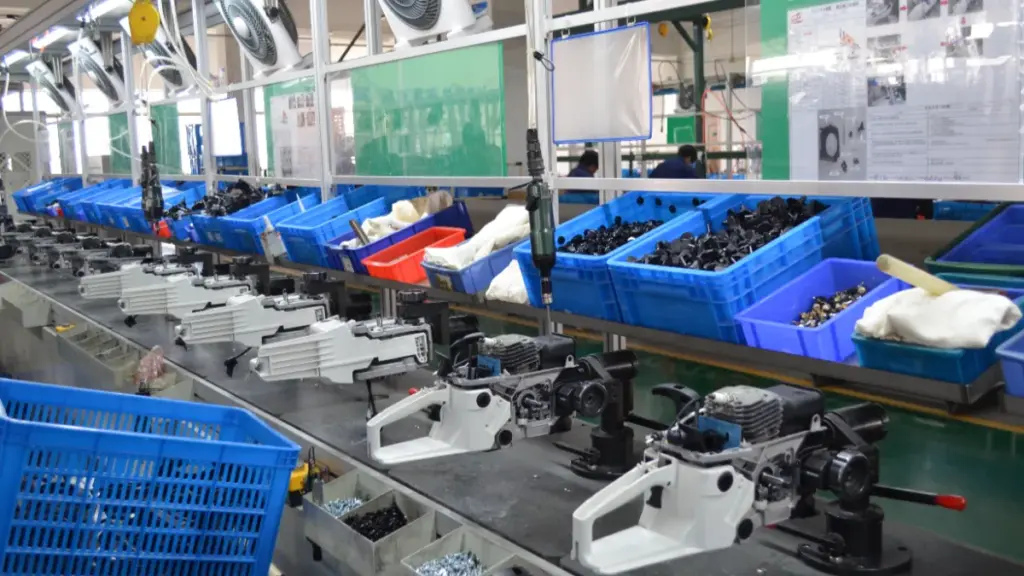
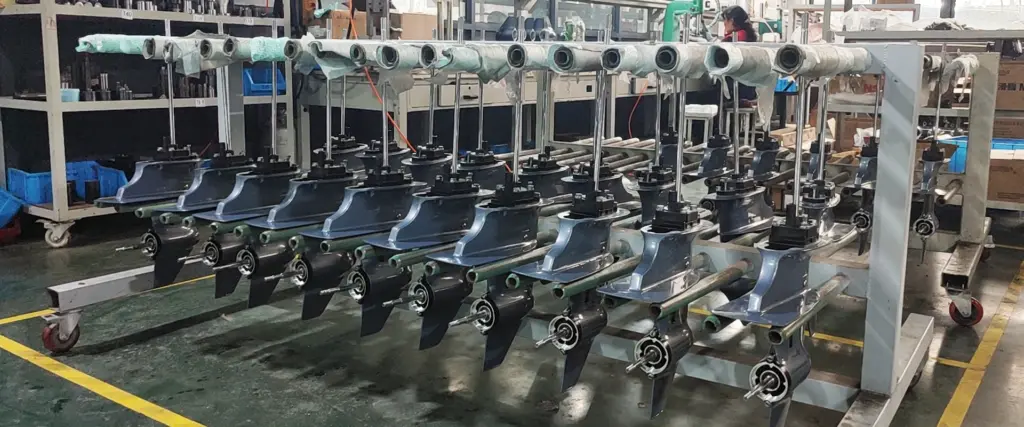
newtop OPE manuafacturing line

Market demand in 2026 is driven by the shift to battery-powered models, agricultural modernization in emerging economies, and a strong end-user focus on ergonomic and durable designs.

Demand for Electric and Battery-Powered Models

A clear trend for 2026 is the growing preference for electric and battery-powered knapsack sprayers. This move away from manual and gas-powered units is fueled by stricter emissions regulations, sustainability goals, and user demand for quieter, low-maintenance equipment. The electric segment alone is projected to reach USD 846 million in 2026, signaling a strong market appetite for this technology in professional landscaping, बागवानी, and agriculture.

  • Battery-powered models deliver consistent pressure, which improves application accuracy and reduces the operator fatigue associated with manual pumping.
  • These units align with global sustainability initiatives by eliminating direct emissions and fossil fuel consumption.
  • They are gaining significant traction in enclosed environments like greenhouses and in noise-sensitive areas where traditional engines are impractical.

Growth in Agricultural Modernization in Emerging Markets

Emerging markets, particularly in the Asia-Pacific region, लैटिन अमेरिका, और अफ़्रीका, are driving significant demand for wholesale knapsack sprayers. As small-scale farmers modernize their operations, they are replacing inefficient manual spraying methods with more effective tools. Government programs aimed at boosting agricultural productivity further accelerate this adoption, creating a high-volume opportunity for distributors.

  • The Asia-Pacific region currently leads market growth as farmers seek cost-effective tools for better crop protection.
  • Knapsack sprayers offer an optimal balance of cost and performance for small to medium-sized farms looking to improve yields.
  • Distributors serving these regions require durable, easy-to-service models built to withstand demanding field conditions.

Focus on Ergonomics and Durability in Product Design

End-users now expect more than just basic function. In the competitive 2026 market, models featuring enhanced comfort and robust construction provide a clear advantage. Professional users prioritize equipment that offers long-term value, reduces physical strain, and ensures operational safety. This shift forces manufacturers and distributors to focus on product quality and design as key differentiators.

  • Improved ergonomics, such as padded shoulder straps and contoured back support, directly reduce operator fatigue during long hours of use.
  • Enhanced durability through the use of higher-quality plastics, better seals, and corrosion-resistant components is a primary purchasing factor.
  • The market is also moving toward modular designs that allow for easier field repairs, part replacement, and customization.

विश्वसनीय उपकरणों के साथ अपना मार्जिन बढ़ाएं

Our machines are engineered with world-class components for over 500 व्यावसायिक उपयोग के घंटे, ensuring higher ROI and customer satisfaction. We provide stable capacity and flexible OEM options to help you capture your market.

थोक भाव का अनुरोध करें →

सीटीए छवि

Sourcing Strategies for Wholesale Knapsack Sprayer Orders

Effective sourcing in 2026 relies on mitigating supply chain risks through regional assembly and multi-source component strategies, while leveraging integrated digital platforms for streamlined order management.

Sourcing Strategy प्राथमिक लक्ष्य Key Action for Distributors
Localized Assembly & Regional Warehousing Reduce lead times, stabilize pricing, and navigate tariff pressures. Partner with suppliers who have assembly facilities or warehouses in your target sales region.
Diversified Component Sourcing Mitigate production delays and insulate operations from supply chain disruptions. Verify your supplier sources key parts (पंप, nozzles, बैटरियों) from multiple origins.
Integrated Online Platforms Streamline ordering, tracking, inventory management, और बिक्री के बाद समर्थन. Select manufacturers with robust digital systems for real-time order and support access.
Strategic Partnerships for Bundled Solutions Increase end-user value and strengthen your competitive market position. Work with suppliers who package hardware with necessary consumables or digital management tools.

Prioritize Localized Assembly and Regional Warehousing

द्वारा 2026, manufacturers are increasingly using localized assembly and regional warehouses to navigate tariff pressures and shorten delivery times. This shift gives wholesale buyers more stable pricing and quicker access to inventory, insulating them from the volatility of long-distance shipping. A regionalized supply chain is a direct response to global trade friction and creates a more resilient distribution network.

  • Partner with suppliers who have assembly facilities or warehouses in your target region to reduce logistics costs.
  • Regional stock availability ensures faster order fulfillment and improves supply chain resilience.

Diversify Component Sourcing to Reduce Risk

A critical sourcing strategy involves selecting manufacturers who do not rely on a single source for essential components. This diversification protects against supply chain disruptions, whether from geopolitical events, material shortages, or factory shutdowns. It ensures consistent product availability and quality, preventing a single point of failure from halting your entire operation.

  • Confirm that your supplier sources key parts like batteries, पंप, and nozzles from multiple origins.
  • This approach mitigates the risk of production delays and helps maintain consistent quality across batches.

Evaluate Suppliers with Integrated Online Platforms

Modern distribution relies on more than traditional wholesale channels. Choose manufacturing partners who offer integrated online platforms for ordering, tracking, and accessing after-sales support. These digital systems provide the transparency and efficiency needed to manage large-scale inventories and serve customers effectively. A supplier’s technological infrastructure is now as important as its manufacturing capabilities.

  • Select suppliers whose systems allow for streamlined online order management and real-time inventory checks.
  • Ensure the manufacturer provides robust, accessible after-sales service and technical support through their digital channels.

Build Strategic Partnerships for Bundled Solutions

Leading sourcing strategies now involve forming partnerships that deliver comprehensive solutions. Work with manufacturers who collaborate with agrochemical distributors or technology providers to offer integrated product bundles. This approach moves beyond simply selling a piece of hardware and instead provides a complete package that solves a larger customer problem, creating a stronger market position and higher perceived value.

  • Explore opportunities with suppliers who package hardware with necessary consumables or digital management tools.
  • Bundled solutions provide greater value to end-users and can create a stronger market position for your business.

Calculating Profit Margins on Wholesale Knapsack Sprayer Orders

newtop outdoor power equipment factory

True profitability in wholesale distribution is found by meticulously tracking every cost from the factory floor to the final customer delivery, not just the initial unit price.

Calculation Component Key Cost Factors Impact on Profit Margin
Cost of Goods Sold (COGS) Factory unit price, international freight, import duties, customs brokerage, local transport. Establishes the baseline cost per unit. Underestimating this directly inflates perceived profit.
Wholesale Resale Price Competitor pricing, perceived brand value, warranty support, भागों की उपलब्धता. Determines gross revenue. Incorrect pricing hurts either sales volume or margin per unit.
Operating Expenses (OpEx) Warehousing, marketing, sales commissions, outbound shipping, administrative overhead. Reduces gross profit to net profit. These costs reveal the business’s actual profitability.

Establishing Your Cost of Goods Sold (COGS)

Before setting prices, you need a clear picture of every direct cost associated with acquiring your knapsack sprayers. This total cost forms the baseline for all profit calculations. A failure to accurately calculate COGS leads to mispriced products and eroded margins. You must account for the full journey of the product from the supplier to your warehouse.

  • Landed Cost: This includes the factory unit price from a knapsack sprayer supplier like न्यूटॉप, plus all associated import duties, tariffs, and taxes required to bring the goods into your country in 2026.
  • Inbound Logistics: Factor in international freight charges, port fees, customs brokerage, and domestic transportation from the port to your warehouse.
  • Ancillary Costs: Account for any mandatory pre-sale preparations, such as local compliance testing or minor assembly required upon arrival.

Setting a Competitive Wholesale Resale Price

Your resale price must balance market demand with your profit goals. Researching your local market is key to finding the right price point for your B2B customers, such as retailers and agricultural supply stores. Setting a price in a vacuum is a common mistake; it must be informed by what your specific market will bear.

  • Analyze competitor pricing for similar quality knapsack sprayers within your target regions.
  • Determine the perceived value based on factors like brand reputation, warranty support, and spare parts availability.
  • Establish tiered pricing structures for different order volumes to encourage larger purchases from your retail partners.

Factoring in Operational and Shipping Costs

Net profit depends on accounting for all business overhead beyond the direct cost of the sprayers. These operating expenses reduce your gross margin to reveal your actual take-home profit. Many distributors focus solely on COGS and sales price, overlooking the substantial costs of running the business itself.

  • Warehousing and Storage: Calculate the monthly or annual costs for storing your inventory safely.
  • Marketing and Sales: Include expenses related to promoting your products to retailers and any sales staff commissions.
  • Outbound Logistics: Account for the costs of shipping orders from your warehouse to your B2B customers.
  • Administrative Overhead: Apportion a percentage of general business costs, like rent, utilities, and salaries, to each product line.

Calculating Gross and Net Profit Margins

With all cost and pricing data collected, you can calculate your margins. This helps you understand the financial health of your wholesale operation and make informed business decisions. These two metrics tell different but equally important stories about your business performance.

  • Gross Margin: Calculated as (Total Sales RevenueCost of Goods Sold) / Total Sales Revenue. This shows the profitability of the product itself before overhead.
  • Net Margin: Calculated as (Total Sales RevenueCOGSAll Operating Expenses) / Total Sales Revenue. This reveals the final profit after all business costs are paid.
  • Regularly review these margins to adjust pricing, control costs, and ensure your business remains profitable through 2026 and beyond.

Wholesale Knapsack Sprayer Quality Control and Batch Testing

testing outdoor power equipment spare parts

Effective quality control for wholesale knapsack sprayers prioritizes pressure system consistency, component durability under stress, and verifiable spray performance to prevent field failures and ensure accurate application.

Pressure System Integrity and Regulation

A primary focus of batch testing is ensuring the sprayer’s pressure system is both consistent and reliable. Technicians must verify that each unit maintains its specified operating pressure without leaks, a fundamental requirement for achieving a uniform spray pattern and correct application rates. Consistent pressure across an entire batch guarantees predictable performance for all end-users.

  • Testing the pressure-holding capability of the tank and seals to prevent performance loss.
  • Validating pressure-regulating devices and gauges to ensure they deliver a steady output.
  • Checking for consistent pressure across a batch to guarantee predictable performance for end-users.

Component Durability and Mechanical Reliability

Quality control protocols include stress tests on key mechanical components. The pump mechanism, lever, and seals are subjected to repeated use simulations to identify potential points of failure before the products reach the market. This process confirms that the equipment can withstand long-term, demanding field conditions without mechanical breakdown.

  • Assessing the integrity of pump seals to prevent chemical leakage and pressure drops.
  • Evaluating the lever-operated mechanism to confirm it can withstand long-term field use.
  • Inspecting material quality of straps, handles, and the main body for durability.

Spray Performance and Filtration System Checks

The effectiveness of a knapsack sprayer depends entirely on its spray accuracy and its ability to resist clogging. Batch tests measure nozzle performance against specifications and confirm that the filtration system functions as intended. A key industry benchmark requires that nozzle discharge rates fall within a 10% tolerance of the manufacturer’s specifications.

  • Verifying that nozzle discharge rates are within a 10% tolerance of the manufacturer’s specifications.
  • Inspecting the integrity of strainers and filters to ensure they effectively prevent blockages.
  • Confirming standardized calibration procedures are followed for accurate and reliable application.

Negotiating Payment Terms with Wholesale Knapsack Sprayer Suppliers

wholesale newtop knapsack sprayer shipping

For volume orders, payment structures have shifted from standard Net 30 terms to flexible, milestone-based agreements like 30/70 splits that are tied to production and inspection.

Payment Model Common Structure Best Use Case
Net Terms Net 30, 60, या 90 days post-invoice Established distributors with consistent order history.
Progressive Payments 30-50% deposit, balance due against Bill of Lading (B/L) बड़ा, custom, or initial high-volume OEM orders.
Early Payment Discount 1-2% discount for payment within 10-15 दिन Distributors with strong cash flow looking to reduce unit costs.

Standard Payment Structures in 2026

For established business partners, payment terms often extend beyond traditional models. A supplier like NEWTOP can offer flexible options that reflect a strong order history and partnership level, accommodating different business scales. While Net 30 is a common starting point for new accounts or smaller wholesale orders, it’s not the only option. Established distributors with consistent, high-volume orders frequently secure more favorable terms.

  • Net 30 terms are common for initial or smaller wholesale orders.
  • Net 60 or Net 90 terms are frequently available for established distributors with consistent order volumes.
  • Final terms often depend on a credit assessment and regional market stability.

Progressive Payment Milestones for Large Orders

To manage cash flow for both the buyer and the supplier, large orders are often structured with payments tied to key production stages. This approach is standard for custom or high-volume OEM orders, as it de-risks the transaction for both parties. The initial deposit allows the manufacturer to secure raw materials and begin production without carrying the full financial burden. The final payment is held until the buyer can verify the finished goods meet their standards.

  • A typical split involves a deposit of 30-50% to secure raw materials and initiate production.
  • The remaining balance is due upon completion, after a pre-shipment inspection, or against the bill of lading.
  • This structure secures the order for the supplier and protects the buyer’s investment until quality is verified.

Leveraging Volume and Partnerships for Favorable Terms

Long-term commitments and larger order volumes give distributors significant leverage during payment negotiations. Suppliers value predictable business and are willing to reward it with better terms. A commitment to a larger annual order volume can unlock more favorable pricing tiers and greater payment flexibility. Similarly, brand agents and partners with a proven sales track record, such as those in NEWTOP’s global network, often receive preferential treatment and more accommodating payment schedules.

  • Many suppliers offer early payment discounts, often 1-2%, for settling invoices well before the due date.
  • Committing to a larger annual order volume can unlock more favorable pricing tiers and payment flexibility.
  • Brand agents and partners with a proven sales record often receive preferential treatment.

The Importance of Clear Documentation

All negotiated terms must be formalized in a written document, whether a purchase order, contract, or proforma invoice. This step is critical to prevent future misunderstandings and ensures both parties are aligned on expectations. The document serves as the single source of truth for the transaction, outlining every financial detail and procedural requirement from start to finish.

  • The document should clearly state the payment schedule, due dates, and any applicable discounts or penalties.
  • It must specify the transaction currency and accepted payment methods, such as Telegraphic Transfer (टी/टी) or Letter of Credit (एल/सी).
  • It should also outline the process for milestone verification, like pre-shipment inspection reports, before subsequent payments are due.

Managing Quality Risk in Wholesale Knapsack Sprayer Batches

Quality risk management for knapsack sprayers now centers on pesticide containment, ergonomic safety, and the component reliability of newer battery-powered models.

Pesticide Containment and Leak Prevention

The primary quality failure in any knapsack sprayer is a leak, which causes chemical waste and direct operator contamination. Current standards focus heavily on the integrity of seals, tanks, and connection points to guarantee safe pesticide handling during field applications. Verifying component quality before shipment is non-negotiable.

  • Verifying the material durability of tanks and seals against common agricultural chemicals.
  • Batch testing for pressure retention to identify potential leaks at connection points.
  • Ensuring nozzle consistency to prevent drips and uncontrolled spray patterns.

Operator Safety and Ergonomic Design

Poor ergonomic design directly contributes to operator fatigue and raises the probability of unsafe handling. Modern quality assessments must evaluate the sprayer’s physical design for comfort and functional safety, which reduces the long-term occupational health risks for agricultural workers.

  • Assessing the quality of shoulder straps and back padding to ensure comfort during extended use.
  • Checking the balance and weight distribution of the sprayer when filled to capacity.
  • Confirming the reliability of pressure release valves and lockable triggers to prevent accidental discharge.

Component Reliability in Motorized and Battery-Powered Sprayers

As the market moves toward motorized and battery-powered sprayers, quality risk expands to electrical and mechanical components. While these systems reduce operator contamination risk, they introduce new failure points that demand rigorous testing protocols.

  • Evaluating the battery lifecycle and charging system consistency for lithium-ion models.
  • Testing motor durability and pump performance under continuous, high-load operation.
  • Inspecting the integrity of wiring, connectors, and switches to prevent electrical failures in the field.

Branding Your Business With Custom Wholesale Knapsack Sprayers

Successful branding for wholesale sprayers moves beyond logos to include market-specific equipment modifications, custom packaging, and private labeling that build a distinct identity in your distribution region.

Private Labeling and OEM Manufacturing

Building a brand requires a product that reflects your company’s standards. We offer Original Equipment Manufacturer (OEM) services, allowing importers and distributors to market high-quality knapsack sprayers under their own private label. This approach lets you leverage a proven manufacturing process while you focus on building your brand’s presence in your local market. You can establish a strong foothold without the heavy capital investment required for factory infrastructure and R&D.

  • Develop a unique product line without investing in factory infrastructure or R&D.
  • Gain a competitive edge in markets across Africa, लैटिन अमेरिका, and Eastern Europe with equipment tailored to regional needs.
  • Partner with a manufacturer experienced in supporting over 100 brand agents in more than 65 देशों.

Customizing Sprayer Features for Your Market

Effective branding is embedded in the product’s functionality. We provide options to modify knapsack sprayers to align with your market strategy, ensuring the final product performs exactly as your customers require. This involves more than just aesthetics; it means creating a tool that solves specific local challenges and stands up to regional environmental conditions.

  • Select custom colors and apply your company’s branding directly to the equipment.
  • Adjust component configurations, such as nozzles, पट्टियाँ, or pump mechanisms, to match local application requirements.
  • Modify designs for improved ergonomics, catering to professional users who require comfort for extended use.

Packaging and Design Support

The first physical interaction a customer has with your product is its packaging. We provide direct support for creating custom packaging that not only protects the sprayer during transit but also reinforces your brand identity from the moment it hits the shelf. Professional packaging builds trust and clearly distinguishes your products from generic competitors.

  • Design custom boxes with your logo, brand colors, and essential product information.
  • Ensure packaging meets regional requirements for shipping and retail display.
  • Create a professional appearance that builds trust and distinguishes your products from competitors.

MOQ and Lead Times for Custom Orders

Planning a custom product line requires clear logistical information. We establish practical Minimum Order Quantities (MOQs) for OEM projects and provide transparent lead times based on the complexity of the customization. This allows you to manage your inventory and plan your market launch with confidence. Our structure is designed to support both large, established distributors and growing businesses launching a new private label.

  • MOQs for custom and OEM orders are designed to support both large distributors and businesses launching a new brand.
  • Lead times are determined by factors like tooling requirements and the specifics of design modifications.
  • Larger order volumes for agents and OEM partners receive preferential pricing and dedicated service.

Expand Your Business With NEWTOP’s Wholesale Support Programs

NEWTOP provides a structured framework for wholesale partners, combining flexible ordering policies, OEM अनुकूलन, and comprehensive after-sales support to help distributors build their brands and scale operations.

Flexible MOQ and Lead Time Policies

NEWTOP offers adaptable ordering policies designed to help wholesalers manage inventory, test new markets, and scale operations efficiently. These programs reduce financial risk for both new and established partners by removing high entry barriers.

  • We accept single-piece sample orders for product validation and market testing.
  • Standard order MOQs are flexible and can be arranged based on specific customer needs and market potential.
  • Typical lead times are 7–10 days for samples and around 30 days for standard bulk orders.

OEM Customization and Private Labeling Services

Partners can build their own brand identity with our complete OEM and private labeling support. This allows for product differentiation in competitive local markets like Africa, लैटिन अमेरिका, और पूर्वी यूरोप, where brand recognition is key.

  • We offer tailored OEM color and design customization to match your brand identity.
  • Our team provides private labeling and custom packaging design services.
  • We make configuration adjustments to meet specific regional requirements and price points.

Comprehensive Quality Assurance and Warranty

NEWTOP protects its wholesale partners by ensuring product reliability through multi-stage factory inspections, transparent warranty terms, and full regulatory compliance documentation. This preparation ensures smooth customs clearance and builds end-user trust.

  • A standard one-year machine warranty comes with six-month coverage on core components.
  • Our structured quality control process includes incoming material checks and final functional testing on every unit.
  • We provide CE, जी एस, यूरो II, and EPA certifications to support market entry and compliance.

Dedicated After-Sales and Marketing Support

Our robust support system ensures equipment longevity and helps brand agents grow their local market share. We provide the technical assistance and promotional materials needed to compete effectively.

  • We guarantee long-term availability of critical spare parts and consumables for equipment maintenance.
  • Distributors receive timely technical assistance from our dedicated sales and service teams.
  • We provide agents with product training, usage guidance, and marketing content to boost local sales.

निष्कर्ष

Sourcing knapsack sprayers involves more than just finding the lowest unit price. A clear strategy for calculating margins, managing batch quality, and negotiating payment terms protects your investment. This approach helps build a stable foundation for a profitable distribution business.

If you are ready to expand your product line, our team can provide a detailed quote and answer questions about our distributor support programs. Contact us to discuss your specific market needs and get started.

अक्सर पूछे जाने वाले प्रश्नों

What is the wholesale price for a knapsack sprayer?

Wholesale price depends on sprayer type, टैंक क्षमता, material quality, order quantity, पैकेजिंग, and customization. Manual knapsack sprayers are usually priced differently from gasoline-powered models, and OEM branding can also affect the final quote.

How many knapsack sprayers fit in a 20ft container?

The loading quantity depends on tank size, carton dimensions, packing method, and whether accessories are packed together. इस कारण से, buyers should always confirm the container loading plan based on the exact model and packaging specification.

Can I get wholesale pricing for 16L sprayers?

हाँ. 16L knapsack sprayers are one of the most common wholesale categories in many agricultural markets. Pricing depends on the model configuration, material standard, and total order quantity.

What are the payment terms for wholesale sprayer orders?

Standard payment terms for wholesale orders are a 30% टी/टी (Telegraphic Transfer) deposit to initiate production. शेष 70% balance is typically due upon presentation of the Bill of Lading (B/L) copy, confirming shipment. For established distributors, more flexible terms like L/C (Letter of Credit) may be negotiable.

Are spare parts included in wholesale knapsack sprayer deals?

हाँ. 16L knapsack sprayers are one of the most common wholesale categories in many agricultural markets. Pricing depends on the model configuration, material standard, and total order quantity.

How do I become a wholesale distributor for NEWTOP?

To become a NEWTOP wholesale distributor, you need to contact our international sales team and share your company profile, target market, and estimated purchasing plan. Our team will review your business needs and recommend suitable products, pricing structure, and cooperation options based on your market.


और अधिक जानें
top handle vs rear handle chainsaw
टॉप हैंडल बनाम रियर हैंडल चेनसॉ: पेशेवरों के लिए फायदे और नुकसान

शीर्ष हैंडल चेनसॉ में एक हाथ से हवाई उपयोग के लिए शरीर के शीर्ष पर मुख्य पकड़ होती है, जबकि रियर हैंडल चेनसॉ में स्थिर दो-हाथ वाले ग्राउंड ऑपरेशन के लिए इंजन के पीछे एक रियर ग्रिप की सुविधा होती है. पेशेवर आर्बोरिस्ट, वालों, और भू-स्वामियों को अक्सर मांगलिक वृक्ष कार्य निपटाते समय इनमें से किसी एक को चुनने का सामना करना पड़ता है.

एक के रूप में आउटडोर बिजली उपकरण में विशेषज्ञ, हम मूलभूत मतभेदों को दूर करेंगे, पक्ष - विपक्ष, और आपके बेड़े या व्यवसाय के लिए एक सूचित निर्णय लेने में मदद करने के लिए सुरक्षा संबंधी विचार.

टॉप हैंडल चेनसॉ क्या है??

NT2500 शीर्ष हैंडल चेनसॉ

एक शीर्ष हैंडल चेनसॉ पेशेवर आर्बोरिस्ट के लिए एक इंजीनियर उपकरण है, एक कॉम्पैक्ट को प्राथमिकता देना, ऊंचे और सीमित स्थानों में सटीक कटिंग के लिए संतुलित डिजाइन.

आर्बोरिस्ट और हवाई कार्य के लिए डिज़ाइन किया गया

एक शीर्ष हैंडल चेनसॉ एक विशेष उपकरण है जो लगभग विशेष रूप से पेशेवर आर्बोरिस्टों के लिए इंजीनियर किया गया है जो ऊंचाई पर काम करते हैं. ऊंचे या अजीब स्थिति में काटते समय इसका डिज़ाइन नियंत्रण और गतिशीलता को प्राथमिकता देता है, जैसे किसी पेड़ की छाँव के भीतर. यह फोकस इसे ऑफ-ग्राउंड कार्यों के लिए मानक बनाता है जहां एक पारंपरिक आरी असुरक्षित या बोझिल होगी.

विशिष्ट मॉडलों का वजन आसपास होता है 6.5 को 10 पाउंड और गाइड बार की लंबाई होती है 10 को 16 इंच, उन्हें मानक आरी की तुलना में छोटा और अधिक पोर्टेबल बनाना. ये आयाम थोक से अधिक चपलता को प्राथमिकता देते हैं.

प्रमुख विशेषताएँ: सघन, लाइटवेट, और संतुलित

शीर्ष हैंडल चेनसॉ की परिभाषित विशेषताएं इसका छोटा आकार और कम वजन हैं. यह निर्माण पेड़ों में लंबे समय तक उपयोग के दौरान ऑपरेटर की थकान को कम करता है और सीमित स्थानों में सटीक कटौती की अनुमति देता है जहां एक बड़ी आरी अव्यावहारिक होगी. अस्थिर स्थितियों से कटौती करते समय नियंत्रण बनाए रखने के लिए उत्कृष्ट संतुलन महत्वपूर्ण है.

  • कॉम्पैक्ट फॉर्म फैक्टर घनी शाखाओं के माध्यम से नेविगेट करना आसान बनाता है.
  • उत्कृष्ट संतुलन बेहतर नियंत्रण को सक्षम बनाता है, जो अस्थिर स्थितियों से कटौती करते समय महत्वपूर्ण है.
  • में कई मॉडल 2026 बैटरी चालित हैं, उनकी हल्की प्रकृति को और बढ़ाना और उत्सर्जन को कम करना.

प्राथमिक अनुप्रयोग

इस प्रकार की चेनसॉ बड़े पेड़ों को काटने के लिए नहीं बनाई गई है. यह उन कार्यों में उत्कृष्टता प्राप्त करता है जिनमें सटीकता और चपलता की आवश्यकता होती है, अंगों की छंटाई की तरह, मृत लकड़ी हटाना, और चढ़ाई की स्थिति से शाखाओं को विभाजित करना. इसकी नियंत्रित शक्ति आसपास के पेड़ की संरचना को नुकसान पहुंचाए बिना सटीक कटौती करने के लिए उपयुक्त है, वृक्ष स्वास्थ्य का संरक्षण.

  • पेड़ों की छतरियों को आकार देने और पेड़ों के स्वास्थ्य को बनाए रखने के लिए सर्जिकल कट करने के लिए आदर्श.
  • प्रमाणित पेशेवरों द्वारा विशिष्ट स्थितियों में एक-हाथ से उपयोग की अनुमति देता है, स्थिरता के लिए दूसरे हाथ को मुक्त करें.
  • इसकी नियंत्रित शक्ति आसपास के पेड़ की संरचना को नुकसान पहुंचाए बिना सटीक कटौती करने के लिए उपयुक्त है.

रियर हैंडल चेनसॉ क्या है??

NT5800 रियर हैंडल चेनसॉ

ग्राउंड-लेवल कटिंग के लिए रियर-हैंडल चेनसॉ उद्योग मानक हैं, उत्तोलन को अधिकतम करने के लिए दो-हैंडल कॉन्फ़िगरेशन के साथ इंजीनियर किया गया, नियंत्रण, और भारी-भरकम कार्यों के लिए सुरक्षा.

कोर डिज़ाइन और संचालन

रियर हैंडल चेनसॉ बहुमुखी है, सामान्य और भारी-भरकम उपयोग के लिए निर्मित पूर्ण आकार की चेनसॉ, मुख्य हैंडल इंजन के पीछे स्थित है और सुरक्षित दो-हाथ संचालन के लिए सामने वाला हैंडल है. डिज़ाइन में पीछे की ओर वजन वितरण की सुविधा है, बड़ा इंजन आवास, सुरक्षात्मक हाथ गार्ड, और कटौती की मांग में बेहतर उत्तोलन और शक्ति के लिए एक विस्तारित गाइड बार.

सामान्य विशिष्टताओं में वजन शामिल है 11 को 15 गैस मॉडल के लिए पाउंड, गाइड बार की लंबाई से लेकर 14 को 24 इंजन के आकार के आधार पर इंच या अधिक (जैसे, 36-60प्रतिलिपि). यह उन्हें मजबूत लेकिन कम कॉम्पैक्ट बनाता है.

सामान्य अनुप्रयोग

रियर-हैंडल चेनसॉ जमीनी स्तर के लिए बनाए गए हैं, हेवी-ड्यूटी अनुप्रयोग. वे बड़ी संपत्तियों वाले घर मालिकों और खुले क्षेत्रों में पर्याप्त कटाई कार्य करने वाले पेशेवरों के लिए मानक उपकरण हैं.

  • बड़े-बड़े पेड़ों की कटाई.
  • लट्ठे काटना और लकड़ी का प्रसंस्करण करना.
  • जलाऊ लकड़ी बाँटना.
  • सामान्य संपत्ति रखरखाव और तूफान की सफाई.

विश्वसनीय मशीनरी के साथ प्रतिस्पर्धा में बढ़त हासिल करें

हमारे आउटडोर बिजली उपकरण विश्व स्तरीय घटकों को एकीकृत करते हैं 200+ घंटे कामकाजी जीवन, अपने ग्राहकों के लिए अधिकतम आरओआई सुनिश्चित करना. हमारी स्थिर क्षमता के साथ अपनी आपूर्ति श्रृंखला को सुरक्षित करें, लगातार गुणवत्ता, और लचीले OEM/निजी लेबल प्रोग्राम.

एक उद्धरण का अनुरोध करें →

सीटीए छवि

टॉप हैंडल चेनसॉ के फायदे और नुकसान

शीर्ष हैंडल चेनसॉ ऊंचाई पर काम करने वाले पेशेवर आर्बोरिस्टों के लिए बेजोड़ नियंत्रण प्रदान करते हैं, लेकिन यह विशेष डिज़ाइन ज़मीन-आधारित कार्य के लिए सुरक्षा जोखिम और कार्यात्मक सीमाएँ पेश करता है.

व्यावसायिक हवाई कार्य के लिए लाभ

शीर्ष हैंडल चेनसॉ विशेष रूप से पेशेवर आर्बोरिस्टों के लिए इंजीनियर किए गए हैं जिन्हें ऊंचे या सीमित स्थानों में काटने के लिए एक कॉम्पैक्ट और गतिशील उपकरण की आवश्यकता होती है।. डिज़ाइन संतुलन और नियंत्रण को प्राथमिकता देता है, इसे किसी भी ऐसे काम के लिए मानक बनाना जिसके लिए हवाई मंच से चढ़ने या संचालन की आवश्यकता होती है.

  • कॉम्पैक्ट और हल्का निर्माण लंबी अवधि के हवाई वृक्ष कार्य के दौरान ऑपरेटर की थकान को कम करता है.
  • बेहतर गतिशीलता और संतुलन से अजीब स्थितियों में सटीक कटौती करना आसान हो जाता है, जैसे किसी पेड़ की छाँव के भीतर.
  • डिज़ाइन प्रमाणित पेशेवरों द्वारा एक-हाथ से उपयोग की अनुमति देता है, चढ़ते समय स्थिरता के लिए दूसरे हाथ को मुक्त करना.

सीमाएँ और हानियाँ

जबकि विशिष्ट कार्यों के लिए आदर्श, शीर्ष हैंडल चेनसॉ में महत्वपूर्ण कमियां हैं जो उनके सामान्य उपयोग को सीमित करती हैं. उनका अनोखा निर्माण उन्हें किसी भी प्रकार की जमीनी स्तर की कटाई के लिए कम उपयुक्त और संभावित रूप से अधिक खतरनाक बनाता है, यह कार्य रियर हैंडल मॉडल के लिए अधिक उपयुक्त है.

  • उनकी प्रीमियम कीमत पेशेवर-ग्रेड हवाई उपकरणों के लिए आवश्यक विशेष इंजीनियरिंग और सुरक्षा प्रमाणपत्रों को दर्शाती है.
  • वे ज़मीन पर कटाई या हिरन लगाने के लिए डिज़ाइन नहीं किए गए हैं, जहां रियर हैंडल आरी बेहतर उत्तोलन और परिचालन सुरक्षा प्रदान करती है.
  • पास में हाथ रखने से किकबैक से गंभीर चोट लगने का खतरा बढ़ जाता है, सुरक्षित संचालन के लिए विशेष प्रशिक्षण की आवश्यकता है.

रियर हैंडल चेनसॉ के फायदे और नुकसान

रियर हैंडल चेनसॉ जमीन आधारित कटिंग के लिए बेहतर स्थिरता और बहुमुखी प्रतिभा प्रदान करते हैं, उन्हें अधिकांश उपयोगकर्ताओं के लिए मानक बनाना, यद्यपि उनका आकार और वजन तंग स्थानों में गतिशीलता को सीमित करता है.

लाभ

  • बिजली की उपलब्धता: बड़े इंजनों को समायोजित करता है (40-60प्रतिलिपि) और लंबा गाइड बार (तक 24+ इंच) लॉगिंग में कुशल मोटी लकड़ी काटने के लिए.
  • स्थिरता नियंत्रण: पीछे के संतुलन के साथ दो-हाथ वाली पकड़ कटाई और बकिंग में किकबैक को कम करने के लिए लाभ प्रदान करती है.
  • बहुमुखी उपयोग: जलाऊ लकड़ी प्रसंस्करण का काम संभालता है, तूफान सफ़ाई, हेज ट्रिमिंग, और संपत्ति का रखरखाव विश्वसनीय रूप से.
  • एर्गोनोमिक आराम: पेशेवरों और शुरुआती लोगों के लिए विस्तारित ग्राउंड-आधारित सत्रों के दौरान हाथ की थकान कम हो जाती है.
  • स्थायित्व फोकस: मजबूत निर्माण दैनिक वानिकी और भूनिर्माण कठिनाइयों का सामना करता है.

नुकसान

  • अत्यधिक थकान: 11-15+ पाउंड बिल्ड लंबे कार्यों में थकावट को तेज करता है.
  • थोक सीमाएँ: चढ़ाई या घनी छंटाई जैसी तंग जगह की चपलता में बाधा डालता है.
  • कंपन स्तर: उच्च इंजन शक्ति से हाथ-हाथ कंपन का जोखिम बढ़ जाता है.
  • पोर्टेबिलिटी मुद्दे: बड़ी प्रोफ़ाइल परिवहन और भंडारण को जटिल बनाती है.
  • ओवरहेड चुनौतियाँ: प्रबंधन की माँगों के कारण हवाई कार्य के लिए कम उपयुक्त.

टॉप हैंडल बनाम रियर हैंडल के बीच मुख्य अंतर

टॉप हैंडल बनाम रियर हैंडल के बीच मुख्य अंतर

पेशेवरों को इन उपकरणों की तकनीकी विशिष्टताओं और कार्यात्मक अनुप्रयोगों की तुलना करने में मदद करना, हमने नीचे मुख्य अंतरों का सारांश दिया है:

गुण शीर्ष हैंडल चेनसॉ रियर हैंडल चेनसॉ
संभाल की स्थिति कॉम्पैक्ट हवाई नियंत्रण के लिए टॉप-माउंटेड ग्रिप दो हाथों के लिए फ्रंट हैंडल के साथ इंजन के पीछे रियर ग्रिप
भार वर्ग लाइटवेट 8-10 एलबीएस, ऊंचाई में होने वाली थकान को कम करता है भारी 11-15+ एलबीएस, ज़मीनी उपयोग के लिए स्थिर
गाइड बार की लंबाई छोटा 10-16 परिशुद्धता के लिए इंच लंबे समय तक 14-24+ मोटे कट के लिए इंच
इंजन की शक्ति छोटा 25-45cc, छँटाई के लिए चुस्त बड़ा 40-60cc+, कटाई के लिए शक्तिशाली
गतिशीलता तंग जगहों और चढ़ाई में उत्कृष्ट ज़मीन पर बेहतर स्थिरता, भारी उपरि
किकबैक जोखिम हल्के वज़न और नज़दीकी पकड़ के कारण अधिक उत्तोलन और सुरक्षा गार्ड के साथ कम
सर्वोत्तम उपयोगकर्ता कौशल केवल उन्नत पेशेवर/आर्बोरिस्ट शुरुआती से पेशेवर तक
प्राथमिक अनुप्रयोग पेड़ पर चढ़ना, दफनाना, हवाई छंटाई कटाई, सुंदर वस्र पहनना, जलाऊ लकड़ी, साफ - सफाई
पोर्टेबिलिटी सघन, ले जाने और स्टोर करने में आसान भारी, अधिक भंडारण स्थान की आवश्यकता है
मूल्य सीमा मध्य-सीमा, अक्सर विशिष्ट मूल्य निर्धारण इंजन की शक्ति के आधार पर व्यापक रूप से भिन्न होता है

चयन मार्गदर्शिका: टॉप हैंडल बनाम रियर हैंडल – आपके लिए कौन अच्छा है?

एक जंजीर वाला आदमी
चयन मानदंड यदि एक शीर्ष हैंडल चेनसॉ चुनें… यदि एक रियर हैंडल चेनसॉ चुनें…
प्राथमिक कार्य वातावरण आप ऊंचाई पर काम करने वाले एक प्रमाणित आर्बोरिस्ट हैं (आरोहण, हवाई लिफ्ट). आप मुख्यतः ज़मीनी स्तर पर काम करते हैं.
मुख्य कार्य आपको कसकर सटीक कटौती करने की आवश्यकता है, एक पेड़ की छतरी के भीतर अजीब स्थिति. आपके कार्यों में कटाई भी शामिल है, बकिंग लॉग, जलाऊ लकड़ी काटना, या तूफान सफ़ाई.
उपयोगकर्ता रूपरेखा आप उत्कृष्ट कार्य के लिए प्रमाणन प्राप्त एक प्रशिक्षित पेशेवर हैं. आप एक गृहस्वामी हैं, सामान्य वानिकी संचालक, या शुरुआती.
नियंत्रण प्राथमिकता विशेष कटौती के लिए गतिशीलता और सघनता महत्वपूर्ण हैं. अधिकतम स्थिरता, फ़ायदा उठाना, और दो-हाथ से नियंत्रण की आवश्यकता है.

प्रोफेशनल आर्बोरिस्ट और इन-ट्री कार्य के लिए

टॉप-हैंडल चेनसॉ प्रमाणित आर्बोरिस्टों के लिए इंजीनियर किए गए विशेष उपकरण हैं जो ऊंचाई पर काम करते हैं. उनका कॉम्पैक्ट, हल्का निर्माण और एकीकृत पकड़ एक पेड़ की छतरी के अंदर काम करने के लिए आवश्यक गतिशीलता प्रदान करती है. यह डिज़ाइन प्रूनिंग के लिए उद्योग मानक है, दफनाना, और ऊंचे और सीमित स्थानों में जहां बड़ी आरी अव्यावहारिक है, वहां सटीक कटौती करना.

  • यदि आपके प्राथमिक कार्य में हवाई लिफ्ट पर चढ़ना या संचालन करना शामिल है तो एक शीर्ष हैंडल चुनें.
  • डिज़ाइन को उन अजीब स्थितियों में सटीक कटौती करने के लिए अनुकूलित किया गया है जहां पारंपरिक दो-हाथ वाली आरी फिट नहीं होगी.
  • इन उपकरणों का सुरक्षित संचालन उचित प्रशिक्षण और प्रमाणन की मांग करता है, क्योंकि एक-हाथ के उपयोग से परिचालन जोखिम बढ़ जाता है.

ज़मीन आधारित कटाई और सामान्य उपयोग के लिए

रियर-हैंडल चेनसॉ लगभग सभी जमीनी स्तर की कटिंग के लिए निश्चित उपकरण हैं. डिज़ाइन बेहतर स्थिरता प्रदान करता है, फ़ायदा उठाना, और नियंत्रण, इसे पेड़ों की कटाई के लिए सही विकल्प बनाना, लॉग को अनुभागों में बाँटना, और साफ़ करने वाला ब्रश. यह कॉन्फ़िगरेशन गृहस्वामियों के लिए मानक है, संपत्ति प्रबंधक, और वानिकी संचालक ठोस ज़मीन पर काम कर रहे हैं.

  • जलाऊ लकड़ी काटने जैसे कार्यों के लिए पिछला हैंडल चुनें, तूफ़ान सफ़ाई का प्रबंधन, और छोटे से मध्यम पेड़ों की कटाई.
  • दो-हाथ की पकड़ बेहतर नियंत्रण प्रदान करती है, सुरक्षा में सुधार करता है, और लंबे समय तक उपयोग के दौरान ऑपरेटर की थकान को कम करता है.
  • यह डिज़ाइन स्वाभाविक रूप से अधिक स्थिर है, जिससे यह ज़मीनी स्तर पर किसी भी उपयोगकर्ता के लिए अधिक सुरक्षित और प्रभावी विकल्प बन गया है.

टूल का आपके प्राथमिक एप्लिकेशन से मिलान करना

सही चुनाव पूरी तरह से आपके कार्य वातावरण पर निर्भर करता है, जिस पर आरी सर्वत्र नहीं है “बेहतर।” एक पेशेवर आर्बोरिस्ट के पास दोनों प्रकार के हैंडल होंगे- चढ़ाई के लिए एक शीर्ष हैंडल और ग्राउंडवर्क के लिए एक पिछला हैंडल. बाकी लगभग सभी के लिए, सामान्य काटने के कार्यों के लिए रियर-हैंडल आरी अधिक बहुमुखी और उपयुक्त उपकरण है.

  • अपने सबसे सामान्य कार्यों का मूल्यांकन करें: क्या आप लगातार किसी पेड़ पर या ज़मीन पर काम कर रहे हैं?
  • जमीनी स्तर पर कटाई के लिए कभी भी टॉप-हैंडल आरी का उपयोग न करें. इसका डिज़ाइन उस कार्य के लिए आवश्यक उत्तोलन या सुरक्षा प्रोटोकॉल के लिए अनुकूलित नहीं है.
  • B2B खरीदारों और डीलरों के लिए, दोनों मॉडलों की पेशकश आपको दो अलग-अलग बाज़ारों में सेवा प्रदान करने की अनुमति देती है: प्रमाणित पेशेवर और सामान्य उपभोक्ता.

अपने व्यवसाय के लिए न्यूटॉप चेनसॉ क्यों चुनें??

NEWTOP B2B भागीदारों को विश्वसनीय के लिए स्केलेबल विनिर्माण समाधान प्रदान करता है, मध्य-श्रेणी की चेनसॉ, वैश्विक बाजारों में एक मजबूत मूल्य प्रस्ताव देने के लिए लचीले OEM समर्थन के साथ विश्व स्तरीय घटकों का संयोजन.

NEWTOP चेनसॉ शीर्ष हैंडल और रियर हैंडल कॉन्फ़िगरेशन दोनों में पेशेवर-ग्रेड प्रदर्शन प्रदान करते हैं, ओवर द्वारा समर्थित 20 गैस से चलने वाले उद्यान उपकरणों में वर्षों की विशेषज्ञता. हमारे मॉडलों में उच्च परिशुद्धता सीएनसी मशीनिंग की सुविधा है, वाल्ब्रो कार्बोरेटर, एनजीके स्पार्क प्लग, और असाधारण स्थायित्व के लिए ओरेगॉन चेन से अधिक 200 घंटे.

सीई के साथ, जी एस, ईपीए, और यूरो II प्रमाणपत्र, NEWTOP अफ्रीका जैसे वैश्विक बाजारों के लिए अनुपालन सुनिश्चित करता है, लैटिन अमेरिका, और दक्षिण पूर्व एशिया. प्रतिस्पर्धी मूल्य निर्धारण, अनुकूलन योग्य OEM/ODM विकल्प, और विश्वसनीय आपूर्ति शृंखलाएँ हमें बनाती हैं वितरकों के लिए शीर्ष विकल्प चेनसॉ आपूर्तिकर्ताओं की तलाश की जा रही है 500,000+ वार्षिक क्षमता.

NEWTOP के साथ मजबूत बनें - आपका भरोसेमंद गार्डन टूल पार्टनर. पर हमारी सीमा का अन्वेषण करें newtoptools.com. अधिक जानकारी के लिए, आज ही हमसे संपर्क करें!

निष्कर्ष

शीर्ष हैंडल और रियर हैंडल चेनसॉ के बीच चयन करने से ऑपरेटर की सुरक्षा और कार्य प्रदर्शन पर सीधा प्रभाव पड़ता है. शीर्ष हैंडल आरा ऊंचाई पर काम करने वाले प्रशिक्षित आर्बोरिस्ट के लिए एक विशेष उपकरण है, जबकि एक रियर हैंडल मॉडल ग्राउंडवर्क के लिए आवश्यक स्थिरता प्रदान करता है. अनुप्रयोग के लिए सही आरी का उपयोग दुर्घटनाओं को रोकता है और दक्षता सुनिश्चित करता है, साफ़ कटौती.

यह सुनिश्चित करने के लिए कि आपका उपकरण बेड़ा ठीक से सुसज्जित है, अपनी टीम के विशिष्ट कार्य वातावरण का मूल्यांकन करें. स्थायित्व और प्रदर्शन के लिए डिज़ाइन किए गए पेशेवर-ग्रेड चेनसॉ प्राप्त करना, NEWTOP उत्पाद सूची का अन्वेषण करें आपकी व्यावसायिक आवश्यकताओं के लिए.

अक्सर पूछे जाने वाले प्रश्नों

लोग टॉप हैंडल चेनसॉ का उपयोग क्यों करते हैं??

शीर्ष हैंडल चेनसॉ का उपयोग उनके कॉम्पैक्ट आकार और गतिशीलता के लिए किया जाता है. वे पेड़ पर चढ़ने वालों को पेड़ की छतरी के भीतर सीमित स्थानों में सटीक कटौती करने की अनुमति देते हैं जहां एक पारंपरिक आरी बहुत बोझिल होगी.

क्या आप जमीन पर शीर्ष हैंडल वाली चेनसॉ का उपयोग कर सकते हैं??

अनुशंसित नहीं—रियर लीवरेज का अभाव, वे स्थिरता को कम करते हैं और जमीनी कार्यों के लिए रिश्वत के जोखिम को बढ़ाते हैं; केवल हवाई कार्य के लिए आरक्षित.

क्या टॉप हैंडल चेनसॉ खतरनाक हैं??

हाँ, संकीर्ण पकड़ के कारण इन्हें रियर हैंडल आरी से अधिक खतरनाक माना जाता है. यह डिज़ाइन किकबैक को नियंत्रित करना बहुत कठिन बना देता है. इनका उपयोग केवल उचित आर्बोरिस्ट प्रशिक्षण वाले पेशेवरों द्वारा ही किया जाना चाहिए.

रियर हैंडल चेनसॉ का क्या फायदा है??

मुख्य लाभ नियंत्रण हैं, फ़ायदा उठाना, और सुरक्षा. हैंडल के बीच की दूरी ऑपरेटर को आरी की शक्ति को अधिक प्रभावी ढंग से प्रबंधित करने की अनुमति देती है और चेन और ऑपरेटर के शरीर के बीच एक सुरक्षित दूरी प्रदान करती है।.

क्या शीर्ष हैंडल आरी चढ़ाई के लिए बेहतर है??

हाँ. इसका वजन वितरण और कॉम्पैक्ट आकार विशेष रूप से चढ़ाई के लिए डिज़ाइन किया गया है. इसे आसानी से हार्नेस से जोड़ा जा सकता है और पेड़ पर काम करते समय अक्सर आवश्यक होने वाले अजीब कोणों में इसका उपयोग किया जा सकता है.

शुरुआती लोगों के लिए कौन सी हैंडल शैली सर्वोत्तम है??

शुरुआती लोगों के लिए रियर हैंडल चेनसॉ ही एकमात्र विकल्प है. यह सुरक्षित रूप से उचित काटने की तकनीक सीखने के लिए आवश्यक स्थिरता और सुरक्षा सुविधाएँ प्रदान करता है.


और अधिक जानें
Worker suspended on tree trunk operating climb saw safely
Top Handle Chainsaw Models: 2026 Guide to Professional Grade Types

Arborists and tree care specialists require tools that prioritize balance and weight. When working high in a tree canopy, the design of your equipment directly affects your safety and how quickly you can finish a job. में 2026, the market offers various options ranging from traditional gasoline engines to new lithium battery models.

इस गाइड में, we break down how top handle chainsaws work, how they compare to rear handle models, what technical specifications truly matter, and how professionals choose the right model for climbing operations. If you are sourcing for distribution, OEM ब्रांडिंग, or large-scale procurement, this guide is written with decision-makers in mind.

टॉप हैंडल चेनसॉ क्या है??

A top handle chainsaw is a purpose-built tool for professional arborists, engineered with a compact, lightweight design that prioritizes balance and control for precision cutting in elevated or confined spaces.

A top handle chainsaw is a compact chainsaw designed with the primary handle positioned above the engine housing rather than at the rear. This configuration allows arborists to operate the saw in confined spaces—especially while suspended in a tree harness. These chainsaws are commonly used for pruning, crown reduction, sectional dismantling, and branch removal. In professional settings, they are considered climbing chainsaws, often paired with harness systems and lanyards for safety.

Primary Applications in Professional Tree Care

These saws are essential equipment for certified professionals performing tasks that require surgical cutting high off the ground. Their compact design allows arborists to navigate dense branch structures where a larger, rear-handle saw would be unsafe, cumbersome, or impractical to position correctly.

  • Ideal for removing deadwood, thinning a tree’s crown, and shaping branches.
  • Enables controlled cuts while secured by a rope and harness or operating from an aerial lift platform.
  • The primary tool for tree maintenance in urban and residential settings where precision is critical.

The Professional User Requirement

Because they are intended for elevated use, they require advanced skill and training. कई क्षेत्रों में, they are recommended only for certified arborists. An untrained user attempting to operate one of these chainsaws, especially on the ground, creates a high-risk situation. The growing demand for these chainsaws is driven directly by the professional tree care industry’s need for efficient and specialized equipment that performs in challenging aerial environments.

Pros and Cons of Handle Chainsaws

Tree worker using top handle chainsaw on branch with protective gear

The choice between a top-handle and rear-handle chainsaw is a direct trade-off between aerial maneuverability for specialized arborist work and raw power with stability for ground-level felling and bucking.

Top-Handle Chainsaws: पक्ष - विपक्ष

Top-handle chainsaws are specialized tools designed for professional arborists who need a compact and maneuverable saw for work performed at height. Their advantages in aerial situations are clear, but these benefits come with limitations for any ground-level applications.

  • Pro: Excellent maneuverability and balance for in-tree cutting and pruning, allowing for precise control in tight or awkward spaces.
  • Pro: Lightweight construction reduces operator fatigue during extended aerial work.
  • Con: Generally less powerful than their rear-handle counterparts, making them unsuitable for heavy-duty felling or bucking.
  • Con: Their design requires advanced handling skills and is intended almost exclusively for trained professionals working off the ground.

Rear-Handle Chainsaws: पक्ष - विपक्ष

Rear-handle chainsaws are the industry standard for most ground-based cutting tasks. They provide superior power, स्थिरता, and safety for a wide range of users, from homeowners to forestry professionals, but they become cumbersome and unsafe for aerial work.

  • Pro: Offers greater power and leverage, making it the ideal choice for felling trees, बकिंग लॉग, और साफ़ करने वाला ब्रश.
  • Pro: The two-handed grip provides better stability and control, making it a safer and more accessible option for beginners.
  • Con: Bulkier and heavier design makes it difficult and often unsafe to use for climbing or detailed pruning within a tree’s canopy.
  • Con: Less agile compared to top-handle models, which can be a disadvantage when cutting in constrained ground-level areas.

Build Your Professional Chainsaw Line with a Reliable OEM Partner

Tap into the growing demand for professional top handle chainsaws in emerging markets. NEWTOP delivers 500+ hour durability, precision-engineered power systems, and globally trusted components — backed by ISO-certified production and scalable OEM customization. Stable supply. Competitive margins. Long-term partnership.

Become a Distributor →

सीटीए छवि

Professional Technical Specs: वज़न, विस्थापन, and Balance

When evaluating professional-grade top handle chainsaws for 2026, three specifications determine real-world performance: वज़न, इंजन विस्थापन, and balance.

Technical Specification Professional Market Range (2026) Primary Benefit
Engine Displacement 25cc – 40cc (30cc–35cc mainstream) Balanced torque output suitable for controlled pruning and hardwood branch cutting.
Power Output 1.0 kW – 1.8 किलोवाट Delivers efficient cutting performance while maintaining fuel economy and throttle responsiveness.
सूखा वजन (Without Bar & Chain) 2.6 kg – 3.8 किग्रा Reduces operator fatigue and improves maneuverability in confined canopy environments.
Key Performance Metric High Power-to-Weight Ratio Critical for maintaining control, शुद्धता, and productivity during elevated operations.

Engine Displacement and Power Output

Most professional-grade top handle chainsaws operate within a 25cc to 40cc displacement range, with 30cc–35cc models representing the core segment for arborist applications. This range provides the optimal balance between torque and weight, ensuring clean, controlled cuts without unnecessary engine bulk. Power output typically falls between 1.0 kW and 1.8 किलोवाट, depending on engine tuning and design. This configuration delivers reliable cutting force for hardwood branches while maintaining fuel efficiency and throttle responsiveness—critical for extended in-tree operations.

शक्ति-से-वजन अनुपात

For professional arborists, power-to-weight ratio is the defining performance metric. A climbing saw must provide sufficient torque while remaining lightweight enough for controlled maneuverability in canopy environments. High-quality top handle models typically weigh between 2.6 किलो और 3.8 किग्रा (dry weight), striking the balance between durability and operator fatigue reduction. A superior ratio enhances cutting precision during complex pruning and rigging tasks, contributing directly to both productivity and long-term operator safety.

Ergonomic Balance and Key Features

Beyond the core engine specs, ergonomic design determines a saw’s real-world usability. Modern professional saws integrate systems that support the operator and reduce downtime. Advanced anti-vibration technology minimizes the strain on an arborist’s hands and arms, which is critical for all-day use. Features like spring-assisted starting are essential for restarting the saw safely mid-climb. Likewise, centrifugal air filtration systems eject dust and debris before they reach the filter, significantly extending service intervals and keeping the engine running at peak performance.

Safety Standards for In-Tree Operation: Brakes and Lanyards

Tree climber cutting large branch using top handle chainsaw

Safe in-tree chainsaw operation depends on a strict system of regulatory compliance, redundant tie-in protocols, and mandatory pre-use equipment checks.

Regulatory Compliance and Industry Standards

In-tree chainsaw operations follow strict industry standards like ANSI Z133, which sets the baseline for safe tree care. Regulatory bodies such as OSHA enforce these guidelines, mandating documented worker training, clear equipment protocols, and proactive risk management to minimize hazards. These standards apply equally to both gasoline and battery-powered chainsaws, as both present identical cutting risks when working at height.

Continuous Tie-In and Lanyard Systems

A core rule for any arborist is to remain continuously tied in throughout an operation. This is achieved with a dual-redundancy system. The worker uses a primary climbing line for main support and a secondary lanyard for precise work positioning and backup security. This setup ensures the operator is secured from the moment they leave the ground until they return, allowing them to establish a stable stance for making controlled cuts.

Chainsaw Brake Function and Inspection

The chainsaw’s chain brake is a non-negotiable safety device engineered to stop the chain instantly during a kickback event. Regular inspection and testing of this mechanism are mandatory before every use. An operator must confirm the chain brake engages properly when activated by hand and regularly clean the brake band and clutch cover to check for wear or damage. A functional brake, paired with correct handling techniques, is a critical layer of operator protection.

Pre-Operation Hazard Assessment and Equipment Checks

Proactive risk management is central to in-tree safety. Before climbing, every arborist must conduct a thorough hazard assessment of the tree and the surrounding worksite, identifying risks like weak limbs, electrical lines, or ground obstacles. A complete inspection of all climbing and cutting equipment—including ropes, harnesses, lanyards, and the chainsaw itself—is required to check for defects. The crew must also establish a clear work plan and an emergency protocol before work begins.

Top Handle vs. रियर हैंडल चेनसॉ

Arborist in bucket cutting tree branch with top handle chainsaw

The choice between a top handle and rear handle chainsaw is determined entirely by the work environment; top handle saws are specialized for professional, in-tree operations, while rear handle saws are built for stable, ground-level cutting.

गुण शीर्ष हैंडल चेनसॉ रियर हैंडल चेनसॉ
Primary User Certified professional arborists and tree surgeons Homeowners, संपत्ति प्रबंधक, and forestry workers
Work Environment Elevated, in-tree, or from an aerial lift Ground-level operations
Core Design Trait सघन, लाइटवेट, and balanced for maneuverability Longer body with separated handles for stability and leverage
विशिष्ट अनुप्रयोग छंटाई, दफनाना, and navigating tight tree crowns Felling trees, बकिंग लॉग, and processing firewood

Design and Ergonomics for Specific Tasks

The fundamental difference lies in their physical layout, which is optimized for two distinct working environments. Top handle saws are compact and balanced for maneuverability in elevated, awkward positions. Rear handle saws are built for leverage and stability on the ground. This separation of design intent dictates how each tool performs in its intended role.

  • Top handle models integrate the handle directly above the saw’s body, creating a center of gravity ideal for one-handed use by a climbing arborist.
  • Rear handle models use a separated two-handle design, giving the operator greater control and a stable platform for felling trees or bucking logs.

Intended User and Application

Each saw type targets a different user. Top handle chainsaws are specialized tools exclusively for certified tree care professionals working at height. Rear handle saws cater to a wider audience, from homeowners to loggers, who perform work at ground level. The industry has clearly segmented these tools for specific operational contexts rather than creating an all-purpose solution.

  • Top handle saws are the standard for professional arborists who need to prune limbs while secured in a tree.
  • Rear handle saws are suited for felling, दफनाना, and processing firewood on solid ground, making them the choice for property owners and forestry workers.

शक्ति, नियंत्रण, और सुरक्षा

Rear handle saws generally provide more leverage for cutting power and stability, making them a safer choice for novices. Top handle saws offer a high power-to-weight ratio but introduce significant safety risks that demand professional training and certification. The operator’s ability to manage kickback is directly tied to the saw’s handle configuration.

  • The wider grip on rear handle saws offers superior control, which helps manage kickback during powerful cuts.
  • Due to their design for potential one-handed operation, top handle saws require strict adherence to safety protocols and are not recommended for groundwork or inexperienced users.

How to Select the Right Top Handle Chainsaw?

Arborist cutting tall tree with the climb saw

Choosing the right top handle chainsaw requires matching professional certifications and specific in-tree job demands with key technical features like power-to-weight ratio, संतुलन, and power source.

Selecting the right model requires aligning technical specs with market demand.

पहला, identify your target users. Are they certified arborists, landscaping companies, or small contractors? Professional arborists demand durability and brand reliability. Entry-level buyers may prioritize price.

दूसरा, evaluate climate and wood density. In tropical markets (लैटिन अमेरिका, दक्षिणपूर्व एशिया, अफ़्रीका), hardwood species require stronger torque output. In colder climates, cold-start reliability becomes critical.

तीसरा, consider after-sales support and spare parts availability. Components such as carburetors (जैसे, Walbro type systems), स्पार्क प्लग (NGK or TORCH), बीयरिंग (एन एस), chains (Oregon type), and guide bars should be globally accessible.

चौथी, assess OEM flexibility. Custom color schemes, पैकेजिंग, and localized branding significantly increase distributor competitiveness.

Gas vs Battery Top Handle Chainsaws Technical Comparison Table

Technical Category Gas Top Handle Chainsaw Battery (Li-ion) शीर्ष हैंडल चेनसॉ
Power Source 2-Stroke Gasoline Engine (25cc–40cc) Lithium-Ion Battery System (36V–60V typical)
Power Output 1.0 kW – 1.8 kW continuous mechanical output Comparable cutting performance in short bursts; torque delivered instantly via brushless motor
वज़न (Dry) 2.6 kg – 3.8 किग्रा (without bar & chain) 2.3 kg – 3.2 किग्रा (tool only; battery adds 0.8–1.5 kg)
Runtime Continuous operation with refueling; suitable for all-day field work 30–60 minutes per battery depending on load; requires spare batteries for full-day operation
Torque Delivery Strong mid-range torque; consistent under heavy hardwood cutting Instant torque response; highly efficient for pruning and light-to-medium cuts
रखरखाव Requires carburetor tuning, spark plug checks, fuel mixing Minimal mechanical maintenance; battery lifecycle management required
शोर & उत्सर्जन Higher noise level; subject to emission regulations (ईपीए / यूरो वी) कम शोर, zero direct emissions; suitable for urban arboriculture
Market Positioning Dominant in Africa, लैटिन अमेरिका, and price-sensitive markets Rapidly growing in Europe and urban markets with strict environmental policies
Ideal User Profile Forestry contractors, heavy-duty arborists, remote-area operators Urban tree service companies, noise-restricted areas, environmentally regulated regions

Market-Leading Top Handle Models in 2026

The professional arborist market is traditionally led by established European and Japanese manufacturers known for engineering precision and durability.

  • एसटीआईएचएल – Recognized for high-performance arborist saws with advanced anti-vibration systems and strong brand loyalty.
  • Husqvarna – Known for lightweight designs and refined ergonomics tailored for professional tree care.
  • Echo – Offers compact professional models with reliable two-stroke performance and competitive pricing.

के लिए वितरक seeking a competitive alternative in high-volume categories, rear handle models often deliver stronger ROI, broader application coverage, and greater market scalability.

Professional Chainsaw Solutions from NEWTOP

NT10500 Chainsaw

एनटी10500

105.7प्रतिलिपि 4.5किलोवाट Heavy-Duty

High-displacement professional rear handle chainsaw engineered for forestry and large timber cutting.

View Details →
NT9200 Chainsaw

NT9200

91.6प्रतिलिपि 5.2किलोवाट व्यावसायिक

Robust gasoline chainsaw designed for demanding field operations and hardwood cutting.

View Details →
NT7200 Chainsaw

NT7200

72.5प्रतिलिपि 3.6किलोवाट Balanced Power

Ideal balance of power and weight for landscaping and mid-range forestry work.

View Details →
NT5800 Chainsaw

NT5800

54.5प्रतिलिपि 2.2किलोवाट Multi-Purpose

Versatile mid-range chainsaw suitable for farm and general professional applications.

View Details →
NT3200 Chainsaw

NT3200

31.8प्रतिलिपि 1.3किलोवाट लाइटवेट

Compact rear handle chainsaw ideal for light-duty landscaping and maintenance.

View Details →
NTCS401Li Chainsaw

NTCS401Li

40वी Battery (Brushless) Low Noise

Portable lithium battery chainsaw delivering clean operation and minimal maintenance.

View Details →

Ready to Work With NEWTOP Outdoor Power Equipment Manufacturer?

Selecting a manufacturing partner requires a direct evaluation of their vertical integration, supply chain quality, and business model flexibility to ensure both product reliability and market success.

न्यूटॉप has been manufacturing outdoor power equipment since 2003. With a 10,000㎡ production facility in Shanghai and over 300 employees, we supply chainsaws, ब्रश कटर, स्प्रेयरस, जेनरेटर, and lithium garden tools to more than 65 देशों.

What differentiates NEWTOP is not only production scale but engineering depth. An independent R&D team oversees structural design, testing validation, and emission compliance, while automated assembly lines ensure consistency for OEM and private-label partners.

For distributors in Africa, लैटिन अमेरिका, दक्षिणपूर्व एशिया, and emerging European markets, NEWTOP provides:

  • लचीला OEM अनुकूलन
  • Stable 30-day bulk lead times
  • सीई, जी एस, ईपीए, ETL certifications
  • 1-year machine warranty
  • Reliable spare parts supply

If you are expanding your professional arborist product line or building a competitive climbing chainsaw range, partnering with an experienced manufacturer reduces long-term operational risk.

Contact NEWTOP today to discuss product catalogs, pricing structures, and distribution opportunities.

अक्सर पूछे जाने वाले प्रश्नों

Why do professionals use top handle chainsaws?

They use them because the compact size allows for better movement in trees. The top handle design is easier to carry on a harness than a standard saw.

Are top handle chainsaws more dangerous than rear handle?

हाँ, top handle chainsaws are considered more dangerous for ground use or by untrained operators. Their design allows for one-handed operation, which reduces stability and control compared to the two-handed grip on a rear handle saw. This close-quarters grip significantly increases the risk of severe injury from rotational kickback.

What is the best top handle chainsaw for climbing?

The best model depends on the application. Professionals typically choose saws with strong power-to-weight ratios, responsive throttle systems, and advanced anti-vibration technology. Reliability and parts availability are equally important.

Can a beginner use a top handle saw?

नहीं. Beginners should use a rear handle saw. Top handle saws require specific techniques to operate safely.

Why are top handle saws more expensive?

They often incorporate advanced engineering, lightweight materials, and reinforced safety systems. इसके अतिरिक्त, they are targeted toward professional users, which influences pricing.

Do I need a license for a top handle chainsaw?

Regulations vary by country. कई क्षेत्रों में, professional certification is required for commercial tree climbing operations. Always check local occupational safety laws before use.


और अधिक जानें
a close up of electric chainsaw guide bar
चेनसॉ बार की लंबाई कैसे मापें: चरण-दर-चरण मार्गदर्शिका

चेनसॉ बार को सही ढंग से मापने का तरीका जानना एक महत्वपूर्ण सुरक्षा प्रोटोकॉल है जो खतरनाक किकबैक घटनाओं और विनाशकारी उपकरण विफलता को रोकता है. एक साधारण आकार संबंधी त्रुटि, अक्सर संपूर्ण भौतिक पट्टी को सिरे से सिरे तक मापने के कारण होता है, असंगत प्रतिस्थापन भागों को सीधे ऑर्डर करने की ओर ले जाता है. यह बेमेल न केवल कटिंग के खराब प्रदर्शन का कारण बनता है बल्कि आरी के इंजन पर अत्यधिक दबाव भी डालता है, जिसके परिणामस्वरूप त्वरित घिसाव और महंगा परिचालन डाउनटाइम हुआ.

इस व्यापक मार्गदर्शिका में, हम आपको सेवा तकनीशियनों और वानिकी उपकरण आपूर्तिकर्ताओं द्वारा उपयोग की जाने वाली सटीक पेशेवर पद्धति के बारे में बताएंगे. आप यह भी सीखेंगे कि इंजन विस्थापन के साथ बार की लंबाई का मिलान कैसे किया जाए (सीसी), और सामान्य आकार संबंधी त्रुटियों से कैसे बचें जो प्रदर्शन को कम करती हैं और आपकी आरी को नुकसान पहुंचाती हैं.

चेनसॉ बार की लंबाई क्या है??

चेनसॉ बार की लंबाई क्या है?
चेनसॉ गाइड बार संरचना

The गाइड बार यह लंबी स्टील प्लेट है जो काटने के दौरान चेन को सहारा और मार्गदर्शन देती है. तथापि, बार का एक हिस्सा चेनसॉ बॉडी के अंदर बैठता है (पावरहेड). वह आंतरिक अनुभाग क्षमता काटने में योगदान नहीं देता है.

प्रभावी काटने की लंबाई को समझना

चेनसॉ बार की लंबाई गाइड बार की प्रभावी कटिंग लंबाई को संदर्भित करती है - अंत से अंत तक कुल धातु की लंबाई नहीं. तकनीशियन आरी के सामने से लेकर बार के सबसे दूर के सिरे तक मापते हैं, जो लकड़ी की अधिकतम चौड़ाई को दर्शाता है जिसे आप एक बार में काट सकते हैं. जब निर्माता किसी बार को इस प्रकार सूचीबद्ध करते हैं 16-इंच, 18-इंच, या 20-इंच, वे प्रयोग करने योग्य काटने की लंबाई की बात कर रहे हैं, आरा आवास के सामने से बार की नोक तक मापा गया.

बार का आकार पिच और गेज से कैसे संबंधित है

जबकि लंबाई प्राथमिक विशिष्टता है, यह एक संगत और सुरक्षित कटिंग सिस्टम बनाने के लिए सीधे पिच और गेज के साथ काम करता है. पिच श्रृंखला के ड्राइव लिंक के बीच की दूरी को परिभाषित करती है, और गेज उन कड़ियों की मोटाई मापता है. उचित कार्य के लिए बार का खांचा चेन के गेज से पूरी तरह मेल खाना चाहिए. सामान्य पिच आकार 0.325 हैं″ और 3/8″, जबकि मानक गेज आकार में शामिल हैं .050″, .058″, और .063″. इन महत्वपूर्ण मापों के बेमेल होने से कटिंग का प्रदर्शन खराब हो जाता है, श्रृंखला का पटरी से उतरना, और बार और स्प्रोकेट पर त्वरित घिसाव हुआ.

एप्लिकेशन और पावर के लिए बार की लंबाई का मिलान

आदर्श बार की लंबाई पूरी तरह से आरा की इंजन शक्ति और हाथ में काम पर निर्भर करती है. एक लंबी पट्टी को घनी लकड़ी के माध्यम से श्रृंखला को चलाने के लिए अधिक टॉर्क की आवश्यकता होती है, जबकि एक छोटी पट्टी सटीक कार्यों के लिए बेहतर नियंत्रण और गतिशीलता प्रदान करती है. लंबाई के बीच संबंध, शक्ति, और आवेदन सीधा है.

  • छोटी पट्टियाँ (10-16 इंच): छोटे इंजन वाली आरी के लिए उपयुक्त. वे छंटाई जैसे हल्के कार्यों के लिए आदर्श हैं, दफनाना, और जहां नियंत्रण सर्वोपरि है वहां छोटी जलाऊ लकड़ी काटना.
  • मध्यम बार्स (16-20 इंच): ये बहुमुखी ऑलराउंडर हैं, गृहस्वामी और अर्ध-पेशेवर मॉडलों पर आम. वे मध्यम आकार के पेड़ों की कटाई के लिए काटने की क्षमता और नियंत्रण का अच्छा संतुलन प्रदान करते हैं.
  • लंबी पट्टियाँ (22-30+ इंच): विशेष रूप से शक्तिशाली लोगों के लिए डिज़ाइन किया गया, पेशेवर-ग्रेड आरी. इन छड़ों का उपयोग वानिकी और भूमि-सफाई में बड़े-व्यास वाले पेड़ों को काटने के लिए किया जाता है जहां अधिकतम काटने की चौड़ाई आवश्यक होती है.

विभिन्न चेनसॉ प्रकार—जैसे गैस, इलेक्ट्रिक, या टॉप-हैंडल मॉडल-बार की लंबाई की आवश्यकताएं अलग-अलग होती हैं. के बारे में और जानें विभिन्न प्रकार की चेनसॉ और वे आपके बार चयन को कैसे प्रभावित करते हैं.

कदम 1: प्रभावी काटने की लंबाई मापना (लंबाई कहलाती है)

चेनसॉ बार पर गाइड बार की लंबाई

उद्योग-मानक को 'लंबाई' कहा जाता है’ बार के उपयोग योग्य काटने के क्षेत्र को टिप से आरी के शरीर तक मापकर और निकटतम मानक आकार में गोल करके निर्धारित किया जाता है, सही श्रृंखला और बार अनुकूलता सुनिश्चित करने के लिए एक महत्वपूर्ण पहला कदम.

कच्चा माप उदाहरण गोलाई नियम मानक “लंबाई कहलाती है”
17.75 इंच निकटतम मानक आकार में गोल करें (आम तौर पर 2 इंच की वृद्धि). 18 इंच
15.8 इंच निकटतम मानक आकार में गोल करें (आम तौर पर 2 इंच की वृद्धि). 16 इंच
19.9 इंच निकटतम मानक आकार में गोल करें (आम तौर पर 2 इंच की वृद्धि). 20 इंच

मानक मापन तकनीक

चेनसॉ बार का आकार खोजने के लिए, आप इसकी प्रभावी काटने की लंबाई मापते हैं, के नाम से भी जाना जाता है “लंबाई कहलाती है.” यह एकमात्र माप है जो भाग की पहचान के लिए मायने रखता है. सटीक पढ़ने के लिए, बार को आरी से जोड़कर रखें. टेप माप के सिरे को बार की बिल्कुल नोक पर रखें और इसे वापस उस बिंदु तक बढ़ाएं जहां बार चेनसॉ के आवास में प्रवेश करती है. परिणामी दूरी प्रभावी काटने की लंबाई है, जो बार के उपयोग योग्य भाग का प्रतिनिधित्व करता है.

मानक बार आकारों से मेल खाने के लिए गोलाई

आपके कच्चे माप को मानक व्यावसायिक आकार में परिवर्तित किया जाना चाहिए. चेनसॉ बार निश्चित आकार में निर्मित और बेचे जाते हैं, आमतौर पर दो इंच की वृद्धि में 16, 18, या 20 इंच. यदि आपका माप है 17.75 इंच, आपके पास 18 इंच का बार है. इसके व्यावसायिक वर्गीकरण की पहचान करने के लिए हमेशा अपने माप को निकटतम पूर्ण इंच तक गोल करें. यह उद्योग मानकीकरण प्रतिस्थापन भागों को खरीदने की प्रक्रिया को सरल बनाता है और गारंटी देता है कि विभिन्न बैचों या निर्माताओं के घटक सही ढंग से फिट होंगे.

यह माप मूलभूत क्यों है?

प्रभावी लंबाई को सही करना आपके उपकरण की पहचान करने में सबसे महत्वपूर्ण कदम है. गलत माप का काटने की क्षमता पर सीधा प्रभाव पड़ता है, चेन फिटमेंट, और ऑपरेटर सुरक्षा. बताई गई लंबाई लकड़ी का अधिकतम व्यास निर्धारित करती है जिसे आप एक बार में काट सकते हैं और यह सही प्रतिस्थापन श्रृंखला खरीदने के लिए एक आवश्यक विनिर्देश है. आरा के इंजन के लिए बहुत लंबे बार का उपयोग करने से मोटर पर दबाव पड़ेगा, प्रदर्शन कम करें, और असुरक्षित परिचालन स्थितियाँ पैदा करें.

इस चरण-दर-चरण वीडियो को देखें, आप अपने चेनसॉ की प्रभावी कटिंग लंबाई मापने की उचित तकनीक सीखेंगे. देखने के बाद, कदम जारी रखें 2 अपनी श्रृंखला पर ड्राइव लिंक की गिनती करें और सुनिश्चित करें कि आपकी आरी और बार पूरी तरह से फिट हों.

स्रोत: आउटडोर्स इन ओरेगॉन द्वारा यूट्यूब वीडियो

कदम 2: चेन पर ड्राइव लिंक का पता लगाना और उनकी गिनती करना

गलत ड्राइव लिंक गणना श्रृंखला के पटरी से उतरने और परिचालन विफलता का प्राथमिक कारण है, सुरक्षित उपकरण कार्य के लिए सटीक मैनुअल गणना को एक महत्वपूर्ण रखरखाव कदम बनाना.

सत्यापन विधि उद्देश्य & दलील बचने के लिए सामान्य ख़तरा
मैनुअल गिनती बार के लिए आवश्यक लिंक की सटीक संख्या की पुष्टि करता है, असफलता की ओर ले जाने वाले ढीलेपन या अत्यधिक तनाव को रोकना. बीच में गिनती हारना. सटीक मिलान सुनिश्चित करने के लिए हमेशा शुरुआती लिंक को टेप या पेंट पेन से चिह्नित करें.
स्टाम्प्ड बार जानकारी की जाँच करें निर्माता का सटीक विवरण प्रदान करता है (अक्सर के रूप में संक्षिप्त किया जाता है “डेली”) त्वरित और सटीक चेन प्रतिस्थापन के लिए. घिसे-पिटे पर भरोसा करना, एक पुरानी पट्टी पर अस्पष्ट निशान. यदि आप संख्याओं को स्पष्ट रूप से नहीं पढ़ सकते हैं, मैन्युअल गणना के लिए डिफ़ॉल्ट.

ड्राइव लिंक क्या है और काउंट मायने क्यों रखता है??

ड्राइव लिंक श्रृंखला के नीचे की ओर उभार हैं जो गाइड बार के खांचे के अंदर बैठते हैं. वे चेन को आगे बढ़ाने और बार के साथ मार्गदर्शन करने के लिए चेनसॉ के ड्राइव स्प्रोकेट से जुड़ते हैं. इन कड़ियों की सटीक गिनती उचित फिटमेंट के लिए मौलिक है. यदि श्रृंखला में बहुत कम लिंक हैं, यह बार पर फिट नहीं होगा. यदि यह बहुत अधिक है, चेन बहुत ढीली होगी, जिससे कटिंग का प्रदर्शन ख़राब हो गया, बंधन, और ऑपरेशन के दौरान पटरी से उतरने का उच्च जोखिम. ड्राइव लिंक गिनती एक विशिष्ट बार के लिए आवश्यक श्रृंखला की सटीक लंबाई निर्धारित करती है, इंजन से लकड़ी तक सुरक्षित और कुशल बिजली हस्तांतरण सुनिश्चित करना.

ड्राइव लिंक को मैन्युअल रूप से गिनने का एक विश्वसनीय तरीका

त्रुटियों से बचने के लिए, व्यवस्थित गणना पद्धति का उपयोग करें. पहला, आरी से चेन निकालें और इसे एक समतल जगह पर बिछा दें, कार्यक्षेत्र या फर्श जैसी साफ़ सतह. यह श्रृंखला को पूरी तरह से सीधा कर देता है और उन उलझनों को रोकता है जो गलत गिनती का कारण बनती हैं. एक स्पष्ट संदर्भ बिंदु बनाने के लिए अपने शुरुआती ड्राइव लिंक को टेप के टुकड़े या पेंट पेन से चिह्नित करें. वहाँ से, जब तक आप अपने चिह्नित लिंक पर वापस नहीं लौटते तब तक प्रत्येक व्यक्तिगत ड्राइव लिंक को ध्यान से गिनें. बेहतर सटीकता के लिए, छोटे समूहों में गिनती करें, जैसे कि फाइव्स द्वारा, और फिर अपने अंतिम नंबर को सत्यापित करने के लिए दूसरी गिनती करें.

अपने उपकरण पर ड्राइव लिंक की जानकारी कहां से प्राप्त करें

कई निर्माता प्रतिस्थापन को आसान बनाने के लिए आवश्यक ड्राइव लिंक को सीधे गाइड बार पर स्टाम्प या लेजर-ईच करते हैं. बार के अंतिम सिरे का निरीक्षण करें, उस क्षेत्र के पास जहां यह आरी के शरीर से जुड़ा होता है. यह जानकारी अक्सर बार की आवश्यक पिच और गेज विशिष्टताओं के साथ सूचीबद्ध होती है. ड्राइव लिंक गिनती को आम तौर पर संक्षिप्त किया जाता है “डेली” उसके बाद एक नंबर आता है (जैसे, “72डेली”). यह जानकारी उपलब्ध होने पर भी, आपकी पुरानी श्रृंखला पर मैन्युअल गणना करना एक विश्वसनीय सत्यापन विधि बनी हुई है, खासकर यदि बार घिस गया हो या निशान पढ़ना मुश्किल हो गया हो.

कदम 3: परफेक्ट फिटमेंट के लिए बार गेज और पिच का निर्धारण

चेनसॉ गाइड बार की विशेषताएं

पिच और गेज को सही करना समझौता योग्य नहीं है; ये दो माप ताला-और-कुंजी प्रणाली के रूप में कार्य करते हैं, और एक बेमेल खराब प्रदर्शन और महत्वपूर्ण सुरक्षा जोखिमों की गारंटी देता है.

माप तकनीकी परिभाषा सामान्य उद्योग आकार
आवाज़ का उतार-चढ़ाव श्रृंखला पर तीन लगातार रिवेट्स के केंद्रों के बीच की दूरी, दो से विभाजित. .325″, 3/8″, 1/4″
गेज ड्राइव लिंक की मोटाई, जो बार के खांचे की चौड़ाई से मेल खाना चाहिए. .043″, .050″, .063″

पिच और गेज को समझना

पिच और गेज दो महत्वपूर्ण माप हैं जो आपकी चेन और गाइड बार को एकल के रूप में कार्य करना सुनिश्चित करते हैं, कुशल प्रणाली. सुरक्षित संचालन के लिए उचित मिलान आवश्यक है. पिच ड्राइव लिंक के बीच की दूरी को परिभाषित करता है, जबकि गेज उन कड़ियों की मोटाई निर्धारित करता है. यह सुनिश्चित करता है कि चेन बार के खांचे के भीतर पूरी तरह से बैठ जाए, हाई-स्पीड ऑपरेशन के दौरान बंधन या पटरी से उतरने से रोकना.

कैसे मापें और पहचानें

इन मापों को खोजने का सबसे प्रभावी तरीका गाइड बार की पूंछ पर सीधे अंकित जानकारी को देखना है, माउंटिंग स्लॉट के पास. यदि चिह्न घिसे-पिटे हों या पढ़ने योग्य न हों, आपका चेनसॉ का ऑपरेटर मैनुअल अगला सर्वोत्तम स्रोत है. यह आपके मॉडल के लिए सटीक फ़ैक्टरी विशिष्टताओं को सूचीबद्ध करेगा.

  • पिच और गेज दोनों को निर्दिष्ट करने वाले मुद्रित नंबरों के लिए बार के आधार की जांच करें.
  • मूल उपकरण विशिष्टताओं के लिए अपने चेनसॉ के अनुदेश मैनुअल से परामर्श लें.
  • यदि आप अभी भी अनिश्चित हैं, पेशेवर पहचान के लिए बार या आरी को स्थानीय डीलर के पास लाएँ.

मिलान क्यों मायने रखता है

बेमेल चेन और बार का उपयोग करने से तत्काल परिचालन संबंधी समस्याएं और सुरक्षा खतरे पैदा होते हैं. कटिंग सिस्टम के काम करने के लिए, चेन पिच, आरी पर ड्राइव स्प्रोकेट पिच, और बार की नोज स्प्रोकेट पिच सभी समान होनी चाहिए. कोई भी विचलन इस संरेखण को तोड़ता है और प्रदर्शन विफलता का कारण बनता है.

  • गलत पिच के कारण चेन बंध जाती है या खांचे में उछल जाती है, जिससे खराब कटिंग और संभावित किकबैक हो सकता है.
  • यदि बार के खांचे के लिए गेज बहुत पतला है, श्रृंखला डगमगा जाएगी और आसानी से पटरी से उतर सकती है.
  • यदि गेज बहुत मोटा है, जंजीर बंध जायेगी, अत्यधिक घर्षण पैदा करना, गर्मी, और बार तथा इंजन दोनों पर घिसाव होता है.

विश्वसनीय के लिए आपका साथी, लाभदायक विद्युत उपकरण

हम अपनी मशीनें वाल्ब्रो के विश्व स्तरीय घटकों के साथ बनाते हैं, एनजीके, और ओरेगन के लिए 500+ घंटा पेशेवर कामकाजी जीवन. स्थायित्व के प्रति यह प्रतिबद्धता रिटर्न को कम करती है और ब्रांड के प्रति वफादारी बनाती है, अपनी दीर्घकालिक लाभप्रदता को अधिकतम करना.

अपना ओईएम/एजेंट कोटेशन प्राप्त करें →

सीटीए छवि

एक आरी पर लंबी बनाम छोटी छड़ों का उपयोग करने के फायदे और नुकसान

सही बार की लंबाई का चयन करना किसी कार्य के लिए आवश्यक काटने की क्षमता और आरा की इंजन शक्ति के बीच एक महत्वपूर्ण संतुलन है, जहां छोटी पट्टियाँ नियंत्रण को प्राथमिकता देती हैं और लंबी पट्टियाँ पहुंच और दक्षता को अधिकतम करती हैं.

छोटे बार्स के फायदे और नुकसान (12-18 इंच)

छोटी पट्टियाँ बेहतर नियंत्रण और सुरक्षा प्रदान करती हैं, उन्हें घर के मालिकों और अंगों को काटने या छोटे पेड़ों को काटने जैसे हल्के-फुल्के कार्यों के लिए आदर्श बनाता है. उनका कॉम्पैक्ट आकार ऑपरेटर की थकान को कम करता है और खतरनाक किकबैक के जोखिम को कम करता है, कम अनुभव वाले उपयोगकर्ताओं के लिए एक महत्वपूर्ण लाभ. बार की यह श्रेणी गृहस्वामी बाजार पर हावी है क्योंकि यह क्षमता और प्रबंधनीयता का अच्छा संतुलन प्रदान करती है.

  • तंग जगहों में संभालना और पैंतरेबाज़ी करना आसान है.
  • कम किकबैक क्षमता, उन्हें कम अनुभवी उपयोगकर्ताओं के लिए अधिक सुरक्षित बनाना.
  • कम इंजन शक्ति की आवश्यकता होती है, आरी पर कम दबाव डालना.
  • सीमित काटने का व्यास, जिससे वे बड़े पेड़ों को काटने में अक्षम हो गए.

लंबी पट्टियों के फायदे और नुकसान (20+ इंच)

लंबी पट्टियाँ अधिक काटने की क्षमता प्रदान करती हैं, पेशेवर उपयोगकर्ताओं को बड़े-व्यास वाले पेड़ों को गिराने और मोटे लट्ठों को अधिक कुशलता से काटने की अनुमति देता है. यह प्रदर्शन बढ़े हुए वजन की कीमत पर आता है, कम गतिशीलता, और ऑपरेटर कौशल की अधिक मांग. एक लंबी पट्टी एक ही पास में मोटे लट्ठों को काटने की अनुमति देती है, जो वाणिज्यिक वानिकी और कृषि अनुप्रयोगों में उत्पादकता के लिए आवश्यक है.

  • एक ही पास में व्यापक लॉग को काटने में सक्षम बनाता है, उत्पादकता में वृद्धि.
  • कटाई और अंगीकरण के लिए विस्तारित पहुंच प्रदान करता है.
  • भारी और संतुलन बनाना अधिक कठिन, जिससे ऑपरेटर जल्दी थक जाता है.
  • चेन को बिना रुके प्रभावी ढंग से चलाने के लिए अधिक शक्तिशाली इंजन की आवश्यकता होती है.

सही संतुलन ढूँढना: इंजन शक्ति और उपयोगकर्ता कौशल

चेनसॉ के लिए सबसे अच्छी बार की लंबाई आरा के इंजन विस्थापन के बीच एक समझौता है (सीसीएस) और ऑपरेटर की शारीरिक क्षमता और अनुभव. एक लंबे बार के साथ छोटे इंजन को ओवरलोड करने से प्रदर्शन खराब हो जाता है, धीमी कटौती, और क्लच और इंजन घटकों पर समय से पहले घिसाव होता है. यह सिर्फ इस बारे में नहीं है कि क्या फिट बैठता है; यह इस बारे में है कि पावरहेड वास्तविक रूप से सघन सामग्री के माध्यम से क्या चला सकता है.

  • अपने आरा के इंजन आकार के लिए बार की लंबाई को हमेशा निर्माता की अनुशंसित सीमा से मेल करें.
  • एक बार जो पावरहेड के लिए बहुत लंबा है वह धीरे-धीरे कटेगा और इंजन पर दबाव डालेगा.
  • लकड़ी के प्रकार पर विचार करें; दृढ़ लकड़ी को अधिक शक्ति की आवश्यकता होती है, अक्सर किसी दिए गए इंजन के लिए थोड़ी छोटी पट्टी का पक्ष लिया जाता है.
  • ऑपरेटर का अनुभव महत्वपूर्ण है, चूँकि लंबी पट्टियाँ किकबैक की ताकतों को बढ़ाती हैं और अधिक शारीरिक नियंत्रण की मांग करती हैं.

आकार निर्धारण की सामान्य गलतियाँ: क्यों “शुरू से अंत तक” मापने में विफल रहता है

चेनसॉ गाइड बार का निर्माण

चेनसॉ बार की कार्यात्मक कटिंग लंबाई के बजाय उसकी कुल भौतिक लंबाई को मापना उपकरण असंगति और प्रदर्शन समस्याओं का प्राथमिक कारण है.

प्रभावी कटिंग लंबाई के बजाय कुल बार लंबाई मापना

एक बार-बार होने वाली गलती पूरे भौतिक बार को टिप से पूंछ तक मापना है. सही उद्योग मानक है “प्रभावी काटने की लंबाई” या “लंबाई कहलाती है,” जो केवल बार के उपयोग योग्य हिस्से को मापता है जो चेनसॉ के शरीर से फैला हुआ है. पूर्ण बार को मापने से यह गारंटी मिलती है कि आप गलत आकार की प्रतिस्थापन श्रृंखला और संभावित रूप से अन्य बेमेल सहायक उपकरण खरीदेंगे.

  • इस त्रुटि के परिणामस्वरूप एक ऐसी श्रृंखला का चयन होता है जो बार के वास्तविक उजागर कटिंग क्षेत्र के लिए बहुत लंबी है.
  • एंड-टू-एंड माप मिलान श्रृंखलाओं और सहायक उपकरण के लिए निर्माताओं द्वारा निर्दिष्ट कार्यात्मक लंबाई को प्रतिबिंबित नहीं करता है.

माप में माउंटिंग हार्डवेयर भी शामिल है

मापते समय ऑपरेटर अक्सर बार के उस हिस्से को गलत तरीके से शामिल कर लेते हैं जो पावरहेड के अंदर फिट होता है. यह माउंटिंग अनुभाग, या पूँछ, काटने में योगदान नहीं देता है और कृत्रिम रूप से लंबाई बढ़ाता है. यह बढ़ी हुई संख्या सीधे गलत आकार और उपकरणों की ओर ले जाती है जो फिट नहीं होंगे या ठीक से काम नहीं करेंगे.

  • सटीक माप वहां से शुरू होनी चाहिए जहां गाइड बार चेनसॉ के आवरण के सामने से निकलती है.
  • माउंटिंग हार्डवेयर को बाहर करने में विफल रहने से उपकरण असंगति हो जाती है, ख़राब प्रदर्शन, और अनुचित रूप से खींची गई श्रृंखला से संभावित सुरक्षा जोखिम.

निकटतम मानक वेतन वृद्धि तक पूर्णांकित करना भूल जाना

चेनसॉ बार मानकीकृत सम-इंच आकार में बेचे जाते हैं, जैसे 16″, 18″, या 20″. यदि प्रभावी काटने की लंबाई का आपका माप थोड़ा गलत है, पसंद 17.5 इंच, आपको इसे निकटतम मानक आकार में गोल करना होगा, जो होगा 18 इंच, सही प्रतिस्थापन भाग ढूंढने के लिए. बाज़ार भिन्नात्मक या विषम संख्या वाली बार लंबाई का उत्पादन नहीं करता है.

  • उद्योग का अभ्यास विपणन और बिक्री के लिए प्रभावी कटिंग लंबाई को निकटतम सम-इंच संख्या तक सीमित करना है.
  • इस परिपाटी को नज़रअंदाज करने से गैर-मौजूद बार आकारों की खोज की जा सकती है और गलत उपकरण खरीदे जा सकते हैं.

चयन मार्गदर्शिका: बार की लंबाई का इंजन की शक्ति से मिलान कैसे करें (सीसी)

बाहर स्प्लिट लॉग पर ऑरेंज गैसोलीन चेनसॉ

क्लच बर्नआउट को रोकने और सुरक्षा सुनिश्चित करने के लिए गाइड बार की लंबाई का इंजन के विस्थापन से मिलान करना महत्वपूर्ण है, कुशल काटने का प्रदर्शन.

इंजन विस्थापन के लिए गाइड बार की लंबाई का मिलान (सीसी) काटने की दक्षता बनाए रखने के लिए आवश्यक है, क्लच सिस्टम की सुरक्षा, और इंजन का जीवनकाल बढ़ाना. एक बार जो इंजन के टॉर्क आउटपुट के लिए बहुत लंबा है, चेन की गति को कम कर देगा, कंपन बढ़ाएँ, और समय से पहले यांत्रिक घिसाव का कारण बनता है. उचित संतुलन सुचारू बिजली हस्तांतरण और सुरक्षित संचालन सुनिश्चित करता है.

इंजन का आकार (प्रतिलिपि) विशिष्ट बार लंबाई सुझाव (इंच)
25-35 सीसी ~10–14″
35-45 सीसी ~12-16″
45-60 सीसी ~16–20″
60-80+ सीसी ~20–28″
30-35 सीसी 10-12″ (भार रहित)
35-45 सीसी 12-16″
45-55 सीसी 16-20″
55-65 सीसी 18-24″
65-80 सीसी 24-32″
10-14″ और ऊपर उपयोग के मामले के अनुसार भिन्न होता है

बीच में छोटे इंजनों के लिए 25सीसी और 35 सीसी, आदर्श बार की लंबाई आम तौर पर होती है 10 को 14 इंच. ये कॉम्पैक्ट आरी छंटाई के लिए डिज़ाइन की गई हैं, दफनाना, और हल्की जलाऊ लकड़ी काटना. लंबी पट्टी लगाने से इंजन पर अत्यधिक दबाव पड़ता है, विशेषकर दृढ़ लकड़ी काटते समय.

में मध्य-श्रेणी के इंजन 35सीसी से 45 सीसी श्रेणी के साथ सर्वश्रेष्ठ प्रदर्शन करें 14 16 इंच की सलाखों तक. जबकि कुछ उच्च-आउटपुट 45cc मॉडल तकनीकी रूप से 18-इंच बार को समायोजित कर सकते हैं, इस सीमा से आगे बढ़ने पर अक्सर श्रृंखला की गति धीमी हो जाती है और लोड के तहत दक्षता कम हो जाती है.

के लिए 45सीसी से 55 सीसी इंजन, ए 16 18-इंच बार तक आम तौर पर इष्टतम है, कुछ 50cc+ मॉडल तक संभालने में सक्षम हैं 20 इंच ठीक से ट्यून होने पर. यह रेंज गतिशीलता और काटने की क्षमता के बीच एक मजबूत संतुलन प्रदान करती है.

प्रोफेशनल-ग्रेड इंजन से 55सीसी से 70 सीसी विश्वसनीय रूप से कार्य कर सकता है 18 24 इंच की सलाखों तक, टॉर्क डिज़ाइन पर निर्भर करता है. भारी वानिकी कार्य के लिए 70 सीसी से ऊपर के इंजनों को आम तौर पर 24 इंच या उससे अधिक लंबे बार के साथ जोड़ा जाता है.

सीसी से परे कारक: लकड़ी का प्रकार और संचालक कौशल

जबकि इंजन विस्थापन एक ठोस आधार रेखा प्रदान करता है, आदर्श बार की लंबाई लकड़ी के प्रकार और ऑपरेटर के अनुभव स्तर पर भी निर्भर करती है. ओक या मेपल जैसी दृढ़ लकड़ी को काटने के लिए काफी अधिक बिजली की आवश्यकता होती है, इसलिए आप चीड़ जैसी नरम लकड़ी को एक ही आरी से काटने के लिए थोड़ी छोटी पट्टी चुन सकते हैं. ऑपरेटर कौशल भी महत्वपूर्ण है, क्योंकि लंबे बार को नियंत्रित करना अधिक कठिन होता है और खतरनाक किकबैक का खतरा बढ़ जाता है. इष्टतम शक्ति-से-वजन अनुपात के साथ एक अच्छी तरह से संतुलित आरी उपयोगकर्ता की थकान को कम करती है और विस्तारित कार्य अवधि के दौरान सुरक्षा में सुधार करती है.

ग़लत मिलान के परिणाम

अनुचित आकार के गाइड बार का उपयोग सीधे प्रदर्शन और ऑपरेटर सुरक्षा दोनों से समझौता करता है. एक कमज़ोर सेटअप, जहां बार इंजन के लिए बहुत लंबा है, परिणामस्वरूप धीमी गति से कटाई होती है, बार-बार चेन रुकना, और लगातार तनाव से संभावित क्लच बर्नआउट. इसके विपरीत, एक बार जो एक शक्तिशाली इंजन के लिए बहुत छोटा है, आरी की क्षमता का कम उपयोग करता है और काम को कम कुशल बनाता है. सबसे महत्वपूर्ण परिणाम सुरक्षा जोखिम में वृद्धि है - एक खराब संतुलित आरी को संभालना मुश्किल है और खतरनाक किकबैक घटनाओं की संभावना काफी बढ़ जाती है.

न्यूटॉप प्रिसिजन-इंजीनियर्ड गाइड बार्स क्यों चुनें?

NEWTOP के गाइड बार प्रतिस्पर्धी बाजारों में पेशेवर-ग्रेड विश्वसनीयता और मजबूत लागत लाभ प्रदान करने के लिए इन-हाउस सटीक विनिर्माण के साथ विश्व स्तर पर प्राप्त घटकों को जोड़ते हैं।.

यदि आप रिटेल के लिए रिप्लेसमेंट गाइड बार की सोर्सिंग कर रहे हैं, OEM ब्रांडिंग, या वितरण, एक विश्वसनीय चेनसॉ गाइड बार निर्माता का चयन करना महत्वपूर्ण है.

न्यूटॉप तब से उद्यान मशीनरी और वानिकी उपकरणों में विशेषज्ञता प्राप्त है 2003. 10,000㎡ से अधिक उत्पादन सुविधाओं और उन्नत सीएनसी मशीनिंग केंद्रों के साथ, NEWTOP स्थायित्व और लंबी सेवा जीवन के लिए डिज़ाइन किए गए सटीक-इंजीनियर्ड गाइड बार का निर्माण करता है.

न्यूटॉप गाइड बार्स को क्या अलग करता है?

  • उच्च ग्रेड मिश्र धातु इस्पात निर्माण
  • पहनने के प्रतिरोध के लिए सटीक रेल सख्तीकरण
  • सुचारू श्रृंखला ट्रैकिंग के लिए सटीक ग्रूव मशीनिंग
  • प्रमुख श्रृंखला मानकों के साथ संगतता (.325″, 3/8″, .404″)
  • रेल की सीधीता और कठोरता सत्यापन सहित सख्त क्यूसी परीक्षण

NEWTOP उत्पादों का निर्यात किया जाता है 65+ लैटिन अमेरिका भर के देश, अफ़्रीका, दक्षिणपूर्व एशिया, और पूर्वी यूरोप, दोनों OEM ग्राहकों का समर्थन करना (60%) और ब्रांड वितरक.

चाहे आप पेशेवर लॉगिंग के लिए बार बदल रहे हों या क्षेत्रीय डीलरों को आपूर्ति कर रहे हों, NEWTOP स्थिर आपूर्ति प्रदान करता है, प्रतिस्पर्धी मूल्य निर्धारण, और अनुकूलन योग्य पैकेजिंग विकल्प.

यदि आप विश्वसनीय चेनसॉ घटकों के साथ अपनी उत्पाद श्रृंखला का विस्तार करना चाह रहे हैं, हमारी इंजीनियरिंग टीम आपके बाज़ार की ज़रूरतों के अनुरूप OEM/ODM विकास का समर्थन कर सकती है.

निष्कर्ष

चेनसॉ बार की प्रभावी लंबाई मापना, आवाज़ का उतार-चढ़ाव, और गेज सुरक्षित संचालन और इष्टतम कटिंग प्रदर्शन सुनिश्चित करने के लिए मौलिक है. ये चरण आपको एक संगत प्रतिस्थापन चुनने की गारंटी देते हैं, समय से पहले उपकरण खराब होने और महँगी खरीदारी त्रुटियों को रोकना. यह परिशुद्धता सीधे आपके उपकरणों की विश्वसनीयता और दीर्घायु में योगदान करती है.

यदि आप नए घटकों की सोर्सिंग कर रहे हैं, सटीक-इंजीनियर्ड गाइड बार की हमारी सूची की समीक्षा करें. हमारी टीम एक आरी या पूरे बेड़े के लिए सही फिटमेंट को सत्यापित करने में सहायता के लिए उपलब्ध है.

अक्सर पूछे जाने वाले प्रश्नों

क्या आप एक चेनसॉ बार को सिरे से सिरे तक मापते हैं??

नहीं. आप चेनसॉ हाउसिंग के सामने के किनारे से लेकर बार की नोक तक मापें. माउंटिंग टेल पर टिप को मापने से गलत लंबाई मिलती है.

मुझे कैसे पता चलेगा कि किस आकार की पट्टी मेरे चेनसॉ पर फिट बैठती है?

सही बार आकार निर्धारित करने के लिए, अपने चेनसॉ के उपयोगकर्ता मैनुअल से परामर्श लें, जो निर्माता की अनुशंसित बार लंबाई और विशिष्टताओं को सूचीबद्ध करता है. आपको तीन महत्वपूर्ण विशिष्टताओं का मिलान करना होगा: बार का माउंट पैटर्न (जो आपकी आरी में फिट होना चाहिए), चेन पिच (जैसे, .325″), और चेन गेज (जैसे, .050″). असंगत बार का उपयोग करने से खराब प्रदर्शन और सुरक्षा जोखिम हो सकते हैं.

वास्तव में 18 इंच की बार है 18 इंच लंबा?

प्रभावी काटने की लंबाई लगभग है 18 इंच. माउंटिंग सेक्शन के कारण कुल भौतिक लंबाई थोड़ी लंबी है.

क्या मैं 16-इंच चेनसॉ पर 20-इंच बार लगा सकता हूँ??

केवल अगर इंजन विस्थापन इसका समर्थन करता है और स्प्रोकेट पिच से मेल खाता है. अन्यथा, इससे प्रदर्शन संबंधी समस्याएं और यांत्रिक तनाव हो सकता है.

चेनसॉ बार पर आकार कहाँ अंकित है??

बार के विनिर्देशों को लगभग हमेशा बार के अंतिम छोर पर मुद्रित या मुद्रित किया जाता है, माउंटिंग स्लॉट के पास. प्रभावी काटने की लंबाई को दर्शाने वाली संख्याओं की एक श्रृंखला देखें (जैसे, 18″ या 45 सेमी), चेन पिच (जैसे, .325″), गेज (जैसे, .050″ या 1.3 मिमी), और मिलान श्रृंखला के लिए आवश्यक ड्राइव लिंक गिनती.

मैं किसी श्रृंखला पर ड्राइव लिंक को कैसे मापूं??

जंजीर हटाओ, इसे समतल रखें, और प्रत्येक ड्राइव लिंक को व्यक्तिगत रूप से गिनें. वैकल्पिक, यदि उपलब्ध हो तो पैकेजिंग लेबल की जाँच करें


और अधिक जानें
What is Pitch on a Chainsaw Chain
What is Pitch and Gauge on a Chainsaw Chain? Engineering Explained

When selecting a chainsaw chain, most buyers focus on brand, bar length, या इंजन की शक्ति. तथापि, the real performance difference often lies in two critical technical parameters: pitch and gauge. These two measurements determine compatibility, cutting efficiency, vibration level, टिकाऊपन, and even operator safety.

वितरकों के लिए, OEM खरीदार, and professional users in forestry or agriculture, it is essential to understand these engineering fundamentals. इस गाइड में, we break down pitch and gauge in detail, explain how they affect cutting behavior, and help you select the correct chain configuration for your market.

What is Pitch on a Chainsaw Chain?

Close-up saw chain links on wooden background

Chain pitch is the fundamental size specification of a chainsaw chain, calculated as half the distance between three consecutive rivets, and it must precisely match the guide bar and drive sprocket for safe operation.

Defining Chain Pitch

Chain pitch is the industry-standard measurement that defines the size of a chainsaw chain. You calculate it by measuring the distance between the center points of any three consecutive rivets and dividing that number by two. For a chainsaw to function correctly, this measurement must match the specifications of the saw’s guide bar and drive sprocket.

Why Pitch Compatibility is Critical

A chainsaw operates as a system where the chain pitch, chain gauge, and guide bar must be fully compatible. Using an incorrect pitch prevents the chain from seating correctly on the guide bar’s drive sprocket, which leads to equipment damage and complete operational failure.

  • A mismatched chain will quickly wear down or break the drive sprocket.
  • Running incompatible parts almost always voids the equipment’s warranty.

What is Gauge on a Chainsaw Chain?

Chain gauge is the thickness of the drive links, a critical measurement that must exactly match the guide bar’s groove to ensure safe, efficient operation without derailing or binding.

Defining Gauge: The Thickness of the Drive Link

The gauge of a chainsaw chain is the measured thickness of its drive links. These are the bottom, tooth-like parts of the chain that run inside the guide bar’s groove, or track. This single measurement ensures the chain fits securely, preventing excessive movement or friction. Gauge is typically expressed in thousandths of an inch, जैसे कि .050″, or in millimeters like 1.3 मिमी.

Why a Correct Gauge Match is Essential

Matching the chain gauge to the guide bar groove is non-negotiable for safe and effective chainsaw operation. Any mismatch introduces immediate performance and safety problems. An incorrect fit will cause the chain to behave erratically and can damage your equipment.

  • Gauge too thin: If the drive links are too narrow for the bar’s groove, the chain will wobble side-to-side. This instability causes poor cutting performance and significantly increases the risk of the chain derailing from the bar during use.
  • Gauge too thick: If the drive links are too wide, they will bind inside the groove. This creates excessive friction, which strains the engine, generates heat, and can stop the chain from moving at all.

Precision Saw Chains Built for Power & Profit

Engineered with accurate pitch alignment and hardened drive links, our saw chains deliver smooth cutting, reduced wear, और लंबी सेवा जीवन. Partner with us for consistent OEM supply, stable quality, and stronger competitiveness in your market.

Get a B2B Quote →

सीटीए छवि

What Are Parts of Chainsaw Chain?

3_8inch saw chain
NT5853ES chainsaw chain structure

A chainsaw chain integrates three primary components—cutting links for slicing wood, drive links for power transfer, and tie straps for structural integrity—arranged in specific sequences to control cutting performance.

Cutting Links (Cutters)

These are the primary components that perform the actual cutting. Each cutter has a sharp tooth and a depth gauge (raker) that regulates how deep the tooth bites into the wood. The specific design of the cutter determines its performance in different conditions, impacting both speed and durability.

  • Features a sharpened cutting corner responsible for slicing wood fibers.
  • Includes a depth gauge that controls the thickness of the wood chip removed.
  • Available in full-chisel, अर्द्ध छेनी, and chipper designs for different cutting conditions.

Drive Links

Drive links are the bottom part of the chain that engages with the chainsaw’s sprocket. They pull the chain around the guide bar and help distribute oil for lubrication. The thickness of these links defines the chain’s gauge, which must match the guide bar’s groove precisely for safe and effective operation.

  • The part of the chain that fits into the guide bar groove and is propelled by the sprocket.
  • Their thickness determines the chain’s gauge, which must match the guide bar.
  • Essential for transferring power from the engine to the chain.

Tie Straps

Tie straps are connecting components that hold the cutting links and drive links together in the correct sequence. They do not cut but provide the chain with its structure and flexibility, using riveted joints to allow the chain to move smoothly around the guide bar.

  • Connects all links together using riveted joints.
  • Allows the chain to move flexibly around the guide bar.
  • Ensures the proper spacing and arrangement of cutters and drive links.

Chain Sequence Arrangements

The sequence refers to the pattern of cutters on the chain. Common arrangements like standard, semi-skip, and full-skip affect cutting speed and smoothness, especially on longer guide bars where efficient chip clearance is a critical factor for performance.

  • Standard Sequence: Has a cutter on every other link for the smoothest cut.
  • Semi-Skip Sequence: Features extra space between cutter groups for better chip clearance.
  • Skip Sequence: Has the most space between cutters, ideal for long bars and powerful saws.

Key Details on Chain Measurements

a close up of saw chain

Correctly matching the chain’s pitch to the sprocket and its gauge to the guide bar is non-negotiable for safe and efficient chainsaw operation.

माप परिभाषा Common Sizes
चेन पिच Distance between three consecutive rivets, दो से विभाजित. Must match the drive sprocket. 1/4″, .325″, 3/8″, .404″
चेन गेज ड्राइव लिंक की मोटाई. Must fit precisely into the guide bar groove. .043″, .050″, .058″, .063″

Common Sizes of Pitch on a Chainsaw Chain

  • 3/8″ is the most common size, especially for consumer chainsaws. Many of these saws use a lighterlow profile” या “Piccovariant for reduced kickback.
  • .325″ is standard for many semi-professional and mid-range professional saws, balancing cutting speed with durability.
  • 1/4″ is a smaller pitch used on lightweight residential saws or specialized carving saws where precision is key.
  • .404″ is a heavy-duty pitch reserved for high-powered, large-displacement professional saws used in demanding forestry and logging operations.

Common Thickness of Pitch on a Chainsaw Chain

  • The most common gauge sizes are .043″ (1.1 मिमी), .050″ (1.3 मिमी), .058″ (1.5 मिमी), और .063″ (1.6 मिमी).
  • The .050″ gauge has become an industry standard for a wide range of consumer and professional chainsaws.
  • To eliminate guesswork, manufacturers typically stamp the required gauge measurement directly onto the heel of the chainsaw’s guide bar.

How to Calculate Chainsaw Pitch on a Chainsaw Chain?

Method Description मुख्य क्रिया
3-Rivet Measurement The industry-standard physical measurement to find the base distance. Use a caliper to measure from the center of the first rivet to the center of the third.
Calculation Converts the 3-rivet measurement into the final, industry-standard pitch value. Divide the measured distance by two.
Stamped Markings Verification Confirms the calculated pitch using the manufacturer’s provided specifications. Check for numbers stamped on the guide bar, drive links, or in the owner’s manual.

The Standard 3-Rivet Measurement Method

The universal industry method for determining chainsaw pitch involves measuring the distance between the centers of three consecutive rivets on the chain. This technique provides a consistent basis for calculation regardless of the chain’s manufacturer.

  • Select any three rivets in a row on the chainsaw chain.
  • Use a caliper or a precise ruler to measure the exact distance from the center of the first rivet to the center of the third rivet.
  • Ensure the chain is taut but not stretched during measurement to get an accurate reading.

Applying the ‘Divide by TwoFormula

After measuring the distance across three rivets, the final pitch is calculated by dividing that measurement by two. This simple formula converts the measurement into the industry-standard pitch size.

  • Take the total distance you measured (जैसे, 0.75 इंच).
  • Divide this value by two to determine the pitch (जैसे, 0.75 इंच / 2 = 0.375 इंच).
  • Convert the decimal result to its common fraction equivalent; for example, 0.375 inches is equal to a 3/8″ आवाज़ का उतार-चढ़ाव.

Verifying Pitch Using Stamped Markings

To confirm your calculation or skip measuring altogether, check for pitch information stamped directly on the equipment. Manufacturers often provide these details on the guide bar or the chain itself to ensure compatibility.

  • Inspect the guide bar, typically near the motor end, for stamped numbers indicating pitch, गेज, and drive link count.
  • Examine the drive links of the chain for an identification code or number that corresponds to its pitch.
  • Referencing the owner’s manual for your chainsaw also provides the correct pitch specification without needing to measure.

How to Measure Gauges on a Chainsaw Chain?

Measuring a chainsaw’s gauge—the thickness of its drive links—is a non-negotiable step for safe operation, and while calipers offer precision, checking for stamped markings on the bar is the most efficient method.

Using Tools for an Accurate Measurement

Gauge is the thickness of the drive link that fits directly into the guide bar’s groove. For a precise reading, a caliper is the most reliable tool. It provides an exact measurement in thousandths of an inch. वैकल्पिक, a go/no-go gauge offers a quick way to confirm the correct fit without needing to read a measurement.

  • Use caliper jaws to measure the thickness of a single drive link directly.
  • A go/no-go gauge has two sized slots; the drive link should slide easily through the correct slot but be blocked by the smaller one.

The Coin Method for a Quick Approximation

When specialized tools are not available, you can use common coins to get a rough estimate of the gauge. This method involves fitting a coin snugly into the bar’s groove. Before attempting this, make sure the groove is completely clean of any wood chips, तेल, or debris to avoid an inaccurate reading.

  • A U.S. dime is approximately 0.050thick.
  • A U.S. penny is approximately 0.058thick.
  • A U.S. quarter is approximately 0.063thick.

Finding Existing Markings and Common Sizes

The easiest way to identify the correct gauge is to inspect the chainsaw bar itself. Manufacturers typically stamp the required specifications, including gauge, directly onto the metal near the mounting point. This eliminates any need for manual measurement. Matching the gauge is critical; a chain that is too thin can derail from the bar, while a chain that is too thick will bind, creating excessive friction and heat.

Standard gauge sizes you will encounter include .043″, .050″, .058″, और .063″.

Pros and Cons of High-Profile vs Low-Profile Pitch Designs

a close up of newtop saw chain

The choice between high-profile and low-profile chain pitch is a direct trade-off between the aggressive cutting power required for professional forestry and the enhanced safety features necessary for residential use.

High-Profile Chains: Performance and Applications

High-profile, or standard, chains are built for professional and heavy-duty applications. They prioritize cutting speed and power, making them the top choice for forestry work and tasks that require high-performance from gas-powered saws.

  • Optimized for aggressive cutting and efficiency in demanding jobs.
  • Best paired with chainsaws that have larger engine displacements.
  • Carries a higher risk of kickback, requiring skill and experience to handle safely.

Low-Profile Chains: Safety and Accessibility

Low-profile chains dominate the consumer and residential market. Their design incorporates safety features that reduce kickback, making them ideal for homeowners, light-duty work, and electric or battery-powered saws.

  • Engineered to minimize the intensity and frequency of kickback.
  • Delivers a smoother, more controlled cut, which is great for less experienced users.
  • Works well with lower-power saws and is common on equipment for general yard maintenance.

Key Trade-Offs: Durability and Maintenance

Choosing between the two designs comes down to balancing performance with safety. High-profile chains are more durable for high-production environments, but low-profile chains offer accessibility at the cost of faster wear.

  • Standard chains typically last longer under constant professional use.
  • Low-profile chains are built with user safety as the priority, which can affect their overall toughness.
  • Professionals select pitch based on the specific cutting task, while consumers benefit from the built-in safety of low-profile chains.

How to Select Pitch Based on Your Chainsaw Sprocket Type

A chainsaw’s chain pitch must exactly match its drive sprocket pitch; any mismatch will damage the saw and create a significant safety risk.

Sprocket Type Key Characteristic Pitch Flexibility
Spur Sprocket एक भी, solid component with teeth integrated directly into the main body. Fixed. The pitch cannot be changed without replacing the entire sprocket assembly.
Rim Sprocket A two-piece system with a central drum and a separate, replaceable rim that holds the teeth. Modular. The pitch can be changed by swapping only the rim for a different size.

Matching Sprocket Pitch with Chain Pitch

The single most important rule when selecting a chain is that its pitch must exactly match the pitch of the drive sprocket. Using mismatched components causes rapid wear on the drive links, sprocket, and guide bar. This leads to poor cutting performance and creates potential safety hazards from chain slippage or breakage. This compatibility is non-negotiable for proper chainsaw function.

  • Your chainsaw’s sprocket, गाइड बार, and chain must all be designed for the same pitch measurement (जैसे, .325″, 3/8″).
  • Check the sprocket itself for a stamped number indicating its pitch; this is the primary measurement to follow.
  • A mismatch prevents the chain’s drive links from seating correctly in the sprocket’s teeth, causing chain slippage and damage.

Identifying Your Sprocket Type: Rim vs. Spur

Chainsaws use one of two sprocket types to drive the chain: a spur sprocket or a rim sprocket system. While both perform the same function, the rim sprocket system offers more flexibility for changing the saw’s pitch. Identifying which type your saw has helps determine the easiest path for component selection and replacement.

  • A spur sprocket is a single, solid piece with teeth that directly engage the chain. Its pitch is fixed.
  • A rim sprocket consists of a central drum and a separate, replaceable rim that contains the teeth.
  • With a rim sprocket, you can change your saw’s pitch by simply swapping the rim for one with a different pitch measurement, as long as a compatible bar and chain are also used.

Using Manufacturer Specifications for Guaranteed Compatibility

To eliminate guesswork, always refer to the manufacturer’s technical specifications for your chainsaw model. As of 2026, most professional-grade manufacturers provide detailed compatibility charts that ensure all components work together seamlessly as an integrated system. Sticking to these official recommendations is the surest way to guarantee both safety and performance.

  • Consult your chainsaw’s owner’s manual, which lists the original equipment (OEM) specifications for pitch.
  • Look for compatibility charts on the manufacturer’s website or in product catalogs for your specific saw model.
  • Following these official recommendations ensures that the chain, छड़, and sprocket combination has been tested for safety and optimal performance.

Why Choose NEWTOP Factory-Pitched Chains for Durability?

Direct factory oversight, from CNC machining to final quality control, produces chains with precise pitch and material integrity, resulting in longer operational life and reliable performance.

पर न्यूटॉप, chain pitch and gauge are engineered as part of a complete power transmission system — not treated as isolated components.

Our chains are manufactured with:

  • CNC-precision rivet spacing
  • Heat-treated drive links
  • High-carbon alloy steel cutters
  • Compatibility testing with Oregon-standard sprocket geometry

We collaborate with global component suppliers such as Oregon and Walbro standards to ensure dimensional accuracy and durability.

इससे अधिक 500,000 units annual production capacity and exports to 65+ देशों, NEWTOP chains are designed for:

  • Forestry logging
  • Agricultural wood cutting
  • Firewood preparation
  • Commercial landscaping

For OEM partners, we offer:

  • Custom pitch and gauge configurations
  • Anti-corrosion coating options
  • Packaging customization
  • Private label branding

When durability, शुद्धता, and global compatibility matter, factory-matched pitch systems reduce field failure rates and increase long-term customer satisfaction.

निष्कर्ष

Selecting the correct pitch and gauge for your chainsaw chain is essential for both safety and performance. These precise measurements ensure compatibility with your guide bar and sprocket, preventing equipment damage and maximizing cutting efficiency. A proper match delivers a smoother, faster cut while reducing the risk of kickback.

To ensure your equipment is always ready, take a moment to confirm the pitch and gauge requirements for your saws. If you’re looking for durable, factory-specified chains that eliminate guesswork, our team can provide a full product catalog.

अक्सर पूछे जाने वाले प्रश्नों

What does 3/8 LP pitch mean?

3/8 LP stands for 3/8-inch low-profile pitch. It has the same rivet spacing as standard 3/8″, but smaller cutter height to reduce kickback and engine load.

What does .325 pitch mean on a chainsaw?

.325 pitch refers to a chain where the rivet spacing divided by two equals 0.325 इंच. It is commonly used on mid-sized chainsaws for balanced cutting performance.

Is .325 या 3/8 pitch better for firewood?

The better pitch for firewood depends on your chainsaw’s power. A .325pitch chain is more efficient on saws between 40-60cc, offering a smoother cut with less vibration. For more powerful saws (60cc+), the larger 3/8pitch is superior, as its bigger cutters remove wood more aggressively for faster cutting of large-diameter logs.

What is the difference between a 3.8 and a .325 chainsaw chain?

The primary difference is cutter size and spacing. 3/8″ chains have larger cutters and remove more material per pass, while .325 chains offer smoother handling and moderate engine demand.

What pitch is best for a chainsaw?

The best pitch depends on engine size and intended application. Small homeowner saws often use 3/8LP. Mid-range saws use .325. Professional forestry saws use 3/8standard or .404.

Can you run a different pitch chain on the same bar?

नहीं, you cannot run a different pitch chain on the same bar. The chain’s pitch must perfectly match the guide bar’s nose sprocket and the saw’s drive sprocket. A mismatch will prevent the chain from seating correctly, leading to rapid wear, equipment damage, and a significant safety risk. Always use the pitch specified for your bar.

What happens if I use the wrong gauge chain?

Using the wrong gauge chain creates poor performance and a serious safety hazard. If the gauge is too thin, the chain will fit loosely in the bar groove, causing instability, poor oiling, and a high risk of derailing. यदि गेज बहुत मोटा है, it will not fit in the bar groove at all, making operation impossible.

Is 3/8 low profile the same as 3/8 standard?

नहीं, 3/8″ low profile (LP) is not the same as a standard 3/8chain. While both share the 0.375-inch pitch measurement, the LP version has a smaller chassis with shorter cutters and depth gauges. This design reduces kickback and is intended for smaller, less powerful saws. They are not interchangeable and require different drive sprockets.


और अधिक जानें
why were chainsaws invented
Why Were Chainsaws Invented? The Evolution and Original Use

Chainsaws are now inseparable from forestry, logging, land clearing, and professional arboriculture. Yet when you search “why were chainsaws invented?, you may be surprised to discover that their origin story has little to do with cutting timber.

Understanding the evolution of chainsaws—from early medical instruments to today’s high-performance gas and lithium-powered machines—reveals how technological innovation responds to real human needs. It also explains why modern chainsaws are engineered the way they are: ताकतवर, durable, ergonomic, and safety-focused.

In this article, we’ll explore the original purpose of chainsaws, how they transitioned into forestry tools, and how they evolved into the indispensable outdoor power equipment we rely on today.

Why Were Chainsaws Invented in the First Place?

why were chainsaws invented

Contrary to popular belief, the chainsaw was developed in the late 18th century not for forestry, but as a surgical instrument to assist in difficult childbirths.

Chainsaws were invented in the late 18th century to solve a medical problem—not a logging one.

Before modern surgical techniques and anesthesia, certain childbirth complications required physically enlarging the pelvic bone to allow delivery. Traditional surgical tools were slow and traumatic. Doctors sought a more efficient way to cut bone with greater precision and less time under procedure.

This led to the development of an early chain-and-blade device that could rotate around bone and cut in a controlled manner. It was manually operated and far removed from the powerful engine-driven machines we associate with chainsaws today.

The underlying concept, तथापि, was revolutionary:

  • A continuous chain with cutting teeth
  • Guided around a bar or frame
  • Designed for repetitive cutting motion

This mechanical principle—rotating cutting teeth on a chain—would later become the foundation of modern chainsaw technology.

The Original Use of Chainsaws in Medical History

closeup of old chainsaw

The chainsaw originated not in forestry but in late 18th-century operating rooms as a hand-cranked surgical instrument for bone cutting, primarily during obstructed childbirth.

Key Development Inventor / Key Figure Primary Application
Initial Surgical Saw Concept John Aitken & James Jeffray (c. 1785) Symphysiotomy (widening pelvis during childbirth) and bone excision.
The Osteotome Bernhard Heine (c. 1830) Standardized tool for various surgical bone-cutting operations.
Transition to Industrial Use N/A (Industry Shift) Repurposed for woodcutting as medical practices evolved.

Invention for Childbirth and Bone Surgery

Around 1785, Scottish doctors John Aitken and James Jeffray developed the first chainsaw as a surgical instrument. Its purpose was to perform a symphysiotomy—a procedure that widened the pelvis during obstructed childbirth by cutting through bone and cartilage. Before this invention, surgeons relied on manual knives, making the process slow and dangerous. The chainsaw provided a faster and more precise method for this operation and was also used for the excision of diseased bone.

The Osteotome: A Surgical Refinement

The medical chainsaw concept continued to evolve. में 1830, German physician Bernhard Heine created a more refined version called the osteotome. This was a hand-cranked device featuring a cutting chain that ran along a guiding blade, giving surgeons better control and precision during bone excisions. Heine’s osteotome became a standard surgical tool and remained in use throughout much of the 19th century for various bone-cutting procedures.

Transition from Operating Room to Forest

By the early 20th century, the medical chainsaw’s use declined sharply. The primary reason was the increased safety and viability of the Cesarean section, which made the symphysiotomy procedure obsolete. With its original purpose gone, the core technology was adapted for an entirely new field: woodcutting. This shift marked the beginning of its transformation from a specialized surgical instrument into the powerful forestry tool we recognize today, paving the way for motorized, portable designs.

When Did Chainsaws Start Being Used for Woodcutting?

The chainsaw’s shift from a medical instrument to a forestry tool began with late 19th-century patents and became practical with the introduction of portable, motorized designs in the early 20th century.

Early Patents for Woodcutting

The transition of chainsaw technology from surgical applications to forestry began in the late 19th century. Frederick L. Magaw received the first patent for a wood-cuttingchain sawing machinein 1883, envisioning a tool for producing boards. This was followed by a 1906 patent for anEndless Chain Saw,” which was specifically engineered to fell giant redwood trees. These early patents established the conceptual framework for using a continuous cutting chain in the timber industry, even if practical, portable models were still decades away.

The First Motorized and Portable Chainsaws

Moving from patent to practice required a power source. The first known experiment with a gasoline-powered chainsaw took place in 1905 in Eureka, California, proving that motorization was a viable path forward. The next critical step was portability. में 1918, Canadian James Shand developed and patented the first truly portable chainsaw. This innovation was a significant shift, as it allowed the tool to be brought directly to the trees, setting the stage for its eventual widespread use in remote logging operations.

Establishment as a Standard Forestry Tool

The 1920s marked the commercial birth of the modern chainsaw. Andreas Stihl designed the first electric model in 1926 and followed it with a petrol-driven version in 1929. These machines, while heavy and often requiring two operators, were effective enough to gain traction in the forestry industry. The final milestone that cemented the chainsaw as an essential tool came around 1950 with the introduction of the first one-man model. This development made it possible for a single operator to work independently, dramatically increasing productivity and accelerating the tool’s adoption worldwide. His company, एसटीआईएचएल, would later become one of the most recognized names in the industry.

The Evolution of चेन आरा Over Time

The Evolution of Chainsaws Over Time

Chainsaw evolution is a story of shedding weight and complexity, moving from massive two-operator industrial machines to lightweight, single-user tools engineered for safety, क्षमता, and versatility.

Era Key Development वज़न & Operator Impact
1920s–1940s First Gas & Electric Models Extremely heavy (100+ एलबीएस / 45+ किग्रा); required two operators.
1950एस The First One-Man Chainsaw Weight reduced to 25–35 lbs (11–16 kg), enabling single-person use.
1960s–1980s Improved Power-to-Weight & सुरक्षा Weight dropped to ~15 lbs (6.8 किग्रा); anti-vibration systems introduced.
1990s–Present Emphasis on Safety & उत्सर्जन Standard models 9–11 lbs (4–5 kg); chain brakes and low-emission engines are standard.

The evolution of chainsaws mirrors the broader development of outdoor power equipment.

Early Industrial Chainsaws (1920s–1940s)

Early gas-powered models weighed over 40–60 pounds (18–27 kg). They were bulky and difficult to maneuver. Despite this, they represented a massive improvement over manual saws in terms of cutting speed and output.

Post-War Technological Improvements (1950s–1970s)

After World War II, advancements in lightweight alloys and two-stroke engine design made chainsaws more compact and powerful. One-person operation became feasible.

Brands such as Husqvarna and McCulloch helped popularize consumer-grade chainsaws.

During this period, innovations included:

  • Anti-vibration systems
  • Improved chain brake mechanisms
  • Automatic chain lubrication
  • Better carburetion systems

These changes improved both performance and operator safety.

Modern High-Performance Era (1980s–Present)

Today’s chainsaws are engineered for durability, power efficiency, and user comfort. They are available in multiple configurations:

  • Gasoline-powered chainsaws
  • Corded electric chainsaws
  • Lithium battery-powered chainsaws

Professional forestry chainsaws now deliver optimized power-to-weight ratios, precision-engineered guide bars, and advanced chain designs for reduced kickback and smoother cutting.

एक ही समय पर, battery chainsaws are rapidly growing in popularity for landscaping, municipal maintenance, and home garden applications due to:

  • Lower noise levels
  • Zero direct emissions
  • Reduced maintenance
  • Instant start functionality

The evolution reflects not only mechanical innovation but also changing environmental regulations, user expectations, and global market demands.

Modern Uses of Chainsaws Today

modern use of chainsaw

Modern chainsaws have expanded beyond traditional logging into specialized professional roles like mass-timber construction, post-storm salvage, and utility vegetation management.

Modern chainsaws are no longer limited to logging. Their applications span multiple industries:

  • Forestry and timber harvesting
  • Arborist tree trimming
  • Land clearing and agriculture
  • Disaster recovery and storm cleanup
  • Construction and demolition
  • Firewood processing
  • Garden and property maintenance

Professional logging chainsaws are engineered for extended operation under heavy loads, अक्सर अधिक 300 hours of durability under standardized testing conditions. इस दौरान, mid-range and entry-level models serve farmers, ठेकेदारों, and DIY users. Battery-powered models have expanded chainsaw accessibility, particularly in emerging markets where portability and low maintenance are valued.

के लिए वितरक and agricultural equipment suppliers looking for reliable mid-range solutions, brands such as न्यूटॉप (Shanghai-based outdoor power equipment manufacturer since 2003) provide a comprehensive portfolio covering gasoline, इलेक्ट्रिक, and lithium-powered chainsaws. Explore our full range of chainsaws and request a personalized quote today to find the model that fits your market needs.

Common Myths and Misconceptions About Chainsaw Origins

The most persistent myths about chainsaw origins incorrectly attribute the tool to forestry and German inventors, masking its true 18th-century Scottish medical roots and the 140-year gap before its adoption for woodcutting.

Myth 1: Chainsaws Were Invented for Cutting Trees

The primary misconception is that chainsaws were designed for forestry. All evidence shows the tool was created as a medical instrument. Scottish doctors John Aitken and James Jeffray developed the first prototypes between 1783 और 1785 to cut bone during difficult childbirths, a procedure known as a symphysiotomy. Their device was a hand-cranked saw with a segmented blade, designed for surgical precision, not felling timber. Its purpose was to make a dangerous and slow medical procedure faster and safer.

Myth 2: A German Inventor Created the First Chainsaw

Another common belief credits German inventors with the chainsaw’s creation, but this confuses motorization with invention. The tool’s origin is Scottish, predating any German contributions by several decades. While the foundational concept was a Scottish medical innovation, German engineers like Andreas Stihl played a critical role in adapting and motorizing the chainsaw for forestry applications in the 1920s. They transformed the existing concept into a powerful industrial tool, but they did not invent the original device.

Myth 3: The Tool Quickly Evolved from Surgical to Logging Use

Many people underestimate the timeline of the chainsaw’s evolution. There was a significant gap of over 140 years between its use as a precision surgical device and its adaptation as a motorized woodcutting tool. The medical prototype existed in the 1780s, but powered forestry tools based on the same principle did not appear until the 1920s. This slow transition highlights the massive engineering leap required to convert a small, hand-cranked surgical instrument into a robust, engine-powered machine capable of industrial logging.

निष्कर्ष

The chainsaw began as a surprising medical device and evolved into the powerful woodcutting tool we recognize today. Its history is a clear example of how a tool’s function can dramatically change through innovation. Modern designs reflect over a century of development focused on operator safety and efficiency.

If this history makes you reconsider your own equipment, explore our catalog of modern chainsaws built for safety and performance. Our specialists can help you select the right tool for your application.

अक्सर पूछे जाने वाले प्रश्नों

Was the chainsaw really invented for childbirth?

Partially. The original late-18th-century chain osteotome was designed to assist in bone-cutting procedures, including certain childbirth complications. तथापि, it was not comparable to modern woodcutting chainsaws.

Who invented the first gas-powered chainsaw?

German engineer Andreas Stihl is credited with patenting one of the first practical gasoline-powered chainsaws in 1929, laying the foundation for commercial forestry chainsaw development.

What did the first chainsaw look like?

The earliest version resembled a small hand-cranked surgical instrument with a serrated chain loop—not an engine-powered machine.

How heavy were original industrial chainsaws?

Early 20th-century industrial chainsaws often weighed between 40 और 60 पाउंड (18–27 kg) and required two operators

Why did chainsaws replace manual crosscut saws?

Chainsaws dramatically increased cutting speed, reduced labor requirements, and improved productivity in large-scale timber harvesting. अधिक समय तक, improved reliability and fuel efficiency made them economically advantageous.

What were chainsaws invented for?

Chainsaws were originally invented for surgical bone cutting. They were later adapted for forestry and industrial woodcutting, eventually becoming essential tools in logging, कृषि, भूदृश्य, and construction.


और अधिक जानें
स्लाइड दिखा रहा हूँ 1 का 7
Whatsapp
×

कोटेशन प्राप्त करने के लिए न्यूटॉप से ​​संपर्क करें

बड़ा ऑर्डर बड़ी छूट. केवल थोक.

आपकी सभी जानकारी का सम्मान किया जाता है & न्यूटॉप में संरक्षित.