مدونات

بيت

>

مدونات

تصفح مدوناتنا

  • الجميع
  • قصص عملاء نيوتوب
  • نيوتوب إكسبلورر هاب
  • رؤى الصناعة NEWTOP
نيوتوب بخاخ يحمل على الظهر
دليل الرشاش على الظهر بالجملة: تعظيم هامش الربح الخاص بك

Knapsack sprayers are one of the most stable product categories in agricultural and public health equipment because they serve many daily needs, from crop protection to sanitation work. للموزعين, المستوردين, and private-label buyers, the right wholesale strategy can improve margin, lower service costs, and build a repeat-order business over time.

This guide explains how to select the right products, control batch quality, negotiate better supply terms, and grow your brand with wholesale knapsack sprayers. It is written for buyers who want reliable products, clear cost control, and long-term business value.

Wholesale Knapsack Sprayer Strategies for Global Distributors

a man using newtop knapsack sprayer

Successful global distribution hinges on a multi-channel sales approach, targeted product customization for regional demands, and a secured supply chain focused on high-growth segments like battery-powered models.

Targeting High-Growth Market Segments

Global distributors can build a competitive advantage by concentrating on high-demand niches. The shift toward electric and battery-powered models is supported by broader market demand for more efficient and lower-fatigue spraying solutions. This strategy requires identifying specific regional demands for precision agriculture technology and eco-friendly equipment, moving beyond a volume-only sales model.

  • Prioritize sourcing lithium-ion sprayers to meet demand from environmentally conscious users and light professional landscapers.
  • Integrate technology-enhanced models featuring GPS or specialized sensors for the precision agriculture sector.
  • Focus on markets like Europe where regulatory compliance and low-emission equipment are key purchasing factors.

Adopting a Multi-Channel Sales Approach

Effective distribution requires a flexible, multi-channel sales network. Relying on a single channel is no longer sufficient. Distributors should combine online platforms, traditional specialty retailers, and direct dealer relationships to reach a wider customer base, from small B2B shops to large agricultural enterprises.

  • Develop an e-commerce platform to serve small agricultural tool shops and rental companies in emerging markets.
  • Establish partnerships with regional brand agents and distributors who have established local networks.
  • Engage directly with project and tender buyers for municipal landscaping or large-scale agricultural operations.

Customizing Products for Regional Needs

A one-size-fits-all approach is ineffective in the global market. الموزعين must partner with manufacturers offering OEM and private label services to tailor products. This involves adjusting features, العلامات التجارية, and packaging to meet local price points and performance expectations in markets across Africa, أمريكا اللاتينية, وجنوب شرق آسيا. Customization creates a product that feels built for the local user, not just imported.

  • Use OEM customization to create a unique brand identity with custom colors, logos, and packaging.
  • Adjust sprayer configurations, such as tank capacity or nozzle type, to suit dominant local crops and farming practices.
  • Work with suppliers to ensure product manuals and marketing support materials are adapted for local languages.

Securing a Stable and Quality-Assured Supply Chain

Long-term success depends on a reliable supply chain. Distributors should prioritize manufacturers with proven quality control systems, access to premium components, and stable production capacity. This de-risks procurement and ensures a consistent supply of durable equipment and قطع غيار, which is fundamental for building trust and supporting after-sales service obligations.

  • Partner with knapsack sprayer manufacturers who source critical components from globally recognized brands to ensure equipment durability.
  • Verify factory الشهادات like ISO9001 and product compliance with CE, ع, or EPA standards.
  • Confirm the manufacturer’s ability to provide long-term spare parts availability, which is critical for professional users.

Wholesale Knapsack Sprayer Market: Identifying High-Demand Trends

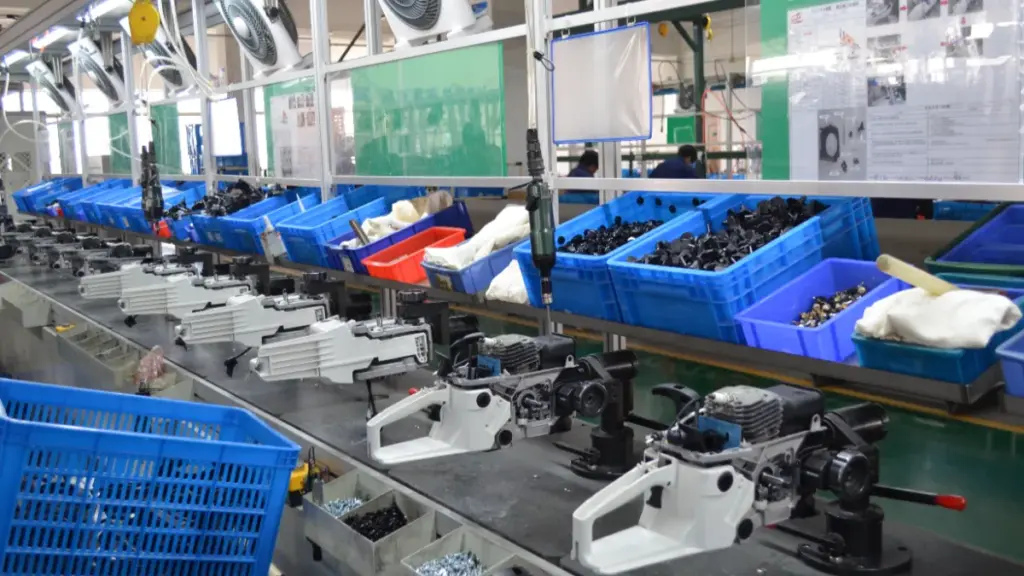
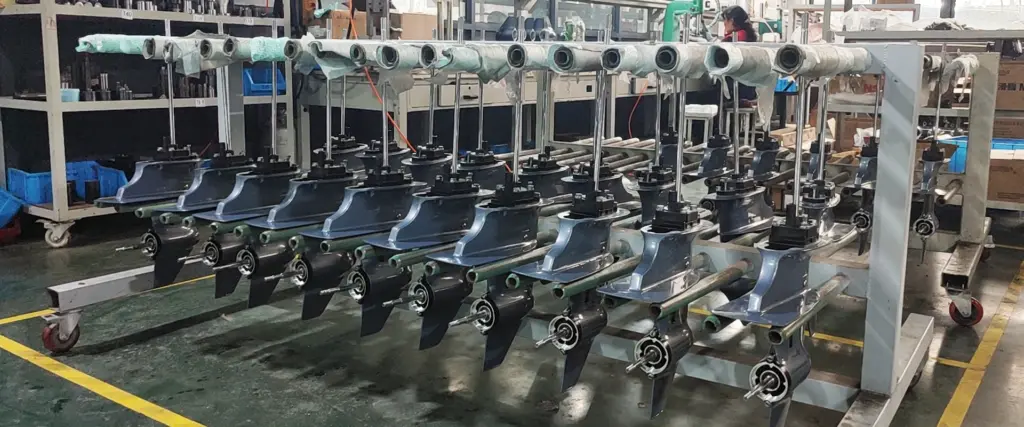
newtop OPE manuafacturing line

Market demand in 2026 is driven by the shift to battery-powered models, agricultural modernization in emerging economies, and a strong end-user focus on ergonomic and durable designs.

Demand for Electric and Battery-Powered Models

A clear trend for 2026 is the growing preference for electric and battery-powered knapsack sprayers. This move away from manual and gas-powered units is fueled by stricter emissions regulations, sustainability goals, and user demand for quieter, low-maintenance equipment. The electric segment alone is projected to reach USD 846 million in 2026, signaling a strong market appetite for this technology in professional landscaping, البستنة, and agriculture.

  • Battery-powered models deliver consistent pressure, which improves application accuracy and reduces the operator fatigue associated with manual pumping.
  • These units align with global sustainability initiatives by eliminating direct emissions and fossil fuel consumption.
  • They are gaining significant traction in enclosed environments like greenhouses and in noise-sensitive areas where traditional engines are impractical.

Growth in Agricultural Modernization in Emerging Markets

Emerging markets, particularly in the Asia-Pacific region, أمريكا اللاتينية, وأفريقيا, are driving significant demand for wholesale knapsack sprayers. As small-scale farmers modernize their operations, they are replacing inefficient manual spraying methods with more effective tools. Government programs aimed at boosting agricultural productivity further accelerate this adoption, creating a high-volume opportunity for distributors.

  • The Asia-Pacific region currently leads market growth as farmers seek cost-effective tools for better crop protection.
  • Knapsack sprayers offer an optimal balance of cost and performance for small to medium-sized farms looking to improve yields.
  • Distributors serving these regions require durable, easy-to-service models built to withstand demanding field conditions.

Focus on Ergonomics and Durability in Product Design

End-users now expect more than just basic function. In the competitive 2026 market, models featuring enhanced comfort and robust construction provide a clear advantage. Professional users prioritize equipment that offers long-term value, reduces physical strain, and ensures operational safety. This shift forces manufacturers and distributors to focus on product quality and design as key differentiators.

  • Improved ergonomics, such as padded shoulder straps and contoured back support, directly reduce operator fatigue during long hours of use.
  • Enhanced durability through the use of higher-quality plastics, better seals, and corrosion-resistant components is a primary purchasing factor.
  • The market is also moving toward modular designs that allow for easier field repairs, part replacement, and customization.

عزِّز هوامش أرباحك باستخدام معدات موثوقة

Our machines are engineered with world-class components for over 500 ساعات من الاستخدام المهني, ensuring higher ROI and customer satisfaction. We provide stable capacity and flexible OEM options to help you capture your market.

طلب عرض أسعار بالجملة →

صورة الحث على اتخاذ إجراء

Sourcing Strategies for Wholesale Knapsack Sprayer Orders

Effective sourcing in 2026 relies on mitigating supply chain risks through regional assembly and multi-source component strategies, while leveraging integrated digital platforms for streamlined order management.

Sourcing Strategy الهدف الأساسي Key Action for Distributors
Localized Assembly & Regional Warehousing Reduce lead times, stabilize pricing, and navigate tariff pressures. Partner with suppliers who have assembly facilities or warehouses in your target sales region.
Diversified Component Sourcing Mitigate production delays and insulate operations from supply chain disruptions. Verify your supplier sources key parts (مضخات, الفوهات, batteries) from multiple origins.
Integrated Online Platforms Streamline ordering, tracking, inventory management, ودعم ما بعد البيع. Select manufacturers with robust digital systems for real-time order and support access.
Strategic Partnerships for Bundled Solutions Increase end-user value and strengthen your competitive market position. Work with suppliers who package hardware with necessary consumables or digital management tools.

Prioritize Localized Assembly and Regional Warehousing

بواسطة 2026, manufacturers are increasingly using localized assembly and regional warehouses to navigate tariff pressures and shorten delivery times. This shift gives wholesale buyers more stable pricing and quicker access to inventory, insulating them from the volatility of long-distance shipping. A regionalized supply chain is a direct response to global trade friction and creates a more resilient distribution network.

  • Partner with suppliers who have assembly facilities or warehouses in your target region to reduce logistics costs.
  • Regional stock availability ensures faster order fulfillment and improves supply chain resilience.

Diversify Component Sourcing to Reduce Risk

A critical sourcing strategy involves selecting manufacturers who do not rely on a single source for essential components. This diversification protects against supply chain disruptions, whether from geopolitical events, material shortages, or factory shutdowns. It ensures consistent product availability and quality, preventing a single point of failure from halting your entire operation.

  • Confirm that your supplier sources key parts like batteries, مضخات, and nozzles from multiple origins.
  • This approach mitigates the risk of production delays and helps maintain consistent quality across batches.

Evaluate Suppliers with Integrated Online Platforms

Modern distribution relies on more than traditional wholesale channels. Choose manufacturing partners who offer integrated online platforms for ordering, tracking, and accessing after-sales support. These digital systems provide the transparency and efficiency needed to manage large-scale inventories and serve customers effectively. A supplier’s technological infrastructure is now as important as its manufacturing capabilities.

  • Select suppliers whose systems allow for streamlined online order management and real-time inventory checks.
  • Ensure the manufacturer provides robust, accessible after-sales service and technical support through their digital channels.

Build Strategic Partnerships for Bundled Solutions

Leading sourcing strategies now involve forming partnerships that deliver comprehensive solutions. Work with manufacturers who collaborate with agrochemical distributors or technology providers to offer integrated product bundles. This approach moves beyond simply selling a piece of hardware and instead provides a complete package that solves a larger customer problem, creating a stronger market position and higher perceived value.

  • Explore opportunities with suppliers who package hardware with necessary consumables or digital management tools.
  • Bundled solutions provide greater value to end-users and can create a stronger market position for your business.

Calculating Profit Margins on Wholesale Knapsack Sprayer Orders

newtop outdoor power equipment factory

True profitability in wholesale distribution is found by meticulously tracking every cost from the factory floor to the final customer delivery, not just the initial unit price.

Calculation Component Key Cost Factors Impact on Profit Margin
Cost of Goods Sold (COGS) Factory unit price, international freight, import duties, customs brokerage, local transport. Establishes the baseline cost per unit. Underestimating this directly inflates perceived profit.
Wholesale Resale Price Competitor pricing, perceived brand value, دعم الضمان, توافر الأجزاء. Determines gross revenue. Incorrect pricing hurts either sales volume or margin per unit.
Operating Expenses (OpEx) Warehousing, marketing, sales commissions, outbound shipping, administrative overhead. Reduces gross profit to net profit. These costs reveal the business’s actual profitability.

Establishing Your Cost of Goods Sold (COGS)

Before setting prices, you need a clear picture of every direct cost associated with acquiring your knapsack sprayers. This total cost forms the baseline for all profit calculations. A failure to accurately calculate COGS leads to mispriced products and eroded margins. You must account for the full journey of the product from the supplier to your warehouse.

  • Landed Cost: This includes the factory unit price from a knapsack sprayer supplier like نيوتوب, plus all associated import duties, tariffs, and taxes required to bring the goods into your country in 2026.
  • Inbound Logistics: Factor in international freight charges, port fees, customs brokerage, and domestic transportation from the port to your warehouse.
  • Ancillary Costs: Account for any mandatory pre-sale preparations, such as local compliance testing or minor assembly required upon arrival.

Setting a Competitive Wholesale Resale Price

Your resale price must balance market demand with your profit goals. Researching your local market is key to finding the right price point for your B2B customers, such as retailers and agricultural supply stores. Setting a price in a vacuum is a common mistake; it must be informed by what your specific market will bear.

  • Analyze competitor pricing for similar quality knapsack sprayers within your target regions.
  • Determine the perceived value based on factors like brand reputation, دعم الضمان, and spare parts availability.
  • Establish tiered pricing structures for different order volumes to encourage larger purchases from your retail partners.

Factoring in Operational and Shipping Costs

Net profit depends on accounting for all business overhead beyond the direct cost of the sprayers. These operating expenses reduce your gross margin to reveal your actual take-home profit. Many distributors focus solely on COGS and sales price, overlooking the substantial costs of running the business itself.

  • Warehousing and Storage: Calculate the monthly or annual costs for storing your inventory safely.
  • Marketing and Sales: Include expenses related to promoting your products to retailers and any sales staff commissions.
  • Outbound Logistics: Account for the costs of shipping orders from your warehouse to your B2B customers.
  • Administrative Overhead: Apportion a percentage of general business costs, like rent, utilities, and salaries, to each product line.

Calculating Gross and Net Profit Margins

With all cost and pricing data collected, you can calculate your margins. This helps you understand the financial health of your wholesale operation and make informed business decisions. These two metrics tell different but equally important stories about your business performance.

  • Gross Margin: Calculated as (Total Sales RevenueCost of Goods Sold) / Total Sales Revenue. This shows the profitability of the product itself before overhead.
  • Net Margin: Calculated as (Total Sales RevenueCOGSAll Operating Expenses) / Total Sales Revenue. This reveals the final profit after all business costs are paid.
  • Regularly review these margins to adjust pricing, control costs, and ensure your business remains profitable through 2026 and beyond.

Wholesale Knapsack Sprayer Quality Control and Batch Testing

testing outdoor power equipment spare parts

Effective quality control for wholesale knapsack sprayers prioritizes pressure system consistency, component durability under stress, and verifiable spray performance to prevent field failures and ensure accurate application.

Pressure System Integrity and Regulation

A primary focus of batch testing is ensuring the sprayer’s pressure system is both consistent and reliable. Technicians must verify that each unit maintains its specified operating pressure without leaks, a fundamental requirement for achieving a uniform spray pattern and correct application rates. Consistent pressure across an entire batch guarantees predictable performance for all end-users.

  • Testing the pressure-holding capability of the tank and seals to prevent performance loss.
  • Validating pressure-regulating devices and gauges to ensure they deliver a steady output.
  • Checking for consistent pressure across a batch to guarantee predictable performance for end-users.

Component Durability and Mechanical Reliability

Quality control protocols include stress tests on key mechanical components. The pump mechanism, lever, and seals are subjected to repeated use simulations to identify potential points of failure before the products reach the market. This process confirms that the equipment can withstand long-term, demanding field conditions without mechanical breakdown.

  • Assessing the integrity of pump seals to prevent chemical leakage and pressure drops.
  • Evaluating the lever-operated mechanism to confirm it can withstand long-term field use.
  • Inspecting material quality of straps, handles, and the main body for durability.

Spray Performance and Filtration System Checks

The effectiveness of a knapsack sprayer depends entirely on its spray accuracy and its ability to resist clogging. Batch tests measure nozzle performance against specifications and confirm that the filtration system functions as intended. A key industry benchmark requires that nozzle discharge rates fall within a 10% tolerance of the manufacturer’s specifications.

  • Verifying that nozzle discharge rates are within a 10% tolerance of the manufacturer’s specifications.
  • Inspecting the integrity of strainers and filters to ensure they effectively prevent blockages.
  • Confirming standardized calibration procedures are followed for accurate and reliable application.

Negotiating Payment Terms with Wholesale Knapsack Sprayer Suppliers

wholesale newtop knapsack sprayer shipping

For volume orders, payment structures have shifted from standard Net 30 terms to flexible, milestone-based agreements like 30/70 splits that are tied to production and inspection.

Payment Model Common Structure أفضل حالة استخدام
Net Terms Net 30, 60, أو 90 days post-invoice Established distributors with consistent order history.
Progressive Payments 30-50% deposit, balance due against Bill of Lading (B/L) Large, custom, or initial high-volume OEM orders.
Early Payment Discount 1-2% discount for payment within 10-15 أيام Distributors with strong cash flow looking to reduce unit costs.

Standard Payment Structures in 2026

For established business partners, payment terms often extend beyond traditional models. A supplier like NEWTOP can offer flexible options that reflect a strong order history and partnership level, accommodating different business scales. While Net 30 is a common starting point for new accounts or smaller wholesale orders, it’s not the only option. Established distributors with consistent, high-volume orders frequently secure more favorable terms.

  • Net 30 terms are common for initial or smaller wholesale orders.
  • Net 60 or Net 90 terms are frequently available for established distributors with consistent order volumes.
  • Final terms often depend on a credit assessment and regional market stability.

Progressive Payment Milestones for Large Orders

To manage cash flow for both the buyer and the supplier, large orders are often structured with payments tied to key production stages. This approach is standard for custom or high-volume OEM orders, as it de-risks the transaction for both parties. The initial deposit allows the manufacturer to secure raw materials and begin production without carrying the full financial burden. The final payment is held until the buyer can verify the finished goods meet their standards.

  • A typical split involves a deposit of 30-50% to secure raw materials and initiate production.
  • The remaining balance is due upon completion, after a pre-shipment inspection, or against the bill of lading.
  • This structure secures the order for the supplier and protects the buyer’s investment until quality is verified.

Leveraging Volume and Partnerships for Favorable Terms

Long-term commitments and larger order volumes give distributors significant leverage during payment negotiations. Suppliers value predictable business and are willing to reward it with better terms. A commitment to a larger annual order volume can unlock more favorable pricing tiers and greater payment flexibility. Similarly, brand agents and partners with a proven sales track record, such as those in NEWTOP’s global network, often receive preferential treatment and more accommodating payment schedules.

  • Many suppliers offer early payment discounts, often 1-2%, for settling invoices well before the due date.
  • Committing to a larger annual order volume can unlock more favorable pricing tiers and payment flexibility.
  • Brand agents and partners with a proven sales record often receive preferential treatment.

The Importance of Clear Documentation

All negotiated terms must be formalized in a written document, whether a purchase order, contract, or proforma invoice. This step is critical to prevent future misunderstandings and ensures both parties are aligned on expectations. The document serves as the single source of truth for the transaction, outlining every financial detail and procedural requirement from start to finish.

  • The document should clearly state the payment schedule, due dates, and any applicable discounts or penalties.
  • It must specify the transaction currency and accepted payment methods, such as Telegraphic Transfer (T/T) or Letter of Credit (خطاب الاعتماد).
  • It should also outline the process for milestone verification, like pre-shipment inspection reports, before subsequent payments are due.

Managing Quality Risk in Wholesale Knapsack Sprayer Batches

Quality risk management for knapsack sprayers now centers on pesticide containment, ergonomic safety, and the component reliability of newer battery-powered models.

Pesticide Containment and Leak Prevention

The primary quality failure in any knapsack sprayer is a leak, which causes chemical waste and direct operator contamination. Current standards focus heavily on the integrity of seals, tanks, and connection points to guarantee safe pesticide handling during field applications. Verifying component quality before shipment is non-negotiable.

  • Verifying the material durability of tanks and seals against common agricultural chemicals.
  • Batch testing for pressure retention to identify potential leaks at connection points.
  • Ensuring nozzle consistency to prevent drips and uncontrolled spray patterns.

Operator Safety and Ergonomic Design

Poor ergonomic design directly contributes to operator fatigue and raises the probability of unsafe handling. Modern quality assessments must evaluate the sprayer’s physical design for comfort and functional safety, which reduces the long-term occupational health risks for agricultural workers.

  • Assessing the quality of shoulder straps and back padding to ensure comfort during extended use.
  • Checking the balance and weight distribution of the sprayer when filled to capacity.
  • Confirming the reliability of pressure release valves and lockable triggers to prevent accidental discharge.

Component Reliability in Motorized and Battery-Powered Sprayers

As the market moves toward motorized and battery-powered sprayers, quality risk expands to electrical and mechanical components. While these systems reduce operator contamination risk, they introduce new failure points that demand rigorous testing protocols.

  • Evaluating the battery lifecycle and charging system consistency for lithium-ion models.
  • Testing motor durability and pump performance under continuous, high-load operation.
  • Inspecting the integrity of wiring, connectors, and switches to prevent electrical failures in the field.

Branding Your Business With Custom Wholesale Knapsack Sprayers

Successful branding for wholesale sprayers moves beyond logos to include market-specific equipment modifications, custom packaging, and private labeling that build a distinct identity in your distribution region.

Private Labeling and OEM Manufacturing

Building a brand requires a product that reflects your company’s standards. We offer Original Equipment Manufacturer (تصنيع المعدات الأصلية) services, allowing importers and distributors to market high-quality knapsack sprayers under their own private label. This approach lets you leverage a proven manufacturing process while you focus on building your brand’s presence in your local market. You can establish a strong foothold without the heavy capital investment required for factory infrastructure and R&د.

  • Develop a unique product line without investing in factory infrastructure or R&د.
  • Gain a competitive edge in markets across Africa, أمريكا اللاتينية, and Eastern Europe with equipment tailored to regional needs.
  • Partner with a manufacturer experienced in supporting over 100 brand agents in more than 65 بلدان.

Customizing Sprayer Features for Your Market

Effective branding is embedded in the product’s functionality. We provide options to modify knapsack sprayers to align with your market strategy, ensuring the final product performs exactly as your customers require. This involves more than just aesthetics; it means creating a tool that solves specific local challenges and stands up to regional environmental conditions.

  • Select custom colors and apply your company’s branding directly to the equipment.
  • Adjust component configurations, such as nozzles, الأشرطة, or pump mechanisms, to match local application requirements.
  • Modify designs for improved ergonomics, catering to professional users who require comfort for extended use.

Packaging and Design Support

The first physical interaction a customer has with your product is its packaging. We provide direct support for creating custom packaging that not only protects the sprayer during transit but also reinforces your brand identity from the moment it hits the shelf. Professional packaging builds trust and clearly distinguishes your products from generic competitors.

  • Design custom boxes with your logo, brand colors, and essential product information.
  • Ensure packaging meets regional requirements for shipping and retail display.
  • Create a professional appearance that builds trust and distinguishes your products from competitors.

MOQ and Lead Times for Custom Orders

Planning a custom product line requires clear logistical information. We establish practical Minimum Order Quantities (MOQs) for OEM projects and provide transparent lead times based on the complexity of the customization. This allows you to manage your inventory and plan your market launch with confidence. Our structure is designed to support both large, established distributors and growing businesses launching a new private label.

  • MOQs for custom and OEM orders are designed to support both large distributors and businesses launching a new brand.
  • Lead times are determined by factors like tooling requirements and the specifics of design modifications.
  • Larger order volumes for agents and OEM partners receive preferential pricing and dedicated service.

Expand Your Business With NEWTOP’s Wholesale Support Programs

NEWTOP provides a structured framework for wholesale partners, combining flexible ordering policies, OEM customization, and comprehensive after-sales support to help distributors build their brands and scale operations.

Flexible MOQ and Lead Time Policies

NEWTOP offers adaptable ordering policies designed to help wholesalers manage inventory, test new markets, and scale operations efficiently. These programs reduce financial risk for both new and established partners by removing high entry barriers.

  • We accept single-piece sample orders for product validation and market testing.
  • Standard order MOQs are flexible and can be arranged based on specific customer needs and market potential.
  • Typical lead times are 7–10 days for samples and around 30 days for standard bulk orders.

OEM Customization and Private Labeling Services

Partners can build their own brand identity with our complete OEM and private labeling support. This allows for product differentiation in competitive local markets like Africa, أمريكا اللاتينية, وأوروبا الشرقية, where brand recognition is key.

  • We offer tailored OEM color and design customization to match your brand identity.
  • Our team provides private labeling and custom packaging design services.
  • We make configuration adjustments to meet specific regional requirements and price points.

Comprehensive Quality Assurance and Warranty

NEWTOP protects its wholesale partners by ensuring product reliability through multi-stage factory inspections, transparent warranty terms, and full regulatory compliance documentation. This preparation ensures smooth customs clearance and builds end-user trust.

  • A standard one-year machine warranty comes with six-month coverage on core components.
  • Our structured quality control process includes incoming material checks and final functional testing on every unit.
  • We provide CE, ع, اليورو الثاني, and EPA certifications to support market entry and compliance.

Dedicated After-Sales and Marketing Support

Our robust support system ensures equipment longevity and helps brand agents grow their local market share. We provide the technical assistance and promotional materials needed to compete effectively.

  • We guarantee long-term availability of critical spare parts and consumables for equipment maintenance.
  • Distributors receive timely technical assistance from our dedicated sales and service teams.
  • We provide agents with product training, usage guidance, and marketing content to boost local sales.

خاتمة

Sourcing knapsack sprayers involves more than just finding the lowest unit price. A clear strategy for calculating margins, managing batch quality, and negotiating payment terms protects your investment. This approach helps build a stable foundation for a profitable distribution business.

If you are ready to expand your product line, our team can provide a detailed quote and answer questions about our distributor support programs. Contact us to discuss your specific market needs and get started.

الأسئلة المتداولة

What is the wholesale price for a knapsack sprayer?

Wholesale price depends on sprayer type, سعة الخزان, material quality, order quantity, التعبئة والتغليف, and customization. Manual knapsack sprayers are usually priced differently from gasoline-powered models, and OEM branding can also affect the final quote.

How many knapsack sprayers fit in a 20ft container?

The loading quantity depends on tank size, carton dimensions, packing method, and whether accessories are packed together. لهذا السبب, buyers should always confirm the container loading plan based on the exact model and packaging specification.

Can I get wholesale pricing for 16L sprayers?

نعم. 16L knapsack sprayers are one of the most common wholesale categories in many agricultural markets. Pricing depends on the model configuration, material standard, and total order quantity.

What are the payment terms for wholesale sprayer orders?

Standard payment terms for wholesale orders are a 30% T/T (Telegraphic Transfer) deposit to initiate production. The remaining 70% balance is typically due upon presentation of the Bill of Lading (B/L) copy, confirming shipment. For established distributors, more flexible terms like L/C (Letter of Credit) may be negotiable.

Are spare parts included in wholesale knapsack sprayer deals?

نعم. 16L knapsack sprayers are one of the most common wholesale categories in many agricultural markets. Pricing depends on the model configuration, material standard, and total order quantity.

How do I become a wholesale distributor for NEWTOP?

To become a NEWTOP wholesale distributor, you need to contact our international sales team and share your company profile, target market, and estimated purchasing plan. Our team will review your business needs and recommend suitable products, pricing structure, and cooperation options based on your market.


يتعلم أكثر
top handle vs rear handle chainsaw
Top Handle vs Rear Handle Chainsaw: Pros and Cons for Professionals

Top handle chainsaws have the main grip on top of the body for one-handed aerial use, while rear handle chainsaws feature a rear grip behind the engine for stable two-handed ground operation. Professional arborists, الحطابين, and landscapers often face the choice between these when tackling demanding tree work.

باعتباره specialist in outdoor power equipment, we will break down the fundamental differences, pros and cons, and safety considerations to help you make an informed decision for your fleet or business.

ما هو المنشار ذو المقبض العلوي?

NT2500 top handle chainsaw

A top handle chainsaw is an engineered tool for professional arborists, prioritizing a compact, balanced design for precision cutting in elevated and confined spaces.

Designed for Arborists and Aerial Work

A top handle chainsaw is a specialized tool engineered almost exclusively for professional arborists who work at height. Its design prioritizes control and maneuverability when cutting in elevated or awkward positions, such as within the canopy of a tree. This focus makes it the standard for off-ground tasks where a traditional saw would be unsafe or unwieldy.

Typical models weigh around 6.5 ل 10 pounds and have guide bar lengths of 10 ل 16 بوصة, making them smaller and more portable than standard saws. These dimensions prioritize agility over bulk.

الخصائص الرئيسية: مدمج, خفيف الوزن, and Balanced

The defining features of a top handle chainsaw are its small size and reduced weight. This construction minimizes operator fatigue during prolonged use in trees and allows for precise cuts in confined spaces where a larger saw would be impractical. The excellent balance is critical for maintaining control when making cuts from unstable positions.

  • The compact form factor makes it easier to navigate through dense branches.
  • Excellent balance enables greater control, which is critical when making cuts from unstable positions.
  • Many models in 2026 are battery-powered, further enhancing their lightweight nature and reducing emissions.

التطبيقات الأولية

This type of chainsaw is not built for felling large trees. It excels at tasks that require precision and agility, like pruning limbs, removing deadwood, and sectioning branches from a climbing position. Its controlled power is suitable for making accurate cuts without damaging the surrounding tree structure, preserving tree health.

  • Ideal for shaping tree canopies and performing surgical cuts to maintain tree health.
  • Allows for one-handed use in specific situations by certified professionals, freeing the other hand for stability.
  • Its controlled power is suitable for making accurate cuts without damaging the surrounding tree structure.

What is a Rear Handle Chainsaw?

NT5800 rear handle chainsaw

Rear-handle chainsaws are the industry standard for ground-level cutting, engineered with a two-handle configuration to maximize leverage, يتحكم, and safety for heavy-duty tasks.

Core Design and Operation

A rear handle chainsaw is a versatile, full-sized chainsaw built for general and heavy-duty use, with the main handle positioned behind the engine and a front handle for secure two-handed operation. The design features rearward weight distribution, larger engine housing, protective hand guards, and an extended guide bar for superior leverage and power in demanding cuts.

Common specs include weights from 11 ل 15 pounds for gas models, with guide bar lengths ranging from 14 ل 24 inches or more depending on engine size (على سبيل المثال, 36-60نسخة). This makes them robust but less compact.

التطبيقات المشتركة

Rear-handle chainsaws are built for ground-level, heavy-duty applications. They are the standard tool for homeowners with large properties and professionals who perform substantial cutting tasks in open areas.

  • Felling large trees.
  • Cutting logs and processing timber.
  • Splitting firewood.
  • General property maintenance and storm cleanup.

Gain a Competitive Edge with Reliable Machinery

Our outdoor power equipment integrates world-class components for a 200+ hour working life, ensuring maximum ROI for your customers. Secure your supply chain with our stable capacity, جودة متسقة, and flexible OEM/private label programs.

Request a Quote →

صورة الحث على اتخاذ إجراء

Pros and Cons of Top Handle Chainsaws

Top handle chainsaws provide unmatched control for professional arborists working at height, but this specialized design introduces safety risks and functional limits for ground-based work.

Advantages for Professional Aerial Work

Top handle chainsaws are engineered specifically for professional arborists who need a compact and maneuverable tool for cutting in elevated or confined spaces. The design prioritizes balance and control, making it the standard for any work that requires climbing or operating from an aerial platform.

  • The compact and lightweight build reduces operator fatigue during long periods of aerial tree work.
  • Superior maneuverability and balance make it easier to make precise cuts in awkward positions, such as within a tree’s canopy.
  • The design allows for one-handed use by certified professionals, freeing up the other hand for stability while climbing.

Limitations and Disadvantages

While ideal for specialized tasks, top handle chainsaws have significant drawbacks that limit their general use. Their unique construction makes them less suitable and potentially more dangerous for any type of ground-level cutting, a task better suited for rear handle models.

  • Their premium price reflects the specialized engineering and safety certifications required for professional-grade aerial equipment.
  • They are not designed for felling or bucking on the ground, where rear handle saws provide better leverage and operational safety.
  • The close hand placement increases the risk of serious injury from kickback, requiring specialized training for safe operation.

Pros and Cons of Rear Handle Chainsaws

Rear handle chainsaws provide superior stability and versatility for ground-based cutting, making them the standard for most users, though their size and weight limit maneuverability in tight spaces.

المزايا

  • Power Availability: Accommodates larger engines (40-60نسخة) and longer أشرطة الدليل (ما يصل الى 24+ بوصة) for efficient thick timber cuts in logging.
  • Stability Control: Two-handed grips with rear balance deliver leverage to minimize kickback in felling and bucking.
  • Versatile Use: Handles firewood processing, تنظيف العاصفة, hedge trimming, and property maintenance reliably.
  • Ergonomic Comfort: Reduces arm fatigue during extended ground-based sessions for pros and beginners.
  • Durability Focus: Robust construction withstands daily forestry and landscaping rigors.

العيوب

  • Hight Fatigue: 11-15+ pound build accelerates exhaustion in prolonged tasks.
  • Bulk Limitations: Hinders tight-space agility like climbing or dense pruning.
  • Vibration Levels: Higher engine power increases hand-arm vibration risks.
  • Portability Issues: Larger profile complicates transport and storage.
  • Overhead Challenges: Less suited for aerial work due to handling demands.

Key Differences Between Top Handle vs Rear Handle

Key Differences Between Top Handle vs Rear Handle

To help professionals compare the technical specifications and functional applications of these tools, we have summarized the key differences below:

يصف المنشار ذو المقبض العلوي المقبض الخلفي بالمنشار
Handle Position Top-mounted grip for compact aerial control Rear grip behind engine with front handle for two hands
Weight Range خفيف الوزن 8-10 رطل, reduces fatigue in heights أثقل 11-15+ رطل, stable for ground use
Guide Bar Length Shorter 10-16 inches for precision Longer 14-24+ inches for thick cuts
Engine Power Smaller 25-45cc, agile for pruning Larger 40-60cc+, powerful for felling
Maneuverability Excellent in tight spaces and climbing Better stability on ground, bulkier overhead
خطر الرشوة Higher due to lighter weight and close grip Lower with leverage and safety guards
Best User Skill Advanced professionals/arborists only Beginners to professionals
التطبيقات الأولية Tree climbing, دفن, aerial pruning قطع, bucking, firewood, cleanup
قابلية النقل مدمج, easy to carry and store Bulkier, requires more storage space
Price Range Mid-range, often specialized pricing Varies widely based on engine power

دليل الاختيار: Top Handle vs Rear Handle – أيهما مناسب لك?

a man with a chainsaw
Selection Criteria Choose a Top Handle Chainsaws If Choose a Rear Handle Chainsaws If
Primary Work Environment You are a certified arborist working at height (climbing, aerial lift). You primarily work on the ground.
Key Task You need to make precise cuts in tight, awkward positions within a tree canopy. Your tasks include felling, سجلات مخالفة, cutting firewood, or storm cleanup.
ملف تعريف المستخدم You are a trained professional with certification for elevated work. You are a homeowner, general forestry operator, or beginner.
Control Priority Maneuverability and compactness are critical for specialized cuts. Maximum stability, leverage, and two-handed control are required.

For the Professional Arborist and In-Tree Work

Top-handle chainsaws are specialized tools engineered for certified arborists who work at height. Their compact, lightweight build and integrated grip provide the maneuverability needed to operate inside a tree’s canopy. This design is the industry standard for pruning, دفن, and making precise cuts in elevated and confined spaces where a larger saw is impractical.

  • Choose a top handle if your primary work involves climbing or operating from an aerial lift.
  • The design is optimized for making precise cuts in awkward positions where a conventional two-handed saw won’t fit.
  • Safe operation of these tools demands proper training and certification, as one-handed use increases operational risk.

For Ground-Based Cutting and General Use

Rear-handle chainsaws are the definitive tool for nearly all ground-level cutting. The design provides superior stability, leverage, and control, making it the correct choice for felling trees, bucking logs into sections, وفرشاة المقاصة. This configuration is the standard for homeowners, مديري الممتلكات, and forestry operators working on solid ground.

  • Choose a rear handle for tasks like cutting firewood, managing storm cleanup, and felling small to medium trees.
  • The two-handed grip offers better control, improves safety, and reduces operator fatigue during prolonged use.
  • This design is inherently more stable, making it the safer and more effective option for any user on the ground.

Matching the Tool to Your Primary Application

The right choice depends entirely on your work environment, not on which saw is universallybetter.A professional arborist will own both types—a top handle for climbing and a rear handle for groundwork. For almost everyone else, the rear-handle saw is the more versatile and appropriate tool for common cutting tasks.

  • Assess your most common tasks: Are you consistently working in a tree or on the ground?
  • Never use a top-handle saw for ground-level felling. Its design is not optimized for the leverage or safety protocols required for that work.
  • For B2B buyers and dealers, offering both models allows you to serve two distinct markets: certified professionals and general consumers.

Why Choose NEWTOP Chainsaws for Your Business?

NEWTOP provides B2B partners with a scalable manufacturing solution for reliable, mid-range chainsaws, combining world-class components with flexible OEM support to deliver a strong value proposition in global markets.

NEWTOP chainsaws deliver professional-grade performance in both top handle and rear handle configurations, backed by over 20 years of expertise in gas-powered garden tools. Our models feature high-precision CNC machining, Walbro carburetors, NGK spark plugs, and Oregon chains for exceptional durability exceeding 200 ساعات.

With CE, ع, وكالة حماية البيئة, and EURO II certifications, NEWTOP ensures compliance for global markets like Africa, أمريكا اللاتينية, وجنوب شرق آسيا. Competitive pricing, customizable OEM/ODM options, and reliable supply chains make us the top choice for distributors seeking chainsaw suppliers with 500,000+ annual capacity.

Grow Strong with NEWTOP—Your Trustworthy Garden Tools Partner. Explore our range at newtoptools.com. For more information, contact us today!

خاتمة

Choosing between a top handle and a rear handle chainsaw directly impacts operator safety and job performance. A top handle saw is a specialized tool for trained arborists working at height, while a rear handle model provides the stability needed for groundwork. Using the correct saw for the application prevents accidents and ensures efficient, clean cuts.

Evaluate your team’s typical work environment to ensure your equipment fleet is properly outfitted. To source professional-grade chainsaws designed for durability and performance, explore the NEWTOP product catalog for your business needs.

الأسئلة المتداولة

Why do people use top handle chainsaws?

Top handle chainsaws are used for their compact size and maneuverability. They allow tree climbers to make precise cuts in confined spaces within a tree canopy where a traditional saw would be too cumbersome.

Can you use a top handle chainsaw on the ground?

Not recommended—lacking rear leverage, they reduce stability and increase kickback risks for ground tasks; reserve for aerial work only.

Are top handle chainsaws dangerous?

نعم, they are considered more dangerous than rear handle saws because of the narrow grip. This design makes kickback much harder to control. They should only be used by professionals with proper arborist training.

What is the advantage of a rear handle chainsaw?

The main advantages are control, leverage, and safety. The spacing between the handles allows the operator to manage the saw’s power more effectively and provides a safer distance between the chain and the operator’s body.

Is a top handle saw better for climbing?

نعم. Its weight distribution and compact shape are specifically designed for climbing. It can be easily attached to a harness and used in the awkward angles often required when working in a tree.

Which handle style is best for beginners?

A rear handle chainsaw is the only choice for beginners. It provides the necessary stability and safety features to learn proper cutting techniques safely.


يتعلم أكثر
Worker suspended on tree trunk operating climb saw safely
نماذج المنشار ذات المقبض العلوي: 2026 دليل لأنواع الدرجات المهنية

يحتاج أخصائيو التشجير ورعاية الأشجار إلى أدوات تعطي الأولوية للتوازن والوزن. عند العمل عاليا في مظلة شجرة, يؤثر تصميم المعدات الخاصة بك بشكل مباشر على سلامتك ومدى سرعة إنهاء المهمة. في 2026, يقدم السوق خيارات متنوعة تتراوح من محركات البنزين التقليدية إلى نماذج بطاريات الليثيوم الجديدة.

في هذا الدليل, نحن نحلل كيفية عمل المناشير ذات المقبض العلوي, كيف يمكن مقارنتها بنماذج المقبض الخلفي, ما هي المواصفات الفنية التي تهم حقًا؟, وكيف يختار المحترفون النموذج المناسب لعمليات التسلق. إذا كنت مصادر للتوزيع, العلامات التجارية OEM, أو الشراء على نطاق واسع, تمت كتابة هذا الدليل مع أخذ صناع القرار في الاعتبار.

ما هو المنشار ذو المقبض العلوي?

المنشار ذو المقبض العلوي هو أداة مصممة خصيصًا لأخصائيي التشجير المحترفين, تم تصميمه بشكل مدمج, تصميم خفيف الوزن يعطي الأولوية للتوازن والتحكم في القطع الدقيق في المساحات المرتفعة أو الضيقة.

المنشار ذو المقبض العلوي عبارة عن منشار كهربائي صغير الحجم مصمم بحيث يتم وضع المقبض الأساسي فوق مبيت المحرك وليس في الخلف. يسمح هذا التكوين لأخصائيي التشجير بتشغيل المنشار في الأماكن الضيقة - خاصة أثناء تعليقه في حزام الشجرة. تستخدم هذه المناشير عادة للتقليم, تخفيض التاج, تفكيك مقطعي, وإزالة الفروع. في الإعدادات المهنية, يعتبرون مناشير متسلقة, غالبًا ما يتم إقرانها بأنظمة الحزام وشرائط التعليق للسلامة.

التطبيقات الأساسية في العناية بالأشجار بشكل احترافي

تُعد هذه المناشير من المعدات الأساسية للمحترفين المعتمدين الذين يقومون بمهام تتطلب قطعًا جراحيًا على ارتفاعات عالية عن الأرض. يسمح تصميمها المدمج لأخصائيي التشجير بالتنقل في هياكل الفروع الكثيفة حيث تكون الأشجار أكبر, سيكون المنشار ذو المقبض الخلفي غير آمن, مرهقة, أو من غير العملي وضعه بشكل صحيح.

  • مثالية لإزالة الأخشاب الميتة, ترقق تاج الشجرة, وتشكيل الفروع.
  • تمكن من إجراء عمليات قطع يتم التحكم فيها أثناء تأمينها بواسطة حبل وحزام أو التشغيل من منصة رفع جوية.
  • الأداة الأساسية لصيانة الأشجار في المناطق الحضرية والسكنية حيث تكون الدقة أمرًا بالغ الأهمية.

متطلبات المستخدم المهنية

لأنها مخصصة للاستخدام المرتفع, أنها تتطلب مهارات وتدريب متقدم. في العديد من المناطق, يوصى بها فقط لأخصائيي التشجير المعتمدين. مستخدم غير مدرب يحاول تشغيل أحد هذه المناشير, خاصة على الأرض, يخلق حالة عالية الخطورة. إن الطلب المتزايد على هذه المناشير مدفوع بشكل مباشر باحتياجات صناعة رعاية الأشجار الاحترافية إلى معدات فعالة ومتخصصة تعمل في البيئات الجوية الصعبة.

إيجابيات وسلبيات التعامل مع المناشير

عامل شجرة يستخدم منشارًا بمقبض علوي على فرع مزودًا بمعدات واقية

إن الاختيار بين المنشار ذو المقبض العلوي والمقبض الخلفي هو عبارة عن مقايضة مباشرة بين القدرة على المناورة الجوية للأعمال المتخصصة في التشجير والقوة الخام مع الثبات للقطع والانحناء على مستوى الأرض.

المناشير ذات المقبض العلوي: إيجابيات وسلبيات

المناشير ذات المقبض العلوي هي أدوات متخصصة مصممة لأخصائيي التشجير المحترفين الذين يحتاجون إلى منشار صغير الحجم وقابل للمناورة للعمل المنجز على ارتفاعات. مزاياها في المواقف الجوية واضحة, ولكن هذه الفوائد تأتي مع قيود على أي تطبيقات على مستوى الأرض.

  • برو: قدرة ممتازة على المناورة والتوازن لقطع الأشجار وتقليمها, مما يسمح بالتحكم الدقيق في المساحات الضيقة أو غير الملائمة.
  • برو: يقلل البناء خفيف الوزن من إجهاد المشغل أثناء العمل الجوي الممتد.
  • يخدع: بشكل عام أقل قوة من نظيراتها ذات المقبض الخلفي, مما يجعلها غير مناسبة للقطع أو المخالفة للخدمة الشاقة.
  • يخدع: يتطلب تصميمها مهارات معالجة متقدمة وهو مخصص بشكل حصري تقريبًا للمهنيين المدربين الذين يعملون خارج الأرض.

المناشير ذات المقبض الخلفي: إيجابيات وسلبيات

المناشير ذات المقبض الخلفي هي المعيار الصناعي لمعظم مهام القطع الأرضية. أنها توفر قوة متفوقة, استقرار, والسلامة لمجموعة واسعة من المستخدمين, من أصحاب المنازل إلى المتخصصين في الغابات, لكنها تصبح مرهقة وغير آمنة للعمل الجوي.

  • برو: يوفر قوة ونفوذًا أكبر, مما يجعلها الخيار الأمثل لقطع الأشجار, سجلات مخالفة, وفرشاة المقاصة.
  • برو: توفر القبضة ذات اليدين ثباتًا وتحكمًا أفضل, مما يجعله خيارًا أكثر أمانًا ويمكن الوصول إليه للمبتدئين.
  • يخدع: التصميم الأكبر حجمًا والأثقل يجعل من الصعب وغالبًا ما يكون غير آمن استخدامه للتسلق أو التقليم التفصيلي داخل مظلة الشجرة.
  • يخدع: أقل مرونة مقارنة بالنماذج ذات المقبض العلوي, والتي يمكن أن تكون عيبًا عند القطع في المناطق المقيدة على مستوى الأرض.

أنشئ خط المنشار الجنزيري الاحترافي الخاص بك مع شريك موثوق في تصنيع المعدات الأصلية

استفد من الطلب المتزايد على المناشير الجنزيرية الاحترافية ذات المقبض العلوي في الأسواق الناشئة. نيوتوب يسلم 500+ متانة ساعة, أنظمة الطاقة ذات الهندسة الدقيقة, ومكونات موثوقة عالميًا - مدعومة بإنتاج معتمد من ISO وتخصيص OEM قابل للتطوير. إمدادات مستقرة. هوامش تنافسية. شراكة طويلة الأمد.

كن موزعًا →

صورة الحث على اتخاذ إجراء

المواصفات الفنية المهنية: وزن, النزوح, والتوازن

عند تقييم المناشير ذات المقبض العلوي الاحترافية 2026, ثلاثة مواصفات تحدد الأداء في العالم الحقيقي: وزن, إزاحة المحرك, والتوازن.

المواصفات الفنية نطاق السوق الاحترافي (2026) المنفعة الأساسية
إزاحة المحرك 25سم مكعب - 40 سم مكعب (30سم مكعب - 35 سم مكعب السائد) خرج عزم دوران متوازن مناسب للتقليم المتحكم فيه وقطع فرع الخشب الصلب.
انتاج الطاقة 1.0 كيلوواط – 1.8 كيلوواط يوفر أداء قطع فعال مع الحفاظ على الاقتصاد في استهلاك الوقود واستجابة الخانق.
الوزن الجاف (بدون بار & سلسلة) 2.6 كجم – 3.8 كجم يقلل من إجهاد المشغل ويحسن القدرة على المناورة في بيئات المظلة المحصورة.
مقياس الأداء الرئيسي نسبة عالية من القوة إلى الوزن حاسم للحفاظ على السيطرة, دقة, والإنتاجية أثناء العمليات المرتفعة.

إزاحة المحرك وإخراج الطاقة

تعمل معظم المناشير ذات المقبض العلوي الاحترافية ضمن نطاق إزاحة يتراوح بين 25 سم مكعب إلى 40 سم مكعب, مع نماذج 30cc-35cc تمثل الجزء الأساسي لتطبيقات التشجير. يوفر هذا النطاق التوازن الأمثل بين عزم الدوران والوزن, ضمان نظيفة, تخفيضات يمكن التحكم فيها دون زيادة حجم المحرك غير الضروري. عادة ما يقع خرج الطاقة بين 1.0 كيلوواط و 1.8 كيلوواط, اعتمادًا على ضبط المحرك وتصميمه. يوفر هذا التكوين قوة قطع موثوقة لفروع الخشب الصلب مع الحفاظ على كفاءة استهلاك الوقود واستجابة الخانق - وهو أمر بالغ الأهمية للعمليات الموسعة داخل الشجرة.

نسبة القوة إلى الوزن

لأخصائيي التشجير المحترفين, نسبة القوة إلى الوزن هي مقياس الأداء المحدد. يجب أن يوفر منشار التسلق عزمًا كافيًا مع الحفاظ على خفة الوزن بما يكفي للتحكم في القدرة على المناورة في بيئات المظلة. عادةً ما تزن نماذج المقبض العلوي عالية الجودة ما بين 2.6 كجم و 3.8 كجم (الوزن الجاف), تحقيق التوازن بين المتانة وتقليل إجهاد المشغل. تعمل النسبة الفائقة على تعزيز دقة القطع أثناء مهام التقليم والتزوير المعقدة, المساهمة بشكل مباشر في كل من الإنتاجية وسلامة المشغل على المدى الطويل.

التوازن المريح والميزات الرئيسية

ما وراء مواصفات المحرك الأساسية, يحدد التصميم المريح إمكانية استخدام المنشار في العالم الحقيقي. تدمج المناشير الاحترافية الحديثة الأنظمة التي تدعم المشغل وتقلل من وقت التوقف عن العمل. تعمل التكنولوجيا المتقدمة المضادة للاهتزاز على تقليل الضغط على يدي وذراعي التشجير, وهو أمر بالغ الأهمية للاستخدام طوال اليوم. تعد ميزات مثل البدء بمساعدة الزنبرك ضرورية لإعادة تشغيل المنشار بأمان في منتصف التسلق. على نفس المنوال, تعمل أنظمة تنقية الهواء بالطرد المركزي على إخراج الغبار والحطام قبل وصولها إلى الفلتر, تمديد فترات الخدمة بشكل كبير والحفاظ على تشغيل المحرك بأعلى أداء.

معايير السلامة للتشغيل داخل الشجرة: الفرامل والحبال

متسلق شجرة يقطع فرعًا كبيرًا باستخدام المنشار ذو المقبض العلوي

يعتمد التشغيل الآمن للمنشار داخل الشجرة على نظام صارم للامتثال التنظيمي, بروتوكولات التعادل الزائدة, والفحوصات الإلزامية للمعدات قبل الاستخدام.

الامتثال التنظيمي ومعايير الصناعة

تتبع عمليات المنشار داخل الشجرة معايير صناعية صارمة مثل ANSI Z133, الذي يحدد خط الأساس للعناية الآمنة بالأشجار. تقوم الهيئات التنظيمية مثل إدارة السلامة والصحة المهنية (OSHA) بتنفيذ هذه الإرشادات, تكليف تدريب العمال الموثق, بروتوكولات المعدات واضحة, وإدارة المخاطر الاستباقية لتقليل المخاطر. تنطبق هذه المعايير بالتساوي على المناشير التي تعمل بالبنزين والبطارية, حيث أن كلاهما يمثل مخاطر قطع متطابقة عند العمل على ارتفاعات.

أنظمة الربط والحبل المستمر

القاعدة الأساسية لأي متخصص في التشجير هي أن يظل مرتبطًا بشكل مستمر طوال العملية. يتم تحقيق ذلك من خلال نظام التكرار المزدوج. يستخدم العامل خط التسلق الأساسي للحصول على الدعم الرئيسي وحبل ثانوي لتحديد موضع العمل بدقة وأمان النسخ الاحتياطي. يضمن هذا الإعداد تأمين المشغل من لحظة مغادرته الأرض حتى عودته, مما يسمح لهم بتأسيس موقف مستقر لإجراء تخفيضات خاضعة للرقابة.

وظيفة الفرامل بالمنشار والتفتيش

إن فرامل سلسلة المنشار عبارة عن جهاز أمان غير قابل للتفاوض تم تصميمه لإيقاف السلسلة على الفور أثناء حدث الارتداد. يعد الفحص والاختبار المنتظم لهذه الآلية إلزاميًا قبل كل استخدام. يجب على المشغل التأكد من تعشيق فرامل السلسلة بشكل صحيح عند تنشيطها يدويًا وتنظيف شريط الفرامل وغطاء القابض بانتظام للتحقق من التآكل أو التلف. فرامل وظيفية, مقترنة بتقنيات التعامل الصحيحة, هي طبقة حرجة لحماية المشغل.

تقييم المخاطر قبل التشغيل وفحص المعدات

تعد الإدارة الاستباقية للمخاطر أمرًا أساسيًا للسلامة داخل الشجرة. قبل التسلق, يجب على كل مشجر إجراء تقييم شامل لمخاطر الشجرة وموقع العمل المحيط بها, تحديد المخاطر مثل ضعف الأطراف, الخطوط الكهربائية, أو العوائق الأرضية. فحص كامل لجميع معدات التسلق والقطع، بما في ذلك الحبال, يسخر, اسهم, والمنشار نفسه مطلوب للتحقق من العيوب. يجب على الطاقم أيضًا وضع خطة عمل واضحة وبروتوكول للطوارئ قبل بدء العمل.

المقبض العلوي مقابل. المقبض الخلفي بالمنشار

مشجر في دلو يقطع غصن شجرة بالمنشار ذو المقبض العلوي

يتم تحديد الاختيار بين المقبض العلوي والمقبض الخلفي للمنشار بالكامل حسب بيئة العمل; المناشير ذات المقبض العلوي متخصصة في الاحترافية, العمليات داخل الشجرة, بينما تم تصميم المناشير ذات المقبض الخلفي لتكون مستقرة, قطع على مستوى الأرض.

يصف المنشار ذو المقبض العلوي المقبض الخلفي بالمنشار
المستخدم الأساسي أخصائيو التشجير وجراحو الأشجار المعتمدون أصحاب المنازل, مديري الممتلكات, وعمال الغابات
بيئة العمل مرتفعة, في الشجرة, أو من المصعد الجوي العمليات على مستوى الأرض
سمة التصميم الأساسية مدمج, خفيفة الوزن, ومتوازنة من حيث القدرة على المناورة جسم أطول بمقابض منفصلة لتحقيق الثبات والرافعة المالية
تطبيق نموذجي تشذيب, دفن, والتنقل في تيجان الأشجار الضيقة قطع الأشجار, سجلات مخالفة, وتجهيز الحطب

التصميم وبيئة العمل لمهام محددة

الفرق الأساسي يكمن في تخطيطهم المادي, والذي تم تحسينه لبيئتي عمل متميزتين. المناشير ذات المقبض العلوي مدمجة ومتوازنة من أجل القدرة على المناورة في الأماكن المرتفعة, مواقف محرجة. تم تصميم المناشير ذات المقبض الخلفي لتحقيق النفوذ والاستقرار على الأرض. يحدد هذا الفصل بين غرض التصميم كيفية أداء كل أداة في دورها المقصود.

  • تدمج نماذج المقبض العلوي المقبض مباشرة فوق جسم المنشار, إنشاء مركز ثقل مثالي للاستخدام بيد واحدة من قبل أخصائيي التسلق.
  • تستخدم نماذج المقبض الخلفي تصميمًا منفصلاً بمقبضين, مما يمنح المشغل تحكمًا أكبر ومنصة مستقرة لقطع الأشجار أو قطع جذوع الأشجار.

المستخدم والتطبيق المقصود

يستهدف كل نوع منشار مستخدمًا مختلفًا. المناشير ذات المقبض العلوي هي أدوات متخصصة حصريًا لمحترفي رعاية الأشجار المعتمدين الذين يعملون على ارتفاعات. مناشير المقبض الخلفي تلبي احتياجات جمهور أوسع, من أصحاب المنازل إلى الحطابين, الذين يؤدون العمل على مستوى الأرض. قامت الصناعة بتقسيم هذه الأدوات بوضوح إلى سياقات تشغيلية محددة بدلاً من إنشاء حل متعدد الأغراض.

  • المناشير ذات المقبض العلوي هي المعيار القياسي لأخصائيي التشجير المحترفين الذين يحتاجون إلى تقليم الأطراف أثناء تأمينهم في الشجرة.
  • المناشير ذات المقبض الخلفي مناسبة للقطع, دفن, وتجهيز الحطب على أرض صلبة, مما يجعلها الاختيار لأصحاب العقارات وعمال الغابات.

قوة, يتحكم, والسلامة

توفر المناشير ذات المقبض الخلفي عمومًا مزيدًا من الرافعة المالية لقطع الطاقة والاستقرار, مما يجعلها خيارًا أكثر أمانًا للمبتدئين. توفر المناشير ذات المقبض العلوي نسبة عالية من القوة إلى الوزن ولكنها تنطوي على مخاطر كبيرة تتعلق بالسلامة وتتطلب تدريبًا وشهادة احترافية. ترتبط قدرة المشغل على إدارة الارتداد بشكل مباشر بتكوين مقبض المنشار.

  • توفر القبضة الأوسع على المناشير ذات المقبض الخلفي تحكمًا فائقًا, مما يساعد على إدارة الرشاوى أثناء التخفيضات القوية.
  • نظرًا لتصميمها للتشغيل المحتمل بيد واحدة, تتطلب المناشير ذات المقبض العلوي التزامًا صارمًا ببروتوكولات السلامة ولا يُنصح بها للمستخدمين الأساسيين أو عديمي الخبرة.

كيفية اختيار المنشار ذو المقبض العلوي الأيمن?

أخصائي التشجير يقطع شجرة طويلة بمنشار التسلق

يتطلب اختيار المنشار ذو المقبض العلوي المناسب مطابقة الشهادات المهنية ومتطلبات العمل المحددة داخل الشجرة مع الميزات التقنية الرئيسية مثل نسبة الطاقة إلى الوزن, توازن, ومصدر الطاقة.

يتطلب اختيار النموذج الصحيح مواءمة المواصفات الفنية مع طلب السوق.

أولاً, تحديد المستخدمين المستهدفين. هل هم arborists المعتمدة, شركات تنسيق الحدائق, أو صغار المقاولين? يطالب خبراء التشجير المحترفون بالمتانة وموثوقية العلامة التجارية. يمكن للمشترين على مستوى الدخول إعطاء الأولوية للسعر.

ثانية, تقييم المناخ وكثافة الخشب. في الأسواق الاستوائية (أمريكا اللاتينية, جنوب شرق آسيا, أفريقيا), تتطلب أنواع الخشب الصلب إنتاج عزم دوران أقوى. في المناخات الباردة, تصبح موثوقية البداية الباردة أمرًا بالغ الأهمية.

ثالث, النظر في دعم ما بعد البيع وتوافر قطع الغيار. مكونات مثل المكربن (على سبيل المثال, أنظمة نوع والبرو), شمعات الإشعال (NGK أو الشعلة), محامل (نسك), السلاسل (نوع ولاية أوريغون), ويجب أن تكون أشرطة التوجيه متاحة عالميًا.

الرابع, تقييم مرونة OEM. أنظمة الألوان المخصصة, التعبئة والتغليف, والعلامات التجارية المحلية بشكل كبير زيادة القدرة التنافسية للموزعين.

الغاز مقابل البطارية المناشير ذات المقبض العلوي جدول المقارنة الفنية

الفئة الفنية منشار بمقبض علوي يعمل بالغاز بطارية (ليثيوم أيون) المنشار ذو المقبض العلوي
مصدر الطاقة 2-السكتة الدماغية محرك البنزين (25سم مكعب – 40 سم مكعب) نظام بطارية ليثيوم أيون (36V-60V نموذجي)
انتاج الطاقة 1.0 كيلوواط – 1.8 كيلو واط الناتج الميكانيكي المستمر أداء قطع مماثل في رشقات نارية قصيرة; يتم تسليم عزم الدوران على الفور عبر محرك بدون فرش
وزن (جاف) 2.6 كجم – 3.8 كجم (بدون شريط & سلسلة) 2.3 كجم – 3.2 كجم (أداة فقط; تضيف البطارية 0.8-1.5 كجم)
وقت التشغيل التشغيل المستمر مع التزود بالوقود; مناسبة للعمل الميداني طوال اليوم 30-60 دقيقة لكل بطارية حسب الحمل; يتطلب بطاريات احتياطية للتشغيل ليوم كامل
تسليم عزم الدوران عزم دوران قوي متوسط ​​المدى; متسقة تحت قطع الخشب الصلب الثقيل استجابة عزم الدوران فورية; كفاءة عالية للتقليم والتقطيع الخفيف إلى المتوسط
صيانة يتطلب ضبط المكربن, الشيكات شرارة, خلط الوقود الحد الأدنى من الصيانة الميكانيكية; إدارة دورة حياة البطارية مطلوبة
ضوضاء & الانبعاثات مستوى ضوضاء أعلى; تخضع للوائح الانبعاثات (وكالة حماية البيئة / اليورو الخامس) ضوضاء منخفضة, صفر انبعاثات مباشرة; مناسبة للتشجير في المناطق الحضرية
تحديد المواقع في السوق المهيمنة في أفريقيا, أمريكا اللاتينية, والأسواق الحساسة للأسعار تنمو بسرعة في أوروبا والأسواق الحضرية مع سياسات بيئية صارمة
ملف تعريف المستخدم المثالي مقاولو الغابات, عمال الأشجار الثقيلة, مشغلي المناطق النائية شركات خدمة الأشجار الحضرية, المناطق المحظورة الضوضاء, المناطق الخاضعة للتنظيم البيئي

نماذج المقبض العلوي الرائدة في السوق في 2026

تتم قيادة سوق التشجير الاحترافي تقليديًا من قبل الشركات المصنعة الأوروبية واليابانية المعروفة المعروفة بالدقة الهندسية والمتانة.

  • ستيهل – معترف بها للمناشير الشجرية عالية الأداء مع أنظمة متقدمة مضادة للاهتزاز وولاء قوي للعلامة التجارية.
  • هوسكفارنا - معروف بالتصميمات خفيفة الوزن وبيئة العمل المحسّنة المصممة للعناية الاحترافية بالأشجار.
  • صدى - يقدم نماذج احترافية مدمجة ذات أداء موثوق ثنائي الشوط وأسعار تنافسية.

ل الموزعين البحث عن بديل تنافسي في الفئات ذات الحجم الكبير, غالبًا ما توفر نماذج المقبض الخلفي عائد استثمار أقوى, تغطية تطبيقية أوسع, وقابلية أكبر للتوسع في السوق.

حلول المنشار الاحترافية من NEWTOP

NT10500 بالمنشار

NT10500

105.7نسخة 4.5كيلوواط الثقيلة

منشار كهربائي ذو مقبض خلفي احترافي عالي الإزاحة مصمم للغابات وقطع الأخشاب الكبيرة.

عرض التفاصيل →
بالمنشار NT9200

NT9200

91.6نسخة 5.2كيلوواط تجاري

منشار كهربائي قوي يعمل بالبنزين مصمم للعمليات الميدانية الصعبة ولقطع الخشب الصلب.

عرض التفاصيل →
بالمنشار NT7200

NT7200

72.5نسخة 3.6كيلوواط القوة المتوازنة

توازن مثالي بين القوة والوزن للمناظر الطبيعية وأعمال الغابات متوسطة المدى.

عرض التفاصيل →
بالمنشار NT5800

NT5800

54.5نسخة 2.2كيلوواط متعدد الأغراض

منشار كهربائي متوسط ​​المدى متعدد الاستخدامات مناسب للمزرعة والتطبيقات المهنية العامة.

عرض التفاصيل →
بالمنشار NT3200

NT3200

31.8نسخة 1.3كيلوواط خفيف الوزن

المنشار ذو المقبض الخلفي المدمج مثالي للمناظر الطبيعية والصيانة الخفيفة.

عرض التفاصيل →
NTCS401Li بالمنشار

NTCS401Li

40V بطارية (فرش) ضوضاء منخفضة

منشار كهربائي محمول ببطارية ليثيوم يوفر تشغيلًا نظيفًا وأقل قدر من الصيانة.

عرض التفاصيل →

جاهز للعمل مع الشركة المصنعة لمعدات الطاقة الخارجية NEWTOP?

يتطلب اختيار شريك التصنيع إجراء تقييم مباشر لتكامله الرأسي, جودة سلسلة التوريد, ومرونة نموذج الأعمال لضمان موثوقية المنتج ونجاح السوق.

نيوتوب تم تصنيع معدات الطاقة الخارجية منذ ذلك الحين 2003. مع منشأة إنتاج تبلغ مساحتها 10000 متر مربع في شنغهاي وما فوق 300 موظفين, نحن توريد المناشير, قواطع الفرشاة, الرشاشات, مولدات, وأدوات حديقة الليثيوم لأكثر من 65 بلدان.

ما يميز NEWTOP ليس فقط حجم الإنتاج ولكن العمق الهندسي. ر المستقلة&يشرف فريق D على التصميم الهيكلي, التحقق من صحة الاختبار, والامتثال للانبعاثات, بينما تضمن خطوط التجميع الآلية الاتساق مع شركاء تصنيع المعدات الأصلية والعلامات التجارية الخاصة.

للموزعين في أفريقيا, أمريكا اللاتينية, جنوب شرق آسيا, والأسواق الأوروبية الناشئة, يوفر نيوتوب:

  • تخصيص مرن لتصنيع المعدات الأصلية
  • مهل زمنية مجمعة مستقرة لمدة 30 يومًا
  • م, ع, وكالة حماية البيئة, شهادات ETL
  • 1-ضمان الماكينة لمدة سنة
  • توريد قطع الغيار موثوقة

إذا كنت تقوم بتوسيع خط إنتاج التشجير الاحترافي الخاص بك أو بناء مجموعة مناشير تسلق تنافسية, الشراكة مع الشركة المصنعة ذات الخبرة تقلل من المخاطر التشغيلية على المدى الطويل.

اتصل بـ NEWTOP اليوم للمناقشة كتالوجات المنتجات, هياكل التسعير, وفرص التوزيع.

الأسئلة المتداولة

لماذا يستخدم المحترفون المناشير ذات المقبض العلوي؟?

يستخدمونها لأن الحجم الصغير يسمح بحركة أفضل في الأشجار. تصميم المقبض العلوي أسهل في حمله على الحزام من المنشار القياسي.

هل المناشير ذات المقبض العلوي أكثر خطورة من المقبض الخلفي؟?

نعم, تعتبر المناشير ذات المقبض العلوي أكثر خطورة للاستخدام الأرضي أو من قبل مشغلين غير مدربين. تصميمها يسمح بالتشغيل بيد واحدة, مما يقلل من الثبات والتحكم مقارنةً بالقبضة الثنائية على منشار المقبض الخلفي. تزيد هذه القبضة القريبة بشكل كبير من خطر الإصابة الشديدة بسبب الارتداد الدوراني.

ما هو أفضل منشار ذو مقبض علوي للتسلق?

أفضل نموذج يعتمد على التطبيق. عادةً ما يختار المحترفون المناشير ذات نسب القوة إلى الوزن القوية, أنظمة خنق سريعة الاستجابة, والتكنولوجيا المتقدمة المضادة للاهتزاز. الموثوقية وتوافر الأجزاء لهما نفس القدر من الأهمية.

هل يمكن للمبتدئين استخدام المنشار ذو المقبض العلوي؟?

لا. يجب على المبتدئين استخدام منشار بمقبض خلفي. تتطلب المناشير ذات المقبض العلوي تقنيات محددة للعمل بأمان.

لماذا تعتبر المناشير ذات المقبض العلوي أكثر تكلفة؟?

غالبًا ما تتضمن هندسة متقدمة, مواد خفيفة الوزن, وأنظمة السلامة المعززة. بالإضافة إلى ذلك, أنها تستهدف المستخدمين المحترفين, مما يؤثر على التسعير.

هل أحتاج إلى ترخيص لمنشار ذو مقبض علوي?

تختلف اللوائح حسب البلد. في العديد من المناطق, مطلوب شهادة مهنية لعمليات تسلق الأشجار التجارية. تحقق دائمًا من قوانين السلامة المهنية المحلية قبل الاستخدام.


يتعلم أكثر
a close up of electric chainsaw guide bar
How to Measure a Chainsaw Bar Length: A Step-by-Step Guide

Knowing how to measure a chainsaw bar correctly is a critical safety protocol that prevents dangerous kickback events and catastrophic equipment failure. A simple sizing error, often caused by measuring the entire physical bar from tip to tip, leads directly to ordering incompatible replacement parts. This mismatch not only causes poor cutting performance but also places excessive strain on the saw’s engine, resulting in accelerated wear and costly operational downtime.

في هذا الدليل الشامل, we’ll walk you through the exact professional method used by service technicians and forestry equipment suppliers. You’ll also learn how to match bar length with engine displacement (CC), and how to avoid common sizing errors that reduce performance and damage your saw.

What is Chainsaw Bar Length?

What is Chainsaw Bar Length
chainsaw guide bar structure

ال شريط الدليل is the long steel plate that supports and guides the chain during cutting. لكن, a portion of the bar sits inside the chainsaw body (the powerhead). That internal section does not contribute to cutting capacity.

Understanding Effective Cutting Length

Chainsaw bar length refers to the effective cutting length of the guide bar — not the total metal length from end to end. Technicians measure from the front of the saw’s body to the furthest tip of the bar, which represents the maximum width of wood you can cut in a single pass. When manufacturers list a bar as 16-بوصة, 18-بوصة, أو 20-بوصة, they are referring to the usable cutting length, measured from the front of the saw housing to the tip of the bar.

How Bar Size Relates to Pitch and Gauge

While length is the primary specification, it works directly with pitch and gauge to create a compatible and safe cutting system. Pitch defines the distance between the chain’s drive links, and gauge measures the thickness of those links. The bar’s groove must match the chain’s gauge perfectly for proper function. Common pitch sizes are 0.325″ و3/8″, while standard gauge sizes include .050″, .058″, و .063″. Mismatching these critical measurements leads to poor cutting performance, chain derailment, and accelerated wear on the bar and sprocket.

Matching Bar Length to Application and Power

The ideal bar length depends entirely on the saw’s engine power and the job at hand. A longer bar requires more torque to drive the chain through dense wood, while a shorter bar provides better control and maneuverability for precise tasks. The relationship between length, قوة, and application is straightforward.

  • Shorter Bars (10–16 inches): Suited for saws with smaller engines. They are ideal for light tasks like pruning, دفن, and cutting small firewood where control is paramount.
  • Medium Bars (16–20 inches): These are versatile all-rounders, common on homeowner and semi-professional models. They offer a good balance of cutting capacity and control for felling medium-sized trees.
  • Longer Bars (22–30+ inches): Designed exclusively for powerful, professional-grade saws. These bars are used in forestry and land-clearing for felling large-diameter trees where maximum cutting width is necessary.

Different chainsaw types—such as gas, كهربائي, أو top-handle models—have varying bar length requirements. Learn more about the different types of chainsaws and how they influence your bar selection.

Step 1: Measuring the Effective Cutting Length (Called Length)

guide bar length on the chainsaw bar

The industry-standard ‘called lengthis determined by measuring the bar’s usable cutting area from the tip to the saw’s body and rounding to the nearest standard size, a critical first step for ensuring correct chain and bar compatibility.

Raw Measurement Example Rounding Rule معيار “Called Length
17.75 بوصة Round to the nearest standard size (typically 2-inch increments). 18 بوصة
15.8 بوصة Round to the nearest standard size (typically 2-inch increments). 16 بوصة
19.9 بوصة Round to the nearest standard size (typically 2-inch increments). 20 بوصة

The Standard Measurement Technique

To find a chainsaw bar’s size, you measure its effective cutting length, also known as thecalled length.This is the only measurement that matters for part identification. For an accurate reading, keep the bar attached to the saw. Place the end of a tape measure at the very tip of the bar and extend it back to the point where the bar enters the chainsaw’s housing. The resulting distance is the effective cutting length, which represents the usable portion of the bar.

Rounding to Match Standard Bar Sizes

Your raw measurement must be converted to a standard commercial size. Chainsaw bars are manufactured and sold in fixed sizes, usually in two-inch increments like 16, 18, أو 20 بوصة. If your measurement is 17.75 بوصة, you have an 18-inch bar. Always round your measurement to the nearest whole inch to identify its commercial classification. This industry standardization is what simplifies the process of buying replacement parts and guarantees that components from different batches or manufacturers will fit correctly.

Why This Measurement Is Foundational

Getting the effective length correct is the most important step in identifying your equipment. An incorrect measurement has a direct effect on cutting capacity, chain fitment, and operator safety. The called length determines the maximum diameter of wood you can cut in a single pass and is a required specification for purchasing the correct replacement chain. Using a bar that is too long for the saw’s engine will strain the motor, reduce performance, and create unsafe operating conditions.

Watch this step-by-step video, you’ll learn the proper technique for measuring your chainsaw’s effective cutting length. After watching, continue to Step 2 to count the drive links on your chain and make sure your saw and bar fit perfectly.

Source: YouTube video by Outdoors In Oregon

Step 2: Locating and Counting Drive Links on the Chain

An incorrect drive link count is a primary cause of chain derailment and operational failure, making an accurate manual count a critical maintenance step for safe equipment function.

Verification Method غاية & Rationale Common Pitfall to Avoid
Manual Count Confirms the exact number of links required for the bar, preventing slack or excessive tension that leads to failure. Losing count mid-way. Always mark the starting link with tape or a paint pen to ensure an accurate tally.
Check Stamped Bar Info Provides the manufacturer’s exact specification (often abbreviated as “دي إل”) for quick and accurate chain replacement. Relying on worn, illegible markings on an old bar. If you cannot clearly read the numbers, default to a manual count.

What is a Drive Link and Why Does the Count Matter?

Drive links are the protrusions on the underside of the chain that sit inside the guide bar’s groove. They engage with the chainsaw’s drive sprocket to propel the chain and guide it along the bar. An accurate count of these links is fundamental for proper fitment. If the chain has too few links, it won’t fit onto the bar. If it has too many, the chain will be too loose, leading to poor cutting performance, binding, and a high risk of derailment during operation. The drive link count determines the precise length of the chain needed for a specific bar, ensuring safe and efficient power transfer from the engine to the wood.

A Reliable Method for Counting Drive Links Manually

To avoid errors, use a systematic counting method. أولاً, remove the chain from the saw and lay it out on a flat, clean surface like a workbench or floor. This straightens the chain completely and prevents tangles that cause miscounts. Mark your starting drive link with a piece of tape or a paint pen to create a clear reference point. From there, carefully count each individual drive link until you return to your marked link. For better accuracy, count in small groups, such as by fives, and then perform a second count to verify your final number.

Where to Find Drive Link Information on Your Equipment

Many manufacturers stamp or laser-etch the required drive link count directly onto the guide bar to simplify replacement. Inspect the tail end of the bar, near the area where it mounts to the saw body. This information is often listed alongside the bar’s required pitch and gauge specifications. The drive link count is typically abbreviated as “دي إل” followed by a number (على سبيل المثال, “72دي إل”). Even when this information is available, performing a manual count on your old chain remains a reliable verification method, especially if the bar is worn or the markings have become difficult to read.

Step 3: Determining Bar Gauge and Pitch for Perfect Fitment

features of chainsaw guide bar

Getting the pitch and gauge right is non-negotiable; these two measurements act as a lock-and-key system, and a mismatch guarantees poor performance and significant safety risks.

Measurement Technical Definition Common Industry Sizes
يقذف The distance between the centers of three consecutive rivets on the chain, divided by two. .325″, 3/8″, 1/4″
كَيّل The thickness of the drive links, which must match the width of the bar’s groove. .043″, .050″, .063″

Understanding Pitch and Gauge

Pitch and gauge are the two critical measurements that ensure your chain and guide bar function as a single, efficient system. A proper match is essential for safe operation. Pitch defines the spacing between drive links, while gauge sets the thickness of those links. This ensures the chain seats perfectly within the bar’s groove, preventing binding or derailing during high-speed operation.

How to Measure and Identify

The most efficient way to find these measurements is to look for the information stamped directly on the tail of the guide bar, near the mounting slots. If the markings are worn or unreadable, your chainsaw’s operator manual is the next best source. It will list the exact factory specifications for your model.

  • Check the base of the bar for stamped numbers that specify both pitch and gauge.
  • Consult your chainsaw’s instruction manual for the original equipment specifications.
  • If you are still unsure, bring the bar or saw to a local dealer for professional identification.

Why Matching Matters

Using a mismatched chain and bar introduces immediate operational problems and safety hazards. For the cutting system to work, the chain pitch, the drive sprocket pitch on the saw, and the bar’s nose sprocket pitch must all be identical. Any deviation breaks this alignment and causes performance failure.

  • An incorrect pitch causes the chain to bind or jump in the groove, leading to poor cutting and potential kickback.
  • If the gauge is too thin for the bar’s groove, the chain will wobble and can easily derail.
  • If the gauge is too thick, the chain will bind, generating excessive friction, heat, and wear on both the bar and the engine.

Your Partner for Reliable, Profitable Power Tools

We build our machines with world-class components from Walbro, إن جي كيه, and Oregon for a 500+ ساعة من الحياة العملية المهنية. This commitment to durability reduces returns and builds brand loyalty, maximizing your long-term profitability.

Get Your OEM/Agent Quote →

صورة الحث على اتخاذ إجراء

Pros and Cons of Using Longer vs Shorter Bars on One Saw

Selecting the right bar length is a critical balance between the cutting capacity needed for a job and the saw’s engine power, where shorter bars prioritize control and longer bars maximize reach and efficiency.

Advantages and Disadvantages of Shorter Bars (12-18 بوصة)

Shorter bars offer superior control and safety, making them ideal for homeowners and light-duty tasks like trimming limbs or cutting small trees. Their compact size reduces operator fatigue and minimizes the risk of dangerous kickback, a significant advantage for users with less experience. This category of bar dominates the homeowner market because it provides a good balance of capability and manageability.

  • Easier to handle and maneuver in tight spaces.
  • Lower kickback potential, making them safer for less experienced users.
  • Requires less engine power, putting less strain on the saw.
  • Limited cutting diameter, making them inefficient for felling large trees.

Advantages and Disadvantages of Longer Bars (20+ بوصة)

Longer bars provide a greater cutting capacity, allowing professional users to fell large-diameter trees and buck thick logs more efficiently. This performance comes at the cost of increased weight, reduced maneuverability, and a higher demand for operator skill. A long bar allows for cutting through thick logs in a single pass, which is essential for productivity in commercial forestry and farm applications.

  • Enables cutting through wider logs in a single pass, increasing productivity.
  • Provides extended reach for felling and limbing.
  • Heavier and more difficult to balance, leading to quicker operator fatigue.
  • Requires a more powerful engine to drive the chain effectively without bogging down.

Finding the Right Balance: Engine Power and User Skill

The best bar length for a chainsaw is a trade-off between the saw’s engine displacement (CCs) and the operator’s physical ability and experience. Overloading a small engine with a long bar leads to poor performance, slow cuts, and premature wear on the clutch and engine components. It’s not just about what fits; it’s about what the powerhead can realistically drive through dense material.

  • Always match the bar length to the manufacturer’s recommended range for your saw’s engine size.
  • A bar that is too long for the powerhead will cut slowly and strain the engine.
  • Consider the type of wood; hardwoods require more power, often favoring a slightly shorter bar for a given engine.
  • Operator experience is crucial, as longer bars amplify the forces of kickback and demand more physical control.

Common Sizing Mistakes: WhyEnd-to-EndMeasuring Fails

manufacturing of chainsaw guide bar

Measuring the total physical length of a chainsaw bar instead of its functional cutting length is the primary cause of equipment incompatibility and performance issues.

Measuring Total Bar Length Instead of Effective Cutting Length

A frequent mistake is measuring the entire physical bar from tip to tail. The correct industry standard is theeffective cutting length” أو “called length,” which only measures the usable portion of the bar that extends from the chainsaw’s body. Measuring the full bar guarantees you will purchase the wrong size replacement chain and potentially other mismatched accessories.

  • This error results in selecting a chain that is too long for the bar’s actual exposed cutting area.
  • An end-to-end measurement does not reflect the functional length specified by manufacturers for matching chains and accessories.

Including Mounting Hardware in the Measurement

Operators often incorrectly include the part of the bar that fits inside the powerhead when measuring. This mounting section, or tail, does not contribute to cutting and artificially inflates the length. This inflated number leads directly to incorrect sizing and equipment that will not fit or function properly.

  • Accurate measurement must begin where the guide bar emerges from the front of the chainsaw’s casing.
  • Failing to exclude the mounting hardware leads to equipment incompatibility, poor performance, and potential safety risks from an improperly tensioned chain.

Forgetting to Round to the Nearest Standard Increment

Chainsaw bars are sold in standardized even-inch sizes, such as 16″, 18″, or 20″. If your measurement of the effective cutting length is slightly off, like 17.5 بوصة, you must round it to the nearest standard size, which would be 18 بوصة, to find the correct replacement part. The market does not produce fractional or odd-numbered bar lengths.

  • Industry practice is to round the effective cutting length to the closest even-inch number for marketing and sales.
  • Ignoring this convention can lead to searching for non-existent bar sizes and purchasing the wrong equipment.

دليل الاختيار: How to Match Bar Length to Engine Power (CC)

Orange gasoline chainsaw on split log outdoors

Matching the guide bar length to the engine’s displacement is critical for preventing clutch burnout and ensuring safe, efficient cutting performance.

Matching guide bar length to engine displacement (CC) is essential for maintaining cutting efficiency, protecting the clutch system, and extending engine lifespan. A bar that is too long for the engine’s torque output will reduce chain speed, increase vibration, and cause premature mechanical wear. Proper balance ensures smooth power transfer and safe operation.

Engine Size (نسخة) Typical Bar Length Suggestion (بوصة)
25–35 cc ~10–14″
35–45 cc ~12–16″
45–60 cc ~16–20″
60–80+ cc ~20–28″
30–35 cc 10–12″ (Light Duty)
35–45 cc 12–16″
45–55 cc 16–20″
55–65 cc 18–24″
65–80 cc 24–32″
10–14″ and Up Varies by Use Case

For small engines between 25cc and 35cc, the ideal bar length is typically 10 ل 14 بوصة. These compact saws are designed for pruning, دفن, and light firewood cutting. Installing a longer bar places excessive strain on the engine, especially when cutting hardwood.

Mid-range engines in the 35cc to 45cc category perform best with 14 to 16-inch bars. While some high-output 45cc models may technically accommodate an 18-inch bar, pushing beyond this range often results in slower chain speed and reduced efficiency under load.

ل 45cc to 55cc المحركات, a 16 to 18-inch bar is generally optimal, with certain 50cc+ models capable of handling up to 20 inches when properly tuned. This range offers a strong balance between maneuverability and cutting capacity.

Professional-grade engines from 55cc to 70cc can reliably operate 18 to 24-inch bars, depending on torque design. Engines above 70cc are typically paired with 24-inch bars or longer for heavy forestry work.

Factors Beyond CC: Wood Type and Operator Skill

While engine displacement provides a solid baseline, the ideal bar length also depends on the type of wood and the operator’s experience level. Hardwoods like oak or maple require significantly more power to cut, so you might choose a slightly shorter bar than you would for cutting softwoods like pine with the same saw. Operator skill is also critical, as a longer bar is more difficult to control and increases the risk of dangerous kickback. A well-balanced saw with an optimal power-to-weight ratio reduces user fatigue and improves safety during extended work periods.

Consequences of an Incorrect Match

Using an improperly sized guide bar directly compromises both performance and operator safety. An underpowered setup, where the bar is too long for the engine, results in slow cutting, frequent chain stalling, and potential clutch burnout from the constant strain. على العكس من ذلك, a bar that is too short for a powerful engine underutilizes the saw’s capability and makes the work less efficient. The most significant consequence is the increased safety risk—a poorly balanced saw is difficult to handle and significantly raises the probability of dangerous kickback events.

Why Choose NEWTOP Precision-Engineered Guide Bars?

NEWTOP’s guide bars combine globally sourced components with in-house precision manufacturing to offer professional-grade reliability and a strong cost advantage in competitive markets.

If you are sourcing replacement guide bars for retail, العلامات التجارية OEM, أو التوزيع, it is critical to select a reliable chainsaw guide bar manufacturer.

نيوتوب has specialized in garden machinery and forestry tools since 2003. With over 10,000㎡ production facilities and advanced CNC machining centers, NEWTOP manufactures precision-engineered guide bars designed for durability and long service life.

What Sets NEWTOP Guide Bars Apart?

  • High-grade alloy steel construction
  • Precision rail hardening for wear resistance
  • Accurate groove machining for smooth chain tracking
  • Compatibility with major chain standards (.325″, 3/8″, .404″)
  • Strict QC testing including rail straightness and hardness verification

NEWTOP products are exported to 65+ countries across Latin America, أفريقيا, جنوب شرق آسيا, وأوروبا الشرقية, supporting both OEM clients (60%) and brand distributors.

Whether you are replacing bars for professional logging or supplying regional dealers, NEWTOP offers stable supply, أسعار تنافسية, and customizable packaging options.

If you’re looking to expand your product line with reliable chainsaw components, our engineering team can support OEM/ODM development tailored to your market needs.

خاتمة

Measuring a chainsaw bar’s effective length, يقذف, and gauge is fundamental for ensuring safe operation and optimal cutting performance. These steps guarantee you select a compatible replacement, preventing premature equipment wear and costly purchasing errors. This precision directly contributes to the reliability and longevity of your tools.

If you are sourcing new components, review our catalog of precision-engineered guide bars. Our team is available to help verify the correct fitment for a single saw or an entire fleet.

الأسئلة المتداولة

Do you measure a chainsaw bar from tip to tip?

لا. You measure from the front edge of the chainsaw housing to the tip of the bar. Measuring tip to mounting tail gives an incorrect length.

How do I know what size bar fits my chainsaw?

To determine the correct bar size, consult your chainsaw’s user manual, which lists the manufacturer’s recommended bar lengths and specifications. You must match three critical specs: the bar’s mount pattern (which must fit your saw), the chain pitch (على سبيل المثال, .325″), and the chain gauge (على سبيل المثال, .050″). Using an incompatible bar can lead to poor performance and safety risks.

Is a 18-inch bar really 18 inches long?

The effective cutting length is approximately 18 بوصة. The total physical length is slightly longer due to the mounting section.

Can I put a 20-inch bar on a 16-inch chainsaw?

Only if the engine displacement supports it and the sprocket matches the pitch. Otherwise, it may cause performance issues and mechanical strain.

Where is the size marked on the chainsaw bar?

The bar’s specifications are almost always stamped or printed on the tail end of the bar, near the mounting slots. Look for a series of numbers indicating the effective cutting length (على سبيل المثال, 18″ or 45cm), chain pitch (على سبيل المثال, .325″), gauge (على سبيل المثال, .050″ or 1.3mm), and the required drive link count for the matching chain.

How do I measure the drive links on a chain?

Remove the chain, lay it flat, and count each drive link individually. Alternatively, check the packaging label if available


يتعلم أكثر
What is Pitch on a Chainsaw Chain
What is Pitch and Gauge on a Chainsaw Chain? Engineering Explained

When selecting a chainsaw chain, most buyers focus on brand, bar length, أو قوة المحرك. لكن, the real performance difference often lies in two critical technical parameters: pitch and gauge. These two measurements determine compatibility, cutting efficiency, vibration level, متانة, and even operator safety.

للموزعين, المشترين OEM, and professional users in forestry or agriculture, it is essential to understand these engineering fundamentals. في هذا الدليل, we break down pitch and gauge in detail, explain how they affect cutting behavior, and help you select the correct chain configuration for your market.

What is Pitch on a Chainsaw Chain?

Close-up saw chain links on wooden background

Chain pitch is the fundamental size specification of a chainsaw chain, calculated as half the distance between three consecutive rivets, and it must precisely match the guide bar and drive sprocket for safe operation.

Defining Chain Pitch

Chain pitch is the industry-standard measurement that defines the size of a chainsaw chain. You calculate it by measuring the distance between the center points of any three consecutive rivets and dividing that number by two. For a chainsaw to function correctly, this measurement must match the specifications of the saw’s guide bar and drive sprocket.

Why Pitch Compatibility is Critical

A chainsaw operates as a system where the chain pitch, chain gauge, and guide bar must be fully compatible. Using an incorrect pitch prevents the chain from seating correctly on the guide bar’s drive sprocket, which leads to equipment damage and complete operational failure.

  • A mismatched chain will quickly wear down or break the drive sprocket.
  • Running incompatible parts almost always voids the equipment’s warranty.

What is Gauge on a Chainsaw Chain?

Chain gauge is the thickness of the drive links, a critical measurement that must exactly match the guide bar’s groove to ensure safe, efficient operation without derailing or binding.

Defining Gauge: The Thickness of the Drive Link

The gauge of a chainsaw chain is the measured thickness of its drive links. These are the bottom, tooth-like parts of the chain that run inside the guide bar’s groove, or track. This single measurement ensures the chain fits securely, preventing excessive movement or friction. Gauge is typically expressed in thousandths of an inch, مثل .050″, or in millimeters like 1.3 مم.

Why a Correct Gauge Match is Essential

Matching the chain gauge to the guide bar groove is non-negotiable for safe and effective chainsaw operation. Any mismatch introduces immediate performance and safety problems. An incorrect fit will cause the chain to behave erratically and can damage your equipment.

  • Gauge too thin: If the drive links are too narrow for the bar’s groove, the chain will wobble side-to-side. This instability causes poor cutting performance and significantly increases the risk of the chain derailing from the bar during use.
  • Gauge too thick: If the drive links are too wide, they will bind inside the groove. This creates excessive friction, which strains the engine, generates heat, and can stop the chain from moving at all.

Precision Saw Chains Built for Power & Profit

Engineered with accurate pitch alignment and hardened drive links, our saw chains deliver smooth cutting, reduced wear, and long service life. Partner with us for consistent OEM supply, stable quality, and stronger competitiveness in your market.

Get a B2B Quote →

صورة الحث على اتخاذ إجراء

What Are Parts of Chainsaw Chain?

3_8inch saw chain
NT5853ES chainsaw chain structure

A chainsaw chain integrates three primary components—cutting links for slicing wood, drive links for power transfer, and tie straps for structural integrity—arranged in specific sequences to control cutting performance.

Cutting Links (Cutters)

These are the primary components that perform the actual cutting. Each cutter has a sharp tooth and a depth gauge (أشعل النار) that regulates how deep the tooth bites into the wood. The specific design of the cutter determines its performance in different conditions, impacting both speed and durability.

  • Features a sharpened cutting corner responsible for slicing wood fibers.
  • Includes a depth gauge that controls the thickness of the wood chip removed.
  • Available in full-chisel, شبه إزميل, and chipper designs for different cutting conditions.

روابط محرك الأقراص

Drive links are the bottom part of the chain that engages with the chainsaw’s sprocket. They pull the chain around the guide bar and help distribute oil for lubrication. The thickness of these links defines the chain’s gauge, which must match the guide bar’s groove precisely for safe and effective operation.

  • The part of the chain that fits into the guide bar groove and is propelled by the sprocket.
  • Their thickness determines the chain’s gauge, which must match the guide bar.
  • Essential for transferring power from the engine to the chain.

الأشرطة التعادل

Tie straps are connecting components that hold the cutting links and drive links together in the correct sequence. They do not cut but provide the chain with its structure and flexibility, using riveted joints to allow the chain to move smoothly around the guide bar.

  • Connects all links together using riveted joints.
  • Allows the chain to move flexibly around the guide bar.
  • Ensures the proper spacing and arrangement of cutters and drive links.

Chain Sequence Arrangements

The sequence refers to the pattern of cutters on the chain. Common arrangements like standard, semi-skip, and full-skip affect cutting speed and smoothness, especially on longer guide bars where efficient chip clearance is a critical factor for performance.

  • Standard Sequence: Has a cutter on every other link for the smoothest cut.
  • Semi-Skip Sequence: Features extra space between cutter groups for better chip clearance.
  • Skip Sequence: Has the most space between cutters, ideal for long bars and powerful saws.

Key Details on Chain Measurements

a close up of saw chain

Correctly matching the chain’s pitch to the sprocket and its gauge to the guide bar is non-negotiable for safe and efficient chainsaw operation.

Measurement تعريف Common Sizes
الملعب سلسلة Distance between three consecutive rivets, divided by two. Must match the drive sprocket. 1/4″, .325″, 3/8″, .404″
مقياس السلسلة The thickness of the drive links. Must fit precisely into the guide bar groove. .043″, .050″, .058″, .063″

Common Sizes of Pitch on a Chainsaw Chain

  • 3/8″ is the most common size, especially for consumer chainsaws. Many of these saws use a lighterlow profile” أو “Piccovariant for reduced kickback.
  • .325″ is standard for many semi-professional and mid-range professional saws, balancing cutting speed with durability.
  • 1/4″ is a smaller pitch used on lightweight residential saws or specialized carving saws where precision is key.
  • .404″ is a heavy-duty pitch reserved for high-powered, large-displacement professional saws used in demanding forestry and logging operations.

Common Thickness of Pitch on a Chainsaw Chain

  • The most common gauge sizes are .043″ (1.1 مم), .050″ (1.3 مم), .058″ (1.5 مم), و .063″ (1.6 مم).
  • ال .050″ gauge has become an industry standard for a wide range of consumer and professional chainsaws.
  • To eliminate guesswork, manufacturers typically stamp the required gauge measurement directly onto the heel of the chainsaw’s guide bar.

How to Calculate Chainsaw Pitch on a Chainsaw Chain?

Method Description الإجراء الرئيسي
3-Rivet Measurement The industry-standard physical measurement to find the base distance. Use a caliper to measure from the center of the first rivet to the center of the third.
Calculation Converts the 3-rivet measurement into the final, industry-standard pitch value. Divide the measured distance by two.
Stamped Markings Verification Confirms the calculated pitch using the manufacturer’s provided specifications. Check for numbers stamped on the guide bar, drive links, or in the owner’s manual.

The Standard 3-Rivet Measurement Method

The universal industry method for determining chainsaw pitch involves measuring the distance between the centers of three consecutive rivets on the chain. This technique provides a consistent basis for calculation regardless of the chain’s manufacturer.

  • Select any three rivets in a row on the chainsaw chain.
  • Use a caliper or a precise ruler to measure the exact distance from the center of the first rivet to the center of the third rivet.
  • Ensure the chain is taut but not stretched during measurement to get an accurate reading.

Applying the ‘Divide by TwoFormula

After measuring the distance across three rivets, the final pitch is calculated by dividing that measurement by two. This simple formula converts the measurement into the industry-standard pitch size.

  • Take the total distance you measured (على سبيل المثال, 0.75 بوصة).
  • Divide this value by two to determine the pitch (على سبيل المثال, 0.75 بوصة / 2 = 0.375 بوصة).
  • Convert the decimal result to its common fraction equivalent; for example, 0.375 inches is equal to a 3/8″ يقذف.

Verifying Pitch Using Stamped Markings

To confirm your calculation or skip measuring altogether, check for pitch information stamped directly on the equipment. Manufacturers often provide these details on the guide bar or the chain itself to ensure compatibility.

  • Inspect the guide bar, typically near the motor end, for stamped numbers indicating pitch, gauge, and drive link count.
  • Examine the drive links of the chain for an identification code or number that corresponds to its pitch.
  • Referencing the owner’s manual for your chainsaw also provides the correct pitch specification without needing to measure.

How to Measure Gauges on a Chainsaw Chain?

Measuring a chainsaw’s gauge—the thickness of its drive links—is a non-negotiable step for safe operation, and while calipers offer precision, checking for stamped markings on the bar is the most efficient method.

Using Tools for an Accurate Measurement

Gauge is the thickness of the drive link that fits directly into the guide bar’s groove. For a precise reading, a caliper is the most reliable tool. It provides an exact measurement in thousandths of an inch. Alternatively, a go/no-go gauge offers a quick way to confirm the correct fit without needing to read a measurement.

  • Use caliper jaws to measure the thickness of a single drive link directly.
  • A go/no-go gauge has two sized slots; the drive link should slide easily through the correct slot but be blocked by the smaller one.

The Coin Method for a Quick Approximation

When specialized tools are not available, you can use common coins to get a rough estimate of the gauge. This method involves fitting a coin snugly into the bar’s groove. Before attempting this, make sure the groove is completely clean of any wood chips, زيت, or debris to avoid an inaccurate reading.

  • A U.S. dime is approximately 0.050thick.
  • A U.S. penny is approximately 0.058thick.
  • A U.S. quarter is approximately 0.063thick.

Finding Existing Markings and Common Sizes

The easiest way to identify the correct gauge is to inspect the chainsaw bar itself. Manufacturers typically stamp the required specifications, including gauge, directly onto the metal near the mounting point. This eliminates any need for manual measurement. Matching the gauge is critical; a chain that is too thin can derail from the bar, while a chain that is too thick will bind, creating excessive friction and heat.

Standard gauge sizes you will encounter include .043″, .050″, .058″, و .063″.

Pros and Cons of High-Profile vs Low-Profile Pitch Designs

a close up of newtop saw chain

The choice between high-profile and low-profile chain pitch is a direct trade-off between the aggressive cutting power required for professional forestry and the enhanced safety features necessary for residential use.

High-Profile Chains: Performance and Applications

High-profile, or standard, chains are built for professional and heavy-duty applications. They prioritize cutting speed and power, making them the top choice for forestry work and tasks that require high-performance from gas-powered saws.

  • Optimized for aggressive cutting and efficiency in demanding jobs.
  • Best paired with chainsaws that have larger engine displacements.
  • Carries a higher risk of kickback, requiring skill and experience to handle safely.

Low-Profile Chains: Safety and Accessibility

Low-profile chains dominate the consumer and residential market. Their design incorporates safety features that reduce kickback, making them ideal for homeowners, light-duty work, and electric or battery-powered saws.

  • Engineered to minimize the intensity and frequency of kickback.
  • Delivers a smoother, more controlled cut, which is great for less experienced users.
  • Works well with lower-power saws and is common on equipment for general yard maintenance.

Key Trade-Offs: Durability and Maintenance

Choosing between the two designs comes down to balancing performance with safety. High-profile chains are more durable for high-production environments, but low-profile chains offer accessibility at the cost of faster wear.

  • Standard chains typically last longer under constant professional use.
  • Low-profile chains are built with user safety as the priority, which can affect their overall toughness.
  • Professionals select pitch based on the specific cutting task, while consumers benefit from the built-in safety of low-profile chains.

How to Select Pitch Based on Your Chainsaw Sprocket Type

A chainsaw’s chain pitch must exactly match its drive sprocket pitch; any mismatch will damage the saw and create a significant safety risk.

Sprocket Type Key Characteristic Pitch Flexibility
Spur Sprocket A single, solid component with teeth integrated directly into the main body. Fixed. The pitch cannot be changed without replacing the entire sprocket assembly.
Rim Sprocket A two-piece system with a central drum and a separate, replaceable rim that holds the teeth. Modular. The pitch can be changed by swapping only the rim for a different size.

Matching Sprocket Pitch with Chain Pitch

The single most important rule when selecting a chain is that its pitch must exactly match the pitch of the drive sprocket. Using mismatched components causes rapid wear on the drive links, ضرس, and guide bar. This leads to poor cutting performance and creates potential safety hazards from chain slippage or breakage. This compatibility is non-negotiable for proper chainsaw function.

  • Your chainsaw’s sprocket, شريط الدليل, and chain must all be designed for the same pitch measurement (على سبيل المثال, .325″, 3/8″).
  • Check the sprocket itself for a stamped number indicating its pitch; this is the primary measurement to follow.
  • A mismatch prevents the chain’s drive links from seating correctly in the sprocket’s teeth, causing chain slippage and damage.

Identifying Your Sprocket Type: Rim vs. Spur

Chainsaws use one of two sprocket types to drive the chain: a spur sprocket or a rim sprocket system. While both perform the same function, the rim sprocket system offers more flexibility for changing the saw’s pitch. Identifying which type your saw has helps determine the easiest path for component selection and replacement.

  • A spur sprocket is a single, solid piece with teeth that directly engage the chain. Its pitch is fixed.
  • A rim sprocket consists of a central drum and a separate, replaceable rim that contains the teeth.
  • With a rim sprocket, you can change your saw’s pitch by simply swapping the rim for one with a different pitch measurement, as long as a compatible bar and chain are also used.

Using Manufacturer Specifications for Guaranteed Compatibility

To eliminate guesswork, always refer to the manufacturer’s technical specifications for your chainsaw model. As of 2026, most professional-grade manufacturers provide detailed compatibility charts that ensure all components work together seamlessly as an integrated system. Sticking to these official recommendations is the surest way to guarantee both safety and performance.

  • Consult your chainsaw’s owner’s manual, which lists the original equipment (تصنيع المعدات الأصلية) specifications for pitch.
  • Look for compatibility charts on the manufacturer’s website or in product catalogs for your specific saw model.
  • Following these official recommendations ensures that the chain, حاجِز, and sprocket combination has been tested for safety and optimal performance.

Why Choose NEWTOP Factory-Pitched Chains for Durability?

Direct factory oversight, from CNC machining to final quality control, produces chains with precise pitch and material integrity, resulting in longer operational life and reliable performance.

في نيوتوب, chain pitch and gauge are engineered as part of a complete power transmission system — not treated as isolated components.

Our chains are manufactured with:

  • CNC-precision rivet spacing
  • Heat-treated drive links
  • High-carbon alloy steel cutters
  • Compatibility testing with Oregon-standard sprocket geometry

We collaborate with global component suppliers such as Oregon and Walbro standards to ensure dimensional accuracy and durability.

مع أكثر 500,000 units annual production capacity and exports to 65+ بلدان, NEWTOP chains are designed for:

  • Forestry logging
  • Agricultural wood cutting
  • Firewood preparation
  • Commercial landscaping

For OEM partners, we offer:

  • Custom pitch and gauge configurations
  • Anti-corrosion coating options
  • Packaging customization
  • Private label branding

When durability, دقة, and global compatibility matter, factory-matched pitch systems reduce field failure rates and increase long-term customer satisfaction.

خاتمة

Selecting the correct pitch and gauge for your chainsaw chain is essential for both safety and performance. These precise measurements ensure compatibility with your guide bar and sprocket, preventing equipment damage and maximizing cutting efficiency. A proper match delivers a smoother, faster cut while reducing the risk of kickback.

To ensure your equipment is always ready, take a moment to confirm the pitch and gauge requirements for your saws. If you’re looking for durable, factory-specified chains that eliminate guesswork, our team can provide a full product catalog.

الأسئلة المتداولة

What does 3/8 LP pitch mean?

3/8 LP stands for 3/8-inch low-profile pitch. It has the same rivet spacing as standard 3/8″, but smaller cutter height to reduce kickback and engine load.

What does .325 pitch mean on a chainsaw?

.325 pitch refers to a chain where the rivet spacing divided by two equals 0.325 بوصة. It is commonly used on mid-sized chainsaws for balanced cutting performance.

Is .325 أو 3/8 pitch better for firewood?

The better pitch for firewood depends on your chainsaw’s power. A .325pitch chain is more efficient on saws between 40-60cc, offering a smoother cut with less vibration. For more powerful saws (60سم مكعب+), the larger 3/8pitch is superior, as its bigger cutters remove wood more aggressively for faster cutting of large-diameter logs.

What is the difference between a 3.8 and a .325 سلسلة بالمنشار?

The primary difference is cutter size and spacing. 3/8″ chains have larger cutters and remove more material per pass, while .325 chains offer smoother handling and moderate engine demand.

What pitch is best for a chainsaw?

The best pitch depends on engine size and intended application. Small homeowner saws often use 3/8LP. Mid-range saws use .325. Professional forestry saws use 3/8standard or .404.

Can you run a different pitch chain on the same bar?

لا, you cannot run a different pitch chain on the same bar. The chain’s pitch must perfectly match the guide bar’s nose sprocket and the saw’s drive sprocket. A mismatch will prevent the chain from seating correctly, leading to rapid wear, equipment damage, and a significant safety risk. Always use the pitch specified for your bar.

What happens if I use the wrong gauge chain?

Using the wrong gauge chain creates poor performance and a serious safety hazard. If the gauge is too thin, the chain will fit loosely in the bar groove, causing instability, poor oiling, and a high risk of derailing. If the gauge is too thick, it will not fit in the bar groove at all, making operation impossible.

Is 3/8 low profile the same as 3/8 standard?

لا, 3/8″ low profile (LP) is not the same as a standard 3/8″ سلسلة. While both share the 0.375-inch pitch measurement, the LP version has a smaller chassis with shorter cutters and depth gauges. This design reduces kickback and is intended for smaller, less powerful saws. They are not interchangeable and require different drive sprockets.


يتعلم أكثر
لماذا تم اختراع المناشير
لماذا تم اختراع المناشير? التطور والاستخدام الأصلي

المناشير الآن لا يمكن فصلها عن الغابات, تسجيل, تطهير الأراضي, والتشجرة المهنية. Yet when you search “why were chainsaws invented?", قد تتفاجأ عندما تكتشف أن قصة أصلهم لا علاقة لها بقطع الأخشاب.

إن فهم تطور المناشير — بدءًا من الأدوات الطبية المبكرة وحتى الآلات الحالية التي تعمل بالغاز والليثيوم عالية الأداء — يكشف كيف يستجيب الابتكار التكنولوجي للاحتياجات البشرية الحقيقية. كما أنه يفسر سبب تصميم المناشير الحديثة بهذه الطريقة: قوي, دائم, مريح, وتركز على السلامة.

في هذه المقالة, سنستكشف الغرض الأصلي من المناشير, كيف تحولوا إلى أدوات الغابات, and how they evolved into the indispensable outdoor power equipment we rely on today.

Why Were Chainsaws Invented in the First Place?

لماذا تم اختراع المناشير

Contrary to popular belief, the chainsaw was developed in the late 18th century not for forestry, but as a surgical instrument to assist in difficult childbirths.

Chainsaws were invented in the late 18th century to solve a medical problem—not a logging one.

Before modern surgical techniques and anesthesia, certain childbirth complications required physically enlarging the pelvic bone to allow delivery. Traditional surgical tools were slow and traumatic. Doctors sought a more efficient way to cut bone with greater precision and less time under procedure.

This led to the development of an early chain-and-blade device that could rotate around bone and cut in a controlled manner. It was manually operated and far removed from the powerful engine-driven machines we associate with chainsaws today.

The underlying concept, لكن, was revolutionary:

  • A continuous chain with cutting teeth
  • Guided around a bar or frame
  • Designed for repetitive cutting motion

This mechanical principle—rotating cutting teeth on a chain—would later become the foundation of modern chainsaw technology.

The Original Use of Chainsaws in Medical History

closeup of old chainsaw

The chainsaw originated not in forestry but in late 18th-century operating rooms as a hand-cranked surgical instrument for bone cutting, primarily during obstructed childbirth.

Key Development Inventor / Key Figure التطبيق الأساسي
Initial Surgical Saw Concept John Aitken & James Jeffray (c. 1785) Symphysiotomy (widening pelvis during childbirth) and bone excision.
The Osteotome Bernhard Heine (c. 1830) Standardized tool for various surgical bone-cutting operations.
Transition to Industrial Use N/A (Industry Shift) Repurposed for woodcutting as medical practices evolved.

Invention for Childbirth and Bone Surgery

Around 1785, Scottish doctors John Aitken and James Jeffray developed the first chainsaw as a surgical instrument. Its purpose was to perform a symphysiotomy—a procedure that widened the pelvis during obstructed childbirth by cutting through bone and cartilage. Before this invention, surgeons relied on manual knives, making the process slow and dangerous. The chainsaw provided a faster and more precise method for this operation and was also used for the excision of diseased bone.

The Osteotome: A Surgical Refinement

The medical chainsaw concept continued to evolve. في 1830, German physician Bernhard Heine created a more refined version called the osteotome. This was a hand-cranked device featuring a cutting chain that ran along a guiding blade, giving surgeons better control and precision during bone excisions. Heine’s osteotome became a standard surgical tool and remained in use throughout much of the 19th century for various bone-cutting procedures.

Transition from Operating Room to Forest

By the early 20th century, the medical chainsaw’s use declined sharply. The primary reason was the increased safety and viability of the Cesarean section, which made the symphysiotomy procedure obsolete. With its original purpose gone, the core technology was adapted for an entirely new field: woodcutting. This shift marked the beginning of its transformation from a specialized surgical instrument into the powerful forestry tool we recognize today, paving the way for motorized, portable designs.

When Did Chainsaws Start Being Used for Woodcutting?

The chainsaw’s shift from a medical instrument to a forestry tool began with late 19th-century patents and became practical with the introduction of portable, motorized designs in the early 20th century.

Early Patents for Woodcutting

The transition of chainsaw technology from surgical applications to forestry began in the late 19th century. Frederick L. Magaw received the first patent for a wood-cuttingchain sawing machine” في 1883, envisioning a tool for producing boards. This was followed by a 1906 patent for anEndless Chain Saw,” which was specifically engineered to fell giant redwood trees. These early patents established the conceptual framework for using a continuous cutting chain in the timber industry, even if practical, portable models were still decades away.

The First Motorized and Portable Chainsaws

Moving from patent to practice required a power source. The first known experiment with a gasoline-powered chainsaw took place in 1905 in Eureka, California, proving that motorization was a viable path forward. The next critical step was portability. في 1918, Canadian James Shand developed and patented the first truly portable chainsaw. This innovation was a significant shift, as it allowed the tool to be brought directly to the trees, setting the stage for its eventual widespread use in remote logging operations.

Establishment as a Standard Forestry Tool

The 1920s marked the commercial birth of the modern chainsaw. Andreas Stihl designed the first electric model in 1926 and followed it with a petrol-driven version in 1929. These machines, while heavy and often requiring two operators, were effective enough to gain traction in the forestry industry. The final milestone that cemented the chainsaw as an essential tool came around 1950 with the introduction of the first one-man model. This development made it possible for a single operator to work independently, dramatically increasing productivity and accelerating the tool’s adoption worldwide. His company, ستيهل, would later become one of the most recognized names in the industry.

The Evolution of مناشير Over Time

The Evolution of Chainsaws Over Time

Chainsaw evolution is a story of shedding weight and complexity, moving from massive two-operator industrial machines to lightweight, single-user tools engineered for safety, كفاءة, and versatility.

Era Key Development وزن & Operator Impact
1920s–1940s First Gas & Electric Models Extremely heavy (100+ رطل / 45+ كجم); required two operators.
1950ق The First One-Man Chainsaw Weight reduced to 25–35 lbs (11–16 kg), enabling single-person use.
1960s–1980s Improved Power-to-Weight & أمان Weight dropped to ~15 lbs (6.8 كجم); anti-vibration systems introduced.
1990s–Present Emphasis on Safety & الانبعاثات Standard models 9–11 lbs (4–5 kg); chain brakes and low-emission engines are standard.

The evolution of chainsaws mirrors the broader development of outdoor power equipment.

Early Industrial Chainsaws (1920s–1940s)

Early gas-powered models weighed over 40–60 pounds (18–27 kg). They were bulky and difficult to maneuver. Despite this, they represented a massive improvement over manual saws in terms of cutting speed and output.

Post-War Technological Improvements (1950s–1970s)

After World War II, advancements in lightweight alloys and two-stroke engine design made chainsaws more compact and powerful. One-person operation became feasible.

Brands such as Husqvarna and McCulloch helped popularize consumer-grade chainsaws.

During this period, innovations included:

  • Anti-vibration systems
  • Improved chain brake mechanisms
  • Automatic chain lubrication
  • Better carburetion systems

These changes improved both performance and operator safety.

Modern High-Performance Era (1980s–Present)

Today’s chainsaws are engineered for durability, power efficiency, وراحة المستخدم. They are available in multiple configurations:

  • Gasoline-powered chainsaws
  • Corded electric chainsaws
  • Lithium battery-powered chainsaws

Professional forestry chainsaws now deliver optimized power-to-weight ratios, precision-engineered guide bars, and advanced chain designs for reduced kickback and smoother cutting.

في نفس الوقت, battery chainsaws are rapidly growing in popularity for landscaping, municipal maintenance, and home garden applications due to:

  • Lower noise levels
  • صفر انبعاثات مباشرة
  • Reduced maintenance
  • Instant start functionality

The evolution reflects not only mechanical innovation but also changing environmental regulations, user expectations, and global market demands.

Modern Uses of Chainsaws Today

modern use of chainsaw

Modern chainsaws have expanded beyond traditional logging into specialized professional roles like mass-timber construction, post-storm salvage, and utility vegetation management.

Modern chainsaws are no longer limited to logging. Their applications span multiple industries:

  • Forestry and timber harvesting
  • Arborist tree trimming
  • Land clearing and agriculture
  • Disaster recovery and storm cleanup
  • Construction and demolition
  • Firewood processing
  • Garden and property maintenance

Professional logging chainsaws are engineered for extended operation under heavy loads, تتجاوز في كثير من الأحيان 300 hours of durability under standardized testing conditions. في أثناء, mid-range and entry-level models serve farmers, المقاولون, and DIY users. Battery-powered models have expanded chainsaw accessibility, particularly in emerging markets where portability and low maintenance are valued.

ل الموزعين and agricultural equipment suppliers looking for reliable mid-range solutions, brands such as نيوتوب (Shanghai-based outdoor power equipment manufacturer since 2003) provide a comprehensive portfolio covering gasoline, كهربائي, and lithium-powered chainsaws. Explore our full range of chainsaws and request a personalized quote today to find the model that fits your market needs.

Common Myths and Misconceptions About Chainsaw Origins

The most persistent myths about chainsaw origins incorrectly attribute the tool to forestry and German inventors, masking its true 18th-century Scottish medical roots and the 140-year gap before its adoption for woodcutting.

Myth 1: Chainsaws Were Invented for Cutting Trees

The primary misconception is that chainsaws were designed for forestry. All evidence shows the tool was created as a medical instrument. Scottish doctors John Aitken and James Jeffray developed the first prototypes between 1783 و 1785 to cut bone during difficult childbirths, a procedure known as a symphysiotomy. Their device was a hand-cranked saw with a segmented blade, designed for surgical precision, not felling timber. Its purpose was to make a dangerous and slow medical procedure faster and safer.

Myth 2: A German Inventor Created the First Chainsaw

Another common belief credits German inventors with the chainsaw’s creation, but this confuses motorization with invention. The tool’s origin is Scottish, predating any German contributions by several decades. While the foundational concept was a Scottish medical innovation, German engineers like Andreas Stihl played a critical role in adapting and motorizing the chainsaw for forestry applications in the 1920s. They transformed the existing concept into a powerful industrial tool, but they did not invent the original device.

Myth 3: The Tool Quickly Evolved from Surgical to Logging Use

Many people underestimate the timeline of the chainsaw’s evolution. There was a significant gap of over 140 years between its use as a precision surgical device and its adaptation as a motorized woodcutting tool. The medical prototype existed in the 1780s, but powered forestry tools based on the same principle did not appear until the 1920s. This slow transition highlights the massive engineering leap required to convert a small, hand-cranked surgical instrument into a robust, engine-powered machine capable of industrial logging.

خاتمة

The chainsaw began as a surprising medical device and evolved into the powerful woodcutting tool we recognize today. Its history is a clear example of how a tool’s function can dramatically change through innovation. Modern designs reflect over a century of development focused on operator safety and efficiency.

If this history makes you reconsider your own equipment, explore our catalog of modern chainsaws built for safety and performance. Our specialists can help you select the right tool for your application.

الأسئلة المتداولة

Was the chainsaw really invented for childbirth?

Partially. The original late-18th-century chain osteotome was designed to assist in bone-cutting procedures, including certain childbirth complications. لكن, it was not comparable to modern woodcutting chainsaws.

Who invented the first gas-powered chainsaw?

German engineer Andreas Stihl is credited with patenting one of the first practical gasoline-powered chainsaws in 1929, laying the foundation for commercial forestry chainsaw development.

What did the first chainsaw look like?

The earliest version resembled a small hand-cranked surgical instrument with a serrated chain loop—not an engine-powered machine.

How heavy were original industrial chainsaws?

Early 20th-century industrial chainsaws often weighed between 40 و 60 pounds (18–27 kg) and required two operators

Why did chainsaws replace manual crosscut saws?

Chainsaws dramatically increased cutting speed, reduced labor requirements, and improved productivity in large-scale timber harvesting. متأخر , بعد فوات الوقت, improved reliability and fuel efficiency made them economically advantageous.

What were chainsaws invented for?

Chainsaws were originally invented for surgical bone cutting. They were later adapted for forestry and industrial woodcutting, eventually becoming essential tools in logging, زراعة, المناظر الطبيعية, والبناء.


يتعلم أكثر
جارٍ عرض الشريحة 1 ل 7
واتس اب
×

تواصل مع Newtop للحصول على عرض أسعار

طلب كبير خصم كبير. البيع بالجملة فقط.

يتم احترام جميع المعلومات الخاصة بك & محمي في NEWTOP.