تعتبر مضخات المياه المحمولة ضرورية لنقل المياه بكفاءة عبر مجموعة متنوعة من المهام, من الري والبناء إلى الصرف في حالات الطوارئ. مع وجود العديد من النماذج المتاحة, قد يكون من المربك معرفة المضخة التي تناسب احتياجاتك. مصطلحات مثل معدل التدفق, الرأس الإجمالي, وقد تبدو تقييمات القوة تقنية, لكن فهمها هو المفتاح لاتخاذ القرار الصحيح.
يشرح هذا الدليل هذه المواصفات بطريقة بسيطة وعملية. ستتعلم كيفية قراءة بيانات الأداء, قارن خيارات المضخة, واتخاذ قرارات مستنيرة حتى تعمل أجهزتك بكفاءة وموثوقية, بغض النظر عن المهمة أو البيئة.
شرح مواصفات مضخة المياه المحمولة ببساطة
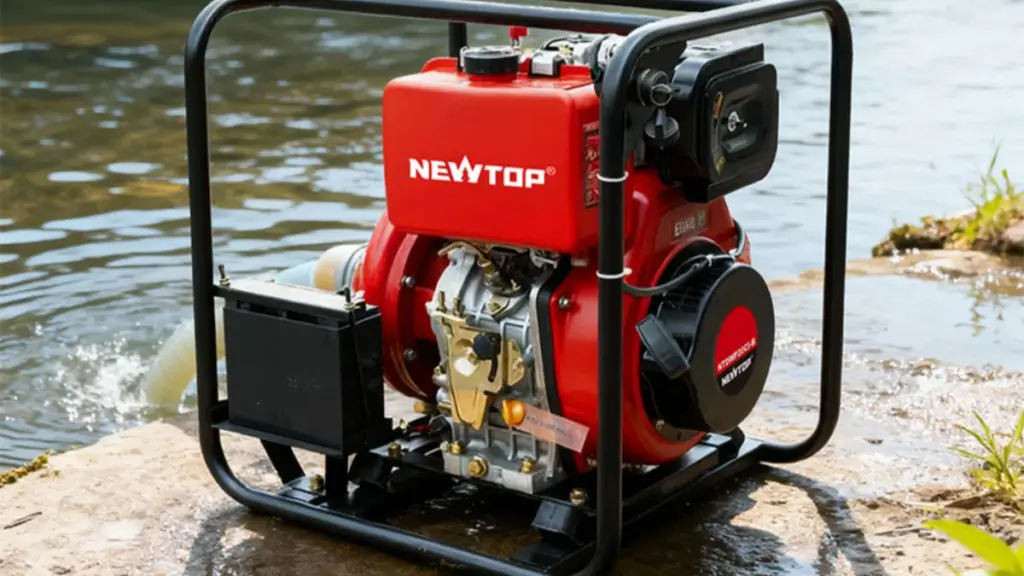
مواصفات المضخة مثل معدل التدفق, الرأس الإجمالي, وتحدد تقييمات الطاقة الأداء الميداني الفعلي. إن فهم هذه المقاييس يمنع التحميل الزائد ويضمن لك اختيار المعدات المناسبة للمهمة.
معدل التدفق
يشير معدل التدفق إلى كمية المياه التي يمكن للمضخة تحريكها في وقت معين, يتم التعبير عنها عادة باللتر في الدقيقة (لتر/دقيقة) أو متر مكعب في الساعة (م³/ساعة). معدلات التدفق الأعلى تعني نقل المياه بشكل أسرع, وهو أمر بالغ الأهمية للمناطق الكبيرة أو المهام العاجلة. يضمن اختيار المضخة بمعدل التدفق المناسب الكفاءة دون إهدار الطاقة.
ارتفاع الرفع ورفع الشفط
ارتفاع الرفع, ويسمى أيضًا رأس التفريغ, هي أقصى مسافة عمودية يمكن للمضخة دفع الماء بها. رفع الشفط هو المسافة الرأسية التي يمكن من خلالها سحب المياه من المصدر. معاً, فهي تحدد ما إذا كانت المضخة قادرة على التعامل مع مصدر المياه ونقاط التسليم.
نوع المضخة
تؤثر أنواع المضخات المختلفة على سهولة الاستخدام. على سبيل المثال, يمكن أن تبدأ المضخات ذاتية التحضير في الضخ دون تعبئة المياه يدويًا, بينما قد تتطلب المضخات القياسية تحضيرًا. يساعد فهم نوع المضخة على تجنب الصعوبات التشغيلية.
المواد من مكونات المضخة
تُصنع الدفاعات وأجسام المضخات من مواد مثل الحديد الزهر أو الألومنيوم. تؤثر هذه الاختيارات على المتانة, مقاومة التآكل, وملاءمتها لظروف المياه المختلفة, مثل المياه النظيفة, المياه الموحلة, أو الماء مع الحطام.
تقييمات الطاقة
يتم تشغيل مضخات المياه بواسطة محركات أو محركات كهربائية. تقييمات القوة, نظرا في حصانا (HP) أو واتس (دبليو), تشير إلى قدرة المضخة على التعامل مع متطلبات التدفق والرفع. يمكن للمحركات أو المحركات الأقوى التعامل مع التدفق الأعلى والرفع الأطول, ولكنها قد تستهلك أيضًا المزيد من الوقود أو الكهرباء.
تفاصيل المحرك أو المحرك
لمضخات المياه التي تعمل بمحرك, المواصفات مثل نوع المحرك, سكتة دماغية, النزوح, ويشير عزم الدوران إلى الموثوقية والأداء. لمضخات المياه الكهربائية, إن الجهد وكفاءة المحرك مهمان للتشغيل على المدى الطويل.
استهلاك الوقود أو الطاقة
يؤثر استهلاك الوقود أو الطاقة على تكاليف التشغيل ووقت التشغيل. تساعدك معرفة استخدام الطاقة في المضخة على التخطيط لجلسات عمل أطول دون انقطاع.
نوع البداية والصيانة
بعض مضخات المياه ابدأ يدويًا, البعض الآخر مع مشغلات كهربائية. سعة الزيت, فترات الصيانة الموصى بها, ويعد توفر قطع الغيار من الاعتبارات العملية للحفاظ على تشغيل المضخة بسلاسة.
إذا كنت تريد نظرة عامة أوسع على مضخات المياه المحمولة وكيفية تطبيقها في مواقف العالم الحقيقي, تحقق لدينا دليل عملي لمضخات المياه المحمولة لمزيد من الأفكار.
معدل تدفق مضخة المياه المحمولة وسبب أهميتها
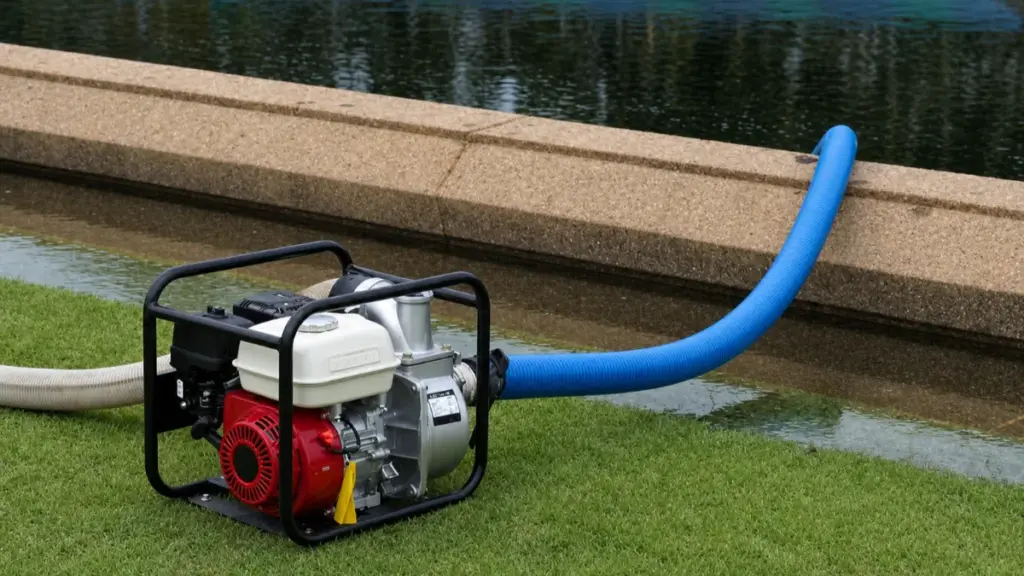
يحدد معدل التدفق مدى سرعة تحريك الماء, ولكن يجب عليك إعطاء الأولوية للتدفق المقدر على السعة القصوى لمراعاة خسائر الاحتكاك والارتفاع في العالم الحقيقي.
| معدل التدفق (جي بي إم) | التطبيقات المشتركة |
|---|---|
| 10-50 | ري الحدائق, برك صغيرة |
| 50-200 | البناء على نطاق متوسط, مزارع |
| 200+ | المشاريع الصناعية أو البلدية واسعة النطاق |
مقاييس معدل التدفق والعوامل المحددة
يمكنك قياس معدل التدفق عن طريق حساب حجم المياه المنقولة خلال فترة محددة, يتم التعبير عنها عادةً بالجالون في الدقيقة (جي بي إم) أو متر مكعب في الساعة (م³/ساعة). يتطلب الحصول على المضخة المناسبة النظر إلى أرقام خط الأساس الموجودة في ورقة المواصفات وفهم المتغيرات التي تقيد حركة المياه.
- تصنيف مقابل. الحد الأقصى للتدفق: تقييم التدفق المقنن بدلاً من التدفق الأقصى. تمثل السعة المقدرة المقاومة الواقعية مثل تسلق الارتفاعات واحتكاك الأنابيب, في حين يفترض الحد الأقصى للتدفق رأسًا صفرًا.
- إجمالي الرأس الديناميكي (TDH): احسب TDH لتوقع انخفاضات الإنتاج الناتجة عن الرفع الساكن وفقدان الاحتكاك ضمن أطوال أنابيب محددة.
- قيود قطر الأنابيب: قم بمطابقة أقطار الأنابيب مع حجم التدفق للحفاظ على سرعة المياه الآمنة. حافظ على السرعات أدناه 8 قدم/ثانية لمنع تآكل الأنابيب وتلف النظام الداخلي.
مطابقة معدلات التدفق لتطبيقات العالم الحقيقي
يعتمد الأداء الميداني بشكل كامل على مواءمة مخرجات المضخة مع متطلبات العمل المحددة. تتراوح التطبيقات بشكل كبير من الحجم المنخفض 20 وحدات مكافحة الحرائق GPM ذات قدرة عالية 1100 مضخات مياه نزح المياه الصناعية GPM. يؤدي تحديد الوحدة الخاطئة إلى حدوث مشكلات فورية في الموقع.
- دقة التحجيم: تدفق الحجم بشكل صحيح لمنع الفشل التشغيلي. مضخات المياه الصغيرة الحجم تجوع الطلب على النظام, في حين أن الوحدات كبيرة الحجم تهدر الوقود وتتعرض لخطر التجويف.
- سرعة مياه الصرف الصحي: الحفاظ على الحد الأدنى من متطلبات السرعة 2 ل 3 قدم/ثانية في تطبيقات مياه الصرف الصحي. تعمل هذه السرعة على تنظيف المواد الصلبة من الخطوط وتمنع تراكم الحطام داخل النظام.
- رسم المنحنى: رسم متطلبات GPM المستمرة والذروية مقابل منحنيات التدفق مقابل الرأس الخاصة بالشركة المصنعة لتحديد التكوين الدقيق للمضخة المحمولة لموقعك.
قم بزيادة الهوامش إلى أقصى حد باستخدام معدات الطاقة المتينة
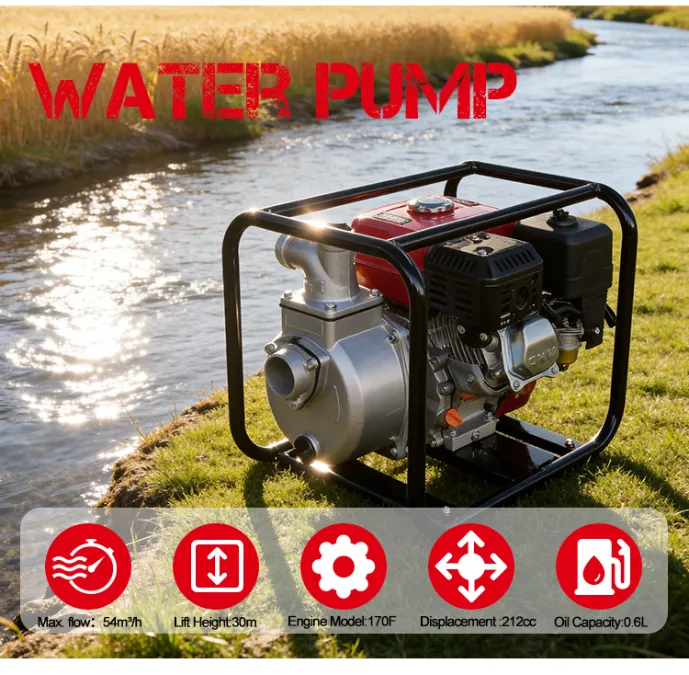
رأس مضخة المياه المحمولة, يرفع, وأساسيات الضغط
رأس, يرفع, والضغط يملي القدرة الحقيقية للمضخة. إن إتقان هذه المقاييس يضمن لك اختيار المعدات التي تتعامل مع المقاومة الواقعية دون توقف.
| شرط | تعريف |
|---|---|
| إجمالي الرأس | يمكن ضخ أقصى ارتفاع للمياه, بما في ذلك فقدان الاحتكاك |
| رفع ثابت | المسافة العمودية ترتفع المياه من المصدر إلى المضخة |
| ضغط (رطل لكل بوصة مربعة) | ضغط الماء المتولد عند مخرج المضخة |
تعاريف الرأس, يرفع, والضغط
يتطلب فهم مواصفات المضخة المحمولة فصل الرأس, يرفع, والضغط. تبدو هذه المصطلحات قابلة للتبديل ولكنها تقيس القوى الميكانيكية المميزة في إعداد نقل السوائل.
- رأس: الارتفاع العمودي للمضخة المحمولة يرفع السائل ضد الجاذبية. يعمل هذا بشكل مستقل عن كثافة السائل ويمثل الرأس الديناميكي الإجمالي (TDH) من النظام.
- يرفع: قياس الشفط العمودي من سطح الماء حتى مدخل المضخة. وتضع قيود الضغط الجوي حدًا عمليًا قدره 25 قدم على مستوى سطح البحر.
- ضغط: القوة المقدمة لكل وحدة مساحة, تقاس في رطل لكل بوصة مربعة. استخدم معدل التحويل القياسي حيث 1 PSI يعادل تقريبا 2.31 قدم من رأس الماء.
حساب إجمالي عوامل الرأس والأداء
لا يمكنك تحديد حجم المضخة بناءً على الحد الأقصى للإنتاج النظري فقط. الظروف الميدانية تقدم المقاومة الميكانيكية, مما يعني أنه يجب عليك تقييم تخطيط نظامك لتحديد قدرات الأداء الفعلية.
- إجمالي الرأس الديناميكي (TDH): احسب هذا الهدف من خلال الجمع بين رفع الشفط الثابت, رأس التفريغ الساكن, خسائر الاحتكاك الأنابيب, ورأس السرعة.
- خسائر الاحتكاك: طول الخرطوم, أقطار الأنابيب الضيقة, الانحناءات الحادة, والصمامات تخلق المقاومة. تعمل خيارات التخطيط المحددة هذه على تقليل سعة رأسك الفعالة بشكل مباشر.
- منحنيات المضخة: قراءة مخططات الأداء عن طريق رسم معدل التدفق (جي بي إم) ضد الرأس أو الضغط. ندرك أن مضخات المياه تحقق الحد الأقصى من التدفق عند مستوى الصفر وتصل إلى الحد الأقصى للرأس عند مستوى الصفر.
- المتغيرات البيئية: الارتفاع العالي يخفف الهواء ويقلل من الحد الأقصى لرفع الشفط بمقدار تقريبًا 2.5% لكل 1,000 قدم فوق مستوى سطح البحر.
تقييمات قوة مضخة المياه المحمولة بالحصان والواط
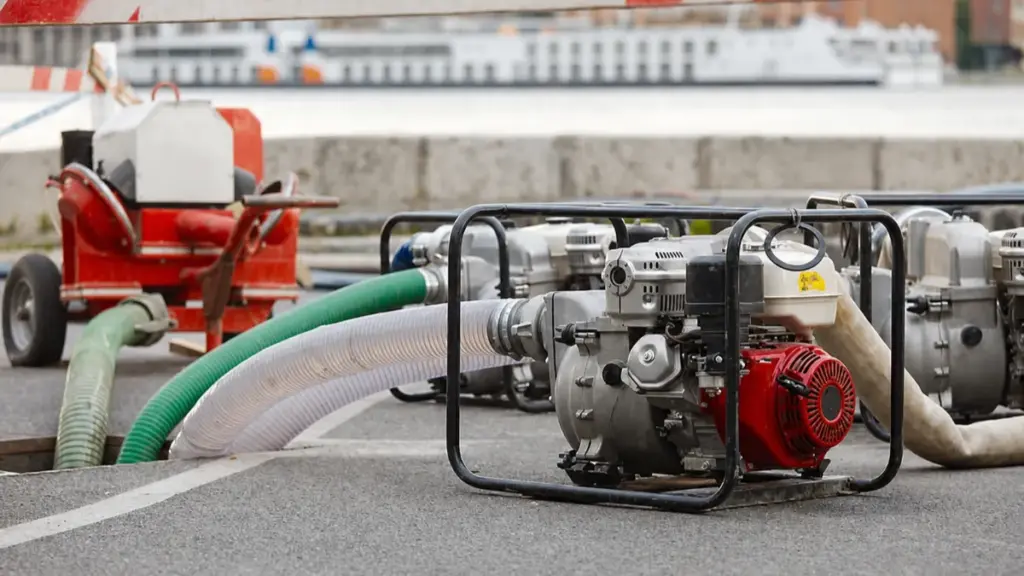
تتجاوز القوة الكهربائية للمضخة المحمولة في العالم الحقيقي القوة النظرية بشكل كبير 746 واط لكل حصان. عدم الكفاءة الحركية, طفرات بدء التشغيل, والأحمال الميكانيكية الثقيلة تتطلب الحد الأدنى 20% عازلة الطاقة لتشغيل مستقر.
| نوع المضخة | قوة (HP / دبليو) | التطبيقات المناسبة |
|---|---|---|
| صغيرة محمولة | 1-3 حصان / 750-2200 واط | حديقة, بركة صغيرة, الري الخفيف |
| واسطة | 4-7 حصان / 3-5 كيلوواط | بناء, الري الزراعي المتوسط |
| صناعية كبيرة | 8+ HP / 6+ كيلوواط | التعدين, نقل المياه البلدية, نزح المياه |
تحويل القدرة الحصانية إلى تشغيل وبدء تشغيل واط
دعونا نحلل الرياضيات وراء تقييمات طاقة مضخة المياه المحمولة. على الورق, نظري 1 HP يعادل 746 واتس. في الميدان, رسم المضخات المحمولة في العالم الحقيقي 20% ل 50% المزيد من القوة. إن عدم كفاءة المحركات وتقييمات عامل الطاقة هي التي تدفع هذا الطلب الزائد.
نحن نفصل هذه القوة إلى فئتين متميزتين: تشغيل واط للتشغيل المستمر وبدء تشغيل واط للتعامل مع زيادة المحرك الأولية. تتطلب هذه الركلة الأولية عادةً ضعفين إلى ثلاثة أضعاف القوة الكهربائية الجارية. وإليك كيفية ترجمة ذلك إلى متطلبات الطاقة في العالم الحقيقي:
- معيار 0.5 مضخة اتش بي: يستهلك بين 670 و 1,050 تشغيل واط ولكن يتطلب ما يصل إلى 4,000 بدء واط لإشراك المحرك.
- إعدادات الطاقة الشمسية خارج الشبكة (2026): تتطلب النماذج الحديثة المتوافقة مع الطاقة الشمسية مصفوفات لوحة بحجم 1.5 أضعاف واط التشغيل للحفاظ على أداء ثابت من خلال الغطاء السحابي البسيط.
المتغيرات المؤثرة على سحب قوة المضخة المحمولة
لا يمكنك النظر إلى تقييمات القوة في فراغ. تحدد البيئة المادية وإعداد النظام بشكل مباشر كمية الكهرباء التي تحتاجها المضخة فعليًا لنقل المياه.
تواجه مضخات المياه الغاطسة التي تسحب المياه من الآبار العميقة أحمالًا ميكانيكية أثقل. إنها تتطلب بطبيعتها قوة كهربائية أكبر من مضخات المياه النفاثة السطحية التي تنقل المياه من المصادر الضحلة. يغير حجم الماء ومسافة الرفع العمودي متطلبات الطاقة الفعلية أثناء الطيران, مما يعني أنه يجب عليك حساب قوة الفرامل الدقيقة بناءً على احتياجاتك المحددة من الضغط والتدفق.
تحدد المواصفات الكهربائية ومصادر الطاقة أيضًا استقرار النظام. انتبه إلى هذه المتغيرات الهيكلية:
- تأثير الجهد: تعمل المضخة المحمولة بجهد 120 فولت على سحب قوة مضاعفة من وحدة 230 فولت لتحقيق نفس خرج القوة الكهربائية بالضبط.
- تحجيم المولدات: يجب أن تتطابق محطات الطاقة والمولدات المحمولة مع واط بدء تشغيل المضخة بالإضافة إلى أ 20% المخزن المؤقت لمنع تعثر القواطع أو توقف المعدات.
كيفية قراءة بيانات أداء مضخة المياه المحمولة
تضمن قراءة منحنى الأداء مطابقة متطلبات التدفق والضغط دون التحميل الزائد على المحرك. فهو يرسم البيانات المختبرة الفعلية لتأمين نقطة العمل المحددة.
| معلمة المنحنى | النطاق المحمول النموذجي | وحدات القياس |
|---|---|---|
| معدل التدفق | 10-200 | جي بي إم, LPM, أو متر مكعب / ساعة |
| ضغط التفريغ (رأس) | حتى 150 قدم | قدم, رطل لكل بوصة مربعة (ما يصل الى 65 رطل لكل بوصة مربعة) |
| رسم القوة | 1-5 | HP, كيلوواط, أو أمبير |
| NPSHr (حاجة الشفط) | 5-20 | قدم |
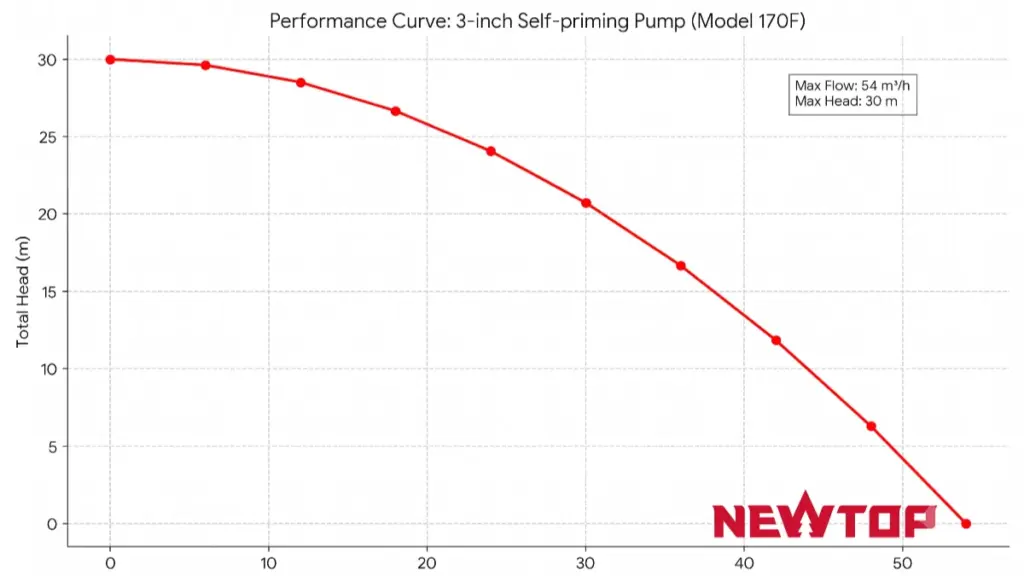
عادةً ما توفر الشركات المصنعة للمضخات منحنى الأداء, مما يدل على العلاقة بين معدل التدفق والرأس. قراءة هذه البيانات بشكل صحيح تضمن اختيار المضخة المناسبة.
نصائح لتفسير منحنيات الأداء:
- ال المحور السيني يمثل عادة معدل التدفق (GPM أو لتر/دقيقة).
- ال المحور ص يمثل إجمالي الرأس (متر أو قدم).
- يُظهر المنحنى نفسه أقصى تدفق يمكن تحقيقه عند رؤوس مختلفة.
المواصفات الهامة الأخرى للتحقق:
- الحد الأقصى للتدفق مقابل التدفق المقدر: التدفق المقدر هو نقطة التشغيل الموصى بها للمضخة من أجل طول العمر والكفاءة, بينما يمثل التدفق الأقصى قدرة الذروة.
- حدود التشغيل: درجة حرارة, نوعية المياه, وتوصيات التشغيل المستمر.
ما الذي يجب على المشترين في مجال B2B طلبه من الشركات المصنعة
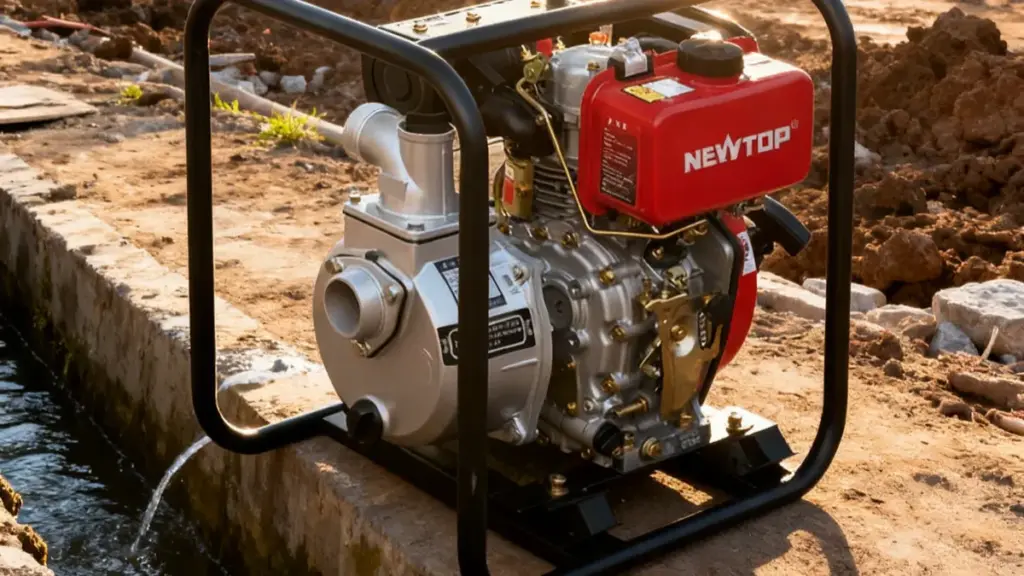
يتطلب الحصول على مضخات المياه المحمولة توافقًا صارمًا مع البائع. التركيز على بيانات الأداء التي يمكن التحقق منها, درجات مواد محددة, والتكلفة الإجمالية الدقيقة لتفاصيل الملكية لتأمين وحدات موثوقة.
المواصفات الفنية ومتطلبات المواد
عند تقييم موردي مضخات المياه, تفشل مطالبات القدرات الغامضة في هذا المجال. أنت بحاجة إلى حدود تشغيلية دقيقة مطابقة لتطبيقك.
- منحنيات الأداء: اطلب معدل تدفق دقيقًا ورسومًا بيانية لضغط الرأس لنطاقات التشغيل مثل 50-500 جي بي إم و 50-150 أقدام الرأس.
- توافق السوائل: حدد بالضبط ما تتعامل معه المضخة. حدد القيود مثل المرور إلى 10% المواد الصلبة لعمليات نزح المياه أو التشغيل ضمن معايير درجة حرارة ضيقة.
- ميزات التنقل: اطلب تفاصيل واضحة حول إمكانية النقل. تأكد من بقاء الأوزان الجافة تحتها 50 كجم للنقل اليدوي والتحقق من أن الوحدات تتضمن منافذ توصيل سريعة.
- مواد البناء: حدد الاحتياجات المادية الدقيقة بناءً على البيئة. يختار 316 الفولاذ المقاوم للصدأ للمقاومة الكيميائية أو الحديد الزهر القياسي لنقل المياه النظيفة الأساسية.
ضمان الجودة, اختبار, والشروط التجارية
ورقة المواصفات الموثوقة لا تعني شيئًا بدون إثبات الأداء والدعم طويل المدى. تأمين الشروط التجارية والاختبارية قبل التوقيع على أي اتفاقية شراء.
- اختبار قبول المصنع (سمين): تفويض FAT للتحقق من التدفق الفعلي, ضغط, وسرعات التحضير التلقائي تحت 60 ثواني قبل الشحن.
- مقاييس الموثوقية: تتطلب بيانات عمر موثقة, بما في ذلك متوسط الوقت بين حالات الفشل (MTBF) يتجاوز 5,000 ساعات وISO ذات الصلة, م, أو شهادات UL.
- التوثيق الهندسي: اطلب الملفات الفنية كاملة, مثل رسومات CAD التفصيلية, أدلة التثبيت الخاصة بالتطبيقات, وجداول الصيانة لمدة 90 يومًا.
- التكلفة الإجمالية للملكية (التكلفة الإجمالية للملكية): قم بتأمين تفاصيل التكلفة الإجمالية للملكية التي تحدد تسعير الوحدة, الشحن, توفر قطع الغيار, وتكاليف التشغيل طويلة الأجل على مدى 5 سنوات.
لماذا تعمل مع مورد يفهم السوق الخاص بك?
يقوم أحد الموردين ذوي الخبرة في السوق بمواءمة مواصفات المضخة مع المتطلبات البيئية والتنظيمية المحلية, ضمان النشر السريع وخفض إجمالي تكاليف المشروع بنسبة تصل إلى 25%.
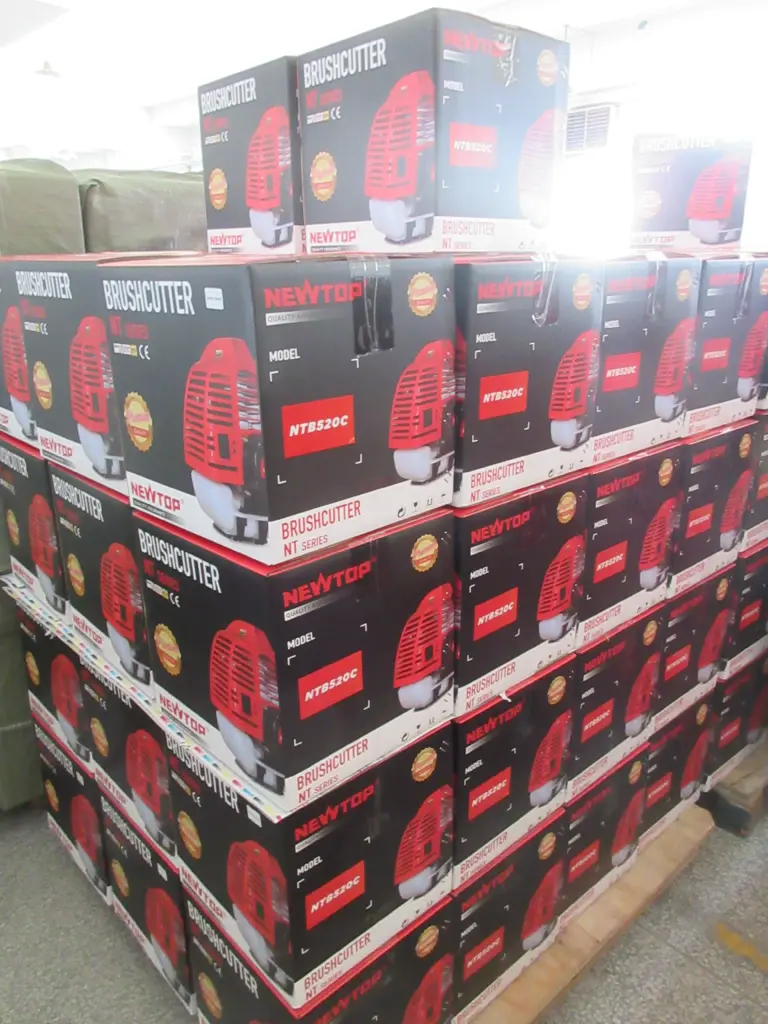
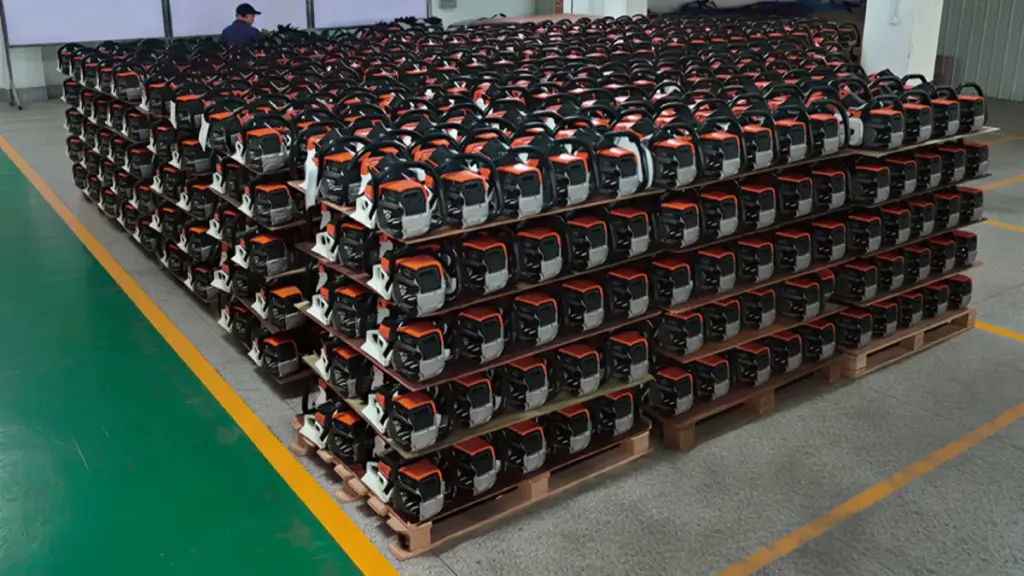
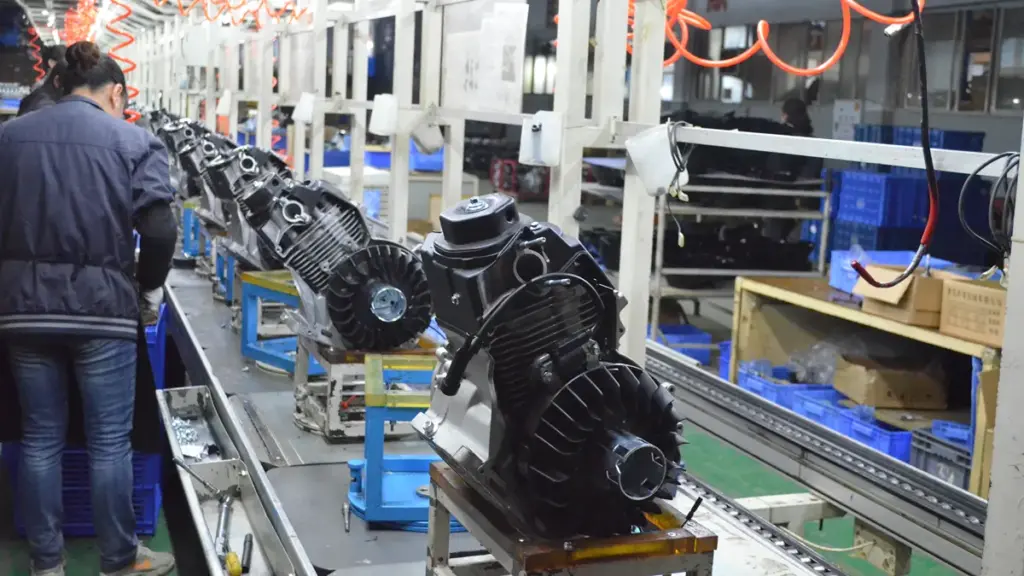
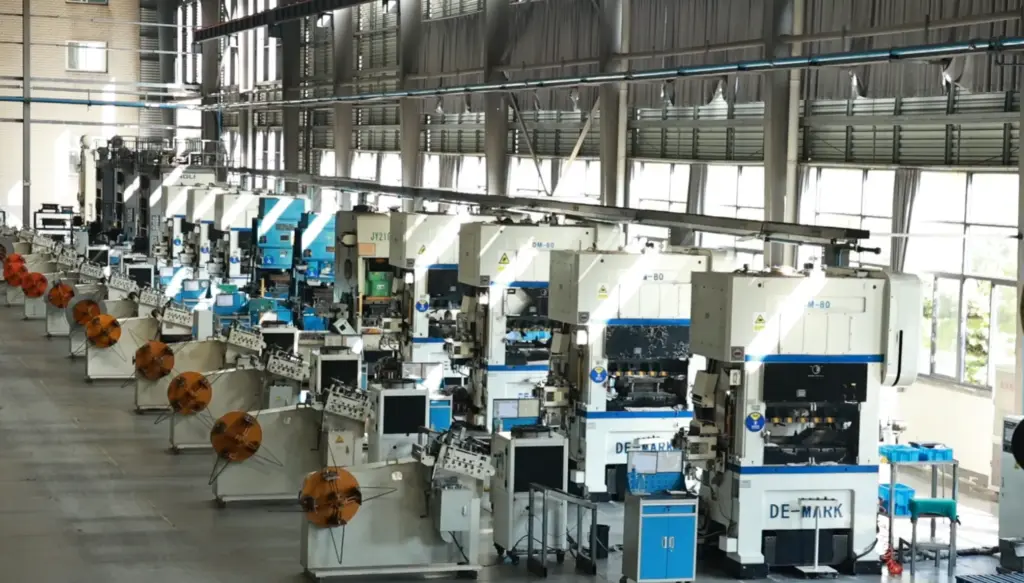
إن اختيار مورد مضخة المياه الذي يفهم السياق التشغيلي الخاص بك يمكن أن يوفر الوقت, خفض التكاليف, والتأكد من أن أجهزتك تعمل بشكل موثوق. نيوتوب, الشركة الرائدة في مجال معدات ضخ الطاقة والمياه في الهواء الطلق, يجمع بين الإنتاج واسع النطاق والمعرفة العميقة بالسوق, توفير حلول مخصصة للعملاء في جميع أنحاء العالم.
تتضمن فوائد العمل مع مورد ذي خبرة مثل NEWTOP ما يلي::
- توصيات مخصصة: يمكن لـ NEWTOP اقتراح نموذج المضخة المناسب بناءً على مقياس مشروعك, مصدر المياه, وظروف الموقع, ضمان الأداء الأمثل.
- الدعم والخدمة: يقدم فريقهم إرشادات حول التثبيت, استكشاف الأخطاء وإصلاحها, صيانة, وقطع الغيار, مساعدتك في الحفاظ على سير العمليات بسلاسة.
- مصداقية: من خلال الاستفادة من خبرة NEWTOP في الأسواق العالمية, أنت تقلل من خطر تلقي معدات ضعيفة الأداء أو غير مناسبة.
فضلاً عن ذلك, فهم NEWTOP لكل من المحلية و اللوائح الدولية يساعد العملاء على التنقل بين متطلبات الاستيراد/التصدير, ضمان سلاسة الخدمات اللوجستية والامتثال. الشراكة مع مورد OPE الذي يجمع بين الخبرة الفنية, رؤية السوق, والدعم القوي يمكن أن يحدث فرقًا كبيرًا في كفاءة المشروع ونجاحه على المدى الطويل.
الأفكار النهائية
الاعتماد على الرخيص, مضخات المياه العامة ذات المواصفات المضخمة تضمن فشل الحقل وتدمر هامش الربح الخاص بك. إن تأمين الوحدات المدعومة بمنحنيات أداء تم التحقق منها وتقييمات دقيقة للطاقة هو الطريقة الوحيدة لحماية عملياتك ضد احتراق المحرك الكارثي. إن مطابقة نقطة التشغيل الدقيقة لمقاومة الموقع في العالم الحقيقي تضمن أن توفر أجهزتك حجمًا ثابتًا دون توقف.
نوصي بطلب وحدة نموذجية وكتالوجنا الفني التفصيلي لاختبار مقاييس الأداء هذه على موقعك. اتصل بفريقنا الهندسي لتحديد التكوينات الدقيقة للمضخات المحمولة التي يتطلبها السوق المحلي لديك.
الأسئلة المتداولة
ماذا تعني مواصفات مضخة المياه المحمولة?
توفر المواصفات معلومات حول قدرة المضخة, كفاءة, وملاءمتها لمهام محددة. المواصفات الرئيسية تشمل معدل التدفق, رأس, قوة, والحدود التشغيلية.
ما هو معدل التدفق في مضخة المياه?
معدل التدفق هو حجم الماء الذي يمكن للمضخة تحريكه لكل وحدة زمنية, يتم التعبير عنها عادة باللتر في الدقيقة (لتر/دقيقة) أو جالون في الدقيقة (جي بي إم).
ما هو الرأس الكلي في مضخة الماء?
إجمالي الرأس هو أقصى ارتفاع عمودي يمكن رفعه للمياه, بما في ذلك الشفط, تسريح, وفقدان الاحتكاك في النظام.
كيف أقرأ منحنى أداء مضخة المياه?
منحنى الأداء يرسم معدل التدفق مقابل الرأس. من خلال مطابقة متطلبات التدفق والارتفاع المطلوبة مع المنحنى, يمكنك تحديد أفضل نقطة تشغيل للمضخة.
ما هو الفرق بين التدفق المقنن والحد الأقصى للتدفق?
يحدد التدفق المقدر حجم الماء الذي تتحرك فيه المضخة بشكل مستدام, ظروف العالم الحقيقي في ذروة الكفاءة. يشير الحد الأقصى للتدفق إلى أعلى حجم مطلق تحققه المضخة عند مستوى الصفر - مما يعني عدم وجود رفع أو عدم وجود أنابيب متصلة. يجب أن تعتمد اختيارك بالكامل على التدفق المقدر للتأكد من أن المضخة تلبي متطلباتك التشغيلية اليومية دون التحميل الزائد.
كيف أعرف حجم مضخة المياه المحمولة التي أحتاجها?
تحديد معدل التدفق المطلوب, الرأس الإجمالي, وبيئة التشغيل. قارن هذه المتطلبات مع أوراق بيانات الشركة المصنعة ومنحنيات الأداء لتحديد المضخة التي تلبي احتياجاتك التشغيلية أو تتجاوزها قليلاً.