


- Todos
- Histórias de clientes NEWTOP
- Hub do Explorador NEWTOP
- NEWTOP Insights da indústria
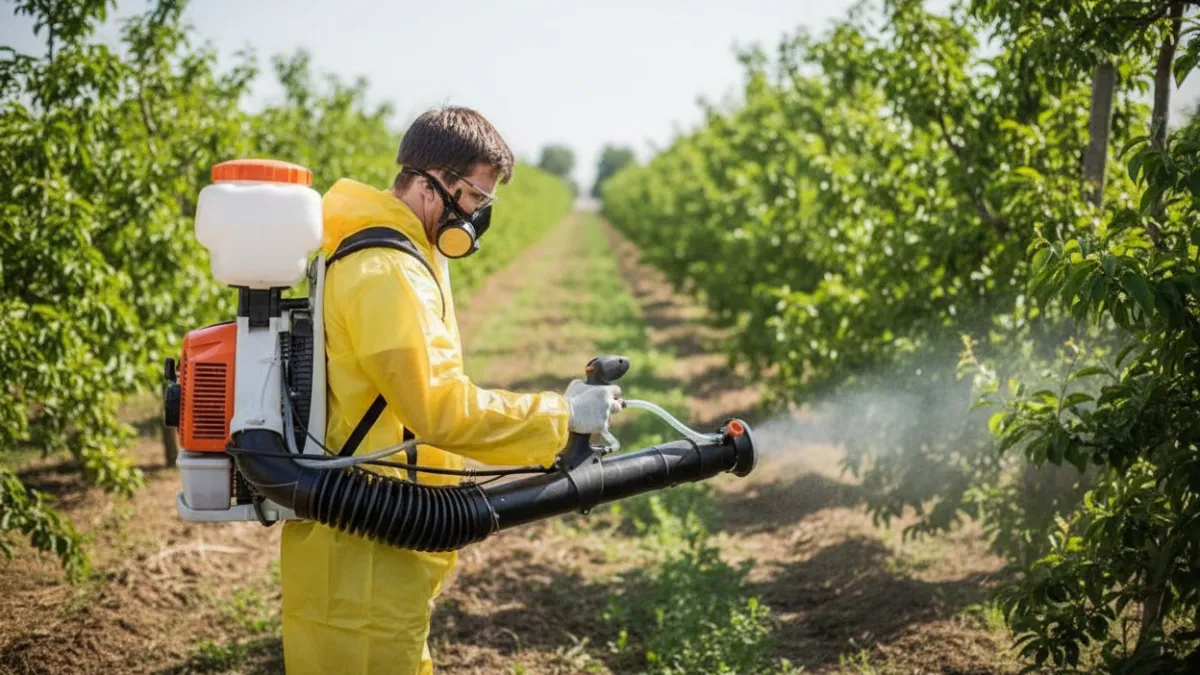
Escolher o fabricante certo de pulverizador costal pode fazer ou quebrar seu programa de pulverização. Se você gerencia pomares, culturas em linha, estufas, ou projetos de saúde pública, você precisa de equipamento confiável que ofereça cobertura consistente, resiste a produtos químicos agressivos, e é confortável para os operadores usarem dia após dia.
Neste guia, selecionamos dez fabricantes líderes de pulverizadores costais em toda a Europa, as Américas, África, e Ásia, para que você possa comparar rapidamente suas localizações, gamas de produtos, e MOQs e então decidir qual parceiro melhor atende aos seus requisitos técnicos e posicionamento de mercado.
Visão geral rápida do 10 Fabricantes de pulverizadores de mochila
| Fabricante | Região | Quantidade mínima | Principais Produtos |
|---|---|---|---|
| NOVOTOP | Xangai, China | 50–100 unidades para pedidos regulares de OEM (flexível para novos projetos) | Pulverizadores costais manuais, pulverizadores de mochila a gasolina, espanadores de névoa, pulverizadores elétricos, pulverizadores de mochila a bateria |
| Birchmeier | Suíça | Pedidos normalmente grandes, varia de acordo com a região | Pulverizadores costais manuais e a bateria, pulverizadores de compressão, espumantes, equipamento de dosagem |
| Solo | Alemanha | Pedidos normalmente grandes, varia de acordo com a região | Pulverizadores costais manuais e motorizados, Senhor, pulverizadores manuais, motores pequenos |
| Jacto | Brasil (com operações regionais na América do Norte e África) | Pedidos normalmente grandes, varia de acordo com a região | Pulverizadores costais manuais, pulverizadores costais, pulverizadores montados em trator, pulverizadores autopropelidos |
| AMS – Manufatura Agrícola & Pulverizadores | México | Pedidos normalmente grandes, varia de acordo com a região | Pulverizadores agrícolas, pulverizadores de mochila, sistemas de fumigação e pulverização |
| Equipamento agrícola LA Hardman | Zâmbia | Pedidos normalmente grandes, varia de acordo com a região | Pulverizadores de mochila/mochila, ferramentas agrícolas, implementos agrícolas |
| Cidade | Alemanha | Pedidos normalmente grandes, varia de acordo com a região | Pulverizadores de mochila, pulverizadores de compressão, pulverizadores industriais para construção e limpeza |
| ECHO América Latina | Operações regionais na América Latina (Sede no Japão/EUA) | Pedidos normalmente grandes, varia de acordo com a região | Pulverizadores costais manuais, pulverizadores manuais, equipamento de energia ao ar livre |
| O Grupo Nascente | Estados Unidos | Pedidos normalmente grandes, varia de acordo com a região | Pulverizadores de mochila, pulverizadores de bomba, nebulizadores, pulverizadores especiais |
| Chapin Internacional | Estados Unidos | Pedidos normalmente grandes, varia de acordo com a região | Pulverizadores de mochila, pulverizadores manuais, espalhadores, pulverizadores industriais e de derretimento de gelo |
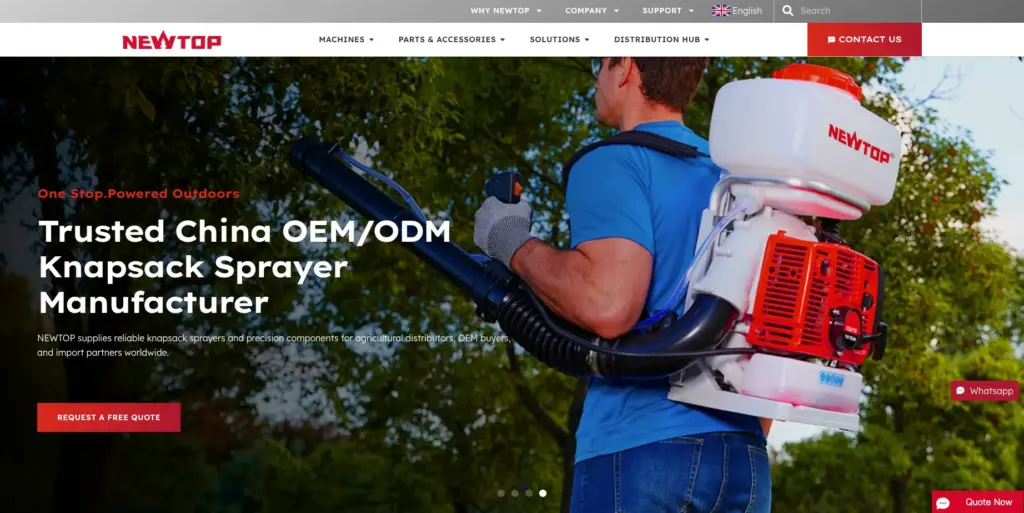
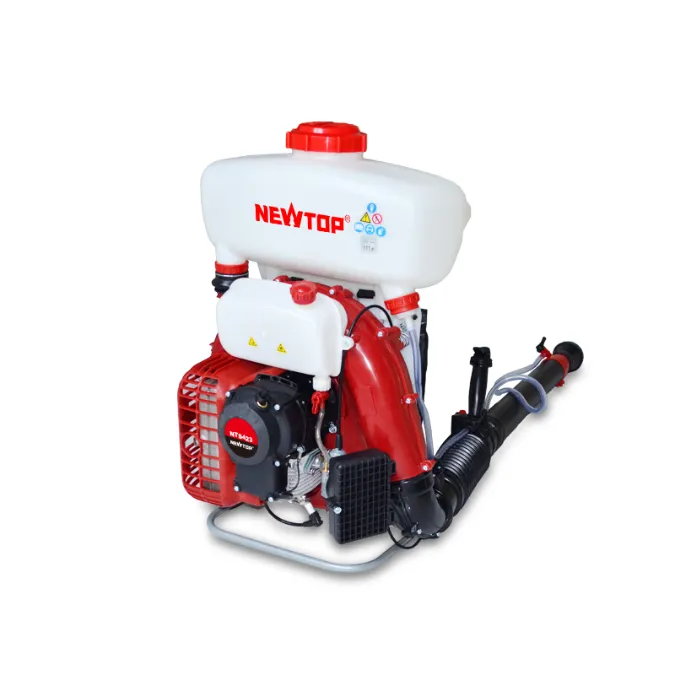
NOVOTOP
Recomendação: ☆☆☆☆☆
Localização: Xangai, China
Principais Produtos: Pulverizadores costais manuais, pulverizadores de mochila a gasolina, espanadores de névoa, etc..
Quantidade mínima: 50–100 unidades para pedidos regulares de OEM (pode ser flexível para novos projetos)
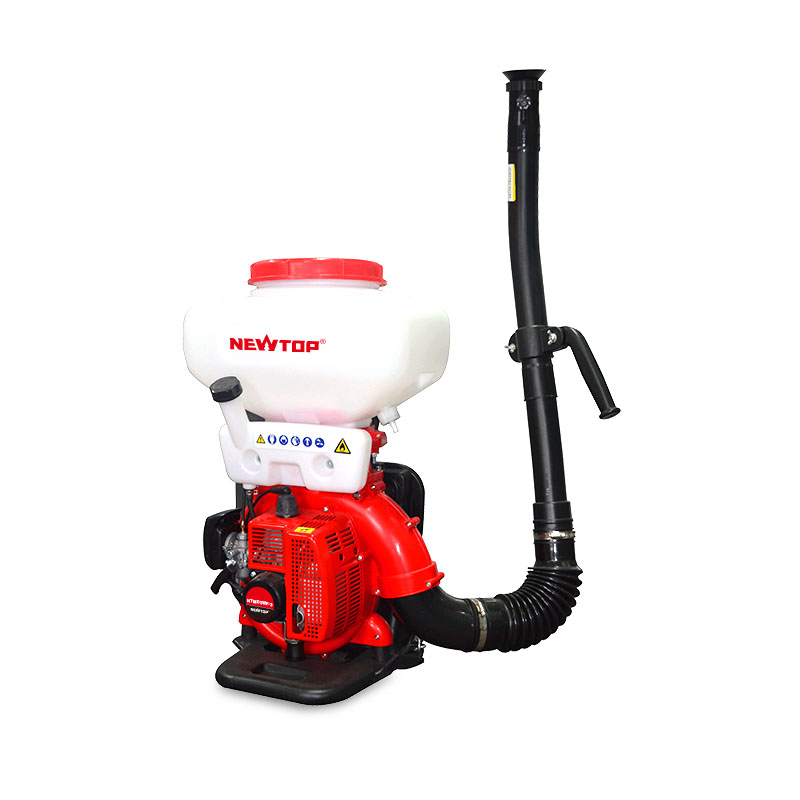
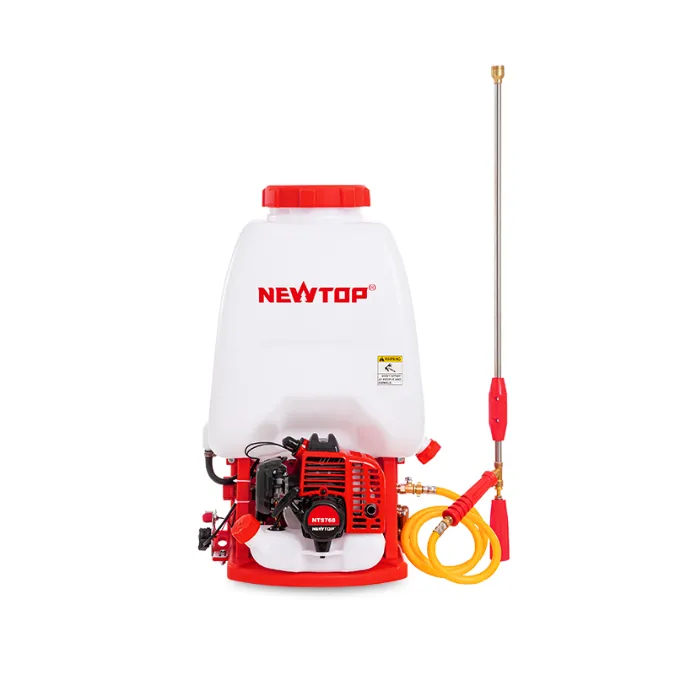
Fundado em 2003, NEWTOP é um fabricante especializado em equipamentos elétricos para ambientes externos com forte foco em pulverizadores de mochila e sopradores de névoa agrícolas. Com R interno&D, moldagem, usinagem, capacidades de montagem e teste, NEWTOP oferece suporte completo à personalização de OEM e de marcas próprias para distribuidores globais em mercados como a América do Sul, África e Sudeste Asiático.
Pulverizadores costais da NEWTOP, incluindo modelos movidos a gasolina como NTS3WF-3, Séries NTS423 e NTS768, são projetados para lproteção de culturas em grandes áreas, controle de mosquitos e pulverização sanitária. A fábrica é certificado de acordo com padrões internacionais e oferece quantidades de pedidos flexíveis, marca personalizada, personalização de cores e combinações de acessórios, tornando-se um parceiro único para importadores, atacadistas e revendedores de equipamentos que precisam de suporte confiável de fabricação e marketing.
| O que amamos | Coisas a considerar |
|---|---|
| Forte personalização de OEM e marca própria com design flexível, opções de cores e marcas. | A base de produção na China significa que os compradores precisam planejar o frete marítimo e os prazos de entrega. |
| Amplo portfólio abrangendo pulverizadores costais a gasolina e bateria para diversas aplicações. | Projetos de personalização geralmente exigem MOQs mais elevados e coordenação mais detalhada. |
| Experiência de exportação para mercados emergentes, familiarizado com as necessidades agrícolas e de controle de pragas. | Os requisitos de certificação e documentação variam de acordo com o mercado de destino e devem ser esclarecidos com antecedência. |
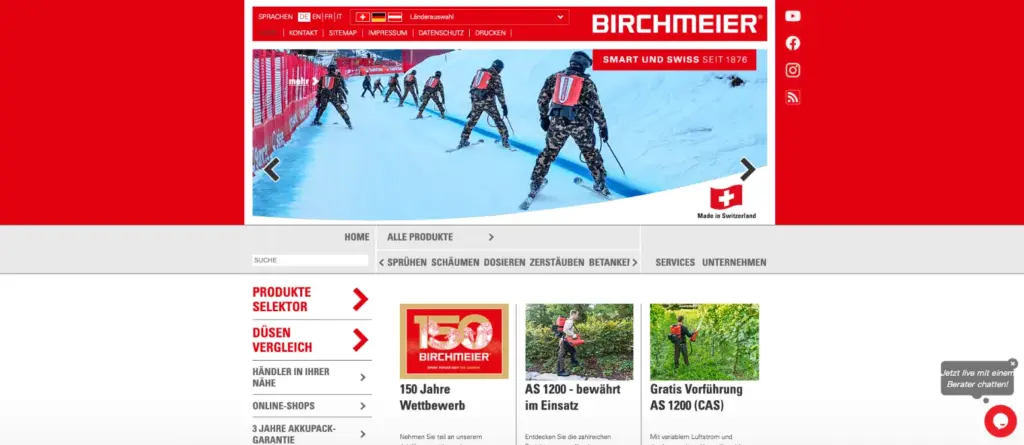
Birchmeier
Recomendação: ☆☆☆☆☆
Localização: Suíça
Principais Produtos: Pulverizadores costais manuais e a bateria, pulverizadores de compressão, espumantes, equipamento de dosagem
Quantidade mínima: Quantidades normalmente baseadas em paletes para pedidos profissionais/B2B (varia de acordo com modelo e região)
Birchmeier é um fabricante suíço de equipamentos de pulverização com mais de 140 anos de história, reconhecido mundialmente pela precisão e durabilidade. A empresa projeta e fabrica seus pulverizadores na Suíça, combinando metalurgia, plásticos e montagem interna para manter um controle de qualidade rigoroso para usuários profissionais.
Seus pulverizadores costais são amplamente utilizados na agricultura, horticultura, controle de pragas e construção, onde a longa vida útil e a capacidade de manutenção são críticas. Suportes Birchmeier distribuidores e revendedores profissionais com disponibilidade de peças de reposição, treinamento técnico e amplo portfólio de produtos, tornando-o uma escolha confiável para importadores e empresas de serviços que visam mercados de alta qualidade.
Solo

Recomendação: ☆☆☆☆
Localização: Alemanha
Principais Produtos: Pulverizadores costais manuais e motorizados, Senhor, pulverizadores manuais, motores pequenos
Quantidade mínima: Quantidades de caixas ou paletes através de parceiros regionais
SOLO é especializada em equipamentos de proteção e cuidado de plantas, com sede e produção principal na Alemanha. Isso é pulverizadores de mochila são construídos em torno de tanques robustos, sistemas de arnês ergonômicos e componentes de bombeamento confiáveis, tornando-os adequados para uso intensivo na agricultura e paisagismo.
A empresa tem uma presença de longa data nos mercados globais, oferecendo uma hierarquia clara de produtos, desde pulverizadores manuais básicos até unidades motorizadas avançadas. Esta estrutura torna a seleção de modelos simples para diferentes níveis de aplicação, de pequenas fazendas a empreiteiros profissionais, e apoia expectativas de qualidade consistentes em todas as regiões.
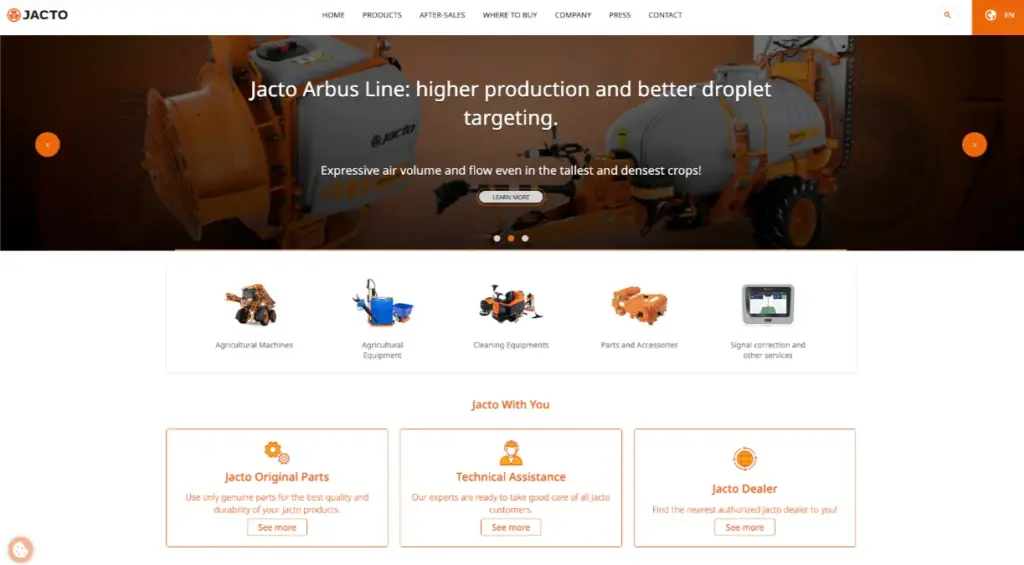
Jacto
Recomendação: ☆☆☆☆☆
Localização: Brasil (com operações regionais na América do Norte e África)
Principais Produtos: Pulverizadores costais manuais, pulverizadores costais, pulverizadores montados em trator, pulverizadores autopropelidos
Quantidade mínima: Quantidades em nível de contêiner ou baseadas em distribuidor para exportação
A Jacto é líder brasileira na fabricação de equipamentos de pulverização agrícola, provenientes do setor agrícola comercial do país. Sua linha de produtos abrange desde pulverizadores costais manuais compactos até pulverizadores de campo autopropelidos avançados., dando à empresa ampla experiência em tecnologia de proteção de cultivos.
Modelos de mochilas como as séries HD e XP são amplamente utilizados na fabricação de café, produção de frutas e culturas em linha na América do Sul, África e outras regiões. Os designs são otimizados para ambientes tropicais e subtropicais, enfatizando robustez, conforto e facilidade de manutenção. Esse foco agrícola faz da Jacto uma forte referência sempre que são necessárias soluções profissionais de pulverização agrícola.
AMS – Manufatura Agrícola & Pulverizadores

Recomendação: ☆☆☆☆
Localização: México
Principais Produtos: Pulverizadores agrícolas, pulverizadores de mochila, sistemas de fumigação e pulverização
Quantidade mínima: Negociável com base no escopo do projeto e na linha de produtos
AMS é uma empresa sediada no México dedicada à fabricação, importação e venda de equipamentos agrícolas de pulverização e fumigação. Seus sistemas geralmente incorporam componentes conhecidos, como bombas Comet e acessórios Geoline, combinando fabricação local com peças internacionais reconhecidas.
A empresa se concentra em práticas, soluções de pulverização prontas para o campo, adaptadas às culturas e práticas agrícolas regionais no México e nos países vizinhos. Para compradores que buscam um parceiro de fabricação e integração na América Latina, AMS oferece um equilíbrio entre suporte local, capacidade técnica e proximidade com mercados finais nas Américas.
Equipamento agrícola LA Hardman

Recomendação: ☆☆☆
Localização: Zâmbia
Principais Produtos: Pulverizadores de mochila/mochila, ferramentas agrícolas, implementos agrícolas
Quantidade mínima: Quantidades de caixas ou paletes, dependendo da demanda regional
LA Hardman Africa opera a partir de Lusaka como fornecedora de equipamentos agrícolas, incluindo pulverizadores costais projetados para condições agrícolas locais. Seu mix de produtos é voltado para pequenos e médios agricultores, onde simples, designs duráveis e preços acessíveis são essenciais.
Além dos pulverizadores, a empresa oferece diversas ferramentas agrícolas, permitindo soluções de equipamentos agrupados para projetos de desenvolvimento rural, cooperativas e revendedores de insumos agrícolas. Este enfoque local e regional torna LA Hardman relevante para programas que necessitam de presença no terreno e de uma compreensão da agricultura africana.
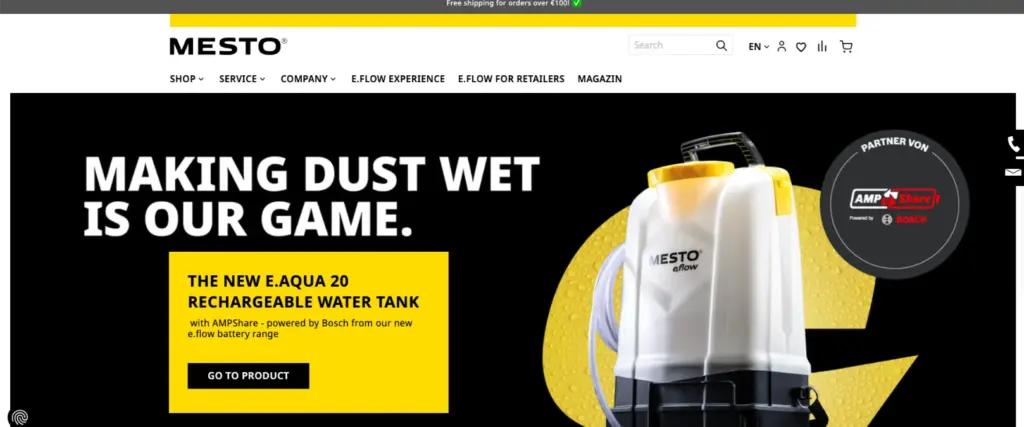
Cidade
Recomendação: ☆☆☆☆
Localização: Alemanha
Principais Produtos: Pulverizadores de mochila, pulverizadores de compressão, pulverizadores industriais para construção e limpeza
Quantidade mínima: Tamanhos padrão de pedidos B2B; pedidos de paletes ou produtos mistos
Mesto é um fabricante alemão de pulverizadores costais com mais de um século de experiência, produção de equipamentos para jardinagem, agricultura, construção e limpeza industrial. Suas instalações de produção integram moldagem por injeção, metalurgia e montagem final, o que ajuda a manter qualidade consistente e desempenho confiável em todas as linhas de produtos.
Os pulverizadores de mochila da Mesto são frequentemente especificados para manuseio de produtos químicos, limpeza de fachadas e trabalhos de manutenção profissional, juntamente com aplicações hortícolas mais tradicionais. A ênfase da marca na ergonomia, a resistência química e os recursos de segurança o tornam adequado para ambientes profissionais onde a conformidade e o conforto do operador são importantes.
ECHO América Latina
Recomendação: ☆☆☆☆
Localização: Operações regionais na América Latina (Sede global no Japão/EUA)
Principais Produtos: Pulverizadores costais manuais, pulverizadores manuais, equipamento de energia ao ar livre
Quantidade mínima: Pedidos em nível de distribuidor dentro de programas regionais
ECHO é um fabricante global de equipamentos elétricos para ambientes externos, e sua divisão latino-americana oferece pulverizadores costais e manuais como parte de um portfólio mais amplo de equipamentos profissionais. Os pulverizadores são projetados para complementar as motosserras, cortadores de escova e sopradores, dando aos revendedores uma oferta completa para paisagismo, agricultura e manutenção de terrenos.
O foco na América Latina garante que as especificações e o suporte dos produtos estejam alinhados com os climas regionais, colheitas e condições de trabalho. Os compradores que valorizam a consistência da marca em diversas categorias de equipamentos frequentemente escolhem a ECHO para padronizar suas ofertas e simplificar o treinamento e o serviço.
O Grupo Nascente
Recomendação: ☆☆☆☆☆
Localização: Estados Unidos
Principais Produtos: Pulverizadores de mochila, pulverizadores de bomba, nebulizadores, pulverizadores especiais
Quantidade mínima: Quantidades baseadas em distribuidor ou programa; negociável para projetos específicos
O Grupo Fountainhead está envolvido em equipamentos de aplicação de líquidos desde o final do século XIX, evoluindo para um fabricante especializado de pulverizadores costais, pulverizadores de bomba e nebulizadores. Seus produtos aparecem sob diversas marcas consagradas e atendem tanto ao segmento residencial quanto profissional.
A engenharia e a produção internas permitem que a empresa desenvolva plataformas de pulverização específicas que podem ser adaptadas a diferentes produtos químicos e cenários de uso. A cooperação de longo prazo com grandes varejistas e distribuidores também levou a uma logística madura, sistemas de qualidade e soluções de embalagem que podem apoiar programas em escala.
Chapin Internacional
Recomendação: ☆☆☆☆☆
Localização: Estados Unidos
Principais Produtos: Pulverizadores de mochila, pulverizadores manuais, espalhadores, pulverizadores industriais e de derretimento de gelo
Quantidade mínima: Quantidades de paletes ou contêineres, dependendo do catálogo e do mercado
Chapin International é um fabricante sediado nos EUA com raízes que remontam ao final do século XIX, operando instalações de produção nos Estados Unidos para pulverizadores e espalhadores. Os pulverizadores de mochila profissionais da Chapin são construídos para cuidar do gramado, paisagismo, agricultura e manutenção industrial, com variantes compatíveis com fertilizantes, herbicidas e outros produtos químicos.
A empresa enfatiza tanques duráveis, vedações confiáveis e recursos práticos de manutenção, ajudando a reduzir o tempo de inatividade em ambientes de uso intensivo. Um amplo catálogo e relacionamentos estabelecidos com distribuidores e varejistas tornam relativamente fácil combinar diferentes segmentos de mercado com linhas de produtos apropriadas, mantendo ao mesmo tempo uma fonte consistente de fornecimento.
Como escolher o fabricante certo de pulverizador de mochila?
Entenda suas necessidades de aplicação e capacidade
Antes de entrar em contato com qualquer fabricante de pulverizador costal, esclarecer como os pulverizadores serão usados: tipo de colheita, pragas alvo, volume de pulverização, e carga de trabalho diária esperada. Fazendas de alta área, trabalho de plantação, e as campanhas de saúde pública normalmente exigem motores mais duráveis, tanques maiores, e taxas de fluxo mais altas do que trabalhos ocasionais de paisagismo. Um fabricante que entende o seu segmento pode recomendar a faixa de pressão correta, opções de bico, e configurações em vez de um modelo único.
Verifique a qualidade do produto, Materiais, e Design
Material do tanque, projeto da bomba, selos, e bicos afetam diretamente a vida útil e a segurança. Procure plásticos resistentes a produtos químicos, mecanismos de bomba robustos, e sistemas de arnês confortáveis que reduzem a fadiga do operador durante longos turnos. Também vale a pena verificar se o fabricante do pulverizador costal oferece opções manuais e motorizadas ou a bateria, para que você possa combinar diferentes mercados e regulamentações com designs apropriados.
Avalie Certificações, Conformidade, e testes
Para projetos de exportação, certificações como a marcação CE e normas locais relevantes de segurança ou emissões são essenciais. Uma fábrica confiável de pulverizadores costais deve ter procedimentos de teste documentados para pressão, vazamento, e resistência química, além de manuais do usuário e etiquetas de segurança claros nos idiomas que você precisa. Isto não só reduz o risco de responsabilidade, mas também torna o desembaraço aduaneiro e o acesso ao mercado mais fáceis.
Considere a capacidade OEM/ODM e a flexibilidade MOQ
Se você planeja construir ou desenvolver sua própria marca, priorizar fabricantes que oferecem suporte a serviços OEM/ODM, incluindo impressão de logotipo, personalização de cores, e design de embalagens. Esclareça as quantidades mínimas de pedido para modelos padrão vs.. versões personalizadas, e verifique o quão flexíveis eles são para pedidos piloto ou novos testes de mercado. Bons parceiros irão ajudá-lo a padronizar modelos e peças de reposição para que o treinamento, inventário, e o pós-venda tornam-se mais fáceis com o tempo.
Revise o serviço pós-venda e suporte de peças sobressalentes
Até os melhores pulverizadores precisam de manutenção, portanto, a disponibilidade de peças de reposição e o suporte técnico são essenciais. Pergunte por quanto tempo os principais componentes serão fornecidos, que documentação está disponível, e se o fabricante do pulverizador costal pode fornecer recursos de treinamento para sua equipe de serviço ou usuários finais. O forte suporte pós-venda protege sua reputação e mantém seu custo total de propriedade sob controle.
Considerações Finais
Um fornecedor confiável de pulverizador costal pode influenciar diretamente o rendimento, eficiência do trabalho, e satisfação do cliente, então a decisão vale um planejamento cuidadoso. Em vez de perseguir o catálogo mais barato, vale a pena trabalhar com um fabricante profissional de equipamentos de energia para ambientes externos que entenda as condições reais de campo, pode manter a qualidade consistente de lote para lote, e está disposto a ajustar modelos para diferentes culturas e regulamentações.
Se você está procurando um parceiro OEM que combine uma marca flexível com plataformas comprovadas de pulverizadores costais para agricultura e controle de pragas, A NEWTOP pode ajudá-lo a desenvolver os modelos certos para o seu mercado e apoiá-lo desde o design até a produção em massa. Entre em contato com NEWTOP para discutir suas culturas alvo, especificações necessárias, e plano de volume, e transforme seu próximo projeto de pulverizador costal em um projeto escalonável, programa de longo prazo.
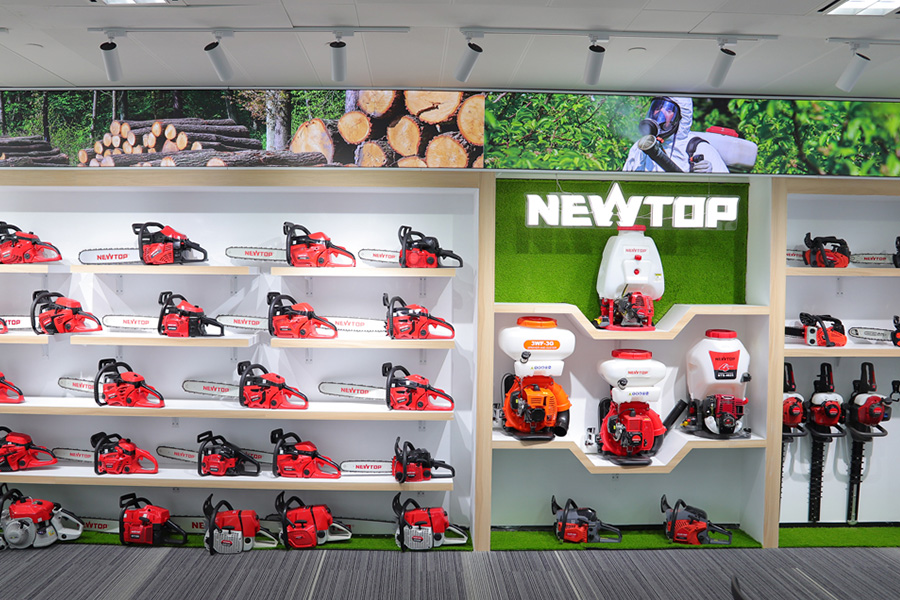
Em muitas regiões ao redor do mundo, construir um negócio de distribuição de máquinas de jardim começa com uma decisão crítica: escolhendo o fornecedor certo de máquinas de jardim. À medida que as cidades se expandem e a procura de paisagismo continua a aumentar, distribuidores que trabalham com fornecedores confiáveis ganham uma vantagem clara na estabilidade do produto, suporte pós-venda, e crescimento a longo prazo. Hoje, a distribuição de máquinas de jardim não se trata mais de comércio de curto prazo, mas sobre a criação de um sistema confiável baseado em confiança e serviço.
Em mercados emergentes e maduros, equipamentos de jardim e paisagismo tornaram-se uma categoria de negócios resiliente. Projetos de infraestrutura pública, paisagismo comercial, e o cuidado de jardins residenciais contribuem para a demanda constante. Por causa dessa estabilidade, mais empresários e comerciantes regionais veem a distribuição como uma oportunidade que vale a pena investir seriamente. No entanto, o sucesso depende menos da ambição e mais da execução.
Por que escolher o fornecedor certo de máquinas para jardim é importante
Embora as marcas globais atraiam a atenção, distribuidores locais ainda moldam a maioria das decisões de compra. Máquinas de jardim funcionam sob condições exigentes, muitas vezes por longas horas e com manutenção limitada. Por esta razão, os compradores se preocupam muito mais com o acesso às peças de reposição e a resposta do serviço do que com as reivindicações de marketing.
Na África e na América Latina, os operadores normalmente operam o equipamento diariamente sob carga pesada. Enquanto isso, em muitos mercados europeus, os compradores colocam igual ênfase na conformidade e consistência. Como resultado, distribuidores que entendem cenários reais de uso superam aqueles que confiam apenas no reconhecimento da marca.
UM fornecedor profissional de máquinas para jardim fortalece esta vantagem local. Sem suporte upstream que entenda ambientes de trabalho reais, até mesmo distribuidores experientes lutam para escalar.
Começar aos poucos ajuda novos distribuidores a reduzir riscos
Muitos distribuidores iniciantes acreditam que modelos populares serão vendidos em todos os lugares. Na prática, os produtos só têm sucesso quando correspondem à qualidade do combustível local, clima, e hábitos do operador. Portanto, distribuidores experientes geralmente começam com uma linha de produtos focada, em vez de uma catálogo completo.
Em vez de importar dezenas de modelos, eles geralmente começam com uma ou duas plataformas comprovadas. Esta abordagem simplifica o gerenciamento de peças de reposição, reduz a pressão de estoque, e permite um aprendizado mais rápido com o mercado. Ao longo do tempo, os distribuidores expandem sua linha com base na demanda real e não em suposições.
Em NEWTOP, muitos parceiros de longo prazo seguiram exatamente esse caminho. Eles começaram com configurações testadas em campo e escalaram somente após validar o desempenho e o feedback do cliente.
Como um fornecedor profissional de máquinas para jardim apoia o crescimento a longo prazo
Os distribuidores não vendem máquinas sozinhos – eles vendem confiabilidade. Devido a esta, a seleção de fornecedores molda diretamente a reputação do mercado. Embora os preços baixos possam atrair a atenção inicial, eles raramente protegem as margens no longo prazo.
Quando os distribuidores escolhem fornecedores com base apenas em cotações, eles muitas vezes enfrentam qualidade inconsistente, fornecimento instável de peças de reposição, e remessas atrasadas. Esses problemas prejudicam rapidamente a confiança dos revendedores e retardam o crescimento dos negócios.
Em contraste, um fornecedor confiável de máquinas de jardim oferece consistência. Padrões de produção estáveis, componentes padronizados, e prazos de entrega previsíveis permitem que os distribuidores planejem o estoque e apoiem os revendedores com confiança. Quando surgem problemas, fornecedores responsáveis oferecem soluções em vez de explicações.
Ao longo do tempo, esta confiabilidade torna-se uma vantagem competitiva que a concorrência de preços não pode substituir.
Preços para sustentabilidade em vez de volume de curto prazo
Nos estágios iniciais, muitos distribuidores tentam ganhar participação de mercado através de preços agressivos. No entanto, esta estratégia geralmente enfraquece as margens e limita a capacidade pós-venda. Quando a qualidade do serviço diminui, a confiança do cliente segue.
Distribuidores de sucesso adotam uma abordagem diferente. Eles calculam os preços com base nos custos reais, incluindo logística, estoque de peças de reposição, suporte de garantia, e desenvolvimento de mercado. Quando os distribuidores trabalham com fornecedores transparentes, eles ganham visibilidade mais clara dos custos de entrega e evitam perdas inesperadas.
Como resultado, revendedores operam com mais confiança, reclamações de clientes diminuem, e pedidos repetidos tornam-se mais previsíveis.
O serviço pós-venda constrói confiança mais rápido que o marketing
As avarias ocorrem em todos os negócios de equipamentos. Os clientes julgam os distribuidores não apenas pelas taxas de falha, mas pela velocidade de resposta e resolução de problemas. Consequentemente, a preparação pós-venda deve começar cedo.
Distribuidores fortes estocam peças de reposição de rápida movimentação, treinar técnicos básicos, e estabelecer procedimentos de garantia claros. Ao mesmo tempo, eles confiam em seu fornecedor de máquinas de jardim para obter documentação técnica e disponibilidade de peças a longo prazo.
NEWTOP projeta muitas linhas de produtos em torno de componentes compartilhados, o que permite que os distribuidores ofereçam suporte a vários modelos sem estoque excessivo. Ao longo do tempo, esta eficiência fortalece a fidelidade do revendedor e a confiança do cliente.
Branding e OEM ajudam os distribuidores a se destacarem
À medida que a concorrência aumenta, os distribuidores eventualmente precisam de diferenciação. Sem uma identidade reconhecível, produtos competem apenas em preço, que limita o crescimento.
Por esta razão, muitos distribuidores optam por trabalhar com fornecedores que oferecem suporte a OEM e etiquetagem privada. Até mesmo uma personalização simples, como embalagens de marca ou manuais localizados, ajuda a construir reconhecimento e profissionalismo no mercado.
A marca também muda a forma como os revendedores percebem o distribuidor. Em vez de agir como um comerciante, o distribuidor se torna um parceiro de longo prazo. NEWTOP apoia esta transição porque marcas distribuidoras fortes conduzir a uma cooperação mais estável e sustentável.
Estabilidade logística apoia crescimento escalonável
Entrega rápida chama atenção, mas a entrega confiável constrói negócios. Distribuidores que priorizam a consistência evitam interrupções desnecessárias e problemas de planejamento.
Um fornecedor maduro planeja capacidade de produção antes dos períodos de pico, otimiza o carregamento de contêineres, e realiza inspeções antes do envio. Essas práticas reduzem atrasos e riscos de danos. Como resultado, os distribuidores podem planejar promoções e vendas sazonais com confiança.
A logística estável permite que os distribuidores se concentrem na expansão do mercado em vez de no combate operacional a incêndios.
O crescimento vem de dados e cooperação
Assim que as operações se estabilizarem, distribuidores de sucesso confiam em dados em vez de suposições. Padrões de vendas, giro de peças de reposição, e o feedback dos revendedores revela oportunidades claras de melhoria.
Quando os distribuidores partilham esta informação com o seu fornecedor de máquinas de jardim, ambos os lados se beneficiam. As melhorias do produto tornam-se mais rápidas, as configurações melhoram, e os novos modelos correspondem melhor à procura real. Muitas parcerias de longo prazo entre a NEWTOP e seus distribuidores cresceram através desta abordagem colaborativa.
Começar um negócio de distribuição de máquinas de jardim requer paciência e estrutura. Vitórias rápidas raramente duram. O sucesso sustentável vem de uma compreensão realista do mercado, forte capacidade pós-venda, e cooperação com o fornecedor certo de máquinas de jardim.
Distribuidores que investem em estabilidade, serviço, e parcerias de longo prazo se posicionam para crescer de forma constante, mesmo quando os mercados mudam. Com um fabricante experiente como a NEWTOP como parceiro, que o crescimento se torne alcançável e escalável.
Escolher a melhor motosserra elétrica hoje raramente é simples. Comparado com uma década atrás, os compradores agora enfrentam muito mais opções, e a velha suposição de que as motosserras a gasolina são sempre a “escolha profissional” não reflete mais a realidade. A tecnologia elétrica progrediu rapidamente, mudando o número de usuários que abordam o trabalho diário de corte.
No uso no mundo real, a melhor motosserra elétrica geralmente fornece potência suficiente, conforto, e confiabilidade para a maioria das tarefas rotineiras. No entanto, a escolha certa ainda depende de como a ferramenta se enquadra no trabalho diário, e não das especificações do título. É aqui que muitas decisões de compra dão errado silenciosamente.
De anos de cooperação com distribuidores e usuários finais, NEWTOP viu um padrão claro: os usuários que escolhem uma motosserra com base em hábitos reais de trabalho tendem a permanecer satisfeitos por muito mais tempo do que aqueles que buscam números no papel.
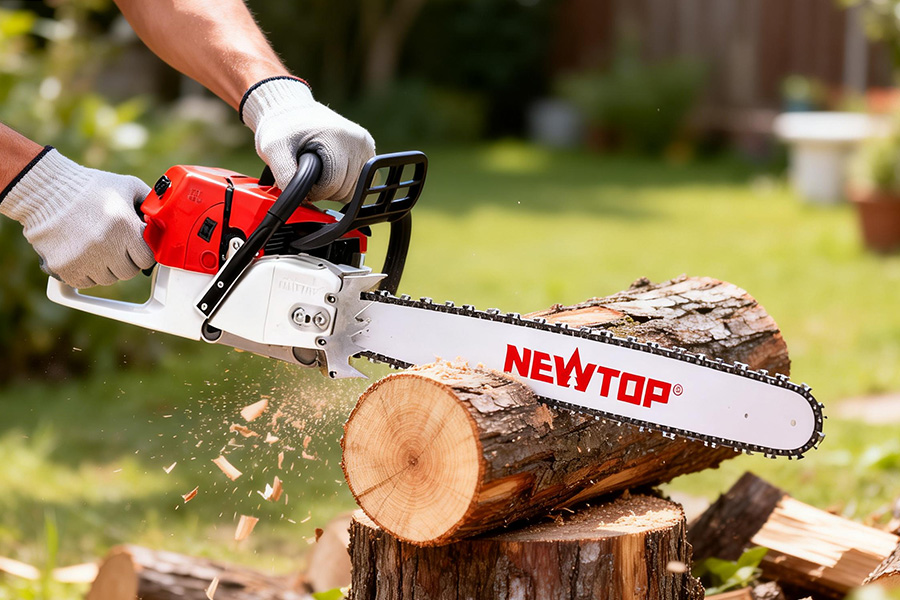
Comece explicando como você realmente usa uma motosserra elétrica
Antes de comparar modelos ou marcas, ajuda olhar honestamente como uma motosserra é usada semana após semana. A maioria das pessoas não corta toras grandes todos os dias. Em vez de, eles cuidam da poda, corte de lenha, limpeza de tempestade, e manutenção geral da propriedade.
Para este tipo de trabalho, a conveniência se torna importante muito rapidamente. Motosserras elétricas ligam instantaneamente, requer pouca preparação, e me sinto mais fácil de controlar. Como resultado, muitos proprietários de residências e usuários de serviços leves percebem que a melhor motosserra elétrica já cobre tudo o que eles realmente precisam.
Essa mudança não para com os proprietários. Paisagistas e administradores de propriedades também dependem cada vez mais de motosserras elétricas para tarefas rotineiras. Maior eficiência do motor e sistemas de bateria agora suportam sessões de trabalho mais longas sem as frustrações que os modelos elétricos mais antigos causavam.
Por que as motosserras elétricas estão se tornando a escolha prática
As motosserras elétricas ganham popularidade não porque substituem totalmente os modelos a gasolina, mas porque simplificam o trabalho diário. Os usuários evitam a mistura de combustível, tempo de aquecimento, e resistência ao arranque. Ao longo do tempo, essas pequenas conveniências melhoram visivelmente a experiência geral de trabalho.
A redução de ruído também desempenha um papel maior do que muitos esperam. A operação mais silenciosa permite trabalhar em áreas residenciais com menos reclamações, enquanto a vibração reduzida ajuda a limitar a fadiga durante cortes repetidos. Combinado, esses fatores tornam as motosserras elétricas mais fáceis de usar por períodos mais longos.
A manutenção reforça ainda mais esta tendência. As motosserras elétricas eliminam muitos problemas comuns relacionados à gasolina. Sem ajustes de carburador ou ajuste de ignição, os usuários passam mais tempo trabalhando e menos tempo consertando equipamentos. Por esta razão, muitas pessoas eventualmente descrevem a melhor motosserra elétrica como aquela que continua funcionando sem exigir atenção constante.
Motosserras a bateria: Quando a conveniência sem fio é mais importante
Dentro de motosserras elétricas, uma categoria cresceu especialmente rápido nos últimos anos: motosserras a bateria. Ao eliminar totalmente o cabo de alimentação, modelos alimentados por bateria oferecem uma experiência de trabalho muito mais flexível. Os usuários podem se mover livremente em torno das árvores, sebes, e espaços de jardim sem se preocupar com o comprimento do cabo, tomadas elétricas, ou fios emaranhados.
Para muitos proprietários de residências e profissionais leves, esse design sem fio altera a frequência com que uma motosserra é realmente usada. Tarefas que antes pareciam inconvenientes – poda rápida, pequenas limpezas, ou corte de rotina - torna-se mais fácil de manusear. Como resultado, as motosserras a bateria são frequentemente escolhidas não apenas pela sua capacidade de corte, mas porque reduzem o atrito entre o usuário e a tarefa em si.
Esta mudança para a operação sem fio também influencia a forma como os fabricantes projetam ferramentas mais novas. Em NEWTOP, motosserras portáteis com bateria focam no equilíbrio, peso, e usabilidade diária, em vez de apenas o rendimento máximo. O objetivo é tornar o trabalho de corte mais acessível, especialmente para usuários que valorizam controle e conforto.
Um bom exemplo desta abordagem é o NEWTOP Motosserra portátil sem fio com bateria de lítio NTCS401Li.
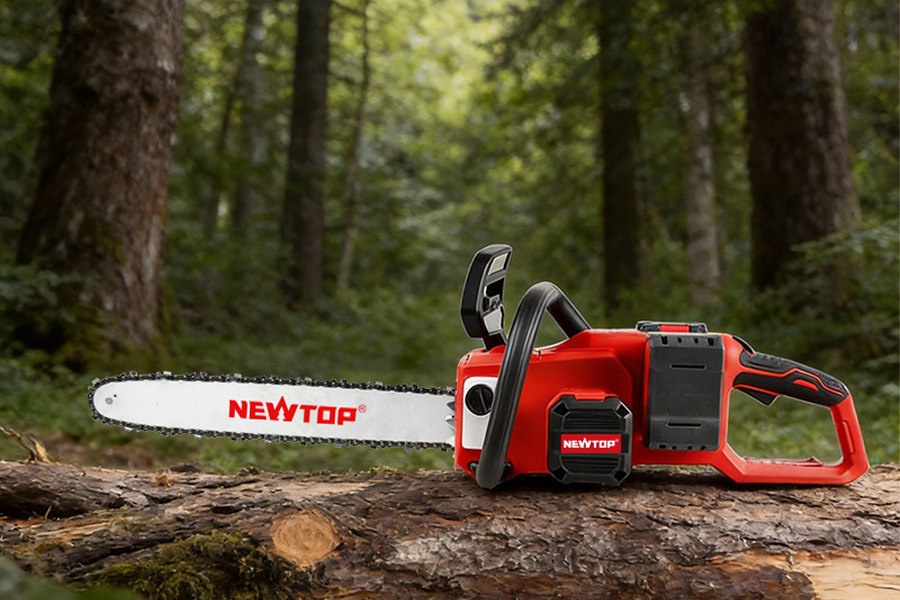
Projetado como um peso leve, solução de corte sem fio, oferece desempenho limpo com eficiência impressionante para tarefas diárias de jardim e ao ar livre. Alimentado por um motor sem escova e apoiado por controle eletrônico avançado, o NTCS401Li oferece operação suave, baixo ruído, e potência de corte confiável sem a vibração e a complexidade frequentemente associadas a máquinas maiores. Para usuários que desejam a conveniência de uma motosserra sem sacrificar a estabilidade de corte, este tipo de design se adapta naturalmente ao uso moderno de motosserras elétricas.
O que determina o desempenho de uma motosserra elétrica
Os materiais de marketing geralmente enfatizam a voltagem, velocidade da corrente, ou comprimento da barra. Em condições reais de trabalho, o desempenho depende muito mais de como esses elementos funcionam juntos.
A qualidade do motor desempenha um papel central. Os motores sem escova proporcionam um torque mais estável e respondem melhor sob carga, o que melhora o controle ao cortar madeira mais dura. O fornecimento de energia é igualmente importante. Quando uma motosserra para, o operador deve empurrar com mais força, aumentando a fadiga e o risco. Uma motosserra elétrica bem projetada evita isso, mantendo o movimento consistente da corrente e deixando a ferramenta fazer o trabalho.
O comprimento da barra também merece uma abordagem realista. Embora barras mais longas pareçam impressionantes, eles muitas vezes reduzem o controle. Em muitas situações, uma barra ligeiramente mais curta melhora a precisão e realmente acelera o trabalho.
Conforto, Segurança, e confiabilidade em motosserras elétricas
O conforto influencia a satisfação mais do que muitos compradores imaginam. Motosserras elétricas geralmente pesam menos, mas o equilíbrio é tão importante quanto o peso total. O mau equilíbrio tensiona rapidamente os pulsos e ombros, especialmente durante cortes angulares ou aéreos.
As motosserras elétricas modernas incluem recursos de segurança, como freios de corrente, bloqueios de gatilho, e protetores de mão. Esses recursos reduzem o risco, mas a operação segura ainda depende dos hábitos do usuário. A resposta suave do acelerador e o comportamento de corte previsível tornam esses hábitos mais fáceis de manter.
A manutenção continua simples, mas necessária. Correntes precisam de afiação, bares precisam de limpeza, e sistemas de lubrificação precisam de atenção. Os cuidados com a bateria também são importantes. Os usuários que seguem práticas adequadas de carregamento e armazenamento preservam o desempenho e prolongam a vida útil.
Ao longo do tempo, a qualidade de construção torna-se óbvia. Força da habitação, layout interno, e o gerenciamento de calor determinam o desempenho de uma motosserra após uso repetido. Em NEWTOP, engenheiros avaliam motosserras elétricas em condições de trabalho realistas, porque a durabilidade se revela através do uso e não de demonstrações curtas.
Fazendo a escolha certa da motosserra
Motosserras a gasolina ainda dominam o trabalho florestal pesado, e esse papel permanece claro. No entanto, a maioria dos usuários gasta muito mais tempo em tarefas mais leves.
Em cenários diários, motosserras elétricas incluem motosserras a bateria que agora realizam a maioria dos trabalhos de corte com menos compromissos. Menor ruído, manuseio mais fácil, e manutenção mais simples fazem deles a opção preferida em muitos ambientes. Como resultado, muitos usuários confiam na melhor motosserra elétrica para o trabalho diário e reservam modelos a gasolina para demandas específicas.
Escolher a motosserra certa se resume, em última análise, à honestidade sobre as necessidades reais. Em vez de perseguir especificações máximas, vale a pena selecionar uma ferramenta que se adapte aos hábitos e condições de trabalho reais. Para muitos usuários hoje, motosserras elétricas - especialmente modelos modernos de bateria - atingem esse equilíbrio, e seu papel continua a crescer à medida que a tecnologia melhora.
Para distribuidores, profissionais, e usuários finais avaliando motosserras, NEWTOP continua focado em design prático e desempenho confiável, porque no trabalho real, consistência é muito mais importante do que números no papel.

Quando os agricultores falam sobre o desempenho da pulverização, eles geralmente se concentram na pressão da bomba, capacidade do tanque, ou potência do motor. Na realidade, o pequeno componente na extremidade da lança – o bocal – tem a maior influência na forma como os produtos químicos são distribuídos, quanta deriva ocorre, e quão eficaz será o tratamento.
Compreender os diferentes tipos de bicos do pulverizador costal é essencial se você deseja um melhor controle de ervas daninhas, colheitas mais saudáveis, e menor desperdício químico. Quer você opere alguns hectares ou administre uma agricultura em grande escala, escolher a ponta de pulverização correta afeta diretamente o tamanho das gotas, padrão de pulverização, uniformidade de cobertura, e eficiência geral.
sobre.
Este guia explica como funcionam os bicos do pulverizador costal, os principais tipos disponíveis, e como selecionar o caminho certo para sua aplicação.
O que é um bico pulverizador costal e por que ele afeta o desempenho da pulverização
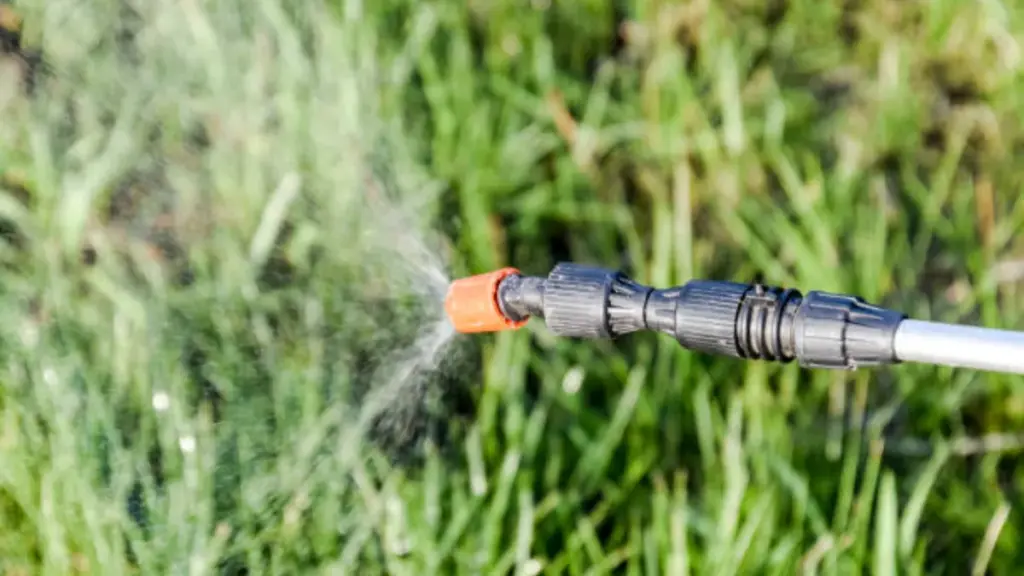
O bocal é o componente mais crítico em um pulverizador costal, controlando diretamente o tamanho das gotas, padrão de pulverização, e taxa de fluxo para determinar a precisão da aplicação e o potencial de desvio.
Um bico de pulverizador costal é o componente de precisão que controla como o líquido sai da lança de pulverização. Isso determina:
- Tamanho da gota (multar, médio, grosseiro)
- Padrão de pulverização (plano, fã, cone, fluxo)
- Taxa de fluxo (litros por minuto)
- Ângulo de pulverização (por exemplo, 65°, 80°, 110°)
- Potencial de deriva
Suas funções primárias influenciam diretamente o resultado da aplicação. Em pulverizadores costais manuais e motorizados, líquido sob pressão passa por um pequeno orifício.
A forma e o tamanho desse orifício definem como o spray atomiza. Por exemplo, um bico em leque plano produz um fino, folha de spray distribuída uniformemente, ideal para aplicação de herbicidas. Um bico cônico oco cria gotas finas que envolvem a folhagem, melhorando a cobertura para inseticidas.
Se o tamanho da gota for muito pequeno, a deriva da pulverização aumenta, especialmente sob condições de vento. Se as gotas forem muito grossas, a cobertura torna-se desigual e controle de pragas pode sofrer.
Como os bicos controlam o tamanho e a deriva das gotas
O tamanho das gotas é o principal fator que influencia o desempenho da pulverização, e o design interno do bico determina o tamanho das gotas que ele produz.
Gotículas menores, normalmente ao redor 100-200 mícrons, fornecem uma cobertura de superfície mais completa, mas são altamente suscetíveis de serem levados para fora do alvo pelo vento. Em contraste, gotas maiores acima 400 mícrons são mais pesados e resistem à deriva, mas eles podem ricochetear nas superfícies das plantas ou fornecer uma cobertura menos uniforme.
O impacto do padrão de pulverização na qualidade da cobertura
O padrão de pulverização é a forma física da pulverização quando ela sai do bico. Diferentes padrões são projetados para tarefas específicas para garantir que o produto químico seja distribuído de forma eficaz para máximo impacto. Um padrão de leque plano, por exemplo, fornece um uniforme, faixa sobreposta de pulverização ideal para aplicação de herbicidas em terreno plano. Os padrões de cone oco e cone completo produzem gotículas mais finas em formato circular, projetado para penetrar em copas densas de plantas ao aplicar inseticidas ou fungicidas. O padrão correto garante que o ingrediente ativo seja entregue precisamente ao alvo pretendido, seja uma superfície de folha, uma única erva daninha, ou o solo.
Uma visão geral dos tipos de bicos do pulverizador costal
Bicos pulverizadores costais são geralmente classificados por padrão de pulverização e formação de gotículas. Aqui está uma tabela completa resumida dos tipos comuns de bicos de pulverizador costal para sua referência rápida:
| Tipo de bico | Definição & Características | Padrão de pulverização & Ângulo | Tamanho da gota | Taxa de fluxo (@ 3 bar) | Potencial de deriva | Tipo de tratamento | Prós & Contras |
|---|---|---|---|---|---|---|---|
| Ventilador plano | Projetado para distribuição uniforme em superfícies planas com spray elíptico. | Plano/Ventilador (65° – 110°) | Fino a Médio | 0.4 – 1.6 L/min | Moderado a alto | Herbicida de transmissão; revestimento uniforme. | (+) Uniformidade (-) Deriva do vento |
| Cone Oco | Concentra o líquido no anel externo; excelente para cobertura foliar 3D. | Anel Circular (40° – 90°) | Bom a muito bom | 0.3 – 1.2 L/min | Muito alto | Inseticidas; penetração do dossel. | (+) Penetração (-) Risco operacional |
| Cone Cheio | Preenche toda a área circular; fornece pulverização úmida de alto volume. | Círculo Sólido (30° – 120°) | Médio a Grosso | 0.8 – 2.5 L/min | Baixo a moderado | Tratamento local; encharcando pincel denso. | (+) Alto impacto (-) Resíduos químicos |
| Fluxo Sólido | Um único jato para máxima precisão e impacto no alvo. | Ponto Único (0°) | Extra Grosso | 0.2 – 2.0 L/min | Muito baixo | Capina localizada direcionada; limpeza de fendas. | (+) Deriva zero (-) Sem cobertura |
| Inundações | Pulverização ampla e plana a baixa pressão; cria gotículas extragrandes. | Ventilador extra largo (110°+) | Extra Grosso | 1.0 – 4.5 L/min | Baixo | Herbicidas de solo; fertilizantes líquidos. | (+) Cobertura rápida (-) Resíduos líquidos |
| Ajustável | Bocal giratório para mudar de um jato direto para um padrão cônico. | Variável (0° – 90°) | Fino a Grosso | 0.4 – 1.8 L/min | Variável | Jardinagem geral; necessidades multiuso. | (+) Versátil (-) Calibração ruim |
| Indução de Ar | O spray misturado com ar cria grandes bolhas cheias de ar para reduzir a deriva. | Apartamento Padrão (110°) | Muito grosseiro | 0.6 – 2.0 L/min | Extremamente baixo | Herbicida pré-emergente; condições de vento. | (+) Controle de deriva (-) Precisa de alto PSI |
Bicos em leque planos para aplicação eficiente de herbicidas
Bicos em leque plano são o padrão da indústria para aplicação de herbicidas em difusão, fornecendo cobertura uniforme que pode ser otimizada para controle de deriva e requisitos químicos específicos.
Cobertura Uniforme para Aplicações Padrão
Bicos em leque plano são o padrão estabelecido para aplicação de herbicidas em culturas arvenses. Seu design produz um padrão de pulverização com borda cônica que garante distribuição uniforme do líquido quando os padrões dos bicos adjacentes estão devidamente sobrepostos. Este desempenho confiável leva a um controle consistente e eficaz de ervas daninhas, tornando-os o tipo de bico mais utilizado para tratamentos de transmissão.
Variantes de redução de desvio para controle preciso
Uma tendência importante na engenharia de bicos é o desenvolvimento de projetos de leques planos que minimizam o desvio da pulverização. Esses bicos geram gotas maiores que são menos suscetíveis ao vento, garantindo que o herbicida caia na área alvo. Isto é muitas vezes conseguido através de designs de pré-orifícios que reduzem a pressão de saída do líquido, mantendo o padrão de pulverização pretendido.. Variantes especializadas, como até mesmo bicos de leque plano, também estão disponíveis para aplicações de faixas onde o herbicida precisa ser aplicado em áreas estreitas, tiras concentradas.
Seleção de bicos baseados em química
O foco na agricultura moderna está mudando do uso de um bico universal para a seleção de um bico com base na química específica do herbicida. Combinar o tamanho da gota do bico com os requisitos do produto químico é fundamental para maximizar o desempenho e reduzir o desperdício. A escolha certa depende do tipo de herbicida, volume da transportadora, e condições ambientais no momento da aplicação. Para ajudar neste processo, muitos fabricantes agora fornecem ferramentas digitais e aplicativos móveis que ajudam os operadores a selecionar o bico ideal para suas necessidades exatas.
Bicos de cone oco para máxima penetração na folhagem
Bicos cônicos ocos criam um padrão de pulverização em forma de anel com gotas finas, projetado para penetrar em copas densas de culturas e aplicar fungicidas ou inseticidas em folhas internas de difícil acesso.
Como os bicos cônicos ocos criam um padrão em forma de anel
Os bicos cônicos ocos usam um componente interno chamado câmara de turbilhão que gira o líquido em alta velocidade antes de sair do orifício. Esta ação centrífuga força o líquido em uma folha cônica, que forma um padrão de pulverização distinto em forma de anel com um centro oco. Este design concentra as gotas finas nas bordas do spray para uma aplicação precisa na folhagem.
- Líquido entra em um redemoinho, que gera um fluxo rotacional de alta velocidade.
- O spray sai do orifício em uma folha cônica que forma um padrão de anel circular.
- A maioria das gotículas está concentrada nas bordas externas do anel, deixando o centro oco.
Principais características de desempenho
A eficácia desses bicos decorre da sua capacidade de produzir gotas finas dentro de um padrão de anel eficiente. Esta geometria é otimizada para cobertura direcionada em pressões entre 40 e 80 psi. Essas características trabalham juntas para garantir a penetração profunda na folhagem com o mínimo de desperdício químico.
- Produz gotas finas a médias que otimizam a cobertura da superfície enquanto penetram nas copas densas das plantas.
- A configuração do anel direciona a pulverização para as superfícies das folhas em vez de saturar todo o volume.
- Opera efetivamente a 40–80 psi, proporcionando excelente cobertura na parte inferior das folhas.
Aplicações agrícolas primárias
Esses bicos são mais adequados para aplicações onde a cobertura completa de folhagem densa é crítica. Eles se destacam em pomares, vinhas, e culturas especiais, tornando-os a principal escolha para tratamentos direcionados com fungicidas e inseticidas, onde alcançar as folhas internas e inferiores é essencial para a proteção das culturas.
- Ideal para aplicação de fungicidas e inseticidas em culturas como soja ou árvores frutíferas.
- Penetra eficazmente em copas densas para alcançar as folhas internas e a parte inferior.
- O desempenho é melhorado quando usado com pulverizadores pneumáticos que conduzem as gotas mais profundamente na folhagem.
Aumente a repetição de pedidos com peças sobressalentes confiáveis para pulverizadores

Bicos de cone completo para aplicações de pulverização de alto volume
Os bicos de cone completo são projetados para fornecer um sólido, padrão de pulverização circular com gotas distribuídas uniformemente, tornando-os o padrão para aplicações que exigem encharcamento completo da superfície e produção de alto volume.
Como os Bicos de Cone Completo Alcançam uma Distribuição Uniforme
Bicos de cone completo produzem um sólido, padrão de pulverização circular usando um componente interno, como uma palheta tipo S ou de fluxo tangencial, para criar uma situação turbulenta, fluxo giratório antes que o líquido saia do orifício. Este mecanismo força as gotas a se distribuirem uniformemente por toda a área alvo, não apenas nas bordas. O resultado é consistente, cobertura completa, o que torna esses bicos ideais para tarefas que exigem umedecimento ou encharcamento completo de uma superfície.
Aplicações Primárias na Agricultura e Indústria
Esses bicos são essenciais em qualquer setor onde o objetivo principal é cobrir uma superfície com alto volume de líquido. Seu padrão de pulverização uniforme é essencial para processos onde a cobertura completa não é negociável.
- Supressão de poeira em instalações industriais e pedreiras.
- Lavar e enxaguar produtos ou equipamentos em instalações agrícolas.
- Sistemas de proteção contra incêndio projetados para fornecer grandes volumes de água em uma ampla área.
- Processos de resfriamento e lavagem de gases em plantas industriais.
Vantagens para tarefas de alto fluxo
O principal benefício de um bico de cone completo é a sua capacidade de manter uma estabilidade, padrão uniforme mesmo em altas taxas de fluxo. Essa eficiência reduz o desperdício de produtos químicos e garante resultados consistentes em operações de grande escala.
- Oferece excelente cobertura que minimiza manchas perdidas, reduzindo a necessidade de aplicações repetidas.
- Projetado para produção de alto volume sem perder a integridade do padrão de pulverização.
- Designs modernos oferecem maior resistência ao entupimento, garantindo operação confiável em ambientes exigentes.
Fluxo Sólido (Jato) Bicos para tratamento pontual de precisão
Bicos de fluxo sólido fornecem um jato líquido concentrado com máximo impacto e mínima atomização, tornando-os o padrão para tratamentos pontuais de alta precisão onde o excesso de pulverização deve ser evitado.
Características principais: Precisão e Alto Impacto
Bicos de fluxo sólido, frequentemente chamados de bicos de jato, são projetados para produzir um único, fluxo coerente de líquido. Este design concentra toda a produção em uma pequena área, que gera a maior força de impacto possível entre todos os tipos de bicos. Ao minimizar a atomização em gotículas menores, o bocal cria um aperto, fluxo controlado que reduz significativamente a deriva da pulverização e permite que os operadores atinjam pontos específicos com alta precisão. Isso os torna ideais para aplicações que exigem precisão em ampla cobertura.
Aplicações comuns para tratamento local
O principal uso desses bicos é qualquer tarefa em que o produto químico deva atingir um alvo específico sem contaminar a área circundante.. Sua precisão é crítica em ambientes sensíveis, com culturas de alto valor, ou para trabalhos de limpeza especializados. As principais aplicações incluem:
- Aplicação de herbicidas diretamente em ervas daninhas individuais em um gramado, jardim, ou linha de corte.
- Visando pragas de insetos agrupadas na base de uma planta ou escondidas ao longo das cercas.
- Limpeza de equipamentos ou lavagem de detritos teimosos de superfícies duras com jato de alta pressão.
- Injetar fertilizantes líquidos ou tratamentos sistêmicos diretamente no solo próximo à zona radicular de uma planta.
Considerações sobre materiais e durabilidade
O desempenho e a vida útil de um bico de jato sólido dependem inteiramente da qualidade e do material do seu orifício.. Por 2026, os principais fabricantes usam materiais altamente duráveis para manter um padrão de fluxo consistente, mesmo ao pulverizar produtos químicos abrasivos ou corrosivos. Um orifício desgastado ou danificado degradará a coerência do fluxo, causando má segmentação e aumento do desvio. Os operadores devem priorizar a qualidade do material e a inspeção regular.
- Os orifícios são normalmente construídos em aço inoxidável endurecido, cerâmica, ou carboneto de tungstênio para resistir ao desgaste.
- Qualquer dano ao orifício pode interromper o fluxo, levando a uma turbulenta, spray menos eficaz.
- Verificações visuais frequentes são necessárias para confirmar se o fluxo permanece reto e não turbulento.
Limitações e quando evitar o uso
Embora os bicos de jato sólido sejam excelentes em trabalhos de precisão, eles são a ferramenta errada para cobrir grandes áreas. Seu padrão concentrado é ineficiente para pulverização em lanço, e a força de alto impacto pode ser prejudicial se usada incorretamente. Você deve evitar usar um bico de jato sólido em certas situações.
- Não é prático aplicar herbicidas ou pesticidas em um campo inteiro, grama, ou grande pedaço de chão.
- O jato forte pode danificar fisicamente a delicada folhagem das plantas, flores, ou fruta.
- Pode causar escoamento químico excessivo se o alvo não conseguir absorver o volume do líquido rapidamente.
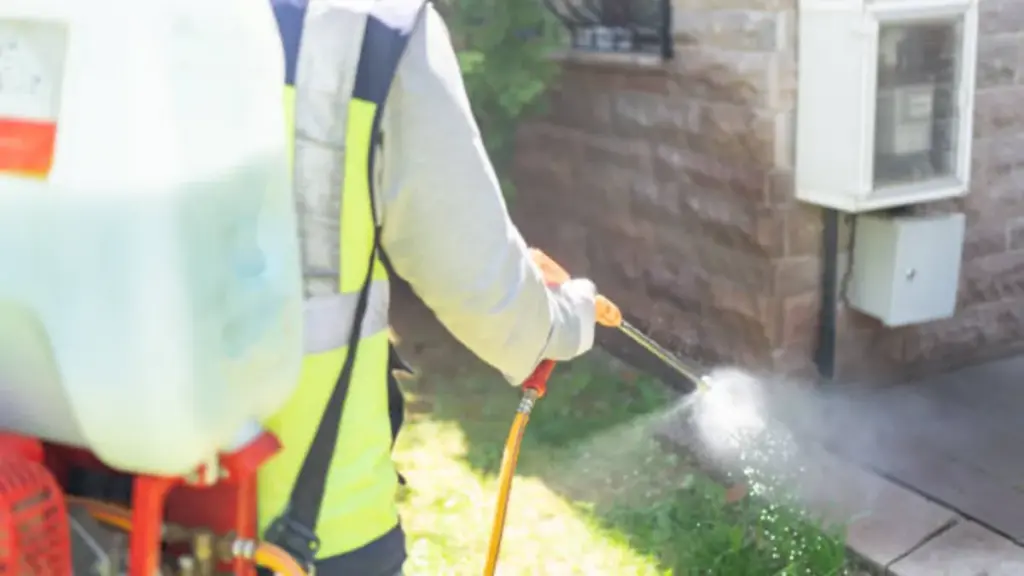
Bicos de inundação para tratamento de solo e solo em alto volume
Bicos de inundação são o padrão da indústria para aplicações terrestres de alto volume, entregando uma ampla, padrão uniforme com gotas excepcionalmente grandes para minimizar a deriva da pulverização ao aplicar fertilizantes líquidos e herbicidas direcionados ao solo.
Como funcionam os bicos de inundação
Os bicos de inundação são projetados para criar uma grande angular, padrão de pulverização em leque, desviando um fluxo sólido de líquido de uma superfície inclinada. Este mecanismo produz um espectro de gotículas excepcionalmente grosseiro, que é menos suscetível à deriva do vento do que pulverizações mais finas. Eles são projetados para operar em pressões muito baixas, normalmente entre 10 e 30 psi, reduzindo ainda mais a criação de pequenos, gotículas propensas à deriva. O resultado é cobertura máxima do solo com mínimo movimento fora do alvo, tornando-os uma tecnologia fundamental para aplicações de transmissão específicas.
Aplicações Primárias na Agricultura
Esses bicos são a escolha padrão para aplicação de fertilizantes líquidos e herbicidas pré-emergentes diretamente no solo. Sua alta vazão e padrão de distribuição uniforme os tornam ideais para o tratamento de grandes campos de forma rápida e eficaz. Eles são comumente usados para aplicações de transmissão onde o objetivo é cobrir a superfície do solo uniformemente, em vez de penetrar na copa da planta.. Seu design também é adequado para misturas em tanques que combinam fertilizantes e herbicidas para uma aplicação de passagem única.
Principais vantagens da pulverização terrestre
O principal benefício dos bicos de inundação é a sua capacidade de fornecer um grande volume de líquido e, ao mesmo tempo, reduzir significativamente a deriva. Esta combinação garante que produtos químicos caros cheguem ao solo onde são necessários, melhorando a eficácia e a segurança ambiental. O padrão amplo também permite velocidades de solo mais rápidas, aumentando a eficiência operacional.
- Excelente controle de deriva: O grande tamanho das gotas e a baixa pressão operacional são os dois principais fatores que minimizam o movimento da pulverização fora do alvo.
- Cobertura Uniforme: O amplo, o padrão plano garante que os fertilizantes e herbicidas sejam distribuídos uniformemente pela superfície do solo para um desempenho consistente.
- Alta eficiência: Uma alta vazão e uma ampla faixa de pulverização permitem que os operadores cubram mais terreno em menos tempo.
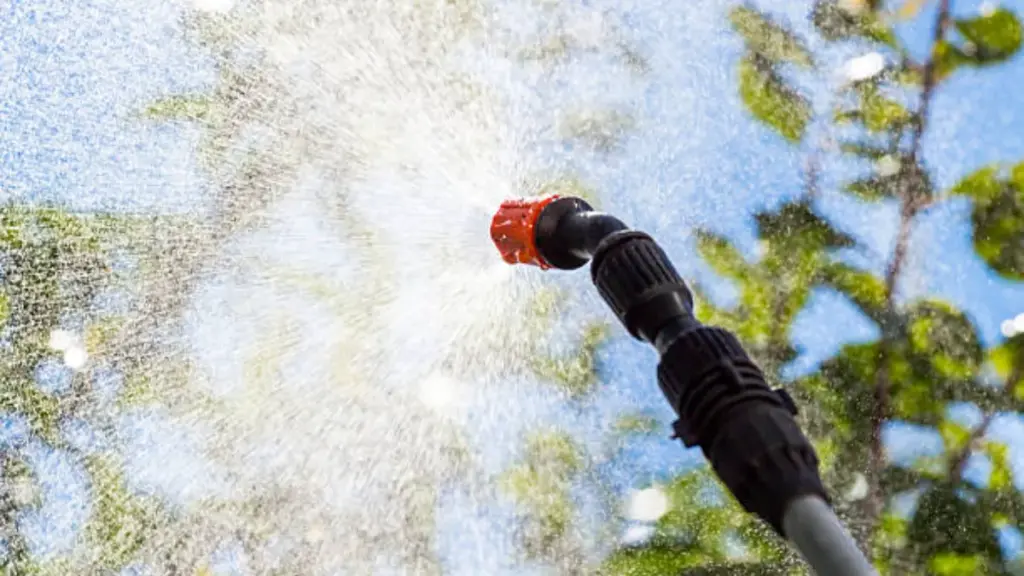
Bicos Ajustáveis para Fazendas Pequenas e Grandes
Bicos ajustáveis proporcionam flexibilidade operacional essencial, permitindo que os operadores modifiquem os padrões de pulverização de uma névoa fina para um fluxo sólido para atender diferentes produtos químicos e necessidades de aplicação sem alterar o hardware.
Adaptando padrões de pulverização de névoa para fluxo
A principal função de um bico ajustável é a sua capacidade de modificar o padrão de pulverização no campo. Os operadores podem mudar instantaneamente de uma ampla, névoa fina para ampla cobertura de folhagem até um fluxo sólido concentrado para tratamentos pontuais. Esta adaptabilidade torna-o uma ferramenta altamente flexível para diversas tarefas agrícolas, controlado por um mecanismo simples que não requer ferramentas.
- Um mecanismo simples de torção ou alavanca permite mudanças perfeitas entre os padrões de pulverização.
- As configurações de névoa fina são ideais para aplicação de fungicidas ou inseticidas em grandes áreas de cultivo.
- As configurações de fluxo sólido fornecem aplicação precisa para atacar ervas daninhas ou pragas específicas, que minimiza o excesso de pulverização e resíduos químicos.
Versatilidade entre diferentes produtos químicos e equipamentos
Os bicos ajustáveis são projetados para funcionar eficazmente com uma ampla gama de produtos químicos agrícolas e podem ser instalados em vários tipos de equipamentos de pulverização. Esta adaptabilidade torna-os numa solução universal para explorações agrícolas que gerem culturas diversas e operam em diferentes escalas., de pequenos lotes a grandes campos comerciais.
- Esses bicos são compatíveis com herbicidas, pesticidas, e fertilizantes líquidos.
- Eles funcionam tanto em pulverizadores costais manuais quanto em pulverizadores maiores., pulverizadores de barra montados em trator.
- Essa versatilidade reduz a necessidade de adquirir e gerenciar vários bicos especializados, racionalização de estoque e custos.
Principais benefícios para operações agrícolas modernas
Tanto para pequenos agricultores como para grandes empresas agrícolas, bicos ajustáveis oferecem benefícios práticos que melhoram a economia de custos, eficiência, e sustentabilidade. Seu design otimiza o uso de produtos químicos e simplifica todo o processo de pulverização, levando a melhores resultados operacionais.
- Reduz o desperdício de produtos químicos, permitindo que os operadores combinem o padrão de pulverização diretamente com o objetivo da aplicação.
- Aumenta a eficiência operacional eliminando o tempo gasto na troca de bicos para diferentes tarefas.
- Ajuda as fazendas a atender aos padrões ambientais e regulatórios, proporcionando melhor controle sobre a deriva da pulverização.
Bicos de indução de ar: Opção de baixo desvio para pulverização mais segura
Os bicos de indução de ar são projetados para reduzir significativamente a deriva da pulverização, criando maiores, gotículas cheias de ar que resistem ao vento e melhoram a aplicação no alvo.
Como os bicos de indução de ar reduzem a deriva da pulverização
Os bicos de indução de ar usam um design Venturi para misturar o ar com o líquido de pulverização. Este processo cria maiores, gotículas mais pesadas que são menos suscetíveis de serem levadas pelo vento, que minimiza o movimento de pulverização fora do alvo e a contaminação ambiental.
- Um mecanismo Venturi puxa o ar para dentro do corpo do bico, infundindo-o no fluxo líquido.
- Esta ação produz gotas mais grossas com menos partículas finas, partículas propensas à deriva.
- As gotas maiores resultantes têm peso suficiente para cair diretamente na superfície alvo., resistir aos efeitos do vento.
Principais benefícios do uso da tecnologia de indução de ar
A principal vantagem desses bicos é uma redução drástica na deriva da pulverização, que aumenta a segurança ambiental e protege culturas não visadas. Eles também permitem uma aplicação eficaz em uma ampla gama de condições, alargar a janela operacional para agricultores e zeladores.
- Alcança um 75% para 90% redução na deriva da pulverização em comparação com bicos convencionais de leque plano.
- Mantém alta eficácia biológica, garantir que herbicidas e pesticidas funcionem conforme pretendido.
- Expande a janela de pulverização segura, permitindo a aplicação em condições climáticas abaixo das ideais.
Condições operacionais ideais
Para alcançar o melhor equilíbrio entre controle de desvio e cobertura do alvo, os bicos de indução de ar devem ser operados dentro da faixa de pressão recomendada. A pressão adequada garante que o sistema Venturi funcione corretamente sem sacrificar a eficácia da aplicação química.
- O desempenho é frequentemente otimizado ao operar entre 60 e 80 psi.
- Os operadores devem equilibrar a redução da deriva com a necessidade de penetração e cobertura adequada da folhagem.
- Os designs modernos oferecem melhor desempenho em vários cenários de aplicação, desde a agricultura de Broadacre até tratamentos pontuais.

Como escolher o tipo certo de bico para o seu pulverizador costal
A seleção do bico correto envolve combinar o alvo da aplicação com o tamanho de gota necessário para equilibrar a cobertura eficaz contra o desvio fora do alvo, tudo isso operando dentro da faixa de pressão especificada do bico.
| Tipo de aplicativo | Tipo de bico recomendado | Consideração Primária |
|---|---|---|
| Aplicação de herbicida (Transmissão) | Ventilador plano ou indução de ar | Cobertura uniforme e baixo desvio (gotículas médias a grossas). |
| Inseticida / Fungicida (Folhagem) | Cone Oco ou Cone Cheio | Penetração do dossel e cobertura completa (gotas finas). |
| Tratamento local / Spray Basal | Fluxo sólido ou ajustável | Direcionamento preciso com mínimo excesso de pulverização. |
| Tratamento de solo de alto volume | Inundações (FloodJet) | Padrão amplo em baixa pressão com gotas grandes para reduzir a deriva. |
A seleção do bico correto requer a consideração de vários fatores práticos.
Primeiro, identificar o tipo químico. Os herbicidas normalmente requerem ventiladores planos ou bicos de indução de ar. Inseticidas e fungicidas geralmente funcionam melhor com pontas cônicas ocas.
Segundo, avaliar a estrutura da cultura. Folhagem densa exige gotas mais finas e melhor penetração.
Terceiro, considere as condições ambientais. Velocidade do vento, temperatura, e a umidade influenciam o comportamento das gotas.
Quarto, verifique a compatibilidade da vazão com seu pulverizador costal. O tamanho incorreto do bico pode causar instabilidade de pressão ou pulverização irregular.
Finalmente, pense na disponibilidade de substituição. Bicos padronizados são mais fáceis de adquirir e substituir nos mercados globais.
Os aplicadores profissionais geralmente mantêm um pequeno conjunto de bicos intercambiáveis para se adaptarem às necessidades sazonais.
Problemas comuns do bico do pulverizador costal e dicas de manutenção
Os bicos se desgastam com o tempo. Produtos químicos abrasivos e partículas suspensas aumentam gradualmente o orifício, aumentando a taxa de fluxo e alterando o padrão de pulverização.
| Problema comum | Causa Primária(é) | Ação-chave de manutenção |
|---|---|---|
| Entupimento & Bloqueios | Destroços, resíduo químico, partículas não dissolvidas. | Lave o sistema com água limpa após cada uso e use uma escova macia para limpar os orifícios. |
| Corrosão & Desgaste Físico | Produtos químicos agressivos e partículas abrasivas na solução de pulverização. | Selecione bicos feitos de materiais resistentes a produtos químicos e inspecione quanto a danos físicos antes de usar. |
| Pressão Inconsistente & Vazamentos | Juntas gastas, Anéis de vedação, ou aperto inadequado de componentes. | Substitua as vedações e anéis de vedação anualmente e garanta que todas as conexões estejam seguras, mas não apertadas demais. |
| Falha prematura | Falta de uma consistência, rotina de manutenção preventiva. | Implementar um protocolo de limpeza pós-uso e realizar inspeções sazonais completas. |
Por que os kits de bicos universais da NEWTOP atendem às suas necessidades globais
Como fabricante profissional de equipamentos elétricos para ambientes externos desde 2003, NOVOTOP desenvolve pulverizadores costais projetados para mercados internacionais.
Os kits de bicos NEWTOP são projetados para serem compatíveis com a maioria dos pulverizadores costais padrão usados na África, América latina, Sudeste Asiático, e Europa Oriental. Cada kit inclui vários tipos de bicos, permitindo que agricultores e distribuidores atendam diversas aplicações agrícolas.
Se você é um distribuidor, importador agrícola, ou proprietário de marca regional em busca de acessórios confiáveis para pulverizador costal, oferecemos MOQ flexível, suporte de amostra dentro de 7 a 10 dias, e soluções logísticas globais. Para consultas de produtos, entre em contato conosco diretamente.
Conclusão
Escolher o bico correto do pulverizador costal é fundamental para uma aplicação química eficaz e responsável. O bocal certo garante uma entrega precisa na área alvo, maximizando o impacto de seus herbicidas ou pesticidas e minimizando desperdícios dispendiosos. Isto leva a uma melhor proteção das culturas, custos operacionais reduzidos, e condições de pulverização mais seguras.
Se você gerencia diversas tarefas de pulverização, ter um conjunto versátil de bicos de alta qualidade é essencial para manter a eficiência. Explore os kits de bicos universais da NEWTOP para ver como você pode simplificar o inventário e preparar sua equipe para qualquer aplicação.
Perguntas frequentes
Quais são os diferentes tipos de bicos de pulverizador costal?
Os principais tipos incluem ventilador plano, cone oco, cone cheio, fluxo sólido (jato), inundação, ajustável, e bicos de indução de ar. Cada um produz diferentes padrões de pulverização e tamanhos de gotas para aplicações agrícolas específicas.
Qual bico é melhor para herbicida?
Bicos em leque plano são geralmente recomendados para aplicação de herbicidas porque fornecem cobertura uniforme em todas as superfícies do solo. Em condições de vento, bicos de ventilador plano de indução de ar reduzem a deriva.
Como leio os códigos de cores nos bicos do pulverizador?
Os códigos de cores dos bicos indicam a vazão em uma pressão padrão, de acordo com o ISO 10625 padrão internacional. Cada cor representa um volume de saída específico, permitindo que você selecione o bico certo para a taxa de aplicação desejada. Por exemplo, um bico amarelo tem uma vazão menor que um azul, garantindo um desempenho de pulverização consistente.
Com que frequência os bicos do pulverizador devem ser substituídos?
A substituição depende da intensidade de uso e do tipo de produto químico. Na agricultura profissional, os bicos são inspecionados a cada estação e substituídos quando a vazão aumenta significativamente ou o padrão de pulverização se torna irregular.
Posso usar bicos de marcas diferentes no meu pulverizador costal?
Em muitos casos, sim – se o tamanho da rosca e o tipo de conexão corresponderem. Acessórios universais permitem compatibilidade entre marcas, mas verificar as especificações é importante.
Qual bico produz menos desvio?
Indução de ar (IA) os bicos produzem a menor quantidade de deriva. Eles são projetados especificamente para criar grandes, gotículas cheias de ar que são mais pesadas e menos suscetíveis de serem transportadas pelo vento. Esta tecnologia é superior para controle de desvio, tornando os bicos AI a escolha mais segura para aplicação de herbicidas perto de plantas sensíveis.
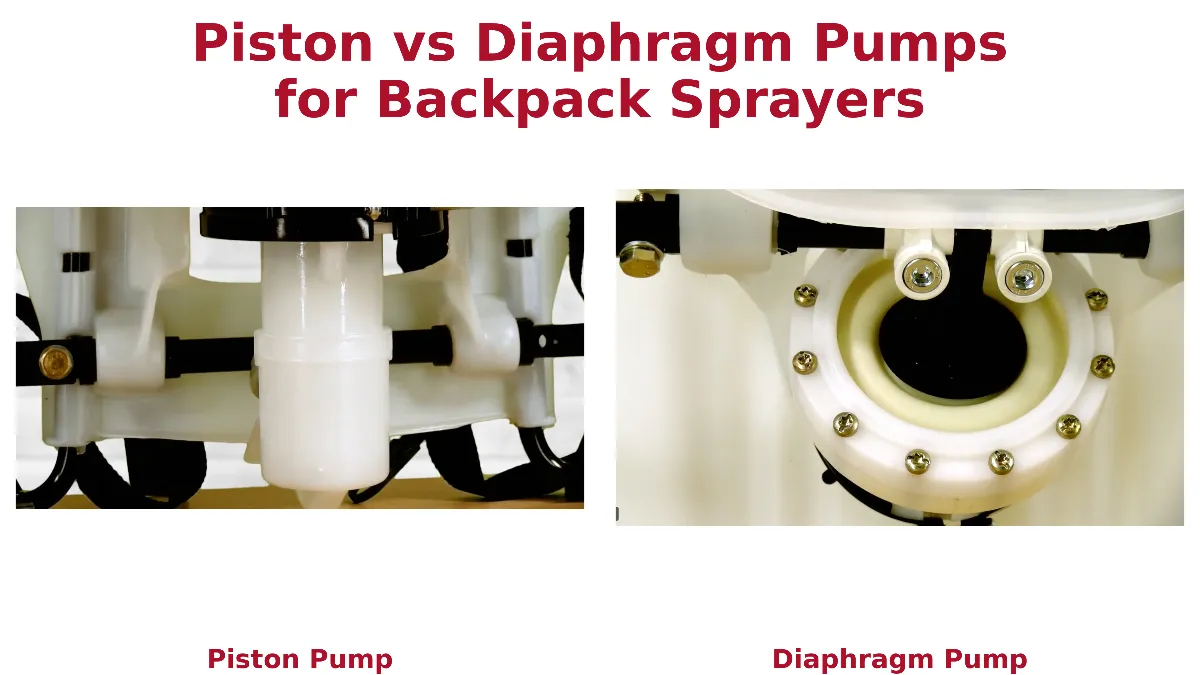
Escolher o pistão do pulverizador costal correto versus a bomba de diafragma é uma decisão crítica que impacta diretamente o tempo de atividade operacional, custos químicos, e segurança do trabalhador. Uma incompatibilidade entre o mecanismo da bomba e o agente químico leva à falha prematura da vedação, pressão de aplicação inconsistente, e tempo de inatividade não programado, transformar uma tarefa rotineira em um risco operacional caro.
Este guia fornece uma comparação técnica clara de ambos os sistemas de bombas. Analisaremos a mecânica central dos projetos de pistão e diafragma, avaliar seu desempenho em relação a métricas críticas, como saída de pressão e compatibilidade química, e delinear as demandas de manutenção para cada. Use esta análise para padronizar seu processo de seleção de equipamentos e garantir a implantação da bomba mais durável e eficiente para cada trabalho.
O que é um Bomba pulverizadora de mochila e por que é importante
A bomba é o componente principal de qualquer pulverizador costal, controlando diretamente a pressão, compatibilidade química, e desempenho geral do aplicativo.
A função central de uma bomba pulverizadora de mochila
Uma bomba de pulverizador costal é o sistema mecânico que cria pressão dentro do tanque de pulverização e empurra o líquido através da mangueira, lança, e bico. Se você está aplicando pesticidas, herbicidas, fertilizantes, desinfetantes, ou produtos químicos de saúde pública, pressão consistente garante cobertura de pulverização uniforme e tamanho de gota adequado. Os pulverizadores de mochila normalmente usam um dos dois sistemas de bomba: bomba de pistão e bomba de diafragma.
- Cria pressão para atomizar e impulsionar fluidos.
- Dita o alcance da pulverização, nível de pressão, e tamanho da gota.
- Determina quais tipos de produtos químicos o pulverizador pode manusear com segurança.
Pressão baixa ou instável leva a aplicação desigual, resíduos químicos, e danos às colheitas. Pressão excessivamente alta pode causar deriva de neblina e preocupações ambientais. Portanto, selecionar o tipo correto de bomba é uma decisão prática que afeta o desempenho em campo e a confiabilidade do produto.
Para uma análise detalhada dos diferentes modelos e suas variações estruturais, explore nosso guia completo sobre o tipos de pulverizador costal para encontrar a configuração básica ideal para suas operações.
Como funciona uma bomba de pistão em um pulverizador de mochila
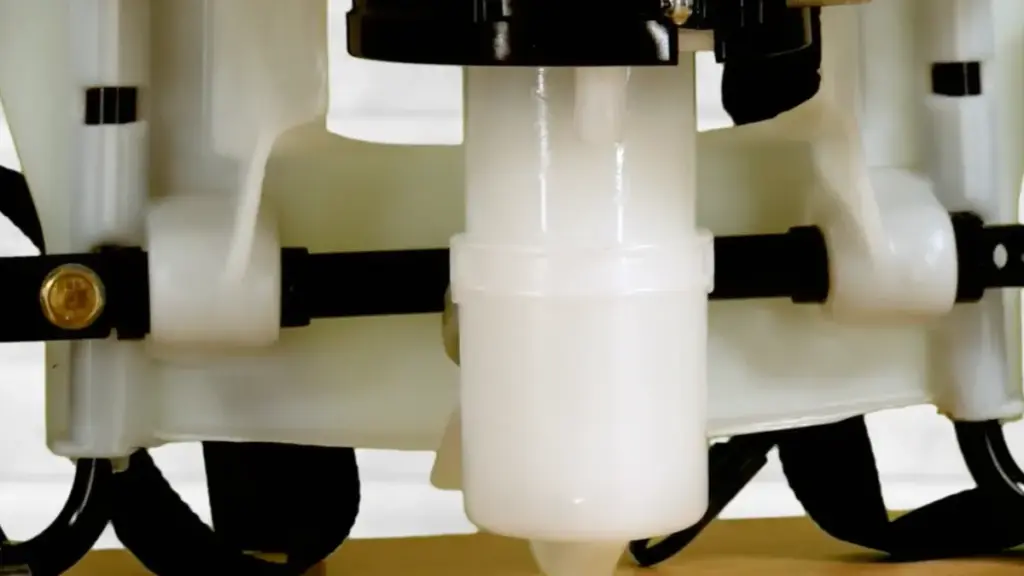
Uma bomba de pistão usa um pistão alternativo dentro de um cilindro, aproveitando válvulas de retenção unidirecionais para aspirar fluido e, em seguida, ejetá-lo com força sob alta pressão.
As bombas de pistão usam um mecanismo de cilindro e pistão para gerar alta pressão, muitas vezes chegando até 90 PSI. A bomba de pistão opera através de um simples, ação recíproca. Um pistão se move para cima e para baixo dentro de um cilindro selado, usando válvulas unidirecionais para retirar fluido do tanque e empurrá-lo em direção ao bico de pulverização.
Em ascensão, o pistão cria um vácuo que puxa o líquido do tanque através de uma válvula de retenção de entrada para o cilindro da bomba.
Na descida, o pistão empurra para baixo, fechando a válvula de entrada e forçando o líquido preso para fora através de uma válvula de retenção de saída. O bombeamento manual do operador na alça do pulverizador aciona este ciclo, criando um fluxo pressurizado para pulverização.
Como funciona uma bomba de diafragma em um pulverizador de mochila
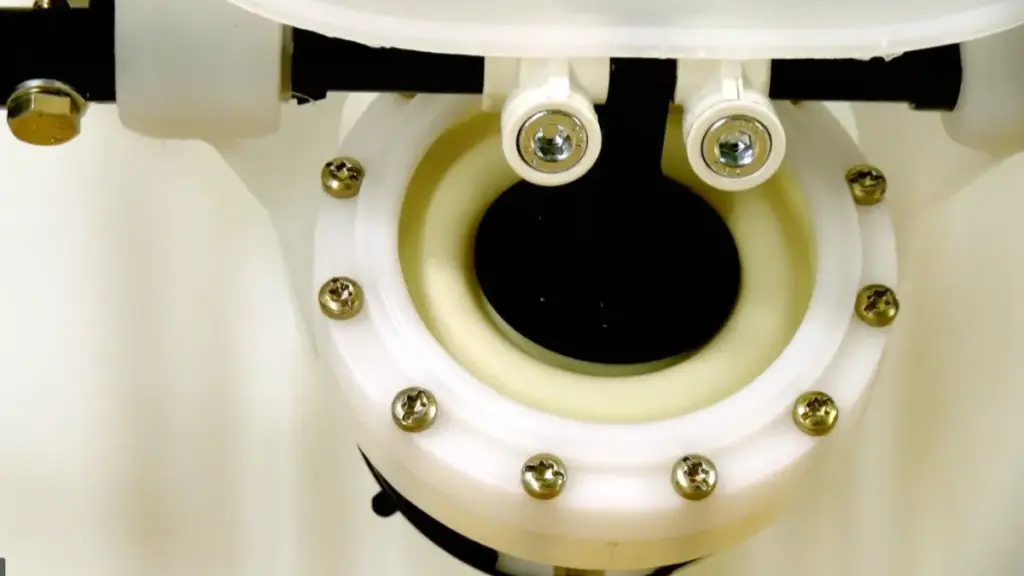
Uma bomba de diafragma usa um flexível, membrana oscilante para mover fluido, um projeto que isola os componentes mecânicos da solução química e permite o manuseio de materiais abrasivos ou corrosivos.
Uma bomba de diafragma opera usando um flexível, membrana circular que se move para frente e para trás dentro de uma câmara selada. Esta membrana, muitas vezes fabricado a partir de elastômeros quimicamente resistentes como Viton, cria uma vedação que separa os componentes do acionamento mecânico do fluido que está sendo bombeado. À medida que o diafragma se move para frente e para trás, altera o volume da câmara da bomba, direcionando o fluido através de uma série de válvulas unidirecionais.
- Um diafragma de elastômero flexível é vedado contra o corpo da bomba, criando uma câmara de bombeamento.
- À medida que o diafragma recua, aumenta o volume da câmara, criando um vácuo que aspira líquido através de uma válvula de entrada.
- Quando o diafragma avança, reduz o volume da câmara, pressurizar o líquido e forçá-lo a sair através de uma válvula de saída.
Aumente seus lucros com máquinas agrícolas duráveis
Uma comparação entre bomba de pistão e. Bomba de diafragma
Para auxiliar no seu processo seletivo, resumimos as principais diferenças técnicas entre bombas de pistão e diafragma abaixo.
| Recurso / Métrica | Sistema de bomba de pistão | Sistema de bomba de diafragma |
|---|---|---|
| Pressão Máxima | Alto (Até 90+ PSI) | Normalmente em torno 60 PSI |
| Compatibilidade Química | Concentrados líquidos, soluções claras à base de água | Pós molháveis, água sanitária, abrasivo & fórmulas corrosivas |
| Projeto de Mecanismo | Pistão deslizante interno com vedações cilíndricas mecânicas | Membrana flexível alternativa (Viton/Santoprene) |
| Melhores aplicativos | Pomares, cuidado com árvores altas, requisitos de nebulização fina | Controle comercial de pragas, desinfecção industrial, agricultura |
| Perfil de durabilidade | Sensível à areia; requer líquidos estritamente filtrados | Sistema de acionamento isolado; altamente resistente ao desgaste interno |
| Perfil de manutenção | Substituição frequente mas simples do selo/o-ring | Serviço pouco frequente; envolve verificação de membrana e válvula |
| Alcançar & Atomização | Alcance superior e atomização de gotas mais finas | Alcance padrão; otimizado para deriva controlada |
Saída de pressão e desempenho de pulverização
As bombas de pistão são projetadas para trabalhos de alta pressão, criando uma névoa fina que fornece cobertura uniforme. As bombas de diafragma funcionam a pressões mais baixas, produzindo gotículas maiores que reduzem a deriva. Isso os torna mais adequados para aplicações específicas onde o excesso de pulverização é a principal preocupação.
- Bombas de pistão geram pressão muito mais alta, muitas vezes excedendo 90 psi, que é necessário para atingir alvos distantes e criar, sprays atomizados.
- As bombas de diafragma normalmente operam em torno 60 psi, resultando em maior, gotículas mais pesadas que minimizam a deriva do vento.
- A escolha afeta diretamente a qualidade da pulverização. A pressão mais alta de uma bomba de pistão oferece cobertura completa para inseticidas, enquanto a pressão mais baixa de uma bomba de diafragma é melhor para aplicar herbicidas sem danificar as plantas próximas.
Compatibilidade Química e Resistência à Corrosão
As bombas de diafragma têm compatibilidade superior com produtos químicos abrasivos e corrosivos. Muitos fungicidas e inseticidas agrícolas são formulados como pós molháveis (WP) ou grânulos dispersíveis em água (GDM). Estas soluções contêm pequenos, partículas abrasivas. Em uma bomba de pistão, essas partículas ficam presas entre a vedação do pistão e a parede do cilindro, levando a pontuação e perda de compressão.
No entanto, o design fechado do diafragma protege os componentes mecânicos do contato direto com líquidos, evitando desgaste acelerado. As bombas de pistão são muito mais vulneráveis a danos quando usadas com fórmulas ásperas ou ásperas.
- O diafragma flexível isola as peças móveis da bomba da solução química, tornando-o altamente resistente a materiais abrasivos, como pós molháveis e líquidos corrosivos.
- Em uma bomba de pistão, o produto químico flui diretamente sobre o pistão e suas vedações. Isso aumenta o risco de abrasão e desgaste prematuro, especialmente com fórmulas não líquidas.
- Para pulverizar soluções de água sanitária, suspensões, ou outros produtos químicos agressivos, uma bomba de diafragma oferece maior confiabilidade e maior vida útil.
Durabilidade, Peças de desgaste, e Manutenção
As bombas de diafragma são geralmente mais duráveis e requerem manutenção menos frequente. Seu design simples possui menos peças de alto atrito. As bombas de pistão precisam de manutenção mais regular nas vedações e cilindros, mas geralmente são projetadas para reparos rápidos em campo.
- As bombas de diafragma têm uma vida útil operacional mais longa entre serviços porque não há atrito direto entre as peças móveis e as paredes do cilindro, minimizando o desgaste mecânico.
- As bombas de pistão dependem de vedações que se desgastam devido ao atrito e à exposição a produtos químicos. Estes requerem substituição periódica para manter a pressão.
- Embora os reparos da bomba de diafragma possam ser mais complexos, seus intervalos de manutenção são muito mais longos. As bombas de pistão precisam de atenção mais frequente, mas geralmente são mais fáceis de serem reparadas pelos usuários rapidamente.
Melhores aplicações para pulverizadores de mochila com bomba de pistão

Pulverizadores com bomba de pistão são o padrão para alta pressão, aplicações de precisão, como tratamentos de manchas e controle de pragas, onde uma névoa fina é necessária para uma cobertura eficaz com formulações somente líquidas.
Tratamento local e controle de ervas daninhas
As bombas de pistão são excelentes no fornecimento de herbicidas com precisão. Sua capacidade de produzir uma multa, a névoa direcionada em alta pressão garante que os produtos químicos sejam aplicados diretamente nas ervas daninhas, sem se espalharem pelas plantas próximas.. Este padrão de pulverização consistente é ideal para controlar espécies invasoras em canteiros de jardim, gramados, e ao longo das cercas. A alta pressão também ajuda a penetrar na folhagem densa, garantindo que o herbicida atinja seu alvo de forma eficaz.
Gestão de pragas e doenças
Ao aplicar inseticidas e fungicidas em jardins, pequenos pomares, ou estufas, uma bomba de pistão fornece o tamanho de gota fino necessário para revestir uniformemente folhas e caules. Esta névoa fina adere bem às superfícies das plantas, maximizando a eficácia do tratamento e garantindo uma proteção fitossanitária abrangente. A tecnologia é adequada para o tratamento de plantas ornamentais, vegetais, e árvores frutíferas onde a cobertura completa é essencial para a prevenção de doenças.
Cuidados com o gramado e gerenciamento de grama
Manter um gramado saudável geralmente requer a aplicação de fertilizantes líquidos, herbicidas, e reguladores de crescimento. Os pulverizadores com bomba de pistão oferecem o controle e a saída consistente necessários para uma aplicação uniforme em gramados. O spray de alta pressão garante uma distribuição uniforme dos tratamentos líquidos, evitando resultados irregulares ou irregulares. A sua portabilidade torna-o numa ferramenta prática para a gestão de relvados em pátios residenciais, propriedades comerciais, e campos de atletismo.
Melhores aplicações para pulverizadores de mochila com bomba de diafragma

As bombas de diafragma são a escolha certa para aplicações que envolvem pós abrasivos, soluções levemente corrosivas como alvejante, e controle de ervas daninhas de baixa pressão, onde a resistência química e a deriva mínima são críticas.
Aplicação de herbicidas com pós abrasivos ou molháveis
As bombas de diafragma são projetadas para lidar com fórmulas abrasivas e pós molháveis que danificam rapidamente as vedações da bomba de pistão. O diafragma flexível isola essas partículas da mecânica central da bomba, evitando desgaste prematuro e obstruções. Este design permite materiais abrasivos, como transportadores de argila de caulim em produtos químicos em pó, passar sem pontuar componentes internos. A bomba mantém um desempenho consistente ao pulverizar suspensões, garantindo uma aplicação uniforme e eficaz de ingredientes ativos em toda a área alvo.
Pulverização de soluções de alvejante ou produtos químicos levemente corrosivos
Os materiais resistentes a produtos químicos usados nas bombas de diafragma fazem delas a escolha certa para aplicação de desinfetantes, soluções de alvejante, e outros líquidos levemente corrosivos. Os componentes internos são protegidos contra degradação química, o que prolonga significativamente a vida útil do pulverizador. Isso os torna adequados para tarefas de saneamento, remediação de mofo, ou aplicação de tratamentos agrícolas específicos que corroeriam uma bomba de pistão padrão. A câmara selada da bomba também minimiza o risco de vazamentos ao trabalhar com produtos químicos agressivos, melhorando a segurança do operador.
Baixa pressão, Controle direcionado de ervas daninhas em parcelas sensíveis
As bombas de diafragma operam em uma faixa de pressão mais baixa, o que é uma vantagem para aplicações que exigem desvio mínimo de pulverização. Isto permite precisão, tratamento de ervas daninhas de perto em jardins ou perto de áreas sensíveis, plantas não-alvo. A pressão suave da aplicação produz gotas maiores, reduzindo o risco de herbicidas atingirem flores desejáveis, vegetais, ou arbustos ornamentais. Isto torna a bomba altamente eficaz para tratar ervas daninhas em gramados e ao longo de cercas onde a precisão é mais importante do que a cobertura de alta pressão.
Bomba de pistão ou diafragma: Qual tipo atende às suas necessidades?
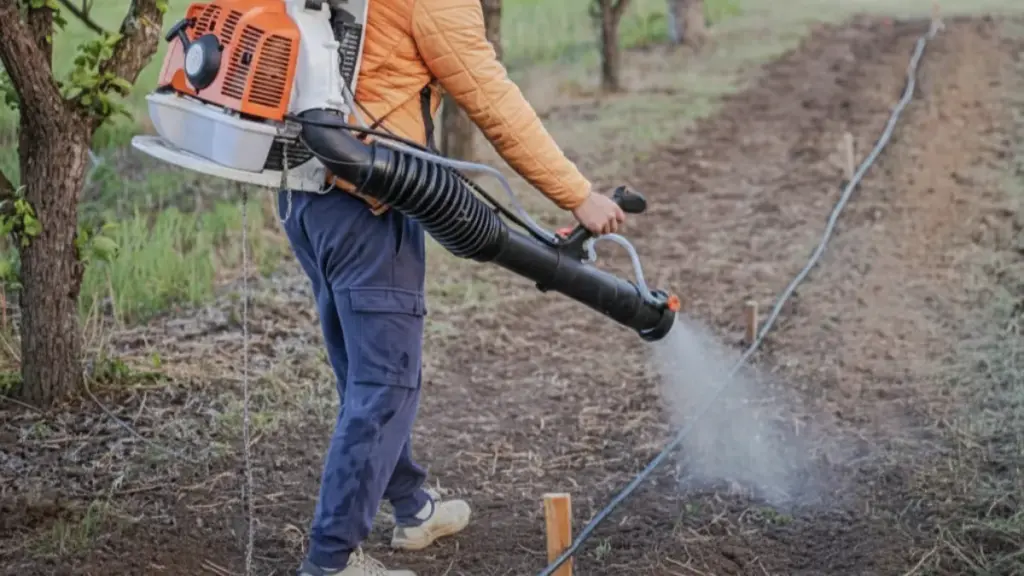
A escolha depende inteiramente dos produtos químicos que você pulveriza; bombas de pistão se destacam com alta pressão, líquidos de baixa abrasão, enquanto as bombas de diafragma proporcionam durabilidade superior para fórmulas abrasivas ou corrosivas.
Escolha uma bomba de pistão para alta pressão, Aplicações de névoa fina
Uma bomba de pistão é a escolha certa quando seu trabalho exige uma multa, névoa consistente entregue em pressões mais altas. É excelente com fórmulas líquidas de baixa abrasão, como herbicidas e inseticidas padrão, tornando-o ideal para cobertura uniforme de folhagem. Este tipo de bomba fornece pressões de até 90 PSI, que é ideal para criar um spray fino que reveste uniformemente as superfícies das plantas. É mais adequado para não abrasivos, produtos químicos solúveis em água para evitar desgaste prematuro no cilindro do pistão. O uso de pós molháveis ou produtos químicos agressivos pode danificar o cilindro e degradar as vedações, levando à perda de pressão e eventual falha.
Selecione uma bomba de diafragma para versatilidade e durabilidade química
Uma bomba de diafragma oferece durabilidade superior e é compatível com uma ampla gama de produtos químicos, incluindo pós abrasivos e soluções corrosivas. Seu design fechado protege componentes críticos do contato direto com o material pulverizado, tornando-o um burro de carga confiável para uso multiuso. Este design permite lidar com materiais abrasivos, como pós molháveis e soluções à base de alvejante, sem desgaste significativo. Ao vedar o mecanismo da bomba contra produtos químicos, reduz a corrosão e prolonga a vida útil do equipamento. Opera a uma pressão mais baixa, normalmente até 60 PSI, o que é suficiente para a maioria dos trabalhos de pulverização de uso geral.
Por que a usinagem CNC de precisão NEWTOP lidera em durabilidade da bomba
NEWTOP alcança durabilidade superior da bomba integrando usinagem CNC interna para componentes críticos com montagem automatizada, garantindo que cada unidade atenda às especificações de engenharia precisas para confiabilidade a longo prazo.
Como fabricante profissional de pulverizadores costais e nebulizadores fundado em 2003, NOVOTOP combina experiência de longo prazo no setor com tecnologia de produção avançada. Com mais 20 anos na fabricação de máquinas agrícolas e de jardim, a empresa se concentra na construção durável, equipamentos de pulverização prontos para uso em campo para mercados globais.
NEWTOP usa PA66 atualizado reforçado com 30% fibra de vidro para os principais componentes da bomba, melhorando a resistência estrutural, resistência química, e estabilidade dimensional. Além disso, usinagem CNC de alta precisão garante tolerâncias rigorosas, superfícies internas mais lisas, e desempenho de vedação consistente.
Conclusão
Escolher entre uma bomba de pistão e uma bomba de diafragma é uma decisão crítica para sua frota de pulverizadores costais. A bomba certa garante compatibilidade com seus produtos químicos, reduz o tempo de inatividade dispendioso devido a falhas de componentes, e oferece desempenho de pulverização consistente. Esta escolha impacta diretamente a eficiência do operador e a vida útil do seu equipamento.
Se você estiver enfrentando falhas frequentes na bomba ou perda de pressão, avalie seu equipamento atual em relação às necessidades de sua aplicação. Para componentes de bombas projetados para suportar produtos químicos exigentes e reduzir ciclos de manutenção, veja como nossas peças de precisão podem melhorar a durabilidade do seu pulverizador.
Perguntas frequentes
Uma bomba de pistão ou diafragma é melhor para um pulverizador costal?
Depende da aplicação. As bombas de pistão fornecem pressão mais alta para pulverização fina, enquanto as bombas de diafragma oferecem melhor resistência química e durabilidade ao manusear soluções corrosivas ou abrasivas.
Uma bomba de pistão pode lidar com alvejantes ou pós?
Não é aconselhável. O alvejante causa rápida degradação das vedações de borracha padrão, e os pós atuam como um abrasivo que marca as paredes do cilindro. As bombas de diafragma são a solução projetada para essas substâncias.
Por que minha bomba de pulverizador de mochila está perdendo pressão?
As causas comuns incluem vedações desgastadas, diafragmas rachados, válvulas entupidas, vazamentos de ar na mangueira, ou detritos bloqueando o bico. A manutenção regular e a substituição oportuna de peças de desgaste resolvem a maioria dos problemas de pressão.
Com que frequência devo substituir as vedações da bomba do pulverizador?
A frequência de substituição da vedação depende da intensidade de uso e do tipo de produto químico. Em uso agrícola pesado, inspeção a cada temporada é recomendada. Substitua as vedações quando a pressão cair ou ocorrer vazamento.
Qual tipo de bomba é mais fácil de escorvar?
As bombas de pistão são geralmente mais fáceis de escorvar devido ao seu mecanismo de sucção direta. No entanto, bombas de diafragma adequadamente projetadas com válvulas de retenção de qualidade também escorvam com eficiência.
Qual é o PSI máximo para uma bomba de diafragma?
Uma bomba de diafragma padrão em um pulverizador costal normalmente atinge uma pressão máxima de 60 PSI. Esta pressão é ideal para aplicações que exigem gotas maiores para reduzir a deriva, como aplicação de pós molháveis ou herbicidas.

No mundo da agricultura e do paisagismo profissional, os termos nebulizador e pulverizador são frequentemente usados de forma intercambiável, no entanto, representam duas tecnologias fundamentalmente diferentes. É fundamental para os distribuidores, empreiteiros, e importadores de equipamentos agrícolas para entender a estrutura mecânica, física de partículas, e eficiências de aplicação de cada.
Este guia fornece uma análise técnica abrangente de nebulizadores e pulverizadores, ajudando você a determinar qual ferramenta é mais adequada para suas necessidades ambientais e operacionais específicas.
O que é um nebulizador? Definição e Princípio de Funcionamento
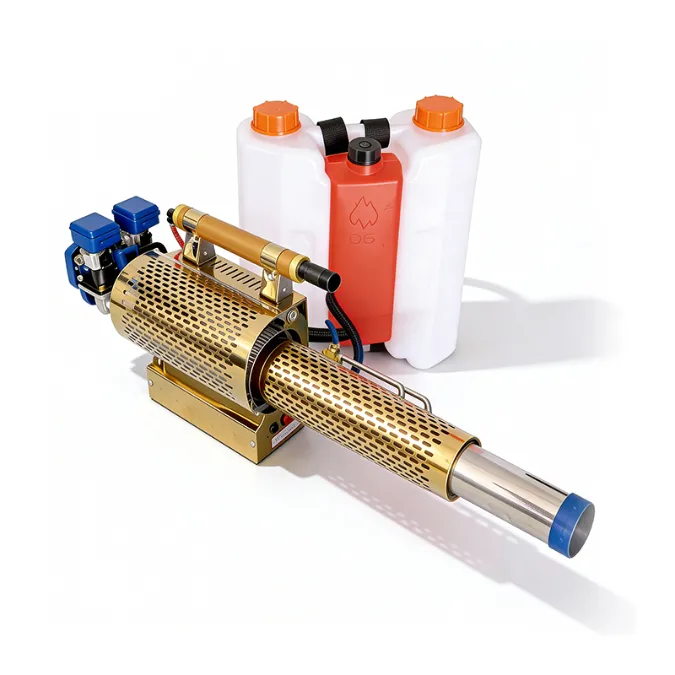
Um nebulizador é projetado para transformar formulações líquidas em gotículas ultrafinas que se comportam mais como um aerossol do que como um spray tradicional.. O objetivo principal de um nebulizador é o tratamento do espaço, e não o revestimento da superfície.
Definição de Fogger
Um nebulizador é um dispositivo mecânico que transforma soluções líquidas em uma névoa fina, ou aerossol, composto por partículas normalmente sob 50 micrômetros de diâmetro. Este aerossol permanece suspenso no ar por um longo período, permitindo que ele se assente sem aplicação direta na horizontal, vertical, e outras superfícies de difícil acesso. O método é eficaz para desinfecção de grandes áreas, controle de pragas, e umidificação.
- Converte líquido em aerossol ou névoa transportada pelo ar.
- Gera partículas extremamente finas (sob 50 micrômetros) que ficam suspensos no ar.
- Fornece ampla cobertura, permitindo que as gotas se acomodem em superfícies horizontais e verticais.
A maioria dos nebulizadores profissionais se enquadram em duas categorias: nebulizadores térmicos e nebulizadores frios ULV. Apesar dos diferentes mecanismos de atomização, ambos visam produzir gotículas extremamente pequenas, normalmente abaixo 50 mícrons.
Princípio de nebulização térmica
Os nebulizadores térmicos usam uma fonte de calor, muitas vezes movido a gasolina ou propano, para vaporizar rapidamente uma solução química. O dispositivo injeta o líquido em um fluxo de gás quente de alta velocidade, causando vaporização imediata. Quando este vapor quente é expelido e se mistura com o ar ambiente mais frio, ele se condensa em um denso, névoa visível de partículas ultrafinas. Este processo é ideal para penetrar em folhagens densas e tratar grandes espaços externos para controle de pragas..
- Usa uma fonte de calor para produzir um fluxo de gás quente em alta velocidade.
- Injeta a formulação líquida no gás quente, causando vaporização imediata.
- Cria uma espessura, neblina visível à medida que o vapor se condensa no ar mais frio.
- Usado principalmente para aplicações externas, como controle de mosquitos e pragas.
Volume ultrabaixo (LOBO) Princípio da nebulização a frio
Nebulizadores frios, incluindo volume ultrabaixo (LOBO) modelos, use ar de alta pressão para quebrar o líquido em pequenas gotas sem aplicar calor. Este processo mecânico proporciona aos operadores controle preciso sobre o tamanho das partículas, ao mesmo tempo que protege a integridade química da solução. Porque funciona sem calor, este método é mais seguro para aplicações internas, como desinfecção de hospitais, escolas, e edifícios comerciais onde produtos químicos sensíveis ao calor são frequentemente usados.
- Depende da alta pressão do ar para atomizar o líquido em gotículas finas.
- Opera sem calor, protegendo a integridade da solução química.
- A tecnologia ULV permite uma aplicação eficiente usando volume mínimo de líquido.
- Adequado para desinfecção interna em hospitais, escolas, e instalações agrícolas.
Tecnologias avançadas de nebulização
Equipamentos modernos de nebulização agora incorporam tecnologias como carga eletrostática e nanoatomização para melhorar a cobertura e a segurança. Os nebulizadores eletrostáticos transmitem uma carga elétrica positiva à névoa aerossolizada, fazendo com que as gotas se envolvam e se agarrem a todos os lados de uma superfície para uma cobertura completa de 360 graus. Os nanoatomizadores produzem um resultado ainda mais fino, névoa mais seca que é segura para uso em torno de eletrônicos e tecidos sensíveis, sem causar danos à umidade.
- Nebulização Eletrostática: Carrega as partículas para que sejam atraídas pelas superfícies, garantindo cobertura de 360 graus e reduzindo resíduos químicos.
- Nano-atomizadores: Crie um ainda mais fino, névoa mais seca que evita danos por umidade, útil para higienizar equipamentos e têxteis delicados.
- Estas tecnologias modernas são cada vez mais adotadas nos cuidados de saúde e nos transportes para aumentar a eficiência.
O que é um pulverizador? Definição e Princípio de Funcionamento
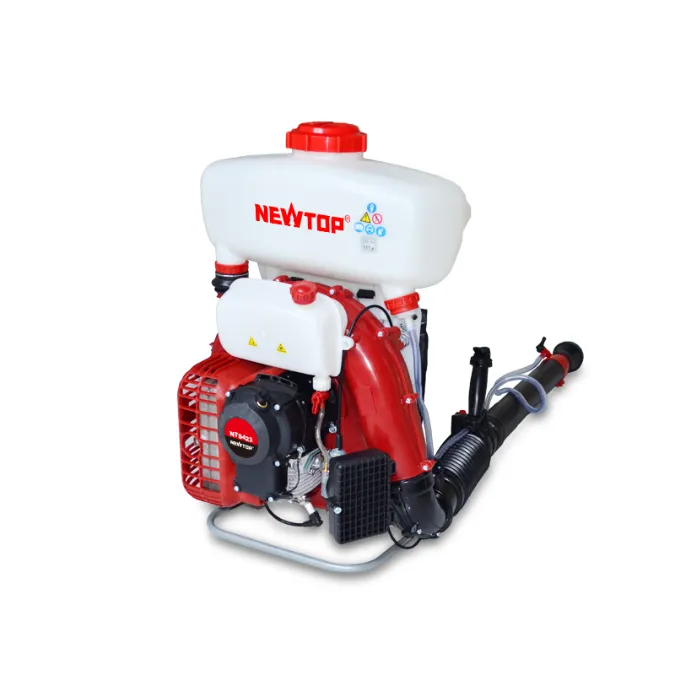
Um pulverizador é um dispositivo acionado por pressão que atomiza líquido através de um bico, permitindo a distribuição controlada e uniforme de agentes como pesticidas ou fertilizantes em uma superfície alvo.
Função Central e Definição
Um pulverizador é um dispositivo mecânico projetado para aplicar soluções líquidas como pesticidas, herbicidas, ou fertilizantes em um padrão controlado de gotas finas. Ao contrário do nebulizador, que visa a suspensão, o pulverizador foi projetado para deposição direcionada, como agrícola, hortícola, ou saneamento.
- Aplica agentes líquidos, incluindo pesticidas, fertilizantes, e soluções de limpeza.
- Gera um spray controlado para uma cobertura uniforme e eficiente.
- Equipamentos essenciais na agricultura, paisagismo, e setores de saúde pública.
Principais componentes e mecanismo
Um pulverizador opera pressurizando o líquido armazenado em um tanque e forçando-o através de um bico especializado. Este processo atomiza o líquido em um spray. Os componentes principais – tanque, bombear, e bocal – trabalham juntos para controlar a taxa de fluxo, tamanho da gota, e padrão de pulverização.
A pressão pode ser produzida manualmente, mecanicamente através de bombas de diafragma ou pistão, ou por gasolina ou motores elétricos. O líquido é forçado através de um bico, onde o tamanho da gota é determinado pela geometria do bocal e pelo nível de pressão.
- Um tanque contém a solução líquida.
- Uma bomba cria a pressão necessária para impulsionar o líquido.
- Um bico atomiza o líquido em gotículas e molda o spray.
- Um gatilho ou válvula controla o início e a parada da pulverização.
Aplicações e avanços modernos
Por 2026, a tecnologia do pulverizador avançou para priorizar a aplicação de precisão, redução de resíduos químicos, e melhor ergonomia do operador. As inovações no design dos bicos e nos sistemas de bombas permitem uma melhor cobertura na agricultura em grande escala e no uso comercial especializado.
- Usado para proteção de culturas, fertilização, e controle de pragas.
- Os designs modernos concentram-se na distribuição uniforme para maximizar a eficácia.
- Melhorias tecnológicas aumentam a velocidade operacional e reduzem a deriva química.
- Recursos ergonômicos são integrados para melhorar o conforto dos usuários profissionais.
Leitura Relacionada: Tipos de pulverizador costal: Escolhendo o melhor modelo para sua fazenda
Aumente suas margens com maquinário confiável
Diferença entre Nebulizador e Pulverizador: Visão geral mecânica
A diferença mecânica fundamental reside na atomização e na entrega – os nebulizadores criam uma névoa suspensa para ampla, tratamento volumétrico, enquanto os pulverizadores aplicam o líquido diretamente nas superfícies específicas, com modelos eletrostáticos usando uma carga para envolver objetos.
| Aspecto Mecânico | Neblina | Pulverizador |
|---|---|---|
| Atomização & Tamanho de partícula | Produz partículas finas projetadas para permanecerem suspensas no ar para tratamento volumétrico de grandes espaços. | Depende da pressão hidráulica para atomização. Os modelos eletrostáticos adicionam uma carga para, partículas mais uniformes. |
| Cobertura & Penetração | Excelente no preenchimento de grandes, salas abertas e folhagem externa densa e penetrante com uma névoa penetrante. | Fornece direto, aplicação de superfície direcionada. Os modelos eletrostáticos alcançam uma cobertura envolvente de 360° em objetos. |
| Aplicativo & Eficiência | Projetado para descontaminação de toda a área, em vez de precisão específica de superfície. Menos eficiente para tarefas específicas. | Ofertas precisas, aplicação controlada. Os sistemas eletrostáticos maximizam a deposição química e minimizam o desperdício. |
| Compatibilidade Química | Requer formulações específicas. Os nebulizadores térmicos precisam de transportadores de óleo/água e não podem usar líquidos inflamáveis. | Os modelos padrão lidam com uma ampla gama de produtos químicos. Unidades eletrostáticas precisam de líquidos formulados para reter uma carga elétrica. |
Mecanismo de pulverização e comparação de tamanho de partícula
Nebulizadores e pulverizadores atomizam líquidos através de diferentes processos físicos, resultando em tamanhos de partículas distintos que definem seu desempenho. A maioria dos pulverizadores depende da pressão hidráulica; pressão mais alta força o líquido através de um bico, gerando forças de cisalhamento que o quebram em gotículas. Pulverizadores eletrostáticos melhoram esse processo aplicando uma carga de alta voltagem ao líquido, criando partículas menores e mais uniformes que buscam ativamente superfícies aterradas. Em contraste, os nebulizadores são projetados para produzir uma névoa fina com gotículas que permanecem suspensas no ar para tratamento volumétrico. O tamanho da partícula é uma métrica de desempenho primária porque controla diretamente o quão bem um produto químico adere a uma superfície, penetra geometrias complexas, e permanece no ar.
Área de Cobertura e Capacidade de Penetração
A força de um nebulizador é a cobertura volumétrica. Dispersa uma névoa fina que preenche grandes, espaços abertos como armazéns ou estufas, eventualmente estabelecendo-se em todas as superfícies horizontais expostas. Este método é eficaz para tratar simultaneamente o ar e as superfícies de uma sala inteira. Os pulverizadores fornecem, aplicação de superfície direcionada. Os modelos eletrostáticos oferecem penetração superior ao carregar gotículas que envolvem objetos, revestindo áreas ocultas, como a parte traseira de luminárias ou a parte inferior das folhas. Esse “envolvente” efeito garante cobertura abrangente de 360 graus em objetos complexos, algo que o assentamento passivo de um nebulizador não pode alcançar. Para controle de pragas ao ar livre, a névoa de um nebulizador pode penetrar na folhagem densa com mais eficácia do que uma pulverização direta padrão.
Precisão da aplicação e eficiência no uso de produtos químicos
Os pulverizadores fornecem diretamente, aplicativo direcionado, tornando-os a escolha certa para o tratamento de superfícies ou zonas específicas. Foggers são construídos para ampla, descontaminação volumétrica e falta de precisão no nível da superfície. Os maiores ganhos de eficiência vêm dos pulverizadores eletrostáticos. Ao carregar as gotas, esses sistemas garantem uma porcentagem muito maior de produtos químicos e aderem à superfície alvo. Isso minimiza o excesso de pulverização, reduz o desperdício químico, e limita a perda de ingredientes ativos no ar. Esta eficiência também permite a utilização de produtos químicos concebidos para uma proteção residual duradoura., enquanto a nebulização normalmente depende de fórmulas de ação curta para derrubada rápida.

Produtos Químicos e Formulações Adequados
O mecanismo operacional do equipamento determina a formulação química necessária.
Nebulizadores térmicos, que usam calor para vaporizar uma solução, requer óleo específico- ou transportadores à base de água para criar uma névoa densa e nunca devem ser usados com líquidos inflamáveis como álcool.
LOBO (Volume ultrabaixo) Os nebulizadores frios são mais versáteis e podem lidar com uma ampla gama de formulações.
Os pulverizadores são compatíveis com quase todos os produtos químicos agrícolas, incluindo pós molháveis, concentrados emulsionáveis, e suspensões espessas. As aberturas maiores dos bicos são menos propensas a entupimentos.
Cenários e Indústrias Típicas de Uso
Cenários de Fogger:
- Controle de vetores em saúde pública (redução de mosquitos e moscas).
- Manejo de pragas de efeito estufa.
- Desinfecção de grandes instalações internas (hospitais, armazéns).
- Controle de odores em locais de gerenciamento de resíduos.
Cenários de pulverizador:
- Aplicação de herbicidas em culturas em linha.
- Fertilização líquida de gramados e jardins.
- Controle estrutural de pragas (barreiras contra cupins ao redor das fundações).
- Saneamento e lavagens de gado.
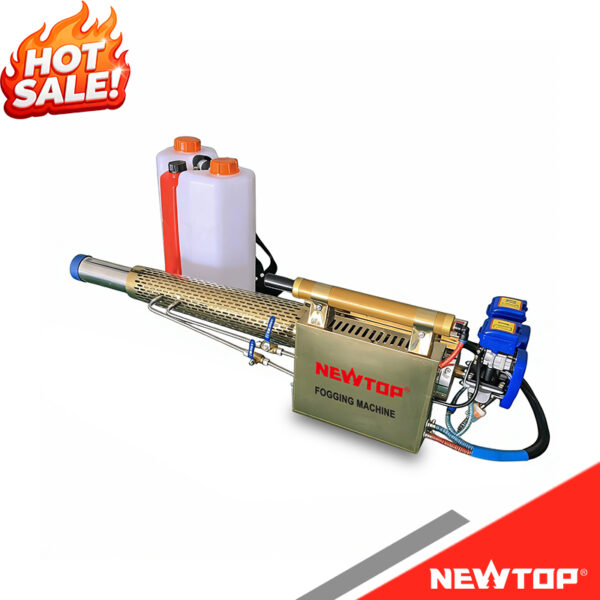
Máquina de nebulização térmica NTYM180K
- Precisão de atomização de nível profissional
- Durabilidade avançada (500+ horário de atendimento)
- Otimizado para controle vetorial em grande escala
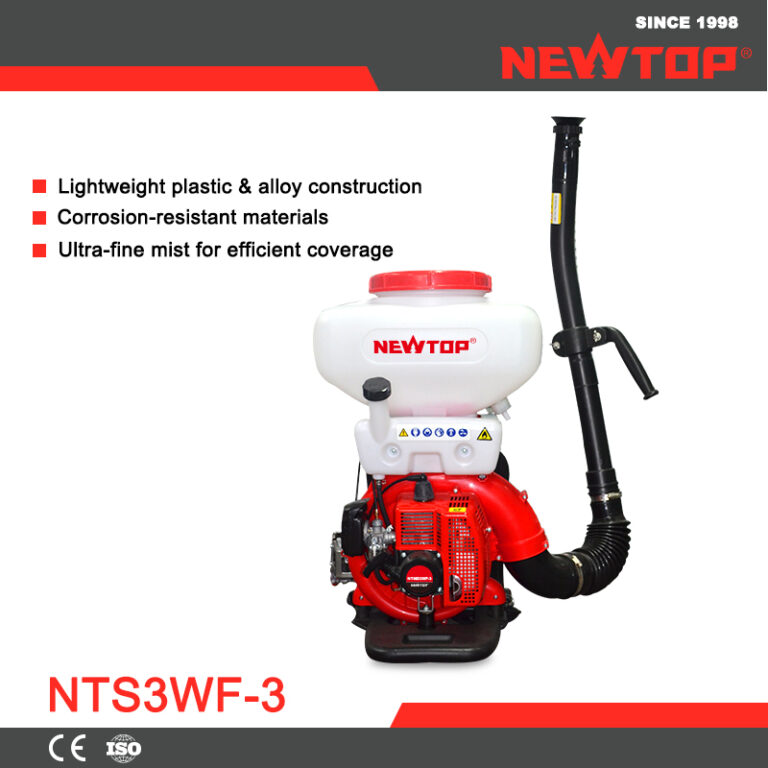
Pulverizador de mochila movido a gás NTS3WF-3
- Líquido de alta velocidade & saída de grânulos
- Bocal de precisão para aplicação direcionada
- Estrutura reforçada resistente a produtos químicos
Vantagens e limitações do nebulizador e pulverizador
Os nebulizadores são excelentes no tratamento volumétrico rápido para controle de pragas em folhagens densas, enquanto os pulverizadores oferecem precisão superior no nível da superfície e eficiência química, especialmente em modelos eletrostáticos.
| Recurso Operacional | Neblina | Pulverizador |
|---|---|---|
| Tipo de cobertura | Volumétrico (ar e superfícies) | Direto à superfície |
| Capacidade de penetração | Excelente para folhagens densas e fendas | Limitado, a menos que use um modelo eletrostático |
| Velocidade do aplicativo | Rápido para grandes, áreas abertas | Mais devagar, aplicação mais metódica |
| Risco Operacional | Alto, suscetível ao vento | Baixo devido ao maior, gotículas mais pesadas |
| Caso de uso principal | Controle de pragas ao ar livre, desinfecção do ar | Desinfecção de superfície direcionada, controle de ervas daninhas |
Neblina: Vantagens e principais aplicações
Os nebulizadores são projetados para tratar grandes volumes e penetrar em ambientes densos. Sua capacidade de produzir produtos extremamente finos, partículas suspensas os tornam altamente eficazes no controle de pragas em vegetação densa e na desinfecção de grandes áreas., espaços internos abertos onde o tratamento aéreo é crítico. Este método garante ampla cobertura com esforço mínimo do operador quando a máquina está funcionando.
- Fornece penetração profunda na folhagem densa, rachaduras, e fendas, tornando-o altamente eficaz para controle de insetos ao ar livre.
- Cobre grandes volumes de espaço rapidamente, o que reduz o tempo de trabalho para desinfecção de saúde pública ou manejo de pragas agrícolas.
- Eficaz no controle de insetos voadores e na desinfecção do ar, já que o nevoeiro permanece suspenso por um longo período.
Neblina: Limitações e considerações operacionais
As principais desvantagens dos nebulizadores estão ligadas ao controle e à segurança. A névoa fina é altamente suscetível à deriva do vento, levando a aplicações fora do alvo e potencial contaminação ambiental. Os nebulizadores térmicos adicionam outra camada de complexidade ao introduzir calor, que limita os tipos de produtos químicos que podem ser usados sem degradação.
- Alto risco de deriva química, tornando-o inadequado para precisão, aplicações específicas ou uso em condições de vento.
- Os modelos térmicos podem representar risco de incêndio e danificar soluções químicas sensíveis ao calor, alterando sua eficácia.
- Pode exigir equipamentos de proteção individual mais extensos (EPI) devido ao risco de inalar as partículas finas aerossolizadas.
Pulverizador: Vantagens e principais aplicações
Os pulverizadores oferecem controle e eficiência superiores para aplicações em superfícies. Eles produzem maiores, gotículas mais pesadas que fornecem produtos químicos diretamente ao alvo com desvio mínimo. Esta precisão os torna ideais para desinfecção direcionada, controle de ervas daninhas, e aplicação de fertilizantes onde a precisão é fundamental.
- A alta precisão de aplicação garante que os produtos químicos atinjam as superfícies alvo, reduzindo o desperdício e o impacto ambiental.
- Os pulverizadores eletrostáticos fornecem, cobertura de superfície envolvente, ideal para desinfetar objetos complexos e superfícies de alto contato.
- Geralmente mais seguro para uso interno e em áreas sensíveis devido à aplicação controlada e risco reduzido de inalação.
Pulverizador: Limitações e considerações operacionais
Embora preciso, pulverizadores são menos eficientes para tratar grandes, áreas abertas ou copas densas penetrantes. O processo de aplicação é mais lento e trabalhoso do que a nebulização. Os pulverizadores são projetados principalmente para tratar superfícies em vez de volumes de ar, limitando sua eficácia contra patógenos transportados pelo ar ou insetos voadores.
- Velocidade de aplicação mais lenta em comparação com nebulizadores no tratamento de grandes áreas externas.
- Capacidade limitada de penetrar na vegetação densa ou alcançar pragas escondidas nas profundezas das copas.
- Menos eficaz para controlar insetos voadores ou tratar patógenos transportados pelo ar, à medida que as gotículas assentam rapidamente.
Análise de custo-benefício de possuir ambos os tipos de equipamentos
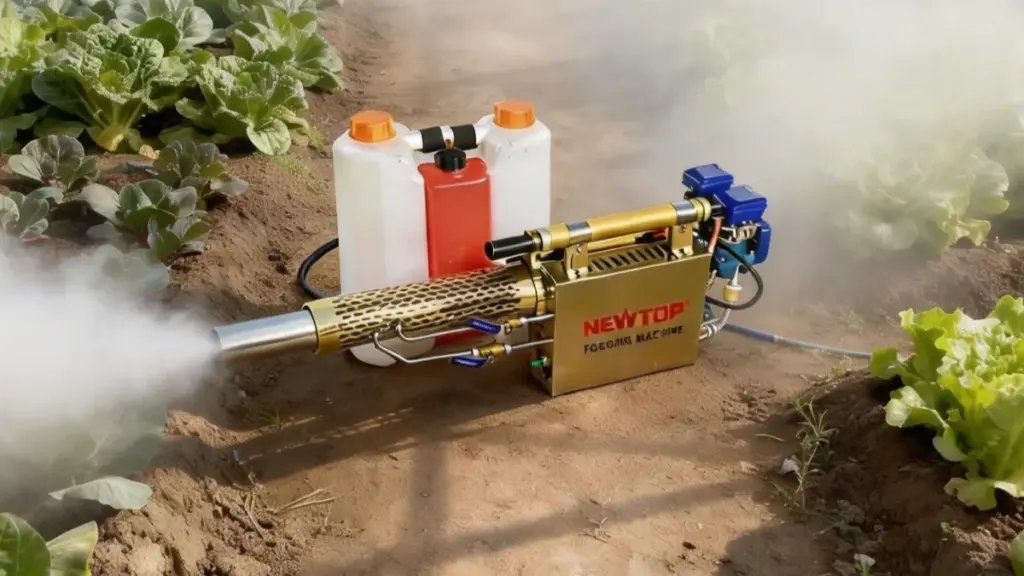
Investir em um nebulizador e um pulverizador permite que uma operação implante a ferramenta mais eficiente em termos de recursos para qualquer tarefa, minimizando despesas trabalhistas e químicas de longo prazo.
Investimento inicial vs.. Poupança a longo prazo
Possuir um nebulizador e um pulverizador requer um desembolso de capital inicial maior. Este duplo investimento, no entanto, traduz-se diretamente em economias a longo prazo, combinando com precisão o equipamento à aplicação, o que reduz o desperdício de produtos químicos e minimiza as horas de trabalho. A lógica financeira é direta: use o nebulizador de alta velocidade para grandes áreas e o pulverizador preciso para zonas específicas.
- Os nebulizadores geralmente têm um custo inicial mais elevado, mas cobrem grandes áreas rapidamente, reduzindo despesas trabalhistas para grandes projetos.
- Os pulverizadores são mais acessíveis no início e se destacam em aplicações específicas, prevenir o uso excessivo de produtos químicos caros em áreas problemáticas pequenas ou específicas.
- Por 2026, economias operacionais em mão de obra e materiais muitas vezes podem compensar o custo inicial do equipamento duplo dentro de uma ou duas temporadas para a maioria dos usuários comerciais.
Eficiência Laboral e Química
O principal benefício de uma estratégia de equipamento duplo é a alocação otimizada de recursos. Os nebulizadores são construídos para minimizar o tempo de trabalho para desinfecção em larga escala ou controle de pragas, cobrindo vastos espaços com intervenção mínima do operador. Os pulverizadores fornecem o controle necessário para, aplicação química econômica, garantindo que os ingredientes ativos sejam aplicados somente quando necessário.
- Um nebulizador pode tratar uma área até 30,000 pés quadrados com esforço mínimo do operador, uma tarefa que seria extremamente trabalhosa e demorada com um pulverizador.
- Os pulverizadores fornecem diretamente, aplicativo direcionado, o que é crucial para tratamentos pontuais ou plantas delicadas onde a pulverização excessiva seria um desperdício e potencialmente prejudicial.
- Esta abordagem evita o desperdício financeiro de aplicações ineficientes – seja desperdiçando mão de obra com um pulverizador em um trabalho grande ou desperdiçando produtos químicos com um nebulizador em um trabalho pequeno..
Versatilidade de aplicativos e ROI
Ter ambas as ferramentas proporciona flexibilidade operacional para lidar com qualquer cenário de tratamento, desde amplos espaços ao ar livre até zonas internas específicas. Essa adaptabilidade maximiza suas capacidades de serviço e fortalece o retorno do investimento, garantindo que você sempre tenha o equipamento correto para o trabalho.
- Os profissionais podem atender uma ampla gama de clientes e tipos de trabalho, incluindo campos agrícolas, armazéns, e instalações internas controladas.
- A capacidade de escolher entre amplos, névoa penetrante e um direto, pulverização controlada aumenta a eficácia geral do tratamento e os resultados do cliente.
- Essa versatilidade mantém o equipamento produtivo, levando a um retorno do investimento mais rápido e confiável em comparação com depender de um único, ferramenta menos adaptável.
Como a NEWTOP Engineering maximiza a durabilidade em ambos os tipos
Como fabricante de equipamentos elétricos para ambientes externos com mais de duas décadas de experiência no setor, NOVOTOP, projeta pulverizadores costais e nebulizadores com foco na durabilidade em ambientes exigentes.
Operamos um 10,000 instalação de metros quadrados com centros de usinagem CNC, linhas de produção automatizadas, e sistemas de inspeção independentes. Cada conjunto de bomba, componente de fluxo de ar, e o sistema de combustível passa por testes de durabilidade para garantir um desempenho consistente.
Os principais pontos fortes da engenharia incluem:
- Tanques resistentes a produtos químicos para formulações agressivas
- Sistemas de bicos de precisão para controle estável de gotas
- Componentes de motor provenientes de fornecedores reconhecidos globalmente
- Processos estruturados de inspeção de qualidade desde a matéria-prima até os testes finais
- Conformidade com CE, EPA, ISO9001, e padrões ISO14001
Para parceiros OEM e distribuidores regionais, NEWTOP oferece opções de personalização de marca, capacidade do tanque, configuração do motor, e design de embalagens. Com exportações para mais 65 países e parcerias com mais de 100 distribuidores em todo o mundo, NEWTOP apoia a cooperação a longo prazo através de cadeias de abastecimento estáveis e documentação técnica.
Para catálogos de produtos, especificações técnicas, ou consultas OEM, entre em contato com nossa equipe técnica para um orçamento personalizado com base em suas necessidades regionais.
Conclusão
A escolha entre um nebulizador e um pulverizador depende das necessidades específicas de sua aplicação, desde o tamanho da partícula até a área de cobertura necessária. Fazer a escolha certa do equipamento impacta diretamente o uso de produtos químicos, custos trabalhistas, e eficiência operacional geral. Esse conhecimento técnico garante que você selecione uma ferramenta que entregue os resultados pretendidos sem desperdício.
Use este guia para avaliar seu equipamento atual e identificar quaisquer lacunas de desempenho. Se você precisa de uma ferramenta projetada para uso comercial exigente, nossos especialistas em produtos podem ajudá-lo a encontrar um nebulizador ou pulverizador durável que atenda às suas necessidades.
Perguntas frequentes
Qual é a principal diferença entre um nebulizador e um pulverizador?
A principal diferença é o tamanho da gota. Um nebulizador produz gotículas microscópicas (sob 50 mícrons) que ficam suspensos no ar para preencher um volume de espaço. Um pulverizador produz gotas maiores (sobre 100 mícrons) projetado para pousar e revestir superfícies específicas.
Um nebulizador usa menos água do que um pulverizador?
Sim. Nebulizadores, particularmente modelos ULV, use altas concentrações de produtos químicos e muito pouco líquido transportador (água ou óleo). Um pulverizador requer uma quantidade significativa de água para atuar como meio de transporte para que o produto químico atinja o alvo.
Os nebulizadores podem ser usados para pesticidas agrícolas?
Sim, especialmente em ambientes fechados como estufas, mas as culturas arvenses geralmente requerem pulverizadores convencionais para melhor precisão.
Por que os nebulizadores são mais caros que os pulverizadores manuais?
Os nebulizadores envolvem fluxo de ar ou sistemas de aquecimento mais complexos, aumentando os custos de produção e manutenção.
Qual deles oferece melhor cobertura para folhagem densa?
Os nebulizadores geralmente alcançam melhor penetração devido ao tamanho menor das gotas e maior tempo de suspensão.
Como os requisitos de manutenção diferem?
Os nebulizadores exigem inspeção do fluxo de ar ou dos sistemas de combustão, enquanto os pulverizadores precisam principalmente de substituição da vedação da bomba e limpeza do bico.
