


- 全て
- NEWTOPのお客様事例
- NEWTOP エクスプローラー ハブ
- NEWTOP 業界の洞察
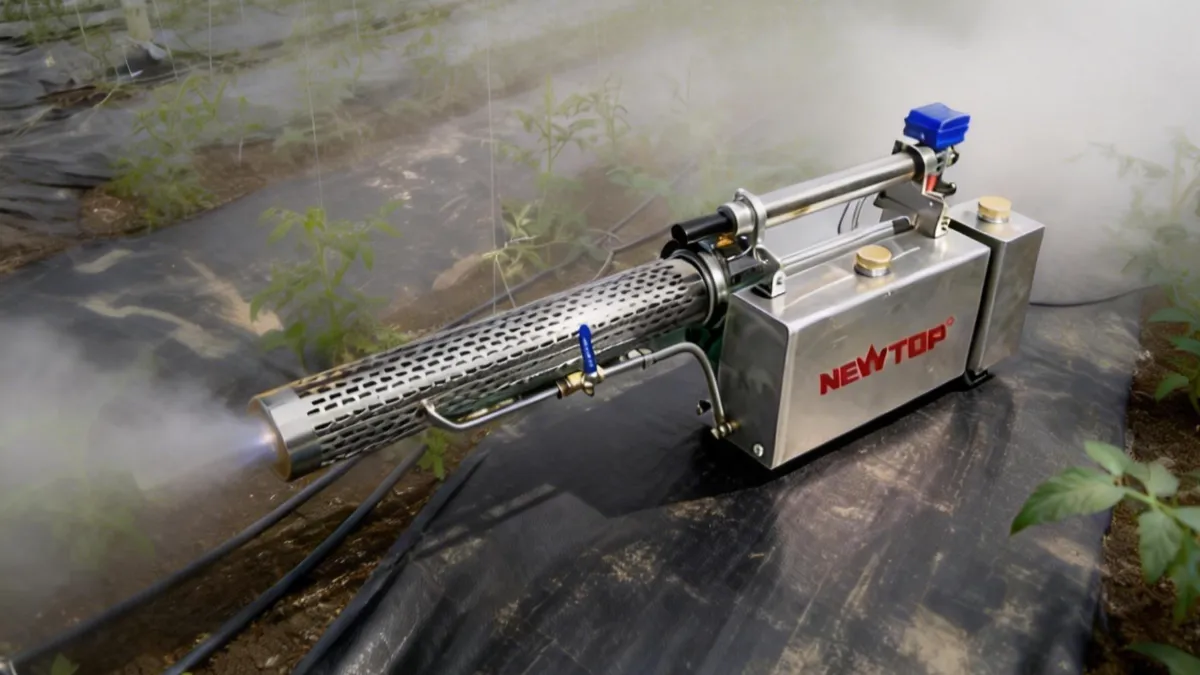
Answering ‘what is a fogger sprayer’ is the critical first step in preventing costly chemical waste and avoiding compliance failures in public health and agricultural settings. Many operations mistakenly deploy standard sprayers for tasks demanding precise, aerosolized droplets, which leads to ineffective pest control, incomplete disinfection, and significant financial losses. This fundamental mismatch in equipment is a common operational blind spot that directly impacts both safety and budget.
This guide provides the technical foundation for making informed equipment decisions. We break down the core components of professional fogging machines, detail their primary applications, and compare the key differences between thermal and cold fogger technologies. Consider this your standard operating procedure for evaluating, selecting, and safely deploying the right misting tool for any large-scale job.
What Is a Fogger Sprayer and How It Works?
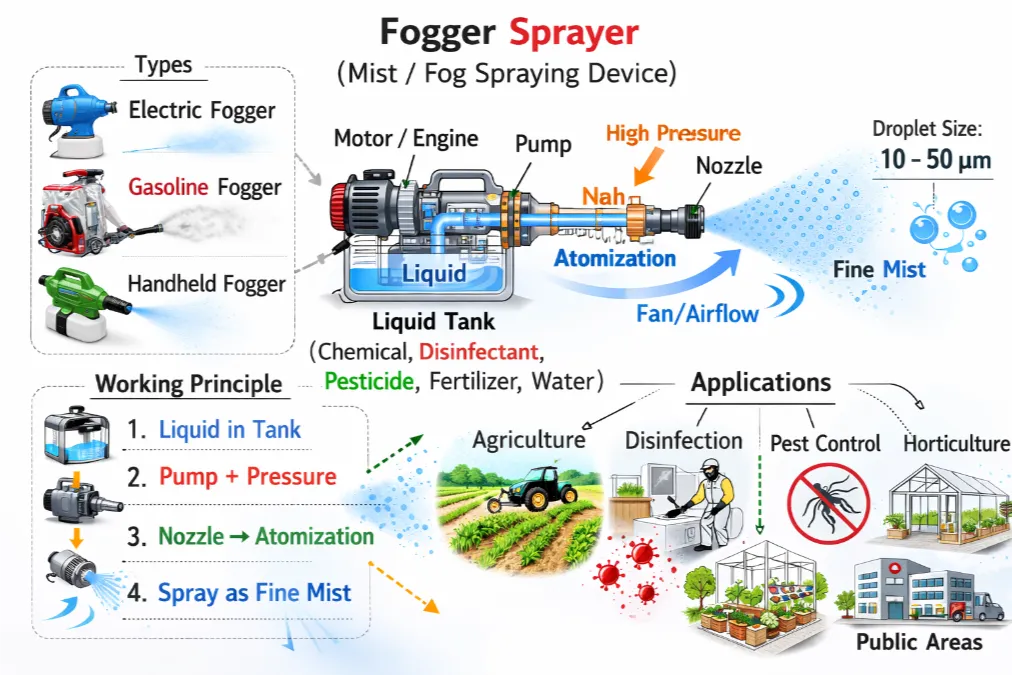
Fogger sprayers atomize liquid solutions into a fine aerosol mist, enabling uniform chemical application across large, complex surfaces that conventional sprayers cannot effectively reach.
A fogger sprayer is a specialized spraying device designed to convert liquid solutions into ultra-low volume (ULV) droplets, 通常は~の範囲です 5 に 50 ミクロン. At this size, droplets behave almost like a gas, drifting through the air and settling evenly over surfaces. This makes fogging particularly effective for insect control, crop protection, and large-scale disinfection.
The Basic Fogging Mechanism
A fogger works by atomizing a liquid solution. A motor-driven pump draws the chemical from a tank and pressurizes it. This pressurized liquid is then forced through a specialized nozzle, which breaks it down into tiny droplets. A blower or fan propels these aerosol particles into the target environment, creating a fog that settles on all exposed surfaces. The machine’s design controls the droplet size to optimize air suspension time and ensure effective surface contact.
Major Fogging Technologies Used Today
Modern fogging equipment is generally categorized into thermal foggers, ULV cold foggers, and electrostatic systems. Each operates on a distinct atomization principle and is suited to different environments.
サーマルフォガー
Thermal foggers use a heated coil or combustion chamber to vaporize oil-based or water-based solutions. When the vapor exits the nozzle and encounters cooler ambient air, it condenses into a thick, visible fog. This visible plume helps operators monitor coverage in open environments.
Thermal systems are widely used in outdoor mosquito control programs, agricultural field treatments, and public health operations across tropical regions. They are especially effective when rapid large-area dispersion is required. しかし, because they rely on combustion and heat, they are typically not recommended for enclosed indoor spaces without proper ventilation.
ULV (Ultra Low Volume) Cold Foggers
Cold foggers, often referred to as ULV foggers, rely entirely on mechanical energy rather than heat. A high-speed blower or turbine shears the liquid into extremely fine droplets, typically under 30 ミクロン.
ULV fogging is ideal for indoor disinfection, food processing facilities, 温室, poultry farms, and warehouses. Since there is no combustion process, cold foggers are safer for enclosed environments and compatible with water-based disinfectants. They are also more energy-efficient and generally produce less visible residue compared to thermal systems.
Electrostatic Sprayers
Electrostatic systems represent a more advanced variation of fogging technology. In these machines, droplets receive an electrical charge as they exit the nozzle. This charge causes the particles to actively seek and adhere to surfaces, wrapping around objects for more complete 360-degree coverage.
Electrostatic spraying is commonly used in healthcare facilities, airports, schools, and high-touch public areas where surface disinfection precision is critical. While more specialized and typically higher in cost, electrostatic technology significantly reduces chemical waste and improves uniformity of application.
Key Components of a Professional Fogger Machine
A professional fogger’s performance depends on four core systems working together: the fluid delivery mechanism, the thermal management system, the atomizing nozzle, and the electronic controls that regulate the entire process.
| コンポーネントシステム | 一次機能 | Critical Feature |
|---|---|---|
| Fluid Tank & Pump System | Stores and pressurizes the fogging solution for consistent delivery. | Chemical-resistant tank and reliable high-pressure pump. |
| Heating Element & Heat Exchanger | Rapidly heats and vaporizes the fluid to create a dense fog. | High-wattage heater with integrated thermal safety cutoffs. |
| ノズル & Atomizer Assembly | Expels and atomizes vapor into fine particles of a specific size. | Precision-engineered to control droplet micron size and fog density. |
| Control Electronics & Interface | Manages temperature, fluid flow, and operational timing. | Central PCB with a clear user interface, often including remote control. |
Fluid Tank and Pump System
The fluid tank stores the fogging solution, and its pump pressurizes the liquid before sending it to the heating element. The capacity and material of the tank directly influence the machine’s continuous runtime, while the pump’s reliability determines output consistency. Professional-grade machines use components built for demanding field conditions.
- The tank is constructed from durable, chemical-resistant materials to prevent corrosion from various fogging solutions.
- A high-pressure pump delivers a steady fluid flow, ensuring uniform fog generation without sputtering.
- Internal filters prevent particles from clogging the nozzle, which maintains performance and reduces downtime for maintenance.
Heating Element and Heat Exchanger
In a thermal fogger, this is the engine of the machine. The heating element and heat exchanger work together to rapidly heat and vaporize the fogging solution into a gas. Efficient heat transfer is essential for producing a thick, dry fog and is a key differentiator in machine quality. Poor thermal management can result in a wet, ineffective fog or create a safety hazard.
- A high-wattage heater block achieves the optimal operating temperature quickly, reducing startup time.
- The heat exchanger is designed to maximize the surface area exposed to the fluid, ensuring complete and efficient vaporization.
- Embedded temperature sensors and thermal safety cutoffs are non-negotiable features that prevent the unit from overheating.
Nozzle and Atomizer Assembly
The nozzle is the final stage, where the pressurized, vaporized solution is expelled and atomized into extremely fine particles, creating the visible fog. The engineering of the nozzle assembly determines the droplet size, measured in microns, and the fog’s projection distance. This component is critical for achieving the desired coverage and penetration for applications like 害虫駆除 or disinfection.
- Precision nozzles create particles of a specific micron size, ensuring the fog hangs in the air and coats surfaces effectively.
- Materials used in the nozzle must withstand high temperatures and constant pressure without degrading.
- Many professional models feature adjustable output settings, allowing operators to control fog density and flow rate for different environments.
Control Electronics and Interface
Modern foggers are not just mechanical devices; they rely on sophisticated electronic controls to manage every function with precision. The central printed circuit board (PCB) regulates temperature, fluid flow, and output timing. A well-designed user interface allows the operator to configure these settings easily and monitor the machine’s status, which is vital for repeatable and predictable results.
- The PCB acts as the brain, synchronizing the pump and heater to produce a consistent output.
- A straightforward interface with buttons, indicator lights, or a digital display gives the operator full control over the machine’s functions.
- Remote control capabilities, whether wired or wireless, allow for convenient and safe operation from a distance.
Professional Fogger Solutions for Large-Scale Control

害虫駆除および農業における噴霧器の主要な用途
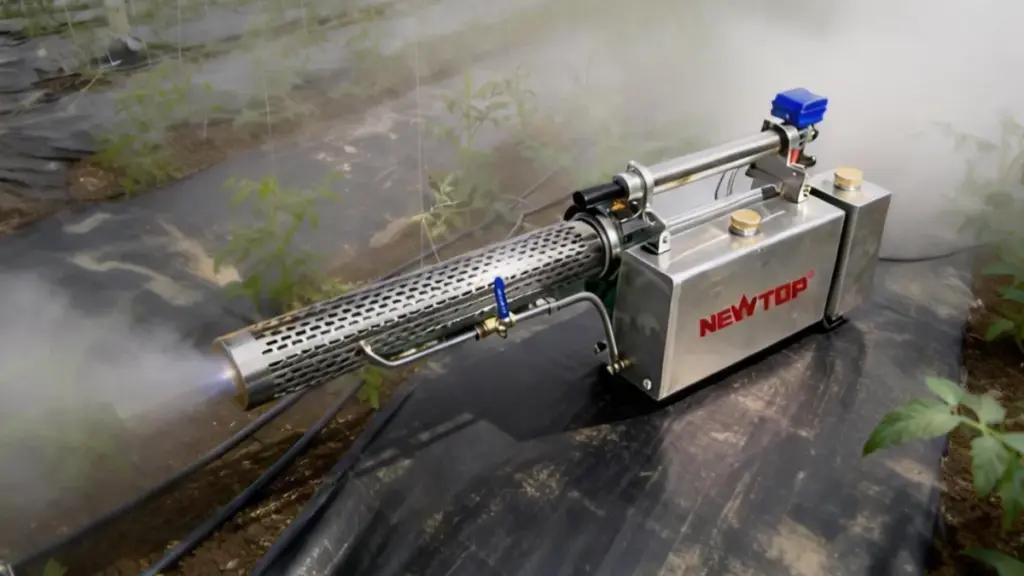
Foggers are essential tools in agriculture and public health, delivering atomized solutions for crop protection, large-scale sanitization, and environmental control.
Agricultural Pest and Disease Management
In farming and greenhouse operations, foggers deliver fine aerosol droplets that penetrate dense plant canopies. This process ensures fungicides and pesticides reach all surfaces, including the undersides of leaves, providing comprehensive protection against pests and diseases. The superior coverage and penetration capabilities are critical for maintaining crop health and maximizing yields.
- Covers large areas like field crops and orchards quickly, improving labor efficiency during treatment windows.
- Delivers uniform application of chemicals, reducing waste and minimizing environmental runoff.
- Effective for controlling insects and fungal growth in controlled environments like greenhouses and nurseries.
Large-Scale Disinfection and Sanitization
ULV (Ultra Low Volume) cold foggers are standard equipment for sanitizing public spaces, commercial facilities, and livestock enclosures. They disperse disinfectants as a fine mist that settles on surfaces to neutralize pathogens without causing excessive wetness. This method is crucial for contamination control protocols in food processing, healthcare, and transportation sectors.
- Used in food production facilities to maintain sanitary conditions and prevent contamination.
- Sanitizes transportation hubs, schools, and hospitals to control the spread of viruses and bacteria.
- Disinfects animal housing such as poultry farms and barns to protect livestock health.
Humidity and Climate Control
Fogging systems help regulate humidity and temperature in specialized agricultural settings. By releasing a fine water mist, they create optimal growing conditions for sensitive plants or help preserve perishable goods. This application of humidity management is vital for high-value crops and extending the shelf life of produce.
- Increases ambient humidity in greenhouses, which is critical for cultivating tropical plants and seedlings.
- Provides evaporative cooling to lower temperatures during hot weather, reducing heat stress on crops.
- Maintains moisture levels in storage facilities for produce and flowers to extend their shelf life.
Read more: トップ 10 バックパック噴霧器メーカー 2026
Benefits of Using a Fogger Sprayer for Large-Scale Disinfection

When properly calibrated and applied according to chemical guidelines, fogger sprayers can significantly improve operational efficiency in large-scale disinfection environments. Their ability to produce ultra-fine droplets allows for more uniform spatial coverage compared to conventional manual cleaning methods.
Superior Surface Coverage
Fogging systems generate a controlled mist that disperses throughout an enclosed space rather than targeting only visible surfaces. Because the droplets remain suspended for a period of time, they are more likely to contact elevated surfaces, corners, ventilation openings, and the undersides of equipment.
Electrostatic variants further enhance deposition efficiency by electrically charging droplets, which encourages them to adhere more effectively to target surfaces.
While exact coverage performance depends on room layout and airflow conditions, fogging technology generally provides more consistent volumetric distribution than manual wiping or pump spraying.
Optimized Chemical Efficiency and Labor Productivity
ULV foggers are designed to apply disinfectant solutions in very small droplet sizes, which increases dispersion efficiency. In many facility maintenance scenarios, this allows operators to treat larger areas using lower total liquid volume compared to conventional high-volume spraying.
さらに, fogging reduces the need for repetitive manual surface wiping across large facilities. A single trained operator can treat open spaces more quickly than traditional cleaning crews, improving labor productivity and reducing operational downtime.
Actual savings will vary depending on room configuration, chemical type, and application protocol.
Rapid Treatment for Extensive Areas
Foggers are particularly valuable in warehouses, production facilities, livestock housing, and other large commercial environments where rapid treatment is essential.
Coverage rate depends on machine capacity and operator technique. Portable and backpack ULV foggers are commonly used for medium-to-large indoor areas, while high-capacity thermal foggers are preferred for outdoor vector control and expansive open spaces.
Because fogging distributes disinfectant in airborne form, it enables faster treatment cycles compared to surface-only cleaning methods, supporting quicker facility turnaround.
Thermal Foggers vs. Cold Foggers: Major Differences
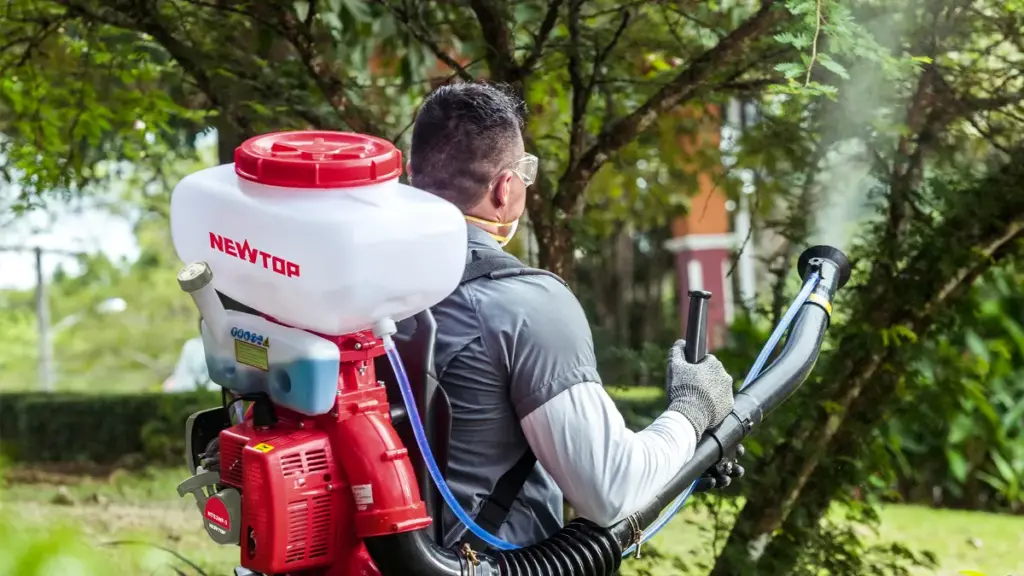
The choice between thermal and cold foggers hinges entirely on the application environment; thermal units excel outdoors with fine, heat-vaporized particles, while cold (ULV) foggers provide safer, heat-free atomization for indoor and sensitive areas.
| 特徴 | Thermal Fogger | Cold (ULV) フォガー |
|---|---|---|
| Operating Mechanism | Uses heat to vaporize a chemical solution. | Uses high pressure and air shear to atomize liquid. |
| Particle Size | Extremely fine (0.5–10 microns). | Fine, often adjustable (5–50 microns). |
| Ideal Environment | Large-scale outdoor areas (農場, forests). | Indoors and enclosed spaces (hospitals, 温室). |
| Safety Profile | Poses a fire hazard; requires careful handling. | No heat, no fire risk, and generally quieter operation. |
| 化学的適合性 | Typically requires oil-based carriers. | Works with a wide range of water and oil-based solutions. |
Operating Mechanism and Particle Size
The fundamental distinction between these machines is how they generate fog.
Thermal foggers employ heat to flash-vaporize a chemical solution, which then condenses upon contact with cooler ambient air. This process creates a dense, highly visible fog composed of extremely fine particles.
Cold foggers, also known as Ultra Low Volume (ULV) machines, use high-pressure air to shatter liquid into a fine mist without any heat. This mechanical process of atomization offers greater control over droplet size.
Ideal Applications and Environments
Each fogger type is engineered for specific operational contexts.
Thermal foggers are the established tool for expansive outdoor applications, such as large-scale pest control in agriculture and public health vector control programs. Their dense fog can drift over vast areas, effectively treating forests, 農場, and municipalities.
Cold foggers have become the standard for indoor and commercial use where safety and operational noise are primary concerns.
Chemical Compatibility and Safety
Cold foggers offer superior chemical versatility. Because they operate without heat, they can safely aerosolize a wide array of solutions without degrading the active ingredients. This makes them suitable for disinfectants, biocides, and pesticides that are sensitive to high temperatures. This operational safety extends to the operator and the environment, especially in enclosed areas where fire risk must be eliminated.
Thermal foggers are more restrictive, often requiring oil-based carriers to produce a thick fog. The high-temperature operation introduces a clear fire hazard if mishandled or used near flammable materials, making them unsuitable for most indoor applications.
Critical Safety Protocols for Operating Fogging Equipment

Effective fogging operations depend on standardized safety protocols, including mandatory operator certification, correct PPE usage, and strict adherence to chemical handling and re-entry procedures.
Use of Personal Protective Equipment (PPE)
Wearing the correct Personal Protective Equipment is the first line of defense for any operator. Regulations require comprehensive protection to prevent chemical exposure through inhalation, skin contact, or eye irritation during the fogging process. Failure to use proper PPE can lead to immediate health risks and long-term complications.
- Full-face respirators with appropriate chemical cartridges are mandatory.
- Chemical-resistant gloves, coveralls, and waterproof boots protect the skin from contact.
- Goggles or face shields provide an extra layer of protection for the eyes.
Area Preparation and Ventilation Control
Properly preparing the treatment area is essential to ensure both effectiveness and safety. This involves isolating the space and managing airflow to contain the fog and protect adjacent environments. A well-prepared area maximizes the disinfectant’s efficacy while minimizing unintended exposure.
- Seal off the designated area by closing all doors, windows, and vents.
- Turn off all HVAC systems to prevent the disinfectant from circulating outside the treatment zone.
- Post warning signs at all entry points to prevent unauthorized access during and after application.
Operator Training and Chemical Management
Operator certification and adherence to chemical guidelines are now industry standards. A trained operator understands the equipment’s functions, the properties of the disinfectant, and how to manage potential risks. This expertise prevents equipment misuse and ensures chemicals are applied at safe, effective concentrations.
- Operators must be certified and trained on the specific fogging equipment in use.
- Always follow the manufacturer’s guidelines for chemical dilution ratios and application rates.
- Confirm chemical compatibility with the equipment to prevent corrosion or malfunction.
Post-Treatment and Safe Re-Entry Protocols
Safety procedures do not end when the application is complete. Post-treatment protocols ensure the area is safe for re-entry and that any chemical residue is managed correctly. These final steps are crucial for protecting occupants and maintaining equipment integrity.
- Adhere to the specified waiting period before ventilating and re-entering the area.
- Thoroughly clean the fogging equipment after each use to maintain its performance and longevity.
- Manage any remaining chemical residue according to environmental safety standards.
Why Choose NEWTOP High-Efficiency Fogger Solutions?
NEWTOP foggers combine precision manufacturing with a robust global supply chain to deliver reliable, versatile equipment for large-scale agricultural and public health operations.
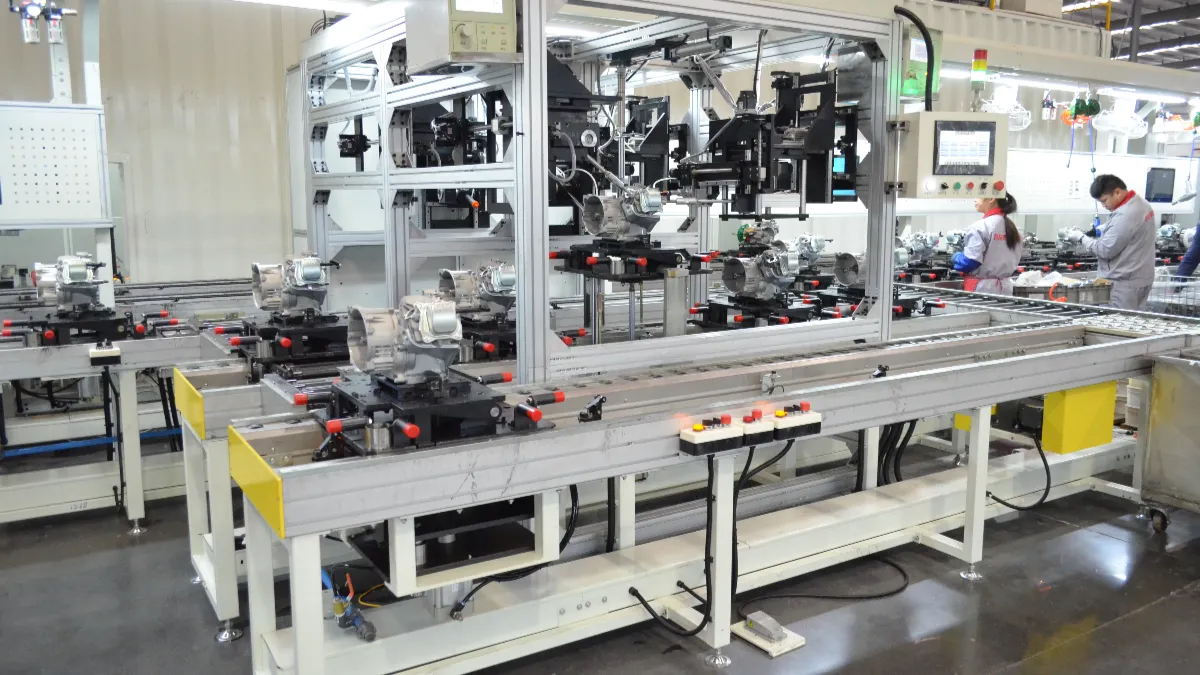
As a leading garden and agricultural machinery manufacturer based in Shanghai, NEWTOP has been manufacturing power equipment since 2003. 以上 10,000 square meters of production facilities and an annual capacity 超える 500,000 単位, the company integrates CNC machining centers, 自動化された生産ライン, and independent testing laboratories to ensure consistent quality.
NEWTOP’s fogger sprayers are engineered for durability in demanding environments such as tropical agriculture and municipal vector control programs. Core components are selected from globally recognized suppliers, ensuring stable combustion performance and long service life.
The company supports OEM and ODM customization, including color design, ブランディング, 梱包, and parameter adjustments tailored to regional regulations. CEあり, EPA, and ISO certifications, NEWTOP equipment meets international compliance standards.
For distributors targeting Africa, ラテンアメリカ, 東南アジア, and emerging Eastern European markets, NEWTOP offers competitive mid-range positioning that balances price, 耐久性, 販売後のサポート.
Grow Strong with NEWTOP — Your Trustworthy Garden Tools Partner.
For product catalogs, technical specifications, or partnership inquiries, contact:
電子メール: [email protected]
ワッツアップ: +86 13636521556
Webサイト: https://newtoptools.com/
結論
Understanding the mechanics of a fogger sprayer, from its key components to the differences between thermal and cold ULV models, directly impacts operational success. This knowledge ensures you can achieve precise, wide-area coverage for disinfection, 害虫駆除, and agricultural treatments. Selecting the right tool optimizes chemical use, enhances safety, and improves overall efficiency.
If you are ready to enhance your operations with reliable misting technology, explore NEWTOP’s line of professional fogger solutions. Contact our team to request a product catalog or to consult on the best equipment for your specific application.
よくある質問
What is the difference between a fogger and a sprayer?
A traditional sprayer produces larger droplets that settle quickly on surfaces, making it suitable for targeted applications. A fogger creates ultra-fine droplets that remain suspended in the air, allowing better coverage and penetration.
How long can a fogger spray continuously?
Continuous operation time depends on tank capacity and engine type. ほとんど professional gasoline foggers can operate for 30–60 minutes per tank under standard load.
Is a fogger better than a spray for mosquitoes?
はい, for wide-area mosquito control, especially outdoors, foggers are generally more effective because the fine mist can disperse across vegetation and open air.
Can you use a fogger for indoor disinfection?
はい, particularly cold ULV foggers designed for indoor environments. Proper ventilation and chemical compliance are essential.
What is the spray range of a portable fogger?
Portable thermal foggers may achieve a horizontal spray distance of 8–12 meters depending on wind conditions and model specifications.
Do foggers use more chemical than sprayers?
いいえ, foggers are designed to use less chemical than traditional sprayers. ULV (Ultra Low Volume) 噴霧器, 特に, atomize a small amount of concentrated solution into a vast volume of fine mist. This method provides extensive coverage with maximum efficiency, reducing overall chemical consumption compared to high-volume drenching sprayers.
If you would like a deeper technical breakdown of sprayer and fogger performance differences, read our guide: 噴霧器と噴霧器の違い: 技術比較ガイド .
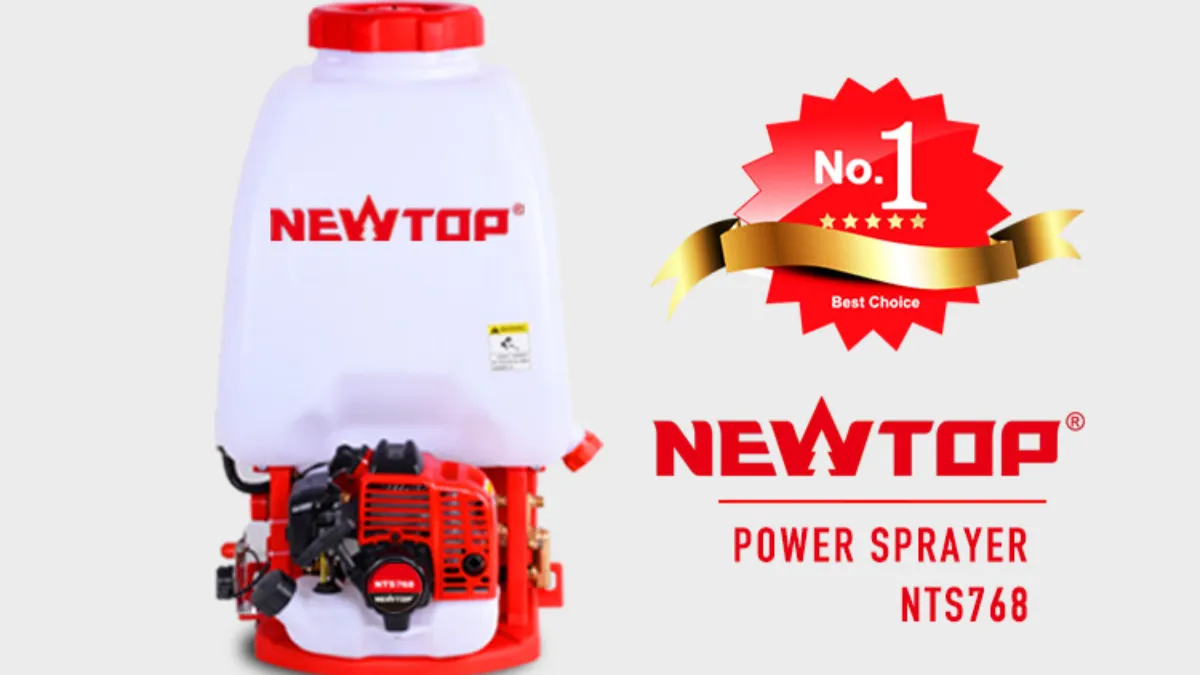
農産物流通業者向け, 農機具卸売業者, 地域ブランドオーナーと, 適切なナップサック型噴霧器を見つけることは、タンクのサイズやエンジンの種類を比較するだけではありません。. 重要なのはパフォーマンスのバランスを取ることです, 耐久性, 規制遵守, 地元農家の価格期待に応えながら、長期的な供給安定性を実現します。.
アフリカ全土の新興市場で, ラテンアメリカ, 東南アジア, 東ヨーロッパの一部と, バックパック型噴霧器は、作物保護と栄養散布に最も重要なツールの 1 つであり続けています。. 農薬散布に使用されるかどうか, 除草剤散布, 肥料の配布, または公衆衛生, 信頼できる噴霧器は農場の生産性に直接影響します.
このガイドは、製品タイプを実際に理解する必要がある輸入業者および大量購入者向けに書かれています。, モデルの選択, 価格設定ロジック, コンプライアンス要件, 長期的なサプライヤー評価.
販売のためのナップザック噴霧器: 現代農業で人気のある種類
ナップサック型噴霧器の世界市場は過去 10 年間で大幅に進化しました. 今日の購入者は 3 つの主要な電源システムから選択できます: マニュアル, ガソリン式, およびバッテリー式噴霧器.
手動ナップザック噴霧器
手動ナップザック噴霧器は小規模農業経営に主な選択肢です, 通常は2エーカー未満のもの. 彼らの単純な, オペレーター主導の設計により、信頼性が高く、次のような対象アプリケーションの保守が容易になります。 害虫駆除 または肥料の配布. と ピストンまたはダイヤフラムポンプ 機構, 正しく操作すると、一貫した圧力を提供します。.
ガソリンナップザック噴霧器
ガソリンナップザック噴霧器, 特にミストダスタータイプ, より大きな畑や果樹園に適しています。. 2ストロークまたは4ストロークエンジンを搭載, 高圧出力と拡張されたスプレー範囲を提供します。. これらのモデルは以下で一般的です 熱帯農業 背の高い作物があるところ, カカオや果樹など, 強い浸透力が必要. 輸入者は排気量に注意する必要があります, 燃費, ガソリンバージョンを選択する場合の排出ガス基準.
電池式ナップザック噴霧器
リチウム電池式噴霧器が注目を集めている, 特に都市景観において, 温室運営, および政府プロジェクト. 騒音を軽減します, 燃料の混合を排除する, より安定した圧力制御を提供します. ブラシレスモーターと調整可能なスプレーモードを搭載, 精度とオペレーターの快適性が向上します. 環境規制が強化されている地域では, 電動モデルは長期的にはより安全な選択肢になりつつある.
関連書籍: ナップザック噴霧器の種類: 農場に最適なモデルの選択
販売のためのナップザック噴霧器のベストモデル 2026
で 2026, ガソリンの需要 バックパック噴霧器 ミストダスターはアフリカ全土で増え続けています, ラテンアメリカ, 東南アジア, 東ヨーロッパの一部と. で ニュートップ, いくつかのナップザック型噴霧器モデルは、輸出市場で常に最も売れているユニットにランクされています。. これらのモデルは OEM クライアントに広く選ばれています, 地域の代理店, 安定したパフォーマンスと実際の現場条件にマッチする実用的な構成を提供するため、農業サプライチェーンに最適です。.
以下は 4 最も人気のある ガソリンナップザック噴霧器 大量購入者向け. 次の製品カードでは、技術仕様を簡単に確認し、各モデルの詳細ページに直接アクセスできます。. どのナップサック式噴霧器を市場に導入するかを検討している場合 2026, これらの構成を確認すると、適切なオプションを絞り込むのに役立ちます.
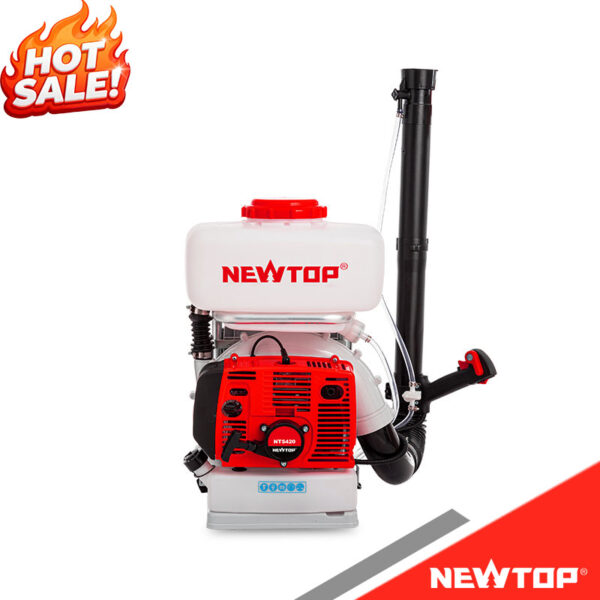
NTS420 ガソリンナップザック噴霧器
NTS420 は、畑作物や農園での使用向けに設計された信頼性の高い 20L バックパック噴霧器です。. 安定したエンジン出力で強力なスプレー浸透力を実現, 大面積の農薬や肥料の散布に適しています。.
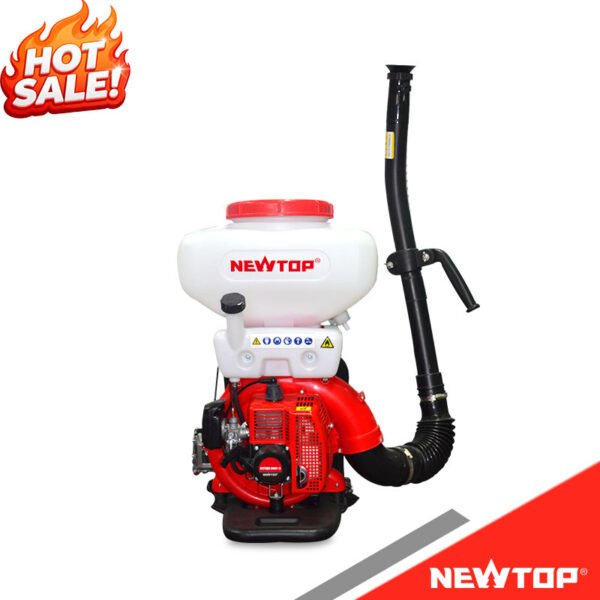
NTS3WF-3 ミストダスター噴霧器
NTS3WF-3 は、果樹園や背の高い作物向けの噴霧機能とミスト機能を組み合わせた製品です。. 強力なエアフローと拡張されたスプレー範囲を備えています, 密集した農業環境でも葉を深く浸透させることができます。.
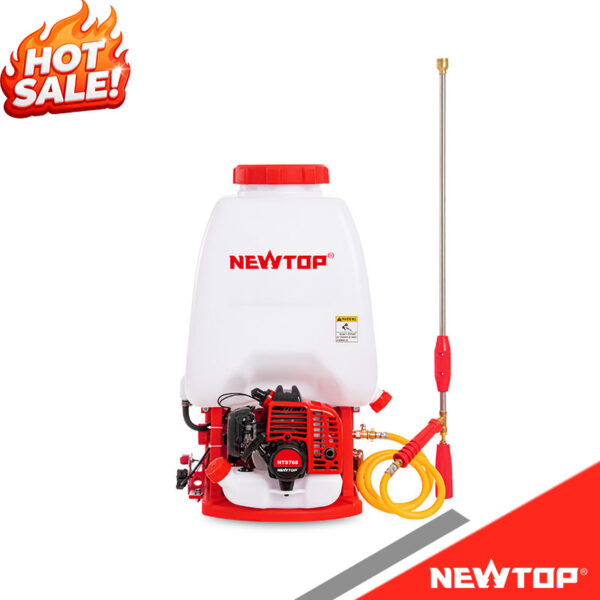
NTS768 高圧噴霧器
NTS768 は集中的な農業用途向けに構築されています. 強化されたタンク構造と安定したエンジンシステムにより、需要の高い市場をターゲットとするプロの販売代理店に適しています。.
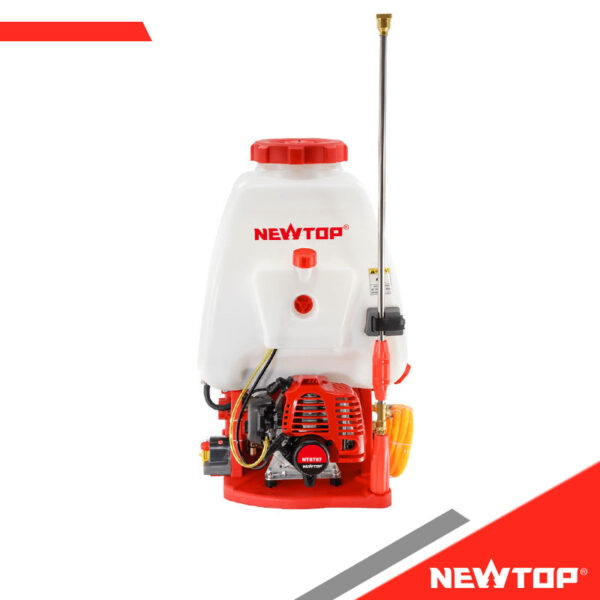
NTS767 業務用バックパック噴霧器
NTS767 はバランスのとれた電力と効率を提供します, 農場や園芸用途向けのミッドレンジのガソリン背負い式噴霧器を探している販売店に最適. 耐久性のあるコンポーネントにより長寿命を保証.
市場に適したモデルの選択
| 対象市場 | 推奨モデル | 技術的優位性 | 典型的なアプリケーションシナリオ |
|---|---|---|---|
| 大規模なプランテーション & 商業農場 | NTS420 (56.5cc) | より大きな排気量のエンジンにより、より強い空気流とより深い液滴の浸透が実現します。 | カカオなどの背の高い作物, 手のひら, そして果樹園の木々; 時間効率が求められる広いエリアをカバーする |
| オーチャード & デュアルスプレー/ダスト操作 | NTS3WF-3 (ミストダスター) | 強力なエアフローシステムで液体噴霧と粉体塗布の両方をサポート | 柔軟な害虫駆除ソリューションを必要とする多様な農場 |
| 価格に敏感な地域の販売代理店 | NTS768 / NTS767 (26cc) | 燃料消費量を低減し、運用コストを管理しやすいバランスのとれたエンジン性能 | 管理された予算で信頼性の高い毎日の散布を必要とする中小規模の農場 |
| 排出量または効率の要件がある市場 | 2-ストロークまたは4ストロークのオプション | 2-脳卒中: 軽くてメンテナンスも簡単; 4-脳卒中: 燃料効率の向上と排出ガスの削減 | 環境コンプライアンスまたは長期的な燃料節約を優先する地域 |
需要の高いナップサック型噴霧器を市場向けに確保

ナップザック噴霧器を閲覧する際に評価すべき重要な要素
プロ仕様のナップサック型噴霧器は、圧力下での一貫したパフォーマンスによって定義されます。, オペレーターの安全のための人間工学に基づいたデザイン, 国際品質基準への準拠.
| 評価要素 | 主要な指標 | 業界標準 / ベンチマーク |
|---|---|---|
| パフォーマンス & 耐久性 | 圧力調整 & 流量 | 均一な塗布のための一貫した PSI; 漏れ防止シールと材料. |
| オペレーターの安全 & 人間工学 | 最大積載重量 | を超えてはいけません 25 kgでオペレータの疲労を軽減. |
| 認証 & メンテナンス | 安全性 & 品質コンプライアンス | FAO または同等の国際ガイドラインの遵守. |
性能と耐久性の基準
信頼性の高いナップサック型噴霧器は、一貫したパフォーマンスを発揮し、厳しい農業条件に耐える必要があります。. ユニットを評価するとき, 安定した圧力を維持する能力に焦点を当てる, 均一な流量を供給します, 化学薬品への曝露や物理的使用による劣化に耐えます。. ポンプの仕組み, ピストンかダイヤフラムか, 満タンのタンクから空のタンクまでスプレーパターンが一定に保たれるように、効率的に圧力を生成して保持する必要があります。. 材料の品質も同様に重要です; コンポーネントは耐久性のある素材で作られている必要があります, 耐食性ポリマーと漏れ防止シールを備えており、長期にわたって攻撃的な化学物質を処理できます。.
オペレーターの安全性と人間工学
オペレーターの健康が第一の関心事です. 身体的負担を最小限に抑え、ユーザーを化学物質との接触から保護するように設計された噴霧器を探してください。. 国際規格では、フル装備の噴霧器の重量が次の値を超えないよう推奨しています。 25 kgで疲労と怪我のリスクを軽減. 主な人間工学的特徴には、肩と腰に均等に重量を分散するパッド入りのハーネスが含まれます。, オペレーターの姿勢に合わせた湾曲した背もたれ, 全体的な安定性により、傾斜地での転倒を防ぎます。. 持ち運びや操作が快適な噴霧器により、長時間の作業でもより正確な塗布とより安全な取り扱いが可能になります。.
認証とメンテナンスの容易さ
国際規格への準拠, FAOの指導によるものなど (食糧農業機関), 品質と安全性に対するメーカーの取り組みを示しています. これらの認証により、噴霧器が漏れ防止のための厳格なテストに合格していることが保証されます。, 耐久性, とオペレーターの安全性. 初期品質を超えて, 優れた設計の噴霧器はメンテナンスが簡単でなければなりません. 掃除や部品交換を容易にする機能を探す, 大きなタンク開口部やフィルターやポンプへの工具不要のアクセスなど. 簡単なメンテナンスにより、化学物質による相互汚染が防止され、機器の耐用年数が大幅に延長されます。.
ナップザックスプレーの大量注文の価格ガイド
季節調達を計画している流通業者や農機具輸入業者にとって、バルク価格を理解することは不可欠です。. ナップザック噴霧器の販売価格はエンジンの種類によって大きく異なります, 変位, タンク容量, そして注文量.
以下は、ガソリンバックパックスプレーの一般的な卸売価格の参考です。 2026:
| 噴霧器の種類 | 推定FOB価格帯 (米ドル) | 代表的な用途 |
|---|---|---|
| 手動ナップザック噴霧器 (15-20L) | $10 – $18 ユニットあたり | 小規模農場, 野菜畑, 温室散布, エントリーレベルの流通市場 |
| ガソリンバックパック噴霧器 (26cc~56.5cc) | $38 – $95 ユニットあたり | 果樹園, プランテーション, 林業, 商業用作物保護 |
| 電気 / 電池式噴霧器 | $22 – $60 ユニットあたり | 都市農業, 造園, オペレーターの疲労軽減を必要とする中規模農場 |
注記: 上記の価格は、標準的な輸出構成に基づいた参考FOB参考値です。. 最終見積りはエンジン仕様により異なります, バッテリー容量, 材質グレード, カスタマイズ要件, および合計注文数量.
ボリュームベースの価格体系
一括調達により全体的なコスト効率が向上, ただし、価格調整は通常、生産計画の影響を受けます。, コンポーネントの調達, 固定割引率ではなく物流の最適化.
実際に, メーカーは以下に基づいて価格を評価します:
- モデルごとの注文数量
- 生産バッチのスケジューリング
- 梱包形態
- 配送条件 (FOB, CIF, または混合容器)
中量のご注文の場合, 単価設定は、生産効率の向上とセットアップコストの共有によって恩恵を受ける可能性があります. 混載貨物の増加, 特にコンテナいっぱいの荷物 (FCL), 最適化されたカートン積載とユニットごとの貨物割り当ての削減により、より強力なコスト上の利点が得られることがよくあります.
バルク価格に影響するもの?
最終的な見積もりに影響を与えるいくつかの実際的な要因:
エンジン構成
2-ストロークエンジンは一般的により手頃な価格で軽量です. 4-ストロークエンジンは燃料効率と排出ガスの削減によりコストが高くなります.
材料の厚さ & コンポーネントの品質
ワンランク上のキャブレター, 強化フレーム, 点火システムのアップグレードは価格に影響を与えますが、長期的な耐久性を向上させます。.
カスタマイズ要件
OEMロゴ印刷, カートンの再設計, 色の変化, またはプライベートラベルを使用すると、ツールの調整に応じてコストがわずかに増加する可能性があります.
配送条件
FOB, CIF, DDP の価格構造は陸揚げコストに大きく影響する可能性があります. 輸入業者は工場出荷時の価格だけに焦点を当てるのではなく、総陸揚げコストを計算する必要があります。.
市場 & サプライチェーンの考慮事項
成熟したサプライチェーンと部品の統合により、中国は依然としてガソリンナップザック噴霧器の支配的な生産拠点である. 安定した原材料調達とエンジン生産クラスターにより、大規模な競争力のある価格設定が可能になります.
しかし, 季節的な需要の変動、特に作付けシーズン前は、生産スケジュールやリードタイムに影響を与える可能性があります. 早期の調達計画により、販売代理店はより有利な価格設定を確保し、需要がピークになる前に在庫を確保できます。.
ナップザック噴霧器の輸入規制のナビゲート
ナップサック型噴霧器の国際出荷を管理するには、正確な調和システムが必要です (HS) コード分類, 正確な料金計算, 地域の健康と安全基準の厳格な遵守.
調和されたシステム (HS) コードの分類
調和システムに基づくナップサック型噴霧器とその部品の正確な分類 (HS) 海外輸入業者にとっての第一歩です. 完成した農業用または園芸用噴霧器は通常、HS コードに該当します。 8424.81. 輸入者は完全なユニットを区別する必要もあります, スプレーガンの部品, およびその他の交換部品, それぞれに固有の関税コードが必要な場合があるため. 正確な分類により税関の遅延を防ぎ、関税の正しい適用を保証します, 物流プロセスの重要な部分となっています.
関税率と免税規定
関税率は輸入国によって異なります, 貿易協定, と製品構成. 多くのアフリカおよびラテンアメリカ市場で, 農業用噴霧器は中程度の義務構造に該当します. 一部の中東および東ヨーロッパ諸国では、認可前に追加の適合文書または技術宣言が必要な場合があります。.
地域の健康と安全基準の遵守
関税を超えて, ナップザック噴霧器は衛生基準に準拠する必要があります, 健康, 目的地市場の安全規制. これらの規格はエンドユーザーと環境を保護します, 輸入プロセスにおいてコンプライアンスを交渉の余地のない部分にする. ガソリンモデルの場合, エンジンの排出基準と安全要件を検証する必要がある. 電池式噴霧器には、UN38.3 試験報告書などのリチウム輸送文書が必要な場合があります。, 特に航空輸送の場合.
標準ドキュメント
標準文書 - コマーシャルインボイスを含む, 包装内容明細書, および原産地証明書 - 正確に準備する必要があります. 地元の通関業者と連携することで、大量の荷物の通関がよりスムーズになり、配送スケジュールがより予測可能になります。.
すぐに購入できます? NEWTOP の高性能バックパック噴霧器のお買い得情報をご覧ください
NEWTOPは耐久性のある製品の柔軟な供給を通じてB2Bパートナーに競争上の優位性を提供します, プレミアムコンポーネントを使用して設計され、包括的な OEM およびアフターサービスによってサポートされる多用途のバックパック噴霧器.
農業機械や園芸機械の製造において20年以上の経験を持つ, ニュートップ ナップサック型噴霧器を以上の企業に供給 65 アフリカ各地の国々, ラテンアメリカ, 東南アジア, そして東ヨーロッパ.
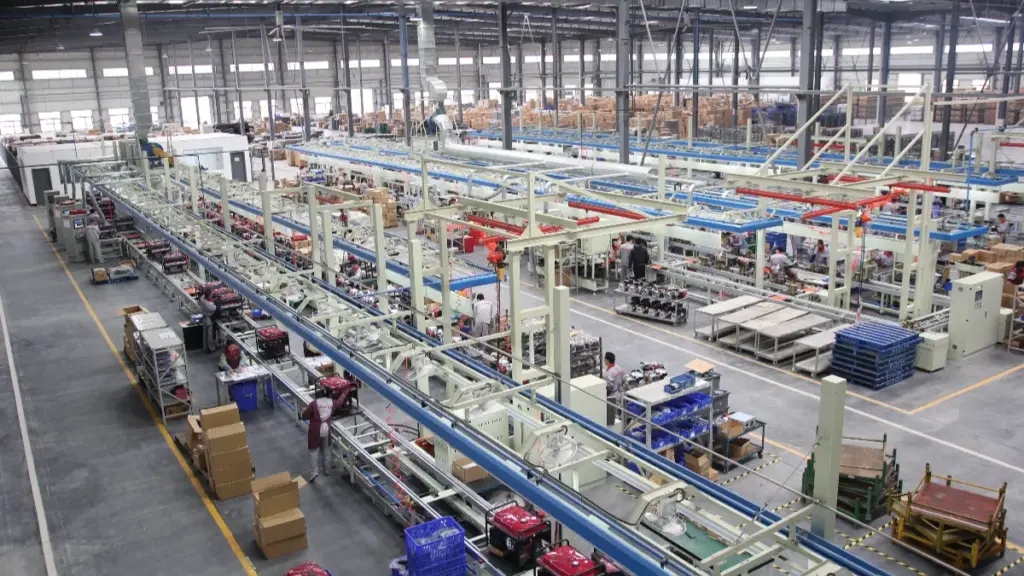
同社は射出成形を一貫して行う10,000㎡の生産施設を運営しています。, 自動組立ライン, および独立した検査センター. 年間 容量を超えています 500,000 単位 複数の製品カテゴリにわたって.
NEWTOPの特典:
- 手動背負い式噴霧器 (16L~20L)
- ガソリン背負い式噴霧器 (ミストダスター)
- OEMの色とパッケージのカスタマイズ
- 7–10日間のサンプル発送
- 約. 30-日量生産リードタイム
- 1-年間機械保証 (コアパーツ 6 月)
- スペアパーツ供給サポート
販売代理店様向け 安定した品質を求めて, 一貫した納品, 競争力のある価格設定, NEWTOPはパフォーマンスと手頃な価格の間のバランスの取れたソリューションを提供します.
屋外動力農業機器のポートフォリオを拡張する予定がある場合, 今がピークシーズンの需要前に生産枠を確保する最適な時期です.
今すぐ NEWTOP の輸出チームにご連絡ください。:
電子メール: [email protected]
ワッツアップ / 電話: +86 13636521556
Webサイト: https://newtoptools.com/
結論
適切なナップサック型噴霧器を選択するには、電源やタンク容量などのモデルの機能を特定の農業ニーズや予算に適合させる必要があります。. 重要な評価要素を理解する, 価格体系, 輸入物流は信頼性の確保に役立ちます, 長期資産. この知識により、生産性を向上させ、大きな利益をもたらす設備への投資が確実になります。.
チームに装備を整える準備ができたら, 高性能背負式噴霧器のカタログをご覧ください. 大量注文や配送要件に合わせた詳細な見積もりを得るには、直接お問い合わせください。.
よくある質問
ナップサック型噴霧器はどこでまとめ買いできますか?
中国の老舗屋外用電源機器メーカーから直接大量購入できます。. 工場っぽい ニュートップ OEM および代理店クライアントに世界中に供給し、カスタマイズされた注文をサポートします.
ナップザック噴霧器の平均価格はいくらですか
手動モデルの場合、一括注文の場合は通常 8 ~ 18 米ドルの範囲です, ガソリンモデルは45~110ドル, リチウム電池バージョンは 25 ~ 80 米ドル, 仕様と注文数量に応じて.
ナップサック型噴霧器の送料はいくらですか?
送料は目的地によって異なります, コンテナの使用率, および予約時の運賃. 完全な 20GP コンテナの海上輸送は、航空輸送と比較してユニットあたりのコストを大幅に削減します.
ナップサック式噴霧器にはどのような保証が含まれていますか?
ほとんどの専門メーカーは、機械全体に対して 1 年間の保証を提供しています。 6 コアコンポーネントに数カ月. 注文確定前に保証範囲を確認する必要があります.
販売しているナップサック型噴霧器のスペアパーツは提供していますか?
はい, 当社では、すべての噴霧器モデルのスペアパーツの包括的な在庫を提供しています。. これには、ノズルなどの一般的な摩耗アイテムが含まれます, シール, ワンド, および交換用バッテリー. すぐに入手できる部品を提供することで、長期にわたる動作の信頼性が確保され、メンテナンスが容易になります。, これは、一貫した専門的使用を目的として設計された機器にとって重要です.
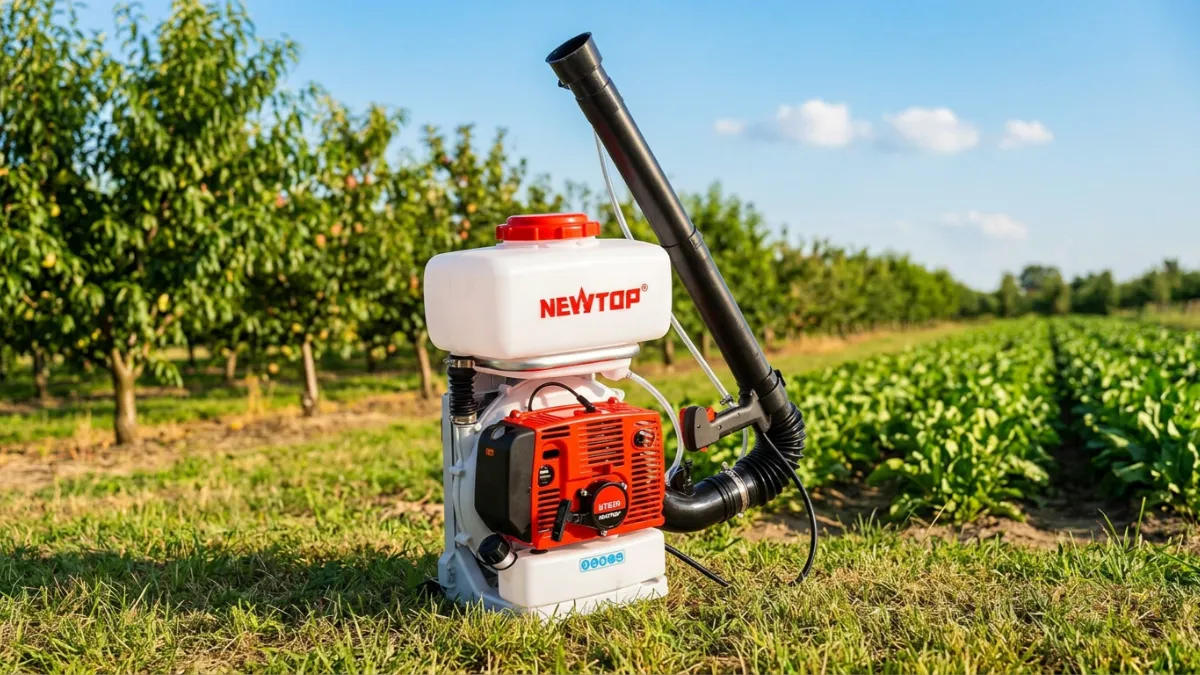
信頼性の高いバックパック噴霧器のレビューは、運用のダウンタイムと無駄な化学薬品の高額なコストに対する主な防御策です. シールのひび割れやポンプの一貫性の欠如など、単一コンポーネントの故障は、作業を停止させるだけでなく、オペレータの安全や誤使用のリスクにもつながります。, プロジェクトの予算とクライアントの満足度に直接影響を与える.
このガイドは、現在の市場オプションの技術的な内訳を提供します。, マーケティング上の主張を超えて、具体的なパフォーマンスデータを比較する. バッテリーの仕様を解析します, マニュアル, およびガソリン駆動ユニット, ユーザーレポートで見つかった最も一般的な障害点を特定する, 私たち自身の評価に使用された方法論を詳しく説明します. 商業的需要を満たす機器を評価および選択するための標準的な操作手順としてこれを使用してください。.
バックパック噴霧器のレビュー: 何を探すべきか 2026
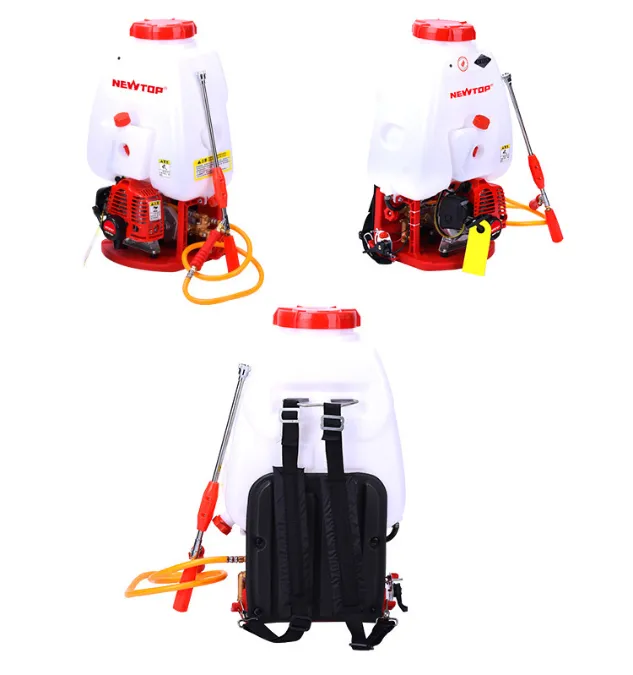
で 2026, 適切なバックパック型噴霧器を選択するには、その動力源を実際に評価する必要があります。, ハーネスの快適さ, 圧力の多様性, 特定の用途に合わせたタンクの耐久性.
| 主な機能 | 評価基準 | パフォーマンスへの影響 |
|---|---|---|
| 電源 | バッテリー駆動で安定した圧力を実現. シンプルかつ低コストのためのマニュアル. | アプリケーションの一貫性と必要なオペレータの労力を決定します. |
| 人間工学 | パッド入り, 調節可能なストラップと耐荷重ヒップベルト. | 長時間使用時の疲労を直接軽減し、生産性を向上させます。. |
| プレッシャー & ノズル | 調整可能な圧力設定 (PSI) 多目的ノズルのセットが付属. | さまざまなターゲットに正確に塗布できます, 細かいミストからターゲットを絞ったストリームまで. |
| タンクの構造 | 容量 (4-6.5 ガロン) 耐薬品性の素材とシール. | 稼働時間と漏れや劣化に対する長期耐久性に影響を与える. |
電源: バッテリー vs. マニュアル
購入者にとっての主な決定は、バッテリー電源か手動操作のどちらを選択するかです。. 市場の傾向は、一貫した性能を提供するバッテリー駆動モデルへの明らかな移行です。, 肉体的な努力を必要としない非脈動圧力. この一貫性は、化学物質を均一に塗布し、プロフェッショナルな結果を達成するために重要です。. 手動噴霧器, 一定のポンピングが必要な場合, シンプルさゆえに支持を維持する, 初期費用の削減, 現場での保守性. 選択は仕事の規模と肉体労働への耐性に直接左右されます.
- 使いやすさからバッテリ駆動システムがより一般的になってきています, 一定のポンピングの必要性を排除.
- 手動オプションは依然として信頼性が高い, 小規模な物件や使用頻度の低い物件向けに、予算に優しい選択肢.
人間工学とハーネスの設計
4ガロンのフルスプレーヤは重量を超える可能性があります 35 ポンド, 数分以上機器を使用する人にとって、人間工学は譲れない機能になります. ハーネスの設計が不十分だと肩に重量が集中する, オペレータの急速な疲労と生産性の低下につながる. 高品質の噴霧器は、十分なパッドを備えた製品に投資します。, 完全に調節可能なショルダーストラップと, 批判的に, 耐荷重ヒップベルト. この組み合わせにより、重量の大部分が肩から腰に移動します。, 一日中快適な操作が可能.
- 調整可能な噴霧器を探す, パッド入りのショルダーストラップで体に快適にフィット.
- 高品質のハーネスが背中と肩に体重を均等に分散します。.
圧力制御とノズルシステム
効果的なスプレーを行うには、対象に合わせて出力を調整する必要があります. 可変圧力制御により、遠くの場所に届く高圧水流と、繊細な植物や広葉の除草剤散布用の低圧細かいミストを切り替えることができます。. アクセスしやすい圧力調整ダイヤルを備えたモデルを探す. 優れた噴霧器には、通常はファンを含む交換可能なノズルのセットが付属している必要があります。, 円錐, そしてストリームパターン. この組み込みの多用途性により、互換性のある部品を個別に調達するコストと労力が節約され、あらゆる用途に適切なツールを確実に入手できるようになります。.
- 調整可能な圧力制御により、流量を管理して正確に塗布できます。.
- さまざまなスプレーパターンに対応する複数の付属ノズルにより、大きな価値が追加されます.
タンク容量と耐久性
タンクは噴霧器の心臓部です, そしてその設計は効率と寿命の両方を左右します. 容量, 通常 4 に 6.5 ガロン, ワークロードに一致する必要があります; タンクが大きいと補充のための移動が減りますが、重量が増加します. さらに重要なのは素材です. タンク, シール, また、ガスケットは、一般的な除草剤や殺虫剤にさらされた後の劣化を防ぐために、バイトンなどの耐薬品性ポリマーで作られている必要があります。. これが漏洩に対する主な防御策です, これは、低品質の噴霧器で最も一般的な故障点です。.
- 不必要な中断を避けるために、一般的な作業負荷に合わせたタンク容量を検討してください。.
- 時間の経過による劣化を防ぐために、タンクが耐薬品性の素材で作られていることを確認してください。.
最高評価のバッテリーバックパックスプレーのレビューと比較
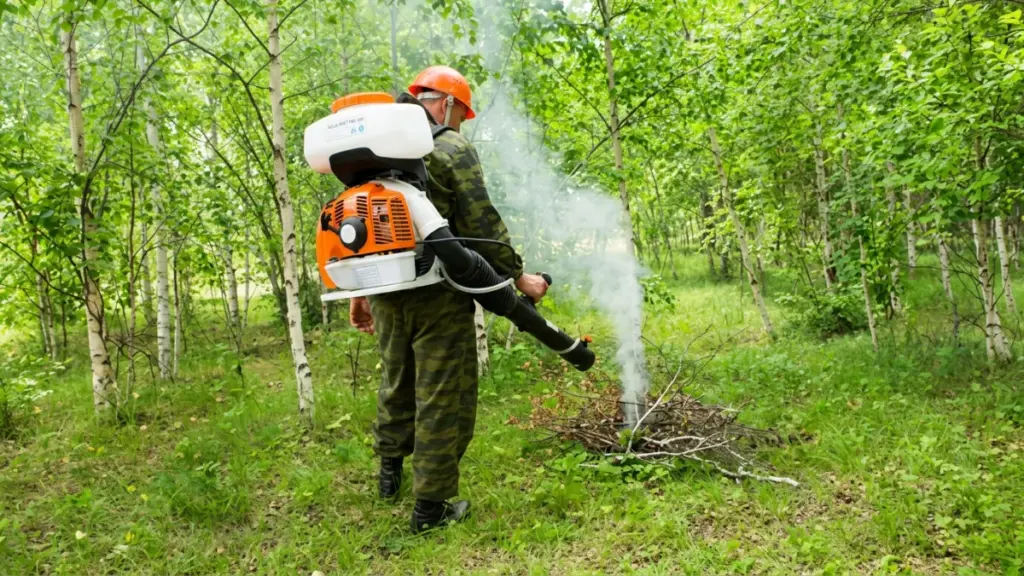
の 2026 バッテリー噴霧器市場は、軽量リチウムイオン システムによって定義され、 6-8 実行時間数時間, 一日中プロフェッショナルに使用できるように設計された人間工学に基づいたハーネスと組み合わせてください。.
| 特徴 | 業界標準 (2026) | パフォーマンスへの影響 |
|---|---|---|
| バッテリー稼働時間 | 6–8時間 (リチウムイオン) | 充電せずに一日中プロフェッショナルな使用をサポート. |
| 圧力範囲 | 40–80 psi | 細かいミストと粗いスプレーパターンの多用途性を提供します. |
| タンク容量 | 4–6.5ガロン | 液体の量とオペレーターの扱いやすい体重のバランスをとる. |
| 人間工学 | パッド入りストラップ, ヒップベルト, 薄型タンク | オペレーターの疲労を軽減し、安定性を向上させます。. |
バッテリーの性能と稼働時間
業界全体で軽量リチウムイオン電池システムへの移行が完了, 古いレンダリング, より重い鉛酸モデルは時代遅れ. プロ仕様の機器のベンチマークは、 6 に 8 1回の充電で何時間もの連続動作が可能. この機能は商用ユーザーにとって交渉の余地のないものです, オペレーターは停止したり充電したりする必要なく、丸 1 日の作業を完了できるため、. 効率的な充電システムも重要な評価ポイント, ワークフローに直接影響を与え、ジョブ間のダウンタイムを削減するためです。.
人間工学とオペレーターの快適性
バッテリー噴霧器が一日中使用できる標準になりつつある, メーカーはオペレーターの疲労を軽減することに重点を置いています. ミッド- プロレベルのモデルに完全に調整可能な機能が追加されました, パッド入りのショルダーストラップと耐荷重ヒップベルトにより、肩と脊椎から重量を分散します。. 薄型タンク設計も一般的になってきました, 噴霧器の重心を下げる. このデザインの選択によりバランスが向上します, 左右の揺れを最小限に抑える, 平坦でない地形での長時間の作業中にユニットを管理するために必要な身体的負担を軽減します。.
圧力制御とアプリケーションの多様性
塗布圧力の正確な制御は、プロ用機器を基本的な民生用モデルから区別する重要な機能です. 最新のバッテリーユニットのほとんどは、 40-80 psi範囲, 繊細な観賞植物の細かい霧吹きから、粗めのスプレーによる除草剤の散布までの作業に十分です。. 可変圧力スイッチまたはダイヤルにより、オペレータはその場で出力を調整できます, スプレーパターンを特定の化学物質とターゲットに一致させる. 高品質, 耐薬品性シールも多用途性のために不可欠です, 噴霧器が幅広い除草剤に対応できるようにする, 殺虫剤, コンポーネントの早期故障のない肥料.
タンク容量と耐久性
バッテリー式モデルのタンク容量は標準化されています。 4 6.5ガロンの範囲まで. この容量は、重要な領域をカバーするのに十分な液体を保持することと、1 人のオペレーターが管理できる総重量を維持することとの間で実用的なバランスを保っています。. それより大きいもの, 長時間使用するにはユニットが重くなりすぎます; それより小さい, オペレーターは補充に多大な時間を無駄にします. タンクの材質は化学的適合性と耐衝撃性を考慮して選択されています, ユニットがプロの作業環境の日常的な要求に耐えられることを保証する.
信頼性の高い園芸機械でビジネスを強化
手動バックパック噴霧器のレビュー: 予算との比較. パフォーマンス
マニュアルの主なトレードオフ 噴霧器市場 コストの割に快適です, ほとんどのモデルは価格に関係なく標準化された圧力と容量を提供するため.
コアパフォーマンス: 予算モデルが競合する場所
予算に優しい手動噴霧器であっても、重要な性能コンポーネントを優先します. からのレビュー 2026 低価格モデルには高品質のポンプとタンクが搭載されていることが多いことを示しています, より高価なオプションに匹敵する信頼性の高い圧力と容量を提供します. コアスプレー機能は市場全体で驚くほど一貫しています, メーカーに他の機能での差別化を強いる.
- 低予算モデルのポンプとタンク システムには、真鍮やステンレス鋼などの耐久性のある素材が使用されることがよくあります。.
- ほとんどの手動噴霧器, 価格に関係なく, 60 ~ 150 psi の標準性能範囲と 4 ガロンの容量を提供します.
快適さとのトレードオフ: ハーネスと人間工学
予算モデルとパフォーマンス モデルの主な違いはユーザーの快適さです. プレミアム噴霧器は人間工学に基づいた設計に投資し、長時間使用時のオペレーターの疲労を軽減します。, コストを削減するために、より安価な代替品では機能が最小限に抑えられることが多い. 一度に数分以上スプレーを使用する人向け, これが最も重要な要素になります.
- 予算モデルには通常、最小限のものが付属します, パッドなしハーネスシステム.
- ミッドレンジからプレミアムスプレーヤーにはパッド入りのショルダーストラップが付いています, ヒップベルト, 人間工学に基づいたバックサポートにより、重量分散が向上します。.
高い価格を正当化する耐久性と機能
ポンプとハーネスを超えて, 全体的な構造品質と革新的なアドオンにより、プレミアム手動噴霧器が区別されます. これらの要素は、噴霧器の寿命と使いやすさを向上させることで、より高い価格を正当化します。. より頻繁に支払うと、耐用年数が長くなり、メンテナンスの問題が少なくなります。, 特に攻撃的な化学物質を扱う場合.
- より高価なモデルでは、耐薬品性を高め、耐用年数を長くするために、より堅牢なプラスチックとシールが使用されている場合があります。.
- 内蔵撹拌機や自動洗浄機構などの高度な機能は、通常、プレミアム層の噴霧器にのみ搭載されています。.
商業用ガソリン動力バックパック噴霧器のレビュー

ノンストップの実行時間と一貫した高圧を必要とする要求の厳しい商用アプリケーション向け, ガソリン駆動の背負式噴霧器は電池代替品よりも市場での優位性を維持.
パワーと一貫したパフォーマンス
商用利用の場合 2026, ガソリン動力の噴霧器は、持続的なパワーと揺るぎない圧力を必要とする作業に依然として好まれています。. エンジン駆動のポンプは、満タンから空のタンクまで一貫したパフォーマンスを提供します。, 広い面積に均一に塗布するための重要な要素. ガソリンエンジンは高い, タンクが空になっても衰えない安定した圧力. また、燃料が利用可能な限り無制限のランタイムも提供します。, バッテリーの充電に必要なダウンタイムを排除. これにより、農業などの要求の厳しい分野の標準となっています。, 林業, そして大規模な 害虫駆除 効率は 1 日にカバーされるエーカー数で測定されます.
人間工学とオペレーターの疲労
メーカーは、ガソリン エンジン固有の重量と振動を相殺するために、オペレーターの快適性を向上させることに重点を置いています。. 設計における重要な進歩は、プロの現場での一日中使用に伴う身体的負担を軽減することを目的としています。. 最新のモデルには高度な防振システムが搭載されており、ハンドルと背面の振動を最小限に抑えます。, これはオペレータの疲労の軽減に直結します. より優れたパッドと戦略的な重量配分を備えた強化されたハーネスが現在では一般的になっています, バランスを改善し、困難な地形での取り扱いを容易にします。.
代替電池に対する市場での地位
高性能バッテリー式バックパック噴霧器は、動作音が静かでメンテナンスの手間がかからないため人気が高まっています。, しかし、ガソリンモデルは、ヘビーデューティーな商用作業において引き続き強力な地位を占め続けています。. これらのシナリオでは生の電力が優先されます. ガソリン噴霧器は、最大の噴霧距離と終日の噴霧を必要とする用途において明らかな利点を維持します。, ノンストップ運転. バッテリ駆動ユニットは、ノイズが少なく排出ガスがゼロの標準アプリケーションに魅力的な代替手段を提供します。. ガソリンとバッテリーのどちらを選択するかは、多くの場合、目の前にある仕事の規模と強度によって決まります。.
バックパック噴霧器のユーザーレビューに見られる一般的な苦情
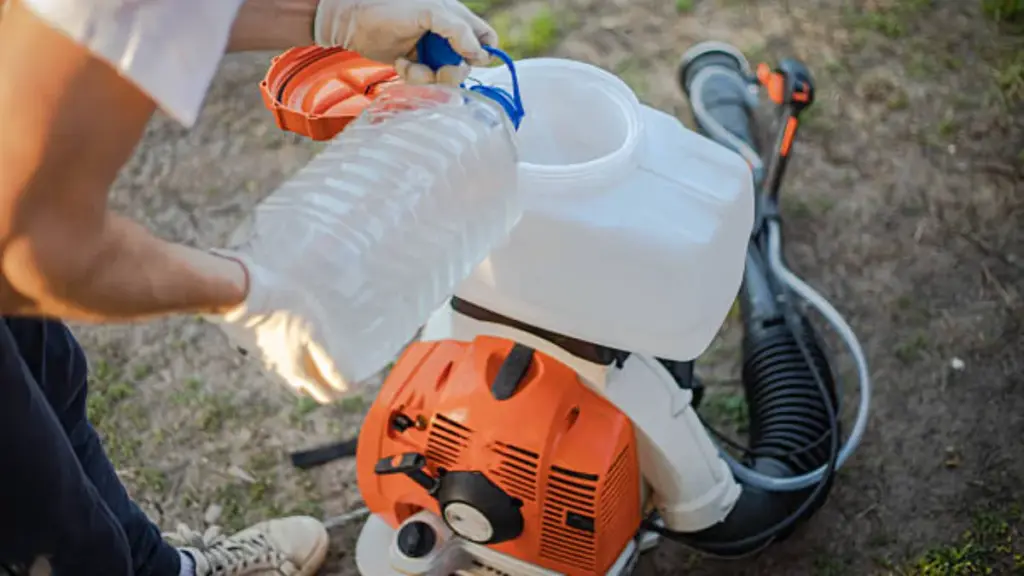
マニュアルモデルと電動モデルの両方に対応, ユーザーからの最も頻繁な苦情は、圧力の完全性を損なうコンポーネントの故障に集中しています。, シール漏れなど, 接続不良, そして使い古されたパンプス.
| 苦情のカテゴリー | 主な原因 | ユーザーへの影響 |
|---|---|---|
| コンポーネントの漏れ | メイン蓋のシールが劣化している、または取り付けが不十分である, ポンプアセンブリ, とホース接続. | 廃棄された化学物質, 皮膚露出の可能性, そして圧力の損失. |
| 圧力異常 | ポンプシールの摩耗 (特にピストンシール) または逆止弁の故障. | 塗布ムラ, 効率の低下, そして絶え間ない再ポンピング (マニュアルモデル). |
| ノズルの詰まり | 内部フィルターが不十分なため、沈殿物や未溶解の化学物質がチップを詰まらせる可能性があります。. | 清掃のため仕事が頻繁に止まる, 一貫性のないスプレーパターン, そしてカバー力が低い. |
| 電力システムの障害 | 電気モデルのバッテリー容量が標準以下、またはモーターの早期焼損. | 1 回の充電で大規模なジョブを完了できない; ユニットが動作不能になる. |
タンクと接続部の漏れ
ユーザーからのフィードバックで見つかった最も根深い問題は、タンクのシールとホース接続部からの漏れです。. これらの失敗は小さな点滴ではありません; 高価な化学物質の損失を意味します, 安全上の危険を生み出す, ユニットの圧力保持能力を損なう. 故障は多くの場合、使用の最初のシーズン内に発生します, 低品質のシール材料または不十分な設計公差を指摘する. 主な故障箇所は一貫して、メインの蓋とポンプ アセンブリの周囲のシールです。, 通常の作動圧力下で緩んだり亀裂が入ったりするホース継手と一緒に.
圧力維持の失敗
圧力を高めたり維持したりできない噴霧器は事実上役に立ちません. この問題は、マシンの中核機能を直接損なうため、ユーザーの不満の主な原因となっています。, 一貫性のないアプリケーションと時間の無駄につながる. マニュアルモデルの場合, 一定という意味です, 疲れる再ポンピング. 技術的な原因はほとんどの場合、ポンプ内部シールの磨耗、または適切な真空を生成できない逆止弁の故障に遡ります。. この問題は作業効率と薬品塗布の品質に直接影響します。.
ノズルの詰まりとスプレーパターンの不安定
ノズルが詰まりやすいという報告がユーザーから頻繁に寄せられています, 清掃のために何度も作業を中断することを強いる. この問題は、内部濾過が不十分なためにタンクからの未溶解の化学粉末や小さな破片がノズル先端に到達することが原因で発生します。. 結果はスパッタリングです, 一貫性のないスプレーパターンまたは完全な詰まり. 不適切に設計された濾過システムにより、単純なスプレー作業が、何度も繰り返しメンテナンスを繰り返すイライラするサイクルに変わってしまいます。, アプリケーションの品質と均一性が損なわれる.
バッテリー寿命とモーターの信頼性が低い
電池式ユニットの場合, 性能と信頼性は電源システムによって決まります. よくある苦情は、宣伝されているバッテリー寿命が実際の状況では短いということです。, 大規模な作業の途中でオペレーターに充電を強いる. さらに重要なのは、モーターの早期故障の報告です。, 特に低価格モデルでは. モーターやバッテリーの信頼性が低いと、噴霧器の高度な機能が無意味になり、最終的には機器のダウンタイムや交換コストが発生します。.
プロのバックパック噴霧器レビューの実施方法
私たちのレビュープロセスは経験を優先します, 噴霧器の実際の耐久性を検証するフィールドベースのテスト, 圧力の一貫性, プロフェッショナルな作業負荷下での人間工学に基づいたデザイン.
フィールドパフォーマンスと運用テスト
私たちのレビューは、さまざまな地形やさまざまな種類の植生に対して各噴霧器がどのように機能するかを測定する実際の運用テストから始まります。. このフィールドベースのアプローチにより、実際の取り扱いを評価できるようになります。, 安定性, プロの造園および農業現場における全体的な有効性. 平坦な地面と傾斜した地面の両方でパフォーマンスを評価し、バランスとオペレーターの快適さをテストします。. 噴霧器はさまざまな液体濃度でテストされ、詰まりや流れの問題がチェックされます。, 狭い場所や障害物周辺での使いやすさも評価に含まれます.
圧力の一貫性とスプレーパターンの均一性
満タンからほぼ空になるまで一貫した圧力を維持する噴霧器の能力を分析します。. 効果的に塗装するには均一なスプレーパターンが不可欠です, そのため、私たちは標準化された方法を使用して液滴分布を評価し、さまざまなレベルに到達します。 ノズルの種類. 吐出サイクル全体を通じて圧力を監視し、塗布の品質に影響を与える重大な低下を特定します。. また、付属の複数のノズルをテストして、特定のタスクのパフォーマンスとスプレー パターンの均一性を比較します。.
耐久性と化学的適合性
長期にわたるプロの使用をシミュレートするには, 噴霧器は拡張耐久性評価を受ける. 私たちはそのコンポーネントを一般的な化学物質に対してテストして、材料が保証されていることを確認します, シール, ホースは劣化に強く、長期間にわたって完全性を維持します。. ポンプなどの重要なコンポーネント, ワンド, シールは長期使用シミュレーション後に検査されます。. また、標準的な一連の肥料に対する材料の耐性もテストします。, 殺虫剤, そして除草剤, フレームとハーネスの構造上の磨耗をチェックしながら.
校正精度と人間工学に基づいたデザイン
プロのアプリケーションでは精度が重要です, そのため、各噴霧器の校正設定の精度を検証します。. 同時に, ユーザーの快適さを評価するために徹底的な人間工学的分析を実施します, 重量配分, 長時間作業時の操作性も向上. 出力音量を測定し、選択した校正マークと一致することを確認します。. ハーネスシステム, バックパッド, ストラップの調整はオペレーターの快適性を考慮して評価されます, そしてそれがどれだけ簡単に記入できるかを評価します, クリーン, ノズルやその他のコンポーネントを交換します.
NEWTOPが世界のディーラーから常に高い評価を獲得し続ける理由
NEWTOP 噴霧器は、そのガソリン駆動モデルが信頼性の高いエンジン性能の実用的なバランスを提供するため、世界中のディーラーに好まれています。, 耐久性のある構造, プロの使用に適した人間工学に基づいた快適性.
信頼できるエンジン性能
ディーラーは、定期的な調整や故障なしに機能する機器を優先します。. NEWTOP NTS768 噴霧器は、長時間の作業でも安定して動作できるように設計された 26CC ガソリン エンジンを使用しています。. この一貫した出力により、ポンプは安定した圧力を維持します。, これは、農業および害虫駆除の現場で均一に適用するために重要です。. 不安定なスプレーパターンは化学薬品を無駄にし、悪い結果につながります, したがって、エンジンの信頼性はディーラーの信頼を高める重要な要素です.
耐久性と耐腐食性のある構造
専門機器は乱暴な取り扱いや過酷な化学物質に耐える必要があります. NEWTOP 噴霧器は、エンジンとエンジンを保護する頑丈なフレームで作られています。 ポンプシステム 現場への影響から. タンクは化学腐食に耐えるように特別に選ばれた材料で作られています。, 噴霧器の耐用年数を大幅に延長. 耐久性を重視することで、保証請求やサービスの問題が軽減されます, ディーラーにとってより収益性が高く信頼性の高い製品ラインになります。.
オペレーターの快適さを追求した人間工学に基づいたデザイン
オペレータの疲労は生産性に直接影響します. NTS768 は、オペレータの背中と肩に重量を均等に分散するバックパック ハーネスを備えた人間工学に基づいたデザインを特徴としています。, 身体的負担を軽減する. コンパクトな構造により、木の葉が茂っている場所や狭い場所での操作性も向上します。. ユーザーが長時間快適に作業できるようにするには, 彼らは仕事をより速く、より効率的に完了します, ディーラーがプロの顧客に強調できる具体的なメリット.
効率的なポンプシステムと適用範囲
パフォーマンスはカバレッジと効率によって測定されます. NTS768 の高効率ポンプは液体を微粒化します。, 安定したミスト, 化学廃棄物を最小限に抑えながら植物を徹底的にカバーすることを保証します. 最大水平到達距離 15 メートル, オペレーターは常に位置を変更することなく広い領域を治療できます. 容量と重量のバランスに優れた25リットルタンク, 過度の負担をかけることなく、補充の間にかなりの作業が可能になります。. このリーチの組み合わせ, 効率, 容量が大きいため、大規模なタスクに非常に実用的なツールになります。.
結論
適切なバックパック噴霧器を選択するには、星による評価だけでなく、性能仕様やよくある故障点を分析する必要があります。. マニュアルを比較してみると, バッテリー, 特定の用途に合わせたガソリンモデル, 予算とワークフローに合った信頼できるツールを見つけることができます. この技術的アプローチは、寿命と一貫したパフォーマンスを実現するために構築された機器への投資に役立ちます。.
現在の機器のパフォーマンスが低い場合, 私たちのチームは、これらの問題に対処するために設計された NEWTOP 噴霧器の完全なカタログを提供できます。. ニーズについて話し合ったり、評価用のサンプルをリクエストしたりするには、お問い合わせください。.
よくある質問
どのバックパックスプレーが最高のレビューを持っていますか 2026?
Chapin ProSeries 97900B は、高度なリチウムイオン性能と人間工学に基づいたハーネスで常に最高のレビューを獲得しています. デジタル圧力制御システムにより正確な適用が可能, 無駄とユーザーの疲労を最小限に抑える. 耐久性と自動洗浄機構がユーザーから高く評価されています, 信頼性と快適さを求める専門家と本格的な住宅所有者の両方にとって主要な選択肢となっています。.
バッテリーバックパックスプレーのレビューは信頼できますか?
はい, バッテリーバックパック噴霧器のレビューは、正しく調達されていれば信頼できます。. 専門的なレビューは、バッテリー寿命や圧力の一貫性などのパフォーマンス指標のベンチマークに優れています。. 検証済みの購入プラットフォームでのユーザー レビューは、長期的な耐久性と実際の快適さについての重要な洞察を提供します。. 両方のタイプを相互参照することで、噴霧器の品質と価値を最も正確に評価できます。.
バックパック噴霧器で最も一般的な故障は何ですか??
最も一般的な故障は、内部ポンプ シールまたはピストン カップです。, 化学物質への暴露や摩耗によって劣化します。. 圧力が失われ漏れが発生します. バッテリーモデルの場合, ポンプモーターの焼損やスイッチの故障も頻繁に発生します. 定期的に清掃し、メーカー承認のシールコンディショナーを使用すると、スプレーの寿命を大幅に延ばすことができます.
プロのレビューとユーザーのレビューをどう比較するか?
専門的なレビューは客観的なパフォーマンスデータに重点を置いています, 圧力精度のために管理されたテストを使用する, バッテリー稼働時間, とノズルのスプレーパターン. ユーザーレビューは主観的なものです, 長期耐久性に関する実際のフィードバック, 人間工学に基づいた快適さ, 顧客サービスの経験. 専門家がスペックをテストする, ユーザーは噴霧器の耐久性と実用性を時間をかけてテストします.
農場用バックパック噴霧器で最も評価が高いのはどのブランドですか?
フィールドキングは農場での使用に最適なブランドとして常に評価されています, 特にMax-Agriを使用した場合 190515 シリーズ. これらのモデルは、強力な農薬に対する耐久性の高いシールと、毎日の大量使用向けに設計された堅牢な内部ポンプを備えています。. 人間工学に基づいたスチールフレームと 5 ガロンのタンク容量は、広い面積を効率的にカバーするために最適化されています。.
手動バックパック噴霧器はまだ購入する価値がありますか?
はい, 手動バックパック噴霧器は、その信頼性と費用対効果の点で、依然として購入する価値があります。. 軽いです, バッテリーモデルよりも故障箇所が少ない, 充電は必要ありません. 小規模な物件の場合, スポットトリートメント, または予算が厳しいユーザー, 高品質の手動噴霧器は、複雑な動力システムを必要とせずに、優れた価値と制御を提供します。.

Choosing the right backpack sprayer manufacturers is the critical decision separating reliable field performance from costly equipment failure and chemical safety liabilities. A partnership with an unvetted supplier can introduce faulty seals, inconsistent pressure regulators, and brittle components into your product line, leading directly to warranty claims, damaged brand reputation, and large-scale inventory recalls.
This guide provides a technical framework for vetting suppliers before you sign a contract. We break down the essential evaluation criteria, from analyzing supply chain control and quality assurance processes to verifying critical certifications and R&D capabilities. Use this as a standard operating procedure to identify red flags, prepare for a site visit, and secure a partner who can meet your production and quality standards.
Site Visit Checklist for Vetting Backpack Sprayer Manufacturers
| Focus Area | Key Evaluation Points | Objective |
|---|---|---|
| Production & Assembly | CNC/molding centers, assembly line automation, workspace organization. | Verify claimed output capacity and process standardization. |
| 品質管理 & テスト | Inspection equipment, QC process (incoming, in-process, final), documentation. | Confirm adherence to performance and durability standards. |
| 成分 & Supply Chain | Warehouse management, sourcing proof (例えば, brand-name carbs), BOM system. | Assess component quality and long-term serviceability. |
| エンジニアリング & OEM | R&D team meeting, past project examples, technical documentation process. | Validate customization capabilities and technical depth. |
Evaluating Backpack Sprayer Manufacturers by Production Capacity
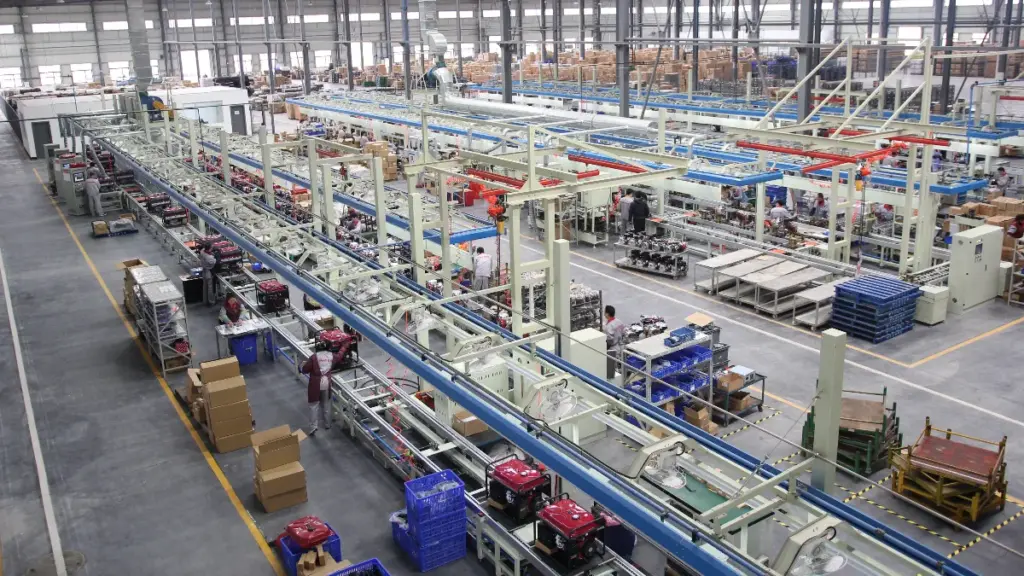
A manufacturer’s true production capacity is a direct function of its annual output, in-house automation, and workforce skill, which collectively determine its ability to reliably fulfill large-volume orders on schedule.
Annual Output and Scalability
A knapsack sprayer manufacturer’s annual production volume is the most direct indicator of its scale. This figure reveals whether a supplier can handle large, recurring orders for global distribution or is better suited for smaller batches. Suppliers that produce hundreds of thousands of units annually are typically equipped to support international OEM partnerships and private label clients.
- Small-scale workshops might produce only a few thousand units per year, primarily serving local or regional markets.
- Mid-to-large-scale manufacturers, のような ニュートップ, demonstrate the capacity for global partnerships with an annual output exceeding 500,000 単位.
- Verify if the manufacturer can scale production up or down to meet seasonal demand fluctuations without causing significant fulfillment delays.
Manufacturing Infrastructure and Automation
The factory itself—its size, equipment, and level of automation—forms the foundation of 生産能力. Vertically integrated facilities with modern machinery reduce dependence on third-party component suppliers, which improves both 品質管理 and production efficiency.
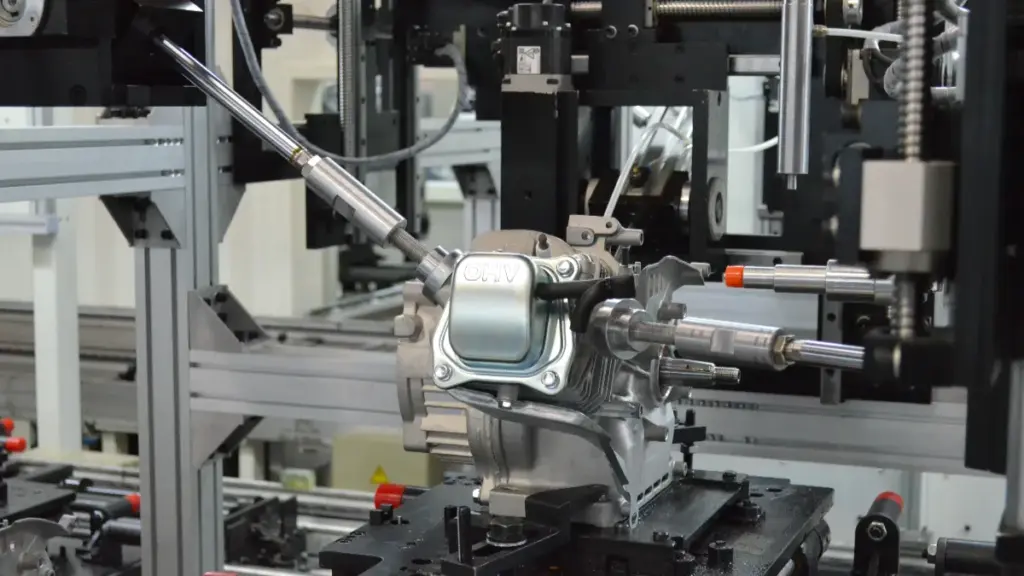
- Essential infrastructure includes in-house capabilities like CNC machining centers, injection molding workshops, and automated assembly lines.
- A large facility, like NEWTOP’s 10,000 m² plant, supports streamlined workflows from raw material intake to final product packaging.
- Automation ensures consistent build quality and high-speed assembly, a critical factor for meeting tight deadlines on high-volume orders.
Workforce Size and Technical Expertise
Production capacity depends on more than just machines; it requires a skilled and appropriately sized workforce. A strong team of production line workers, engineers, and quality control specialists is essential for operating at scale while maintaining high product standards.
- A well-staffed factory can operate multiple production lines at once to fulfill a diverse mix of orders simultaneously.
- 例えば, NEWTOP employs over 200 production workers and 50 R&D engineers, balancing high manufacturing output with continuous product improvement.
- A dedicated quality inspection team ensures that increased production speed does not compromise final product reliability.
Essential Certifications for Backpack Sprayer Manufacturers
Certifications are non-negotiable, acting as the primary proof of a manufacturer’s commitment to quality, 安全性, and regulatory compliance for global market access.
Foundational Management System Standards (ISO)
Global manufacturers build trust with internationally recognized management standards. ISO 9001 and ISO 14001 demonstrate a factory’s commitment to consistent quality and responsible environmental practices. These certifications are not just paperwork; they are evidence of a structured, reliable operational framework essential for long-term B2B partnerships.
- ISO 9001 confirms a structured quality management system is in place, ensuring repeatable production processes and consistent product quality from one batch to the next.
- ISO 14001 shows the manufacturer actively manages its environmental impact, focusing on resource efficiency and waste reduction during production.
Key Regional Market Access 認証
Selling equipment globally requires meeting specific safety, 健康, and environmental rules for each region. Without these certifications, products can be blocked at customs or banned from sale entirely, creating massive supply chain disruptions. Serious manufacturers secure these credentials well in advance.
- の CE mark is mandatory for selling ナップザック噴霧器 in the European Union, signaling the product meets EU safety and health requirements.
- For gasoline-powered knapsack sprayers sold in North America, EPA and CARB certifications confirm they comply with strict emissions standards.
- RoHS compliance restricts the use of specific hazardous materials, a requirement in Europe and other markets concerned with electronic waste and operator safety.
Third-Party Product Safety and Quality Marks
Independent testing provides an extra layer of confidence for buyers. Certifications from respected bodies like TUV or SGS verify that a product has passed rigorous, unbiased tests for operator safety, chemical resistance, and overall durability. These marks often exceed baseline regulatory requirements and signal a higher-tier product.
- の GS Mark (Geprüfte Sicherheit) is a well-respected German certification that confirms a product meets high safety standards, valued in the EU market.
- ETL or UL listing is common for electric or battery-powered tools in the North American market, certifying them for electrical safety against fire and shock hazards.
- SGS testing offers independent verification that products meet the specific quality and performance standards agreed upon in a contract, acting as a form of third-party QC.
Build Your Brand with Reliable Power Tools
R&D Capabilities of Professional Backpack Sprayer Manufacturers
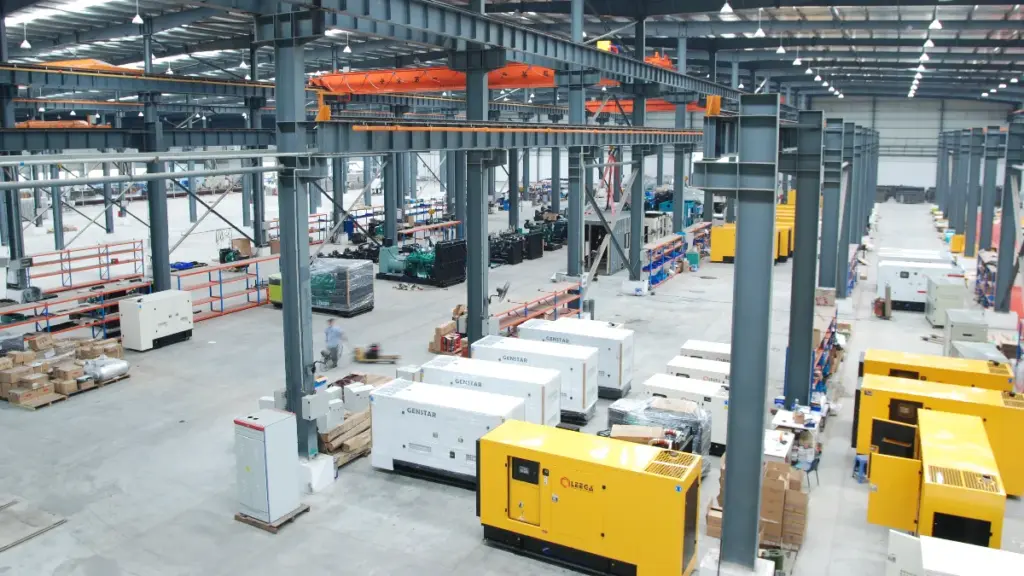
A manufacturer’s R&D strength is defined by its in-house engineering teams that develop patented technologies, enable rapid prototyping for OEM partners, and focus on operator-centric designs like ergonomic harnesses and modular components.
In-House Engineering and Design Teams
Leading manufacturers maintain dedicated in-house engineering teams to drive product innovation. These teams create new sprayer designs and improve existing models based on direct market feedback and new technological possibilities. による 2026, these teams focus on translating specific client needs, like enhanced chemical resistance or lighter materials, into functional prototypes. They control the entire development process, from initial concept and 3D modeling to performance testing and final production readiness.
Development of Patented Technologies
Significant R&D investment is evident in the development of proprietary solutions and patented technologies. These unique features, such as advanced filtration systems or specialized pump mechanisms, offer tangible field benefits and create a distinct market advantage. Common innovations include multi-stage filtration to prevent clogging and improve reliability. Patented pump and seal designs can also increase a sprayer’s operational life and its compatibility with aggressive chemicals.
Rapid Prototyping for OEM and Customization
Top-tier suppliers use rapid prototyping to create and test custom designs for OEM partners. This process allows B2B buyers to validate a new concept or feature before committing to a full production run, significantly speeding up time-to-market. This capability enables the creation of tailored sprayers for niche applications in pest control, 林業, or specialized agriculture. It gives OEM brands the flexibility to develop unique products that meet specific regional or regulatory requirements.
Focus on Ergonomics and Modular Construction
Modern R&D prioritizes user comfort and equipment versatility. Manufacturers invest in designing ergonomic harnesses that reduce operator fatigue and develop modular platforms that allow a single sprayer to be configured for multiple tasks. Ergonomic improvements directly impact professional users who operate equipment for long hours. Modular designs let clients customize sprayers with different nozzles, ワンド, and pumps for various applications, from sanitation to crop care, increasing the equipment’s overall utility.
Supply Chain Control by Top Backpack Sprayer Manufacturers
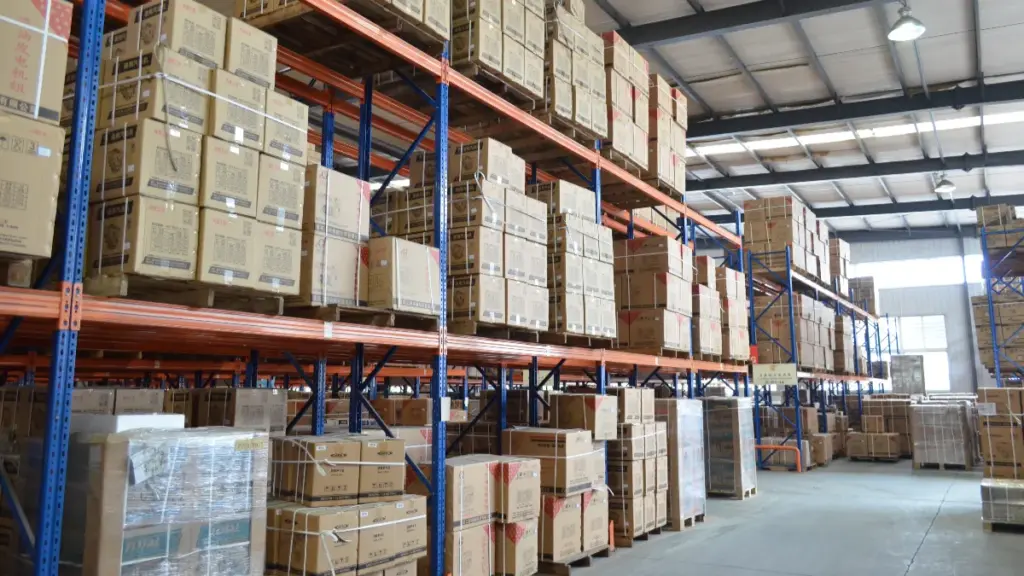
A manufacturer’s control over its supply chain—from sourcing critical components to in-house manufacturing and logistics—directly determines product quality, lead times, そして長期的な信頼性.
| Control Area | Key Strategy | Impact on Product |
|---|---|---|
| Component Sourcing | Partnering with recognized brands (ウォルブロ, 日本ガイシ, 日本精工) for engines, キャブレター, and bearings. | Guarantees stable engine performance and extends operational life beyond 500 時間. |
| Vertical Integration | Operating in-house CNC machining, 射出成形, and automated assembly lines. | Ensures high component accuracy, consistent build quality, and reduced lead times. |
| Process Discipline | Implementing structured BOM management, multi-stage inspections, and ISO 9001 certification. | Provides part traceability, minimizes defects, and standardizes quality across all production batches. |
| グローバルロジスティクス | Establishing overseas warehouses and a network of regional brand agents. | Shortens delivery times, improves after-sales support, and ensures stable inventory for partners. |
Sourcing of Key Performance Components
Top manufacturers secure product reliability by building strong partnerships with globally recognized suppliers for critical parts. This strategy ensures that core components like engines, キャブレター, and seals meet high performance and durability standards, which directly impacts the sprayer’s working life and user satisfaction. Securing a reliable supply of brand-name components is the first line of defense against premature equipment failure.
- Partnering with brands like Walbro for carburetors and NGK for spark plugs to guarantee stable engine performance.
- Using high-grade materials and components such as NSK bearings to extend the equipment’s operational life beyond 500 時間.
- Ensuring high interchangeability of parts to simplify maintenance and repairs for service centers and end-users.
In-House Manufacturing and Vertical Integration
Leading companies gain greater control over quality and lead times by bringing essential manufacturing processes in-house. Operating dedicated facilities for CNC machining, 射出成形, and assembly reduces dependence on third-party suppliers and allows for tighter quality control. This vertical integration means the manufacturer is directly responsible for the precision and consistency of its most critical parts, from engine blocks to plastic tanks.
- Utilizing CNC precision machining centers to produce critical engine and transmission components with high accuracy.
- Operating in-house injection molding centers for consistent production of plastic parts like housings, タンク, and handles.
- Implementing automated assembly lines to standardize build quality, improve efficiency, and support large-scale production.
Process Discipline and Quality Management
A resilient supply chain is built on disciplined internal processes that ensure consistency from one batch to the next. This involves structured Bill of Materials (BOM) management, rigorous tooling verification, and documented workflows that make quality repeatable at scale. Without these systems, even a manufacturer with good components and machinery will produce inconsistent results. Adherence to standards like ISO 9001 provides an external benchmark for these internal systems.
- Implementing structured BOM management and standardized component coding for accurate traceability and inventory control.
- Conducting multi-stage quality inspections, from incoming raw materials to final pre-shipment functional testing.
- Maintaining factory certifications like ISO9001 to standardize quality management systems across the entire production cycle.
Global Logistics and Local Warehousing
Effective supply chain control extends beyond the factory floor. Establishing a global network of branches and warehouses allows manufacturers to shorten delivery times, manage inventory closer to the customer, and provide more responsive after-sales support to regional partners. This logistical infrastructure is a key differentiator for serious B2B suppliers, as it demonstrates a commitment to supporting their partners’ business operations, not just shipping products.
- Building a wide network of brand agents and distributors in key markets across Africa, ラテンアメリカ, そしてアジア.
- Establishing overseas branches and warehouses to reduce shipping times and support local inventory needs.
- Offering stable production capacity and reliable delivery schedules to support long-term B2B partnerships.
Quality Control Processes in Backpack Sprayer Manufacturers
Effective quality control in backpack sprayer manufacturing is a multi-stage process that directly determines equipment reliability, application accuracy, とオペレーターの安全性.
| QCステージ | 主要な焦点 | Verification Method |
|---|---|---|
| Material Inspection & Sourcing | Raw material integrity (strength, chemical tolerance) and component reliability. | Batch testing, supplier audits (例えば, ウォルブロ, 日本精工), and incoming quality checks (IQ). |
| In-Process Assembly Checks | Production consistency and assembly integrity across the entire line. | Standardized protocols, automated pressure/leak tests, and real-time defect tracking. |
| Final Product Validation | 100% functional performance and regulatory compliance for every unit. | Functional tests (プレッシャー, flow rate), nozzle calibration, and final certification checks (CE, ISO). |
Material Inspection and Component Sourcing
A manufacturer’s quality control starts with its raw materials and components. Top factories inspect incoming materials for chemical resistance, 耐久性, and compliance with engineering standards. Sourcing critical parts like seals, パンプス, and engines from globally recognized suppliers ensures the final product performs reliably and has a long service life. This involves verifying all raw materials to confirm they meet specifications for strength and chemical tolerance. Incoming quality checks on every batch of parts catch defects before they enter the production line, preventing downstream failures.
In-Process Assembly Line Checks
Quality is built into the product at every stage of assembly, not just inspected at the end. Leading manufacturers use standardized work instructions and automated checkpoints to maintain consistency across large production runs. This includes frequent tests for leaks, pressure integrity, and proper component fitment throughout the manufacturing process. By implementing standardized assembly protocols and tracking defect data, factories can ensure uniform quality and identify potential issues in real-time.
Final Product Validation and Performance Testing
Before any backpack sprayer is packaged, it undergoes a final round of comprehensive testing. Every unit is examined to confirm it functions correctly, meets performance benchmarks, and complies with safety regulations. This final step guarantees that the equipment reaching the customer is ready for professional use. The process includes a 100% functional test of each sprayer to verify pressure, flow rate, and spray pattern. Technicians also calibrate pressure gauges and nozzles to ensure accurate and uniform application, finally confirming compliance with international certifications like CE, GS, and ISO 9001.
OEM and Customization Options in Backpack Sprayer Manufacturers
OEM manufacturers provide modular platforms that allow for deep customization, from integrating with existing battery ecosystems to tuning pressure ranges and selecting application-specific materials.
Component and Power Source Flexibility
Modern manufacturers build backpack sprayers with modular designs, enabling buyers to specify interchangeable components and choose between different power sources. This flexibility is critical for serving diverse markets. Buyers can select traditional manual pumps for cost-sensitive applications or opt for integrated battery platforms that align with their customers’ existing cordless tool systems. This approach simplifies fleet management for commercial end-users and increases product appeal.
- Integration with common lithium-ion battery ecosystems for cordless convenience.
- Options for both manual pump and electric-powered variants to suit different markets.
- Modular builds that support interchangeable wands, シール, and other key parts.
Performance and Application-Specific Tuning
Customization extends directly to performance features tailored for specific tasks. Importers can specify adjustable pressure systems, specialized nozzle configurations, and other functional adjustments for targeted uses. This allows for precise chemical application in sectors like agriculture, 害虫駆除, or landscaping. A manufacturer can tune a sprayer for low-pressure herbicide application or high-pressure pest treatment, ensuring optimal efficacy and operator safety.
- Adjustable pressure systems, with common ranges between 15 そして 150 PSI.
- Customizable nozzle assortments to achieve different spray patterns for herbicides, 殺虫剤, 肥料とか.
- Specialized configurations designed for landscaping, 農業, or industrial applications.
Branding, 材料, and Capacity Options
OEM partnerships offer comprehensive private labeling and physical modifications to the sprayer itself. This includes custom branding with specific logos, color schemes, and packaging to align with a client’s market identity. Material selection is another key area, with options for UV-resistant polyethylene tanks for durability or stainless steel components for enhanced chemical resistance. Tank capacities are also adjustable to meet the demands of different commercial or residential user bases.
- Private labeling services that include custom brand logos, colors, and packaging.
- Material choices like UV-resistant polyethylene for tanks and stainless steel for wands and other components.
- A range of tank capacities, typically spanning from 1 に 6 gallons for portable units.
Red Flags When Dealing with Overseas Sprayer Manufacturers
Sourcing overseas requires scrutinizing physical construction for inconsistent welds and missing safety valves, verifying component origins to avoid generic parts, and demanding non-negotiable documentation like ISO 9001 certification.
Inconsistent Build Quality and Missing Safety Features
The most immediate red flag is poor physical construction that signals a lack of quality control. Inconsistent or sloppy weld seams on metal frames and tanks suggest weak structural integrity that could fail under pressure or field stress. Just as critical is the absence of essential safety features, particularly a pressure relief valve, which is non-negotiable for preventing tank ruptures during operation. These physical defects point directly to a manufacturer cutting corners on production and safety standards.
- Inspect for uneven or sloppy weld seams on frames and tanks.
- Confirm that a functional pressure relief valve is integrated into the design.
- Watch for low-grade plastic components that can crack or degrade with chemical exposure.
Generic Components and Lack of Documentation
Reputable manufacturers can verify the source and specifications of their core components. A significant warning sign is the use of generic, unbranded battery management systems (BMS) in electric sprayers, which creates risks for performance, longevity, とオペレーターの安全性. Equally problematic is a supplier’s inability to provide clear chemical compatibility documentation. Without it, you cannot confirm if the sprayer’s seals, ホース, and tank materials will withstand the intended chemicals, leading to premature failure and potential leaks.
- Ask for specifications on key components like pumps, batteries, and nozzles.
- Request documentation confirming the sprayer’s material compatibility with common agricultural chemicals.
- Be cautious of suppliers who cannot identify the origin of their core electronic or mechanical parts.
Missing Certifications and Unverifiable History
A credible supplier operates with transparency and can provide proof of its quality management systems. Major red flags include a lack of ISO 9001 certification, an unwillingness to share recent third-party factory audits, or no verifiable export history to established markets like North America or Europe. These omissions suggest the manufacturer may not adhere to international standards, lacks experience in global trade, or is actively hiding deficiencies in its operations.
- Verify the manufacturer holds a current ISO 9001 certification.
- Ask for recent third-party factory audit reports to assess their production environment.
- Avoid suppliers who cannot provide a clear and verifiable export track record to established markets.
Why NEWTOP Is a Top 5 Backpack Sprayer Manufacturer in China

NEWTOP secures its position as a top manufacturer by combining in-house production capacity and quality-sourced components with a robust global support network, offering a competitive balance of performance and cost for OEM partners.
Integrated Manufacturing and Production Capacity
NEWTOP’s production strength is centered in its 10,000 m² facility in Shanghai, which integrates precision manufacturing with high-volume output. This vertical integration gives them direct control over quality and allows them to consistently fulfill large orders for the global market. The facility houses advanced equipment and automated processes to maintain high standards across all product lines.
- Operates CNC machining centers and injection molding centers for high-precision component production.
- Utilizes fully automated assembly lines for backpack sprayers, ensuring consistent build quality.
- Maintains an annual production capacity of over 500,000 units to support brand agents and OEM partners.
High-Durability Components from Global Suppliers
To ensure reliability and long service life, NEWTOP builds its equipment using core components from internationally recognized brands. This strategic sourcing provides professional users with machines engineered for over 500 hours of demanding work. By integrating proven parts into their designs, they reduce failure rates and improve overall performance in the field.
- Sources carburetors from Walbro.
- Uses spark plugs from NGK and TORCH.
- Integrates bearings from NSK to ensure smooth engine operation.
- Partners with top brands like STIHL and Oregon for chains and guide bars on other equipment, reflecting a company-wide quality standard.
Global Certifications and Proven Market Access
NEWTOP holds key international certifications that allow its backpack sprayers to be sold in demanding markets like Europe and North America. This documented compliance demonstrates a clear commitment to safety, environmental standards, and quality management systems, which is critical for importers and distributors navigating complex regulatory environments.
- Product certifications include CE, GS, ユーロⅡ, EPA, and RoHS.
- Factory operations are certified under ISO9001-2000 and ISO14001.
- The company has an established network of over 100 partners across more than 65 国, primarily in Africa, ラテンアメリカ, そして東南アジア.
Flexible OEM Services and Strategic Market Positioning
Positioned as a mid-range brand, NEWTOP delivers a practical balance of performance and cost. Their OEM services are designed to give global importers the ability to build their own brands with reliable, customized equipment. This flexibility allows partners to tailor products to specific local demands without investing in their own R&D and production facilities.
- Provides OEM customization for colors, デザイン, and private labeling.
- Adjusts machine configurations to meet specific regional market requirements.
- Focuses on delivering a strong competitive edge for distributors in emerging markets.
Established Support Network with Overseas Branches
Unlike many manufacturers that operate solely from China, NEWTOP maintains a physical presence in key markets with its own branches and warehouses. This direct infrastructure gives partners more responsive service, faster access to spare parts, and localized support that is often difficult to get from overseas suppliers.
- Operates overseas branches and warehouses in approximately 20 国, including Africa, 南米とヨーロッパ.
- Offers a standard one-year warranty and ensures long-term availability of spare parts.
- Provides product training and marketing support for brand agents to develop their local markets.
Ready to Partner With a Leading Backpack Sprayer Manufacturer?
Partnering with an experienced knapsack sprayer manufacturer gives you direct access to comprehensive OEM services, a reliable supply chain built on professional-grade components, and the operational expertise to effectively scale your brand.
Contact Our Team to Plan for 2026
With over two decades of experience and an export network spanning 65 国, NEWTOP is equipped to support your business goals. Contact our team to discuss your specific needs for the upcoming seasons and learn how we can create a win-win partnership.
結論
Finding the right manufacturing partner goes beyond a simple price comparison. Evaluating production capacity, 品質管理, and supply chain management is essential for building a reliable, long-term business relationship. This due diligence ensures product consistency and protects your brand from unforeseen disruptions.
Use this guide to assess your current suppliers or to vet new potential partners. When you’re ready to work with a manufacturer that meets these standards, contact our team to discuss your project needs and customization options.
よくある質問
Who are the leading backpack sprayer manufacturers in China?
Leading manufacturers are concentrated in the Taizhou region. Well-regarded companies include Taizhou Kobalt Sprayer, Weirran Machinery, and Seesa. These firms are known for their large-scale production capabilities, diverse product catalogs featuring both manual and electric models, and significant global export operations. They represent the core of China’s sprayer manufacturing industry.
How do I verify a backpack sprayer manufacturer?
You can verify a manufacturer by checking its business documents, certifications, factory photos or videos, product testing process, export history, and communication quality. A factory visit or third-party audit is also a strong way to confirm whether the supplier matches its claims.
Can manufacturers customize sprayer colors and logos?
はい. Most professional outdoor power equipment manufacturers can customize colors, logos, 梱包, and instruction manuals. Some can also support structure-related customization, depending on order volume and tooling requirements.
What is the average MOQ for sprayer manufacturers?
MOQ varies by model, customization level, and packaging requirement. Standard products usually have lower MOQ, while OEM orders with custom colors, logos, or cartons generally require higher quantities.
Do manufacturers provide CE and ISO certification?
Many export-oriented outdoor power equipment manufacturers can provide CE-related documents for applicable products and ISO certification for factory management systems. Buyers should always confirm which certification applies to the exact sprayer model and target market.
How long does it take for a manufacturer to ship a container?
Lead time depends on order quantity, product type, and customization level. 多くの場合, standard container orders can be shipped in around 25 に 40 days after order confirmation, while OEM projects may take longer.
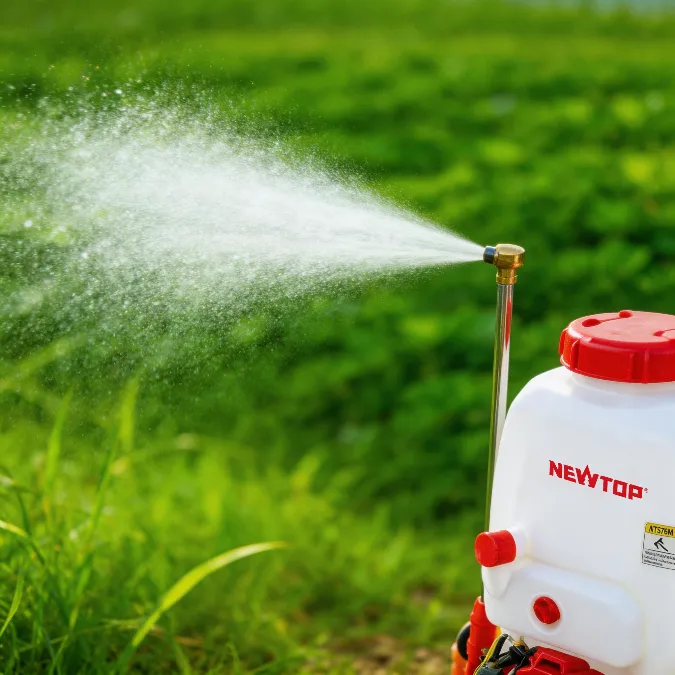
Knapsack sprayers are one of the most stable product categories in agricultural and public health equipment because they serve many daily needs, from crop protection to sanitation work. 販売代理店様向け, 輸入業者, and private-label buyers, the right wholesale strategy can improve margin, lower service costs, and build a repeat-order business over time.
This guide explains how to select the right products, control batch quality, negotiate better supply terms, and grow your brand with wholesale knapsack sprayers. It is written for buyers who want reliable products, clear cost control, and long-term business value.
Wholesale Knapsack Sprayer Strategies for Global Distributors

Successful global distribution hinges on a multi-channel sales approach, targeted product customization for regional demands, and a secured supply chain focused on high-growth segments like battery-powered models.
Targeting High-Growth Market Segments
Global distributors can build a competitive advantage by concentrating on high-demand niches. The shift toward electric and battery-powered models is supported by broader market demand for more efficient and lower-fatigue spraying solutions. This strategy requires identifying specific regional demands for precision agriculture technology and eco-friendly equipment, moving beyond a volume-only sales model.
- Prioritize sourcing lithium-ion sprayers to meet demand from environmentally conscious users and light professional landscapers.
- Integrate technology-enhanced models featuring GPS or specialized sensors for the precision agriculture sector.
- Focus on markets like Europe where regulatory compliance and low-emission equipment are key purchasing factors.
Adopting a Multi-Channel Sales Approach
Effective distribution requires a flexible, multi-channel sales network. Relying on a single channel is no longer sufficient. Distributors should combine online platforms, traditional specialty retailers, and direct dealer relationships to reach a wider customer base, from small B2B shops to large agricultural enterprises.
- Develop an e-commerce platform to serve small agricultural tool shops and rental companies in emerging markets.
- Establish partnerships with regional brand agents and distributors who have established local networks.
- Engage directly with project and tender buyers for municipal landscaping or large-scale agricultural operations.
Customizing Products for Regional Needs
A one-size-fits-all approach is ineffective in the global market. 販売代理店 must partner with manufacturers offering OEM and private label services to tailor products. This involves adjusting features, ブランディング, and packaging to meet local price points and performance expectations in markets across Africa, ラテンアメリカ, そして東南アジア. Customization creates a product that feels built for the local user, not just imported.
- Use OEM customization to create a unique brand identity with custom colors, logos, and packaging.
- Adjust sprayer configurations, such as tank capacity or nozzle type, to suit dominant local crops and farming practices.
- Work with suppliers to ensure product manuals and marketing support materials are adapted for local languages.
Securing a Stable and Quality-Assured Supply Chain
Long-term success depends on a reliable supply chain. Distributors should prioritize manufacturers with proven quality control systems, access to premium components, and stable 生産能力. This de-risks procurement and ensures a consistent supply of durable equipment and スペアパーツ, which is fundamental for building trust and supporting after-sales service obligations.
- Partner with ナップザック噴霧器メーカー who source critical components from globally recognized brands to ensure equipment durability.
- Verify factory certifications like ISO9001 and product compliance with CE, GS, or EPA standards.
- Confirm the manufacturer’s ability to provide long-term spare parts availability, which is critical for professional users.
Wholesale Knapsack Sprayer Market: Identifying High-Demand Trends
Market demand in 2026 is driven by the shift to battery-powered models, agricultural modernization in emerging economies, and a strong end-user focus on ergonomic and durable designs.
Demand for Electric and Battery-Powered Models
A clear trend for 2026 is the growing preference for electric and battery-powered knapsack sprayers. This move away from manual and gas-powered units is fueled by stricter emissions regulations, sustainability goals, and user demand for quieter, low-maintenance equipment. The electric segment alone is projected to reach USD 846 million in 2026, signaling a strong market appetite for this technology in professional landscaping, 園芸, そして農業.
- Battery-powered models deliver consistent pressure, which improves application accuracy and reduces the operator fatigue associated with manual pumping.
- These units align with global sustainability initiatives by eliminating direct emissions and fossil fuel consumption.
- They are gaining significant traction in enclosed environments like greenhouses and in noise-sensitive areas where traditional engines are impractical.
Growth in Agricultural Modernization in Emerging Markets
Emerging markets, particularly in the Asia-Pacific region, ラテンアメリカ, そしてアフリカ, are driving significant demand for wholesale knapsack sprayers. As small-scale farmers modernize their operations, they are replacing inefficient manual spraying methods with more effective tools. Government programs aimed at boosting agricultural productivity further accelerate this adoption, creating a high-volume opportunity for distributors.
- The Asia-Pacific region currently leads market growth as farmers seek cost-effective tools for better crop protection.
- Knapsack sprayers offer an optimal balance of cost and performance for small to medium-sized farms looking to improve yields.
- Distributors serving these regions require durable, easy-to-service models built to withstand demanding field conditions.
Focus on Ergonomics and Durability in Product Design
End-users now expect more than just basic function. In the competitive 2026 market, models featuring enhanced comfort and robust construction provide a clear advantage. Professional users prioritize equipment that offers long-term value, reduces physical strain, and ensures operational safety. This shift forces manufacturers and distributors to focus on product quality and design as key differentiators.
- Improved ergonomics, such as padded shoulder straps and contoured back support, directly reduce operator fatigue during long hours of use.
- Enhanced durability through the use of higher-quality plastics, better seals, and corrosion-resistant components is a primary purchasing factor.
- The market is also moving toward modular designs that allow for easier field repairs, part replacement, and customization.
信頼性の高い機器で利益率を高めましょう
Sourcing Strategies for Wholesale Knapsack Sprayer Orders
Effective sourcing in 2026 relies on mitigating supply chain risks through regional assembly and multi-source component strategies, while leveraging integrated digital platforms for streamlined order management.
| Sourcing Strategy | 主な目標 | Key Action for Distributors |
|---|---|---|
| Localized Assembly & Regional Warehousing | Reduce lead times, stabilize pricing, and navigate tariff pressures. | Partner with suppliers who have assembly facilities or warehouses in your target sales region. |
| Diversified Component Sourcing | Mitigate production delays and insulate operations from supply chain disruptions. | Verify your supplier sources key parts (パンプス, ノズル, batteries) from multiple origins. |
| Integrated Online Platforms | Streamline ordering, tracking, inventory management, 販売後のサポート. | Select manufacturers with robust digital systems for real-time order and support access. |
| Strategic Partnerships for Bundled Solutions | Increase end-user value and strengthen your competitive market position. | Work with suppliers who package hardware with necessary consumables or digital management tools. |
Prioritize Localized Assembly and Regional Warehousing
による 2026, manufacturers are increasingly using localized assembly and regional warehouses to navigate tariff pressures and shorten delivery times. This shift gives wholesale buyers more stable pricing and quicker access to inventory, insulating them from the volatility of long-distance shipping. A regionalized supply chain is a direct response to global trade friction and creates a more resilient distribution network.
- Partner with suppliers who have assembly facilities or warehouses in your target region to reduce logistics costs.
- Regional stock availability ensures faster order fulfillment and improves supply chain resilience.
Diversify Component Sourcing to Reduce Risk
A critical sourcing strategy involves selecting manufacturers who do not rely on a single source for essential components. This diversification protects against supply chain disruptions, whether from geopolitical events, material shortages, or factory shutdowns. It ensures consistent product availability and quality, preventing a single point of failure from halting your entire operation.
- Confirm that your supplier sources key parts like batteries, パンプス, and nozzles from multiple origins.
- This approach mitigates the risk of production delays and helps maintain consistent quality across batches.
Evaluate Suppliers with Integrated Online Platforms
Modern distribution relies on more than traditional wholesale channels. Choose manufacturing partners who offer integrated online platforms for ordering, tracking, and accessing after-sales support. These digital systems provide the transparency and efficiency needed to manage large-scale inventories and serve customers effectively. A supplier’s technological infrastructure is now as important as its manufacturing capabilities.
- Select suppliers whose systems allow for streamlined online order management and real-time inventory checks.
- Ensure the manufacturer provides robust, accessible after-sales service and technical support through their digital channels.
Build Strategic Partnerships for Bundled Solutions
Leading sourcing strategies now involve forming partnerships that deliver comprehensive solutions. Work with manufacturers who collaborate with agrochemical distributors or technology providers to offer integrated product bundles. This approach moves beyond simply selling a piece of hardware and instead provides a complete package that solves a larger customer problem, creating a stronger market position and higher perceived value.
- Explore opportunities with suppliers who package hardware with necessary consumables or digital management tools.
- Bundled solutions provide greater value to end-users and can create a stronger market position for your business.
Calculating Profit Margins on Wholesale Knapsack Sprayer Orders
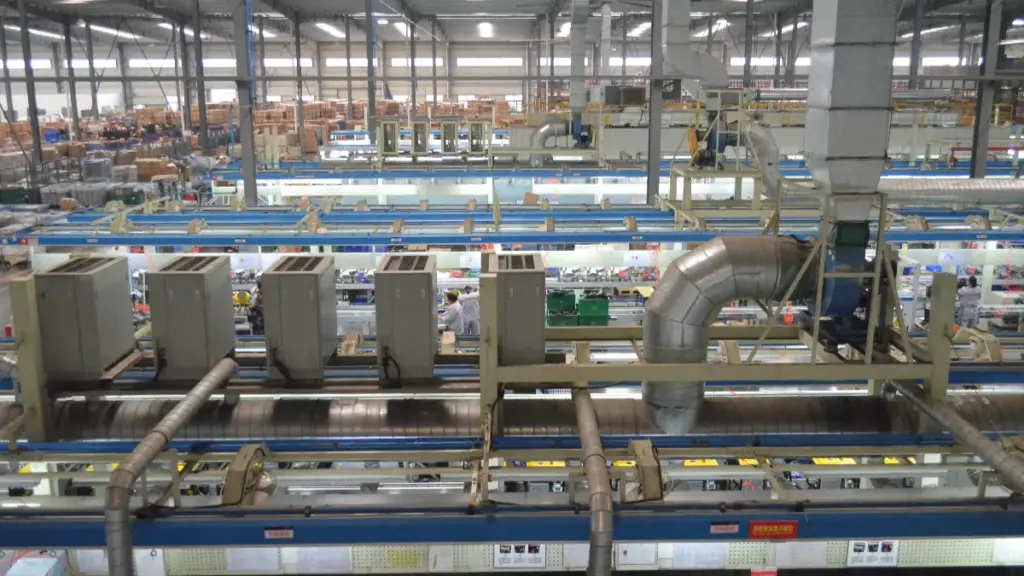
True profitability in wholesale distribution is found by meticulously tracking every cost from the factory floor to the final customer delivery, not just the initial unit price.
| Calculation Component | Key Cost Factors | Impact on Profit Margin |
|---|---|---|
| Cost of Goods Sold (COGS) | Factory unit price, international freight, import duties, customs brokerage, local transport. | Establishes the baseline cost per unit. Underestimating this directly inflates perceived profit. |
| Wholesale Resale Price | Competitor pricing, perceived brand value, 保証サポート, 部品の入手可能性. | Determines gross revenue. Incorrect pricing hurts either sales volume or margin per unit. |
| Operating Expenses (OpEx) | Warehousing, marketing, sales commissions, outbound shipping, administrative overhead. | Reduces gross profit to net profit. These costs reveal the business’s actual profitability. |
Establishing Your Cost of Goods Sold (COGS)
Before setting prices, you need a clear picture of every direct cost associated with acquiring your knapsack sprayers. This total cost forms the baseline for all profit calculations. A failure to accurately calculate COGS leads to mispriced products and eroded margins. You must account for the full journey of the product from the supplier to your warehouse.
- Landed Cost: This includes the factory unit price from a knapsack sprayer supplier like ニュートップ, plus all associated import duties, tariffs, and taxes required to bring the goods into your country in 2026.
- Inbound Logistics: Factor in international freight charges, port fees, customs brokerage, and domestic transportation from the port to your warehouse.
- Ancillary Costs: Account for any mandatory pre-sale preparations, such as local compliance testing or minor assembly required upon arrival.
Setting a Competitive Wholesale Resale Price
Your resale price must balance market demand with your profit goals. Researching your local market is key to finding the right price point for your B2B customers, such as retailers and agricultural supply stores. Setting a price in a vacuum is a common mistake; it must be informed by what your specific market will bear.
- Analyze competitor pricing for similar quality knapsack sprayers within your target regions.
- Determine the perceived value based on factors like brand reputation, 保証サポート, and spare parts availability.
- Establish tiered pricing structures for different order volumes to encourage larger purchases from your retail partners.
Factoring in Operational and Shipping Costs
Net profit depends on accounting for all business overhead beyond the direct cost of the sprayers. These operating expenses reduce your gross margin to reveal your actual take-home profit. Many distributors focus solely on COGS and sales price, overlooking the substantial costs of running the business itself.
- Warehousing and Storage: Calculate the monthly or annual costs for storing your inventory safely.
- Marketing and Sales: Include expenses related to promoting your products to retailers and any sales staff commissions.
- Outbound Logistics: Account for the costs of shipping orders from your warehouse to your B2B customers.
- Administrative Overhead: Apportion a percentage of general business costs, like rent, utilities, and salaries, to each product line.
Calculating Gross and Net Profit Margins
With all cost and pricing data collected, you can calculate your margins. This helps you understand the financial health of your wholesale operation and make informed business decisions. These two metrics tell different but equally important stories about your business performance.
- Gross Margin: Calculated as (Total Sales Revenue – Cost of Goods Sold) / Total Sales Revenue. This shows the profitability of the product itself before overhead.
- Net Margin: Calculated as (Total Sales Revenue – COGS – All Operating Expenses) / Total Sales Revenue. This reveals the final profit after all business costs are paid.
- Regularly review these margins to adjust pricing, control costs, and ensure your business remains profitable through 2026 and beyond.
Wholesale Knapsack Sprayer Quality Control and Batch Testing
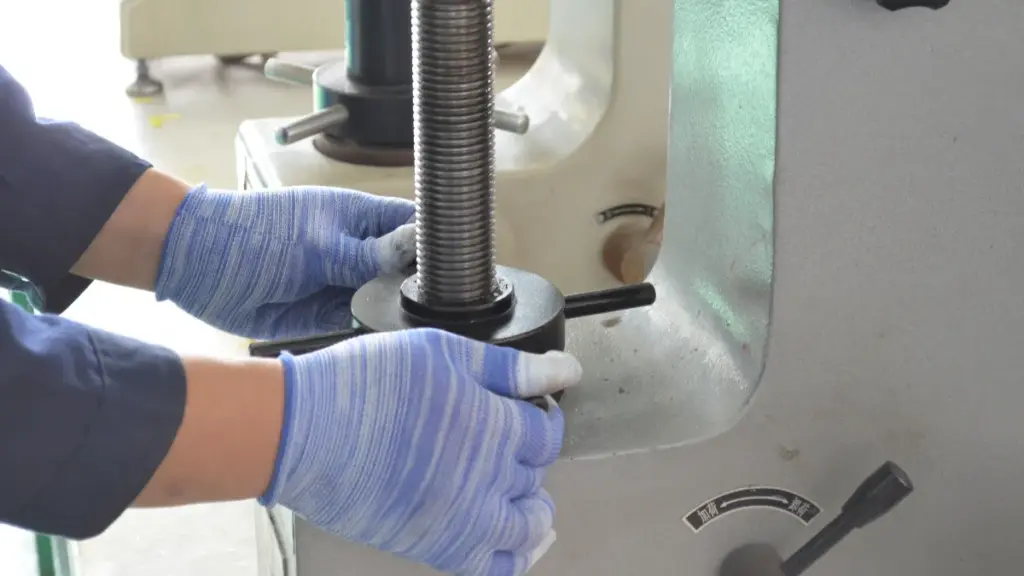
Effective quality control for wholesale knapsack sprayers prioritizes pressure system consistency, component durability under stress, and verifiable spray performance to prevent field failures and ensure accurate application.
Pressure System Integrity and Regulation
A primary focus of batch testing is ensuring the sprayer’s pressure system is both consistent and reliable. Technicians must verify that each unit maintains its specified operating pressure without leaks, a fundamental requirement for achieving a uniform spray pattern and correct application rates. Consistent pressure across an entire batch guarantees predictable performance for all end-users.
- Testing the pressure-holding capability of the tank and seals to prevent performance loss.
- Validating pressure-regulating devices and gauges to ensure they deliver a steady output.
- Checking for consistent pressure across a batch to guarantee predictable performance for end-users.
Component Durability and Mechanical Reliability
Quality control protocols include stress tests on key mechanical components. ポンプの仕組み, lever, and seals are subjected to repeated use simulations to identify potential points of failure before the products reach the market. This process confirms that the equipment can withstand long-term, demanding field conditions without mechanical breakdown.
- Assessing the integrity of pump seals to prevent chemical leakage and pressure drops.
- Evaluating the lever-operated mechanism to confirm it can withstand long-term field use.
- Inspecting material quality of straps, handles, and the main body for durability.
Spray Performance and Filtration System Checks
The effectiveness of a knapsack sprayer depends entirely on its spray accuracy and its ability to resist clogging. Batch tests measure nozzle performance against specifications and confirm that the filtration system functions as intended. A key industry benchmark requires that nozzle discharge rates fall within a 10% tolerance of the manufacturer’s specifications.
- Verifying that nozzle discharge rates are within a 10% tolerance of the manufacturer’s specifications.
- Inspecting the integrity of strainers and filters to ensure they effectively prevent blockages.
- Confirming standardized calibration procedures are followed for accurate and reliable application.
Negotiating Payment Terms with Wholesale Knapsack Sprayer Suppliers
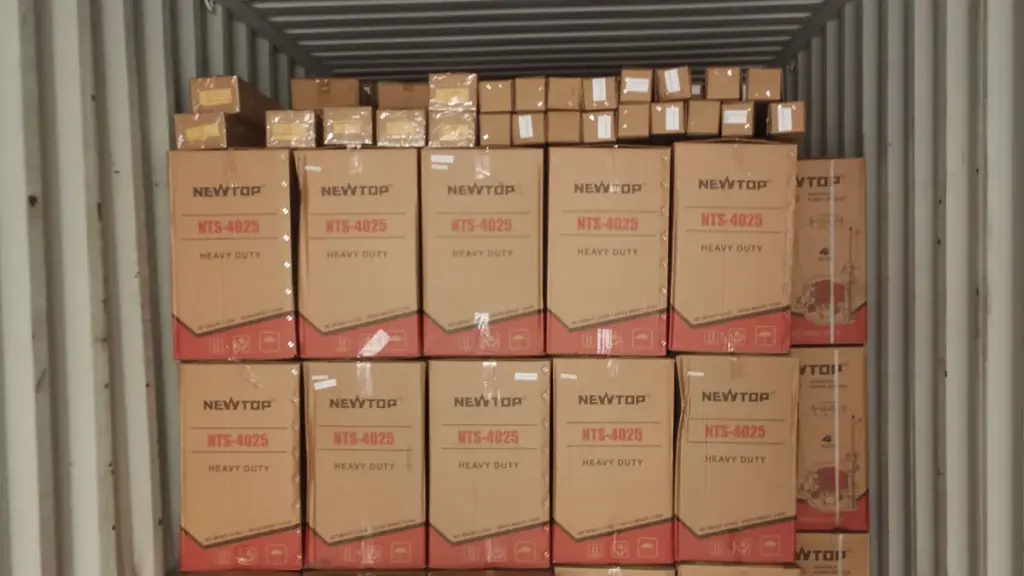
For volume orders, payment structures have shifted from standard Net 30 terms to flexible, milestone-based agreements like 30/70 splits that are tied to production and inspection.
| Payment Model | Common Structure | ベストユースケース |
|---|---|---|
| Net Terms | Net 30, 60, または 90 days post-invoice | Established distributors with consistent order history. |
| Progressive Payments | 30-50% deposit, balance due against Bill of Lading (B/L) | Large, custom, or initial high-volume OEM orders. |
| Early Payment Discount | 1-2% discount for payment within 10-15 日 | Distributors with strong cash flow looking to reduce unit costs. |
Standard Payment Structures in 2026
For established business partners, payment terms often extend beyond traditional models. A supplier like NEWTOP can offer flexible options that reflect a strong order history and partnership level, accommodating different business scales. While Net 30 is a common starting point for new accounts or smaller wholesale orders, it’s not the only option. Established distributors with consistent, high-volume orders frequently secure more favorable terms.
- Net 30 terms are common for initial or smaller wholesale orders.
- Net 60 or Net 90 terms are frequently available for established distributors with consistent order volumes.
- Final terms often depend on a credit assessment and regional market stability.
Progressive Payment Milestones for Large Orders
To manage cash flow for both the buyer and the supplier, large orders are often structured with payments tied to key production stages. This approach is standard for custom or high-volume OEM orders, as it de-risks the transaction for both parties. The initial deposit allows the manufacturer to secure raw materials and begin production without carrying the full financial burden. The final payment is held until the buyer can verify the finished goods meet their standards.
- A typical split involves a deposit of 30-50% to secure raw materials and initiate production.
- The remaining balance is due upon completion, after a pre-shipment inspection, or against the bill of lading.
- This structure secures the order for the supplier and protects the buyer’s investment until quality is verified.
Leveraging Volume and Partnerships for Favorable Terms
Long-term commitments and larger order volumes give distributors significant leverage during payment negotiations. Suppliers value predictable business and are willing to reward it with better terms. A commitment to a larger annual order volume can unlock more favorable pricing tiers and greater payment flexibility. Similarly, brand agents and partners with a proven sales track record, such as those in NEWTOP’s global network, often receive preferential treatment and more accommodating payment schedules.
- Many suppliers offer early payment discounts, 頻繁 1-2%, for settling invoices well before the due date.
- Committing to a larger annual order volume can unlock more favorable pricing tiers and payment flexibility.
- Brand agents and partners with a proven sales record often receive preferential treatment.
The Importance of Clear Documentation
All negotiated terms must be formalized in a written document, whether a purchase order, contract, or proforma invoice. This step is critical to prevent future misunderstandings and ensures both parties are aligned on expectations. The document serves as the single source of truth for the transaction, outlining every financial detail and procedural requirement from start to finish.
- The document should clearly state the payment schedule, due dates, and any applicable discounts or penalties.
- It must specify the transaction currency and accepted payment methods, such as Telegraphic Transfer (T/T) or Letter of Credit (信用状).
- It should also outline the process for milestone verification, like pre-shipment inspection reports, before subsequent payments are due.
Managing Quality Risk in Wholesale Knapsack Sprayer Batches
Quality risk management for knapsack sprayers now centers on pesticide containment, ergonomic safety, and the component reliability of newer battery-powered models.
Pesticide Containment and Leak Prevention
The primary quality failure in any knapsack sprayer is a leak, which causes chemical waste and direct operator contamination. Current standards focus heavily on the integrity of seals, タンク, and connection points to guarantee safe pesticide handling during field applications. Verifying component quality before shipment is non-negotiable.
- Verifying the material durability of tanks and seals against common agricultural chemicals.
- Batch testing for pressure retention to identify potential leaks at connection points.
- Ensuring nozzle consistency to prevent drips and uncontrolled spray patterns.
Operator Safety and Ergonomic Design
Poor ergonomic design directly contributes to operator fatigue and raises the probability of unsafe handling. Modern quality assessments must evaluate the sprayer’s physical design for comfort and functional safety, which reduces the long-term occupational health risks for agricultural workers.
- Assessing the quality of shoulder straps and back padding to ensure comfort during extended use.
- Checking the balance and weight distribution of the sprayer when filled to capacity.
- Confirming the reliability of pressure release valves and lockable triggers to prevent accidental discharge.
Component Reliability in Motorized and Battery-Powered Sprayers
As the market moves toward motorized and battery-powered sprayers, quality risk expands to electrical and mechanical components. While these systems reduce operator contamination risk, they introduce new failure points that demand rigorous testing protocols.
- Evaluating the battery lifecycle and charging system consistency for lithium-ion models.
- Testing motor durability and pump performance under continuous, high-load operation.
- Inspecting the integrity of wiring, connectors, and switches to prevent electrical failures in the field.
Branding Your Business With Custom Wholesale Knapsack Sprayers
Successful branding for wholesale sprayers moves beyond logos to include market-specific equipment modifications, custom packaging, and private labeling that build a distinct identity in your distribution region.
Private Labeling and OEM Manufacturing
Building a brand requires a product that reflects your company’s standards. We offer Original Equipment Manufacturer (OEM) services, allowing importers and distributors to market high-quality knapsack sprayers under their own private label. This approach lets you leverage a proven manufacturing process while you focus on building your brand’s presence in your local market. You can establish a strong foothold without the heavy capital investment required for factory infrastructure and R&D.
- Develop a unique product line without investing in factory infrastructure or R&D.
- Gain a competitive edge in markets across Africa, ラテンアメリカ, and Eastern Europe with equipment tailored to regional needs.
- Partner with a manufacturer experienced in supporting over 100 brand agents in more than 65 国.
Customizing Sprayer Features for Your Market
Effective branding is embedded in the product’s functionality. We provide options to modify knapsack sprayers to align with your market strategy, ensuring the final product performs exactly as your customers require. This involves more than just aesthetics; it means creating a tool that solves specific local challenges and stands up to regional environmental conditions.
- Select custom colors and apply your company’s branding directly to the equipment.
- Adjust component configurations, such as nozzles, ストラップ, or pump mechanisms, to match local application requirements.
- Modify designs for improved ergonomics, catering to professional users who require comfort for extended use.
Packaging and Design Support
The first physical interaction a customer has with your product is its packaging. We provide direct support for creating custom packaging that not only protects the sprayer during transit but also reinforces your brand identity from the moment it hits the shelf. Professional packaging builds trust and clearly distinguishes your products from generic competitors.
- Design custom boxes with your logo, brand colors, and essential product information.
- Ensure packaging meets regional requirements for shipping and retail display.
- Create a professional appearance that builds trust and distinguishes your products from competitors.
MOQ and Lead Times for Custom Orders
Planning a custom product line requires clear logistical information. We establish practical Minimum Order Quantities (MOQs) for OEM projects and provide transparent lead times based on the complexity of the customization. This allows you to manage your inventory and plan your market launch with confidence. Our structure is designed to support both large, established distributors and growing businesses launching a new private label.
- MOQs for custom and OEM orders are designed to support both large distributors and businesses launching a new brand.
- Lead times are determined by factors like tooling requirements and the specifics of design modifications.
- Larger order volumes for agents and OEM partners receive preferential pricing and dedicated service.
Expand Your Business With NEWTOP’s Wholesale Support Programs
NEWTOP provides a structured framework for wholesale partners, combining flexible ordering policies, OEMのカスタマイズ, and comprehensive after-sales support to help distributors build their brands and scale operations.
Flexible MOQ and Lead Time Policies
NEWTOP offers adaptable ordering policies designed to help wholesalers manage inventory, test new markets, and scale operations efficiently. These programs reduce financial risk for both new and established partners by removing high entry barriers.
- We accept single-piece sample orders for product validation and market testing.
- Standard order MOQs are flexible and can be arranged based on specific customer needs and market potential.
- Typical lead times are 7–10 days for samples and around 30 days for standard bulk orders.
OEM Customization and Private Labeling Services
Partners can build their own brand identity with our complete OEM and private labeling support. This allows for product differentiation in competitive local markets like Africa, ラテンアメリカ, そして東ヨーロッパ, where brand recognition is key.
- We offer tailored OEM color and design customization to match your brand identity.
- Our team provides private labeling and custom packaging design services.
- We make configuration adjustments to meet specific regional requirements and price points.
Comprehensive Quality Assurance and Warranty
NEWTOP protects its wholesale partners by ensuring product reliability through multi-stage factory inspections, transparent warranty terms, and full regulatory compliance documentation. This preparation ensures smooth customs clearance and builds end-user trust.
- A standard one-year machine warranty comes with six-month coverage on core components.
- Our structured quality control process includes incoming material checks and final functional testing on every unit.
- We provide CE, GS, ユーロⅡ, and EPA certifications to support market entry and compliance.
Dedicated After-Sales and Marketing Support
Our robust support system ensures equipment longevity and helps brand agents grow their local market share. We provide the technical assistance and promotional materials needed to compete effectively.
- We guarantee long-term availability of critical spare parts and consumables for equipment maintenance.
- Distributors receive timely technical assistance from our dedicated sales and service teams.
- We provide agents with product training, usage guidance, and marketing content to boost local sales.
結論
Sourcing knapsack sprayers involves more than just finding the lowest unit price. A clear strategy for calculating margins, managing batch quality, and negotiating payment terms protects your investment. This approach helps build a stable foundation for a profitable distribution business.
If you are ready to expand your product line, our team can provide a detailed quote and answer questions about our distributor support programs. Contact us to discuss your specific market needs and get started.
よくある質問
What is the wholesale price for a knapsack sprayer?
Wholesale price depends on sprayer type, タンク容量, material quality, 注文数量, 梱包, and customization. Manual knapsack sprayers are usually priced differently from gasoline-powered models, and OEM branding can also affect the final quote.
How many knapsack sprayers fit in a 20ft container?
The loading quantity depends on tank size, carton dimensions, packing method, and whether accessories are packed together. このため, buyers should always confirm the container loading plan based on the exact model and packaging specification.
Can I get wholesale pricing for 16L sprayers?
はい. 16L knapsack sprayers are one of the most common wholesale categories in many agricultural markets. Pricing depends on the model configuration, material standard, および合計注文数量.
What are the payment terms for wholesale sprayer orders?
Standard payment terms for wholesale orders are a 30% T/T (Telegraphic Transfer) deposit to initiate production. 残り 70% balance is typically due upon presentation of the Bill of Lading (B/L) copy, confirming shipment. For established distributors, more flexible terms like L/C (Letter of Credit) may be negotiable.
Are spare parts included in wholesale knapsack sprayer deals?
はい. 16L knapsack sprayers are one of the most common wholesale categories in many agricultural markets. Pricing depends on the model configuration, material standard, および合計注文数量.
How do I become a wholesale distributor for NEWTOP?
To become a NEWTOP wholesale distributor, you need to contact our international sales team and share your company profile, target market, and estimated purchasing plan. Our team will review your business needs and recommend suitable products, pricing structure, and cooperation options based on your market.
トップハンドルチェーンソーは、片手で空中で使用できるように、本体上部にメイングリップが付いています。, リアハンドルチェーンソーはエンジンの後ろにリアグリップを備えており、安定した両手地上操作が可能です。. プロの樹木医, ロガー, そして造園業者は、要求の厳しい樹木作業に取り組む際に、これらの選択を迫られることがよくあります。.
として 屋外電源機器の専門家, 根本的な違いを分析していきます, 長所と短所, 車両やビジネスについて情報に基づいた意思決定を行うのに役立つ安全上の考慮事項.
トップハンドルチェーンソーとは?
トップハンドルチェーンソーはプロの樹木医のために設計されたツールです, コンパクトを優先する, 高所および限られたスペースでの精密切断のためのバランスのとれた設計.
樹木医や高所作業向けに設計
トップハンドルチェーンソーは、高所で作業するプロの樹木医のためにほぼ独占的に設計された特殊なツールです. 高い位置や扱いにくい位置で切断する際のコントロールと操作性を優先した設計です。, 樹冠の中など. この焦点により、従来の鋸では安全でなかったり、扱いにくかったような地上での作業の標準となっています。.
典型的なモデルの重量は約 6.5 に 10 ポンド、ガイドバーの長さは 10 に 16 インチ, 標準の鋸よりも小型で持ち運びが容易になります。. これらの次元では、バルクよりも俊敏性が優先されます。.
主な特徴: コンパクト, 軽量, そしてバランスの取れた
トップハンドルチェーンソーの最大の特徴は、その小型化と軽量化です。. この構造により、樹木での長時間の使用によるオペレータの疲労が最小限に抑えられ、大型の鋸では実用的ではない限られたスペースでも正確な切断が可能になります。. 不安定な位置からカットする際にコントロールを維持するには、優れたバランスが重要です。.
- コンパクトなフォームファクターにより、密集したブランチ間の移動が容易になります.
- 優れたバランスにより、より優れたコントロールを実現, これは不安定な位置からカットするときに重要です.
- 多くのモデル 2026 電池式です, 軽量性をさらに高め、排出量を削減します.
主な用途
このタイプのチェーンソーは大きな木を伐採するために作られていません. 正確さと機敏性が要求されるタスクに優れています, 枝を剪定するような, 枯れ木の除去, 登る位置から枝を切断する. 制御されたパワーは、周囲の樹木の構造を損傷することなく正確に切断するのに適しています。, 木の健康を保つ.
- 樹冠の形を整えたり、樹木の健康を維持するための外科的切断を行うのに最適です。.
- 認定された専門家が特定の状況で片手で使用できるようにします, 安定させるためにもう一方の手を解放する.
- 制御されたパワーは、周囲の樹木の構造を損傷することなく正確に切断するのに適しています。.
リアハンドルチェーンソーとは?
リアハンドルチェーンソーは地上切断の業界標準です, 活用力を最大化するために 2 つのハンドル構成で設計されています, コントロール, 負荷の高い作業のための安全性.
コアの設計と運用
リアハンドルチェーンソーは多用途に使えます, 一般およびヘビーデューティ用途向けに作られたフルサイズのチェーンソー, メインハンドルはエンジンの後ろに位置し、フロントハンドルは安全な両手操作を可能にします。. 後方への重量配分を特徴とするデザイン, より大きなエンジンハウジング, 保護ハンドガード, 拡張されたガイドバーにより、要求の厳しい切断でも優れたてこの作用と力を発揮します。.
一般的な仕様には、以下の重量が含まれます。 11 に 15 ガスモデルのポンド, ガイドバーの長さは以下の範囲です 14 に 24 エンジンサイズに応じてインチ以上 (例えば, 36-60cc). これにより、堅牢ではありますが、コンパクトではなくなります.
一般的なアプリケーション
リアハンドルチェーンソーは地上用に作られています, ヘビーデューティ用途. これらは、広い敷地を持つ住宅所有者や、空き地でかなりの切断作業を行う専門家にとっての標準ツールです。.
- 大きな木の伐採.
- 丸太の伐採と木材の加工.
- 薪割り.
- 一般的な財産のメンテナンスと嵐の片付け.
信頼性の高い機械で競争力を獲得
トップハンドルチェーンソーの長所と短所
トップハンドルチェーンソーは、高所で作業するプロの樹木医に比類のない制御を提供します, しかし、この特殊な設計により、地上での作業には安全上のリスクと機能制限が生じます。.
プロの高所作業にとっての利点
トップハンドルチェーンソーは、高所や狭い場所での切断にコンパクトで操作性の高いツールを必要とするプロの樹木医向けに特別に設計されています。. バランスとコントロールを重視したデザイン, 登ったり、高所作業台から操作したりする必要があるあらゆる作業の標準となります。.
- コンパクトで軽量な構造により、長時間の空中樹木作業時のオペレーターの疲労を軽減します。.
- 優れた操作性とバランスにより、難しい位置でも正確なカットが容易になります。, 樹冠の中など.
- 認定された専門家が片手で使用できる設計, 登りながらもう一方の手を解放して安定させる.
制限と欠点
専門的なタスクに最適ですが、, トップハンドルチェーンソーには、一般的な使用を制限する重大な欠点があります. その独特な構造により、あらゆる種類の地上での切断には適さず、潜在的に危険性が高くなります。, リアハンドルモデルに適したタスク.
- プレミアム価格には、プロ仕様の航空機器に必要な専門エンジニアリングおよび安全認証が反映されています。.
- 伐採したり、地面にぶつかったりするように設計されていません。, 後部ハンドルのこぎりにより、てこの力と操作の安全性が向上します。.
- 手を近づけるとキックバックによる重傷のリスクが高まります, 安全な操作には専門的な訓練が必要です.
リアハンドルチェーンソーの長所と短所
リアハンドルチェーンソーは、地上での切断に優れた安定性と多用途性を提供します。, ほとんどのユーザーにとって標準となっています, ただし、そのサイズと重量により、狭いスペースでの操作性が制限されます。.
利点
- 電力の利用可能性: より大型のエンジンに対応 (40-60cc) そしてもっと長く ガイドバー (まで 24+ インチ) 伐採時に厚い木材を効率的に切断するために.
- スタビリティコントロール: リアバランスを備えた両手グリップにより、てこの力を発揮して、伐採や座屈時のキックバックを最小限に抑えます。.
- 多用途に使用可能: 薪の加工も承ります, 嵐の掃除, 生垣のトリミング, 確実な資産メンテナンス.
- 人間工学に基づいた快適さ: プロと初心者の長時間の地上セッション中の腕の疲労を軽減します。.
- 耐久性重視: 日々の林業や造園の過酷な作業に耐える堅牢な構造.
短所
- 極度の疲労: 11-15+ ポンドの増加により、長時間の作業で疲労が加速します.
- 一括制限: 木登りや密な剪定など、狭い空間での敏捷性を妨げます。.
- 振動レベル: エンジン出力が高くなると、ハンドアームの振動リスクが増加します.
- 移植性の問題: プロファイルが大きくなると輸送と保管が複雑になります.
- オーバーヘッドの課題: 取り扱いが難しいため、高所作業にはあまり適していません.
トップハンドルとリアハンドルの主な違い
専門家がこれらのツールの技術仕様と機能的アプリケーションを比較できるようにするため, 主な違いを以下にまとめました:
| 属性 | トップハンドルチェーンソー | リアハンドルチェーンソー |
|---|---|---|
| ハンドル位置 | コンパクトな空中コントロールのためのトップマウントグリップ | エンジン後ろのリアグリップ、両手用フロントハンドル付き |
| 体重範囲 | 軽量 8-10 ポンド, 高所での疲労を軽減します | より重い 11-15+ ポンド, 地上での使用にも安定 |
| ガイドバーの長さ | 短い 10-16 精度のためのインチ | より長い 14-24+ 厚切りの場合はインチ |
| エンジン出力 | 小さめの25~45cc, 剪定のためのアジャイル | 40~60cc以上の大型, 伐採に強力な |
| 操縦性 | 狭い場所や登りに最適 | 地上での安定性が向上, オーバーヘッドが大きくなる |
| キックバックのリスク | 軽量化と密着グリップにより高さ | てこと安全ガードで降下します |
| 最優秀ユーザースキル | 高度な専門家/樹木医のみ | 初心者からプロまで |
| 主な用途 | 木登り, 埋葬, 空中剪定 | 伐採, バッキング, 薪, 掃除 |
| 携帯性 | コンパクト, 持ち運びや保管が簡単 | かさばる, より多くの保管スペースが必要になる |
| 価格帯 | ミッドレンジ, 多くの場合、特殊な価格設定 | エンジン出力に応じて大きく異なります |
セレクションガイド: トップハンドルとリアハンドル – どちらがあなたに適していますか?

| 選択基準 | トップハンドルチェーンソーを選択する場合… | リアハンドルチェーンソーを選択する場合… |
|---|---|---|
| 主な作業環境 | あなたは高所作業を行う認定樹木医です (クライミング, 空中リフト). | あなたは主に地上で仕事をします. |
| 主要なタスク | しっかりと正確なカットを行う必要があります, 樹冠内の厄介な位置. | あなたの仕事には伐採が含まれます, バッキング丸太, 薪を切る, または嵐の掃除. |
| ユーザープロフィール | あなたは高度な作業の認定を受けた訓練を受けた専門家です. | あなたは住宅所有者です, 一般林業経営者, または初心者. |
| 制御の優先度 | 特殊なカットには操作性とコンパクトさが重要です. | 最大限の安定性, てこの作用, 両手操作が必要です. |
プロの樹木医および樹内作業向け
トップハンドルチェーンソーは、高所で作業する認定樹木医のために設計された特殊なツールです. 彼らのコンパクトな, 軽量構造と統合されたグリップにより、樹冠内での操作に必要な操作性が提供されます。. このデザインは剪定の業界標準です, 埋葬, 大型の鋸では実用的ではない、高く限られたスペースで正確な切断を行うことができます。.
- 主な作業に登山や高所リフトからの操作が含まれる場合は、トップ ハンドルを選択してください。.
- この設計は、従来の両手鋸では収まらない扱いにくい位置でも正確に切断できるように最適化されています。.
- これらのツールを安全に操作するには、適切なトレーニングと認定が必要です, 片手で使用すると操作上のリスクが高まるため.
地上切断および一般用途向け
リアハンドルチェーンソーは、ほぼすべての地上での切断に最適なツールです。. 優れた安定性を実現するデザイン, てこの作用, そしてコントロール, 木を伐採するのに正しい選択となる, ログをセクションに分割する, そしてクリアブラシ. この構成は住宅所有者にとっての標準です, 不動産管理者, 強固な地盤で働く林業経営者と.
- 薪割りなどの作業にはリアハンドルを選択してください, 嵐の浄化の管理, 小~中木の伐採.
- 両手グリップによりコントロールが向上します, 安全性を向上させる, 長時間使用時のオペレータの疲労を軽減します。.
- この設計は本質的により安定しています, 地上のあらゆるユーザーにとって、より安全で効果的なオプションになります。.
ツールを主なアプリケーションに適合させる
正しい選択は作業環境に完全に依存します, どの鋸が一般的に使用されているかではありません “より良い。” プロの樹木医は、登攀用のトップハンドルと地面作業用のリアハンドルの両方のタイプを所有します。. 他のほぼすべての人にとって, リアハンドルソーは、一般的な切断作業に適した、より汎用性の高いツールです。.
- 最も一般的なタスクを評価する: あなたは一貫して樹上または地上で作業していますか??
- 地上での伐採にはトップハンドルソーを決して使用しないでください。. その設計は、その作業に必要なレバレッジや安全プロトコルに対して最適化されていません。.
- B2Bバイヤーおよびディーラー向け, 両方のモデルを提供することで、2 つの異なる市場にサービスを提供できます: 認定専門家および一般消費者.
あなたのビジネスに NEWTOP チェーンソーを選ぶ理由?
NEWTOP は、B2B パートナーに信頼性の高いスケーラブルな製造ソリューションを提供します。, ミッドレンジチェーンソー, 世界クラスのコンポーネントと柔軟な OEM サポートを組み合わせて、世界市場で強力な価値提案を提供します.
NEWTOP チェーンソーは、トップ ハンドルとリア ハンドルの両方の構成でプロ グレードのパフォーマンスを提供します。, 以上の支援を受けています 20 ガス式園芸工具に関する長年の専門知識. 当社のモデルは高精度CNC加工が特徴です, ウォルブロ キャブレター, NGKスパークプラグ, を超える優れた耐久性を実現するオレゴンチェーン 200 時間.
CEあり, GS, EPA, および EURO II 認証, NEWTOPはアフリカなどの世界市場のコンプライアンスを保証します, ラテンアメリカ, そして東南アジア. 競争力のある価格設定, カスタマイズ可能な OEM/ODM オプション, 信頼できるサプライチェーンにより、 ディストリビューターにとって最高の選択肢 チェーンソーのサプライヤーを探しています 500,000+ 年間生産能力.
NEWTOP で強くなりましょう—信頼できる園芸工具パートナー. 当社の製品ラインナップをご覧ください。 newtoptools.com. 詳細については, 今すぐご連絡ください!
結論
トップハンドルチェーンソーとリアハンドルチェーンソーのどちらを選択するかは、オペレーターの安全性と作業パフォーマンスに直接影響します。. トップハンドルソーは、高所で作業する訓練を受けた樹木医のための特別なツールです, リアハンドルモデルは接地作業に必要な安定性を提供します。. 用途に応じて適切な鋸を使用することで、事故を防ぎ、効率を確保できます。, クリーンカット.
チームの典型的な作業環境を評価して、機器群が適切に装備されていることを確認します. 耐久性とパフォーマンスを追求したプロ仕様のチェーンソーを調達するには, NEWTOP製品カタログを探索する ビジネスニーズに合わせて.
よくある質問
なぜ人々はトップハンドルチェーンソーを使うのか?
コンパクトなサイズと操作性を備えたトップハンドルチェーンソーを使用. これにより、木登り者は、従来の鋸では扱いにくい樹冠内の限られたスペースで正確な切断を行うことができます。.
トップハンドルチェーンソーを地上で使用できますか?
推奨されません - 後部のレバレッジが不足しています, 安定性が低下し、地上作業のキックバックのリスクが増加します。; 空中作業のみに予約.
トップハンドルチェーンソーは危険ですか?
はい, グリップが狭いため、リアハンドルソーよりも危険であると考えられています. この設計により、キックバックの制御が非常に困難になります。. 適切な樹木医の訓練を受けた専門家のみが使用してください。.
リアハンドルチェーンソーの利点は何ですか?
主な利点は制御です, てこの作用, そして安全性. ハンドル間の間隔により、オペレータは鋸の力をより効果的に管理できるようになり、チェーンとオペレータの体との間により安全な距離が確保されます。.
トップハンドルソーはクライミングに適していますか?
はい. 重量配分とコンパクトな形状は、クライミング用に特別に設計されています。. ハーネスに簡単に取り付けられ、樹上で作業するときによく必要となる難しい角度でも使用できます。.
初心者に最適なハンドルスタイルはどれですか?
初心者にはリアハンドルチェーンソーが唯一の選択肢です. 適切な切断技術を安全に学ぶために必要な安定性と安全機能を提供します。.
