De nombreux propriétaires de bateaux ne remarquent pas les dommages causés à l'hélice jusqu'à ce que leur bateau commence à se sentir différent.. Peut-être que l'accélération devient plus lente, les coûts de carburant augmentent, ou le volant commence à vibrer après avoir heurté un rocher caché ou un débris flottant. Connaître les signes avant-coureurs peut vous aider à éviter des réparations coûteuses et à assurer le fonctionnement efficace de votre moteur hors-bord..
Dans ce guide, nous allons expliquer le 5 signes les plus courants d'un dommage hélice hors-bord, pourquoi ils comptent, et quand il est temps de remplacer votre hélice.
Pourquoi une hélice endommagée ne doit jamais être ignorée
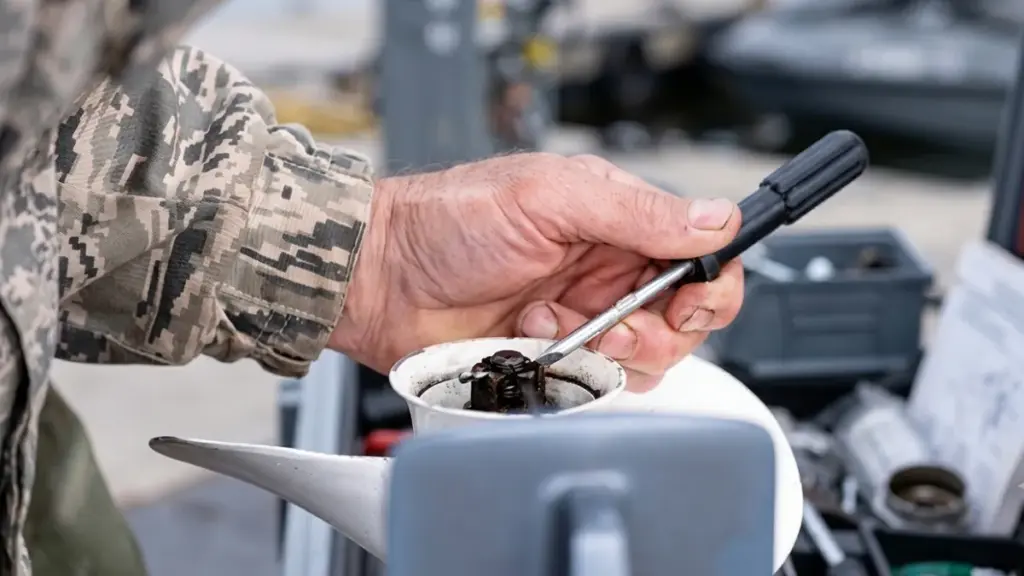
Ignorer une hélice endommagée transforme des pertes d'efficacité mineures en de graves dommages au carter d'engrenages, prix du carburant qui grimpe en flèche, et problèmes de manipulation dangereux. Réparez-le tôt pour protéger votre moteur et votre portefeuille.
Dégradation des performances et problèmes de gestion
Une hélice endommagée enlève immédiatement les performances conçues par votre bateau. Même une déformation mineure de la pale détruit le profil hydrodynamique requis pour convertir la puissance du moteur en un mouvement vers l'avant efficace.. Les opérateurs remarquent généralement cela comme un tir lent et une baisse notable de la vitesse de pointe..
- Perte de poussée: Les lames pliées ou ébréchées perturbent la géométrie, réduisant la poussée vers l'avant et provoquant une mauvaise accélération.
- Gestion de l'instabilité: Les surfaces irrégulières des pales créent une poussée inégale, conduisant à une traction sur la direction, assiette instable, et un suivi incohérent.
- Génération de vibrations: Une rotation déséquilibrée crée des vibrations sous charge, souvent ressenti comme un bruit sourd rythmé à travers le pont à des vitesses de planage.
Augmentation de la consommation de carburant et des coûts d’exploitation
Faire fonctionner une hélice compromise attaque directement votre budget de fonctionnement. Les imperfections sur la surface de la lame détruisent le flux d'eau laminaire, le remplacer par de la traînée et de la turbulence. Le moteur doit consommer beaucoup plus de carburant juste pour atteindre votre vitesse de croisière standard..
- Glissement ajouté: Les pales endommagées provoquent un écoulement turbulent, obliger le moteur à travailler plus fort pour maintenir son élan.
- Consommation de carburant plus élevée: Une hélice tintée ou pliée augmente régulièrement la consommation globale de carburant d'environ 10%.
- Compensation des gaz: Les opérateurs poussent naturellement l’accélérateur plus fort pour compenser une poussée inefficace, multipliant silencieusement les coûts de fonctionnement quotidiens.
Contraintes mécaniques sévères sur l'unité inférieure
Les dommages esthétiques à l’extérieur cachent souvent de graves destructions mécaniques à l’intérieur. Une hélice déséquilibrée agit comme un marteau contre votre transmission. Il envoie constante, contrainte cyclique directement dans l'unité inférieure, transformer une réparation d'hélice bon marché en une reconstruction massive du carter d'engrenages.
- Usure du carter de transmission: Une charge inégale transmet la contrainte directement à l'unité inférieure, détruire des engrenages, roulements, et les arbres prématurément.
- Dégradation du joint: Des vibrations persistantes déchirent les joints d’arbre d’hélice, permettant à l'huile pour engrenages de s'échapper et à l'eau de s'y précipiter.
- Désalignement de l'arbre: Les impacts violents qui déforment les pales plient fréquemment l'arbre d'hélice, garantir une défaillance catastrophique si rien n’est fait.
Risques pour la sécurité et échouement potentiel
Opérer avec une hélice endommagée pousse vos marges de sécurité dans la zone rouge. La perte de poussée propre rend le navire imprévisible dans des espaces restreints ou dans des conditions difficiles. Pousser une transmission compromise à l'étranger provoque une panne mécanique soudaine lorsque vous avez le plus besoin de puissance.
- Risques d'accostage: La perte de poussée inverse et la maniabilité irrégulière tuent votre contrôle des manœuvres dans les canaux étroits et les glissades.
- Risque de panne: Courir avec des dégâts existants augmente considérablement vos risques de panne mécanique soudaine en cours de route..
- Vulnérabilité météorologique: L’efficacité réduite de la propulsion compromet vos marges de sécurité lorsque vous naviguez sur des mers agitées, vents violents, ou courants forts.
5 Liste des signes d'une hélice hors-bord endommagée
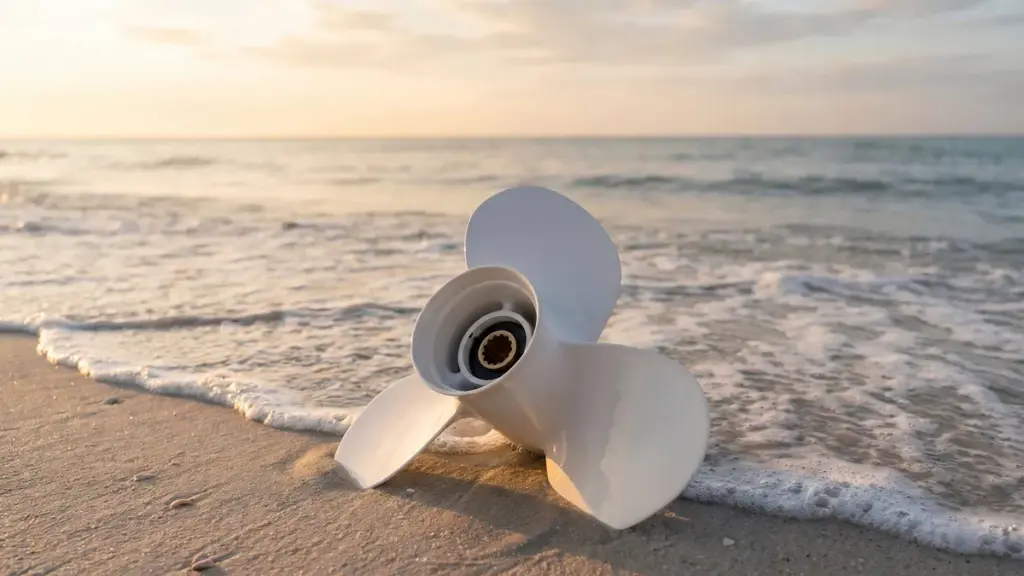
Si votre moteur hors-bord vibre soudainement, perd de la vitesse, ou consomme plus de carburant que d'habitude, votre hélice est peut-être déjà endommagée. Le tableau ci-dessous résume les symptômes les plus courants, leurs causes probables, et comment ils peuvent affecter votre moteur.
| Panneau d'avertissement | Cause principale | Risque immédiat |
|---|---|---|
| Vibration | Lames pliées ou moyeu desserré | Défaillance du joint du carter d'engrenages |
| Perte de vitesse / Mauvais coup de trou | Moyeu filé ou traînée de lame | Transport du moteur |
| Bruit / Instabilité de la direction | Lames asymétriques ou arbre plié | Dommages aux engrenages de l'unité inférieure |
| Consommation élevée de carburant / Charger | Traînée hydrodynamique | Usure des pistons et du système de refroidissement |
| Dommages visibles | Frappes à impact | Charges de choc sur la transmission |
Signe 1: Vibration pendant l'accélération ou la croisière
Une hélice endommagée tourne rarement correctement. Vous remarquerez des secousses ressenties directement à travers la barre, le carter du moteur hors-bord, ou la coque du bateau elle-même, surtout lorsque vous accélérez ou maintenez une vitesse de croisière constante. Cette vibration réduit considérablement l'efficacité de l'hélice et exerce une pression immédiate sur les supports de moteur et les joints du carter d'engrenage..
- Causes courantes: Lames pliées ou déformées, un moyeu lâche, ou de gros débris encrassés autour de l'arbre de transmission.
- Vérification exploitable: Éteignez le moteur et inspectez l'hélice. Vérifiez les angles de la lame pour vous assurer qu’ils correspondent, puis faites tourner l'hélice à la main pour repérer toute oscillation ou grattage contre le carter d'engrenage..
Signe 2: Perte de vitesse et mauvais tir au trou
Accélération lente, un temps sensiblement plus lent pour monter dans l'avion, et une vitesse de pointe réduite directement à l'inefficacité de la propulsion. Même si le régime de votre moteur reste normal ou élevé, une hélice compromise ne parvient pas à convertir cette puissance en poussée vers l'avant. Cela résulte souvent d'une cavitation autour des bords de pale endommagés ou d'un encrassement marin important créant une traînée excessive..
- Indicateur de moyeu filé: Si la bague intérieure tombe en panne, il ne peut pas transmettre tout le couple du moteur à l'eau, provoquant des régimes élevés avec un mouvement minimal du bateau.
- Vérification exploitable: Comparez votre accélérateur actuel à pleine ouverture (WOT) RPM et vitesse maximale par rapport aux données de référence historiques de votre navire.
Signe 3: Bruit inhabituel ou instabilité de la direction
Nouveau bourdonnement, cliquetis, ou des bruits de grincement indiquent un grave désalignement mécanique, surtout lors des virages ou du passage dans des plages de régime spécifiques. Vous remarquerez peut-être également que la barre est plus difficile à diriger ou qu'elle tire fortement d'un côté.. Cela se produit parce que asymétrique, les pales pliées génèrent une poussée inégale, forcer le bateau à quitter sa trajectoire naturelle.
- Menace du carter d'engrenages: Un meulage persistant indique généralement un arbre de transmission plié ou un engrenage de l'unité inférieure endommagé suite à une frappe sous-marine antérieure..
- Vérification exploitable: Remuez l'hélice d'avant en arrière pour détecter un jeu excessif.. Faites-le tourner à la main et écoutez attentivement les bruits de grattage internes.
Signe 4: Consommation de carburant plus élevée et charge anormale du moteur
Une baisse soudaine de la consommation de carburant signifie que vous vous arrêtez plus fréquemment au quai de carburant pour exactement les mêmes itinéraires et les mêmes chargements.. La traînée hydrodynamique due aux dommages ou à l'encrassement des pales oblige le moteur à travailler plus fort juste pour surmonter la perte de poussée et de vibration.. Le moteur semblera tendu et nécessitera des réglages d'accélérateur plus élevés pour maintenir des vitesses de croisière normales..
- Usure à long terme: Un fonctionnement continu dans ces conditions de charge élevée accélère l'usure des pistons, roulements, et systèmes de refroidissement hors-bord.
Signe 5: Lame visible, Moyeu, ou dommages aux bords
Les défauts physiques sont les indicateurs les plus évidents d’un impact. Une inspection visuelle rapide révèle souvent des bosses, sont des conseils, morceaux manquants, ou des fissures capillaires. Ces défauts proviennent généralement de l'échouage du bateau ou de la collision avec des rochers., bancs de sable, récifs, ou des débris immergés. Même des dommages physiques mineurs modifient le pas et l'équilibre efficaces de l'hélice, transmettre des charges de choc nocives directement dans votre unité inférieure.
- Vérification exploitable: Retirez l'hélice pour inspecter toutes les surfaces de près. Remplacez l'appareil si vous constatez de graves dommages structurels ou si les estimations de réparation dépassent 50% du coût d'un nouvel accessoire.
Source d'hélices hors-bord OEM haute performance

Comment protéger votre moteur en remplaçant la bonne hélice à temps
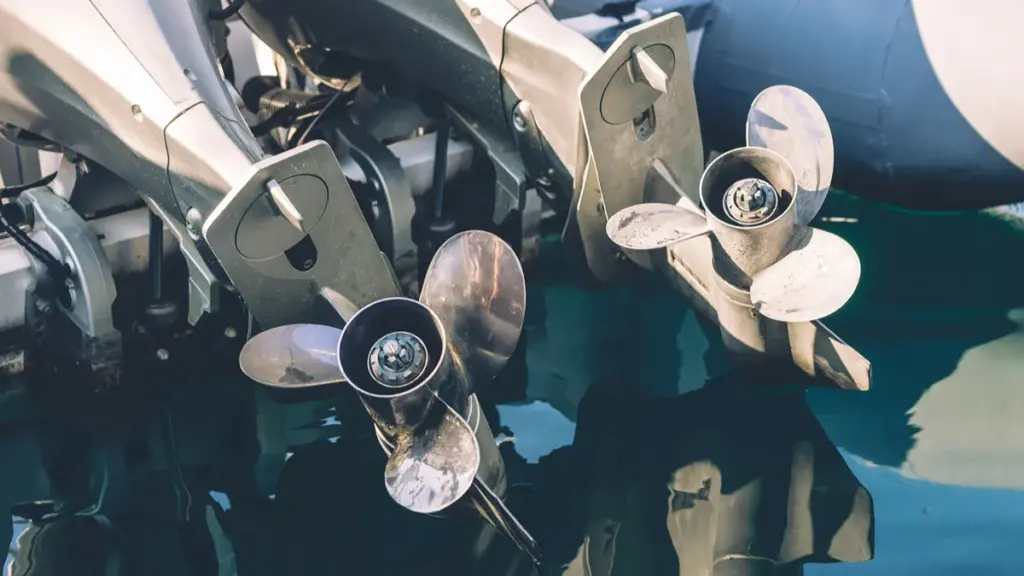
Une hélice endommagée oblige votre moteur à travailler plus fort et risque une grave panne de transmission.. Le remplacement d'une unité compromise protège immédiatement votre carter de transmission et restaure l'efficacité énergétique de base.
Identifier quand il est temps de remplacer
Savoir exactement quand changer une hélice empêche une usure mineure de dégénérer en défaillance mécanique. Les inspections visuelles et tactiles constituent votre première ligne de défense. Toute frappe contre un objet immergé nécessite une attention immédiate, même si le bateau bouge toujours.
- Dommages structurels visibles: Vérifiez les fissures profondes, gros morceaux manquants, lames très pliées, ou des bords amincissants qui compromettent la géométrie de la lame.
- Les performances de base chutent: Surveillez un moteur qui ne parvient soudainement pas à atteindre sa ligne de base à plein régime (WOT) RPM ou vitesse maximale sous des charges normales.
- Problèmes de vibrations et de manipulation: Vibrations persistantes, traction de direction, ou un suivi approximatif indique une hélice déséquilibrée.
- Vérification après impact: Retirez toujours l'hélice pour inspecter l'arbre et le joint après avoir heurté des rochers sous-marins., journaux, ou des débris.
Choisir la bonne hélice de remplacement
Installer une hélice dépareillée est tout aussi dommageable que faire fonctionner une hélice cassée. Vous devez aligner les spécifications de remplacement sur votre type de coque et votre charge de fonctionnement typique..
- Pas et diamètre corrects: Le fait de ne pas respecter la plage de pas recommandée par le fabricant force le moteur à surrégimer ou à traîner, détruisant l'économie de carburant et l'accélération.
- Aluminium pour l'absorption des chocs: Les étais en aluminium agissent comme une barrière sacrificielle dans les eaux peu profondes., eaux à forte densité de risques. Ils se déforment à l'impact, transmettant beaucoup moins de chocs dans le carter d'engrenage coûteux.
- Acier inoxydable pour la durabilité: Choisissez l’acier inoxydable lorsque vous avez besoin d’une efficacité maximale, résistance à la flexion, et durabilité dans les eaux profondes ou sans danger.
Vérifications d'installation et après remplacement
Un remplacement réussi nécessite une attention particulière à l'ensemble du moyeu et à l'environnement de l'arbre.. Avant de glisser la nouvelle hélice sur, nettoyer et préparer soigneusement la zone pour garantir le bon fonctionnement de la transmission.
- Préparation de l'arbre: Enlever la ligne de pêche enveloppée, mauvaises herbes, et les débris qui peuvent couper le nouveau joint.
- Sièges matériels: Appliquez de la graisse de qualité marine sur les cannelures. Fixez l'écrou d'hélice au couple exact spécifié sans trop serrer., et insérez une nouvelle goupille fendue si la conception l'exige.
- Essais de friction: Mettez le moteur hors-bord au point mort et faites tourner la nouvelle hélice à la main.. Il doit tourner librement sans coincer ni rayer le carter d'engrenage..
- Vérification de base: Faites fonctionner le bateau sous une charge normale pour confirmer que la nouvelle hélice rétablit votre vitesse de pointe et votre régime WOT d'origine..
Conclusion
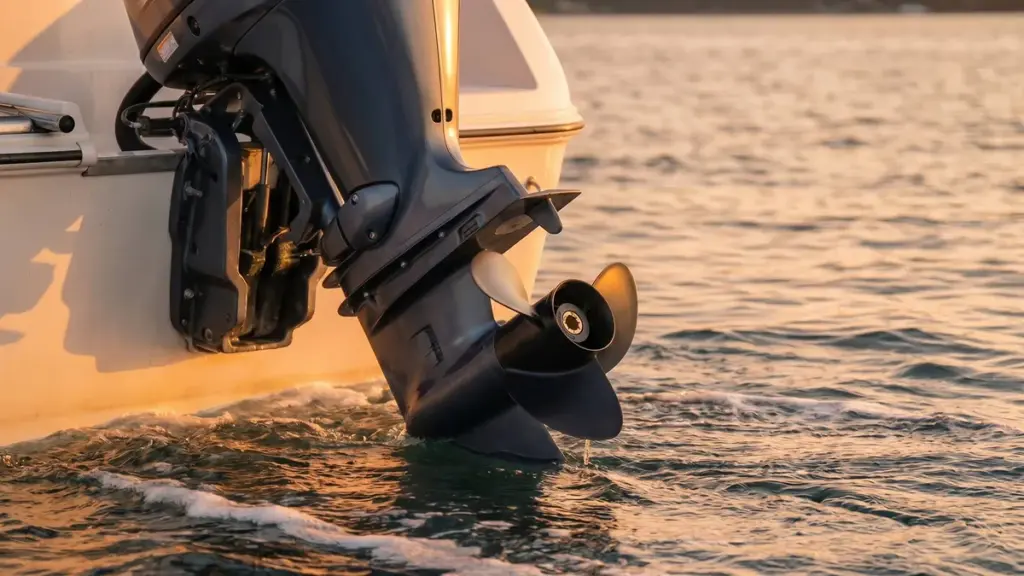
Des inspections régulières et un remplacement rapide sont les meilleurs moyens de protéger votre moteur hors-bord., améliorer les performances de navigation, et réduire les coûts d'exploitation à long terme. Il est tout aussi important de se procurer des hélices de moteur hors-bord avec le pas correct., diamètre, et des matériaux de haute qualité pour garantir un fonctionnement fiable et efficace.
Que vous remplaciez des hélices pour votre propre flotte ou que vous recherchiez des produits pour votre entreprise, un partenariat avec des fabricants expérimentés d'hélices de moteurs hors-bord peut faire une différence significative dans la qualité des produits, performance, et fiabilité à long terme. À NOUVEAUTOP, notre usine intégrée d'hélices de moteurs hors-bord combine une fabrication avancée avec des services OEM/ODM flexibles pour aider les distributeurs et les marques marines à réussir sur des marchés concurrentiels.
👉 Contactez NEWTOP aujourd'hui pour discuter de vos besoins OEM ou en gros et recevoir un devis compétitif pour votre prochain projet d'hélice hors-bord.
Foire aux questions
Quels sont les signes d'une hélice hors-bord endommagée?
Vous pouvez repérer les dommages à l'hélice grâce à des défauts visuels, baisses de performances, et symptômes mécaniques. Cherchez des bosses, pointes de lame pliées, morceaux manquants, ou des fissures capillaires près du moyeu. Sur l'eau, les dégâts se manifestent par des vitesses de pointe plus lentes, coups de trou lents, et des régimes moteur élevés avec une faible vitesse d'avancement du bateau. Vous pourriez également ressentir de nouvelles vibrations rythmiques dans la barre ou entendre des bruits sourds.. Si vous remarquez une fuite d'huile d'engrenage laiteuse autour de l'unité inférieure, l'impact a probablement compromis les joints de votre arbre d'hélice.
Une hélice endommagée peut-elle endommager mon moteur?
Oui, une hélice endommagée exerce une pression importante sur l'ensemble de votre moteur hors-bord et sur l'unité inférieure. Même une légère courbure de la lame crée une rotation déséquilibrée. Ce déséquilibre rotationnel envoie continuellement, fortes vibrations directement à travers la transmission. Laissé sans contrôle, cette secousse martèle les joints de l'arbre d'hélice jusqu'à ce qu'ils échouent, laisser le lubrifiant pour engrenages s'échapper et l'eau s'engouffrer. Faire tourner le moteur dans cet état entraîne rapidement une usure destructrice métal sur métal de vos engrenages et roulements..
Pourquoi mon bateau vibre après avoir heurté quelque chose sous l'eau?
Frapper un objet immergé déséquilibre votre transmission. L'impact plie généralement une pale d'hélice, ébrèche le matériau, ou plie légèrement l'arbre d'hélice. Parce que l'hélice ne tient plus sa forme symétrique ou tourne parfaitement fidèlement, il orbite plutôt que de tourner doucement. Cette oscillation génère une force de secousse rythmique qui se propage jusqu'à la jambe extérieure., à travers les supports moteur, et directement dans la coque.
Les dommages à l'hélice peuvent-ils entraîner une mauvaise accélération?
Oui. Les dommages physiques modifient le pas de la lame, courbure, et une tasse. Cette distorsion tue l’efficacité hydrodynamique de l’hélice, le forçant à perdre son emprise sur l'eau et réduisant considérablement la poussée vers l'avant. Aussi, si un coup violent endommage le moyeu intérieur en caoutchouc, communément appelé “moyeu filé”-la coque de l'hélice glisse sur l'arbre. Quand tu appuies sur l'accélérateur, le moteur tourne à plein régime alors que le bateau accélère à peine ou peine à monter dans le plan.
Une mauvaise hélice augmentera-t-elle la consommation de carburant?
Oui. Faire fonctionner une hélice endommagée oblige le moteur à brûler plus de carburant par mile. Courbé, ébréché, ou des pales fortement encrassées créent une traînée hydrodynamique supplémentaire et augmentent le glissement de l'hélice. Parce que les pales endommagées ne peuvent pas convertir efficacement le couple moteur en poussée, le moteur hors-bord doit tourner plus vite et travailler beaucoup plus dur juste pour maintenir votre vitesse de croisière normale. Sur une saison, cette inefficacité s’ajoute à des factures de carburant considérablement plus élevées.
Combien de temps puis-je utiliser une hélice endommagée en toute sécurité?
Vous ne devez faire fonctionner une hélice endommagée que suffisamment longtemps pour retourner au quai en boitant à basse vitesse.. Faire fonctionner un vibreur, un accessoire déséquilibré pendant une période prolongée rend anormal, contrainte cyclique sur les roulements et les joints de votre unité inférieure. Pousser le moteur dans cet état entraîne rapidement une simple, remplacement peu coûteux de l'hélice dans une reconstruction catastrophique du carter d'engrenages.
Un moyeu endommagé peut-il provoquer un surrégime du moteur?
Oui. Les fabricants conçoivent le moyeu intérieur en caoutchouc pour qu'il glisse lors d'un impact violent afin de protéger les engrenages de votre unité inférieure du cisaillement.. Une fois que ce moyeu tourne ou se déchire, il perd définitivement son emprise sur la coque extérieure de l'hélice. Lorsque vous appliquez l'accélérateur, le moyeu endommagé glisse au lieu de transférer le couple. Cela permet au régime moteur d'augmenter rapidement sans faire avancer le bateau., imitant la sensation d'une transmission qui glisse.
Dois-je garder une hélice de rechange à bord?
Garder une hélice de rechange à bord est fortement recommandé. C’est une assurance bon marché, en particulier si vous utilisez une hélice en aluminium ou si vous naviguez régulièrement en eaux peu profondes, eaux remplies d'obstructions. Transporter une unité de rechange, avec une clé à hélice, une rondelle de butée de remplacement, et une nouvelle goupille fendue, vous permet d'échanger l'hélice endommagée sur place. Cela rétablit immédiatement une propulsion sûre et vous évite un week-end gâché ou une facture de remorquage coûteuse..