


- الجميع
- قصص عملاء نيوتوب
- نيوتوب إكسبلورر هاب
- رؤى الصناعة NEWTOP
What is a gasoline generator? It is a portable or frame-mounted machine that uses gasoline to produce electricity when grid power is unavailable or cannot reach the working area.
The product may appear straightforward, but selecting the right one involves more than choosing a familiar model or the largest number on the label. The generator must match the equipment being powered, the electrical standards of the destination market, the expected operating conditions, and the user’s service capabilities.
للتجار, the task is broader. A generator suitable for essential household backup may not meet the demands of a workshop, farm, contractor, or small commercial facility. A practical product range needs clear differences in output, إعدادات, التنقل, and price.
What a Gasoline Generator Can—and Cannot—Do
A gasoline generator produces electricity while its engine is running and fuel is available. Unlike a battery power station, it does not store electrical energy for later use.
Several outlets on the control panel also do not mean that every connected device can operate at the same time. All equipment shares the generator’s available output, so the combined demand must remain within its rated capacity.
A complete gasoline generator normally combines an engine, alternator, fuel system, control panel, protection devices, and supporting frame. The engine supplies mechanical rotation, while the alternator converts that movement into electrical current.
A detailed explanation of this internal process is available in our guide, How Does a Gasoline Generator Work? Key Components and Power Generation Explained.
This article focuses on a different question: how should first-time buyers and dealers evaluate the product before ordering?
What Can a Gasoline Generator Power?
The answer depends on the generator’s rated output and which devices will operate simultaneously.
Light electrical loads may include:
- Lamps and fans
- Chargers and communication equipment
- Televisions and selected small appliances
- Office equipment and payment systems
Workshops, مزارع, and jobsites may need to operate:
- Electric drills and saws
- Water pumps
- Pressure washers
- Refrigerators or freezers
- Air compressors
- Other motor-driven equipment
Motor-driven products often require considerably more power during startup than during normal operation. Generator sizing should therefore consider both running wattage and the highest starting demand. Switching high-demand equipment on at different times can also reduce the total generator capacity required.
Before selecting an output class, identify:
- The equipment that must receive power
- Which items may run at the same time
- Their combined running wattage
- The largest starting demand
- Any equipment likely to be added later
The number of sockets is not a measure of generator capacity. It only shows how many connection points are available.
Gasoline Generator Specifications Buyers Should Check First
A product page may include dozens of specifications. The following items have the greatest influence on electrical compatibility and everyday use.
| Specification | What It Means | لماذا يهم؟ |
|---|---|---|
| Rated Output | Power intended for normal operation | Provides the basis for continuous load planning |
| Maximum Output | Temporary capacity above rated output | Helps manage brief demand peaks |
| الجهد االكهربى | Electrical output supplied to equipment | Must match local appliances and machinery |
| تكرار | Usually configured for a 50 Hz or 60 Hz market | Must suit the destination electrical system |
| مرحلة | Single-phase or three-phase output | Needs to match the connected equipment |
| نظام البداية | Recoil start, بداية كهربائية, or both | Affects convenience and battery requirements |
| Fuel-Tank Capacity | Amount of gasoline stored onboard | Influences the time available between refueling |
| Control Panel | Outlets, switches, متر, and breakers | Must match local plug types and user expectations |
| Protection Features | Low-oil, overload, or short-circuit response | Helps protect the engine and electrical system |
| Structure | إطار, handles, عجلات, and vibration mounts | Affects transport and working stability |
Rated output should guide normal load planning. Maximum output is intended for temporary demand peaks and should not be treated as the generator’s continuous capacity.
Choosing the Right Output Range for the Market
A model number becomes useful only after the required power class has been defined.
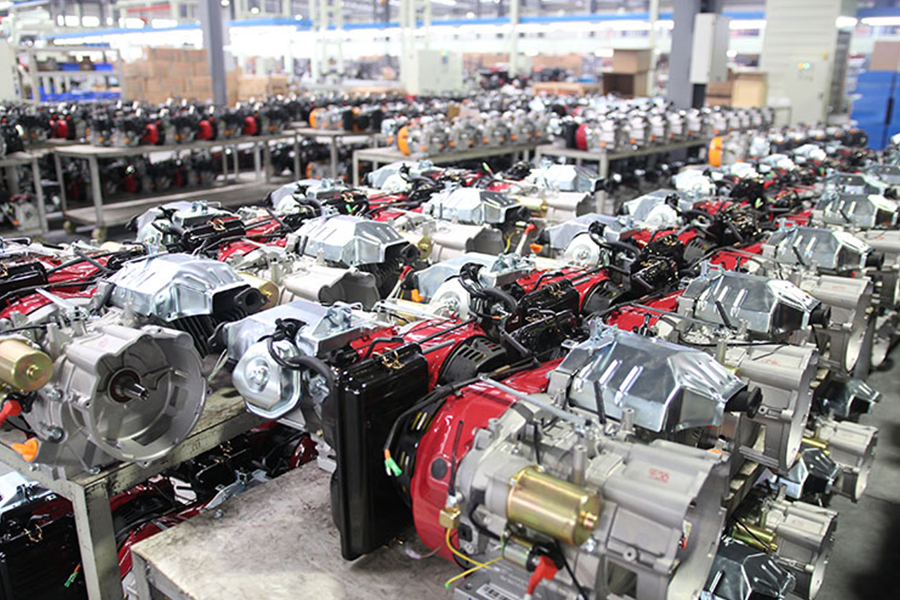
The current NEWTOP gasoline generator range includes compact 2.8 kW products, a 5.5 kW mid-range model, a 7.8 kW configuration, and a 10 kW high-output generator. This allows buyers and distributors to cover different load levels without positioning one machine as suitable for every user.
Compact Power: Around 2–3 kW
This range suits selected essential loads, lighter tools, and mobile work where manageable size and transport are important.
It can cover basic temporary backup or outdoor maintenance, but pumps, refrigerators, and motor-driven tools still require a starting-wattage check.
Mid-Range Power: Around 5–6 kW
Mid-range gasoline generators often cover the broadest group of users.
They can suit workshops, المقاولون, مزارع, property maintenance teams, and small commercial operations that need more capacity than a compact generator without moving into the largest portable class.
Larger Portable Power: Around 7–8 kW
At this level, customers may be planning to operate heavier equipment or several loads together.
Generator weight, wheel configuration, fuel consumption, socket layout, phase, and starting reserve deserve closer attention. The additional output should correspond to a genuine demand rather than a preference for a larger headline number.
High-Output Gasoline Power: Around 10 كيلوواط
Higher-output gasoline generators address users with substantial power demand who still prefer a gasoline engine and portable-frame structure.
They may suit larger workshops, construction operations, or broader backup requirements. قبل الطلب, confirm that the customer can manage the machine’s size, transport needs, and fuel demand.
What Changes Between Different Power Classes?
Moving from a compact generator to a 5.5 كيلوواط, 7.8 كيلوواط, أو 10 kW model changes more than the available electrical output.
Engine displacement, الوزن الإجمالي, fuel demand, frame dimensions, starting reserve, transport arrangements, and control-panel requirements may also change. Dealers should compare the complete configuration within each power class rather than treating the kW rating as the only difference.
A distributor does not necessarily need every output level. One compact model, one core mid-range model, and one higher-output option may provide enough separation for different customer groups.
The final combination should reflect:
- Common equipment used locally
- Typical customer budgets
- Local electrical standards
- Transport and storage conditions
- Spare-parts availability
- Certification requirements
What to Confirm Before Requesting a Quotation
A request such as “send me the price for a 5 kW generator” does not give the supplier enough information to recommend the right configuration.
A more useful inquiry should include:
Destination Country
The market helps determine the required electrical configuration, socket type, labeling, التعبئة والتغليف, and certification.
Equipment to Be Powered
List the main appliances, أدوات, مضخات, or machines. This gives the supplier more useful information than an estimated wattage alone.
Running and Starting Demand
Provide the combined continuous load and identify the equipment with the highest startup requirement.
Expected Operating Pattern
Clarify whether the generator will provide occasional emergency backup, regular daily power, or operation throughout a normal work shift.
Commercial Requirements
Include:
- Expected order quantity
- Branding requirements
- Packaging preferences
- Spare-parts needs
- Manuals and language requirements
- Target delivery schedule
The supplier can then confirm the suitable model, phase, starting method, control panel, socket configuration, and frame options.
What Dealers Should Check on a Sample Generator
A quotation sheet helps narrow the choice. A sample shows how the finished product actually starts, operates, and feels.
Starting Performance
Test cold starting and hot restarting. For electric-start models, inspect the battery arrangement and confirm whether recoil starting remains available as a backup.
Output Under Load
Do not evaluate the generator only while it runs with nothing connected. Apply an appropriate load and observe voltage, engine response, operating stability, and breaker behavior.
Response to Sudden Demand
Use suitable motor-driven equipment or controlled testing apparatus to see how the generator reacts when electrical demand rises quickly.
Control-Panel Layout
يفحص:
- Outlet type
- Breaker placement
- Meter visibility
- Labels and switches
- Access to the main controls
A technically suitable generator may still be difficult to sell if its control panel does not match local expectations.
Frame and Vibration
Inspect welds, fasteners, handles, عجلات, rubber mounts, and movement during operation. The frame should feel stable and secure rather than loosely assembled.
Service Access
Routine maintenance areas should be reasonably easy to reach, مشتمل:
- Air filter
- Spark plug
- Oil filling and draining points
- Fuel valve
- المكربن
- بطارية, where fitted
Packaging and Included Items
Confirm carton strength, internal protection, كتيبات, أدوات, المقابس, batteries, wheel kits, and any spare parts included with the shipment.
These checks provide information that may not appear in a catalog and help dealers prepare for customer service after resale.
Common First-Time Buying Mistakes
Choosing Output Without a Real Load List
Rated output, simultaneous running demand, and the highest starting load should be considered together. A larger maximum-output number does not automatically make a generator more suitable.
Comparing Only Engine Horsepower
Horsepower describes the mechanical capability of the engine, not the complete electrical performance of the generator. Alternator capacity, voltage regulation, cooling, protection systems, and component matching also matter.
Treating Tank Size as Fuel Efficiency
A larger tank carries more gasoline and may extend the interval between refueling. It does not prove that the engine consumes less fuel.
Overlooking Service and Spare-Parts Requirements
A generator may suit the required load but still create difficulties if filters, starting components, control-panel parts, or common engine parts are hard to obtain.
للتجار, access to service information and replacement components is part of the product decision, not something to consider only after the first customer complaint.
A Short Safety Note
Gasoline generators produce carbon monoxide and must operate outdoors. The U.S. Consumer Product Safety Commission advises placing portable generators at least 20 feet away from homes and buildings, with the exhaust directed away from windows, doors, and vents. Generators should never operate inside homes, المرائب, basements, sheds, or other enclosed spaces.
The generator must be switched off and allowed to cool before refueling. CPSC also specifically warns against adding gasoline while a generator is running or hot.
Where a generator will supply building circuits, suitable transfer equipment and qualified electrical installation are required rather than an improvised connection.
Choosing a Gasoline Generator with Clear Requirements
The best model is not automatically the one with the highest output.
First-time buyers should choose around the equipment that must operate, including its running and starting demand. Dealers should build their product range around local electrical standards, common applications, price levels, and service expectations.
Once those requirements are clear, unsuitable models can be eliminated quickly. The remaining choice becomes a practical comparison of output, إعدادات, التنقل, بناء, ودعم ما بعد البيع.
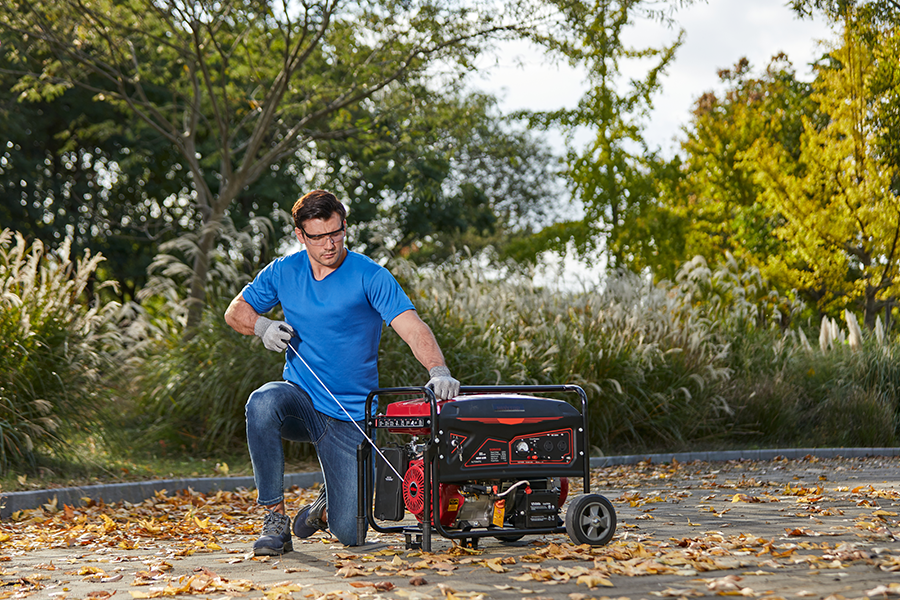
How does a gasoline generator work? It burns gasoline to create mechanical rotation, then uses an alternator to convert that rotation into electrical power.
The process involves two connected systems. The engine turns the chemical energy in gasoline into movement, while the alternator changes that movement into electricity for tools, مضخات, lighting, appliances, and other equipment.
The complete energy path can be summarized as:
Gasoline → combustion → crankshaft rotation → alternator movement → electrical output
Following this path helps explain why the engine, alternator, governor, voltage regulator, cooling system, and protection devices all influence generator performance.
One Generator, Two Main Jobs
The engine and alternator are mounted on the same frame, but they perform different jobs.
ال محرك produces mechanical power. It burns a mixture of gasoline and air, moves a piston, and turns the crankshaft.
ال alternator produces electrical power. The rotating crankshaft drives the alternator, where electromagnetic induction generates current.
Because these systems are separate, an engine can start and run while the outlets produce no usable electricity. In the same way, a well-made alternator cannot maintain stable output if the engine does not provide enough torque or hold the required speed.
A dependable generator needs the two systems to work as one matched power unit.
From the Fuel Tank to the Crankshaft
Gasoline first travels from the fuel tank through the fuel line and into the carburetor. The fuel system may also include a shutoff valve, filter, sediment cup, or fuel pump, depending on the generator design.
The carburetor mixes gasoline with incoming air so the engine can burn it. Before the air enters, an air filter helps prevent dust and debris from reaching the cylinder.
Many portable gasoline generators use a four-stroke engine. The operating cycle consists of:
- Intake: The engine draws the air-fuel mixture into the cylinder.
- ضغط: The piston compresses the mixture.
- قوة: The spark plug ignites the mixture, pushing the piston downward.
- Exhaust: Burned gases leave the cylinder.
A connecting rod transfers the piston’s up-and-down movement to the crankshaft, turning it into continuous rotation. The flywheel helps the engine maintain smooth movement between combustion strokes.
Fuel quality, air supply, ignition, تشحيم, and internal component condition all affect how steadily this rotation can be produced.
How the Alternator Generates Electricity
The crankshaft drives the alternator rotor once the engine reaches its operating speed.
A basic electromagnetic generator contains a rotating component called the rotor and stationary insulated wire coils called the stator. As the rotor turns, its magnetic field moves relative to the stator windings, inducing electrical current. The alternator therefore converts the mechanical energy supplied by the engine into electrical energy.
The electricity then passes through the generator’s voltage-regulation, يتحكم, and protection systems before reaching the outlets.
Alternator construction affects how the generator manages current and heat. Winding material, insulation, rotor design, cooling, and assembly accuracy can all influence output stability and durability.
Key Components Inside a Gasoline Generator
| Component | Main Function | لماذا يهم؟ |
|---|---|---|
| Fuel Tank and Fuel System | Store and deliver gasoline | Affect fuel flow, starting, and runtime |
| المكربن | Mix gasoline with air | Supports stable combustion |
| Air Filter | Reduce dust entering the engine | Protects engine performance and internal parts |
| Spark Plug and Ignition System | Ignite the compressed air-fuel mixture | Affect starting and combustion stability |
| Piston and Connecting Rod | Convert combustion pressure into movement | Transfer power to the crankshaft |
| Crankshaft and Flywheel | Produce and maintain rotation | Drive the alternator |
| Governor | Respond to changes in engine speed | Helps the engine recover as load increases |
| Rotor and Stator | Generate electrical current | Form the core of the alternator |
| Voltage Regulator | Manage voltage output | Helps reduce voltage fluctuation |
| Circuit Breaker | Interrupt excessive current | Protects against overload and electrical faults |
| Cooling and Exhaust Systems | Remove heat and exhaust gases | Support safe and sustained operation |
| Frame and Vibration Mounts | Support the complete machine | Improve stability during use and transport |
This is why generator quality cannot be judged by engine horsepower alone. The engine, alternator, control system, protective components, and frame must be properly matched.
What Happens When a Load Is Connected?
A generator does not work as hard while running with nothing plugged in.
Once a tool, مضخة, refrigerator, or other device is connected, the alternator begins supplying current. The electrical demand creates additional resistance against the rotor, so the engine must produce more torque to maintain speed.
The response happens quickly:
- Electrical demand rises.
- Engine speed begins to fall.
- The governor opens the throttle.
- More gasoline and air enter the engine.
- Combustion output increases.
- The engine returns toward its operating speed.
- The voltage regulator responds to the new load.
A brief change in engine sound is normal when a substantial load starts. Persistent surging, heavy voltage drop, breaker tripping, or failure to recover may point to overload, restricted fuel flow, unstable engine speed, or an electrical fault.
Rated Output and Maximum Output
Generator specifications usually show both rated and maximum output, but the two figures serve different purposes.
Rated output is the power the generator is designed to provide during normal operation.
Maximum output is temporary additional capacity that helps the generator handle short increases in demand, particularly when motor-driven equipment starts.
A generator with a 6.0 kW maximum output may not be designed to supply 6.0 kW continuously. Buyers should calculate normal demand using rated output and leave enough reserve for starting loads.
This is especially important for:
- Water pumps
- Refrigerators and freezers
- Air compressors
- Construction tools
- المحركات الكهربائية
- Equipment that starts automatically
Adding only running wattage can underestimate the short surge required during startup.
How Generator Design Affects Power Delivery
Manufacturing a generator involves more than placing an engine beside an alternator.
The engine must provide enough torque for the selected alternator. The alternator must match the intended voltage, frequency, rated output, and phase. Cooling airflow must reach the major heat-producing components, while the frame and vibration mounts must keep the machine stable.
The NEWTOP NTGR6500H2 shows how these elements are combined in a gasoline generator. It uses a 389 نسخة, single-cylinder, air-cooled four-stroke OHV engine with a synchronous brushed SENCI copper-wire alternator. Its specifications list 5.5 كيلوواط تصنيف الإخراج, 6.0 kW maximum output, a 25 L fuel tank, electric starting, low-oil warning, and short-circuit protection.
The engine also uses a forged crankshaft and camshaft, while the full steel frame and vibration-absorbing mounts support the complete engine and alternator assembly. These features address different parts of the power-generation process rather than relying on one headline specification alone.
How Finished Generators Are Checked
A generator that starts successfully is not necessarily ready for shipment. The complete unit also needs to be checked after the engine, alternator, control panel, frame, and protection systems have been assembled.
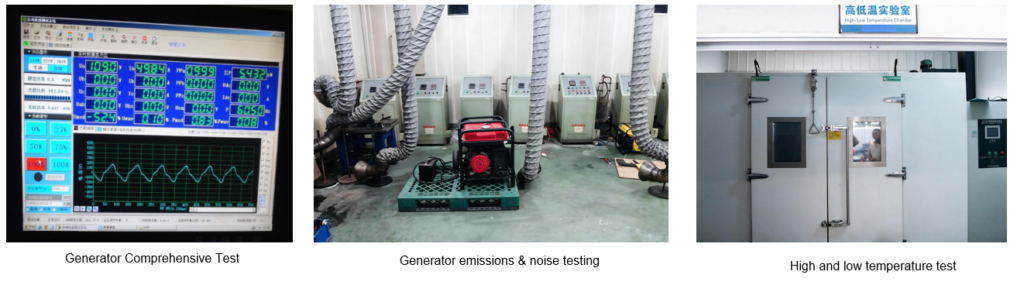
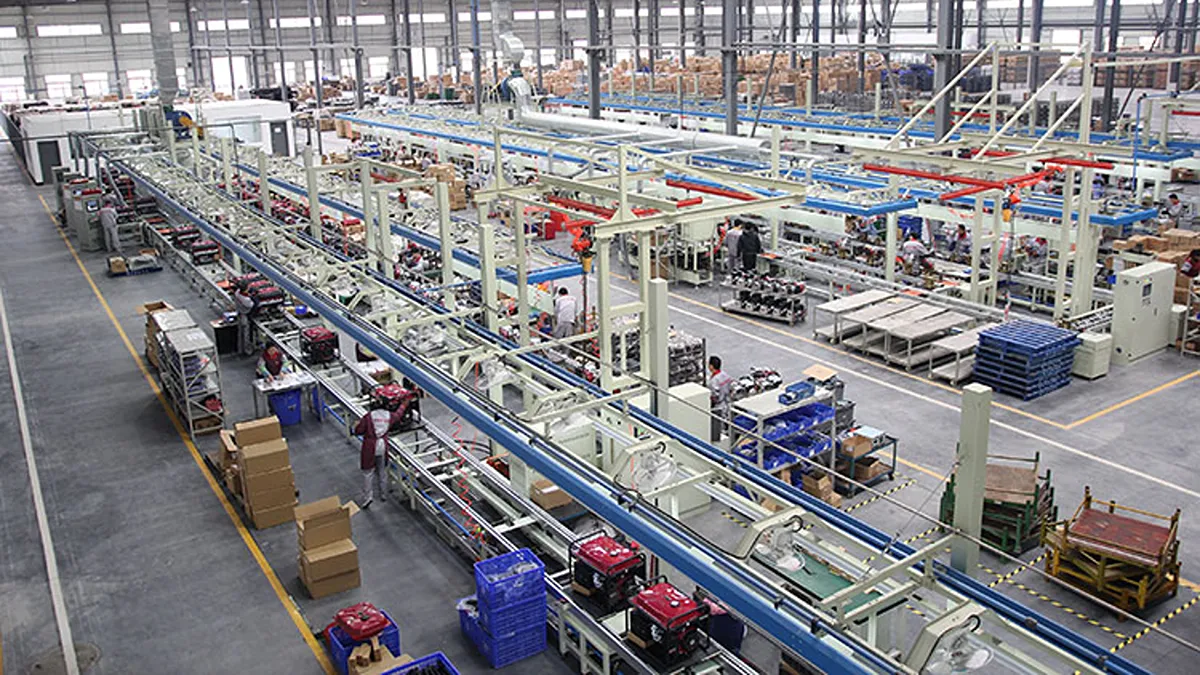
Comprehensive performance, emission and noise, and high- and low-temperature testing for finished NEWTOP generators.
NEWTOP’s finished-generator inspection facilities cover three areas shown in the factory testing images:
Comprehensive Generator Testing
Electrical output and overall operation are observed after final assembly. This helps check whether the engine, alternator, control system, and outlets work together as a complete unit.
Emission and Noise Testing
Emission and operating-noise checks examine characteristics affected by combustion, exhaust design, engine condition, vibration control, and working load.
عالي- and Low-Temperature Testing
Environmental testing checks generator operation under changing temperature conditions. Temperature can influence starting, fuel delivery, تشحيم, batteries, wiring, and other electrical components.
These checks connect the generator’s technical specifications with the performance of the finished machine. They also provide stronger evidence than relying only on an engine start-up inspection.
Basic Maintenance Keeps the System Working
Every maintenance task protects one part of the energy path.
Fresh gasoline and a clean fuel system help fuel reach the carburetor. A clean air filter supports the correct mixture. The spark plug supports ignition, while suitable engine oil protects the piston, crankshaft, camshaft, and bearings.
Cooling openings should remain clear, and cables, المقابس, breakers, and electrical connections should be checked regularly. Backup generators also need periodic starting and inspection so that fuel deterioration, battery discharge, تآكل, or loose connections are found before an outage occurs.
Operate Gasoline Generators Outdoors
Gasoline generator exhaust contains carbon monoxide, a colorless and odorless poisonous gas. Portable generators must never operate inside homes, المرائب, basements, sheds, or other enclosed areas.
The U.S. Consumer Product Safety Commission advises using portable generators outdoors, at least 20 feet away from homes, with the exhaust directed away from doors, windows, and vents.
The generator should also be switched off and allowed to cool before gasoline is added. Connection to a building’s electrical system should use suitable transfer equipment installed according to local electrical requirements.
From Gasoline to Usable Power
لذا, how does a gasoline generator work from beginning to end?
Gasoline and air enter the engine. The spark plug starts combustion, moving the piston and turning the crankshaft. The crankshaft spins the alternator rotor inside the stator, where electromagnetic induction produces electrical current. The governor and voltage regulator then help the generator respond as the connected load changes.
The engine creates rotation. The alternator creates electricity. The control, cooling, protection, and frame systems help the complete unit deliver that power safely and consistently.
Understanding this relationship makes generator specifications easier to evaluate. Engine displacement shows only part of the machine’s capability. Rated output, alternator construction, voltage regulation, testing, protection systems, and component matching reveal more about how the finished generator will perform in real use.
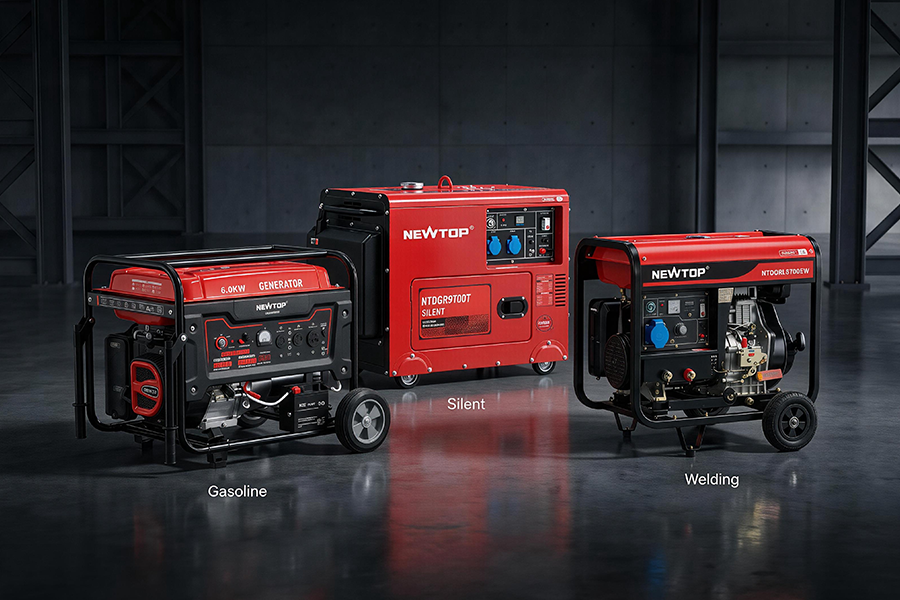
When buyers compare propane vs gasoline generator run time, the number of hours printed on a product page rarely tells the whole story. Runtime changes with the amount of usable fuel, generator load, fuel-specific rated output, tank or cylinder size, ambient temperature, and the way fuel is replenished.
With the same liquid volume and a comparable electrical load, gasoline will generally support a longer run because it contains more energy per gallon. The U.S. Energy Information Administration lists motor gasoline at about 120,214 Btu per gallon and propane at about 91,452 Btu per gallon. A larger propane cylinder or bulk tank, لكن, can provide more total fuel than a generator’s built-in gasoline tank and may therefore keep the generator operating for longer overall.
The useful question is not simply, “Which fuel lasts longer?"
It is:
How long can the generator support the required load with the fuel supply actually available at the site?
Why Published Run-Time Numbers Are Difficult to Compare
A runtime figure only becomes meaningful when the test conditions are clear.
Consider two specifications:
- Generator A: 10 ساعات من وقت التشغيل
- Generator B: 8 ساعات من وقت التشغيل
Generator A appears to perform better. But suppose its figure was recorded at 25% load, while Generator B was tested at 50% load. The longer figure no longer proves better fuel performance because the second generator was producing more electricity during the test.
Fuel quantity creates another problem. A gasoline runtime figure may be based on the generator’s full onboard tank, while the propane figure may use one portable cylinder. Those containers do not necessarily hold comparable amounts of usable energy.
A proper comparison needs answers to five questions:
How much fuel was used?
For gasoline, check the tank capacity in liters or gallons. For propane, check the actual fuel weight or usable liquid capacity of the cylinder.
What load was applied?
Runtime at 25% load cannot be compared directly with runtime at 50% or rated load.
Was output different on each fuel?
Dual-fuel generators may provide different rated and maximum outputs on gasoline and propane. The same appliance load can therefore represent a different percentage of the generator’s capacity on each fuel.
Was economy mode active?
An engine that automatically reduces speed under light demand may consume less fuel than one operating at a fixed speed.
Were the operating conditions similar?
درجة حرارة, elevation, equipment condition, and load changes can all move real-world runtime away from the published figure.
Without these details, an advertised number should be treated as a reference rather than a promise.
Put Both Fuels on the Same Basis
The simplest runtime estimate is:
Estimated runtime in hours = usable fuel quantity ÷ hourly fuel consumption at the expected load
The fuel quantity and consumption rate must use matching units. Pounds of propane cannot be divided directly by a gasoline consumption figure expressed in liters per hour. Similarly, a fuel-consumption value stated in grams per kilowatt-hour needs rated output and fuel mass before it can be translated into operating hours.
The expected load also needs to reflect real use.
A generator supplying steady lighting may consume fuel differently from the same generator powering a refrigerator, compressor, مضخة, or construction tool. Motor-driven equipment can draw substantially more power during startup, and repeated starting cycles affect consumption even when average running wattage appears moderate.
Before comparing fuels, buyers should calculate:
- The equipment expected to run at the same time
- Normal running wattage
- Starting or surge demand
- Expected average load during the operating period
- The amount of reserve capacity needed
Using maximum generator output as the normal load figure will produce a misleading runtime estimate. Maximum output is intended for temporary demand, not continuous operation.
Fuel Supply Can Reverse the Result
The higher energy content of gasoline per gallon does not automatically mean that every gasoline setup will run longer. The total fuel supply often decides the practical outcome.
الغازولين: A Fixed Onboard Supply
Portable gasoline generators commonly carry their fuel in an integrated tank. This creates a clear, self-contained setup: the generator is transported with its tank, filled before use, and operated until fuel runs low.
The main limitation is fixed capacity. A 15-liter or 25-liter tank cannot be expanded without stopping the generator and refueling it according to the manufacturer’s instructions.
Gasoline condition also affects readiness. Fuel left unused for extended periods can deteriorate, so a generator intended for emergency use needs a fuel rotation and maintenance plan. Long theoretical runtime has little value when old fuel, deposits, or a neglected carburetor prevents dependable startup.
Propane: Runtime Depends on the Connected Supply
Propane is stored as a liquid under pressure and changes into gas as pressure is released for combustion. This makes external cylinders and larger storage tanks possible, giving users more flexibility over the quantity of fuel connected to the generator.
A small portable cylinder may provide less runtime than a full gasoline tank. A larger propane supply may provide considerably more. The comparison changes each time cylinder capacity changes.
Propane delivery also depends on vaporization. Tank size, liquid level, surrounding temperature, humidity, and the tank surface in contact with liquid all affect the rate at which propane can turn into usable vapor. Lower temperatures and lower fuel levels reduce vaporization capacity, while tank frosting can further restrict it.
For a larger generator operating under sustained load, buyers therefore need to check more than total propane quantity. The cylinder and regulator system must also be able to supply fuel at the required rate.
Three Runtime Questions Buyers Actually Ask
Published hour figures become easier to assess when they are connected to a specific operating requirement.
“Can the generator cover one full work shift?"
A contractor planning an eight-hour shift should not begin with the brochure’s longest runtime claim. The calculation should use the expected average site load.
Power tools may run intermittently, while lighting, مضخات, charging equipment, or temporary facilities may stay active throughout the day. Motor-starting demand and repeated load changes also need to be included.
The fuel plan should show:
- Expected consumption during the shift
- Fuel remaining at the end of the shift
- Whether refueling or changing cylinders will interrupt work
- How reserve fuel will be transported and stored
- Whether the propane supply can maintain adequate vaporization under the expected temperature and load
A nominal ten-hour runtime at light load may not cover an eight-hour shift once heavier equipment is connected.
“Can it run through an overnight outage?"
Overnight backup is usually less about maximum output and more about maintaining essential loads.
Refrigeration, selected lighting, communication equipment, fans, security systems, and a small water pump may use much less power than the generator’s full rated capacity. Removing non-essential equipment can extend runtime more effectively than increasing fuel storage alone.
Buyers should calculate the likely nighttime load rather than using the total wattage of every appliance on the property. They should also allow a reserve rather than planning to empty the tank or cylinder completely before morning.
For portable generators, overnight operation still requires safe placement, weather protection, exhaust clearance, and regular supervision. Runtime should never be extended by moving the generator into a garage, shed, or other enclosed area.
“Can runtime be extended without buying a larger generator?"
Often, نعم.
Possible measures include:
- Reducing unnecessary electrical loads
- Avoiding simultaneous startup of high-demand equipment
- Using a larger compatible propane supply
- Scheduling heavy equipment for separate operating periods
- Maintaining the engine, فلتر الهواء, and fuel system
- Selecting a generator whose rated output places the normal load in a more suitable operating range
A larger generator is not automatically more fuel-efficient. If normal demand is low, an oversized unit may add purchase cost and operate outside its most practical load range.
The first step should be improving the load and fuel plan, not simply increasing maximum output.
A Real Gasoline Specification Shows What to Check
A manufacturer’s specification can provide the inputs needed for runtime planning even when it does not state one simplified number of hours.
The NEWTOP NTGR6500H2 gasoline generator, for example, lists:
- 5.5 كيلوواط تصنيف الإخراج
- 6.0 kW maximum output
- 389 نسخة, 13 hp OHV engine
- Fuel consumption of no more than 370 g/kWh
- 25-liter fuel tank
- Electric starting
- Copper-wire alternator
- Low-oil and short-circuit protection
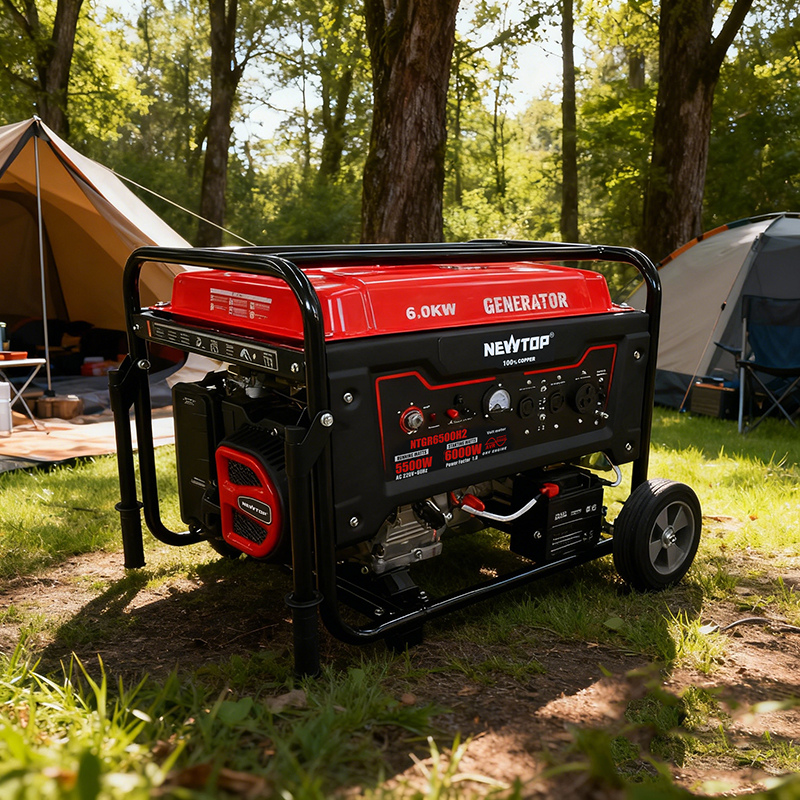
The model also uses a forged crankshaft and camshaft, a full steel frame, and vibration-absorbing mounts for extended outdoor, workshop, بناء, and backup operation.
These figures are more useful than a vague “long runtime” claim because they allow buyers to examine the relationship among tank capacity, rated output, واستهلاك الوقود.
They still do not justify one fixed runtime prediction.
Actual consumption changes with load, and the published fuel-consumption value must be interpreted using the manufacturer’s test method. Buyers who need a precise operating-hour estimate should request consumption data at several load levels, مثل 25%, 50%, 75%, and rated load.
NEWTOP’s gasoline generator range also includes compact 2.8 kW models, mid-range 5.5 كيلوواط و 7.8 kW units, and higher-output 10 kW configurations. This range illustrates why runtime cannot be separated from generator size: إزاحة المحرك, output demand, سعة الخزان, and intended workload change from one power class to another.
Runtime Information to Request from the Supplier
Instead of asking only, “How many hours will it run?", buyers should request the test information behind the number.
| Information Required | لماذا يهم؟ |
|---|---|
| Rated Output on Gasoline | Shows the usable continuous output for the gasoline calculation. |
| Rated Output on Propane | May differ from gasoline output on a dual-fuel generator. |
| Gasoline Tank Capacity | Identifies the fuel quantity behind the gasoline runtime. |
| Propane Cylinder Size and Usable Fuel Amount | Identifies the actual propane supply used in the test. |
| Runtime Test Load | Allows a fair comparison between published runtime figures. |
| Fuel Consumption at Several Loads | Supports more accurate calculations for different applications. |
| Economy-Mode Status | May affect fuel consumption when the generator operates under partial load. |
| Ambient Test Temperature | Provides important context for propane vaporization performance. |
| Starting Loads Used During Testing | Shows whether motor-driven equipment and surge demand were represented. |
| Required Regulator and Connection | Confirms that the propane supply can meet the engine’s fuel demand. |
| Recommended Fuel Reserve | Helps prevent an unexpected shutdown before refueling or cylinder replacement. |
| Refueling or Cylinder-Change Procedure | Reveals whether continuous work will be interrupted. |
A supplier that provides the test basis makes it easier for distributors and end users to set realistic expectations. A single hour figure without fuel quantity and load percentage offers far less value.
Safety Comes Before Additional Runtime
Both gasoline and propane generators produce carbon monoxide. Portable units must operate outdoors and away from occupied buildings, with exhaust directed away from doors, windows, and vents. The U.S. Consumer Product Safety Commission advises placing portable generators at least 20 feet from the home whenever possible.
Gasoline should not be added while the generator is running or hot. Propane cylinders, regulators, خراطيم, and connectors must match the equipment instructions and applicable gas-safety requirements.
A longer hose, improvised fuel connection, indoor placement, or unsafe hot refueling is never an acceptable way to gain more operating time.
What Buyers Should Really Compare
Gasoline contains more energy per gallon than propane, so an equal-volume comparison generally favors gasoline. Real generator installations rarely use equal fuel volumes, لكن. A propane generator connected to a larger external supply may run longer than a gasoline model limited to its onboard tank.
A reliable propane vs gasoline generator run time comparison should place both fuels under the same conditions:
- Comparable electrical load
- Clearly stated rated output
- Known usable fuel quantity
- Matching runtime test conditions
- Suitable tank or cylinder capacity
- Realistic temperature and operating pattern
- Safe refueling or cylinder replacement plan
The most useful runtime figure is not the largest number in a catalog. It is the number of hours the generator can support the required equipment before the available fuel supply must be safely replenished.
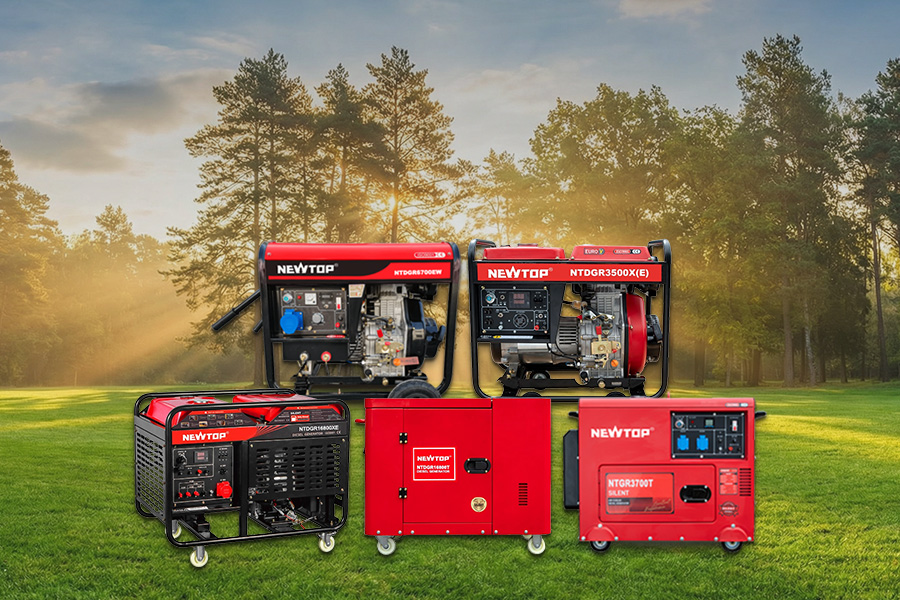
The Diesel Generator vs Gasoline choice mainly depends on running hours, power demand, قابلية النقل, توافر الوقود, والميزانية. Diesel generators are generally better suited to frequent or extended operation, while gasoline generators are often more practical for shorter backup periods and mobile tasks.
لكن, fuel type alone does not decide whether a generator will perform well. Rated output, motor-starting demand, engine construction, fuel tank capacity, maintenance access, and the cost of downtime can be just as important. A correctly sized gasoline generator may serve a small workshop better than an oversized diesel unit, while a diesel generator may offer better long-term value on a site that needs power throughout the working day.
Diesel Generator vs Gasoline: الاختلافات الرئيسية
Both generator types use an internal combustion engine to drive an alternator and produce electricity. The practical difference lies in how the engine delivers power and how the generator fits the intended workload.
Diesel generators are commonly selected for frequent use, sustained loads, and higher-capacity applications. Compared at a similar output and under extended operation, diesel models may offer more favorable fuel consumption. Their mechanical construction also tends to suit applications where the generator is expected to work regularly.
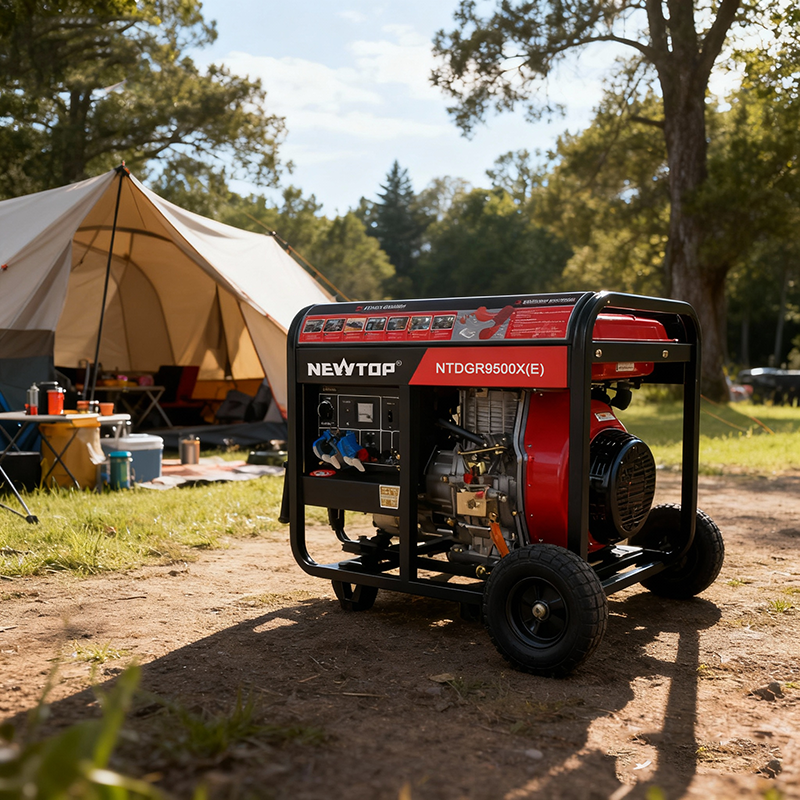
Gasoline generators are widely used where portability, lower initial investment, and intermittent operation matter more. Many compact gasoline models are easier to move between locations and are suitable for temporary work, small businesses, household backup, and outdoor use.
These are general tendencies rather than fixed rules. Actual performance depends on the generator model, إزاحة المحرك, load percentage, alternator, enclosure, cooling system, and maintenance condition.
| عامل القرار | Diesel Generator | Gasoline Generator |
|---|---|---|
| Typical Operating Pattern | Frequent or extended operation | Occasional or shorter operation |
| Initial Investment | Usually higher in comparable classes | Often lower in portable power ranges |
| Fuel Use Over Long Periods | Often more favorable at a similar output and sustained load | Can become less economical during extended operation |
| التنقل | Commonly used in fixed, enclosed, or wheeled configurations | Smaller models are often easier to transport |
| Load Suitability | Frequently selected for sustained commercial and jobsite loads | Suitable for moderate loads and temporary work |
| Structure Options | Open-frame and silent enclosed models | Mainly portable open-frame models, with other options depending on the range |
| التطبيقات المشتركة | بناء, مزارع, commercial facilities, and long backup periods | Small workshops, mobile service, household backup, and short outdoor tasks |
| What Buyers Should Verify | Rated output, fuel consumption, enclosure, running time, and service access | Rated output, سعة الخزان, قابلية النقل, نظام البداية, and surge output |
Specifications from individual models should always take priority over general fuel-type comparisons. Buyers should compare rated output, maximum output, fuel consumption, سعة الخزان, noise level, and recommended operating conditions before ordering.
Which Generator Is Better for Commercial Use?
Commercial generator selection should begin with the expected duration and frequency of each power interruption.
For a small shop, office, restaurant, or service business that only experiences occasional short outages, a gasoline generator may provide sufficient backup at a more manageable initial cost. It can support selected lighting, communication devices, payment systems, fans, refrigeration, or other essential equipment, provided that the total running and starting loads remain within the generator’s rated capacity.
The priorities change when outages last for several hours or happen several times each week. Fuel consumption becomes more important, and the generator must maintain stable output for longer periods. A diesel generator may then offer a better fit, particularly for warehouses, larger workshops, مزارع, hospitality businesses, and facilities where power loss quickly affects revenue.
Commercial buyers should establish four points before choosing:
✅ Expected running time
Estimate how many hours the generator may operate during a normal outage rather than relying only on annual outage frequency.
✅ Essential electrical loads
Identify which equipment must remain active. Refrigeration systems, مضخات, air compressors, and other motor-driven equipment may require substantially more power during startup.
✅ Backup or primary operating role
A generator used only during grid failure has a different duty pattern from one used as a regular power source in an area with limited grid access.
✅ Cost of downtime
For businesses that lose products, production capacity, or customer transactions during an outage, operating reliability may matter more than the lowest purchase price.
Automatic transfer requirements should also be considered for fixed commercial installations. Where uninterrupted changeover is important, generator compatibility with the intended transfer and control system should be confirmed before purchase.
Which Generator Is Better for Construction Sites?
Construction sites place different demands on a generator. Loads change throughout the day, equipment may have high starting current, and the generator often operates around dust, vibration, heat, and frequent movement.
Diesel generators are commonly chosen for longer shifts and repeated jobsite use. They may be better suited to powering pumps, mixers, welders, compressors, lighting systems, and temporary site facilities over sustained periods. A heavier frame is also less of a disadvantage when the generator remains in a fixed work area or is mounted on a wheeled platform.
Gasoline generators remain practical for smaller crews and shorter assignments. Repair work, finishing tasks, temporary lighting, and mobile tools may only require power for a few hours. In those cases, a compact gasoline generator can be easier to load, unload, and move around the site.
The decision should reflect how the site actually works:
- Long daily shifts with sustained loads: diesel is often the stronger candidate.
- Short tasks across multiple work areas: gasoline may provide easier mobility.
- Tools with electric motors: starting wattage must be checked, not only normal running wattage.
- Dusty or hot conditions: filtration, cooling, frame strength, and maintenance access become more important.
- Noise-sensitive projects: compare enclosed and open-frame models using actual noise specifications.
- Remote sites: choose the fuel that can be supplied, stored, and managed reliably in that location.
Fuel type cannot compensate for poor sizing. An undersized generator may struggle during motor startup or trip under changing loads. An oversized unit adds cost and may operate inefficiently when the average load remains very low.
Which Generator Is Better for Emergency Use?
Emergency use includes several very different situations. A homeowner preparing for a short grid outage does not have the same requirements as a shelter, communication site, flood response team, or large commercial facility.
A gasoline generator is often practical for temporary emergency backup. Portable models can be deployed quickly and may provide enough power for lighting, communication equipment, fans, selected appliances, and small pumps. This makes them useful where ease of movement and lower upfront cost are priorities.
A diesel generator becomes more attractive when emergency power may be required for many hours or several days. Larger facilities and response operations may need more sustained output, longer service capability, or a silent enclosed structure that can remain in a fixed location.
Fuel planning must form part of the emergency plan. Gasoline can deteriorate during prolonged storage, while stored diesel also needs protection from water and contamination. Existing equipment can influence the decision as well. A contractor, farm, or emergency organization that already operates diesel machinery may find diesel storage and refueling easier to integrate.
Generator Safety Cannot Be Treated as Optional
Both diesel and gasoline generators produce carbon monoxide and must never be operated inside homes, المرائب, basements, sheds, or other enclosed spaces. The U.S. Consumer Product Safety Commission advises operating portable generators outdoors, at least 20 feet away from homes and buildings, with the exhaust directed away from doors, windows, and vents.
Electrical connection also requires care. OSHA advises against connecting a portable generator directly to a building’s electrical system unless a suitable transfer switch has been installed by a qualified electrician. Cables should be rated for the expected load, and grounding, bonding, weather protection, and ground-fault protection must follow the generator manufacturer’s instructions and local electrical requirements.
How to Choose the Right Generator Size
The required generator output should be calculated before deciding between diesel and gasoline.
Begin by listing the equipment that may run simultaneously. For each item, record its normal running wattage and, where applicable, its starting demand. Pumps, compressors, refrigerators, and power tools with electric motors may briefly draw several times their normal operating power during startup.
Three figures deserve particular attention:
Continuous Rated Output
This is the power the generator is designed to provide during normal operation. The planned continuous load should remain within this rating rather than relying on maximum output throughout the working period.
Maximum or Surge Output
This temporary capacity helps the generator handle short increases in demand, particularly when motor-driven equipment starts. It should not be treated as the normal operating rating.
Expected Average Load
A generator should have enough reserve capacity to manage load changes without being dramatically larger than necessary. Regular operation at either extremely high or very low load can reduce efficiency and create avoidable operating issues.
For commercial orders, buyers should also confirm:
- Required voltage and frequency
- Single-phase or three-phase output
- Number and type of receptacles
- Electric or recoil starting
- سعة خزان الوقود
- Continuous running time
- AVR or voltage regulation requirements
- Open-frame or silent enclosure
- Wheel kits, handles, or lifting requirements
What Generator Construction Changes in Real Use?
Two generators with similar rated output may behave differently once they begin powering tools or equipment. Engine materials, alternator construction, vibration control, protection systems, and frame design all influence long-term use.
NEWTOP offers both gasoline and diesel generator sets, including open-frame and silent configurations. The current range covers multiple output classes, from compact units for outdoor and backup power to higher-capacity diesel models for commercial and construction applications. Selected NEWTOP generators use copper-winding alternators, steel frames, reinforced engine components, and designs intended to operate in temperatures from -10°C to 50°C.
The differences are easier to understand through actual product configurations.
Gasoline Generator Construction
The NEWTOP NTGR6500H2 provides 5.5 kW rated output and 6.0 kW maximum output. Its engine uses a strengthened 42CrMo forged crankshaft and camshaft, while a SENCI copper-wire alternator supports stable voltage and overload performance. A full steel frame with vibration-absorbing mounts protects the machine during demanding work.
The model also includes a 25 L fuel tank, low-oil warning, and short-circuit protection. These features make the generator suitable for construction sites, small workshops, صيانة الممتلكات, and extended household backup where a gasoline model is still preferred.
Open-Frame Diesel Generator Construction
For medium-to-heavy power requirements, the NEWTOP NTDGR6500X(ه) combines a forged-steel crankshaft, nitrided gears, BOSCH-technology fuel injection, and a copper-winding alternator. The anti-vibration steel frame helps protect the engine and alternator during construction, الزراعية, and commercial operation.
This model provides 4.8/5.0 kVA rated output and up to 5.2/5.5 kVA maximum output, depending on frequency configuration. The product structure reflects the priorities often associated with diesel equipment: load handling, mechanical strength, and stable output over longer working periods.
Silent High-Power Diesel Construction
Where higher output and lower operating noise are needed together, a silent enclosure may be more appropriate than an open frame. The NEWTOP NTDGR16800T combines 11 kW rated output with a 12 kW maximum output, a 42CrMo forged crankshaft, nitrided gear components and a 100% copper SENCI alternator.
Its enclosed body reduces operating noise while providing additional protection for internal components. The model is designed for construction, commercial backup, and other demanding applications where both power capacity and operating environment matter.
These examples show why buyers should compare more than fuel type and horsepower. The alternator, crankshaft, gear structure, protection system, frame, and enclosure can determine how well a generator fits the intended market.
صيانة, أجزاء, and Local Technical Support
A well-maintained gasoline generator can perform more reliably than a neglected diesel unit. Engine type does not replace regular inspection and service.
Before operation, users should check:
- Engine oil level and condition
- Fuel quality and storage condition
- Air and fuel filters
- Cooling airflow
- Cable and receptacle condition
- Battery condition on electric-start models
- إطار, mounts, and fasteners
- Signs of fuel or oil leakage
Backup generators should be started and tested at scheduled intervals. Waiting until an actual power failure to check the generator can leave old fuel, a discharged battery, or an electrical fault undiscovered.
For distributors and commercial buyers, parts support also affects the total ownership experience. Filters, starting components, control panels, voltage regulators, alternator parts, and common engine components should be available without requiring the replacement of the complete generator.
NEWTOP supplies gasoline and diesel generators across multiple power ranges, along with product selection and spare-parts support for wholesale customers. This allows distributors to build a range for households, المقاولون, مزارع, ورش العمل, and commercial backup users rather than relying on one generator type for every application.
Diesel Generator vs Gasoline: Making the Final Decision
Choose a diesel generator when the application involves frequent operation, sustained loads, longer backup periods, or higher-capacity commercial and construction demand. Compare actual fuel consumption, rated output, enclosure, noise, and service access before deciding on a model.
Choose a gasoline generator when portability, lower initial investment, faster deployment, and occasional operation are the main priorities. It is often the more practical option for small businesses, mobile work, temporary construction tasks, and short emergency outages.
The final Diesel Generator vs Gasoline decision should be based on the hours the generator will run, the equipment it must start, the fuel available locally, and the level of downtime the user can accept. Once those requirements are defined, fuel type becomes one part of a much clearer selection process.
تستمر صناعة القوارب العالمية في التطور مع تزايد الطلب على أنظمة الدفع الكهربائية والبنزين الموثوقة. سواء كنت علامة تجارية للقوارب, موزع المعدات البحرية, تاجر الجملة, أو المشتري OEM, يعد اختيار الشركة المصنعة للمحركات الخارجية المناسبة أمرًا ضروريًا لجودة المنتج, نمو الأعمال التجارية على المدى الطويل, ورضا العملاء.
في هذا الدليل, لقد اخترنا 10 الشركات المصنعة للمحركات الخارجية ذات السمعة الطيبة من الصين, أوروبا, وأمريكا الشمالية. إنها تمثل نقاط قوة مختلفة — بدءًا من محركات البنزين منخفضة التكلفة وتصنيع المعدات الأصلية & المحركات الخارجية ODM إلى أنظمة الدفع الكهربائية المبتكرة - مما يساعدك على مقارنة موردي المحركات الخارجية المحتملين لشركتك.
نظرة عامة على الأعلى 10 مصنعي المحركات الخارجية
| الشركة المصنعة | موقع | تأسست | المنتجات الرئيسية | القوة الرئيسية |
|---|---|---|---|---|
| نيوتوب | شنغهاي, الصين | 2003 | 2-السكتة الدماغية المحركات الخارجية, 5– محركات بقوة 15 حصان, المراوح & قطع غيار | 500القدرة السنوية +K, تصنيع المعدات الأصلية/تصنيع التصميم الشخصي, 100+ الموزعين العالميين |
| هيديا آلات الطاقة | هانغتشو, الصين | 2003 | الغازولين & المحركات الكهربائية الخارجية | تصدير إلى 80+ البلدان التي لديها شبكة وكلاء واسعة النطاق |
| الدفع الإلكتروني | شنتشن, الصين | 2012 | الألواح الخارجية الكهربائية, لوحات داخلية, البطاريات & محركات الأقراص | الرائدة في مجال الدفع البحري الكهربائي |
| آلات الطاقة سينوفو | هانغتشو, الصين | — | محركات البنزين الخارجية & قطع غيار | تصنيع المعدات الأصلية مع خبرة تصدير قوية |
| تشجيانغ كانغلونغ آلات الطاقة | تشجيانغ, الصين | — | 2-سكتة دماغية, 4-سكتة دماغية & الألواح الخارجية الكهربائية | مجموعة منتجات واسعة بقدرة 5 حصان - 40 حصان |
| موضوع | فرنسا | 2018 | المحركات الكهربائية الخارجية المحمولة | دفع مدمج وخفيف الوزن للقوارب الصغيرة |
| سوزوكي مارين | هاماماتسو, اليابان | 1965 | 4-السكتة الدماغية المحركات الخارجية & المحركات البحرية | رائدة عالميًا في تكنولوجيا رباعية الأشواط الموفرة للوقود |
| إلكو موتور لليخوت | نيويورك, الولايات المتحدة الأمريكية | 1893 | الألواح الخارجية الكهربائية & لوحات داخلية | أكثر من قرن من الهندسة البحرية الكهربائية |
| فلوكس مارين | رود آيلاند, الولايات المتحدة الأمريكية | 2018 | محركات خارجية كهربائية عالية الأداء | دفع كهربائي متميز مع أدوات تحكم رقمية ذكية |
| ياماها البحرية | ايواتا, اليابان | 1955 | 2-سكتة دماغية & 4-السكتة الدماغية المحركات الخارجية, محركات بحرية عالية الطاقة, المراوح | علامة تجارية رائدة عالميًا معروفة بالموثوقية, ابتكار, ودعم الموزع العالمي |
نيوتوب
توصية: ☆☆☆☆☆
موقع: شنغهاي, الصين (قاعدة التصنيع في جياشينغ, تشجيانغ)
المنتجات الرئيسية: 2-سكتة دماغية محركات البنزين الخارجية, 5محركات خارجية HP-15HP, مراوح المحرك الخارجي, قطع غيار, تصنيع المعدات الأصلية & المحركات الخارجية ODM
موك: مرنة لأوامر OEM/ODM
تأسست في 2003, نيوتوب هي شركة صينية متخصصة في تصنيع المحركات الخارجية المتخصصة في معدات الطاقة الخارجية والمحركات البحرية الموثوقة ذات القدرة الحصانية الصغيرة والمتوسطة. تعمل من 10,000㎡ 6S مُدارة منشأة التصنيع, الشركة لديها القدرة الإنتاجية السنوية لأكثر من 500,000 الوحدات وحصل 26+ الشهادات الدولية, بما في ذلك CE, ايزو, والمرحلة الخامسة للاتحاد الأوروبي (اليورو 5) الامتثال للنماذج المختارة. تشتمل مجموعة منتجاتها على مواد متينة 2-السكتة الدماغية البنزين الخارجية, مراوح المحرك الخارجي, وقطع غيار قوارب الصيد, قوارب قابلة للنفخ, قوارب الألمنيوم, وغيرها من السفن الترفيهية.
كمصنع محركات خارجي موجه للتصدير, يوفر NEWTOP تصنيع المعدات الأصلية المرنة & حلول ODM للمستوردين العالميين, العلامات التجارية الخاصة, وموزعي المحركات الخارجية. اليوم, تعمل الشركة مع 100+ الموزعين في جميع أنحاء العالم, بينما يمكن للعملاء في العديد من أسواق أفريقيا وأمريكا اللاتينية شراء منتجات NEWTOP مباشرة من خلال التجار المحليين ومتاجر البيع بالتجزئة. مدعومة بجودة تصنيع مستقرة, الدعم الفني سريع الاستجابة, وشبكة خدمات عالمية موسعة, أصبحت NEWTOP شركة مصنعة موثوقة للمحركات الخارجية وموردًا للمحركات الخارجية على المدى الطويل للشركاء الذين يبحثون عن حلول دفع بحري يمكن الاعتماد عليها.
هيديا آلات الطاقة

موقع: هانغتشو, تشجيانغ, الصين
المنتجات الرئيسية: محركات البنزين الخارجية, المحركات الكهربائية الخارجية, أجزاء المحرك البحري, الملحقات الخارجية
موك: الاتصال للحصول على الاقتباس
تعتبر Hidea Power Machinery واحدة من أشهر الشركات المصنعة للمحركات الخارجية في الصين, تقديم حلول الدفع بالبنزين والكهرباء. مع شبكة توزيع دولية تمتد لأكثر من 80 البلدان والمناطق, لقد أثبتت شركة Hidea نفسها كمورد موثوق للمحركات الخارجية للتجار وموزعي المعدات البحرية في جميع أنحاء العالم. تغطي مجموعة منتجاتها نطاقات متعددة من القدرة الحصانية المناسبة للقوارب الترفيهية, قوارب الصيد, والتطبيقات التجارية.
تستثمر الشركة باستمرار في تكنولوجيا التصنيع, ضبط الجودة, وتطوير المنتجات لتحسين كفاءة المحرك ومتانته. بالإضافة إلى محركات كاملة, تقوم Hidea أيضًا بتوريد قطع الغيار والملحقات المختلفة, تمكين موزعي المحركات الخارجية من بناء عروض منتجات شاملة لأسواقهم المحلية.
الدفع الإلكتروني

توصية: ☆☆☆☆
موقع: شنتشن, قوانغدونغ, الصين
المنتجات الرئيسية: المحركات الكهربائية الخارجية, المحركات الداخلية, أنظمة Pod Drive, البطاريات البحرية, أنظمة الدفع الهجينة
موك: الاتصال للحصول على الاقتباس
تأسست في 2012, أصبحت شركة ePropulsion إحدى الشركات الرائدة في تصنيع المحركات الخارجية الكهربائية على مستوى العالم, مع التركيز حصريًا على الدفع البحري المستدام. تشتمل تشكيلة منتجاتها على ألواح خارجية كهربائية, أنظمة داخلية, محركات جراب, أنظمة البطاريات الذكية, وتقنيات التحكم البحري المتكاملة المصممة للسفن الترفيهية والتجارية.
تشتهر الشركة بالجمع بين الهندسة المبتكرة والتشغيل الهادئ, صفر انبعاثات, ومتطلبات الصيانة المنخفضة. للمشترين الذين يبحثون عن بدائل صديقة للبيئة لمحركات البنزين التقليدية, تقدم ePropulsion أنظمة دفع متقدمة مدعومة بشبكة وكلاء دولية موسعة وابتكار مستمر للمنتجات.
آلات الطاقة سينوفو

توصية: ☆☆☆☆
موقع: هانغتشو, تشجيانغ, الصين
المنتجات الرئيسية: محركات البنزين الخارجية, المحركات البحرية, قطع غيار خارجية
موك: الاتصال للحصول على الاقتباس
Seanovo Power Machinery هو مصنع محترف للمحركات الخارجية مخصص لتصنيع المحركات البحرية التي تعمل بالبنزين والملحقات ذات الصلة. تقع في مدينة هانغتشو, تخدم الشركة الموزعين الدوليين, تجار الجملة, وعملاء OEM مع مجموعة واسعة من المحركات الخارجية المحمولة المناسبة لقوارب الصيد, قوارب قابلة للنفخ, والمراكب المائية الترفيهية.
مع خطوط الإنتاج المتخصصة وخبرة التصدير, تركز Seanovo على جودة التصنيع المستقرة والأسعار التنافسية. بالإضافة إلى محركات كاملة, فهو يوفر مكونات بديلة تساعد العملاء في الحفاظ على دعم موثوق لما بعد البيع. كما أن مرونتها التصنيعية تجعلها خيارًا عمليًا للمشترين الذين يبحثون عن فرص مخصصة للعلامة التجارية.
تشجيانغ كانغلونغ آلات الطاقة

توصية: ☆☆☆☆
موقع: تشجيانغ, الصين
المنتجات الرئيسية: 2-السكتة الدماغية محركات البنزين الخارجية, 4-السكتة الدماغية المحركات الخارجية, المحركات الكهربائية الخارجية, 5محركات HP-40HP
موك: الاتصال للحصول على الاقتباس
تقوم شركة Zhejiang Canglong Power Machinery بتصنيع المحركات الخارجية التي تعمل بالبنزين والكهرباء, وتتراوح القدرة الحصانية التي تغطي ما يقرب من 5HP إلى 40HP. من خلال علامتها التجارية Laogen, تقدم الشركة العديد من سلاسل المنتجات المصممة لتحقيق التوازن بين المتانة, كفاءة, والقدرة على تحمل التكاليف لأسواق القوارب الترفيهية.
تتيح مجموعة منتجاتها المتنوعة للموزعين خدمة العملاء بمتطلبات أداء مختلفة مع الحفاظ على الأسعار التنافسية. كمورد متزايد للسيارات الخارجية, تواصل Canglong توسيع أعمالها التصديرية وتوفر حلولاً عملية للتجار الذين يبحثون عن منتجات الدفع البحري متوسطة المدى.
موضوع
توصية: ☆☆☆☆
موقع: نانت, فرنسا
المنتجات الرئيسية: المحركات الكهربائية الخارجية المحمولة, نظام الدفع الكهربائي TEMO.450
موك: الاتصال للحصول على الاقتباس
تأسست في 2018, TEMO هي شركة فرنسية تصنع محركات القوارب الكهربائية المحمولة. تقوم الشركة بتطوير خفيفة الوزن, منتجات دفع كهربائية سهلة التركيب للمناقصات, الزوارق, المراكب الشراعية, زوارق التجديف, وغيرها من الزوارق الخفيفة. تم تصميم طراز TEMO.450 الشهير كمحرك كهربائي خارجي مدمج للدفع الإضافي والاستخدام البحري للمسافات القصيرة.
حصلت TEMO أيضًا على شهادة المنشأ الفرنسي لطرازاتها الخارجية TEMO.450 وTEMO.1000., تعزيز موقعها حول المعدات البحرية الكهربائية الفرنسية الصنع. للموزعين الذين يستهدفون سوق القوارب الصغيرة, تقدم العلامة التجارية مثالاً واضحًا على تحديد المواقع التي يقودها المنتج: تركيب بسيط, قابلية النقل, ضوضاء منخفضة, وسهولة التعامل. إنه ذو صلة بشكل خاص بتجار التجزئة وتجار المنتجات البحرية الذين يركزون على المحركات الخارجية الكهربائية بدلاً من محركات البنزين التقليدية.
سوزوكي مارين

توصية: ☆☆☆☆☆
موقع: هاماماتسو, شيزوكا, اليابان
المنتجات الرئيسية: 4-السكتة الدماغية المحركات الخارجية, محركات خارجية محمولة, المحركات البحرية ذات القدرة الحصانية العالية, الملحقات البحرية
موك: اتصل بالموزع المحلي
تأسست في 1965, سوزوكي مارين هي القسم البحري لشركة سوزوكي موتور كوربوريشن وواحدة من الشركات الرائدة في مجال تصنيع المحركات الخارجية في العالم. تشتهر الشركة بتكنولوجيا رباعية الأشواط المتقدمة, تقدم محركات خارجية توفر كفاءة ممتازة في استهلاك الوقود, انبعاثات منخفضة, وأداء يمكن الاعتماد عليه. وتتراوح تشكيلة منتجاتها من النماذج المحمولة المدمجة إلى المحركات عالية القدرة المستخدمة في قوارب الصيد, قوارب ترفيهية, والسفن التجارية في جميع أنحاء العالم.
مع عقود من الخبرة الهندسية وشبكة وكلاء عالمية, لقد اكتسبت سوزوكي مارين سمعة قوية فيما يتعلق بموثوقية المنتج والابتكار. تواصل الشركة الاستثمار في التقنيات البحرية النظيفة وأنظمة حقن الوقود المتقدمة مع توفير دعم شامل لما بعد البيع من خلال موزعي المحركات الخارجية المعتمدين.. للمشترين الذين يبحثون عن محركات بحرية عالية الجودة ومدعومة بعلامة تجارية معترف بها عالميًا, تظل سوزوكي مارين شركة مصنعة موثوقة للمحركات الخارجية.
إلكو موتور لليخوت

توصية: ☆☆☆☆
موقع: أثينا, نيويورك, الولايات المتحدة الأمريكية
المنتجات الرئيسية: المحركات الكهربائية الخارجية, المحركات الكهربائية الداخلية, أنظمة الدفع البحرية
موك: الاتصال للحصول على الاقتباس
تعد شركة Elco Motor Yachts واحدة من أقدم الأسماء في مجال الدفع البحري الكهربائي, مع تاريخ يعود إلى أكثر من قرن. اليوم, تقوم الشركة بتصنيع الكهرباء المحركات الخارجية وأنظمة الدفع الداخلية التي تخدم أصحاب القوارب الترفيهية والتطبيقات البحرية التجارية.
تراثها الهندسي الطويل الأمد, جنبا إلى جنب مع التقنيات الكهربائية الحديثة, يسمح لشركة Elco بوضع نفسها كمزود متميز لحلول الدفع المستدامة. غالبًا ما يفكر المشترون الذين يبحثون عن علامات تجارية أمريكية راسخة في Elco للمشاريع التي تتطلب دفعًا كهربائيًا موثوقًا ومدعومًا بخبرة صناعية واسعة النطاق.
فلوكس مارين

توصية: ☆☆☆☆
موقع: بريستول, رود آيلاند, الولايات المتحدة الأمريكية
المنتجات الرئيسية: محركات كهربائية خارجية عالية الأداء, أنظمة البطارية, أنظمة التحكم الرقمية
موك: الاتصال للحصول على الاقتباس
تركز Flux Marine على تطوير محركات خارجية كهربائية عالية الأداء للقوارب الترفيهية التي تسعى إلى تسريع أسرع وتحكم رقمي متقدم. تقوم الشركة بدمج تكنولوجيا البطاريات الخاصة مع أنظمة المراقبة الذكية لتحسين الأداء, كفاءة, وتجربة المستخدم.
بدلاً من التنافس فقط على الاستدامة, تضع Flux Marine نفسها حول الأداء المتميز والتكنولوجيا الذكية. توضح منتجاتها كيف يمكن للدفع الكهربائي أن يرضي راكبي القوارب الذين يتوقعون فوائد بيئية وأداء مثير على الماء.
ياماها البحرية

توصية: ☆☆☆☆☆
موقع: ايواتا, شيزوكا, اليابان
المنتجات الرئيسية: 2-محركات خارجية رباعية الأشواط وسكتة دماغية, محركات خارجية ذات قوة حصانية عالية, الملحقات البحرية, مراوح
موك: اتصل بالموزع المحلي
تأسست في 1955, تعد Yamaha Marine واحدة من الشركات المصنعة للمحركات الخارجية الأكثر احترامًا في العالم, تقدم مجموعة شاملة من المحركات الخارجية للقوارب الترفيهية, الصيد التجاري, والتطبيقات البحرية المهنية. وتمتد محفظتها من الطرازات المحمولة خفيفة الوزن إلى اللوحات الخارجية V6 وV8 ذات القدرة الحصانية العالية, جميعها مصممة لتحقيق الموثوقية المتميزة, كفاءة الوقود, والأداء السلس في البيئات الصعبة.
مدعومة بعقود من الابتكار الهندسي وشبكة وكلاء عالمية واسعة النطاق, اكتسبت Yamaha Marine سمعة طيبة بفضل الجودة العالية ودعم ما بعد البيع الذي يمكن الاعتماد عليه. تواصل الشركة الاستثمار في تقنيات حقن الوقود المتقدمة, أنظمة التحكم الرقمية, والهندسة البحرية عالية الأداء, مما يجعلها المورد المفضل للمحركات الخارجية لبناة القوارب, تجار البحرية, وموزعي المحركات الخارجية في جميع أنحاء العالم.
كيفية اختيار شركة مصنعة موثوقة للمحركات الخارجية?
يجب أن يتضمن اختيار الشركة المصنعة للمحركات الخارجية أكثر من مجرد مقارنة القدرة الحصانية وسعر الوحدة. المستوردين, بناة القوارب, ويجب على الموزعين البحريين تقييم ما إذا كان المورد يمكنه تقديم جودة متسقة, الدعم الفني, توافر الأجزاء, ومجموعة المنتجات التي تتناسب مع عملائها الإقليميين.
- تأكيد القدرة على التصنيع: اسأل ما إذا كانت الشركة تدير مصنعًا خاصًا بها للمحركات الخارجية, الفريق الهندسي, عملية مراقبة الجودة, وإجراءات الاختبار.
- مراجعة نطاق الطاقة ونوع الوقود: اختر البنزين, كهربائي, 2-سكتة دماغية, 4-سكتة دماغية, أو المنتجات الهجينة بناءً على نوع القارب, اللوائح المحلية, تفضيلات المشتري, وظروف التشغيل المتوقعة.
- تحقق من دعم OEM وتصنيع التصميم الشخصي: لبرامج التسمية الخاصة, تأكيد خيارات العلامة التجارية, التعبئة والتغليف, كتيبات, تعديلات المنتج, وإجراءات أخذ العينات لتصنيع المعدات الأصلية & المحركات الخارجية ODM.
- التحقق من وثائق الامتثال: طلب الشهادات المعمول بها, تقارير الاختبار, وثائق الشحن, معلومات السلامة, ودعم الامتثال الخاص بالسوق.
- تقييم توريد قطع الغيار: وصول موثوق إلى مراوح المحرك الخارجي, الدفاعات, شمعات الإشعال, مكونات نظام الوقود, وقطع الغيار ضرورية للاحتفاظ بالموزع.
- تقييم قدرات ما بعد البيع: اسأل عن سياسة الضمان, الأدلة التقنية, إرشادات استكشاف الأخطاء وإصلاحها, موارد التدريب, وأوقات الاستجابة لمطالبات التاجر.
- توضيح المصطلحات التجارية: تأكيد موك, مهلة, شروط الدفع, خطط تحميل الحاويات, حزم قطع الغيار, وسياسة المنطقة أو الموزع قبل الطلب.
الأفكار النهائية
يعتمد مورد المحركات الخارجية المناسب على وضعك في السوق, فئة القارب المستهدف, متطلبات الطاقة, والقدرة على الخدمة. تظل محركات البنزين الخارجية مهمة للعديد من تطبيقات الصيد والترفيه, بينما تخلق المحركات الخارجية الكهربائية فرصًا جديدة في القوارب خفيفة الوزن, الممرات المائية منخفضة الضوضاء, والأسواق التي تعتمد على الاستدامة.
للمشترين الذين يبحثون عن محركات خارجية تعمل بالبنزين, مرونة العلامة التجارية الخاصة, قطع غيار, وشريك التصنيع من ذوي الخبرة في الصين, نيوتوب يوفر نقطة انطلاق عملية. كما يمكن أن تساعد قدراتها الأوسع في مجال معدات الطاقة الخارجية الموزعين على توحيد المصادر عبر فئات المنتجات التكميلية.
إذا كنت تخطط لمشروع المصادر التالي, اتصل بـ NEWTOP لمناقشة الحلول المخصصة لسوقك.
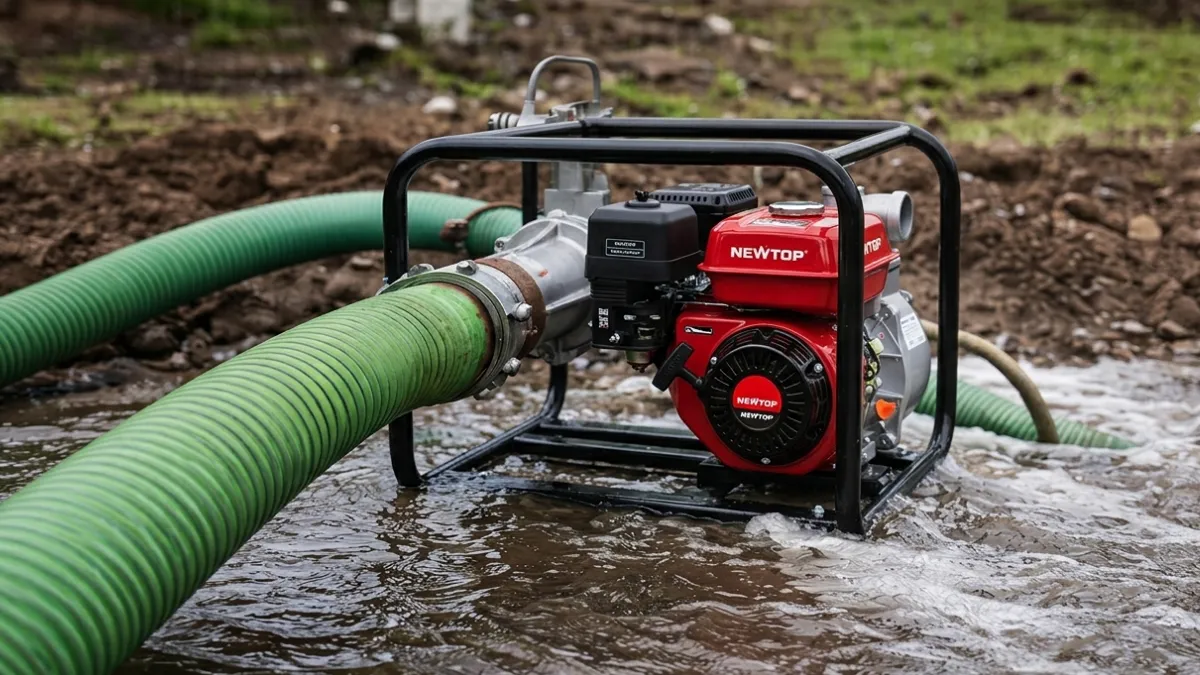
عند اختيار مضخة مياه للبناء, زراعة, الصرف, أو التطبيقات الصناعية, يعد اختيار نوع المضخة الصحيح أمرًا بالغ الأهمية. اثنان من الخيارات الأكثر شيوعًا هما مضخات القمامة ومضخات المياه النظيفة. على الرغم من أن كلاهما مصمم لتحريك المياه, لقد تم تصميمها لظروف عمل مختلفة جدًا.
تم تصميم مضخة المياه النظيفة لنقل المياه الصافية نسبيًا مع الحد الأدنى من الجزيئات, بينما تم تصميم مضخة القمامة للتعامل مع المياه الموحلة, مياه الصرف الصحي, والسوائل التي تحتوي على حطام صلب. يمكن أن يؤدي اختيار المضخة الخاطئة إلى انخفاض الأداء, انسدادات متكررة, ارتفاع تكاليف الصيانة, أو حتى تلف المضخة.
في هذا الدليل, سنشرح الفرق بين مضخات مياه القمامة والنظيفة مضخات المياه, بما في ذلك مبادئ عملهم, القدرة على التعامل مع السوائل, أداء, التطبيقات, وكيفية اختيار الحل المناسب لسوقك.
ما هي مضخة القمامة?
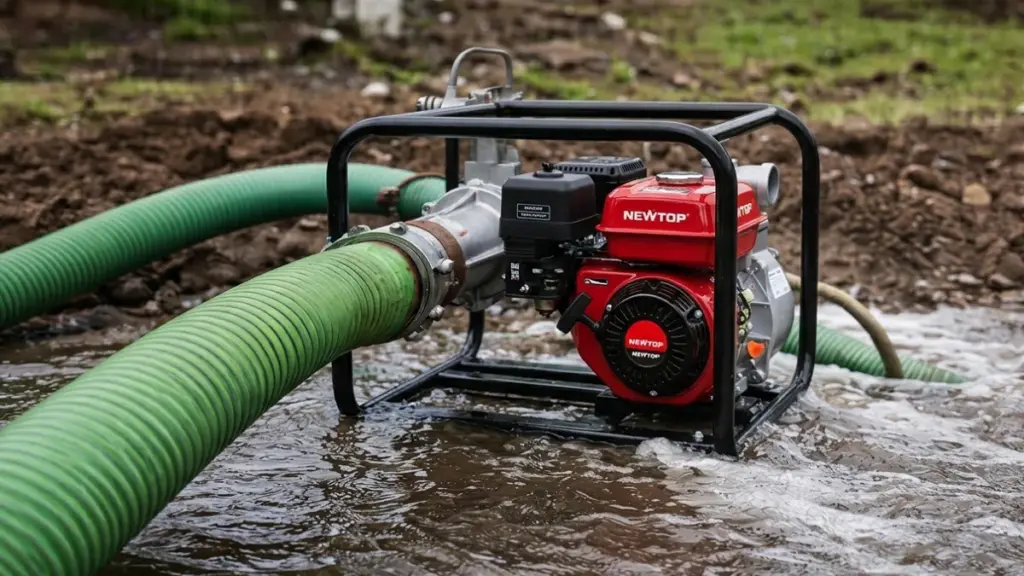
مضخة القمامة هي خدمة ثقيلة مضخة الطرد المركزي تم تصميمه لتحريك المياه القذرة المحملة بالحمأة بقوة, رمل, والحطام دون انسداد أو الفشل.
التعريف الأساسي والغرض
يقوم المهندسون على وجه التحديد ببناء مضخات القمامة لنقل المياه القذرة المليئة بالجزيئات الصلبة مثل الحمأة, رمل, الأوساخ, ويترك. وهذا يتناقض بشكل مباشر مع مضخات المياه النظيفة القياسية, والتي يقصدها المشغلون فقط للسوائل الصافية. إذا قمت بتعريض مضخة المياه النظيفة للتلوث الشديد, فإنك تخاطر بالانسداد الفوري أو فشل الختم الكارثي. تصنف الصناعة مضخات القمامة على أنها مضخات مياه قذرة لأنها تعمل بفعالية في البيئات الصعبة حيث تختلط السوائل بشكل كبير مع النفايات الصلبة.
خصائص التصميم الرئيسية
تتطلب القدرة على معالجة النفايات الصلبة بنية ميكانيكية محددة. يقوم المصنعون ببناء هذه المضخات بمكونات معززة لمقاومة التآكل الداخلي المستمر.
- خلوصات داخلية كبيرة: يسمح التصميم للمواد الصلبة العالقة والحطام بالمرور مباشرة دون سد الممرات الداخلية.
- البناء الثقيلة: يعتمد الإنتاج على مواد مقاومة للتآكل لتحمل التأثير الميكانيكي والتآكل الناجم عن الرمال والحصى.
- دواليب متخصصة: الدفاعات المفتوحة أو شبه المفتوحة والهندسة الحلزونية المتخصصة تمنع المواد العضوية, ألياف, أو المواد البلاستيكية من التراكم داخل السكن.
التطبيقات والبيئات النموذجية
تقوم بنشر مضخة القمامة عندما يؤدي السائل الذي تحتاج إلى نقله إلى تدمير مضخة النقل القياسية. يعتمد المشغلون الميدانيون على هذه الوحدات عبر العديد من القطاعات الثقيلة.
- السيطرة على الفيضانات: نزح المياه من الطوابق السفلية المغمورة, المرائب, ومناطق العمل الموحلة بعد الطقس القاسي أو انقطاع الأنابيب.
- البناء والهندسة المدنية: حفريات التصريف, خنادق المرافق, وأحواض رسوبية مملوءة بالمياه الجوفية والتربة.
- مياه الصرف الصحي والصرف الصحي: تطهير المجاري, مستنقعات, وقنوات الصرف حيث يكون تراكم النفايات العضوية أمرًا شائعًا.
- إدارة المخلفات الصناعية: عملية نقل النفايات السائلة, عجائن كاشطة, والتيارات عالية المواد الصلبة داخل محطات المعالجة.
ما هي مضخة المياه النظيفة?
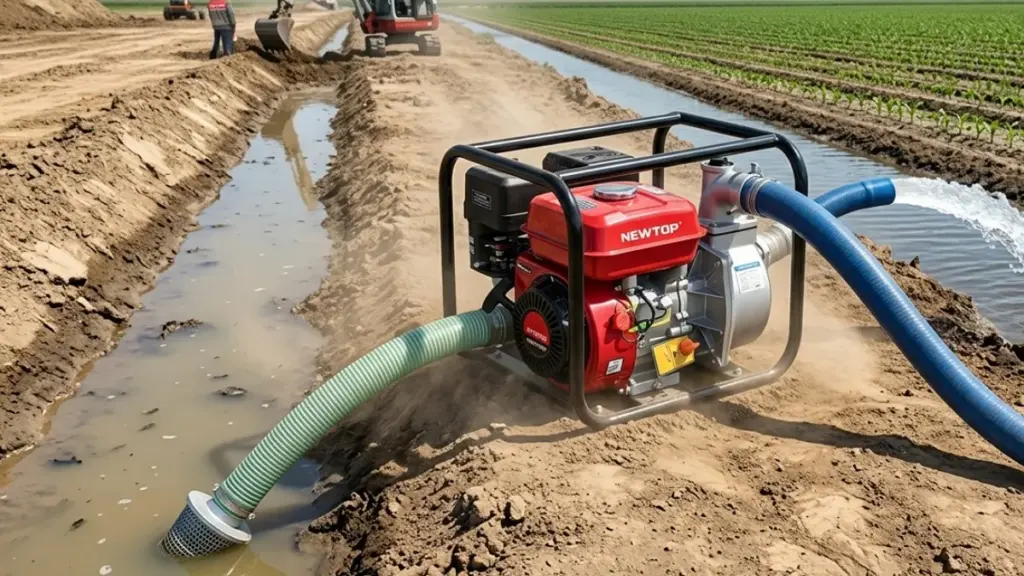
نظيفة مضخة مياه التحركات واضحة, السوائل الخالية من المواد الصلبة بكفاءة. إنه يتاجر في تحمل الحطام للضغط العالي, مما يجعلها الخيار القياسي للإمدادات المحلية والري.
التعريف والوظيفة الأساسية
تم تصميم مضخات المياه النظيفة خصيصًا للسوائل الصافية أو الصالحة للشرب. على عكس مضخات القمامة المصممة لمضغ الحمأة الثقيلة والحطام, تتعامل هذه الوحدات مع المياه التي تحتوي على القليل من المواد الصلبة العالقة أو لا تحتوي عليها.
يقوم المهندسون بتقييد حجم الممر في هذه المضخات إلى حد أقصى صارم قدره 5 ل 6 ملليمتر. يقوم المصنعون بتقييم العديد من النماذج القياسية لتحمل الصفر المطلق للصلب. إنها بمثابة البديل المخصص للسائل الصافي عندما تكون مخاطر التلوث منخفضة وتكون متطلبات الأداء مرتفعة.
التصميم الهيدروليكي والكفاءة
تعطي البنية الداخلية لمضخة المياه النظيفة الأولوية للأداء على التعامل مع الحطام. تستخدم هذه الوحدات ممرات تدفق ضيقة لزيادة ضغط التفريغ والكفاءة الهيدروليكية. تسمح لهم الخلوصات الداخلية الأكثر إحكامًا بدفع المياه بشكل أسرع وأبعد من مضخات المياه القذرة المجهزة بأحجام محركات مماثلة.
لأنها تعمل في بيئات غير كاشطة وخالية من الصخور والرمال, ألواح التآكل الثقيلة من الحديد الزهر ليست ضرورية. بدلاً من, يقوم المصنعون ببناء العلب والدفاعات من مواد مناسبة للبيئات النظيفة.
- البلاستيك: خفيفة الوزن ومقاومة للغاية للتآكل الكيميائي.
- الفولاذ المقاوم للصدأ: يمنع الصدأ في مياه الشرب والتطبيقات الغذائية.
- المعادن المغلفة: يحمي المكونات الداخلية أثناء الاستخدام المنزلي أو الزراعي المستمر.
غاطسة مقابل. تكوينات السطح
يقوم المشغلون بنشر هذه المضخات في شكلين أساسيين بناءً على تخطيط مصدر المياه.
- الوحدات الغاطسة: تعمل هذه بالكامل تحت الماء بمحركات محكمة الغلق. غالبًا ما يستخدمون مفاتيح تعويم متكاملة تعمل على قطع الطاقة عند انخفاض مستويات المياه, منع التشغيل الجاف والاحتراق الحركي اللاحق.
- نماذج السطح: هذه تجلس بشكل دائم خارج مصدر المياه. وهي تتصل بالسائل عبر خراطيم الشفط الصلبة وهي قياسية لاستخراج الآبار الضحلة وأنظمة الضغط المحلية.
التطبيقات النموذجية
يقوم متخصصو الصناعة وأصحاب المنازل بنشر مضخات المياه النظيفة لأغراض محددة, المهام منخفضة الحطام حيث يكون الضغط ومعدل التدفق أكثر أهمية.
- العرض المحلي: استخراج مياه الشرب المنزلية وزيادة الضغط عبر أنظمة السباكة السكنية.
- زراعة: ري الحدائق, البساتين, والمحاصيل الصغيرة مباشرة من الآبار النظيفة أو الخزانات المفلترة.
- الصرف الصحي: إخلاء المياه النظيفة أو المتسخة قليلاً من الأقبية المغمورة بالمياه, حمامات السباحة, وصهاريج مياه الأمطار.
تحقيق أقصى قدر من الهوامش باستخدام آلات البستنة الموثوقة

كيف تعمل مضخة القمامة?
تستخدم مضخات القمامة دافعة شبه مفتوحة وقوة طرد مركزي لتحريك الحطام الثقيل, الاعتماد على السائل المحتجز داخل الغلاف للتحضير الذاتي تلقائيًا.
آلية الضخ بالطرد المركزي
تعمل مضخة القمامة كوحدة طرد مركزي للخدمة الشاقة. يدخل الماء إلى منفذ الشفط ويضرب بسرعة عالية, دافعة شبه مفتوحة موضوعة داخل غلاف حلزوني الشكل.
كما يدور المكره, فهو يولد قوة طرد مركزي تقوم بقذف السائل القادم للخارج على جدران الغلاف. يلتقط الحلزون هذا السائل ويحول طاقته الحركية إلى رأس ضغط مستقر. This pressure physically drives the water out through the discharge port to create a continuous flow.
Self-Priming Operation
Standard centrifugal pumps fail if air enters the suction line. A trash pump solves this problem by retaining a small charge of water inside its casing between active operating cycles.
When the pump engine starts, the impeller spins this retained water to create a partial vacuum. This vacuum draws air up from the suction line. The internal mechanics separate the air from the liquid and expel it through the discharge side. Water then fills the casing, completing the priming process and allowing normal fluid transfer to begin.
Solids and Debris Handling
The defining feature of a trash pump is its ability to process contaminated water without jamming. تستخدم الوحدة دافعة شبه مفتوحة مقترنة بممرات تدفق واسعة بشكل استثنائي لحماية المكونات الداخلية من الجزيئات الكبيرة.
توفر هذه الهندسة الداخلية المتخصصة قدرات محددة للتعامل مع المواد:
- التسامح مع الحطام: يمرر المواد الصلبة كالرمل, الطين, ويتمسك به 3 بوصة في القطر.
- المواد الصلبة العالقة: مضخات السوائل التي تحتوي على ما يصل إلى 30% المواد الصلبة العالقة بالوزن.
- حدود المعدات: يتطلب ترقية إلى مضخة الملاط المتخصصة للخدمة الشاقة إذا تجاوزت المواد الصلبة الحد الأقصى المسموح به 30% عتبة.
كيف تعمل مضخة المياه النظيفة?
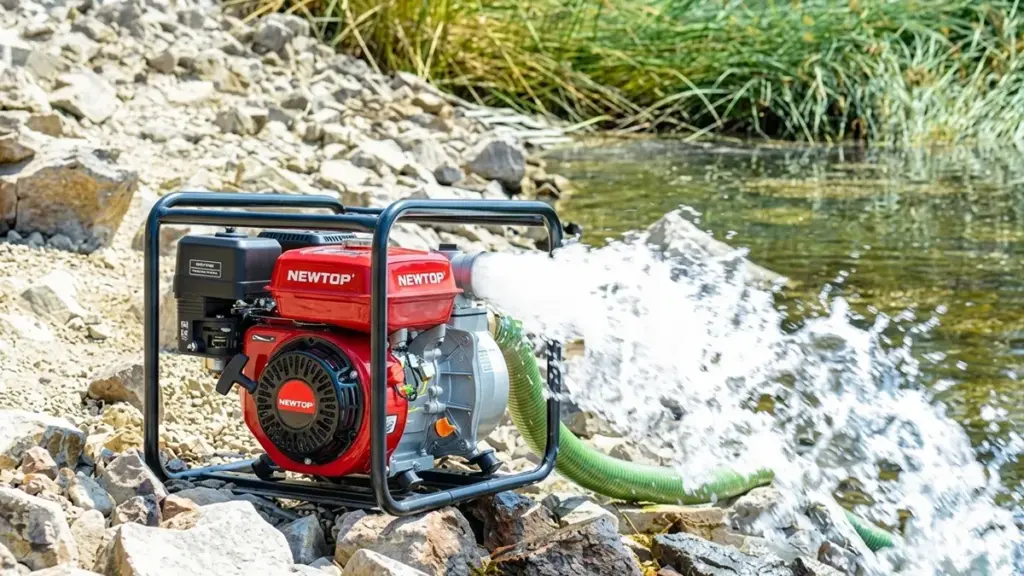
تستخدم مضخة المياه النظيفة دافعة دوارة وقوة طرد مركزي لتحويل الطاقة الحركية إلى مستقرة, ضغط المياه الصالحة للاستخدام لشبكات السباكة والري.
كمية المياه وعمل المكره
تبدأ العملية عندما يدخل السائل الصافي إلى غرفة المضخة عبر منفذ المدخل. داخل السكن, تدور المكره التي تعمل بمحرك بسرعة لتسريع السائل. كما يتحول المكره, فهو يولد قوة طرد مركزي قوية. يؤدي هذا الإجراء الجسدي إلى دفع الماء إلى الخارج نحو الحواف الخارجية لجسم المضخة, خلق الزخم الأولي اللازم للنقل.
السرعة لتحويل الضغط
السرعة وحدها لن تدفع السوائل من خلال تخطيط السباكة المعقد. يلتقط غلاف المضخة الداخلي الماء سريع الحركة فور خروجه من المكره. يصمم المهندسون هذا الغلاف خصيصًا لترجمة تلك الطاقة الحركية إلى ضغط تفريغ قابل للاستخدام. ثم يخرج الماء عالي الضغط من أنبوب التفريغ لتزويد شبكة الأنابيب المتصلة.
التشغيل التلقائي في أنظمة الآبار
تعتمد الأجهزة المنزلية على مكونات إضافية لتشغيل المضخة تلقائيًا وبكفاءة. يستخدم النظام ثلاث آليات أساسية:
- خزان الضغط: يقوم بتخزين الماء المضغوط للحفاظ على توصيل ثابت وتقليل الدورات القصيرة للمحرك.
- مفتاح الضغط: يقوم بتنشيط المحرك عندما ينخفض ضغط خط اللحظة بالضبط من التركيب المفتوح.
- فحص الصمام: يمنع الماء من التدفق للخلف إلى أسفل البئر, الحفاظ على النظام جاهزًا والحفاظ على ضغط الخط ثابتًا.
متغيرات الأداء وحدوده
تملي ظروف العالم الحقيقي مدى فعالية تشغيل مضخة المياه النظيفة. يجب أن يولد المحرك قوة خام كافية للتغلب على الجاذبية, احتكاك الأنابيب الداخلية, والرفع الرأسي. غالبًا ما تتطلب النماذج السطحية تحضيرًا يدويًا, وهذا يعني أنه يجب على المشغلين ملء الغلاف بالماء قبل بدء تشغيل المحرك لضمان الشفط المناسب. يجب على المشغلين مراقبة مصدر السائل باستمرار. يؤدي تشغيل المضخة بدون ماء إلى الجفاف, مما يؤدي مباشرة إلى أضرار احتكاك شديدة وفشل كارثي في الختم.
مضخة القمامة مقابل مضخة المياه النظيفة: الاختلافات الرئيسية في لمحة
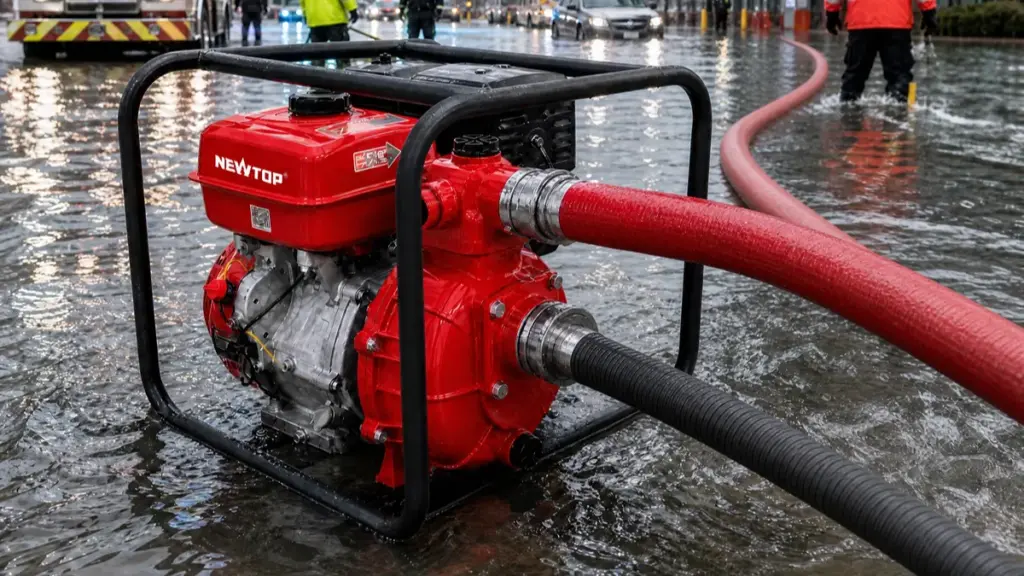
تعطي مضخات القمامة الأولوية للتعامل مع المواد الصلبة القاسية في البيئات القاسية, بينما تركز مضخات المياه النظيفة على زيادة الكفاءة الهيدروليكية والضغط للسوائل الصافية.
| مقارنة | مضخة القمامة | مضخة مياه نظيفة |
|---|---|---|
| نوع الماء | المياه القذرة, المياه الموحلة, مياه الصرف الصحي | المياه واضحة |
| التعامل الصلبة | يعالج الرمال, أوراق, والحطام الصغير | معالجة محدودة للجسيمات الصلبة |
| تصميم المكره | تصميم المكره مفتوحة أو شبه مفتوحة | تصميم المكره مغلقة |
| حجم المرور | خلوص أكبر للجسيمات الصلبة | خلوص أصغر لتحسين الكفاءة |
| كفاءة | أقل قليلاً بسبب البناء الثقيل | كفاءة أعلى عند ضخ المياه النظيفة |
| صيانة | يتطلب الفحص والتنظيف بعد تشغيل المياه القذرة | صيانة أقل في ظل ظروف التشغيل المناسبة |
| الاستخدام النموذجي | مواقع البناء, السيطرة على الفيضانات, تطبيقات الصرف | الري, نقل المياه, إمدادات المياه المنزلية |
| متانة | مصممة للبيئات القاسية والتطبيقات الصعبة | مصممة لتطبيقات المياه النظيفة |
التعامل مع المواد الصلبة وبيئة التشغيل
تعمل مضخات القمامة على تحريك الطين بشكل فعال, رمل, أوراق, والمواد الصلبة التي يصل قطرها إلى 2-3 بوصات دون توقف. ويعتمد عليها المشغلون باعتبارها الأداة الأساسية لنزح المياه من مواقع البناء, إدارة مياه الصرف الصحي البلدية, أو تنظيف حفر الحمأة. إنها تحافظ على معدلات تدفق ثابتة حتى عندما يكون مصدر المياه ملوثًا بشدة بالحطام الكاشط.
يتم التعامل مع مضخات المياه النظيفة بشكل صارم, السوائل المصفاة. أنها تخدم أنظمة إمدادات المياه المحلية, محطات رفع الضغط, وشبكات الري الزراعية. إذا يترك, الحصى, أو يدخل الطين السميك إلى نظام المياه النظيفة, تعاني المضخة من تلف فوري للمكره وفشل سريع في الختم.
مقايضات الأداء والكفاءة
تعطي مضخات القمامة الأولوية لحجم التدفق العالي ومقاومة الانسداد المستمر على الحد الأقصى لإخراج الضغط. إن الخلوصات الداخلية الأوسع في مضخات القمامة تقلل بشكل طفيف من كفاءة استخدام الطاقة بشكل عام. إنك تستبدل الأداء الهيدروليكي الدقيق بضمان التشغيل الموثوق به في ظروف لا يمكن التنبؤ بها, الظروف القذرة.
توفر مضخات المياه النظيفة ضغطًا فائقًا وكفاءة هيدروليكية عند نقل السوائل الصافية لمسافات طويلة. تعمل ممراتها الداخلية الضيقة على تحويل المزيد من الطاقة الحركية إلى ضغط رأس قابل للاستخدام. إنهم يتفوقون في دفع المياه إلى أعلى أو تغذية خطوط الرش الطويلة, بشرط أن تظل المياه نقية.
التصميم الداخلي وبناء المواد
يقوم المصنعون بتصميم هاتين الفئتين من المضخات ببنيات داخلية مختلفة بشكل واضح للبقاء على قيد الحياة في البيئات المستهدفة.
- المكره و حلزوني: تتميز نماذج مضخة القمامة بأنها سميكة, دفاعات شبه مفتوحة من الحديد الزهر وحواف حلزونية واسعة مصممة لامتصاص التأثيرات المتكررة من الصخور والحصى. وحدات المياه النظيفة تستخدم المعيار, دافعات مغلقة ذات خلوص داخلي محكم مُصممة خصيصًا للسوائل الصافية.
- الأختام الميكانيكية: تعتمد مضخات القمامة على أختام كربيد السيليكون المقاومة للكشط لتحمل الحبيبات المستمرة. تستخدم مضخات المياه النظيفة أختامًا قياسية من السيراميك الكربوني مصممة خصيصًا للبيئات غير الكاشطة.
- الوصول إلى الصيانة: غالبًا ما تشتمل مضخات القمامة على منافذ تنظيف سريعة التحرير لإزالة الأشياء الكبيرة الموجودة. تفتقر مضخات المياه النظيفة إلى هذه المنافذ لأنها ليست مخصصة لاستيعاب المواد الصلبة الكبيرة.
اقتصاديات التكلفة ودورة الحياة
تتطلب مضخات القمامة سعر شراء أولي أعلى بسبب تقويتها, مواد التصنيع الثقيلة. تضيف أغلفة الحديد الزهر القوية وأنظمة الختم المحسنة نفقات أولية ولكنها تقلل بشكل كبير من وقت التوقف عن العمل في ظروف الموقع القاسية.
توفر مضخات المياه النظيفة أفضل قيمة على المدى الطويل وأقل تكاليف تشغيل فقط عند تطبيقها بشكل صارم على تطبيقات المياه الصافية. يؤدي نشر مضخة مياه نظيفة في البيئات الموحلة إلى حدوث عطل ميكانيكي سريع. استبدال المحركات المحروقة, الدفاعات المحطمة, والأختام المخترقة تجعل المضخة القياسية الخيار الأكثر تكلفة للمهام الثقيلة.
ما هي السوائل التي يمكن لكل مضخة التعامل معها؟?
قم بمطابقة المضخة بالسائل. تتطلب المياه الصافية مضخات مياه نظيفة فعالة, بينما تتطلب السوائل العكرة ممرات أكبر لمضخات شبه القمامة أو مضخات القمامة لمنع الفشل.
مضخات المياه النظيفة للسوائل الصافية
تم تصميم مضخات المياه النظيفة حصريًا للسوائل التي تحتوي على مواد صلبة صفر تقريبًا. سوف تستخدم هذه في المقام الأول لمياه الشرب, مياه الأمطار النظيفة, والمياه المعالجة بخفة.
يقوم المهندسون بتصميم هذه المضخات بممرات داخلية ضيقة. تعمل هذه الهندسة على زيادة الكفاءة الهيدروليكية إلى الحد الأقصى ولكنها تترك المضخة معرضة بشدة للتآكل والانسداد في حالة دخول المواد الصلبة إلى النظام. التعرض للعكارة المرئية, رمل, حصى, أو الحطام الليفي يسبب تآكلًا سريعًا للمكره ويخاطر بزيادة الحمل الزائد على المحرك. إذا كانت المياه تبدو قذرة, أبقِ هذه المضخة خارجًا.
مضخات القمامة للحطام الثقيل والحمأة
عندما يحتوي السائل على حطام ثقيل, أنت بحاجة إلى مضخة القمامة. يقوم المصنعون بتصميم هذه الوحدات خصيصًا للسوائل القذرة, بما في ذلك المياه الموحلة, الطين السميك, النفايات الزراعية, وجريان الفيضانات الغزيرة.
تتميز مضخات القمامة بدفاعات مفتوحة أو شبه مفتوحة قادرة على تمرير المواد الصلبة الكبيرة, في كثير من الأحيان يصل قطرها إلى بوصتين. يتعاملون مع الرواسب الخشنة, الحصى, أوراق, والأغصان دون التعرض لأضرار داخلية أو تقييد مسار التدفق. يمكنك استبدال بعض الكفاءة الهيدروليكية بموثوقية لا مثيل لها في البيئات القاسية.
مضخات نصف قمامة للعكارة المتوسطة
تعمل المضخات شبه القمامة على سد الفجوة بين المياه النظيفة ومعالجة النفايات الثقيلة. إنهم يديرون المياه العكرة التي تحتوي على مواد صلبة وشوائب معتدلة حيث قد تفشل مضخة المياه النظيفة بسرعة.
تمر هذه الوحدات بجزيئات صغيرة تتراوح من 0.5 ل 1 بوصة في القطر. إنها خيار عملي لنزح المياه في البناء الخفيف, مشاريع المناظر الطبيعية, وتصريف البرك القذرة. إنها توفر مقاومة أفضل للانسداد من المضخات القياسية ولكنها تفتقر إلى القدرة الداخلية على تحريك الصخور الكبيرة أو الكثيفة, الحمأة الليفية.
المبادئ التوجيهية العملية لتقييم السائل
يبدأ اختيار المضخة بتحليل دقيق للسوائل. افحص نقاء الماء بصريًا وقم بتقدير الحد الأقصى لحجم الجسيمات قبل الانتهاء من اختيار المعدات الخاصة بك. ويمنع التقييم الميداني السريع فترات التوقف المكلفة لاحقًا.
قم بإعطاء الأولوية لمضخات المياه النظيفة عند نقل السوائل الواضحة حيث يتطلب الأمر أقصى قدر من الكفاءة الهيدروليكية. على العكس من ذلك, حدد مضخة قمامة كاملة للبيئات الكاشطة أو الليفية عالية التركيز. وهذا يضمن الموثوقية المستمرة ويمنع الفشل المفاجئ للمعدات عند تدهور ظروف الضخ.
كيف الأداء, كفاءة, ومقارنة الصيانة?
تعطي مضخات المياه النظيفة الأولوية للكفاءة الهيدروليكية والضغط للحصول على السوائل الصافية, بينما تضحي مضخات القمامة بأعلى كفاءة للحفاظ على التدفق المستمر بكميات كبيرة في ظروف الحطام الثقيل.
اختلافات الأداء في التدفق, ضغط, والتعامل مع المواد الصلبة
تم تصميم مضخات المياه النظيفة لتحقيق أقصى قدر من الضغط (رأس) وتحرك السوائل الصافية بسرعة. يستخدمون منافذ أصغر وهندسة داخلية أكثر إحكامًا لدفع المياه لمسافات طويلة أو صعودًا. تقترب مضخات القمامة من الأداء من الزاوية المعاكسة. أنها تؤكد على حجم التدفق الخام على الضغط, تتحرك في كثير من الأحيان أكثر من 1,000 جالونًا في الدقيقة لإخلاء المناطق التي غمرتها الفيضانات أو تطهير الخنادق الكبيرة.
الحد التشغيلي المحدد لكلا النوعين من المضخات هو قدرتها على التعامل مع الحطام المادي:
- مضخات المياه النظيفة: تمتلك ما يقرب من الصفر التسامح مع الحطام. حتى الجسيمات الصغيرة العالقة يمكن أن تلحق الضرر بالمكونات الداخلية.
- مضخات القمامة: استخدم الدفاعات المتخصصة والحلزونات العريضة لتمرير المواد الصلبة التي تتراوح من 0.5 لأكثر من 2 بوصة دون انسداد.
الكفاءة الهيدروليكية مقابل. الكفاءة التشغيلية
إن المقارنة القياسية للكفاءة الهيدروليكية القصوى تفضل دائمًا نماذج المياه النظيفة. تعمل الخلوصات الداخلية الأكثر إحكامًا على تحويل المزيد من طاقة الإدخال مباشرة إلى ضغط سائل عند العمل في المياه النقية. تعمل مضخات القمامة بطبيعتها بكفاءة هيدروليكية أقل. تخلق ممراتها الداخلية الأكبر اضطرابًا في السوائل وإعادة تدويرها, مما يتطلب المزيد من القوة لتحريك نفس الحجم من الماء.
ولكن في الميدان, الكفاءة التشغيلية مهمة أكثر من تقييمات المختبرات. عند إدخال الحطام في المزيج, تعاني مضخة المياه النظيفة من فقدان سريع للكفاءة بسبب الانسداد وتآكل المكونات. توفر مضخة القمامة أفضل كفاءة عملية من خلال البقاء على الإنترنت والحفاظ على التدفق المستمر في الظروف القاسية, البيئات الملوثة.
طلبات الصيانة, ارتداء المقاومة, والجهوزية
تختلف ملفات تعريف الصيانة تمامًا بناءً على بيئة التشغيل. تتطلب مضخة المياه النظيفة القليل جدًا من الصيانة الروتينية. إذا حافظت على نظافة السائل, أنت في الغالب تقوم فقط بمراقبة التشحيم الأساسي وإجراء عمليات فحص دورية للختم. تتطلب مضخات القمامة جدول صيانة أكثر نشاطًا لأنها تعمل في ظروف شديدة الكشط.
تتضمن مهام الصيانة القياسية لمضخة القمامة ما يلي::
- تنظيف المصفاة: التطهير المتكرر لشاشات السحب لمنع الانسدادات الكبيرة.
- فحص المكره: فحص الريش بحثًا عن التآكل والأضرار الناتجة عن الصخور والحطام.
- الشيكات الحلزونية: مراقبة غلاف المضخة من التآكل الداخلي الناجم عن الرمال والحصى.
على الرغم من متطلبات الصيانة المجدولة الأعلى هذه, تم بناء مضخات القمامة بسُمك, مواد ثقيلة. يمتص هذا البناء القوي العقاب الجسدي للمياه القذرة, تقليل فترات التوقف غير المتوقعة والفشل الكارثي بشكل كبير عندما تصبح الظروف الميدانية صعبة.
ما هي أفضل التطبيقات لكل نوع من المضخات؟?
قم بمطابقة المضخة مع السائل. تتعامل مضخات القمامة مع إزالة الحطام بكميات كبيرة, بينما توفر مضخات المياه النظيفة نقل الضغط العالي للسوائل الصافية.
الاستخدامات المثالية لمضخات القمامة (المواد الصلبة والمياه الملوثة)
تعمل مضخات القمامة في بيئات معادية حيث تؤدي المواد الصلبة العالقة إلى تدمير الدفاعات القياسية على الفور. إنهم يضحون بأقصى قدر من الضغط للحفاظ على التشغيل المستمر عند تناول الحطام الثقيل.
- السيطرة على الفيضانات ونزح المياه في حالات الطوارئ: تطهير الطوابق السفلية بسرعة, المرائب, والمناطق الخارجية الموحلة بعد هطول الأمطار الغزيرة.
- عمليات الموقع الثقيلة: دعم البناء, الأعمال المدنية, والعمليات الصناعية التي تنطوي على الرمال, أسمنت, أو حمأة سميكة.
- إدارة الزراعة والنفايات: تفريغ البرك القذرة, بحيرات صناعية, أو أنظمة مياه الصرف الصحي الزراعية المعبأة بالمواد العضوية.
- أولوية الأداء: توفير معدلات تدفق عالية (≥100 لتر/دقيقة) باستخدام قوية, الدفاعات شبه المفتوحة بدلاً من توليد الضغط العالي.
أفضل السيناريوهات لمضخات المياه النظيفة (مسح الماء والضغط)
عندما يكون مصدر السائل خاليا من الرواسب, مضخات المياه النظيفة تأخذ زمام المبادرة. تسمح لهم خلوصاتهم الداخلية الضيقة بدفع السوائل لمسافات أبعد بكفاءة وإلى ارتفاعات أكثر انحدارًا.
- إمدادات المياه المنزلية: توفير ضغط مستقر معزز من الآبار العميقة, صهاريج, أو عقد الدبابات على المباني السكنية.
- الري المستهدف: تشغيل أنظمة رشاشات الحدائق وشبكات الري الزراعية الخفيفة باستخدام مياه الأمطار المفلترة.
- نقل سائل واضح: تصريف أو نقل المياه بسلاسة عبر حمامات السباحة, الخزانات المغلقة, وإعدادات تربية الأحياء المائية الحساسة.
- أولوية الأداء: الحفاظ على معدلات التدفق المتوسطة جنبا إلى جنب مع الضغط العالي (رأس) للاستقرار, التسليم المستمر.
التطبيقات متعددة الاستخدامات والمضخات ثنائية الأغراض
غالبًا ما تتغير ظروف موقع العمل. يقوم المصنعون بتصميم مضخات غاطسة ثنائية الغرض خصيصًا للبيئات التي تتقلب فيها جودة المياه بين الصافية والرواسب الثقيلة على مدار اليوم.
تتميز هذه الوحدات الهجينة بآليات سحب قابلة للتعديل تتيح للمشغلين التبديل يدويًا بين أوضاع المياه النظيفة والقذرة. تعمل هذه الهندسة على زيادة كفاءة استخدام الطاقة أثناء استخراج المياه الصافية مع منع الانسدادات لحظة دخول الحطام إلى الحوض.
قائمة مرجعية قابلة للتنفيذ: مطابقة المضخة لمهمتك
تجنب فشل المعدات المبكر عن طريق إجراء تقييم أساسي للموقع قبل النشر. يؤدي نشر نوع المضخة الخاطئ إلى ضمان وقت التوقف عن العمل وزيادة تكاليف الصيانة.
- تقييم تكوين الماء: اختر مضخات القمامة للبيئات التي تحتوي على الرمال, أوراق, أو الطين. استخدم مضخات المياه النظيفة حصريًا للسوائل الصافية.
- تحديد الهدف: اختر المضخات الغاطسة ذات الحجم الكبير لمهام التفريغ السريع, أو المضخات التي تركز على الضغط للري لمسافات طويلة.
- حساب متطلبات القدرة: التحقق من معدل التدفق اللازم (لتر/دقيقة) وإجمالي ارتفاع الرأس يمليه تخطيط موقعك المحدد.
- ضمان الأتمتة والسلامة المناسبة: قم بتركيب مفاتيح تعويم لإدارة الفيضانات بدون استخدام اليدين والحماية من التشغيل الجاف لحماية مضخات الآبار من الاحتراق.
كيفية اختيار مضخة المياه المناسبة لسوقك
يعتمد اختيار المضخة على جودة المياه واحتياجات الضغط. قم بمطابقة قدرة التعامل مع المواد الصلبة مع موقع العمل الخاص بك لمنع تعطل المعدات والتخلص من فترات التوقف المكلفة.
تقييم جودة المياه وحجم الحطام
الخطوة الأولى في اختيار المضخة هي تشخيص مصدر المياه. تحدد جودة المياه بشكل مباشر الموافقات الداخلية وتصميم المكره الذي تحتاجه معداتك للبقاء على قيد الحياة.
- مضخات المياه النظيفة: التعامل مع السوائل الصافية مع الحد الأدنى من المواد الصلبة العالقة, عادة ما يصل إلى الحد الأقصى عند 0.25 بوصة.
- مضخات القمامة: معالجة المياه القذرة التي تحتوي على الرواسب, أوراق, والطين, تمرير المواد الصلبة الثقيلة بينهما 1.25 و 2 بوصة في القطر.
حدد دائمًا تصنيف المضخة الذي يتجاوز أكبر حجم متوقع للحطام في السائل. يمنع هامش الأمان هذا الانسداد الفوري والضرر الداخلي عندما تسوء ظروف الموقع بشكل غير متوقع.
تحديد متطلبات الضغط والتدفق
أبعد من نوعية المياه, يجب عليك تحديد المتطلبات الهيدروليكية للوظيفة. تخدم بنيات المضخات المختلفة أهداف نقل مختلفة تمامًا.
- ارتفاع الضغط: توفر مضخات المياه النظيفة ضغط تفريغ أعلى, مما يجعلها المعيار لنقل السوائل لمسافات طويلة أو تغذية خراطيم أصغر.
- حجم مرتفع: تقوم مضخات القمامة بتداول الحد الأقصى لضغط الخط من أجل حجم التدفق العالي, إعطاء الأولوية لنزح المياه السريع لتطهير المناطق التي غمرتها الفيضانات بسرعة.
- تحجيم المنفذ: تستخدم مضخات القمامة منافذ أكبر من 2 بوصة إلى 6 بوصة لضمان تحرك المياه المحملة بالحطام عبر النظام دون قيود.
مطابقة مواصفات المضخة مع تطبيقات موقع العمل
تحتاج إلى مواءمة تصميم المضخة مع بيئة العمل الفعلية. تفشل مضخات الطرد المركزي القياسية بسرعة عند استخدامها بشكل خاطئ في موقع العمل.
- مهام المياه النظيفة: نشر هذه الوحدات لتصريف حوض السباحة, نزح المياه من الطابق السفلي بعد الفيضانات النظيفة, والري الزراعي واضح المصدر.
- مهام المياه القذرة: استخدام مضخات القمامة لنزح المياه في موقع البناء, تطهير الخنادق التي غمرتها المياه, والنقل الزراعي الذي يتضمن مواد عضوية.
- قمع الغبار: اختر مضخة قمامة للتحكم في الغبار في موقع العمل لضمان التشغيل الموثوق عند السحب من مصادر المياه العكرة أو الموحلة.
قارن بين التكاليف الأولية ووقت التوقف المحتمل
غالبًا ما تركز قرارات الشراء على علامات الأسعار الأولية, لكن تكاليف دورة الحياة الإجمالية تملي الربحية الحقيقية. توفر مضخات المياه النظيفة سعر شراء أقل وكفاءة تشغيلية أعلى في بيئات المياه الصافية.
يعد تشغيل مضخة مياه نظيفة قياسية في ظروف موحلة خطأً مكلفًا. سوف تسد الفجوات الداخلية الضيقة بسرعة, المخاطرة بأضرار جسيمة في المعدات وتأخير المشروع باهظ الثمن.
تتطلب مضخات القمامة استثمارًا أوليًا أعلى. لقد عوضوا هذه التكلفة من خلال عرض الدفاعات المعززة, الأختام الميكانيكية الثقيلة, وممرات داخلية أوسع. يعمل هذا البناء المتين على التخلص من فترات التوقف المكلفة ويحافظ على سير عمليتك في ظل ظروف قاسية.
الأخطاء الشائعة عند اختيار مضخات المياه
يؤدي اختيار مضخة المياه الخاطئة إلى الفشل المبكر وتضخم تكاليف التشغيل. قم بمطابقة الحدود الهيدروليكية للمضخة وتصنيف المواد الصلبة مع بيئة السوائل المحددة لديك لضمان الموثوقية.
أنواع المضخات المربكة ومتطلبات السوائل
كثيرًا ما يحصل المشترون على مضخة مياه نظيفة قياسية للحفر الموحلة أو المليئة بالحطام. الممرات الضيقة تسد على الفور, مما يؤدي إلى التآكل السريع للمكره واحتراق المحركات. على الجانب الآخر, يؤدي نشر مضخة قمامة عالية التدفق للقيام بمهمة تتطلب مياه نظيفة عالية الضغط إلى ضعف الأداء وإهدار الوقود. يجب عليك مطابقة أجهزة المضخة بشكل صحيح مع ملف تعريف السوائل الدقيق.
- حدود التعامل مع المواد الصلبة: سوء تقدير الحد الأقصى لحجم المواد الصلبة وتغذية الحطام الكبير في مضخة مخصصة للمياه الصافية.
- أخطاء في كيمياء السوائل: استخدام المضخات المنزلية القياسية في مياه البحر المسببة للتآكل أو السوائل الكيميائية دون مقاومة مادية مناسبة.
- عدم تطابق التطبيق: الاعتماد على مضخة القمامة ذات الضغط المنخفض عند الحاجة إلى مضخة طرد مركزي أو مضخة متعددة المراحل مخصصة للنقل عالي الرأس.
التحجيم غير الصحيح للتدفق, رأس, والقوة
إن تخمين متطلبات التدفق والرأس يؤدي إلى تدمير كفاءة المضخة. مضخة كبيرة الحجم “فقط لتكون آمنا” يجبر الوحدة على العمل بعيدًا عن أفضل نقطة كفاءة لها (أفضل الممارسات البيئية). وهذا يزيد بشكل كبير من استهلاك الطاقة والتآكل الميكانيكي. على العكس من ذلك, تعمل المضخة الأصغر حجمًا بشكل مستمر بأقصى طاقتها, مما يؤدي إلى التحميل الزائد على المحرك المزمن.
- خسائر الاحتكاك: التقليل من إجمالي الرأس الديناميكي (TDH) عن طريق حساب الرفع العمودي فقط وتجاهل الاحتكاك في الخراطيم, أنابيب, والتجهيزات.
- حدود الشفط: محاولة سحب المياه إلى ما هو أبعد من حدود رفع الشفط المادية للمضخات السطحية (عادة 7 ل 9 متر), مما يسبب التجويف الشديد.
- العجز في الحجم: التقليل من قدرة التدفق, مما يؤدي إلى عدم كفاية تسليم الحجم وارتفاع درجة الحرارة.
تجاهل توافق المواد ودورات العمل
لا يمكنك تشغيل المعدات المنزلية الخفيفة في موقع بناء ثقيل. يؤدي تحديد المواد القياسية للبيئات شديدة الكشط إلى تسريع تآكل المكونات المهمة مثل الدفاعات, ارتداء الخواتم, وأغلفة حلزونية. تتطلب البيئات الصناعية معدات مصنفة لظروف الموقع الدقيقة.
- تدمير جلخ: اختيار الحديد الزهر أو البلاستيك القياسي الذي يتآكل بسرعة عند ضخ الرمل أو الحصى.
- إساءة استخدام دورة العمل: استخدام المضخات المحلية ذات الخدمة المتقطعة لمهام نزح المياه الثقيلة والمستمرة.
- ركوب الدراجات القصيرة: يؤدي الفشل في تحديد حجم نظام التحكم بشكل صحيح إلى حدوث دورات تشغيل/إيقاف مفرطة, التأكيد على مشغلات المحرك وتآكل الأختام الميكانيكية.
تطل على تصميم النظام والاحتياجات الكهربائية
المضخة جيدة فقط مثل النظام المحيط بها. يقوم العديد من المشغلين بتصميم أقطار الأنابيب وتخطيطها قبل اختيار المضخة. وهذا يخلق خسائر احتكاك عالية ويختنق الأداء. تخطيطات شفط سيئة - مثل الاستخدام الطويل جدًا, الخراطيم المقيدة أو وضع المآخذ مباشرة في الرواسب السفلية - مما يجبر المضخة على العمل بجهد أكبر من اللازم.
- تخطيطات مقيدة: إنشاء تكوينات شفط سيئة تؤدي إلى تجويع مضخة الماء وتسبب التجويف.
- عدم تطابق السلطة: توريد جهد ومرحلة غير متطابقين للموقع, تدمير المحرك على الفور.
- ضمانات مفقودة: تعمل بدون ميزات حماية المحرك الهامة, بما في ذلك التشغيل الجاف, الحرارية, وضمانات الجهد.
إعطاء الأولوية للتكلفة الأولية على دورة الحياة والبيانات الفنية
يعد شراء أرخص وحدة متاحة طريقة مضمونة لتضخيم تكاليفك على المدى الطويل. غالبًا ما يعتمد المشترون على عناوين التسويق بدلاً من التحقق من قدرات التدفق والرأس مقابل منحنيات الأداء الفعلية للشركة المصنعة. في البيئات الصعبة, وهذا يؤدي إلى فشل المعدات الكارثي.
- عمى دورة الحياة: اختيار الوحدات الرخيصة مع تجاهل الموثوقية على المدى الطويل, ارتداء فترات استبدال جزء, واستهلاك الطاقة مدى الحياة.
- تخطي المنحنيات: اختيار المضخات يعتمد فقط على أرقام الذروة بدلاً من التحقق من متطلبات التشغيل مقابل منحنى المضخة الرسمي.
- تجاوز الخبرة: رفض استشارة متخصصي المضخات في الأعمال المعقدة مثل ضخ الآبار العميقة أو تجاوز مياه الصرف الصحي.
لماذا تختار NEWTOP لتصنيع المعدات الأصلية لمضخات المياه?
كشركة مصنعة ذات خبرة لمعدات الطاقة الخارجية, نيوتوب توفر حلولاً موثوقة لمضخات المياه للموزعين العالميين, التجار, والمستخدمين المحترفين.
مع أكثر من 20 سنوات من الخبرة في التصنيع, يركز NEWTOP على مضخات المياه التي تعمل بالبنزين, بما في ذلك مضخات المياه النظيفة ومضخات القمامة المصممة لبيئات العمل المختلفة.
ميزة حلول مضخة المياه NEWTOP:
- أداء موثوق لمحرك البنزين
- هياكل مضخة متينة
- حازم ضبط الجودة العمليات
- دعم تصنيع المعدات الأصلية والتخصيص
- القدرة على الإنتاج والاختبار المهنية
للعملاء الذين يبحثون عن شريك تصنيع طويل الأمد, تساعد NEWTOP في تطوير منتجات مضخات المياه التي تتوافق مع متطلبات السوق المختلفة, متطلبات التطبيق, والمعايير الإقليمية.
الأفكار النهائية
الفرق بين مضخة القمامة ومضخة المياه النظيفة يرجع بشكل أساسي إلى نوع المياه المصممة للتعامل معها.
توفر مضخة المياه النظيفة كفاءة أعلى عند نقل المياه النظيفة, بينما توفر مضخة القمامة متانة أقوى عند التعامل مع المياه الموحلة والحطام الصلب.
قبل شراء أو استيراد مضخات المياه, اعتبر دائما:
- نوعية المياه
- حجم الجسيمات الصلبة
- معدل التدفق المطلوب
- بيئة العمل
- احتياجات الصيانة على المدى الطويل
اختيار نوع المضخة الصحيح يضمن أداء أفضل, عمر خدمة أطول, وانخفاض تكاليف التشغيل.
الأسئلة المتداولة
ما الفرق بين مضخة القمامة ومضخة المياه النظيفة?
تقوم مضخة القمامة بنقل المياه المملوءة بالحطام, مثل الرمال, الطين, ويترك, باستخدام ممرات داخلية كبيرة ودفاعات شبه مفتوحة. تتعامل مضخة المياه النظيفة مع المياه الصافية أو المتسخة قليلاً وتعمل مع خلوصات أكثر إحكامًا مُحسَّنة للضغط العالي. يؤدي استخدام مضخة مياه نظيفة على مياه متسخة إلى انسداد سريع وتآكل داخلي.
يمكن لمضخة المياه النظيفة التعامل مع المياه القذرة?
لا. تعتمد مضخات المياه النظيفة على الخلوصات الداخلية الضيقة لتوليد ضغط وكفاءة عاليين. إذا تناولوا الرمال, الحصى, أو الحطام الليفي, فهي تسد بسرعة أو تتعرض لأضرار في المكره. أنت بحاجة إلى مضخة قمامة أو مضخة مياه قذرة للمياه التي تحتوي على مواد صلبة أو حمأة مرئية.
أي نوع من المواد الصلبة يمكن التعامل مع مضخة القمامة?
تقوم مضخات القمامة القياسية بتمرير الأجسام الصلبة بينها بسهولة 1 و 3 بوصة في القطر. وهذا يشمل الرمال, الحصى, أوراق, اغصان, والحمأة الناعمة. يتعاملون مع المواد الصلبة العالقة حتى 30% بالوزن. وهي غير مصممة لملاط التعدين عالي الكشط أو المواد الخيطية للغاية مثل الحبال الطويلة أو الخرق الكبيرة.
هي مضخة القمامة أبطأ من مضخة المياه النظيفة?
في الماء الصافي, تنتج مضخة القمامة ضغطًا وكفاءة هيدروليكية أقل من مضخة المياه النظيفة المماثلة. ولكن في المياه الموحلة أو المليئة بالحطام, تكمل مضخة القمامة المهمة بشكل أسرع بكثير. فهو يحافظ على تدفق مستقر دون الانسداد المستمر ووقت التوقف عن العمل الذي يوقف مضخة المياه النظيفة تمامًا.
أي مضخة أفضل لمواقع البناء؟?
تعتبر مضخة القمامة دائمًا الخيار الأفضل لمواقع البناء. يتضمن نزح مياه الخنادق وتطهير الخنادق المياه الموحلة, الطمي, والحصى. تقوم مضخة القمامة بمعالجة هذا الحطام دون تشويش. اختر مضخة مياه نظيفة فقط في حالة نقل المياه المفلترة لمسافات طويلة أو في حالة الحاجة إلى إخراج عالي الضغط.
هل يمكنني استخدام مضخة القمامة للري?
نعم, خاصة بالنسبة لري الفيضانات أو الأحواض المستمدة من الجداول والبرك العكرة. حيث أن مضخات القمامة تعالج الأوراق والطمي بسهولة, أنها تمنع انسداد النظام. أنها تنتج ضغطًا أقل من مضخات المياه النظيفة, مما يجعلها أقل ملاءمة لخطوط الرش ذات الضغط العالي أو أنظمة التنقيط إلا إذا قمت بتركيب مرشح قوي في اتجاه مجرى النهر.
لماذا يهم حجم مرور المضخة؟?
يحدد حجم الممر الحد الأقصى للقطر الصلب الذي يمكن للمضخة استيعابه دون تشويش. حجم مرور أكبر, وجدت في مضخات القمامة, يقلل من مخاطر الانسداد ووقت التوقف عن العمل في البيئات المحملة بالحطام. تعمل أحجام الممرات الصغيرة في مضخات المياه النظيفة على زيادة الكفاءة الهيدروليكية ولكنها تجعلها عرضة للانسداد الفوري من الحجارة الصغيرة أو الأغصان.
أي نوع من المضخة له تكلفة صيانة أقل?
في ظل ظروف المياه الصافية المثالية, تكلفة صيانة مضخة المياه النظيفة أقل لأنها تتجنب التآكل الكاشط. تواجه مضخات القمامة قاسية, تتطلب البيئات القاسية عمليات تنظيف متكررة واستبدال الأجزاء القابلة للتآكل. إن نشر مضخة مياه نظيفة في بيئة قذرة يضمن حدوث أضرار جسيمة, مما يجعل مضخة القمامة أكثر فعالية من حيث التكلفة للتطبيقات الثقيلة.
