


- Todo
- NEWTOP Historias de clientes
- NEWTOP Explorador Hub
- NEWTOP Perspectivas de la industria
¿Qué es un generador de gasolina?? Es una máquina portátil o montada en un bastidor que utiliza gasolina para producir electricidad cuando la energía de la red no está disponible o no puede llegar al área de trabajo..
El producto puede parecer sencillo., pero seleccionar el correcto implica más que elegir un modelo familiar o el número más grande en la etiqueta. El generador debe coincidir con el equipo que se alimenta., Los estándares eléctricos del mercado de destino., las condiciones de funcionamiento esperadas, y las capacidades de servicio del usuario.
Para distribuidores, la tarea es más amplia. Es posible que un generador adecuado como respaldo doméstico esencial no satisfaga las demandas de un taller., granja, contratista, o pequeña instalación comercial. Una gama de productos práctica necesita diferencias claras en el rendimiento, configuración, movilidad, y precio.
Lo que un generador de gasolina puede y no puede hacer
Un generador de gasolina produce electricidad mientras su motor está en marcha y hay combustible disponible.. A diferencia de una central eléctrica de batería, no almacena energía eléctrica para su uso posterior.
Varias salidas en el panel de control tampoco significan que todos los dispositivos conectados puedan funcionar al mismo tiempo.. Todos los equipos comparten la potencia disponible del generador., por lo que la demanda combinada debe permanecer dentro de su capacidad nominal.
Un generador completo de gasolina normalmente combina un motor, alternador, sistema de combustible, Panel de control, dispositivos de protección, y marco de soporte. El motor proporciona rotación mecánica., mientras que el alternador convierte ese movimiento en corriente eléctrica.
Una explicación detallada de este proceso interno está disponible en nuestra guía., ¿Cómo funciona un generador de gasolina?? Componentes clave y generación de energía explicados.
Este artículo se centra en una pregunta diferente.: ¿Cómo deben evaluar el producto los compradores y distribuidores primerizos antes de realizar el pedido??
¿Qué puede generar un generador de gasolina??
La respuesta depende de la potencia nominal del generador y de qué dispositivos funcionarán simultáneamente..
Las cargas eléctricas ligeras pueden incluir:
- Lámparas y ventiladores
- Cargadores y equipos de comunicación.
- Televisores y pequeños electrodomésticos seleccionados
- Equipos de oficina y sistemas de pago.
Talleres, granjas, y los lugares de trabajo pueden necesitar operar:
- Taladros y sierras electricos
- bombas de agua
- Lavadoras a presión
- Refrigeradores o congeladores
- Compresores de aire
- Otros equipos impulsados por motor
Los productos impulsados por motor a menudo requieren considerablemente más energía durante el arranque que durante el funcionamiento normal.. Por lo tanto, el dimensionamiento del generador debe considerar tanto la potencia de funcionamiento como la demanda de arranque más alta.. Encender equipos de alta demanda en diferentes momentos también puede reducir la capacidad total del generador requerida.
Antes de seleccionar una clase de salida, identificar:
- Los equipos que deben recibir energía.
- ¿Qué elementos pueden ejecutarse al mismo tiempo?
- Su potencia de funcionamiento combinada
- La mayor demanda inicial.
- Cualquier equipo que probablemente se agregue más adelante.
El número de enchufes no es una medida de la capacidad del generador.. Solo muestra cuántos puntos de conexión hay disponibles..
Especificaciones del generador de gasolina que los compradores deben verificar primero
La página de un producto puede incluir docenas de especificaciones.. Los siguientes elementos tienen la mayor influencia en la compatibilidad eléctrica y el uso diario..
| Especificación | Lo que significa | Por qué es importante |
|---|---|---|
| Salida nominal | Potencia destinada al funcionamiento normal | Proporciona la base para una planificación continua de la carga. |
| Salida máxima | Capacidad temporal por encima de la producción nominal | Ayuda a gestionar picos breves de demanda |
| Voltaje | Salida eléctrica suministrada al equipo. | Debe coincidir con los electrodomésticos y maquinaria locales. |
| Frecuencia | Generalmente configurado para un 50 Hz o 60 mercado Hz | Debe adaptarse al sistema eléctrico de destino. |
| Fase | Salida monofásica o trifásica | Debe coincidir con el equipo conectado |
| Sistema de inicio | inicio de retroceso, arranque electrico, o ambos | Afecta la comodidad y los requisitos de batería. |
| Capacidad del tanque de combustible | Cantidad de gasolina almacenada a bordo | Influye en el tiempo disponible entre repostajes |
| Panel de control | Puntos de venta, interruptores, metros, y interruptores | Debe coincidir con los tipos de enchufes locales y las expectativas del usuario. |
| Funciones de protección | bajo en aceite, sobrecarga, o respuesta de cortocircuito | Ayuda a proteger el motor y el sistema eléctrico. |
| Estructura | Marco, manijas, ruedas, y soportes vibratorios | Afecta al transporte y a la estabilidad laboral. |
La potencia nominal debe guiar la planificación de carga normal. La producción máxima está destinada a picos de demanda temporales y no debe tratarse como la capacidad continua del generador..
Elegir el rango de producción adecuado para el mercado
Un número de modelo resulta útil sólo después de que se haya definido la clase de potencia requerida..
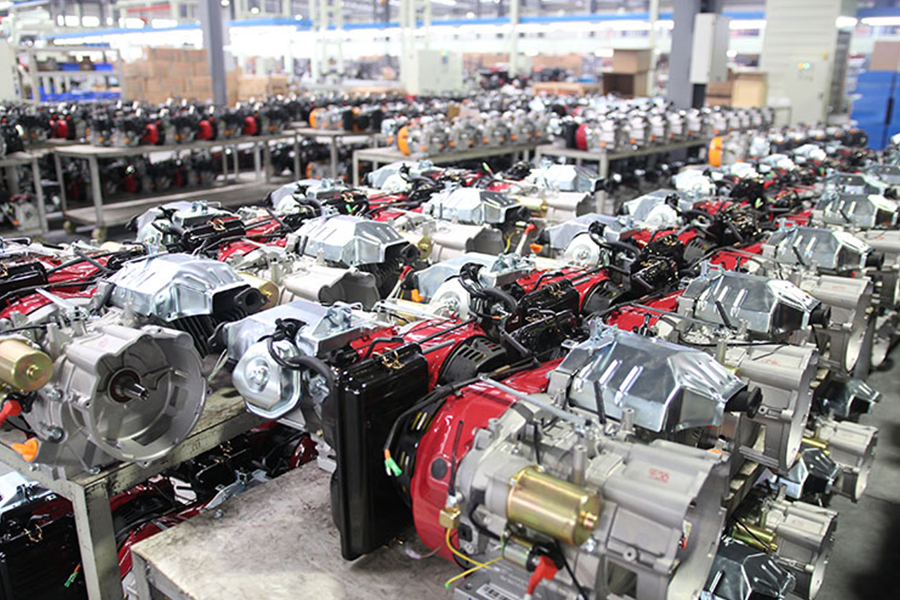
La actual gama de generadores de gasolina NEWTOP incluye compactos 2.8 productos kW, a 5.5 modelo de gama media kW, a 7.8 configuración de kW, y un 10 generador de alto rendimiento en kW. Esto permite a los compradores y distribuidores cubrir diferentes niveles de carga sin tener que posicionar una máquina como adecuada para cada usuario..
Potencia compacta: Alrededor de 2 a 3 kW
Esta gama se adapta a cargas esenciales seleccionadas, herramientas más ligeras, y trabajo móvil donde el tamaño y el transporte manejables son importantes.
Puede cubrir respaldo temporal básico o mantenimiento al aire libre., pero bombas, refrigeradores, y las herramientas impulsadas por motor aún requieren una verificación de potencia de arranque.
Potencia de rango medio: Alrededor de 5 a 6 kW
Los generadores de gasolina de gama media suelen cubrir al grupo más amplio de usuarios..
Pueden adaptarse a talleres., contratistas, granjas, equipos de mantenimiento de propiedades, y pequeñas operaciones comerciales que necesitan más capacidad que un generador compacto sin pasar a la clase portátil más grande.
Mayor potencia portátil: Alrededor de 7 a 8 kW
En este nivel, Los clientes pueden estar planeando operar equipos más pesados o varias cargas juntas..
Peso del generador, configuración de la rueda, consumo de combustible, disposición del zócalo, fase, y la reserva inicial merecen más atención. La producción adicional debería corresponder a una demanda genuina y no a una preferencia por una cifra mayor..
Energía de gasolina de alto rendimiento: Alrededor 10 kilovatios
Los generadores de gasolina de mayor rendimiento están dirigidos a usuarios con una demanda de energía sustancial que aún prefieren un motor de gasolina y una estructura de estructura portátil..
Pueden adaptarse a talleres más grandes., operaciones de construcción, o requisitos de respaldo más amplios. Antes de realizar el pedido, Confirmar que el cliente puede gestionar el tamaño de la máquina., necesidades de transporte, y demanda de combustible.
Qué cambia entre diferentes clases de poder?
Pasar de un generador compacto a un 5.5 kilovatios, 7.8 kilovatios, o 10 El modelo de kW cambia más que la potencia eléctrica disponible.
Cilindrada del motor, peso total, demanda de combustible, dimensiones del marco, reserva inicial, arreglos de transporte, y los requisitos del panel de control también pueden cambiar. Los distribuidores deben comparar la configuración completa dentro de cada clase de potencia en lugar de tratar la clasificación de kW como la única diferencia..
Un distribuidor no necesita necesariamente todos los niveles de producción. Un modelo compacto, un modelo central de gama media, y una opción de mayor producción puede proporcionar suficiente separación para diferentes grupos de clientes.
La combinación final debe reflejar:
- Equipo común utilizado localmente.
- Presupuestos típicos de los clientes
- Estándares eléctricos locales
- Condiciones de transporte y almacenamiento.
- Disponibilidad de repuestos
- Requisitos de certificación
Qué confirmar antes de solicitar una cotización
Una solicitud como “envíame el precio de un 5 Generador de kW” no proporciona al proveedor suficiente información para recomendar la configuración correcta..
Una consulta más útil debería incluir:
País de destino
El mercado ayuda a determinar la configuración eléctrica requerida, tipo de enchufe, etiquetado, embalaje, y certificación.
Equipo a alimentar
Enumerar los principales electrodomésticos., herramientas, zapatillas, o maquinas. Esto le da al proveedor información más útil que solo una estimación de potencia..
Ejecución y demanda inicial
Proporcione la carga continua combinada e identifique el equipo con el mayor requisito de arranque.
Patrón de funcionamiento esperado
Aclarar si el generador proporcionará respaldo de emergencia ocasional, potencia diaria regular, u operación durante un turno de trabajo normal.
Requisitos comerciales
Incluir:
- Cantidad de pedido esperada
- Requisitos de marca
- Preferencias de embalaje
- Necesidades de repuestos
- Manuales y requisitos de idioma.
- Calendario de entrega objetivo
El proveedor puede entonces confirmar el modelo adecuado., fase, método de inicio, Panel de control, configuración del zócalo, y opciones de marco.
Lo que los distribuidores deben comprobar en un generador de muestra
Una hoja de cotización ayuda a reducir la elección. Una muestra muestra cómo comienza realmente el producto terminado., opera, y se siente.
Rendimiento inicial
Pruebe el arranque en frío y el reinicio en caliente.. Para modelos con arranque eléctrico, Inspeccione la disposición de la batería y confirme si el arranque por retroceso sigue estando disponible como respaldo..
Salida bajo carga
No evalúe el generador sólo mientras esté funcionando sin nada conectado.. Aplique una carga adecuada y observe el voltaje., respuesta del motor, estabilidad operativa, y comportamiento del interruptor.
Respuesta a la demanda repentina
Utilice equipos accionados por motor adecuados o aparatos de prueba controlados para ver cómo reacciona el generador cuando la demanda eléctrica aumenta rápidamente..
Diseño del panel de control
Controlar:
- Tipo de salida
- Colocación del interruptor
- Visibilidad del medidor
- Etiquetas e interruptores
- Acceso a los controles principales
Un generador técnicamente adecuado puede seguir siendo difícil de vender si su panel de control no cumple con las expectativas locales..
Marco y vibración
Inspeccionar soldaduras, sujetadores, manijas, ruedas, soportes de goma, y movimiento durante la operación. El marco debe sentirse estable y seguro en lugar de estar flojo..
Acceso al servicio
Las áreas de mantenimiento de rutina deben ser razonablemente fáciles de alcanzar., incluido:
- filtro de aire
- Bujía
- Puntos de llenado y drenaje de aceite.
- válvula de combustible
- Carburador
- Batería, donde está instalado
Embalaje y artículos incluidos
Confirmar la fuerza del cartón, protección interna, manuales, herramientas, enchufes, baterias, kits de ruedas, y cualquier repuesto incluido con el envío.
Estas comprobaciones proporcionan información que puede no aparecer en un catálogo y ayudan a los distribuidores a prepararse para el servicio al cliente después de la reventa..
Errores comunes al comprar por primera vez
Elegir salida sin una lista de carga real
Salida nominal, demanda de funcionamiento simultáneo, y la carga inicial más alta deben considerarse juntas. Un número mayor de potencia máxima no hace que un generador sea automáticamente más adecuado.
Comparando sólo los caballos de fuerza del motor
Los caballos de fuerza describen la capacidad mecánica del motor., no el rendimiento eléctrico completo del generador. Capacidad del alternador, regulación de voltaje, enfriamiento, sistemas de protección, y la coincidencia de componentes también importa.
Tratar el tamaño del tanque como eficiencia de combustible
Un tanque más grande transporta más gasolina y puede extender el intervalo entre repostajes. No prueba que el motor consuma menos combustible..
Pasar por alto los requisitos de servicio y repuestos
Un generador puede adaptarse a la carga requerida pero aun así crear dificultades si los filtros, componentes iniciales, piezas del panel de control, o las piezas comunes del motor son difíciles de obtener.
Para distribuidores, El acceso a la información de servicio y a los componentes de repuesto es parte de la decisión sobre el producto., No es algo a considerar solo después de la primera queja del cliente..
Una breve nota de seguridad
Los generadores de gasolina producen monóxido de carbono y deben funcionar al aire libre. Estados Unidos. La Comisión de Seguridad de Productos de Consumo recomienda colocar generadores portátiles al menos 20 pies de distancia de casas y edificios, con el escape dirigido lejos de las ventanas, puertas, y respiraderos. Los generadores nunca deben funcionar dentro de las casas, garajes, sótanos, cobertizos, u otros espacios cerrados.
El generador debe apagarse y dejarse enfriar antes de repostar combustible.. La CPSC también advierte específicamente contra agregar gasolina mientras un generador está funcionando o caliente..
Dónde un generador alimentará los circuitos del edificio., Se requiere equipo de transferencia adecuado e instalación eléctrica calificada en lugar de una conexión improvisada..
Elegir un generador de gasolina con requisitos claros
El mejor modelo no es automáticamente el que tiene el mayor rendimiento.
Los compradores primerizos deben elegir el equipo que debe funcionar., incluyendo su demanda de funcionamiento y arranque. Los distribuidores deben desarrollar su gama de productos según los estándares eléctricos locales., aplicaciones comunes, niveles de precios, y expectativas de servicio.
Una vez que esos requisitos estén claros, Los modelos inadecuados se pueden eliminar rápidamente.. La opción restante se convierte en una comparación práctica de la producción., configuración, movilidad, construcción, y soporte postventa.
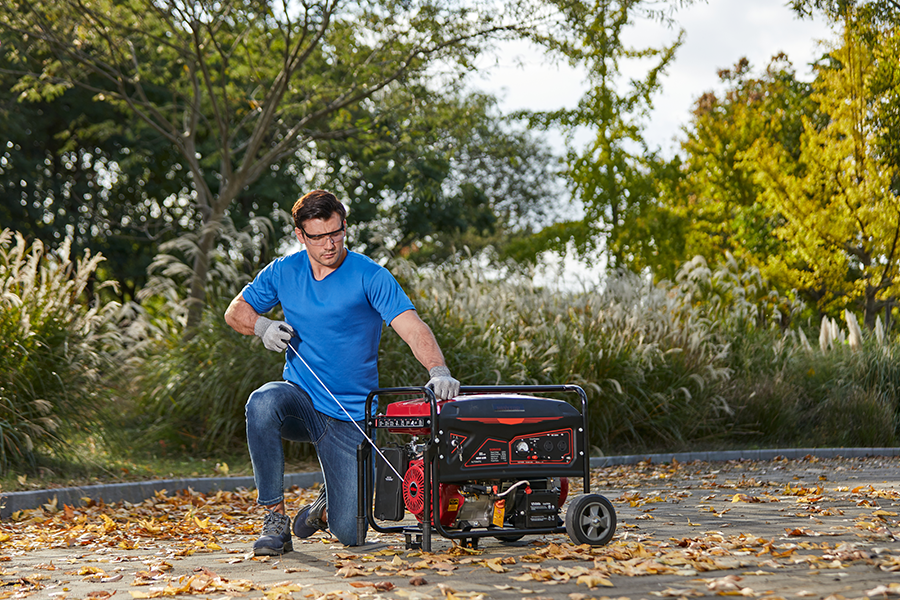
¿Cómo funciona un generador de gasolina?? Quema gasolina para crear rotación mecánica., Luego usa un alternador para convertir esa rotación en energía eléctrica..
El proceso involucra dos sistemas conectados.. El motor convierte la energía química de la gasolina en movimiento, mientras que el alternador transforma ese movimiento en electricidad para herramientas, zapatillas, iluminación, accesorios, y otros equipos.
El camino energético completo se puede resumir como:
Gasolina → combustión → rotación del cigüeñal → movimiento del alternador → salida eléctrica
Seguir este camino ayuda a explicar por qué el motor, alternador, gobernador, regulador de voltaje, sistema de enfriamiento, y los dispositivos de protección influyen en el rendimiento del generador..
Un generador, Dos trabajos principales
El motor y el alternador están montados en el mismo bastidor., pero realizan trabajos diferentes.
El motor produce energía mecánica. Quema una mezcla de gasolina y aire., mueve un pistón, y hace girar el cigüeñal.
El alternador produce energía eléctrica. El cigüeñal giratorio impulsa el alternador., donde la inducción electromagnética genera corriente.
Debido a que estos sistemas están separados, un motor puede arrancar y funcionar mientras los enchufes no producen electricidad utilizable. Del mismo modo, un alternador bien hecho no puede mantener una potencia estable si el motor no proporciona suficiente par o no mantiene la velocidad requerida.
Un generador confiable necesita que los dos sistemas funcionen como una sola unidad de energía combinada.
Del tanque de combustible al cigüeñal
La gasolina primero viaja desde el tanque de combustible a través de la línea de combustible y hacia el carburador.. El sistema de combustible también puede incluir una válvula de cierre., filtrar, taza de sedimento, o bomba de combustible, dependiendo del diseño del generador.
El carburador mezcla la gasolina con el aire entrante para que el motor pueda quemarla.. Antes de que entre el aire, un filtro de aire ayuda a evitar que el polvo y los residuos lleguen al cilindro.
Muchos generadores de gasolina portátiles utilizan un motor de cuatro tiempos.. El ciclo de operación consiste en:
- Consumo: El motor aspira la mezcla de aire y combustible hacia el cilindro..
- Compresión: El pistón comprime la mezcla..
- Fuerza: La bujía enciende la mezcla., empujando el pistón hacia abajo.
- Escape: Los gases quemados salen del cilindro..
Una biela transfiere el movimiento hacia arriba y hacia abajo del pistón al cigüeñal., convirtiéndolo en rotación continua. El volante ayuda al motor a mantener un movimiento suave entre las carreras de combustión..
Calidad del combustible, suministro de aire, encendido, lubricación, y la condición de los componentes internos afectan la manera constante en que se puede producir esta rotación..
Cómo genera electricidad el alternador
El cigüeñal impulsa el rotor del alternador una vez que el motor alcanza su velocidad de funcionamiento..
Un generador electromagnético básico contiene un componente giratorio llamado rotor y bobinas de alambre aisladas estacionarias llamadas estator.. A medida que el rotor gira, su campo magnético se mueve en relación con los devanados del estator, inducir corriente eléctrica. Por tanto, el alternador convierte la energía mecánica suministrada por el motor en energía eléctrica..
Luego, la electricidad pasa a través del regulador de voltaje del generador., control, y sistemas de protección antes de llegar a los puntos de venta.
La construcción del alternador afecta la forma en que el generador gestiona la corriente y el calor.. Material de bobinado, aislamiento, diseño del rotor, enfriamiento, y la precisión del ensamblaje pueden influir en la estabilidad y durabilidad de la salida..
Componentes clave dentro de un generador de gasolina
| Componente | Función principal | Por qué es importante |
|---|---|---|
| Tanque de combustible y sistema de combustible | Almacenar y entregar gasolina. | Afecta el flujo de combustible, a partir de, y tiempo de ejecución |
| Carburador | Mezclar gasolina con aire. | Soporta una combustión estable |
| Filtro de aire | Reducir el polvo que ingresa al motor. | Protege el rendimiento del motor y las piezas internas. |
| Bujía y sistema de encendido | Encienda la mezcla de aire comprimido y combustible. | Afecta el arranque y la estabilidad de la combustión. |
| Pistón y biela | Convertir la presión de combustión en movimiento. | Transferir potencia al cigüeñal. |
| Cigüeñal y volante | Producir y mantener la rotación. | Conducir el alternador |
| Gobernador | Responder a los cambios en la velocidad del motor. | Ayuda al motor a recuperarse a medida que aumenta la carga. |
| Rotor y estator | Generar corriente eléctrica | Formar el núcleo del alternador. |
| Regulador de voltaje | Administrar la salida de voltaje | Ayuda a reducir la fluctuación de voltaje. |
| Cortacircuitos | Interrumpir corriente excesiva | Protege contra sobrecargas y fallas eléctricas. |
| Sistemas de refrigeración y escape | Eliminar el calor y los gases de escape. | Apoyar la operación segura y sostenida |
| Soportes de marco y vibración | Apoyar la máquina completa | Mejorar la estabilidad durante el uso y el transporte. |
Esta es la razón por la que la calidad del generador no se puede juzgar únicamente por la potencia del motor.. el motor, alternador, sistema de control, componentes protectores, y el marco deben coincidir adecuadamente.
¿Qué sucede cuando se conecta una carga??
Un generador no trabaja tan duro cuando funciona sin nada enchufado.
Una vez una herramienta, bomba, refrigerador, u otro dispositivo está conectado, el alternador comienza a suministrar corriente. La demanda eléctrica crea una resistencia adicional contra el rotor., por lo que el motor debe producir más torque para mantener la velocidad.
La respuesta ocurre rápidamente:
- Aumenta la demanda eléctrica.
- La velocidad del motor comienza a caer.
- El gobernador abre el acelerador.
- Entra más gasolina y aire al motor..
- La potencia de combustión aumenta.
- El motor vuelve a su velocidad de funcionamiento..
- El regulador de voltaje responde a la nueva carga..
Un breve cambio en el sonido del motor es normal cuando arranca una carga sustancial.. Aumento persistente, fuerte caída de voltaje, disparo del interruptor, o la falta de recuperación puede indicar una sobrecarga, flujo de combustible restringido, velocidad inestable del motor, o una falla eléctrica.
Salida nominal y salida máxima
Las especificaciones del generador generalmente muestran tanto la salida nominal como la máxima., pero las dos figuras tienen propósitos diferentes.
La salida nominal es la potencia que el generador está diseñado para proporcionar durante el funcionamiento normal..
La producción máxima es capacidad adicional temporal que ayuda al generador a manejar aumentos breves en la demanda., particularmente cuando el equipo impulsado por motor arranca.
Un generador con un 6.0 La potencia máxima en kW puede no estar diseñada para suministrar 6.0 kW continuamente. Los compradores deben calcular la demanda normal utilizando la producción nominal y dejar suficiente reserva para las cargas iniciales..
Esto es especialmente importante para:
- bombas de agua
- Refrigeradores y congeladores
- Compresores de aire
- herramientas de construcción
- motores electricos
- Equipo que arranca automáticamente
Agregar solo potencia en funcionamiento puede subestimar el breve aumento requerido durante el arranque.
Cómo el diseño del generador afecta la entrega de energía
Fabricar un generador implica más que colocar un motor al lado de un alternador.
El motor debe proporcionar suficiente par para el alternador seleccionado.. El alternador debe coincidir con el voltaje previsto., frecuencia, salida nominal, y fase. El flujo de aire de refrigeración debe llegar a los principales componentes que producen calor., mientras que el bastidor y los soportes vibratorios deben mantener la máquina estable.
El NEWTOP NTGR6500H2 muestra cómo se combinan estos elementos en un generador de gasolina. Utiliza un 389 cc, monocilíndrico, Motor OHV de cuatro tiempos refrigerado por aire con alternador síncrono de alambre de cobre SENCI con escobillas. Su lista de especificaciones. 5.5 potencia nominal en kW, 6.0 kW de potencia máxima, a 25 L tanque de combustible, arranque electrico, advertencia de bajo nivel de aceite, y protección contra cortocircuitos.
El motor también utiliza un cigüeñal y un árbol de levas forjados., mientras que el marco completo de acero y los soportes que absorben las vibraciones soportan el conjunto completo del motor y el alternador.. Estas características abordan diferentes partes del proceso de generación de energía en lugar de depender únicamente de una especificación principal..
Cómo se verifican los generadores terminados
Un generador que arranca exitosamente no necesariamente está listo para su envío.. También es necesario comprobar la unidad completa después de que el motor, alternador, Panel de control, marco, y se han montado sistemas de protección.
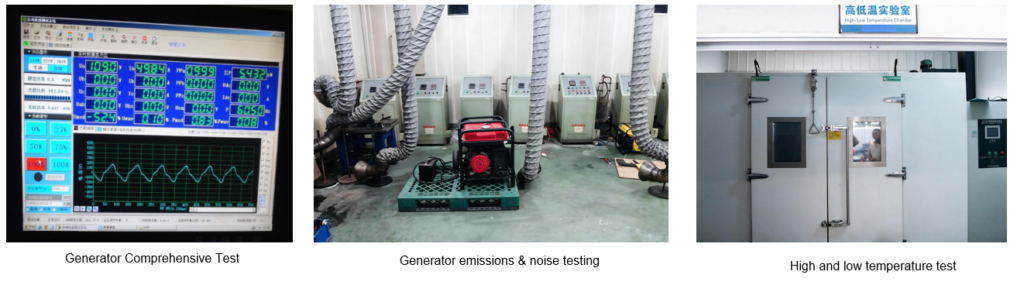
Rendimiento integral, emisiones y ruido, y alto- y pruebas de baja temperatura para generadores NEWTOP terminados.
Las instalaciones de inspección de generadores terminados de NEWTOP cubren tres áreas que se muestran en las imágenes de prueba de fábrica.:
Pruebas integrales de generadores
La potencia eléctrica y el funcionamiento general se observan después del montaje final.. Esto ayuda a comprobar si el motor, alternador, sistema de control, y los enchufes trabajan juntos como una unidad completa.
Pruebas de emisiones y ruido
Las comprobaciones de emisiones y ruido de funcionamiento examinan las características afectadas por la combustión., diseño de escape, condición del motor, control de vibraciones, y carga de trabajo.
Alto- y pruebas de baja temperatura
Las pruebas ambientales verifican el funcionamiento del generador en condiciones cambiantes de temperatura.. La temperatura puede influir en el arranque., entrega de combustible, lubricación, baterias, alambrado, y otros componentes eléctricos.
Estos controles conectan las especificaciones técnicas del generador con el rendimiento de la máquina terminada.. También proporcionan pruebas más sólidas que confiar únicamente en una inspección de arranque del motor..
El mantenimiento básico mantiene el sistema en funcionamiento
Cada tarea de mantenimiento protege una parte del camino energético.
La gasolina nueva y un sistema de combustible limpio ayudan a que el combustible llegue al carburador. Un filtro de aire limpio favorece la mezcla correcta. La bujía favorece el encendido., mientras que un aceite de motor adecuado protege el pistón, cigüeñal, árbol de levas, y rodamientos.
Las aberturas de refrigeración deben permanecer despejadas., y cables, enchufes, interruptores, y las conexiones eléctricas deben revisarse periódicamente. Los generadores de respaldo también necesitan arranque e inspección periódicos para evitar el deterioro del combustible., descarga de la batería, corrosión, o se encuentran conexiones sueltas antes de que ocurra un corte.
Opere generadores de gasolina al aire libre
El escape del generador de gasolina contiene monóxido de carbono., un gas venenoso incoloro e inodoro. Los generadores portátiles nunca deben funcionar dentro de las viviendas, garajes, sótanos, cobertizos, u otras áreas cerradas.
Estados Unidos. La Comisión de Seguridad de Productos de Consumo aconseja utilizar generadores portátiles en exteriores, al menos 20 pies de distancia de las casas, con el escape dirigido lejos de las puertas, ventanas, y respiraderos.
El generador también debe apagarse y dejarse enfriar antes de agregar gasolina.. La conexión al sistema eléctrico de un edificio debe utilizar equipos de transferencia adecuados instalados de acuerdo con los requisitos eléctricos locales..
De la gasolina a la energía utilizable
Entonces, ¿Cómo funciona un generador de gasolina de principio a fin??
La gasolina y el aire entran al motor.. La bujía inicia la combustión., moviendo el pistón y girando el cigüeñal. El cigüeñal hace girar el rotor del alternador dentro del estator., donde la inducción electromagnética produce corriente eléctrica. El gobernador y el regulador de voltaje ayudan al generador a responder a medida que cambia la carga conectada..
El motor crea rotación.. El alternador genera electricidad.. el control, enfriamiento, protección, y los sistemas de marco ayudan a que la unidad completa entregue esa potencia de manera segura y consistente.
Comprender esta relación hace que las especificaciones del generador sean más fáciles de evaluar.. La cilindrada del motor muestra sólo una parte de la capacidad de la máquina.. Salida nominal, construcción del alternador, regulación de voltaje, pruebas, sistemas de protección, y la coincidencia de componentes revelan más sobre cómo funcionará el generador terminado en uso real.
Cuando los compradores comparan el tiempo de funcionamiento del generador de propano con el de gasolina, La cantidad de horas impresas en la página de un producto rara vez cuenta la historia completa.. El tiempo de ejecución cambia con la cantidad de combustible utilizable., carga del generador, potencia nominal específica del combustible, tamaño del tanque o cilindro, temperatura ambiente, y la forma en que se repone el combustible.
Con el mismo volumen de líquido y una carga eléctrica comparable, La gasolina generalmente soportará un funcionamiento más largo porque contiene más energía por galón.. Estados Unidos. La Administración de Información Energética enumera la gasolina de motor en aproximadamente 120,214 Btu por galón y propano a aproximadamente 91,452 Btu por galón. Un cilindro de propano más grande o un tanque a granel, sin embargo, Puede proporcionar más combustible total que el tanque de gasolina incorporado de un generador y, por lo tanto, puede mantener el generador funcionando durante más tiempo en general..
La pregunta útil no es simplemente, “¿Qué combustible dura más??"
Es:
¿Cuánto tiempo puede soportar el generador la carga requerida con el suministro de combustible realmente disponible en el sitio??
Por qué los números publicados en tiempo de ejecución son difíciles de comparar
Una cifra de tiempo de ejecución solo adquiere significado cuando las condiciones de prueba son claras.
Considere dos especificaciones:
- Generador A: 10 horas de ejecución
- Generador B: 8 horas de ejecución
El generador A parece funcionar mejor. Pero supongamos que su cifra se registró en 25% carga, mientras que el Generador B fue probado en 50% carga. La cifra más larga ya no demuestra un mejor rendimiento del combustible porque el segundo generador producía más electricidad durante la prueba..
La cantidad de combustible crea otro problema. La cifra de tiempo de funcionamiento de la gasolina puede basarse en el tanque lleno a bordo del generador., mientras que la figura de propano puede usar un cilindro portátil. Estos contenedores no contienen necesariamente cantidades comparables de energía utilizable..
Una comparación adecuada necesita respuestas a cinco preguntas:
¿Cuánto combustible se utilizó??
Para gasolina, Verifique la capacidad del tanque en litros o galones.. Para propano, comprobar el peso real del combustible o la capacidad de líquido utilizable del cilindro.
¿Qué carga se aplicó??
Tiempo de ejecución en 25% la carga no se puede comparar directamente con el tiempo de ejecución en 50% o carga nominal.
La salida fue diferente en cada combustible.?
Los generadores de combustible dual pueden proporcionar diferentes potencias nominales y máximas con gasolina y propano.. Por lo tanto, la misma carga del electrodoméstico puede representar un porcentaje diferente de la capacidad del generador con cada combustible..
¿Estaba activo el modo económico??
Un motor que reduce automáticamente la velocidad bajo una demanda ligera puede consumir menos combustible que uno que funciona a una velocidad fija..
¿Las condiciones de operación fueron similares??
Temperatura, elevación, condición del equipo, y los cambios de carga pueden alejar el tiempo de ejecución del mundo real de la cifra publicada.
Sin estos detalles, un número anunciado debe tratarse como una referencia y no como una promesa.
Ponga ambos combustibles sobre la misma base
La estimación de tiempo de ejecución más simple es:
Tiempo de funcionamiento estimado en horas = cantidad de combustible utilizable ÷ consumo de combustible por hora con la carga esperada
La cantidad de combustible y la tasa de consumo deben utilizar unidades coincidentes.. Las libras de propano no se pueden dividir directamente por una cifra de consumo de gasolina expresada en litros por hora.. Similarmente, un valor de consumo de combustible expresado en gramos por kilovatio-hora necesita potencia nominal y masa de combustible antes de poder traducirse en horas de funcionamiento.
La carga esperada también debe reflejar el uso real..
Un generador que suministra iluminación constante puede consumir combustible de manera diferente que el mismo generador que alimenta un refrigerador., compresor, bomba, o herramienta de construcción. Los equipos impulsados por motor pueden consumir mucha más energía durante el arranque, y los ciclos de arranque repetidos afectan el consumo incluso cuando la potencia promedio de funcionamiento parece moderada.
Antes de comparar combustibles, los compradores deben calcular:
- El equipo que se espera que funcione al mismo tiempo.
- Potencia de funcionamiento normal
- Demanda inicial o repentina
- Carga promedio esperada durante el período de operación
- La cantidad de capacidad de reserva necesaria
Usar la salida máxima del generador como cifra de carga normal producirá una estimación de tiempo de ejecución engañosa. La producción máxima está destinada a la demanda temporal., funcionamiento no continuo.
El suministro de combustible puede revertir el resultado
El mayor contenido de energía de la gasolina por galón no significa automáticamente que cada configuración de gasolina funcionará por más tiempo.. El suministro total de combustible a menudo decide el resultado práctico..
Gasolina: Un suministro fijo a bordo
Los generadores de gasolina portátiles suelen llevar su combustible en un tanque integrado.. Esto crea una clara, configuración autónoma: el generador se transporta con su tanque, llenado antes de su uso, y operado hasta que el combustible se agote.
La principal limitación es la capacidad fija.. Un tanque de 15 o 25 litros no se puede ampliar sin detener el generador y repostarlo según las instrucciones del fabricante..
El estado de la gasolina también afecta la preparación. El combustible que no se utiliza durante períodos prolongados puede deteriorarse, por lo que un generador destinado a uso de emergencia necesita un plan de mantenimiento y rotación de combustible. Un tiempo de funcionamiento teórico prolongado tiene poco valor cuando se utiliza combustible viejo., depósitos, o un carburador descuidado impide un arranque confiable.
Propano: El tiempo de ejecución depende del suministro conectado
El propano se almacena como líquido bajo presión y se convierte en gas a medida que se libera presión para la combustión.. Esto hace posibles cilindros externos y tanques de almacenamiento más grandes., dando a los usuarios más flexibilidad sobre la cantidad de combustible conectado al generador.
Un pequeño cilindro portátil puede proporcionar menos tiempo de funcionamiento que un tanque de gasolina lleno. Un mayor suministro de propano puede proporcionar considerablemente más. La comparación cambia cada vez que cambia la capacidad del cilindro..
El suministro de propano también depende de la vaporización.. Tamaño del tanque, nivel de liquido, temperatura ambiente, humedad, y la superficie del tanque en contacto con el líquido afectan la velocidad a la que el propano puede convertirse en vapor utilizable.. Las temperaturas más bajas y los niveles de combustible más bajos reducen la capacidad de vaporización, mientras que el congelamiento del tanque puede restringirlo aún más.
Para un generador más grande que opera bajo carga sostenida, Por lo tanto, los compradores deben verificar más que la cantidad total de propano.. El sistema de cilindro y regulador también debe poder suministrar combustible a la velocidad requerida..
Tres preguntas sobre el tiempo de ejecución que realmente hacen los compradores
Las cifras de horas publicadas se vuelven más fáciles de evaluar cuando están conectadas a un requisito operativo específico.
“¿Puede el generador cubrir un turno de trabajo completo??"
Un contratista que planifica un turno de ocho horas no debe comenzar con el reclamo de mayor duración del folleto.. El cálculo debe utilizar la carga promedio esperada del sitio..
Las herramientas eléctricas pueden funcionar de forma intermitente, mientras enciende, zapatillas, equipo de carga, o las instalaciones temporales pueden permanecer activas durante todo el día. También es necesario incluir la demanda de arranque del motor y los cambios repetidos de carga..
El plan de combustible debe mostrar:
- Consumo esperado durante el turno
- Combustible restante al final del turno.
- Si repostar combustible o cambiar cilindros interrumpirá el trabajo
- Cómo se transportará y almacenará el combustible de reserva
- Si el suministro de propano puede mantener una vaporización adecuada bajo la temperatura y carga esperadas.
Es posible que un tiempo de funcionamiento nominal de diez horas con carga liviana no cubra un turno de ocho horas una vez que se conecta equipo más pesado..
“¿Puede funcionar durante un apagón nocturno??"
El respaldo nocturno generalmente tiene menos que ver con el rendimiento máximo y más con el mantenimiento de cargas esenciales..
Refrigeración, iluminación seleccionada, equipo de comunicacion, fans, sistemas de seguridad, y una pequeña bomba de agua puede utilizar mucha menos energía que la capacidad nominal total del generador.. Quitar equipos no esenciales puede extender el tiempo de funcionamiento de manera más efectiva que aumentar únicamente el almacenamiento de combustible.
Los compradores deben calcular la carga nocturna probable en lugar de utilizar la potencia total de cada electrodoméstico de la propiedad.. También deberían permitir una reserva en lugar de planear vaciar el tanque o cilindro por completo antes de la mañana..
Para generadores portátiles, La operación nocturna aún requiere una ubicación segura, protección contra el clima, espacio libre de escape, y supervisión periódica. El tiempo de funcionamiento nunca debe ampliarse trasladando el generador a un garaje., cobertizo, u otra área cerrada.
“¿Se puede ampliar el tiempo de funcionamiento sin comprar un generador más grande??"
A menudo, Sí.
Las posibles medidas incluyen:
- Reducir cargas eléctricas innecesarias
- Evitar el arranque simultáneo de equipos de alta demanda
- Usar un suministro de propano compatible más grande
- Programación de equipos pesados para períodos operativos separados
- Mantenimiento del motor, filtro de aire, y sistema de combustible
- Seleccionar un generador cuya potencia nominal coloque la carga normal en un rango operativo más adecuado
Un generador más grande no es automáticamente más eficiente en combustible. Si la demanda normal es baja, una unidad de gran tamaño puede agregar costo de compra y operar fuera de su rango de carga más práctico.
El primer paso debería ser mejorar el plan de carga y combustible., no simplemente aumentar la producción máxima.
Una especificación real de gasolina muestra qué verificar
La especificación de un fabricante puede proporcionar los datos necesarios para la planificación del tiempo de ejecución incluso cuando no establece un número simplificado de horas..
El generador de gasolina NEWTOP NTGR6500H2, Por ejemplo, liza:
- 5.5 potencia nominal en kW
- 6.0 kW de potencia máxima
- 389 cc, 13 motor OHV de caballos de fuerza
- Consumo de combustible no superior a 370 gramos/kWh
- 25-tanque de combustible de litro
- Arranque electrico
- Alternador de alambre de cobre
- Protección contra cortocircuitos y bajo nivel de aceite
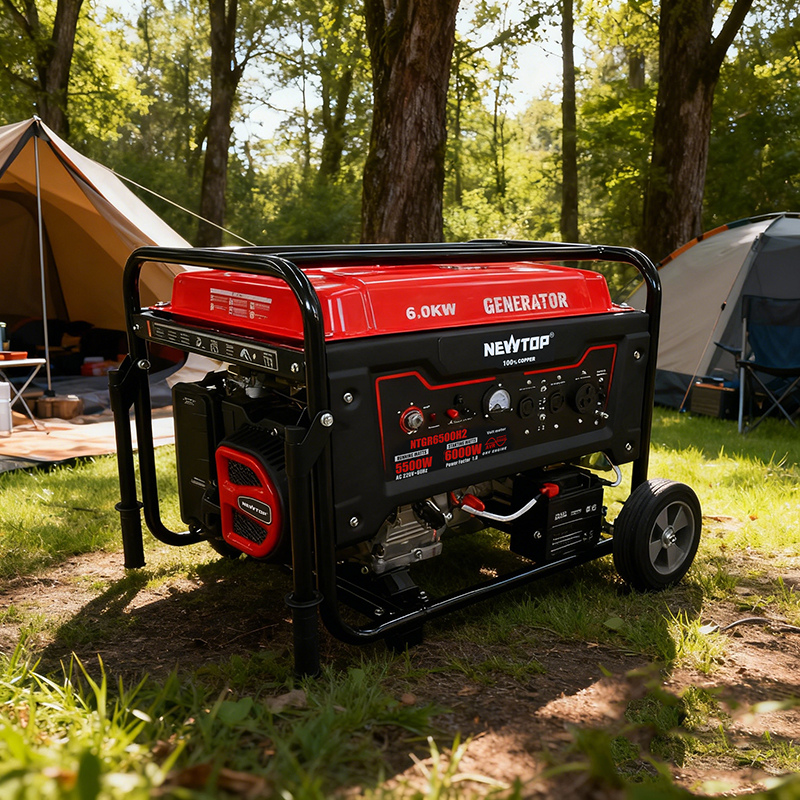
El modelo también utiliza un cigüeñal y un árbol de levas forjados., un marco de acero completo, y soportes que absorben vibraciones para exteriores prolongados, taller, construcción, y operación de respaldo.
Estas cifras son más útiles que una vaga afirmación de "largo plazo" porque permiten a los compradores examinar la relación entre la capacidad del tanque y, salida nominal, y consumo de combustible.
Todavía no justifican una predicción de tiempo de ejecución fija.
El consumo real cambia con la carga., y el valor de consumo de combustible publicado debe interpretarse utilizando el método de prueba del fabricante.. Los compradores que necesiten una estimación precisa de las horas de funcionamiento deben solicitar datos de consumo en varios niveles de carga., como 25%, 50%, 75%, y carga nominal.
La gama de generadores de gasolina de NEWTOP también incluye compactos 2.8 modelos kW, rango medio 5.5 kilovatios y 7.8 unidades de kW, y mayor rendimiento 10 configuraciones de kW. Este rango ilustra por qué el tiempo de ejecución no se puede separar del tamaño del generador.: cilindrada del motor, demanda de producción, capacidad del tanque, y cambio de carga de trabajo previsto de una clase de potencia a otra.
Información de tiempo de ejecución para solicitar al proveedor
En lugar de preguntar sólo, “¿Cuántas horas funcionará??", Los compradores deben solicitar la información de prueba detrás del número..
| Información requerida | Por qué es importante |
|---|---|
| Salida nominal de gasolina | Muestra la producción continua utilizable para el cálculo de gasolina.. |
| Salida nominal en propano | Puede diferir de la producción de gasolina en un generador de combustible dual. |
| Capacidad del tanque de gasolina | Identifica la cantidad de combustible detrás del tiempo de ejecución de la gasolina.. |
| Tamaño del cilindro de propano y cantidad de combustible utilizable | Identifica el suministro de propano real utilizado en la prueba.. |
| Carga de prueba en tiempo de ejecución | Permite una comparación justa entre las cifras de tiempo de ejecución publicadas.. |
| Consumo de combustible con varias cargas | Admite cálculos más precisos para diferentes aplicaciones. |
| Estado del modo económico | Puede afectar el consumo de combustible cuando el generador opera bajo carga parcial.. |
| Temperatura ambiente de prueba | Proporciona un contexto importante para el rendimiento de la vaporización de propano.. |
| Cargas iniciales utilizadas durante las pruebas | Muestra si los equipos impulsados por motor y la demanda repentina estuvieron representados.. |
| Regulador y conexión requeridos | Confirma que el suministro de propano puede satisfacer la demanda de combustible del motor.. |
| Reserva de combustible recomendada | Ayuda a prevenir un apagado inesperado antes de repostar o reemplazar el cilindro.. |
| Procedimiento de reabastecimiento de combustible o cambio de cilindro | Revela si se interrumpirá el trabajo continuo. |
Un proveedor que proporciona la base de prueba facilita que los distribuidores y usuarios finales establezcan expectativas realistas.. Una cifra de una sola hora sin cantidad de combustible ni porcentaje de carga ofrece mucho menos valor.
La seguridad viene antes que el tiempo de ejecución adicional
Tanto los generadores de gasolina como los de propano producen monóxido de carbono.. Las unidades portátiles deben operar al aire libre y lejos de edificios ocupados., con escape dirigido lejos de las puertas, ventanas, y respiraderos. Estados Unidos. La Comisión de Seguridad de Productos de Consumo recomienda colocar generadores portátiles al menos 20 pies de la casa siempre que sea posible.
No se debe agregar gasolina mientras el generador esté funcionando o caliente.. Cilindros de propano, reguladores, mangueras, y los conectores deben coincidir con las instrucciones del equipo y los requisitos de seguridad de gas aplicables..
Una manguera más larga, conexión de combustible improvisada, colocación interior, o repostar combustible en caliente de forma insegura nunca es una forma aceptable de ganar más tiempo de funcionamiento.
Lo que los compradores realmente deberían comparar
La gasolina contiene más energía por galón que el propano., por lo que una comparación de igual volumen generalmente favorece a la gasolina. Las instalaciones de generadores reales rara vez utilizan volúmenes iguales de combustible, sin embargo. Un generador de propano conectado a un suministro externo más grande puede funcionar por más tiempo que un modelo de gasolina limitado a su tanque a bordo..
Una comparación confiable del tiempo de funcionamiento del generador de propano versus gasolina debería colocar ambos combustibles en las mismas condiciones.:
- Carga eléctrica comparable
- Salida nominal claramente indicada
- Cantidad de combustible utilizable conocida
- Condiciones de prueba de tiempo de ejecución coincidentes
- Capacidad adecuada del tanque o cilindro
- Temperatura y patrón de funcionamiento realistas
- Plan seguro de reabastecimiento de combustible o reemplazo de cilindros
La cifra de tiempo de ejecución más útil no es el número más grande de un catálogo.. Es la cantidad de horas que el generador puede soportar el equipo requerido antes de que el suministro de combustible disponible deba reponerse de manera segura..
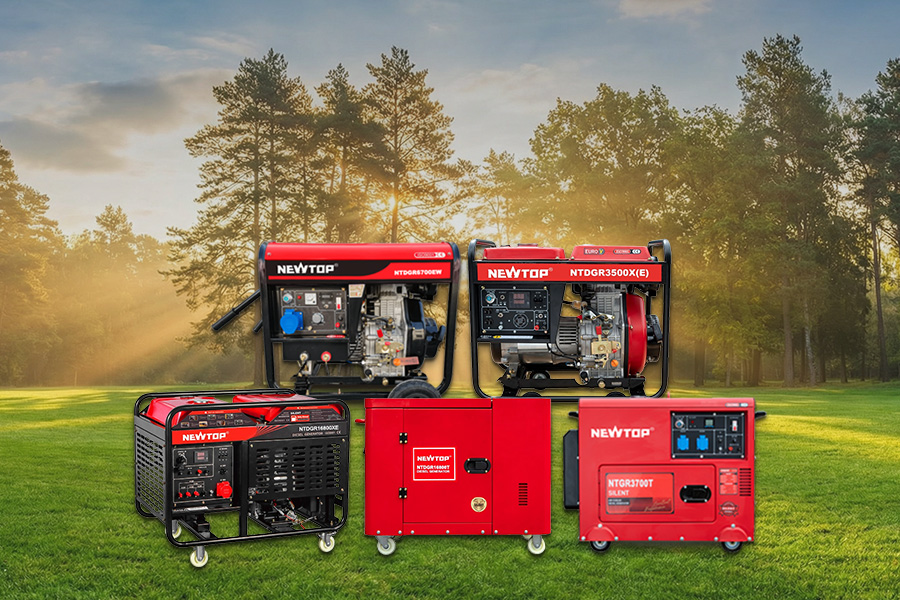
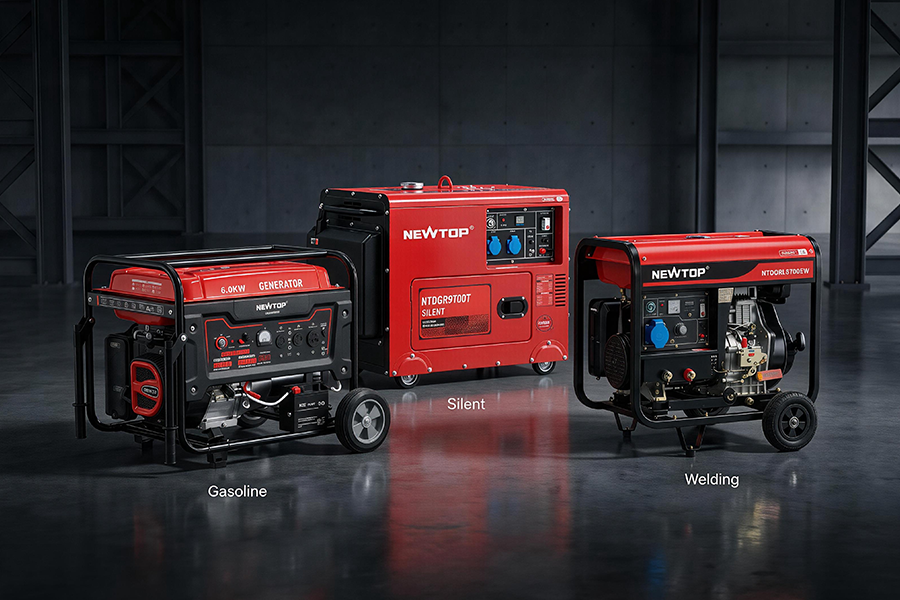
La elección entre generador diésel y gasolina depende principalmente de las horas de funcionamiento., demanda de energía, portabilidad, disponibilidad de combustible, y presupuesto. Los generadores diésel generalmente son más adecuados para operaciones frecuentes o prolongadas., mientras que los generadores de gasolina suelen ser más prácticos para períodos de respaldo más cortos y tareas móviles.
Sin embargo, El tipo de combustible por sí solo no decide si un generador funcionará bien.. Salida nominal, demanda de arranque del motor, construcción del motor, capacidad del tanque de combustible, acceso de mantenimiento, y el costo del tiempo de inactividad puede ser igual de importante. Un generador de gasolina del tamaño correcto puede servir mejor en un taller pequeño que una unidad diésel de gran tamaño, mientras que un generador diésel puede ofrecer un mejor valor a largo plazo en un sitio que necesita energía durante toda la jornada laboral.
Generador diésel versus gasolina: Diferencias clave
Ambos tipos de generadores utilizan un motor de combustión interna para accionar un alternador y producir electricidad.. La diferencia práctica radica en cómo el motor entrega potencia y cómo el generador se adapta a la carga de trabajo prevista..
Los generadores diésel se seleccionan comúnmente para uso frecuente., cargas sostenidas, y aplicaciones de mayor capacidad. Comparado con una potencia similar y en funcionamiento prolongado, Los modelos diésel pueden ofrecer un consumo de combustible más favorable.. Su construcción mecánica también tiende a adaptarse a aplicaciones donde se espera que el generador funcione regularmente..
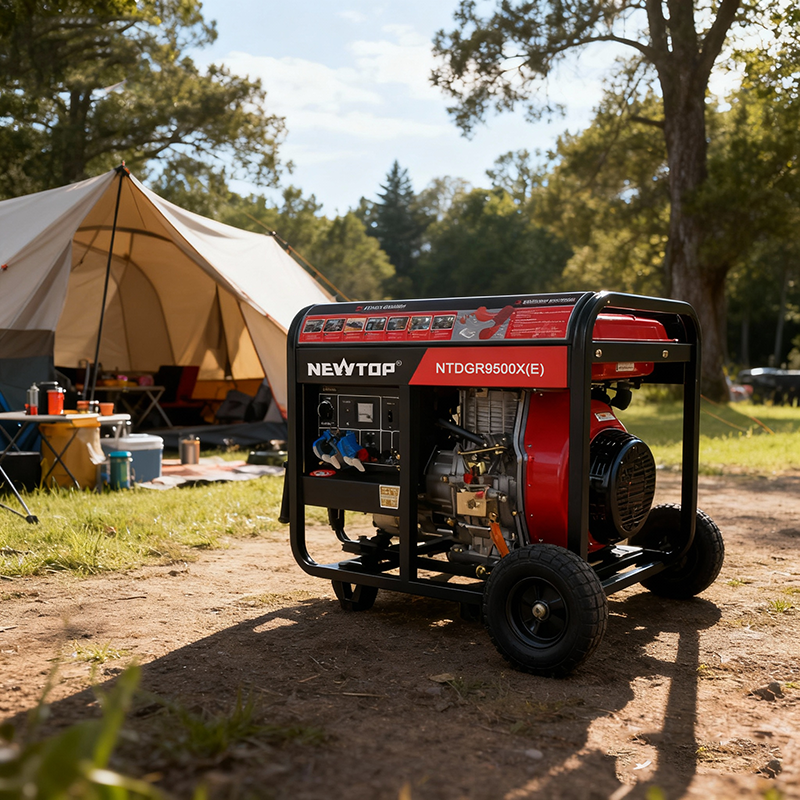
Los generadores de gasolina se utilizan ampliamente cuando la portabilidad, menor inversión inicial, y el funcionamiento intermitente son más importantes. Muchos modelos compactos de gasolina son más fáciles de mover entre ubicaciones y son adecuados para trabajos temporales., pequeñas empresas, respaldo del hogar, y uso al aire libre.
Estas son tendencias generales más que reglas fijas.. El rendimiento real depende del modelo del generador., cilindrada del motor, porcentaje de carga, alternador, recinto, sistema de enfriamiento, y condiciones de mantenimiento.
| Factor de decisión | Generador diésel | Generador de gasolina |
|---|---|---|
| Patrón de funcionamiento típico | Operación frecuente o prolongada | Operación ocasional o más corta |
| Inversión inicial | Generalmente más alto en clases comparables | A menudo más bajo en rangos de potencia portátiles |
| Uso de combustible durante largos períodos | A menudo es más favorable con una producción similar y una carga sostenida. | Puede volverse menos económico durante el funcionamiento prolongado |
| Movilidad | Comúnmente utilizado en fijo., adjunto, o configuraciones con ruedas | Los modelos más pequeños suelen ser más fáciles de transportar |
| Idoneidad de carga | Seleccionado con frecuencia para cargas comerciales y en el lugar de trabajo sostenidas | Adecuado para cargas moderadas y trabajos temporales. |
| Opciones de estructura | Modelos abiertos y cerrados silenciosos | Principalmente modelos portátiles de marco abierto., con otras opciones dependiendo de la gama |
| Aplicaciones comunes | Construcción, granjas, instalaciones comerciales, y largos períodos de respaldo | Pequeños talleres, servicio movil, respaldo del hogar, y tareas cortas al aire libre |
| Qué deben verificar los compradores | Salida nominal, consumo de combustible, recinto, tiempo de ejecución, y acceso al servicio | Salida nominal, capacidad del tanque, portabilidad, sistema de arranque, y salida de sobretensión |
Las especificaciones de los modelos individuales siempre deben tener prioridad sobre las comparaciones generales de tipos de combustible.. Los compradores deben comparar la producción nominal, salida máxima, consumo de combustible, capacidad del tanque, nivel de ruido, y condiciones de funcionamiento recomendadas antes de realizar el pedido.
¿Qué generador es mejor para uso comercial??
La selección del generador comercial debe comenzar con la duración y frecuencia esperadas de cada interrupción de energía..
Para una pequeña tienda, oficina, restaurante, o negocio de servicios que solo experimenta cortes breves ocasionales, un generador de gasolina puede proporcionar respaldo suficiente a un costo inicial más manejable. Puede soportar iluminación seleccionada., dispositivos de comunicación, sistemas de pago, fans, refrigeración, u otro equipo esencial, siempre que las cargas totales de funcionamiento y arranque permanezcan dentro de la capacidad nominal del generador.
Las prioridades cambian cuando los cortes duran varias horas o ocurren varias veces por semana.. El consumo de combustible se vuelve más importante, y el generador debe mantener una producción estable durante períodos más largos. Entonces, un generador diésel puede ofrecer una mejor opción., particularmente para almacenes, talleres más grandes, granjas, negocios de hostelería, e instalaciones donde la pérdida de energía afecta rápidamente los ingresos.
Los compradores comerciales deben establecer cuatro puntos antes de elegir.:
✅ Tiempo de ejecución esperado
Calcule cuántas horas puede funcionar el generador durante un corte normal en lugar de depender únicamente de la frecuencia anual del corte..
✅ Cargas eléctricas esenciales
Identificar qué equipos deben permanecer activos. Sistemas de refrigeración, zapatillas, compresores de aire, y otros equipos impulsados por motor pueden requerir sustancialmente más energía durante el arranque.
✅ Función operativa principal o de respaldo
Un generador utilizado sólo durante una falla de la red tiene un patrón de trabajo diferente al de uno utilizado como fuente de energía regular en un área con acceso limitado a la red..
✅ Costo del tiempo de inactividad
Para empresas que pierden productos, capacidad de producción, o transacciones de clientes durante una interrupción, La confiabilidad operativa puede importar más que el precio de compra más bajo..
También se deben considerar los requisitos de transferencia automática para instalaciones comerciales fijas.. Donde el cambio ininterrumpido es importante, La compatibilidad del generador con el sistema de control y transferencia previsto debe confirmarse antes de la compra..
¿Qué generador es mejor para las obras de construcción??
Las obras plantean diferentes exigencias a un generador. Las cargas cambian a lo largo del día., El equipo puede tener una corriente de arranque alta., y el generador a menudo funciona alrededor de polvo, vibración, calor, y movimiento frecuente.
Los generadores diésel se eligen comúnmente para turnos más largos y uso repetido en el lugar de trabajo.. Pueden ser más adecuados para alimentar bombas., mezcladores, soldadores, compresores, sistemas de iluminación, e instalaciones temporales del sitio durante períodos prolongados. Un marco más pesado también supone una desventaja menor cuando el generador permanece en un área de trabajo fija o está montado sobre una plataforma con ruedas..
Los generadores de gasolina siguen siendo prácticos para tripulaciones más pequeñas y asignaciones más cortas.. Trabajos de reparación, terminar tareas, iluminación temporal, y es posible que las herramientas móviles solo requieran energía durante unas pocas horas. en esos casos, un generador de gasolina compacto puede ser más fácil de cargar, descargar, y moverse por el sitio.
La decisión debe reflejar cómo funciona realmente el sitio.:
- Turnos diarios largos con cargas sostenidas: El diésel suele ser el candidato más fuerte..
- Tareas cortas en múltiples áreas de trabajo: La gasolina puede proporcionar una movilidad más fácil..
- Herramientas con motores eléctricos.: Se debe comprobar la potencia de arranque., no sólo potencia de funcionamiento normal.
- Condiciones polvorientas o calurosas: filtración, enfriamiento, fuerza del marco, y el acceso de mantenimiento se vuelven más importantes.
- Proyectos sensibles al ruido: compare modelos cerrados y de marco abierto utilizando especificaciones de ruido reales.
- Sitios remotos: elegir el combustible que se puede suministrar, almacenado, y gestionado de forma fiable en esa ubicación.
El tipo de combustible no puede compensar un tamaño deficiente. Un generador de tamaño insuficiente puede tener dificultades durante el arranque del motor o dispararse bajo cargas cambiantes.. Una unidad de gran tamaño agrega costos y puede funcionar de manera ineficiente cuando la carga promedio sigue siendo muy baja..
¿Qué generador es mejor para uso de emergencia??
El uso de emergencia incluye varias situaciones muy diferentes.. Un propietario que se prepara para un breve corte de red no tiene los mismos requisitos que un refugio, sitio de comunicación, equipo de respuesta a inundaciones, o gran instalación comercial.
Un generador de gasolina suele ser práctico como respaldo temporal de emergencia.. Los modelos portátiles se pueden implementar rápidamente y pueden proporcionar suficiente energía para la iluminación., equipo de comunicacion, fans, electrodomésticos seleccionados, y bombas pequeñas. Esto los hace útiles cuando las prioridades son la facilidad de movimiento y un menor costo inicial..
Un generador diésel resulta más atractivo cuando se puede necesitar energía de emergencia durante muchas horas o varios días.. Las instalaciones más grandes y las operaciones de respuesta pueden necesitar una producción más sostenida, capacidad de servicio más larga, o una estructura cerrada silenciosa que puede permanecer en un lugar fijo.
La planificación del combustible debe formar parte del plan de emergencia. La gasolina puede deteriorarse durante el almacenamiento prolongado., mientras que el diésel almacenado también necesita protección contra el agua y la contaminación. El equipamiento existente también puede influir en la decisión. un contratista, granja, u organización de emergencia que ya opera maquinaria diésel puede encontrar más fácil integrar el almacenamiento y el repostaje de diésel..
La seguridad del generador no puede considerarse opcional
Tanto los generadores diésel como los de gasolina producen monóxido de carbono y nunca deben funcionar dentro de las casas., garajes, sótanos, cobertizos, u otros espacios cerrados. Estados Unidos. La Comisión de Seguridad de Productos de Consumo recomienda operar generadores portátiles al aire libre, al menos 20 pies de distancia de casas y edificios, con el escape dirigido lejos de las puertas, ventanas, y respiraderos.
La conexión eléctrica también requiere cuidado.. OSHA desaconseja conectar un generador portátil directamente al sistema eléctrico de un edificio a menos que un electricista calificado haya instalado un interruptor de transferencia adecuado.. Los cables deben estar clasificados para la carga esperada., y puesta a tierra, vinculación, protección contra el clima, y la protección contra fallas a tierra deben seguir las instrucciones del fabricante del generador y los requisitos eléctricos locales..
Cómo elegir el tamaño correcto del generador
La potencia requerida del generador debe calcularse antes de decidir entre diésel y gasolina..
Comience enumerando los equipos que pueden funcionar simultáneamente.. Para cada artículo, registre su potencia de funcionamiento normal y, donde se aplica, su demanda inicial. Zapatillas, compresores, refrigeradores, y las herramientas eléctricas con motores eléctricos pueden consumir brevemente varias veces su potencia operativa normal durante el arranque.
Tres cifras merecen especial atención:
Salida nominal continua
Esta es la potencia que el generador está diseñado para proporcionar durante el funcionamiento normal.. La carga continua planificada debe permanecer dentro de esta clasificación en lugar de depender de la producción máxima durante todo el período de trabajo..
Salida máxima o de sobretensión
Esta capacidad temporal ayuda al generador a manejar aumentos breves en la demanda., particularmente cuando el equipo impulsado por motor arranca. No debe tratarse como la clasificación de funcionamiento normal..
Carga promedio esperada
Un generador debe tener suficiente capacidad de reserva para gestionar los cambios de carga sin ser dramáticamente más grande de lo necesario.. El funcionamiento regular con cargas extremadamente altas o muy bajas puede reducir la eficiencia y crear problemas operativos evitables..
Para pedidos comerciales, Los compradores también deben confirmar:
- Tensión y frecuencia requeridas
- Salida monofásica o trifásica
- Número y tipo de receptáculos
- Arranque eléctrico o de retroceso
- Capacidad del tanque de combustible
- Tiempo de funcionamiento continuo
- Requisitos de regulación de voltaje o AVR
- Gabinete de marco abierto o silencioso
- Juegos de ruedas, manijas, o requisitos de elevación
Qué cambia la construcción del generador en uso real?
Dos generadores con potencia nominal similar pueden comportarse de manera diferente una vez que comienzan a alimentar herramientas o equipos.. Materiales del motor, construcción del alternador, control de vibraciones, sistemas de protección, y el diseño del marco influyen en el uso a largo plazo.
NEWTOP ofrece grupos electrógenos de gasolina y diésel., incluyendo configuraciones de marco abierto y silenciosas. La gama actual cubre múltiples clases de salida., desde unidades compactas para energía exterior y de respaldo hasta modelos diésel de mayor capacidad para aplicaciones comerciales y de construcción. Los generadores NEWTOP seleccionados utilizan alternadores con bobinados de cobre, marcos de acero, componentes del motor reforzados, y diseños destinados a operar en temperaturas de -10°C a 50°C.
Las diferencias son más fáciles de entender a través de configuraciones reales del producto..
Construcción de generadores de gasolina
El NEWTOP NTGR6500H2 proporciona 5.5 kW de potencia nominal y 6.0 kW de potencia máxima. Su motor utiliza un cigüeñal y un árbol de levas forjados en 42CrMo reforzados., mientras que un alternador de alambre de cobre SENCI soporta un voltaje estable y un rendimiento de sobrecarga. Un bastidor completo de acero con soportes que absorben las vibraciones protege la máquina durante los trabajos exigentes..
El modelo también incluye un 25 L tanque de combustible, advertencia de bajo nivel de aceite, y protección contra cortocircuitos. Estas características hacen que el generador sea adecuado para obras de construcción., pequeños talleres, mantenimiento de la propiedad, y respaldo doméstico extendido donde todavía se prefiere un modelo de gasolina.
Construcción de generador diésel de marco abierto
Para requisitos de potencia medios a altos, el NEWTOP NTDGR6500X(mi) combina un cigüeñal de acero forjado, engranajes nitrurados, Inyección de combustible con tecnología BOSCH, y un alternador de bobinado de cobre. El marco de acero antivibración ayuda a proteger el motor y el alternador durante la construcción., agrícola, y operación comercial.
Este modelo proporciona 4.8/5.0 potencia nominal kVA y hasta 5.2/5.5 kVA de potencia máxima, dependiendo de la configuración de frecuencia. La estructura del producto refleja las prioridades a menudo asociadas con los equipos diésel.: manejo de carga, resistencia mecánica, y producción estable durante períodos de trabajo más largos.
Construcción diésel silenciosa de alta potencia
Donde se necesitan juntos mayor rendimiento y menor ruido de funcionamiento, un recinto silencioso puede ser más apropiado que un marco abierto. El NEWTOP NTDGR16800T combina 11 kW de potencia nominal con 12 kW de potencia máxima, un cigüeñal forjado en 42CrMo, componentes de engranajes nitrurados y un 100% alternador SENCI de cobre.
Su cuerpo cerrado reduce el ruido de funcionamiento al tiempo que proporciona protección adicional para los componentes internos.. El modelo está diseñado para la construcción., respaldo comercial, y otras aplicaciones exigentes donde tanto la capacidad de energía como el entorno operativo son importantes.
Estos ejemplos muestran por qué los compradores deberían comparar más que el tipo de combustible y los caballos de fuerza.. el alternador, cigüeñal, estructura de engranajes, sistema de protección, marco, y el recinto pueden determinar qué tan bien se adapta un generador al mercado previsto.
Mantenimiento, Regiones, y soporte técnico local
Un generador de gasolina en buen estado puede funcionar de manera más confiable que una unidad diésel descuidada. El tipo de motor no reemplaza la inspección y el servicio regulares..
Antes de la operación, los usuarios deben comprobar:
- Nivel y estado del aceite del motor.
- Calidad del combustible y condiciones de almacenamiento.
- Filtros de aire y combustible.
- Flujo de aire de refrigeración
- Estado del cable y del receptáculo
- Estado de la batería en modelos con arranque eléctrico
- Marco, monturas, y sujetadores
- Signos de fuga de combustible o aceite
Los generadores de respaldo deben iniciarse y probarse a intervalos programados.. Esperar hasta que se produzca un corte de energía real para verificar el generador puede dejar combustible viejo, una batería descargada, o una falla eléctrica no descubierta.
Para distribuidores y compradores comerciales, El soporte de piezas también afecta la experiencia total de propiedad.. Filtros, componentes iniciales, paneles de control, reguladores de voltaje, piezas del alternador, y los componentes comunes del motor deben estar disponibles sin necesidad de reemplazar el generador completo.
NEWTOP suministra generadores de gasolina y diésel en múltiples rangos de potencia, junto con la selección de productos y soporte de repuestos para clientes mayoristas. Esto permite a los distribuidores construir una gama para los hogares., contratistas, granjas, talleres, y usuarios de respaldo comerciales en lugar de depender de un tipo de generador para cada aplicación.
Generador diésel versus gasolina: Tomar la decisión final
Elija un generador diésel cuando la aplicación implique un funcionamiento frecuente, cargas sostenidas, períodos de respaldo más largos, o demanda comercial y de construcción de mayor capacidad. Comparar el consumo real de combustible, salida nominal, recinto, ruido, y acceso al servicio antes de decidirse por un modelo.
Elija un generador de gasolina cuando sea portátil, menor inversión inicial, implementación más rápida, y el funcionamiento ocasional son las principales prioridades. Suele ser la opción más práctica para las pequeñas empresas., trabajo movil, tareas de construcción temporales, y breves cortes de emergencia.
La decisión final entre generador diésel y gasolina debe basarse en las horas de funcionamiento del generador., el equipo que debe arrancar, el combustible disponible localmente, y el nivel de tiempo de inactividad que el usuario puede aceptar. Una vez definidos esos requisitos, El tipo de combustible se convierte en parte de un proceso de selección mucho más claro..
La industria náutica mundial continúa evolucionando con la creciente demanda de sistemas confiables de propulsión eléctrica y de gasolina.. Si eres una marca de barcos, distribuidor de equipos marinos, mayorista, o comprador OEM, Elegir el fabricante de motores fueraborda adecuado es esencial para la calidad del producto., crecimiento empresarial a largo plazo, y satisfacción del cliente.
En esta guía, hemos seleccionado 10 Fabricantes acreditados de motores fuera de borda de China., Europa, y américa del norte. Representan diferentes puntos fuertes: desde motores de gasolina rentables hasta OEM & Desde motores fuera de borda ODM hasta innovadores sistemas de propulsión eléctrica, que le ayudarán a comparar posibles proveedores de motores fuera de borda para su negocio..
Una descripción general de la parte superior 10 Fabricantes de motores fuera de borda
| Fabricante | Ubicación | Fundado | Productos principales | Fortaleza clave |
|---|---|---|---|---|
| NOVEDAD | Llevar a la fuerza, Porcelana | 2003 | 2-Motores fueraborda de carrera, 5–Motores de 15HP, Hélices & Piezas de repuesto | 500K+ capacidad anual, OEM/ODM, 100+ distribuidores globales |
| Maquinaria eléctrica Hidea | Hangzhou, Porcelana | 2003 | Gasolina & Motores fuera de borda eléctricos | Exportado a 80+ Países con una extensa red de distribuidores. |
| ePropulsión | Shénzhen, Porcelana | 2012 | Fuerabordas eléctricos, Interiores, Baterías & Unidades de cápsulas | Innovador líder en propulsión marina eléctrica |
| Maquinaria eléctrica Seanovo | Hangzhou, Porcelana | — | Motores fuera de borda de gasolina & Piezas de repuesto | Fabricación OEM con sólida experiencia en exportación. |
| Maquinaria eléctrica de Zhejiang Canglong | Zhejiang, Porcelana | — | 2-Ataque, 4-Ataque & Fuerabordas eléctricos | Amplia cartera de productos de 5 HP a 40 HP |
| SUJETO | Francia | 2018 | Motores fuera de borda eléctricos portátiles | Propulsión compacta y ligera para embarcaciones pequeñas |
| Suzuki Marina | Hamamatsu, Japón | 1965 | 4-Motores fueraborda de carrera & Motores marinos | Líder mundial en tecnología de cuatro tiempos de bajo consumo de combustible |
| Yates a motor Elco | Nueva York, EE.UU | 1893 | Fuerabordas eléctricos & Interiores | Más de un siglo de ingeniería marina eléctrica |
| Flujo marino | Rhode Island, EE.UU | 2018 | Motores fueraborda eléctricos de alto rendimiento | Propulsión eléctrica premium con controles digitales inteligentes |
| Marina Yamaha | Iwata, Japón | 1955 | 2-Ataque & 4-Motores fueraborda de carrera, Motores marinos de alta potencia, Hélices | Marca líder mundial conocida por su confiabilidad, innovación, y soporte global para distribuidores |
NOVEDAD
Recomendación: ☆☆☆☆☆
Ubicación: Llevar a la fuerza, Porcelana (Base de fabricación en Jiaxing, Zhejiang)
Productos principales: 2-ataque motores fuera de borda de gasolina, 5Motores fueraborda HP–15HP, hélices de motores fuera de borda, piezas de repuesto, OEM & motores fueraborda del ODM
Cantidad mínima de pedido: Flexible para pedidos OEM/ODM
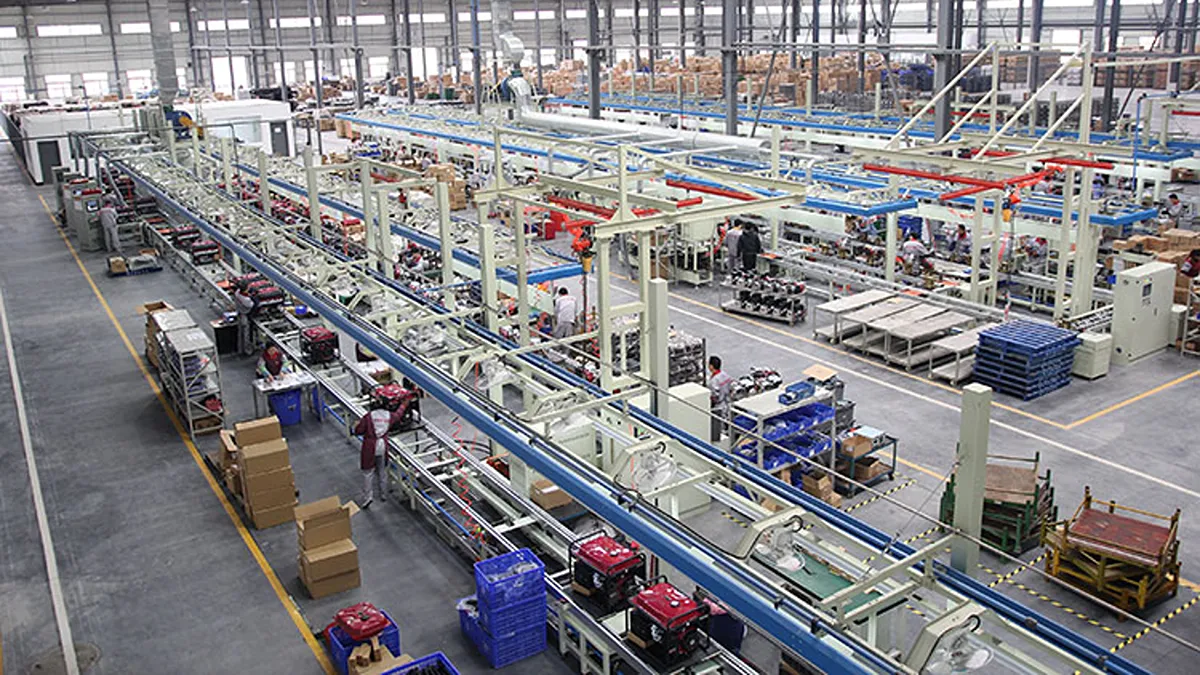
Fundada en 2003, NOVEDAD es un fabricante profesional de motores fueraborda en China que se especializa en equipos eléctricos para exteriores y motores marinos confiables de potencia pequeña a media.. Operando desde un 6S de 10,000㎡ administrado instalación de fabricación, La empresa tiene una capacidad de producción anual de más de 500,000 unidades y ha ganado 26+ certificaciones internacionales, incluyendo CE, ISO, y fase V de la UE (Euro 5) Cumplimiento para modelos seleccionados.. Su cartera de productos incluye duraderos. 2-fuerabordas de gasolina de carrera, hélices de motores fuera de borda, y repuestos para barcos pesqueros, botes inflables, barcos de aluminio, y otras embarcaciones de recreo.
Como fábrica de motores fuera de borda orientada a la exportación, NEWTOP proporciona OEM flexible & Soluciones ODM para importadores globales, marcas privadas, y distribuidores de motores fuera de borda. Hoy, la empresa trabaja con 100+ distribuidores mundial, mientras que los clientes en muchos mercados africanos y latinoamericanos pueden comprar productos NEWTOP directamente a través de distribuidores locales y tiendas minoristas.. Respaldado por una calidad de fabricación estable, soporte técnico receptivo, y una red de servicios global en expansión, NEWTOP se ha convertido en un fabricante confiable de motores fueraborda y en un proveedor de motores fueraborda a largo plazo para socios que buscan soluciones confiables de propulsión marina..
Maquinaria eléctrica Hidea

Ubicación: Hangzhou, Zhejiang, Porcelana
Productos principales: Motores fuera de borda de gasolina, motores fuera de borda electricos, piezas de motores marinos, accesorios fuera de borda
Cantidad mínima de pedido: Contacto para cotización
Hidea Power Machinery es uno de los fabricantes de motores fuera de borda más conocidos de China., Ofreciendo soluciones de propulsión tanto de gasolina como eléctricas.. Con una red de distribución internacional que abarca más de 80 países y regiones, Hidea se ha consolidado como un proveedor confiable de motores fuera de borda para concesionarios y distribuidores de equipos marinos en todo el mundo.. Su cartera de productos cubre múltiples rangos de potencia adecuados para embarcaciones de recreo., barcos de pesca, y aplicaciones comerciales.
La empresa invierte continuamente en tecnología de fabricación., control de calidad, y desarrollo de productos para mejorar la eficiencia y durabilidad del motor. Además de motores completos, Hidea también suministra diversos repuestos y accesorios., Permitir a los distribuidores de motores fuera de borda crear ofertas integrales de productos para sus mercados locales..
ePropulsión

Recomendación: ☆☆☆☆
Ubicación: Shénzhen, Cantón, Porcelana
Productos principales: Motores fuera de borda eléctricos, motores intraborda, Sistemas de accionamiento de cápsulas, baterías marinas, sistemas de propulsión híbridos
Cantidad mínima de pedido: Contacto para cotización
Fundada en 2012, ePropulsion se ha convertido en uno de los principales fabricantes de motores fueraborda eléctricos del mundo, centrándose exclusivamente en la propulsión marina sostenible. Su línea de productos incluye fuerabordas eléctricos., sistemas internos, unidades de cápsulas, sistemas de baterías inteligentes, y tecnologías integradas de control marino diseñadas para embarcaciones recreativas y comerciales.
La empresa es reconocida por combinar ingeniería innovadora con un funcionamiento silencioso., cero emisiones, y bajos requisitos de mantenimiento. Para compradores que buscan alternativas respetuosas con el medio ambiente a los motores de gasolina convencionales., ePropulsion ofrece sistemas de propulsión avanzados respaldados por una red de distribuidores internacionales en expansión y una innovación continua de productos..
Maquinaria eléctrica Seanovo

Recomendación: ☆☆☆☆
Ubicación: Hangzhou, Zhejiang, Porcelana
Productos principales: Motores fuera de borda de gasolina, motores marinos, repuestos fuera de borda
Cantidad mínima de pedido: Contacto para cotización
Seanovo Power Machinery es una fábrica profesional de motores fuera de borda dedicada a la fabricación de motores marinos a gasolina y accesorios relacionados.. Ubicado en Hangzhou, la empresa atiende a distribuidores internacionales, mayoristas, y clientes OEM con una amplia gama de motores fueraborda portátiles adecuados para barcos de pesca, botes inflables, y embarcaciones de recreo.
Con líneas de producción especializadas y experiencia exportadora., Seanovo se centra en una calidad de fabricación estable y precios competitivos. Además de motores completos, suministra componentes de repuesto que ayudan a los clientes a mantener un soporte posventa confiable. Su flexibilidad de fabricación también lo convierte en una opción práctica para compradores que buscan oportunidades de marca personalizadas..
Maquinaria eléctrica de Zhejiang Canglong

Recomendación: ☆☆☆☆
Ubicación: Zhejiang, Porcelana
Productos principales: 2-motores fuera de borda de gasolina de carrera, 4-motores fueraborda de carrera, motores fuera de borda electricos, 5Motores HP-40HP
Cantidad mínima de pedido: Contacto para cotización
Zhejiang Canglong Power Machinery fabrica motores fueraborda eléctricos y de gasolina, La potencia que cubre oscila entre aproximadamente 5 HP y 40 HP.. A través de su marca Laogen, La empresa ofrece varias series de productos diseñados para equilibrar la durabilidad., eficiencia, y asequibilidad para los mercados de embarcaciones de recreo.
Su diversa cartera de productos permite a los distribuidores atender a clientes con diferentes requisitos de rendimiento manteniendo precios competitivos.. Como proveedor de motores fuera de borda en crecimiento, Canglong continúa expandiendo su negocio de exportación y ofrece soluciones prácticas para distribuidores que buscan productos de propulsión marina de gama media..
SUJETO

Recomendación: ☆☆☆☆
Ubicación: Nantes, Francia
Productos principales: Motores fuera de borda eléctricos portátiles, Sistema de propulsión eléctrica TEMO.450
Cantidad mínima de pedido: Contacto para cotización
Fundada en 2018, TEMO es un fabricante francés de motores eléctricos portátiles para barcos.. La empresa desarrolla peso ligero., Productos de propulsión eléctrica fáciles de instalar para licitaciones., botes, veleros, botes de remos, y otras embarcaciones ligeras. Su conocido modelo TEMO.450 fue diseñado como un motor fueraborda eléctrico compacto para propulsión auxiliar y uso marino de corta distancia..
TEMO también recibió la certificación de origen francés para sus modelos fueraborda TEMO.450 y TEMO.1000., reforzar su posicionamiento en torno a los equipos marinos eléctricos de fabricación francesa. Para distribuidores dirigidos al mercado de embarcaciones pequeñas, la marca ofrece un claro ejemplo de posicionamiento liderado por el producto: instalación sencilla, portabilidad, bajo ruido, y fácil manejo. Es especialmente relevante para minoristas y distribuidores marítimos que se centran en motores fueraborda eléctricos en lugar de motores de gasolina convencionales..
Suzuki Marina

Recomendación: ☆☆☆☆☆
Ubicación: Hamamatsu, Shizuoka, Japón
Productos principales: 4-motores fueraborda de carrera, motores fuera de borda portátiles, motores marinos de alta potencia, accesorios marinos
Cantidad mínima de pedido: Contacto para distribuidor local
Fundada en 1965, Suzuki Marine es la división marina de Suzuki Motor Corporation y uno de los principales fabricantes de motores fuera de borda del mundo.. La empresa es mejor conocida por su avanzada tecnología de 4 tiempos., ofreciendo motores fueraborda que ofrecen una excelente eficiencia de combustible, bajas emisiones, y rendimiento confiable. Su línea de productos abarca desde modelos portátiles compactos hasta motores de alta potencia utilizados en barcos de pesca., barcos de recreo, y buques comerciales en todo el mundo.
Con décadas de experiencia en ingeniería y una red global de distribuidores., Suzuki Marine se ha ganado una sólida reputación por la fiabilidad e innovación de sus productos.. La compañía continúa invirtiendo en tecnologías marinas más limpias y sistemas avanzados de inyección de combustible, al tiempo que brinda soporte posventa integral a través de distribuidores autorizados de motores fuera de borda.. Para compradores que buscan motores marinos de primera calidad respaldados por una marca reconocida mundialmente, Suzuki Marine sigue siendo un fabricante confiable de motores fueraborda.
Yates a motor Elco

Recomendación: ☆☆☆☆
Ubicación: Atenas, Nueva York, EE.UU
Productos principales: Motores fuera de borda eléctricos, motores internos eléctricos, sistemas de propulsión marina
Cantidad mínima de pedido: Contacto para cotización
Elco Motor Yachts es uno de los nombres más antiguos en propulsión marina eléctrica, con una historia que se remonta a más de un siglo. Hoy, la empresa fabrica electricos motores fuera de borda y sistemas de propulsión intraborda que sirven a propietarios de embarcaciones recreativas y aplicaciones marinas comerciales.
Su larga herencia de ingeniería, combinado con tecnologías eléctricas modernas, permite a Elco posicionarse como un proveedor premium de soluciones de propulsión sostenible. Los compradores que buscan marcas estadounidenses establecidas a menudo consideran a Elco para proyectos que requieren propulsión eléctrica confiable respaldada por una amplia experiencia en la industria..
Flujo marino

Recomendación: ☆☆☆☆
Ubicación: Brístol, Rhode Island, EE.UU
Productos principales: Motores fuera de borda eléctricos de alto rendimiento, sistemas de baterías, sistemas de control digitales
Cantidad mínima de pedido: Contacto para cotización
Flux Marine se centra en el desarrollo de motores fueraborda eléctricos de alto rendimiento para embarcaciones de recreo que buscan una aceleración más rápida y un control digital avanzado. La empresa integra tecnología de batería patentada con sistemas de monitoreo inteligentes para optimizar el rendimiento., eficiencia, y experiencia de usuario.
En lugar de competir únicamente en materia de sostenibilidad, Flux Marine se posiciona en torno al rendimiento premium y la tecnología inteligente. Sus productos demuestran cómo la propulsión eléctrica puede satisfacer a los navegantes que esperan beneficios medioambientales y un rendimiento emocionante en el agua..
Marina Yamaha

Recomendación: ☆☆☆☆☆
Ubicación: Iwata, Shizuoka, Japón
Productos principales: 2-Motores fuera de borda de 4 tiempos y de carrera., motores fuera de borda de alta potencia, accesorios marinos, hélices
Cantidad mínima de pedido: Contacto para distribuidor local
Fundada en 1955, Yamaha Marine es uno de los fabricantes de motores fueraborda más respetados del mundo., ofreciendo una amplia gama de motores fueraborda para navegación de recreo, pesca comercial, y aplicaciones marinas profesionales. Su cartera abarca desde modelos portátiles livianos hasta motores fueraborda V6 y V8 de alta potencia., todo diseñado para una confiabilidad excepcional, eficiencia de combustible, y un rendimiento fluido en entornos exigentes.
Respaldado por décadas de innovación en ingeniería y una extensa red global de distribuidores., Yamaha Marine se ha ganado una reputación de calidad superior y soporte posventa confiable.. La empresa continúa invirtiendo en tecnologías avanzadas de inyección de combustible., sistemas de control digitales, e ingeniería marina de alto rendimiento, lo que lo convierte en el proveedor de motores fuera de borda preferido por los constructores de embarcaciones., distribuidores marítimos, y distribuidores de motores fuera de borda en todo el mundo.
Cómo elegir un fabricante confiable de motores fuera de borda?
Elegir un fabricante de motores fueraborda debería implicar algo más que comparar caballos de fuerza y precio unitario.. Importadores, constructores de barcos, y los distribuidores marítimos deben evaluar si el proveedor puede proporcionar una calidad constante., apoyo técnico, disponibilidad de piezas, y una gama de productos que se adapta a sus clientes regionales.
- Confirmar la capacidad de fabricación: Pregunte si la empresa opera su propia fábrica de motores fuera de borda., equipo de ingeniería, proceso de control de calidad, y procedimientos de prueba.
- Revisar rango de potencia y tipo de combustible.: Seleccionar gasolina, eléctrico, 2-ataque, 4-ataque, o productos híbridos según el tipo de embarcación, regulaciones locales, preferencias del comprador, y condiciones operativas esperadas.
- Verifique el soporte OEM y ODM: Para programas de marca privada, confirmar opciones de marca, embalaje, manuales, modificaciones del producto, y procedimientos de muestreo para OEM & motores fueraborda del ODM.
- Verificar la documentación de cumplimiento: Solicitar certificaciones aplicables, informes de prueba, documentos de embarque, información de seguridad, y soporte de cumplimiento específico del mercado.
- Evaluar suministro de piezas: Acceso fiable a las hélices de los motores fuera de borda, impulsores, bujías, componentes del sistema de combustible, y piezas de reparación es esencial para la retención del distribuidor.
- Evaluar la capacidad posventa: Pregunta por la política de garantía., manuales técnicos, guía de solución de problemas, recursos de formación, y tiempos de respuesta para reclamaciones de concesionarios.
- Aclarar términos comerciales: Confirmar cantidad mínima de pedido, plazo de entrega, condiciones de pago, planes de carga de contenedores, paquetes de repuestos, y política de territorio o distribuidor antes de realizar el pedido.
Pensamientos finales
El proveedor de motores fueraborda adecuado depende de su posición en el mercado, categoría de barco objetivo, requisitos de energía, y capacidad de servicio. Los motores fueraborda de gasolina siguen siendo importantes para muchas aplicaciones de pesca y recreación, mientras que los motores fueraborda eléctricos crean nuevas oportunidades en embarcaciones ligeras, vías fluviales silenciosas, y mercados impulsados por la sostenibilidad.
Para compradores que buscan motores fueraborda de gasolina compactos, flexibilidad de marca privada, piezas de repuesto, y un socio de fabricación experimentado con sede en China, NOVEDAD proporciona un punto de partida práctico. Sus capacidades más amplias en equipos eléctricos para exteriores también pueden ayudar a los distribuidores a consolidar el abastecimiento en categorías de productos complementarias..
Si está planeando su próximo proyecto de abastecimiento, Póngase en contacto con NEWTOP para analizar soluciones personalizadas para su mercado..
When selecting a water pump for construction, agricultura, drenaje, or industrial applications, choosing the correct pump type is critical. Two of the most common options are trash pumps and clean water pumps. Although both are designed to move water, they are built for very different working conditions.
A clean water pump is designed for transferring relatively clear water with minimal particles, while a trash pump is engineered to handle muddy water, wastewater, and liquids containing solid debris. Choosing the wrong pump can lead to reduced performance, frequent blockages, higher maintenance costs, or even pump damage.
En esta guía, we will explain the difference between trash water pumps and clean bombas de agua, including their working principles, liquid handling ability, actuación, aplicaciones, and how to select the right solution for your market.
What Is a Trash Pump?
A trash pump is a heavy-duty centrifugal pump built to aggressively move dirty water loaded with sludge, arena, and debris without clogging or failing.
Core Definition and Purpose
Engineers specifically build trash pumps to move dirty water packed with solid particles like sludge, arena, suciedad, and leaves. This contrasts directly with standard clean-water pumps, which operators intend only for clear liquids. If you expose a clean-water pump to heavy contamination, you risk immediate blockage or catastrophic seal failure. The industry categorizes trash pumps as dirty-water pumps because they operate effectively in demanding environments where liquids mix heavily with solid waste.
Key Design Characteristics
The ability to process solid waste requires a specific mechanical architecture. Manufacturers construct these pumps with reinforced components to survive constant internal abrasion.
- Large internal clearances: The design allows suspended solids and debris to pass straight through without plugging internal passages.
- Construcción resistente: Production relies on abrasion-resistant materials to withstand the mechanical impact and wear caused by sand and grit.
- Specialized impellers: Open or semi-open impellers and specialized volute geometry prevent organic matter, fibers, or plastics from accumulating inside the housing.
Typical Applications and Environments
You deploy a trash pump when the liquid you need to move would destroy a standard transfer pump. Field operators rely on these units across several heavy-duty sectors.
- Flood control: Dewatering inundated basements, garajes, and muddy work areas after severe weather or pipe breaks.
- Construction and civil engineering: Draining excavations, utility trenches, and sediment basins filled with groundwater and soil.
- Wastewater and drainage: Clearing sewers, sumps, and drainage channels where organic waste accumulation is common.
- Industrial residue management: Moving process effluents, abrasive slurries, and high-solids streams inside treatment plants.
What Is a Clean Water Pump?
A clean water pump moves clear, solid-free liquids efficiently. It trades debris tolerance for high pressure, making it the standard choice for domestic supply and irrigation.
Definition and Core Function
Clean water pumps are engineered exclusively for clear or potable fluids. Unlike trash pumps built to chew through heavy sludge and debris, these units handle water containing little to no suspended solids.
Engineers restrict the passage size in these pumps to a strict maximum of 5 a 6 millimeters. Manufacturers rate many standard models for absolute zero solid tolerance. They serve as the dedicated clear-liquid alternative when contamination risks are low and performance demands are high.
Hydraulic Design and Efficiency
The internal architecture of a clean water pump prioritizes performance over debris handling. These units utilize narrow flow passages to maximize discharge pressure and hydraulic efficiency. Tighter internal clearances allow them to push water faster and further than dirty-water pumps equipped with identical motor sizes.
Because they operate in non-abrasive environments free of rocks and sand, heavy cast-iron wear plates are unnecessary. En cambio, manufacturers construct the housings and impellers from materials suited for clean environments.
- Plastics: Lightweight and highly resistant to chemical corrosion.
- Acero inoxidable: Prevents rust in potable water and food-grade applications.
- Coated Metals: Protects internal components during continuous domestic or agricultural use.
Submersible vs. Surface Configurations
Operators deploy these pumps in two primary formats based on the layout of the water source.
- Submersible Units: These operate entirely underwater with hermetically sealed motors. They often utilize integrated float switches that cut the power when water levels drop, preventing dry-running and subsequent motor burnout.
- Surface Models: These sit permanently outside the water source. They connect to the fluid via rigid suction hoses and are standard for shallow well extraction and domestic pressure systems.
Aplicaciones típicas
Industry professionals and homeowners deploy clean water pumps for specific, low-debris tasks where pressure and flow rate matter most.
- Domestic Supply: Extracting household drinking water and boosting pressure across residential plumbing systems.
- Agricultura: Irrigating gardens, huertos, and small crops directly from clean wells or filtered holding tanks.
- Drenaje: Evacuating clean or lightly dirty water from flooded basements, swimming pools, and rainwater cisterns.
Maximize Margins With Reliable Garden Machinery

How Does a Trash Pump Work?
Trash pumps use a semi-open impeller and centrifugal force to move heavy debris, relying on retained fluid inside the casing to self-prime automatically.
Centrifugal Pumping Mechanism
A trash pump operates as a heavy-duty centrifugal unit. Water enters the suction port and strikes a high-speed, semi-open impeller positioned inside a spiral-shaped volute casing.
As the impeller spins, it generates centrifugal force that throws the incoming fluid outward against the casing walls. The volute catches this fluid and converts its kinetic energy into a stable pressure head. This pressure physically drives the water out through the discharge port to create a continuous flow.
Self-Priming Operation
Standard centrifugal pumps fail if air enters the suction line. A trash pump solves this problem by retaining a small charge of water inside its casing between active operating cycles.
When the pump engine starts, the impeller spins this retained water to create a partial vacuum. This vacuum draws air up from the suction line. The internal mechanics separate the air from the liquid and expel it through the discharge side. Water then fills the casing, completing the priming process and allowing normal fluid transfer to begin.
Solids and Debris Handling
The defining feature of a trash pump is its ability to process contaminated water without jamming. The unit utilizes a semi-open impeller paired with exceptionally wide flow passages to protect internal components from large particles.
This specialized internal geometry provides specific material handling capabilities:
- Debris Tolerance: Passes solid materials like sand, mud, and sticks up to 3 pulgadas de diámetro.
- Suspended Solids: Pumps fluids containing up to 30% suspended solids by weight.
- Equipment Limits: Requires an upgrade to a specialized heavy-duty slurry pump if solids exceed the 30% threshold.
How Does a Clean Water Pump Work?
A clean water pump uses a spinning impeller and centrifugal force to convert kinetic energy into stable, usable water pressure for plumbing and irrigation networks.
Water Intake and Impeller Action
The process starts when clear liquid enters the pump chamber through the inlet port. Inside the housing, a motor-driven impeller spins rapidly to accelerate the fluid. As the impeller turns, it generates strong centrifugal force. This physical action pushes the water outward toward the outer edges of the pump body, creating the initial momentum needed for transfer.
Velocity to Pressure Conversion
Speed alone will not push fluid through a complex plumbing layout. The internal pump housing captures the fast-moving water right as it leaves the impeller. Engineers design this casing specifically to translate that kinetic energy into usable discharge pressure. The highly pressurized water then exits the discharge pipe to supply the connected piping network.
Automatic Operation in Well Systems
Household setups rely on additional components to run the pump automatically and efficiently. The system utilizes three primary mechanisms:
- Pressure tank: Stores pressurized water to maintain consistent delivery and reduce short-cycling on the motor.
- Pressure switch: Activates the motor the exact moment line pressure drops from an open fixture.
- Check valve: Stops water from flowing backward down the well, keeping the system primed and holding line pressure steady.
Performance Variables and Limits
Real-world conditions dictate how effectively a clean water pump runs. The motor must generate enough raw force to overcome gravity, internal pipe friction, y elevación vertical. Surface models often require manual priming, meaning operators must fill the casing with water before starting the motor to ensure proper suction. Operators must monitor the fluid source constantly. Operating the pump without water causes dry running, which leads directly to severe friction damage and catastrophic seal failure.
Trash Pump vs Clean Water Pump: Diferencias clave de un vistazo
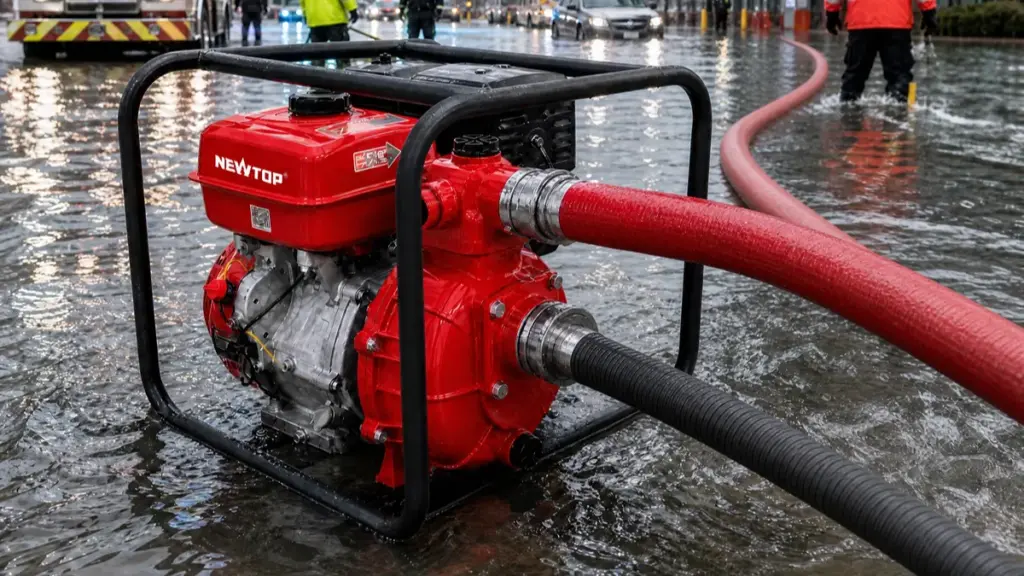
Trash pumps prioritize rugged solids handling in harsh environments, while clean water pumps focus on maximizing hydraulic efficiency and pressure for clear liquids.
| Comparación | Trash Pump | Clean Water Pump |
|---|---|---|
| Water type | Dirty water, muddy water, wastewater | Clear water |
| Solid handling | Handles sand, hojas, and small debris | Limited solid particle handling |
| Impeller design | Open or semi-open impeller design | Closed impeller design |
| Passage size | Larger clearance for solid particles | Smaller clearance for improved efficiency |
| Eficiencia | Slightly lower due to heavy-duty construction | Higher efficiency when pumping clean water |
| Mantenimiento | Requires inspection and cleaning after dirty water operation | Lower maintenance under proper operating conditions |
| Typical use | Sitios de construcción, flood control, drainage applications | Irrigation, water transfer, household water supply |
| Durabilidad | Designed for harsh environments and demanding applications | Designed for cleaner water applications |
Solids Handling and Operating Environment
Trash pumps actively move mud, arena, hojas, and solids up to 2–3 inches in diameter without stalling. Operators rely on them as the primary tool for dewatering construction sites, managing municipal wastewater, or clearing sludge pits. They maintain steady flow rates even when the water source is heavily contaminated with abrasive debris.
Clean water pumps strictly handle clear, filtered liquids. They serve domestic water supply systems, pressure boosting stations, and agricultural irrigation networks. If leaves, gravel, or thick mud enters a clean water system, the pump suffers immediate impeller damage and rapid seal failure.
Performance and Efficiency Trade-Offs
Trash pumps prioritize high flow volume and continuous clog resistance over maximum pressure output. The wider internal clearances in trash pumps slightly reduce overall energy efficiency. You trade precise hydraulic performance for the guarantee of reliable operation in unpredictable, dirty conditions.
Clean water pumps deliver superior pressure and hydraulic efficiency when transporting clear liquids over long distances. Their narrow internal passages convert more motor energy into usable head pressure. They excel at pushing water uphill or feeding long sprinkler lines, provided the water remains pristine.
Internal Design and Material Construction
Manufacturers engineer these two pump categories with distinctly different internal architectures to survive their target environments.
- Impeller and Volute: Trash pump models feature thick, cast-iron semi-open impellers and wide volutes designed to absorb repeated impacts from rocks and gravel. Clean water units utilize standard, closed impellers with tight internal clearances optimized solely for clear liquids.
- Mechanical Seals: Trash pumps rely on abrasive-resistant silicon carbide seals to withstand continuous grit. Clean water pumps use standard carbon ceramic seals tailored for non-abrasive environments.
- Maintenance Access: Trash pumps often include quick-release clean-out ports to remove large lodged objects. Clean water pumps lack these ports because they are not meant to ingest large solids.
Cost and Lifecycle Economics
Trash pumps command a higher initial purchase price due to their reinforced, heavy-duty manufacturing materials. The robust cast-iron casings and upgraded sealing systems add upfront expense but drastically reduce downtime in harsh site conditions.
Clean water pumps offer the best long-term value and lowest operating costs only when applied strictly to clear-water applications. Deploying a clean water pump in muddy environments causes rapid mechanical failure. Replacing burnt motors, shattered impellers, and compromised seals makes the standard pump the most expensive choice for heavy-duty tasks.
Which Liquids Can Each Pump Handle?
Match the pump to the liquid. Clear water requires efficient clean water pumps, while turbid fluids demand the larger passages of semi-trash or trash pumps to prevent failure.
Clean Water Pumps for Clear Liquids
Clean water pumps are built exclusively for fluids with almost zero solids. You will use these primarily for potable water, clean rainwater, and lightly treated process water.
Engineers design these pumps with narrow internal passages. This geometry maximizes hydraulic efficiency but leaves the pump highly vulnerable to abrasion and clogging if solids enter the system. Exposure to visible turbidity, arena, grit, or fibrous debris causes rapid impeller wear and risks severe motor overload. If the water looks dirty, keep this pump out of it.
Trash Pumps for Heavy Debris and Sludge
When the fluid contains heavy debris, you need a trash pump. Manufacturers engineer these units specifically for dirty liquids, including muddy water, thick slurry, agricultural waste, and heavy flood runoff.
Trash pumps feature open or semi-open impellers capable of passing large solids, often up to two inches in diameter. They handle coarse sediments, gravel, hojas, and twigs without sustaining internal damage or restricting the flow path. You trade some hydraulic efficiency for unmatched reliability in harsh environments.
Semi-Trash Pumps for Intermediate Turbidity
Semi-trash pumps bridge the gap between clean water and heavy-duty trash handling. They manage turbid water containing moderate solids and impurities where a clean water pump would quickly fail.
These units pass small particles ranging from 0.5 a 1 inch in diameter. They are a practical choice for light construction dewatering, landscaping projects, and dirty pond drainage. They offer far better clog resistance than standard pumps but lack the internal capacity to move large rocks or dense, fibrous sludge.
Practical Guidelines for Liquid Assessment
Pump selection starts with a rigorous fluid analysis. Visually inspect the water clarity and estimate the maximum particle size before finalizing your equipment choice. A quick field assessment prevents costly downtime later.
Prioritize clean water pumps when transferring visibly clear fluids where maximum hydraulic efficiency is required. En cambio, select a full trash pump for high-concentration abrasive or fibrous environments. This guarantees continuous reliability and prevents sudden equipment failure when pumping conditions deteriorate.
How Do Performance, Eficiencia, and Maintenance Compare?
Clean water pumps prioritize hydraulic efficiency and pressure for clear fluids, while trash pumps sacrifice peak efficiency to maintain continuous high-volume flow in debris-heavy conditions.
Performance Differences in Flow, Presión, and Solids Handling
Clean water pumps are engineered to maximize pressure (cabeza) and move clear liquids rapidly. They use smaller outlets and tighter internal geometries to push water over long distances or uphill. Trash pumps approach performance from the opposite angle. They emphasize raw flow volume over pressure, frequently moving more than 1,000 gallons per minute to evacuate flooded areas or clear large trenches.
The defining operational limit for both pump types is their handling capacity for physical debris:
- Clean water pumps: Possess near-zero tolerance for debris. Even small suspended particles can damage internal components.
- Trash pumps: Utilize specialized impellers and wide volutes to pass solids ranging from 0.5 a más 2 inches without clogging.
Hydraulic Efficiency vs. Operational Efficiency
A standard comparison of peak hydraulic efficiency always favors clean water models. Their tighter internal clearances convert more input energy directly into fluid pressure when operating in pristine water. Trash pumps inherently run with lower hydraulic efficiency. Their larger internal passages create fluid turbulence and recirculation, which requires more power to move the same volume of water.
But in the field, operational efficiency matters more than lab ratings. When you introduce debris into the mix, a clean water pump suffers rapid efficiency loss due to blockages and component wear. A trash pump provides the best practical efficiency by simply staying online and maintaining continuous flow in harsh, contaminated environments.
Maintenance Demands, Wear Resistance, and Uptime
Maintenance profiles differ entirely based on the operating environment. A clean water pump requires very little routine upkeep. If you keep the fluid clean, you mostly just monitor basic lubrication and perform periodic seal inspections. Trash pumps demand a far more active maintenance schedule because they operate in highly abrasive conditions.
Standard maintenance tasks for a trash pump include:
- Strainer cleaning: Frequent clearing of intake screens to prevent large blockages.
- Impeller inspection: Checking the vanes for wear and impact damage from rocks and debris.
- Volute checks: Monitoring the pump casing for internal erosion caused by sand and grit.
Despite these higher scheduled maintenance requirements, trash pumps are built with thicker, heavy-duty materials. This robust construction absorbs the physical punishment of dirty water, drastically reducing unexpected downtime and catastrophic failures when field conditions get tough.
What Are the Best Applications for Each Pump Type?
Match the pump to the fluid. Trash pumps handle high-volume debris removal, while clean water pumps deliver high-pressure transfer for clear liquids.
Ideal Uses for Trash Pumps (Solids and Contaminated Water)
Trash pumps operate in hostile environments where suspended solids would instantly destroy standard impellers. They sacrifice maximum pressure to maintain continuous operation when ingesting heavy debris.
- Flood control and emergency dewatering: Rapidly clearing out basements, garajes, and muddy outdoor areas after heavy rainfall.
- Heavy-duty site operations: Supporting construction, civil works, and industrial processes that involve sand, cement, or thick sludge.
- Agricultural and waste management: Emptying dirty ponds, artificial lakes, or agricultural wastewater systems packed with organic matter.
- Performance priority: Delivering high flow rates (≥100 L/min) using robust, semi-open impellers rather than generating high pressure.
Best Scenarios for Clean Water Pumps (Clear Water and Pressure)
When the fluid source is free of sediment, clean water pumps take the lead. Their tight internal clearances allow them to efficiently push fluid further distances and up steeper elevations.
- Domestic water supply: Providing stable pressure boosting from deep wells, cisterns, or holding tanks to residential buildings.
- Targeted irrigation: Powering garden sprinkler systems and light agricultural watering networks using filtered rainwater.
- Clear liquid transfer: Draining or moving water seamlessly across pools, closed reservoirs, and sensitive aquaculture setups.
- Performance priority: Maintaining medium flow rates combined with higher pressure (cabeza) for stable, continuous delivery.
Mixed-Use Applications and Dual-Purpose Pumps
Job site conditions often shift. Manufacturers design dual-purpose submersible pumps specifically for environments where water quality fluctuates between clear and sediment-heavy throughout the day.
These hybrid units feature adjustable intake mechanisms that let operators manually switch between clean and dirty water modes. This engineering maximizes energy efficiency during clear water extraction while actively preventing clogs the moment debris enters the basin.
Actionable Checklist: Matching the Pump to Your Task
Avoid premature equipment failure by running through a basic site assessment before deployment. Deploying the wrong pump type guarantees downtime and drives up maintenance costs.
- Assess water composition: Select trash pumps for environments containing sand, hojas, or mud. Use clean water pumps exclusively for clear fluids.
- Define the objective: Choose high-volume submersible pumps for rapid emptying tasks, or pressure-focused pumps for long-distance irrigation.
- Calculate capacity requirements: Verify the necessary flow rate (l/min) and total head height dictated by your specific site layout.
- Ensure appropriate automation and safety: Install float switches for hands-free flood management and dry-run protection to save well pumps from burning out.
Cómo elegir la bomba de agua adecuada para su mercado
Your pump selection comes down to water quality and pressure needs. Match solids-handling capacity to your jobsite to prevent equipment failure and eliminate costly downtime.
Assess Water Quality and Debris Size
The first step in pump selection is diagnosing the water source. Water quality directly dictates the internal clearances and impeller design your equipment needs to survive.
- Clean water pumps: Handle clear fluids with minimal suspended solids, typically maxing out at 0.25 pulgadas.
- Trash pumps: Process dirty water containing sediment, hojas, and mud, passing heavy solids between 1.25 y 2 pulgadas de diámetro.
Always select a pump rating that exceeds the largest expected debris size in the fluid. This safety margin prevents immediate clogging and internal damage when site conditions unexpectedly worsen.
Determine Pressure and Flow Requirements
Beyond water quality, you must define the hydraulic demands of the job. Different pump architectures serve entirely different transfer objectives.
- High pressure: Clean water pumps deliver higher discharge pressure, making them the standard for moving fluid over long distances or feeding smaller hoses.
- High volume: Trash pumps trade maximum line pressure for high flow volume, prioritizing rapid dewatering to clear flooded areas fast.
- Port sizing: Trash pumps utilize larger 2-inch to 6-inch ports to ensure debris-laden water moves through the system without restriction.
Match Pump Specifications to Jobsite Applications
You need to align the pump’s design with the actual work environment. Standard centrifugal pumps fail rapidly when misapplied on the jobsite.
- Clean water tasks: Deploy these units for pool draining, basement dewatering after clean floods, and clear-source agricultural irrigation.
- Dirty water tasks: Use trash pumps for construction site dewatering, clearing flooded trenches, and agricultural transfer involving organic matter.
- Dust suppression: Choose a trash pump for jobsite dust control to guarantee reliable operation when drawing from turbid or muddy water sources.
Weigh Upfront Costs Against Potential Downtime
Purchasing decisions often focus on initial price tags, but total lifecycle costs dictate true profitability. Clean water pumps provide a lower purchase price and higher operational efficiency in clear-water environments.
Running a standard clean water pump in muddy conditions is an expensive mistake. The narrow internal clearances will clog rapidly, risking severe equipment damage and expensive project delays.
Trash pumps require a higher initial investment. They offset this cost by featuring reinforced impellers, heavy-duty mechanical seals, and wider internal passages. This rugged construction eliminates costly downtime and keeps your operation running under harsh conditions.
Common Mistakes When Selecting Water Pumps
Selecting the wrong water pump leads to premature failure and inflated operating costs. Match the pump’s hydraulic limits and solids rating to your specific fluid environment to guarantee reliability.
Confusing Pump Types and Fluid Requirements
Buyers frequently grab a standard clean water pump for muddy or debris-filled pits. The narrow passages instantly clog, leading to rapid impeller wear and burned-out motors. On the flip side, deploying a high-flow trash pump for a job requiring high-pressure clean water results in poor performance and wasted fuel. You must correctly match the pump hardware to the exact fluid profile.
- Solids handling limits: Misjudging the maximum solids size and feeding large debris into a pump rated for clear water.
- Fluid chemistry errors: Using standard household pumps in corrosive seawater or chemical fluids without proper material resistance.
- Application mismatch: Relying on a low-pressure trash pump when a dedicated centrifugal or multistage pump is required for high-head transfer.
Incorrect Sizing for Flow, Cabeza, and Power
Guessing flow and head requirements destroys pump efficiency. Oversizing a pump “just to be safe” forces the unit to operate far from its Best Efficiency Point (BEP). This drastically increases energy consumption and mechanical wear. En cambio, an undersized pump runs continuously at maximum capacity, resulting in chronic motor overloading.
- Friction losses: Underestimating Total Dynamic Head (TDH) by calculating only vertical lift and ignoring friction in hoses, pipes, and fittings.
- Suction limits: Attempting to draw water beyond the physical suction lift limits of surface pumps (típicamente 7 a 9 metros), causing severe cavitation.
- Volume deficits: Undersizing the flow capacity, leading to inadequate volume delivery and overheating.
Ignoring Material Compatibility and Duty Cycles
You cannot run light-duty domestic equipment on a heavy construction site. Specifying standard materials for highly abrasive environments accelerates wear on critical components like impellers, wear rings, and volute casings. Industrial environments demand equipment rated for exact site conditions.
- Abrasive destruction: Selecting standard cast iron or plastics that erode quickly when pumping sand or grit.
- Duty cycle abuse: Using intermittent-duty domestic pumps for continuous heavy-duty dewatering tasks.
- Short cycling: Failing to size the control system correctly causes excessive on/off cycles, stressing motor starters and wearing out mechanical seals.
Overlooking System Design and Electrical Needs
A pump is only as good as the system surrounding it. Many operators design pipework diameters and layout before selecting the pump. This creates high friction losses and chokes performance. Poor suction layouts—such as using overly long, restrictive hoses or placing intakes directly in bottom sediment—force the pump to work harder than necessary.
- Restrictive layouts: Creating poor suction configurations that starve the pump of water and trigger cavitation.
- Power mismatches: Supplying mismatched site voltage and phase, ruining the motor instantly.
- Missing safeguards: Operating without critical motor protection features, including dry-run, thermal, and voltage safeguards.
Prioritizing Initial Cost Over Lifecycle and Technical Data
Purchasing the cheapest unit available is a guaranteed way to inflate your long-term costs. Buyers often rely on marketing headlines instead of verifying flow and head capabilities against actual manufacturer performance curves. In demanding environments, this leads to catastrophic equipment failure.
- Lifecycle blindness: Choosing cheap units while ignoring long-term reliability, wear part replacement intervals, and lifetime energy consumption.
- Skipping the curves: Selecting pumps based solely on peak numbers rather than verifying operational requirements against the official pump curve.
- Bypassing expertise: Refusing to consult pump specialists for complex jobs like deep well pumping or sewage bypass.
Why Choose NEWTOP for Water Pump OEM Manufacturing?
Como fabricante experimentado de equipos eléctricos para exteriores, NOVEDAD provides reliable water pump solutions for global distributors, distribuidores, y usuarios profesionales.
con más de 20 years of manufacturing experience, NEWTOP focuses on gasoline water pumps, including clean water pumps and trash pumps designed for different working environments.
NEWTOP water pump solutions feature:
- Reliable gasoline engine performance
- Durable pump structures
- Estricto control de calidad processes
- OEM and customization support
- Professional production and testing capability
For customers looking for a long-term manufacturing partner, NEWTOP helps develop water pump products that match different market demands, application requirements, and regional standards.
Pensamientos finales
The difference between a trash pump and a clean water pump mainly comes down to the type of water they are designed to handle.
A clean water pump delivers higher efficiency when transferring clear water, while a trash pump provides stronger durability when dealing with muddy water and solid debris.
Before purchasing or importing water pumps, always consider:
- Water quality
- Solid particle size
- Required flow rate
- Working environment
- Long-term maintenance needs
Choosing the correct pump type ensures better performance, longer service life, and lower operating costs.
Preguntas frecuentes
What is the difference between a trash pump and a clean water pump?
A trash pump moves water filled with debris, like sand, mud, and leaves, using large internal passages and semi-open impellers. A clean water pump handles clear or slightly dirty water and operates with tighter clearances optimized for higher pressure. Using a clean water pump on dirty water causes rapid clogging and internal wear.
Can a clean water pump handle dirty water?
No. Clean water pumps rely on narrow internal clearances to generate high pressure and efficiency. If they ingest sand, pebbles, or fibrous debris, they quickly clog or sustain impeller damage. You need a trash or dirty-water pump for water containing visible solids or sludge.
What kind of solids can a trash pump handle?
Standard trash pumps easily pass solid objects between 1 y 3 pulgadas de diámetro. This includes sand, gravel, hojas, twigs, and soft sludge. They handle suspended solids up to 30% by weight. They are not designed for highly abrasive mining slurries or extremely stringy materials like long ropes or large rags.
Is a trash pump slower than a clean water pump?
In clear water, a trash pump produces lower pressure and hydraulic efficiency than a comparable clean water pump. But in muddy or debris-filled water, a trash pump completes the job much faster. It maintains stable flow without the constant clogging and downtime that completely halts a clean water pump.
Which pump is better for construction sites?
A trash pump is almost always the better choice for construction sites. Trench dewatering and excavation clear-outs involve muddy water, silt, and gravel. A trash pump processes this debris without jamming. Choose a clean water pump only if transferring filtered water over long distances or needing high-pressure output.
Can I use a trash pump for irrigation?
Sí, particularly for flood or basin irrigation drawing from turbid creeks and ponds. Since trash pumps process leaves and silt easily, they prevent system blockages. They produce lower pressure than clean water pumps, making them less suitable for high-pressure sprinkler lines or drip systems unless you install robust downstream filtration.
Why does pump passage size matter?
Passage size dictates the maximum solid diameter a pump can ingest without jamming. A larger passage size, found in trash pumps, minimizes clogging risks and downtime in debris-laden environments. The small passage sizes in clean water pumps maximize hydraulic efficiency but leave them vulnerable to instant blockages from small stones or twigs.
Which pump type has lower maintenance cost?
Under ideal clear-water conditions, a clean water pump costs less to maintain because it avoids abrasive wear. Trash pumps face harsh, gritty environments requiring more frequent clean-outs and wear-part replacements. Deploying a clean water pump in a dirty environment guarantees severe damage, making the trash pump far more cost-effective for heavy-duty applications.
