


- Todo
- NEWTOP Historias de clientes
- NEWTOP Explorador Hub
- NEWTOP Perspectivas de la industria
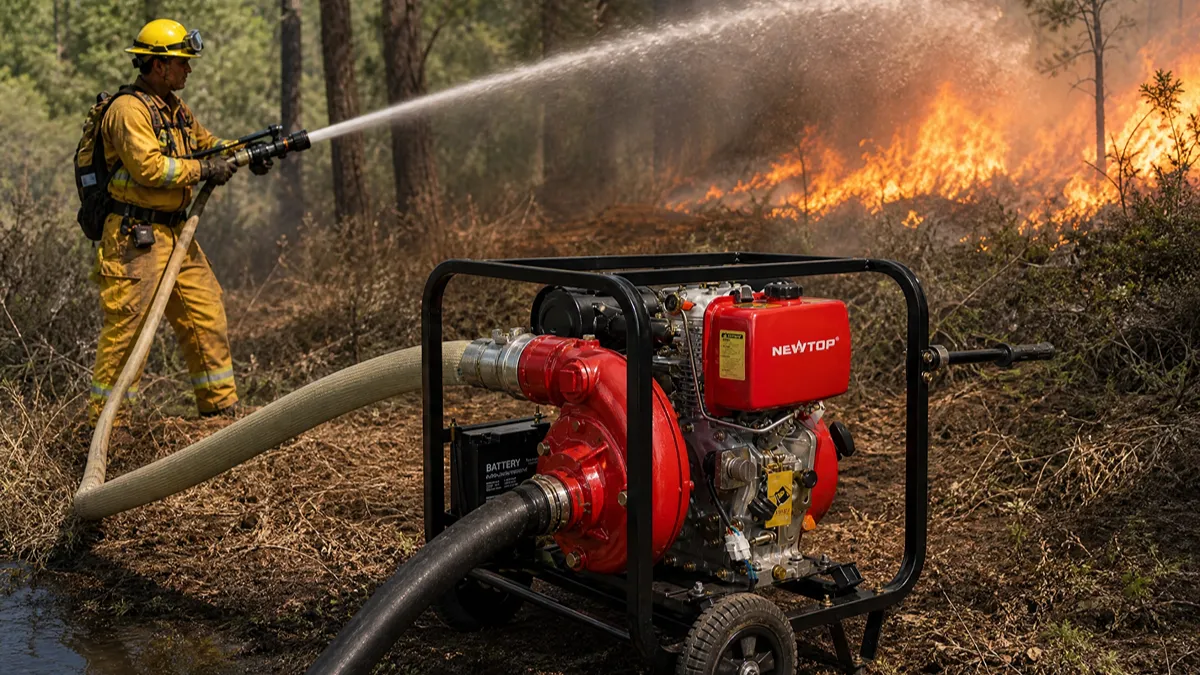
If you are sourcing a portable diesel water pump for irrigation, drenaje, construcción, firefighting support, or resale, price is only one part of the buying decision. Engine power, pump size, flow rate, total head, pump materials, sistema de arranque, cantidad de pedido, and customization can all affect the final cost.
En 2026, basic portable diesel water pumps from Chinese manufacturers can start at around US$130–US$180 per unit. Standard 2-inch to 4-inch models commonly range from about US$160–US$400, depending on engine power, flow rate, cabeza, pump construction, and order quantity. High-pressure, heavy-duty, large-flow, and customized models can cost significantly more.
For distributors and OEM buyers, the key question is not simply “How much does a diesel water pump cost?" but rather “What level of flow, cabeza, durabilidad, and service life can I get within my target purchase price?"
¿Cuánto cuesta una bomba de agua diésel portátil??
A practical 2026 price range for portable diesel water pumps is:
| Pump Category | Typical China Supplier Price* | Target Application |
|---|---|---|
| 2-inch standard diesel pump | US$130–US$220 | Small-scale irrigation, drenaje, and general water transfer |
| 3-inch standard diesel pump | US$160–US$250 | Farm irrigation, construction drainage, and commercial water transfer |
| 3-inch high-pressure pump | US$190–US$350+ | Long-distance water transfer, uphill pumping, and high-head applications |
| 4-inch standard diesel pump | US$190–US$350 | High-volume irrigation, construcción, and drainage |
| 4-inch high-flow or high-pressure pump | US$300–US$600+ | Large-volume irrigation, demanding drainage, and high-pressure applications |
| 6-inch portable diesel pump | US$190–US$600+ | Large-area irrigation, flood drainage, and high-volume water transfer |
*Prices are indicative China supplier or factory-level prices for standard configurations in 2026. Actual quotations may vary depending on engine power, flow rate, cabeza, pump materials, sistema de arranque, Cantidad mínima de pedido, certificaciones, Incoterms, and OEM customization. Larger engineered, trailer-mounted, firefighting, or specialized pump systems may cost substantially more.
What Affects the Price of a Portable Diesel Water Pump?
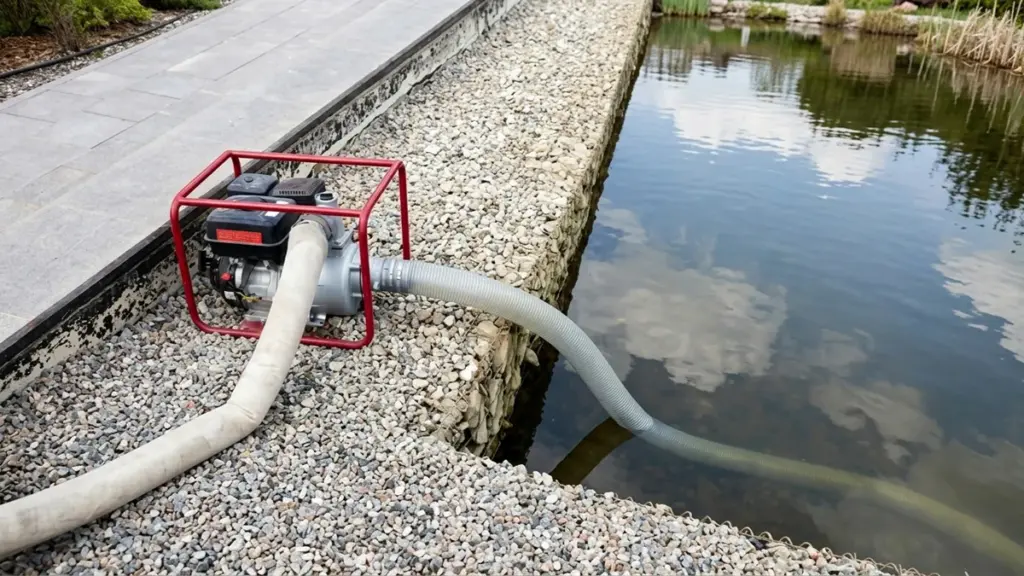
The final price of a portable diesel pump depends on discharge capacity, caballos de fuerza del motor, construction materials, and whether you buy factory-direct or through a retail dealer.
Pump Capacity and Engine Performance
Flow rates and inlet diameters establish the baseline cost for any portable pump. A basic 4-inch transfer pump moves a modest volume and sits near the lower end of the pricing ladder. Step up to a 6-inch model, and manufacturers must use a larger pump housing, bigger impellers, and a heavier frame to handle the increased water volume.
Engine horsepower scales exactly with capacity. You pay progressively more to jump from a small engine to a 10 hp or 13 hp model capable of maintaining high flow rates under load. Maximum head lift also shifts the engineering requirements. Pushing water 30 meters vertical demands much higher pressure tolerances than a standard 13-meter lift, driving up the production cost.
- Discharge size: Larger 6-inch inlet/outlet diameters cost more to manufacture than standard 4-inch models.
- Caballo de fuerza: Units rated at 10 hp to 13 hp carry a higher premium than entry-level low-flow engines.
- Maximum head: High-pressure agricultural models built for steep lifts add significant engineering costs.
Build Quality, Materiales, and Brand Value
Materials dictate how well a pump survives harsh environments. Standard clean-water pumps use basic alloys and keep production costs low. Trash pumps built to handle mud, slurry, and solid debris require heavy-duty cast iron, specialized seals, and corrosion-resistant materials. Upgrading these internal components immediately raises the retail price.
Brand recognition acts as a major multiplier on the invoice. Unbranded entry-level import units use standard components and keep costs close to the $225 a $300 range. Recognized retail brands charge a premium because they bundle proven durability, cumplimiento de emisiones, local dealer support, and warranty coverage into the sticker price.
Starting Systems and Included Accessories
Buyers often overlook the hardware outside the pump head and engine. Manual recoil starts are cheap and standard on smaller units. Upgrading to an electric-start system requires a battery, a wiring harness, and a starter motor. This upgrade alone usually adds around $90 to the base price of a portable pump.
Add-ons dictate the final package cost. Bare pump sets offer the lowest entry point, while fully equipped packages command a premium.
- Electric start: Adds cost through required batteries, alambrado, and specific starter hardware.
- Mobility kits: Robust roll frames and wheel kits for easy job site transport increase the total package price.
- Tanques de combustible: Expanded fuel tanks built for long continuous runtimes add material cost.
- Bundled accessories: Specialized suction hoses, strainers, and quick-connect fittings factor heavily into the final equipment cost.
Market Channels: B2B vs. Retail Pricing
The supply chain determines the final number on the quote. B2B factory direct channels offer the lowest entry pricing. Buying straight from the manufacturer removes the middleman, making it the most cost-effective route for bulk orders or OEM purchases.
Retail storefronts price identical units higher. They must cover import duties, distribution overhead, local warehousing, and immediate after-sales support. A high-spec industrial B2B pump might land between $2,700 y $3,500 per unit direct from the factory, while a heavily branded retail model built to similar specs can reach over $22,000 MXN in local markets.
Looking for a Reliable China Diesel Water Pump Supplier?

Portable Diesel Water Pump Price by Pump Size
Pump size sets the base price tier, but engine horsepower and industrial-grade construction drastically shift the final cost within each category.
2-Inch and 3-Inch Pumps: Entry-Level and Mid-Range Pricing
Small 2-inch basic portable units form the lowest-cost segment of the market. Buyers typically find these entry-level systems priced between US$51 and US$185.
Stepping up to a 3-inch pump offers a common balance of portability and flow rate. Standard models in this size sit between US$167 and US$800. If you require higher output, upgraded engine configurations ranging from 10 HP to 15 HP will push costs toward the upper end of the US$600 to US$800 bracket.
4-Inch Pumps: The Transition to High-Output Systems
The 4-inch category represents a major step up in water-moving capacity. This performance jump requires heavier frames and stronger engines. Basic 4-inch portable agricultural pumps usually range from US$182 to over US$1,300, depending on the engine output.
Pricing escalates sharply when buyers configure these systems for heavy-duty applications. Fully equipped trailerized 4-inch trash pumps frequently cost between US$7,000 and US$15,000.
6-Inch to 12-Inch Pumps: Commercial and Industrial Systems
Standard 6-inch portable transfer pumps often list between US$300 and US$1,300 on wholesale marketplace platforms. Once you specify industrial-grade, mobile, and self-priming 6-inch units, prices start around US$2,500 to account for the robust construction.
Large 8-inch to 12-inch mobile systems serve intensive flood control or wastewater management projects. These massive units command the highest prices, ranging from US$4,800 to well over US$20,000.
Portable Diesel Water Pump Price by Flow Rate and Head
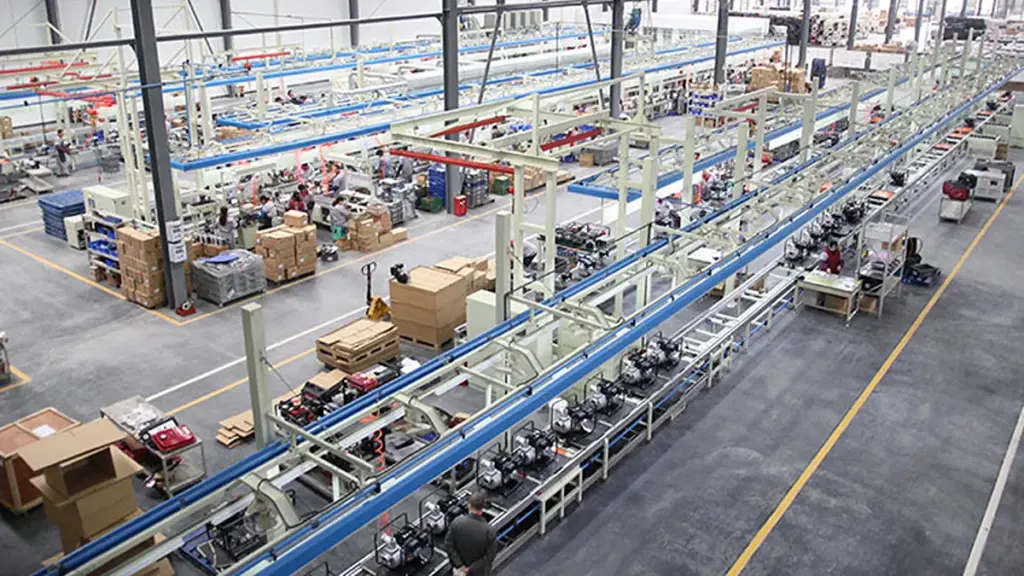
Pump capacity dictates cost, but flow rate and head height aren’t the only variables. Expect to pay more for higher horsepower engines, self-priming features, and heavy-duty towable frames.
Pricing Based on Flow Rate Capacity
How much water you need to move directly anchors your starting budget. Small-scale tasks rely on low-flow transfer pumps operating around 30 l/min, which represent the budget tier. You will typically spend between $30 y $100 for these compact units.
As you scale up to standard agricultural or construction dewatering, prices shift. Standard mid-range units, such as 3-inch pumps delivering 25 a 48 cubic meters per hour, generally range from $225 a $400. Industrial jobs require high-volume models pushing 540 GPM or 960 LPM. These heavy-duty configurations scale significantly higher, spanning from $2,000 a más $8,000.
Cost Variations Driven by Pump Head
Flow rate tells only half the story. The vertical distance you need to move that water—the pump head—forces major engineering changes. Pumps requiring higher lift capacity demand more robust engine output and stronger internal pump stages, directly increasing the final cost.
Entry-level models built for basic flat-ground transfer duty handle low head applications. These remain the most affordable options on the market. If your site requires moving water out of deep trenches or up steep inclines, you need units engineered for moderate to high lift. Pumps achieving 25 a 30 meters of head command a strict premium over standard transfer equipment.
Combined Impact of Engine Size and Pump Type
Pumping specs do not exist in a vacuum. A 3-inch pump with a basic engine costs vastly different than a 3-inch pump built for raw site work. Several specific hardware and purchasing variables dictate the final invoice.
- Engine Horsepower: Flow rate alone does not dictate price. Engine size plays a major role, con 13 HP models costing substantially more than 5 HP alternatives built for the same pipe diameter.
- Specialized Configurations: Adding self-priming mechanisms, trash-handling capabilities, and towable highway frames adds significant cost to the base unit.
- Order Volume: Purchasing volume immediately alters the pricing structure. Wholesale B2B orders lower the per-piece rate heavily compared to single-unit retail listings.
Buyers must lock down their exact engine and frame requirements before comparing quotes, or they risk matching a cheap transfer pump against a commercial trash unit.
Diesel vs Gasoline Water Pump: Which Costs More?
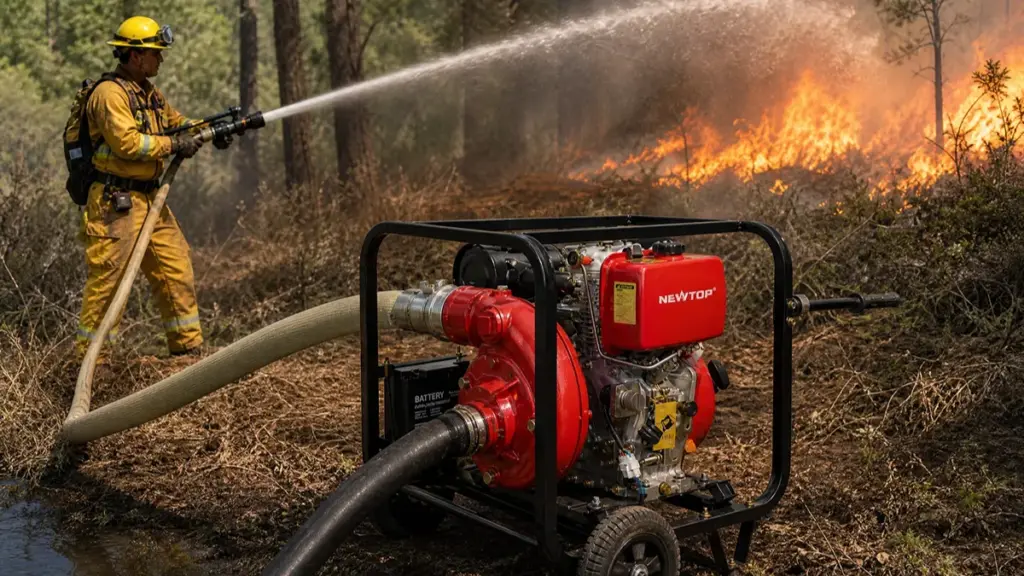
Diesel water pumps cost more upfront than gasoline models due to heavy-duty engineering, but their durability offsets replacement costs in continuous, rugged applications.
Initial Purchase Price Differences
Gasoline-powered portable pumps generally offer the lowest upfront purchase cost in the market. When you compare units in the exact same size and performance tier, diesel water pumps demand a higher initial investment.
Retail data and supplier listings consistently place gasoline units in lower-cost entry tiers. Manufacturers build gas models for lighter duty cycles, keeping raw material and production costs low compared to equivalent diesel packages.
Current Price Bands for Diesel Models
Diesel unit pricing scales heavily based on flow capacity, caballos de fuerza del motor, and structural features.
- Entry-level small diesel pumps: US$137 to US$369
- Mid-range portable models (2-inch to 6-inch self-priming units): US$253 to US$500
- Heavy-duty industrial diesel systems (high-horsepower engines): US$1,280 up to US$20,900 or more
Manufacturing Factors Driving Diesel Costs
The price gap between diesel and gasoline comes directly from engineering requirements and the intended operating environment.
- Engine construction: Compression-ignition diesel engines demand stronger, heavier materials to safely handle higher internal pressures.
- Hardware upgrades: Manufacturers often equip diesel pumps with heavy-duty frames, kits de ruedas, and trash-handling components built for demanding environments.
- Complete systems: Package configurations, including trailers and specialized hoses, add significantly to the total unit price.
Matching Budget to Application Needs
Gasoline pumps suit buyers prioritizing immediate cost savings and intermittent operation. They work well for fast, temporary water transfer jobs where the equipment sits idle for long periods between uses.
Diesel units serve applications requiring continuous runtime, high-volume flow, and proven reliability in remote locations. The higher purchase price of diesel systems directly offsets long-term replacement costs in rugged agricultural or commercial construction settings.
What Is Included in the Price of a Diesel Water Pump?
Before accepting a quotation, confirm exactly what the supplier’s price includes.
A standard factory quotation may include the diesel engine, pump body, marco, tanque de combustible, basic controls, inlet/outlet fittings, and standard packaging. Sin embargo, accessories such as hoses, strainers, couplings, ruedas, electric-start batteries, or special connectors may be optional.
You should also confirm whether the quoted price includes:
- Standard spare parts
- Garantía
- User manual
- Product testing
- Export packaging
- Logo or label
- Certification documents
- Replacement parts
- Shipping costs
For international buyers, the difference between EXW, ENGAÑAR, CIF, and other trade terms can also significantly change the final landed cost.
OEM and Custom Portable Diesel Water Pump Costs
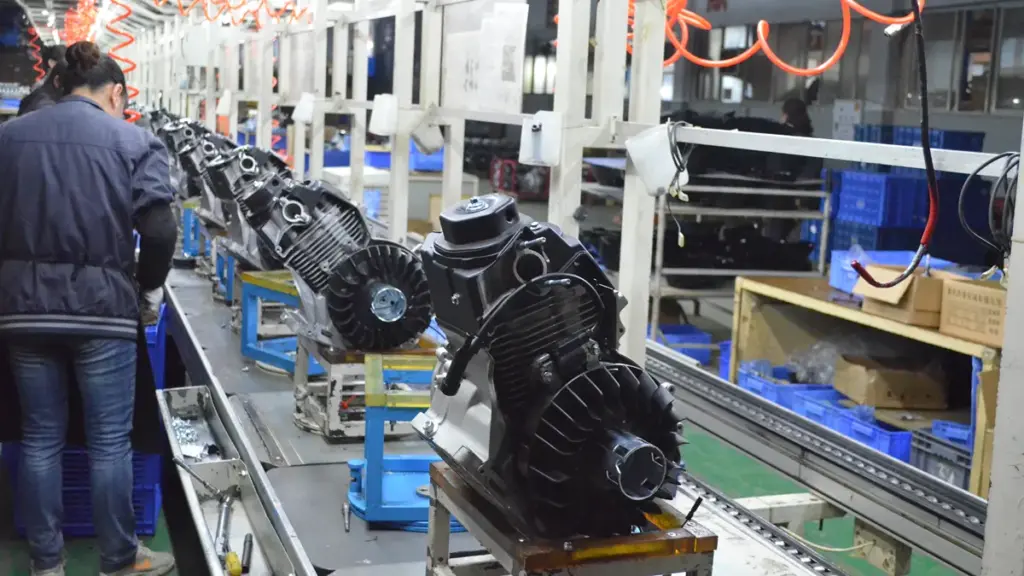
OEM pricing depends heavily on what is being customized.
Simple customization, tal como un brand logo, color, label, carton design, or nameplate, normally adds less cost than changing the pump’s engineering.
More complex OEM requirements may include:
- Different diesel engine
- Electric-start configuration
- Special pump body
- Different inlet/outlet size
- Higher head or flow requirement
- Customized frame
- Special fuel tank
- Market-specific certification
- Customized packaging
Para distribuidores, it is usually better to provide the manufacturer with a complete specification before asking for an OEM quotation. This avoids receiving a low initial price that later increases because of additional components.
MOQ also matters. A water pumps factory may offer a lower unit price for 100 o 500 units than for a trial order of 10 unidades. Current China supplier listings show MOQs ranging from one piece to 50 pieces or more depending on the supplier and model.
How to Get the Best Price From a China Water Pump Manufacturer
To get the best price from a China water pump manufacturer, lock in exact specifications, stick to standard configurations, and leverage larger order volumes to reduce per-unit costs.
Request Quotes Using Identical Specifications
Ambiguous requests lead to distorted pricing. If you ask five suppliers for a quote on a 3-inch pump, you will receive five vastly different numbers unless you define the exact mechanical parameters.
- Base mechanics: Compare pricing using the exact same pump size, caballos de fuerza del motor, and start type to ensure accuracy.
- Physical build: Ensure frame style, configuración de la rueda, and self-priming capabilities match across all supplier quotes.
- Equipment class: Avoid comparing standard 2-inch or 4-inch agricultural models with high-capacity industrial dewatering pumps.
Leverage Order Volume and Standard Configurations
Factories optimize for production efficiency. Every time you change a color or request a non-standard engine brand, the manufacturer passes that setup cost directly back to you.
- Scale the MOQ: Increase the Minimum Order Quantity (Cantidad mínima de pedido) to batch, pallet, or carton sizes to secure a lower per-unit cost.
- Reject custom upgrades: Stick to standard factory configurations, as custom colors, specific engine brands, or upgraded branding usually raise the price.
- Negotiate total value: Negotiate based on the total order value and packaging simplifications rather than focusing strictly on the single-unit price.
Clarify Shipping Terms and Included Accessories
A low headline price often hides missing components or excludes freight entirely. You must strip away the ambiguity to uncover the true landed cost of the equipment.
- Isolate logistics: Ask suppliers to separate EXW, ENGAÑAR (p.ej., FOB Tianjin), and CIF pricing to calculate accurate landed costs.
- Confirm the bundle: Verify exactly what is included in the unit price, such as inlet/outlet fittings, ruedas, or an electric start system.
- Account for adders: Account for common cost adders upfront; Por ejemplo, an electric start on a 2-inch model typically adds about US$90.
Cross-Check Factory Sourcing Channels
Real manufacturers display stable pricing strategies. You can filter out trading companies and middlemen by observing how a supplier prices their equipment across the open market.
- Platform check: Compare the same pump class across multiple platforms like Alibaba, Made-in-China, and direct factory websites.
- Pricing consistency: Look for suppliers that maintain consistent, stable pricing across different marketplaces, indicating a reliable direct manufacturer.
- Quote transparency: Target transparent factory or FOB quotes rather than vague listings that obscure the base price.
NEWTOP Portable Diesel Water Pumps
NEWTOP portable diesel water pumps operate in the low-cost import segment, providing budget-friendly utility and agricultural transfer options positioned below premium industrial brands.
NOVEDAD offers a range of diesel water pumps designed for agricultural irrigation, drenaje, construcción, emergency pumping, and other outdoor applications.
El NTDWP30 is a 3-inch diesel water pump powered by a 4 kW NTDE178F diesel engine. It combines a precision-machined pump body, 42CrMo forged crankshaft, Inyección de combustible con tecnología BOSCH, engranajes nitrurados, and a full-frame vibration-control structure.
For higher-volume applications, el NTDWP40 delivers up to 96 m³/h with a 6.3 kW diesel engine, mientras que el NTDWP60 reaches up to 150 m³/h with an 8.5 kW engine.
This range allows distributors and equipment buyers to select a pump according to the actual combination of flow, cabeza, potencia del motor, and application, rather than choosing by pump size alone.
If you are planning an OEM order, NEWTOP can also discuss model selection, presupuesto, embalaje, herrada, and quantity requirements before quotation.
Looking for a reliable portable diesel water pump supplier for your market? Contact NEWTOP with your required pump size, fluir, cabeza, application, and order quantity to receive a model recommendation and quotation.
Preguntas frecuentes
How much does a portable diesel water pump cost?
A portable diesel water pump from a China manufacturer can typically cost around US$120–US$400+, depending on size, potencia del motor, fluir, cabeza, materials, and order quantity. Larger high-flow and high-pressure models can cost more.
Are diesel water pumps more expensive than gasoline pumps?
Generalmente, Sí. Diesel pumps generally have a higher purchase price because of their engine construction and heavy-duty design. Sin embargo, they may offer better fuel efficiency and durability for frequent or demanding operation.
What size diesel water pump do I need?
Select a 2-inch pump for light water transfer, a 3-inch model for balanced portability and throughput, or a 4-inch pump for construction dewatering. You must match the pump size directly to your required flow rate and total vertical lift.
How long will a diesel water pump run on one tank?
Runtime varies based on fuel tank capacity, carga del motor, and pump size. Small portable models run for several hours on a standard tank, whereas heavy-duty mobile pump stations with large fuel tanks can operate continuously for up to 48 horas.
What affects the price of a diesel water pump?
Pricing primarily depends on engine horsepower, flow capacity, and maximum head pressure. Additional features like electric start systems, self-priming capabilities, and trailer mounts also significantly increase the final cost.
Is a diesel water pump worth the extra cost?
A diesel water pump provides excellent value if you need high flow rates, extended continuous operation, or reliable power in remote areas. A cheaper gasoline or electric pump makes more sense for occasional light-duty home drainage.
What is the MOQ for OEM diesel water pumps?
Most suppliers offer a minimum order quantity (Cantidad mínima de pedido) de 1 a 10 pieces for standard OEM diesel water pumps. Custom manufacturing runs or deeply discounted bulk orders typically require MOQs of 50 a 100 unidades.
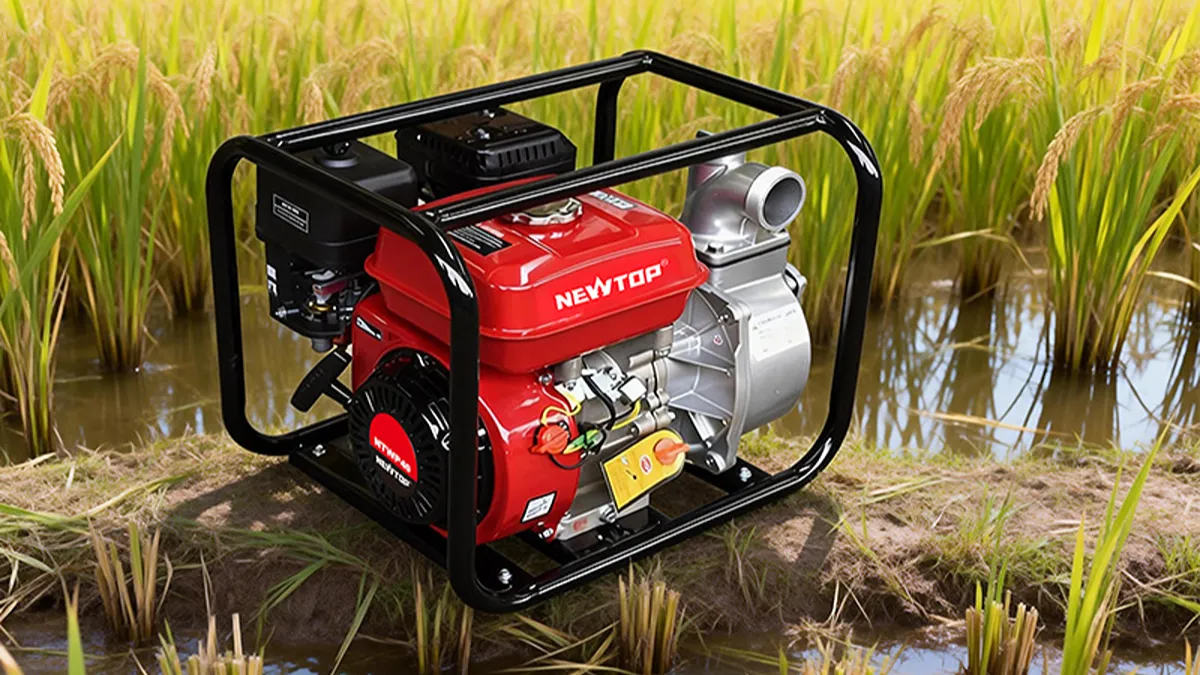
Water pumps are designed for different working conditions, and the right choice depends on how the water needs to be delivered. A high pressure water pump is designed to provide higher head for applications such as uphill irrigation, long-distance water delivery, and sprinkler systems. A general purpose water pump is typically selected for moving larger volumes of water in applications such as drainage, construcción, and general irrigation.
The difference becomes clearer when you look at two key pump specifications: flow rate and head. Understanding how these two values affect pump performance can help you select the right water pump for your application, avoid insufficient pressure or flow, and get more reliable performance in the field.
What Is a High Pressure Water Pump?
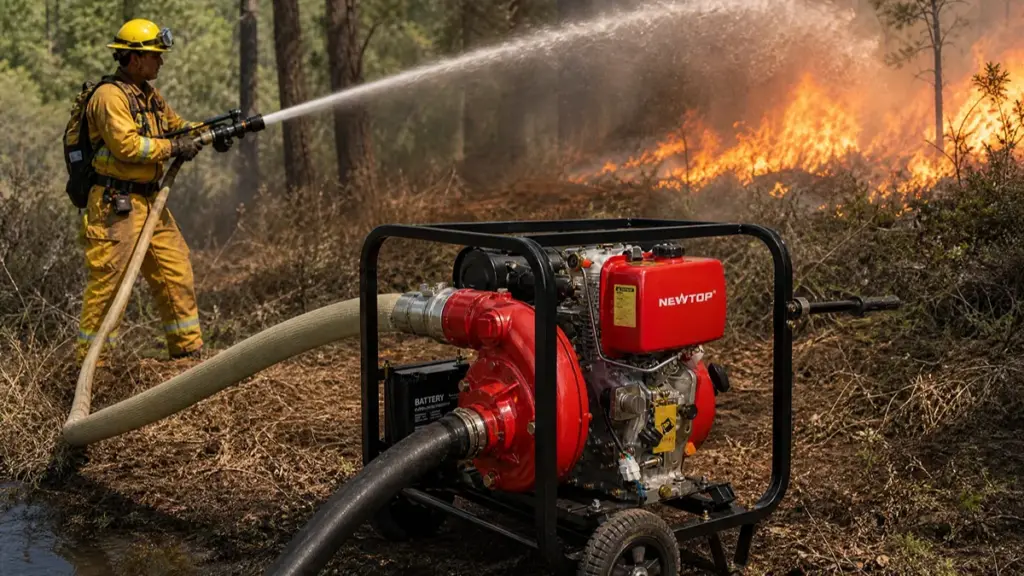
A high pressure water pump generates forceful head rather than sheer volume. It pushes water against gravity, long distances, or high-resistance nozzles to perform physical work.
Core Definition and Purpose
A high pressure water pump is designed to generate a higher head, allowing water to overcome greater resistance in the discharge system. This makes it useful when water must travel a long distance, move uphill, or pass through smaller pipes, sprinklers, or other restrictive equipment.
Common Pump Types for High Pressure
Manufacturers build several distinct pump configurations to handle elevated pressure demands across different industrial and agricultural sectors.
- Centrifugal high-pressure pumps: Frequently configured for demanding water-transfer tasks and large-scale agricultural irrigation systems.
- Positive displacement pumps: Capable of producing significantly higher pressures and operating with extreme efficiency during continuous, demanding duties.
- Multi-stage pumps: Utilize multiple internal impellers to generate and sustain higher head, commonly found in heavy industrial applications.
Typical Applications and Use Cases
Any application requiring water to act as a physical tool or travel against heavy mechanical resistance demands a high pressure setup.
- Agricultura: Powering large irrigation sprinklers and managing consistent long-distance water delivery across uneven terrain.
- Cleaning: Supplying steady, forceful streams for commercial pressure washing, surface preparation, and heavy industrial washdowns.
- Fire suppression: Delivering emergency water streams safely and effectively over distances to reach active hazards.
- Industrial processing: Handling internal tasks like deep well water injection, machinery descaling, and high-pressure boiler feed operations.
What Is a General Purpose Water Pump?
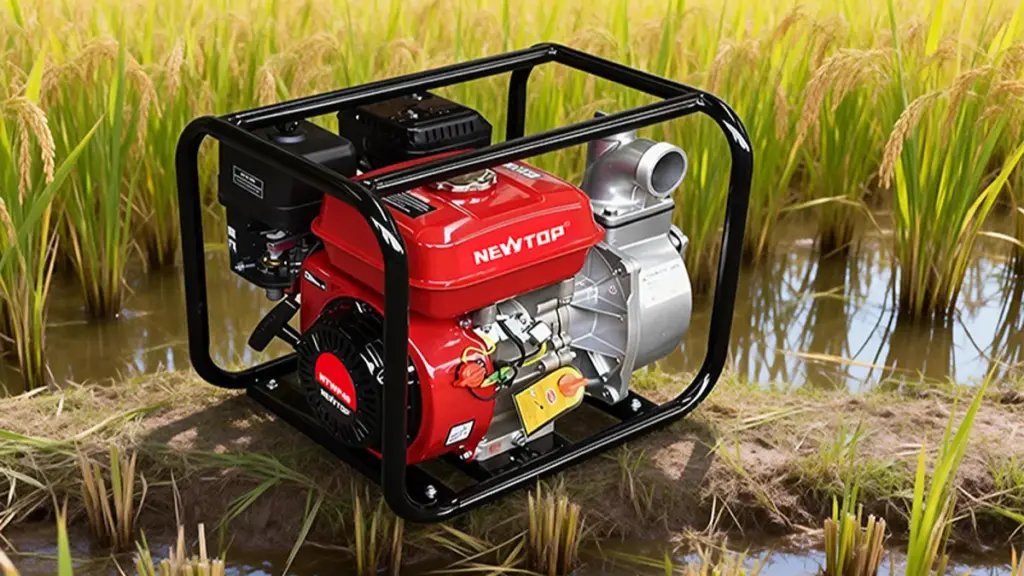
A general-purpose water pump handles routine liquid transfer, prioritizing a practical balance of flow, cabeza, and cost rather than specialized extreme-duty performance.
Core Definition and Function
A general purpose water pump is typically designed to move water efficiently rather than generate maximum pressure. These pumps are commonly used for irrigation, drenaje, water transfer, construction sites, estanques, tanks, and other everyday pumping tasks.
Water pumps can also be classified by how they handle air during startup. If you are comparing pump designs for different installation conditions, it is useful to understand the difference between centrifugal and self-priming pumps. Bomba de agua centrífuga versus autocebante explains how these two pump types differ in priming requirements, startup performance, and typical applications.
Aplicaciones primarias
You will find general-purpose units operating across multiple sectors where steady volume matters more than extreme discharge force.
- Commercial and municipal: Handles building water supply, baseline pressure boosting, and HVAC chilled-water circulation.
- Agricultural and construction: Supports field irrigation, bulk water transfer, and site dewatering operations.
- Industrial and wastewater: Manages light-duty process water movement and solid-handling sewage tasks when configured properly.
Industry Standards and Compliance
Broad applicability requires strict adherence to standardized manufacturing and testing protocols. This ensures buyers can swap out units across different brands without redesigning entire piping systems.
- Hydraulic Institute (HI): Sets the baseline guidelines for nomenclature, design specifications, and performance testing.
- ISO and ANSI: Dictate dimensional standards to guarantee broad equipment interchangeability across global markets.
- AWWA and UL 778: Provide evaluation frameworks for electrical safety, operational reliability, and public water system compliance.
Boost Margins With Reliable OEM Power Equipment
Bomba de agua de alta presión frente a bomba de agua de uso general: Diferencias clave
The main difference is the balance between head and flow. In simple terms, a high pressure water pump is designed to push water farther and higher, while a general purpose water pump is designed to move larger volumes of water efficiently.
| Característica | High Pressure Water Pump | General Purpose Water Pump |
|---|---|---|
| Main purpose | Overcome high resistance and lift water higher | Move large volumes of water efficiently |
| Cabeza | Más alto | Moderado |
| Caudal | Often moderate | Often higher |
| Typical applications | Sprinklers, long hoses, uphill pumping, sistemas de riego | Drenaje, flood control, water transfer, general irrigation |
| Discharge system | Suitable for longer or more restrictive systems | Best for shorter, less restrictive systems |
| Prioridad | Pressure/head | Water volume/flow |
| Typical fuel options | Gasoline or diesel | Gasoline or diesel |
| Best selection factor | Required head and system resistance | Required flow and total head |
Flow Rate vs Head: Understanding the Main Difference
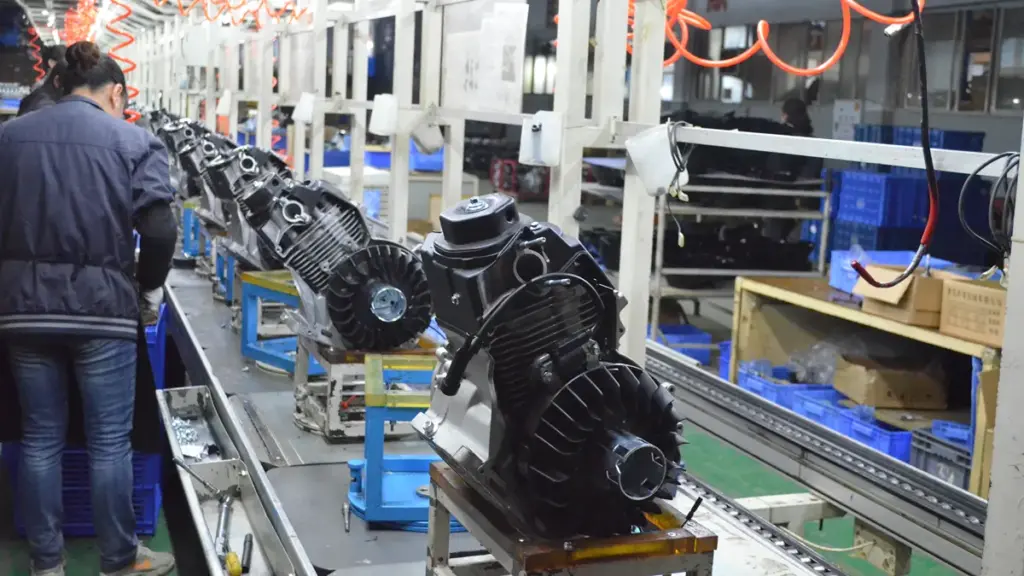
Flow rate is the volume of water moved, while head is the resistance it overcomes. Higher head limits flow, dictating actual pump performance in real-world systems.
Flow rate describes how much water the pump can move over a period of time. It is commonly measured in m³/h (cubic meters per hour) or L/min (litros por minuto).
The Tradeoff Between Pressure and Volume
A pump’s flow rate is not a constant value. It decreases as the resistance it works against increases. Higher head requirements generally result in a lower flow rate at a given operating point.
This tradeoff dictates equipment selection across different applications. High-pressure water pumps prioritize head to achieve longer discharge distances and overcome extreme resistance. General-purpose models take the opposite approach, focusing on maximizing flow for basic transfer tasks where lift and friction stay low.
How System Head Affects Actual Output
System head calculates the total resistance your equipment faces in the field. This calculation combines static elevation lift, dynamic energy, and friction losses. As flow increases, friction losses from pipes, valvulas, and bends also increase, which restricts the delivered volume.
The true operating point occurs exactly where the pump performance curve intersects the specific system head curve. This intersection represents the actual volume the pump will deliver in a live installation, completely overriding theoretical maximums.
Practical Selection Guidelines
Selecting the right equipment requires matching your primary specification to the actual site demands.
- Prioritize head: Choose this path for applications requiring long vertical lifts, extended horizontal pipe runs, or high discharge pressure.
- Prioritize flow rate: Focus here when moving large volumes of water quickly with minimal elevation changes.
- Avoid the free-flow trap: Never buy a pump based solely on its maximum free-flow rating at zero head. Real-world resistance will lower the actual output on site.
When Should You Use a High Pressure Water Pump?
Use a high-pressure pump when you need force, not just volume. If your system requires pushing water upward, spraying, or overcoming resistance, standard transfer pumps will fall short.
Common Scenarios Requiring a Pressure Boost
High-pressure pumps step in when gravity and friction work against your water supply. A standard utility pump handles basic flow, but you need a dedicated pressure boost when fixtures fail to operate correctly due to low force.
- Low municipal pressure: Fixes weak incoming flow at taps, showers, and household appliances.
- Vertical lift: Pushes water upward to elevated fixtures, higher floors, or rooftop tanks in multi-story buildings.
- Simultaneous demand: Prevents noticeable pressure drops when multiple outlets, such as a shower and a washing machine, run at the same time.
Specific Applications and Setups
Beyond basic household plumbing, specific mechanical setups demand high pressure to function. You need a pump built to handle resistance and maintain a usable discharge pressure all the way to the end of the line.
- Underground sources: Drawing supply from shallow wells, underground cisterns, or buried storage tanks where self-priming is necessary.
- Sprinkler networks: Operating pressure-dependent irrigation systems that require a steady, forceful supply to achieve the correct spray reach.
- Line supplementation: Acting as a compact domestic booster to supplement an existing utility line without replacing the entire supply system.
When to Avoid High-Pressure Pumps
Higher pressure is not a universal fix. Forcing a high-pressure unit into the wrong application wastes energy, damages pipe fittings, and creates unnecessary maintenance costs. Know when to stick to a general-purpose model.
- Bulk transfer: Moving large volumes of water quickly. A standard centrifugal or high-flow transfer pump handles this much more efficiently.
- Deep source extraction: Pulling water from deep underground requires specialized deep-well or submersible pumps, not surface-mounted pressure models.
- Contaminated fluids: Pumping dirty water or liquid with heavy sediment will destroy high-pressure seals. Standard pressure pumps are built specifically for clean water applications.
Criterios de selección clave
Buying the right pump means matching its performance curve to your exact system requirements. Never size a pump based on a single metric like horsepower or maximum flow.
- Flow and force balance: Evaluating pressure and flow rate together to ensure the pump supports both the force needed and the volume for simultaneous users.
- Total vertical lift: Calculating the exact height from the pump installation level to the highest water fixture in the system.
- Intake limits: Checking the suction depth requirements if you draw water from a below-ground source.
- System controls: Selecting the right control mode, such as automatic start/stop or constant-pressure drives, to ensure consistent household comfort.
When Is a General Purpose Water Pump a Better Choice?
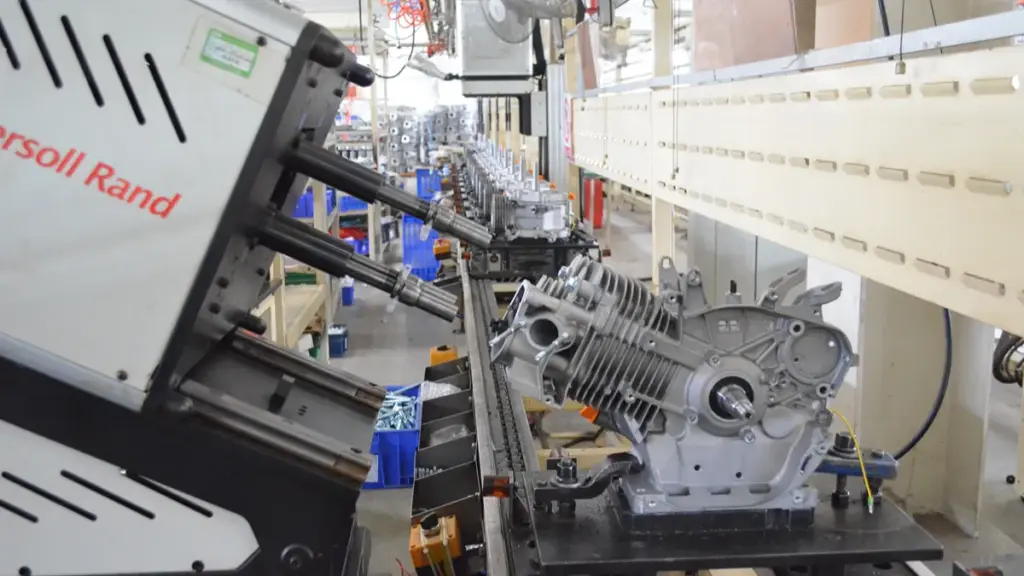
Choose a general-purpose pump when moving large volumes of water efficiently matters more than extreme discharge pressure. It cuts unnecessary costs and simplifies system maintenance.
Moderate Pressure and High Flow Requirements
General purpose centrifugal pumps thrive in environments operating well below 300 psi. Equipment following standards like ANSI/ASME B73.1 focuses entirely on efficient liquid movement. Instead of generating extreme outlet force, these units prioritize raw volume and steady transfer rates.
You should deploy them for clean or lightly treated water. They are not built for hazardous, high-temperature, or highly specialized industrial fluids. When your primary goal is shifting liquid from point A to point B without battling extreme pipe resistance, standard utility pumps handle the workload perfectly.
Ideal Applications and Use Cases
These pumps fit naturally into everyday fluid movement scenarios. Engineers specify them across commercial and industrial sites where volume throughput dictates system success.
- Water transfer: Moving liquid between tanks, embalses, or different process stages.
- HVAC and circulation: Running cooling or heating loops that need stable, dependable flow rather than extreme discharge pressure.
- Standard irrigation: Handling open-field or landscape watering where specialized high-pressure nozzles are absent.
- Utility services: Managing routine wastewater and general industrial facility water needs.
Cost and Maintenance Advantages
Specifying a general purpose pump keeps capital expenditure grounded. You avoid the premium price tags attached to high-pressure components and specialized industrial ratings that your system simply does not need.
This approach streamlines the specification process and removes the risk of overdesigning a basic utility setup. Because these units integrate perfectly with standard piping and normal system pressures, your team faces significantly less maintenance complexity over the equipment’s lifespan.
Situations That Require High-Pressure Alternatives
While versatile, standard transfer pumps fail under heavy resistance. You must step up to specialized equipment when the job demands sheer force rather than simple volume.
- Industrial cleaning: Standard models cannot support water jetting or hydrotesting that demands sustained pressure from 500 a más 1,500 psi.
- Fire protection: Emergency systems require certified, instant-on performance and massive lift that general utility models cannot guarantee.
- Critical process loads: Avoid standard models for demanding processes that require API-level construction to survive extreme operational stress.
High Pressure vs General Purpose Water Pump for Irrigation
Choose a high-pressure pump to push water across long distances and uneven terrain. Rely on a general-purpose pump to move large volumes efficiently for standard, flat-field irrigation.
Core Differences in Pressure and Flow
A high-pressure pump generates strong discharge pressure to overcome significant friction or elevation losses. This design inherently delivers lower flow rates. General-purpose centrifugal pumps prioritize moving large volumes of water efficiently at moderate pressures. In agricultural settings, these units commonly operate in the 15 a 60 rango psi.
Upgrading to a high-pressure system introduces greater physical stress to your infrastructure. The added force places higher demands on your entire irrigation network. You must specify stronger pipes, heavy-duty fittings, and premium seals to prevent leaks or blowouts under load.
Ideal Use Cases and Applications
Matching the pump to the field layout dictates your system’s reliability. High-pressure pumps handle demanding environments where resistance restricts water delivery, especially when running pressure-compensating drip networks that require sustained inlet pressure for multiple active emitters.
Deploy a high-pressure pump for these challenging layouts:
- Long-distance conveyance: Pushing water through extensive pipe networks.
- Uneven hillside fields: Overcoming steep elevation changes.
- Filtration-heavy setups: Forcing water through restrictive filter media.
General-purpose pumps excel in straightforward, low-resistance layouts. Rely on them for:
- Surface irrigation: Flooding fields or feeding low-head systems.
- Standard field watering: Moving water across flat, accessible crop rows.
- Short-distance transfer: Pumping directly from holding tanks or nearby canals.
Operational Trade-offs and System Impact
High-pressure models successfully maintain uniform emitter performance across difficult terrain. The direct trade-off is heavy energy consumption. Forcing water at high pressures requires significantly more power, driving up your daily operating expenses.
General-purpose pumps offer a more economical solution for standard water movement. They feature lower installation costs and run much cheaper over a long growing season.
You should never oversize pressure unnecessarily. Installing a high-pressure unit on a low-resistance field leads to increased energy bills, premature component wear, and a much higher risk of pipe failure.
Key Sizing and Selection Criteria
Your selection must map directly to the required pressure at the point of use, specifically the sprinkler or emitter inlet. You cannot buy an irrigation pump based on horsepower alone.
To size the system correctly, calculate the total dynamic head (TDH). This requires combining several specific system losses:
- Static lift: The vertical distance from the water source to the pump.
- Pipe friction: The resistance created by water moving through the pipe diameter.
- Elevation changes: The vertical rise from the pump to the highest irrigation point.
- Filter losses: The pressure drop caused by screens or media filters.
- Required nozzle pressure: The exact operating pressure your sprinklers or emitters need.
Once you calculate the total dynamic head, compare these system demands against the manufacturer’s pump curve. This ensures the pump operates within its most efficient range at your target duty point.
High Pressure vs General Purpose Water Pump for Drainage and Construction
Choose general-purpose pumps to quickly move large volumes of accumulating water. Reserve high-pressure pumps for tasks demanding concentrated force, like site cleaning or overcoming extreme pipe resistance.
Core Differences: Pressure vs. Volume
The primary distinction between these two equipment categories comes down to how they handle water. High-pressure water pumps focus on generating maximum force and high discharge head. In industrial construction, they frequently operate above 500 psi using multi-stage or plunger designs.
General-purpose water pumps prioritize moving high volumes of water efficiently at modest pressures. Manufacturers typically rely on centrifugal or submersible designs for these tasks. The flow profile differs significantly based on the pump’s internal mechanics.
- High-pressure systems: Deliver lower flow rates at significantly higher pressure.
- General-purpose systems: Move high flow rates at much lower pressure.
The type of water being pumped is also important. Clean water and water containing sand, mud, hojas, or other solid particles can require different pump designs. If you need to choose between pumps for clean or contaminated water, see Trash Pump vs Clean Water Pump for a detailed comparison of their construction, handling capacity, and suitable applications.
Drainage Applications: When Flow Rates Matter Most
Site drainage success depends heavily on clearing water faster than it accumulates. General-purpose pumps are the standard choice for floodwater removal, trench dewatering, and emptying excavation pits. In these scenarios, the priority is moving massive volumes quickly.
Actual drainage performance depends primarily on the flow rate and the total dynamic head rather than raw pressure output. A pump rated for extreme pressure will underperform if it lacks the capacity to process hundreds of gallons per minute.
You only need high-pressure pumps for drainage when the site forces you to overcome specific system resistance. Common examples include pushing water through exceptionally long discharge lines or pumping it up steep vertical elevations where a standard centrifugal pump would stall.
Construction Use Cases: Dewatering vs. Site Cleaning
Construction sites demand different equipment for different phases of the project. Standard dewatering, temporary bypass pumping, and stormwater management rely on general-purpose pumps designed for high throughput and muddy water handling.
Other site activities require concentrated water force rather than simple volume transfer. You need a high-pressure pump for specific, force-driven workloads.
- Equipment washdown: Blasting dried mud and grease from heavy machinery.
- Concrete cleanup: Preparing surfaces and removing slurry.
- Hydroblasting: Stripping materials or cutting surfaces.
- Dust suppression: Forcing water through misting nozzles.
Contractors often deploy both pump types simultaneously on complex sites. Pressure-oriented and flow-oriented designs are optimized for entirely different tasks, making a single pump highly inefficient for both jobs.
Practical Selection Rules and Trade-Offs
General-purpose pumps offer simpler site deployment and better economy for routine water transfer. They run cheaper and require less maintenance, but they struggle immediately if the application demands strong outlet pressure.
High-pressure pumps easily overcome pipeline resistance and deliver aggressive cleaning power. The trade-off is their cost. They require larger capital investment, demand careful setup, and operate far less efficiently for simple volume dewatering.
The baseline rule for site use is matching the pump exactly to the primary problem. Use flow-focused equipment to remove accumulating water. Use pressure-focused equipment to perform physical work at the discharge point.
How to Choose Between a High Pressure and General Purpose Water Pump
Choose a high-pressure pump to force water through restrictions or up steep elevations, and a general-purpose pump to move large volumes quickly at a lower cost.
Core Technical Differences: Pressure vs. Flow
High-pressure models generate intense force, normalmente van desde 100 psi to over 40,000 psi, to push water through system restrictions. General-purpose pumps operate at lower pressures, usually between 10 y 100 psi, prioritizing the rapid movement of large water volumes. Pressure and flow share an inverse relationship. Optimizing a pump for high pressure generally reduces its overall flow rate.
Matching the Pump to Your Application
Buyers must assess whether the water needs to do work at the outlet or simply relocate. Select a high-pressure pump for tasks demanding force, such as operating sprinklers, executing industrial wash-downs, firefighting, or pushing water up steep elevations. Choose a general-purpose pump for moving water efficiently from point A to point B. This includes draining flooded areas, filling pools, or handling basic household water transfer.
Critical Performance Factors to Evaluate
Identifying the correct pump requires matching equipment capabilities against specific site conditions.
- Discharge pressure and total dynamic head: Verify the pump can overcome specific elevation changes and pipe friction.
- Target flow rate: Match the output directly to the volume requirements of the specific task.
- Fluid quality: Identify debris levels, as contaminated water requires specialized handling designs rather than standard clean-water pumps.
- Power source: Favor engine-driven pumps for off-grid portability and electric models for stationary setups.
Costo, Energy, and Maintenance Trade-offs
General-purpose pumps require smaller motors, making them highly energy-efficient and less expensive to purchase upfront. High-pressure pumps utilize robust, precision-engineered materials to withstand operational stress. This specialized construction leads to higher initial costs and greater energy consumption. The complexity of high-pressure systems also results in a more demanding maintenance schedule compared to standard transfer pumps.
Common Selection Mistakes to Avoid
Failing to align pump specifications with the main operational goal leads to system failures and wasted capital.
- Using a high-pressure pump for simple transfer jobs: This wastes electrical or fuel energy and reduces flow efficiency.
- Underestimating pressure requirements: System performance drops rapidly when buyers ignore friction from spray nozzles, long hose runs, or restrictive fittings.
- Over-specifying specifications: Ensure the chosen pump aligns strictly with the primary objective rather than chasing unnecessary maximum ratings.
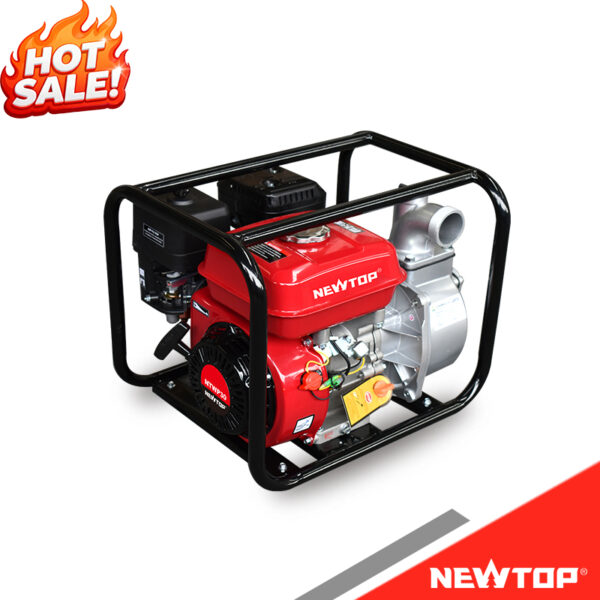
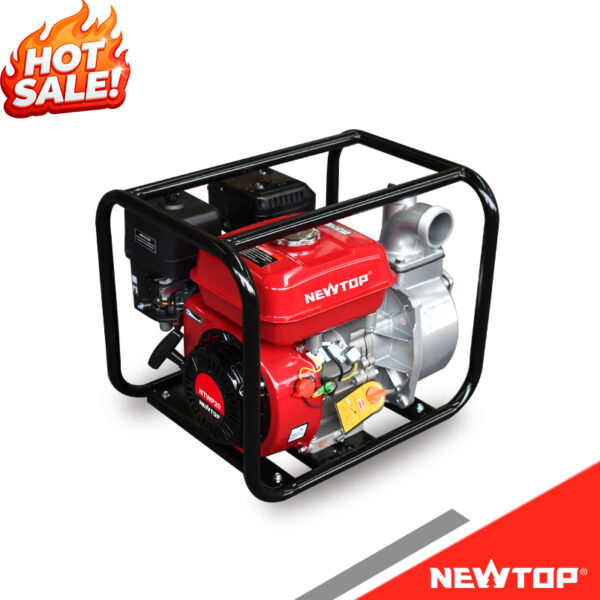
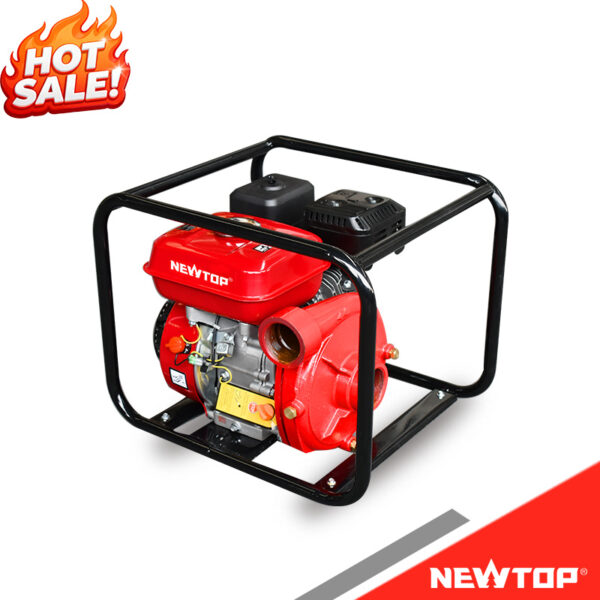
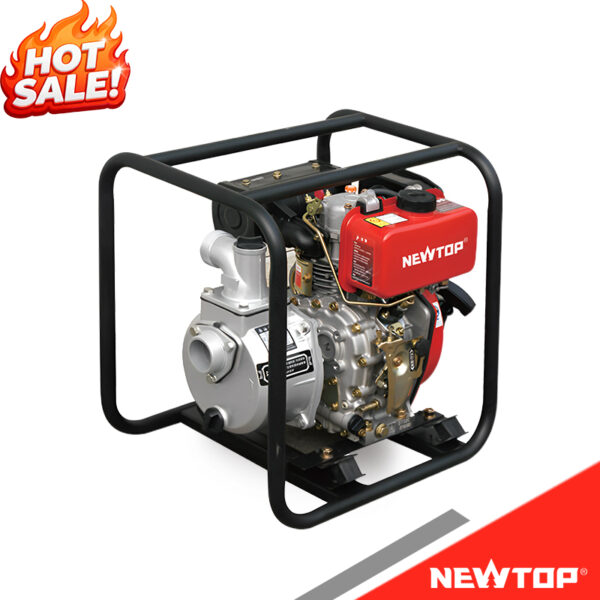
NEWTOP Water Pump Options for Different Applications
Preguntas frecuentes
What is the difference between a high-pressure and a general-purpose water pump?
A high-pressure water pump generates strong discharge force (cabeza) designed for pressure washing, water jetting, and industrial cleaning. A general-purpose pump focuses on moving large volumes of water (fluir) at lower pressures, making it the practical choice for basic fluid transfer, riego, and drainage.
Is a high-pressure pump better than a standard water pump?
It depends entirely on your application. A high-pressure pump is essential when a specific job demands forceful output at the discharge point, like hydroblasting or firefighting. If your goal is simply to transfer or circulate water efficiently, a standard pump is more practical and cost-effective.
Can I use a high-pressure pump for irrigation?
Sí, but reserve high-pressure pumps for large-scale or technical setups that must push water over long distances, up steep elevations, or through complex filtration systems. For a typical garden or low-resistance irrigation layout, a standard centrifugal pump provides a better balance of flow and moderate pressure.
What water pump is best for sprinklers?
Sprinkler systems require a specific balance of pressure and flow to maintain consistent spray coverage. A high-pressure centrifugal pump works best for demanding, multi-head layouts. For simpler setups, a surface booster pump handles shallow water sources well, while a submersible irrigation pump is the standard choice for accessing deeper wells.
Does higher pressure mean higher water flow?
No. Pressure is the force pushing the water, and flow is the total volume moved. In pump design, these factors generally have an inverse relationship. High-pressure units deliver lower flow rates optimized for forceful output. Standard general-purpose pumps prioritize high volume movement at reduced pressure.
How much head does a high-pressure water pump produce?
Entry-level high-head centrifugal models start around 150 feet of head, which equals roughly 65 psi. Multistage and industrial high-pressure pumps produce significantly more, generating anywhere from 1,300 feet of head to well over 4,000 metros, depending on the system design and the required operating pressure.
Can a general-purpose pump handle long discharge hoses?
A general-purpose pump can handle shorter hoses with wide diameters and minimal resistance. Long discharge hoses increase friction loss drastically. If you need to push water over a long distance or up an incline, you need a high-pressure pump to overcome that resistance and maintain usable flow at the end of the line.
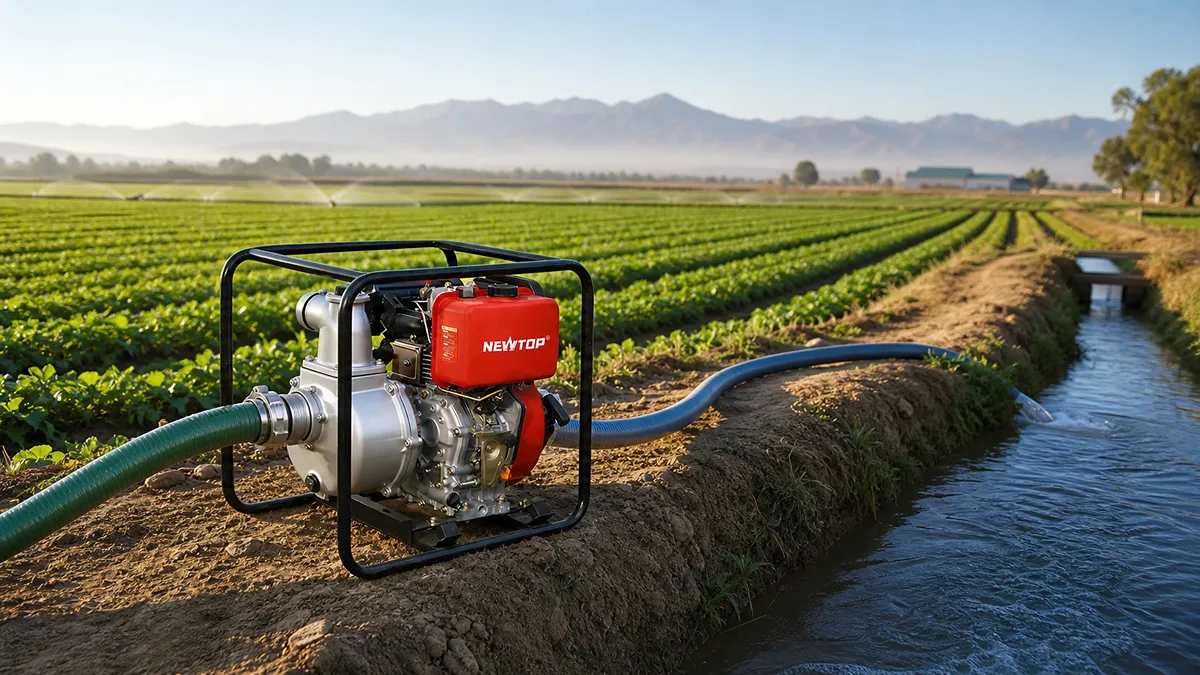
Many buyers focus only on horsepower or pump size when selecting a water pump. Sin embargo, pump performance depends on several factors, including flow rate, levantamiento de cabeza, water type, operating time, y fuente de energía. A pump that works well for irrigation may not be suitable for drainage or construction applications.
This guide explains how to choose the right water pump based on different applications and helps you understand the key specifications before making a purchase.
¿Qué es una bomba de agua y cómo funciona??
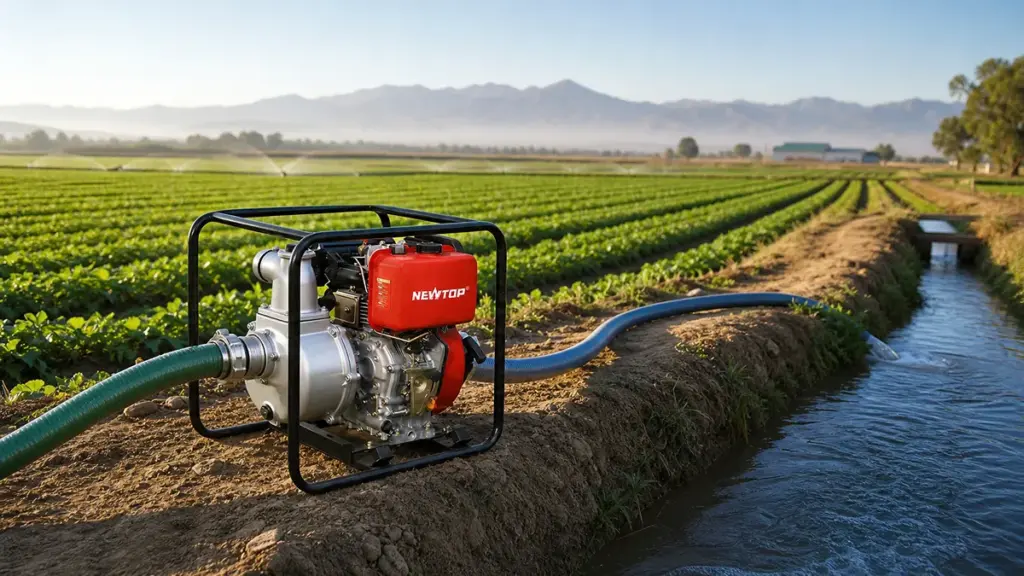
A water pump converts mechanical energy into hydraulic force to move fluid, overcome friction, and deliver the necessary flow and pressure for irrigation, drenaje, and construction sites.
A water pump is a mechanical device designed to move water from one location to another by converting engine or motor power into water pressure and flow. Portable water pumps usually use gasoline or diesel engines to drive an impeller, which creates centrifugal force and pushes water through the discharge outlet.
Most portable pumps work based on centrifugal pump technology. When the engine starts, the impeller rotates at high speed and creates a low-pressure area at the pump inlet. Water is drawn into the pump chamber, accelerated by the impeller, and pushed out through the discharge pipe.
The basic working process includes:
- The engine provides power to rotate the impeller.
- The impeller creates suction and moves water into the pump body.
- The pump casing converts kinetic energy into pressure.
- Water is discharged through the outlet pipe.
Related reading: Bombas de agua portátiles: Una guía práctica para diferentes aplicaciones
Key Water Pump Specifications to Compare
| Especificación | Lo que significa | Por qué es importante |
|---|---|---|
| Tasa de flujo | The amount of water a pump can move within a specific time, usually measured in L/min, m³/h, or GPM. | Determines how quickly water can be supplied, transferred, or removed. |
| Total Head | The total height a pump needs to overcome, including vertical lift, pipe friction loss, and required outlet pressure. | Shows whether the pump can deliver water to the required distance and elevation. |
| Potencia del motor | The output power of the engine, usually measured in horsepower (caballos de fuerza) or kilowatts (kilovatios). | Affects pumping capacity, rendimiento de presión, and ability to handle demanding applications. |
| Suction Height | The vertical distance between the water source and the pump inlet. | Determines how effectively the pump can draw water from wells, tanks, estanques, or other sources. |
| Water Type | The condition of the water, such as clean water, muddy water, or water containing solid particles. | Helps determine whether you need a clean water pump, trash pump, or another specialized pump type. |
For a more detailed breakdown, you can also read our guía para principiantes sobre las especificaciones de la bomba de agua, which explains these parameters in depth.
Maximize Profit with Durable OEM Machinery
What Are the Main Types of Water Pumps?
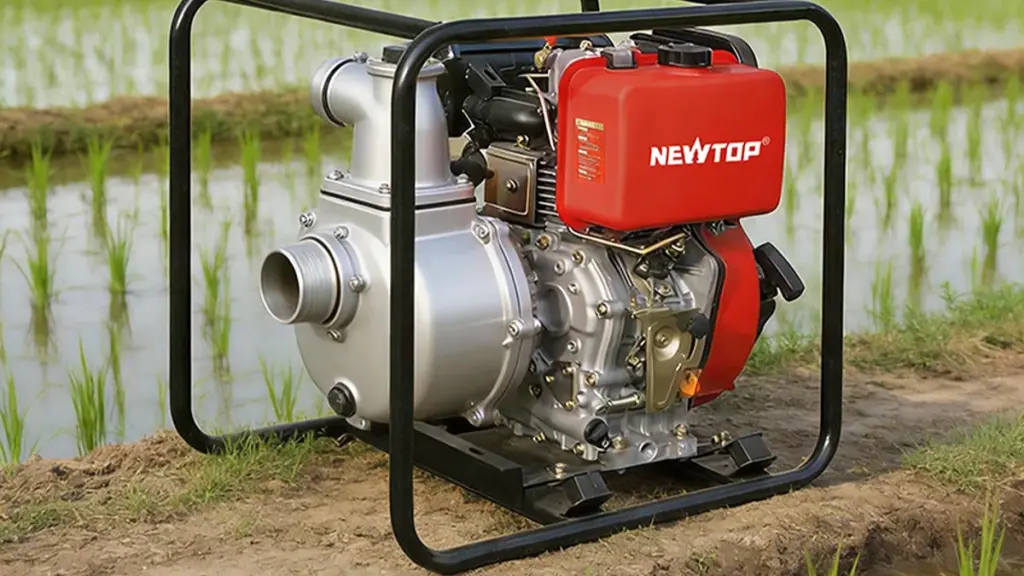
Water pumps can be classified according to their structure, fuente de energía, and application. For portable outdoor equipment, the most common types are clean water pumps, trash pumps, and high-pressure pumps.
If you want to better understand how different pump designs affect performance and priming ability, it’s also helpful to compare centrifugal and self-priming water pumps, o trash water pump vs clean water pumps, which we explain in detail in our guide on pump working principles and selection differences.
Centrifugal Pumps
Centrifugal pumps rely on a rotating impeller to add velocity to water and convert that velocity into usable pressure. They consistently deliver high efficiency for systems demanding moderate-to-high flow rates.
- Aplicaciones primarias: The standard choice for surface-water irrigation and general water transfer.
- Maintenance Factor: Requires manual priming in most standard surface installations.
- Liquid Constraint: Struggles to process heavily solids-laden or muddy water.
Submersible Pumps
Installed entirely below the water line, these units push water upward rather than pulling it. This submerged design entirely eliminates suction lift limitations and bypasses the need for manual priming.
- Core Environments: Commonly deployed in deep wells, drainage pits, and flooded basements.
- Operational Advantage: Works directly in the fluid to solve complex or deep suction-lift problems.
- Selection Requirement: Demands specific matching to depth and water quality to prevent submerged maintenance difficulties.
Jet Pumps
A jet pump utilizes an ejector mechanism to create strong suction and pull water directly from the source. Operators primarily install these units above ground to keep the hardware accessible for routine maintenance.
- Best Fits: Highly effective for shallow wells and specific above-ground irrigation supply setups.
- Suction Limits: Faces strict suction-lift restrictions compared to submerged pump alternatives.
- Efficiency Profile: Operates at lower overall efficiencies than standard centrifugal models.
Diaphragm and Positive-Displacement Pumps
This pump category displaces a fixed volume of liquid per cycle using a flexible mechanical mechanism. The physical design delivers strong self-priming capabilities tailored for demanding suction environments where standard pumps lose prime.
- Liquid Tolerance: Handles highly viscous, dirty, or chemically contaminated liquids effectively.
- Flow Characteristics: Produces lower maximum flow rates compared to centrifugal alternatives.
- Discharge Style: Often creates a pulsating discharge rather than a steady, continuous stream.
Trash and Booster Pumps
Neither of these units serves as a general-purpose lifting solution. They exist specifically to address strict environmental conditions or solve system performance constraints that standard equipment cannot handle.
- Trash Pumps: Feature large internal passages engineered to pass solids, sediment, and mud safely during heavy construction dewatering.
- Booster Pumps: Focus entirely on increasing pressure within an existing pressurized line or an underperforming irrigation zone.
How to Choose a Water Pump for Irrigation
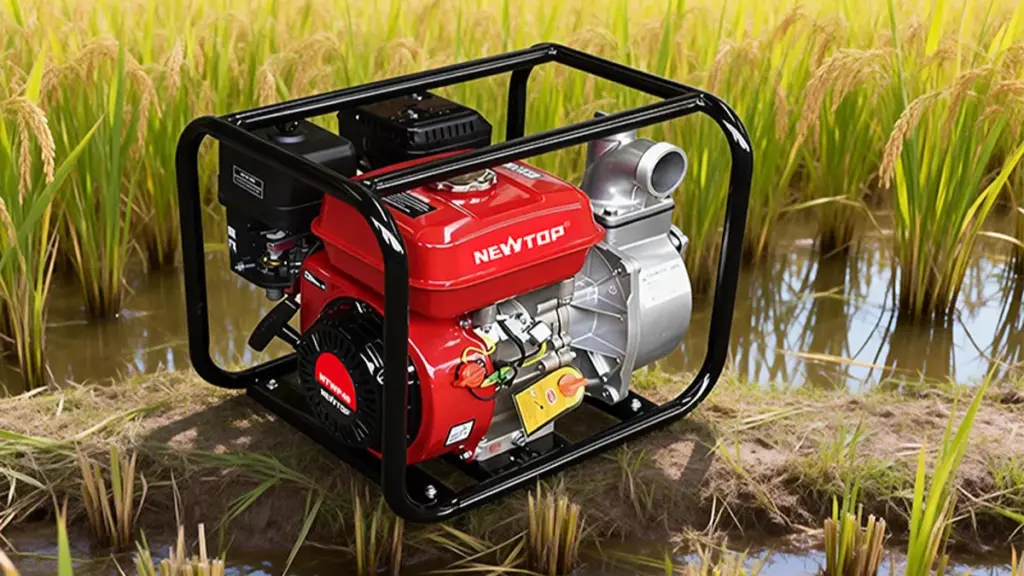
Choosing an irrigation pump comes down to matching your required flow rate and total dynamic head to your water source depth while operating near peak efficiency.
Assessing Your Water Source and Quality
The origin of your water dictates the physical hardware you need to install. If you draw from a deep well, physical suction limits render surface pumps useless, forcing you to rely on a submersible model. En cambio, shallow ponds, storage tanks, or canals pair perfectly with standard centrifugal or self-priming surface setups.
Water quality also dictates pump survival. If your source frequently pulls in sand, silt, or agricultural debris, a standard clear-water pump will suffer severe abrasion and rapidly lose pressure. Dealing with debris-laden water requires targeted inline filtration or a drainage-style pump built with larger clearances to prevent clogging.
Calculating Flow Rate and Total Dynamic Head (TDH)
Pump selection relies heavily on calculating two precise performance metrics for your specific site.
- Tasa de flujo (GPM or LPM): Size your capacity based on the peak simultaneous demand or the single largest irrigation zone in your layout.
- Cabeza dinámica total (TDH): Calculate this by adding the vertical suction lift, static elevation change, pipe friction loss, and your required outlet pressure.
- System Distribution Type: Factor in the delivery method, as high-impact sprinkler systems demand much higher continuous pressure than low-flow drip irrigation setups.
Selecting the Appropriate Pump Type
Once you map your head and flow numbers, match the pump style directly to your environmental conditions.
- Centrifugal Surface Pumps: The standard choice for highly efficient operation when transferring clean water from shallow sources at moderate head.
- Submersible Pumps: These sit directly below the water line, entirely bypassing suction lift limitations and eliminating surface priming issues.
- Self-Priming External Pumps: Ideal for above-ground surface transfer where operators need the practical convenience of quick suction recovery.
Matching Power Source and Efficiency Requirements
Buying a pump purely based on horsepower is a common sizing error. A massive motor operating far outside its intended duty point wastes electrical or fuel energy and increases mechanical wear. You must check the manufacturer’s performance curve to ensure your calculated flow and TDH intersect near the Best Efficiency Point (BEP).
Always verify that your site’s power capabilities match the exact motor requirements. Whether you rely on single-phase electric, three-phase power, or a portable diesel engine, the energy supply must handle the startup draw and continuous duty cycle to keep your irrigation system running reliably.
How to Choose a Water Pump for Drainage and Dewatering
Selecting the right drainage or dewatering pump requires matching flow rate, total dynamic head, and solid-handling capabilities to your exact site conditions and power constraints.
Assess the Water Source and Quality
Pump selection begins with a precise evaluation of the job site. You must define the task as either drainage for nuisance water removal or dewatering for continuous site drying. The location of the water source dictates the fundamental pump configuration, while the water composition determines the internal mechanics required to prevent premature failure.
- Task definition: Distinguish between temporary drainage and continuous active dewatering.
- Source location: Identify the water depth to determine whether an above-water or submersible setup minimizes suction losses.
- Water quality: Evaluate the water for sand, silt, or debris to ensure the chosen model handles expected solids without excessive wear or clogging.
Calculate Flow Rate and Total Dynamic Head (TDH)
Sizing a pump relies on hard calculations, not horsepower estimates. Determine the required flow rate in cubic meters per hour, and add a safety margin to account for sudden rainfall or unexpected groundwater seepage. Próximo, you must calculate the Total Dynamic Head (TDH) to understand the true pressure demand on the system.
- Static lift: The exact vertical distance the water must travel from source to discharge.
- Friction losses: The resistance caused by water moving through pipes, guarniciones, and valves.
- Discharge pressure: The specific pressure required at the outlet point.
Factor in long discharge distances carefully. Extended hoses and elevation changes significantly impact total system demand and can render an improperly sized pump useless on site.
Select the Appropriate Pump Type
The pump architecture must match both the physical environment and the water composition. Using a clean-water pump for a muddy excavation guarantees rapid mechanical failure.
- Submersible drainage pumps: Use these for flooded sumps and ponds to completely eliminate suction lift limitations.
- Trash or solids-handling pumps: Select these for construction pits containing muddy or abrasive silt-laden water.
- Dedicated dewatering pumps: Choose these heavy-duty units for continuous trench and foundation work that requires handling high flow volumes.
Verify the Pump Curve and Power Supply
Never buy a pump based solely on its maximum theoretical output. You must match your operating duty point to the middle of the manufacturer’s pump curve, known as the Best Efficiency Point (BEP). Operating near the BEP maximizes electrical efficiency and prevents severe mechanical wear.
- Power compatibility: Confirm the site offers compatible power, whether single-phase electric, three-phase electric, petrol, or diesel.
- Duty cycle matching: Select a motor rated for the anticipated daily duty cycle.
- Continuous operation: Verify the unit supports continuous running during heavy storms or prolonged excavation work.
Evaluate Installation Constraints and Maintenance Needs
Physical site limitations often dictate the final model selection. Verify the physical pump dimensions to guarantee the unit fits narrow boreholes, small sumps, or confined excavations. A tight fit can restrict intake flow and cause overheating.
- Piping constraints: Secure all piping connections to prevent casing strain under heavy load.
- Intake protection: Consistently use recommended strainers to block large debris from destroying the impeller.
- Serviceability: Prioritize models with accessible maintenance features and strong service support for critical continuous applications.
How to Choose a Water Pump for Construction Sites
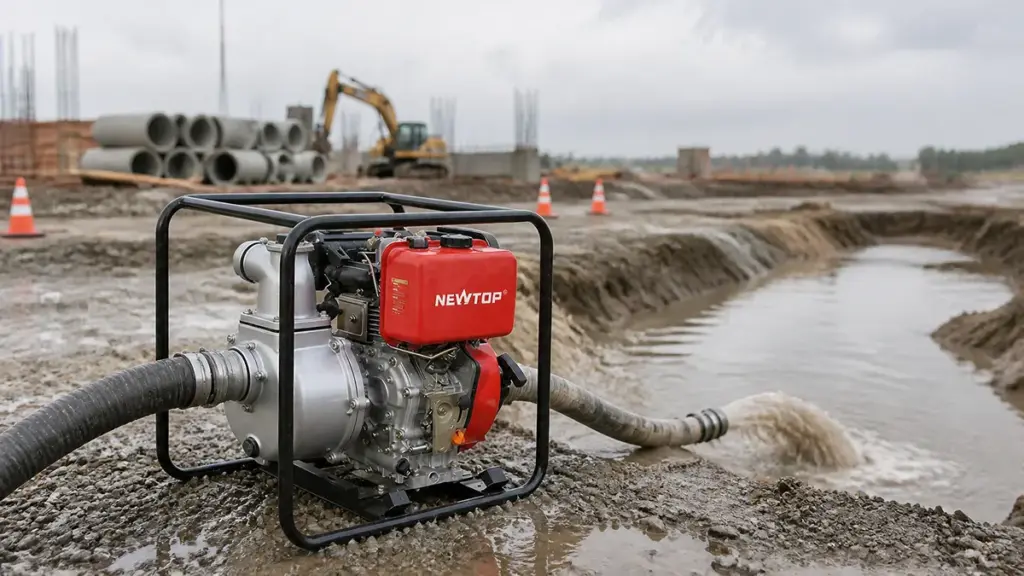
Select a construction water pump based on flow, total head, and solids tolerance before looking at horsepower to avoid downtime and excessive wear.
Calculate Required Flow Rate and Total Head
Determine the volume of water you need to move per minute or hour to keep excavation areas clear and usable. This establishes your target flow rate. Próximo, calculate the total dynamic head (TDH). This calculation requires three specific inputs:
- Vertical lift: The physical distance from the water surface to the discharge point.
- Friction losses: The resistance created by hoses, pipes, and fittings along the run.
- Discharge pressure: The specific force required at the final outlet.
Compare these precise requirements against the actual operating pump curve. Relying solely on nominal horsepower ratings often leads to undersized or inefficient equipment.
Assess Water Quality and Solids Content
Construction sites rarely deal with clean water. Identify whether the site requires pumping clean water, muddy water, sand-laden fluid, or water heavy with debris. Match the actual water conditions with appropriate impeller types and clog-resistant designs found in trash or solids-handling pumps. You must account for suspended solids early in the selection process to prevent premature wear, sudden clogging, and unexpected downtime on the job site.
Determine Suction Depth and Pump Configuration
Measure the exact distance from the water surface to your intended pump intake. You can utilize surface or self-priming pumps for shallower applications where the suction lift remains within practical limits. Switch to submersible pumps if the source depth exceeds 7 a 8 metros. At that depth, surface suction becomes ineffective and will cause performance failures.
Evaluate Power Availability and Portability Needs
Check the site for a reliable single-phase or three-phase electrical supply to support electric pumps. Select diesel-driven or combustion pumps for remote sites, emergency flood control, or areas lacking stable infrastructure. Consider the physical footprint and mobility required to move the unit between different dewatering zones as the project scales.
Factor in Duty Cycle and Operating Margins
Include a 10 a 20 percent safety margin in your capacity calculations to handle real-world variations, seasonal level changes, and minor obstructions. Prioritize automatic controls like float switches or level sensors for repeated or continuous drainage tasks to reduce manual oversight. Verify you have adequate Net Positive Suction Head (NPSH) margins to avoid cavitation, especially when using long suction lines or operating in shallow water.
How to Choose Between a Gasoline and Diesel Water Pump
Select gasoline pumps for quick deployment and intermittent use, but switch to diesel when operations demand heavy-duty autonomy, long daily hours, and lower lifetime fuel costs.
| Comparación | Gasoline Water Pump | Diesel Water Pump |
|---|---|---|
| Salida de energía | Suitable for light and medium-duty applications that require flexible and portable pumping solutions. | Provides stronger performance for heavy-duty applications and long-duration pumping operations. |
| Eficiencia de combustible | Generally has higher fuel consumption during continuous operation. | Usually offers better fuel efficiency when running for extended working hours. |
| Peso | Lighter design makes it easier to transport and move between different job locations. | Typically heavier because of the stronger diesel engine structure and components. |
| Mantenimiento | Simple maintenance requirements and easier starting performance. | Built for durability and demanding working environments with longer service needs. |
| Mejores aplicaciones | Pequeñas granjas, gardens, water transfer, and emergency drainage tasks. | Sitios de construcción, industrial drainage, mining, and large-scale irrigation projects. |
When to Choose a Gasoline Water Pump
Motores de gasolina excel in scenarios that prioritize speed and ease of movement over continuous operation. These units weigh significantly less, making them easy to carry across temporary setups, tight enclosures, or rough terrain by a single operator.
They feature simple startup procedures tailored for occasional, non-intensive use. This makes them highly effective for sporadic tasks, emergency water transfer, or rapid flood response. A gasoline pump fits perfectly into moderate flow requirements where the immediate convenience of deployment outweighs the need for long-term fuel efficiency.
When to Choose a Diesel Water Pump
Diesel engines are built for endurance. You select a diesel pump when the job involves prolonged daily workloads or continuous heavy-duty operation. Manufacturers design these units with robust structural frames capable of withstanding harsh, demanding environments for extended periods without degradation.
While they carry a higher upfront cost and a heavier footprint, diesel pumps deliver superior fuel efficiency over time. This translates to a notably lower total cost of operation for high-hour usage. They become the default choice when equipment autonomy, durabilidad, and raw pumping power outrank lightweight portability.
How to Match Pump Size, Tasa de flujo, and Head to Your Application
Matching the right pump means balancing flow rate and total dynamic head against your specific water source. Oversize it, and you waste energy; undersize it, and your system starves.
| Solicitud | Primary Focus | Key Sizing Factor |
|---|---|---|
| Irrigation | Precise flow and pressure | Simultaneous zone flow + TDH |
| Drenaje | Fast evacuation | Total volume + solids handling |
| Construcción | Movilidad & dirty water | Peak inflow + high TDH |
Understanding Core Sizing Variables
You cannot select a pump based on horsepower alone. A successful installation requires matching the physical properties of the water source to the mechanical output of the equipment. Buyers must define four specific variables before reviewing product catalogs.
- Caudal (Q): The volume of water moved per unit of time, typically measured in L/min, m³/h, or GPM.
- Cabeza dinámica total (TDH): The total resistance the pump must overcome, combining vertical lift and friction.
- Source depth: A depth exceeding 7-8 meters generally requires switching from a surface pump to a submersible model.
- Water type: The presence of solids, sludge, or debris dictates pump material and design compatibility.
Calculating the Required Flow Rate
Flow rate defines how much water moves through your system at any given moment. Sizing this metric correctly prevents both equipment strain and wasted operating expenses.
- Irrigation applications: Require summing the flow of all emitters or zones operating simultaneously.
- Dewatering and construction: Require calculating the total volume of accumulated water against the target evacuation time.
- Cost factors: Oversizing the flow rate unnecessarily increases initial equipment costs and energy consumption.
Determining Total Dynamic Head (TDH)
TDH represents the actual physical resistance the pump pushes against. If you miscalculate this variable, your pump will fail to deliver water at the final destination.
- Static head: The physical vertical distance between the water level and the final discharge point.
- Friction losses: Pressure drops caused by water traveling through pipes, elbows, valvulas, and filters.
- Required operating pressure: The minimum pressure needed at the final delivery point to operate sprinklers or other equipment.
Reading the Pump Curve and Adding Safety Margins
Every pump has a performance curve showing exactly how flow drops as head increases. Operators run into trouble when they force a pump to work outside its intended functional range.
- Target the middle: Select a pump where the calculated flow and head intersect near the middle of its efficiency curve.
- Build in a buffer: Incorporate a 10-20% safety margin to account for system wear, seasonal water level drops, and real-world variations.
- Prevent wear: Avoid selecting pumps that operate at the extreme limits of their performance curves to prevent premature failure.
Application-Specific Selection Criteria
A pump built for one job often fails in another. Different industries prioritize completely different mechanical parameters.
- Irrigation systems: Prioritize precise flow per zone, TDH, and hydraulic efficiency.
- Drainage setups: Focus on rapid evacuation capacity, solids handling, and continuous operation reliability.
- Construction dewatering: Demands robust resistance to dirty water, high mobility, and flexible installation.
Match the pump specifications strictly to the physical environment, and the equipment will deliver the required performance without unnecessary downtime.
Common Water Pump Selection Mistakes to Avoid
Most pump failures stem from sizing by horsepower rather than matching flow and total dynamic head to site-specific conditions, causing inefficient operation and premature wear.
Sizing and Performance Miscalculations
The fastest way to ruin a pumping system is choosing equipment based on horsepower alone. Motor size is a result of system requirements, not the starting point. Buyers consistently run into trouble when they fail to match the system demand for flow rate and Total Dynamic Head (TDH).
Calculating TDH accurately requires accounting for static lift, friction losses through pipes and fittings, and the required outlet pressure. Omitting any of these variables results in underperforming systems. Another frequent error is sizing based on a daily average rather than the peak simultaneous operating demand, leaving critical zones starved for water during heavy use.
When flow and pressure capabilities mismatch the specific operating point of the delivery system, the pump operates too far from its Best Efficiency Point (BEP). Forcing a pump to run on the extreme left or right of its performance curve drastically increases mechanical wear and destroys efficiency.
Overlooking Water Quality and Site Conditions
Matching the physical pump to the actual site environment is just as critical as hitting the right performance curve. Operators frequently try to use standard clean-water pumps for drainage or construction dewatering. When the water contains sediment, escombros, or abrasives, these standard impellers quickly clog or wear out.
- Suction Limits: Ignoring suction lift conditions and failing to ensure available NPSH exceeds required NPSH leads directly to cavitation.
- Power Mismatches: Skipping basic power supply checks results in voltage, fase, or frequency conflicts that prevent the system from running.
- Fluid Chemistry: Disregarding abrasive particles or corrosive water chemistry causes premature casing and seal failures without specific corrosion-resistant materials.
Application-Specific Pitfalls
Every job site presents unique hydraulic challenges. Failing to adjust for the specific application guarantees poor performance.
- Irrigation: Buyers often fail to convert individual emitter needs into accurate total pump requirements or ignore the heavy friction losses that occur by the time water reaches the field edge.
- Drenaje: Sizing flow capacity too low for unexpected stormwater peaks leaves areas flooded, while using the wrong impeller style guarantees persistent clogging.
- Construcción: Site managers routinely underestimate the total head generated by long temporary discharge runs and sudden elevation changes across an active site.
Neglecting Duty Cycle, Instalación, y mantenimiento
Even perfectly sized equipment fails if the installation and operating habits are flawed. Underestimating total operating hours is a common trap. Selecting a pump rated only for intermittent use and forcing it into continuous duty cycles causes rapid motor burnout.
Physical installation errors compound these problems. Operating without proper priming mechanisms, missing strainer protection, or using unsecure mounting setups creates destructive vibration. Site operators also overlook the severe risks of dry-running or closed-valve operation, which can melt internal seals in minutes.
Ignoring physical site constraints ensures long-term maintenance headaches. Narrow boreholes, tight footprints, or difficult access points make routine servicing nearly impossible, turning minor preventative maintenance into a massive teardown project.
NEWTOP Water Pumps for Irrigation, Drenaje, and Construction
As an outdoor power equipment manufacturer, NEWTOP develops portable water pumps designed for agriculture, construcción, drenaje, and general water transfer applications.
NEWTOP water pumps combine reliable engine performance with practical designs for different working environments. Whether customers need irrigation support, emergency water removal, or construction dewatering solutions, selecting the right pump model ensures better efficiency and longer service life.
Key advantages of NEWTOP water pumps include:
- Reliable engine performance: Designed for stable operation in outdoor working conditions.
- Multiple application options: Solutions available for clean water transfer, riego, and drainage applications.
- Durable construction: Strong pump bodies and frames improve product lifespan.
- Easy maintenance: Practical designs help reduce downtime during daily operation.
- OEM and bulk supply capability: Supporting distributors and international partners with customized solutions.
Con años de experiencia en la fabricación de equipos eléctricos para exteriores., NEWTOP understands that different markets and applications require different pumping solutions. Whether you are sourcing for retail, industrial projects, or OEM branding, NEWTOP is ready to support you with reliable product quality, strong manufacturing capability, and flexible customization services. Contact us today to build a competitive and dependable water pump product line for your market.
Preguntas frecuentes
What size water pump do I need for irrigation?
Sizing an irrigation pump correctly requires determining the specific flow rate and total dynamic head (TDH). Calculate flow by adding the demand of the actual emitters or sectors running simultaneously, rather than the total theoretical field consumption. Próximo, calculate TDH by combining static lift, pipe friction losses, and the required emitter pressure. Select a pump whose performance curve places your target flow and TDH near its best efficiency point. Add a 10–20% safety margin to account for wear and seasonal variations. If your water source sits deeper than 7–8 meters, you need a submersible pump rather than a surface model.
How do I calculate total dynamic head for a water pump?
Total dynamic head (TDH) measures the total resistance your pump must overcome to move water. Calculate it by adding four specific components. Primero, measure the static head, which is the vertical distance from the water surface to the highest discharge point. Segundo, calculate friction losses caused by water moving through pipes, valvulas, and filters. Tercero, add the pressure head, which is the required operating pressure at the outlet like a sprinkler nozzle. Finalmente, include a 5–10% safety margin to accommodate seasonal water level drops and gradual component wear.
What is the difference between a clean water pump and a trash pump?
A clean water pump handles clear water with minimal suspended particles. Operators use these primarily for standard irrigation and general water transfer. A trash pump features larger impellers and volutes designed to pass mud, arena, hojas, and small solids without clogging. Construction crews rely on trash pumps for site dewatering, trench drainage, and flood control tasks where debris would instantly block or destroy a standard clean water pump.
How far can a portable water pump push water?
A pump’s effective reach depends entirely on its available pressure and total dynamic head, not horizontal distance alone. Pushing water over long horizontal runs creates friction, which directly subtracts from the pressure available at your discharge point. To find out if a portable pump can reach your target, calculate the total vertical lift and add the friction losses for your specific hose length and diameter. Check the pump’s performance curve to verify it can maintain the required flow at that total head.
How much horsepower do I need for a water pump?
Horsepower is a byproduct of your system requirements, not the starting metric for pump selection. The correct horsepower depends on your required flow rate, total dynamic head, and pump efficiency. Moving massive volumes of water or pushing it up steep inclines dictates a higher horsepower requirement. You should always select a pump by matching its performance curve to your target flow and head. Once you find that match, the manufacturer’s specifications dictate the necessary motor horsepower to maintain that duty point efficiently.
Can one water pump be used for irrigation and drainage?
Sí, a single pump handles both tasks if the flow rate, total head, and water quality align for both applications. A correctly sized centrifugal pump easily manages irrigation and clear-water drainage. But if your drainage task involves thick mud or construction debris, you must use a specialized trash pump. Trash pumps clear solids effectively but struggle to maintain the high, stable pressure required for agricultural sprinkler systems.
What happens if a water pump is too large for the job?
An oversized pump operates far from its best efficiency point, forcing you to pay for wasted energy and higher operating costs. In an irrigation setup, excess pressure damages fittings, blows out emitters, and creates uneven water distribution across the field. In drainage or construction applications, an oversized pump overwhelms temporary discharge lines or causes automatic float systems to short-cycle rapidly. This constant on-and-off cycling destroys bearings, degrades seals, and burns out the motor prematurely.

Las ofertas de otoño NEWTOP 2026 están aquí, brindando descuentos por tiempo limitado y recompensas de pedidos exclusivas a nuevos clientes calificados.
Desde agosto 21 a septiembre 30, 2026, los pedidos anteriores reciben mayores descuentos. Los pedidos FOB calificados también pueden desbloquear obsequios promocionales según el valor del pedido., dando a los distribuidores una razón adicional para adelantar la reposición de existencias planificada, presentaciones de nuevos productos, y compras de categorías mixtas.
Ya sea que se esté preparando para las ventas de fin de año, ampliando su gama actual, o haciendo su primer pedido NEWTOP, La promoción ofrece una oportunidad práctica para reducir los costos de adquisición y al mismo tiempo generar inventario en función de la demanda real del mercado..

Descuentos de otoño: Cuanto antes haga su pedido, cuanto más ahorras
El descuento más alto está disponible durante la etapa de apertura.. Se anima a los compradores con requisitos confirmados a finalizar las especificaciones y cantidades de sus productos antes de agosto. 31.
| Período de pedido | Descuento |
|---|---|
| 21 al 31 de agosto, 2026 | 3% APAGADO |
| 1 al 15 de septiembre, 2026 | 2% APAGADO |
| 16 al 30 de septiembre, 2026 | 1% APAGADO |
El descuento aplicable se basará en la fecha en que se confirme el pedido calificado dentro del período de promoción..
Regalos exclusivos para pedidos calificados
Además del descuento por tiempo, Los pedidos calificados pueden recibir obsequios promocionales de acuerdo con el valor FOB del pedido..
Además de descuentos, NEWTOP ofrece obsequio premium durante el período de promoción:
- Pedidos terminados $20,000
🎁 Teléfono móvil Huawei, 100 camisetas o sombreros de marca - Pedidos terminados $10,000
🎁 Altavoz Bluetooth de alta calidad - Pedidos terminados $5,000
🎁 Mochila de alta gama - Pedidos terminados $2,000
🎁 auriculares Bluetooth
Los montos de los pedidos anteriores son solo por valor FOB. Los obsequios promocionales están disponibles solo para el primer 20 nuevos clientes.
Las imágenes de regalo son solo de referencia., y modelos reales, bandera, y las especificaciones están sujetas a los productos físicos suministrados..
Aproveche más su primer pedido NEWTOP
Las Ofertas de Otoño pueden respaldar diferentes planes de compra, si está probando los productos NEWTOP por primera vez, preparando stock para la próxima temporada de ventas, o agregar productos relacionados a su gama existente.
La promoción se aplica a todas las principales categorías de productos de NEWTOP., incluyendo equipos eléctricos para exteriores, maquinaria agrícola, generadores, bombas de agua, motores fuera de borda, herramientas de batería de litio, y repuestos.
Los nuevos clientes pueden utilizar la promoción para:
- Realizar un pedido de prueba inicial para modelos seleccionados
- Reponer productos con clara demanda local
- Combina categorías complementarias en una sola compra
- Añadir repuestos y accesorios comunes
- Comience un proyecto OEM o de marca privada
Un primer pedido enfocado suele ser más práctico que seleccionar demasiados productos no relacionados. Elegir varios modelos relevantes y las piezas de servicio necesarias puede facilitar la evaluación del producto., pruebas de mercado, y la reposición futura más fácil.
Por qué es importante la confirmación temprana
La etapa de apertura ofrece el mayor descuento., pero una confirmación más temprana también puede hacer que el proceso de pedido sea más flexible.
Es posible que se necesite tiempo de preparación adicional cuando un pedido incluye:
- Múltiples modelos de productos
- Configuraciones técnicas específicas del mercado
- Colores personalizados, etiquetas, o cajas de cartón
- Máquinas mixtas y repuestos.
- Condiciones especiales de embalaje o carga.
Confirmar estos requisitos con antelación da a ambas partes más tiempo para revisar la cotización., comprobar disponibilidad del producto, preparar materiales OEM, y organizar la producción y el envío.
Para recibir una oferta promocional precisa, Los compradores deben proporcionar los principales modelos de productos., cantidades, mercado de destino, requisitos técnicos, y cualquier necesidad de personalización. El equipo de ventas de NEWTOP podrá confirmar el descuento aplicable., elegibilidad para donaciones, y detalles del pedido.
Asegure sus beneficios de otoño antes de septiembre 30
El NEWTOP Ofertas de otoño 2026 huir de Agosto 21 a septiembre 30 y están disponibles exclusivamente para nuevos clientes.
Los clientes que realizan sus pedidos antes reciben un descuento mayor, mientras que los pedidos calificados también pueden desbloquear obsequios promocionales según su valor FOB.
tenga en cuenta:
- Los obsequios promocionales se limitan a primero 20 clientes calificados
- Los umbrales de donación se calculan según valor del pedido FOB
- El descuento aplicable depende de la fecha de confirmación del pedido.
- Los modelos y especificaciones de regalo están sujetos a disponibilidad real.
Póngase en contacto con el equipo de ventas de NEWTOP con los requisitos de su producto para confirmar la disponibilidad., elegibilidad para la promoción, y la oferta aplicable a su pedido.
Ordene temprano, ahorra más, y desbloquea recompensas adicionales con tu primera compra NEWTOP.
*NEWTOP se reserva el derecho de interpretación final de esta promoción..
Las hélices de motores fueraborda con mayor potencial de repetición de ventas en Sudamérica son generalmente modelos de reemplazo de aluminio de tres palas para fuerabordas de gama pequeña y media ampliamente utilizados.. Para muchos distribuidores, Los puntos de partida más prácticos son las familias de motores de 9,9 a 15 CV y de 25 a 40 CV., seguido de aplicaciones seleccionadas de 40 a 60 HP.
Este no es un ranking de ventas continental. Ninguna base de datos pública rastrea las ventas de SKU de hélices individuales en todos los países de América del Sur. Brasil, Colombia, Chile, Perú, y otros mercados tienen flotas diferentes, vías navegables, presupuestos de clientes, y sectores de la náutica de recreo.
Una forma más fiable de planificar el stock es identificar los motores que ya funcionan localmente., luego decida qué materiales de hélice, lanzamientos, y las especificaciones de instalación tienen más probabilidades de generar una demanda repetida de reemplazo.
Un práctico mapa de existencias de América del Sur
La siguiente tabla es un modelo de existencias de distribuidores en lugar de datos de ventas regionales publicados..
| Posición de inventario | Enfoque recomendado | Por qué merece esta posición |
|---|---|---|
| Stock profundo | Hélices de aluminio de tres palas para familias de motores confirmadas de 9,9 a 15 CV | pesca pequeña, inflable, río, y los barcos utilitarios crean una amplia demanda de reemplazo |
| Valor básico | Hélices de aluminio de tres palas para familias de motores establecidas de 25 a 40 HP | Mejora comercial común para barcos de pesca y transporte cargados |
| Acciones selectivas | Hélices de aluminio para motores seleccionados de 40 a 60 HP, además de tamaños probados de acero inoxidable | Útil cuando ya se han establecido barcos de trabajo o flotas recreativas más grandes |
| Gama respaldada por pedidos | cuatro palas, acero inoxidable de primera calidad, tono poco común, rotación, o configuraciones de concentrador | La demanda es más específica de la aplicación y más fácil de suministrar en función de los pedidos confirmados. |
La frase importante es familias de motores confirmadas.. Almacenar una amplia gama de caballos de fuerza no es útil cuando los cubos de la hélice, recuentos de splines, diámetros, o los lanzamientos no coinciden con los motores que los clientes realmente operan.
Señal uno: ¿Qué motores fueraborda ya funcionan localmente??
La rotación de la hélice sigue la población de motores instalados..
Las compras recientes del sector público en Brasil incluyen 15 Fuerabordas HP de dos tiempos combinados con embarcaciones de aluminio de seis metros diseñadas para hasta 25 caballos de fuerza. en colombia, la autoridad nacional de pesca informó la entrega de embarcaciones pesqueras de fibra de vidrio equipadas con 40 Fuerabordas HP en 2025. Una descripción de la FAO de las pesquerías bentónicas en pequeña escala chilenas también registra embarcaciones abiertas que utilizan motores fuera de borda de aproximadamente 10 a 45 caballos de fuerza. Estas fuentes no son informes de ventas minoristas de hélices., pero ilustran por qué las bandas de motores de gama pequeña y media siguen siendo comercialmente importantes..
Para un distribuidor, Esto significa que la primera decisión de inventario no debe ser:
¿Qué tamaños de hélices son populares en todo el mundo??
debería ser:
¿Qué modelos de fueraborda aparecen con más frecuencia en nuestras ventas de motores?, reparaciones de taller, consultas de clientes, y flotas pesqueras locales?
Un distribuidor ya vende 15 caballos de fuerza, 30 caballos de fuerza, y 40 Los fuerabordas HP tienen un punto de partida natural. El stock de hélices primero debería soportar esos motores antes de expandirse a modelos no relacionados..
La evidencia local útil puede provenir de:
- Registros de ventas fuera de borda
- Historial de servicio del taller.
- Reemplazos de hélices dañadas
- Fotografías de clientes y consultas de piezas.
- Proyectos de barcos del gobierno
- Asociaciones de pesca y transporte
- Disponibilidad de motores de la competencia
Esto produce una mejor lista de SKU que seleccionar hélices solo de un catálogo general..
Señal dos: ¿Qué trabajo realiza el barco??
Dos embarcaciones que utilizan la misma potencia pueden crear una demanda de hélice diferente.
Un inflable con carga ligera puede priorizar el planeo fácil y el rendimiento de uso general. Un barco pesquero que transporta redes., combustible, hielo, multitud, y el agarre pone mayor énfasis en la aceleración y el manejo de carga. Los barcos de transporte fluvial podrán operar con pesos cambiantes de pasajeros o carga., mientras que los usuarios recreativos pueden prestar más atención a la velocidad de crucero.
El trabajo normal del barco influye en las variaciones de cabeceo que deberían estar disponibles..
Pequeñas embarcaciones pesqueras y utilitarias
Para motores portátiles y comerciales ligeros., Los compradores de reemplazo a menudo priorizan:
- Precio asequible
- Montaje directo
- Disponibilidad lista
- Rendimiento general confiable
- Fácil reemplazo después del daño por impacto
Esto respalda un inventario más profundo de modelos estándar de aluminio de tres hojas..
Barcos comerciales cargados
Un barco en funcionamiento que transporta carga o equipo de pesca con regularidad puede necesitar un paso diferente al de un barco con carga ligera que utilice el mismo motor..
Un distribuidor que atienda este mercado debería considerar llevar:
- La especificación de reemplazo estándar
- Una alternativa confirmada orientada a la carga
- Arandelas a juego, nueces, patas, y componentes del cubo
Esto le da al taller una segunda opción práctica sin crear demasiados SKU de lento movimiento..
Embarcaciones recreativas y de alto rendimiento
Algunos clientes están dispuestos a pagar más por el acero inoxidable., aceleración más aguda, agarre mejorado, o rendimiento de mayor velocidad.
Estos productos pueden venderse bien en la zona costera adecuada., lago, o canal de navegación de recreo. Sin embargo, Por lo general, requieren una combinación más precisa del motor y del barco., por lo que no deberían recibir automáticamente la misma profundidad de inventario que los reemplazos de aluminio estándar..
Señal tres: Material y cantidad de hojas
El aluminio de tres hojas es la gama central más segura
Las hélices de tres palas de aluminio ofrecen un equilibrio de costes útil, peso, disponibilidad, y amplia cobertura de aplicaciones.
Yamaha describe sus hélices generales de tres palas de aluminio como ligeras, Productos de bajo costo que brindan un buen rendimiento general en una amplia gama de motores fueraborda.. Mercury posiciona de manera similar las hélices de aluminio en torno al valor y la versatilidad..
Estas características se adaptan a muchos canales de reemplazo de América del Sur porque:
- Los barcos en funcionamiento necesitan soluciones asequibles para el tiempo de inactividad.
- Las hélices pueden encontrarse con aguas poco profundas, rocas, madera, arena, o artes de pesca.
- Los clientes a menudo desean restaurar el funcionamiento normal en lugar de comprar una mejora de rendimiento..
- Los distribuidores pueden cubrir más familias de motores con el mismo presupuesto de inventario.
Esto no significa que todas las hélices de aluminio se venderán.. La compatibilidad y el tono aún determinan si un SKU en particular se mueve.
El acero inoxidable debería seguir la demanda comprobada
El acero inoxidable puede proporcionar, palas más rígidas y mayor resistencia a la flexión. Comúnmente se posiciona como un material más duradero y orientado al rendimiento que el aluminio..
Una gama selectiva de acero inoxidable puede tener sentido para:
- Fuerabordas de mayor potencia
- Barcos de pesca de recreo
- Aplicaciones costa afuera
- Clientes que reemplazan una hélice de acero inoxidable existente
- Familias de motores con demanda repetida de piezas premium
Para una nueva gama de distribuidores, La demanda confirmada es más segura que llevar muchos tamaños de acero inoxidable por adelantado..
Las hélices de cuatro palas resuelven problemas específicos
Las hélices de cuatro palas pueden mejorar la aceleración, agarre, manejo, o rendimiento de carga en instalaciones particulares. Tanto Mercury como Yamaha ofrecen productos de cuatro palas para aplicaciones en las que se requiere una mayor aceleración o un mayor rendimiento de carga..
Es mejor tratarlos como una solución a un problema operativo conocido., como:
- Planeo lento bajo carga
- Mala aceleración
- Ventilación durante los giros.
- Cargas útiles pesadas o cambiantes
- Mayores requisitos de control a baja velocidad
Sin solicitudes locales confirmadas, El inventario de cuatro palas puede fragmentarse en demasiados pasos y familias de motores..
Señal cuatro: Pitch crea más SKU que caballos de fuerza
Uno de los mayores errores de almacenamiento es suponer que cada 15 HP o 30 El fueraborda HP utiliza una hélice estándar.
Los catálogos oficiales de hélices demuestran lo contrario.. Catálogo de repuestos de Suzuki., Por ejemplo, enumera varias opciones de paso de aluminio de tres palas para los mismos grupos de motores de 9,9 a 20 HP y otra amplia gama para aplicaciones de 25 a 30 HP.
El cabeceo afecta la velocidad del motor y el comportamiento del barco. Agregar tono generalmente reduce las RPM del motor con el acelerador completamente abierto, mientras que reducir el tono aumenta las RPM y puede mejorar la aceleración. Demasiado tono puede sobrecargar el motor.; muy poco puede permitir RPM excesivas.
Por lo tanto, la decisión de almacenamiento correcta depende de:
- Peso del barco
- Carga normal de pasajeros o carga
- Diseño del casco
- Relación de transmisión del motor
- Altitud de funcionamiento
- aceleración deseada
- Rango de RPM del motor recomendado
Para una familia de motores común, Tener un paso estándar y una alternativa probada localmente suele ser más útil que almacenar un paso en varias clases de caballos de fuerza no relacionadas..
Los caballos de fuerza no son una especificación de equipamiento
Un producto etiquetado “para 40 Fuerabordas HP” no contiene suficiente información para realizar un pedido preciso.
Los motores con la misma potencia pueden usar diferentes:
- Estrías del eje de la hélice
- Dimensiones de la caja de cambios
- Sistemas de concentradores
- Relaciones de transmisión
- Diámetros de hélice
- Direcciones de rotación
- arandelas de empuje
- Tuercas de hélice
- Disposiciones espaciadoras
Las marcas de diámetro y paso son sólo una parte de la identificación..
Un distribuidor debe organizar cada SKU en torno a:
- Modelo fueraborda compatible o familia de motores
- Diámetro y paso
- Número de palas
- Material
- recuento de spline
- Diseño de buje o casquillo de goma
- Bien- o rotación hacia la izquierda
- Hardware de montaje requerido
- Número de referencia cruzada, donde esté disponible
Esta información debe aparecer en el catálogo., etiqueta de almacén, cotización, y récord de ventas.
Un sistema de montaje claro reduce las devoluciones de manera más efectiva que simplemente transportar una mayor cantidad de hélices.
Dónde cambia la combinación de inventario
América del Sur no debe ser tratada como un mercado marítimo uniforme.
Un distribuidor centrado en ríos puede ver una mayor demanda de puntales de aluminio asequibles, lanzamientos orientados a la carga, y aplicaciones de 15 a 40 HP. Un distribuidor que preste servicios a embarcaciones costeras de recreo puede necesitar una gama de acero inoxidable más estrecha pero de mayor calidad.. Los talleres cercanos a las comunidades pesqueras pueden priorizar la disponibilidad inmediata de reemplazo, mientras que los importadores que prestan servicios en varios países pueden beneficiarse de pedidos mixtos organizados en torno a varias familias de motores establecidas..
Los siguientes patrones de mercado pueden guiar el rango final:
Mercados de pesca y transporte fluvial
priorizar:
- Recambios de tres cuchillas de aluminio.
- Familias comunes de 9,9 a 15 HP y de 25 a 40 HP
- Opciones de paso estándar y orientado a la carga
- Hardware de montaje y componentes del cubo.
- Piezas de reparación fáciles de pedir
Mercados mixtos comerciales y recreativos
Agregar:
- Aplicaciones seleccionadas de 40 a 60 HP
- Varios modelos de acero inoxidable probados
- Más de un objetivo de rendimiento por familia de motores
- Mejor identificación de productos y orientación sobre aplicaciones
Mercados emergentes o inciertos
Empezar con:
- Motores ya vendidos por el distribuidor.
- Piezas de repuesto solicitadas por el taller
- Pequeñas cantidades mezcladas
- Parcelas especiales específicas para el cliente suministradas contra pedido
El rango de apertura debería profundizarse solo después de que los datos reales de ventas directas identifiquen los SKU más sólidos..
Ampliando la gama alrededor de los fuerabordas NEWTOP
La colección actual de motores fueraborda NEWTOP incluye 9.9 caballos de fuerza, 15 caballos de fuerza, 18 caballos de fuerza, 30 caballos de fuerza, y varios 40 Modelos HP. El T15-63V está listado con un 9-1/4 × 9 hélice, mientras que el T40G y el T40J ofrecen 12- y opciones de hélice de 13 pulgadas. Esta escala de productos ofrece a los distribuidores una base práctica para la pesca pequeña., transporte, utilidad, y aplicaciones de ocio.
La página de hélices de repuesto de NEWTOP describe las hélices producidas con geometría de pala controlada, consistencia del espesor, modelado de curvatura, y acabado de superficies. Los objetivos de diseño declarados incluyen una rotación estable., transferencia de energía eficiente, aceleración más suave, y rendimiento de manejo de carga.
Para obtener una cotización precisa de la hélice NEWTOP, los compradores deben proporcionar:
- modelo fuera de borda
- Marcas de hélice existentes
- Diámetro y paso
- recuento de spline
- Tipo de barco
- Carga de funcionamiento normal
- Cantidad requerida
- Una fotografía clara de la hélice existente., donde sea posible
Los enlaces internos recomendados en esta sección son:
Estos deben vincular a las dos páginas oficiales NEWTOP proporcionadas para este artículo..
Un primer pedido más inteligente
No es necesario que un primer pedido de hélices cubra todos los barcos y todos los motores de la región..
Un surtido más controlado es:
Mantenga un stock más profundo
- Familias de motores confirmadas de 9,9 a 15 CV
- Familias de motores confirmadas de 25 a 40 HP
- Construcción de aluminio de tres hojas
- Pasos de reemplazo estándar
- Componentes de montaje necesarios con frecuencia
Mantener stock limitado
- Hélices de aluminio seleccionadas de 40 a 60 HP
- Un paso alternativo probado para aplicaciones de carga pesada
- Acero inoxidable para familias de motores con demanda conocida
Suministro contra pedidos confirmados
- Modelos de cuatro palas
- Sistemas de ejes o ranuras poco comunes
- Rotación hacia la izquierda
- Accesorios de rendimiento premium
- Combinaciones especiales de diámetro y paso
Después del primer ciclo de ventas., Las decisiones de reorden deben basarse en la velocidad de venta., solicitudes de taller, motivos de devolución, modelos de motor reparados, y condiciones de carga locales.
¿Qué hélices fuera de borda tienen más probabilidades de seguir vendiéndose??
Las hélices de motores fuera de borda de uso general más potentes para muchos distribuidores sudamericanos son reemplazos de aluminio de tres palas para familias de motores establecidas de gama pequeña y media..
La estrategia de apertura más defendible es:
- Cree una cobertura profunda en torno a los motores de 9,9 a 15 HP comunes localmente.
- Agregue los modelos de 25 a 40 HP utilizados en la pesca., transporte, y trabajos de utilidad.
- Lleva hélices de aluminio seleccionadas de 40 a 60 HP.
- Agregue diseños de acero inoxidable y de cuatro cuchillas solo cuando la demanda local los respalde..
- Identifique cada SKU por el ajuste completo del motor y la hélice, no solo por los caballos de fuerza.
La gama más vendida estará determinada en última instancia por los motores que ya están en el mercado.. Un surtido compacto creado en torno a una demanda de servicio real generalmente se generará más rápido que un catálogo mucho más grande creado únicamente a partir de etiquetas de potencia..
El precio del generador de gasolina no es un número fijo único para cada distribuidor. Una misma clase de potencia puede recibir diferentes presupuestos según el motor y el alternador., sistema de arranque, configuración eléctrica, cantidad de pedido, herrada, embalaje, destino, y término comercial.
Los precios mostrados en la tienda Alibaba.com de NEWTOP pueden ayudar a los compradores a hacer una estimación inicial del presupuesto.. Sin embargo, Deben tratarse como información de referencia en lugar de una oferta permanente para cada pedido.. Una cotización confirmada debe basarse en la cantidad requerida., especificación, personalización, destino, y alcance de entrega.
Por lo tanto, la cuestión práctica no es sólo, “¿Cuánto cuesta el generador??“También es, “¿Qué está incluido exactamente en ese precio??"
La cotización de un generador tiene un alcance definido
Dos ofertas pueden tener la misma descripción de resultados y al mismo tiempo cubrir diferentes productos y responsabilidades comerciales..
Una cotización puede cubrir un generador de arranque por retroceso en embalaje neutral., recogido de la fábrica. Otro puede incluir arranque eléctrico., una bateria, ruedas, enchufes específicos del mercado, cajas de marca, piezas de repuesto, y entrega a un puerto de exportación.
Sus precios unitarios no deben compararse hasta que las especificaciones técnicas y los términos comerciales estén alineados..
| Capa de costos | ¿Qué puede cambiar? | Lo que el comprador debe confirmar |
|---|---|---|
| Generador básico | Producción, motor, alternador, marco, y proteccion | ¿Son las máquinas técnicamente equivalentes?? |
| Configuración del mercado | Voltaje, frecuencia, fase, enchufes, y documentos | ¿El generador es adecuado para el destino?? |
| Configuración del pedido | Cantidad, mezcla de modelos, herrada, y embalaje | ¿Qué costos están incluidos en el precio unitario?? |
| Logística | Término comercial, tamaño del cartón, transporte, y cargos locales | Lo que queda por pagar después de la cotización de fábrica.? |
| Preparación posventa | Piezas de repuesto, garantía, y soporte de servicio | ¿Se ha considerado el costo de soporte del producto?? |
Cada capa puede cambiar el costo unitario final incluso cuando las fotografías del producto se ven similares.
El generador base establece el precio inicial
El principal coste del producto proviene de la propia máquina.. Clase de salida, cilindrada del motor, diseño del alternador, sistema de control, tanque de combustible, marco, y los accesorios incluidos influyen en la cotización de fábrica.
La colección actual de generadores de NEWTOP enumera modelos de gasolina en varias clases de potencia., incluido 2.8 kilovatios, 5.5 kilovatios, 7.8 kilovatios, y 10 unidades de kW. Pasar entre estas clases puede implicar cambios en el motor., alternador, marco, peso total, demanda de combustible, y requisitos de transporte.
La producción nominal debe compararse con la producción nominal
El título de un producto puede resaltar la producción máxima porque es el número mayor. Los distribuidores deben utilizar la producción nominal al comparar la capacidad operativa normal..
Es posible que dos productos promocionados como “generadores de 5 kW” no proporcionen la misma producción continua. Por lo tanto, la cotización debe indicar la potencia nominal y máxima por separado., junto con el voltaje requerido, frecuencia, y fase.
Comparar solo el número inicial en el título de un producto puede generar cotizaciones para diferentes clases de máquinas..
Las especificaciones del motor y del alternador importan juntas
Un motor más grande puede soportar una mayor demanda mecánica, pero el desplazamiento del motor por sí solo no define el rendimiento eléctrico del generador terminado..
Capacidad del alternador, material de bobinado, regulación de voltaje, enfriamiento, y la coincidencia de componentes también afectan la configuración y el precio.
Los compradores deben solicitar suficientes detalles técnicos para identificar lo que se suministra en lugar de depender de descripciones amplias como "generador de cobre" o "motor de alta potencia".
A partir de, Control, y las opciones de movilidad agregan costos
El arranque eléctrico normalmente requiere más componentes que el arranque por retroceso.. Dependiendo del modelo, El sistema puede incluir un motor de arranque., cambiar, circuito de carga, soporte de batería, alambrado, y bateria.
La cotización debe indicar claramente si la batería está incluida.. Una batería que se muestra en una fotografía del producto no necesariamente confirma que esté incluida en el paquete de exportación..
Las opciones del panel de control también pueden cambiar el precio. Estos pueden incluir:
- Tipo y cantidad de enchufe
- Disyuntores y medidores
- Selectores de voltaje
- Salida CC
- Conexiones ATS
- Diseños monofásicos o trifásicos
Ruedas, asas plegables, marcos reforzados, enchufes, herramientas, y las cubiertas protectoras pueden parecer pequeñas adiciones. Varias opciones combinadas, sin embargo, Puede crear una diferencia notable en el costo del producto y del embalaje..
Los requisitos de destino pueden cambiar el mismo modelo base
Un generador adecuado para un mercado puede necesitar un paquete eléctrico y de documentación diferente para otro..
El destino puede determinar:
- 50 Hz o 60 frecuencia Hz
- 110Salida de –127 V o 220–240 V
- Configuración monofásica o trifásica
- Tipos de enchufes y enchufes locales
- Etiquetas de advertencia y lenguaje del manual
- Certificaciones requeridas o documentos de prueba
Algunos cambios utilizan componentes estándar.. Otros pueden requerir un devanado de alternador diferente, Panel de control, proceso de etiquetado, alcance de la inspección, o cantidad mínima de producción.
Un precio de referencia basado en una configuración no debe aplicarse automáticamente a otro país. El mercado de destino debe confirmarse antes de que el proveedor pueda calcular una cotización precisa..
La estructura de la orden cambia el precio unitario
Una vez fijada la especificación técnica, La cantidad y el diseño del pedido comienzan a influir en el costo..
Los descuentos por cantidad no siempre son lineales
Los pedidos más grandes pueden extender la configuración de la producción, impresión, inspección, documentación, y manejo interno en más unidades. Sin embargo, Duplicar la cantidad no siempre produce una reducción proporcional del precio..
Un ahorro más significativo puede aparecer sólo cuando una orden alcanza un umbral más eficiente para:
- Compra de componentes
- Programación de producción
- Embalaje
- Carga de contenedores
Los compradores deben solicitar precios para cantidades de pedido realistas en lugar de pedir un precio por volumen extremadamente grande que no coincida con el plan de compras real..
Costo unitario comercial de modelos mixtos para flexibilidad de inventario
Un distribuidor puede preferir combinar varias clases de producción en un solo contenedor.. Esto reduce la dependencia de un único modelo y facilita probar la demanda en diferentes grupos de clientes..
La desventaja es que cada modelo se puede producir en una cantidad menor.. cajas personalizadas, etiquetas, y la configuración de producción también puede tener mínimos separados.
Por lo tanto, un envío mixto puede tener un precio unitario promedio ligeramente más alto y, al mismo tiempo, reducir la concentración del inventario y mejorar la flexibilidad de la gama de productos..
El alcance del OEM debe definirse claramente
El etiquetado privado puede significar una simple etiqueta con el logotipo o un programa de marca completo..
Los posibles requisitos incluyen:
- Colores de máquina personalizados
- Etiquetas de productos y motores.
- Gráficos del panel de control
- Cajas impresas
- manuales de marca
- Códigos de barras y etiquetas de serie
- Tarjetas de garantía
- Adhesivos de advertencia específicos del mercado
No todos estos artículos siguen el mismo método de fijación de precios.. Algunos son gastos unitarios recurrentes., mientras que otros implican un diseño único, impresión, o cargos de instalación.
La cotización debe separar esos costos en lugar de presentar una “tarifa OEM” inexplicable.
El precio de muestra no es el precio al por mayor
Una muestra se produce y manipula fuera de la eficiencia de una producción normal a granel..
Su precio puede reflejar:
- Compra de componentes en pequeñas cantidades
- Embalaje individual
- Manejo adicional
- Mayor flete por unidad
- Inspección o preparación de muestras.
La muestra debe usarse para evaluar el producto en lugar de predecir el precio unitario final a granel..
Una vez aprobada la configuración, El proveedor debe emitir una nueva cotización basada en la cantidad de producción prevista y los requisitos comerciales..
Los términos comerciales y de embalaje afectan el costo real
El embalaje de generadores tiene una relación directa con la logística.
Dimensiones del cartón, colocación de ruedas, uso de paletas, protección interna, y la capacidad de apilamiento influyen en la cantidad de generadores que caben en un contenedor y en su supervivencia al transporte..
Un pequeño ahorro en el precio de fábrica puede dejar de tener sentido cuando un embalaje de gran tamaño reduce la cantidad de contenedores.. Al mismo tiempo, Quitar demasiada protección puede aumentar los daños durante el transporte y las reclamaciones de garantía..
Los términos comerciales también deben compararse sobre la misma base.. EXW, ENGAÑAR, y CIF asignan costos diferentes, riesgos, y obligaciones entre el comprador y el vendedor. La regla acordada debe indicarse junto con el nombre exacto de la fábrica., puerto, o destino.
Una cotización EXW más baja puede volverse más cara después de la recogida en fábrica., manejo de exportaciones, transporte, y se añaden cargos locales. Una cotización que incluya flete internacional aún puede salir del despacho de aduana., deberes, manejo de destino, y entrega en almacén al comprador.
El precio unitario tiene poco significado comercial hasta que el comprador comprenda dónde termina la responsabilidad del proveedor..
Convertir la cotización en costo de entrega
El cálculo del distribuidor debe continuar más allá del precio unitario del proveedor..
Una fórmula práctica es:
Costo de destino por unidad = precio unitario cotizado + costo unitario de personalización + Costo de envío asignado por unidad vendible. + derechos e impuestos por unidad + reserva posventa por unidad
Los gastos a nivel de envío pueden incluir:
- Manejo de origen
- Flete internacional
- Seguro
- Despacho de aduana
- Tasas portuarias
- Inspección
- Entrega interior
Estos gastos deben dividirse por la cantidad de generadores vendibles en el envío.. Los costos ya incluidos en el término comercial seleccionado no se deben agregar dos veces.
La reserva posventa podrá cubrir repuestos comunes., reemplazos de garantía, materiales tecnicos, y preparación del servicio.
Esto es importante porque el costo comercial de un generador continúa después de que llega al almacén del distribuidor.. Una máquina de menor precio puede volverse más cara cuando es difícil obtener piezas de repuesto., Los daños en el embalaje son frecuentes., o los técnicos locales no pueden reparar la configuración de manera eficiente.
Compare un alcance comercial, No varios precios incompletos
Antes de solicitar un presupuesto final, preparar un resumen de pedido y enviar la misma información a todos los proveedores.
El escrito debe incluir:
- Salida nominal y máxima
- Requisitos del motor y alternador
- Voltaje, frecuencia, fase, y enchufes
- Arranque por retroceso o eléctrico
- Batería, ruedas, y accesorios incluidos
- Cantidad requerida para cada modelo
- País y puerto de destino
- Alcance de la marca y el embalaje.
- Requisitos de certificación y documentos.
- Paquete de repuestos
- Término comercial preferido
- Condiciones de pago y calendario de entrega.
Confirme también la moneda de cotización., fecha de asunto, período de validez, y si la cifra del flete es fija o indicativa.
No se debe suponer que una característica no especificada está incluida simplemente porque aparece en una fotografía.. Debe permanecer abierto hasta que el proveedor lo confirme en la hoja de especificaciones o cotización..
El uso de un resumen de pedido coherente permite identificar si una diferencia de precio proviene de la máquina, el alcance comercial, o el nivel de costo real del proveedor.
Lo que debería indicarle el precio final del generador de gasolina
Los precios mostrados en línea proporcionan un punto de partida útil para la investigación de productos y la elaboración de presupuestos preliminares.. La cifra confirmada aún debe reflejar la máquina exacta., cantidad, configuración del mercado de destino, personalización, embalaje, alcance de entrega, y requisitos posventa.
Una vez que cada cotización sigue el mismo brief técnico y comercial., Los distribuidores pueden comparar el costo en destino en lugar de precios unitarios aislados.. Esto facilita la protección del margen de reventa., preparar soporte de servicio, y evite pagar más tarde por artículos que faltan en una oferta incompleta.
La cita más útil no es simplemente el número más bajo. Es el que muestra claramente lo que recibirá el comprador., lo que queda por pagar, y si el pedido completo se ajusta al mercado objetivo.
