


- Todo
- NEWTOP Historias de clientes
- NEWTOP Explorador Hub
- NEWTOP Perspectivas de la industria
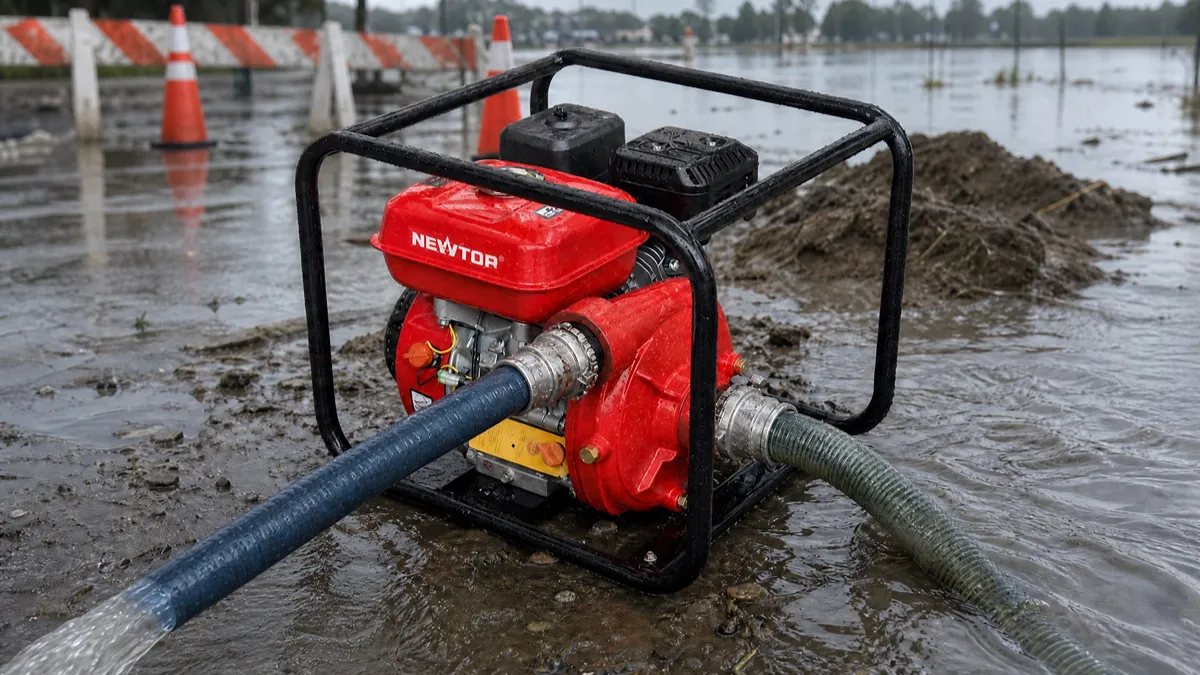
Elegir entre bomba centrífuga y autocebante bomba depende de tu aplicación, ambiente de trabajo, y necesidades del cliente. Las bombas centrífugas brindan mayor eficiencia y operación simple para fuentes de agua estables, mientras que las bombas autocebantes ofrecen un arranque más fácil y una mayor flexibilidad para condiciones cambiantes.
Para distribuidores, distribuidores, y compradores OEM, Seleccionar el tipo de bomba adecuado no sólo tiene que ver con el rendimiento técnico sino también con la demanda del mercado., experiencia de usuario, y confiabilidad a largo plazo. Una bomba que funciona bien en un sistema de riego fijo puede no ser la mejor opción para sitios de construcción o aplicaciones portátiles de transferencia de agua..
En esta guía, Compararemos centrífugos y autocebantes. bombas de agua en términos de principios de trabajo, eficiencia, instalación, mantenimiento, aplicaciones, e idoneidad del mercado para ayudarle a tomar una mejor decisión de selección de productos.
¿Qué es una bomba centrífuga??
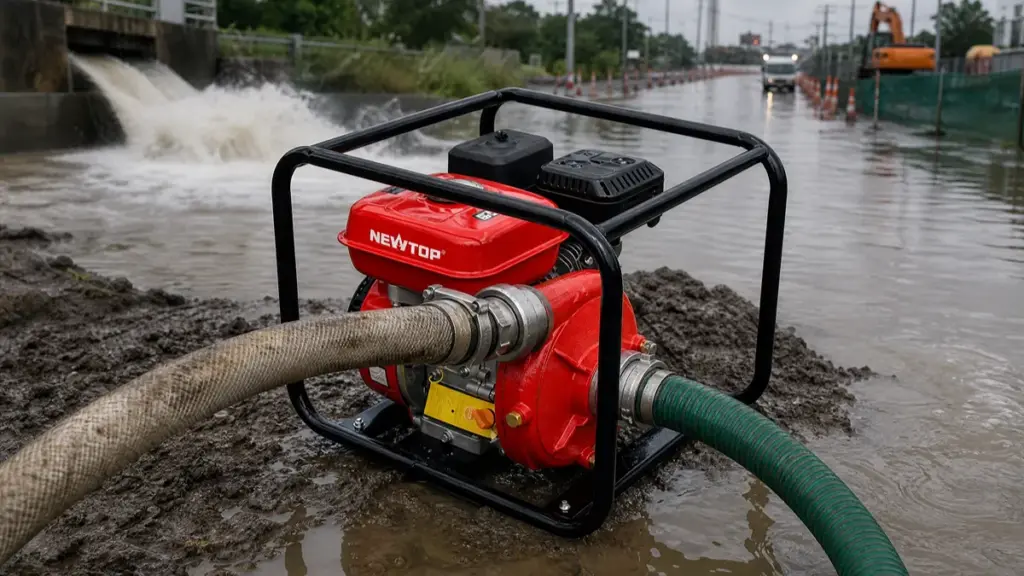
Una bomba centrífuga es la base de la industria para mover grandes volúmenes de agua., convertir la potencia mecánica del motor en presión hidráulica mediante un impulsor giratorio y una carcasa de voluta.
Definición central y conversión de energía
Una bomba centrífuga es uno de los tipos más comunes de bombas de agua utilizadas para aplicaciones de riego y transferencia de agua limpia.. Utiliza la fuerza centrífuga generada por un impulsor giratorio para mover el agua desde la entrada hasta la salida..
El mecanismo funciona aumentando la velocidad de un líquido incompresible., típicamente agua. A medida que el fluido que se mueve rápidamente golpea las paredes de la carcasa, el sistema traduce esa velocidad cinética bruta en presión utilizable. Los ingenieros tratan este diseño como la tecnología básica para mover grandes volúmenes de agua contra gradientes de presión moderados porque ofrece un flujo continuo sin una complejidad mecánica excesiva..
¿Qué es una bomba autocebante??
Una bomba autocebante es una unidad centrífuga especializada equipada con un depósito interno para evacuar automáticamente el aire y restaurar el flujo de líquido sin necesidad de un cebado manual repetido..
Una bomba autocebante funciona como una máquina de agua centrífuga especializada diseñada para evacuar el aire de su propia carcasa y de la línea de succión conectada.. Las bombas centrífugas estándar fallan cuando ingresa aire al sistema, obligar a los operadores a volver a cebarlos manualmente. El diseño autocebante aborda esta limitación principal directamente.
Incorpora un depósito interno de líquido que genera un vacío al arrancar.. Este mecanismo aspira agua automáticamente hacia el sistema antes de que comience el bombeo estándar.. Debido a esta capacidad, Los ingenieros frecuentemente especifican estas bombas para aplicaciones donde el equipo debe instalarse sobre la fuente de agua..
Obtenga maquinaria de jardín de alto margen construida para durar

¿Cómo funciona una bomba centrífuga de agua??
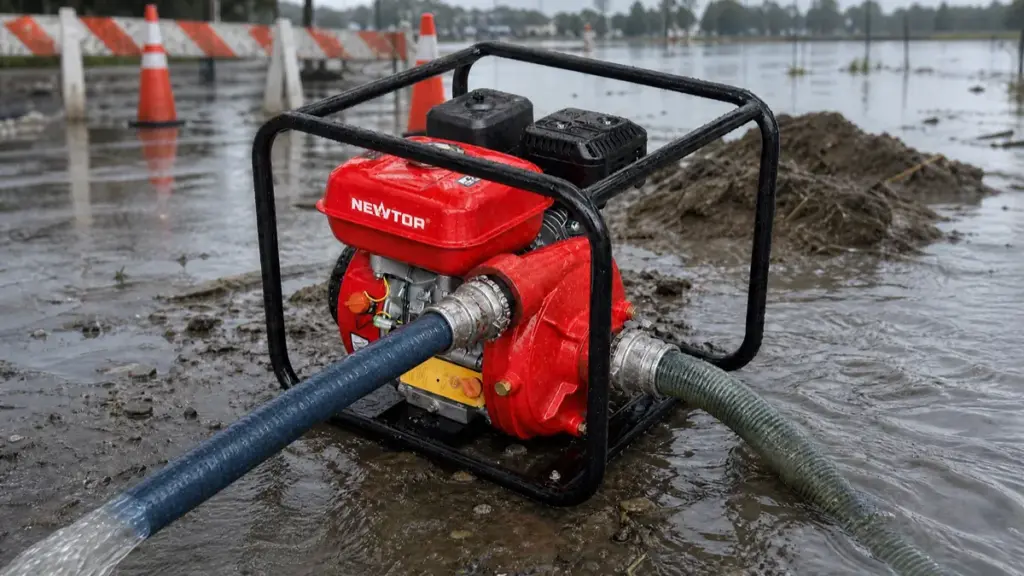
Las bombas centrífugas se basan en un impulsor giratorio para convertir la rotación mecánica en presión hidrodinámica.. Destacan en la transferencia de agua de gran volumen, pero requieren estrictamente una carcasa completamente cebada antes de comenzar..
Principio central de conversión de energía
en su fundación, una bomba centrífuga se basa en un intercambio de energía sencillo. Un motor eléctrico o un motor diésel suministra energía cinética rotacional al eje de la bomba.. Mientras el impulsor adjunto gira, transfiere esa energía mecánica directamente al agua entrante, acelerando rápidamente su velocidad.
Una vez que el agua sale de las palas del impulsor a alta velocidad, se estrella contra la carcasa circundante. La carcasa actúa como zona de conversión., obligar al fluido de alta velocidad a desacelerar y transformar esa energía cinética en presión estática. Esta presión resultante, o cabeza, le da al agua la fuerza que necesita para empujar a través de una red de tuberías.
Componentes internos clave
Para entender la dinámica de fluidos., necesitas mirar el hardware que hace el trabajo pesado. Tres componentes principales dictan el rendimiento de la bomba:
- Impulso: Una rueda impulsada por un eje equipada con palas curvas.. Utiliza fuerza centrífuga para empujar el agua radialmente hacia afuera desde el centro..
- Caja (Voluta o Difusor): Esta carcasa estacionaria encierra el impulsor.. Cuenta con un área de flujo en expansión diseñada para desacelerar suavemente el agua y aumentar la presión del sistema..
- Eje y motor: Estos elementos suministran el par mecánico necesario para la rotación.. En aplicaciones de agua estándar, El motor normalmente impulsa el eje a velocidades entre 1750 y 3500 rpm.
Proceso de flujo de fluido paso a paso
El movimiento real del fluido ocurre de forma continua., secuencia rápida. El agua ingresa primero a la bomba axialmente a través del puerto de succión., fluyendo directamente hacia el centro, conocido como ojo, del impulsor. Las palas giratorias capturan inmediatamente este fluido y lo aceleran radialmente hacia el borde exterior del impulsor..
Este violento movimiento hacia afuera crea una zona crítica de baja presión justo en el ojo del impulsor.. La presión atmosférica y estática en la línea de succión reacciona arrastrando continuamente más agua hacia la bomba para llenar ese vacío.. Mientras tanto, el agua original golpea la pared en expansión de la carcasa de la voluta, desacelera, y sale de la boquilla de descarga como una corriente altamente presurizada.
El papel de la preparación inicial
Las bombas de agua centrífugas estándar comparten una estricta restricción operativa: no pueden bombear aire. Antes de iniciar el inicio, la carcasa y toda la línea de succión deben contener una columna sólida de agua. Si se acumula aire dentro de la carcasa, el impulsor simplemente agita el gas. La unidad se une al gas y no genera el diferencial de presión necesario para mover el fluido..
Porque los modelos estándar carecen de funciones de evacuación de aire integradas, Dependen en gran medida del diseño del sistema.. Los ingenieros suelen instalar estas unidades en diseños de succión inundados., Colocar la bomba debajo de la fuente de agua para que la gravedad mantenga el cebado.. En situaciones donde la bomba se encuentra por encima del nivel del agua, Los operadores dependen de sistemas de vacío externos o válvulas de pie para mantener el sistema completamente cebado para el siguiente ciclo..
¿Cómo funciona una bomba de agua autocebante??
Las bombas autocebantes mezclan el agua retenida con el aire entrante, expulsar el aire, y crear un vacío para extraer líquido desde abajo sin necesidad de cebar manualmente.
Formación inicial de llenado y sellado de carcasa
Antes de presionar el interruptor de encendido por primera vez, debe llenar manualmente el depósito incorporado con agua. Este paso crucial evita el funcionamiento en seco., una condición que rápidamente se sobrecalienta y destruye el sello mecánico. El agua retenida crea un sello hidrodinámico entre el impulsor giratorio y la placa de desgaste., Establecer las condiciones físicas necesarias para la acción de succión inicial..
Mezcla de aire y agua en el impulsor
Cuando el impulsor comienza a girar, aspira aire de la línea de succión no inundada. Mezcla agresivamente este aire entrante con el agua que ya se encuentra dentro de la carcasa directamente en el ojo del impulsor.. Esta acción forma una densa, mezcla bombeable de aire y agua, evitando la falla típica de unión de aire que detiene las bombas centrífugas estándar.
Separación de aire y recirculación de agua
El impulsor giratorio utiliza fuerza centrífuga para arrojar la mezcla de aire y agua recién formada hacia la cámara de la carcasa exterior.. Dentro de este espacio más grande, la gravedad y la densidad toman el control. El aire más ligero sube a la parte superior y escapa a través de una descarga abierta o un dispositivo de liberación de aire dedicado.. El agua más pesada cae y regresa al impulsor a través de puertos de recirculación internos para repetir el proceso de mezcla..
Creación de vacío y elevación de succión
Cada vez que la bomba expulsa una bolsa de aire, el volumen total de aire en la línea de succión disminuye. Esta extracción continua crea un vacío parcial en el ojo del impulsor y en toda la tubería de succión.. Con la presión dentro de la tubería bajada., La presión atmosférica más alta que descansa sobre la fuente de agua subterránea empuja el líquido directamente hacia la tubería hacia la entrada de la bomba..
Transición al bombeo centrífugo estándar
El ciclo de cebado finaliza en el momento en que la bomba evacua todo el aire e inunda todo el recorrido del flujo con agua.. A partir de este momento, La unidad funciona exactamente como una bomba centrífuga convencional., Convertir continuamente la velocidad del agua en presión para la descarga del sistema.. Cuando finalmente apagas la bomba, el depósito integrado retiene un volumen específico de agua, manteniendo el equipo listo para su próximo cebado automático.
Bomba de agua centrífuga versus autocebante: Diferencias clave de un vistazo
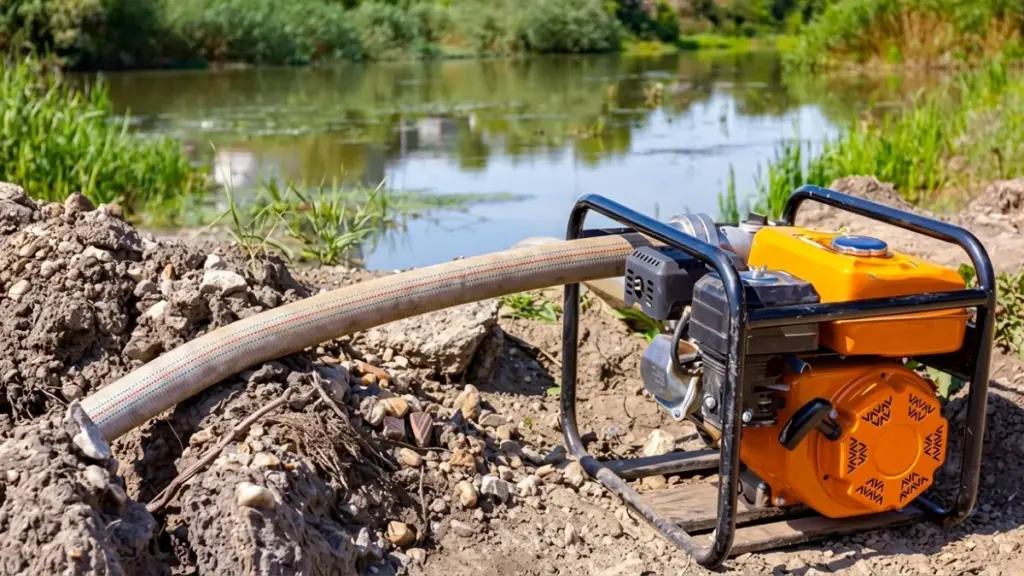
Al evaluar una bomba de agua centrífuga frente a una autocebante, la decisión dicta la huella energética y el programa de mantenimiento de sus instalaciones. Los ingenieros deben equilibrar la máxima eficiencia hidráulica con las realidades prácticas de la gestión del aire y la elevación de succión..
| Comparación | Bomba centrífuga | Bomba autocebante |
|---|---|---|
| Requisito de cebado | Requiere cebado manual antes de la operación. | Elimina automáticamente el aire después del llenado inicial. |
| Velocidad de inicio | Requiere preparación adicional antes de comenzar. | Comienza más rápido con menos preparación |
| Eficiencia | Eficiencia ligeramente mayor en condiciones de funcionamiento ideales | Eficiencia ligeramente menor debido a características de diseño autocebantes adicionales |
| Instalación | Ideal para instalaciones fijas con fuentes de agua estables | Mejor para aplicaciones portátiles y reubicadas con frecuencia |
| Condiciones de operación | Requiere un suministro de agua estable y una línea de succión adecuadamente sellada. | Maneja mejor las fuentes de agua cambiantes y las condiciones del campo. |
| Mantenimiento | Estructura más simple con mantenimiento más fácil. | Más componentes pero aún fáciles de inspeccionar y mantener |
| Costo | Generalmente más asequible | Por lo general, un costo más alto debido a características de diseño adicionales. |
| Usuarios comunes | Granjas, fábricas, sistemas de riego, y aplicaciones de transferencia de agua fija | Sitios de construcción, agricultura, drenaje de emergencia, y transferencia de agua portátil |
Relacionado: Diferencia entre bomba de basura y bomba de agua limpia
Mecanismo de cebado y manejo de aire
Las unidades centrífugas estándar dependen de una línea de succión completamente inundada para funcionar.. Si entra aire al sistema, el impulsor pierde su agarre hidrodinámico, haciendo que la bomba pierda su cebado. Los operadores deben rellenar manualmente la carcasa desde una fuente externa para restaurar el flujo., lo que añade tiempo de inactividad a las operaciones intermitentes.
Las bombas autocebantes adoptan un enfoque fundamentalmente diferente. Una vez que complete el llenado inicial de la carcasa, Evacuan automáticamente el aire de la línea de succión.. Procesan activamente mezclas de aire y agua., expulsando el gas y recirculando el líquido hasta obtener un vacío total. Esta ventaja estructural les permite volver a cebar repetidamente sin intervención manual..
Diseño Interno y Complejidad
Una bomba centrífuga estándar mantiene la complejidad mecánica al mínimo. El fluido sigue un simple, Ruta hidráulica directa hacia el impulsor y salida a través de la voluta.. Esta geometría optimizada requiere un mantenimiento mecánico mínimo y mantiene bajos los costos iniciales del equipo..
Los diseños autocebantes integran componentes adicionales directamente en la carcasa de la bomba.. Cuentan con depósitos de líquido incorporados y cámaras de recirculación especializadas diseñadas para separar el aire del agua.. Si bien estas adiciones internas eliminan la necesidad de sistemas de vacío externos, Requieren un poco más de mantenimiento.. Los técnicos deben inspeccionar periódicamente estas cámaras para garantizar que los espacios internos permanezcan lo suficientemente ajustados como para generar un vacío fuerte..
Eficiencia hidráulica y uso de energía
Las bombas centrífugas estándar dominan el rendimiento energético bruto. En continuo, aplicaciones de succión inundada, ellos entregan 5 a 15 Eficiencia hidráulica por ciento mayor que las variantes autocebantes.. El fluido se mueve eficientemente sin el arrastre de las cámaras de separación secundarias., manteniendo el consumo de energía bajo durante 24/7 ejecutar ciclos.
Los modelos autocebantes sufren una menor pérdida de eficiencia por diseño. Forzar el agua a través de rutas de recirculación interna crea fricción y turbulencia., exigir un poco más de potencia del motor para mover el mismo volumen de líquido. Pero la eficiencia bruta no siempre cuenta toda la historia. Si una bomba estándar requiere una bomba de vacío externa o costosas válvulas de pie para mantener su estado cebado, La implementación de una unidad autocebante reduce los costos operativos totales al eliminar esas piezas auxiliares..
Idoneidad de instalación y ajuste de aplicación
El diseño de las instalaciones y el comportamiento del fluido dictan la selección final de la bomba.. Las bombas centrífugas estándar pertenecen a redes de tuberías cerradas., estaciones municipales de refuerzo de agua, y grandes circuitos de enfriamiento industrial donde las condiciones de succión inundada permanecen estables.
Los modelos autocebantes se destacan en diseños físicos exigentes donde el equipo se ubica sobre la fuente de agua.. Son el requisito estricto para los sistemas que enfrentan las siguientes condiciones:
- Aplicaciones de elevación por succión: Extrayendo agua verticalmente de tanques subterráneos, pozos profundos, o sumideros.
- Operaciones intermitentes: Manejar ciclos frecuentes de inicio y parada donde la línea de succión drena rutinariamente.
- Corrientes de fluidos inestables: Manejo de aguas residuales o escorrentías agrícolas con alto arrastre de gases.
Hacer coincidir la bomba con las demandas físicas exactas de la red de tuberías evita el desgaste prematuro y garantiza un suministro continuo de fluido..
¿Qué bomba ofrece mejor eficiencia y rendimiento??
Las bombas centrífugas estándar ofrecen 5-15% Mayor eficiencia hidráulica en sistemas inundados., mientras que los modelos autocebantes ofrecen un tiempo de funcionamiento operativo inigualable en entornos de elevación por succión.
Eficiencia hidráulica y consumo de energía
Las bombas centrífugas estándar se basan en diseños hidráulicos simples sin cámaras de recirculación interna. Esta ruta de flujo optimizada se traduce directamente en una 5-15% ventaja de eficiencia sobre los modelos autocebantes. Las unidades autocebantes integran depósitos integrados y vías de separación de aire para gestionar la succión automáticamente. Estos componentes internos adicionales crean fricción y pérdidas hidráulicas inevitables durante el funcionamiento normal.. Para tareas de servicio continuo que se ejecutan en condiciones estables, Las bombas centrífugas estándar minimizan el consumo de energía y logran la mayor eficiencia de cable a agua pura..
Capacidades de cebado y manejo del aire
Las unidades centrífugas estándar exigen una línea de succión inundada garantizada o sistemas de cebado externos dedicados para funcionar.. Si entra una pequeña bolsa de aire en la tubería de succión, la bomba pierde flujo rápidamente y deja de cebarse. Las bombas autocebantes solucionan directamente este cuello de botella operativo. Después de un llenado inicial, Separan automáticamente el aire arrastrado del agua., tirar una aspiradora, y restaurar el cebado sin intervención manual. Cuando un sistema implica una elevación de succión significativa o aspira agua cargada de gas, el diseño autocebante proporciona un rendimiento superior en el mundo real y evita paradas inesperadas.
Impacto del ciclo de trabajo y condiciones de operación
El ciclo operativo diario dicta qué arquitectura de bomba realmente funciona mejor en el campo.. Seleccionar el diseño correcto requiere adaptar la bomba a las demandas físicas exactas del sitio..
- Operaciones continuas: Las tareas estables, como las estaciones de refuerzo municipales y los circuitos cerrados de HVAC, favorecen en gran medida la eficiencia hidráulica pura de los modelos centrífugos estándar..
- Tareas intermitentes: Deshidratación, vaciado del sumidero, y las tareas de flujo variable se benefician de las rápidas capacidades de cebado automático de las bombas autocebantes..
- Ambientes hostiles: Bombear agua sucia o lodos requiere la robusta confiabilidad de una unidad autocebante para mantener el flujo a pesar de la entrada de desechos sólidos y aire..
Implicaciones de costos y valor a largo plazo
El rendimiento financiero se vincula directamente con el entorno de instalación.. Las bombas centrífugas estándar tienen un precio de compra inicial más bajo, ocupar una huella más pequeña, y requieren un mantenimiento mecánico sencillo. Los modelos autocebantes exigen una mayor inversión de capital inicial debido a sus complejos diseños de carcasa..
Este costo adicional se amortiza al eliminar la necesidad de costosos sistemas de vacío externos., tanques de cebado, y válvulas de pie. Elegir la bomba adecuada se reduce a una estricta comparación métrica: o priorizas minimizar el consumo de kWh en condiciones ideales, condiciones continuas, o maximizar el tiempo de actividad del sistema y reducir los costos laborales en entornos desafiantes., ambientes propensos al aire.
¿Qué bomba es más fácil de instalar y mantener??
Las bombas centrífugas estándar ofrecen simplicidad mecánica, mientras que los modelos autocebantes reducen la complejidad a nivel del sistema al eliminar el hardware de cebado externo en aplicaciones de ascensores.
Requisitos de instalación y espacio físico
Las bombas centrífugas estándar cuentan con un diseño compacto., carcasa ligera. Este diseño sencillo hace que la instalación física sea sencilla cuando se trata de espacios estructurales reducidos.. Puede montarlos rápidamente sin placas de base masivas ni equipos de elevación pesados..
Esa simplicidad física viene con exigencias estrictas a nivel de sistema.. Los modelos estándar requieren una configuración de succión inundada o hardware de cebado externo. Debe diseñar las tuberías de succión con cuidado para evitar trampas de aire que podrían causar que la bomba se atasque de aire..
Las bombas centrífugas autocebantes adoptan el enfoque opuesto. tienen mas grandes, Carcasas más pesadas debido a sus depósitos de fluido incorporados y cámaras internas de separación de aire.. Subirlos a la plataforma requiere más esfuerzo y espacio físico..
A pesar de su volumen, Las unidades autocebantes simplifican la instalación a nivel de sistema para aplicaciones de ascensores.. Integrando el mecanismo de cebado directamente en la carcasa, eliminan la necesidad de instalar sistemas de vacío externos o válvulas de pie propensas a fallar.
Mantenimiento mecánico y operativo de rutina
Desde una perspectiva puramente innovadora, Las bombas centrífugas estándar son mecánicamente más sencillas de desmontar e inspeccionar.. Implican menos componentes internos y cavidades., hacer que los desmontajes de rutina y los reemplazos de sellos sean rápidos y predecibles.
El mantenimiento operativo cuenta una historia diferente. Si el aire entra en un estándar sistema de bomba, la carga de trabajo aumenta significativamente. Los técnicos se enfrentan al recebado manual y deben dedicar tiempo a solucionar problemas de los dispositivos de cebado auxiliares para restaurar el flujo..
Las bombas autocebantes gestionan el aire de forma autónoma. Evacuan el aire automáticamente y se vuelven a cebar después de un llenado inicial.. Esta capacidad reduce las intervenciones manuales del operador y evita tiempos de inactividad no planificados cuando las condiciones de succión fluctúan..
Mientras que los modelos autocebantes eliminan la carga del mantenimiento del hardware de cebado externo, introducen un punto de servicio diferente. Sus conductos de recirculación internos pueden requerir una limpieza ocasional para eliminar lodos y desechos en aplicaciones de agua sucia..
¿Qué aplicaciones son mejores para cada tipo de bomba??
Las bombas centrífugas estándar dominan las continuas, aplicaciones de succión inundada, mientras que los modelos autocebantes sobresalen en elevación de succión, intermitente, y configuraciones propensas al aire. Haga coincidir la capacidad de manejo de aire de la bomba con la realidad de su sistema.
Diferentes entornos de trabajo requieren diferentes características de la bomba.
Aplicaciones de bombas centrífugas
Las bombas centrífugas son adecuadas para:
- Sistemas de riego agrícola
- Circulación de agua
- Trasvase de agua industrial
- Suministro de agua residencial
- Estaciones de bombeo fijas
Son ideales cuando los usuarios necesitan un funcionamiento estable y alta eficiencia..
Aplicaciones de bombas autocebantes
Las bombas autocebantes se utilizan comúnmente para:
- Drenaje del sitio de construcción
- Eliminación de agua de inundación
- Riego agrícola desde ríos o estanques.
- Transferencia de agua portátil
- bombeo de emergencia
Se prefieren cuando la flexibilidad y el funcionamiento rápido son más importantes que la máxima eficiencia..
Cómo elegir la bomba de agua adecuada para su mercado
Adaptación de los tipos de bombas a los límites de succión locales, ciclos de trabajo, y las habilidades de mantenimiento evitan costosas fallas en el campo y protegen los márgenes de sus distribuidores.
Para compradores y distribuidores OEM, La selección de productos debe considerar las necesidades del cliente., condiciones locales, y expectativas del mercado.
Los factores clave incluyen:
1. Condiciones de la fuente de agua
Si los clientes utilizan un tanque de agua fijo o un sistema de tuberías permanente, Las bombas centrífugas suelen ser suficientes.
Si las fuentes de agua provienen de ríos, pozos, o ubicaciones temporales, Las bombas autocebantes proporcionan una mayor confiabilidad..
2. Nivel de habilidad del cliente
Los mercados con operadores profesionales pueden aceptar bombas centrífugas..
Para usuarios generales, agricultores, y clientes de alquiler, Las bombas autocebantes ofrecen un funcionamiento más sencillo..
3. Transporte y Movilidad
Bombas de agua portátiles a gasolina a menudo se mueven con frecuencia. En estos casos, Los modelos autocebantes ofrecen mayor comodidad..
4. Segmento de precio objetivo
Las bombas centrífugas suelen ofrecer una solución más económica, mientras que las bombas autocebantes proporcionan valor adicional gracias a un funcionamiento más sencillo.
Una cartera de productos sólida a menudo incluye ambas opciones para cubrir diferentes segmentos de clientes..
Por qué los compradores OEM eligen ambos tipos de bombas de NEWTOP
El abastecimiento de bombas centrífugas y autocebantes de NEWTOP permite a los fabricantes de equipos originales crear líneas de productos escalonadas, estandarizar las cadenas de suministro, y menores gastos de ingeniería.
Como fabricante experimentado de equipos eléctricos para exteriores, NOVEDAD entiende que diferentes mercados requieren diferentes soluciones de bombeo.
Ofreciendo bombas de agua de gasolina centrífugas y autocebantes., NEWTOP ayuda a los distribuidores a crear una gama completa de productos para la agricultura, construcción, riego, y aplicaciones de agua de emergencia.
Las bombas de agua NEWTOP están diseñadas con:
- Confiable motores de gasolina para un funcionamiento estable
- Cuerpos de bomba duraderos para entornos de trabajo exigentes
- Diseños fáciles de usar para una operación más sencilla
- Estricto control de calidad durante la producción
- Soporte de personalización OEM para diferentes mercados
Con experiencia en fabricación de equipos eléctricos para exteriores., NEWTOP apoya a los socios globales con productos confiables, soluciones flexibles, y cooperación a largo plazo.
Ya sea que su mercado necesite bombas centrífugas eficientes o bombas autocebantes versátiles, NEWTOP puede ayudarle a seleccionar la configuración adecuada para sus clientes.
Pensamientos finales
Elegir entre una bomba de agua centrífuga estándar y una autocebante se reduce a equilibrar la máxima eficiencia hidráulica con la confiabilidad en el campo.. Mientras obtenemos un solo, un tipo de bomba más barato puede parecer rentable inicialmente, hacer coincidir la arquitectura interna correcta con sus compradores’ Las condiciones exactas de succión protegen sus márgenes de fallas evitables en el funcionamiento en seco.. Mantener un inventario diversificado de ambos estándares le permite asegurar contratos en todos los sectores., de una distribución municipal estable a una deshidratación agrícola impredecible.
La creación de un catálogo de bombas OEM resistente requiere datos de rendimiento verificables y una calidad de fabricación constante.. Recomendamos probar nuestros diseños hidráulicos de primera mano para garantizar que se alineen perfectamente con las demandas de su mercado regional.. Póngase en contacto con nuestro equipo de ingeniería para revisar las especificaciones técnicas., discutir ejecuciones de producción personalizadas, y organice unidades de muestra para su propia validación de campo.
Preguntas frecuentes
¿Cuál es la diferencia entre una bomba centrífuga estándar y una bomba autocebante??
Las bombas centrífugas estándar requieren una línea de succión inundada y cebado manual.. Los modelos autocebantes incluyen un depósito de líquido incorporado que evacua automáticamente el aire de la línea de succión., Permitir que la bomba extraiga fluido y funcione sin asistencia de cebado externa..
¿Las bombas autocebantes necesitan cebado manual??
Debes llenar manualmente la carcasa antes del primer uso.. Después de esta configuración inicial, Retienen suficiente líquido en su cámara interna para volver a cebarse automáticamente durante futuros arranques.. Esto funciona siempre y cuando la carcasa no se drene por completo ni tenga fugas entre ciclos..
¿Qué bomba es mejor para uso agrícola??
Los modelos centrífugos estándar funcionan mejor para funcionamiento continuo., Riego a gran escala a partir de fuentes estables de agua superficial como estanques.. Si la instalación requiere sacar agua de los pozos, utiliza equipo móvil, o experimenta niveles de agua fluctuantes, una bomba autocebante proporciona una confiabilidad mucho mayor.
¿Las bombas autocebantes son menos eficientes que las bombas centrífugas estándar??
Generalmente, Las bombas centrífugas tienen una eficiencia ligeramente mayor debido a su diseño más simple.. Sin embargo, Las bombas autocebantes pueden proporcionar una mejor productividad general al reducir el tiempo de configuración y los problemas operativos..
¿Pueden las bombas centrífugas estándar manejar el funcionamiento intermitente??
Toleran perfectamente bien los ciclos intermitentes de arranque y parada del motor.. Pero fallan si el suministro de líquido es intermitente.. Si entra aire en la línea de succión o la fuente de agua cae, la bomba pierde cebado y deja de mover fluido hasta que un operador rellena manualmente el sistema.
¿Qué bomba es más fácil de mantener en el campo??
Las bombas centrífugas estándar presentan diseños internos más simples con menos piezas especializadas, haciéndolos más fáciles de reconstruir y solucionar problemas en el sitio. Las unidades autocebantes contienen complejos conductos de recirculación interna y depósitos que exigen espacios libres específicos y técnicos más experimentados para realizar el mantenimiento correcto..
¿Qué bomba es mejor para la reventa de concesionarios en mercados en desarrollo??
Las bombas centrífugas autocebantes generalmente se mueven más rápido en estos mercados. Ofrecen mayor confiabilidad para los compradores que manejan fuentes de agua variables., interrupciones frecuentes de energía, y necesidades de elevación de succión, reduciendo significativamente la fricción de configuración para usuarios con habilidades de mantenimiento técnico limitadas.
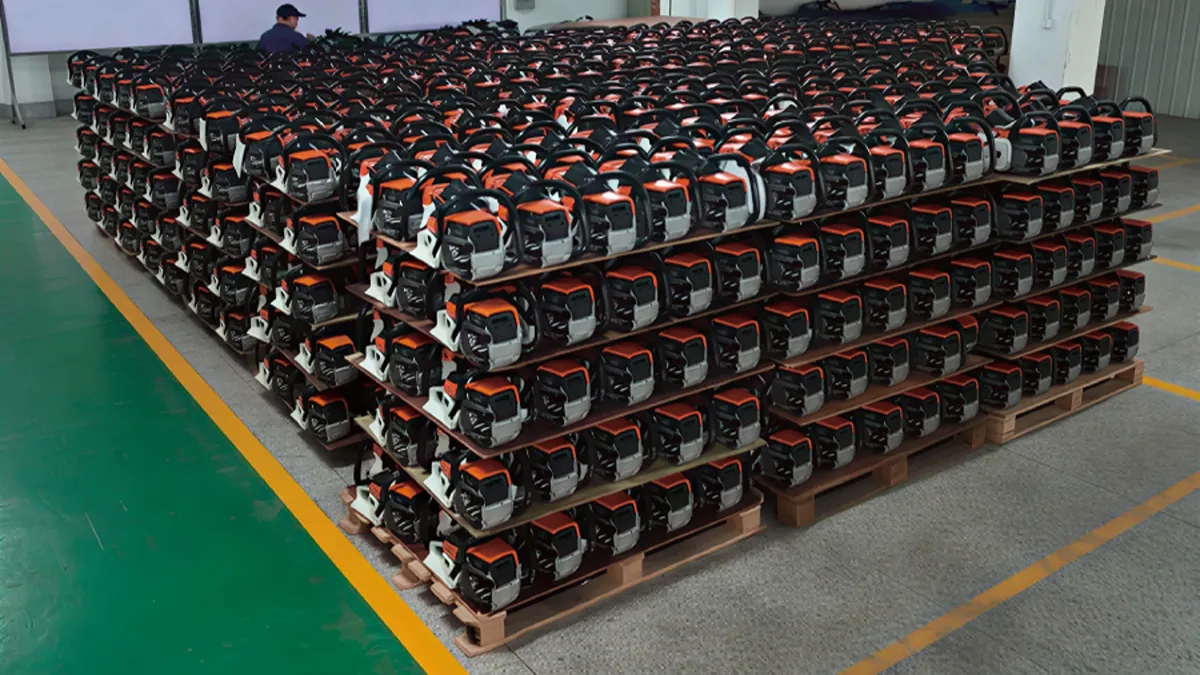
Every stage of chainsaw manufacturing—from metal casting and precision machining to engine assembly, guide bar production, and final testing—plays a critical role in ensuring consistent quality and reliable operation.
This guide explains how modern chainsaws are manufactured step by step, the technologies involved in each production stage, and the quality standards that distinguish a professional chainsaw manufacturer from an average supplier.
What Are the Main Components of a Chainsaw?
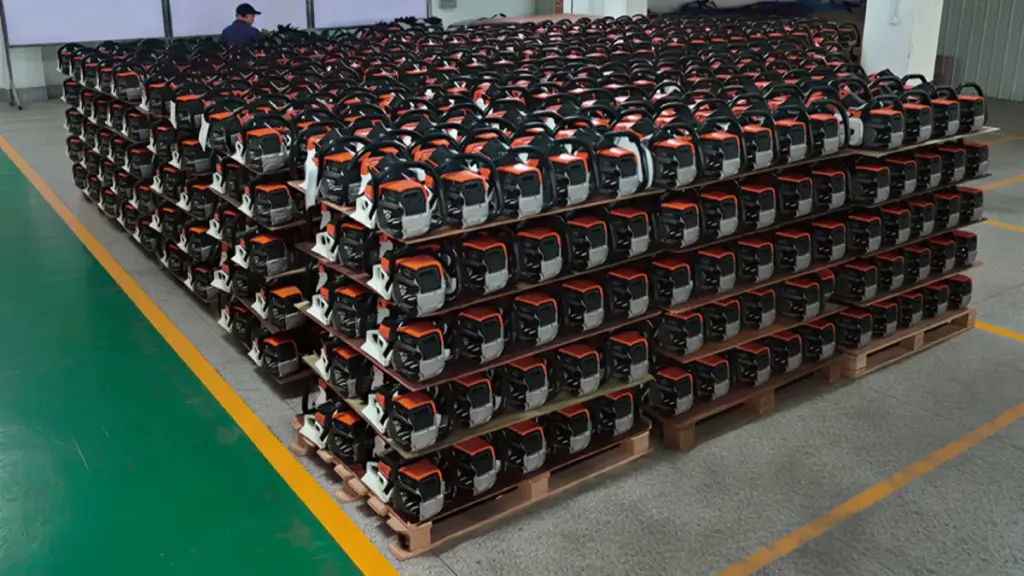
Before exploring the manufacturing process, it’s helpful to understand the major components that make up a chainsaw.
If you’re looking for replacement or OEM components, explore our complete range of chainsaw parts and accessories, including guide bars, cadenas de sierra, carburadores, conjuntos de embrague, ignition systems, and other essential spare parts.
| Componente | Function |
|---|---|
| Engine or Motor | Provides cutting power |
| Cilindro & Caja del cigüeñal | Houses the combustion system |
| Cigüeñal & Pistón | Converts combustion into rotational power |
| Carburador | Mixes fuel and air efficiently |
| Barra guía | Supports and guides the saw chain |
| Cadena de sierra | Performs the actual cutting |
| Clutch System | Transfers engine power to the chain |
| Chain Brake | Stops the chain quickly for safety |
| Combustible & Oil Tanks | Store fuel and chain lubrication oil |
| Plastic Housing | Protects internal components while reducing weight |
| Manejar & Anti-Vibration System | Improves comfort and operator safety |
Escenario 1: Metal Casting for High-Strength Engine Components
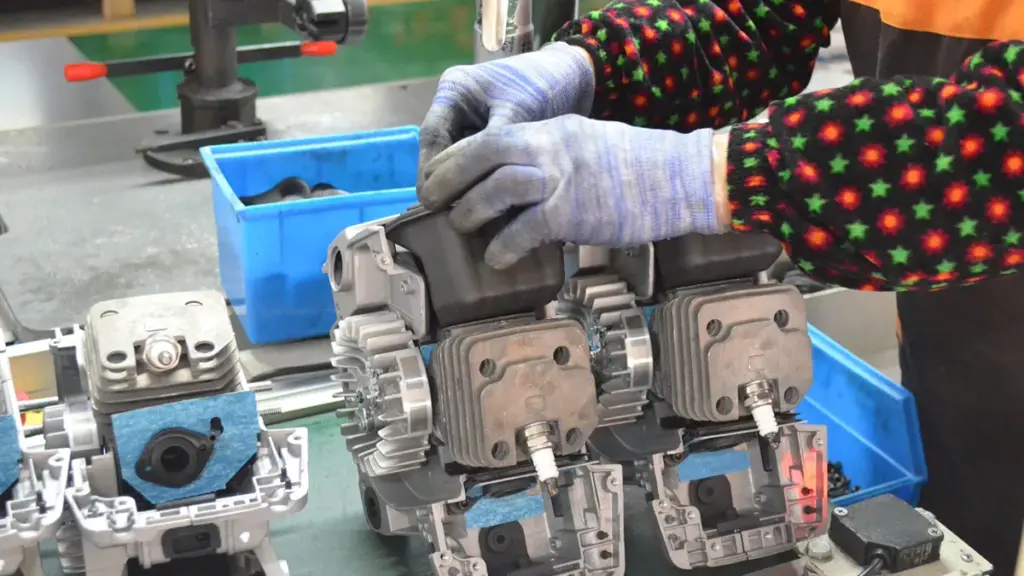
Every chainsaw starts with a strong foundation—the engine. Before any machining or assembly begins, manufacturers create the engine’s structural components through metal casting.
The most important cast parts include the crankcase, cylinder, flywheel, clutch drum, and other load-bearing components. These parts must withstand continuous vibration, high temperatures, and rapid engine speeds while remaining lightweight enough for comfortable operation. NOVEDAD further enhances user comfort with an integrated anti-vibration system that minimizes vibration transfer to the handles, allowing safer and more comfortable operation over long working hours. If you’re looking for a dependable chainsaw manufacturer, explore NEWTOP’s full range of professional motosierras de gasolina designed for OEM and global distribution.
Different casting processes are selected based on the component’s function:
| Casting Process | Typical Components | Main Advantages |
|---|---|---|
| High-pressure die casting | Aluminum crankcases, engine housings | Excellent dimensional accuracy, high production efficiency |
| Gravity die casting | Cylinder heads, medium-volume components | Better mechanical strength and surface quality |
| Sand casting | Large or low-volume components | Lower tooling cost and greater design flexibility |
| Investment casting | Steel clutch parts, sprockets | High precision and excellent surface finish |
Aluminum alloys are the preferred material for most engine housings because they provide an excellent balance of strength, corrosion resistance, heat dissipation, and weight reduction. Steel or ductile iron is typically used for heavily loaded transmission and clutch components where higher wear resistance is required.
After casting, every part undergoes trimming, shot blasting, and preliminary dimensional inspection before moving to the machining department. Removing flash, rebabas, and surface defects at this stage helps ensure consistent machining accuracy later in production.
Escenario 2: Precision CNC Machining for Critical Parts
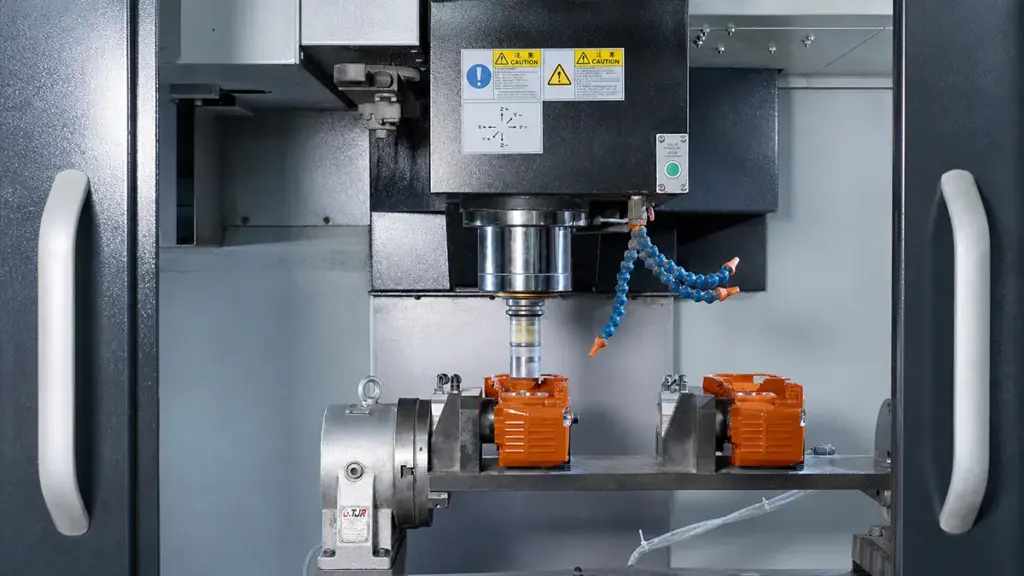
Casting produces the basic shape of each component, but it cannot achieve the tight tolerances required inside a modern chainsaw engine. Precision CNC machining creates the final dimensions that determine engine performance and reliability.
Computer-controlled machining centers perform multiple operations, incluido:
- Cylinder boring
- Crankshaft journal machining
- Bearing seat finishing
- Thread tapping
- Surface milling
- Gear machining
- Drilling oil passages
Many chainsaw manufacturers use multi-axis CNC machining centers to complete several operations in a single setup, improving consistency while reducing production time.
The cylinder bore is one of the most critical machining operations. Its diameter, roundness, and surface finish directly influence piston sealing, compresión, eficiencia de combustible, and engine lifespan. Even minor dimensional errors can increase friction or reduce engine performance.
After machining, coordinate measuring machines (CMM), laser measuring equipment, and precision gauges verify that every critical dimension falls within specification before parts proceed to assembly.
Escenario 3: Plastic Injection Molding for Lightweight Housings
While the engine provides power, many external chainsaw components are manufactured using plastic injection molding to reduce overall weight and improve user comfort.
Typical injection-molded parts include:
- Front and rear handles
- Starter covers
- Air filter covers
- Tanques de combustible
- Oil tanks
- Chain brake housings
- Side covers
- Protective guards
Engineering plastics such as PA6, PA66, ABS, polypropylene (PP), and glass fiber reinforced nylon are commonly used because they offer high impact resistance, excellent dimensional stability, and resistance to fuel, aceite, and UV exposure.
The injection molding process consists of several stages:
- Plastic pellets are heated until molten.
- The material is injected into precision molds under high pressure.
- Cooling channels solidify the plastic rapidly.
- Parts are automatically ejected from the mold.
- Gates and flash are removed before inspection.
Modern production lines often use robotic systems for automatic part removal and trimming, improving production efficiency while maintaining consistent quality.
Each molded component is inspected for sink marks, warpage, flash, and dimensional accuracy before entering the final assembly line.
Escenario 4: Engine Assembly and Power System Integration
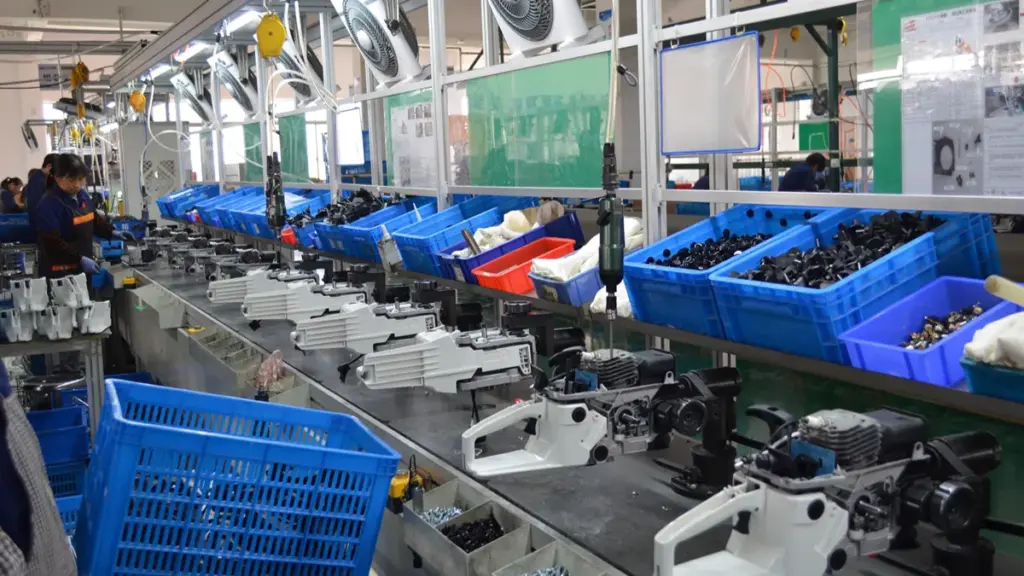
Once all engine components have been manufactured, technicians assemble the complete power unit according to carefully controlled procedures.
A typical assembly sequence includes:
- Installing crankshaft bearings
- Press-fitting the crankshaft
- Installing the piston and piston rings
- Connecting the connecting rod
- Mounting the cylinder
- Installing seals and gaskets
- Assembling the ignition system
- Installing the carburetor
- Mounting the clutch and flywheel
After engine assembly, ignition timing, carburetor settings, and compression are checked before the power unit advances to final product assembly.
Modern production lines also use barcode or QR code tracking to record assembly data, allowing every engine to be traced throughout its manufacturing history.
Maximize Margins With Premium Garden Machinery
Escenario 5: Manufacturing the Guide Bar and Saw Chain
The guide bar and saw chain form the cutting system of a chainsaw and require specialized manufacturing processes separate from engine production.
Guide Bar Manufacturing
Guide bars are typically produced from high-strength alloy steel through:
- Steel blanking
- Heat treatment
- Groove machining
- Nose sprocket installation (for sprocket nose bars)
- Grinding
- Surface coating
- Final inspection
Heat treatment increases hardness while maintaining enough toughness to resist bending and cracking during heavy cutting.
Saw Chain Manufacturing
Saw chains are significantly more complex than they appear. A single chain contains hundreds of precisely manufactured components, incluido:
- Cutter teeth
- Drive links
- Tie straps
- Remaches
Each cutter tooth is stamped, heat treated, precision ground, and sharpened to produce consistent cutting performance.
Automated riveting machines assemble individual links into complete chains while maintaining accurate chain pitch and articulation. After assembly, chains are lubricated, tension-tested, and inspected for smooth operation.
High-quality chains often feature chrome-plated cutter teeth and hardened rivets to improve wear resistance and extend service life.
Escenario 6: Final Assembly, Performance Testing, and Quality Inspection
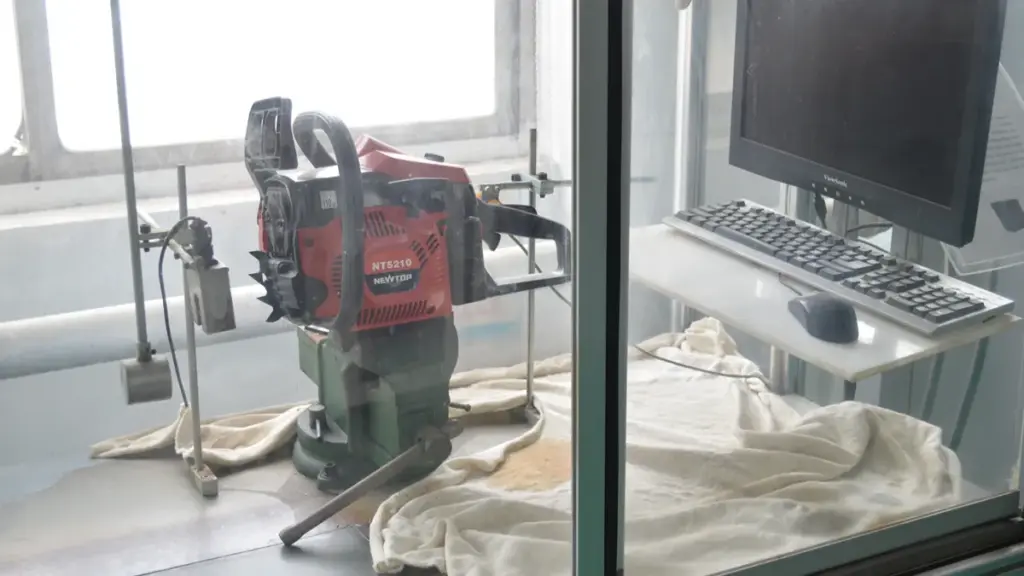
The final stage brings together every component into a finished chainsaw ready for shipment.
During final assembly, workers install the completed engine, barra guía, cadena de sierra, plastic housings, sistema de combustible, ignition components, manijas, safety devices, and control mechanisms.
Each chainsaw then undergoes multiple quality inspections before packaging.
Typical production tests include:
| Inspection Item | Purpose |
|---|---|
| Torque verification | Ensure fasteners meet assembly specifications |
| Compression test | Verify engine sealing performance |
| Ignition test | Confirm reliable spark generation |
| Fuel system leak test | Prevent fuel leakage |
| Chain brake test | Verify operator safety |
| Idle speed test | Ensure stable engine operation |
| Maximum RPM test | Confirm engine performance |
| Noise and vibration test | Evaluate operating comfort |
| Visual inspection | Check cosmetic quality and assembly accuracy |
En NEWTOP, every chainsaw model undergoes rigorous endurance testing of up to 200 horas under demanding operating conditions. Built with high-quality components and strict manufacturing standards, NEWTOP chainsaws are engineered to deliver more than 500 horas of working life under professional use, providing reliable performance for forestry, paisajismo, y aplicaciones comerciales.
Only after passing all inspection procedures are chainsaws cleaned, packaged with accessories and manuals, and prepared for shipment.
What Certifications and Standards Should a Chainsaw Factory Meet?
Certifications demonstrate that a reliable chainsaw manufacturer follows internationally recognized quality, seguridad, and environmental requirements.
Depending on the target market, a reliable chainsaw factory should comply with standards such as:
| Proceso de dar un título | Purpose |
|---|---|
| ISO 9001 | Quality management system |
| CE | Compliance with European safety requirements |
| GS | German product safety certification |
| EPA | U.S. cumplimiento de emisiones |
| CARBURADOR | California emissions standards |
| RoHS | Restriction of hazardous substances |
| REACH | Chemical safety compliance |
En NEWTOP, quality and compliance are integrated into every stage of manufacturing. Our factory operates under an ISO 9001-certified quality management system, and our products comply with international standards and certifications, incluido CE, GS, EPA, RoHS, and REACH, depending on the product model and destination market. This allows us to support OEM customers across Europe, América del norte, and many other global markets with confidence.
How Quality Control Ensures Reliable Chainsaw Performance
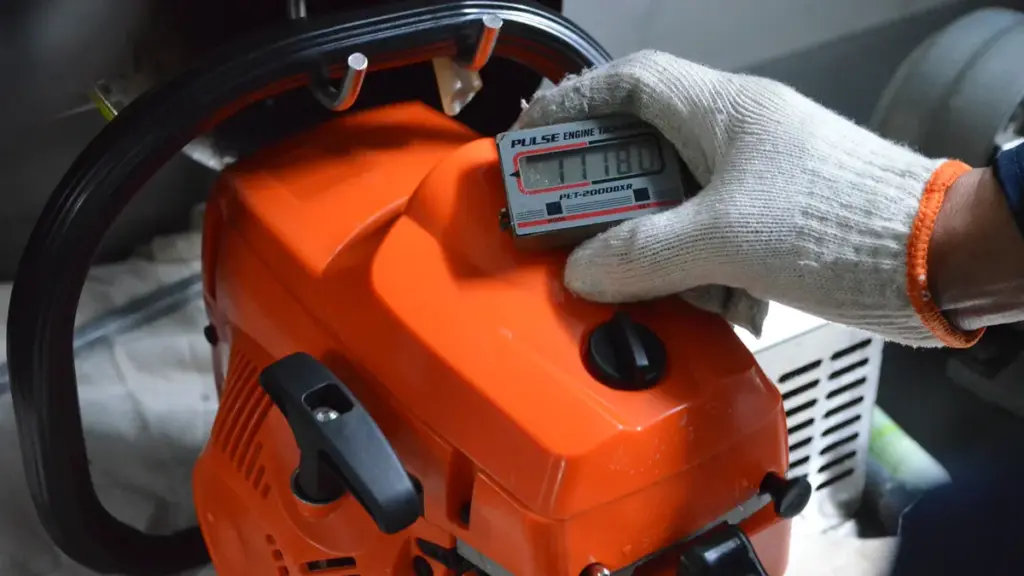
Consistent chainsaw performance relies on strict control de calidad, from precise component tolerances to rigorous safety validation and independent lab testing before shipment.
| QC Phase | Key Focus Area | Primary Objective |
|---|---|---|
| Specifications | Dimensional & Material Limits | Establish production baselines. |
| Incoming QC | Bore Size & Groove Width | Block defective parts early. |
| In-Process | Mistake-proofing & PFMEA | Prevent assembly errors. |
| Final Testing | Velocidad de corte & Seguridad | Validate functional performance. |
Establishing Technical Specifications and Supplier Standards
Quality control begins long before parts hit the assembly line. Manufacturers rely on detailed technical documents to set exact boundaries for what constitutes an acceptable component. This foundation dictates how the supply chain operates and prevents vague standards from degrading the final product.
- Defining dimensions: Engineering teams set precise dimensional tolerances for cylinders, barras guía, and chains to ensure alignment and prevent vibration.
- Material selection: Production managers establish strict requirements for wear-resistant steel alloys and impact-resistant plastics to survive harsh forestry environments.
- Supplier audits: Procurement teams audit partner factories for dedicated power tool production lines, advanced CNC machining, and specialized heat treatment capabilities.
Incoming Quality Control (IQC) for Critical Components
Catching defects at the source is significantly cheaper and safer than pulling apart a finished chainsaw. Incoming Quality Control (IQC) filters out substandard raw materials and purchased parts before they compromise the powerhead or cutting system.
- Cutting attachment checks: Inspectors test guide bar groove width, rail parallelism, and chain pitch tolerances against technical drawings.
- Engine component verification: Technicians verify cylinder bore size, roundness, and piston dimensions using coordinate measuring machines.
- Hardware validation: Staff check fasteners, trigger lock-outs, and chain brake springs to guarantee safety devices will function under load.
In-Process Controls and Manufacturing Stability
High-volume production lines introduce variables that can drift over a shift. In-process controls keep manufacturing stable, isolating individual workstations to detect assembly errors the moment they happen.
- Process mapping: Engineers map manufacturing steps with PFMEA to prioritize controls on high-risk operations like clutch installation and carburetor tuning.
- Assembly aids: Operators utilize mistake-proofing jigs and go/no-go fixtures to prevent incorrect component alignment.
- Mid-line checks: QC staff conduct intermediate functional tests on engine start behavior and preliminary guide bar tracking.
Final Performance Testing and Safety Validation
Once mechanical assembly concludes, testing shifts from static dimensions to dynamic performance. Every unit or sampled batch must prove it can cut efficiently and shut down safely under simulated field conditions.
- Cutting capability: Technicians perform test cuts on standardized wood samples to verify cutting speed, smoothness, and chip evacuation.
- Safety systems: Inspectors validate chain brake reaction times, throttle lock-outs, and kill switch reliability.
- Visual and physical fit: QA teams check final assembly for the correct chain tension range, secure guard alignment, and overall cosmetic integrity.
Independent Verification and Documentation Standards
International buyers trust independent validation over internal factory reports. Third-party testing and rigorous documentation keep global supply chains honest and protect the brand’s reputation upon import.
- Third-party audits: Brands engage independent inspection firms for AQL pre-shipment sampling and compliance lab testing.
- Physical baselines: Production teams use approved golden samples as the ultimate reference for fit, finalizar, y rendimiento.
- Strict record-keeping: Factories maintain detailed bilingual specification packs and order confirmations to eliminate ambiguity and prevent scope drift.
Why Choose NEWTOP as Your OEM Chainsaw Manufacturer?
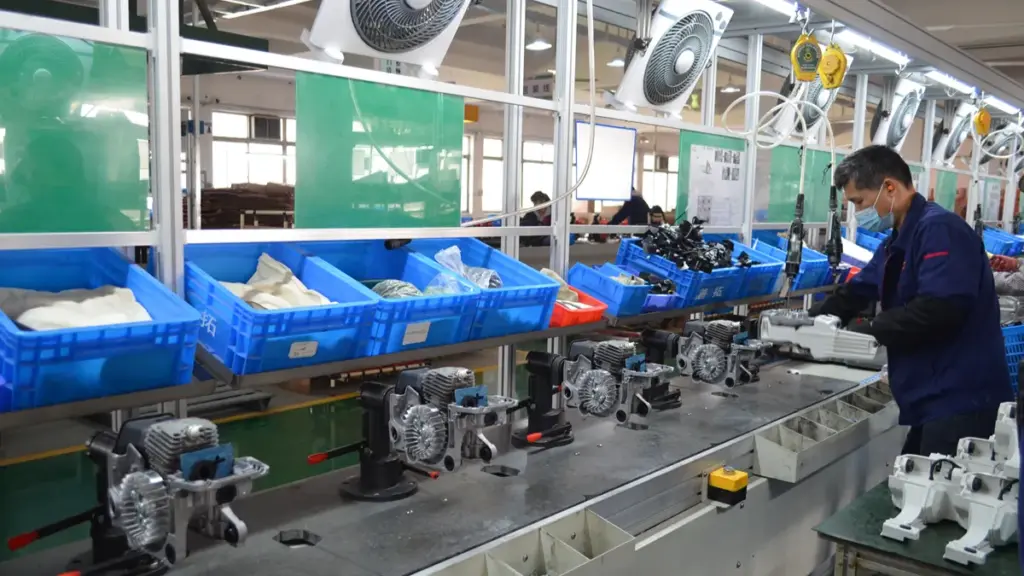
Partnering with NEWTOP gives distributors a direct pipeline to fully certified, scalable power equipment built for immediate global market entry.
Selecting the right manufacturing partner involves more than comparing prices. A capable factory should combine engineering expertise, capacidad de producción estable, strict quality management, y atención al cliente receptiva.
En NOVEDAD, we integrate the entire manufacturing process—from component production to final assembly—to ensure consistent product quality across every order.
Our manufacturing advantages include:
- Más que 20 years of manufacturing experience in outdoor power equipment
- Modern production facilities with advanced CNC machining and automated assembly
- Strict quality control throughout every production stage
- Comprehensive testing before shipment
- Support for OEM and ODM customization
- Flexible production capacity for distributors and brand owners
- Global export experience across multiple international markets
Whether you are launching a new chainsaw brand or expanding an existing product line, NEWTOP can provide dependable manufacturing support, calidad estable, and long-term partnership for your business growth.
Preguntas frecuentes
Can a Chinese factory handle OEM chainsaw orders?
Chinese factories easily handle end-to-end OEM chainsaw production. You can expect complete support from design adaptation and power parameter tuning to custom branding and export packaging. Facilities run dedicated lines for gasoline, electrico con cable, and battery-powered lithium-ion models.
How long does mass chainsaw production typically take?
Mass production cycles depend on the project scope. Standard repeat batches finish in 5 a 15 days once parts arrive at the assembly line. New OEM runs requiring prototype validation and custom molds take 3 a 6 weeks. Once on the main conveyor, physical assembly and testing for a single unit take just 10 a 30 minutos.
How do manufacturers test chainsaws before shipping?
Quality control teams run chainsaws through dedicated testing workshops before packaging. They test engine seals under pressure, calibrate idle and high-speed RPM thresholds, and perform physical wood-cutting trials. Inspectors also test critical safety components, including the chain brake reaction time, throttle lock-out, and the engine kill switch.
What materials are used to ensure chainsaw durability?
Professional chainsaw production relies on high-carbon and alloy steels for guide bars and saw chains. Premium cutting teeth often feature double chrome plating or brazed carbide inserts to reduce wear. For the powerhead, manufacturers cast engine blocks from lightweight aluminum or magnesium alloys and mold outer housings from impact-resistant engineering plastics.
What certifications should I look for in a chainsaw manufacturer?
Look for factories operating under ISO 9001 quality management and ISO 14001 environmental standards. For the product itself, target markets dictate the exact requirements. European imports demand CE marking covering Machinery and EMC directives, along with noise and vibration compliance. Verified test reports from recognized labs like TÜV Rheinland provide the strongest proof of reliability.
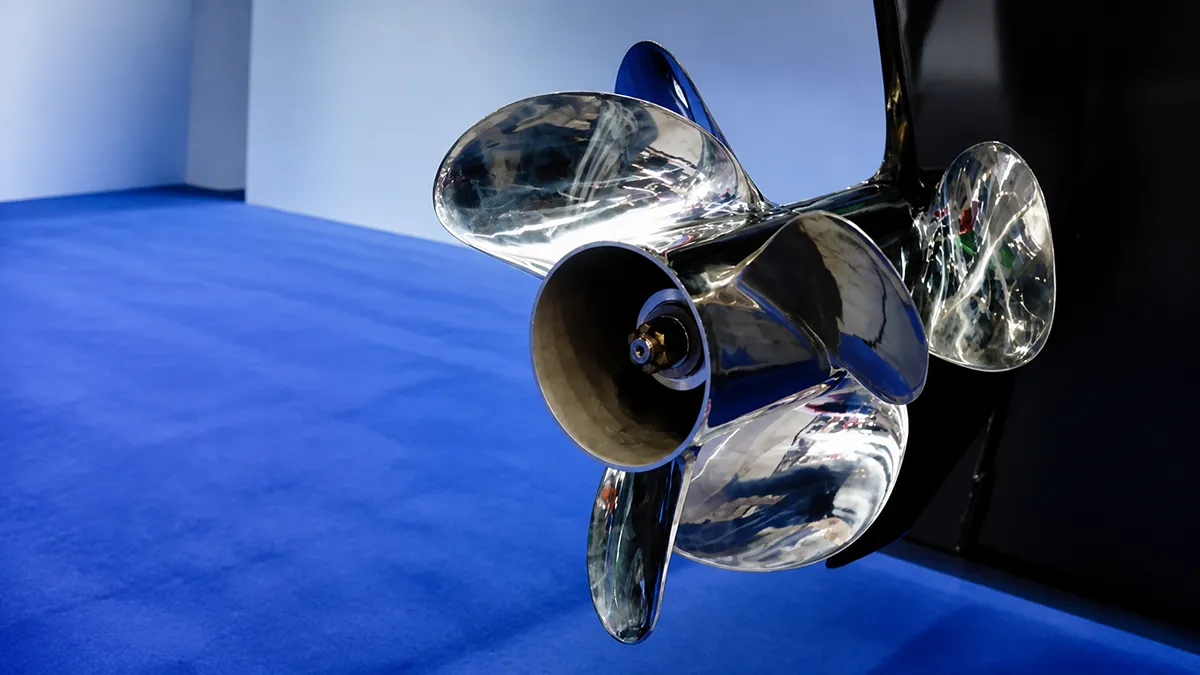
Elegir la hélice fueraborda adecuada no se trata simplemente de encontrar un modelo que se ajuste al eje del motor.. Una hélice afecta directamente a la aceleración., velocidad máxima, consumo de combustible, carga del motor, y experiencia general de navegación.
Para constructores de barcos, distribuidores, y compradores de equipos marinos, Seleccionar la hélice incorrecta puede provocar un rendimiento deficiente, vibración excesiva, mayores costos de combustible, e incluso problemas de motor a largo plazo.
Un proceso de selección de hélice confiable debe considerar varios factores, incluyendo las especificaciones del motor, características del barco, condiciones de funcionamiento, diseño de hoja, elección de materiales, y capacidad del proveedor.
Esta guía explica los puntos clave que los compradores deben verificar antes de comprar una hélice fuera de borda y cómo hacer una selección más precisa para diferentes aplicaciones..
¿Qué información clave debe preparar antes de elegir una hélice??
Antes de comparar modelos de hélices, recopilar información precisa sobre el motor, bote, y uso diario. Esto reduce los errores de instalación y proporciona al proveedor datos suficientes para recomendar una configuración inicial adecuada..
Prepara los siguientes detalles:
| Categoría de datos | Métricas para registrar |
|---|---|
| Hélice actual | Diámetro, paso, rotación, recuento de cuchillas, material, estrías del cubo |
| Detalles del motor | HP nominal, tamaño de la caja de cambios, objetivo WOT RPM, RPM WOT reales |
| Perfil del barco | Longitud (DISPONIBLE), forma del casco, peso operativo, objetivos de velocidad |
| Entorno de uso | Actividad primaria, velocidad de crucero, condiciones del agua (fresco/salado/poco profundo) |
| Puntos de referencia | Velocidad del GPS en WOT, hora de volar, ventilación por turnos |
Especificaciones actuales de la hélice
Su hélice actual sirve como base para cualquier ajuste futuro.. Necesita números exactos del cubo o las palas actuales para saber en qué dirección ajustar el paso o el diámetro..
- Diámetro y paso: Registre estos números (generalmente estampado en el cañón, como 14 incógnita 19) para establecer tu punto de partida.
- Dirección de rotación: Identificar si el accesorio usa rotación hacia la derecha o hacia la izquierda. Esto es muy importante para las configuraciones de dos motores..
- Cuchillas y material: Tenga en cuenta si ejecuta un diseño de 3 o 4 hojas, y si es de aluminio fundido o de acero inoxidable.
- Detalles de cubo y eje: Cuente las estrías en el eje de transmisión y mida el diámetro del eje para asegurarse de que su reemplazo se ajuste físicamente a la caja de engranajes..
Detalles del motor y límites de RPM WOT
Las especificaciones del motor definen su entorno operativo. Su motor tiene una banda de RPM específica donde genera potencia máxima de forma segura, y su hélice debe mantener el motor dentro de esa banda.
- HP y tamaño de caja de cambios: Verifique su potencia nominal y las dimensiones de la caja de cambios. Estos dictan qué familias de hélices se adaptan al fueraborda..
- RPM WOT objetivo: Encuentre el acelerador completamente abierto recomendado por el fabricante (WOT) rango de revoluciones. Los motores fuera de borda modernos suelen tener como objetivo 5,000 a 6,000 RPM.
- RPM WOT reales: Mida sus RPM actuales en plena apertura bajo una carga normal. Esto le indica si el motor está acelerando demasiado o arrastrando.
- Sistemas de recorte: Tenga en cuenta si el barco tiene compensación eléctrica o pestañas de compensación.. Estos sistemas dictan cómo ajustar la actitud del casco para alcanzar las RPM óptimas..
Características del barco y perfil de carga
El diseño del casco y el peso operativo influyen directamente en los requisitos de empuje.. Un pontón pesado empuja el agua de forma diferente que un barco ligero, exigiendo una geometría de pala totalmente diferente.
- Dimensiones del casco: Documente la longitud total (DISPONIBLE), material del casco, y forma inferior (como V profunda o fondo plano). Estos dictan la resistencia y la sustentación requerida..
- Peso operativo: Calcula tu carga realista. incluir combustible, pasajeros, engranaje, y viveros.
- Frecuencia de carga: Identifique si ejecuta frecuentemente cargas pesadas. Las cargas pesadas a menudo requieren reducir el paso o pasar a una hélice de 4 palas para mantener el empuje..
- Objetivos de velocidad: Defina su velocidad máxima actual en comparación con la velocidad máxima deseada. Esto guía el equilibrio entre cabeceo y aceleración..
Perfil de uso y entorno operativo
Cómo y dónde conduce determina el estilo óptimo de hélice. Debe alinear el diseño con sus principales actividades en el agua para obtener la mejor eficiencia..
- Uso primario: Especifica si te centras en cruceros de alta velocidad, remolque pesado para deportes acuáticos, o trabajo comercial.
- velocidades de carrera: Identifique sus posiciones típicas del acelerador. Esto determina si optimiza para la economía de combustible de rango medio o la velocidad máxima absoluta..
- Condiciones del agua: Considere su entorno. Abrasivo, arenoso, o aguas poco profundas a menudo exigen la durabilidad del acero inoxidable sobre el aluminio estándar..
Puntos de referencia de rendimiento en el mundo real
Nunca compre una hélice nueva sin probar primero la vieja. Necesita datos concretos de rendimiento para compararlos con los resultados posteriores a la instalación..
- Ejecuciones de prueba de referencia: Saque el barco y registre las RPM máximas y la velocidad del GPS con el acelerador a fondo., recortando justo antes de que la hélice cavite.
- Métricas de aceleración: Evalúa tu tiro de hoyo, el tiempo que se tarda en subir al avión, y la capacidad del barco para sostener un avión a velocidades más bajas.
- Manejo de cheques: Monitoree la dirección para detectar signos de ventilación de la hélice., deslizamiento excesivo durante giros duros, o cavitación en picado áspero.
¿Cómo afectan el diámetro y el paso al rendimiento de la hélice??
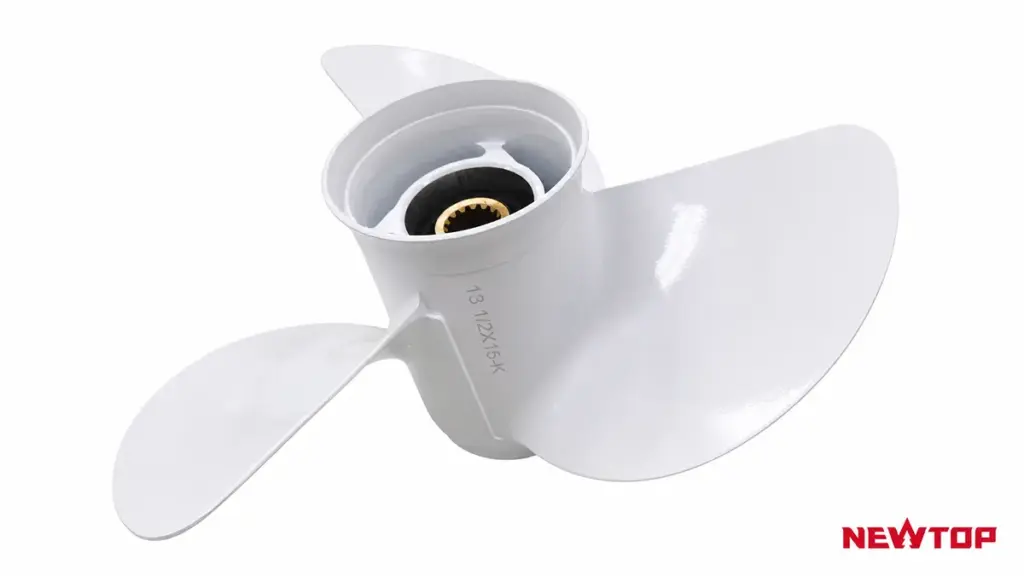
El diámetro y el paso son dos de las medidas más importantes a la hora de seleccionar una hélice.. Determinan la eficiencia con la que una hélice fuera de borda convierte la potencia del motor en empuje e influyen directamente en la aceleración., velocidad máxima, eficiencia de combustible, y RPM del motor.
Antes de elegir una hélice de repuesto, Los compradores deben entender qué significan estas dos especificaciones y cómo funcionan juntas.. Una hélice marcada como 14 × 19, Por ejemplo, indica un diámetro de 14 pulgadas y un paso de 19 pulgadas. El primer número representa el diámetro., mientras que el segundo número representa el tono.
Para obtener una explicación más detallada de las marcas de las hélices y cómo estas medidas afectan el rendimiento, Los compradores pueden consultar nuestra guía sobre ¿Qué significan el paso y el diámetro en una hélice fuera de borda?.
Diámetro se refiere a la distancia a través del círculo completo realizado por las cuchillas giratorias. Un diámetro mayor generalmente produce más empuje porque mueve más agua con cada rotación..
Las hélices de gran diámetro se utilizan comúnmente para:
- Barcos pesados
- Aplicaciones comerciales
- Embarcaciones que requieren una gran potencia de tracción.
- Operación de baja velocidad
Una hélice de menor diámetro generalmente permite RPM más altas y puede soportar un mejor rendimiento de velocidad máxima en embarcaciones livianas..
Paso Se refiere a la distancia teórica que avanza una hélice en una rotación completa sin considerar el deslizamiento.. Por ejemplo, una hélice de paso de 19 pulgadas está diseñada para moverse aproximadamente 19 pulgadas por rotación en condiciones ideales.
La relación entre el tono y el rendimiento es:
| Elección de tono | Efecto de rendimiento |
|---|---|
| Tono más bajo | Aceleración más rápida, empuje más fuerte, operación más fácil del motor |
| tono más alto | Mayor velocidad potencial, RPM más bajas, adecuado para cargas ligeras |
Sin embargo, aumentar el tono no siempre aumenta la velocidad. Si el tono es demasiado alto, El motor puede tener dificultades para alcanzar su rango de RPM recomendado., provocando una mala aceleración y un aumento del estrés.
Una selección adecuada equilibra el tono, diámetro, potencia del motor, y carga del barco. Muchos compradores utilizan las recomendaciones de fábrica como punto de partida y luego las ajustan en función de las condiciones operativas reales..
Obtenga maquinaria de jardín duradera a precios competitivos
¿Cómo influye el número de palas en la velocidad?, Empuje, y eficiencia del combustible?
El número de hojas dicta el equilibrio entre la velocidad máxima y la capacidad de carga.. Menos palas reducen la resistencia para una velocidad máxima, mientras que más hojas proporcionan el agarre necesario para cargas pesadas.
La relación entre el área de la pala y la resistencia
Cada pala de hélice que se mueve a través del agua crea fricción en la superficie y resistencia a la presión.. Menos hojas dan como resultado un área total mojada más pequeña, lo que se traduce directamente en una menor resistencia hidrodinámica y una mayor eficiencia potencial en aguas abiertas.
Agregar hojas aumenta la relación del área de las hojas (BAR). Un BAR más alto proporciona a la hélice un agarre significativamente mayor en el agua., reduciendo el deslizamiento y la ventilación. La compensación es una mayor interferencia hidrodinámica entre las palas., Exigiendo más potencia para girar exactamente a las mismas RPM..
Cómo el número de palas afecta la velocidad máxima
En teoría, las hélices de dos palas ofrecen las velocidades máximas más altas en cascos con carga ligera porque encuentran una resistencia mínima.. Para la mayoría de cascos de planeo recreativo, Los diseños de tres hojas dan en el blanco. Una hélice de tres palas bien adaptada funciona consistentemente 5% a 10% más rápido con el acelerador a fondo en comparación con una configuración de cuatro palas.
La actualización a una hélice de cuatro palas generalmente reduce la velocidad máxima en aproximadamente 2 a 3 mph. Todavía, Estas configuraciones de hoja alta mantienen la velocidad efectiva mucho mejor en aguas turbulentas o en condiciones de alto trimado al resistir activamente las explosiones..
Capacidades de empuje y gestión de carga
El empuje total depende en gran medida del área total de la pala.. Una hélice con menos palas obliga a cada pala a soportar un mayor empuje unitario.. Empujar demasiado fuerte una hélice con un número bajo de palas bajo una carga pesada, y corre el riesgo de sufrir cavitación grave o tensión estructural en la raíz de la hoja.
Las hélices de cuatro palas y tres palas de BAR alto destacan en la gestión de cargas de trabajo exigentes. Necesita estas configuraciones para:
- Barcos pesados: Levantar cascos pesados al avión rápidamente.
- Aplicaciones de remolque: Ofreciendo una fuerte aceleración de rango medio.
- Autorizaciones limitadas: Maximizar el empuje cuando el tamaño de la caja de engranajes limita el diámetro máximo.
Eficiencia de combustible y carga óptima del motor
Para configuraciones recreativas estándar, una hélice de tres palas del tamaño correcto ofrece la mejor economía de combustible en crucero constante. La resistencia mínima permite que el fueraborda funcione eficientemente cerca de su banda de torsión máxima..
Agregar una cuarta pala aumenta la carga física en el motor. Casi siempre es necesario reducir el tono para mantener las RPM del acelerador a fondo dentro del rango óptimo del fabricante.. En barcos muy cargados, Una hélice de cuatro palas puede mejorar la eficiencia del combustible en el mundo real.. Al reducir drásticamente el deslizamiento, Mantiene el barco en el plano a RPM más bajas., quema menos combustible que una hélice de tres palas que lucha por agarrarse al agua.
¿Debería elegir una hélice de aluminio o acero inoxidable??
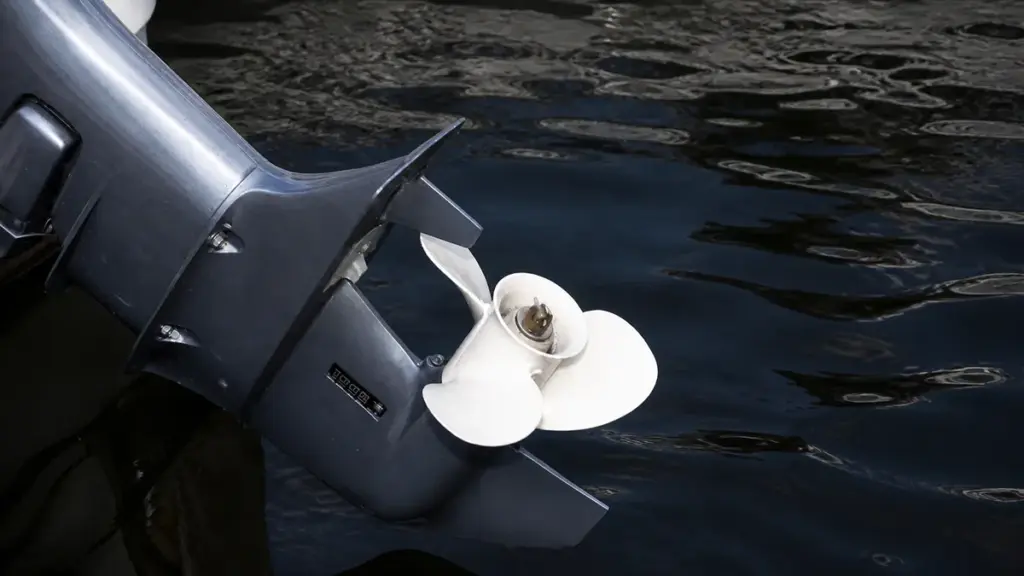
El aluminio ofrece una protección económica para aguas poco profundas y con menor potencia, mientras que el acero inoxidable ofrece velocidad, agarre, y durabilidad para motores fuera de borda de alto rendimiento y entornos de agua salada.
Para compradores que quieran comprender las diferencias detalladas entre estos dos materiales., incluyendo fuerza, durabilidad, mantenimiento, y escenarios de aplicación, nuestra guía sobre Hélices de motor fueraborda de aluminio versus acero inoxidable proporciona una comparación completa.
Combinación de material con caballos de fuerza fueraborda
Los caballos de fuerza fuera de borda dictan directamente el material ideal de la hélice.. Para motores menores 30 CV, Los fabricantes equipan casi exclusivamente hélices de aluminio de fábrica.. Las opciones de acero inoxidable en esta gama siguen siendo escasas y ofrecen pocos beneficios prácticos de rendimiento..
Motores de gama media entre 30 y 70 Los hp combinan perfectamente con el aluminio para navegación recreativa en general.. La potencia de salida a este nivel rara vez causa una flexión severa de la hoja., manteniendo el rendimiento estable para el uso diario. Una vez que pasas a producir fuerabordas 75 caballos de fuerza y superiores, la dinámica operativa cambia. Estos motores generan un par elevado y empujan cargas más pesadas., haciendo del acero inoxidable la opción estándar para manejar el mayor empuje sin perder la forma de la hoja.
Durabilidad y menor riesgo unitario
La forma en que reacciona una hélice a los impactos bajo el agua determina la seguridad de los engranajes de la unidad inferior. Debe evaluar su entorno operativo principal antes de tomar una decisión..
- Protección sacrificial: El aluminio actúa como componente de sacrificio., Doblarse o agrietarse al impactar para absorber el impacto y proteger los engranajes de la unidad inferior..
- Transferencia de impacto: El acero inoxidable resiste el desgaste normal y los impactos menores., pero transfiere fuertes fuerzas de impacto directamente al eje de hélice.
- Peligros poco profundos: Navegantes navegando poco profundos, lleno de muñones, o ríos rocosos deben seleccionar aluminio para minimizar las costosas reparaciones de la caja de engranajes..
- Resistencia al agua salada: Los entornos marinos favorecen en gran medida el acero inoxidable debido a su superior resistencia a la corrosión a largo plazo..
Rendimiento y manejo hidrodinámico
La rigidez del material influye en gran medida en la eficiencia del empuje.. Los fabricantes funden hojas de aluminio más gruesas para lograr la resistencia necesaria, pero todavía se flexionan bajo cargas pesadas. Esta flexión reduce ligeramente la velocidad máxima y la estabilidad a altas RPM.. Rígido, Las finas hojas de acero inoxidable mantienen su paso y forma precisos bajo presión., mejorando la eficiencia del empuje y maximizando el desplazamiento del agua.
Actualizar a un modelo de acero inoxidable a menudo produce una 2 a 3 Ganancia de velocidad en mph junto con una aceleración más fuerte para cargas pesadas. El acero inoxidable también soporta mejor las ventosas que el aluminio.. Esta ventaja estructural garantiza un agarre fiable durante giros cerrados y reduce drásticamente los problemas de ventilación en el agua..
Comparación de costos y valor de vida útil
Una hélice de aluminio cuesta aproximadamente un tercio del precio de un modelo comparable de acero inoxidable.. Los compradores y navegantes que cuidan su presupuesto y que reemplazan con frecuencia las hélices dañadas son los que más se benefician de este bajo costo inicial.. La estrategia de reemplazo económica tiene sentido cuando golpear rocas o tocones es un riesgo rutinario..
El acero inoxidable requiere una inversión inicial mucho mayor. Proporciona una vida útil excepcional en profundidad., aguas libres de obstrucciones donde los daños por impacto son raros. El valor a largo plazo cambia rápidamente hacia el acero inoxidable para equipos de alto rendimiento., ya que el material duradero elimina la necesidad de reemplazos frecuentes y mantiene una eficiencia de combustible óptima durante miles de horas de uso..
¿Cómo afectan la potencia del motor y la relación de transmisión a la selección de la hélice??
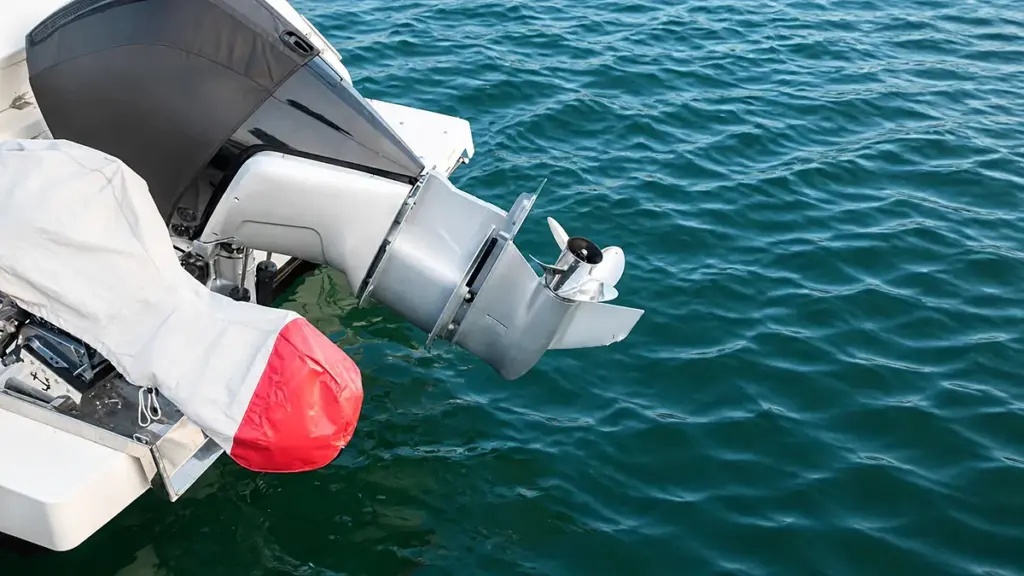
Los caballos de fuerza dictan el máximo tamaño de la hélice un motor puede girar eficientemente, mientras que la relación de transmisión determina la velocidad del eje. Juntos, establecen el tono exacto necesario para alcanzar el objetivo WOT RPM.
El papel de los caballos de fuerza del motor en el tamaño de la hélice
Los caballos de fuerza del motor establecen el presupuesto de energía básico para mover una embarcación de manera eficiente. Una clasificación de caballos de fuerza más alta permite que un fueraborda gire una hélice de mayor diámetro o de paso más alto sin problemas. Los compradores deben hacer coincidir la hélice con la potencia utilizable del motor a las RPM operativas previstas., en lugar de observar estrictamente las cifras de marketing de potencia máxima.
Si elige una hélice de gran tamaño o de paso excesivo, el motor se arrastrará y no alcanzará su banda de potencia prevista. Tamaño insuficiente de la hélice, y el motor acelerará demasiado, dejando un valioso rendimiento sin utilizar y arriesgándose a sufrir daños mecánicos.
Cómo la relación de transmisión determina la velocidad del eje de la hélice
La relación de transmisión actúa como una entrada principal que cambia fundamentalmente la carga final de la hélice.. No es sólo un detalle secundario. Las RPM del eje de la hélice se calculan directamente dividiendo las RPM del motor por la relación de transmisión..
Una relación de transmisión numérica más alta reduce la velocidad del eje de transmisión y multiplica el par.. Para restablecer la velocidad deseada del barco, esta configuración requiere una hélice de paso más alto. En cambio, una relación de transmisión numérica más baja hace girar la hélice más rápido a unas RPM determinadas del motor, Requiere paso reducido para evitar que el motor acelere demasiado..
Equilibrio del tono y las RPM finales para un rendimiento óptimo
El ajuste de la relación de transmisión desencadena una reacción en cadena en la selección de paso. Para aumentar numéricamente la relación de transmisión generalmente es necesario aumentar el paso de la hélice de dos a cuatro tamaños.. Dado que un solo cambio en el tamaño del paso generalmente altera la velocidad del motor en 250 a 350 RPM, Los ajustes de tono sirven como el mecanismo ideal para ajustar con el acelerador completamente abierto. (WOT) RPM.
Las condiciones de operación también alteran esta dinámica de poder.. Las cargas pesadas de embarcaciones y las grandes elevaciones exigen menos cabeceo para evitar que el motor caiga por debajo de su banda de potencia óptima.. Para diseños fuera de borda de altas RPM, Los fabricantes utilizan con frecuencia relaciones de reducción de 2.3:1 o superior para gestionar adecuadamente la agresiva velocidad del eje de la hélice y la carga hidrodinámica.
Pasos prácticos de selección para compradores de motores fuera de borda
Inicie el proceso de selección identificando la potencia nominal del motor., relación de transmisión, y rango recomendado de RPM WOT. De eso, ejecutar una secuencia de pruebas sistemática para marcar las especificaciones correctas:
- Selección de línea base: Seleccione un tamaño de hélice que permita que el motor alcance las RPM objetivo bajo la carga esperada., elevación, y condiciones del agua.
- Ajuste de tono: Reduzca el paso si el motor no alcanza las RPM objetivo, o aumentar el paso si el motor acelera demasiado durante la prueba inicial.
- Verificación de prueba en el mar: Realice una prueba final cargada para tener en cuenta variables específicas del mundo real, como la resistencia del casco., peso corriendo, y comportamiento de ventilación.
¿Cómo influye el tipo de embarcación en la elección correcta de la hélice??
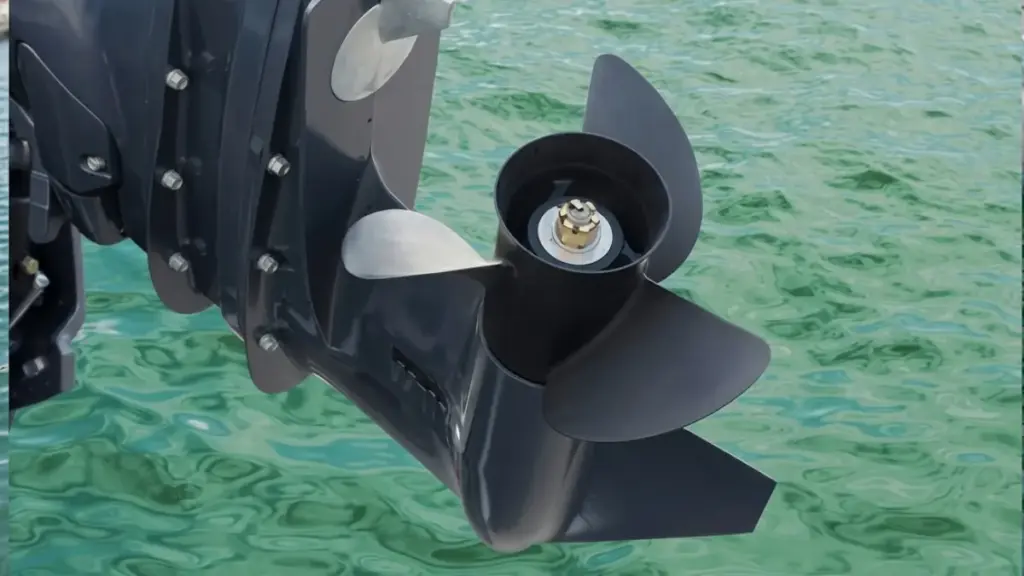
El diseño del casco y la carga típica del barco dictan el empuje y las RPM requeridas.. Hacer coincidir el paso y el diámetro con el tipo específico de embarcación evita el arrastre del motor y maximiza la eficiencia hidrodinámica.
Embarcaciones de planeo y rendimiento de alta velocidad
Luz, Los cascos centrados en el rendimiento, como los barcos bajos o los aparejos deportivos, requieren configuraciones que minimicen la resistencia una vez en el avión.. Su objetivo principal es convertir el par del motor directamente en velocidad máxima mientras se mantiene el fueraborda cerca de su límite máximo de RPM..
Para lograr esto, Los operadores utilizan perfiles de paso más alto y de diámetro de moderado a más pequeño.. Las configuraciones de alta velocidad dependen en gran medida de hélices de acero inoxidable de tres palas, que ofrecen la durabilidad y la eficiencia de hoja delgada necesarias para superar 50 mph sin flexionar.
Configuraciones para deportes acuáticos y deportes de remolque
Tirando de wakeboarders, esquiadores, o tubos pesados exigen un enorme impulso inicial. La velocidad máxima absoluta pasa a un segundo plano frente a un fuerte tiro en el hoyo y una suave potencia de tracción en el rango medio..
Los remolcadores requieren perfiles de paso más bajo y de mayor diámetro para mover configuraciones con mucho lastre sin caer por debajo de la banda de potencia del motor.. Los propietarios utilizan con frecuencia hélices de 4 palas para mejorar el manejo a baja velocidad., reducir el deslizamiento, y mantener el barco seguro en el avión.
pontones, Tritones, y cruceros pesados
Estos buques empujan una enorme cantidad de agua.. Alta resistencia frontal y pesada, Las cargas de pasajeros variables significan que su hélice debe maximizar el desplazamiento del agua en lugar de la velocidad de persecución..
Los pontones y cruceros pesados se benefician de un mayor diámetro y un paso de moderado a bajo para generar un empuje adecuado a baja velocidad.. Esta configuración exacta evita el arrastre del motor y garantiza que el motor alcance sus RPM WOT especificadas a pesar de la gran resistencia estructural..
Embarcaciones de pesca en general y todo uso
Los barcos pesqueros de aluminio y las consolas centrales versátiles operan en diversas condiciones.. La configuración ideal equilibra la aceleración rápida, eficiencia de crucero de rango medio, y maniobrabilidad precisa a baja velocidad alrededor de muelles o estructuras.
La mayoría de los operadores combinan un paso moderado con diseños de 3 palas para lograr un rendimiento versátil durante recorridos largos.. Cuando las condiciones lo dictan, cambiar a configuraciones de 4 palas proporciona un mejor agarre en alta mar o mejora la elevación de la popa en aguas poco profundas en embarcaciones planas.
Veleros y cascos de desplazamiento
Los cascos de desplazamiento no pueden exceder su velocidad teórica del casco independientemente de la potencia aplicada.. La selección de la hélice debe centrarse exclusivamente en el empuje a baja velocidad y en maniobras fiables en espacios reducidos..
Los operadores utilizan tubos de gran diámetro., Perfiles de paso bajo para impulsar los cascos de desplazamiento de manera eficiente a velocidades de motor modestas.. Este enfoque protege los fuerabordas auxiliares de la sobrecarga cuando luchan contra fuertes corrientes o fuertes vientos en contra..
¿Qué condiciones operativas deberían considerar los compradores??
La selección de la hélice requiere analizar el peso real del barco., condiciones típicas del agua, Límites de RPM del motor, y potencia de salida para evitar daños en la transmisión y maximizar la eficiencia del combustible.
Patrones de carga y uso de embarcaciones
La evaluación de las cargas operativas típicas es el primer paso en la selección de la hélice.. Un barco se comporta de manera totalmente diferente cuando navega solo que cuando el casco está cargado de pasajeros., equipo pesado, tanques de combustible llenos, o tareas de remolque.
Siempre apuntale la embarcación de modo que el motor alcance el extremo superior de su aceleración máxima. (WOT) rango de rpm cuando está ligeramente cargado. Este amortiguador de rpm evita que el motor se arrastre una vez que se introduce mucho peso..
- Uso variable: Los barcos que pasan de viajes ligeros de pesca en solitario a cruceros familiares completamente cargados requieren una hélice de compromiso o una configuración dedicada de dos hélices..
- Operaciones de servicio pesado: Remolque, rescate, y los barcos de trabajo exigen mucho, empuje continuo. Estos roles favorecen un mayor diámetro., Hélices de paso más bajo diseñadas para funcionar eficientemente a bajas revoluciones por minuto..
Objetivos de rendimiento y coincidencia de RPM del motor
La hélice actúa como relación de transmisión final entre el motor y el agua.. Debe mantener el fueraborda funcionando dentro del rango de rpm WOT especificado por el fabricante.. Operar fuera de esta banda degrada la eficiencia del combustible y acelera el desgaste mecánico..
Los ajustes de paso dictan directamente la velocidad del motor.. Aumentar el paso en una pulgada normalmente disminuye las rpm WOT en aproximadamente 200 rpm, mientras que disminuir el tono lo aumenta en la misma cantidad.
- Cascos de planeo: Estas configuraciones requieren un disparo rápido del hoyo y apuntan a un factor de deslizamiento controlado de 8-15% en WOT para máxima eficiencia.
- Cascos de desplazamiento: Los buques de baja velocidad ignoran la velocidad máxima para centrarse por completo en generar el par máximo a baja velocidad..
- Validación del mundo real: Las pruebas empíricas WOT con ajustes de compensación adecuados son la única forma confiable de validar la coincidencia de rpm y el consumo de combustible en condiciones de operación reales..
Medio ambiente acuático y condiciones de la superficie
El entorno físico del agua dicta la geometría de las palas.. El agua turbulenta hace que el casco se incline., aumentando el riesgo de que la hélice rompa la superficie. Las hélices con mayor área de pala o ventosas agresivas retienen mejor el agua y reducen la ventilación en condiciones de picado intenso..
Las aplicaciones en aguas tranquilas permiten a los operadores adoptar exactamente el enfoque opuesto, priorizar diseños de paso más alto y menor resistencia para impulsar la velocidad máxima.
- Ambientes peligrosos: Las aguas poco profundas o llenas de escombros garantizan eventuales golpes de fondo. Estas áreas requieren materiales duraderos y capacidades de ajuste del motor sensibles para proteger la transmisión..
- Calidad del flujo de agua: Las hélices requieren limpieza, agua tranquila para generar un empuje óptimo. Las malas alturas de montaje o la turbulencia excesiva del casco causarán aireación y pérdida inmediata de energía..
Caballos de fuerza fueraborda y demandas estructurales
La potencia del motor determina estrictamente la resistencia del material requerida. Fuerabordas de alta potencia, normalmente clasificado en 140 caballos de fuerza y superiores, Ejercen un par extremo que abruma los metales más débiles y hace que las hojas de aluminio se flexionen..
Las hélices rígidas de acero inoxidable son la opción principal para motores de alto rendimiento. El acero inoxidable mantiene su geometría diseñada exactamente bajo cargas pesadas y altas velocidades., proporcionando empuje predecible y máxima tracción.
- Aplicaciones de menor potencia: Los motores de uso general y de menor potencia funcionan excepcionalmente bien con hélices de aluminio.. Ofrecen una relación costo-beneficio, Alternativa que perdona los impactos y actúa como pieza de sacrificio durante los golpes de fondo..
- Compatibilidad de escape: Debe verificar que el diseño de la hélice se integre correctamente con la ruta de escape específica de la unidad inferior., especialmente para sistemas de escape a través del buje.
¿Qué errores comunes en la selección de hélices deben evitar los compradores??
Evitar errores comunes en la selección de hélices, como adivinar el paso, ignorando cargas típicas, o descuidar el montaje de la unidad inferior: ahorra combustible, protege el motor, y previene costosas fallas en el agua.
Calcular mal las RPM, Paso, y requisitos de carga
Los compradores a menudo sabotean el rendimiento del fueraborda seleccionando una hélice sin validar cómo afecta el rango operativo real del motor..
- Ignorando el rango WOT RPM: No hacer coincidir la hélice con el acelerador completamente abierto recomendado por el motor (WOT) Los límites hacen que el motor se arrastre bajo carga pesada o sobrerevoluciones a velocidad máxima..
- Priorizar la velocidad máxima teórica: Seleccionar el tono solo para alcanzar un número alto de velocidad máxima ignora el efecto inverso que el tono tiene sobre las RPM y la aceleración de gama baja..
- Pruebas en un barco vacío: Finalizar una elección de hélice con un casco ligero arroja datos falsos. El barco tendrá dificultades para planear una vez que esté completamente lleno de pasajeros., engranaje, y combustible.
Trate las RPM WOT especificadas por el fabricante como una restricción estricta.. Debes alcanzar este objetivo en condiciones normales., Cargas operativas reales para garantizar un funcionamiento eficiente y una larga vida útil del motor..
Pasar por alto el número de hojas y las compensaciones de materiales
Muchos compradores creen erróneamente que simplemente agregar hojas o comprar el material más barato solucionará los problemas de rendimiento.. Cada cambio de diseño cambia la curva de rendimiento.
- Suponiendo que más palas equivalen a un mejor rendimiento: Los compradores suelen cambiar de tres a cuatro palas con la esperanza de obtener una mejora total., no darse cuenta de que la resistencia adicional generalmente reduce las RPM WOT en 50 a 150 rpm.
- Compras por precio de material: Elegir aluminio en lugar de acero inoxidable estrictamente para ahorrar dinero ignora su entorno real. El aluminio blando se deforma bajo cargas elevadas, mientras que el acero inoxidable mantiene su forma y eficiencia a altas velocidades.
- Ignorar el caso de uso principal: Comprar una hélice diseñada para rápido, las carreras en solitario fallan si gastas 80% de tu tiempo remolcando wakeboarders o llevando una tripulación pesada.
Haga coincidir la geometría y el material de la hoja con su entorno diario real. Una hélice de acero inoxidable de alto rendimiento brilla en aguas abiertas, pero transfiere fuertes impactos a la caja de engranajes si golpea un tocón sumergido en ríos poco profundos..
Uso de métodos de prueba y ajuste defectuosos
La resolución de problemas de un barco lento requiere un enfoque sistemático. Adivinar las especificaciones de la hélice sin datos básicos adecuados conduce a una pérdida de dinero y a tensiones en el motor no resueltas.
- Cambiar múltiples variables a la vez: Intercambio de tono, recuento de cuchillas, y material en un solo paso hace que sea imposible aislar qué cambio mejoró o perjudicó el rendimiento.
- Ignorar la velocidad del barco por GPS: Centrarse estrictamente en las lecturas del tacómetro sin verificar la velocidad real oculta problemas secundarios como el deslizamiento extremo de la hélice..
- Culpar al accesorio prematuramente: Los compradores a menudo culpan a la hélice por un planeo lento cuando el verdadero culpable es la resistencia excesiva del casco., la altura de montaje del motor incorrecta, o ángulo de recorte deficiente.
Establezca primero una línea de base clara con su configuración actual. hacer soltero, ajustes incrementales, generalmente comenzando con el tono, y probar los resultados en el agua antes de cambiar otra variable.
Descuidar el mobiliario, Mantenimiento, y repuestos
Incluso la hélice perfectamente inclinada falla si no se integra físicamente con la caja de cambios fuera de borda o carece de mantenimiento básico..
- Adivinando la compatibilidad del centro: Comprar un accesorio sin comprobar el número de splines, tipos de sistemas de concentradores, o arandelas de empuje coincidentes provocan estrías peladas y daños en la unidad inferior.
- Ignorar el daño físico: Una hoja ligeramente doblada o un hilo de pescar enrollado alrededor del eje de la hélice imita los síntomas de un tono incorrecto..
- Corriendo sin repuesto: Operar sin una hélice de respaldo lo deja varado después de un golpe severo y elimina su capacidad de cambiar a una hélice de paso más bajo para cargas inesperadamente pesadas..
Verifique el ajuste con la etiqueta del espejo de popa del motor antes de comprar. Inspeccione periódicamente el conjunto del cubo de la hélice para detectar signos tempranos de deslizamiento o corrosión..
Pensamientos finales
Los compradores deben evaluar las especificaciones del motor., tipo de barco, condiciones de funcionamiento, diseño de hoja, elección de materiales, y confiabilidad del proveedor cuando Compra al por mayor de hélices para motores fuera de borda..
La hélice adecuada mejora la aceleración, eficiencia de combustible, manejo, y rendimiento del motor, mientras que la elección incorrecta puede reducir la eficiencia y aumentar los costos operativos.
Para distribuidores, fabricantes de barcos, y empresas de equipos marinos, Trabajar con un proveedor experimentado de hélices fuera de borda proporciona una mejor consistencia del producto y soporte a largo plazo..
Con capacidad de fabricación avanzada., Hélices de aluminio y acero inoxidable equilibradas con precisión., y experiencia en producción OEM/ODM, NEWTOP ayuda a sus socios globales a desarrollar soluciones de hélices confiables para diferentes aplicaciones marinas.
Preguntas frecuentes
¿Qué debo comprobar antes de comprar una hélice fuera de borda??
Verifique el uso principal de su embarcación, perfil de carga típico, y objetivos de desempeño deseados. Debes confirmar las especificaciones del motor., incluyendo la marca, caballo de fuerza, tipo de eje, y el acelerador completamente abierto recomendado por el fabricante. (WOT) rango de revoluciones. Recopile datos de referencia de su accesorio actual, como el diámetro, paso, material, y RPM WOT observadas, para guiar sus opciones de reemplazo.
¿Cómo elijo el paso de hélice correcto??
La selección del paso depende de hacer coincidir la hélice con el rango WOT RPM recomendado por su motor.. Pruebe su configuración actual a toda velocidad con una carga normal. Si las RPM caen por debajo de la banda recomendada, disminuir el tono. Si las RPM exceden el límite, aumentar el tono. Cambiar el paso en una pulgada generalmente altera la velocidad del motor en 150 a 200 RPM.
¿Es el acero inoxidable mejor que el aluminio para todos los usuarios??
No. El acero inoxidable proporciona una rigidez superior, velocidades máximas más altas, y excelente resistencia a la corrosión del agua salada, haciéndolo ideal para motores de alta potencia. El aluminio es muy rentable y sirve como metal de sacrificio.. En aguas poco profundas o propensas a peligros, una hélice de aluminio se doblará o romperá al impactar, lo que ayuda a proteger la costosa caja de cambios de daños graves.
¿Cuál es la mejor hélice para embarcaciones pesadas??
Los buques pesados requieren máximo control y empuje estático en lugar de una alta velocidad máxima.. El mejor enfoque es seleccionar una hélice de mayor diámetro con un paso más bajo para garantizar que el motor alcance sus RPM objetivo bajo carga pesada.. Con frecuencia se recomienda un diseño de cuatro hojas para mejorar el agarre., acelerar el planeo, y proporciona un manejo más suave en condiciones difíciles.
¿Cómo confirmo la compatibilidad del concentrador??
Lea la etiqueta del espejo de popa de su motor para encontrar la marca exacta, modelo, año, y código de caja de cambios. Compare estos datos con las especificaciones de la nueva hélice., asegurando que el número de estrías y el diámetro del eje se alineen perfectamente. También debe identificar si su fueraborda utiliza un orificio estriado fijo o un kit de inserción modular., y verifique la secuencia adecuada de la arandela de empuje.
¿Qué documentos debe proporcionar un proveedor de hélices??
Un paquete de adquisición estándar debe incluir un Certificado de Conformidad (CoC), certificados de materiales, e informes finales de inspección o balance.. Para embarcaciones comerciales o clasificadas, Los proveedores también deben proporcionar registros de trazabilidad y documentos de aprobación relevantes para demostrar que el hardware entregado cumple con los estándares de ingeniería requeridos..
¿Qué importancia tienen las pruebas de muestra antes de realizar un pedido al por mayor??
Las pruebas de muestras en el agua son fundamentales porque las especificaciones del catálogo no pueden predecir cómo reaccionará una combinación de casco y motor ante cargas complejas.. Probar un lote pequeño valida WOT RPM, manejo, y eficiencia de combustible. Omitir este paso corre el riesgo de problemas de inventario a gran escala, mala carga del motor, y graves problemas de cavitación en toda la flota.
¿Qué pasa si mi motor no alcanza las RPM recomendadas con la nueva hélice??
No alcanzar el rango de RPM WOT especificado normalmente significa que la embarcación está demasiado apuntalada, ejercer una tensión mecánica excesiva en el motor. Si los sistemas de combustible y encendido están en buen estado., corrija el problema cambiando a una hélice con un paso más bajo o un diámetro más pequeño. Una reducción del paso de una pulgada generalmente aumenta la velocidad del motor aproximadamente 150 a 200 RPM.
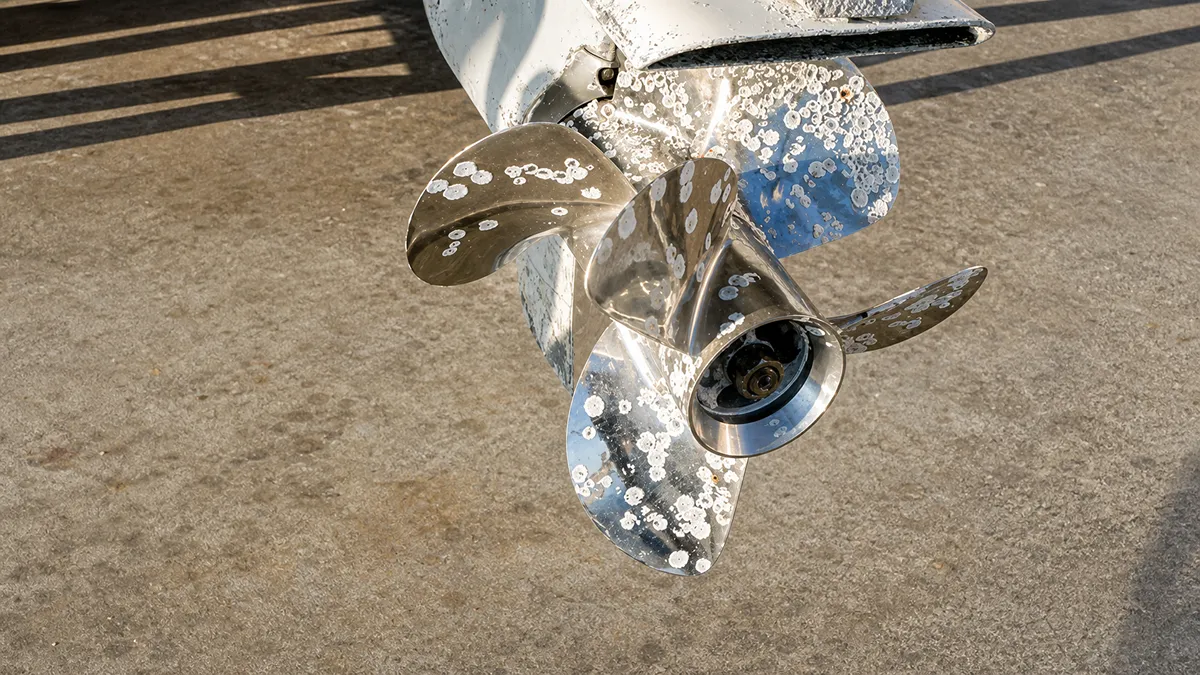
Una hélice fueraborda funciona en uno de los entornos más duros de un barco. Cada viaje lo expone a la arena., rocas, escombros flotantes, aguas poco profundas, y rotación continua a alta velocidad. El desafío es que los daños a las hélices a menudo se desarrollan lentamente.. Un pequeño chip hoy puede convertirse en una grieta mañana, mientras que una ligera vibración puede eventualmente dañar los rodamientos, sellos, o incluso la unidad inferior. Aprender a reconocer las primeras señales de alerta ayuda a los propietarios de embarcaciones a evitar costosas reparaciones, mejorar la economía de combustible, y mantener un rendimiento seguro en el agua.
En esta guía, aprenderás lo más común signos de daños en la hélice fuera de borda, cómo inspeccionar su hélice correctamente, cuando las reparaciones son prácticas, y cuando el reemplazo es la mejor solución a largo plazo.
Por qué es importante la detección temprana de daños en las hélices
Impactos directos en el desempeño y la eficiencia
Un comprometido hélice Degrada inmediatamente la forma en que su embarcación se mueve a través del agua.. Las distorsiones menores de las palas obligan al motor a trabajar fuera de su rango de carga óptimo., arrastrando hacia abajo el rendimiento general.
- Hidrodinámica alterada: Las palas dañadas alteran el flujo de agua, lo que resulta en velocidades máximas más bajas y una aceleración más débil.
- Restricciones de RPM: Alterado efectivo paso evita que el motor alcance las RPM designadas con el acelerador completamente abierto.
- Desperdicio de combustible: La reducción de la eficiencia de la hélice obliga al fueraborda a trabajar más duro, aumentando significativamente el consumo de combustible.
- Vibración y manejo: Las palas desequilibradas inducen vibraciones que afectan la precisión de la dirección y degradan el confort general de marcha..
Prevención de fallas mecánicas secundarias
Ignorar una hélice dañada transfiere tensión directamente al tren motriz interno de su fueraborda. Lo que comienza como una hoja doblada rápidamente compromete los sellos y cojinetes en el interior de la unidad inferior..
- Aceite para engranajes contaminado: Las grietas inadvertidas cerca de la aleta sumergida a menudo provocan la entrada de agua y la contaminación del aceite de los engranajes..
- Estrés del motor: Las hélices deformadas alteran la carga del motor, causando dañinas bajas o altas revoluciones que estresan los componentes internos.
- Fatiga acelerada: La vibración continua de una hélice desequilibrada acelera la fatiga estructural en los cojinetes de la caja de engranajes, ejes de transmisión, y soportes de motor.
- Riesgos de sobrecalentamiento: Combinado con entradas de agua restringidas, El mal estado de la hélice eleva el riesgo de sobrecalentamiento grave del motor..
Seguridad del buque y confiabilidad operativa
El estado de la hélice dicta su control físico sobre la embarcación.. No detectar los daños a tiempo pone en riesgo tanto a la tripulación como a la carga durante las maniobras críticas..
- Pérdida repentina de propulsión: Un cubo que falla progresivamente o una pala debilitada pueden fracturarse bajo carga., causando una pérdida inmediata de propulsión utilizable.
- Peligros de colisión: El manejo degradado y la aceleración retardada reducen la maniobrabilidad alrededor de obstáculos, crecientes riesgos de colisión.
- Integridad del horario: La detección oportuna minimiza el tiempo de inactividad no programado, proteger la integridad del cronograma para uso comercial, carta, y operaciones de rescate.
El argumento económico a favor de la intervención temprana
La lógica financiera es sencilla.. Cambiar una hélice dañada cuesta una fracción de las facturas de reparación necesarias si deja una unidad comprometida conectada a su motor.
- Intervención de bajo costo: La inspección y el reemplazo de las hélices representan una fracción del costo total de las reparaciones del motor o de unidades inferiores..
- Detener la hemorragia financiera: La detección temprana de daños detiene las pérdidas financieras derivadas del consumo excesivo de combustible y el desgaste acelerado de las piezas..
- Evitar grandes reconstrucciones: Ignorar los indicadores tempranos frecuentemente conduce a costosas reconstrucciones de la caja de cambios, reemplazos de sellos, y reparaciones de cabezales de potencia.
Los primeros signos visibles de daños en la hélice fuera de borda
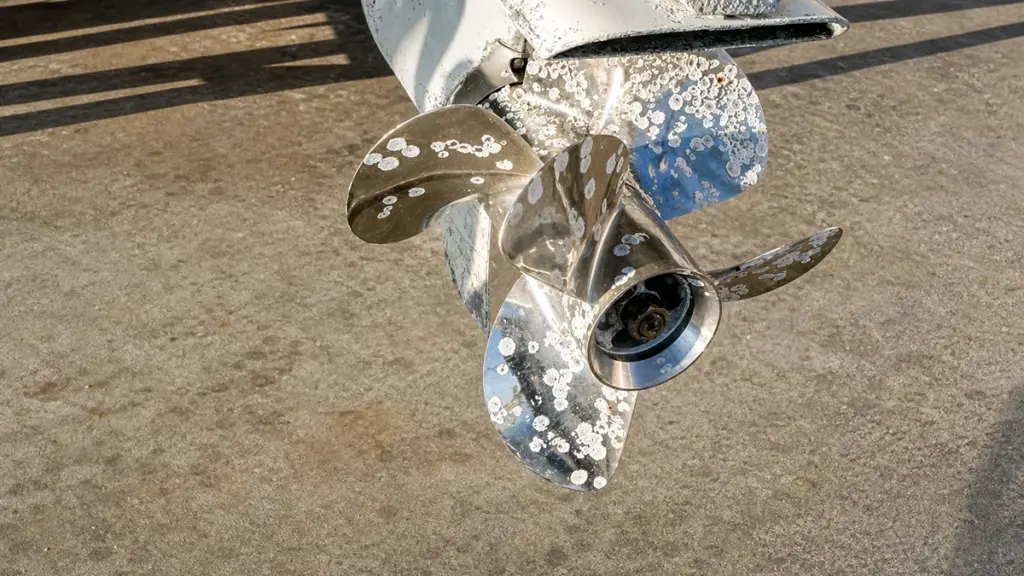
Detección temprana de daños en las hélices fuera de borda, como melladuras menores, desgaste de pintura, o curvas leves: evita el aumento de los costos de combustible, desgaste de la transmisión inducido por vibraciones, y fallo repentino de propulsión.
Deterioro de la pintura y rayones superficiales
We often dismiss worn paint as normal wear and tear, but localized paint wear on the blades or hub points to frequent minor impacts with sand or small debris. It acts as the first warning sign before structural bending occurs.
You will typically notice fine scratches appearing on the leading edge first. These surface abrasions usually precede deeper structural wear. Once the protective coating strips away, the exposed bare metal patches create immediate vulnerabilities for accelerated corrosion in saltwater environments.
Nicks, Chips, and Minor Dents
A perfectly smooth edge is essential for hydrodynamic efficiency. Small chips along the leading edge disrupt water flow and increase the risk of cavitation. This turbulent water causes pressure drops that erode the surrounding metal.
Las abolladuras superficiales en las superficies de las hojas son las primeras deformidades estructurales detectables sin herramientas especializadas.. Mire de cerca el borde de salida durante las inspecciones.. La pérdida temprana de material en el borde de fuga afecta directamente el agarre y la sustentación de la hélice., lo que reduce su aceleración y velocidad máxima.
Deformación y flexión sutiles de la hoja
Las hélices funcionan bajo una carga inmensa., e incluso un ligero cambio geométrico altera el equilibrio de todo el sistema de propulsión. Las puntas de las hojas ligeramente dobladas indican claramente un contacto previo con rocas o un fondo duro..
Para detectar estos problemas, ver la hélice directamente desde el frente. La asimetría visible sugiere una deformación desigual debido a impactos unilaterales. La microdeformación o torsión altera el paso y la distribución de carga entre las palas.. Esto obliga al motor a quemar más combustible para mantener su velocidad de crucero normal..
Corrosión localizada y picaduras por cavitación
La degradación del material compromete la resistencia de la unidad.. Pequeñas picaduras de corrosión u oxidación blanca como polvo en hélices de aluminio marcar áreas de debilitamiento del material. Estos puntos se expanden rápidamente si no se controlan.
Bruto, Los parches arenados cerca de regiones de alta carga indican erosión por cavitación temprana.. Mientras las burbujas de vapor colapsan contra el metal, destruyen la capa superficial. La erosión repetida adelgaza gradualmente las secciones cercanas al borde de ataque, haciéndolos propensos a agrietarse durante la operación a altas RPM.
Desalineación y puntuación visibles del eje
El buje absorbe el impacto del cambio y actúa como vínculo crítico entre el motor y las palas.. Scoring or distortion around the hub collar hints at abnormal stress or improper installation. You can test the integrity of the internal rubber bushing with a quick visual diagnostic.
Draw a straight line across the hub and barrel, run the boat under load, and check the marks. Misaligned diagnostic marker lines visually confirm internal hub slippage. You should also check for flattened or peened edges, which reflect a history of running the outboard through shallow, rocky water.
Source High-Margin OEM Garden & Maquinaria agrícola
How Vibration, Ruido, and Poor Acceleration Reveal Damage
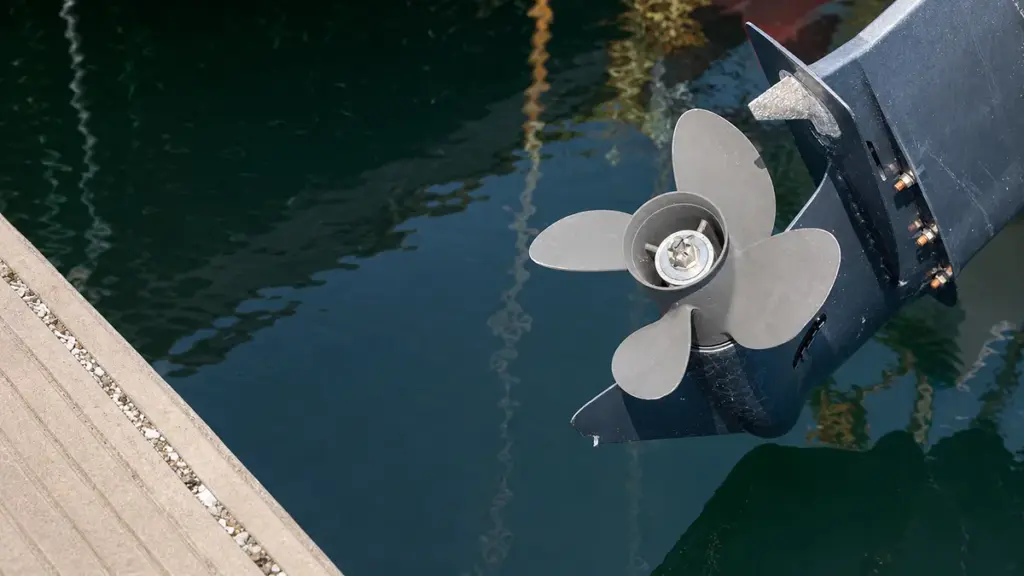
Propeller damage rarely announces itself with a catastrophic failure. It subtly degrades hydrodynamics, sending mechanical warnings through vibration, unusual noise, and sluggish performance that operators must decode.
The Mechanics of Propeller-Induced Vibration
Even minor propeller damage immediately disrupts hydrodynamic balance. When blades hit underwater objects, bent edges or missing metal shift the center of mass off the rotational axis. This mechanical imbalance forces the driveline to absorb cyclical stress.
- Center of mass shift: Bent blades or chipped edges create a mechanical imbalance away from the rotational axis.
- Hydrodynamic distortion: Altered blade geometry changes lift and thrust, placing uneven loads on the shaft and gears.
- RPM sensitivity: Vibrations peak at low to mid RPMs when the propeller works hardest to push the boat onto plane.
- Feedback transmission: Cyclical imbalances travel straight through the propshaft into the steering wheel, transom, and deck.
Translating Noise into Specific Driveline Issues
An outboard should produce a steady acoustic profile under load. When a propeller sustains damage, it introduces turbulence and mechanical interference that change the sound signature completely.
- Cavitation sounds: Damaged blades create low-pressure zones that spawn cavitation bubbles, producing distinct crackling, buzzing, or hissing noises.
- Engine stutter: Uneven thrust generation forces the motor to pulse audibly during hard acceleration runs.
- Lower unit rattle: Impact forces transfer directly into the lower unit, making gears and bearings rumble as they absorb the shock.
- Secondary wear indicators: Prolonged operation with an unbalanced prop causes propshaft bearings to grind or gearcases to emit a high-pitched whine.
Recognizing Performance Loss and Sluggish Acceleration
Physical damage directly compromises grip in the water. This hydrodynamic inefficiency forces the engine to burn more fuel while delivering less forward momentum.
- Increased propeller slip: Physical damage stops the efficient conversion of engine torque into actual forward thrust.
- Weak hole shot: A sluggish transition to plane serves as the primary indicator of blade distortion.
- Speed reduction: Minor imperfections trigger measurable drops in top speed and alter operating RPMs at specific throttle settings.
- Baseline comparison: Comparing current speed and wide-open throttle (WOT) RPM against historical metrics isolates propeller inefficiency from actual engine power loss.
Diagnostic Steps to Confirm the Root Cause
You cannot fix a driveline issue based purely on operator feel. Technicians rely on a strict diagnostic sequence to separate propeller damage from internal engine faults.
- Visual inspection: Check the blades thoroughly for bends, nicks, gubias, grietas, or unequal marine growth.
- Shaft examination: Look at the prop shaft for visible bends, binding during manual rotation, or fishing line cutting into the seals.
- Isolation test: Run the engine safely in gear without the propeller installed to see if the vibration stops.
- Secondary component check: Evaluate engine mounts and fuel delivery systems if symptoms persist after installing a known-good propeller.
How to Inspect Blade Edges, Hub Area, and Shaft Contact
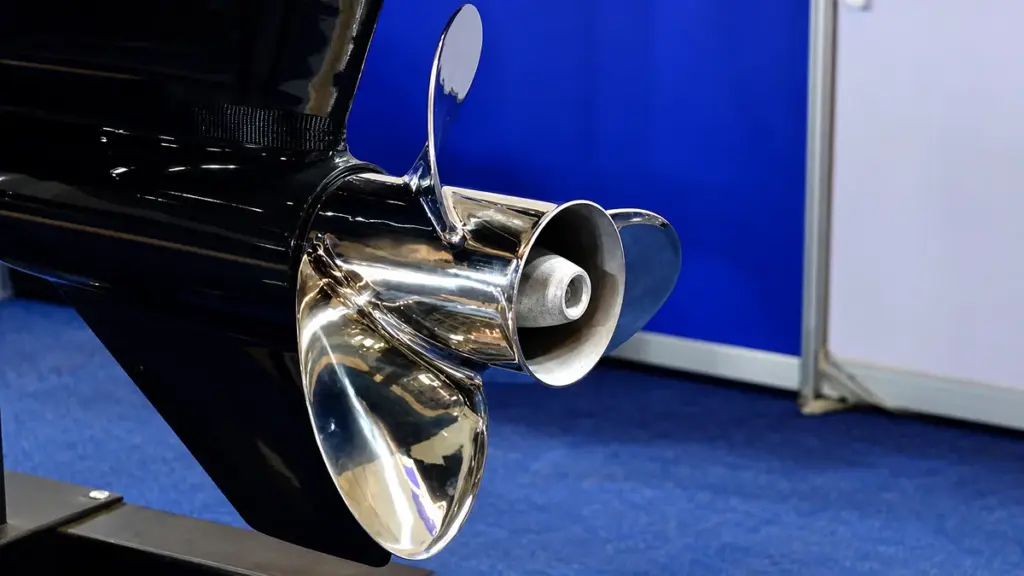
A systematic inspection of blade geometry, hub integrity, and shaft contact points prevents catastrophic lower unit failures, stops vibration, and ensures peak propulsive efficiency.
| Inspection Zone | Key Defect Indicators | Functional Impact |
|---|---|---|
| Blade Edges | Nicks, inward cracks, flattened cup | Hydrodynamic imbalance, cavitación, thrust loss |
| Conjunto de cubo | Extruded rubber, misaligned marker lines | Buje hilado, complete loss of drive under load |
| Eje & Hardware | Twisted splines, worn thrust washer | Fretting, gearcase vibration, thread damage |
Blade Edges and Surface Integrity
The geometry of the propeller blade dictates thrust generation and fuel efficiency. Technicians must examine leading edges, bordes de salida, and tips for nicks, chips, gubias, or inward-radiating cracks. A damaged or flattened cupped trailing edge directly reduces water hold and increases the risk of early cavitation.
- Profile Consistency: Verify uniform rake angle and pitch across all blades to identify uneven bending or impact damage.
- Balance Check: Mount the propeller horizontally on a hub rod to identify heavy or off-plane blades.
- Clearance Limits: Ensure a minimum 3 mm tip clearance from the anti-cavitation plate to prevent contact under heavy load or blade flex.
Hub Area and Spun Hub Detection
The hub handles the brutal torque transfer from the engine to the water. A compromised rubber bushing acts as a failed mechanical fuse, dropping propulsion completely. Inspectors should check the outer hub barrel and blade roots for dents, ovalization, o grietas finas. Extruded, melted rubber or heat staining clearly signals a failed bushing.
- Slippage Diagnostic: Draw a marker line across the outer housing, rubber zone, and inner hub, then run the boat under load to check for misalignment.
- Exhaust Path: Inspect internal routing for carbon build-up or structural obstructions that could disturb exhaust flow.
Prop Shaft and Hardware Contact Zones
The connection between the propeller and the driveline must remain perfectly aligned to avoid transferring destructive vibrations into the gearcase. Assess the propeller shaft for straightness, runout, óxido, and signs of pitting. Spline teeth on both the shaft and the hub bore require close inspection for rounding, chipping, o perfiles torcidos.
- Thrust Washer Integrity: Examine seating surfaces for cracks, uneven wear, or deep grooves that throw off propeller alignment.
- Torque Application: Apply the proper manufacturer-specified torque—commonly 40-60 ft-lbs—to prevent fretting or thread damage.
Integrated Inspection Workflow
A standard inspection workflow brings these discrete checks into a repeatable process. You must disable the engine ignition, remove the locking hardware, and safely slide the propeller off the shaft. Cleaning the shaft and hub bore with a degreaser is critical to accurately assess the splines and thrust washer without old marine grease hiding the defects.
- Component Evaluation: Systematically check the hub for spun bushing signs and the blade edges for profile consistency.
- Reassembly Protocol: Reinstall using fresh marine grease, pushing the prop forward until it clicks firmly against the thrust washer.
- Final Securing: Torque the nut to spec and verify the locking hardware is properly engaged.
When Minor Damage Can Still Be Repaired
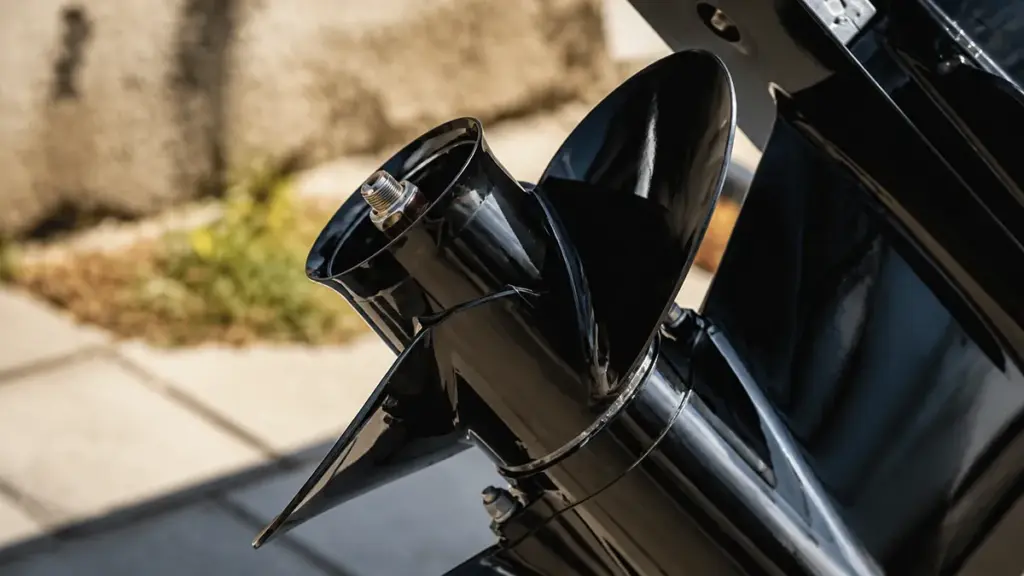
Minor propeller damage like edge burrs and shallow nicks can be repaired with basic filing, provided the blade geometry remains intact and no cracks or vibration are present.
Identifying Repairable Minor Damage
Before breaking out the tools, you need to confirm the damage is actually minor. Repairable defects are strictly surface-level flaws that do not compromise the structural integrity or hydrodynamic shape of the propeller.
- Surface-level dings: Small burrs, leading-edge nicks, and dents that leave the original blade geometry intact.
- Isolated edge wear: Damage limited entirely to the blade edges, meaning the overall diameter and pitch remain unchanged.
- Funcionamiento fluido: Propellers that continue to push the boat efficiently without inducing unusual vibration.
- Structural soundness: A complete absence of visible cracks or physical deformation during visual inspection.
If the propeller still performs well and the shaft runs true, you are likely dealing with cosmetic or minor edge wear.
Indicators of Severe Damage
Not all impacts result in a quick fix. Some structural flaws demand immediate professional intervention or a complete replacement to protect your gearcase.
- Visible cracks: Fractures in the blade or hub area, which usually require professional welding or replacement.
- Blade deformation: Noticeable bending or twist across one or multiple propeller blades.
- Severe vibration: Shaking immediately following an impact, signaling a potential mass imbalance.
- Drivetrain impact: Damage extending to the prop shaft, seal, or gear case after a hard strike.
- Die-cast limitations: Die-cast propellers displaying structural flaws, as marine professionals routinely classify these as non-repairable.
Operating with any of these severe defects transfers immense stress directly to your lower unit bearings and seals.
DIY Repair Methods and Discipline
Fixing minor edge damage requires precision and restraint. The goal is to smooth the water flow, not redesign the blade.
- Clean the propeller: Remove all marine growth, suciedad, and oil to accurately assess the damage profile.
- File flat: Gently use a coarse or mill bastard file, keeping the tool flat to avoid reshaping the blade.
- Minimize removal: Take off only the absolute minimum amount of metal necessary to smooth out the burr or nick.
- Know when to stop: Cease filing the exact moment the raised metal disappears to preserve blade balance and efficiency.
- Polish the edge: Refine the filed area with fine sandpaper and polish it to reduce hydrodynamic drag and resist corrosion.
Over-filing a single blade shifts the center of mass, transforming a simple nick into a permanent vibration problem.
Deciding Between Repair and Replacement
Knowing when to stop trying to salvage a damaged propeller saves money and prevents unexpected breakdowns on the water.
- Owner repairs: Best suited for slight burrs and minor dings that need only light, controlled filing.
- Professional shops: Necessary for straightening bends, balancing, and checking for hidden cracks using dye or probe scanning.
- Replacement threshold: The smarter financial choice if repair costs exceed 50% of the propeller’s total replacement value.
- Spare recovery: Keeping a spare propeller onboard acts as the ultimate fail-safe if minor damage rapidly worsens during a trip.
Treat your propeller as a consumable wear part. Upgrading to a new unit is significantly cheaper than rebuilding a blown gearcase caused by running an unbalanced prop.
When Early Replacement Is the Safer Choice
Certain types of damage should not be repaired because they increase the risk of sudden failure.
Replacement is usually recommended under the following conditions.
| Tipo de daño | Replace Immediately? | Reason |
|---|---|---|
| Large blade cracks | Sí | High risk of blade separation |
| Missing blade section | Sí | Severe imbalance |
| Bent propeller shaft | Sí | Can damage gearbox |
| Multiple damaged blades | Sí | Difficult to restore accurately |
| Severe corrosion | Sí | Reduced structural strength |
| Repeated repaired cracks | Sí | Metal fatigue continues to grow |
Choose NEWTOP for Reliable Outboard Propeller Performance
A durable propeller begins with dependable manufacturing. En NOVEDAD, we produce precision-balanced aluminum and stainless steel outboard propellers designed to deliver stable performance, buen funcionamiento, and long service life across a wide range of marine applications.
Our manufacturing process combines advanced CNC machining, strict dimensional inspection, dynamic balancing, and comprehensive quality testing to ensure every propeller meets consistent performance standards before shipment. Whether you need replacement propellers for aftermarket distribution or OEM production for your own brand, NEWTOP offers flexible manufacturing solutions backed by reliable capacidad de producción and global export experience.
Las ventajas clave incluyen:
- CCS and ECE certified quality for reliable performance and international market requirements.
- Premium materials — aluminum propellers use specially formulated aluminum-magnesium alloy for high strength and toughness, while stainless steel propellers use duplex stainless steel with better yield strength and corrosion resistance.
- Integrated molding technology — propeller blanks are formed with dedicated molds without welding, improving structural strength and durability.
- Precision hub pressing and CNC machining — one-piece pressed hubs improve dynamic balance, while CNC-machined blades ensure consistent geometry and stable thrust performance.
If you’re looking for a trusted outboard motor propeller manufacturer for wholesale supply or customized production, contact NEWTOP today. Our engineering and production teams are ready to help you select the right propeller solution for your market while ensuring consistent quality and long-term supply.
Preguntas frecuentes
How do I know if my outboard propeller is damaged?
Look for visible bends, chips, grietas, or missing material on the blades. Operational signs include the engine revving unusually high without proportional boat acceleration, which often points to a spun hub. You might also notice persistent vibration, metallic noises, or a loss of steering stability at normal cruising speeds.
Can a small nick on a propeller cause vibration?
Sí, even a small nick alters the mass distribution and hydrodynamic symmetry of the blade. This physical imbalance generates centrifugal forces that manifest as noticeable vibration, often within a specific RPM band. Ignoring minor damage leads to progressive wear on the prop shaft and lower unit bearings.
What does a spun prop hub feel like?
A spun hub feels like the boat is slipping in the water. The engine RPM spikes sharply under throttle, but the boat’s speed does not increase. It mimics the sensation of a slipping automotive clutch and is sometimes accompanied by a sudden loss of thrust or a burnt rubber smell.
Should I repair or replace a chipped propeller?
Repair is usually viable for small edge chips or minor bends, especially on higher-value stainless steel props. Replace the propeller if it has large missing chunks, deep cracks near the root, or if you use a low-cost aluminum unit where repair expenses exceed half the price of a new replacement.
Can propeller damage reduce fuel efficiency?
Damaged blades increase hydrodynamic drag and disrupt smooth water flow, forcing the engine to work harder to maintain speed. This mechanical inefficiency prevents the motor from operating in its optimal RPM band, directly resulting in higher fuel consumption per nautical mile.
What kind of noise does a damaged propeller make?
A compromised prop typically produces a rhythmic knocking or thumping sound synchronized with engine RPM. You may also hear metallic rattling or a harsh, low-frequency drone from the lower unit, especially under heavy acceleration or during sharp turns.
Can I still run a boat with a bent propeller?
You should only operate a boat with a bent propeller at minimal idle power to safely return to the dock. Running at planing speeds with unbalanced blades creates severe radial loads that quickly destroy the prop shaft, aspectos, and gearcase seals.
How often should I inspect my propeller?
Perform a quick visual and tactile check before and after every trip to spot obvious bends, chips, or wrapped fishing line. Complete a full removal inspection—taking the prop off to check the shaft, inspect seals, and re-grease the splines—at least once a season or every 100 hours of operation.
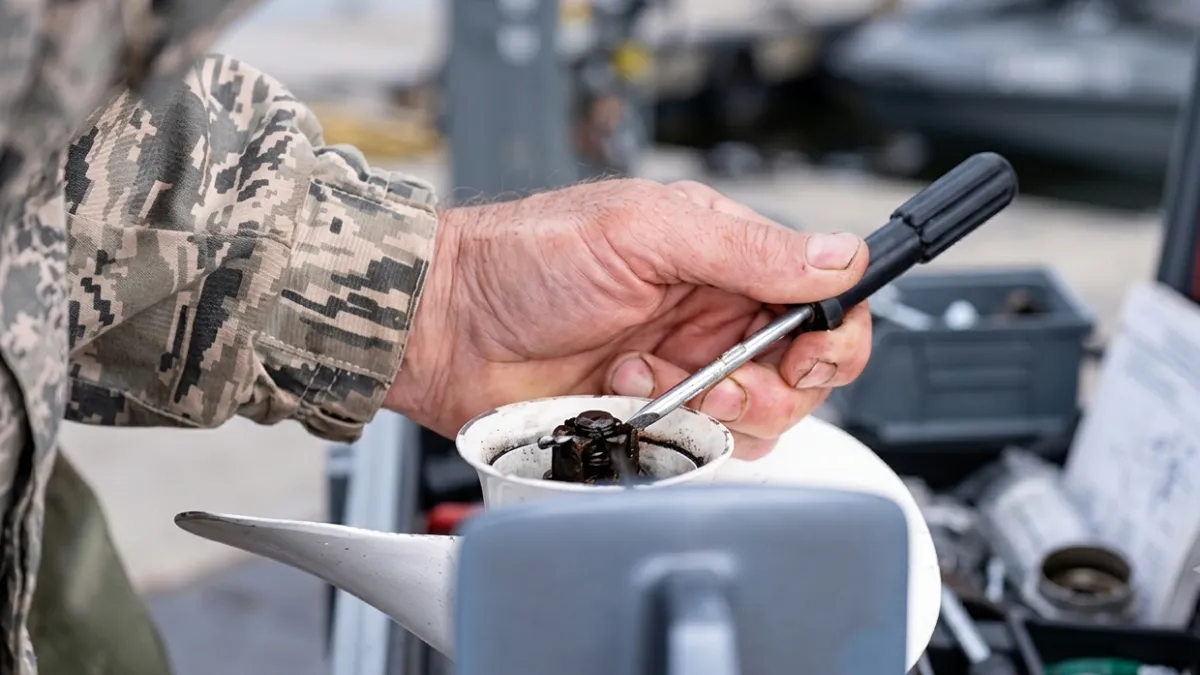
Muchos propietarios de embarcaciones no notan daños en la hélice hasta que su embarcación empieza a sentirse diferente.. Quizás la aceleración se vuelva más lenta., los costos de combustible aumentan, o el volante comienza a vibrar después de golpear una roca escondida o escombros flotantes. Conocer las primeras señales de advertencia puede ayudarle a evitar reparaciones costosas y a mantener su fueraborda funcionando de manera eficiente..
En esta guía, te explicaremos el 5 signos más comunes de un daño hélice fuera de borda, por qué importan, y cuando llega el momento de reemplazar su hélice.
Por qué nunca se debe ignorar una hélice dañada
Ignorar una hélice dañada convierte pérdidas menores de eficiencia en daños graves a la caja de engranajes, aumento vertiginoso de los costos del combustible, y problemas de manejo peligrosos. Arréglelo temprano para proteger su motor y su billetera.
Degradación del rendimiento y problemas de manejo
Una hélice dañada anula inmediatamente el rendimiento diseñado de su embarcación. Incluso una pequeña distorsión de la pala arruina el perfil hidrodinámico necesario para convertir la potencia del motor en un movimiento de avance eficiente.. Los operadores generalmente notan esto como un disparo lento y una caída notable en la velocidad máxima..
- pérdida de empuje: Las hojas dobladas o astilladas alteran la geometría, reduciendo el empuje hacia adelante y causando una mala aceleración.
- Manejando la inestabilidad: Las superficies irregulares de las hojas crean un empuje desigual, lo que lleva a tirar de la dirección, ajuste inestable, y seguimiento inconsistente.
- Generación de vibraciones: La rotación desequilibrada crea vibraciones bajo carga, A menudo se siente como un golpe rítmico a través de la plataforma a velocidades de planeo..
Mayor consumo de combustible y costos operativos
Ejecutar una hélice comprometida ataca directamente su presupuesto operativo. Las imperfecciones en la superficie de la pala destruyen el flujo de agua laminar, reemplazándolo con arrastre y turbulencia. El motor tiene que quemar mucho más combustible para alcanzar la velocidad de crucero estándar..
- Arrastre agregado: Las palas dañadas inducen un flujo turbulento, obligando al motor a trabajar más duro para mantener el impulso.
- Mayor consumo de combustible: Una hélice abollada o doblada aumenta habitualmente el consumo total de combustible en aproximadamente 10%.
- Compensación del acelerador: Naturalmente, los operadores presionan más el acelerador para compensar el empuje ineficiente., multiplicando silenciosamente los costos de funcionamiento diarios.
Estrés mecánico severo en la unidad inferior
Los daños estéticos en el exterior a menudo ocultan una grave destrucción mecánica en el interior.. Una hélice desequilibrada actúa como un martillo contra la transmisión. Envía constante, tensión cíclica directamente en la unidad inferior, convertir una reparación de hélice barata en una reconstrucción masiva de la caja de cambios.
- Desgaste de la caja de cambios: La carga desigual transmite la tensión directamente a la unidad inferior, destruyendo engranajes, aspectos, y ejes prematuramente.
- Degradación del sello: La vibración persistente rompe los sellos del eje de transmisión, permitiendo que el aceite de engranajes se escape y el agua entre rápidamente.
- Desalineación del eje: Los impactos fuertes que deforman las palas frecuentemente doblan el eje de la hélice., garantizando un fallo catastrófico si no se controla.
Riesgos de seguridad y posible varamiento
Operar con una hélice dañada empuja sus márgenes de seguridad a la zona roja. La pérdida de empuje limpio hace que la embarcación sea impredecible en espacios reducidos o en condiciones difíciles.. Empujar una transmisión comprometida en alta mar provoca fallas mecánicas repentinas cuando más se necesita energía.
- Peligros de atraque: La pérdida de empuje inverso y el manejo errático acaban con el control de maniobra en canales estrechos y rampas..
- Riesgo de avería: Correr con daños existentes aumenta drásticamente las probabilidades de sufrir una falla mecánica repentina mientras está en marcha..
- Vulnerabilidad climática: La reducción de la eficiencia de la propulsión compromete sus márgenes de seguridad al navegar en mares agitados, fuertes vientos, o corrientes fuertes.
5 Lista de signos de una hélice externa dañada
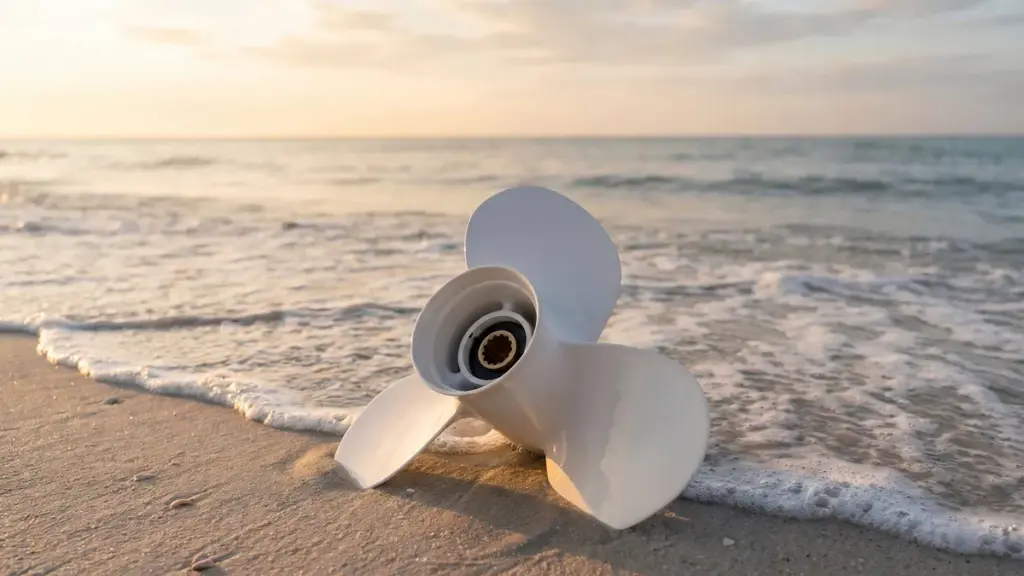
Si su motor fueraborda vibra repentinamente, pierde velocidad, o consume más combustible de lo habitual, Es posible que su hélice ya esté dañada.. La siguiente tabla resume los síntomas más comunes., sus causas probables, y cómo pueden afectar su motor.
| Señal de advertencia | Causa primaria | Riesgo inmediato |
|---|---|---|
| Vibración | Cuchillas dobladas o buje flojo | Falla en el sello de la caja de engranajes |
| Pérdida de velocidad / Mal tiro en el hoyo | Arrastre de cubo o pala girado | Arrastre del motor |
| Ruido / Inestabilidad de la dirección | Cuchillas asimétricas o eje doblado | Daños en el engranaje de la unidad inferior |
| Alto consumo de combustible / Carga | Arrastre hidrodinámico | Desgaste del pistón y del sistema de refrigeración. |
| Daño visible | Golpes de impacto | Cargas de impacto en la transmisión |
Firmar 1: Vibración durante la aceleración o el crucero
Una hélice dañada rara vez gira correctamente. Notarás que el temblor se siente directamente a través del timón., la carcasa del motor fuera de borda, o el propio casco del barco, especialmente al acelerar o mantener una velocidad de crucero constante. Esta vibración reduce drásticamente la eficiencia de la hélice y genera tensión inmediata en los soportes del motor y en los sellos de la caja de engranajes..
- Causas comunes: Cuchillas dobladas o deformadas, un centro suelto, o escombros pesados ensuciados alrededor del eje de hélice.
- Verificación procesable: Apague el motor e inspeccione la hélice.. Mire los ángulos de la hoja para asegurarse de que coincidan., luego gire la hélice con la mano para detectar cualquier bamboleo o raspado contra la caja de engranajes..
Firmar 2: Pérdida de velocidad y mal tiro en el hoyo
Aceleración lenta, un tiempo notablemente más lento para subir al avión, y la velocidad máxima reducida apuntan directamente a la ineficiencia de la propulsión. Incluso si las RPM de su motor permanecen normales o elevadas, una hélice comprometida no logra convertir esa potencia en empuje hacia adelante. Esto a menudo se debe a la cavitación alrededor de los bordes de las palas dañados o a fuertes incrustaciones marinas que crean un exceso de resistencia..
- Indicador de cubo hilado: Si falla el casquillo interior, no puede transmitir el par motor completo al agua, causando altas RPM con un movimiento mínimo del barco.
- Verificación procesable: Compara tu acelerador a fondo actual (WOT) RPM y velocidad máxima en comparación con los datos históricos de referencia de su embarcación.
Firmar 3: Ruido inusual o inestabilidad de la dirección
Nuevo tarareo, muy, o ruidos de chirrido indican una desalineación mecánica severa, especialmente al girar o pasar por rangos de RPM específicos. También puede notar que el timón se siente más difícil de manejar o tira mucho hacia un lado.. Esto sucede porque asimétrico, las cuchillas dobladas generan un empuje desigual, Forzar al barco a salirse de su trayectoria natural..
- Amenaza de la caja de cambios: El chirrido persistente generalmente indica un eje de hélice doblado o daño en el engranaje de la unidad inferior debido a un golpe submarino anterior..
- Verificación procesable: Mueva la hélice hacia adelante y hacia atrás para detectar exceso de juego.. Gírelo con la mano y escuche atentamente cualquier sonido de raspado interno..
Firmar 4: Mayor uso de combustible y carga anormal del motor
Una caída repentina en la eficiencia del combustible significa que usted se detiene en el muelle de combustible con más frecuencia para exactamente las mismas rutas y cargas.. La resistencia hidrodinámica causada por daños en las palas o suciedad obliga al motor a trabajar más duro solo para superar la pérdida de empuje y vibración.. El motor sonará forzado y requerirá ajustes de aceleración más altos para mantener velocidades de crucero normales..
- Desgaste a largo plazo: La operación sostenida bajo estas condiciones de carga pesada acelera el desgaste de los pistones., aspectos, y sistemas de refrigeración externos.
Firmar 5: Hoja visible, Centro, o daños en los bordes
Los defectos físicos son los indicadores más obvios de un impacto.. Una inspección visual rápida a menudo revela abolladuras, son consejos, trozos faltantes, o grietas finas. Estos defectos suelen deberse a que el barco queda varado o al golpear rocas., bancos de arena, arrecifes, o escombros sumergidos. Incluso los daños físicos menores alteran el cabeceo y el equilibrio efectivos de la hélice., Transmitir cargas de choque dañinas directamente a la unidad inferior..
- Verificación procesable: Retire la hélice para inspeccionar todas las superficies de cerca.. Reemplace la unidad si encuentra daños estructurales graves o si las estimaciones de reparación exceden 50% del coste de una nueva hélice.
Obtenga hélices fueraborda OEM de alto rendimiento

Cómo proteger su motor reemplazando la hélice adecuada a tiempo
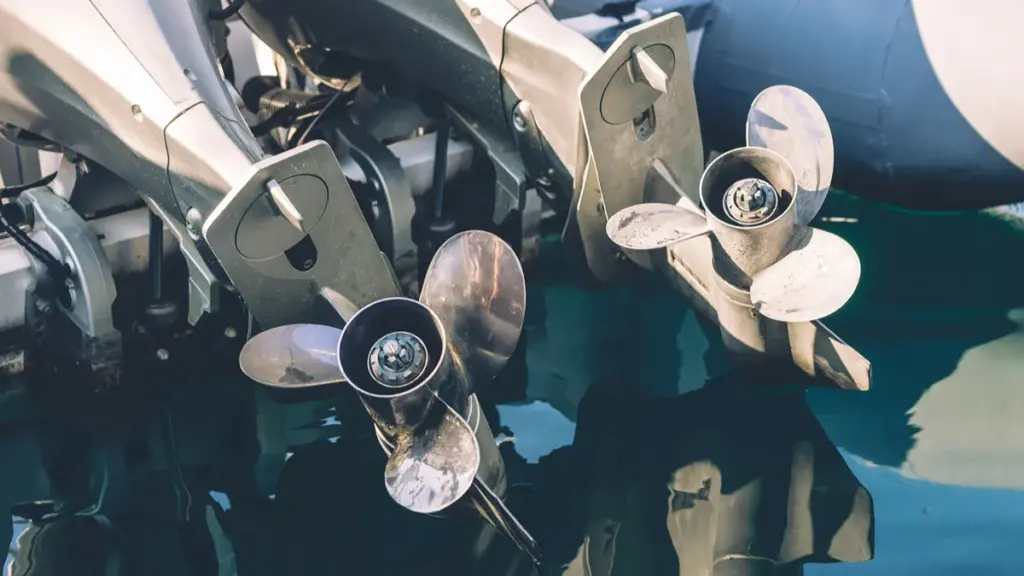
Una hélice dañada obliga al motor a trabajar más y corre el riesgo de sufrir fallos graves en la transmisión. Reemplazar una unidad comprometida protege inmediatamente su caja de cambios y restablece la eficiencia básica del combustible..
Identificar cuándo es el momento de reemplazar
Saber exactamente cuándo cambiar una hélice evita que un desgaste menor se convierta en una falla mecánica. Las inspecciones visuales y táctiles actúan como su primera línea de defensa.. Cualquier golpe contra un objeto sumergido requiere atención inmediata., Incluso si el barco todavía se mueve.
- Daño estructural visible: Compruebe si hay grietas profundas, grandes trozos faltantes, cuchillas muy dobladas, o bordes adelgazados que comprometen la geometría de la hoja.
- El rendimiento básico cae: Esté atento a un motor que de repente no logra alcanzar su punto de referencia con el acelerador completamente abierto. (WOT) RPM o velocidad máxima bajo cargas normales.
- Problemas de vibración y manejo.: Vibración persistente, tirón de dirección, o un seguimiento irregular indica una hélice desequilibrada.
- Verificación post-impacto: Retire siempre la hélice para inspeccionar el eje y el sello después de golpear rocas submarinas., registros, o escombros.
Elegir la hélice de repuesto adecuada
Instalar una hélice que no coincide es tan dañino como hacer funcionar una rota. Debe alinear las especificaciones de reemplazo con su tipo de casco y carga operativa típica..
- Paso y diámetro correctos: La falta del rango de paso recomendado por el fabricante obliga al motor a acelerar demasiado o a retrasarse., destruyendo la economía de combustible y la aceleración.
- Aluminio para absorción de impactos.: Los puntales de aluminio actúan como una barrera de sacrificio en aguas poco profundas., aguas densas en peligro. Se deforman al impactar, transmitiendo mucho menos impacto a la costosa caja de cambios.
- Acero inoxidable para mayor durabilidad: Elija acero inoxidable cuando necesite la máxima eficiencia, resistencia a la flexión, y durabilidad en aguas profundas o libres de peligros.
Comprobaciones de instalación y posteriores al reemplazo
Un reemplazo exitoso requiere atención estricta al conjunto del cubo y al entorno del eje.. Antes de colocar la nueva hélice, Limpie y prepare a fondo el área para garantizar que la línea motriz funcione correctamente..
- Preparación del eje: Retire el hilo de pescar envuelto, malas hierbas, y residuos que pueden cortar el nuevo sello.
- Asientos de hardware: Aplique grasa de grado marino a las estrías.. Asegure la tuerca de apoyo a la especificación de torsión exacta sin apretar demasiado., e inserte una chaveta nueva si el diseño lo requiere.
- Prueba de fricción: Coloque el fueraborda en punto muerto y haga girar la nueva hélice con la mano.. Debe girar libremente sin atascar ni raspar la caja de engranajes..
- Verificación de referencia: Haga funcionar la embarcación con una carga normal para confirmar que la nueva hélice restablezca su velocidad máxima original y RPM WOT..
Conclusión
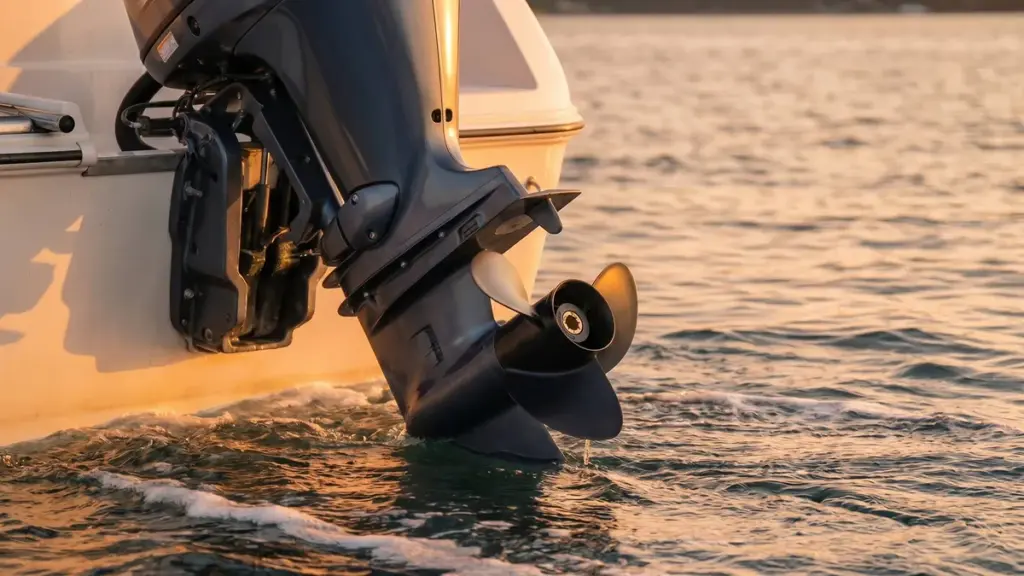
Las inspecciones periódicas y el reemplazo oportuno son las mejores formas de proteger su motor fueraborda, mejorar el rendimiento de la navegación, y reducir los costos operativos a largo plazo. Es igualmente importante conseguir hélices de motores fuera de borda con el paso correcto., diámetro, y materiales de alta calidad para garantizar un funcionamiento confiable y eficiente.
Ya sea que esté reemplazando hélices para su propia flota o buscando productos para su negocio, asociarse con fabricantes experimentados de hélices de motores fuera de borda puede marcar una diferencia significativa en la calidad del producto, actuación, y confiabilidad a largo plazo. En NOVEDAD, Nuestra fábrica integrada de hélices para motores fuera de borda combina fabricación avanzada con servicios flexibles de OEM/ODM para ayudar a los distribuidores y marcas marinas a tener éxito en mercados competitivos..
👉 Póngase en contacto con NEWTOP hoy para analizar sus requisitos OEM o mayoristas y recibir una cotización competitiva para su próximo proyecto de hélice fuera de borda.
Preguntas frecuentes
¿Cuáles son los signos de una hélice fuera de borda dañada??
Puede detectar daños en la hélice a través de defectos visuales, caídas de rendimiento, y síntomas mecánicos. buscar abolladuras, puntas de hoja dobladas, trozos faltantes, o grietas finas cerca del cubo. en el agua, El daño se manifiesta como velocidades máximas más lentas., tiros de hoyo lentos, y altas RPM del motor con baja velocidad de avance del barco. También puedes sentir nuevas vibraciones rítmicas en el timón o escuchar ruidos sordos.. Si nota una fuga de aceite lechoso para engranajes alrededor de la unidad inferior, el impacto probablemente comprometió los sellos del eje de transmisión.
¿Puede una hélice dañada dañar mi motor??
Sí, Una hélice dañada ejerce una gran presión sobre todo el motor fueraborda y la unidad inferior.. Incluso una pequeña curvatura de la hoja crea una rotación desequilibrada. Este desequilibrio rotacional envía continuos, vibraciones fuertes directamente a través de la línea motriz. Dejado sin marcar, Esta sacudida martilla los sellos del eje de transmisión hasta que fallan., dejar que el lubricante del engranaje se escape y el agua entre. Hacer funcionar el motor en este estado provoca rápidamente un desgaste destructivo de metal con metal en los juegos de engranajes y cojinetes..
¿Por qué mi barco vibra después de golpear algo bajo el agua??
Golpear un objeto sumergido desequilibra la transmisión. El impacto suele doblar la pala de una hélice., se desprende el material, o dobla ligeramente el eje de la hélice. Porque la hélice ya no mantiene su forma simétrica o gira perfectamente, orbita en lugar de girar suavemente. Esta oscilación genera una fuerza de vibración rítmica que sube por la pata exterior., a través de los soportes del motor, y directamente en el casco.
¿Puede el daño de la hélice causar una mala aceleración??
Sí. El daño físico altera el paso de la pala., comba, y taza. Esta distorsión acaba con la eficiencia hidrodinámica de la hélice., obligándolo a perder su agarre en el agua y reduciendo drásticamente el empuje hacia adelante.. También, si un golpe fuerte daña el cubo de goma interior, comúnmente llamado “cubo hilado”—la carcasa de la hélice se desliza sobre el eje. Cuando pisas el acelerador, el motor acelera mucho mientras el barco apenas acelera o tiene dificultades para subir al avión.
¿Una hélice defectuosa aumentará el consumo de combustible??
Sí. Operar una hélice dañada obliga al motor a quemar más combustible por milla. Doblado, astillado, o las palas muy sucias crean una resistencia hidrodinámica adicional y aumentan el deslizamiento de la hélice. Porque las palas dañadas no pueden convertir el par del motor en empuje de manera eficiente, el fueraborda tiene que girar más rápido y trabajar mucho más duro sólo para mantener su velocidad de crucero normal. Más de una temporada, Esta ineficiencia se suma a facturas de combustible significativamente más altas..
¿Cuánto tiempo puedo utilizar una hélice dañada de forma segura??
Sólo debe hacer funcionar una hélice dañada el tiempo suficiente para regresar cojeando al muelle a baja velocidad.. Operando un vibrante, apoyo desequilibrado durante un período prolongado pone anormal, estrés cíclico en los rodamientos y sellos de la unidad inferior. Empujar el motor en esta condición rápidamente provoca un simple, Reemplazo económico de hélice en una reconstrucción catastrófica de la caja de engranajes..
¿Puede un cubo dañado hacer que el motor acelere demasiado??
Sí. Los fabricantes diseñan el cubo de goma interior para que se deslice durante un impacto severo para proteger los engranajes de la unidad inferior contra cortes.. Una vez que este centro gira o se rompe, Pierde permanentemente su firme agarre sobre la carcasa exterior de la hélice.. Cuando aplicas el acelerador, el cubo dañado se desliza en lugar de transferir torque. Esto permite que las RPM del motor aumenten rápidamente sin empujar el barco hacia adelante., imitando la sensación de una transmisión patinando.
¿Debo llevar una hélice de repuesto a bordo??
Se recomienda encarecidamente llevar una hélice de repuesto a bordo.. Sirve como seguro barato., especialmente si utiliza una hélice de aluminio o navega regularmente en aguas poco profundas., aguas llenas de obstrucciones. Llevar una unidad de repuesto, junto con una llave de apoyo, una arandela de empuje de repuesto, y una chaveta nueva, le permite cambiar el accesorio dañado en el acto. Esto restablece la propulsión segura inmediatamente y le evita un fin de semana arruinado o una costosa factura de remolque..
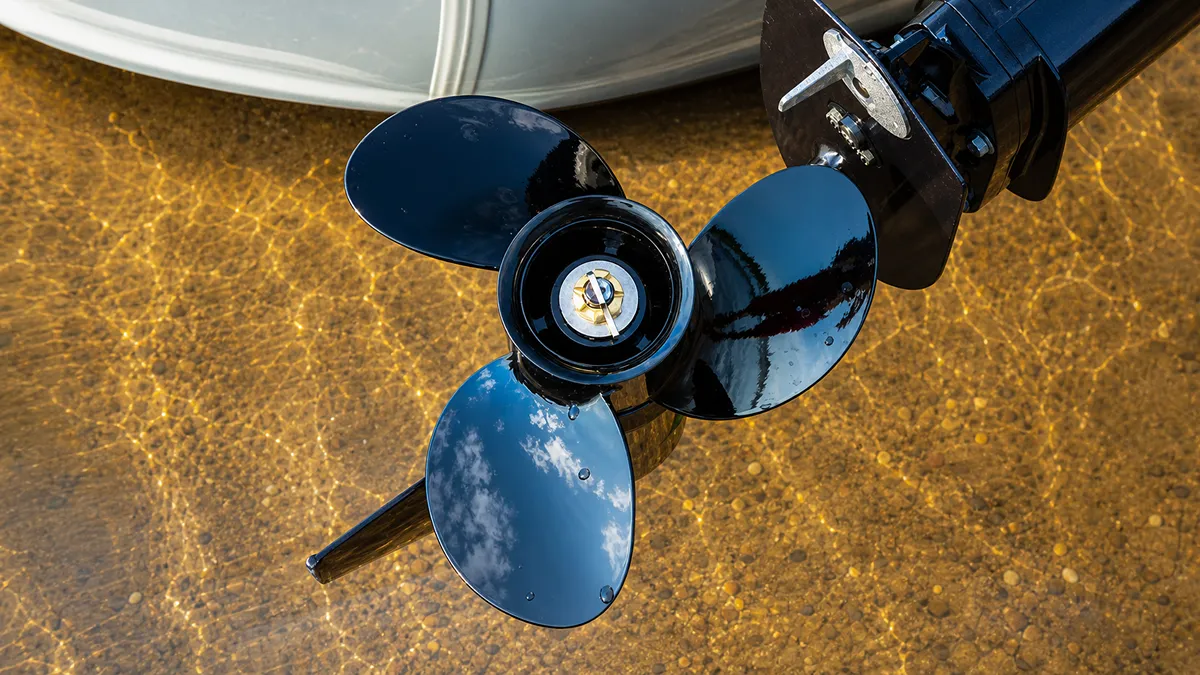
When a boat suddenly loses thrust, engine RPM rises without matching acceleration, or the hélice shows unusual surface damage, many operators assume the propeller is simply worn out. En realidad, the problem may be propeller cavitation.
Cavitation is one of the most misunderstood issues affecting outboard motor performance. It reduces efficiency, increases fuel consumption, shortens propeller life, and may even lead to expensive repairs if ignored. Although it is often confused with ventilation, the two problems have different causes and require different solutions.
En esta guía, we’ll explain what cavitation is, what causes it, how it affects your boat, and the practical ways to prevent it by choosing the right propeller and setup.
What Is Cavitation in Outboard Motor Propellers?
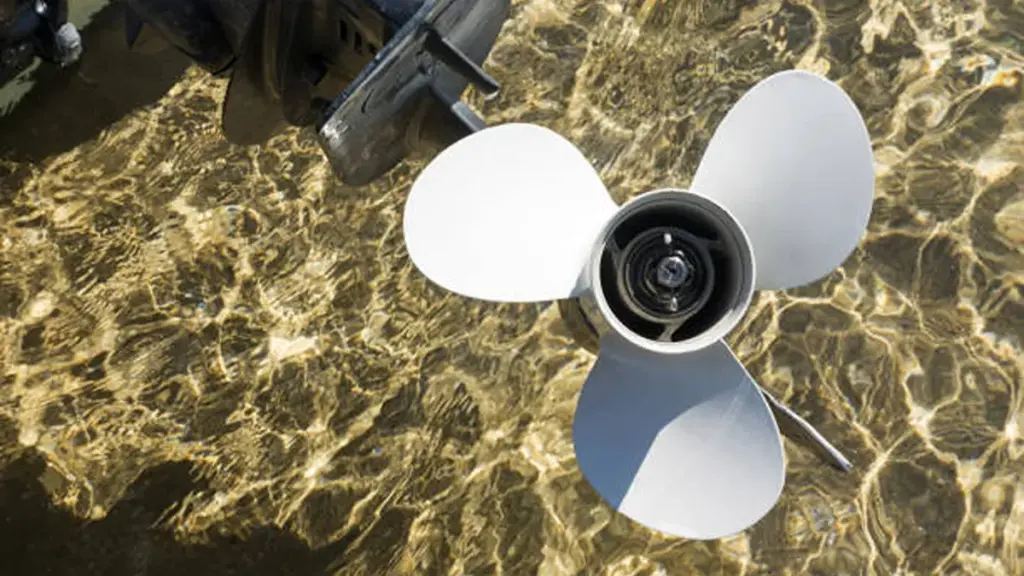
Cavitation in outboard propellers is a destructive hydrodynamic pressure issue. Vapor bubbles form and violently collapse on the blades, causing power loss and severe metal erosion.
The Physical Process of Cavitation
Cavitation starts when rapid propeller rotation forces local water pressure to drop below its vapor pressure. This extreme low pressure triggers an immediate phase change, creating vapor bubbles directly on the blade surface. The water essentially boils at ambient temperature due to the pressure drop.
As the spinning propeller drives these vapor bubbles into higher-pressure zones, they cannot sustain their form and collapse violently. These collapsing bubbles release intense micro-shock waves against the blade. Con el tiempo, these repeated impacts pound the metal surface, eroding the material and causing severe pitting.
Common Causes in Outboard Setups
Several setup and operational factors create the ideal environment for these damaging low-pressure zones to form.
- Incorrect mounting and trim: Setting the engine mounting height too high or trimming the motor out too far disrupts solid water flow across the blades.
- Poor propeller selection: Using a propeller poorly matched to the boat’s hull, carga, or engine power forces the blades to carry excessive hydrodynamic load.
- Pre-existing damage: Bent blades, over-filed tips, or nicked edges create uneven hydrodynamics that trigger localized pressure drops.
- Disturbed inflow: Hull turbulence, transducers, or underwater obstructions prevent clean water from reaching the lower unit.
Symptoms and Performance Impacts
Operators usually identify cavitation through immediate handling degradation and eventual mechanical wear on the propulsion system.
- Loss of thrust: You experience a sudden decrease in power transfer efficiency, leaving the boat feeling sluggish under heavy throttle.
- RPM flaring: The engine speed surges rapidly without a proportional increase in forward acceleration.
- Audible disturbances: Collapsing bubbles create a distinct gravel-like rattling, accompanied by excessive vibration through the transom.
- Cumulative wear: Unchecked cavitation leads to visible blade erosion, pitting, and structural metal fatigue over time.
Distinguishing Cavitation from Ventilation
Boaters frequently confuse cavitation with ventilation, but they are entirely different mechanical events. Cavitation functions strictly as a hydrodynamic pressure issue resulting in vaporized water. Ventilation happens when the propeller physically pulls surface air or exhaust gases directly into the slipstream.
Both phenomena create nearly identical operator symptoms, including sudden RPM flare and an immediate loss of bite in the water. Accurate diagnosis dictates the repair path. Fixing ventilation usually involves basic trim adjustments or dropping the engine height. Resolving cavitation often requires repairing damaged blade edges or selecting a completely different propeller design to handle the engine’s output.
How Cavitation Differs from Ventilation
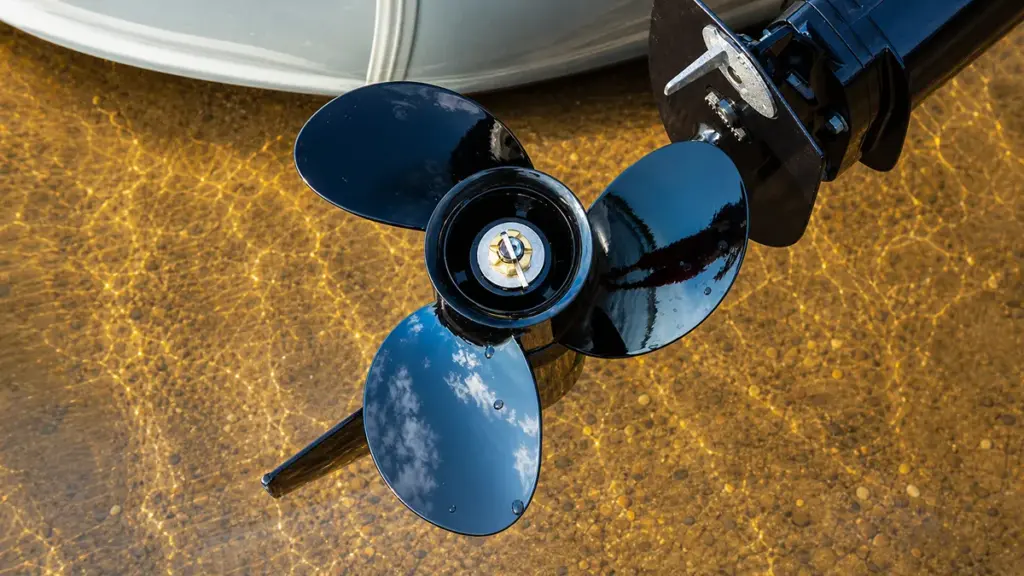
Cavitation is a pressure-induced phase change causing water to boil and erode propeller blades, while ventilation is external air getting sucked into the prop wash, causing sudden slippage.
Many boat owners use the terms cavitación y ventilation interchangeably, but they describe two different phenomena.
| Característica | Cavitation | Ventilation |
|---|---|---|
| Cause | Water pressure drops below vapor pressure. | Air enters the propeller blades. |
| Medium Around Blade | Water vapor bubbles. | Air from above the water surface. |
| Main Symptom | Blade erosion and reduced propulsion efficiency. | Sudden engine RPM increase with poor thrust. |
| Blade Damage | Sí, often causes pitting and surface erosion. | Usually no direct blade erosion. |
| Typical Causes | Incorrect blade loading, damaged propeller, poor blade design, or excessive pressure drop. | Engine mounted too high, sharp turns, rough water, or excessive trim angle. |
A simple way to remember the difference:
- Cavitation creates bubbles from water.
- Ventilation pulls air into the propeller.
Maximize Margins With Professional-Grade Garden Machinery
The Main Causes of Propeller Cavitation
Cavitation occurs when local water pressure drops below vapor pressure. Excessive speed, mismatched propellers, blade damage, and disturbed inflow from poor setup are the primary triggers.
| Cavitation Cause | Primary Mechanism |
|---|---|
| Speed & Cargando | High RPM and heavy vessel loads drive local pressure below the vapor threshold. |
| Propeller Mis-Match | Wrong pitch or physical size creates extreme pressure imbalances across the blade. |
| Blade Damage | Nicks and bent edges prevent smooth water flow, causing localized low-pressure zones. |
| Setup & Inflow | Improper engine height or hull obstructions introduce turbulent, low-pressure water. |
Excessive Propeller Speed and High Loading
Propellers designed for standard operation struggle when pushed past their hydrodynamic limits. Spinning a blade too fast creates an extreme pressure drop on the back side. This sudden vacuum forces the water to vaporize instantly into gas pockets.
Operating parameters heavily influence this pressure shift. Specific stressors force the propeller into a continuous cavitation cycle.
- Heavy loads: Excess vessel weight forces the engine to work harder, multiplying blade stress.
- Hard acceleration: Rapid throttle spikes disrupt steady water flow and immediately drop local pressure.
- Extreme RPMs: Sustained high-speed operation with an overloaded vessel guarantees continuous vapor formation.
Incorrect Pitch, Sizing, and Propeller Mis-Match
Slapping any available propeller onto an outboard guarantees poor performance. Pitch directly dictates blade loading. Excessive pitch bogs down the engine and overloads the blades at lower speeds. Insufficient pitch lets the engine over-rev, accelerating the blades so fast that they tear the water apart and induce surface cavitation.
Proper matching requires aligning the propeller geometry with the specific vessel dynamics to maintain pressure equilibrium.
- Diameter constraints: Selecting a size that ignores hull weight and horsepower creates severe pressure imbalances.
- Blade geometry: The wrong blade count, rake, or cup strips the propeller of its grip, increasing slip and flow separation.
- Compatibilidad del casco: A propeller style mismatched to the hull design fails to handle the specific water flow of that vessel.
Physical Blade Damage and Surface Imperfections
Water requires a perfectly smooth surface to maintain laminar flow. Minor impact damage alters the local hydrodynamics completely. Nicks, gubias, or missing chunks on the leading edge stop the blade from slicing cleanly. These defects act as turbulence generators, spawning localized low-pressure zones where vapor bubbles rapidly form.
Physical irregularities consistently trigger flow breakdown across the entire propulsion system.
- Bent blades: Asymmetric geometry causes uneven loading and violent pressure swings during every revolution.
- Altered edges: Overly sharpened or blunt leading edges detach the water flow prematurely.
- Lower unit fouling: Barnacle buildup or deep scratches on the gearcase destroy the clean water stream before it reaches the blades.
Disturbed Inflow, Setup, and Clearance Issues
A propeller operates efficiently only when fed a steady stream of dense, clean water. Mounting the outboard too high on the transom starves the system. This setup places the blades near the surface where the water is already aerated and low in pressure, accelerating the phase change into vapor.
Environmental factors around the transom dictate the quality of the inflow reaching the propeller.
- Clearance limits: Inadequate spacing between the propeller, hull bottom, and skeg amplifies local turbulence.
- Appendage drag: Poorly placed transducers or water pickups inject chaotic currents directly into the propeller path.
- Vessel attitude: Excessive stern weight or improper boat trim shifts the inflow angle, severely degrading water density.
How Cavitation Affects Speed, Fuel Use, and Blade Life
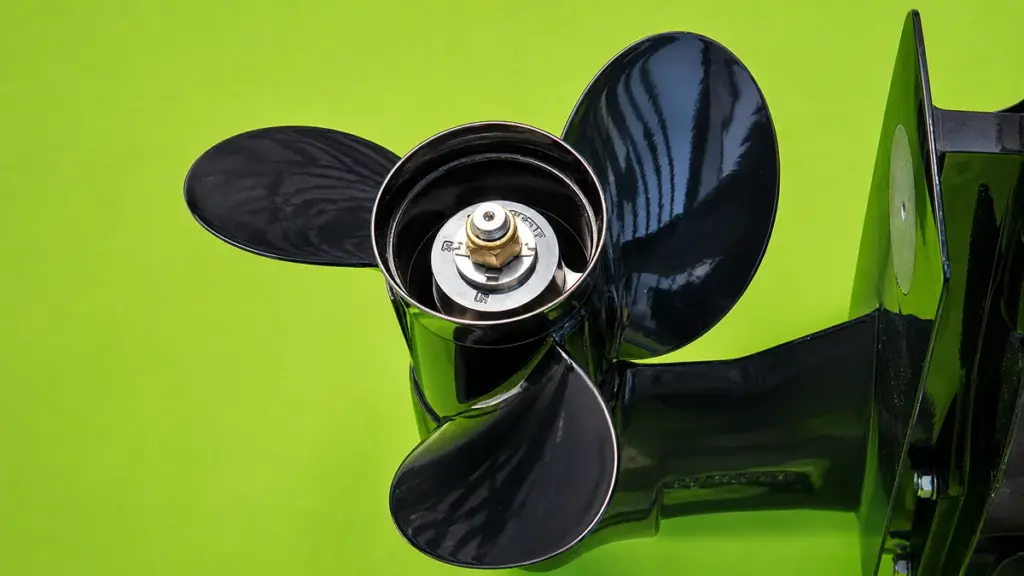
Cavitation cripples propeller efficiency. It kills top speed, burns up to 10% more fuel per mile, and destroys blades through violent micro-shock waves, forcing expensive premature replacements.
Impact on Boat Speed and Acceleration
When cavitation vapor bubbles form, they reduce effective blade lift. This breaks the propeller’s physical hook-up to the water and causes a massive drop in thrust. You will often feel this as a sudden RPM flare with barely any forward movement, forcing you to back off the throttle to let the blades regain bite.
- Hole-Shot Performance: Acceleration becomes sluggish, drastically extending the time it takes to get the heavy hull on plane.
- Top Speed Penalty: Even partial tip cavitation creates enough drag to cause a 2–5% loss in top speed on high-performance setups.
Increased Fuel Consumption and Reduced Efficiency
Vapor bubbles sticking to the blade surfaces act like a physical barrier. They increase friction and alter the effective thickness of the blade, destroying hydrodynamic efficiency. To compensate for the lost thrust, operators push the throttle further forward. This pushes the engine into a higher RPM band where it operates far outside its peak fuel efficiency range.
- Burn Rate: A chronic cavitation mismatch burns 5–10% more fuel per mile just to maintain the same hull speed.
- Lifetime Waste: Over the lifespan of a commercial or high-use outboard, this hydrodynamic drag wastes hundreds of gallons of fuel.
Structural Damage and Shortened Blade Life
Cavitation acts as a mechanical grinder on your hardware. When vapor pockets move into higher-pressure water, they collapse violently. These implosions generate localized micro-shock waves that mechanically hammer the metal, leading to severe pitting along the leading edges and low-pressure faces of the propeller.
- Vibration and Fatigue: The uneven collapse of bubbles creates high-frequency vibrations, subjecting the prop to continuous high-cycle fatigue.
- Cracking and Separation: Fatigue promotes micro-cracking at critical stress points like root fillets, which can quickly progress into complete blade separation under heavy loads.
- Collateral Damage: The constant oscillatory loads force premature propeller replacement and increase the risk of catastrophic bearing and seal failures inside the lower unit.
How to Fix Cavitation Through Setup and Prop Selection
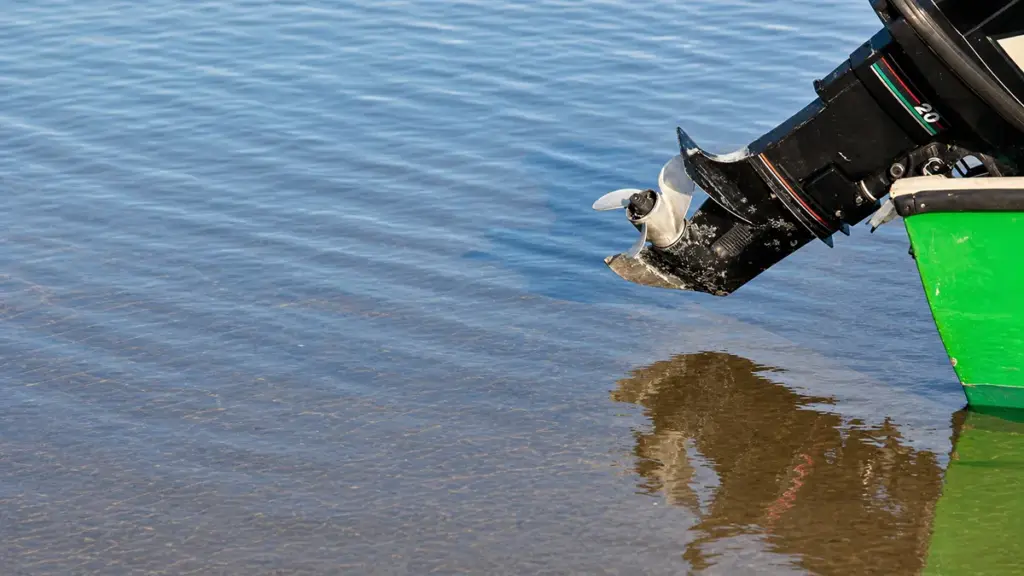
Most slipping issues are actually ventilation. Fixing engine height, adjusting trim, and selecting a cupped stainless-steel propeller will quickly restore grip and stop performance loss.
| Solución | Benefit |
|---|---|
| Repair Damaged Blades | Restores smooth water flow and improves propulsion efficiency. |
| Select Proper Pitch | Reduces blade overload and helps maintain optimal engine RPM. |
| Choose Correct Diameter | Improves thrust distribution and overall propulsion performance. |
| Adjust Engine Mounting Height | Optimizes water flow to the propeller and reduces pressure fluctuations. |
| Correct Trim Angle | Improves blade loading and enhances propulsion efficiency. |
| Clean Hull Regularly | Restores smooth water flow by eliminating marine growth and surface drag. |
| Balance the Propeller | Reduces vibration, uneven loading, and pressure imbalance. |
| Upgrade Propeller Design | Improves hydrodynamic efficiency and minimizes the risk of cavitation. |
Differentiating Ventilation from Cavitation
Operators often blame cavitation when their propeller loses grip. En realidad, most slipping issues are actually propeller ventilation. This happens when the blades pull in surface air or exhaust gas instead of solid water. True cavitation is a hydrodynamic pressure problem where extreme low pressure forms vapor bubbles on the blade surface. It is far less common in everyday troubleshooting.
Both conditions share identical symptoms on the water. You will experience the following performance drops:
- Rising RPMs: Engine speed flares without a proportional increase in boat speed.
- Loss of thrust: The propeller suddenly drops its grip on the water.
- Slipping: Forward momentum stalls during hard acceleration or tight turns.
Optimizing Engine Height and Trim
A poorly adjusted outboard is the leading cause of poor propeller bite. Start your troubleshooting by testing the boat with the trim fully down to establish a performance baseline. Adjust the trim up slightly to find your usable running range. If the propeller still breaks loose, lower the engine mounting position on the transom. This keeps the anti-ventilation plate deeper in the water, blocking surface air from reaching the blades.
You should also trim down when entering tight turns so the propeller stays submerged as the hull leans. Finalmente, inspect the hull ahead of the lower unit. Transducers, through-hull fittings, or debris can disrupt clean water flow and feed aerated water directly into your propeller.
Choosing a Propeller for Maximum Bite
Your propeller dictates how well your engine transfers power to the water. Always inspect the current propeller for nicks, grietas, or bent blades first. Even minor physical damage frequently causes slipping and breaks the water flow. If the blades are intact but the engine over-revs before generating forward thrust, lower the pitch to help the engine grab solid water.
You can switch to a propeller with increased cup and a larger blade area to maintain grip under heavy loads or in rough chop. Upgrading to a stiffer stainless-steel propeller prevents blade flex under load and enhances hold during aggressive maneuvers.
Utilizing Aftermarket Hardware Solutions
When height and trim adjustments fall short, aftermarket hardware can force the stern down and keep the propeller buried.
- Hydrofoils: Add a hydrofoil to the anti-ventilation plate to help lift the stern onto plane faster and reduce air ingestion.
- Transom wedges: Install a positive transom wedge to increase engine tuck and improve initial propeller bite during takeoff.
- Jack plates: Use a jack plate for precise height adjustments, ensuring the motor is not raised high enough to induce further ventilation.
Choose NEWTOP for Reliable, Precision-Built Outboard Motor Propellers
Reducing cavitation starts with choosing a propeller that is properly engineered, accurately manufactured, and matched to your application. En NOVEDAD, we produce high-quality hélices de motores fuera de borda for a wide range of recreational and commercial boats, combining precision machining with strict quality control to deliver stable performance on the water.
Every propeller is manufactured using carefully selected aluminum or stainless steel materials and undergoes balancing, dimensional inspection, and performance testing to ensure smooth operation, improved fuel efficiency, and longer service life. Whether you need OEM replacement propellers or customized solutions for your own brand, our engineering team can help you select the right diameter, paso, and blade design for different engines and operating conditions.
As an experienced outboard motor propeller manufacturer and trusted outboard motor propeller factory, NEWTOP supports distribuidores globales, mayoristas, and equipment brands with reliable production capacity, consistent product quality, and responsive OEM/ODM services.
Contact our team today to find the right propeller solution for your market and improve your customers’ boating performance.
Preguntas frecuentes
What causes cavitation in an outboard propeller?
Cavitation occurs when water pressure on the propeller blades drops below vapor pressure, causing vapor bubbles to form and violently collapse. Damaged blades, the wrong tamaño de la hélice or pitch, excessive rotational speed, or disturbed water flow from the hull and lower unit typically trigger this pressure drop.
How do I know if my boat has cavitation or ventilation?
Cavitation creates a persistent whine, harsh vibration, and visible pitting on the propeller blades, even when running straight. Ventilation happens when the prop pulls in surface air or exhaust. You will feel a sudden RPM spike and loss of bite, usually during tight turns or when you trim the motor too high.
Can cavitation damage my engine?
Cavitation destroys propeller blades through erosion rather than directly damaging the internal engine block. It does cause indirect mechanical harm. When the propeller loses its grip, the engine over-revs. These rapid load fluctuations place heavy stress on your lower unit gears, aspectos, and the entire drivetrain.
Does engine height affect cavitation?
Engine height primarily drives ventilation, but it directly impacts cavitation. Mounting an outboard too high reduces propeller submergence and introduces aerated, unstable water flow. This disturbed inflow creates pressure anomalies that force vapor bubbles to form on the blades.
Will changing propeller pitch stop cavitation?
Adjusting pitch reduces cavitation only if your current propeller is over-loaded or under-loaded for your specific setup. If your engine struggles to reach its recommended wide-open throttle RPM, switching to a lower pitch helps balance the load. Pitch adjustments will not fix cavitation caused by physical blade damage, improper engine height, or hull irregularities.
Can a damaged propeller cause cavitation?
Sí. Nicks, grietas, bent edges, or deep scratches disrupt the smooth flow of water across the propeller blades. These physical imperfections create localized low-pressure zones that trigger vaporization. The resulting bubble collapses cause further metal erosion, driving a cycle of worsening damage.
Is cavitation worse at high speed?
As boat speed and propeller RPM increase, water velocity over the blades rises. This lowers local pressure and significantly increases your cavitation risk. While true cavitation intensifies at higher speeds, operators often notice the most dramatic symptoms—like sudden blowout and RPM flares—during heavy acceleration or tight turns due to accompanying ventilation.
Does blade material affect cavitation resistance?
Material choice dictates how well your propeller survives cavitation, not whether it occurs in the first place. High-strength copper alloys and stainless steel resist the microscopic impacts of bubble collapses far better than standard aluminum. Stronger metals also allow manufacturers to cast thinner blade profiles, which helps manage pressure distribution and delays performance loss.
