


- Все
- Истории клиентов NEWTOP
- NEWTOP Explorer Hub
- NEWTOP Обзор отрасли
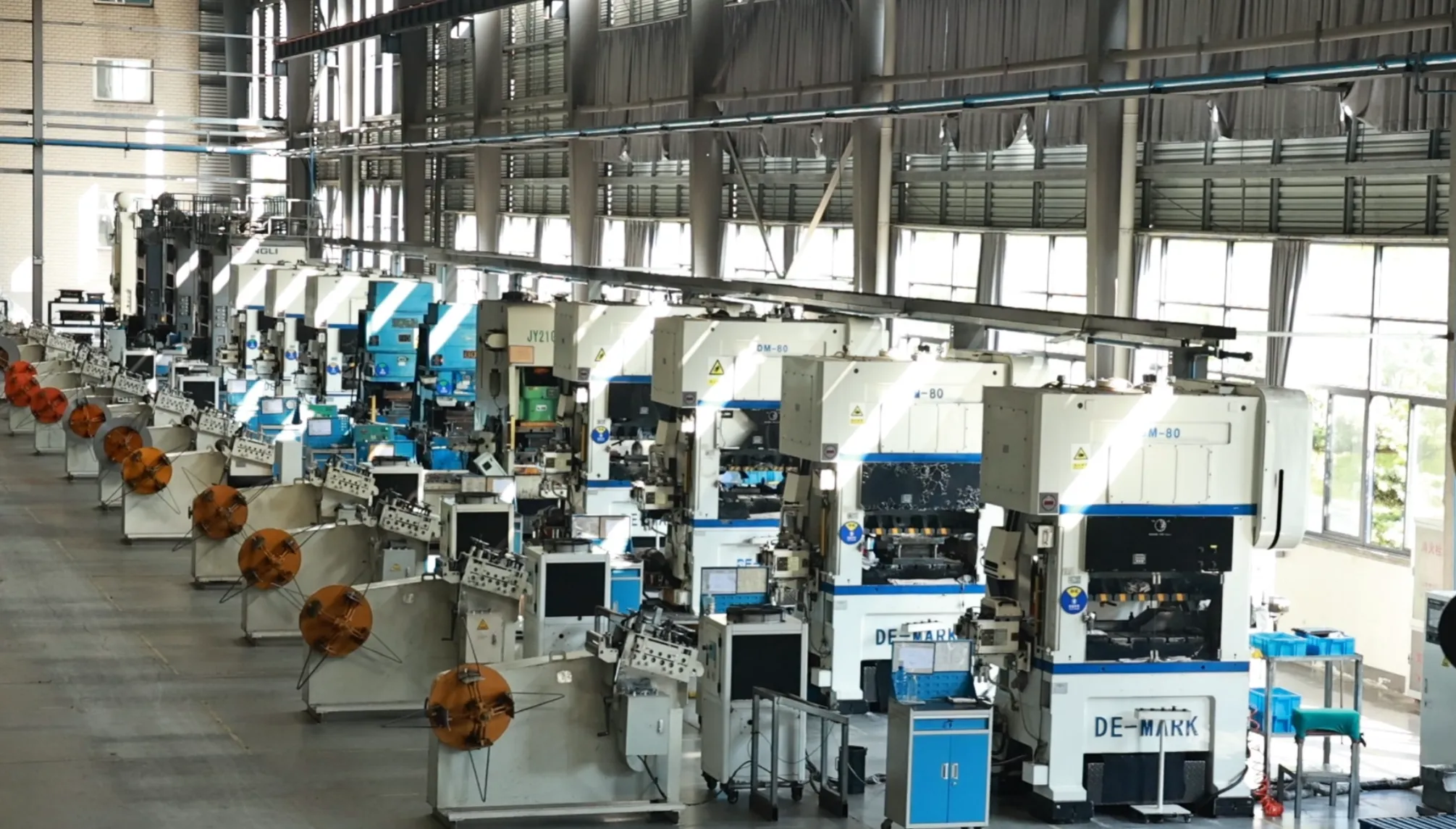
Every sourcing trip produces the same folder: a business license, a catalog, a list of certificates, and a quotation that looks ten percent better than the last one. None of it tells you whether the company on the other end actually manufactures what you are about to buy. This guide walks through the verification process experienced importers run before placing a bulk order with outdoor power equipment manufacturers in China — five steps, in the order that catches the most problems cheapest.
The stakes are lopsided. Verification costs days and a few hundred dollars; skipping it risks a container of machines that cannot clear your market’s paperwork, a factory that disappears between the deposit and the shipment, or a “manufacturer” that was brokering from three different workshops the whole time.
Know Who You Are Actually Talking To
The first distinction is not factory versus fraud — it is factory versus trading company, and neither is automatically wrong. A trading company can consolidate SKUs, handle communication smoothly, and consolidate several small workshops into one container. The problem is misrepresentation: paying a trading margin while believing you have factory pricing, factory engineering, and factory accountability.
China’s business license states the registered business scope. A manufacturer’s scope includes production activities — manufacturing, processing — while a pure trader lists wholesale, import, and export. Ask for the license early, read the scope, and cross-check the registered company name against everything that follows: the certificates, the audit report, the bank account. If the certificate says Company A and the quotation says Company B, you have found your first answer before any travel.
Шаг 1 — Verify the Business License and Export Track Record
With the license in hand, three checks take an afternoon. Первый, the registration itself: company name, legal representative, scope, and how long the entity has existed. A company registered last year presenting itself as an established factory is not automatically disqualified, but it changes the questions you ask next. Second, export history: customs data services can show which markets the company actually ships to and at what volumes, which is harder to fake than a reference list. Third, market presence: a manufacturer that claims Africa and Latin America as core markets should be able to name exhibitions attended, distributors served, and models adapted for those markets — generically “we export worldwide” is not an answer.
Шаг 2 — Audit the Factory On-Site or Through a Third Party
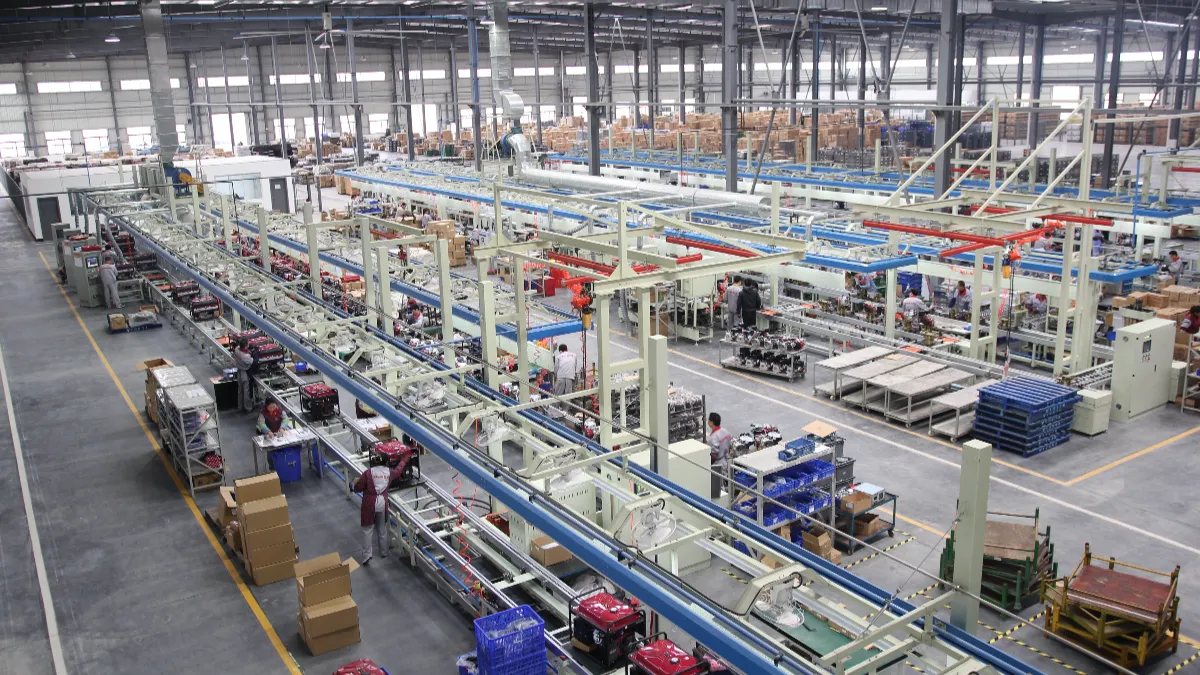
An audit is where catalog claims meet production reality. Whether you walk the floor yourself or hire a third-party inspection firm for a one-day audit, the checklist is the same, and it reads very differently from a sales visit. You are looking for evidence of manufacturing depth, not just activity.
- Assembly lines actually running — not a showroom line staged for visitors. Ask to see the line for the specific model family you are buying.
- In-house capability where it matters — machining centers, plastic injection, or winding shops indicate a factory that controls its own quality instead of assembling purchased kits.
- Testing stations — engine test benches, brake test rigs, and final inspection stations. A factory without testing equipment is shipping whatever its suppliers ship.
- Warehouse and production flow — work in progress on the floor, finished goods staged for real orders, and traceability between batches and inspections.
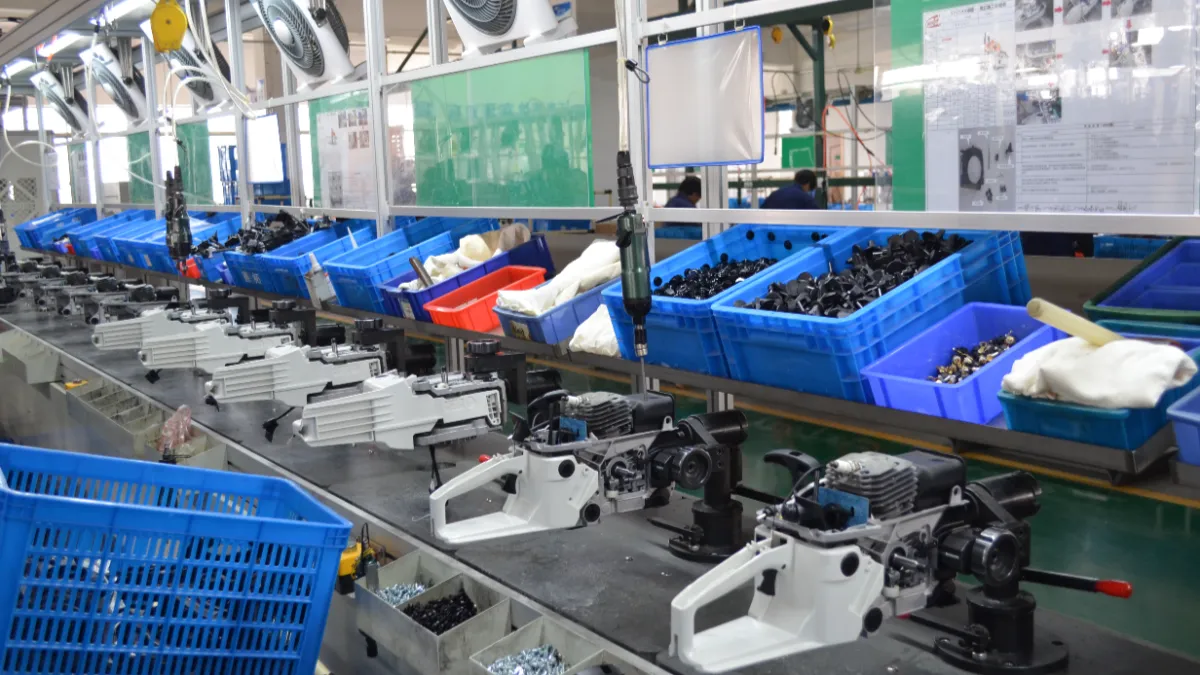
When travel is not an option, a live video audit is a workable substitute if you control the camera: ask for an unscheduled video call, walk the production line for your model, and have the host open testing stations and the warehouse on camera. What a supplier refuses to show on video usually matches what an auditor would find on site.
Шаг 3 — Verify Certificates Against the Models You Are Buying
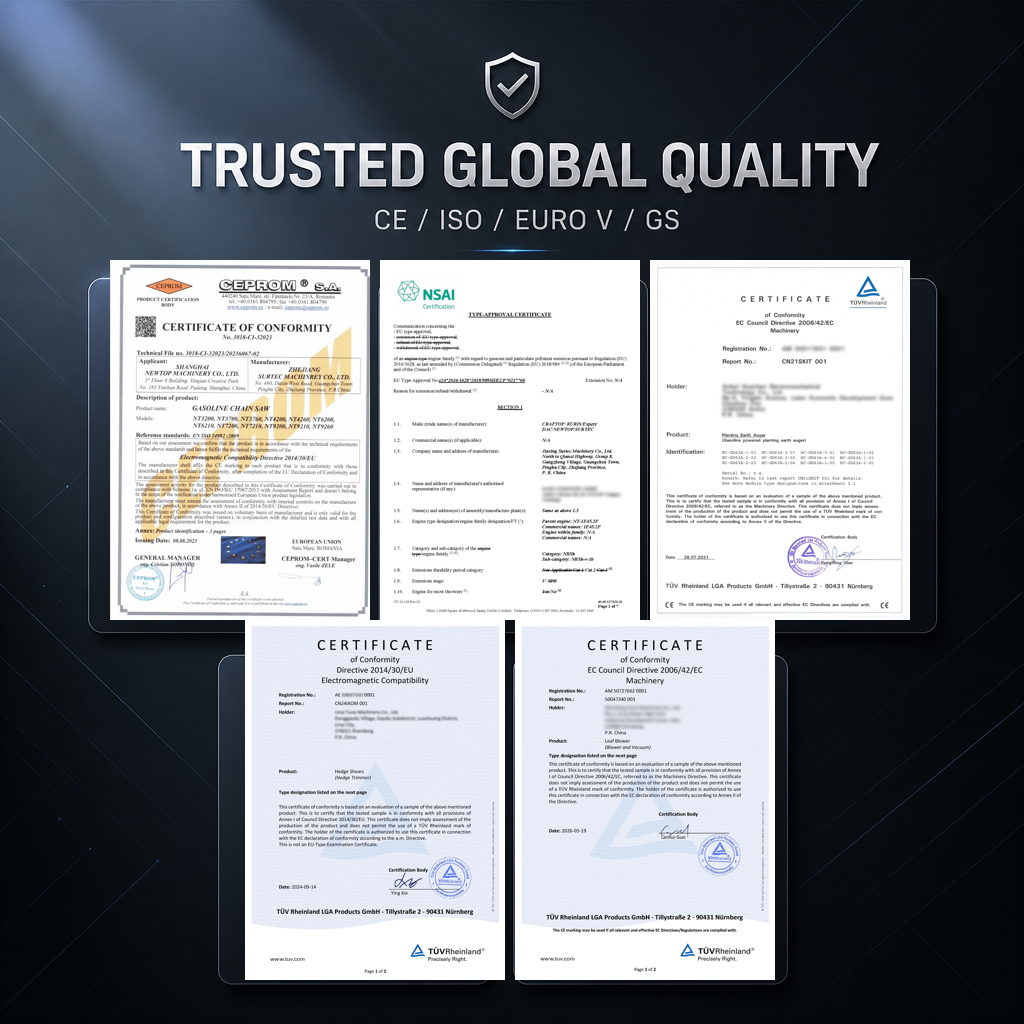
Certificate verification deserves its own step because borrowed paperwork is the most common failure in this industry. The compact version of the check: request the Declaration of Conformity and the certificate for your exact model, look the certificate number up in the issuing body’s public database, confirm the model list on the certificate includes your SKU and engine configuration, and check the validity dates. A genuine certificate survives all four; a borrowed one usually fails at the model match, because factories legitimately hold certificates for their best-selling configurations and let the halo extend to everything in the catalog.
A transparent OPE manufacturer makes this step easy — publishing its portfolio, naming testing bodies, and supplying test report summaries without argument. You can see what that looks like on our certificates and patents page.
Шаг 4 — Test Samples From the Production Line, Not the Showroom
Showroom samples are chosen; production samples are representative. When you request samples before a bulk order, ask that they be pulled from the current production run of your model — same engine, same configuration, same packaging — and test them against a written protocol: cold start behavior, full-throttle stability, safety features such as chain brake and throttle lockout, vibration, and packaging drop tests for the export carton. A supplier confident in its production line agrees to production-pull samples without negotiation, because for a real manufacturer the sample and the container are the same product.
Шаг 5 — Check References and Repeat-Buyer Behavior
The final step reads the supplier’s history through other people’s orders. Ask for references in your own market or an adjacent one and actually call them — two conversations will tell you more about reorder behavior, after-sales response, and problem handling than any audit. Ask the supplier directly what share of its orders are repeat business; a factory living on new customers is telling you something. And when a factory volunteers its partner relationships openly — as we do in our article on how NEWTOP earns customer trust through quality and service — that transparency is itself a signal worth weighing.
Red Flags: When to Slow Down or Walk Away
| Red flag | Why it matters |
|---|---|
| Price far below every comparable quotation | Something is missing from the build or the paperwork — usually both |
| Refuses a video audit or third-party inspection | Legitimate factories host audits routinely; refusal is an answer |
| License scope, certificate owner, and bank account name differ | You do not know who you are contracting with — or who holds the certificates |
| Certificates never in the company’s own name | Borrowed compliance — the certificates cover someone else’s models |
| No testing equipment on the floor | Quality is whatever the parts suppliers shipped that week |
| Fast sample, vague production answers | The sample may come from a workshop that will not build your order |
| Payment only to a personal account | No corporate accountability and no recourse if the order fails |
| No answer on spare parts supply | After-sales is where machines earn their reputation — and reorders |
What a Verified Outdoor Power Equipment Manufacturer Looks Like
Run the five steps on a real factory and a consistent picture appears: one legal entity whose name matches the license, the certificates, and the bank account; production lines for its own model families with machining depth behind them; testing stations in active use; a public certificate portfolio; and export history in the markets it claims. That is what we built our verification around at НЬЮТОП — manufacturing outdoor power equipment since 2003, with CE, GS, Агентство по охране окружающей среды, ЭТЛ, and ISO 9001 certification across our lines and a documented quality control process behind every shipment. Наш company profile and factory walkthroughs are open to any buyer running this process on us.
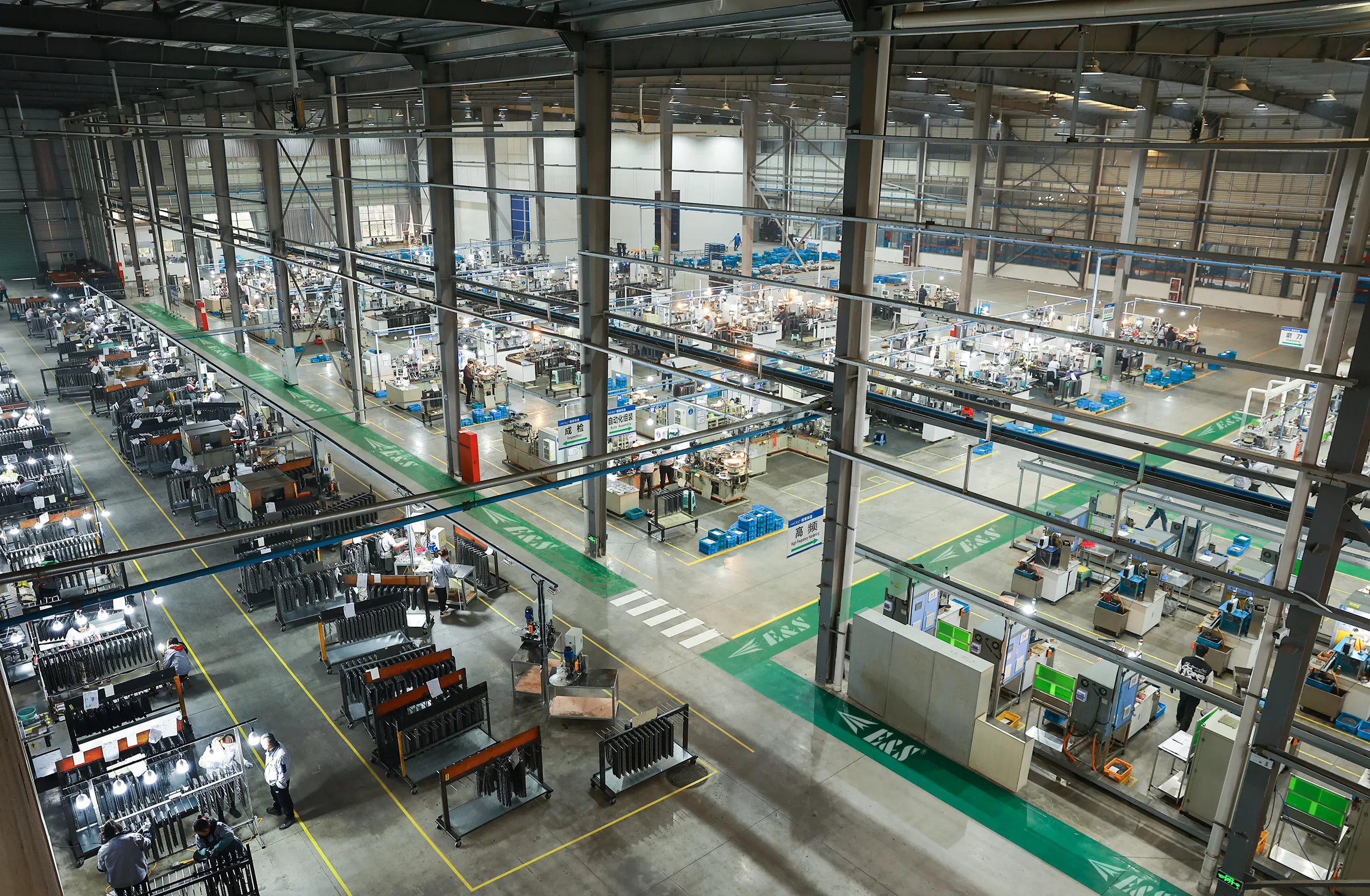
For a closer look at how the machines themselves come together, our guide to how chainsaws are manufactured walks through the production stages an audit should examine.
Часто задаваемые вопросы
Is buying from a trading company always a mistake?
No — trading companies can consolidate SKUs and handle communication well. The risk is paying factory prices for trader margins without factory accountability. What matters is that the party you pay owns the quality outcome and says so in the contract.
How long does a factory audit take?
A focused one-day audit covers the essentials: lines running, testing stations, warehouse, and the document trail. Third-party firms typically need about a week of scheduling lead time; a controlled video audit can happen within days when travel is not an option.
What does a factory audit cost?
Third-party factory audits in China commonly run in the low hundreds of US dollars per person-day, depending on scope and travel. Against a container commitment, it is one of the cheapest risk controls you can buy.
Can I verify a manufacturer remotely?
Да. Combine an unscheduled live video walkthrough of the production line, license and certificate number lookups, customs export records, and reference calls with buyers in your market. Remote verification catches most problems; on-site audits add depth for large programs.
What documents should a verified supplier provide with the first order?
At minimum: the signed Declaration of Conformity and test report summaries for your models, a business license copy, the pre-shipment inspection report, and packing documentation matching your order. Request them at the RFQ stage so they are commitments, not favors.
Verification is not distrust — it is how serious buyers and serious manufacturers find each other. A factory that passes these five steps will usually say so with documents, an open production floor, and references that answer the phone.
Running this process now? Explore the NEWTOP product range, request our certificates and factory audit package, or talk to our team about distribution for your market — we will send the documents before you ask twice.
A distributor in Chile and a buyer in Germany can look at the identical chainsaw and need two completely different sets of paperwork. That single mismatch explains most of the certification questions we receive: not “is this machine certified?” but “certified for whom?” This guide compares the four marks that dominate outdoor power equipment trade — CE, GS, Агентство по охране окружающей среды, and ETL — and maps each one to the markets and product types where it actually decides whether your order moves.
The short version: CE is the legal baseline for Europe, GS is the retail credibility layer on top of it, EPA is the emissions gate for gasoline engines into the United States, and ETL covers electrical safety for battery and corded equipment in North America. Everything else in this article is detail — but the detail is where importers either save a certification cycle or lose a season.
The Four Marks at a Glance
Before the market-by-market detail, here is what each mark actually is — because the four are routinely confused, and the confusion is expensive.
| Отметка | Область | What it covers | Legal status | Who issues it |
|---|---|---|---|---|
| CE | EU / EEA | Machinery safety, ЭМС, outdoor noise | Mandatory by law | Manufacturer self-declaration; notified body for some routes |
| GS | Германия / EU retail | Product safety, independently tested | Voluntary, expected by retail channels | Testing houses such as TÜV |
| Агентство по охране окружающей среды | Соединенные Штаты | Spark-ignition engine emissions | Mandatory by law | US EPA certificate of conformity |
| ЭТЛ | Северная Америка | Electrical safety to UL/CSA standards | Voluntary, required by most channels | Intertek testing laboratories |
CE Marking: The Legal Baseline Across Europe
CE marking is the manufacturer’s declaration that a product meets the applicable EU directives, and for chainsaws, кусторезы, газонокосилки, and similar machines it is the law of the market, not a preference. The European Commission’s CE marking page sets out the framework. For this product category, three directive families carry the weight: the Machinery Directive for mechanical safety, the Outdoor Noise Directive 2000/14/EC for guaranteed sound power levels on equipment used outdoors, and the EMC Directive for electromagnetic behavior — the last one especially relevant as battery platforms multiply.
The practical point for buyers comparing CE against the other three marks: CE is the only one on this list that is a market-access requirement across an entire economic bloc. If your destination is the EU and the machine is missing a genuine CE technical file, the conversation ends there — the other marks cannot substitute for it.

GS Mark: The Retail Layer in German-Speaking Markets
GS (Geprüfte Sicherheit, “tested safety”) is voluntary in law and close to mandatory in practice for garden machinery sold through German and Austrian retail. The mark signals that an independent testing house — TÜV being the best known — has tested the machine against the German Product Safety Act, and its GS mark overview explains the route. Three traits separate GS from CE in a buyer’s comparison: it is issued per model, it expires and requires ongoing factory audits, and it sits on top of CE rather than replacing it.
If your channel plan runs through DIY chains or builder’s merchants in the DACH region, ask for the GS certificate number at the RFQ stage. If your plan is to sell through independent dealers in Spain or Poland, GS moves from requirement to sales argument — worth having, not worth delaying a container for.
EPA Certification: The Gate for Gasoline Engines Into the United States
EPA is the odd one out in this comparison because it regulates the engine, not the machine. Any gasoline-powered equipment destined for US sale — chainsaws, кусторезы, генераторы, water pumps — must use engines certified under the EPA’s nonroad spark-ignition rules, codified in 40 CFR Part 1054. Unlike CE, this is not self-declaration: the engine family carries a certificate of conformity, and the engine wears an emission compliance label that ties the physical unit to that certificate.
The comparison that matters here is lead time. A supplier whose engines already sit inside a certified family ships on production schedules. A supplier that must certify a new engine family for your order is signing up for laboratory testing and agency review measured in months. Two quotations for the “same” brush cutter can legitimately differ by six weeks for this reason alone.
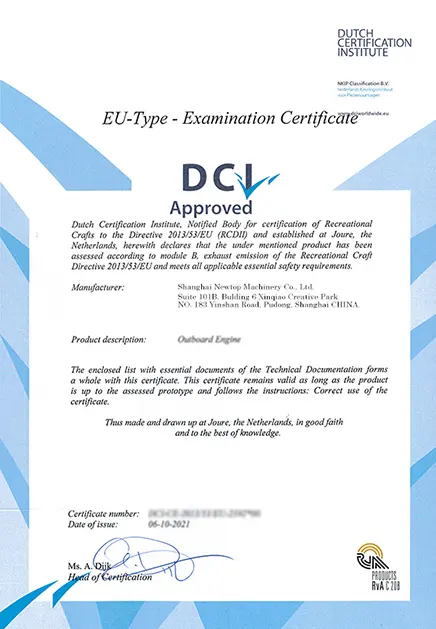
ЭТЛ: Electrical Safety for Battery and Corded Lines in North America
Battery sprayers, corded mowers, electric hedge trimmers, pressure washers — anything electrical sold in the United States or Canada is expected to demonstrate compliance with UL or CSA safety standards. The ETL Listed mark, issued by Intertek, is one of the two marks North American buyers accept for this, with equal standing to UL in law and practice. Retail chains and e-commerce platforms check for one or the other before listing an electrical product.
Two comparison notes buyers get wrong. Первый, EPA and ETL answer different questions — EPA governs the gasoline engine, ETL governs the electrical system — so a battery line never needs EPA and a gasoline line never needs ETL. Second, the certification covers the complete configuration: machine, battery pack, and charger. A mark on the tool alone does not cover a third-party charger bundled into your kit.
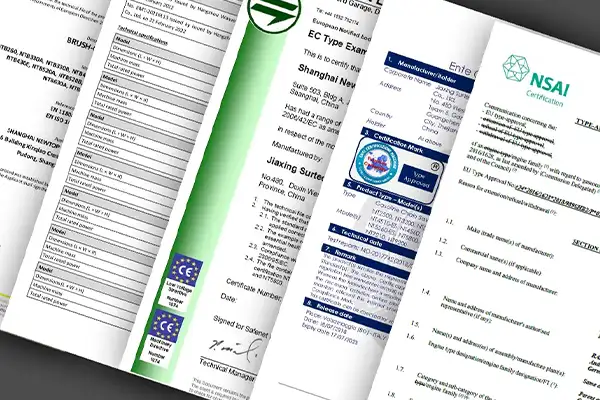
Which Certification Should You Require? A Market Decision Matrix
Put the four marks against real destinations and product types, and the answer to “which one matters” becomes mechanical rather than a matter of opinion.
| Your market | Product line | Require at minimum | Strongly consider |
|---|---|---|---|
| EU / EEA | Gasoline or battery equipment | CE (Machinery + Шум + EMC as applicable) | GS for DACH retail |
| Германия / Austria retail | Garden machinery | CE + GS | — |
| Соединенные Штаты | Gasoline equipment | EPA-certified engine family | CARB confirmation for California |
| US / Canada | Battery or corded equipment | ETL or UL | CE baseline for product credibility |
| Бразилия | Gasoline equipment | Confirm scope with customs broker; engine documentation | CE baseline; INMETRO where in scope |
| Middle East / Африка / rest of LATAM | Gasoline equipment | Destination-specific confirmation | CE baseline — dealer and tender expectations |
One row deserves emphasis: for most Latin American, African, and Middle Eastern destinations there is no single binding mark for gasoline garden machinery, and CE documentation has become the de facto quality baseline that dealers and institutional buyers use to compare suppliers. We cover the country-level import requirements — Brazil, Мексика, Колумбия, Chile, Перу, and more — in a separate import regulations guide.
Four Confusions That Cost Importers Money
- CE is not a quality award. It is a legal declaration backed by a technical file. Comparing two suppliers on “both have CE” compares nothing — compare the certificate scope, the cited standard versions, and whether a test report sits behind the declaration.
- EPA belongs to the engine, not the machine. A certified engine inside a modified or different machine configuration does not automatically transfer compliance. Ask which engine family your configuration ships with.
- ETL and UL are interchangeable for channel purposes. North American buyers who demand one and refuse the other are imposing a preference, not a rule. Both demonstrate compliance with the same UL/CSA standards.
- GS never replaces CE. For the EU market, a GS-certified machine still needs the full CE route. GS adds independent testing on top; it does not subtract the baseline.
How NEWTOP Combines These Marks Across Product Lines
We manufacture gasoline and battery-powered outdoor equipment under the NEWTOP and CRAFTOP brands and hold CE, GS, Агентство по охране окружающей среды, ЭТЛ, and ISO 9001 certification across our chainsaw, кусторез, распылитель, water pump, and generator lines. In practice that means a European distributor orders against CE documentation with GS available for retail programs, a US buyer orders against EPA-certified engine families, and a battery program carries ETL for North American channels — each with the Declaration of Conformity and test report summaries available per model. The current portfolio is public on our certificates and patents page.

Часто задаваемые вопросы
Is CE marking accepted in the United Kingdom?
For most product categories the UK continues to accept CE marking, while UKCA is the separate UK regime. The rules and deadlines have been extended several times, so confirm the current position for your specific category on GOV.UK before shipping.
Can one machine carry CE, GS, and EPA at the same time?
Да. The marks cover different regimes — EU safety, German retail testing, US emissions — so a single model can legitimately carry several. What matters is that each certificate covers your exact model and destination configuration.
Does GS certification replace CE marking?
Нет. GS sits on top of CE for the EU market — a GS-certified machine still needs the full CE conformity route. GS adds independent third-party testing that many German and Austrian retail channels expect; treat it as a channel requirement, not an alternative.
Is EPA certification needed for battery-powered equipment?
Нет. EPA emission rules apply to spark-ignition engines, so battery and corded electric machines sit outside its scope. For those lines the North American question is electrical safety — ETL or UL certification instead.
Which certification do Latin American buyers ask for most?
CE, as a quality baseline, because most gasoline-powered lines in the region have no single unified mark of their own. The binding requirements are set per country, so confirm the destination rules for your specific market before ordering.
Certification comparison is not paperwork trivia — it is market selection. Match the mark to the destination and the product line before you request quotations, and the certificates become a filter that removes the wrong suppliers in the first email instead of a problem discovered at the port.
Building a line for a specific market? Browse the NEWTOP product range or talk to our team about which certification combinations fit your destination country — and if you are setting up distribution, our distributor program includes documentation support for your market entry.
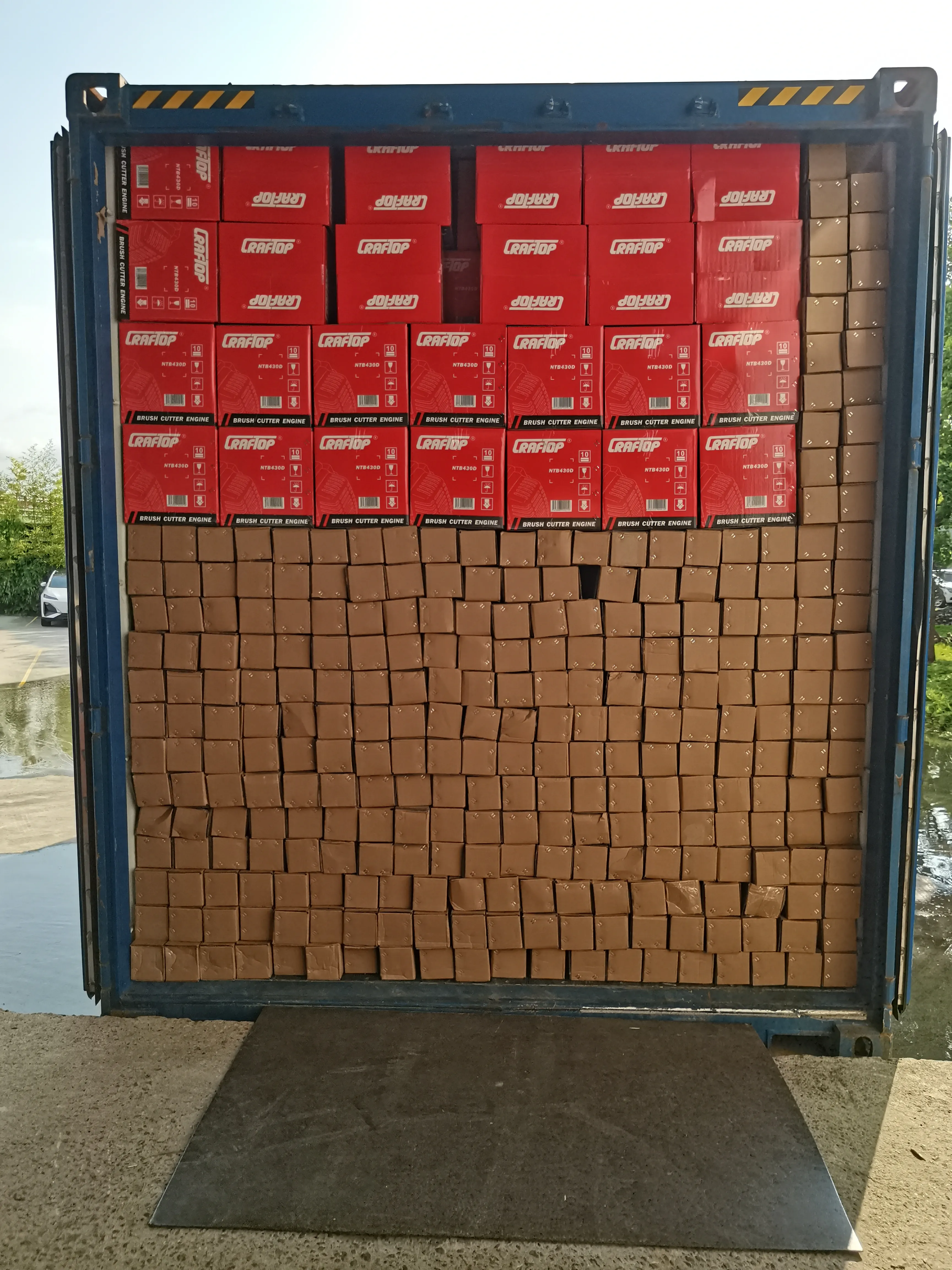
A container of outdoor power equipment can be built to spec, packed correctly, and still fail before it earns a single sale. The reason is usually paperwork: the destination market required a certification the buyer never asked for, or the supplier handed over a certificate that turns out to cover a different model. This guide walks through the certifications that matter most when importing chainsaws, кусторезы, опрыскиватели, водяные насосы, генераторы, and lawn mowers from China, and shows you how to check that the documents in front of you are real.
В НЬЮТОП, we manufacture gasoline and battery-powered outdoor equipment under the NEWTOP and CRAFTOP brands and hold CE, GS, Агентство по охране окружающей среды, ЭТЛ, and ISO 9001 certification across our product lines. The table below reflects the questions distributors in Europe, the United States, Латинская Америка, and Africa ask us most often before their first order.
Why Certifications Decide Whether Your Order Moves or Gets Stuck
Certification failures are expensive in three specific ways, and none of them are obvious from a quotation sheet.
Customs and market access. Regulated products without the required conformity documents can be held at the border, re-exported, or destroyed. In the EU, a machine without a Declaration of Conformity cannot legally be placed on the market. In the United States, a gasoline engine that has not gone through EPA certification cannot be imported for sale, and the restriction applies at the port, not at the dealership.
Retail and channel requirements. Even where the law does not force a mark, your customers might. Garden machinery sold through German DIY chains, for example, is routinely expected to carry the GS mark even though GS is technically voluntary. If your brand wants shelf space, the channel decides.
Liability. If an imported machine injures a user, investigators ask for the technical file first. A valid certificate backed by test reports is the difference between a defensible product and a company-level crisis. This is why experienced importers treat certificates as part of the product, not as marketing material attached to it.
The Certification Map: Which Markets Require What
The table below summarizes the certifications buyers ask us about most, what each one actually covers, and whether it is a legal requirement or a channel expectation in your target market.
| Сертификация | Область | What it covers | Status |
|---|---|---|---|
| CE | EU / EEA | Machinery safety, ЭМС, noise labeling | Mandatory by law |
| GS | Германия / EU retail | Product safety, tested by an independent body | Voluntary, expected by retail chains |
| Агентство по охране окружающей среды | Соединенные Штаты | Spark-ignition engine emissions | Mandatory by law |
| ЭТЛ | Северная Америка | Electrical safety to UL/CSA standards | Voluntary, required by many channels |
| INMETRO | Бразилия | Product conformity assessment | Depends on product scope |
| NOM | Мексика | Product safety and labeling | Depends on product scope |
| ИСО 9001 | Глобальный | Factory quality management system | Voluntary, supplier-screening signal |
One warning before the detail: certification requirements attach to the product as it is configured, not to the product category in the abstract. A battery-powered sprayer and a gasoline sprayer with the same tank size sit under different rule sets. Confirm the scope for the exact model you are ordering, not for the brochure category.
CE Marking: The Baseline for European and Many Export Orders
CE marking is not a quality award. It is the manufacturer’s legal declaration that a product meets the applicable EU directives, and it is required before most outdoor power equipment can be sold in the European Economic Area. You can read the official scope and rules on the European Commission’s CE marking page.
For the machines in this category, three directive families matter most:
- Machinery Directive 2006/42/EC — covers mechanical and functional safety of the machine itself, from guard design to control systems.
- Outdoor noise directive 2000/14/EC — sets noise limits for equipment used outdoors and requires the guaranteed sound power level to be labeled on the machine. Бензопилы, кусторезы, and lawn mowers all fall inside its scope.
- EMC Directive — applies to the electromagnetic behavior of machines, especially relevant for battery and electric models with electronic controls.
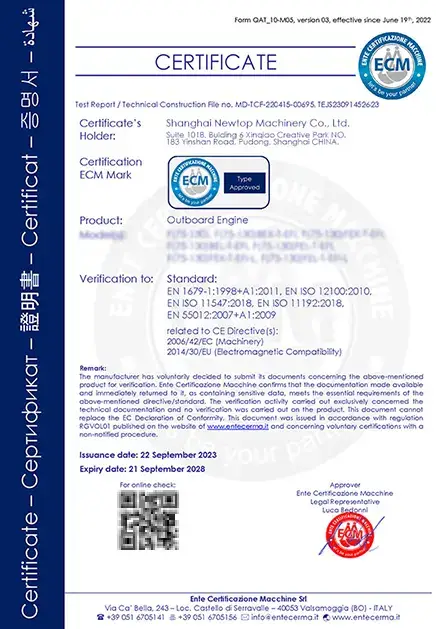
The mechanism surprises many first-time buyers: for most of this equipment, the manufacturer performs the conformity assessment, compiles the technical file, and issues the Declaration of Conformity itself. There is no Brussels sticker office. That is exactly why verification matters — a CE mark is only as honest as the technical file behind it, and section 9 of this guide shows you how to test that.
When you evaluate a supplier, ask two questions early. Первый, which directive versions and standards does the current Declaration of Conformity cite? Second, does the certificate cover the exact engine and cutting-head configuration you are ordering? A certificate issued for a 2-stroke professional chainsaw does not quietly extend to a battery pole pruner built on a different platform.
GS Mark: What Retail Buyers in German-Speaking Markets Look For
The GS mark (Geprüfte Sicherheit, “tested safety”) is a voluntary German safety mark, but “voluntary” undersells it. На практике, distributors selling garden machinery through retail chains and builder’s merchants in Germany and Austria treat GS as a de facto entry ticket, because the mark signals that an independent testing house — such as TÜV — has tested the machine against the German Product Safety Act. An explanation of the testing route is available from TÜV’s GS mark overview.
Three practical points for importers:
- GS certification is issued per product model, and it names the manufacturer and the testing body. A general “our factory has GS” claim means little until it points to a specific certificate number for a specific model.
- GS sits on top of CE rather than replacing it. A GS-certified machine still needs the CE conformity route for the EU market.
- The certificate has a validity window and is tied to ongoing factory audits. If your supplier’s GS lapsed, the machines produced after the lapse cannot legitimately carry the mark.
If your distribution plan includes German-speaking retail, ask for the GS certificate number at the RFQ stage, not after the order. Retrofitting a certification onto an already-produced container is not how any of this works.
EPA Certification: The United States Emissions Rule for Gasoline Engines
Any gasoline-powered outdoor equipment destined for the United States — chainsaws, кусторезы, генераторы, water pumps with petrol engines — must comply with EPA emission regulations for nonroad spark-ignition engines. The governing rules are codified in 40 CFR Part 1054, and unlike CE, this is not a self-declaration system: the engine must be certified, and the certification belongs to the engine family.
What that means at the container level:
- The engine carries an emission compliance label that identifies the certified family and the manufacturer.
- Importing engines or machines with non-certified engines for sale in the US is a violation that customs can act on.
- California applies its own, stricter CARB requirements on top of the federal rule. If your distribution map includes California, say so explicitly in the RFQ.
The practical consequence for buyers is a lead-time one. A supplier with an existing EPA-certified engine family can ship quickly, because the hard regulatory work is already behind the engine. A supplier that must certify a new engine family for your order is looking at a process measured in months, because it involves laboratory testing and agency review. This is one of the quiet reasons two quotations for the “same” machine can differ by six weeks of lead time.
ETL and Electrical Safety Marks for Battery-Powered Product Lines
Battery and corded electric equipment — sprayers, mowers, кусторезы, pressure washers — sold in North America is expected to demonstrate electrical safety compliance with UL or CSA standards. The ETL Listed mark, issued by Intertek, is one of the two most widely accepted ways to show this, alongside the UL mark itself. Retail buyers and e-commerce platforms routinely check for one or the other before listing an electrical product.
For importers, the checklist that matters:
- The ETL mark must appear on the product label together with the certification body’s control number.
- The certification covers the complete configuration sold: battery pack, charger, and machine. A mark on the tool alone does not cover a third-party charger bundled into your kit.
- Battery certifications have their own layer (cell and pack testing under standards such as UL 2580-family requirements for e-mobility contexts or IEC-based tests for portable products), so confirm which documents cover which component.
If you are building a battery line for the first time, involve the certification question in product selection. Choosing a platform that already holds ETL or UL certification for the target configuration will save you a certification cycle and a product redesign that no one budgeted for.
What Buyers Shipping to Latin America Should Check
Latin America does not have a single unified certification, and treating it as one region is the most common planning mistake. Brazil runs its own conformity assessment system under INMETRO (gov.br/inmetro), where the applicable requirements depend on the product’s classification and its Mercosur/Common NCM classification. Mexico applies mandatory NOM standards to electrical products, with scope determined by the product type and tariff fraction. Колумбия, Chile, and Peru each maintain their own technical regulation and energy/electrical regimes with product-dependent scope.
Three habits keep Latin American orders out of trouble:
- Start from the tariff classification, not from the product name. The NCM/HS code determines which regime, if any, applies to your machine.
- Use CE documentation as your engineering baseline. CE technical files make local conformity work faster, because the underlying safety testing already exists in a structured form.
- Check destination-country rules per market. We cover the country-by-country import requirements for Latin American and African markets — including Brazil, Мексика, Колумбия, Chile, Перу, and Venezuela — in a separate import regulations guide.
The practical pattern we see with Latin American distributors: most stock gasoline-powered lines where the binding constraints are engine documentation and labeling in the local language, while battery lines trigger the electrical-safety regimes. Knowing which side of that line your container sits on determines your document list.
ИСО 9001: The Factory System Behind the Product Label
ИСО 9001 is not a product certification — no machine carries an “ИСО 9001 approved” sticker in any meaningful sense. It certifies that the factory operates a documented quality management system: incoming material inspection, process control, corrective-action loops, traceability. When you screen suppliers, it answers a different question than CE or EPA. CE tells you the machine met a standard on test day. ИСО 9001 tells you the factory can reproduce that result across thousands of units and multiple production shifts.
For importers running reorders, this distinction is not academic. The most expensive quality problems are not the defective sample; they are the third shipment where the carburetor supplier changed without notice and your defect rate triples. A factory running a real ISO 9001 system manages that risk through supplier control and process records. A factory with a certificate on the wall and no system behind it does not.
You can review NEWTOP’s certification portfolio — CE, GS, Агентство по охране окружающей среды, ЭТЛ, and ISO 9001 across our chainsaw, кусторез, распылитель, and water pump lines — on our certificates and patents page.
How to Verify a Supplier’s Certificate Before You Transfer the Deposit
Certificate fraud in this industry is rarely sophisticated. It is usually one of three things: a genuine certificate for a different model presented as if it covered yours; an expired certificate; or a self-made PDF with a real testing body’s logo. All three collapse under the same six checks.
| Проверять | How to do it | Red flag |
|---|---|---|
| 1. Request the Declaration of Conformity | Ask for the signed DoC listing directives and harmonized standards for your model | Only logo images offered, no signed document |
| 2. Verify the certificate number | Look it up in the issuing body’s public database (TÜV, Intertek, SGS) | Number not found, or registered to a different company |
| 3. Match the model coverage | Confirm the certificate’s model/series list includes your exact SKU and engine configuration | Covers one showroom sample, not your order |
| 4. Check validity and standard versions | Confirm the expiry date and that cited standard editions are current | Expired, or withdrawn standard editions |
| 5. Ask for the test report summary | Request key results: noise, emissions, safety tests behind the certificate | Certificate exists, no report behind it |
| 6. For EPA: check the emission label | Confirm the engine’s emission family label matches the certified family in the documents | Label and certificate disagree |
Two of these checks deserve emphasis because they catch the majority of problems. Model matching is the big one: factories in this industry legitimately hold certificates for their best-selling configurations, and salespeople sometimes let the certificate’s halo extend to every machine in the catalog. Asking “show me the certificate where model NT-XXXX appears” takes thirty seconds and ends the ambiguity. The second is the test report. A genuine certificate is generated by a testing process that produced a report; a fabricated one usually has no report behind it because making one up is much harder than printing a page.
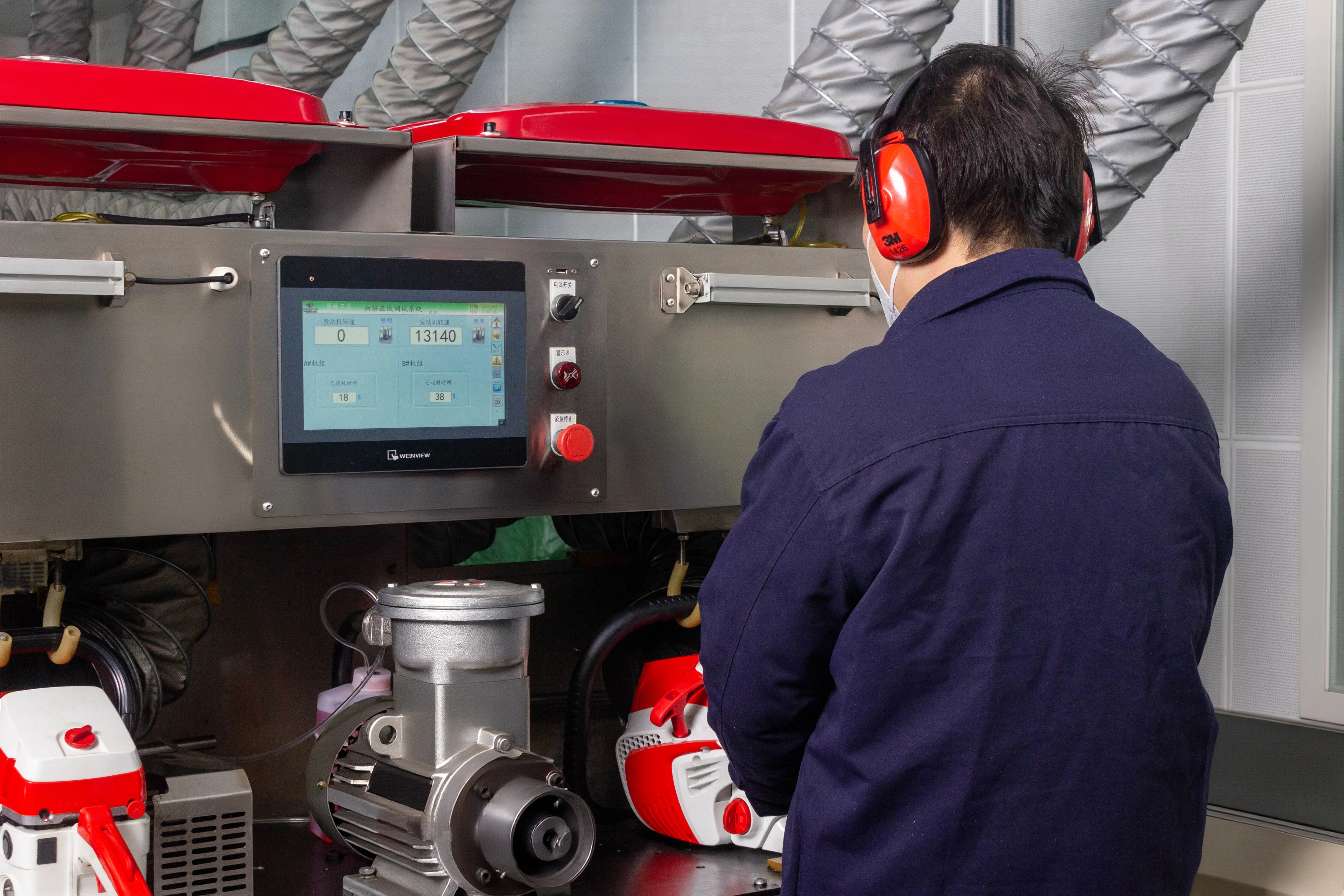
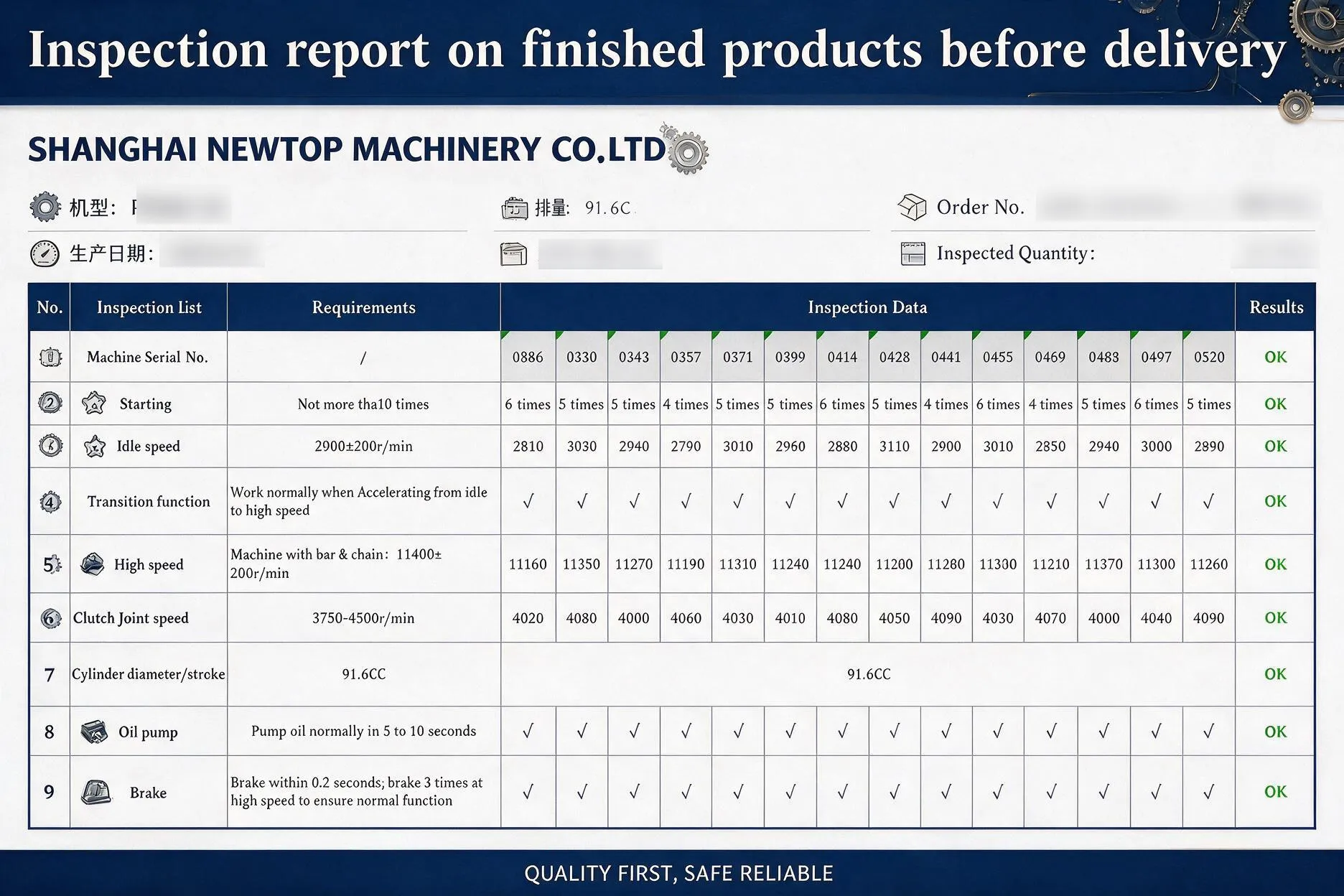
If the documents pass but something still feels off, add a factory audit or a third-party inspection before shipment. Our own production runs are checked through a documented quality control process, and we encourage buyers to book independent inspections regardless of supplier — a professional inspector charges a few hundred dollars, which is a rounding error against a stuck container.
What Certificates Do to Your Price, Lead Time, and MOQ
Certification status is embedded in your quotation whether the salesperson mentions it or not. Understanding the mechanics helps you read quotes and negotiate from strength.
Цена. A machine built to a certified configuration carries engineering and testing costs that a bare build does not. That is part of why a certified professional chainsaw quotes higher than an uncertified lookalike — and why the uncertified version cannot legally enter the markets described above. When you compare quotes, line up the certification scope first; a price gap between differently certified products is not a discount opportunity, it is a different product.
Lead time. Orders built on existing certified platforms ship on production schedules. Orders that require new certification — a new engine family for EPA, a new model through GS testing — add the certification cycle to your timeline. Ask the supplier to state, in writing, whether your configuration is covered by existing certificates.
минимальный заказ. Certification cost is largely fixed per model or family, so it spreads across the order. A distributor ordering a certified model from an existing line rides on volumes the factory already produces, which is one reason established models carry lower minimums than bespoke configurations. If your first order is small, choosing a certified in-line model is usually cheaper end to end than customizing an uncertified one.
Часто задаваемые вопросы
Do I still need CE marking if my market is in Latin America?
CE is the EU regime, so it is not a legal requirement in Latin America. It still works in your favor: many distributors use CE as a quality baseline when comparing suppliers, and a CE technical file speeds up any local conformity work. Always check the destination country’s own rules for the binding requirements.
Who pays for certification, the buyer or the manufacturer?
For standard models, the manufacturer holds and maintains the certifications, and the cost sits inside the unit price. For customized or private-label versions, modifications can fall outside the certified configuration, and new certification is typically a buyer cost. Settle this in the OEM agreement before development starts.
Can I use the factory’s certificates for my own brand?
Частично. The test evidence belongs to the factory, while the Declaration of Conformity must name the economic operator placing the product on the market — your company, for a private-label product. Work with the factory to update the document set so brand, модели, and responsible parties all match.
How do I check whether a CE certificate is genuine?
Run the six checks in the table above. The fastest two: verify the certificate number in the issuing body’s public database, and ask for the test report behind the certificate. Genuine certificates survive both; most fakes fail on the first.
Which certifications does NEWTOP hold?
NEWTOP holds CE, GS, Агентство по охране окружающей среды, ЭТЛ, and ISO 9001 certification across its product lines, with documents available for review per model. Request the Declaration of Conformity and test report summaries for any model you are sourcing, and run them against the six checks above.
Certification work rewards the buyers who treat it as part of product selection rather than a shipping formality. Confirm the scope, verify the documents, and put the certificate numbers into your purchase order where they become commitments instead of promises.
Planning your first container, or adding a certified line for a new market? Browse the NEWTOP product range or talk to our team about certificates and market requirements for your destination country — and if you are building a distribution business, our distributor program includes documentation support for your market entry. For a picture of how we work with partners over the long run, see how NEWTOP earns customer trust through quality and service.
Working with the right outdoor power equipment supplier is only one part of an international machinery order. The same brush cutter, бензопила, газонокосилка, generator or water pump can leave the factory with the same basic specification but face a different import process depending on whether it is headed for Nigeria, Танзания, Brazil or Mexico.
The trouble usually starts when compliance is checked too late. A shipment may require conformity verification before export. An electric model may fall under rules that do not apply to its gasoline-powered equivalent. Labels, technical files, or importer information may also need to change before production is completed.
Для дистрибьюторов, the useful question is therefore not simply:
“Which certificate does this machine have?»
It is:
“What does this specific product need in the country where I plan to sell it?»
This guide focuses on practical import checks for major African and Latin American markets relevant to garden machinery and outdoor power equipment. It is intended to help importers know what to confirm with their supplier before an order moves into production.
Compliance note: Requirements can change and often depend on the exact HS code, product type, engine or electrical configuration, и предполагаемое использование. Final import requirements should always be confirmed with the local importer, customs broker, conformity-assessment body, or competent authority.
Start With the Product, Not With a Certificate
There is rarely one certificate that answers every import question.
A CE document may support a technical file but does not automatically replace the local conformity route in another country. ЮАР, for example, expressly states that CE certificates alone are not accepted for products requiring NRCS approval; accredited safety test reports are required instead.
Before asking a supplier for documents, separate the main compliance questions:
| Compliance Area | What Needs to Be Confirmed |
|---|---|
| Customs Classification | Correct HS, NCM, tariff fraction, or national tariff code |
| Product Conformity | Whether the product falls under compulsory standards or certification |
| Двигатель / Emission Rules | Requirements applying to gasoline or diesel engines |
| Electrical Requirements | Безопасность, ЭМС, voltage, frequency, пробки, chargers, or electrical components |
| Labeling | Language, importer details, информация о безопасности, рейтинги, and local markings |
| Pre-Shipment Verification | Whether conformity needs to be checked before export |
| Import Documents | Invoice, товарная накладная, certificate of origin, bill of lading, протоколы испытаний, and permits |
The correct order is usually:
identify the product → confirm the tariff classification → check the applicable regulation → prepare the required product and shipment documents.
Starting with “we already have CE” and trying to work backwards is far less reliable.
Importing Garden Machinery into Africa
Africa is not one regulatory market. Nigeria, Кения, Танзания, Замбия, Ghana and South Africa all approach imported equipment differently.
For Chinese exporters in particular, Kenya and Tanzania also deserve early attention because conformity work may take place before the goods leave China.
Nigeria: SONCAP Needs to Be Checked Early
Nigeria’s SONCAP system applies to SON-regulated imported products and operates as an offshore, pre-shipment conformity-assessment programme.
For regulated goods, the process can involve a Product Certificate, testing and verification in the exporting country, a Certificate of Conformity, and ultimately the SONCAP Certificate used for customs clearance. SON states that Product Certificates are used in the Form M process, while the SONCAP Certificate is required for customs clearance of regulated goods.
That makes Nigeria a poor market for leaving compliance until the container is ready.
Before confirming a commercial order, the importer should establish:
- whether the actual product is within SONCAP scope;
- which applicable standard and certification route will be used;
- what documents the exporter needs to prepare;
- whether inspection or testing will be required before shipment.
А distributor importing finished chainsaws, кусторезы, генераторы, or other machinery for resale should also avoid assuming that an exemption intended for industrial machinery imported for a manufacturer’s own use applies to normal commercial stock.
The exact product and intended import route matter.
Ghana: Mandatory Standards and EasyPASS Are Not the Same Thing
Ghana is worth treating carefully because EasyPASS attracted considerable attention in 2026.
In July 2026, the Ghana Standards Authority clarified that EasyPASS did not introduce a new compulsory requirement for every importer. It is an established conformity-assessment programme. В то же время, GSA emphasized that products placed on the Ghanaian market must still comply with applicable mandatory Ghana Standards, regardless of whether the business participates in EasyPASS.
So the first question should not be “Do I need EasyPASS?»
It should be:
Is this particular machine covered by a mandatory Ghana Standard, and what conformity route applies to it?
For customs clearance, Ghana Revenue Authority currently lists documents such as the Bill of Lading or waybill, invoice, товарная накладная, Import Declaration Form, importer identification, and any permit required by the relevant regulator.
For the exporter, consistency matters. The model description on the invoice, товарная накладная, technical documents, labels and physical machine should tell the same story.
Кения: PVoC Can Put the Inspection Before the Shipment
Kenya operates a Pre-Export Verification of Conformity programme through KEBS.
The current KEBS guidance states that PVoC is carried out in the exporting country to verify compliance with applicable Kenyan technical regulations, mandatory standards, or approved specifications. China is included among the exporting zones served by KEBS-appointed PVoC contractors.
For an outdoor equipment order, that can move part of the compliance work forward in the purchasing timeline.
Instead of waiting for cargo to arrive in Kenya, the importer and supplier may need to coordinate product information, supporting test reports, physical inspection, and certification while the goods are still in the country of export.
A practical sequence is:
Product scope → applicable Kenyan standard → PVoC request → inspection/testing if required → CoC → shipment
Not every import uses the same route, and KEBS publishes exemptions for certain goods and users. A commercial distributor should therefore confirm the actual treatment rather than assume an exemption applies.
Танзания: For Regulated Goods, the CoC Is Part of the Shipping Plan
Tanzania also operates a PVoC system, and the current TBS programme covers regulated products before export.
TBS’s 2025 PVoC guideline states that affected consignments are inspected and/or tested before shipment and require a Certificate of Conformity. Its current import-control page also maintains lists of regulated HS codes and PVoC procedures.
This is particularly relevant to NEWTOP because TBS issued a June 2026 notice specifically reminding importers of regulated goods originating from China Mainland and several nearby territories that PVoC inspection must take place in the country of export before shipment.
For a Tanzanian buyer, the supplier therefore needs more than a generic PDF test report. The important issue is whether the product information and available conformity evidence are suitable for the actual TBS route.
TBS’s summarized procedure indicates that documentary review can include technical product details, third-party conformity evidence, accredited laboratory reports, and control testing where necessary.
Замбия: Check Whether the Product Is Actually Under a Compulsory Standard
Zambia takes a more product-specific approach.
The Zambia Compulsory Standards Agency currently administers import quality monitoring for goods covered by compulsory standards. Its published information states that the system applies specifically to regulated products rather than every imported item.
This distinction is useful for garden machinery.
A gasoline machine, an electrical tool, a battery-related product, and an accessory should not automatically be treated as one compliance category.
Before asking a supplier to obtain a particular certificate, the importer should first compare the product against the current ZCSA compulsory-standard scope.
ZCSA also provides several import-clearance arrangements, including batch clearance, pre-import schemes, and annual import quality certification for qualifying importers.
Другими словами, the compliance conversation becomes more efficient when the buyer starts with the exact product rather than a generic request for “Zambia certification.”
ЮАР: Battery-Powered Garden Equipment Deserves a Separate Check
South Africa is one of the markets where gasoline-powered and battery-powered garden equipment should not automatically be treated under the same compliance route.
The NRCS regulates certain electrical and electronic products under compulsory specifications. Its current list includes VC 9105 for electric motor-operated hand-held tools, transportable tools, and lawn and garden machinery. Battery-powered garden equipment may therefore require a separate regulatory check even though the machine itself is not connected directly to mains power.
Where a product falls within the applicable compulsory specification, the relevant model or product family may require regulatory approval before entering the South African market. The applicant must be a South African legal entity, and accredited test reports can form part of the approval evidence.
The charger should also be reviewed separately, as its rated voltage, plug configuration, electrical safety, and other requirements may fall under additional South African electrical regulations.
NRCS is also clear on one point:
A CE certificate on its own is not accepted as the regulatory approval basis.
This does not mean gasoline-powered chainsaws, опрыскиватели, or brush cutters automatically follow the same approval route.
For distributors carrying both gasoline and lithium battery-powered outdoor equipment, each product type should be checked against the applicable NRCS scope rather than using one compliance file across the entire range.
Importing Garden Machinery into Latin America
Latin America often looks different from the African PVoC markets.
Rather than one broad pre-export programme, compliance frequently begins with the tariff classification and then moves into product-specific technical regulations, electrical requirements, маркировка, or import authorizations.
That makes the exact product description particularly important.
Бразилия: Start With the NCM, Not With “Do You Have Inmetro?»
Brazilian importers should begin with the NCM classification.
Inmetro’s latest guidance, updated in August 2026, tells importers to use the NCM code in Portal Único Siscomex to check the applicable administrative treatment and determine whether Inmetro approval is required.
This matters because an NCM falling within a controlled area does not automatically mean every product classified there follows the same certification requirement. Inmetro also provides exclusions and exemption routes where the specific product falls outside regulatory scope.
Начните с: Correct NCM classification
Check next: Administrative treatment in Portal Único Siscomex
If applicable: Confirm whether Inmetro certification, registration, or import approval is required
Prepare before ordering: Exact model, technical description, источник питания, voltage/frequency where applicable, manufacturer details, and supporting test documentation
For the supplier, this means the final model information cannot be vague.
Inmetro’s import guidance specifically calls for clear product descriptions containing information such as brand, model or part number, technical characteristics, власть, voltage, рабочий диапазон, and application where relevant.
A gasoline lawn mower, an electric pressure washer, and a battery charger may therefore follow different compliance routes even though one distributor buys all three from the same factory.
Мексика: Match the Tariff Fraction to the Applicable NOM
Mexico also works better when the importer begins with classification rather than with a certificate name.
SNICE maintains an Annex of tariff fractions subject to compliance with Mexican Official Standards at import. The applicable NOM therefore needs to be checked against the actual tariff fraction and product scope.
For an importer, the workflow is more useful when expressed this way:
Tariff fraction → Applicable NOM → Conformity / labeling requirements → Final Spanish product information and packaging
Electrical equipment needs particular care because electrical-safety requirements may involve different standards from gasoline-powered equipment.
The importer should therefore finalize the correct model, электрическая конфигурация, рейтинги, and labeling requirements before artwork and packaging are approved.
It is much easier to print the right Spanish label at the factory than to correct thousands of boxes after customs or market-surveillance questions arise.
Колумбия: Check the Technical Regulation Before Commercialization
Colombia applies technical regulations by product rather than by the broad description “garden machinery.”
The Superintendencia de Industria y Comercio states that products subject to technical regulations must comply with the applicable regulation before commercialization and may require the appropriate conformity certificate. Manufacturers and importers of goods covered by SIC-supervised technical regulations are also subject to registration requirements.
Electrical products require another layer of attention.
Colombia updated its RETIE framework through Resolution 40284 of June 23, 2026. The current regulation contains separate sections dealing with products within scope and conformity assessment.
That does not mean every electric lawn mower or charger automatically falls under RETIE in the same way.
The importer needs to check the exact product against the current scope.
For mixed petrol and electric ranges, one regulatory answer should therefore never be copied across every SKU without verification.
Chile: Check SEC Scope for Electrical and Fuel-Related Products
Chile operates compulsory certification systems through the Superintendencia de Electricidad y Combustibles for specified electrical and fuel products.
SEC states that products falling within the mandatory system must be certified before commercialization and carry the applicable certification marking. It also provides different conformity routes, including mechanisms involving recognized foreign certification in eligible cases.
For a garden-machinery importer, the first job is to confirm whether the exact product appears within SEC’s regulated scope.
If it does, certification, testing, labels, and supporting product information should be planned before shipment.
If it does not, the importer should not request a random “SEC certificate” simply because another electrical product needed one.
The scope of the regulation remains the deciding factor.
Перу: Use the Tariff Subheading to Find the Restriction
Peru makes this process fairly easy to understand conceptually.
SUNAT advises importers to use the national tariff subheading to identify whether goods are subject to restrictions and which government authority issues the relevant control document. Restricted goods require the appropriate authorization in addition to normal customs documents.
For many regulated procedures, Peru’s VUCE acts as the electronic trade window.
So instead of starting with assumptions based on another Latin American country, the buyer can work through:
Peruvian tariff subheading → restriction check → competent authority → required document
This is particularly useful when a distributor carries several equipment categories.
A gasoline engine product, electric machine, accessory, or battery-related product may not all produce the same result.
Венесуэла: Verify the Current Tariff Treatment Before Production Is Finished
Venezuela deserves more caution because its customs tariff has undergone repeated amendments, including further changes during 2026. Current tariff treatment should therefore be checked against the exact product code at the time of the import.
Under the Venezuelan customs framework, Legal Regime 20 is linked to goods affected by mandatory COVENIN standards or technical regulations, with SENCAMER involved in determining applicability. Однако, this should not be interpreted as meaning every chainsaw, mower, кусторез, генератор, or pump automatically follows that procedure.
Do not assume that every garden machine follows the same SENCAMER procedure. The local importer or customs representative should verify the current tariff code, applicable legal regime, and any COVENIN or technical-regulation requirement before labels, упаковка, and shipment are finalized.
This is especially important where customized labels or importer information are involved.
The local check should happen before the supplier finishes artwork and production—not after the goods are already on the water.
Gasoline and Battery-Powered Equipment Need Different Compliance Checks
Product type can change the regulatory discussion even within the same country.
For conventional gasoline-powered equipment, the buyer may need to consider engine specifications, emissions documentation, информация о безопасности, noise requirements, and fuel-system characteristics where relevant.
NEWTOP also offers lithium battery-powered outdoor equipment. These products should be reviewed separately because lithium batteries can introduce additional safety, транспорт, testing, documentation, and destination-market requirements. The charger may also bring its own electrical requirements, including rated voltage, frequency, plug configuration, electrical safety, and EMC, depending on the market.
По этой причине, a compliance file confirmed for a gasoline brush cutter should never be assumed to cover a lithium battery-powered model simply because the two products serve the same application.
What the Outdoor Power Equipment Supplier Can Prepare
The local importer remains responsible for confirming the final regulatory route, but the supplier plays an important role long before the customs declaration is filed.
When a buyer provides clear destination-market requirements, NEWTOP can review the product configuration and prepare supporting information before the order is finalized.
Typical export documents available can include:
- Commercial Invoice
- Packing List
- Certificate of Origin
- Bill of Lading
- Product manuals
- Test reports
- Other agreed product or shipment documentation
Depending on the product and model, NEWTOP also has documentation or certifications включая CE, ЭМС, Агентство по охране окружающей среды, RoHS and EURO V. Marine products can involve additional certification such as CCS.
These should not be presented as a single certificate package covering every NEWTOP product.
The right approach is to match the available document to the actual model, место назначения, and import requirement.
Labels and Packaging Can Be Prepared for the Market
A supplier can also prevent problems by getting market-specific product information right during production.
Voltage and frequency must always reflect the machine’s actual technical configuration. They should not be altered simply because a customer requests different numbers on the label.
Other elements can be customized according to confirmed importer requirements, включая:
- language;
- importer information;
- warning labels;
- product and carton labels;
- logos;
- packaging artwork;
- barcodes and other commercial information.
For NEWTOP distributors and appointed agents, these market-specific requirements can be discussed before production so that the finished goods arrive with the agreed branding and information already in place.
That is considerably more efficient than relabeling inventory after it reaches the destination.
A Pre-Shipment Compliance Review Saves More Than a Port-Side Fix
Before production is released or the container is booked, the importer and supplier should make sure they are working from the same final compliance information.
The useful questions are straightforward:
- What is the final HS, NCM, or national tariff code?
- Is the product covered by a compulsory technical regulation?
- Does it require PVoC, certification, registration, or another approval?
- Is the final engine or electrical configuration the same one used in the technical documents?
- Are voltage and frequency correct?
- Has the required label language been confirmed?
- Does the market require importer information on the product or package?
- Which test reports or certificates are available for the actual model?
- Do the invoice and packing-list descriptions match the goods?
- Is a Certificate of Origin required?
- Does a lithium product need a separate compliance and transport review?
For mixed containers, this check becomes even more important. One shipment may include gasoline machinery, electric tools, запчасти, and battery products, yet each group can follow a different regulatory path.
Compliance Is Easier to Fix Before Production Than After Arrival
There is no single “Africa certificate” or “Latin America certificate” for garden machinery.
Nigeria may require SONCAP for regulated commercial goods. Kenya and Tanzania can move conformity verification into the exporting country. Zambia works from its compulsory-standard scope. South Africa has specific requirements for regulated electrical lawn and garden machinery.
Across Latin America, Бразилия, Мексика, Перу, and other markets often make the tariff classification the starting point for determining what comes next.
That is where cooperation with an experienced outdoor power equipment supplier matters.
NEWTOP can support importers with product specifications, available certification and test documentation, export documents, and customized labels or packaging according to confirmed market requirements. Complete machines and spare parts can also be coordinated within the same sourcing process.
But the safest sequence should stay the same:
Identify the exact product. Confirm the destination requirement. Finalize the specification and labeling. Prepare the documents. Then ship.
Most compliance problems cost far less to solve while the machine is still on a production sheet than when the container is already waiting at the destination port.
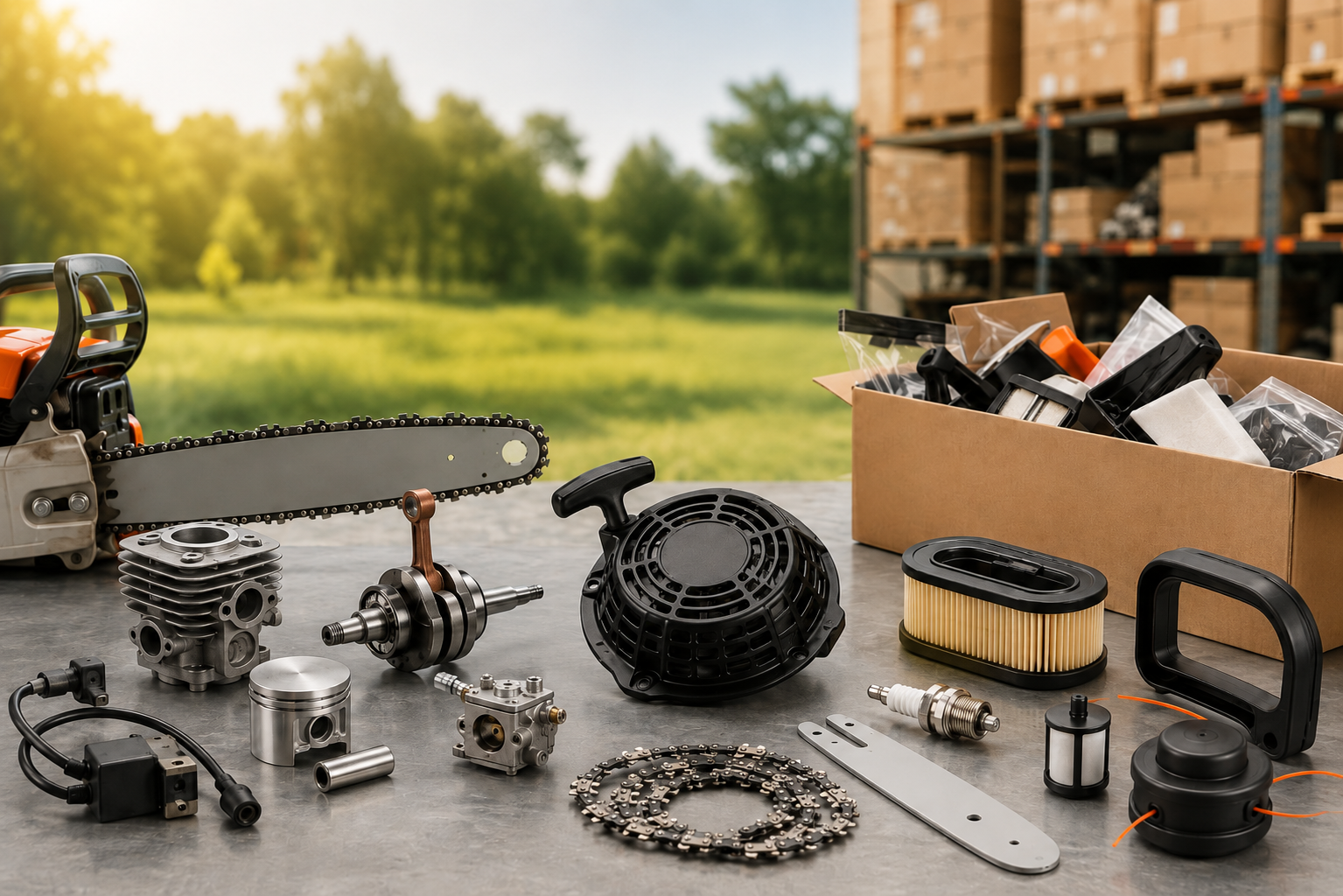
Sourcing outdoor power equipment parts and accessories becomes complicated long before the order becomes large. A distributor may handle only a few machine families, yet the service parts behind them can run into dozens or hundreds of SKUs. Some items arrive with clear part numbers. Others come as workshop photos, old samples, or descriptions such as “starter for this model.”
The challenge is not simply finding a factory that sells carburetors, recoil starters, катушки зажигания, cylinders, pistons, crankshafts, or gearboxes. The harder part is keeping every component tied to the correct machine, controlling mixed-SKU orders, and making sure the same part can be identified again when stock needs replenishing.
For dealers and distributors, a good parts supplier should make that process easier—not add another layer of uncertainty.
A Spare-Parts Order Is Not Just a Longer Machine Order
Complete machines are relatively straightforward to specify. A buyer confirms the model, quantity, configuration, упаковка, and destination.
Parts orders behave differently.
One inquiry may contain 40 или 50 separate lines. Another may combine components from several machine families, with different quantities for every item. Some parts move quickly in the local market, while others are only needed occasionally for workshop repairs.
This creates a different purchasing workload. A distributor has to manage compatibility, SKU identification, packaging references, quantities, and future reorder information at the same time.
A cheap quotation is of limited value if several components turn out to be wrong once the shipment reaches the workshop.
Start with the Machine, Not Just the Part Name
“Carburetor,” “ignition coil,” or “recoil starter” is rarely enough information for reliable matching.
A useful inquiry should start with the machine itself. Whenever possible, provide:
- Machine or engine model
- Existing part number, if available
- Clear photos of the original component
- Требуемое количество
- Key dimensions when the match is uncertain
- Visible markings, connectors, splines, threads, or mounting points
Photos become particularly useful when the original packaging or documentation is no longer available. For older machines, a clear image of the part and its mounting area can often provide more useful information than a general description.
A real sourcing example
A Tanzanian agricultural equipment retailer once approached NEWTOP with a requirement for dozens of different PJH sprayer parts. The quantity of each item was relatively small—fewer than 1,000 pieces per SKU—and several components were not items commonly produced in large volumes.
The request was handled by matching the customer’s machine references and product images rather than treating each line as an unrelated part. Within two days, the required items had been identified and organized for quotation.
The difficult part was not one unusual component. It was keeping a long list of small requirements correctly matched to the machines they belonged to.
This kind of inquiry is much closer to a real distributor parts order than a purchase of 5,000 identical pieces.
Compatibility Comes Before Price
Two components can look almost identical and still differ where it matters.
A recoil starter may use a different mounting-hole pattern. An ignition coil may have a different connector or fixing position. Crankshafts can vary in shaft dimensions or thread details. Cylinders, pistons and gearboxes may have version differences that are difficult to identify from a catalog image alone.
Depending on the part, confirmation may involve checking mounting positions, dimensions, shaft diameters, threads, splines, connectors, sealing surfaces or other model-specific details.
This also applies to parts described as direct replacements. Fitment should be confirmed against the relevant machine model and available reference information before a bulk order is finalized.
В НЬЮТОП, parts can be matched according to the customer’s machine model, photos, and confirmed requirements. Buyers can then choose between a complete matching parts set and individual components, subject to the applicable MOQ.
Complete Parts Set or Individual Parts?
The better option depends on how the dealer sells and services equipment.
| Buying Format | Better Suited To | Main Benefit |
|---|---|---|
| Complete Parts Set | Dealers building service coverage around one machine platform | Broader parts coverage in one purchase |
| Individual Parts | Dealers with existing repair or sales data | Replenish only the SKUs currently needed |
A complete set can be useful when a distributor is entering a new machine category or wants a broader repair range available from the start.
Individual components make more sense once the local market has shown which parts turn over fastest. A dealer may then replenish carburetors, recoil starters, катушки зажигания, cylinders, pistons, crankshafts, gearboxes, or other frequently requested items separately.
На практике, many distributors use both. Core machine families receive broader parts coverage, while proven fast-moving SKUs are reordered individually.
Managing Outdoor Power Equipment Parts and Accessories Across Multiple SKUs
A typical aftermarket order does not always look impressive on paper.
It may include 30 pieces of one component, 60 of another, several dozen of a third item, and another 20 или 30 SKUs in smaller quantities. Once multiple machine categories are involved, the number of lines grows quickly.
This is where one-stop sourcing becomes more useful than simply having a long product catalog.
NEWTOP can support mixed-SKU purchasing across dozens or even hundreds of spare-part items, provided the MOQ for the relevant products is met. Small-batch, multi-SKU requirements can be handled within the same sourcing project.
Depending on the inquiry, the order can include:
- Parts identified from machine models
- Components matched from customer photos
- Complete matching parts sets
- Individual replacement parts
- Complete machines with corresponding spare parts
- OEM packaging
- Customer-specific part numbers
- Barcode labels
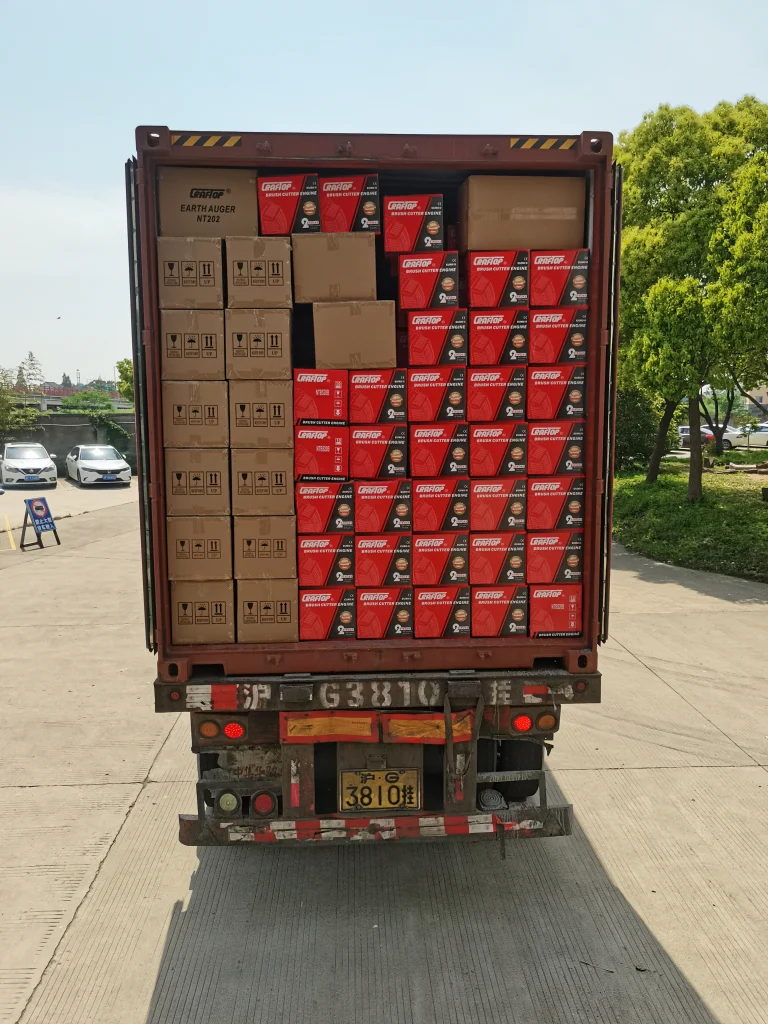
For a distributor already buying machines, adding related service parts to the same purchasing plan can also reduce coordination work. Machines and spare parts do not need to move through completely separate supply chains.
The same applies to packaging and inventory references. If the buyer already uses internal part numbers or barcodes, those identifiers can be incorporated into OEM packaging after the details are confirmed.
This becomes increasingly important as the catalog expands.
Saving a few cents on one component may not mean much if the purchasing team has to coordinate ten different suppliers, reconcile several numbering systems, or re-identify parts every time the workshop needs stock.
For businesses buying outdoor power equipment parts and accessories regularly, efficiency has to be measured across the full order, not only at SKU level.
How Parts Quality Is Checked Before Shipment
Parts inspection should not stop at appearance.
Different components have different failure risks. Dimensional accuracy may be critical for one item, while hardness, rotational balance, sealing performance, or material composition may matter more for another.
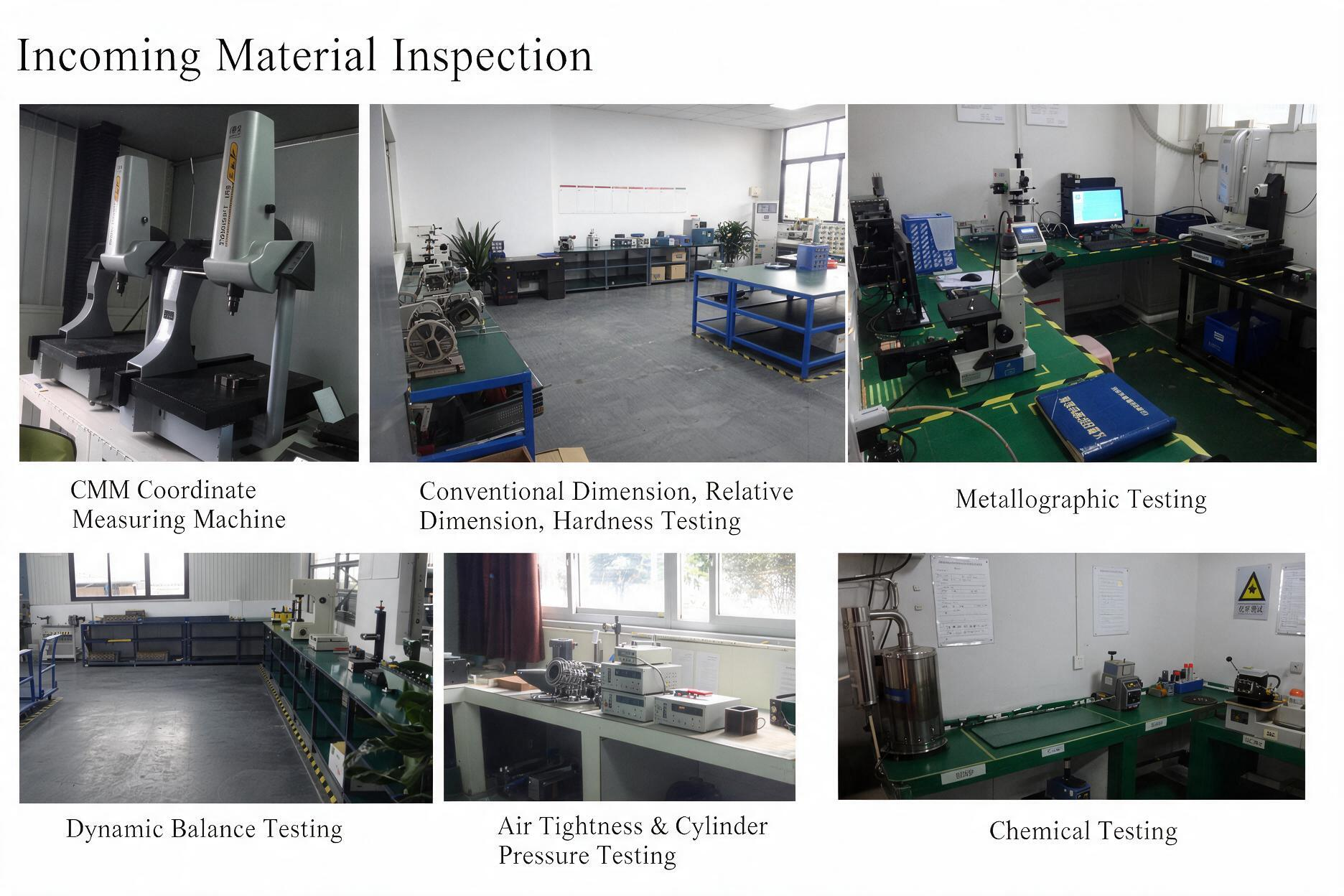
NEWTOP uses professional inspection equipment for incoming components, with the inspection method selected according to the part and the relevant quality requirement.
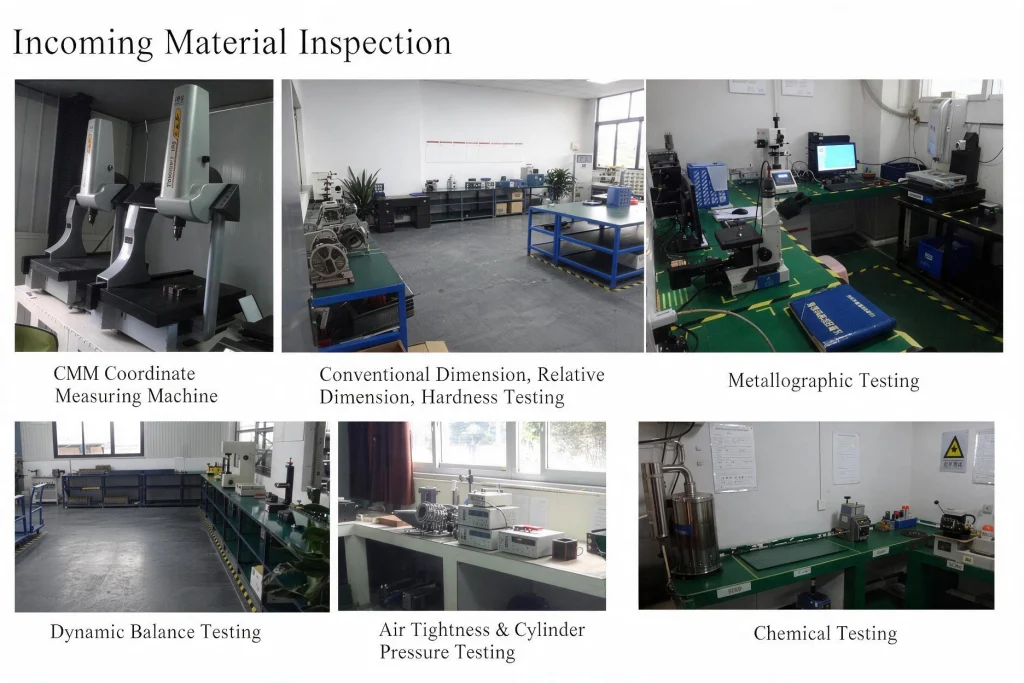
The available inspection methods include:
| Inspection Area | Typical Check |
|---|---|
| Dimensions | Conventional dimensions, relative dimensions, and CMM measurement |
| Материал | Hardness, metallographic, and chemical testing |
| Rotating Components | Dynamic balance testing |
| Cylinder-Related Parts | Air-tightness and cylinder-pressure testing |
A coordinate measuring machine, or CMM, can be used where more precise dimensional or positional relationships need to be checked.
Dynamic balance testing is relevant to rotating components where imbalance may contribute to vibration or unstable operation.
For cylinder-related components, air-tightness and cylinder-pressure testing can be applied where sealing performance needs to be verified. Metallographic and chemical testing are available when material structure or composition requires further examination.
Not every component goes through every test. The inspection should match the part and its quality risk.
That distinction is useful when comparing suppliers. Asking how a specific part is checked usually tells a buyer more than asking whether “quality inspection” is available.
Make the First Order Easier to Reorder
The first quotation gets most of the attention, but the real test of a parts supply system often comes months later.
A workshop asks for the same starter again. The warehouse has a product code that the supplier does not recognize. The previous quotation only says “starter assembly.” Someone then has to find an old photo and begin the matching process again.
This is avoidable.
Keep the Reference, Not Just the Part Name
Once a part has been confirmed, it helps to keep a simple record of:
- Supplier part number
- Customer part number
- Machine model
- Confirmed fitment
- Product photo
- Barcode
- Packaging reference
- Previous order quantity
If the distributor already uses an ERP, catalog, or warehouse coding system, its own references can also appear on OEM labels and packaging.
The benefit is simple: purchasing, warehouse, sales, and service teams can refer to the same item in the same way.
It becomes even more useful when machines and spare parts are sourced through the same platform. Equipment already sold in the market can be linked to the service parts needed later, and future machine shipments can include the replacement items that workshops are actually consuming.
A well-organized second order should sound less like:
“Can you identify this part?»
and more like:
“Please replenish these confirmed SKUs.”
That is a much healthier aftermarket supply process.
What to Send When Requesting a Parts Quote
A good spare-parts RFQ does not need to be complicated. It simply needs enough information for the supplier to identify each item correctly.
A Practical RFQ Checklist
Prepare:
- Machine or engine model
- Part name and part number, if available
- Clear photos of the original part
- Quantity required for each SKU
- Dimensions or physical sample if fitment is uncertain
- Complete-set or individual-part requirement
- OEM packaging, barcode, or customer part-number requirements
- Destination country and shipping requirements
For an inquiry containing many SKUs, a spreadsheet with one item per row is usually much easier to manage than dozens of separate messages and photos.
If a component cannot be identified confidently, it is better to leave it pending for confirmation than to force a match simply to complete the quotation.
Good parts sourcing should also become simpler with every reorder. Once the machine model, fitment, part number, упаковка, and buyer reference have been recorded, the same component should not need to be identified from the beginning every time inventory runs low.
For dealers and distributors, a reliable outdoor power equipment parts and accessories supplier is therefore not simply a company with a large catalog. The stronger partner is one that can handle mixed SKUs, confirm compatibility, support appropriate quality inspection, and keep future replenishment organized.
NEWTOP combines complete machines and replacement parts within one sourcing platform. Buyers can source complete matching parts sets, individual components, or machines and service parts together according to their market requirements and MOQ.
The first parts order may still require careful matching. The important part is making sure the second, third, and fourth orders become easier.
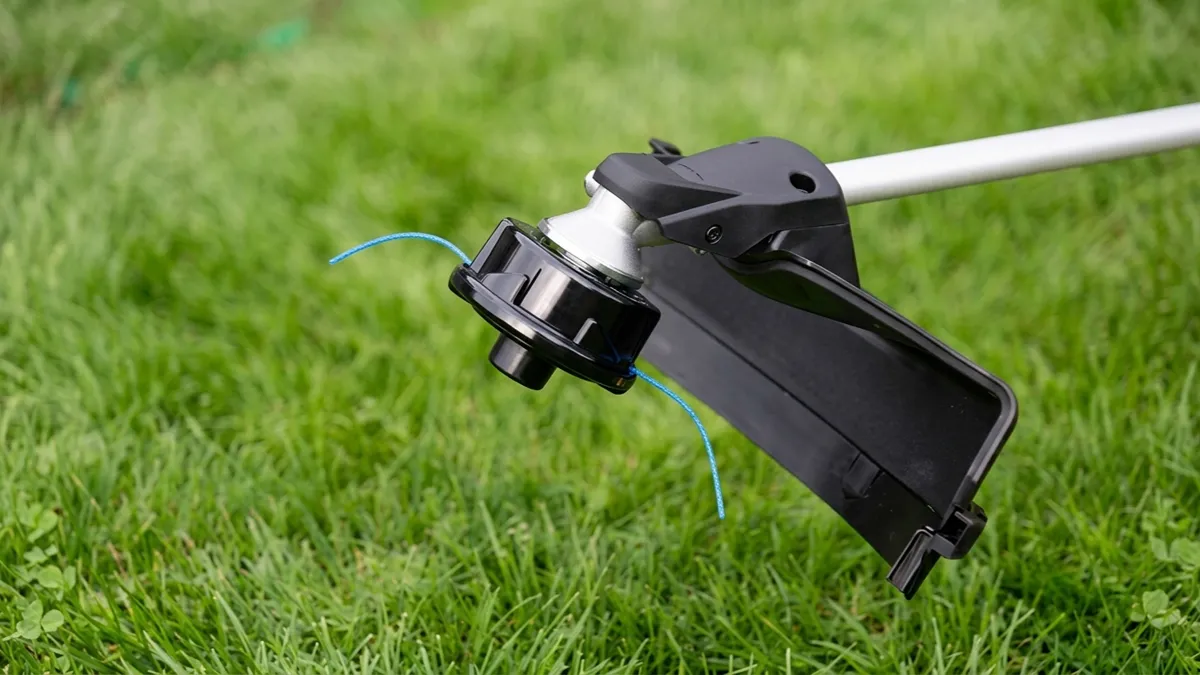
Выбор правильной триммерной головки может повлиять на качество стрижки., потребление линии, загрузка машины, и эффективность оператора. Головка, предназначенная для легкой стрижки газона, может не подойти для густой сорняков или кустарников., в то время как мощная система ножей может оказаться ненужной для простой обработки кромок травы..
В общих чертах, Головки триммера для струн можно классифицировать по нескольким признакам, включая механизм подачи, метод загрузки строки, режущая среда, конфигурация линейной розетки, и конструкция лезвия. Понимание этих различий помогает пользователям выбрать систему резки, соответствующую машине и выполняемой работе..
В этом руководстве описаны основные типы триммерных головок., как они работают, для каких приложений они подходят, и как проверить совместимость перед заменой.
Что такое головка триммера для струн?
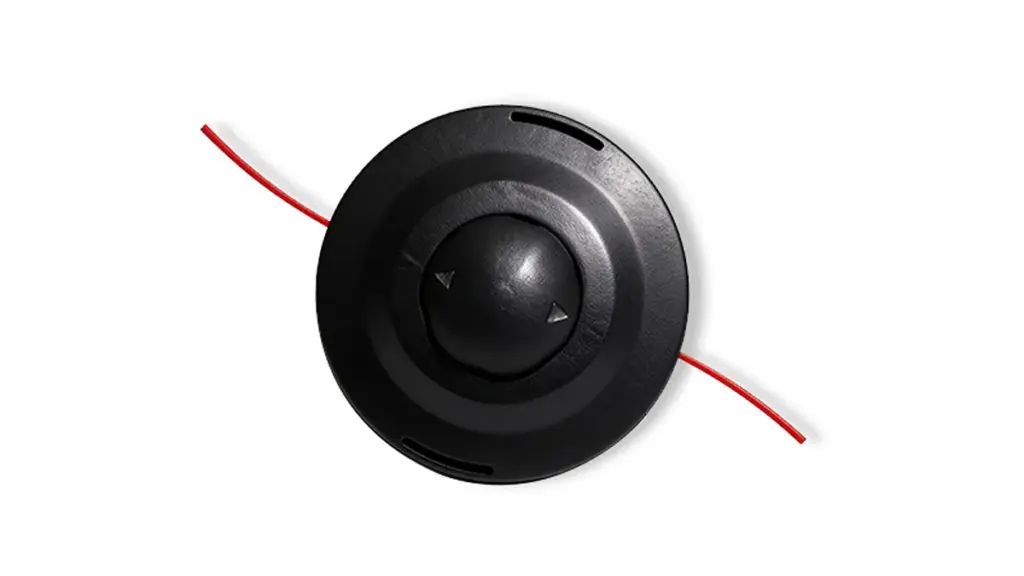
А головка триммера для струн установлен ли режущий блок в нижней части вала триммера или кустореза?. Он удерживает линию резки и контролирует освобождение лески при вращении головки.. Когда двигатель или электродвигатель приводит в движение вал, головка триммера вращается с высокой скоростью, заставляя нейлоновую леску выдвигаться наружу и срезать траву, сорняки, и другая легкая растительность.
Основные компоненты головки триммера для струн
Типичная головка триммера для струн состоит из нескольких ключевых компонентов.. Точная структура зависит от типа головы., но основные части обычно включают в себя:
- Жилье: Внешний корпус защищает внутренние компоненты и скрепляет режущую систему..
- катушка: Используется в катушечных головках для хранения намотанной нейлоновой лески..
- Триммерная линия: Нейлоновый режущий материал, который контактирует с травой и сорняками и срезает их..
- Механизм подачи: Управляет освобождением дополнительной строки. В головках ударной подачи используется ударный механизм., в то время как в конструкциях с автоматической подачей используется внутренняя система выпуска.
- Ударная ручка: Встречается на многих головках с ударной подачей.. Это позволяет оператору высвободить больше лески, постукивая головкой по земле..
- Крышка или колпачок: Удерживает катушку и внутренние детали на месте и обеспечивает доступ для замены лески..
- Монтажная гайка или адаптер: Соединяет триммерную головку с приводным валом машины.. Резьба и система крепления должны соответствовать триммеру..
- Люверсы или отверстия для линий: Во время работы направляйте нейлоновую леску изнутри головы наружу..
Как классифицируются головки триммеров для струн?
Головки триммера для струн можно классифицировать с нескольких точек зрения, поскольку одна головка может одновременно относиться к более чем одной категории..
Наиболее распространенными методами классификации являются:
- По механизму подачи: ударная подача, автоматическая подача, и фиксированная линия.
- По методу загрузки строки: ручной ветер, легкая загрузка/скоростная подача, и предварительно намотанная катушка.
- Обрезая среду: нейлоновая линия, металлическое лезвие, проволока, или проволочная щетка.
- По конфигурации линейной розетки: однострочный, двухлинейный, и многострочный.
- По конструкции лезвия: 2-зуб, 3-зуб, 4-зуб, циркулярная пила, и дизайн лезвий с вырезами.
Сравнение различных типов головок триммера для струн
| Тип триммерной головки | Механизм подачи | Намотка линии / Загрузка | Совместимый диаметр лески | Ключевые преимущества | Ключевые недостатки | Лучшие варианты использования |
|---|---|---|---|---|---|---|
| Ударная подающая головка Отраслевой стандарт |
Удары на земле; весна & линия освобождения храпового механизма с помощью центробежной силы | Умеренный (Требуется разборка корпуса & ручной завод) |
0.065″ – 0.105″ (1.6мм – 2.7мм) |
• Точный контроль расхода электроэнергии • Подает леску на ходу, не останавливая двигатель. • Высокая общая операционная эффективность |
• Нижняя крышка изнашивается из-за неровностей земли. • Чрезмерное усилие может привести к перегрузке лески. |
Регулярный уход за газоном, Коммерческий ландшафтный дизайн, обрезка кромок |
| Легкая загрузка / Скорость подачи Лучшие рекомендации |
Механизм ударной подачи (Расширенная версия) | Очень легко (Без разборки; пропустите леску и поверните катушку) |
0.080″ – 0.105″ (2.0мм – 2.7мм) |
• Предотвращает запутывание лески. & утомительная разборка • Быстрая перезарядка (под 30 секунды) • Сочетает в себе высокую скорость подачи и легкую загрузку лески. |
• Внутренние храповики могут заклинить, если внутрь попадет твердый мусор. • Несколько более высокая стоимость единицы продукции |
Профессиональные ландшафтные дизайнеры, домовладельцы, желающие быстрой замены линии |
| Автоматическая подача (Автоматическая подача) Для начинающих |
Автоматически отпускает фиксированную длину при открытии дроссельной заслонки / переключатель отпуска триггера | Легкий (Часто используются сменные катушки с предварительной намоткой.) |
0.065″ – 0.080″ (1.6мм – 2.0мм) |
• 100% подача строки без помощи рук • Не требуется никаких ударов по земле. • Чрезвычайно легко для новичков |
• Повышенное потребление линии • Невозможно вручную управлять линейным выходом. • Устранение застреваний на линии может оказаться утомительным занятием. |
Небольшие жилые газоны, легкая обрезка, Домовладельцы своими руками |
| Фиксированная головка линии Сверхмощный |
Никто (Используются предварительно нарезанные отдельные полоски лесок.) | Очень легко (Вставной / напрямую блокировать предварительно вырезанные линии) |
0.105″ – 0.155″ (2.7мм – 4.0мм) |
• Риск сварки нулевой линии или внутреннего запутывания • Поддерживает сверхтолстые & зубчатые стропы для тяжелых условий эксплуатации • Максимальная стойкость при работе с твердым мусором. |
• Необходимо остановить машину, чтобы вручную заменить изношенную леску. • Невозможно кормить непрерывно |
Густые сорняки, заросшие территории, очистка кромок кисти |
| Лезвие триммерной головки Твердая резка |
безлинейный (Используются пластиковые или металлические лезвия.) | Н/Д (Замените отдельные изношенные лезвия с помощью винтов/зажимов.) |
Н/Д (Полностью заменяет нейлоновые стропы.) |
• Чрезвычайно высокая сила резания • Срезает тяжелые сорняки. & небольшие одревесневшие побеги легко • Линия не изнашивается и не ломается |
• Более высокий риск попадания осколков снаряда / рана • Лезвия откалываются/разбиваются о камень или бетон. |
Расчистка тяжелых кустов, густые сорняки, густая растительность |
| Головка щетки из стальной проволоки Специальное назначение |
безлинейный (Высокопрочная скрученная щетина из стальной проволоки.) | Н/Д (Замените весь узел проволочного колеса.) |
Н/Д (Пучок тяжелой стальной проволоки) |
• Высокая стойкость к истиранию на твердых поверхностях. • Соскребает мох., сорняки, и эффективно ржавеет |
• Большой вес создает дополнительную нагрузку на двигатель/редуктор. • Высокий риск бросания предметов (требует защитного снаряжения) |
Трещины на тротуаре, тротуарный мох, прополка швов подъездной дороги |
Примечание: Рекомендуемые диапазоны диаметров трубопроводов, показанные ниже, являются только отраслевыми справочными значениями.. Фактическая совместимость лески может варьироваться в зависимости от конструкции триммерной головки., мощность машины, и характеристики производителя. Всегда проверяйте руководство пользователя или технические характеристики продукта перед выбором триммерной лески..
Типы триммерных головок по механизму подачи
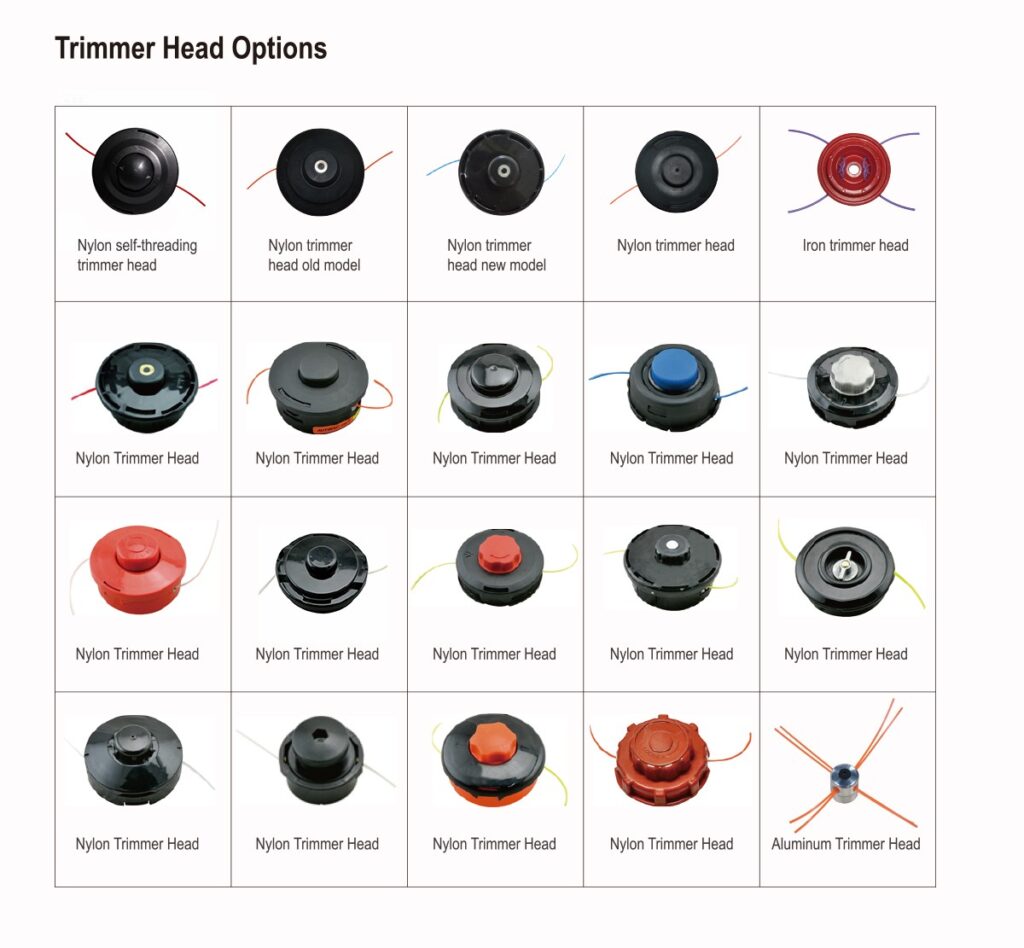
Механизм подачи определяет, как линия реза освобождается во время работы.. Это напрямую влияет на удобство пользователя, потребление линии, и требования к техническому обслуживанию. Различные системы подачи предназначены для разных условий работы., от периодической стрижки газона до частых профессиональных задач по ландшафтному дизайну. Наиболее распространенные методы кормления включают кормление толчком., автоматическая подача, и системы фиксированной связи, каждый из которых предлагает разный баланс между контролем, эффективность, и простота.
Триммерные головки с ударной подачей
А триммерная головка с ударной подачей использует систему катушек, которая высвобождает дополнительную нейлоновую леску, когда оператор постукивает вращающейся головкой о землю. Удар активирует механический механизм подачи., позволяя центробежной силе протягивать больше лески через выходные отверстия. Такая конструкция обеспечивает хороший контроль, поскольку пользователи могут решать, когда удлинять линию.. К преимуществам относится простота эксплуатации., широкая совместимость, и простота обслуживания. Однако, ручка отбойника и внутренние компоненты могут изнашиваться после частого контакта с землей., особенно в коммерческих приложениях. Головки с ударной подачей широко используются для общей стрижки травы., окантовка газона, и обрезка сорняков.
Изучите NEWTOP Решения с триммерной головкой для кусторезов чтобы найти подходящий вариант замены для вашего приложения.
Триммерные головки с автоматической подачей
Ан триммерная головка с автоматической подачей использует внутренний механизм для автоматического освобождения лески во время работы, не требуя от оператора ударов головкой. В зависимости от дизайна, система может использовать центробежную силу, пружинный механизм, или предустановленная структура подачи для поддержания правильной длины лески. Основное преимущество – повышенное удобство., особенно при покрытии больших площадей, где частая ручная регулировка неэффективна. Однако, системы автоматической подачи могут потреблять больше лески, если они отпускают слишком большую длину, и их внутренние механизмы обычно требуют более точного изготовления по сравнению с конструкциями с ударной подачей..
Триммерные головки с фиксированной леской
А триммерная головка с фиксированной леской работает иначе, чем системы на катушках, поскольку в ней используются отдельные предварительно нарезанные куски нейлоновой лески, вставленные непосредственно в головку.. Во время работы, фиксированная леска вращается вместе с головой и срезает растительность за счет высокоскоростного удара. Такая конструкция устраняет проблемы с намоткой шпули и обеспечивает быструю замену лески., что делает его подходящим для пользователей, которые предпочитают простое обслуживание. Головки с фиксированной леской часто используются с более толстой леской для более жесткой травы и сорняков.. Основное ограничение заключается в том, что оператор должен вручную заменять изношенные участки лески вместо автоматического удлинения лески во время резки..
Масштабируйте свой бизнес с помощью надежного энергетического оборудования

Типы триммерных головок по методу загрузки лески
Метод загрузки лески описывает, как новая леска устанавливается в триммерную головку.. Хотя все линейные головки выполняют одну и ту же основную функцию резки., их конструкция загрузки может сильно повлиять на скорость замены и удобство использования.. Традиционные системы ручного завода ориентированы на простоту конструкции и надежность., в то время как современные конструкции катушек с легкой загрузкой и предварительной намоткой разработаны для сокращения времени простоя и упрощения обслуживания..
Ручные триммерные головки
А ручная головка триммера ветра требует, чтобы оператор вручную намотал нейлоновую леску на внутреннюю катушку перед установкой. Леска должна быть намотана равномерно и в правильном направлении, чтобы обеспечить плавную подачу во время работы.. Эта конструкция является одной из наиболее традиционных и широко используемых систем из-за ее простой конструкции., низкая стоимость изготовления, и надежная работа. Однако, замена линии занимает больше времени по сравнению с современными системами легкой загрузки, Неправильная намотка может привести к застреванию лески или неравномерной подаче.. Ручные ветровые головки обычно используются в триммерах бытового и профессионального уровня, где важны долговечность и экономическая эффективность..
Легкая загрузка / Триммерные головки со скоростной подачей
Ан триммерная головка с легкой загрузкой или скоростной подачей разработан для упрощения процесса замены лески за счет уменьшения необходимости разбирать катушку или вручную наматывать всю леску.. Во многих конструкциях, оператор вставляет леску прямо через головку и вращает шпулю, чтобы нагрузить ее равномерно. Эта система повышает эффективность технического обслуживания и сокращает время простоев., что делает его популярным среди профессиональных ландшафтных дизайнеров и коммерческих пользователей.. Основное преимущество – более быстрая установка линии., недостатком является то, что конструкция обычно более сложна и может требовать более высокой точности изготовления по сравнению с традиционными ручными нагнетательными головками..
Триммерные головки с предварительной намоткой
А триммерная головка с предварительно намотанной катушкой используется сменная катушка с уже установленной производителем нейлоновой леской.. Когда линия исчерпана, пользователи просто снимают старую катушку и устанавливают новую вместо того, чтобы вручную наматывать новую леску.. Это обеспечивает самый быстрый и простой процесс замены., особенно для случайных пользователей, которые отдают предпочтение удобству. Однако, катушки с предварительной намоткой обычно требуют более высокой стоимости замены и требуют от пользователей приобретения катушек совместимых размеров.. Этот тип обычно встречается в электрических и аккумуляторных триммерах потребительского класса, где простота использования является основным фактором покупки..
Типы головок триммеров для струн в зависимости от режущей среды
Режущая среда — это фактический материал, который контактирует и удаляет растительность.. Различные материалы обеспечивают разный уровень прочности при резке., гибкость, долговечность, и безопасность. Нейлоновая леска обычно используется для стрижки травы., в то время как металлические лезвия и системы на основе проволоки предназначены для более жесткой растительности или специализированных применений..
Головки триммера для нейлоновой лески
Головки триммера из нейлоновой лески являются наиболее распространенными режущими системами, используемыми в триммерах для травы и кусторезы. Они полагаются на гибкую нейлоновую леску, вращающуюся с высокой скоростью, которая срезает траву и сорняки за счет ударной силы.. Разные диаметры лесок, формы, и материалы могут повлиять на долговечность, эффективность резки, и устойчивость к поломкам. Нейлоновые головки обеспечивают превосходную безопасность, поскольку гибкая леска с меньшей вероятностью повредит при контакте с твердыми поверхностями.. Однако, они менее эффективны против густой кисти, древесные стебли, или густая растительность. Они идеально подходят для ухода за газонами., обрезка краев, и общего ландшафтного дизайна.
Лезвия триммерных головок
А головка триммера с лезвием вместо гибкой нейлоновой лески используются жесткие металлические лезвия, что обеспечивает более высокую производительность резки.. Вращающееся лезвие срезает растительность при прямом контакте., что делает его подходящим для густой травы, тяжелые сорняки, и маленькая кисточка, которая может быстро изнашивать нейлоновую леску.. Системы лезвий обеспечивают более высокую мощность резки и более длительный срок службы в сложных условиях эксплуатации., но им нужны более сильные машины, надлежащая охрана, и правильная установка. Поскольку металлические лезвия создают более высокие ударные силы, в основном они используются с профессиональными кусторезами, а не с легкими бытовыми триммерами..
Триммерные головки для проволоки и проволочных щеток
Триммерные головки для проволоки и проволочных щеток используйте элементы из металлической проволоки или режущие материалы в виде щетки, чтобы удалить жесткую растительность., мох, сорняки, и поверхностный рост. Вместо того, чтобы резать острым краем, вращающаяся проволока обеспечивает абразивное очищающее и режущее действие. Эти головки могут быть полезны для выполнения специализированных задач, таких как удаление сорняков между брусчаткой или очистка твердых поверхностей..
Типы триммерных головок по конфигурации линейных розеток

Конфигурация выхода лески относится к количеству и расположению концов режущей лески, выходящих из триммерной головки.. Эта конструкция влияет на покрытие резки., эффективность, и нагрузка, приложенная к мотору или двигателю триммера. Однолинейные системы обычно предназначены для более легких применений., в то время как двухлинейные и многолинейные головки обеспечивают повышенную производительность стрижки на больших площадях и при более густой траве..
Однолинейные триммерные головки
А однолинейная триммерная головка во время работы использует один кусок нейлоновой лески, идущий от головы. Потому что он имеет меньше движущихся компонентов и меньшее сопротивление вращению., его часто используют на легких триммерах, предназначенных для ухода за газонами в жилых домах.. Однолинейные системы обеспечивают стабильную работу, меньшее потребление линии, и более простое обслуживание по сравнению с многолинейными конструкциями.. Однако, они обычно обеспечивают меньшую площадь покрытия и меньшую эффективность стрижки при работе с густой растительностью.. Они подходят для легкой стрижки., края газона, и области, где точность важнее максимальной скорости резания.
Двухлинейные и многолинейные триммерные головки
А двухлинейная или многолинейная триммерная головка использует два или более концов режущей линии, идущие от головы, увеличение количества точек резания при вращении. Такая конструкция повышает эффективность стрижки и позволяет машине удалять больше растительности при каждом обороте.. Многолинейные головки обычно используются для уборки густой травы и профессионального ландшафтного дизайна.. Однако, дополнительная магистраль увеличивает сопротивление воздуха и увеличивает нагрузку на двигатель или мотор. Поэтому, эти головки требуют достаточной мощности машины и правильного выбора диаметра лески для поддержания производительности и предотвращения чрезмерного износа..
Типы триммерных головок с металлическими лезвиями по дизайну лезвий
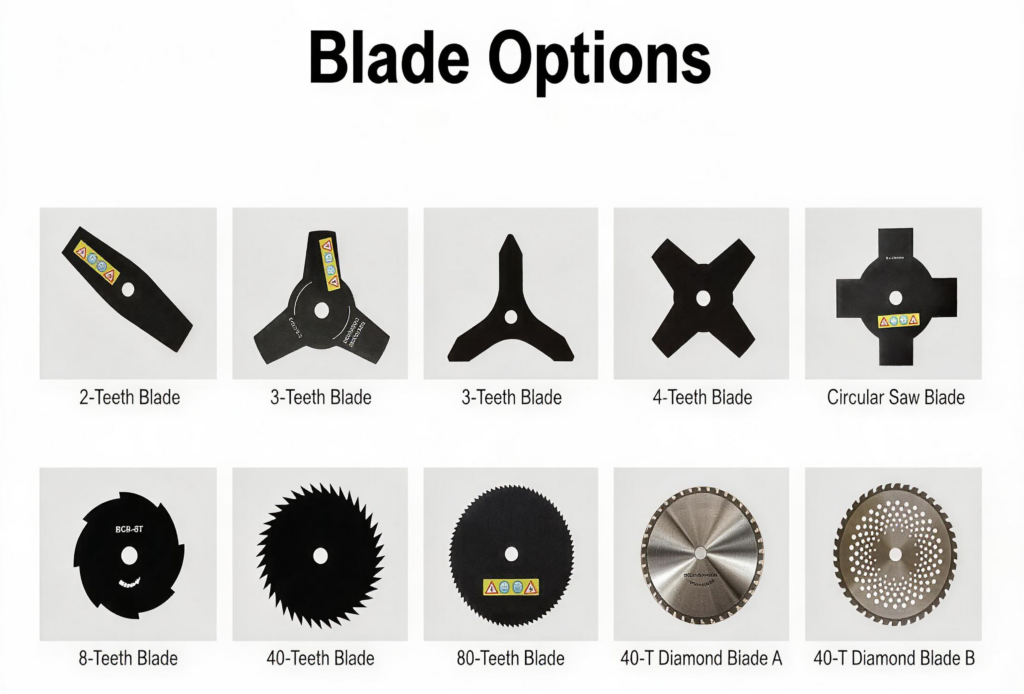
Металлические лезвия в основном используются в кусторезах и тяжелом триммерном оборудовании, где нейлоновая леска не может обеспечить достаточную силу резания.. Форма лезвия, номер зуба, и общая конструкция определяют, насколько эффективно лезвие срезает различные типы растительности..
2-Зубчатые прямые лезвия
А 2-зуб прямое лезвие имеет две режущие кромки, расположенные друг напротив друга на ножевом диске.. Его простая конструкция обеспечивает хороший баланс., малый вращающийся вес, и эффективная производительность стрижки легкой растительности. Потому что у него меньше зубов, он может поддерживать высокую скорость вращения при меньшем энергопотреблении по сравнению с лезвиями с несколькими зубьями.. Эти лезвия обычно используются для стрижки травы и мягких сорняков.. Однако, они не предназначены для обработки густых кустарников или древесных растений, поскольку ограниченное количество режущих кромок снижает их способность обрабатывать более жесткие материалы..
3-Зубные лезвия
А 3-зубное лезвие одно из наиболее часто используемых лезвий для кусторезов, поскольку оно обеспечивает баланс между силой резки, контроль, и универсальность. Три режущие кромки распределяют ударную силу более равномерно, сохраняя при этом эффективное вращение.. Эта конструкция подходит для травы средней плотности., сорняки, и общее управление растительностью. По сравнению с полотнами с 2 зубьями, 3-конструкция зубьев обеспечивает улучшенную зону резания, оставаясь при этом достаточно легким для многих кусторезов.
4-Зубные лезвия
А 4-зубное лезвие обеспечивает дополнительные режущие кромки по сравнению с конструкциями с 2 и 3 зубьями, улучшение стабильности стрижки при работе с более густой растительностью. Увеличенное количество зубцов позволяет более часто контактировать с растениями во время вращения., что может повысить эффективность резки. Однако, дополнительный материал также увеличивает вес лезвия и требует соответствующей мощности машины.. Лезвия с четырьмя зубьями часто используются для более тяжелой травы и жестких сорняков, когда пользователям требуется более высокая производительность, чем у стандартных систем с нейлоновыми лесками, но не требуется дисковая пила..
Дисковые пилы
А диск циркулярной пилы использует несколько острых зубов по внешнему краю, похож на традиционную пилу. В отличие от ножей для стрижки травы, он предназначен для обработки гораздо более жесткой растительности, включая толстую кисть, маленькие деревянистые стебли, и молодые саженцы. Большое количество зубьев обеспечивает агрессивную производительность резки., но это также требует большей мощности двигателя, правильная установка лезвия, и профессиональные методы работы. Диски для циркулярных пил обычно используются с мощными кусторезами, и их следует устанавливать только на машины, специально предназначенные для работы с этим типом режущего оборудования..
Конструкции с вырезами и полыми лезвиями
Конструкции с вырезами и полыми лезвиями используйте отверстия или уменьшенные площади материала в корпусе лезвия, чтобы уменьшить вес, сохраняя при этом прочность резки.. Эти конструкции помогают уменьшить вращающуюся массу., улучшить баланс машины, и снижает утомляемость оператора при длительном использовании. Вырезная конструкция также может улучшить управляемость за счет снижения сопротивления во время вращения.. Для конкретных условий растительности разрабатываются различные схемы открывания., от ухода за травой до более тяжелой стрижки кустарников. Как и все металлические лезвия., производительность зависит от соответствия конструкции лезвия мощности кустореза, охранная система, и предполагаемая рабочая среда.
Как правильно выбрать триммерную головку для вашего двора
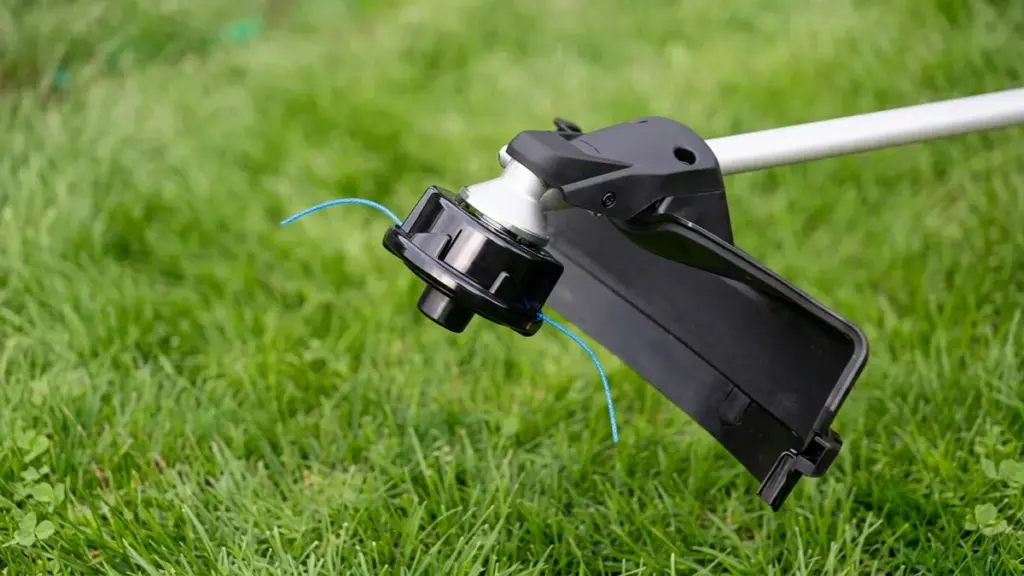
Начните с растительность, тогда рассмотри машину.
Для обычной газонной травы и бордюров., нейлоновая леска обычно является наиболее практичным выбором.. Конструкция с ударной или автоматической подачей может облегчить частую регулировку лески..
Для густых сорняков и высокой травы, выберите более прочную головку и подходящий диаметр лески. Если растительность становится древесной или кистевой, совместимое металлическое лезвие может обеспечить лучшую производительность резки..
Вам также следует рассмотреть:
- Мощность машины: Тяжелые головки и лезвия требуют соответствующей мощности двигателя..
- Режущий материал: Нейлоновая леска подходит для общей стрижки.; лезвия лучше подходят для жесткой растительности.
- Диаметр линии: Более толстая леска обеспечивает большую долговечность, но увеличивает нагрузку на машину..
- Рабочая частота: Коммерческие пользователи могут получить выгоду от систем легкой загрузки или быстрой подачи..
- Обслуживание: Простая головка может быть предпочтительнее, когда важно быстрое обслуживание..
Как подобрать головку триммера по диаметру лески
Диаметр лески должен совпадать с триммерная головка и мощность машины.
Тонкая леска обычно подходит для легкой травы и требует меньше энергии для ускорения.. Более толстая леска обеспечивает лучшую устойчивость к износу и поломке и больше подходит для густой травы и сорняков..
Однако, использовать максимально толстую линию не всегда лучше. Увеличенная стропа может увеличить нагрузку на двигатель., уменьшить скорость вращения, и мешают механизму подачи.
Всегда проверяйте рекомендованный производителем диаметр лески триммерной головки перед изменением оригинальной спецификации..
Как узнать, подходит ли триммерная головка к вашему триммеру для струн
Запасная головка должна соответствовать механическим и эксплуатационным характеристикам машины.. Проверять:
- Монтажная резьба и соединение вала
- Требования к адаптеру
- Направление вращения
- Максимальный диаметр лески
- Максимальный диаметр резки
- Мощность двигателя или мотора
- Вес головы
- Совместимость модели машины
Термин “универсальная триммерная головка” это не означает, что одна головка подходит для каждого триммера. Универсальные продукты обычно поддерживают несколько распространенных систем крепления через адаптеры..
Для оптовых покупателей и дистрибьюторов оборудования, проверка точного списка совместимости безопаснее, чем выбор головки только по внешнему виду или размеру резьбы.
Триммерные головки NEWTOP для различных применений
НЬЮТОП поставляет триммерные головки и аксессуары для стрижки кусторезов для различной травы., сорняк, и растительные приложения. В ассортимент продукции входят различные конструкции головок и конфигурации крепления для поддержки различных моделей кусторезов..
Для дистрибьюторов и импортеров, Выбор режущей головки – это не только вопрос отдельного аксессуара. Голова, нейлоновая линия, лезвие, кусторез, и приложение должно работать как одна полноценная режущая система..
NEWTOP может оказать поддержку клиентам, которые ищут наружное силовое оборудование и запасные режущие компоненты для различных требований рынка., включая выбор продукции и оптовые поставки.
Ищете триммерные головки или режущие системы для кусторезов для вашего рынка? Свяжитесь с NEWTOP, чтобы обсудить подходящие модели, характеристики, и варианты поиска.
Часто задаваемые вопросы
Какие существуют типы триммерных головок для струн?
Головки триммера для струн можно классифицировать по механизму подачи., метод загрузки, режущая среда, конфигурация линейной розетки, и конструкция лезвия. Распространенные типы включают в себя ударную подачу., автоматическая подача, фиксированная связь, ручной ветер, легкая загрузка, предварительно намотанная катушка, нейлоновая леска, и головы с металлическими лезвиями.
Что такое триммерная головка с ударной подачей?
Головка ударной подачи удерживает леску на внутренней катушке.. Когда линия изнашивается, оператор стучит вращающейся головкой по земле. При этом пружинный механизм сжимается и освобождается от короткого замыкания., контролируемое количество линии без остановки машины.
Действительно ли универсальные триммерные головки универсальны??
Не обязательно. Универсальные головки обычно подходят к нескольким распространенным системам крепления, а не к каждому триммеру, представленному на рынке.. Всегда проверяйте ветку, адаптер, направление вращения, пропускная способность линии, и совместимость машины перед установкой.
Какую триммерную головку проще всего загрузить?
Ударные головки со скоростной подачей или легкой загрузкой считаются самыми простыми в перезарядке.. Они имеют внешний путь загрузки, при котором вы пропускаете леску прямо через проушины и поворачиваете ручку или пластину, чтобы намотать ее.. Это избавляет от необходимости открывать корпус или вручную наматывать катушку., часто беря под 30 секунды.
Могу ли я поставить фиксированную головку на триммер для струн??
Да, при условии, что головка с фиксированной леской соответствует размеру оправки вашего триммера, направление резьбы, и номинальная мощность. Поскольку в головках с фиксированной леской часто используется более толстая леска, предназначенная для густой заросли и сорняков., они лучше всего работают на более крупных газовых триммерах, а не на маломощных потребительских устройствах..
В чем разница между триммерными головками с автоматической подачей и ударной подачей?
Основное различие сводится к пользовательскому контролю.. Головка подачи с ударом требует, чтобы вы вручную постукивали по земле, чтобы продвинуть леску., что помогает минимизировать потери строки. Автоматическая головка определяет, когда леска короткая или изменяется нагрузка двигателя, и самостоятельно продвигает леску., обеспечивает непрерывную резку, но обычно расходует линию быстрее.
