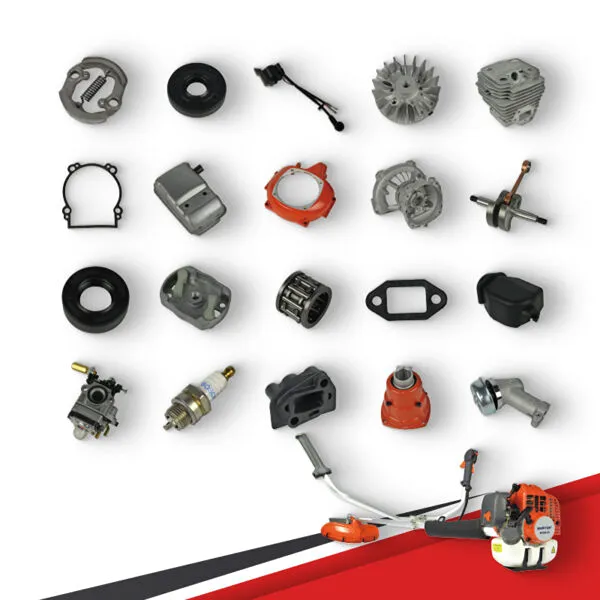
Stock brush cutter replacement parts in the order they wear out. Nylon trimmer line, metal blades with their bolts and washers, свечи зажигания, air filter elements, carburetor repair kits and fuel lines with primer bulbs belong on the first order. Cylinders, pistons and gearcases do not.
This guide covers the four decisions behind that split. Первый, which brush cutter replacement parts to stock. Second, how to match them to the machines you actually import. Third, how many pieces go into a container. Fourth, how to keep the parts budget earning through the warranty window.
Which Brush Cutter Spare Parts Should You Stock First?
Distributors should generally start with commonly replaced consumables and routine maintenance parts, then expand into model-specific components as demand becomes clearer. The best starting assortment depends on the machines in your market and the maintenance services your customers provide.
Brush Cutter Spare Parts Stocking Guide
| Part Group | Order Stage | Why It Needs Replacement | Initial Stocking Approach | Typical Use |
|---|---|---|---|---|
| Nylon trimmer line | First order | Wears down during cutting, particularly when contacting hard surfaces | Prioritize commonly requested diameters and line types | Counter sales and repeat purchases |
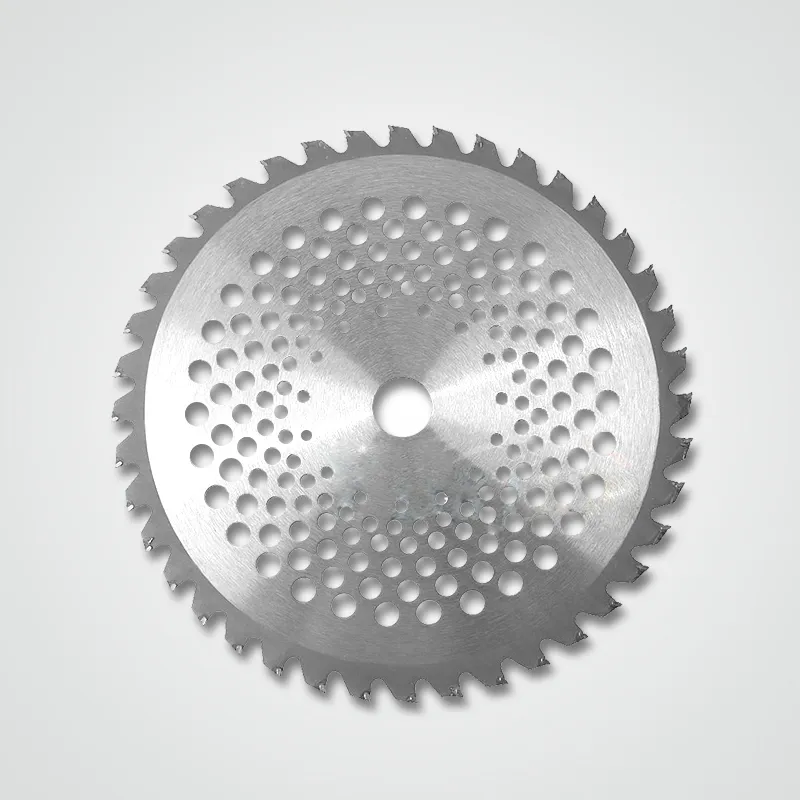
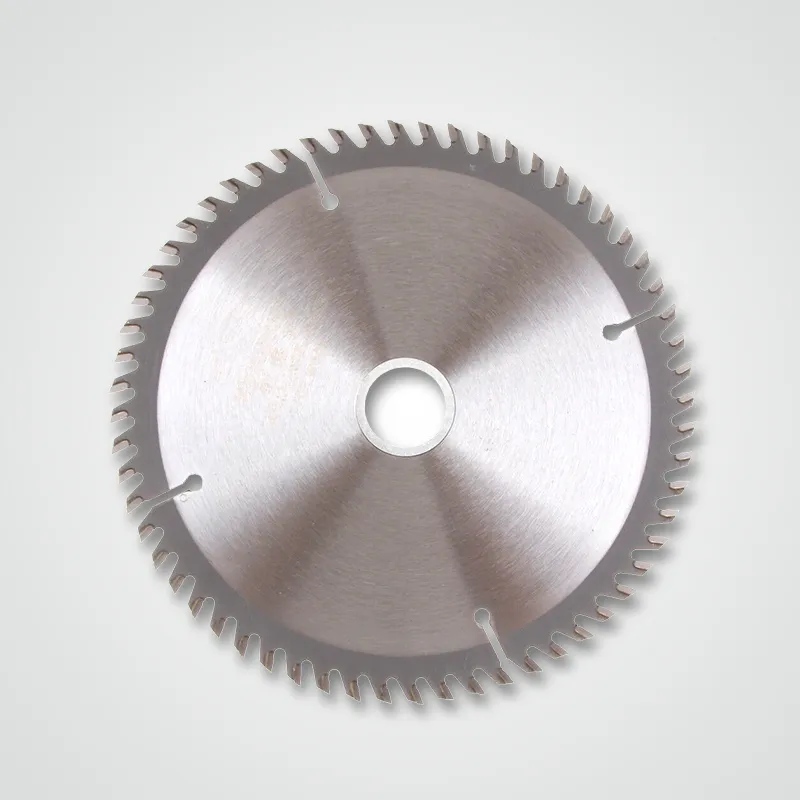
| Cutting blades and mounting hardware | First order | Blades can become dull or damaged; mounting hardware may wear or require replacement | Stock compatible blade types and the correct washers, nuts, and adapters | Counter sales and servicing |
| Spark plugs | First order | Electrode wear, deposits, or fouling can affect engine starting and operation | Stock specified plug types for popular engine models | Routine maintenance and counter sales |
| Air filter elements | First order | Dust and debris accumulate, restricting airflow; damaged filters may need replacement | Prioritize filters for commonly sold machines | Routine maintenance and servicing |
| Carburetor repair kits | First order or as demand develops | Internal components may wear, deteriorate, or require servicing | Confirm carburetor models and kit contents before ordering | Repair shops |
| Fuel lines and primer bulbs | First order or as demand develops | Rubber components can deteriorate, crack, or leak | Stock compatible parts for frequently serviced models | Repair shops |
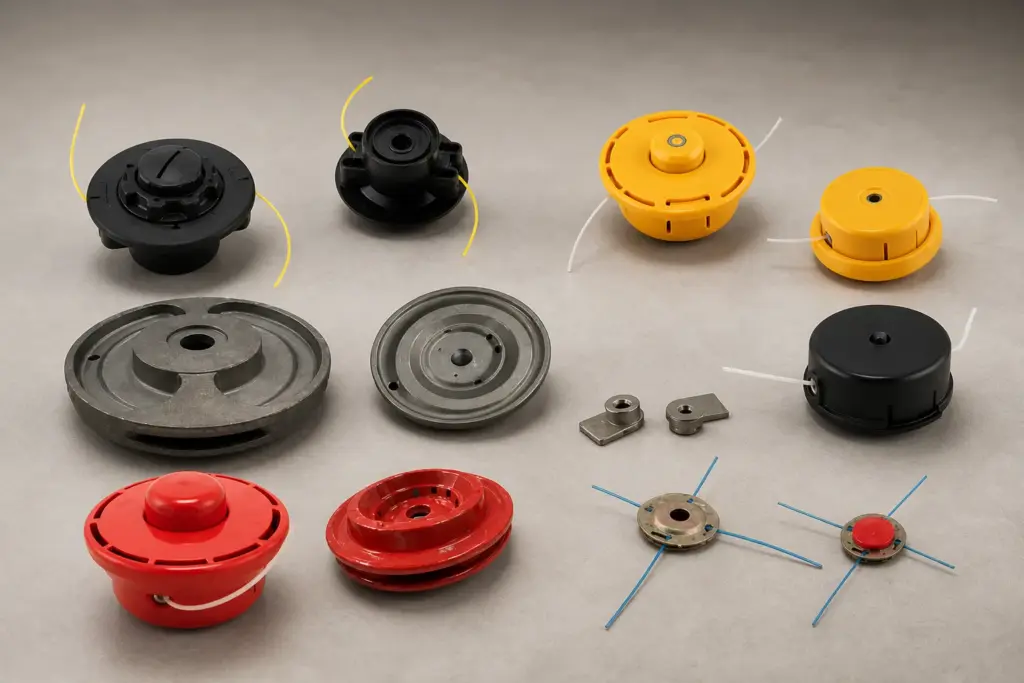
| Trimmer heads | Second order or based on demand | Housings, eyelets, spools, and other components can wear or become damaged | Select compatible head types and mounting specifications | Counter sales and servicing |
| Recoil starters, катушки зажигания, and switches | Second order or based on demand | Starting mechanisms and electrical components can fail or become damaged | Prioritize popular models and common repair requests | Repair shops |
| Drive shafts | Limited reserve | Shafts can become bent, worn, or damaged | Keep limited quantities for models with established demand | Specialized repairs |
| Cylinders, crankshafts, and gearcases | Limited reserve or order as needed | Severe wear or mechanical failure may require component replacement | Purchase according to repair demand, Время выполнения, and component cost | Specialized repairs and warranty assessment |
Stocking priorities are general guidance. Confirm compatibility and adjust quantities based on local demand and the brush cutter models you support.
For a new distributor, prioritize the parts that support the brush cutter models already in the product range. If local repair shops frequently request particular starter assemblies or carburetor components, those items may deserve earlier attention than the suggested order stages indicate.
How to Choose the Right Replacement Parts
Compatibility is critical when purchasing brush cutter spare parts in bulk. Parts that look similar may have different dimensions, mounting systems, thread directions, or engine specifications. Incorrect parts can lead to returns, installation problems, and customer dissatisfaction.
Before confirming an order, check these details:
- Machine and engine model: Identify the exact brush cutter model and engine configuration the part is intended for.
- Part number: Use the original part number or an approved replacement reference whenever available.
- Dimensions and mounting: Verify shaft diameter, thread size and direction, mounting holes, and other relevant measurements.
- Cutting accessory specifications: Check blade type, диаметр, mounting bore, and the required protective guard. For trimmer line, confirm the recommended diameter and compatible head.
- Material and construction: Evaluate the material, manufacturing consistency, and suitability for the intended application.
- Packaging and labeling: Ensure that part numbers and compatibility information are clearly identified to reduce warehouse picking errors.
Not every brush cutter uses the same cutting head, лезвие, spark plug, or air filter. Например, trimmer line diameter and head capacity must match the machine manufacturer’s specifications. Distributors should verify the relevant manual or parts diagram instead of assuming that a similar-looking component will fit.
A compatibility spreadsheet can make repeat purchasing easier. Record machine models, engine types, part numbers, характеристики, supplier references, and previous order quantities. This information also helps sales teams respond to customer inquiries more accurately.
How Much Brush Cutter Inventory Should You Order?
The right order quantity depends on sales volume, the number of machines in use, seasonal demand, replacement frequency, and replenishment lead time. A distributor supplying thousands of machines may need a different inventory strategy from a regional dealer serving a smaller customer base.
A useful starting point is to divide spare parts into three groups:
- Fast-moving items: Trimmer line, commonly used blades, свечи зажигания, and routine maintenance parts. Prioritize these according to sales history and expected demand.
- Regular repair items: Fuel lines, primer bulbs, trimmer heads, starter components, and other parts frequently requested by local service shops. Stock quantities based on actual repair patterns.
- Specialized components: Cylinders, crankshafts, gearcases, and other expensive or model-specific parts. Consider limited reserve stock or ordering when needed.
For distributors without historical sales data, an initial order should be treated as a test assortment rather than a fixed forecast. Start with the most relevant machine models, track sell-through and replenishment times, and adjust subsequent orders accordingly.
The following information can help determine quantities:
Factors to Review Before Placing a Spare Parts Order
| Planning Factor | What to Review | How It Affects Stock |
|---|---|---|
| Installed machine base | Number and types of brush cutters sold or serviced | Helps identify which parts are relevant |
| Historical sales | Previous spare parts orders and customer requests | Highlights fast-moving and slow-moving items |
| Replacement frequency | Maintenance schedules and observed wear patterns | Helps estimate recurring demand |
| Supplier lead time | Production, processing, and shipping time | Helps determine how much reserve stock may be needed |
| Minimum order quantity | Supplier MOQ and packaging requirements | Affects order flexibility and inventory investment |
| Seasonal demand | Local landscaping and agricultural work cycles | Helps prepare for predictable changes in demand |
Avoid using a universal quantity per 100 machines without supporting sales or maintenance data. Two distributors with the same number of machines may have very different spare parts requirements because their equipment models, условия эксплуатации, and customer usage patterns differ.

How to Manage Spare Parts Costs and After-Sales Support
The purchase price is only one part of spare parts inventory management. Distributors also need to consider compatibility, product consistency, надежность доставки, storage costs, and the time required to resolve customer issues.
Several practices can help control costs and improve service:
- Monitor inventory turnover: Review sales and stock movement regularly to identify parts that need replenishment and items that remain unsold.
- Set reorder points: Consider average demand during supplier lead time and maintain a suitable reserve for unexpected orders.
- Group compatible orders carefully: Combining parts in one shipment may simplify procurement, but only when the items match the machines being supported.
- Compare total purchasing costs: Evaluate unit prices alongside packaging, shipping, defect handling, and the cost of incorrect or delayed deliveries.
- Maintain clear records: Track part numbers, совместимость, order history, returns, and customer feedback.
- Clarify after-sales arrangements: Confirm how suppliers handle defective items, incorrect shipments, replacement requests, and technical questions.
Distributors should also distinguish between routine maintenance parts and components that require specialist repair. Keeping common consumables available can support repeat sales, while expensive engine and drive components may be better managed through demand-based purchasing.
A reliable supply process depends on clear communication with the supplier. Before placing repeat orders, confirm product specifications, current availability, minimum order quantities, lead times, and packaging requirements. This helps reduce purchasing errors and makes it easier to support dealers and repair shops.
Why Source Brush Cutter Spare Parts From NEWTOP?
Для импортеров и дистрибьюторов, sourcing outdoor power equipment and related spare parts through an established supplier can simplify product selection and purchasing coordination. The key is to confirm that the available parts match the equipment sold in the target market.
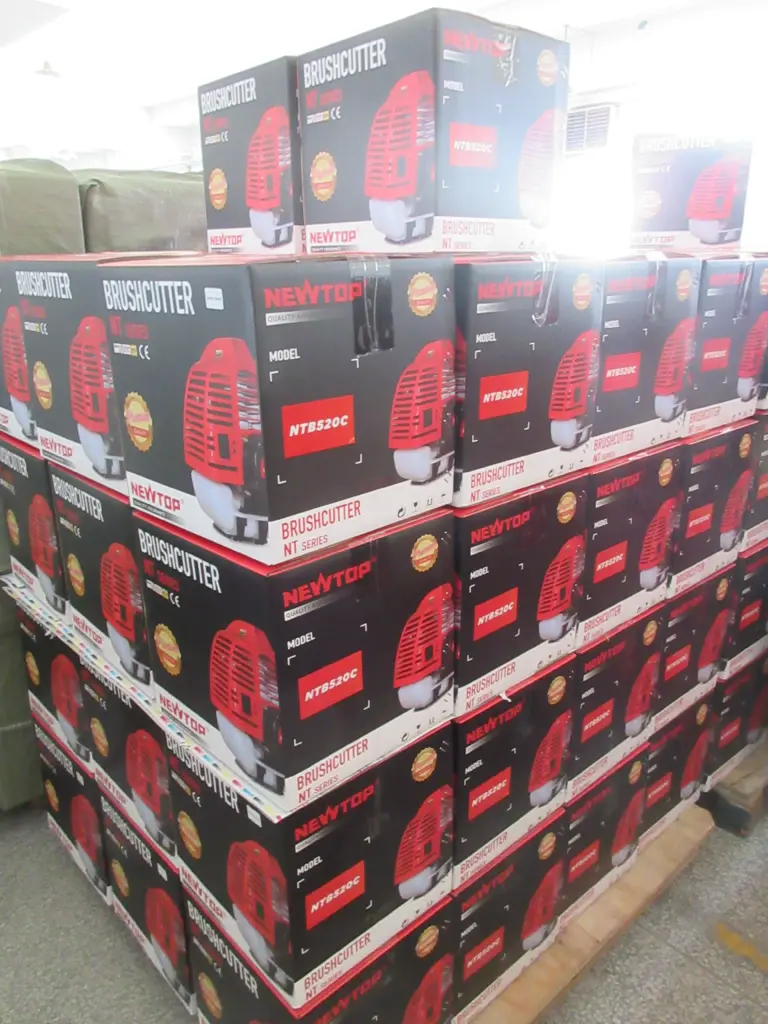
НЬЮТОП supplies outdoor power equipment for international markets and works with business customers on product sourcing and supply requirements. Distributors evaluating brush cutter spare parts can discuss the relevant product range, compatibility information, order quantities, and packaging requirements with the NEWTOP team.
When requesting a quotation, prepare the brush cutter or engine models you support, a list of required parts, estimated quantities, and your target market. Include part numbers, technical drawings, or photos when available. These details help clarify requirements and reduce the risk of ordering incompatible components.
If you are developing a new spare parts range, start with the most common maintenance items for your existing equipment portfolio. As sales and repair data accumulate, expand the assortment to cover more specialized components based on demonstrated demand.
Contact NEWTOP to discuss brush cutter spare parts and supply options for your distribution business.
Часто задаваемые вопросы
Which brush cutter spare parts should I order first?
Order nylon trimmer line, metal blades with their bolts and washers, свечи зажигания, air filter elements, carburetor repair kits, and fuel lines with primer bulbs. Those brush cutter replacement parts wear out during normal cutting rather than from misuse, so they are what a machine waits on and what your counter sells repeatedly.
How many spare parts should I order per 100 машины?
Count from machines, not from a catalog. Per 100 кусторезы, a workable first order is 300–500 trimmer line spools, 150–250 blades with bolt sets, 100–150 spark plugs, 100–150 air filters and 30–50 carburetor kits. Engine internals stay a thin reserve until your own service records say otherwise.
Are trimmer heads universal across brush cutters?
Нет. Mounting thread, gearcase rating and line capacity differ between duty classes, and a head sized for 0.065-inch line loads a straight-shaft gearcase differently from a brush-rated head. Confirm the thread and the rating with your supplier before a mixed-head order.
Do CE and GS certifications cover loose replacement parts?
Not automatically. CE marking is a manufacturer’s declaration that a product meets EU rules, and it applies only to goods covered by harmonised EU requirements. The German GS mark is a voluntary tested-safety seal. Ask which supplier documents name loose replacement parts.
Should importers stock engine internals for warranty claims?
Keep them thin. Most internal failures come from operator error, not mileage: a wrong fuel mix seizes a piston, and a jammed blade can twist a crankshaft. NEWTOP warrants machines for one year and core parts for six months, so a thin reserve plus fast sample shipments covers the window.