¿Qué es un generador de gasolina?? Es una máquina portátil o montada en un bastidor que utiliza gasolina para producir electricidad cuando la energía de la red no está disponible o no puede llegar al área de trabajo..
El producto puede parecer sencillo., pero seleccionar el correcto implica más que elegir un modelo familiar o el número más grande en la etiqueta. El generador debe coincidir con el equipo que se alimenta., Los estándares eléctricos del mercado de destino., las condiciones de funcionamiento esperadas, y las capacidades de servicio del usuario.
Para distribuidores, la tarea es más amplia. Es posible que un generador adecuado como respaldo doméstico esencial no satisfaga las demandas de un taller., granja, contratista, o pequeña instalación comercial. Una gama de productos práctica necesita diferencias claras en el rendimiento, configuración, movilidad, y precio.
Lo que un generador de gasolina puede y no puede hacer
Un generador de gasolina produce electricidad mientras su motor está en marcha y hay combustible disponible.. A diferencia de una central eléctrica de batería, no almacena energía eléctrica para su uso posterior.
Varias salidas en el panel de control tampoco significan que todos los dispositivos conectados puedan funcionar al mismo tiempo.. Todos los equipos comparten la potencia disponible del generador., por lo que la demanda combinada debe permanecer dentro de su capacidad nominal.
Un generador completo de gasolina normalmente combina un motor, alternador, sistema de combustible, Panel de control, dispositivos de protección, y marco de soporte. El motor proporciona rotación mecánica., mientras que el alternador convierte ese movimiento en corriente eléctrica.
Una explicación detallada de este proceso interno está disponible en nuestra guía., ¿Cómo funciona un generador de gasolina?? Componentes clave y generación de energía explicados.
Este artículo se centra en una pregunta diferente.: ¿Cómo deben evaluar el producto los compradores y distribuidores primerizos antes de realizar el pedido??
¿Qué puede generar un generador de gasolina??
La respuesta depende de la potencia nominal del generador y de qué dispositivos funcionarán simultáneamente..
Las cargas eléctricas ligeras pueden incluir:
- Lámparas y ventiladores
- Cargadores y equipos de comunicación.
- Televisores y pequeños electrodomésticos seleccionados
- Equipos de oficina y sistemas de pago.
Talleres, granjas, y los lugares de trabajo pueden necesitar operar:
- Taladros y sierras electricos
- bombas de agua
- Lavadoras a presión
- Refrigeradores o congeladores
- Compresores de aire
- Otros equipos impulsados por motor
Los productos impulsados por motor a menudo requieren considerablemente más energía durante el arranque que durante el funcionamiento normal.. Por lo tanto, el dimensionamiento del generador debe considerar tanto la potencia de funcionamiento como la demanda de arranque más alta.. Encender equipos de alta demanda en diferentes momentos también puede reducir la capacidad total del generador requerida.
Antes de seleccionar una clase de salida, identificar:
- Los equipos que deben recibir energía.
- ¿Qué elementos pueden ejecutarse al mismo tiempo?
- Su potencia de funcionamiento combinada
- La mayor demanda inicial.
- Cualquier equipo que probablemente se agregue más adelante.
El número de enchufes no es una medida de la capacidad del generador.. Solo muestra cuántos puntos de conexión hay disponibles..
Especificaciones del generador de gasolina que los compradores deben verificar primero
La página de un producto puede incluir docenas de especificaciones.. Los siguientes elementos tienen la mayor influencia en la compatibilidad eléctrica y el uso diario..
| Especificación | Lo que significa | Por qué es importante |
|---|---|---|
| Salida nominal | Potencia destinada al funcionamiento normal | Proporciona la base para una planificación continua de la carga. |
| Salida máxima | Capacidad temporal por encima de la producción nominal | Ayuda a gestionar picos breves de demanda |
| Voltaje | Salida eléctrica suministrada al equipo. | Debe coincidir con los electrodomésticos y maquinaria locales. |
| Frecuencia | Generalmente configurado para un 50 Hz o 60 mercado Hz | Debe adaptarse al sistema eléctrico de destino. |
| Fase | Salida monofásica o trifásica | Debe coincidir con el equipo conectado |
| Sistema de inicio | inicio de retroceso, arranque electrico, o ambos | Afecta la comodidad y los requisitos de batería. |
| Capacidad del tanque de combustible | Cantidad de gasolina almacenada a bordo | Influye en el tiempo disponible entre repostajes |
| Panel de control | Puntos de venta, interruptores, metros, y interruptores | Debe coincidir con los tipos de enchufes locales y las expectativas del usuario. |
| Funciones de protección | bajo en aceite, sobrecarga, o respuesta de cortocircuito | Ayuda a proteger el motor y el sistema eléctrico. |
| Estructura | Marco, manijas, ruedas, y soportes vibratorios | Afecta al transporte y a la estabilidad laboral. |
La potencia nominal debe guiar la planificación de carga normal. La producción máxima está destinada a picos de demanda temporales y no debe tratarse como la capacidad continua del generador..
Elegir el rango de producción adecuado para el mercado
Un número de modelo resulta útil sólo después de que se haya definido la clase de potencia requerida..
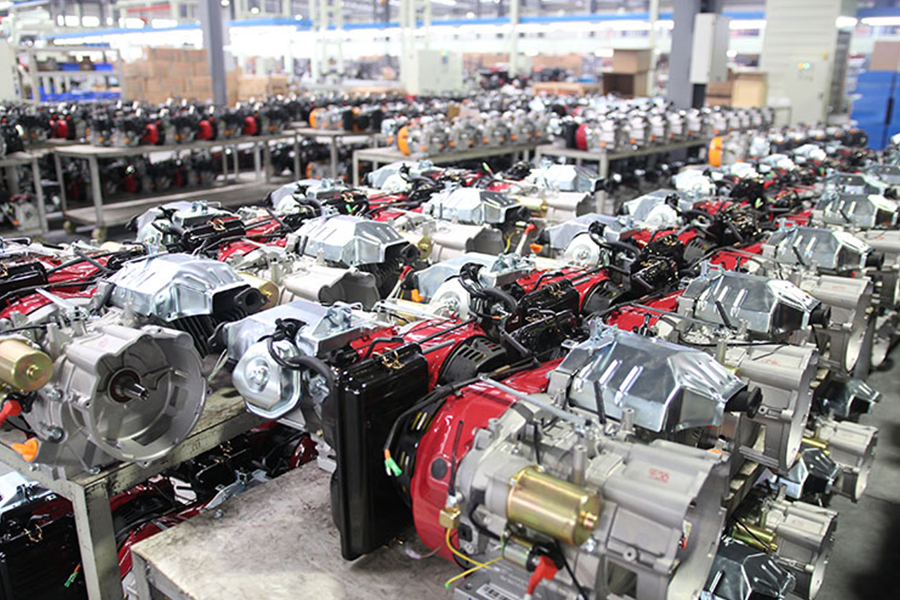
La actual gama de generadores de gasolina NEWTOP incluye compactos 2.8 productos kW, a 5.5 modelo de gama media kW, a 7.8 configuración de kW, y un 10 generador de alto rendimiento en kW. Esto permite a los compradores y distribuidores cubrir diferentes niveles de carga sin tener que posicionar una máquina como adecuada para cada usuario..
Potencia compacta: Alrededor de 2 a 3 kW
Esta gama se adapta a cargas esenciales seleccionadas, herramientas más ligeras, y trabajo móvil donde el tamaño y el transporte manejables son importantes.
Puede cubrir respaldo temporal básico o mantenimiento al aire libre., pero bombas, refrigeradores, y las herramientas impulsadas por motor aún requieren una verificación de potencia de arranque.
Potencia de rango medio: Alrededor de 5 a 6 kW
Los generadores de gasolina de gama media suelen cubrir al grupo más amplio de usuarios..
Pueden adaptarse a talleres., contratistas, granjas, equipos de mantenimiento de propiedades, y pequeñas operaciones comerciales que necesitan más capacidad que un generador compacto sin pasar a la clase portátil más grande.
Mayor potencia portátil: Alrededor de 7 a 8 kW
En este nivel, Los clientes pueden estar planeando operar equipos más pesados o varias cargas juntas..
Peso del generador, configuración de la rueda, consumo de combustible, disposición del zócalo, fase, y la reserva inicial merecen más atención. La producción adicional debería corresponder a una demanda genuina y no a una preferencia por una cifra mayor..
Energía de gasolina de alto rendimiento: Alrededor 10 kilovatios
Los generadores de gasolina de mayor rendimiento están dirigidos a usuarios con una demanda de energía sustancial que aún prefieren un motor de gasolina y una estructura de estructura portátil..
Pueden adaptarse a talleres más grandes., operaciones de construcción, o requisitos de respaldo más amplios. Antes de realizar el pedido, Confirmar que el cliente puede gestionar el tamaño de la máquina., necesidades de transporte, y demanda de combustible.
Qué cambia entre diferentes clases de poder?
Pasar de un generador compacto a un 5.5 kilovatios, 7.8 kilovatios, o 10 El modelo de kW cambia más que la potencia eléctrica disponible.
Cilindrada del motor, peso total, demanda de combustible, dimensiones del marco, reserva inicial, arreglos de transporte, y los requisitos del panel de control también pueden cambiar. Los distribuidores deben comparar la configuración completa dentro de cada clase de potencia en lugar de tratar la clasificación de kW como la única diferencia..
Un distribuidor no necesita necesariamente todos los niveles de producción. Un modelo compacto, un modelo central de gama media, y una opción de mayor producción puede proporcionar suficiente separación para diferentes grupos de clientes.
La combinación final debe reflejar:
- Equipo común utilizado localmente.
- Presupuestos típicos de los clientes
- Estándares eléctricos locales
- Condiciones de transporte y almacenamiento.
- Disponibilidad de repuestos
- Requisitos de certificación
Qué confirmar antes de solicitar una cotización
Una solicitud como “envíame el precio de un 5 Generador de kW” no proporciona al proveedor suficiente información para recomendar la configuración correcta..
Una consulta más útil debería incluir:
País de destino
El mercado ayuda a determinar la configuración eléctrica requerida, tipo de enchufe, etiquetado, embalaje, y certificación.
Equipo a alimentar
Enumerar los principales electrodomésticos., herramientas, zapatillas, o maquinas. Esto le da al proveedor información más útil que solo una estimación de potencia..
Ejecución y demanda inicial
Proporcione la carga continua combinada e identifique el equipo con el mayor requisito de arranque.
Patrón de funcionamiento esperado
Aclarar si el generador proporcionará respaldo de emergencia ocasional, potencia diaria regular, u operación durante un turno de trabajo normal.
Requisitos comerciales
Incluir:
- Cantidad de pedido esperada
- Requisitos de marca
- Preferencias de embalaje
- Necesidades de repuestos
- Manuales y requisitos de idioma.
- Calendario de entrega objetivo
El proveedor puede entonces confirmar el modelo adecuado., fase, método de inicio, Panel de control, configuración del zócalo, y opciones de marco.
Lo que los distribuidores deben comprobar en un generador de muestra
Una hoja de cotización ayuda a reducir la elección. Una muestra muestra cómo comienza realmente el producto terminado., opera, y se siente.
Rendimiento inicial
Pruebe el arranque en frío y el reinicio en caliente.. Para modelos con arranque eléctrico, Inspeccione la disposición de la batería y confirme si el arranque por retroceso sigue estando disponible como respaldo..
Salida bajo carga
No evalúe el generador sólo mientras esté funcionando sin nada conectado.. Aplique una carga adecuada y observe el voltaje., respuesta del motor, estabilidad operativa, y comportamiento del interruptor.
Respuesta a la demanda repentina
Utilice equipos accionados por motor adecuados o aparatos de prueba controlados para ver cómo reacciona el generador cuando la demanda eléctrica aumenta rápidamente..
Diseño del panel de control
Controlar:
- Tipo de salida
- Colocación del interruptor
- Visibilidad del medidor
- Etiquetas e interruptores
- Acceso a los controles principales
Un generador técnicamente adecuado puede seguir siendo difícil de vender si su panel de control no cumple con las expectativas locales..
Marco y vibración
Inspeccionar soldaduras, sujetadores, manijas, ruedas, soportes de goma, y movimiento durante la operación. El marco debe sentirse estable y seguro en lugar de estar flojo..
Acceso al servicio
Las áreas de mantenimiento de rutina deben ser razonablemente fáciles de alcanzar., incluido:
- filtro de aire
- Bujía
- Puntos de llenado y drenaje de aceite.
- válvula de combustible
- Carburador
- Batería, donde está instalado
Embalaje y artículos incluidos
Confirmar la fuerza del cartón, protección interna, manuales, herramientas, enchufes, baterias, kits de ruedas, y cualquier repuesto incluido con el envío.
Estas comprobaciones proporcionan información que puede no aparecer en un catálogo y ayudan a los distribuidores a prepararse para el servicio al cliente después de la reventa..
Errores comunes al comprar por primera vez
Elegir salida sin una lista de carga real
Salida nominal, demanda de funcionamiento simultáneo, y la carga inicial más alta deben considerarse juntas. Un número mayor de potencia máxima no hace que un generador sea automáticamente más adecuado.
Comparando sólo los caballos de fuerza del motor
Los caballos de fuerza describen la capacidad mecánica del motor., no el rendimiento eléctrico completo del generador. Capacidad del alternador, regulación de voltaje, enfriamiento, sistemas de protección, y la coincidencia de componentes también importa.
Tratar el tamaño del tanque como eficiencia de combustible
Un tanque más grande transporta más gasolina y puede extender el intervalo entre repostajes. No prueba que el motor consuma menos combustible..
Pasar por alto los requisitos de servicio y repuestos
Un generador puede adaptarse a la carga requerida pero aun así crear dificultades si los filtros, componentes iniciales, piezas del panel de control, o las piezas comunes del motor son difíciles de obtener.
Para distribuidores, El acceso a la información de servicio y a los componentes de repuesto es parte de la decisión sobre el producto., No es algo a considerar solo después de la primera queja del cliente..
Una breve nota de seguridad
Los generadores de gasolina producen monóxido de carbono y deben funcionar al aire libre. Estados Unidos. La Comisión de Seguridad de Productos de Consumo recomienda colocar generadores portátiles al menos 20 pies de distancia de casas y edificios, con el escape dirigido lejos de las ventanas, puertas, y respiraderos. Los generadores nunca deben funcionar dentro de las casas, garajes, sótanos, cobertizos, u otros espacios cerrados.
El generador debe apagarse y dejarse enfriar antes de repostar combustible.. La CPSC también advierte específicamente contra agregar gasolina mientras un generador está funcionando o caliente..
Dónde un generador alimentará los circuitos del edificio., Se requiere equipo de transferencia adecuado e instalación eléctrica calificada en lugar de una conexión improvisada..
Elegir un generador de gasolina con requisitos claros
El mejor modelo no es automáticamente el que tiene el mayor rendimiento.
Los compradores primerizos deben elegir el equipo que debe funcionar., incluyendo su demanda de funcionamiento y arranque. Los distribuidores deben desarrollar su gama de productos según los estándares eléctricos locales., aplicaciones comunes, niveles de precios, y expectativas de servicio.
Una vez que esos requisitos estén claros, Los modelos inadecuados se pueden eliminar rápidamente.. La opción restante se convierte en una comparación práctica de la producción., configuración, movilidad, construcción, y soporte postventa.