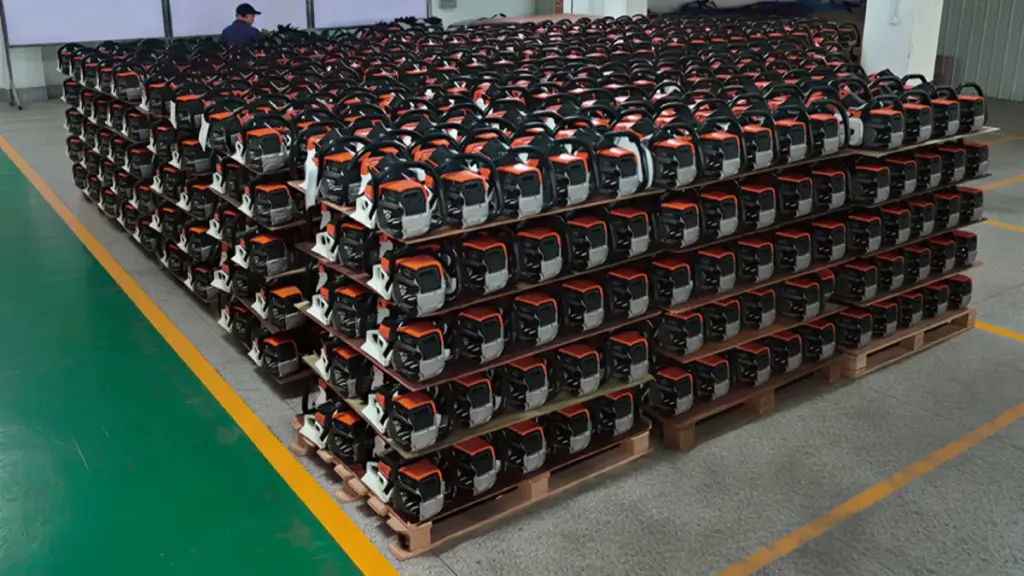
When selecting a water pump for construction, 農業, 排水, or industrial applications, choosing the correct pump type is critical. Two of the most common options are trash pumps and clean water pumps. Although both are designed to move water, they are built for very different working conditions.
A clean water pump is designed for transferring relatively clear water with minimal particles, while a trash pump is engineered to handle muddy water, wastewater, and liquids containing solid debris. Choosing the wrong pump can lead to reduced performance, frequent blockages, higher maintenance costs, or even pump damage.
このガイドでは, we will explain the difference between trash water pumps and clean ウォーターポンプ, including their working principles, liquid handling ability, パフォーマンス, アプリケーション, and how to select the right solution for your market.
What Is a Trash Pump?
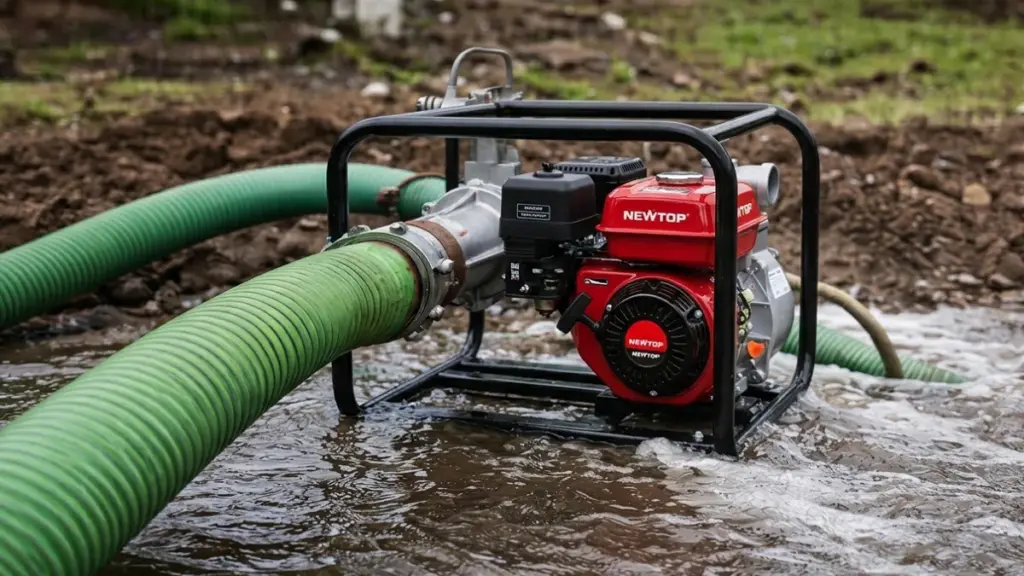
A trash pump is a heavy-duty centrifugal pump built to aggressively move dirty water loaded with sludge, 砂, and debris without clogging or failing.
Core Definition and Purpose
Engineers specifically build trash pumps to move dirty water packed with solid particles like sludge, 砂, ダート, and leaves. This contrasts directly with standard clean-water pumps, which operators intend only for clear liquids. If you expose a clean-water pump to heavy contamination, you risk immediate blockage or catastrophic seal failure. The industry categorizes trash pumps as dirty-water pumps because they operate effectively in demanding environments where liquids mix heavily with solid waste.
Key Design Characteristics
The ability to process solid waste requires a specific mechanical architecture. Manufacturers construct these pumps with reinforced components to survive constant internal abrasion.
- Large internal clearances: The design allows suspended solids and debris to pass straight through without plugging internal passages.
- 頑丈な構造: Production relies on abrasion-resistant materials to withstand the mechanical impact and wear caused by sand and grit.
- Specialized impellers: Open or semi-open impellers and specialized volute geometry prevent organic matter, fibers, or plastics from accumulating inside the housing.
Typical Applications and Environments
You deploy a trash pump when the liquid you need to move would destroy a standard transfer pump. Field operators rely on these units across several heavy-duty sectors.
- Flood control: Dewatering inundated basements, garages, and muddy work areas after severe weather or pipe breaks.
- Construction and civil engineering: Draining excavations, utility trenches, and sediment basins filled with groundwater and soil.
- Wastewater and drainage: Clearing sewers, sumps, and drainage channels where organic waste accumulation is common.
- Industrial residue management: Moving process effluents, abrasive slurries, and high-solids streams inside treatment plants.
What Is a Clean Water Pump?
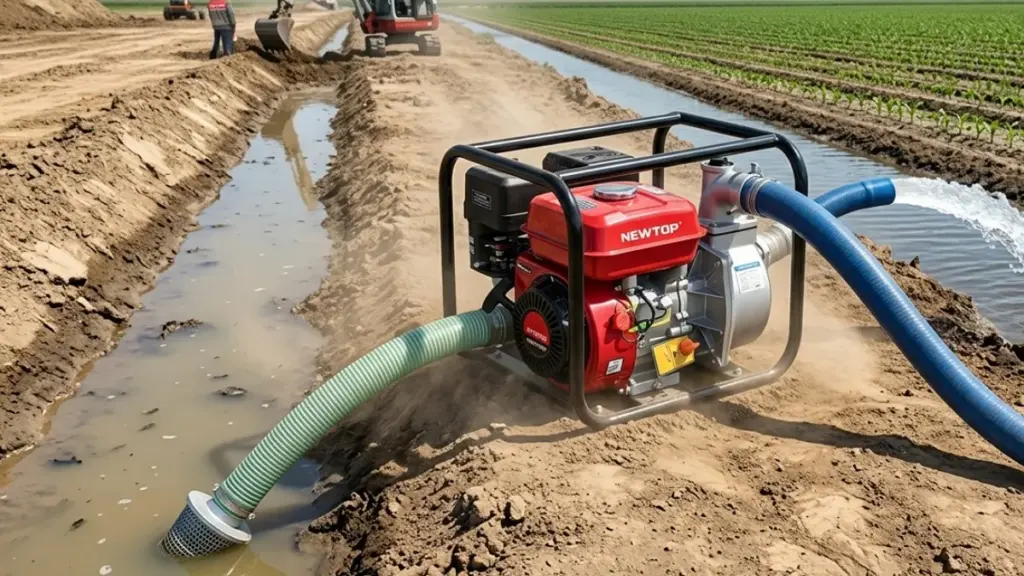
A clean water pump moves clear, solid-free liquids efficiently. It trades debris tolerance for high pressure, making it the standard choice for domestic supply and irrigation.
Definition and Core Function
Clean water pumps are engineered exclusively for clear or potable fluids. Unlike trash pumps built to chew through heavy sludge and debris, these units handle water containing little to no suspended solids.
Engineers restrict the passage size in these pumps to a strict maximum of 5 に 6 millimeters. Manufacturers rate many standard models for absolute zero solid tolerance. They serve as the dedicated clear-liquid alternative when contamination risks are low and performance demands are high.
Hydraulic Design and Efficiency
The internal architecture of a clean water pump prioritizes performance over debris handling. These units utilize narrow flow passages to maximize discharge pressure and hydraulic efficiency. Tighter internal clearances allow them to push water faster and further than dirty-water pumps equipped with identical motor sizes.
Because they operate in non-abrasive environments free of rocks and sand, heavy cast-iron wear plates are unnecessary. その代わり, manufacturers construct the housings and impellers from materials suited for clean environments.
- Plastics: Lightweight and highly resistant to chemical corrosion.
- ステンレス鋼: Prevents rust in potable water and food-grade applications.
- Coated Metals: Protects internal components during continuous domestic or agricultural use.
Submersible vs. Surface Configurations
Operators deploy these pumps in two primary formats based on the layout of the water source.
- Submersible Units: These operate entirely underwater with hermetically sealed motors. They often utilize integrated float switches that cut the power when water levels drop, preventing dry-running and subsequent motor burnout.
- Surface Models: These sit permanently outside the water source. They connect to the fluid via rigid suction hoses and are standard for shallow well extraction and domestic pressure systems.
代表的な用途
Industry professionals and homeowners deploy clean water pumps for specific, low-debris tasks where pressure and flow rate matter most.
- Domestic Supply: Extracting household drinking water and boosting pressure across residential plumbing systems.
- 農業: Irrigating gardens, 果樹園, and small crops directly from clean wells or filtered holding tanks.
- 排水: Evacuating clean or lightly dirty water from flooded basements, swimming pools, and rainwater cisterns.
Maximize Margins With Reliable Garden Machinery

How Does a Trash Pump Work?
Trash pumps use a semi-open impeller and centrifugal force to move heavy debris, relying on retained fluid inside the casing to self-prime automatically.
Centrifugal Pumping Mechanism
A trash pump operates as a heavy-duty centrifugal unit. Water enters the suction port and strikes a high-speed, semi-open impeller positioned inside a spiral-shaped volute casing.
As the impeller spins, it generates centrifugal force that throws the incoming fluid outward against the casing walls. The volute catches this fluid and converts its kinetic energy into a stable pressure head. This pressure physically drives the water out through the discharge port to create a continuous flow.
Self-Priming Operation
Standard centrifugal pumps fail if air enters the suction line. A trash pump solves this problem by retaining a small charge of water inside its casing between active operating cycles.
When the pump engine starts, the impeller spins this retained water to create a partial vacuum. This vacuum draws air up from the suction line. The internal mechanics separate the air from the liquid and expel it through the discharge side. Water then fills the casing, completing the priming process and allowing normal fluid transfer to begin.
Solids and Debris Handling
The defining feature of a trash pump is its ability to process contaminated water without jamming. The unit utilizes a semi-open impeller paired with exceptionally wide flow passages to protect internal components from large particles.
This specialized internal geometry provides specific material handling capabilities:
- Debris Tolerance: Passes solid materials like sand, mud, and sticks up to 3 直径インチ.
- Suspended Solids: Pumps fluids containing up to 30% suspended solids by weight.
- Equipment Limits: Requires an upgrade to a specialized heavy-duty slurry pump if solids exceed the 30% threshold.
How Does a Clean Water Pump Work?
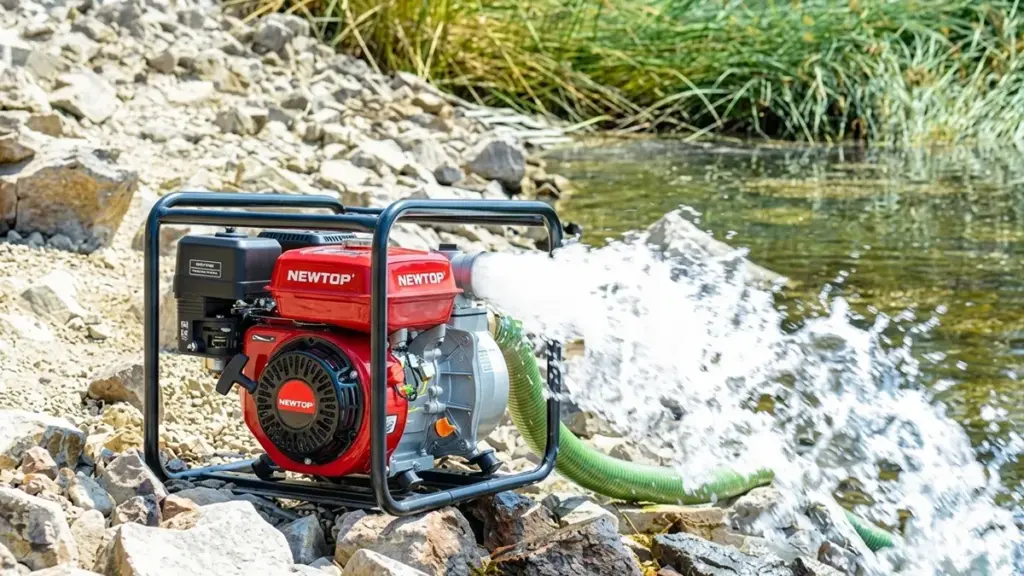
A clean water pump uses a spinning impeller and centrifugal force to convert kinetic energy into stable, usable water pressure for plumbing and irrigation networks.
Water Intake and Impeller Action
The process starts when clear liquid enters the pump chamber through the inlet port. Inside the housing, a motor-driven impeller spins rapidly to accelerate the fluid. As the impeller turns, it generates strong centrifugal force. This physical action pushes the water outward toward the outer edges of the pump body, creating the initial momentum needed for transfer.
Velocity to Pressure Conversion
Speed alone will not push fluid through a complex plumbing layout. The internal pump housing captures the fast-moving water right as it leaves the impeller. Engineers design this casing specifically to translate that kinetic energy into usable discharge pressure. The highly pressurized water then exits the discharge pipe to supply the connected piping network.
Automatic Operation in Well Systems
Household setups rely on additional components to run the pump automatically and efficiently. The system utilizes three primary mechanisms:
- Pressure tank: Stores pressurized water to maintain consistent delivery and reduce short-cycling on the motor.
- Pressure switch: Activates the motor the exact moment line pressure drops from an open fixture.
- Check valve: Stops water from flowing backward down the well, keeping the system primed and holding line pressure steady.
Performance Variables and Limits
Real-world conditions dictate how effectively a clean water pump runs. The motor must generate enough raw force to overcome gravity, internal pipe friction, and vertical lift. Surface models often require manual priming, meaning operators must fill the casing with water before starting the motor to ensure proper suction. Operators must monitor the fluid source constantly. Operating the pump without water causes dry running, which leads directly to severe friction damage and catastrophic seal failure.
Trash Pump vs Clean Water Pump: Key Differences at a Glance
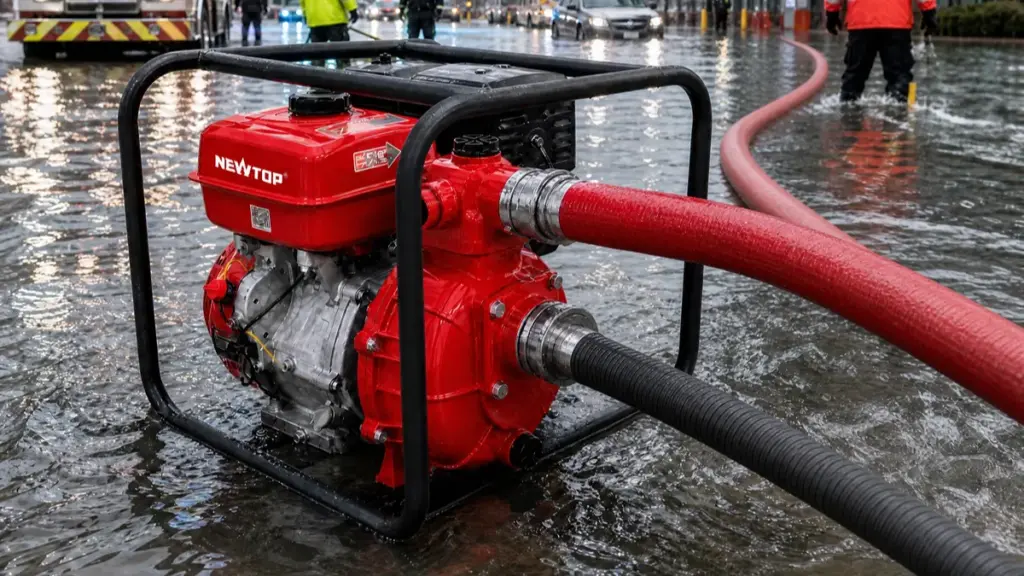
Trash pumps prioritize rugged solids handling in harsh environments, while clean water pumps focus on maximizing hydraulic efficiency and pressure for clear liquids.
| 比較 | Trash Pump | Clean Water Pump |
|---|---|---|
| 水タイプ | Dirty water, 泥水, wastewater | Clear water |
| Solid handling | Handles sand, 葉, and small debris | Limited solid particle handling |
| Impeller design | Open or semi-open impeller design | Closed impeller design |
| Passage size | Larger clearance for solid particles | Smaller clearance for improved efficiency |
| Efficiency | Slightly lower due to heavy-duty construction | Higher efficiency when pumping clean water |
| メンテナンス | Requires inspection and cleaning after dirty water operation | Lower maintenance under proper operating conditions |
| Typical use | 建設現場, flood control, drainage applications | 灌漑, 水の移動, household water supply |
| 耐久性 | Designed for harsh environments and demanding applications | Designed for cleaner water applications |
Solids Handling and Operating Environment
Trash pumps actively move mud, 砂, 葉, and solids up to 2–3 inches in diameter without stalling. Operators rely on them as the primary tool for dewatering construction sites, managing municipal wastewater, or clearing sludge pits. They maintain steady flow rates even when the water source is heavily contaminated with abrasive debris.
Clean water pumps strictly handle clear, filtered liquids. They serve domestic water supply systems, pressure boosting stations, and agricultural irrigation networks. If leaves, gravel, or thick mud enters a clean water system, the pump suffers immediate impeller damage and rapid seal failure.
Performance and Efficiency Trade-Offs
Trash pumps prioritize high flow volume and continuous clog resistance over maximum pressure output. The wider internal clearances in trash pumps slightly reduce overall energy efficiency. You trade precise hydraulic performance for the guarantee of reliable operation in unpredictable, dirty conditions.
Clean water pumps deliver superior pressure and hydraulic efficiency when transporting clear liquids over long distances. Their narrow internal passages convert more motor energy into usable head pressure. They excel at pushing water uphill or feeding long sprinkler lines, provided the water remains pristine.
Internal Design and Material Construction
Manufacturers engineer these two pump categories with distinctly different internal architectures to survive their target environments.
- Impeller and Volute: Trash pump models feature thick, cast-iron semi-open impellers and wide volutes designed to absorb repeated impacts from rocks and gravel. Clean water units utilize standard, closed impellers with tight internal clearances optimized solely for clear liquids.
- Mechanical Seals: Trash pumps rely on abrasive-resistant silicon carbide seals to withstand continuous grit. Clean water pumps use standard carbon ceramic seals tailored for non-abrasive environments.
- Maintenance Access: Trash pumps often include quick-release clean-out ports to remove large lodged objects. Clean water pumps lack these ports because they are not meant to ingest large solids.
Cost and Lifecycle Economics
Trash pumps command a higher initial purchase price due to their reinforced, heavy-duty manufacturing materials. The robust cast-iron casings and upgraded sealing systems add upfront expense but drastically reduce downtime in harsh site conditions.
Clean water pumps offer the best long-term value and lowest operating costs only when applied strictly to clear-water applications. Deploying a clean water pump in muddy environments causes rapid mechanical failure. Replacing burnt motors, shattered impellers, and compromised seals makes the standard pump the most expensive choice for heavy-duty tasks.
Which Liquids Can Each Pump Handle?
Match the pump to the liquid. Clear water requires efficient clean water pumps, while turbid fluids demand the larger passages of semi-trash or trash pumps to prevent failure.
Clean Water Pumps for Clear Liquids
Clean water pumps are built exclusively for fluids with almost zero solids. You will use these primarily for potable water, clean rainwater, and lightly treated process water.
Engineers design these pumps with narrow internal passages. This geometry maximizes hydraulic efficiency but leaves the pump highly vulnerable to abrasion and clogging if solids enter the system. Exposure to visible turbidity, 砂, grit, or fibrous debris causes rapid impeller wear and risks severe motor overload. If the water looks dirty, keep this pump out of it.
Trash Pumps for Heavy Debris and Sludge
When the fluid contains heavy debris, you need a trash pump. Manufacturers engineer these units specifically for dirty liquids, including muddy water, thick slurry, agricultural waste, and heavy flood runoff.
Trash pumps feature open or semi-open impellers capable of passing large solids, often up to two inches in diameter. They handle coarse sediments, gravel, 葉, and twigs without sustaining internal damage or restricting the flow path. You trade some hydraulic efficiency for unmatched reliability in harsh environments.
Semi-Trash Pumps for Intermediate Turbidity
Semi-trash pumps bridge the gap between clean water and heavy-duty trash handling. They manage turbid water containing moderate solids and impurities where a clean water pump would quickly fail.
These units pass small particles ranging from 0.5 に 1 inch in diameter. They are a practical choice for light construction dewatering, landscaping projects, and dirty pond drainage. They offer far better clog resistance than standard pumps but lack the internal capacity to move large rocks or dense, fibrous sludge.
Practical Guidelines for Liquid Assessment
Pump selection starts with a rigorous fluid analysis. Visually inspect the water clarity and estimate the maximum particle size before finalizing your equipment choice. A quick field assessment prevents costly downtime later.
Prioritize clean water pumps when transferring visibly clear fluids where maximum hydraulic efficiency is required. 逆に, select a full trash pump for high-concentration abrasive or fibrous environments. This guarantees continuous reliability and prevents sudden equipment failure when pumping conditions deteriorate.
How Do Performance, Efficiency, and Maintenance Compare?
Clean water pumps prioritize hydraulic efficiency and pressure for clear fluids, while trash pumps sacrifice peak efficiency to maintain continuous high-volume flow in debris-heavy conditions.
Performance Differences in Flow, プレッシャー, and Solids Handling
Clean water pumps are engineered to maximize pressure (頭) and move clear liquids rapidly. They use smaller outlets and tighter internal geometries to push water over long distances or uphill. Trash pumps approach performance from the opposite angle. They emphasize raw flow volume over pressure, frequently moving more than 1,000 gallons per minute to evacuate flooded areas or clear large trenches.
The defining operational limit for both pump types is their handling capacity for physical debris:
- Clean water pumps: Possess near-zero tolerance for debris. Even small suspended particles can damage internal components.
- Trash pumps: Utilize specialized impellers and wide volutes to pass solids ranging from 0.5 to over 2 inches without clogging.
Hydraulic Efficiency vs. Operational Efficiency
A standard comparison of peak hydraulic efficiency always favors clean water models. Their tighter internal clearances convert more input energy directly into fluid pressure when operating in pristine water. Trash pumps inherently run with lower hydraulic efficiency. Their larger internal passages create fluid turbulence and recirculation, which requires more power to move the same volume of water.
But in the field, operational efficiency matters more than lab ratings. When you introduce debris into the mix, a clean water pump suffers rapid efficiency loss due to blockages and component wear. A trash pump provides the best practical efficiency by simply staying online and maintaining continuous flow in harsh, contaminated environments.
Maintenance Demands, Wear Resistance, and Uptime
Maintenance profiles differ entirely based on the operating environment. A clean water pump requires very little routine upkeep. If you keep the fluid clean, you mostly just monitor basic lubrication and perform periodic seal inspections. Trash pumps demand a far more active maintenance schedule because they operate in highly abrasive conditions.
Standard maintenance tasks for a trash pump include:
- Strainer cleaning: Frequent clearing of intake screens to prevent large blockages.
- Impeller inspection: Checking the vanes for wear and impact damage from rocks and debris.
- Volute checks: Monitoring the pump casing for internal erosion caused by sand and grit.
Despite these higher scheduled maintenance requirements, trash pumps are built with thicker, heavy-duty materials. This robust construction absorbs the physical punishment of dirty water, drastically reducing unexpected downtime and catastrophic failures when field conditions get tough.
What Are the Best Applications for Each Pump Type?
Match the pump to the fluid. Trash pumps handle high-volume debris removal, while clean water pumps deliver high-pressure transfer for clear liquids.
Ideal Uses for Trash Pumps (Solids and Contaminated Water)
Trash pumps operate in hostile environments where suspended solids would instantly destroy standard impellers. They sacrifice maximum pressure to maintain continuous operation when ingesting heavy debris.
- Flood control and emergency dewatering: Rapidly clearing out basements, garages, and muddy outdoor areas after heavy rainfall.
- Heavy-duty site operations: Supporting construction, civil works, and industrial processes that involve sand, cement, or thick sludge.
- Agricultural and waste management: Emptying dirty ponds, artificial lakes, or agricultural wastewater systems packed with organic matter.
- Performance priority: Delivering high flow rates (≥100 L/min) using robust, semi-open impellers rather than generating high pressure.
Best Scenarios for Clean Water Pumps (Clear Water and Pressure)
When the fluid source is free of sediment, clean water pumps take the lead. Their tight internal clearances allow them to efficiently push fluid further distances and up steeper elevations.
- Domestic water supply: Providing stable pressure boosting from deep wells, cisterns, or holding tanks to residential buildings.
- Targeted irrigation: Powering garden sprinkler systems and light agricultural watering networks using filtered rainwater.
- Clear liquid transfer: Draining or moving water seamlessly across pools, closed reservoirs, and sensitive aquaculture setups.
- Performance priority: Maintaining medium flow rates combined with higher pressure (頭) for stable, continuous delivery.
Mixed-Use Applications and Dual-Purpose Pumps
Job site conditions often shift. Manufacturers design dual-purpose submersible pumps specifically for environments where water quality fluctuates between clear and sediment-heavy throughout the day.
These hybrid units feature adjustable intake mechanisms that let operators manually switch between clean and dirty water modes. This engineering maximizes energy efficiency during clear water extraction while actively preventing clogs the moment debris enters the basin.
Actionable Checklist: Matching the Pump to Your Task
Avoid premature equipment failure by running through a basic site assessment before deployment. Deploying the wrong pump type guarantees downtime and drives up maintenance costs.
- Assess water composition: Select trash pumps for environments containing sand, 葉, or mud. Use clean water pumps exclusively for clear fluids.
- Define the objective: Choose high-volume submersible pumps for rapid emptying tasks, or pressure-focused pumps for long-distance irrigation.
- Calculate capacity requirements: Verify the necessary flow rate (L/分) and total head height dictated by your specific site layout.
- Ensure appropriate automation and safety: Install float switches for hands-free flood management and dry-run protection to save well pumps from burning out.
How to Choose the Right Water Pump for Your Market
Your pump selection comes down to water quality and pressure needs. Match solids-handling capacity to your jobsite to prevent equipment failure and eliminate costly downtime.
Assess Water Quality and Debris Size
The first step in pump selection is diagnosing the water source. Water quality directly dictates the internal clearances and impeller design your equipment needs to survive.
- Clean water pumps: Handle clear fluids with minimal suspended solids, typically maxing out at 0.25 インチ.
- Trash pumps: Process dirty water containing sediment, 葉, and mud, passing heavy solids between 1.25 そして 2 直径インチ.
Always select a pump rating that exceeds the largest expected debris size in the fluid. This safety margin prevents immediate clogging and internal damage when site conditions unexpectedly worsen.
Determine Pressure and Flow Requirements
Beyond water quality, you must define the hydraulic demands of the job. Different pump architectures serve entirely different transfer objectives.
- High pressure: Clean water pumps deliver higher discharge pressure, making them the standard for moving fluid over long distances or feeding smaller hoses.
- High volume: Trash pumps trade maximum line pressure for high flow volume, prioritizing rapid dewatering to clear flooded areas fast.
- Port sizing: Trash pumps utilize larger 2-inch to 6-inch ports to ensure debris-laden water moves through the system without restriction.
Match Pump Specifications to Jobsite Applications
You need to align the pump’s design with the actual work environment. Standard centrifugal pumps fail rapidly when misapplied on the jobsite.
- Clean water tasks: Deploy these units for pool draining, basement dewatering after clean floods, and clear-source agricultural irrigation.
- Dirty water tasks: Use trash pumps for construction site dewatering, clearing flooded trenches, and agricultural transfer involving organic matter.
- Dust suppression: Choose a trash pump for jobsite dust control to guarantee reliable operation when drawing from turbid or muddy water sources.
Weigh Upfront Costs Against Potential Downtime
Purchasing decisions often focus on initial price tags, but total lifecycle costs dictate true profitability. Clean water pumps provide a lower purchase price and higher operational efficiency in clear-water environments.
Running a standard clean water pump in muddy conditions is an expensive mistake. The narrow internal clearances will clog rapidly, risking severe equipment damage and expensive project delays.
Trash pumps require a higher initial investment. They offset this cost by featuring reinforced impellers, heavy-duty mechanical seals, and wider internal passages. This rugged construction eliminates costly downtime and keeps your operation running under harsh conditions.
Common Mistakes When Selecting Water Pumps
Selecting the wrong water pump leads to premature failure and inflated operating costs. Match the pump’s hydraulic limits and solids rating to your specific fluid environment to guarantee reliability.
Confusing Pump Types and Fluid Requirements
Buyers frequently grab a standard clean water pump for muddy or debris-filled pits. The narrow passages instantly clog, leading to rapid impeller wear and burned-out motors. On the flip side, deploying a high-flow trash pump for a job requiring high-pressure clean water results in poor performance and wasted fuel. You must correctly match the pump hardware to the exact fluid profile.
- Solids handling limits: Misjudging the maximum solids size and feeding large debris into a pump rated for clear water.
- Fluid chemistry errors: Using standard household pumps in corrosive seawater or chemical fluids without proper material resistance.
- Application mismatch: Relying on a low-pressure trash pump when a dedicated centrifugal or multistage pump is required for high-head transfer.
Incorrect Sizing for Flow, 頭, and Power
Guessing flow and head requirements destroys pump efficiency. Oversizing a pump “just to be safe” forces the unit to operate far from its Best Efficiency Point (BEP). This drastically increases energy consumption and mechanical wear. 逆に, an undersized pump runs continuously at maximum capacity, resulting in chronic motor overloading.
- 摩擦損失: Underestimating Total Dynamic Head (TDH) by calculating only vertical lift and ignoring friction in hoses, パイプ, and fittings.
- Suction limits: Attempting to draw water beyond the physical suction lift limits of surface pumps (通常 7 に 9 メートル), causing severe cavitation.
- Volume deficits: Undersizing the flow capacity, leading to inadequate volume delivery and overheating.
Ignoring Material Compatibility and Duty Cycles
You cannot run light-duty domestic equipment on a heavy construction site. Specifying standard materials for highly abrasive environments accelerates wear on critical components like impellers, wear rings, and volute casings. Industrial environments demand equipment rated for exact site conditions.
- Abrasive destruction: Selecting standard cast iron or plastics that erode quickly when pumping sand or grit.
- Duty cycle abuse: Using intermittent-duty domestic pumps for continuous heavy-duty dewatering tasks.
- Short cycling: Failing to size the control system correctly causes excessive on/off cycles, stressing motor starters and wearing out mechanical seals.
Overlooking System Design and Electrical Needs
A pump is only as good as the system surrounding it. Many operators design pipework diameters and layout before selecting the pump. This creates high friction losses and chokes performance. Poor suction layouts—such as using overly long, restrictive hoses or placing intakes directly in bottom sediment—force the pump to work harder than necessary.
- Restrictive layouts: Creating poor suction configurations that starve the pump of water and trigger cavitation.
- Power mismatches: Supplying mismatched site voltage and phase, ruining the motor instantly.
- Missing safeguards: Operating without critical motor protection features, including dry-run, thermal, and voltage safeguards.
Prioritizing Initial Cost Over Lifecycle and Technical Data
Purchasing the cheapest unit available is a guaranteed way to inflate your long-term costs. Buyers often rely on marketing headlines instead of verifying flow and head capabilities against actual manufacturer performance curves. In demanding environments, this leads to catastrophic equipment failure.
- Lifecycle blindness: Choosing cheap units while ignoring long-term reliability, wear part replacement intervals, and lifetime energy consumption.
- Skipping the curves: Selecting pumps based solely on peak numbers rather than verifying operational requirements against the official pump curve.
- Bypassing expertise: Refusing to consult pump specialists for complex jobs like deep well pumping or sewage bypass.
Why Choose NEWTOP for Water Pump OEM Manufacturing?
As an experienced outdoor power equipment manufacturer, ニュートップ provides reliable water pump solutions for global distributors, ディーラー, とプロのユーザー.
以上 20 長年の製造経験, NEWTOP focuses on gasoline water pumps, including clean water pumps and trash pumps designed for different working environments.
NEWTOP water pump solutions feature:
- Reliable gasoline engine performance
- Durable pump structures
- Strict 品質管理 processes
- OEM and customization support
- Professional production and testing capability
For customers looking for a long-term manufacturing partner, NEWTOP helps develop water pump products that match different market demands, application requirements, and regional standards.
最終的な考え
The difference between a trash pump and a clean water pump mainly comes down to the type of water they are designed to handle.
A clean water pump delivers higher efficiency when transferring clear water, while a trash pump provides stronger durability when dealing with muddy water and solid debris.
Before purchasing or importing water pumps, always consider:
- 水質
- Solid particle size
- Required flow rate
- Working environment
- Long-term maintenance needs
Choosing the correct pump type ensures better performance, longer service life, and lower operating costs.
よくある質問
What is the difference between a trash pump and a clean water pump?
A trash pump moves water filled with debris, like sand, mud, and leaves, using large internal passages and semi-open impellers. A clean water pump handles clear or slightly dirty water and operates with tighter clearances optimized for higher pressure. Using a clean water pump on dirty water causes rapid clogging and internal wear.
Can a clean water pump handle dirty water?
いいえ. Clean water pumps rely on narrow internal clearances to generate high pressure and efficiency. If they ingest sand, pebbles, or fibrous debris, they quickly clog or sustain impeller damage. You need a trash or dirty-water pump for water containing visible solids or sludge.
What kind of solids can a trash pump handle?
Standard trash pumps easily pass solid objects between 1 そして 3 直径インチ. This includes sand, gravel, 葉, twigs, and soft sludge. They handle suspended solids up to 30% by weight. They are not designed for highly abrasive mining slurries or extremely stringy materials like long ropes or large rags.
Is a trash pump slower than a clean water pump?
In clear water, a trash pump produces lower pressure and hydraulic efficiency than a comparable clean water pump. But in muddy or debris-filled water, a trash pump completes the job much faster. It maintains stable flow without the constant clogging and downtime that completely halts a clean water pump.
Which pump is better for construction sites?
A trash pump is almost always the better choice for construction sites. Trench dewatering and excavation clear-outs involve muddy water, シルト, and gravel. A trash pump processes this debris without jamming. Choose a clean water pump only if transferring filtered water over long distances or needing high-pressure output.
Can I use a trash pump for irrigation?
はい, particularly for flood or basin irrigation drawing from turbid creeks and ponds. Since trash pumps process leaves and silt easily, they prevent system blockages. They produce lower pressure than clean water pumps, making them less suitable for high-pressure sprinkler lines or drip systems unless you install robust downstream filtration.
Why does pump passage size matter?
Passage size dictates the maximum solid diameter a pump can ingest without jamming. A larger passage size, found in trash pumps, minimizes clogging risks and downtime in debris-laden environments. The small passage sizes in clean water pumps maximize hydraulic efficiency but leave them vulnerable to instant blockages from small stones or twigs.
Which pump type has lower maintenance cost?
Under ideal clear-water conditions, a clean water pump costs less to maintain because it avoids abrasive wear. Trash pumps face harsh, gritty environments requiring more frequent clean-outs and wear-part replacements. Deploying a clean water pump in a dirty environment guarantees severe damage, making the trash pump far more cost-effective for heavy-duty applications.