콘텐츠로 건너뛰기



건설용 워터펌프를 선택할 때, 농업, 배수, 또는 산업용 애플리케이션, 올바른 펌프 유형을 선택하는 것이 중요합니다. 가장 일반적인 옵션 중 두 가지는 쓰레기 펌프와 정수 펌프입니다.. 둘 다 물을 이동하도록 설계되었지만, 그들은 매우 다른 작업 조건에 맞게 제작되었습니다..
청정수 펌프는 입자를 최소화하고 비교적 맑은 물을 이송할 수 있도록 설계되었습니다., 쓰레기 펌프는 흙탕물을 처리하도록 설계되었습니다., 폐수, 고형 잔해물이 포함된 액체. 잘못된 펌프를 선택하면 성능이 저하될 수 있습니다., 빈번한 막힘, 더 높은 유지 관리 비용, 또는 심지어 펌프 손상.
이 가이드에서는, 쓰레기 양수 펌프와 청정 물 펌프의 차이점을 설명하겠습니다. 물 펌프, 작동 원리를 포함하여, 액체 취급 능력, 성능, 애플리케이션, 시장에 적합한 솔루션을 선택하는 방법.
쓰레기 펌프 란 무엇입니까??
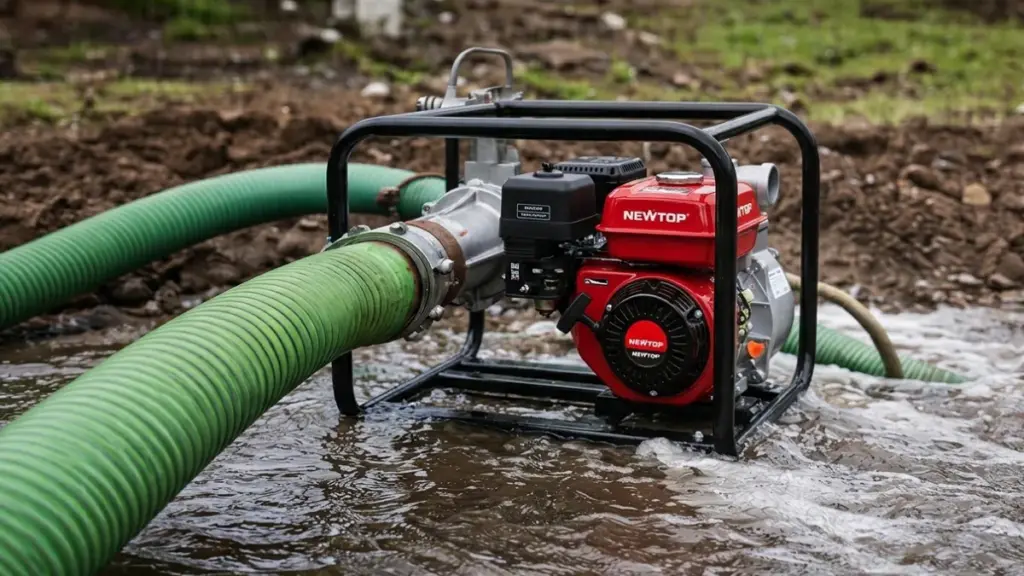
쓰레기 펌프는 내구성이 뛰어납니다. 원심 펌프 슬러지가 쌓인 더러운 물을 공격적으로 이동시키기 위해 제작되었습니다., 모래, 막히거나 실패하지 않고 잔해물.
핵심 정의 및 목적
엔지니어들은 슬러지와 같은 고체 입자로 가득 찬 더러운 물을 이동시키기 위해 특별히 쓰레기 펌프를 제작했습니다., 모래, 흙, 그리고 떠난다. 이는 표준 정수 펌프와 직접적으로 대조됩니다., 운영자가 투명한 액체만을 의도하는 것. 정수펌프를 심한 오염에 노출시키는 경우, 즉각적인 막힘이나 치명적인 밀봉 실패의 위험이 있습니다.. 업계에서는 액체가 고형 폐기물과 심하게 혼합되는 까다로운 환경에서 효과적으로 작동하기 때문에 쓰레기 펌프를 더러운 물 펌프로 분류합니다..
주요 설계 특성
고형 폐기물을 처리하는 기능에는 특정 기계 아키텍처가 필요합니다.. 제조업체는 지속적인 내부 마모를 견딜 수 있도록 강화된 구성 요소로 이러한 펌프를 구성합니다..
- 큰 내부 틈새: 내부 통로를 막지 않고 부유 물질과 잔해물이 곧바로 통과할 수 있도록 설계되었습니다..
- 견고한 건설: 생산은 모래와 모래로 인한 기계적 충격과 마모를 견디기 위해 내마모성 재료를 사용합니다..
- 특수 임펠러: 개방형 또는 반개방형 임펠러와 특수한 볼류트 형상으로 유기물을 방지합니다., 섬유, 또는 하우징 내부에 플라스틱이 쌓이는 경우.
일반적인 애플리케이션 및 환경
이동해야 하는 액체가 표준 이송 펌프를 파괴할 때 쓰레기 펌프를 배치합니다.. 현장 운영자는 여러 중부하 작업 분야에서 이 장치를 사용합니다..
- 홍수 조절: 침수된 지하실 탈수, 차고, 악천후 또는 파이프 파손 후 진흙이 많은 작업장.
- 건축 및 토목공학: 배수 굴착, 유틸리티 트렌치, 지하수와 토양으로 채워진 퇴적물 분지.
- 폐수 및 배수: 하수구 청소, 배수구, 유기 폐기물 축적이 흔한 배수 채널.
- 산업잔사물 관리: 이동 공정 폐수, 연마 슬러리, 처리장 내부의 고형분 흐름.
깨끗한 물 펌프 란 무엇입니까??
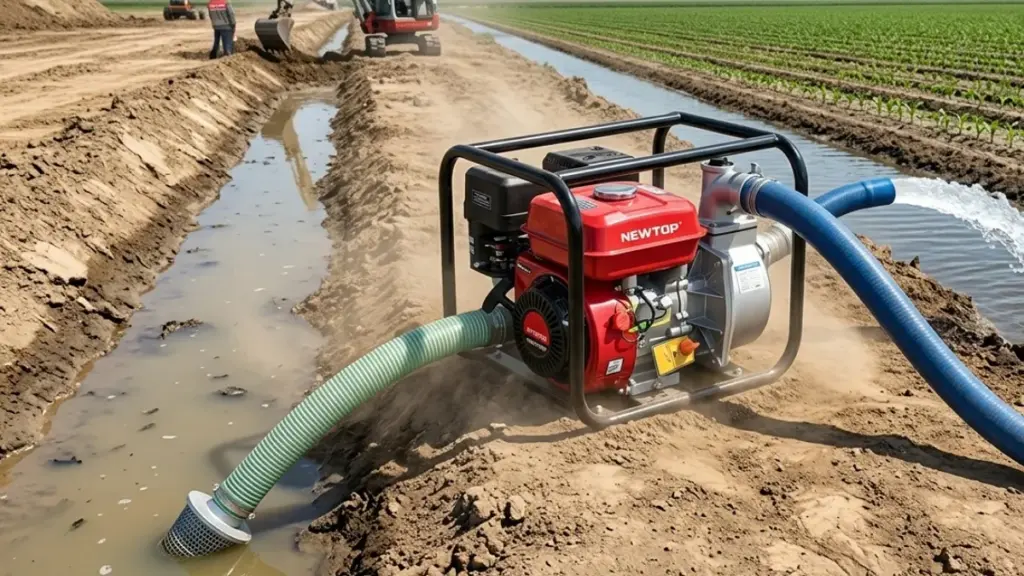
깨끗한 워터 펌프 분명하게 움직인다, 고체가 없는 액체를 효율적으로. 고압에 대한 잔해 내성을 교환합니다., 국내 공급 및 관개를 위한 표준 선택으로 만듭니다..
정의 및 핵심 기능
깨끗한 물 펌프는 투명하거나 음용 가능한 유체 전용으로 설계되었습니다.. 무거운 슬러지나 잔해물을 씹기 위해 만들어진 쓰레기 펌프와는 달리, 이 장치는 부유 물질이 거의 또는 전혀 포함되지 않은 물을 처리합니다..
엔지니어들은 이 펌프의 통로 크기를 엄격한 최대값으로 제한합니다. 5 에게 6 밀리미터. 제조업체는 절대 제로 솔리드 공차에 대해 많은 표준 모델을 평가합니다.. 오염 위험이 낮고 성능 요구가 높을 때 전용 투명 액체 대안으로 사용됩니다..
유압 설계 및 효율성
정수 펌프의 내부 아키텍처는 잔해물 처리보다 성능을 우선시합니다.. 이 장치는 좁은 유로를 활용하여 토출 압력과 유압 효율을 극대화합니다.. 더 좁은 내부 간격으로 인해 동일한 모터 크기를 갖춘 오수 펌프보다 더 빠르고 더 멀리 물을 밀어낼 수 있습니다..
바위와 모래가 없는 비마모성 환경에서 작동하기 때문입니다., 무거운 주철 마모 플레이트는 불필요합니다.. 대신에, 제조업체는 깨끗한 환경에 적합한 재료로 하우징과 임펠러를 제작합니다..
- 플라스틱: 가볍고 화학적 부식에 대한 저항력이 뛰어남.
- 스테인레스 스틸: 식수 및 식품 등급 응용 분야의 녹 방지.
- 코팅된 금속: 지속적인 가정용 또는 농업용 사용 중에 내부 구성 요소를 보호합니다..
잠수정 대. 표면 구성
운영자는 수원의 레이아웃에 따라 두 가지 기본 형식으로 이러한 펌프를 배포합니다..
- 잠수정 유닛: 이는 밀봉된 모터로 완전히 수중에서 작동합니다.. 수위가 떨어지면 전력을 차단하는 통합 플로트 스위치를 활용하는 경우가 많습니다., 공회전 및 그에 따른 모터 소진 방지.
- 표면 모델: 이들은 수원 외부에 영구적으로 위치합니다.. 견고한 흡입 호스를 통해 유체에 연결되며 얕은 우물 추출 및 가정용 압력 시스템의 표준입니다..
일반적인 응용 분야
업계 전문가와 주택 소유자는 특정 용도로 깨끗한 물 펌프를 배치합니다., 압력과 유량이 가장 중요한 잔해물이 적은 작업.
- 국내 공급: 가정용 식수 추출 및 주거용 배관 시스템 전반에 걸쳐 압력 강화.
- 농업: 관개 정원, 과수원, 깨끗한 우물이나 여과된 저장 탱크에서 직접 작은 작물을 수확.
- 배수: 침수된 지하실에서 깨끗하거나 약간 더러운 물을 비우기, 수영장, 그리고 빗물 저수조.
믿을 수 있는 정원 기계로 이윤을 극대화하세요

쓰레기 펌프는 어떻게 작동합니까??
쓰레기 펌프는 반 개방형 임펠러와 원심력을 사용하여 무거운 잔해물을 이동시킵니다., 케이싱 내부에 보유된 유체에 의존하여 자동으로 자체 프라이밍.
원심 펌핑 메커니즘
쓰레기 펌프는 견고한 원심 분리 장치로 작동합니다.. 물이 흡입구로 들어가 고속으로 부딪칩니다., 나선형 모양의 볼류트 케이싱 내부에 위치한 반 개방형 임펠러.
임펠러가 회전하면서, 들어오는 유체를 케이싱 벽에 대해 바깥쪽으로 던지는 원심력을 생성합니다.. 볼류트는 이 유체를 포착하여 운동 에너지를 안정적인 압력 수두로 변환합니다.. 이 압력은 배출 포트를 통해 물을 물리적으로 밀어내서 지속적인 흐름을 생성합니다..
자체 프라이밍 작업
공기가 흡입 라인으로 들어가면 표준 원심 펌프가 작동하지 않습니다.. 쓰레기 펌프는 활성 작동 주기 사이에 케이싱 내부에 소량의 물을 유지하여 이 문제를 해결합니다..
펌프 엔진이 시동되면, 임펠러는 이 보유된 물을 회전시켜 부분적인 진공을 생성합니다.. 이 진공청소기는 흡입 라인에서 공기를 끌어올립니다.. 내부 기계는 액체에서 공기를 분리하고 배출측을 통해 배출합니다.. 그런 다음 물이 케이스를 채웁니다., 프라이밍 과정을 완료하고 정상적인 유체 전달이 시작되도록 허용.
고체 및 잔해물 처리
쓰레기 펌프의 가장 큰 특징은 막힘 없이 오염된 물을 처리할 수 있다는 점입니다.. 이 장치는 큰 입자로부터 내부 구성 요소를 보호하기 위해 매우 넓은 흐름 통로와 쌍을 이루는 반 개방형 임펠러를 사용합니다..
이 특수한 내부 형상은 특정 자재 취급 기능을 제공합니다.:
- 잔해 내성: 모래와 같은 고체 물질을 통과함, 진흙, 그리고 붙어있다 3 직경 인치.
- 부유 물질: 최대 함유 유체를 펌핑합니다. 30% 중량별 부유 고형물.
- 장비 한도: 고형물이 기준치를 초과하는 경우 특수 대형 슬러리 펌프로 업그레이드해야 합니다. 30% 한계점.
깨끗한 물 펌프는 어떻게 작동합니까??
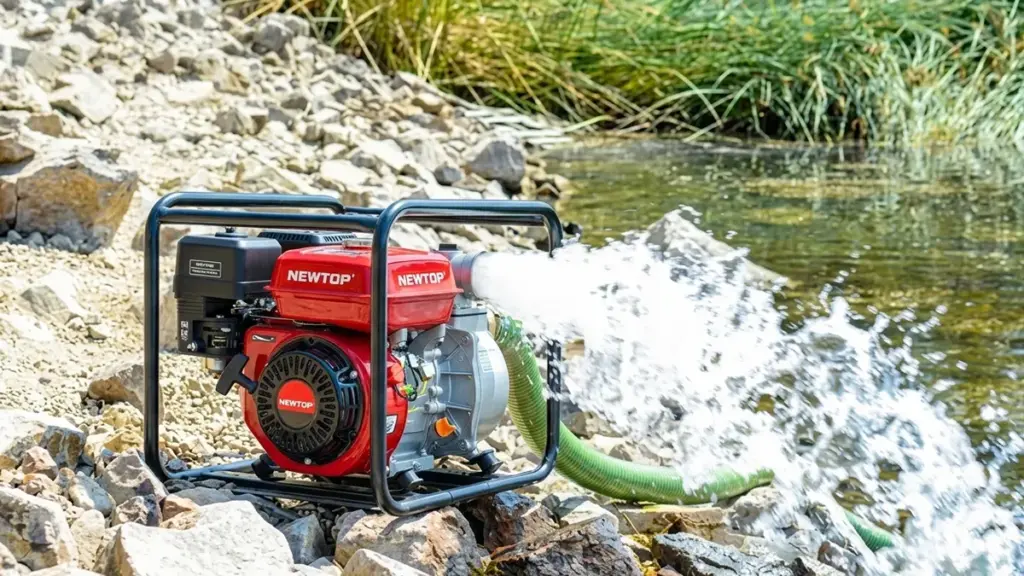
깨끗한 물 펌프는 회전하는 임펠러와 원심력을 이용하여 운동에너지를 안정한 에너지로 변환합니다., 배관 및 관개 네트워크에 사용 가능한 수압.
물 섭취 및 임펠러 동작
투명한 액체가 입구 포트를 통해 펌프 챔버로 유입되면 프로세스가 시작됩니다.. 하우징 내부, 모터 구동 임펠러가 빠르게 회전하여 유체를 가속합니다.. 임펠러가 회전하면서, 강한 원심력을 발생시킵니다. 이러한 물리적 작용은 물을 펌프 본체의 바깥쪽 가장자리를 향해 바깥쪽으로 밀어냅니다., 전송에 필요한 초기 추진력 생성.
속도-압력 변환
속도만으로는 복잡한 배관 레이아웃을 통해 유체를 밀어낼 수 없습니다.. 내부 펌프 하우징은 임펠러를 떠나자마자 빠르게 움직이는 물을 포착합니다.. 엔지니어들은 운동 에너지를 사용 가능한 배출 압력으로 변환하기 위해 특별히 이 케이스를 설계했습니다.. 고압의 물은 배출관을 빠져나가 연결된 배관 네트워크에 공급됩니다..
우물 시스템의 자동 작동
가정용 설정에서는 펌프를 자동으로 효율적으로 작동하기 위해 추가 구성 요소가 필요합니다.. 시스템은 세 가지 기본 메커니즘을 활용합니다.:
- 압력탱크: 가압된 물을 저장하여 일관된 공급을 유지하고 모터의 짧은 주기를 줄입니다..
- 압력 스위치: 열린 고정 장치에서 라인 압력이 떨어지는 정확한 순간에 모터를 활성화합니다..
- 체크 밸브: 물이 우물 아래로 역류하는 것을 막습니다., 시스템을 프라이밍 상태로 유지하고 라인 압력을 일정하게 유지합니다..
성능 변수 및 한계
실제 조건에 따라 정수 펌프가 얼마나 효과적으로 작동하는지 알 수 있습니다.. 모터는 중력을 극복할 수 있을 만큼 충분한 힘을 생성해야 합니다., 내부 파이프 마찰, 그리고 수직 리프트. 표면 모델에는 수동 프라이밍이 필요한 경우가 많습니다., 이는 적절한 흡입을 보장하기 위해 모터를 시동하기 전에 작업자가 케이싱에 물을 채워야 함을 의미합니다.. 작업자는 유체 공급원을 지속적으로 모니터링해야 합니다.. 물 없이 펌프를 작동하면 공회전이 발생합니다., 이는 심각한 마찰 손상과 치명적인 씰 파손으로 직접 이어집니다..
쓰레기 펌프와 깨끗한 물 펌프: 주요 차이점 요약
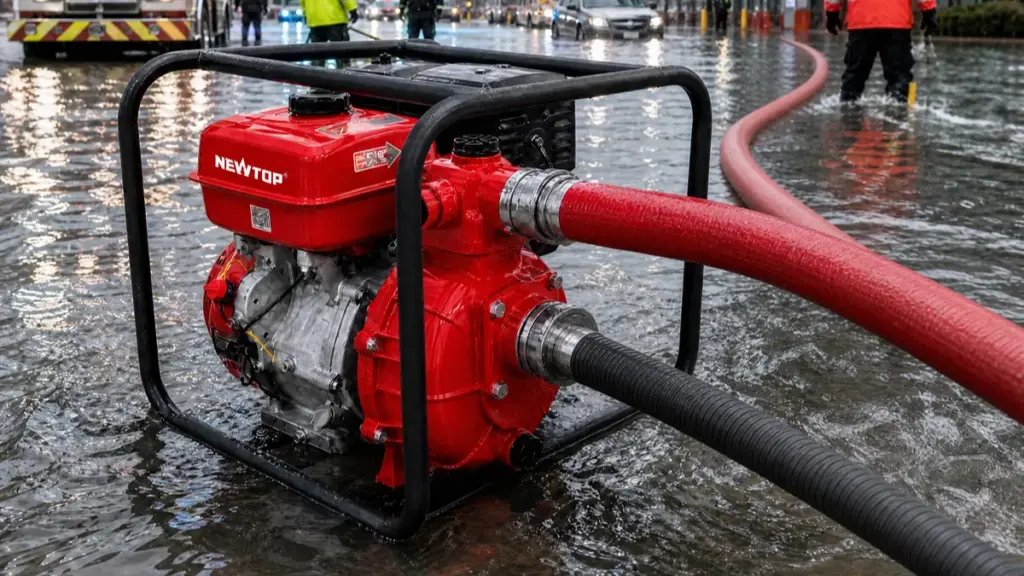
쓰레기 펌프는 열악한 환경에서 견고한 고형물 처리를 우선시합니다., 깨끗한 물 펌프는 투명한 액체의 유압 효율과 압력을 극대화하는 데 중점을 둡니다..
| 비교 | 쓰레기 펌프 | 깨끗한 물 펌프 |
|---|---|---|
| 물의 종류 | 더러운 물, 진흙탕, 폐수 | 청수 |
| 견고한 핸들링 | 모래를 다루다, 나뭇잎, 그리고 작은 잔해들 | 제한된 고체 입자 처리 |
| 임펠러 설계 | 개방형 또는 반개방형 임펠러 설계 | 폐쇄형 임펠러 설계 |
| 통로 크기 | 고체 입자를 위한 더 큰 공간 | 효율성 향상을 위한 더 작은 간격 |
| 능률 | 견고한 구조로 인해 약간 낮음 | 깨끗한 물을 펌핑할 때 더 높은 효율성 |
| 유지 | 더러운 물 작업 후 검사 및 청소가 필요합니다. | 적절한 작동 조건에서 유지 관리 비용 절감 |
| 일반적인 사용 | 건설현장, 홍수 통제, 배수 응용 | 관개, 물 이동, 가정용 물 공급 |
| 내구성 | 열악한 환경과 까다로운 응용 분야를 위해 설계됨 | 보다 깨끗한 물 사용을 위해 설계됨 |
고형물 취급 및 운영 환경
쓰레기 펌프가 진흙을 적극적으로 이동시킵니다., 모래, 나뭇잎, 실속 없이 직경 2-3인치까지의 고체. 운영자는 건설 현장 배수를 위한 기본 도구로 이를 사용합니다., 도시 폐수 관리, 또는 슬러지 구덩이 청소. 수원이 연마 잔해로 심하게 오염된 경우에도 일정한 유속을 유지합니다..
깨끗한 물 펌프는 투명을 엄격하게 처리합니다., 여과된 액체. 그들은 국내 급수 시스템을 제공합니다, 압력 부스팅 스테이션, 농업 관개 네트워크. 잎이 나면, 자갈, 또는 두꺼운 진흙이 깨끗한 물 시스템으로 유입됩니다., 펌프는 임펠러에 즉각적인 손상을 입히고 씰이 빠르게 파손됩니다..
성능과 효율성의 절충
쓰레기 펌프는 최대 압력 출력보다 높은 유량과 지속적인 막힘 저항을 우선시합니다.. 쓰레기 펌프의 내부 간격이 넓어지면 전체 에너지 효율이 약간 감소합니다.. 예측할 수 없는 상황에서도 안정적인 작동을 보장하려면 정확한 유압 성능이 중요합니다., 더러운 조건.
깨끗한 물 펌프는 투명한 액체를 장거리 운반할 때 탁월한 압력과 유압 효율성을 제공합니다.. 좁은 내부 통로는 더 많은 모터 에너지를 사용 가능한 헤드 압력으로 변환합니다.. 물을 위로 밀어 올리거나 긴 스프링클러 라인에 공급하는 데 탁월합니다., 물이 깨끗하다면.
내부 디자인 및 자재 구성
제조업체는 목표 환경에서 살아남기 위해 서로 다른 내부 아키텍처를 사용하여 이 두 가지 펌프 범주를 엔지니어링합니다..
- 임펠러와 볼류트: 쓰레기 펌프 모델은 두꺼운 특징을 가지고 있습니다., 암석과 자갈의 반복적인 충격을 흡수하도록 설계된 주철 반 개방형 임펠러와 넓은 볼류트. 깨끗한 물 장치는 표준을 사용합니다., 투명한 액체에만 최적화된 좁은 내부 공간을 갖춘 폐쇄형 임펠러.
- 기계적 밀봉: 쓰레기 펌프는 연속적인 모래를 견디기 위해 내마모성 탄화규소 씰을 사용합니다.. 정수 펌프는 비마모성 환경에 맞게 맞춤화된 표준 탄소 세라믹 씰을 사용합니다..
- 유지 보수 액세스: 쓰레기 펌프에는 커다란 박힌 물체를 제거하기 위한 퀵 릴리스 청소 포트가 포함되는 경우가 많습니다.. 깨끗한 물 펌프에는 큰 고형물을 흡입하도록 설계되지 않았기 때문에 이러한 포트가 없습니다..
비용 및 수명주기 경제학
쓰레기 펌프는 강화된 특성으로 인해 초기 구매 가격이 더 높습니다., 견고한 제조 재료. 견고한 주철 케이스와 업그레이드된 밀봉 시스템으로 초기 비용이 추가되지만 열악한 현장 조건에서 가동 중지 시간이 크게 줄어듭니다..
정수 펌프는 정수 응용 분야에만 엄격하게 적용되는 경우에만 최고의 장기적 가치와 최저 운영 비용을 제공합니다.. 진흙이 많은 환경에 깨끗한 물 펌프를 배치하면 급격한 기계적 고장이 발생합니다.. 탄 모터 교체, 부서진 임펠러, 씰이 손상되어 표준 펌프가 중부하 작업에 가장 비싼 선택이 됩니다..
각 펌프가 처리할 수 있는 액체?
펌프를 액체에 맞추세요. 맑은 물에는 효율적인 깨끗한 물 펌프가 필요합니다, 탁한 유체는 고장을 방지하기 위해 세미 쓰레기 또는 쓰레기 펌프의 더 큰 통로를 요구합니다..
투명한 액체를 위한 깨끗한 물 펌프
깨끗한 물 펌프는 고형물이 거의 없는 유체 전용으로 제작되었습니다.. 주로 식수로 사용하게 됩니다., 깨끗한 빗물, 및 가볍게 처리된 공정수.
엔지니어들은 내부 통로가 좁은 이 펌프를 설계합니다.. 이러한 기하학적 구조는 유압 효율을 극대화하지만 고형물이 시스템에 유입될 경우 펌프가 마모 및 막힘에 매우 취약해집니다.. 눈에 보이는 탁도에 노출, 모래, 모래, 또는 섬유질 잔해로 인해 임펠러가 빠르게 마모되고 심각한 모터 과부하 위험이 발생합니다.. 물이 더러워 보인다면, 이 펌프를 멀리 두세요.
무거운 잔해 및 슬러지용 쓰레기 펌프
액체에 무거운 잔해물이 포함되어 있는 경우, 쓰레기 펌프가 필요해. 제조업체는 더러운 액체를 위해 특별히 이러한 장치를 설계합니다., 진흙탕을 포함한, 두꺼운 슬러리, 농업 폐기물, 그리고 엄청난 홍수 유출.
쓰레기 펌프에는 대형 고형물을 통과시킬 수 있는 개방형 또는 반개방형 임펠러가 있습니다., 직경이 최대 2인치인 경우가 많습니다.. 거친 퇴적물을 처리합니다., 자갈, 나뭇잎, 내부 손상을 입지 않고 흐름 경로를 제한하지 않고 나뭇가지를 잘라냅니다.. 가혹한 환경에서 비교할 수 없는 신뢰성을 위해 유압 효율성을 어느 정도 교환합니다..
중간 탁도용 세미 쓰레기 펌프
세미 쓰레기 펌프는 깨끗한 물과 무거운 쓰레기 처리 사이의 격차를 해소합니다.. 깨끗한 물 펌프가 금방 고장날 수 있는 중간 정도의 고형물과 불순물이 포함된 탁한 물을 관리합니다..
이 장치는 다음과 같은 작은 입자를 통과시킵니다. 0.5 에게 1 인치 직경. 그들은 가벼운 건축 탈수를 위한 실용적인 선택입니다, 조경 프로젝트, 더러운 연못 배수구. 표준 펌프보다 막힘 저항력이 훨씬 뛰어나지만 큰 암석이나 밀도가 높은 암석을 운반할 수 있는 내부 용량이 부족합니다., 섬유질 슬러지.
액체 평가를 위한 실무 지침
펌프 선택은 엄격한 유체 분석으로 시작됩니다.. 장비 선택을 마무리하기 전에 물의 투명도를 육안으로 검사하고 최대 입자 크기를 추정하십시오.. 빠른 현장 평가를 통해 나중에 비용이 많이 드는 가동 중지 시간을 방지합니다..
최대의 유압 효율이 요구되는 곳에서 눈에 띄게 투명한 유체를 이송할 때 깨끗한 물 펌프를 우선시하십시오.. 거꾸로, 고농도 연마성 또는 섬유성 환경을 위한 전체 쓰레기 펌프를 선택하십시오.. 이는 지속적인 신뢰성을 보장하고 펌핑 조건이 악화될 때 갑작스러운 장비 고장을 방지합니다..
성능은 어떻게 되나요?, 능률, 및 유지 관리 비교?
깨끗한 물 펌프는 투명한 유체에 대한 유압 효율과 압력을 우선시합니다., 쓰레기 펌프는 잔해물이 많은 환경에서 지속적인 대량 흐름을 유지하기 위해 최대 효율을 희생합니다..
흐름의 성능 차이, 압력, 및 고형물 취급
깨끗한 물 펌프는 압력을 최대화하도록 설계되었습니다. (머리) 투명한 액체를 빠르게 이동시킵니다.. 그들은 더 작은 배출구와 더 단단한 내부 기하학적 구조를 사용하여 물을 장거리 또는 오르막으로 밀어냅니다.. 쓰레기 펌프는 반대 각도에서 성능에 접근합니다.. 압력보다 원시 유량을 강조합니다., 그 이상으로 자주 움직이는 1,000 침수된 지역을 대피시키거나 큰 참호를 청소하기 위한 분당 갤런.
두 펌프 유형 모두에 대한 정의된 작동 한계는 물리적 잔해 처리 용량입니다.:
- 깨끗한 물 펌프: 잔해에 대한 내성이 거의 0에 가깝습니다.. 작은 부유 입자라도 내부 구성 요소를 손상시킬 수 있습니다..
- 쓰레기 펌프: 특수한 임펠러와 넓은 볼류트를 활용하여 다음과 같은 고체를 통과시킵니다. 0.5 이상으로 2 막히지 않는 인치.
유압 효율성과 비교. 운영 효율성
최고 수력 효율의 표준 비교는 항상 깨끗한 물 모델을 선호합니다.. 더 좁은 내부 간격은 깨끗한 물에서 작동할 때 더 많은 입력 에너지를 유체 압력으로 직접 변환합니다.. 쓰레기 펌프는 본질적으로 낮은 유압 효율로 작동합니다.. 더 큰 내부 통로는 유체 난류와 재순환을 생성합니다., 같은 양의 물을 움직이려면 더 많은 힘이 필요합니다..
하지만 현장에서는, 실험실 평가보다 운영 효율성이 더 중요합니다.. 혼합물에 이물질이 들어갈 때, 깨끗한 물 펌프는 막힘과 부품 마모로 인해 효율성이 급격히 저하됩니다.. 쓰레기 펌프는 단순히 온라인 상태를 유지하고 혹독한 환경에서 지속적인 흐름을 유지함으로써 최고의 실용적인 효율성을 제공합니다., 오염된 환경.
유지보수 요구, 내마모성, 및 가동 시간
유지 관리 프로필은 운영 환경에 따라 완전히 다릅니다.. 깨끗한 물 펌프는 일상적인 유지 관리가 거의 필요하지 않습니다.. If you keep the fluid clean, you mostly just monitor basic lubrication and perform periodic seal inspections. Trash pumps demand a far more active maintenance schedule because they operate in highly abrasive conditions.
Standard maintenance tasks for a trash pump include:
- Strainer cleaning: Frequent clearing of intake screens to prevent large blockages.
- Impeller inspection: Checking the vanes for wear and impact damage from rocks and debris.
- Volute checks: Monitoring the pump casing for internal erosion caused by sand and grit.
Despite these higher scheduled maintenance requirements, trash pumps are built with thicker, heavy-duty materials. This robust construction absorbs the physical punishment of dirty water, drastically reducing unexpected downtime and catastrophic failures when field conditions get tough.
What Are the Best Applications for Each Pump Type?
Match the pump to the fluid. Trash pumps handle high-volume debris removal, while clean water pumps deliver high-pressure transfer for clear liquids.
Ideal Uses for Trash Pumps (Solids and Contaminated Water)
Trash pumps operate in hostile environments where suspended solids would instantly destroy standard impellers. They sacrifice maximum pressure to maintain continuous operation when ingesting heavy debris.
- Flood control and emergency dewatering: Rapidly clearing out basements, 차고, and muddy outdoor areas after heavy rainfall.
- Heavy-duty site operations: Supporting construction, civil works, and industrial processes that involve sand, cement, or thick sludge.
- Agricultural and waste management: Emptying dirty ponds, artificial lakes, or agricultural wastewater systems packed with organic matter.
- Performance priority: Delivering high flow rates (≥100 L/min) using robust, semi-open impellers rather than generating high pressure.
Best Scenarios for Clean Water Pumps (Clear Water and Pressure)
When the fluid source is free of sediment, clean water pumps take the lead. Their tight internal clearances allow them to efficiently push fluid further distances and up steeper elevations.
- Domestic water supply: Providing stable pressure boosting from deep wells, cisterns, or holding tanks to residential buildings.
- Targeted irrigation: Powering garden sprinkler systems and light agricultural watering networks using filtered rainwater.
- Clear liquid transfer: Draining or moving water seamlessly across pools, closed reservoirs, and sensitive aquaculture setups.
- Performance priority: Maintaining medium flow rates combined with higher pressure (머리) for stable, continuous delivery.
Mixed-Use Applications and Dual-Purpose Pumps
Job site conditions often shift. Manufacturers design dual-purpose submersible pumps specifically for environments where water quality fluctuates between clear and sediment-heavy throughout the day.
These hybrid units feature adjustable intake mechanisms that let operators manually switch between clean and dirty water modes. This engineering maximizes energy efficiency during clear water extraction while actively preventing clogs the moment debris enters the basin.
Actionable Checklist: Matching the Pump to Your Task
Avoid premature equipment failure by running through a basic site assessment before deployment. Deploying the wrong pump type guarantees downtime and drives up maintenance costs.
- Assess water composition: Select trash pumps for environments containing sand, 나뭇잎, or mud. Use clean water pumps exclusively for clear fluids.
- Define the objective: Choose high-volume submersible pumps for rapid emptying tasks, or pressure-focused pumps for long-distance irrigation.
- Calculate capacity requirements: Verify the necessary flow rate (L/분) and total head height dictated by your specific site layout.
- Ensure appropriate automation and safety: Install float switches for hands-free flood management and dry-run protection to save well pumps from burning out.
How to Choose the Right Water Pump for Your Market
Your pump selection comes down to water quality and pressure needs. Match solids-handling capacity to your jobsite to prevent equipment failure and eliminate costly downtime.
Assess Water Quality and Debris Size
The first step in pump selection is diagnosing the water source. Water quality directly dictates the internal clearances and impeller design your equipment needs to survive.
- 깨끗한 물 펌프: Handle clear fluids with minimal suspended solids, typically maxing out at 0.25 신장.
- 쓰레기 펌프: Process dirty water containing sediment, 나뭇잎, and mud, passing heavy solids between 1.25 그리고 2 직경 인치.
Always select a pump rating that exceeds the largest expected debris size in the fluid. This safety margin prevents immediate clogging and internal damage when site conditions unexpectedly worsen.
Determine Pressure and Flow Requirements
Beyond water quality, you must define the hydraulic demands of the job. Different pump architectures serve entirely different transfer objectives.
- High pressure: Clean water pumps deliver higher discharge pressure, making them the standard for moving fluid over long distances or feeding smaller hoses.
- High volume: Trash pumps trade maximum line pressure for high flow volume, prioritizing rapid dewatering to clear flooded areas fast.
- Port sizing: Trash pumps utilize larger 2-inch to 6-inch ports to ensure debris-laden water moves through the system without restriction.
Match Pump Specifications to Jobsite Applications
You need to align the pump’s design with the actual work environment. Standard centrifugal pumps fail rapidly when misapplied on the jobsite.
- Clean water tasks: Deploy these units for pool draining, basement dewatering after clean floods, and clear-source agricultural irrigation.
- Dirty water tasks: Use trash pumps for construction site dewatering, clearing flooded trenches, and agricultural transfer involving organic matter.
- 먼지 억제: Choose a trash pump for jobsite dust control to guarantee reliable operation when drawing from turbid or muddy water sources.
Weigh Upfront Costs Against Potential Downtime
Purchasing decisions often focus on initial price tags, but total lifecycle costs dictate true profitability. Clean water pumps provide a lower purchase price and higher operational efficiency in clear-water environments.
Running a standard clean water pump in muddy conditions is an expensive mistake. The narrow internal clearances will clog rapidly, risking severe equipment damage and expensive project delays.
Trash pumps require a higher initial investment. They offset this cost by featuring reinforced impellers, heavy-duty mechanical seals, and wider internal passages. This rugged construction eliminates costly downtime and keeps your operation running under harsh conditions.
Common Mistakes When Selecting Water Pumps
Selecting the wrong water pump leads to premature failure and inflated operating costs. Match the pump’s hydraulic limits and solids rating to your specific fluid environment to guarantee reliability.
Confusing Pump Types and Fluid Requirements
Buyers frequently grab a standard clean water pump for muddy or debris-filled pits. The narrow passages instantly clog, leading to rapid impeller wear and burned-out motors. On the flip side, deploying a high-flow trash pump for a job requiring high-pressure clean water results in poor performance and wasted fuel. You must correctly match the pump hardware to the exact fluid profile.
- Solids handling limits: Misjudging the maximum solids size and feeding large debris into a pump rated for clear water.
- Fluid chemistry errors: Using standard household pumps in corrosive seawater or chemical fluids without proper material resistance.
- Application mismatch: Relying on a low-pressure trash pump when a dedicated centrifugal or multistage pump is required for high-head transfer.
Incorrect Sizing for Flow, 머리, and Power
Guessing flow and head requirements destroys pump efficiency. Oversizing a pump “just to be safe” forces the unit to operate far from its Best Efficiency Point (BEP). This drastically increases energy consumption and mechanical wear. 거꾸로, an undersized pump runs continuously at maximum capacity, resulting in chronic motor overloading.
- Friction losses: Underestimating Total Dynamic Head (TDH) by calculating only vertical lift and ignoring friction in hoses, pipes, and fittings.
- Suction limits: Attempting to draw water beyond the physical suction lift limits of surface pumps (일반적으로 7 에게 9 미터), causing severe cavitation.
- Volume deficits: Undersizing the flow capacity, leading to inadequate volume delivery and overheating.
Ignoring Material Compatibility and Duty Cycles
You cannot run light-duty domestic equipment on a heavy construction site. Specifying standard materials for highly abrasive environments accelerates wear on critical components like impellers, wear rings, and volute casings. Industrial environments demand equipment rated for exact site conditions.
- Abrasive destruction: Selecting standard cast iron or plastics that erode quickly when pumping sand or grit.
- Duty cycle abuse: Using intermittent-duty domestic pumps for continuous heavy-duty dewatering tasks.
- Short cycling: Failing to size the control system correctly causes excessive on/off cycles, stressing motor starters and wearing out mechanical seals.
Overlooking System Design and Electrical Needs
A pump is only as good as the system surrounding it. Many operators design pipework diameters and layout before selecting the pump. This creates high friction losses and chokes performance. Poor suction layouts—such as using overly long, restrictive hoses or placing intakes directly in bottom sediment—force the pump to work harder than necessary.
- Restrictive layouts: Creating poor suction configurations that starve the pump of water and trigger cavitation.
- Power mismatches: Supplying mismatched site voltage and phase, ruining the motor instantly.
- Missing safeguards: Operating without critical motor protection features, including dry-run, thermal, and voltage safeguards.
Prioritizing Initial Cost Over Lifecycle and Technical Data
Purchasing the cheapest unit available is a guaranteed way to inflate your long-term costs. Buyers often rely on marketing headlines instead of verifying flow and head capabilities against actual manufacturer performance curves. In demanding environments, this leads to catastrophic equipment failure.
- Lifecycle blindness: Choosing cheap units while ignoring long-term reliability, wear part replacement intervals, and lifetime energy consumption.
- Skipping the curves: Selecting pumps based solely on peak numbers rather than verifying operational requirements against the official pump curve.
- Bypassing expertise: Refusing to consult pump specialists for complex jobs like deep well pumping or sewage bypass.
Why Choose NEWTOP for Water Pump OEM Manufacturing?
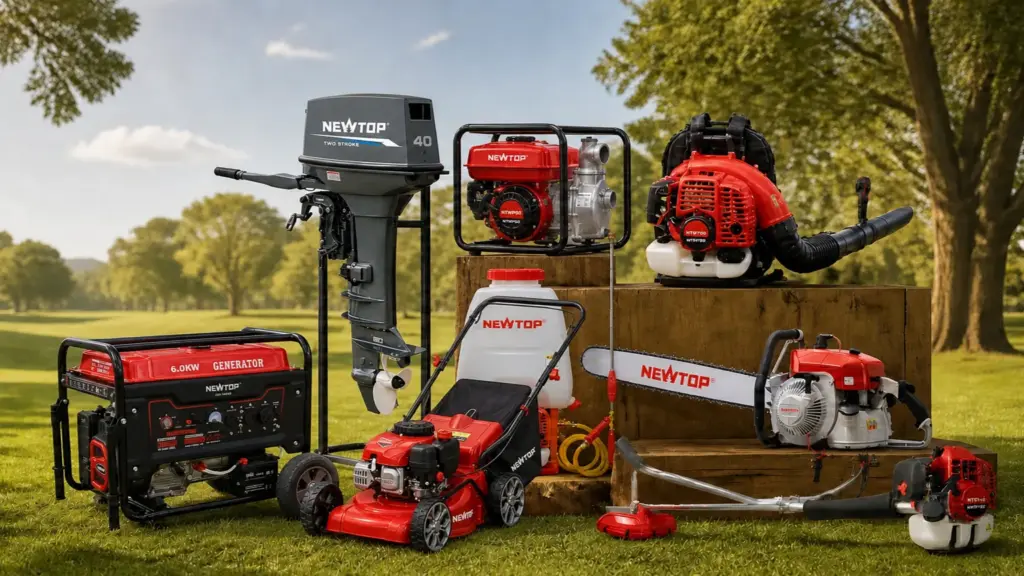
경험이 풍부한 실외 전력기기 제조업체로서, 뉴탑 provides reliable water pump solutions for global distributors, 딜러, 전문 사용자.
이상 20 수년간의 제조 경험, NEWTOP focuses on gasoline water pumps, including clean water pumps and trash pumps designed for different working environments.
NEWTOP water pump solutions feature:
- Reliable gasoline engine performance
- Durable pump structures
- Strict 품질 관리 processes
- OEM and customization support
- Professional production and testing capability
For customers looking for a long-term manufacturing partner, NEWTOP helps develop water pump products that match different market demands, application requirements, and regional standards.
최종 생각
The difference between a trash pump and a clean water pump mainly comes down to the type of water they are designed to handle.
A clean water pump delivers higher efficiency when transferring clear water, while a trash pump provides stronger durability when dealing with muddy water and solid debris.
Before purchasing or importing water pumps, always consider:
- Water quality
- Solid particle size
- Required flow rate
- Working environment
- Long-term maintenance needs
Choosing the correct pump type ensures better performance, longer service life, and lower operating costs.
자주 묻는 질문
What is the difference between a trash pump and a clean water pump?
A trash pump moves water filled with debris, like sand, 진흙, 그리고 떠난다, using large internal passages and semi-open impellers. A clean water pump handles clear or slightly dirty water and operates with tighter clearances optimized for higher pressure. Using a clean water pump on dirty water causes rapid clogging and internal wear.
Can a clean water pump handle dirty water?
아니요. Clean water pumps rely on narrow internal clearances to generate high pressure and efficiency. If they ingest sand, pebbles, or fibrous debris, they quickly clog or sustain impeller damage. You need a trash or dirty-water pump for water containing visible solids or sludge.
What kind of solids can a trash pump handle?
Standard trash pumps easily pass solid objects between 1 그리고 3 직경 인치. This includes sand, 자갈, 나뭇잎, twigs, and soft sludge. They handle suspended solids up to 30% by weight. They are not designed for highly abrasive mining slurries or extremely stringy materials like long ropes or large rags.
Is a trash pump slower than a clean water pump?
In clear water, a trash pump produces lower pressure and hydraulic efficiency than a comparable clean water pump. But in muddy or debris-filled water, a trash pump completes the job much faster. It maintains stable flow without the constant clogging and downtime that completely halts a clean water pump.
Which pump is better for construction sites?
A trash pump is almost always the better choice for construction sites. Trench dewatering and excavation clear-outs involve muddy water, silt, and gravel. A trash pump processes this debris without jamming. Choose a clean water pump only if transferring filtered water over long distances or needing high-pressure output.
Can I use a trash pump for irrigation?
예, particularly for flood or basin irrigation drawing from turbid creeks and ponds. Since trash pumps process leaves and silt easily, they prevent system blockages. They produce lower pressure than clean water pumps, making them less suitable for high-pressure sprinkler lines or drip systems unless you install robust downstream filtration.
Why does pump passage size matter?
Passage size dictates the maximum solid diameter a pump can ingest without jamming. A larger passage size, found in trash pumps, minimizes clogging risks and downtime in debris-laden environments. The small passage sizes in clean water pumps maximize hydraulic efficiency but leave them vulnerable to instant blockages from small stones or twigs.
Which pump type has lower maintenance cost?
Under ideal clear-water conditions, a clean water pump costs less to maintain because it avoids abrasive wear. Trash pumps face harsh, gritty environments requiring more frequent clean-outs and wear-part replacements. Deploying a clean water pump in a dirty environment guarantees severe damage, making the trash pump far more cost-effective for heavy-duty applications.