コンテンツにスキップ



遠心ポンプと自吸ポンプの選択 ポンプ アプリケーションによって異なります, 作業環境, そして顧客のニーズ. 渦巻ポンプで高効率かつ簡単操作で安定した水源を実現, 一方、自吸式ポンプにより始動が容易になり、状況の変化に対する柔軟性が向上します。.
販売代理店様向け, ディーラー, およびOEMバイヤー, 適切なポンプ タイプの選択は、技術的な性能だけでなく、市場の需要も考慮します。, ユーザーエクスペリエンス, そして長期的な信頼性. 固定灌漑システムでうまく機能するポンプは、建設現場や可搬式水移送用途には最適な選択ではない可能性があります。.
このガイドでは, 遠心式と自吸式を比較してみます ウォーターポンプ 動作原理の観点から, 効率, インストール, メンテナンス, アプリケーション, より適切な製品選択の決定に役立つ市場適合性.
遠心ポンプとは?
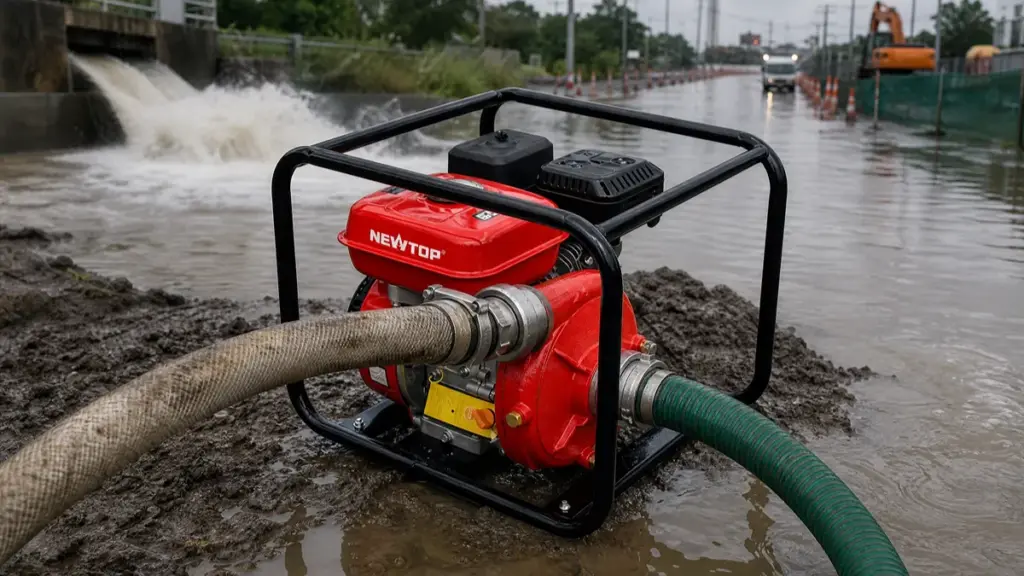
遠心ポンプは、大量の水を移動させるための業界のベースラインです, 回転インペラとボリュートケーシングを使用して、機械モーターの動力を油圧に変換します。.
コアの定義とエネルギー変換
遠心ポンプは、上水の移送や灌漑用途に使用される最も一般的なタイプの送水ポンプの 1 つです。. 回転する羽根車によって発生する遠心力を利用して、水を入口から出口まで移動させます。.
このメカニズムは、非圧縮性の液体の速度を上げることによって機能します。, 通常は水. 高速で移動する流体がケーシングの壁に衝突すると、, システムはその生の運動速度を使用可能な圧力に変換します。. 過度の機械的複雑性を伴うことなく連続的な流れを実現できるため、エンジニアはこの設計を中程度の圧力勾配に逆らって大量の水を移動させるためのベースライン技術として扱っています。.
自吸ポンプとは?
自吸式ポンプは、内部リザーバーを備えた特殊な遠心ユニットで、手動で再呼び水を繰り返すことなく自動的に空気を排出し、液体の流れを回復します。.
自吸式ポンプは、それ自体のケーシングおよび接続された吸引ラインから空気を排出するように設計された特殊な遠心力給水機として機能します。. 標準の遠心ポンプはシステムに空気が入ると故障します, オペレータに手動で再プライミングを強制する. 自吸式設計は、この主な制限に直接対処します。.
内部に液体リザーバーが組み込まれており、起動時に真空を生成します。. このメカニズムは、標準のポンプが開始される前に水を自動的にシステム内に上向きに引き込みます。. この能力のおかげで, エンジニアは、水源の上に機器を設置する必要がある用途にこれらのポンプを指定することがよくあります。.
長持ちするように作られた利益率の高い園芸機械の供給元

遠心ウォーターポンプの仕組み?
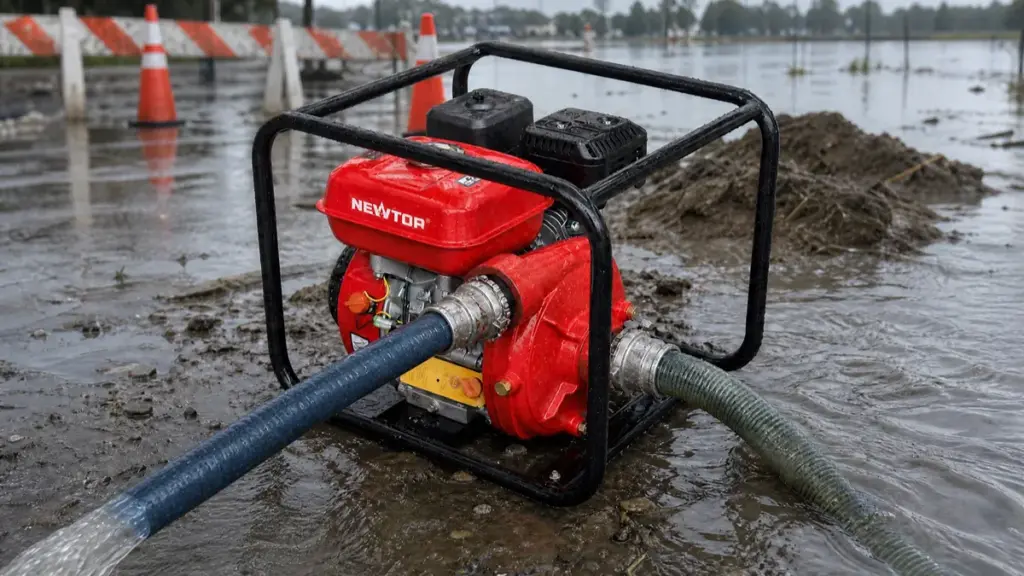
遠心ポンプは、回転するインペラを利用して機械的回転を流体力学的圧力に変換します。. 大量の水の移送に優れていますが、開始前にケーシングを完全に下塗りする必要があります。.
核となるエネルギー変換原理
その基礎にあるのは, 遠心ポンプは直接的なエネルギー交換に依存しています. 電気モーターまたはディーゼル エンジンが回転運動エネルギーをポンプ シャフトに供給します。. 付属の羽根車が回転すると、, その機械エネルギーを流入水に直接伝達します。, その速度が急速に加速している.
水が高速で羽根車のブレードから出ると、, 周囲の筐体にぶつかる. ケーシングは変換ゾーンとして機能します, 高速流体を強制的に減速させ、その運動エネルギーを静圧に変換します。. この結果として生じるプレッシャー, または頭, 水が配管網を通過するのに必要な力を与える.
主要な内部コンポーネント
流体力学を理解するには, 難しい作業を行っているハードウェアを確認する必要があります. 3 つの主要なコンポーネントがポンプの性能を決定します:
- インペラ: 湾曲刃を備えたシャフトドライブホイール. 遠心力を利用して水を中心から半径方向外側に押し出します。.
- ケーシング (ボリュートまたはディフューザー): この固定ハウジングはインペラを囲んでいます. 水をスムーズに減速し、システム圧力を高めるように設計された拡大流域を備えています。.
- シャフトとモーター: これらの要素は、回転に必要な機械的トルクを供給します。. 標準的な水用途の場合, モーターは通常、次の速度でシャフトを駆動します。 1750 そして 3500 回転数.
段階的な流体の流れのプロセス
流体の実際の動きは連続的に発生します。, 迅速なシーケンス. 水はまず吸込ポートを通って軸方向にポンプに入ります。, インペラの中心(アイとして知られる)にまっすぐに流れます。. 回転ブレードはこの流体を即座に捕らえ、インペラの外縁に向かって半径方向外側に加速します。.
この激しい外側への動きにより、インペラの目の位置に重大な低圧ゾーンが形成されます。. 吸引ラインの大気圧と静圧が反応して、より多くの水を継続的にポンプに引き込み、その隙間を埋めます。. その間, 元の水が渦巻きケーシングの膨張する壁に衝突します。, 減速する, 高圧の流れとして吐出ノズルから排出されます。.
The Role of Initial Priming
標準的な遠心水ポンプには厳しい動作上の制約があります: 彼らは空気を送り出すことができない. Before you initiate startup, ケーシングと吸引ライン全体が固体の水柱を保持する必要があります. If air accumulates inside the casing, the impeller simply churns the gas. ユニットがガスに縛られ、流体を移動させるのに必要な圧力差を生成できなくなります。.
標準モデルには排気機能が組み込まれていないため, システム設計に大きく依存します. エンジニアは通常、これらのユニットを浸水吸引レイアウトに設置します。, ポンプを水源の下に置き、重力で呼び水が維持されるようにする. ポンプが水位より高い位置にある場合, オペレータは外部真空システムまたはフートバルブを利用して、次のサイクルに向けてシステムを完全に準備しておく必要があります。.
自吸式ウォーターポンプの仕組み?
自吸ポンプは滞留水を流入空気と混合します, 空気を追い出す, 手動で再プライミングせずに真空を作成して下から液体を吸引します.
初期のケーシング充填およびシール形成
初めて電源スイッチを押す前に, 内蔵のリザーバーに手動で水を入れる必要があります. この重要なステップは空運転を防ぎます, 急速に過熱してメカニカルシールが破壊される状態. 保持された水により、回転するインペラと摩耗プレートの間に流体力学的シールが形成されます。, 最初の吸引動作に必要な物理的条件を確立する.
インペラでの空気と水の混合
インペラが回転し始めると、, 浸水していない吸引ラインから空気を引き込みます. この流入空気と、ケーシング内にすでに存在している水がインペラの目のところで直接積極的に混合されます。. この動作により密集した構造が形成されます。, ポンプ輸送可能な空気と水の混合物, 標準的な遠心ポンプを停止させる典型的な空気結合障害を回避します.
空気の分離と水の再循環
回転するインペラは遠心力を利用して、新たに形成された空気と水の混合物を外側のケーシング室内に飛ばします。. この広い空間の中に, 重力と密度が引き継ぐ. 軽い空気は上部に上昇し、開放排出口または専用の空気放出装置を通って排出されます。. 重い水は落下し、内部再循環ポートを通ってインペラに循環して戻り、混合プロセスを繰り返します。.
真空生成と吸引リフト
ポンプが空気のポケットを排出するたびに, 吸引ライン内の空気の総量が減少します. この連続的な抽出により、インペラの目と吸込配管全体に部分的な真空が生成されます。. パイプ内の圧力が下がった状態で, 地下水源にかかる高い大気圧により、液体がパイプ内をポンプ入口に向かってまっすぐに押し上げられます。.
標準遠心ポンプへの移行
呼び水サイクルは、ポンプがすべての空気を排出し、流路全体が水で満たされた瞬間に終了します。. この時点から先, ユニットは従来の遠心ポンプとまったく同じように動作します。, システムの排出のために水の速度を圧力に連続的に変換します. 最終的にポンプを停止したとき, 統合されたリザーバーが特定の量の水を保持します, 機器を次の自動プライムに向けて準備を整える.
遠心式ウォーターポンプと自吸式ウォーターポンプ: 主な違いの概要
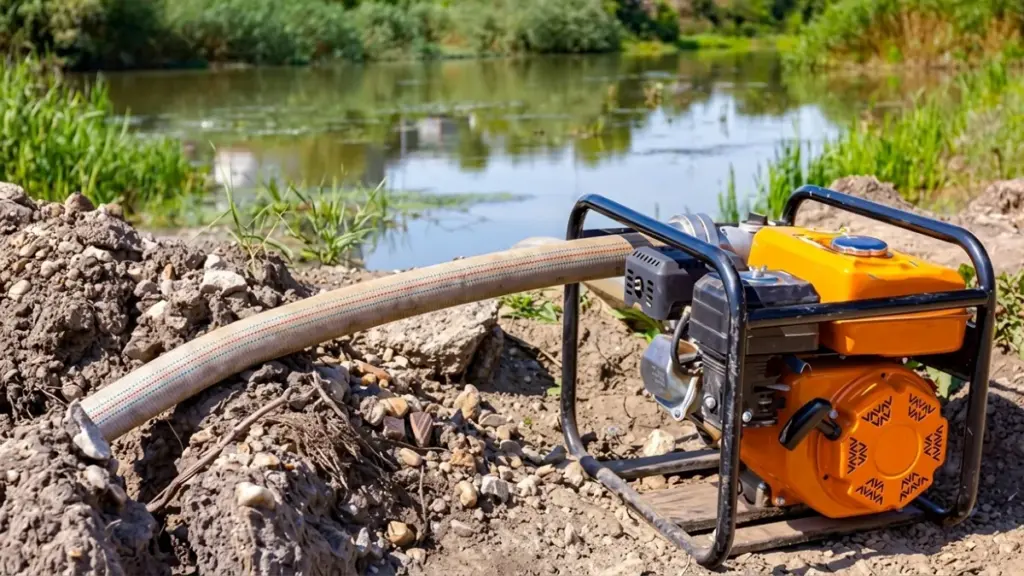
遠心式ウォーターポンプと自吸式ウォーターポンプを評価する場合, この決定により、施設のエネルギー使用量とメンテナンス スケジュールが決まります。. エンジニアは、空気管理と吸込揚程の実際の現実に対して、ピーク油圧効率のバランスを取る必要があります。.
| 比較 | 遠心ポンプ | 自吸ポンプ |
|---|---|---|
| プライミング要件 | Requires manual priming before operation | Automatically removes air after initial filling |
| 起動速度 | Requires additional preparation before starting | Starts faster with less preparation |
| 効率 | 理想的な動作条件下ではわずかに高い効率 | 追加の自吸設計機能により、効率がわずかに低下します |
| インストール | 安定した水源を備えた固定設備に最適 | ポータブルで頻繁に再配置されるアプリケーションに適しています |
| 動作条件 | 安定した水の供給と適切に密閉された吸引ラインが必要です | 変化する水源と圃場の状態にうまく対処します |
| メンテナンス | Simpler structure with easier maintenance | コンポーネントが増えても、検査と保守は簡単 |
| 料金 | 通常はもっと手頃な価格 | 通常、追加の設計機能によりコストが高くなります |
| 一般ユーザー | 農場, 工場, 灌漑システム, and fixed water transfer applications | 建設現場, 農業, 緊急排水, ポータブル水の移送 |
関連している: ゴミポンプと浄水ポンプの違い
呼び水の仕組みとエアハンドリング
標準的な遠心分離ユニットは、完全に浸水した吸引ラインに依存して動作します。. システムに空気が入った場合, インペラは流体力学的グリップを失います, ポンプの呼び水の低下を引き起こす. 流れを回復するには、オペレーターが外部ソースからケーシングを手動で補充する必要があります, which adds downtime to intermittent operations.
自吸式ポンプは根本的に異なるアプローチを採用しています. Once you complete an initial casing fill, 吸引ラインから空気を自動的に排出します。. They actively process air-water mixtures, expelling the gas and recirculating the liquid until they pull a full vacuum. This structural advantage allows them to re-prime repeatedly without manual intervention.
Internal Design and Complexity
A standard centrifugal pump keeps mechanical complexity to a minimum. The fluid follows a simple, direct hydraulic path straight into the impeller and out through the volute. This streamlined geometry requires minimal mechanical upkeep and keeps initial equipment costs low.
Self-priming designs integrate additional components directly into the pump casing. They feature built-in liquid reservoirs and specialized recirculation chambers engineered to separate air from water. While these internal additions remove the need for external vacuum systems, they require slightly more maintenance. 技術者はこれらのチャンバーを定期的に検査して、強力な真空を生成するのに十分な内部隙間が確保されていることを確認する必要があります。.
油圧効率とエネルギー使用量
標準の遠心ポンプが生エネルギー性能で優位を占めています. 継続的に, 浸水吸引用途, 彼らは配達します 5 に 15 自吸式よりも油圧効率がパーセント高い. 流体は二次分離チャンバーの抵抗なしで効率的に移動します。, 消費電力を低く抑える 24/7 実行サイクル.
自吸式モデルは設計により若干の効率低下を被ります. 内部の再循環経路に水を強制的に通すと、摩擦と乱流が発生します, 同じ体積の液体を移動させるには、わずかに多くのモーター出力が必要です. しかし、生の効率だけですべてがわかるわけではありません. 標準ポンプのプライムを維持するために外部真空ポンプまたは高価なフットバルブが必要な場合, 自吸式ユニットを導入すると、補助部品が不要になり、総運用コストが削減されます。.
設置の適合性とアプリケーションの適合性
設備のレイアウトと流体の挙動が最終的なポンプの選択を決定します. 標準的な遠心ポンプは閉じた配管ネットワークに属します, 市の給水所, 浸水吸引状態が安定した大規模な産業用冷却ループ.
自吸式モデルは、機器が水源の上に設置されるような要求の厳しい物理的レイアウトに優れています。. これらは、以下の状況に直面するシステムに対する厳しい要件です。:
- サクションリフト用途: 地下タンクから水を垂直に汲み上げる, 深い井戸, またはサンプ.
- 断続的な動作: 吸引ラインが定期的に排出される頻繁な起動/停止サイクルを管理する.
- 不安定な流体の流れ: ガス混入の多い廃水や農業排水の処理.
ポンプを配管ネットワークの物理的要求に正確に適合させることで、早期の摩耗を防ぎ、継続的な液体の供給を保証します。.
どのポンプがより優れた効率と性能を提供するか?
標準の遠心ポンプが提供する 5-15% 浸水システムにおける油圧効率の向上, 一方、自吸モデルはサクションリフト環境で比類のない稼働稼働時間を提供します。.
油圧効率とエネルギー消費量
標準的な遠心ポンプは、内部再循環チャンバーのないシンプルな油圧設計に依存しています。. この合理化された流路は、 5-15% 自吸式モデルに比べて効率が優れている. Self-priming units integrate built-in reservoirs and air-separation paths to manage suction automatically. These extra internal components create unavoidable friction and hydraulic losses during normal operation. For continuous duty tasks running under steady conditions, standard centrifugal pumps minimize energy consumption and achieve the highest pure wire-to-water efficiency.
Priming Capabilities and Air Handling
Standard centrifugal units demand a guaranteed flooded suction line or dedicated external priming systems to function. If a small air pocket enters the suction piping, the pump quickly loses flow and drops prime. Self-priming pumps solve this operational bottleneck directly. After an initial fill, they automatically separate entrained air from the water, pull a vacuum, and restore prime without manual intervention. When a system involves significant suction lift or draws in gas-laden water, the self-priming design provides superior real-world performance and prevents unexpected shutdowns.
Impact of Duty Cycle and Operating Conditions
The daily operating cycle dictates which pump architecture actually performs better in the field. Selecting the right design requires matching the pump to the exact physical demands of the site.
- Continuous operations: Stable tasks like municipal boosting stations and closed HVAC loops heavily favor the pure hydraulic efficiency of standard centrifugal models.
- Intermittent tasks: Dewatering, sump emptying, and variable-flow duties benefit from the rapid auto-repriming capabilities of self-priming pumps.
- 過酷な環境: Pumping dirty water or slurries requires the rugged reliability of a self-priming unit to sustain flow despite solid debris and air ingestion.
Cost Implications and Long-Term Value
Financial performance ties directly to the installation environment. Standard centrifugal pumps carry a lower initial purchase price, occupy a smaller footprint, and require straightforward mechanical maintenance. Self-priming models demand a higher upfront capital investment due to their complex casing designs.
This extra cost pays off by eliminating the need for expensive external vacuum systems, priming tanks, and foot valves. Choosing the right pump comes down to a strict metric comparison: you either prioritize minimizing kWh consumption under ideal, continuous conditions, or you maximize system uptime and reduce labor costs in challenging, air-prone environments.
Which Pump Is Easier to Install and Maintain?
Standard centrifugal pumps offer mechanical simplicity, while self-priming models reduce system-level complexity by eliminating external priming hardware in lift applications.
Installation Requirements and Physical Footprint
Standard centrifugal pumps feature a compact, lightweight casing. This lean design makes physical installation straightforward when dealing with tight structural spaces. You can mount them quickly without massive baseplates or heavy lifting equipment.
That physical simplicity comes with strict system-level demands. Standard models require a flooded suction setup or external priming hardware. You must design suction piping carefully to prevent air traps that could cause the pump to air-bind.
Self-priming centrifugal pumps take the opposite approach. They have larger, heavier casings due to their built-in fluid reservoirs and internal air-separation chambers. Getting them onto the pad requires more effort and physical space.
Despite their bulk, self-priming units simplify system-level installation for lift applications. By integrating the priming mechanism directly into the casing, they eliminate the need to install external vacuum systems or prone-to-fail foot valves.
Routine Mechanical and Operational Maintenance
From a pure wrench-turning perspective, standard centrifugal pumps are mechanically simpler to disassemble and inspect. They involve fewer internal components and cavities, making routine teardowns and seal replacements fast and predictable.
Operational maintenance tells a different story. If air enters a standard ポンプシステム, the workload increases significantly. Technicians face manual repriming and must spend time troubleshooting auxiliary priming devices to restore flow.
Self-priming pumps manage air autonomously. They automatically evacuate air and re-prime themselves after an initial fill. This capability reduces manual operator interventions and prevents unplanned downtime when suction conditions fluctuate.
While self-priming models remove the burden of external priming hardware maintenance, they introduce a different service point. Their internal recirculation passages may require occasional cleaning to clear sludge and debris in dirty-water applications.
What Applications Are Best for Each Pump Type?
Standard centrifugal pumps dominate continuous, flooded-suction applications, while self-priming models excel in suction-lift, intermittent, and air-prone setups. Match the pump’s air-handling ability to your system’s reality.
Different working environments require different pump characteristics.
Centrifugal Pump Applications
Centrifugal pumps are suitable for:
- Agricultural irrigation systems
- Water circulation
- Industrial water transfer
- Residential water supply
- Fixed pumping stations
They are ideal when users need stable operation and high efficiency.
Self-Priming Pump Applications
Self-priming pumps are commonly used for:
- Construction site drainage
- Flood water removal
- Farm irrigation from rivers or ponds
- Portable water transfer
- Emergency pumping
They are preferred when flexibility and quick operation are more important than maximum efficiency.
How to Choose the Right Water Pump for Your Market
Matching pump types to local suction limits, duty cycles, and maintenance skills prevents costly field failures and protects your dealer margins.
For OEM buyers and distributors, product selection should consider customer needs, 現地の状況, and market expectations.
Key factors include:
1. Water Source Conditions
If customers use a fixed water tank or permanent pipeline system, centrifugal pumps are often enough.
If water sources come from rivers, 井戸, or temporary locations, self-priming pumps provide better reliability.
2. Customer Skill Level
Markets with professional operators may accept centrifugal pumps.
For general users, farmers, and rental customers, self-priming pumps offer easier operation.
3. Transportation and Mobility
Portable gasoline water pumps are often moved frequently. このような場合には, self-priming models provide better convenience.
4. Target Price Segment
Centrifugal pumps usually offer a more economical solution, while self-priming pumps provide additional value through easier operation.
A strong product portfolio often includes both options to cover different customer segments.
Why OEM Buyers Choose Both Pump Types from NEWTOP
Sourcing both centrifugal and self-priming pumps from NEWTOP allows OEMs to build tiered product lines, standardize supply chains, and lower engineering overhead.
As an experienced outdoor power equipment manufacturer, ニュートップ understands that different markets require different pumping solutions.
By offering both centrifugal and self-priming gasoline water pumps, NEWTOP helps distributors build a complete product range for agriculture, 工事, 灌漑, and emergency water applications.
NEWTOP water pumps are designed with:
- 信頼性のある gasoline engines for stable operation
- Durable pump bodies for demanding working environments
- User-friendly designs for easier operation
- Strict 品質管理 during production
- OEM customization support for different markets
With manufacturing experience in outdoor power equipment, NEWTOP supports global partners with dependable products, flexible solutions, and long-term cooperation.
Whether your market needs efficient centrifugal pumps or versatile self-priming pumps, NEWTOP can help you select the right configuration for your customers.
最終的な考え
Choosing between a standard centrifugal and a self-priming water pump comes down to balancing peak hydraulic efficiency against field reliability. While sourcing a single, cheaper pump type might seem cost-effective initially, matching the correct internal architecture to your buyers’ exact suction conditions protects your margins from preventable dry-run failures. Maintaining a diversified inventory of both standards allows you to secure contracts across every sector, from stable municipal distribution to unpredictable agricultural dewatering.
Building a resilient OEM pump catalog requires verifiable performance data and consistent manufacturing quality. We recommend testing our hydraulic designs firsthand to ensure they align perfectly with your regional market demands. Contact our engineering team to review technical specifications, discuss custom production runs, and arrange sample units for your own field validation.
よくある質問
What is the difference between a standard centrifugal pump and a self-priming pump?
Standard centrifugal pumps require a flooded suction line and manual priming. Self-priming models include a built-in liquid reservoir that automatically evacuates air from the suction line, allowing the pump to draw fluid and run without external priming assistance.
Do self-priming pumps need manual priming?
You must manually fill the casing before the very first use. After this initial setup, they retain enough fluid in their internal chamber to automatically re-prime during future starts. This works as long as the casing does not completely drain or leak between cycles.
Which pump is better for agricultural use?
Standard centrifugal models work best for continuous, large-scale irrigation from stable surface water sources like ponds. If the setup requires lifting water from wells, uses mobile equipment, or experiences fluctuating water levels, a self-priming pump provides much better reliability.
Are self-priming pumps less efficient than standard centrifugal pumps?
一般的に, centrifugal pumps have slightly higher efficiency because of their simpler design. しかし, self-priming pumps can provide better overall productivity by reducing setup time and operational problems.
Can standard centrifugal pumps handle intermittent operation?
They tolerate intermittent motor start/stop cycles perfectly fine. But they fail if the liquid supply itself is intermittent. If air enters the suction line or the water source drops, the pump loses prime and stops moving fluid until an operator manually refills the system.
Which pump is easier to maintain in the field?
Standard centrifugal pumps feature simpler internal designs with fewer specialized parts, making them easier to rebuild and troubleshoot on-site. Self-priming units contain complex internal recirculation passages and reservoirs that demand specific clearances and more experienced technicians to service correctly.
What pump is better for dealer resale in developing markets?
Self-priming centrifugal pumps generally move faster in these markets. They offer higher reliability for buyers dealing with variable water sources, frequent power interruptions, and suction lift needs, significantly reducing setup friction for users with limited technical maintenance skills.