


- 全て
- NEWTOPのお客様事例
- NEWTOP エクスプローラー ハブ
- NEWTOP 業界の洞察
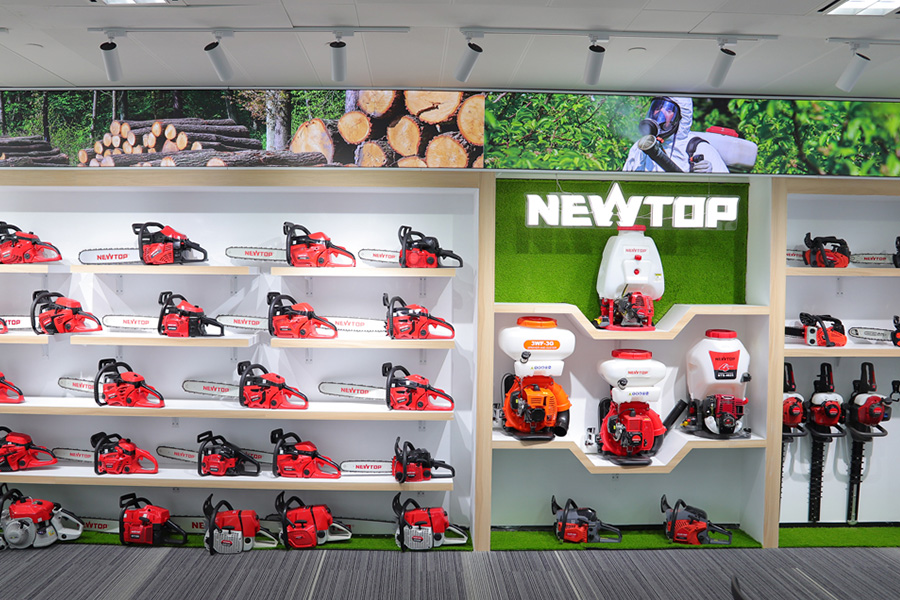
In many regions around the world, building a garden machinery distribution business starts with one critical decision: choosing the right garden machinery supplier. As cities expand and landscaping demand continues to rise, distributors who work with reliable suppliers gain a clear advantage in product stability, after-sales support, and long-term growth. Today, garden machinery distribution is no longer about short-term trading, but about creating a dependable system built on trust and service.
Across both emerging and mature markets, garden and landscaping equipment has become a resilient business category. Public infrastructure projects, commercial landscaping, and residential garden care all contribute to steady demand. Because of this stability, more entrepreneurs and regional traders see distribution as an opportunity worth serious investment. しかし, success depends less on ambition and more on execution.
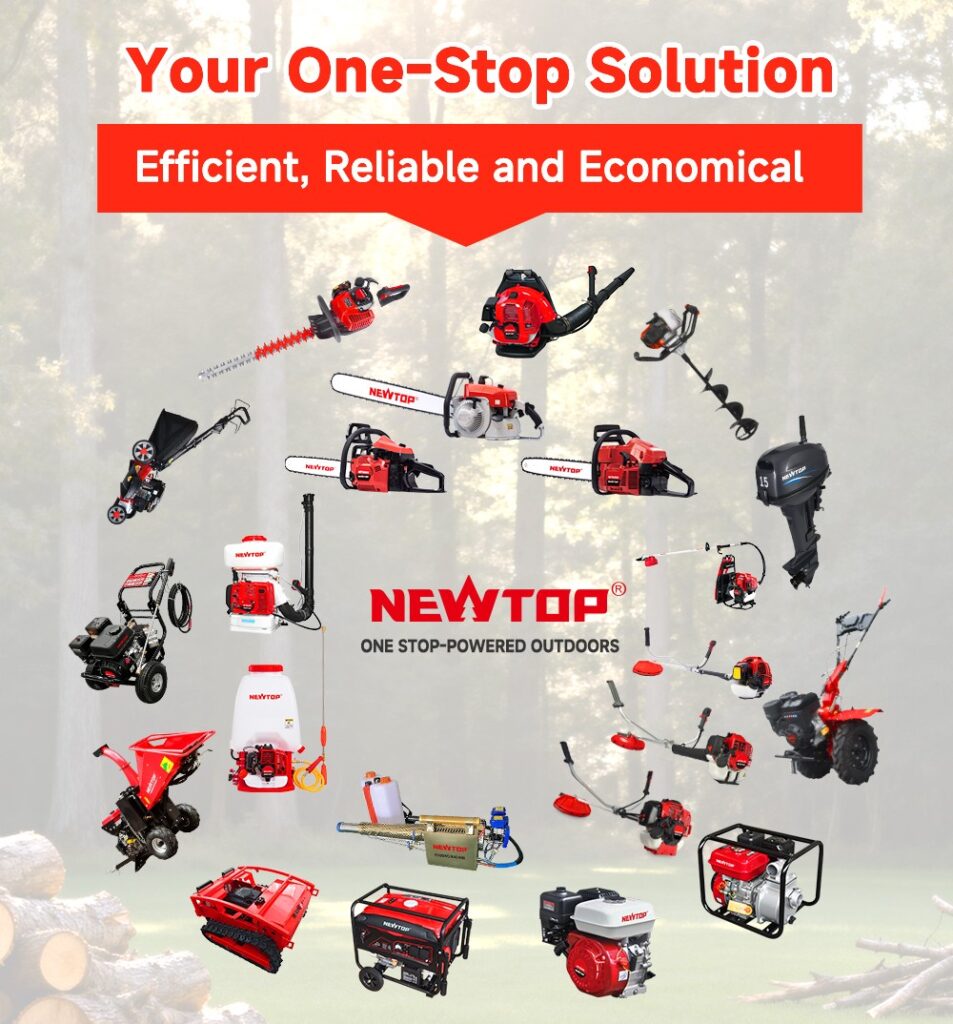
Why Choosing the Right Garden Machinery Supplier Matters
Although global brands attract attention, local distributors still shape most purchasing decisions. Garden machinery works under demanding conditions, often for long hours and with limited maintenance. For this reason, buyers care far more about spare parts access and service response than marketing claims.
In Africa and Latin America, operators typically run equipment daily under heavy load. Meanwhile, in many European markets, buyers place equal emphasis on compliance and consistency. 結果として, distributors who understand real usage scenarios outperform those who rely only on brand recognition.
あ professional garden machinery supplier strengthens this local advantage. Without upstream support that understands real working environments, even experienced distributors struggle to scale.
Starting Small Helps New Distributors Reduce Risk
Many first-time distributors believe that popular models will sell everywhere. In practice, products succeed only when they match local fuel quality, 気候, and operator habits. Therefore, experienced distributors usually begin with a focused product range rather than a full catalog.
Instead of importing dozens of models, they often start with one or two proven platforms. This approach simplifies spare parts management, reduces inventory pressure, and allows faster learning from the market. Over time, distributors expand their lineup based on real demand rather than assumptions.
ニュートップにて, many long-term partners followed exactly this path. They started with field-tested configurations and scaled only after validating performance and customer feedback.
How a Professional Garden Machinery Supplier Supports Long-Term Growth
Distributors do not sell machines alone—they sell reliability. Because of this, supplier selection directly shapes market reputation. While low prices may attract initial attention, they rarely protect margins in the long run.
When distributors choose suppliers based only on quotations, they often face inconsistent quality, unstable spare parts supply, and delayed shipments. These issues damage dealer confidence quickly and slow business growth.
By contrast, a dependable garden machinery supplier delivers consistency. Stable production standards, standardized components, and predictable lead times allow distributors to plan inventory and support dealers with confidence. When issues arise, responsible suppliers offer solutions instead of explanations.
Over time, this reliability becomes a competitive advantage that price competition cannot replace.
Pricing for Sustainability Instead of Short-Term Volume
In the early stages, many distributors try to win market share through aggressive pricing. しかし, this strategy usually weakens margins and limits after-sales capability. Once service quality declines, customer trust follows.
Successful distributors take a different approach. They calculate pricing based on real costs, including logistics, spare parts stock, warranty support, and market development. When distributors work with transparent suppliers, they gain clearer visibility into landed costs and avoid unexpected losses.
結果として, dealers operate more confidently, customer complaints decrease, and repeat orders become more predictable.
After-Sales Service Builds Trust Faster Than Marketing
Breakdowns occur in every equipment business. Customers judge distributors not by failure rates alone, but by response speed and problem resolution. Consequently, after-sales preparation should start early.
Strong distributors stock fast-moving spare parts, train basic technicians, and establish clear warranty procedures. 同時に, they rely on their garden machinery supplier for technical documentation and long-term parts availability.
NEWTOP designs many product lines around shared components, which allows distributors to support multiple models without excessive inventory. Over time, this efficiency strengthens dealer loyalty and customer confidence.
Branding and OEM Help Distributors Stand Out
As competition increases, distributors eventually need differentiation. Without a recognizable identity, products compete only on price, which limits growth.
For this reason, many distributors choose to work with suppliers that support OEM and private labeling. Even simple customization, such as branded packaging or localized manuals, helps build market recognition and professionalism.
Branding also changes how dealers perceive the distributor. Instead of acting as a trader, the distributor becomes a long-term partner. NEWTOP supports this transition because strong distributor brands lead to more stable and sustainable cooperation.
Logistics Stability Supports Scalable Growth
Fast delivery attracts attention, but reliable delivery builds businesses. Distributors who prioritize consistency avoid unnecessary disruptions and planning issues.
A mature supplier plans production capacity ahead of peak seasons, optimizes container loading, and conducts inspections before shipment. These practices reduce delays and damage risks. 結果として, distributors can plan promotions and seasonal sales with confidence.
Stable logistics allow distributors to focus on market expansion rather than operational firefighting.
Growth Comes from Data and Cooperation
Once operations stabilize, successful distributors rely on data rather than assumptions. Sales patterns, spare parts turnover, and dealer feedback reveal clear improvement opportunities.
When distributors share this information with their garden machinery supplier, both sides benefit. Product improvements become faster, configurations improve, and new models match real demand more closely. Many long-term partnerships between NEWTOP and its distributors have grown through this collaborative approach.
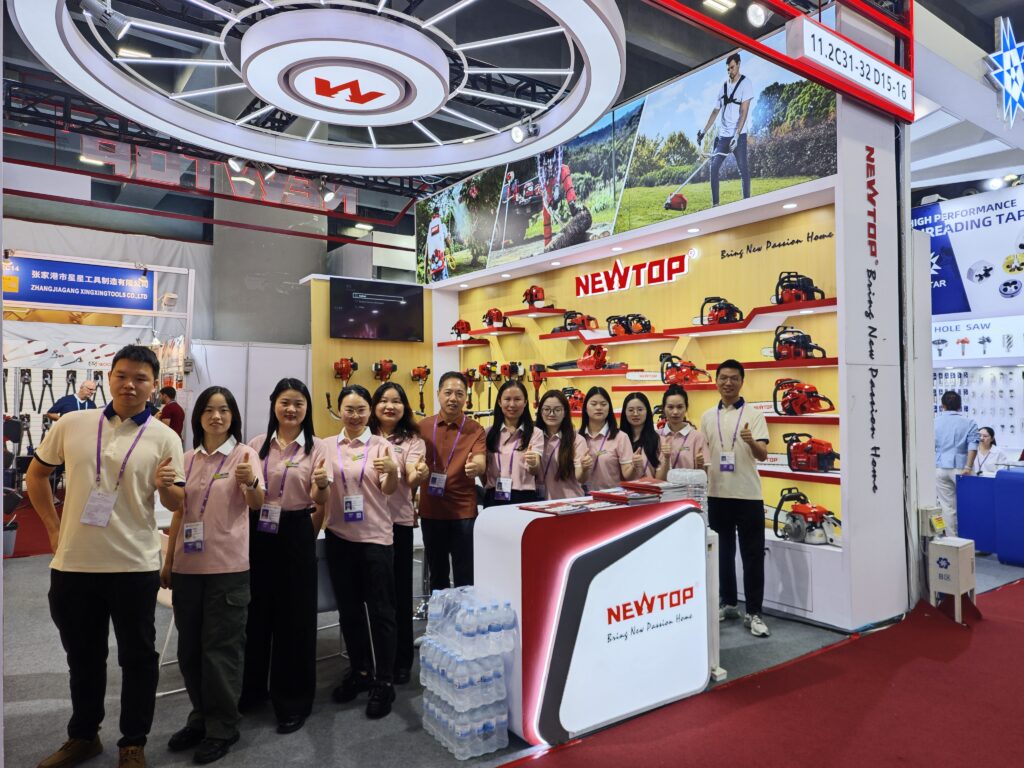
Starting a garden machinery distribution business requires patience and structure. Quick wins rarely last. Sustainable success comes from realistic market understanding, strong after-sales capability, and cooperation with the right garden machinery supplier.
Distributors who invest in stability, service, and long-term partnerships position themselves to grow steadily, even as markets change. With an experienced manufacturer like NEWTOP as a partner, that growth becomes both achievable and scalable.
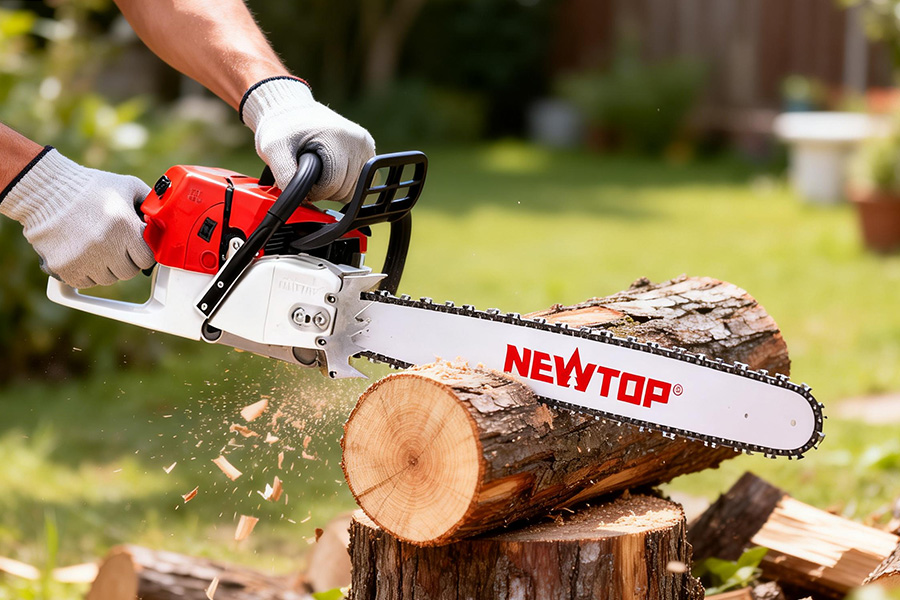
Choosing the best electric chainsaw today is rarely straightforward. Compared with a decade ago, buyers now face far more options, and the old assumption that gasoline chainsaws are always the “professional choice” no longer reflects reality. Electric technology has progressed quickly, changing how many users approach everyday cutting work.
In real-world use, the best electric chainsaw often delivers enough power, 快適, and reliability for most routine tasks. しかし, the right choice still depends on how the tool fits into daily work rather than on headline specifications. This is where many purchasing decisions quietly go wrong.
From years of cooperation with distributors and end users, NEWTOP has seen one clear pattern: users who choose a chainsaw based on actual working habits tend to remain satisfied far longer than those who chase numbers on paper.
Start with How You Actually Use an Electric Chainsaw
Before comparing models or brands, it helps to look honestly at how a chainsaw gets used week after week. Most people do not cut large logs every day. Instead, they handle pruning, firewood cutting, storm cleanup, and general property maintenance.
For this type of work, convenience becomes important very quickly. Electric chainsaws start instantly, require little preparation, and feel easier to control. 結果として, many homeowners and light-duty users realize that the best electric chainsaw already covers everything they realistically need.
That shift does not stop with homeowners. Landscapers and property managers also increasingly rely on electric chainsaws for routine tasks. Improved motor efficiency and battery systems now support longer working sessions without the frustrations that older electric models once caused.
Why Electric Chainsaws Are Becoming the Practical Choice
Electric chainsaws gain popularity not because they replace gasoline models entirely, but because they simplify everyday work. Users avoid fuel mixing, warm-up time, and pull-start resistance. Over time, these small conveniences noticeably improve the overall working experience.
Noise reduction also plays a larger role than many expect. Quieter operation allows work in residential areas with fewer complaints, while reduced vibration helps limit fatigue during repeated cuts. Combined, these factors make electric chainsaws easier to use for longer periods.
Maintenance further reinforces this trend. Electric chainsaws remove many common gasoline-related issues. Without carburetor adjustments or ignition tuning, users spend more time working and less time fixing equipment. For this reason, many people eventually describe the best electric chainsaw as the one that keeps performing without demanding constant attention.
Battery Chainsaws: When Cordless Convenience Matters Most
Within electric chainsaws, one category has grown especially fast in recent years: battery chainsaws. By eliminating the power cord entirely, battery-powered models offer a much more flexible working experience. Users can move freely around trees, hedges, and garden spaces without worrying about cable length, power outlets, or tangled wires.
For many homeowners and light-duty professionals, this cordless design changes how often a chainsaw actually gets used. Tasks that once felt inconvenient—quick pruning, small cleanups, or routine trimming—become easier to handle. 結果として, battery chainsaws are often chosen not only for their cutting ability, but because they reduce friction between the user and the task itself.
This shift toward cordless operation also influences how manufacturers design newer tools. ニュートップにて, portable battery chainsaws focus on balance, weight, and everyday usability rather than maximum output alone. The goal is to make cutting work feel more approachable, especially for users who value control and comfort.
A good example of this approach is the NEWTOP Portable Wireless Lithium Battery Chainsaw NTCS401Li.
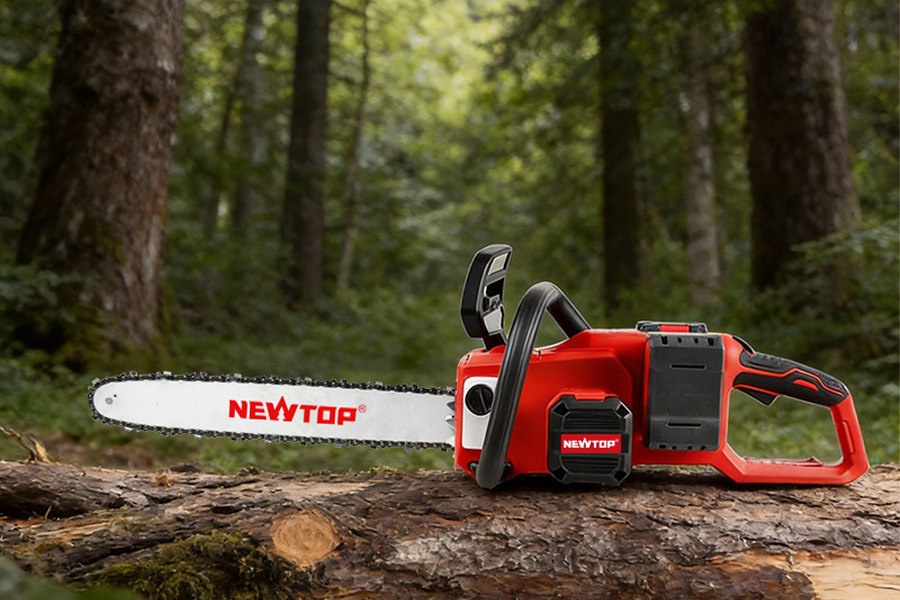
Designed as a lightweight, cordless cutting solution, it delivers clean performance with impressive efficiency for everyday garden and outdoor tasks. Powered by a brushless motor and supported by advanced electronic control, the NTCS401Li offers smooth operation, low noise, and dependable cutting power without the vibration and complexity often associated with larger machines. For users who want the convenience of a battery chainsaw without sacrificing cutting stability, this type of design fits naturally into modern electric chainsaw use.
What Determines Performance in an Electric Chainsaw
Marketing materials often emphasize voltage, chain speed, or bar length. In real working conditions, performance depends far more on how these elements work together.
Motor quality plays a central role. Brushless motors deliver steadier torque and respond better under load, which improves control when cutting harder wood. Power delivery matters just as much. When a chainsaw stalls, the operator must push harder, increasing fatigue and risk. A well-designed electric chainsaw avoids this by maintaining consistent chain movement and letting the tool do the work.
Bar length also deserves a realistic approach. While longer bars look impressive, they often reduce control. In many situations, a slightly shorter bar improves accuracy and actually speeds up the job.
Comfort, 安全性, and Reliability in Electric Chainsaws
Comfort influences satisfaction more than many buyers realize. Electric chainsaws usually weigh less, but balance matters just as much as total weight. Poor balance quickly strains wrists and shoulders, especially during angled or overhead cuts.
Modern electric chainsaws include safety features such as chain brakes, trigger locks, and hand guards. These features reduce risk, but safe operation still depends on user habits. Smooth throttle response and predictable cutting behavior make those habits easier to maintain.
Maintenance remains simple but necessary. Chains need sharpening, bars require cleaning, and lubrication systems need attention. Battery care also matters. Users who follow proper charging and storage practices preserve performance and extend service life.
Over time, build quality becomes obvious. Housing strength, internal layout, and heat management determine how well a chainsaw holds up after repeated use. ニュートップにて, engineers evaluate electric chainsaws under realistic working conditions, because durability reveals itself through use rather than short demonstrations.
Making the Right Chainsaw Choice
Gasoline chainsaws still dominate heavy forestry work, and that role remains clear. しかし, most users spend far more time on lighter tasks.
In daily scenarios, electric chainsaws includes battery chainsaws now handle the majority of cutting jobs with fewer compromises. Lower noise, easier handling, and simpler upkeep make them the preferred option in many environments. 結果として, many users rely on the best electric chainsaw for everyday work and reserve gasoline models for specific demands.
Choosing the right chainsaw ultimately comes down to honesty about real needs. Instead of chasing maximum specifications, it pays to select a tool that fits actual habits and working conditions. For many users today, electric chainsaws—especially modern battery models—strike that balance, and their role continues to grow as technology improves.
For distributors, professionals, and end users evaluating chainsaws, NEWTOP continues to focus on practical design and dependable performance, because in real work, consistency matters far more than numbers on paper.

When farmers talk about spray performance, they often focus on pump pressure, tank capacity, or engine power. In reality, the small component at the end of the lance—the nozzle—has the greatest influence on how chemicals are distributed, how much drift occurs, and how effective the treatment will be.
Understanding different knapsack sprayer nozzle types is essential if you want better weed control, healthier crops, and lower chemical waste. Whether you operate a few hectares or manage large-scale agriculture, choosing the right spray tip directly affects droplet size, spray pattern, coverage uniformity, and overall efficiency.
on.
This guide explains how knapsack sprayer nozzles work, the major types available, and how to select the right one for your application.
What Is a Knapsack Sprayer Nozzle and Why It Affects Spray Performance
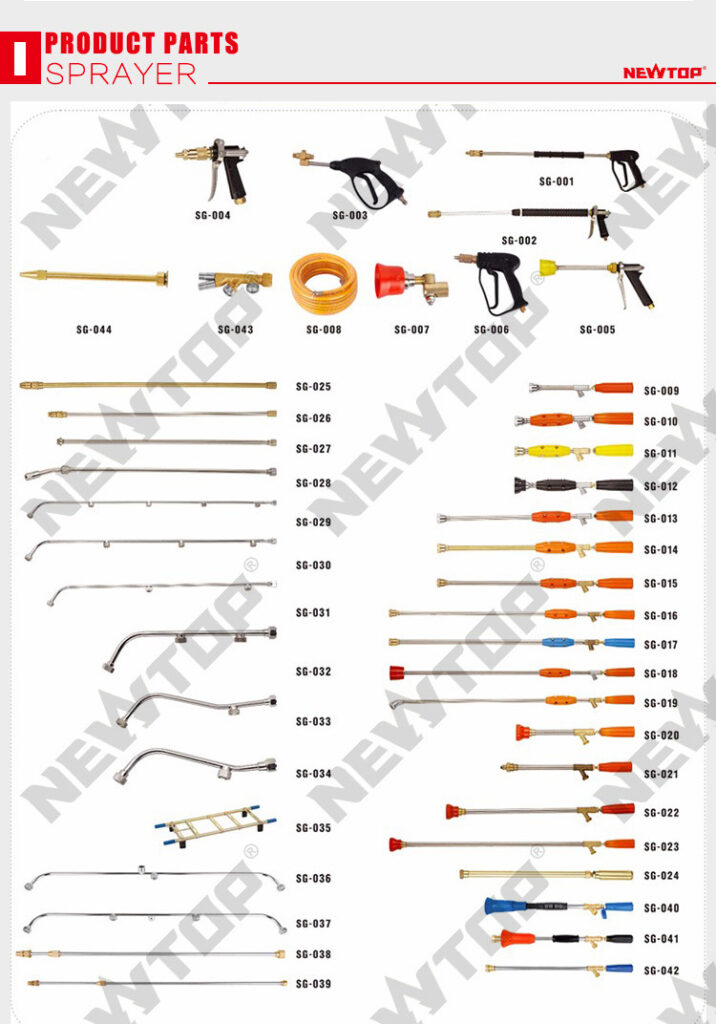
The nozzle is the single most critical component on a knapsack sprayer, directly controlling droplet size, spray pattern, and flow rate to determine application accuracy and drift potential.
A knapsack sprayer nozzle is the precision component that controls how liquid exits the spray lance. It determines:
- Droplet size (fine, medium, coarse)
- Spray pattern (flat, ファン, 円錐, ストリーム)
- Flow rate (liters per minute)
- Spray angle (例えば, 65°, 80°, 110°)
- Drift potential
Its primary functions directly influence the outcome of the application. In both manual and motorized knapsack sprayers, liquid under pressure passes through a small orifice.
The shape and size of that orifice define how the spray atomizes. 例えば, a flat fan nozzle produces a thin, evenly distributed sheet of spray ideal for herbicide application. A hollow cone nozzle creates fine droplets that wrap around foliage, improving coverage for insecticides.
If droplet size is too fine, spray drift increases, especially under wind conditions. If droplets are too coarse, coverage becomes uneven and pest control may suffer.
How Nozzles Control Droplet Size and Drift
Droplet size is a primary factor influencing spray performance, and the nozzle’s internal design dictates the size of droplets it produces.
Smaller droplets, 通常は周りに 100-200 microns, provide more thorough surface coverage but are highly susceptible to being carried off-target by wind. 対照的に, larger droplets over 400 microns are heavier and resist drift, but they may bounce off plant surfaces or provide less uniform coverage.
The Impact of Spray Pattern on Coverage Quality
The spray pattern is the physical shape of the spray as it exits the nozzle. Different patterns are engineered for specific tasks to ensure the chemical is distributed effectively for maximum impact. A flat fan pattern, for instance, provides a uniform, overlapping band of spray ideal for applying herbicides to flat ground. Hollow cone and full cone patterns produce finer droplets in a circular shape, designed to penetrate dense plant canopies when applying insecticides or fungicides. The correct pattern ensures the active ingredient is delivered precisely to the intended target, whether it’s a leaf surface, a single weed, or the soil.
An Overview of Knapsack Sprayer Nozzle Types
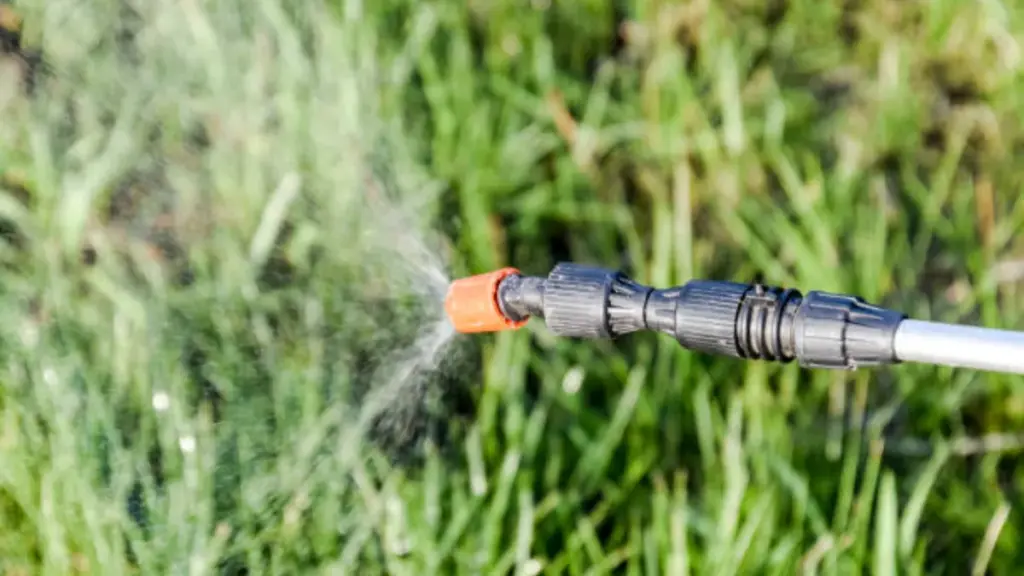
Knapsack sprayer nozzles are generally classified by spray pattern and droplet formation. Here is a complete table summarized common knapsack sprayer nozzle types for your quick refernce:
| Nozzle Type | Definition & Characteristics | Spray Pattern & Angle | Droplet Size | 流量 (@ 3 bar) | Drift Potential | Type of Treatment | Pros & Cons |
|---|---|---|---|---|---|---|---|
| Flat Fan | Designed for even distribution on flat surfaces with an elliptical spray. | Flat/Fan (65° – 110°) | Fine to Medium | 0.4 – 1.6 L/分 | Moderate to High | Broadcast herbicide; uniform coating. | (+) Uniformity (-) Wind drift |
| Hollow Cone | Concentrates liquid on the outer ring; excellent for 3D leaf coverage. | Circular Ring (40° – 90°) | Fine to Very Fine | 0.3 – 1.2 L/分 | 非常に高い | Insecticides; canopy penetration. | (+) 浸透 (-) Drift risk |
| Full Cone | Fills the entire circular area; provides high-volume wet spray. | Solid Circle (30° – 120°) | Medium to Coarse | 0.8 – 2.5 L/分 | Low to Moderate | スポット治療; drenching dense brush. | (+) High impact (-) Chemical waste |
| Solid Stream | A single jet for maximum precision and target impact. | Single Dot (0°) | Extra Coarse | 0.2 – 2.0 L/分 | 非常に低い | Targeted spot weeding; crevice cleaning. | (+) Zero drift (-) No coverage |
| Flooding | Wide flat spray at low pressure; creates extra-large droplets. | Extra Wide Fan (110°+) | Extra Coarse | 1.0 – 4.5 L/分 | 低い | Soil herbicides; liquid fertilizers. | (+) Fast coverage (-) Liquid waste |
| Adjustable | Twist-to-change nozzle from a straight stream to a cone pattern. | Variable (0° – 90°) | Fine to Coarse | 0.4 – 1.8 L/分 | Variable | General gardening; multi-purpose needs. | (+) Versatile (-) Poor calibration |
| Air Induction | Air-mixed spray creates large air-filled bubbles to reduce drift. | Standard Flat (110°) | Very Coarse | 0.6 – 2.0 L/分 | Extremely Low | Pre-emergence herbicide; windy conditions. | (+) Drift control (-) Needs high PSI |
Flat Fan Nozzles for Efficient Herbicide Application
Flat fan nozzles are the industry standard for broadcast herbicide application, providing uniform coverage that can be optimized for drift control and specific chemical requirements.
Uniform Coverage for Standard Applications
Flat fan nozzles are the established standard for applying herbicides in field crops. Their design produces a tapered-edge spray pattern that ensures uniform liquid distribution when the patterns from adjacent nozzles are properly overlapped. This reliable performance leads to consistent and effective weed control, making them the most widely used nozzle type for broadcast treatments.
Drift-Reduction Variants for Precise Control
A key trend in nozzle engineering is the development of flat fan designs that minimize spray drift. These nozzles generate larger droplets that are less susceptible to wind, ensuring the herbicide lands on the target area. This is often achieved through pre-orifice designs that lower the liquid’s exit pressure while maintaining the intended spray pattern. Specialized variants, like even flat-fan nozzles, are also available for banding applications where herbicide needs to be applied in narrow, concentrated strips.
Chemistry-Driven Nozzle Selection
The focus in modern agriculture is shifting away from using a universal nozzle toward selecting a nozzle based on specific herbicide chemistry. Matching the nozzle’s droplet size to the chemical’s requirements is critical for maximizing performance and reducing waste. The right choice depends on the herbicide type, carrier volume, and environmental conditions at the time of application. To aid this process, many manufacturers now provide digital tools and mobile apps that help operators select the optimal nozzle for their exact needs.
Hollow Cone Nozzles for Maximum Foliage Penetration
Hollow cone nozzles create a ring-shaped spray pattern with fine droplets, engineered to penetrate dense crop canopies and deliver fungicides or insecticides to hard-to-reach inner leaves.
How Hollow Cone Nozzles Create a Ring-Shaped Pattern
Hollow cone nozzles use an internal component called a whirlchamber that spins liquid at high speed before it exits the orifice. This centrifugal action forces the liquid into a conical sheet, which forms a distinctive ring-shaped spray pattern with a hollow center. This design concentrates the fine droplets at the edges of the spray for precise application onto foliage.
- Liquid enters a whirlchamber, which generates a high-speed rotational flow.
- The spray exits the orifice in a conical sheet that forms a circular ring pattern.
- Most droplets are concentrated at the outer edges of the ring, leaving the center hollow.
Key Performance Characteristics
The effectiveness of these nozzles stems from their ability to produce fine droplets within an efficient ring pattern. This geometry is optimized for directed coverage at pressures between 40 そして 80 psi. These traits work together to ensure deep foliage penetration with minimal chemical waste.
- Produces fine to medium droplets that optimize surface coverage while penetrating dense plant canopies.
- The ring configuration directs the spray toward leaf surfaces rather than saturating the entire volume.
- Operates effectively at 40–80 psi, delivering excellent coverage on the underside of leaves.
Primary Agricultural Applications
These nozzles are best suited for applications where thorough coverage of dense foliage is critical. They excel in orchards, ブドウ畑, and specialty crops, making them a primary choice for targeted fungicide and insecticide treatments where reaching inner and lower leaves is essential for crop protection.
- Ideal for applying fungicides and insecticides in crops like soybeans or fruit trees.
- Effectively penetrates dense canopies to reach inner leaves and their undersides.
- Performance is enhanced when used with air-assist sprayers that drive droplets deeper into the foliage.
Increase Repeat Orders with Reliable Sprayer Spare Parts

Full Cone Nozzles for High-Volume Spray Applications
Full cone nozzles are engineered to deliver a solid, circular spray pattern with evenly distributed droplets, making them the standard for applications requiring complete surface drenching and high-volume output.
How Full Cone Nozzles Achieve Uniform Distribution
Full cone nozzles produce a solid, circular spray pattern by using an internal component, like an S-type or tangential-flow vane, to create a turbulent, swirling flow before the liquid exits the orifice. This mechanism forces droplets to distribute evenly across the entire target area, not just along the edges. The result is consistent, thorough coverage, which makes these nozzles ideal for tasks that require complete wetting or drenching of a surface.
Primary Applications in Agriculture and Industry
These nozzles are critical in any sector where the primary goal is to blanket a surface with a high volume of liquid. Their uniform spray pattern is essential for processes where complete coverage is non-negotiable.
- Dust suppression at industrial sites and quarries.
- Washing and rinsing produce or equipment in agricultural facilities.
- Fire protection systems designed to deliver large volumes of water over a wide area.
- Gas cooling and scrubbing processes in industrial plants.
Advantages for High-Flow Tasks
The main benefit of a full cone nozzle is its ability to maintain a stable, uniform pattern even at high flow rates. This efficiency reduces chemical waste and ensures consistent results in large-scale operations.
- Delivers excellent coverage that minimizes missed spots, reducing the need for repeated applications.
- Engineered for high-volume output without losing spray pattern integrity.
- Modern designs offer improved resistance to clogging, ensuring reliable operation in demanding environments.
Solid Stream (Jet) Nozzles for Precision Spot Treatment
Solid stream nozzles deliver a concentrated liquid jet with maximum impact and minimal atomization, making them the standard for high-precision spot treatments where overspray must be avoided.
Key Characteristics: Precision and High Impact
Solid stream nozzles, often called jet nozzles, are engineered to produce a single, coherent stream of liquid. This design concentrates the entire output into a small area, which generates the highest possible impact force among all nozzle types. By minimizing atomization into smaller droplets, the nozzle creates a tight, controlled stream that significantly reduces spray drift and allows operators to target specific points with high accuracy. This makes them ideal for applications that demand precision over broad coverage.
Common Applications for Spot Treatment
The primary use for these nozzles is any task where the chemical must hit a specific target without contaminating the surrounding area. Their accuracy is critical in sensitive environments, with high-value crops, or for specialized cleaning jobs. Key applications include:
- Applying herbicides directly onto individual weeds in a lawn, 庭, or crop row.
- Targeting insect pests clustered at the base of a plant or hidden along fence lines.
- Cleaning equipment or washing stubborn debris from hard surfaces with a high-pressure stream.
- Injecting liquid fertilizers or systemic treatments directly into the soil near a plant’s root zone.
Materials and Durability Considerations
The performance and lifespan of a solid stream nozzle depend entirely on the quality and material of its orifice. By 2026, leading manufacturers use highly durable materials to maintain a consistent stream pattern, even when spraying abrasive or corrosive chemicals. A worn or damaged orifice will degrade the stream’s coherence, causing poor targeting and increased drift. Operators must prioritize material quality and regular inspection.
- Orifices are typically constructed from hardened stainless steel, ceramic, or tungsten carbide to resist wear.
- Any damage to the orifice can disrupt the stream, leading to a turbulent, less effective spray.
- Frequent visual checks are necessary to confirm the stream remains straight and non-turbulent.
Limitations and When to Avoid Use
While solid stream nozzles excel at precision work, they are the wrong tool for covering large areas. Their concentrated pattern is inefficient for broadcast spraying, and the high-impact force can be detrimental if used incorrectly. You should avoid using a solid stream nozzle in certain situations.
- It is not practical for applying herbicides or pesticides over an entire field, lawn, or large patch of ground.
- The strong jet can physically damage delicate plant foliage, flowers, or fruit.
- It can cause excessive chemical runoff if the target cannot absorb the liquid volume quickly.
Flooding Nozzles for High-Volume Soil and Ground Treatment
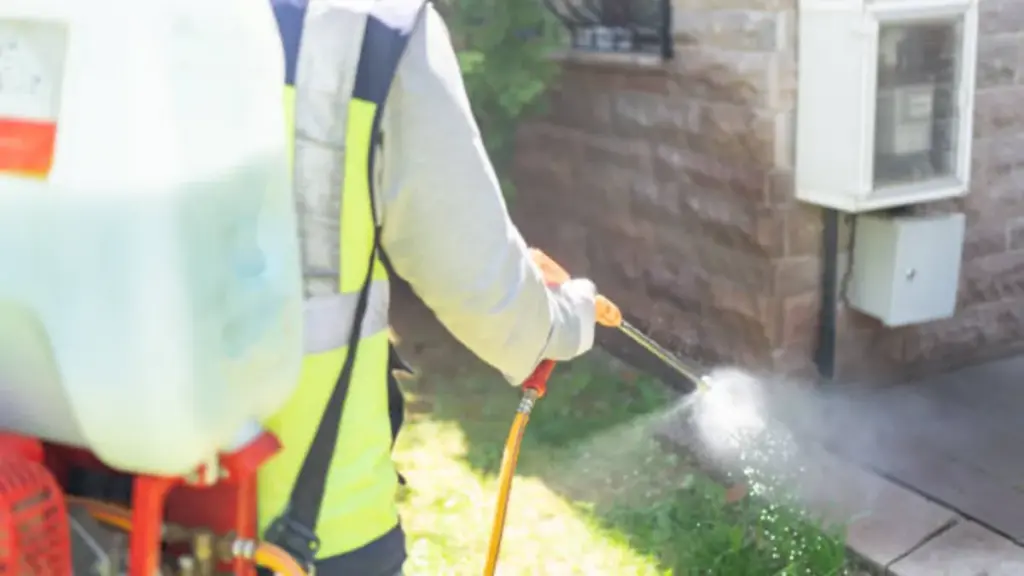
Flooding nozzles are the industry standard for high-volume ground applications, delivering a wide, uniform pattern with exceptionally large droplets to minimize spray drift when applying liquid fertilizers and soil-targeted herbicides.
How Flooding Nozzles Function
Flooding nozzles are engineered to create a wide-angle, fan-like spray pattern by deflecting a solid stream of liquid off a sloped surface. This mechanism produces an exceptionally coarse droplet spectrum, which is less susceptible to wind drift than finer sprays. They are designed to operate at very low pressures, typically between 10 そして 30 psi, further reducing the creation of small, drift-prone droplets. The result is maximum ground coverage with minimal off-target movement, making them a cornerstone technology for specific broadcast applications.
Primary Applications in Agriculture
These nozzles are the default choice for applying liquid fertilizers and pre-emergence herbicides directly to the soil. Their high flow rate and uniform distribution pattern make them ideal for treating large fields quickly and effectively. They are commonly used for broadcast applications where the goal is to cover the ground surface evenly rather than penetrate a plant canopy. Their design is also well-suited for tank mixes that combine fertilizers and herbicides for a single-pass application.
Key Advantages for Ground Spraying
The primary benefit of flooding nozzles is their ability to deliver a high volume of liquid while significantly reducing drift. This combination ensures that expensive chemicals reach the soil where they are needed, improving efficacy and environmental safety. The wide pattern also enables faster ground speeds, increasing operational efficiency.
- Excellent Drift Control: Large droplet size and low operating pressure are the two main factors that minimize off-target spray movement.
- Uniform Coverage: The wide, flat pattern ensures that fertilizers and herbicides are distributed evenly across the soil surface for consistent performance.
- High Efficiency: A high flow rate and wide spray swath allow operators to cover more ground in less time.
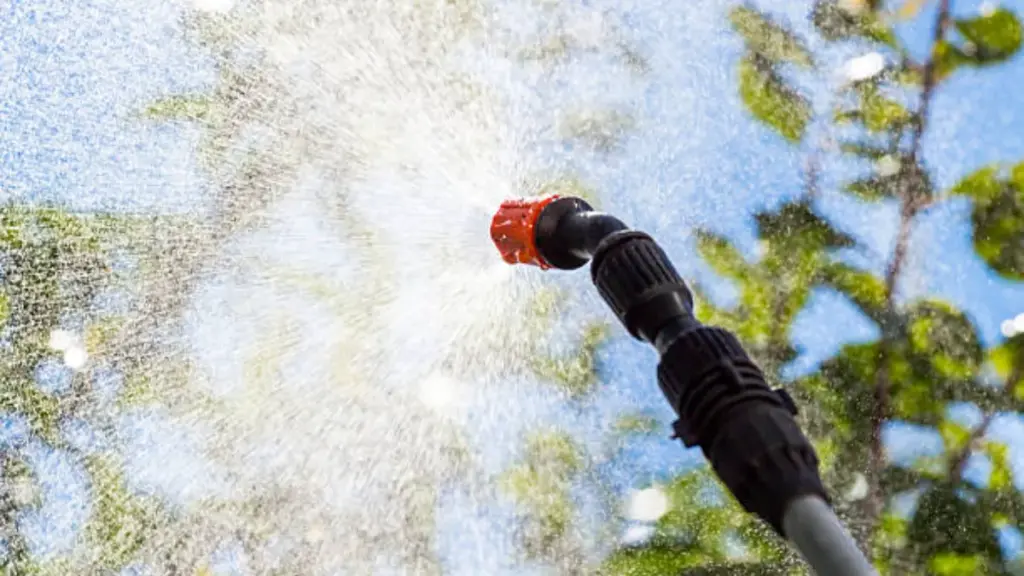
Adjustable Nozzles for Small and Large Farms
Adjustable nozzles provide essential operational flexibility, allowing operators to modify spray patterns from a fine mist to a solid stream to match different chemicals and application needs without changing hardware.
Adapting Spray Patterns from Mist to Stream
The primary function of an adjustable nozzle is its ability to modify the spray pattern in the field. Operators can instantly switch from a wide, fine mist for broad foliage coverage to a concentrated solid stream for spot treatments. This adaptability makes it a highly flexible tool for varied agricultural tasks, controlled by a simple mechanism that requires no tools.
- A simple twist or lever mechanism allows for seamless changes between spray patterns.
- Fine mist settings are ideal for applying fungicides or insecticides over large crop areas.
- Solid stream settings provide precise application for targeting specific weeds or pests, which minimizes overspray and chemical waste.
Versatility Across Different Chemicals and Equipment
Adjustable nozzles are engineered to work effectively with a wide range of agricultural chemicals and can be fitted onto various types of spray equipment. This adaptability makes them a universal solution for farms that manage diverse crops and operate at different scales, from small plots to large commercial fields.
- These nozzles are compatible with herbicides, pesticides, そして液体肥料.
- They function on both manual knapsack sprayers and larger, tractor-mounted boom sprayers.
- This versatility reduces the need to purchase and manage multiple specialized nozzles, streamlining inventory and costs.
Key Benefits for Modern Farming Operations
For both smallholders and large agricultural enterprises, adjustable nozzles offer practical benefits that improve cost savings, efficiency, and sustainability. Their design optimizes chemical use while simplifying the entire spraying process, leading to better operational outcomes.
- Reduces chemical waste by allowing operators to match the spray pattern directly to the application target.
- Increases operational efficiency by eliminating the time spent changing nozzles for different tasks.
- Helps farms meet environmental and regulatory standards by providing better control over spray drift.
Air Induction Nozzles: Low-Drift Option for Safer Spraying
Air induction nozzles are engineered to significantly reduce spray drift by creating larger, air-filled droplets that resist wind and improve on-target application.
How Air Induction Nozzles Reduce Spray Drift
Air induction nozzles use a venturi design to mix air with the spray liquid. This process creates larger, heavier droplets that are less susceptible to being carried away by wind, which minimizes off-target spray movement and environmental contamination.
- A venturi mechanism draws air into the nozzle body, infusing it into the liquid stream.
- This action produces coarser droplets with fewer fine, drift-prone particles.
- The resulting larger droplets have enough weight to fall directly onto the target surface, resisting wind effects.
Key Benefits of Using Air Induction Technology
The primary advantage of these nozzles is a dramatic reduction in spray drift, which enhances environmental safety and protects non-target crops. They also allow for effective application in a wider range of conditions, extending the operational window for farmers and groundskeepers.
- Achieves a 75% に 90% reduction in spray drift compared to conventional flat-fan nozzles.
- Maintains high biological efficacy, ensuring herbicides and pesticides work as intended.
- Expands the safe spraying window, allowing for application in less-than-ideal weather conditions.
Optimal Operating Conditions
To achieve the best balance of drift control and target coverage, air induction nozzles should be operated within their recommended pressure range. Proper pressure ensures the venturi system functions correctly without sacrificing the effectiveness of the chemical application.
- Performance is often optimized when operating between 60 そして 80 psi.
- Operators must balance drift reduction with the need for adequate foliage penetration and coverage.
- Modern designs offer improved performance across a variety of application scenarios, from broadacre farming to spot treatments.

How to Choose the Right Nozzle Type for Your Knapsack Sprayer
Selecting the correct nozzle involves matching the application target with the required droplet size to balance effective coverage against off-target drift, all while operating within the nozzle’s specified pressure range.
| Application Type | Recommended Nozzle Type | Primary Consideration |
|---|---|---|
| Herbicide Application (Broadcast) | Flat Fan or Air Induction | Uniform coverage and low drift (medium-to-coarse droplets). |
| Insecticide / Fungicide (Foliage) | Hollow Cone or Full Cone | Canopy penetration and thorough coverage (fine droplets). |
| Spot Treatment / Basal Spray | Solid Stream or Adjustable | Precision targeting with minimal overspray. |
| High-Volume Ground Treatment | Flooding (FloodJet) | Wide pattern at low pressure with large droplets to reduce drift. |
Selecting the correct nozzle requires considering several practical factors.
First, identify the chemical type. Herbicides typically require flat fan or air induction nozzles. Insecticides and fungicides often perform better with hollow cone tips.
Second, evaluate crop structure. Dense foliage demands finer droplets and better penetration.
Third, consider environmental conditions. Wind speed, temperature, and humidity influence droplet behavior.
Fourth, check flow rate compatibility with your knapsack sprayer. Incorrect nozzle size may cause pressure instability or uneven spray.
Finally, think about replacement availability. Standardized nozzles are easier to source and replace in global markets.
Professional applicators often maintain a small set of interchangeable nozzles to adapt to seasonal requirements.
Common Knapsack Sprayer Nozzle Issues and Maintenance Tips
Nozzles wear over time. Abrasive chemicals and suspended particles gradually enlarge the orifice, increasing flow rate and altering spray pattern.
| Common Issue | Primary Cause(s) | Key Maintenance Action |
|---|---|---|
| Clogging & Blockages | Debris, chemical residue, undissolved particles. | Flush the system with clean water after each use and use a soft brush for cleaning orifices. |
| Corrosion & Physical Wear | Aggressive chemicals and abrasive particles in the spray solution. | Select nozzles made from chemical-resistant materials and inspect for physical damage before use. |
| Inconsistent Pressure & Leaks | Worn gaskets, O-rings, or improper tightening of components. | Replace seals and O-rings annually and ensure all connections are secure but not overtightened. |
| Premature Failure | Lack of a consistent, preventative maintenance routine. | Implement a post-use cleaning protocol and conduct thorough seasonal inspections. |
Why NEWTOP’s Universal Nozzle Kits Fit Your Global Needs
As a professional outdoor power equipment manufacturer since 2003, ニュートップ develops knapsack sprayers designed for international markets.
NEWTOP nozzle kits are engineered to be compatible with most standard knapsack sprayers used in Africa, Latin America, 東南アジア, and Eastern Europe. Each kit includes multiple nozzle types, allowing farmers and distributors to serve diverse crop applications.
If you are a distributor, agricultural importer, or regional brand owner seeking reliable knapsack sprayer accessories, we offer flexible MOQ, sample support within 7–10 days, and global logistics solutions. For product inquiries, contact us directly.
結論
Choosing the correct knapsack sprayer nozzle is fundamental to effective and responsible chemical application. The right nozzle ensures precise delivery to the target area, maximizing the impact of your herbicides or pesticides while minimizing costly waste. This leads to better crop protection, reduced operational costs, and safer spraying conditions.
If you manage diverse spraying tasks, having a versatile set of high-quality nozzles is essential for maintaining efficiency. Explore NEWTOP’s universal nozzle kits to see how you can simplify inventory and prepare your team for any application.
よくある質問
What are the different types of knapsack sprayer nozzles?
The main types include flat fan, hollow cone, full cone, solid stream (jet), flooding, adjustable, and air induction nozzles. Each produces different spray patterns and droplet sizes for specific agricultural applications.
Which nozzle is best for weed killer?
Flat fan nozzles are generally recommended for herbicide application because they provide uniform coverage across ground surfaces. In windy conditions, air induction flat fan nozzles reduce drift.
How do I read the color codes on sprayer nozzles?
Nozzle color codes indicate the flow rate at a standard pressure, according to the ISO 10625 international standard. Each color represents a specific output volume, allowing you to select the right nozzle for your desired application rate. 例えば, a yellow nozzle has a lower flow rate than a blue one, ensuring consistent spraying performance.
How often should sprayer nozzles be replaced?
Replacement depends on usage intensity and chemical type. In professional farming, nozzles are inspected each season and replaced when flow rate increases significantly or spray pattern becomes uneven.
Can I use different brand nozzles on my knapsack sprayer?
In many cases, yes—if the thread size and connection type match. Universal fittings allow cross-brand compatibility, but checking specifications is important.
What nozzle produces the least drift?
Air induction (AI) nozzles produce the least amount of drift. They are specifically engineered to create large, air-filled droplets that are heavier and less susceptible to being carried by wind. This technology is superior for drift control, making AI nozzles the safest choice for applying herbicides near sensitive plants.
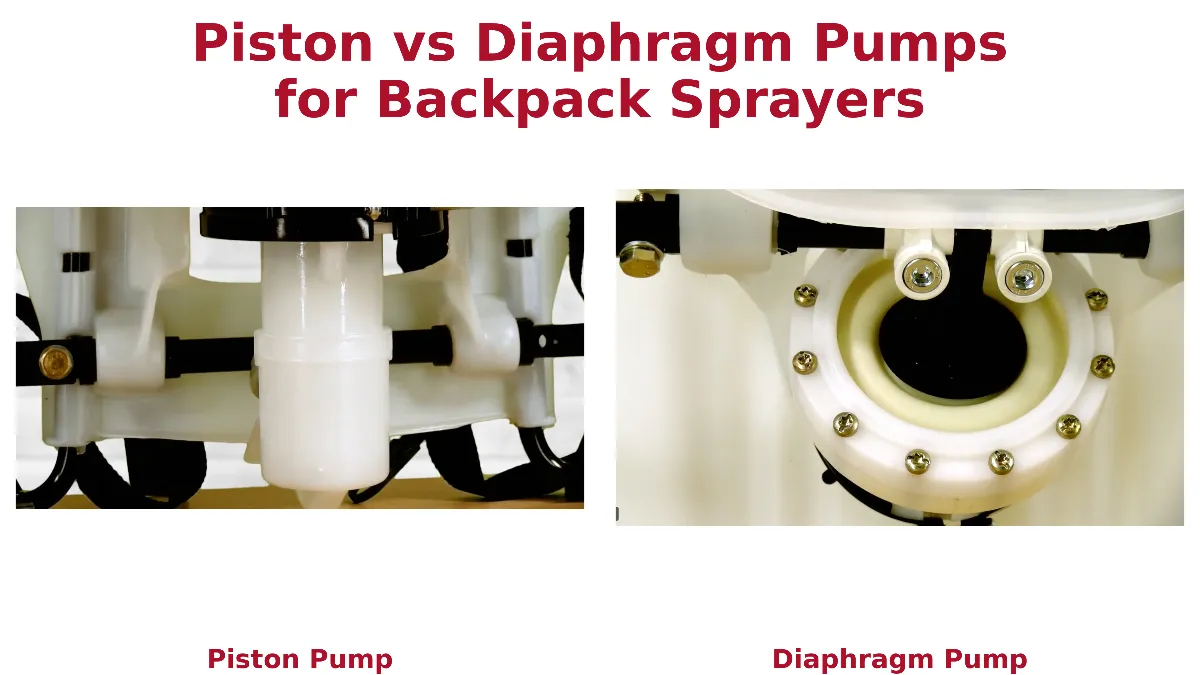
Choosing the right backpack sprayer piston vs diaphragm pump is a critical decision that directly impacts operational uptime, chemical costs, and worker safety. A mismatch between the pump mechanism and the chemical agent leads to premature seal failure, inconsistent application pressure, and unscheduled downtime, turning a routine task into a costly operational risk.
This guide provides a clear technical comparison of both pump systems. We will analyze the core mechanics of piston and diaphragm designs, evaluate their performance against critical metrics like pressure output and chemical compatibility, and outline the maintenance demands for each. Use this breakdown to standardize your equipment selection process and ensure you deploy the most durable and efficient pump for every job.
What Is a Backpack Sprayer Pump and Why It Matters
The pump is the core component of any backpack sprayer, directly controlling pressure, chemical compatibility, and overall application performance.
The Core Function of a Backpack Sprayer Pump
A backpack sprayer pump is the mechanical system that creates pressure inside the spray tank and pushes liquid through the hose, lance, and nozzle. Whether you are applying pesticides, 除草剤, 肥料, disinfectants, or public health chemicals, consistent pressure ensures uniform spray coverage and proper droplet size. Backpack sprayers typically use one of two pump systems: piston pump and diaphragm pump.
- Creates pressure to atomize and propel fluids.
- Dictates the spray reach, pressure level, and droplet size.
- Determines which types of chemicals the sprayer can safely handle.
Low or unstable pressure leads to uneven application, chemical waste, and crop damage. Excessively high pressure can cause misting drift and environmental concerns. Therefore, selecting the correct pump type is a practical decision that impacts field performance and product reliability.
For a detailed breakdown of different models and their structural variations, explore our comprehensive guide on the types of knapsack sprayer to find the ideal base configuration for your operations.
How a Piston Pump Works in a Backpack Sprayer
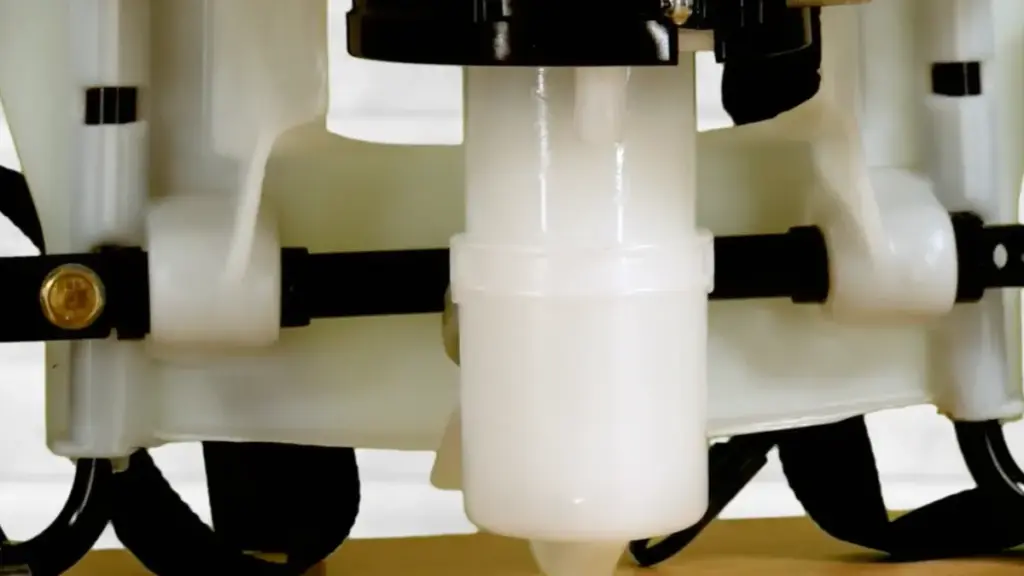
A piston pump uses a reciprocating piston inside a cylinder, leveraging one-way check valves to draw in fluid and then forcefully eject it under high pressure.
Piston pumps use a cylinder and piston mechanism to build high pressure, often reaching up to 90 PSI. The piston pump operates through a simple, reciprocating action. A piston moves up and down inside a sealed cylinder, using one-way valves to draw fluid from the tank and push it toward the spray nozzle.
On the upstroke, the piston creates a vacuum that pulls liquid from the tank through an inlet check valve into the pump cylinder.
On the downstroke, the piston pushes down, closing the inlet valve and forcing the trapped liquid out through an outlet check valve. The operator’s manual pumping of the sprayer handle drives this cycle, creating a pressurized flow for spraying.
How a Diaphragm Pump Works in a Backpack Sprayer
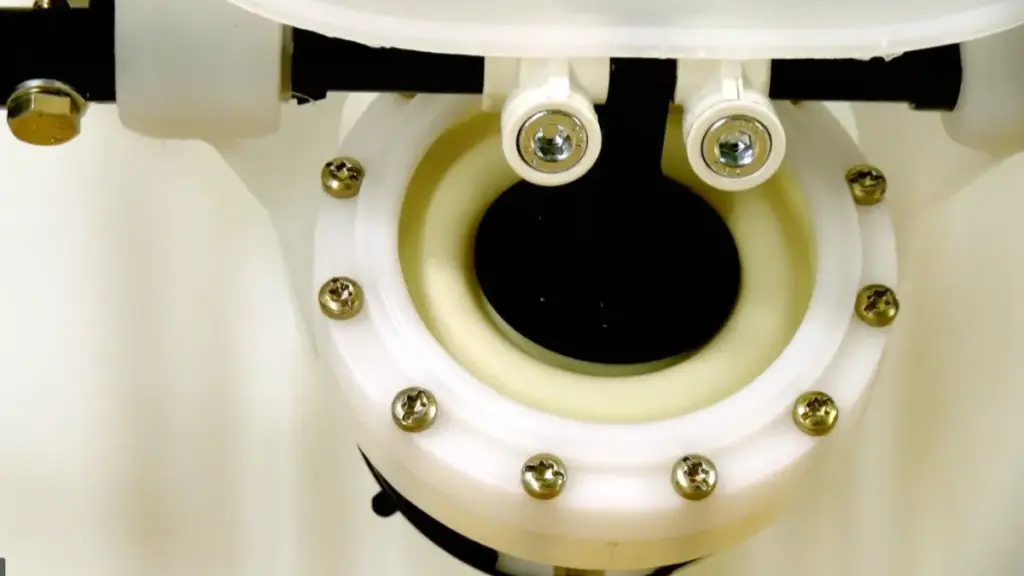
A diaphragm pump uses a flexible, oscillating membrane to move fluid, a design that isolates mechanical components from the chemical solution and allows for handling abrasive or corrosive materials.
A diaphragm pump operates using a flexible, circular membrane that moves back and forth within a sealed chamber. This membrane, often fabricated from chemically resistant elastomers like Viton, creates a seal that separates the mechanical drive components from the fluid being pumped. As the diaphragm moves back and forth, it alters the volume of the pump chamber, directing fluid through a series of one-way valves.
- A flexible elastomer diaphragm is sealed against the pump housing, creating a pumping chamber.
- As the diaphragm pulls back, it increases the chamber’s volume, creating a vacuum that draws liquid in through an inlet valve.
- When the diaphragm pushes forward, it reduces the chamber’s volume, pressurizing the liquid and forcing it out through an outlet valve.
Power Your Profits with Durable Agricultural Machinery
A Comparison of Piston Pump vs. ダイヤフラムポンプ
To assist in your selection process, we have summarized the primary technical differences between piston and diaphragm pumps below.
| Feature / Metric | Piston Pump System | Diaphragm Pump System |
|---|---|---|
| Maximum Pressure | 高い (Up to 90+ PSI) | Typically around 60 PSI |
| 化学的適合性 | Liquid concentrates, clear water-based solutions | 水和剤, 漂白剤, abrasive & corrosive formulas |
| Mechanism Design | Internal sliding piston with mechanical cylinder seals | Reciprocating flexible membrane (Viton/Santoprene) |
| Best Applications | 果樹園, tall tree care, fine misting requirements | Commercial pest control, industrial disinfection, farming |
| Durability Profile | Sensitive to grit; requires strictly filtered liquids | Isolated drive system; highly resistant to internal wear |
| Maintenance Profile | Frequent but straightforward seal/O-ring replacement | Infrequent service; involves membrane and valve check |
| 到着 & Atomization | Superior reach and finer droplet atomization | Standard reach; optimized for controlled drift |
Pressure Output and Spray Performance
Piston pumps are engineered for high-pressure work, creating a fine mist that provides uniform coverage. Diaphragm pumps run at lower pressures, producing larger droplets that reduce drift. This makes them a better fit for targeted applications where overspray is a primary concern.
- Piston pumps generate much higher pressure, often exceeding 90 psi, which is needed to hit distant targets and create fine, atomized sprays.
- Diaphragm pumps typically operate around 60 psi, resulting in larger, heavier droplets that minimize wind drift.
- The choice directly affects spray quality. The higher pressure from a piston pump gives thorough coverage for insecticides, while the lower pressure from a diaphragm pump is better for applying herbicides without harming nearby plants.
Chemical Compatibility and Corrosion Resistance
Diaphragm pumps have superior compatibility with abrasive and corrosive chemicals. Many agricultural fungicides and insecticides are formulated as wettable powders (WP) or water-dispersible granules (WDG). These solutions contain small, abrasive particles. In a piston pump, these particles become trapped between the piston seal and the cylinder wall, leading to scoring and loss of compression.
しかし, diaphragm’s enclosed design shields mechanical components from direct liquid contact, preventing accelerated wear. Piston pumps are far more vulnerable to damage when used with gritty or harsh formulas.
- The flexible diaphragm isolates the pump’s moving parts from the chemical solution, making it highly resistant to abrasive materials like wettable powders and corrosive liquids.
- In a piston pump, the chemical flows directly over the piston and its seals. This increases the risk of abrasion and premature wear, especially with non-liquid formulas.
- For spraying bleach solutions, suspensions, or other aggressive chemicals, a diaphragm pump delivers greater reliability and a longer service life.
耐久性, Wear Parts, and Maintenance
Diaphragm pumps are generally more durable and require less frequent maintenance. Their simple design has fewer high-friction parts. Piston pumps need more regular servicing of seals and cylinders but are often designed for quick field repairs.
- Diaphragm pumps have a longer operational lifespan between services because there is no direct friction between moving parts and cylinder walls, minimizing mechanical wear.
- Piston pumps rely on seals that wear down from friction and chemical exposure. These require periodic replacement to maintain pressure.
- While diaphragm pump repairs can be more complex, their maintenance intervals are much longer. Piston pumps need more frequent attention but are often easier for users to service quickly.
Best Applications for Piston Pump Backpack Sprayers

Piston pump sprayers are the standard for high-pressure, precision applications like spot treatments and pest control, where a fine mist is required for effective coverage with liquid-only formulations.
Spot Treatment and Weed Control
Piston pumps excel at delivering herbicides with precision. Their ability to produce a fine, targeted mist at high pressure ensures that chemicals are applied directly to weeds without drifting onto nearby desirable plants. This consistent spray pattern is ideal for controlling invasive species in garden beds, lawns, and along fence lines. The high pressure also helps penetrate dense foliage, ensuring the herbicide reaches its target effectively.
Pest and Disease Management
When applying insecticides and fungicides in gardens, small orchards, or greenhouses, a piston pump provides the fine droplet size needed to evenly coat leaves and stems. This fine mist adheres well to plant surfaces, maximizing the effectiveness of the treatment and ensuring comprehensive plant protection. The technology is well-suited for treating ornamental plants, 野菜, and fruit trees where thorough coverage is essential for disease prevention.
Lawn Care and Turf Management
Maintaining healthy turf often requires applying liquid fertilizers, 除草剤, and growth regulators. Piston pump sprayers offer the control and consistent output necessary for uniform application across lawns. The high-pressure spray ensures even distribution of liquid treatments, preventing patchy or uneven results. Its portability makes it a practical tool for managing turf in residential yards, commercial properties, and athletic fields.
Best Applications for Diaphragm Pump Backpack Sprayers

Diaphragm pumps are the go-to choice for applications involving abrasive powders, mildly corrosive solutions like bleach, and low-pressure weed control where chemical resistance and minimal drift are critical.
Applying Herbicides with Abrasive or Wettable Powders
Diaphragm pumps are engineered to handle abrasive formulas and wettable powders that quickly damage piston pump seals. The flexible diaphragm isolates these particles from the pump’s core mechanics, preventing premature wear and clogs. This design allows abrasive materials, such as kaolin clay carriers in powdered chemicals, to pass through without scoring internal components. The pump maintains consistent performance when spraying suspensions, ensuring an even and effective application of active ingredients across the target area.
Spraying Bleach Solutions or Mildly Corrosive Chemicals
The chemical-resistant materials used in diaphragm pumps make them the right choice for applying disinfectants, bleach solutions, and other mildly corrosive liquids. Internal components are protected from chemical degradation, which significantly extends the sprayer’s service life. This makes them suitable for sanitation tasks, mold remediation, or applying specific agricultural treatments that would corrode a standard piston pump. The sealed pump chamber also minimizes the risk of leaks when working with harsh chemicals, improving operator safety.
Low-Pressure, Targeted Weed Control on Sensitive Plots
Diaphragm pumps operate at a lower pressure range, which is an advantage for applications requiring minimal spray drift. This allows for precise, close-range treatment of weeds in gardens or near sensitive, non-target plants. The gentle application pressure produces larger droplets, reducing the risk of herbicides drifting onto desirable flowers, 野菜, or ornamental shrubs. This makes the pump highly effective for spot-treating weeds on lawns and along fence lines where accuracy is more important than high-pressure coverage.
Piston or Diaphragm Pump: Which Type Wins for Your Needs?
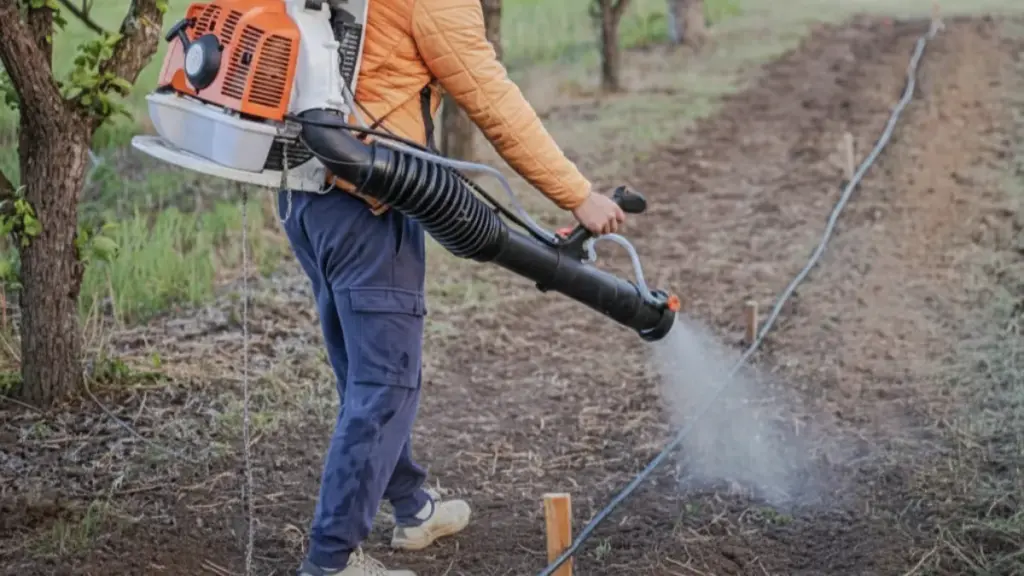
The choice depends entirely on the chemicals you spray; piston pumps excel with high-pressure, low-abrasion liquids, while diaphragm pumps provide superior durability for abrasive or corrosive formulas.
Choose a Piston Pump for High-Pressure, Fine-Mist Applications
A piston pump is the right choice when your work requires a fine, consistent mist delivered at higher pressures. It excels with low-abrasion liquid formulas like standard herbicides and insecticides, making it a go-to for uniform foliage coverage. This pump type delivers pressures up to 90 PSI, which is ideal for creating a fine spray that evenly coats plant surfaces. It is best suited for non-abrasive, water-soluble chemicals to avoid premature wear on the piston cylinder. Using wettable powders or aggressive chemicals can score the cylinder and degrade seals, leading to pressure loss and eventual failure.
Select a Diaphragm Pump for Chemical Versatility and Durability
A diaphragm pump offers superior durability and is compatible with a wider range of chemicals, including abrasive powders and corrosive solutions. Its enclosed design protects critical components from direct contact with the spray material, making it a reliable workhorse for multi-purpose use. This design allows it to handle abrasive materials like wettable powders and bleach-based solutions without significant wear. By sealing the pump mechanism from the chemicals, it reduces corrosion and extends the equipment’s service life. It operates at a lower pressure, typically up to 60 PSI, which is sufficient for most general-purpose spraying jobs.
Why NEWTOP Precision CNC Machining Leads in Pump Durability
NEWTOP achieves superior pump durability by integrating in-house CNC machining for critical components with automated assembly, ensuring every unit meets precise engineering specifications for long-term reliability.
As a professional backpack sprayers and foggers manufacturer founded in 2003, ニュートップ combines long-term industry experience with advanced production technology. With over 20 years in agricultural and garden machinery manufacturing, the company focuses on building durable, field-ready spraying equipment for global markets.
NEWTOP uses upgraded PA66 reinforced with 30% glass fiber for key pump components, improving structural strength, chemical resistance, and dimensional stability. 加えて, high-precision CNC machining ensures tight tolerances, smoother internal surfaces, and consistent sealing performance.
結論
Choosing between a piston and a diaphragm pump is a critical decision for your backpack sprayer fleet. The right pump ensures compatibility with your chemicals, reduces costly downtime from component failure, and delivers consistent spray performance. This choice directly impacts both operator efficiency and the lifespan of your equipment.
If you are experiencing frequent pump failures or pressure loss, evaluate your current equipment against your application needs. For pump components engineered to withstand demanding chemicals and reduce maintenance cycles, see how our precision parts can improve your sprayer’s durability.
よくある質問
Is a piston or diaphragm pump better for a backpack sprayer?
It depends on the application. Piston pumps deliver higher pressure for fine spraying, while diaphragm pumps offer better chemical resistance and durability when handling corrosive or abrasive solutions.
Can a piston pump handle bleach or powders?
It is not advisable. Bleach causes rapid degradation of standard rubber seals, and powders act as an abrasive that scores the cylinder walls. Diaphragm pumps are the engineered solution for these substances.
Why is my backpack sprayer pump losing pressure?
Common causes include worn seals, cracked diaphragms, clogged valves, air leaks in the hose, or debris blocking the nozzle. Regular maintenance and timely replacement of wear parts solve most pressure issues.
How often should I replace my sprayer pump seals?
Seal replacement frequency depends on usage intensity and chemical type. In heavy agricultural use, inspection every season is recommended. Replace seals when pressure drops or leakage occurs.
Which pump type is easier to prime?
Piston pumps are generally easier to prime because of their direct suction mechanism. しかし, properly designed diaphragm pumps with quality check valves also prime efficiently.
What is the maximum PSI for a diaphragm pump?
A standard diaphragm pump in a backpack sprayer typically reaches a maximum pressure of 60 PSI. This pressure is ideal for applications requiring larger droplets to reduce drift, such as applying wettable powders or herbicides.

In the world of agriculture and professional landscaping, the terms fogger and sprayer are often used interchangeably, yet they represent two fundamentally different technologies. It is critical for distributors, contractors, and agricultural equipment importers to understand the mechanical structure, particle physics, and application efficiencies of each.
This guide provides a comprehensive technical breakdown of foggers and sprayers, helping you determine which tool is best suited for your specific environmental and operational needs.
What Is a Fogger? Definition and Working Principle
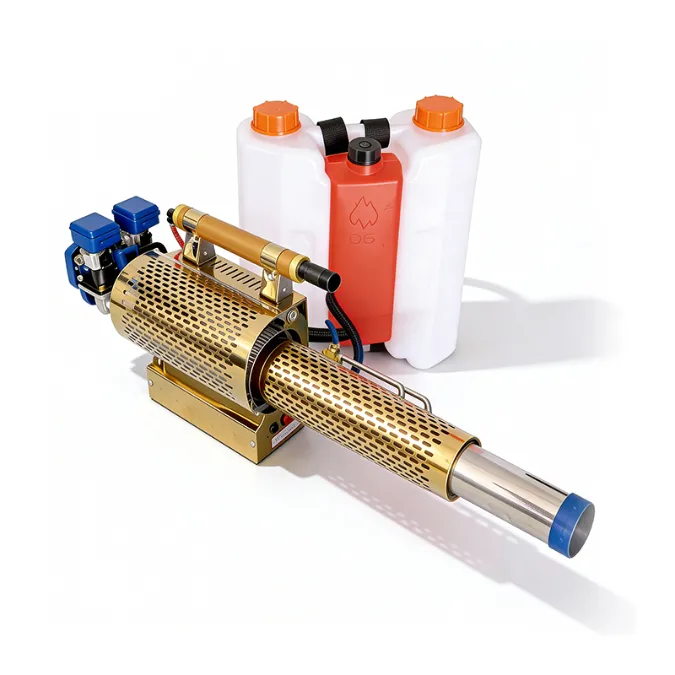
A fogger is designed to transform liquid formulations into ultra-fine droplets that behave more like an aerosol than a traditional spray. The primary objective of a fogger is space treatment rather than surface coating.
Definition of a Fogger
A fogger is a mechanical device that transforms liquid solutions into a fine mist, or aerosol, composed of particles typically under 50 micrometers in diameter. This aerosol remains suspended in the air for an extended period, allowing it to settle without direct application onto horizontal, vertical, and otherwise hard-to-reach surfaces. The method is effective for large-area disinfection, pest control, and humidification.
- Converts liquid into an airborne aerosol or mist.
- Generates extremely fine particles (under 50 micrometers) that stay suspended in the air.
- Provides broad coverage by allowing droplets to settle on both horizontal and vertical surfaces.
Most professional foggers fall into two categories: thermal foggers and ULV cold foggers. Despite different atomization mechanisms, both aim to produce extremely small droplets, typically below 50 microns.
Thermal Fogging Principle
Thermal foggers use a heat source, often powered by gasoline or propane, to rapidly vaporize a chemical solution. The device injects the liquid into a high-velocity stream of hot gas, causing immediate vaporization. When this hot vapor is expelled and mixes with cooler ambient air, it condenses into a dense, visible fog of ultra-fine particles. This process is ideal for penetrating dense foliage and treating large outdoor spaces for pest control.
- Uses a heat source to produce a high-velocity stream of hot gas.
- Injects the liquid formulation into the hot gas, causing immediate vaporization.
- Creates a thick, visible fog as the vapor condenses in the cooler air.
- Primarily used for outdoor applications like mosquito and pest control.
Ultra-Low Volume (ULV) Cold Fogging Principle
Cold foggers, including Ultra-Low Volume (ULV) models, use high-pressure air to break liquid into tiny droplets without applying heat. This mechanical process gives operators precise control over particle size while protecting the chemical integrity of the solution. Because it operates without heat, this method is safer for indoor applications like disinfecting hospitals, schools, and commercial buildings where heat-sensitive chemicals are often used.
- Relies on high air pressure to atomize liquid into fine droplets.
- Operates without heat, protecting the integrity of the chemical solution.
- ULV technology enables efficient application using minimal liquid volume.
- Suitable for indoor disinfection in hospitals, schools, and agricultural facilities.
Advanced Fogging Technologies
Modern fogging equipment now incorporates technologies like electrostatic charging and nano-atomization to improve coverage and safety. Electrostatic foggers impart a positive electrical charge to the aerosolized mist, causing droplets to wrap around and cling to all sides of a surface for complete 360-degree coverage. Nano-atomizers produce an even finer, drier fog that is safe to use around sensitive electronics and fabrics without causing moisture damage.
- Electrostatic Fogging: Charges particles so they are attracted to surfaces, ensuring 360-degree coverage and reducing chemical waste.
- Nano-Atomizers: Create an even finer, drier mist that avoids moisture damage, useful for sanitizing delicate equipment and textiles.
- These modern technologies are increasingly adopted in healthcare and transportation for enhanced efficiency.
What Is a Sprayer? Definition and Working Principle
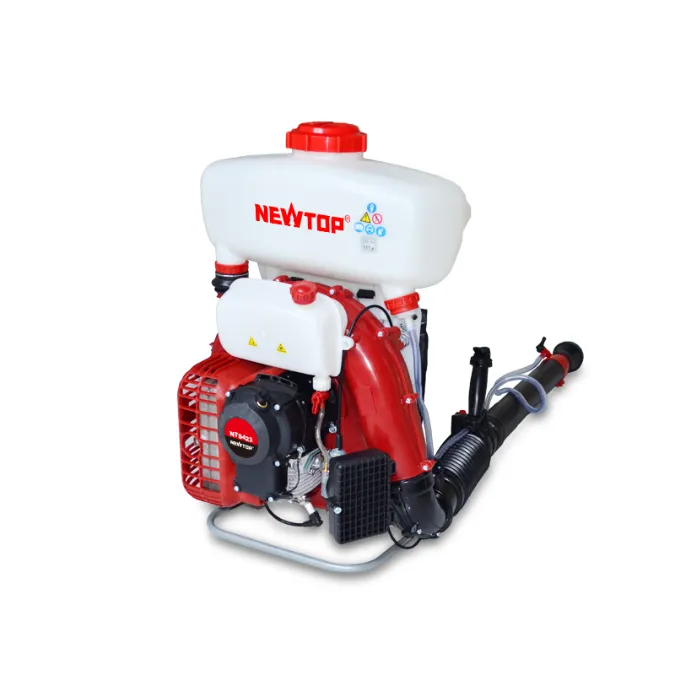
A sprayer is a pressure-driven device that atomizes liquid through a nozzle, enabling the controlled and uniform distribution of agents like pesticides or fertilizers onto a target surface.
Core Function and Definition
A sprayer is a mechanical device designed to apply liquid solutions like pesticides, 除草剤, or fertilizers in a controlled pattern of fine droplets. Unlike the fogger, which aims for suspension, the sprayer is designed for targeted deposition like agricultural, horticultural, or sanitation.
- Applies liquid agents including pesticides, 肥料, and cleaning solutions.
- Generates a controlled spray for even and efficient coverage.
- Essential equipment in farming, 造園, and public health sectors.
Key Components and Mechanism
A sprayer operates by pressurizing liquid stored in a tank and forcing it through a specialized nozzle. This process atomizes the liquid into a spray. The core components—tank, ポンプ, and nozzle—work together to control the flow rate, 液滴サイズ, and spray pattern.
Pressure can be produced manually, mechanically through diaphragm or piston pumps, or by gasoline or electric motors. The liquid is forced through a nozzle, where droplet size is shaped by nozzle geometry and pressure level.
- A tank holds the liquid solution.
- A pump creates the pressure needed to propel the liquid.
- A nozzle atomizes the liquid into droplets and shapes the spray.
- A trigger or valve controls the start and stop of the spray.
Applications and Modern Advancements
By 2026, sprayer technology has advanced to prioritize precision application, reduced chemical waste, and improved operator ergonomics. Innovations in nozzle design and pump systems allow for better coverage in large-scale agriculture and specialized commercial use.
- Used for crop protection, fertilization, and pest control.
- Modern designs focus on uniform distribution to maximize effectiveness.
- Technological improvements enhance operational speed and reduce chemical drift.
- Ergonomic features are integrated to improve comfort for professional users.
Related Reading: ナップザック噴霧器の種類: 農場に最適なモデルの選択
Boost Your Margins with Reliable Machinery
Difference Between Fogger and Sprayer: Mechanical Overview
The fundamental mechanical difference lies in atomization and delivery—foggers create a suspended mist for broad, volumetric treatment, whereas sprayers apply liquid directly to targeted surfaces, with electrostatic models using a charge to wrap around objects.
| Mechanical Aspect | Fogger | 噴霧器 |
|---|---|---|
| Atomization & Particle Size | Produces fine particles designed to remain suspended in the air for volumetric treatment of large spaces. | Relies on hydraulic pressure for atomization. Electrostatic models add a charge for smaller, more uniform particles. |
| Coverage & 浸透 | Excels at filling large, open rooms and penetrating dense outdoor foliage with a pervasive mist. | Provides direct, targeted surface application. Electrostatic models achieve 360° wrap-around coverage on objects. |
| Application & Efficiency | Designed for area-wide decontamination rather than surface-specific precision. Less efficient for targeted tasks. | Offers precise, controlled application. Electrostatic systems maximize chemical deposition and minimize waste. |
| 化学的適合性 | Requires specific formulations. Thermal foggers need oil/water carriers and cannot use flammable liquids. | Standard models handle a broad chemical range. Electrostatic units need liquids formulated to hold an electric charge. |
Spray Mechanism and Particle Size Comparison
Foggers and sprayers atomize liquids through different physical processes, resulting in distinct particle sizes that define their performance. Most sprayers depend on hydraulic pressure; higher pressure forces the liquid through a nozzle, generating shear forces that break it into droplets. Electrostatic sprayers enhance this process by applying a high-voltage charge to the liquid, creating smaller and more uniform particles that actively seek grounded surfaces. 対照的に, foggers are engineered to produce a fine mist with droplets that remain suspended in the air for volumetric treatment. Particle size is a primary performance metric because it directly controls how well a chemical adheres to a surface, penetrates complex geometries, and remains airborne.
Coverage Area and Penetration Ability
A fogger’s strength is volumetric coverage. It disperses a fine mist that fills large, open spaces like warehouses or greenhouses, eventually settling on all exposed horizontal surfaces. This method is effective for treating an entire room’s air and surfaces simultaneously. Sprayers provide direct, targeted surface application. Electrostatic models offer superior penetration by charging droplets that wrap around objects, coating hidden areas like the backsides of fixtures or the undersides of leaves. This “wrap-around” effect ensures comprehensive 360-degree coverage on complex objects, something a fogger’s passive settling cannot achieve. For outdoor pest control, a fogger’s mist can penetrate dense foliage more effectively than a standard direct spray.
Application Accuracy and Chemical Usage Efficiency
Sprayers deliver direct, targeted application, making them the accurate choice for treating specific surfaces or zones. Foggers are built for broad, volumetric decontamination and lack surface-level precision. The greatest efficiency gains come from electrostatic sprayers. By charging the droplets, these systems ensure a much higher percentage of the chemical lands on and adheres to the target surface. This minimizes overspray, 化学廃棄物を削減する, and limits airborne loss of active ingredients. This efficiency also allows for the use of chemicals designed for long-lasting residual protection, while fogging typically relies on short-acting formulas for rapid knockdown.
Suitable Chemicals and Formulations
The equipment’s operating mechanism dictates the required chemical formulation.
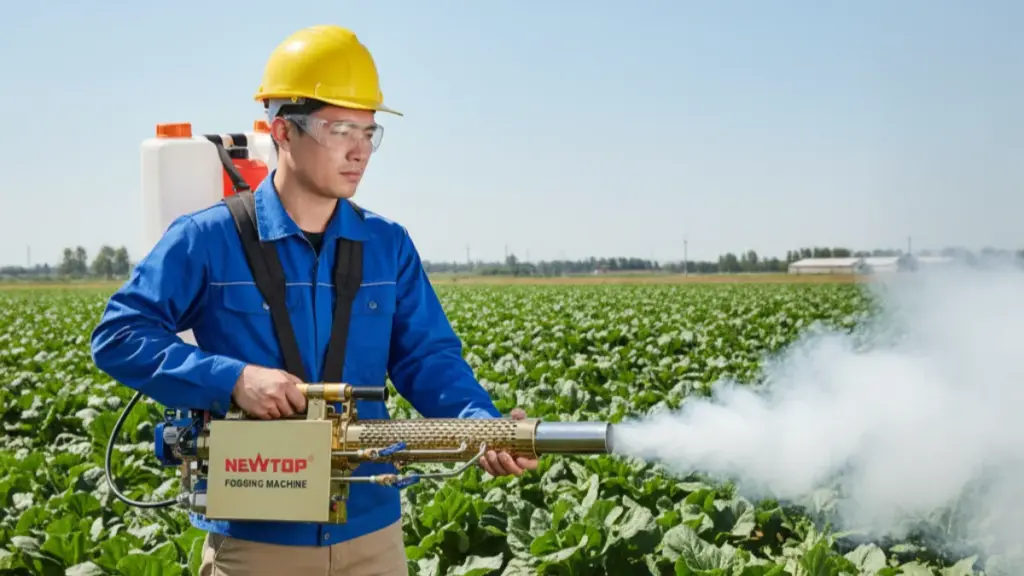
Thermal foggers, which use heat to vaporize a solution, require specific oil- or water-based carriers to create a dense fog and must never be used with flammable liquids like alcohol.
ULV (Ultra Low Volume) Cold foggers are more versatile and can handle a wider range of formulations.
Sprayers are compatible with almost all agricultural chemicals, including wettable powders, emulsifiable concentrates, and thick suspensions. The larger nozzle openings are less prone to clogging.
Typical Use Scenarios and Industries
Fogger Scenarios:
- Public health vector control (mosquito and fly abatement).
- Greenhouse pest management.
- Disinfection of large indoor facilities (hospitals, warehouses).
- Odor control in waste management sites.
Sprayer Scenarios:
- Herbicidal application in row crops.
- Liquid fertilization of lawns and gardens.
- Structural pest control (termite barriers around foundations).
- Livestock sanitation and wash-downs.
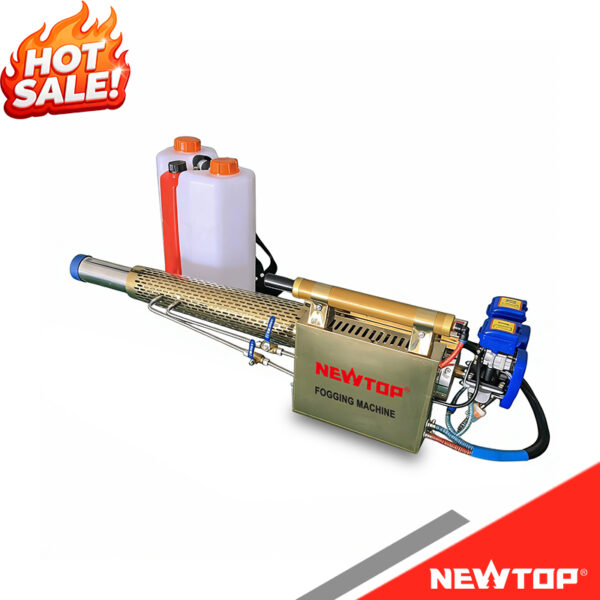
NTYM180K Thermal Fogging Machine
- Professional-grade atomization precision
- Advanced durability (500+ service hours)
- Optimized for large-scale vector control
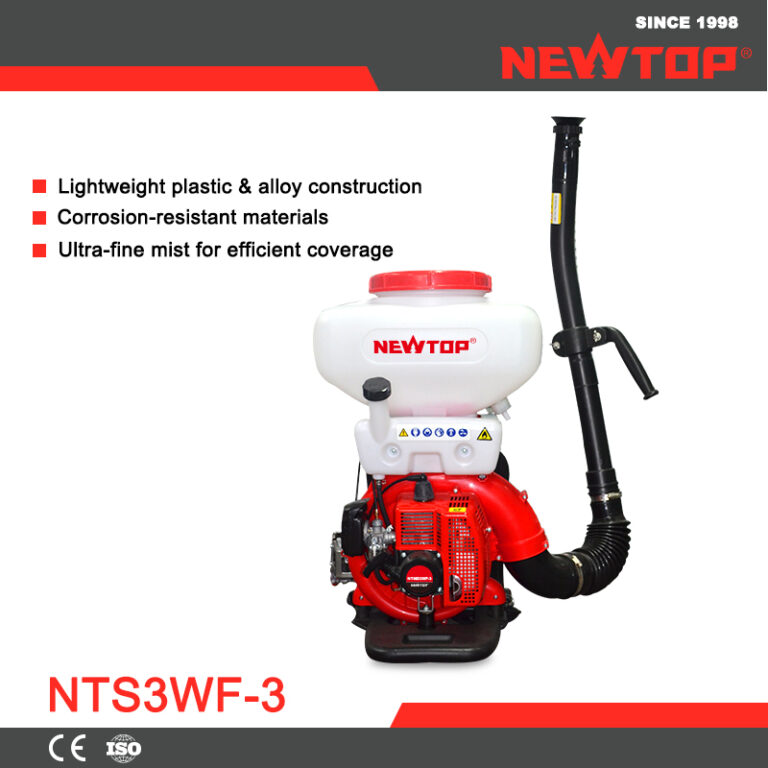
NTS3WF-3 Gas Powered Backpack Sprayer
- High-velocity liquid & granule output
- Precision nozzle for targeted application
- Reinforced chemical-resistant structure
Advantages and Limitations of Fogger and Sprayer
Foggers excel at rapid volumetric treatment for pest control in dense foliage, while sprayers deliver superior surface-level precision and chemical efficiency, especially in electrostatic models.
| Operational Feature | Fogger | 噴霧器 |
|---|---|---|
| Coverage Type | Volumetric (air and surfaces) | Surface-direct |
| Penetration Ability | Excellent for dense foliage and crevices | Limited unless using an electrostatic model |
| Application Speed | Fast for large, open areas | Slower, more methodical application |
| Drift Risk | 高い, susceptible to wind | Low due to larger, heavier droplets |
| Primary Use Case | Outdoor pest control, air disinfection | Targeted surface disinfection, 雑草対策 |
Fogger: Advantages and Key Applications
Foggers are engineered to treat large volumes and penetrate dense environments. Their ability to produce extremely fine, suspended particles makes them highly effective for pest control in thick vegetation and for disinfecting large, open indoor spaces where airborne treatment is critical. This method ensures broad coverage with minimal operator effort once the machine is running.
- Provides deep penetration into dense foliage, cracks, and crevices, making it highly effective for outdoor insect control.
- Covers large volumes of space quickly, which reduces labor time for public health disinfection or agricultural pest management.
- Effective at controlling flying insects and disinfecting air, as the fog remains suspended for an extended period.
Fogger: Limitations and Operational Considerations
The main drawbacks of foggers are tied to control and safety. The fine mist is highly susceptible to wind drift, leading to off-target application and potential environmental contamination. Thermal foggers add another layer of complexity by introducing heat, which limits the types of chemicals that can be used without degradation.
- High risk of chemical drift, making it unsuitable for precise, targeted applications or use in windy conditions.
- Thermal models can pose a fire risk and may damage heat-sensitive chemical solutions, altering their efficacy.
- Can require more extensive personal protective equipment (PPE) due to the risk of inhaling the fine aerosolized particles.
噴霧器: Advantages and Key Applications
Sprayers offer superior control and efficiency for surface-based applications. They produce larger, heavier droplets that deliver chemicals directly to the target with minimal drift. This precision makes them ideal for targeted disinfection, 雑草対策, and applying fertilizers where accuracy is paramount.
- High application accuracy ensures chemicals land on target surfaces, reducing waste and environmental impact.
- Electrostatic sprayers provide complete, wraparound surface coverage, ideal for disinfecting complex objects and high-touch surfaces.
- Generally safer for indoor use and in sensitive areas due to controlled application and reduced inhalation risk.
噴霧器: Limitations and Operational Considerations
While precise, sprayers are less efficient for treating large, open areas or penetrating dense canopies. The application process is slower and more labor-intensive than fogging. Sprayers are primarily designed for treating surfaces rather than volumes of air, limiting their effectiveness against airborne pathogens or flying insects.
- Slower application speed compared to foggers when treating expansive outdoor areas.
- Limited ability to penetrate dense vegetation or reach hidden pests deep within canopies.
- Less effective for controlling flying insects or treating airborne pathogens, as droplets settle quickly.
Cost-Benefit Analysis of Owning Both Equipment Types
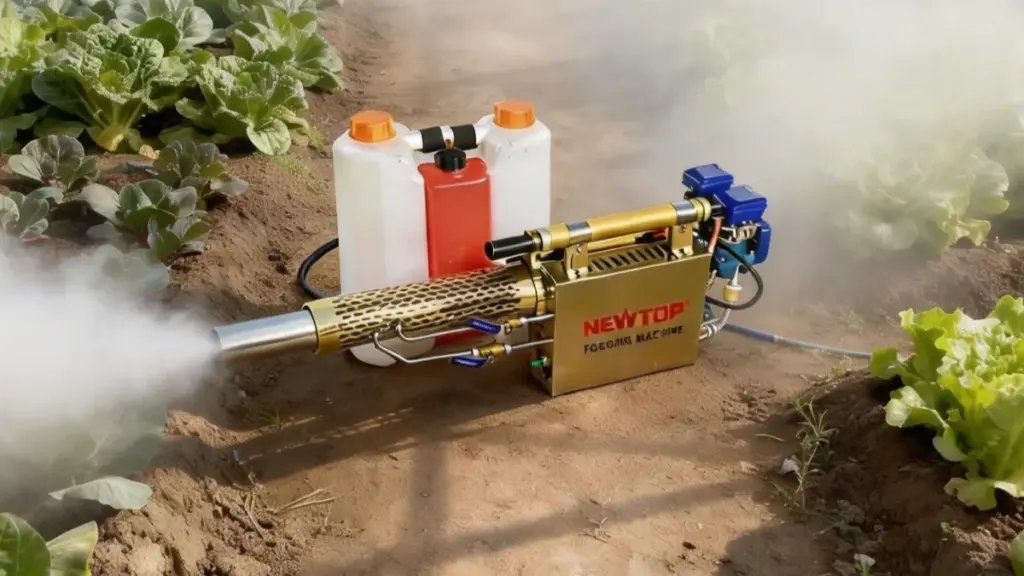
Investing in both a fogger and a sprayer allows an operation to deploy the most resource-efficient tool for any given task, minimizing long-term labor and chemical expenses.
Upfront Investment vs. Long-Term Savings
Owning both a fogger and a sprayer requires a higher initial capital outlay. This dual investment, however, translates directly to long-term savings by precisely matching the equipment to the application, which reduces wasted chemicals and minimizes labor hours. The financial logic is straightforward: use the high-speed fogger for large areas and the precise sprayer for targeted zones.
- Foggers generally have a higher initial cost but cover large areas quickly, reducing labor expenses for big projects.
- Sprayers are more affordable upfront and excel at targeted applications, preventing the overuse of expensive chemicals on small or specific problem areas.
- By 2026, operational savings in labor and materials can often offset the initial dual-equipment cost within one to two seasons for most commercial users.
Labor and Chemical Efficiency
The primary benefit of a dual-equipment strategy is optimized resource allocation. Foggers are built to minimize labor time for large-scale disinfection or pest control, covering vast spaces with minimal operator input. Sprayers provide the control needed for precise, cost-effective chemical application, ensuring active ingredients are applied only where necessary.
- A fogger can treat an area up to 30,000 sq ft with minimal operator effort, a task that would be extremely labor-intensive and time-consuming with a sprayer.
- Sprayers deliver direct, targeted application, which is crucial for spot treatments or delicate plants where overspray would be wasteful and potentially harmful.
- This approach prevents the financial drain of inefficient application—either by wasting labor with a sprayer on a large job or wasting chemicals with a fogger on a small one.
Application Versatility and ROI
Having both tools provides the operational flexibility to handle any treatment scenario, from expansive outdoor spaces to specific indoor zones. This adaptability maximizes your service capabilities and strengthens the return on investment by ensuring you always have the correct equipment for the job.
- Professionals can service a wider range of clients and job types, including agricultural fields, warehouses, and controlled indoor facilities.
- The ability to choose between broad, penetrating fog and a direct, controlled spray enhances overall treatment effectiveness and client outcomes.
- This versatility keeps the equipment productive, leading to a faster and more reliable return on investment compared to relying on a single, less-adaptable tool.
How NEWTOP Engineering Maximizes Durability in Both Types
As a outdoor power equipment manufacturer with over two decades of industry experience, ニュートップ, designs backpack sprayers and foggers with a focus on durability in demanding environments.
We operate a 10,000 square meter facility with CNC machining centers, 自動化された生産ライン, and independent inspection systems. Every pump assembly, airflow component, and fuel system undergoes durability testing to ensure consistent performance.
Key engineering strengths include:
- Chemical-resistant tanks for aggressive formulations
- Precision nozzle systems for stable droplet control
- Engine components sourced from globally recognized suppliers
- Structured quality inspection processes from raw materials to final testing
- Compliance with CE, EPA, ISO9001, and ISO14001 standards
For OEM partners and regional distributors, NEWTOP provides customization options in branding, tank capacity, engine configuration, そしてパッケージデザインも. With exports to over 65 countries and partnerships with more than 100 distributors worldwide, NEWTOP supports long-term cooperation through stable supply chains and technical documentation.
For product catalogs, technical specifications, or OEM inquiries, contact our technical team for a customized quote based on your regional requirements.
結論
Choosing between a fogger and a sprayer comes down to your specific application needs, from particle size to the required coverage area. Making the right equipment choice directly impacts your chemical usage, labor costs, and overall operational efficiency. This technical knowledge ensures you select a tool that delivers the intended results without waste.
Use this guide to evaluate your current equipment and identify any performance gaps. If you need a tool engineered for demanding commercial use, our product specialists can help you find a durable fogger or sprayer that meets your requirements.
よくある質問
What is the main difference between a fogger and a sprayer?
The primary difference is droplet size. A fogger produces microscopic droplets (under 50 microns) that stay suspended in the air to fill a volume of space. A sprayer produces larger droplets (over 100 microns) designed to land on and coat specific surfaces.
Does a fogger use less water than a sprayer?
はい. Foggers, particularly ULV models, use high concentrations of chemicals and very little carrier liquid (water or oil). A sprayer requires a significant amount of water to act as a transport medium for the chemical to reach the target.
Can foggers be used for agricultural pesticides?
はい, especially in enclosed environments like greenhouses, but field crops usually require conventional sprayers for better precision.
Why are foggers more expensive than manual sprayers?
Foggers involve more complex airflow or heating systems, increasing production and maintenance costs.
Which one provides better coverage for dense foliage?
Foggers generally achieve better penetration due to smaller droplet size and longer suspension time.
How do maintenance requirements differ?
Foggers require inspection of airflow or combustion systems, while sprayers mainly need pump seal replacement and nozzle cleaning.
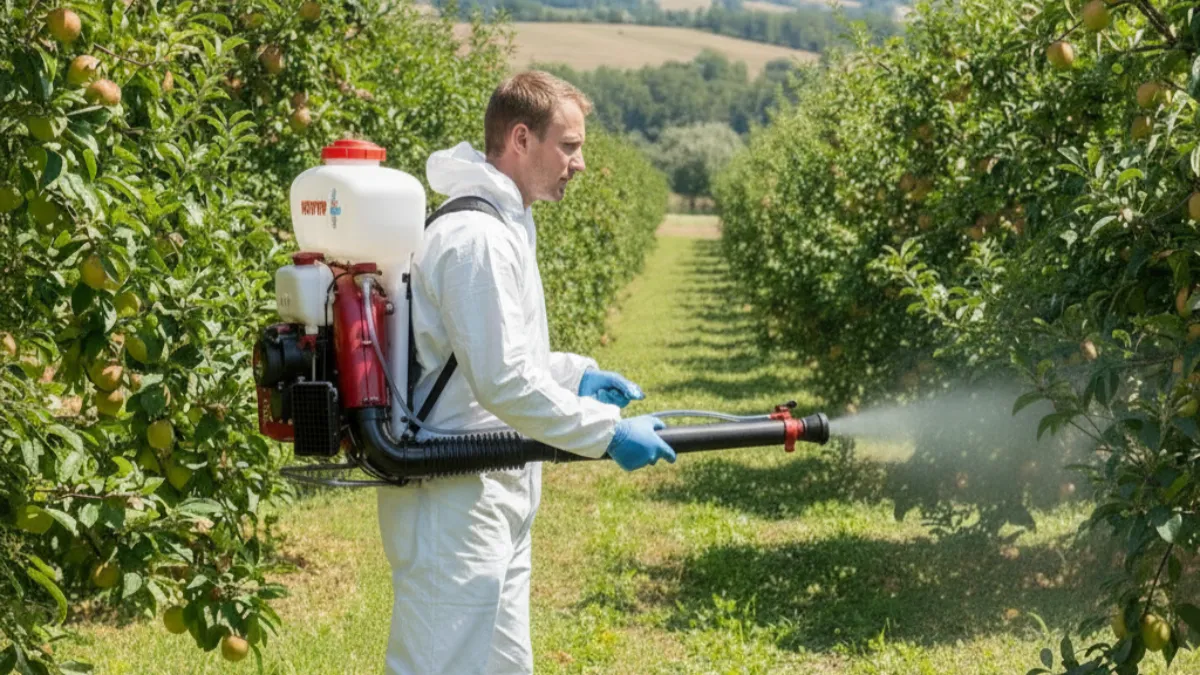
Mosquito control is a serious concern for farms, 果樹園, public spaces, and residential areas in tropical and subtropical regions. In Africa, 東南アジア, and Latin America, mosquito management is not only about comfort but also about protecting public health and agricultural productivity.
When choosing agricultural machines, buyers often compare two main solutions: mosquito foggers and sprayers. Both are widely used in agricultural pest control, vector control programs, and backyard mosquito treatment. しかし, they operate differently and serve different purposes.
このガイドでは, we break down the key differences, performance factors, operational costs, and environmental impact to help distributors, importers, and pest control professionals select the right solution for their market.
モスキートフォッガー vs. 噴霧器: Key Differences at a Glance
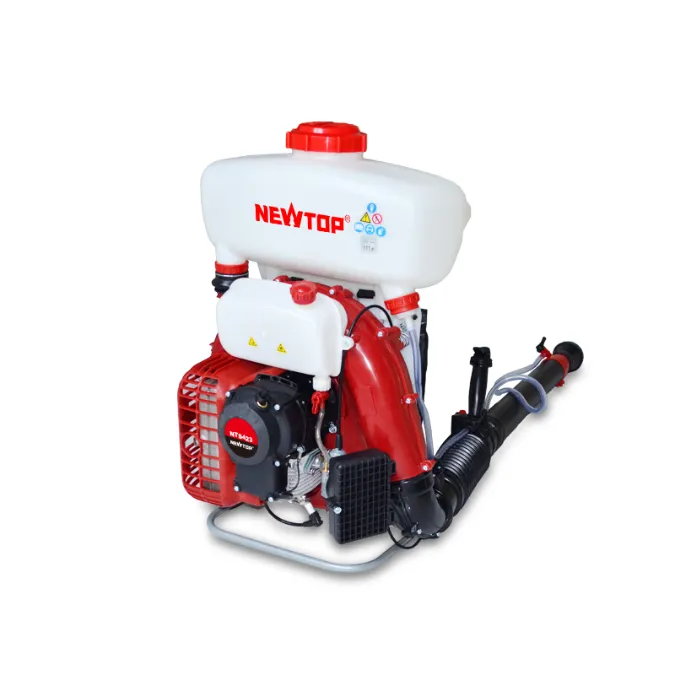
A fogger treats the air for immediate mosquito knockdown, while a sprayer treats surfaces to create a long-lasting protective barrier.
To choose the right tool, you first need to understand the fundamental mechanical distinction between fogging and spraying.
| Attribute | Mosquito Fogger (Thermal or ULV) | Backpack Sprayer (Manual or Power) |
|---|---|---|
| Primary Function | Air Treatment (Immediate Knockdown) | Surface Treatment (Residual Barrier) |
| Droplet Size | 5-50 microns (aerosolized mist) | 100+ microns (liquid spray) |
| Control Duration | Short-term (Hours to 1 day) | Long-term (Up to 21–30 days) |
| Primary Target | Flying insects in the air column | Surfaces where insects land or breed |
| Coverage Speed | Extremely fast (Acres in minutes) | Slower, detailed application |
| Target Pest Stage | Active Flying Adults | Adults (on surfaces) & Larvae |
Application Method and Droplet Size
The fundamental difference between these tools lies in how they disperse insecticide. A fogger atomizes liquid into a fine aerosol cloud with tiny particles (5-50 microns) that float in the air. This method is designed for “space spray” applications, killing adult mosquitoes on contact as the fog drifts through an area.
対照的に, a sprayer applies larger liquid droplets (100+ microns) directly onto surfaces. This approach focuses on coating leaves, walls, and other mosquito resting spots to create a lasting insecticidal barrier.
Duration and Type of Control
Fogging offers an immediate but temporary solution. It is effective for clearing an area just before an outdoor event, but mosquitoes from surrounding areas can return once the fog dissipates within a few hours.
Sprayers provide extended, residual control. The chemical barrier created by a sprayer application remains effective for up to 21 日, killing mosquitoes that land on treated surfaces long after the initial treatment. This method also allows for targeting mosquito larvae in their breeding sites, which is critical for disrupting the life cycle and achieving long-term population reduction.
Chemical Efficiency and Environmental Focus
Backpack sprayers enable precise, targeted application. Operators can direct the insecticide exactly where it’s needed—under decks, on shaded foliage, and around doorways—minimizing chemical waste and reducing the risk to non-target organisms.
Fogging disperses chemicals broadly, making it difficult to control drift and increasing the potential impact on beneficial insects like pollinators. Because of their targeted effectiveness and improved sustainability, professional barrier spray treatments have become the industry standard for modern pest management.
How Does Mosquito Control Work?
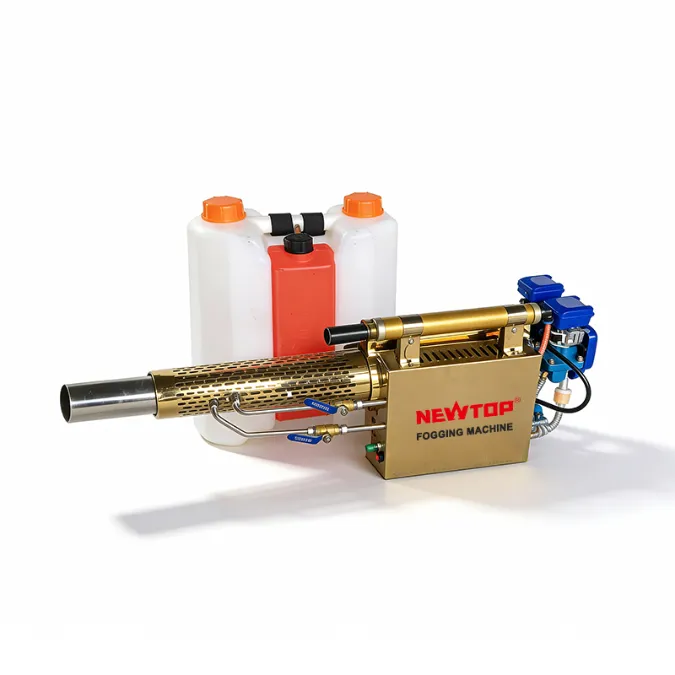
Effective mosquito control in 2026 is a comprehensive strategy that targets all life stages, from eliminating breeding grounds to managing adult populations, rather than relying on a single application method.
Integrated Pest Management (IPM) Approach
Modern mosquito control relies on an integrated management strategy, moving beyond the simple application of chemicals. This approach combines source reduction (eliminating standing water), biological controls (using natural predators or agents), and targeted chemical applications. The goal is to manage mosquito populations for the long term by disrupting their life cycle, which minimizes environmental risks and reduces the chances of pesticide resistance. A successful IPM program is a multi-faceted plan that attacks the problem from several angles at once.
Targeting the Mosquito Life Cycle
A robust control program attacks mosquitoes at every stage of their development to systematically break the breeding cycle.
It starts with source reduction—identifying and removing any standing water where mosquitoes lay eggs. The next step is larval control, which involves treating unavoidable water sources with growth regulators or biological agents to prevent larvae from maturing into adults. Finally, adult population management uses tools like backpack sprayers or foggers to reduce the number of flying, biting mosquitoes that can transmit diseases.
Balancing Chemical and Non-Toxic Methods
The industry standard now balances the immediate impact of chemical treatments with safer, non-toxic alternatives. Chemical interventions provide a rapid knockdown of adult mosquito populations, a critical tool during active outbreaks. These are complemented by sustainable methods like habitat modification and biological controls, which provide an environmentally responsible way to suppress breeding over an entire season. This balanced approach protects public health without compromising ecological stability.
Boost Your Profits with Reliable Equipment
When to Choose a Backpack Sprayer for Target Applications
Backpack sprayers offer superior control for applying long-lasting residual insecticides directly to mosquito resting sites, making them the preferred tool for targeted, multi-week protection and use in sensitive environments.
Precision Treatment for Specific Areas
Backpack sprayers are the right tool for applying solutions directly to mosquito resting and breeding sites. This includes dense shrubs, areas under decks, and damp, shaded zones where a targeted application is more effective than broad-scale fogging. The operator has complete control to treat specific problem areas without broadcasting chemicals unnecessarily.
- Allows for direct application to plant foliage and structural surfaces where adult mosquitoes rest during the day.
- Minimizes chemical use by focusing only on problem zones, avoiding unnecessary exposure to non-target areas.
Applying Residual Insecticides for Lasting Protection
Unlike foggers that provide an immediate but short-lived knockdown, sprayers excel at applying residual chemicals. These formulations bond to surfaces, offering protection that can last for weeks after a single treatment. This approach aligns with the industry’s shift toward integrated, longer-lasting barrier treatments that provide sustained control.
- Creates a protective barrier on leaves, walls, and fences that continues to work on mosquitoes upon contact.
- Reduces the frequency of treatments needed, making it a cost-effective solution for season-long control.
Versatility for Multiple Yard Care Tasks
A single backpack sprayer can handle a wide range of applications beyond mosquito control. It is effective for fertilizing gardens, applying fungicides to plants, and distributing herbicides for weed management. This adaptability makes it a valuable piece of equipment for any professional landscape or pest control operation.
- Serves as an all-in-one tool for integrated pest management and general landscape maintenance.
- NEWTOP’s sprayers are built to handle various chemical formulations, from insecticides to liquid nutrients.
Control in Sensitive Environments
When working near vegetable gardens, fish ponds, or public play areas, a backpack sprayer provides superior control over chemical drift. This precision ensures the solution is applied only where intended, minimizing impact on the surrounding ecosystem. The ability to manage droplet size is a key advantage over fogging.
- The adjustable nozzle allows for coarse droplets that fall quickly, reducing the risk of airborne drift.
- This level of control is essential for ensuring the safety of people, pets, and beneficial insects.
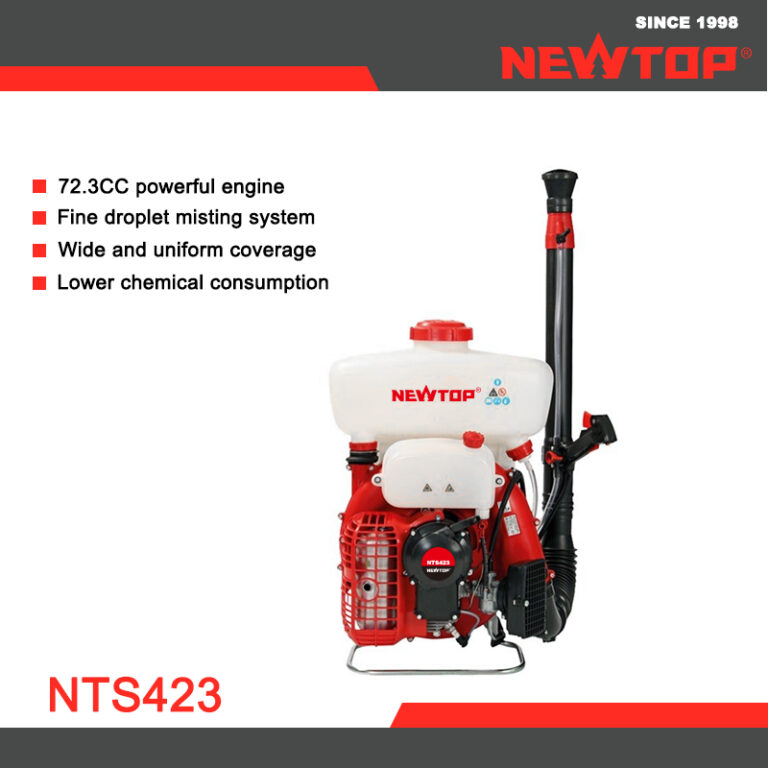
Gasoline Backpack Sprayer NTS423
Engineered for precision and durability, featuring high-pressure output and ergonomic design for long-duration pest control tasks.
製品の詳細を見る
Backpack Mist-Duster NTS3WF-3
A versatile multi-functional backpack sprayer ideal for both liquid applications and dusting in large-scale agricultural or garden settings.
製品の詳細を見るPro Tip: Not sure which configuration fits your team? Check out our detailed guide on the different types of knapsack sprayers to compare manual, battery, and gasoline options.
Comparing Chemical Efficiency and Droplet Size for Mosquitoes
The efficiency of mosquito control hinges on producing precise droplet sizes, typically between 5–25 microns, to maximize airtime and contact with adult mosquitoes while minimizing chemical waste.
| Parameter | Optimal Specification | 効率への影響 |
|---|---|---|
| Droplet Size (Adult Control) | 5–25 microns | Maximizes air suspension for contact with flying mosquitoes; reduces drift and waste. |
| Application Technology | Ultra-Low-Volume (ULV) | Covers large areas with less chemical and improves targeting. |
| Solvent Formulation | Water-based | Reduces application costs, minimizes drift, and offers a more sustainable option. |
The Role of Droplet Size in Effective Mosquito Control
The effectiveness of any mosquito treatment is directly tied to the size of its insecticide droplets. The objective is to produce droplets that are small enough to remain airborne and contact flying mosquitoes, yet heavy enough to avoid drifting off-target. For adult mosquito control, the optimal size is consistently in the 5–25 micron range. This specific sizing ensures the droplets float in the air column where mosquitoes are active, maximizing the probability of contact. Achieving this balance is critical for maximizing insecticide performance while minimizing chemical waste and unnecessary environmental exposure.
Ultra-Low-Volume (ULV) Technology for Efficiency
Ultra-Low-Volume (ULV) application is an engineered technique for delivering concentrated chemical formulations over large areas with minimal volume. Professional pest management relies on ULV systems because they are specifically designed to produce droplets within that ideal 5–25 micron range. This consistency improves targeting and dramatically reduces the total amount of insecticide needed for a job. ULV technology strikes a crucial balance between high performance and responsible chemical usage, making it a standard for public health applications.
Solvent Formulations: Water-Based vs. Oil-Based
The solvent, or the liquid carrier for the insecticide, also influences performance and cost. The industry has seen a significant shift away from traditional oil-based solvents toward water-based formulations. Water-based solutions help reduce overall application costs and are less prone to spray drift compared to their oil-based counterparts. They represent a more sustainable and cost-effective alternative for most mosquito control scenarios. Oil-based solvents still have a place, but they are typically reserved for specific conditions where enhanced droplet adherence to surfaces is a primary requirement.
Labor Costs and Time Efficiency: Which Tool Wins?

The choice between a fogger and a sprayer hinges on a direct trade-off: foggers offer rapid, short-term coverage, while sprayers require more initial labor for long-lasting, cost-effective residual control.
| Metric | Fogger | 噴霧器 |
|---|---|---|
| Application Time | 5-15 minutes for up to 30,000 sq ft | Longer, manual process requiring a technician |
| Residual Effectiveness | Approx. 72 時間 | Up to 21 日 |
| Labor Model | Low initial labor, high cumulative labor due to reapplication | High initial labor, low cumulative labor due to longevity |
| Optimal Use Case | Immediate, temporary mosquito knockdown for events | Season-long residential or commercial service contracts |
Foggers: Fast Application, Frequent Repetition
Foggers excel at speed. A technician can treat a large property—up to 30,000 square feet—in as little as five to fifteen minutes with minimal hands-on effort. This unmatched efficiency makes fogging the go-to solution for immediate, short-term needs. The critical downside is that the treatment’s effect dissipates quickly, typically lasting only 72 時間. This requires frequent reapplications to maintain control, driving up the cumulative labor costs significantly over a full season.
- Offers rapid coverage for immediate mosquito reduction before an event.
- Requires repeated treatments every few days to maintain control.
- Total labor investment increases significantly for long-term management.
噴霧器: Initial Investment for Lasting Results
Applying a barrier treatment with a backpack sprayer is a more deliberate and time-intensive process. It demands a skilled technician who can meticulously cover target areas where mosquitoes rest and breed. While the upfront labor is higher, this investment delivers powerful long-term results. A single, thorough application can provide residual protection for up to 21 日, which drastically reduces the need for costly repeat visits and saves on labor hours over the course of a contract.
- Involves manual, targeted application for thorough coverage.
- Delivers residual effectiveness that lasts for weeks, not days.
- Fewer applications mean lower overall labor expenses for sustained control.
Cost-Effectiveness for Sustained Mosquito Management
For the ongoing mosquito control projects that define the market in 2026, backpack sprayers are the more cost-effective tool. The extended protection from one barrier spray treatment cancels out the labor costs associated with the multiple fogging sessions it would replace. Foggers hold their value for temporary, one-off situations like outdoor parties or events. But for season-long residential and commercial property maintenance contracts, sprayers provide a more financially sound and operationally efficient solution.
- Fogging is the economical choice for one-off situations.
- Spraying offers superior value for residential or commercial service contracts.
- The best tool depends on whether the goal is immediate knockdown or lasting protection.
Environmental Impact of Fogging vs. Targeted Spraying
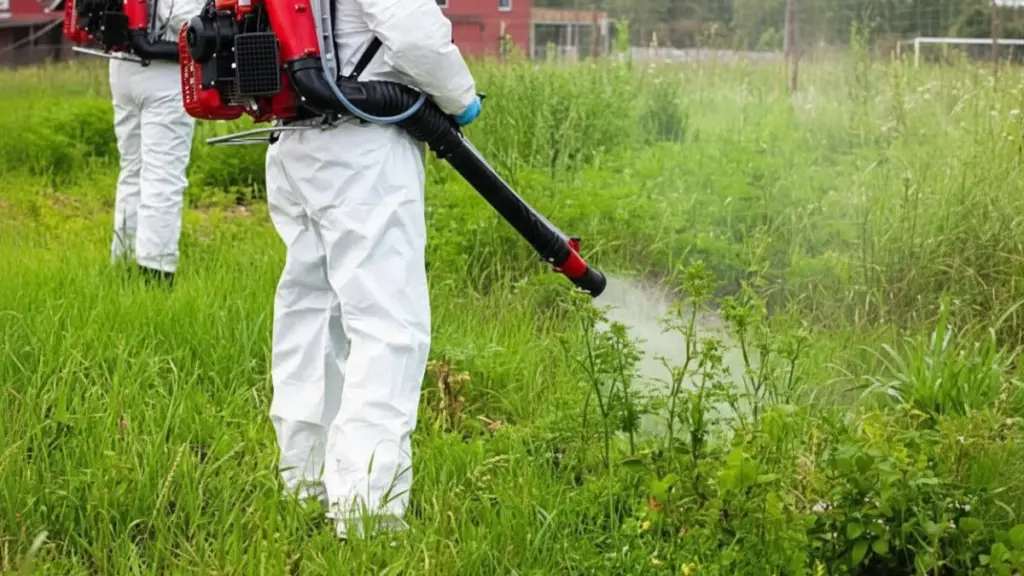
Targeted spraying significantly reduces environmental harm by concentrating chemicals on mosquito resting spots, unlike broad fogging which causes indiscriminate harm to pollinators and risks chemical drift into unintended areas.
Risk to Non-Target Organisms
Fogging disperses a wide cloud of insecticide that can harm beneficial insects like bees, butterflies, and other pollinators. The lack of precision means anything in the fog’s path is affected. Targeted spraying, on the other hand, concentrates the application directly onto surfaces where mosquitoes rest, such as the underside of foliage and shaded building materials. This approach minimizes collateral damage to the local ecosystem.
- Broad-spectrum fogging affects a wide range of insects, not just mosquitoes, disrupting natural food chains.
- Sprayers allow operators to avoid flowering plants and other areas frequented by pollinators.
- This precision helps preserve the insects essential for a healthy garden and local environment.
Chemical Drift and Water Contamination
The fine aerosol produced by foggers is easily carried by wind, leading to chemical drift. This airborne pesticide can settle on unintended surfaces, including neighboring properties, vegetable gardens, and water sources. The larger, heavier droplets from a sprayer fall directly onto the target surface, which greatly reduces the risk of drift and subsequent contamination of nearby water bodies.
- Fog can travel far beyond the intended treatment zone, exposing non-target areas to pesticides.
- Runoff from fogged surfaces can carry chemicals into ponds, streams, and storm drains.
- Targeted spraying ensures the chemical stays where it is applied, protecting nearby water supplies and sensitive areas.
Pesticide Resistance and Efficiency
Widespread fogging can expose mosquitoes to sublethal doses of insecticide, a key factor that encourages the development of pesticide resistance within the local population. Targeted spraying delivers a more effective, lethal dose directly to mosquito habitats and resting places. This is a more efficient use of chemicals and helps slow the development of resistance, aligning with modern Integrated Pest Management (IPM) practices.
- IPM strategies favor targeted methods to ensure long-term chemical effectiveness.
- Using less chemical more effectively reduces the overall environmental load on soil and water.
- Effective application from a sprayer means fewer treatments are needed over a season, further reducing chemical use.
Why Professional Pest Controllers Trust NEWTOP Solutions
Professional pest control operators choose NEWTOP because its equipment delivers reliable field performance, minimizes operational downtime, and is backed by a robust global parts and support network.
As a professional garden and agricultural machinery manufacturer since 2003, ニュートップ, provides reliable outdoor power equipment for global markets. With over 500,000 units annual production capacity and exports to more than 65 国, we support distributors, OEM partners, and public health projects across Africa, Latin America, 東南アジア, and Eastern Europe.
Key advantages include:
- Durable engines tested for 500+ working hours
- Stable pressure output for consistent droplet control
- CE, GS, EPA, and other certifications
- Flexible OEM customization
- 7–10 day sample dispatch
- Competitive lead times around 30 days for bulk orders
For product catalogs, technical specifications, or distributor inquiries, visit newtoptools.com or contact the sales team directly.
結論
The choice between a mosquito fogger and a sprayer depends on application scale and target precision. Foggers provide rapid, wide-area knockdown treatments ideal for large spaces, while sprayers deliver direct control over specific breeding grounds and resting surfaces. Matching the equipment to the job ensures efficient chemical use, manages labor costs, and delivers effective results.
よくある質問
Is a fogger more effective than a sprayer for mosquitoes?
A fogger is more effective for quickly reducing adult mosquito populations in open areas. A sprayer is more effective for long-term control by targeting breeding sites and applying residual insecticides.
Can I use a regular sprayer as a fogger?
No, you cannot use a regular sprayer as a fogger. Sprayers produce larger liquid droplets designed to coat surfaces and create a residual barrier. Foggers atomize insecticide into a fine mist that hangs in the air to kill flying mosquitoes on contact. Their nozzles and mechanisms are engineered for entirely different particle sizes and application methods.
What are the disadvantages of mosquito fogging?
Fogging has limited residual effect, may drift in windy conditions, and can affect non-target insects. It often requires repeated applications for sustained control.
How often should you spray vs. fog for mosquitoes?
Fogging is typically used during outbreaks and may be repeated weekly depending on mosquito density. Spraying breeding sites may be done every few weeks based on larval growth cycles.
Which is safer for backyard use, fogger or sprayer?
Targeted spraying is generally safer for backyard use because it reduces drift and allows precise application around vegetation and water sources.
Does fogging kill mosquito larvae?
No. Fogging mainly targets adult mosquitoes in flight. Larvae must be treated directly in water using larvicides applied with a sprayer.
