


- Tutto
- NEWTOP Storie di clienti
- NEWTOP Explorer Hub
- NEWTOP Approfondimenti sul settore
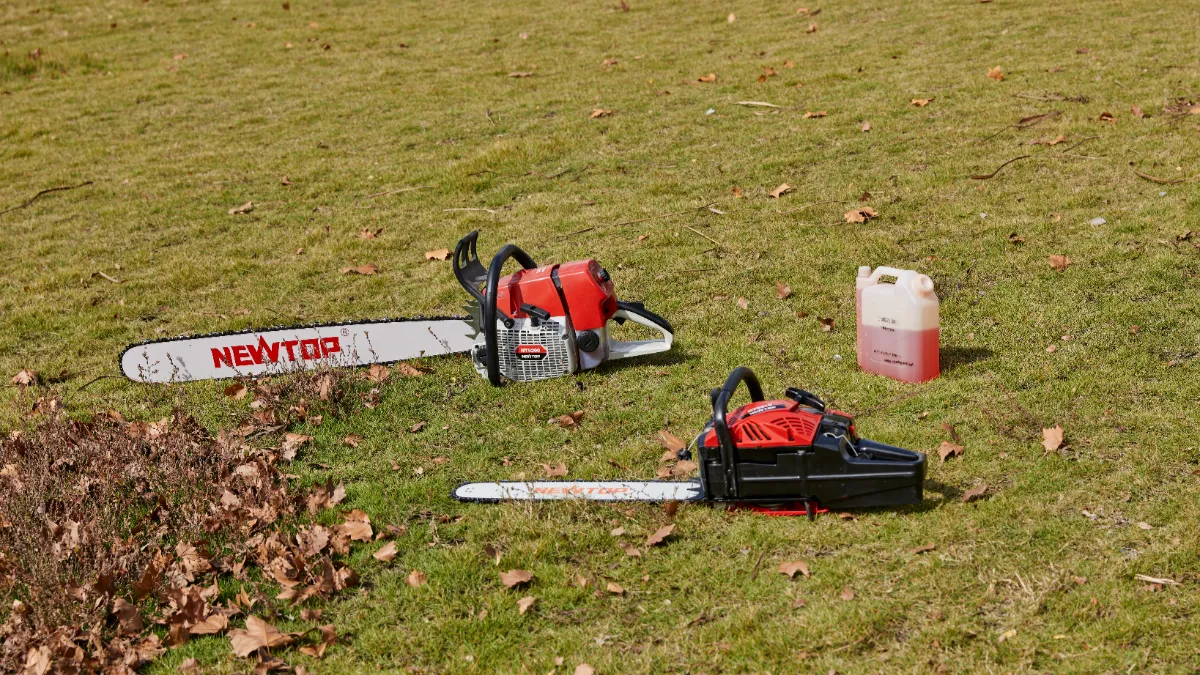
Selecting a chainsaw involves more than evaluating raw power. For professionals in the forestry, agricultural, and landscaping sectors, the choice of equipment directly impacts operational efficiency, maintenance overhead, and long-term ROI.
At NEWTOP, we have spent over two decades refining the engineering behind wood-cutting machinery. This guide provides a technical breakdown of the different chainsaw types available today, focusing on their mechanical strengths and practical applications in various global markets.
What are the Different Types of Chainsaws? Category Overview
To understand the chainsaw market, one must look at how different power sources and mechanical designs cater to specific workloads. The following table provides a high-level comparison of the most common categories used in the industry today.
| Chainsaw Category | Fonte di energia | Ideal Bar Length | Key Applications | User Profile |
|---|---|---|---|---|
| Benzina (2-Colpo) | Benzina & Oil Mix | 16″ – 36″+ | Professional logging, land clearing, heavy felling. | Loggers, Farmers, Arborists |
| Batteria (Lithium-ion) | 20V/40V/80V | 10″ – 18″ | Urban pruning, light firewood cutting, indoor use. | Landscapers, Proprietari di case |
| Corded Electric | AC Outlet | 12″ – 16″ | Backyard maintenance near power sources. | DIY Enthusiasts |
| Seghe a palo | Gas or Battery | 8″ – 12″ | High-altitude pruning, orchard maintenance. | Orchardists, Municipalities |
| Top-Handle Saws | Gas or Battery | 10″ – 14″ | In-tree pruning and professional surgery. | Certified Arborists |
Gas-Powered Chainsaws: The Professional Standard for Power
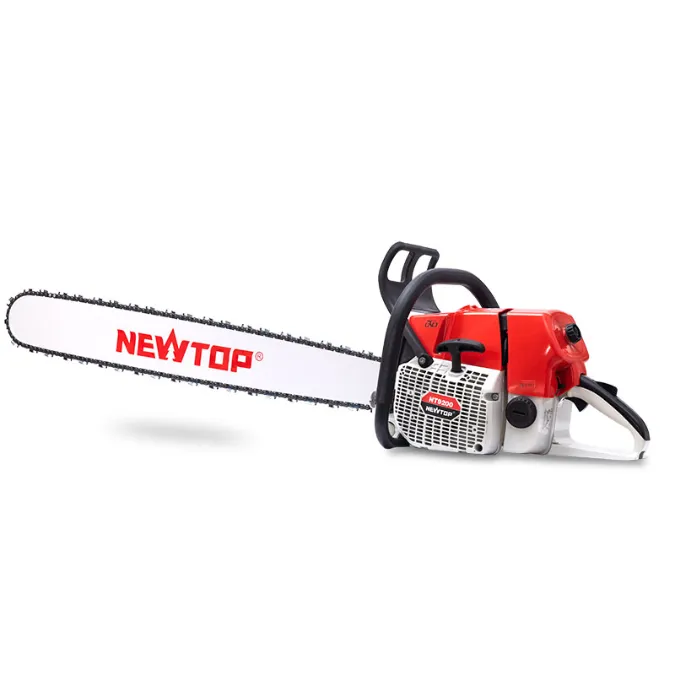
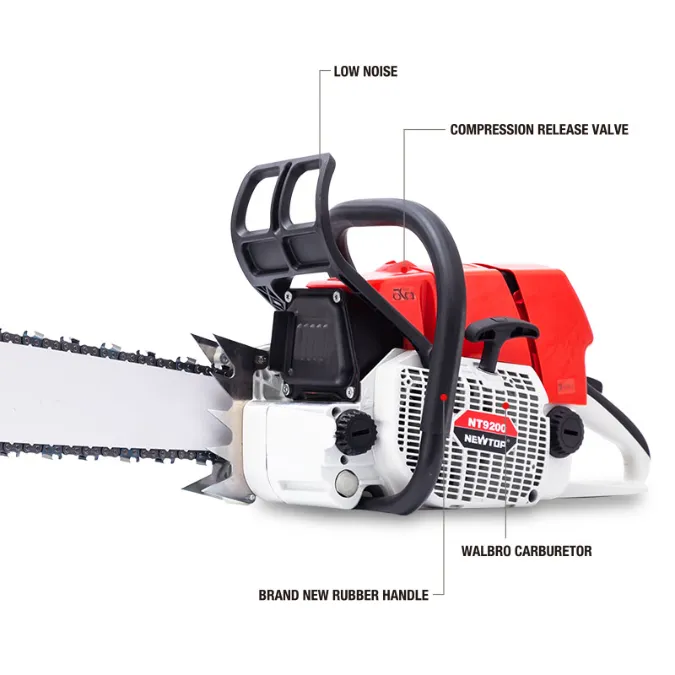
A gas-powered chainsaw is a heavy-duty tool driven by a two-stroke internal combustion engine that runs on a precise mixture of gasoline and oil. It is considered the industrial benchmark for raw power and endurance, specifically engineered for environments where electrical access is non-existent and the cutting workload is intense.
Caratteristiche chiave:
- Cilindrata del motore (cc): Power is measured in cubic centimeters; a higher displacement translates to the torque necessary for driving longer bars through dense timber.
- Operational Autonomy: These saws require no cords or charging stations. As long as fuel is available, they can operate indefinitely in remote forests or large farmlands.
- Extended Reach: Gas engines are capable of supporting guide bars from 16 to over 36 inches, making them the only viable option for felling large-diameter hardwoods.
- Durability: Built with robust metal components (such as magnesium crankcases), they are designed to withstand high-vibration and high-heat environments for extended shifts.
Advancements in Engine Technology and Emissions
The professional gas chainsaw market is shifting toward more advanced engine technologies that meet stricter environmental standards without sacrificing performance. Features that were once exclusive to high-end models, like electronic fuel injection (EFI) and advanced catalytic converters, are becoming more common across professional product lines.
- Electronic Fuel Injection (EFI) actively optimizes the air-fuel mixture, resulting in better fuel efficiency and more consistent power delivery across different altitudes and temperatures.
- Modern engines are engineered to comply with global emissions regulations while maintaining the strong performance that operators demand.
- These advancements help balance the operational needs of professional users with increasing environmental regulations.
Design Focused on Professional Use and Ergonomics
Chainsaw manufacturers design professional saws for people who depend on them for their livelihood, such as arborists, loggers, and commercial landscapers. A primary engineering goal is achieving an optimal power-to-weight ratio, making the tools powerful enough for tough jobs but light enough for all-day use. This focus on ergonomics is critical for user safety and productivity.
- Engineers emphasize reducing saw weight without compromising structural integrity or power output, which makes the equipment easier to handle for long workdays.
- Ergonomic handle designs and effective anti-vibration systems are standard features that reduce operator fatigue and improve cutting control.
- Every feature, from the placement of the chain tensioner to the type of air filter, is tailored to the needs of daily users who require maximum uptime and efficiency.
Market Segmentation and Service Infrastructure
The gas chainsaw market is clearly segmented, offering a wide range of models from entry-level professional saws to premium, industrial-grade felling equipment. Established manufacturers maintain their market dominance through extensive dealer networks that provide reliable access to service, repairs, and genuine replacement parts, which is a key purchasing factor for businesses.
- Price points vary significantly to accommodate different professional budgets and specific application requirements.
- Leading brands have built their reputations on decades of proven reliability and consistent field performance.
- A widespread service and support infrastructure ensures that professionals can keep their equipment running with minimal downtime.
Your Trusted Partner for Garden Tools
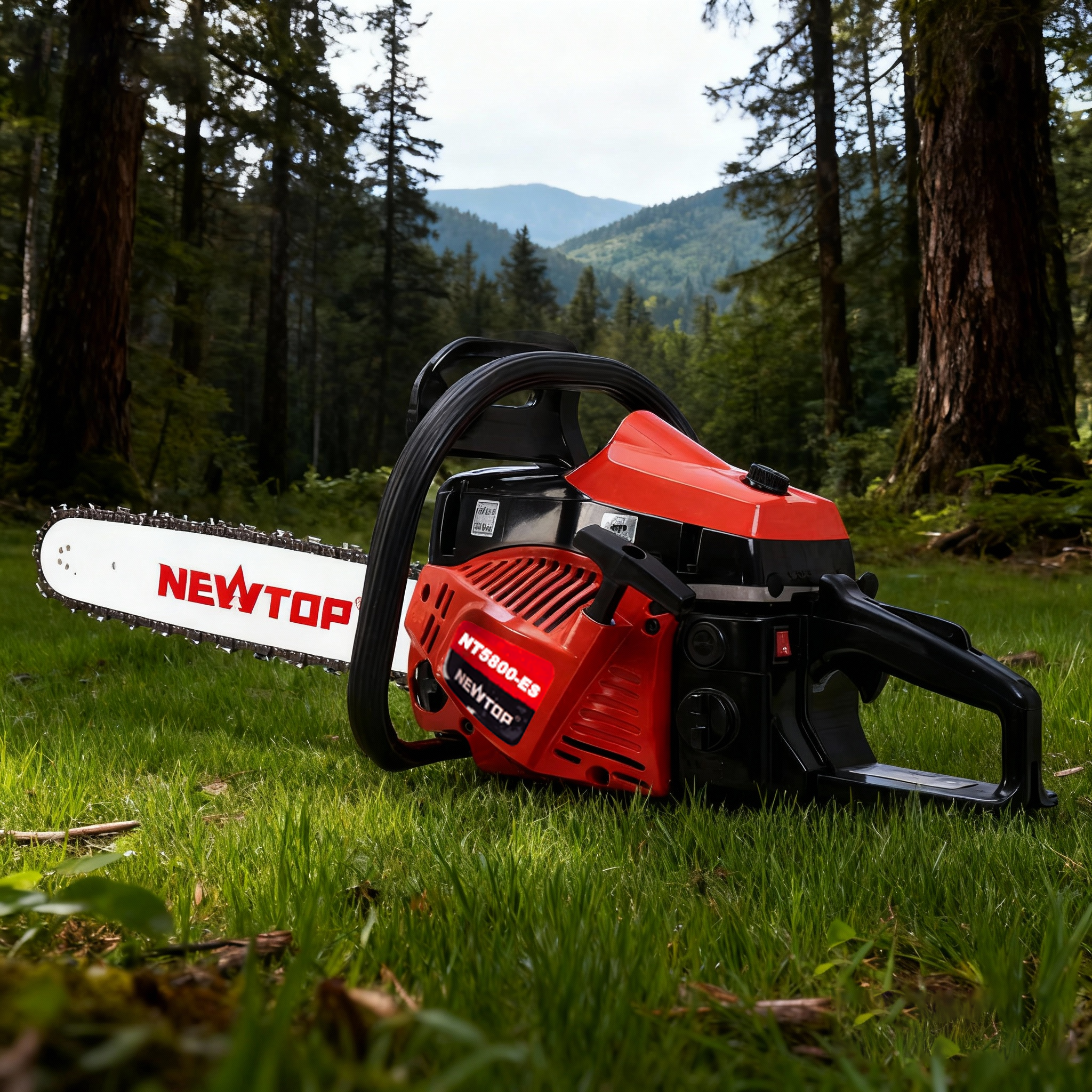
Battery and Corded Electric Saws: Modern Suburban Solutions
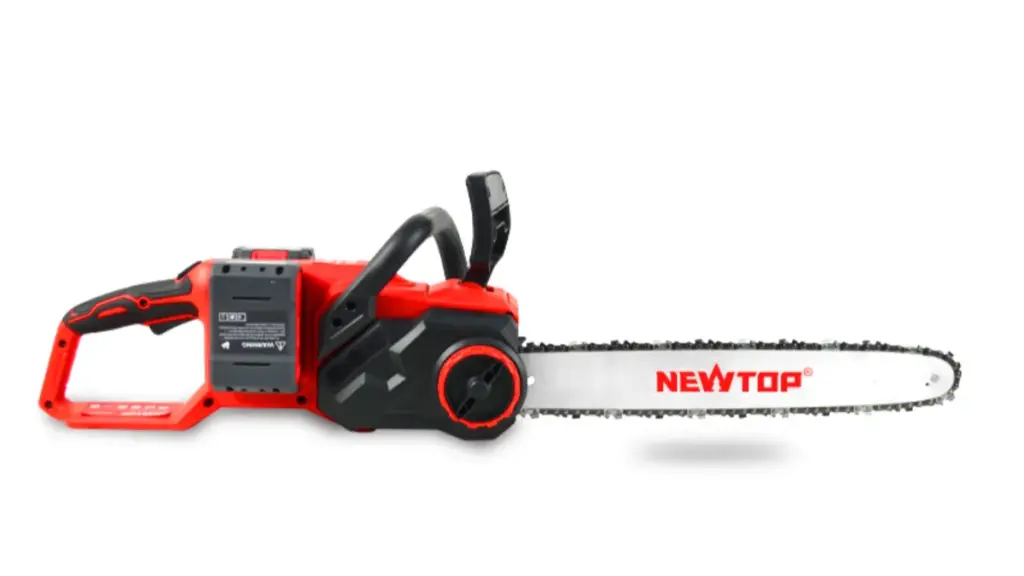
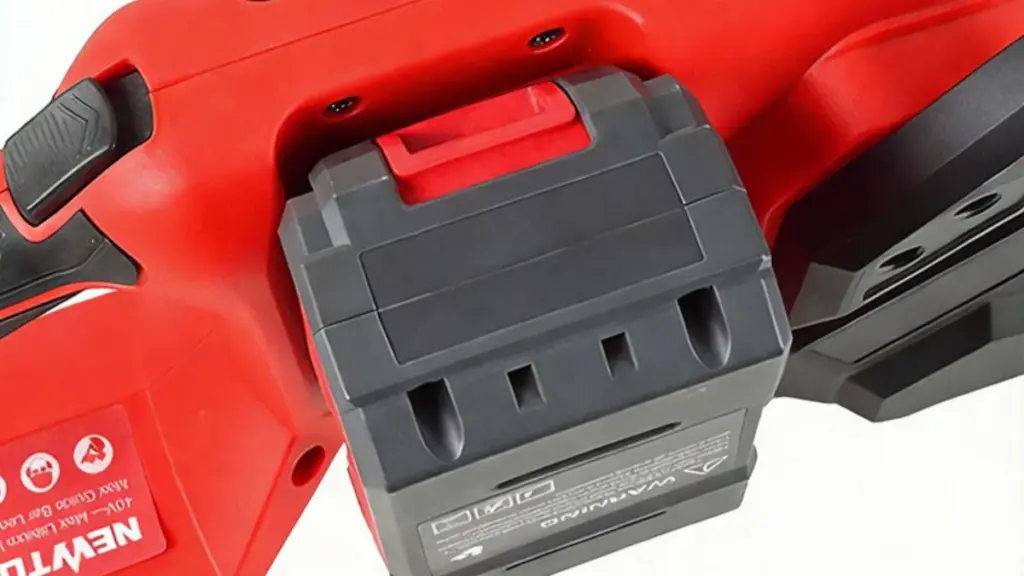
Electric chainsaws utilize an electric motor to drive the cutting chain, offering a cleaner, quieter, and more user-friendly experience than internal combustion models. They are categorized into two formats: corded (tethered to a power outlet) E alimentato a batteria (Cordless Lithium-ion).
Caratteristiche chiave:
- Zero Local Emissions: No exhaust fumes are produced, making these saws ideal for indoor woodworking, greenhouses, or environmentally regulated urban zones.
- Instant Start Mechanism: Unlike gas saws that require a pull-start, electric models activate immediately with the press of a trigger.
- Low Maintenance Requirements: They eliminate the complexities of fuel mixing, carburetor tuning, and spark plug maintenance.
- Noise Management: Operating at significantly lower decibels, they reduce operator fatigue and are suitable for noise-sensitive residential neighborhoods.
Corded Electric Saws: Consistent and Unlimited Runtime
Corded electric saws are a reliable option for users who need a continuous power supply for extended projects near an outlet. They eliminate all concerns about battery life, offering consistent, non-fading performance for as long as the job takes. This makes them a practical choice for workshops or small yards where mobility is not the primary concern.
- Provides an uninterrupted power supply, eliminating the need to stop and recharge or swap batteries.
- Range of motion is limited by the length and management of the power cord.
- A practical choice for workshops, firewood processing stations, or small yards with readily available power outlets.
Core Differences in User Experience
The primary trade-off between battery and corded electric saws centers on portability versus runtime. Cordless models excel in convenience and flexibility, allowing users to work anywhere on a property without hindrance. Corded versions deliver constant power without interruption, making them better suited for stationary or localized jobs where uptime is critical.
- Battery saws prioritize mobility and ease of use for tasks distributed across a property.
- Corded saws ensure non-stop operation for stationary or localized tasks like bucking logs.
- Both types are generally quieter, lighter, and require significantly less maintenance than their gasoline counterparts.
Related Reading: If you are interested in gas chainsaws and electric chainsaws, check out our in-depth comparison on Electric vs. Gas Chainsaws to find more information for your specific needs.
Seghe a palo and Telescopic Tools: Pruning at Heights
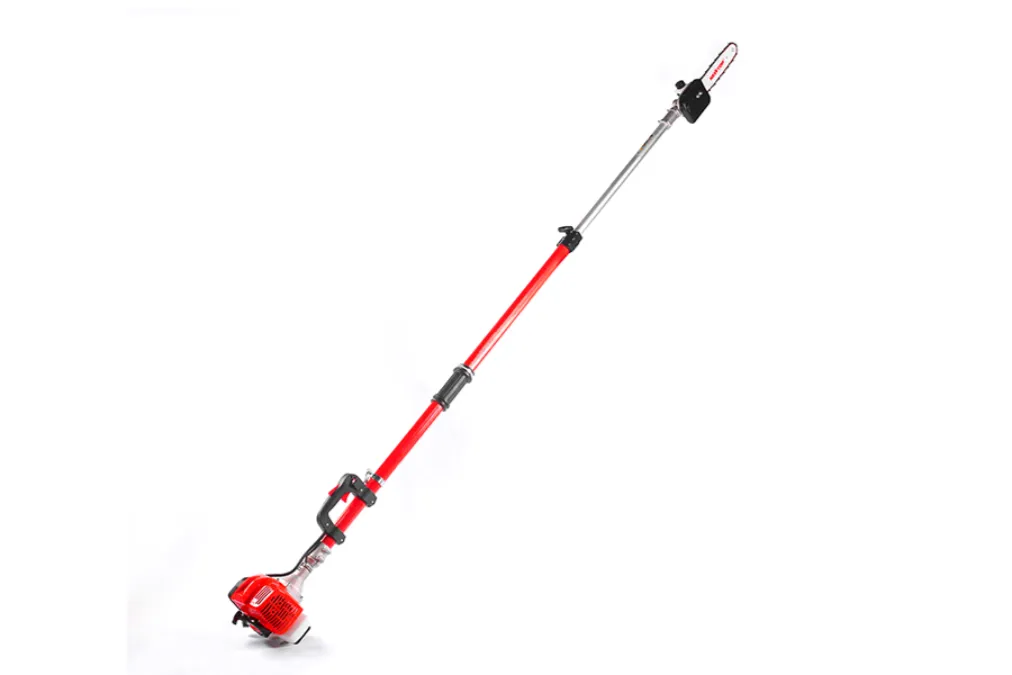
A pole saw is a specialized cutting tool featuring a compact chainsaw head mounted on an extendable, telescopic shaft. Its primary function is to manage high-altitude canopy maintenance, allowing the operator to prune or limb trees while standing securely on the ground.
Caratteristiche chiave:
- Telescopic Reach: The shafts can typically extend from 2 A 4 meters, providing an effective vertical reach that eliminates the need for ladders or scaffolding.
- Specialized Ergonomics: The weight distribution is centered to allow for easier maneuvering when the tool is fully extended overhead.
- Precision Cutting: Equipped with smaller guide bars (usually 8–12 inches), these tools are optimized for precision trimming in dense foliage rather than bulk wood cutting.
- Versatility: Many modern versions are part of multi-tool systems, where the power head can be interchanged with different attachments like hedge trimmers or brush cutters.
The Shift Toward Battery-Powered Solutions
The market for pole saws has decisively shifted from gas and manual models toward battery-powered electric tools. This trend is driven by clear demand for quieter, lower-maintenance equipment for routine property upkeep. Advances in lithium-ion battery technology now deliver the runtime and portability needed to handle substantial jobs without the complexity of mixing fuel or managing extension cords. These improvements make electric models a viable choice for both professional landscapers and homeowners seeking efficient performance.
Innovations for Safety and Efficiency
Current telescopic tools are engineered with features that directly improve safety and work output. The primary goal is allowing operators to effectively prune tall branches while remaining firmly on the ground. Extended reach capabilities, often reaching 15 feet or more, eliminate the instability and risk associated with using ladders. Onboard systems like automatic oilers maintain constant chain lubrication for reliable cutting, and adjustable cutting heads give operators better angles to access awkwardly positioned branches without compromising their stance.
Ergonomic Design to Reduce User Fatigue
Many outdoor power equipment manufacturers now focus heavily on ergonomics to make these long-reach tools comfortable enough for extended use. Managing the weight and leverage of a pole saw is physically demanding, so designs incorporate lightweight materials and improved balance to minimize strain on the user’s back and arms. A well-designed tool also features ergonomic handles that ensure a secure, controlled grip throughout the operation, which is critical for both safety and precision.
Pros and Cons of Each Chainsaw Type
| Chainsaw Type | Technical Pros | Operational Cons |
|---|---|---|
| Gasoline Chainsaws | Highest torque; no range limits; long bar compatibility. | High noise levels; requires fuel mixing; regular engine maintenance. |
| Battery Powered Chainsaws | Basso rumore; instant start; zero emissions; minimal maintenance. | Limited run time per charge; higher upfront battery cost. |
| Corded Chainsaws | Leggero; unlimited run time; lowest cost. | Restricted by cable length; lower power output; cord safety risk. |
| Seghe a palo | Safety for high-reach tasks; precision pruning. | Weight distribution can be top-heavy; not for felling. |
Key Differences in Engine Displacement and Power Sources
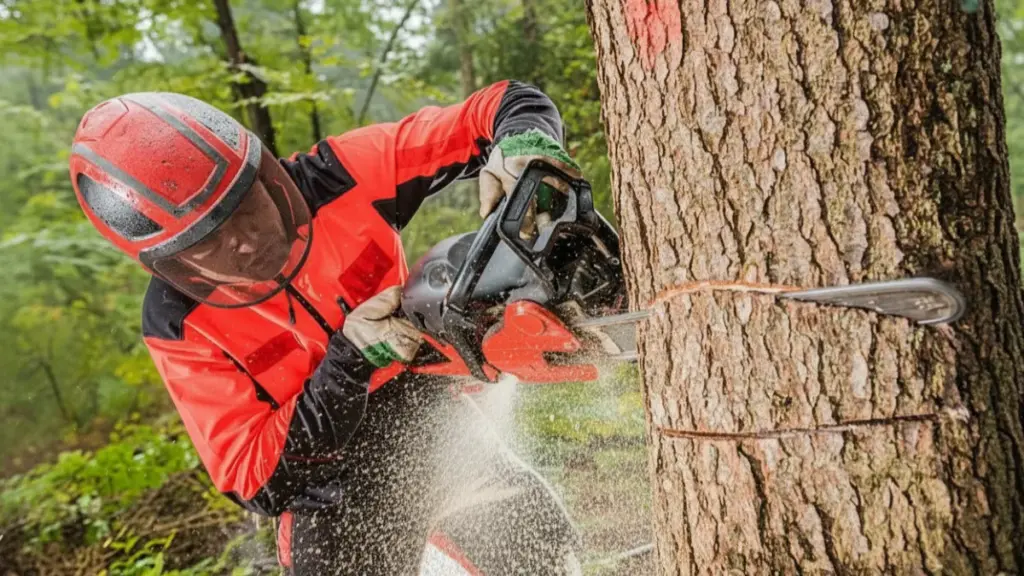
A gas chainsaw’s engine displacement is the single most important metric, directly defining its power output, cutting capacity, and suitability for specific commercial workloads.
| Performance Tier | Cilindrata del motore (cc) | Typical Power Output (kW) |
|---|---|---|
| Leggero / Homeowner | 23 – 35 cc | 1.0 – 1.6 kW |
| Farm & Ranch / Mid-Range | 38 – 55 cc | 1.7 – 2.5 kW |
| Professional Forestry | 60 – 95 cc | 3.0 – 5.5 kW |
| Industrial Heavy Felling | 105 – 120+ cc | 6.0+ kW |
Cilindrata del motore (cc) and Power Output
A chainsaw’s performance is fundamentally tied to its engine displacement, measured in cubic centimeters (cc). This measurement directly correlates to its power output and cutting force. As displacement increases, the engine generates more torque, enabling it to cut through tough wood without bogging down. This makes engine cc the key metric for matching a saw to its intended workload. The relationship also dictates the saw’s physical dimensions, overall weight, and fuel consumption, creating a clear trade-off between power and portability.
Performance Tiers Based on Displacement
The professional market segments gas-powered chainsaws into distinct performance categories based on engine size. These tiers provide a clear framework for selecting a tool with the right balance of power, peso, and endurance for specific applications. Entry-level saws are sufficient for light-duty homeowner tasks, while mid-range and industrial-grade saws are built for the daily demands of commercial forestry, arboriculture, and land clearing operations.
How to Decide the Right Type of Chainsaws to Your Project Workload

Choosing the correct chainsaw requires a practical assessment of your typical projects. The ideal tool for light garden pruning is fundamentally different from one needed for felling mature hardwood. Matching the machine to the job ensures operational safety, reduces operator fatigue, and delivers a clean, efficient cut without overwhelming the equipment.
| Workload Scale | Recommended Chainsaw Type | Common Guide Bar Length |
|---|---|---|
| Light-Duty (Potatura, Small Limbs) | Battery or Corded Electric | 10–14 inches |
| Medium-Duty (Firewood, Cleanup) | High-Capacity Battery / Mid-Range Gas | 16–18 inches |
| Per impieghi gravosi (Felling, Milling) | Professional-Grade Gas | 20+ inches |
Assess the Scale of Your Work
Your first step is to define the primary tasks you need to accomplish. A clear understanding of the cutting intensity and wood diameter dictates the necessary power and durability. Miscalculating this can lead to equipment failure or dangerous operating conditions.
- Light-duty work like trimming branches or cutting small saplings requires a compact battery-powered or small electric saw that offers sufficient power without excessive weight.
- Medium-duty tasks, including cutting firewood or clearing storm debris, demand a more robust tool. High-capacity battery models or mid-range gas saws are the best fit for this category.
- Heavy-duty projects such as felling large trees or milling logs require a professional-grade gas chainsaw with significant engine displacement and a long guide bar.
Match the Power Source to Your Environment
The choice between gas, battery, or corded electric depends heavily on factors like noise restrictions, access to power outlets, and emission regulations in your area.
- Battery and corded electric saws are built for suburban or residential settings. They produce no direct emissions and operate quietly, making them ideal for populated environments.
- Gas-powered chainsaws are the standard for forestry, fattorie, and remote locations. They provide consistent high power without being limited by battery life or cord length.
- For mixed-use scenarios, modern high-voltage battery systems offer a strong balance, giving semi-professional landscapers near-gas performance and mobility without engine maintenance.
Choose a Guide Bar Length for Your Cutting Needs
The guide bar length dictates the largest diameter of wood you can cut in a single pass. Selecting a bar that is too long for the job makes the saw difficult to control and creates a safety hazard. You must match the bar length to both your engine’s power and your typical cutting tasks.
- Bars between 10-14 inches offer excellent maneuverability for pruning and cutting small limbs.
- UN 16-18 inch bar is a versatile, all-purpose size for most homeowners, capable of handling firewood cutting and medium tree removal.
- Bars of 20 inches or more are designed for professional use. They are necessary for felling large trees but require a powerful engine and an experienced operator to handle them safely.
Ready to Work With NEWTOP Full-Range Chainsaw Manufacturing?

A successful manufacturing partnership hinges on flexible OEM services, a reliable supply chain using globally recognized components, and a comprehensive product portfolio that meets diverse market demands.
As a top 5 garden machinery supplier in China, NEWTOP is uniquely positioned to support your business. We combine a world-class supply chain with flexible business models to empower global distributors and OEM buyers.
- Global Supply Chain & Quality: We integrate premium components from Walbro, NGK, NSK, and Oregon. Leveraging in-house CNC machining and automated lines, our equipment is engineered for 500+ ore of professional use, backed by CE, GS, and EPA certifications.
- Comprehensive Portfolio: Our range covers traditional gasoline/diesel machinery (chainsaws, decespugliatori, spruzzatori) and innovative lithium-ion battery tools, providing a one-stop solution for forestry, agricoltura, and landscaping across 65+ Paesi.
- Flexible B2B Partnership: We specialize in full OEM customization, including design modifications and private labeling. With a structured pricing strategy and flexible MOQs (from samples to full containers), we ensure our partners achieve rapid market penetration and long-term growth.
Conclusione
Matching the right chainsaw type to your workload is the key to efficiency and safety. Whether you need the raw strength of a gas model, the quiet convenience of an electric saw, or the extended reach of a pole saw, the right choice prevents project delays and ensures a smart investment.
With a clear understanding of your project needs, you can now review our full-range chainsaw catalog to find a model built for your exact application.
Domande frequenti
What are the 4 main types of chainsaws?
The industry recognizes four primary types: Gas-powered, alimentato a batteria (cordless), corded electric, and pole saws.
Which type of chainsaw is easiest to maintain?
Electric models (both corded and battery) require the least maintenance because they lack complex fuel systems, air filters, and spark plugs.
Are gas chainsaws better than battery ones?
Gas chainsaws currently outperform battery models for heavy-duty industrial work and long-duration tasks. Battery models are superior for noise control and ease of use.
What type of chainsaw do professional loggers use?
Gas-powered rear-handle chainsaws (50-90cc) with long bars for felling and bucking large timber.
What is a pole saw used for?
Pole saws are used specifically for pruning branches that are out of reach, allowing the operator to stay safely on the ground.
Is a mini chainsaw worth buying?
SÌ, for light pruning or small construction tasks, a mini lithium chainsaw is highly efficient and easier to handle than a full-sized unit, as users note impressive performance under $50.
What is the six feet rule for chainsaws?
Maintain at least 6 feet distance from chainsaw operators unless the tool is off and grounded, preventing kickback injuries.
Picture this: you’ve got a pile of firewood to cut or a few trees to clear, and you’re trying to decide between a gas or an electric chainsaw. Both can get the job done, but they perform very differently. This article takes a closer look at electric vs gas chainsaws—their strengths, limits, and what really matters when choosing the right tool for your kind of work. By comparing their performance in specific high-demand scenarios, you can create a clear standard operating procedure for equipping your teams with the right tool for the job.
What is an Electric Chainsaw?
Electric chainsaws have evolved from heavy, cord-tethered tools into powerful, lightweight battery models that now lead the market in convenience and operational efficiency.
Electric chainsaws use electrical energy instead of fuel to power their motors, making them cleaner, quieter, and easier to maintain than traditional gas models. Depending on the power source, they generally come in two main types: corded and battery-powered (lithium). While both share the same principle of using an electric motor to spin the cutting chain, their performance and ideal use cases are quite different.
Corded Electric Chainsaws
A corded electric chainsaw is powered directly by alternating current (AC) through a standard household outlet. Most models operate at 120V–240V depending on regional standards. Without a battery or fuel tank, corded units are lighter and provide consistent, uninterrupted power as long as they remain plugged in.
From a performance standpoint, corded saws typically range from 1,400W to 2,400W output, generating enough torque for small to medium wood-cutting jobs. Because they don’t rely on stored power, their cutting speed stays stable over time — an important advantage for users who value reliability over mobility.
Best suited for:
- Homeowners cutting firewood or pruning trees around the yard
- Light-duty carpentry or workshop use
- Users seeking steady performance and minimal maintenance
Battery-Powered (Lithium) Chainsaws
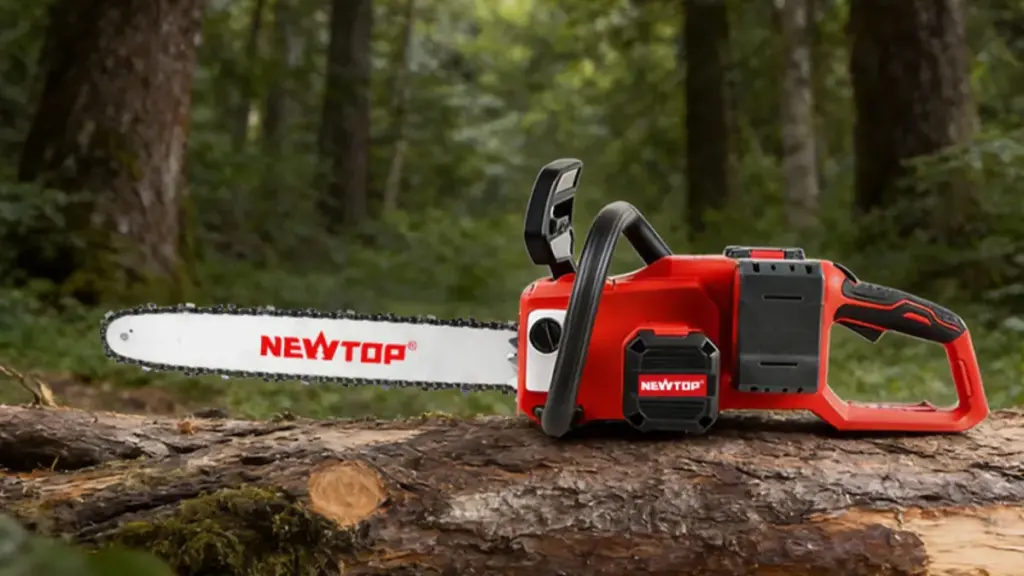
Battery-powered chainsaws, often called cordless chainsaws, run on rechargeable lithium-ion batteries. These units convert stored DC energy into rotating chain motion through a brushless motor, offering smooth acceleration and precision control.
Modern battery chainsaws have grown far more capable in recent years, with typical voltage options ranging from 18V and 36V for homeowner models to 40V, 56V, and even 60V or 80V systems for high-performance and professional-grade tools. Higher voltage generally means longer run time, greater torque, and faster chain speed.
Best suited for:
- Gardeners and homeowners wanting full mobility with no cords
- Urban environments where noise or emissions are restricted
- Light to medium cutting tasks in remote or off-grid areas
Battery tech has improved a lot. The newer ones charge faster, run longer, and deliver smoother power. AtNEWTOP, we’ve been upgrading our lithium battery chainsaws to get better torque, longer runtime, and brushless motors that feel strong and efficient without too much weight or vibration.
What is a Gas Chainsaw?
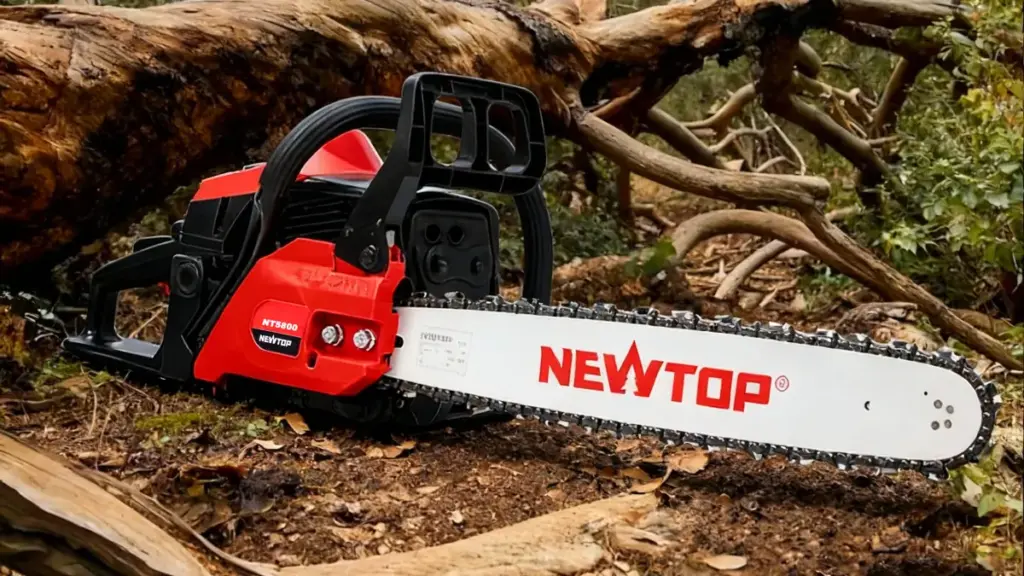
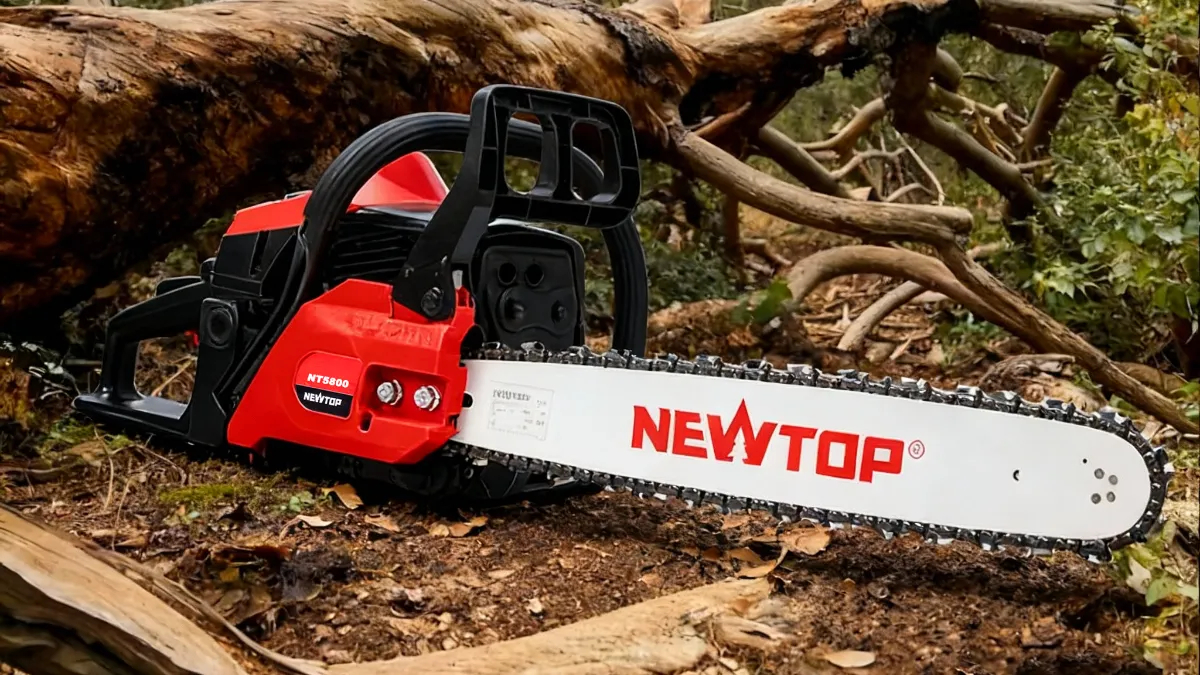
Known for unmatched cutting strength and durability, gas chainsaws remain the benchmark for professional-grade power tools.
A gas chainsaw uses a small internal combustion engine to drive the cutting chain, making it the most powerful type of portable chainsaw available today. Most models rely on2-stroke engines, which run on a mixture of gasoline and oil. This design keeps the tool lightweight, delivers high torque, and provides instant cutting power—ideal for forestry, costruzione, or heavy-duty land clearing.
While 2-stroke engines dominate the market, some larger or specialized chainsaws use4-stroke systems, offering cleaner combustion and reduced emissions at the cost of additional weight.
Gas chainsaws are valued for their mobility, endurance, and cutting efficiency. They don’t rely on external power or batteries, allowing users to work in remote areas for long periods. Tuttavia, they require regular maintenance—fuel mixing, pulizia del filtro, and spark plug replacement—and they produce more noise and exhaust than electric counterparts.
Overall, gas chainsaws remain the top choice for professionals and users who need maximum power and performance in challenging outdoor environments.
Equip Your Business with Durable Machinery
Pros and Cons of Electric Chainsaws for Quiet Operation
Electric chainsaws are all about convenience. If you mostly work around your home or garden, you’ll probably love one of these.
Key Advantage: Reduced Noise Levels
Electric chainsaws operate at much lower decibel levels than gas engines. This reduction in noise is a primary driver for their adoption in residential and suburban settings, where loud equipment can cause disturbances. The quieter performance allows for more flexible work schedules, including early mornings or evenings, without violating noise ordinances or upsetting neighbors.
- Ideal for suburban homeowners who need to avoid disturbing neighbors.
- Allows for flexible work times, including early mornings or late evenings.
- Reduces operator fatigue and the need for constant, heavy-duty hearing protection.
Simplified Maintenance and Operation
The operational simplicity of electric chainsaws is a significant advantage. They eliminate the need for fuel mixing, spark plug replacements, and complex engine servicing. This low-maintenance design makes them accessible to users of all experience levels, removing common frustrations associated with gas engines like carburetor issues or pull-start failures.
- No need to handle or store gasoline and oil mixtures.
- Starts instantly with the push of a button or trigger.
- Eliminates common gas engine problems like carburetor issues or pull-start failures.
Performance Limitations for Heavy-Duty Tasks
While modern electric saws are capable, they cannot match the sustained power of gas models for heavy-duty jobs. Their performance is best suited for light-to-medium work like pruning branches, trimming limbs, and cutting smaller logs. For felling large trees or bucking dense hardwood, the torque and runtime of a gas engine remain the professional standard.
- Best suited for light-to-medium-duty work like pruning, rifilatura, and cutting small logs.
- Battery-powered models have a limited runtime and may require frequent recharging for extended jobs.
- Professional loggers and arborists still rely on gas saws for maximum torque and sustained performance.
Pros and Cons of Gas Chainsaws for High-Torque Tasks
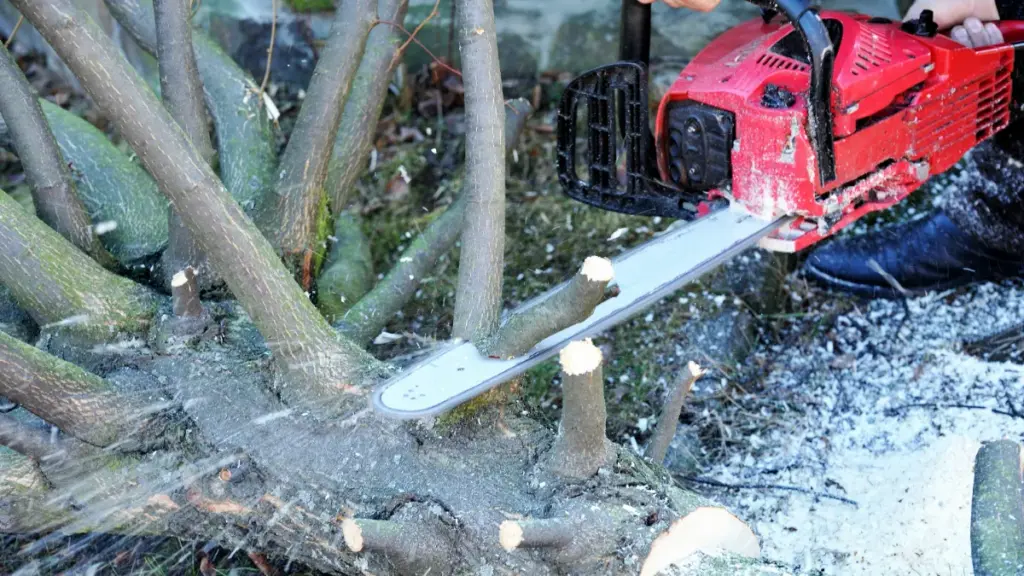
Gas chainsaws are built for power. They’re what you want for big logs, fallen trees, or heavy outdoor jobs.
Advantages: Unmatched Power and Mobility
Gas chainsaws are engineered for superior power and torque, making them the standard for heavy-duty cutting. Their primary advantage is the ability to run continuously on remote job sites, as long as fuel is available. This design ensures they operate reliably in harsh weather, including cold or wet conditions that can impair battery performance.
- Delivers high torque and fast cutting speeds, essential for felling large trees or processing dense hardwoods.
- Operates without interruption by simply refueling, which eliminates the downtime associated with battery charging.
- Maintains consistent power output in cold, wet, or frozen conditions where battery efficiency often degrades.
- Provides complete freedom of movement without the restrictions of cords or the need for charging stations.
Disadvantages: High Maintenance and Emissions
The main drawbacks of gas chainsaws are their demanding maintenance schedules and environmental impact. The 2-stroke engine produces significant noise and exhaust fumes, making protective gear mandatory and limiting its use in populated or poorly ventilated areas.
- Requires regular servicing, including air filter cleaning, controlli candele, and precise fuel-oil mixing.
- Generates high noise levels that make ear protection essential for safe, long-term operation.
- Emits exhaust fumes containing carbon monoxide, posing a health risk in enclosed spaces.
Key Differences Between Electric vs Gas Chainsaw
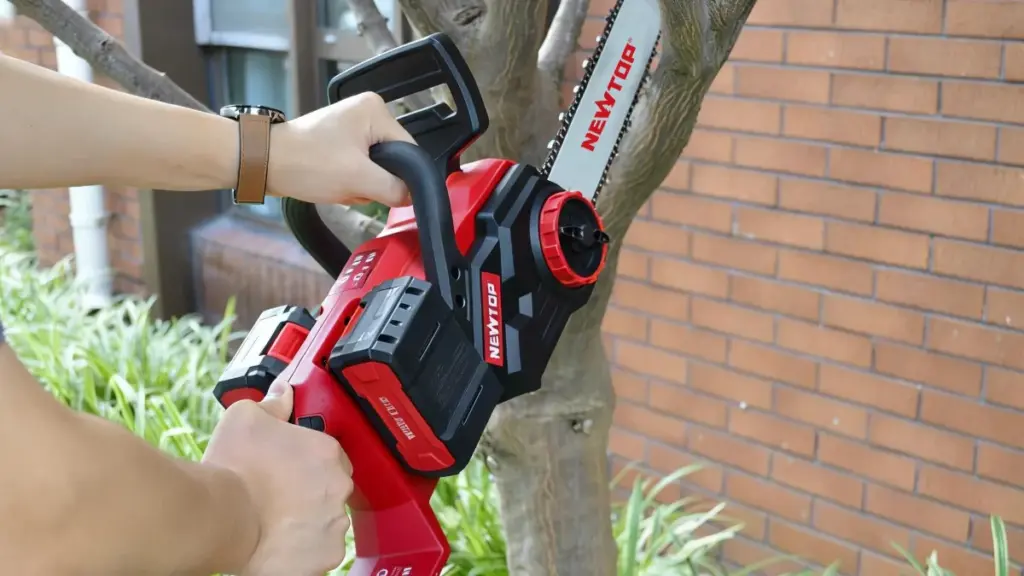
Before choosing your next chainsaw, it helps to understand how electric and gas-powered models truly compare. The table below highlights the key differences in power, prestazione, and maintenance to help you find the best fit for your work.
| Feature | Gas Chainsaw | Electric Chainsaw (Batteria) |
|---|---|---|
| Fonte di energia | Gasoline-powered 2-stroke or 4-stroke engine | Corded electricity or lithium battery (18V–80V) |
| Potenza in uscita | High torque and chain speed for demanding cuts | Moderate torque and stable cutting speed |
| Durata | Unlimited; refuel anytime for continuous operation | Limited by battery capacity or cord range |
| Sistema di avvio | Manual pull start; requires fuel mixture | Push-button or trigger start |
| Maintenance Needs | High – fuel mixing, pulizia del filtro, spark plug changes | Low – mostly battery charging and chain oil |
| Noise Level | Alto (typically 100–115 dB) | Basso (often under 90 dB) |
| Peso | Heavier due to engine and fuel tank | Lighter and easier to handle |
| Mobility | Fully portable; works anywhere outdoors | Batteria: full mobility; Corded: limited by power source |
| Operating Cost | Higher – ongoing fuel and maintenance costs | Lower – electricity and minimal upkeep |
| Environmental Impact | Produces exhaust; cleaner designs meet EPA/EURO II standards | Zero direct emissions; energy-efficient operation |
| Ease of Use | Requires experience and strength for control | Simple for beginners; less vibration and fatigue |
| Vibration & Fatigue | Higher vibration; modern models add anti-vibration systems | Minimal vibration with balanced brushless motors |
| Cutting Capacity | Handles thick hardwood and large logs | Best for small to medium branches and trees |
| Noise Regulations Compatibility | Suitable for rural or industrial areas | Ideal for residential and urban settings |
| Best For | Forestry workers, farmers, professional loggers | Proprietari di case, gardeners, DIY and light commercial use |
Power Output and Application Suitability
Gas chainsaws continue to dominate heavy-duty professional tasks like large-scale tree felling and milling due to their superior raw power and torque. Electric models, particularly battery-powered ones, have gained significant ground for consumer and light-commercial jobs. Their performance is now comparable to mid-range gas saws for tasks like pruning, yard cleanup, and light construction, thanks to advances in brushless motors and battery capacity.
- Gas models deliver consistent high power for cutting through large-diameter hardwood and for continuous operation.
- Battery models excel at tasks where convenience and quick deployment are valued, such as pruning, storm cleanup, and residential firewood cutting.
Operational Demands and Maintenance
The primary operational difference lies in fuel and upkeep. Gas chainsaws require a specific oil-and-gas mixture and regular maintenance of carburetors, fuel filters, and spark plugs to maintain performance. Electric chainsaws eliminate these complexities entirely, offering a simpler user experience focused on chain lubrication and battery management.
- Gas chainsaws need frequent refueling and routine engine maintenance to ensure reliable performance and prevent long-term damage.
- Electric chainsaws require only battery charging and bar oil, eliminating fuel mixing, difficult pull-starts, and engine-related troubleshooting.
Runtime and On-Site Flexibility
Runtime remains a key differentiator. A gas chainsaw can operate as long as you have fuel, making it the standard for remote or extended work where power access is non-existent. Battery chainsaws are limited by their charge capacity, requiring spare batteries or access to a power source for all-day use. This makes gas the clear choice for professional forestry and large-scale land clearing.
- Gas chainsaws can be refueled in minutes, allowing for virtually uninterrupted work on large job sites.
- Battery-powered saws offer great mobility for short-duration tasks but depend on the number and capacity of available batteries for longer jobs.
Market Trends and Technology
The market is clearly dividing based on job requirements rather than one type being universally better. Advances in battery and motor technology have made electric chainsaws a viable alternative for a growing number of users, while gas chainsaw remains the standard for pure power. This trend signals a maturation of the market, where tools are becoming more specialized for their intended applications.
- The consumer and light-commercial segments are shifting toward battery power for its convenience, reduced noise, and lower emissions.
- The professional forestry and industrial sectors still rely on gas power for its unmatched performance in demanding conditions and unlimited runtime.
Maintenance and Fuel Costs: Analyzing Long-Term Investment
When comparing long-term value, the real difference between electric and gas chainsaws becomes clear. Electric models save money on fuel and service, while gas units pay off through raw cutting efficiency and durability. It’s less about which costs more upfront—and more about how often and how hard you use it.
Electric chainsaws require little upkeep beyond chain oil and occasional battery replacement, making them ideal for occasional users or homeowners who value convenience. Gas chainsaws, although needing regular maintenance—fuel, candele, air filters—are built for high workloads and often last longer under continuous use.
The table below outlines typical cost and value factors for each type:
| Category | Gas Chainsaw | Electric Chainsaw |
|---|---|---|
| Initial Purchase Cost | Slightly higher due to engine and parts | Lower; battery included or optional |
| Fuel or Power Expense | Ongoing fuel and oil costs per use | Low electricity charging cost |
| Maintenance Frequency | Regular—filters, plugs, carburetor tuning | Minimal—chain oil and battery care |
| Average Lifespan (Proper Use) | Lungo; built for continuous heavy work | Moderate; ideal for intermittent use |
| Long-Term ROI | Higher for professionals; pays off in productivity | Higher for homeowners; saves time and cost |
Selection Guide: Electric vs Gas – Which One is Right for You?
For Homeowners and Light-Duty Yard Work
Electric chainsaws are the clear choice for most homeowners. Their low maintenance, quiet operation, and cost-effectiveness make them ideal for occasional tasks like trimming branches, cutting small logs for firewood, and general property cleanup. They offer a simple grab-and-go solution that requires no fuel mixing and minimal technical skill.
- Choose an electric model if your work is primarily in a residential area where noise can be an issue.
- They are perfect for users who prioritize ease of use and aren’t cutting large-diameter hardwood regularly.
For Professional and Heavy-Duty Applications
Gas chainsaws continue to dominate professional fields where sustained power and long runtimes are non-negotiable. They are engineered for felling large trees, bucking thick logs, and clearing extensive areas of land without needing to stop and recharge. Their performance is unmatched for demanding, all-day jobs, especially in remote locations far from a power source.
- Select a gas model if you work in forestry, land management, or agriculture.
- These tools are built for users who need maximum cutting torque and are comfortable performing regular engine maintenance.
| Decision Factor | Choose Electric If… | Choose Gas If… |
|---|---|---|
| Power Requirement | You need sufficient power for pruning, sepoltura, and cutting small logs. | You need maximum torque for felling large trees and bucking thick hardwoods. |
| Work Location | You work in a suburban yard, close to a power outlet or within battery range. | You work on large properties, remote forests, or any area without electricity. |
| Maintenance Preference | You prefer minimal upkeep: just add bar oil and keep the chain sharp. | You are comfortable with engine maintenance, miscelazione del carburante, and tune-ups. |
| Environment | Quiet, emission-free operation is a priority due to neighbors or regulations. | Raw power and runtime are the main goals; noise and fumes are secondary. |
A Quick Checklist for Your Decision
Answer these questions to quickly identify the right tool for your specific situation.
- Energia: Do you need top-tier torque for large trees (Gas) or sufficient power for yard tasks (Electric)?
- Location: Will you work near an outlet (Electric) or in remote areas far from a power source (Gas)?
- Manutenzione: Do you prefer minimal upkeep (Electric) or are you prepared for engine maintenance and fuel mixing (Gas)?
- Environment: Is quiet, emission-free operation your priority (Electric), or is raw power the main goal (Gas)?
Why Choose NEWTOP High-Performance Gas Chainsaws?
NEWTOP has established a strong market position by engineering gas chainsaws that deliver professional-grade durability and performance using globally recognized components, but at a price point accessible to mid-range commercial markets.
Founded in 2003, NEWTOP is a professional outdoor power equipment manufacturer, offering a full range of outdoor power products including gas and lithium battery chainsaws, decespugliatori, spruzzatori, outboard engines, generatori, water pump and more. Whether you’re looking for gas chainsaws or lithium battery chainsaws, NEWTOP has you covered.
Our products built with high-quality components from world-class suppliers such as Walbro, NGK, TORCIA, NSK, and Oregon—the same names trusted by leading global brands. Each unit undergoes multiple ISO9001-certified quality checks and complies with CE, APE, and EURO II standards to ensure consistent reliability and safety. With NEWTOP, you get power, affidabilità, and value in one package. That’s why professionals in over 65 countries trust our tools for forestry, farming, and landscaping work.
Conclusione
Electric chainsaws offer quiet operation and simple maintenance, making them excellent tools for residential yard work. Gas-powered models deliver the consistent high torque and runtime necessary for felling large trees or clearing remote land. Matching the tool to the task ensures you have the right balance of power, convenience, and long-term reliability.
If your projects require sustained cutting power and field durability, a professional gas chainsaw is the optimal choice. Explore the NEWTOP catalog to find a model with the right power-to-weight ratio for your needs.
Domande frequenti
Are electric chainsaws as powerful as gas?
Not quite. Electric chainsaws handle small to medium jobs well, but gas models still deliver higher torque and faster chain speed for heavy-duty cutting.
Do electric chainsaws need bar oil?
SÌ, all chainsaws, including corded and battery-powered electric models, absolutely require bar and chain oil to keep the chain lubricated and reduce wear.
How long do electric chainsaw batteries last?
Most lithium batteries last 30 A 60 minutes per charge, depending on workload and battery capacity. Keeping a spare fully charged can extend runtime.
Is an electric chainsaw safer than gas?
Generally, yes. They’re lighter, start instantly, and produce less vibration, making them easier to control—ideal for beginners or home users.
Can I cut a large tree with an electric chainsaw?
It’s possible with a high-voltage model, but for thick or hardwood trunks, a gas chainsaw is more efficient and faster.
What are the disadvantages of electric chainsaws?
They have limited runtime, slightly less cutting power, and rely on charging or access to electricity, which can restrict use in remote areas.
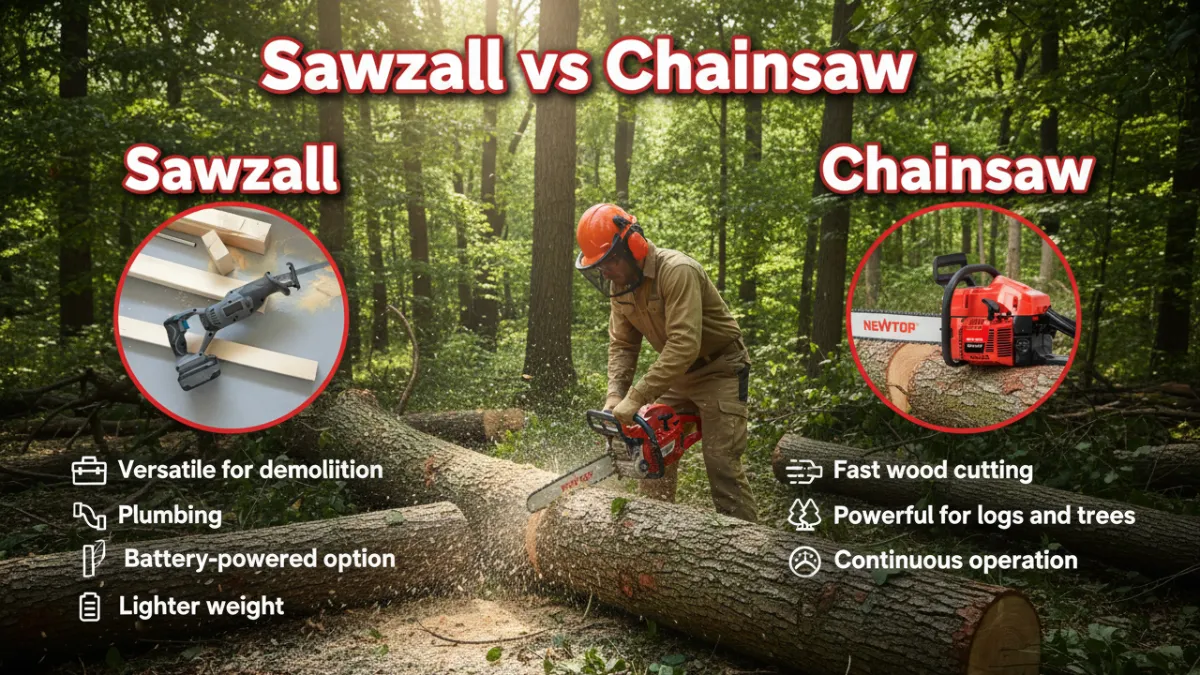
When it comes to cutting wood—whether you’re pruning backyard trees, trimming logs, or tackling demolition jobs—choosing between a Sawzall and a chainsaw can dramatically affect your results. Both tools can handle wood cutting, but they excel in very different situations.
In questa guida, we’ll break down the strengths, limitations, and ideal use cases of each to help you find the right tool for your work.
What is a Sawzall?
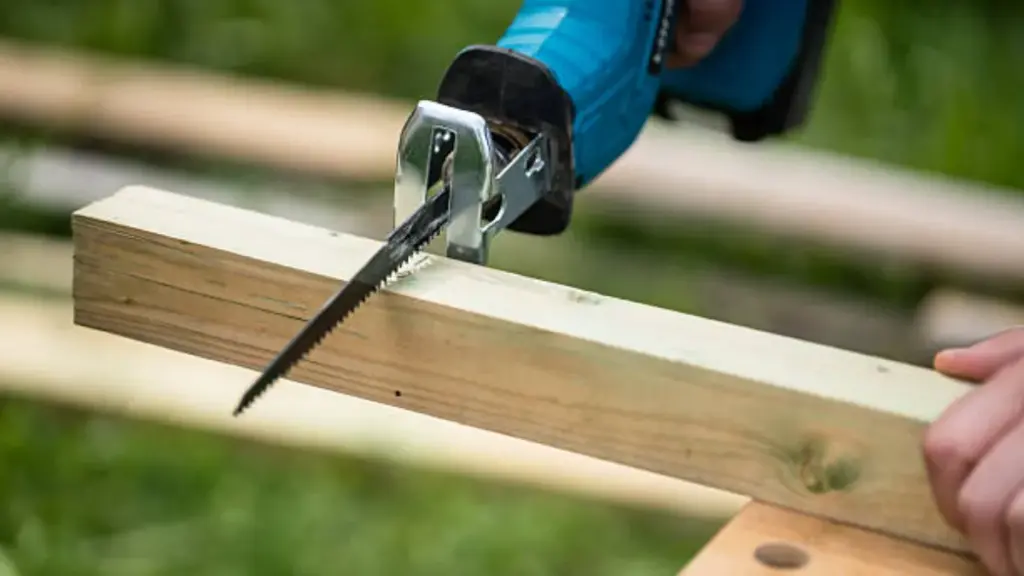
A Sawzall is the trademarked brand name for Milwaukee Tool’s line of reciprocating saws, but the term has become a genericized trademark used to describe any heavy-duty reciprocating saw.
A Sawzall, also known as a reciprocating saw, is a handheld power tool that uses a back-and-forth motion to cut through wood, metal, and plastic. Unlike chainsaws with a rotating chain, this reciprocating motion generates cutting force while reducing the vibration and noise common with rotational tools.
- The back-and-forth action provides a controlled cut with less risk of dangerous kickback.
- Its design allows for efficient cutting through various materials with minimal user effort.
Sawzalls can operate with various blades tailored to material type—wood blades for pruning and carpentry, metal-cutting blades for demolition, and specialty blades for piping or PVC. Because of its versatility, the Sawzall is often called a “universal saw.”
Portability and Control
Sawzalls are typically lighter and smaller than chainsaws, offering greater precision and control. Their design is ideal for working in tight spaces or at awkward angles where larger saws cannot fit.
- Cordless models offer exceptional portability for job sites without easy access to power.
- The tool’s shape and handling provide better control for detailed cuts, such as cutting between wall studs.
Primary Applications
In woodworking and trimming applications, the Sawzall shines in small cutting or pruning tasks, such as:
- Cutting small branches or limbs under 6 inches thick.
- Demolition work involving studs, beams, or nails.
- Tight cuts where bulky tools like chainsaws can’t reach.
What is a Chainsaw?
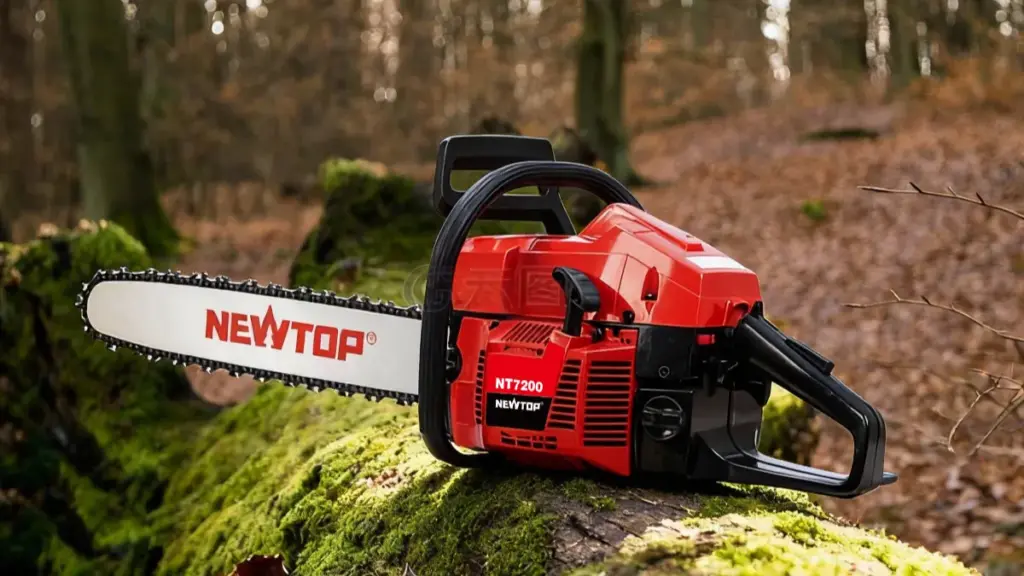
UNchainsaw is a high-powered cutting tool that uses a rotating chain fitted with sharp teeth to slice through wood. It’s the go-to equipment for felling trees, cutting logs, and handling heavy-duty wood cutting where speed and power matter most. Unlike reciprocating saws, a chainsaw is designed specifically for wood, giving it exceptional efficiency on thick trunks and logs. Tuttavia, its large size and rotating chain make it less suitable for precision pruning or close-quarter tasks.
Core Function and Design
The core assembly of a chainsaw is simple but effective. The engine or motor provides the rotational force, the guide bar provides a track for the chain to run on, and the cutting chain itself does the work. Modern designs incorporate critical safety features and ergonomic considerations to manage the tool’s inherent power and reduce operator fatigue.
- Fonte di energia: The engine or motor that drives the chain’s rotation.
- Barra guida: The long metal bar that the chain wraps around, determining the saw’s cutting length.
- Cutting Chain: A loop of linked segments with sharp cutting teeth.
- Safety Mechanisms: Includes features like a chain brake to stop the chain instantly during kickback and anti-vibration handles to protect the operator.
Evolution from Gas to Battery Power
The chainsaw market has undergone a significant technological shift. While gas-powered models remain an important role in professional forestry due to their raw power and runtime, electric and battery-powered options have gained major traction. This evolution is driven by industry and consumer demand for lower emissions, reduced noise, and simplified maintenance routines that eliminate the need for fuel mixing and engine servicing.
- Gas-Powered: The standard for heavy-duty logging and forestry, offering maximum power and portability in remote areas.
- Corded Electric: A common choice for residential use where a power outlet is nearby, offering consistent power without fumes.
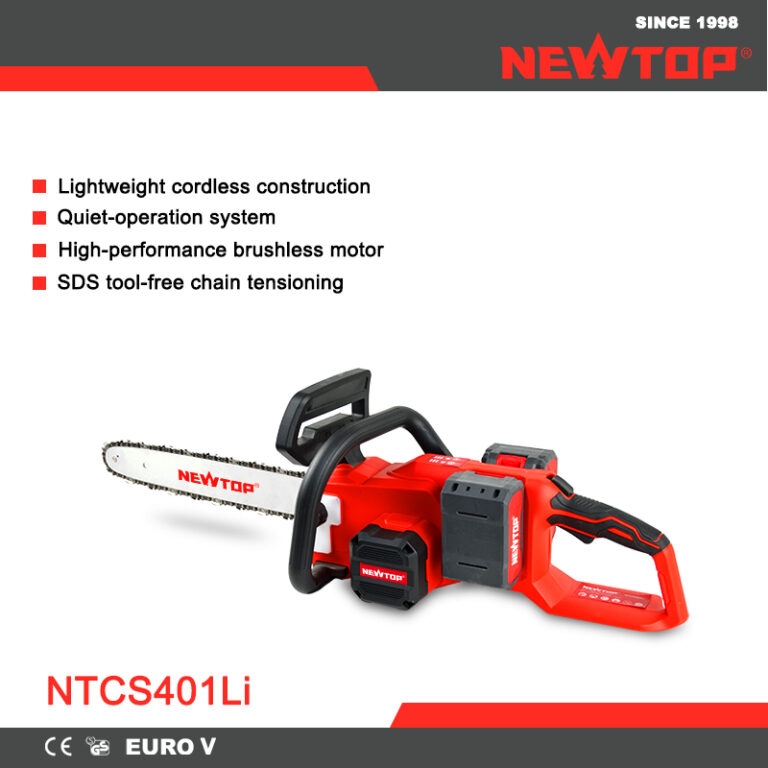
- Battery-Powered: The fastest-growing segment, providing the portability of gas without the emissions or noise. These models are now powerful enough for both homeowners and many professional landscaping tasks.
Applications Across Industries
The chainsaw is an indispensable tool across several sectors. Its application extends far beyond simply cutting down trees and includes specialized work in arboriculture, property maintenance, and emergency response.
- Forestry and Logging: The primary tool used for harvesting timber, from felling massive trees to processing them into logs.
- Arboriculture and Landscaping: Professionals use specialized models, like compact top-handle saws, for precise pruning, tree surgery, and maintenance in tight or elevated spaces.
- Property Maintenance: Homeowners and groundskeepers rely on chainsaws for storm cleanup, removing hazardous limbs, clearing land, and preparing firewood.
Pros and Cons of Sawzalls
A reciprocating saw trades the raw power of specialized tools for unmatched versatility, making it a cost-effective solution for jobs involving multiple material types.
Advantages of Sawzalls
- High versatility: Easily switch blades to cut wood, metal, or PVC, making it ideal for multi-material jobs.
- Compact design: Works smoothly in confined or awkward spaces where larger saws can’t reach.
- Lightweight and portable: Perfect for overhead cutting, pruning small branches, or on-site repairs.
- Low maintenance: No chain lubrication or tension adjustment needed, saving time and effort.
- Good precision: Offers excellent control for delicate or close-quarter cuts.
Limitations of Sawzalls
- Limited cutting depth: Less effective on dense or thick wood logs.
- Slower cutting speed: Not as fast as a chainsaw for large wood pieces.
- Requires physical control: Consistent pressure and steady handling are essential for clean cuts.
- Not suited for heavy-duty lumber tasks: Better for light pruning or interior work.
Pros and Cons of Chainsaws
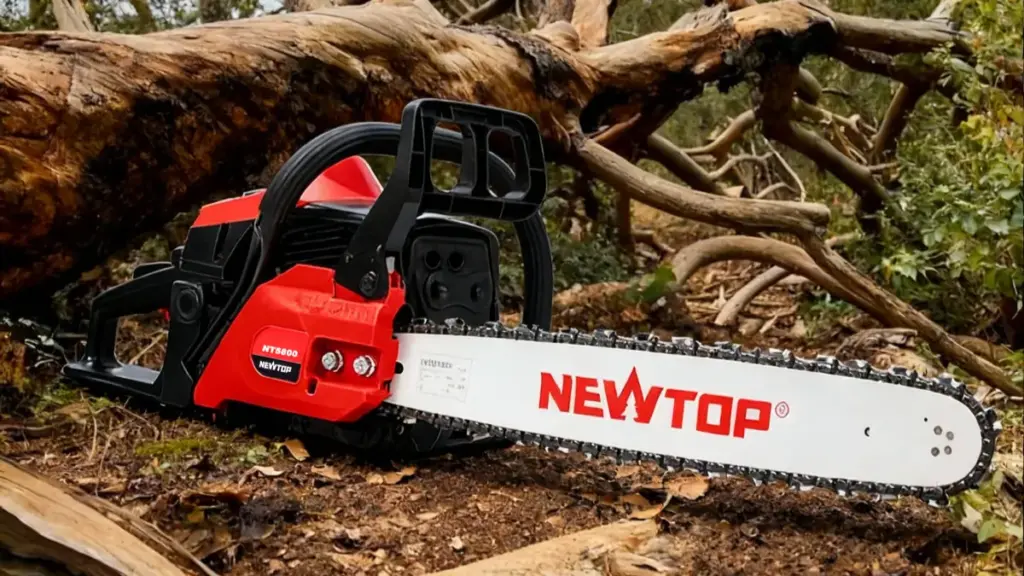
Chainsaws provide unmatched felling speed for heavy logs, but this performance comes with significant maintenance, safety, and operator fatigue trade-offs.
Advantage of Chainsaws
- Power and speed: Cuts through thick logs and trunks far faster than other saws.
- Efficiency for large tasks: Ideal for forestry, paesaggistico, or heavy wood removal.
- Reliable performance: Gas-powered and cordless models maintain steady power for long jobs.
- Purpose-built for wood: Designed specifically for hardwood and logs, garantendo pulito, fast cuts.
- Reduces manual effort: The motorized chain does most of the work with minimal pressure.
Disadvantages of Chainsaws
- Heavier build: Can be tiring during extended use or overhead cutting.
- Loud operation: Requires appropriate hearing protection for safe work.
- Frequent maintenance: Needs chain sharpening, oiling, and bar tensioning.
- Safety risks: Higher potential for kickback or injury if misused.
Boost Your Margins with Durable Garden Tools
Key Differences Between Sawzall vs Chainsaw
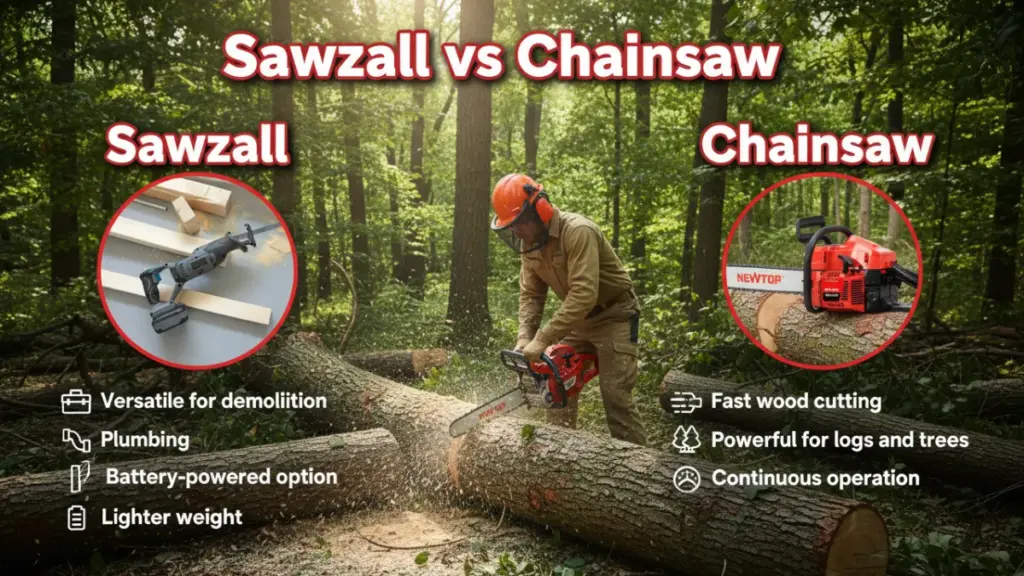
The choice between a Sawzall and a chainsaw is a decision between multi-material versatility and specialized wood-cutting power.
To help you distinguish between the two, here is a breakdown of their core differences:
| Feature | Motosega | Sawzall (Reciprocating Saw) |
|---|---|---|
| Cutting Mechanism | Rotating chain with sharp teeth | Back-and-forth reciprocating blade motion |
| Best For | Tree felling, large logs, and heavy-duty lumber tasks | Potatura, demolition work, and metal cutting |
| Fonte di energia | Gas, electric, or battery-powered | Electric (corded or cordless) |
| Portability | Medium — heavier and larger to transport | High — compact and easy to maneuver |
| Precision | Built for straight, deep cuts through large wood | Excellent control for small or angled cuts |
| Manutenzione | Moderate to high — chain sharpening and oiling required | Low — simple blade replacement and cleaning |
| Noise Level | High — louder chains and motor operation | Moderate — quieter and smoother operation |
| Max Wood Diameter | 12 inches or more, ideal for thick trunks | Up to 6–8 inches, depending on blade type |
| Safety Level | Lower — requires protective gear and proper technique | Higher — less kickback and easier to control |
| Versatility | Limited — optimized mainly for cutting wood | Excellent — handles wood, metal, PVC, and composites |
| Costo | Higher — more expensive engine and maintenance | Lower — affordable and cheaper to maintain |
Cutting Mechanism and Action
The mechanical action of each tool dictates its performance. A chainsaw uses a motor to drive a toothed chain that rotates at high speed around a guide bar. This continuous motion rapidly removes material, allowing it to slice through thick logs with minimal effort. Al contrario, a Sawzall uses a reciprocating blade that pushes and pulls in a rapid back-and-forth motion. While not as fast as a rotating chain for bulk wood removal, this action provides superior control for making precise cuts, plunge cuts into surfaces like drywall, and navigating tight spaces between studs or pipes.
Controllare, Precision, e Sicurezza
A Sawzall offers significantly more control and precision than a chainsaw. Its design is better suited for detailed demolition and construction tasks where accuracy is critical. The reciprocating action also minimizes the risk of dangerous kickback, a common hazard with chainsaws where the tip of the guide bar strikes an object and violently throws the saw back at the operator. Chainsaws prioritize raw power over fine control and demand extensive training and strict adherence to safety protocols to manage effectively. The physical strength required to operate a chainsaw safely is much greater than that needed for a Sawzall.
Blade and Chain System
The modularity of the Sawzall is its greatest asset. Operators can swap blades in seconds, moving from a wood-cutting blade to one designed for metal, plastic, or masonry. These blades come in various lengths, thicknesses, and tooth configurations (TPI), allowing the tool to be optimized for specific materials. A chainsaw uses a single, specialized chain that must be kept sharp, properly tensioned, and continuously lubricated to function correctly. This introduces a higher maintenance burden that is not present with the simple blade-swapping system of a reciprocating saw.
Cutting Speed and Efficiency: Real-World Performance Tests
Real-world tests confirm that a saw’s efficiency is less about brand and more about the synergy between its motor technology, stroke length, and the use of a material-specific blade.
Motor Technology and Stroke Length as Key Performance Drivers
Performance tests conducted in 2026 consistently show that a saw’s cutting speed is primarily determined by its motor technology and stroke length. Brushless motors deliver more power with higher efficiency, while a longer stroke removes more material with each pass. This combination leads to measurably faster results in demanding applications, proving that these internal mechanics have a greater impact on job site performance than brand loyalty alone.
- Brushless motors provide a better power-to-weight ratio, reducing operator fatigue during prolonged use.
- Longer stroke lengths are especially effective when cutting through thick materials like lumber or large-diameter pipes.
| Performance Metric | Impatto sull'efficienza | Real-World Example |
|---|---|---|
| Motor Technology (Brushed vs. Senza spazzole) | Brushless motors deliver higher power output with less energy loss and weight, reducing operator fatigue. | A brushless saw completes over 20% more cuts in 2×10 lumber per battery charge compared to a brushed model. |
| Stroke Length (per esempio., 7/8″ vs. 1-1/8″) | A longer stroke removes more material per pass, drastically increasing cutting speed in thick stock. | Slicing through 3″ diameter steel pipe is up to 30% faster with a 1-1/8″ stroke length. |
| Tipo di lama & TPI | Using a material-specific blade prevents overheating, blade wander, and premature wear. | A low-TPI pruning blade cuts branches cleanly, while a high-TPI metal blade would jam and vibrate. |
Note: Performance data shown is illustrative of common test outcomes rather than universally standardized values. Actual results may vary depending on battery amp-hour (Ah) ratings, wood density, and blade sharpness.
Selection Guide: Sawzall vs Chainsaw – Which One is Right for You?
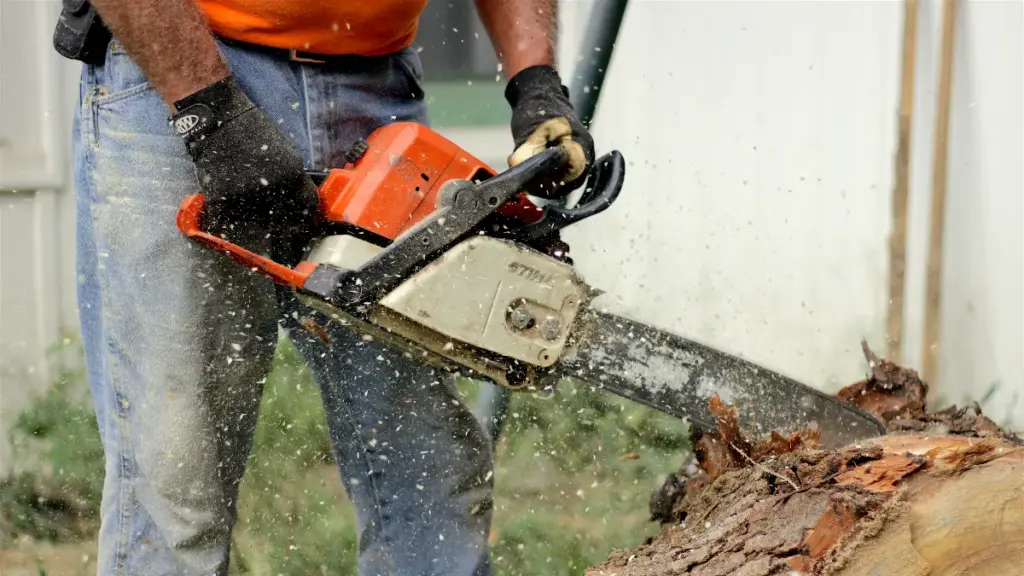
The choice between a Sawzall and a chainsaw is application-driven: chainsaws are built for high-volume outdoor wood cutting, while Sawzalls offer versatile, precision-based performance for indoor and demolition work.
Choosing between these two tools depends on your project’s primary needs.
Pick asawzall if:
- You do frequentDIY home renovations Oyard pruning.
- You often cut throughmixed materials like wood and metal.
- You need aportatile, versatile tool for occasional cutting.
- You valueeasy maintenance and safety in tight spaces.
Choose achainsaw if:
- You regularlyfell trees or process firewood.
- You work insilvicoltura, paesaggistico, or heavy outdoor use.
- You needspeed and power over precision.
- You can handletool upkeep such as sharpening and oiling.
Ready to Work With NEWTOP?
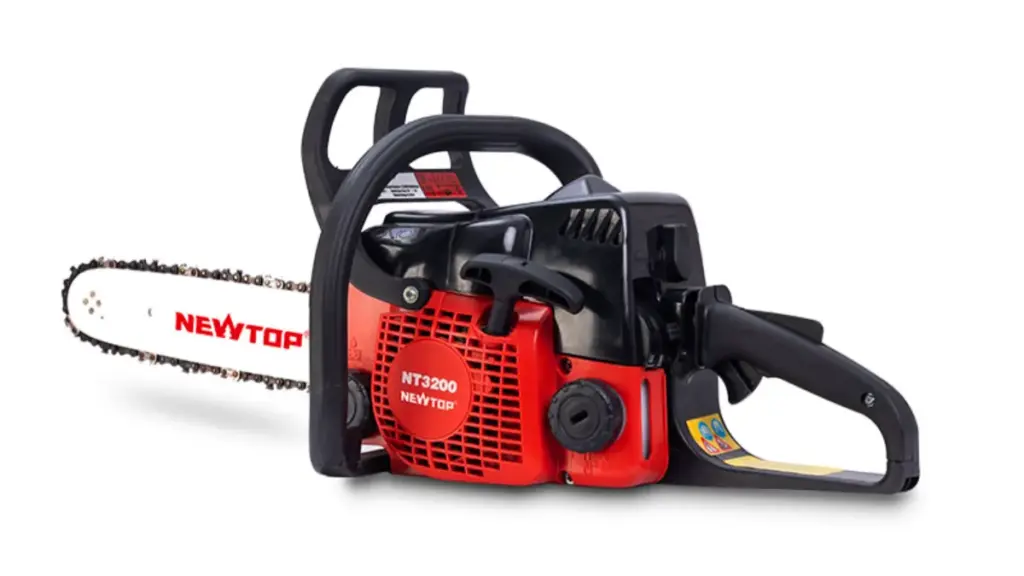
Da 2003, NEWTOP has been dedicated to delivering the right tool for every job, evolving into a leading manufacturer of professional-grade outdoor power equipment. We now operate with an annual production capacity of around 500,000 machines, comprese le motoseghe, decespugliatori, etc. to reliably support global distribution and OEM partnerships.
Our chainsaws are engineered for:
- Fuel Efficiency: Maximizing output while minimizing environmental impact.
- Ergonomia: Reducing user fatigue during long-haul timber processing.
- Reliability: Easy-start systems and robust build quality that professionals trust.
If you are looking for high-quality equipment to stock your retail business or to tackle a large-scale land clearing project, NEWTOP is your premier partner. Explore our full catalog of chainsaws and outdoor tools at newtoptools.com.
Conclusione
Choosing between a Sawzall and a chainsaw comes down to the specific task. A Sawzall offers versatility for demolition and light pruning, but a chainsaw provides unmatched speed and power for felling trees and processing firewood. Using the correct tool for the job ensures operational safety and delivers efficient, professional results.
If your operations require efficient wood cutting, review our catalog of professional-grade chainsaws. Contact the NEWTOP team to find the right equipment for your fleet’s specific needs.
Domande frequenti
Can I use a Sawzall instead of a chainsaw?
SÌ, for light wood cutting like small branches or limbs, a Sawzall with a pruning blade can substitute for a chainsaw, but it will be slower and less effective on thick logs or trunks.
Which is safer, a Sawzall or a chainsaw?
Generally, a Sawzall is easier to control and carries less kickback risk, so it is considered safer for most users, while a chainsaw demands stricter technique and protective gear.
Is a Sawzall better for cutting small branches?
For small branches and tight spaces, a Sawzall with a proper pruning blade is very convenient and often more manageable than a chainsaw, especially for casual users and yard maintenance.
Can you cut down a tree with a reciprocating saw?
You can cut down very small trees or saplings with a reciprocating saw, but it’s slow, and not recommended for larger trees where a chainsaw is safer, faster, and more appropriate.
What are the limitations of a Sawzall?
A Sawzall struggles with large-diameter logs, can be slow in dense wood, and requires good support of the material to avoid vibration and binding during cuts.
Which tool is more efficient for pruning?
For heavy or frequent pruning on larger branches, a chainsaw (or dedicated pruning chainsaw) is more efficient, while a Sawzall excels for lighter pruning, mixed materials, and occasional use.
As an outdoor power equipment supplier, NEWTOP understands that strong products may attract attention, ma le partnership a lungo termine nascono dalla fiducia, comunicazione, and consistent support. Per questo motivo, many customers choose suppliers who can deliver not only reliable machines, but also dependable service. A recent customer experience clearly shows how NEWTOP meets these expectations.
During an international exhibition, a customer stopped at our booth after noticing the color, finish, and build quality of our machines. The appearance immediately sparked interest. Afterward, our discussion helped them understand how our designs address real operational needs. As a next step, we arranged a sample for evaluation and provided a full configuration list along with a comparison against similar products in the industry. This way, the customer could clearly see why NEWTOP machines stand out.
Once the sample reached the customer, we continued communication rather than waiting passively. In fact, we stayed in close contact from the very beginning. Over the following months, the customer shared performance data and technical questions. Each time, we responded promptly, offering detailed explanations and practical suggestions. Di conseguenza, the customer felt supported and confident throughout the entire testing process.
Technical Support That Builds Confidence
To make the evaluation easier, NEWTOP provided a complete package of resources, such as:
- Product knowledge training
- Installation and operation guidance
- Maintenance and troubleshooting videos
- Ongoing after-sales assistance
- Manuals, exploded diagrams, and technical documents
Together, these materials allowed the customer’s team to examine every detail thoroughly. Furthermore, our support helped them understand how the machine performs under different working conditions.This level of support reflects how NEWTOP operates as a responsible outdoor power equipment supplier, focused on long-term cooperation rather than short-term sales.
Consistent Communication Strengthens Cooperation
Throughout the cooperation, we maintained clear and steady communication. Nel frattempo, we updated the customer on production timelines, order status, and available accessories. This consistent follow-up demonstrated NEWTOP’s reliability and attention to detail.
Eventually, after months of testing and open communication, the customer confirmed their satisfaction with the machine’s quality and our technical support. Ultimately, they chose NEWTOP as their long-term supplier.
Why More Customers Choose NEWTOP
Overall, this case highlights several qualities that many NEWTOP partners value.
- Reliable Quality Control
We test components, verify performance, and inspect every machine before shipment. Perciò, customers receive stable and consistent products.
- Strong Technical Support
We offer training, installation guidance, maintenance help, troubleshooting support, and full documentation. In addition, our engineers remain available for further assistance whenever needed.
- Fast and Clear Communication
Our teams respond quickly and share updates proactively. Di conseguenza, customers can manage their operations without unnecessary delays.
- Flexible, Solution-Focused Collaboration
We adapt to customer needs and offer practical solutions—whether for standard configurations or customized adjustments. On the other hand, we provide honest feedback when certain requests may not improve performance.
- Stable Supply Chain
With solid production capacity and reliable parts availability, we help partners maintain steady inventory. This stability supports their long-term market growth.
Customers may first discover NEWTOP because of our machines, but they stay for our service, comunicazione, and technical expertise. In essence, we aim to provide dependable outdoor power equipment supported by a professional team that genuinely cares.
If you are looking for a reliable outdoor power equipment supplier to support your long-term business growth, NEWTOP is ready to work with you.

As a brush cutter manufacturer, NEWTOP has spent years working closely with dealers across Africa, America Latina, Europe, and other global markets. Through these collaborations, we’ve gained a clear understanding of how dealers think, what they expect from manufacturers, and which trends shape the brush cutter market today.
Per questo motivo, we believe it is meaningful to share these insights—not only from our own perspective, but through what we’ve consistently learned from the dealers who work with us.
Understanding What Dealers Truly Value
Many end-users compare brush cutters by engine power or price alone. Tuttavia, dealers tend to evaluate much more than that. Their decisions often come from day-to-day experiences, customer feedback, and long-term business considerations.
From our work with them, several priorities consistently emerge:
- Long-term reliability, especially for agricultural and commercial clients
- Fast access to spare parts, which directly affects customer satisfaction
- Fornitura stabile, so they can respond quickly to seasonal demand
- Fewer returns and service issues, improving profit margins
- Clear technical materials, including exploded diagrams and manuals
- Dependable after-sales support, which strengthens their local reputation
Di conseguenza, manufacturers who understand these needs and respond to them effectively tend to build the strongest dealer partnerships.These expectations clearly show what dealers look for when choosing a long-term brush cutter manufacturer.

Why Brush Cutters Continue to Grow in Global Demand
Dealers across multiple regions agree that brush cutters are no longer just seasonal or niche agricultural tools. Their demand continues to expand for several reasons:
- Growing need for weed control in crop fields and orchards
- Increased municipal investment in roadside and community maintenance
- Rising use among landscaping companies and contractors
- Expansion of rural markets where affordable machinery boosts productivity
- Replacement demand as older machines become inefficient or unreliable
A causa di ciò, dealers often tell us that brush cutters are among the most stable revenue generators in their product lineup.
Through serving many successful distributors, NEWTOP has identified several patterns in what helps dealers grow and what challenges they face.
- Product Consistency Must Be Non-Negotiable
Dealers depend on machines that arrive with the same configuration and performance every time. Per questo motivo, we strengthened our quality control and standardized parts across batches.For dealers, consistent performance is a basic requirement from any professional brush cutter manufacturer.
- Parts Availability Drives Repeat Business
Many dealers have told us that a reliable parts supply is worth more than a low initial price.
Perciò, NEWTOP maintains complete parts catalogs, stable stock, and fast dispatch systems.
- Training Materials Reduce After-Sales Pressure
Dealers often handle customer onboarding themselves.
To support them, NEWTOP provides installation videos, product guidance, and maintenance instructions they can reuse in their markets.
- Fast Communication Builds Dealer Confidence
When dealers face technical questions or urgent customer issues, they need quick answers.
Nel frattempo, NEWTOP’s sales and engineering teams stay responsive, ensuring smooth daily operations and reinforcing trust.
- Professional Users Expect More Than Basic Features
Some dealers work with municipal clients, construction companies, or large farms.
In those cases, they rely on manufacturers like NEWTOP that can offer advanced knowledge, structural explanations, and long-term solutions—not just a product list.
How Dealer Success Stories Reflect NEWTOP’s Strengths
Across the markets we serve, we often see similar success patterns:
- Dealers switch to NEWTOP after experiencing inconsistent quality elsewhere
- New partners expand quickly because of our stable product performance
- Cautious distributors gain confidence after testing NEWTOP brush cutters
- Long-term partners report fewer returns and stronger customer loyalty
- Dealers grow their market share thanks to NEWTOP’s reliable supply and support
Ultimately, these positive outcomes come from aligning our manufacturing strengths with the real needs of the dealers we support.
Looking ahead, the brush cutter market will continue rewarding manufacturers who prioritize durability, servizio, and supply stability.
Per questo motivo, NEWTOP remains committed to improving every part of our system—from engineering and quality control to after-sales support.
We believe a brush cutter is more than a product. Allo stesso tempo, it represents a dealer’s reputation, an end-user’s efficiency, and a long-term investment in reliability.
If you are searching for a reliable brush cutter manufacturer to support your distribution growth, NEWTOP is ready to work with you.Together, we can help your distribution business grow with confidence.

Outboard motor spare parts are essential for keeping boats operating safely in demanding marine environments, especially in markets like Venezuela.NEWTOP recently secured an important order worth over USD 80,000 da un distributore venezuelano. The customer had been searching for a dependable supplier of outboard motor spare parts.
After reviewing our product quality and meeting our team, he chose NEWTOP as a long-term partner. Moreover, his visit to our factory and office further strengthened his confidence and helped finalize the cooperation without delay.

Why Venezuela Has Strong Demand for Outboard Motor Spare Parts
Venezuela depends heavily on boats for fishing, work, and transportation. Perciò, outboard motors play a central role in daily activities along its rivers and coastlines. Because these engines operate for many hours and in harsh environments, the market constantly needs reliable engines and quality spare parts. Di conseguenza, distributors value suppliers who offer consistent quality, stable inventory, and professional support.
Reliable Spare Parts Make a Real Difference
Outboard motors often face saltwater exposure, humidity, heat, and long running cycles. Di conseguenza, poor-quality components can reduce engine efficiency, increase fuel use, or even cause safety risks. Per questo motivo, many distributors across Latin America and similar regions now prefer suppliers who guarantee durable, compatible, and easy-to-service parts.
Inoltre, local buyers look for parts that offer:
- Strong resistance to corrosion
- Long service life
- Compatibility with widely used models
- Quick and simple maintenance
When these expectations are met, distributors gain peace of mind and spend less time solving technical issues.
How NEWTOP Supports Global Partners
NEWTOP has years of experience in outdoor power equipment and outboard motor spare parts. Furthermore, we focus on durability, compatibility, and stable performance across our entire product range. Our production teams follow strict quality control, while our service teams provide clear communication and quick technical responses. In addition, we support distributors with steady production capacity and flexible cooperation options.
We also assist global partners through:
- Reliable production and inventory
- Professional technical consultation
- Flexible cooperation options
- Smooth shipping arrangements
- Helpful after-sales guidance
Thanks to these strengths, NEWTOP continues to expand across Latin America, Africa,Europe,etc.
Let’s Build Your Success Together
The Venezuela order represents another step forward in NEWTOP’s global development. Moreover, it reflects our commitment to providing dependable products and supportive service to distributors worldwide.
If you are interested in outboard motor spare parts or need other outdoor power equipment, we welcome you to visit the NEWTOP official website and contact us. Our team is ready to offer more information and help you grow your business.
