Al seleccionar motores fuera de borda, Los caballos de fuerza son a menudo la primera especificación que los compradores consideran.. Sin embargo, el peso puede ser igual de importante, especialmente para embarcaciones pequeñas, botes inflables, barcos pesqueros, barcos de trabajo, y aplicaciones marinas portátiles.
Una de las razones por las que los motores fueraborda de 2 tiempos siguen siendo populares en muchos mercados es su favorable relación potencia-peso.. Comparado con modelos equivalentes de 4 tiempos, 2-Los motores de carrera generalmente ofrecen un rendimiento similar pero tienen menos peso., haciéndolos más fáciles de transportar, instalar, y operar.
Esta guía compara los pesos típicos de los motores fueraborda de 2 tiempos en diferentes rangos de potencia y explica cómo el peso influye en el rendimiento de la embarcación., consumo de combustible, y manejo.
Por qué el peso fueraborda de 2 tiempos ofrece una ventaja en el rendimiento
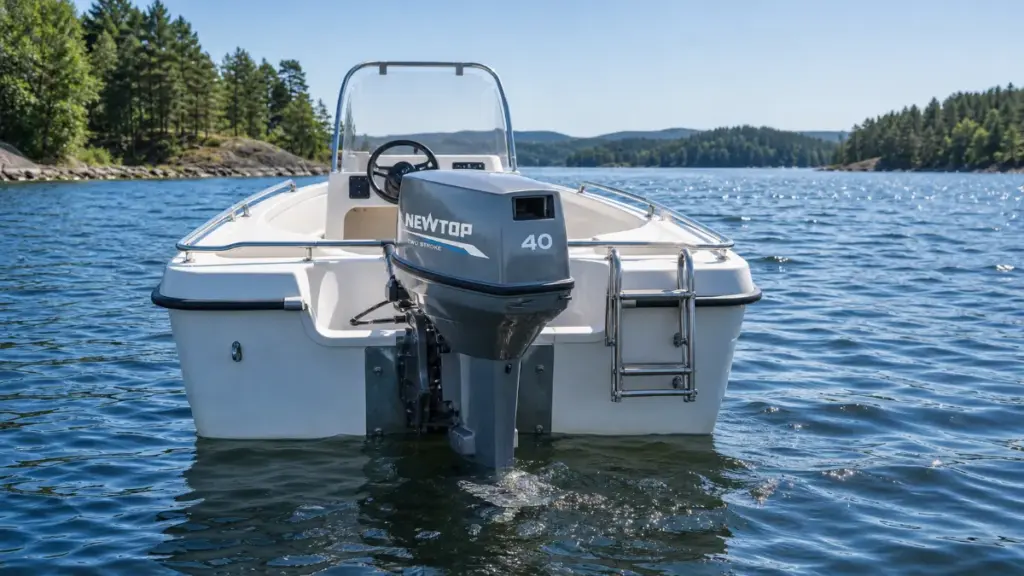
Un fueraborda de 2 tiempos más ligero mejora el rendimiento de la embarcación al ofrecer una relación potencia-peso superior. Con menos masa en el espejo de popa, un casco acelera más rápido, se maneja con mayor capacidad de respuesta, y mantiene una mejor actitud de carrera, Convertir los caballos de fuerza brutos en velocidad y agilidad prácticas en el agua..
Un motor fueraborda más ligero puede ofrecer varias ventajas:
- Aceleración más rápida desde parado
- Rendimiento de tiro de hoyo mejorado
- Planeamiento más rápido
- Mejor maniobrabilidad
- Transporte e instalación más fáciles
- Reducción del estrés en el espejo de popa
- Mayor capacidad de carga útil
Por ejemplo, un pequeño barco pesquero propulsado por un 15 El motor fueraborda HP de 2 tiempos puede soportar entre 10 y 20 kg menos de peso que un modelo comparable de 4 tiempos. Esa diferencia de peso se puede utilizar para combustible adicional., equipo de pesca, carga, o pasajeros.
En muchos mercados remotos y en desarrollo, 2-Los fuerabordas de carrera siguen siendo populares debido a su diseño simple., fácil mantenimiento, y una relación potencia-peso favorable.
2-Comparación del peso del fueraborda de carrera por caballos de fuerza
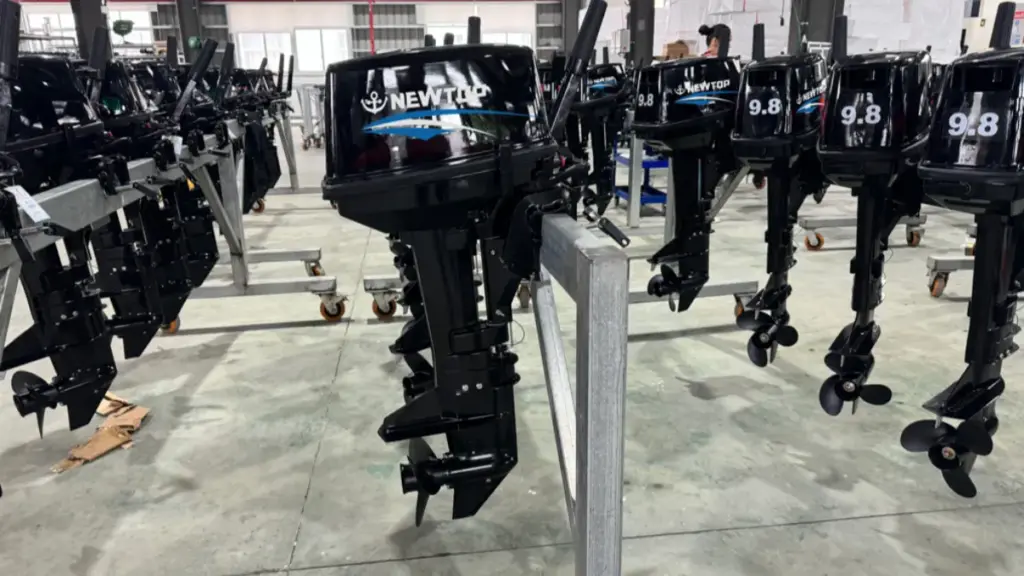
2-Los motores fueraborda de carrera son conocidos por su favorable relación potencia-peso en un amplio rango de caballos de fuerza.. 2-Los motores fueraborda de carrera suelen pesar entre 14 kilos y 190 kilos (30–420 libras), dependiendo de los caballos de fuerza, longitud del eje, y configuración del motor.
En comparación con motores fueraborda de 4 tiempos de clasificación similar, 2-Los diseños de carrera generalmente logran un peso total más bajo gracias a su estructura mecánica más simple y menos componentes internos..
Nota: Las especificaciones de peso pueden variar significativamente entre los fabricantes de motores fueraborda y las configuraciones del motor.. Las tablas a continuación muestran los rangos de peso seco típicos que se encuentran comúnmente en el mercado mundial de motores fueraborda de 2 tiempos..
Tabla de pesos portátil de 2 tiempos (2.5-15 caballos de fuerza)
2 tiempos portátiles en el 2.5 a 15 La gama HP está diseñada para facilitar su transporte y montaje en embarcaciones pequeñas., barcos jon, y inflables. Su bajo peso marca una diferencia notable en el equipamiento y el manejo manual., una razón clave por la que son valorados en los adornos de automóviles y otras embarcaciones pequeñas.
| Caballo de fuerza (caballos de fuerza) | Peso seco típico (kilos) | Peso seco típico (libras) |
|---|---|---|
| 2.5 caballos de fuerza | 14–18 kilos | 30–40 libras |
| 4–5 CV | 16–25 kilos | 35–55 libras |
| 6 caballos de fuerza | 20–29 kilos | 45–65 libras |
| 8 caballos de fuerza | 25–34 kilogramos | 55–75 libras |
| 9.9 caballos de fuerza | 32–43 kilos | 70–95 libras |
| 15 caballos de fuerza | 39–54 kilos | 85–120 libras |
Pesos fueraborda de 2 tiempos de rango medio (18-40 caballos de fuerza)
Los motores de 2 tiempos de gama media son una opción popular para los barcos de pesca, esquifes, barcos de aluminio, y RIB donde es importante una fuerte relación potencia-peso. Esta categoría proporciona suficiente potencia para un planeo rápido y al mismo tiempo mantiene el peso total del espejo de popa relativamente bajo..
| Caballo de fuerza (caballos de fuerza) | Peso seco típico (kilos) | Peso seco típico (libras) |
|---|---|---|
| 18–20 CV | 34–50 kilos | 75–110 libras |
| 25 caballos de fuerza | 39–59 kilos | 85–130 libras |
| 30 caballos de fuerza | 43–66 kilos | 95–145 libras |
| 40 caballos de fuerza | 54–77 kilogramos | 120–170 libras |
Tabla de pesos de 2 tiempos de alta potencia (50-150 caballos de fuerza)
A medida que aumenta la potencia, El peso del motor aumenta significativamente.. Sin embargo, 2-Los fuerabordas de carrera generalmente mantienen una relación potencia-peso favorable en comparación con motores de 4 tiempos de clasificación similar.. Esta ventaja puede ayudar a mejorar la aceleración., rendimiento de planeo, y la capacidad de respuesta general del barco.
| Caballo de fuerza (caballos de fuerza) | Peso seco típico (kilos) | Peso seco típico (libras) |
|---|---|---|
| 50 caballos de fuerza | 64–86 kilos | 140–190 libras |
| 60 caballos de fuerza | 70–95 kilogramos | 155–210 libras |
| 70 caballos de fuerza | 82–109 kilogramos | 180–240 libras |
| 90 caballos de fuerza | 100–132 kilos | 220–290 libras |
| 115 caballos de fuerza | 113–150 kilos | 250–330 libras |
| 150 caballos de fuerza | 154–191 kilos | 340–420 libras |
Impulse su negocio con motores fueraborda duraderos
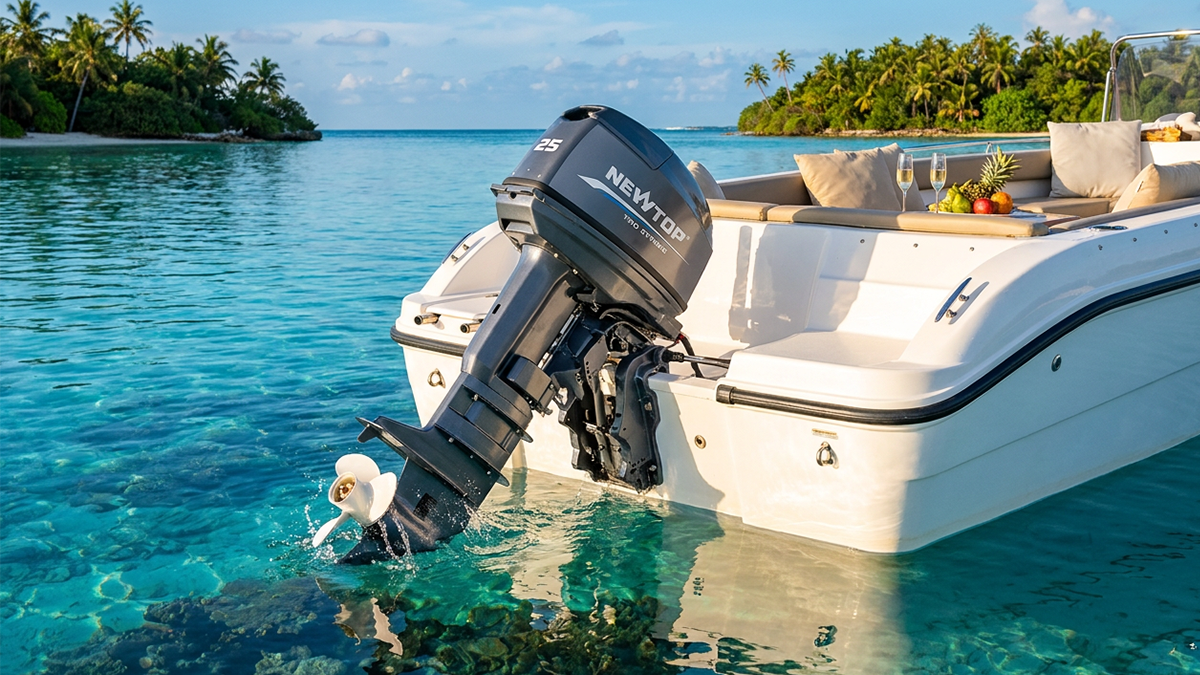
¿Qué hace que los fuerabordas de 2 tiempos sean más ligeros?: Simplicidad mecánica
La razón principal por la que los fuerabordas de 2 tiempos pesan menos es su diseño interno más simple..
A diferencia de los motores de 4 tiempos, Los fuerabordas tradicionales de 2 tiempos no requieren:
- Árboles de levas
- cadenas de distribución
- Correas de distribución
- válvulas de admisión
- válvulas de escape
- Componentes complejos del tren de válvulas
Porque la potencia se produce en cada revolución del cigüeñal y no en cada otra revolución., El motor puede generar una gran potencia con menos piezas móviles..
Componentes típicos para ahorrar peso
| Componente | 2-Ataque | 4-Ataque |
|---|---|---|
| Tren de válvulas | No | Sí |
| Árbol de levas | No | Sí |
| Sistema de cronometraje | No | Sí |
| Sistema de aceite del motor | Más simple | Más complejo |
| Recuento de piezas internas | Más bajo | Más alto |
Para obtener más información sobre motores fuera de borda de 2 tiempos frente a motores fuera de borda de 4 tiempos, puedes leer este blog: 2 Accidente cerebrovascular vs. 4 Motores fueraborda de carrera: ¿Cuál es mejor para su mercado?.
Cómo el peso afecta el tiro del hoyo, Cepillado, y eficiencia del combustible
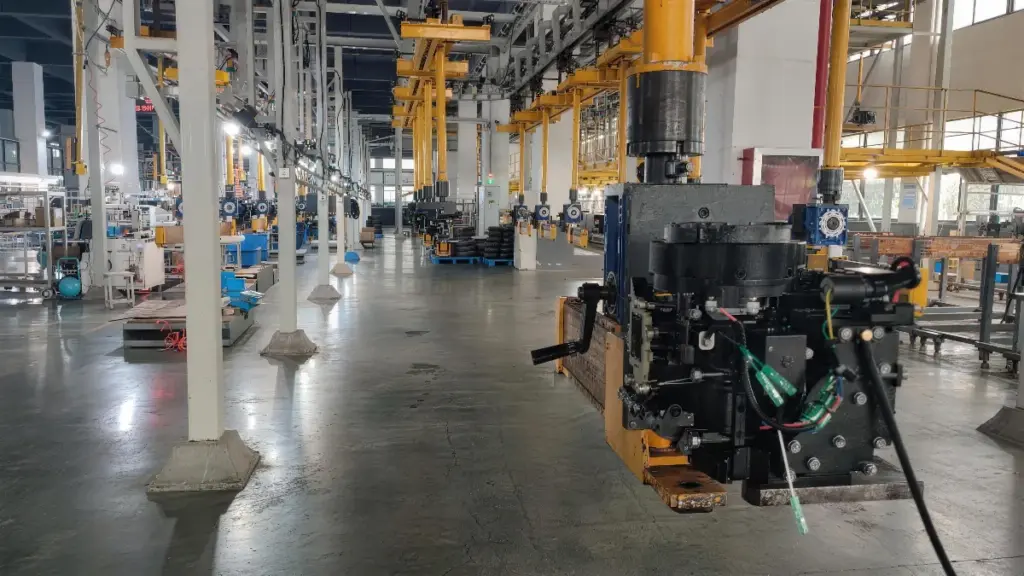
Muchos propietarios de embarcaciones se centran únicamente en los caballos de fuerza., pero el peso influye significativamente en el rendimiento en el mundo real.
Tiro del hoyo
El tiro del hoyo se refiere a la rapidez con la que un barco acelera desde la velocidad de ralentí hasta la velocidad de planeo..
Un motor más ligero reduce la cantidad de masa que el casco debe levantar durante la aceleración..
Los beneficios incluyen:
- Lanzamiento más rápido
- Mejor rendimiento de remolque
- Capacidad de respuesta mejorada
- Operación más eficiente bajo cargas pesadas
Esto es particularmente importante para los barcos pesqueros que frecuentemente paran y arrancan durante el día..
Rendimiento de planificación
El planeo ocurre cuando el casco se eleva y se desliza sobre el agua en lugar de empujarse a través de ella..
El peso excesivo en popa puede retrasar el planeo y aumentar el consumo de combustible..
Un fueraborda más ligero suele ayudar:
- Llegar al avión antes
- Mantener el avión con ajustes de aceleración más bajos
- Mejorar la calidad general de la conducción
Eficiencia de combustible
El consumo de combustible depende de múltiples factores, incluido:
- diseño de barco
- Selección de hélice
- ajuste del motor
- Velocidad de funcionamiento
- Peso total del buque
Reducir el peso generalmente disminuye la energía necesaria para mover el barco..
Aunque el ahorro de combustible varía según la aplicación, Los fuerabordas más ligeros a menudo mejoran la eficiencia operativa general., especialmente en embarcaciones más pequeñas.
Seleccionar el peso de 2 tiempos adecuado para su aplicación
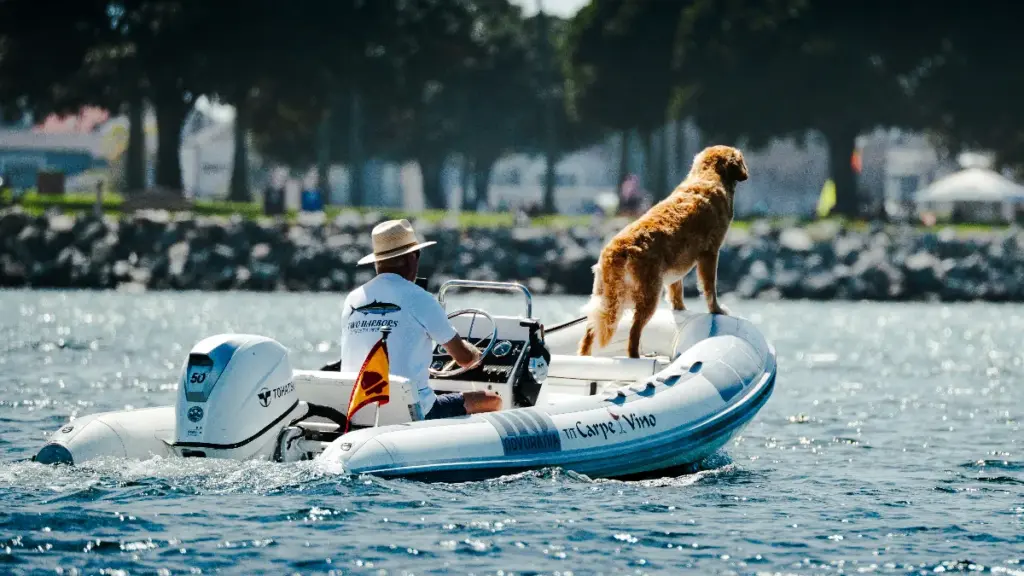
El motor más ligero no siempre es la mejor opción.
En cambio, Los operadores deben hacer coincidir el peso del motor con el tamaño de la embarcación., uso previsto, y requisitos de carga.
| Tipo de barco | Rango típico de HP | Peso recomendado del motor | Aplicaciones comunes | Prioridad clave |
|---|---|---|---|---|
| Pequeños botes inflables | 2.5–9,9 CV | 14–43 kilos (30–95 libras) | Licitaciones, botes, navegación de recreo, configuraciones de pesca portátiles | Fácil transporte |
| Pequeños barcos de pesca | 15–30 CV | 39–66 kilos (85–145 libras) | Pesca continental, transporte fluvial, operaciones costeras | Equilibrio entre portabilidad y rendimiento |
| Barcos de trabajo comerciales | 40–90 CV | 54–132 kilos (120–290 libras) | Transporte de carga, servicios de pasajeros, uso comercial diario | Fiabilidad y capacidad de carga. |
| Costa afuera & Barcos de alta velocidad | 115–150 CV | 113–191 kilos (250–420 libras) | pesca en alta mar, operaciones de rescate, patrulleras, navegación de alto rendimiento | Máximo rendimiento y durabilidad |
Para una mirada más profunda a cómo se desempeñan los diferentes tipos de motores fuera de borda en la pesca, transporte, y aplicaciones de ocio, echa un vistazo a nuestra guía detallada aquí.
Buscando motores fuera de borda confiables de 2 tiempos?
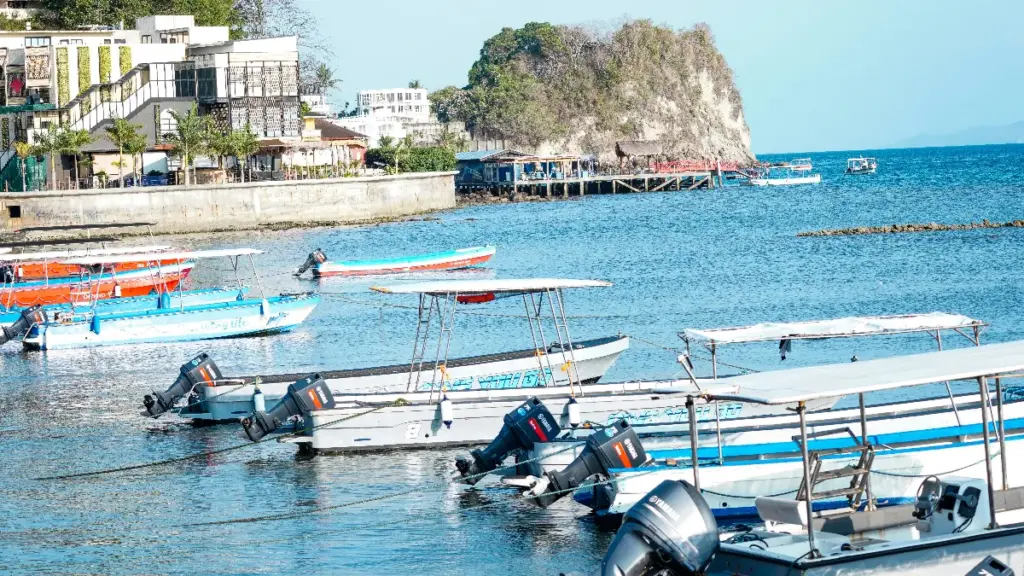
NOVEDAD fabrica una amplia gama de motores marinos de gasolina diseñados para la pesca, transporte, y aplicaciones marinas comerciales. Con amplia experiencia en OEM y ODM, NEWTOP apoya a los distribuidores, mayoristas, y marcas de equipos marinos en los mercados globales.
Las ventajas clave incluyen:
- Relaciones competitivas potencia-peso
- Estable capacidad de producción
- Soporte OEM y marcas privadas
- Disponibilidad de repuestos
- Control de calidad durante toda la fabricación
- Documentación técnica y soporte postventa.
Ya sea que necesite fuerabordas portátiles para embarcaciones inflables o soluciones de mayor potencia para embarcaciones comerciales, NEWTOP puede proporcionar productos personalizados para las necesidades de su mercado..
Preguntas frecuentes
¿Cuánto pesa un motor fueraborda de 2 tiempos??
El peso depende de los caballos de fuerza.. Los pequeños fuerabordas portátiles de 2 tiempos pueden pesar tan solo entre 10 y 14 kg, mientras grande 300 Los modelos HP pueden superar 300 kilos.
¿Cuánto cuesta un 15 Peso fueraborda HP de 2 tiempos?
Mayoría 15 Los fuerabordas HP de 2 tiempos pesan aproximadamente 39-54 kilos, dependiendo de la longitud del eje y del sistema de arranque.
¿Cuánto cuesta un 30 Peso fueraborda HP de 2 tiempos?
A 30 El fueraborda HP de 2 tiempos generalmente pesa entre 110 y 145 libras. Cabe entre el encendedor 20 Clase HP y el más pesado. 40 Clase HP, con el peso final dependiendo de su configuración específica.
¿Cuánto cuesta un 40 Peso fueraborda HP de 2 tiempos?
A 40 El motor fueraborda HP de 2 tiempos normalmente pesa entre 150 y 190 libras. Este peso puede cambiar según el fabricante., longitud del eje, y si incluye sistemas como el ajuste y la inclinación eléctricos.
¿Por qué los fuerabordas de 2 tiempos son más ligeros que los de 4 tiempos??
Los fuerabordas de dos tiempos son más ligeros debido a su diseño más sencillo. No tienen el tren de válvulas separado., árboles de levas, y otras piezas internas complejas que se encuentran en motores de 4 tiempos. Menos componentes dan como resultado un cabezal motor más compacto y liviano para la misma potencia..
¿Cuánto cuesta un 150 Peso fueraborda HP de 2 tiempos?
A 150 El fueraborda HP de 2 tiempos normalmente pesa entre 390 y 460 libras. El peso exacto está influenciado por el diseño de la caja de cambios del modelo., sistema de combustible, y si es un modelo de inyección directa o carburado.
¿Cuál es el motor fueraborda de 2 tiempos más ligero??
Los motores fueraborda de 2 tiempos más ligeros se encuentran generalmente en el 2.5 Clase HP, pesa tan poco como 30 a 40 libras. estos pequeños, Los motores monocilíndricos están diseñados para ofrecer la máxima portabilidad., haciéndolos fáciles de transportar y montar en embarcaciones pequeñas como botes o canoas.