When selecting outboard motors, horsepower is often the first specification buyers consider. However, weight can be just as important, especially for small boats, inflatable boats, fishing vessels, workboats, and portable marine applications.
One reason 2-stroke outboard motors remain popular in many markets is their favorable power-to-weight ratio. Compared with equivalent 4-stroke models, 2-stroke engines generally deliver similar output while carrying less weight, making them easier to transport, install, and operate.
This guide compares typical 2-stroke outboard motor weights across different horsepower ranges and explains how weight influences boat performance, fuel consumption, and handling.
Why 2-Stroke Outboard Weight Gives a Performance Edge
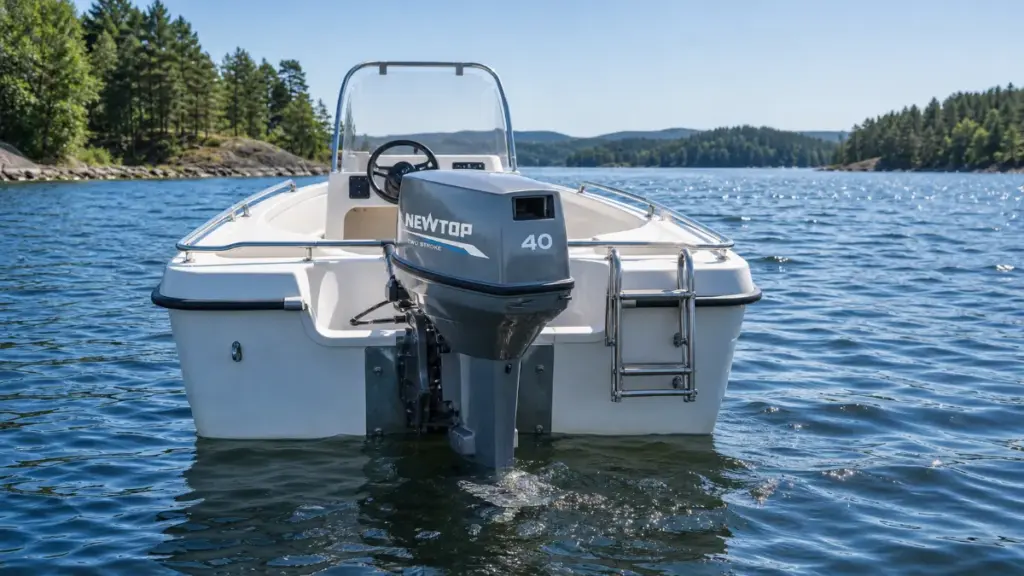
A lighter 2-stroke outboard improves a boat’s performance by offering a superior power-to-weight ratio. With less mass on the transom, a hull accelerates faster, handles more responsively, and maintains a better running attitude, turning raw horsepower into practical on-water speed and agility.
A lighter outboard motor can provide several advantages:
- Faster acceleration from a standstill
- Improved hole shot performance
- Quicker planing
- Better maneuverability
- Easier transportation and installation
- Reduced transom stress
- Increased payload capacity
For example, a small fishing boat powered by a 15 HP 2-stroke outboard may carry 10–20 kg less engine weight than a comparable 4-stroke model. That weight difference can be used for additional fuel, fishing equipment, cargo, or passengers.
In many developing and remote markets, 2-stroke outboards remain popular because of their simple design, easy maintenance, and favorable power-to-weight ratio.
2-Stroke Outboard Weight Comparison by Horsepower
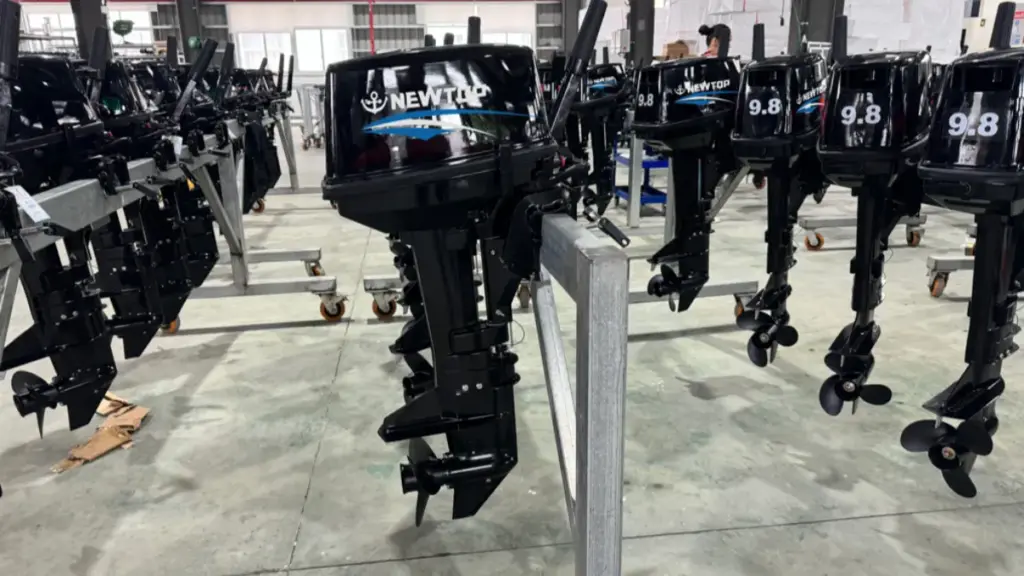
2-stroke outboard motors are known for their favorable power-to-weight ratio across a wide horsepower range. 2-stroke outboard motors typically weigh between 14 kg and 190 kg (30–420 lbs), depending on horsepower, shaft length, and engine configuration.
Compared with similarly rated 4-stroke outboards, 2-stroke designs generally achieve lower overall weight thanks to their simpler mechanical structure and fewer internal components.
Note: Weight specifications can vary significantly between outboard motor manufacturers and engine configurations. The tables below show typical dry weight ranges commonly found across the global 2-stroke outboard market.
Portable 2-Stroke Weight Chart (2.5-15 HP)
Portable 2-strokes in the 2.5 to 15 HP range are designed for easy carrying and mounting on small tenders, jon boats, and inflatables. Their low weight makes a noticeable difference in trim and manual handling, a key reason they are valued on car-toppers and other small craft.
| Horsepower (HP) | Typical Dry Weight (kg) | Typical Dry Weight (lbs) |
|---|---|---|
| 2.5 HP | 14–18 kg | 30–40 lbs |
| 4–5 HP | 16–25 kg | 35–55 lbs |
| 6 HP | 20–29 kg | 45–65 lbs |
| 8 HP | 25–34 kg | 55–75 lbs |
| 9.9 HP | 32–43 kg | 70–95 lbs |
| 15 HP | 39–54 kg | 85–120 lbs |
Mid-Range 2-Stroke Outboard Weights (18-40 HP)
Mid-range 2-strokes are a popular choice for fishing boats, skiffs, aluminum boats, and RIBs where a strong power-to-weight ratio is important. This category provides enough power for fast planing while keeping overall transom weight relatively low.
| Horsepower (HP) | Typical Dry Weight (kg) | Typical Dry Weight (lbs) |
|---|---|---|
| 18–20 HP | 34–50 kg | 75–110 lbs |
| 25 HP | 39–59 kg | 85–130 lbs |
| 30 HP | 43–66 kg | 95–145 lbs |
| 40 HP | 54–77 kg | 120–170 lbs |
High-Horsepower 2-Stroke Weight Table (50-150 HP)
As horsepower increases, engine weight rises significantly. However, 2-stroke outboards generally maintain a favorable power-to-weight ratio compared with similarly rated 4-stroke engines. This advantage can help improve acceleration, planing performance, and overall boat responsiveness.
| Horsepower (HP) | Typical Dry Weight (kg) | Typical Dry Weight (lbs) |
|---|---|---|
| 50 HP | 64–86 kg | 140–190 lbs |
| 60 HP | 70–95 kg | 155–210 lbs |
| 70 HP | 82–109 kg | 180–240 lbs |
| 90 HP | 100–132 kg | 220–290 lbs |
| 115 HP | 113–150 kg | 250–330 lbs |
| 150 HP | 154–191 kg | 340–420 lbs |
Power Your Business with Durable Outboard Motors
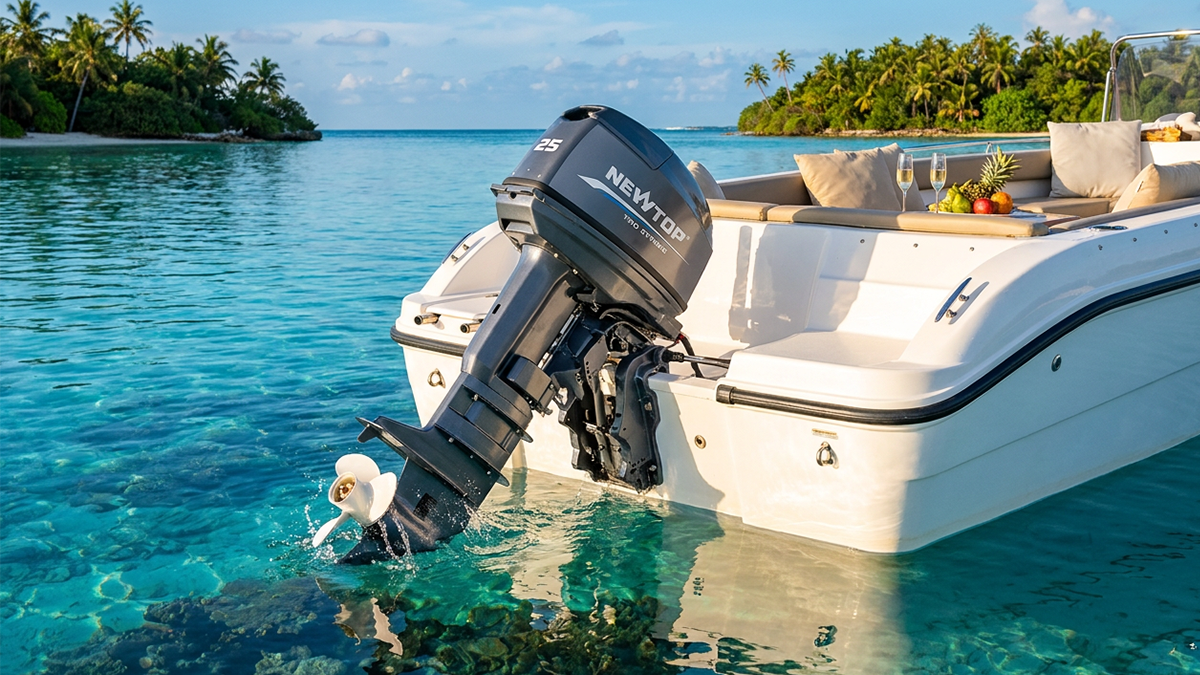
What Makes 2-Stroke Outboards Lighter: Mechanical Simplicity
The primary reason 2-stroke outboards weigh less is their simpler internal design.
Unlike 4-stroke engines, traditional 2-stroke outboards do not require:
- Camshafts
- Timing chains
- Timing belts
- Intake valves
- Exhaust valves
- Complex valve train components
Because power is produced every crankshaft revolution rather than every other revolution, the engine can generate strong output with fewer moving parts.
Typical Weight-Saving Components
| Component | 2-Stroke | 4-Stroke |
|---|---|---|
| Valve Train | No | Yes |
| Camshaft | No | Yes |
| Timing System | No | Yes |
| Engine Oil System | Simpler | More Complex |
| Internal Parts Count | Lower | Higher |
For more information about 2-stroke outboard motors vs 4-stroke outboard motors, you can read this blog: 2 Stroke vs 4 Stroke Outboard Motors: Which Is Better for Your Market.
How Weight Affects Hole Shot, Planing, and Fuel Efficiency
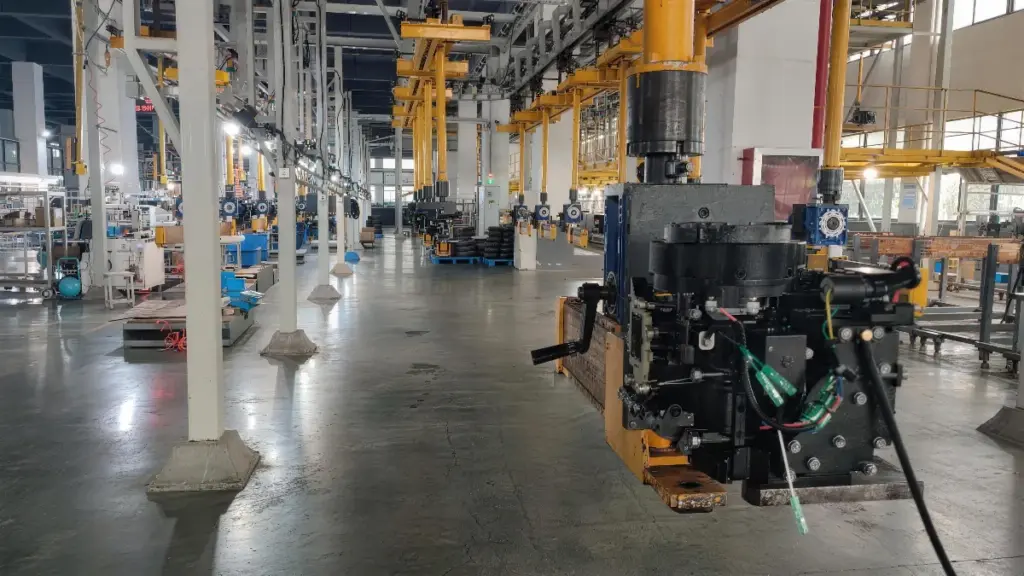
Many boat owners focus only on horsepower, but weight significantly influences real-world performance.
Hole Shot
Hole shot refers to how quickly a boat accelerates from idle speed to planing speed.
A lighter engine reduces the amount of mass the hull must lift during acceleration.
Benefits include:
- Faster launch
- Better towing performance
- Improved responsiveness
- More efficient operation under heavy loads
This is particularly important for fishing boats that frequently stop and start throughout the day.
Planing Performance
Planing occurs when the hull rises and glides over the water rather than pushing through it.
Excessive stern weight can delay planing and increase fuel consumption.
A lighter outboard often helps:
- Reach plane sooner
- Maintain plane at lower throttle settings
- Improve overall ride quality
Fuel Efficiency
Fuel consumption depends on multiple factors, including:
- Boat design
- Propeller selection
- Engine tuning
- Operating speed
- Total vessel weight
Reducing weight generally decreases the energy required to move the boat.
Although fuel savings vary by application, lighter outboards often improve overall operating efficiency, especially on smaller vessels.
Selecting the Right 2-Stroke Weight for Your Application
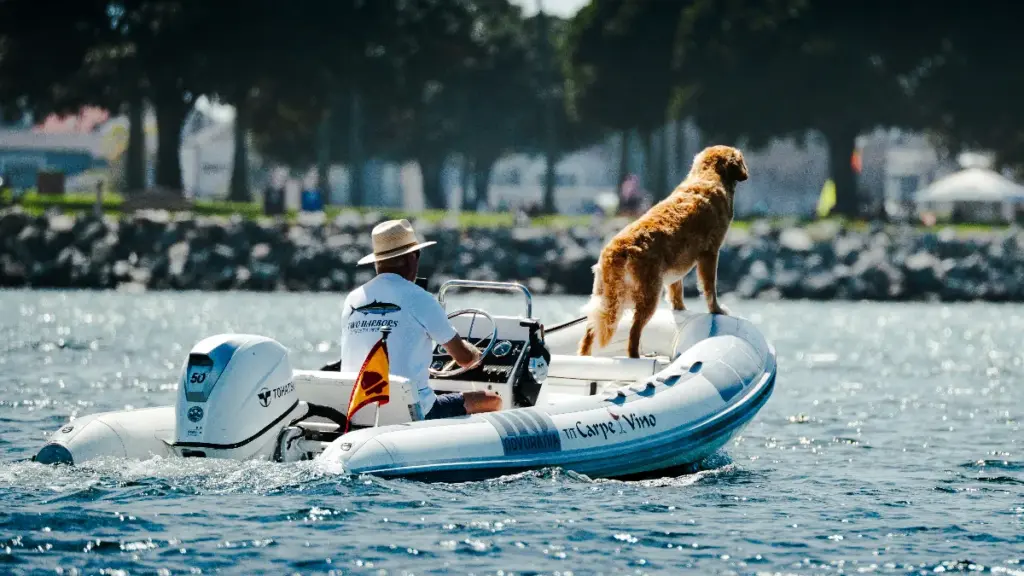
The lightest engine is not always the best choice.
Instead, operators should match engine weight to vessel size, intended use, and load requirements.
| Boat Type | Typical HP Range | Recommended Engine Weight | Common Applications | Key Priority |
|---|---|---|---|---|
| Small Inflatable Boats | 2.5–9.9 HP | 14–43 kg (30–95 lbs) | Tenders, dinghies, recreational boating, portable fishing setups | Easy transportation |
| Small Fishing Boats | 15–30 HP | 39–66 kg (85–145 lbs) | Inland fishing, river transport, coastal operations | Balance between portability and performance |
| Commercial Workboats | 40–90 HP | 54–132 kg (120–290 lbs) | Cargo transport, passenger services, daily commercial use | Reliability and load capacity |
| Offshore & High-Speed Boats | 115–150 HP | 113–191 kg (250–420 lbs) | Offshore fishing, rescue operations, patrol vessels, high-performance boating | Maximum performance and durability |
For a deeper look at how different outboard motor types perform across fishing, transport, and leisure applications, check out our detailed guide here.
Looking for Reliable 2-Stroke Outboard Motors?
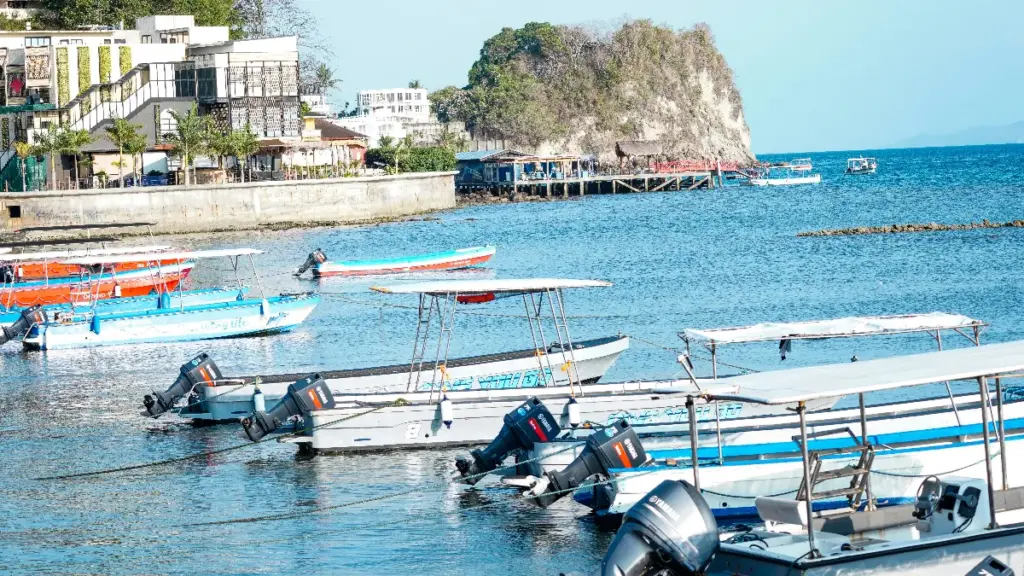
NEWTOP manufactures a wide range of gasoline-powered marine engines designed for fishing, transport, and commercial marine applications. With extensive OEM and ODM experience, NEWTOP supports distributors, wholesalers, and marine equipment brands in global markets.
Key advantages include:
- Competitive power-to-weight ratios
- Stable production capacity
- OEM and private-label support
- Spare parts availability
- Quality control throughout manufacturing
- Technical documentation and after-sales support
Whether you need portable outboards for inflatable boats or higher-horsepower solutions for commercial vessels, NEWTOP can provide tailored products for your market requirements.
Frequently Asked Questions
How much does a 2-stroke outboard motor weigh?
The weight depends on horsepower. Small portable 2-stroke outboards may weigh as little as 10–14 kg, while large 300 HP models can exceed 300 kg.
How much does a 15 HP 2-stroke outboard weigh?
Most 15 HP 2-stroke outboards weigh approximately 39-54 kg, depending on shaft length and starting system.
How much does a 30 HP 2-stroke outboard weigh?
A 30 HP 2-stroke outboard generally weighs between 110 and 145 pounds. It fits between the lighter 20 HP class and the heavier 40 HP class, with the final weight depending on its specific configuration.
How much does a 40 HP 2-stroke outboard weigh?
A 40 HP 2-stroke outboard motor typically weighs between 150 and 190 pounds. This weight can change based on the manufacturer, shaft length, and whether it includes systems like power trim and tilt.
Why are 2-stroke outboards lighter than 4-stroke?
Two-stroke outboards are lighter due to their simpler design. They do not have the separate valve train, camshafts, and other complex internal parts found in 4-stroke engines. Fewer components result in a more compact and lightweight powerhead for the same horsepower.
How much does a 150 HP 2-stroke outboard weigh?
A 150 HP 2-stroke outboard typically weighs between 390 and 460 pounds. The exact weight is influenced by the model’s gearcase design, fuel system, and whether it’s a direct-injection or carbureted model.
What is the lightest 2-stroke outboard motor?
The lightest 2-stroke outboard motors are generally in the 2.5 HP class, weighing as little as 30 to 40 pounds. These small, single-cylinder engines are designed for ultimate portability, making them easy to carry and mount on small boats like dinghies or canoes.