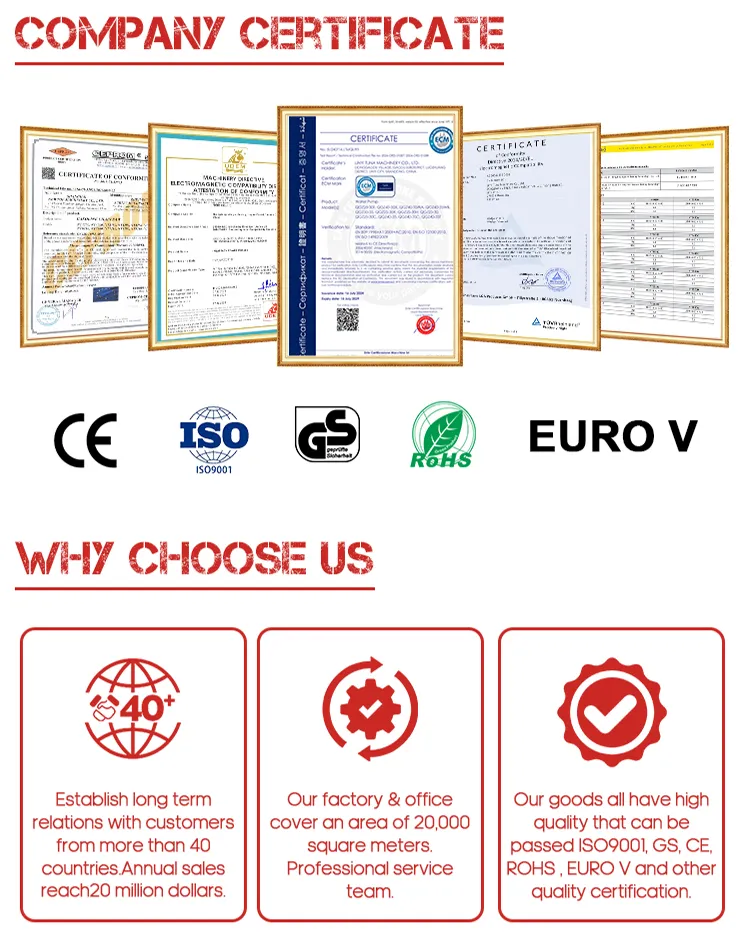
A container of outdoor power equipment can be built to spec, packed correctly, and still fail before it earns a single sale. The reason is usually paperwork: the destination market required a certification the buyer never asked for, or the supplier handed over a certificate that turns out to cover a different model. This guide walks through the certifications that matter most when importing chainsaws, Freischneider, Sprühgeräte, Wasserpumpen, Generatoren, and lawn mowers from China, and shows you how to check that the documents in front of you are real.
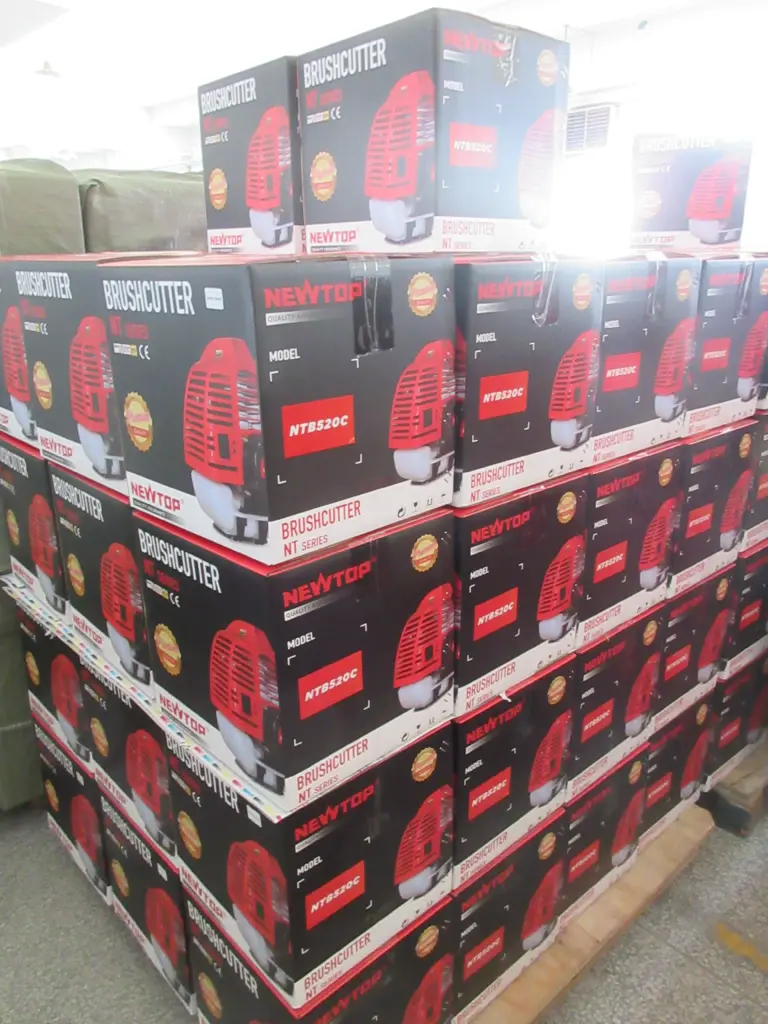
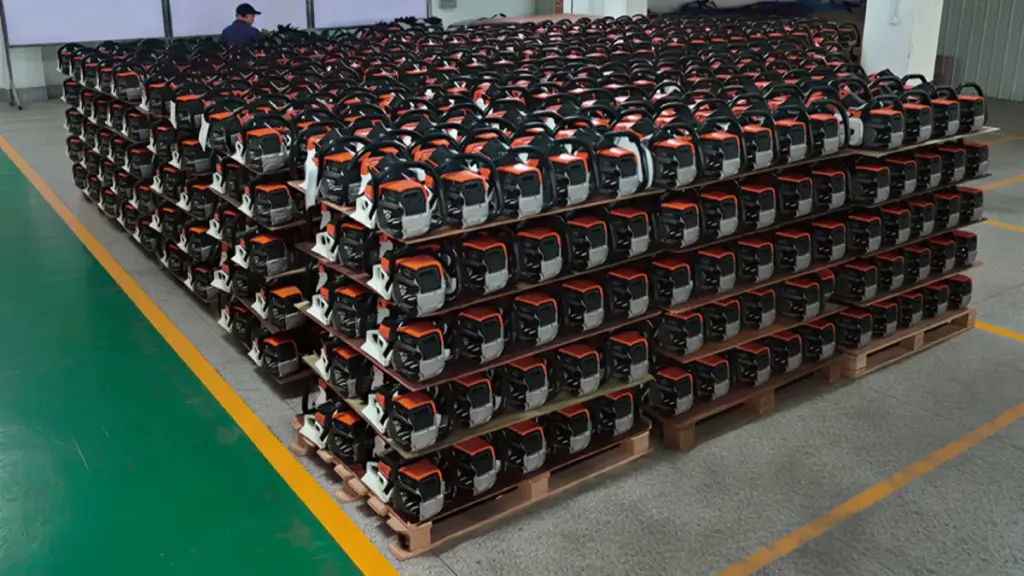
Bei NEUTOP, we manufacture gasoline and battery-powered outdoor equipment under the NEWTOP and CRAFTOP brands and hold CE, GS, EPA, ETL, and ISO 9001 certification across our product lines. The table below reflects the questions distributors in Europe, the United States, Lateinamerika, and Africa ask us most often before their first order.
Why Certifications Decide Whether Your Order Moves or Gets Stuck
Certification failures are expensive in three specific ways, and none of them are obvious from a quotation sheet.
Customs and market access. Regulated products without the required conformity documents can be held at the border, re-exported, or destroyed. In the EU, a machine without a Declaration of Conformity cannot legally be placed on the market. In the United States, a gasoline engine that has not gone through EPA certification cannot be imported for sale, and the restriction applies at the port, not at the dealership.
Retail and channel requirements. Even where the law does not force a mark, your customers might. Garden machinery sold through German DIY chains, Zum Beispiel, is routinely expected to carry the GS mark even though GS is technically voluntary. If your brand wants shelf space, the channel decides.
Liability. If an imported machine injures a user, investigators ask for the technical file first. A valid certificate backed by test reports is the difference between a defensible product and a company-level crisis. This is why experienced importers treat certificates as part of the product, not as marketing material attached to it.
The Certification Map: Which Markets Require What
The table below summarizes the certifications buyers ask us about most, what each one actually covers, and whether it is a legal requirement or a channel expectation in your target market.
| Zertifizierung | Region | What it covers | Status |
|---|---|---|---|
| CE | EU / EEA | Machinery safety, EMV, noise labeling | Mandatory by law |
| GS | Deutschland / EU retail | Product safety, tested by an independent body | Voluntary, expected by retail chains |
| EPA | Vereinigte Staaten | Spark-ignition engine emissions | Mandatory by law |
| ETL | Nordamerika | Electrical safety to UL/CSA standards | Voluntary, required by many channels |
| INMETRO | Brasilien | Product conformity assessment | Depends on product scope |
| NOM | Mexiko | Product safety and labeling | Depends on product scope |
| ISO 9001 | Global | Factory quality management system | Voluntary, supplier-screening signal |
One warning before the detail: certification requirements attach to the product as it is configured, not to the product category in the abstract. A battery-powered sprayer and a gasoline sprayer with the same tank size sit under different rule sets. Confirm the scope for the exact model you are ordering, not for the brochure category.
CE Marking: The Baseline for European and Many Export Orders
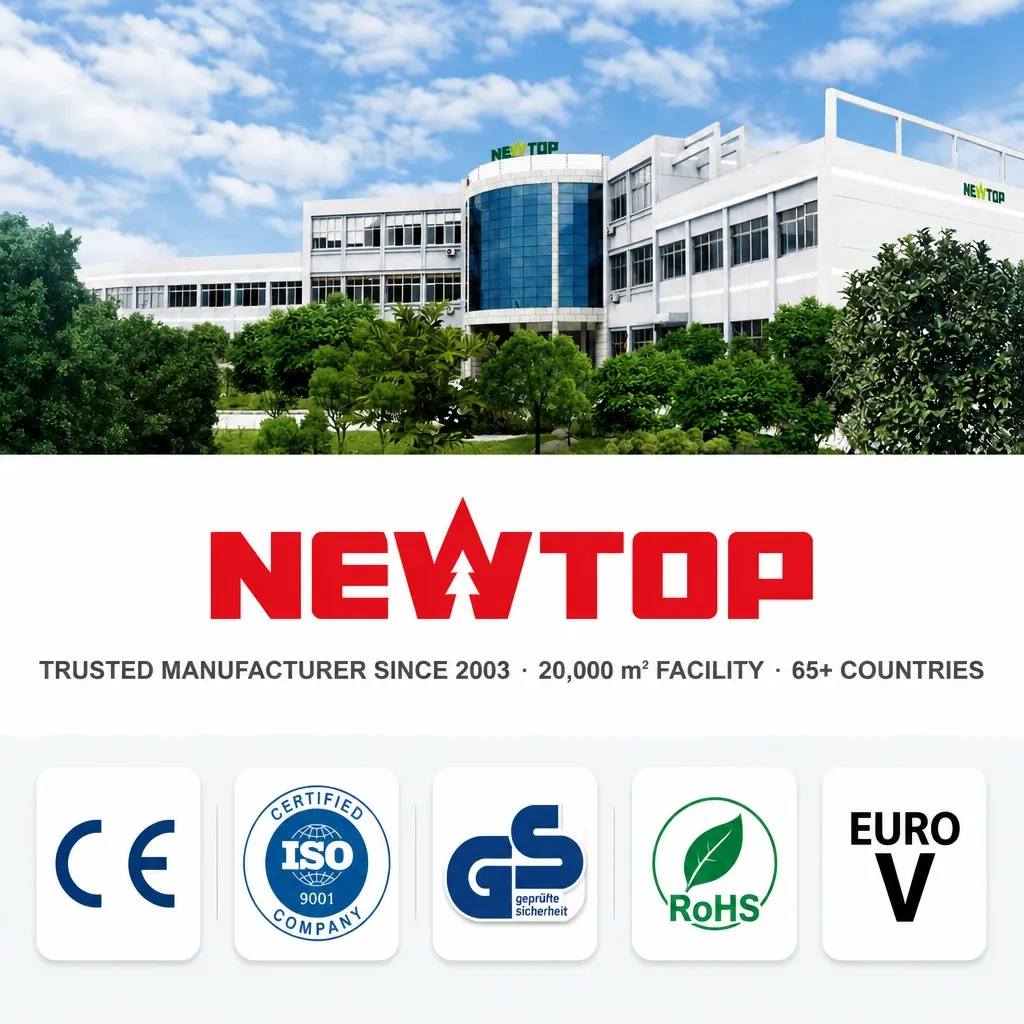
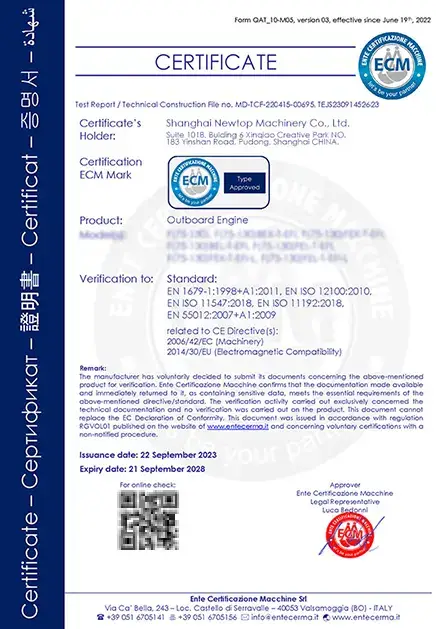
CE marking is not a quality award. It is the manufacturer’s legal declaration that a product meets the applicable EU directives, and it is required before most outdoor power equipment can be sold in the European Economic Area. You can read the official scope and rules on the European Commission’s CE marking page.
For the machines in this category, three directive families matter most:
- Machinery Directive 2006/42/EC — covers mechanical and functional safety of the machine itself, from guard design to control systems.
- Outdoor noise directive 2000/14/EC — sets noise limits for equipment used outdoors and requires the guaranteed sound power level to be labeled on the machine. Kettensägen, Freischneider, and lawn mowers all fall inside its scope.
- EMC Directive — applies to the electromagnetic behavior of machines, especially relevant for battery and electric models with electronic controls.
The mechanism surprises many first-time buyers: for most of this equipment, the manufacturer performs the conformity assessment, compiles the technical file, and issues the Declaration of Conformity itself. There is no Brussels sticker office. That is exactly why verification matters — a CE mark is only as honest as the technical file behind it, and section 9 of this guide shows you how to test that.
When you evaluate a supplier, ask two questions early. Erste, which directive versions and standards does the current Declaration of Conformity cite? Zweite, does the certificate cover the exact engine and cutting-head configuration you are ordering? A certificate issued for a 2-stroke professional chainsaw does not quietly extend to a battery pole pruner built on a different platform.
GS Mark: What Retail Buyers in German-Speaking Markets Look For
The GS mark (Geprüfte Sicherheit, “tested safety”) is a voluntary German safety mark, but “voluntary” undersells it. In der Praxis, distributors selling garden machinery through retail chains and builder’s merchants in Germany and Austria treat GS as a de facto entry ticket, because the mark signals that an independent testing house — such as TÜV — has tested the machine against the German Product Safety Act. An explanation of the testing route is available from TÜV’s GS mark overview.
Three practical points for importers:
- GS certification is issued per product model, and it names the manufacturer and the testing body. A general “our factory has GS” claim means little until it points to a specific certificate number for a specific model.
- GS sits on top of CE rather than replacing it. A GS-certified machine still needs the CE conformity route for the EU market.
- The certificate has a validity window and is tied to ongoing factory audits. If your supplier’s GS lapsed, the machines produced after the lapse cannot legitimately carry the mark.
If your distribution plan includes German-speaking retail, ask for the GS certificate number at the RFQ stage, not after the order. Retrofitting a certification onto an already-produced container is not how any of this works.
EPA Certification: The United States Emissions Rule for Gasoline Engines
Any gasoline-powered outdoor equipment destined for the United States — chainsaws, Freischneider, Generatoren, water pumps with petrol engines — must comply with EPA emission regulations for nonroad spark-ignition engines. The governing rules are codified in 40 CFR Part 1054, and unlike CE, this is not a self-declaration system: the engine must be certified, and the certification belongs to the engine family.
What that means at the container level:
- The engine carries an emission compliance label that identifies the certified family and the manufacturer.
- Importing engines or machines with non-certified engines for sale in the US is a violation that customs can act on.
- California applies its own, stricter CARB requirements on top of the federal rule. If your distribution map includes California, say so explicitly in the RFQ.
The practical consequence for buyers is a lead-time one. A supplier with an existing EPA-certified engine family can ship quickly, because the hard regulatory work is already behind the engine. A supplier that must certify a new engine family for your order is looking at a process measured in months, because it involves laboratory testing and agency review. This is one of the quiet reasons two quotations for the “same” machine can differ by six weeks of lead time.
ETL and Electrical Safety Marks for Battery-Powered Product Lines
Battery and corded electric equipment — sprayers, mowers, Heckenscheren, pressure washers — sold in North America is expected to demonstrate electrical safety compliance with UL or CSA standards. The ETL Listed mark, issued by Intertek, is one of the two most widely accepted ways to show this, alongside the UL mark itself. Retail buyers and e-commerce platforms routinely check for one or the other before listing an electrical product.
Für Importeure, the checklist that matters:
- The ETL mark must appear on the product label together with the certification body’s control number.
- The certification covers the complete configuration sold: battery pack, charger, and machine. A mark on the tool alone does not cover a third-party charger bundled into your kit.
- Battery certifications have their own layer (cell and pack testing under standards such as UL 2580-family requirements for e-mobility contexts or IEC-based tests for portable products), so confirm which documents cover which component.
If you are building a battery line for the first time, involve the certification question in product selection. Choosing a platform that already holds ETL or UL certification for the target configuration will save you a certification cycle and a product redesign that no one budgeted for.
What Buyers Shipping to Latin America Should Check
Latin America does not have a single unified certification, and treating it as one region is the most common planning mistake. Brazil runs its own conformity assessment system under INMETRO (gov.br/inmetro), where the applicable requirements depend on the product’s classification and its Mercosur/Common NCM classification. Mexico applies mandatory NOM standards to electrical products, with scope determined by the product type and tariff fraction. Kolumbien, Chile, and Peru each maintain their own technical regulation and energy/electrical regimes with product-dependent scope.
Three habits keep Latin American orders out of trouble:
- Start from the tariff classification, not from the product name. The NCM/HS code determines which regime, if any, applies to your machine.
- Use CE documentation as your engineering baseline. CE technical files make local conformity work faster, because the underlying safety testing already exists in a structured form.
- Check destination-country rules per market. We cover the country-by-country import requirements for Latin American and African markets — including Brazil, Mexiko, Kolumbien, Chile, Peru, and Venezuela — in a separate import regulations guide.
The practical pattern we see with Latin American distributors: most stock gasoline-powered lines where the binding constraints are engine documentation and labeling in the local language, while battery lines trigger the electrical-safety regimes. Knowing which side of that line your container sits on determines your document list.
ISO 9001: The Factory System Behind the Product Label
ISO 9001 is not a product certification — no machine carries an “ISO 9001 approved” sticker in any meaningful sense. It certifies that the factory operates a documented quality management system: incoming material inspection, process control, corrective-action loops, traceability. When you screen suppliers, it answers a different question than CE or EPA. CE tells you the machine met a standard on test day. ISO 9001 tells you the factory can reproduce that result across thousands of units and multiple production shifts.
For importers running reorders, this distinction is not academic. The most expensive quality problems are not the defective sample; they are the third shipment where the carburetor supplier changed without notice and your defect rate triples. A factory running a real ISO 9001 system manages that risk through supplier control and process records. A factory with a certificate on the wall and no system behind it does not.
You can review NEWTOP’s certification portfolio — CE, GS, EPA, ETL, and ISO 9001 across our chainsaw, Freischneider, Sprühgerät, and water pump lines — on our certificates and patents page.

How to Verify a Supplier’s Certificate Before You Transfer the Deposit
Certificate fraud in this industry is rarely sophisticated. It is usually one of three things: a genuine certificate for a different model presented as if it covered yours; an expired certificate; or a self-made PDF with a real testing body’s logo. All three collapse under the same six checks.
| Überprüfen | How to do it | Red flag |
|---|---|---|
| 1. Request the Declaration of Conformity | Ask for the signed DoC listing directives and harmonized standards for your model | Only logo images offered, no signed document |
| 2. Verify the certificate number | Look it up in the issuing body’s public database (TÜV, Intertek, SGS) | Number not found, or registered to a different company |
| 3. Match the model coverage | Confirm the certificate’s model/series list includes your exact SKU and engine configuration | Covers one showroom sample, not your order |
| 4. Check validity and standard versions | Confirm the expiry date and that cited standard editions are current | Expired, or withdrawn standard editions |
| 5. Ask for the test report summary | Request key results: noise, emissions, safety tests behind the certificate | Certificate exists, no report behind it |
| 6. For EPA: check the emission label | Confirm the engine’s emission family label matches the certified family in the documents | Label and certificate disagree |
Two of these checks deserve emphasis because they catch the majority of problems. Model matching is the big one: factories in this industry legitimately hold certificates for their best-selling configurations, and salespeople sometimes let the certificate’s halo extend to every machine in the catalog. Asking “show me the certificate where model NT-XXXX appears” takes thirty seconds and ends the ambiguity. The second is the test report. A genuine certificate is generated by a testing process that produced a report; a fabricated one usually has no report behind it because making one up is much harder than printing a page.
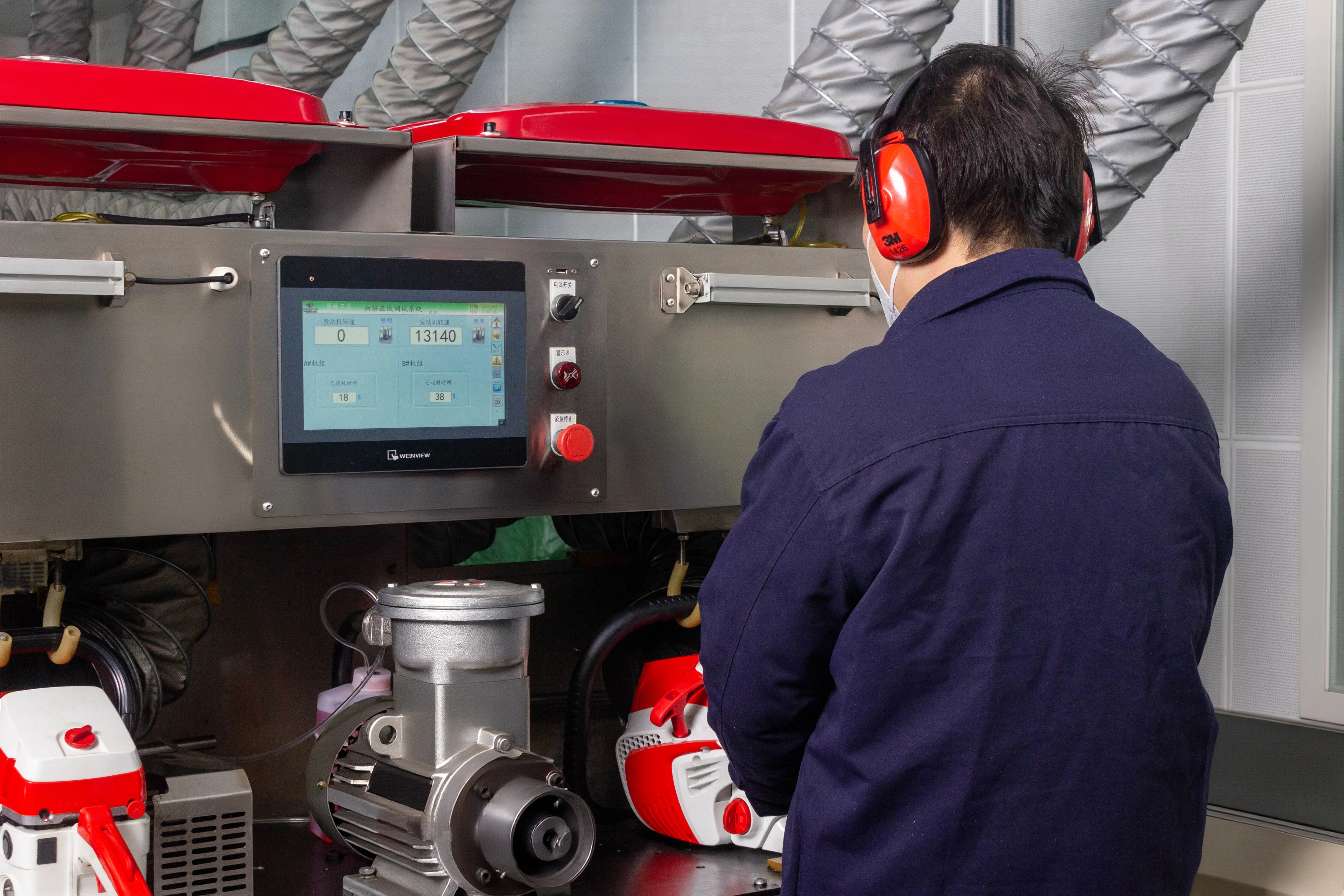
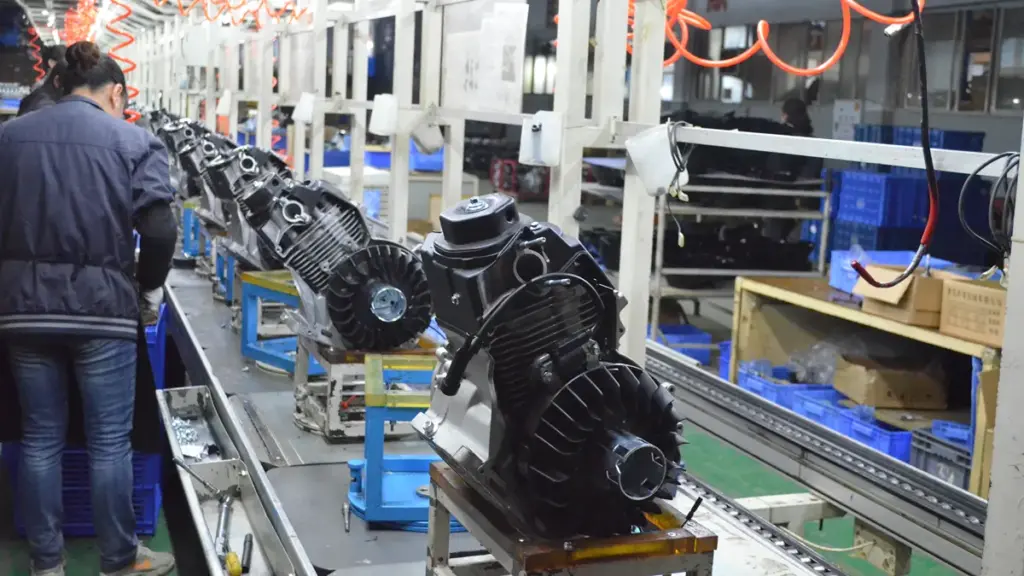
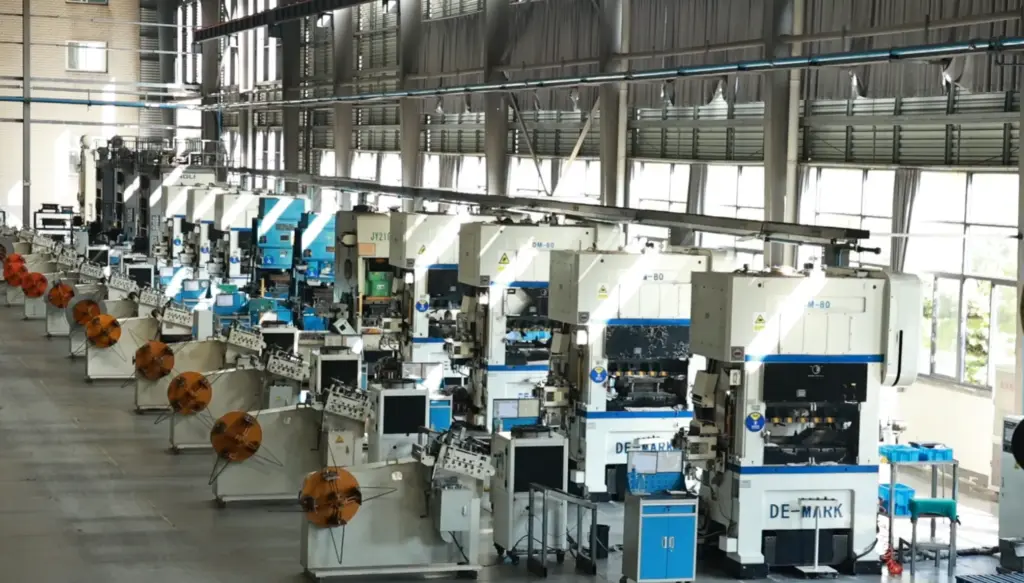
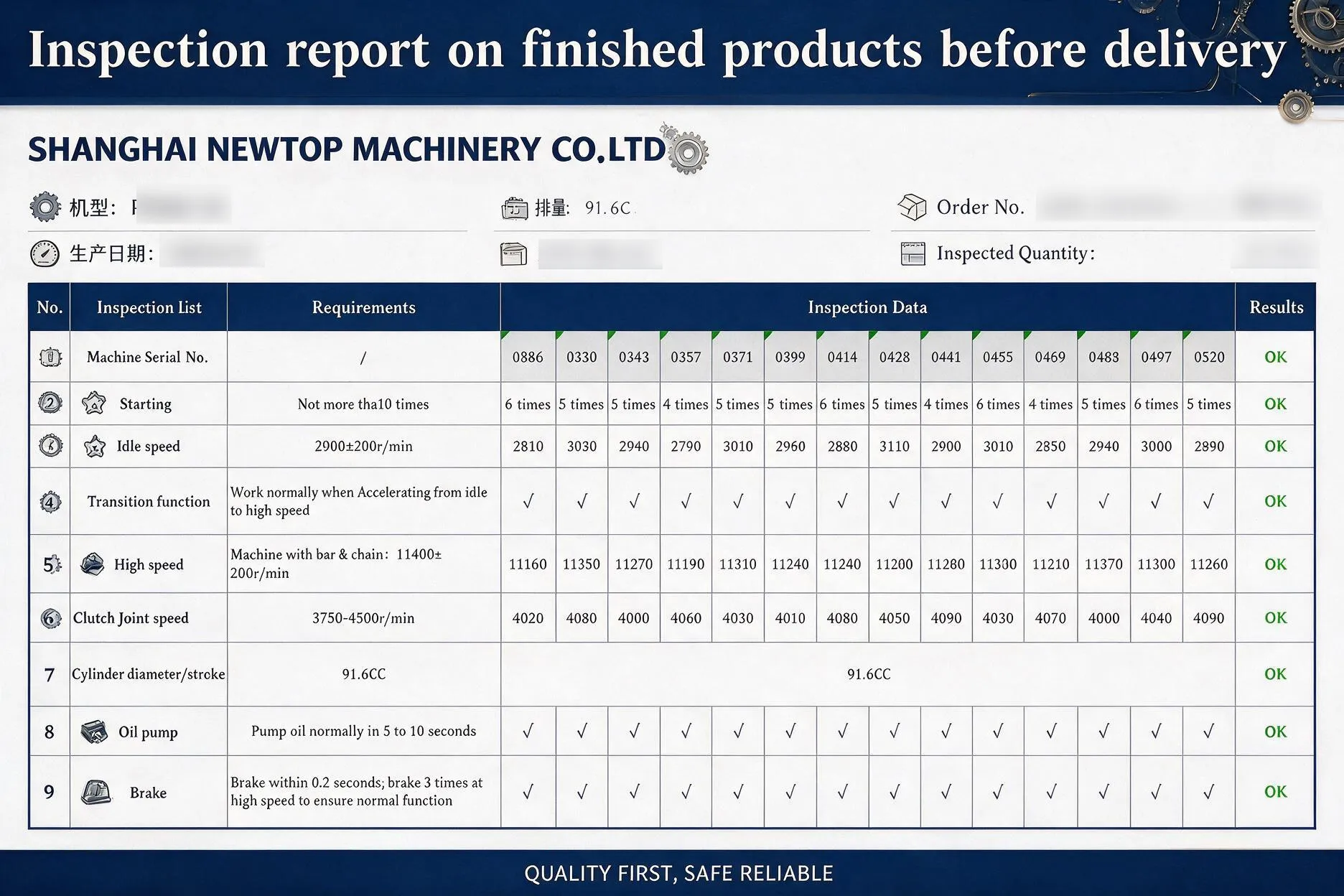
If the documents pass but something still feels off, add a factory audit or a third-party inspection before shipment. Our own production runs are checked through a documented quality control process, and we encourage buyers to book independent inspections regardless of supplier — a professional inspector charges a few hundred dollars, which is a rounding error against a stuck container.
What Certificates Do to Your Price, Lead Time, and MOQ
Certification status is embedded in your quotation whether the salesperson mentions it or not. Understanding the mechanics helps you read quotes and negotiate from strength.
Preis. A machine built to a certified configuration carries engineering and testing costs that a bare build does not. That is part of why a certified professional chainsaw quotes higher than an uncertified lookalike — and why the uncertified version cannot legally enter the markets described above. When you compare quotes, line up the certification scope first; a price gap between differently certified products is not a discount opportunity, it is a different product.
Lead time. Orders built on existing certified platforms ship on production schedules. Orders that require new certification — a new engine family for EPA, a new model through GS testing — add the certification cycle to your timeline. Ask the supplier to state, in writing, whether your configuration is covered by existing certificates.
Mindestbestellmenge. Certification cost is largely fixed per model or family, so it spreads across the order. A distributor ordering a certified model from an existing line rides on volumes the factory already produces, which is one reason established models carry lower minimums than bespoke configurations. If your first order is small, choosing a certified in-line model is usually cheaper end to end than customizing an uncertified one.
Häufig gestellte Fragen
Do I still need CE marking if my market is in Latin America?
CE is the EU regime, so it is not a legal requirement in Latin America. It still works in your favor: many distributors use CE as a quality baseline when comparing suppliers, and a CE technical file speeds up any local conformity work. Always check the destination country’s own rules for the binding requirements.
Who pays for certification, the buyer or the manufacturer?
For standard models, the manufacturer holds and maintains the certifications, and the cost sits inside the unit price. For customized or private-label versions, modifications can fall outside the certified configuration, and new certification is typically a buyer cost. Settle this in the OEM agreement before development starts.
Can I use the factory’s certificates for my own brand?
Teilweise. The test evidence belongs to the factory, while the Declaration of Conformity must name the economic operator placing the product on the market — your company, for a private-label product. Work with the factory to update the document set so brand, Modelle, and responsible parties all match.
How do I check whether a CE certificate is genuine?
Run the six checks in the table above. The fastest two: verify the certificate number in the issuing body’s public database, and ask for the test report behind the certificate. Genuine certificates survive both; most fakes fail on the first.
Which certifications does NEWTOP hold?
NEWTOP holds CE, GS, EPA, ETL, and ISO 9001 certification across its product lines, with documents available for review per model. Request the Declaration of Conformity and test report summaries for any model you are sourcing, and run them against the six checks above.
Certification work rewards the buyers who treat it as part of product selection rather than a shipping formality. Confirm the scope, verify the documents, and put the certificate numbers into your purchase order where they become commitments instead of promises.
Planning your first container, or adding a certified line for a new market? Browse the NEWTOP product range or talk to our team about certificates and market requirements for your destination country — and if you are building a distribution business, our distributor program includes documentation support for your market entry. For a picture of how we work with partners over the long run, see how NEWTOP earns customer trust through quality and service.