Becoming an outdoor power equipment dealer usually means building three things at once. You need a customer base in your area, a product line from a manufacturer you can rely on, and a service capability that keeps customers working after the sale. Requirements differ by market, but these three run through every dealership we work with.
This guide covers the daily work, the preparation before you apply, manufacturer selection, the support terms worth discussing, and how to size a first order. At NEWTOP we work with brand agents, distributors and OEM buyers across 65 países, so the notes below also reflect the questions our partners ask us most often.
What to Take From This Guide
- A dealership stands on a mapped market, a service bench and local registration, so prepare all three before applying.
- Judge a manufacturer on capacity, inspection stages, certification paperwork and spare-parts depth rather than product photos.
- Em NEWTOP, we support our distributors with protected distribution rights, native-language marketing materials and tiered procurement rebates.
- Our samples dispatch 7-10 days after payment and orders from 100 units to full containers run about 30 dias, so a sample-first start can repeat within one season.
- Start with two or three machine lines that match local demand, then scale on first-season sell-through.
What an Outdoor Power Equipment Dealer Does Daily
An outdoor power equipment dealer sells machines, keeps them running, and advises the customers who depend on them. The work combines a retail counter, a service bench and a supply relationship with farms, crews and institutions. Most dealers we know run all three from one location.
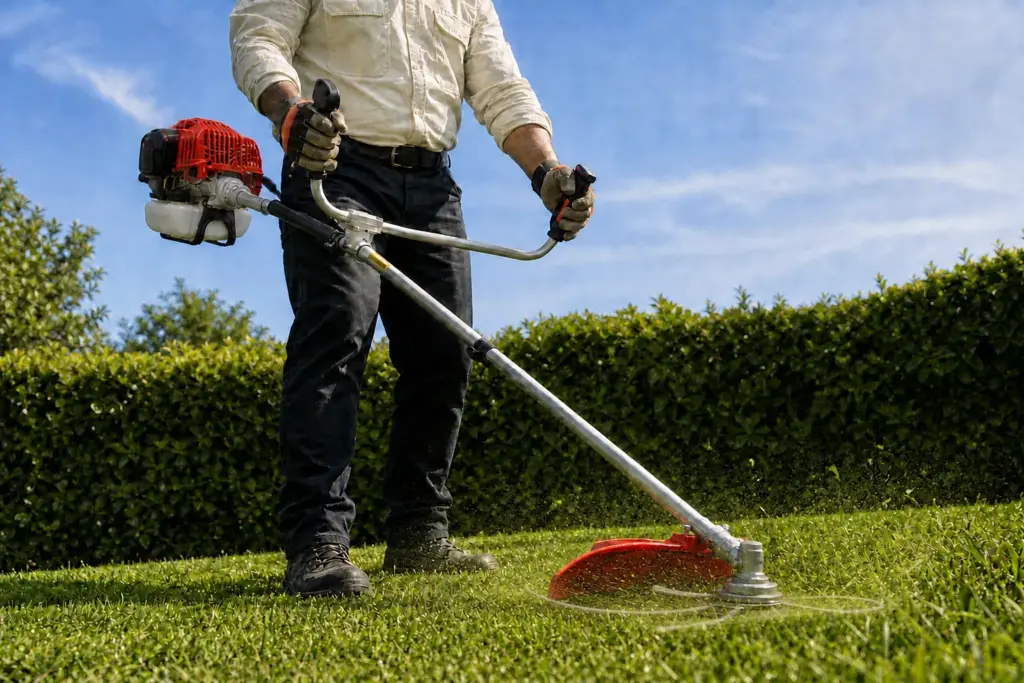
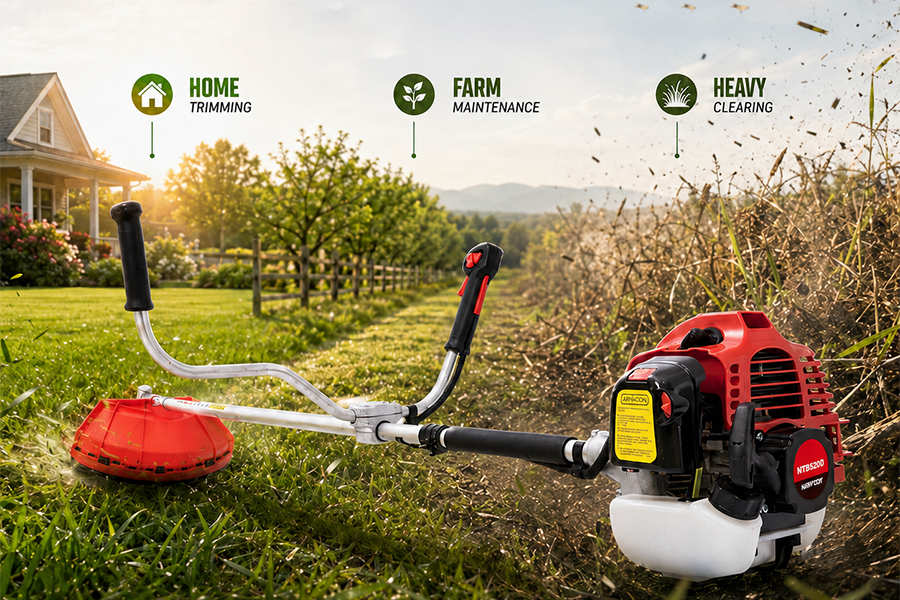
At the counter, the work is matching a customer to a machine: a brush cutter for fence lines, a knapsack sprayer for field rows, a generator for backup power. On the bench, it is commissioning new stock and turning warranty claims around quickly. In the field, demonstrations and follow-up visits are where institutional accounts are usually won.
Inventory discipline supports all three jobs. Track what sold, what failed, and what customers asked for and did not find. That record becomes the basis of your next order, and repeat orders are how a dealership grows.
Seasons shape the calendar. Demand for clearing and spraying equipment often peaks after the rains in agricultural regions, while urban green maintenance follows the growing season. Orders that arrive before the peak are positioned to capture that traffic, and late containers usually miss it.
What to Prepare Before You Apply
Manufacturers usually review an outdoor power equipment dealer application the way a bank reviews a loan file. The strongest applications show a mapped market, a service plan and a registered business, because each protects both sides of the partnership.
Map the Demand Before You Stock
Start by naming who buys. Smallholder farms may need land clearing, crop spraying and water movement. Landscaping and street crews consume trimmer line, blades and filters every season. Municipalities and estates often buy in batches and expect service support afterward. Write down your main buyer types and rank them by purchase frequency.
Prepare Service and Registration
A service capability belongs in the plan, because every machine sold is a machine a customer will ask you to maintain. Budget for a work bench, a trained mechanic and opening stock of spark plugs, filters and trimmer line.
Licenses and permits are local questions, and they differ by country and often by city. Confirm them with your trade authorities before you start importing. The UK government’s licence finder, por exemplo, notes that a business may need a licence, permit or certification for some activities.
The table below gathers that preparation into one view.
| Readiness area | What to have ready | What it supports |
|---|---|---|
| Market map | Named buyer types and their purchase seasons | Demand planning before the first order |
| Service bench | Trained mechanic, ferramentas, consumable parts stock | Machines staying in service after delivery |
| Legal registration | Business registration plus any local permits | Clean import and resale |
| Starting capital | Budget for first stock and one season of operation | A first order that can be repeated |
This table is a preparation checklist rather than a set of entry requirements. Discuss the details with the manufacturer when you apply.
How to Choose a Manufacturer to Partner With
Your supplier choice affects warranty exposure, parts supply and the reputation of your own counter, so it is worth treating as a partnership review rather than a purchase. Four checks help separate a factory partner from a trading company.
Check Capacity, Quality Control and Documentation
Ask for annual output, factory floor area and staffing, then ask which inspection stages run inside the plant. A factory that runs incoming, in-process and pre-shipment checks on components as well as machines can usually document it. It is also reasonable to ask which component brands go into the engines, because those names affect which wear parts your market already knows.
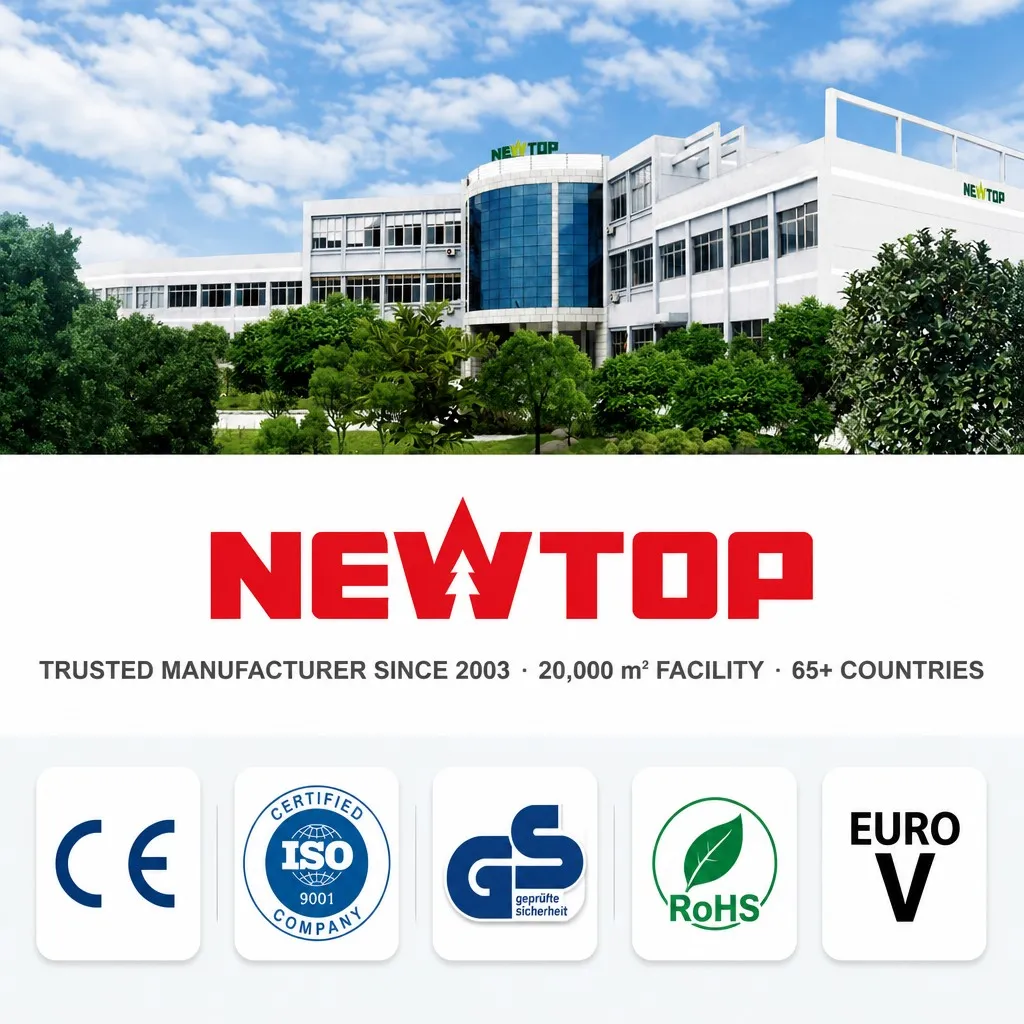
Certification is the same evidencing question: a marking on a box is only verified by the certificate that names your model. Em NEWTOP, our machines are produced under ISO9001 and ISO14001 systems, with product certifications covering CE, GS, EURO II, EPA, ETL and RoHS, and we hold more than 50 patents. Ask which certificate covers each model you plan to import, and ask any other supplier the same question.
Decide Between Brand Dealer and OEM Routes
Most factories, including us, sell through two doors: OEM production under your own label, and a branded dealer program with territory and support. Our order mix runs about 60% OEM orders, 30% brand agents and 10% tender and small-business buyers, so both routes are established practice. The branded route brings marketing materials and regional protection, while the OEM route puts your own name on the shelf. If you are unsure which route fits, we can discuss your market and plans before you decide.
What Dealer Support Should Look Like
Support terms are where dealer programs differ most, and they are promised more often than they are delivered in writing. Read any program against five areas: territory, marketing, serviço, logistics and pricing structure.
Nosso distributor program includes protected distribution rights, which we define as the right to resell in your region plus access to shared customer leads. It also covers marketing materials prepared in native languages and tiered procurement rebates; the structure rewards larger orders, so ask us for the current tiers in writing before you sign.
Service and logistics complete the picture. We provide a dedicated logistics and customs-clearance team, 24-hour remote engineering support and a warehouse of more than 2,000 square meters for seasonal peaks. Our stated warranty terms are one year for complete machines and six months for core components, and both belong in the written agreement.
It is worth testing these commitments before you sign. Send a technical question during the application stage and note how quickly a specific answer comes back. Response quality at this stage is a fair sample of the support that follows.
Margin and Rebate Terms
Published program pages, including ours, rarely print margin percentages. Your margin comes from your buy price against your market’s selling price, the turn speed of the stock, the attach rate of accessories and service labor. Our brush cutter dealer margin guide works through that arithmetic line by line, and the final numbers should come from your signed agreement.
How to Build Your First Assortment
A first assortment should reflect your market map, and the safer version starts narrow. Two or three machine lines matched to your main buyer type, plus the consumables that keep them running, teach you more in one season than a container of everything.
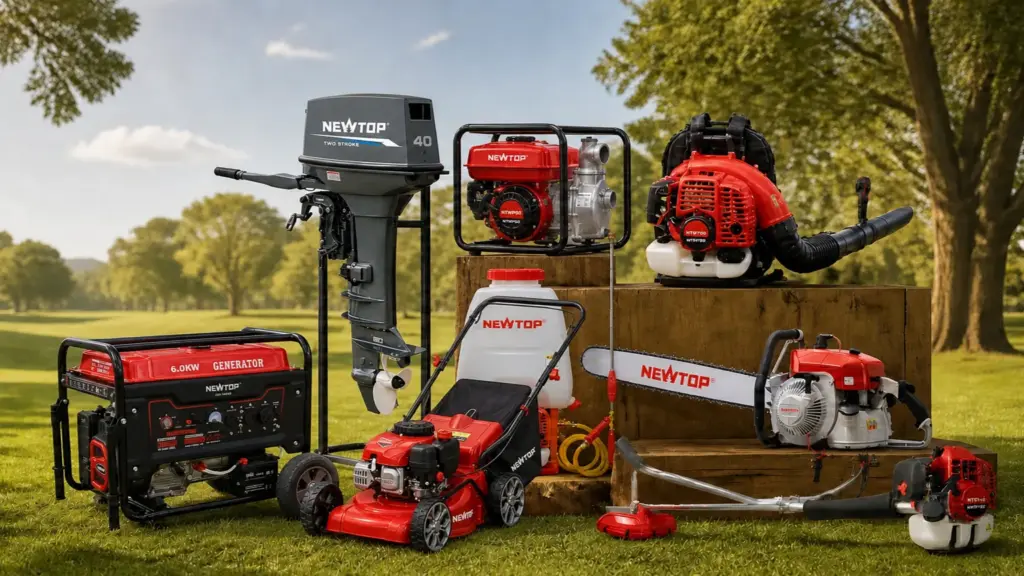
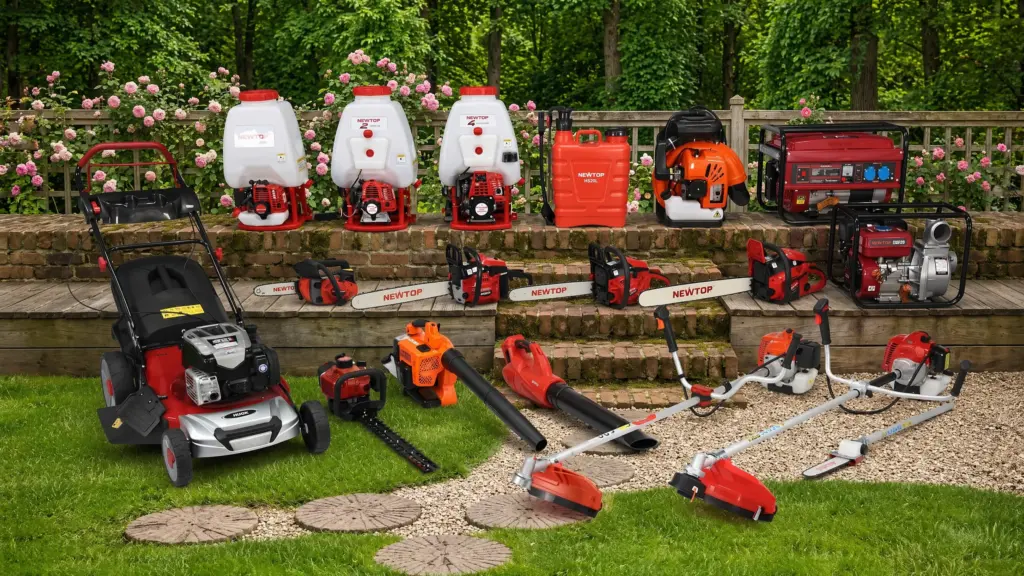
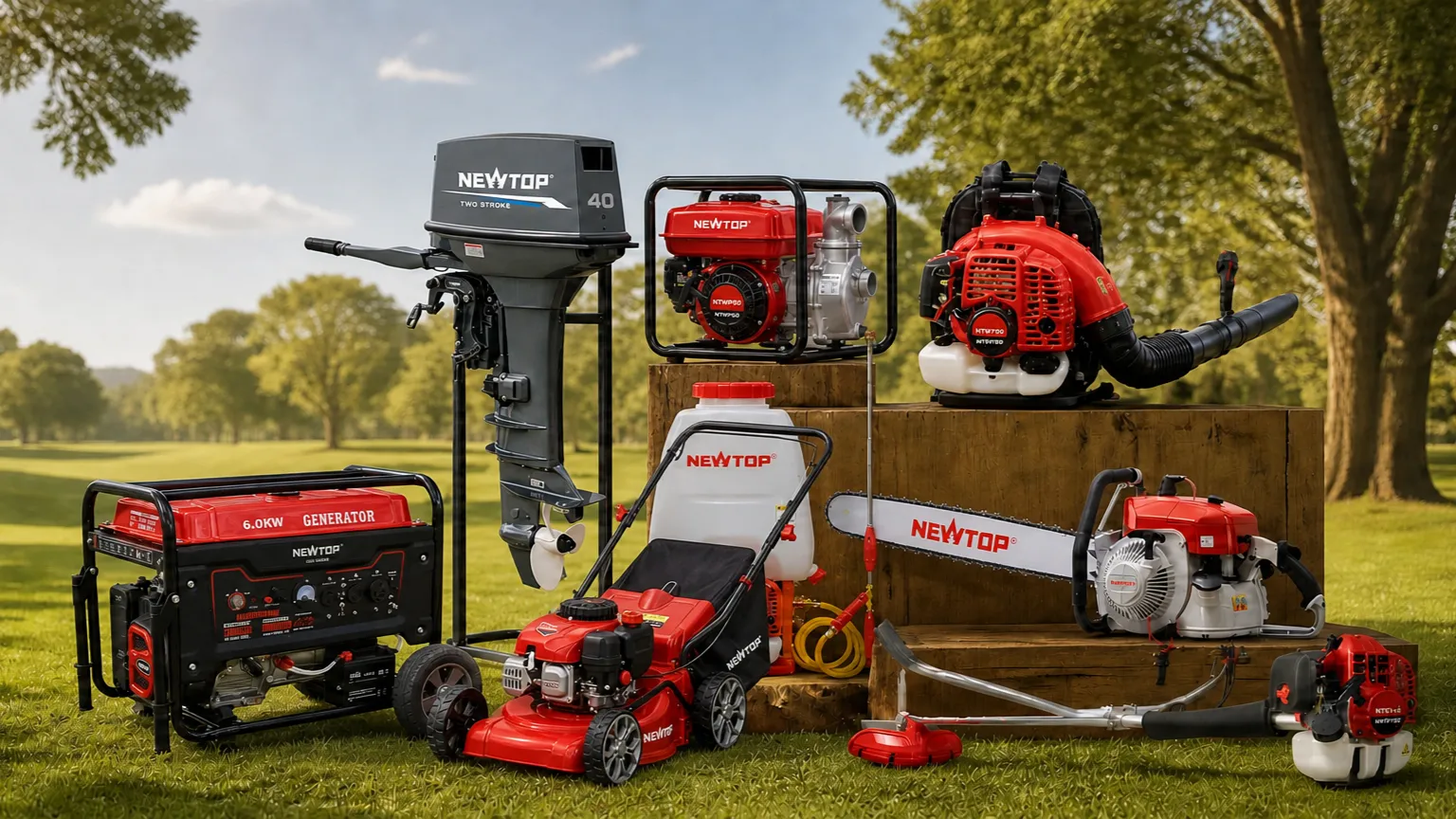
Our range runs from chainsaws, cortadores de escova, pulverizadores, aparadores, sopradores de folhas e cortadores de grama para motores a gasolina e diesel, geradores e motores de popa. For the first order, the question is depth rather than width. A farm region usually opens with brush cutters, knapsack sprayers and water pumps.
An urban service market usually opens with trimmers, blowers and mowers, and a coastal trade may add outboard motors and generators to the same counter. Whatever the mix, price the consumables alongside the machines, because line, blades and filters are what bring buyers back to the counter.
The planning table below is a qualitative starting grid rather than observed sales data. Confirm every line against your own demand map before you order.
| Market type | Open with | Add once steady | Parts counter focus |
|---|---|---|---|
| Small-farm region | Brush cutters and knapsack sprayers for field and fence-line work | Water pumps for irrigation, then tillers | Trimmer line, lâminas, spark plugs and air filters |
| Urban green service | String trimmers, leaf blowers and lawn mowers for crews | Hedge trimmers, then pole saws | Line spools, blades and filter elements |
| Estate and municipal supply | Generators and pressure washers for site and grounds teams | Motores de popa, then water pumps | Filtros, spark plugs and service kits |
This table is a planning framework, not a demand forecast. Adjust it to your own market map and customer feedback.
Start With Samples and Scale on Sell-Through
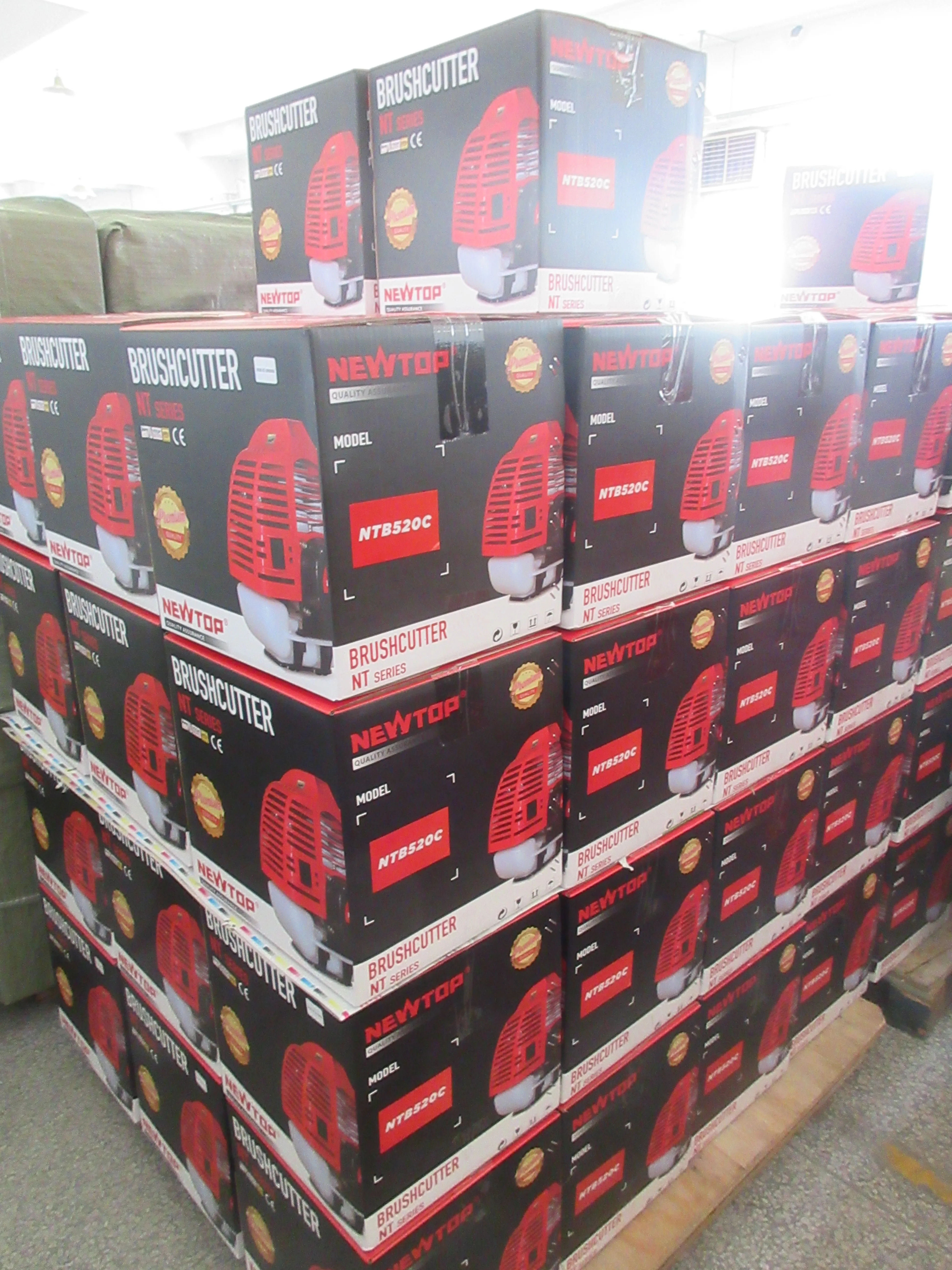
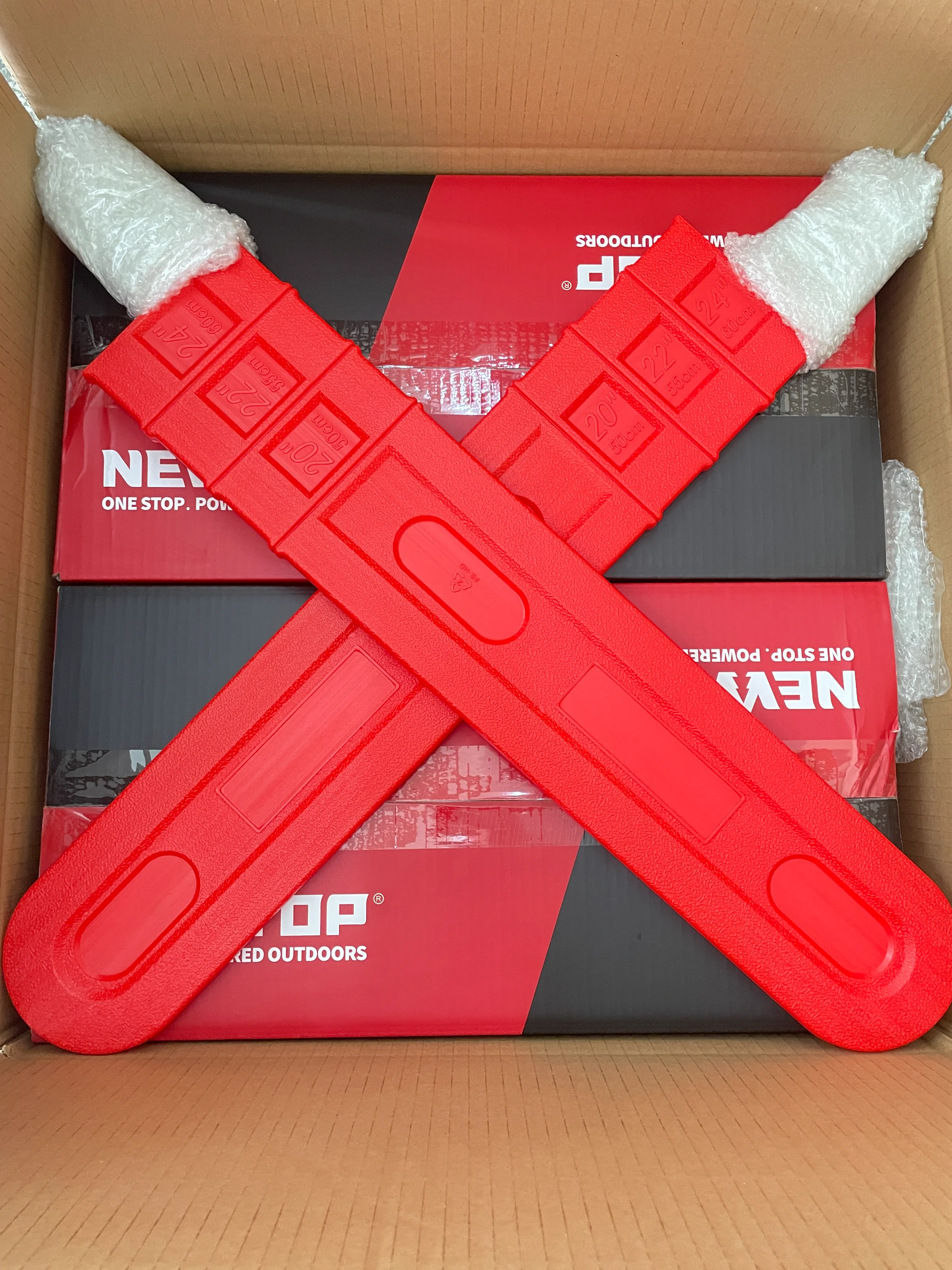
Lead times make this sequence workable. We ship samples 7-10 dias após o pagamento, and orders from 100 units up to full containers take about 30 dias. A sample-first cycle costs roughly a month, so a new outdoor power equipment dealer can verify demand before scaling. Our account of a chainsaw distributor in Zambia shows a similar gradual order path in a forestry market.
Why Source Outdoor Power Equipment From NEWTOP
A dealership inherits its manufacturer’s reputation with every unit it sells, so the factory record sits behind every unit you resell. Our company, NOVOTOP, has manufactured outdoor power equipment since 2003 and ships to customers in 65 países. We work with more than 100 brand distributors, and our factory covers more than 10,000 square meters with annual production capacity above 500,000 unidades. The team numbers more than 300 employees, incluindo 50 R&D engineers.
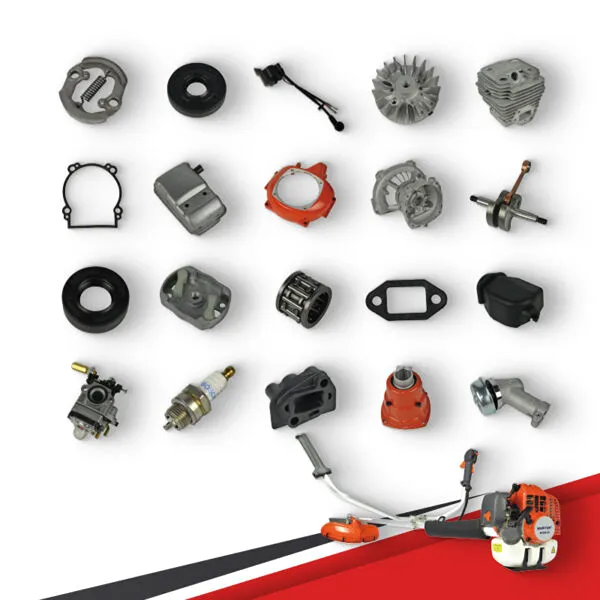
Our engines are built with components the aftermarket already knows: Carburadores Walbro, Velas de ignição NGK, NSK bearings and Oregon chains. This matters for a dealer because wear parts and service parts cross-reference to brands your customers’ workshops already stock. Certifications on our machines include CE, GS, EURO II, EPA, ETL and RoHS, produced under ISO9001 and ISO14001 systems.
If you are considering a dealership in your market, you can start the conversation the way our current partners did. Send us your target market, your main customer types and the products you have in mind. We will come back with a product recommendation, the certificates for your destination market and order terms that fit your season.
Perguntas frequentes
How Much Does It Cost to Become an Outdoor Power Equipment Dealer?
Our program page does not publish an entry fee. The practical costs are your first stock order, a service bench and local registration. Rebate tiers, price protection and margins are agreement terms, so we discuss them individually with each partner; our dealer margin guide walks through the model line by line.
Do I Need a License to Sell Outdoor Power Equipment?
License and permit requirements are local, and they differ by country and often by city. Confirm them with your trade authorities before you apply or import. National registers help; the UK government’s licence finder notes that a business may need a licence, permit or certification for some activities.
What Are Protected Distribution Rights in a Dealer Agreement?
In our program, protected distribution rights give a distributor the right to resell in its region, plus access to shared customer leads. Ask any manufacturer to write the territory, its boundaries and any review terms into the contract. That written text is what settles a boundary question later.
How Much Inventory Should a New Dealer Order First?
Start from samples rather than a container. We ship samples 7-10 dias após o pagamento, and orders from 100 units up to container volume take about 30 dias. A narrow first order can repeat within one season, and first-season sell-through is the better guide to the real quantity.
What Support Does NEWTOP Give Its Distributors?
Our program lists protected distribution rights, marketing materials in native languages and tiered procurement rebates. It also includes a logistics and customs-clearance team, 24-hour remote engineering support and a warehouse of more than 2,000 square meters. It also covers joint exhibition attendance and help building an online distribution platform. Our stated warranty terms are one year for machines and six months for core parts.