4 ストローク船外機の重量は次のとおりです。 13 kg (29 ポンド) コンパクトに 2.5 HPモデル以上 360 kg (794 ポンド) のために 300+ HPエンジン. 実際の重量はいくつかの要因によって異なります, 馬力も含めて, エンジン排気量, シリンダー構成, シャフトの長さ, 始動システム, および燃料供給技術.
中国の大手屋外動力機器メーカーとして, ニュートップ 購入者は購入を決定する前に馬力と重量の両方で船外機を比較することが多いことを理解しています. このガイドでは, さまざまな馬力範囲にわたる典型的な 4 ストローク船外機の重量を比較します。, モーターの重量に何が影響するかを説明する, あなたのボートに最適なオプションを選択するのに役立ちます.
概要: 4-ストローク船外機の馬力別重量表
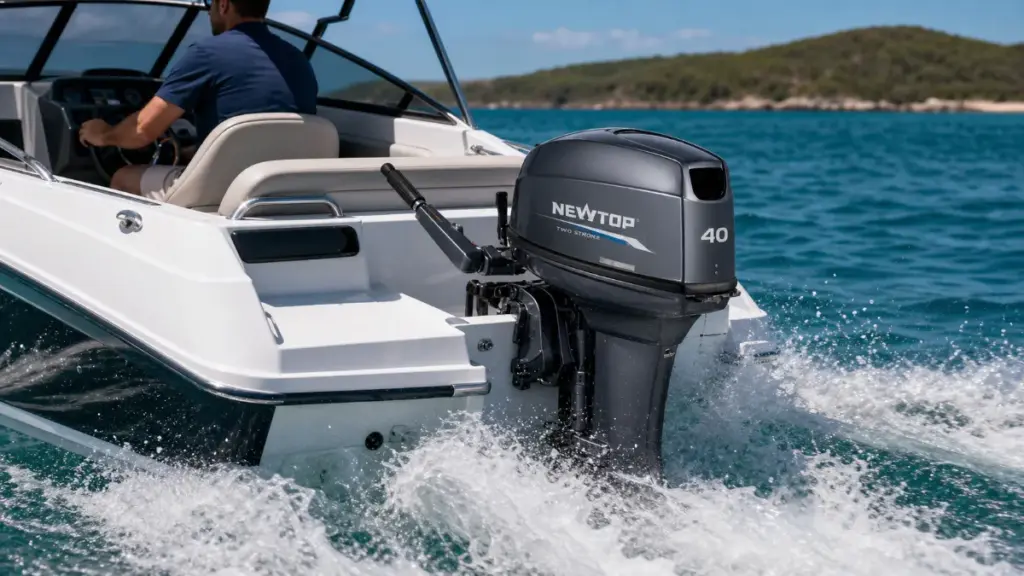
以下の表は、4 ストロークの概要を示しています。 船外機 典型的な重量範囲の, 一般的なアプリケーション, 利点, さまざまな馬力カテゴリにわたる制限.
| 馬力範囲 | 標準的な重量 | 一般的なアプリケーション | 利点 | 制限事項 |
|---|---|---|---|---|
| 2.5-6 HP | 13-28 kg (29-62 ポンド) |
ゴムボート, ディンギー, 入札 | 超ポータブル, 燃費の良い, 持ち運びが簡単 | 制限された速度と積載量 |
| 8-20 HP | 37-60 kg (82-132 ポンド) |
小型漁船, アルミボート, ユーティリティボート | パワーと携帯性のバランスが良い | 大きなボートや重い荷物を運ぶのに苦労するかもしれない |
| 25-60 HP | 58-125 kg (128-276 ポンド) |
漁船, ポンツーン, 小型作業船 | 強力なパフォーマンスと多用途性 | トランザム負荷が重くなり、燃料消費量が増加する |
| 75-150 HP | 160-240 kg (353-529 ポンド) |
センターコンソールボート, 大型のレクリエーションボート | 優れた加速性能と巡航性能 | より強力なトランサムとトレーラーのセットアップが必要です |
| 200-300+ HP | 230-360+ kg (507-794+ ポンド) |
沖合漁船, 商船, 高性能ボート | 最大出力, スピード, および重負荷能力 | 最も高い購入コスト, 重さ, そして燃料の使用量 |
上の表は、さまざまな馬力範囲にわたる 4 ストローク船外機の一般的な重量に焦点を当てています。. エンジン技術も比較する場合, 私たちの 2-脳卒中 vs. 4-ストローク船外機ガイド 重量の主な違いを説明します, 燃費, メンテナンス, 排出量, そして全体的なボートパフォーマンス.
4 ストローク船外機の重量がボートのパフォーマンスに重要な理由
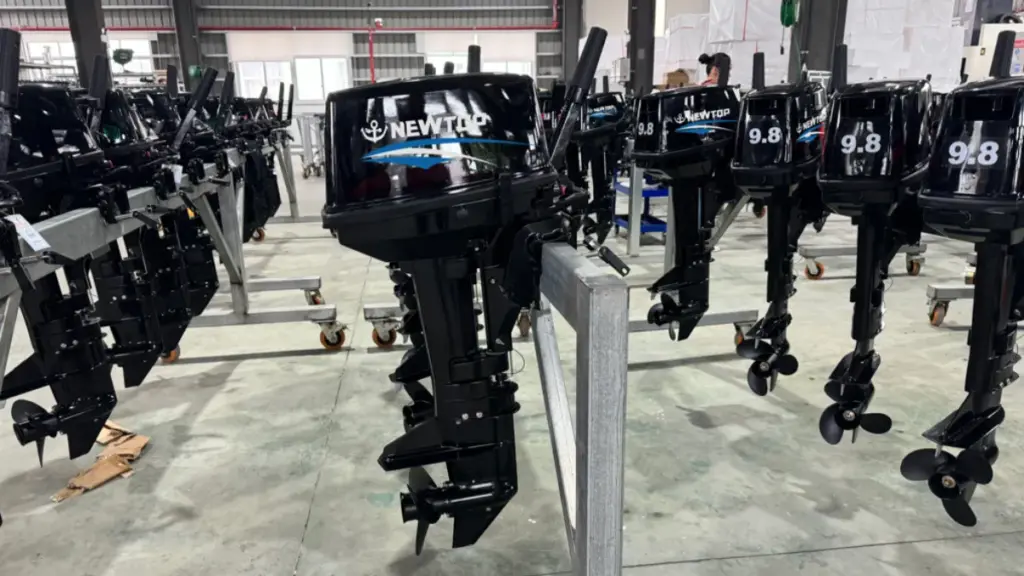
4 ストローク船外機の重量は、ボートの実際のパフォーマンスにとって最も重要な要素の 1 つです。. 加速や最高速度から燃料燃焼に至るまで、あらゆることに直接影響します。, 取り扱い, 水上での全体的な安全性.
重さを比較する前に, より広範な船外機市場の中で 4 ストローク エンジンがどこに位置するかを理解することが重要です. 私たちの 船外機の種類 このガイドでは、主要なエンジン カテゴリを紹介し、さまざまなボート用途における各タイプの利点について説明します。.
エンジン重量が速度と効率に与える影響
より重い 4 ストローク エンジンにより、ボートの総排気量が増加します. この余分な質量によりホールショットが遅くなります, それは飛行機に乗るのにかかる時間です. 船体が効率的に上昇して滑空できるようになる前に、エンジンが水中を押し出すために必要な重量が増えるだけです。.
エンジンの重量が増えると、より多くの船体が水中に留まることになり、抗力も増加します。, より大きな濡れた表面を作成する. この追加の抵抗により、ボートの潜在的な最高速度が低下する可能性があります. エンジンの軽量化により、ボートはより高く、より自由に走行できるようになります, 多くの場合、時速数マイルが余分に得られます.
余分な重量を運ぶために、エンジンはよりハードに動作し、より多くの燃料を燃焼する必要があります. これにより全体的な燃料効率が低下します, つまり、ガロンあたりの獲得マイル数が少なくなります. エンジンが軽いと、同じ燃料タンクで航続距離を延ばすことができます, より長く水上にいられるようにする.
バランスへの影響, 取り扱い, と安全性
船外機は船の一番後ろにあるので、, その重量はトリムに大きな影響を与えます. 重いモーターにより、船尾が水中で低く沈み、船首が高くなりすぎる可能性があります. これは前方の視界に影響を与えるだけでなく、視界をより荒くします。, チョッピーコンディションでのウェットな乗り心地.
トランサムに過度の重量がかかると、船尾の乾舷が下がります, これは喫水線から船体の上部までの距離です. これにより、ボートが水を受ける可能性が高くなります, 特に波を追ったり、魚に向かって後退したりするとき. これはあらゆるボートにとって重要な安全要素です.
すべてのボートのトランサムは、特定の最大重量に耐えられるように設計されています. この制限を超えると, たとえエンジンの馬力がボートの定格内であっても, 船体の構造に重大なストレスがかかる. これにより、ボートの完全性が損なわれ、時間の経過とともに重大な安全上のリスクが生じる可能性があります.
最適な 4 ストローク船外機をお探しですか?
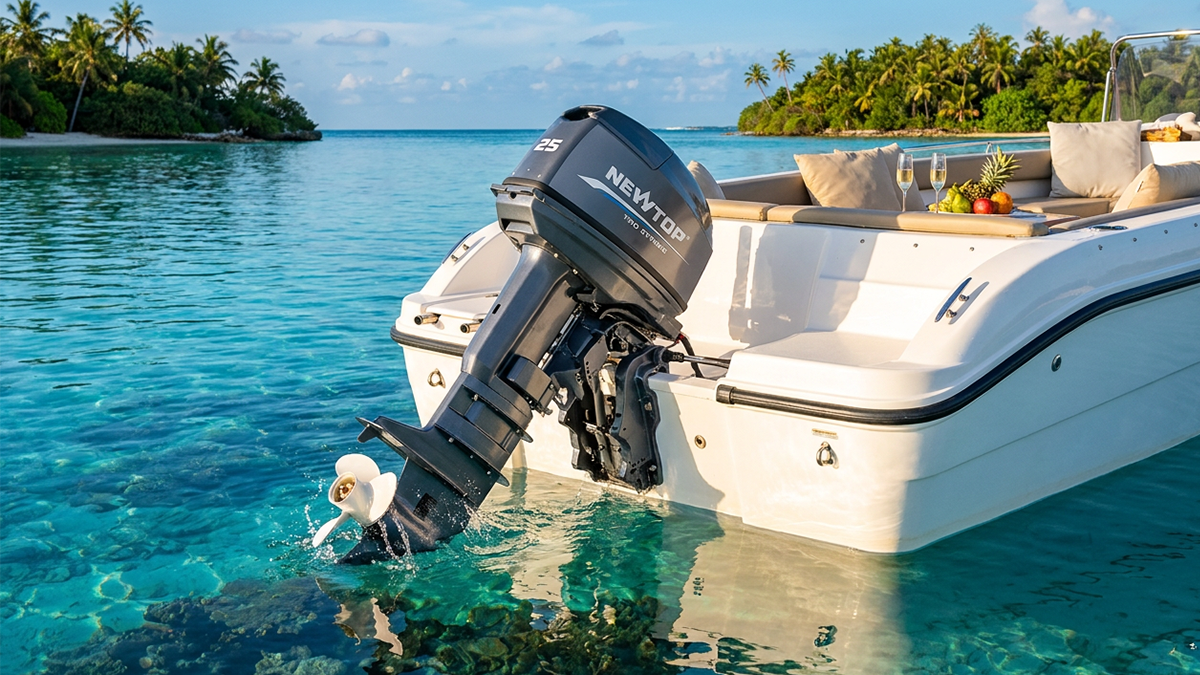
ポータブル 4 ストローク重量チャート (2.5-20 HP)
ポータブル4ストローク船外機 2.5 に 20 通常、馬力範囲の乾燥重量は次のとおりです。 30 そして 150 ポンド (13–68kg). このクラスはディンギー用に設計されています, 小さなインフレータブル, 補助モーターとして, 手動による取り扱いとトランザムの負荷を最小限に抑えることが主な考慮事項である場合.
ポータブル 4 ストローク船外機はインフレータブル ボートでよく使用されます, ディンギー, 入札, 小型漁船, そしてユーティリティクラフト. これらのエンジンは軽量構造を優先しながらも、優れた燃費と信頼性を提供します。.
次の表は、最新の 4 ストローク ポータブル船外機に予想される一般的な乾燥重量範囲の概要を示しています。.
| 馬力 | 一般的な重量範囲 |
|---|---|
| 2.5 HP | 13-18 kg (29-40 ポンド) |
| 3.5 HP | 17-20 kg (37-44 ポンド) |
| 5 HP | 24-28 kg (53-62 ポンド) |
| 6 HP | 25-28 kg (55-62 ポンド) |
| 8 HP | 37-42 kg (82-93 ポンド) |
| 9.9 HP | 38-45 kg (84-99 ポンド) |
| 15 HP | 43-52 kg (95-115 ポンド) |
| 20 HP | 45-60 kg (99-132 ポンド) |
ミッドレンジ 4 ストローク重量 (25-60 HP)
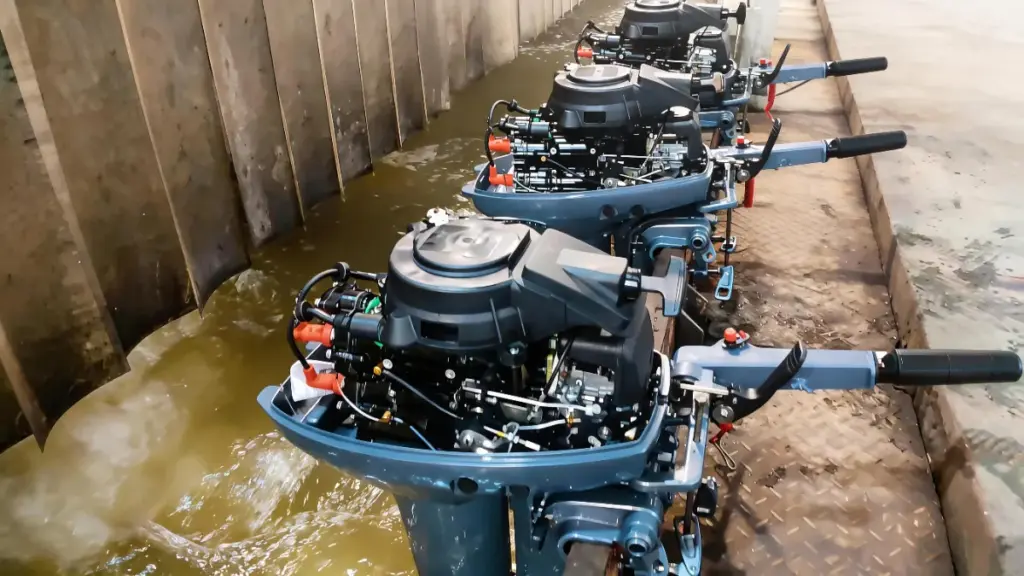
ミッドレンジ 4 ストローク船外機 25 に 60 HP はパワーバランスを考慮して設計されています, 効率, 小型から中型のボートに適した重量. これらのエンジンの重量は通常、次のとおりです。 130 そして 260 ポンド, 最終重量は馬力に応じて変わります, 気筒数, パワートリムなどの機能も追加されました.
の 25-60 HP カテゴリは世界の船外機市場で最も人気のあるセグメントの 1 つです.
これらのエンジンは広く使用されています:
- アルミ漁船
- 小型のセンターコンソール
- ポンツーンボート
- 作業船
- レクリエーション用ファミリーボート
船外機メーカーはより大きなエンジンブロックとより強力なコンポーネントを使用しているため、この馬力範囲では重量がより急速に増加し始めます。.
| 馬力 | 一般的な重量範囲 |
|---|---|
| 25 HP | 58-80 kg (128-176 ポンド) |
| 30 HP | 60-85 kg (132-187 ポンド) |
| 40 HP | 90-110 kg (198-243 ポンド) |
| 50 HP | 95-120 kg (209-265 ポンド) |
| 60 HP | 105-125 kg (231-276 ポンド) |
ハイパワー 4 ストローク船外機ウェイト (75-300+ HP)
ハイパワー4ストローク船外機 75 に 300+ HP クラスの乾燥重量は約 350 ポンド以上 1,000 ポンド. トランサムのこの重量は、ボートの構造的完全性にとって重要な要素です, バランス, そして水上パフォーマンス.
高馬力 4 ストローク船外機は、今日のレクリエーションおよび商用ボート市場を支配しています。.
技術の進歩により、大型 4 ストローク エンジンの効率が向上しました, 静かになる, そしてこれまで以上にクリーン.
| 馬力 | 一般的な重量範囲 |
|---|---|
| 75 HP | 160-180 kg (353-397 ポンド) |
| 90 HP | 165-190 kg (364-419 ポンド) |
| 115 HP | 170-215 kg (375-474 ポンド) |
| 150 HP | 205-240 kg (452-529 ポンド) |
| 200 HP | 230-290 kg (507-639 ポンド) |
| 250 HP | 260-320 kg (573-705 ポンド) |
| 300 HP+ | 270-360 kg以上 (595-794 ポンド以上) |
4 ストローク船外機の重量に影響を与える主な要因
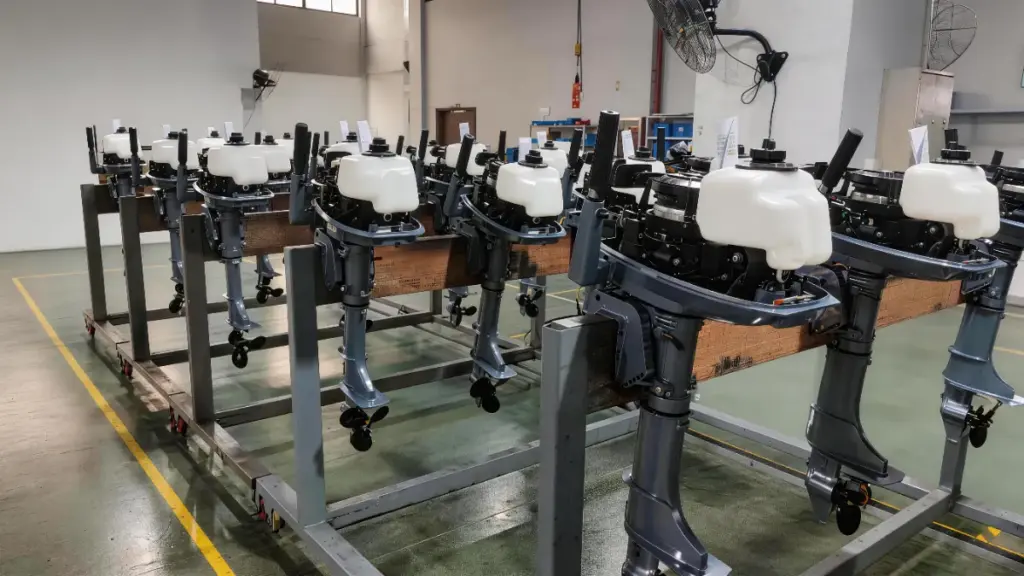
船外機の重量は、その基本設計と選択したオプションによって決まります。. エンジンの排気量と使用材料, 軽量アルミニウム合金のような, ベースラインを設定する. シャフトの長さなどの特徴, 電動スタート, パワートリムと機能的な重量を追加, パワーと機能のバランスが取れた最終的なフィギュアを作成する.
4ストローク船外機の重量は馬力だけでは決まりません。. 出力が高いエンジンは当然重量も重くなりますが、, いくつかの設計および構成要素が船外機の最終重量に大きく影響する可能性があります。.
これらの要素を理解することは、ボート所有者がさまざまなブランドを評価する際に適切なエンジンを選択し、モデルをより正確に比較するのに役立ちます。.
エンジンの排気量とシリンダー構成
エンジン排気量は船外機の重量に最も大きく影響するものの 1 つです.
排気量が大きいエンジンには通常、より大きなブロックが必要です, ピストン, クランクシャフト, および冷却システム. 単気筒のポータブル船外機の重量は以下の場合があります。 20 kg, 一方、オフショア用途向けに設計された多気筒エンジンの重量は数百キログラムになることがあります。.
気筒数も重要な役割を果たします. 複気筒, 3気筒, 4 気筒エンジンはよりスムーズな動作と優れたパワー供給を実現します。, ただし、より多くのコンポーネントが必要となるため、重量が増加します.
シャフトの長さ
船外機は一般的に入手可能です:
- ショートシャフト (15″)
- ロングシャフト (20″)
- エクストラロングシャフト (25″)
- 超ロングシャフト (30″)
シャフトが長いほど、より長いドライブシャフト ハウジングが必要になります, 追加の材料, より長い内部ドライブシャフトアセンブリ. 結果として, 同じエンジンのロングシャフトバージョンは通常、ショートシャフトモデルよりも数キログラム重くなります。.
始動およびトリムシステム
追加機能により、船外機の総重量が増加する可能性もあります.
例えば:
- 電気始動システムにスターターモーターを追加, 充電システム, 配線, とバッテリー.
- パワートリムおよびチルトシステムには、油圧ポンプと強化された取り付けコンポーネントが追加されています.
- Larger alternators and onboard charging systems contribute additional weight.
While these features improve convenience and usability, they should be considered when calculating total transom load.
Fuel System and Emission Technology
Modern 4-stroke outboards are designed to meet increasingly strict environmental standards.
電子燃料噴射装置 (EFI) systems improve fuel efficiency, throttle response, and cold-start performance. しかし, 燃料ポンプ, センサー, electronic control units, and related components add weight compared with simpler carbureted systems.
The same principle applies to advanced emission-control technologies found on many modern outboards.
Materials and Structural Design
The materials used in construction can make a noticeable difference in overall engine weight.
で ニュートップ, we focus on achieving an effective balance between durability and portability by utilizing lightweight aluminum alloy components and optimized structural designs wherever possible. This allows our outboard motors to deliver dependable performance while keeping weight under control for easier handling, 交通機関, and installation.
Gearcase and Intended Application
The lower unit, or gearcase, is another important factor affecting total weight.
Outboard motors designed for commercial use, heavy-duty fishing applications, or larger boats often feature stronger gearcases and reinforced internal components. These designs improve durability and torque handling but naturally increase engine weight.
対照的に、, portable outboards are optimized for mobility and ease of transport, resulting in lighter overall construction.
4-Stroke vs 2-Stroke Weight: How Much Heavier Is a 4-Stroke?
On average, a 4-stroke outboard is about 10–25% heavier than a 2-stroke motor with the same horsepower. This extra weight comes from a more complex mechanical design, including a valve train and a self-contained oil system, which 2-stroke engines do not have.
Core Mechanical Reasons for the Extra Weight
Four-stroke engines are fundamentally more complex. They include a dedicated valve train with camshafts, バルブ, and springs to control intake and exhaust. Two-stroke engines use a simpler port design, eliminating the need for these heavy components.
They also need a self-contained lubrication system. This includes an oil sump to hold the oil and a pump to circulate it, unlike the simpler fuel-and-oil mixture that lubricates a 2-stroke. This adds significant weight and bulk.
All these additional parts require a larger and more robust engine block for support. The extra structural reinforcement is a direct contributor to the motor’s overall dry weight, making the 4-stroke heavier before any fluids are even added.
Weight Difference by Horsepower Range
The weight gap between 4-strokes and 2-strokes isn’t constant; it grows as horsepower increases. The relative difference is typically between 10% そして 25% across the board.
In the portable class (under 25 HP), a 4-stroke is often 10 に 20 pounds heavier. While that may not sound like much, it’s a noticeable difference when you have to lift the motor on and off a small boat or tender.
For mid-range engines (30 に 90 HP), the weight difference increases to about 25 に 60 ポンド. This amount of extra weight on the transom can affect a boat’s hole shot, planing ability, and how it sits in the water at rest.
The gap is most significant with high-power outboards (100 HP and up). Here, 4-stroke models can easily weigh 40 に 100 pounds more than their 2-stroke counterparts. On multi-engine setups, this extra weight is multiplied and becomes a critical factor in boat performance and balance.
If you’re also considering a 2-stroke engine, be sure to read our Two-Stroke Outboard Weight Guide for a detailed comparison of weight ranges across different horsepower levels. Understanding the weight differences between 2-stroke and 4-stroke outboard motors can help you choose the best option for your boat and intended application.
How to Select the Right 4-Stroke Weight for Your Boat
Choosing the right 4-stroke motor weight involves balancing your boat’s official capacity with your performance needs. Start by checking the manufacturer’s capacity plate for maximum horsepower and engine weight limits. それから, select the lightest engine in your target horsepower class that can efficiently handle your typical load of fuel, ギヤ, and passengers.
Evaluate Your Boat’s Capacity and Performance Needs
Before comparing specific motors, you need to understand your boat’s structural and performance limits. Every hull is designed to support a specific weight and horsepower on its transom. Exceeding these limits can harm performance and create unsafe handling conditions.
The first step is to check your boat’s capacity plate, usually found near the helm or on the transom. This plate specifies the maximum horsepower and engine weight the hull can safely handle. Never exceed these ratings, as it could overstress the transom and void your warranty or insurance.
Engine weight directly affects your boat’s static trim, which is how it sits in the water at rest. A motor that is too heavy will cause the stern to sit low. This can let water enter through the scuppers, creating a wet cockpit and reducing stability.
A useful guideline for planing hulls is to have one horsepower for every 25 に 40 pounds of total boat weight. A ratio closer to 25 pounds per horsepower delivers strong acceleration, while a ratio near 40 pounds per horsepower provides more economical cruising.
Choosing a motor that’s too heavy strains the hull, hurts fuel efficiency, and makes the boat harder to handle. A motor that’s too light or underpowered will struggle to get on plane and run at high RPMs just to maintain speed, which reduces its lifespan and burns more fuel.
A Practical Method for Choosing the Right Motor
With your boat’s limits in mind, you can follow a clear process to find the ideal motor. This method helps you match engine specs to your real-world activities on the water.
Start by estimating your boat’s fully loaded weight. This includes the hull, 燃料, batteries, safety gear, and the typical number of passengers you carry. This estimate helps you apply the weight-to-horsepower guideline to find your ideal power range.
次, define how you use your boat most often. If you mainly do light cruising with few passengers, a lighter motor at the lower end of your boat’s rating will work well. But if you tow skiers, carry heavy fishing gear, or run offshore, you’ll need more power and should look at options closer to the maximum horsepower rating.
Once you have a target horsepower class, compare the weights of different models within that class. You can sometimes find a motor that offers a significant horsepower increase for only a minor weight gain. If the added weight still fits within your boat’s capacity, this is often a great way to improve performance.
ついに, calculate the total installed weight before making a decision. This includes the engine’s dry weight plus fluids, the propeller, and all rigging components. This final number gives you the true weight on your transom and ensures your choice will deliver safe, balanced, and efficient performance.
最終的な考え
When comparing outboard motors, horsepower alone does not tell the full story. Weight influences boat balance, 加速度, 燃費, 交通機関, and long-term operating costs. Understanding the relationship between horsepower and engine weight helps boat owners choose a motor that delivers reliable performance without compromising safety or handling.
Whether you need a lightweight portable outboard for a small fishing boat or a high-power solution for demanding marine applications, ニュートップ continues to develop dependable outboard motors designed to balance power, 効率, 耐久性, and practical weight requirements for global users.
よくある質問
How much does a 4-stroke outboard motor weigh?
The weight depends on horsepower. Small portable models may weigh as little as 13 kg (29 ポンド), while large offshore engines can exceed 360 kg (794 ポンド).
What is the lightest 4-stroke outboard motor?
ほとんど 2.5 HP 4-stroke outboards are among the lightest available, 通常は次の間で重さを量ります 13 そして 18 kg (29-40 ポンド).
How much does a 15 HP 4-stroke outboard weigh?
A typical 15 HP 4-stroke outboard weighs between 43 そして 52 kg (95-115 ポンド), depending on shaft length and starting system.
How much does a 20 HP 4-stroke outboard weigh?
ほとんど 20 HP 4-stroke outboards weigh approximately 45-60 kg (99-132 ポンド).
Are 4-stroke outboards heavier than 2-stroke?
はい, for any given horsepower, a 4-stroke outboard is heavier than a comparable 2-stroke. This is because 4-strokes have more complex internal parts, such as a valve train, カムシャフト, and a separate oil lubrication system, which all add weight.
How much does a 150 HP 4-stroke outboard weigh?
Most modern 150 HP 4-stroke outboards weigh between 205 そして 240 kg (452-529 ポンド).
Does shaft length affect outboard motor weight?
はい, shaft length does add to an outboard’s total weight. A long-shaft model is heavier than a short-shaft version of the same engine because its driveshaft and housing require more material. The weight difference is usually just a few pounds but is listed in manufacturer specs.