


- Tutto
- NEWTOP Storie di clienti
- NEWTOP Explorer Hub
- NEWTOP Approfondimenti sul settore
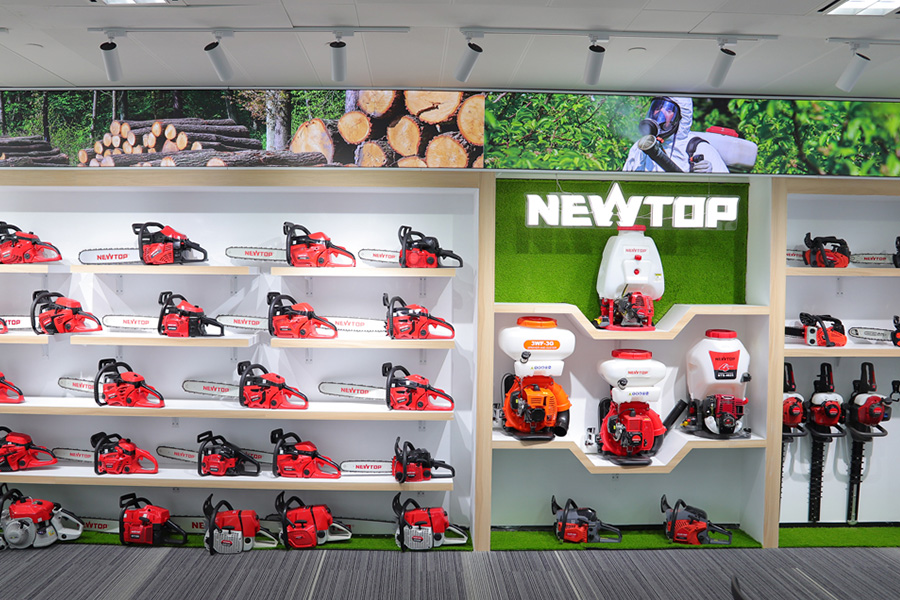
In molte regioni del mondo, la creazione di un'attività di distribuzione di macchine da giardino inizia con una decisione fondamentale: scegliere il giusto fornitore di macchine da giardino. Man mano che le città si espandono e la domanda di paesaggistica continua ad aumentare, i distributori che lavorano con fornitori affidabili ottengono un chiaro vantaggio nella stabilità del prodotto, supporto post-vendita, e crescita a lungo termine. Oggi, la distribuzione di macchine da giardino non riguarda più il commercio a breve termine, ma sulla creazione di un sistema affidabile basato sulla fiducia e sul servizio.
Sia nei mercati emergenti che in quelli maturi, le attrezzature da giardino e paesaggistica sono diventate una categoria aziendale resiliente. Progetti di infrastrutture pubbliche, paesaggistica commerciale, e la cura dei giardini residenziali contribuiscono tutti a una domanda costante. A causa di questa stabilità, sempre più imprenditori e commercianti regionali vedono la distribuzione come un’opportunità che merita un serio investimento. Tuttavia, il successo dipende meno dall’ambizione e più dall’esecuzione.
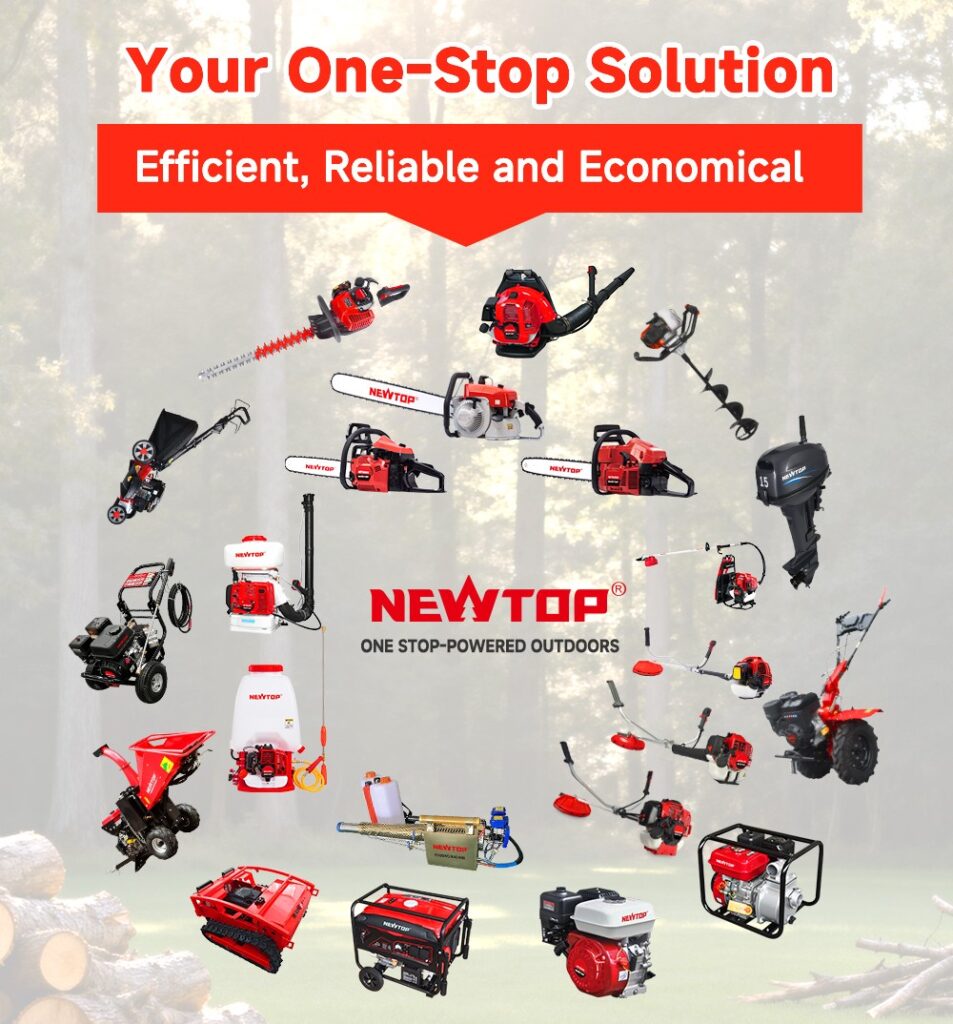
Perché scegliere il giusto fornitore di macchine da giardino è importante
Sebbene i marchi globali attirino l'attenzione, i distributori locali continuano a influenzare la maggior parte delle decisioni di acquisto. Le macchine da giardino lavorano in condizioni impegnative, spesso per lunghe ore e con manutenzione limitata. Per questo motivo, gli acquirenti si preoccupano molto di più dell'accesso ai pezzi di ricambio e della risposta del servizio rispetto alle affermazioni di marketing.
In Africa e America Latina, gli operatori in genere utilizzano le apparecchiature quotidianamente sotto carico pesante. Nel frattempo, in molti mercati europei, gli acquirenti pongono uguale enfasi sulla conformità e sulla coerenza. Di conseguenza, i distributori che comprendono gli scenari di utilizzo reali superano quelli che si affidano solo al riconoscimento del marchio.
UN fornitore di macchine da giardino professionali rafforza questo vantaggio locale. Senza un supporto a monte che comprenda gli ambienti di lavoro reali, anche i distributori esperti hanno difficoltà a crescere.
Iniziare in piccolo aiuta i nuovi distributori a ridurre i rischi
Molti distributori alle prime armi credono che i modelli più popolari verranno venduti ovunque. In pratica, i prodotti hanno successo solo quando corrispondono alla qualità del carburante locale, clima, e le abitudini degli operatori. Perciò, i distributori esperti di solito iniziano con una gamma di prodotti mirata piuttosto che con una catalogo completo.
Invece di importare decine di modelli, spesso iniziano con una o due piattaforme collaudate. Questo approccio semplifica la gestione dei ricambi, riduce la pressione delle scorte, e consente un apprendimento più rapido dal mercato. Col tempo, i distributori espandono la loro offerta sulla base della domanda reale piuttosto che delle ipotesi.
Al NEWTOP, molti partner a lungo termine hanno seguito esattamente questa strada. Hanno iniziato con configurazioni testate sul campo e sono passati alla scalabilità solo dopo aver convalidato le prestazioni e il feedback dei clienti.
Come un fornitore di macchine da giardino professionali supporta la crescita a lungo termine
I distributori non vendono solo macchine: vendono affidabilità. A causa di ciò, la selezione dei fornitori influisce direttamente sulla reputazione del mercato. Mentre i prezzi bassi possono attirare l'attenzione iniziale, raramente proteggono i margini nel lungo termine.
Quando i distributori scelgono i fornitori basandosi solo sulle quotazioni, spesso si trovano ad affrontare una qualità incoerente, fornitura di pezzi di ricambio instabile, e spedizioni ritardate. Questi problemi danneggiano rapidamente la fiducia dei concessionari e rallentano la crescita del business.
Al contrario, un fornitore affidabile di macchine da giardino offre coerenza. Standard di produzione stabili, componenti standardizzati, e tempi di consegna prevedibili consentono ai distributori di pianificare l'inventario e supportare i rivenditori in tutta sicurezza. Quando sorgono problemi, i fornitori responsabili offrono soluzioni anziché spiegazioni.
Col tempo, questa affidabilità diventa un vantaggio competitivo che la competizione sui prezzi non può sostituire.
Prezzi per la sostenibilità invece che per il volume a breve termine
Nelle fasi iniziali, molti distributori cercano di conquistare quote di mercato attraverso prezzi aggressivi. Tuttavia, questa strategia solitamente indebolisce i margini e limita la capacità post-vendita. Una volta che la qualità del servizio diminuisce, segue la fiducia del cliente.
I distributori di successo adottano un approccio diverso. Calcolano i prezzi in base ai costi reali, compresa la logistica, magazzino ricambi, supporto in garanzia, e sviluppo del mercato. Quando i distributori lavorano con fornitori trasparenti, ottengono una visibilità più chiara dei costi d'importazione ed evitano perdite impreviste.
Di conseguenza, i concessionari operano con maggiore sicurezza, diminuiscono i reclami dei clienti, e gli ordini ripetuti diventano più prevedibili.
Il servizio post-vendita crea fiducia più velocemente del marketing
I guasti si verificano in ogni attività di produzione di apparecchiature. I clienti giudicano i distributori non solo in base ai tassi di fallimento, ma dalla velocità di risposta e dalla risoluzione dei problemi. Di conseguenza, la preparazione post-vendita dovrebbe iniziare presto.
I distributori forti immagazzinano pezzi di ricambio in rapida rotazione, formare tecnici di base, e stabilire chiare procedure di garanzia. Allo stesso tempo, si affidano al fornitore di macchine da giardino per la documentazione tecnica e la disponibilità dei ricambi a lungo termine.
NEWTOP progetta molte linee di prodotti attorno a componenti condivisi, che consente ai distributori di supportare più modelli senza scorte eccessive. Col tempo, questa efficienza rafforza la fedeltà del concessionario e la fiducia dei clienti.
Il branding e gli OEM aiutano i distributori a distinguersi
Mentre la concorrenza aumenta, i distributori alla fine hanno bisogno di differenziazione. Senza un'identità riconoscibile, i prodotti competono solo sul prezzo, che limita la crescita.
Per questo motivo, molti distributori scelgono di collaborare con fornitori che supportano l'OEM e l'etichettatura privata. Anche la semplice personalizzazione, come imballaggi con marchio o manuali localizzati, aiuta a costruire riconoscimento e professionalità sul mercato.
Il branding cambia anche il modo in cui i rivenditori percepiscono il distributore. Invece di agire come un commerciante, il distributore diventa un partner a lungo termine. NEWTOP sostiene questa transizione perché forti marchi di distribuzione portare ad una cooperazione più stabile e sostenibile.
La stabilità logistica supporta una crescita scalabile
La consegna veloce attira l'attenzione, ma la consegna affidabile costruisce le imprese. I distributori che danno priorità alla coerenza evitano inutili interruzioni e problemi di pianificazione.
Un fornitore maturo pianifica la capacità produttiva in anticipo rispetto alle stagioni di punta, ottimizza il caricamento dei contenitori, ed effettua ispezioni prima della spedizione. Queste pratiche riducono i ritardi e i rischi di danni. Di conseguenza, i distributori possono pianificare promozioni e saldi stagionali in tutta sicurezza.
Una logistica stabile consente ai distributori di concentrarsi sull’espansione del mercato piuttosto che sulla lotta agli incendi operativi.
La crescita passa dai dati e dalla cooperazione
Una volta che le operazioni si saranno stabilizzate, i distributori di successo si affidano ai dati piuttosto che alle ipotesi. Modelli di vendita, fatturato dei pezzi di ricambio, e il feedback del rivenditore rivelano chiare opportunità di miglioramento.
Quando i distributori condividono queste informazioni con il proprio fornitore di macchine da giardino, entrambe le parti ne traggono vantaggio. I miglioramenti del prodotto diventano più rapidi, le configurazioni migliorano, e i nuovi modelli corrispondono più fedelmente alla domanda reale. Molte partnership a lungo termine tra NEWTOP e i suoi distributori sono cresciute attraverso questo approccio collaborativo.
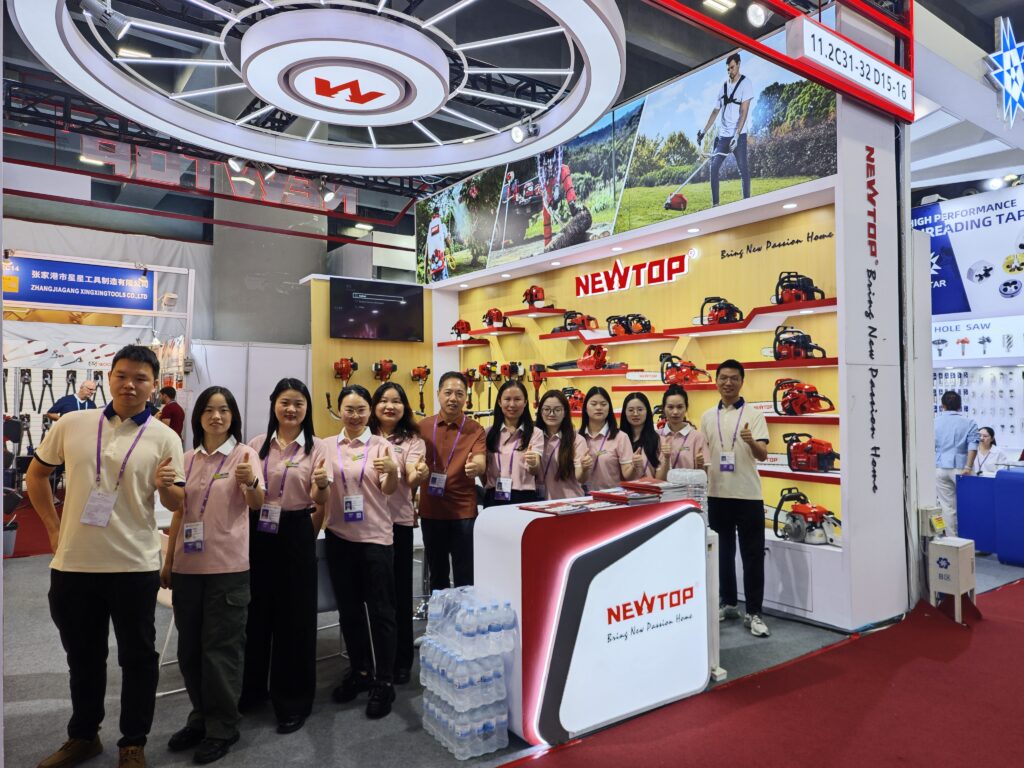
Avviare un’attività di distribuzione di macchine da giardino richiede pazienza e struttura. Le vittorie veloci raramente durano. Il successo sostenibile deriva da una comprensione realistica del mercato, forte capacità post-vendita, e collaborazione con il giusto fornitore di macchine da giardino.
Distributori che investono nella stabilità, servizio, e le partnership a lungo termine si posizionano per crescere costantemente, anche se i mercati cambiano. Con un produttore esperto come NEWTOP come partner, che la crescita diventi realizzabile e scalabile.
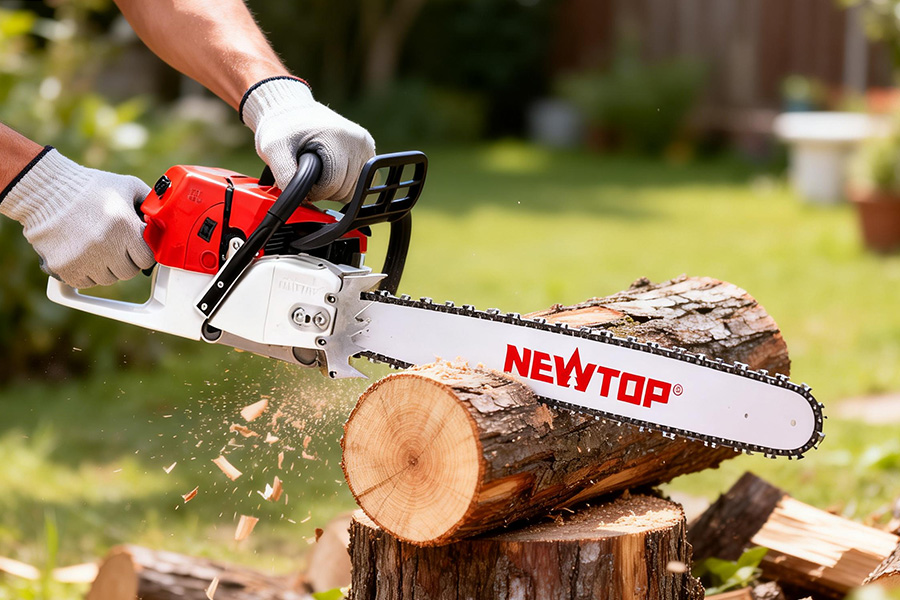
Choosing the best electric chainsaw today is rarely straightforward. Compared with a decade ago, buyers now face far more options, and the old assumption that gasoline chainsaws are always the “professional choice” no longer reflects reality. Electric technology has progressed quickly, changing how many users approach everyday cutting work.
In real-world use, the best electric chainsaw often delivers enough power, comfort, and reliability for most routine tasks. Tuttavia, the right choice still depends on how the tool fits into daily work rather than on headline specifications. This is where many purchasing decisions quietly go wrong.
From years of cooperation with distributors and end users, NEWTOP has seen one clear pattern: users who choose a chainsaw based on actual working habits tend to remain satisfied far longer than those who chase numbers on paper.
Start with How You Actually Use an Electric Chainsaw
Before comparing models or brands, it helps to look honestly at how a chainsaw gets used week after week. Most people do not cut large logs every day. Instead, they handle pruning, taglio della legna da ardere, storm cleanup, and general property maintenance.
For this type of work, convenience becomes important very quickly. Electric chainsaws start instantly, require little preparation, and feel easier to control. Di conseguenza, many homeowners and light-duty users realize that the best electric chainsaw already covers everything they realistically need.
That shift does not stop with homeowners. Landscapers and property managers also increasingly rely on electric chainsaws for routine tasks. Improved motor efficiency and battery systems now support longer working sessions without the frustrations that older electric models once caused.
Why Electric Chainsaws Are Becoming the Practical Choice
Electric chainsaws gain popularity not because they replace gasoline models entirely, but because they simplify everyday work. Users avoid fuel mixing, warm-up time, and pull-start resistance. Col tempo, these small conveniences noticeably improve the overall working experience.
Noise reduction also plays a larger role than many expect. Quieter operation allows work in residential areas with fewer complaints, while reduced vibration helps limit fatigue during repeated cuts. Combined, these factors make electric chainsaws easier to use for longer periods.
Maintenance further reinforces this trend. Electric chainsaws remove many common gasoline-related issues. Without carburetor adjustments or ignition tuning, users spend more time working and less time fixing equipment. Per questo motivo, many people eventually describe the best electric chainsaw as the one that keeps performing without demanding constant attention.
Battery Chainsaws: When Cordless Convenience Matters Most
Within electric chainsaws, one category has grown especially fast in recent years: battery chainsaws. By eliminating the power cord entirely, battery-powered models offer a much more flexible working experience. Users can move freely around trees, hedges, and garden spaces without worrying about cable length, power outlets, or tangled wires.
For many homeowners and light-duty professionals, this cordless design changes how often a chainsaw actually gets used. Tasks that once felt inconvenient—quick pruning, small cleanups, or routine trimming—become easier to handle. Di conseguenza, battery chainsaws are often chosen not only for their cutting ability, but because they reduce friction between the user and the task itself.
This shift toward cordless operation also influences how manufacturers design newer tools. Al NEWTOP, portable battery chainsaws focus on balance, peso, and everyday usability rather than maximum output alone. The goal is to make cutting work feel more approachable, especially for users who value control and comfort.
A good example of this approach is the NEWTOP Portable Wireless Lithium Battery Chainsaw NTCS401Li.
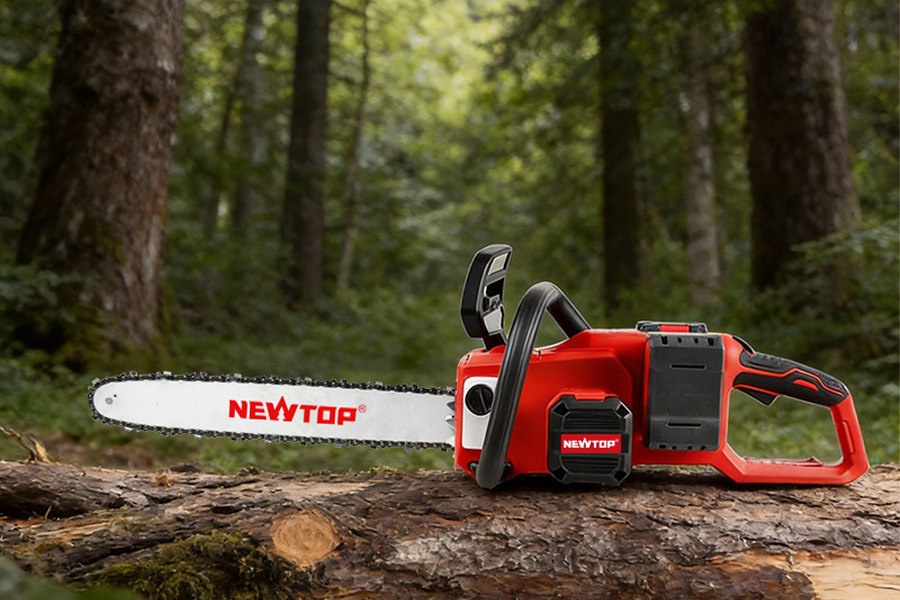
Designed as a lightweight, cordless cutting solution, it delivers clean performance with impressive efficiency for everyday garden and outdoor tasks. Powered by a brushless motor and supported by advanced electronic control, the NTCS401Li offers smooth operation, low noise, and dependable cutting power without the vibration and complexity often associated with larger machines. For users who want the convenience of a battery chainsaw without sacrificing cutting stability, this type of design fits naturally into modern electric chainsaw use.
What Determines Performance in an Electric Chainsaw
Marketing materials often emphasize voltage, chain speed, or bar length. In real working conditions, performance depends far more on how these elements work together.
Motor quality plays a central role. Brushless motors deliver steadier torque and respond better under load, which improves control when cutting harder wood. Power delivery matters just as much. When a chainsaw stalls, the operator must push harder, increasing fatigue and risk. A well-designed electric chainsaw avoids this by maintaining consistent chain movement and letting the tool do the work.
Bar length also deserves a realistic approach. While longer bars look impressive, they often reduce control. In many situations, a slightly shorter bar improves accuracy and actually speeds up the job.
Comfort, Sicurezza, and Reliability in Electric Chainsaws
Comfort influences satisfaction more than many buyers realize. Electric chainsaws usually weigh less, but balance matters just as much as total weight. Poor balance quickly strains wrists and shoulders, especially during angled or overhead cuts.
Modern electric chainsaws include safety features such as chain brakes, trigger locks, and hand guards. These features reduce risk, but safe operation still depends on user habits. Smooth throttle response and predictable cutting behavior make those habits easier to maintain.
Maintenance remains simple but necessary. Chains need sharpening, bars require cleaning, and lubrication systems need attention. Battery care also matters. Users who follow proper charging and storage practices preserve performance and extend service life.
Col tempo, build quality becomes obvious. Housing strength, internal layout, and heat management determine how well a chainsaw holds up after repeated use. Al NEWTOP, engineers evaluate electric chainsaws under realistic working conditions, because durability reveals itself through use rather than short demonstrations.
Making the Right Chainsaw Choice
Gasoline chainsaws still dominate heavy forestry work, and that role remains clear. Tuttavia, most users spend far more time on lighter tasks.
In daily scenarios, electric chainsaws includes battery chainsaws now handle the majority of cutting jobs with fewer compromises. Lower noise, easier handling, and simpler upkeep make them the preferred option in many environments. Di conseguenza, many users rely on the best electric chainsaw for everyday work and reserve gasoline models for specific demands.
Choosing the right chainsaw ultimately comes down to honesty about real needs. Instead of chasing maximum specifications, it pays to select a tool that fits actual habits and working conditions. For many users today, electric chainsaws—especially modern battery models—strike that balance, and their role continues to grow as technology improves.
For distributors, professionals, and end users evaluating chainsaws, NEWTOP continues to focus on practical design and dependable performance, because in real work, consistency matters far more than numbers on paper.

Quando gli agricoltori parlano di prestazioni di irrorazione, spesso si concentrano sulla pressione della pompa, capacità del serbatoio, o potenza del motore. In realtà, il piccolo componente all'estremità della lancia, l'ugello, ha la maggiore influenza sulla distribuzione delle sostanze chimiche, quanta deriva si verifica, e quanto sarà efficace il trattamento.
Comprendere i diversi tipi di ugelli dello spruzzatore a spalla è essenziale se si desidera un migliore controllo delle infestanti, colture più sane, e ridurre i rifiuti chimici. Sia che gestiate pochi ettari o gestiate un'agricoltura su larga scala, la scelta dell'ugello di spruzzatura giusto influisce direttamente sulla dimensione delle gocce, modello di spruzzo, uniformità di copertura, ed efficienza complessiva.
SU.
Questa guida spiega come funzionano gli ugelli degli spruzzatori a spalla, i principali tipi disponibili, e come selezionare quello giusto per la tua applicazione.
Che cos'è un ugello per spruzzatore a zaino e perché influisce sulle prestazioni di spruzzatura
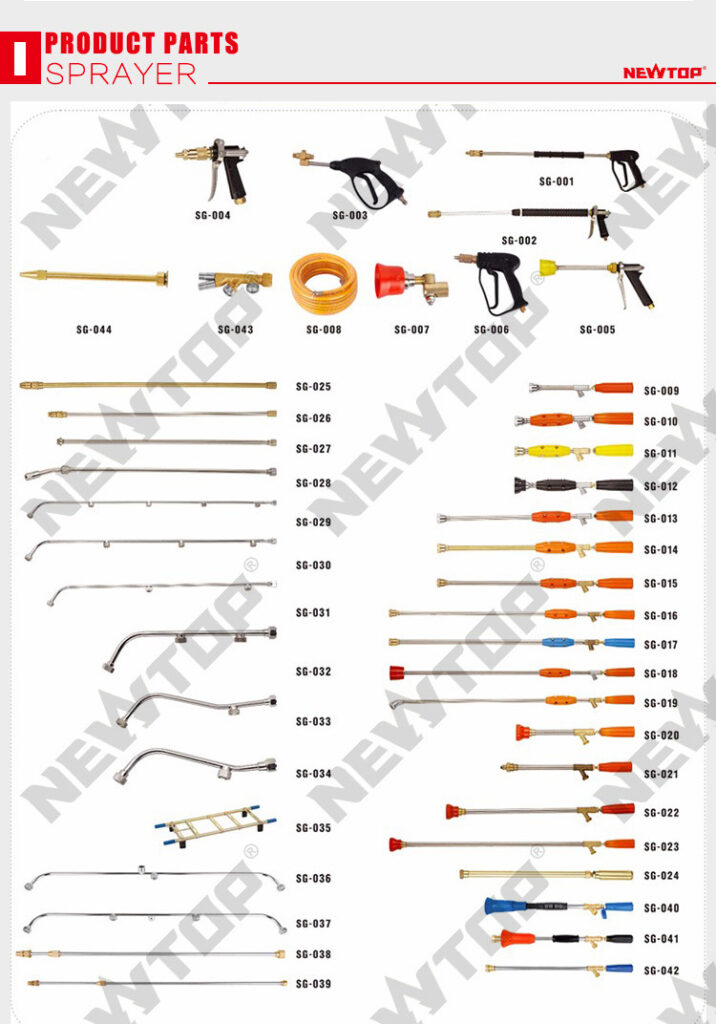
L'ugello è il componente più critico di a spruzzatore a zaino, controllare direttamente la dimensione delle gocce, modello di spruzzo, e la portata per determinare la precisione dell'applicazione e il potenziale di deriva.
Un ugello per spruzzatore a spalla è il componente di precisione che controlla il modo in cui il liquido esce dalla lancia di spruzzatura. Determina:
- Dimensione delle goccioline (Bene, medio, grossolano)
- Modello di spruzzo (Piatto, fan, cono, flusso)
- Portata (litri al minuto)
- Angolo di spruzzo (per esempio., 65°, 80°, 110°)
- Potenziale di deriva
Le sue funzioni primarie influenzano direttamente l'esito della domanda. Sia nelle irroratrici a spalla manuali che motorizzate, il liquido sotto pressione passa attraverso un piccolo orifizio.
La forma e la dimensione di tale orifizio definiscono il modo in cui lo spray atomizza. Per esempio, un ugello a ventola piatta produce un sottile, Foglio spray uniformemente distribuito, ideale per l'applicazione di erbicidi. Un ugello a cono cavo crea goccioline sottili che avvolgono il fogliame, miglioramento della copertura per gli insetticidi.
Se la dimensione delle goccioline è troppo fine, la deriva dello spruzzo aumenta, soprattutto in condizioni di vento. Se le goccioline sono troppo grossolane, la copertura diventa irregolare e controllo dei parassiti potrebbe soffrire.
Come gli ugelli controllano la dimensione e la deriva delle goccioline
La dimensione delle gocce è un fattore primario che influenza le prestazioni di spruzzatura, e il design interno dell’ugello determina la dimensione delle goccioline prodotte.
Goccioline più piccole, tipicamente in giro 100-200 micron, forniscono una copertura superficiale più completa ma sono altamente suscettibili di essere portati fuori bersaglio dal vento. Al contrario, goccioline più grandi sopra 400 i micron sono più pesanti e resistono alla deriva, ma potrebbero rimbalzare sulle superfici delle piante o fornire una copertura meno uniforme.
L'impatto del modello di spruzzatura sulla qualità della copertura
Il modello di spruzzo è la forma fisica dello spruzzo quando esce dall'ugello. Diversi modelli sono progettati per compiti specifici per garantire che la sostanza chimica sia distribuita in modo efficace per il massimo impatto. Un modello a ventaglio piatto, ad esempio, fornisce un'uniforme, fascia di spruzzo sovrapposta ideale per l'applicazione di erbicidi su terreni pianeggianti. I modelli a cono cavo e a cono pieno producono goccioline più fini di forma circolare, progettato per penetrare nelle fitte chiome delle piante durante l'applicazione di insetticidi o fungicidi. Lo schema corretto garantisce che il principio attivo venga erogato esattamente al bersaglio previsto, se si tratta di una superficie fogliare, una sola erbaccia, o il suolo.
Una panoramica dei tipi di ugelli per spruzzatori a spalla
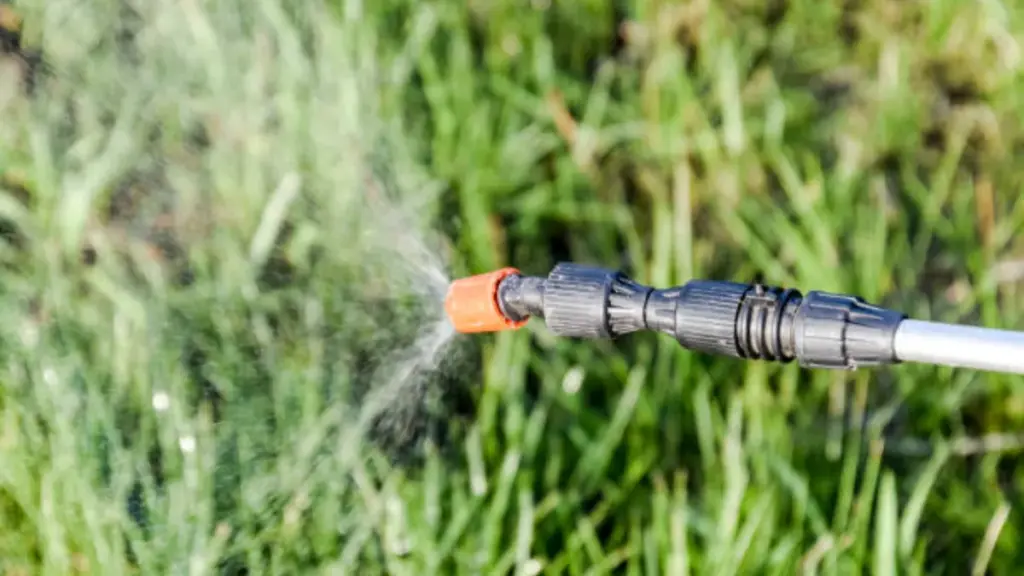
Ugelli per spruzzatori a zaino sono generalmente classificati in base al tipo di spruzzo e alla formazione delle gocce. Di seguito è riportata una tabella completa che riassume i tipi comuni di ugelli per spruzzatori a spalla come riferimento rapido:
| Tipo di ugello | Definizione & Caratteristiche | Modello di spruzzo & Angolo | Dimensione della gocciolina | Portata (@ 3 sbarra) | Potenziale di deriva | Tipo di trattamento | Pro & Contro |
|---|---|---|---|---|---|---|---|
| Ventilatore piatto | Progettato per una distribuzione uniforme su superfici piane con spruzzo ellittico. | Appartamento/Ventilatore (65° – 110°) | Da fine a media | 0.4 – 1.6 l/min | Da moderato ad alto | Diffondere erbicida; rivestimento uniforme. | (+) Uniformità (-) Deriva del vento |
| Cono cavo | Concentra il liquido sull'anello esterno; eccellente per la copertura fogliare 3D. | Anello circolare (40° – 90°) | Da fine a molto fine | 0.3 – 1.2 l/min | Molto alto | Insetticidi; penetrazione della chioma. | (+) Penetrazione (-) Rischio operativo |
| Cono Pieno | Riempie l'intera area circolare; fornisce uno spruzzo umido ad alto volume. | Cerchio solido (30° – 120°) | Da medio a grossolano | 0.8 – 2.5 l/min | Da basso a moderato | Trattamento spot; pennello denso e inzuppato. | (+) Alto impatto (-) Rifiuti chimici |
| Flusso solido | Un unico getto per la massima precisione e impatto sul bersaglio. | Punto singolo (0°) | Extra grossolana | 0.2 – 2.0 l/min | Molto basso | Diserbo mirato; pulizia delle fessure. | (+) Deriva zero (-) Nessuna copertura |
| Allagamento | Getto ampio e piatto a bassa pressione; crea goccioline extra-grandi. | Ventola extra ampia (110°+) | Extra grossolana | 1.0 – 4.5 l/min | Basso | Erbicidi del suolo; fertilizzanti liquidi. | (+) Copertura veloce (-) Rifiuti liquidi |
| Regolabile | Ugello a rotazione per cambiare da un getto dritto a uno a cono. | Variabile (0° – 90°) | Da fine a grossolana | 0.4 – 1.8 l/min | Variabile | Giardinaggio generale; esigenze multiuso. | (+) Versatile (-) Calibrazione scadente |
| Induzione dell'aria | Lo spray misto ad aria crea grandi bolle piene d'aria per ridurre la deriva. | Appartamento standard (110°) | Molto grossolano | 0.6 – 2.0 l/min | Estremamente basso | Erbicida di pre-emergenza; condizioni di vento. | (+) Controllo della deriva (-) Ha bisogno di un PSI elevato |
Ugelli a ventola piatta per un'efficiente applicazione di erbicidi
Gli ugelli a ventola piatta rappresentano lo standard industriale per l'applicazione di erbicidi a diffusione diffusa, fornendo una copertura uniforme che può essere ottimizzata per il controllo della deriva e requisiti chimici specifici.
Copertura uniforme per applicazioni standard
Gli ugelli a ventola piatta rappresentano lo standard consolidato per l'applicazione di erbicidi nelle colture in pieno campo. Il loro design produce un getto di spruzzo dal bordo rastremato che garantisce una distribuzione uniforme del liquido quando i getti degli ugelli adiacenti sono opportunamente sovrapposti. Questa prestazione affidabile porta ad un controllo delle infestanti coerente ed efficace, rendendoli il tipo di ugello più utilizzato per i trattamenti broadcast.
Varianti di riduzione della deriva per un controllo preciso
Una tendenza chiave nella progettazione degli ugelli è lo sviluppo di design a ventola piatta che riducano al minimo la deriva dello spruzzo. Questi ugelli generano goccioline più grandi che sono meno sensibili al vento, garantire che l'erbicida arrivi sull'area target. Ciò è spesso ottenuto attraverso progettazioni di pre-orifizi che riducono la pressione di uscita del liquido mantenendo il modello di spruzzatura previsto. Varianti specializzate, come anche gli ugelli a ventola piatta, sono disponibili anche per applicazioni di fasciatura in cui è necessario applicare l'erbicida in spazi ristretti, strisce concentrate.
Selezione degli ugelli basata sulla chimica
L'attenzione nell'agricoltura moderna si sta spostando dall'utilizzo di un ugello universale alla selezione di un ugello basato sulla chimica specifica dell'erbicida. Adattare la dimensione delle gocce dell’ugello ai requisiti della sostanza chimica è fondamentale per massimizzare le prestazioni e ridurre gli sprechi. La scelta giusta dipende dal tipo di erbicida, volume del portatore, e le condizioni ambientali al momento dell'applicazione. Per aiutare questo processo, molti produttori ora forniscono strumenti digitali e app mobili che aiutano gli operatori a selezionare l’ugello ottimale per le loro precise esigenze.
Ugelli a cono cavo per la massima penetrazione nel fogliame
Gli ugelli a cono cavo creano un getto a forma di anello con gocce fini, progettato per penetrare nelle fitte chiome delle colture e fornire fungicidi o insetticidi alle foglie interne difficili da raggiungere.
Come gli ugelli a cono cavo creano un disegno a forma di anello
Gli ugelli a cono cavo utilizzano un componente interno chiamato camera a vortice che fa girare il liquido ad alta velocità prima che esca dall'orifizio. Questa azione centrifuga forza il liquido in uno strato conico, che forma un caratteristico getto a forma di anello con un centro cavo. Questo design concentra le goccioline fini ai bordi dello spray per un'applicazione precisa sul fogliame.
- Il liquido entra in una camera a vortice, che genera un flusso rotatorio ad alta velocità.
- Lo spruzzo esce dall'orifizio in un foglio conico che forma uno schema ad anello circolare.
- La maggior parte delle goccioline sono concentrate sui bordi esterni dell'anello, lasciando il centro vuoto.
Caratteristiche prestazionali chiave
L'efficacia di questi ugelli deriva dalla loro capacità di produrre goccioline fini all'interno di un efficiente schema ad anello. Questa geometria è ottimizzata per una copertura diretta a pressioni comprese tra 40 E 80 psi. Queste caratteristiche lavorano insieme per garantire una penetrazione profonda nel fogliame con uno spreco chimico minimo.
- Produce goccioline da fini a medie che ottimizzano la copertura della superficie penetrando nelle fitte chiome delle piante.
- La configurazione ad anello dirige lo spruzzo verso le superfici fogliari anziché saturare l'intero volume.
- Funziona efficacemente a 40–80 psi, offrendo un'eccellente copertura sulla pagina inferiore delle foglie.
Applicazioni agricole primarie
Questi ugelli sono particolarmente adatti per le applicazioni in cui è fondamentale una copertura completa del fogliame denso. Eccellono nei frutteti, vigneti, e colture speciali, rendendoli una scelta primaria per trattamenti fungicidi e insetticidi mirati dove raggiungere le foglie interne e inferiori è essenziale per la protezione delle colture.
- Ideale per l'applicazione di fungicidi e insetticidi in colture come soia o alberi da frutto.
- Penetra efficacemente nelle fitte chiome per raggiungere le foglie interne e la loro pagina inferiore.
- Le prestazioni migliorano se utilizzate con spruzzatori ad aria compressa che spingono le goccioline più in profondità nel fogliame.
Aumentate gli ordini ripetuti con pezzi di ricambio affidabili per spruzzatori

Ugelli a cono pieno per applicazioni di spruzzatura ad alto volume
Gli ugelli a cono pieno sono progettati per erogare un solido, getto circolare con gocce uniformemente distribuite, rendendoli lo standard per le applicazioni che richiedono un'irrigazione completa della superficie e un volume elevato.
Come gli ugelli a cono pieno ottengono una distribuzione uniforme
Gli ugelli a cono pieno producono un solido, modello di spruzzo circolare utilizzando un componente interno, come una pala di flusso di tipo S o tangenziale, creare un ambiente turbolento, flusso vorticoso prima che il liquido esca dall'orifizio. Questo meccanismo obbliga le goccioline a distribuirsi uniformemente su tutta l'area target, non solo lungo i bordi. Il risultato è coerente, copertura approfondita, il che rende questi ugelli ideali per attività che richiedono la bagnatura o l'inzuppamento completo di una superficie.
Applicazioni primarie in agricoltura e industria
Questi ugelli sono fondamentali in qualsiasi settore in cui l'obiettivo principale è ricoprire una superficie con un elevato volume di liquido. Il loro getto uniforme è essenziale per i processi in cui la copertura completa non è negoziabile.
- Abbattimento polveri in siti industriali e cave.
- Lavaggio e risciacquo di prodotti o attrezzature negli impianti agricoli.
- Sistemi di protezione antincendio progettati per fornire grandi volumi d'acqua su una vasta area.
- Processi di raffreddamento e lavaggio dei gas negli impianti industriali.
Vantaggi per le attività ad alto flusso
Il vantaggio principale di un ugello a cono pieno è la sua capacità di mantenere una posizione stabile, modello uniforme anche a portate elevate. Questa efficienza riduce i rifiuti chimici e garantisce risultati costanti in operazioni su larga scala.
- Offre una copertura eccellente che riduce al minimo i punti mancati, riducendo la necessità di applicazioni ripetute.
- Progettato per volumi elevati senza perdere l'integrità del ventaglio di spruzzatura.
- I design moderni offrono una migliore resistenza all'intasamento, garantendo un funzionamento affidabile in ambienti difficili.
Flusso solido (Getto) Ugelli per il trattamento spot di precisione
Gli ugelli a getto solido erogano un getto liquido concentrato con il massimo impatto e un'atomizzazione minima, rendendoli lo standard per i trattamenti spot ad alta precisione in cui è necessario evitare l'overspray.
Caratteristiche chiave: Precisione e impatto elevato
Ugelli a flusso solido, spesso chiamati ugelli a getto, sono progettati per produrre un singolo, flusso coerente di liquido. Questo design concentra l'intera produzione in una piccola area, che genera la massima forza d'impatto possibile tra tutti i tipi di ugelli. Riducendo al minimo l'atomizzazione in goccioline più piccole, l'ugello crea una stretta, flusso controllato che riduce significativamente la deriva dello spruzzo e consente agli operatori di mirare a punti specifici con elevata precisione. Ciò li rende ideali per le applicazioni che richiedono precisione su un'ampia copertura.
Applicazioni comuni per il trattamento delle macchie
L'utilizzo principale di questi ugelli è qualsiasi attività in cui la sostanza chimica deve colpire un bersaglio specifico senza contaminare l'area circostante. La loro precisione è fondamentale in ambienti sensibili, con colture di alto valore, o per lavori di pulizia specializzati. Le applicazioni chiave includono:
- Applicazione di erbicidi direttamente sulle singole erbacce in un prato, giardino, o fila del raccolto.
- Mira agli insetti nocivi raggruppati alla base di una pianta o nascosti lungo le linee di recinzione.
- Pulire le attrezzature o lavare i detriti ostinati da superfici dure con un getto ad alta pressione.
- Iniettare fertilizzanti liquidi o trattamenti sistemici direttamente nel terreno vicino alla zona radicale della pianta.
Considerazioni sui materiali e sulla durabilità
Le prestazioni e la durata di un ugello a flusso solido dipendono interamente dalla qualità e dal materiale del suo orifizio. Di 2026, i principali produttori utilizzano materiali altamente durevoli per mantenere un modello di flusso coerente, anche quando si spruzzano prodotti chimici abrasivi o corrosivi. Un orifizio usurato o danneggiato degraderà la coerenza del flusso, causando uno scarso targeting e una maggiore deriva. Gli operatori devono dare priorità alla qualità dei materiali e alle ispezioni regolari.
- Gli orifizi sono generalmente costruiti in acciaio inossidabile temprato, ceramica, o carburo di tungsteno per resistere all'usura.
- Qualsiasi danno all'orifizio può interrompere il flusso, portando ad un turbolento, spray meno efficace.
- Sono necessari frequenti controlli visivi per confermare che il flusso rimanga diritto e non turbolento.
Limitazioni e quando evitarne l'uso
Mentre gli ugelli a getto solido eccellono nei lavori di precisione, sono lo strumento sbagliato per coprire vaste aree. Il loro modello concentrato è inefficiente per l'irrorazione a tappeto, e la forza ad alto impatto può essere dannosa se usata in modo errato. Dovresti evitare di utilizzare un ugello a getto solido in determinate situazioni.
- Non è pratico applicare erbicidi o pesticidi su un intero campo, prato, o un ampio pezzo di terreno.
- Il forte getto può danneggiare fisicamente il delicato fogliame delle piante, fiori, o frutta.
- Può causare un deflusso chimico eccessivo se il bersaglio non è in grado di assorbire rapidamente il volume del liquido.
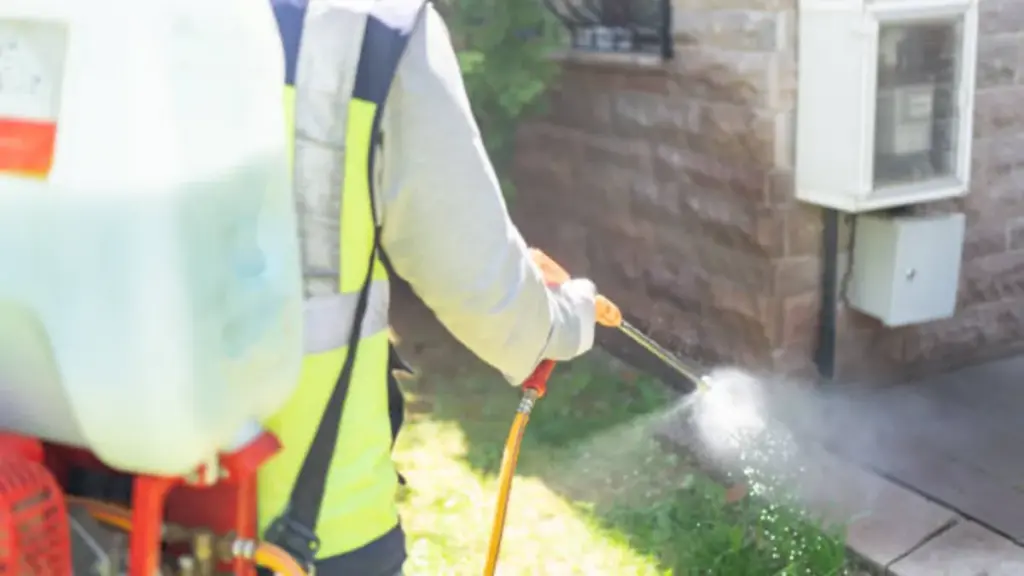
Ugelli ad allagamento per terreni ad alto volume e trattamento del terreno
Gli ugelli di allagamento sono lo standard industriale per le applicazioni a terra ad alto volume, offrendo un ampio, distribuzione uniforme con gocce eccezionalmente grandi per ridurre al minimo la deriva dello spruzzo durante l'applicazione di fertilizzanti liquidi ed erbicidi mirati al suolo.
Come funzionano gli ugelli di allagamento
Gli ugelli di allagamento sono progettati per creare un grandangolo, getto a ventaglio deviando un flusso solido di liquido da una superficie inclinata. Questo meccanismo produce uno spettro di goccioline eccezionalmente grossolane, che è meno suscettibile alla deriva del vento rispetto agli spruzzi più fini. Sono progettati per funzionare a pressioni molto basse, tipicamente tra 10 E 30 psi, riducendo ulteriormente la creazione di piccole dimensioni, goccioline soggette a deriva. Il risultato è la massima copertura del terreno con il minimo movimento fuori bersaglio, rendendoli una tecnologia fondamentale per specifiche applicazioni di trasmissione.
Applicazioni primarie in agricoltura
Questi ugelli sono la scelta predefinita per l'applicazione di fertilizzanti liquidi ed erbicidi pre-emergenza direttamente al terreno. La loro portata elevata e il modello di distribuzione uniforme li rendono ideali per trattare grandi campi in modo rapido ed efficace. Sono comunemente utilizzati per applicazioni broadcast in cui l'obiettivo è coprire la superficie del terreno in modo uniforme anziché penetrare nella chioma delle piante. Il loro design è particolarmente adatto anche per miscele di serbatoi che combinano fertilizzanti ed erbicidi per un'applicazione a passaggio singolo.
Vantaggi principali per l'irrorazione del terreno
Il vantaggio principale degli ugelli ad allagamento è la loro capacità di erogare un volume elevato di liquido riducendo significativamente la deriva. Questa combinazione garantisce che le sostanze chimiche costose raggiungano il terreno dove sono necessarie, migliorare l’efficacia e la sicurezza ambientale. L'ampio disegno consente inoltre velocità di spostamento più elevate, aumento dell’efficienza operativa.
- Eccellente controllo della deriva: Le grandi dimensioni delle gocce e la bassa pressione operativa sono i due fattori principali che riducono al minimo il movimento dello spruzzo fuori bersaglio.
- Copertura uniforme: L'ampio, il modello piatto garantisce che fertilizzanti ed erbicidi siano distribuiti uniformemente sulla superficie del terreno per prestazioni costanti.
- Alta efficienza: Una portata elevata e un'ampia andana di irrorazione consentono agli operatori di coprire più terreno in meno tempo.
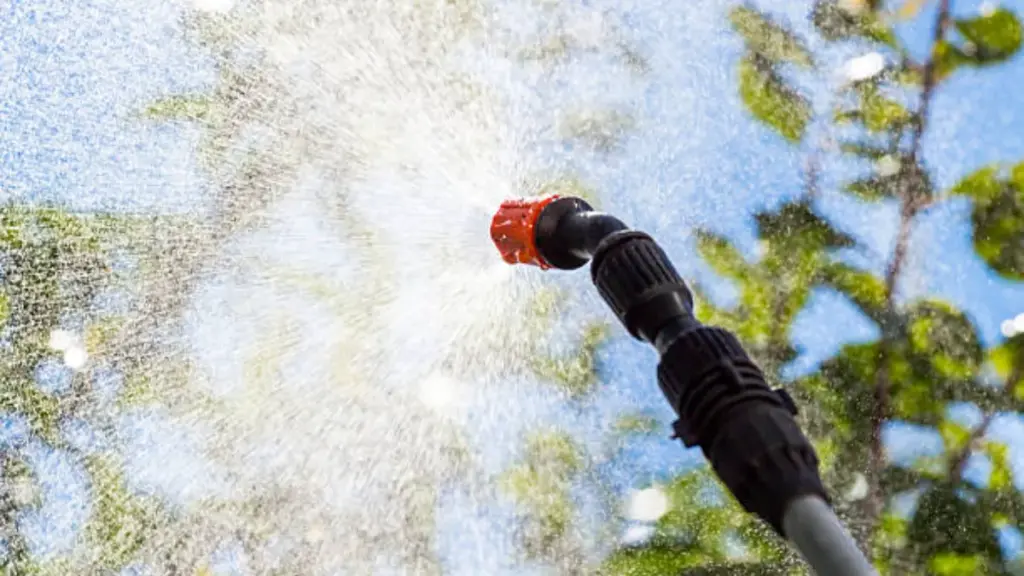
Ugelli Regolabili per Piccole e Grandi Aziende Agricole
Gli ugelli regolabili forniscono una flessibilità operativa essenziale, consentendo agli operatori di modificare i modelli di spruzzatura da una nebbia fine a un flusso solido per soddisfare le diverse esigenze chimiche e applicative senza modificare l'hardware.
Adattamento dei modelli di spruzzo da nebbia a flusso
La funzione principale di un ugello regolabile è la sua capacità di modificare il ventaglio di spruzzatura sul campo. Gli operatori possono passare istantaneamente da un'ampia, nebbia fine per un'ampia copertura del fogliame fino a un flusso solido concentrato per trattamenti localizzati. Questa adattabilità lo rende uno strumento altamente flessibile per varie attività agricole, controllato da un semplice meccanismo che non richiede strumenti.
- Un semplice meccanismo a leva o a rotazione consente cambi fluidi tra i modelli di spruzzo.
- Le impostazioni di nebulizzazione fine sono ideali per l'applicazione di fungicidi o insetticidi su vaste aree coltivate.
- Le impostazioni del flusso solido forniscono un'applicazione precisa per colpire erbe infestanti o parassiti specifici, che riduce al minimo l'overspray e i rifiuti chimici.
Versatilità tra diversi prodotti chimici e apparecchiature
Gli ugelli regolabili sono progettati per funzionare in modo efficace con un'ampia gamma di prodotti chimici agricoli e possono essere montati su vari tipi di apparecchiature di spruzzatura. Questa adattabilità li rende una soluzione universale per le aziende agricole che gestiscono colture diverse e operano su scale diverse, dai piccoli appezzamenti ai grandi campi commerciali.
- Questi ugelli sono compatibili con gli erbicidi, pesticidi, e fertilizzanti liquidi.
- Funzionano sia su irroratrici manuali a spalla che su quelle più grandi, irroratrici a barra montate su trattore.
- Questa versatilità riduce la necessità di acquistare e gestire più ugelli specializzati, razionalizzazione delle scorte e dei costi.
Principali vantaggi per le moderne operazioni agricole
Sia per i piccoli proprietari che per le grandi imprese agricole, gli ugelli regolabili offrono vantaggi pratici che migliorano il risparmio sui costi, efficienza, e sostenibilità. Il loro design ottimizza l'uso dei prodotti chimici semplificando l'intero processo di spruzzatura, portando a migliori risultati operativi.
- Riduce gli sprechi chimici consentendo agli operatori di abbinare il ventaglio di spruzzatura direttamente al target dell'applicazione.
- Aumenta l'efficienza operativa eliminando il tempo impiegato a cambiare gli ugelli per compiti diversi.
- Aiuta le aziende agricole a soddisfare gli standard ambientali e normativi fornendo un migliore controllo sulla deriva dei prodotti irrorati.
Ugelli per l'induzione dell'aria: Opzione a deriva ridotta per una spruzzatura più sicura
Gli ugelli di induzione dell'aria sono progettati per ridurre significativamente la deriva dello spruzzo creando getti più grandi, goccioline piene d'aria che resistono al vento e migliorano l'applicazione sul bersaglio.
Come gli ugelli a induzione d'aria riducono la deriva dello spruzzo
Gli ugelli di induzione dell'aria utilizzano un design Venturi per miscelare l'aria con il liquido spruzzato. Questo processo crea dimensioni maggiori, goccioline più pesanti che sono meno suscettibili di essere portate via dal vento, che riduce al minimo il movimento dello spruzzo fuori bersaglio e la contaminazione ambientale.
- Un meccanismo Venturi aspira l'aria nel corpo dell'ugello, infondendolo nel flusso liquido.
- Questa azione produce goccioline più grossolane con meno particelle fini, particelle soggette a deriva.
- Le goccioline più grandi risultanti hanno un peso sufficiente per cadere direttamente sulla superficie bersaglio, resistere agli effetti del vento.
Principali vantaggi dell'utilizzo della tecnologia di induzione dell'aria
Il vantaggio principale di questi ugelli è la drastica riduzione della deriva dello spruzzo, che migliora la sicurezza ambientale e protegge le colture non bersaglio. Consentono inoltre un'applicazione efficace in una gamma più ampia di condizioni, estendere la finestra operativa per gli agricoltori e i giardinieri.
- Raggiunge a 75% A 90% riduzione della deriva del getto rispetto ai tradizionali ugelli a ventaglio.
- Mantiene un'elevata efficacia biologica, garantire che erbicidi e pesticidi funzionino come previsto.
- Espande la finestra di spruzzatura sicura, consentendo l'applicazione in condizioni meteorologiche non ideali.
Condizioni operative ottimali
Per ottenere il miglior equilibrio tra controllo della deriva e copertura del bersaglio, gli ugelli di aspirazione dell'aria devono essere utilizzati entro l'intervallo di pressione consigliato. Una pressione adeguata garantisce il corretto funzionamento del sistema Venturi senza sacrificare l'efficacia dell'applicazione chimica.
- Le prestazioni sono spesso ottimizzate quando si opera tra 60 E 80 psi.
- Gli operatori devono bilanciare la riduzione della deriva con la necessità di un'adeguata penetrazione e copertura del fogliame.
- I design moderni offrono prestazioni migliorate in una varietà di scenari applicativi, dall'agricoltura su larga scala ai trattamenti spot.
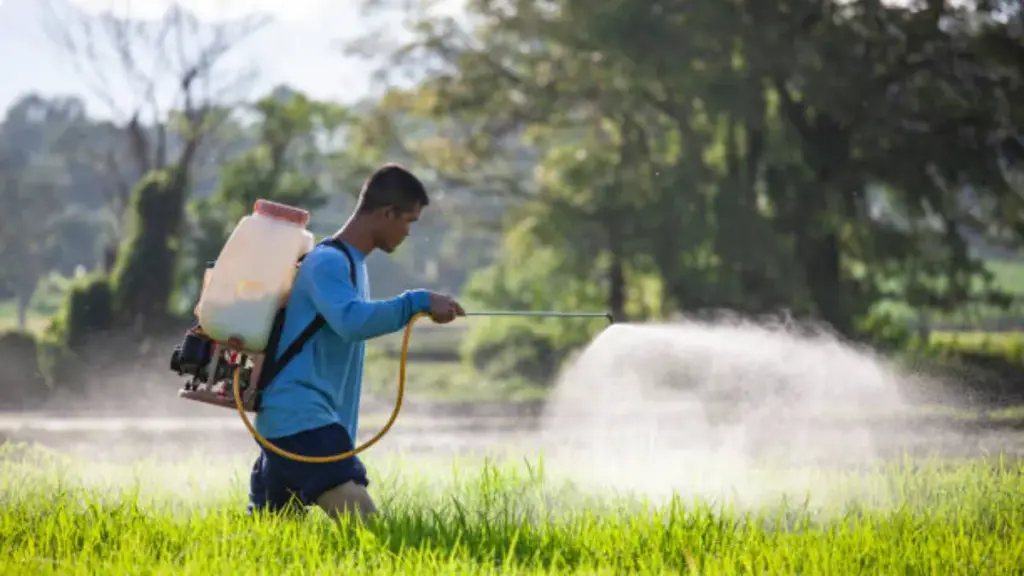
Come scegliere il tipo di ugello giusto per il tuo spruzzatore a spalla
La selezione dell'ugello corretto implica la corrispondenza del target dell'applicazione con la dimensione della goccia richiesta per bilanciare la copertura efficace con la deriva fuori target, il tutto durante il funzionamento entro l'intervallo di pressione specificato dell'ugello.
| Tipo di applicazione | Tipo di ugello consigliato | Considerazione primaria |
|---|---|---|
| Applicazione di erbicidi (Trasmissione) | Ventilatore piatto o induzione d'aria | Copertura uniforme e bassa deriva (goccioline medio-grosse). |
| Insetticida / Fungicida (Fogliame) | Cono cavo o cono pieno | Penetrazione della tettoia e copertura completa (goccioline fini). |
| Trattamento spot / Spray basale | Flusso solido o regolabile | Puntamento di precisione con overspray minimo. |
| Trattamento del terreno ad alto volume | Allagamento (FloodJet) | Distribuzione ampia a bassa pressione con gocce grandi per ridurre la deriva. |
La scelta dell'ugello corretto richiede la considerazione di diversi fattori pratici.
Primo, identificare il tipo chimico. Gli erbicidi in genere richiedono una ventola piatta o ugelli per l'aspirazione dell'aria. Insetticidi e fungicidi spesso funzionano meglio con le punte dei coni cavi.
Secondo, valutare la struttura della coltura. Il fogliame denso richiede goccioline più fini e una migliore penetrazione.
Terzo, considerare le condizioni ambientali. Velocità del vento, temperatura, e l'umidità influenzano il comportamento delle goccioline.
Quarto, verifica la compatibilità della portata con il tuo irroratore a spalla. Una dimensione errata dell'ugello può causare instabilità della pressione o spruzzo non uniforme.
Finalmente, pensare alla disponibilità di sostituzione. Gli ugelli standardizzati sono più facili da reperire e sostituire nei mercati globali.
Gli applicatori professionali spesso mantengono un piccolo set di ugelli intercambiabili per adattarsi alle esigenze stagionali.
Problemi comuni degli ugelli dello spruzzatore a zaino e suggerimenti per la manutenzione
Gli ugelli si usurano nel tempo. Le sostanze chimiche abrasive e le particelle sospese allargano gradualmente l'orifizio, aumentando la portata e modificando il modello di spruzzo.
| Problema comune | Causa primaria(S) | Azione di manutenzione chiave |
|---|---|---|
| Intasamento & Blocchi | Detriti, residuo chimico, particelle non disciolte. | Sciacquare il sistema con acqua pulita dopo ogni utilizzo e utilizzare una spazzola morbida per pulire gli orifizi. |
| Corrosione & Usura fisica | Prodotti chimici aggressivi e particelle abrasive nella soluzione spray. | Selezionare ugelli realizzati con materiali resistenti agli agenti chimici e ispezionarli per eventuali danni fisici prima dell'uso. |
| Pressione incoerente & Perdite | Guarnizioni usurate, O-ring, o serraggio improprio dei componenti. | Sostituire le guarnizioni e gli O-ring ogni anno e assicurarsi che tutti i collegamenti siano sicuri ma non serrati eccessivamente. |
| Fallimento prematuro | Mancanza di coerenza, routine di manutenzione preventiva. | Implementare un protocollo di pulizia post-utilizzo e condurre ispezioni stagionali approfondite. |
Perché i kit di ugelli universali NEWTOP soddisfano le tue esigenze globali
Da allora come produttore professionale di apparecchiature elettriche per esterni 2003, NEWTOP sviluppa irroratrici a spalla destinate ai mercati internazionali.
I kit di ugelli NEWTOP sono progettati per essere compatibili con la maggior parte degli spruzzatori a spalla standard utilizzati in Africa, America Latina, Sud-est asiatico, e dell'Europa orientale. Ogni kit include più tipi di ugelli, consentendo agli agricoltori e ai distributori di servire diverse applicazioni di colture.
Se sei un distributore, importatore agricolo, o proprietario di un marchio regionale alla ricerca di accessori affidabili per spruzzatori a spalla, offriamo MOQ flessibile, supporto campione entro 7-10 giorni, e soluzioni logistiche globali. Per richieste di prodotti, contattaci direttamente.
Conclusione
La scelta dell'ugello corretto per lo spruzzatore a spalla è fondamentale per un'applicazione chimica efficace e responsabile. L'ugello giusto garantisce un'erogazione precisa nell'area target, massimizzando l'impatto dei vostri erbicidi o pesticidi riducendo al minimo i costosi sprechi. Ciò porta ad una migliore protezione delle colture, costi operativi ridotti, e condizioni di spruzzatura più sicure.
Se gestisci diverse attività di irrorazione, disporre di un set versatile di ugelli di alta qualità è essenziale per mantenere l'efficienza. Esplora i kit di ugelli universali di NEWTOP per vedere come puoi semplificare l'inventario e preparare il tuo team per qualsiasi applicazione.
Domande frequenti
Quali sono i diversi tipi di ugelli per spruzzatori a zaino?
I tipi principali includono il ventilatore piatto, cono cavo, cono pieno, flusso solido (getto), allagamento, regolabile, e ugelli per l'aspirazione dell'aria. Ciascuno produce diversi modelli di spruzzo e dimensioni delle gocce per specifiche applicazioni agricole.
Quale ugello è il migliore per il diserbante?
Gli ugelli a ventola piatta sono generalmente consigliati per l'applicazione di erbicidi perché forniscono una copertura uniforme su tutte le superfici del terreno. In condizioni di vento, Gli ugelli a ventola piatta a induzione d'aria riducono la deriva.
Come leggo i codici colore sugli ugelli degli spruzzatori?
I codici colore degli ugelli indicano la portata ad una pressione standard, secondo il ISO 10625 norma internazionale. Ciascun colore rappresenta un volume di output specifico, permettendoti di selezionare l'ugello giusto per la dose di applicazione desiderata. Per esempio, un ugello giallo ha una portata inferiore rispetto ad uno blu, garantendo prestazioni di spruzzatura costanti.
Con quale frequenza è necessario sostituire gli ugelli dello spruzzatore?
La sostituzione dipende dall'intensità di utilizzo e dal tipo di prodotto chimico. Nell'agricoltura professionale, gli ugelli vengono ispezionati ogni stagione e sostituiti quando la portata aumenta in modo significativo o il ventaglio di spruzzatura diventa irregolare.
Posso utilizzare ugelli di marche diverse sul mio irroratore a spalla??
In molti casi, sì, se la dimensione della filettatura e il tipo di connessione corrispondono. I raccordi universali consentono la compatibilità tra marchi, ma controllare le specifiche è importante.
Quale ugello produce la minima deriva?
Induzione d'aria (AI) gli ugelli producono la minima quantità di deriva. Sono specificamente progettati per creare grandi dimensioni, goccioline piene d'aria che sono più pesanti e meno suscettibili al trasporto del vento. Questa tecnologia è superiore per il controllo della deriva, rendendo gli ugelli AI la scelta più sicura per l'applicazione di erbicidi vicino a piante sensibili.
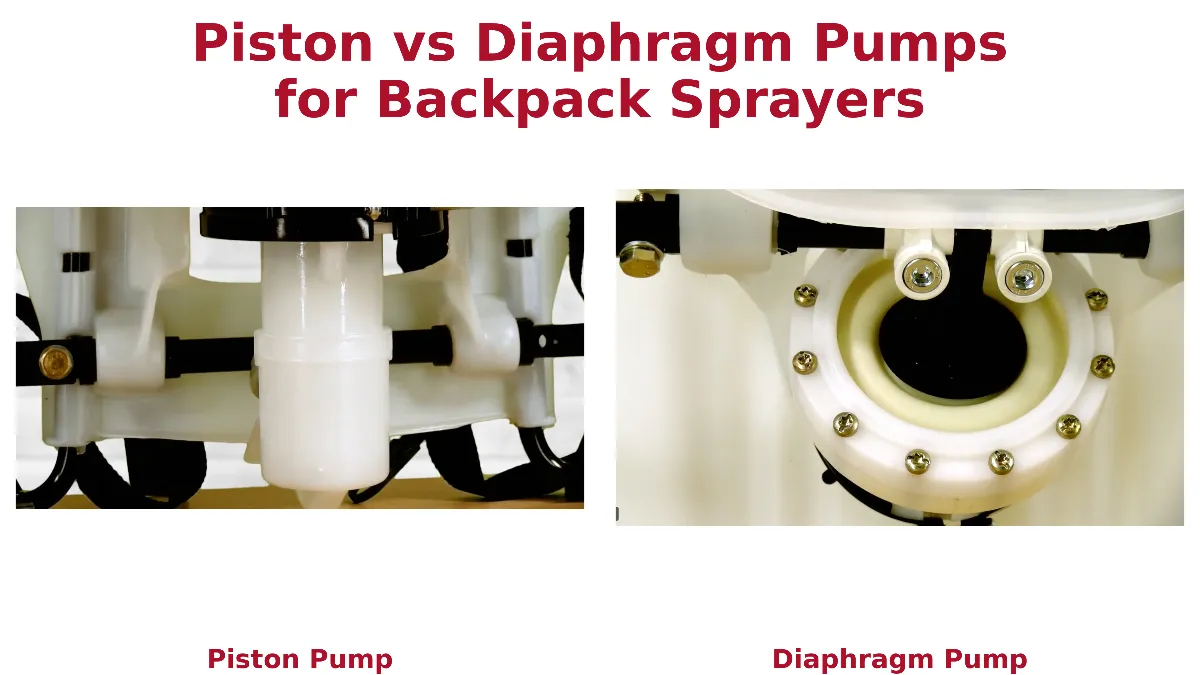
Choosing the right backpack sprayer piston vs diaphragm pump is a critical decision that directly impacts operational uptime, chemical costs, and worker safety. A mismatch between the pump mechanism and the chemical agent leads to premature seal failure, inconsistent application pressure, and unscheduled downtime, turning a routine task into a costly operational risk.
This guide provides a clear technical comparison of both pump systems. We will analyze the core mechanics of piston and diaphragm designs, evaluate their performance against critical metrics like pressure output and chemical compatibility, and outline the maintenance demands for each. Use this breakdown to standardize your equipment selection process and ensure you deploy the most durable and efficient pump for every job.
What Is a Backpack Sprayer Pump and Why It Matters
The pump is the core component of any backpack sprayer, directly controlling pressure, chemical compatibility, and overall application performance.
The Core Function of a Backpack Sprayer Pump
A backpack sprayer pump is the mechanical system that creates pressure inside the spray tank and pushes liquid through the hose, lance, and nozzle. Whether you are applying pesticides, erbicidi, fertilizzanti, disinfectants, or public health chemicals, consistent pressure ensures uniform spray coverage and proper droplet size. Backpack sprayers typically use one of two pump systems: piston pump and diaphragm pump.
- Creates pressure to atomize and propel fluids.
- Dictates the spray reach, pressure level, and droplet size.
- Determines which types of chemicals the sprayer can safely handle.
Low or unstable pressure leads to uneven application, chemical waste, and crop damage. Excessively high pressure can cause misting drift and environmental concerns. Perciò, selecting the correct pump type is a practical decision that impacts field performance and product reliability.
For a detailed breakdown of different models and their structural variations, explore our comprehensive guide on the types of knapsack sprayer to find the ideal base configuration for your operations.
How a Piston Pump Works in a Backpack Sprayer
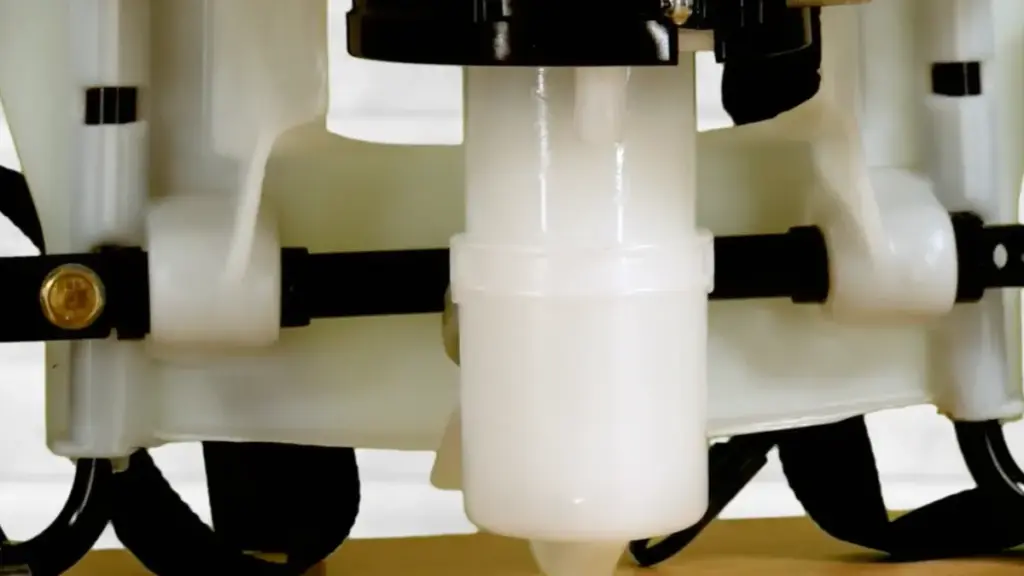
A piston pump uses a reciprocating piston inside a cylinder, leveraging one-way check valves to draw in fluid and then forcefully eject it under high pressure.
Piston pumps use a cylinder and piston mechanism to build high pressure, often reaching up to 90 PSI. The piston pump operates through a simple, reciprocating action. A piston moves up and down inside a sealed cylinder, using one-way valves to draw fluid from the tank and push it toward the spray nozzle.
On the upstroke, the piston creates a vacuum that pulls liquid from the tank through an inlet check valve into the pump cylinder.
On the downstroke, the piston pushes down, closing the inlet valve and forcing the trapped liquid out through an outlet check valve. The operator’s manual pumping of the sprayer handle drives this cycle, creating a pressurized flow for spraying.
How a Diaphragm Pump Works in a Backpack Sprayer
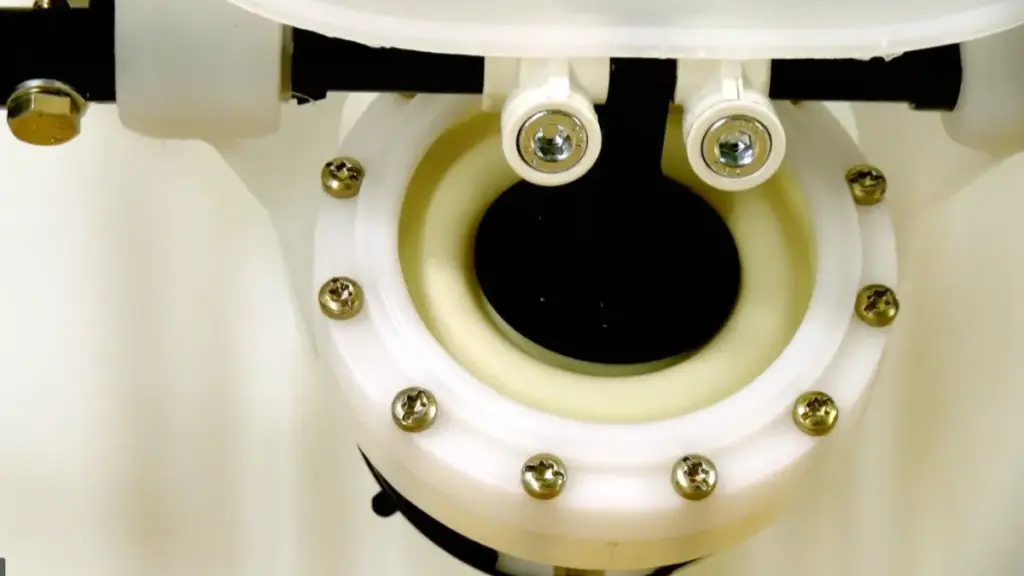
A diaphragm pump uses a flexible, oscillating membrane to move fluid, a design that isolates mechanical components from the chemical solution and allows for handling abrasive or corrosive materials.
A diaphragm pump operates using a flexible, circular membrane that moves back and forth within a sealed chamber. This membrane, often fabricated from chemically resistant elastomers like Viton, creates a seal that separates the mechanical drive components from the fluid being pumped. As the diaphragm moves back and forth, it alters the volume of the pump chamber, directing fluid through a series of one-way valves.
- A flexible elastomer diaphragm is sealed against the pump housing, creating a pumping chamber.
- As the diaphragm pulls back, it increases the chamber’s volume, creating a vacuum that draws liquid in through an inlet valve.
- When the diaphragm pushes forward, it reduces the chamber’s volume, pressurizing the liquid and forcing it out through an outlet valve.
Power Your Profits with Durable Agricultural Machinery
A Comparison of Piston Pump vs. Pompa a membrana
To assist in your selection process, we have summarized the primary technical differences between piston and diaphragm pumps below.
| Feature / Metric | Piston Pump System | Diaphragm Pump System |
|---|---|---|
| Maximum Pressure | Alto (Fino a 90+ PSI) | Typically around 60 PSI |
| Compatibilità chimica | Liquid concentrates, clear water-based solutions | Polveri bagnabili, candeggina, abrasive & corrosive formulas |
| Mechanism Design | Internal sliding piston with mechanical cylinder seals | Reciprocating flexible membrane (Viton/Santoprene) |
| Best Applications | Frutteti, tall tree care, fine misting requirements | Commercial pest control, industrial disinfection, farming |
| Durability Profile | Sensitive to grit; requires strictly filtered liquids | Isolated drive system; highly resistant to internal wear |
| Maintenance Profile | Frequent but straightforward seal/O-ring replacement | Infrequent service; involves membrane and valve check |
| Portata & Atomization | Superior reach and finer droplet atomization | Standard reach; optimized for controlled drift |
Pressure Output and Spray Performance
Piston pumps are engineered for high-pressure work, creating a fine mist that provides uniform coverage. Diaphragm pumps run at lower pressures, producing larger droplets that reduce drift. This makes them a better fit for targeted applications where overspray is a primary concern.
- Piston pumps generate much higher pressure, often exceeding 90 psi, which is needed to hit distant targets and create fine, atomized sprays.
- Diaphragm pumps typically operate around 60 psi, resulting in larger, heavier droplets that minimize wind drift.
- The choice directly affects spray quality. The higher pressure from a piston pump gives thorough coverage for insecticides, while the lower pressure from a diaphragm pump is better for applying herbicides without harming nearby plants.
Chemical Compatibility and Corrosion Resistance
Diaphragm pumps have superior compatibility with abrasive and corrosive chemicals. Many agricultural fungicides and insecticides are formulated as wettable powders (WP) or water-dispersible granules (WDG). These solutions contain small, abrasive particles. In a piston pump, these particles become trapped between the piston seal and the cylinder wall, leading to scoring and loss of compression.
Tuttavia, diaphragm’s enclosed design shields mechanical components from direct liquid contact, preventing accelerated wear. Piston pumps are far more vulnerable to damage when used with gritty or harsh formulas.
- The flexible diaphragm isolates the pump’s moving parts from the chemical solution, making it highly resistant to abrasive materials like wettable powders and corrosive liquids.
- In a piston pump, the chemical flows directly over the piston and its seals. This increases the risk of abrasion and premature wear, especially with non-liquid formulas.
- For spraying bleach solutions, suspensions, or other aggressive chemicals, a diaphragm pump delivers greater reliability and a longer service life.
Durability, Wear Parts, and Maintenance
Diaphragm pumps are generally more durable and require less frequent maintenance. Their simple design has fewer high-friction parts. Piston pumps need more regular servicing of seals and cylinders but are often designed for quick field repairs.
- Diaphragm pumps have a longer operational lifespan between services because there is no direct friction between moving parts and cylinder walls, minimizing mechanical wear.
- Piston pumps rely on seals that wear down from friction and chemical exposure. These require periodic replacement to maintain pressure.
- While diaphragm pump repairs can be more complex, their maintenance intervals are much longer. Piston pumps need more frequent attention but are often easier for users to service quickly.
Best Applications for Piston Pump Backpack Sprayers

Piston pump sprayers are the standard for high-pressure, precision applications like spot treatments and pest control, where a fine mist is required for effective coverage with liquid-only formulations.
Spot Treatment and Weed Control
Piston pumps excel at delivering herbicides with precision. Their ability to produce a fine, targeted mist at high pressure ensures that chemicals are applied directly to weeds without drifting onto nearby desirable plants. This consistent spray pattern is ideal for controlling invasive species in garden beds, lawns, and along fence lines. The high pressure also helps penetrate dense foliage, ensuring the herbicide reaches its target effectively.
Pest and Disease Management
When applying insecticides and fungicides in gardens, small orchards, or greenhouses, a piston pump provides the fine droplet size needed to evenly coat leaves and stems. This fine mist adheres well to plant surfaces, maximizing the effectiveness of the treatment and ensuring comprehensive plant protection. The technology is well-suited for treating ornamental plants, verdure, and fruit trees where thorough coverage is essential for disease prevention.
Lawn Care and Turf Management
Maintaining healthy turf often requires applying liquid fertilizers, erbicidi, and growth regulators. Piston pump sprayers offer the control and consistent output necessary for uniform application across lawns. The high-pressure spray ensures even distribution of liquid treatments, preventing patchy or uneven results. Its portability makes it a practical tool for managing turf in residential yards, commercial properties, and athletic fields.
Best Applications for Diaphragm Pump Backpack Sprayers

Diaphragm pumps are the go-to choice for applications involving abrasive powders, mildly corrosive solutions like bleach, and low-pressure weed control where chemical resistance and minimal drift are critical.
Applying Herbicides with Abrasive or Wettable Powders
Diaphragm pumps are engineered to handle abrasive formulas and wettable powders that quickly damage piston pump seals. The flexible diaphragm isolates these particles from the pump’s core mechanics, preventing premature wear and clogs. This design allows abrasive materials, such as kaolin clay carriers in powdered chemicals, to pass through without scoring internal components. The pump maintains consistent performance when spraying suspensions, ensuring an even and effective application of active ingredients across the target area.
Spraying Bleach Solutions or Mildly Corrosive Chemicals
The chemical-resistant materials used in diaphragm pumps make them the right choice for applying disinfectants, bleach solutions, and other mildly corrosive liquids. Internal components are protected from chemical degradation, which significantly extends the sprayer’s service life. This makes them suitable for sanitation tasks, mold remediation, or applying specific agricultural treatments that would corrode a standard piston pump. The sealed pump chamber also minimizes the risk of leaks when working with harsh chemicals, improving operator safety.
Low-Pressure, Targeted Weed Control on Sensitive Plots
Diaphragm pumps operate at a lower pressure range, which is an advantage for applications requiring minimal spray drift. This allows for precise, close-range treatment of weeds in gardens or near sensitive, non-target plants. The gentle application pressure produces larger droplets, reducing the risk of herbicides drifting onto desirable flowers, verdure, or ornamental shrubs. This makes the pump highly effective for spot-treating weeds on lawns and along fence lines where accuracy is more important than high-pressure coverage.
Piston or Diaphragm Pump: Which Type Wins for Your Needs?
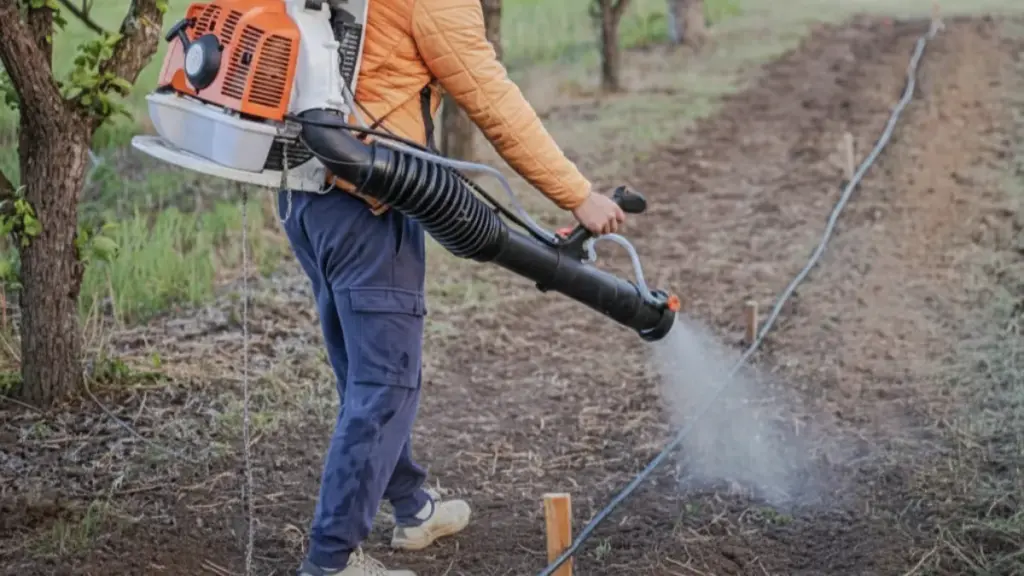
The choice depends entirely on the chemicals you spray; piston pumps excel with high-pressure, low-abrasion liquids, while diaphragm pumps provide superior durability for abrasive or corrosive formulas.
Choose a Piston Pump for High-Pressure, Fine-Mist Applications
A piston pump is the right choice when your work requires a fine, consistent mist delivered at higher pressures. It excels with low-abrasion liquid formulas like standard herbicides and insecticides, making it a go-to for uniform foliage coverage. This pump type delivers pressures up to 90 PSI, which is ideal for creating a fine spray that evenly coats plant surfaces. It is best suited for non-abrasive, water-soluble chemicals to avoid premature wear on the piston cylinder. Using wettable powders or aggressive chemicals can score the cylinder and degrade seals, leading to pressure loss and eventual failure.
Select a Diaphragm Pump for Chemical Versatility and Durability
A diaphragm pump offers superior durability and is compatible with a wider range of chemicals, including abrasive powders and corrosive solutions. Its enclosed design protects critical components from direct contact with the spray material, making it a reliable workhorse for multi-purpose use. This design allows it to handle abrasive materials like wettable powders and bleach-based solutions without significant wear. By sealing the pump mechanism from the chemicals, it reduces corrosion and extends the equipment’s service life. It operates at a lower pressure, typically up to 60 PSI, which is sufficient for most general-purpose spraying jobs.
Why NEWTOP Precision CNC Machining Leads in Pump Durability
NEWTOP achieves superior pump durability by integrating in-house CNC machining for critical components with automated assembly, ensuring every unit meets precise engineering specifications for long-term reliability.
As a professional backpack sprayers and foggers manufacturer founded in 2003, NEWTOP combines long-term industry experience with advanced production technology. With over 20 years in agricultural and garden machinery manufacturing, the company focuses on building durable, field-ready spraying equipment for global markets.
NEWTOP uses upgraded PA66 reinforced with 30% glass fiber for key pump components, improving structural strength, chemical resistance, and dimensional stability. In addition, high-precision CNC machining ensures tight tolerances, smoother internal surfaces, and consistent sealing performance.
Conclusione
Choosing between a piston and a diaphragm pump is a critical decision for your backpack sprayer fleet. The right pump ensures compatibility with your chemicals, reduces costly downtime from component failure, and delivers consistent spray performance. This choice directly impacts both operator efficiency and the lifespan of your equipment.
If you are experiencing frequent pump failures or pressure loss, evaluate your current equipment against your application needs. For pump components engineered to withstand demanding chemicals and reduce maintenance cycles, see how our precision parts can improve your sprayer’s durability.
Domande frequenti
Is a piston or diaphragm pump better for a backpack sprayer?
It depends on the application. Piston pumps deliver higher pressure for fine spraying, while diaphragm pumps offer better chemical resistance and durability when handling corrosive or abrasive solutions.
Can a piston pump handle bleach or powders?
It is not advisable. Bleach causes rapid degradation of standard rubber seals, and powders act as an abrasive that scores the cylinder walls. Diaphragm pumps are the engineered solution for these substances.
Why is my backpack sprayer pump losing pressure?
Common causes include worn seals, cracked diaphragms, clogged valves, air leaks in the hose, or debris blocking the nozzle. Regular maintenance and timely replacement of wear parts solve most pressure issues.
How often should I replace my sprayer pump seals?
Seal replacement frequency depends on usage intensity and chemical type. In heavy agricultural use, inspection every season is recommended. Replace seals when pressure drops or leakage occurs.
Which pump type is easier to prime?
Piston pumps are generally easier to prime because of their direct suction mechanism. Tuttavia, properly designed diaphragm pumps with quality check valves also prime efficiently.
What is the maximum PSI for a diaphragm pump?
A standard diaphragm pump in a backpack sprayer typically reaches a maximum pressure of 60 PSI. This pressure is ideal for applications requiring larger droplets to reduce drift, such as applying wettable powders or herbicides.

In the world of agriculture and professional landscaping, the terms fogger and sprayer are often used interchangeably, yet they represent two fundamentally different technologies. It is critical for distributors, contractors, and agricultural equipment importers to understand the mechanical structure, particle physics, and application efficiencies of each.
This guide provides a comprehensive technical breakdown of foggers and sprayers, helping you determine which tool is best suited for your specific environmental and operational needs.
What Is a Fogger? Definition and Working Principle
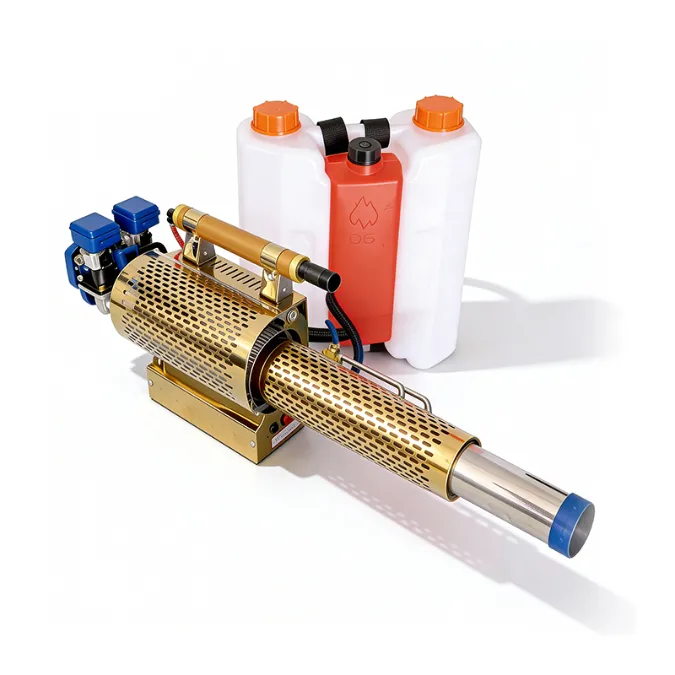
A fogger is designed to transform liquid formulations into ultra-fine droplets that behave more like an aerosol than a traditional spray. The primary objective of a fogger is space treatment rather than surface coating.
Definition of a Fogger
A fogger is a mechanical device that transforms liquid solutions into a fine mist, or aerosol, composed of particles typically under 50 micrometers in diameter. This aerosol remains suspended in the air for an extended period, allowing it to settle without direct application onto horizontal, vertical, and otherwise hard-to-reach surfaces. The method is effective for large-area disinfection, controllo dei parassiti, and humidification.
- Converts liquid into an airborne aerosol or mist.
- Generates extremely fine particles (under 50 micrometers) that stay suspended in the air.
- Provides broad coverage by allowing droplets to settle on both horizontal and vertical surfaces.
Most professional foggers fall into two categories: thermal foggers and ULV cold foggers. Despite different atomization mechanisms, both aim to produce extremely small droplets, typically below 50 micron.
Thermal Fogging Principle
Thermal foggers use a heat source, often powered by gasoline or propane, to rapidly vaporize a chemical solution. The device injects the liquid into a high-velocity stream of hot gas, causing immediate vaporization. When this hot vapor is expelled and mixes with cooler ambient air, it condenses into a dense, visible fog of ultra-fine particles. This process is ideal for penetrating dense foliage and treating large outdoor spaces for pest control.
- Uses a heat source to produce a high-velocity stream of hot gas.
- Injects the liquid formulation into the hot gas, causing immediate vaporization.
- Creates a thick, visible fog as the vapor condenses in the cooler air.
- Primarily used for outdoor applications like mosquito and pest control.
Ultra-Low Volume (ULV) Cold Fogging Principle
Cold foggers, including Ultra-Low Volume (ULV) models, use high-pressure air to break liquid into tiny droplets without applying heat. This mechanical process gives operators precise control over particle size while protecting the chemical integrity of the solution. Because it operates without heat, this method is safer for indoor applications like disinfecting hospitals, schools, and commercial buildings where heat-sensitive chemicals are often used.
- Relies on high air pressure to atomize liquid into fine droplets.
- Operates without heat, protecting the integrity of the chemical solution.
- ULV technology enables efficient application using minimal liquid volume.
- Suitable for indoor disinfection in hospitals, schools, and agricultural facilities.
Advanced Fogging Technologies
Modern fogging equipment now incorporates technologies like electrostatic charging and nano-atomization to improve coverage and safety. Electrostatic foggers impart a positive electrical charge to the aerosolized mist, causing droplets to wrap around and cling to all sides of a surface for complete 360-degree coverage. Nano-atomizers produce an even finer, drier fog that is safe to use around sensitive electronics and fabrics without causing moisture damage.
- Electrostatic Fogging: Charges particles so they are attracted to surfaces, ensuring 360-degree coverage and reducing chemical waste.
- Nano-Atomizers: Create an even finer, drier mist that avoids moisture damage, useful for sanitizing delicate equipment and textiles.
- These modern technologies are increasingly adopted in healthcare and transportation for enhanced efficiency.
What Is a Sprayer? Definition and Working Principle
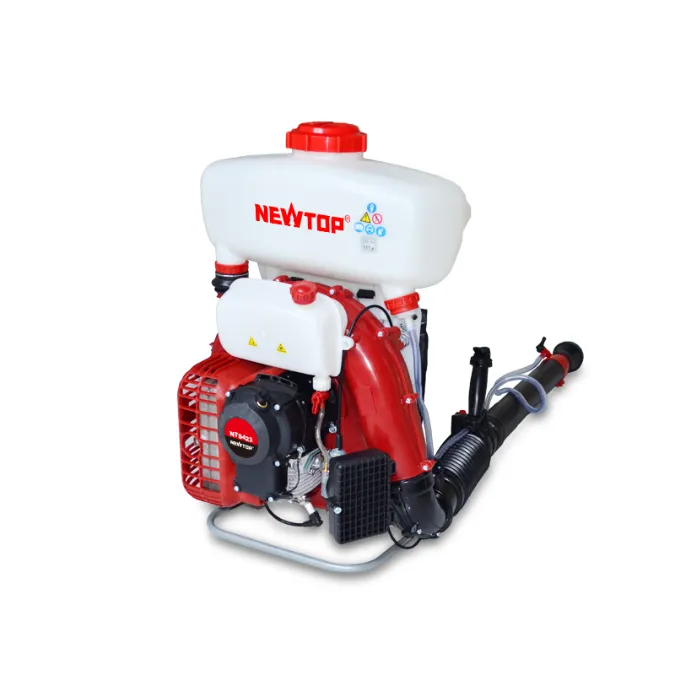
A sprayer is a pressure-driven device that atomizes liquid through a nozzle, enabling the controlled and uniform distribution of agents like pesticides or fertilizers onto a target surface.
Core Function and Definition
A sprayer is a mechanical device designed to apply liquid solutions like pesticides, erbicidi, or fertilizers in a controlled pattern of fine droplets. Unlike the fogger, which aims for suspension, the sprayer is designed for targeted deposition like agricultural, horticultural, or sanitation.
- Applies liquid agents including pesticides, fertilizzanti, and cleaning solutions.
- Generates a controlled spray for even and efficient coverage.
- Essential equipment in farming, paesaggistico, and public health sectors.
Key Components and Mechanism
A sprayer operates by pressurizing liquid stored in a tank and forcing it through a specialized nozzle. This process atomizes the liquid into a spray. The core components—tank, pompa, and nozzle—work together to control the flow rate, dimensione delle goccioline, and spray pattern.
Pressure can be produced manually, mechanically through diaphragm or piston pumps, or by gasoline or electric motors. The liquid is forced through a nozzle, where droplet size is shaped by nozzle geometry and pressure level.
- A tank holds the liquid solution.
- A pump creates the pressure needed to propel the liquid.
- A nozzle atomizes the liquid into droplets and shapes the spray.
- A trigger or valve controls the start and stop of the spray.
Applications and Modern Advancements
Di 2026, sprayer technology has advanced to prioritize precision application, reduced chemical waste, and improved operator ergonomics. Innovations in nozzle design and pump systems allow for better coverage in large-scale agriculture and specialized commercial use.
- Used for crop protection, fertilization, e controllo dei parassiti.
- Modern designs focus on uniform distribution to maximize effectiveness.
- Technological improvements enhance operational speed and reduce chemical drift.
- Ergonomic features are integrated to improve comfort for professional users.
Related Reading: Tipi di spruzzatori a zaino: Scegliere il modello migliore per la tua azienda agricola
Boost Your Margins with Reliable Machinery
Difference Between Fogger and Sprayer: Mechanical Overview
The fundamental mechanical difference lies in atomization and delivery—foggers create a suspended mist for broad, volumetric treatment, whereas sprayers apply liquid directly to targeted surfaces, with electrostatic models using a charge to wrap around objects.
| Mechanical Aspect | Fogger | Spruzzatore |
|---|---|---|
| Atomization & Particle Size | Produces fine particles designed to remain suspended in the air for volumetric treatment of large spaces. | Relies on hydraulic pressure for atomization. Electrostatic models add a charge for smaller, more uniform particles. |
| Coverage & Penetrazione | Excels at filling large, open rooms and penetrating dense outdoor foliage with a pervasive mist. | Provides direct, targeted surface application. Electrostatic models achieve 360° wrap-around coverage on objects. |
| Application & Efficiency | Designed for area-wide decontamination rather than surface-specific precision. Less efficient for targeted tasks. | Offers precise, controlled application. Electrostatic systems maximize chemical deposition and minimize waste. |
| Compatibilità chimica | Requires specific formulations. Thermal foggers need oil/water carriers and cannot use flammable liquids. | Standard models handle a broad chemical range. Electrostatic units need liquids formulated to hold an electric charge. |
Spray Mechanism and Particle Size Comparison
Foggers and sprayers atomize liquids through different physical processes, resulting in distinct particle sizes that define their performance. Most sprayers depend on hydraulic pressure; higher pressure forces the liquid through a nozzle, generating shear forces that break it into droplets. Electrostatic sprayers enhance this process by applying a high-voltage charge to the liquid, creating smaller and more uniform particles that actively seek grounded surfaces. Al contrario, foggers are engineered to produce a fine mist with droplets that remain suspended in the air for volumetric treatment. Particle size is a primary performance metric because it directly controls how well a chemical adheres to a surface, penetrates complex geometries, and remains airborne.
Coverage Area and Penetration Ability
A fogger’s strength is volumetric coverage. It disperses a fine mist that fills large, open spaces like warehouses or greenhouses, eventually settling on all exposed horizontal surfaces. This method is effective for treating an entire room’s air and surfaces simultaneously. Sprayers provide direct, targeted surface application. Electrostatic models offer superior penetration by charging droplets that wrap around objects, coating hidden areas like the backsides of fixtures or the undersides of leaves. This “wrap-around” effect ensures comprehensive 360-degree coverage on complex objects, something a fogger’s passive settling cannot achieve. For outdoor pest control, a fogger’s mist can penetrate dense foliage more effectively than a standard direct spray.
Application Accuracy and Chemical Usage Efficiency
Sprayers deliver direct, targeted application, making them the accurate choice for treating specific surfaces or zones. Foggers are built for broad, volumetric decontamination and lack surface-level precision. The greatest efficiency gains come from electrostatic sprayers. By charging the droplets, these systems ensure a much higher percentage of the chemical lands on and adheres to the target surface. This minimizes overspray, riduce i rifiuti chimici, and limits airborne loss of active ingredients. This efficiency also allows for the use of chemicals designed for long-lasting residual protection, while fogging typically relies on short-acting formulas for rapid knockdown.

Suitable Chemicals and Formulations
The equipment’s operating mechanism dictates the required chemical formulation.
Thermal foggers, which use heat to vaporize a solution, require specific oil- or water-based carriers to create a dense fog and must never be used with flammable liquids like alcohol.
ULV (Ultra Low Volume) Cold foggers are more versatile and can handle a wider range of formulations.
Sprayers are compatible with almost all agricultural chemicals, including wettable powders, emulsifiable concentrates, and thick suspensions. The larger nozzle openings are less prone to clogging.
Typical Use Scenarios and Industries
Fogger Scenarios:
- Public health vector control (mosquito and fly abatement).
- Greenhouse pest management.
- Disinfection of large indoor facilities (hospitals, warehouses).
- Odor control in waste management sites.
Sprayer Scenarios:
- Herbicidal application in row crops.
- Liquid fertilization of lawns and gardens.
- Structural pest control (termite barriers around foundations).
- Livestock sanitation and wash-downs.
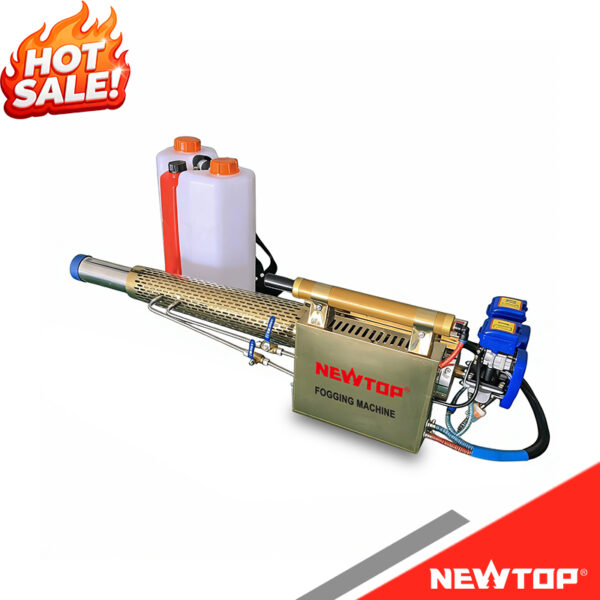
NTYM180K Thermal Fogging Machine
- Professional-grade atomization precision
- Advanced durability (500+ service hours)
- Optimized for large-scale vector control
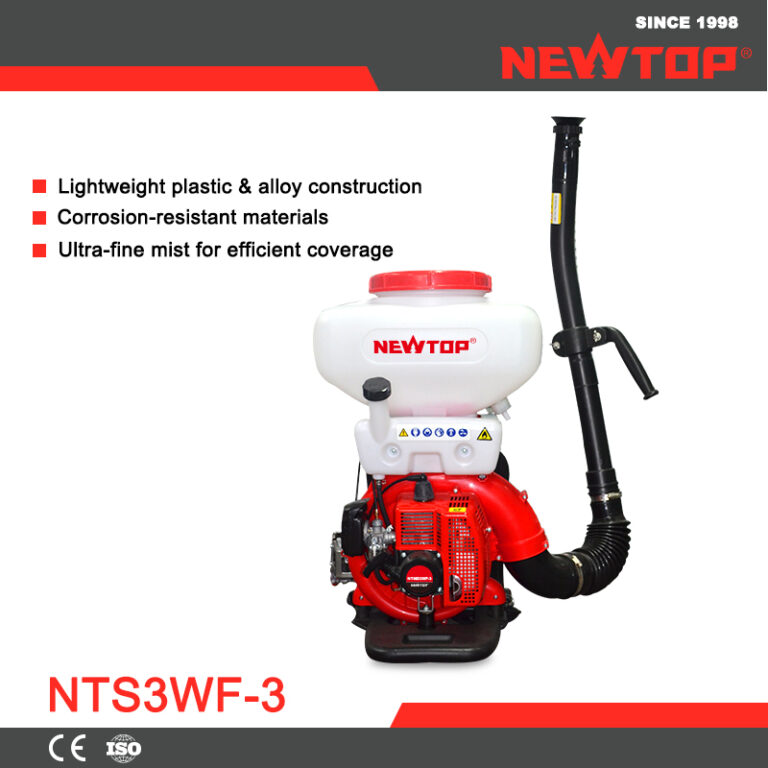
NTS3WF-3 Gas Powered Backpack Sprayer
- High-velocity liquid & granule output
- Precision nozzle for targeted application
- Reinforced chemical-resistant structure
Advantages and Limitations of Fogger and Sprayer
Foggers excel at rapid volumetric treatment for pest control in dense foliage, while sprayers deliver superior surface-level precision and chemical efficiency, especially in electrostatic models.
| Operational Feature | Fogger | Spruzzatore |
|---|---|---|
| Coverage Type | Volumetric (air and surfaces) | Surface-direct |
| Penetration Ability | Excellent for dense foliage and crevices | Limited unless using an electrostatic model |
| Application Speed | Fast for large, open areas | Slower, more methodical application |
| Drift Risk | Alto, susceptible to wind | Low due to larger, heavier droplets |
| Primary Use Case | Outdoor pest control, air disinfection | Targeted surface disinfection, weed control |
Fogger: Advantages and Key Applications
Foggers are engineered to treat large volumes and penetrate dense environments. Their ability to produce extremely fine, suspended particles makes them highly effective for pest control in thick vegetation and for disinfecting large, open indoor spaces where airborne treatment is critical. This method ensures broad coverage with minimal operator effort once the machine is running.
- Provides deep penetration into dense foliage, cracks, and crevices, making it highly effective for outdoor insect control.
- Covers large volumes of space quickly, which reduces labor time for public health disinfection or agricultural pest management.
- Effective at controlling flying insects and disinfecting air, as the fog remains suspended for an extended period.
Fogger: Limitations and Operational Considerations
The main drawbacks of foggers are tied to control and safety. The fine mist is highly susceptible to wind drift, leading to off-target application and potential environmental contamination. Thermal foggers add another layer of complexity by introducing heat, which limits the types of chemicals that can be used without degradation.
- High risk of chemical drift, making it unsuitable for precise, targeted applications or use in windy conditions.
- Thermal models can pose a fire risk and may damage heat-sensitive chemical solutions, altering their efficacy.
- Can require more extensive personal protective equipment (PPE) due to the risk of inhaling the fine aerosolized particles.
Spruzzatore: Advantages and Key Applications
Sprayers offer superior control and efficiency for surface-based applications. They produce larger, heavier droplets that deliver chemicals directly to the target with minimal drift. This precision makes them ideal for targeted disinfection, weed control, and applying fertilizers where accuracy is paramount.
- High application accuracy ensures chemicals land on target surfaces, reducing waste and environmental impact.
- Electrostatic sprayers provide complete, wraparound surface coverage, ideal for disinfecting complex objects and high-touch surfaces.
- Generally safer for indoor use and in sensitive areas due to controlled application and reduced inhalation risk.
Spruzzatore: Limitations and Operational Considerations
While precise, sprayers are less efficient for treating large, open areas or penetrating dense canopies. The application process is slower and more labor-intensive than fogging. Sprayers are primarily designed for treating surfaces rather than volumes of air, limiting their effectiveness against airborne pathogens or flying insects.
- Slower application speed compared to foggers when treating expansive outdoor areas.
- Limited ability to penetrate dense vegetation or reach hidden pests deep within canopies.
- Less effective for controlling flying insects or treating airborne pathogens, as droplets settle quickly.
Cost-Benefit Analysis of Owning Both Equipment Types
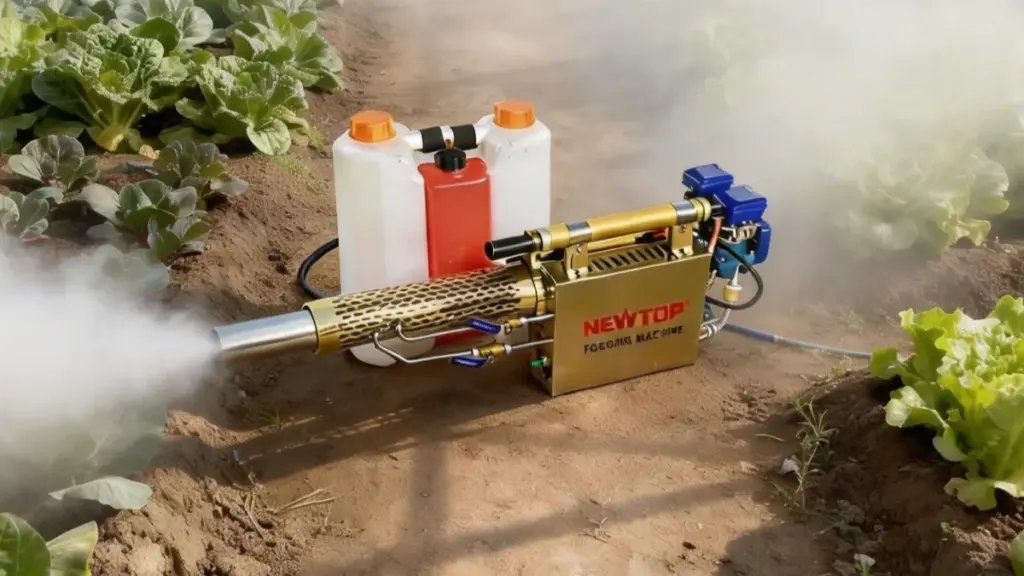
Investing in both a fogger and a sprayer allows an operation to deploy the most resource-efficient tool for any given task, minimizing long-term labor and chemical expenses.
Upfront Investment vs. Long-Term Savings
Owning both a fogger and a sprayer requires a higher initial capital outlay. This dual investment, however, translates directly to long-term savings by precisely matching the equipment to the application, which reduces wasted chemicals and minimizes labor hours. The financial logic is straightforward: use the high-speed fogger for large areas and the precise sprayer for targeted zones.
- Foggers generally have a higher initial cost but cover large areas quickly, reducing labor expenses for big projects.
- Sprayers are more affordable upfront and excel at targeted applications, preventing the overuse of expensive chemicals on small or specific problem areas.
- Di 2026, operational savings in labor and materials can often offset the initial dual-equipment cost within one to two seasons for most commercial users.
Labor and Chemical Efficiency
The primary benefit of a dual-equipment strategy is optimized resource allocation. Foggers are built to minimize labor time for large-scale disinfection or pest control, covering vast spaces with minimal operator input. Sprayers provide the control needed for precise, cost-effective chemical application, ensuring active ingredients are applied only where necessary.
- A fogger can treat an area up to 30,000 sq ft with minimal operator effort, a task that would be extremely labor-intensive and time-consuming with a sprayer.
- Sprayers deliver direct, targeted application, which is crucial for spot treatments or delicate plants where overspray would be wasteful and potentially harmful.
- This approach prevents the financial drain of inefficient application—either by wasting labor with a sprayer on a large job or wasting chemicals with a fogger on a small one.
Application Versatility and ROI
Having both tools provides the operational flexibility to handle any treatment scenario, from expansive outdoor spaces to specific indoor zones. This adaptability maximizes your service capabilities and strengthens the return on investment by ensuring you always have the correct equipment for the job.
- Professionals can service a wider range of clients and job types, including agricultural fields, warehouses, and controlled indoor facilities.
- The ability to choose between broad, penetrating fog and a direct, controlled spray enhances overall treatment effectiveness and client outcomes.
- This versatility keeps the equipment productive, leading to a faster and more reliable return on investment compared to relying on a single, less-adaptable tool.
How NEWTOP Engineering Maximizes Durability in Both Types
As a outdoor power equipment manufacturer with over two decades of industry experience, NEWTOP, designs backpack sprayers and foggers with a focus on durability in demanding environments.
We operate a 10,000 square meter facility with CNC machining centers, linee di produzione automatizzate, and independent inspection systems. Every pump assembly, airflow component, and fuel system undergoes durability testing to ensure consistent performance.
Key engineering strengths include:
- Chemical-resistant tanks for aggressive formulations
- Precision nozzle systems for stable droplet control
- Engine components sourced from globally recognized suppliers
- Structured quality inspection processes from raw materials to final testing
- Compliance with CE, APE, ISO9001, and ISO14001 standards
For OEM partners and regional distributors, NEWTOP provides customization options in branding, capacità del serbatoio, engine configuration, and packaging design. With exports to over 65 countries and partnerships with more than 100 distributors worldwide, NEWTOP supports long-term cooperation through stable supply chains and technical documentation.
For product catalogs, technical specifications, or OEM inquiries, contact our technical team for a customized quote based on your regional requirements.
Conclusione
Choosing between a fogger and a sprayer comes down to your specific application needs, from particle size to the required coverage area. Making the right equipment choice directly impacts your chemical usage, labor costs, and overall operational efficiency. This technical knowledge ensures you select a tool that delivers the intended results without waste.
Use this guide to evaluate your current equipment and identify any performance gaps. If you need a tool engineered for demanding commercial use, our product specialists can help you find a durable fogger or sprayer that meets your requirements.
Domande frequenti
What is the main difference between a fogger and a sprayer?
The primary difference is droplet size. A fogger produces microscopic droplets (under 50 micron) that stay suspended in the air to fill a volume of space. A sprayer produces larger droplets (over 100 micron) designed to land on and coat specific surfaces.
Does a fogger use less water than a sprayer?
SÌ. Foggers, particularly ULV models, use high concentrations of chemicals and very little carrier liquid (water or oil). A sprayer requires a significant amount of water to act as a transport medium for the chemical to reach the target.
Can foggers be used for agricultural pesticides?
SÌ, especially in enclosed environments like greenhouses, but field crops usually require conventional sprayers for better precision.
Why are foggers more expensive than manual sprayers?
Foggers involve more complex airflow or heating systems, increasing production and maintenance costs.
Which one provides better coverage for dense foliage?
Foggers generally achieve better penetration due to smaller droplet size and longer suspension time.
How do maintenance requirements differ?
Foggers require inspection of airflow or combustion systems, while sprayers mainly need pump seal replacement and nozzle cleaning.
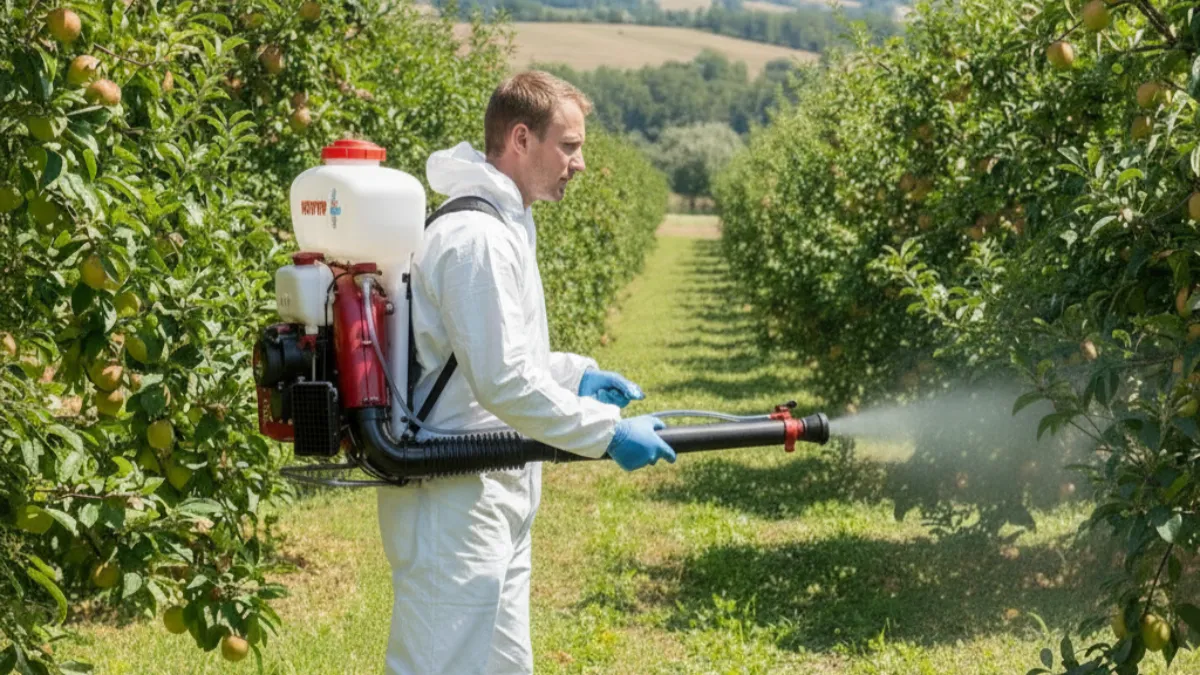
Mosquito control is a serious concern for farms, orchards, public spaces, and residential areas in tropical and subtropical regions. In Africa, Sud-est asiatico, and Latin America, mosquito management is not only about comfort but also about protecting public health and agricultural productivity.
When choosing agricultural machines, buyers often compare two main solutions: mosquito foggers and sprayers. Both are widely used in agricultural pest control, vector control programs, and backyard mosquito treatment. Tuttavia, they operate differently and serve different purposes.
In questa guida, we break down the key differences, performance factors, operational costs, and environmental impact to help distributors, importers, and pest control professionals select the right solution for their market.
Nebulizzatore per zanzare vs. Spruzzatore: Key Differences at a Glance
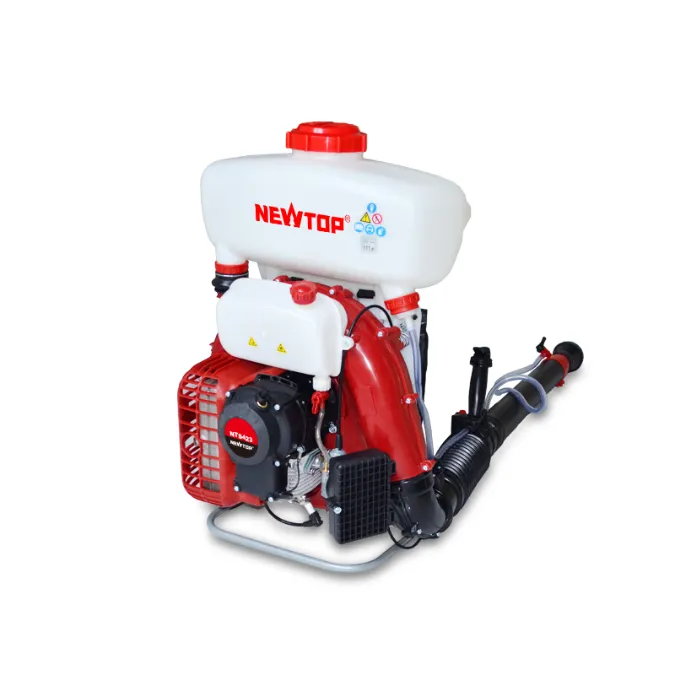
A fogger treats the air for immediate mosquito knockdown, while a sprayer treats surfaces to create a long-lasting protective barrier.
To choose the right tool, you first need to understand the fundamental mechanical distinction between fogging and spraying.
| Attributo | Mosquito Fogger (Thermal or ULV) | Backpack Sprayer (Manual or Power) |
|---|---|---|
| Primary Function | Air Treatment (Immediate Knockdown) | Surface Treatment (Residual Barrier) |
| Dimensione della gocciolina | 5-50 micron (aerosolized mist) | 100+ micron (liquid spray) |
| Control Duration | Short-term (Hours to 1 day) | Long-term (Up to 21–30 days) |
| Primary Target | Flying insects in the air column | Surfaces where insects land or breed |
| Coverage Speed | Extremely fast (Acres in minutes) | Slower, detailed application |
| Target Pest Stage | Active Flying Adults | Adults (on surfaces) & Larvae |
Application Method and Droplet Size
The fundamental difference between these tools lies in how they disperse insecticide. A fogger atomizes liquid into a fine aerosol cloud with tiny particles (5-50 micron) that float in the air. This method is designed for “space spray” applications, killing adult mosquitoes on contact as the fog drifts through an area.
Al contrario, a sprayer applies larger liquid droplets (100+ micron) directly onto surfaces. This approach focuses on coating leaves, walls, and other mosquito resting spots to create a lasting insecticidal barrier.
Duration and Type of Control
Fogging offers an immediate but temporary solution. It is effective for clearing an area just before an outdoor event, but mosquitoes from surrounding areas can return once the fog dissipates within a few hours.
Sprayers provide extended, residual control. The chemical barrier created by a sprayer application remains effective for up to 21 giorni, killing mosquitoes that land on treated surfaces long after the initial treatment. This method also allows for targeting mosquito larvae in their breeding sites, which is critical for disrupting the life cycle and achieving long-term population reduction.
Chemical Efficiency and Environmental Focus
Backpack sprayers enable precise, targeted application. Operators can direct the insecticide exactly where it’s needed—under decks, on shaded foliage, and around doorways—minimizing chemical waste and reducing the risk to non-target organisms.
Fogging disperses chemicals broadly, making it difficult to control drift and increasing the potential impact on beneficial insects like pollinators. Because of their targeted effectiveness and improved sustainability, professional barrier spray treatments have become the industry standard for modern pest management.
How Does Mosquito Control Work?
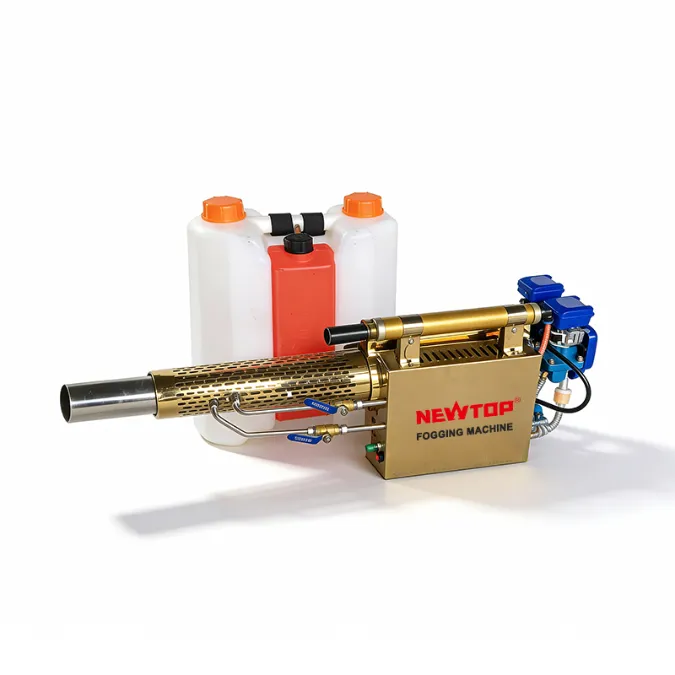
Effective mosquito control in 2026 is a comprehensive strategy that targets all life stages, from eliminating breeding grounds to managing adult populations, rather than relying on a single application method.
Integrated Pest Management (IPM) Approach
Modern mosquito control relies on an integrated management strategy, moving beyond the simple application of chemicals. This approach combines source reduction (eliminating standing water), biological controls (using natural predators or agents), and targeted chemical applications. The goal is to manage mosquito populations for the long term by disrupting their life cycle, which minimizes environmental risks and reduces the chances of pesticide resistance. A successful IPM program is a multi-faceted plan that attacks the problem from several angles at once.
Targeting the Mosquito Life Cycle
A robust control program attacks mosquitoes at every stage of their development to systematically break the breeding cycle.
It starts with source reduction—identifying and removing any standing water where mosquitoes lay eggs. The next step is larval control, which involves treating unavoidable water sources with growth regulators or biological agents to prevent larvae from maturing into adults. Finalmente, adult population management uses tools like backpack sprayers or foggers to reduce the number of flying, biting mosquitoes that can transmit diseases.
Balancing Chemical and Non-Toxic Methods
The industry standard now balances the immediate impact of chemical treatments with safer, non-toxic alternatives. Chemical interventions provide a rapid knockdown of adult mosquito populations, a critical tool during active outbreaks. These are complemented by sustainable methods like habitat modification and biological controls, which provide an environmentally responsible way to suppress breeding over an entire season. This balanced approach protects public health without compromising ecological stability.
Boost Your Profits with Reliable Equipment
When to Choose a Backpack Sprayer for Target Applications
Backpack sprayers offer superior control for applying long-lasting residual insecticides directly to mosquito resting sites, making them the preferred tool for targeted, multi-week protection and use in sensitive environments.
Precision Treatment for Specific Areas
Backpack sprayers are the right tool for applying solutions directly to mosquito resting and breeding sites. This includes dense shrubs, areas under decks, and damp, shaded zones where a targeted application is more effective than broad-scale fogging. The operator has complete control to treat specific problem areas without broadcasting chemicals unnecessarily.
- Allows for direct application to plant foliage and structural surfaces where adult mosquitoes rest during the day.
- Minimizes chemical use by focusing only on problem zones, avoiding unnecessary exposure to non-target areas.
Applying Residual Insecticides for Lasting Protection
Unlike foggers that provide an immediate but short-lived knockdown, sprayers excel at applying residual chemicals. These formulations bond to surfaces, offering protection that can last for weeks after a single treatment. This approach aligns with the industry’s shift toward integrated, longer-lasting barrier treatments that provide sustained control.
- Creates a protective barrier on leaves, walls, and fences that continues to work on mosquitoes upon contact.
- Reduces the frequency of treatments needed, making it a cost-effective solution for season-long control.
Versatility for Multiple Yard Care Tasks
A single backpack sprayer can handle a wide range of applications beyond mosquito control. It is effective for fertilizing gardens, applying fungicides to plants, and distributing herbicides for weed management. This adaptability makes it a valuable piece of equipment for any professional landscape or pest control operation.
- Serves as an all-in-one tool for integrated pest management and general landscape maintenance.
- NEWTOP’s sprayers are built to handle various chemical formulations, from insecticides to liquid nutrients.
Control in Sensitive Environments
When working near vegetable gardens, fish ponds, or public play areas, a backpack sprayer provides superior control over chemical drift. This precision ensures the solution is applied only where intended, minimizing impact on the surrounding ecosystem. The ability to manage droplet size is a key advantage over fogging.
- The adjustable nozzle allows for coarse droplets that fall quickly, reducing the risk of airborne drift.
- This level of control is essential for ensuring the safety of people, pets, and beneficial insects.
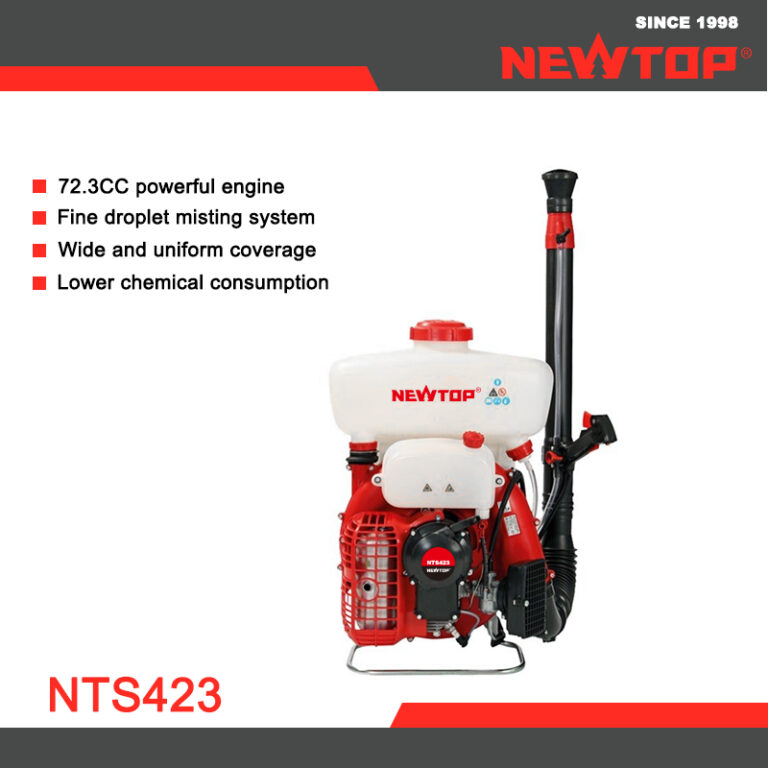
Gasoline Backpack Sprayer NTS423
Engineered for precision and durability, featuring high-pressure output and ergonomic design for long-duration pest control tasks.
View Product Details
Backpack Mist-Duster NTS3WF-3
A versatile multi-functional backpack sprayer ideal for both liquid applications and dusting in large-scale agricultural or garden settings.
View Product DetailsPro Tip: Not sure which configuration fits your team? Check out our detailed guide on the different types of knapsack sprayers to compare manual, battery, and gasoline options.
Comparing Chemical Efficiency and Droplet Size for Mosquitoes
The efficiency of mosquito control hinges on producing precise droplet sizes, typically between 5–25 microns, to maximize airtime and contact with adult mosquitoes while minimizing chemical waste.
| Parameter | Optimal Specification | Impatto sull'efficienza |
|---|---|---|
| Dimensione della gocciolina (Adult Control) | 5–25 microns | Maximizes air suspension for contact with flying mosquitoes; reduces drift and waste. |
| Application Technology | Ultra-Low-Volume (ULV) | Covers large areas with less chemical and improves targeting. |
| Solvent Formulation | Water-based | Reduces application costs, minimizes drift, and offers a more sustainable option. |
The Role of Droplet Size in Effective Mosquito Control
The effectiveness of any mosquito treatment is directly tied to the size of its insecticide droplets. The objective is to produce droplets that are small enough to remain airborne and contact flying mosquitoes, yet heavy enough to avoid drifting off-target. For adult mosquito control, the optimal size is consistently in the 5–25 micron range. This specific sizing ensures the droplets float in the air column where mosquitoes are active, maximizing the probability of contact. Achieving this balance is critical for maximizing insecticide performance while minimizing chemical waste and unnecessary environmental exposure.
Ultra-Low-Volume (ULV) Technology for Efficiency
Ultra-Low-Volume (ULV) application is an engineered technique for delivering concentrated chemical formulations over large areas with minimal volume. Professional pest management relies on ULV systems because they are specifically designed to produce droplets within that ideal 5–25 micron range. This consistency improves targeting and dramatically reduces the total amount of insecticide needed for a job. ULV technology strikes a crucial balance between high performance and responsible chemical usage, making it a standard for public health applications.
Solvent Formulations: Water-Based vs. Oil-Based
The solvent, or the liquid carrier for the insecticide, also influences performance and cost. The industry has seen a significant shift away from traditional oil-based solvents toward water-based formulations. Water-based solutions help reduce overall application costs and are less prone to spray drift compared to their oil-based counterparts. They represent a more sustainable and cost-effective alternative for most mosquito control scenarios. Oil-based solvents still have a place, but they are typically reserved for specific conditions where enhanced droplet adherence to surfaces is a primary requirement.
Labor Costs and Time Efficiency: Which Tool Wins?

The choice between a fogger and a sprayer hinges on a direct trade-off: foggers offer rapid, short-term coverage, while sprayers require more initial labor for long-lasting, cost-effective residual control.
| Metric | Fogger | Spruzzatore |
|---|---|---|
| Application Time | 5-15 minutes for up to 30,000 sq ft | Longer, manual process requiring a technician |
| Residual Effectiveness | Approx. 72 ore | Fino a 21 giorni |
| Labor Model | Low initial labor, high cumulative labor due to reapplication | High initial labor, low cumulative labor due to longevity |
| Optimal Use Case | Immediate, temporary mosquito knockdown for events | Season-long residential or commercial service contracts |
Foggers: Fast Application, Frequent Repetition
Foggers excel at speed. A technician can treat a large property—up to 30,000 square feet—in as little as five to fifteen minutes with minimal hands-on effort. This unmatched efficiency makes fogging the go-to solution for immediate, short-term needs. The critical downside is that the treatment’s effect dissipates quickly, typically lasting only 72 ore. This requires frequent reapplications to maintain control, driving up the cumulative labor costs significantly over a full season.
- Offers rapid coverage for immediate mosquito reduction before an event.
- Requires repeated treatments every few days to maintain control.
- Total labor investment increases significantly for long-term management.
Sprayers: Initial Investment for Lasting Results
Applying a barrier treatment with a backpack sprayer is a more deliberate and time-intensive process. It demands a skilled technician who can meticulously cover target areas where mosquitoes rest and breed. While the upfront labor is higher, this investment delivers powerful long-term results. A single, thorough application can provide residual protection for up to 21 giorni, which drastically reduces the need for costly repeat visits and saves on labor hours over the course of a contract.
- Involves manual, targeted application for thorough coverage.
- Delivers residual effectiveness that lasts for weeks, not days.
- Fewer applications mean lower overall labor expenses for sustained control.
Cost-Effectiveness for Sustained Mosquito Management
For the ongoing mosquito control projects that define the market in 2026, backpack sprayers are the more cost-effective tool. The extended protection from one barrier spray treatment cancels out the labor costs associated with the multiple fogging sessions it would replace. Foggers hold their value for temporary, one-off situations like outdoor parties or events. But for season-long residential and commercial property maintenance contracts, sprayers provide a more financially sound and operationally efficient solution.
- Fogging is the economical choice for one-off situations.
- Spraying offers superior value for residential or commercial service contracts.
- The best tool depends on whether the goal is immediate knockdown or lasting protection.
Environmental Impact of Fogging vs. Targeted Spraying
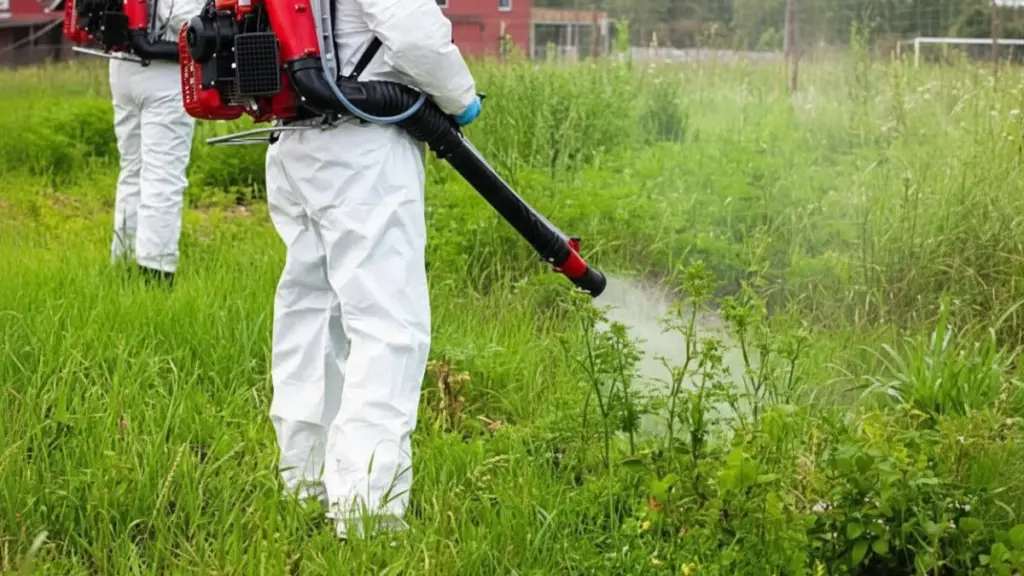
Targeted spraying significantly reduces environmental harm by concentrating chemicals on mosquito resting spots, unlike broad fogging which causes indiscriminate harm to pollinators and risks chemical drift into unintended areas.
Risk to Non-Target Organisms
Fogging disperses a wide cloud of insecticide that can harm beneficial insects like bees, butterflies, and other pollinators. The lack of precision means anything in the fog’s path is affected. Targeted spraying, on the other hand, concentrates the application directly onto surfaces where mosquitoes rest, such as the underside of foliage and shaded building materials. This approach minimizes collateral damage to the local ecosystem.
- Broad-spectrum fogging affects a wide range of insects, not just mosquitoes, disrupting natural food chains.
- Sprayers allow operators to avoid flowering plants and other areas frequented by pollinators.
- This precision helps preserve the insects essential for a healthy garden and local environment.
Chemical Drift and Water Contamination
The fine aerosol produced by foggers is easily carried by wind, leading to chemical drift. This airborne pesticide can settle on unintended surfaces, including neighboring properties, vegetable gardens, and water sources. The larger, heavier droplets from a sprayer fall directly onto the target surface, which greatly reduces the risk of drift and subsequent contamination of nearby water bodies.
- Fog can travel far beyond the intended treatment zone, exposing non-target areas to pesticides.
- Runoff from fogged surfaces can carry chemicals into ponds, streams, and storm drains.
- Targeted spraying ensures the chemical stays where it is applied, protecting nearby water supplies and sensitive areas.
Pesticide Resistance and Efficiency
Widespread fogging can expose mosquitoes to sublethal doses of insecticide, a key factor that encourages the development of pesticide resistance within the local population. Targeted spraying delivers a more effective, lethal dose directly to mosquito habitats and resting places. This is a more efficient use of chemicals and helps slow the development of resistance, aligning with modern Integrated Pest Management (IPM) practices.
- IPM strategies favor targeted methods to ensure long-term chemical effectiveness.
- Using less chemical more effectively reduces the overall environmental load on soil and water.
- Effective application from a sprayer means fewer treatments are needed over a season, further reducing chemical use.
Why Professional Pest Controllers Trust NEWTOP Solutions
Professional pest control operators choose NEWTOP because its equipment delivers reliable field performance, minimizes operational downtime, and is backed by a robust global parts and support network.
As a professional garden and agricultural machinery manufacturer since 2003, NEWTOP, provides reliable outdoor power equipment for global markets. With over 500,000 units annual production capacity and exports to more than 65 Paesi, we support distributors, OEM partners, and public health projects across Africa, America Latina, Sud-est asiatico, e dell'Europa orientale.
Key advantages include:
- Durable engines tested for 500+ working hours
- Stable pressure output for consistent droplet control
- CE, GS, APE, and other certifications
- Personalizzazione OEM flessibile
- 7–10 day sample dispatch
- Competitive lead times around 30 days for bulk orders
For product catalogs, technical specifications, or distributor inquiries, visit newtoptools.com or contact the sales team directly.
Conclusione
The choice between a mosquito fogger and a sprayer depends on application scale and target precision. Foggers provide rapid, wide-area knockdown treatments ideal for large spaces, while sprayers deliver direct control over specific breeding grounds and resting surfaces. Matching the equipment to the job ensures efficient chemical use, manages labor costs, and delivers effective results.
Domande frequenti
Is a fogger more effective than a sprayer for mosquitoes?
A fogger is more effective for quickly reducing adult mosquito populations in open areas. A sprayer is more effective for long-term control by targeting breeding sites and applying residual insecticides.
Can I use a regular sprayer as a fogger?
NO, you cannot use a regular sprayer as a fogger. Sprayers produce larger liquid droplets designed to coat surfaces and create a residual barrier. Foggers atomize insecticide into a fine mist that hangs in the air to kill flying mosquitoes on contact. Their nozzles and mechanisms are engineered for entirely different particle sizes and application methods.
What are the disadvantages of mosquito fogging?
Fogging has limited residual effect, may drift in windy conditions, and can affect non-target insects. It often requires repeated applications for sustained control.
How often should you spray vs. fog for mosquitoes?
Fogging is typically used during outbreaks and may be repeated weekly depending on mosquito density. Spraying breeding sites may be done every few weeks based on larval growth cycles.
Which is safer for backyard use, fogger or sprayer?
Targeted spraying is generally safer for backyard use because it reduces drift and allows precise application around vegetation and water sources.
Does fogging kill mosquito larvae?
NO. Fogging mainly targets adult mosquitoes in flight. Larvae must be treated directly in water using larvicides applied with a sprayer.
