


- الجميع
- قصص عملاء نيوتوب
- نيوتوب إكسبلورر هاب
- رؤى الصناعة NEWTOP
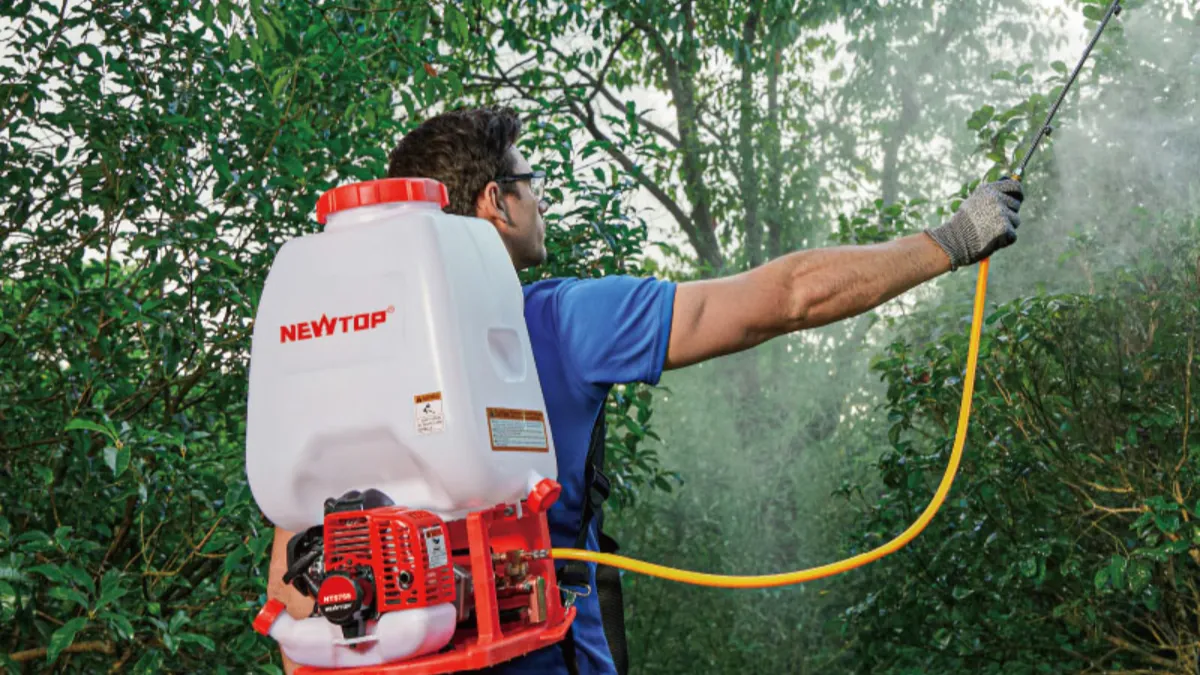
في الزراعة الحديثة, لم يعد الرش الدقيق أمرًا اختياريًا، فهو يؤثر بشكل مباشر على إنتاجية المحاصيل, الكفاءة الكيميائية, تكلفة العمالة, والسلامة البيئية. سواء كنت تدير حقل خضروات صغيرًا في جنوب شرق آسيا, مزرعة البن في أمريكا اللاتينية, أو مزرعة حبوب واسعة النطاق في أفريقيا, يمكن أن يؤدي اختيار نوع الرشاشة الظهرية المناسب إلى تحسين الكفاءة التشغيلية بشكل كبير.
في هذا الدليل الشامل, سنستكشف الأنواع المختلفة من الرشاشات المحمولة على الظهر, مقارنة آليات عملهم, تحليل التطبيقات الزراعية الحقيقية, ومساعدتك في اختيار أفضل نموذج لاحتياجاتك الخاصة. إذا كنت مستوردا, موزع, أو شريك OEM يبحث عن معدات رش زراعية موثوقة, ستوضح هذه المقالة أيضًا كيفية العمل مع نيوتوب يمكن أن تعزز خط الإنتاج الخاص بك.
ما هو الرشاش الظهري وكيف يعمل؟?
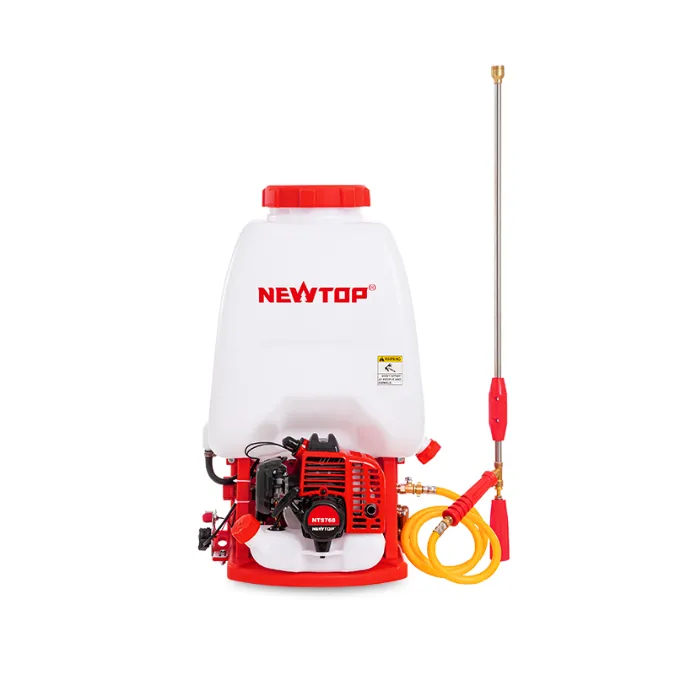
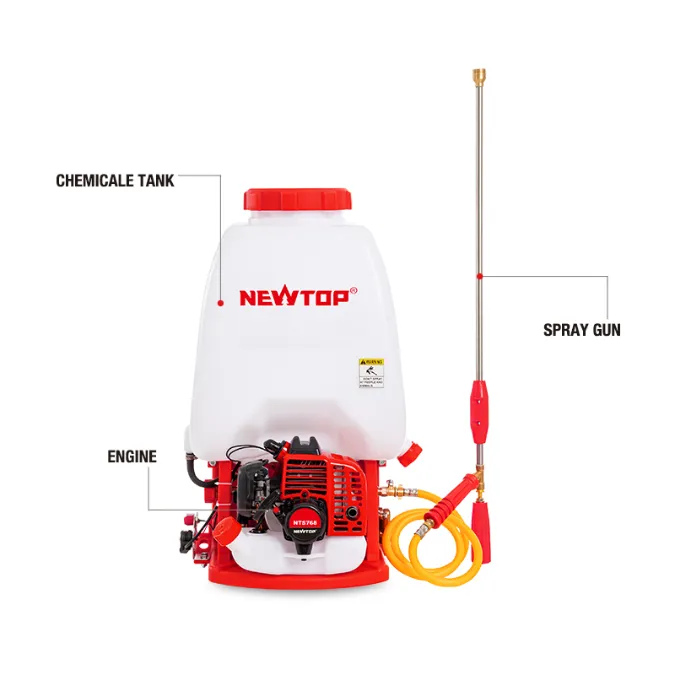
البخاخ المحمول على الظهر هو جهاز محمول, آلة زراعية مثبتة على الظهر تستخدم الضغط اليدوي أو الآلي لتطبيق السوائل مثل المبيدات والأسمدة بدقة في البيئات الزراعية والمناظر الطبيعية.
رشاش يحمل على الظهر (ويسمى أيضًا بخاخ حقيبة الظهر) هي قطعة من المعدات المحمولة التي يتم ارتداؤها على ظهر المشغل لتطبيق السوائل, مثل المبيدات الحشرية, مبيدات الأعشاب, والأسمدة. يستخدم على نطاق واسع لتطبيق المبيدات الحشرية, مبيدات الأعشاب, مبيدات الفطريات, الأسمدة, والمطهرات.
المكونات الأساسية ووظائفها
تعمل كل رشاشة محمولة على الظهر باستخدام مجموعة من المكونات الأساسية التي يتم تخزينها, الضغط, والاستغناء عن السائل. إن فهم هذه الأجزاء يوضح كيفية عمل البخاخ.
- صهريج: حاوية, عقد عادة 15 ل 20 لتر, الذي يخزن الخليط الكيميائي.
- مضخة ورافعة: الآلية المستخدمة لخلق الضغط. في النماذج اليدوية, يقوم المشغل بضخ رافعة للضغط على الخزان.
- خرطوم ولانس: خرطوم مرن يربط الخزان بعصا صلبة, أو لانس, مما يسمح للمشغل بتوجيه الرش.
- فوهة: طرف الرمح الذي يقوم بتفتيت السائل إلى رذاذ ناعم أو تيار مستهدف لتطبيق متساوٍ. فهو يحدد حجم القطرة ونمط الرش, مثل المروحة, مخروط, أو التيارات النفاثة.
مبدأ العمل الأساسي
تعتمد وظيفة الرشاشة الظهرية على توليد الضغط والحفاظ عليه لطرد السائل بطريقة خاضعة للرقابة. العملية واضحة ومباشرة, سواء كان البخاخ يدويا أو بمحرك.
- يقوم المشغل بملء الخزان بالمحلول السائل المطلوب.
- باستخدام رافعة يدوية أو محرك يعمل بالطاقة, يقوم المشغل ببناء الضغط داخل الخزان.
- عندما يتم الضغط على الزناد على الرمح, يفتح صمام, الافراج عن السائل المضغوط.
- يتدفق السائل من خلال الخرطوم والرمح, الخروج من الفوهة على شكل رذاذ.
- يتم الحفاظ على الضغط المستمر من خلال الضخ الدوري أو مصدر الطاقة المستمر لضمان التطبيق المتساوي.
اعتمادا على النموذج, يمكن توليد الضغط يدويًا (ضخ الرافعة), كهربائيا (محرك يعمل بالبطارية), أو من خلال محرك البنزين. وتشمل التصاميم المتقدمة منظمات الضغط, فوهات مضادة للتنقيط, أنماط رش قابلة للتعديل, وأنظمة تسخير مريحة.
يضمن البخاخ المحمول على الظهر المصمم جيدًا:
- توزيع حجم القطرة موحدة
- ضغط رش مستقر
- تقليل تعب المشغل
- الحد الأدنى من النفايات الكيميائية
- التعامل الآمن مع الكيماويات الزراعية
مجموعة سريعة من أنواع مختلفة من الرشاشات المحمولة على الظهر
قبل الغوص في العمق, من المفيد أن نفهم كيفية مقارنة الأنواع المختلفة في ظروف الزراعة العملية.
| نوع الرشاش الظهري | قوة / آلية | وزن / يصل | استقرار الضغط | أفضل تطبيق | صيانة. / يكلف |
|---|---|---|---|---|---|
| بواسطة مصدر الطاقة | |||||
| يدوي | العمل البشري (رافعة) | 5-10 كجم / قصير | قليل (يتقلب) | المزارع الصغيرة, بقعة إزالة الأعشاب الضارة | قليل / $ |
| بطارية | محرك كهربائي | 6-8 كجم / واسطة | عالي (ثابت) | الدفيئات الزراعية, محاصيل الصف | مع / $$ |
| بنزين | محرك البنزين | 14-17 كجم / طويل | عالية جدًا | البساتين, مزارع كبيرة | عالي / $$$ |
| بواسطة آلية المضخة | |||||
| مكبس | مكبس أسطواني | يختلف / ارتفاع رطل لكل بوصة مربعة | مستقر (عالي) | التغشية الجميلة, سوائل صافية | مع / $$ |
| غشاء | غشاء مرن | يختلف / انخفاض رطل لكل بوصة مربعة | مستقر (قليل) | مساحيق قابلة للبلل, مبيض | قليل / $$ |
| الغطاس | المكبس الصلب | يختلف / تدفق عالي | واسطة | قطن, خضروات, الاستخدام العام | قليل / $ |
| بواسطة آلية الرش | |||||
| منفاخ الضباب | مروحة تعمل بالهواء | ثقيل / ماكس الوصول | ثابت | أشجار طويلة, أوراق الشجر الكثيفة | عالي / $$$ |
| ضغط | ضغط الهواء المخزن | ضوء / قصير | متناقص | علاج البقع, حدائق صغيرة | قليل / $ |
| هيدروليكي | مضخة السوائل المباشرة | مع / ثابت | مستقر جدًا | تغطية ميدانية موحدة | مع / $$ |
أنواع الرشاشات الظهرية حسب مصدر الطاقة
مصدر الطاقة هو العامل الأساسي في تحديد تعب المشغل وسرعة العمل. في نيوتوب, قمنا بتحليل اتجاهات السوق العالمية ووجدنا أنه على الرغم من أن الوحدات اليدوية التقليدية تظل عنصرًا أساسيًا في الأسواق الناشئة, وتتجه الصناعة بسرعة نحو حلول البطاريات والبنزين لزيادة كفاءة العمل.
الرشاشات اليدوية على الظهر
تعمل الرشاشات اليدوية المحمولة على الظهر بمضخة يدوية, إعطاء المستخدم السيطرة المباشرة على الضغط. لا يحتاجون إلى الكهرباء أو الوقود, مما يجعلها خيارًا موثوقًا ومنخفض التكلفة للمزارع الصغيرة والمتوسطة الحجم. تصميمهم خفيف الوزن, عادة ما يزن بين 5 و 10 كجم, يجعلها مثالية للتطبيقات المستهدفة حيث تكون الدقة مطلوبة لتقليل النفايات الكيميائية. العيب الرئيسي هو الحاجة إلى جهد بدني مستمر, مما يؤدي إلى إرهاق المشغل أثناء الاستخدام الممتد. يعد الحفاظ على ضغط ثابت يدويًا في الحقول الكبيرة أمرًا صعبًا, مما يحد من فعاليتها في العمليات التجارية واسعة النطاق.
الرشاشات المحمولة على الظهر والتي تعمل بالبطارية
تستخدم الرشاشات المحمولة على الظهر التي تعمل بالبطارية بطارية قابلة لإعادة الشحن لتشغيل محرك كهربائي, توفير ضغط رش مستمر ومتسق دون الضخ اليدوي. هذا التصميم مناسب تمامًا للمناظر الطبيعية الاحترافية والزراعة التجارية لأنه يقلل بشكل كبير من إجهاد المستخدم. الثابت, يضمن الضغط القابل للتعديل تغطية متساوية لمبيدات الأعشاب والمبيدات الحشرية. عادةً ما تستمر الشحنة الواحدة بين 4 ل 8 ساعات, السماح بيوم كامل من العمل وجعل الوظائف الكبيرة أكثر قابلية للإدارة. التكلفة الأولية أعلى من النماذج اليدوية, ويعتمد التشغيل كليًا على وجود بطارية مشحونة.
الرشاشات الظهرية التي تعمل بالبنزين
الرشاشات الظهرية التي تعمل بالبنزين مزودة بمحرك بنزين صغير ثنائي الأشواط أو رباعي الأشواط لتوليد ضغط عالي للرش على مساحات واسعة. إنها توفر أكبر قدر من القوة وهي مصممة للمهام الزراعية الصعبة مثل معالجة البساتين أو الحقول الكبيرة. رشاشات بنزين, غالبًا ما يتم تكوينها على أنها منفاخ ضباب, يمكن تفريغ السائل حتى 10 أو 15 متر أفقيًا أو رأسيًا مما يوفر التغطية اللازمة للبساتين ذات المظلة العالية والحقول الزراعية الواسعة. أنها تعمل بشكل مستقل عن أي مصدر كهربائي, لكنها أيضًا أثقل وأعلى صوتًا, بوزن محمل بالكامل 14-17 كجم. أنها تتطلب صيانة منتظمة للمحرك, بما في ذلك إدارة مخاليط زيت الوقود للإصدارات ثنائية الشوط.
عزز هوامش أرباحك باستخدام معدات الطاقة الخارجية المتينة

أنواع الرشاشات الظهرية حسب آلية المضخة
الاختيار بين المكبس, غشاء, أو آلية المضخة ذات المكبس تحدد بشكل مباشر التوافق الكيميائي لجهاز الرش وقدرات الضغط, مع مضخات المكبس التي تتفوق في الانحلال عالي الضغط ومضخات الحجاب الحاجز التي توفر متانة فائقة للتركيبات الكاشطة.
المكبس حقيبة البخاخ
يستخدم البخاخ ذو المكبس المكبس مكبسًا أسطوانيًا يتحرك داخل الحجرة لتوليد الضغط. هذا التصميم ذو كفاءة عالية للوصول إلى الضغوط العالية, مما يجعله خيارًا قويًا للتطبيقات التي تحتاج إلى رذاذ خفيف أو رذاذ لمسافات طويلة. يستخدمها المشغلون عادةً لتطبيق مبيدات الأعشاب والمبيدات الحشرية السائلة التي لا تحتوي على جزيئات كاشطة, مما قد يؤدي إلى إتلاف الأختام الداخلية.
- يصل إلى ضغوط أعلى, في كثير من الأحيان يصل إلى 150 رطل لكل بوصة مربعة, لتفتيت السوائل بشكل فعال.
- الأنسب للتركيبات السائلة فقط, حيث أن المساحيق الكاشطة يمكن أن تؤدي إلى تآكل أختام المكبس.
- يتطلب بشكل عام المزيد من الصيانة للأختام والحلقات الدائرية مقارنة بمضخات الحجاب الحاجز.
- مثالية لمكافحة الآفات المستهدفة وتطبيق المبيدات الحشرية حيث يكون حجم القطرات الدقيقة مفيدًا.
الحجاب الحاجز حقيبة البخاخ
يستخدم بخاخ الظهر الغشائي غشاءًا مرنًا ينبض لخلق الضغط. تحافظ هذه الآلية على فصل المحلول الكيميائي عن الأجزاء المتحركة للمضخة. يجعل هذا الفصل المضخة متينة بشكل استثنائي عند استخدام المواد الكاشطة مثل المساحيق القابلة للبلل أو حتى المحاليل القائمة على التبييض.
- مقاومة عالية للتآكل والتآكل الناتج عن المواد الكيميائية العدوانية أو القائمة على المسحوق.
- تعمل عند ضغط أقل, عادة حولها 60 رطل لكل بوصة مربعة, مما ينتج قطرات أكبر ويقلل من انحراف الرذاذ.
- يتطلب صيانة أقل لأن الحجاب الحاجز يحمي المكونات الحيوية للمضخة.
- الخيار المفضل لتطبيق المساحيق القابلة للبلل, الأسمدة, ومبيدات الأعشاب حيث يكون التحكم في الانجراف أمرًا مهمًا.
البخاخ الغطاس
إن بخاخ حقيبة الظهر المكبس هو نوع محدد من مضخة المكبس حيث يقوم المكبس الصلب بإزاحة السائل لبناء الضغط. وهي معروفة ببساطتها, تصميم قوي وقدرته على توليد ضغط عالٍ بأقل جهد من المشغل. وهذا يجعله خيارًا موثوقًا واقتصاديًا للرش الزراعي للأغراض العامة.
- يجمع بين قدرات الضغط العالي لمضخة المكبس مع تصميم متين وبسيط.
- يحقق معدل عمل مرتفع, مما يجعلها فعالة لعلاج المناطق المتوسطة إلى الكبيرة.
- الآلية واضحة للصيانة والإصلاح في الميدان.
- مناسبة لمجموعة واسعة من تطبيقات المحاصيل, بما في ذلك الخضروات, قطن, والفول السوداني.
أنواع الرشاشات الظهرية بواسطة آلية الرش

اختيار آلية الرش — رذاذ يعمل بالهواء, ضغط الهواء المخزن, أو القوة الهيدروليكية المباشرة - تحدد سرعة الرش بشكل مباشر, منطقة التغطية, والاتساق التشغيلي.
منفاخات الضباب الآلية
منافيخ الرذاذ الآلية عبارة عن رشاشات تعمل بمحرك تستخدم تيار هواء عالي السرعة لتفتيت السائل ودفعه لمسافات طويلة. هذا التصميم مثالي لمعالجة المساحات الكبيرة, أوراق الشجر الكثيفة, أو الأشجار العالية بسرعة, مما يجعلها خيارًا شائعًا للزراعة التجارية, الغابات, ومكافحة آفات الصحة العامة.
- يجمع بين الرذاذ السائل ومروحة قوية لتكوين رذاذ ناعم يمكن أن يغطي نطاقًا أفقيًا 15 ل 40 قدم.
- يقلل بشكل كبير من وقت التطبيق مقارنة بالرشاشات اليدوية أو ذات الضغط المنخفض, غالبًا ما يتم إكمال المهام بشكل أسرع مرتين إلى ثلاث مرات.
- يوفر المحرك قوة متسقة, مما يزيل تعب المشغل من الضخ اليدوي ويضمن تغطية موحدة.
- مناسب تمامًا لتطبيق المبيدات الحشرية ومبيدات الفطريات في البساتين, كروم العنب, وحقول المحاصيل الكبيرة.
بخاخة ضغط
يعمل البخاخ المضغوط عن طريق ضخ الهواء يدويًا في خزان مغلق لزيادة الضغط. يقوم هذا الضغط المخزن بدفع السائل إلى الخارج من خلال فوهة عند تشغيل الزناد. إنها بسيطة, منخفضة التكلفة, وتستخدم على نطاق واسع للعلاجات الموضعية والتطبيقات على نطاق أصغر في البستنة والزراعة.
- يتطلب من المستخدم الضغط على الخزان قبل الرش; ينخفض الضغط تدريجياً مع استخدام السائل.
- يوفر تحكمًا دقيقًا في التطبيقات المستهدفة لمبيدات الأعشاب, المبيدات الحشرية, أو الأسمدة.
- خفيف الوزن, محمول, وسهلة الصيانة بسبب تصميمها الميكانيكي البسيط مع عدد قليل من الأجزاء المتحركة.
- التشغيل هادئ وخالي من الانبعاثات, ولكنها قد تتطلب عمالة كثيفة في مناطق كبيرة.
البخاخ الهيدروليكي
تستخدم الرشاشات الهيدروليكية مضخة لتوليد ضغط السائل مباشرة, إجبار المحلول من خلال الفوهات على تكوين رذاذ. على عكس الرشاشات المضغوطة, أنها توفر ضغطًا مستمرًا وثابتًا طالما أن المضخة نشطة. تشمل هذه الفئة كل شيء بدءًا من المضخات اليدوية التي تعمل بالرافعة وحتى الأنظمة التي تعمل بالمحرك.
- يوفر تدفقًا وضغطًا ثابتًا, مما أدى إلى مزيد من حجم القطرة والتطبيق.
- يستخدم المشغل رافعة أو محركًا لتنشيط المضخة, مما يخلق قوة هيدروليكية فورية.
- يشيع استخدامها في الزراعة لتطبيق المواد الكيميائية التي تتطلب تغطية متسقة.
- تتراوح النماذج من وحدات حقيبة الظهر اليدوية البسيطة إلى وحدات أكبر, أنظمة أكثر تعقيدًا للعمل الميداني المكثف.
التطبيقات الشائعة للرشاشات الظهرية في الزراعة

الرشاشات المحمولة على الظهر هي الآلات الزراعية الأساسية المستهدفة, التطبيق الميداني للمبيدات الحشرية, مبيدات الأعشاب, والأسمدة السائلة, منح المزارعين سيطرة دقيقة على صحة المحاصيل وإدارتها.
مكافحة الآفات والأمراض
تعتبر الرشاشات المحمولة على الظهر أساسية لتطبيق المبيدات الحشرية ومبيدات الفطريات مباشرة على المحاصيل. يساعد هذا النهج المستهدف على حماية النباتات من الحشرات الضارة والأمراض الفطرية التي يمكن أن تقلل من الإنتاجية والجودة. التطبيق المباشر يقلل من النفايات ويضمن وصول المكونات النشطة إلى المناطق المحددة التي تحتاج إلى العلاج.
- يوفر علاجًا دقيقًا للأوراق المصابة, ينبع, والفواكه في البساتين وقطع الخضروات.
- فعال في إدارة الإصابات الموضعية قبل أن تنتشر عبر الحقل بأكمله.
- يسمح للمزارعين باستخدام المحاليل الكيميائية والعضوية لمكافحة الآفات الزراعية الشائعة.
إدارة الحشائش
يعد استخدام مبيدات الأعشاب باستخدام الرشاش المحمول على الظهر وسيلة فعالة للتحكم في الحشائش غير المرغوب فيها التي تتنافس مع المحاصيل على المياه, ضوء الشمس, والمغذيات. يسمح بالتطبيق الخاضع للرقابة في مناطق محددة, منع الأضرار التي لحقت بالمحصول الرئيسي مع القضاء بشكل فعال على النباتات الغازية.
- مثالية لمعالجة الأعشاب الضارة على طول خطوط السياج, بين صفوف المحاصيل, وفي أسرة الحديقة.
- يدعم استخدام مبيدات الأعشاب الانتقائية التي تستهدف الحشائش دون الإضرار بالمحصول الأساسي.
- يضمن تغطية موحدة لاستراتيجيات مكافحة الحشائش قبل ظهورها وبعد ظهورها.
تطبيق الأسمدة والمغذيات
تستخدم هذه الرشاشات بشكل شائع للتغذية الورقية, حيث يتم تطبيق الأسمدة السائلة والمغذيات الدقيقة مباشرة على الأوراق. توفر هذه الطريقة دفعة غذائية سريعة للمحاصيل خلال مراحل النمو الحرجة, تجاوز امتصاص التربة أبطأ للحصول على تأثير فوري.
- يسهل الامتصاص السريع للعناصر الغذائية لتصحيح أوجه القصور بشكل أسرع من تطبيق التربة.
- يضمن التوزيع المتساوي للأغذية النباتية السائلة لتعزيز النمو المستمر.
- مفيد لتطبيق منظمات النمو والمكملات الغذائية التي تعمل على تحسين صحة النبات وإنتاجيته بشكل عام.
العوامل الأساسية التي يجب مراعاتها عند اختيار الرشاشة الظهرية لمزرعتك
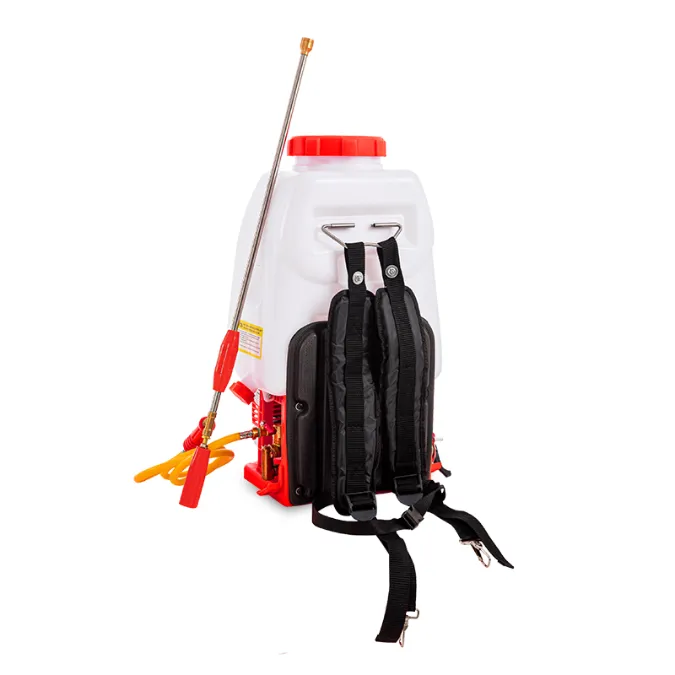
يتطلب اختيار الرشاشة الظهرية المناسبة إجراء تقييم عملي لحجم مزرعتك, المواد الكيميائية التي تستخدمها, الدقة اللازمة لمحاصيلك, والمتطلبات المادية على المشغل.
| عامل | الاعتبار الرئيسي | التأثير على الكفاءة |
|---|---|---|
| التوافق الكيميائي | تأكد من استخدام أختام Viton™ ومضخات الحجاب الحاجز للمذيبات البترولية أو المساحيق الكاشطة. | يمنع تورم الختم وفشل المضخة, تقليل تكاليف الصيانة ووقت التوقف عن العمل. |
| سعة الخزان | تطابق حجم الخزان (10–20L+) على نطاق المزرعة مع الأخذ في الاعتبار وزن المشغل الذي يمكن التحكم فيه. | يقلل من وقت إعادة التعبئة في قطع الأراضي الكبيرة ولكنه يزيد من التعب إذا كان ثقيلًا جدًا بالنسبة للمهمة. |
| متانة المواد | حدد البولي إيثيلين عالي الكثافة المقاوم للأشعة فوق البنفسجية (البولي ايثيلين عالي الكثافة) خزانات لتحمل التعرض البيئي القاسي. | يمنع تشقق الخزانات وتسرب السوائل, إطالة عمر الخدمة الإجمالي للمعدات. |
| تكوين الفوهة | تأكد من أن البخاخ يدعم الفوهات القابلة للتبديل (معجب, مخروط, تدفق) للقيام بمهام زراعية متنوعة. | يحسن دقة التطبيق, يقلل من النفايات الكيميائية, ويزيد من فعالية العلاج. |
| بيئة العمل | ابحث عن أحزمة الكتف المبطنة, دعم خلفي محيطي, والتوزيع المتوازن للوزن. | يقلل من تعب المشغل, تمكين فترات عمل أطول وأكثر إنتاجية في الميدان. |
التوافق الكيميائي
قم بمراجعة المكونات النشطة للمواد الكيميائية التي تنوي استخدامها. إذا كنت تستخدم المذيبات البترولية أو المساحيق الكاشطة, تأكد من أن البخاخ مجهز بأختام فيتون ومضخة الحجاب الحاجز. سوف تنتفخ الأختام المطاطية القياسية وتفشل عند تعرضها لمذيبات قاسية.
سعة الخزان وحجم المزرعة
إن مطابقة حجم خزان الرشاش مع المقياس التشغيلي الخاص بك يعد أمرًا أساسيًا لتحقيق الكفاءة. يقلل الخزان الأكبر حجمًا من فترات إعادة التعبئة للحقول الواسعة, ولكن أصغر, غالبًا ما يكون الطراز الأكثر قابلية للحمل أفضل للتطبيقات المستهدفة أو قطع الأراضي الأصغر. الهدف هو تحقيق التوازن بين التغطية والوزن الذي يمكن للمشغل إدارته بشكل مريح طوال يوم عمل كامل.
- للزراعة الصغيرة أو العضوية, يوفر الخزان سعة 10-15 لترًا توازنًا جيدًا بين قابلية النقل والسعة.
- تستفيد العمليات الزراعية الأكبر حجمًا من خزانات سعة 20 لترًا أو أكبر لزيادة مساحة التغطية لكل تعبئة.
- ضع في اعتبارك دائمًا الوزن الإجمالي عند الامتلاء, التأكد من أنه يمكن التحكم فيه للمشغل على مدى فترات طويلة.
متانة المواد والتوافق الكيميائي
تحدد مواد البناء الخاصة بالرش طول عمره وسلامته. من المهم اختيار نموذج يحتوي على خزان وموانع تسرب يمكنها تحمل التأثيرات المسببة للتآكل للمواد الكيميائية الزراعية المختلفة. تؤدي الاختيارات المادية السيئة إلى حدوث تشققات, التسريبات, والفشل المبكر للمعدات, مما يشكل مخاطر على كل من المشغل والبيئة.
- ابحث عن الخزانات المصنوعة من البولي إيثيلين عالي الكثافة أو أي مواد بلاستيكية أخرى مقاومة للأشعة فوق البنفسجية والتي تمنع التشقق والتدهور.
- تعتبر الأختام والحشيات المصنوعة من مواد مقاومة للمواد الكيميائية ضرورية لمنع التسربات عند استخدام الأسمدة أو المبيدات الحشرية العدوانية.
- يعد الإطار القوي والأشرطة المتينة أمرًا مهمًا أيضًا لسلامة المشغل واستقرار المعدات أثناء الاستخدام.
تكوين الفوهة ودقة التطبيق
تعتبر الفوهة مكونًا مهمًا يتحكم في نمط الرش, حجم القطرة, ومعدل التدفق. يوفر البخاخ المزود بفوهات قابلة للتبديل أو التعديل المرونة اللازمة لمختلف المحاصيل والعلاجات. تضمن الفوهة الصحيحة تطبيق المواد الكيميائية بفعالية عند الحاجة, تقليل النفايات ومنع الأضرار بالنباتات غير المستهدفة.
- تسمح لك الفوهات القابلة للتعديل بالتبديل من الرذاذ الخفيف للمبيدات الحشرية إلى تيار مباشر لمعالجة الأعشاب الضارة.
- أنواع فوهة مختلفة, مثل المروحة, مخروط, أو أنماط الفيضانات, توفير تغطية مخصصة لbroadacre, محصول الصف, أو تطبيقات نباتية محددة.
- لا يؤدي التطبيق الدقيق إلى تحسين الفعالية فحسب، بل يقلل أيضًا من النفايات الكيميائية والأثر البيئي.
بيئة العمل وراحة المشغل
يزن الخزان سعة 20 لترًا حوالي 20 كجم. تساعد الميزات المريحة على توزيع الوزن بالتساوي وتسهيل التعامل مع المعدات. يمكن للمشغل المريح العمل لفترة أطول وأكثر دقة, وهو ما يترجم مباشرة إلى نتائج أفضل في هذا المجال.
- ابحث عن مساند الظهر ذات التهوية المتكاملة, أحزمة كتف مبطنة واسعة, وأحزمة الخصر التي تنقل الوزن من الكتفين إلى الوركين.
- تصميم خفيف الوزن يسهل حمله والمناورة, وخاصة عبر التضاريس غير المستوية.
- يساعد مقبض المضخة الذي يسهل الوصول إليه ويعمل بسلاسة على الحفاظ على الضغط المستمر دون التسبب في تعب مفرط.
نصائح الصيانة لإطالة عمر الرشاشة الظهرية

التحول من الإصلاحات التفاعلية إلى الإصلاحات المنضبطة, يعد جدول الصيانة الوقائية المبني على التنظيف بعد الاستخدام والفحص المنتظم للمكونات هو الطريقة الأكثر مباشرة لزيادة العمر التشغيلي للمعدات الخاصة بك.
تنفيذ روتين التنظيف بعد الاستخدام
يعد بروتوكول التنظيف المتسق بعد كل استخدام هو الطريقة الأكثر فعالية لمنع تراكم المواد الكيميائية وفشل المضخة. هذه الممارسة غير قابلة للتفاوض لوقف المخلفات المسببة للتآكل من الأختام المهينة, الفوهات, والمكونات الداخلية. إن التغاضي عن هذه الخطوة هو أسرع طريقة لتقصير عمر خدمة البخاخ الخاص بك, مما يؤدي إلى السدادات والتسريبات.
- اشطف الخزان جيدًا, خرطوم, والفوهة بالماء النظيف مباشرة بعد الانتهاء من عملك.
- عند التبديل بين الأنواع الكيميائية المختلفة, قم بإجراء شطف أكثر كثافة لتحييد البقايا ومنع التلوث المتبادل.
- تأكد من مسح الجزء الخارجي من البخاخ لإزالة أي انسكابات كيميائية قد تؤدي إلى إتلاف الحزام أو الغلاف البلاستيكي.
افحص الأختام والأجزاء المتحركة وقم بتشحيمها بانتظام
الأختام, الحشيات, وآليات المضخة هي نقاط الفشل الأكثر شيوعًا لأنها تتعرض لضغط كيميائي وميكانيكي مستمر. يحافظ الفحص الروتيني والتشحيم المناسب على سلامتها, منع التسربات وضمان الضغط المستمر عندما تكون في أمس الحاجة إليه. يعمل هذا الفحص الاستباقي على اكتشاف التآكل قبل أن يؤدي إلى حدوث عطل في الميدان.
- على أساس ربع سنوي, تحقق من جميع الحلقات والأختام بحثًا عن علامات التشقق, هشاشة, أو ارتدائها واستبدالها إذا لزم الأمر.
- قم بتطبيق مادة تشحيم السيليكون الموصى بها من قبل الشركة المصنعة لضخ الأختام والمكونات المتحركة الأخرى لإبقائها مرنة ومحمية. تجنب الفازلين لأنه يمكن أن يؤدي إلى تحلل أنواع معينة من المطاط الصناعي.
- تأكد من أن جميع المشابك, التجهيزات, والوصلات محكمة لتجنب التسرب أثناء التشغيل.
اتبع جدول الصيانة المنهجية
يؤدي الانتقال من الإصلاحات التفاعلية إلى الصيانة الوقائية إلى إطالة العمر التشغيلي لجهاز الرش بشكل كبير, مع تحقيق المشغلين المحترفين 4-5 سنوات من الاستخدام اليومي. يزيل الجدول الزمني المنظم التخمين ويبني المساءلة, ضمان عدم إغفال المهام الحاسمة مثل تنظيف الفلتر أو التشحيم أثناء فترات الانشغال.
- إنشاء قائمة مرجعية بسيطة للمهام اليومية (الشطف), الشيكات الأسبوعية (تنظيف الفلتر), والإجراءات الفصلية (تشحيم).
- فكر في نظام المعدات المخصصة حيث يكون كل مشغل مسؤولاً عن صيانة آلة رش معينة لتحسين المساءلة.
- قم بتخزين البخاخ في مكان نظيف, مكان جاف بعيدًا عن أشعة الشمس المباشرة لمنع تدهور الأجزاء البلاستيكية والمطاطية بالأشعة فوق البنفسجية.
تخصيص علامتك التجارية باستخدام أنواع الرشاشات المتنوعة من NEWTOP
يوفر NEWTOP تصنيع المعدات الأصلية الشاملة ووضع العلامات الخاصة, تمكين الموزعين الدوليين من تصميم كل شيء بدءًا من لون الرشاش والعلامة التجارية وحتى المواصفات الفنية الأساسية والتعبئة والتغليف لأسواق إقليمية محددة.
كشركة مصنعة للآلات الزراعية المهنية منذ ذلك الحين 2003, نيوتوب يوفر مجموعة شاملة من الدليل, تعمل بالبطارية, ورشاشات البنزين المحمولة على الظهر.
مع مراكز التصنيع باستخدام الحاسب الآلي المتقدمة, خطوط الإنتاج الآلي, وأنظمة مراقبة الجودة الصارمة, نيوتوب يضمن:
- أداء المنتج مستقر
- مواد متينة مقاومة للمواد الكيميائية
- CE والامتثال الدولي
- تخصيص مرن لتصنيع المعدات الأصلية/تصنيع التصميم الشخصي
- دعم العلامات التجارية الخاصة
- توريد قطع الغيار موثوقة
للموزعين في أفريقيا, أمريكا الجنوبية, جنوب شرق آسيا, والأسواق الناشئة, تقدم NEWTOP أسعارًا تنافسية بالإضافة إلى الجودة المتسقة.
بدءًا من تخصيص لون الخزان وحتى تصميم العبوة وتعديلات المواصفات, تساعد NEWTOP الشركاء على بناء علامات تجارية محلية قوية من خلال حلول رش زراعية يمكن الاعتماد عليها.
إذا كنت تتطلع إلى توسيع مجموعة المعدات الزراعية الخاصة بك, الشراكة مع نيوتوب يعني الوصول إلى نظام تصنيع مثبت يتمتع بخبرة توزيع عالمية.
خاتمة
إن اختيار الرشاشة الظهرية المناسبة يعني مطابقة مصدر الطاقة الخاص بها, مضخة, وآلية الرش لتلبية احتياجاتك الزراعية المحددة. يساعدك البخاخ المختار جيدًا على تطبيق العلاجات بدقة, حماية صحة المحاصيل أثناء إدارة التكاليف التشغيلية. تضمن لك هذه المحاذاة تحقيق أقصى استفادة من أجهزتك, بغض النظر عن حجم عملك.
هل أنت مستعد لتحسين إنتاجك الزراعي؟? استكشف مجموعة الرشاشات الظهرية NEWTOP أو التواصل مع فريقنا الفني على خدمة@newtop.com.cn للحصول على استشارة مهنية وكتالوج OEM.
الأسئلة المتداولة
ما هي أنواع الرشاشات الأربعة?
الأنواع الأربعة الشائعة هي الرشاشات المحمولة على الظهر, الرشاشات التي تعمل بالبطارية, منافيخ ضباب البنزين, والرشاشات المضغوطة, كل منها مناسب لأحجام وتطبيقات المزرعة المختلفة.
ما هو نوع البخاخ الأفضل لمكافحة الحشائش؟?
يعتبر الرشاش المحمول على الظهر المجهز بفوهة مروحة مسطحة هو الأفضل لمكافحة الحشائش. يوفر هذا الإعداد نمط رش موحد, ضمان تغطية متساوية لمبيدات الأعشاب دون الإضرار بالنباتات القريبة.
هل يمكن الاعتماد على الرشاشات التي تعمل بالبطارية في الأعمال الشاقة؟?
نعم. يمكن أن تعمل الرشاشات عالية الجودة التي تعمل بالبطارية والمزودة بمحركات متينة وبطاريات الليثيوم لعدة ساعات وهي مناسبة للمزارع المتوسطة والكبيرة.
ما هو الفرق بين مضخة المكبس والحجاب الحاجز?
تعتبر مضخة المكبس هي الأفضل لتطبيقات الضغط العالي الواضحة, سوائل غير كاشطة. تعتبر مضخة الحجاب الحاجز هي المعيار للمواد الكيميائية القاسية والمساحيق الكاشطة لأن مكونات المضخة محمية من المحلول.
ما هي آلة الرش الظهرية الأفضل لزراعة الأرز؟?
تعتبر الرشاشات الهيدروليكية الظهرية التي تعمل بالبطارية أو من النوع الغشائي مثالية لحقول الأرز بسبب الضغط المستمر والمقاومة للمواد الكيميائية المسببة للتآكل.
كيف أختار بين الرشاشات اليدوية والكهربائية؟?
اختر الرشاشات اليدوية المحمولة على الظهر للمزارع الصغيرة والميزانيات المنخفضة. اختر الرشاشات الكهربائية المحمولة على الظهر للمساحات الأكبر, كفاءة أعلى, وتقليل تعب العمل.
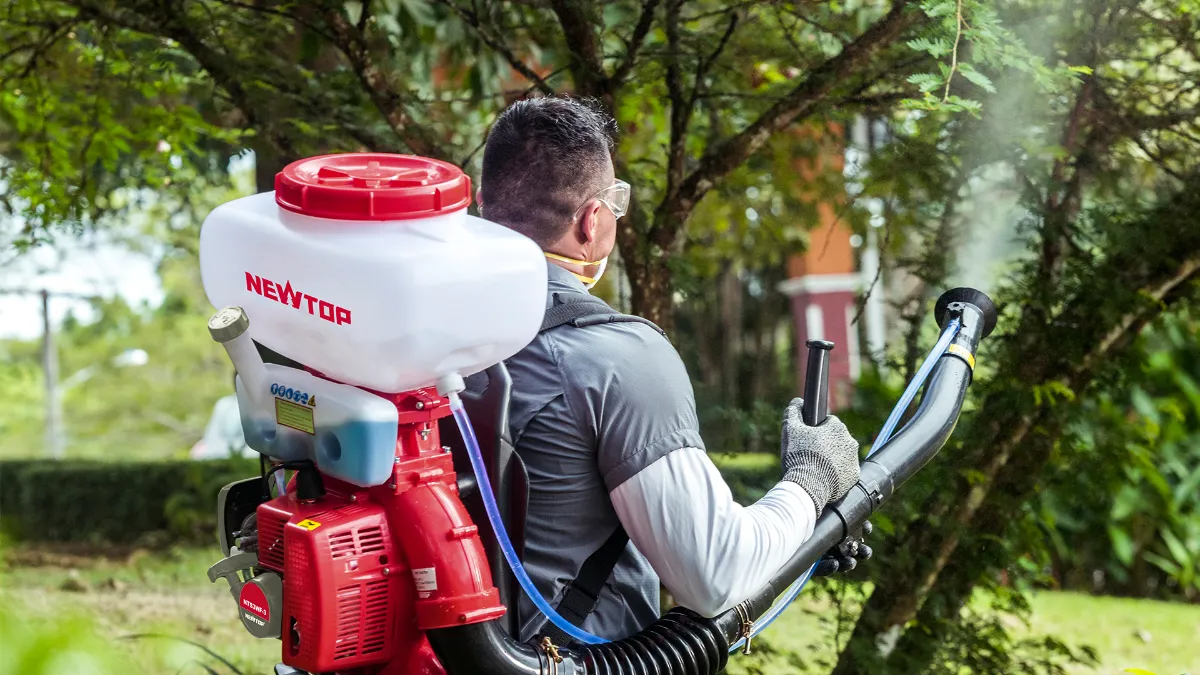
عبر مناطق زراعية مختلفة, تساعد الرشاشات المحمولة على الظهر في إدارة حماية المحاصيل بكفاءة. في حقول الأرز في جنوب شرق آسيا, يتم استخدامها لتطبيق المبيدات الحشرية المستهدفة. في بساتين أمريكا الجنوبية, تسمح الرشاشات للمزارعين بمعالجة الأشجار دون التسبب في جريان مفرط للمواد الكيميائية. أبعد من الزراعة, تستخدم هذه الرشاشات أيضًا مكافحة الآفات الحضرية وبرامج الصرف الصحي العامة. تعتمد فعالية البخاخ على تصميم الخزان الخاص به, آلية الضخ, اختيار فوهة, وتقنية المشغل, مما يجعل اختيار المعدات أمرًا بالغ الأهمية للحصول على نتائج متسقة.
يعد هذا الدليل بمثابة تحليل فني كامل للمديرين الزراعيين والمشغلين الميدانيين. سوف نقوم بتحديد كل عنصر رئيسي في تشريح البخاخ. سوف تحصل على واضحة, إجراء خطوة بخطوة لإعداد وتشغيل المعدات لأول مرة, جنبا إلى جنب مع قائمة نهائية من معدات السلامة الأساسية. ينصب التركيز على بناء عملية قابلة للتكرار من أجل الأمان, فعال, والإدارة الفعالة للمحاصيل.
ما هو الرشاش الظهري?
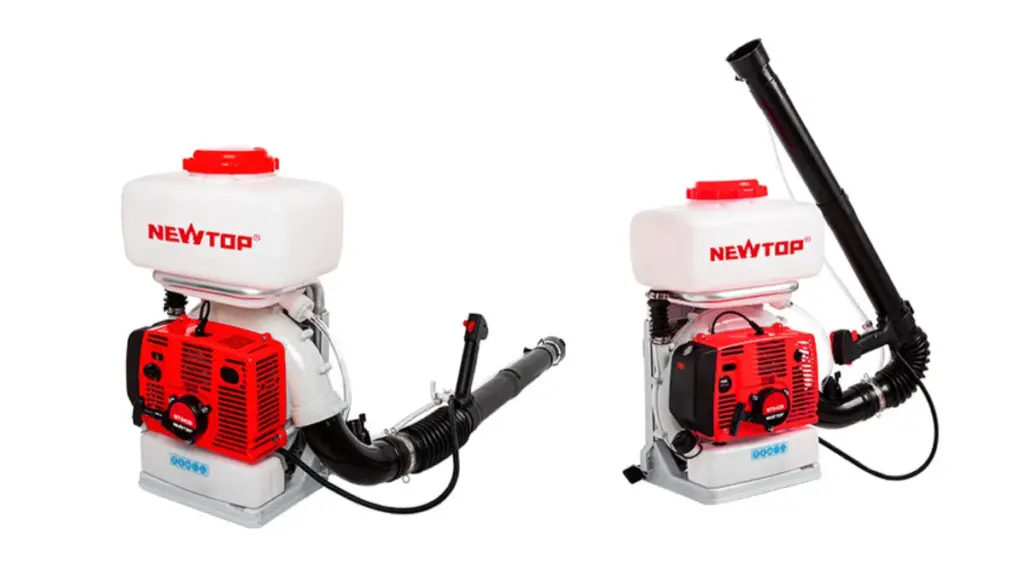
الرشاشات المحمولة على الظهر, تُعرف أيضًا باسم رشاشات الظهر, مدمجة, الأجهزة المحمولة المصممة لتطبيق السوائل مثل المبيدات الحشرية, مبيدات الأعشاب, الأسمدة, والمياه مباشرة على المحاصيل, النباتات, والتربة. يسمح تصميمها للمشغل بحمل البخاخ على ظهره أثناء التحكم في الفوهة بيد واحدة, توفير القدرة على الحركة والدقة في المناطق التي لا تستطيع معدات الرش الأكبر الوصول إليها. إن قابلية النقل والقدرة على التكيف للرشاشات المحمولة على الظهر تجعلها تستخدم على نطاق واسع في المساحات الصغيرة- إلى الزراعة المتوسطة الحجم, البستنة, وصيانة المناظر الطبيعية.
على عكس الرشاشات المحمولة باليد أو المثبتة على الجرار, تتفوق الرشاشات المحمولة على الظهر في الرش الدقيق على الأراضي غير المنتظمة, حول المحاصيل المزروعة بكثافة, أو داخل البيوت المحمية. تسمح العصا للمشغل بالوصول إلى الجوانب السفلية للأوراق, الفروع, أو الأماكن التي يصعب الوصول إليها. تتيح الفوهات القابلة للتعديل التحكم في نمط الرش وحجم القطرات, وهو أمر بالغ الأهمية لمنع الانجراف الكيميائي, تحسين التغطية, وتقليل الهدر.
- يستخدم لتطبيق المبيدات الحشرية ومبيدات الفطريات لحماية المحاصيل من الأمراض والآفات.
- يسهل الإدارة الدقيقة لمبيدات الأعشاب للسيطرة على الأعشاب الضارة في الحقول, البساتين, والحدائق.
- يدعم توزيع الأسمدة السائلة لتوصيل العناصر الغذائية مباشرة إلى النباتات.
التحول من النماذج اليدوية إلى النماذج التي تعمل بالطاقة
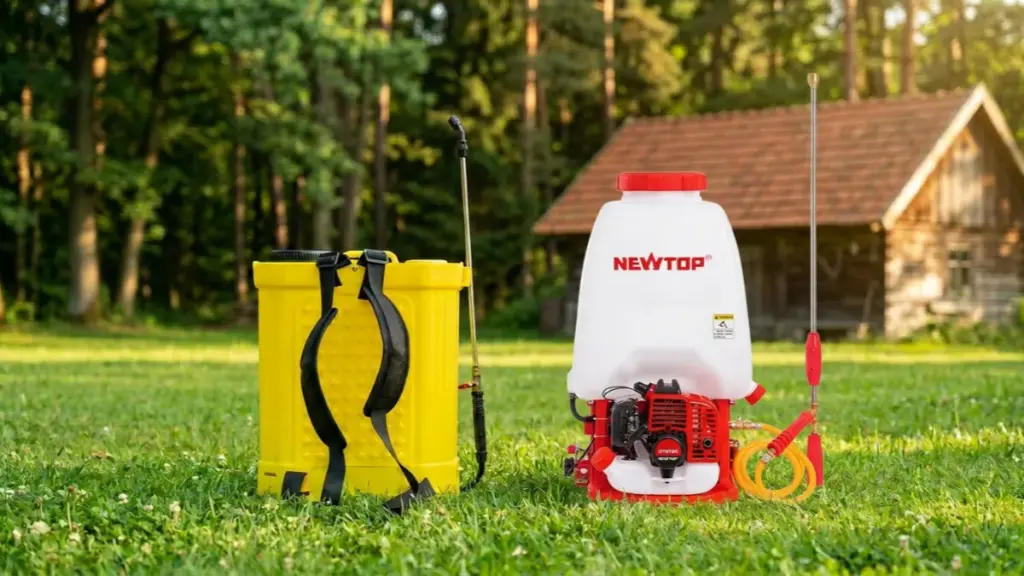
يُظهر السوق اتجاهًا واضحًا للانتقال من الرشاشات اليدوية التقليدية التي تُحمل على الظهر إلى الرشاشات التي تعمل بالبطارية والتي تعمل بمحرك على الظهر. هذا التغيير مدفوع بالحاجة إلى خفض تكاليف العمالة, زيادة سرعة التشغيل, وتحقيق ضغط تطبيق أكثر اتساقًا على مساحات واسعة.
- تظل النماذج اليدوية خيارًا مهيمنًا في الأسواق الحساسة من حيث التكلفة نظرًا لبساطتها والقدرة على تحمل تكاليفها.
- توفر الرشاشات الكهربائية التي تعمل بالبطارية ضغطًا ثابتًا دون إرهاق المشغل, تحسين دقة التطبيق.
- توفر النماذج التي تعمل بالبنزين ضغطًا أعلى وهي مناسبة للعمليات التجارية واسعة النطاق التي تتطلب طاقة مستدامة.
القراءة ذات الصلة: أنواع الرشاشات الظهرية: اختيار أفضل نموذج لمزرعتك
فهم تشريح الرشاشة الظهرية
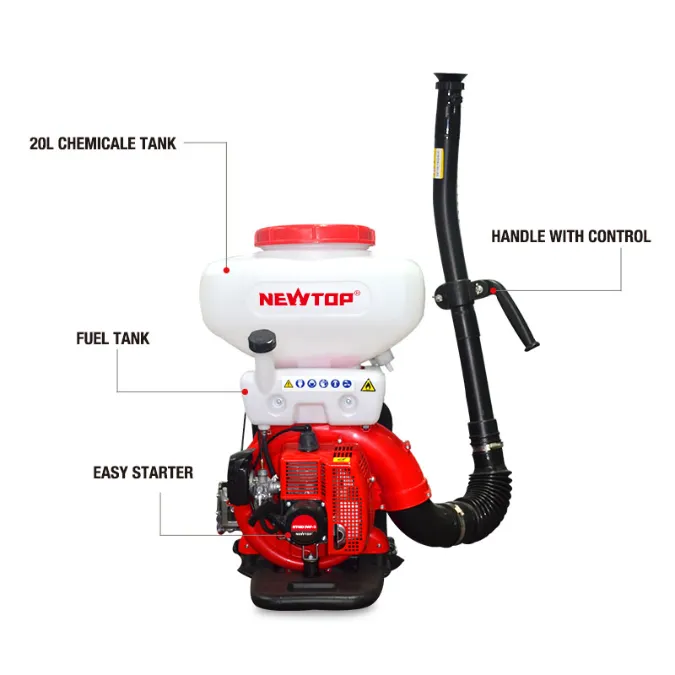
يدمج تصميم الرشاشة الظهرية أربعة أنظمة متميزة — تخزين السوائل, تسليم الرش, التحكم في الضغط, ودعم المشغل - لضمان تطبيق كيميائي موثوق ودقيق.
| نظام المكونات | الأجزاء الرئيسية | الوظيفة الأساسية |
|---|---|---|
| صهريج & الضغط | صهريج, مضخة (المكبس أو الحجاب الحاجز) | يحمل السائل الكيميائي ويولد القوة اللازمة للرش. |
| تسليم الرذاذ | حربة (عصا الرش), فوهة | يوجه السائل المضغوط ويذره إلى نمط محدد. |
| يتحكم & أنظمة | صمام الزناد, منظم الضغط | يدير تدفق السائل ويحافظ على ضغط النظام الثابت لتغطية موحدة. |
| راحة المشغل & صيانة | تسخير, إطار, مصفاة, فلتر | يقلل من إجهاد المشغل ويمنع الانسدادات الداخلية لإطالة عمر المعدات. |
الخزان ونظام الضغط
يشكل الخزان والمضخة قلب الرشاشة الظهرية. يعمل الخزان كخزان للمحلول الكيميائي, تحتوي عادة على 10-20 لترًا, اعتمادا على النموذج والاستخدام المقصود. الدبابات مصنوعة من مادة متينة, مواد بلاستيكية مقاومة للمواد الكيميائية, والتي يمكن أن تتحمل التعرض للأسمدة, مبيدات الأعشاب, والمبيدات الحشرية دون تآكل أو تشويه.
تولد المضخة الضغط الذي يدفع السائل عبر النظام. تُستخدم المضخات المكبسية عمومًا عند الحاجة إلى الرش عالي الضغط, توفير قوية, تيار ثابت. تُفضل مضخات الحجاب الحاجز للتركيبات الكيميائية الكاشطة أو العدوانية, تقديم ضغط أكثر سلاسة وتقليل التآكل. يؤثر اختيار نوع المضخة على اتساق الرش, تعب المشغل, والكفاءة الشاملة.
مكونات توصيل الرذاذ
بمجرد الضغط, ينتقل السائل عبر الرمح (عصا الرش) ويخرج من خلال الفوهة.
- حربة (عصا الرش): يسمح هذا القضيب القابل للتمديد للمشغل بالوصول إلى الأوراق, ينبع, وغيرها من المناطق التي يصعب الوصول إليها, التأكد من أن جميع الأسطح تتلقى العلاج. يعد طوله وقدرته على المناورة أمرًا بالغ الأهمية بالنسبة للمحاصيل الكثيفة أو بيئات البساتين.
- فوهة: تقوم الفوهة بتفتيت السائل إلى قطرات وتشكيل نمط الرش. تشمل الأنواع الشائعة:
- فوهة المروحة المسطحة: تنتج رقيقة, ورقة موحدة لتغطية متساوية على الأسطح العريضة.
- فوهة مخروطية: يخلق نمط رذاذ دائري, مثالية للتغشية المستهدفة وأوراق الشجر الكثيفة.
- فوهة قابلة للتعديل: يسمح للمشغلين بتغيير نوع الرش وفقًا لمتطلبات المحصول.
يضمن الاختيار الصحيح لنوع الفوهة الاستخدام الكيميائي الفعال, يقلل من الانجراف, ويقلل من الإفراط في التطبيق.
آليات الرقابة والتنظيم
تعتمد فعالية الرش على قدرة المشغل على تنظيم تدفق السائل والضغط:
- صمام الزناد: شنت على مقبض العصا, وهذا يسمح بالتحكم الفوري في بدء وإيقاف تدفق السائل. فهو يساعد على تقليل النفايات الكيميائية ويحسن الدقة أثناء التطبيقات المستهدفة.
- منظم الضغط / غرفة الضغط: يحافظ على ضغط النظام المستمر, ضمان رذاذ موحد في جميع أنحاء منطقة العلاج بأكملها. يعد الضغط المستمر مهمًا بشكل خاص في المضخات اليدوية أو الرشاشات التي تعمل بالبطارية, منع التغطية غير المتكافئة أو البقع المفقودة.
معاً, تسمح هذه الآليات للمشغلين بالحفاظ على معدلات تطبيق دقيقة, التكيف مع المحاصيل المختلفة, والتقليل من استخدام المواد الكيميائية.
ميزات راحة المشغل والصيانة
يعمل التصميم المريح على تحسين سهولة الاستخدام ويقلل من إجهاد المشغل, خاصة أثناء جلسات الرش الطويلة:
- تسخير والإطار: مبطن, تعمل الأشرطة القابلة للتعديل على توزيع وزن البخاخ بالتساوي على الكتفين والظهر, تقليل الضغط. تشتمل بعض الطرز على أحزمة الخصر أو دعامات الظهر لمزيد من الراحة.
- مصفاة وتصفية: يتم وضعها عند مدخل الخزان أو داخل المضخة, هذه تمنع الحطام من دخول النظام, تقليل خطر انسداد الفوهة وإطالة عمر المعدات.
الفحص الروتيني والصيانة لهذه المكونات, مثل تنظيف المرشحات وضبط الأشرطة, يضمن أداءً ثابتًا ويزيد من عمر خدمة البخاخ.
زوّد السوق الخاص بك بأداء مثبت
الأهمية الاقتصادية للرشاش الظهري في الزراعة الحديثة
تعمل الرشاشات المحمولة على الظهر على تعزيز ربحية المزرعة بشكل مباشر من خلال تمكين التطبيق الكيميائي الدقيق, مما يقلل من تكاليف المدخلات ويحسن كفاءة العمل.
كفاءة التكلفة وتحسين الموارد
توفر الرشاشات الظهرية مزايا اقتصادية كبيرة من خلال ضمان التطبيق الدقيق للمدخلات الزراعية. تساعد هذه الدقة على تقليل النفايات الكيميائية, خفض التكاليف التشغيلية للمزارعين بشكل مباشر وتحسين ربحية المزرعة بشكل عام.
- تعمل مضخات الضغط العالي والفوهات القابلة للتعديل على تحسين استخدام المبيدات والأسمدة, الحد من الإفراط في التطبيق.
- تقلل الخزانات ذات السعة الكبيرة من الحاجة إلى إعادة التعبئة بشكل متكرر, مما يوفر وقت العمل الثمين ويزيد من استمرارية العمل.
- يساعد التطبيق المستهدف المزارعين على الحصول على أكبر قيمة من كل لتر من المواد الكيميائية, تعزيز كفاءة الموارد.
إنتاجية العمل وتوفير الوقت
المحمولة, يعمل التصميم المحمول لهذه الرشاشات على تعزيز كفاءة العمل في المزارع بشكل كبير. فهو يسمح لعامل واحد بإدارة مناطق أكبر بسرعة أكبر وبدقة أكبر, تحسين نشر القوى العاملة, خاصة عندما تكون العمالة نفقة كبيرة.
- يمكن للمزارعين تغطية مساحة أكبر في وقت أقل, فائدة حاسمة للعمليات الصغيرة والمتوسطة الحجم.
- يتيح التصميم المريح للمشغلين العمل بشكل مريح والحفاظ على أداء ثابت طوال اليوم, تعظيم الانتاج.
حجم السوق ونمو التصنيع
يسلط الطلب العالمي على الرشاشات المحمولة على الظهر الضوء على أهميتها الاقتصادية, تعزيز نمو مراكز التصنيع الكبرى. ويعكس هذا التركيز الصناعي العائد المؤكد للأداة على الاستثمار بالنسبة للمزارعين في جميع أنحاء العالم.
- مناطق مثل تايتشو, أصبحت الصين مراكز رئيسية لإنتاج الرشاشات الظهرية, إمداد الأسواق العالمية.
- الطلب العالمي القوي مدفوع بالفوائد الاقتصادية الواضحة ومكاسب الكفاءة التي توفرها هذه الرشاشات للقطاع الزراعي.
الاستدامة واستمرارية المزرعة على المدى الطويل
من خلال تمكين العلاجات المستهدفة وتقليل الاستخدام الكيميائي العام, تساهم الرشاشات المحمولة على الظهر في تحقيق زراعة أكثر استدامة وفعالية من حيث التكلفة. وهذا النهج يقلل من النفقات المباشرة ويعزز الصحة الاقتصادية للمزرعة على المدى الطويل.
- إن دعم استراتيجيات الإدارة المتكاملة للآفات يقلل من الاعتماد على التطبيقات الكيميائية واسعة النطاق.
- إن خفض المدخلات الكيميائية لا يؤدي إلى خفض التكاليف فحسب، بل يقلل أيضاً من المسؤوليات البيئية الطويلة الأجل, جعل العمليات الزراعية أكثر مرونة.
الأنواع الشائعة من المضخات المستخدمة في الرشاشات الظهرية
اختيار تقنية المضخة في الرشاشة الظهرية - المكبس عادةً, غشاء, أو التي تعمل بالبطارية - تملي بشكل مباشر توافقها الكيميائي, قدرات الضغط, وكفاءة المشغل.
مضخات المكبس
تعد المضخات المكبسية خيارًا شائعًا وموثوقًا للرشاشات المحمولة على الظهر, خاصة عند العمل مع التركيبات السائلة القياسية. تصميمها الميكانيكي البسيط يسمح لها بتوليد ضغط ثابت للتطبيق الفعال. وهذا يجعلها الاختيار الأمثل للعديد من المهام الزراعية والمناظر الطبيعية القياسية.
- الأنسب للمواد الكيميائية غير الكاشطة مثل المبيدات الحشرية السائلة ومبيدات الأعشاب.
- معروف بتحقيق مستويات ضغط أعلى, وهو مفيد لبعض مهام الرش.
- يعمل البناء المباشر على تبسيط عملية الصيانة والإصلاح.
مضخات الحجاب الحاجز
تم تصميم مضخات الحجاب الحاجز لضمان المتانة, خاصة عند رش المواد الكيميائية الكاشطة أو المسببة للتآكل. الآلية الداخلية للمضخة معزولة عن المادة الكيميائية, الذي يحمي الأجزاء المتحركة من التآكل والتلف. يعد هذا التصميم أمرًا بالغ الأهمية للمشغلين الذين يعملون بشكل متكرر مع المساحيق القابلة للبلل أو غيرها من التركيبات الصعبة.
- مثالية للمواد الكاشطة مثل المساحيق القابلة للبلل وبعض الأسمدة.
- يقلل التصميم المختوم من الاتصال المباشر بين المواد الكيميائية والمكونات المهمة.
- يوفر عمر خدمة أطول عند استخدامه مع التركيبات الصعبة.
القراءة ذات الصلة: مكبس بخاخ الظهر مقابل. مضخة الحجاب الحاجز: أي نظام يفوز?
مضخات تعمل بالبطارية
تمثل الأنظمة التي تعمل بالبطارية تحولًا كبيرًا في حقيبة الظهر سوق البخاخات. أنها تلغي الحاجة إلى الضخ اليدوي, تقليل تعب المشغل وضمان الثبات, ضغط متساوي لتغطية رش موحدة. تكتسب هذه التكنولوجيا قوة جذب في العمليات التجارية حيث يعد الاتساق والكفاءة من الاهتمامات الأساسية.
- يوفر توصيل ضغط ثابت دون بذل جهد بدني.
- يقلل من تعب المشغل, مما يسهل إكمال المهام الكبيرة.
- يزيد من الكفاءة والدقة لكل من المستخدمين الزراعيين والسكنيين.
كيفية تحضير وتشغيل البخاخ الموجود على ظهرك لأول مرة
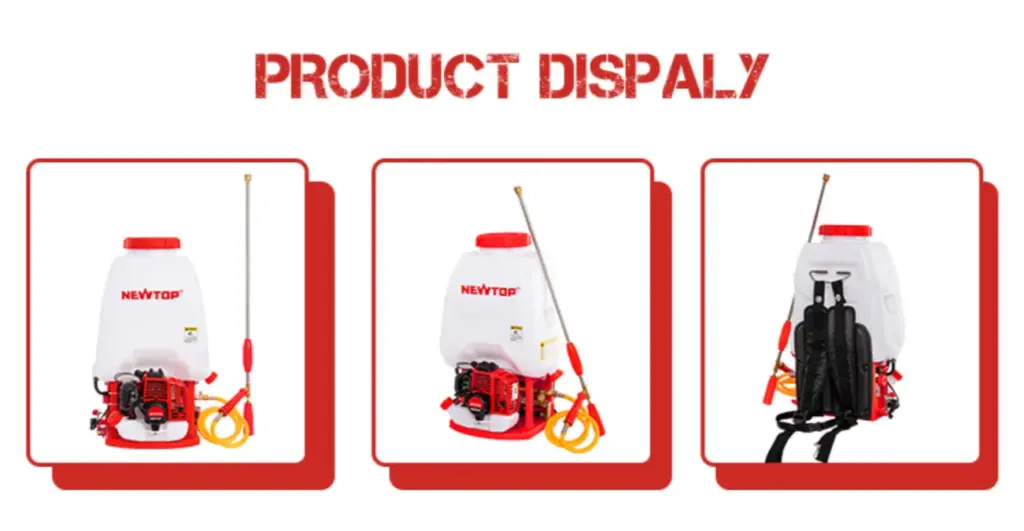
يتضمن الإعداد الصحيح لجهاز الرش سلسلة من عمليات الفحص قبل الاستخدام, معايرة دقيقة, خلط كيميائي آمن, وتقنية تطبيق متسقة لضمان السلامة والفعالية التشغيلية.
| منصة | الإجراء الرئيسي | الهدف الأساسي |
|---|---|---|
| التفتيش قبل العملية | تحقق من وجود الشقوق, تشديد جميع الاتصالات, واختبارها بالماء النظيف. | منع التسربات وتأكيد وظيفة المضخة الأساسية. |
| معايرة | رش منطقة اختبار مقاسة لحساب معدل التطبيق. | ضمان الجرعات الدقيقة لتجنب الهدر وتلف المحاصيل. |
| خلط & تعبئة | ارتداء معدات الوقاية الشخصية, نصف مملوء بالماء, أضف مادة كيميائية, ثم أعلى. | تحقيق الأمان, مختلطة تماما, والحل الفعال. |
| تقنية الرش | الحفاظ على وتيرة ثابتة, ارتفاع فوهة ثابت, ويمرر التداخل. | تحقيق تغطية موحدة وتقليل الانجراف الكيميائي. |
التفتيش والتجميع قبل التشغيل
قبل أن تملأ الخزان بأي مادة كيميائية, التفتيش الكامل والتجميع السليم إلزاميان. يتحقق هذا الفحص الأولي من عدم تعرض الوحدة للتلف أثناء الشحن وأن جميع المكونات متصلة بشكل صحيح لمنع التسربات وضمان التشغيل الآمن. يعد اختبار الماء البسيط هو الخطوة الأخيرة للتأكد من أن النظام يتحمل الضغط كما هو متوقع.
- قم بفك جميع المكونات والتحقق منها مقابل قائمة الأجزاء في دليل المستخدم.
- قم بفحص الخزان بحثًا عن أي شقوق أو عيوب وتأكد من أن جميع الأختام والحشيات في مكانها الصحيح.
- نعلق الخرطوم بقوة, عصا الرش, والفوهة, تشديد كل اتصال لإنشاء ختم مانع للتسرب.
- املأ الخزان بالماء النظيف لاختبار المضخة. قم ببناء الضغط وتحقق من وجود أي قطرات أو تسربات من الوصلات أو الأختام.
معايرة البخاخ للحصول على الجرعات الدقيقة
المعايرة هي عملية مطابقة مخرجات الرشاش مع متطلبات المادة الكيميائية والمنطقة المستهدفة. المعايرة الصحيحة ليست اختيارية; فهو أمر أساسي للعلاج الفعال, منع هدر المواد الكيميائية باهظة الثمن, وحماية المحاصيل من الانتهاء- أو جرعة أقل من اللازم. الهدف هو تحديد مقدار السائل الذي يستخدمه البخاخ على منطقة محددة بالضبط حتى تتمكن من خلط المحلول بدقة.
- املأ البخاخ بكمية محددة من الماء (على سبيل المثال, 5 لتر).
- حدد منطقة اختبار محددة, مثل 10 متر مربع (2م × 5 م).
- رش منطقة الاختبار باستخدام نفس سرعة المشي وإيقاع الضخ الذي تخطط لاستخدامه في المهمة الفعلية.
- قياس كمية المياه المتبقية في الخزان. الفرق هو معدل طلبك, والتي يمكنك استخدامها لضبط التقنية أو الخليط الخاص بك.
إجراءات الخلط والتعبئة المناسبة
يعد التعامل مع المركزات الكيميائية وخلطها خطوة عالية الخطورة تتطلب الالتزام الصارم ببروتوكولات السلامة. اتبع دائمًا التعليمات المطبوعة على ملصق المادة الكيميائية. الإجراء القياسي هو ملء الخزان جزئيًا بالماء أولاً, مما يساعد على تخفيف التركيز بأمان ويعزز مزيجًا أكثر شمولاً.
- ارتدِ دائمًا معدات الحماية الشخصية الخاصة بك (معدات الوقاية الشخصية), وخاصة القفازات المقاومة للمواد الكيميائية ونظارات السلامة, قبل التعامل مع المواد الكيميائية.
- املأ خزان الرش إلى منتصفه تقريبًا بالكمية المطلوبة من الماء.
- أضف الحجم المقاس من التركيز الكيميائي إلى الماء الموجود في الخزان.
- أضف الماء المتبقي للوصول إلى الحجم النهائي المطلوب, ثم أغلق الغطاء بشكل آمن وحرك الخزان لخلط المحلول بالكامل.
تقنيات الرش الآمنة والفعالة
تتحكم تقنيتك البدنية أثناء التطبيق بشكل مباشر في جودة التغطية ومستوى التعرض لديك. منضبطة, تضمن الطريقة المتسقة تطبيق المادة الكيميائية بشكل موحد عبر السطح المستهدف وتقلل من خطر الانجراف, حيث ينتقل الرذاذ إلى مناطق غير مقصودة. يعد الحفاظ على الضغط الثابت من خلال الضخ المستمر أمرًا أساسيًا لنمط رش متساوٍ.
- المشي بشكل ثابت, وتيرة ثابتة مع الحفاظ على الفوهة على ارتفاع ثابت من النباتات أو الأرض المستهدفة.
- تطبيق الرذاذ على نحو سلس, حركة كاسحة. قم بتداخل كل تمريرة قليلاً لتجنب الفجوات وضمان التغطية المتساوية.
- لا ترش في ظروف عاصف. الرياح تسبب الانجراف الكيميائي, إضاعة المنتج واحتمال الإضرار بالمجاور, النباتات أو الممتلكات غير المستهدفة.
- ضخ المقبض بإيقاع ثابت للحفاظ على ضغط ثابت, وهو أمر بالغ الأهمية لنمط رش موحد ومعدل التدفق.
معدات السلامة الأساسية لمهام الرش على الظهر
استخدام معدات الحماية الشخصية الصحيحة (معدات الوقاية الشخصية) هو معيار الصناعة غير قابل للتفاوض, تشكل خط الدفاع الأساسي ضد التعرض للمواد الكيميائية أثناء جميع عمليات الرش.
المآزر الواقية والأحذية
لحماية الجسم من الاتصال المباشر بالمواد الكيميائية, يعد ارتداء المآزر التي تغطي كامل الجسم والأحذية المقاومة للمواد الكيميائية أمرًا أساسيًا. يعمل هذا الترس كحاجز أساسي ضد الانسكابات العرضية, البقع, ورش الانجراف أثناء الخلط والتطبيق.
- حدد المآزر المصنوعة من دائم, مواد غير ماصة مصممة لمقاومة الاختراق الكيميائي.
- استخدم أحذية مقاومة للماء تكون عالية بما يكفي لتغطيتها بأرجل البنطال, منع السوائل من الجريان إلى داخلها.
- قبل كل استخدام, افحص جميع المعاطف والأحذية بحثًا عن أي تمزقات أو ثقوب يمكن أن تؤثر على الحماية.
قفازات مقاومة للمواد الكيميائية
الأيدي معرضة بشدة للتعرض للمواد الكيميائية. غير مُبطن, تعتبر القفازات المقاومة للماء المصنوعة من مواد مثل النتريل أو النيوبرين ضرورية للتعامل مع المبيدات الحشرية بأمان, خلط الحلول, وتشغيل البخاخة.
- اختر القفازات التي تمتد إلى ما هو أبعد من المعصم لحماية الساعدين.
- لا تستخدم أبدًا القفازات الجلدية أو القماشية, لأنها تمتص المواد الكيميائية وتحتفظ بها, مما يؤدي إلى ملامسة الجلد لفترة طويلة.
- تحقق بانتظام من وجود علامات التدهور, مثل الشقوق أو تغير اللون, واستبدالها على الفور في حالة العثور على ضرر.
حماية العين والوجه
تعد حماية العينين من البقع الكيميائية أمرًا بالغ الأهمية لمنع الإصابة الخطيرة. تعمل النظارات الواقية ذات التهوية أو درع الوجه الكامل على إنشاء حاجز فعال ضد القطرات المحمولة جواً والرذاذ العرضي.
- تأكد من أن النظارات توفر إحكامًا محكمًا حول العينين لمنع السوائل من جميع الزوايا.
- يمكن أن يوفر واقي الوجه حماية إضافية للوجه بالكامل ولكن يجب استخدامه مع نظارات واقية لضمان سلامة العين بشكل كامل.
- النظارات القياسية ليست بديلاً عن نظارات السلامة المناسبة لأنها لا تحمي من البقع.
حماية الجهاز التنفسي
استنشاق الرذاذ أو الأبخرة الكيميائية يمكن أن يؤدي إلى مشاكل صحية خطيرة. يقوم جهاز التنفس الصناعي المجهز بشكل صحيح بتصفية الجزيئات الضارة ويعتبر قطعة حيوية من المعدات عند العمل مع العديد من أنواع المواد الكيميائية الزراعية.
- يتم تحديد النوع المحدد لجهاز التنفس المطلوب حسب المادة الكيميائية التي يتم تطبيقها; تحقق دائمًا من ورقة بيانات سلامة المنتج.
- من الضروري وجود ختم محكم بين جهاز التنفس والوجه حتى يعمل بشكل صحيح.
- استبدل المرشحات والخراطيش بناءً على تعليمات الشركة المصنعة أو إذا أصبح التنفس صعبًا.
جاهز للعمل مع قمة 5 مصنع الرشاشات الظهرية?
نيوتوب انتهى 20 سنوات من الخبرة في تصنيع أدوات الحدائق والمعدات الزراعية, توفير موثوقة الرشاشات المحمولة على الظهر للأسواق العالمية. وتشمل المزايا:
- مجموعة واسعة من المنتجات: الرشاشات اليدوية والبنزين المحمولة على الظهر لمختلف التطبيقات الزراعية.
- التوزيع العالمي: المنتجات التي يتم شحنها إلى 65+ بلدان, مع دعم ما بعد البيع ونقاط الخدمة المحلية.
- الشهادات والجودة: م, ع, إيتل, وتضمن خطوط الإنتاج المعتمدة من ISO الأداء المتسق.
- خيارات التخصيص: حلول OEM/ODM لسعة الخزان, أنواع الفوهة, والعلامات التجارية لتلبية المتطلبات الإقليمية.
- الدعم الفني: ر&يضمن التصميم المدعوم على شكل حرف D متانة طويلة الأمد وتطبيقًا كيميائيًا دقيقًا.
الشراكة معنا تضمن الوصول إلى الجودة العالية, رشاشات متينة مناسبة لتحديات الزراعة الحديثة.
خاتمة
يعد الرشاش الظهري أداة أساسية في الزراعة الحديثة, تقديم طريقة دقيقة ومحمولة لإدارة المحاصيل. فهم مكوناته الأساسية, التشغيل السليم, وتدابير السلامة الأساسية هي المفتاح لتعظيم فعاليتها. تساعد هذه المعرفة على ضمان التطبيق المتسق, يحمي المشغل, ويطيل عمر المعدات.
إذا كنت مصادر معدات جديدة, فكر في نوع المضخة وقدرتها التي تناسب احتياجاتك التشغيلية بشكل أفضل. اتصل بفريقنا لمراجعة الكتالوج الكامل الخاص بنا للرشاشات اليدوية المتينة والرشاشات المحمولة على الظهر والتي تعمل بالبطارية.
الأسئلة المتداولة
ما هو استخدام البخاخ الظهري في الزراعة?
تستخدم الرشاشات المحمولة على الظهر الأسمدة, مبيدات الأعشاب, المبيدات الحشرية, والمياه مباشرة إلى المحاصيل, تحسين صحة النبات وتقليل النفايات الكيميائية.
ما هي الأجزاء الرئيسية للرشاشة الظهرية?
صهريج, مضخة, خرطوم, عصا, فوهة, الأشرطة, واختياريا منظم الضغط.
كيف يعمل الرشاش الظهري?
المضخة تضغط على السائل, إجباره من خلال الخرطوم والفوهة. تتحكم الفوهة في حجم القطرة ونمط الرش.
هل الرشاش اليدوي أم الرشاش المحمول على الظهر أفضل؟?
الرشاشات اليدوية مناسبة للمزارع الصغيرة أو للاستخدام قصير المدى. توفر الطرازات التي تعمل بالبطارية ضغطًا موحدًا وتقلل من إجهاد المشغل عند القيام بالمهام الأكبر أو المتكررة.
ما هي سعة الرشاشة الظهرية القياسية؟?
تتراوح معظم الرشاشات المحمولة على الظهر القياسية من 10 ل 20 لتر (حوالي 2.6-5.3 جالون), مع كون سعة 16 لتر و20 لتر هي القدرات الأكثر استخدامًا على نطاق واسع في التطبيقات الزراعية.
كيفية الحفاظ على البخاخة الظهرية بعد الاستخدام?
شطف الخزان, خراطيم, والفوهات بدقة. فحص الأضرار وتخزينها في مظللة, منطقة جافة. قم بتشحيم الأجزاء المتحركة بشكل دوري لإطالة عمر الخدمة.
أين يمكنني العثور على الشركات المصنعة الموثوقة للرشاشات الظهرية?
يتطلب اختيار مورد موثوق تقييم حجم الإنتاج, معايير اختبار المضخة, اتساق قطع الغيار, وشهادات التصدير. يمكنك مراجعة دليلنا التفصيلي على قمة 10 مصنعي رشاشات الظهر لمقارنة المصانع العالمية الرائدة.
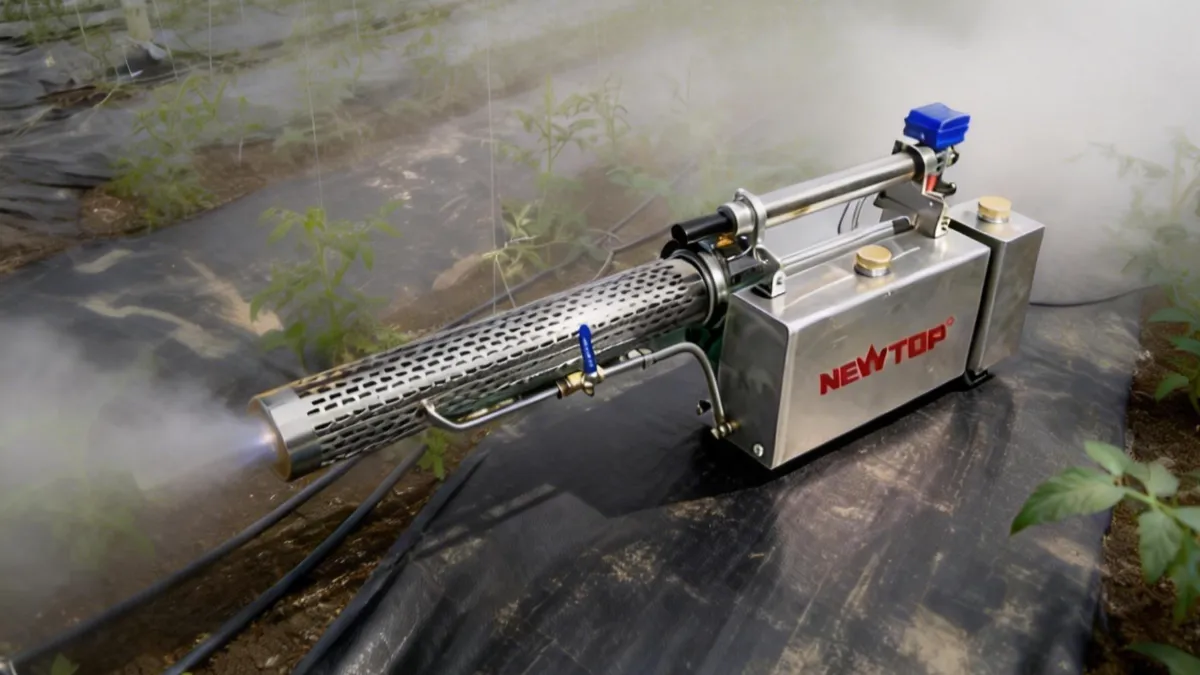
Answering ‘what is a fogger sprayer’ is the critical first step in preventing costly chemical waste and avoiding compliance failures in public health and agricultural settings. Many operations mistakenly deploy standard sprayers for tasks demanding precise, aerosolized droplets, which leads to ineffective pest control, incomplete disinfection, and significant financial losses. This fundamental mismatch in equipment is a common operational blind spot that directly impacts both safety and budget.
This guide provides the technical foundation for making informed equipment decisions. We break down the core components of professional fogging machines, detail their primary applications, and compare the key differences between thermal and cold fogger technologies. Consider this your standard operating procedure for evaluating, selecting, and safely deploying the right misting tool for any large-scale job.
What Is a Fogger Sprayer and How It Works?
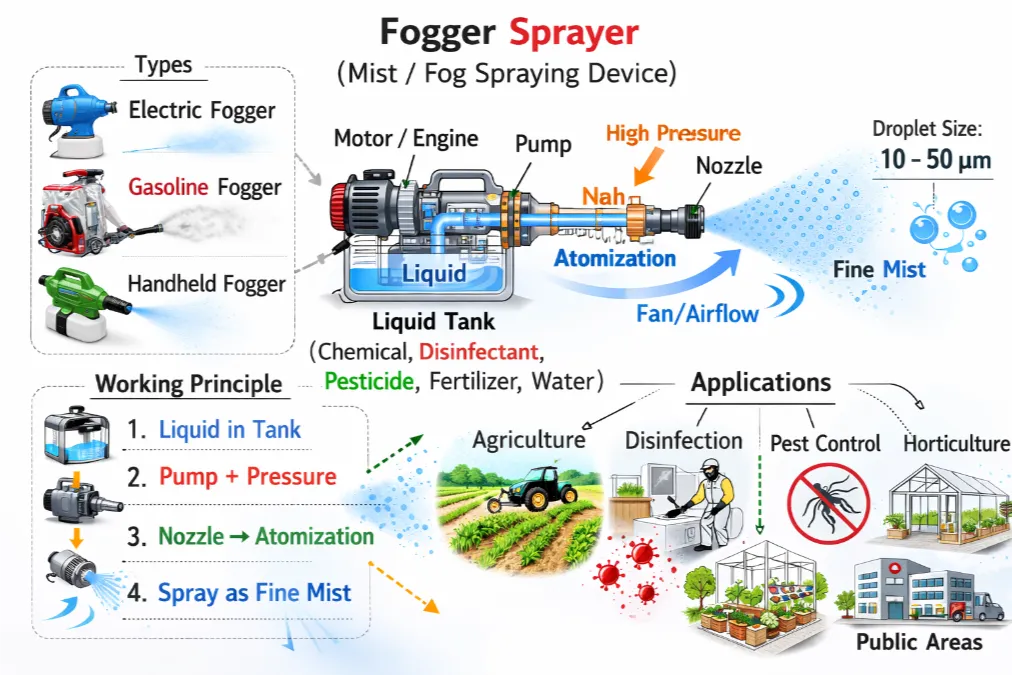
Fogger sprayers atomize liquid solutions into a fine aerosol mist, enabling uniform chemical application across large, complex surfaces that conventional sprayers cannot effectively reach.
A fogger sprayer is a specialized spraying device designed to convert liquid solutions into ultra-low volume (ULV) droplets, typically ranging from 5 ل 50 microns. At this size, droplets behave almost like a gas, drifting through the air and settling evenly over surfaces. This makes fogging particularly effective for insect control, حماية المحاصيل, and large-scale disinfection.
The Basic Fogging Mechanism
A fogger works by atomizing a liquid solution. A motor-driven pump draws the chemical from a tank and pressurizes it. This pressurized liquid is then forced through a specialized nozzle, which breaks it down into tiny droplets. A blower or fan propels these aerosol particles into the target environment, creating a fog that settles on all exposed surfaces. The machine’s design controls the droplet size to optimize air suspension time and ensure effective surface contact.
Major Fogging Technologies Used Today
Modern fogging equipment is generally categorized into thermal foggers, ULV cold foggers, and electrostatic systems. Each operates on a distinct atomization principle and is suited to different environments.
Thermal Foggers
Thermal foggers use a heated coil or combustion chamber to vaporize oil-based or water-based solutions. When the vapor exits the nozzle and encounters cooler ambient air, it condenses into a thick, visible fog. This visible plume helps operators monitor coverage in open environments.
Thermal systems are widely used in outdoor mosquito control programs, agricultural field treatments, and public health operations across tropical regions. They are especially effective when rapid large-area dispersion is required. لكن, because they rely on combustion and heat, they are typically not recommended for enclosed indoor spaces without proper ventilation.
ULV (Ultra Low Volume) Cold Foggers
Cold foggers, often referred to as ULV foggers, rely entirely on mechanical energy rather than heat. A high-speed blower or turbine shears the liquid into extremely fine droplets, typically under 30 microns.
ULV fogging is ideal for indoor disinfection, food processing facilities, greenhouses, poultry farms, and warehouses. Since there is no combustion process, cold foggers are safer for enclosed environments and compatible with water-based disinfectants. They are also more energy-efficient and generally produce less visible residue compared to thermal systems.
Electrostatic Sprayers
Electrostatic systems represent a more advanced variation of fogging technology. In these machines, droplets receive an electrical charge as they exit the nozzle. This charge causes the particles to actively seek and adhere to surfaces, wrapping around objects for more complete 360-degree coverage.
Electrostatic spraying is commonly used in healthcare facilities, airports, schools, and high-touch public areas where surface disinfection precision is critical. While more specialized and typically higher in cost, electrostatic technology significantly reduces chemical waste and improves uniformity of application.
Key Components of a Professional Fogger Machine
A professional fogger’s performance depends on four core systems working together: the fluid delivery mechanism, the thermal management system, the atomizing nozzle, and the electronic controls that regulate the entire process.
| نظام المكونات | الوظيفة الأساسية | Critical Feature |
|---|---|---|
| Fluid Tank & Pump System | Stores and pressurizes the fogging solution for consistent delivery. | Chemical-resistant tank and reliable high-pressure pump. |
| Heating Element & Heat Exchanger | Rapidly heats and vaporizes the fluid to create a dense fog. | High-wattage heater with integrated thermal safety cutoffs. |
| فوهة & Atomizer Assembly | Expels and atomizes vapor into fine particles of a specific size. | Precision-engineered to control droplet micron size and fog density. |
| Control Electronics & Interface | Manages temperature, fluid flow, and operational timing. | Central PCB with a clear user interface, often including remote control. |
Fluid Tank and Pump System
The fluid tank stores the fogging solution, and its pump pressurizes the liquid before sending it to the heating element. The capacity and material of the tank directly influence the machine’s continuous runtime, while the pump’s reliability determines output consistency. Professional-grade machines use components built for demanding field conditions.
- The tank is constructed from durable, chemical-resistant materials to prevent corrosion from various fogging solutions.
- A high-pressure pump delivers a steady fluid flow, ensuring uniform fog generation without sputtering.
- Internal filters prevent particles from clogging the nozzle, which maintains performance and reduces downtime for maintenance.
Heating Element and Heat Exchanger
In a thermal fogger, this is the engine of the machine. The heating element and heat exchanger work together to rapidly heat and vaporize the fogging solution into a gas. Efficient heat transfer is essential for producing a thick, dry fog and is a key differentiator in machine quality. Poor thermal management can result in a wet, ineffective fog or create a safety hazard.
- A high-wattage heater block achieves the optimal operating temperature quickly, reducing startup time.
- The heat exchanger is designed to maximize the surface area exposed to the fluid, ensuring complete and efficient vaporization.
- Embedded temperature sensors and thermal safety cutoffs are non-negotiable features that prevent the unit from overheating.
Nozzle and Atomizer Assembly
The nozzle is the final stage, where the pressurized, vaporized solution is expelled and atomized into extremely fine particles, creating the visible fog. The engineering of the nozzle assembly determines the droplet size, measured in microns, and the fog’s projection distance. This component is critical for achieving the desired coverage and penetration for applications like مكافحة الآفات or disinfection.
- Precision nozzles create particles of a specific micron size, ensuring the fog hangs in the air and coats surfaces effectively.
- Materials used in the nozzle must withstand high temperatures and constant pressure without degrading.
- Many professional models feature adjustable output settings, allowing operators to control fog density and flow rate for different environments.
Control Electronics and Interface
Modern foggers are not just mechanical devices; they rely on sophisticated electronic controls to manage every function with precision. The central printed circuit board (PCB) regulates temperature, fluid flow, and output timing. A well-designed user interface allows the operator to configure these settings easily and monitor the machine’s status, which is vital for repeatable and predictable results.
- The PCB acts as the brain, synchronizing the pump and heater to produce a consistent output.
- A straightforward interface with buttons, indicator lights, or a digital display gives the operator full control over the machine’s functions.
- Remote control capabilities, whether wired or wireless, allow for convenient and safe operation from a distance.
Professional Fogger Solutions for Large-Scale Control
التطبيقات الأساسية للضباب في مكافحة الآفات والزراعة
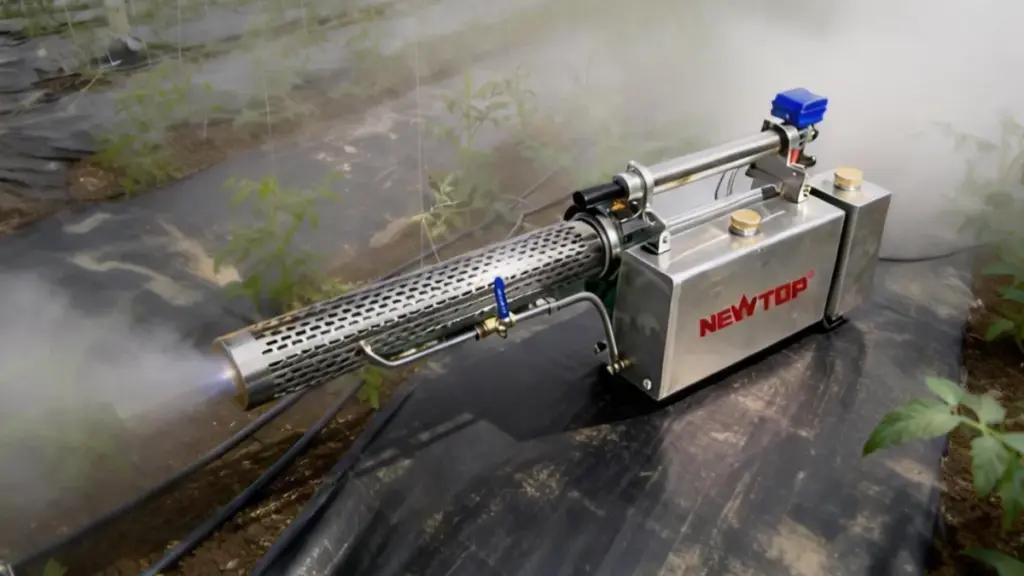
Foggers are essential tools in agriculture and public health, delivering atomized solutions for crop protection, large-scale sanitization, and environmental control.
Agricultural Pest and Disease Management
In farming and greenhouse operations, foggers deliver fine aerosol droplets that penetrate dense plant canopies. This process ensures fungicides and pesticides reach all surfaces, including the undersides of leaves, providing comprehensive protection against pests and diseases. The superior coverage and penetration capabilities are critical for maintaining crop health and maximizing yields.
- Covers large areas like field crops and orchards quickly, improving labor efficiency during treatment windows.
- Delivers uniform application of chemicals, reducing waste and minimizing environmental runoff.
- Effective for controlling insects and fungal growth in controlled environments like greenhouses and nurseries.
Large-Scale Disinfection and Sanitization
ULV (Ultra Low Volume) cold foggers are standard equipment for sanitizing public spaces, commercial facilities, and livestock enclosures. They disperse disinfectants as a fine mist that settles on surfaces to neutralize pathogens without causing excessive wetness. This method is crucial for contamination control protocols in food processing, healthcare, and transportation sectors.
- Used in food production facilities to maintain sanitary conditions and prevent contamination.
- Sanitizes transportation hubs, schools, and hospitals to control the spread of viruses and bacteria.
- Disinfects animal housing such as poultry farms and barns to protect livestock health.
Humidity and Climate Control
Fogging systems help regulate humidity and temperature in specialized agricultural settings. By releasing a fine water mist, they create optimal growing conditions for sensitive plants or help preserve perishable goods. This application of humidity management is vital for high-value crops and extending the shelf life of produce.
- Increases ambient humidity in greenhouses, which is critical for cultivating tropical plants and seedlings.
- Provides evaporative cooling to lower temperatures during hot weather, reducing heat stress on crops.
- Maintains moisture levels in storage facilities for produce and flowers to extend their shelf life.
Read more: قمة 10 Backpack Sprayer Manufacturers in 2026
Benefits of Using a Fogger Sprayer for Large-Scale Disinfection
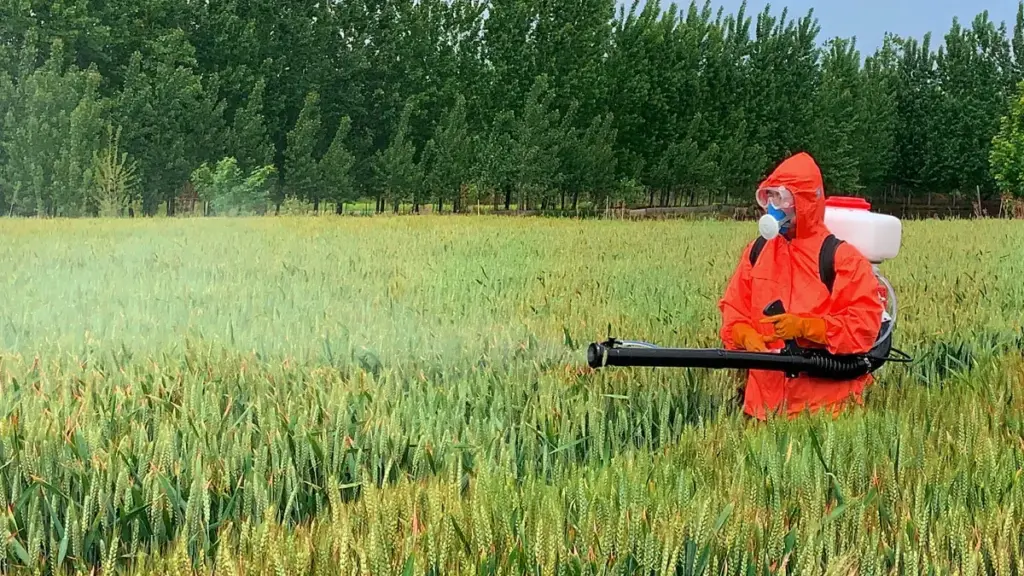
When properly calibrated and applied according to chemical guidelines, fogger sprayers can significantly improve operational efficiency in large-scale disinfection environments. Their ability to produce ultra-fine droplets allows for more uniform spatial coverage compared to conventional manual cleaning methods.
Superior Surface Coverage
Fogging systems generate a controlled mist that disperses throughout an enclosed space rather than targeting only visible surfaces. Because the droplets remain suspended for a period of time, they are more likely to contact elevated surfaces, corners, ventilation openings, and the undersides of equipment.
Electrostatic variants further enhance deposition efficiency by electrically charging droplets, which encourages them to adhere more effectively to target surfaces.
While exact coverage performance depends on room layout and airflow conditions, fogging technology generally provides more consistent volumetric distribution than manual wiping or pump spraying.
Optimized Chemical Efficiency and Labor Productivity
ULV foggers are designed to apply disinfectant solutions in very small droplet sizes, which increases dispersion efficiency. In many facility maintenance scenarios, this allows operators to treat larger areas using lower total liquid volume compared to conventional high-volume spraying.
Additionally, fogging reduces the need for repetitive manual surface wiping across large facilities. A single trained operator can treat open spaces more quickly than traditional cleaning crews, improving labor productivity and reducing operational downtime.
Actual savings will vary depending on room configuration, chemical type, and application protocol.
Rapid Treatment for Extensive Areas
Foggers are particularly valuable in warehouses, production facilities, livestock housing, and other large commercial environments where rapid treatment is essential.
Coverage rate depends on machine capacity and operator technique. Portable and backpack ULV foggers are commonly used for medium-to-large indoor areas, while high-capacity thermal foggers are preferred for outdoor vector control and expansive open spaces.
Because fogging distributes disinfectant in airborne form, it enables faster treatment cycles compared to surface-only cleaning methods, supporting quicker facility turnaround.
Thermal Foggers vs. Cold Foggers: Major Differences
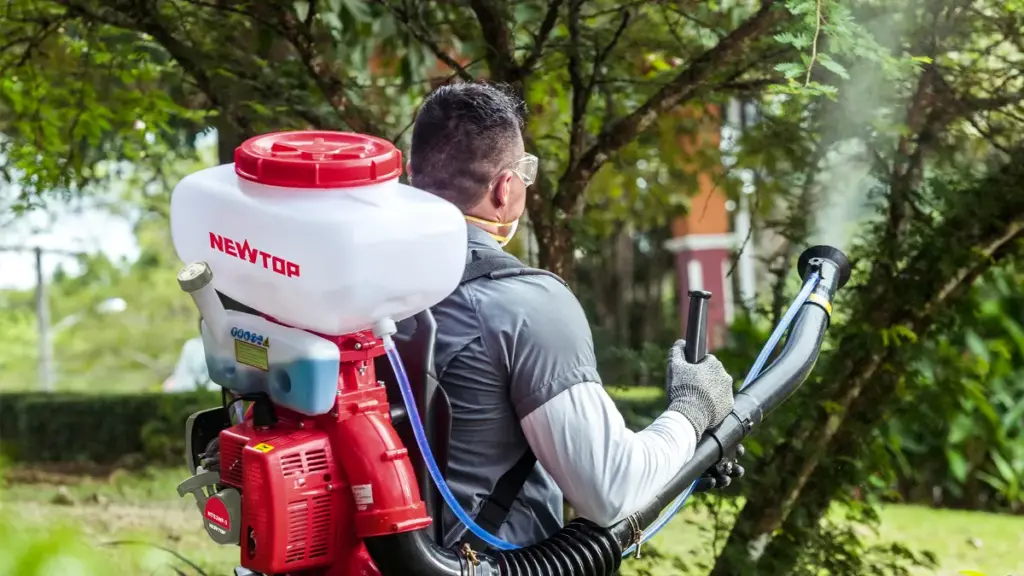
The choice between thermal and cold foggers hinges entirely on the application environment; thermal units excel outdoors with fine, heat-vaporized particles, while cold (ULV) foggers provide safer, heat-free atomization for indoor and sensitive areas.
| Feature | Thermal Fogger | Cold (ULV) Fogger |
|---|---|---|
| Operating Mechanism | Uses heat to vaporize a chemical solution. | Uses high pressure and air shear to atomize liquid. |
| Particle Size | Extremely fine (0.5–10 microns). | Fine, often adjustable (5–50 microns). |
| Ideal Environment | Large-scale outdoor areas (farms, forests). | Indoors and enclosed spaces (hospitals, greenhouses). |
| Safety Profile | Poses a fire hazard; requires careful handling. | No heat, no fire risk, and generally quieter operation. |
| التوافق الكيميائي | Typically requires oil-based carriers. | Works with a wide range of water and oil-based solutions. |
Operating Mechanism and Particle Size
The fundamental distinction between these machines is how they generate fog.
Thermal foggers employ heat to flash-vaporize a chemical solution, which then condenses upon contact with cooler ambient air. This process creates a dense, highly visible fog composed of extremely fine particles.
Cold foggers, also known as Ultra Low Volume (ULV) machines, use high-pressure air to shatter liquid into a fine mist without any heat. This mechanical process of atomization offers greater control over droplet size.
Ideal Applications and Environments
Each fogger type is engineered for specific operational contexts.
Thermal foggers are the established tool for expansive outdoor applications, such as large-scale pest control in agriculture and public health vector control programs. Their dense fog can drift over vast areas, effectively treating forests, farms, and municipalities.
Cold foggers have become the standard for indoor and commercial use where safety and operational noise are primary concerns.
Chemical Compatibility and Safety
Cold foggers offer superior chemical versatility. Because they operate without heat, they can safely aerosolize a wide array of solutions without degrading the active ingredients. This makes them suitable for disinfectants, biocides, and pesticides that are sensitive to high temperatures. This operational safety extends to the operator and the environment, especially in enclosed areas where fire risk must be eliminated.
Thermal foggers are more restrictive, often requiring oil-based carriers to produce a thick fog. The high-temperature operation introduces a clear fire hazard if mishandled or used near flammable materials, making them unsuitable for most indoor applications.
Critical Safety Protocols for Operating Fogging Equipment
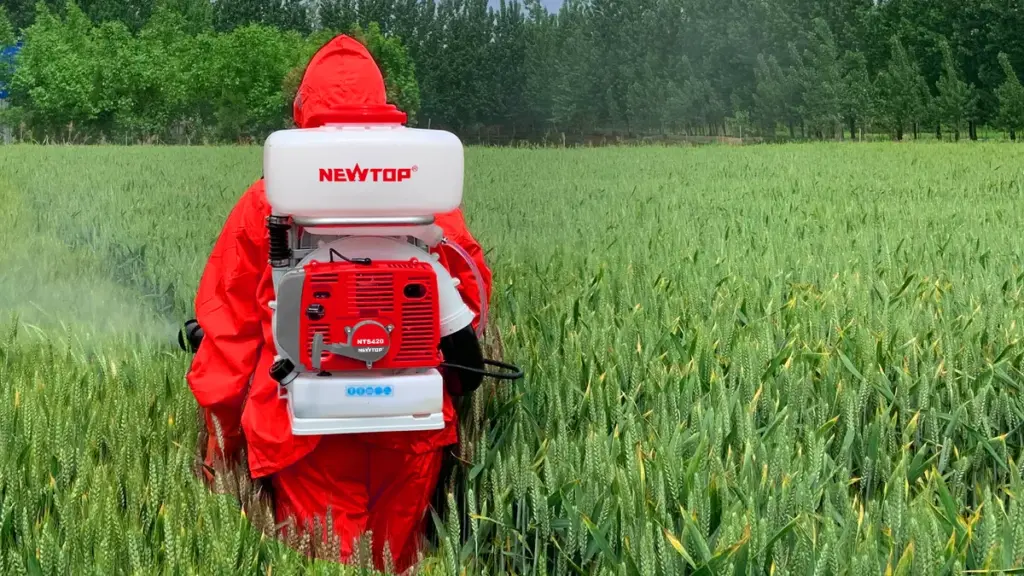
Effective fogging operations depend on standardized safety protocols, including mandatory operator certification, correct PPE usage, and strict adherence to chemical handling and re-entry procedures.
Use of Personal Protective Equipment (معدات الوقاية الشخصية)
Wearing the correct Personal Protective Equipment is the first line of defense for any operator. Regulations require comprehensive protection to prevent chemical exposure through inhalation, skin contact, or eye irritation during the fogging process. Failure to use proper PPE can lead to immediate health risks and long-term complications.
- Full-face respirators with appropriate chemical cartridges are mandatory.
- Chemical-resistant gloves, coveralls, and waterproof boots protect the skin from contact.
- Goggles or face shields provide an extra layer of protection for the eyes.
Area Preparation and Ventilation Control
Properly preparing the treatment area is essential to ensure both effectiveness and safety. This involves isolating the space and managing airflow to contain the fog and protect adjacent environments. A well-prepared area maximizes the disinfectant’s efficacy while minimizing unintended exposure.
- Seal off the designated area by closing all doors, windows, and vents.
- Turn off all HVAC systems to prevent the disinfectant from circulating outside the treatment zone.
- Post warning signs at all entry points to prevent unauthorized access during and after application.
Operator Training and Chemical Management
Operator certification and adherence to chemical guidelines are now industry standards. A trained operator understands the equipment’s functions, the properties of the disinfectant, and how to manage potential risks. This expertise prevents equipment misuse and ensures chemicals are applied at safe, effective concentrations.
- Operators must be certified and trained on the specific fogging equipment in use.
- Always follow the manufacturer’s guidelines for chemical dilution ratios and application rates.
- Confirm chemical compatibility with the equipment to prevent corrosion or malfunction.
Post-Treatment and Safe Re-Entry Protocols
Safety procedures do not end when the application is complete. Post-treatment protocols ensure the area is safe for re-entry and that any chemical residue is managed correctly. These final steps are crucial for protecting occupants and maintaining equipment integrity.
- Adhere to the specified waiting period before ventilating and re-entering the area.
- Thoroughly clean the fogging equipment after each use to maintain its performance and longevity.
- Manage any remaining chemical residue according to environmental safety standards.
Why Choose NEWTOP High-Efficiency Fogger Solutions?
NEWTOP foggers combine precision manufacturing with a robust global supply chain to deliver reliable, versatile equipment for large-scale agricultural and public health operations.
As a leading garden and agricultural machinery manufacturer based in Shanghai, NEWTOP has been manufacturing power equipment since 2003. With more than 10,000 square meters of production facilities and an annual capacity exceeding 500,000 وحدات, the company integrates CNC machining centers, خطوط الإنتاج الآلي, and independent testing laboratories to ensure consistent quality.
NEWTOP’s fogger sprayers are engineered for durability in demanding environments such as tropical agriculture and municipal vector control programs. Core components are selected from globally recognized suppliers, ensuring stable combustion performance and long service life.
The company supports OEM and ODM customization, including color design, branding, التعبئة والتغليف, and parameter adjustments tailored to regional regulations. With CE, وكالة حماية البيئة, and ISO certifications, NEWTOP equipment meets international compliance standards.
For distributors targeting Africa, أمريكا اللاتينية, جنوب شرق آسيا, and emerging Eastern European markets, NEWTOP offers competitive mid-range positioning that balances price, durability, and after-sales support.
Grow Strong with NEWTOP — Your Trustworthy Garden Tools Partner.
For product catalogs, technical specifications, or partnership inquiries, contact:
بريد إلكتروني: خدمة@newtop.com.cn
WhatsApp: +86 13636521556
Website: https://newtoptools.com/
خاتمة
Understanding the mechanics of a fogger sprayer, from its key components to the differences between thermal and cold ULV models, directly impacts operational success. This knowledge ensures you can achieve precise, wide-area coverage for disinfection, مكافحة الآفات, and agricultural treatments. Selecting the right tool optimizes chemical use, enhances safety, and improves overall efficiency.
If you are ready to enhance your operations with reliable misting technology, explore NEWTOP’s line of professional fogger solutions. Contact our team to request a product catalog or to consult on the best equipment for your specific application.
الأسئلة المتداولة
What is the difference between a fogger and a sprayer?
A traditional sprayer produces larger droplets that settle quickly on surfaces, making it suitable for targeted applications. A fogger creates ultra-fine droplets that remain suspended in the air, allowing better coverage and penetration.
How long can a fogger spray continuously?
Continuous operation time depends on tank capacity and engine type. Most professional gasoline foggers can operate for 30–60 minutes per tank under standard load.
Is a fogger better than a spray for mosquitoes?
نعم, for wide-area mosquito control, especially outdoors, foggers are generally more effective because the fine mist can disperse across vegetation and open air.
Can you use a fogger for indoor disinfection?
نعم, particularly cold ULV foggers designed for indoor environments. Proper ventilation and chemical compliance are essential.
What is the spray range of a portable fogger?
Portable thermal foggers may achieve a horizontal spray distance of 8–12 meters depending on wind conditions and model specifications.
Do foggers use more chemical than sprayers?
No, foggers are designed to use less chemical than traditional sprayers. ULV (Ultra Low Volume) foggers, بخاصة, atomize a small amount of concentrated solution into a vast volume of fine mist. This method provides extensive coverage with maximum efficiency, reducing overall chemical consumption compared to high-volume drenching sprayers.
If you would like a deeper technical breakdown of sprayer and fogger performance differences, read our guide: الفرق بين المبيد والبخاخ: دليل المقارنة الفنية .
For agricultural distributors, farm equipment wholesalers, and regional brand owners, finding the right knapsack sprayer is not just about comparing tank sizes or engine types. It is about balancing performance, durability, regulatory compliance, and long-term supply stability—while still meeting the price expectations of local farmers.
In emerging markets across Africa, أمريكا اللاتينية, جنوب شرق آسيا, and parts of Eastern Europe, backpack sprayers remain one of the most essential tools for crop protection and nutrient application. Whether used for pesticide spraying, herbicide application, fertilizer distribution, or public health sanitation, a reliable sprayer directly affects farm productivity.
This guide is written for importers and bulk buyers who need a practical understanding of product types, model selection, pricing logic, compliance requirements, and long-term supplier evaluation.
حقيبة البخاخ للبيع: Popular Types for Modern Farming
The global market for knapsack sprayers has evolved significantly in the past decade. Today’s buyers can choose from three main power systems: manual, gasoline-powered, and battery-powered sprayers.
الرشاشات اليدوية على الظهر
Manual knapsack sprayers are a primary choice for small-scale farming operations, typically those under two acres. Their simple, operator-powered design makes them reliable and easy to maintain for targeted applications like مكافحة الآفات or fertilizer distribution. With a piston or diaphragm pump mechanism, they deliver consistent pressure when operated correctly.
Gasoline Knapsack Sprayers
Gasoline knapsack sprayers, especially mist duster types, are preferred for larger fields and orchards. Equipped with 2-stroke or 4-stroke engines, they provide high-pressure output and extended spray range. These models are common in tropical agriculture where tall crops, such as cocoa or fruit trees, require strong penetration. Importers should pay attention to engine displacement, fuel consumption, and emission standards when selecting gasoline versions.
Battery-Operated Knapsack Sprayers
Lithium battery-powered sprayers are gaining traction, particularly in urban landscaping, greenhouse operations, and government projects. They reduce noise, eliminate fuel mixing, and offer more stable pressure control. With brushless motors and adjustable spray modes, they improve precision and operator comfort. In regions where environmental regulations are tightening, electric models are becoming a safer long-term choice.
القراءة ذات الصلة: أنواع الرشاشات الظهرية: اختيار أفضل نموذج لمزرعتك
Best Models of Knapsack Sprayer for Sale in 2026
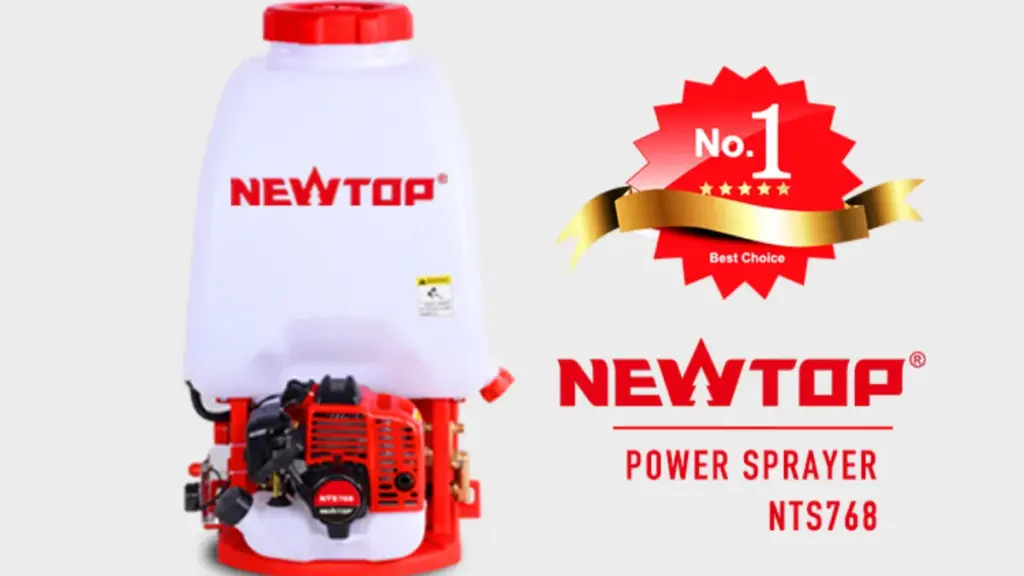
In 2026, demand for gasoline backpack sprayers and mist dusters continues to grow across Africa, أمريكا اللاتينية, جنوب شرق آسيا, and parts of Eastern Europe. في نيوتوب, several knapsack sprayer models have consistently ranked among the top-selling units in export markets. These models are widely chosen by OEM clients, regional distributors, and agricultural supply chains because they offer stable performance and practical configurations that match real field conditions.
Below are 4 of the most popular gasoline knapsack sprayers for bulk buyers. The following product cards provide quick technical specifications and direct access to each model’s detail page. If you are evaluating which knapsack sprayer to introduce into your market in 2026, reviewing these configurations can help you shortlist suitable options.
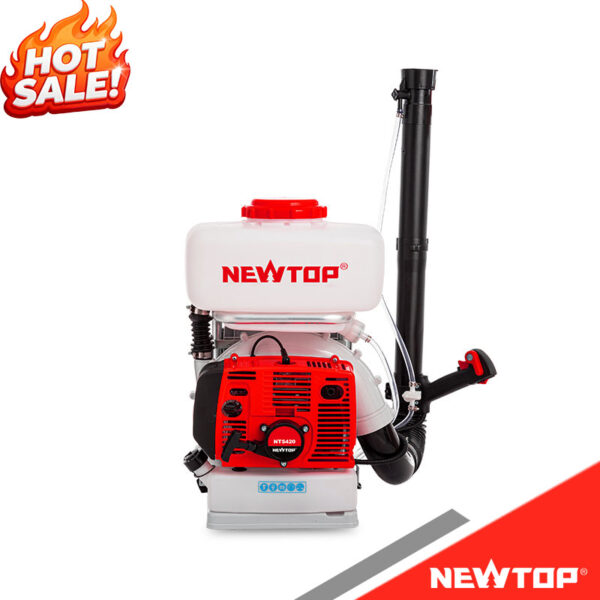
NTS420 Gasoline Knapsack Sprayer
The NTS420 is a reliable 20L backpack sprayer designed for field crops and plantation use. It delivers strong spray penetration with stable engine output, making it suitable for large-area pesticide and fertilizer application.
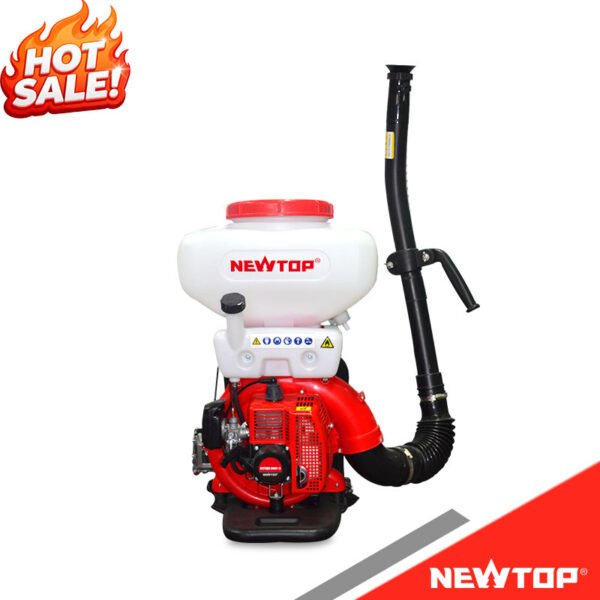
NTS3WF-3 Mist Duster Sprayer
The NTS3WF-3 combines spraying and misting functions for orchards and tall crops. With powerful airflow and extended spray range, it ensures deep leaf penetration in dense farming environments.
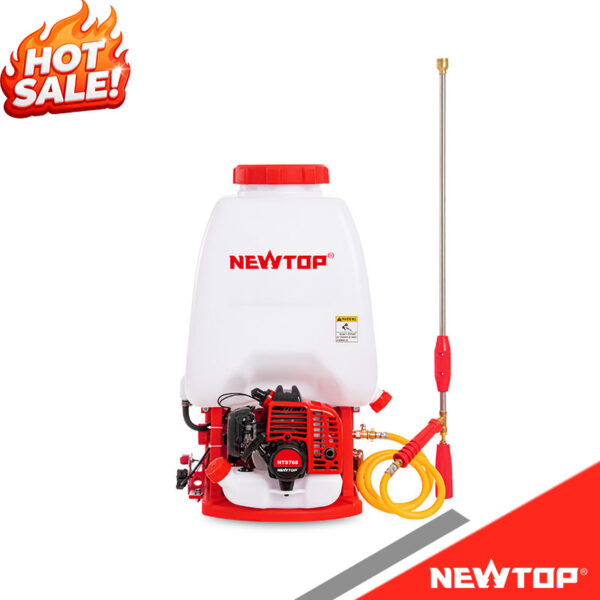
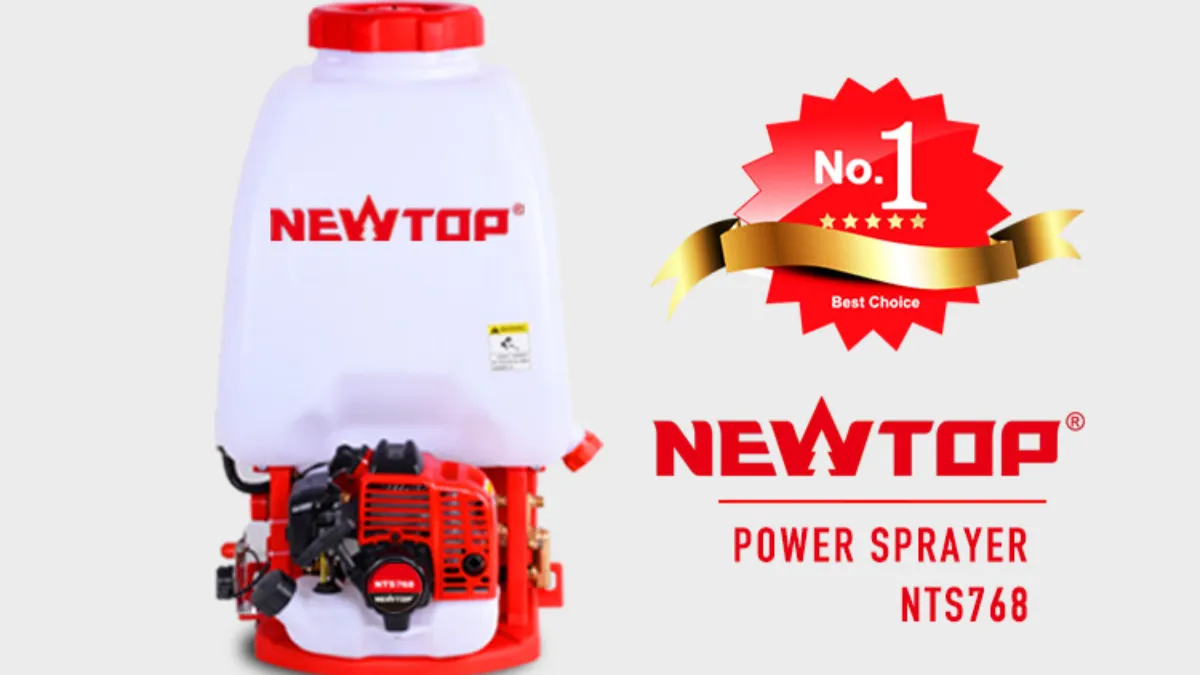
NTS768 High-Pressure Sprayer
The NTS768 is built for intensive agricultural use. Its reinforced tank structure and stable engine system make it suitable for professional distributors targeting high-demand markets.
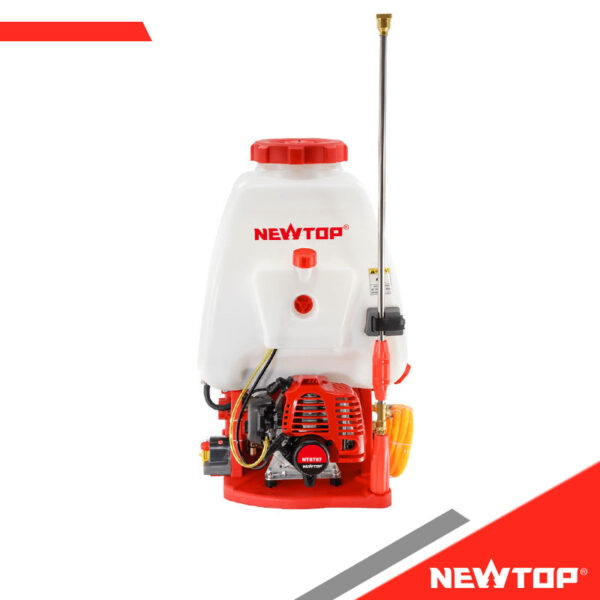
NTS767 Commercial Backpack Sprayer
The NTS767 offers balanced power and efficiency, ideal for distributors seeking a mid-range gasoline backpack sprayer for farm and garden applications. Durable components ensure long service life.
Choosing the Right Model for Your Market
| Target Market | Recommended Model | Technical Advantage | Typical Application Scenario |
|---|---|---|---|
| Large Plantations & Commercial Farms | NTS420 (56.5نسخة) | Higher displacement engine delivers stronger airflow and deeper droplet penetration | Tall crops such as cocoa, palm, and orchard trees; large-area coverage requiring time efficiency |
| Orchard & Dual Spray/Dust Operations | NTS3WF-3 (Mist Duster) | Powerful airflow system supports both liquid spraying and powder application | Diversified farms needing flexible pest control solutions |
| Price-Sensitive Regional Distributors | NTS768 / NTS767 (26نسخة) | Balanced engine performance with lower fuel consumption and manageable operating cost | Small-to-medium farms requiring reliable daily spraying at controlled budgets |
| Markets with Emission or Efficiency Requirements | 2-Stroke or 4-Stroke Options | 2-سكتة دماغية: lightweight and simple maintenance; 4-سكتة دماغية: improved fuel efficiency and reduced emissions | Regions prioritizing environmental compliance or long-term fuel savings |
Secure High-Demand Knapsack Sprayers for Your Market

Key Factors to Evaluate When Browsing Knapsack Sprayers
A professional-grade knapsack sprayer is defined by its consistent performance under pressure, ergonomic design for operator safety, and adherence to international quality standards.
| Evaluation Factor | Key Metric | Industry Standard / Benchmark |
|---|---|---|
| Performance & Durability | Pressure Regulation & Flow Rate | Consistent PSI for uniform application; leak-proof seals and materials. |
| Operator Safety & بيئة العمل | Maximum Loaded Weight | Should not exceed 25 kg to reduce operator fatigue. |
| Certification & صيانة | Safety & Quality Compliance | Adherence to FAO or equivalent international guidelines. |
Performance and Durability Standards
A reliable knapsack sprayer must deliver consistent performance and withstand demanding agricultural conditions. When evaluating a unit, focus on its ability to maintain stable pressure, deliver a uniform flow rate, and resist degradation from chemical exposure and physical use. The pump mechanism, whether piston or diaphragm, should generate and hold pressure efficiently to ensure the spray pattern remains constant from a full tank to an empty one. Material quality is just as critical; components must be made from durable, corrosion-resistant polymers and feature leak-proof seals to handle aggressive chemicals over the long term.
Operator Safety and Ergonomics
The operator’s well-being is a primary concern. Look for sprayers designed to minimize physical strain and protect users from chemical contact. International standards recommend that a fully loaded sprayer should not weigh more than 25 kg to reduce fatigue and the risk of injury. Key ergonomic features include a well-padded harness that distributes weight evenly across the shoulders and hips, a curved backrest that matches the operator’s posture, and overall stability to prevent tipping on sloped terrain. A sprayer that is comfortable to carry and operate allows for more precise application and safer handling during long workdays.
Certification and Ease of Maintenance
Compliance with international standards, such as those guided by the FAO (Food and Agriculture Organization), signals a manufacturer’s commitment to quality and safety. These certifications ensure the sprayer has passed rigorous tests for leak prevention, durability, and operator safety. Beyond initial quality, a well-designed sprayer must be simple to maintain. Look for features that facilitate easy cleaning and parts replacement, like large tank openings and tool-free access to filters and pumps. Straightforward maintenance prevents chemical cross-contamination and significantly extends the service life of the equipment.
Price Guide for Knapsack Sprayer in Bulk Orders
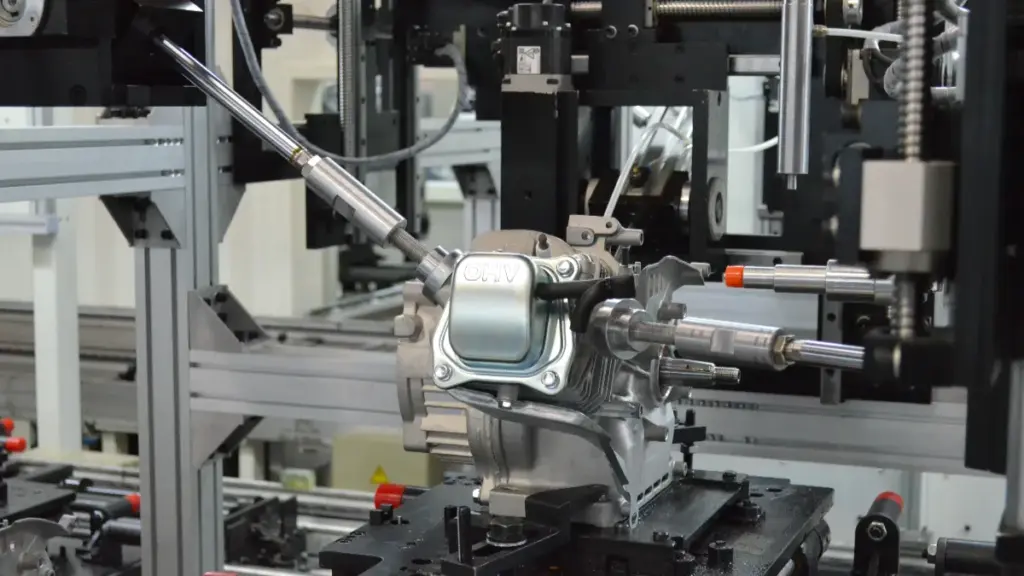
Understanding bulk pricing is essential for distributors and agricultural equipment importers planning seasonal procurement. The price of a knapsack sprayer for sale varies significantly depending on engine type, النزوح, tank capacity, and order volume.
Below is a general wholesale pricing reference for gasoline backpack sprayers in 2026:
| Sprayer Type | Estimated FOB Price Range (USD) | Typical Applications |
|---|---|---|
| Manual Knapsack Sprayer (15–20L) | $10 – $18 per unit | المزارع الصغيرة, vegetable plots, greenhouse spraying, entry-level distribution markets |
| Gasoline Backpack Sprayer (26cc–56.5cc) | $38 – $95 per unit | البساتين, plantations, الغابات, commercial crop protection |
| Electric / Battery-Powered Sprayer | $22 – $60 per unit | Urban agriculture, المناظر الطبيعية, medium-scale farms requiring reduced operator fatigue |
Note: Prices above are indicative FOB references based on standard export configurations. Final quotation depends on engine specification, battery capacity, material grade, customization requirements, and total order quantity.
Volume-Based Pricing Structure
Bulk procurement improves overall cost efficiency, but pricing adjustments are typically influenced by production planning, component sourcing, and logistics optimization rather than fixed discount percentages.
In practice, manufacturers evaluate pricing based on:
- Order quantity per model
- Production batch scheduling
- Packaging configuration
- Shipping terms (FOB, CIF, or mixed container)
For medium-volume orders, unit pricing may benefit from improved production efficiency and shared setup costs. Larger consolidated shipments, especially full-container loads (FCL), often achieve stronger cost advantages due to optimized carton loading and reduced freight allocation per unit.
What Influences Bulk Pricing?
Several practical factors impact final quotation:
Engine configuration
2-stroke engines are generally more affordable and lighter. 4-stroke engines cost more due to fuel efficiency and lower emissions.
Material thickness & component quality
Higher-grade carburetors, reinforced frames, and upgraded ignition systems affect pricing but improve long-term durability.
Customization requirements
OEM logo printing, carton redesign, color changes, or private labeling may slightly increase cost depending on tooling adjustments.
Shipping terms
FOB, CIF, and DDP pricing structures can significantly affect landed cost. Importers should calculate total landed cost rather than focusing only on ex-factory pricing.
Market & Supply Chain Considerations
China remains the dominant production base for gasoline knapsack sprayers due to mature supply chains and component integration. Stable raw material sourcing and engine production clusters allow competitive pricing at scale.
لكن, seasonal demand fluctuations—especially before planting seasons—can influence production schedules and lead times. Early procurement planning helps distributors lock in better pricing and secure inventory before peak demand.
Navigating Import Regulations for Knapsack Sprayers
Managing international shipments of knapsack sprayers requires precise Harmonized System (HS) code classification, accurate tariff calculation, and strict adherence to local health and safety standards.
Harmonized System (HS) Code Classification
Correctly classifying knapsack sprayers and their parts under the Harmonized System (HS) is the first step for international importers. Complete agricultural or horticultural sprayers generally fall under HS Code 8424.81. Importers must also differentiate between complete units, spray gun components, and other replacement parts, as each may require a unique tariff code. Accurate classification prevents customs delays and ensures correct tariff application, making it a critical part of the logistics process.
Tariff Rates and Duty-Free Provisions
Tariff rates depend on the importing country, trade agreements, and product configuration. In many African and Latin American markets, agricultural sprayers fall under moderate duty structures. Some Middle Eastern and Eastern European countries may require additional conformity documentation or technical declarations before clearance.
Compliance with Local Health and Safety Standards
Beyond tariffs, knapsack sprayers must comply with the sanitary, health, and safety regulations of the destination market. These standards protect end-users and the environment, making compliance a non-negotiable part of the import process. For gasoline models, engine emission standards and safety requirements should be verified. Battery-powered sprayers may require lithium transport documentation such as UN38.3 test reports, especially for air shipments.
Standard documentation
Standard documentation—including commercial invoice, packing list, and certificate of origin—must be prepared accurately. Coordinating with a local customs broker ensures smoother clearance and more predictable delivery timelines for bulk shipments.
Ready to Buy? Discover NEWTOP’s High-Performance Backpack Sprayer Deals
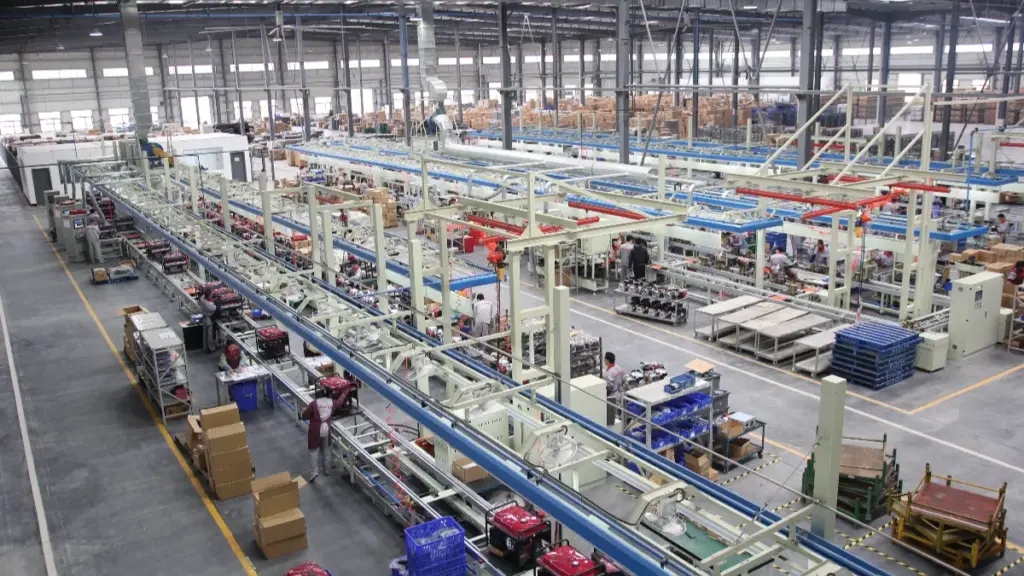
NEWTOP provides B2B partners with a competitive advantage through a flexible supply of durable, versatile backpack sprayers engineered with premium components and supported by comprehensive OEM and after-sales services.
With over two decades of manufacturing experience in agricultural and garden machinery, نيوتوب supplies knapsack sprayers to more than 65 countries across Africa, أمريكا اللاتينية, جنوب شرق آسيا, and Eastern Europe.
The company operates a 10,000㎡ production facility with integrated injection molding, automated assembly lines, and independent inspection centers. Annual capacity exceeds 500,000 وحدات across multiple product categories.
NEWTOP offers:
- Manual backpack sprayers (16L–20L)
- Gasoline backpack sprayers (mist dusters)
- OEM color and packaging customization
- 7–10 day sample dispatch
- Approx. 30-day bulk production lead time
- 1-year machine warranty (core parts 6 months)
- Spare parts supply support
For distributors seeking stable quality, consistent delivery, and competitive pricing, NEWTOP provides a balanced solution between performance and affordability.
If you are planning to expand your outdoor power agricultural equipment portfolio, now is the right time to secure production slots before peak season demand.
Contact NEWTOP’s export team today via:
بريد إلكتروني: خدمة@newtop.com.cn
WhatsApp / Phone: +86 13636521556
Website: https://newtoptools.com/
خاتمة
Choosing the right knapsack sprayer involves matching the model’s features—like power source and tank capacity—to your specific agricultural needs and budget. Understanding key evaluation factors, pricing structures, and import logistics helps you secure a reliable, long-term asset. This knowledge ensures you invest in equipment that enhances productivity and delivers a strong return.
When you’re ready to equip your team, browse our catalog of high-performance backpack sprayers. Contact us directly to get a detailed quote tailored to your bulk order and shipping requirements.
الأسئلة المتداولة
Where can I bulk buy knapsack sprayers?
You can bulk purchase directly from established outdoor power equipment manufacturers in China. Factory like نيوتوب supply OEM and distributor clients globally and support customized orders.
What is the average price of a knapsack sprayer
Manual models typically range from USD 8–18 in bulk orders, gasoline models from USD 45–110, and lithium battery versions from USD 25–80, depending on specifications and order quantity.
How much is shipping for knapsack sprayers?
Shipping depends on destination, container utilization, and freight rates at the time of booking. Sea freight for a full 20GP container significantly lowers cost per unit compared to air freight.
What warranty is included with knapsack sprayers?
Most professional manufacturers provide a 1-year warranty on the complete machine and 6 months on core components. Warranty coverage should be confirmed before order confirmation.
Do you offer spare parts for the knapsack sprayers you sell?
نعم, we provide a comprehensive inventory of spare parts for all our sprayer models. This includes common wear-and-tear items like nozzles, seals, wands, and replacement batteries. Offering readily available parts ensures long-term operational reliability and allows for easy maintenance, which is critical for equipment designed for consistent professional use.
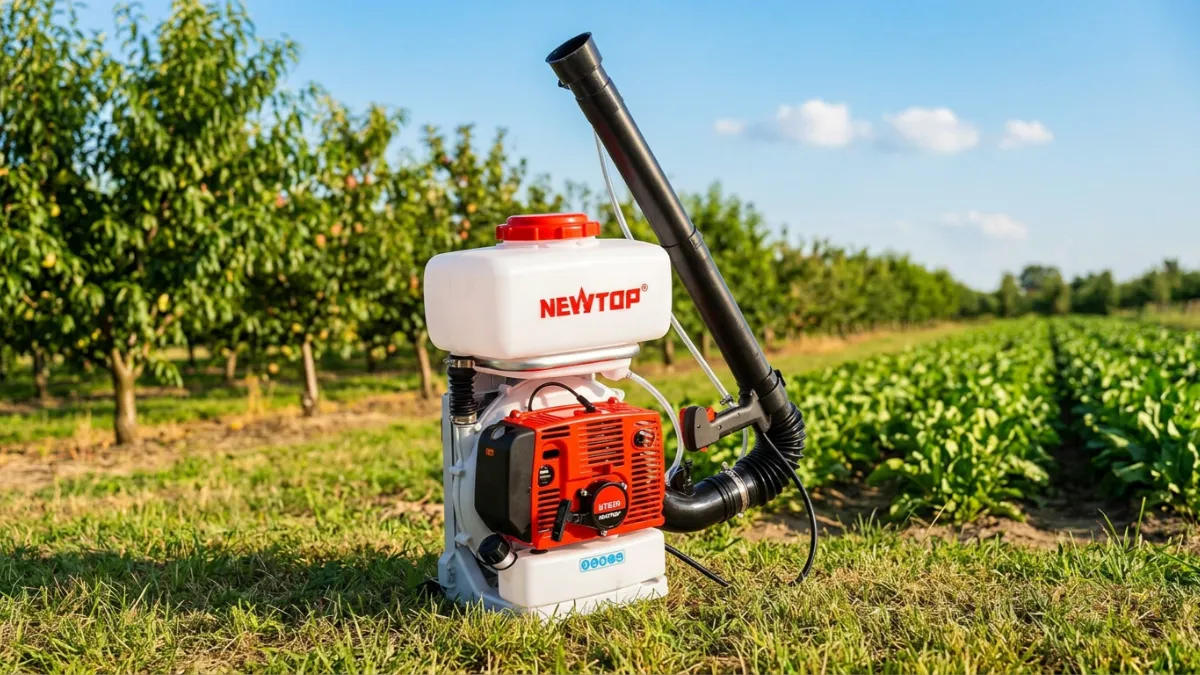
Reliable backpack sprayer reviews are the primary defense against operational downtime and the high cost of wasted chemicals. A single component failure—like a cracked seal or an inconsistent pump—not only brings a job to a standstill but also risks operator safety and misapplication, directly impacting project budgets and client satisfaction.
This guide provides a technical breakdown of current market options, moving beyond marketing claims to compare concrete performance data. We analyze the specifications of battery, manual, and petrol-powered units, identify the most common failure points found in user reports, and detail the methodology used in our own assessments. Use this as your standard operating procedure for evaluating and selecting equipment that meets commercial demands.
مراجعات بخاخ الظهر: What to Look for in 2026
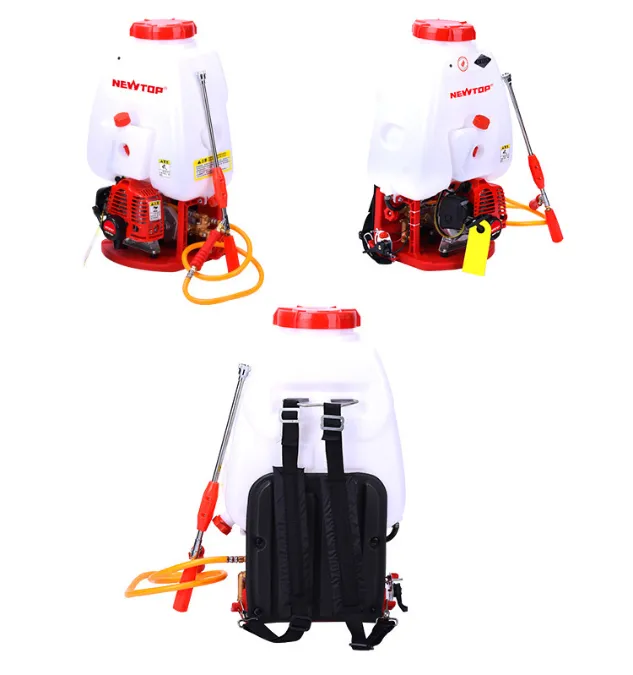
In 2026, selecting the right backpack sprayer comes down to a practical evaluation of its power source, harness comfort, pressure versatility, and tank durability for your specific application.
| Key Feature | Evaluation Criteria | Impact on Performance |
|---|---|---|
| Power Source | Battery-powered for consistent pressure vs. Manual for simplicity and low cost. | Determines application consistency and operator effort required. |
| بيئة العمل | مبطن, adjustable straps and a load-bearing hip belt. | Directly reduces fatigue and improves productivity during extended use. |
| Pressure & Nozzles | Adjustable pressure settings (رطل لكل بوصة مربعة) and an included set of versatile nozzles. | Allows for precise application on different targets, from fine misting to targeted streams. |
| Tank Construction | سعة (4-6.5 gallons) and chemical-resistant materials and seals. | Affects operational uptime and long-term durability against leaks and degradation. |
Power Source: Battery vs. يدوي
The primary decision for any buyer is choosing between battery power and manual operation. The market trend is a clear shift toward battery-powered models because they deliver consistent, non-pulsating pressure without physical effort. This consistency is critical for uniform chemical application and achieving professional results. Manual sprayers, while requiring constant pumping, hold their ground due to their simplicity, lower upfront cost, and field serviceability. Your choice depends directly on the job size and your tolerance for physical labor.
- Battery-powered systems are becoming more common for their ease of use, eliminating the need for constant pumping.
- Manual options remain a dependable, budget-friendly choice for smaller properties or less frequent use.
Ergonomics and Harness Design
A full 4-gallon sprayer can weigh over 35 pounds, making ergonomics a non-negotiable feature for anyone using the equipment for more than a few minutes. A poor harness design concentrates weight on the shoulders, leading to rapid operator fatigue and reduced productivity. High-quality sprayers invest in well-padded, fully adjustable shoulder straps and, critically, a load-bearing hip belt. This combination transfers the bulk of the weight from the shoulders to the hips, allowing for comfortable all-day operation.
- Look for sprayers with adjustable, padded shoulder straps to fit your body comfortably.
- A quality harness distributes the weight evenly across your back and shoulders.
Pressure Controls and Nozzle Systems
Effective spraying requires adapting your output to the target. Variable pressure control allows you to switch between a high-pressure stream for reaching distant spots and a low-pressure fine mist for delicate plants or broad-leaf herbicide application. Look for models with an easily accessible pressure adjustment dial. A good sprayer should also come with a set of interchangeable nozzles—typically including fan, مخروط, and stream patterns. This built-in versatility saves you the cost and effort of sourcing compatible parts separately and ensures you have the right tool for any application.
- Adjustable pressure controls allow you to manage the flow rate for precise application.
- Multiple included nozzles for different spray patterns add significant value.
Tank Capacity and Durability
The tank is the core of the sprayer, and its design dictates both efficiency and lifespan. سعة, typically 4 ل 6.5 gallons, should match your workload; a larger tank reduces trips for refilling but adds weight. More important is the material. The tank, seals, and gaskets must be constructed from chemical-resistant polymers like Viton to prevent them from degrading after exposure to common herbicides and pesticides. This is the primary defense against leaks, which are the most common point of failure in low-quality sprayers.
- Consider a tank capacity that matches your typical workload to avoid unnecessary interruptions.
- Ensure the tank is made from chemical-resistant materials to prevent degradation over time.
Top-Rated Battery Backpack Sprayer Reviews and Comparisons
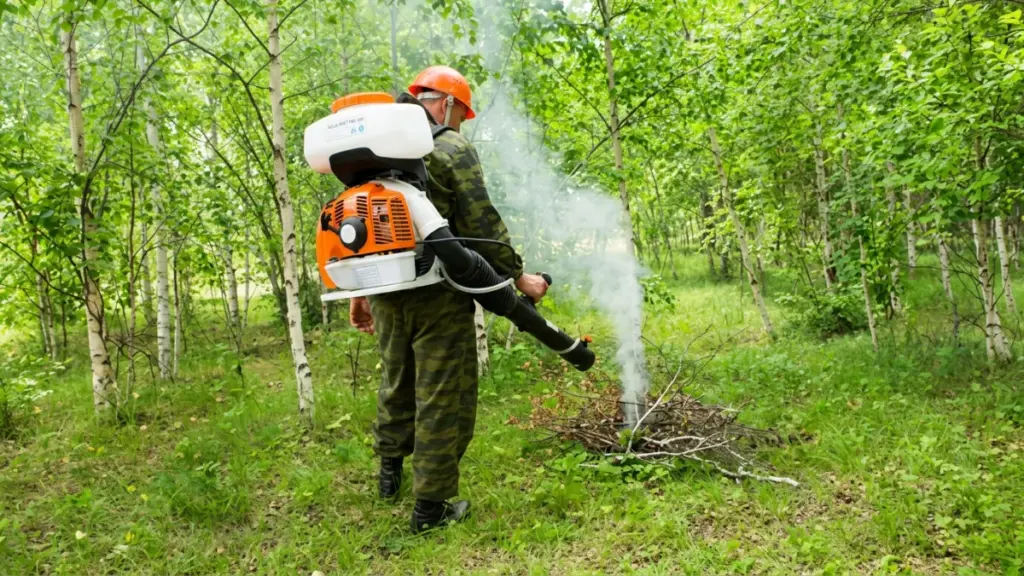
The 2026 battery sprayer market is defined by lightweight lithium-ion systems that deliver 6-8 hours of runtime, combined with ergonomic harnesses designed for all-day professional use.
| Feature | Industry Standard (2026) | Impact on Performance |
|---|---|---|
| Battery Runtime | 6–8 hours (Lithium-Ion) | Supports all-day professional use without recharging. |
| Pressure Range | 40–80 psi | Provides versatility for fine misting and coarse spray patterns. |
| سعة الخزان | 4–6.5 gallons | Balances liquid volume with manageable operator weight. |
| بيئة العمل | Padded straps, hip belts, low-profile tanks | Reduces operator fatigue and improves stability. |
Battery Performance and Runtime
The shift to lightweight lithium-ion battery systems is now complete across the industry, rendering older, heavier lead-acid models obsolete. The benchmark for professional-grade equipment is a runtime of 6 ل 8 hours of continuous operation on a single charge. This capability is non-negotiable for commercial users, as it allows operators to complete a full day’s work without needing to stop and recharge. Efficient charging systems are also a key evaluation point, as they directly impact workflow and reduce downtime between jobs.
بيئة العمل وراحة المشغل
As battery sprayers become standard for all-day use, manufacturers place a heavy focus on reducing operator fatigue. Mid- to professional-tier models now include fully adjustable, padded shoulder straps and load-bearing hip belts to distribute weight away from the shoulders and spine. Low-profile tank designs have also become common, lowering the sprayer’s center of gravity. This design choice improves balance, minimizes side-to-side sway, and reduces the physical strain required to manage the unit during long sessions on uneven terrain.
Pressure Control and Application Versatility
Precise control over application pressure is a critical feature that separates professional equipment from basic consumer models. Most modern battery units operate within a 40-80 psi range, which is sufficient for tasks from fine misting delicate ornamentals to applying herbicides with a coarse spray. Variable pressure switches or dials allow operators to adjust output on the fly, matching the spray pattern to the specific chemical and target. High-quality, chemical-resistant seals are also essential for versatility, ensuring the sprayer can handle a wide range of herbicides, المبيدات الحشرية, and fertilizers without premature component failure.
Tank Capacity and Durability
Tank capacities on battery-powered models have standardized in the 4 to 6.5-gallon range. This volume strikes a practical balance between holding enough liquid to cover a significant area and keeping the total weight manageable for a single operator. Any larger, and the unit becomes too heavy for extended use; any smaller, and the operator wastes too much time on refills. Tank materials are selected for chemical compatibility and impact resistance, ensuring the unit can withstand the daily demands of a professional work environment.
Power Your Business with Reliable Garden Machinery
Manual Backpack Sprayer Reviews: Budget vs. Performance
The primary trade-off in the manual سوق البخاخات is comfort for cost, as most models deliver standardized pressure and capacity regardless of price.
Core Performance: Where Budget Models Compete
Even budget-friendly manual sprayers prioritize essential performance components. Reviews from 2026 show that lower-cost models often feature high-quality pumps and tanks, delivering reliable pressure and capacity comparable to more expensive options. The core spraying function is remarkably consistent across the market, forcing manufacturers to differentiate on other features.
- Pump and tank systems in budget models frequently use durable materials like brass or stainless steel.
- Most manual sprayers, regardless of price, offer a standard performance range of 60–150 psi and 4-gallon capacities.
The Comfort Trade-Off: Harnesses and Ergonomics
The primary difference between budget and performance models is user comfort. Premium sprayers invest in ergonomic designs to reduce operator fatigue during extended use, a feature often minimized in cheaper alternatives to cut costs. For anyone using a sprayer for more than a few minutes at a time, this becomes the most important factor.
- Budget models typically come with minimal, unpadded harness systems.
- Mid-range to premium sprayers feature padded shoulder straps, hip belts, and more ergonomic back support for better weight distribution.
Durability and Features That Justify a Higher Price
Beyond the pump and harness, overall construction quality and innovative add-ons distinguish premium manual sprayers. These elements justify a higher price by improving the sprayer’s longevity and ease of use. Paying more often translates to a longer service life and fewer maintenance issues, especially when working with aggressive chemicals.
- Higher-priced models may use more robust plastics and seals for increased chemical resistance and a longer working life.
- Advanced features like built-in agitators or self-cleaning mechanisms are typically found only in premium-tier sprayers.
Petrol Powered Backpack Sprayer Reviews for Commercial Use
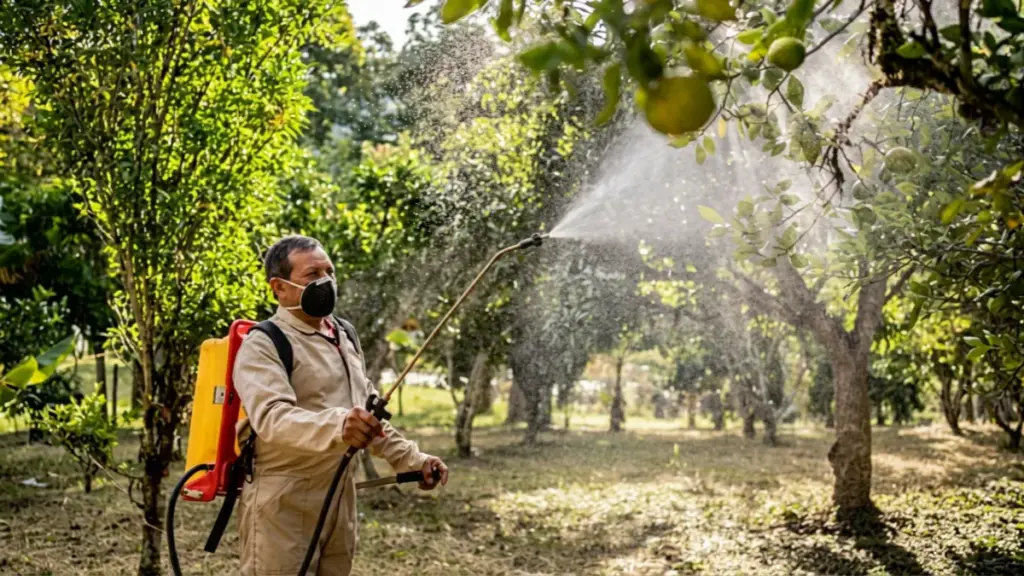
For demanding commercial applications requiring non-stop runtime and consistent high pressure, petrol-powered backpack sprayers maintain their market dominance over battery alternatives.
Power and Consistent Performance
For commercial use in 2026, petrol-powered sprayers remain the preferred choice for tasks requiring sustained power and unwavering pressure. Their engine-driven pumps deliver consistent performance from a full tank to an empty one, a crucial factor for uniform application over large areas. Petrol engines provide high, steady pressure that does not fade as the tank empties. They also offer unlimited runtime as long as fuel is available, eliminating the downtime needed for recharging batteries. This makes them the standard for demanding sectors like agriculture, الغابات, and large-scale مكافحة الآفات where efficiency is measured in acres covered per day.
Ergonomics and Operator Fatigue
Manufacturers are focusing on improving operator comfort to offset the inherent weight and vibration of petrol engines. Key advancements in design aim to reduce the physical strain associated with all-day use in professional settings. Modern models feature advanced anti-vibration systems to minimize handle and back vibrations, which directly translates to less operator fatigue. Enhanced harnesses with better padding and strategic weight distribution are now common, helping to improve balance and make handling easier on difficult terrain.
Market Position Against Battery Alternatives
High-performance battery backpack sprayers are gaining popularity for their quiet operation and lower maintenance, but petrol models continue to hold a strong position for heavy-duty commercial work. Raw power is the priority in these scenarios. Petrol sprayers retain a clear advantage for applications requiring maximum spray distance and all-day, non-stop operation. Battery-powered units offer a compelling alternative for standard applications with less noise and zero emissions. The choice between petrol and battery often comes down to the scale and intensity of the job at hand.
Common Complaints Found in Backpack Sprayer User Reviews
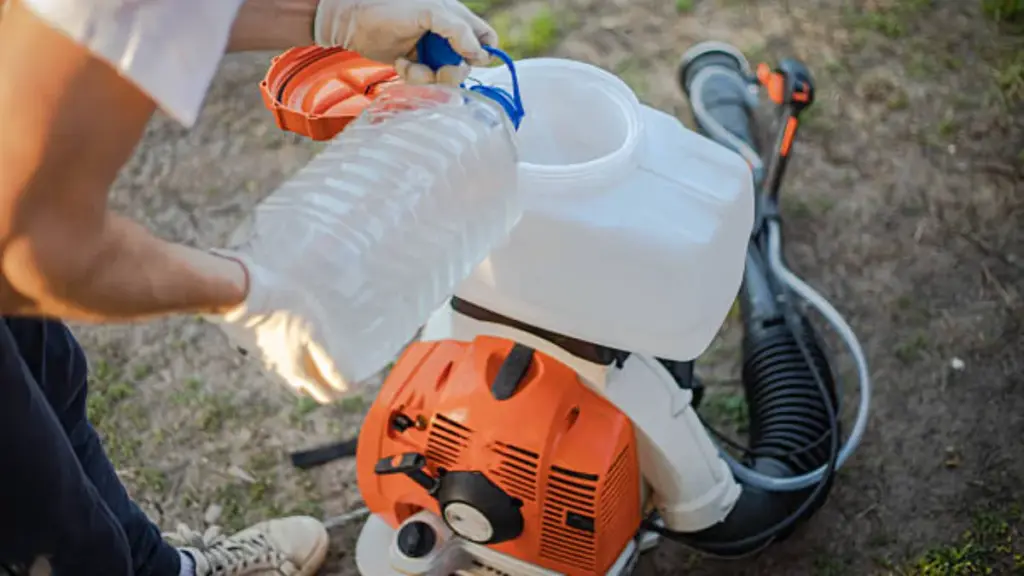
Across both manual and powered models, the most frequent user complaints center on component failures that compromise pressure integrity, such as leaking seals, faulty connections, and worn-out pumps.
| Complaint Category | Primary Cause | Impact on User |
|---|---|---|
| Leaking Components | Degraded or poorly fitted seals on the main lid, pump assembly, and hose connections. | Wasted chemicals, potential skin exposure, and loss of pressure. |
| Pressure Failure | Worn pump seals (especially piston seals) or malfunctioning check valves. | Uneven application, reduced efficiency, and constant re-pumping (manual models). |
| Clogged Nozzles | Inadequate internal filtering allows sediment or undissolved chemicals to block the tip. | Frequent work stoppages for cleaning, inconsistent spray patterns, and poor coverage. |
| Power System Failure | Subpar battery capacity or premature motor burnout in electric models. | Inability to complete large jobs on a single charge; unit becomes inoperable. |
Leaking Tanks and Connections
The most persistent issue found in user feedback is leaking from tank seals and hose connections. These failures are not minor drips; they represent a loss of expensive chemicals, create a safety hazard, and undermine the unit’s ability to hold pressure. Failures often materialize within the first season of use, pointing to low-quality seal materials or poor design tolerances. The primary failure points are consistently the seals around the main lid and the pump assembly, along with hose fittings that loosen or crack under normal operational pressure.
Failure to Maintain Pressure
A sprayer that cannot build or hold pressure is effectively useless. This problem is a major source of user frustration because it directly cripples the machine’s core function, leading to inconsistent application and wasted time. For manual models, it means constant, exhausting re-pumping. The technical cause is almost always traced back to worn-out internal pump seals or a faulty check valve that fails to create a proper vacuum. This issue directly impacts work efficiency and the quality of chemical application.
Clogged Nozzles and Inconsistent Spray Patterns
Users frequently report nozzles that clog easily, forcing them to stop work repeatedly for cleaning. This problem stems from inadequate internal filtration that allows undissolved chemical powders or small debris from the tank to reach the nozzle tip. The outcome is a sputtering, inconsistent spray pattern or a complete blockage. A poorly designed filtration system turns a simple spraying job into a frustrating cycle of stop-and-go maintenance, compromising the quality and uniformity of the application.
Poor Battery Life and Motor Reliability
For battery-powered units, performance and reliability are defined by the power system. A common complaint is that advertised battery life falls short in real-world conditions, forcing operators to recharge in the middle of a large job. Even more significant are reports of premature motor failure, especially in lower-priced models. An unreliable motor or battery renders the sprayer’s advanced features irrelevant and ultimately leads to equipment downtime and replacement costs.
How We Conduct Our Professional Backpack Sprayer Reviews
Our review process prioritizes empirical, field-based testing to validate a sprayer’s real-world durability, pressure consistency, and ergonomic design under professional workloads.
Field Performance and Operational Testing
Our reviews start with real-world operational tests to measure how each sprayer performs across different terrains and with various types of vegetation. This field-based approach allows us to evaluate practical handling, stability, and overall effectiveness in professional landscaping and agricultural settings. We assess performance on both flat and sloped ground to test balance and operator comfort. Sprayers are tested with different liquid consistencies to check for clogging and flow issues, and the evaluation includes usability in tight spaces and around obstacles.
Pressure Consistency and Spray Pattern Uniformity
We analyze the sprayer’s ability to maintain consistent pressure from a full tank to nearly empty. Uniform spray patterns are essential for effective coverage, so we use standardized methods to evaluate droplet distribution and reach for different أنواع الفوهة. Pressure is monitored throughout the discharge cycle to identify any significant drops that affect application quality. We also test multiple included nozzles to compare their performance and spray pattern evenness for specific tasks.
Durability and Chemical Compatibility
To simulate long-term professional use, sprayers undergo extended durability assessments. We test their components against common chemicals to ensure the materials, seals, and hoses resist degradation and maintain integrity over time. Critical components like the pump, عصا, and seals are inspected after prolonged use simulations. We also test material resistance to a standard set of fertilizers, المبيدات الحشرية, and herbicides, while the frame and harness are checked for structural wear and tear.
Calibration Accuracy and Ergonomic Design
Precision is key in professional applications, so we verify the accuracy of each sprayer’s calibration settings. في نفس الوقت, we conduct a thorough ergonomic analysis to rate user comfort, weight distribution, and ease of operation during extended periods of work. We measure output volume to confirm it matches the selected calibration markings. The harness system, back padding, and strap adjustments are evaluated for operator comfort, and we assess how easy it is to fill, clean, and switch out nozzles and other components.
Why NEWTOP Consistently Earns High Ratings From Global Dealers
Global dealers favor NEWTOP sprayers because their petrol-powered models deliver a practical balance of reliable engine performance, durable construction, and ergonomic comfort for professional use.
Reliable Engine Performance
Dealers prioritize equipment that performs without constant adjustments or failures. The NEWTOP NTS768 sprayer uses a 26CC petrol engine engineered for stable operation during long work sessions. This consistent power output ensures the pump maintains steady pressure, which is critical for uniform application in agricultural and pest control settings. An unstable spray pattern wastes chemicals and leads to poor results, so the engine’s reliability is a key factor driving dealer confidence.
Durable and Corrosion-Resistant Build
Professional equipment needs to withstand rough handling and harsh chemicals. NEWTOP sprayers are built with a rugged frame that protects the engine and pump system from job site impacts. The tank is constructed from materials specifically chosen to resist chemical corrosion, extending the sprayer’s service life significantly. This focus on durability reduces warranty claims and service issues, making it a more profitable and reliable product line for dealers to carry.
Ergonomic Design for Operator Comfort
Operator fatigue directly impacts productivity. The NTS768 features an ergonomic design with a backpack harness that distributes weight evenly across the operator’s back and shoulders, reducing physical strain. Its compact structure also improves maneuverability in dense foliage or tight spaces. When users can work comfortably for longer periods, they complete jobs faster and more effectively, a tangible benefit that dealers can highlight to their professional customers.
Efficient Pumping System and Coverage
Performance is measured by coverage and efficiency. The NTS768’s high-efficiency pump atomizes liquids into a fine, consistent mist, ensuring thorough plant coverage while minimizing chemical waste. With a horizontal reach of up to 15 meters, operators can treat large areas without constantly repositioning. The 25-liter tank offers a good balance between capacity and weight, allowing for substantial work between refills without being overly burdensome. This combination of reach, efficiency, and capacity makes it a highly practical tool for large-scale tasks.
خاتمة
Choosing the right backpack sprayer requires looking beyond star ratings to analyze performance specs and common failure points. By comparing manual, battery, and petrol models against your specific application, you can find a reliable tool that fits your budget and workflow. This technical approach helps you invest in equipment built for longevity and consistent performance.
If your current equipment is underperforming, our team can provide a full catalog of NEWTOP sprayers designed to address these issues. Contact us to discuss your needs or to request a sample for evaluation.
الأسئلة المتداولة
Which backpack sprayer has the best reviews for 2026?
The Chapin ProSeries 97900B consistently earns top reviews for its advanced lithium-ion performance and ergonomic harness. Its digital pressure control system offers precise application, minimizing waste and user fatigue. Users praise its durability and self-cleaning mechanism, making it a leading choice for both professionals and serious homeowners seeking reliability and comfort.
Are battery backpack sprayer reviews reliable?
نعم, battery backpack sprayer reviews are reliable when sourced correctly. Professional reviews excel at benchmarking performance metrics like battery life and pressure consistency. User reviews on verified purchase platforms provide crucial insights into long-term durability and real-world comfort. Cross-referencing both types gives the most accurate assessment of a sprayer’s quality and value.
What is the most common failure in backpack sprayers?
The most common failure is the internal pump seal or piston cup, which degrades from chemical exposure and wear. This leads to a loss of pressure and leaking. For battery models, pump motor burnout and switch failures are also frequent issues. Regular cleaning and using manufacturer-approved seal conditioners can significantly extend the sprayer’s lifespan.
How do professional reviews compare to user reviews?
Professional reviews focus on objective performance data, using controlled tests for pressure accuracy, battery runtime, and nozzle spray patterns. User reviews offer subjective, real-world feedback on long-term durability, ergonomic comfort, and customer service experiences. Professionals test the specs, while users test the sprayer’s endurance and practicality over time.
Which brand has the best rated backpack sprayer for farms?
Field King is consistently rated as the best brand for farm use, specifically with its Max-Agri 190515 series. These models feature heavy-duty seals resistant to aggressive agricultural chemicals and a robust internal pump designed for high-volume daily use. Their ergonomic steel frames and 5-gallon tank capacity are optimized for covering large acreage efficiently.
Are manual backpack sprayers still worth buying?
نعم, manual backpack sprayers are still worth buying for their reliability and cost-effectiveness. They are lighter, have fewer failure points than battery models, and require no charging. For smaller properties, spot treatments, or users on a tight budget, a high-quality manual sprayer offers excellent value and control without the complexity of powered systems.
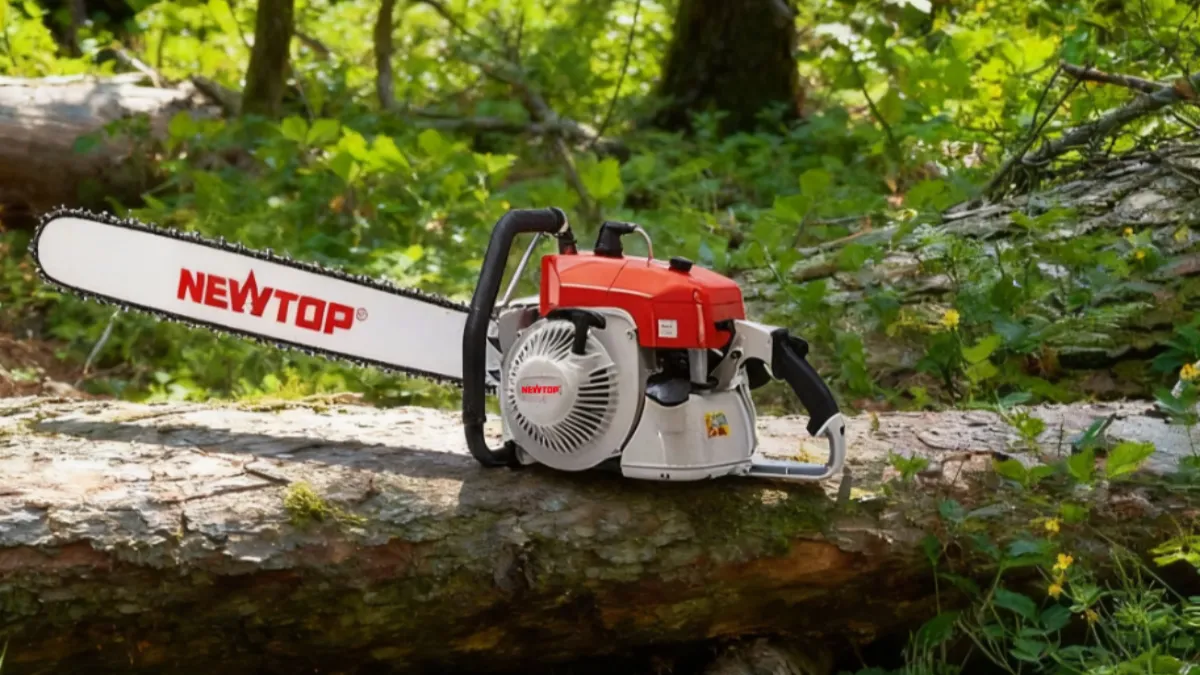
Top handle chainsaws have the main grip on top of the body for one-handed aerial use, while rear handle chainsaws feature a rear grip behind the engine for stable two-handed ground operation. Professional arborists, loggers, and landscapers often face the choice between these when tackling demanding tree work.
As an specialist in outdoor power equipment, we will break down the fundamental differences, pros and cons, and safety considerations to help you make an informed decision for your fleet or business.
What is a Top Handle Chainsaw?
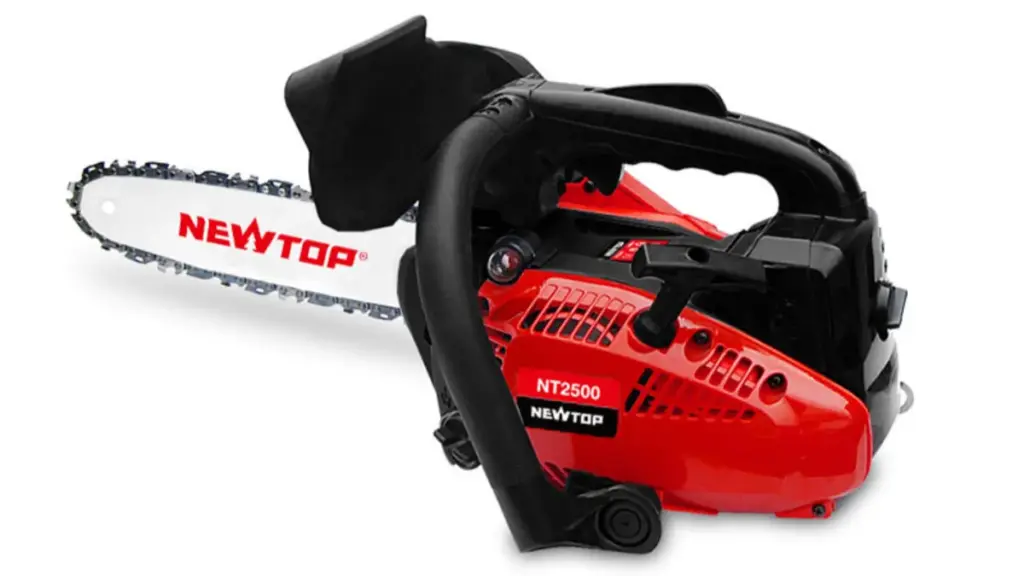
A top handle chainsaw is an engineered tool for professional arborists, prioritizing a compact, balanced design for precision cutting in elevated and confined spaces.
Designed for Arborists and Aerial Work
A top handle chainsaw is a specialized tool engineered almost exclusively for professional arborists who work at height. Its design prioritizes control and maneuverability when cutting in elevated or awkward positions, such as within the canopy of a tree. This focus makes it the standard for off-ground tasks where a traditional saw would be unsafe or unwieldy.
Typical models weigh around 6.5 ل 10 pounds and have guide bar lengths of 10 ل 16 inches, making them smaller and more portable than standard saws. These dimensions prioritize agility over bulk.
Key Characteristics: Compact, خفيف الوزن, and Balanced
The defining features of a top handle chainsaw are its small size and reduced weight. This construction minimizes operator fatigue during prolonged use in trees and allows for precise cuts in confined spaces where a larger saw would be impractical. The excellent balance is critical for maintaining control when making cuts from unstable positions.
- The compact form factor makes it easier to navigate through dense branches.
- Excellent balance enables greater control, which is critical when making cuts from unstable positions.
- Many models in 2026 are battery-powered, further enhancing their lightweight nature and reducing emissions.
Primary Applications
This type of chainsaw is not built for felling large trees. It excels at tasks that require precision and agility, like pruning limbs, removing deadwood, and sectioning branches from a climbing position. Its controlled power is suitable for making accurate cuts without damaging the surrounding tree structure, preserving tree health.
- Ideal for shaping tree canopies and performing surgical cuts to maintain tree health.
- Allows for one-handed use in specific situations by certified professionals, freeing the other hand for stability.
- Its controlled power is suitable for making accurate cuts without damaging the surrounding tree structure.
What is a Rear Handle Chainsaw?
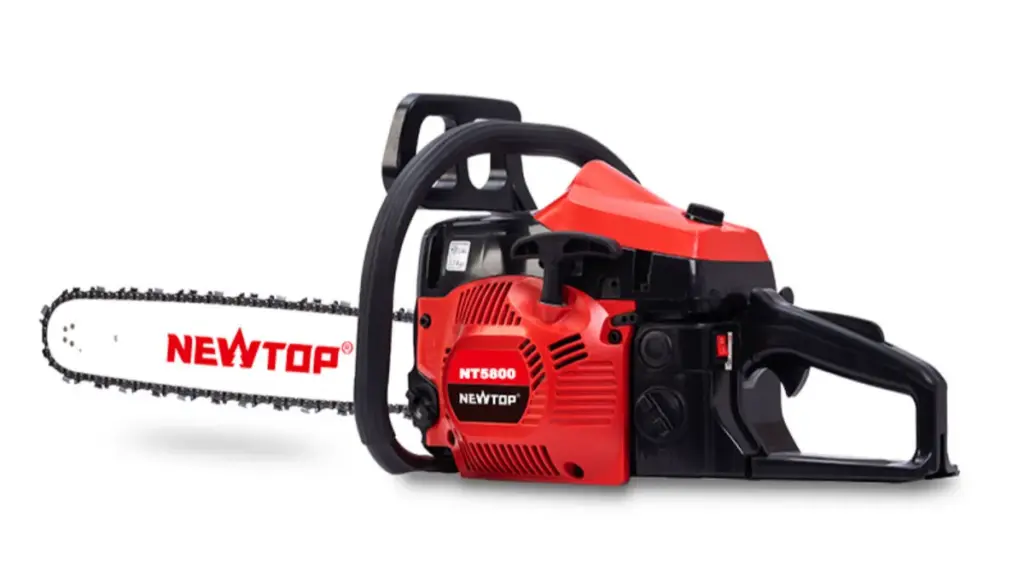
Rear-handle chainsaws are the industry standard for ground-level cutting, engineered with a two-handle configuration to maximize leverage, يتحكم, and safety for heavy-duty tasks.
Core Design and Operation
A rear handle chainsaw is a versatile, full-sized chainsaw built for general and heavy-duty use, with the main handle positioned behind the engine and a front handle for secure two-handed operation. The design features rearward weight distribution, larger engine housing, protective hand guards, and an extended guide bar for superior leverage and power in demanding cuts.
Common specs include weights from 11 ل 15 pounds for gas models, with guide bar lengths ranging from 14 ل 24 inches or more depending on engine size (على سبيل المثال, 36-60نسخة). This makes them robust but less compact.
Common Applications
Rear-handle chainsaws are built for ground-level, heavy-duty applications. They are the standard tool for homeowners with large properties and professionals who perform substantial cutting tasks in open areas.
- Felling large trees.
- Cutting logs and processing timber.
- Splitting firewood.
- General property maintenance and storm cleanup.
Gain a Competitive Edge with Reliable Machinery
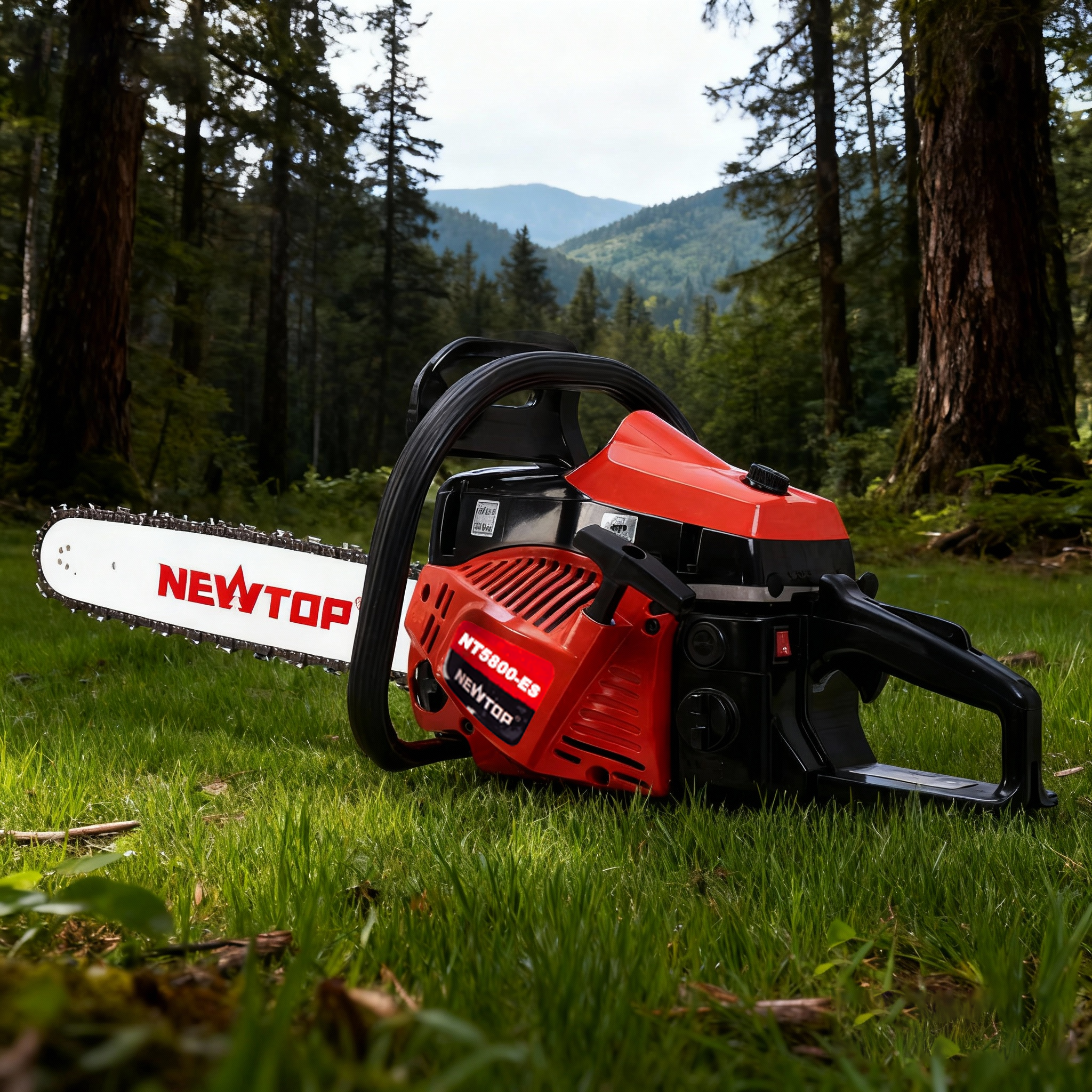
Pros and Cons of Top Handle Chainsaws
Top handle chainsaws provide unmatched control for professional arborists working at height, but this specialized design introduces safety risks and functional limits for ground-based work.
Advantages for Professional Aerial Work
Top handle chainsaws are engineered specifically for professional arborists who need a compact and maneuverable tool for cutting in elevated or confined spaces. The design prioritizes balance and control, making it the standard for any work that requires climbing or operating from an aerial platform.
- The compact and lightweight build reduces operator fatigue during long periods of aerial tree work.
- Superior maneuverability and balance make it easier to make precise cuts in awkward positions, such as within a tree’s canopy.
- The design allows for one-handed use by certified professionals, freeing up the other hand for stability while climbing.
Limitations and Disadvantages
While ideal for specialized tasks, top handle chainsaws have significant drawbacks that limit their general use. Their unique construction makes them less suitable and potentially more dangerous for any type of ground-level cutting, a task better suited for rear handle models.
- Their premium price reflects the specialized engineering and safety certifications required for professional-grade aerial equipment.
- They are not designed for felling or bucking on the ground, where rear handle saws provide better leverage and operational safety.
- The close hand placement increases the risk of serious injury from kickback, requiring specialized training for safe operation.
Pros and Cons of Rear Handle Chainsaws
Rear handle chainsaws provide superior stability and versatility for ground-based cutting, making them the standard for most users, though their size and weight limit maneuverability in tight spaces.
Advantages
- Power Availability: Accommodates larger engines (40-60نسخة) and longer guide bars (up to 24+ inches) for efficient thick timber cuts in logging.
- Stability Control: Two-handed grips with rear balance deliver leverage to minimize kickback in felling and bucking.
- Versatile Use: Handles firewood processing, storm cleanup, hedge trimming, and property maintenance reliably.
- Ergonomic Comfort: Reduces arm fatigue during extended ground-based sessions for pros and beginners.
- Durability Focus: Robust construction withstands daily forestry and landscaping rigors.
Disadvantages
- Hight Fatigue: 11-15+ pound build accelerates exhaustion in prolonged tasks.
- Bulk Limitations: Hinders tight-space agility like climbing or dense pruning.
- Vibration Levels: Higher engine power increases hand-arm vibration risks.
- Portability Issues: Larger profile complicates transport and storage.
- Overhead Challenges: Less suited for aerial work due to handling demands.
Key Differences Between Top Handle vs Rear Handle
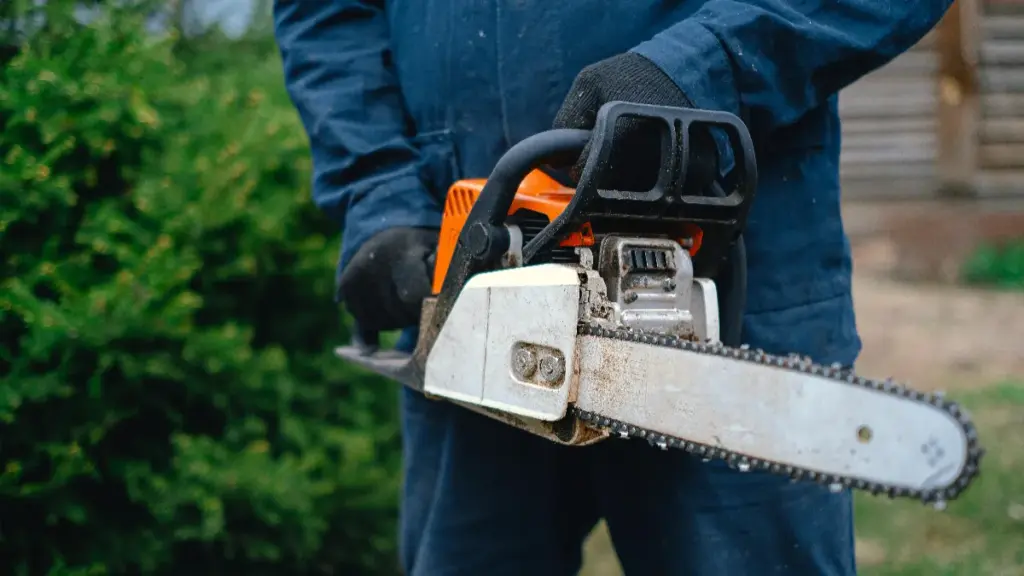
To help professionals compare the technical specifications and functional applications of these tools, we have summarized the key differences below:
| Attribute | Top Handle Chainsaw | Rear Handle Chainsaw |
|---|---|---|
| Handle Position | Top-mounted grip for compact aerial control | Rear grip behind engine with front handle for two hands |
| Weight Range | خفيف الوزن 8-10 lbs, reduces fatigue in heights | Heavier 11-15+ lbs, stable for ground use |
| Guide Bar Length | Shorter 10-16 inches for precision | Longer 14-24+ inches for thick cuts |
| Engine Power | Smaller 25-45cc, agile for pruning | Larger 40-60cc+, powerful for felling |
| Maneuverability | Excellent in tight spaces and climbing | Better stability on ground, bulkier overhead |
| Kickback Risk | Higher due to lighter weight and close grip | Lower with leverage and safety guards |
| Best User Skill | Advanced professionals/arborists only | Beginners to professionals |
| Primary Applications | Tree climbing, limbing, aerial pruning | Felling, bucking, firewood, cleanup |
| Portability | Compact, easy to carry and store | Bulkier, requires more storage space |
| Price Range | Mid-range, often specialized pricing | Varies widely based on engine power |
Selection Guide: Top Handle vs Rear Handle – Which One is Right for You?

| Selection Criteria | Choose a Top Handle Chainsaws If… | Choose a Rear Handle Chainsaws If… |
|---|---|---|
| Primary Work Environment | You are a certified arborist working at height (climbing, aerial lift). | You primarily work on the ground. |
| Key Task | You need to make precise cuts in tight, awkward positions within a tree canopy. | Your tasks include felling, bucking logs, cutting firewood, or storm cleanup. |
| User Profile | You are a trained professional with certification for elevated work. | You are a homeowner, general forestry operator, or beginner. |
| Control Priority | Maneuverability and compactness are critical for specialized cuts. | Maximum stability, leverage, and two-handed control are required. |
For the Professional Arborist and In-Tree Work
Top-handle chainsaws are specialized tools engineered for certified arborists who work at height. Their compact, lightweight build and integrated grip provide the maneuverability needed to operate inside a tree’s canopy. This design is the industry standard for pruning, limbing, and making precise cuts in elevated and confined spaces where a larger saw is impractical.
- Choose a top handle if your primary work involves climbing or operating from an aerial lift.
- The design is optimized for making precise cuts in awkward positions where a conventional two-handed saw won’t fit.
- Safe operation of these tools demands proper training and certification, as one-handed use increases operational risk.
For Ground-Based Cutting and General Use
Rear-handle chainsaws are the definitive tool for nearly all ground-level cutting. The design provides superior stability, leverage, and control, making it the correct choice for felling trees, bucking logs into sections, and clearing brush. This configuration is the standard for homeowners, property managers, and forestry operators working on solid ground.
- Choose a rear handle for tasks like cutting firewood, managing storm cleanup, and felling small to medium trees.
- The two-handed grip offers better control, improves safety, and reduces operator fatigue during prolonged use.
- This design is inherently more stable, making it the safer and more effective option for any user on the ground.
Matching the Tool to Your Primary Application
The right choice depends entirely on your work environment, not on which saw is universally “better.” A professional arborist will own both types—a top handle for climbing and a rear handle for groundwork. For almost everyone else, the rear-handle saw is the more versatile and appropriate tool for common cutting tasks.
- Assess your most common tasks: Are you consistently working in a tree or on the ground?
- Never use a top-handle saw for ground-level felling. Its design is not optimized for the leverage or safety protocols required for that work.
- For B2B buyers and dealers, offering both models allows you to serve two distinct markets: certified professionals and general consumers.
Why Choose NEWTOP Chainsaws for Your Business?
NEWTOP provides B2B partners with a scalable manufacturing solution for reliable, mid-range chainsaws, combining world-class components with flexible OEM support to deliver a strong value proposition in global markets.
NEWTOP chainsaws deliver professional-grade performance in both top handle and rear handle configurations, backed by over 20 years of expertise in gas-powered garden tools. Our models feature high-precision CNC machining, Walbro carburetors, NGK spark plugs, and Oregon chains for exceptional durability exceeding 200 ساعات.
With CE, ع, وكالة حماية البيئة, and EURO II certifications, NEWTOP ensures compliance for global markets like Africa, أمريكا اللاتينية, and Southeast Asia. Competitive pricing, customizable OEM/ODM options, and reliable supply chains make us the top choice for distributors seeking chainsaw suppliers with 500,000+ annual capacity.
Grow Strong with NEWTOP—Your Trustworthy Garden Tools Partner. Explore our range at newtoptools.com. For more information, contact us today!
خاتمة
Choosing between a top handle and a rear handle chainsaw directly impacts operator safety and job performance. A top handle saw is a specialized tool for trained arborists working at height, while a rear handle model provides the stability needed for groundwork. Using the correct saw for the application prevents accidents and ensures efficient, clean cuts.
Evaluate your team’s typical work environment to ensure your equipment fleet is properly outfitted. To source professional-grade chainsaws designed for durability and performance, explore the NEWTOP product catalog for your business needs.
الأسئلة المتداولة
Why do people use top handle chainsaws?
Top handle chainsaws are used for their compact size and maneuverability. They allow tree climbers to make precise cuts in confined spaces within a tree canopy where a traditional saw would be too cumbersome.
Can you use a top handle chainsaw on the ground?
Not recommended—lacking rear leverage, they reduce stability and increase kickback risks for ground tasks; reserve for aerial work only.
Are top handle chainsaws dangerous?
نعم, they are considered more dangerous than rear handle saws because of the narrow grip. This design makes kickback much harder to control. They should only be used by professionals with proper arborist training.
What is the advantage of a rear handle chainsaw?
The main advantages are control, leverage, and safety. The spacing between the handles allows the operator to manage the saw’s power more effectively and provides a safer distance between the chain and the operator’s body.
Is a top handle saw better for climbing?
نعم. Its weight distribution and compact shape are specifically designed for climbing. It can be easily attached to a harness and used in the awkward angles often required when working in a tree.
Which handle style is best for beginners?
A rear handle chainsaw is the only choice for beginners. It provides the necessary stability and safety features to learn proper cutting techniques safely.
