


- All
- NEWTOP Customer Stories
- NEWTOP Explorer Hub
- NEWTOP Industry Insights
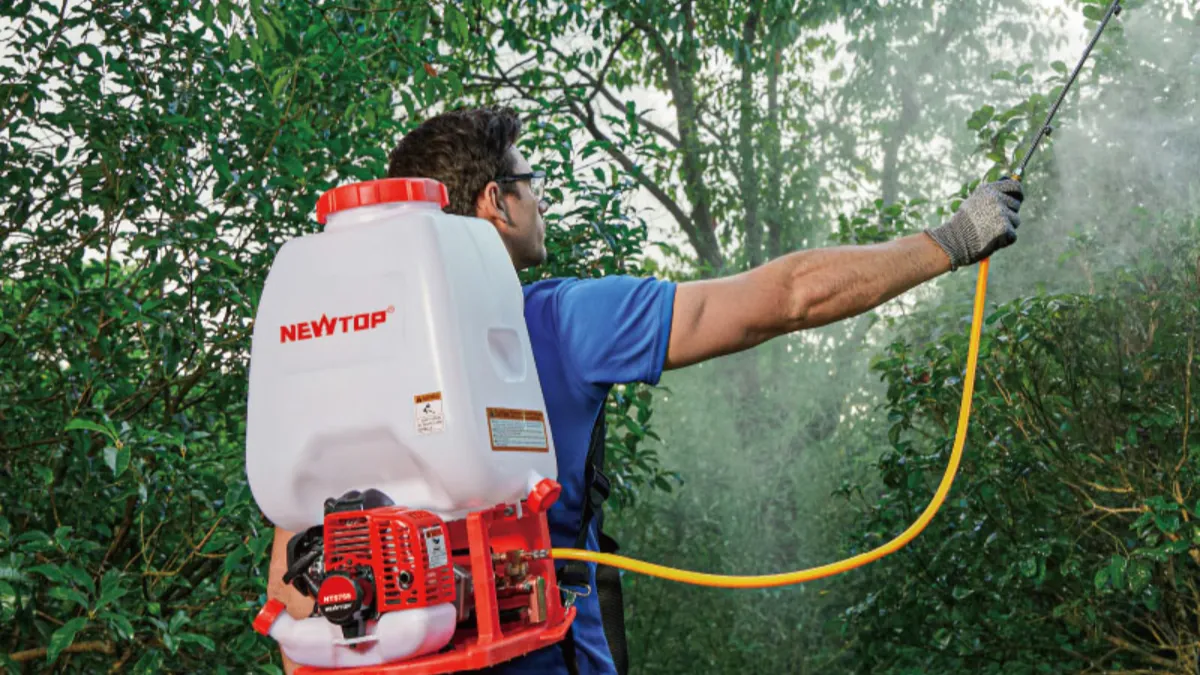
In modern agriculture, precision spraying is no longer optional—it directly impacts crop yield, chemical efficiency, labor cost, and environmental safety. Whether you are managing a small vegetable field in Southeast Asia, a coffee plantation in Latin America, or a large-scale grain farm in Africa, selecting the right knapsack sprayer type can significantly improve operational efficiency.
In this comprehensive guide, we’ll explore the different types of knapsack sprayers, compare their working mechanisms, analyze real farming applications, and help you choose the best model for your specific needs. If you are an importer, distributor, or OEM partner looking for reliable agricultural spraying equipment, this article will also show how working with NOVOTOP can strengthen your product line.
What Is a Knapsack Sprayer and How Does It Work?
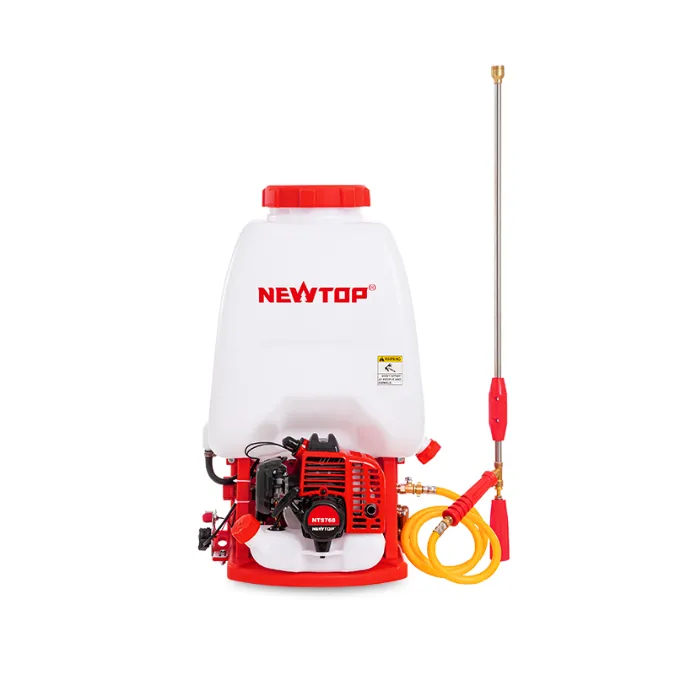
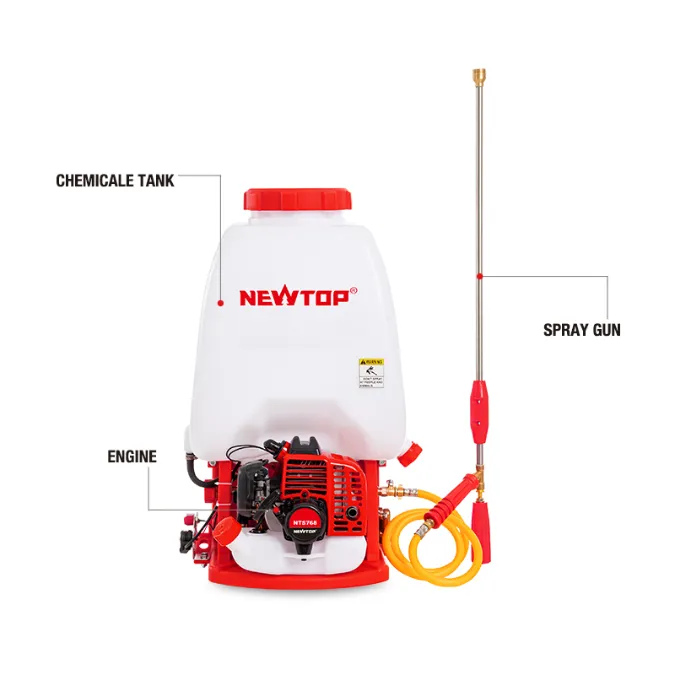
A knapsack sprayer is a portable, back-mounted agricultural machine that uses manual or powered pressure to apply liquids like pesticides and fertilizers with precision in agricultural and landscaping settings.
A knapsack sprayer (also called a backpack sprayer) is a piece of portable equipment worn on an operator’s back to apply liquids, such as pesticides, herbicides, and fertilizers. It is widely used for applying pesticides, herbicides, fungicides, fertilizers, and disinfectants.
Core Components and Their Functions
Every knapsack sprayer operates using a set of essential components that store, pressurize, and dispense the liquid. Understanding these parts clarifies how the sprayer functions.
- Tank: A container, typically holding 15 para 20 liters, that stores the chemical mixture.
- Pump and Lever: The mechanism used to create pressure. In manual models, an operator pumps a lever to pressurize the tank.
- Hose and Lance: A flexible hose connects the tank to a rigid wand, or lance, which allows the operator to direct the spray.
- Bocal: The tip of the lance that atomizes the liquid into a fine mist or a targeted stream for even application. It determines the droplet size and spray pattern, such as fan, cone, or jet streams.
The Basic Working Principle
A knapsack sprayer’s function is based on generating and maintaining pressure to expel liquid in a controlled manner. The process is straightforward, whether the sprayer is manual or motorized.
- The operator fills the tank with the desired liquid solution.
- Using a hand lever or a powered motor, the operator builds pressure inside the tank.
- When the trigger on the lance is squeezed, a valve opens, releasing the pressurized liquid.
- The liquid flows through the hose and lance, exiting the nozzle as a spray.
- Consistent pressure is maintained through periodic pumping or a continuous power source to ensure an even application.
Depending on the model, pressure may be generated manually (lever pumping), electrically (battery-powered motor), or through a petrol engine. Advanced designs include pressure regulators, anti-drip nozzles, adjustable spray patterns, and ergonomic harness systems.
A well-designed knapsack sprayer ensures:
- Uniform droplet size distribution
- Stable spray pressure
- Reduced operator fatigue
- Minimal chemical waste
- Safe handling of agrochemicals
A Quick Comprison of Different Types of Knapsack Sprayers
Before diving deeper, it’s helpful to understand how different types compare in practical farming conditions.
| Knapsack Sprayer Type | Poder / Mechanism | Peso / Reach | Pressure Stability | Best Application | Maint. / Custo |
|---|---|---|---|---|---|
| BY POWER SOURCE | |||||
| Manual | Human Labor (Lever) | 5–10kg / Short | Low (Fluctuates) | Small farms, spot weeding | Low / $ |
| Battery | Electric Motor | 6–8kg / Medium | High (Constant) | Greenhouses, row crops | Med / $$ |
| Petrol | Gasoline Engine | 14–17kg / Long | Very High | Orchards, large plantations | High / $$$ |
| BY PUMP MECHANISM | |||||
| Pistão | Cylindrical Piston | Varies / High PSI | Stable (High) | Fine misting, clear liquids | Med / $$ |
| Diafragma | Flexible Membrane | Varies / Low PSI | Stable (Low) | Wettable powders, bleach | Low / $$ |
| Plunger | Solid Plunger | Varies / High Flow | Medium | Cotton, vegetables, general use | Low / $ |
| BY SPRAY MECHANISM | |||||
| Mist Blower | Air-Propelled Fan | Heavy / Max Reach | Constant | Tall trees, dense foliage | High / $$$ |
| Compression | Stored Air Pressure | Light / Short | Decreasing | Spot treatment, small gardens | Low / $ |
| Hydraulic | Direct Fluid Pump | Med / Consistent | Very Stable | Uniform field coverage | Med / $$ |
Types of Knapsack Sprayers by Power Source
The power source is the primary factor in determining operator fatigue and work speed. Em NEWTOP, we analyze global market trends and have found that while traditional manual units remain a staple in emerging markets, the industry is rapidly pivoting toward battery and petrol solutions for increased labor efficiency.
Manual Knapsack Sprayers
Manual knapsack sprayers operate with a hand pump, giving the user direct control over pressure. They don’t need electricity or fuel, making them a reliable and low-cost choice for small to medium-sized farms. Their lightweight design, typically weighing between 5 e 10 kg, makes them ideal for targeted applications where precision is needed to reduce chemical waste. The main drawback is the need for constant physical effort, which leads to operator fatigue during extended use. Maintaining consistent pressure manually over large fields is difficult, limiting their effectiveness for large-scale commercial operations.
Battery Powered Knapsack Sprayers
Battery-powered knapsack sprayers use a rechargeable battery to power an electric motor, providing continuous and consistent spray pressure without manual pumping. This design is well-suited for professional landscaping and commercial farming because it significantly reduces user fatigue. The steady, adjustable pressure ensures even coverage for herbicides and pesticides. A single charge typically lasts between 4 para 8 horas, allowing for a full day of work and making large jobs more manageable. The initial cost is higher than manual models, and operation is entirely dependent on having a charged battery.
Petrol Powered Knapsack Sprayers
Petrol-powered knapsack sprayers are equipped with a small 2-stroke or 4-stroke gasoline engine to generate high pressure for spraying over large areas. They offer the most power and are built for demanding agricultural tasks like treating orchards or large fields. Petrol sprayers, often configured as mist blowers, can discharge liquid up to 10 or 15 meters horizontally or vertically providing the necessary coverage for high-canopy orchards and wide agricultural fields. They operate independently of any electrical source, but they are also heavier and louder, with a fully loaded weight of 14–17 kg. They require regular engine maintenance, including managing fuel-oil mixtures for 2-stroke versions.
Boost Your Margins with Durable Outdoor Power Equipment

Types of Knapsack Sprayers by Pump Mechanism
The choice between a piston, diaphragm, or plunger pump mechanism directly dictates the sprayer’s chemical compatibility and pressure capabilities, with piston pumps excelling at high-pressure atomization and diaphragm pumps offering superior durability for abrasive formulations.
Piston Knapsack Sprayer
A piston backpack sprayer uses a cylindrical piston moving inside a chamber to generate pressure. This design is highly efficient for reaching high pressures, making it a strong choice for applications that need a fine mist or long-distance spray. Operators typically use them for applying liquid herbicides and pesticides that don’t contain abrasive particles, which could damage the internal seals.
- Reaches higher pressures, often up to 150 PSI, for atomizing liquids effectively.
- Best suited for liquid-only formulations, as abrasive powders can wear down the piston seals.
- Generally requires more maintenance on seals and O-rings compared to diaphragm pumps.
- Ideal for targeted pest control and applying insecticides where fine droplet size is beneficial.
Diaphragm Knapsack Sprayer
A diaphragm backpack sprayer uses a flexible membrane that pulsates to create pressure. This mechanism keeps the chemical solution separate from the pump’s moving parts. This separation makes the pump exceptionally durable when using abrasive materials like wettable powders or even bleach-based solutions.
- Highly resistant to corrosion and abrasion from aggressive or powder-based chemicals.
- Operates at a lower pressure, typically around 60 PSI, which produces larger droplets and reduces spray drift.
- Requires less maintenance because the diaphragm shields the pump’s critical components.
- The preferred choice for applying wettable powders, fertilizers, and herbicides where drift control is important.
Plunger Sprayer
The plunger backpack sprayer is a specific type of piston pump where a solid plunger displaces fluid to build pressure. It is known for its simple, robust design and its ability to generate high pressure with minimal operator effort. This makes it a reliable and economical choice for general-purpose agricultural spraying.
- Combines the high-pressure capabilities of a piston pump with a durable and simple design.
- Achieves a high work rate, making it efficient for treating medium-to-large areas.
- The mechanism is straightforward to maintain and repair in the field.
- Suitable for a wide range of crop applications, including vegetables, cotton, and groundnuts.
Types of Knapsack Sprayers by Spray Mechanism

The choice of spray mechanism—air-propelled mist, stored air pressure, or direct hydraulic force—directly dictates the sprayer’s application speed, coverage area, and operational consistency.
Motorized Mist Blowers
Motorized mist blowers are engine-driven sprayers that use a high-velocity air stream to atomize and propel liquid over long distances. This design is ideal for treating large areas, dense foliage, or tall trees quickly, making it a common choice for commercial agriculture, forestry, and public health pest control.
- Combines a liquid spray with a powerful fan to create a fine mist that can cover a horizontal range of 15 para 40 feet.
- Significantly reduces application time compared to manual or low-pressure sprayers, often completing jobs two to three times faster.
- The engine provides consistent power, which eliminates operator fatigue from manual pumping and ensures uniform coverage.
- Well-suited for applying pesticides and fungicides in orchards, vineyards, and large crop fields.
Compression Sprayer
A compression sprayer operates by manually pumping air into a sealed tank to build pressure. This stored pressure then forces the liquid out through a nozzle when the trigger is engaged. They are simple, low-cost, and widely used for spot treatments and smaller-scale applications in gardening and farming.
- Requires the user to pressurize the tank before spraying; the pressure gradually decreases as the liquid is used.
- Offers precise control for targeted applications of herbicides, insecticides, or fertilizers.
- Leve, portable, and easy to maintain due to its simple mechanical design with few moving parts.
- Operation is quiet and emission-free, but it can be labor-intensive for large areas.
Hydraulic Sprayer
Hydraulic sprayers use a pump to generate liquid pressure directly, forcing the solution through nozzles to form a spray. Unlike compression sprayers, they provide continuous and consistent pressure as long as the pump is active. This category includes everything from manual lever-operated pumps to engine-powered systems.
- Delivers a steady flow and pressure, resulting in more uniform droplet size and application.
- The operator uses a lever or a motor to activate the pump, which creates immediate hydraulic force.
- Commonly used in agriculture for applying chemicals that require consistent coverage.
- Models range from simple manual backpack units to larger, more complex systems for extensive fieldwork.
Common Applications of Knapsack Sprayers in Farming

Backpack sprayers are the primary agricultural machines for targeted, on-the-ground application of pesticides, herbicides, and liquid fertilizers, giving farmers precise control over crop health and management.
Pest and Disease Control
Knapsack sprayers are fundamental for applying insecticides and fungicides directly onto crops. This targeted approach helps protect plants from damaging insects and fungal diseases that can reduce yield and quality. The direct application minimizes waste and ensures the active ingredients reach the specific areas that need treatment.
- Delivers precise treatment to affected leaves, stems, and fruits in orchards and vegetable plots.
- Effective for managing localized infestations before they spread across an entire field.
- Allows farmers to use both chemical and organic solutions to combat common agricultural pests.
Weed Management
Applying herbicides with a knapsack sprayer is an efficient way to manage unwanted weeds that compete with crops for water, sunlight, and nutrients. It allows for controlled application in specific areas, preventing damage to the main crop while effectively eliminating invasive plants.
- Ideal for spot-treating weeds along fence lines, between crop rows, and in garden beds.
- Supports the use of selective herbicides that target weeds without harming the primary crop.
- Ensures uniform coverage for pre-emergent and post-emergent weed control strategies.
Fertilizer and Nutrient Application
These sprayers are commonly used for foliar feeding, where liquid fertilizers and micronutrients are applied directly to the leaves. This method provides a rapid nutritional boost to crops during critical growth stages, bypassing slower soil absorption for immediate effect.
- Facilitates quick absorption of nutrients to correct deficiencies faster than soil application.
- Ensures an even distribution of liquid plant food to promote consistent growth.
- Useful for applying growth regulators and supplements that improve overall plant health and productivity.
Key Factors to Consider When Choosing a Knapsack Sprayer for Your Farm
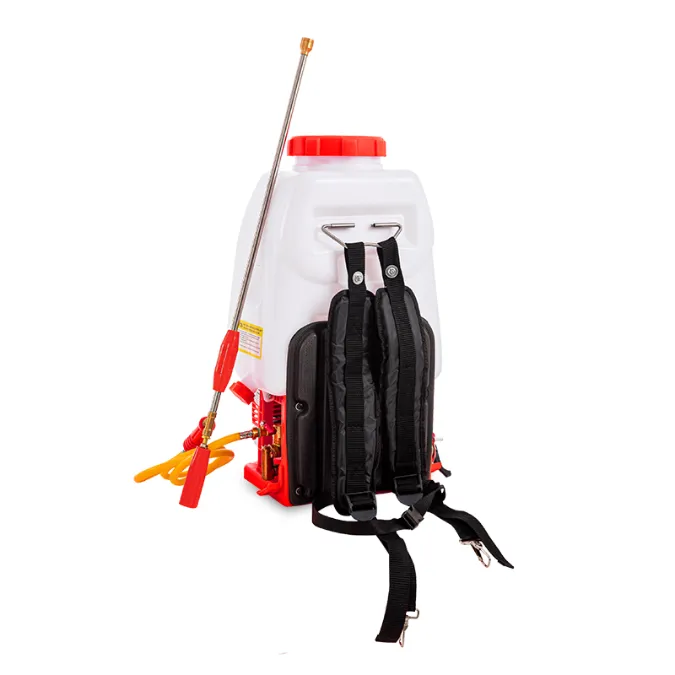
Choosing the right knapsack sprayer requires a practical assessment of your farm’s scale, the chemicals you use, the precision needed for your crops, and the physical demands on the operator.
| Factor | Key Consideration | Impacto na eficiência |
|---|---|---|
| Compatibilidade Química | Ensure the use of Viton™ seals and diaphragm pumps for petroleum-based solvents or abrasive powders. | Prevents seal swelling and pump failure, reducing maintenance costs and downtime. |
| Tank Capacity | Match tank size (10–20L+) to farm scale while considering manageable operator weight. | Reduces refill time on large plots but increases fatigue if too heavy for the task. |
| Material Durability | Select UV-resistant high-density polyethylene (HDPE) tanks to withstand harsh environmental exposure. | Prevents tank cracking and liquid leaks, extending the overall service life of the equipment. |
| Nozzle Configuration | Ensure the sprayer supports interchangeable nozzles (fan, cone, stream) for varied agricultural tasks. | Improves application precision, reduces chemical waste, and increases treatment effectiveness. |
| Ergonomics | Look for padded shoulder straps, contoured back support, and balanced weight distribution. | Minimizes operator fatigue, enabling longer and more productive work periods in the field. |
Compatibilidade Química
Review the active ingredients of the chemicals you intend to use. If you use petroleum-based solvents or abrasive powders, ensure the sprayer is equipped with Viton seals and a diaphragm pump. Standard rubber seals will swell and fail when exposed to harsh solvents.
Tank Capacity and Farm Size
Matching the sprayer’s tank size to your operational scale is fundamental for efficiency. A larger tank minimizes refill breaks for extensive fields, but a smaller, more portable model is often better for targeted applications or smaller plots. The goal is to balance coverage with a weight that an operator can comfortably manage for a full workday.
- For small-scale or organic farming, a 10–15 liter tank provides a good balance of portability and capacity.
- Larger agricultural operations benefit from 20-liter or larger tanks to maximize coverage area per fill.
- Always consider the total weight when full, ensuring it is manageable for the operator over extended periods.
Material Durability and Chemical Compatibility
The construction materials of a sprayer dictate its longevity and safety. It’s important to select a model with a tank and seals that can withstand the corrosive effects of various agricultural chemicals. Poor material choices lead to cracks, leaks, and premature equipment failure, posing risks to both the operator and the environment.
- Look for tanks made from high-density polyethylene or other UV-resistant plastics that prevent cracking and degradation.
- Seals and gaskets made from chemical-resistant materials are necessary to prevent leaks when using aggressive fertilizers or pesticides.
- A robust frame and durable straps are also important for operator safety and equipment stability during use.
Nozzle Configuration and Application Precision
The nozzle is a critical component that controls the spray pattern, droplet size, and flow rate. A sprayer with interchangeable or adjustable nozzles offers the flexibility needed for different crops and treatments. The right nozzle ensures that chemicals are applied effectively where needed, minimizing waste and preventing damage to non-target plants.
- Adjustable nozzles allow you to switch from a fine mist for insecticides to a direct stream for spot-treating weeds.
- Different nozzle types, such as fan, cone, or flood patterns, provide tailored coverage for broadacre, row crop, or specific plant applications.
- Precision application not only improves effectiveness but also reduces chemical waste and environmental impact.
Ergonomics and Operator Comfort
A 20L tank weighs approximately 20kg. Ergonomic features help distribute weight evenly and make the equipment easier to handle. A comfortable operator can work longer and more accurately, which directly translates to better results in the field.
- Look for contoured backrests with integrated ventilation, wide padded shoulder straps, and waist belts that shift the weight from the shoulders to the hips.
- A lightweight design is easier to carry and maneuver, especially across uneven terrain.
- An easy-to-reach and smooth-action pump handle helps maintain consistent pressure without causing excessive fatigue.
Maintenance Tips to Extend the Life of Your Knapsack Sprayer

Shifting from reactive repairs to a disciplined, preventative maintenance schedule built on post-use cleaning and regular component checks is the most direct way to maximize the operational lifespan of your equipment.
Implement a Post-Use Cleaning Routine
A consistent cleaning protocol after each use is the single most effective way to prevent chemical buildup and pump failure. This practice is non-negotiable for stopping corrosive residues from degrading seals, bicos, and internal components. Overlooking this step is the fastest way to shorten your sprayer’s service life, leading to clogs and leaks.
- Thoroughly rinse the tank, hose, and nozzle with clean water immediately after finishing your work.
- When switching between different chemical types, perform a more intensive rinse to neutralize residues and prevent cross-contamination.
- Ensure the exterior of the sprayer is wiped down to remove any chemical spills that could damage the harness or plastic housing.
Regularly Inspect and Lubricate Seals and Moving Parts
Seals, juntas, and pump mechanisms are the most common failure points because they are under constant chemical and mechanical stress. Routine inspection and proper lubrication maintain their integrity, preventing leaks and ensuring consistent pressure when you need it most. This proactive check catches wear before it leads to a failure in the field.
- On a quarterly basis, check all O-rings and seals for signs of cracking, brittleness, or wear and replace them if needed.
- Apply a manufacturer-recommended silicone lubricant to pump seals and other moving components to keep them pliable and protected. Avoid petroleum jelly as it can degrade specific types of synthetic rubber.
- Check that all clamps, fittings, and connections are tight to avoid leaks during operation.
Follow a Systematic Maintenance Schedule
Moving from reactive repairs to preventative maintenance extends the sprayer’s operational lifespan significantly, with professional operators achieving 4-5 years of daily use. A structured schedule removes guesswork and builds accountability, ensuring that critical tasks like filter cleaning or lubrication are not overlooked during busy periods.
- Create a simple checklist for daily tasks (rinsing), weekly checks (filter cleaning), and quarterly actions (lubrication).
- Consider an assigned-equipment system where each operator is responsible for the maintenance of a specific sprayer to improve accountability.
- Store the sprayer in a clean, dry place away from direct sunlight to prevent UV degradation of plastic and rubber parts.
Customizing Your Brand with NEWTOP’s Diverse Sprayer Types
NEWTOP provides comprehensive OEM and private labeling, enabling international distributors to tailor everything from sprayer color and branding to core technical specifications and packaging for specific regional markets.
As a professional agricultural machinery manufacturer since 2003, NOVOTOP provides a comprehensive range of manual, battery-powered, and petrol knapsack sprayers.
With advanced CNC machining centers, linhas de produção automatizadas, and strict quality control systems, NEWTOP ensures:
- Stable product performance
- Durable chemical-resistant materials
- CE and international compliance
- Flexible OEM/ODM customization
- Private label branding support
- Reliable spare parts supply
For distributors in Africa, South America, Sudeste Asiático, and emerging markets, NEWTOP offers competitive pricing combined with consistent quality.
From tank color customization to packaging design and specification adjustments, NEWTOP helps partners build strong local brands with dependable agricultural spraying solutions.
If you are looking to expand your agricultural equipment portfolio, partnering with NEWTOP means accessing a proven manufacturing system with global distribution experience.
Conclusão
Choosing the right knapsack sprayer means matching its power source, pump, and spray mechanism to your specific farming needs. A well-chosen sprayer helps you apply treatments with precision, protecting crop health while managing your operational costs. This alignment ensures you get the most out of your equipment, no matter the scale of your work.
Are you ready to optimize your agricultural output? Explore the NEWTOP Knapsack Sprayer Collection or reach out to our technical team at serviç[email protected] for a professional consultation and OEM catalog.
Perguntas frequentes
What are the four types of sprayers?
The four common types are manual knapsack sprayers, battery-powered sprayers, petrol mist blowers, and compression sprayers, each suited for different farm sizes and applications.
Which type of sprayer is best for weed control?
A knapsack sprayer equipped with a flat fan nozzle is best for weed control. This setup provides a uniform spray pattern, ensuring even coverage of herbicides without damaging nearby plants.
Are battery powered sprayers reliable for heavy work?
Sim. High-quality battery-powered backpack sprayers with durable motors and lithium batteries can operate for several hours and are suitable for medium to large farms.
What is the difference between a piston and diaphragm pump?
A piston pump is best for high-pressure applications with clear, non-abrasive liquids. A diaphragm pump is the standard for harsh chemicals and abrasive powders because the pump components are protected from the solution.
Which knapsack sprayer is best for paddy farming?
Battery-powered or diaphragm-type hydraulic knapsack sprayers are ideal for paddy fields due to consistent pressure and resistance to corrosive chemicals.
How do I choose between manual and electric sprayers?
Choose manual knapsack sprayers for small farms and low budgets. Choose electric knapsack sprayers for larger areas, higher efficiency, and reduced labor fatigue.
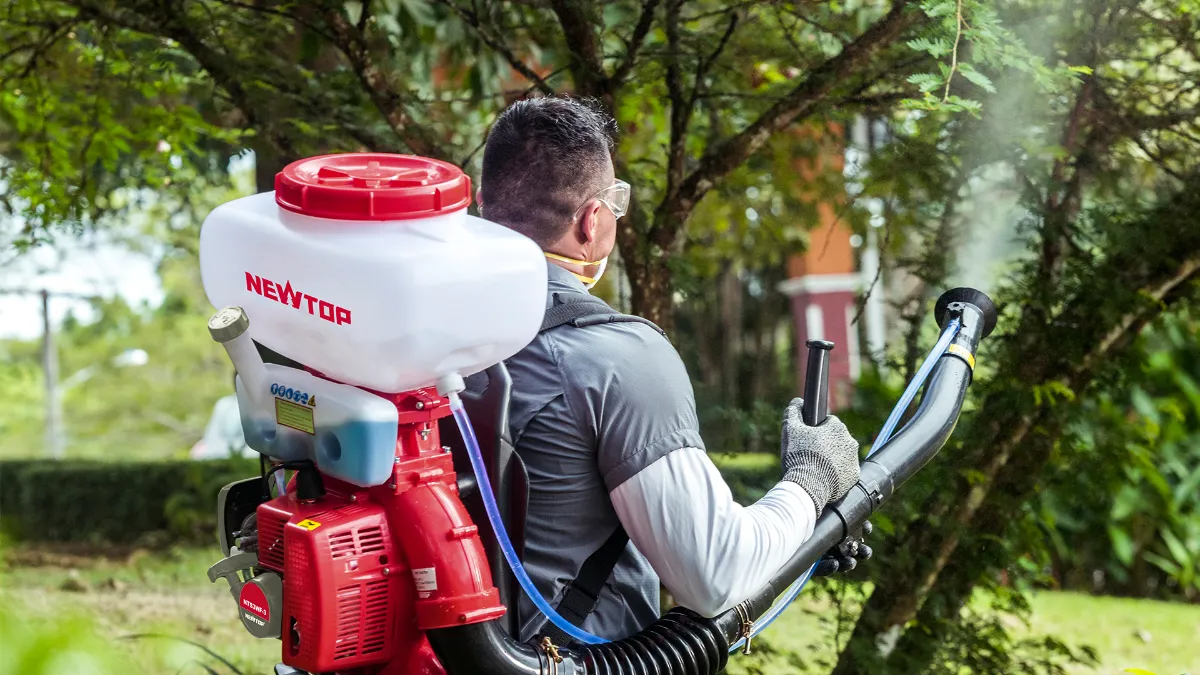
Across different farming regions, knapsack sprayers help manage crop protection efficiently. In rice fields of Southeast Asia, they are used for targeted pesticide application. In orchards in South America, sprayers allow growers to treat trees without causing excessive chemical runoff. Beyond agriculture, these sprayers are also used for urban pest control and public sanitation programs. The effectiveness of a sprayer depends on its tank design, pumping mechanism, nozzle selection, and operator technique, making equipment choice critical for consistent results.
This guide serves as a complete technical breakdown for agricultural managers and field operators. We will identify every major component in the sprayer’s anatomy. You’ll get a clear, step-by-step procedure for preparing and operating the equipment for the first time, along with a definitive list of essential safety gear. The focus is on building a repeatable process for safe, efficient, and effective crop management.
What Is Knapsack Sprayer?
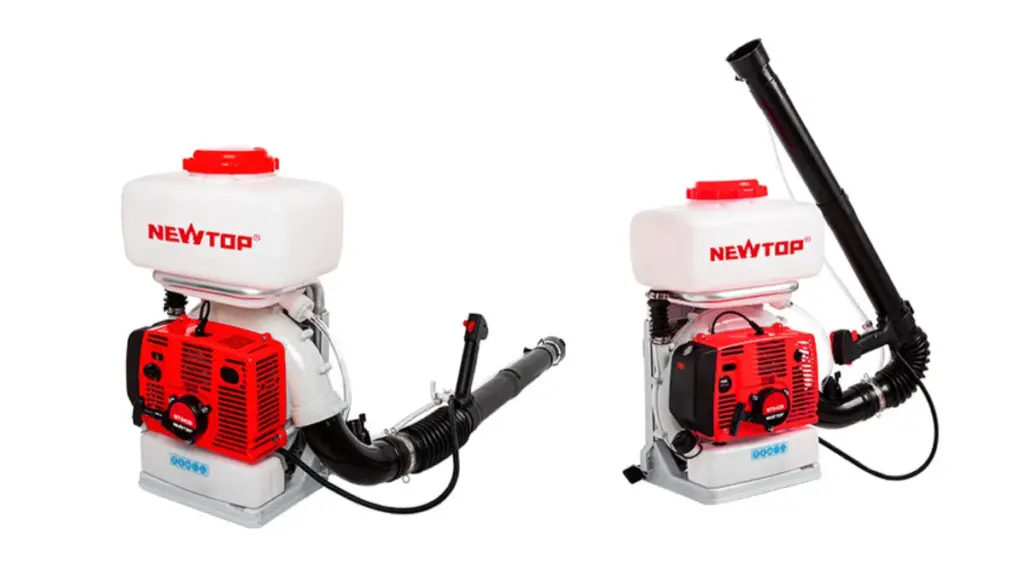
Knapsack sprayers, also known as backpack sprayers, are compact, portable devices designed to apply liquids such as pesticides, herbicides, fertilizers, and water directly onto crops, plants, and soil. Their design allows the operator to carry the sprayer on their back while controlling the nozzle with one hand, providing mobility and precision in areas where larger spraying equipment cannot reach. The portability and adaptability of knapsack sprayers make them widely used in small- to medium-scale agriculture, horticulture, and landscape maintenance.
Unlike hand-held or tractor-mounted sprayers, knapsack sprayers excel in precision spraying on irregular terrain, around densely planted crops, or inside greenhouses. The wand allows the operator to reach the undersides of leaves, branches, or hard-to-reach spots. Adjustable nozzles enable control over spray pattern and droplet size, which is crucial to prevent chemical drift, optimize coverage, and reduce wastage.
- Used for applying pesticides and fungicides to protect crops from diseases and pests.
- Facilitates precise herbicide management to control weeds in fields, pomares, and gardens.
- Supports the distribution of liquid fertilizers to deliver nutrients directly to plants.
Shift from Manual to Powered Models
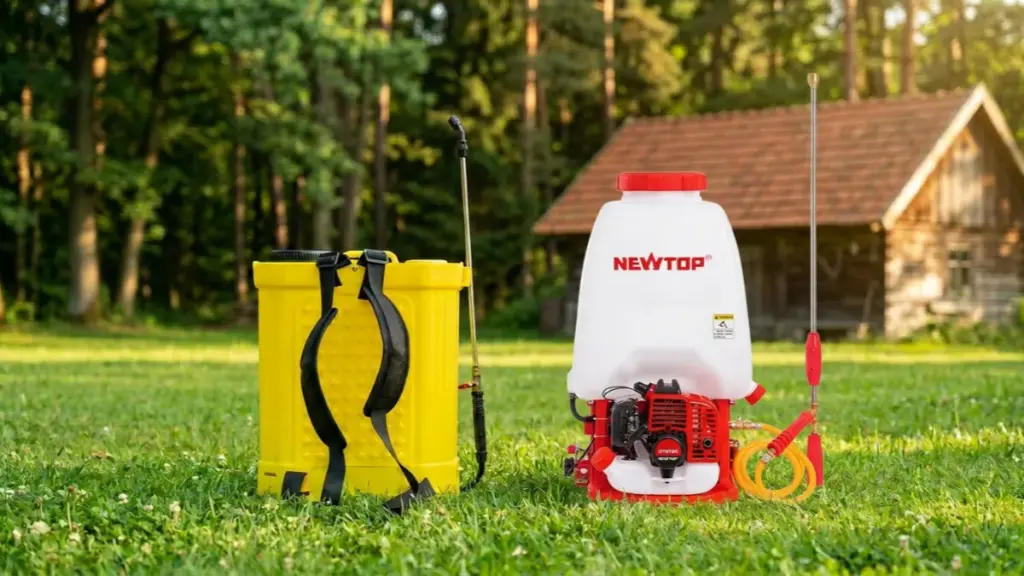
The market shows a clear trend moving from traditional manual backpack sprayers to battery-powered and motorized backpack sprayers. This change is driven by the need to reduce labor costs, increase operational speed, and achieve more consistent application pressure over large areas.
- Manual models remain a dominant choice in cost-sensitive markets due to their simplicity and affordability.
- Battery-powered electric sprayers offer consistent pressure without operator fatigue, improving application accuracy.
- Gasoline-powered models provide higher pressure and are suited for large-scale commercial operations requiring sustained power.
Related Reading: Tipos de pulverizador costal: Escolhendo o melhor modelo para sua fazenda
Understanding the Anatomy of a Knapsack Sprayer
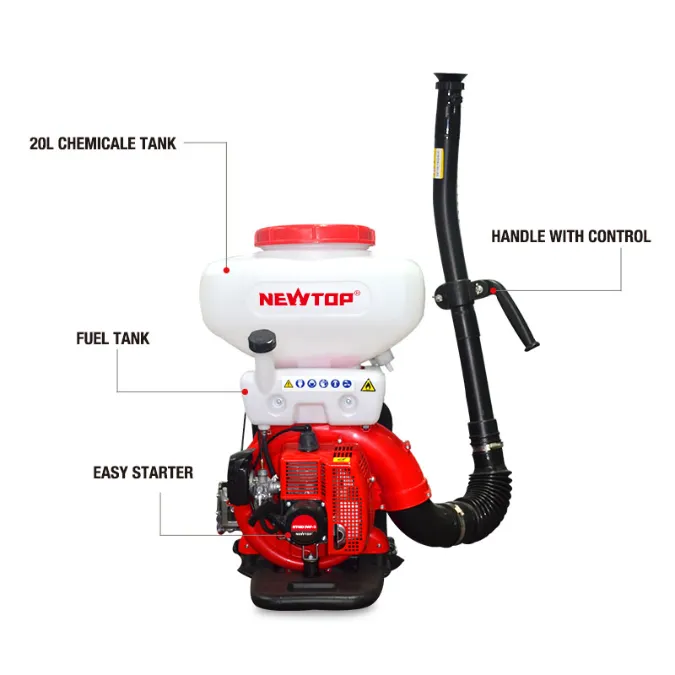
A knapsack sprayer’s design integrates four distinct systems—liquid storage, spray delivery, pressure control, and operator support—to ensure reliable and precise chemical application.
| Sistema de Componentes | Key Parts | Função Primária |
|---|---|---|
| Tank & Pressurization | Tank, Pump (Piston or Diaphragm) | Holds chemical liquid and generates the force needed for spraying. |
| Spray Delivery | Lance (Spray Wand), Bocal | Directs the pressurized liquid and atomizes it into a specific pattern. |
| Control & Regulation | Trigger Valve, Pressure Regulator | Manages liquid flow and maintains consistent system pressure for uniform coverage. |
| Operator Comfort & Manutenção | Harness, Quadro, Strainer, Filter | Reduces operator fatigue and prevents internal clogs to prolong equipment life. |
Tank and Pressurization System
The tank and pump form the core of a knapsack sprayer. The tank serves as the reservoir for the chemical solution, typically holding 10–20 liters, depending on the model and intended use. Tanks are constructed from durable, chemical-resistant plastics, which can withstand exposure to fertilizers, herbicides, and pesticides without corroding or deforming.
The pump generates the pressure that forces the liquid through the system. Piston pumps are generally used when high-pressure spraying is required, providing a strong, steady stream. Diaphragm pumps are preferred for abrasive or aggressive chemical formulations, offering smoother pressure and reducing wear. The selection of pump type affects spray consistency, operator fatigue, and overall efficiency.
Spray Delivery Components
Once pressurized, the liquid travels through the lance (spray wand) and exits through the nozzle.
- Lance (Spray Wand): This extendable rod allows the operator to reach leaves, stems, and other difficult-to-access areas, ensuring that all surfaces receive treatment. Its length and maneuverability are crucial for dense crops or orchard environments.
- Bocal: The nozzle atomizes the liquid into droplets and shapes the spray pattern. Common types include:
- Flat Fan Nozzle: Produces a thin, uniform sheet for even coverage over broad surfaces.
- Cone Nozzle: Creates a circular spray pattern, ideal for targeted misting and dense foliage.
- Adjustable Nozzle: Allows operators to change the spray type according to crop requirements.
Proper selection of nozzle type ensures efficient chemical use, reduces drift, and minimizes over-application.
Control and Regulation Mechanisms
Spraying effectiveness depends on the operator’s ability to regulate liquid flow and pressure:
- Trigger Valve: Mounted on the wand handle, this allows instant control over start-and-stop of liquid flow. It helps reduce chemical waste and improves precision during targeted applications.
- Pressure Regulator / Pressure Chamber: Maintains consistent system pressure, ensuring a uniform spray across the entire treatment area. Consistent pressure is particularly important in manual pumps or battery-operated sprayers, preventing uneven coverage or missed spots.
Together, these mechanisms allow operators to maintain accurate application rates, adapt to different crops, and minimize chemical use.
Operator Comfort and Maintenance Features
Ergonomic design improves usability and reduces operator fatigue, especially during long spraying sessions:
- Harness and Frame: Padded, adjustable straps distribute the sprayer’s weight evenly across the shoulders and back, reducing strain. Some models include waist belts or back supports for additional comfort.
- Strainer and Filter: Positioned at the tank inlet or inside the pump, these prevent debris from entering the system, reducing the risk of nozzle clogging and prolonging equipment life.
Routine inspection and maintenance of these components, such as cleaning filters and adjusting straps, ensures consistent performance and increases the sprayer’s service life.
Equip Your Market with Proven Performance
Economic Importance of Knapsack Sprayer in Modern Farming
Knapsack sprayers directly boost farm profitability by enabling precise chemical application, which reduces input costs and improves labor efficiency.
Cost Efficiency and Resource Optimization
Knapsack sprayers provide significant economic advantages by ensuring the precise application of agricultural inputs. This accuracy helps minimize chemical waste, directly lowering operational costs for farmers and improving overall farm profitability.
- High-pressure pumps and adjustable nozzles optimize the use of pesticides and fertilizers, reducing over-application.
- Large-capacity tanks decrease the need for frequent refilling, which saves valuable labor time and increases work continuity.
- Targeted application helps farmers get the most value from every liter of chemical, boosting resource efficiency.
Labor Productivity and Time Savings
The portable, back-carried design of these sprayers significantly boosts labor efficiency on farms. It allows a single worker to manage larger areas more quickly and accurately, optimizing workforce deployment, especially where labor is a major expense.
- Farmers can cover more acreage in less time, a crucial benefit for small to medium-sized operations.
- The ergonomic design enables operators to work comfortably and maintain consistent performance throughout the day, maximizing output.
Market Scale and Manufacturing Growth
The global demand for knapsack sprayers highlights their economic importance, fostering the growth of major manufacturing hubs. This industrial concentration reflects the tool’s proven return on investment for farmers worldwide.
- Regions like Taizhou, China have become key centers for knapsack sprayer production, supplying international markets.
- Strong global demand is driven by the clear economic benefits and efficiency gains that these sprayers provide to the agricultural sector.
Sustainability and Long-Term Farm Viability
By enabling targeted treatments and reducing overall chemical usage, knapsack sprayers contribute to more sustainable and cost-effective farming. This approach lowers immediate expenses and enhances the long-term economic health of the farm.
- Support for integrated pest management strategies reduces reliance on broad-spectrum chemical applications.
- Lowering chemical inputs not only cuts costs but also minimizes long-term environmental liabilities, making farming operations more resilient.
Common Types of Pumps Used in Knapsack Sprayers
The choice of pump technology in a knapsack sprayer—typically piston, diaphragm, or battery-powered—directly dictates its chemical compatibility, pressure capabilities, and operator efficiency.
Piston Pumps
Piston pumps are a popular and reliable option for knapsack sprayers, especially when working with standard liquid formulations. Their simple mechanical design allows them to generate consistent pressure for effective application. This makes them a go-to choice for many standard agricultural and landscaping tasks.
- Best suited for non-abrasive chemicals like liquid insecticides and herbicides.
- Known for achieving higher pressure levels, which is useful for certain spraying tasks.
- The straightforward construction simplifies maintenance and repair.
Diaphragm Pumps
Diaphragm pumps are engineered for durability, particularly when spraying abrasive or corrosive chemicals. The pump’s internal mechanism is sealed off from the chemical, which protects moving parts from wear and damage. This design is critical for operators who frequently work with wettable powders or other challenging formulations.
- Ideal for abrasive materials like wettable powders and some fertilizers.
- The sealed design reduces direct contact between chemicals and critical components.
- Offers a longer service life when used with challenging formulations.
Related Reading: Pistão do pulverizador de mochila vs. Bomba de diafragma: Qual sistema vence?
Battery-Powered Pumps
Battery-powered systems represent a significant shift in the knapsack sprayer market. They eliminate the need for manual pumping, reducing operator fatigue and ensuring a constant, even pressure for uniform spray coverage. This technology is gaining traction in commercial operations where consistency and efficiency are primary concerns.
- Provides consistent pressure delivery without physical effort.
- Reduces operator fatigue, making it easier to complete large jobs.
- Increases efficiency and precision for both agricultural and residential users.
How to Prepare and Operate Your Backpack Sprayer for the First Time
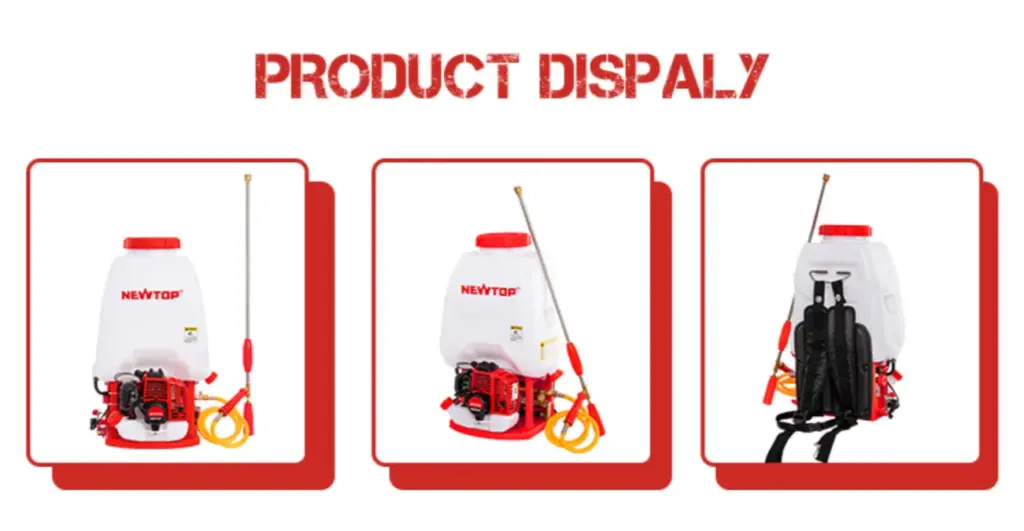
Proper sprayer setup involves a sequence of pre-use inspection, precise calibration, safe chemical mixing, and consistent application technique to ensure operational safety and effectiveness.
| Stage | Key Action | Primary Goal |
|---|---|---|
| Pre-Operation Inspection | Check for cracks, tighten all connections, and test with clean water. | Prevent leaks and confirm basic pump functionality. |
| Calibration | Spray a measured test area to calculate the application rate. | Ensure accurate dosing to avoid waste and crop damage. |
| Mixing & Filling | Wear PPE, half-fill with water, add chemical, then top off. | Achieve a safe, thoroughly mixed, and effective solution. |
| Spraying Technique | Maintain a steady pace, constant nozzle height, and overlap passes. | Achieve uniform coverage and minimize chemical drift. |
Pre-Operation Inspection and Assembly
Before you fill the tank with any chemical, a complete inspection and proper assembly are mandatory. This initial check verifies that the unit was not damaged during shipping and that all components are connected correctly to prevent leaks and ensure safe operation. A simple water test is the final step to confirm the system holds pressure as expected.
- Unpack and verify all components against the parts list in the user manual.
- Inspect the tank for any cracks or defects and confirm that all seals and gaskets are properly seated.
- Firmly attach the hose, spray wand, and nozzle, tightening every connection to create a leak-proof seal.
- Fill the tank with clean water to test the pump. Build pressure and check for any drips or leaks from the connections or seals.
Calibrating the Sprayer for Accurate Dosing
Calibration is the process of matching your sprayer’s output to the requirements of the chemical and the target area. Correct calibration is not optional; it is fundamental to effective treatment, preventing the waste of expensive chemicals, and protecting crops from being over- or under-dosed. The goal is to determine exactly how much liquid your sprayer applies over a defined area so you can mix your solution accurately.
- Fill the sprayer with a precise volume of water (por exemplo, 5 liters).
- Mark out a specific test area, such as 10 square meters (2m x 5m).
- Spray the test area using the same walking speed and pumping rhythm you plan to use for the actual job.
- Measure the amount of water remaining in the tank. The difference is your application rate, which you can use to adjust your technique or mixture.
Proper Mixing and Filling Procedures
Handling and mixing chemical concentrates is a high-risk step that demands strict adherence to safety protocols. Always follow the instructions printed on the chemical’s label. The standard procedure is to partially fill the tank with water first, which helps dilute the concentrate safely and promotes a more thorough mix.
- Always put on your personal protective equipment (EPI), especially chemical-resistant gloves and safety glasses, before handling chemicals.
- Fill the sprayer tank about halfway with the required amount of water.
- Add the measured volume of chemical concentrate to the water in the tank.
- Add the remaining water to reach the final desired volume, then close the lid securely and agitate the tank to mix the solution completely.
Safe and Effective Spraying Techniques
Your physical technique during application directly controls the quality of coverage and your level of exposure. A disciplined, consistent method ensures the chemical is applied uniformly across the target surface and minimizes the risk of drift, where spray travels to unintended areas. Maintaining steady pressure through consistent pumping is key for an even spray pattern.
- Walk at a constant, steady pace while keeping the nozzle at a consistent height from the target plants or ground.
- Apply the spray in a smooth, sweeping motion. Overlap each pass slightly to avoid gaps and ensure even coverage.
- Do not spray in windy conditions. Wind causes chemical drift, wasting product and potentially harming adjacent, non-target plants or property.
- Pump the handle with a consistent rhythm to maintain steady pressure, which is critical for a uniform spray pattern and flow rate.
Essential Safety Gear for Backpack Spraying Tasks
Using the correct personal protective equipment (EPI) is a non-negotiable industry standard, forming the primary defense against chemical exposure during all spraying operations.
Protective Coveralls and Footwear
To shield the body from direct contact with chemicals, wearing full-body coveralls and chemical-resistant boots is fundamental. This gear acts as the primary barrier against accidental spills, splashes, and spray drift during mixing and application.
- Select coveralls made from durable, non-absorbent materials designed to resist chemical penetration.
- Use waterproof boots that are high enough to be covered by the pant legs, preventing liquids from running down into them.
- Before each use, inspect all coveralls and boots for tears or holes that could compromise protection.
Chemical-Resistant Gloves
Hands are highly susceptible to chemical exposure. Unlined, waterproof gloves made from materials like nitrile or neoprene are essential for safely handling pesticides, mixing solutions, and operating the sprayer.
- Choose gloves that extend well beyond the wrist to protect forearms.
- Never use leather or fabric gloves, as they absorb and retain chemicals, leading to prolonged skin contact.
- Regularly check for signs of degradation, such as cracks or discoloration, and replace them immediately if damage is found.
Eye and Face Protection
Protecting the eyes from chemical splashes is critical to prevent severe injury. Vented goggles or a full-face shield creates an effective barrier against airborne droplets and accidental splashes.
- Ensure goggles provide a snug seal around the eyes to block liquids from all angles.
- A face shield can offer additional protection for the entire face but should be used with goggles for complete eye safety.
- Standard eyeglasses are not a substitute for proper safety eyewear as they do not protect from splashes.
Respiratory Protection
Inhaling chemical mists or vapors can lead to serious health issues. A properly fitted respirator filters harmful particles and is a vital piece of equipment when working with many types of agricultural chemicals.
- The specific type of respirator needed is determined by the chemical being applied; always check the product’s safety data sheet.
- A tight seal between the respirator and the face is necessary for it to work correctly.
- Replace filters and cartridges based on the manufacturer’s instructions or if breathing becomes difficult.
Ready to Work with a Top 5 Knapsack Sprayer Factory?
NOVOTOP has over 20 years of experience in manufacturing garden tools and agricultural equipment, providing reliable knapsack sprayers for global markets. Advantages include:
- Wide Product Range: Manual and gasoline knapsack sprayers for varied agricultural applications.
- Global Distribution: Products shipped to 65+ países, with after-sales support and local service points.
- Certifications and Quality: CE, GS, ETL, and ISO-certified production lines ensure consistent performance.
- Customization Options: OEM/ODM solutions for tank capacity, nozzle types, and branding to meet regional requirements.
- Technical Support: R&D-backed design ensures long-lasting durability and precise chemical application.
Partnering with us guarantees access to high-quality, durable sprayers suited to modern farming challenges.
Conclusão
The knapsack sprayer is a fundamental tool in modern agriculture, offering a precise and portable way to manage crops. Understanding its core components, proper operation, and essential safety measures is key to maximizing its effectiveness. This knowledge helps ensure consistent application, protects the operator, and extends the life of the equipment.
If you are sourcing new equipment, consider the pump type and capacity that best match your operational needs. Contact our team to review our full catalog of durable manual and battery-powered knapsack sprayers.
Perguntas frequentes
What is the use of knapsack sprayer in agriculture?
Knapsack sprayers apply fertilizers, herbicides, pesticides, and water directly to crops, improving plant health and reducing chemical waste.
What are the main parts of a knapsack sprayer?
Tank, pump, hose, wand, nozzle, straps, and optionally a pressure regulator.
How does a knapsack sprayer work?
The pump pressurizes the liquid, forcing it through the hose and nozzle. The nozzle controls droplet size and spray pattern.
Is a manual or battery knapsack sprayer better?
Manual sprayers are suitable for small farms or short-term use. Battery-powered models provide uniform pressure and reduce operator fatigue for larger or repeated tasks.
What is the capacity of a standard knapsack sprayer?
Most standard knapsack sprayers range from 10 para 20 liters (approximately 2.6–5.3 gallons), with 16L and 20L being the most widely used capacities in agricultural applications.
How to maintain a knapsack sprayer after use?
Rinse tank, mangueiras, and nozzles thoroughly. Inspect for damage and store in a shaded, dry area. Periodically lubricate moving parts for longer service life.
Where can I find reliable knapsack sprayer manufacturers?
Choosing a reliable supplier requires evaluating production scale, pump testing standards, spare part consistency, and export certifications. You can review our detailed guide on the Principal 10 Backpack Sprayer Manufacturers to compare leading global factories.
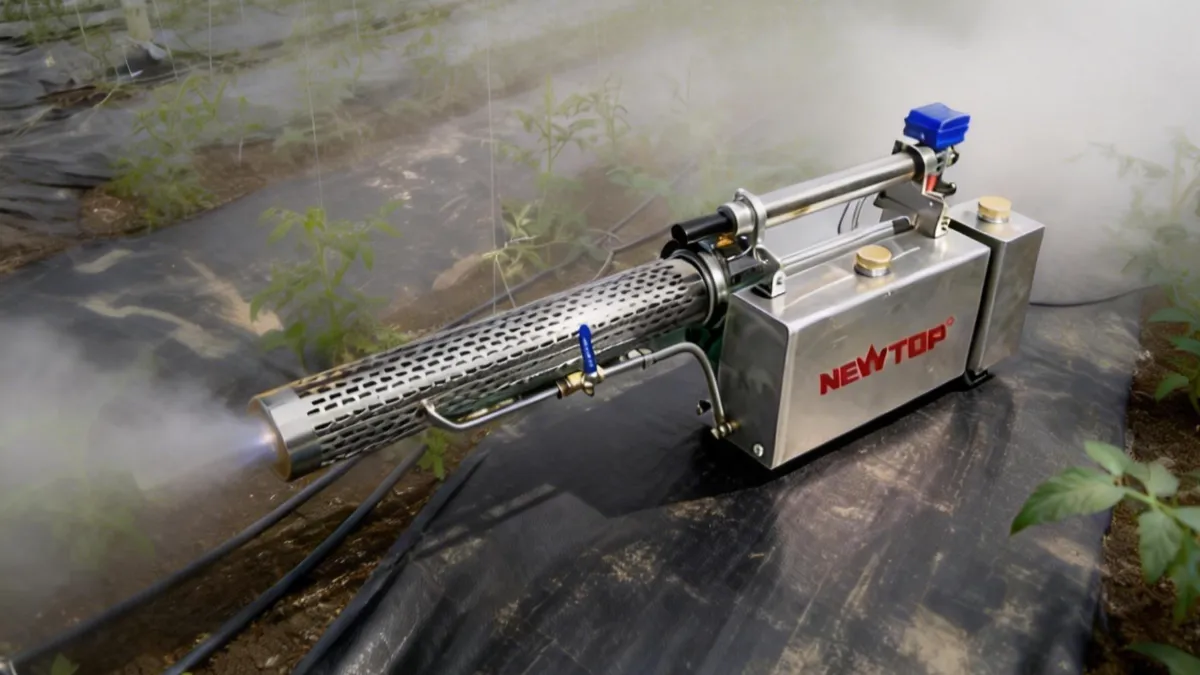
Respondendo 'o que é um pulverizador nebulizador’ é o primeiro passo crítico para prevenir resíduos químicos dispendiosos e evitar falhas de conformidade em ambientes de saúde pública e agrícolas. Muitas operações implantam erroneamente pulverizadores padrão para tarefas que exigem, gotículas aerossolizadas, o que leva a um controle ineficaz de pragas, desinfecção incompleta, e perdas financeiras significativas. Esta incompatibilidade fundamental nos equipamentos é um ponto cego operacional comum que afeta diretamente a segurança e o orçamento.
Este guia fornece a base técnica para tomar decisões informadas sobre equipamentos. Detalhamos os principais componentes das máquinas de nebulização profissionais, detalhar suas principais aplicações, e compare as principais diferenças entre as tecnologias de nebulização térmica e fria. Considere este o seu procedimento operacional padrão para avaliar, selecionando, e implantar com segurança a ferramenta de nebulização certa para qualquer trabalho em grande escala.
O que é um pulverizador nebulizador e como funciona?
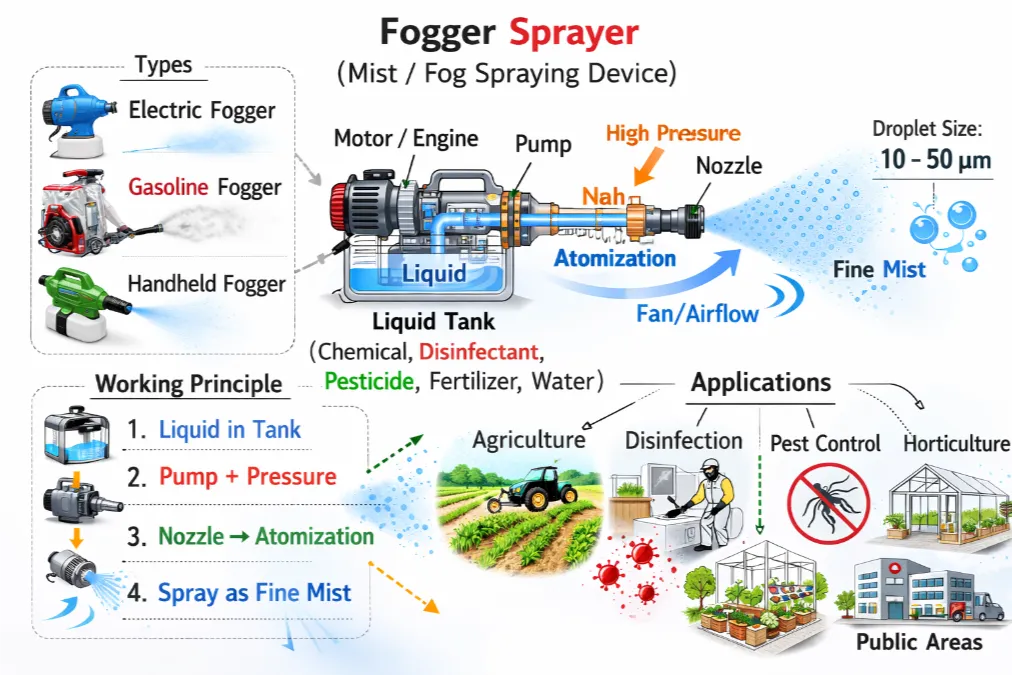
Pulverizadores nebulizadores atomizam soluções líquidas em uma fina névoa de aerossol, permitindo a aplicação uniforme de produtos químicos em grandes, superfícies complexas que os pulverizadores convencionais não conseguem alcançar com eficácia.
Um pulverizador nebulizador é um dispositivo de pulverização especializado projetado para converter soluções líquidas em volume ultrabaixo (LOBO) gotas, normalmente variando de 5 para 50 mícrons. Neste tamanho, gotículas se comportam quase como um gás, flutuando no ar e se acomodando uniformemente sobre as superfícies. Isto torna a nebulização particularmente eficaz para o controle de insetos, proteção de culturas, e desinfecção em grande escala.
O mecanismo básico de nebulização
Um nebulizador funciona atomizando uma solução líquida. Uma bomba motorizada retira o produto químico de um tanque e o pressuriza. Este líquido pressurizado é então forçado através de um bico especializado, que o divide em pequenas gotículas. Um soprador ou ventilador impulsiona essas partículas de aerossol para o ambiente alvo, criando uma névoa que se instala em todas as superfícies expostas. O design da máquina controla o tamanho das gotas para otimizar o tempo de suspensão a ar e garantir um contato eficaz com a superfície.
Principais tecnologias de nebulização usadas hoje
Equipamentos modernos de nebulização são geralmente categorizados em nebulizadores térmicos, Nebulizadores frios ULV, e sistemas eletrostáticos. Cada um opera com um princípio de atomização distinto e é adequado para diferentes ambientes.
Nebulizadores térmicos
Os nebulizadores térmicos usam uma serpentina aquecida ou câmara de combustão para vaporizar soluções à base de óleo ou água. Quando o vapor sai do bico e encontra o ar ambiente mais frio, ele se condensa em uma espessura, nevoeiro visível. Esta pluma visível ajuda os operadores a monitorar a cobertura em ambientes abertos.
Os sistemas térmicos são amplamente utilizados em programas de controle de mosquitos ao ar livre, tratamentos de campo agrícola, e operações de saúde pública em regiões tropicais. Eles são especialmente eficazes quando é necessária uma dispersão rápida em grandes áreas. No entanto, porque dependem de combustão e calor, eles normalmente não são recomendados para espaços internos fechados sem ventilação adequada.
LOBO (Volume ultrabaixo) Nebulizadores Frios
Nebulizadores frios, frequentemente chamados de nebulizadores ULV, dependem inteiramente de energia mecânica em vez de calor. Um soprador ou turbina de alta velocidade corta o líquido em gotículas extremamente finas, normalmente abaixo 30 mícrons.
A nebulização ULV é ideal para desinfecção interna, instalações de processamento de alimentos, estufas, granjas avícolas, e armazéns. Como não há processo de combustão, nebulizadores frios são mais seguros para ambientes fechados e compatíveis com desinfetantes à base de água. Eles também são mais eficientes em termos energéticos e geralmente produzem resíduos menos visíveis em comparação com sistemas térmicos.
Pulverizadores Eletrostáticos
Os sistemas eletrostáticos representam uma variação mais avançada da tecnologia de nebulização. Nessas máquinas, as gotas recebem uma carga elétrica ao saírem do bocal. Esta carga faz com que as partículas procurem e adiram ativamente às superfícies, envolvendo objetos para uma cobertura mais completa de 360 graus.
A pulverização eletrostática é comumente usada em instalações de saúde, aeroportos, escolas, e áreas públicas de alto contato onde a precisão da desinfecção de superfície é crítica. Embora mais especializado e normalmente de custo mais elevado, a tecnologia eletrostática reduz significativamente o desperdício químico e melhora a uniformidade de aplicação.
Componentes principais de uma máquina nebulizadora profissional
O desempenho de um nebulizador profissional depende de quatro sistemas principais trabalhando juntos: o mecanismo de entrega de fluido, o sistema de gerenciamento térmico, o bico atomizador, e os controles eletrônicos que regulam todo o processo.
| Sistema de Componentes | Função Primária | Recurso Crítico |
|---|---|---|
| Tanque de fluido & Sistema de bomba | Armazena e pressuriza a solução de nebulização para entrega consistente. | Tanque resistente a produtos químicos e bomba de alta pressão confiável. |
| Elemento de aquecimento & Permutador de calor | Aquece e vaporiza rapidamente o fluido para criar uma névoa densa. | Aquecedor de alta potência com cortes de segurança térmica integrados. |
| Bocal & Conjunto Atomizador | Expele e atomiza o vapor em partículas finas de tamanho específico. | Projetado com precisão para controlar o tamanho do mícron de gotículas e a densidade da neblina. |
| Eletrônica de Controle & Interface | Gerencia a temperatura, fluxo de fluido, e tempo operacional. | PCB central com uma interface de usuário clara, muitas vezes incluindo controle remoto. |
Tanque de fluido e sistema de bomba
O tanque de fluido armazena a solução de nebulização, e sua bomba pressuriza o líquido antes de enviá-lo ao elemento de aquecimento. A capacidade e o material do tanque influenciam diretamente o tempo de funcionamento contínuo da máquina, enquanto a confiabilidade da bomba determina a consistência da saída. Máquinas de nível profissional utilizam componentes desenvolvidos para condições de campo exigentes.
- O tanque é construído em material durável, materiais resistentes a produtos químicos para evitar a corrosão de várias soluções de nebulização.
- Uma bomba de alta pressão fornece um fluxo constante de fluido, garantindo geração uniforme de neblina sem pulverização catódica.
- Filtros internos evitam que partículas obstruam o bico, que mantém o desempenho e reduz o tempo de inatividade para manutenção.
Elemento de aquecimento e trocador de calor
Em um termonebulizador, este é o motor da máquina. O elemento de aquecimento e o trocador de calor trabalham juntos para aquecer e vaporizar rapidamente a solução de nebulização em um gás. A transferência eficiente de calor é essencial para produzir uma espessura, neblina seca e é um diferencial importante na qualidade da máquina. O mau gerenciamento térmico pode resultar em umidade, neblina ineficaz ou criar um risco à segurança.
- Um bloco aquecedor de alta potência atinge rapidamente a temperatura operacional ideal, reduzindo o tempo de inicialização.
- O trocador de calor é projetado para maximizar a área de superfície exposta ao fluido, garantindo vaporização completa e eficiente.
- Sensores de temperatura incorporados e cortes de segurança térmica são recursos não negociáveis que evitam o superaquecimento da unidade.
Conjunto de bico e atomizador
O bico é o estágio final, onde o pressurizado, solução vaporizada é expelida e atomizada em partículas extremamente finas, criando a névoa visível. A engenharia do conjunto do bico determina o tamanho da gota, medido em mícrons, e a distância de projeção do nevoeiro. Este componente é fundamental para alcançar a cobertura e penetração desejadas para aplicações como controle de pragas ou desinfecção.
- Bicos de precisão criam partículas de um tamanho específico de mícron, garantindo que a neblina permaneça no ar e cubra as superfícies de maneira eficaz.
- Os materiais utilizados no bocal devem suportar altas temperaturas e pressão constante sem degradar.
- Muitos modelos profissionais apresentam configurações de saída ajustáveis, permitindo que os operadores controlem a densidade da neblina e a taxa de fluxo para diferentes ambientes.
Eletrônica de Controle e Interface
Os nebulizadores modernos não são apenas dispositivos mecânicos; eles contam com controles eletrônicos sofisticados para gerenciar todas as funções com precisão. A placa de circuito impresso central (PCB) regula a temperatura, fluxo de fluido, e tempo de saída. Uma interface de usuário bem projetada permite que o operador defina essas configurações facilmente e monitore o status da máquina, o que é vital para resultados repetíveis e previsíveis.
- O PCB atua como o cérebro, sincronizar a bomba e o aquecedor para produzir uma saída consistente.
- Uma interface simples com botões, luzes indicadoras, ou um display digital dá ao operador controle total sobre as funções da máquina.
- Capacidades de controle remoto, seja com ou sem fio, permitir uma operação conveniente e segura à distância.
Soluções profissionais de nebulização para controle em larga escala
Principais aplicações para nebulizadores no controle de pragas e na agricultura
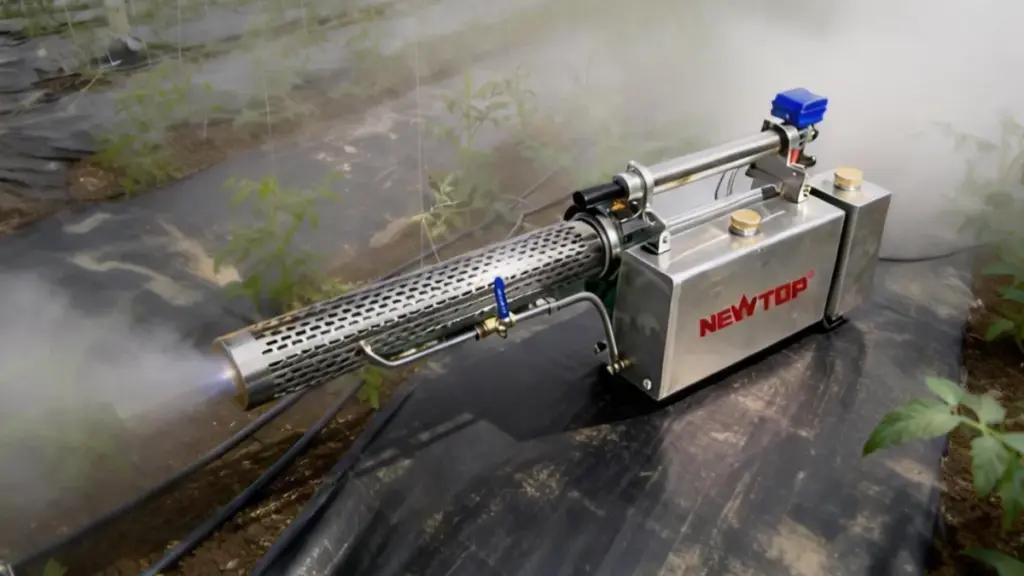
Os nebulizadores são ferramentas essenciais na agricultura e na saúde pública, fornecendo soluções atomizadas para proteção de cultivos, higienização em grande escala, e controle ambiental.
Gestão de pragas e doenças agrícolas
Em operações agrícolas e em estufas, nebulizadores fornecem finas gotículas de aerossol que penetram nas densas copas das plantas. Este processo garante que fungicidas e pesticidas cheguem a todas as superfícies, incluindo a parte inferior das folhas, fornecendo proteção abrangente contra pragas e doenças. As capacidades superiores de cobertura e penetração são essenciais para manter a saúde das culturas e maximizar os rendimentos.
- Cobre rapidamente grandes áreas como culturas arvenses e pomares, melhorando a eficiência do trabalho durante as janelas de tratamento.
- Oferece aplicação uniforme de produtos químicos, reduzindo o desperdício e minimizando o escoamento ambiental.
- Eficaz para controlar o crescimento de insetos e fungos em ambientes controlados como estufas e viveiros.
Desinfecção e Sanitização em Grande Escala
LOBO (Volume ultrabaixo) nebulizadores frios são equipamentos padrão para higienização de espaços públicos, instalações comerciais, e recintos para gado. Eles dispersam desinfetantes como uma névoa fina que se deposita nas superfícies para neutralizar patógenos sem causar umidade excessiva.. Este método é crucial para protocolos de controle de contaminação no processamento de alimentos, assistência médica, e setores de transporte.
- Usado em instalações de produção de alimentos para manter as condições sanitárias e prevenir contaminação.
- Higieniza centros de transporte, escolas, e hospitais para controlar a propagação de vírus e bactérias.
- Desinfeta alojamentos de animais, como granjas e celeiros para proteger a saúde do gado.
Umidade e controle climático
Os sistemas de nebulização ajudam a regular a umidade e a temperatura em ambientes agrícolas especializados. Ao liberar uma névoa fina de água, eles criam condições ideais de cultivo para plantas sensíveis ou ajudam a preservar produtos perecíveis. Esta aplicação do gerenciamento de umidade é vital para culturas de alto valor e para prolongar a vida útil dos produtos.
- Aumenta a umidade ambiente em estufas, o que é fundamental para o cultivo de plantas e mudas tropicais.
- Fornece resfriamento evaporativo para reduzir temperaturas durante o tempo quente, reduzindo o estresse térmico nas colheitas.
- Mantém os níveis de umidade em instalações de armazenamento de produtos e flores para prolongar sua vida útil.
Leia mais: Principal 10 Fabricantes de pulverizadores de mochila em 2026
Benefícios de usar um pulverizador nebulizador para desinfecção em grande escala

Quando devidamente calibrado e aplicado de acordo com as diretrizes químicas, pulverizadores nebulizadores podem melhorar significativamente a eficiência operacional em ambientes de desinfecção em grande escala. Sua capacidade de produzir gotas ultrafinas permite uma cobertura espacial mais uniforme em comparação com métodos convencionais de limpeza manual.
Cobertura de superfície superior
Os sistemas de nebulização geram uma névoa controlada que se dispersa por um espaço fechado, em vez de atingir apenas superfícies visíveis. Porque as gotículas permanecem suspensas por um período de tempo, eles são mais propensos a entrar em contato com superfícies elevadas, cantos, aberturas de ventilação, e a parte inferior do equipamento.
Variantes eletrostáticas melhoram ainda mais a eficiência de deposição ao carregar eletricamente as gotículas, o que os incentiva a aderir de forma mais eficaz às superfícies alvo.
Embora o desempenho exato da cobertura dependa do layout da sala e das condições do fluxo de ar, a tecnologia de nebulização geralmente proporciona uma distribuição volumétrica mais consistente do que a limpeza manual ou a pulverização com bomba.
Eficiência Química e Produtividade de Trabalho Otimizadas
Os nebulizadores ULV são projetados para aplicar soluções desinfetantes em gotas muito pequenas, o que aumenta a eficiência de dispersão. Em muitos cenários de manutenção de instalações, isso permite que os operadores tratem áreas maiores usando menor volume total de líquido em comparação com a pulverização convencional de alto volume.
Adicionalmente, o embaçamento reduz a necessidade de limpeza manual repetitiva de superfícies em grandes instalações. Um único operador treinado pode tratar espaços abertos mais rapidamente do que equipes de limpeza tradicionais, melhorando a produtividade do trabalho e reduzindo o tempo de inatividade operacional.
A economia real irá variar dependendo da configuração da sala, tipo químico, e protocolo de aplicação.
Tratamento rápido para áreas extensas
Os nebulizadores são particularmente valiosos em armazéns, instalações de produção, alojamento para gado, e outros grandes ambientes comerciais onde o tratamento rápido é essencial.
A taxa de cobertura depende da capacidade da máquina e da técnica do operador. Nebulizadores ULV portáteis e de mochila são comumente usados para áreas internas de médio a grande porte, enquanto nebulizadores térmicos de alta capacidade são preferidos para controle vetorial externo e espaços abertos amplos.
Porque a nebulização distribui o desinfetante no ar, permite ciclos de tratamento mais rápidos em comparação com métodos de limpeza apenas de superfície, apoiando o retorno mais rápido das instalações.
Nebulizadores térmicos vs.. Nebulizadores Frios: Principais diferenças
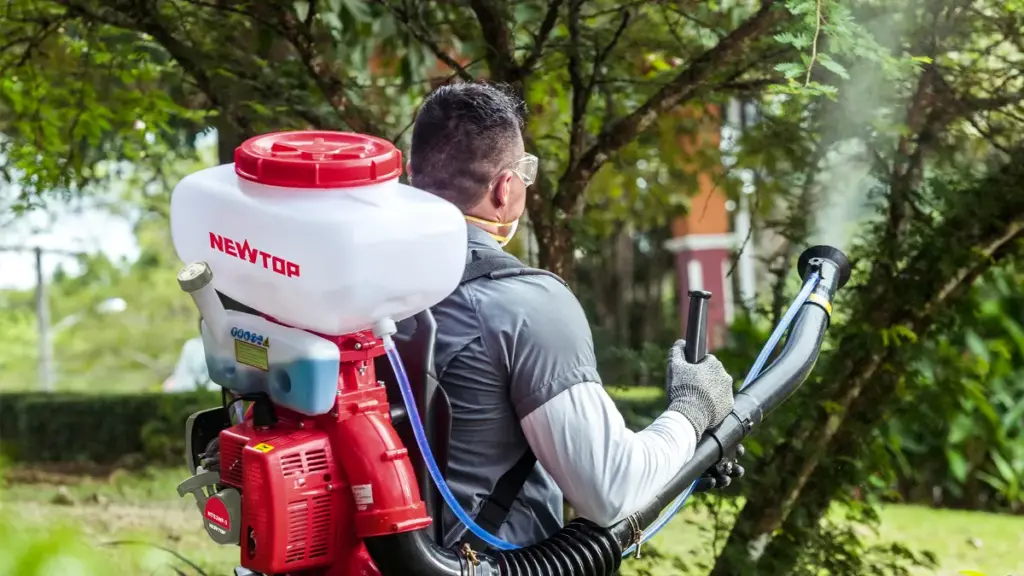
A escolha entre nebulizadores térmicos e frios depende inteiramente do ambiente de aplicação; unidades térmicas destacam-se ao ar livre com excelente, partículas vaporizadas por calor, enquanto está frio (LOBO) nebulizadores fornecem mais segurança, atomização sem calor para áreas internas e sensíveis.
| Recurso | Nebulizador térmico | Frio (LOBO) Neblina |
|---|---|---|
| Mecanismo Operacional | Usa calor para vaporizar uma solução química. | Usa alta pressão e cisalhamento de ar para atomizar o líquido. |
| Tamanho de partícula | Extremamente bom (0.5–10 mícrons). | Multar, muitas vezes ajustável (5–50 mícrons). |
| Ambiente Ideal | Áreas externas de grande porte (fazendas, florestas). | Espaços internos e fechados (hospitais, estufas). |
| Perfil de segurança | Representa um risco de incêndio; requer manuseio cuidadoso. | Sem calor, sem risco de incêndio, e operação geralmente mais silenciosa. |
| Compatibilidade Química | Normalmente requer transportadores à base de petróleo. | Funciona com uma ampla gama de soluções à base de água e óleo. |
Mecanismo Operacional e Tamanho de Partícula
A distinção fundamental entre essas máquinas é como elas geram neblina.
Os nebulizadores térmicos empregam calor para vaporizar rapidamente uma solução química, que então se condensa ao entrar em contato com o ar ambiente mais frio. Este processo cria uma densa, nevoeiro altamente visível composto por partículas extremamente finas.
Nebulizadores frios, também conhecido como volume ultrabaixo (LOBO) máquinas, use ar de alta pressão para quebrar o líquido em uma névoa fina sem qualquer calor. Este processo mecânico de atomização oferece maior controle sobre o tamanho das gotas.
Aplicações e ambientes ideais
Cada tipo de nebulizador é projetado para contextos operacionais específicos.
Os nebulizadores térmicos são a ferramenta estabelecida para aplicações externas expansivas, como o controle de pragas em grande escala na agricultura e programas de controle de vetores de saúde pública. Sua densa neblina pode flutuar sobre vastas áreas, tratando eficazmente as florestas, fazendas, e municípios.
Os nebulizadores frios tornaram-se o padrão para uso interno e comercial, onde a segurança e o ruído operacional são as principais preocupações.
Compatibilidade Química e Segurança
Os nebulizadores frios oferecem versatilidade química superior. Porque eles operam sem calor, eles podem aerossolizar com segurança uma ampla gama de soluções sem degradar os ingredientes ativos. Isso os torna adequados para desinfetantes, biocidas, e pesticidas sensíveis a altas temperaturas. Esta segurança operacional se estende ao operador e ao meio ambiente, especialmente em áreas fechadas onde o risco de incêndio deve ser eliminado.
Os nebulizadores térmicos são mais restritivos, muitas vezes exigindo que transportadores à base de petróleo produzam uma névoa espessa. A operação em alta temperatura apresenta um claro risco de incêndio se manuseada incorretamente ou usada perto de materiais inflamáveis, tornando-os inadequados para a maioria das aplicações internas.
Protocolos críticos de segurança para operação de equipamentos de nebulização
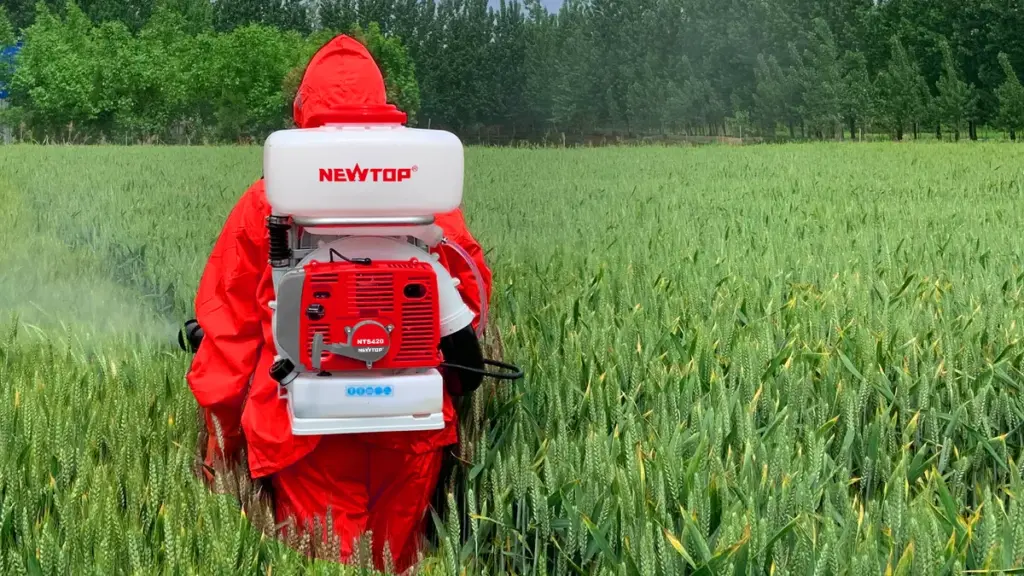
Operações eficazes de nebulização dependem de protocolos de segurança padronizados, incluindo certificação obrigatória do operador, uso correto de EPI, e adesão estrita aos procedimentos de manuseio e reentrada de produtos químicos.
Uso de Equipamento de Proteção Individual (EPI)
Usar o Equipamento de Proteção Individual correto é a primeira linha de defesa para qualquer operador. Os regulamentos exigem proteção abrangente para evitar a exposição a produtos químicos por inalação, contato com a pele, ou irritação nos olhos durante o processo de nebulização. A não utilização de EPI adequado pode levar a riscos imediatos à saúde e complicações a longo prazo.
- Respiradores faciais completos com cartuchos químicos apropriados são obrigatórios.
- Luvas resistentes a produtos químicos, macacão, e botas impermeáveis protegem a pele do contato.
- Óculos ou protetores faciais fornecem uma camada extra de proteção para os olhos.
Preparação da Área e Controle de Ventilação
A preparação adequada da área de tratamento é essencial para garantir a eficácia e a segurança. Isto envolve isolar o espaço e gerenciar o fluxo de ar para conter a neblina e proteger os ambientes adjacentes.. Uma área bem preparada maximiza a eficácia do desinfetante e minimiza a exposição não intencional.
- Sele a área designada fechando todas as portas, Windows, e aberturas de ventilação.
- Desligue todos os sistemas HVAC para evitar que o desinfetante circule fora da zona de tratamento.
- Coloque sinais de alerta em todos os pontos de entrada para evitar acesso não autorizado durante e após a aplicação.
Treinamento de operadores e gerenciamento de produtos químicos
A certificação do operador e a adesão às diretrizes químicas são agora padrões da indústria. Um operador treinado entende as funções do equipamento, as propriedades do desinfetante, e como gerenciar riscos potenciais. Essa experiência evita o uso indevido do equipamento e garante que os produtos químicos sejam aplicados em condições seguras., concentrações eficazes.
- Os operadores devem ser certificados e treinados sobre o equipamento específico de nebulização em uso.
- Sempre siga as orientações do fabricante para taxas de diluição química e taxas de aplicação.
- Confirme a compatibilidade química com o equipamento para evitar corrosão ou mau funcionamento.
Protocolos pós-tratamento e reentrada segura
Os procedimentos de segurança não terminam quando a aplicação é concluída. Os protocolos pós-tratamento garantem que a área seja segura para reentrada e que qualquer resíduo químico seja gerenciado corretamente. Estas etapas finais são cruciais para proteger os ocupantes e manter a integridade do equipamento.
- Cumpra o período de espera especificado antes de ventilar e entrar novamente na área.
- Limpe completamente o equipamento de nebulização após cada uso para manter seu desempenho e longevidade.
- Gerencie qualquer resíduo químico remanescente de acordo com os padrões de segurança ambiental.
Por que escolher as soluções de nebulização de alta eficiência NEWTOP?
Os nebulizadores NEWTOP combinam fabricação de precisão com uma robusta cadeia de suprimentos global para fornecer confiabilidade, equipamento versátil para operações agrícolas e de saúde pública em grande escala.
Como fabricante líder de máquinas agrícolas e de jardinagem com sede em Xangai, A NEWTOP fabrica equipamentos de energia desde 2003. Com mais de 10,000 metros quadrados de instalações de produção e uma capacidade anual excedendo 500,000 unidades, a empresa integra centros de usinagem CNC, linhas de produção automatizadas, e laboratórios de testes independentes para garantir qualidade consistente.
Os pulverizadores nebulizadores da NEWTOP são projetados para durabilidade em ambientes exigentes, como agricultura tropical e programas municipais de controle de vetores. Os componentes principais são selecionados de fornecedores reconhecidos globalmente, garantindo desempenho de combustão estável e longa vida útil.
A empresa oferece suporte à personalização OEM e ODM, incluindo design de cores, marca, embalagem, e ajustes de parâmetros adaptados às regulamentações regionais. Com CE, EPA, e certificações ISO, O equipamento NEWTOP atende aos padrões de conformidade internacionais.
Para distribuidores direcionados à África, América latina, Sudeste Asiático, e mercados emergentes da Europa de Leste, NEWTOP oferece posicionamento competitivo de gama média que equilibra preço, durabilidade, e suporte pós-venda.
Cresça forte com NEWTOP - seu parceiro confiável de ferramentas de jardim.
Para catálogos de produtos, especificações técnicas, ou consultas de parceria, contato:
E-mail: serviç[email protected]
WhatsApp: +86 13636521556
Site: https://newtoptools.com/
Conclusão
Compreendendo a mecânica de um pulverizador nebulizador, desde seus principais componentes até as diferenças entre os modelos ULV térmicos e frios, impacta diretamente o sucesso operacional. Esse conhecimento garante que você possa obter resultados precisos, cobertura de área ampla para desinfecção, controle de pragas, e tratamentos agrícolas. Selecionar a ferramenta certa otimiza o uso de produtos químicos, aumenta a segurança, e melhora a eficiência geral.
Se você está pronto para aprimorar suas operações com tecnologia de nebulização confiável, explore a linha de soluções profissionais de nebulização da NEWTOP. Entre em contato com nossa equipe para solicitar um catálogo de produtos ou consultar o melhor equipamento para sua aplicação específica.
Perguntas frequentes
Qual é a diferença entre um nebulizador e um pulverizador?
Um pulverizador tradicional produz gotas maiores que se depositam rapidamente nas superfícies, tornando-o adequado para aplicações específicas. Um nebulizador cria gotículas ultrafinas que permanecem suspensas no ar, permitindo melhor cobertura e penetração.
Por quanto tempo um nebulizador pode pulverizar continuamente?
O tempo de operação contínua depende da capacidade do tanque e do tipo de motor. Maioria nebulizadores profissionais a gasolina pode operar por 30 a 60 minutos por tanque sob carga padrão.
Um nebulizador é melhor do que um spray para mosquitos?
Sim, para controle de mosquitos em áreas amplas, especialmente ao ar livre, os nebulizadores são geralmente mais eficazes porque a névoa fina pode se dispersar pela vegetação e pelo ar livre.
Você pode usar um nebulizador para desinfecção interna?
Sim, nebulizadores ULV particularmente frios projetados para ambientes internos. Ventilação adequada e conformidade química são essenciais.
Qual é o alcance de pulverização de um nebulizador portátil?
Os termonebulizadores portáteis podem atingir uma distância de pulverização horizontal de 8 a 12 metros, dependendo das condições do vento e das especificações do modelo.
Os nebulizadores usam mais produtos químicos do que os pulverizadores?
Não, os nebulizadores são projetados para usar menos produtos químicos do que os pulverizadores tradicionais. LOBO (Volume ultrabaixo) nebulizadores, em particular, atomizar uma pequena quantidade de solução concentrada em um grande volume de névoa fina. Este método fornece ampla cobertura com máxima eficiência, reduzindo o consumo geral de produtos químicos em comparação com pulverizadores de encharcamento de alto volume.
Se você desejar uma análise técnica mais profunda das diferenças de desempenho do pulverizador e do nebulizador, leia nosso guia: Diferença entre nebulizador e pulverizador: Um guia de comparação técnica .
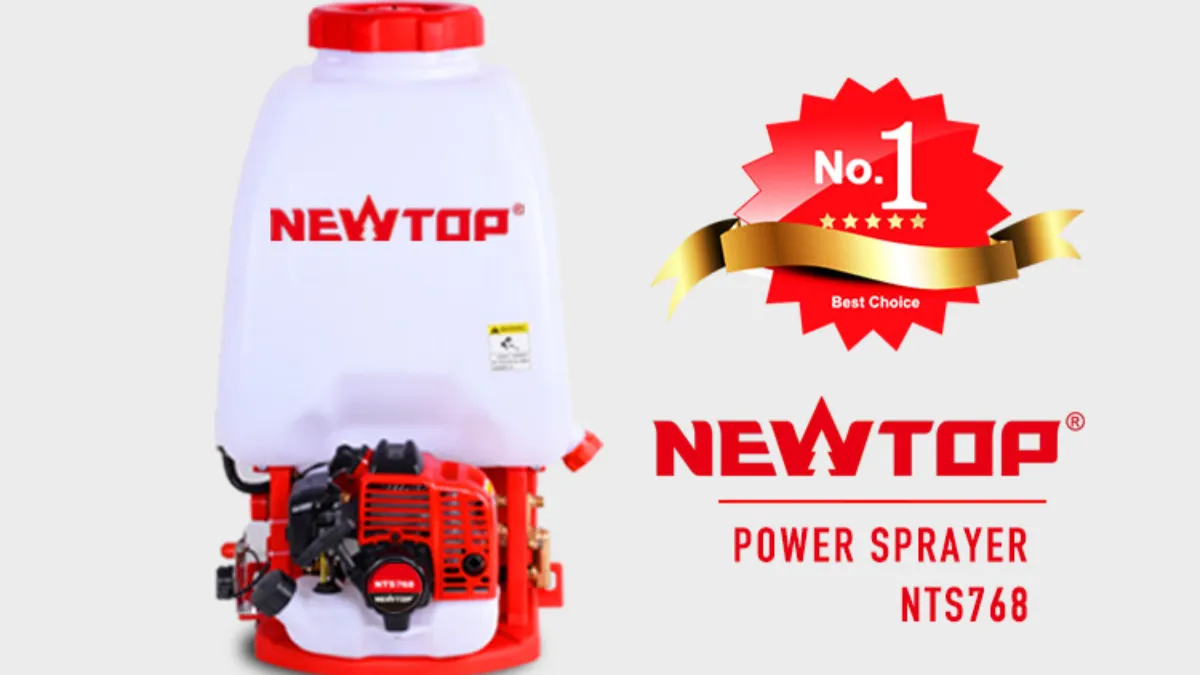
For agricultural distributors, farm equipment wholesalers, and regional brand owners, finding the right knapsack sprayer is not just about comparing tank sizes or engine types. It is about balancing performance, durabilidade, regulatory compliance, and long-term supply stability—while still meeting the price expectations of local farmers.
In emerging markets across Africa, América latina, Sudeste Asiático, and parts of Eastern Europe, backpack sprayers remain one of the most essential tools for crop protection and nutrient application. Whether used for pesticide spraying, herbicide application, fertilizer distribution, or public health sanitation, a reliable sprayer directly affects farm productivity.
This guide is written for importers and bulk buyers who need a practical understanding of product types, model selection, pricing logic, compliance requirements, and long-term supplier evaluation.
Pulverizador de mochila para venda: Popular Types for Modern Farming
The global market for knapsack sprayers has evolved significantly in the past decade. Today’s buyers can choose from three main power systems: manual, gasoline-powered, and battery-powered sprayers.
Manual Knapsack Sprayers
Manual knapsack sprayers are a primary choice for small-scale farming operations, typically those under two acres. Their simple, operator-powered design makes them reliable and easy to maintain for targeted applications like controle de pragas or fertilizer distribution. With a piston or diaphragm pump mechanism, they deliver consistent pressure when operated correctly.
Gasoline Knapsack Sprayers
Gasoline knapsack sprayers, especially mist duster types, are preferred for larger fields and orchards. Equipped with 2-stroke or 4-stroke engines, they provide high-pressure output and extended spray range. These models are common in tropical agriculture where tall crops, such as cocoa or fruit trees, require strong penetration. Importers should pay attention to engine displacement, fuel consumption, and emission standards when selecting gasoline versions.
Battery-Operated Knapsack Sprayers
Lithium battery-powered sprayers are gaining traction, particularly in urban landscaping, greenhouse operations, and government projects. They reduce noise, eliminate fuel mixing, and offer more stable pressure control. With brushless motors and adjustable spray modes, they improve precision and operator comfort. In regions where environmental regulations are tightening, electric models are becoming a safer long-term choice.
Related Reading: Tipos de pulverizador costal: Escolhendo o melhor modelo para sua fazenda
Best Models of Knapsack Sprayer for Sale in 2026
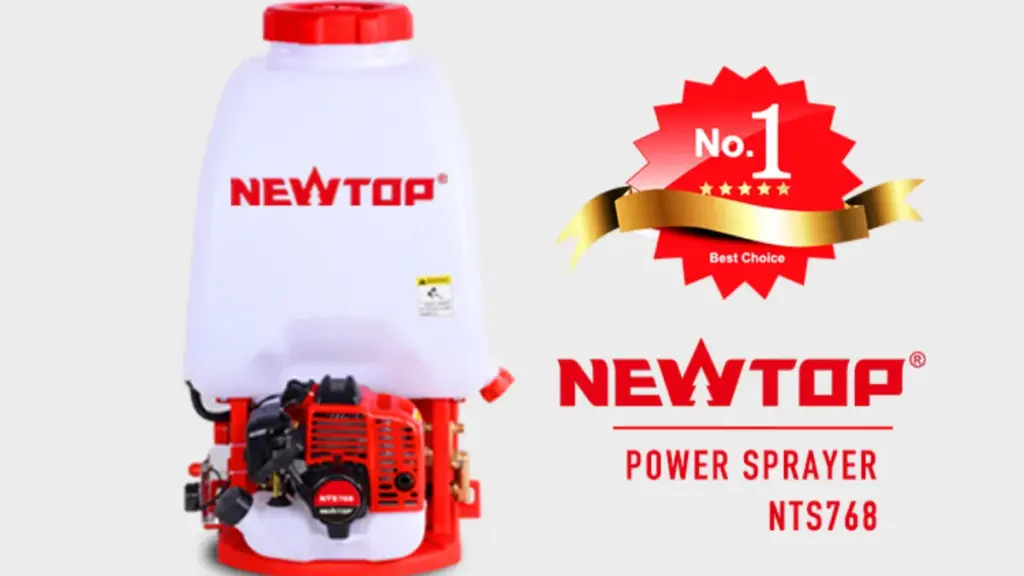
Em 2026, demand for gasoline backpack sprayers and mist dusters continues to grow across Africa, América latina, Sudeste Asiático, and parts of Eastern Europe. At NOVOTOP, several knapsack sprayer models have consistently ranked among the top-selling units in export markets. These models are widely chosen by OEM clients, regional distributors, and agricultural supply chains because they offer stable performance and practical configurations that match real field conditions.
Below are 4 of the most popular gasoline knapsack sprayers for bulk buyers. The following product cards provide quick technical specifications and direct access to each model’s detail page. If you are evaluating which knapsack sprayer to introduce into your market in 2026, reviewing these configurations can help you shortlist suitable options.
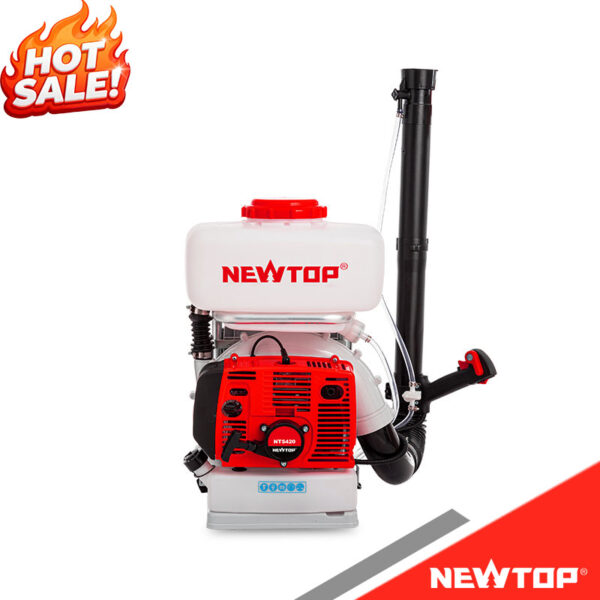
NTS420 Gasoline Knapsack Sprayer
The NTS420 is a reliable 20L backpack sprayer designed for field crops and plantation use. It delivers strong spray penetration with stable engine output, making it suitable for large-area pesticide and fertilizer application.
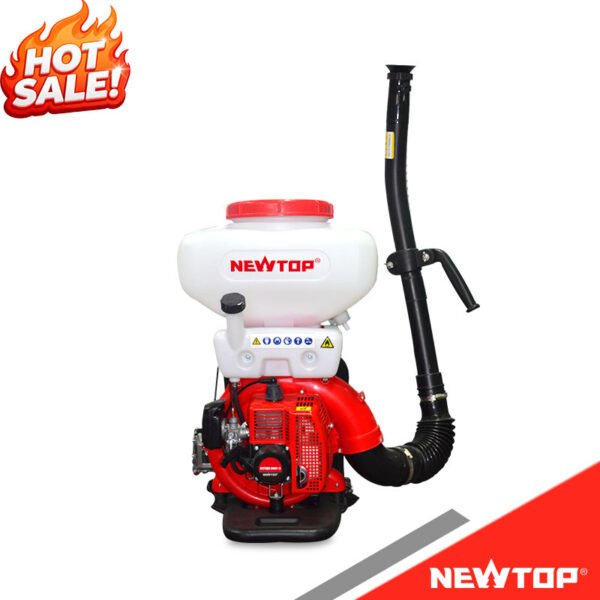
NTS3WF-3 Mist Duster Sprayer
The NTS3WF-3 combines spraying and misting functions for orchards and tall crops. With powerful airflow and extended spray range, it ensures deep leaf penetration in dense farming environments.
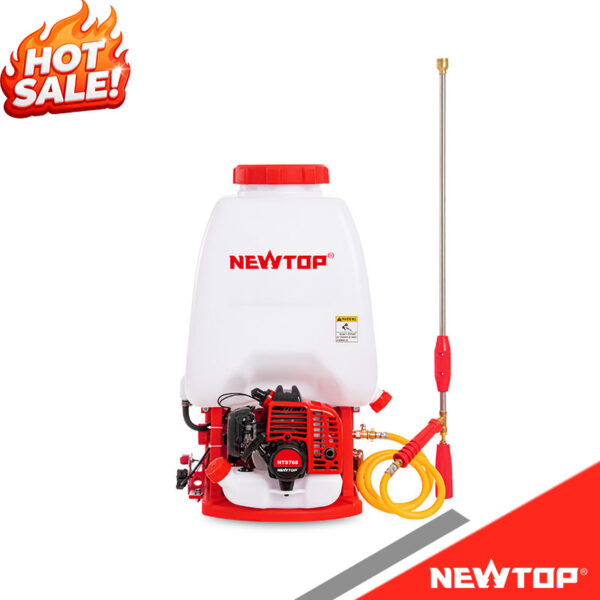
NTS768 High-Pressure Sprayer
The NTS768 is built for intensive agricultural use. Its reinforced tank structure and stable engine system make it suitable for professional distributors targeting high-demand markets.
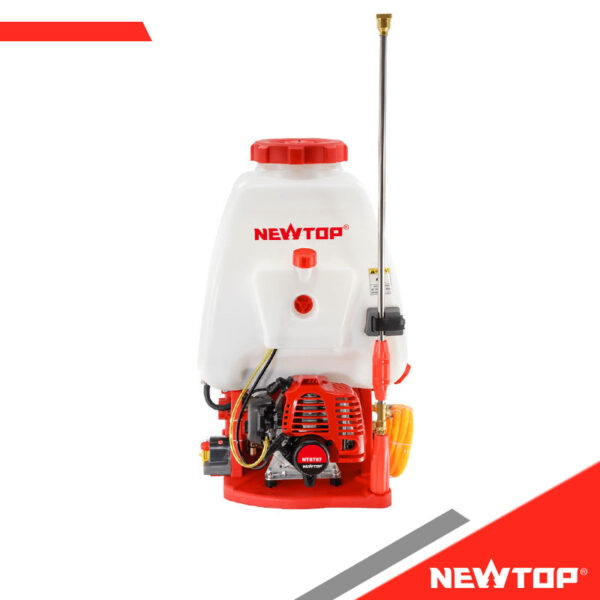
NTS767 Commercial Backpack Sprayer
The NTS767 offers balanced power and efficiency, ideal for distributors seeking a mid-range gasoline backpack sprayer for farm and garden applications. Durable components ensure long service life.
Choosing the Right Model for Your Market
| Target Market | Recommended Model | Technical Advantage | Typical Application Scenario |
|---|---|---|---|
| Large Plantations & Commercial Farms | NTS420 (56.5CC) | Higher displacement engine delivers stronger airflow and deeper droplet penetration | Tall crops such as cocoa, palm, and orchard trees; large-area coverage requiring time efficiency |
| Orchard & Dual Spray/Dust Operations | NTS3WF-3 (Mist Duster) | Powerful airflow system supports both liquid spraying and powder application | Diversified farms needing flexible pest control solutions |
| Price-Sensitive Regional Distributors | NTS768 / NTS767 (26CC) | Balanced engine performance with lower fuel consumption and manageable operating cost | Small-to-medium farms requiring reliable daily spraying at controlled budgets |
| Markets with Emission or Efficiency Requirements | 2-Stroke or 4-Stroke Options | 2-stroke: lightweight and simple maintenance; 4-stroke: improved fuel efficiency and reduced emissions | Regions prioritizing environmental compliance or long-term fuel savings |
Secure High-Demand Knapsack Sprayers for Your Market

Key Factors to Evaluate When Browsing Knapsack Sprayers
A professional-grade knapsack sprayer is defined by its consistent performance under pressure, ergonomic design for operator safety, and adherence to international quality standards.
| Evaluation Factor | Key Metric | Industry Standard / Benchmark |
|---|---|---|
| Performance & Durability | Pressure Regulation & Flow Rate | Consistent PSI for uniform application; leak-proof seals and materials. |
| Operator Safety & Ergonomics | Maximum Loaded Weight | Should not exceed 25 kg to reduce operator fatigue. |
| Certification & Manutenção | Segurança & Quality Compliance | Adherence to FAO or equivalent international guidelines. |
Performance and Durability Standards
A reliable knapsack sprayer must deliver consistent performance and withstand demanding agricultural conditions. When evaluating a unit, focus on its ability to maintain stable pressure, deliver a uniform flow rate, and resist degradation from chemical exposure and physical use. The pump mechanism, whether piston or diaphragm, should generate and hold pressure efficiently to ensure the spray pattern remains constant from a full tank to an empty one. Material quality is just as critical; components must be made from durable, corrosion-resistant polymers and feature leak-proof seals to handle aggressive chemicals over the long term.
Operator Safety and Ergonomics
The operator’s well-being is a primary concern. Look for sprayers designed to minimize physical strain and protect users from chemical contact. International standards recommend that a fully loaded sprayer should not weigh more than 25 kg to reduce fatigue and the risk of injury. Key ergonomic features include a well-padded harness that distributes weight evenly across the shoulders and hips, a curved backrest that matches the operator’s posture, and overall stability to prevent tipping on sloped terrain. A sprayer that is comfortable to carry and operate allows for more precise application and safer handling during long workdays.
Certification and Ease of Maintenance
Compliance with international standards, such as those guided by the FAO (Food and Agriculture Organization), signals a manufacturer’s commitment to quality and safety. These certifications ensure the sprayer has passed rigorous tests for leak prevention, durabilidade, and operator safety. Beyond initial quality, a well-designed sprayer must be simple to maintain. Look for features that facilitate easy cleaning and parts replacement, like large tank openings and tool-free access to filters and pumps. Straightforward maintenance prevents chemical cross-contamination and significantly extends the service life of the equipment.
Price Guide for Knapsack Sprayer in Bulk Orders
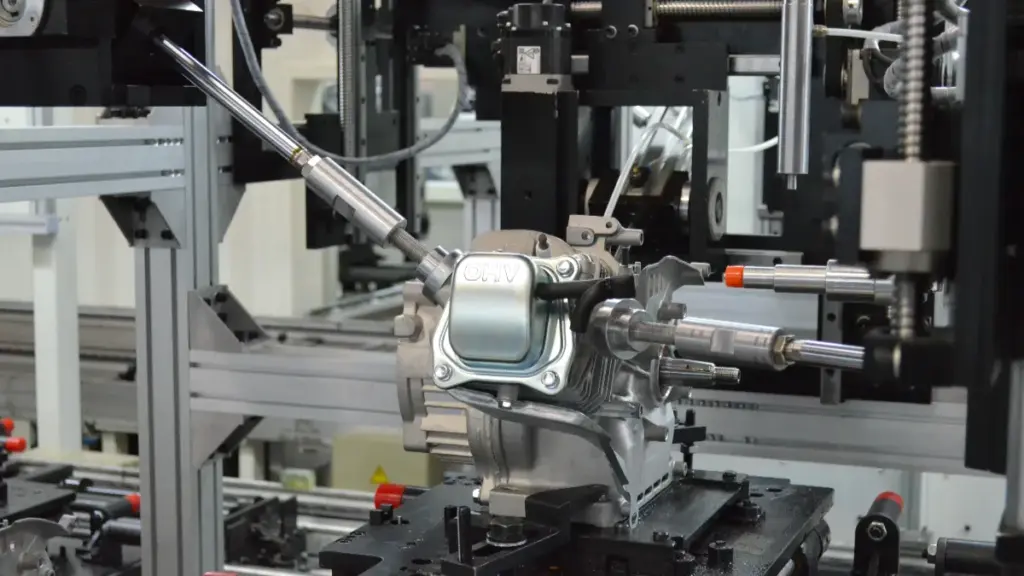
Understanding bulk pricing is essential for distributors and agricultural equipment importers planning seasonal procurement. The price of a knapsack sprayer for sale varies significantly depending on engine type, deslocamento, tank capacity, and order volume.
Below is a general wholesale pricing reference for gasoline backpack sprayers in 2026:
| Sprayer Type | Estimated FOB Price Range (USD) | Typical Applications |
|---|---|---|
| Manual Knapsack Sprayer (15–20L) | $10 – $18 per unit | Small farms, vegetable plots, greenhouse spraying, entry-level distribution markets |
| Gasoline Backpack Sprayer (26cc–56.5cc) | $38 – $95 per unit | Orchards, plantations, forestry, commercial crop protection |
| Elétrico / Battery-Powered Sprayer | $22 – $60 per unit | Urban agriculture, paisagismo, medium-scale farms requiring reduced operator fatigue |
Note: Prices above are indicative FOB references based on standard export configurations. Final quotation depends on engine specification, battery capacity, material grade, customization requirements, and total order quantity.
Volume-Based Pricing Structure
Bulk procurement improves overall cost efficiency, but pricing adjustments are typically influenced by production planning, component sourcing, and logistics optimization rather than fixed discount percentages.
In practice, manufacturers evaluate pricing based on:
- Order quantity per model
- Production batch scheduling
- Packaging configuration
- Shipping terms (FOB, CIF, or mixed container)
For medium-volume orders, unit pricing may benefit from improved production efficiency and shared setup costs. Larger consolidated shipments, especially full-container loads (FCL), often achieve stronger cost advantages due to optimized carton loading and reduced freight allocation per unit.
What Influences Bulk Pricing?
Several practical factors impact final quotation:
Engine configuration
2-stroke engines are generally more affordable and lighter. 4-stroke engines cost more due to fuel efficiency and lower emissions.
Material thickness & component quality
Higher-grade carburetors, reinforced frames, and upgraded ignition systems affect pricing but improve long-term durability.
Customization requirements
OEM logo printing, carton redesign, color changes, or private labeling may slightly increase cost depending on tooling adjustments.
Shipping terms
FOB, CIF, and DDP pricing structures can significantly affect landed cost. Importers should calculate total landed cost rather than focusing only on ex-factory pricing.
Market & Supply Chain Considerations
China remains the dominant production base for gasoline knapsack sprayers due to mature supply chains and component integration. Stable raw material sourcing and engine production clusters allow competitive pricing at scale.
No entanto, seasonal demand fluctuations—especially before planting seasons—can influence production schedules and lead times. Early procurement planning helps distributors lock in better pricing and secure inventory before peak demand.
Navigating Import Regulations for Knapsack Sprayers
Managing international shipments of knapsack sprayers requires precise Harmonized System (HS) code classification, accurate tariff calculation, and strict adherence to local health and safety standards.
Harmonized System (HS) Code Classification
Correctly classifying knapsack sprayers and their parts under the Harmonized System (HS) is the first step for international importers. Complete agricultural or horticultural sprayers generally fall under HS Code 8424.81. Importers must also differentiate between complete units, spray gun components, and other replacement parts, as each may require a unique tariff code. Accurate classification prevents customs delays and ensures correct tariff application, making it a critical part of the logistics process.
Tariff Rates and Duty-Free Provisions
Tariff rates depend on the importing country, trade agreements, and product configuration. In many African and Latin American markets, agricultural sprayers fall under moderate duty structures. Some Middle Eastern and Eastern European countries may require additional conformity documentation or technical declarations before clearance.
Compliance with Local Health and Safety Standards
Beyond tariffs, knapsack sprayers must comply with the sanitary, health, and safety regulations of the destination market. These standards protect end-users and the environment, making compliance a non-negotiable part of the import process. For gasoline models, engine emission standards and safety requirements should be verified. Battery-powered sprayers may require lithium transport documentation such as UN38.3 test reports, especially for air shipments.
Standard documentation
Standard documentation—including commercial invoice, packing list, and certificate of origin—must be prepared accurately. Coordinating with a local customs broker ensures smoother clearance and more predictable delivery timelines for bulk shipments.
Ready to Buy? Discover NEWTOP’s High-Performance Backpack Sprayer Deals
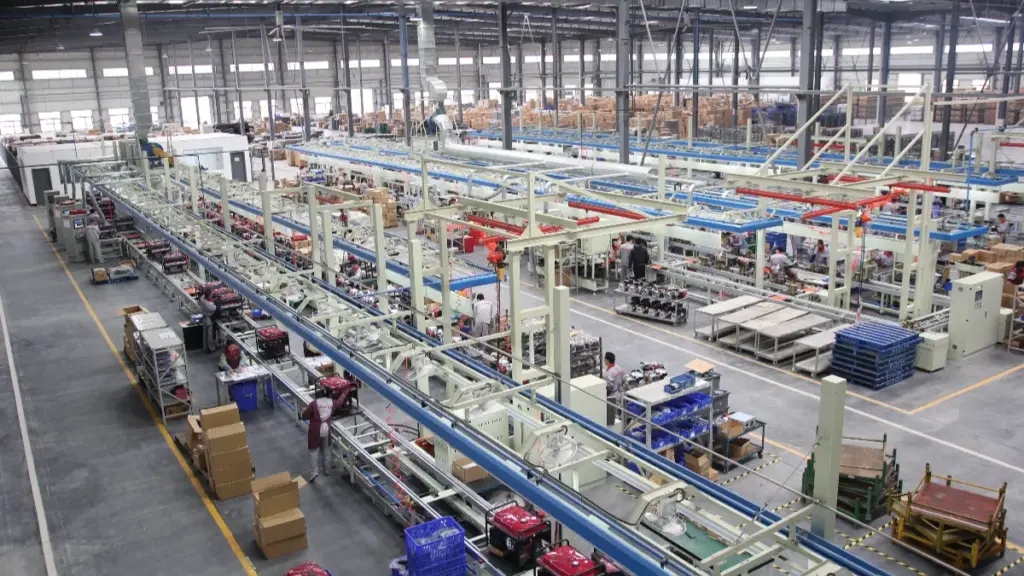
NEWTOP provides B2B partners with a competitive advantage through a flexible supply of durable, versatile backpack sprayers engineered with premium components and supported by comprehensive OEM and after-sales services.
With over two decades of manufacturing experience in agricultural and garden machinery, NOVOTOP supplies knapsack sprayers to more than 65 countries across Africa, América latina, Sudeste Asiático, e Europa Oriental.
The company operates a 10,000㎡ production facility with integrated injection molding, automated assembly lines, and independent inspection centers. Annual capacity exceeds 500,000 unidades across multiple product categories.
NEWTOP offers:
- Manual backpack sprayers (16L–20L)
- Gasoline backpack sprayers (mist dusters)
- OEM color and packaging customization
- 7– Envio de amostra em 10 dias
- Aprox.. 30-day bulk production lead time
- 1-year machine warranty (core parts 6 months)
- Spare parts supply support
For distributors seeking stable quality, consistent delivery, and competitive pricing, NEWTOP provides a balanced solution between performance and affordability.
If you are planning to expand your outdoor power agricultural equipment portfolio, now is the right time to secure production slots before peak season demand.
Contact NEWTOP’s export team today via:
E-mail: serviç[email protected]
WhatsApp / Phone: +86 13636521556
Site: https://newtoptools.com/
Conclusão
Choosing the right knapsack sprayer involves matching the model’s features—like power source and tank capacity—to your specific agricultural needs and budget. Understanding key evaluation factors, pricing structures, and import logistics helps you secure a reliable, long-term asset. This knowledge ensures you invest in equipment that enhances productivity and delivers a strong return.
When you’re ready to equip your team, browse our catalog of high-performance backpack sprayers. Contact us directly to get a detailed quote tailored to your bulk order and shipping requirements.
Perguntas frequentes
Where can I bulk buy knapsack sprayers?
You can bulk purchase directly from established outdoor power equipment manufacturers in China. Factory like NOVOTOP supply OEM and distributor clients globally and support customized orders.
What is the average price of a knapsack sprayer
Manual models typically range from USD 8–18 in bulk orders, gasoline models from USD 45–110, and lithium battery versions from USD 25–80, depending on specifications and order quantity.
How much is shipping for knapsack sprayers?
Shipping depends on destination, container utilization, and freight rates at the time of booking. Sea freight for a full 20GP container significantly lowers cost per unit compared to air freight.
What warranty is included with knapsack sprayers?
Most professional manufacturers provide a 1-year warranty on the complete machine and 6 months on core components. Warranty coverage should be confirmed before order confirmation.
Do you offer spare parts for the knapsack sprayers you sell?
Sim, we provide a comprehensive inventory of spare parts for all our sprayer models. This includes common wear-and-tear items like nozzles, seals, wands, and replacement batteries. Offering readily available parts ensures long-term operational reliability and allows for easy maintenance, which is critical for equipment designed for consistent professional use.
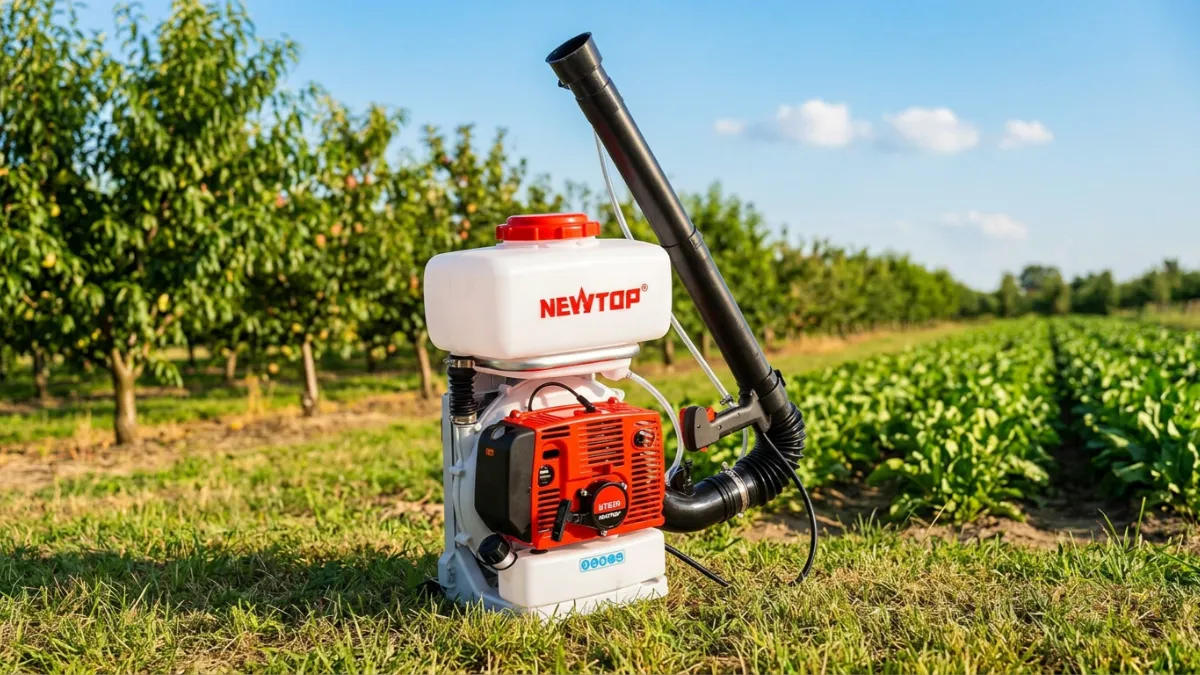
Reliable backpack sprayer reviews are the primary defense against operational downtime and the high cost of wasted chemicals. A single component failure—like a cracked seal or an inconsistent pump—not only brings a job to a standstill but also risks operator safety and misapplication, directly impacting project budgets and client satisfaction.
This guide provides a technical breakdown of current market options, moving beyond marketing claims to compare concrete performance data. We analyze the specifications of battery, manual, and petrol-powered units, identify the most common failure points found in user reports, and detail the methodology used in our own assessments. Use this as your standard operating procedure for evaluating and selecting equipment that meets commercial demands.
Avaliações de pulverizadores de mochila: What to Look for in 2026
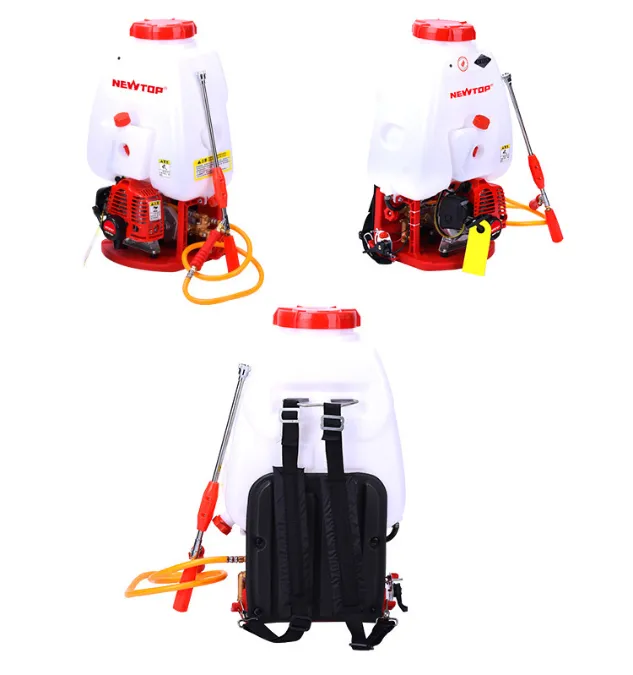
Em 2026, selecting the right backpack sprayer comes down to a practical evaluation of its power source, harness comfort, pressure versatility, and tank durability for your specific application.
| Key Feature | Evaluation Criteria | Impact on Performance |
|---|---|---|
| Power Source | Battery-powered for consistent pressure vs. Manual for simplicity and low cost. | Determines application consistency and operator effort required. |
| Ergonomics | Padded, adjustable straps and a load-bearing hip belt. | Directly reduces fatigue and improves productivity during extended use. |
| Pressure & Nozzles | Adjustable pressure settings (PSI) and an included set of versatile nozzles. | Allows for precise application on different targets, from fine misting to targeted streams. |
| Tank Construction | Capacidade (4-6.5 gallons) and chemical-resistant materials and seals. | Affects operational uptime and long-term durability against leaks and degradation. |
Power Source: Battery vs. Manual
The primary decision for any buyer is choosing between battery power and manual operation. The market trend is a clear shift toward battery-powered models because they deliver consistent, non-pulsating pressure without physical effort. This consistency is critical for uniform chemical application and achieving professional results. Manual sprayers, while requiring constant pumping, hold their ground due to their simplicity, lower upfront cost, and field serviceability. Your choice depends directly on the job size and your tolerance for physical labor.
- Battery-powered systems are becoming more common for their ease of use, eliminating the need for constant pumping.
- Manual options remain a dependable, budget-friendly choice for smaller properties or less frequent use.
Ergonomics and Harness Design
A full 4-gallon sprayer can weigh over 35 pounds, making ergonomics a non-negotiable feature for anyone using the equipment for more than a few minutes. A poor harness design concentrates weight on the shoulders, leading to rapid operator fatigue and reduced productivity. High-quality sprayers invest in well-padded, fully adjustable shoulder straps and, critically, a load-bearing hip belt. This combination transfers the bulk of the weight from the shoulders to the hips, allowing for comfortable all-day operation.
- Look for sprayers with adjustable, padded shoulder straps to fit your body comfortably.
- A quality harness distributes the weight evenly across your back and shoulders.
Pressure Controls and Nozzle Systems
Effective spraying requires adapting your output to the target. Variable pressure control allows you to switch between a high-pressure stream for reaching distant spots and a low-pressure fine mist for delicate plants or broad-leaf herbicide application. Look for models with an easily accessible pressure adjustment dial. A good sprayer should also come with a set of interchangeable nozzles—typically including fan, cone, and stream patterns. This built-in versatility saves you the cost and effort of sourcing compatible parts separately and ensures you have the right tool for any application.
- Adjustable pressure controls allow you to manage the flow rate for precise application.
- Multiple included nozzles for different spray patterns add significant value.
Tank Capacity and Durability
The tank is the core of the sprayer, and its design dictates both efficiency and lifespan. Capacidade, typically 4 para 6.5 gallons, should match your workload; a larger tank reduces trips for refilling but adds weight. More important is the material. The tank, seals, and gaskets must be constructed from chemical-resistant polymers like Viton to prevent them from degrading after exposure to common herbicides and pesticides. This is the primary defense against leaks, which are the most common point of failure in low-quality sprayers.
- Consider a tank capacity that matches your typical workload to avoid unnecessary interruptions.
- Ensure the tank is made from chemical-resistant materials to prevent degradation over time.
Top-Rated Battery Backpack Sprayer Reviews and Comparisons
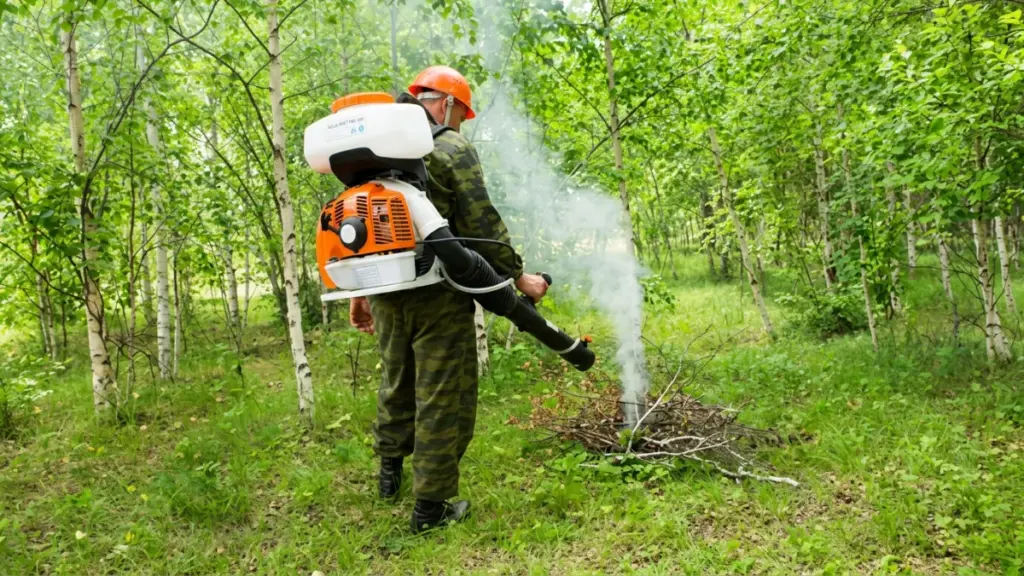
O 2026 battery sprayer market is defined by lightweight lithium-ion systems that deliver 6-8 hours of runtime, combined with ergonomic harnesses designed for all-day professional use.
| Recurso | Industry Standard (2026) | Impact on Performance |
|---|---|---|
| Battery Runtime | 6–8 hours (Lithium-Ion) | Supports all-day professional use without recharging. |
| Pressure Range | 40–80 psi | Provides versatility for fine misting and coarse spray patterns. |
| Tank Capacity | 4–6.5 gallons | Balances liquid volume with manageable operator weight. |
| Ergonomics | Padded straps, hip belts, low-profile tanks | Reduces operator fatigue and improves stability. |
Battery Performance and Runtime
The shift to lightweight lithium-ion battery systems is now complete across the industry, rendering older, heavier lead-acid models obsolete. The benchmark for professional-grade equipment is a runtime of 6 para 8 hours of continuous operation on a single charge. This capability is non-negotiable for commercial users, as it allows operators to complete a full day’s work without needing to stop and recharge. Efficient charging systems are also a key evaluation point, as they directly impact workflow and reduce downtime between jobs.
Ergonomics and Operator Comfort
As battery sprayers become standard for all-day use, manufacturers place a heavy focus on reducing operator fatigue. Mid- to professional-tier models now include fully adjustable, padded shoulder straps and load-bearing hip belts to distribute weight away from the shoulders and spine. Low-profile tank designs have also become common, lowering the sprayer’s center of gravity. This design choice improves balance, minimizes side-to-side sway, and reduces the physical strain required to manage the unit during long sessions on uneven terrain.
Pressure Control and Application Versatility
Precise control over application pressure is a critical feature that separates professional equipment from basic consumer models. Most modern battery units operate within a 40-80 psi range, which is sufficient for tasks from fine misting delicate ornamentals to applying herbicides with a coarse spray. Variable pressure switches or dials allow operators to adjust output on the fly, matching the spray pattern to the specific chemical and target. High-quality, chemical-resistant seals are also essential for versatility, ensuring the sprayer can handle a wide range of herbicides, pesticides, and fertilizers without premature component failure.
Tank Capacity and Durability
Tank capacities on battery-powered models have standardized in the 4 to 6.5-gallon range. This volume strikes a practical balance between holding enough liquid to cover a significant area and keeping the total weight manageable for a single operator. Any larger, and the unit becomes too heavy for extended use; any smaller, and the operator wastes too much time on refills. Tank materials are selected for chemical compatibility and impact resistance, ensuring the unit can withstand the daily demands of a professional work environment.
Power Your Business with Reliable Garden Machinery
Manual Backpack Sprayer Reviews: Budget vs. Performance
The primary trade-off in the manual sprayer market is comfort for cost, as most models deliver standardized pressure and capacity regardless of price.
Core Performance: Where Budget Models Compete
Even budget-friendly manual sprayers prioritize essential performance components. Reviews from 2026 show that lower-cost models often feature high-quality pumps and tanks, delivering reliable pressure and capacity comparable to more expensive options. The core spraying function is remarkably consistent across the market, forcing manufacturers to differentiate on other features.
- Pump and tank systems in budget models frequently use durable materials like brass or stainless steel.
- Most manual sprayers, regardless of price, offer a standard performance range of 60–150 psi and 4-gallon capacities.
The Comfort Trade-Off: Harnesses and Ergonomics
The primary difference between budget and performance models is user comfort. Premium sprayers invest in ergonomic designs to reduce operator fatigue during extended use, a feature often minimized in cheaper alternatives to cut costs. For anyone using a sprayer for more than a few minutes at a time, this becomes the most important factor.
- Budget models typically come with minimal, unpadded harness systems.
- Mid-range to premium sprayers feature padded shoulder straps, hip belts, and more ergonomic back support for better weight distribution.
Durability and Features That Justify a Higher Price
Beyond the pump and harness, overall construction quality and innovative add-ons distinguish premium manual sprayers. These elements justify a higher price by improving the sprayer’s longevity and ease of use. Paying more often translates to a longer service life and fewer maintenance issues, especially when working with aggressive chemicals.
- Higher-priced models may use more robust plastics and seals for increased chemical resistance and a longer working life.
- Advanced features like built-in agitators or self-cleaning mechanisms are typically found only in premium-tier sprayers.
Petrol Powered Backpack Sprayer Reviews for Commercial Use

For demanding commercial applications requiring non-stop runtime and consistent high pressure, petrol-powered backpack sprayers maintain their market dominance over battery alternatives.
Power and Consistent Performance
For commercial use in 2026, petrol-powered sprayers remain the preferred choice for tasks requiring sustained power and unwavering pressure. Their engine-driven pumps deliver consistent performance from a full tank to an empty one, a crucial factor for uniform application over large areas. Petrol engines provide high, steady pressure that does not fade as the tank empties. They also offer unlimited runtime as long as fuel is available, eliminating the downtime needed for recharging batteries. This makes them the standard for demanding sectors like agriculture, forestry, and large-scale controle de pragas where efficiency is measured in acres covered per day.
Ergonomics and Operator Fatigue
Manufacturers are focusing on improving operator comfort to offset the inherent weight and vibration of petrol engines. Key advancements in design aim to reduce the physical strain associated with all-day use in professional settings. Modern models feature advanced anti-vibration systems to minimize handle and back vibrations, which directly translates to less operator fatigue. Enhanced harnesses with better padding and strategic weight distribution are now common, helping to improve balance and make handling easier on difficult terrain.
Market Position Against Battery Alternatives
High-performance battery backpack sprayers are gaining popularity for their quiet operation and lower maintenance, but petrol models continue to hold a strong position for heavy-duty commercial work. Raw power is the priority in these scenarios. Petrol sprayers retain a clear advantage for applications requiring maximum spray distance and all-day, non-stop operation. Battery-powered units offer a compelling alternative for standard applications with less noise and zero emissions. The choice between petrol and battery often comes down to the scale and intensity of the job at hand.
Common Complaints Found in Backpack Sprayer User Reviews
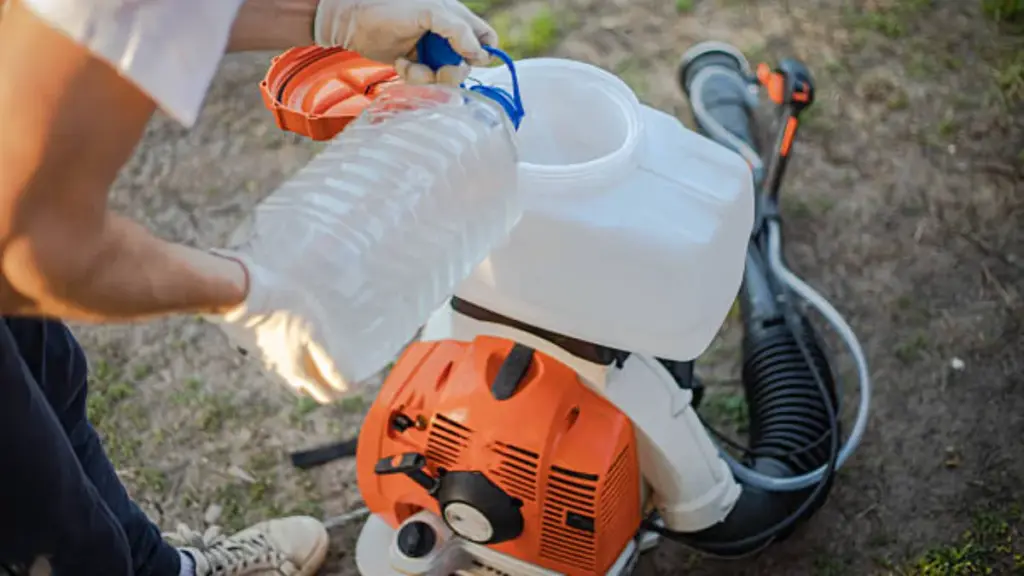
Across both manual and powered models, the most frequent user complaints center on component failures that compromise pressure integrity, such as leaking seals, faulty connections, and worn-out pumps.
| Complaint Category | Primary Cause | Impact on User |
|---|---|---|
| Leaking Components | Degraded or poorly fitted seals on the main lid, pump assembly, and hose connections. | Wasted chemicals, potential skin exposure, and loss of pressure. |
| Pressure Failure | Worn pump seals (especially piston seals) or malfunctioning check valves. | Uneven application, reduced efficiency, and constant re-pumping (manual models). |
| Clogged Nozzles | Inadequate internal filtering allows sediment or undissolved chemicals to block the tip. | Frequent work stoppages for cleaning, inconsistent spray patterns, and poor coverage. |
| Power System Failure | Subpar battery capacity or premature motor burnout in electric models. | Inability to complete large jobs on a single charge; unit becomes inoperable. |
Leaking Tanks and Connections
The most persistent issue found in user feedback is leaking from tank seals and hose connections. These failures are not minor drips; they represent a loss of expensive chemicals, create a safety hazard, and undermine the unit’s ability to hold pressure. Failures often materialize within the first season of use, pointing to low-quality seal materials or poor design tolerances. The primary failure points are consistently the seals around the main lid and the pump assembly, along with hose fittings that loosen or crack under normal operational pressure.
Failure to Maintain Pressure
A sprayer that cannot build or hold pressure is effectively useless. This problem is a major source of user frustration because it directly cripples the machine’s core function, leading to inconsistent application and wasted time. For manual models, it means constant, exhausting re-pumping. The technical cause is almost always traced back to worn-out internal pump seals or a faulty check valve that fails to create a proper vacuum. This issue directly impacts work efficiency and the quality of chemical application.
Clogged Nozzles and Inconsistent Spray Patterns
Users frequently report nozzles that clog easily, forcing them to stop work repeatedly for cleaning. This problem stems from inadequate internal filtration that allows undissolved chemical powders or small debris from the tank to reach the nozzle tip. The outcome is a sputtering, inconsistent spray pattern or a complete blockage. A poorly designed filtration system turns a simple spraying job into a frustrating cycle of stop-and-go maintenance, compromising the quality and uniformity of the application.
Poor Battery Life and Motor Reliability
For battery-powered units, performance and reliability are defined by the power system. A common complaint is that advertised battery life falls short in real-world conditions, forcing operators to recharge in the middle of a large job. Even more significant are reports of premature motor failure, especially in lower-priced models. An unreliable motor or battery renders the sprayer’s advanced features irrelevant and ultimately leads to equipment downtime and replacement costs.
How We Conduct Our Professional Backpack Sprayer Reviews
Our review process prioritizes empirical, field-based testing to validate a sprayer’s real-world durability, pressure consistency, and ergonomic design under professional workloads.
Field Performance and Operational Testing
Our reviews start with real-world operational tests to measure how each sprayer performs across different terrains and with various types of vegetation. This field-based approach allows us to evaluate practical handling, estabilidade, and overall effectiveness in professional landscaping and agricultural settings. We assess performance on both flat and sloped ground to test balance and operator comfort. Sprayers are tested with different liquid consistencies to check for clogging and flow issues, and the evaluation includes usability in tight spaces and around obstacles.
Pressure Consistency and Spray Pattern Uniformity
We analyze the sprayer’s ability to maintain consistent pressure from a full tank to nearly empty. Uniform spray patterns are essential for effective coverage, so we use standardized methods to evaluate droplet distribution and reach for different nozzle types. Pressure is monitored throughout the discharge cycle to identify any significant drops that affect application quality. We also test multiple included nozzles to compare their performance and spray pattern evenness for specific tasks.
Durability and Chemical Compatibility
To simulate long-term professional use, sprayers undergo extended durability assessments. We test their components against common chemicals to ensure the materials, seals, and hoses resist degradation and maintain integrity over time. Critical components like the pump, wand, and seals are inspected after prolonged use simulations. We also test material resistance to a standard set of fertilizers, pesticides, and herbicides, while the frame and harness are checked for structural wear and tear.
Calibration Accuracy and Ergonomic Design
Precision is key in professional applications, so we verify the accuracy of each sprayer’s calibration settings. Ao mesmo tempo, we conduct a thorough ergonomic analysis to rate user comfort, weight distribution, and ease of operation during extended periods of work. We measure output volume to confirm it matches the selected calibration markings. The harness system, back padding, and strap adjustments are evaluated for operator comfort, and we assess how easy it is to fill, clean, and switch out nozzles and other components.
Why NEWTOP Consistently Earns High Ratings From Global Dealers
Global dealers favor NEWTOP sprayers because their petrol-powered models deliver a practical balance of reliable engine performance, durable construction, and ergonomic comfort for professional use.
Reliable Engine Performance
Dealers prioritize equipment that performs without constant adjustments or failures. The NEWTOP NTS768 sprayer uses a 26CC petrol engine engineered for stable operation during long work sessions. This consistent power output ensures the pump maintains steady pressure, which is critical for uniform application in agricultural and pest control settings. An unstable spray pattern wastes chemicals and leads to poor results, so the engine’s reliability is a key factor driving dealer confidence.
Durable and Corrosion-Resistant Build
Professional equipment needs to withstand rough handling and harsh chemicals. NEWTOP sprayers are built with a rugged frame that protects the engine and pump system from job site impacts. The tank is constructed from materials specifically chosen to resist chemical corrosion, extending the sprayer’s service life significantly. This focus on durability reduces warranty claims and service issues, making it a more profitable and reliable product line for dealers to carry.
Ergonomic Design for Operator Comfort
Operator fatigue directly impacts productivity. The NTS768 features an ergonomic design with a backpack harness that distributes weight evenly across the operator’s back and shoulders, reducing physical strain. Its compact structure also improves maneuverability in dense foliage or tight spaces. When users can work comfortably for longer periods, they complete jobs faster and more effectively, a tangible benefit that dealers can highlight to their professional customers.
Efficient Pumping System and Coverage
Performance is measured by coverage and efficiency. The NTS768’s high-efficiency pump atomizes liquids into a fine, consistent mist, ensuring thorough plant coverage while minimizing chemical waste. With a horizontal reach of up to 15 meters, operators can treat large areas without constantly repositioning. The 25-liter tank offers a good balance between capacity and weight, allowing for substantial work between refills without being overly burdensome. This combination of reach, efficiency, and capacity makes it a highly practical tool for large-scale tasks.
Conclusão
Choosing the right backpack sprayer requires looking beyond star ratings to analyze performance specs and common failure points. By comparing manual, bateria, and petrol models against your specific application, you can find a reliable tool that fits your budget and workflow. This technical approach helps you invest in equipment built for longevity and consistent performance.
If your current equipment is underperforming, our team can provide a full catalog of NEWTOP sprayers designed to address these issues. Contact us to discuss your needs or to request a sample for evaluation.
Perguntas frequentes
Which backpack sprayer has the best reviews for 2026?
The Chapin ProSeries 97900B consistently earns top reviews for its advanced lithium-ion performance and ergonomic harness. Its digital pressure control system offers precise application, minimizing waste and user fatigue. Users praise its durability and self-cleaning mechanism, making it a leading choice for both professionals and serious homeowners seeking reliability and comfort.
Are battery backpack sprayer reviews reliable?
Sim, battery backpack sprayer reviews are reliable when sourced correctly. Professional reviews excel at benchmarking performance metrics like battery life and pressure consistency. User reviews on verified purchase platforms provide crucial insights into long-term durability and real-world comfort. Cross-referencing both types gives the most accurate assessment of a sprayer’s quality and value.
What is the most common failure in backpack sprayers?
The most common failure is the internal pump seal or piston cup, which degrades from chemical exposure and wear. This leads to a loss of pressure and leaking. For battery models, pump motor burnout and switch failures are also frequent issues. Regular cleaning and using manufacturer-approved seal conditioners can significantly extend the sprayer’s lifespan.
How do professional reviews compare to user reviews?
Professional reviews focus on objective performance data, using controlled tests for pressure accuracy, battery runtime, and nozzle spray patterns. User reviews offer subjective, real-world feedback on long-term durability, ergonomic comfort, and customer service experiences. Professionals test the specs, while users test the sprayer’s endurance and practicality over time.
Which brand has the best rated backpack sprayer for farms?
Field King is consistently rated as the best brand for farm use, specifically with its Max-Agri 190515 series. These models feature heavy-duty seals resistant to aggressive agricultural chemicals and a robust internal pump designed for high-volume daily use. Their ergonomic steel frames and 5-gallon tank capacity are optimized for covering large acreage efficiently.
Are manual backpack sprayers still worth buying?
Sim, manual backpack sprayers are still worth buying for their reliability and cost-effectiveness. They are lighter, have fewer failure points than battery models, and require no charging. For smaller properties, spot treatments, or users on a tight budget, a high-quality manual sprayer offers excellent value and control without the complexity of powered systems.
As motosserras com cabo superior têm a empunhadura principal na parte superior do corpo para uso aéreo com uma mão, enquanto as motosserras com cabo traseiro apresentam uma empunhadura traseira atrás do motor para operação estável no solo com as duas mãos. Arboristas profissionais, madeireiros, e os paisagistas muitas vezes enfrentam a escolha entre estes quando lidam com trabalhos exigentes em árvores.
Como um especialista em equipamentos elétricos externos, vamos quebrar as diferenças fundamentais, prós e contras, e considerações de segurança para ajudá-lo a tomar uma decisão informada para sua frota ou negócio.
O que é uma motosserra com alça superior?
Uma motosserra com cabo superior é uma ferramenta projetada para arboristas profissionais, priorizando um compacto, design equilibrado para corte preciso em espaços elevados e confinados.
Projetado para arboristas e trabalhos aéreos
Uma motosserra com cabo superior é uma ferramenta especializada projetada quase exclusivamente para arboristas profissionais que trabalham em altura. Seu design prioriza o controle e a manobrabilidade ao cortar em posições elevadas ou inadequadas, como dentro da copa de uma árvore. Este foco a torna o padrão para tarefas fora do solo, onde uma serra tradicional seria insegura ou difícil de manejar.
Modelos típicos pesam 6.5 para 10 libras e têm comprimentos de barra guia de 10 para 16 polegadas, tornando-as menores e mais portáteis do que as serras padrão. Essas dimensões priorizam a agilidade em vez do volume.
Características principais: Compactar, Leve, e equilibrado
As características definidoras de uma motosserra com cabo superior são seu tamanho pequeno e peso reduzido. Esta construção minimiza a fadiga do operador durante o uso prolongado em árvores e permite cortes precisos em espaços confinados onde uma serra maior seria impraticável. O excelente equilíbrio é fundamental para manter o controle ao fazer cortes em posições instáveis.
- O formato compacto facilita a navegação por galhos densos.
- Excelente equilíbrio permite maior controle, o que é crítico ao fazer cortes em posições instáveis.
- Muitos modelos em 2026 são alimentados por bateria, melhorando ainda mais a sua natureza leve e reduzindo as emissões.
Aplicativos primários
Este tipo de motosserra não foi construída para derrubar árvores grandes. É excelente em tarefas que exigem precisão e agilidade, como podar galhos, removendo madeira morta, e seccionar ramos a partir de uma posição de escalada. A sua potência controlada é adequada para realizar cortes precisos sem danificar a estrutura da árvore circundante, preservando a saúde das árvores.
- Ideal para moldar copas de árvores e realizar cortes cirúrgicos para manter a saúde das árvores.
- Permite o uso com uma mão em situações específicas por profissionais certificados, liberando a outra mão para estabilidade.
- A sua potência controlada é adequada para realizar cortes precisos sem danificar a estrutura da árvore circundante.
O que é uma motosserra com alça traseira?
As motosserras com punho traseiro são o padrão da indústria para corte ao nível do solo, projetado com uma configuração de duas alças para maximizar a alavancagem, controlar, e segurança para tarefas pesadas.
Projeto e Operação Central
Uma motosserra com cabo traseiro é versátil, motosserra de tamanho normal construída para uso geral e pesado, com a alça principal posicionada atrás do motor e uma alça frontal para operação segura com as duas mãos. O design apresenta distribuição de peso traseira, carcaça do motor maior, protetores de mão, e uma barra guia estendida para alavancagem e potência superiores em cortes exigentes.
As especificações comuns incluem pesos de 11 para 15 libras para modelos a gás, com comprimentos de barra guia variando de 14 para 24 polegadas ou mais dependendo do tamanho do motor (por exemplo, 36-60CC). Isso os torna robustos, mas menos compactos.
Aplicativos comuns
As motosserras com cabo traseiro são construídas para uso no nível do solo, aplicações pesadas. São a ferramenta padrão para proprietários de grandes propriedades e profissionais que realizam tarefas de corte substanciais em áreas abertas.
- Derrubando árvores grandes.
- Corte de toras e processamento de madeira.
- Dividindo lenha.
- Manutenção geral de propriedades e limpeza de tempestades.
Ganhe vantagem competitiva com maquinário confiável
Prós e contras das motosserras com cabo superior
As motosserras com cabo superior proporcionam controle incomparável para arboristas profissionais que trabalham em altura, mas este projeto especializado introduz riscos de segurança e limites funcionais para trabalhos terrestres.
Vantagens para trabalho aéreo profissional
As motosserras com cabo superior são projetadas especificamente para arboristas profissionais que precisam de uma ferramenta compacta e manobrável para cortar em espaços elevados ou confinados. O design prioriza equilíbrio e controle, tornando-o o padrão para qualquer trabalho que exija subir ou operar em uma plataforma aérea.
- A construção compacta e leve reduz a fadiga do operador durante longos períodos de trabalho aéreo em árvores.
- Manobrabilidade e equilíbrio superiores tornam mais fácil fazer cortes precisos em posições inadequadas, como dentro da copa de uma árvore.
- O design permite o uso com uma mão por profissionais certificados, liberando a outra mão para estabilidade durante a escalada.
Limitações e desvantagens
Embora seja ideal para tarefas especializadas, motosserras com cabo superior têm desvantagens significativas que limitam seu uso geral. A sua construção única torna-os menos adequados e potencialmente mais perigosos para qualquer tipo de corte ao nível do solo, uma tarefa mais adequada para modelos de alça traseira.
- Seu preço premium reflete as certificações especializadas de engenharia e segurança exigidas para equipamentos aéreos de nível profissional.
- Eles não são projetados para derrubar ou resistir no solo, onde as serras traseiras proporcionam melhor alavancagem e segurança operacional.
- A colocação próxima da mão aumenta o risco de lesões graves devido ao contragolpe, exigindo treinamento especializado para operação segura.
Prós e contras das motosserras com alça traseira
As motosserras com cabo traseiro proporcionam estabilidade e versatilidade superiores para cortes no solo, tornando-os o padrão para a maioria dos usuários, embora seu tamanho e peso limitem a manobrabilidade em espaços apertados.
Vantagens
- Disponibilidade de energia: Acomoda motores maiores (40-60CC) e mais barras guia (até 24+ polegadas) para cortes eficientes de madeira espessa na exploração madeireira.
- Controle de estabilidade: Os punhos de duas mãos com equilíbrio traseiro proporcionam alavancagem para minimizar o contragolpe em derrubadas e empurrões.
- Uso versátil: Lida com processamento de lenha, limpeza de tempestade, poda de cerca viva, e manutenção de propriedade de forma confiável.
- Conforto ergonômico: Reduz a fadiga do braço durante sessões prolongadas no solo para profissionais e iniciantes.
- Foco em durabilidade: A construção robusta resiste aos rigores diários da silvicultura e do paisagismo.
Desvantagens
- Fadiga elevada: 11-15+ O acúmulo de libras acelera a exaustão em tarefas prolongadas.
- Limitações em massa: Dificulta a agilidade em espaços apertados, como escalada ou poda densa.
- Níveis de vibração: Maior potência do motor aumenta os riscos de vibração nas mãos e nos braços.
- Problemas de portabilidade: Perfil maior complica o transporte e armazenamento.
- Desafios indiretos: Menos adequado para trabalhos aéreos devido às exigências de manuseio.
Principais diferenças entre a alça superior e a alça traseira
Ajudar os profissionais a comparar as especificações técnicas e aplicações funcionais dessas ferramentas, resumimos as principais diferenças abaixo:
| Atributo | Motosserra com alça superior | Motosserra com alça traseira |
|---|---|---|
| Posição da alça | Punho montado na parte superior para controle aéreo compacto | Punho traseiro atrás do motor com punho dianteiro para duas mãos |
| Faixa de peso | Leve 8-10 libras, reduz a fadiga em altura | Mais pesado 11-15+ libras, estável para uso no solo |
| Comprimento da barra guia | Mais curto 10-16 polegadas para precisão | Mais longo 14-24+ polegadas para cortes grossos |
| Potência do motor | Menor 25-45 cc, ágil para poda | Maior 40-60cc +, poderoso para derrubar |
| Manobrabilidade | Excelente em espaços apertados e escalada | Melhor estabilidade no solo, sobrecarga mais volumosa |
| Risco de retrocesso | Maior devido ao peso mais leve e aderência próxima | Abaixe com alavancagem e proteções de segurança |
| Melhor habilidade do usuário | Apenas profissionais/arboristas avançados | Iniciantes a profissionais |
| Aplicativos primários | Arvorismo, enterro, poda aérea | Derrubando, resistindo, lenha, limpar |
| Portabilidade | Compactar, fácil de transportar e armazenar | Graneleiro, requer mais espaço de armazenamento |
| Faixa de preço | Intervalo médio, preços frequentemente especializados | Varia amplamente com base na potência do motor |
Guia de seleção: Alça superior vs alça traseira – Qual é o certo para você?

| Critérios de seleção | Escolha uma motosserra com alça superior se… | Escolha uma motosserra com alça traseira se… |
|---|---|---|
| Ambiente de Trabalho Primário | Você é um arborista certificado que trabalha em altura (escalando, elevador aéreo). | Você trabalha principalmente no terreno. |
| Tarefa Principal | Você precisa fazer cortes precisos em locais apertados, posições estranhas dentro de uma copa de árvore. | Suas tarefas incluem derrubar, toras, cortando lenha, ou limpeza de tempestade. |
| Perfil de usuário | Você é um profissional treinado com certificação para trabalhos elevados. | Você é proprietário de uma casa, operador florestal geral, ou iniciante. |
| Prioridade de controle | A capacidade de manobra e a compactação são essenciais para cortes especializados. | Estabilidade máxima, aproveitar, e controle com as duas mãos são necessários. |
Para o arborista profissional e trabalho na árvore
As motosserras de cabo superior são ferramentas especializadas projetadas para arboristas certificados que trabalham em altura. Seu compacto, construção leve e aderência integrada proporcionam a manobrabilidade necessária para operar dentro da copa de uma árvore. Este design é o padrão da indústria para poda, enterro, e fazer cortes precisos em espaços elevados e confinados onde uma serra maior é impraticável.
- Escolha uma alça superior se seu trabalho principal envolver escalar ou operar em um elevador aéreo.
- O design é otimizado para fazer cortes precisos em posições inadequadas onde uma serra convencional de duas mãos não cabe.
- A operação segura dessas ferramentas exige treinamento e certificação adequados, pois o uso com uma mão aumenta o risco operacional.
Para corte no solo e uso geral
As motosserras com cabo traseiro são a ferramenta definitiva para quase todos os cortes ao nível do solo. O design oferece estabilidade superior, aproveitar, e controle, tornando-a a escolha correta para derrubar árvores, quebrando toras em seções, e escova de limpeza. Esta configuração é o padrão para proprietários, gerentes de propriedade, e operadores florestais que trabalham em terreno sólido.
- Escolha uma alça traseira para tarefas como cortar lenha, gerenciando a limpeza de tempestades, e derrubar árvores pequenas e médias.
- O punho com as duas mãos oferece melhor controle, melhora a segurança, e reduz a fadiga do operador durante o uso prolongado.
- Este design é inerentemente mais estável, tornando-o a opção mais segura e eficaz para qualquer usuário no terreno.
Combinando a ferramenta com sua aplicação principal
A escolha certa depende inteiramente do seu ambiente de trabalho, não em qual serra é universalmente “melhorar.” Um arborista profissional possuirá os dois tipos – uma alça superior para escalar e uma alça traseira para trabalho de base. Para quase todos os outros, a serra de cabo traseiro é a ferramenta mais versátil e adequada para tarefas de corte comuns.
- Avalie suas tarefas mais comuns: Você está trabalhando consistentemente em uma árvore ou no chão?
- Nunca use uma serra de cabo superior para derrubar ao nível do solo. Seu design não está otimizado para os protocolos de alavancagem ou segurança necessários para esse trabalho.
- Para compradores e revendedores B2B, oferecer ambos os modelos permite atender dois mercados distintos: profissionais certificados e consumidores em geral.
Por que escolher as motosserras NEWTOP para o seu negócio?
NEWTOP fornece aos parceiros B2B uma solução de fabricação escalável para confiabilidade, motosserras de médio porte, combinando componentes de classe mundial com suporte OEM flexível para oferecer uma forte proposta de valor nos mercados globais.
As motosserras NEWTOP oferecem desempenho de nível profissional nas configurações de alça superior e traseira, apoiado por mais 20 anos de experiência em ferramentas de jardim movidas a gás. Nossos modelos apresentam usinagem CNC de alta precisão, Carburadores Walbro, Velas de ignição NGK, e correntes Oregon para durabilidade excepcional superior 200 horas.
Com CE, GS, EPA, e certificações EURO II, NEWTOP garante conformidade para mercados globais como a África, América latina, e Sudeste Asiático. Preços competitivos, opções personalizáveis de OEM/ODM, e cadeias de fornecimento confiáveis nos tornam o melhor escolha para distribuidores buscando fornecedores de motosserras com 500,000+ capacidade anual.
Cresça forte com NEWTOP - seu parceiro confiável de ferramentas de jardim. Explore a nossa gama em newtoptools. com. Para mais informações, entre em contato conosco hoje!
Conclusão
A escolha entre uma motosserra com cabo superior e um cabo traseiro impacta diretamente a segurança do operador e o desempenho do trabalho. Uma serra de cabo superior é uma ferramenta especializada para arboristas treinados que trabalham em altura, enquanto um modelo de alça traseira fornece a estabilidade necessária para o trabalho de base. Utilizar a serra correta para a aplicação evita acidentes e garante eficiência, cortes limpos.
Avalie o ambiente de trabalho típico da sua equipe para garantir que sua frota de equipamentos esteja devidamente equipada. Para adquirir motosserras de nível profissional projetadas para durabilidade e desempenho, explore o catálogo de produtos NEWTOP para as necessidades do seu negócio.
Perguntas frequentes
Por que as pessoas usam motosserras com cabo superior?
As motosserras com alça superior são usadas por seu tamanho compacto e capacidade de manobra. Eles permitem que os escaladores de árvores façam cortes precisos em espaços confinados dentro da copa das árvores, onde uma serra tradicional seria muito complicada.
Você pode usar uma motosserra com cabo superior no chão?
Não recomendado – falta de alavancagem traseira, eles reduzem a estabilidade e aumentam os riscos de retrocesso para tarefas terrestres; reserva apenas para trabalhos aéreos.
As motosserras com cabo superior são perigosas?
Sim, elas são consideradas mais perigosas do que as serras de cabo traseiro devido ao punho estreito. Este design torna o retrocesso muito mais difícil de controlar. Devem ser utilizados apenas por profissionais com formação arborista adequada.
Qual é a vantagem de uma motosserra com cabo traseiro?
As principais vantagens são o controle, aproveitar, e segurança. O espaçamento entre os cabos permite ao operador gerir a potência da serra de forma mais eficaz e proporciona uma distância mais segura entre a corrente e o corpo do operador.
Uma serra com cabo superior é melhor para escalar?
Sim. Sua distribuição de peso e formato compacto são projetados especificamente para escalada. Ele pode ser facilmente preso a um arnês e usado em ângulos estranhos, muitas vezes necessários ao trabalhar em uma árvore.
Qual estilo de alça é melhor para iniciantes?
Uma motosserra com cabo traseiro é a única escolha para iniciantes. Ele fornece os recursos necessários de estabilidade e segurança para aprender técnicas de corte adequadas com segurança.
